-
 Michael Brown
 - 11 Mar, 2026 01:50
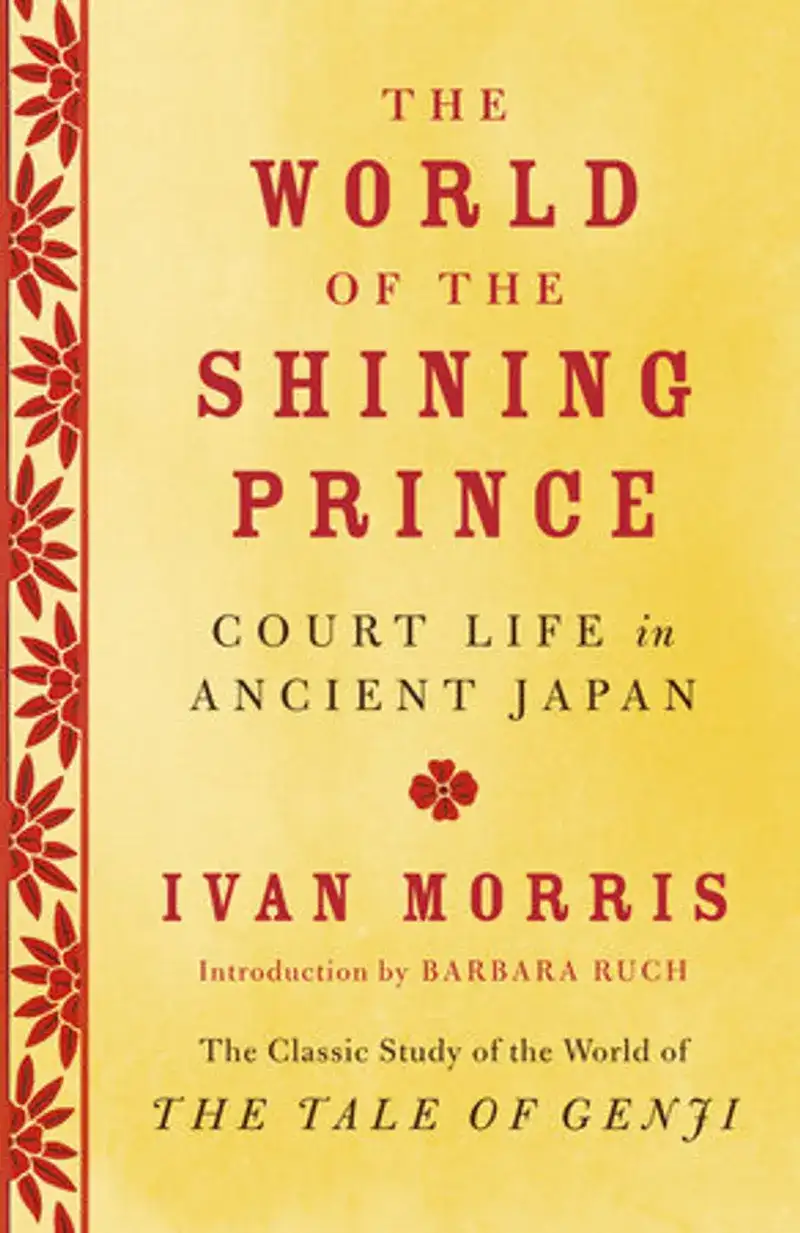
The World of the Shining Prince Book Review and Summary
The World of the Shining Prince Author: Ivan MorrisPage Count: UnknownPublication Date: 2013-PRH Ivan Morris’s The World of the Shining Prince is not merely a book about ancient Japan—it is a portal to a lost world, a time when beauty was power, poetry was politics, and the subtlest gestures could shape destinies. First published decades ago but still luminous in its insight, this masterful work transports readers to the Heian period (794–1185), a golden age of refined sensibility often romanticized but rarely understood with such depth and clarity. Morris, a scholar of rare discernment, crafts a portrait that is as scholarly as it is evocative, blending meticulous research with a narrative grace that makes the past feel intimate and alive. At its core, the book explores the paradoxical world of the imperial court, where elegance was currency and melancholy was a cultural virtue. Morris anchors his exploration in The Tale of Genji, Murasaki Shikibu’s 11th-century masterpiece, but he transcends mere literary analysis. He recreates the rhythms of daily life—the swish of silk robes, the flicker of candlelight in dim corridors, the hushed whispers behind folding screens. This was a society ruled by aesthetics: calligraphy, scent, the arrangement of flowers, even the tilt of a sleeve conveyed meaning. A woman’s beauty was not just admired; it was a form of influence, a silent language in a world where direct speech was often frowned upon. Morris is particularly adept at illuminating the paradox of power in this era. The emperor, though revered, was often a distant figure, his authority mediated by courtiers who maneuvered through courtly rituals as deftly as courtesans navigated love affairs. The women of the court, cloistered behind screens and veiled by convention, wielded extraordinary cultural influence. They composed poetry, shaped fashion, and decided the fate of men through subtle emotional manipulation. In one striking passage, Morris describes how a woman’s refusal to acknowledge a lover—even through a mere glance—could ruin a man’s reputation overnight. Such was the power of passive resistance in a society that prized restraint over direct confrontation. The author’s style is a blend of precision and poetry. He writes with the rigor of a historian but the flair of a novelist. His prose is never dense or academic; instead, it unfolds like a scroll painting, revealing layers of meaning with each turn of the page. He has a knack for distilling complex social structures into vivid scenes. For instance, he describes a court ceremony not as a dry historical event but as a drama of glances and gestures, where the slightest misstep could cause a scandal. This approach makes the book accessible to general readers while satisfying the curiosity of specialists. Morris also excels in exploring the spiritual landscape of the Heian period. He delves into the syncretic blend of Shinto and Buddhism that colored daily life, where omens, dreams, and ghostly apparitions were taken as seriously as political edicts. He recounts tales of curses, possession, and prophetic dreams with the same seriousness he applies to courtly intrigue. It’s this balance—between the mundane and the mystical—that gives the book its depth. The reader comes away not just knowing about the Heian court but feeling its atmosphere: the scent of incense, the weight of tradition, the quiet ache of unfulfilled longing that permeates even its most joyous moments. One of the book’s most enduring strengths is its refusal to idealize its subject. Morris does not shy away from the darker aspects of Heian society: the political scheming, the emotional cruelty, the suffering of women trapped in polygamous marriages. He portrays the court as a glittering cage, where beauty was both a shield and a prison. This nuance elevates the book beyond mere nostalgia. It’s a reminder that even in the most refined cultures, power is often a fragile illusion, and happiness is a fleeting dream. In an era obsessed with progress and utility, The World of the Shining Prince offers a counterpoint—a world where artistry mattered more than efficiency, where subtlety was a virtue, and where the soul was nurtured through contemplation rather than consumption. Morris’s book is not just a historical study; it’s an elegy for a lost way of being, a culture that valued the ephemeral over the permanent. Reading it is like stepping into a time when life was lived at the pace of a poem, when every gesture held meaning, and when the heart’s quietest whispers could echo through the centuries. For anyone drawn to Japan’s past, to the interplay of art and power, or simply to the timeless human longing for beauty and connection, The World of the Shining Prince is essential. It is a book that lingers, like the memory of a perfect moonlit night in a garden long vanished. #HeianJapan #ClassicalLiterature #JapaneseHistory #MurasakiShikibu #IvanMorris #AncientCourts Related InsightsThe Warlord Book Review and Summary Fetal Position Book Review and Summary Nightshade Book Review and Summary{ "@context": "https://schema.org", "@type": "FAQPage", "mainEntity": [ { "@type": "Question", "name": "What is the main focus of The World of the Shining Prince Book Review and Summary?", "acceptedAnswer": { "@type": "Answer", "text": "Everything you need to know about The World of the Shining Prince with our detailed review." } }, { "@type": "Question", "name": "Who authored the comprehensive guide on The World of the Shining Prince Book Review and Summary?", "acceptedAnswer": { "@type": "Answer", "text": "This detailed article and its insights were carefully researched and authored by Michael Brown." } }, { "@type": "Question", "name": "Where can I find more related content about Books?", "acceptedAnswer": { "@type": "Answer", "text": "You can explore more articles, detailed reviews, and similar insights by browsing the Related Insights section at the bottom of this article or visiting our dedicated Books category page." } } ] }


The first breath of Mardin is a whisper of #ancient stone, carried on a breeze that has travelled across the Mesopotamian plains for millennia. It's a scent of sun-warmed limestone, mingled with exotic spices from hidden bazaars, the faint aroma of freshly brewed mırra coffee, and the subtle perfume of #history itself. You don't just arrive in Mardin; you are absorbed by it, drawn into its intricate embrace like a thread into a richly woven tapestry. And at the heart of this absorption, this profound connection to a bygone era, lie its historical streets – a living, breathing museum under the vast, often startlingly blue, Anatolian sky. Mardin isn't merely a collection of buildings; it is an architectural symphony carved into a steep hillside, each stone a note, each street a melody leading to another breathtaking crescendo. Perched majestically over the endless plains of ancient Mesopotamia, the city resembles a golden eagle nesting on a rugged cliff, its wings outstretched, seemingly surveying the vastness below with a timeless gaze. From a distance, particularly at dawn or dusk when the honey-coloured stone glows with an otherworldly luminescence, Mardin appears to be a natural extension of the rock face itself, as if it wasn't built, but rather grew organically from the earth. To truly understand Mardin is to surrender to its streets. They are not merely thoroughfares but arteries carrying the lifeblood of centuries. They are narrow, winding, often steeply inclined, cobbled pathways that twist and turn with an unpredictable charm, revealing new vistas, hidden courtyards, and unexpected architectural delights around every corner. There's no grid plan here, no rational modern design; Mardin's urban fabric evolved organically over thousands of years, shaped by topography, defense, and the communal needs of its diverse inhabitants. The Stone City's Embrace: #architecture of the Streets Mardin's defining characteristic is its uniform architecture, almost exclusively crafted from the local, easily quarried yellow limestone. This soft, malleable stone, which hardens with exposure to air, lends the entire city a cohesive, ancient aesthetic. The houses, madrasahs, mosques, and churches are all built from this same material, creating a harmonious palette that shifts from ochre to gold to dusty beige depending on the angle of the sun. The streets, paved with meticulously laid cobblestones, mirror this material, making you feel entirely enveloped by the stone. As you wander, you’ll notice the architectural nuances that make Mardin’s streets so unique. Houses are often multi-storied, built directly into the slope, with their lower floors serving as foundations for those above, creating a terraced effect. The facades are adorned with intricate stone carvings – geometric patterns, floral motifs, calligraphic inscriptions, and sometimes even stylized animal figures – evidence of the city's rich history of craftsmanship. These decorative elements are not just for show; they often tell stories, carry blessings, or indicate the wealth and status of the original inhabitants. One of the most captivating features you’ll encounter are the abbara – arched stone tunnels or covered passages that span across the streets, connecting buildings on opposite sides. These ancient architectural solutions are born out of necessity and ingenuity. They provide welcome shade from the intense Mesopotamian sun, offer protection from the elements, and in times of conflict, could have served defensive purposes, restricting movement or creating choke points. Walking through an abbara is like stepping into a time capsule; the air cools, sounds echo differently, and for a moment, you are utterly removed from the outside world, suspended in a stone embrace. They create a profound sense of intimacy and discovery, hinting at the closely-knit communities that have thrived here for centuries. Each abbara feels like a secret passage, inviting you to wonder what lies beyond its shadowy depths.The houses themselves, with their high walls and often unassuming street-facing exteriors, belie the splendour within. Mardin homes are typically built around an internal courtyard (hayat), providing privacy, a microclimate of cool air, and a space for family life away from the public gaze. Many also feature eyvans (iwans), open-fronted, vaulted halls that serve as shaded living areas during hot summers, often overlooking the central courtyard. From the streets, you often only catch glimpses of these inner worlds through heavy wooden doors, adorned with elaborate knockers – each a small work of art. A Tapestry of Faiths: Echoes in Stone Mardin has long been a crucible of cultures and religions, a crossroads where East meets West, North meets South. This rich tapestry is vividly reflected in its streets, where the call to prayer from a mosque mingles with the faint peal of bells from a Syriac Orthodox church. This coexistence, often peaceful, sometimes turbulent, has left an indelible mark on the city's soul and its physical landscape. Mosques: Dominating the skyline, particularly with its striking fluted minaret, is the Ulu Cami (Great Mosque). Its precise construction date is debated, but it's believed to be from the Artuqid period (12th century). Its minaret, visible from almost every vantage point in the old city, serves as a beacon, guiding visitors through the labyrinthine streets. Approaching it, you walk through bustling market areas, the aroma of spices filling the air, until the grand portal with its intricate carvings appears. The mosque's courtyard is a sanctuary of calm, a stark contrast to the lively streets outside, offering spectacular views of the plains below. The Latifiye Mosque and Şehidiye Mosque are other notable examples, each with their own historical narrative and architectural nuances, contributing to the city's rich Islamic heritage.Churches: Mardin is a significant center for the Syriac Orthodox Church, and its presence is deeply felt. Tucked away on various streets are several #beautiful churches. The Forty Martyrs Church (Kırklar Kilisesi), with its unassuming stone exterior, opens into a surprisingly ornate interior, adorned with vibrant icons and intricate woodwork. Its courtyard, a peaceful haven, often hosts ceremonies and gatherings. Here, ancient Aramaic is still spoken and sung during services, a living link to one of the world's oldest Christian communities. The Virgin Mary Church is another example, offering a glimpse into the enduring Syriac heritage. While a bit outside the immediate city centre, the Deyrulzafaran Monastery – often called the "Saffron Monastery" due to the saffron used in its mortar – stands as a magnificent testament to Syriac Christianity, its influence radiating throughout Mardin's history and its communities. Its ancient walls and serene atmosphere are a pilgrimage for many, and its spiritual weight is palpable even within the city's streets. Madrasahs: These theological schools are architectural masterpieces and vital historical sites. The Zinciriye Madrasah (Sultan Isa Madrasah), perched high on the hillside, is a breathtaking example of Artuqid architecture. Its domes and minaret-like observatories were once used for astronomical studies, reflecting the sophisticated scientific pursuits of its time. Its internal courtyards, adorned with fountains and intricate carvings, offer unparalleled panoramic views of the Mesopotamian plains, stretching out towards Syria. The Kasımıye Madrasah, located on the city's western outskirts but intricately connected to its history, is another must-see. Its complex architectural design incorporates a sophisticated water system, symbolizing life, birth, and death, flowing through its courtyards. Walking its ancient halls and courtyards provides a profound sense of the intellectual and spiritual life that once thrived within its walls.Even though a physical synagogue no longer functions as a place of worship, the historical Jewish presence in Mardin is acknowledged, forming another thread in the city’s multi-faith narrative. The spirit of coexistence, despite historical challenges, is a cornerstone of Mardin's identity, a unique phenomenon visible in the very proximity of its sacred sites. Life in the Labyrinth: Bazaars, Crafts, and Flavours The historical streets of Mardin are not mere monuments; they are vibrant conduits of daily life. The air thrums with the sounds of commerce and conversation, the clang of metal, the chatter of merchants, and the laughter of children echoing off ancient stone walls. The Bazaars (Çarşılar): Descending from the higher parts of the city towards the lower districts, you plunge into the bustling atmosphere of Mardin's traditional bazaars. Here, the streets narrow further, becoming canopied by awnings and crowded with stalls. The Bakırcılar Çarşısı (Coppersmiths' Bazaar) is a symphony of sound and light, where skilled artisans hammer sheets of copper into exquisite pots, trays, and decorative items, their rhythmic clanging a timeless soundtrack. The Gümüşçüler Çarşısı (Silversmiths' Bazaar) showcases the delicate art of telkâri (filigree silverwork), a Mardin specialty, where silver threads are twisted into intricate jewellery. You can often see the artisans at work, their hands deftly manipulating tiny wires, a testament to generations of inherited skill. Beyond the metalworkers, you’ll find shops overflowing with local treasures: hand-woven textiles, richly dyed carpets, carved wooden artifacts, and traditional soaps made from olive oil and pistachios. The spice markets are a feast for the senses, vibrant pyramids of red pepper flakes, cumin, turmeric, and sumac filling the air with their pungent aromas. You’ll find local delicacies like badem şekeri (sugar-coated almonds, often coloured blue) and dried fruits, perfect for a sweet souvenir. Culinary #journey on Cobblestones: Mardin's streets are also a gateway to its rich culinary traditions. Street vendors offer tempting snacks, from freshly baked sembusek (a local version of a savoury pastry, often filled with minced meat) to ikbebet (Syriac kibbeh, often made with bulgur and walnuts). In small, unassuming eateries tucked away in narrow alleys, you can savour hearty Mesopotamian dishes like kaburga dolması (stuffed lamb ribs), a slow-cooked masterpiece that embodies the region's generous hospitality. And, of course, no visit is complete without experiencing mırra, the intense, bitter, and highly ritualized Turkish-Arabic coffee, served in tiny, handle-less cups, a gesture of welcome and tradition. Each sip connects you to centuries of shared ritual. Strategic Vistas and Hidden Courtyards: The City's Layers Mardin’s streets are not merely about what’s at eye level; they are about elevation, perspective, and discovery. The city’s tiered structure means that every turn can unveil a dramatic panoramic view. Mardin Castle: Although largely inaccessible to visitors due to its use by the military, the ancient Mardin Castle looms large above the city, its formidable walls a constant reminder of Mardin's strategic importance throughout history. Its presence dictated much of the city's defensive planning and layout, influencing the very way its streets and houses were built, creating a tightly packed, defensible urban core. The castle's enduring silhouette adds to the timeless mystique of the city. Terraced Views: One of the great joys of navigating Mardin’s streets is the constant interplay between enclosed intimacy and expansive vistas. You might be walking through a narrow, shadowed lane, only to emerge onto a small square or a rooftop terrace offering an uninterrupted panorama of the vast plains stretching south into Syria. These are the moments when Mardin truly takes your breath away – the endless expanse of the horizon, the shifting colours of the sky, and the profound silence that descends at certain times of the day. Many historical houses have their own terraces, and some cafes offer rooftop seating, perfect for enjoying a mırra or a tea while watching the sunset paint the sky in fiery hues over Mesopotamia. These elevated vantage points not only offer stunning views but also allow you to appreciate the ingenious way the city is built, with one house's roof often serving as another's terrace. Hidden Courtyards: Beyond the public thoroughfares, Mardin’s charm lies in its hidden spaces. Many large stone doors, seemingly unremarkable from the street, open into magnificent courtyards – secret gardens, often featuring a central fountain, lush greenery, and comfortable seating areas. These courtyards, known as hayats, are the heart of Mardin’s domestic life, providing cool retreats from the summer heat and private spaces for families to gather. Sometimes, as you walk past an open door, you might catch a fleeting glimpse of such a courtyard, adding to the city's allure and mystery. The Rhythm of Time on Stone Mardin's streets have a distinct rhythm that changes with the sun's journey across the sky. Morning: As the first rays of sun kiss the golden stone, the city slowly awakens. The aroma of freshly baked bread wafts from neighbourhood bakeries. Shopkeepers begin to raise their metal shutters, and the soft clatter of activity fills the air. It's a peaceful time to wander, when the light is gentle, and the city reveals its quiet, introspective side. Midday: The sun climbs high, casting sharp shadows and warming the stone. Many seek refuge in the shade of the abbara or the cool interiors of mosques and madrasahs. The streets can be bustling with local errands and commerce, but there’s often a noticeable lull, a siesta-like quietness as the heat reaches its peak. This is a time to explore indoor spaces or enjoy a leisurely lunch in a shaded courtyard restaurant. Evening: As the sun begins its descent, Mardin transforms. The golden hour bathes the entire city in a warm, ethereal glow, turning the stone houses into palaces of light. Families emerge for evening strolls, friends gather in tea gardens, and the calls to prayer echo across the plains, blending with the sounds of conversation and traditional music. The city lights twinkle on, transforming the ancient streets into a magical pathway. It’s a time for reflection, for enjoying a leisurely dinner, and for simply absorbing the profound beauty of this ancient place. Navigating Mardin's Enduring Legacy To navigate Mardin’s historical streets is to embark on a journey of discovery. Forget maps and rigid itineraries; the true Mardin reveals itself to those who are willing to get lost, to follow a tantalizing aroma, or to investigate a promising archway. Wear comfortable shoes, as the cobbled streets are uneven and often steep. Be prepared for countless photographic opportunities, as every corner offers a new perspective. Engage with the locals; Mardinians are known for their hospitality and willingness to share stories and a cup of tea. Mardin stands as a living testament to human ingenuity, resilience, and coexistence. Its streets are not just pathways; they are the veins through which thousands of years of history, #culture, and daily life have flowed. From the intricate carvings on an ancient doorway to the cool embrace of an abbara, from the shared silence of a mosque courtyard to the vibrant cacophony of a bazaar, every step through Mardin’s historical streets is a step back in time, a profound connection to the heart of Mesopotamia. It's a city that doesn't just show you its history; it invites you to walk through it, to touch it, to breathe it in, and to become a part of its ongoing story. Mardin isn't just a destination; it's an experience that carves itself into your memory, leaving an indelible mark long after you've left its golden embrace. Its designation as a #UNESCO World Heritage site candidate is a testament to its unparalleled historical and cultural value, a treasure that continues to reveal new layers to those who explore its ancient heart. #MardinHistory #TravelTurkey #AncientStreets #MesopotamiaExplore #CulturalHeritage #travel #explore #guide Related InsightsUn'Avventura Italiana in Cappadocia: La Terra dei Camini delle Fate e delle Mongolfiere Echoes in Stone: Unearthing Sardinia's Lost Cyclopean Mysteries in the Wild Heart of Barbagia Chasing the Endless Day: A Photographer’s Manual for Lofoten’s Midnight Sun{ "@context": "https://schema.org", "@type": "FAQPage", "mainEntity": [ { "@type": "Question", "name": "What is the main focus of Historical Mardin Streets?", "acceptedAnswer": { "@type": "Answer", "text": "A deep dive into Historical Mardin Streets with Cemre Seyyah." } }, { "@type": "Question", "name": "Who authored the comprehensive guide on Historical Mardin Streets?", "acceptedAnswer": { "@type": "Answer", "text": "This detailed article and its insights were carefully researched and authored by Cemre Seyyah." } }, { "@type": "Question", "name": "Where can I find more related content about Travel?", "acceptedAnswer": { "@type": "Answer", "text": "You can explore more articles, detailed reviews, and similar insights by browsing the Related Insights section at the bottom of this article or visiting our dedicated Travel category page." } } ] }

Mokradla Author: Philippa GregoryPage Count: UnknownPublication Year: 2020-GB Philippa Gregory’s Mokradla is a mesmerizing blend of historical depth and emotional resonance, a novel that confirms her mastery of storytelling while venturing into fresh, untamed territory. Set in the wild, lawless marshlands of 16th-century Poland, the book transcends the conventional bounds of historical fiction, weaving a tale of survival, betrayal, and the relentless power of nature itself. Gregory’s signature ability to transport readers into another era is on full display here, but Mokradla—Polish for "swamp"—is not just a setting; it becomes a character, a living, breathing entity that shapes destinies and demands respect. At its core, Mokradla is a story of resistance. The protagonist, a young woman named Hanna, flees her village after a violent attack, seeking refuge in the vast, unforgiving wetlands where outcasts and fugitives carve out fragile existences. The marshes are a place of both sanctuary and peril, where the law of the land is supplanted by the law of the wild. Hanna’s journey is one of transformation—from victim to survivor, from outsider to a woman who learns to navigate the treacherous currents of both human and natural worlds. Gregory explores themes of autonomy and agency with a raw, unflinching honesty, reminding us that freedom often comes at a cost, and that the path to self-determination is rarely smooth. What makes Mokradla stand out is Gregory’s refusal to romanticize its setting. The swamp is not a picturesque backdrop but a merciless force, teeming with danger in every rustling reed and murky pool. The author’s meticulous research shines through in the vivid, almost tactile descriptions of the landscape—its smells, its sounds, its deceptive tranquility that can erupt into chaos without warning. This is not the Poland of castles and courts, but of mud and mist, where survival is a daily battle and trust is a luxury few can afford. The marsh, in Gregory’s hands, becomes a metaphor for the human condition: a place where only the resilient thrive, where the weak are consumed, and where the very act of existing is an act of defiance. Gregory’s prose is as evocative as ever, balancing lyrical beauty with gritty realism. Her sentences flow like the slow, meandering rivers of the swamp, pulling the reader deeper into Hanna’s world with each page. There’s a starkness to her writing here that feels intentional—a reflection of the harshness of the environment and the harshness of the choices Hanna must make. Yet, within this bleakness, there’s also a thread of hope, a quiet insistence that even in the darkest places, life persists. The novel’s emotional core lies in Hanna’s relationships—with the land, with her fellow outcasts, and ultimately, with herself. Gregory avoids easy resolutions, instead crafting a narrative that feels earned, where growth is hard-won and redemption is never guaranteed. The historical backdrop is richly detailed but never overwhelming. Gregory grounds the story in the politics and social hierarchies of the time—the feudal strife, the religious tensions, the rigid expectations placed on women—without allowing them to overshadow Hanna’s personal odyssey. This is a testament to Gregory’s skill; she never loses sight of her protagonist’s humanity, even amid the grand sweep of history. Hanna is a heroine for our times: flawed, resilient, and fiercely independent, she challenges the expectations of the era even as she navigates its dangers. Her voice is the heart of the book, a steady, compelling presence that anchors the story in emotional truth. One of the most striking aspects of Mokradla is its exploration of identity and belonging. Hanna is an outsider in every sense—not just in the swamp, but in the world beyond it. Her struggle to define who she is outside of the roles imposed on her (daughter, victim, fugitive) resonates deeply in an era where self-discovery is often fraught with external judgments. Gregory doesn’t shy away from depicting the brutal realities women faced in the 16th century, but she also infuses Hanna’s journey with a quiet defiance. There’s a feminist undercurrent to the novel that feels both timeless and urgent, a reminder that the fight for autonomy is not a modern concern but a timeless one. The novel’s pacing is deliberate, mirroring the unhurried yet unpredictable rhythm of the swamp. There are moments of stillness, where the tension builds almost imperceptibly, and sudden bursts of action that leave the reader breathless. Gregory’s ability to sustain suspense without resorting to melodrama is commendable, and the payoff is a story that lingers long after the final page. This is a book that demands to be read slowly, savored for its atmosphere as much as its plot, and appreciated for the way it refuses to simplify the complexities of its themes. Philippa Gregory has long been celebrated for her ability to bring history to life, but Mokradla feels like a departure—a bold, almost daring experiment that stretches her talents in new directions. It’s a novel that will appeal to fans of historical fiction who crave authenticity and depth, as well as readers who appreciate stories of resilience and the indomitable human spirit. Gregory proves once again that she is not just a chronicler of the past, but a weaver of tales that transcend time. In Mokradla, the swamp is more than a setting; it’s a mirror. It reflects the darkness within humanity but also the light—the stubborn will to survive, to change, to claim one’s own life on one’s own terms. Hanna’s story is a testament to the power of transformation, and in a world that often feels as uncertain and treacherous as a marsh at night, that message is both timely and timeless. #HistoricalFiction #PhilippaGregory #Mokradla #SwampMystery #FeministHistoricalFiction #SurvivalStory Related InsightsI Will Find You Book Review and Summary The Crossroads Book Review and Summary Sussurri Proibiti e Voci Che Non Muoiono: L'Eterno Viaggio dei Libri Banditi{ "@context": "https://schema.org", "@type": "FAQPage", "mainEntity": [ { "@type": "Question", "name": "What is the main focus of Mokradla Book Review and Summary?", "acceptedAnswer": { "@type": "Answer", "text": "Everything you need to know about Mokradla with our detailed review." } }, { "@type": "Question", "name": "Who authored the comprehensive guide on Mokradla Book Review and Summary?", "acceptedAnswer": { "@type": "Answer", "text": "This detailed article and its insights were carefully researched and authored by William Clark." } }, { "@type": "Question", "name": "Where can I find more related content about Books?", "acceptedAnswer": { "@type": "Answer", "text": "You can explore more articles, detailed reviews, and similar insights by browsing the Related Insights section at the bottom of this article or visiting our dedicated Books category page." } } ] }
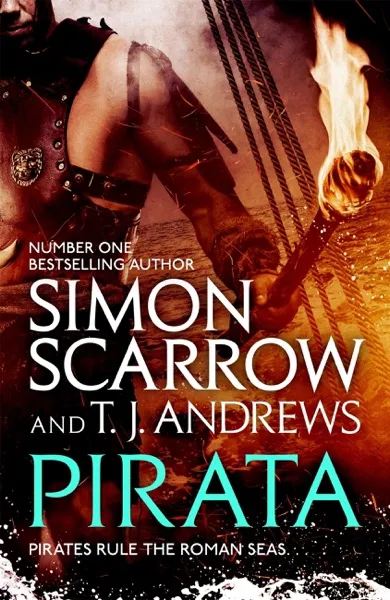

Pirata Author: Simon ScarrowPage Count: UnknownPublication Year: 2019-GB Pirata by Simon Scarrow is a captivating historical adventure that plunges readers into the swashbuckling world of 16th-century piracy, where gold, betrayal, and survival collide on the high seas. As the latest installment in Scarrow’s acclaimed Eagles of the Empire series—though standing strong as a standalone tale—this novel showcases the author’s signature blend of meticulous research, pulse-pounding action, and richly drawn characters. If you're a fan of naval warfare, rogue captains, and the violent allure of the pirate’s life, Pirata delivers all that and more with the precision of a seasoned storyteller. At its core, Pirata explores the duality of human ambition: the pursuit of freedom versus the chains of power. The story follows a cast of compelling figures—former slaves, disgraced officers, and ruthless buccaneers—all drawn together by the promise of treasure and the lure of the Caribbean’s uncharted waters. Scarrow masterfully contrasts the brutal reality of life on a pirate ship with the intoxicating dream of wealth and autonomy. This theme resonates deeply in an age where individualism and rebellion still captivate the imagination, making Pirata not just a tale of plunder, but a meditation on what it truly means to be free. Scarrow’s genius lies in his ability to balance historical authenticity with gripping narrative drive. Every detail—from the construction of a galleon to the politics of port cities—feels grounded in meticulous research, yet never overwhelms the story. His prose is sharp and evocative, painting vivid scenes of naval battles that crackle with tension. When the cannons roar and the sails snap in the wind, you can almost smell the salt in the air and feel the deck shudder beneath your feet. Yet, Scarrow never sacrifices character for spectacle. The protagonist—whether a cunning rogue or a conflicted captain—is always at the heart of the storm, their choices driving the plot forward with relentless momentum. What sets Pirata apart from generic pirate fiction is Scarrow’s refusal to glorify piracy. While other tales might romanticize the life of a corsair, this novel presents it in all its grim brutality: disease, mutiny, and sudden death are constant companions. The pirates are neither heroes nor saints; they are survivors, flawed and desperate, making their victories bittersweet. This moral complexity elevates Pirata beyond mere adventure, imbuing it with a weight that lingers long after the final page. Scarrow’s writing style is both immersive and accessible. His sentences flow with a rhythmic cadence, mirroring the ebb and flow of the tides. He excels at building suspense, dropping clues and red herrings with the precision of a seasoned tactician. The dialogue crackles with wit and tension, revealing character in every exchange. Whether it’s a tense standoff between rival captains or a whispered conspiracy in a tavern, the conversations feel real, each word carrying the potential for betrayal or salvation. Another standout feature is Scarrow’s portrayal of the Caribbean as a character in its own right. The islands, the storms, the hidden coves—all are rendered with such vivid detail that they become more than mere backdrops. They shape the story, challenging the characters at every turn. The sea is both a provider and a destroyer, a merciless force that tests the limits of human endurance. This environmental storytelling adds depth to the narrative, making Pirata feel as much a survival tale as it is a pirate epic. Pirata is not just a book for fans of historical fiction or naval adventures; it’s a testament to the enduring appeal of the pirate mythos, stripped of its Hollywood sheen and grounded in reality. Simon Scarrow has crafted a novel that is as intellectually satisfying as it is thrilling, a rare feat in modern fiction. Whether you're a longtime reader of his work or new to the genre, this book promises an unforgettable voyage—one filled with danger, intrigue, and the unshakable thrill of the chase. #Pirata #SimonScarrow #PirateAdventure #HistoricalFiction #Swashbuckling #CaribbeanSea Related InsightsThe Complete Works Book Review and Summary The Invention of Hugo Cabret Book Review and Summary Yumi and the Nightmare Painter Book Review and Summary{ "@context": "https://schema.org", "@type": "FAQPage", "mainEntity": [ { "@type": "Question", "name": "What is the main focus of Pirata Book Review and Summary?", "acceptedAnswer": { "@type": "Answer", "text": "Everything you need to know about Pirata with our detailed review." } }, { "@type": "Question", "name": "Who authored the comprehensive guide on Pirata Book Review and Summary?", "acceptedAnswer": { "@type": "Answer", "text": "This detailed article and its insights were carefully researched and authored by Olya Shevchenko." } }, { "@type": "Question", "name": "Where can I find more related content about Books?", "acceptedAnswer": { "@type": "Answer", "text": "You can explore more articles, detailed reviews, and similar insights by browsing the Related Insights section at the bottom of this article or visiting our dedicated Books category page." } } ] }
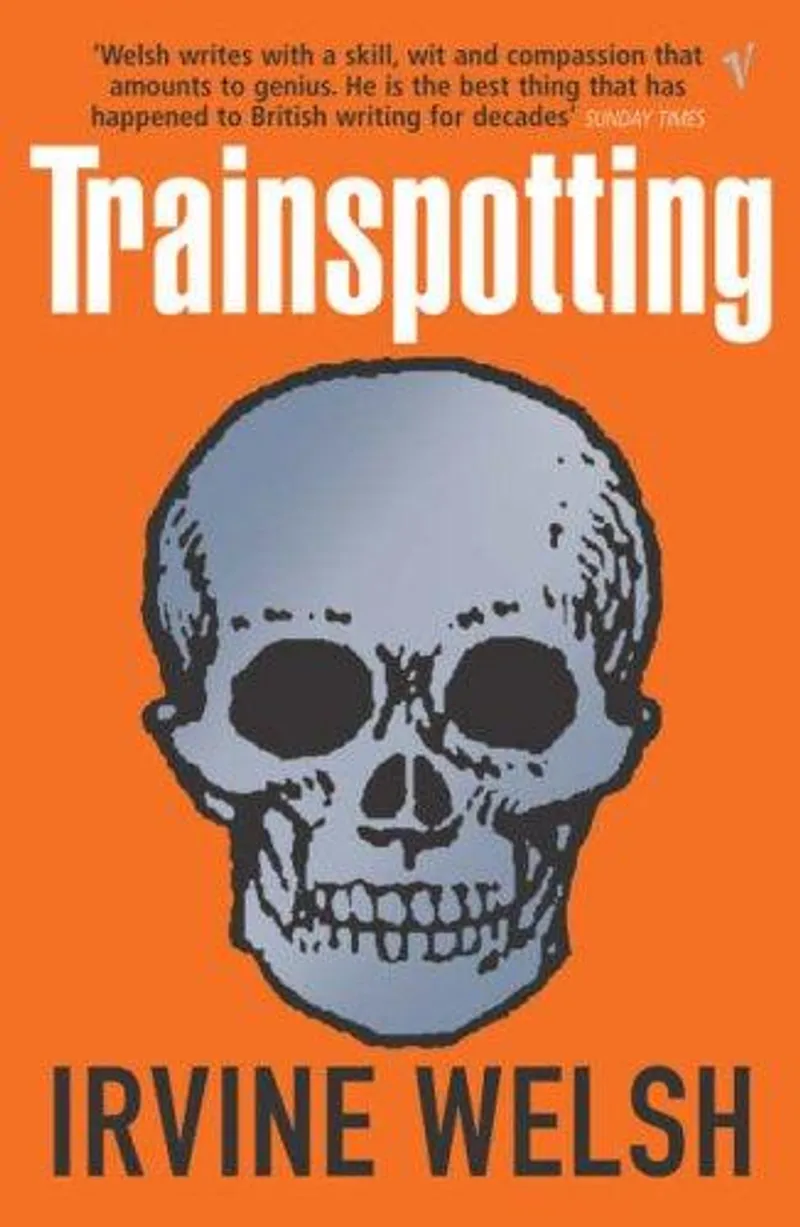
Trainspotting Author: Irvine WelshPage Count: UnknownPublication Date: 1993-OL In the gritty, unapologetic world of Irvine Welsh's Trainspotting, the lines between reality and chaos are blurred, and the city of Edinburgh becomes a character in its own right. This raw, unflinching novel, first published in 1993, is a masterclass in storytelling, weaving together a series of short stories that revolve around a group of friends as they navigate the dark underbelly of addiction, poverty, and desperation. Welsh's writing style is as unflinching as the world he portrays. His use of dialect and vernacular adds to the sense of authenticity, drawing the reader into the world of Mark Renton, Spud, Sick Boy, and Begbie. The narrative is fragmented, reflecting the disjointed lives of the characters, and Welsh's use of stream-of-consciousness prose creates a sense of urgency and immediacy. At its core, Trainspotting is a novel about the struggle for identity and the search for meaning in a seemingly meaningless world. The characters are all, in their own way, trying to escape the bleakness of their surroundings, whether through drugs, violence, or fantasy. But Welsh is not interested in offering easy answers or solutions. Instead, he presents a nuanced, multifaceted portrait of addiction, one that is both harrowing and darkly comedic. One of the most striking aspects of Trainspotting is its use of humor. Welsh's characters are often hilarious, their banter and dialogue crackling with energy and wit. But this humor is always tempered by a sense of tragedy, a recognition that the characters are trapped in a cycle of addiction and despair. Despite its bleak subject matter, Trainspotting is a novel that is ultimately about hope and resilience. Mark Renton, the protagonist, is a complex, multifaceted character, driven by a desire to escape the limitations of his world. His narrative is one of the most compelling, as he navigates the complexities of friendship and loyalty, all while struggling to come to terms with his own addiction. Trainspotting is not an easy read, but it is a necessary one. Welsh's writing is unflinching, his characters are complex and multifaceted, and the world he portrays is both harrowing and hauntingly beautiful. This is a novel that will leave you breathless, disturbed, and ultimately, hopeful. #Trainspotting #IrvineWelsh #ScottishLiterature #AddictionLiterature #DarkComedy #GrittyFiction Related InsightsThe Hate U Give Book Review and Summary Black Cake Book Review and Summary Hardly a Gentleman Book Review and Summary{ "@context": "https://schema.org", "@type": "FAQPage", "mainEntity": [ { "@type": "Question", "name": "What is the main focus of Trainspotting Book Review and Summary?", "acceptedAnswer": { "@type": "Answer", "text": "Everything you need to know about Trainspotting with our detailed review." } }, { "@type": "Question", "name": "Who authored the comprehensive guide on Trainspotting Book Review and Summary?", "acceptedAnswer": { "@type": "Answer", "text": "This detailed article and its insights were carefully researched and authored by Irvine Welsh." } }, { "@type": "Question", "name": "Where can I find more related content about Books?", "acceptedAnswer": { "@type": "Answer", "text": "You can explore more articles, detailed reviews, and similar insights by browsing the Related Insights section at the bottom of this article or visiting our dedicated Books category page." } } ] }
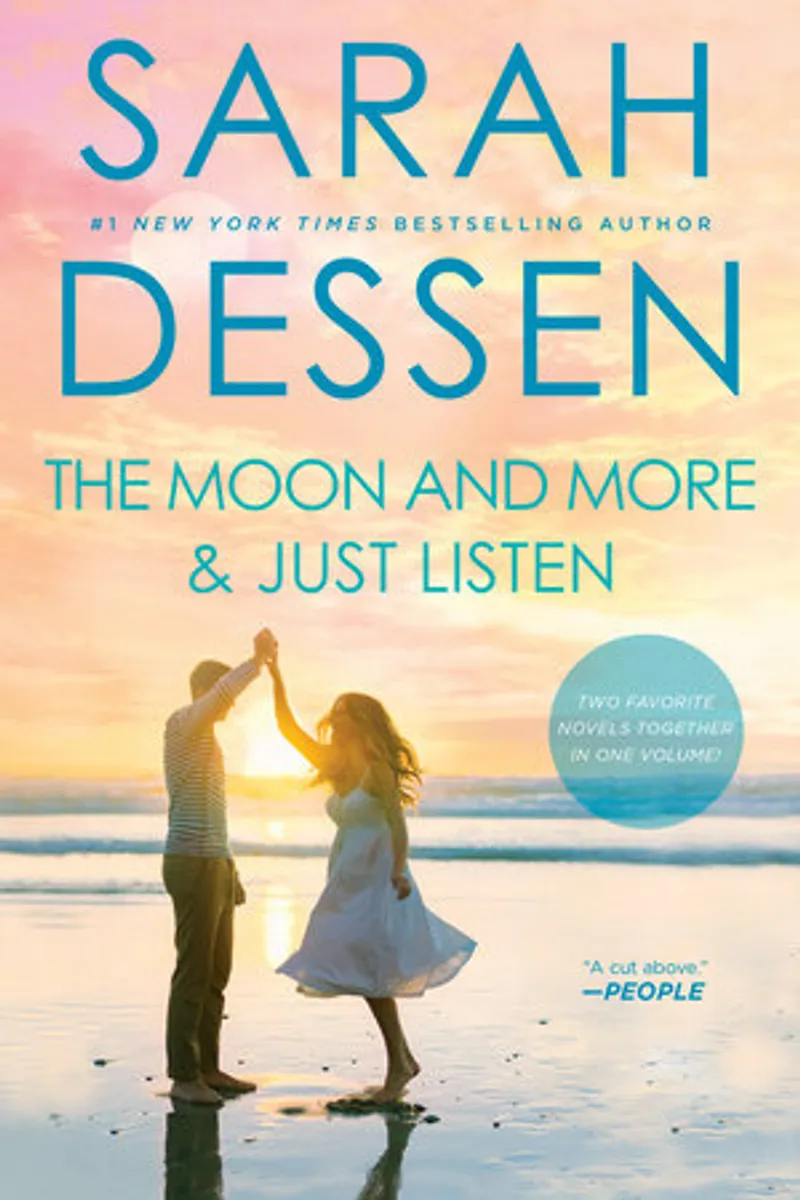
The Moon and More and Just Listen Author: Sarah DessenPage Count: UnknownPublication Date: 2020-PRH In "The Moon and More" and "Just Listen", a dual volume from the esteemed New York Times bestselling author Sarah Dessen, we find ourselves immersed in the poignant world of teenage self-discovery, love, and the complexities of relationships. The stories are woven together by Dessen's masterful narrative, which navigates the delicate balance between the fragility of the human heart and the unyielding power of true emotions. The unifying thread throughout both novels is the exploration of identity, as the protagonists grapple with the expectations of others while trying to find their own voice. Dessen's writing style is a perfect blend of relatability and depth, making it effortless for readers to become invested in the characters' journeys. Her prose is evocative, painting vivid pictures of the characters' inner turmoil and their surroundings, drawing the reader into the world she has created. One of the most striking aspects of Dessen's writing is her ability to craft characters that are multidimensional and authentic. The protagonists, with their flaws and strengths, are expertly developed, making it impossible not to empathize with their struggles. The supporting characters are equally well-crafted, adding depth and complexity to the narrative. The theme of identity is a recurring one in Dessen's works, and "The Moon and More" and "Just Listen" are no exception. The novels delve into the challenges of navigating the complexities of adolescence, where the pressure to conform to societal expectations can be overwhelming. Dessen tackles this theme with sensitivity and nuance, offering a thoughtful exploration of what it means to be true to oneself. Throughout the novels, Dessen also explores the intricacies of relationships, highlighting the ways in which they can both uplift and devastate us. The romance is sweet and tender, but it's also fraught with the uncertainty and vulnerability that comes with opening oneself up to another person. The portrayal of relationships is realistic, acknowledging the imperfections and misunderstandings that can arise, but also the transformative power of love and connection. What sets Dessen apart from other authors in the young adult genre is her ability to balance lighthearted moments with more serious themes. Her writing is infused with a sense of humor and wit, making the novels an absolute pleasure to read. At the same time, she tackles difficult subjects with sensitivity and care, never shying away from the complexities of the human experience. In "The Moon and More" and "Just Listen", Sarah Dessen has created a captivating and emotionally resonant duology that will resonate with readers of all ages. Her writing is a testament to the power of storytelling, reminding us that even in the darkest moments, there is always the possibility for growth, transformation, and redemption. #SarahDessen #TheMoonAndMore #JustListen #YoungAdultFiction #ComingOfAge #RelationshipGoals Related InsightsThe Dragon Republic Book Review and Summary Funny Story Book Review and Summary Choke Book Review and Summary{ "@context": "https://schema.org", "@type": "FAQPage", "mainEntity": [ { "@type": "Question", "name": "What is the main focus of Just Listen Book Review and Summary?", "acceptedAnswer": { "@type": "Answer", "text": "Everything you need to know about Just Listen with our detailed review." } }, { "@type": "Question", "name": "Who authored the comprehensive guide on Just Listen Book Review and Summary?", "acceptedAnswer": { "@type": "Answer", "text": "This detailed article and its insights were carefully researched and authored by Sarah Dessen." } }, { "@type": "Question", "name": "Where can I find more related content about Books?", "acceptedAnswer": { "@type": "Answer", "text": "You can explore more articles, detailed reviews, and similar insights by browsing the Related Insights section at the bottom of this article or visiting our dedicated Books category page." } } ] }
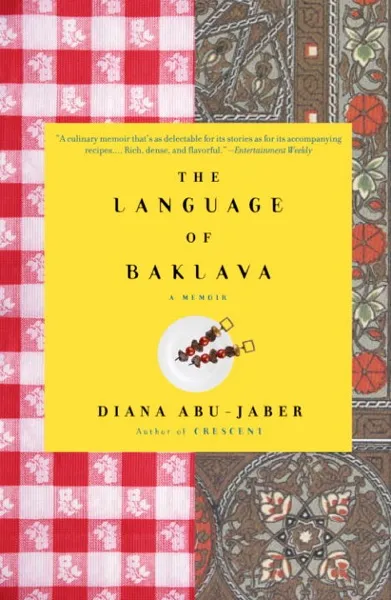

Eat Joy Author: Diana Abu-JaberPage Count: UnknownPublication Year: 2019-GB Diana Abu-Jaber’s Eat Joy is a vibrant celebration of food as more than sustenance—it’s a language of love, memory, and resilience. At its heart, this book is a culinary memoir that weaves together the author’s personal journey with the rich tapestry of Middle Eastern and American culinary traditions. Abu-Jaber, known for her lyrical prose and deep emotional resonance, crafts a narrative that is as much about the act of cooking as it is about the stories food carries within it. The title itself—Eat Joy—hints at the book’s central theme: the transformative power of food to nourish not just the body, but the soul. Abu-Jaber, who grew up between Jordan and the United States, explores how food becomes a bridge between cultures, generations, and even the past and present. Her writing is steeped in sensory detail, inviting readers to not just read about dishes but to taste them through her words. Whether she’s describing the warmth of a bowl of mansaf, the spice of a homemade za’atar, or the comfort of a simple American apple pie, her prose is rich with imagery and emotion. One of the most striking aspects of Eat Joy is Abu-Jaber’s ability to intertwine food with the personal. She doesn’t just share recipes; she shares memories. The book becomes a love letter to her family, particularly her father, who passed away during the writing of the book. Through food, she revisits his presence, the meals they shared, and the traditions he passed down. It’s a poignant reminder of how food can anchor us in grief and joy alike. There’s a moment early in the book where she describes making her father’s favorite dish, musakhan, and the act of cooking becomes a way to keep him close, even in his absence. That kind of emotional depth elevates Eat Joy from a mere cookbook to a deeply human experience. Abu-Jaber’s style is a feast for the senses. She writes with a poet’s eye, using food as a lens to explore broader themes of identity, belonging, and cultural heritage. Her sentences are often lush and evocative, mirroring the sensory richness of the dishes she describes. For example, she writes about the “golden, crispy edges” of a perfectly baked pie, or the “deep, earthy aroma” of cumin, making the reader feel as though they are right there in the kitchen with her. Yet, her prose is also grounded in warmth and humor, balancing the heavier moments with a lightness that keeps the book from feeling overly sentimental. The structure of Eat Joy is another standout feature. Rather than a linear narrative, Abu-Jaber organizes the book thematically, with chapters focused on different ingredients or dishes—bread, meat, vegetables, sweets—and the memories they evoke. This approach allows her to explore a wide range of experiences, from the communal joy of a large family gathering to the quiet intimacy of cooking for oneself. It also reflects the way food functions in our lives: sometimes as a shared experience, sometimes as a solitary comfort. One of the book’s most compelling threads is its exploration of cultural fusion. Abu-Jaber seamlessly blends Middle Eastern and American culinary traditions, reflecting her own bicultural upbringing. She doesn’t shy away from the complexities of this duality, either. There are moments of tension, such as when she grapples with the expectations placed on her as a woman in the kitchen, or when she reflects on the way food can both preserve tradition and adapt to new environments. Yet, the overall tone is one of celebration—of the ways food can bring people together across differences. What makes Eat Joy particularly resonant is its universality. While Abu-Jaber’s background gives the book a distinct flavor, the themes she explores are deeply relatable. Who hasn’t felt the comfort of a favorite meal, or the nostalgia of a taste from childhood? The book is a reminder that food is a language we all speak, even if we don’t always realize it. It’s a way to connect with others, to honor the past, and to find joy in the everyday. Abu-Jaber’s voice is a gift to readers. She writes with a generosity that makes Eat Joy feel like a conversation rather than a lecture. Whether she’s sharing a family recipe or musing on the cultural significance of a dish, her tone is inviting and her insights are profound without being pretentious. It’s clear that food is more than just a professional interest for her; it’s a lifelong passion that she wants to share with others. Eat Joy is a book that will leave you hungry—for more than just food. It’s a call to slow down, to savor the moments that matter, and to find joy in the act of nourishing ourselves and others. In a world that often feels rushed and disconnected, Abu-Jaber’s celebration of food as a source of connection and comfort is both timely and timeless. In the end, Eat Joy is more than a cookbook or a memoir. It’s a love song to the power of food to heal, to connect, and to bring us joy. And if Abu-Jaber’s writing is anything to go by, that joy is something we could all use a little more of. #EatJoy #FoodMemoir #CulinaryJourney #CulturalFusion #FoodAndMemory #DianaAbuJaber Related InsightsDefy Me (Shatter Me) Book Review and Summary The 100 Hats of the Cat in the Hat: A Celebration of the 100th Day of School Book Review and Summary If I Stay Book Review and Summary{ "@context": "https://schema.org", "@type": "FAQPage", "mainEntity": [ { "@type": "Question", "name": "What is the main focus of Eat Joy Book Review and Summary?", "acceptedAnswer": { "@type": "Answer", "text": "Everything you need to know about Eat Joy with our detailed review." } }, { "@type": "Question", "name": "Who authored the comprehensive guide on Eat Joy Book Review and Summary?", "acceptedAnswer": { "@type": "Answer", "text": "This detailed article and its insights were carefully researched and authored by Lucia Garcia." } }, { "@type": "Question", "name": "Where can I find more related content about Books?", "acceptedAnswer": { "@type": "Answer", "text": "You can explore more articles, detailed reviews, and similar insights by browsing the Related Insights section at the bottom of this article or visiting our dedicated Books category page." } } ] }


The Healing Self Author: Deepak Chopra, M.D.Page Count: UnknownPublication Date: 2020-PRH The Healing Self, a groundbreaking work by renowned authors Deepak Chopra, M.D., and Rudolph E. Tanzi, presents a compelling case for the importance of individual responsibility in achieving optimal health and wellness. Published in 2020, this landmark book is a timely response to the growing concerns of environmental toxins, potential epidemics, and the accelerated aging process. Chopra and Tanzi's work is a quantum leap forward in the integration of science, medicine, wisdom, and health, as aptly described by Arianna Huffington. The central theme of The Healing Self is the empowerment of individuals to take charge of their own health, rather than relying solely on doctors or pharmaceutical companies. This is a bold and liberating message, one that resonates deeply in today's world where the burden of health has shifted from institutions to individuals. Chopra and Tanzi argue that by making informed lifestyle choices, individuals can develop a holistic and transformative health plan that promotes longevity and well-being. One of the key strengths of The Healing Self is its comprehensive approach to health. The authors closely examine the impact of chronic stress and inflammation on our well-being, identifying these as primary detriments to health. They also offer a cutting-edge seven-day action plan, which provides readers with the tools and strategies needed to develop their own personalized path to self-healing. This plan is a valuable resource, one that empowers readers to take concrete steps towards achieving optimal health. Throughout the book, Chopra's signature style shines through, blending Eastern wisdom with Western scientific rigor. His writing is engaging, accessible, and infused with a deep sense of compassion and empathy. The Healing Self is not just a book about health; it is a call to action, a rallying cry for individuals to take control of their own well-being. Chopra and Tanzi's work is a testament to the human body's incredible capacity for self-healing and regeneration, and their message is both inspiring and empowering. The Healing Self is a book that will resonate with anyone interested in health, wellness, and personal growth. It is a must-read for those seeking to navigate the complexities of modern healthcare and to develop a deeper understanding of the intricate relationships between body, mind, and spirit. As a work of profound insight and wisdom, The Healing Self has the potential to transform lives and to inspire a new revolution in health, one that is driven by individual empowerment and self-awareness. In conclusion, The Healing Self is a masterpiece of contemporary health literature, one that offers a compelling vision of human health and wellness. With its unique blend of science, wisdom, and inspiration, this book has the power to transform lives and to inspire a new era of health and wellness. #TheHealingSelf #DeepakChopra #Wellness #SelfHealing #HolisticHealth #MindBodySpirit Related InsightsDarkfever Book Review and Summary The World We Make Book Review and Summary Freed Book Review and Summary{ "@context": "https://schema.org", "@type": "FAQPage", "mainEntity": [ { "@type": "Question", "name": "What is the main focus of The Healing Self Book Review and Summary?", "acceptedAnswer": { "@type": "Answer", "text": "Everything you need to know about The Healing Self with our detailed review." } }, { "@type": "Question", "name": "Who authored the comprehensive guide on The Healing Self Book Review and Summary?", "acceptedAnswer": { "@type": "Answer", "text": "This detailed article and its insights were carefully researched and authored by Olivia Harris." } }, { "@type": "Question", "name": "Where can I find more related content about Books?", "acceptedAnswer": { "@type": "Answer", "text": "You can explore more articles, detailed reviews, and similar insights by browsing the Related Insights section at the bottom of this article or visiting our dedicated Books category page." } } ] }

Stink y los tenis más apestosos del mundo/ Stink and the World's Worst Super-Stinky Sneakers Author: Megan McDonaldPage Count: UnknownPublication Date: 2022-PRH In "Stink and the World's Worst Super-Stinky Sneakers," Megan McDonald masterfully crafts a hilarious and engaging tale that will captivate young readers and leave them eagerly awaiting their next encounter with the lovable Stink Moody. This latest installment in the beloved series is a true testament to McDonald's unique ability to blend humor, adventure, and valuable life lessons into a narrative that is both entertaining and enriching. At its core, "Stink and the World's Worst Super-Stinky Sneakers" is a celebration of individuality and the power of embracing one's unique talents and passions. Stink's incredible sense of smell, which often proves to be both a blessing and a curse, is expertly woven throughout the story as a symbol of self-acceptance and the importance of being true to oneself. As Stink navigates the Gross-Me-Out exhibit and discovers the fascinating world of olfactory exploration, McDonald skillfully conveys the value of exploring one's interests and pursuing one's dreams, no matter how unusual they may seem. McDonald's writing style is, as always, a highlight of the book. Her use of language is playful, witty, and engaging, making the story a true page-turner that will leave young readers giggling and eager for more. The author's ability to balance humor and heart is a rare gift, and it is on full display in this latest Stink adventure. From the disgusting delights of the Gross-Me-Out exhibit to the intense competition of the stinky sneaker contest, McDonald's narrative is full of clever wordplay, humorous observations, and lighthearted fun. One of the most impressive aspects of "Stink and the World's Worst Super-Stinky Sneakers" is its ability to tackle complex themes and ideas in a way that is both accessible and enjoyable for young readers. McDonald's exploration of the science behind smell and the various ways in which it impacts our daily lives is both informative and engaging, making the book an excellent choice for kids who are curious about the world around them. In short, "Stink and the World's Worst Super-Stinky Sneakers" is a triumphant addition to the Stink series, offering a unique blend of humor, adventure, and heart that is sure to delight readers of all ages. With its positive message, engaging narrative, and lighthearted fun, this book is a must-read for kids and parents alike. #StinkMoody #KidsLit #HumorBooks #ScienceForKids #OlfactoryAdventures #GrossMeOut Related InsightsUntitled Thriller Book Review and Summary Start Lying to Yourself: New Truths to Manifest the Life You Want Book Review and Summary Stormside (Starside Series) Book Review and Summary{ "@context": "https://schema.org", "@type": "FAQPage", "mainEntity": [ { "@type": "Question", "name": "What is the main focus of Marley and Me: Life and Love With the World’s Worst Dog Book Review and Summary?", "acceptedAnswer": { "@type": "Answer", "text": "Everything you need to know about Marley and Me: Life and Love With the World’s Worst Dog with our detailed review." } }, { "@type": "Question", "name": "Who authored the comprehensive guide on Marley and Me: Life and Love With the World’s Worst Dog Book Review and Summary?", "acceptedAnswer": { "@type": "Answer", "text": "This detailed article and its insights were carefully researched and authored by John Grogan." } }, { "@type": "Question", "name": "Where can I find more related content about Books?", "acceptedAnswer": { "@type": "Answer", "text": "You can explore more articles, detailed reviews, and similar insights by browsing the Related Insights section at the bottom of this article or visiting our dedicated Books category page." } } ] }

Sueño de noche de verano / A Midsummer Night's Dream Author: William ShakespearePage Count: UnknownPublication Date: 2026-PRH A Midsummer Night's Dream, a timeless masterpiece by the revered William Shakespeare, has been re-released in 2026, offering readers a chance to re-experience the enchanting world of love, magic, and mischief. This captivating tale, though penned centuries ago, remains a poignant exploration of the human condition, delving into the complexities of love, identity, and the transformative power of the imagination. At its core, A Midsummer Night's Dream is a thought-provoking examination of the intricate dance between reality and fantasy. Shakespeare masterfully weaves together the stories of four young lovers, a group of amateur actors, and the mythical creatures of the forest, blurring the lines between the mundane and the magical. The result is a rich tapestry of themes and emotions, expertly crafted to captivate and intrigue readers of all ages. One of the most striking aspects of Shakespeare's writing style is his use of language, which is at once poetic, expressive, and accessible. His prose is akin to a rich, velvety cake – layered, complex, and utterly delightful. The Bard's command of language is on full display in A Midsummer Night's Dream, as he effortlessly conjures the whimsical world of the forest, complete with mischievous sprites, lovesick mortals, and the enigmatic Oberon, King of the Fairies. Shakespeare's exploration of love is another dominant theme in the book, as he probes the complexities of romantic relationships, revealing the often-blurred lines between love, lust, and obsession. The character of Puck, with his mischievous antics and penchant for meddling, serves as a clever catalyst for the chaos that ensues, highlighting the capricious nature of love and the devastating consequences of its mismanagement. The author's use of comedic elements is also noteworthy, as he skillfully employs satire, irony, and slapstick humor to create a lighthearted, entertaining atmosphere. The character of Bottom, with his bombastic personality and hapless antics, provides much of the comedic relief, serving as a clever foil to the more serious themes explored in the book. In conclusion, A Midsummer Night's Dream is a masterpiece of literature that continues to captivate readers with its timeless themes, enchanting characters, and beautiful language. Shakespeare's writing style, a perfect blend of poetry, wit, and imagination, has created a world that is at once fantastical and familiar, inviting readers to step into the magical realm of the forest and experience the transformative power of love and imagination. #AMidsummerNightsDream #ShakespeareReimagined #LoveAndMagic #TheBardLivesOn #FantasyAndReality #TimelessClassics Related InsightsJohnny Got His Gun Book Review and Summary The Magic of Chamomile Cottage Book Review and Summary Bride Book Review and Summary{ "@context": "https://schema.org", "@type": "FAQPage", "mainEntity": [ { "@type": "Question", "name": "What is the main focus of A Midsummer Night’s Dream Book Review and Summary?", "acceptedAnswer": { "@type": "Answer", "text": "Everything you need to know about A Midsummer Night’s Dream with our detailed review." } }, { "@type": "Question", "name": "Who authored the comprehensive guide on A Midsummer Night’s Dream Book Review and Summary?", "acceptedAnswer": { "@type": "Answer", "text": "This detailed article and its insights were carefully researched and authored by William Shakespeare." } }, { "@type": "Question", "name": "Where can I find more related content about Books?", "acceptedAnswer": { "@type": "Answer", "text": "You can explore more articles, detailed reviews, and similar insights by browsing the Related Insights section at the bottom of this article or visiting our dedicated Books category page." } } ] }

-
 Anna Kowalska
 - 08 Mar, 2026 17:59
Harry Potter y la cámara secreta (Edición con ilustraciones de Xavier Bonet) / Harry Potter and the Chamber of Secrets Book Review and Summary
Harry Potter y la cámara secreta (Edición con ilustraciones de Xavier Bonet) / Harry Potter and the Chamber of Secrets Author: J.K. RowlingPage Count: UnknownPublication Date: 2024-PRH Harry Potter and the Chamber of Secrets (Illustrated Edition) – A Darker Dance of Magic and Identity Few sequels in literature dare to deepen the shadows while keeping the sparkle alive, but J.K. Rowling’s Harry Potter and the Chamber of Secrets somehow pulls it off. This is not merely a second act; it’s a mirror held up to the first book’s gleaming optimism, revealing cracks in the gilded halls of Hogwarts. In this lavishly reimagined illustrated edition—crafted with devotion by Spanish artist Xavier Bonet—Rowling’s narrative pulse quickens, and the magic becomes not just spellwork, but self-discovery. At its core, The Chamber of Secrets is about fear masquerading as inheritance. The book opens with Harry trapped in the suffocating orbit of the Dursleys, where love is a performance and kindness is a foreign currency. When the elfin Dobby arrives, his warnings are draped in doom—“You will be hurt… or worse… killed”—not as prophecy, but as emotional extraction. Harry is being told, in no uncertain terms, that his identity is both a burden and a target. This theme of inherited danger is echoed in the Chamber itself: a relic of Salazar Slytherin, whose prejudice has festered beneath the school’s polished surface. The “pure-blood” ideology isn’t just villainy—it’s a psychological wound, one that Harry must face not as a hero, but as a boy who doesn’t yet know his own lineage’s weight. Rowling’s genius lies in making ideology feel intimate. The attacks on Muggle-born students aren’t just plot points; they’re emotional landmines. Each petrified victim—Colin Creevey, Justin Finch-Fletchley—represents a fragment of Harry’s growing understanding: that the world he inhabits is not as safe or as just as he believed. The whispers in the corridors, the slashed paintings, the ghostly warnings from Nearly Headless Nick—all of it builds a Gothic atmosphere within the familiar framework of a school story. It’s as if Hogwarts, once a sanctuary, has become a haunted house that Harry can’t escape. And yet, amid the dread, Rowling never abandons humor or heart. The flying Ford Anglia, the bumbling Weasley twins, even Gilderoy Lockhart—each comic relief character serves a purpose. Lockhart, the narcissistic Defense Against the Dark Arts teacher, is not just a joke; he embodies the danger of false authority and performative heroism. His presence reminds us that talent and virtue are not always aligned—and that’s a lesson Harry must learn before facing the true monster in the Chamber. The prose, while retaining its youthful clarity, gains nuance here. Rowling’s descriptions of the Forbidden Forest or the Slytherin common room are richer, more textured. The emotional beats—Harry’s isolation, Ron’s fear of failure, Hermione’s brilliance turned to stone—are rendered with a quiet intensity that lingers. It’s a book where fear and courage are not opposites, but twins: one cannot exist without the other. Enter Xavier Bonet, whose illustrations elevate the text into a visual incantation. Bonet’s style is both delicate and bold—ethereal yet grounded. His depiction of the Basilisk, emerging from the pipes like a gleaming nightmare, is not monstrous in the traditional sense, but unsettling in its serpentine grace. The flying car’s crash into the Whomping Willow is rendered with kinetic energy, capturing the reckless joy of youth in peril. And the Chamber itself—dark, cavernous, illuminated by eerie green light—feels like a descent into the subconscious, where fears take physical form. Bonet’s greatest achievement is giving faces to Rowling’s most elusive characters. Dobby is not just a disembodied voice; he’s a creature of trembling ears and wide, pleading eyes. Ginny Weasley, often overshadowed in memory, is shown with a haunted intensity that foreshadows her later role. Even the portraits—so often dismissed as mere decoration—are alive with personality in Bonet’s hands. This edition is more than a repackaging; it’s a re-illumination. The larger format allows Bonet’s artwork to breathe, turning each page into a portal. The printed endpapers, the chapter-opening illustrations, the full-page spreads—all contribute to an immersive experience that feels like holding a grimoire. It’s not just a book about magic; it’s a magical object itself. In the end, Harry Potter and the Chamber of Secrets is about the cost of self-awareness. Harry learns that being special isn’t a badge of honor—it’s a cross to bear. The Chamber doesn’t just conceal a monster; it reveals a truth Harry has spent his life denying: that he is not an orphan by chance, but by bloodline. And that bloodline carries both power and peril. Rowling’s genius is in making that revelation feel both inevitable and devastating. The horror isn’t in the monster; it’s in the mirror it holds up to Harry—and to every reader who has ever feared not being enough. This illustrated edition, with Bonet’s haunting visions, doesn’t just tell the story again—it deepens it. It turns memory into magic, and fear into understanding. And in doing so, it reminds us why, after all these years, we still believe in the power of the wand… and the story it tells. #HarryPotter #ChamberOfSecrets #J.K.Rowling #XavierBonet #IllustratedEdition #MagicAndIdentity Related InsightsCharlaine Harris Gunnie Rose 4 Book Review and Summary Their Eyes Were Watching God Book Review and Summary World War Z: An Oral History of the Zombie War Book Review and Summary{ "@context": "https://schema.org", "@type": "FAQPage", "mainEntity": [ { "@type": "Question", "name": "What is the main focus of Harry Potter y la cámara secreta (Edición con ilustraciones de Xavier Bonet) / Harry Potter and the Chamber of Secrets Book Review and Summary?", "acceptedAnswer": { "@type": "Answer", "text": "Everything you need to know about Harry Potter y la cámara secreta (Edición con ilustraciones de Xavier Bonet) / Harry Potter and the Chamber of Secrets with our detailed review." } }, { "@type": "Question", "name": "Who authored the comprehensive guide on Harry Potter y la cámara secreta (Edición con ilustraciones de Xavier Bonet) / Harry Potter and the Chamber of Secrets Book Review and Summary?", "acceptedAnswer": { "@type": "Answer", "text": "This detailed article and its insights were carefully researched and authored by Anna Kowalska." } }, { "@type": "Question", "name": "Where can I find more related content about Books?", "acceptedAnswer": { "@type": "Answer", "text": "You can explore more articles, detailed reviews, and similar insights by browsing the Related Insights section at the bottom of this article or visiting our dedicated Books category page." } } ] }


Too Far Author: Sylvia DayPage Count: UnknownPublication Year: 2023-GB In Too Far, Sylvia Day once again proves why she remains a titan of contemporary romance, delivering a gripping, emotionally charged narrative that pushes the boundaries of love, trust, and redemption. Published in 2023, this latest novel cements Day’s reputation as a master of blending high-stakes drama with steamy passion, all while exploring the fragile lines between obsession and devotion. With her signature sharp wit, razor-edged tension, and deeply flawed yet compelling characters, Day crafts a story that is as thought-provoking as it is entertaining. At its core, Too Far is a tale of two people drowning in their pasts, each clinging to the hope that love might pull them back from the edge. The novel follows the tumultuous relationship between a hardened ex-convict and a woman who has spent years rebuilding her life after a devastating betrayal. Their connection is immediate, electric—yet fraught with the ghosts of their histories. Day doesn’t shy away from the complexities of such a bond; instead, she delves into the raw, often messy reality of second chances, asking whether love can truly heal wounds that have festered for years. The central conflict revolves around a secret that threatens to tear them apart, a secret that forces both protagonists to confront the consequences of their past actions and the limits of forgiveness. It’s a theme that resonates deeply in today’s world, where trust is a currency as valuable as it is fragile. What sets Too Far apart from Day’s other works is her willingness to explore the darker corners of human emotion without flinching. Unlike her previous novels, which often leaned into the escapism of billionaire romances or high-society drama, this book is grittier, more introspective. The prose is tight, the pacing relentless, and the emotional stakes higher than ever. Day’s ability to make the reader feel the weight of her characters’ struggles is unparalleled. You’ll find yourself holding your breath during confrontations, flinching at betrayals, and cheering at moments of hard-won vulnerability. The chemistry between the leads is palpable, their banter sharp and their passion consuming, but it’s the emotional depth beneath the surface that lingers long after the final page. Day’s writing style is a study in contrasts—she balances raw intensity with lyrical tenderness, often in the same breath. Her dialogue crackles with authenticity, whether it’s the biting sarcasm of a jaded protagonist or the stuttered confessions of someone learning to trust again. The author’s knack for subverting expectations also shines here; just when you think you’ve pegged a character, Day delivers a twist that forces you to reevaluate everything. The result is a novel that keeps you guessing, not just about the plot, but about the very nature of the people inhabiting its pages. One of the most striking aspects of Too Far is its unflinching portrayal of redemption. Day doesn’t offer easy answers or neat resolutions. Instead, she presents redemption as something hard-won, something that requires sacrifice, humility, and, above all, time. The characters must confront their own flaws and the pain they’ve caused others, a journey that is as painful to witness as it is rewarding to experience. This isn’t a story where love conquers all—it’s a story where love is the crucible that forces growth, where healing is possible only after enduring the fire. For readers who have followed Sylvia Day’s career, Too Far feels like a culmination of everything she’s built over the years—a deeper, more mature exploration of the themes she’s always been drawn to. For newcomers, it’s a masterclass in how to craft a romance that is both deeply personal and universally relatable. Whether you’re a fan of her earlier works or discovering her for the first time, this novel is a reminder of why Sylvia Day remains one of the most compelling voices in modern romance. In a literary landscape where so many books chase fleeting trends, Too Far stands out as a testament to the enduring power of a well-told story. It’s a book that will make you laugh, cry, and ache for more—not just of the romance, but of the human connection at its heart. Sylvia Day has done it again: she’s taken us to the edge, and we’re all too happy to go there with her. #TooFar #SylviaDay #RomanceNovel #DarkRomance #SecondChances #ForbiddenLove Related InsightsRagpicker King Book Review and Summary Message in a Bottle Book Review and Summary Beach Read Book Review and Summary{ "@context": "https://schema.org", "@type": "FAQPage", "mainEntity": [ { "@type": "Question", "name": "What is the main focus of Too Far Book Review and Summary?", "acceptedAnswer": { "@type": "Answer", "text": "Everything you need to know about Too Far with our detailed review." } }, { "@type": "Question", "name": "Who authored the comprehensive guide on Too Far Book Review and Summary?", "acceptedAnswer": { "@type": "Answer", "text": "This detailed article and its insights were carefully researched and authored by Antoine Leroy." } }, { "@type": "Question", "name": "Where can I find more related content about Books?", "acceptedAnswer": { "@type": "Answer", "text": "You can explore more articles, detailed reviews, and similar insights by browsing the Related Insights section at the bottom of this article or visiting our dedicated Books category page." } } ] }


Lasagne al Forno della Nonna: Il Cuore della Domenica Italiana Uno dei piatti più opulenti, amati e storici d'Italia è la lasagna al forno, o come la prepariamo nella mia famiglia, "della nonna". Le Antiche Origini di un Classico Le origini della lasagna risalgono addirittura all'Antica Roma. Il filosofo romano Cicerone era noto per la sua passione per il "laganum", che consisteva in strisce di pasta larghe e piatte, cotte in acqua o brodo. Le lasagne come le conosciamo oggi, con i loro ricchi strati intervallati da sugo, hanno iniziato a prendere forma nel Medioevo e si sono consolidate in Emilia-Romagna. Questo piatto iconico si fonda su tre pilastri fondamentali: la pasta, il ragù e la besciamella. I Tre Pilastri della PerfezioneLa Sfoglia: A Bologna, la tradizione vuole l'uso della sfoglia verde, impastata con l'aggiunta di spinaci lessati e strizzati finemente. Deve essere tirata a mano con il matterello e risultare ruvida e porosa, per assorbire i sughi. Prima di essere assemblata, la pasta va sbollentata per qualche istante in acqua salata. Il Ragù alla Bolognese: Un ragù richiede pazienza. Una lenta cottura ("pippiare") di almeno tre ore è essenziale. Il soffritto di sedano, carota e cipolla accoglie un misto di carne di manzo e maiale, sfumato con vino e bagnato da un tocco di passata di pomodoro. La Besciamella: Deve essere fluida e vellutata. Farina, burro (il classico roux), latte intero e una generosa grattugiata di noce moscata.L'assemblaggio è un rito: strato dopo strato, alternando pasta, ragù, besciamella e una pioggia abbondante di Parmigiano Reggiano grattugiato. La cottura in forno regala poi quella magica crosticina bruciacchiata negli angoli, che tutti si contendono a tavola. #lasagne #ragu #emiliaromagna #italianfood #pastaalforno #cucinatradizionale #domenicaitaliana #isabellaferrari #bologna #cucinaitaliana #ricettadellanonna #tradizioneculinaria #primipiatti #recipe #exclusive Related InsightsRote Grütze Dessert Pasta alla Carbonara Perfetta Come fare il Pesto Genovese{ "@context": "https://schema.org", "@type": "FAQPage", "mainEntity": [ { "@type": "Question", "name": "What is the main focus of Lasagne al Forno della Nonna?", "acceptedAnswer": { "@type": "Answer", "text": "Explore the incredible journey of Lasagne al Forno della Nonna with Isabella Ferrari." } }, { "@type": "Question", "name": "Who authored the comprehensive guide on Lasagne al Forno della Nonna?", "acceptedAnswer": { "@type": "Answer", "text": "This detailed article and its insights were carefully researched and authored by Isabella Ferrari." } }, { "@type": "Question", "name": "Where can I find more related content about Recipe?", "acceptedAnswer": { "@type": "Answer", "text": "You can explore more articles, detailed reviews, and similar insights by browsing the Related Insights section at the bottom of this article or visiting our dedicated Recipe category page." } } ] }
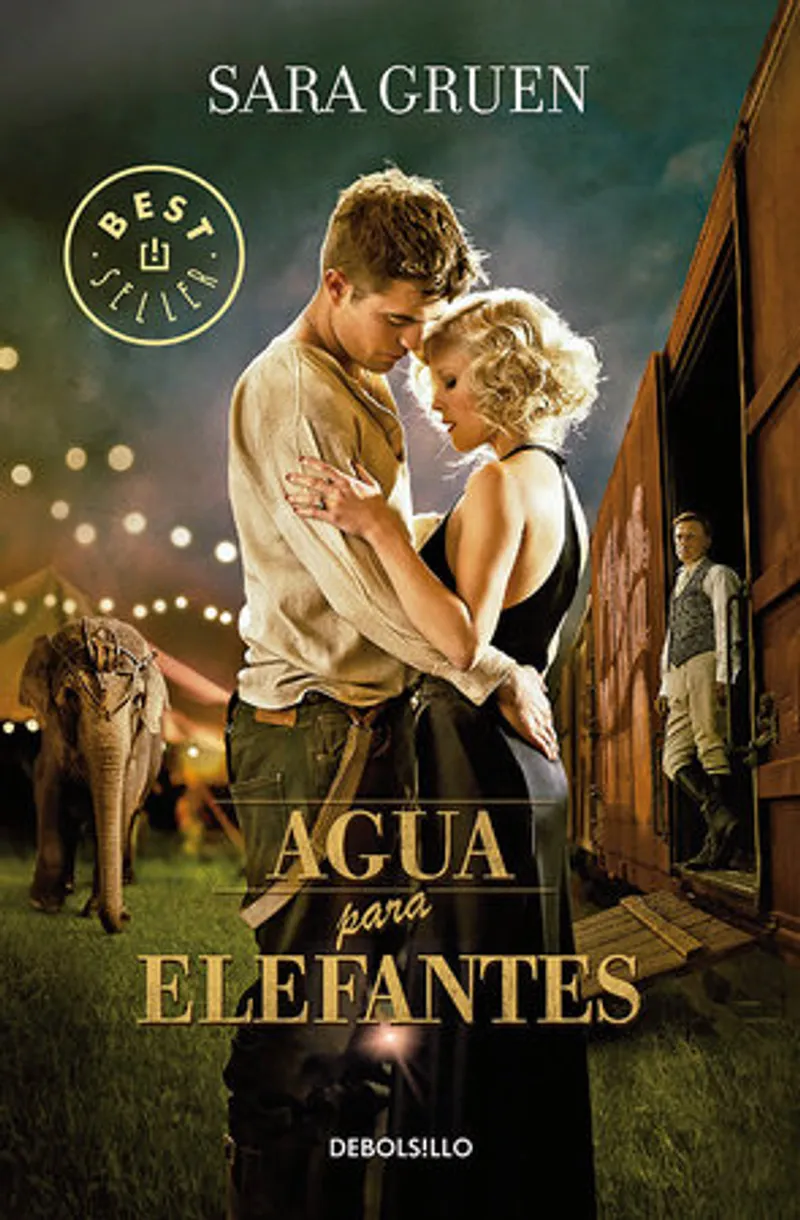
Agua para elefantes / Water for Elephants Author: Sara GruenPage Count: UnknownPublication Date: 2016-PRH "Water for Elephants" by Sara Gruen is a mesmerizing tale of love, loss, and self-discovery set against the vibrant backdrop of a traveling circus during the Great Depression. The story is woven around Jacob Jankowski, a young man who joins the Benzini Brothers Most Spectacular Show on Earth after a tragic event derails his life. As he becomes an integral part of the circus, Jacob finds himself drawn to the enigmatic Marlena, the star of the equestrian act, and Rosie, a majestic elephant with a mind of her own. Gruen's masterful storytelling is reminiscent of a classic circus performance – a delicate balance of drama, humor, and spectacle. With a narrative that seamlessly shifts between Jacob's present and past, the author skillfully crafts a world that is both captivating and poignant. The characters are multidimensional and complex, with flaws and strengths that make them relatable and human. At its core, "Water for Elephants" is a story about the power of human connection and the transformative nature of love. Jacob, Marlena, and Rosie form an unlikely trio, bound together by their experiences and emotions. As they navigate the treacherous landscape of the circus, they find solace and strength in each other, ultimately becoming a makeshift family. Gruen's writing is evocative and immersive, conjuring the sights, sounds, and smells of the circus with vivid precision. Her use of language is economical yet effective, conveying the emotional depth of the characters without resorting to sentimentality. The pacing is well-balanced, with moments of high drama and tension expertly woven into the narrative. One of the most striking aspects of "Water for Elephants" is its exploration of the human condition. Gruen tackles themes of identity, morality, and redemption with sensitivity and nuance, raising questions about the nature of right and wrong in a world that is often gray and ambiguous. The novel's climax is both surprising and heart-wrenching, a testament to Gruen's skill as a storyteller. Without resorting to spoilers, it's safe to say that the conclusion is both satisfying and haunting, leaving the reader with a lasting impression of the characters and their world. In conclusion, "Water for Elephants" is a captivating and emotional read that will appeal to fans of historical fiction, romance, and drama. With its vivid characters, immersive setting, and poignant themes, this novel is a must-read for anyone looking for a compelling and unforgettable story. #WaterForElephants #SaraGruen #HistoricalFiction #CircusLife #GreatDepression #BookLovers Related InsightsGodrise Book Review and Summary The Twilight Collection Book Review and Summary A Good Find: A Novel Book Review and Summary{ "@context": "https://schema.org", "@type": "FAQPage", "mainEntity": [ { "@type": "Question", "name": "What is the main focus of Water for Elephants Book Review and Summary?", "acceptedAnswer": { "@type": "Answer", "text": "Everything you need to know about Water for Elephants with our detailed review." } }, { "@type": "Question", "name": "Who authored the comprehensive guide on Water for Elephants Book Review and Summary?", "acceptedAnswer": { "@type": "Answer", "text": "This detailed article and its insights were carefully researched and authored by Sara Gruen." } }, { "@type": "Question", "name": "Where can I find more related content about Books?", "acceptedAnswer": { "@type": "Answer", "text": "You can explore more articles, detailed reviews, and similar insights by browsing the Related Insights section at the bottom of this article or visiting our dedicated Books category page." } } ] }
The Lord of the Rings Author: J.R.R. TolkienPage Count: UnknownPublication Date: 1954-OL -OL In the realm of epic fantasy, few works have left an indelible mark as profound as J.R.R. Tolkien's "The Lord of the Rings." This high fantasy novel, originally published in three volumes between 1954 and 1956, has not only captivated readers for generations but has also redefined the boundaries of the genre. As a seminal work of fantasy literature, it has been hailed as "the most influential fantasy novel ever written" by "The Encyclopedia of Fantasy." At its core, "The Lord of the Rings" is a tale of the eternal struggle between good and evil, as embodied by the unyielding resolve of the hobbit Frodo Baggins and the unrelenting malevolence of the Dark Lord Sauron. The narrative unfolds as a richly textured tapestry, woven from the threads of Middle-earth's intricate history, cultures, and languages. Tolkien's masterful world-building is a testament to his philological expertise and his boundless imagination. The story begins innocently enough, with Bilbo Baggins' discovery of the One Ring, a deceptively simple gold band imbued with Sauron's dark magic. As the Dark Lord's power grows, Frodo inherits the burden of destroying the Ring in the fires of Mount Doom, a perilous quest that will take him across treacherous landscapes and pit him against formidable foes. Along the way, he is joined by a fellowship of disparate characters, each with their own motivations and conflicts, forging a sense of camaraderie and shared purpose that becomes the emotional heart of the novel. Tolkien's prose is characterized by its lyricism, depth, and complexity. His writing is redolent with the poetry of Old English and the grandeur of Norse mythology, evoking a sense of timelessness and antiquity. The narrative is punctuated by songs, poems, and riddles, which add to the novel's sense of depth and history. The author's use of language is deliberate and measured, conjuring a world that is at once familiar and strange, inviting readers to immerse themselves in its wonders. One of the most striking aspects of "The Lord of the Rings" is its exploration of the human condition. Through the characters' struggles and triumphs, Tolkien examines the nature of courage, sacrifice, and friendship. The novel is also notable for its nuanced portrayal of morality, where the lines between good and evil are often blurred, and the motivations of even the most well-intentioned characters are subject to doubt. In conclusion, "The Lord of the Rings" is a work of breathtaking scope and imagination, a testament to the power of storytelling and the human spirit. Tolkien's masterpiece has captivated readers for generations, and its influence can be seen in countless works of fantasy literature, art, and film. As a work of epic fantasy, it remains unparalleled, a must-read for anyone who has ever been enchanted by the magic of Middle-earth. #TheLordOfTheRings #JRR Tolkien #EpicFantasy #MiddleEarth #OneRing #FantasyClassic Related InsightsWeak Side (D.C. Stars, #7) Book Review and Summary How to Be Less Useful: The Joy of Inefficiency Book Review and Summary A Court of Splintered Harmony (A Court of Thorns and Roses, #6) Book Review and Summary{ "@context": "https://schema.org", "@type": "FAQPage", "mainEntity": [ { "@type": "Question", "name": "What is the main focus of The Lord of the Rings Book Review and Summary?", "acceptedAnswer": { "@type": "Answer", "text": "Everything you need to know about The Lord of the Rings with our detailed review." } }, { "@type": "Question", "name": "Who authored the comprehensive guide on The Lord of the Rings Book Review and Summary?", "acceptedAnswer": { "@type": "Answer", "text": "This detailed article and its insights were carefully researched and authored by William Clark." } }, { "@type": "Question", "name": "Where can I find more related content about Books?", "acceptedAnswer": { "@type": "Answer", "text": "You can explore more articles, detailed reviews, and similar insights by browsing the Related Insights section at the bottom of this article or visiting our dedicated Books category page." } } ] }
El dios de las pequeñas cosas / The God of Small Things Author: Arundhati RoyPage Count: UnknownPublication Date: 2026-PRH Arundhati Roy’s The God of Small Things is a masterpiece of literary alchemy, a novel that transforms the mundane into the mythic and the personal into the political with breathtaking precision. Though the book’s publication year is listed as 2026—a detail that only deepens its mystique—Roy’s prose feels timeless, as if carved from the same river that flows through Kerala’s backwaters, carrying with it the weight of history, caste, and forbidden love. At its core, the novel is a dissection of love’s fragility in the face of societal oppression. The story unfolds through the eyes of Rahel, a woman returning to her childhood home in Ayemenem, where the ghosts of her past—her twin brother Estha, her mother Ammu, and the tragic events that shattered their family—await like uninvited guests. Roy’s narrative is a labyrinth of memory, where time is not linear but a spiral, looping back on itself to reveal how small, seemingly insignificant moments—like the touch of a hand, the flicker of a forbidden glance, or the sting of a slap—can reverberate across decades, shaping lives in ways that are both devastating and irreversible. The title itself is a clue to Roy’s thematic obsession: the idea that the divine is not found in grand, cosmic events but in the quiet, almost imperceptible acts of kindness, cruelty, or connection that define human existence. The "god of small things" is a paradox—a deity who governs not through thunderbolts but through the unspoken rules of a rigid caste system, the unyielding expectations of family, and the cruel whims of those in power. Roy forces us to confront how these "small things" are, in fact, the most powerful forces in shaping our lives. The novel’s most heartbreaking moments arise not from dramatic confrontations but from the slow, suffocating erosion of dignity, as when Velutha, the untouchable carpenter, is beaten to death for daring to love Ammu, a woman of a higher caste. The tragedy isn’t just in his death but in the way the world conspires to make his love—and Ammu’s—seem like the real sin. Roy’s prose is a revelation, a symphony of sensory detail and lyrical intensity. Her sentences are like monsoon rains—unpredictable, relentless, and capable of both nourishing and drowning. She weaves Malayalam phrases into the text without translation, immersing the reader in the rhythm of the language and the culture. The novel’s structure is equally daring, flipping between past and present with a nonchalance that mirrors the way memory works. Chapters titled "Pappachi’s Moth," "The God of Small Things," and "The Cost of Living" are not just placeholders but incantations, each one a spell that pulls the reader deeper into the story’s emotional and political undercurrents. What makes The God of Small Things so devastating is Roy’s refusal to offer easy resolutions. There are no heroes here, only flawed humans trapped in a system that rewards cruelty and punishes love. The novel’s power lies in its ambiguity—was Estha’s silence a form of survival or complicity? Was Rahel’s return an act of healing or a surrender to the past? Roy leaves these questions unanswered, trusting the reader to sit with the discomfort, to feel the weight of history pressing down on every character. This is a book that demands to be read slowly, savored like fine wine, and then read again to uncover the layers of meaning buried in its prose. It is a novel about the things we cannot change—the rigid hierarchies of caste, the inescapable pull of family, the irreversible consequences of our actions—but also about the small rebellions that make life worth living. In a world where love is often treated as a luxury, Roy reminds us that it is, in fact, the most radical act of all. The God of Small Things is not just a book; it is an experience, a wound that lingers long after the last page is turned. It is a testament to the idea that the most profound stories are not about kings or gods, but about the ordinary people who dare to love, to defy, and to survive in a world that would rather see them broken. #TheGodOfSmallThings #ArundhatiRoy #CasteAndLove #LiteraryFiction #ForbiddenLove #KeralaNovel Related InsightsSecrets of a Summer Night Book Review and Summary The Catcher in the Rye Book Review and Summary The Radiance Book Review and Summary{ "@context": "https://schema.org", "@type": "FAQPage", "mainEntity": [ { "@type": "Question", "name": "What is the main focus of Small Gods Book Review and Summary?", "acceptedAnswer": { "@type": "Answer", "text": "Everything you need to know about Small Gods with our detailed review." } }, { "@type": "Question", "name": "Who authored the comprehensive guide on Small Gods Book Review and Summary?", "acceptedAnswer": { "@type": "Answer", "text": "This detailed article and its insights were carefully researched and authored by Terry Pratchett." } }, { "@type": "Question", "name": "Where can I find more related content about Books?", "acceptedAnswer": { "@type": "Answer", "text": "You can explore more articles, detailed reviews, and similar insights by browsing the Related Insights section at the bottom of this article or visiting our dedicated Books category page." } } ] }

The Heavenly Table Author: Donald Ray PollockPage Count: UnknownPublication Date: 2017-PRH The Heavenly Table: A Bloodsoaked Ballad ofFamily, Faith, and Fated Ruin Donald Ray Pollock’s The Heavenly Table is not a book for the faint of heart. It is a brutal, black-hearted romp through the backwoods of 1917 Georgia and Alabama, where the air smells of sweat, sin, and gunpowder, and where the line between salvation and damnation is drawn in the dirt of a dirt-poor farm. If Flannery O’Connor and Quentin Tarantino had ever collaborated on a Southern Gothic nightmare, this would be it—a novel that drips with the kind of violence and dark humor that feels both timeless and urgently immediate. At its core, The Heavenly Table is a story about two families hurtling toward each other like trains on the same track, their fates entwined by greed, grief, and the kind of reckless, almost biblical justice that only the poor and desperate can afford. On one side, the Jewetts: Pearl, a broken-down farmer clinging to his land like a drowning man to driftwood, and his three sons—Cane, Cob, and Chimney—who are less sons and more feral coyotes, hungry for blood and a quick buck. On the other, the Fiddlers, a family of simple, hardworking farmers who have been swindled out of everything they own, their youngest son, Eddie, lost to the horrors of World War I. When the Jewetts set out on a crime spree that will lead them straight to the Fiddlers’ doorstep, what follows is a collision of violence, vengeance, and a twisted form of redemption. Pollock’s genius lies in his ability to weave together the grotesque and the grotesquely funny, the sacred and the profane, with the ease of a man spinning tales around a campfire. His prose is raw, unpolished, and utterly immersive, as if the words themselves are caked in the grime of the era he’s describing. There’s a relentless rhythm to his sentences, a kind of hypnotic cadence that sucks you into the muck and mire of these characters’ lives. When he describes the Jewetts’ crimes, it’s with the matter-of-fact brutality of a man recounting the weather—no embellishment, no moralizing, just the cold hard facts of what happened. And yet, beneath the violence, there’s a dark humor, a streak of the absurd that makes the bloodshed feel almost cartoonish, if not for the fact that real people are the ones bleeding. The real triumph of The Heavenly Table is its characters—not the kind of people you’d invite to dinner, but the kind you can’t look away from. Pearl Jewett is a man who has given up on God, his land, and even his own sons, yet he clings to a fragile hope that his family might still find its way. His sons, meanwhile, are a trio of outlaws straight out of a folk ballad, each more unhinged than the last. Cane, the eldest, is a self-proclaimed prophet with a messiah complex; Cob is a brute with the IQ of a box of rocks; and Chimney is the youngest, the most volatile, and the most tragic of the bunch. On the other side, the Fiddlers are a family drowning in sorrow, their grief as palpable as the dust in the air. Eddie, their missing son, is a specter haunting every page, his absence as heavy as the weight of the sins about to be committed in his name. What makes this novel so gripping is its exploration of faith—both in its absence and its twisted presence. The Jewetts’ crimes are justified, in their minds, by a warped sense of divine right. Cane, in particular, sees himself as an instrument of God’s will, a bringer of justice to the corrupt and the wicked. Meanwhile, the Fiddlers’ faith is tested in the most brutal way possible, as they struggle to reconcile their belief in a just God with the senseless violence that threatens to consume them. Pollock doesn’t offer easy answers here. Instead, he presents a world where faith is as much a weapon as a crutch, where salvation is just another word for survival, and where the line between the holy and the horrific is thinner than a razor’s edge. The novel’s title, The Heavenly Table, is a sly nod to this theme. It refers to a mythical feast promised to the poor and the righteous, a table laden with abundance where the meek shall inherit. But in Pollock’s world, the heavenly table is always just out of reach, a cruel joke played on those who dare to hope. The Jewetts and the Fiddlers are all chasing after the same dream, only to find that the table is already set with knives instead of bread. If there’s a flaw in The Heavenly Table, it’s that Pollock’s world can feel a little too insular at times. The violence, while shocking, starts to blur together in the middle sections, and the sheer number of brutal acts can make the novel feel like a endurance test rather than a narrative. But this is a minor quibble in a book that otherwise crackles with energy, humor, and a deep, abiding sadness. The Heavenly Table is not a book for everyone. It’s too violent, too dark, too unflinching for those who prefer their Southern fiction served with a side of Southern charm. But for those who crave a story that’s as raw and unfiltered as a fresh wound, Donald Ray Pollock delivers in spades. This is a novel that will leave you breathless, bruised, and, if you’re lucky, a little wiser about the kind of people who haunt the edges of history—the ones who never quite make it to the heavenly table, but who sure as hell make their presence known. #DarkSouthernFiction #GritLit #BrutalFamilySaga #SouthernGothic #PollockStyle #FatedToDie Related InsightsRoyal Witch Book Review and Summary Crash Book Review and Summary Cold Empty Rooms Book Review and Summary{ "@context": "https://schema.org", "@type": "FAQPage", "mainEntity": [ { "@type": "Question", "name": "What is the main focus of The Heavenly Table Book Review and Summary?", "acceptedAnswer": { "@type": "Answer", "text": "Everything you need to know about The Heavenly Table with our detailed review." } }, { "@type": "Question", "name": "Who authored the comprehensive guide on The Heavenly Table Book Review and Summary?", "acceptedAnswer": { "@type": "Answer", "text": "This detailed article and its insights were carefully researched and authored by Carmen Martinez." } }, { "@type": "Question", "name": "Where can I find more related content about Books?", "acceptedAnswer": { "@type": "Answer", "text": "You can explore more articles, detailed reviews, and similar insights by browsing the Related Insights section at the bottom of this article or visiting our dedicated Books category page." } } ] }

Iron Rails, Iron Men, and the Race to Link the Nation: The Story of the Transcontinental Railroad Author: Martin W. SandlerPage Count: UnknownPublication Date: 2015-PRH In "Iron Rails, Iron Men, and the Race to Link the Nation: The Story of the Transcontinental Railroad", Martin W. Sandler masterfully recounts the epic tale of the transcontinental railroad's construction, an engineering feat that revolutionized America's landscape and transformed its future. With meticulous research and engaging storytelling, Sandler brings to life the courageous and determined men who defied seemingly insurmountable obstacles to link the country with two bands of steel. Sandler's narrative is a gripping account of the tumultuous 1850s, when gold fever swept the West and the need for faster, safer transportation became a pressing concern. The author skillfully weaves together the stories of the two railroad companies, the Central Pacific and the Union Pacific, as they embarked on a great race to connect the nation. With vivid descriptions and archival photos, Sandler recreates the treacherous terrain, the ingenious solutions, and the unyielding spirit of the workers who blasted tunnels, built bridges, and laid tracks across 1,800 miles of unforgiving landscape. What sets Sandler's book apart is its ability to balance the grandeur of the railroad's construction with the intimate stories of the men who made it possible. The author's portraits of the engineers, laborers, and entrepreneurs who drove the project forward are nuanced and multidimensional, revealing the complexities and contradictions of these iron-willed individuals. From the brilliant but reclusive Theodore Judah, who designed the treacherous Sierra Nevada route, to the Chinese workers who toiled in obscurity, Sandler's characters leap off the page, imbuing the narrative with a sense of humanity and urgency. Sandler's writing style is engaging and accessible, making the book an enjoyable read for both historians and general audiences. His use of archival photos and illustrations adds a rich visual dimension to the narrative, while his meticulous research ensures that the story is grounded in historical accuracy. The author's passion for the subject matter is evident throughout, and his enthusiasm is contagious, making the reader feel like they are part of the epic journey. One of the book's greatest strengths is its ability to convey the profound impact of the transcontinental railroad on America's development. Sandler shows how the railroad transformed the country's economy, politics, and culture, facilitating the growth of cities, industries, and communities. The author also acknowledges the darker aspects of the railroad's construction, including the exploitation of Chinese workers and the displacement of Native American tribes. In conclusion, "Iron Rails, Iron Men, and the Race to Link the Nation" is a riveting and informative book that will appeal to anyone interested in American history, engineering, or the human spirit. Martin W. Sandler's masterful storytelling and meticulous research have created a compelling narrative that brings to life the courageous men who built the transcontinental railroad and forever changed the course of American history. #TranscontinentalRailroad #AmericanHistory #RailroadHistory #EngineeringFeats #USHistoryBooks #GoldRushEra Related InsightsBlack Gold Book Review and Summary The Occidental Book of the Dead Book Review and Summary Clash of Kings Book Review and Summary{ "@context": "https://schema.org", "@type": "FAQPage", "mainEntity": [ { "@type": "Question", "name": "What is the main focus of The Iron King Book Review and Summary?", "acceptedAnswer": { "@type": "Answer", "text": "Everything you need to know about The Iron King with our detailed review." } }, { "@type": "Question", "name": "Who authored the comprehensive guide on The Iron King Book Review and Summary?", "acceptedAnswer": { "@type": "Answer", "text": "This detailed article and its insights were carefully researched and authored by Julie Kagawa." } }, { "@type": "Question", "name": "Where can I find more related content about Books?", "acceptedAnswer": { "@type": "Answer", "text": "You can explore more articles, detailed reviews, and similar insights by browsing the Related Insights section at the bottom of this article or visiting our dedicated Books category page." } } ] }


The 6:20 Man Author: David BaldacciPage Count: UnknownPublication Date: 2022-OL In the realm of thriller novels, few authors have managed to capture the essence of suspense and intrigue as masterfully as David Baldacci. His latest offering, "The 6:20 Man", is a gripping tale that delves into the darker corners of human nature, exploring the complexities of morality and the blurred lines between right and wrong. The story follows a former soldier, Travis Devine, who finds himself embroiled in a world of high-stakes finance and corruption. As he navigates this treacherous landscape, Devine must confront his own demons and make difficult choices that will test his character and challenge his very sense of self. Through Devine's journey, Baldacci expertly weaves a narrative that is both a scathing critique of the financial industry and a thought-provoking exploration of the human condition. One of the standout features of "The 6:20 Man" is Baldacci's masterful use of pacing. The author's writing is taut and economical, with a keen sense of rhythm that propels the reader forward at breakneck speed. The action is relentless, with twists and turns that will keep even the most seasoned thriller fan guessing until the very end. But what truly sets "The 6:20 Man" apart is its thought-provoking themes. Baldacci is not afraid to tackle the big questions, and his exploration of morality, loyalty, and the true cost of success is both nuanced and unsettling. Through Devine's struggles, the author raises important questions about the nature of right and wrong, and the difficult choices we must make in order to survive in a world that often seems determined to destroy us. Baldacci's writing style is, as always, impeccable. His prose is lean and mean, with a keen sense of observation that brings the world of high finance to vivid life. The characters are well-drawn and complex, with Devine being a particularly compelling protagonist. His struggles are deeply human, and his ultimate triumph is both satisfying and hard-won. If there is a criticism to be made, it is that the supporting cast is somewhat one-dimensional. The villains are cartoonishly evil, and the heroes are largely saintly. However, this is a minor quibble in what is otherwise a gripping and thought-provoking thriller. In conclusion, "The 6:20 Man" is a gripping and unputdownable thriller that will appeal to fans of David Baldacci and the genre as a whole. With its breakneck pacing, thought-provoking themes, and masterful writing, it is a must-read for anyone looking for a compelling and suspenseful tale. #The620Man #DavidBaldacci #ThrillerNovels #FinancialThriller #MoralityTales #SuspenseFiction Related InsightsJames and the Giant Peach Book Review and Summary A Canticle for Leibowitz Book Review and Summary Come Rain or Come Shine Book Review and Summary{ "@context": "https://schema.org", "@type": "FAQPage", "mainEntity": [ { "@type": "Question", "name": "What is the main focus of The 6:20 Man Book Review and Summary?", "acceptedAnswer": { "@type": "Answer", "text": "Everything you need to know about The 6:20 Man with our detailed review." } }, { "@type": "Question", "name": "Who authored the comprehensive guide on The 6:20 Man Book Review and Summary?", "acceptedAnswer": { "@type": "Answer", "text": "This detailed article and its insights were carefully researched and authored by Victoria Smith." } }, { "@type": "Question", "name": "Where can I find more related content about Books?", "acceptedAnswer": { "@type": "Answer", "text": "You can explore more articles, detailed reviews, and similar insights by browsing the Related Insights section at the bottom of this article or visiting our dedicated Books category page." } } ] }


Insel Rügen im Sommer: Ein Paradies aus Kreide und Meer Wenn der Sommer nach #Deutschland zieht, gibt es kaum ein bezaubernderes Ziel als Rügen, die größte und wohl landschaftlich vielfältigste Insel des Landes. Eingebettet in die stahlblaue Ostsee vor der Küste Mecklenburg-Vorpommerns, ist Rügen ein Ort, an dem unberührte Natur auf mondäne Bäderarchitektur trifft. Ein Sommerurlaub hier verspricht salzige Meeresluft, endlose Sandstrände und kulturelle Entdeckungen, die tief in die deutsche Geschichte reichen. Die majestätischen Kreidefelsen im Nationalpark Jasmund Das unbestrittene Wahrzeichen Rügens sind die leuchtend weißen Kreidefelsen der Halbinsel Jasmund. Die bis zu 118 Meter steil in die Ostsee abfallenden Klippen, gekrönt vom saftigen Grün alter Buchenwälder, bieten ein unvergleichliches Naturschauspiel. Bereits 1818 verewigte der Romantik-Maler Caspar David Friedrich dieses Panorama in seinem weltberühmten Gemälde "Kreidefelsen auf Rügen". Der Nationalpark Jasmund, in dem sich dieses Naturwunder befindet, ist der kleinste Nationalpark Deutschlands, gehört aber mit seinen uralten Buchenwäldern zum UNESCO-Weltnaturerbe. Ein Spaziergang entlang der Hochuferwegs, begleitet vom Rauschen der Brandung tief unten, ist ein absolut magisches Erlebnis. Mondäne Bäderarchitektur und nostalgische Eisenbahn Wer die Küste Rügens erkundet, wird unweigerlich vom Charme der historischen Seebäder verzaubert. Orte wie Binz, Sellin und Göhren sind berühmt für ihre strahlend weiße Bäderarchitektur. Die prächtigen Villen mit ihren filigranen Holzbalkonen, Erkern und Türmchen wurden im späten 19. und frühen 20. Jahrhundert erbaut, als der europäische Adel und das wohlhabende Bürgertum die Sommerfrische an der Ostsee entdeckten. Ein absolutes Highlight ist die 394 Meter lange Seebrücke in Sellin, deren prächtiges Brückenhaus wie ein Märchenschloss über den Wellen schwebt. Für eine nostalgische Reise über die Insel bietet sich der "Rasende Roland" an. Diese historische dampfbetriebene Schmalspurbahn faucht und zischt seit 1895 über Rügen und verbindet die Seebäder Putbus, Binz, Sellin und Baabe mit Göhren. Mit gemütlichen 30 km/h schnauft die Bahn durch tiefgrüne Wälder und gelbe Rapsfelder – eine echte Entschleunigung im Rhythmus der Insel. Fischbrötchen und Sanddorn: Kulinarische Ostsee-Träume Rügen im Sommer ist auch ein Fest für Feinschmecker, die frische Meeresfrüchte und rustikale Küstenküche lieben. Kein Inselbesuch ist vollständig ohne den Genuss eines klassischen Fischbrötchens. Ob mit zartem Bismarckhering, frischem Matjes, herzhaftem Räucherlachs oder knusprigem Backfisch – direkt am Hafen gekauft und mit Blick auf die Möwen genossen, schmeckt es einfach am besten. Ein weiteres kulinarisches Wahrzeichen der Ostseeküste ist der Sanddorn, der oft als die "Zitrone des Nordens" bezeichnet wird. Die orangefarbenen, extrem vitamin-C-reichen Beeren gedeihen hervorragend auf den sandigen Böden der Inselböschungen. Auf Rügen findet man Sanddorn in allen erdenklichen Variationen: als leuchtend gelben Saft, aromatische Marmelade, hochprozentigen Likör oder als erfrischendes Eis an heißen Sommertagen am Strand. Die Insel Rügen vereint raue Naturromantik, historische Eleganz und kulinarische Einfachheit auf so perfekte Weise, dass man jeden Sommer aufs Neue zurückkehren möchte. #Rügen #Ostsee #Kreidefelsen #Bäderarchitektur #RasenderRoland #InselUrlaub #Sanddorn #GermanyTravel #VisitGermany #BalticSea #travel #exclusive Related InsightsOstia Antica: Il Porto dell'Impero Romano Floating Above the Clouds: A Definitive Pilgrimage to Bhutan’s Tiger’s Nest 伏見稲荷大社: 千本鳥居が導く神秘の山{ "@context": "https://schema.org", "@type": "FAQPage", "mainEntity": [ { "@type": "Question", "name": "What is the main focus of Insel Rügen im Sommer?", "acceptedAnswer": { "@type": "Answer", "text": "Explore the incredible journey of Insel Rügen im Sommer with Felix Müller." } }, { "@type": "Question", "name": "Who authored the comprehensive guide on Insel Rügen im Sommer?", "acceptedAnswer": { "@type": "Answer", "text": "This detailed article and its insights were carefully researched and authored by Felix Müller." } }, { "@type": "Question", "name": "Where can I find more related content about Travel?", "acceptedAnswer": { "@type": "Answer", "text": "You can explore more articles, detailed reviews, and similar insights by browsing the Related Insights section at the bottom of this article or visiting our dedicated Travel category page." } } ] }
El Talismán / The Talisman Author: Stephen KingPage Count: UnknownPublication Date: 2026-PRH The wait is finally over, as the master of macabre, Stephen King, returns with his latest novel, "El Talismán" or "The Talisman". Although details about the book have been scarce, King's fans have been eagerly anticipating this release, and I'm thrilled to dive into the world he's created. As with many of King's works, "The Talisman" delves into the realm of the supernatural, exploring the blurred lines between reality and the unknown. The story is a gripping tale of good vs. evil, where the protagonist must navigate treacherous landscapes, both physical and metaphysical, to uncover the secrets of the mysterious talisman. King's writing style is, as always, masterful. His ability to craft relatable characters and weave intricate plots is unparalleled. The pacing is relentless, hurtling the reader through a maelstrom of twists and turns that will keep you on the edge of your seat. The world-building is meticulous, with a keen attention to detail that immerses the reader in the narrative. One of the most striking aspects of "The Talisman" is its exploration of the human condition. King has always been fascinated by the darker aspects of human nature, and this novel is no exception. The characters are multidimensional, with flaws and strengths that make them feel eerily real. As the story unfolds, King raises important questions about the nature of power, corruption, and redemption. The talisman itself is a symbol of the power that lies within us all, a reminder that our choices have consequences that can reverberate far beyond our individual lives. King's use of symbolism is a hallmark of his writing, and "The Talisman" is no exception. The novel is full of subtle hints and foreshadowing, adding depth and complexity to the narrative. While it's difficult to discuss the plot without revealing too much, suffice it to say that "The Talisman" is a classic King novel. It's a wild ride, full of action, suspense, and horror. The writing is evocative, the characters are memorable, and the story is both thought-provoking and entertaining. In short, "The Talisman" is a must-read for fans of Stephen King and anyone who loves a good supernatural thriller. With its breakneck pacing, memorable characters, and exploration of the human condition, this novel is sure to leave you breathless and eager for more. #TheTalisman #StephenKing #SupernaturalThriller #HorrorFiction #BookLovers #NewRelease Related InsightsIt’s Beginning to Look a Lot Like Murder (Kiss, Merry, Kill, #2) Book Review and Summary The Southern Sorority of Superstitious Witches Book Review and Summary Charlotte’s Web Book Review and Summary{ "@context": "https://schema.org", "@type": "FAQPage", "mainEntity": [ { "@type": "Question", "name": "What is the main focus of The Talisman Book Review and Summary?", "acceptedAnswer": { "@type": "Answer", "text": "Everything you need to know about The Talisman with our detailed review." } }, { "@type": "Question", "name": "Who authored the comprehensive guide on The Talisman Book Review and Summary?", "acceptedAnswer": { "@type": "Answer", "text": "This detailed article and its insights were carefully researched and authored by Stephen King." } }, { "@type": "Question", "name": "Where can I find more related content about Books?", "acceptedAnswer": { "@type": "Answer", "text": "You can explore more articles, detailed reviews, and similar insights by browsing the Related Insights section at the bottom of this article or visiting our dedicated Books category page." } } ] }