Historical Mardin Streets
-
 Cemre Seyyah
 - 10 Mar, 2026 21:41
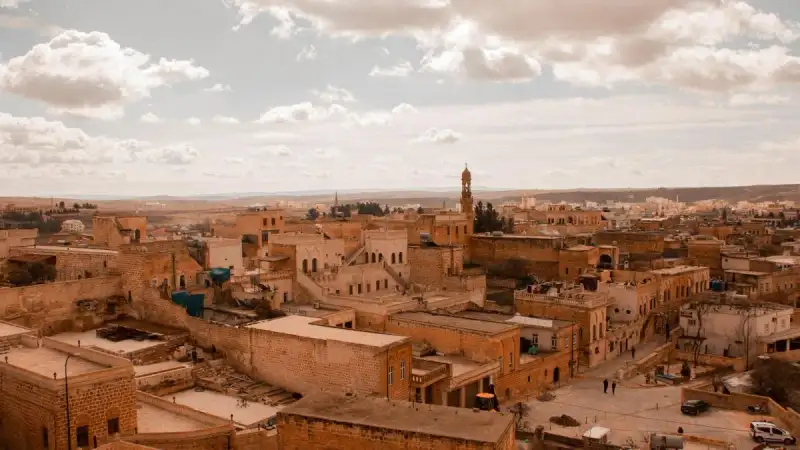
The first breath of Mardin is a whisper of #ancient stone, carried on a breeze that has travelled across the Mesopotamian plains for millennia. It’s a scent of sun-warmed limestone, mingled with exotic spices from hidden bazaars, the faint aroma of freshly brewed mırra coffee, and the subtle perfume of #history itself. You don’t just arrive in Mardin; you are absorbed by it, drawn into its intricate embrace like a thread into a richly woven tapestry. And at the heart of this absorption, this profound connection to a bygone era, lie its historical streets – a living, breathing museum under the vast, often startlingly blue, Anatolian sky.
Mardin isn’t merely a collection of buildings; it is an architectural symphony carved into a steep hillside, each stone a note, each street a melody leading to another breathtaking crescendo. Perched majestically over the endless plains of ancient Mesopotamia, the city resembles a golden eagle nesting on a rugged cliff, its wings outstretched, seemingly surveying the vastness below with a timeless gaze. From a distance, particularly at dawn or dusk when the honey-coloured stone glows with an otherworldly luminescence, Mardin appears to be a natural extension of the rock face itself, as if it wasn’t built, but rather grew organically from the earth.
To truly understand Mardin is to surrender to its streets. They are not merely thoroughfares but arteries carrying the lifeblood of centuries. They are narrow, winding, often steeply inclined, cobbled pathways that twist and turn with an unpredictable charm, revealing new vistas, hidden courtyards, and unexpected architectural delights around every corner. There’s no grid plan here, no rational modern design; Mardin’s urban fabric evolved organically over thousands of years, shaped by topography, defense, and the communal needs of its diverse inhabitants.
The Stone City’s Embrace: #architecture of the Streets
Mardin’s defining characteristic is its uniform architecture, almost exclusively crafted from the local, easily quarried yellow limestone. This soft, malleable stone, which hardens with exposure to air, lends the entire city a cohesive, ancient aesthetic. The houses, madrasahs, mosques, and churches are all built from this same material, creating a harmonious palette that shifts from ochre to gold to dusty beige depending on the angle of the sun. The streets, paved with meticulously laid cobblestones, mirror this material, making you feel entirely enveloped by the stone.
As you wander, you’ll notice the architectural nuances that make Mardin’s streets so unique. Houses are often multi-storied, built directly into the slope, with their lower floors serving as foundations for those above, creating a terraced effect. The facades are adorned with intricate stone carvings – geometric patterns, floral motifs, calligraphic inscriptions, and sometimes even stylized animal figures – evidence of the city’s rich history of craftsmanship. These decorative elements are not just for show; they often tell stories, carry blessings, or indicate the wealth and status of the original inhabitants.
One of the most captivating features you’ll encounter are the abbara – arched stone tunnels or covered passages that span across the streets, connecting buildings on opposite sides. These ancient architectural solutions are born out of necessity and ingenuity. They provide welcome shade from the intense Mesopotamian sun, offer protection from the elements, and in times of conflict, could have served defensive purposes, restricting movement or creating choke points. Walking through an abbara is like stepping into a time capsule; the air cools, sounds echo differently, and for a moment, you are utterly removed from the outside world, suspended in a stone embrace. They create a profound sense of intimacy and discovery, hinting at the closely-knit communities that have thrived here for centuries. Each abbara feels like a secret passage, inviting you to wonder what lies beyond its shadowy depths.
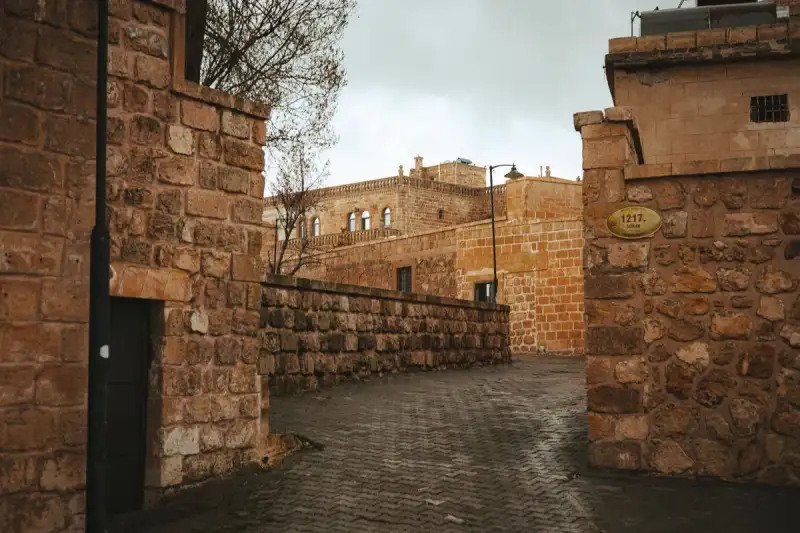
The houses themselves, with their high walls and often unassuming street-facing exteriors, belie the splendour within. Mardin homes are typically built around an internal courtyard (hayat), providing privacy, a microclimate of cool air, and a space for family life away from the public gaze. Many also feature eyvans (iwans), open-fronted, vaulted halls that serve as shaded living areas during hot summers, often overlooking the central courtyard. From the streets, you often only catch glimpses of these inner worlds through heavy wooden doors, adorned with elaborate knockers – each a small work of art.
A Tapestry of Faiths: Echoes in Stone
Mardin has long been a crucible of cultures and religions, a crossroads where East meets West, North meets South. This rich tapestry is vividly reflected in its streets, where the call to prayer from a mosque mingles with the faint peal of bells from a Syriac Orthodox church. This coexistence, often peaceful, sometimes turbulent, has left an indelible mark on the city’s soul and its physical landscape.
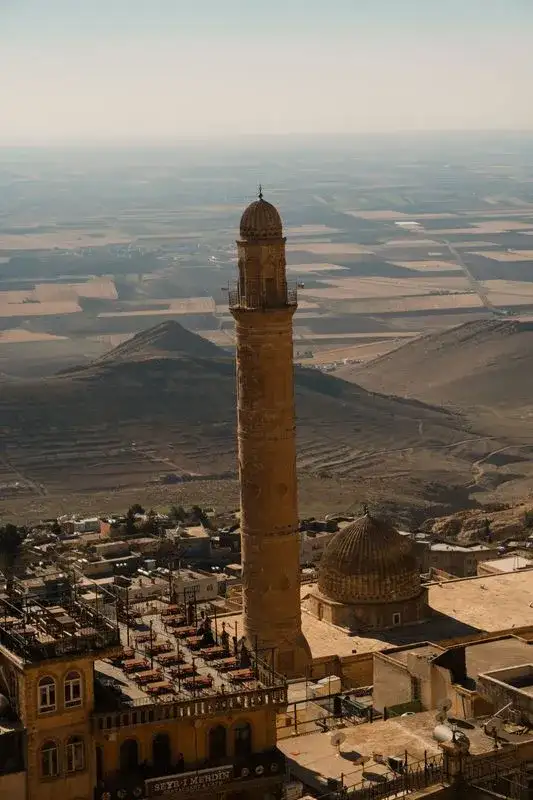
Mosques: Dominating the skyline, particularly with its striking fluted minaret, is the Ulu Cami (Great Mosque). Its precise construction date is debated, but it’s believed to be from the Artuqid period (12th century). Its minaret, visible from almost every vantage point in the old city, serves as a beacon, guiding visitors through the labyrinthine streets. Approaching it, you walk through bustling market areas, the aroma of spices filling the air, until the grand portal with its intricate carvings appears. The mosque’s courtyard is a sanctuary of calm, a stark contrast to the lively streets outside, offering spectacular views of the plains below. The Latifiye Mosque and Şehidiye Mosque are other notable examples, each with their own historical narrative and architectural nuances, contributing to the city’s rich Islamic heritage.
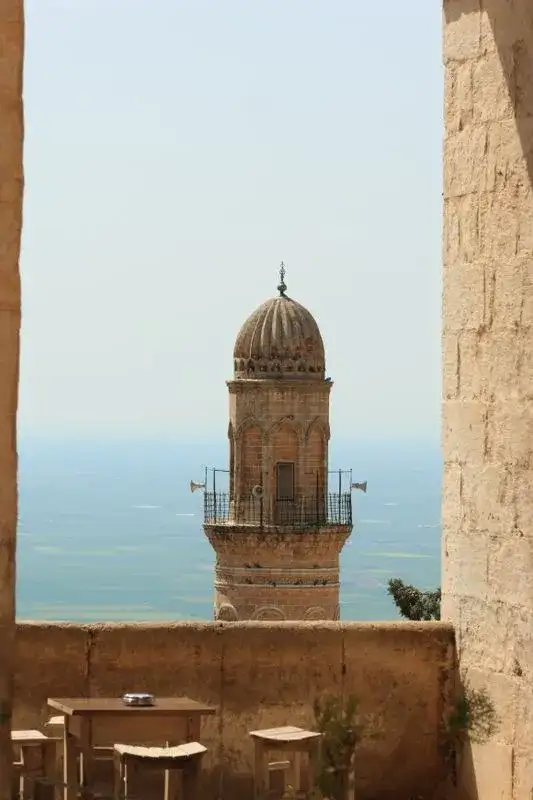
Churches: Mardin is a significant center for the Syriac Orthodox Church, and its presence is deeply felt. Tucked away on various streets are several #beautiful churches. The Forty Martyrs Church (Kırklar Kilisesi), with its unassuming stone exterior, opens into a surprisingly ornate interior, adorned with vibrant icons and intricate woodwork. Its courtyard, a peaceful haven, often hosts ceremonies and gatherings. Here, ancient Aramaic is still spoken and sung during services, a living link to one of the world’s oldest Christian communities. The Virgin Mary Church is another example, offering a glimpse into the enduring Syriac heritage. While a bit outside the immediate city centre, the Deyrulzafaran Monastery – often called the “Saffron Monastery” due to the saffron used in its mortar – stands as a magnificent testament to Syriac Christianity, its influence radiating throughout Mardin’s history and its communities. Its ancient walls and serene atmosphere are a pilgrimage for many, and its spiritual weight is palpable even within the city’s streets.
Madrasahs: These theological schools are architectural masterpieces and vital historical sites. The Zinciriye Madrasah (Sultan Isa Madrasah), perched high on the hillside, is a breathtaking example of Artuqid architecture. Its domes and minaret-like observatories were once used for astronomical studies, reflecting the sophisticated scientific pursuits of its time. Its internal courtyards, adorned with fountains and intricate carvings, offer unparalleled panoramic views of the Mesopotamian plains, stretching out towards Syria. The Kasımıye Madrasah, located on the city’s western outskirts but intricately connected to its history, is another must-see. Its complex architectural design incorporates a sophisticated water system, symbolizing life, birth, and death, flowing through its courtyards. Walking its ancient halls and courtyards provides a profound sense of the intellectual and spiritual life that once thrived within its walls.
Even though a physical synagogue no longer functions as a place of worship, the historical Jewish presence in Mardin is acknowledged, forming another thread in the city’s multi-faith narrative. The spirit of coexistence, despite historical challenges, is a cornerstone of Mardin’s identity, a unique phenomenon visible in the very proximity of its sacred sites.
Life in the Labyrinth: Bazaars, Crafts, and Flavours
The historical streets of Mardin are not mere monuments; they are vibrant conduits of daily life. The air thrums with the sounds of commerce and conversation, the clang of metal, the chatter of merchants, and the laughter of children echoing off ancient stone walls.
The Bazaars (Çarşılar): Descending from the higher parts of the city towards the lower districts, you plunge into the bustling atmosphere of Mardin’s traditional bazaars. Here, the streets narrow further, becoming canopied by awnings and crowded with stalls. The Bakırcılar Çarşısı (Coppersmiths’ Bazaar) is a symphony of sound and light, where skilled artisans hammer sheets of copper into exquisite pots, trays, and decorative items, their rhythmic clanging a timeless soundtrack. The Gümüşçüler Çarşısı (Silversmiths’ Bazaar) showcases the delicate art of telkâri (filigree silverwork), a Mardin specialty, where silver threads are twisted into intricate jewellery. You can often see the artisans at work, their hands deftly manipulating tiny wires, a testament to generations of inherited skill.
Beyond the metalworkers, you’ll find shops overflowing with local treasures: hand-woven textiles, richly dyed carpets, carved wooden artifacts, and traditional soaps made from olive oil and pistachios. The spice markets are a feast for the senses, vibrant pyramids of red pepper flakes, cumin, turmeric, and sumac filling the air with their pungent aromas. You’ll find local delicacies like badem şekeri (sugar-coated almonds, often coloured blue) and dried fruits, perfect for a sweet souvenir.
Culinary #journey on Cobblestones: Mardin’s streets are also a gateway to its rich culinary traditions. Street vendors offer tempting snacks, from freshly baked sembusek (a local version of a savoury pastry, often filled with minced meat) to ikbebet (Syriac kibbeh, often made with bulgur and walnuts). In small, unassuming eateries tucked away in narrow alleys, you can savour hearty Mesopotamian dishes like kaburga dolması (stuffed lamb ribs), a slow-cooked masterpiece that embodies the region’s generous hospitality. And, of course, no visit is complete without experiencing mırra, the intense, bitter, and highly ritualized Turkish-Arabic coffee, served in tiny, handle-less cups, a gesture of welcome and tradition. Each sip connects you to centuries of shared ritual.
Strategic Vistas and Hidden Courtyards: The City’s Layers
Mardin’s streets are not merely about what’s at eye level; they are about elevation, perspective, and discovery. The city’s tiered structure means that every turn can unveil a dramatic panoramic view.
Mardin Castle: Although largely inaccessible to visitors due to its use by the military, the ancient Mardin Castle looms large above the city, its formidable walls a constant reminder of Mardin’s strategic importance throughout history. Its presence dictated much of the city’s defensive planning and layout, influencing the very way its streets and houses were built, creating a tightly packed, defensible urban core. The castle’s enduring silhouette adds to the timeless mystique of the city.
Terraced Views: One of the great joys of navigating Mardin’s streets is the constant interplay between enclosed intimacy and expansive vistas. You might be walking through a narrow, shadowed lane, only to emerge onto a small square or a rooftop terrace offering an uninterrupted panorama of the vast plains stretching south into Syria. These are the moments when Mardin truly takes your breath away – the endless expanse of the horizon, the shifting colours of the sky, and the profound silence that descends at certain times of the day. Many historical houses have their own terraces, and some cafes offer rooftop seating, perfect for enjoying a mırra or a tea while watching the sunset paint the sky in fiery hues over Mesopotamia. These elevated vantage points not only offer stunning views but also allow you to appreciate the ingenious way the city is built, with one house’s roof often serving as another’s terrace.
Hidden Courtyards: Beyond the public thoroughfares, Mardin’s charm lies in its hidden spaces. Many large stone doors, seemingly unremarkable from the street, open into magnificent courtyards – secret gardens, often featuring a central fountain, lush greenery, and comfortable seating areas. These courtyards, known as hayats, are the heart of Mardin’s domestic life, providing cool retreats from the summer heat and private spaces for families to gather. Sometimes, as you walk past an open door, you might catch a fleeting glimpse of such a courtyard, adding to the city’s allure and mystery.
The Rhythm of Time on Stone
Mardin’s streets have a distinct rhythm that changes with the sun’s journey across the sky.
Morning: As the first rays of sun kiss the golden stone, the city slowly awakens. The aroma of freshly baked bread wafts from neighbourhood bakeries. Shopkeepers begin to raise their metal shutters, and the soft clatter of activity fills the air. It’s a peaceful time to wander, when the light is gentle, and the city reveals its quiet, introspective side.
Midday: The sun climbs high, casting sharp shadows and warming the stone. Many seek refuge in the shade of the abbara or the cool interiors of mosques and madrasahs. The streets can be bustling with local errands and commerce, but there’s often a noticeable lull, a siesta-like quietness as the heat reaches its peak. This is a time to explore indoor spaces or enjoy a leisurely lunch in a shaded courtyard restaurant.
Evening: As the sun begins its descent, Mardin transforms. The golden hour bathes the entire city in a warm, ethereal glow, turning the stone houses into palaces of light. Families emerge for evening strolls, friends gather in tea gardens, and the calls to prayer echo across the plains, blending with the sounds of conversation and traditional music. The city lights twinkle on, transforming the ancient streets into a magical pathway. It’s a time for reflection, for enjoying a leisurely dinner, and for simply absorbing the profound beauty of this ancient place.
Navigating Mardin’s Enduring Legacy
To navigate Mardin’s historical streets is to embark on a journey of discovery. Forget maps and rigid itineraries; the true Mardin reveals itself to those who are willing to get lost, to follow a tantalizing aroma, or to investigate a promising archway. Wear comfortable shoes, as the cobbled streets are uneven and often steep. Be prepared for countless photographic opportunities, as every corner offers a new perspective. Engage with the locals; Mardinians are known for their hospitality and willingness to share stories and a cup of tea.
Mardin stands as a living testament to human ingenuity, resilience, and coexistence. Its streets are not just pathways; they are the veins through which thousands of years of history, #culture, and daily life have flowed. From the intricate carvings on an ancient doorway to the cool embrace of an abbara, from the shared silence of a mosque courtyard to the vibrant cacophony of a bazaar, every step through Mardin’s historical streets is a step back in time, a profound connection to the heart of Mesopotamia. It’s a city that doesn’t just show you its history; it invites you to walk through it, to touch it, to breathe it in, and to become a part of its ongoing story. Mardin isn’t just a destination; it’s an experience that carves itself into your memory, leaving an indelible mark long after you’ve left its golden embrace. Its designation as a #UNESCO World Heritage site candidate is a testament to its unparalleled historical and cultural value, a treasure that continues to reveal new layers to those who explore its ancient heart.
#MardinHistory #TravelTurkey #AncientStreets #MesopotamiaExplore #CulturalHeritage
#travel #explore #guide