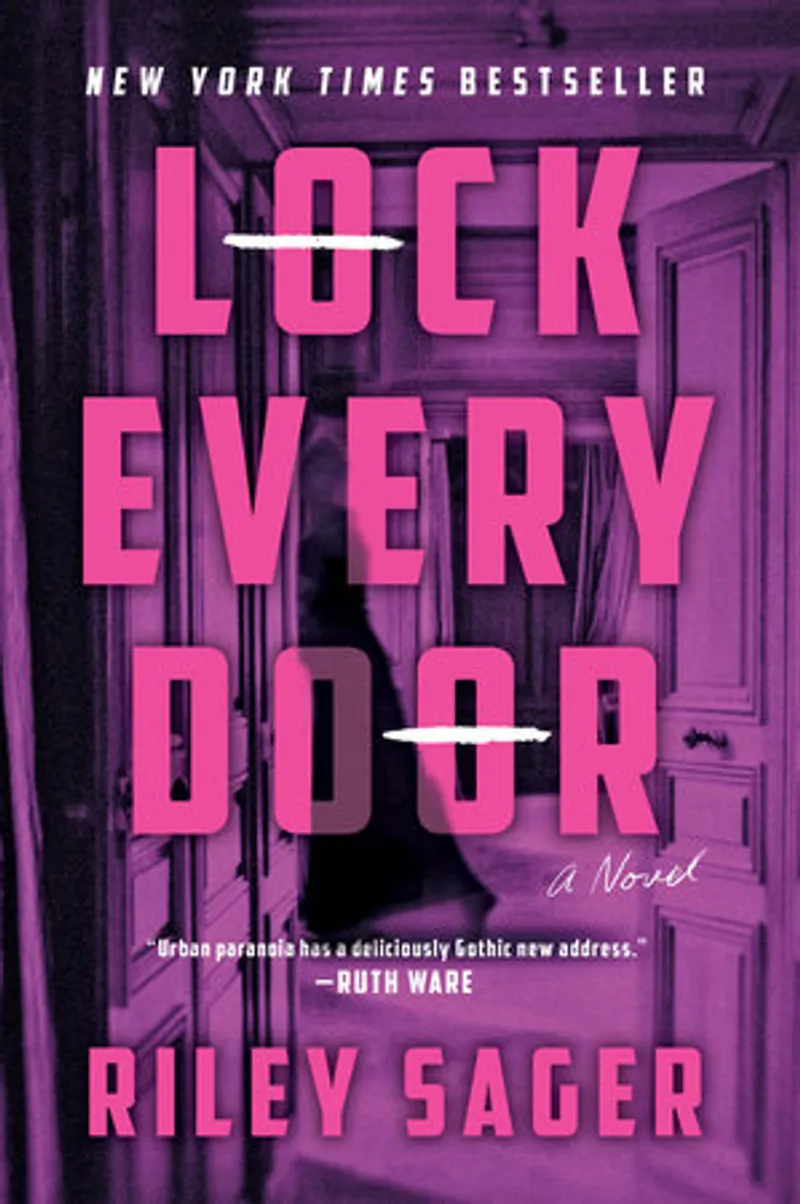
- 20 Jan, 2026 10:28
Lock Every Door Book Review and Summary
Lock Every Door Author: Riley SagerPage Count: UnknownPublication Date: 2020-PRH Lock Every Door by Riley Sager is a gripping and intense thriller that delves into the darker side of human nature, all while maintaining an atmosphere of eerie suspense. This book is a must-read for fans of the genre, and its clever plot twists and turns will keep even the most seasoned readers on the edge of their seats. At the heart of this novel is the enigmatic Bartholomew, a Manhattan apartment building that exudes luxury and sophistication, but also harbors a dark and sinister secret. The building's mysterious past and the strange rules that govern the lives of its residents and staff serve as the perfect backdrop for a thrilling narrative that explores the themes of isolation, loneliness, and the lengths to which people will go to uncover the truth. Riley Sager's writing style is masterful, weaving together multiple plot threads with ease and creating a sense of tension that permeates every page. The author's use of the protagonist, Jules Larsen, as an unreliable narrator adds an extra layer of complexity to the story, making it impossible to discern fact from fiction until the very end. One of the standout aspects of Lock Every Door is its thought-provoking exploration of the human condition. Through Jules' character, Sager sheds light on the consequences of trauma, the power of female relationships, and the dangers of becoming so entrenched in a world of privilege and entitlement that one loses sight of reality. The author's portrayal of the Bartholomew's residents, with their lavish lifestyles and sinister motives, serves as a commentary on the corrupting influence of wealth and the emptiness that can accompany it. Sager's ability to craft relatable and well-developed characters is also noteworthy. Jules, with her troubled past and her determination to uncover the truth about Ingrid's disappearance, is a protagonist that readers will root for from the very beginning. The supporting cast, from the enigmatic Ingrid to the sinister forces that lurk in the shadows of the Bartholomew, adds depth and complexity to the narrative, making it impossible to put the book down. In short, Lock Every Door is a masterclass in suspenseful storytelling, with a unique blend of psychological thrills, atmospheric tension, and thought-provoking themes. Riley Sager's writing is engaging, clever, and downright addictive, making this book a must-read for fans of the thriller genre. #LockEveryDoor #RileySager #PsychologicalThriller #SuspenseNovel #MysteryBook #ThrillerFiction Related InsightsThe Spirits Book Review and Summary The Best Journey in the World: An Antarctic Story Book Review and Summary The Amber Spyglass Book Review and Summary{ "@context": "https://schema.org", "@type": "FAQPage", "mainEntity": [ { "@type": "Question", "name": "What is the main focus of Lock Every Door Book Review and Summary?", "acceptedAnswer": { "@type": "Answer", "text": "Everything you need to know about Lock Every Door with our detailed review." } }, { "@type": "Question", "name": "Who authored the comprehensive guide on Lock Every Door Book Review and Summary?", "acceptedAnswer": { "@type": "Answer", "text": "This detailed article and its insights were carefully researched and authored by Riley Sager." } }, { "@type": "Question", "name": "Where can I find more related content about Books?", "acceptedAnswer": { "@type": "Answer", "text": "You can explore more articles, detailed reviews, and similar insights by browsing the Related Insights section at the bottom of this article or visiting our dedicated Books category page." } } ] }


Rota do Ouro: Uma Viagem no Tempo pelo Interior de Tiradentes Olá, queridos entusiastas de viagens e história! Eu sou Mariana Costa; das ruas coloridas do Brasil aos quatro cantos do mundo, sou uma nômade digital, amante da história e, claro, uma caçadora inveterada de sabores de rua. Hoje levarei vocês a um lugar muito especial no coração do meu país, o Brasil, que cativa com suas ruas de paralelepípedos e arquitetura colonial, onde o tempo parece ter parado: Tiradentes, a joia histórica do estado de Minas Gerais. Se vocês estão prontos para refazer os passos dos anos da corrida do ouro no Brasil, saborear delícias únicas e se perder nas profundezas da história, apertem os cintos; estamos embarcando em uma jornada inesquecível! Este artigo será um pouco longo, pois quero oferecer não apenas um guia superficial, mas uma narrativa profunda que fará você sentir a alma de Tiradentes. O Tesouro Escondido de Minas Gerais: Introdução a Tiradentes Quando se fala no Brasil, as praias infinitas do Rio de Janeiro, a natureza selvagem da floresta amazônica, as águas estrondosas das Cataratas do Iguaçu ou o caos metropolitano de São Paulo vêm à mente de muitas pessoas. No entanto, se você quer realmente entender a alma, a história e a profundidade cultural do Brasil, deve voltar sua rota para o interior, para o estado de Minas Gerais. Este é um lugar que, como o nome sugere (Minas Gerais significa "Minas Gerais" em português), foi palco de um dos maiores movimentos da corrida do ouro do mundo no século XVIII, vivenciando riqueza, esplendor e tristeza ao mesmo tempo. Tiradentes é uma das cidades onde essa era de ouro foi preservada de forma mais elegante. Originalmente chamada de "Vila de São José del-Rei", recebeu seu nome atual em memória de Joaquim José da Silva Xavier, uma das figuras mais importantes do movimento de independência iniciado pelo Brasil contra o colonialismo português (Inconfidência Mineira), conhecido pelo apelido de "Tiradentes" (O que Tira Dentes) por ser dentista de profissão. A atmosfera que o recebe assim que você pisa na cidade é, no sentido literal da palavra, fascinante. Aninhada no sopé da Serra de São José, esta pequena cidade se assemelha a um museu a céu aberto com suas casas caiadas de branco, batentes de portas e janelas coloridos, varandas adornadas com gerânios e ruas irregulares de pedra onde você pode ouvir os sussurros da história a cada passo. Até mesmo a dificuldade com que os carros avançam por essas ruas antigas é a prova de que o mundo moderno não encontrou muito lugar nesta cidade. Aqui as horas passam lentamente; pela manhã, você só ouve o som dos sinos das igrejas e das carruagens puxadas por cavalos. Ciclo do Ouro: A Corrida do Ouro e o Fluxo Mutável da História O "Ciclo do Ouro" (Ciclo do Ouro), que mudou o destino do Brasil, começou no final do século XVII quando exploradores aventureiros chamados Bandeirantes descobriram depósitos gigantescos de ouro na região de Minas Gerais. Essa descoberta foi grande o suficiente para abalar profundamente os equilíbrios econômicos não apenas do Brasil, mas do Império Português e até de toda a Europa. Milhares de pessoas, vindas da Europa e de outras partes do Brasil, migraram para essa geografia montanhosa e desafiadora com o sonho de enriquecer. Naquela época, Minas Gerais era quase como o velho oeste; um lugar onde a falta de lei, a febre do ouro e a luta pela sobrevivência eram vivenciadas juntas. Tiradentes se tornou um dos assentamentos que mais se beneficiou dessa onda de ouro. Enquanto a maior parte do ouro extraído era enviada diretamente para o trono português (com o famoso imposto "Quinto do Ouro"), o restante foi usado para construir incrível riqueza e luxo na região. Mestres, artistas e arquitetos trazidos da Europa construíram igrejas, casarões e chafarizes entre as montanhas, que são verdadeiras obras de arte. No entanto, por trás dessa riqueza havia um terrível drama humano: as dolorosas histórias de escravizados trazidos à força da África e forçados a trabalhar sob condições desumanas nas minas. Enquanto você caminha pelas ruas de Tiradentes, você sente esse contraste profundamente. De um lado, uma enorme estética trazida pelo ouro, portas de madeira entalhadas e esplendor barroco; de outro, o trabalho invisível daqueles que criaram essa riqueza com suas mãos e suas vidas. Enquanto examino os bordados em ouro nas paredes das igrejas, não posso deixar de pensar no suor e nas lágrimas derramados na construção daquelas paredes. A história nunca é apenas sobre vitórias e riquezas; é também a história daqueles deixados nas sombras. Esplendor Barroco: Igreja Matriz de Santo Antônio Ao falar sobre as obras-primas arquitetônicas de Tiradentes, seria um grande erro pular a Igreja Matriz de Santo Antônio (Igreja Central de Santo Antônio), posicionada em um dos pontos mais altos da cidade e observando a cidade do alto em todo o seu esplendor. Esta igreja, que é um dos exemplos mais impressionantes e ricos da arquitetura barroca brasileira, começou a ser construída em 1710. Embora pareça relativamente simples por fora, com predominância de tons brancos e amarelos, assim que você entra por sua imensa porta de madeira, ela literalmente te puxa para um mar de ouro. As esculturas em madeira, as estátuas e os altares no interior são cobertos por mais de meia tonelada de ouro puro extraído da região! Sim, você não ouviu errado; mais de meia tonelada de ouro. Diz-se que Antônio Francisco Lisboa, conhecido como Aleijadinho e o mais famoso escultor barroco do Brasil, também tem sua assinatura no design da fachada desta igreja. Embora Aleijadinho fosse deficiente (sabe-se que ele trabalhava amarrando suas ferramentas aos pulsos devido a uma doença que afetava seus braços e pernas, possivelmente lepra ou sífilis), ele é um gênio que gravou seu nome em letras douradas não apenas na história da arte brasileira, mas na história da arte mundial, com as obras que revelou. A intensidade emocional e os detalhes anatômicos de suas obras fazem com que a pedra e a madeira quase respirem. Enquanto você examina os detalhes dentro da igreja, não vai perceber como as horas passam. Aquelas finas figuras de anjos, folhas de parreira, cachos de uva e cenas da Bíblia esculpidas em madeira revelam o talento dos mestres da época. O imenso órgão de fabricação portuguesa (datado de 1788) também é um dos tesouros mais preciosos da igreja. Se você se deparar com os concertos dados com este órgão nas noites de sexta-feira, considere-se com sorte. Além disso, observar a vista panorâmica da cidade de Tiradentes e da imponente Serra de São José estendendo-se atrás dela a partir do pátio da igreja é uma das atividades mais fascinantes que você pode fazer aqui. À medida que o sol se põe, a luz dourada que reflete nos telhados de telha vermelha da cidade irá lembrá-lo, em sua forma mais poética, de exatamente por que essa rota é chamada de "Rota do Ouro". Chafariz de São José: A Fonte de Vida da Cidade Falando em igrejas, não posso deixar de mencionar a outra estrutura icônica da cidade, o "Chafariz de São José" (Fonte de São José). Construído em 1749, esse chafariz é um dos mais belos exemplos da arquitetura civil do período colonial. Possui três bicas e é o coração do sistema de distribuição de água da época. No passado, a água potável da cidade era fornecida daqui, as roupas eram lavadas aqui e os cavalos bebiam água aqui. Hoje em dia, este chafariz serve tanto como um enquadramento perfeito para os fotógrafos quanto como um excelente ponto de descanso para sentar em seus degraus de pedra e observar a agitação diária dos moradores locais. Diz o boato que quem bebe água deste chafariz definitivamente retornará a Tiradentes! Uma Viagem Nostálgica: Viagem no Tempo com a Maria Fumaça Como uma nômade digital, uma das coisas que mais amo é transformar a própria jornada em uma experiência, em vez de simplesmente ir do ponto A ao ponto B. Aviões rápidos e ônibus confortáveis sempre existem, mas sentir o ritmo do passado não tem preço. A maneira mais romântica, mais poética e nostálgica de chegar a Tiradentes é definitivamente viajar no trem a vapor histórico conhecido como "Maria Fumaça" (Maria Fumegante). Partindo de São João del-Rei, outra cidade histórica próxima, este trem é uma das poucas linhas de trem a vapor que ainda operam regularmente no Brasil. Inaugurada pelo Imperador D. Pedro II no final do século XIX (1881), esta ferrovia de bitola estreita o leva lentamente através da natureza exuberante, ao longo das curvas do Rio das Mortes (Rio dos Mortos), até Tiradentes. Durante esta jornada de aproximadamente 12 quilômetros que dura 45 minutos, olhar pela janela dos vagões de madeira enquanto ouve o rítmico som de "chuí chuí" feito pela locomotiva, o cheiro de carvão e a fumaça branca lançada no ar, transportam você quase que em uma máquina do tempo para séculos atrás. Ao comprar o seu bilhete, recomendo fortemente escolher os assentos do lado direito do trem; as mais belas vistas do rio, dos vales e da natureza ficam desse lado. Além disso, vale a pena chegar à estação pelo menos uma hora antes para examinar os pequenos souvenirs feitos à mão vendidos nas estações de trem, visitar o antigo museu ferroviário e conversar com os moradores locais. Comida Mineira: Um Banquete Gastronômico para Alimentar a Sua Alma Agora, vamos à minha parte favorita! Eu sou Mariana Costa e quem me acompanha sabe muito bem; a maneira mais certa de explorar um lugar, de descer ao coração de uma cultura, passa por provar a sua comida. Comidas de rua, mercados e cozinhas tradicionais são, para mim, o reflexo mais sincero de um país. O estado de Minas Gerais também é, digo isso sem exageros, a região de todo o Brasil que mais se orgulha da sua gastronomia, a região com a culinária mais rica. A "Comida Mineira" (Comida de Minas) é uma culinária cozida lentamente no fogo a lenha (fogão a lenha), com fartos ingredientes, satisfatória e que dá às pessoas aquela sensação de "calor de casa", como se estivessem na casa de sua avó. Ao passear pelas ruas de Tiradentes, você notará que aqueles aromas fascinantes de alho, cebola e bacon se elevam de quase cada esquina. A primeira coisa que você deve experimentar ao começar o dia aqui é, sem dúvida, o "Pão de Queijo" (pão de queijo). Você pode encontrar Pão de Queijo em todas as partes do Brasil, e até mesmo em muitos países do mundo, mas você nunca encontrará o sabor do que você come em Minas Gerais em nenhum outro lugar. Feitos com farinha de mandioca e o intenso e maturado queijo Minas regional, esses pães; são crocantes por fora, macios como chiclete por dentro e quentinhos. Ao lado de um café brasileiro fresquinho pela manhã, quando você come com manteiga ou doce de leite, você ficará viciado. Quanto aos almoços ou jantares, o "Feijão Tropeiro" é uma verdadeira obra-prima. Esse prato, que leva o nome dos tropeiros que transportavam ouro, café e outras mercadorias no lombo de mulas por terrenos acidentados durante o período colonial, traz os traços do passado para o seu prato. É uma mistura maravilhosa de feijão carioca, farinha de mandioca torrada (farinha), muito bacon (bacon), salsicha caseira (linguiça), ovos, couve picada finamente (couve) e alho. Surgindo como uma refeição que aguentava longas viagens, não estragava e dava altíssima energia naquela época, o Feijão Tropeiro é hoje o maior motivo de orgulho da cultura de Minas. Não se esqueça de pingar algumas gotas de molho de pimenta picante (pimenta) por cima! Outro sabor indispensável é o "Frango com Quiabo" (Frango Caipira com Quiabo) e o "Frango ao Molho Pardo" servido com mingau de farinha de milho. Todos esses pratos geralmente são servidos após ferverem por horas no fogo a lenha em velhas e grossas panelas de ferro pretas (panelas de ferro), o que aumenta em muito o sabor, o cheiro de fumaça e a autenticidade da comida. Para quem corre atrás das comidas de rua, o "Pastel de Angu" é um lanche perfeito. Feitos com farinha de milho no lugar da massa normal, esses pastéis fritos são recheados de carne moída, queijo ou frango. Acompanha super bem um "Caldo de Cana" (caldo de cana-de-açúcar recém espremido) bem gelado. Se você é daqueles que diz que não levanta da mesa sem sobremesa, você está no paraíso. O "Doce de Leite" (doce de leite) de Minas Gerais é uma lenda mundial. Nas lojinhas da cidade, servido colocando uma grande colherada de Doce de Leite ou goiabada (pasta de goiaba) sobre o queijo Minas fresco (Queijo Minas Frescal), o "Romeu e Julieta" (a harmonia desse doce contraste é realmente como Romeu e Julieta); sair de Tiradentes sem prová-lo seria uma grande perda. Além disso, o "Pé de Moleque" (crocante de amendoim) e a "Cocada" (doce de coco) vendidos nas barracas que aparecem enquanto você passeia pelas ruas também devem obrigatoriamente ser colocados na bolsa. No Abraço da Natureza: Os Mistérios da Serra de São José e Cachoeiras Tiradentes não é um destino fascinante apenas por suas ruas históricas, arquitetura barroca e comidas fantásticas, mas também por sua natureza de tirar o fôlego. A Serra de São José (Cordilheira de São José), que se ergue como uma imponente muralha verde atrás da cidade, é literalmente um paraíso para os amantes da natureza com sua biodiversidade, espécies endêmicas e as atividades ao ar livre que oferece. Quando quero me afastar do ritmo intenso da minha vida de nomadismo digital passado em frente à tela e descansar a cabeça, me aterrar, jogo-me imediatamente nas trilhas de caminhada no sopé dessas montanhas. Trilhas históricas como a "Trilha do Carteiro" (Caminho do Carteiro) ou a "Trilha dos Escravos" (Caminho dos Escravos) são antigos caminhos pedregosos pavimentados pelas mãos de escravos para transportar ouro e cartas durante o período colonial. Ao caminhar silenciosamente por essas estradas, você não apenas se entrelaça com a história, mas também observa uma interseção única da vegetação da savana brasileira (Cerrado) e da exuberante Floresta Atlântica (Mata Atlântica). Tucanos coloridos, minúsculos micos e milhares de tipos de borboletas o acompanham. A recompensa mais bela das caminhadas são, sem dúvida, as cachoeiras escondidas e as piscinas naturais geladas que aparecem no final das trilhas. Cachoeiras como a "Cachoeira do Mangue" ou a "Cachoeira do Bom Despacho" oferecem ótimos pontos de fuga para se refrescar e ouvir o som pacífico da natureza, especialmente naqueles meses sufocantes de verão no Brasil. Nas primeiras horas da manhã, deixar meu computador no quarto de hotel e caminhar por essas trilhas acompanhada apenas pelos sons da floresta e da água, sentar nas pedras e meditar, sempre me lembra de novo por que escolhi esse estilo de vida nômade livre a cada vez. Arte, Artesanato e a Alma Viva das Ruas Um dos elementos mais importantes que compõem a alma de Tiradentes é a arte e o artesanato. Este é um lugar onde a criatividade e o trabalho manual são abençoados. As ruas da cidade estão cheias de estúdios chiques, galerias de arte e pequenas boutiques onde artesãos locais exibem suas obras feitas à mão e com carinho. Escultura em madeira, trabalho em ferro, esculturas em pedra-sabão (pedra-sabão), cerâmicas e produtos têxteis coloridos lideram os artesanatos tradicionais da região. Em particular, as figuras de papagaios, tucanos e araras esculpidas em madeira velha e pintadas de forma colorida, são ótimas lembranças para levar a biodiversidade do Brasil para suas casas. Além disso, móveis rústicos feitos a partir de materiais reciclados, de portas e janelas de casas antigas demolidas, oferecem os mais belos exemplos de arte sustentável e reciclagem. A cada visita a Tiradentes, tenho imenso prazer em conversar obrigatoriamente com um artista local, um carpinteiro ou um pintor, e observar aquele caos criativo, empoeirado e com cheiro de tinta, em seus estúdios. Essas pessoas não estão produzindo apenas itens a serem vendidos para turistas; estão moldando com suas mãos uma cultura e história profundamente enraizadas, passadas de geração em geração. À noite, a praça principal que é o coração da cidade, o Largo das Forras, assume uma energia completamente diferente e agitada. Aquela cidade silenciosa e lenta do dia dá lugar a uma multidão alegre. Enquanto os músicos de rua aquecem o ar fresco com melodias de bossa nova, choro e samba tradicional, os movimentos rítmicos dos jovens jogando capoeira em um canto da praça fascinam os espectadores. Sentar em um dos cafés da praça e bebericar uma Cachaça (a tradicional bebida alcoólica destilada da cana-de-açúcar do Brasil) artesanal de alta qualidade ou uma cerveja boutique artesanal enquanto observa essa atmosfera vibrante é uma das experiências mais puras, mais "brasileiras", que você pode viver em Tiradentes. Cidade dos Festivais: Cinema e Gastronomia Ao contrário de seu silêncio, Tiradentes sedia alguns dos mais importantes festivais culturais do Brasil. Se você fizer coincidir a sua viagem com as datas certas, você encontrará uma face completamente diferente da cidade. A "Mostra de Cinema de Tiradentes" (Festival de Cinema de Tiradentes), realizada todos os anos em janeiro, é onde bate o coração do cinema independente brasileiro. Diretores, atores e cinéfilos enchem esta pequena cidade. Assistir a filmes ao ar livre em telas gigantes montadas nas ruas é uma experiência tremenda. Em agosto, acontece o meu favorito pessoal, o "Festival de Gastronomia de Tiradentes" (Festival de Gastronomia de Tiradentes). Durante este festival, a cidade se transforma em uma enorme cozinha. Chefs famosos de todo o Brasil e do mundo reinterpretam ingredientes locais e receitas tradicionais de Minas com toques modernos. Sob grandes tendas montadas na praça, menus degustação, workshops, aulas de culinária e banquetes inesquecíveis acompanhados de música ao vivo são realizados. Se você ama comer tanto quanto eu, obrigatoriamente adicione este festival à sua lista de coisas a fazer antes de morrer! A Inconfidência Mineira e o Fogo Inextinguível da Liberdade Enquanto passeia por essas terras, você sente os vestígios da Inconfidência Mineira (Conspiração de Minas), um dos pontos de inflexão mais importantes da luta pela independência do Brasil, e os sussurros da rebelião em cada canto, sob cada pedra. No final do século XVIII, os impostos incrivelmente pesados aplicados pelo trono português (especialmente as altas fatias tiradas do ouro e as políticas de endividamento) haviam esgotado a paciência do povo da região, dos donos de minas e de seus intelectuais. Um grupo de intelectuais, clérigos, soldados e poetas sob a liderança de Joaquim José da Silva Xavier (também conhecido como Tiradentes), influenciado pela Guerra da Independência Americana e pelas ideias de liberdade que floresciam na Europa da era do iluminismo antes da Revolução Francesa; fez planos para estabelecer uma república independente no Brasil. Sua senha, que ainda hoje está escrita na bandeira do estado de Minas Gerais, era "Libertas Quae Sera Tamen" (Liberdade ainda que tardia). No entanto, infelizmente, como resultado da traição de um deles em troca do perdão de suas dívidas, o plano foi revelado precocemente e o movimento de independência foi esmagado sangrentamente antes mesmo de nascer. Enquanto a maioria dos conspiradores foi enviada para o exílio, Tiradentes, como o líder do movimento, corajosamente assumiu toda a culpa e foi enforcado e executado no Rio de Janeiro em 21 de abril de 1792, e seu corpo foi cortado em pedaços e exibido nessas estradas como um aviso. Hoje ele é um dos maiores heróis nacionais do Brasil, o símbolo imortal do espírito de democracia e independência. (O dia 21 de abril é um feriado oficial no Brasil). A cidade de Tiradentes sente uma grande honra por levar o nome deste herói. Aquela orgulhosa estátua de Tiradentes na praça nos lembra a todo momento o preço da liberdade e daqueles que pagaram esse preço com suas vidas ao longo da história. A história aqui não continua a viver vivamente apenas nas empoeiradas prateleiras dos museus; mas nos paralelepípedos das ruas, nas sombras das igrejas, na postura ereta das estátuas e nas canções de liberdade do povo. Guia de Tiradentes para Nômades Digitais e Trabalhadores Remotos Bem, se eu fosse avaliar Tiradentes como uma área de trabalho e moradia como uma nômade digital, o que eu diria? Em uma palavra: Este é um oásis perfeito para aqueles que adotam o conceito de "slow living" (vida lenta) e buscam sessões focadas de trabalho profundo (deep work). Longe do caos das grandes cidades, das buzinas intermináveis de trânsito e do estresse, ele lhe dá a oportunidade de ouvir sua própria voz interior. A infraestrutura de internet, embora seja uma cidade histórica na montanha, é surpreendentemente boa e estável. Muitos cafés fofos, restaurantes com pátios e pousadas (pousadas) oferecem Wi-Fi rápido e áreas de trabalho confortáveis. No entanto, a coisa real que torna este lugar único e especial é que você pode estabelecer o equilíbrio entre trabalho e vida pessoal (work-life balance) sem gastar nenhum esforço, de uma maneira extremamente natural. Nas primeiras horas da manhã, ao mesmo tempo em que faz reuniões com seus clientes no outro lado do mundo na frente do seu computador, você pode se encontrar desligando a tela à tarde e lendo a história no pátio de uma igreja gigantesca do século XVIII, tirando fotos nas ruas de paralelepípedos ou nadando nas águas frias de uma cachoeira em meio a uma floresta verdejante. Recomendações Especiais da Mariana:Quando Ir: Tiradentes é bela e diferente em todas as estações. Os meses de inverno (junho a agosto) passam com noites frescas, e dias ensolarados e claros. No entanto, os períodos do Festival de Gastronomia em agosto e do Festival de Cinema em janeiro são muito lotados, é necessário fazer reservas de hotel com meses de antecedência. Se você procura silêncio, prefira fora desses períodos. Onde Ficar: Para sentir plenamente a textura histórica da cidade, prefira pousadas boutique (pensões tradicionais) próximas ao centro (Centro Histórico). Esses hotéis transformados a partir de antigos casarões, com seus móveis antigos, grandes varandas com redes, pátios internos e os lendários cafés da manhã caseiros, oferecem uma experiência maravilhosa. O Que Vestir e O Que Empacotar: Como as ruas são cobertas com paralelepípedos extremamente irregulares, definitivamente prefira sapatos de caminhada confortáveis com solas grossas ou tênis com bom suporte. Nem traga sapatos de salto alto na sua mala, é impossível andar aqui! Como o ar da montanha pode ser fresco à noite, mesmo que você vá no verão, mantenha uma jaqueta fina ou cardigã com você. Sugestão de Café Escondido: Para trabalhar, afaste-se um pouco da multidão ao redor do Largo das Forras e encontre pequenas cafeterias independentes que são ateliês de torrefação (roastery) nas ruas de trás. Você não apenas provará os melhores grãos do Brasil, mas também poderá trabalhar ininterruptamente por horas.Palavras Finais: Uma Experiência Além do Tempo Tiradentes não é um simples ponto geográfico marcado no mapa ou um destino turístico comum; é um sentimento, um estado de espírito. É uma história profunda e multidimensional amassada pelo brilho deslumbrante do ouro, a tristeza comovente da escravidão, o fogo inspirador da luta pela liberdade, o verde acolhedor da natureza e o calor de sua culinária única. Quando o seu caminho o levar ao Brasil, atreva-se a ir um pouco além das rotas costeiras clichês e das grandes metrópoles, e abra o seu coração para essa histórica cidade montanhosa. Perca-se naquelas irregulares ruas de pedra, tenha longas conversas com os moradores locais na companhia de uma xícara de café, ouça o silêncio da natureza e o som dos sinos das igrejas. Absorva aquela textura fascinante e pesada da história. Eu sou Mariana Costa; continuarei a correr atrás de estradas, da história e de sabores, e a explorar o mundo passo a passo. Vejo você em novas rotas, em novas cidades e em novas histórias. Adeus por enquanto, fique com as viagens, fique com a curiosidade! #Brasil #MinasGerais #Tiradentes #GuiaDeViagem #História #NômadeDigital #MarianaCosta #ComidaDeRua #AméricaDoSul #RotaDoOuro #BlogDeViagem #ComidaMineira #HistóriaDoBrasil #SlowLiving #Viajante #Viagem #Explorar #Brasil #Histria Related InsightsA Magia de Paraty: Ruas de Pedra e História Colonial As Igrejas Centenárias de Olinda: Uma Herança Esquecida{ "@context": "https://schema.org", "@type": "FAQPage", "mainEntity": [ { "@type": "Question", "name": "What is the main focus of Rota do Ouro: Uma Viagem no Tempo pelo Interior de Tiradentes?", "acceptedAnswer": { "@type": "Answer", "text": "Rastreamos os anos da corrida do ouro no Brasil na cidade de Tiradentes, a joia histórica de Minas Gerais." } }, { "@type": "Question", "name": "Who authored the comprehensive guide on Rota do Ouro: Uma Viagem no Tempo pelo Interior de Tiradentes?", "acceptedAnswer": { "@type": "Answer", "text": "This detailed article and its insights were carefully researched and authored by Mariana Costa." } }, { "@type": "Question", "name": "Where can I find more related content about História?", "acceptedAnswer": { "@type": "Answer", "text": "You can explore more articles, detailed reviews, and similar insights by browsing the Related Insights section at the bottom of this article or visiting our dedicated História category page." } } ] }

Be Sure Author: Seanan McGuirePage Count: UnknownPublication Year: 2023-GB Seanan McGuire’s Be Sure is a masterclass in tension and inevitability, a novel that doesn’t just grip you—it burrows under your skin and refuses to let go. Published in 2023, this book cements McGuire’s reputation as a writer who can turn the mundane into something unsettling, the ordinary into a slow-burning nightmare. At its core, Be Sure is a meditation on certainty, on the lies we tell ourselves to survive, and the terrifying moment when those lies collapse. It’s a book about the stories we cling to, the ones we must believe to keep moving forward, even when every instinct screams otherwise. The premise is deceptively simple: a woman receives a message from her future self, warning her of an impending disaster. The catch? The message is cryptic, the advice contradictory, and the only thing clear is that something terrible is coming. As the protagonist—unnamed, deliberately everyman—tries to decipher the warnings, she spirals into a labyrinth of paranoia, guilt, and doubt. McGuire doesn’t just tell you what’s happening; she makes you feel the suffocating weight of not knowing, the way paranoia warps perception. The prose is sharp, economical, yet laden with subtext. Every sentence feels deliberate, like a knife twist that lands just where it’s meant to. What makes Be Sure so compelling is its refusal to offer easy answers. McGuire is a writer who understands that the scariest stories aren’t the ones with monsters hiding in the dark—they’re the ones where the real horror is the darkness in ourselves. The protagonist’s struggle isn’t just against an external threat; it’s against her own complicity, her own failures, the stories she’s told to justify them. The book’s title isn’t just a phrase—it’s a command, a challenge, a dare. Be sure of what? the book seems to ask. And what happens when you’re not? McGuire’s style is a blend of clinical precision and visceral dread. She has a knack for making the surreal feel tangible, the abstract suddenly horrifyingly concrete. There’s a moment in Be Sure where a character’s reflection in a window doesn’t move when they do—a tiny, impossible detail that lingers like a splinter in the mind. The pacing is relentless, not because of action, but because of the way McGuire ratchets up the unease. You read, waiting for the other shoe to drop, only to realize the shoe was the drop all along. The book also shines in its exploration of memory and narrative. What we remember isn’t just a record of the past; it’s a story we’ve constructed, one that’s as much about who we are now as who we were then. The protagonist’s memories are unreliable, not just in detail but in meaning. McGuire forces the reader to question not just what happened, but why it matters—and whether it even did happen at all. It’s a theme that resonates deeply in an age where truth feels increasingly fluid, where the stories we tell ourselves shape reality more than facts ever could. Be Sure isn’t just a thriller or a horror story; it’s a psychological dissection of certainty itself. What does it mean to be sure? To trust your own mind, your own perceptions? McGuire doesn’t offer resolutions, only more questions, more doubts. The ending is ambiguous by design—because the real horror isn’t in the unknown; it’s in the act of searching for answers and finding none. If you’ve ever stayed up at night, replaying a conversation, a decision, a moment where you thought you were right but now aren’t so sure, then Be Sure will cut straight to the bone. It’s a book that lingers, not because of its shocks, but because of its quiet, insistent voice asking: What if you’re wrong? And once you start asking that question, there’s no going back. #BeSure #SeananMcGuire #PsychologicalHorror #UnreliableNarrator #FutureWarnings #DreadAndParanoia Related InsightsErotic Seasons: Tuning into the Rhythms of Women's Sexuality and Spirituality Book Review and Summary Nanny Nanny Book Review and Summary The Girl Who Was Taken Book Review and Summary{ "@context": "https://schema.org", "@type": "FAQPage", "mainEntity": [ { "@type": "Question", "name": "What is the main focus of Be Sure Book Review and Summary?", "acceptedAnswer": { "@type": "Answer", "text": "Everything you need to know about Be Sure with our detailed review." } }, { "@type": "Question", "name": "Who authored the comprehensive guide on Be Sure Book Review and Summary?", "acceptedAnswer": { "@type": "Answer", "text": "This detailed article and its insights were carefully researched and authored by Tiago Silva." } }, { "@type": "Question", "name": "Where can I find more related content about Books?", "acceptedAnswer": { "@type": "Answer", "text": "You can explore more articles, detailed reviews, and similar insights by browsing the Related Insights section at the bottom of this article or visiting our dedicated Books category page." } } ] }

Anthropocene Author: Edward BurtynskyPage Count: UnknownPublication Year: 2018-GB Anthropocene: A Haunting Elegy to the Earth’s Scars Edward Burtynsky’s Anthropocene is not merely a book—it is a visual and philosophical reckoning with humanity’s indelible mark on the planet. Published in 2018, this landmark work collates Burtynsky’s decades-long photographic documentation of the Anthropocene epoch, a term coined to describe the geological age defined by human activity. But Anthropocene transcends mere documentation; it is a mournful ode to a world reshaped by industry, extraction, and unchecked progress. Burtynsky, a master of environmental photography, does not preach or lament outright. Instead, he presents his subjects—massive mines, sprawling landfills, melting glaciers—with a clinical, almost reverent detachment, forcing the viewer to confront the beauty and horror of our collective legacy. The book’s central theme is undeniable: the Anthropocene is a story of dominance, hubris, and unintended consequences. Burtynsky’s lens captures the paradox of human ingenuity—how we carve canyons into mountains for copper, drown valleys to power cities, and blanket fields in plastic, all in the name of comfort and consumption. The images are breathtaking in their scale and composition, yet they evoke a creeping dread. A photograph of the Mir Mine in Russia, a gaping pit so vast it’s visible from space, is a testament to human ambition, but also to the insatiable appetite that has left the earth pockmarked and wounded. The book’s genius lies in its refusal to moralize; the moral is embedded in the silence of the frames themselves. Burtynsky’s style is deceptively simple. His photographs are hyper-detailed, often shot from elevated vantage points to emphasize the sheer scale of human intervention. There is an almost painterly quality to his work—rich in texture, color, and light—yet the subject matter strips away any romanticism. A salt flat in Bolivia, dyed a surreal pink by microorganisms thriving in lithium-rich waters, becomes a symbol of both natural adaptability and industrial exploitation. The juxtaposition of organic hues against the sterile precision of human engineering is a recurring motif, reinforcing the idea that nature and industry are no longer separate forces but entangled in a destructive dance. What makes Anthropocene so compelling is its duality: it is both a eulogy and a warning. Burtynsky does not offer solutions, nor does he indulge in nostalgia for a pre-industrial world. Instead, he presents the Anthropocene as an inescapable reality, one that demands acknowledgment if not redemption. The book’s layout amplifies this effect. Paired with essays by writers like Jennifer Baichwal and Nicholas de Pencier, the photographs gain depth and context, transforming from mere images into a narrative of ecological consequence. Burtynsky’s genius lies in his ability to make the abstract tangible. When we see the skeletal remains of a coral reef bleached white by rising temperatures, or the geometric precision of a landfill stretching to the horizon, the idea of climate change is no longer a distant statistic—it is a visceral, undeniable truth. The book’s power is in its quiet insistence: look closely, because this is your world, now and in the epochs to come. Yet, for all its bleakness, Anthropocene is not devoid of hope. There is a strange beauty in the resilience of the earth, in the way life persists even in the most degraded landscapes. Burtynsky’s work reminds us that the Anthropocene is not solely a tale of destruction, but also one of adaptation—a story still being written. The question is whether humanity will choose to write a new chapter. In an era where environmental discourse often veers into either despair or hollow optimism, Anthropocene strikes a rare balance. It does not flinch from the damage, nor does it surrender to fatalism. Instead, it holds up a mirror to our actions, asking us to see, to remember, and perhaps—if we are brave enough—to change. For those who believe photography can be a force for awakening, Anthropocene is essential reading. It is a book that lingers, not just in the mind, but in the gut—a reminder that we are not separate from the earth, but a part of its story, for better or worse. #Anthropocene #EdwardBurtynsky #ClimateChange #HumanImpact #PhotographyAsProtest #EarthInCrisis Related InsightsWe Chase Shadows (We Solve Murders, #2) Book Review and Summary Maggie Moves On Book Review and Summary Breakfast of Champions Book Review and Summary{ "@context": "https://schema.org", "@type": "FAQPage", "mainEntity": [ { "@type": "Question", "name": "What is the main focus of Anthropocene Book Review and Summary?", "acceptedAnswer": { "@type": "Answer", "text": "Everything you need to know about Anthropocene with our detailed review." } }, { "@type": "Question", "name": "Who authored the comprehensive guide on Anthropocene Book Review and Summary?", "acceptedAnswer": { "@type": "Answer", "text": "This detailed article and its insights were carefully researched and authored by Marta Wisniewska." } }, { "@type": "Question", "name": "Where can I find more related content about Books?", "acceptedAnswer": { "@type": "Answer", "text": "You can explore more articles, detailed reviews, and similar insights by browsing the Related Insights section at the bottom of this article or visiting our dedicated Books category page." } } ] }
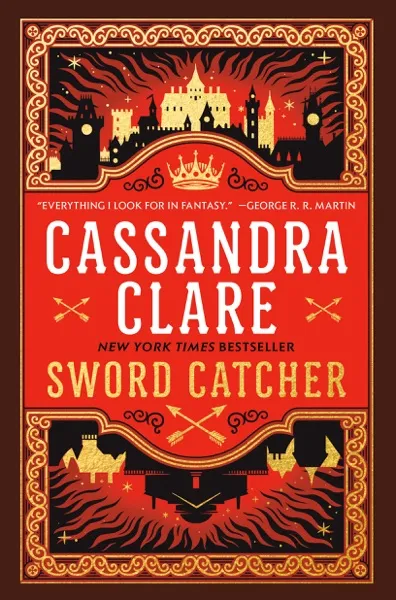

Sword Catcher Author: Cassandra ClarePage Count: UnknownPublication Year: 2023-GB "Sword Catcher" by Cassandra Clare is a spellbinding addition to the literary world, weaving a captivating narrative that solidifies the author's position as a masterful storyteller. As a global bestseller, this book has garnered widespread acclaim, and for good reason – Clare's writing is nothing short of enchanting. One of the primary themes that emerges in "Sword Catcher" is the struggle for power and identity. Clare expertly crafts a world where characters are constantly navigating the complexities of their own strengths and weaknesses, all while facing formidable foes and unexpected allies. This delicate balance of internal and external conflicts creates a sense of tension that propels the reader forward, eager to uncover the fate of the characters. Clare's writing style is, as always, a highlight of the book. Her prose is rich and evocative, painting vivid pictures of the world and its inhabitants. The author's use of language is deliberate and masterful, with each word carefully chosen to create a specific atmosphere or convey a particular emotion. This attention to detail is a hallmark of Clare's writing and serves to immerse the reader in the world of the story. Throughout the book, Clare explores the complexities of human relationships, delving into the intricacies of love, loyalty, and friendship. The characters are multidimensional and relatable, with each one bringing their own unique perspective to the narrative. This diversity of voice and experience adds depth to the story, making it feel both personal and universal. One of the most striking aspects of "Sword Catcher" is its ability to blend elements of fantasy and adventure with more grounded, realistic themes. Clare's world-building is meticulous and engaging, with a clear sense of history and culture that underpins the narrative. This blend of the fantastical and the mundane creates a sense of wonder and excitement, drawing the reader into the world of the story. Overall, "Sword Catcher" is a compelling and engaging read, with a narrative that is both epic in scope and intimate in its characterizations. Clare's writing is, as always, a joy to read, and her masterful storytelling has created a book that will captivate readers of all ages. #SwordCatcher #CassandraClare #FantasyFiction #BestSeller #BookLovers #NewRelease Related InsightsThe Phantom of the Opera Book Review and Summary To Dream in Darkness Book Review and Summary You’re the One That I Haunt Book Review and Summary{ "@context": "https://schema.org", "@type": "FAQPage", "mainEntity": [ { "@type": "Question", "name": "What is the main focus of Sword Catcher Book Review and Summary?", "acceptedAnswer": { "@type": "Answer", "text": "Everything you need to know about Sword Catcher with our detailed review." } }, { "@type": "Question", "name": "Who authored the comprehensive guide on Sword Catcher Book Review and Summary?", "acceptedAnswer": { "@type": "Answer", "text": "This detailed article and its insights were carefully researched and authored by Carmen Martinez." } }, { "@type": "Question", "name": "Where can I find more related content about Books?", "acceptedAnswer": { "@type": "Answer", "text": "You can explore more articles, detailed reviews, and similar insights by browsing the Related Insights section at the bottom of this article or visiting our dedicated Books category page." } } ] }

The Complete Maus Author: Art SpiegelmanPage Count: UnknownPublication Date: 1996-PRH Art Spiegelman’s The Complete Maus is not just a graphic novel—it is a seismic shift in how we remember, witness, and grapple with history. Winner of the Pulitzer Prize in 1992, this monumental work redefines the boundaries of literature by transforming the Holocaust into a visual narrative that is at once intimate and harrowing. Through the deceptively simple device of depicting Jews as mice and Nazis as cats, Spiegelman crafts a story that is both a personal memoir and a universal testament to human resilience. It is a book that demands to be read, not just for its historical significance, but for its unflinching emotional power and its bold artistic innovation. At its core, Maus is about survival—not just physical survival, but the survival of memory, identity, and the fragile threads that connect generations. Spiegelman’s narrative unfolds in two intertwined timelines: the harrowing story of his father, Vladek, a Polish Jew who endured the ghettos, Auschwitz, and the loss of his first wife and family; and the fraught, often painful relationship between Art and his father in the present, as the aging Vladek recounts his past with a mix of pride, bitterness, and exhaustion. This dual structure is not merely a storytelling technique—it is a reflection of how trauma lingers, how the past is never truly past, and how the burden of memory is passed down like an inheritance. Vladek’s story is one of extraordinary endurance. His survival is a testament to cunning, luck, and sheer willpower, but it is also a story of loss that never heals. Spiegelman does not shy away from the brutality of the Holocaust; instead, he forces the reader to confront it through stark, unflinching panels. The mice, with their wide eyes and expressive faces, humanize the victims without sentimentalizing their suffering. They are not just symbols—they are people, with flaws, fears, and moments of courage. Meanwhile, the cats, with their predatory postures and sharp claws, embody the relentless, inhuman force of the Nazi regime. This visual metaphor is so potent that it transcends the page, making the horrors of the Holocaust feel immediate and visceral. Yet Maus is not solely about the past. The second narrative thread—Art’s struggle to document his father’s story—adds a layer of complexity that elevates the book beyond a straightforward historical account. Spiegelman portrays himself as a son burdened by guilt, frustration, and a deep-seated need to understand his father’s trauma, even as he resents the emotional toll it takes. Their relationship is fraught with tension: Vladek’s miserliness, his stubbornness, and his refusal to let go of the past clash with Art’s desire for connection and closure. In one particularly poignant moment, Vladek burns his late wife’s diaries, a symbolic act of erasure that haunts Art and underscores the difficulty of preserving memory. This interplay between history and family dynamics makes Maus as much about the present as it is about the past. Spiegelman’s artistic style is deceptively simple, yet it is precisely this simplicity that gives the book its emotional weight. His black-and-white drawings are stark and unadorned, with minimal shading and clean lines that draw the eye directly to the expressions and gestures of his characters. The absence of color is not a limitation but a strength—it strips away distractions and forces the reader to focus on the raw humanity of the story. The panel layouts are dynamic, shifting between intimate close-ups and sprawling, chaotic scenes of the Holocaust, mirroring the disorientation and fragmentation of memory. Spiegelman’s use of space is masterful; he often leaves large areas of white, creating a sense of isolation and emptiness that mirrors the emotional void left by trauma. One of the most striking aspects of Maus is its meta-narrative. Spiegelman frequently breaks the fourth wall, reminding the reader that this is a constructed story, a representation of history rather than history itself. In the second volume, he includes himself as a character, grappling with the ethics of telling his father’s story and the responsibility of bearing witness. This self-awareness adds a layer of depth to the narrative, forcing the reader to question not just what is being told, but how and why. It is a bold and necessary reminder that history is not a neutral record—it is shaped by perspective, memory, and the biases of those who tell it. The Complete Maus is a book that lingers long after the last page is turned. It is a work of art that challenges, disturbs, and ultimately enlightens. Spiegelman does not offer easy answers or catharsis; instead, he presents a raw, unfiltered look at the Holocaust and its aftermath, both for survivors and for their descendants. The book is a testament to the power of graphic novels as a medium for serious storytelling, proving that comics can tackle the most complex and painful subjects with depth and nuance. In an era where Holocaust denial and antisemitism persist, Maus is more than a historical document—it is a vital act of resistance. It ensures that the voices of the victims are not forgotten, that their stories are not silenced. Spiegelman’s masterpiece is not just a book to be read; it is a book to be experienced, a book that demands empathy, reflection, and a willingness to confront the darkest chapters of human history. #Maus #ArtSpiegelman #HolocaustLiterature #GraphicNovel #HistoricalFiction #NeverForget Related InsightsA Dog's Purpose Book Review and Summary Longitude Book Review and Summary The Hunger Games Magnetic Bookmark Set of 3 - Magnetic Bookmarks Book Review and Summary{ "@context": "https://schema.org", "@type": "FAQPage", "mainEntity": [ { "@type": "Question", "name": "What is the main focus of The Complete Maus Book Review and Summary?", "acceptedAnswer": { "@type": "Answer", "text": "Everything you need to know about The Complete Maus with our detailed review." } }, { "@type": "Question", "name": "Who authored the comprehensive guide on The Complete Maus Book Review and Summary?", "acceptedAnswer": { "@type": "Answer", "text": "This detailed article and its insights were carefully researched and authored by Art Spiegelman." } }, { "@type": "Question", "name": "Where can I find more related content about Books?", "acceptedAnswer": { "@type": "Answer", "text": "You can explore more articles, detailed reviews, and similar insights by browsing the Related Insights section at the bottom of this article or visiting our dedicated Books category page." } } ] }
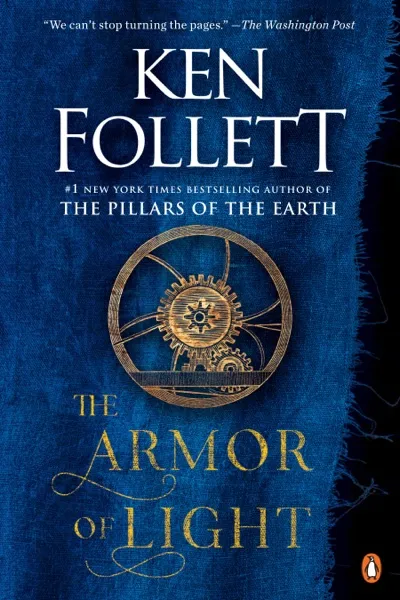

Armor of Light Author: Ken FollettPage Count: UnknownPublication Year: 2023-GB Ken Follett's latest masterpiece, Armor of Light, is a sweeping narrative that delves into the intricacies of human nature, politics, and power struggles, cementing his reputation as a masterful storyteller. As a global bestseller, this book has already garnered widespread acclaim, and for good reason. At its core, Armor of Light explores the theme of light versus darkness, where the lines between good and evil are constantly blurred. Follett's signature style of meticulously researched historical fiction is woven together with a gripping narrative that propels the reader through the pages. With each turn, the stakes are raised, and the tension builds, culminating in a climax that will leave even the most seasoned reader breathless. Follett's writing is characterized by his ability to craft complex, multidimensional characters that leap off the page. His protagonists are often flawed, relatable, and likable, making it easy to become invested in their journeys. In Armor of Light, he has created a cast of characters that are equally well-developed, each with their own distinct voice and motivations. One of the standout aspects of Follett's writing is his capacity to balance action, suspense, and intrigue with thought-provoking themes and historical accuracy. He has a unique talent for distilling complex historical events into a compelling narrative that is both informative and entertaining. In Armor of Light, he tackles a range of weighty topics, from the nature of power and corruption to the human cost of conflict. Throughout the book, Follett's prose is engaging, and his pacing is expertly managed, making it impossible to put the book down. His use of descriptive language is vivid and immersive, transporting the reader to a world that is both familiar and yet, utterly foreign. In conclusion, Armor of Light is a triumph of storytelling that solidifies Ken Follett's position as a master of the historical fiction genre. With its intricate plot, well-developed characters, and thought-provoking themes, this book is a must-read for fans of the genre. If you're looking for a gripping narrative that will keep you on the edge of your seat, look no further than Armor of Light. #KenFollett #ArmorOfLight #HistoricalFiction #GlobalBestseller #BookLovers #MustRead Related InsightsTo Kill a Mockingbird Book Review and Summary The Red Scrolls of Magic Book Review and Summary The Knave and the Moon (The Stonewater Kingdom, #2) Book Review and Summary{ "@context": "https://schema.org", "@type": "FAQPage", "mainEntity": [ { "@type": "Question", "name": "What is the main focus of Armor of Light Book Review and Summary?", "acceptedAnswer": { "@type": "Answer", "text": "Everything you need to know about Armor of Light with our detailed review." } }, { "@type": "Question", "name": "Who authored the comprehensive guide on Armor of Light Book Review and Summary?", "acceptedAnswer": { "@type": "Answer", "text": "This detailed article and its insights were carefully researched and authored by Isabella Moore." } }, { "@type": "Question", "name": "Where can I find more related content about Books?", "acceptedAnswer": { "@type": "Answer", "text": "You can explore more articles, detailed reviews, and similar insights by browsing the Related Insights section at the bottom of this article or visiting our dedicated Books category page." } } ] }
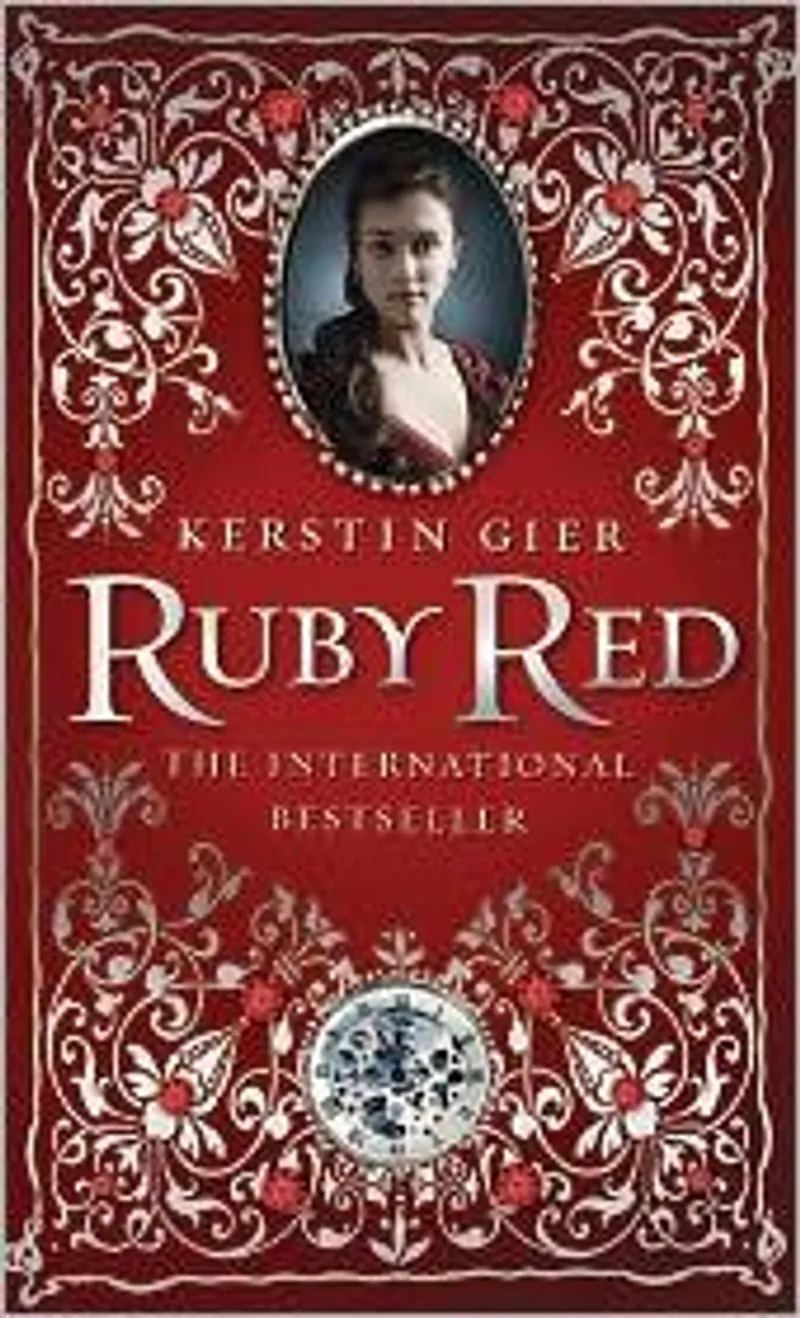
Rubinrot Author: Kerstin Gier, Anthea Bell, Nelly Lemaire, Luis Miralles de ImperialPage Count: UnknownPublication Date: 2009-OL Gwyneth Shepherd never expected to be the one who inherited the time-traveling gene. That honor was supposed to belong to her elegant, effortlessly poised cousin Charlotte—destined for greatness, groomed for destiny, and prepared for a life of controlled, calculated leaps through history. But when Gwyneth suddenly spins through time mid-class, the carefully laid plans of her family unravel in an instant. What follows is not just a journey through the centuries, but a reckoning with identity, trust, and the lies we tell to protect the ones we love. Kerstin Gier’s Rubinrot (translated from German by Anthea Bell) is a sparkling blend of historical intrigue, witty banter, and emotional depth, wrapped in the irresistible charm of a modern heroine discovering her own power. At its core, the novel explores the tension between destiny and self-determination—a theme that resonates deeply in a world where expectations often dictate our paths. Gwyneth, with her sharp tongue and sharper instincts, is a refreshing departure from the typical time-travel protagonist. She’s not a chosen one by choice; she’s an accidental hero, thrust into a legacy she never wanted but must now claim. Gier’s writing style is deft and engaging, balancing humor with suspense. The narrative zips along with the energy of a thriller, yet it’s Gwyneth’s voice—sarcastic, self-deprecating, and surprisingly vulnerable—that anchors the story. Her dynamic with Gideon, the brooding, infuriatingly competent time traveler from the male-dominated counterpart of her family, crackles with chemistry. Their relationship evolves from mutual disdain to reluctant partnership, and Gier excels at making their slow-burning trust feel earned. The banter between them is sharp enough to cut glass, yet beneath the quips lies a shared burden: both are outsiders in their own ways, bound by a gift they never asked for. The historical segments are vividly rendered, transporting the reader to 18th-century London with rich detail and immersive atmosphere. Gier doesn’t just drop Gwyneth into the past; she makes the past feel alive, dangerous, and full of secrets. The mystery at the heart of the story—why certain bloodlines can time-travel and others can’t—adds a layer of intrigue that keeps the pages turning. Yet what makes Rubinrot stand out isn’t just the time-travel mechanics, but the emotional weight of Gwyneth’s journey. She grapples with the weight of her mother’s lies, the pressure of her family’s expectations, and the fear of losing herself in a destiny she never chose. Gier’s prose is accessible and lively, making the novel an easy read despite its complex themes. The translation by Anthea Bell preserves the wit and rhythm of the original, ensuring that Gwyneth’s voice remains authentic and engaging. The pacing is tight, with just enough historical detail to ground the story without overwhelming the reader, and the stakes feel high enough to keep you invested. What lingers after finishing Rubinrot is the sense of possibility. Gwyneth’s story is about more than time travel—it’s about finding your own path when the world tries to dictate one for you. It’s about the messy, unpredictable nature of trust, and the quiet courage it takes to embrace who you are, even when it’s not what others expected. For fans of clever, character-driven YA with a dash of romance and a whole lot of adventure, Rubinrot is a gem. It’s the kind of book that makes you want to curl up with a cup of tea and lose yourself in its pages, only to emerge hours later, blinking at the real world, already craving the next installment. #Rubinrot #TimeTravelRomance #KerstinGier #YAFantasy #HistoricalFiction #GwynethAndGideon Related InsightsJudge's List Book Review and Summary El padrino / The Godfather Book Review and Summary Bittersweet Empire: Billionaire Sugar Barons and the Ghosts of Slavery Book Review and Summary{ "@context": "https://schema.org", "@type": "FAQPage", "mainEntity": [ { "@type": "Question", "name": "What is the main focus of Rubinrot Book Review and Summary?", "acceptedAnswer": { "@type": "Answer", "text": "Everything you need to know about Rubinrot with our detailed review." } }, { "@type": "Question", "name": "Who authored the comprehensive guide on Rubinrot Book Review and Summary?", "acceptedAnswer": { "@type": "Answer", "text": "This detailed article and its insights were carefully researched and authored by Kerstin Gier." } }, { "@type": "Question", "name": "Where can I find more related content about Books?", "acceptedAnswer": { "@type": "Answer", "text": "You can explore more articles, detailed reviews, and similar insights by browsing the Related Insights section at the bottom of this article or visiting our dedicated Books category page." } } ] }


In the heart of South India, where the sun dips into the horizon and paints the sky with hues of crimson and gold, lies the land of Chettinad, a region renowned for its vibrant culture, rich history, and most importantly, its delectable cuisine. Chettinad flavors, a symphony of spices, herbs, and other ingredients, have been tantalizing the taste buds of food enthusiasts for centuries. Among the plethora of dishes that Chettinad cuisine has to offer, its fiery vegan curries stand out, not just for their bold flavors but also for their deep cultural roots and historical significance. Introduction to Chettinad Cuisine Chettinad cuisine, originating from the Chettinad region of Tamil Nadu, is a melting pot of different culinary traditions. It is characterized by the use of a wide variety of spices, including cumin, coriander, cinnamon, cardamom, and star anise, which are carefully blended to create unique and complex flavor profiles. The cuisine is also known for its use of local and seasonal ingredients, which ensures that the dishes are not only delicious but also sustainable and environmentally friendly.One of the defining features of Chettinad cuisine is its use of a special type of spice blend known as "Chettinad masala." This blend typically includes a combination of spices such as turmeric, red chili, cumin, coriander, cinnamon, and cloves, which are roasted and ground into a fine powder. The Chettinad masala is the backbone of Chettinad cuisine, and it is used to add depth and warmth to a wide range of dishes, from curries and stews to biryanis and dosas. The Art of Preparing Fiery Vegan Curries Preparing fiery vegan curries is an art that requires patience, skill, and a deep understanding of the ingredients and their properties. The process typically begins with the preparation of the spice blend, which involves roasting and grinding the spices into a fine powder. The spice blend is then sautéed in oil along with onions, garlic, and ginger to create a flavorful base for the curry.Once the base is ready, a variety of vegetables such as bell peppers, carrots, and potatoes are added to the curry, along with a range of spices and seasonings. The curry is then simmered for a period of time, allowing the flavors to meld together and the vegetables to absorb the spices. Popular Fiery Vegan Curries Chettinad cuisine offers a wide range of fiery vegan curries, each with its unique flavor profile and texture. Some of the most popular ones include:Vegan Chettinad Curry: This is a classic curry made with a blend of spices, including turmeric, red chili, cumin, coriander, and cinnamon. It is typically served with steamed rice or roti. Karaikudi Curry: This is a spicy curry made with a blend of spices, including cumin, coriander, cinnamon, and cloves. It is typically served with steamed rice or idlis. Pudu Curry: This is a flavorful curry made with a blend of spices, including turmeric, red chili, cumin, coriander, and cinnamon. It is typically served with steamed rice or dosas.Health Benefits of Fiery Vegan Curries Fiery vegan curries are not only delicious but also offer a range of health benefits. The spices used in these curries, such as turmeric, cumin, and coriander, have anti-inflammatory properties, which can help to reduce the risk of chronic diseases such as heart disease and diabetes. Additionally, the vegetables used in these curries are rich in vitamins, minerals, and antioxidants, which can help to boost the immune system and protect against cell damage. The use of plant-based ingredients also makes these curries a great option for those looking to reduce their environmental footprint and promote sustainable living. Conclusion Chettinad flavors, particularly its fiery vegan curries, are a true reflection of the region's rich cultural heritage and culinary traditions. These curries, with their complex flavor profiles and deep cultural roots, are a must-try for anyone looking to experience the authentic taste of South India. Whether you are a food enthusiast, a health-conscious individual, or simply someone looking to try something new, Chettinad's fiery vegan curries are sure to tantalize your taste buds and leave you wanting more. #ChettinadCuisine #VeganCurries #IndianFood #Foodie #CulturalHeritage #SustainableLiving #PlantBasedDiet #SouthIndianCuisine Related InsightsJollof Rice: The Ultimate West African Party Dish Egg Tarts (Dan Tat): The Sweet Cantonese Finish Echoes of the Andes: Unearthing the Lost Alchemy of Ancient Fermented Grains{ "@context": "https://schema.org", "@type": "FAQPage", "mainEntity": [ { "@type": "Question", "name": "What is the main focus of Chettinad Flavors: Fiery Vegan Curries?", "acceptedAnswer": { "@type": "Answer", "text": "Discover the deep cultural roots, authentic flavors, and history of Chettinad Flavors: Fiery Vegan Curries." } }, { "@type": "Question", "name": "Who authored the comprehensive guide on Chettinad Flavors: Fiery Vegan Curries?", "acceptedAnswer": { "@type": "Answer", "text": "This detailed article and its insights were carefully researched and authored by Anjali Desai." } }, { "@type": "Question", "name": "Where can I find more related content about Food?", "acceptedAnswer": { "@type": "Answer", "text": "You can explore more articles, detailed reviews, and similar insights by browsing the Related Insights section at the bottom of this article or visiting our dedicated Food category page." } } ] }
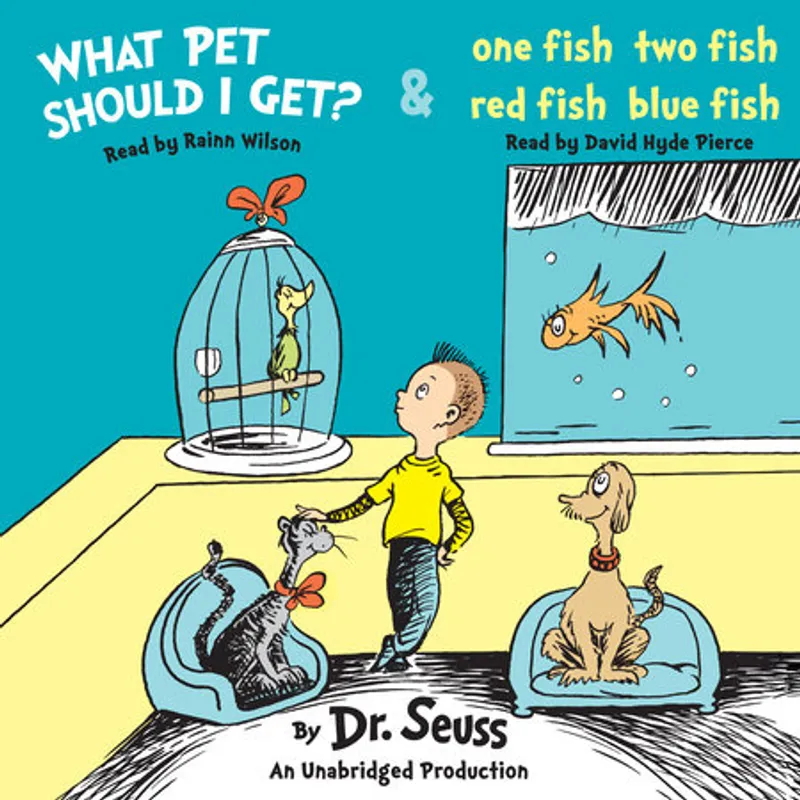
What Pet Should I Get? and One Fish Two Fish Red Fish Blue Fish Author: Dr. SeussPage Count: UnknownPublication Date: 2015-PRH Dr. Seuss’s What Pet Should I Get? and One Fish Two Fish Red Fish Blue Fish are two gems from the master of whimsical, rhyming storytelling, each offering a delightful blend of playful language, vibrant imagination, and timeless life lessons. Whether you’re a parent introducing a child to the joy of reading or a lifelong fan rediscovering the magic of Seuss, these books are essential additions to any bookshelf. At the heart of What Pet Should I Get? lies a universal childhood dilemma: the overwhelming choice of selecting a pet. The unnamed brother and sister in the story wander into a pet store, their eyes wide with possibilities—dogs, cats, rabbits, fish, birds, and even a “yip-yip” that barks in reverse. The dilemma isn’t just about preference; it’s about the paralysis of too many good options. Seuss captures this perfectly with his signature rhythm and rhyme, making the struggle feel both relatable and humorous. The children’s indecision isn’t just about pets—it’s a metaphor for life’s choices, where the fear of making the wrong decision can sometimes be worse than the decision itself. Yet, the story gently reminds us that sometimes, we simply have to choose, even if it’s not perfect. The ending, left open-ended in a way that feels both nostalgic and poignant, leaves readers with a smile and a sigh, wondering what might have been. Seuss’s genius lies in his ability to turn the mundane into the magical. His language is playful, his rhymes are infectious, and his illustrations—though simple in form—burst with color and personality. The brother and sister’s expressions, the absurdity of the pet options, and the sheer joy of exploration make this book a feast for the eyes and ears. It’s a story that resonates with anyone who has ever stood in a pet store aisle, paralyzed by the cuteness of every creature in sight. One Fish Two Fish Red Fish Blue Fish, on the other hand, is a celebration of pure, unbridled imagination. From the very first line—“From there to here, from here to there, funny things are everywhere”—Seuss invites readers into a world where the ordinary becomes extraordinary. The book is a riot of color, sound, and silliness, with creatures like the “Zans” who can and the “Yink” who drinks pink ink. It’s a masterclass in how to make learning to read feel like play. The rhymes are bouncy, the vocabulary is rich yet accessible, and the illustrations are a feast of primary colors and quirky characters. What makes One Fish Two Fish so enduring is its ability to spark creativity. It doesn’t just teach children to read; it teaches them to imagine. The book’s structure—short, punchy sentences paired with vibrant illustrations—makes it perfect for early readers, but its appeal isn’t limited to children. Adults will find themselves chuckling at the absurdity of the “Gox” who boxes or the “Nupboards” that sit in cupboards. It’s a reminder that the world is full of wonder, if only we take the time to look. Both books showcase Seuss’s unparalleled ability to blend education and entertainment. His rhymes are not just catchy; they’re a tool for phonetic awareness, vocabulary building, and cognitive development. His illustrations aren’t just decorative; they’re a visual feast that enhances the storytelling. And his themes—whether it’s the challenge of decision-making or the joy of imagination—are timeless, resonating with readers of all ages. In a world where children’s books are often judged by their educational value or moral lessons, Seuss’s work stands out because it never feels preachy. Instead, it feels like a conversation, a game, a shared moment of laughter and discovery. What Pet Should I Get? and One Fish Two Fish Red Fish Blue Fish are more than just books; they’re experiences. They remind us that reading should be fun, that language should be playful, and that the world is full of possibilities—if we’re willing to look for them. If you’re looking for books that will make you laugh, think, and maybe even make a tough decision, Seuss’s classics are the perfect choice. They’re proof that great storytelling doesn’t have to be complicated—it just has to be true to the wonder of childhood. #DrSeuss #ChildrensBooks #EarlyReading #Imagination #ClassicChildrenLit #WhatPetShouldIGet #OneFishTwoFish Related InsightsGoing the Distance: Stallone, Philly, and the Story of Rocky Book Review and Summary You’re the One That I Haunt Book Review and Summary Hope nation Book Review and Summary{ "@context": "https://schema.org", "@type": "FAQPage", "mainEntity": [ { "@type": "Question", "name": "What is the main focus of One Fish, Two Fish, Red Fish, Blue Fish Book Review and Summary?", "acceptedAnswer": { "@type": "Answer", "text": "Everything you need to know about One Fish, Two Fish, Red Fish, Blue Fish with our detailed review." } }, { "@type": "Question", "name": "Who authored the comprehensive guide on One Fish, Two Fish, Red Fish, Blue Fish Book Review and Summary?", "acceptedAnswer": { "@type": "Answer", "text": "This detailed article and its insights were carefully researched and authored by Dr. Seuss." } }, { "@type": "Question", "name": "Where can I find more related content about Books?", "acceptedAnswer": { "@type": "Answer", "text": "You can explore more articles, detailed reviews, and similar insights by browsing the Related Insights section at the bottom of this article or visiting our dedicated Books category page." } } ] }
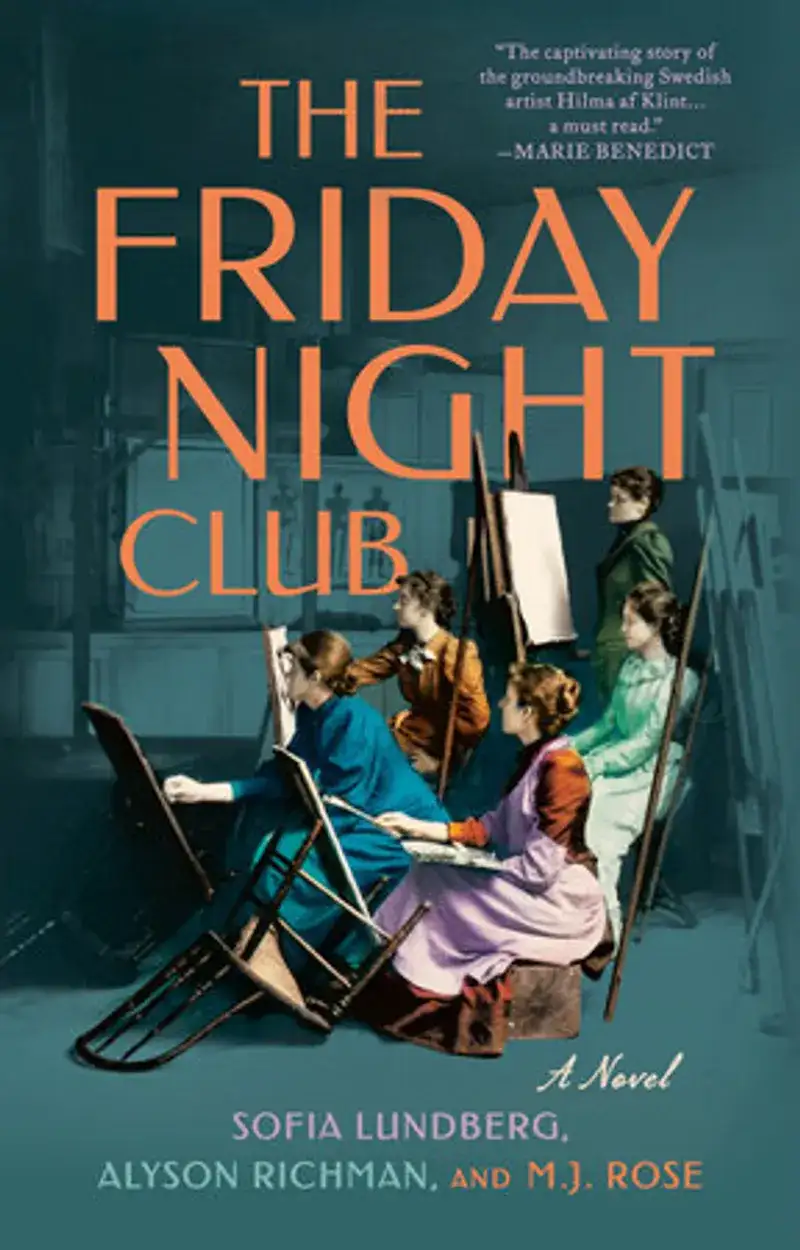

The Friday Night Club Author: Alyson RichmanPage Count: UnknownPublication Date: 2023-PRH The Friday Night Club, a collaborative effort by Alyson Richman, Sofia Lundberg, and M.J. Rose, is a captivating historical novel that delves into the lives of five trailblazing women who dared to defy the conventions of their time. At its core, the book is a testament to the power of female creativity, solidarity, and the unrelenting pursuit of artistic expression. The story seamlessly weaves together the lives of Hilma af Klint, a Swedish artist and mystic, and her coterie of like-minded women, known as "The Five." In the early 1900s, Stockholm's art world was a male-dominated domain, but Hilma and her friends – Anna, Cornelia, Sigrid, and Mathilda – formed a secret society, the Friday Night Club, to nurture their artistic talents and emotional well-being. As they explored the realms of spirituality and the occult, they discovered a deep sense of purpose and belonging. Richman's prose is evocative and immersive, transporting readers to a bygone era of artistic innovation and feminist awakening. Her writing is infused with a deep respect for the women who dared to challenge the status quo, and her characters are multidimensional and relatable. The author's use of language is lyrical, with vivid descriptions of the natural world and the inner lives of her characters. One of the most striking aspects of The Friday Night Club is its exploration of the intersection of art and spirituality. Hilma and her friends believed that their creative pursuits were inextricably linked to their mystical experiences, and this conviction is beautifully captured by Richman. The author's portrayal of the women's séances and their attempts to channel unseen spirits is both fascinating and poignant, highlighting the ways in which they sought to transcend the limitations of their time. The novel's dual narrative structure, which shifts between the early 20th century and the present day, adds depth and complexity to the story. The modern-day narrative, centered around Eben Elliot, an associate curator at the Guggenheim Museum, serves as a powerful commentary on the ways in which history can be manipulated and distorted. As Eben delves deeper into the lives of The Five, he begins to question the dominant narratives that have shaped our understanding of art history. The Friday Night Club is a triumphant celebration of female creativity and a powerful exploration of the ways in which art can transcend time and circumstance. Richman's writing is masterful, and her characters are unforgettable. This novel is a must-read for anyone interested in art history, feminism, and the power of female solidarity. #TheFridayNightClub #AlysonRichman #HilmaAfKlint #FemaleArtists #ArtHistory #FeministLiterature Related InsightsThe Mystic and the Missing Girl Book Review and Summary A Memory Called Empire Book Review and Summary Interrupting Chicken Raises Her Wing Book Review and Summary{ "@context": "https://schema.org", "@type": "FAQPage", "mainEntity": [ { "@type": "Question", "name": "What is the main focus of The Friday Night Club Book Review and Summary?", "acceptedAnswer": { "@type": "Answer", "text": "Everything you need to know about The Friday Night Club with our detailed review." } }, { "@type": "Question", "name": "Who authored the comprehensive guide on The Friday Night Club Book Review and Summary?", "acceptedAnswer": { "@type": "Answer", "text": "This detailed article and its insights were carefully researched and authored by Diego Lopez." } }, { "@type": "Question", "name": "Where can I find more related content about Books?", "acceptedAnswer": { "@type": "Answer", "text": "You can explore more articles, detailed reviews, and similar insights by browsing the Related Insights section at the bottom of this article or visiting our dedicated Books category page." } } ] }


You will be the death of me Author: Karen M. McManusPage Count: UnknownPublication Year: 2021-GB Karen M. McManus has long been the queen of YA thrillers that blend snappy dialogue, razor-sharp twists, and the kind of moral ambiguity that keeps readers up half the night. You Will Be the Death of Me is no exception—it’s a turbo-charged, high-stakes game of cat-and-mouse set against the backdrop of a single, fateful day. But beneath the surface of this addictive whodunit lies something far more unsettling: a meditation on the fragility of friendship, the weight of secrets, and how easily trust can curdle into betrayal. The book opens on what should be a mundane Monday for three best friends—Calista, Iris, and Rowan—who are about to embark on their final school trip before graduation. The premise is deceptively simple: they’re heading to a nearby amusement park, just like they’ve done a hundred times before. But this time, something is different. The air is thick with tension, their jokes feel forced, and the unspoken rift between them is as glaring as the neon lights of the park. When a body is discovered in the hall of mirrors, the trio is thrust into a nightmare where every laugh, every glance, every half-remembered memory could be a clue—or a lie. McManus excels at crafting protagonists who are deeply flawed yet impossible to look away from. Calista, the overachieving student body president, is all polished veneer until her carefully constructed image starts to crack. Iris, the artist with a sharp tongue and sharper instincts, hides her vulnerability behind sarcasm. Rowan, the quiet observer with a hidden past, is the fulcrum on which their friendship teeters. Together, they form a triangle of secrets, each holding onto a piece of the truth that, if revealed, could destroy them all. McManus’ genius lies in making their dynamic feel achingly real—these aren’t just characters in a mystery; they’re people you’ve known, or worse, people you could be. The author’s signature style shines through in the book’s structure. Short, punchy chapters keep the momentum relentless, while McManus’ knack for unreliable narration forces readers to constantly reassess what they think they know. Is Calista’s perfect life really as pristine as it seems? Did Iris’ impulsive decisions lead them into danger? And what, exactly, is Rowan hiding in those old notebooks? The book’s nonlinear storytelling—flashing back to key moments in their friendship while hurtling toward the present-day disaster—adds a delicious layer of complexity, making the resolution feel both inevitable and shocking. At its core, You Will Be the Death of Me is a story about the lies we tell to protect ourselves and the truths that, once exposed, can never be unseen. It’s a thriller, yes, but it’s also a brutal examination of how close friendships can be and how easily they can fracture under pressure. The amusement park setting is a brilliant choice—bright, chaotic, and designed to disorient, mirroring the mental state of the characters as they spiral toward the truth. The hall of mirrors, in particular, becomes a haunting metaphor for the way they’ve all been reflecting distorted versions of themselves and each other. McManus also delivers some of her sharpest social commentary yet. The book skewers the performative nature of high school hierarchies, the pressure to maintain a flawless facade, and the way trauma can fester in silence. There’s a moment where Calista reflects on how “perfect” people are often the most broken, and it’s a line that lingers long after the last page. The book doesn’t just want to scare you—it wants to make you think, to question the stories we all tell to survive. If there’s a critique to be made, it’s that the book’s pacing occasionally stumbles under the weight of its own twists. Some reveals feel slightly contrived, and the resolution, while satisfying, leans heavily on the kind of over-the-top melodrama that might polarize purists of the genre. But these are minor quibbles in a book that otherwise delivers exactly what it promises: a compulsively readable, twisty thriller with emotional depth and a cast of characters you won’t soon forget. You Will Be the Death of Me is McManus at her best—dark, clever, and deeply unsettling. It’s a book that will have you racing to solve the mystery alongside the characters, only to realize that the real puzzle was always the friendship that brought them to the brink of destruction. By the final page, you’ll be left breathless, questioning not just who did what, but how far you’d go to keep a secret—and who you’d sacrifice to keep it buried. #KarenMcManus #YATriller #DarkFriendship #MurderMystery #PsychologicalThriller #BestSellingAuthor Related InsightsLa lista de Schindler / Schindler's List Book Review and Summary The Unfinished Work: A Novel of Abraham Lincoln Book Review and Summary Final Fantasy XIV: Stormblood -- The Art of the Revolution -Western Memories- Book Review and Summary{ "@context": "https://schema.org", "@type": "FAQPage", "mainEntity": [ { "@type": "Question", "name": "What is the main focus of You will be the death of me Book Review and Summary?", "acceptedAnswer": { "@type": "Answer", "text": "Everything you need to know about You will be the death of me with our detailed review." } }, { "@type": "Question", "name": "Who authored the comprehensive guide on You will be the death of me Book Review and Summary?", "acceptedAnswer": { "@type": "Answer", "text": "This detailed article and its insights were carefully researched and authored by Giulia Ricci." } }, { "@type": "Question", "name": "Where can I find more related content about Books?", "acceptedAnswer": { "@type": "Answer", "text": "You can explore more articles, detailed reviews, and similar insights by browsing the Related Insights section at the bottom of this article or visiting our dedicated Books category page." } } ] }
The Shadow in the Garden Author: James AtlasPage Count: UnknownPublication Date: 2018-PRH In "The Shadow in the Garden," James Atlas masterfully weaves a tapestry of lives, exploring the intricate relationships between writers, their biographers, and the elusive nature of truth. This poignant and humorous memoir is a must-read for anyone fascinated by the art of biography and the lives of the literary giants who shaped our understanding of the world. Atlas's journey begins in suburban Chicago, where he first fell under the spell of literature and discovered his passion for documenting the lives of writers. With wit and candor, he recounts his transformative year at Oxford, where he studied under the tutelage of Richard Ellmann, the renowned biographer of James Joyce. It was during this period that Atlas began to develop his skills as a biographer, learning the delicate art of balancing fact and interpretation. One of the greatest strengths of "The Shadow in the Garden" lies in its cast of characters. Atlas brings to life a bygone era of intellectuals, including Edmund Wilson, Dwight Macdonald, and the enigmatic Saul Bellow. His portraits of these literary figures are both intimate and nuanced, revealing the complexities and contradictions that made them so fascinating. Through his encounters with these writers, Atlas sheds light on the often-overlooked world of biography, where the lines between fact and fiction are constantly blurred. Throughout the book, Atlas revisits the lives and works of classical biographers, from Samuel Johnson and James Boswell to Mrs. Gaskell and Thomas Carlyle. These excursions into the history of biography serve as a reminder of the enduring power of the genre, which has captivated readers for centuries with its unique blend of scholarship and storytelling. Atlas's own contributions to the field are, of course, a major focus of the book, and his reflections on the challenges and rewards of biographical writing are both insightful and engaging. One of the most striking aspects of "The Shadow in the Garden" is its use of language. Atlas's prose is elegant and precise, with a keen eye for detail and a deep love of literature. His writing is infused with a sense of wonder and curiosity, as if he is constantly discovering new secrets and surprises in the lives of the writers he has studied. The result is a book that is both a pleasure to read and a profound exploration of the human experience. Ultimately, "The Shadow in the Garden" is a book about the search for truth and the elusive nature of human identity. Through his portraits of writers and biographers, Atlas reveals the complexities and contradictions that make us who we are, and the ways in which our lives are shaped by the stories we tell about ourselves and others. It is a testament to the power of biography to capture the essence of a life, and to the enduring fascination of the human experience. #TheShadowInTheGarden #JamesAtlas #Biography #LiteraryMemoir #WritersLives #TheArtOfBiography Related InsightsWild EXPORT Book Review and Summary Everything is Illuminated Book Review and Summary El color púrpura / The Color Purple Book Review and Summary{ "@context": "https://schema.org", "@type": "FAQPage", "mainEntity": [ { "@type": "Question", "name": "What is the main focus of The Shadow in the Garden Book Review and Summary?", "acceptedAnswer": { "@type": "Answer", "text": "Everything you need to know about The Shadow in the Garden with our detailed review." } }, { "@type": "Question", "name": "Who authored the comprehensive guide on The Shadow in the Garden Book Review and Summary?", "acceptedAnswer": { "@type": "Answer", "text": "This detailed article and its insights were carefully researched and authored by Carmen Martinez." } }, { "@type": "Question", "name": "Where can I find more related content about Books?", "acceptedAnswer": { "@type": "Answer", "text": "You can explore more articles, detailed reviews, and similar insights by browsing the Related Insights section at the bottom of this article or visiting our dedicated Books category page." } } ] }

-
 Klaus Weber
- 18 Jan, 2026 01:43
Así habló Zaratustra / Thus Spoke Zarathustra Book Review and Summary
Así habló Zaratustra / Thus Spoke Zarathustra Author: Friedrich NietzschePage Count: UnknownPublication Date: 2023-PRH Thus Spoke Zarathustra, the magnum opus of the 19th century's most influential philosopher, Friedrich Nietzsche, is a thought-provoking and deeply unsettling work that challenges the very foundations of traditional morality and spirituality. This iconic book, first published in the late 19th century and now re-released in 2023, is a masterpiece of philosophical literature that has had a profound impact on modern thought. The story follows the ancient Persian prophet Zarathustra as he descends from his mountain solitude to proclaim to the world that God is dead and that the Superman, the human embodiment of divinity, is his successor. Through Zarathustra's teachings, Nietzsche argues that the meaning of existence is not to be found in religious pieties or meek submission to authority, but in an all-powerful life force: passionate, chaotic, and free. This concept of the "will to power" is central to Nietzsche's philosophy, and it is through this idea that he seeks to empower individuals to take control of their own lives and create their own values. One of the most striking aspects of Thus Spoke Zarathustra is its unique blend of philosophy, poetry, and narrative. Nietzsche's writing is characterized by its intensity, depth, and lyricism, making the book a joy to read despite its complex and often challenging ideas. The author's use of metaphor, allegory, and symbolism adds to the book's richness and complexity, inviting readers to interpret and reflect on the text in a deeply personal way. Nietzsche's critique of traditional morality and his concept of the Superman have been misinterpreted and misused by some, including Nazi intellectuals, who twisted his ideas to justify their own ideologies. However, a close reading of Thus Spoke Zarathustra reveals that Nietzsche's philosophy is not about promoting a particular ideology or worldview, but rather about challenging individuals to think for themselves and create their own values. The introduction by Fernando Pérez-Borbujo Álvarez and the translation by Juan Carlos García-Borrón provide a valuable context and framework for understanding the book's complex ideas and themes. The notes and commentary help to clarify Nietzsche's references and allusions, making the book more accessible to readers who may not be familiar with the author's philosophical background. In conclusion, Thus Spoke Zarathustra is a masterpiece of philosophical literature that continues to challenge and inspire readers to this day. Its unique blend of philosophy, poetry, and narrative, combined with its thought-provoking ideas and critique of traditional morality, make it a must-read for anyone interested in philosophy, literature, and culture. Nietzsche's ideas may be complex and challenging, but they are also deeply rewarding and thought-provoking, inviting readers to reflect on their own values and beliefs. #Nietzsche #ThusSpokeZarathustra #Philosophy #Existentialism #GodIsDead #WillToPower Related InsightsIvanhoe Book Review and Summary Restore me Book Review and Summary A Brief History of Time Book Review and Summary{ "@context": "https://schema.org", "@type": "FAQPage", "mainEntity": [ { "@type": "Question", "name": "What is the main focus of Así habló Zaratustra / Thus Spoke Zarathustra Book Review and Summary?", "acceptedAnswer": { "@type": "Answer", "text": "Everything you need to know about Así habló Zaratustra / Thus Spoke Zarathustra with our detailed review." } }, { "@type": "Question", "name": "Who authored the comprehensive guide on Así habló Zaratustra / Thus Spoke Zarathustra Book Review and Summary?", "acceptedAnswer": { "@type": "Answer", "text": "This detailed article and its insights were carefully researched and authored by Klaus Weber." } }, { "@type": "Question", "name": "Where can I find more related content about Books?", "acceptedAnswer": { "@type": "Answer", "text": "You can explore more articles, detailed reviews, and similar insights by browsing the Related Insights section at the bottom of this article or visiting our dedicated Books category page." } } ] }

Hidden in the Ocean: Hidden Pictures Coloring Book Author: UnknownPage Count: UnknownPublication Date: 2027-PRH Hidden in the Ocean: Hidden Pictures Coloring Book is an upcoming release that has piqued the interest of many book enthusiasts, including myself. As a book reviewer, I was excited to dive into this mysterious title, despite the lack of information about its author and publication details. The moment I opened the book, I was transported to an underwater world teeming with life, color, and intricate details. The book's main theme revolves around the ocean and its hidden treasures. The author, whose identity remains unknown, has masterfully woven a narrative that is both calming and engaging. Through the use of hidden pictures, the author invites readers to embark on a journey of discovery, encouraging them to slow down, observe, and appreciate the beauty that surrounds us. The artwork in Hidden in the Ocean is breathtaking. Each page is meticulously designed, with intricate patterns and details that will captivate both children and adults. The illustrations are so vivid that they seem to leap off the page, drawing the reader into the underwater world. The use of colors is equally impressive, with a palette that ranges from soothing blues and greens to vibrant corals and yellows. One of the standout features of this book is its ability to evoke a sense of wonder and curiosity. As I turned the pages, I found myself becoming increasingly engaged, searching for the hidden pictures and marveling at the intricate details. The author's style is both playful and sophisticated, making it an ideal book for families, educators, and art enthusiasts. The hidden pictures themselves are cleverly concealed, requiring the reader to pay close attention to the illustrations. This interactive element adds a layer of fun and engagement, making the book an excellent choice for children and adults alike. The author's use of visual storytelling is impressive, conveying a sense of depth and dimensionality that draws the reader in. Despite the lack of information about the author, their style and technique are evident throughout the book. The attention to detail, the use of color, and the overall design of the book suggest a high level of skill and craftsmanship. The author's passion for the ocean and its inhabitants is palpable, making the book a joy to read and explore. In conclusion, Hidden in the Ocean: Hidden Pictures Coloring Book is a captivating and visually stunning title that is sure to delight readers of all ages. The author's unique style and attention to detail make this book a standout in its genre. While the lack of information about the author may be a mystery, one thing is certain – this book is a treasure that will be cherished by many. #OceanInspired #HiddenPictures #ColoringBooksForAllAges #UnderwaterAdventures #ArtMeetsNature #RelaxationThroughArt Related InsightsPresident's Shadow Book Review and Summary Swann’s Way Book Review and Summary The City We Became Book Review and Summary{ "@context": "https://schema.org", "@type": "FAQPage", "mainEntity": [ { "@type": "Question", "name": "What is the main focus of Hidden Pictures Book Review and Summary?", "acceptedAnswer": { "@type": "Answer", "text": "Everything you need to know about Hidden Pictures with our detailed review." } }, { "@type": "Question", "name": "Who authored the comprehensive guide on Hidden Pictures Book Review and Summary?", "acceptedAnswer": { "@type": "Answer", "text": "This detailed article and its insights were carefully researched and authored by Jason Rekulak." } }, { "@type": "Question", "name": "Where can I find more related content about Books?", "acceptedAnswer": { "@type": "Answer", "text": "You can explore more articles, detailed reviews, and similar insights by browsing the Related Insights section at the bottom of this article or visiting our dedicated Books category page." } } ] }
Home Before Dark Author: Riley SagerPage Count: UnknownPublication Date: 2026-PRH Home Before Dark by Riley Sager is a gripping and atmospheric thriller that masterfully weaves together the threads of a haunted house story, family drama, and mystery, culminating in a chilling tale that will leave readers sleeping with the lights on. At its core, Home Before Dark is a story about the blurred lines between reality and fiction, and the devastating consequences that can occur when the truth is distorted or manipulated. Maggie Holt, the protagonist, returns to her childhood home, Baneberry Hall, after her father's death, intent on renovating and selling the sprawling Victorian estate. However, she soon discovers that the house holds secrets and whispers of the past that threaten to upend everything she thought she knew about her family's history. Sager's writing is evocative and immersive, conjuring the eerie and foreboding atmosphere of Baneberry Hall with ease. The author's use of language is deliberate and measured, slowly ratcheting up the tension as Maggie delves deeper into the mysteries of the house. The result is a narrative that is both propulsive and unsettling, making it impossible to look away from the unfolding horror. One of the most striking aspects of Home Before Dark is its exploration of the power of storytelling and the impact it can have on individuals and communities. Maggie's father, Ewan, wrote a bestselling memoir about their time in Baneberry Hall, recounting the terrifying events that supposedly occurred within its walls. However, Maggie is skeptical of her father's claims, and as she digs deeper into the history of the house, she begins to unravel the truth behind his story. This raises important questions about the nature of truth, the reliability of narrators, and the consequences of manipulating the facts for the sake of a good story. Sager's characters are multidimensional and complex, with Maggie being a particularly well-crafted protagonist. Her skepticism and determination to uncover the truth make her a compelling and relatable character, and her growth throughout the novel is both satisfying and authentic. The author's style is reminiscent of classic horror writers, such as Shirley Jackson and Stephen King, with a modern twist that sets him apart from his contemporaries. Sager's writing is atmospheric and suspenseful, with a keen sense of pacing that keeps the reader on the edge of their seat. In conclusion, Home Before Dark is a masterful thriller that will appeal to fans of horror, mystery, and suspense. Sager's writing is evocative and immersive, and his exploration of the power of storytelling is both thought-provoking and unsettling. If you're looking for a gripping and chilling read, look no further than Home Before Dark. #HomeBeforeDark #RileySager #HorrorFiction #HauntedHouseStory #MysteryThriller #SuspenseNovel Related InsightsVastlands - The Crossing Book Review and Summary The Winter of Frankie Machine Book Review and Summary The Wisdom of Emperors Book Review and Summary{ "@context": "https://schema.org", "@type": "FAQPage", "mainEntity": [ { "@type": "Question", "name": "What is the main focus of Home Before Dark Book Review and Summary?", "acceptedAnswer": { "@type": "Answer", "text": "Everything you need to know about Home Before Dark with our detailed review." } }, { "@type": "Question", "name": "Who authored the comprehensive guide on Home Before Dark Book Review and Summary?", "acceptedAnswer": { "@type": "Answer", "text": "This detailed article and its insights were carefully researched and authored by Riley Sager." } }, { "@type": "Question", "name": "Where can I find more related content about Books?", "acceptedAnswer": { "@type": "Answer", "text": "You can explore more articles, detailed reviews, and similar insights by browsing the Related Insights section at the bottom of this article or visiting our dedicated Books category page." } } ] }

My Antonia Author: Willa CatherPage Count: UnknownPublication Date: 2018-PRH In the expansive and unforgiving landscape of the Nebraska prairie, Willa Cather's timeless masterpiece, My Antonia, unfolds with the gentle yet unyielding spirit of its heroine, Antonia Shimerda. This 100th Anniversary Edition, featuring a poignant introduction by Pulitzer Prize-winning novelist Jane Smiley, is a testament to the enduring power of Cather's prose and the unforgettable story of a young immigrant woman's journey to self-discovery and triumph. Through the eyes of Jim Burden, Antonia's tutor and confidant, we are drawn into a world of rustic simplicity and unrelenting hardship, where the struggles of the Shimerda family serve as a microcosm for the larger immigrant experience. Cather's masterful storytelling weaves a rich tapestry of themes, but it is the exploration of the American Dream that lies at the heart of this novel. Antonia's story is a powerful allegory for the immigrant's quest for a better life, a dream that is at once fragile and unyielding. Cather's writing is a symphony of lyrical prose and unflinching realism, evoking the vast expanse of the prairie and the intimate struggles of its people. Her characters are drawn with a deep understanding of the human condition, their struggles and triumphs rendered with a precision that is both poignant and unsentimental. Antonia, in particular, is a masterpiece of characterization – a woman of robust spirit and quiet strength, whose presence is both captivating and humbling. One of the most striking aspects of Cather's style is her ability to evoke the landscape of the prairie, a world of rolling hills, vast skies, and unrelenting weather. Her descriptions of the natural world are not merely decorative; they serve as a backdrop for the human drama that unfolds, a reminder of the intricate web of relationships between people and the land they inhabit. Throughout the novel, Cather's prose is marked by a deep sense of nostalgia, a longing for a lost time and place that is both poignant and elegiac. This nostalgia is not merely sentimental; it serves as a reminder of the fragility of human experience, the impermanence of things that are dear to us. It is a testament to Cather's skill as a writer that she is able to evoke this sense of longing without succumbing to sentimentality, instead crafting a narrative that is both unsentimental and deeply moving. In the end, My Antonia is a novel that defies easy categorization. It is a story of love and loss, of hardship and triumph, of the human spirit's capacity to persevere in the face of adversity. It is a testament to the power of the American Dream, a dream that is both fragile and unyielding. And it is a reminder of the enduring power of Willa Cather's prose, a symphony of words that continues to captivate readers to this day. #MyAntonia #WillaCather #AmericanLiterature #ImmigrantExperience #PrairieLife #ClassicNovel Related InsightsThe Grand Dark Book Review and Summary Loveless Book Review and Summary Invisible Monsters Book Review and Summary{ "@context": "https://schema.org", "@type": "FAQPage", "mainEntity": [ { "@type": "Question", "name": "What is the main focus of My Ántonia Book Review and Summary?", "acceptedAnswer": { "@type": "Answer", "text": "Everything you need to know about My Ántonia with our detailed review." } }, { "@type": "Question", "name": "Who authored the comprehensive guide on My Ántonia Book Review and Summary?", "acceptedAnswer": { "@type": "Answer", "text": "This detailed article and its insights were carefully researched and authored by Willa Cather." } }, { "@type": "Question", "name": "Where can I find more related content about Books?", "acceptedAnswer": { "@type": "Answer", "text": "You can explore more articles, detailed reviews, and similar insights by browsing the Related Insights section at the bottom of this article or visiting our dedicated Books category page." } } ] }

DC K.O.: Battle Royale Author: Joshua WilliamsonPage Count: UnknownPublication Date: 2026-PRH DC K.O.: Battle Royale, the latest release from acclaimed author Joshua Williamson, is an electrifying and unpredictable ride that will leave fans of the DC Universe on the edge of their seats. Without giving too much away, the story drops readers into a world where the rules of reality no longer apply, and the most iconic heroes and villains are forced to fight for survival in a battle royale like no other. Williamson's masterful storytelling weaves together a complex tapestry of character-driven narratives, each one expertly crafted to showcase the unique personalities and motivations of the DC Universe's most beloved characters. From the cunning strategies of Batman to the brutal ferocity of Lobo, every player in this deadly game is given a moment to shine, making for a truly immersive reading experience. One of the standout aspects of DC K.O.: Battle Royale is its exploration of the theme of chaos and the breakdown of order. In a world where the rules of reality are constantly shifting, the characters are forced to adapt and evolve in order to survive. This serves as a powerful commentary on the nature of reality and the human condition, raising questions about the very fabric of our existence. Williamson's writing style is, as always, engaging and accessible, making this book an excellent jumping-on point for new readers and a thrilling addition to the collections of longtime fans. His use of language is evocative and visceral, perfectly capturing the intensity and urgency of the battle royale scenario. The pacing is relentless, with each page turn ratcheting up the tension and propelling the reader forward. The real magic of DC K.O.: Battle Royale, however, lies in its ability to balance action and emotion. Williamson has a keen understanding of what makes these characters tick, and he uses this knowledge to craft moments of genuine heart and pathos amidst the carnage. This is a book that will keep you on the edge of your seat, but it will also make you feel. In short, DC K.O.: Battle Royale is a must-read for fans of the DC Universe and anyone looking for a thrilling, action-packed story. With its unique blend of humor, heart, and high-stakes action, this book is sure to leave readers breathless and eager for more. #DCBattleRoyale #JoshuaWilliamson #DCUniverse #ComicBookReview #BattleRoyale #SuperheroShowdown Related InsightsKnight of the God King Book Review and Summary The Book Thief Book Review and Summary Holes Book Review and Summary{ "@context": "https://schema.org", "@type": "FAQPage", "mainEntity": [ { "@type": "Question", "name": "What is the main focus of Battle Royale Book Review and Summary?", "acceptedAnswer": { "@type": "Answer", "text": "Everything you need to know about Battle Royale with our detailed review." } }, { "@type": "Question", "name": "Who authored the comprehensive guide on Battle Royale Book Review and Summary?", "acceptedAnswer": { "@type": "Answer", "text": "This detailed article and its insights were carefully researched and authored by Koushun Takami." } }, { "@type": "Question", "name": "Where can I find more related content about Books?", "acceptedAnswer": { "@type": "Answer", "text": "You can explore more articles, detailed reviews, and similar insights by browsing the Related Insights section at the bottom of this article or visiting our dedicated Books category page." } } ] }
The Casebook of Newbury & Hobbes Author: George MannPage Count: UnknownPublication Date: 2013-PRH In the dimly lit, fog-shrouded streets of Victorian London, a peculiar duo emerges to tackle the most inexplicable and terrifying crimes. Sir Maurice Newbury and Miss Veronica Hobbes, the protagonists of George Mann's "The Casebook of Newbury & Hobbes," navigate the dark underbelly of the city, where science and mysticism converge in a swirling vortex of steampunk terror. Mann's collection of short stories is a masterclass in atmosphere and tension, weaving a complex tapestry of horror, mystery, and suspense that ensnares the reader from the outset. The author's writing style is reminiscent of the great Gothic writers, with a keen eye for detail and a deep understanding of the human psyche. His prose is evocative and immersive, transporting the reader to a world of gaslit streets, crumbling mausoleums, and abandoned asylums, where the boundaries between reality and the supernatural are constantly blurred. At the heart of the book lies the intricate relationship between Newbury and Hobbes, a partnership that is both professional and personal. Newbury, the brilliant and eccentric detective, is a man of science, driven by reason and logic, while Hobbes, his trusted assistant, is a woman of intuition and instinct, with a deep understanding of the mysteries that lie beyond the veil of reality. Together, they form a formidable team, tackling cases that baffle the authorities and push the limits of human understanding. Throughout the book, Mann explores the theme of the unknown, delving into the darker recesses of the human experience. His stories are a testament to the power of the human imagination, where the lines between reality and fantasy are constantly blurred. From the plague revenants that stalk the streets of London to the mechanical beasts that terrorize the countryside, Mann's creations are the stuff of nightmares, born from the darkest recesses of the human psyche. One of the most striking aspects of "The Casebook of Newbury & Hobbes" is its use of historical figures and events. Mann's inclusion of Sherlock Holmes, the iconic detective created by Sir Arthur Conan Doyle, is a masterstroke, adding a layer of authenticity to the narrative while also highlighting the differences between the rational, scientific approach of Holmes and the more intuitive, mystical approach of Newbury and Hobbes. In conclusion, "The Casebook of Newbury & Hobbes" is a triumph of imagination and storytelling, a collection of tales that will appeal to fans of horror, mystery, and science fiction. George Mann's writing is atmospheric and engaging, his characters complex and nuanced, and his stories a testament to the power of the human imagination. If you're looking for a book that will transport you to a world of dark wonder and awe, then look no further than this remarkable collection. #SteampunkHorror #VictorianLondon #SupernaturalMysteries #NewburyAndHobbes #GeorgeMann #TheCasebookOfNewburyAndHobbes Related InsightsBetween You a River Book Review and Summary The Magical Cheese Emporium (Spellshop, #4) Book Review and Summary A Confederacy of Dunces Book Review and Summary{ "@context": "https://schema.org", "@type": "FAQPage", "mainEntity": [ { "@type": "Question", "name": "What is the main focus of The Complete Calvin and Hobbes Book Review and Summary?", "acceptedAnswer": { "@type": "Answer", "text": "Everything you need to know about The Complete Calvin and Hobbes with our detailed review." } }, { "@type": "Question", "name": "Who authored the comprehensive guide on The Complete Calvin and Hobbes Book Review and Summary?", "acceptedAnswer": { "@type": "Answer", "text": "This detailed article and its insights were carefully researched and authored by Bill Watterson." } }, { "@type": "Question", "name": "Where can I find more related content about Books?", "acceptedAnswer": { "@type": "Answer", "text": "You can explore more articles, detailed reviews, and similar insights by browsing the Related Insights section at the bottom of this article or visiting our dedicated Books category page." } } ] }
- 17 Jan, 2026 12:45
Tuesdays with Morrie: An Old Man, a Young Man, and Life's Greatest Lesson Book Review and Summary
El hombre que amaba las gaviotas / The Man Who Loved Seagulls : Essential Life Lessons from the World's Greatest Wisdom Traditions Author: OshoPage Count: UnknownPublication Date: 2020-PRH In "The Man Who Loved Seagulls," the enigmatic Osho weaves a rich tapestry of timeless wisdom, drawn from the world's most revered spiritual traditions. This captivating collection of stories and parables, carefully curated and interpreted by the master himself, offers a profound exploration of the human condition, inviting readers to embark on a journey of self-discovery and transformation. Through his unique lens, Osho brings together the essence of Zen, Taoism, Christianity, and Judaism, distilling the universal truths that transcend cultural and temporal boundaries. With his characteristic wit, compassion, and insight, he guides us through the complexities of modern life, illuminating the path to freedom, joy, and inner peace. One of the most striking aspects of Osho's narrative style is his ability to balance the simplicity of ancient wisdom with the intricacies of contemporary concerns. His stories are at once accessible and profound, making this collection an invaluable resource for seekers of all ages and backgrounds. Whether he's exploring the futility of chasing happiness, the journey from fear to freedom, or the extraordinary intelligence of innocence, Osho's words are imbued with a deep understanding of the human experience. The Zen approach to death and dying, for instance, is a topic that Osho tackles with remarkable sensitivity and clarity. By sharing ancient parables and anecdotes, he reveals the beauty and dignity of life's final passage, encouraging readers to confront their own mortality with courage and curiosity. This, in turn, allows us to appreciate the preciousness of each moment, letting go of our attachment to ego and material possessions. Throughout the book, Osho's love for storytelling shines through, as he masterfully employs the art of narrative to convey complex spiritual concepts. His use of metaphor, analogy, and humor creates a sense of intimacy and connection with the reader, making the journey through these pages feel both personal and universal. Ultimately, "The Man Who Loved Seagulls" is an invitation to embark on a journey of self-discovery, to explore the depths of our own hearts and minds, and to discover the timeless wisdom that lies within. Osho's stories are meant to be savored, reflected upon, and returned to again and again, for it is in their depths that we may uncover the secrets to a more authentic, compassionate, and meaningful life. In short, this book is a treasure trove of spiritual insights, a testament to the power of storytelling, and a tribute to the boundless wisdom of the human experience. As we navigate the complexities of our modern world, Osho's words offer a beacon of hope, guiding us toward a brighter, more loving, and more awakened way of being. #Osho #SpiritualWisdom #Zen #Taoism #Christianity #Judaism Related InsightsThe Invention That Shook the World: The Gutenberg Bible and the Dawn of the Printed Era The Power of One Book Review and Summary Colour of Hope Book Review and Summary{ "@context": "https://schema.org", "@type": "FAQPage", "mainEntity": [ { "@type": "Question", "name": "What is the main focus of Tuesdays with Morrie: An Old Man, a Young Man, and Life's Greatest Lesson Book Review and Summary?", "acceptedAnswer": { "@type": "Answer", "text": "Everything you need to know about Tuesdays with Morrie: An Old Man, a Young Man, and Life's Greatest Lesson with our detailed review." } }, { "@type": "Question", "name": "Who authored the comprehensive guide on Tuesdays with Morrie: An Old Man, a Young Man, and Life's Greatest Lesson Book Review and Summary?", "acceptedAnswer": { "@type": "Answer", "text": "This detailed article and its insights were carefully researched and authored by Mitch Albom." } }, { "@type": "Question", "name": "Where can I find more related content about Books?", "acceptedAnswer": { "@type": "Answer", "text": "You can explore more articles, detailed reviews, and similar insights by browsing the Related Insights section at the bottom of this article or visiting our dedicated Books category page." } } ] }

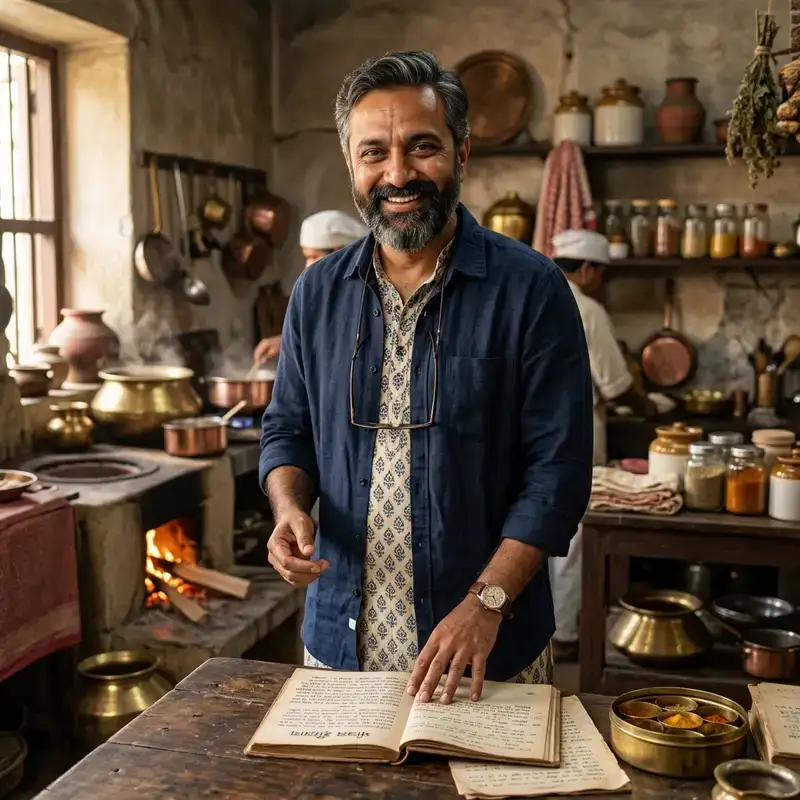
The culinary world is replete with delicacies that tantalize our taste buds and leave us yearning for more. Among these, the Galouti Kebab stands out as a testament to the rich cultural heritage and gastronomic excellence of Indian cuisine. This melt-in-mouth royal delicacy has a history as intricate as its flavors, weaving a tale of tradition, innovation, and the pursuit of culinary perfection. Introduction to Galouti Kebab Galouti Kebab, which translates to "melt in your mouth" kebabs, is a specialty from the city of Lucknow, renowned for its Nawabi cuisine. These kebabs are not just a dish; they are an experience that combines the finest elements of Indian culinary art with the elegance of royal dining. Made from minced meat, usually lamb or beef, mixed with an array of spices and herbs, Galouti Kebabs are cooked to perfection on a skewer over an open flame, imparting a smoky flavor that complements their tender texture.The origin of Galouti Kebab is traced back to the reign of Nawab Asaf-ud-Daula, who ruled Awadh (now part of Uttar Pradesh) in the late 18th century. The story goes that the Nawab, who was too old and toothless to chew regular kebabs, commissioned his chef to create a dish that would be both flavorful and easy to eat. Thus, the Galouti Kebab was born, a culinary masterpiece designed to melt in the mouth, requiring minimal chewing. The Art of Making Galouti Kebab The preparation of Galouti Kebab is an art form that requires patience, skill, and a deep understanding of the balance of flavors. The process begins with the selection of the finest quality meat, which is then minced and mixed with a blend of spices, herbs, and sometimes, papaya paste to tenderize the meat. The mixture is kneaded until it reaches a smooth consistency, after which it is shaped into small patties or rounds, ready to be skewered and cooked.The cooking of Galouti Kebabs is as much about technique as it is about the ingredients. Cooked over a low flame, the kebabs are constantly turned and basted with ghee (clarified butter) to ensure they are cooked evenly and retain their moisture. The result is a kebab that not only melts in your mouth but also explodes with flavor, a perfect harmony of spices, meat, and the slight char of the grill. Cultural Significance of Galouti Kebab Galouti Kebab is more than just a dish; it is a cultural icon that represents the rich culinary heritage of India, particularly the city of Lucknow. It is a symbol of hospitality and generosity, often served at special occasions and gatherings. The kebab's popularity transcends geographical boundaries, with variations found in restaurants and street food stalls across the country and even internationally.The cultural significance of Galouti Kebab is also reflected in its inclusion in traditional Indian cuisine festivals and events. It is a dish that brings people together, evoking memories of family gatherings, celebrations, and the joy of sharing a delicious meal with loved ones. Authentic Recipe for Galouti Kebab For those interested in trying their hand at making authentic Galouti Kebabs, here is a simple recipe to follow:Ingredients: 500 grams minced lamb or beef, 1 onion finely chopped, 2 cloves of garlic minced, 1 teaspoon ginger paste, 1 teaspoon cumin powder, 1 teaspoon coriander powder, 1/2 teaspoon turmeric, 1/2 teaspoon red chili powder, salt to taste, 2 tablespoons lemon juice, 1 tablespoon ghee, chopped cilantro for garnish. Instructions: Mix all the ingredients together and knead until smooth. Shape into small patties. Cook over a low flame, constantly turning and basting with ghee until cooked through. Serve hot, garnished with cilantro and lemon wedges.Conclusion Galouti Kebab is a culinary masterpiece that embodies the essence of Indian cuisine's richness and diversity. With its melt-in-mouth texture and explosion of flavors, it is a dish that continues to captivate the hearts and taste buds of food lovers around the world. Whether you are a fan of traditional cuisine, a street food enthusiast, or simply a lover of good food, the Galouti Kebab is an experience you cannot miss.#GaloutiKebab #IndianCuisine #LucknowStreetFood #RoyalDelicacy #MeltInMouth #CulinaryHeritage #FoodLovers #TraditionalRecipe Related InsightsNihari: The Rich Morning Stew of the Nawabs Vada Pav: The Heartbeat of Mumbai Quand le Voyage se Déguste : L'Art Invisible du Tourisme Culinaire{ "@context": "https://schema.org", "@type": "FAQPage", "mainEntity": [ { "@type": "Question", "name": "What is the main focus of Galouti Kebab: The Melt-in-Mouth Royal Delicacy?", "acceptedAnswer": { "@type": "Answer", "text": "Discover the deep cultural roots, authentic flavors, and history of Galouti Kebab: The Melt-in-Mouth Royal Delicacy." } }, { "@type": "Question", "name": "Who authored the comprehensive guide on Galouti Kebab: The Melt-in-Mouth Royal Delicacy?", "acceptedAnswer": { "@type": "Answer", "text": "This detailed article and its insights were carefully researched and authored by Rahul Sharma." } }, { "@type": "Question", "name": "Where can I find more related content about Food?", "acceptedAnswer": { "@type": "Answer", "text": "You can explore more articles, detailed reviews, and similar insights by browsing the Related Insights section at the bottom of this article or visiting our dedicated Food category page." } } ] }