
-
 Giovanni Luigi
 - 26 Aug, 2026 19:32
Feijoada: L’Anima Nera del Brasile che Seduce il Mondo
C’è un profumo che aleggia nelle strade di Rio de Janeiro, sospeso tra il riverbero del sole sull’asfalto e il brusio ritmato del samba, che racconta più di mille libri di storia. È il profumo intenso, terroso e avvolgente della Feijoada. Non è semplicemente uno stufato di fagioli neri; è un’istituzione, un rito sociale, il battito cardiaco di una nazione che ha fatto della fusione tra culture diverse il suo tratto distintivo. Io sono Giovanni Luigi, e oggi vi porto nel cuore fumante di una pentola di terracotta, dove la tradizione brasiliana si scioglie in un abbraccio di sapori millenari. Le Radici Profonde in un Piatto di Terra La Feijoada non è nata in un ristorante stellato, ma è cresciuta nelle viscere della terra e nella necessità. Storicamente, questo piatto è legato alla complessa e dolorosa epoca della schiavitù nelle piantagioni coloniali. La leggenda narra — una leggenda che trova conferme in molti studi antropologici — che gli schiavi africani, privati delle parti nobili degli animali, utilizzassero le interiora, le orecchie, la coda e i piedi di maiale, unendoli ai fagioli neri, alimento base disponibile in abbondanza. Questa interpretazione, sebbene romantica, è stata nel tempo dibattuta dagli storici moderni. Molti studiosi, infatti, suggeriscono un’influenza europea più marcata, paragonando la Feijoada ai classici stufati portoghesi, come il cozido à portuguesa o le feijoadas trasmontane, dove il consumo di fagioli misti a carne era una pratica diffusa tra le classi meno abbienti della Penisola Iberica. La verità, come spesso accade, sta nel mezzo: il Brasile ha preso una tecnica di cottura europea e l'ha infusa di spirito africano, creando qualcosa di totalmente nuovo, denso e carnoso.L'Alchimia degli Ingredienti e la Pazienza della Lunga Cottura Preparare una Feijoada è un atto di devozione. Non è un piatto per chi ha fretta. Richiede pazienza, una pentola pesante (preferibilmente di terracotta o ghisa) e una selezione meticolosa di ingredienti. I protagonisti assoluti sono i fagioli neri, che devono cuocere fino a diventare burrosi, creando una salsa scura e vellutata. Ma è la carne a dettare il ritmo: carne secca (carne-seca), salsiccia affumicata, pancetta, costine di maiale e, per i puristi, le parti meno convenzionali dell'animale. La magia avviene quando questi elementi si sposano per ore a fuoco lento. La carne rilascia i suoi grassi, i fagioli si impregnano di sapori profondi e la consistenza finale diventa un equilibrio perfetto tra il solido e il cremoso. Ma la Feijoada non sarebbe nulla senza i suoi accompagnamenti cerimoniali: il riso bianco, che funge da tela neutra, la farofa (farina di manioca tostata che aggiunge una nota croccante e terrosa), le fette d'arancia (fondamentali per pulire il palato dalla ricchezza del grasso) e il cavolo riccio (couve) saltato in padella con aglio, che dona una nota vegetale e vibrante al piatto. Un Rito Sociale tra Samba e Allegria In Brasile, la Feijoada non si mangia mai da soli. È il piatto del sabato, il momento in cui la vita rallenta. È l'evento che unisce le famiglie o gli amici attorno a un tavolo imbandito. Spesso, nei quartieri carioca, l'arrivo della "Feijoada" coincide con l'inizio di una sessione di musica dal vivo. Il ritmo del samba accompagna la digestione, creando un'atmosfera dove la cucina diventa performance e il pasto diventa convivialità pura. Il legame tra questo stufato e l'identità nazionale è talmente forte che persino i politici e gli intellettuali del ventesimo secolo hanno celebrato la Feijoada come il simbolo del "meticciato" brasiliano. È un piatto che non fa distinzione di classe: la trovi nelle case popolari delle favelas così come nei club più esclusivi di San Paolo. È il filo conduttore che unisce le diverse anime del Brasile.L'Arte della Farofa: Il Segreto Spesso Sottovalutato Se dovessi scegliere l'elemento che più mi affascina nella Feijoada, non sarebbe il fagiolo in sé, ma la farofa. La farina di manioca è un dono delle popolazioni indigene del Brasile. Tostarla con burro, cipolla, uova o persino pezzetti di pancetta croccante trasforma un elemento semplice in una sinfonia di consistenze. Senza la farofa, la Feijoada perderebbe la sua "anima" strutturale. È il contrasto, la croccantezza che sfida la densità dello stufato, rendendo ogni boccone un'esperienza sensoriale complessa. Immaginate il piatto davanti a voi: il nero profondo dei fagioli, il rosa della carne affumicata, il verde brillante del cavolo saltato e la pioggia dorata della farofa. Ogni colore racconta una parte del viaggio, ogni sapore celebra la diversità biologica e culturale del vasto territorio brasiliano. Perché la Feijoada Continua a Sedurre il Mondo Perché, dopo secoli, questo piatto è ancora così rilevante? La risposta è nel suo conforto. La Feijoada è "cibo dell'anima" nel senso più letterale del termine. In un mondo frenetico, dove i pasti sono diventati veloci e spesso privi di significato, una pentola di Feijoada riporta l'individuo al centro del proprio tempo. Richiede dedizione, richiede attesa e premia con un calore che va oltre la semplice nutrizione. È un piatto che sfida i dogmi della cucina moderna, celebrando la materia prima, la trasformazione lenta e, soprattutto, la condivisione. Se volete comprendere il Brasile, non cercate le risposte nei libri di economia o nei telegiornali. Sedetevi a un tavolo, lasciate che vi servano un piatto fumante di Feijoada, aggiungete un cucchiaio di farofa e ascoltate il suono della gente che mangia, ride e vive. È lì, tra la sapidità della carne e la dolcezza dell'arancia, che troverete l'essenza pulsante della nazione più grande del Sud America.Consigli per l'Esperienza Autentica Se vi trovate in Brasile, cercate le "Feijoadas di sabato". Molti ristoranti la servono in formato buffet, permettendovi di esplorare le diverse varianti di carne. Non abbiate paura di assaggiare le parti meno nobili: è proprio in quelle che si nasconde il sapore più autentico e la tradizione più antica. Accompagnate il tutto con una caipirinha ben fatta — la freschezza del lime e la forza della cachaça sono i compagni ideali per bilanciare la ricchezza proteica dello stufato. E ricordate: dopo una Feijoada completa, non c'è posto per la fretta. È il momento perfetto per una conversazione lunga, profonda, bagnata dal sole e dalla musica. La Feijoada non è solo una ricetta. È una dichiarazione d'amore verso la propria terra. È il racconto di un passato complicato, trasformato in una celebrazione festosa del presente. È, in tutto e per tutto, l'anima nera del Brasile che continua, inesorabilmente, a sedurre chiunque abbia il coraggio di affondare il cucchiaio in quella pentola magica.#Feijoada #CucinaBrasiliana #TradizioneGastronomica #ViaggiInBrasile #CulturaCulinaria Related InsightsFrom Andalusia to Galicia: The Definitive Journey Through Spain’s Tapas Culture and Recipes Bombay Sandwich: The Iconic Triple-Layered Delight Goi Cuon: The Fresh and Healthy Summer Rolls{ "@context": "https://schema.org", "@type": "FAQPage", "mainEntity": [ { "@type": "Question", "name": "What is the main focus of Feijoada: L’Anima Nera del Brasile che Seduce il Mondo?", "acceptedAnswer": { "@type": "Answer", "text": "Un viaggio gastronomico nel cuore del Brasile alla scoperta della Feijoada, un connubio perfetto di legumi, carne e storia millenaria." } }, { "@type": "Question", "name": "Who authored the comprehensive guide on Feijoada: L’Anima Nera del Brasile che Seduce il Mondo?", "acceptedAnswer": { "@type": "Answer", "text": "This detailed article and its insights were carefully researched and authored by Giovanni Luigi." } }, { "@type": "Question", "name": "Where can I find more related content about Food?", "acceptedAnswer": { "@type": "Answer", "text": "You can explore more articles, detailed reviews, and similar insights by browsing the Related Insights section at the bottom of this article or visiting our dedicated Food category page." } } ] }
-
 Natalia Sokolova
 - 26 Aug, 2026 19:29
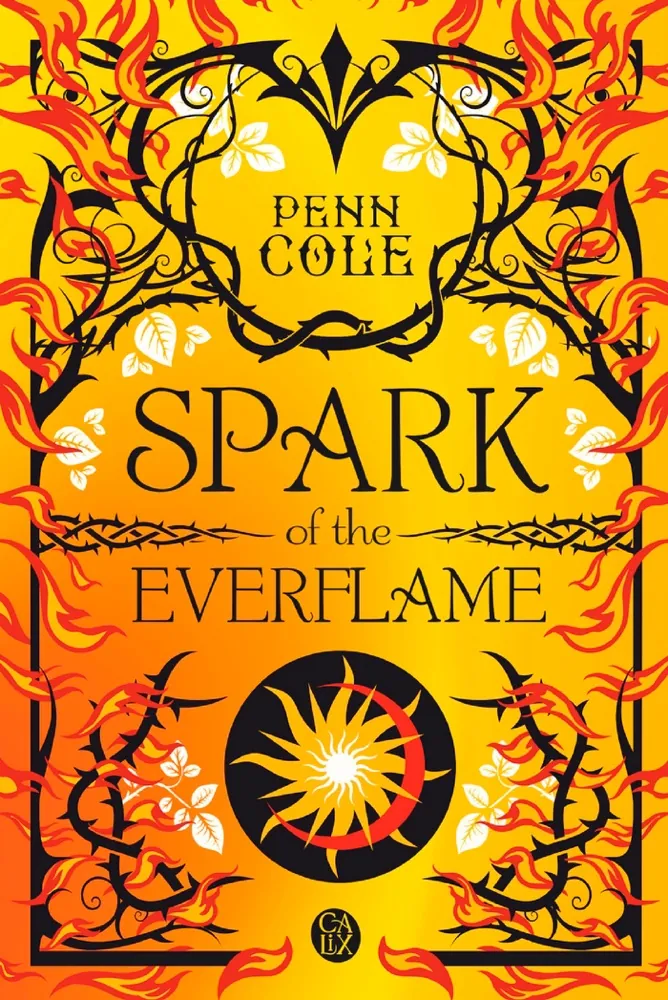
Burn of the Everflame: A Novel (The Kindred's Curse Saga) Book Review and Summary
Author: Penn ColePage Count: UnknownPublication Date: Expected publication 2026 APL Gods and their bloody offspring running a penal colony of mortals. How original. We are staring down the barrel of yet another divine-hierarchy fantasy where the protagonist is forced into a civil war simply because Mom bit the dust and left a pile of unanswered homework. Penn Cole returns to the ring with Burn of the Everflame, and based strictly on the publisher's synopsis, we are promised the usual literary cardio. Diem Bellator wants out of her miserable routine—don't we all—and suddenly finds herself shoulder-deep in court politics, divine lineage, and tactical maneuvering. The Footwork of a Novice Let us look at the striking mechanics promised here. The synopsis drops Diem right into a civil war, expecting us to believe she dodges divine right hooks and political jabs without getting her jaw shattered in round one. It is all well and good to say she must master the rules of power and romance, but what is her actual reach? If you are going to write a combatant stepping onto the mat against immortal offspring, you need to show proper defensive posture. Instead, we get the literary equivalent of a fighter keeping their chin completely exposed while circling away from the power hand. Actually, strike that. Maybe the lack of specific combat choreography is precisely the point. Cole is not writing a gritty sports drama about footwork and liver shots; this is pure, unadulterated romantasy spectacle where a bruised ego hurts worse than a broken rib. The Politics of the Chin Check Power dynamics in these stories always follow the same sloppy clinch. A mortal girl enters the dark underbelly of the ruling class, absorbs a flurry of blows from corrupt elites, and somehow clinches a victory through sheer emotional stubbornness. Where is the counter-punch? Where is the tactical exploitation of an opponent's over-extended guard? The synopsis relies entirely on vague buzzwords about civil war and hidden mysteries, leaving us guessing whether Diem has a single strategic bone in her body or if she is just absorbing punches until the plot saves her from a technical knockout. Sarah J. Maas and Rebecca Yarros have practically built an entire arena out of this exact blueprint—girls with hidden potential getting tossed into deadly trials while falling for someone who definitely has too many dark secrets and cheekbones that could cut glass. Yet, if Cole refuses to tighten up the defensive mechanics of her plot, this anticipated release is going to get countered hard in the third round. You cannot just throw a protagonist into a civil war without establishing her striking distance. The draft coming off this poorly insulated window is freezing my fingers and making it impossible to type. #fantasybooks #romantasy #bookcritic #penncole Related InsightsThe Tarot Trials: A Novel Book Review and Summary Mrs. Dalloway Book Review and Summary Brave New World Book Review and Summary{ "@context": "https://schema.org", "@type": "FAQPage", "mainEntity": [ { "@type": "Question", "name": "What is the main focus of Burn of the Everflame: A Novel (The Kindred's Curse Saga) Book Review and Summary?", "acceptedAnswer": { "@type": "Answer", "text": "Everything you need to know about Burn of the Everflame: A Novel (The Kindred's Curse Saga) with our detailed review." } }, { "@type": "Question", "name": "Who authored the comprehensive guide on Burn of the Everflame: A Novel (The Kindred's Curse Saga) Book Review and Summary?", "acceptedAnswer": { "@type": "Answer", "text": "This detailed article and its insights were carefully researched and authored by Natalia Sokolova." } }, { "@type": "Question", "name": "Where can I find more related content about Books?", "acceptedAnswer": { "@type": "Answer", "text": "You can explore more articles, detailed reviews, and similar insights by browsing the Related Insights section at the bottom of this article or visiting our dedicated Books category page." } } ] }
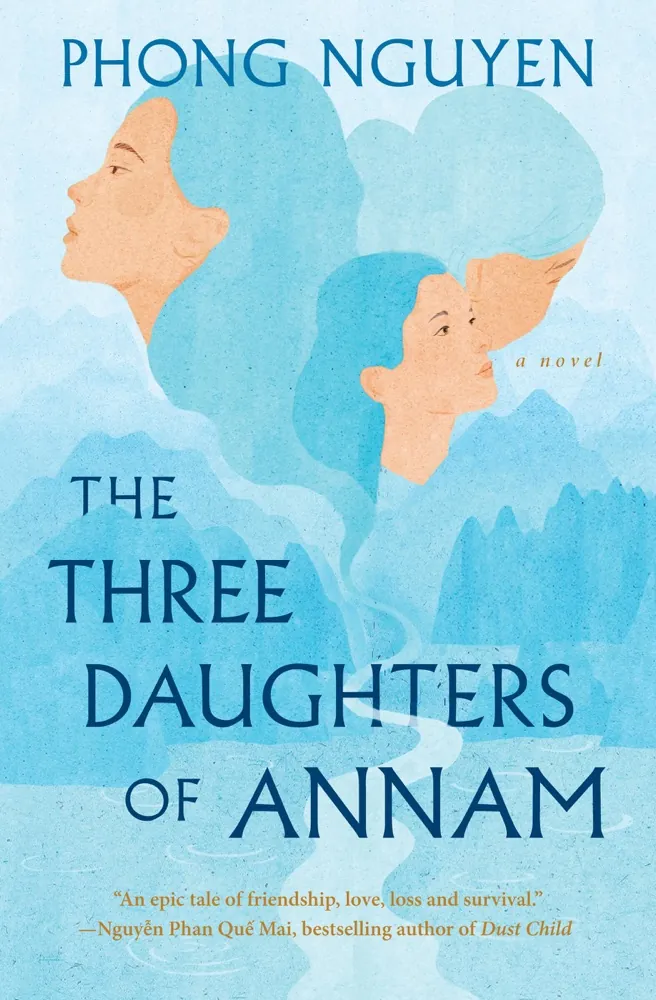

Author: Phong NguyenPage Count: UnknownPublication Date: Expected publication 2026-12-08 APL The synopsis of The Three Daughters of Annam reads like a historical novel written by someone who’s never actually read a historical novel—just skimmed Wikipedia and a few New York Times obituaries. The idea of three women spanning continents, generations, and a century of Vietnamese history is so broad it borders on the absurdly generic. It’s the literary equivalent of a museum exhibit where every artifact is labeled “important” but nothing is actually interesting. The premise is so vague it could apply to any diasporic family saga—The Joy Luck Club meets The Kite Runner, but with the emotional depth of a Hallmark Christmas special. The synopsis doesn’t even attempt to distinguish itself beyond “three women, three continents, 90 years.” Where’s the tension? Where’s the edge? The only thing more predictable than the plot is the fact that each daughter will eventually return to Vietnam, either physically or in spirit, to confront some unresolved colonial guilt. It’s the same old story: the immigrant’s burden, the homeland’s wounds, the inevitable reunion where everyone cries and says “we are still Vietnamese.” How original. The author’s note about being inspired by real family history is either a gimmick or a cop-out. If this is based on actual memories, then why does it feel like a National Geographic documentary with dialogue? If it’s fictionalized, then why not lean into the absurdity of the premise? Instead, we get the safe, sanitized version of Vietnamese history—no real blood, no real betrayal, just a neat little box of emotions to check off. It’s the literary equivalent of a TED Talk about resilience, delivered by someone who’s never had to actually be resilient. The synopsis also makes the fatal mistake of assuming the reader cares about “the impact of three extraordinary women.” Extraordinary? Really? The only thing extraordinary about these women, as described, is their ability to survive—because that’s all the synopsis demands of them. No ambition, no conflict, no personality. Just three blank slates waiting to be filled with the usual diasporic tropes: the one who stays, the one who flees, the one who returns. It’s the same old narrative, rehashed with a new flag. And let’s talk about the title—The Three Daughters of Annam. Annam? Really? That’s the name of a former French colonial province, not a modern country. It’s a relic of the very system the book claims to critique. The title itself feels like a historical footnote, not a literary one. It’s the kind of thing a tourist might say after visiting a museum exhibit on Vietnamese history, not the kind of thing that would make a novel unforgettable. The only thing that might save this from being a complete snoozefest is if the prose is actually sharp, if the characters are flawed, if the history isn’t just background noise but the bones of the story. But based on this synopsis, I’m not holding my breath. It’s the kind of book that gets praised for its “rich cultural context” while the reader is left wondering where the story even is. I should probably stop now and review this tedious legal contract for my film adaptation—because at least that has structure. Related InsightsNo Exit Book Review and Summary Orlando Book Review and Summary The Hearth Witch's Guide to Spite & Spellwork (Deluxe Edition) (The Hemlock Saga, 2) Book Review and Summary{ "@context": "https://schema.org", "@type": "FAQPage", "mainEntity": [ { "@type": "Question", "name": "What is the main focus of The Three Daughters of Annam Book Review and Summary?", "acceptedAnswer": { "@type": "Answer", "text": "Everything you need to know about The Three Daughters of Annam with our detailed review." } }, { "@type": "Question", "name": "Who authored the comprehensive guide on The Three Daughters of Annam Book Review and Summary?", "acceptedAnswer": { "@type": "Answer", "text": "This detailed article and its insights were carefully researched and authored by Emma Thompson." } }, { "@type": "Question", "name": "Where can I find more related content about Books?", "acceptedAnswer": { "@type": "Answer", "text": "You can explore more articles, detailed reviews, and similar insights by browsing the Related Insights section at the bottom of this article or visiting our dedicated Books category page." } } ] }

Author: Aurora AscherPage Count: UnknownPublication Date: Expected publication 2026 APL Found family, unwanted thrones, and the disreputable state of falling in love — the final installment of Aurora Ascher's Hell Bent series promises to be a wickedly funny, totally sexy ride for fans of paranormal romance. Or so the synopsis claims. It all begins with Belial, a fallen angel trying to escape the wrath of Lucifer by blending in on Earth and perfecting his culinary skills — because what's a little hellfire when you can cook a mean soufflé? But Naiamah, a succubus with a score to settle, has other plans. She's sworn to make Belial suffer for coercing her into a debt of one thousand favors, and she's not above using their sizzling attraction to drain his energy and strengthen herself in the process. Yet the longer they're together, the more Naiamah realizes that Belial is not the ruthless demon she once knew. And Bel, too, finds himself drawn to the woman behind Naiamah's scornful mask. But how can they trust each other after a millennium of hatred? And what can Naiamah do when she's bound by magic to betray him? — Ah, the classic "enemies-to-lovers" trope, rehashed and reheated for the umpteenth time. But let's not get ahead of ourselves. The real question is: can Ascher bring something new to the table? Or will Fallen Demon be just another predictable, formulaic romance novel? I'm not holding my breath. The synopsis reads like a laundry list of familiar paranormal romance tropes, from the "tortured bad boy" to the "feisty female lead" to the obligatory "forbidden love" storyline. It's all been done before, and done better. And yet... — I find myself drawn to the idea of a succubus struggling with her own morality, of a fallen angel trying to find redemption in the unlikeliest of places. There's something inherently compelling about these characters, something that makes me want to know more. Perhaps it's the way they're both trapped in their own ways, bound by magic and circumstance to follow a path that's been laid out for them. Perhaps it's the way they're both searching for a way out, for a chance to break free and forge their own destinies. Or perhaps it's just the fact that I'm a sucker for a good love story. — After all, who doesn't love a good "enemies-to-lovers" romance? It's a classic trope for a reason. But I digress. The real test will be in the execution. Can Ascher bring these characters to life in a way that feels fresh and original? Can she subvert our expectations and deliver a story that's truly surprising? I'm not counting on it, but I'm willing to give her the benefit of the doubt. And now, if you'll excuse me, I have to go scrape mysterious sticky residue off the kitchen island. #ParanormalRomance #FallenDemon #HellBentSeries Related InsightsAs I Lay Dying Book Review and Summary Check & Mate Book Review and Summary Dead to the World Book Review and Summary{ "@context": "https://schema.org", "@type": "FAQPage", "mainEntity": [ { "@type": "Question", "name": "What is the main focus of Fallen Demon (Hell Bent #6) Book Review and Summary?", "acceptedAnswer": { "@type": "Answer", "text": "Everything you need to know about Fallen Demon (Hell Bent #6) with our detailed review." } }, { "@type": "Question", "name": "Who authored the comprehensive guide on Fallen Demon (Hell Bent #6) Book Review and Summary?", "acceptedAnswer": { "@type": "Answer", "text": "This detailed article and its insights were carefully researched and authored by Irina Ivanova." } }, { "@type": "Question", "name": "Where can I find more related content about Books?", "acceptedAnswer": { "@type": "Answer", "text": "You can explore more articles, detailed reviews, and similar insights by browsing the Related Insights section at the bottom of this article or visiting our dedicated Books category page." } } ] }
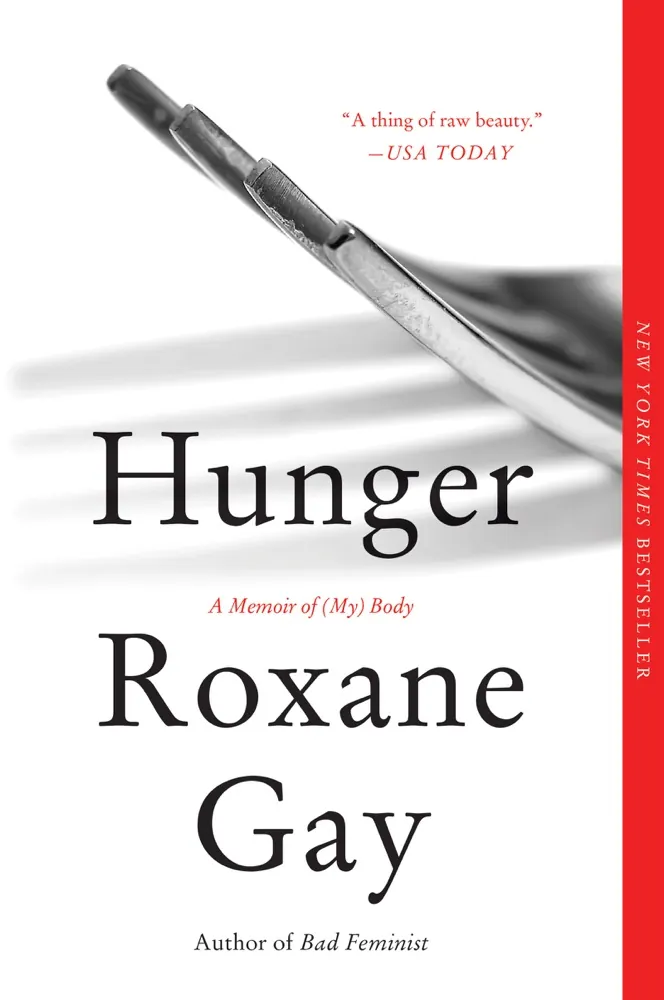

Author: Roxane GayPage Count: UnknownPublication Date: Expected publication 2026 APL —The Unrelenting Hunger of the Body— Roxane Gay's forthcoming memoir, How to Be Heard, promises to be a searingly honest exploration of the author's struggles with food, weight, self-image, and the arduous process of learning to feed one's hunger while taking care of oneself. But what does this mean, exactly? Is this a story of triumph, of overcoming the odds and emerging victorious? No, it is not. It is, instead, a story of a body, a life, and a hunger that demands to be heard. Gay's past works have demonstrated her ability to tackle the complexities of body image and mental health with unflinching honesty, and this memoir appears to be no exception. The synopsis hints at a devastating act of violence that served as a turning point in her young life, shaping her relationship with her body for decades to come. But how will she explore this trauma, and what insights will she offer into the ways in which our bodies are both a source of comfort and a site of pain? One thing is certain: How to Be Heard will not be a simple weight-loss narrative. It will be a deeply personal and psychological exploration of the ways in which we feed our hungers—both physical and emotional. Gay's writing has always been characterized by its bracing candor, and this memoir promises to be no exception. She will reflect on the devastating act of violence that became a turning point in her life, and she will examine the ways in which our culture's obsession with appearance and conformity can be both suffocating and liberating. But what of the feminist cultural criticism that has become a hallmark of Gay's work? How will she critique the ways in which our society polices women's bodies, and what solutions will she offer for those seeking to break free from the constraints of societal expectations? These are the questions that How to Be Heard promises to answer, and it is here that the memoir will likely prove most compelling. And yet, despite the promise of this memoir, one cannot help but feel a sense of trepidation. Will How to Be Heard be a memoir that truly breaks new ground, or will it be a rehashing of familiar themes and tropes? Only time will tell, but one thing is certain: Roxane Gay's writing has always been characterized by its unflinching honesty, and this memoir promises to be no exception. As I sit here, surrounded by the detritus of a chaotic urban existence, I am reminded of the works of authors like Maggie Nelson and Eula Biss, who have also explored the complexities of body image and mental health in their writing. Will How to Be Heard prove to be a worthy addition to this canon, or will it falter under the weight of its own ambition? I, for one, am eager to find out. But for now, I shall put on a Coltrane vinyl and forget about this book. #RoxaneGay #BodyImage #MentalHealth Related InsightsThe Aeneid Book Review and Summary Clara Poole and the Long Way Round Book Review and Summary Don't Let Him In Book Review and Summary{ "@context": "https://schema.org", "@type": "FAQPage", "mainEntity": [ { "@type": "Question", "name": "What is the main focus of How to Be Heard Book Review and Summary?", "acceptedAnswer": { "@type": "Answer", "text": "Everything you need to know about How to Be Heard with our detailed review." } }, { "@type": "Question", "name": "Who authored the comprehensive guide on How to Be Heard Book Review and Summary?", "acceptedAnswer": { "@type": "Answer", "text": "This detailed article and its insights were carefully researched and authored by Carmen Martinez." } }, { "@type": "Question", "name": "Where can I find more related content about Books?", "acceptedAnswer": { "@type": "Answer", "text": "You can explore more articles, detailed reviews, and similar insights by browsing the Related Insights section at the bottom of this article or visiting our dedicated Books category page." } } ] }
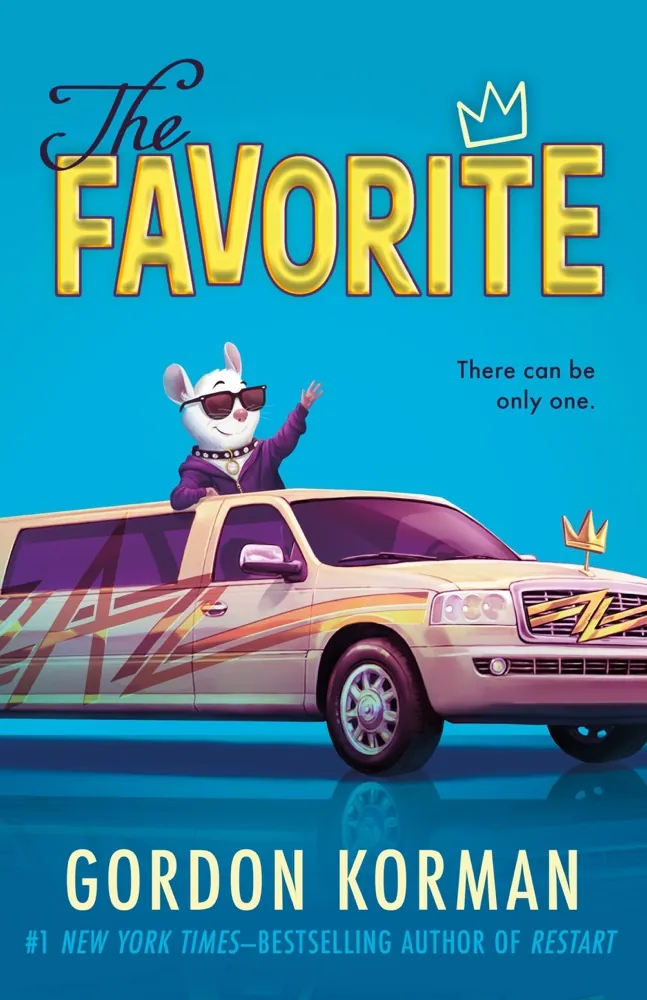

Author: Gordon KormanPage Count: UnknownPublication Date: Expected publication 2026 APL Sweating through linen in this suffocating August heat while reviewing plebeian literature is my personal circle of Dante’s inferno. Yet here we are, staring down Gordon Korman’s upcoming manuscript, The Favorite. One glance at the lineage—or lack thereof—makes my aristocratic eye twitch violently. A billionaire descends upon some dusty hamlet in Oklahoma like a deus ex machina wrapped in designer fleece. Groundbreaking. Truly, the Habsburgs managed their succession crises with far more decorum. The Commodification of Progeny Consider the vulgarity of the premise. Four wretched offspring, including twins because lowbrow storytelling always relies on biological duplication for cheap dramatic friction, forced into a gladiatorial arena for the ultimate prize. And what is this glittering crown? To become a brand ambassador for Zzazz. Good grief. The very name tastes like cheap corn syrup and cheap polyester. Korman essentially takes the royal primogeniture model, strips away centuries of divine right, and drags it straight through the corporate mud. Bloodlines Versus Boardrooms Harper, Dylan, Lacey, and Bobby Coleridge. Such pedestrian names for children allegedly possessing billionaire blood. But wait, the synopsis casually mentions a three-legged rat named Ollie. A rat. In high society, we maintain drawing rooms free of vermin, yet this wretched rodent apparently plays a pivotal role in the sibling bloodbath. Make it make sense, as the peasants say on their digital communication networks. One observes a glaring thematic reliance on populist tropes. Soccer games, Monopoly smackdowns, and pizza-eating challenges. How utterly base. Where is the fencing? Where is the acquisition of obscure European art. Instead, we get a carbohydrate-heavy gluttony contest designed to appeal to the absolute lowest common denominator. Korman clearly fancies himself the Tolstoy of the tween demographic—giving us War and Peace for kids who consume Tide Pods. Yet the sociological implications here are fascinatingly bleak. This isn't just sibling rivalry. It is the capitalist commodification of familial affection, packaged neatly for mass consumption. The children are willing to sacrifice their dignity for global jet-setting and star-studded parties. Absolute garbage behavior. No notes. Expect this low-rent Succession knockoff to dominate the bestseller lists simply because contemporary readers possess the literary palate of a feral raccoon. They will eat it up. Personally, I would rather inherit a title burdened by insurmountable death duties than read another sentence about this wretched Zzazz enterprise. I must flee this stifling study immediately, seeing as I have an exclusive wine tasting event at the country club in an hour. Related InsightsA Room with a View Book Review and Summary American Gods Book Review and Summary Ficciones Book Review and Summary{ "@context": "https://schema.org", "@type": "FAQPage", "mainEntity": [ { "@type": "Question", "name": "What is the main focus of The Favorite Book Review and Summary?", "acceptedAnswer": { "@type": "Answer", "text": "Everything you need to know about The Favorite with our detailed review." } }, { "@type": "Question", "name": "Who authored the comprehensive guide on The Favorite Book Review and Summary?", "acceptedAnswer": { "@type": "Answer", "text": "This detailed article and its insights were carefully researched and authored by James Miller." } }, { "@type": "Question", "name": "Where can I find more related content about Books?", "acceptedAnswer": { "@type": "Answer", "text": "You can explore more articles, detailed reviews, and similar insights by browsing the Related Insights section at the bottom of this article or visiting our dedicated Books category page." } } ] }
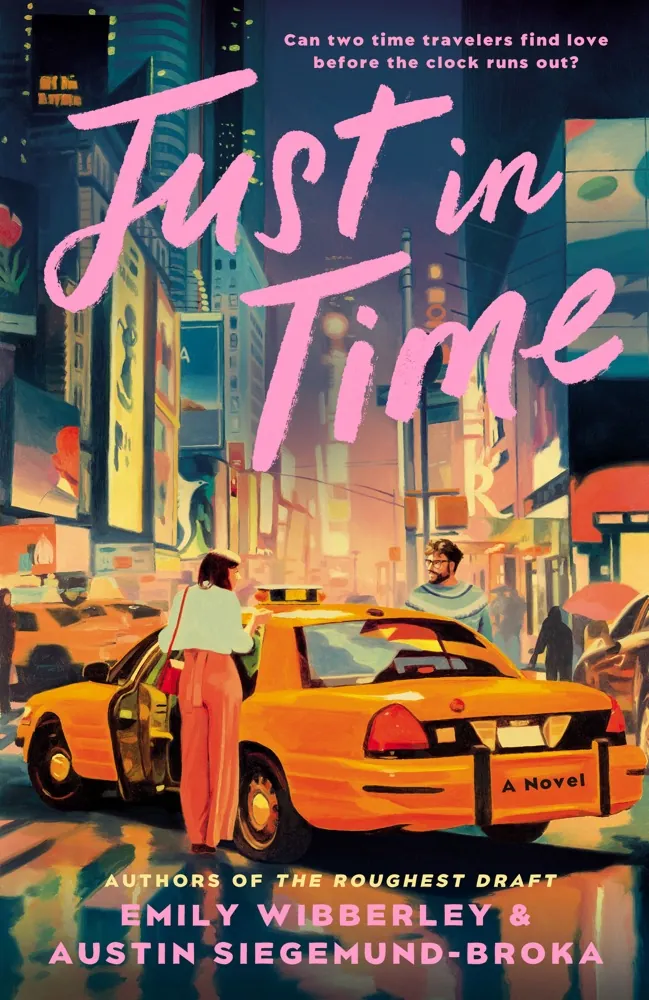
Author: Emily WibberleyPage Count: UnknownPublication Date: Expected publication 2026-12-08 APL August humidity clings to the heavy silk of my settee like a persistent debtor, making even the contemplation of modern fiction feel akin to a stint in the Bastille. Emily Wibberley and Austin Siegemund-Broka have returned with Just in Time, an upcoming release scheduled for late next December—long after this summer wilts—centering on a pair of New York City pedestrians who manipulate chronological intervals via yellow taxicabs. Gwen Bailey utilizes temporal regression to curate a spotless CV and an unblemished academic GPA. Ian Knox, conversely, plays the altruistic guardian angel, attempting to rescue relatives from impending ruin by constantly bleeding into the past. Naturally, they collide. Naturally, an attraction sparks. The Chronological Aristocracy Pedigree matters. It mattered during the Plantagenet succession, and it matters in the lineage of speculative romantic fiction. Yet this premise reads less like a refined heirloom and more like the plot of The Titanic if Jack Dawson had possessed a transit pass and an irritating penchant for micromanagement. One expects a certain refinement from time-manipulation narratives—a nod to the grand estates of historical continuity rather than a frantic cab ride through Manhattan traffic. Gwen’s obsession with a perfect GPA through vehicular temporal tampering is deeply pedestrian. Or perhaps it is rather brilliant. No, scratch that assessment entirely. Perfectionism in fiction is tedious, an affliction reserved for people whose family trees lack any interesting scandals or financial ruin. The Cost of Manufactured Lineage The central conflict forces these two chronological interlopers to choose between an unvarnished future or a past scrubbed clean of heartache. Such a binary is tiresomely conventional. Real bloodlines are messy, woven from bad investments, unfortunate marriages, and hasty departures from court. The authors lean heavily into modern therapeutic tropes disguised as whimsy, suggesting that meddling with yesterday somehow diminishes the richness of today. Modern readers adore stories about people who cannot simply accept a poor performance review without altering the fabric of space-time. Give me a proper period drama about inheritance disputes any day over individuals who treat the chronology of New York like a localized game of squash. One wonders if the prose will maintain any dignity when the book finally drops into the winter catalogs. The synopsis offers precious little stylistic grace, relying instead on high-concept convenience. And yet, the marketplace laps up these domestic contrivances with the enthusiasm of a debutante at her first cotillion. It will undoubtedly sell thousands of copies to people who think altering a grade point average constitutes high stakes. Good heavens, my trainer just informed me that holding this agonizing plank position for another three minutes is non-negotiable if I wish to survive the remaining weeks of this wretched heat wave. Related InsightsA Storm of Swords Book Review and Summary The Tulip Poplars Book Review and Summary The Polar Express Book Review and Summary{ "@context": "https://schema.org", "@type": "FAQPage", "mainEntity": [ { "@type": "Question", "name": "What is the main focus of Just in Time Book Review and Summary?", "acceptedAnswer": { "@type": "Answer", "text": "Everything you need to know about Just in Time with our detailed review." } }, { "@type": "Question", "name": "Who authored the comprehensive guide on Just in Time Book Review and Summary?", "acceptedAnswer": { "@type": "Answer", "text": "This detailed article and its insights were carefully researched and authored by James Miller." } }, { "@type": "Question", "name": "Where can I find more related content about Books?", "acceptedAnswer": { "@type": "Answer", "text": "You can explore more articles, detailed reviews, and similar insights by browsing the Related Insights section at the bottom of this article or visiting our dedicated Books category page." } } ] }
-
 Klaus Weber
 - 26 Aug, 2026 15:19
The Mayor: One Poor City’s Fight to Bring Back Government and Save the Nation’s Soul Book Review and Summary
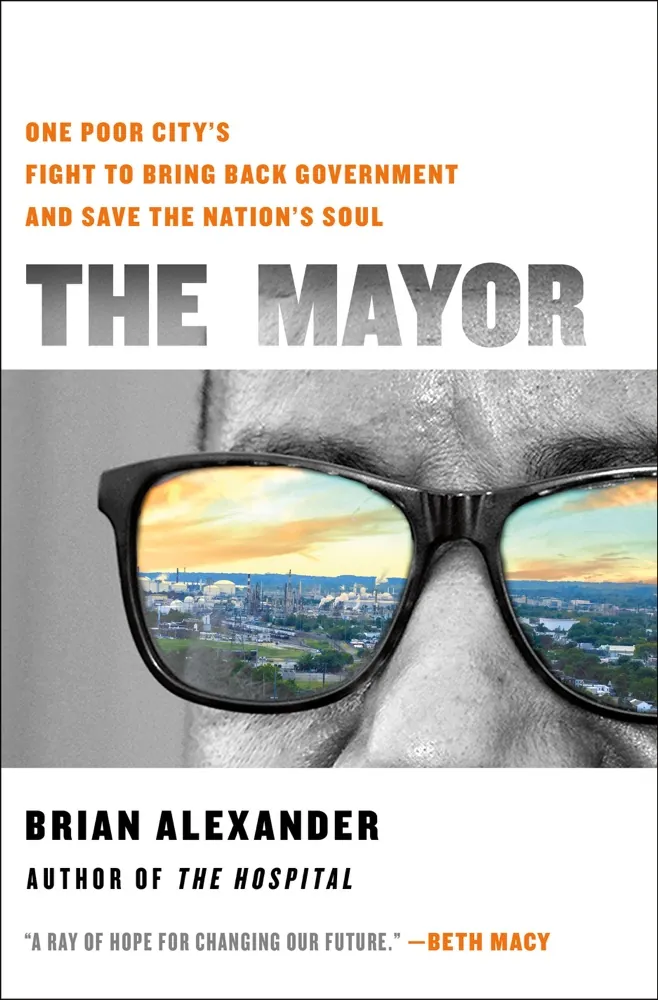
Author: Brian AlexanderPage Count: UnknownPublication Date: Expected publication 2026-12-01 APL What's the point of saving a soul, when the very body it inhabits is on the verge of collapse? The Mayor, Brian Alexander's latest exploration of America's festering wounds, asks this very question, and the answer is far from reassuring. Chester, PA, a city ravaged by the insidious forces of neglect, corruption, and systemic inequality, stands as a haunting microcosm of the nation's ailments. As we swelter through the dog days of August, the air thick with desperation and decay, it's hard not to see Chester's plight as an eerie harbinger of what's to come. Alexander's unflinching portrayal of a city in shambles, where gun violence and decrepit infrastructure have become the norm, is a scathing indictment of the very systems that were meant to protect it. But it's the human cost that truly resonates – the lost faith, the disillusionment, and the desperate cry for change. Enter Stefan Roots, a wastewater plant operator turned unlikely mayoral candidate, and his motley crew of aides, each with their own baggage and motivations. Can they really save Chester's soul, or is it already too late? Alexander's narrative is a slow-burning fire that simmers with a mix of hope and despair, as these neophytes navigate the treacherous landscape of small-town politics. But The Mayor is more than just a story about one city's struggles; it's a searing critique of the ideologies that have ravaged America. Alexander's sights are set squarely on the deification of market capitalism, and the devastating consequences of its unbridled reign. It's a theme that echoes the works of Naomi Klein and Ta-Nehisi Coates, a clarion call to confront the systemic rot that's eating away at the nation's foundations. And yet, despite the crushing weight of Alexander's critique, there's a glimmer of hope. In the stories of a quixotic former state legislator, a young Black Democratic Socialist, and a transgender office holder, we see the outlines of a different future, one where the marginalized and the dispossessed take center stage. It's a vision that's both heartening and heartbreaking, a reminder that the struggle for justice is never truly won, only fought anew with each passing day. I predict The Mayor will be a powder keg of a book, one that will ignite fierce debates and spark uncomfortable conversations. It's a necessary evil, a wake-up call to a nation in denial. But will it be enough to save Chester's soul, or the nation's? Only time will tell. Now, if you'll excuse me, I have a failing competitor to buy out before the market closes. #TheMayor #BrianAlexander #SystemicInequality Related InsightsInkheart Book Review and Summary What Kind of Mother: A Memoir Book Review and Summary Night Book Review and Summary{ "@context": "https://schema.org", "@type": "FAQPage", "mainEntity": [ { "@type": "Question", "name": "What is the main focus of The Mayor: One Poor City’s Fight to Bring Back Government and Save the Nation’s Soul Book Review and Summary?", "acceptedAnswer": { "@type": "Answer", "text": "Everything you need to know about The Mayor: One Poor City’s Fight to Bring Back Government and Save the Nation’s Soul with our detailed review." } }, { "@type": "Question", "name": "Who authored the comprehensive guide on The Mayor: One Poor City’s Fight to Bring Back Government and Save the Nation’s Soul Book Review and Summary?", "acceptedAnswer": { "@type": "Answer", "text": "This detailed article and its insights were carefully researched and authored by Klaus Weber." } }, { "@type": "Question", "name": "Where can I find more related content about Books?", "acceptedAnswer": { "@type": "Answer", "text": "You can explore more articles, detailed reviews, and similar insights by browsing the Related Insights section at the bottom of this article or visiting our dedicated Books category page." } } ] }
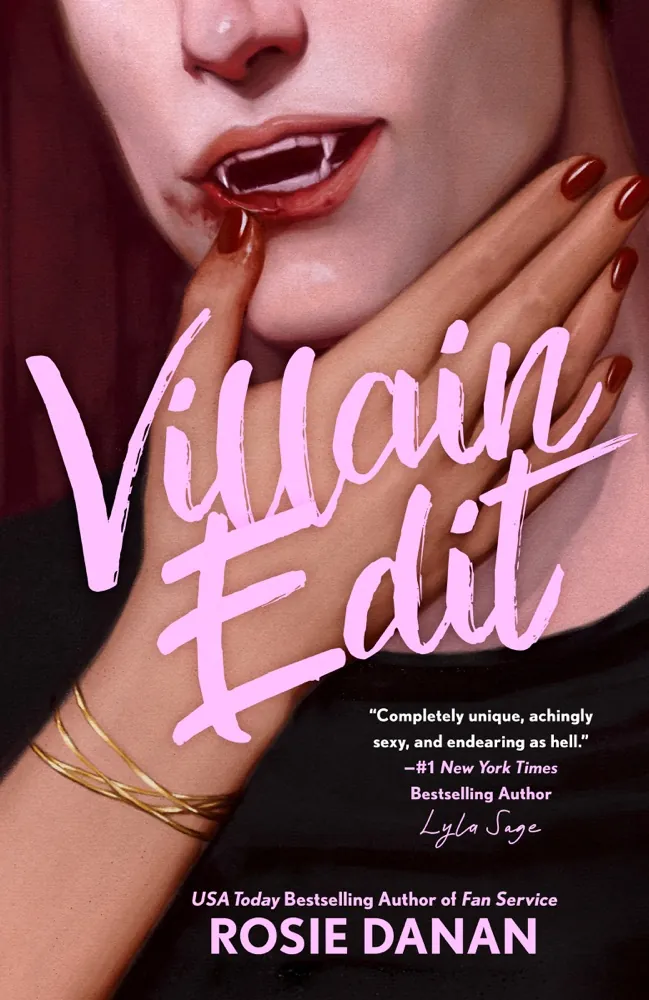

Author: Rosie DananPage Count: UnknownPublication Date: Expected publication 2026-12-08 APL The house is finally quiet, save for the rhythmic, ominous hum of the refrigerator and the faint, ghostly creak of floorboards upstairs where I desperately hope two small humans are actually falling asleep instead of plotting drywall destruction. And so I turn my exhausted gaze to the publishing world's latest offering, Villain Edit, because apparently, we are still aggressively mining the corpse of late-stage capitalism and reality television for romance tropes. Rosie Danan is back with an upcoming paranormal rom-com that asks a truly staggering question: What if a vampire—yes, an actual immortal creature of the night who is supposed to be terrifying—was forced to audition for a dating show in a Southern California retirement community? Breathe. Just breathe. Because nothing screams "healthy, emotionally mature adult communication" quite like a centuries-old bloodsucker being exploited by a desperate network producer for ratings while wearing a hot mic. We are swimming in a cultural swamp where every single interpersonal dynamic must be manufactured, edited, and weaponized for our collective entertainment, and now we are apparently romanticizing the exact machinery of that exploitation under the guise of a cute meet-cute. Why do we insist on finding our happily-ever-afters inside a panopticon? Give me a break. Honestly, I am so profoundly exhausted by modern fiction that tries to make toxic institutional settings look quirky. Remember when people just fell in love over burnt toast and shared trauma in a quiet room without three camera operators hiding behind fake ficus trees? Alyssa Cole and Talia Hibbert understand how to write actual human affection with real stakes, whereas this premise reads like it was generated by a sleep-deprived algorithmic dartboard thrown at a whiteboard of trending Netflix docuseries. Yet here we are. We are supposed to cheer for Harper Calloway as she tries to whip a reluctant, blood-shy vampire into an advertiser-friendly bachelor within three weeks, as if emotional vulnerability can be fast-tracked by a production schedule and a ring light. The synopsis tells us he doesn't even fit the dark fantasy, which is the most cliché, teethless subversion imaginable—pun entirely intended. We take every sharp edge off our monsters until they are just polite, marketable boyfriends who happen to have fangs. Tragic. Hard pass. I have to go convince a tiny dictator that water is not an acid meant to melt their flesh, and that taking a bath is somehow not a human rights violation orchestrated exclusively by me. Related InsightsHaunting of Paynes Hollow Book Review and Summary Mr. Fixer Upper Book Review and Summary Freakonomics (Spanish Edition) Book Review and Summary{ "@context": "https://schema.org", "@type": "FAQPage", "mainEntity": [ { "@type": "Question", "name": "What is the main focus of Villain Edit Book Review and Summary?", "acceptedAnswer": { "@type": "Answer", "text": "Everything you need to know about Villain Edit with our detailed review." } }, { "@type": "Question", "name": "Who authored the comprehensive guide on Villain Edit Book Review and Summary?", "acceptedAnswer": { "@type": "Answer", "text": "This detailed article and its insights were carefully researched and authored by Isabella Moore." } }, { "@type": "Question", "name": "Where can I find more related content about Books?", "acceptedAnswer": { "@type": "Answer", "text": "You can explore more articles, detailed reviews, and similar insights by browsing the Related Insights section at the bottom of this article or visiting our dedicated Books category page." } } ] }
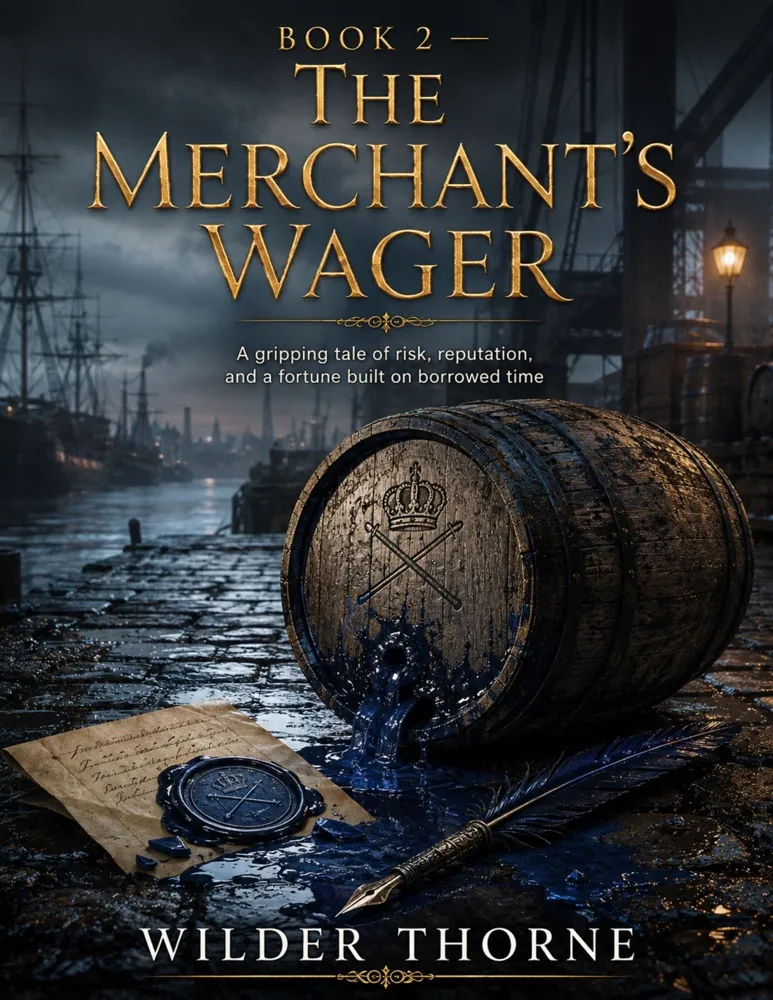

Author: Victoria WilderPage Count: UnknownPublication Date: Expected publication 2026-08-21 APL Some sweaty guy just elbowed my ribcage because this F train is hitting maximum deceleration for no earthly reason, yet I am still expected to care about Victoria Wilder dropping Scandals & Whiskey next August like this is the apex of human achievement. God forbid anyone demand actual empirical rigor or historical physics from historical fiction instead of a million breathless adverbs about ink, silver, and fire. Ledgers and Lack of Logic The synopsis for The Merchant’s Wager reads like someone crammed a thesaurus into a Victorian textile mill and shook it until capitalism fell out. We are promised "authentic, unvarnished historical grit," which usually translates to thirty pages of an aristocratic protagonist explaining double-entry bookkeeping while ignoring the fact that actual nineteenth-century London dockworkers were dying of cholera at twenty-two instead of dramatically brooding over family crests. But whatever. Hilary Mantel walked so these melodramatic merchant sagas could jog at a very sluggish pace, though Wilder clearly wants us to think we are getting The North Water meets prestige HBO. The Aesthetic of Financial Ruin Betrayal wearing a family crest is honestly so mid. Can we please get some structural critique of actual mercantilism instead of treating generational trauma like a side quest in a prestige period drama? The whole premise hinges on the terrifying threat of an unread ledger—which, honestly, as someone currently staring at a tuition balance that makes me want to throw my phone onto the third rail, feels deeply unrealistic. Nobody gets ruined by a stray column of numbers unless there is active embezzlement or literal arson involved. Wilder keeps teasing this fierce, independent heroine who fights back with ink and silver, yet the marketing copy gives zero specifics. It is all vibes. Pure, uncut, algorithmic vibes designed to fleece BookTok for twenty-six dollars a hardcover. And don't even get me started on the prose style hints dropped in the blurb. "Faster than a stolen tide-waiter’s whisper." What does that even mean? Is it supposed to be poetic? It sounds like algorithmic word-salad generated by an exhausted marketing intern who has never stepped foot inside the British Library, let alone a primary source archive from 1840. Give me some raw, messy socio-economic analysis of the Corn Laws or at least some accurate descriptions of dockside opium dens instead of this polished high-society corporate vengeance nonsense. If I wanted to read about ruthless corporate cruelty, I would just log into my university portal to check my housing fee breakdown. At least that tragedy is empirically verifiable. My local bodega has run out of my preferred brand of cheap cigarettes. Related InsightsLeft Behind Book Review and Summary Never Say War: Life in Russia Today Book Review and Summary Inventions Inspired by Oceanic Animals Book Review and Summary{ "@context": "https://schema.org", "@type": "FAQPage", "mainEntity": [ { "@type": "Question", "name": "What is the main focus of Scandals & Whiskey (The Whiskey Women, #2) Book Review and Summary?", "acceptedAnswer": { "@type": "Answer", "text": "Everything you need to know about Scandals & Whiskey (The Whiskey Women, #2) with our detailed review." } }, { "@type": "Question", "name": "Who authored the comprehensive guide on Scandals & Whiskey (The Whiskey Women, #2) Book Review and Summary?", "acceptedAnswer": { "@type": "Answer", "text": "This detailed article and its insights were carefully researched and authored by Marco Conti." } }, { "@type": "Question", "name": "Where can I find more related content about Books?", "acceptedAnswer": { "@type": "Answer", "text": "You can explore more articles, detailed reviews, and similar insights by browsing the Related Insights section at the bottom of this article or visiting our dedicated Books category page." } } ] }
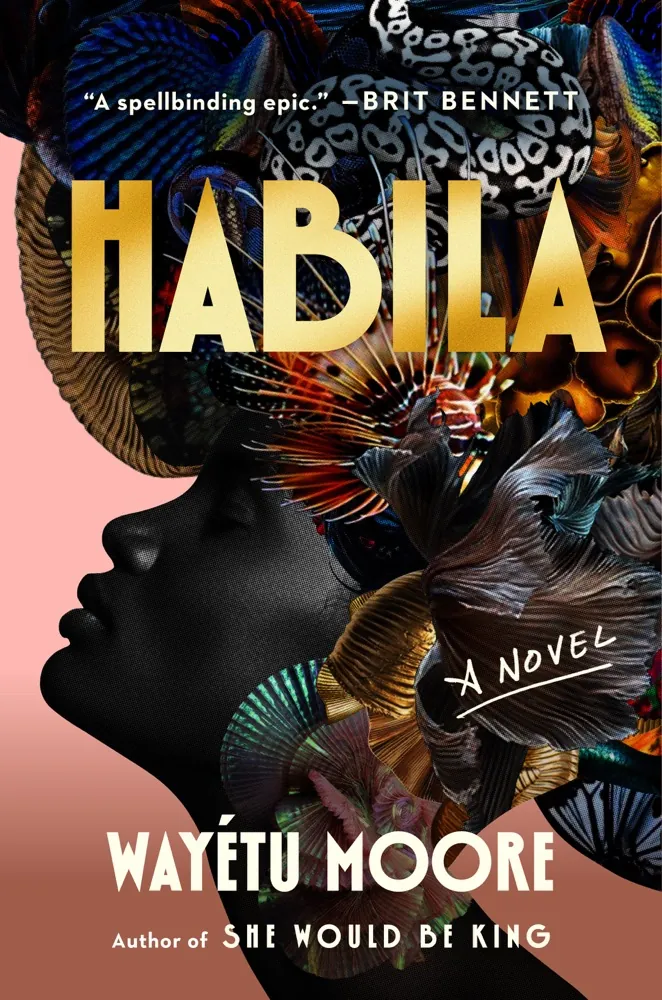

Author: Wayétu MoorePage Count: UnknownPublication Date: Expected publication 2026 APL Wayétu Moore is back with Habila, and I am already exhausted by the sheer volume of think-pieces this will spawn in the Review of Books. Expect breathless comparisons to Toni Morrison’s Belon—wait, let’s be entirely original for once and name-drop Marlon James or N.K. Jemisin, though neither quite captures the hyper-specific bourgeois anxiety of relocating from Monrovia to a literal backwater in Texas. Texas. Truly, the aesthetic downgrade of the century. Drowning in Metaphorical Subtext The premise rests on a grieving Liberian family, a dead patriarch named Tokpa, a hostile Lone Star backdrop, and a water goddess holding a lethal grudge against the entire male gender. Groundbreaking stuff. Mami Wata mythology meets middle-school bullying in a lake. Melanctha gets pushed in, develops an aquatic lung capacity, and receives a cursed comb. Because every mythological entity apparently moonlights as a sketchy beauty supply vendor. Been there, read that. And yet. The prose promises to be lush. Lyrical. Those exact marketing buzzwords that usually translate to "the editor was afraid of the author." Moore has serious chops—She Would Be King proved she can handle historical magical realism without it reading like a high schooler's Tumblr diary. But a siren weaponizing a hair accessory against the patriarchy? It’s giving millennial-pink feminist theory filtered through aquatic folklore. Give us grit. Give us something that doesn't feel custom-designed for a book club led by someone who pronounces chardonnay with a silent 'y'. The Weaponization of Motherhood We are promised an exhaustive interrogation of immigrant identity, generational trauma, and "the legacies wrought by men who take but never give back." A bit heavy-handed, no? Men are trash, water demons are bitter, and teenagers just want to breathe underwater. The thematic scaffolding is so obvious I can see the blueprints from my terrace. Still, the stylistic tension between the arid dust of Texas and the suffocating depths of Habila’s watery domain could yield some gorgeous structural imagery—if the book remembers to prioritize literary craft over cable-network allegories. I am praying for fewer didactic lectures on womanhood and more genuine, messy narrative ambiguity. Let the goddess be genuinely terrifying, not just a metaphor for a messy divorce. I simply must go finalize the seating chart for the solstice dinner before the caterer starts drinking my personal cellar. #WayetuMoore #Habila #BookTwitterIsExhausting Related InsightsCritical Role: The Mighty Nein—Children of Empire Book Review and Summary The Great Gatsby Book Review and Summary The Tarot Trials: A Novel Book Review and Summary{ "@context": "https://schema.org", "@type": "FAQPage", "mainEntity": [ { "@type": "Question", "name": "What is the main focus of Habila Book Review and Summary?", "acceptedAnswer": { "@type": "Answer", "text": "Everything you need to know about Habila with our detailed review." } }, { "@type": "Question", "name": "Who authored the comprehensive guide on Habila Book Review and Summary?", "acceptedAnswer": { "@type": "Answer", "text": "This detailed article and its insights were carefully researched and authored by Tiago Silva." } }, { "@type": "Question", "name": "Where can I find more related content about Books?", "acceptedAnswer": { "@type": "Answer", "text": "You can explore more articles, detailed reviews, and similar insights by browsing the Related Insights section at the bottom of this article or visiting our dedicated Books category page." } } ] }
-
 Sarah Davis
 - 26 Aug, 2026 11:59
Erotic Seasons: Tuning into the Rhythms of Women's Sexuality and Spirituality Book Review and Summary
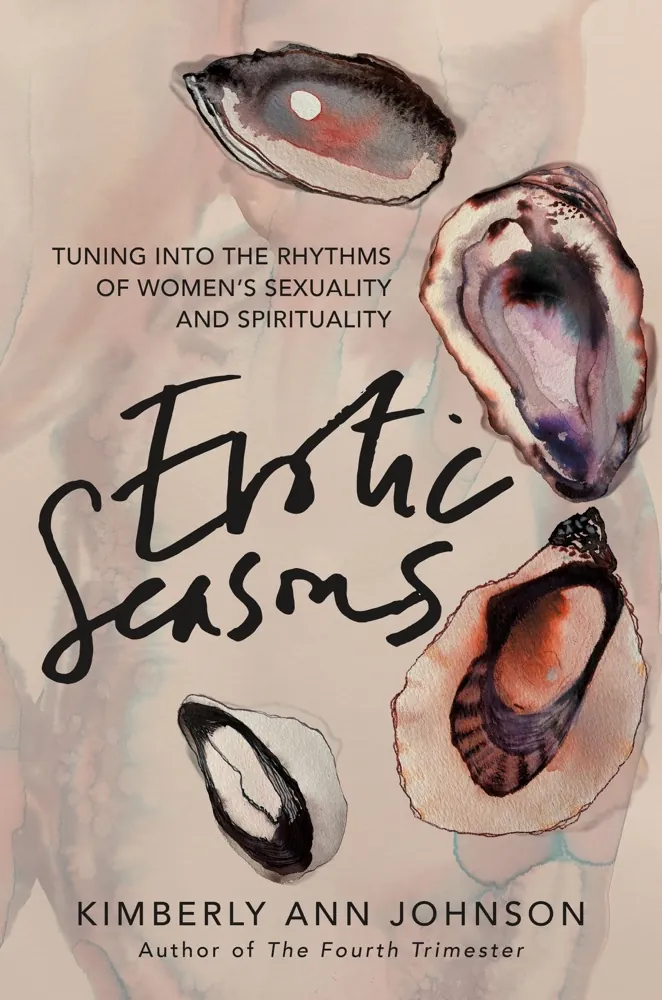
Author: Kimberly Ann JohnsonPage Count: UnknownPublication Date: Expected publication 2026-11-17 APL The smell of cinnamon rolls always distracts me from the pile of manuscripts on the counter. But here we are, looking at Kimberly Ann Johnson’s upcoming Erotic Seasons. Finding the Missing Keys The synopsis asks if you are at a threshold where what used to feel good doesn't make sense anymore. Honestly, between managing a household, refereeing sibling arguments over who licked the wooden spoon, and trying to finish a chapter before the dough over-proves, my entire life feels like one giant threshold. Johnson previously wrote The Fourth Trimester. Now she is moving past motherhood and into a broader conversation about female desire across every single life stage. Rethinking the Lifespan Let us talk about the archetypes. Maiden, mother, virgin, crone. They sound like characters you would find in an Agatha Christie village drama. Yet Johnson wants to reframe them for modern women dealing with perimenopause, shifting marriages, and changing nervous systems. Alexandra Roxo praises the book as a wise woman sitting by the fire. Wait, let me rephrase that. Is a fireside chat actually what readers want when their bodies feel confusing, or do they want concrete anatomical maps? Perhaps the fireside metaphor is entirely too cozy. Actually, strike that. Give me all the cozy wisdom I can get while I wait for the oven timer to shriek. Literally. The Somatic Promise As someone who usually analyzes the psychological motivations of fictional poisoners in mid-century country houses, shifting to somatic experiencing and sexological bodywork feels like a distinct gear change. The synopsis leans heavily on the idea that women lack the language to communicate these shifts. It promises a revolutionary reckoning. Yet the premise relies entirely on buzzwords about anatomical patterns and monthly rhythms. Will it deliver practical insight, or will it read like a textbook wrapped in a wellness blog? The school bell waits for no one, and the flour is currently coating my favorite reading glasses. #EroticSeasons #KimberlyAnnJohnson #BookPreview Related InsightsMothsblood Book Review and Summary The Cursed Carnival and Other Calamities Book Review and Summary Accidents Never Happen Book Review and Summary{ "@context": "https://schema.org", "@type": "FAQPage", "mainEntity": [ { "@type": "Question", "name": "What is the main focus of Erotic Seasons: Tuning into the Rhythms of Women's Sexuality and Spirituality Book Review and Summary?", "acceptedAnswer": { "@type": "Answer", "text": "Everything you need to know about Erotic Seasons: Tuning into the Rhythms of Women's Sexuality and Spirituality with our detailed review." } }, { "@type": "Question", "name": "Who authored the comprehensive guide on Erotic Seasons: Tuning into the Rhythms of Women's Sexuality and Spirituality Book Review and Summary?", "acceptedAnswer": { "@type": "Answer", "text": "This detailed article and its insights were carefully researched and authored by Sarah Davis." } }, { "@type": "Question", "name": "Where can I find more related content about Books?", "acceptedAnswer": { "@type": "Answer", "text": "You can explore more articles, detailed reviews, and similar insights by browsing the Related Insights section at the bottom of this article or visiting our dedicated Books category page." } } ] }


Author: Laura PavlovPage Count: UnknownPublication Date: Expected publication 2026 APL When a piece of marketing copy tells us that life isn’t promised and relationships aren’t clean—while simultaneously reducing a woman with vibrant tattoos and a sharp mouth to a narrative prop whose primary function is to heal a broken, domineering man—I need to take a massive hit from my vape and stare at the ceiling. My First Promise positions itself within the crowded ranks of contemporary small-town romance, sitting somewhere between the predictable beats of Lucy Score and the emotional manipulation of Samantha Christy. Yet, the synopsis drips with patriarchal tropes disguised as redemptive devotion. Trevor “Tank” Trumbolt had his ego checked by a literal car crash, and now we are expected to swoon because he realizes—what a shock—that women exist outside of his convenience. Groundbreaking. The Myth of the Reclaimed Man Let us interrogate the psychology here. Tank’s epiphany arrives not through internal deconstruction, but through physical trauma. And Daphne “Blaze” Coleman—an EMT with autonomy, bright red hair, and zero tolerance for nonsense—is apparently supposed to fold the second he humbles himself. But make it make sense. He previously demanded she quit her high-stakes, life-saving career simply because it induced his paternalistic anxiety. Yet, the promotional text tries to sell this literal control freak as a reformed hero holding his heart in his hands. Gross. The narrative framework expects us to buy into the tired-ass trope that a man’s near-death experience grants him absolution for past misogyny. The Dialectic of Pleasure and Pain And what of Blaze? She claims she won't let him boss her around, demanding a two-way street of emotional labor. Sure, Jan. Romance novels of this specific sub-genre love to pay lip service to female independence in the synopsis while slowly dismantling it chapter by chapter until the protagonist is just wiping soup broth off a ruggedly handsome man's chin. The juxtaposition of her fierce, tattooed exterior with her submissive domestic utility in the bedroom creates a fascinating cognitive dissonance. It is almost Kafkaesque how quickly a woman with a smart mouth surrenders her boundaries the second a man stubs his toe and learns how to spell vulnerability. The Verdict on the Coming Collision Will the book deliver on the promised emotional reckoning? Absolutely not. It will lean heavily on alpha-male posturing, forced proximity, and lazy small-town gossip to fill three hundred pages before a contrived third-act breakup forces them back together. If you want a genuine exploration of female agency, you are reading the wrong book—this is pure, uncut genre-fiction comfort food designed for people who unironically use the word vibes as a defense mechanism. I have to go sprint across town because I am forty minutes late for a terribly pretentious avant-garde French film screening where no one speaks for three hours and a man eats a single raw turnip. #booktok #romancebooks #patriarchyisexhausting #laurapavlov Related InsightsThe Divine (Coven of Bones, 4) Book Review and Summary Children of Strife Book Review and Summary Deadly Little Lessons Book Review and Summary{ "@context": "https://schema.org", "@type": "FAQPage", "mainEntity": [ { "@type": "Question", "name": "What is the main focus of My First Promise (Blue Sky Bay #3) Book Review and Summary?", "acceptedAnswer": { "@type": "Answer", "text": "Everything you need to know about My First Promise (Blue Sky Bay #3) with our detailed review." } }, { "@type": "Question", "name": "Who authored the comprehensive guide on My First Promise (Blue Sky Bay #3) Book Review and Summary?", "acceptedAnswer": { "@type": "Answer", "text": "This detailed article and its insights were carefully researched and authored by Marta Wisniewska." } }, { "@type": "Question", "name": "Where can I find more related content about Books?", "acceptedAnswer": { "@type": "Answer", "text": "You can explore more articles, detailed reviews, and similar insights by browsing the Related Insights section at the bottom of this article or visiting our dedicated Books category page." } } ] }
-
 Maximilian Fischer
 - 26 Aug, 2026 11:31
A Storm of Swallows (A Language of Dragons, #3) Book Review and Summary
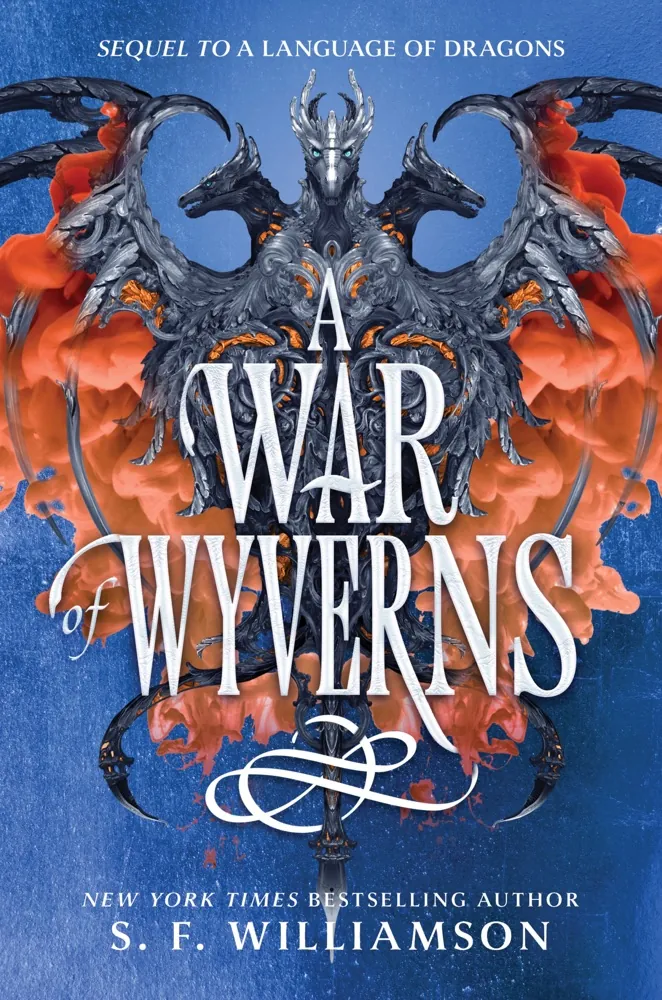
Author: S.F. WilliamsonPage Count: UnknownPublication Date: Expected publication 2026-01-06 APL Give me a heavy stack of pages, a kettle that refuses to boil, and a world where words literally bite back. S.F. Williamson is returning to the fray with A Storm of Swallows, and honestly, I am ready to close my laptop, ignore every single deadline staring me down from my monitor, and simply vanish into Britannia. We need the escape right now. The news cycle is an absolute garbage fire, and sometimes a tired soul just requires a good, old-fashioned rebellion fought with linguistics and fire-breathing lizards. The Semantics of Rebellion Languages are weapons. This is a glorious premise that completely redeems the endless, dreary parade of chosen-one narratives choking our current bestseller lists. Think Rebecca Yarros meets R.F. Kuang, but ditch the overhyped battle academies for something infinitely sharper. Vivien Featherswallow is caught in an identity crisis involving secret resistance movements, stolen diaries, and literal dragon thoughts. But let us pause for a second. Why do protagonists in modern fantasy always have to be walking existential crises? Just once, I want a heroine who wakes up, drinks her coffee, cheerfully accepts that she is an underground terrorist, and gets straight to work without agonizing over who she is for three hundred pages. Speaking of agonizing, I spent twenty minutes this morning trying to unsubscribe from a mattress-cleaning newsletter that I apparently signed up for in 2019, only to realize the confirmation button was hidden behind a moving banner of glowing, aggressively happy sleepers. It filled me with a blind, incandescent rage that rivaled any geopolitical fantasy conflict. Modern life is a psychological endurance test. Give me Bulgarian dragons and secret wyverns any day over corporate digital marketing. Whispers in the Wind Williamson’s synopsis leans heavily into the fog of war. Who is Vivien? A spy? A translator? A heartbroken girl? Yes, probably all three because YA heroines are legally required to carry the emotional weight of a small continent. Yet, the inclusion of a device that literalizes dragon thoughts feels brilliantly tactile. We are moving past generic sword-swinging into the messy mechanics of communication. Translation is inherently political. Every dictionary is a battleground. If Williamson actually commits to the linguistic mechanics rather than hand-waving the grammar with cinematic magic explosions, this third installment could easily outshine its predecessor. We demand pure escapism because reality is aggressively mediocre. A Storm of Swallows promises isolation, clandestine meetings with Hebridean Wyverns, and the quiet desperation of an underdog fighting an invading empire. It demands total surrender from the reader. I am prepared to give it. My teenager just backed the car into the mailbox and I need to assess the damage. Related InsightsRed Ant's Head Book Review and Summary First Love Last Love: A Novel Book Review and Summary A Monster Calls Book Review and Summary{ "@context": "https://schema.org", "@type": "FAQPage", "mainEntity": [ { "@type": "Question", "name": "What is the main focus of A Storm of Swallows (A Language of Dragons, #3) Book Review and Summary?", "acceptedAnswer": { "@type": "Answer", "text": "Everything you need to know about A Storm of Swallows (A Language of Dragons, #3) with our detailed review." } }, { "@type": "Question", "name": "Who authored the comprehensive guide on A Storm of Swallows (A Language of Dragons, #3) Book Review and Summary?", "acceptedAnswer": { "@type": "Answer", "text": "This detailed article and its insights were carefully researched and authored by Maximilian Fischer." } }, { "@type": "Question", "name": "Where can I find more related content about Books?", "acceptedAnswer": { "@type": "Answer", "text": "You can explore more articles, detailed reviews, and similar insights by browsing the Related Insights section at the bottom of this article or visiting our dedicated Books category page." } } ] }
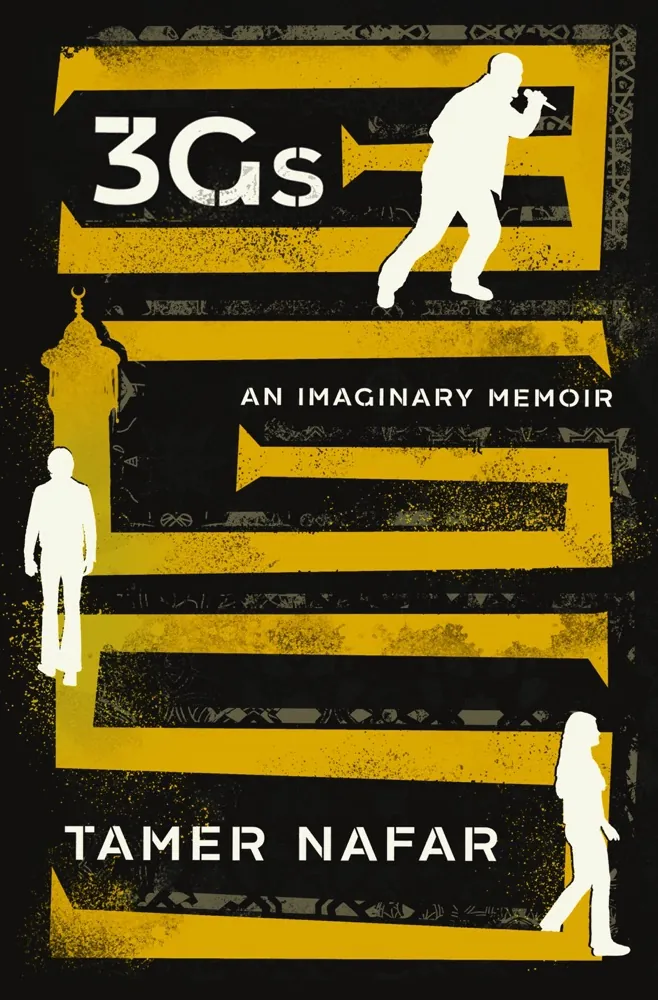

Author: Tamer NafarPage Count: UnknownPublication Date: Expected publication 2026-12-01 APL The air in this August heat is thick with the kind of humidity that makes even the most disciplined mind wander—like a vinyl record skipping on a bad day. And yet, here we are, staring at the synopsis for 3Gs, that imaginary memoir by Tamer Nafar, which arrives like a well-timed but slightly unhinged guest at a diplomatic cocktail party. The kind of guest who shows up with a story about three generations of Palestinians, a town that’s both Lyd and Lod depending on who’s telling it, and a father who can’t read but plays in a wedding band. It’s the kind of premise that makes you wonder if the author’s been reading too many late-night Wikipedia rabbit holes about postcolonial identity. The structure here is deliberately fractal—part oral history, part fable, part something that defies the very idea of memoir. That last bit is either genius or a gimmick, and I’m not sure which yet. It reminds me of The Vegetarian by Han Kang, where the act of writing itself becomes a kind of rebellion, but with the added layer of hip-hop’s rhythmic fury. Chuck D’s influence is already being touted, and for good reason—this isn’t just a memoir; it’s a sonic assault on the idea of linear storytelling. But where 3Gs might falter is in its refusal to clarify what, exactly, it wants to be. Is it a novel? A collection of vignettes? A family tree with more branches than a Palestinian olive grove? The vagueness is almost intentional, but it also risks leaving readers feeling like they’ve been handed a map to a city that’s been erased from the atlas. Fawzi, the father, is the most interesting character by default—because he’s the one who’s not fighting back, at least not in the way his son expects. There’s something haunting about a man who survives by passing as a postman despite being illiterate, only to end up in a wheelchair after an accident. It’s a metaphor for so much: the quiet erosion of dignity, the way oppression doesn’t always come with a gun. But then Tamer, the son, comes along, loud and defiant, spitting out punchlines like they’re landmines. The dynamic between them feels like it could be the backbone of something powerful, but the synopsis doesn’t do enough to show how that tension plays out. Where’s the moment when Fawzi finally speaks? Where’s the scene where Tamer realizes his father’s silence wasn’t weakness? The synopsis skims over these moments like a DJ skipping the breakdown of a song. And then there’s Shaden, the future daughter, who risks returning to Lyd to save its artifacts in “Palestine in the cloud.” That line alone is worth the price of admission—it’s the kind of poetic nonsense that makes you wonder if the author’s been reading too much about digital diasporas and too little about how people actually live. But it also feels like a cop-out. If the book is about loss and oppression, why not ground Shaden’s story in something more tangible? Why not make her a real person with real stakes, instead of a ghost in the machine? It’s the literary equivalent of a politician promising “hope and change” without a plan. But here’s the thing—this is supposed to be an imaginary memoir. So maybe the point is that it’s all just a construct, a shape-shifting pastiche of memory and myth. And if that’s the case, then 3Gs might just be the most ambitious piece of Palestinian literature since The Book of Khaled by Yasmina Khadra, where the act of storytelling itself becomes the rebellion. Yet—yet—there’s a danger in letting the form overshadow the substance. What if the book is so busy being innovative that it forgets to be human? The synopsis leaves more questions than answers, which is fine if the book delivers on the promise of its own ambiguity. But I can’t help but think of the time The Last Days of American Crime by Graham Moore was hyped as a revolutionary take on true crime, only to deliver a mess of half-baked conspiracy theories and a protagonist who felt like a mannequin in a department store window. Will 3Gs be the next great Palestinian novel, or will it be the next great disappointment? Only time—and a lot of espresso—will tell. Right now, I’m operating on three hours of sleep and the kind of caffeine that makes you see halos around streetlights. The world is a mess, the air is thick, and I’m trying to decide if I want to believe in the magic of 3Gs or just go back to bed. #PalestinianLiterature #ImaginaryMemoirs #AugustReading #DiplomaticFiction #ShapeShiftingStories Related InsightsRealm Breaker Book Review and Summary L'Occhio che ha Cambiato il Mondo: L'Ascesa Silenziosa della Fotografia Tascabile Ask for Andrea Book Review and Summary{ "@context": "https://schema.org", "@type": "FAQPage", "mainEntity": [ { "@type": "Question", "name": "What is the main focus of 3Gs: An Imaginary Memoir Book Review and Summary?", "acceptedAnswer": { "@type": "Answer", "text": "Everything you need to know about 3Gs: An Imaginary Memoir with our detailed review." } }, { "@type": "Question", "name": "Who authored the comprehensive guide on 3Gs: An Imaginary Memoir Book Review and Summary?", "acceptedAnswer": { "@type": "Answer", "text": "This detailed article and its insights were carefully researched and authored by Anna Kowalska." } }, { "@type": "Question", "name": "Where can I find more related content about Books?", "acceptedAnswer": { "@type": "Answer", "text": "You can explore more articles, detailed reviews, and similar insights by browsing the Related Insights section at the bottom of this article or visiting our dedicated Books category page." } } ] }
- Klaus Weber
- 26 Aug, 2026 11:00
Big Math: The Hidden Codes That Run Our World Book Review and Summary
Author: Steven StrogatzPage Count: UnknownPublication Date: Expected publication 2026-11-10 APL The grand myth of the invisible hand – it seems Big Math is about to take this concept to a whole new level. As I sit here, flipping through the promotional materials for Steven Strogatz's upcoming book, I'm struck by the eerie feeling that we're staring into the abyss, and the abyss is staring back at us with an algorithm. This book promises to be an epic tale of how a handful of simple mathematical ideas have become the backbone of our technological advancements – from the innocuous-seeming Netflix recommendation algorithm to the life-or-death world of medical imaging and artificial intelligence. And yet, as these ideas continue to evolve, they're slipping further and further from our understanding, with potentially earth-shaking consequences. The irony, of course, is that we created these tools – we're the ones who conjured up matrices and vectors, networks and optimization. We're the masters of our own universe, or so we thought. But as we continue to supercharge these tools with computers, things start to get murky. It's as if we've unleashed a beast that we can no longer control. The Unseen Puppeteer I'm reminded of the works of Nick Bostrom, who has written extensively on the dangers of advanced artificial intelligence. It's as if we're sleepwalking into a world where the very fabric of our reality is being reshaped by forces beyond our comprehension. And what's worse, we're not even aware of it. Strogatz's book promises to explore this very theme – the idea that our creations are slowly but surely slipping beyond our grasp. It's a notion that's both fascinating and terrifying, like watching a slow-motion train wreck that you can't look away from. But as I delve deeper into the promotional materials, I'm struck by the vagueness of it all. What exactly does Strogatz mean by "Big Math"? Is it a catch-all term for the complex algorithms that govern our lives, or is it something more sinister? The lack of clarity is frustrating, to say the least. And yet, despite this vagueness, I'm drawn to the book's central thesis – the idea that our creations are slowly but surely becoming more powerful than us. It's a theme that's been explored in science fiction for decades, from the works of Philip K. Dick to the more recent Ex Machina. But what sets Big Math apart is its focus on the real-world implications of these advancements. The Unseen Consequences As I sit here, pondering the implications of Strogatz's book, I'm reminded of the infamous Therac-25 incident – a radiation therapy machine that malfunctioned due to a software bug, resulting in the deaths of several patients. It's a stark reminder of the dangers of relying too heavily on technology, and the devastating consequences that can occur when things go wrong. But I digress. As I was saying, the more I read about Big Math, the more I'm convinced that it's going to be a game-changer. It's a book that's going to challenge our assumptions about the world we live in, and the role that technology plays in shaping our reality. And yet, as I glance at my watch, I realize that I have an exclusive wine tasting event at the country club in an hour. Ah, the life of a cultural critic is a busy one indeed. #BigMath #AI #Technology #BookReview Related InsightsThe Moonstone Sister (The Sea Stone Sisters, #2) Book Review and Summary Kiss Slay Replay Book Review and Summary Harvest Season Book Review and Summary{ "@context": "https://schema.org", "@type": "FAQPage", "mainEntity": [ { "@type": "Question", "name": "What is the main focus of Big Math: The Hidden Codes That Run Our World Book Review and Summary?", "acceptedAnswer": { "@type": "Answer", "text": "Everything you need to know about Big Math: The Hidden Codes That Run Our World with our detailed review." } }, { "@type": "Question", "name": "Who authored the comprehensive guide on Big Math: The Hidden Codes That Run Our World Book Review and Summary?", "acceptedAnswer": { "@type": "Answer", "text": "This detailed article and its insights were carefully researched and authored by Klaus Weber." } }, { "@type": "Question", "name": "Where can I find more related content about Books?", "acceptedAnswer": { "@type": "Answer", "text": "You can explore more articles, detailed reviews, and similar insights by browsing the Related Insights section at the bottom of this article or visiting our dedicated Books category page." } } ] }
-
 Beatriz Costa
 - 26 Aug, 2026 09:45
Start Lying to Yourself: New Truths to Manifest the Life You Want Book Review and Summary
Author: Simon GilhamPage Count: UnknownPublication Date: Expected publication 2026-12-08 APL As I trudge through the fluorescent-lit night, the city's pulse outside my window a distant hum, I find myself pondering the latest self-help sensation: Start Lying to Yourself. Simon Gilham's counterintuitive approach to personal growth — embracing empowering lies to transform one's life — has me both intrigued and skeptical. It's not the first time I've encountered this idea; the echoes of The 7 Habits of Highly Effective People by Stephen Covey and The Power of Now by Eckhart Tolle linger, but with a twist. Gilham's framework, structured in three stages — wake up, break the old programming, and become your future self — promises a direct path to inner transformation. The notion of adopting deliberate, empowering lies to pull oneself forward is both captivating and unsettling. I already am who I want to become. This is going to work. I'm not waiting anymore. These mantras, paired with moments of reflection, aim to catalyze a mental shift that will, in turn, change how one moves through the world. But can such a shift be truly tangible, or is it merely a fleeting mental exercise? And yet, the more I think about it, the more I realize that perhaps the true power lies not in the lies themselves, but in the act of embracing a new narrative. It's a concept reminiscent of the narrative therapy approach, where individuals are encouraged to reframe their experiences and create new, empowering stories about themselves. But what happens when these lies become the new truth? Do we risk losing ourselves in the process of self-reinvention? As I continue to ponder the implications of Gilham's approach, I find myself questioning the very notion of self-help. Is it merely a Band-Aid solution, a temporary fix for deeper issues, or can it truly be a catalyst for lasting change? The lines between reality and fabrication begin to blur, and I'm left wondering: what's the difference between a lie and a truth, anyway? But, I digress. As I'm forced to write this review under the fluorescent glow of my night-shift haven, I find myself growing increasingly restless. The words begin to feel like a chore, a means to an end, rather than a genuine exploration of the book's themes. And so, I'll admit it: I'm just trying to hit a word count here. The existential dread that's been creeping up on me all night is starting to feel suffocating. In the end, I predict that Start Lying to Yourself will resonate with those who've grown tired of the traditional self-help fare. It's a bold, counterintuitive approach that will undoubtedly spark conversations and debates. As for me, I'll be brewing a cup of lapsang souchong, pondering the lies I tell myself, and wondering what truths I've been avoiding all along. #selfhelp #mentalshift #liesasliberation Related InsightsWatership Down Book Review and Summary Mate Book Review and Summary Alice in Wonderland Book Review and Summary{ "@context": "https://schema.org", "@type": "FAQPage", "mainEntity": [ { "@type": "Question", "name": "What is the main focus of Start Lying to Yourself: New Truths to Manifest the Life You Want Book Review and Summary?", "acceptedAnswer": { "@type": "Answer", "text": "Everything you need to know about Start Lying to Yourself: New Truths to Manifest the Life You Want with our detailed review." } }, { "@type": "Question", "name": "Who authored the comprehensive guide on Start Lying to Yourself: New Truths to Manifest the Life You Want Book Review and Summary?", "acceptedAnswer": { "@type": "Answer", "text": "This detailed article and its insights were carefully researched and authored by Beatriz Costa." } }, { "@type": "Question", "name": "Where can I find more related content about Books?", "acceptedAnswer": { "@type": "Answer", "text": "You can explore more articles, detailed reviews, and similar insights by browsing the Related Insights section at the bottom of this article or visiting our dedicated Books category page." } } ] }
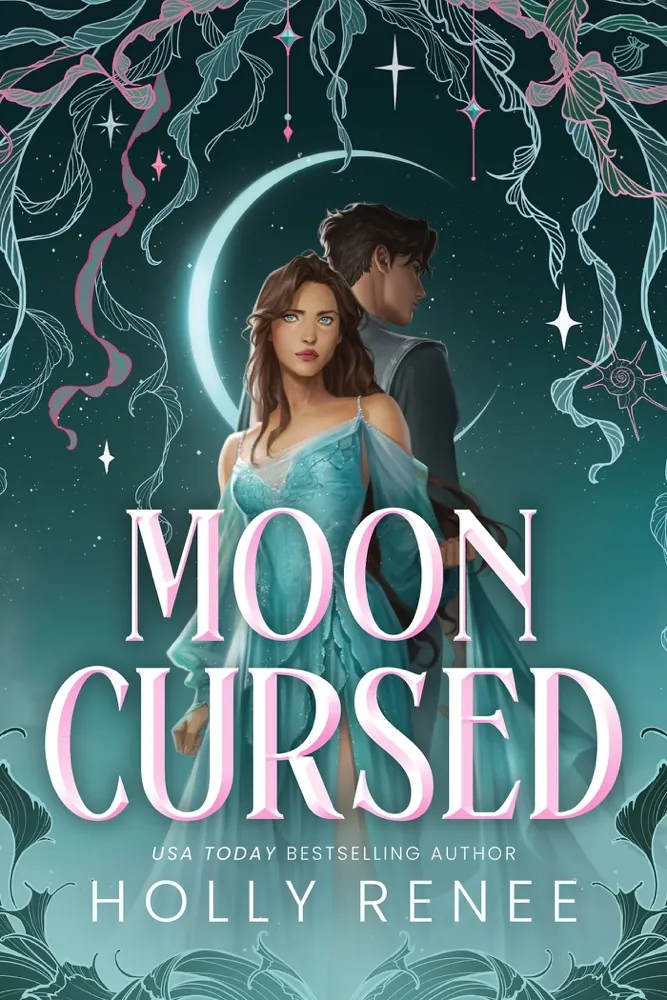

Author: Holly ReneePage Count: UnknownPublication Date: Expected publication 2026-11-03 APL What is it about the ocean that draws us in, a siren's call to the depths of madness and despair? Mooncursed, Holly Renee's upcoming release, promises to enthrall us with a tale of a cursed sea king, a stolen bride, and the unraveling fate that binds them together. But can we trust the whispers of the synopsis, or is it merely a tantalizing mirage, luring us deeper into the abyss? The Drowned King, a figure shrouded in mystery, is said to be cursed to take a human bride and break her mind the moment she sees his face. This raises a multitude of questions – what is the nature of this curse, and who is responsible for it? Is it a punishment, a test, or merely a cruel twist of fate? And what of the bride, Lou, a saltwitch branded from birth as the cursed shadow of her moonblessed twin? Her existence is already marked by the weight of expectation, and now she is thrust into a life of ancient gods and unraveling fate. The use of the term "saltwitch" is particularly intriguing, evoking as it does the image of a woman bound to the sea, her powers tied to the ebb and flow of the tides. This echoes the work of authors such as Sarah J. Maas, who have explored the complex relationships between humans and the natural world. And yet, despite these tantalizing hints, the synopsis remains frustratingly vague, leaving us to wonder about the specifics of Lou's powers and her connection to the sea. But what of the Drowned King himself? His character is shrouded in mystery, his motivations and desires unknown. Is he a monster, a creature driven by a hunger for human minds, or is he a tragic figure, cursed by forces beyond his control? The use of the term "heated touch" to describe his interactions with Lou suggests a deep passion, a desire that cannot be contained. This raises questions about the nature of their relationship, and whether it will be a romance of equals or a twisted game of cat and mouse. As we delve deeper into the world of Mooncursed, we begin to see the outlines of a larger conflict, one that threatens to engulf the kingdoms and awaken ancient goddesses. This is a familiar trope, one that has been explored in countless fantasy novels, from the works of Robin McKinley to the more recent A Court of Thorns and Roses series. And yet, despite this familiarity, the synopsis hints at a unique twist, one that will set Mooncursed apart from its predecessors. But I must confess, I am not entirely convinced by the synopsis. There is a sense of vagueness, a lack of specificity that makes it difficult to fully invest in the world and characters. And yet, despite this, I am drawn to the story, sensing that there is something more beneath the surface, waiting to be uncovered. And now, if you'll excuse me, my sommelier has just arrived with the new vintage, and I must attend to it. The flavors of the wine are said to be reminiscent of the sea, with notes of salt and citrus that will perfectly complement the complex themes and characters of Mooncursed. #FantasyRomance #NewRelease #BookLovers Related InsightsThe Phantom of the Opera Book Review and Summary The Complete Novels Book Review and Summary People We Meet on Vacation Book Review and Summary{ "@context": "https://schema.org", "@type": "FAQPage", "mainEntity": [ { "@type": "Question", "name": "What is the main focus of Mooncursed (The Drowned King, #1) Book Review and Summary?", "acceptedAnswer": { "@type": "Answer", "text": "Everything you need to know about Mooncursed (The Drowned King, #1) with our detailed review." } }, { "@type": "Question", "name": "Who authored the comprehensive guide on Mooncursed (The Drowned King, #1) Book Review and Summary?", "acceptedAnswer": { "@type": "Answer", "text": "This detailed article and its insights were carefully researched and authored by Lucia Garcia." } }, { "@type": "Question", "name": "Where can I find more related content about Books?", "acceptedAnswer": { "@type": "Answer", "text": "You can explore more articles, detailed reviews, and similar insights by browsing the Related Insights section at the bottom of this article or visiting our dedicated Books category page." } } ] }
-
 Elena Volkova
 - 26 Aug, 2026 09:33
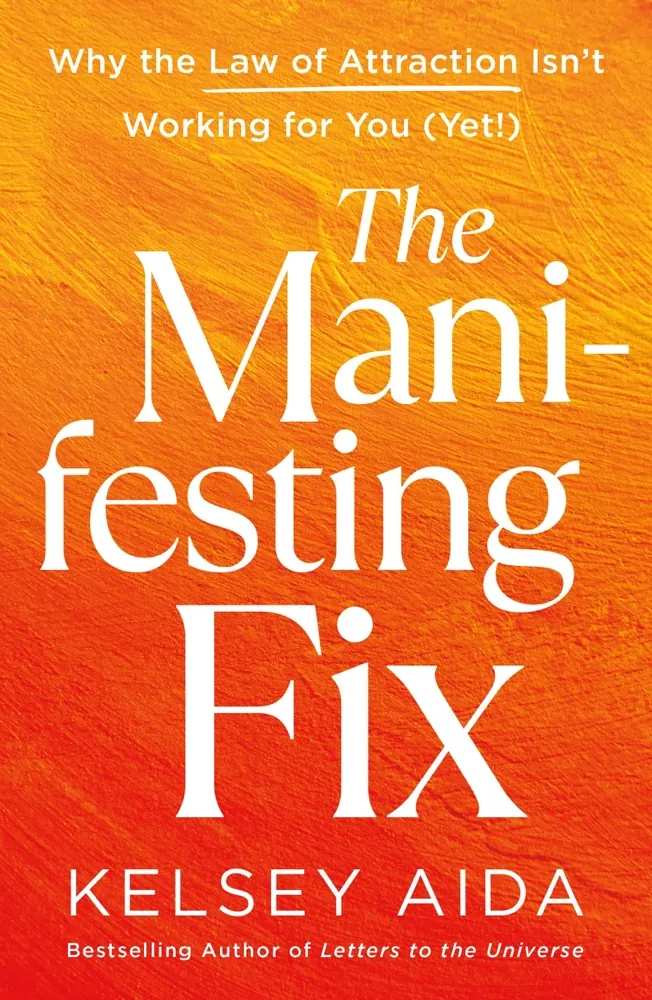
The Manifesting Fix: Why the Law of Attraction Isn’t Working for You Book Review and Summary
Author: Kelsey AidaPage Count: UnknownPublication Date: Expected publication 2026-12-01 APL The perpetual optimism of self-help books – a genre that's as insufferable as it is lucrative. The Manifesting Fix, the latest offering from Kelsey Aida, promises to "unlock the missing piece" to manifesting one's dream life. But what, pray tell, is this elusive piece that's been hiding in plain sight all along? One can't help but feel that Aida's book is simply a rehashing of the same tired Law of Attraction principles that have been peddled by every New Age guru and Instagram influencer. The synopsis reads like a laundry list of familiar complaints: "Why doesn't the Law of Attraction work for me?" "How do I fix my negative thoughts and limiting beliefs?" It's all so...predictable. And yet, one can't shake the feeling that Aida is onto something – that there's a deeper, more insidious force at play that's preventing people from manifesting their desires. Resistance, Aida claims, is the culprit. But what does this even mean? Is it a psychological blockage? A spiritual impediment? The synopsis is woefully vague on this point, leaving one to wonder if Aida has simply conjured up a buzzword to sell books. And what of the "sneaky blockages" that are supposedly holding people back? Are these some kind of manifestation-kryptonite that can be vanquished with the right mindset? It all sounds suspiciously like a variation of the old "just think positive" mantra – a mantra that's been thoroughly debunked by anyone with even a cursory understanding of psychology. And yet, despite the vagueness of the synopsis, one can't help but feel that Aida is tapping into something deeper – a sense of disillusionment and frustration that's pervasive in our culture. We're living in a time when the old rules no longer apply, when the notion of a "dream life" has become a distant memory for many. It's a time when people are desperate for answers, for a sense of control and agency in a world that seems increasingly hostile and unforgiving. In this sense, The Manifesting Fix can be seen as a manifestation of our collective anxiety – a desperate attempt to impose order on a chaotic world. But is it a genuine attempt to offer solutions, or simply a cynical cash-grab? Only time will tell. As I sit here, sipping my coffee and pondering the existential implications of manifestation, I'm reminded of the great philosopher, Friedrich Nietzsche, who once said, "You must have chaos within you to give birth to a dancing star." Perhaps, then, the key to manifestation lies not in some formulaic approach, but in embracing the chaos and uncertainty that lies at the heart of human existence. But I digress. I have more pressing concerns – like selecting the floral arrangements for my upcoming book launch. It's a decision that requires careful consideration, lest I end up with a bouquet that's as vapid and uninspired as the average self-help book. #TheManifestingFix #LawOfAttraction #SelfHelp #Manifestation #Spirituality #NewAge #GuruCulture #InstagramInfluencers #BookLaunch #FloralArrangements Related InsightsVampire Academy Book Review and Summary Local Woman Missing Book Review and Summary Millennium Vol. 1: The Girl With The Dragon Tattoo Book Review and Summary{ "@context": "https://schema.org", "@type": "FAQPage", "mainEntity": [ { "@type": "Question", "name": "What is the main focus of The Manifesting Fix: Why the Law of Attraction Isn’t Working for You Book Review and Summary?", "acceptedAnswer": { "@type": "Answer", "text": "Everything you need to know about The Manifesting Fix: Why the Law of Attraction Isn’t Working for You with our detailed review." } }, { "@type": "Question", "name": "Who authored the comprehensive guide on The Manifesting Fix: Why the Law of Attraction Isn’t Working for You Book Review and Summary?", "acceptedAnswer": { "@type": "Answer", "text": "This detailed article and its insights were carefully researched and authored by Elena Volkova." } }, { "@type": "Question", "name": "Where can I find more related content about Books?", "acceptedAnswer": { "@type": "Answer", "text": "You can explore more articles, detailed reviews, and similar insights by browsing the Related Insights section at the bottom of this article or visiting our dedicated Books category page." } } ] }

Author: Simon GarfieldPage Count: UnknownPublication Date: Expected publication 2026-11-03 APL The world of words, and the instruments that bring them to life – in The Pen: A Human History, Simon Garfield takes us on a sweeping journey through the ages, tracing the evolution of our trusty writing companion. And what a tale it is – of empires risen and fallen, of ideas sparked and revolutions kindled, all through the humble medium of ink and quill. As I sit here, sweat-drenched and fanning myself in the sweltering August heat, I find myself pondering the weight of history that rests upon this slender, oft-overlooked tool. We've all heard the stories, of course – of Jane Austen's quills, of Hemingway's Montblanc, of the Magna Carta's solemn signatures – but to see them woven together into a single narrative is to gain a profound appreciation for the pen's quiet, insistent presence in the annals of human civilization. And yet, as I delve into the synopsis, I find myself wondering – what, exactly, does Garfield mean to say about the pen's role in our lives? Is this a history of writing, or a history of the writers themselves? The line between the two is often blurred, and I worry that The Pen may succumb to the same trap – of prioritizing the personalities over the pens, the quirks over the craftsmanship. But, I suppose, that's a risk worth taking. For in the world of words, it's often the personalities that shape the pens, and the pens that shape the personalities. Consider the case of Joseph Priestley, who dared to affix a steel tip to a quill in 1780 – a innovation that would change the face of writing forever. Or Bartholomew Folsch, who created the first reservoir pen in 1809 – a breakthrough that would pave the way for the modern pens we use today. These are the stories that make The Pen so compelling – the stories of pioneers and tinkerers, of dreamers and doers. And yet, as I read through the synopsis, I find myself growing increasingly frustrated – with the vagueness, the lack of specificity, the sense that Garfield is holding back. What, exactly, does he mean to say about the pen's role in the digital age? How does he propose to connect the dots between the calamus reed pens of ancient Egypt and the Apple Pencils of today? The answers, I fear, may be lost in the ether – and that's a shame, because I sense that The Pen has the potential to be something truly remarkable. But, I suppose, that's a risk worth taking. For in the world of words, it's often the risks that pay off – the risks of experimentation, of innovation, of pushing the boundaries of what's possible. Consider the case of Milton Reynolds, who introduced the world to the first ballpoint pen – a innovation that would change the face of writing forever. Or consider the case of Stephen King, who swears by his trusty Waterman Hemisphere – a pen that's become an integral part of his writing routine. Literally. Hard pass. Wait – no, I take that back. I'm intrigued, despite myself. There's something about The Pen that draws me in – a sense of possibility, of promise, of untold stories waiting to be unearthed. And who knows? Maybe Garfield will surprise me – maybe he'll deliver a book that's less about the personalities, and more about the pens themselves. Maybe he'll show me the beauty in the mechanics, the poetry in the precision. Finally. And then, just as I'm getting lost in the world of words, my youngest bursts into the room, holding aloft our family cat – who's been painted a brilliant shade of blue. "Mom, Mom, look!" she exclaims, beaming with pride. I stare, aghast, as the cat gives me a disdainful flick of its tail – and suddenly, all thoughts of The Pen are forgotten. #ThePen #SimonGarfield #WritingCommunity #BookLovers #FelineArt Related InsightsEl don Book Review and Summary The Measure Book Review and Summary Baldur's Gate 3: Astarion Book Review and Summary{ "@context": "https://schema.org", "@type": "FAQPage", "mainEntity": [ { "@type": "Question", "name": "What is the main focus of The Pen: A Human History Book Review and Summary?", "acceptedAnswer": { "@type": "Answer", "text": "Everything you need to know about The Pen: A Human History with our detailed review." } }, { "@type": "Question", "name": "Who authored the comprehensive guide on The Pen: A Human History Book Review and Summary?", "acceptedAnswer": { "@type": "Answer", "text": "This detailed article and its insights were carefully researched and authored by Hannah Schmidt." } }, { "@type": "Question", "name": "Where can I find more related content about Books?", "acceptedAnswer": { "@type": "Answer", "text": "You can explore more articles, detailed reviews, and similar insights by browsing the Related Insights section at the bottom of this article or visiting our dedicated Books category page." } } ] }

Author: Harper L. WoodsPage Count: UnknownPublication Date: Expected publication 2026-12-29 APL The synopsis for The Divine is so deliberately opaque it might as well be a love letter to the kind of storytelling that thrives on implication rather than exposition—like a haiku written in blood. Margot’s bargain with death is the kind of tragic, Faustian deal that feels ripped straight from a gothic romance where the only currency is suffering and the only reward is a hollow victory. But here’s the problem: the synopsis doesn’t tell us why she made the deal. Was it desperation? Love? A misplaced sense of martyrdom? The phrasing—"She succumbed to death to save his life"—suggests a passive, almost resigned act, like a character in a Greek tragedy accepting her fate without question. And yet, the line "A soul for a soul. A price to pay for her love" implies something far more intimate, something that could lean into the kind of emotional brutality found in The Raven Boys or the slow-burn tragedy of The Shadow of the Wind. The tension between these two interpretations is delicious—it’s the kind of ambiguity that makes a reader lean in, fingers curled around the spine, wondering if the love here is noble or self-destructive. But then—after all, death is only the beginning—the synopsis pivots into something far more unsettling. It’s not just about Margot’s bargain; it’s about the voice of death itself becoming the only thing that can undo it. This reads like the setup for a horror-lite twist, the kind where the supernatural isn’t just a backdrop but an active, malevolent participant. Think Mexican Gothic meets The Last House on Needless Street, where the dead aren’t just ghosts but something far more insidious, something that might have been waiting for Margot to make her deal. The synopsis doesn’t name the stakes—is this about redemption? About power? About the cost of love when the only currency is mortality?—but the implication is that Margot’s soul isn’t just hers to give. It’s a hostage. And now, the thing that took it is the only one who can get it back. And yet—here’s where the synopsis fails spectacularly. It doesn’t show us the weight of Margot’s bargain. It doesn’t tell us whether she regrets it. It doesn’t even tell us if she’s still alive, or if she’s already become something else entirely. The phrasing is so abstract it could apply to any number of tropes: the doomed lover, the cursed protagonist, the woman who trades her humanity for something she can’t name. It’s the kind of vagueness that makes you wonder if Harper L. Woods is playing with expectations, or if she’s just too busy with the next big idea to flesh out the details. Either way, it’s a risk. Because when a synopsis reads like a series of post-it notes slapped onto a whiteboard—"Margot," "Death," "Love," "Redemption?"—it’s hard not to feel like you’re being handed a puzzle with half the pieces missing. But then—Literally. The real question is whether The Divine will deliver on the kind of emotional gut-punch that makes a reader forget they’re just turning pages. The Coven of Bones series has a history of blending supernatural intrigue with deeply personal stakes, and if this book leans into the kind of psychological horror that makes The Silent Patient feel like a warm-up act, it could be something special. But if it’s just another installment in the "soul-deal gone wrong" genre—think The Graveyard Book meets The Lovely Bones—then it risks feeling like a retread, a rehash of stories we’ve already seen told better by others. The synopsis doesn’t give us enough to say whether this will be a fresh take or just another entry in the "tragic love, supernatural consequences" canon. And then—Hard pass. Wait, no. That’s not right. The synopsis is too tantalizing to dismiss outright. It’s the kind of setup that makes you want to believe in the worst possible version of Margot’s story, the kind where love isn’t a salvation but a sentence. The fact that the voice of death is the only thing that can save her—save them—suggests a dynamic that could be as complex as it is brutal. Is this about two people trapped in a cycle of sacrifice? Is it about the cost of immortality, or the price of being loved by something that isn’t human? The synopsis doesn’t say, but the questions it leaves unanswered are the ones that keep you reading. But then—the toddler is screaming. I have to convince her that bath time isn’t a punishment, and the only way to do that is to distract her with the promise of a story. Maybe The Divine will be that story—sharp, dark, and impossible to look away from. Or maybe it’ll just be another book where the synopsis sells the idea better than the execution. Either way, I’m holding out hope that Harper L. Woods will surprise me, that she’ll take this vague, haunting setup and turn it into something that feels as inevitable as it does inevitable. Because right now, the synopsis is just a tease, a whisper in the dark. And whispers, as we all know, are the most dangerous kind of promise. #BookTok #SupernaturalRomance #SoulDeals #HarperLWoods #GothicFiction Related InsightsBefore I Fall Book Review and Summary Memory's Legion Book Review and Summary L'Encre Interdite : Quand le Rideau de Fer S'abattait sur les Pages{ "@context": "https://schema.org", "@type": "FAQPage", "mainEntity": [ { "@type": "Question", "name": "What is the main focus of The Divine (Coven of Bones, 4) Book Review and Summary?", "acceptedAnswer": { "@type": "Answer", "text": "Everything you need to know about The Divine (Coven of Bones, 4) with our detailed review." } }, { "@type": "Question", "name": "Who authored the comprehensive guide on The Divine (Coven of Bones, 4) Book Review and Summary?", "acceptedAnswer": { "@type": "Answer", "text": "This detailed article and its insights were carefully researched and authored by Victoria Smith." } }, { "@type": "Question", "name": "Where can I find more related content about Books?", "acceptedAnswer": { "@type": "Answer", "text": "You can explore more articles, detailed reviews, and similar insights by browsing the Related Insights section at the bottom of this article or visiting our dedicated Books category page." } } ] }