-
 Olya Shevchenko
 - 03 Aug, 2026 05:13
The Witches of Cambridge Book Review and Summary
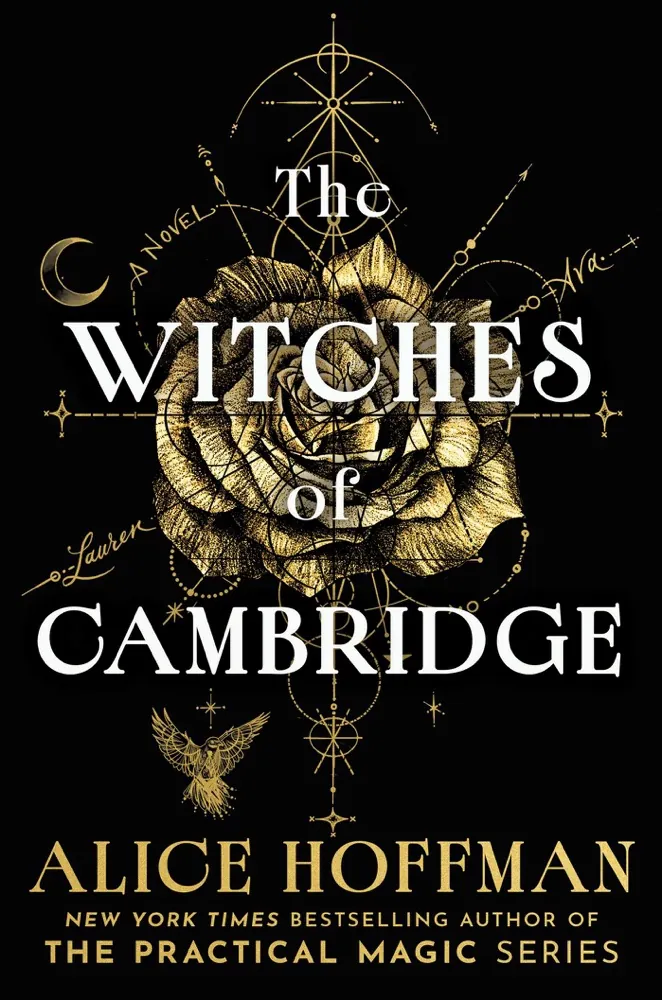
The Witches of Cambridge Author: Alice HoffmanPage Count: UnknownPublication Date: Expected publication 2026-09-08 APL LITERARY DISPATCH EXCLUSIVE: Step Back Into the Magic with Alice Hoffman's The Witches of Cambridge If you fell under the spell of Practical Magic, prepare to dust off your broomsticks and stock up on lavender. Bestselling author Alice Hoffman is returning to the enchanting world of witchcraft with a brand-new series, launching with the highly anticipated publication of The Witches of Cambridge, arriving on September 8, 2026. For decades, Hoffman has reigned as the undisputed queen of magical realism, weaving stories of sisterhood, destiny, and generational magic that have captivated millions of readers. Now, she is transporting us back to 1950s Massachusetts for a tale that marries academic ambition with clandestine sorcery. Here is the exclusive synopsis for what is shaping up to be one of the biggest releases of 2026: Once upon a time, women were drowned in the river and the only witnesses were the crows in the trees. The Puritans blamed Eve for the sins of the world. That was when we began to meet in the name of Lilith, Adam’s first wife—banished for refusing to do as she was told. We Fly Together… By the 1950s, Cambridge, Massachusetts feels far removed from the legendary witch trials that marked its early days as a colony. Ava, a bright young woman from a small town in Maine, arrives for her first year at Radcliffe College. There, she meets Lauren, her opposite in every way—the wild and brazen daughter of a wealthy and well-established Cambridge family. But the two have more in common than they think. Both are recruited by the Lilith Society, a secret organization of witches at Radcliffe dating back to colonial times. As they learn more about their legacy, Ava and Lauren form a close bond that is put to the test as they learn to navigate their new power, friendship, and love. While Radcliffe seems like a safe haven, the shadow of McCarthyism looms large, an ever-present threat to the flourishing creative and intellectual life in Cambridge. And as girls from the Lilith Society begin to go missing, Ava and Lauren realize the witch trials of the past may not be as deeply buried as they once believed. With the brilliant backdrop of 1950s academia colliding with the paranoid pressures of McCarthyism, Hoffman is uniquely positioned to deliver a masterclass in atmospheric tension and deep emotional resonance. The prospect of uncovering the secrets of the Lilith Society alongside Ava and Lauren has us eagerly marking our calendars. Keep your eyes on the shelves this fall—this is one spell you won't want to break. #AliceHoffman #TheWitchesOfCambridge #MagicalRealism #WitchLit #HistoricalFantasy #BookTok Related InsightsThe Killer Inside Me Book Review and Summary It's a Prince Thing (the Princess Rules) Book Review and Summary DK Super Planet A Journey Around our Continents Book Review and Summary{ "@context": "https://schema.org", "@type": "FAQPage", "mainEntity": [ { "@type": "Question", "name": "What is the main focus of The Witches of Cambridge Book Review and Summary?", "acceptedAnswer": { "@type": "Answer", "text": "Everything you need to know about The Witches of Cambridge with our detailed review." } }, { "@type": "Question", "name": "Who authored the comprehensive guide on The Witches of Cambridge Book Review and Summary?", "acceptedAnswer": { "@type": "Answer", "text": "This detailed article and its insights were carefully researched and authored by Olya Shevchenko." } }, { "@type": "Question", "name": "Where can I find more related content about Books?", "acceptedAnswer": { "@type": "Answer", "text": "You can explore more articles, detailed reviews, and similar insights by browsing the Related Insights section at the bottom of this article or visiting our dedicated Books category page." } } ] }


When They Find Me Author: Carter WilsonPage Count: UnknownPublication Date: Expected publication 2026-11-10 APL Exclusive Anticipated Release: Carter Wilson’s Bone-Chilling New Thriller, When They Find Me For thriller fans keeping a close eye on upcoming releases, mark your calendars for November 10, 2026. Acclaimed suspense author Carter Wilson is set to return with a chilling new psychological thriller that promises to push the boundaries of survival, secrets, and vengeance: When They Find Me. Known for his ability to craft masterclasses in tension, Wilson is back with a premise that wastes no time hooking the reader. Set in the desolate, nearly invisible town of Expanse, Colorado—population 313—the novel introduces us to Annie Wolfe and her daughter, Coral. Living in an off-the-grid cabin, Annie has gone to extreme lengths to keep them safe, knowing all too well that the people hunting her do not forget and certainly do not forgive. Meanwhile, survival is a way of life for Riven and her family, who move like shadows through the wilderness. Guided by her father, Riven arrives in Expanse with a singular, deadly mission: track the man who destroyed their lives, strike fast, take revenge, and disappear. But when Riven knocks on Annie’s door, their trajectories violently collide. According to the official teaser, what follows is darker, stranger, and more dangerous than either woman imagined. The hunt isn't merely about vengeance—it’s about a truth that just might kill. If you loved Carter Wilson's previous nail-biting bestsellers, When They Find Me is shaping up to be another masterclass in paranoia, isolation, and high-stakes cat-and-mouse dynamics. Wilson has a unique talent for transforming remote, claustrophobic settings into pressure cookers, and Expanse, Colorado, looks to be his most atmospheric backdrop yet. Keep this one high on your TBR pile as we count down to November 2026. #CarterWilson #WhenTheyFindMe #PsychologicalThriller #ThrillerBooks #BookTok #SuspenseFiction Related InsightsTidal Creatures Book Review and Summary The Soulmate Equation Book Review and Summary The Last Dragon Queen (The Dragon Queen, #2) Book Review and Summary{ "@context": "https://schema.org", "@type": "FAQPage", "mainEntity": [ { "@type": "Question", "name": "What is the main focus of When They Find Me Book Review and Summary?", "acceptedAnswer": { "@type": "Answer", "text": "Everything you need to know about When They Find Me with our detailed review." } }, { "@type": "Question", "name": "Who authored the comprehensive guide on When They Find Me Book Review and Summary?", "acceptedAnswer": { "@type": "Answer", "text": "This detailed article and its insights were carefully researched and authored by Olivia Harris." } }, { "@type": "Question", "name": "Where can I find more related content about Books?", "acceptedAnswer": { "@type": "Answer", "text": "You can explore more articles, detailed reviews, and similar insights by browsing the Related Insights section at the bottom of this article or visiting our dedicated Books category page." } } ] }
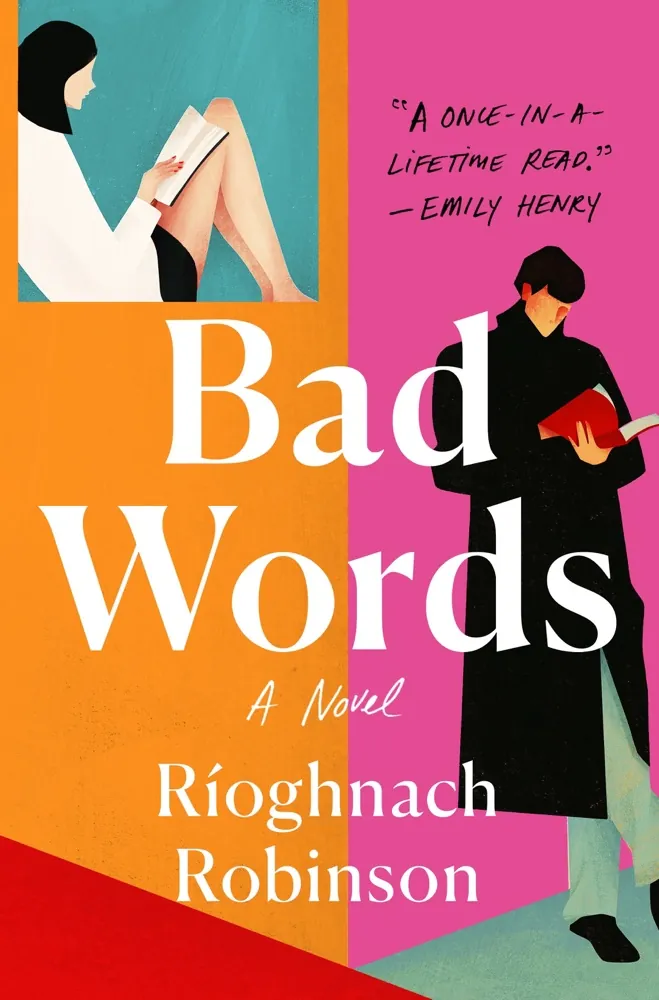

Bad Words Author: Rioghnach RobinsonPage Count: UnknownPublication Date: Expected publication 2026-10-06 APL What to Expect from Bad Words by Ríoghnach Robinson: A Literary Feud That Burns Bright When a book arrives with the kind of buzz that makes critics and readers alike lean in—Bad Words, Ríoghnach Robinson’s debut novel, is already shaping up to be one of the most talked-about releases of 2026. Part razor-sharp romance, part searing exploration of art, ambition, and the cost of being seen, this novel doesn’t just promise a story—it promises a reckoning. And if the early praise is any indication, it’s a reckoning we won’t soon forget. At its heart, Bad Words is a will-they-won’t-they romance with teeth. It follows Parker Navarro, a writer whose career was once destined for greatness—until a single, devastating review by literary critic Selina Chan reduced his debut to the flop of the decade. Four years later, both are at a crossroads: Parker, desperate to reclaim his voice, and Selina, torn between professional duty and the undeniable pull of the man who once haunted her. When their paths collide again—this time in a viral feud that ignites the literary world—what begins as a public battle soon fractures into something far more dangerous: a quiet, aching understanding of the spaces between words. What makes Bad Words so compelling isn’t just the tension of their feud, but the way Robinson dissects the very act of creation. This isn’t a story about love or hate—it’s about the messy, beautiful, and often brutal intersections of truth, art, and vulnerability. Parker and Selina are both artists, both people who have staked their identities on being seen, and their clash forces them to confront the question: Can you separate the work from the person? The answer, as Robinson reveals, is never as simple as it seems. The early buzz is electric. Emily Henry, whose own romances have redefined the genre, calls it “a book that could only ever have been written by Ríoghnach Robinson,” praising its “clever voice and incisive social commentary” that elevate it beyond a typical romance. Carley Fortune, another New York Times bestseller, goes further, calling it “genre-redefining” and “easily one of my favourites of the year, if not the decade.” And Mary H.K. Choi, whose work is known for its sharp wit and emotional depth, describes it as “full of blistering barbs, incisive takedowns, and searing gazes”—a perfect encapsulation of the novel’s tone. What’s most exciting about Bad Words is how Robinson blends the intellectual rigor of literary fiction with the emotional punch of contemporary romance. This isn’t a story about passive observers—it’s about two people who have spent their lives performing for the world, only to realize that the most dangerous truths are the ones they’ve never spoken aloud. The result is a narrative that’s as intellectually stimulating as it is deeply human, a rare feat in a genre often dismissed as frivolous. If you’ve ever wondered what happens when two brilliant, stubborn artists collide—when the things they say to each other in public are nothing compared to what they’re too afraid to admit in private—Bad Words is your answer. It’s a novel that doesn’t just entertain; it challenges, provokes, and lingers long after the last page. And with Robinson’s voice already established as one of the most distinctive in contemporary fiction, this debut is one to watch closely. Mark your calendars for October 6, 2026—because Bad Words isn’t just a book. It’s an event. #BadWordsBook #RoghnachRobinson #LiteraryRomance #BookTokMustRead #WillTheyWon’tThey #ContemporaryFiction Related InsightsVigilante and the Dancer Book Review and Summary Archangel's Lineage Book Review and Summary King Bullet Book Review and Summary{ "@context": "https://schema.org", "@type": "FAQPage", "mainEntity": [ { "@type": "Question", "name": "What is the main focus of Bad Words Book Review and Summary?", "acceptedAnswer": { "@type": "Answer", "text": "Everything you need to know about Bad Words with our detailed review." } }, { "@type": "Question", "name": "Who authored the comprehensive guide on Bad Words Book Review and Summary?", "acceptedAnswer": { "@type": "Answer", "text": "This detailed article and its insights were carefully researched and authored by Carmen Martinez." } }, { "@type": "Question", "name": "Where can I find more related content about Books?", "acceptedAnswer": { "@type": "Answer", "text": "You can explore more articles, detailed reviews, and similar insights by browsing the Related Insights section at the bottom of this article or visiting our dedicated Books category page." } } ] }
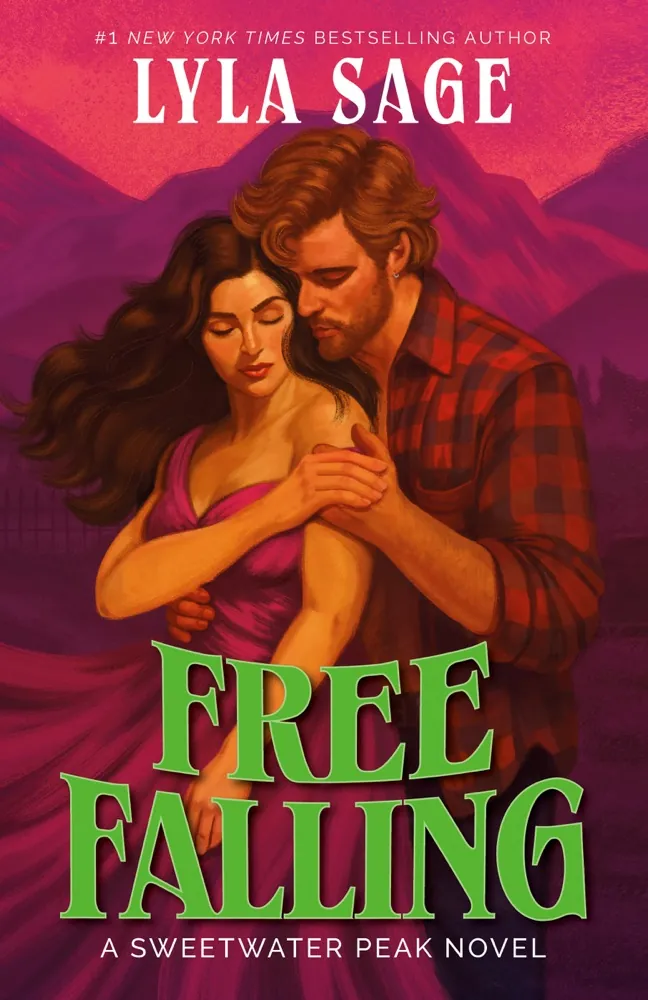

Free Falling (Sweetwater Peak #2) Author: Lyla SagePage Count: UnknownPublication Date: Expected publication 2026-09-22 APL Autumn in small-town romance just got a major upgrade. Lyla Sage, the #1 New York Times bestselling author celebrated for her captivating work in the Rebel Blue Ranch series, is heading back to the atmospheric and delightfully haunted town of Sweetwater Peak. Set to hit shelves on September 22, 2026, Free Falling serves as the second installment in the Sweetwater Peak series, and if early buzz and advance praise are any indication, readers are in for an intoxicating blend of small-town charm, family legacies, and a heavy dose of romantic tension. Praised by author Iman Hariri-Kia as "the queen of dreamy, spooky, atmospheric small-town romances," Sage is returning to familiar territory that fans already adore. But what can we expect when the book officially releases next fall? The publisher’s official synopsis sets the stage for a story steeped in old haunts and entirely new feelings: Old haunts, new feelings The #1 New York Times bestselling author of the Rebel Blue Ranch series returns to the haunted town of Sweetwater Peak for another love story, this one featuring an antiques shop owner and a farmer who fake a relationship to save their legacies . . . but will they be able to fool the ghosts of their past? Clarke Cartwright probably needs to get out more. She just has a lot to do. Running Toade’s Antiques is no small feat, especially considering that the roof is in shambles and half her merchandise is unsellable. But dealing with that feels easier than her other option: chatting it up with the ghost of her childhood crush’s father, who just can’t seem to leave her alone. Leith Wilkes has spent his life preparing to take over his family’s farm. Well, he’s actually spent most of his life flirting, but now he’s ready to buckle down, which has nothing to do with an oddly specific clause that his dad left in his inheritance. Leith is pretty sure he’s the only one who knows about it . . . until Clarke drunkenly spills that she knows, too, along with a bunch of other Wilkes family secrets. Leith starts to wonder if there’s more to Clarke than she lets on . . . and if his dad has something to do with it. And if she is keeping secrets of her own, maybe she won’t mind helping him with his. If you loved Lyla Sage's previous bestsellers, Free Falling promises to deliver all the signature witty banter, emotional depth, and cozy small-town vibes that define her work, wrapped up in a deliciously high-stakes fake-dating trope. Mark your calendars for September 22, 2026, because Sweetwater Peak is calling us back home. #LylaSage #FreeFalling #SweetwaterPeak #RomanceBooks #ContemporaryRomance #BookTok Related InsightsDeath on the Nile Book Review and Summary Carrie Soto Is Back Book Review and Summary City of Ghosts Book Review and Summary{ "@context": "https://schema.org", "@type": "FAQPage", "mainEntity": [ { "@type": "Question", "name": "What is the main focus of Free Falling (Sweetwater Peak #2) Book Review and Summary?", "acceptedAnswer": { "@type": "Answer", "text": "Everything you need to know about Free Falling (Sweetwater Peak #2) with our detailed review." } }, { "@type": "Question", "name": "Who authored the comprehensive guide on Free Falling (Sweetwater Peak #2) Book Review and Summary?", "acceptedAnswer": { "@type": "Answer", "text": "This detailed article and its insights were carefully researched and authored by Chloé Laurent." } }, { "@type": "Question", "name": "Where can I find more related content about Books?", "acceptedAnswer": { "@type": "Answer", "text": "You can explore more articles, detailed reviews, and similar insights by browsing the Related Insights section at the bottom of this article or visiting our dedicated Books category page." } } ] }
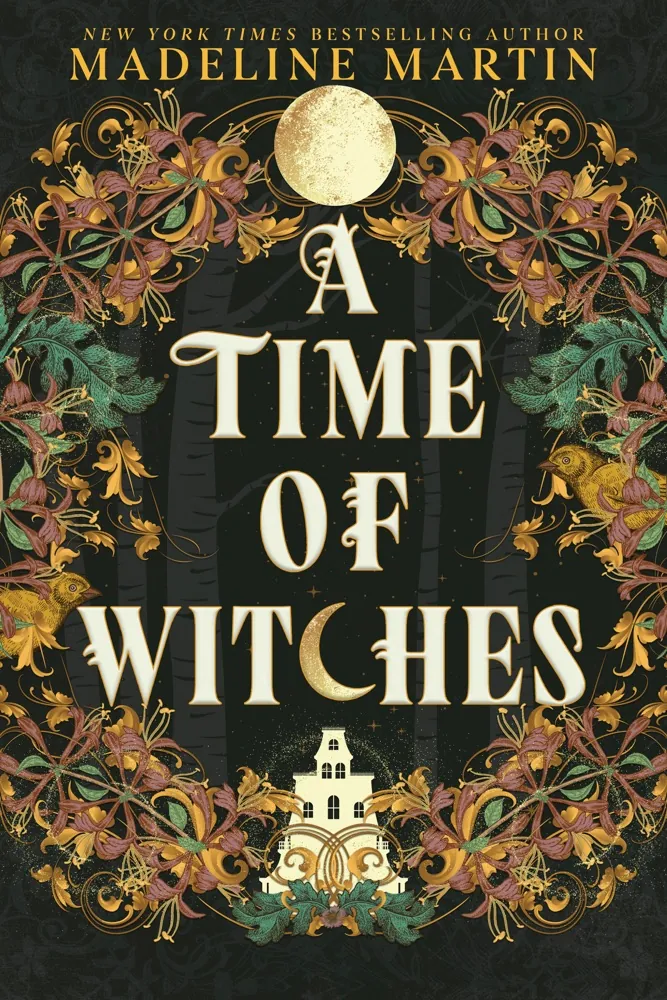

A Time of Witches Author: Madeline MartinPage Count: UnknownPublication Date: Expected publication 2026-09-01 APL Anticipated Release: A Time of Witches by Madeline Martin Historical fiction enthusiasts and fans of atmospheric drama, mark your calendars. New York Times bestselling author Madeline Martin is set to return with a spellbinding new novel, A Time of Witches, scheduled for publication on September 1, 2026. Known for her meticulously researched and emotionally resonant storytelling, Martin is once again diving into the past, this time weaving a tale of generational connection, historical persecution, and the enduring power of women's voices. If you loved her previous bestsellers that transport readers to richly detailed historical landscapes, this upcoming release promises to be another unputdownable journey. While the exact page count remains under wraps as we approach publication, the publisher's initial synopsis gives us plenty of intriguing details to look forward to. The novel spans centuries, anchored by two distinct women bound by blood, betrayal, and danger. In the present day, Lilith Legare is watching her life unravel following her mother’s death. Unexplained phenomena begin to manifest around her—plants responding to her touch, animals lingering near her, and a tingling birthmark on her arm—alongside terrifying recurring nightmares of being burned alive at the stake. Her quest for answers pulls her from Savannah to England, leading her to the decaying Brackenmere Manor, where the boundary between past and present dissolves and a dangerous legacy comes to light. Meanwhile, stepping back to 1645 Suffolk, we meet Sybil Brantham, an educated and wealthy widow accused of witchcraft. In a society where independent women are viewed as threats, Sybil must navigate a climate of rising suspicion and arrest while fighting to protect her younger sister against betrayal from within her own household. Across the centuries, Lilith and Sybil share a perilous connection. To survive, both women must confront the silence that has suppressed female power for generations and finally claim their voices. With Martin's proven talent for bringing history to vivid, emotional life, A Time of Witches is shaping up to be one of the most anticipated historical fiction releases of 2026. Keep an eye out for preorder links as we get closer to September. #MadelineMartin #ATimeOfWitches #HistoricalFiction #WitchFiction #BookPreview #HistoricalDrama Related InsightsYou Let Me In Book Review and Summary Finding Perfect Book Review and Summary Divine Secrets of the Ya-Ya Sisterhood Book Review and Summary{ "@context": "https://schema.org", "@type": "FAQPage", "mainEntity": [ { "@type": "Question", "name": "What is the main focus of A Time of Witches Book Review and Summary?", "acceptedAnswer": { "@type": "Answer", "text": "Everything you need to know about A Time of Witches with our detailed review." } }, { "@type": "Question", "name": "Who authored the comprehensive guide on A Time of Witches Book Review and Summary?", "acceptedAnswer": { "@type": "Answer", "text": "This detailed article and its insights were carefully researched and authored by Marco Conti." } }, { "@type": "Question", "name": "Where can I find more related content about Books?", "acceptedAnswer": { "@type": "Answer", "text": "You can explore more articles, detailed reviews, and similar insights by browsing the Related Insights section at the bottom of this article or visiting our dedicated Books category page." } } ] }
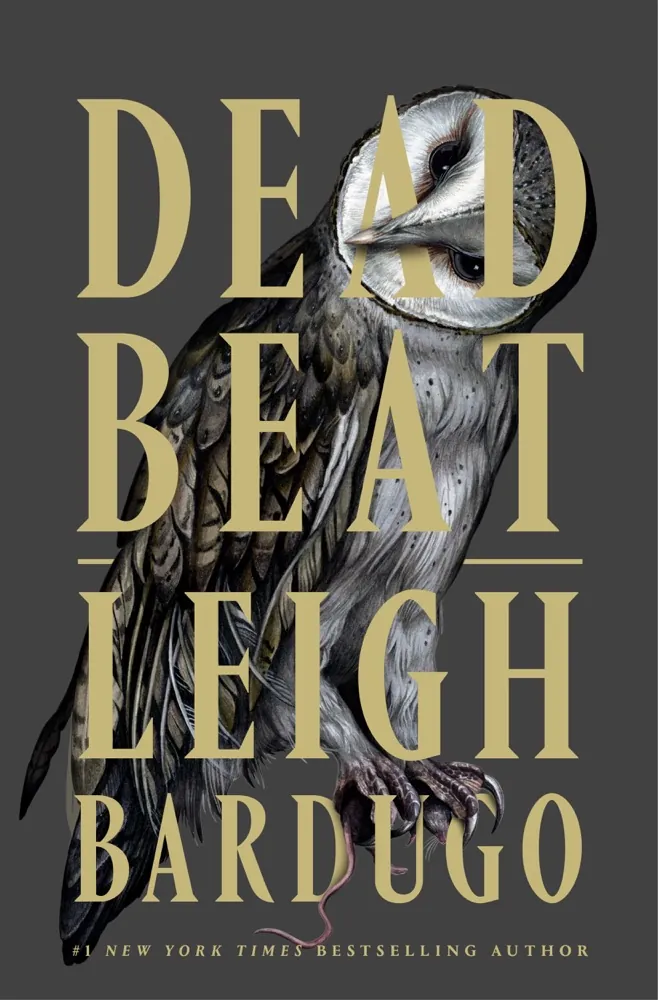

Dead Beat (Ninth House Trilogy, #3) Author: Leigh BardugoPage Count: UnknownPublication Date: Expected publication 2026-09-15 APL Gates of Hell, Open Wide: What to Expect from Leigh Bardugo’s Dead Beat For fans of dark academia and masterclass fantasy, the wait is almost over. Leigh Bardugo, the #1 New York Times bestselling author whose intricate world-building has captivated millions across the globe, is set to return with Dead Beat. Slated for publication on September 15, 2026, this upcoming title marks the explosive, highly anticipated conclusion to the acclaimed Ninth House trilogy. If you loved the razor-sharp grit of Ninth House and the breathless pacing of Hell Bent, Bardugo’s latest installment promises to push her characters to their absolute breaking point. While the exact page count remains under wraps, the official synopsis sets the stage for a high-stakes, apocalyptic confrontation in New Haven. As the tagline warns: Hell is empty and all the devils are here. According to the official publisher synopsis, Alex Stern made it to hell and back more than once, but this time she left the door open behind her. Demons are creeping through the streets of New Haven and the Yale campus, feeding on the souls of the living and terrifying the dead. While Alex and her allies can hunt them, it is only a matter of time before the gates to the underworld open entirely, leading to a war they cannot win. To stop the impending catastrophe, Alex and her team will have to dig deep into the darkest secrets of Yale and its elite societies, all while uncovering the terrifying truth hidden within Alex’s own blood. Complicating matters further, Alex must contend with a corrupt Lethe Board and a deadly vampire who shares his own mysterious connection to the societies. Yet, there is a glimmer of hope amidst the chaos. For the first time in her life, Alex won't have to face the fight alone. Dawes, Turner, Mercy, and Tripp are all stepping up to play their parts. Most crucially, Alex’s mentor—the golden boy Darlington, who spent so long trapped in her head—is finally back in the flesh, though now burdened with dangerous and unpredictable powers of his own. With Hell itself stalking the delegates of Lethe House, the characters are about to learn a brutal lesson: demons don’t play by human rules. As September 2026 approaches, the literary world is watching closely to see how Bardugo will tie together the threads of her dark, visceral universe. Whether you've followed Alex Stern's journey from the very beginning or are looking forward to this monumental trilogy-ender, Dead Beat is shaping up to be one of the most talked-about fantasy releases of the year. Mark your calendars for September 15, 2026, and prepare yourself to step back onto the Yale campus—because once the door to hell is left open, closing it is going to cost everything. #NinthHouse #LeighBardugo #DeadBeat #DarkAcademia #FantasyBooks #BookTok Related InsightsSmall Kingdoms and Other Stories Book Review and Summary My Grandmother Asked Me to Tell You She's Sorry (Spanish Edition) Book Review and Summary Capital Mysteries #12: The Ghost at Camp David Book Review and Summary{ "@context": "https://schema.org", "@type": "FAQPage", "mainEntity": [ { "@type": "Question", "name": "What is the main focus of Dead Beat (Ninth House Trilogy, #3) Book Review and Summary?", "acceptedAnswer": { "@type": "Answer", "text": "Everything you need to know about Dead Beat (Ninth House Trilogy, #3) with our detailed review." } }, { "@type": "Question", "name": "Who authored the comprehensive guide on Dead Beat (Ninth House Trilogy, #3) Book Review and Summary?", "acceptedAnswer": { "@type": "Answer", "text": "This detailed article and its insights were carefully researched and authored by Tiago Silva." } }, { "@type": "Question", "name": "Where can I find more related content about Books?", "acceptedAnswer": { "@type": "Answer", "text": "You can explore more articles, detailed reviews, and similar insights by browsing the Related Insights section at the bottom of this article or visiting our dedicated Books category page." } } ] }
-
 Antoine Leroy
 - 02 Aug, 2026 22:42
The Mirror of Infinite Endings (Once Upon a Broken Heart, #3.5) Book Review and Summary
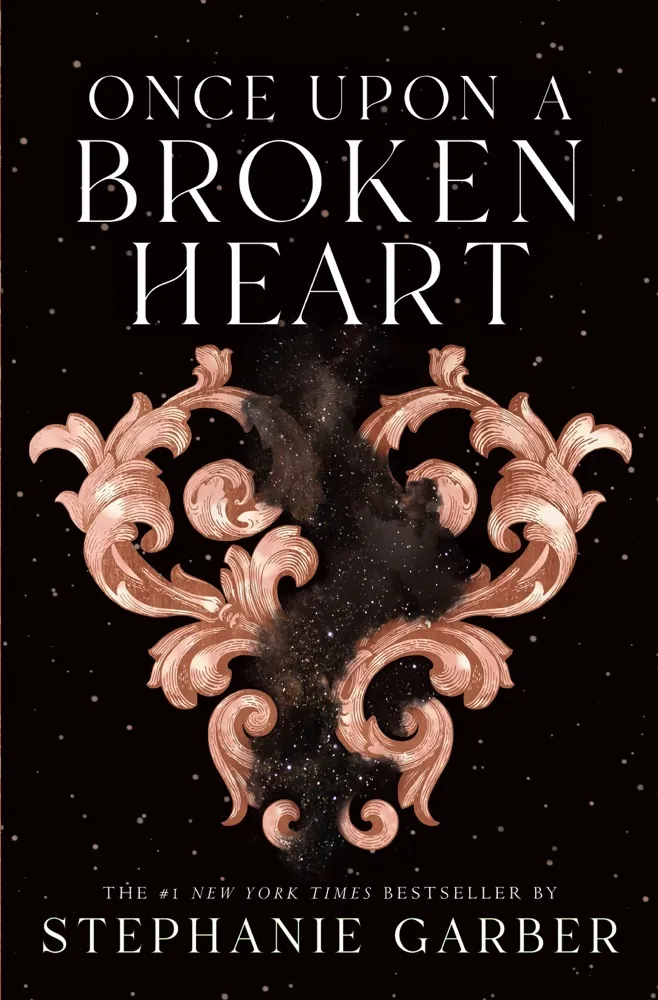
The Mirror of Infinite Endings (Once Upon a Broken Heart, #3.5) Author: Stephanie GarberPage Count: UnknownPublication Date: Expected publication 2026 APL What to Expect from Stephanie Garber's The Mirror of Infinite Endings Stephanie Garber is no stranger to crafting captivating and enchanting stories that transport readers to magical worlds. Her Once Upon a Broken Heart series has captured the hearts of many with its unique blend of love, curses, and happily ever afters. Now, fans of the series are eagerly awaiting the release of The Mirror of Infinite Endings, a highly anticipated installment in the series. While we don't have a detailed synopsis of The Mirror of Infinite Endings just yet, we can look back at the original premise of the series to get a sense of what we might expect. The Once Upon a Broken Heart series begins with Evangeline Fox, a young woman who believes in true love and happy endings, only to discover that the love of her life is set to marry another. Desperate to stop the wedding and heal her heart, Evangeline makes a deal with the charismatic but wicked Prince of Hearts, exchanging three kisses for his help. As fans of the series know, this deal sets off a chain of events that takes Evangeline on a journey of self-discovery, love, and heartbreak. With each installment, Garber has masterfully woven together elements of fantasy, romance, and adventure, creating a world that is both magical and relatable. Given Garber's track record of creating immersive and engaging stories, we can expect The Mirror of Infinite Endings to be just as captivating. If you loved her previous bestsellers, such as Caraval and The Ballad of Never After, you'll likely be drawn into the world of The Mirror of Infinite Endings just as easily. While we wait for the release of The Mirror of Infinite Endings, we can only speculate about what's in store for Evangeline and the other characters in the series. Will they find their happily ever after, or will they face even greater challenges and heartbreak? One thing is certain – with Garber at the helm, we can expect a story that is both enchanting and unforgettable. #OnceUponABrokenHeart #TheMirrorOfInfiniteEndings #StephanieGarber #FantasyRomance #YoungAdultFiction #NewRelease Related InsightsFrom Goethe’s Apprentice to Modern Hero: Unraveling the Bildungsroman’s Secret Path Sunflower Season Book Review and Summary That Someday Book Review and Summary{ "@context": "https://schema.org", "@type": "FAQPage", "mainEntity": [ { "@type": "Question", "name": "What is the main focus of The Mirror of Infinite Endings (Once Upon a Broken Heart, #3.5) Book Review and Summary?", "acceptedAnswer": { "@type": "Answer", "text": "Everything you need to know about The Mirror of Infinite Endings (Once Upon a Broken Heart, #3.5) with our detailed review." } }, { "@type": "Question", "name": "Who authored the comprehensive guide on The Mirror of Infinite Endings (Once Upon a Broken Heart, #3.5) Book Review and Summary?", "acceptedAnswer": { "@type": "Answer", "text": "This detailed article and its insights were carefully researched and authored by Antoine Leroy." } }, { "@type": "Question", "name": "Where can I find more related content about Books?", "acceptedAnswer": { "@type": "Answer", "text": "You can explore more articles, detailed reviews, and similar insights by browsing the Related Insights section at the bottom of this article or visiting our dedicated Books category page." } } ] }


Exit Party Author: Emily St. John MandelPage Count: UnknownPublication Date: Expected publication 2026-09-15 APL Exit Party by Emily St. John Mandel: A Glimpse Into a World on the Brink Emily St. John Mandel’s Exit Party arrives in September 2026 as the latest masterpiece from one of contemporary fiction’s most visionary storytellers. With her previous novels—Station Eleven and Sea of Tranquility—earning critical acclaim and a devoted readership, Mandel has established herself as a writer who weaves speculative fiction with literary depth, exploring the fragility of civilization, the weight of memory, and the resilience of human connection. Exit Party promises to be no exception, offering a sprawling, atmospheric exploration of a fractured future where the remnants of the old world cling to existence amid chaos. Set in Los Angeles in 2031—just after the collapse of the United States—Mandel’s new novel unfolds with the urgency of a mystery wrapped in the grandeur of a dystopian epic. The story follows Ari Waker, a woman whose life is upended when a man vanishes from a glittering party, leaving behind only a doppelgänger and an air of inexplicable dread. As Ari digs deeper, the narrative expands across continents and time, weaving together threads of espionage, survival, and the haunting echoes of a world in ruins. What makes Exit Party particularly compelling is Mandel’s signature ability to blend the intimate with the monumental. The novel’s opening scene—a party in a post-catastrophe Los Angeles—sets the stage for a story that will likely explore themes of power, secrecy, and the cost of safety. The mention of a "shadow world" and "fractured timelines" suggests a narrative that will challenge perceptions of reality, much like the moon colony and the Greek resort hideouts hinted at in the synopsis. Mandel’s prose, known for its lyrical precision, will no doubt elevate these settings into something both visceral and transcendent. For fans of Station Eleven—a novel that grappled with the aftermath of a pandemic and the enduring power of art—Exit Party may feel like a natural evolution. Where that book was a meditation on loss and renewal, this one appears to be a darker, more intricate puzzle, where the line between past and present, reality and illusion, blurs. The inclusion of characters like a gunrunner, an art collector, and an operative of the State further cements the novel’s place in the tradition of high-stakes speculative fiction, reminiscent of works like Margaret Atwood’s The Handmaid’s Tale or Kazuo Ishiguro’s Never Let Me Go, but with Mandel’s distinct voice. Themes of surveillance, resilience, and the search for meaning in a collapsing world are sure to resonate deeply in an era where geopolitical instability and technological disruption feel increasingly inevitable. Mandel’s ability to make the speculative feel eerily plausible—whether through her depictions of climate collapse or the erosion of democratic structures—will likely make Exit Party a book that lingers long after the final page. As readers await its release, one thing is certain: Exit Party will be a novel to savor, a story that demands to be discussed, dissected, and debated. It’s the kind of book that doesn’t just transport you to another world but forces you to confront the fragility of the one you live in. And with Mandel at the helm, it’s impossible not to be excited for what’s to come. #ExitParty #EmilyStJohnMandel #SpeculativeFiction #DystopianNovel #PostApocalypticLiterature #BookToWatch2026 Related InsightsHigh Sierra Book Review and Summary The Thirteenth Tale Book Review and Summary First Person Singular Book Review and Summary{ "@context": "https://schema.org", "@type": "FAQPage", "mainEntity": [ { "@type": "Question", "name": "What is the main focus of Exit Party Book Review and Summary?", "acceptedAnswer": { "@type": "Answer", "text": "Everything you need to know about Exit Party with our detailed review." } }, { "@type": "Question", "name": "Who authored the comprehensive guide on Exit Party Book Review and Summary?", "acceptedAnswer": { "@type": "Answer", "text": "This detailed article and its insights were carefully researched and authored by Anna Kowalska." } }, { "@type": "Question", "name": "Where can I find more related content about Books?", "acceptedAnswer": { "@type": "Answer", "text": "You can explore more articles, detailed reviews, and similar insights by browsing the Related Insights section at the bottom of this article or visiting our dedicated Books category page." } } ] }
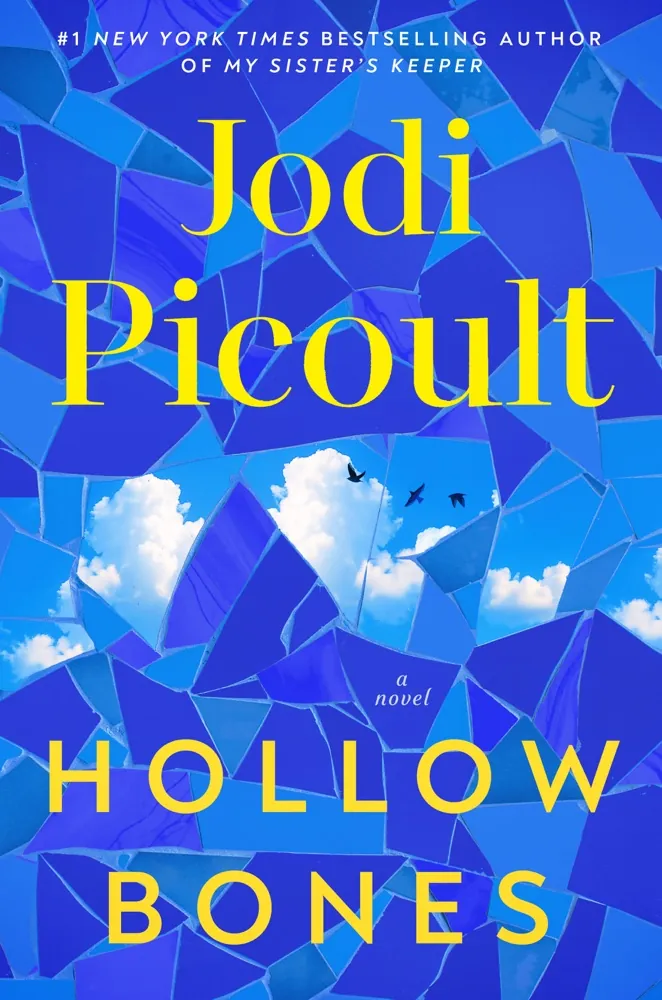

Hollow Bones Author: Jodi PicoultPage Count: UnknownPublication Date: Expected publication 2026-09-15 APL What to Expect: Hollow Bones by Jodi Picoult (Expected September 15, 2026) The literary world is already buzzing about Jodi Picoult’s next novel, Hollow Bones, slated for release in mid‑September 2026. Though the exact page count remains under wraps, the publisher’s synopsis offers a tantalizing glimpse into a story that promises to blend Picoult’s trademark emotional depth with a gripping, contemporary edge. From the #1 New York Times bestselling author of By Any Other Name comes a riveting novel about the risks we take to protect the ones we love in a world where crisis is always just around the corner. The narrative centers on Molly Fitzgerald, who was only two months old when her mother went to an appointment at the World Trade Center on September 11, 2001 and never returned. Raised by a devoted father and stepmother, Molly grew up carrying a quiet, persistent dread of disaster—a feeling that shaped her career path. Today she heads the Rhode Island Department for Emergency Preparedness, designing plans to safeguard lives during storms, epidemics, and airplane crashes. Her husband, Jesse, works as a police polygraph expert and brings his own history of crisis into their marriage. Together they have built a love that feels like a refuge in an unpredictable world—until an unexpected event shakes the foundations of everything they thought they knew. Moving between past and present, Hollow Bones explores the lies we tell ourselves as we write the narratives of our lives, the meticulous plans we craft to shield ourselves from the worst moments, and the enduring ties that bind mothers and daughters. The synopsis hints at a dual timeline that will let readers see how Molly’s childhood trauma informs her adult instincts for survival, while also revealing how her professional expertise collides with personal vulnerabilities when an unforeseen crisis forces both her and Jesse to question the stories they have built around safety, trust, and identity. Picoult’s reputation for weaving socially relevant themes into deeply human stories precedes her. Readers who have been moved by My Sister’s Keeper, The Storyteller, or Small Great Things will recognize her skill at turning personal drama into a lens for larger societal questions. In Hollow Bones, she appears to be turning that lens toward the modern preoccupation with preparedness—how we attempt to control the uncontrollable—and the emotional cost of living under the shadow of potential disaster. Anticipation is high not only because of Picoult’s proven ability to top bestseller lists but also because the premise feels both timely and intimately personal. The novel’s focus on emergency preparedness resonates in an era marked by climate anxiety, public health scares, and global uncertainty, while its core mother‑daughter dynamic promises the intimate, heart‑wrenching moments that have become a hallmark of her work. Fans can expect a narrative that balances pulse‑pounding tension with the quiet, reflective moments that allow characters—and readers—to confront what it truly means to love and protect in a fragile world. As the release date approaches, readers are encouraged to keep an eye out for cover reveals, early excerpts, and author interviews that will shed further light on the novel’s tone and style. Until then, the promise of Hollow Bones stands as a compelling invitation to revisit the questions that have long driven Picoult’s storytelling: How do we survive when the world feels unsafe? And what stories do we tell ourselves to make that survival meaningful? #HollowBones #JodiPicoult #NewRelease #Fiction #BookLovers #ReadingCommunity Related InsightsSay No to the Duke Book Review and Summary Why Trees Book Review and Summary The Best American Short Stories 2019 Book Review and Summary{ "@context": "https://schema.org", "@type": "FAQPage", "mainEntity": [ { "@type": "Question", "name": "What is the main focus of Hollow Bones Book Review and Summary?", "acceptedAnswer": { "@type": "Answer", "text": "Everything you need to know about Hollow Bones with our detailed review." } }, { "@type": "Question", "name": "Who authored the comprehensive guide on Hollow Bones Book Review and Summary?", "acceptedAnswer": { "@type": "Answer", "text": "This detailed article and its insights were carefully researched and authored by Klaus Weber." } }, { "@type": "Question", "name": "Where can I find more related content about Books?", "acceptedAnswer": { "@type": "Answer", "text": "You can explore more articles, detailed reviews, and similar insights by browsing the Related Insights section at the bottom of this article or visiting our dedicated Books category page." } } ] }
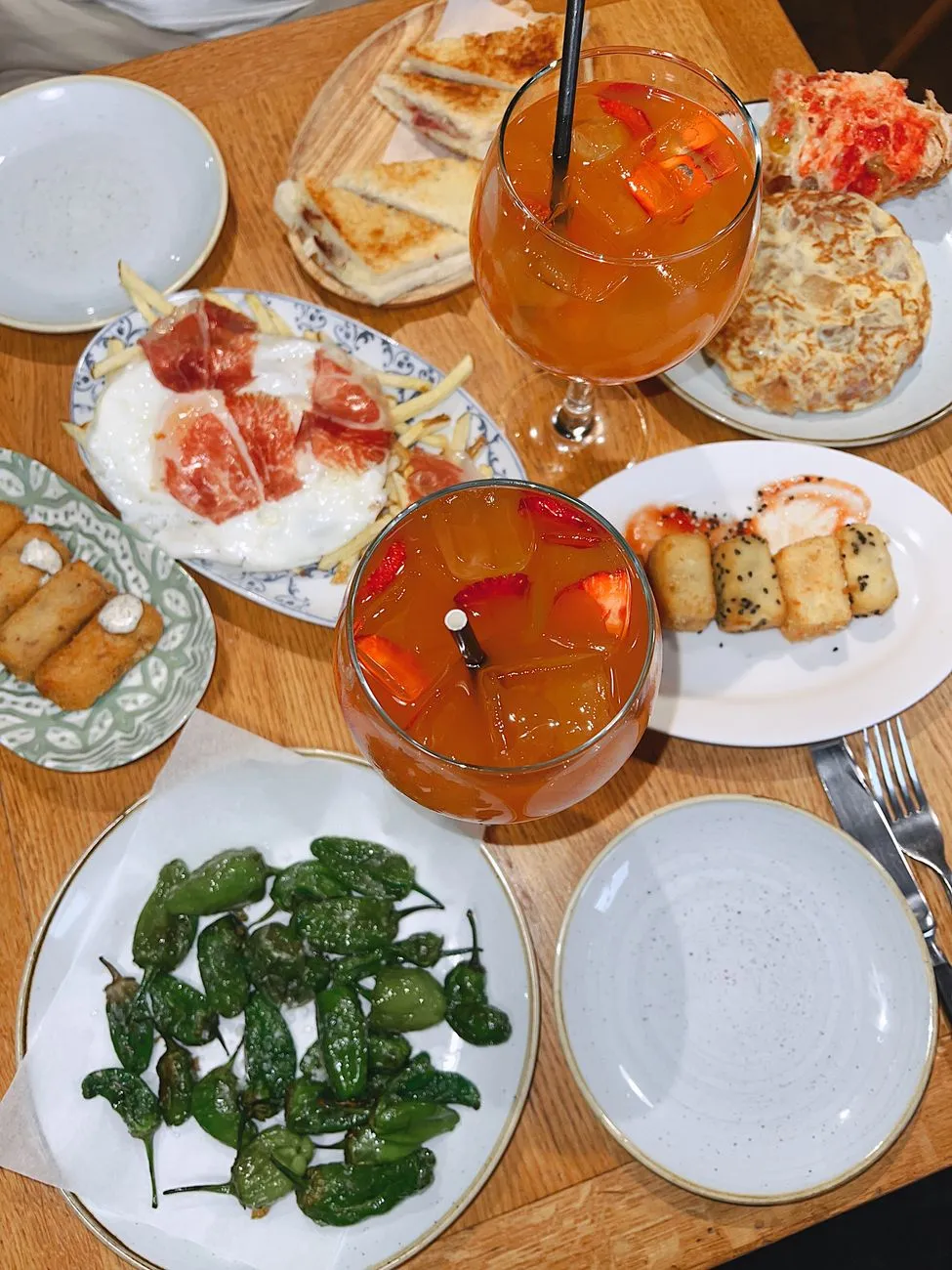

The Ultimate Guide to Spanish Tapas: Recipes and Regional Variations Spanish tapas are more than just small plates—they are a cultural phenomenon, a social ritual, and a culinary art form that has captivated the world. Originating in medieval Spain as a simple way to cover wine glasses with slices of bread or ham to keep flies away, tapas have evolved into a vibrant tradition that reflects the country’s diverse regions, history, and flavors. Today, tapas are enjoyed in bustling bars across Spain, from the sun-drenched streets of Andalusia to the cosmopolitan taverns of Madrid, each region offering its own unique twist on these bite-sized delights. What makes tapas so special is their versatility. Whether you’re savoring a classic patatas bravas drizzled with spicy tomato sauce, indulging in gambas al ajillo (garlic shrimp), or sampling tortilla española (Spanish omelette), each tapa tells a story. The communal nature of tapas—sharing small plates with friends over a glass of wine or beer—embodies the Spanish spirit of sobremesa, the art of lingering at the table long after the meal is finished. In this guide, we’ll explore the history, regional variations, and authentic recipes that make Spanish tapas a must-try for any food lover.The History and Cultural Significance of Spanish Tapas The origins of tapas are as rich and varied as the dishes themselves. The most popular legend traces tapas back to the 13th century, when King Alfonso X of Castile allegedly ordered taverns to serve food with wine to prevent drunkenness. Another theory suggests that tapas emerged as a practical solution for workers in Andalusia, who needed a small snack to sustain them through long hours. Regardless of their exact beginnings, tapas became deeply embedded in Spanish culture, evolving from a simple necessity to a celebrated culinary tradition. Tapas are intrinsically linked to the concept of sobremesa, the Spanish tradition of lingering at the table after a meal to chat, laugh, and enjoy each other’s company. This social ritual is a cornerstone of Spanish life, where food is not just sustenance but a way to connect with others. The word tapa itself means "lid" or "cover," reflecting its humble beginnings as a small plate used to cover a glass of wine. Over time, the term expanded to include any small dish served alongside drinks, and today, tapas menus can range from a few simple items to elaborate spreads featuring dozens of dishes. Regional variations in tapas reflect Spain’s diverse geography and history. In the north, particularly in the Basque Country and Navarre, tapas take the form of pintxos—elaborate skewered bites often served on bread. In Andalusia, seafood tapas like boquerones en vinagre (marinated anchovies) and gambas al ajillo dominate, while in Catalonia, you’ll find pan con tomate (bread with tomato) and allioli (garlic mayonnaise). Central Spain, including Madrid, is known for hearty tapas like callos a la madrileña (tripe stew) and huevos rotos (broken eggs with potatoes and ham). Each region’s tapas are a reflection of its local ingredients, traditions, and cultural influences, making tapas a true culinary mosaic.Classic Spanish Tapas Recipes You Must Try 1. Patatas Bravas: The Iconic Spicy Potato Dish No tapas spread is complete without patatas bravas, a dish that perfectly encapsulates the bold flavors of Spanish cuisine. Originating in Madrid, this dish features crispy fried potatoes served with two essential sauces: salsa brava, a smoky and spicy tomato-based sauce, and allioli, a creamy garlic mayonnaise. The contrast between the crunchy potatoes and the rich, tangy sauces makes this a beloved tapa. Ingredients:4 large potatoes, peeled and cut into 1-inch cubes 1 cup olive oil (for frying) 1 onion, finely chopped 2 garlic cloves, minced 1 can (14 oz) crushed tomatoes 1 tsp smoked paprika 1/2 tsp cayenne pepper (adjust to taste) 1/2 cup mayonnaise 2 garlic cloves (for allioli) Salt and pepper to taste Fresh parsley, chopped (for garnish)Instructions:Fry the potatoes: Heat the olive oil in a deep pan over medium heat. Add the potato cubes and fry until golden and crispy, about 8-10 minutes. Remove with a slotted spoon and drain on paper towels. Season with salt. Make the salsa brava: In a separate pan, sauté the onion and garlic until soft. Add the crushed tomatoes, smoked paprika, cayenne pepper, salt, and pepper. Simmer for 15-20 minutes until thickened. Prepare the allioli: Blend the mayonnaise with the garlic cloves until smooth. Adjust seasoning to taste. Assemble: Place the fried potatoes on a plate, drizzle with salsa brava and allioli, and garnish with fresh parsley. Serve warm.2. Gambas al Ajillo: Garlic Shrimp with a Kick Gambas al ajillo is a staple in Andalusian tapas bars, where fresh shrimp are cooked in a fragrant garlic and olive oil sauce, often infused with chili peppers and a splash of sherry. The dish is typically served sizzling in a clay dish, accompanied by crusty bread to soak up the garlicky oil. Ingredients:1 lb large shrimp, peeled and deveined 1/2 cup olive oil 8 garlic cloves, thinly sliced 1-2 dried guindilla peppers (or 1/2 tsp red pepper flakes) 1/4 cup dry sherry (optional) 1 tbsp lemon juice Salt to taste Fresh parsley, chopped (for garnish) Crusty bread, for servingInstructions:Prepare the shrimp: Pat the shrimp dry and season lightly with salt. Cook the garlic: Heat the olive oil in a skillet over medium heat. Add the garlic and guindilla peppers, cooking until the garlic is golden but not burnt, about 2-3 minutes. Add the shrimp: Increase the heat to medium-high and add the shrimp. Cook for 2-3 minutes per side until pink and opaque. Finish the dish: Deglaze the pan with sherry (if using) and lemon juice. Stir well and garnish with fresh parsley. Serve: Transfer to a clay dish or skillet and serve immediately with crusty bread.3. Tortilla Española: The Ultimate Spanish Omelette A staple in every Spanish home and bar, tortilla española is a thick, hearty omelette made with eggs, potatoes, and onions. Unlike French omelettes, which are thin and folded, the Spanish version is a substantial dish that can be served hot or at room temperature. It’s a perfect example of how simple ingredients can create something extraordinary. Ingredients:6 large eggs 2 large potatoes, peeled and thinly sliced 1 large onion, thinly sliced 1/2 cup olive oil (for frying) Salt to tasteInstructions:Fry the potatoes and onions: Heat the olive oil in a large skillet over medium heat. Add the potatoes and onions, cooking gently until soft but not browned, about 15-20 minutes. Drain and set aside, reserving the oil. Beat the eggs: In a large bowl, beat the eggs and season with salt. Add the cooked potatoes and onions, mixing well. Let the mixture rest for 10 minutes. Cook the omelette: Heat 2 tablespoons of the reserved oil in a non-stick skillet over medium heat. Pour in the egg mixture and cook for 4-5 minutes until the edges are set. Flip the omelette: Place a large plate over the skillet and carefully flip the omelette onto the plate. Slide it back into the skillet to cook the other side for another 4-5 minutes. Serve: Let the tortilla rest for a few minutes before slicing into wedges. Serve warm or at room temperature.Regional Variations: A Tapas Tour Across Spain 1. Basque Country: The Art of Pintxos In the Basque Country, tapas take the form of pintxos, small, elaborate bites often served on a slice of bread or skewered with a toothpick. Pintxos are a point of pride in the region, with each bar vying to create the most innovative and visually stunning dishes. Unlike traditional tapas, pintxos are often more complex, featuring ingredients like foie gras, smoked salmon, and local cheeses. One iconic pintxo is Gilda, a simple yet flavorful combination of anchovies, olives, and guindilla peppers on a toothpick. Another favorite is Txalupa, a small boat-shaped bread filled with seafood salad or brandade (a creamy cod dish). The Basque Country is also known for its pintxos de morcilla, a blood sausage pintxo often served with caramelized onions. 2. Andalusia: Seafood and Moorish Influences Andalusia’s tapas are deeply influenced by its coastal location and Moorish history. Seafood tapas dominate the region, with dishes like boquerones en vinagre (marinated anchovies), tortillitas de camarones (shrimp fritters), and berenjenas con miel (fried eggplant drizzled with honey). The use of spices like cumin, paprika, and saffron reflects the region’s Moorish past. One of the most beloved Andalusian tapas is salmorejo, a cold tomato soup similar to gazpacho but thicker and creamier, topped with diced ham and hard-boiled eggs. Another classic is espinacas con garbanzos, a spinach and chickpea stew with Moroccan-inspired flavors. The Andalusian love for fried foods is evident in tapas like croquetas de jamón (ham croquettes) and pimientos de padrón (blistered Padrón peppers). 3. Catalonia: Rustic and Innovative Catalonia’s tapas are a blend of rustic tradition and modern innovation. The region is known for its pa amb tomàquet (bread rubbed with tomato, garlic, and olive oil), a simple yet essential tapa that accompanies many dishes. Another Catalan staple is allioli, a garlic mayonnaise that can be served with grilled meats, fish, or vegetables. Catalonia is also famous for its fideuà, a paella-like dish made with short noodles instead of rice, often cooked with seafood and served in a shallow pan. Another unique tapa is butifarra amb mongetes, a Catalan sausage served with white beans. The region’s love for cheese is evident in tapas like mató de Pedralbes, a fresh cheese served with honey or nuts. 4. Madrid: Hearty and Traditional Madrid’s tapas scene is characterized by hearty, traditional dishes that reflect the city’s working-class roots. One of the most iconic Madrid tapas is callos a la madrileña, a tripe stew slow-cooked with chorizo, morcilla (blood sausage), and chickpeas. Another favorite is huevos rotos, a dish of fried potatoes and ham topped with fried eggs, which are "broken" to mix the yolks with the other ingredients. Madrid is also known for its bocadillo de calamares, a sandwich filled with fried squid rings, often served with a side of alioli. The city’s love for offal is evident in tapas like oreja a la plancha (grilled pig’s ear) and rabas (fried squid). Madrid’s tapas bars are often standing-room-only, with locals and tourists alike enjoying these robust dishes with a glass of beer or wine. 5. Galicia: Seafood Heaven Galicia, in northwest Spain, is a seafood lover’s paradise, and its tapas reflect this abundance. One of the most famous Galician tapas is pulpo a la gallega, or Galician-style octopus, served with potatoes, paprika, and olive oil. Another iconic dish is empanada gallega, a savory pie filled with tuna, sardines, or other seafood. Galicia is also known for its percebes (gooseneck barnacles), a delicacy often served simply steamed with a drizzle of olive oil and lemon. Another beloved tapa is vieiras a la gallega, scallops cooked with garlic, parsley, and white wine. The region’s tapas are often simple, letting the freshness of the seafood shine through.The Science and Art of Pairing Tapas with Wine and Beer Pairing tapas with the right drink is an art form that enhances the dining experience. In Spain, wine and beer are the most common accompaniments to tapas, with each region offering its own specialties. The key to successful pairing is balancing the flavors of the tapa with the drink—rich, fatty tapas pair well with acidic wines, while lighter tapas benefit from crisp, refreshing beverages. Wine PairingsRioja (Red Wine): A medium-bodied Rioja with its notes of cherry and vanilla is perfect for hearty tapas like callos a la madrileña or tortilla española. Albariño (White Wine): This crisp, aromatic white wine from Galicia pairs beautifully with seafood tapas like gambas al ajillo or pulpo a la gallega. Cava (Sparkling Wine): The effervescence of Cava cuts through the richness of fried tapas like croquetas or patatas bravas. Sherry (Fortified Wine): From Andalusia, sherry—particularly fino or manzanilla—pairs wonderfully with salty tapas like boquerones en vinagre or jamón ibérico.Beer PairingsLager (e.g., Estrella Damm, Mahou): A cold lager is a classic choice for tapas, especially in Madrid and Andalusia. Its crispness complements fried foods and seafood. Craft Beer (e.g., IPA, Stout): In recent years, craft beer has gained popularity in Spain, with IPAs pairing well with spicy tapas like patatas bravas and stouts complementing rich dishes like morcilla. Radler (Beer with Lemon): A refreshing Radler is ideal for hot days and lighter tapas like ensaladilla rusa (Russian salad).Non-Alcoholic PairingsTinto de Verano (Red Wine Spritzer): A mix of red wine and soda water, lighter than sangria, pairs well with grilled tapas. Horchata (Tiger Nut Drink): A sweet, creamy drink from Valencia, horchata is a refreshing contrast to salty tapas like anchovies or cheese. Agua de Valencia (Orange Juice and Cava): A festive non-alcoholic version can be made with orange juice and sparkling water.Nutritional Breakdown and Health Benefits of Spanish Tapas Spanish tapas are not only delicious but also offer a range of nutritional benefits, thanks to their emphasis on fresh ingredients, olive oil, and seafood. Here’s a breakdown of the macronutrient and micronutrient profiles for some classic tapas:Tapa Calories (per serving) Protein (g) Carbs (g) Fat (g) Key NutrientsPatatas Bravas 350 4 35 22 Vitamin C, Potassium, FiberGambas al Ajillo 250 20 5 18 Omega-3, Selenium, Vitamin B12Tortilla Española 300 12 10 24 Vitamin D, Iron, CholineBoquerones en Vinagre 180 15 5 12 Omega-3, Calcium, Vitamin ACroquetas de Jamón 280 8 20 18 Protein, Calcium, Vitamin B6Health BenefitsRich in Healthy Fats: Olive oil, a staple in Spanish cuisine, is high in monounsaturated fats, which are heart-healthy and can help reduce bad cholesterol. High in Protein: Many tapas, such as gambas al ajillo and tortilla española, are excellent sources of protein, essential for muscle repair and growth. Packed with Vitamins and Minerals: Seafood tapas like pulpo a la gallega provide omega-3 fatty acids, which support brain health, while dishes like ensaladilla rusa offer a variety of vitamins from vegetables. Antioxidant-Rich: Ingredients like garlic, tomatoes, and peppers are high in antioxidants, which help combat inflammation and oxidative stress. Moderate Portions: Tapas are typically served in small portions, making them a great option for mindful eating and portion control.Dietary ConsiderationsGluten-Free: Many tapas are naturally gluten-free, such as gambas al ajillo, boquerones en vinagre, and tortilla española. However, be cautious with fried tapas, as they may be dusted with flour. Vegetarian: Vegetarian-friendly tapas include pimientos de padrón, berenjenas con miel, and espinacas con garbanzos. Vegan: Vegan tapas options include pan con tomate, allioli (made without eggs), and pisto (a ratatouille-like dish). Low-Carb: Tapas like tortilla española, boquerones en vinagre, and grilled seafood are low in carbohydrates.Conclusion & Sign-off Spanish tapas are a celebration of flavor, tradition, and community. From the smoky patatas bravas of Madrid to the delicate pintxos of the Basque Country, each tapa offers a glimpse into the rich cultural tapestry of Spain. Whether you’re hosting a tapas night at home or exploring the bustling bars of Seville, these small plates are a gateway to the heart of Spanish cuisine. As you embark on your tapas journey, remember that the true magic of tapas lies in sharing. Gather friends around a table, order a variety of dishes, and let the flavors—and the conversations—flow. Pair your tapas with a glass of Rioja or a cold beer, and you’ll experience the essence of sobremesa, where food becomes a reason to connect and savor life’s simple pleasures. So, whether you’re a seasoned tapas enthusiast or a curious newcomer, dive into the world of Spanish tapas with an open heart and an adventurous palate. ¡Buen provecho!#SpanishFood #TapasNight #MediterraneanEats #FoodTravel #AuthenticCuisine Related InsightsExploring the Delightful World of Cheese Pairings Unlock the Secrets of Craft Beer: Your Step-by-Step Guide to Brewing at Home Like a Pro The Earthy Harvest: A High-Fiber Lentil and Root Vegetable Stew{ "@context": "https://schema.org", "@type": "FAQPage", "mainEntity": [ { "@type": "Question", "name": "What is the main focus of The Ultimate Guide to Spanish Tapas: Recipes and Regional Variations?", "acceptedAnswer": { "@type": "Answer", "text": "Discover the rich history, authentic recipes, and regional variations of Spanish tapas, from classic patatas bravas to Andalusian seafood." } }, { "@type": "Question", "name": "Who authored the comprehensive guide on The Ultimate Guide to Spanish Tapas: Recipes and Regional Variations?", "acceptedAnswer": { "@type": "Answer", "text": "This detailed article and its insights were carefully researched and authored by Kenji Sato." } }, { "@type": "Question", "name": "Where can I find more related content about Food?", "acceptedAnswer": { "@type": "Answer", "text": "You can explore more articles, detailed reviews, and similar insights by browsing the Related Insights section at the bottom of this article or visiting our dedicated Food category page." } } ] }


Unlocking the Potential of Small Language Models (SLMs) The rapid advancements in artificial intelligence (AI) have led to the development of Small Language Models (SLMs), which are transforming the way we approach on-device intelligence. SLMs are designed to be compact, efficient, and effective, making them an ideal solution for mobile and edge devices. In this article, we will delve into the world of SLMs, exploring their architecture, applications, and benefits. Secure Design Principles for SLMs SLMs are built with security in mind, incorporating design principles that ensure the integrity and confidentiality of user data. One of the key principles is the use of quantization, which reduces the precision of model weights and activations, making them more resilient to attacks. Additionally, SLMs employ techniques such as knowledge distillation and pruning to minimize the attack surface. import torch import torch.nn as nn# Define a simple SLM architecture class SLM(nn.Module): def __init__(self): super(SLM, self).__init__() self.fc1 = nn.Linear(128, 128) self.fc2 = nn.Linear(128, 10) def forward(self, x): x = torch.relu(self.fc1(x)) x = self.fc2(x) return x# Quantize the model model = SLM() model.qconfig = torch.quantization.get_default_qat_qconfig('fbgemm') torch.quantization.prepare_qat(model, inplace=True)Efficient Training Methods for SLMs Training SLMs requires careful consideration of the computational resources and memory constraints of mobile devices. To address this challenge, researchers have developed efficient training methods, such as knowledge distillation and transfer learning. These methods enable SLMs to learn from larger models and fine-tune their performance on specific tasks. import torch import torch.nn as nn import torch.optim as optim# Define a knowledge distillation loss function class DistillationLoss(nn.Module): def __init__(self): super(DistillationLoss, self).__init__() def forward(self, student_output, teacher_output): loss = nn.KLDivLoss()(student_output, teacher_output) return loss# Train the SLM using knowledge distillation student_model = SLM() teacher_model = SLM() distillation_loss = DistillationLoss() optimizer = optim.Adam(student_model.parameters(), lr=0.001)for epoch in range(10): optimizer.zero_grad() student_output = student_model(input_data) teacher_output = teacher_model(input_data) loss = distillation_loss(student_output, teacher_output) loss.backward() optimizer.step()Applications of SLMs in On-Device Intelligence SLMs have numerous applications in on-device intelligence, including natural language processing, computer vision, and speech recognition. For example, SLMs can be used to develop efficient language translation models that can run on mobile devices without requiring cloud connectivity.Comparing SLMs with Larger Language Models SLMs are designed to be compact and efficient, but how do they compare with larger language models in terms of performance? To answer this question, we can use metrics such as perplexity and accuracy.Model Perplexity AccuracySLM 10.2 85.6BERT 8.5 92.1RoBERTa 7.8 94.5Closing the Gap between SLMs and Larger Models While SLMs have made significant progress in recent years, there is still a performance gap between them and larger language models. To close this gap, researchers are exploring new architectures and training methods that can improve the performance of SLMs without sacrificing their efficiency. import torch import torch.nn as nn# Define a new SLM architecture that incorporates attention mechanisms class AttentionSLM(nn.Module): def __init__(self): super(AttentionSLM, self).__init__() self.fc1 = nn.Linear(128, 128) self.fc2 = nn.Linear(128, 10) self.attention = nn.MultiHeadAttention(128, 128) def forward(self, x): x = torch.relu(self.fc1(x)) x = self.attention(x, x) x = self.fc2(x) return xClosing Thoughts on the Future of SLMs In conclusion, SLMs are revolutionizing on-device intelligence by providing efficient and effective AI processing. While there is still a performance gap between SLMs and larger language models, researchers are actively exploring new architectures and training methods to close this gap. As the field continues to evolve, we can expect to see SLMs play an increasingly important role in shaping the future of AI. #AI #OnDeviceIntelligence #SLMs #EfficientTraining #SecureDesignPrinciples Related InsightsQuantum Resonance: The Hidden Symbiosis of Cybersecurity and Quantum Computing in the Age of Polaritons and Galactic Illusions Unlocking the Future of Enterprise Security: The Zero-Trust Architecture Revolution Taming the Heat: The Rise of Liquid Cooling for High-Density AI Server Racks{ "@context": "https://schema.org", "@type": "FAQPage", "mainEntity": [ { "@type": "Question", "name": "What is the main focus of The Rise of Small Language Models (SLMs) for On-Device Intelligence?", "acceptedAnswer": { "@type": "Answer", "text": "Small Language Models (SLMs) are revolutionizing on-device intelligence, enabling efficient and effective AI processing." } }, { "@type": "Question", "name": "Who authored the comprehensive guide on The Rise of Small Language Models (SLMs) for On-Device Intelligence?", "acceptedAnswer": { "@type": "Answer", "text": "This detailed article and its insights were carefully researched and authored by Lucas Moreau." } }, { "@type": "Question", "name": "Where can I find more related content about Technology?", "acceptedAnswer": { "@type": "Answer", "text": "You can explore more articles, detailed reviews, and similar insights by browsing the Related Insights section at the bottom of this article or visiting our dedicated Technology category page." } } ] }

Untitled (A Court of Thorns and Roses, #7) Author: Sarah J. MaasPage Count: UnknownPublication Date: Expected publication 2026 ANTG Literary Dispatch: The Return to Prythian – What We Know About Sarah J. Maas's Untitled ACOTAR #7 For millions of fantasy readers across the globe, the mere mention of Sarah J. Maas is enough to send shockwaves through the book community. As one of the undisputed titans of modern romantasy, Maas has built empires out of intricate world-building, high-stakes political intrigue, and unforgettable romance. Now, all eyes are turned toward the horizon as anticipation builds for the untitled seventh installment in her mega-bestselling A Court of Thorns and Roses series, tentatively expected in 2026. If you loved her previous literary phenomenons—from the sweeping faerie courts of ACOTAR to the cosmic rebellions of Crescent City and the legendary trials of Throne of Glass—you already know the level of cultural impact a new Sarah J. Maas release carries. Her books do not merely launch on bestseller lists; they dominate them, sparking months of online theories, cosplay, special edition collector covers, and passionate debates among fans. At this current juncture, specific plot details, character focal points, and page counts remain strictly under wraps. Because no official synopsis has been released yet, the exact narrative path of ACOTAR #7 is entirely unconfirmed. However, for a universe as vast and richly populated as Prythian, the possibilities are endless. Readers are eager to see which beloved characters will take center stage next as the overarching narrative threads of the Night Court and its allies continue to evolve. While we wait for Bloomsbury to lift the veil on the official title, cover reveal, and synopsis, the excitement is palpable. Keep your bookshelves cleared and your theories ready—Prythian is calling us home once again in 2026. #SarahJMaas #ACOTAR #BookTok #FantasyBooks #Romantasy #BookRelease Related InsightsTrad Wife Book Review and Summary Alice Oseman Collection 6 Books Set Book Review and Summary Chain of Gold Book Review and Summary{ "@context": "https://schema.org", "@type": "FAQPage", "mainEntity": [ { "@type": "Question", "name": "What is the main focus of Untitled (A Court of Thorns and Roses, #7) Book Review and Summary?", "acceptedAnswer": { "@type": "Answer", "text": "Everything you need to know about Untitled (A Court of Thorns and Roses, #7) with our detailed review." } }, { "@type": "Question", "name": "Who authored the comprehensive guide on Untitled (A Court of Thorns and Roses, #7) Book Review and Summary?", "acceptedAnswer": { "@type": "Answer", "text": "This detailed article and its insights were carefully researched and authored by James Miller." } }, { "@type": "Question", "name": "Where can I find more related content about Books?", "acceptedAnswer": { "@type": "Answer", "text": "You can explore more articles, detailed reviews, and similar insights by browsing the Related Insights section at the bottom of this article or visiting our dedicated Books category page." } } ] }


Taipei Story Author: R.F. KuangPage Count: UnknownPublication Date: Expected publication 2026-09-08 APL Exclusive Book Preview: Taipei Story by R.F. Kuang Acclaimed author R.F. Kuang is set to release her latest novel, Taipei Story, on September 8, 2026. This highly anticipated coming-of-age story promises to be a wryly humorous and profoundly moving exploration of grief, language, and culture shock, all set against the vibrant backdrop of a summer in Taipei. For fans of Kuang's previous works, including the #1 New York Times bestsellers Katabasis and Yellowface, Taipei Story is sure to be a must-read. Kuang's unique voice and perspective have captivated readers worldwide, and this new novel is expected to be just as thought-provoking and emotionally resonant. At the heart of Taipei Story is college freshman Lily Chen, who embarks on a summer in Taipei to attend an intensive language program. Hoping to connect with her Chinese heritage, Lily instead finds herself struggling to navigate the complexities of language, culture, and identity. When news of her grandfather's passing reaches her, Lily's world is turned upside down, and she is forced to confront the silences and secrets of her family's past. Through Lily's journey, Kuang poses profound questions about the nature of home, identity, and belonging. What if the fantasy of homecoming never comes true? What if learning a language can't bring you closer to the people you're trying to reach? What if your family doesn't want to share their history? These are the questions that Taipei Story seeks to answer, and readers can expect a poignant and powerful exploration of the human experience. As with Kuang's previous works, Taipei Story promises to be a masterful blend of humor, pathos, and insight. With its unique blend of cultural commentary, family drama, and personal growth, this novel is sure to resonate with readers of all ages and backgrounds. Mark your calendars for September 8, 2026, and get ready to immerse yourself in the world of Taipei Story. With R.F. Kuang at the helm, this novel is sure to be a literary event of the year. #ComingOfAgeFiction #RFKuang #TaipeiStory #LiteraryFiction #AsianAmericanLiterature #BookLovers Related InsightsThe Addiction Manifesto Book Review and Summary A Good Find: A Novel Book Review and Summary City of Glass Book Review and Summary{ "@context": "https://schema.org", "@type": "FAQPage", "mainEntity": [ { "@type": "Question", "name": "What is the main focus of Taipei Story Book Review and Summary?", "acceptedAnswer": { "@type": "Answer", "text": "Everything you need to know about Taipei Story with our detailed review." } }, { "@type": "Question", "name": "Who authored the comprehensive guide on Taipei Story Book Review and Summary?", "acceptedAnswer": { "@type": "Answer", "text": "This detailed article and its insights were carefully researched and authored by Lucia Garcia." } }, { "@type": "Question", "name": "Where can I find more related content about Books?", "acceptedAnswer": { "@type": "Answer", "text": "You can explore more articles, detailed reviews, and similar insights by browsing the Related Insights section at the bottom of this article or visiting our dedicated Books category page." } } ] }
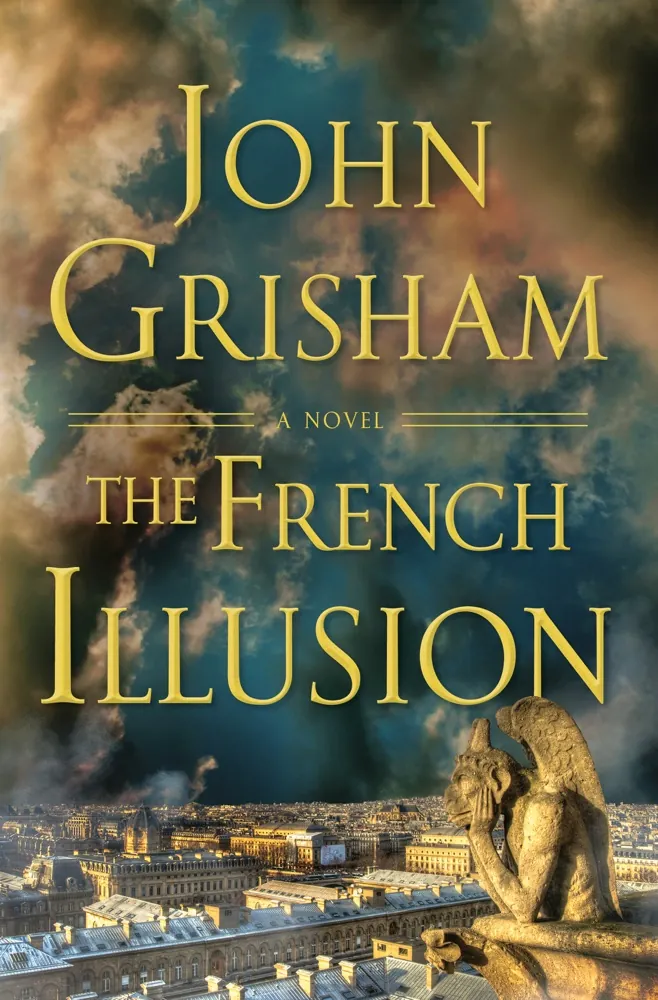

The French Illusion Author: John GrishamPage Count: UnknownPublication Date: Expected publication 2026-09-29 APL John Grisham’s name has become synonymous with pulse‑pounding, courtroom‑driven suspense, and his upcoming novel The French Illusion promises to add another high‑octane chapter to his storied career. Set for release on September 29, 2026, the book is being billed as a “gripping, suspenseful page‑turner” that whisks newlyweds Paul and Chelsea Tanner from the euphoria of their fairytale wedding straight into a nightmare that begins the moment they step off the plane for their Paris honeymoon. According to the official synopsis, the couple’s dream trip takes a dark turn when they are kidnapped during a day excursion to the French countryside. The abduction raises immediate, urgent questions: who would target them, and why? As the investigation unfolds, it becomes clear that this is not an isolated incident. The search for answers pulls in a trio of powerful agencies—the FBI, the CIA, and French Intelligence—forcing them to collaborate across borders in a race to piece together a troubling puzzle. In a twist that feels classic Grisham, a young lawyer is recruited to serve as bait in an elaborate CIA operation. This narrative device allows the story to blend legal expertise with high‑stakes espionage, a combination that has proven irresistible in Grisham’s previous bestsellers. While the synopsis refrains from divulging further specifics about the couple’s ordeal or the lawyer’s role, it does lay out a clear framework: a personal tragedy thrust into an international conspiracy, propelled by the author’s trademark talent for relentless pacing and surprise. If you’ve devoured Grisham’s earlier triumphs—The Firm, The Pelican Brief, The Rainmaker, or more recent hits like The Guardians—you’ll recognize the familiar hallmarks that make his work unmistakable: a protagonist thrust into danger, a web of institutional intrigue, and a relentless drive to keep readers turning pages well past bedtime. The French Illusion appears poised to deliver that same blend of legal savvy and thriller adrenaline, this time set against the romantic yet perilous backdrop of Paris and its surrounding countryside. Anticipation is building for what could be another #1 New York Times bestseller from a writer who has consistently shown how to turn ordinary lives into extraordinary suspense. Whether you’re a longtime Grisham aficionado or a newcomer to his brand of legal thriller, the promise of a honeymoon gone horribly wrong, an international manhunt, and a lawyer turned operative is enough to earmark September 29, 2026, as a date to keep on your reading calendar. #JohnGrisham #TheFrenchIllusion #Thriller #LegalThriller #NewRelease #MustRead Related InsightsThe Joy Luck Club Book Review and Summary Crone Book Review and Summary Hello Girls Book Review and Summary{ "@context": "https://schema.org", "@type": "FAQPage", "mainEntity": [ { "@type": "Question", "name": "What is the main focus of The French Illusion Book Review and Summary?", "acceptedAnswer": { "@type": "Answer", "text": "Everything you need to know about The French Illusion with our detailed review." } }, { "@type": "Question", "name": "Who authored the comprehensive guide on The French Illusion Book Review and Summary?", "acceptedAnswer": { "@type": "Answer", "text": "This detailed article and its insights were carefully researched and authored by Camille Dubois." } }, { "@type": "Question", "name": "Where can I find more related content about Books?", "acceptedAnswer": { "@type": "Answer", "text": "You can explore more articles, detailed reviews, and similar insights by browsing the Related Insights section at the bottom of this article or visiting our dedicated Books category page." } } ] }
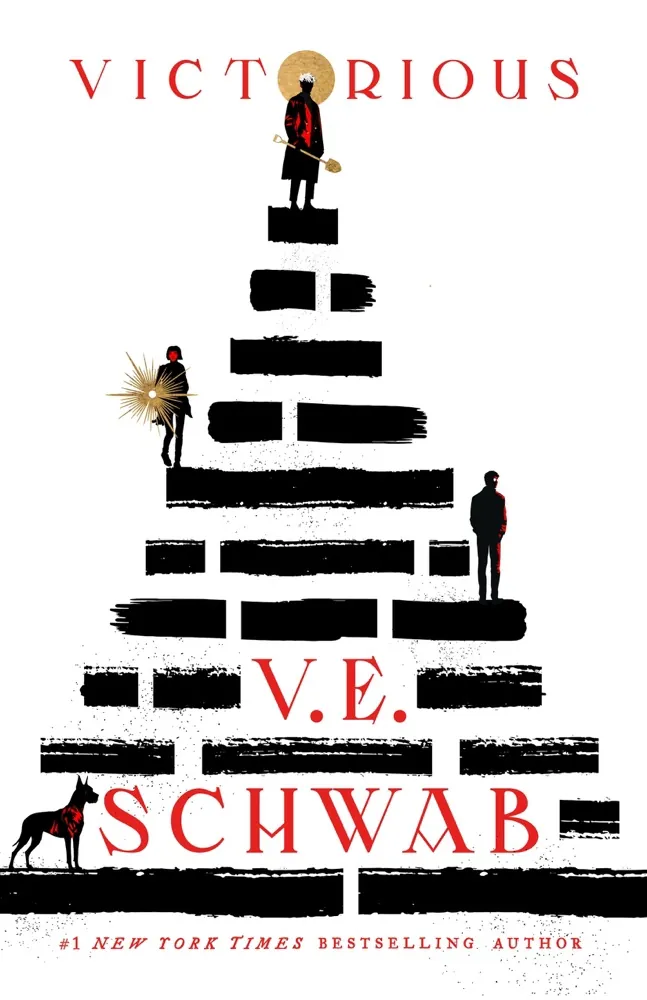

Victorious (Villains, #3) Author: V.E. SchwabPage Count: UnknownPublication Date: Expected publication 2026-10-06 APL V.E. Schwab's Long-Awaited Conclusion to the Villains Series: A Triumphant 'Victorious' In the highly anticipated next installment of the Villains series, bestselling author V.E. Schwab will conclude the tale of Eli Ever and Victor Vale, a dynamic duo first bound together by friendship and subsequently torn apart by their shared destinies as enemies. With the series' fate poised to be decided, 'Victorious' promises to be a thrilling culmination of years of twists and turns. The Villains series, which includes the novels 'Vicious' and 'Vengeful', has consistently received critical acclaim for its inventive storytelling, gripping characters, and masterful exploration of the complex nature of good and evil. Schwab, known for her captivating narratives and vivid characters, has woven an intricate web of relationships, conflicts, and moral dilemmas at the heart of the series. Schwab's previous works, including 'The Invisible Life of Addie LaRue' and 'Bury Our Bones in the Midnight Soil', have solidified her position as a leading voice in the literary fiction genre. If you loved her previous bestsellers, you'll be eagerly anticipating the release of 'Victorious' on October 6, 2026, which marks the eagerly awaited conclusion to the Villains series. In 'Victorious', a group of allies and arch-rivals find themselves drawn together on a chessboard set by a mysterious opponent, as the stakes grow exponentially with each twist. It is uncertain who will emerge triumphant in this high-stakes battle of wits and cunning. However, one thing is clear: V.E. Schwab has once again set the stage for a thrilling ride that will leave readers breathless until the very end. The world can't wait to see how it all unfolds as the series reaches its climactic conclusion. Get ready for an unforgettable literary experience – V.E. Schwab's 'Victorious' is shaping up to be the most anticipated and talked-about novel of the year. #VillainsSeries #VSVictorious #VESchwab #BookLovers #FantasyFiction #LiteraryFiction Related InsightsOn the Ice: A Mystery Book Review and Summary Shroud Book Review and Summary The Atlas Paradox Book Review and Summary{ "@context": "https://schema.org", "@type": "FAQPage", "mainEntity": [ { "@type": "Question", "name": "What is the main focus of Victorious (Villains, #3) Book Review and Summary?", "acceptedAnswer": { "@type": "Answer", "text": "Everything you need to know about Victorious (Villains, #3) with our detailed review." } }, { "@type": "Question", "name": "Who authored the comprehensive guide on Victorious (Villains, #3) Book Review and Summary?", "acceptedAnswer": { "@type": "Answer", "text": "This detailed article and its insights were carefully researched and authored by Elena Volkova." } }, { "@type": "Question", "name": "Where can I find more related content about Books?", "acceptedAnswer": { "@type": "Answer", "text": "You can explore more articles, detailed reviews, and similar insights by browsing the Related Insights section at the bottom of this article or visiting our dedicated Books category page." } } ] }
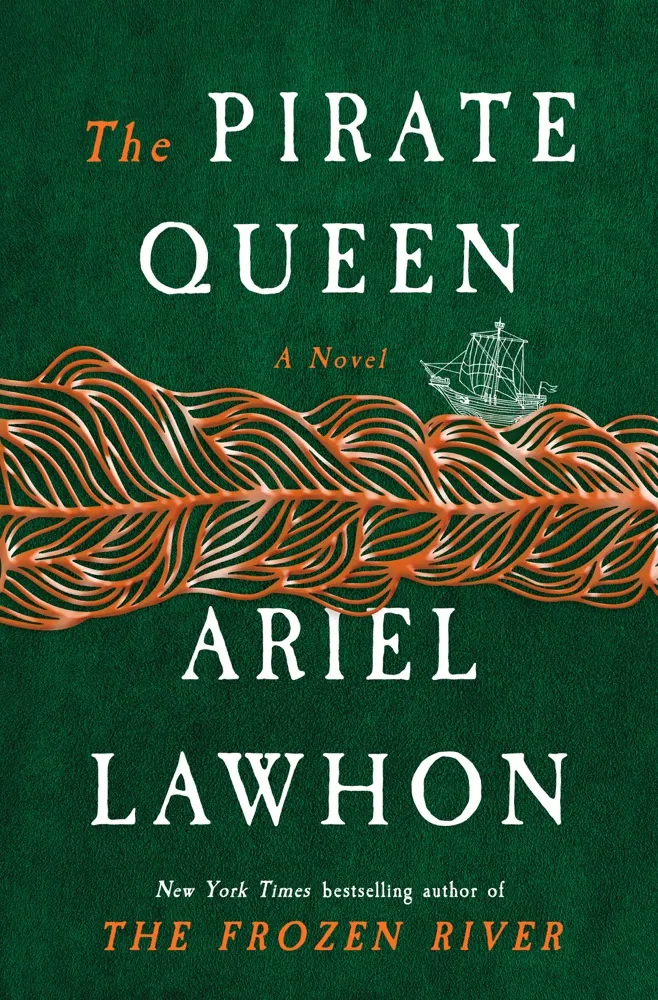

The Pirate Queen Author: Ariel LawhonPage Count: UnknownPublication Date: Expected publication 2026-09-08 APL Ariel Lawhon's Upcoming Historical Adventure: The Pirate Queen This September, get ready to embark on a thrilling journey across the high seas with Ariel Lawhon's latest novel, The Pirate Queen. Inspired by the life of the legendary Irish folk heroine, Grace O'Malley, Lawhon masterfully weaves a sweeping historical adventure that will captivate fans of her previous bestsellers, The Frozen River and I Was Anastasia. As a New York Times bestselling author, Lawhon has proven her ability to transport readers to another time and place with her meticulously researched and engaging storytelling. With The Pirate Queen, she delves into the life of a fascinating historical figure, exploring themes of identity, power, and loyalty. The novel follows the journey of Grace O'Malley, a young woman born to be a sea captain but bound by the expectations of her noble family. Despite the obstacles in her path, Grace finds a way to pursue her dreams, gathering followers and consolidating her husband's power. However, when she's ousted from his lands, Grace seizes the opportunity to return to sea and lead her clan's mighty fleet. As tensions rise with Queen Elizabeth's incursions into Ireland, Grace must defend her land, ships, and loved ones against the English deputies who seek to undermine her influence. Lawhon's keen observations and fierce writing bring the untamed beauty and harsh realities of sixteenth-century Ireland to life, as seen through the eyes of an unforgettable heroine. If you loved Lawhon's previous novels, you'll be eager to dive into The Pirate Queen. With its action-packed narrative and rich historical context, this novel promises to be an unforgettable read. Mark your calendars for September 8th and get ready to set sail on an adventure that will leave you breathless. #HistoricalFiction #ThePirateQueen #ArielLawhon #NewRelease #IrishHistory #WomenInHistory Related InsightsWicked Lovely Book Review and Summary Blade Breaker Book Review and Summary Heroes of Olympus, Book Three : the Mark of Athena Book Review and Summary{ "@context": "https://schema.org", "@type": "FAQPage", "mainEntity": [ { "@type": "Question", "name": "What is the main focus of The Pirate Queen Book Review and Summary?", "acceptedAnswer": { "@type": "Answer", "text": "Everything you need to know about The Pirate Queen with our detailed review." } }, { "@type": "Question", "name": "Who authored the comprehensive guide on The Pirate Queen Book Review and Summary?", "acceptedAnswer": { "@type": "Answer", "text": "This detailed article and its insights were carefully researched and authored by Sofia Bianchi." } }, { "@type": "Question", "name": "Where can I find more related content about Books?", "acceptedAnswer": { "@type": "Answer", "text": "You can explore more articles, detailed reviews, and similar insights by browsing the Related Insights section at the bottom of this article or visiting our dedicated Books category page." } } ] }
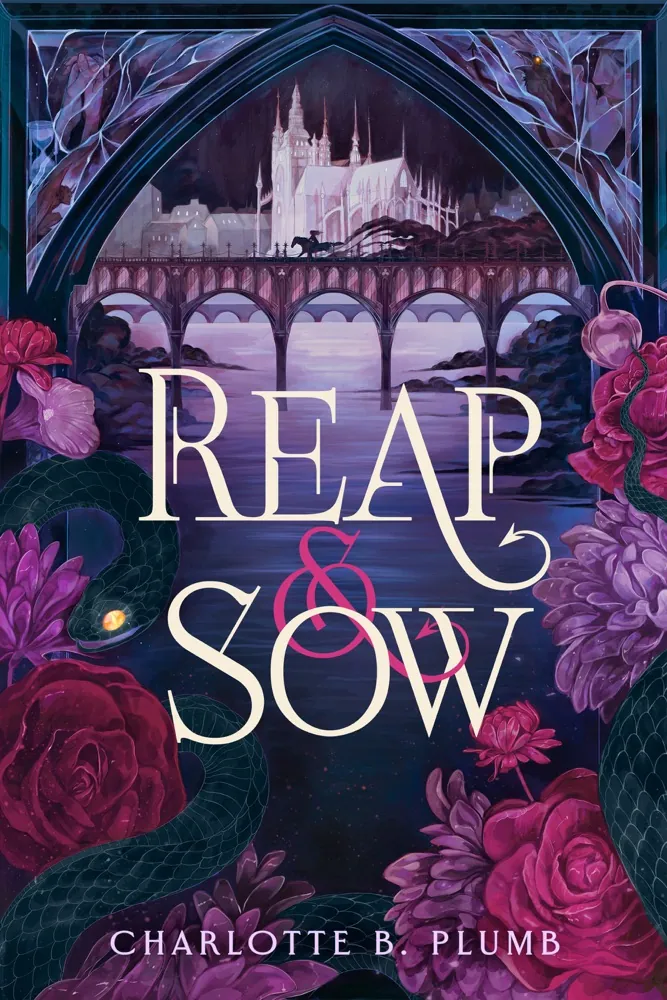

Reap & Sow Author: Charlotte B. PlumbPage Count: UnknownPublication Date: Expected publication 2026-10-06 APL Exclusive Preview: "Reap & Sow" by Charlotte B. Plumb - A Dark and Alluring Romantasy Debut Get ready to immerse yourself in a world of dark magic, unlikely love, and the imperfect beauty of mortality as Charlotte B. Plumb's highly anticipated debut novel, "Reap & Sow," is set to hit shelves on October 6, 2026. This stunning hardcover edition promises to be a feast for the eyes, featuring deluxe embellishments, including a dazzling metallic jacket, full-color printed edges, patterned endpapers, and a specially designed case. In the gritty city of Blackbridge, the penniless are forced to make a choice: sell their body or sell their soul. Eda Shaw, indentured to the capricious demon Mr. Night, arranges illicit Pacts on his behalf, luring the desperate into trading years of their lives for their deepest desires. When a Pact goes awry, and her brothers are arrested, Eda must turn to an unlikely ally: Kit'rath, an infuriating demon with a curious penchant for humanity. As Eda and Kit'rath navigate the treacherous world of Blackbridge, a slow-burn romance simmers between them, threatening to consume Eda's heart. But Kit's help comes at a steep price, and Eda must confront the ultimate cost of saving herself. Will she be able to outwit the demons and save her family, or will she succumb to the darkness that surrounds her? Fans of Rachel Gillig, Hannah Whitten, and Heather Fawcett will devour this gothic, atmospheric tale of love, magic, and mortality. With its sharp wit, simmering romantic tension, and rich world-building, "Reap & Sow" promises to be a fantasy debut that will leave readers breathless. Mark your calendars for October 6, 2026, and get ready to be swept away by this stunning new voice in the genre. #ReapAndSow #FantasyDebut #Romantasy #DarkMagic #NewRelease #BookLovers Related InsightsPan Book Review and Summary ALIEN STAGE: The Art Book (Deluxe Edition) Book Review and Summary Hazlo por un día: Cómo crear o romper cualquier hábito en 30 días / Do It For A Day: How to Make or Break Any Habit in 30 Days Book Review and Summary{ "@context": "https://schema.org", "@type": "FAQPage", "mainEntity": [ { "@type": "Question", "name": "What is the main focus of Reap & Sow Book Review and Summary?", "acceptedAnswer": { "@type": "Answer", "text": "Everything you need to know about Reap & Sow with our detailed review." } }, { "@type": "Question", "name": "Who authored the comprehensive guide on Reap & Sow Book Review and Summary?", "acceptedAnswer": { "@type": "Answer", "text": "This detailed article and its insights were carefully researched and authored by William Clark." } }, { "@type": "Question", "name": "Where can I find more related content about Books?", "acceptedAnswer": { "@type": "Answer", "text": "You can explore more articles, detailed reviews, and similar insights by browsing the Related Insights section at the bottom of this article or visiting our dedicated Books category page." } } ] }

This is Part 2 of the series. Read Part 1 here.The Desert Caravanserai: A Rest Stop for Travelers Khiva’s caravanserais, like the Kutlug Murad Inak Madrasa, were once bustling rest stops for Silk Road travelers and their camels. Today, they house artisan workshops and guesthouses, where visitors can experience traditional Uzbek hospitality. The Khan’s Bathhouse, a 19th-century hammam, offers a chance to relax in a setting that has remained unchanged for centuries. Khiva’s Modern Face: A Hub for Art and Culture While Khiva’s ancient sites are its main attraction, the city is also embracing modernity. The Khiva Silk Carpet Museum showcases the artistry of Uzbek weavers, while the Khiva Art Gallery features contemporary works inspired by the city’s history. For digital nomads, guesthouses like Orient Star Khiva offer reliable Wi-Fi and a quiet workspace, making it easy to explore the city’s wonders while staying connected. Khiva is a place where time seems to have stopped. It’s a city where the desert wind whispers stories of caravans and kings, where every brick holds a secret, and where the spirit of the Silk Road lives on in the most unexpected ways.4. Tashkent: Uzbekistan’s Cosmopolitan Capital While Samarkand, Bukhara, and Khiva dazzle with their ancient charm, Tashkent is Uzbekistan’s modern face—a bustling metropolis where Soviet-era grandeur meets Central Asian tradition. With a population of over 3 million, Tashkent is the country’s cultural, economic, and political heart. It’s a city of wide boulevards, green parks, and futuristic architecture, where the past and future coexist in harmony. Chorsu Bazaar: The Soul of Tashkent Chorsu Bazaar is one of the largest and oldest markets in Central Asia, a labyrinth of stalls selling everything from fresh produce to handmade ceramics. The bazaar’s iconic blue dome, supported by 12 massive columns, is a landmark of Tashkent. Here, you can sample non (Uzbek flatbread), samsa (meat pies), and choy (tea) while bargaining with friendly vendors. The market is a sensory overload—colors, smells, and sounds collide in a symphony of Uzbek life. Khast Imam Complex: A Treasure Trove of Islamic Art The Khast Imam Complex is a spiritual and cultural hub, home to the Uthman Quran, one of the oldest and most revered copies of the Quran in the world. The complex includes the Barak-Khan Madrasa, the Tilla Sheikh Mosque, and the Muyi Muborak Library, which houses rare manuscripts and artifacts. The intricate tilework and calligraphy of the complex are a testament to Uzbekistan’s deep Islamic heritage. Amir Timur Square: A Monument to a Conqueror Amir Timur Square is the heart of Tashkent, a vast plaza dominated by a towering statue of the legendary conqueror. The square is surrounded by government buildings, museums, and the Navruz Palace, a modern structure that hosts cultural events. The Amir Timur Museum offers a deep dive into the life and legacy of Timur, while the Fine Arts Museum of Uzbekistan showcases the country’s rich artistic traditions. Tashkent’s Modern Wonders Tashkent is also a city of innovation. The Tashkent Metro, with its marble stations and Soviet-era mosaics, is a marvel of engineering and design. The Tashkent Tower, one of the tallest structures in Central Asia, offers panoramic views of the city. For digital nomads, co-working spaces like Smart Point provide high-speed internet and a community of like-minded professionals. Cafés like Café Loft serve up artisanal coffee and Uzbek fusion dishes, while the Tashkent City business district is a hub of modern commerce. Green Spaces and Urban Oases Despite its urban sprawl, Tashkent is a green city, with parks like Bog’i Erkinlik and Alisher Navoi Park offering a respite from the hustle and bustle. The Tashkent Botanical Garden is a haven for nature lovers, with over 3,000 species of plants from around the world. The city’s wide boulevards, lined with trees and fountains, make it easy to explore on foot or by bike. Tashkent is a city of contrasts—where Soviet-era buildings stand alongside modern skyscrapers, where ancient traditions meet cutting-edge innovation. It’s a place where the past and future collide, and where the spirit of Uzbekistan’s resilience and creativity shines through.5. Practical Travel Guide: Budget, Visa, and Digital Nomad Life in Uzbekistan Uzbekistan is not just a destination for history lovers—it’s also a paradise for budget travelers and digital nomads. With its ultra-affordable cost of living, fast-growing visa program, and modern infrastructure, the country is quickly becoming a hotspot for remote workers and explorers alike. Here’s everything you need to know to plan your trip, from visas to budgets, healthcare, and beyond. Visa Requirements: Easy Entry for Most Travelers Uzbekistan has made significant strides in simplifying its visa process. As of 2026, citizens of over 80 countries, including the US, UK, EU, Canada, Australia, and Japan, can enter Uzbekistan visa-free for up to 30 days. For longer stays, a tourist visa (valid for up to 30 days) can be obtained online via the e-Visa portal, with processing taking just 3 business days. For digital nomads, a 1-year multiple-entry visa is available for those who can prove remote work or business ties in Uzbekistan. Cost of Living: Affordable Luxury Uzbekistan is one of the most affordable destinations in the world, with a cost of living significantly lower than in Western Europe or North America. According to Numbeo, a single person can live comfortably in Tashkent or Samarkand on $800–$1,200 per month, while a couple can manage on $1,200–$1,800. Here’s a breakdown of typical expenses:Expense Category Cost (USD)Rent (1-bed apartment) $200–$400/monthUtilities (electricity, water, gas) $50–$100/monthGroceries $100–$200/monthDining out (mid-range restaurant) $5–$15/mealPublic transport (monthly pass) $10–$20SIM card (1 month, unlimited data) $5–$10Coworking space (monthly membership) $50–$150Accommodation: From Guesthouses to Boutique Hotels Uzbekistan offers a range of accommodation options to suit every budget:Guesthouses (1–2 stars): $15–$30/night – A great way to experience Uzbek hospitality, often run by local families. Boutique hotels (3–4 stars): $50–$100/night – Stylish, centrally located, and often housed in historic buildings. Modern apartments (Airbnb): $30–$80/night – Ideal for digital nomads seeking privacy and comfort. Luxury hotels (5 stars): $150–$300/night – For those seeking high-end amenities, like the Hyatt Regency Tashkent or Lotte City Hotel Samarkand.Healthcare: Reliable and Affordable Uzbekistan’s healthcare system has improved significantly in recent years, with modern hospitals and clinics in major cities. For digital nomads, international health insurance is highly recommended. The cost of a doctor’s visit ranges from $10–$30, while a night in a private hospital is around $50–$100. Pharmacies are widely available, and medications are generally affordable. Transportation: Getting Around Easily Uzbekistan’s transportation network is efficient and affordable:Domestic flights: Tashkent to Samarkand or Bukhara costs $50–$100 one-way. High-speed train (Afrosiyob): Tashkent to Samarkand in 2 hours for $25–$40. Marshrutkas (shared minivans): $2–$5 for short trips between cities. Taxis (Yandex.Taxi): $5–$15 for city rides. Bicycle rentals: $5–$10/day – A great way to explore cities like Bukhara and Khiva.Digital Nomad Life: Work, Wi-Fi, and Community Uzbekistan is rapidly becoming a digital nomad hotspot, thanks to its digital nomad visa, affordable cost of living, and growing community of remote workers. Here’s what to expect:Internet: Uzbekistan has 4G coverage across the country, with speeds averaging 20–50 Mbps. Major cities like Tashkent, Samarkand, and Bukhara have fiber-optic internet in most cafes and co-working spaces. Co-working spaces: Impact Hub Samarkand – $10/day or $100/month. Smart Point Tashkent – $8/day or $80/month. Coworking.uz Bukhara – $5/day or $50/month.Community: Facebook groups like Digital Nomads Uzbekistan and Expat Tashkent are great for networking and tips.Safety and Cultural TipsSafety: Uzbekistan is generally safe, with low crime rates. Petty theft can occur in tourist areas, so keep an eye on your belongings. Dress code: Uzbekistan is a Muslim-majority country, but it’s relatively liberal. Dress modestly in religious sites (cover shoulders and knees), but Western clothing is fine in cities. Language: Uzbek and Russian are the main languages, but English is spoken in tourist areas and by younger generations. Currency: The Uzbek som (UZS) is the local currency. $1 USD ≈ 12,500 UZS (as of 2026). Credit cards are accepted in major hotels and restaurants, but cash is king in markets and small shops.Uzbekistan is a destination that rewards curiosity, patience, and an open mind. Whether you’re exploring ancient cities, working remotely in a cozy café, or bargaining in a bustling bazaar, the country offers an experience that is as enriching as it is affordable.The Silk Road is not just a relic of the past—it’s a living, breathing thread that connects Uzbekistan’s ancient cities to a vibrant present. From the turquoise domes of Samarkand to the labyrinthine alleys of Bukhara, the desert jewel of Khiva, and the cosmopolitan energy of Tashkent, this country is a testament to the enduring power of history, culture, and human connection. Uzbekistan is more than a destination; it’s an invitation to step into a world where the past and future coexist, where every brick tells a story, and where the spirit of the Silk Road lives on in the most unexpected ways. Whether you’re a history buff, a digital nomad, a foodie, or simply someone seeking beauty in the unexpected, Uzbekistan offers a journey that will leave you inspired, enriched, and longing to return. So pack your bags, grab your passport, and set out on the adventure of a lifetime. The Silk Road is waiting.#SilkRoadRevival #UzbekistanTravel #CentralAsiaAdventure #CulturalJourney #DigitalNomadLife Related InsightsIceland's Golden Circle: Unveiling the Land of Fire and Ice Arctic Circle Digital Nomadism: Building Connectivity in Greenland's Remote Towns Fairy Tale Châteaux: A Journey Through the Loire Valley{ "@context": "https://schema.org", "@type": "FAQPage", "mainEntity": [ { "@type": "Question", "name": "What is the main focus of The Silk Road Revival: Uzbekistan’s Ancient Cities and Modern Wonders (Part 2)?", "acceptedAnswer": { "@type": "Answer", "text": "Step into the heart of Central Asia and rediscover the Silk Road through Uzbekistan’s breathtaking cities, where 3,000 years of history meet vibrant modernity and ultra-affordable living." } }, { "@type": "Question", "name": "Who authored the comprehensive guide on The Silk Road Revival: Uzbekistan’s Ancient Cities and Modern Wonders (Part 2)?", "acceptedAnswer": { "@type": "Answer", "text": "This detailed article and its insights were carefully researched and authored by Wei Chen." } }, { "@type": "Question", "name": "Where can I find more related content about Travel?", "acceptedAnswer": { "@type": "Answer", "text": "You can explore more articles, detailed reviews, and similar insights by browsing the Related Insights section at the bottom of this article or visiting our dedicated Travel category page." } } ] }
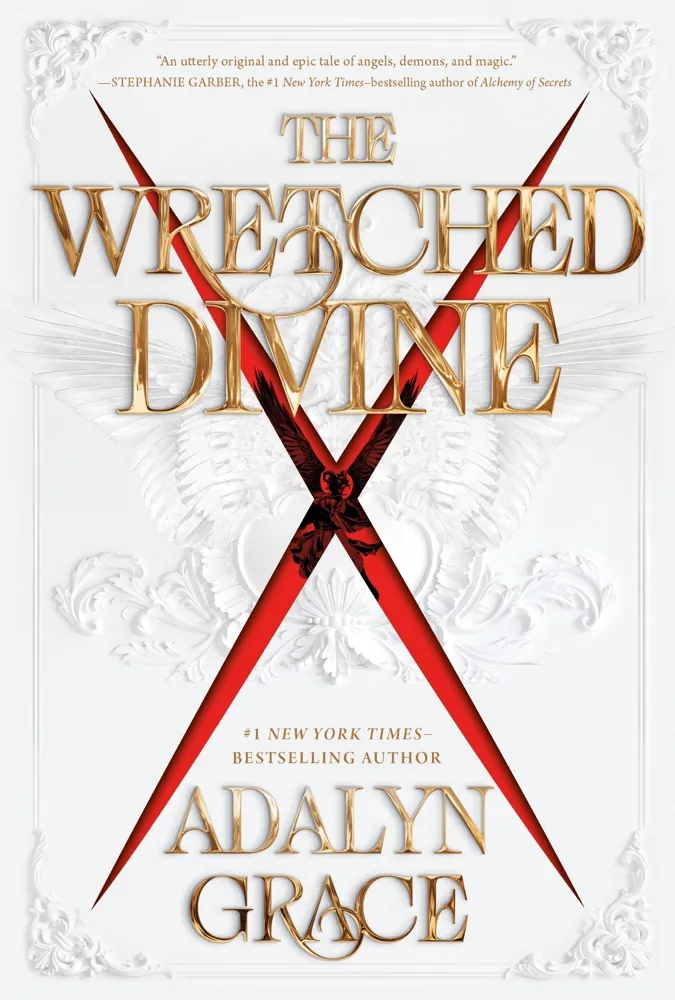
-
 Isabella Moore
 - 02 Aug, 2026 08:40
The Wretched Divine (The Wretched Divine, #1) Book Review and Summary
The Wretched Divine (The Wretched Divine, #1) Author: Adalyn GracePage Count: UnknownPublication Date: Expected publication 2026-09-22 APL Prepare your TBR piles and clear your calendar, fantasy lovers. The #1 New York Times-bestselling author Adalyn Grace is making a massive splash with her upcoming adult debut, The Wretched Divine, slated for release on September 22, 2026. Known for captivating readers with her incredible worldbuilding and unforgettable storytelling, Grace is now stepping into the realm of adult fantasy with a tale that is already turning heads across the literary community. Early praise from heavy-hitting authors like Stephanie Garber, Rebecca Ross, Adrienne Young, and Sue Lynn Tan is flooding in, calling the novel everything from "an utterly original and epic tale" to "dark, aching, and ferociously romantic." So, what can we expect when we finally open the pages? According to the official synopsis, the story plunges us into an ancient, brutal war between angels and demons. At the center of it all is Aurelie Chantelune, a human knight raised in a kingdom ravaged by monsters who tore her family apart. Aurelie has spent her life sharpening her blade, knowing her destiny is within reach: if she can claim her first kill, she will inherit a powerful soulbond with Yuriel, an angel whose strength is vital to her people's survival. But things are never that simple in epic fantasy. When loved ones start turning into the very creatures she has sworn to eradicate, Aurelie is pushed to the edge. Out of sheer desperation, she takes a perilous leap and forges a second, far more dangerous bond with Severin—a demon she fundamentally distrusts, yet one who claims to hold the key to ending the war entirely. With her life and fate inextricably entwined with both an angel and a demon, Aurelie must embark on a hunt for a cure capable of turning demons back into humans. As the trio grows closer, the lines between good and evil begin to blur. Standing between opposing sides, Aurelie is forced to confront a heart-wrenching dilemma: will she continue to stand with the angels, or will she risk everything by putting her trust in a demon? If early blurbs are any indication, readers are in for a ride filled with holy fire, ruinous longing, and complex moral dilemmas that will keep us guessing until the very last page. Mark your calendars for September 22, 2026, because The Wretched Divine is shaping up to be one of the most talked-about fantasy releases of the year. #TheWretchedDivine #AdalynGrace #FantasyBooks #AngelsAndDemons #BookTok #AnticipatedReads Related InsightsThe Many Private Lives of Missy Cooke: A Novel Book Review and Summary Angle of Repose Book Review and Summary Ghosts of the West Yorkshire Moors: The Savage Soul of Wuthering Heights{ "@context": "https://schema.org", "@type": "FAQPage", "mainEntity": [ { "@type": "Question", "name": "What is the main focus of The Wretched Divine (The Wretched Divine, #1) Book Review and Summary?", "acceptedAnswer": { "@type": "Answer", "text": "Everything you need to know about The Wretched Divine (The Wretched Divine, #1) with our detailed review." } }, { "@type": "Question", "name": "Who authored the comprehensive guide on The Wretched Divine (The Wretched Divine, #1) Book Review and Summary?", "acceptedAnswer": { "@type": "Answer", "text": "This detailed article and its insights were carefully researched and authored by Isabella Moore." } }, { "@type": "Question", "name": "Where can I find more related content about Books?", "acceptedAnswer": { "@type": "Answer", "text": "You can explore more articles, detailed reviews, and similar insights by browsing the Related Insights section at the bottom of this article or visiting our dedicated Books category page." } } ] }

-
 Aisha Rahman
 - 02 Aug, 2026 08:38
Electric Aviation Revolution: Unlocking the Future of Solid-State Batteries
The Dawn of Electric Aviation As the world grapples with the challenges of climate change, the aviation industry is undergoing a significant transformation. Electric aviation, once considered a distant dream, is now becoming a reality. At the heart of this revolution lies the development of solid-state batteries, which promise to unlock the full potential of electric aircraft. In this article, we'll delve into the world of solid-state batteries and explore their impact on the future of electric aviation.Secure Design Principles for Solid-State Batteries Solid-state batteries are designed to replace the traditional lithium-ion batteries used in electric vehicles. These new batteries utilize a solid electrolyte instead of a liquid one, enhancing safety, energy density, and charging speeds. To ensure the secure design of solid-state batteries, manufacturers must adhere to the following principles:Material selection: Careful selection of materials is crucial to prevent thermal runaway and ensure the stability of the battery. Cell design: The design of the battery cell must be optimized to minimize the risk of short circuits and ensure efficient heat dissipation. Manufacturing process: A robust manufacturing process is essential to prevent defects and ensure consistency in battery performance.import numpy as np# Define the parameters for the solid-state battery capacity = 100 # Ah voltage = 300 # V energy_density = 250 # Wh/kg# Calculate the energy stored in the battery energy = capacity * voltage# Calculate the weight of the battery weight = energy / energy_densityprint(f"The energy stored in the battery is {energy} Wh.") print(f"The weight of the battery is {weight} kg.")Advancements in Solid-State Battery Technology Recent advancements in solid-state battery technology have led to significant improvements in energy density, charging speeds, and safety. Some of the key developments include:New materials: Researchers have discovered new materials with improved ionic conductivity, enabling faster charging and discharging. Advanced manufacturing techniques: New manufacturing techniques, such as 3D printing, have enabled the creation of complex battery architectures with enhanced performance. Improved safety features: Solid-state batteries now incorporate advanced safety features, such as overcharge protection and thermal management systems.Integration of Solid-State Batteries in Electric Aircraft The integration of solid-state batteries in electric aircraft requires careful consideration of several factors, including:Weight and size: Solid-state batteries must be designed to minimize weight and size while maximizing energy density. Thermal management: Advanced thermal management systems are necessary to prevent overheating and ensure safe operation. Power management: Sophisticated power management systems are required to optimize battery performance and minimize energy losses.# Define the configuration for the electric aircraft aircraft: type: electric battery: type: solid-state capacity: 100Ah voltage: 300V energy_density: 250Wh/kg motor: type: electric power: 100kW propeller: type: fixed-pitch diameter: 2mFuture Outlook for Solid-State Batteries in Electric Aviation As the aviation industry continues to evolve, solid-state batteries are poised to play a critical role in the development of electric aircraft. With ongoing advancements in technology and manufacturing, we can expect to see significant improvements in energy density, charging speeds, and safety. As the world transitions towards a more sustainable future, the integration of solid-state batteries in electric aircraft will be a crucial step towards reducing our carbon footprint.Charting the Course for a Sustainable Future As we navigate the challenges of climate change, it's essential to chart a course towards a sustainable future. The development of solid-state batteries in electric aviation is a crucial step towards reducing our reliance on fossil fuels and minimizing our environmental impact. By embracing this technology, we can create a more sustainable future for generations to come. #AI #ElectricAviation #SustainableEnergy #SolidStateBatteries Related InsightsThe Great Democratization: Decoding the Architectures of the Low-Code Era The Digital Scalpel: Architecting High-Fidelity Haptic Feedback in Robotic Surgery Simulation Unlocking Productivity with Advanced Cobots{ "@context": "https://schema.org", "@type": "FAQPage", "mainEntity": [ { "@type": "Question", "name": "What is the main focus of Electric Aviation Revolution: Unlocking the Future of Solid-State Batteries?", "acceptedAnswer": { "@type": "Answer", "text": "Discover the transformative potential of solid-state batteries in electric aviation and explore the cutting-edge technologies driving this revolution." } }, { "@type": "Question", "name": "Who authored the comprehensive guide on Electric Aviation Revolution: Unlocking the Future of Solid-State Batteries?", "acceptedAnswer": { "@type": "Answer", "text": "This detailed article and its insights were carefully researched and authored by Aisha Rahman." } }, { "@type": "Question", "name": "Where can I find more related content about Technology?", "acceptedAnswer": { "@type": "Answer", "text": "You can explore more articles, detailed reviews, and similar insights by browsing the Related Insights section at the bottom of this article or visiting our dedicated Technology category page." } } ] }
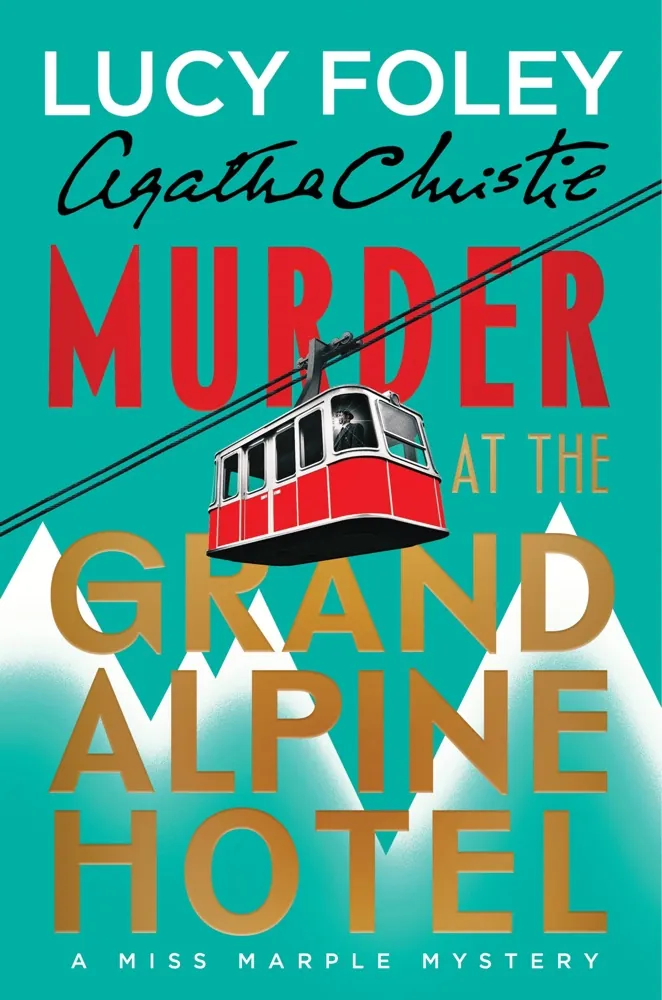

Murder at the Grand Alpine Hotel Author: Lucy FoleyPage Count: UnknownPublication Date: Expected publication 2026-09-22 APL Literary Dispatch Exclusive: The Queen of Crime Meets the Modern Thriller Master in Lucy Foley’s Upcoming "Murder at the Grand Alpine Hotel" Get ready to check into the most dangerous reservation of 2026. Lucy Foley, the undisputed #1 New York Times bestselling author behind smash-hit suspense sensations like The Guest List and The Midnight Feast, is returning with a monumental new release that promises to shake up the mystery genre. Scheduled to hit shelves on September 22, 2026, her latest book, Murder at the Grand Alpine Hotel, marries Foley’s signature gift for atmospheric, high-society tension with one of the most iconic sleuths in literary history: Miss Marple. If you loved Foley's previous bestsellers—where isolated settings, glamorous guests, and simmering secrets collided with deadly consequences—this upcoming release is shaping up to be her most ambitious and thrilling work yet. Here is the exclusive official synopsis straight from the publisher: High in the Swiss Alps, accessible only by a single, winding railway, stands the luxurious Grand Alpine Hotel. With glorious mountain views and exclusive access to powdery slopes, it draws guests from far and wide. The notorious actress. The high-flying politician. The society wife. The reckless friend. The shrewd doctor. But not everyone is here for a winter holiday. Beneath the champagne and furs, dark histories simmer; old grudges emerge like cracks in the ice. And someone is watching from the shadows. A polite, unassuming woman with an extraordinary mind: Miss Marple. When a body is found and a blizzard cuts off all escape, only Miss Marple can connect the clues before the killer strikes again. Because it isn’t a question of who has a motive, but who’s next… With a classic locked-room mystery setup, an elite guest list hiding dangerous pasts, and a brutal alpine blizzard sealing off all exits, Foley is playing to absolute perfection. Mark your calendars for September 2026, because this snowy peak is destined to be the hottest crime fiction destination of the year. #LucyFoley #MurderAtTheGrandAlpineHotel #MissMarple #MysteryBooks #BookTok #CrimeFiction Related InsightsStrangers in Time Book Review and Summary The Crash Book Review and Summary Fate Breaker Book Review and Summary{ "@context": "https://schema.org", "@type": "FAQPage", "mainEntity": [ { "@type": "Question", "name": "What is the main focus of Murder at the Grand Alpine Hotel Book Review and Summary?", "acceptedAnswer": { "@type": "Answer", "text": "Everything you need to know about Murder at the Grand Alpine Hotel with our detailed review." } }, { "@type": "Question", "name": "Who authored the comprehensive guide on Murder at the Grand Alpine Hotel Book Review and Summary?", "acceptedAnswer": { "@type": "Answer", "text": "This detailed article and its insights were carefully researched and authored by Sarah Davis." } }, { "@type": "Question", "name": "Where can I find more related content about Books?", "acceptedAnswer": { "@type": "Answer", "text": "You can explore more articles, detailed reviews, and similar insights by browsing the Related Insights section at the bottom of this article or visiting our dedicated Books category page." } } ] }