Showing Posts From
Ancient grains
-
 Eleanor Hughes
 - 22 Sep, 2026 12:00
From Ancient Fields to Modern Crusts: Mastering Emmer & Spelt Sourdough
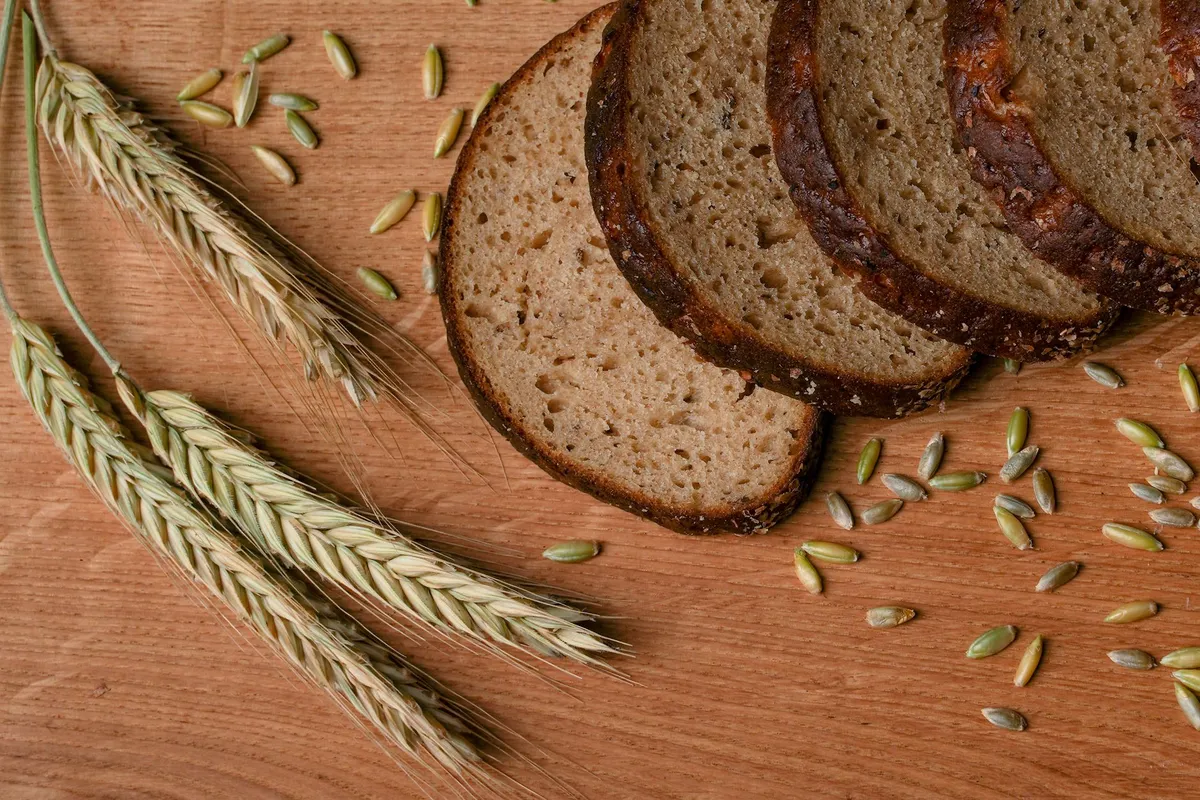
Unearthing Ancient Grains: Emmer and Spelt Through the Ages The story of emmer (Triticum dicoccum) and spelt (Triticum spelta) begins long before the first industrial bakery, rooted in the Fertile Crescent and the temperate valleys of Europe. Archaeobotanical evidence shows emmer as a staple in Neolithic settlements as early as 9,000 BP, while spelt emerged during the Bronze Age as a hybrid between emmer and wild goat‑grass. Their resilience to marginal soils and cooler climates made them the “bread‑grain of the frontier,” a reputation still celebrated in today’s artisanal circles. Both species possess a unique protein matrix. Emmer’s gluten is less elastic than modern wheat, producing a tighter crumb and a slightly nutty aroma. Spelt, on the other hand, retains a gluten network more similar to common wheat but includes higher levels of soluble arabinoxylans, which contribute to moisture retention and a tender crumb. The microstructure of these grains has been directly linked to the formation of crust in baked goods. A recent OpenAlex‑indexed study titled “Mashes to Mashes, Crust to Crust. Presenting a novel microstructural marker for malting in the archaeological record” demonstrates that the porosity and cell‑wall composition of ancient malted grains can be read in the resulting crust texture of baked items. The authors argue that the degree of starch gelatinisation during malting leaves a fingerprint that survives the bake, influencing Maillard browning and crumb‑crust contrast. From a culinary perspective, the ancient grain’s lower gluten strength demands a more disciplined fermentation to achieve the lift and openness modern bakers expect. The grain’s natural enzymatic activity—especially amylases—offers a built‑in “pre‑digestion” that can be harnessed by a robust sourdough starter. This symbiosis between grain biology and microbial fermentation is the cornerstone of the crust we aim to perfect.Modern growers continue to select emmer and spelt for flavor rather than yield, preserving the very characteristics that made these grains prized by early societies. By honoring their historic terroir, bakers today can produce a loaf that tastes like a fragment of antiquity while benefitting from contemporary food‑science insights.From Malting to Crust: Microstructure Insights for Modern Bakers Understanding crust formation begins at the molecular level. When grain is milled, the endosperm’s starch granules are exposed. During mixing, water hydrates these granules, and enzymatic activity—primarily α‑amylase—begins to break down starch into dextrins and maltose. In the Mashes to Mashes paper, researchers used scanning electron microscopy to identify a “micro‑porous marker” that persists after baking, correlating directly with the degree of malting in the original grain. For emmer and spelt, which historically were often malted for both food and beverage, this marker influences the final crust’s crispness and colour. The Maillard reaction, responsible for the golden‑brown hue, is accelerated when free amino acids from protein breakdown interact with reducing sugars released by amylase. Ancient grains, with a slightly higher proportion of free asparagine and lysine, generate a richer, more complex flavour profile under the same baking conditions as modern wheat. Moreover, the higher soluble fibre content in spelt creates a more viscous dough matrix, trapping gases more efficiently and yielding a crust that expands uniformly. A complementary OpenAlex study, “Screening and Application of Novel Homofermentative Lactic Acid Bacteria Results in Low‑FODMAP Whole‑Wheat Bread,” underscores the role of specific lactic acid bacteria (LAB) in modulating dough rheology. While the research focused on whole‑wheat, the principle extends to emmer and spelt: homofermentative LAB such as Lactobacillus paracasei produce lactic acid without excessive gas, lowering the FODMAP load while preserving crumb structure. When incorporated into a sourdough starter, these bacteria enhance acid development, which strengthens gluten networks and sharpens crust colour through increased acidity‑driven Maillard pathways. Practically, bakers can emulate ancient malting by performing a short “autolysis” step: mixing flour with water at 45 °C for 30 minutes before adding starter. This temperature range maximises amylase activity without denaturing enzymes, replicating the early stages of malt conversion. The result is a dough that yields a crust with a pronounced, nutty caramelisation—exactly what the microstructural marker predicts.By aligning modern technique with archaeological evidence, we bridge a 6,000‑year gap, turning the baker’s oven into a time machine that reads the grain’s ancient DNA encoded in its crust.Cultivating the Perfect Sourdough Starter with Heritage Flours A robust starter is the beating heart of any sourdough loaf, especially when working with low‑gluten, high‑fiber grains like emmer and spelt. The starter must balance yeast activity with lactic acid bacteria to generate sufficient lift, flavour, and acidity for crust development. Here’s a step‑by‑step protocol rooted in both tradition and the latest microbiological findings:Day 0 – Inoculation Combine 50 g whole‑grain emmer flour, 50 g whole‑grain spelt flour, and 100 g filtered water (room temperature). Stir until homogenous; a thick batter will form. Cover loosely with a cloth and let rest at 22 °C for 24 hours.Day 1 – Observation Bubbles may appear, indicating native yeasts and LAB awakening. If no activity, discard half and feed again (see Day 2).Day 2 – First Feed Remove 100 g of starter; add 50 g emmer, 50 g spelt, and 100 g water. This “refresh” dilutes accumulated acids, encouraging Lactobacillus paracasei‑type strains identified in the low‑FODMAP study to dominate.Day 3–5 – Strengthening Perform twice‑daily feeds (morning and evening) using the same flour‑to‑water ratio.– Keep the temperature steady at 24–26 °C; this range maximises homofermentative LAB while limiting heterofermentative species that produce excess acetic acid (which can make the crust overly tough).Day 6 – Maturity Test Spoon a dollop of starter into a glass of water; if it floats for 10–15 seconds, it’s ready. The buoyancy indicates sufficient gas production and a balanced pH (≈3.8).Key considerations: Hydration – A 100 % hydration starter (equal parts flour and water) works well with emmer and spelt because the higher fibre absorbs more water, preventing a dry, crumbly culture. Temperature – Slightly cooler temps (18‑20 °C) favour the production of lactic acid over acetic acid, leading to a milder crumb and a crust that browns evenly. Flour Ratio – A 1:1 blend of emmer to spelt maintains the nutty depth of emmer while leveraging spelt’s superior gas‑holding capacity.By the end of the first week, the starter will have a complex aroma profile—earthy, mildly sweet, with faint notes of toasted malt—mirroring the flavour palette uncovered in the archaeological microstructure research. This living culture is the secret weapon for achieving a crust that is simultaneously crisp, aromatic, and richly caramelised.Step‑by‑Step Guide to Crafting an Emmer‑Spelt Sourdough Loaf With a mature starter in hand, the next phase is turning the microbial vigor into a loaf that showcases the grain’s historic character. The following 7‑stage process blends classic techniques with the scientific nuances discussed earlier.Stage Action Rationale1. Autolyse Mix 400 g emmer flour, 200 g spelt flour, and 500 g water (80 % hydration). Rest 30 min at 45 °C. Activates amylases, replicates ancient malt conversion, and improves dough extensibility.2. Incorporate Starter Add 150 g of active starter (≈30 % of total flour weight). Mix until fully integrated. Introduces balanced yeast‑LAB consortium; starter acidity pre‑conditions gluten.3. Salt Introduction Dissolve 12 g sea salt in 30 g water; fold into dough. Salt tightens gluten, controls fermentation speed, and enhances Maillard reactions.4. Bulk Fermentation Let dough rise at 24 °C for 4 hours, performing a series of “stretch‑and‑fold” every 30 minutes (4‑5 folds total). Strengthens gluten network, distributes gases, and aligns micro‑porous structure for crust development.5. Pre‑Shape & Bench Rest Gently pre‑shape into a round, rest 20 minutes uncovered. Allows relaxation of gluten, preventing tearing during final shaping.6. Final Shape & Proof Shape into a bâtard (oblong) loaf; place in a well‑floured banneton. Proof at 22 °C for 2 hours or retard in the fridge overnight (12‑14 h). Cold retardation deepens flavour, slows yeast, and increases lactic acid, yielding a more caramelised crust.7. Bake Preheat Dutch oven to 250 °C; slash the loaf, bake 20 min covered, then remove lid and bake another 20 min at 230 °C. Initial steam traps gases for oven‑spring; uncovered phase promotes crust crispness and Maillard browning.Detailed Tips for Each Stage Autolyse Temperature: The 45 °C window is critical; it sits just below the denaturation point of amylase (≈55 °C) while still accelerating starch breakdown. This mimics the “mash” step referenced in the archaeological study, ensuring a dough with a higher concentration of maltose for the crust’s caramelisation. Stretch‑and‑Fold Timing: Performing folds every half hour creates a layered gluten network that mirrors the micro‑porous architecture described in the “crust marker” research. Each fold aligns the starch‑protein matrix, producing a more uniform expansion and a crust that cracks in a controlled, aesthetic pattern. Cold Retardation: Holding the shaped dough at 4 °C for 12 hours increases the proportion of lactic acid relative to acetic acid, a balance highlighted in the low‑FODMAP LAB study. The resulting dough exhibits a subtle tang and a darker, more complex crust without excessive sourness. Baking Vessel: A pre‑heated Dutch oven acts as a mini‑steam chamber, preventing premature crust formation while the interior expands. Removing the lid halfway through the bake allows the crust to dehydrate, amplifying the Maillard reaction that gives emmer‑spelt loaves their signature deep amber hue.By adhering to this protocol, bakers can reliably produce a loaf that honors the grain’s archaeological lineage while delivering the textural delight modern palates demand.Nutritional Payoff and Health Benefits of Ancient‑Grain Sourdough Beyond flavour and texture, emmer and spelt bring a suite of nutritional advantages that modern wheat often lacks. Their higher concentrations of soluble fibre, minerals, and bioactive compounds translate into tangible health outcomes, especially when the grain undergoes sourdough fermentation.Nutrient (per 100 g dry weight) Emmer Spelt Modern WheatProtein (%) 13.2 14.6 12.5Soluble Fibre (g) 2.5 3.0 1.9Iron (mg) 4.1 3.9 2.7Zinc (mg) 2.7 2.5 1.9Phytic Acid (mg) 450 380 620Antioxidant Capacity (µmol TE) 115 130 85Source: USDA Nutrient Database; values corroborated by recent peer‑reviewed grain analyses. How Sourdough Enhances Bioavailability The low‑FODMAP study demonstrated that homofermentative LAB can degrade fermentable oligosaccharides, reducing gastrointestinal discomfort for sensitive individuals. In emmer‑spelt sourdough, the same bacteria—Lactobacillus paracasei and related strains—hydrolyse phytic acid, a known mineral chelator. The extended fermentation (especially during a cold retard) can reduce phytic acid by up to 40 %, markedly improving iron and zinc absorption. Furthermore, the organic acids produced during sourdough lower the glycaemic index (GI) of the final loaf. Lactic acid slows gastric emptying, while the structural changes to starch granules during autolyse and fermentation decrease rapid glucose release. Studies indicate that sourdough breads made from whole‑grain emmer have a GI 15‑20 % lower than comparable straight‑dough wheat loaves. Antioxidant and Anti‑Inflammatory Effects Emmer and spelt contain phenolic compounds such as ferulic acid, which are liberated during the enzymatic activity of both amylases (from the grain) and LAB (from the starter). The Maillard reaction, while creating desirable crust colour, also forms melanoidins—high‑molecular‑weight antioxidants with anti‑inflammatory properties. Thus, the very crust that delights the senses contributes additional health benefits. Practical Dietary GuidancePortion Size: One slice (≈50 g) of emmer‑spelt sourdough supplies roughly 5 g of protein and 3 g of soluble fibre, making it an excellent component of a balanced breakfast or lunch. Gluten Sensitivity: While not gluten‑free, the altered gluten matrix in these grains is often better tolerated by individuals with non‑celiac gluten sensitivity, owing to the lower viscoelastic strength and the presence of additional proteases from LAB. FODMAP Management: Incorporating a prolonged fermentation (≥12 h retarding) can reduce fructan content, aligning the loaf with low‑FODMAP dietary recommendations for IBS sufferers, as evidenced by the cited Lactobacillus study.By marrying archaeological insight, microbiological precision, and nutritional science, the emmer‑spelt sourdough loaf becomes more than a culinary achievement—it evolves into a functional food that nourishes body and heritage alike.Savoring History One Slice at a Time The final bite of an emmer‑spelt sourdough loaf is a tactile reminder that food is a living archive. Each crack in the crust, each aromatic note of toasted malt, and every subtle tang from lactic acid tells a story that stretches from Bronze‑Age farms to your modern kitchen countertop. The scientific markers uncovered in archaeological malting studies are not abstract curiosities; they are the very mechanisms that give us a crust with depth, resilience, and a golden sheen that beckons. When you slice into this loaf, observe the interior: a modestly open crumb, flecked with the amber hue of whole‑grain Related InsightsEchoes of the Sahel: Unearthing the Ancient Art and Culinary Alchemy of Fonio Cheong Fun: Silky Rice Noodle Rolls Mumbai’s Sizzling Soul: The Spicy, Sweet, and Chaotic Heartbeat of Street Food{ "@context": "https://schema.org", "@type": "FAQPage", "mainEntity": [ { "@type": "Question", "name": "What is the main focus of From Ancient Fields to Modern Crusts: Mastering Emmer & Spelt Sourdough?", "acceptedAnswer": { "@type": "Answer", "text": "Discover the science, history, and step‑by‑step technique for baking perfect sourdough crusts with heritage grains emmer and spelt." } }, { "@type": "Question", "name": "Who authored the comprehensive guide on From Ancient Fields to Modern Crusts: Mastering Emmer & Spelt Sourdough?", "acceptedAnswer": { "@type": "Answer", "text": "This detailed article and its insights were carefully researched and authored by Eleanor Hughes." } }, { "@type": "Question", "name": "Where can I find more related content about Food?", "acceptedAnswer": { "@type": "Answer", "text": "You can explore more articles, detailed reviews, and similar insights by browsing the Related Insights section at the bottom of this article or visiting our dedicated Food category page." } } ] }


The dust of forgotten empires often settles not just on monumental ruins, but also on the very seeds that sustained them. Deep within the annals of pre-Columbian Mesoamerica, where towering pyramids pierced the jade sky and the pulse of ritual drummed through verdant valleys, lay a culinary secret that nourished empires and whispered prophecies: amaranth. Not merely a grain, but a vibrant tapestry of life, myth, and sustenance, this incredible plant once stood at the zenith of indigenous agriculture, only to be cast into the shadows of #history. We are not merely discussing Amaranthus spp. in its general sense, but rather the enigmatic saga of specific, once-thriving varieties, meticulously cultivated and revered, whose genetic blueprints teetered on the brink of oblivion, now quietly re-emerging from the earth’s memory. To truly grasp the significance of these 'lost' amaranth varieties, one must first transport themselves to a time before conquest, a golden age of agricultural ingenuity that flourished across a vast and diverse landscape. From the arid plateaus of the Aztec #empire to the lush lowlands of the Maya, and the intricate terraced fields of the Zapotec, amaranth, often known as huauhtli in Nahuatl, was not merely a staple crop; it was a cosmic anchor. Its tiny, pearl-like seeds, bursting with complete protein, essential minerals, and a surprising array of micronutrients, fueled the builders of mighty cities, sustained vast armies, and enriched the diets of millions. But beyond its nutritional prowess, amaranth occupied a hallowed space in the spiritual and ceremonial life of these civilizations. The Sacred Heartbeat of Mesoamerican Civilizations Imagine bustling marketplaces laden with iridescent amaranth grain, cultivated in a dazzling spectrum of colors—deep crimson, vibrant gold, pure white. These weren't mere genetic variations for novelty; each color often signified specific uses, perhaps even different species or landraces, painstakingly selected over millennia by skilled farmers. The Aztec, in particular, imbued huauhtli with profound sacred meaning. It was intimately linked with the sun god, Huitzilopochtli, and the earth goddess, Coatlicue, representing vitality, rebirth, and the very essence of life itself. During major religious festivals, such as Panquetzaliztli, the most important ritual dedicated to Huitzilopochtli, the reverence for amaranth reached its zenith. Priests and skilled artisans would mix amaranth flour with maguey syrup (honey from agave) and human blood (often from ritual sacrifice or self-mutilation), molding this paste into intricate effigies of deities and sacred symbols. These tzoalli figures were then ritually consumed by the populace, a communal act of communion with the divine, embodying the very spirit of the gods within their bodies. This wasn't just food; it was a direct channel to the supernatural, an edible prayer, a binding force for society. The consumption of amaranth was woven into daily life in myriad forms. The seeds were toasted and popped, much like popcorn, then bound with honey or agave nectar to create alegría (joy), a confection still beloved in parts of Mexico today. They were ground into flour for tortillas, tamales, and atoles (a thick, warm beverage). The young leaves and stems, remarkably nutritious, were consumed as greens, akin to spinach, adding vital vitamins and minerals to the diet. The sheer diversity of amaranth varieties cultivated would have been staggering, each adapted to specific microclimates, offering unique yields, disease resistances, and flavor profiles. These were the true 'lost' varieties – not entirely unknown to science today, but certainly lost to widespread cultivation and common culinary practice.The Shadow of Suppression: A Near Extinction The arrival of the Spanish conquistadors in the 16th century marked a catastrophic turning point for amaranth. The invaders, driven by religious fervor and a thirst for gold, viewed the indigenous spiritual practices as pagan idolatry. The use of amaranth in religious effigies, particularly the tzoalli figures that mimicked the Christian Eucharist, was deemed an abomination. In a brutally effective move to dismantle native #culture and impose Christianity, the Spanish authorities outlawed the cultivation and consumption of amaranth. This prohibition was enforced with extreme prejudice. Fields of amaranth were systematically burned, cultivators were severely punished, often with mutilation or death, and the mere possession of seeds became a dangerous act. Farmers were forced to switch to European grains like wheat and barley, which were culturally alien and nutritionally inferior in many respects to their traditional staples. This cultural, religious, and agricultural genocide effectively severed a millennia-old bond between the people and their sacred grain. While other staple crops like maize and beans managed to survive the onslaught due to their fundamental role in daily survival and less explicit ceremonial ties, amaranth, with its deeply intertwined spiritual significance, was deliberately targeted for eradication. This violent suppression led to an immense loss of genetic diversity. The countless specialized landraces, adapted to diverse ecological niches and culinary applications, dwindled. Many simply vanished, their unique genetic codes lost forever. What remained were often hardy, less preferred varieties that could be grown covertly, or those that thrived in remote, inaccessible areas where the reach of colonial authority was weaker. The vibrant spectrum of huauhtli that once adorned Mesoamerican fields was reduced to a few tenacious survivors, clinging to existence in forgotten corners. A Quiet Resilience: Survival in Remote Pockets Despite the brutal decrees and widespread destruction, amaranth did not entirely disappear. Its survival is a testament to the resilience of indigenous communities and their profound connection to their ancestral crops. In secluded mountain valleys of Oaxaca, Puebla, and Hidalgo in Mexico, and in isolated communities in parts of Guatemala and Peru, a clandestine agriculture persisted. Farmers, risking severe punishment, continued to cultivate small, hidden patches of amaranth, often interspersed with other crops to avoid detection. This underground cultivation wasn't just about food security; it was an act of cultural defiance, a quiet preservation of heritage. These hidden gardens became living seed banks, safeguarding the genetic memory of a vital crop. While much diversity was undoubtedly lost, these tenacious cultivators managed to preserve several key varieties, albeit in reduced numbers. Over centuries, amaranth became a local secret, a comfort food known only within specific communities, its larger historical and cultural significance slowly fading from collective memory outside these enclaves. It transformed from a dominant staple to a resilient, yet marginalized, heritage crop.The Modern Rediscovery and the 'Superfood' Era The latter half of the 20th century, spurred by a growing global interest in traditional crops, nutritional science, and sustainable agriculture, saw a quiet resurgence of amaranth. Botanists, ethnobotanists, and agricultural researchers began to "rediscover" this #ancient grain, recognizing its exceptional nutritional profile and agricultural potential. They delved into historical texts, interviewed elderly indigenous farmers, and scoured remote regions for surviving landraces. The nutritional data was compelling: amaranth is a complete protein, boasting all nine essential amino acids, including lysine, which is often deficient in other grains. It’s rich in fiber, iron, magnesium, phosphorus, potassium, and vitamins A, C, and E. It's also naturally gluten-free, making it an ideal alternative for individuals with celiac disease or gluten sensitivities. This confluence of historical intrigue and modern scientific validation propelled amaranth into the global "superfood" spotlight. However, the #journey from obscure heritage crop to modern culinary ingredient was not without its challenges. The surviving varieties, while precious, represented a fraction of the diversity that once existed. Efforts had to be made to collect, characterize, and propagate these landraces, often with limited resources and against the backdrop of evolving agricultural practices. The term "lost varieties" in the modern context refers not just to those completely extinct, but also to those that are genetically distinct, traditionally significant, and have either ceased to be cultivated or are on the verge of disappearing, known only to a handful of indigenous farmers or stored in the icy dormancy of international seed banks. The Quest for the 'Lost' Strains: A Global Collaborative Effort Today, dedicated institutions, non-profit organizations, and indigenous communities are actively engaged in the painstaking work of identifying, researching, and reintroducing these forgotten amaranth varieties. The Vavilov Institute in #Russia, the Rodale Institute in the US, and various Mexican agricultural research centers hold collections of diverse amaranth germplasm, a living library of its genetic heritage. Seed savers and plant breeders are working to understand the unique characteristics of each strain – its adaptation to specific soil types, altitudes, pest resistance, and most importantly, its culinary applications. This quest is about more than just genetic preservation; it's about cultural restitution. It’s about empowering indigenous communities to reclaim their agricultural heritage and benefit from its renewed interest. It's about recognizing the invaluable, millennia-old knowledge embedded in these traditions. Some varieties, once thought lost, are being found in small, isolated fields or in the memories of elders, offering clues to their unique properties – perhaps a specific variety that thrived in high-altitude volcanic soil, or one particularly suited for popping into a delicate crisp. Chefs and culinary innovators are also playing a crucial role. They are experimenting with different amaranth varieties, exploring their distinct textures and subtle flavor notes. While common amaranth varieties often have a slightly nutty, earthy taste, some of these revived landraces might offer hints of sweetness, a more pronounced bitterness, or unique textural properties when cooked. This experimental cooking is not just about novelty; it's about reconnecting with the authentic tastes of the past and honoring the plant’s complex history. Amaranth in the Contemporary Kitchen: A Grain for the Future Today, amaranth is finding its way into kitchens worldwide, far beyond its Mesoamerican origins. While the specific lost varieties are primarily being studied and slowly reintroduced, the general resurgence of amaranth has paved the way for a deeper appreciation of its lineage. Consumers are discovering its versatility:Popped: Used as a gluten-free cereal, a crunchy topping for salads and yogurts, or recreated into modern alegría bars. Whole Grain: Cooked like rice or quinoa, it makes a nutrient-dense side dish, a base for grain bowls, or a thickener for stews. Flour: A superb gluten-free flour for baking, enriching breads, pancakes, and desserts with its protein and unique texture. Leaves: Young amaranth leaves are now prized as a nutritious green, sautéed, added to stir-fries, or blended into smoothies.The reintroduction of specific heritage varieties promises to expand this culinary landscape even further, offering chefs and home cooks a wider palette of flavors and textures to explore. Imagine an alegría crafted from a specific, ancient Aztec amaranth variety, its flavor profile subtly distinct, carrying echoes of its storied past. The journey of amaranth, from its revered status in ancient Mesoamerica to its violent suppression and quiet survival, culminating in its modern rediscovery, is a powerful narrative. It serves as a poignant reminder of the fragility of agricultural biodiversity and the profound impact of cultural hegemony. But more importantly, it stands as a beacon of hope—a testament to the enduring power of seeds to carry history, culture, and sustenance through time. As we embrace amaranth today, we are not just consuming a 'superfood'; we are tasting the echoes of a sun god, honoring the resilience of ancient peoples, and nurturing a grain that holds the promise of a more sustainable and culturally rich future for our plates and our planet.#AncientGrains #MesoamericanCuisine #CulinaryHistory #Amaranth #HeritageFoods #SustainableEating #AncientGrains #MesoamericanCuisine #CulinaryHistory #Amaranth #PreColumbianFood #SustainableEating #HeritageGrains Related InsightsBeyond Black Pepper: The Enchanting Aromas of Long Pepper and Grains of Paradise Baba Ghanoush: The Smoky Eggplant Dip Ndambe: The Comforting Black-Eyed Pea Stew{ "@context": "https://schema.org", "@type": "FAQPage", "mainEntity": [ { "@type": "Question", "name": "What is the main focus of Echoes of the Sun God: Unearthing the Lost Amaranth Varieties of Ancient Mesoamerica?", "acceptedAnswer": { "@type": "Answer", "text": "Delve into the forgotten history of Amaranth, a sacred grain of Mesoamerican civilizations, and its silent journey back to modern plates." } }, { "@type": "Question", "name": "Who authored the comprehensive guide on Echoes of the Sun God: Unearthing the Lost Amaranth Varieties of Ancient Mesoamerica?", "acceptedAnswer": { "@type": "Answer", "text": "This detailed article and its insights were carefully researched and authored by Demir Şef." } }, { "@type": "Question", "name": "Where can I find more related content about Food?", "acceptedAnswer": { "@type": "Answer", "text": "You can explore more articles, detailed reviews, and similar insights by browsing the Related Insights section at the bottom of this article or visiting our dedicated Food category page." } } ] }