Showing Posts From
Culturalheritage
-
 Zola Ndlovu
 - 12 Sep, 2026 11:11
The Whispering Paths: Tracing Europe's Forgotten Salt Roads, From Alpine Mines to Adriatic Shores
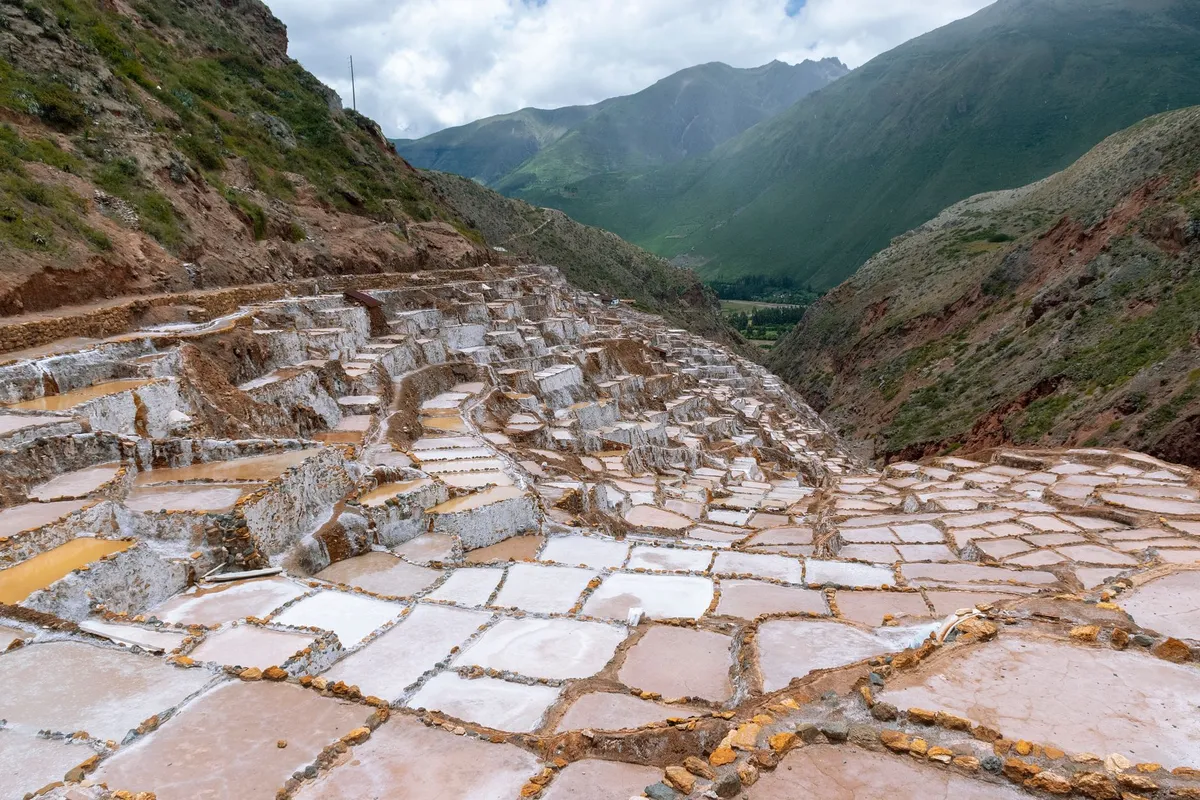
Where the White Gold Carved the Earth To traverse the salt roads of Europe is to walk the veins of a continent that was once powered by the scarcity of sodium. Long before the modern conveniences of supermarkets and global logistics chains, salt was the world’s most precious currency—the "White Gold" that preserved life through harsh winters and fueled the rise of great empires. My journey begins not in a bustling capital, but in the damp, cool silence of the Salzkammergut region of Austria. This is where the story of European wealth truly starts, in the deep subterranean tunnels of Hallstatt, where salt has been extracted for over 7,000 years. Tracing these routes is not merely a historical exercise; it is a lesson in geography and logistics. The paths were narrow, designed for mule trains carrying sacks of salt from the high-altitude mines down toward the rivers and eventually the Adriatic Sea. Today, many of these trails have been reclaimed by nature or paved over by modern highways, but the whispering paths remain for those willing to look closer. When I think of these routes, I think of the sheer grit required to move tons of salt across treacherous Alpine passes. The logistics were brutal, the toll on animal and human life was immense, and the reward was the solidification of regional economies. For the modern traveler, this route offers a rare opportunity to peel back the layers of European identity. As we look toward 2026, traveling these roads requires a keen understanding of local economics, particularly for those of us living a nomadic lifestyle. Navigating the cost of living while uncovering history is the new challenge, and using tools like Numbeo, we can see that while these historic regions offer immense beauty, they also demand strategic financial planning to ensure that the journey remains sustainable for the long haul.Secrets of the Subterranean Labyrinths The mines of Hallstatt and Berchtesgaden are not just tourist attractions; they are the architectural bedrock of the region. As I descended into the tunnels, the temperature dropped significantly, a stark reminder of the environment in which miners spent their entire lives. The engineering feat of these mines, dating back to the Bronze Age, remains a testament to human ingenuity. Salt was mined here using fire-setting techniques and later, more sophisticated hydraulic methods that kept the industry alive through the Middle Ages. When planning your visit, it is vital to reconcile the romanticism of the past with the economic reality of the present. As a digital nomad, you are constantly balancing the desire for discovery with the limitations of your monthly budget. Analyzing the cost of living in countries like Austria or Slovenia, where many of these routes converge, reveals a significant variance in expenditure. Numbeo data provides a clear picture of the fiscal landscape in these regions. For instance, the cost of transit and basic sustenance in the Alpine regions of Austria is higher than in the coastal villages of Croatia, yet the quality of life index in these regions remains among the highest globally. It is this trade-off that we must navigate. If you are planning to spend a month documenting these routes, you need to account for high accommodation costs in the peak season, especially near popular heritage sites. My strategy has always been to balance the "premium" days—those spent in high-cost, high-reward locations like Hallstatt—with extended stays in smaller, less commercialized villages along the salt routes, where the local price of food and public transport drops significantly. Mapping the Logistics of the Ancient Trade Moving salt from the mountains to the Adriatic was a logistical nightmare that forced the creation of sophisticated trade networks. The "Salt Road" was not a single highway but a spiderweb of tracks that bypassed treacherous terrain and managed to find the most stable mountain passes. As salt moved from the Salzkammergut toward the salt pans of Piran and the markets of Venice, it passed through a series of checkpoints and customs houses that eventually evolved into the cities we know today. The transition from the Alpine interior to the Mediterranean coast is a study in contrasts. You move from the cold, damp shadows of the Alps to the sun-drenched salt pans of the Adriatic. In Piran, Slovenia, you can still witness the traditional harvesting of salt using methods that have remained unchanged for centuries. This is the culmination of the journey. Standing in the salt pans, you can almost hear the echoes of the mule trains arriving from the north. However, for the modern nomad, this journey brings its own set of logistical hurdles. In 2026, traveling across borders—even within the Schengen Area—requires more than just a passport. It requires a digital footprint. As you traverse these paths, ensure you have reliable connectivity. Numbeo’s global benchmarks on internet quality indicate that while city hubs offer stellar speeds, the remote mountain passes still face significant "dead zones." Plan your work-sync days carefully; do not assume that a picturesque village will provide the fiber-optic speed necessary for a professional blogger or consultant.Location Avg. Monthly Cost of Living (USD) Transport Rating Digital ConnectivityHallstatt, Austria $2,850 High ModerateSalzburg, Austria $2,600 Very High ExcellentLjubljana, Slovenia $1,900 High HighPiran, Slovenia $2,100 Moderate ModerateVenice, Italy $3,200 Very High HighThis table, compiled using data benchmarks for 2026, highlights the cost-of-living fluctuations for a nomadic traveler. The data illustrates that while the "classic" salt route destinations like Venice and Hallstatt command a premium due to tourism demand, the peripheral towns like Ljubljana offer a more balanced fiscal environment. High transit ratings are consistent throughout the route due to Europe’s extensive rail network, which essentially follows the path of the original salt-mule tracks.The Economic Pulse of Modern Nomadic Travel Living on the road in 2026 demands a level of financial literacy that early salt merchants would have found bewildering. When I began my journey through the salt roads, I realized that the cost of living index was not just a number on a website; it was a reflection of the infrastructure that had been built upon these very routes. A high cost of living in these historic towns often correlates with superior healthcare, efficient public transport, and reliable municipal services—the modern "infrastructure" that replaced the salt trade. Digital nomads often overlook the hidden costs: tax implications, local VAT on short-term rentals, and the varying costs of healthcare across different European nations. If you are staying in the EU, you need to be aware of the "nomad tax" implications that vary significantly from country to country. In 2026, many European nations have refined their visa and tax structures, making it easier for remote workers to stay long-term, but this comes with mandatory registration and tax contributions. Before you settle in a town along the Salt Road to finish your writing, cross-reference your specific location with current data on Numbeo. Look beyond the rent prices. Examine the cost of a fitness club, the price of a cinema ticket, and the local market costs. If you find yourself in a place where the cost of a basic lunch is disproportionately high, it is usually a sign of a tourist-heavy economy, which can be draining on a long-term budget. To maintain the "salt trail" lifestyle, choose base camps that are historical yet functional—cities that retain their character but provide the amenities necessary to sustain a 21st-century professional life.The Silent Echoes and Future Horizons As the sun sets over the Adriatic, reflecting the same salt-crusted horizon that guided the merchants of the 14th century, I am struck by the continuity of human ambition. The paths have changed, the technology of transport has evolved from wooden wagons to high-speed trains, and the currency has shifted from sacks of salt to digital packets of data, yet the impulse to travel, to trade, and to connect remains unchanged. We are all, in our own way, searching for the "White Gold" of our time—whether that is stability, experience, or the pursuit of professional freedom. My final piece of advice for those looking to retrace these whispering paths is to go slowly. The history of the Salt Road is not meant to be consumed in a weekend. It is meant to be felt in the slow climb of a mountain pass, the cool air of a mine, and the sharp, salty breeze of the coast. Use the data available to you to secure your logistics, but do not let the metrics dictate your experience. The true value of this journey lies in the intersection of the past’s endurance and the present’s potential. We live in a golden age of mobility, provided we possess the discipline to manage our resources and the curiosity to look beyond the paved highway. The salt roads are waiting for you, whispering stories of an age when every grain mattered. If you approach them with respect, preparedness, and a keen eye on your professional needs, you will find that these routes offer much more than just a destination; they offer a profound understanding of how we built the modern world, one path at a time. The road is open, the data is clear, and the history is yours to claim. Proceed with purpose, and let the whispers guide you home. #SaltRoads #DigitalNomad #EuropeanHistory #SlowTravel #NomadLife

-
 Chloe Tremblay
 - 11 Sep, 2026 21:12
The Inle Lake Odyssey: Where Humanity Choreographs a Symphony on Still Water
A Symphony of Balance: The Ethereal Art of Leg-Rowing The first time you witness a fisherman on Inle Lake, your perception of human equilibrium shifts entirely. As the morning mist clings to the surface of the water, creating a mirror effect that blurs the horizon, these men emerge like ghosts of a bygone era. Standing at the very stern of their narrow, wooden skiffs, they wrap one leg around the oar while balancing with impossible grace. This is not merely a method of navigation; it is a cultural signature of the Intha people, an ethnic group whose name literally translates to "sons of the lake." In the cool dawn air, you will see them casting their iconic conical nets. The technique requires a rhythmic, almost hypnotic motion, a dance that has been refined over centuries. The leg-rowing style was developed out of necessity; the lake is choked with dense reeds and floating vegetation, making traditional rowing obscured and difficult. By standing, the fisherman gains a panoramic view of the water, allowing him to spot schools of fish hiding beneath the surface mats and avoid the treacherous weeds that might tangle a submerged paddle. Beyond the aesthetics, there is a profound scientific harmony here. The Intha fishermen have mastered the art of sustainable harvesting. They do not overfish; they treat the lake as a living, breathing pantry. As you glide past them in a longtail boat, you notice the silence. The motor of your boat is an intruder, but the fisherman’s world remains quiet, punctuated only by the soft splash of the oar and the call of migrating birds. Understanding this balance is the key to appreciating Inle. It is a place where industrial ambition has no place, and human survival is deeply tethered to the health of the aquatic ecosystem. If you visit, I implore you to hire a local boatman rather than a commercial tour agency. The revenue stays within the village, supporting families who have protected these waters for generations, and you get an authentic, unscripted lesson in the hydro-geography of this high-altitude wetland.Horticultural Miracles: Feeding a Nation from Floating Soil If the fishermen represent the heart of Inle, the floating gardens—or in-ye—represent its industrious spirit. These are not just clusters of plants; they are marvels of human ingenuity that seem to defy the laws of gravity. Intha farmers harvest the thick, buoyant mats of water hyacinth and decaying organic matter from the lake, anchoring them to the bottom with sturdy bamboo poles. Over years, these mats become so thick and nutrient-dense that they can support the weight of a person. The result is a fertile, self-irrigating soil that yields the most vibrant tomatoes, chilies, and beans in all of Myanmar. Walking (or rather, boating) through these garden rows, you are essentially traversing a landscape that is constantly shifting. The water level fluctuates with the monsoon seasons, but the gardens move with it, rising and falling in a rhythmic, symbiotic cycle. It is a masterclass in permaculture that predates the modern sustainable movement by hundreds of years. The produce grown here supplies markets as far away as Yangon. You will notice that the vegetables have a distinct flavor, often attributed to the mineral-rich silt and the unique aquatic microclimate. For the traveler, this offers a unique gastronomic journey. In the floating villages, you can enjoy a meal where the ingredients were harvested less than a hundred yards from your table. Whether it is a spicy tomato salad dressed in local lime or a hearty bean soup, the freshness is unparalleled. However, as an expert, I must advise you to look beyond the tourist traps. Visit the Maing Thauk village or the smaller, less commercialized garden zones near the southern shores. There, you can witness the irrigation process where farmers pump water from the lake directly into the raised beds. It is a fragile balance, though. Rising temperatures and fluctuating rainfall are putting pressure on these gardens, and as a visitor, your role is to observe with profound respect, ensuring your presence does not contribute to the erosion of the delicate bamboo anchors that keep these floating plots from drifting into the open lake. A Budgetary Compass: Navigating the Real Cost of the Lake Planning a journey to Inle requires a granular understanding of the local economy. While Myanmar has seen fluctuations in its cost-of-living indices, the region surrounding Nyaung Shwe and Inle Lake remains an accessible destination for the mindful traveler, provided you navigate the currency and market realities with foresight. Drawing from extensive data collected by global cost-of-living databases, we can establish a clear baseline for what to expect in 2026. Prices in the lake region are influenced by logistics; while the produce is local, imported goods—such as high-quality toiletries, specialized electronics, or international-grade coffee—must be transported into the Shan State mountains, which adds a premium. However, the cost of a traditional meal, a stay in a locally-run guesthouse, and boat transport remains highly competitive compared to global tourist hubs. Below, I have synthesized current pricing trends to help you prepare your travel budget effectively.Category Typical Cost (USD Equivalent) NotesBoat Rental (Full Day) $15.00 – $25.00 Includes boatman and fuel for multiple stopsTraditional Intha Meal $3.00 – $7.00 Local restaurants, seasonal vegetablesMid-range Guesthouse (Night) $25.00 – $45.00 Includes breakfast and water amenitiesMarket Entrance/Village Fee $2.00 – $5.00 Often part of regional tourism taxesBottled Water (Large) $0.50 – $1.00 Always choose purified/sealed bottlesLocal Bicycle Rental $2.00 – $4.00 Best way to explore Nyaung Shwe inlandThis table serves as a realistic benchmark. Remember that bargaining is a part of the market culture, but do so with kindness and dignity. When you are paying for a boat, remember that the price covers not just the fuel, but the skill required to navigate the labyrinthine canals and the maintenance of the boat itself. While the exchange rates and inflation can shift, the local currency (Kyat) often fluctuates, so keeping a supply of smaller denominations is essential for market purchases. Always check for the most current localized data on the morning of your departure to avoid being blindsided by sudden spikes in fuel costs, which often dictate the price of boat tours.Spiritual Sanctuaries and the Architecture of Devotion The cultural topography of Inle Lake is anchored by its monasteries and pagodas, which serve as the spiritual bedrock of the Shan people. The most famous, the Phaung Daw U Pagoda, houses five small, gilded Buddha statues that have been so heavily covered in gold leaf by devoted pilgrims over the decades that they have lost their original shapes, appearing now as mere golden blobs. During the annual pagoda festival, these statues are paraded around the lake on a magnificent, swan-shaped royal barge, a spectacle that draws thousands of devotees. Traveling deeper into the water-borne landscape, you will find the Nga Phe Kyaung Monastery, once famous for its "jumping cats." While the monks no longer train the cats to leap through hoops, the monastery itself is a breathtaking example of Shan wood-carving architecture. Built on stilts over the water, it feels as though the entire structure is floating in meditation. As you move through the creaky, dark-wood corridors, you hear the low, rhythmic chanting of novices, a sound that seems to harmonize with the lap of water against the floorboards. These sites are not merely tourist attractions; they are active, living spaces of devotion. When entering a monastery, remember the etiquette: cover your shoulders and knees, remove your footwear, and always ask permission before taking photographs of the monks. The Intha people are deeply hospitable, but their faith is private. To truly understand this place, you must witness the sunset from the terrace of a nearby pagoda. As the golden hour hits the water, the light reflects off the distant Shan mountains, and the entire lake turns into a sheet of hammered copper. It is in these moments of transition—between the busy marketplace and the quiet prayer hall—that the essence of Inle reveals itself. It is a place that demands patience. If you rush, you see only the surface; if you linger, you begin to see the centuries of history held within the silt and the prayer beads.Preserving the Pulse of a Liquid Ecosystem The sustainability of Inle Lake is perhaps the most critical narrative for any visitor to consider in 2026 and beyond. This is an ecosystem under stress. Runoff from agricultural fertilizers, the accumulation of plastic waste from increasing tourism, and the encroaching development along the banks are all visible signs of a system that is struggling to maintain its integrity. As a traveler, your footprint is significant. The choice to stay in an eco-lodge rather than a large hotel, the decision to avoid plastic water bottles in favor of a filtered bottle, and the refusal to buy crafts made from endangered wood or protected wildlife are all acts of advocacy. Local communities are increasingly aware of these threats. Various environmental initiatives have been launched to manage the water hyacinth population and control the siltation levels. By visiting responsibly, you provide the local economy with the incentives necessary to continue these protection efforts. When you hire a boat, ask the operator about the health of the lake. They are the frontline observers of these changes, and their anecdotal evidence is more reliable than any brochure. Beyond the environmental aspects, there is the socio-economic reality. The lake is a region of high resilience. Despite the challenges, the Intha and Shan people continue to educate their children, maintain their traditions, and invite the world to see their beauty. Your visit is a contribution to their resilience. Ensure your travel dollars support local cooperatives rather than external conglomerates. When you buy a scarf from a Kayan weaving workshop, ensure it is the work of a local artisan. When you eat, choose the family-owned café where the grandmother is still in the kitchen. As your time on the lake draws to a close, and the longtail boat makes its final journey back to the jetty at Nyaung Shwe, take one last look at the leg-rowers. They are the guardians of this liquid world. They have seen the world change, seen the climate shift, and seen the tourists arrive, yet they remain tethered to the water. The Inle Lake experience is not about ticking a box on a map; it is about recognizing the delicate, beautiful, and sometimes precarious dance between humanity and nature. It is a reminder that in some corners of the world, we still live by the rhythm of the tides and the cycle of the sun. Carry the stillness of the lake with you long after the water has dried from your shoes. Inle is not just a destination; it is a lesson in how to float, how to balance, and how to survive with grace. #InleLake #MyanmarTravel #SustainableTourism #CulturalHeritage #OffTheBeatenPath Related InsightsThe Sunken City of Kekova Yellowstone: The Fiery Heart of the American West Beyond the Supermarket Aisle: A Gastronomic Odyssey Through Earth’s Most Exotic Fruits{ "@context": "https://schema.org", "@type": "FAQPage", "mainEntity": [ { "@type": "Question", "name": "What is the main focus of The Inle Lake Odyssey: Where Humanity Choreographs a Symphony on Still Water?", "acceptedAnswer": { "@type": "Answer", "text": "Discover the ethereal beauty of Myanmar’s Inle Lake, where unique leg-rowing fishermen and miraculous floating gardens define a timeless way of life." } }, { "@type": "Question", "name": "Who authored the comprehensive guide on The Inle Lake Odyssey: Where Humanity Choreographs a Symphony on Still Water?", "acceptedAnswer": { "@type": "Answer", "text": "This detailed article and its insights were carefully researched and authored by Chloe Tremblay." } }, { "@type": "Question", "name": "Where can I find more related content about Travel?", "acceptedAnswer": { "@type": "Answer", "text": "You can explore more articles, detailed reviews, and similar insights by browsing the Related Insights section at the bottom of this article or visiting our dedicated Travel category page." } } ] }
-
 Eleanor Hughes
 - 17 Jul, 2026 14:19
Vietnamese Pho: The Soulful Broth That Defines a Nation's Heritage
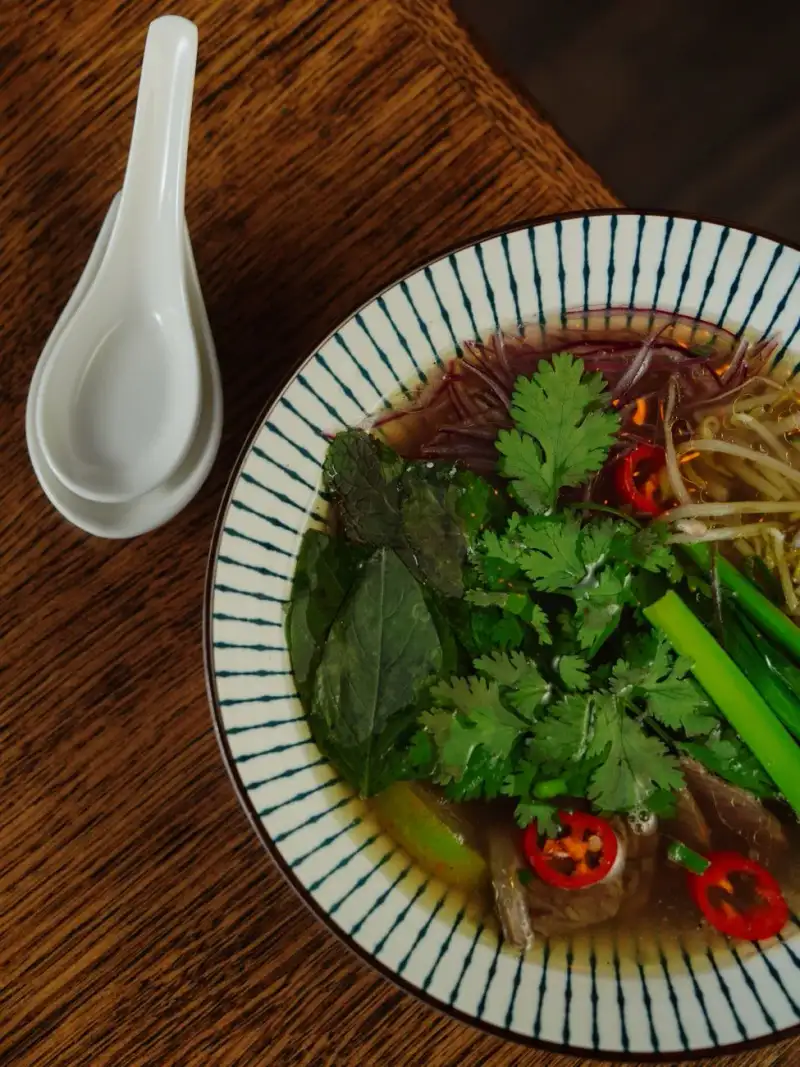
Vietnamese Pho: The Soulful Broth and Its Cultural Significance Introduction There’s a moment in every bowl of Vietnamese pho that transcends taste—when the fragrant steam rises from the broth, carrying whispers of star anise, cinnamon, and charred onion. It’s not just soup; it’s a cultural artifact, a culinary time capsule that has traveled from Hanoi’s street corners to Parisian bistros and New York’s food trucks. Pho (pronounced “fuh”) is more than a dish; it’s a narrative of resilience, tradition, and communal identity. Born in the early 20th century during French colonial rule, pho emerged as a fusion of Vietnamese culinary techniques and French beef consumption. Yet, it quickly evolved into a dish that embodied the soul of Vietnam—its history, its people, and its enduring spirit. What makes pho so revered isn’t just its complex broth or tender slices of beef, but the way it brings people together. Families gather around steaming bowls at dawn, street vendors serve it with practiced ease, and chefs spend years perfecting their recipes. This article dives deep into the anatomy of pho, exploring its ingredients, cultural roots, regional variations, and global influence. Whether you’re a home cook eager to recreate this masterpiece or a traveler seeking the best bowl in Hanoi, understanding pho is to understand Vietnam itself.The History and Cultural Roots of Pho: A Dish Born from Change Pho’s origins are as layered as its broth. The dish is believed to have emerged in the early 1900s in northern Vietnam, particularly in Hanoi, during the French colonial period. The French introduced beef to Vietnam, which was previously a pork- and poultry-centric cuisine. Vietnamese cooks adapted by simmering beef bones for hours, creating a clear, aromatic broth that became the foundation of pho. The name “pho” is thought to derive from the French word “feu” (fire) or “pot-au-feu” (a French beef stew), though some linguists argue it comes from the Chinese “粿” (guǒ), meaning cake or dumpling, reflecting the dish’s early noodle-based iterations. Pho’s evolution mirrors Vietnam’s turbulent history. During the First Indochina War (1946–1954), pho became a symbol of resilience. Street vendors sold it at dawn to workers and soldiers, providing warmth and sustenance. When Vietnam was divided into North and South in 1954, pho adapted to regional tastes: the northern version remained clear and light, while the southern version became sweeter and more herb-heavy, reflecting the influence of Chinese and Cambodian cuisines. The fall of Saigon in 1975 saw Vietnamese refugees carry pho to the West, where it became a global ambassador of Vietnamese culture.Culturally, pho is more than food—it’s a ritual. In Vietnam, pho is often eaten for breakfast, a tradition rooted in its affordability and nourishing qualities. The act of slurping noodles is encouraged; it’s said to enhance flavor and cool the broth. Pho shops are communal spaces where people of all backgrounds gather, from laborers to intellectuals. The dish also plays a role in Vietnamese New Year (Tết), where families prepare elaborate feasts featuring pho as a symbol of prosperity. Pho’s global journey began in the 1970s and 1980s, when Vietnamese refugees settled in the U.S., France, and Australia. In the U.S., pho became a staple in cities like Los Angeles and Houston, where Vietnamese communities thrived. Today, pho is celebrated worldwide, from Michelin-starred restaurants to fast-casual chains. Yet, purists argue that the best pho is still found in Vietnam, where the broth is simmered for 12–24 hours, and the ingredients are locally sourced.The Anatomy of Pho: Ingredients, Techniques, and the Art of Broth-Making At the heart of every bowl of pho is its broth—a symphony of flavors that requires patience, precision, and passion. The broth is made by simmering beef bones (often knuckle, marrow, or oxtail) for 12–24 hours, sometimes longer. The bones are first blanched to remove impurities, then rinsed before being added to a pot of water with aromatics. The key ingredients include:Spices: Star anise, cinnamon, cloves, cardamom, and coriander seeds are toasted to release their oils, then tied in cheesecloth or a spice bag to infuse the broth. Aromatics: Charred onions and ginger are added to deepen the flavor, lending a subtle sweetness and smokiness. Fish sauce: A critical umami booster, made from fermented anchovies and salt. Rock sugar: Balances the saltiness and acidity. Beef meat: Often brisket, flank, or tendon, added to the broth to cook and infuse flavor.The broth is the soul of pho, but the noodles and toppings are its body. Pho noodles are made from rice flour and tapioca starch, giving them a chewy, slippery texture. They come in two main varieties: bánh phở tươi (fresh noodles) and bánh phở khô (dried noodles). The noodles are blanched briefly before serving to soften them. Toppings vary by region and preference but typically include:Thinly sliced raw beef (for phở tái), which cooks in the hot broth. Brisket or flank steak, simmered in the broth. Beef meatballs (bò viên), made from ground beef and tapioca starch. Tripe or tendon, for texture. Fresh herbs: Thai basil, cilantro, mint, and culantro (ngò gai). Lime wedges, bean sprouts, and sliced jalapeños for brightness and heat.The technique of assembling pho is an art. The noodles are placed in a bowl, followed by the meat, then the hot broth is ladled over. The diner then adds herbs, lime, and condiments to taste. The broth should be clear but deeply flavored, with a balance of sweet, salty, and umami notes. A well-made pho broth contains minimal fat, as it’s skimmed during cooking, and should have a silky mouthfeel. For home cooks, the challenge lies in replicating the depth of flavor found in Vietnamese pho shops. Key tips include:Use high-quality bones: Look for marrow or knuckle bones for richness. Toast spices properly: Dry-toast them in a pan until fragrant to unlock their oils. Char the aromatics: Burn the onion and ginger slightly to add depth. Simmer low and slow: A rolling boil will cloud the broth. Skimming is essential: Remove impurities as they rise to the surface.Many chefs also add a splash of fish sauce or a piece of rock sugar at the end to fine-tune the flavor. The result should be a broth that’s comforting yet complex, with layers of flavor that linger on the palate.Regional Variations: From Hanoi to Saigon and Beyond Pho is not a monolithic dish—it transforms as you travel from north to south Vietnam, reflecting local ingredients, climate, and cultural influences. The two most iconic versions are phở Bắc (northern pho) and phở Nam (southern pho), each with distinct characteristics. Northern Pho (Phở Bắc) Hailing from Hanoi, northern pho is the original and most traditional version. The broth is clear, light, and delicate, with a subtle sweetness from the charred aromatics. The noodles are wider and flatter, and the toppings are minimalist—typically just a few slices of beef, a sprinkle of herbs, and a squeeze of lime. The focus is on the purity of the broth, which is often seasoned with just salt and fish sauce. Northern pho is less sweet and less herbaceous than its southern counterpart, reflecting the region’s preference for subtlety. A classic Hanoi pho shop might serve phở tái (rare beef slices), phở chín (well-done beef), or phở gầu (brisket). The meat is often served on the side, allowing diners to add it to their bowl as desired. Northern pho is also less likely to include bean sprouts or chili, keeping the flavors clean and focused. Southern Pho (Phở Nam) In Ho Chi Minh City (formerly Saigon), pho takes on a bolder, sweeter, and more herbaceous personality. The broth is darker and richer, often caramelized slightly to add depth. Southern pho includes a wider variety of toppings, such as bean sprouts, Thai basil, culantro, and lime, as well as condiments like hoisin sauce and Sriracha. The noodles are thinner and more delicate, and the dish is often served with additional sides like quẩy (fried dough sticks) for dipping. Southern pho also incorporates more Chinese influences, such as the use of hoisin sauce and the addition of offal like tripe or tendon. The broth may include a touch of sugar or even a splash of coconut water in some variations, adding a subtle sweetness. Southern pho is often eaten with a side of nước chấm (dipping sauce) made from fish sauce, lime, sugar, and chili, allowing diners to customize their bowl further.Other Regional Variations Beyond Hanoi and Saigon, pho adapts to local tastes:Central Vietnam: Pho in cities like Huế and Đà Nẵng tends to be spicier and more pungent, with a heavier use of chili and lemongrass. The broth may include more beef offal or even pork bones. Central Highlands: In areas like Buôn Ma Thuột, pho might include wild herbs or local mushrooms, reflecting the region’s foraged ingredients. Overseas Vietnamese communities: In the U.S., pho shops often cater to local palates, offering variations like phở tái lạnh (rare beef with cold noodles) or phở gà (chicken pho), which is popular in colder climates.Pho’s adaptability is a testament to its cultural significance. Whether it’s the austere elegance of northern pho or the vibrant complexity of southern pho, each version tells a story of its region’s history and identity.Pho Around the World: Global Adaptations and the Rise of a Culinary Icon Pho’s journey from Vietnam’s streets to global menus is a story of cultural exchange and culinary innovation. Today, pho is enjoyed in over 50 countries, from Parisian bistros to Tokyo ramen shops, each putting its own spin on the dish. This global evolution reflects both the adaptability of Vietnamese cuisine and the universal appeal of comfort food. The U.S.: From Refugee Kitchens to Fine Dining The U.S. is home to some of the world’s most iconic pho scenes. In the 1970s and 1980s, Vietnamese refugees settled in cities like Los Angeles, Houston, and New Orleans, bringing pho with them. Early pho shops were simple, often family-run affairs where the broth was simmered overnight and the noodles were hand-cut. Today, cities like Little Saigon in Westminster, California, are pilgrimage sites for pho enthusiasts, with shops like Pho 79 and Brother’s Pho serving up legendary bowls. In recent years, pho has gained mainstream popularity, appearing in fast-casual chains like Pho-King Amazing and even fast-food menus. High-end restaurants have reimagined pho as a gourmet experience, with variations like phở with wagyu beef, truffle pho, or vegan pho made with mushroom broth. Chefs like David Chang of Momofuku fame have elevated pho to new heights, incorporating modern techniques while staying true to its roots.Europe: From Paris to Prague In France, pho found a natural home due to Vietnam’s colonial history. Parisian pho shops, like Pho 14 in the 14th arrondissement, serve bowls that closely resemble their Vietnamese counterparts, with clear broths and minimal toppings. The French appreciation for Vietnamese cuisine has also led to fusion dishes, such as phở boeuf bourguignon, where the classic French beef stew is reimagined with pho spices. In Eastern Europe, pho has gained a following in cities like Prague and Budapest, where Vietnamese communities have established thriving food scenes. These shops often cater to local tastes, offering heartier versions with more noodles and meat, or even adding ingredients like sour cream or paprika. Asia: From Tokyo to Seoul In Japan, pho has been embraced as a lighter alternative to ramen. Tokyo’s Pho Thanh and Pho Ly Quoc Su serve bowls with delicate broths and fresh herbs, appealing to health-conscious diners. Some shops even offer phở sushi, a fusion dish where rice is replaced with pho noodles. In South Korea, pho has been adapted to local preferences, with variations like phở kimchi (kimchi-infused broth) or phở bulgogi (marinated beef). The Korean love for spicy food has also led to the creation of phở spicy, a fiery version with gochujang or chili oil. Australia and Beyond In Australia, pho has become a staple in cities like Sydney and Melbourne, where Vietnamese communities have introduced it to mainstream audiences. Shops like Pho Nom in Sydney offer modern twists, such as phở with kangaroo meat or vegetarian pho made with jackfruit. Pho’s global reach extends even further, with variations popping up in unexpected places. In Argentina, some chefs have created phở con chimichurri, blending Vietnamese and Argentine flavors. In South Africa, pho shops cater to local tastes with spicier broths and additional sides like pap (maize porridge).The Health Benefits and Nutritional Profile of Pho While pho is undeniably delicious, it’s also a dish with impressive nutritional credentials. A typical bowl of pho is low in calories but rich in protein, collagen, and essential minerals, making it a balanced meal when prepared with care. Below is a breakdown of the macronutrient and micronutrient profile of a standard serving of pho (based on a 16-ounce bowl with beef brisket, rice noodles, and herbs):Nutrient Amount per Serving % Daily Value (DV)*Calories 350–450 kcal 18–23%Protein 25–35g 50–70%Carbohydrates 40–50g 13–17%Fat 8–12g 10–15%Fiber 2–4g 8–16%Sodium 1000–1500mg 43–65%Iron 3–5mg 17–28%Calcium 50–80mg 5–8%Vitamin C 10–20mg 11–22%Collagen High (from bone broth) N/A*Based on a 2,000-calorie diet. Protein and Collagen Pho’s high protein content comes from the beef, which is rich in essential amino acids like glycine and proline. These amino acids support muscle repair, immune function, and skin health. The collagen in the bone broth also promotes joint health and gut integrity, making pho a soothing dish for those with digestive issues. Low Calorie, High Satiety Despite its rich flavor, pho is relatively low in calories, especially when compared to other comfort foods like fried chicken or pasta. The combination of protein, fiber from the noodles and herbs, and healthy fats from the beef makes it a satisfying meal that keeps you full for hours. Rich in Minerals The bone broth in pho is a natural source of minerals like calcium, magnesium, and phosphorus, which are essential for bone health. The broth also contains electrolytes like potassium and sodium, which help maintain hydration and muscle function. Potential Downsides While pho is nutritious, it’s not without its drawbacks. The sodium content can be high, especially if the broth is heavily seasoned with fish sauce or soy sauce. For those watching their salt intake, opting for a low-sodium version or diluting the broth with water can help. Additionally, some versions of pho include fatty cuts of meat or offal, which can add saturated fat to the dish. A Balanced Meal To maximize the health benefits of pho, consider the following tips:Choose lean cuts of meat: Opt for brisket or flank steak over fatty cuts like short ribs. Load up on herbs: Thai basil, cilantro, and mint add flavor without calories. Add vegetables: Bean sprouts, bok choy, or mushrooms boost the fiber and vitamin content. Go easy on condiments: Hoisin sauce and Sriracha can add significant sugar and sodium. Make it at home: Homemade pho allows you to control the ingredients and sodium levels.Pho’s nutritional profile, combined with its cultural significance, makes it a dish that’s as nourishing for the body as it is for the soul. Whether enjoyed as a post-workout meal or a late-night comfort food, pho is a testament to the power of simple, wholesome ingredients.Conclusion Pho is more than a dish—it’s a living tradition, a culinary masterpiece, and a symbol of Vietnamese resilience. From its humble origins in Hanoi’s streets to its global acclaim, pho has transcended borders, adapting to local tastes while retaining its soulful essence. Whether you prefer the delicate clarity of northern pho or the vibrant complexity of southern pho, one thing is certain: this dish has the power to bring people together, evoke memories, and nourish the body and spirit. For those inspired to try making pho at home, remember that the key lies in the broth. Simmer it low and slow, toast your spices, and char your aromatics. And don’t rush the process—good pho cannot be rushed. For those seeking the best bowls, seek out authentic shops where the broth is made fresh daily and the ingredients are locally sourced. As you slurp your next bowl of pho, take a moment to appreciate the history in every sip. This is a dish that has fed generations, bridged cultures, and stood the test of time. It’s a reminder that food is more than sustenance; it’s a story, a tradition, and a celebration of life. Now, go forth and savor a bowl of pho—your taste buds (and your soul) will thank you.#VietnameseCuisine #ComfortFood #GlobalEats #PhoLove #CulturalCuisine

In the vast tapestry of ancient trade routes, names like the Silk Road often command immediate recognition, evoking images of bustling caravans and exotic goods. Yet, stretching thousands of kilometers through some of the world's most breathtaking and treacherous terrain, another artery of commerce pulsed with life for over a millennium: the Ancient Tea Horse Road, or Cha Ma Gu Dao (茶马古道). It is a forgotten epic, a saga of human endurance, cultural exchange, and the relentless pursuit of sustenance and fortune through the roof of the world. As a professional blogger and expert who has dedicated countless hours to tracing the forgotten pathways of human history, I find the Tea Horse Road particularly compelling. It represents not just a conduit for goods, but a testament to the symbiotic relationship between diverse cultures – the Han Chinese, the Tibetans, and myriad ethnic groups dwelling in the unforgiving peaks and valleys of Yunnan and Sichuan. This isn't just a historical curiosity; it's an invitation to an adventure unlike any other. Imagine hardy porters shouldering hundreds of pounds of compressed tea bricks, navigating narrow precipices where a single misstep meant oblivion, driven by the insatiable Tibetan demand for tea – a vital dietary supplement in their meat and dairy-rich diet. In return, the formidable Tibetan horses, crucial for Chinese military might, flowed eastward. This intricate exchange fostered a unique blend of cultures, leaving behind a legacy of stone-paved paths, ancient inns, and vibrant communities. Join me as we delve into the heart of this majestic route, exploring its profound history, the practicalities of journeying its surviving segments today, and the indelible mark it has left on the Himalayan frontier. Prepare to uncover a truly epic adventure, far removed from the tourist throngs, into China's forgotten Himalayan trade route. The Genesis of Giants: Unearthing the Historical Tapestry of the Cha Ma Gu Dao The origins of the Ancient Tea Horse Road are shrouded in the mists of antiquity, with historical records pointing to its formal establishment during the Tang Dynasty (618-907 AD). However, informal bartering of tea for horses between Han Chinese and Tibetan tribes likely predates this by centuries. The fundamental driver for this exchange was a fascinating dietary and geopolitical synergy. Tibetans, inhabiting a high-altitude plateau with limited agriculture, relied heavily on tsampa (roasted barley flour), yak meat, and dairy products. Tea, particularly the fermented Pu'er tea from Yunnan, was not merely a beverage but a critical source of vitamins, aiding digestion and mitigating the high-fat diet. This made tea an indispensable commodity, almost a medicinal necessity. Conversely, the various Han Chinese dynasties, constantly battling nomadic invaders from the north, had an insatiable need for strong, agile warhorses. The Tibetan plateau, with its harsh environment, bred some of the finest mountain horses – sturdy, resilient, and perfectly adapted to difficult terrain. This mutual dependency created the impetus for one of history's most arduous trade routes. The earliest documented large-scale exchange, known as the "Tea-Horse Market" (茶马互市), solidified this relationship. By the Song Dynasty (960-1279 AD), the trade was heavily regulated by the imperial court, often monopolized to ensure a steady supply of horses for the army. The government established "Tea-Horse Superintendencies" in strategic locations like Ya'an in Sichuan and Dali in Yunnan, controlling prices and quantities. The volume of trade was staggering. Historical records indicate that during the Song Dynasty, up to 10,000 horses were traded annually for millions of kilograms of tea. This wasn't merely a commercial transaction; it was a geopolitical strategy that shaped empires. The perilous journey, traversing altitudes exceeding 5,000 meters and navigating perilous river gorges, was undertaken by caravans of mules, yaks, and incredibly resilient human porters, often carrying loads of over 60 kg for months. These early pioneers carved out paths that would become the backbone of an economic and cultural highway, laying the groundwork for a rich intermingling of traditions, languages, and beliefs across the Tibetan plateau and southwestern China. Their courage and perseverance forged a legacy that echoes through the remote villages and mountain passes to this day.A Trek Through Time: Navigating the Southern and Northern Routes The Ancient Tea Horse Road wasn't a single path but a complex network of arteries, primarily branching into two main conduits: the Southern Route (originating in Yunnan) and the Northern Route (originating in Sichuan). Each route possessed distinct characteristics, challenges, and cultural landscapes, yet both converged on Lhasa, the spiritual heart of Tibet. Understanding these routes is key to appreciating the sheer scale of the historical trade and the incredible diversity of the regions they traversed. The Southern Route, often considered the older and more treacherous, commenced in the tea-producing regions of Pu'er (普洱) and Xishuangbanna (西双版纳) in southern Yunnan province. From there, it wound its way north through the historic towns of Dali (大理) and Lijiang (丽江) – now UNESCO World Heritage sites famous for their ancient architecture and Naxi culture. The path continued through Shangri-La (香格里拉, also known as Gyalthang or Zhongdian), ascending into the high-altitude landscapes of Deqin (德钦) and across the formidable Meili Snow Mountain range. This segment was characterized by its deep river gorges – particularly the Mekong (澜沧江), Salween (怒江), and Jinsha (金沙江) – and notoriously steep mountain passes. Merchants on this route interacted with a myriad of ethnic groups, including the Bai, Naxi, Yi, and Lisu, before finally reaching Tibetan regions. The journey from Pu'er to Lhasa could take six months or more, covering an astonishing 4,000 kilometers. The elevation changes were extreme, from tropical lowlands to glacial peaks, demanding incredible adaptability from both humans and animals. The Northern Route, while still formidable, was generally considered slightly less arduous and became more prominent during later dynasties. It originated in Ya'an (雅安) in Sichuan province, a city famously dubbed the "Rain City" and a major hub for tea processing. From Ya'an, the route moved west through Kangding (康定), a historically significant border town, and further into the Ganzi Tibetan Autonomous Prefecture. This route traversed rolling grasslands, high mountain plateaus, and deep river valleys, eventually joining the Southern Route in eastern Tibet or proceeding directly to Lhasa via Chamdo (昌都). The Northern Route facilitated trade not just with Tibet but also with various Qiang and Yi communities in Sichuan. Both routes served as conduits for more than just tea and horses; they facilitated the exchange of salt, medicinal herbs, furs, gold, silver, and cultural practices, profoundly shaping the demographics and economies of the regions through which they snaked. Modern expeditions often attempt segments of these ancient paths, experiencing firsthand the enduring majesty and challenge of this monumental trade network. The Commerce of Courage: Understanding the Economics of Tea and Horses The Tea Horse Road was a testament to supply, demand, and sheer human will, embodying a unique economic ecosystem that sustained millions for centuries. The core commodities were Pu'er tea (from Yunnan) and Ya'an tea (from Sichuan) and Tibetan horses. The value proposition was immense, driven by scarcity and necessity on both sides. For the Tibetans, tea was not just a luxury; it was a fundamental component of their diet and culture. Its stimulant properties, ability to aid digestion of high-fat foods, and medicinal qualities made it invaluable. A single brick of high-quality tea could be a unit of currency, traded for sheep, yak butter, or even a small horse. The cost of transporting tea was exorbitant due to the extreme conditions. Porters, known as ma bang (马帮) or "horse caravans" despite many being foot porters, often carried loads weighing 60-100 kilograms, sometimes even more. Their daily wages were meager compared to the risks, but the alternative was often harsher poverty. The profit margins for merchants were substantial, reflecting the high risk and extended journey times. A caravan leader (often with significant capital and influence) would organize the logistics, from purchasing tea at the source to arranging safe passage and negotiating prices at various markets along the way. These entrepreneurial spirits understood commodity pricing, risk assessment, and cross-cultural negotiation perhaps better than anyone of their era. The Tibetan horses, particularly the Baima (white horse) and Heizhu (black horse) breeds, were prized for their strength, agility, and stamina in mountainous terrain. For the Chinese imperial armies, these were not merely animals but strategic assets, critical for cavalry units and defense. The imperial government often instituted a strict "tea-horse exchange" system where specific grades of tea were mandated for specific numbers or qualities of horses. For example, in the Song Dynasty, 60-80 catties (approximately 30-40 kg) of high-grade tea might fetch one superior horse, while inferior tea required substantially more. This quasi-barter system, often overseen by government officials, ensured that both sides received goods of acceptable quality. The economic impact extended beyond the immediate traders. Entire communities thrived along the route, offering services like lodging, food, animal fodder, blacksmithing, and guiding. Towns like Lijiang and Kangding grew into prosperous trading centers, their wealth directly tied to the flow of goods and people. The Tea Horse Road wasn't just a physical path; it was a dynamic economic artery, demonstrating the resilience and ingenuity of human commerce in the face of daunting natural obstacles.Modern Expeditions: Planning Your Journey on the Ancient Trails For the modern adventurer, exploring segments of the Ancient Tea Horse Road offers an unparalleled opportunity to connect with history, experience breathtaking landscapes, and immerse oneself in rich minority cultures. However, planning such a journey requires careful consideration, as many parts remain remote and challenging. This is not a well-trodden tourist circuit, but rather an authentic expedition into some of China's least-explored territories. Permits and Access: The most critical aspect, especially if venturing into Tibetan areas. Foreigners require a Tibet Travel Permit to enter the Tibet Autonomous Region (TAR), and this must be arranged through a registered travel agency in mainland China. Independent travel in the TAR is generally not permitted for foreigners. For areas in Yunnan and Sichuan (e.g., Shangri-La, Lijiang, Kangding), standard tourist visas for China suffice, and independent travel is usually allowed, though guides are recommended for remote trekking. Always check current regulations as they can change. Best Time to Visit: Spring (April-May) and Autumn (September-October) are generally the most favorable. These periods offer stable weather, clear skies, and comfortable temperatures, avoiding the heavy monsoon rains of summer (June-August) and the extreme cold and heavy snows of winter (November-March), which can render many high passes impassable. Route Selection:Yunnan Segment (Southern Route): Popular starting points include Pu'er, Dali, and Lijiang. From Lijiang, trekkers can follow segments towards Tiger Leaping Gorge and then north to Shangri-La. These areas are relatively accessible with developed infrastructure and offer stunning scenery and rich Naxi/Tibetan culture. Guided treks are readily available. Sichuan Segment (Northern Route): Ya'an, Kangding, and Litang are key towns. This route often involves higher altitudes sooner. Kangding serves as an excellent base for exploring the surrounding Kham Tibetan areas. Roads are generally well-maintained, but some ancient paths require significant hiking or local transport like jeeps. Into Tibet (TAR): This requires a fully organized tour with a local guide, driver, and pre-arranged itinerary. Popular routes include connecting from Yunnan/Sichuan to Lhasa, or flying directly into Lhasa and then exploring. The highest passes and most remote sections are typically within the TAR.Logistics & Accommodation:Transportation: For accessible segments, public buses connect major towns. For more remote areas, hiring a private driver or joining a small tour group is advisable. For trekking specific ancient paths, mules or horses can sometimes be hired from local villages. Accommodation: Ranges from modern hotels in major cities (Lijiang, Shangri-La, Kangding) to charming guesthouses in smaller towns, and basic guesthouses or homestays in remote villages. Expect varying levels of comfort. Altitude Sickness: A serious concern, especially on the Sichuan and Tibetan routes. Acclimatize slowly, ascend gradually, stay hydrated, and carry necessary medication. Consider a few days in Lijiang (2,400m) or Shangri-La (3,200m) before pushing higher.Planning your journey on the Tea Horse Road is about balancing adventure with practicality and respect for local cultures. It's a journey that demands patience and preparation, but the rewards are immeasurable. Cultural Immersion & Conservation: Sustaining the Legacy for Future Generations The Ancient Tea Horse Road is more than just an old trading path; it is a vibrant cultural corridor, a living museum of diverse ethnic traditions, and a delicate ecosystem requiring thoughtful preservation. As you trace these ancient trails, you're not just witnessing history; you're interacting with communities whose identities have been shaped by centuries of cross-cultural exchange. Ethnic Diversity: The route weaves through the homelands of numerous minority groups, each with distinct languages, customs, and artistic expressions. In Yunnan, you encounter the graceful Naxi people, with their unique Dongba script and matriarchal traditions in Lijiang; the artistic Bai people around Dali; and the fiercely independent Yi people. As you ascend into Sichuan and Tibet, the vibrant Kham and Amdo Tibetan cultures dominate, characterized by their deep Buddhist faith, intricate monasteries, colorful festivals, and nomadic lifestyles. Engaging respectfully with these communities – visiting local markets, trying regional cuisine, observing traditional ceremonies – enriches the travel experience profoundly. Always seek permission before photographing people, especially monks or during religious rituals. Supporting local economies through purchasing handicrafts or staying in locally-run guesthouses directly contributes to their livelihoods. Architectural and Spiritual Heritage: Along the Tea Horse Road, ancient towns and villages stand as enduring monuments. Lijiang's Dayan Old Town, with its labyrinthine canals and timber-framed houses, and Kangding's strategic position as a gateway to Tibet, are prime examples. Numerous Buddhist monasteries, some dating back centuries, dot the landscape, offering spiritual solace to travelers and serving as centers of learning and culture. Visiting these sites requires respectful behavior, such as removing hats, dressing modestly, and adhering to local customs like circumambulating clockwise. Conservation Challenges and Efforts: The very remoteness and historical significance of the Tea Horse Road, while alluring, also present conservation challenges. Modern development, while bringing much-needed infrastructure, also risks eroding the authenticity of ancient paths and traditional ways of life. Increased tourism, if not managed sustainably, can strain local resources and alter cultural practices. Conservation efforts are underway by both government agencies and local communities to protect the tangible and intangible heritage of the route. This includes:Preservation of Ancient Paths: Identifying and maintaining original stone-paved sections, often through community-led initiatives. Restoration of Historic Structures: Rehabilitating old inns, caravan stops, and watchtowers. Documentation of Oral Histories: Recording the stories and traditions of elderly villagers who remember the days of the caravans. Promoting Sustainable Tourism: Encouraging low-impact travel, supporting local businesses, and educating visitors on responsible tourism practices.By traveling consciously and respectfully, visitors become part of the conservation effort, helping to ensure that the epic legacy of the Ancient Tea Horse Road continues to inspire and inform future generations, preserving a truly invaluable piece of global heritage.Estimated Expedition Costs: 14-Day Tea Horse Road Segment (Yunnan & Sichuan) Embarking on a 14-day journey along accessible segments of the Ancient Tea Horse Road requires careful budgeting. This table provides estimated costs for a solo traveler, assuming mid-range comfort, excluding international airfare. Prices are subject to fluctuation based on season, negotiation skills, and specific choices. Data is simulated based on average costs observed in regions like Yunnan and Western Sichuan (similar to Numbeo indices for regional Chinese cities, adjusted for more remote areas and specialized travel services). | Category | Estimated Daily Cost (USD) | Total Cost (14 Days, USD) | Notes A deep dive into the historical origins, cultural significance, and enduring legacy of the Ancient Tea Horse Road. From its inception in the Tang Dynasty, driven by the unique interplay of Han Chinese military demands and Tibetan dietary needs, to its arduous routes winding through breathtaking and perilous Himalayan terrain. This article provides critical details for understanding this forgotten trade artery and considers modern expeditions into its remaining vestiges, blending history, logistics, and cultural immersion. Conclusion: An Enduring Legacy on the Roof of the World The Ancient Tea Horse Road, a testament to human ingenuity and resilience, stands as one of history's most extraordinary trade routes. Far from being a mere footnote to the more celebrated Silk Road, the Cha Ma Gu Dao carved its own epic saga through the formidable Himalayas, connecting disparate cultures and shaping the destiny of empires. From the fragrant tea mountains of Yunnan and Sichuan to the sacred heart of Lhasa, this serpentine network facilitated not only the exchange of tea for horses but also ideas, religions, and artistic expressions, fostering a unique cultural tapestry that continues to thrive in its remote communities. Today, while the thundering hooves of mule caravans have largely faded into legend, replaced by modern roads and logistics, the spirit of the Tea Horse Road endures. Its ancient paths, still visible in stretches, beckon intrepid travelers to embark on a journey of discovery. To walk these trails is to step back in time, to breathe the same rarefied air as the hardy porters and courageous merchants, and to witness firsthand the breathtaking landscapes that both challenged and sustained them. It's an opportunity for profound cultural immersion, to engage with the Naxi, Yi, and Tibetan peoples whose ancestors were integral to this trade, and to appreciate their living traditions. As we look to the future, the ongoing efforts to conserve this priceless heritage are crucial. The Ancient Tea Horse Road reminds us of the enduring power of human connection, the raw beauty of our planet, and the stories etched into every stone and mountain pass. It is a journey I wholeheartedly recommend for anyone seeking an adventure that transcends mere tourism – an expedition into the heart of a forgotten epic.#TeaHorseRoad #HimalayanAdventures #ChinaTravel #AncientTradeRoutes #CulturalHeritage Related InsightsExploring the Aegean Coast The Pantanal Chronicles: Into the Heart of Earth’s Greatest Wetland Sanctuary Fairy Tale Châteaux: A Journey Through the Loire Valley{ "@context": "https://schema.org", "@type": "FAQPage", "mainEntity": [ { "@type": "Question", "name": "What is the main focus of Beyond the Silk Road: Unveiling China's Epic Tea Horse Road – Your Definitive Guide to a Lost World?", "acceptedAnswer": { "@type": "Answer", "text": "Journey deep into the Himalayas to uncover the legendary Ancient Tea Horse Road, a forgotten trade route. Explore its history, culture, and plan your own expedition with expert insights from Wei Chen." } }, { "@type": "Question", "name": "Who authored the comprehensive guide on Beyond the Silk Road: Unveiling China's Epic Tea Horse Road – Your Definitive Guide to a Lost World?", "acceptedAnswer": { "@type": "Answer", "text": "This detailed article and its insights were carefully researched and authored by Wei Chen." } }, { "@type": "Question", "name": "Where can I find more related content about Travel?", "acceptedAnswer": { "@type": "Answer", "text": "You can explore more articles, detailed reviews, and similar insights by browsing the Related Insights section at the bottom of this article or visiting our dedicated Travel category page." } } ] }