Showing Posts From
Garum
-
 Chloe Blanc
 - 06 Jul, 2026 05:54
Le Garum Oublié : Voyage au Cœur de l'Umami Antique et de ses Résurrections Modernes
Le soleil mordant d'une côte méditerranéenne antique, l'air salé chargé d'une odeur insistante, presque entêtante, un mélange de mer, de chair et d'une fermentation profonde. Cette fragrance, loin d'être un désagrément, était le souffle même de la richesse, l'arôme entêtant d'un empire. Imaginez un condiment si omniprésent qu'il traversait toutes les couches de la société, de la table la plus humble du plébéien à la fastueuse cena de l'empereur, un liquide doré et puissant capable de transformer les mets les plus simples en festins divins. Ce n'était pas l'huile d'olive, ni le vin, mais le garum, la saveur perdue de Rome, le précurseur oublié de ce que nous appelons aujourd'hui l'umami. Oubliez tout ce que vous pensiez savoir sur la cuisine romaine ; nous sommes sur le point de déterrer une histoire où le goût, la fortune et un processus de transformation des plus audacieux se rencontrent. L'Essence Oubliée : Qu'était le Garum ? Le garum, ou son cousin plus courant, le liquamen, était bien plus qu'une simple sauce. C'était l'âme liquide de la cuisine romaine, un exhausteur de goût fabriqué à partir de la fermentation de poissons (principalement des anchois, des maquereaux, des thons, des sardines) et de leurs entrailles, mélangés à une grande quantité de sel, le tout exposé au soleil pendant des semaines, voire des mois. Le processus était simple dans son principe, mais complexe dans son art et ses nuances. Les Romains utilisaient de grands récipients en pierre ou en argile, appelés cetariae, où des couches alternées de poissons entiers ou de leurs viscères, d'herbes aromatiques (origan, coriandre, fenouil) et de sel étaient soigneusement disposées. Le sel jouait un rôle crucial : non seulement il tirait l'humidité des poissons et stoppait la putréfaction, mais il favorisait également l'action d'enzymes spécifiques présentes dans les entrailles du poisson. Sous l'effet de la chaleur solaire, ces enzymes cassaient les protéines du poisson en acides aminés, créant ainsi un liquide riche en saveurs, doté d'une profondeur et d'une complexité incomparables. C'est ce processus qui libérait ce goût salé, charnu et profondément savoureux que nous identifions aujourd'hui comme l'umami. Il existait une véritable typologie du garum, avec des variantes pour tous les goûts et toutes les bourses. Le garum flos flos (fleur de garum) ou garum optimum était le produit le plus fin, obtenu à partir de la première pression, clair et aromatique. Des versions plus épaisses, avec des morceaux de poisson, étaient appelées allec. Le muria, quant à lui, était une saumure pure, souvent utilisée pour la conservation. La couleur variait du jaune clair au brun rougeâtre profond, et la saveur, si l'on en croit les rares textes qui la décrivent, était un mélange puissant de salé, d'acide, d'un soupçon d'amertume et d'une richesse umami qui saturait le palais. Au Cœur de la Table Romaine : Un Condiment Universel Le garum n'était pas un simple ingrédient ; c'était un mode de vie. Sa présence était si fondamentale qu'il était impensable d'imaginer une cuisine romaine sans lui. Il était utilisé à la place du sel dans de nombreux plats, mais sa complexité de saveurs le rendait bien plus qu'un simple assaisonnement. Les recettes du célèbre livre de cuisine d'Apicius, De Re Coquinaria, regorgent de références au garum. Il servait de base pour des sauces froides et chaudes, il relevait les légumes, le gibier, les fruits de mer et même certains desserts inattendus. Il était souvent mélangé à du vin, du vinaigre, du miel ou de l'huile d'olive pour créer des combinaisons sophistiquées. Les Romains aimaient les contrastes, et le garum, avec sa saveur intense, était l'allié parfait pour équilibrer l'acidité des agrumes, la douceur du miel ou l'amertume de certaines herbes. On l'utilisait pour mariner la viande, pour créer des bouillons savoureux, et même comme boisson énergisante, dilué avec de l'eau. Imaginez la surprise du palais moderne devant un plat sucré-salé-umami à la romaine, où le garum joue un rôle aussi central que le sucre dans nos pâtisseries. Son statut social était aussi varié que ses utilisations. Si les versions les plus raffinées étaient l'apanage des élites, échangées comme des cadeaux précieux entre provinces et monarques, le garum de base était un aliment de subsistance, accessible à tous. Les soldats en campagne portaient leurs rations de garum, et les travailleurs le consommaient quotidiennement pour accompagner leur pain et leurs légumes. Le garum était la démocratisation du goût, offrant à chacun, riche ou pauvre, une touche de saveur exquise. L'Économie du Goût : Une Industrie Florissante Derrière cette omniprésence culinaire se cachait une industrie massive et incroyablement lucrative. La production de garum était une entreprise de grande envergure, nécessitant d'importantes infrastructures et une main-d'œuvre considérable. Des usines dédiées, appelées officinae garum, s'étendaient le long des côtes de l'Empire romain, notamment en Hispanie (aujourd'hui l'Espagne et le Portugal), en Maurétanie (Afrique du Nord) et en Gaule. Le site archéologique de Baelo Claudia, en Espagne, en est un témoignage frappant. On y trouve des vestiges impressionnants de cuves de fermentation, parfois de plusieurs mètres cubes, alignées pour maximiser l'exposition au soleil. Ces usines étaient souvent implantées près des zones de pêche abondantes, afin de minimiser le transport des matières premières hautement périssables. La production était saisonnière, liée aux migrations des poissons, et nécessitait une organisation logistique impeccable pour gérer la récolte, la transformation et l'emballage. Le garum était ensuite transporté dans des amphores en terre cuite, souvent estampillées du nom du producteur ou de la région d'origine, agissant comme de véritables marques commerciales antiques. Ces amphores voyageaient sur d'immenses réseaux commerciaux, par voie maritime et terrestre, atteignant les confins de l'Empire. Le commerce du garum était si florissant qu'il a contribué à la richesse de certaines cités et de familles entières. C'était un produit de luxe et de première nécessité, un moteur économique qui soulignait l'ingéniosité romaine à exploiter les ressources naturelles et à satisfaire une demande insatiable de saveur.Le Voile de l'Oubli : La Disparition d'une Saveur Impériale Pourtant, malgré son importance capitale, le garum disparut presque entièrement de la scène culinaire occidentale avec la chute de l'Empire romain. Plusieurs facteurs peuvent expliquer son déclin. La désorganisation des routes commerciales et la fragmentation politique rendirent la production et le transport à grande échelle de plus en plus difficiles et coûteux. La réputation olfactive du garum, qui pouvait être... disons, prononcée, n'a sans doute pas aidé à sa survie dans des contextes urbains moins hygiéniques. De plus, les goûts évoluèrent. L'arrivée de nouvelles épices, le développement d'autres techniques de conservation et l'émergence de nouvelles cultures culinaires ont progressivement relégué le garum au rang de curiosité historique. Cependant, comme souvent avec les traditions culinaires, certaines bribes ont survécu. En Campanie, dans le sud de l'Italie, on trouve encore une spécialité appelée colatura di alici di Cetara, une sauce d'anchois fermentée qui est le descendant direct et vivant du garum romain. Produite selon des méthodes ancestrales, elle offre un aperçu fascinant de ce que pouvait être la saveur de son illustre ancêtre. C'est un testament silencieux à la persévérance des traditions, un murmure de l'Antiquité dans le tumulte du monde moderne. L'Umami Avant l'Umami : Parallèles Orientaux La disparition du garum en Occident contraste fortement avec la permanence et l'évolution des sauces de poisson fermentées en Orient. En Asie du Sud-Est, des condiments comme le nuoc mâm vietnamien, le nam pla thaïlandais ou le patis philippin sont des piliers indéfectibles de leurs cuisines respectives. Leurs méthodes de fabrication sont étonnamment similaires à celles du garum : poissons (souvent des anchois), sel, fermentation lente en présence d'enzymes, pour produire un liquide ambré riche en saveur umami. Ces sauces orientales sont l'incarnation même du cinquième goût, l'umami, découvert et théorisé par le scientifique japonais Kikunae Ikeda au début du XXe siècle. Ce goût, décrit comme "savoureux", "charnu" ou "délicieux", est caractérisé par la présence de glutamate, d'inosinate et de guanylate. Le garum antique, sans le savoir, était une bombe d'umami. Est-ce une simple coïncidence culturelle ? Ou y a-t-il eu des échanges ? L'idée d'une influence directe du garum romain sur les sauces de poisson asiatiques est difficile à prouver, car les traditions de fermentation de poisson existent indépendamment dans de nombreuses cultures depuis des millénaires. Cependant, les similitudes frappantes dans le processus et le produit final soulignent une compréhension universelle et intemporelle de la puissance de la fermentation pour extraire et concentrer les saveurs les plus profondes des aliments. C'est une convergence culinaire fascinante qui transcende les frontières géographiques et les époques.La Résurrection d'un Mythe : Le Garum à l'Ère Moderne Ces dernières décennies, avec l'intérêt croissant pour l'archéologie culinaire, l'histoire de la gastronomie et la quête de saveurs inédites, le garum a connu une forme de résurrection. Des historiens, des chefs et des passionnés ont entrepris de recréer cette sauce légendaire. Le défi est immense : reconstituer un goût avec des ingrédients modernes, sans les souches de bactéries spécifiques, les types de poissons exacts ou le contexte sensoriel complet de l'époque romaine. Des équipes de chercheurs ont analysé les résidus d'amphores antiques, étudié les textes d'auteurs comme Pline l'Ancien ou Dioscoride, et expérimenté diverses méthodes de fermentation. Certains chefs étoilés, poussés par une curiosité insatiable, ont commencé à produire leur propre "néo-garum", parfois en utilisant des poissons locaux, parfois en intégrant d'autres protéines (viande, champignons) dans le processus pour créer des saveurs umami originales. Ces tentatives modernes sont à la fois des hommages à l'ingéniosité romaine et des explorations audacieuses des limites du goût. Ces recréations ne sont peut-être pas une copie exacte de l'original, mais elles nous offrent un pont sensoriel vers le passé. Elles nous permettent d'imaginer, de goûter et de comprendre un peu mieux la sophistication et la diversité de la cuisine romaine, souvent stéréotypée comme étant simple ou "barbare". C'est une démarche qui va au-delà de la simple recette : c'est une réappropriation culturelle, une tentative de redonner vie à un patrimoine gustatif oublié. Au-delà du Goût : Une Réflexion sur l'Héritage Culinaire L'histoire du garum nous enseigne bien plus qu'une simple leçon de cuisine antique. Elle nous invite à une réflexion plus profonde sur notre rapport à la nourriture, à l'histoire et à la culture. Le garum est un puissant rappel que les saveurs, les techniques et les ingrédients voyagent à travers le temps et l'espace, se transformant, disparaissant et réapparaissant sous de nouvelles formes. Il souligne l'ingéniosité humaine face aux ressources disponibles et la capacité à transformer le "non comestible" en délice. Il nous montre que la quête de l'umami, de cette saveur profonde et satisfaisante, n'est pas une invention moderne mais une constante universelle de l'expérience culinaire. Enfin, l'exploration du garum nous pousse à nous interroger sur la nature de l'authenticité en cuisine. Faut-il recréer à l'identique, ou s'inspirer du passé pour innover ? La "cuisine du futur" ne résiderait-elle pas, paradoxalement, dans la redécouverte et la réinterprétation des saveurs et des techniques ancestrales ? Le garum est un testament liquide à cette idée, une capsule temporelle de saveurs qui continue de nous interpeller, des profondeurs de l'Antiquité jusqu'à nos tables contemporaines. Ne vous contentez pas d'imaginer, explorez. La cuisine n'est pas qu'une affaire de recettes, c'est une affaire de temps, de culture, de persévérance et de redécouverte. Le garum en est la preuve vivante, un testament à l'ingéniosité humaine et à la profondeur inattendue de nos papilles.#Garum #CuisineRomaine #UmamiAntique #Fermentation #HistoireCulinaire Related InsightsEchoes of the Andes: Unearthing the Lost Alchemy of Ancient Fermented Grains Hawawshi: The Spiced Meat Bread of Cairo L'Epopea Della Pizza: Un Viaggio Millenario Tra Impasti, Leggende e Conquiste Globali, Dal Cuore Bizantino di Gaeta all'Icona Gastronomica del Mondo{ "@context": "https://schema.org", "@type": "FAQPage", "mainEntity": [ { "@type": "Question", "name": "What is the main focus of Le Garum Oublié : Voyage au Cœur de l'Umami Antique et de ses Résurrections Modernes?", "acceptedAnswer": { "@type": "Answer", "text": "Plongez dans l'histoire fascinante du Garum, la sauce de poisson fermentée des Romains, et découvrez son impact sur la cuisine antique et ses échos contemporains." } }, { "@type": "Question", "name": "Who authored the comprehensive guide on Le Garum Oublié : Voyage au Cœur de l'Umami Antique et de ses Résurrections Modernes?", "acceptedAnswer": { "@type": "Answer", "text": "This detailed article and its insights were carefully researched and authored by Chloe Blanc." } }, { "@type": "Question", "name": "Where can I find more related content about Food?", "acceptedAnswer": { "@type": "Answer", "text": "You can explore more articles, detailed reviews, and similar insights by browsing the Related Insights section at the bottom of this article or visiting our dedicated Food category page." } } ] }
-
 Michael Chef
 - 06 Jul, 2026 02:24
The Enigmatic Umami of Antiquity: Unearthing the Lost Flavors of Roman Garum
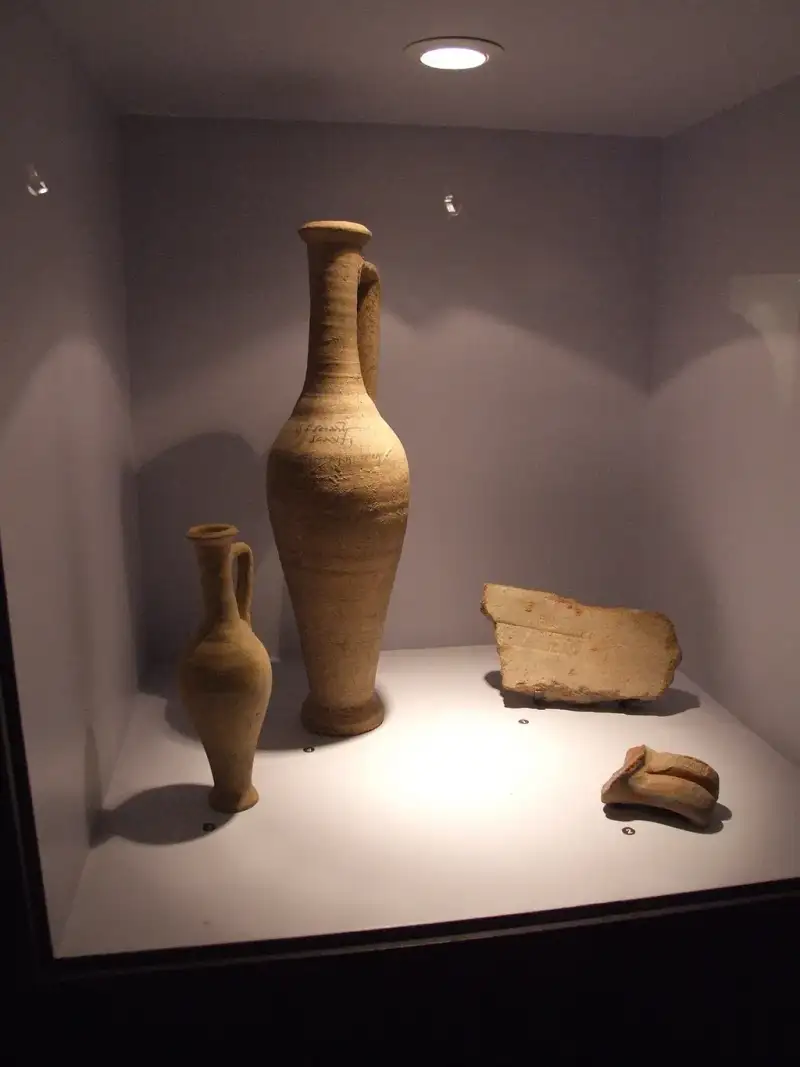
Imagine a condiment so potent, so universally adored across an empire stretching from the scorching sands of North Africa to the misty shores of Britannia, yet so utterly alien to contemporary taste that its very name conjures whispers of forgotten culinary dark arts. This is not the familiar umami of soy sauce or aged Parmesan; this is garum, the fermented fish sauce that defined the Roman palate, an economic powerhouse, and a culinary mystery that continues to intrigue historians and gastronomes alike. Forget what you think you know about Roman dining from simplified textbooks. The grandeur of their feasts was underpinned by a flavor profile deeply complex, often challenging, and invariably infused with garum. It was more than just an ingredient; it was a fundamental pillar of Roman gastronomy, influencing nearly every dish from humble porridge to lavish banquets. Its pervasive presence, now largely lost to the tides of history, offers a unique window into the sensory world of one of the greatest civilizations. A Whiff of Antiquity: The Making of Garum At its heart, garum was a product of decomposition and transformation – a deliberate, controlled fermentation of fish intestines, blood, and small fish mixed with salt. But the simplicity of this description belies a sophisticated process, perfected over centuries, that yielded a spectrum of flavors and qualities. The production sites, often sprawling complexes located along the sun-drenched coastlines of the Mediterranean (especially in Hispania Baetica, Lusitania, and North Africa), were a testament to the scale of the garum industry. Enormous vats, some capable of holding thousands of liters, were filled with layers of fish and salt. Common ingredients included mackerel, tuna, anchovies, sprats, and even the smallest, cheapest fish available. The mixture was left to ferment under the intense Mediterranean sun for weeks, sometimes months. The process was driven by endogenous enzymes within the fish guts, breaking down proteins into amino acids, primarily glutamates – the very essence of umami. The high salt content prevented putrefaction, guiding the decomposition towards fermentation. The resulting liquid, clear and amber-hued, was periodically strained, yielding the prized garum. The remaining solids, known as allec, were a coarser, paste-like byproduct, still flavorful and often used by the poorer classes or as animal feed. Archaeological findings, such as the impressive garum factories discovered in places like Baelo Claudia in Spain or in modern-day Morocco, provide tangible evidence of this ancient industry. These sites, with their interconnected vats and drainage systems, paint a vivid picture of an economy deeply invested in this pungent liquid.The Hierarchy of Pungency: Varieties and Value Just as modern olive oils or wines boast diverse grades and origins, garum was not a monolithic entity. Its quality and price varied wildly, reflecting the type of fish used, the specific preparation methods, and its geographic origin.Garum sociorum: The most highly prized variety, often made from the blood and entrails of tuna or mackerel, was a luxury item, fetching exorbitant prices. Its name, translating to "garum of the allies," suggests its origin from allied communities or perhaps a brand associated with quality. Liquamen: This term was often used interchangeably with garum, but some scholars suggest liquamen might have referred to a broader category of fish sauces, perhaps a slightly less refined or more common type. It was the workhorse of Roman kitchens. Muria: A simpler brine, often made from salting fish without the extensive fermentation. Haimation: A rarer, exceptionally rich garum made specifically from the blood of tuna.The economic importance of garum cannot be overstated. It was a significant trade commodity, transported across the empire in distinctive amphorae, each often bearing stamps indicating the producer or origin. Fortunes were made and lost in the garum trade, and its ubiquity made it a staple in every Roman household, from the humblest dwelling to the emperor's palace. Its value was such that it was sometimes used as a form of payment or as a luxury gift. Beyond the Palate: Garum's Cultural Significance Garum's role extended far beyond mere culinary enhancement. It was deeply interwoven with Roman culture, society, and even medicine. A Universal Seasoning Garum was the salt, the pepper, and the primary flavor enhancer of the Roman world, all rolled into one. It was drizzled over bread, mixed into salads, stirred into stews, and used to braise meats and vegetables. The Roman cookbook Apicius (De re coquinaria), one of the few surviving culinary texts from antiquity, features garum in almost every single recipe. Without it, Roman food would have been utterly different, almost unrecognizable. Consider a Roman dinner party. Instead of a salt cellar and pepper grinder, a small cruet of garum would have been passed around. Its ability to amplify other flavors and add a savory depth was unparalleled. It wasn't just about adding fishiness; it was about adding a fundamental layer of taste, much like MSG in some modern cuisines. Medicinal Properties The Romans, like many ancient civilizations, often blurred the lines between food and medicine. Garum was no exception. It was believed to possess various health benefits, used as a remedy for ailments ranging from indigestion to dysentery. Its rich protein content and trace minerals were likely beneficial, especially in a diet that might otherwise lack certain nutrients. Pliny the Elder, in his Natural History, even mentions its use in cosmetics and as an aphrodisiac, showcasing its versatile applications in Roman life. Social Status While common liquamen was accessible to most, the high-end garum sociorum was a mark of wealth and sophistication. To serve it at a banquet was a clear signal of one's status and generosity. This differentiation underscores how even a humble fish sauce could reflect the intricate social hierarchies of Roman society.The Decline and Rediscovery With the fall of the Western Roman Empire and the subsequent societal upheaval, the elaborate infrastructure required for large-scale garum production gradually collapsed. The knowledge and demand for this specific condiment waned. The art of its making, once a thriving industry, became a lost culinary secret. Europe moved towards other flavor enhancers, primarily salt, herbs, and spices, as well as the emerging dairy and meat products of the medieval era. For centuries, garum remained a footnote in ancient texts, a pungent curiosity for classicists. It wasn't until the 20th century, with renewed interest in ancient Roman history and the burgeoning field of food archaeology, that garum began its slow, academic rediscovery. Modern attempts to recreate garum have been undertaken by culinary historians and experimental archaeologists. These efforts, often painstaking and requiring specific conditions, have revealed the complexities of the ancient process. The results vary, but they consistently confirm its potent umami character, providing invaluable insights into what Roman food truly tasted like. Some modern chefs are even experimenting with incorporating recreated garum into contemporary dishes, bridging millennia of culinary history. Garum's Enduring Legacy: The Umami Connection While garum itself faded from the European culinary landscape, its spirit lives on in various forms around the world. The concept of fermented fish sauce is far from unique to Rome. Southeast Asian cuisines, for example, have a rich tradition of fish sauces (such as Vietnamese nuoc mam or Thai nam pla) that bear striking similarities to garum in their production methods and fundamental flavor profile. These sauces, too, are umami bombs, essential to their respective culinary traditions. This global commonality highlights a fundamental human predilection for umami, the fifth basic taste. The Romans, with their garum, were masters of harnessing this savory depth long before the scientific understanding of glutamates existed. Garum stands as a testament to humanity's ancient and ongoing quest to create delicious, complex flavors through the transformative power of fermentation. Studying garum isn't just about understanding an old recipe; it's about peeling back the layers of history to taste the past. It’s about recognizing the ingenuity of ancient peoples, their sophisticated understanding of flavor, and their ability to create a culinary staple that nourished an empire. The next time you encounter a modern fermented delight, spare a thought for garum, the enigmatic umami of antiquity, whose forgotten flavors once defined the world's most powerful empire. It's a reminder that sometimes, the most profound culinary wisdom lies buried, waiting to be unearthed.#AncientRomanCuisine #Garum #CulinaryHistory #FermentedFoods #UmamiDiscovery #AncientRomanCuisine #Garum #FermentedFoods #CulinaryHistory #Umami Related InsightsThe Bitter Revolution: How Chicory, Radicchio, and Dandelion Are Redefining Modern Menus Eine deutsche Seele in der Küche: Essen ist nicht nur zum Sattwerden da! Japanese Ramen: The Ultimate Guide to Regional Styles, Secret Broths, and How to Make Them at Home{ "@context": "https://schema.org", "@type": "FAQPage", "mainEntity": [ { "@type": "Question", "name": "What is the main focus of The Enigmatic Umami of Antiquity: Unearthing the Lost Flavors of Roman Garum?", "acceptedAnswer": { "@type": "Answer", "text": "Journey through time to discover Garum, the lost fermented fish sauce that fueled the Roman Empire's culinary obsession and defined its palate." } }, { "@type": "Question", "name": "Who authored the comprehensive guide on The Enigmatic Umami of Antiquity: Unearthing the Lost Flavors of Roman Garum?", "acceptedAnswer": { "@type": "Answer", "text": "This detailed article and its insights were carefully researched and authored by Michael Chef." } }, { "@type": "Question", "name": "Where can I find more related content about Food?", "acceptedAnswer": { "@type": "Answer", "text": "You can explore more articles, detailed reviews, and similar insights by browsing the Related Insights section at the bottom of this article or visiting our dedicated Food category page." } } ] }
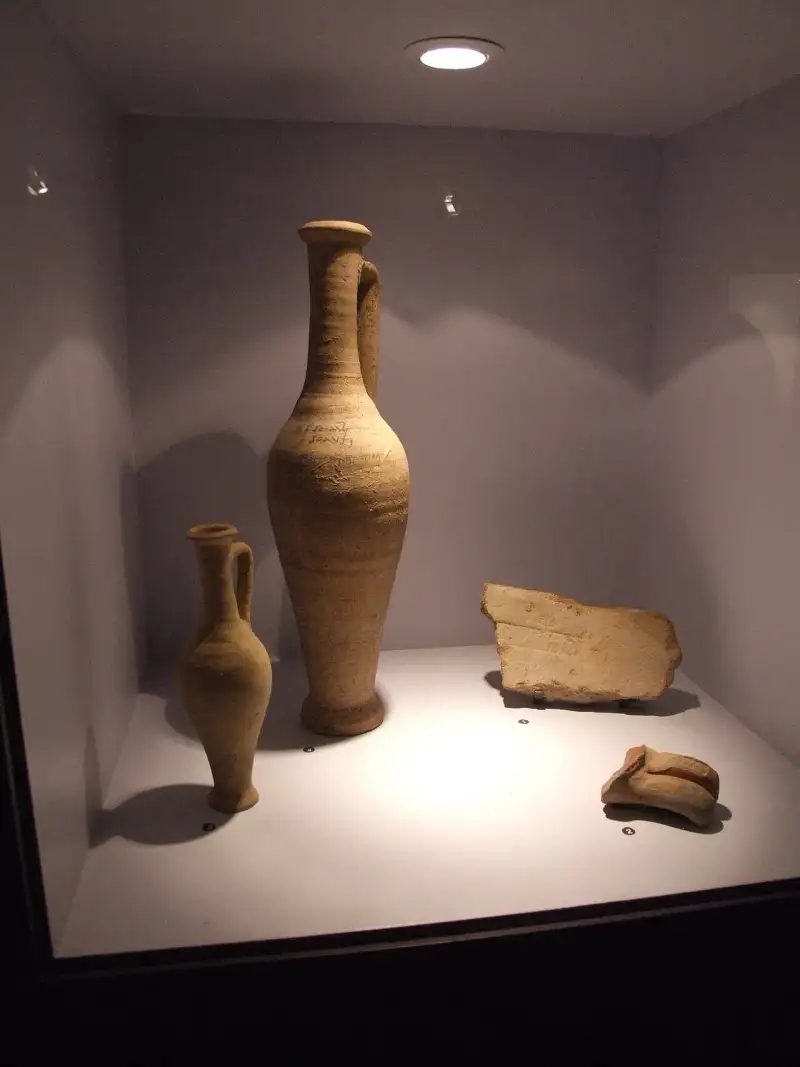

Picture the grandeur of ancient Rome: sprawling forums, magnificent aqueducts, and legions marching with disciplined precision. But beyond the public spectacle and political machinations, lies a culinary secret so pervasive, so fundamental to the Roman palate, that its very absence today leaves a gaping hole in our understanding of their gastronomy. This isn't about gladiatorial feasts or bacchanalian revels, but rather the humble, yet incredibly complex, condiment that permeated virtually every dish: garum. For millennia, the concept of "umami" – that elusive fifth taste, often described as savory or meaty – has been attributed to modern East Asian culinary traditions or the comparatively recent discovery of MSG. Yet, long before shoyu graced Japanese tables or nuoc cham seasoned Vietnamese cuisine, a pungent, savory elixir from the Mediterranean basin reigned supreme. Garum was not merely a seasoning; it was the lifeblood of Roman cooking, an alchemical transformation of fish and salt into a liquid gold that defined the flavor profile of an empire. The Genesis of a Gastronomic Giant: Origins and Production The origins of garum, or its close cousin muria, stretch back further than Rome itself, likely to the Greeks, Phoenicians, and even earlier civilizations. The coastal peoples of the Mediterranean, adept at fishing and salt preservation, inadvertently discovered the power of enzymatic fermentation. The process was simple in concept but meticulous in execution: whole small fish, or the entrails of larger fish (especially mackerel, tuna, and anchovies), were layered with large quantities of salt. This mixture was then left to ferment under the scorching Mediterranean sun for weeks, sometimes months, in large open-air vats or sealed terracotta dolia. The salt acted as a microbial inhibitor, preventing spoilage while drawing out moisture and facilitating autolysis – the breakdown of proteins by the fish's own enzymes. This prolonged, anaerobic decomposition released a rich spectrum of amino acids, particularly glutamate, which is the primary driver of umami. The resulting liquid, clear and amber-hued, was garum. The leftover fermented fish paste was known as allec, often a cheaper byproduct for the masses, while the most prized garum, often from Mackerel or Tuna, was revered. Ancient texts, particularly the Roman cookbook Apicius, offer tantalizing glimpses into its ubiquity. It wasn't just a seasoning for meat or fish; it enhanced vegetables, soups, and even sweet dishes. Imagine a Roman kitchen without garum—it would be akin to a modern Italian kitchen without olive oil or a French kitchen devoid of butter.The Economic Engine: Garum's Industrial Scale and Trade Routes The production of garum was not a cottage industry; it was a massive, industrialized enterprise. Coastal cities like Pompeii and Leptis Magna in North Africa, and Baelo Claudia in Hispania (modern Spain), housed colossal factories dedicated solely to its manufacture. These sites featured rows upon rows of massive stone vats, some capable of holding thousands of liters, indicating an output designed to feed an empire. The stench, one can only imagine, must have been overwhelming, leading these factories to be typically located on the outskirts of towns, downwind from residential areas. The finished product was decanted into distinctive amphorae, sealed, and shipped across the vast Roman network. From the shores of Hispania to the bustling markets of Rome, from the military outposts on the Rhine to the distant provinces of Britannia, garum was a cornerstone of both commerce and cuisine. Its economic importance rivaled that of olive oil and wine, with specific brands and regional varieties commanding premium prices, much like fine wines today. Pliny the Elder, in his Natural History, even discusses the various qualities and origins of garum, lamenting the exorbitant cost of the most prized varieties. This widespread distribution meant that soldiers, senators, slaves, and citizens alike consumed garum. It was democratic in its reach, yet aristocratic in its most refined forms. The ability to flavor food effectively in an age before refrigeration and complex spice routes made garum indispensable. It masked the taste of less-than-fresh ingredients, amplified the flavors of simple staples, and provided vital nutrients. Beyond the Palate: Medicinal and Cultural Significance Garum's role extended beyond mere culinary enhancement. Roman physicians, including Galen, believed in its medicinal properties, prescribing it for various ailments. Its high salt content and fermentation byproducts were thought to have therapeutic effects, from treating indigestion to boosting vitality. While modern science might question its efficacy as a panacea, it undoubtedly contributed electrolytes and minerals to the Roman diet. Culturally, garum became intrinsically linked to Roman identity. To dine like a Roman was to dine with garum. It symbolized Roman ingenuity in food preservation and their ability to harness the elements – sun, sea, and salt – to create something both delicious and enduring. Its decline, therefore, mirrored the decline of the Western Roman Empire itself. As trade routes fragmented, centralized production faltered, and the infrastructure required for its large-scale manufacture dwindled, garum gradually faded from the European culinary landscape, replaced by simpler forms of salt and other spices introduced through new trade. A Pungent Paradox: The Taste of Garum So, what did garum actually taste like? It's a question that has tantalized historians and food enthusiasts for centuries. Descriptions range from "salty and fishy" to "complex, savory, and rich." Modern attempts to recreate garum, often based on ancient recipes and archaeological findings, provide some clues. The consensus points to a flavor profile that is intensely umami, deeply savory, and undeniably fishy, but in a way that is integrated and nuanced, not overtly "fishy" in the way a raw anchovy might be. Think of the depth of aged Parmesan, the complexity of a good soy sauce, or the punch of modern Vietnamese fish sauce (nuoc mam) or Thai fish sauce (nam pla), but with its own distinct Mediterranean terroir. It would have provided a crucial baseline of flavor, elevating simple stews, transforming bland grains, and adding a layer of sophistication to elaborate dishes. Unlike the perception of fish sauce in some modern Western cuisines, where it's often seen as a pungent additive used sparingly, garum was a primary seasoning, often mixed directly into dishes or used as a dipping sauce. Its versatility was legendary, from liquamen (a general term for fish sauce) to oxygarum (garum mixed with vinegar) and hydrogarum (garum diluted with water), demonstrating its adaptability to different culinary applications and social strata. The Echoes of Garum: Modern Resurgence and Parallel Traditions While garum itself largely vanished from European tables after the fall of Rome, the fundamental principle of fermented fish sauce never truly disappeared globally. Across Southeast Asia, fish sauces like nuoc mam and nam pla have thrived for centuries, fulfilling a remarkably similar culinary role. In Italy, the colatura di alici from Cetara, a highly prized artisanal anchovy sauce, is often cited as a direct descendant, or at least a powerful echo, of ancient garum, made through a remarkably similar process of slow fermentation of anchovies in brine. In recent decades, there has been a resurgence of interest in historical gastronomy, leading chefs and food scientists to attempt to recreate garum. These modern iterations often experiment with different fish, fermentation times, and salt ratios, striving to unlock the elusive flavors of antiquity. The motivation is twofold: historical curiosity and the desire to reintroduce a powerful, natural source of umami into contemporary cooking, aligning with the broader movement towards fermentation and ancient techniques. with a vintage-style label on a wooden table with fresh anchovies and sea salt) This revival isn't just about recreating a historical artifact; it's about understanding how our ancestors flavored their world and perhaps even discovering new dimensions of taste. Modern culinary explorations are showing that garum's umami depth can enhance a vast array of dishes, from dressings and marinades to sophisticated sauces, proving that a taste once lost can be found again, enriching our palates with the echoes of empires. Conclusion: A Legacy Reclaimed The story of garum is more than just the tale of an ancient condiment; it's a testament to the enduring human ingenuity in food preservation and flavor enhancement. It reveals how a simple combination of fish and salt, transformed by time and microbes, could become an indispensable pillar of an entire civilization's diet and economy. Its decline reminds us of the fragility of culinary traditions in the face of societal upheaval, yet its modern resurgence highlights our persistent fascination with the past and our ongoing quest for profound, complex flavors. From the sun-drenched vats of Roman Hispania to the artisanal kitchens of today, garum, in its original form or its modern echoes, continues to whisper tales of umami. It reminds us that sometimes, the greatest culinary treasures are not exotic spices from distant lands, but rather the transformative power of nature, patiently harnessed, and patiently rediscovered. As Demir Şef, I urge you to seek out these ancient flavors, for in them lies not just taste, but a living history.#AncientCuisine #Garum #UmamiHistory #RomanFood #Fermentation #CulinaryHistory Related InsightsChettinad Flavors: Fiery Vegan Curries The Alchemy of Appetite: Decoding the Molecular Soul of Our Sustenance The Alchemy of Oaxaca: Decoding the Molecular Symphony of Mole Negro{ "@context": "https://schema.org", "@type": "FAQPage", "mainEntity": [ { "@type": "Question", "name": "What is the main focus of The Liquid Gold of Antiquity: Rediscovering Garum, Rome's Fermented Umami Elixir and Its Forgotten Legacy?", "acceptedAnswer": { "@type": "Answer", "text": "Beyond the opulent banquets, ancient Rome's true culinary foundation lay in garum – a potent, fermented fish sauce. Join Demir Şef as we unearth the pungent paradox that flavored an empire and shaped global gastronomy." } }, { "@type": "Question", "name": "Who authored the comprehensive guide on The Liquid Gold of Antiquity: Rediscovering Garum, Rome's Fermented Umami Elixir and Its Forgotten Legacy?", "acceptedAnswer": { "@type": "Answer", "text": "This detailed article and its insights were carefully researched and authored by Demir Şef." } }, { "@type": "Question", "name": "Where can I find more related content about Food?", "acceptedAnswer": { "@type": "Answer", "text": "You can explore more articles, detailed reviews, and similar insights by browsing the Related Insights section at the bottom of this article or visiting our dedicated Food category page." } } ] }

-
 Giovanni Luigi
 - 05 Jul, 2026 20:01
Il Garum Pompeiano: Il Sangue Salato degli Dei e la Sua Rinascita Gastronomica
Immaginatevi di passeggiare tra le rovine silenziose di Pompei, non come turisti armati di smartphone, ma come cittadini dell'anno 79 d.C. L'aria è densa di profumi: il fumo delle botteghe, il sentore dolce di vino e mosto, e poi, sottile ma pervasivo, un odore inconfondibile, profondo, sapido, quasi elettrico. È l'anima liquida di ogni piatto, il sapore onnipresente che legava ogni banchetto, dalla più umile mensa del plebeo alla sontuosa tavola del patrizio. Stiamo parlando del garum, e in particolare di quello che un tempo sgorgava copioso dalle officine pompeiane, un condimento che fu al contempo tesoro culinario, segno di ricchezza e, per molti, il "sangue salato degli dei". La sua storia è un’epopea di fermentazione, sapienza artigianale e oblio millenario, culminata oggi in una lenta ma intrigante riscoperta. Non è una semplice salsa di pesce; è un frammento di tempo imbottigliato, un ponte liquido verso un'epoca perduta, capace di evocare sapori che per secoli sono stati patrimonio esclusivo di fantasmi romani. Il Mito del Garum: Umami degli Antichi Imperi Per comprendere il garum, dobbiamo liberarci delle nostre moderne concezioni culinarie. Dimenticate il sale raffinato, l'aceto balsamico o la salsa di soia. Il garum era tutto questo e molto di più, racchiuso in un unico, enigmatico fluido ambrato o scuro. Era la quintessenza dell'umami prima che la parola stessa fosse coniata, un esaltatore di sapidità naturale ottenuto attraverso un processo di fermentazione prolungata di pesce intero – o viscere di pesce – con abbondante sale. Le fonti antiche, da Plinio il Vecchio a Columella, ci parlano di diverse tipologie di questo prezioso liquido. Non esisteva un solo garum, ma un'intera famiglia di condimenti: il liquamen, un garum più generico e diffuso; la muria, una salamoia più densa; l'allec, il residuo solido della lavorazione, spesso usato come paté o base per altre salse. Ma è il garum, in particolare quello di eccellente qualità, ad aver conquistato il palato e le pagine degli storici. A Pompei, il garum non era solo un prodotto; era un'identità. Le sue anfore, recanti spesso il marchio di fabbrica del produttore, come l'illustre Umbricius Scaurus, sono state ritrovate a migliaia, non solo a Pompei ma in tutto il Mediterraneo, testimonianza di un impero economico e gastronomico che si estendeva ben oltre le mura cittadine. La Ricetta per un Impero: Scienza, Sole e Pazienza Il processo di produzione del garum era tanto semplice quanto geniale, eppure richiedeva una conoscenza quasi alchemica dei tempi e delle proporzioni. I Romani, eredi di tecniche fenicie e greche, avevano perfezionato l'arte della fermentazione ittica. La ricetta di base prevedeva strati alternati di pesce (sardine, alici, sgombri, tonno o le loro interiora) e sale, il tutto lasciato a macerare sotto il sole in grandi vasche di terracotta (cetariae) per settimane o mesi. Il sale svolgeva un duplice ruolo: impediva la putrefazione e, al contempo, estraeva i liquidi e avviava un processo di autolisi enzimatica. Gli enzimi presenti nelle viscere del pesce, uniti al calore del sole, scomponevano le proteine del pesce in aminoacidi, tra cui l'acido glutammico, responsabile del sapore umami. Il risultato era un liquido oleoso, dal colore che variava dal giallo ambra al marrone scuro, con un aroma intenso, complesso, sapido e sorprendentemente fruttato o speziato a seconda degli ingredienti e delle spezie aggiunte. Apicio, nel suo celebre De Re Coquinaria, menziona il garum in quasi ogni ricetta, non solo come condimento finale, ma come ingrediente fondamentale per brodi, stufati e persino dolci (sebbene la versione dolce fosse probabilmente una miscela con miele o defrutum). Era l'equivalente romano del nostro sale, pepe, olio d'oliva e aceto messi insieme, ma con una complessità di sapore ineguagliabile.Pompei: La Capitale del Garum e la Sua Economia Fragile Perché Pompei? La città, affacciata sul Golfo di Napoli, godeva di una posizione strategica, vicina a zone di pesca abbondanti e a un entroterra agricolo che produceva sale e anfore. Le sue coste erano perfette per le cetariae, le grandi vasche a cielo aperto dove il sole mediterraneo faceva il suo lavoro. Gli scavi archeologici hanno rivelato diverse fabbriche di garum a Pompei, con ampi spazi dedicati alle vasche e ai magazzini per le anfore. Il nome di Aulus Umbricius Scaurus spicca su tutti. Era un magnate del garum, i cui prodotti erano così rinomati da essere paragonati ai marchi di lusso odierni. Le anfore recanti il suo nome e la sua immagine (un pescatore con un garum) erano garanzia di qualità superiore, e si ritrovano in ogni angolo dell'Impero, da Londra alla Siria. La produzione di garum era un'industria fiorente, generava ricchezza, lavoro e dava lustro alla città. Era un'economia solida, basata su un prodotto di largo consumo e di alto valore. Ma questa prosperità era intrinsecamente legata alla stabilità dell'Impero e alla rete commerciale che lo sosteneva. E come ogni cosa legata alla natura, era anche vulnerabile. Il Collasso e l'Oblio: Il Silenzio Durato un Millennio Il garum, così ubiquitario nella cucina romana, iniziò la sua lenta discesa nell'oblio con il declino dell'Impero Romano. Diversi fattori contribuirono a questa scomparsa:Cambiamenti Geopolitici: La frammentazione dell'Impero interruppe le rotte commerciali. Prodotti di nicchia come il garum, che richiedevano vaste quantità di pesce e sale e un trasporto efficiente, divennero meno praticabili. Cambiamenti Climatici e Risorse: Alcune teorie suggeriscono che mutamenti climatici o la sovrappesca potrebbero aver ridotto la disponibilità di pesce. Cambiamenti Culinari e Religiosi: Con l'avvento del Cristianesimo, l'enfasi sui cibi puri e la condanna di alcuni sapori intensi (spesso associati alla decadenza pagana) potrebbero aver giocato un ruolo. I sapori forti e complessi del garum, un tempo apprezzati, potrebbero essere stati soppiantati da condimenti più semplici e "puliti". Costi e Complessità: La produzione del garum era laboriosa e, una volta interrotte le catene di approvvigionamento, divenne troppo costosa e complessa da sostenere localmente su larga scala.Così, con il Medioevo, il garum svanì dalle tavole e dalle memorie culinarie, lasciando dietro di sé solo menzioni nei testi antichi e le tracce silenziose nelle anfore sepolte. La sua eredità si frammentò, forse evolvendo in condimenti locali come la colatura di alici di Cetara (una sorta di garum "moderno", sebbene non identico per processo e ingredienti) o le salse di pesce del sud-est asiatico, che, pur condividendo la logica della fermentazione ittica, non possono essere considerate dirette discendenti del garum romano. La Questione del Gusto Moderno: Un Sapere Perduto da Rispolverare Ma cosa si provava a gustare il garum? È difficile dirlo con certezza, dato che la sua produzione è stata interrotta per così tanto tempo. Le descrizioni antiche parlano di un sapore "divino", "piccante", "forte", "salato". I moderni tentativi di ricreazione suggeriscono un liquido dal sapore profondo, ricco di umami, con note che possono variare dal fungino al formaggio invecchiato, dal brodo di carne concentrato alla stessa colatura di alici, ma con una complessità e una persistenza uniche. Era un sapore che saturava il palato, esaltava gli altri ingredienti e, a differenza di molti condimenti odierni, non si limitava a salare, ma aggiungeva una dimensione completamente nuova al piatto. La versatilità del garum era leggendaria. Era usato per condire verdure, insalate, carne, pesce. Era mescolato con vino, aceto, miele, olio d'oliva o spezie per creare salse più elaborate (come la oenogarum o la oxygarum). La sua presenza in quasi ogni ricetta di Apicio ci mostra come fosse un ingrediente fondamentale, non un semplice extra. Era il sale e il pepe dell'epoca, ma con una marcia in più. Garum Oggi: Una Lenta, Coraggiosa Rinascita Negli ultimi decenni, grazie all'archeologia sperimentale e alla gastronomia storica, c'è stato un rinnovato interesse per il garum. Chef, storici del cibo e ricercatori stanno tentando di riprodurre il condimento, basandosi sulle ricette antiche e sulle prove archeologiche. Il processo è lungo e costoso, ma i risultati sono affascinanti. Uno degli esempi più noti di questa riscoperta è la produzione della colatura di alici di Cetara, in Campania. Questo liquido ambrato, ottenuto dalla fermentazione di alici sotto sale, è spesso considerato l'erede più prossimo al garum, anche se il processo non è identico (viene utilizzato solo pesce sotto sale, e per un tempo relativamente breve rispetto al garum antico). La colatura, con il suo sapore sapido e intenso, ci offre un'idea approssimativa di ciò che il garum poteva rappresentare per i palati antichi. Tuttavia, alcuni progetti vanno oltre, cercando di replicare il vero garum romano. In Spagna, ad esempio, sono stati condotti esperimenti per ricreare il garum sociorum (il garum degli alleati, una varietà di alta qualità), utilizzando le stesse specie ittiche e metodi di fermentazione descritti dagli antichi. Anche in Italia, in alcune università e laboratori gastronomici, si lavora alla riscoperta delle tecniche originali, spesso con l'obiettivo di comprendere meglio la dieta romana e le sue sfumature.Questi esperimenti moderni non sono solo esercizi accademici. Alcuni chef contemporanei stanno iniziando a esplorare l'uso di garum ricreato in piatti d'alta cucina, cercando di aggiungere una profondità di sapore unica e un tocco storico alle loro creazioni. Si tratta di un'audace fusione tra passato e presente, un tentativo di reintrodurre un sapore che ha plasmato un'intera civiltà. Oltre il Piatto: Un Simbolo di Ingegno Culinario Il garum non è solo un condimento; è un pezzo di storia liquida. La sua riscoperta ci permette non solo di assaggiare un frammento del passato, ma anche di apprezzare l'ingegno culinario dei Romani. In un'epoca priva di refrigerazione, seppero sfruttare i principi della fermentazione per creare un prodotto che non solo conservava il pesce, ma ne esaltava il sapore in modo straordinario. Ci ricorda che la cucina è un'arte in continua evoluzione, fatta di scoperte, perdite e riscoprimento. Ogni sapore, ogni ingrediente ha una storia, e il garum è una delle più affascinanti. È la storia di come un condimento potesse essere così intrinsecamente legato alla vita di una città, alla sua economia, alla sua cultura, al suo stesso sapore. Così, la prossima volta che vi troverete a passeggiare tra le rovine di Pompei, fermatevi un momento. Chiudete gli occhi e provate a immaginare quel profumo salato e pungente che aleggiava nell'aria, il sapore complesso che definiva un'intera epoca. Il garum di Pompei non è più il sangue salato degli dei che un tempo era, ma la sua eco, un sussurro umami proveniente da un passato glorioso, continua a ispirare e a stuzzicare la curiosità dei palati moderni, in un continuo dialogo tra epoche e sapori. La sua rinascita è un tributo non solo a un condimento, ma a un modo di vivere e di gustare che non smette di affascinarci.#Garum #CucinaRomanaAntica #StoriaDelCibo #GastronomiaAntica #RiscopertaCulinaria #Pompei #CondimentiAntichi Related InsightsIl Respiro Antico del Mare Nostrum: La Dieta Mediterranea tra Scienza, Storia e Armonia del Vivere From Ancient Fields to Modern Crusts: Mastering Emmer & Spelt Sourdough Delighting in the Flavors of Lemony Chicken Piccata with Capers and Spinach{ "@context": "https://schema.org", "@type": "FAQPage", "mainEntity": [ { "@type": "Question", "name": "What is the main focus of Il Garum Pompeiano: Il Sangue Salato degli Dei e la Sua Rinascita Gastronomica?", "acceptedAnswer": { "@type": "Answer", "text": "Un viaggio affascinante nel cuore della cucina romana antica, alla scoperta del leggendario garum di Pompei e dei suoi tentativi di riscoperta nella gastronomia contemporanea." } }, { "@type": "Question", "name": "Who authored the comprehensive guide on Il Garum Pompeiano: Il Sangue Salato degli Dei e la Sua Rinascita Gastronomica?", "acceptedAnswer": { "@type": "Answer", "text": "This detailed article and its insights were carefully researched and authored by Giovanni Luigi." } }, { "@type": "Question", "name": "Where can I find more related content about Food?", "acceptedAnswer": { "@type": "Answer", "text": "You can explore more articles, detailed reviews, and similar insights by browsing the Related Insights section at the bottom of this article or visiting our dedicated Food category page." } } ] }
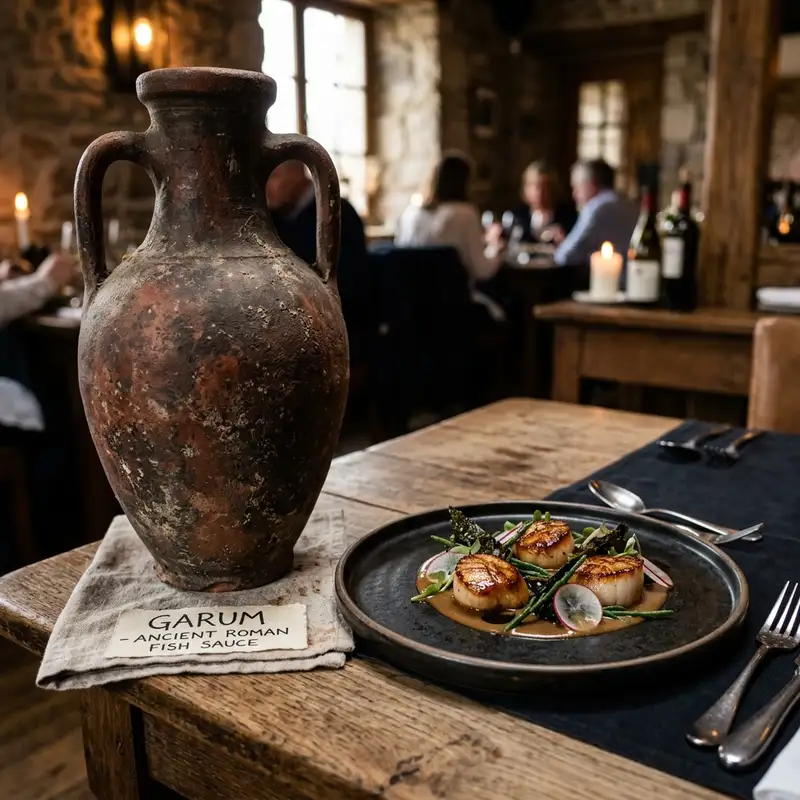
Imagine a world where every meal, from the simplest gruel to the most lavish imperial banquet, was seasoned with a single, pervasive condiment. A flavor so integral, so universally present, that its absence would render dishes incomplete, its very aroma defining the culinary landscape. This was the gastronomic reality of #ancient #Rome, and its undisputed king was not salt, nor pepper, nor any fresh herb, but garum – a fermented fish sauce that was the very heartbeat of Roman cuisine, a liquid gold flowing through the veins of an #empire. For centuries, garum remained a mere historical footnote, relegated to dusty texts and archaeological dig sites, often misunderstood as a simple, crude fermentation. Yet, to dismiss garum as just "ancient fish sauce" would be akin to calling a symphony mere noise. It was a complex, nuanced, and utterly essential flavor enhancer, the ultimate expression of umami long before the term was coined. Its story is one of innovation, empire, decline, and a remarkable, unexpected modern resurgence, a testament to the enduring power of fundamental flavors. The Pervasive Taste of Empire: Garum's Ancient Reign Garum wasn't merely a niche ingredient; it was an industrial commodity, produced on a massive scale across the Roman Empire, from the shores of Hispania (modern #Spain) and Lusitania (Portugal) to North Africa and the Levant. Its production centers, often sprawling complexes of vats and processing areas, were economic powerhouses, contributing significantly to regional wealth. The sheer volume of garum produced speaks volumes about its demand. Amphorae, bearing distinctive stamps identifying their origin and contents, have been found in shipwrecks and archaeological sites across the Roman world, evidence of an intricate and far-reaching trade network. The process of making garum was surprisingly sophisticated for its time, relying on the natural enzymatic breakdown of fish guts and whole small fish, layered with salt, and left to ferment under the scorching Mediterranean sun. This slow, anaerobic digestion transformed proteins into amino acids, yielding a liquid brimming with intensely savory compounds. Classical authors provided tantalizing glimpses into this industry:Pliny the Elder in his Natural #history described garum as "a liquor of exquisite taste." Apicius, the famed Roman gourmand, featured garum extensively in his cookbook, De re coquinaria, indicating its versatility in everything from sauces and stews to dressings and even desserts (though likely in savory-sweet combinations).Different qualities and types of garum existed, much like today's olive oils or balsamic vinegars. Key varieties included:Garum (or Liquamen): The most common, clear, amber liquid. Alleс: The thick, pasty sediment left after the garum was strained, often used as a spread or thickener. Muria: A simpler brine used for curing fish. Haemation: A prized, dark red garum made from tuna blood and guts. Garum Flos Floris: "The flower of flowers," indicating a premium, possibly first-press, variety.The aroma, by modern standards, would have been intense, to say the least. Ancient sources occasionally mention its powerful smell, even referencing it in jokes and proverbs. Yet, it was the smell of prosperity, of flavor, and of a complex culinary civilization. It seasoned vegetables, meats, and even bread. Soldiers carried it on campaigns, and it was a staple in every Roman household, irrespective of social standing, though the wealthy might have access to finer, more aged varieties. The Curious Case of Its Disappearance The decline of garum production is a fascinating tangent in culinary history. As the Roman Empire fragmented and eventually collapsed, so too did many of its sophisticated infrastructures. The large-scale, industrial production of garum, which required substantial investment, extensive trade routes, and a stable political environment, began to wane. Several factors contributed to its eventual disappearance:Economic Disruption: The breakdown of imperial trade routes made it difficult and dangerous to transport goods like garum over long distances. Changing Palates: Over centuries, new culinary influences, ingredients, and cooking methods emerged across Europe. Fermented products remained, but perhaps the specific intensity and production method of garum fell out of favor. Rise of Spices: The increasing availability and affordability of spices from the East, facilitated by new trade networks, offered alternative ways to flavor food, potentially overshadowing the need for garum. Sanitary Concerns: While essential to the Roman diet, the production of garum, with large quantities of fermenting fish in open vats, was undeniably odorous and potentially unhygienic in areas not properly managed. As populations shifted and new urban centers grew, public health concerns, however rudimentary, might have played a role. Loss of Knowledge: The complex techniques, specific ratios, and knowledge of ideal fish species for garum production might have simply been lost or diluted over generations as production dwindled.By the early medieval period, garum had largely vanished from European tables, replaced by a multitude of other seasonings, notably salt, vinegar, and early forms of mustard and herb pastes. It became a ghostly echo in the annals of history, a forgotten flavor of a bygone era. From Rubble to Revival: The Modern Renaissance For nearly two millennia, garum remained buried in history. Then, in the late 20th and early 21st centuries, a confluence of factors led to its astonishing revival. This resurgence isn't merely about historical curiosity; it's a testament to the power of umami and the continuous quest for unique, profound flavors in modern gastronomy. The catalysts for this revival are multifaceted:Culinary Archaeology: Growing interest in reconstructing ancient recipes and foodways. Scholars and food historians began to meticulously translate ancient texts and analyze archaeological findings from sites like Pompeii, where garum factories and residue-filled amphorae provided concrete evidence. The Umami Revolution: The widespread recognition and popularization of "umami" as the fifth basic taste, largely driven by Japanese cuisine and its use of fermented ingredients like soy sauce and dashi. This created a context for appreciating the deep savoriness of garum. Chef-Driven Innovation: Forward-thinking chefs, always seeking new dimensions of flavor, started looking beyond conventional ingredients. The idea of resurrecting an "ancient secret weapon" held immense appeal. Fermentation Trend: The global trend towards fermented foods, celebrated for their complex flavors and health benefits, provided a natural framework for re-evaluating garum.One of the most notable figures in the modern garum movement is the Italian chef Gennaro Esposito, whose commitment to authentic regional ingredients led him to explore Colatura di Alici di Cetara. While not exactly garum, colatura is a traditional anchovy-based fish sauce produced in Cetara on the Amalfi Coast, a direct descendant of ancient Roman garum. Its production method – salt-cured anchovies pressed for their liquid – is remarkably similar to one of the ancient techniques. This existing tradition provided a tangible link to the past. Inspired by colatura and archaeological research, chefs and food scientists began experimenting with true garum production. The challenges were significant: recreating ancient conditions, sourcing appropriate fish, controlling fermentation, and ensuring food safety. Modern garum production often involves:Selection of Fish: Small, oily fish like anchovies, sardines, or even mackerel are preferred, often whole or with guts. Salting: Layering fish with high-quality sea salt. Fermentation: Placing the mixture in controlled environments (sometimes temperature-regulated, sometimes relying on passive solar heat) for several months, often up to a year or more. Pressing and Filtering: After fermentation, the liquid is pressed out and filtered to achieve clarity.The Flavor Profile and Modern Applications What does modern garum taste like? It’s a revelation. Unlike many commercial fish sauces, which can be aggressively salty or fishy, well-made garum is complex, deep, and incredibly savory. It possesses a distinct umami punch, often with notes of:Briny sweetness: A subtle sweetness that balances the salt. Nutty undertones: Some compare its depth to aged parmesan or cured meats. Earthy funk: A pleasant, fermented aroma that adds character without being overtly "fishy." Roundness: It adds a foundational richness to dishes, enhancing other flavors rather than dominating them.The culinary world has embraced garum with open arms. Michelin-starred restaurants globally are featuring it on their menus, incorporating it into innovative dishes. Here are some ways modern chefs are utilizing garum:Sauces and Dressings: A few drops can elevate a vinaigrette, Hollandaise, or simple pan sauce to new heights. Marinades: Imparting a profound depth to meats, poultry, and seafood. Vegetable Enhancer: Drizzled over roasted vegetables (asparagus, broccoli, tomatoes) to intensify their natural flavors. Broths and Soups: A secret ingredient for a richer, more complex stock or consommé. Pasta Dishes: A natural fit, especially with seafood or simple garlic and oil preparations. Fermented Food Pairings: Enhancing other fermented products like kimchi or miso. Cocktails (Surprisingly!): A daring dash in savory cocktails like a Bloody Mary for an unexpected layer of umami.The beauty of garum lies in its ability to provide a background hum of savoriness, making other ingredients shine more brightly. It's not about making a dish taste like fish sauce; it's about making it taste more. Beyond the Palate: What Garum's Revival Tells Us The #journey of garum, from its imperial dominance to its millennia-long slumber and dramatic reawakening, offers more than just a culinary curiosity. It speaks to the cyclical #nature of human endeavor, the enduring allure of fundamental flavors, and our persistent desire to connect with the past through our senses. The effort to revive garum is an act of culinary archaeology, a dedication to understanding and appreciating the ingenuity of ancient cultures. It highlights the sophistication of Roman gastronomy, often overlooked in favor of more dramatic historical narratives. It also underscores the universality of umami, a taste that transcends cultures and eras, connecting the banquets of emperors to the plates of modern epicureans. As we continue to explore the boundaries of flavor, products like garum remind us that sometimes, the most innovative tastes are not newly invented, but rather rediscovered echoes from a distant past. The pungent, profound liquid that once fueled an empire is now inspiring a new generation of chefs and food lovers, proving that a great flavor, however ancient, never truly disappears; it merely waits for its moment to be tasted again. #Umami #Garum #CulinaryHistory #AncientRomanCuisine #FermentedFoods Related InsightsKung Pao: The Perfect Balance of Sweet and Heat The World on a Plate: How Street Food Shaped Civilizations and Continues to Feed Billions The Obscure Origins and Transcendent Transformation of Cacao's Dark Heart{ "@context": "https://schema.org", "@type": "FAQPage", "mainEntity": [ { "@type": "Question", "name": "What is the main focus of The Umami Echo: Tracing Garum's Resurgence from Pompeii to Michelin Stars?", "acceptedAnswer": { "@type": "Answer", "text": "Delve into the fascinating, pungent history of Garum, ancient Rome's omnipresent condiment, and discover its unexpected culinary revival in modern gastronomy." } }, { "@type": "Question", "name": "Who authored the comprehensive guide on The Umami Echo: Tracing Garum's Resurgence from Pompeii to Michelin Stars?", "acceptedAnswer": { "@type": "Answer", "text": "This detailed article and its insights were carefully researched and authored by Demir Şef." } }, { "@type": "Question", "name": "Where can I find more related content about Food?", "acceptedAnswer": { "@type": "Answer", "text": "You can explore more articles, detailed reviews, and similar insights by browsing the Related Insights section at the bottom of this article or visiting our dedicated Food category page." } } ] }