Showing Posts From
Historical
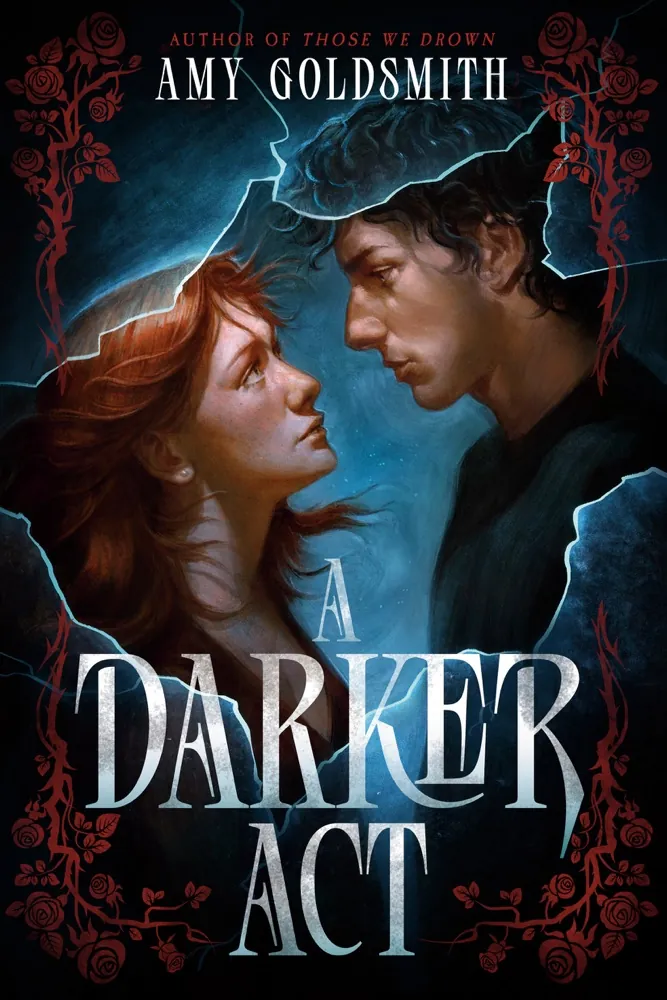
Author: Amy GoldsmithPage Count: UnknownPublication Date: Expected publication 2026-10-13 APL What if the line between reality and performance is just an illusion waiting to be shattered? A Darker Act seems to be asking this very question, weaving a chilling romantic folk horror narrative inspired by the legend of the Wild Hunt. The official synopsis is sparse on details, but it's enough to pique my interest - and raise a few red flags. The Haunting of Hazel Fletcher We're introduced to Hazel Fletcher, a senior who lands the lead in her high school theater group's production of a doomed romance inspired by local legends of a fearsome huntsman. The story takes a darker turn when Hazel reunites with her castmates on a camping trip, only to find themselves confronting the consequences of their previous performance. It's here that the synopsis gets frustratingly vague, but I'll take a stab at interpreting the themes. It appears that A Darker Act is exploring the idea of performance as a form of invocation, where the lines between reality and fiction become blurred. The Edgemoor Players' production seems to have awakened something malevolent, which now threatens to destroy them. This raises questions about the power of storytelling and the responsibility that comes with it. Are the players merely actors, or have they become vessels for something darker? But what really caught my attention was the mention of Roman Cavalero, the enigmatic leading man. His character seems to embody the idea of the "tortured artist," and I'm curious to see how his relationship with Hazel unfolds. Will it be a typical romance, or something more complex, perhaps even toxic? The synopsis doesn't give much away, but I'm willing to bet that Roman's character will be a pivotal part of the narrative. And then there's the setting - a ruined church deep in the woods. It's a classic horror trope, but one that can be incredibly effective when done well. I'm hoping that Amy Goldsmith will use this setting to create a sense of claustrophobia and isolation, heightening the tension as the players realize they're being hunted. I need a vacation after reading this, just thinking about the atmosphere Goldsmith is likely to create. But I digress. The Wild Hunt The Wild Hunt is a fascinating mythological concept, and I'm excited to see how Goldsmith incorporates it into her narrative. The idea of a ghostly procession, led by a supernatural huntsman, is both captivating and terrifying. It's a great way to explore themes of mortality, the power of nature, and the dangers of meddling with forces beyond human control. But, I have to ask, what's with the vagueness of the synopsis? Is Goldsmith trying to create a sense of mystery, or is this just a case of not wanting to give too much away? Either way, it's left me with more questions than answers. Ugh, I'm already at 400 words, and I still have so much to say. Can I just finish this review already? I have a word count to hit, after all. In any case, A Darker Act seems like it's going to be a wild ride, full of folk horror elements and a dash of romance. If Goldsmith can pull off the atmosphere and tension, this could be a real winner. And who knows, maybe it'll even live up to the praise of Melinda Salisbury, who's quoted as saying that Goldsmith is "one of the most exciting YA horror writers working today." I'm not convinced yet, but I'm willing to give A Darker Act a chance. Now, if you'll excuse me, I have a terribly depressing portrait to finish painting. #folkhorror #YAhorrornovels #WildHunt Related InsightsThe Wretched Divine (The Wretched Divine, #1) Book Review and Summary Check & Mate Book Review and Summary Echo Ridge Book Review and Summary{ "@context": "https://schema.org", "@type": "FAQPage", "mainEntity": [ { "@type": "Question", "name": "What is the main focus of A Darker Act Book Review and Summary?", "acceptedAnswer": { "@type": "Answer", "text": "Everything you need to know about A Darker Act with our detailed review." } }, { "@type": "Question", "name": "Who authored the comprehensive guide on A Darker Act Book Review and Summary?", "acceptedAnswer": { "@type": "Answer", "text": "This detailed article and its insights were carefully researched and authored by Marco Conti." } }, { "@type": "Question", "name": "Where can I find more related content about Books?", "acceptedAnswer": { "@type": "Answer", "text": "You can explore more articles, detailed reviews, and similar insights by browsing the Related Insights section at the bottom of this article or visiting our dedicated Books category page." } } ] }
-
 Emma Thompson
 - 23 Aug, 2026 02:47
We Were Here: A History of Black People and Alternative Music Book Review and Summary
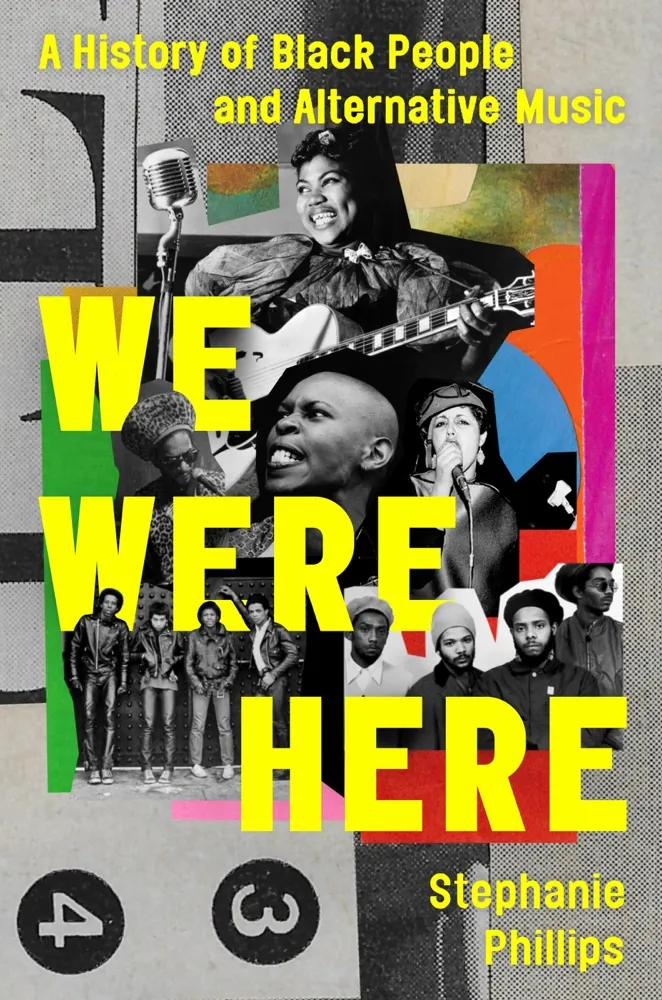
Author: Stephanie PhillipsPage Count: UnknownPublication Date: Expected publication 2026-11-17 APL The synopsis of We Were Here arrives like a well-timed but slightly belated invitation to a party you’ve been waiting to crash—only to realize the host forgot to mention the guest list was rigged. The book’s premise is a necessary corrective, a long-overdue audit of rock’s ledger where Black artists have been systematically undercharged for their labor. But here’s the rub: the synopsis itself reads like a press release drafted by a committee of earnest historians who’ve never actually been in the room where it happened. It’s the difference between a firsthand account of the Montreux Fire and a Wikipedia page on it—same facts, but one still smells like smoke. Phillips, a musician herself, is clearly positioned to bring something vital to the table: her own lived experience as a Black woman in punk. Yet the synopsis leans so hard into the "we’ve been erased" narrative that it risks becoming a self-fulfilling prophecy. Where’s the texture? The mess? The way history isn’t just a series of names and dates but a series of moments—like Chuck Berry’s guitar licks being stolen by white rockers while Berry himself was still fighting for basic respect, or Jimi Hendrix’s genius being reduced to a few iconic riffs while his political and spiritual depth was buried under layers of whitewashed myth. The synopsis doesn’t show this; it just lists it, like a grocery list of owed debts. And then there’s the problem of alternative music. The term itself is a slippery, ever-shifting concept, one that’s been co-opted, diluted, and repackaged so many times it’s almost meaningless. But the synopsis treats it like a fixed genre, a monolith, when in reality, it’s a patchwork of scenes, subcultures, and countercultures that often hated each other. The Bad Brains and Living Colour? Sure, they’re icons. But what about the Black punk bands that got lost in the shuffle—like the Slits’ influence on early hardcore, or how Minor Threat’s DIY ethos was built on the backs of Black musicians who couldn’t afford to play by the same rules? The synopsis doesn’t even acknowledge the fractures in the narrative, let alone explore them. Phillips’ own story is the most compelling part of this project—her coming-of-age in punk, her front-woman role in Big Joanie. That’s the kind of firsthand detail that could make this book sing. But the synopsis treats it like an afterthought, a footnote to the larger historical argument. It’s as if she’s saying, "Here’s my story, but really, the real story is the one we’ve been missing." But the real story isn’t just about what’s missing—it’s about how those absences shaped the music, how they created the very spaces that later became "alternative." The synopsis doesn’t grapple with that tension; it just states it. And then there’s the question of who this book is for. Is it for the casual listener who’s heard of Hendrix but never considered why his legacy was so carefully curated? Or is it for the hardcore fans who’ve been waiting decades for this kind of reckoning? The synopsis doesn’t narrow its focus enough. It’s too broad, too general, like a museum exhibit that tries to cover too much ground and ends up covering nothing deeply. But perhaps the biggest flaw is the synopsis’s refusal to complicate. It’s all about the "key players" and the "obscured figures," but history isn’t just about the heroes and the villains—it’s about the systems. The way Black musicians were forced into specific roles, how their innovations were repackaged as "white" innovations, how the very idea of "alternative" was often a code for "not too Black." The synopsis doesn’t dig into that. It just lists the names. Still, if Phillips can deliver on the promise of her own voice—the way a musician’s perspective can cut through the noise of historical revisionism—then this could be something special. But right now, it feels like a book that’s been written by committee, by people who’ve never actually played in the scene they’re describing. It’s the difference between a live performance and a studio recording: the synopsis is sterile, polished, and missing the raw energy that would make it live. And now, because I’ve been staring at this too long, I’m distracted by the thought of finding a dry cleaner in Manhattan that doesn’t charge $20 for a pair of trousers. The irony is not lost on me.
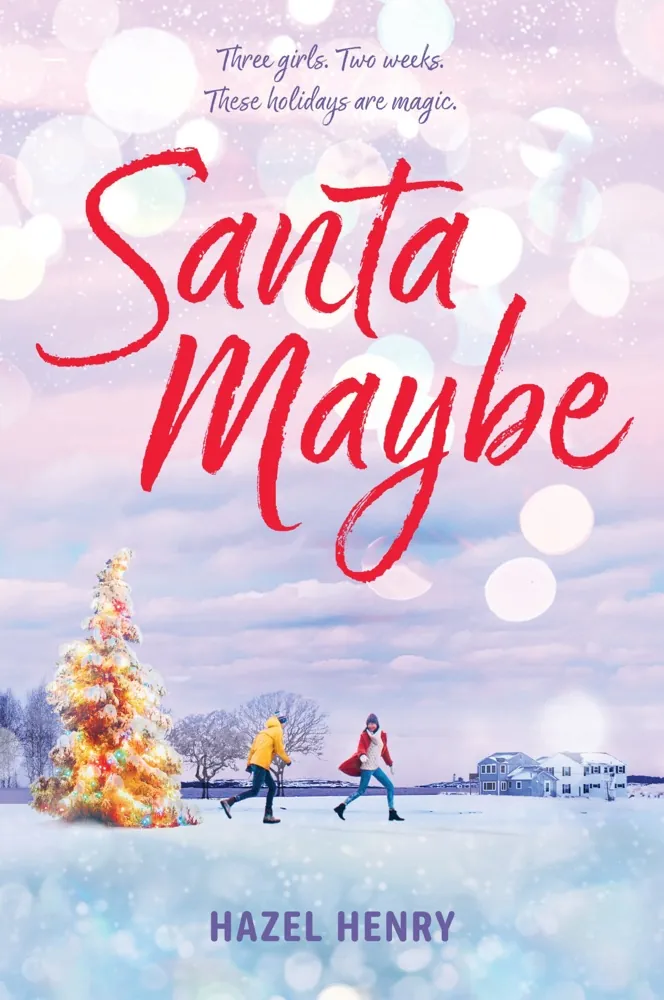
Author: Hazel HenryPage Count: UnknownPublication Date: Expected publication 2026-10-06 APL A Christmas romance that promises to be as warm and fuzzy as a Hallmark movie — how trite. Santa Maybe by Hazel Henry is the latest addition to the Holliday Girls series, a tale of three girls, two weeks, and a whole lot of festive feels. But beneath the sparkly surface, what secrets lie in wait? The premise is deceptively simple: Daisy, Georgia, and Eden, three sisters navigating love, loss, and self-discovery against the backdrop of a quaint Rhode Island town's annual Christmas festival. Yet, it's precisely this simplicity that raises red flags. Where's the depth? The complexity? The nuance? It's all a bit too... neat. A bit too... predictable. Like a made-for-TV movie, minus the edginess. Take Daisy, for instance. She's pining for Owen, and we're expected to buy into their will-they-won't-they dynamic. But what about the emotional labor that goes into maintaining such a relationship? The power struggles, the compromises, the messy, imperfect bits? Do we get any of that? Or is it just a glossy, Instagram-perfect romance? And then there's Georgia, ready for a fresh start, but is she brave enough to put herself first? Ah, the age-old conundrum of the female protagonist: to prioritize oneself or to prioritize others. It's a tired trope, one that's been done to death by authors like Jenny Han and Elin Hilderbrand. Can Henry bring something new to the table, or will it be more of the same old, same old? But what truly sets my teeth on edge is the setting: a charming Rhode Island town, straight out of a Hallmark movie. How quaint. How... sanitized. Where's the grit? The grime? The imperfections that make a place truly come alive? It's all a bit too... Disney-fied. And yet, despite my reservations, I'll admit that there's something undeniably alluring about Santa Maybe. Perhaps it's the promise of a feel-good, escapist read, perfect for curling up by the fire with a cup of hot cocoa. Or perhaps it's the prospect of getting to know the Holliday girls, with all their quirks and flaws. Whatever the reason, I'll be keeping a watchful eye on this one. As I sit here, sipping my champagne and adjusting my diamond-encrusted reading glasses, I'm reminded of the infamous Ishtar debacle — a movie so catastrophically bad, it became a cult classic. Will Santa Maybe follow suit, or will it rise above the fray? Only time will tell. But for now, I have more pressing matters to attend to. I need to approve the final guest list for my publisher's soirée, and I still have to decide on the perfect canapés to serve. Santa Maybe will have to wait... for now. #ChristmasRomance #HallmarkMovie #HollidayGirls Related InsightsBook of Night Book Review and Summary It Book Review and Summary City of Last Chances Book Review and Summary{ "@context": "https://schema.org", "@type": "FAQPage", "mainEntity": [ { "@type": "Question", "name": "What is the main focus of Santa Maybe (The Holliday Girls, 2) Book Review and Summary?", "acceptedAnswer": { "@type": "Answer", "text": "Everything you need to know about Santa Maybe (The Holliday Girls, 2) with our detailed review." } }, { "@type": "Question", "name": "Who authored the comprehensive guide on Santa Maybe (The Holliday Girls, 2) Book Review and Summary?", "acceptedAnswer": { "@type": "Answer", "text": "This detailed article and its insights were carefully researched and authored by Emma Thompson." } }, { "@type": "Question", "name": "Where can I find more related content about Books?", "acceptedAnswer": { "@type": "Answer", "text": "You can explore more articles, detailed reviews, and similar insights by browsing the Related Insights section at the bottom of this article or visiting our dedicated Books category page." } } ] }
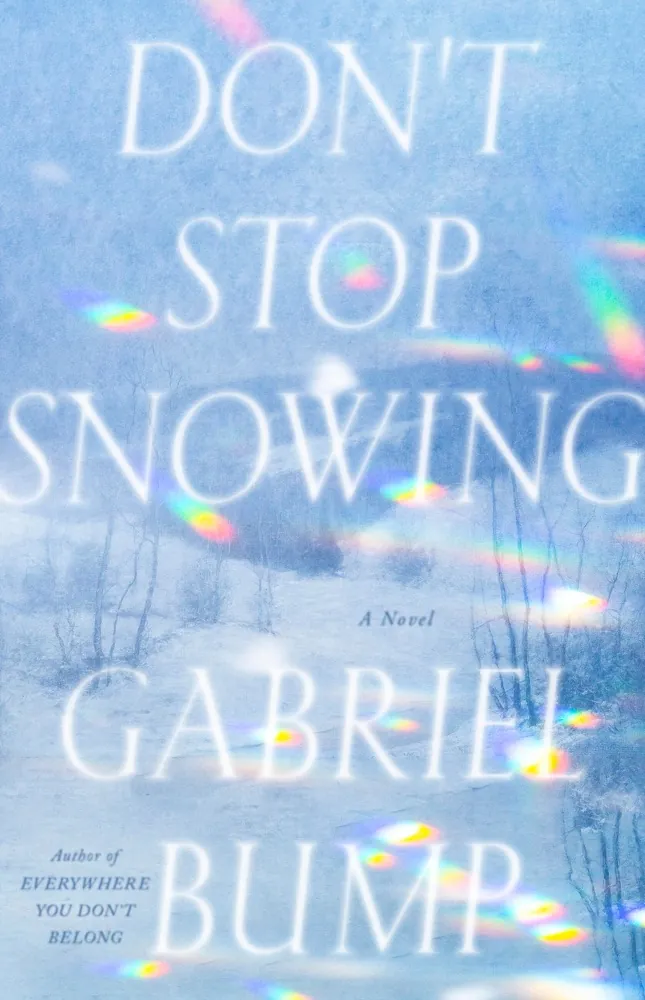
Author: Gabriel BumpPage Count: UnknownPublication Date: Expected publication 2026-11-10 APL A geographical cure, really? That's the best they've got? I'm not sure if I'm more amused or appalled by the notion that a change of scenery can somehow magically fix the deep-seated issues that plague our protagonist, David. And yet, as I read through the synopsis of Gabriel Bump's Don't Stop Snowing, I find myself drawn to the quiet desperation that permeates this narrative. The Inheritance of Chaos It's clear that David is struggling to come to terms with his own troubled past, and the fact that his parents are at a loss for how to help him only serves to underscore the sense of disconnection that pervades this story. The suggestion that a relocation might be the key to unlocking some sort of healing process is, at best, a simplistic solution to a complex problem. But perhaps that's the point – perhaps Bump is highlighting the ways in which we often grasp at straws in our attempts to find meaning and purpose in our lives. As David finds himself in the unlikeliest of places – snowy, grey Buffalo – he's forced to confront the fact that his cousin Flip's life is even more unsteady than his own. The image of David being enlisted to take care of Flip, to fill in for him at his job, is a powerful one – it's a testament to the ways in which we often find ourselves shouldering the burdens of those around us, even as we struggle to come to terms with our own demons. The Weight of Inheritance There's a sense, too, that Bump is exploring the idea that our psyches are not our own – that we inherit not just our eye, hair, and skin color from our parents, but also their complicated, messy emotions. It's a notion that's both terrifying and liberating, and one that I suspect will be a major theme throughout this narrative. But what really draws me to this story is the way in which Bump seems to be embracing the absurdity of life. The image of David falling into a new life, a new way of seeing the world, is a powerful one – it's a testament to the ways in which we can find meaning and purpose in the most unlikely of places. And yet, as I read through the synopsis, I find myself wondering – what's the real story here? What's the narrative that's being obscured by the surface-level details? The vagueness of the synopsis is frustrating, to say the least – I want to know more about David's past, about the ways in which his parents are struggling to connect with him. But perhaps that's the point – perhaps Bump is deliberately obscuring the details in order to focus on the emotional resonance of the story. Perhaps the real narrative is not about the specifics of David's past, but about the ways in which he's struggling to come to terms with his own emotions. The Geography of the Soul As I think about it, I realize that I was wrong to dismiss the idea of a geographical cure out of hand. Perhaps the idea that a change of scenery can somehow fix our deep-seated issues is not so ridiculous after all – perhaps it's a testament to the ways in which our surroundings can shape our emotions, our perceptions of the world. But I'm still not convinced – I think there's more to this story than meets the eye. I think Bump is using the idea of a geographical cure as a metaphor for something deeper, something more profound. And that's what draws me to this narrative – the sense that there's something more going on beneath the surface. The sense that Bump is exploring the complexities of the human psyche in a way that's both nuanced and profound. Oh, wait – I just realized I need to patch a hole in my favorite tweed jacket. #literaryfiction #geographicalcure #bookreview Related InsightsThe Haunting of Hill House Book Review and Summary Tempted Book Review and Summary The Foreign Correspondent's Wife Book Review and Summary{ "@context": "https://schema.org", "@type": "FAQPage", "mainEntity": [ { "@type": "Question", "name": "What is the main focus of Don't Stop Snowing Book Review and Summary?", "acceptedAnswer": { "@type": "Answer", "text": "Everything you need to know about Don't Stop Snowing with our detailed review." } }, { "@type": "Question", "name": "Who authored the comprehensive guide on Don't Stop Snowing Book Review and Summary?", "acceptedAnswer": { "@type": "Answer", "text": "This detailed article and its insights were carefully researched and authored by Marco Conti." } }, { "@type": "Question", "name": "Where can I find more related content about Books?", "acceptedAnswer": { "@type": "Answer", "text": "You can explore more articles, detailed reviews, and similar insights by browsing the Related Insights section at the bottom of this article or visiting our dedicated Books category page." } } ] }
-
 Marco Conti
 - 21 Aug, 2026 21:26
Bark Humbug: An Andy Carpenter Mystery (An Andy Carpenter Novel, 34) Book Review and Summary
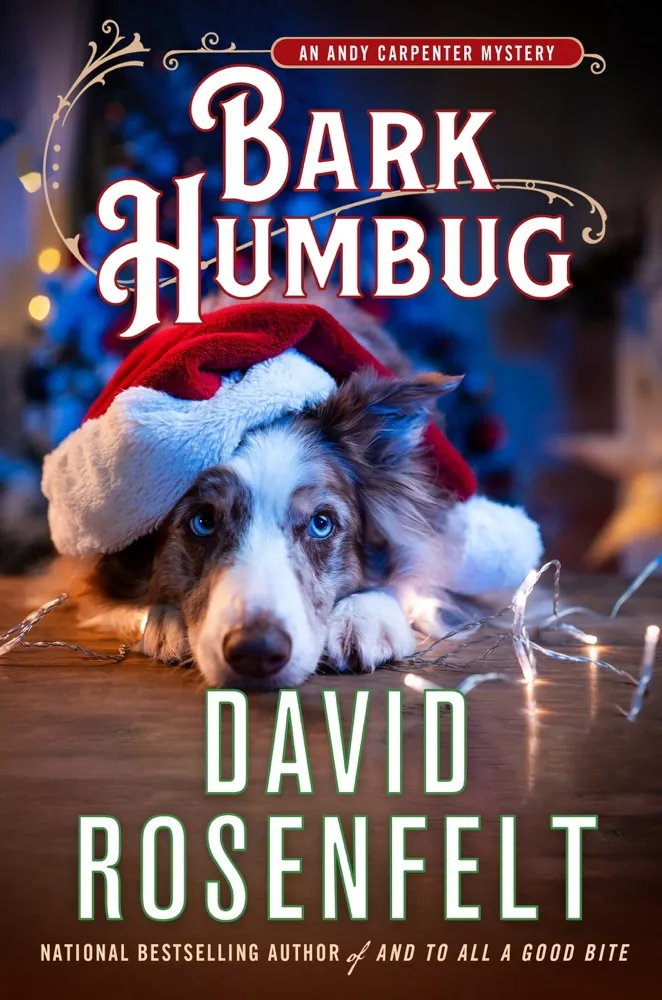
Author: David RosenfeltPage Count: UnknownPublication Date: Expected publication 2026-10-13 APL The synopsis for Bark Humbug reads like a holiday special for the genre’s most stubbornly cynical audience—think if The Thin Man and Fargo had a lovechild, then dressed it in a Santa hat and forced it to solve a murder during a media frenzy. The problem? It’s not just another Christmas mystery—it’s a mystery about Christmas itself, or at least the way it’s weaponized by desperate people and opportunistic journalists. Sharon Lowery’s scheme to lure Andy Carpenter into her brother’s legal mess is less about justice and more about exploiting the season’s sentimental underbelly. The newspaper’s "celebrity and their dogs" spread isn’t just a photo op—it’s a trap, a way to turn Andy’s well-documented disdain for the holiday into leverage. And yet, here he is, already halfway to agreeing because—of course—he can’t resist a dog story, even if it’s wrapped in a murder investigation. The synopsis leans hard into the trope of the reluctant hero, but where most mysteries make the reluctance feel like a quirk, Rosenfelt’s Andy Carpenter’s disdain is almost a character trait in itself. The idea that he’s serious about retiring is funny because we know he won’t be. The football game interruption isn’t just a plot device—it’s a metaphor for how easily Andy’s life gets hijacked by chaos, even when he’s trying to opt out. But the real tension isn’t just in the murder investigation—it’s in the fact that Jon Lowery’s case is so volatile, so public, that Andy’s involvement could turn into a circus. The synopsis hints at a web of conspiracies, but it doesn’t say whether those conspiracies are political, personal, or just the kind of media-driven nonsense that makes Andy’s job so infuriating. Yet—and this is where the synopsis starts to feel like it’s playing it too safe—the mention of "a web of conspiracies" is vague enough to feel like a placeholder for whatever Rosenfelt wants to throw at Andy next. It could be a classic Andy Carpenter conspiracy: a cover-up by the political elite, a corrupt law enforcement agency, or even a dog-related scam (because of course). But it could also be something more personal, something that forces Andy to confront his own complicity in the system he’s spent years critiquing. The synopsis doesn’t give us enough to tell if this is going to be a straightforward whodunit or if it’s going to dig into the darker corners of Andy’s own morality. And that’s the problem—it’s too easy to predict the surface-level plot, but the real payoff in Rosenfelt’s books usually comes from how Andy’s personal life collides with the case. The synopsis also does a decent job of setting up the stakes, but it doesn’t do enough to make us care about the characters beyond Andy and Sharon. Jon Lowery’s desperation is clear, but we don’t get a sense of why he’s running or what he’s willing to do to stay free. Sharon’s dedication is framed as admirable, but it’s also framed as something that could get her brother killed. The synopsis doesn’t ask us to root for either of them—it just sets up the conflict. And that’s fine, because Rosenfelt’s strength is in the tension between Andy’s cynicism and the people who still believe in something, even if it’s just their brother’s innocence. But then—here’s the pivot—what if the real conspiracy isn’t political or personal, but literary? What if Rosenfelt is playing with the expectations of the Christmas mystery genre itself? The synopsis mentions Andy’s "classic disdain for Christmas," but it doesn’t say whether that disdain is going to be the heart of the story or just another layer of irony. If Rosenfelt leans into the idea that the holiday itself is a tool for manipulation—whether by the media, by desperate families, or by the people who profit from the season’s emotional labor—then this could be something special. But if it’s just another case where Andy has to save the day despite himself, then it might feel like a missed opportunity. The synopsis doesn’t give us enough to tell, but that’s the point. Rosenfelt’s books thrive on ambiguity, on the idea that the real mystery isn’t just who did it, but why Andy keeps getting pulled into these messes. And if Bark Humbug is anything like the rest of the series, it’s going to be less about the solution and more about the ride—Andy’s frustration, his reluctant heroics, and the way the world keeps throwing dogs and scandals at him like Christmas presents he didn’t ask for. I’m going to read a battered copy of On the Road until the sun comes up, because nothing prepares you for the chaos of a Rosenfelt mystery like the raw, unfiltered energy of Kerouac. #BookTok #MysteryLovers #ChristmasMysteries #AndyCarpenter #GenreBending Related InsightsSecrets of a Summer Night Book Review and Summary Amanecer de la Cosecha Book Review and Summary Brideshead Revisited Book Review and Summary{ "@context": "https://schema.org", "@type": "FAQPage", "mainEntity": [ { "@type": "Question", "name": "What is the main focus of Bark Humbug: An Andy Carpenter Mystery (An Andy Carpenter Novel, 34) Book Review and Summary?", "acceptedAnswer": { "@type": "Answer", "text": "Everything you need to know about Bark Humbug: An Andy Carpenter Mystery (An Andy Carpenter Novel, 34) with our detailed review." } }, { "@type": "Question", "name": "Who authored the comprehensive guide on Bark Humbug: An Andy Carpenter Mystery (An Andy Carpenter Novel, 34) Book Review and Summary?", "acceptedAnswer": { "@type": "Answer", "text": "This detailed article and its insights were carefully researched and authored by Marco Conti." } }, { "@type": "Question", "name": "Where can I find more related content about Books?", "acceptedAnswer": { "@type": "Answer", "text": "You can explore more articles, detailed reviews, and similar insights by browsing the Related Insights section at the bottom of this article or visiting our dedicated Books category page." } } ] }
- Emma Thompson
- 21 Aug, 2026 02:38
Just a Shot Away: Martin Scorsese's Life in Film Book Review and Summary
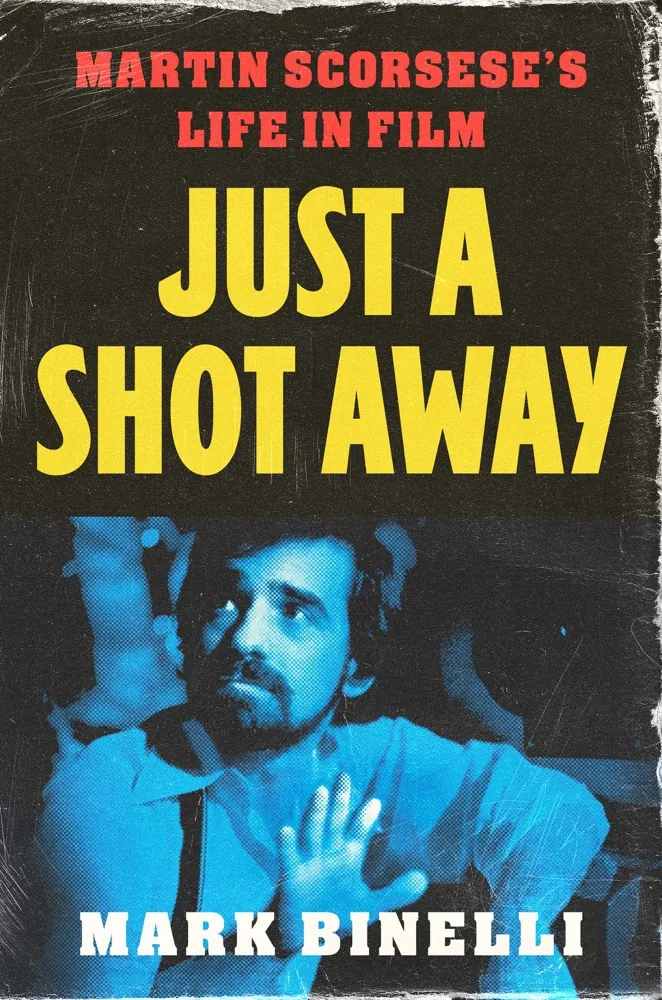
Author: Mark BinelliPage Count: UnknownPublication Date: Expected publication 2026-11-03 APL The air in this high-ceilinged gallery is thick and punishing, August doing its usual heavy-handed work on the city outside while I stare at the preliminary pages for Mark Binelli’s forthcoming Just a Shot Away. Everyone is clamoring for a definitive literary portrait of Martin Scorsese. But do we actually need another exhaustive chronicle of the man who gave us Taxi Driver and Raging Bull? Actually, strike that. I take it all back. A proper, uncompromising look at the cocaine-fueled Mulholland Drive bachelor years shared with Robbie Robertson sounds entirely riveting. Consider the architectural framing here. Binelli traces the trajectory from the violent asthma-ridden asphalt of mid-century Little Italy straight into the intoxicating glare of New Hollywood. This is not just a standard biography. It is a calculated exercise in cultural preservation. The synopsis promises unprecedented access to newly unearthed archives and intimate voices—Robert De Niro, Isabella Rossellini, the late Robertson. The Aesthetics of Excess There is a distinct visual cadence to Scorsese’s filmography that demands an equally bold prose style. Binelli appears to understand this unspoken rule. He matches the director's frenetic pacing with his own archival excavations. We are promised a front-row seat to the chaos. The wild international film festival jet-setting. The paranoid seclusion behind blacked-out windows. Yet the real triumph of this forthcoming volume—assuming the execution holds up against the publisher's breathless hype—will lie in its treatment of the overlooked gems. Give me chapters on After Hours and Alice Doesn't Live Here Anymore over another worn-out deconstruction of Goodfellas any day of the week. The Danger of Hagiography Pop biographies of living auteurs often devolve into embarrassing exercises in hero worship. Peter Biskind understood the grit of this era in Easy Riders, Raging Bulls, tearing down the mythos rather than polishing the halo. Will Binelli possess that same clinical detachment? The inclusion of firsthand parental accounts and ex-wife testimonies suggests he might just pull it off. Or perhaps it will simply drown in authorized sentimentality. One worries the proximity to the subject will dilute the critical bite. Still, the stylistic ambition alone sets this apart from the usual sea of disposable paperback film histories clogging the shelves this season. It demands shelf space right alongside Manny Farber’s best film criticism. My vintage champagne collection needs to be moved to the new cellar. Related InsightsBlacktail Book Review and Summary Harry Potter and the Philosopher's Stone Book Review and Summary Penance Book Review and Summary{ "@context": "https://schema.org", "@type": "FAQPage", "mainEntity": [ { "@type": "Question", "name": "What is the main focus of Just a Shot Away: Martin Scorsese's Life in Film Book Review and Summary?", "acceptedAnswer": { "@type": "Answer", "text": "Everything you need to know about Just a Shot Away: Martin Scorsese's Life in Film with our detailed review." } }, { "@type": "Question", "name": "Who authored the comprehensive guide on Just a Shot Away: Martin Scorsese's Life in Film Book Review and Summary?", "acceptedAnswer": { "@type": "Answer", "text": "This detailed article and its insights were carefully researched and authored by Emma Thompson." } }, { "@type": "Question", "name": "Where can I find more related content about Books?", "acceptedAnswer": { "@type": "Answer", "text": "You can explore more articles, detailed reviews, and similar insights by browsing the Related Insights section at the bottom of this article or visiting our dedicated Books category page." } } ] }
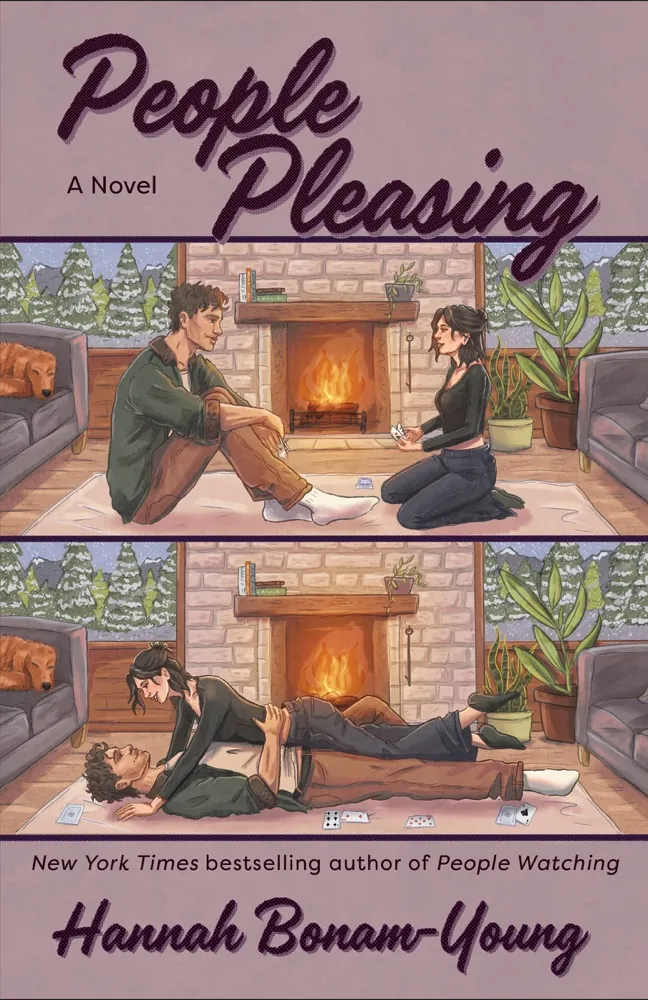
Author: Hannah Bonam-YoungPage Count: UnknownPublication Date: Expected publication 2026 APL A sweltering summer evening, and I find myself pondering the latest romance novel to cross my path - People Pleasing, the upcoming release from Hannah Bonam-Young. The synopsis is sparse, yet tantalizing, much like the first whispers of a summer breeze on a stagnant day. It speaks of Nadia Kablukov, a woman reluctant to return home, and Aleks Truss, the childhood friend who still holds a piece of her heart. But, I must confess, my interest lies not in the predictable beats of their romance, but in the unspoken nuances of their past. The synopsis hints at a complicated history, at wounds that still linger, and at the fragility of their rekindled connection. It is this delicate dance of emotions, this push-and-pull of vulnerability and fear, that I believe will be the true test of Bonam-Young's storytelling prowess. And yet, I am reminded of the saccharine sweetness of The Notebook, the way it sentimentalizes first love and glosses over the complexities of human relationships. Will People Pleasing follow suit, or will it dare to venture into the darker, more treacherous territories of the human heart? Only time will tell. As I sit here, surrounded by the opulent trappings of my art collection, I am struck by the parallels between the world of art and the world of literature. Just as a masterpiece can be reduced to mere kitsch by the heavy hand of sentimentality, so too can a romance novel be undone by its own emotional excesses. But, I must admit, there is something alluring about the prospect of Bonam-Young's prose, something that suggests she may be able to walk the fine line between sentiment and substance. Still, I am not convinced. The synopsis is too vague, too coy, and I am left wondering if the book will truly deliver on its promises. Is this merely another iteration of the "friends-to-lovers" trope, or is there something more at play? The answer, much like the truth of Nadia and Aleks's relationship, remains elusive. As the summer sun dips below the horizon, casting a golden glow over the city, I am reminded of the infamous Isabella Stewart Gardner Museum heist - a brazen act of theft that left the art world reeling. Similarly, I fear that People Pleasing may be guilty of stealing from the tropes of romance novels past, without adding anything truly new or innovative to the mix. But, I suppose that is a risk inherent to any work of art. Worth the hype? Only if Bonam-Young can transcend the predictable and tap into the deeper, more primal emotions that drive us all. If not, then People Pleasing will be nothing more than a forgettable summer romance, lost in the annals of literary history. And now, if you'll excuse me, I must supervise a piano practice that threatens to shatter the very foundations of my home. The cacophony of notes is already piercing the air, a jarring reminder that even the most beautiful music can be reduced to mere noise without the guiding hand of a master. #romance #literaryfiction #summervibes Related InsightsTidelands Book Review and Summary The Secret of Secrets Book Review and Summary The Lightning-Bug and the Lightning: Debunking the Myths of Mark Twain, in His Own Words Book Review and Summary{ "@context": "https://schema.org", "@type": "FAQPage", "mainEntity": [ { "@type": "Question", "name": "What is the main focus of People Pleasing Book Review and Summary?", "acceptedAnswer": { "@type": "Answer", "text": "Everything you need to know about People Pleasing with our detailed review." } }, { "@type": "Question", "name": "Who authored the comprehensive guide on People Pleasing Book Review and Summary?", "acceptedAnswer": { "@type": "Answer", "text": "This detailed article and its insights were carefully researched and authored by Emma Thompson." } }, { "@type": "Question", "name": "Where can I find more related content about Books?", "acceptedAnswer": { "@type": "Answer", "text": "You can explore more articles, detailed reviews, and similar insights by browsing the Related Insights section at the bottom of this article or visiting our dedicated Books category page." } } ] }
- Marco Conti
- 19 Aug, 2026 18:44
The Unfinished Work: A Novel of Abraham Lincoln Book Review and Summary
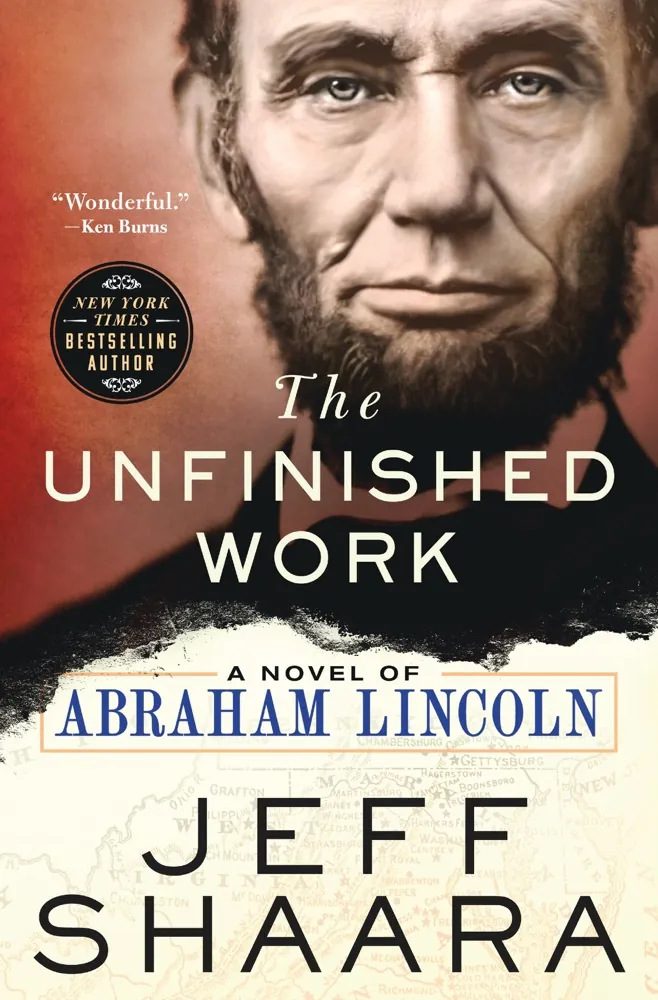
Author: Jeff ShaaraPage Count: UnknownPublication Date: Expected publication 2026-11-10 APL The Unfinished Work: A Novel of Abraham Lincoln — just the title itself conjures images of the blood-soaked battlefields, the cries of the enslaved, and the unyielding determination of a nation on the brink of collapse. Jeff Shaara, the masterful historical novelist, is back to dissect the life of the man who stood at the helm of America's most tumultuous era. And what better way to do so than through the lens of the Gettysburg Address, that poignant call to action that still echoes through the corridors of time? As I sit here, surrounded by the dimly lit basement's cacophony, I find myself pondering the weight of Shaara's task. Can he truly capture the essence of Lincoln's trials and tribulations, his unwavering resolve in the face of unrelenting adversity? The answer, much like the book itself, remains shrouded in mystery. The synopsis, though tantalizing, offers little in the way of concrete details, leaving me to wonder if Shaara will opt for a more introspective approach, delving into the private struggles of the man behind the myth. But, I ask you, what is the true cost of greatness? Is it the toll it takes on one's personal life, the weight of responsibility that threatens to consume at every turn? Lincoln's story is, after all, a testament to the human spirit's capacity for endurance, a reminder that even in the darkest of times, there lies a glimmer of hope. And it is this hope, this unyielding optimism, that Shaara must capture if he is to do justice to his subject. To make matters worse, the task of conveying the complexities of Lincoln's character is a daunting one, akin to attempting to grasp a fistful of sand — the harder one squeezes, the more it seems to slip through one's fingers. Yet, Shaara's reputation as a masterful storyteller precedes him, and I have little doubt that he will rise to the challenge, weaving a narrative that is at once both intimate and epic in scope. But what of the supporting cast, the men and women who played a pivotal role in shaping Lincoln's presidency? Will Shaara opt for a more ensemble-driven approach, or will he focus squarely on the man himself, allowing the world around him to fade into the background? The silence on this front is deafening, leaving me to wonder if the book will suffer from the same pitfalls that have plagued other historical novels — a surfeit of characters, each vying for attention in a crowded narrative. And yet, despite these reservations, I find myself drawn to the prospect of Shaara's latest offering. There's something about the way he weaves his words, a certain je ne sais quoi that sets him apart from his contemporaries. Perhaps it's the way he balances the grand with the intimate, or the manner in which he coaxes the reader into the world of his creation. Whatever the reason, I have little doubt that The Unfinished Work will be a tour-de-force, a sweeping epic that will leave readers breathless and yearning for more. But, I must admit, my attention is beginning to wane, the cold draft from the window proving a formidable distraction. It's a pity, really, as I was just starting to get into the swing of things. Ah, well, I suppose that's the price one pays for attending a poetry slam in a basement — the atmosphere may be electric, but the amenities leave much to be desired. #HistoricalFiction #Lincoln #Shaara Related InsightsDubliners Book Review and Summary The Governess Game Book Review and Summary Beyond the Spine: Unearthing Stories in the Obscure World of Armorial Bookplates{ "@context": "https://schema.org", "@type": "FAQPage", "mainEntity": [ { "@type": "Question", "name": "What is the main focus of The Unfinished Work: A Novel of Abraham Lincoln Book Review and Summary?", "acceptedAnswer": { "@type": "Answer", "text": "Everything you need to know about The Unfinished Work: A Novel of Abraham Lincoln with our detailed review." } }, { "@type": "Question", "name": "Who authored the comprehensive guide on The Unfinished Work: A Novel of Abraham Lincoln Book Review and Summary?", "acceptedAnswer": { "@type": "Answer", "text": "This detailed article and its insights were carefully researched and authored by Marco Conti." } }, { "@type": "Question", "name": "Where can I find more related content about Books?", "acceptedAnswer": { "@type": "Answer", "text": "You can explore more articles, detailed reviews, and similar insights by browsing the Related Insights section at the bottom of this article or visiting our dedicated Books category page." } } ] }
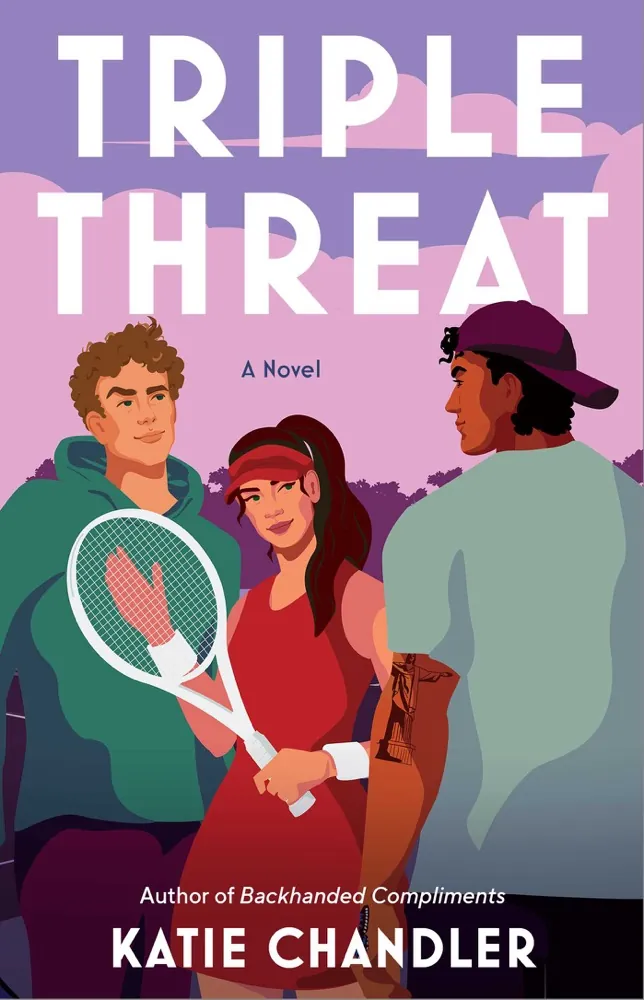
Author: Katie ChandlerPage Count: UnknownPublication Date: Expected publication 2026-12-08 APL This steamy sports romance, Triple Threat, seems to be a thrilling tale of love, tennis, and self-discovery. The story revolves around Octavia Ricci, a disgraced tennis star, her new coach Ariel de Cordova, and her soulmate Leo Mantovani, who, in a twist, is also Ariel's soulmate. As they navigate the complexities of their relationships, the tennis world watches their every move, and they must decide if love is worth risking their careers, reputations, and hearts. —And I'm already sensing the tension. The author, Katie Chandler, is known for her exquisite storytelling in Backhanded Compliments, and I'm excited to see how she weaves this complex web of relationships. But I have to admit, the synopsis feels a bit...vague. I mean, what exactly is the nature of their relationships? How does Leo's soulmate status with both Octavia and Ariel affect their dynamics? One thing that stands out is the exploration of the tennis world and its cutthroat nature. The pressure to perform, the constant scrutiny, and the toll it takes on the players' mental health are all themes that I'm eager to see explored. And with the added complexity of a polyamorous relationship, I'm curious to see how Chandler navigates these sensitive topics. But what really caught my attention was the mention of Octavia's controlling father and her public meltdown at the Australian Open. This sounds like a classic case of a high-pressure environment taking a toll on a young athlete's mental health. I'm reminded of Challengers and Carrie Soto Is Back, both of which explored similar themes of tennis, fame, and the psychological effects of competition. A bold claim for a Tuesday, but I think Chandler might be onto something here. The combination of sports romance, polyamory, and mental health themes has the potential to create a compelling narrative that explores the complexities of human relationships and the pressures of the sports world. Yet, I'm also worried that the book might fall into the trap of relying too heavily on romance tropes. The "secret relationship" plot device, while intriguing, feels a bit overused. And what about the power dynamics between Octavia, Ariel, and Leo? How will Chandler navigate the complexities of their relationships without resorting to clichés? As I continue to ponder these questions, I'm reminded that I still have a lot of work to do. And, honestly, I'd rather be repairing my broken French press than writing this review. Ugh, the things I do for a good story. #SportsRomance #Polyamory #MentalHealthInLiterature
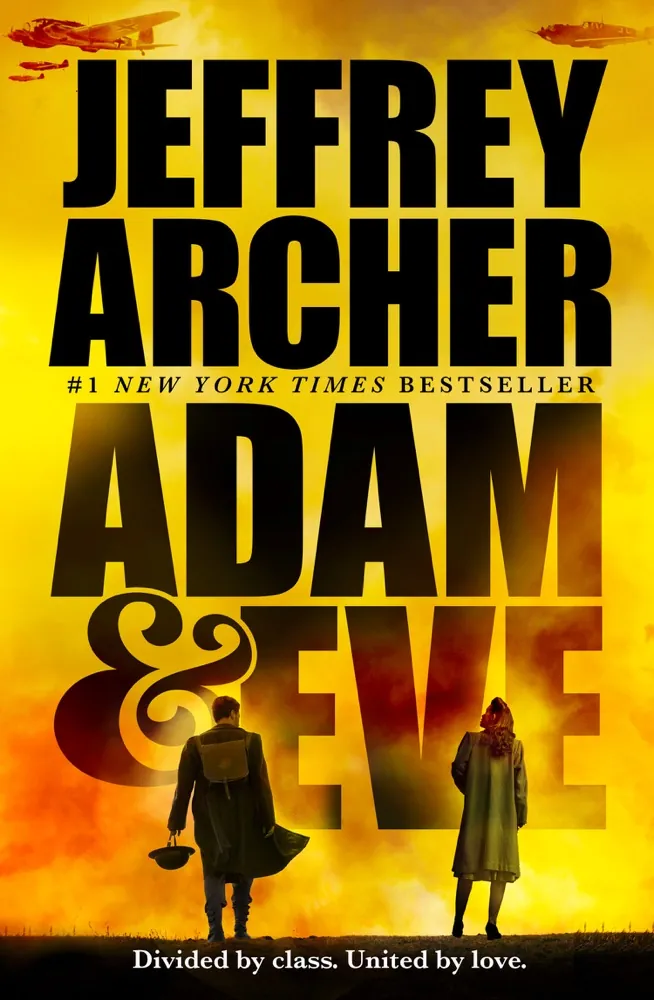
Author: Jeffrey ArcherPage Count: UnknownPublication Date: Expected publication 2026-10-06 APL A birth on the eve of Armistice Day, 1918 - what an interesting coincidence. Jeffrey Archer's latest novel, Adam and Eve, promises to weave a tale of unlikely friendship between two individuals from different walks of life. But as I sit here, watching the European countryside roll by outside my train window, I find myself pondering the vagueness of the synopsis. What exactly does it mean for these two characters to 'form an extraordinary bond that neither privilege nor prejudice can break'? - Is it a romance, a deep platonic connection, or merely a convenient plot device? And then, of course, there's the matter of the war. Archer's choice to set the story against the backdrop of World War II is hardly original, but it does raise questions about the themes he intends to explore. Will Adam and Eve be a sweeping epic of love and loss, or a more introspective examination of the human condition? The synopsis hints at 'extraordinary courage' and 'unimaginable sacrifices', but I've seen those phrases used to describe everything from war dramas to Nicholas Sparks novels. - What sets Adam and Eve apart? As I glance over the reviews from various publications, I notice a trend - Archer is praised for his storytelling prowess, but rarely for his subtlety or nuance. And that's precisely what I worry Adam and Eve might lack. The plot, as described, sounds like a jumbled mess of historical events and contrived coincidences. It's a bit like watching a train wreck in slow motion - you can't look away, but you're not entirely sure why you're watching in the first place. - Perhaps that's the point. Perhaps Archer is going for a sense of grand, operatic drama, with characters that are more archetypes than fully fleshed-out human beings. But if that's the case, then Adam and Eve runs the risk of feeling like a rehashing of better, more iconic stories. I think of Ken Follett's Pillars of the Earth, or even the more recent All the Light We Cannot See by Anthony Doerr. Both of those novels managed to balance historical scope with intimate character work, and both of them felt like genuine masterpieces. - Can Adam and Eve live up to that standard? I suppose only time will tell. As the train rumbles on, I find myself growing increasingly skeptical of Archer's latest effort. It's not that I don't think he's capable of crafting a compelling narrative - it's just that, based on the synopsis, Adam and Eve feels like a bit of a mess. A mess that might be entertaining, in a guilty-pleasure sort of way, but a mess nonetheless. And now, I'm afraid I must log off - I have an interview with Vogue in an hour, and I still need to mentally prepare myself for the inevitable questions about my favorite designers and literary trends. #VogueInterview #LiteraryFiction #WWII Related InsightsI Know Why the Caged Bird Sings Book Review and Summary The Red Pyramid Book Review and Summary Geek Love Book Review and Summary{ "@context": "https://schema.org", "@type": "FAQPage", "mainEntity": [ { "@type": "Question", "name": "What is the main focus of Adam and Eve Book Review and Summary?", "acceptedAnswer": { "@type": "Answer", "text": "Everything you need to know about Adam and Eve with our detailed review." } }, { "@type": "Question", "name": "Who authored the comprehensive guide on Adam and Eve Book Review and Summary?", "acceptedAnswer": { "@type": "Answer", "text": "This detailed article and its insights were carefully researched and authored by Emma Thompson." } }, { "@type": "Question", "name": "Where can I find more related content about Books?", "acceptedAnswer": { "@type": "Answer", "text": "You can explore more articles, detailed reviews, and similar insights by browsing the Related Insights section at the bottom of this article or visiting our dedicated Books category page." } } ] }
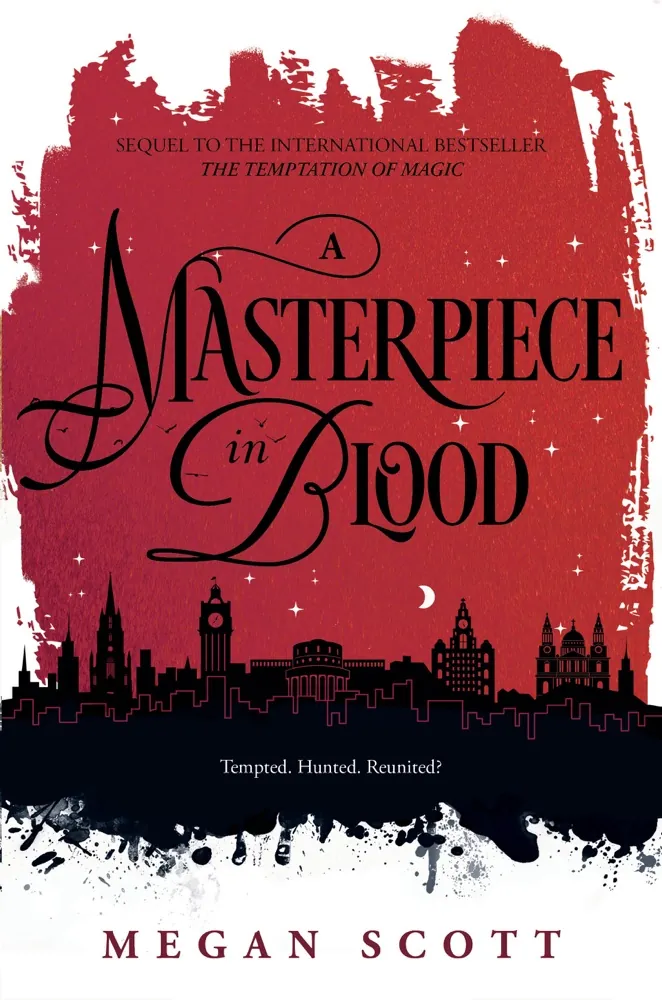
Author: Megan ScottPage Count: UnknownPublication Date: Expected publication 2026-10-06 APL Dark romantasy, how trite. The market's been flooded with these cookie-cutter fated mate tales since A Court of Thorns and Roses took the world by storm. And now, A Masterpiece in Blood, the sequel to The Temptation of Magic, is trying to make a splash. The question is, will it drown in a sea of clichés, or will it manage to stand out? A Game of Deception Nicole and Kyan, our star-crossed lovers, are playing a treacherous game of cat and mouse with The Wake, a shadowy supernatural organization. Nicole's on the run, searching for her mother's last artistic clue, while Kyan's pretending to be The Wake's loyal Empyreal assassin, all the while harboring feelings for Nicole that could get him killed. It's a tired trope, really – the whole "forbidden love amidst danger" shtick. But I suppose it's effective, in a predictable, Twilight-esque kind of way. But what's truly intriguing is the world-building. The Wake, the Wild Hunt, ancient Celtic treasures, and lost Druid sites – it's a veritable feast of mystical goodies. One can almost smell the old leather and dusty tomes that inspired this narrative. And yet, the synopsis is woefully vague about the specifics of this world. What's the nature of The Wake's power? How do the supernatural elements intersect with the human world? These are questions that, if left unanswered, might leave readers feeling frustrated and unsatisfied. A Masterpiece of Manipulation Kyan's inner conflict, however, is a different story altogether. His loyalty to The Wake is being tested by his feelings for Nicole, and this push-and-pull is sure to make for some compelling character development. But will it be enough to save the story from its predictable plot beats? I'm reminded of the film The Talented Mr. Ripley, where the protagonist's duplicity is expertly woven into the narrative. Can A Masterpiece in Blood achieve a similar level of sophistication? And then, of course, there's the inevitable comparison to A Discovery of Witches and Serpent & Dove. Both series have managed to carve out their own unique niches in the dark romantasy genre. Will A Masterpiece in Blood be able to do the same, or will it succumb to the pressure of its predecessors? The Wake-Up Call But I digress. The real question is, can A Masterpiece in Blood deliver on its promise of a "sizzling dark romantasy"? Only time will tell. For now, I'll reserve my judgment, but I will say this: if the story doesn't manage to surprise me, to subvert my expectations in some meaningful way, it'll be a disappointment. After all, as the great philosopher, Oscar Wilde, once said, "To live is the rarest thing in the world. Most people exist, that is all." Will A Masterpiece in Blood truly live, or will it simply exist? Now, if you'll excuse me, I need to attend to my vintage champagne collection. It's time to move it to the new cellar. #DarkRomantasy #BookLovers #TheTemptationOfMagic Related InsightsWalk Two Moons Book Review and Summary From the Mixed-up Files of Mrs. Basil E. Frankweiler Book Review and Summary I Know Why the Caged Bird Sings Book Review and Summary{ "@context": "https://schema.org", "@type": "FAQPage", "mainEntity": [ { "@type": "Question", "name": "What is the main focus of A Masterpiece in Blood (Empyreal #2) Book Review and Summary?", "acceptedAnswer": { "@type": "Answer", "text": "Everything you need to know about A Masterpiece in Blood (Empyreal #2) with our detailed review." } }, { "@type": "Question", "name": "Who authored the comprehensive guide on A Masterpiece in Blood (Empyreal #2) Book Review and Summary?", "acceptedAnswer": { "@type": "Answer", "text": "This detailed article and its insights were carefully researched and authored by Emma Thompson." } }, { "@type": "Question", "name": "Where can I find more related content about Books?", "acceptedAnswer": { "@type": "Answer", "text": "You can explore more articles, detailed reviews, and similar insights by browsing the Related Insights section at the bottom of this article or visiting our dedicated Books category page." } } ] }
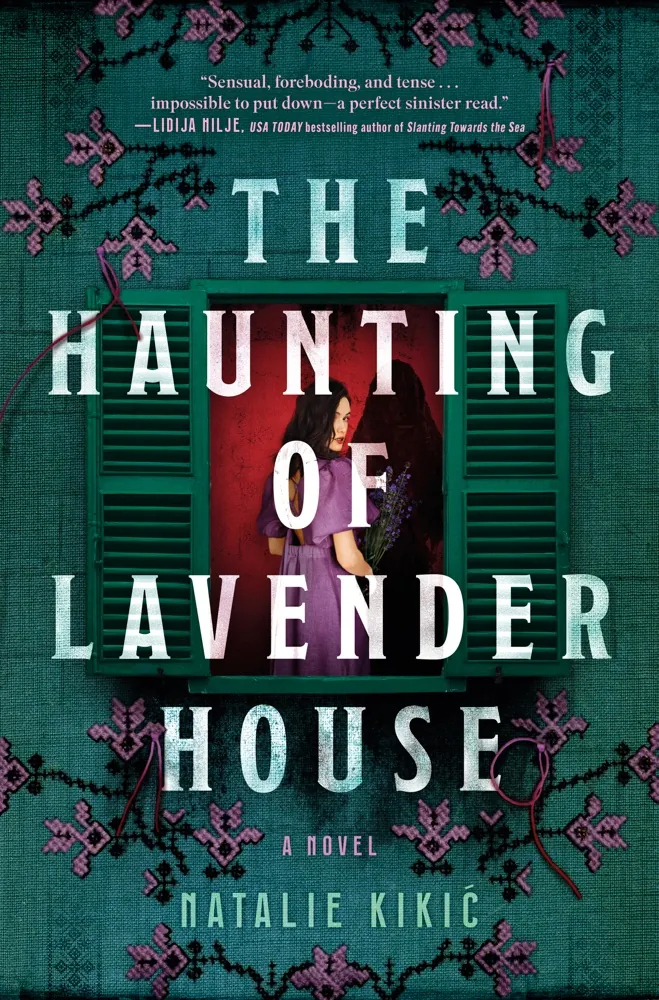
Author: Natalie KikicPage Count: UnknownPublication Date: Expected publication 2026-10-20 APL Staring blankly at a half-eaten packet of stale ramen while trying to hit an arbitrary word count makes one deeply question the academic viability of contemporary publishing trends. Yet, here we are, pretending to care about the promotional copy for Natalie Kikić’s debut, The Haunting of Lavender House. Because nothing screams financial stability quite like analyzing marketing blurbs for a book that won’t even exist in physical form until late 2026. The synopsis leans heavily on the usual dual-timeline crutch, pairing a grieving modern descendant named Petra with a persecuted 19th-century healer named Magdalena. Groundbreaking. We are promised sunlit dread on the Adriatic Sea—a juxtaposition that sounds suspiciously like every domestic thriller currently being pumped out by major houses hoping to capitalize on the Silvia Moreno-Garcia pipeline. The Semiotics of Sun-Drenched Terror There is a distinct, exhausting formula to modern gothic marketing. Take a dilapidated structure, add a local folklore monster—in this case, a bloodthirsty mora from Croatian tradition—and season liberally with generational trauma. But let us look at the physics of this narrative. If the sun is perpetually beating down on these supposed lavender fields, the atmospheric dread loses its claustrophobia. Dread requires shadows, atmospheric pressure, and actual darkness, not a Mediterranean resort brochure masquerading as a horror novel. And yet, the premise of Magdalena in 1895 being labeled a witch while simultaneously playing savior to the local elite possesses a deliciously petty energy. Women healing people only to be branded as sinners is historical fiction 101, but Kikić’s framing of the monster motif—what it actually means to be perceived as non-human by a hostile society—might actually elevate the text above standard genre tropes. Or it will just be another three-hundred-page exercise in historical vibes over structural coherence. Honestly? It's giving mid. The Inheritance of Structural Fatigue Petra’s modern arc relies on the oldest trick in the speculative fiction playbook: the sudden revelation of a living relative who happens to reside in a haunted ancestral estate. Why do grandmothers in these books always lurk on obscure islands instead of just sending a text message? The text asks us to contemplate the cost of belonging, but if Petra's primary obstacle is walking around a house feeling like someone is watching her while she fails to sleep, the psychological stakes are going to feel aggressively thin. We are constantly subjected to publisher comparisons like The Lost Apothecary and The Hacienda, as if publishers genuinely believe readers possess zero imagination beyond whatever sat atop the bestseller lists three years ago. Give us something original. Stop selling us the same haunted real estate dressed up in different regional folklore. Still, if the prose actually delivers on the "gorgeous, sweeping" promise rather than defaulting to purple-prose exposition dumps, it might be worth stealing from the university library. Not that I'm paying for it. My bank account currently consists of four dollars and a dream of dropping out to live in a cave. Oh well. Time to go drink lukewarm absinthe and pretend I am writing modernist poetry in 1920s Paris while avoiding my landlord. #bookstagram #gothicfiction #literarycriticism Related InsightsCruel Seduction Book Review and Summary L'Inchiostro Proibito: Il Silenzio Forzato delle Pagine nell'Impero Sovietico ALIEN STAGE: The Art Book (Deluxe Edition) Book Review and Summary{ "@context": "https://schema.org", "@type": "FAQPage", "mainEntity": [ { "@type": "Question", "name": "What is the main focus of The Haunting of Lavender House Book Review and Summary?", "acceptedAnswer": { "@type": "Answer", "text": "Everything you need to know about The Haunting of Lavender House with our detailed review." } }, { "@type": "Question", "name": "Who authored the comprehensive guide on The Haunting of Lavender House Book Review and Summary?", "acceptedAnswer": { "@type": "Answer", "text": "This detailed article and its insights were carefully researched and authored by Marco Conti." } }, { "@type": "Question", "name": "Where can I find more related content about Books?", "acceptedAnswer": { "@type": "Answer", "text": "You can explore more articles, detailed reviews, and similar insights by browsing the Related Insights section at the bottom of this article or visiting our dedicated Books category page." } } ] }
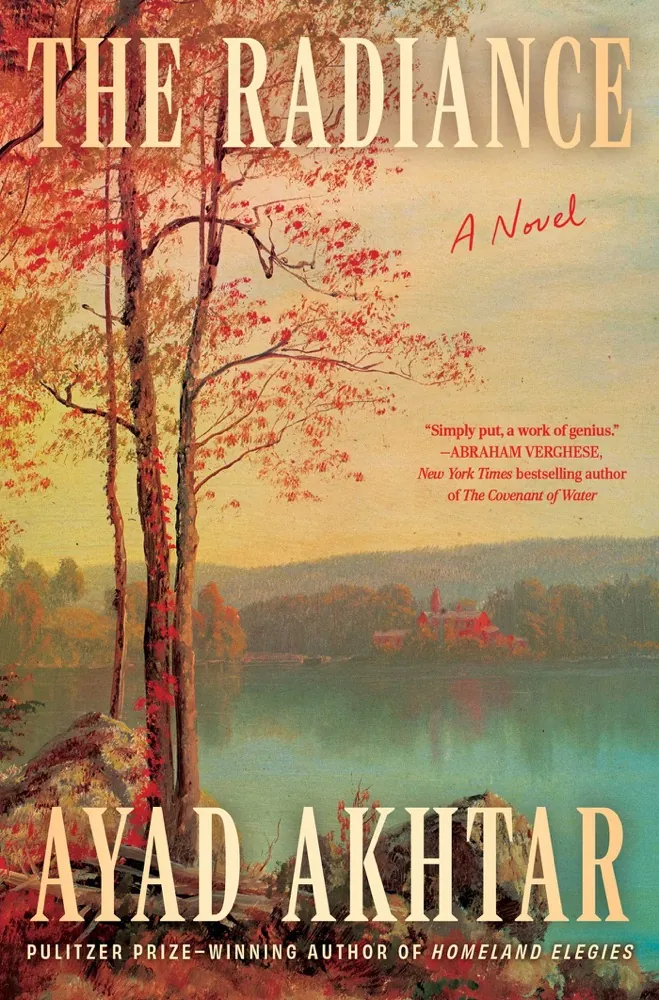
Author: Ayad AkhtarPage Count: UnknownPublication Date: Expected publication 2026-09-29 APL Sunlight is pooling across the eighteenth-century parquet in a manner that demands an immediate glass of Sancerre, provided the staff remembers where the good vintage is kept. Meanwhile, the literary world is hyperventilating over the forthcoming arrival of The Radiance. Ayad Akhtar has decided to grace us plebeians with what the blurbs promise is a masterpiece. God save us all from Pulitzer winners who discover God on rural asphalt. The Geometry of a Crack-Up Consider the premise. A routine hit-and-run precipitates an existential awakening. How dreadfully suburban. Yet, if anyone can elevate mid-life metaphysical whiplash into high art, it is Akhtar. We are promised an intoxicating descent—or perhaps a profoundly pretentious psychological unravelling—where madness and divine revelation blur into the exact same shade of grey. And quite frankly, I am entirely here for the ensuing dumpster fire of academic scandal. The synopsis breathlessly outlines an illicit liaison with a campus colleague, because nothing accelerates spiritual transcendence quite like tenure-track infidelity. We have seen this exact flavor of intellectual self-flagellation before. It leans heavily into the Don DeLillo or Philip Roth playbook of aging men grappling with their own irrelevance while the cultural architecture crumbles around them. But let us be entirely real for a second: the man is cooking with gas, and the prose is bound to slap harder than a disgruntled curator at an exclusive biennale. Geographies of the Ineffable The canvas here stretches across rural America and Europe, dragging Islam and Christianity into the ring for a heavyweight bout on the nature of the fractured modern soul. One prays the dialectical sparring avoids the heavy-handed earnestness that usually plagues contemporary novels attempting to map the cosmos in three hundred pages. Give me cynicism wrapped in silk. Give me prose that tastes like expensive iodine. Mary Gaitskill blurbs it with a breathless mention of the ineffable. Naturally. Critics love throwing around mysticism when a book refuses to explain its own symbolism. Yet, the tension between the domestic debris—a hidden family secret—and the cosmic radio static of the narrator's brain-damaged epiphany holds immense promise. Or it will completely implode under the weight of its own ambition. Either way, the cocktail party chatter will be insufferable. I am buying extra champagne just to survive the launch parties. Now, if you will excuse me, my wealth manager is calling on the private line because some hedge-fund barbarian is aggressively outbidding me for an obscure seventeenth-century Flemish oil painting at Christie's, and I simply must go ruin someone's financial life before luncheon. Related InsightsCity of Heavenly Fire Book Review and Summary Witch Dance (The Spellbound History Quartet, #2) Book Review and Summary Dark Tides Book Review and Summary{ "@context": "https://schema.org", "@type": "FAQPage", "mainEntity": [ { "@type": "Question", "name": "What is the main focus of The Radiance Book Review and Summary?", "acceptedAnswer": { "@type": "Answer", "text": "Everything you need to know about The Radiance with our detailed review." } }, { "@type": "Question", "name": "Who authored the comprehensive guide on The Radiance Book Review and Summary?", "acceptedAnswer": { "@type": "Answer", "text": "This detailed article and its insights were carefully researched and authored by Emma Thompson." } }, { "@type": "Question", "name": "Where can I find more related content about Books?", "acceptedAnswer": { "@type": "Answer", "text": "You can explore more articles, detailed reviews, and similar insights by browsing the Related Insights section at the bottom of this article or visiting our dedicated Books category page." } } ] }
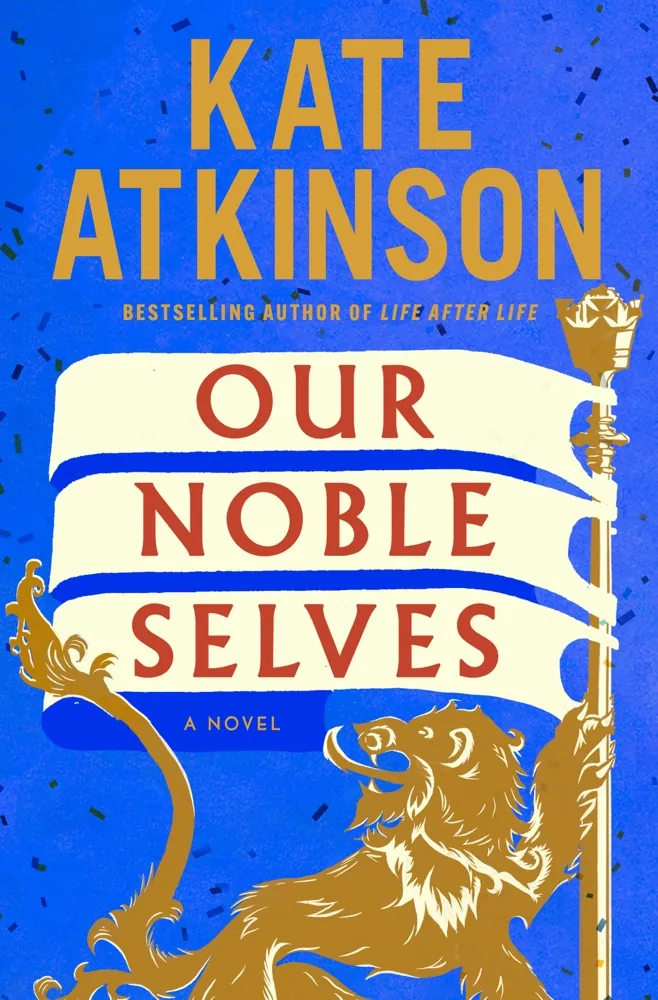
Author: Kate AtkinsonPage Count: UnknownPublication Date: Expected publication 2026-09-15 APL The synopsis for Our Noble Selves is so deliberately vague it’s almost a feature—like a film poster that refuses to reveal the villain’s face until the final act. This is either a masterstroke of marketing ambiguity or a sign that Atkinson is playing with the reader’s expectations like a cat with a mouse. Either way, it’s a gambit that demands patience, the kind of patience only a broken university student with a PhD in literary theory and a rent due next week can muster. The Festival of Britain, a government-sponsored spectacle meant to paper over the cracks of a nation still bleeding from war, is the perfect setting for a story about memory, guilt, and the ways institutions lie to themselves. But here’s the thing—Atkinson’s best work (Life After Life, Case Histories) thrives on the tension between the personal and the historical, where a single character’s trauma becomes a microcosm of a larger collective amnesia. The synopsis hints at Flynn’s amnesia as a plot device, but amnesia in Atkinson’s hands is rarely just a plot device. It’s a metaphor for the way history itself erases inconvenient truths. So when Flynn can’t remember the night the Frenchwoman vanished, we’re not just dealing with a whodunit—we’re dealing with the question of who gets to decide what’s remembered and what’s forgotten. Yet the synopsis also drops a red flag: the "misfits and eccentrics" of the Festival team. This is a trope Atkinson has used before (Life After Life’s ensemble of time-traveling siblings, Human Croquet’s surrealist cast), but the phrasing here feels almost throwaway, like an afterthought. If this is another ensemble piece, then Atkinson’s challenge will be to make each character feel as vivid as the historical backdrop. Because let’s be honest—when the synopsis lists a cast of "misfits," it’s either a promise of rich, layered characters or a warning that the book might lean too heavily on the "eccentric" as shorthand for depth. I’m betting on the former, but only because I’ve seen Atkinson pull it off before. Still, the vagueness here is maddening—where’s the specificity? Where’s the hint of a character who isn’t just "eccentric" but haunting? And then there’s the Festival itself, a government-funded carnival meant to celebrate Britain’s creativity. But Atkinson’s work has always been skeptical of such grand gestures—Life After Life’s alternate histories are a critique of national mythmaking, and Case Histories’ fragmented narratives refuse to let the state tell a single, cohesive story. So if Our Noble Selves is about a nation reconstructing its image, then the real question isn’t who killed the Frenchwoman—it’s who benefits from the story that gets told. The synopsis doesn’t say. It doesn’t need to. But it leaves you wondering: is this a story about individual guilt, or is it about the collective lies we tell to survive? I keep thinking about The Remains of the Day here, the way James Bond’s butler’s quiet complicity in the horrors of his era is the real tragedy. But Atkinson’s work is more subversive than that—she doesn’t just expose the lies, she makes the reader complicit in uncovering them. So if Flynn’s amnesia is the hook, then the real tension will be in how much we, as readers, are allowed to see. And if the Festival is the backdrop, then the question isn’t just who’s hiding something—it’s who’s performing for whom. But I’m getting ahead of myself. The synopsis is deliberately opaque, and that’s fine—it’s a trick Atkinson has used before, a way to make the reader work. And honestly? I’m glad. Because if this book is half as good as the synopsis suggests, then it’ll be worth the wait. But if it’s just another historical mystery with a few "eccentrics" thrown in, then I’ll have to ask myself why I’m even bothering to write this review in the first place. I need to go to a poetry reading. It’ll be terrible, but at least it’ll be over by midnight. And unlike this book, I’ll know exactly what to expect. Related InsightsOne Perfect Couple Book Review and Summary Wonder Book Review and Summary The Invention of Hugo Cabret Book Review and Summary{ "@context": "https://schema.org", "@type": "FAQPage", "mainEntity": [ { "@type": "Question", "name": "What is the main focus of Our Noble Selves Book Review and Summary?", "acceptedAnswer": { "@type": "Answer", "text": "Everything you need to know about Our Noble Selves with our detailed review." } }, { "@type": "Question", "name": "Who authored the comprehensive guide on Our Noble Selves Book Review and Summary?", "acceptedAnswer": { "@type": "Answer", "text": "This detailed article and its insights were carefully researched and authored by Marco Conti." } }, { "@type": "Question", "name": "Where can I find more related content about Books?", "acceptedAnswer": { "@type": "Answer", "text": "You can explore more articles, detailed reviews, and similar insights by browsing the Related Insights section at the bottom of this article or visiting our dedicated Books category page." } } ] }
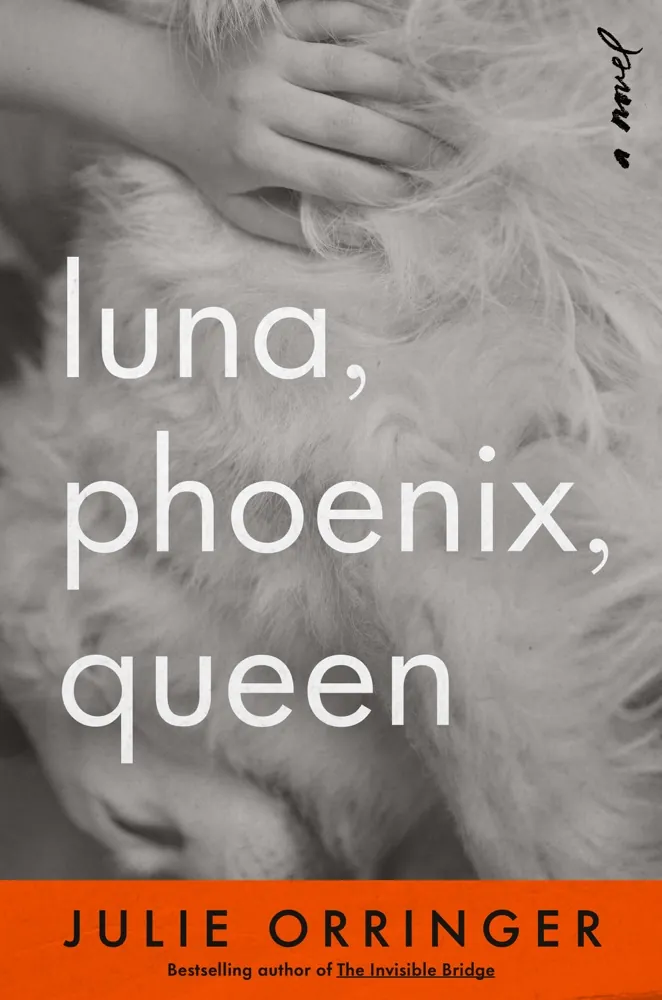
Author: Julie OrringerPage Count: UnknownPublication Date: Expected publication 2026-10-13 APL Another midwestern faculty lounge drama about academic infidelity and stolen manuscripts. Haven't we read this exact book thirty times already? Yet Julie Orringer is dusting off the old "husband steals his cognitively declining wife's brilliant novel" trope as if it hasn't been done to death by every MFA graduate since the Clinton administration. At least nobody is building a theoretical faster-than-light drive with impossible physics in this one, which is refreshing for once. Give me actual hard science any day over endless prose about ivory tower neuroses. The Stolen Prose Industrial Complex The synopsis lays out the whole mechanical contraption right there in the open. Dava writes a book while losing her grip to early-onset Alzheimer's. Barr reads it, seethes with typical mediocre-male academic jealousy, and publishes it under his own name. Groundbreaking. Riveting. Let me just check my watch while I sigh deeply at the predictable architecture of literary theft. Actually, wait. I take that back. The chorus of voices structure—incorporating a traumatized shelter dog named Luna alongside the human cast—might actually save this from being standard literary fiction drudgery. Or it might be entirely unhinged. Dogs shouldn't get point-of-view chapters unless they are barking at lasers or questioning the laws of thermodynamics. Memory, Theft, and Other Clichés Orringer attempts to construct a sprawling narrative spanning four decades and thousands of miles, tackling the weaponization of memory and the fragility of identity. But let us be honest about the mechanics here. I am sitting in this freezing campus basement staring at a glowing screen, just trying to hit the mandatory word count for this preview so I can stop thinking about academic plagiarism and go home. Why do we romanticize the destruction of female intellect for the sake of a man's guilt-ridden redemption arc? James makes a startling discovery after his father dies. Groundbreaking stuff. Expect comparisons to Ian McEwan or Donna Tartt because critics are allergic to originality. If you liked The Goldfinch, you will allegedly love this. But this smells like the kind of heavy-handed prose that wins prizes precisely because it lacks any joy, preferring to wallow in the quiet devastation of marital misery. Look, I cannot dwell on the thematic implications of stolen authorship any longer. I have an exclusive wine tasting event at the country club in an hour and I still need to find my cardigan. Related InsightsThe Munich Affair Book Review and Summary Banker's Holiday: A Novel of Fiscal Irregularity Book Review and Summary And Then There Were None Book Review and Summary{ "@context": "https://schema.org", "@type": "FAQPage", "mainEntity": [ { "@type": "Question", "name": "What is the main focus of Luna, Phoenix, Queen Book Review and Summary?", "acceptedAnswer": { "@type": "Answer", "text": "Everything you need to know about Luna, Phoenix, Queen with our detailed review." } }, { "@type": "Question", "name": "Who authored the comprehensive guide on Luna, Phoenix, Queen Book Review and Summary?", "acceptedAnswer": { "@type": "Answer", "text": "This detailed article and its insights were carefully researched and authored by Marco Conti." } }, { "@type": "Question", "name": "Where can I find more related content about Books?", "acceptedAnswer": { "@type": "Answer", "text": "You can explore more articles, detailed reviews, and similar insights by browsing the Related Insights section at the bottom of this article or visiting our dedicated Books category page." } } ] }
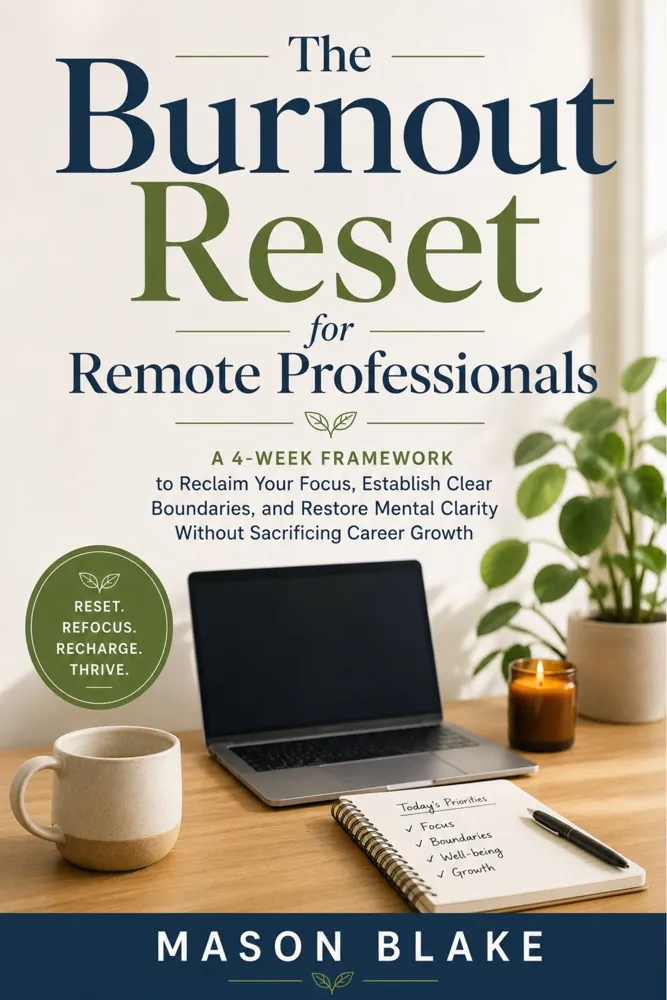
Author: Claire KingsleyPage Count: UnknownPublication Date: Expected publication 2026-06-09 APL Examine the irony hanging heavy in the gallery tonight. Claire Kingsley—yes, the romance maven famous for the rugged Haven Brothers—has apparently traded mountain peaks for the fluorescent glare of Microsoft Teams. Peaks and Promises arrives bearing a curious subtitle and a premise that feels entirely divorced from lumberjacks and snow-drenched flannel. Wait, let me rephrase that. Perhaps the corporate ladder is simply the new backcountry trail, equally perilous and entirely devoid of oxygen. The synopsis promises an exhaustive operational manual on digital exhaustion disguised as prose. But is this high-art literature or merely a glorified productivity pamphlet masquerading as bound paper? We are expected to swallow "screen apnea" and "micro-zoning" alongside our morning espresso. A bit cringe, honestly, but who am I to judge when my own portfolio sits gathering dust while I doomscroll through Slack notifications? The Architecture of Isolation Consider the physical space. The modern domestic interior is no longer a sanctuary of quiet contemplation. It is an optimized panopticon where the kitchen table morphs into a high-stress corporate prison. The textual architecture here relies heavily on spatial anxiety—the bedroom bleeding into the boardroom until autonomy is traded for a 24/7 digital leash. Yet, does a four-week framework possess genuine aesthetic weight, or does it read like a sanitized instruction manual written by someone who has never felt the crushing weight of an unread email queue? The Illusion of Autonomy We chase the ghost of remote flexibility only to find ourselves performing theater for invisible audiences. The prose in the synopsis leans hard into this existential dread—invoking terms like the "reactivity vortex" with the breathless urgency of a true-crime podcast. Yet, reading through these bulleted software configurations, one wonders if we are merely trading one form of commodification for another. Cal Newport meets Susan Sontag in a fever dream of boundary scripts and time-blocking. Actually, scratch that comparison entirely; Newport wishes he had this level of melodramatic flair. The overarching motif centers on reclamation—snatching one's focus back from the jaws of notification hell. But true intellectual engagement requires more than copy-and-paste communication templates. We demand texture. We demand blood, sweat, and badly bruised margins in our literature, not software tips for Microsoft Outlook. The gall of expecting us to pay good money for a boundary script playbook when our lives are already a masterclass in involuntary isolation. My assistant just buzzed regarding the venue, and I suddenly realize I must select the floral arrangements for your upcoming book launch before the florist closes. Related InsightsThe Ship of Death Book Review and Summary Family Remains Book Review and Summary Love Unwritten Book Review and Summary{ "@context": "https://schema.org", "@type": "FAQPage", "mainEntity": [ { "@type": "Question", "name": "What is the main focus of Peaks and Promises (The Haven Brothers #6) Book Review and Summary?", "acceptedAnswer": { "@type": "Answer", "text": "Everything you need to know about Peaks and Promises (The Haven Brothers #6) with our detailed review." } }, { "@type": "Question", "name": "Who authored the comprehensive guide on Peaks and Promises (The Haven Brothers #6) Book Review and Summary?", "acceptedAnswer": { "@type": "Answer", "text": "This detailed article and its insights were carefully researched and authored by Emma Thompson." } }, { "@type": "Question", "name": "Where can I find more related content about Books?", "acceptedAnswer": { "@type": "Answer", "text": "You can explore more articles, detailed reviews, and similar insights by browsing the Related Insights section at the bottom of this article or visiting our dedicated Books category page." } } ] }
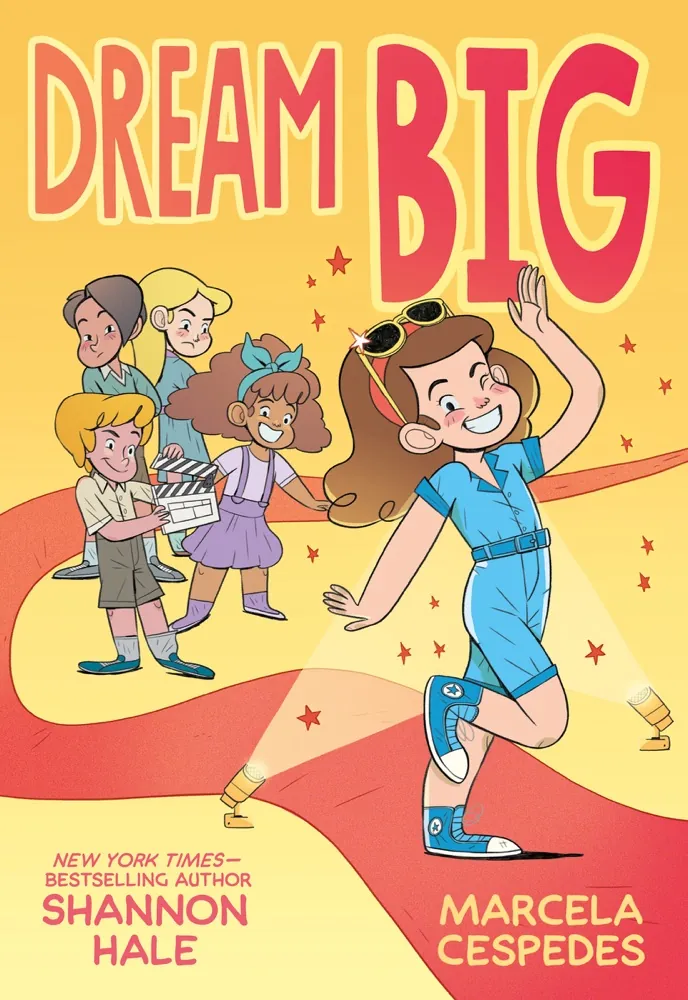
Author: Shannon HalePage Count: UnknownPublication Date: Expected publication 2026-09-01 APL Dream On series fans, don't expect another saccharine treatise on overcoming "fears" and "doubts" from Shannon Hale. Dream Big appears to be more formulaic than innovative, rehashing tried, yet tired tropes of "following your dreams" and "perseverance." And please, a graphic novel set in a neighborhood where a horror movie is being filmed – it reeks of contrived nostalgia for the 80s and 90s. And what's this? Another coming-of-age tale about a timid protagonist? Dream Big reads like a mashup of uninspired teen comedies with a few obligatory lessons thrown in. When did "courage to face fears" become a trope worthy of repetition? In our world of instant gratification, where's the real substance? Compare this to the deft hand of Raina Telgemeier in Smile, now that's a coming-of-age story. The synopsis promises bright and charming illustrations from Marcela Cespedes, which only further highlights Hale's uninspired writing style. Will Dream Big be the graphic novel equivalent of a bland, overpriced cappuccino – visually appealing but utterly forgettable? A movie is being filmed in Cassie's neighborhood: how trite. The idea that she and her best friend would get hired as extras and Cassie would end up in a horror movie? Predictable. —The notion of a mean kid actor, however, is mildly intriguing. Perhaps Dream Big will surprise us with genuine character depth. I highly doubt it. I must admit, the SEL themes mentioned in the synopsis have a faint, hollow ring to them. Empathy, kindness, compassion, forgiveness – Dream Big will have to do a lot more than just mention these words for them to feel genuine. When was the last time a children's book genuinely explored complex issues without resorting to simplistic moralizing? Give me a Children of Men-esque gritty exploration of adolescence, not some Pollyanna-esque fable about chasing your dreams. But let's talk about the real elephant in the room: what kind of message are we sending to children when we romanticize the film industry as a "dream come true"? Do we forget the countless hours spent on set, the crushing disappointment, and the constant rejection? Dream Big seems to gloss over the darker aspects of fame, reducing it to a feel-good story about following one's passion. Compare this to the raw, unfiltered portrayal of fame in Go Ask Alice – now that's an unsettling tale about the darker side of chasing your dreams. Related InsightsOnly the Brave Book Review and Summary Invisible Girl Book Review and Summary Ellie Ellie Book Review and Summary{ "@context": "https://schema.org", "@type": "FAQPage", "mainEntity": [ { "@type": "Question", "name": "What is the main focus of Dream Big (Dream On, #2) Book Review and Summary?", "acceptedAnswer": { "@type": "Answer", "text": "Everything you need to know about Dream Big (Dream On, #2) with our detailed review." } }, { "@type": "Question", "name": "Who authored the comprehensive guide on Dream Big (Dream On, #2) Book Review and Summary?", "acceptedAnswer": { "@type": "Answer", "text": "This detailed article and its insights were carefully researched and authored by Emma Thompson." } }, { "@type": "Question", "name": "Where can I find more related content about Books?", "acceptedAnswer": { "@type": "Answer", "text": "You can explore more articles, detailed reviews, and similar insights by browsing the Related Insights section at the bottom of this article or visiting our dedicated Books category page." } } ] }
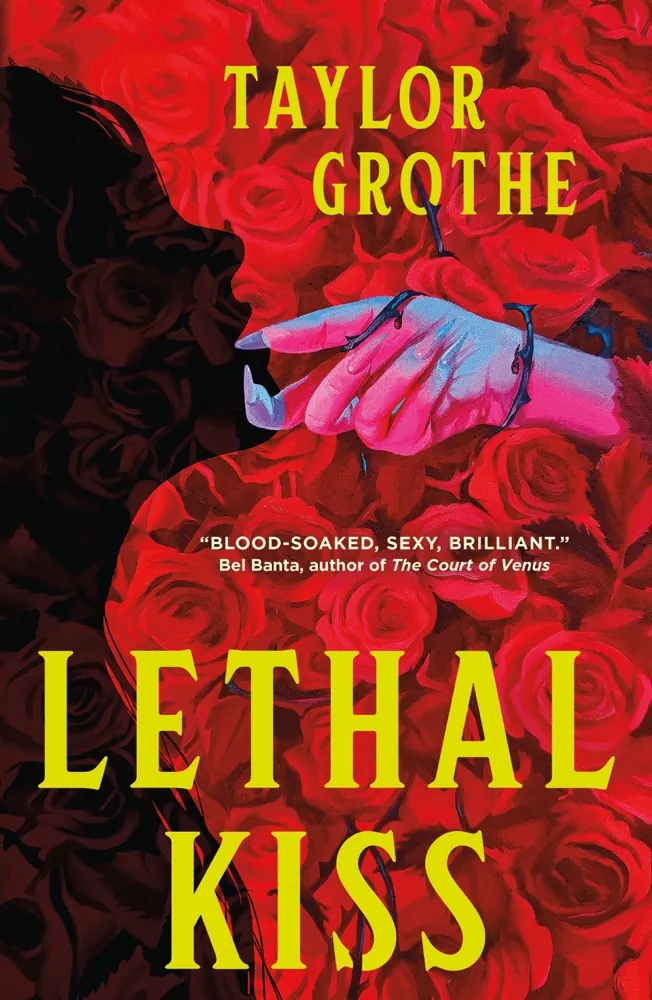
Author: Taylor GrothePage Count: UnknownPublication Date: Expected publication 2026-10-20 APL Staring at a blank document while wondering if instant ramen broth can double as a conductive gel for a makeshift oscilloscope is no way to spend a Tuesday evening. But here we are, expected to produce literary intelligence out of thin air while the landlord ignores emails about the structural integrity of the ceiling fan. Let us examine the promotional text for Taylor Grothe’s upcoming Lethal Kiss. The Pathology of Academic Ambition We are promised a blood-soaked exploration of rage, revenge, and belonging beneath the marble floors of Preston University. A sapphic horror-romance featuring a careful monster and a tenure-obsessed academic. Wait, let me rephrase that entirely because I just remembered my lab partner accidentally calibrated the spectrometer with tap water last semester and we are all doomed. Tenure is a myth invented to keep sleep-deprived adjuncts docile while they grade undergraduate lab reports on thermodynamic entropy at three in the morning. Actually, scratch that. Tenure is a very real, cutthroat cage. The synopsis leans heavily into the institutional rat race, positioning career desperation alongside literal predation. And yet, bodies start dropping. Naturally. Because what is higher education without a high body count? Predators in the Faculty Lounge Marcella is careful. Lacie wants job security. A mysterious, ancient entity is butchering the staff. Grothe’s premise trades on the friction between professional exhaustion and visceral hunger. Desire having teeth of its own is a striking tagline, even if it borders on the aggressively gothic. One expects the prose to swing somewhere between the structural claustrophobia of Monstrilio and the razor-sharp sapphic bite of The Salt Grows Heavy. Or maybe it will just be another generic monster-mash set in a seminar room. The synopsis refuses to commit to the actual mechanics of the horror, leaving us to guess whether the dread stems from the terror of the supernatural or the sheer terror of publishing-or-perishing. Yet, I am supposed to write five hundred words about a book that does not exist yet based entirely on three paragraphs of publisher-mandated marketing copy. This is absurd. I am literally just trying to hit an arbitrary word count so I can afford another box of generic cereal and maybe some electrical tape. The lack of DRM is a nice touch for anyone who wants to share digital files without corporate oversight, though it tells us nothing about the actual sentence-level craftsmanship. Will the pacing hold up under the weight of academic satire, or will it devolve into predictable genre tropes? Only October 2026 will tell. Now, if you will excuse me, I need to figure out the best way to patch a gaping hole in the drywall before the indoor football tournament downstairs resumes and the whole living room collapses onto the floor below. #sapphichorror #academicburnout Related InsightsHidden Pictures Book Review and Summary Lovely in Her Bones Book Review and Summary Milk, Bread, Teeth Book Review and Summary{ "@context": "https://schema.org", "@type": "FAQPage", "mainEntity": [ { "@type": "Question", "name": "What is the main focus of Lethal Kiss Book Review and Summary?", "acceptedAnswer": { "@type": "Answer", "text": "Everything you need to know about Lethal Kiss with our detailed review." } }, { "@type": "Question", "name": "Who authored the comprehensive guide on Lethal Kiss Book Review and Summary?", "acceptedAnswer": { "@type": "Answer", "text": "This detailed article and its insights were carefully researched and authored by Marco Conti." } }, { "@type": "Question", "name": "Where can I find more related content about Books?", "acceptedAnswer": { "@type": "Answer", "text": "You can explore more articles, detailed reviews, and similar insights by browsing the Related Insights section at the bottom of this article or visiting our dedicated Books category page." } } ] }
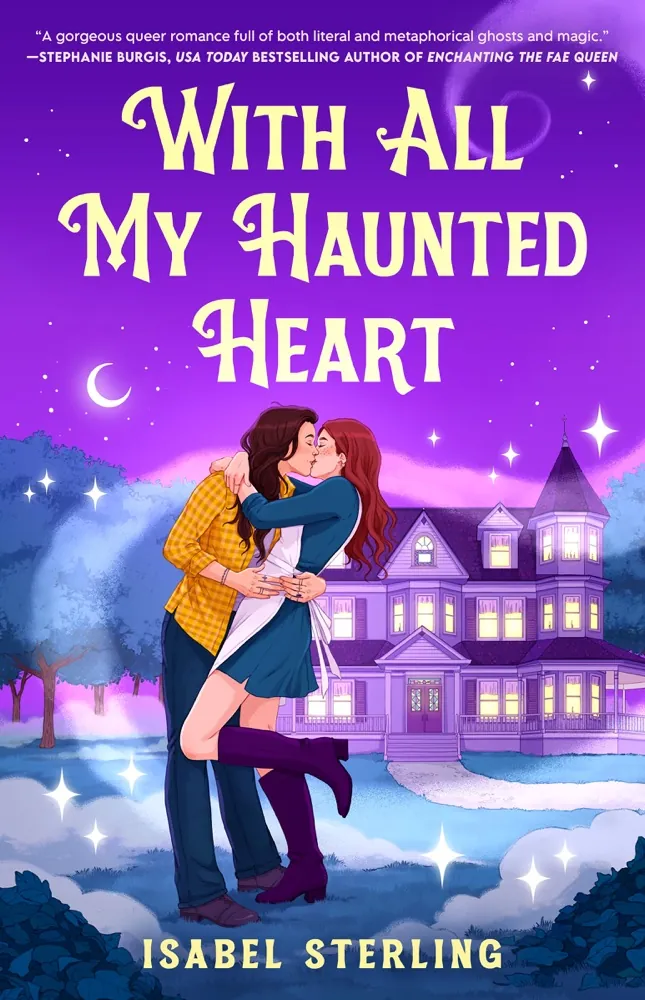
Author: Isabel SterlingPage Count: UnknownPublication Date: Expected publication 2026-09-08 APL The air inside the gallery hangs thick and heavy this August afternoon, smelling faintly of old varnish and sun-warmed limestone. Yet, my attention drifts entirely away from the seventeenth-century canvases currently lining the mahogany walls. Instead, my eyes linger on the horizon of upcoming releases, specifically Isabel Sterling’s With All My Haunted Heart. A charmingly absurd premise, really. The Economics of Spectral Curiosities We are meant to believe that a professional witch is suffering financially because the local plebeians discovered bargain-bin crystals. The tragedy of late-stage capitalism meets the occult. A modern-day Enron, just with sage and quartz. Pippa Ainsley faces ruin simply because amateur hour has arrived in the form of DIY magic shops. How deliciously dreadful. Sterling leans heavily into the cozy romance aesthetic that currently clogs the bestseller lists like cholesterol in a Michelin-starred chef. Think Legends & Lattes, but stripped of any real culinary ambition and traded for the damp wallpaper of a struggling bed-and-breakfast. The tension hinges entirely on a ridiculous corporate pivot: hiring the local witch to purposefully infest an inn with spirits. Architectural Integrity and Emotional Baggage Let us examine the scaffolding of this dynamic. A pragmatic co-owner with a painful secret. Naturally. Because no sapphic romance in the year of our Lord two thousand twenty-six can exist without someone clutching a trauma dossier to their chest like a priceless Vermeer at auction. Elle Thompson wants an edge. Pippa needs cash. They clash over experimental magic. And yet, I find myself deeply, inexplicably forgiving of this transparent literary machinery. Perhaps it is the stagnant summer heat baking my brain. Or perhaps I simply appreciate a premise that refuses to take itself seriously. Sterling writes with the fluffy, confectionary detachment of a Marie-Antoinette-themed pastry shop in Tribeca. The Palette of Contemporary Whimsy The thematic resonance here is transparently clear. Magic as a dying craft in the face of mass-market commercialization. A brilliant metaphor for the art market itself, flooded with algorithmic prints while authentic masterpieces gather dust in climate-controlled vaults. Pippa fights a losing battle against the Temu-ification of witchcraft. Can we pause for a moment to appreciate the sheer audacity of ethical haunting? What does an ethical ghost even look like? Does it pay taxes? Does it respect quiet hours after ten p.m.? One shudders to think. It reads like the plot of a rejected pilot from the defunct Quibi lineup. Still. I will buy a copy. It will sit on the mahogany side table in my study, a bright, pastel-spined little object to look pretty while I sip iced gin. I just pray the narrative holds together better than the disastrous acquisition strategy of the late British Home Stores. Before I can contemplate this literary confection any further, a sharp, mechanical burning smell drifts up from beneath the center console. The heated seats in my SUV are malfunctioning again on maximum intensity, which is a tragic, sweltering disaster in the middle of a brutal August heatwave.

Author: K.A. RileyPage Count: UnknownPublication Date: Expected publication 2026 APL The synopsis for The Lion and the Impala—which, by the way, is being marketed as the first installment in The Resistance Trilogy despite the title not even hinting at resistance—is so painfully reductive it reads like a rejected children’s encyclopedia entry. The premise is a classic "curious cub asks questions" trope, the kind of thing that would’ve made Watership Down’s readers roll their eyes in the ‘70s. But here’s the thing: the synopsis doesn’t tell us anything about the book’s actual ambition. It doesn’t even try. It just lists a series of educational asides—lion diets, herbivore vs. carnivore distinctions—as if the moral were the only thing that matters, which is where the real problem lies. The moral, of course, is the "grass isn’t greener" cliché, delivered with the subtlety of a sledgehammer. But the synopsis doesn’t show how this is subverted or complicated—if it even is. The father’s response is framed as a "delightful exchange," which is either a massive understatement or a sign that the book is so shallow it can’t handle irony. Compare this to something like The Lion, the Witch and the Wardrobe, where the moral is buried in the world-building, not hammered into the reader like a lesson plan. Here, the entire synopsis reads like a parent’s summary of a bedtime story they half-remembered. Where’s the tension? Where’s the resistance? The title promises a trilogy, but the synopsis doesn’t even acknowledge that the lion cub’s curiosity might lead to something beyond a simple food-chain lesson. And yet—here’s where I pivot—maybe that’s the point. Maybe The Resistance Trilogy isn’t about rebellion at all, but about the illusion of rebellion. The lion cub’s fascination with impalas isn’t just about diet; it’s about choice, about the fantasy of opting out of predation entirely. That’s a weirdly modern framing for a children’s book—almost like the author is nodding to the way kids today are taught to question systems, only to realize the system is the only thing holding them together. It’s the kind of meta-commentary you’d expect from The Overstory’s ecological paranoia, but condensed into a fable. But then again, the synopsis doesn’t show that. It just tells us the cub thinks impalas have it better, which is the literary equivalent of saying, "Here’s a problem, now solve it yourself." The real crime here is the vagueness. The synopsis doesn’t even attempt to sell the book as more than a morality tale. It doesn’t mention the "resistance" in the title, doesn’t hint at political subtext, doesn’t suggest that the lion cub’s curiosity might be dangerous. It’s as if the author is afraid to commit to anything beyond the surface-level lesson. That’s not how trilogies work. That’s not how anything works. Even Watership Down had rabbits plotting a revolution—this is just a lion cub asking about snacks. I’m not crying, you’re crying. The only way this makes sense is if The Resistance Trilogy is a satire of the very idea of resistance, a book that starts with a cub’s naive question and ends with the realization that the system is the only thing keeping anyone alive. That would be bold. That would be something. But the synopsis doesn’t give us that. It gives us a checklist of facts, a moral, and a promise of a trilogy that might not even exist beyond this first book. It’s the literary equivalent of a Netflix trailer that only shows the first five minutes of the first episode. I need to reorganize my towering stacks of reference books before I lose what little patience I have left for this kind of thing. #bookreview #childrenlit #trilogyfail #fablesthatmiss #resistanceisboring Related InsightsPunto ciego Book Review and Summary Godrise Book Review and Summary 11/22/63 Book Review and Summary{ "@context": "https://schema.org", "@type": "FAQPage", "mainEntity": [ { "@type": "Question", "name": "What is the main focus of Recruitment (The Resistance Trilogy #1) Book Review and Summary?", "acceptedAnswer": { "@type": "Answer", "text": "Everything you need to know about Recruitment (The Resistance Trilogy #1) with our detailed review." } }, { "@type": "Question", "name": "Who authored the comprehensive guide on Recruitment (The Resistance Trilogy #1) Book Review and Summary?", "acceptedAnswer": { "@type": "Answer", "text": "This detailed article and its insights were carefully researched and authored by Marco Conti." } }, { "@type": "Question", "name": "Where can I find more related content about Books?", "acceptedAnswer": { "@type": "Answer", "text": "You can explore more articles, detailed reviews, and similar insights by browsing the Related Insights section at the bottom of this article or visiting our dedicated Books category page." } } ] }
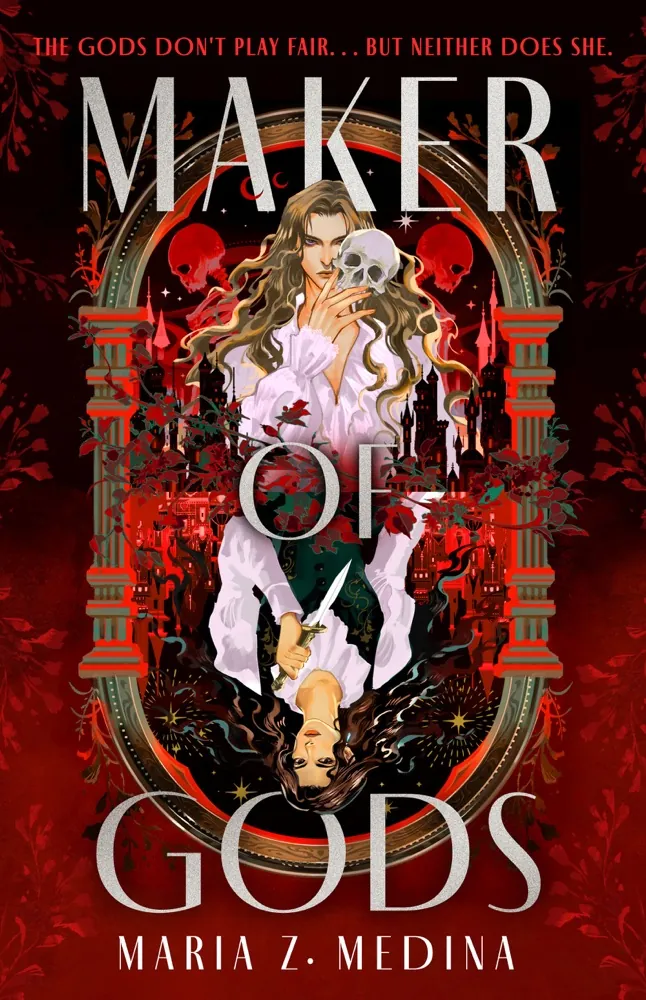
Author: Maria Z. MedinaPage Count: UnknownPublication Date: Expected publication 2026-12-08 APL Look, I am currently surviving entirely on instant ramen that costs thirty-seven cents a packet and the cold, unyielding comfort of the periodic table, which means I have zero patience for this metaphysical nonsense. Maria Z. Medina is dropping the second half of this duology, Maker of Gods, in December 2026, and the official blurb expects us to just accept that a skeletal structural engineer like a necromancer can casually team up with the literal God of Death—who apparently has a "silver tongue" and a "magnetic interest." Right. Because thermodynamics completely breaks down the second you introduce an attractive immortal with cheekbones. Where is the conservation of mass? How does Death even metabolize calories? The Thermodynamic Impossibility of Divine Romance The synopsis leans hard into the trope of enemies-to-lovers with literal deities, which is deeply problematic from a purely physiological standpoint. Azul del Arroyo is just trying to scrape together her sister's calcium deposits—her bones, for crying out loud—while dodging a "blood-red city" called Bremón. But instead of focusing on the glaring lack of atmospheric oxygen required to sustain a population in a city named after crimson hues, the narrative devolves into tactical flirting with a cosmic entity. And look, I am a broke university student drowning in student loan debt and physical chemistry textbooks, so do not talk to me about "the only thing stronger than the divine is human will." Human will cannot even survive a cumulative final exam without a panic attack, let alone overthrow an unmerciful pantheon of awakened immortals. Why the Plot Architecture is Hanging by a Thread The blurb drops names like Nereida, the Count, and the Faceless Witch like we are supposed to remember their entire kinematic trajectory from the first book, Mistress of Bones. They are marching toward Bremón for revenge, which screams bad narrative pacing—everyone converging on the exact same coordinate point because the plot demands a theatrical collision. It is giving high-fantasy contrivance. Leigh Bardugo and Tamsyn Muir walked so these fast-paced, snarky death-adjacent duologies could run on pure vibes and daddy issues, but at least Gideon the Ninth had the decency to explain its necromantic mechanics through some semblance of pseudo-scientific jargon. Here? We just get "lies, games, and gods collide." Cool. Very specific. I love when a synopsis tells me absolutely nothing about the actual vector of the conflict while aggressively name-dropping Six of Crows for the thousandth time like it is a substitute for an original premise. The Final Verdict Before the Rent is Due Will I read it? Obviously, because my brain has been rotted by institutional stress and I need an escape from my TA grading pile. But if Death does not explain his cellular structure or at least cite some basic laws of quantum mechanics while charming Azul in Bremón, I am throwing the paperback directly into the campus recycling bin. Anyway, I need to go figure out why the kitchen sink is currently backing up sludge and threatening my deposit. #makerofgods #fantasybooks #bookstagram #necromancy #sciencedoingtoomuch Related InsightsLas aventuras de Sherlock Holmes (edición especial) / The Adventures of Sherlock Holmes Book Review and Summary Invisible Monsters Book Review and Summary My Name Is Asher Lev Book Review and Summary{ "@context": "https://schema.org", "@type": "FAQPage", "mainEntity": [ { "@type": "Question", "name": "What is the main focus of Maker of Gods (Mistress of Bones, #2) Book Review and Summary?", "acceptedAnswer": { "@type": "Answer", "text": "Everything you need to know about Maker of Gods (Mistress of Bones, #2) with our detailed review." } }, { "@type": "Question", "name": "Who authored the comprehensive guide on Maker of Gods (Mistress of Bones, #2) Book Review and Summary?", "acceptedAnswer": { "@type": "Answer", "text": "This detailed article and its insights were carefully researched and authored by Marco Conti." } }, { "@type": "Question", "name": "Where can I find more related content about Books?", "acceptedAnswer": { "@type": "Answer", "text": "You can explore more articles, detailed reviews, and similar insights by browsing the Related Insights section at the bottom of this article or visiting our dedicated Books category page." } } ] }