Showing Posts From
Middle eastern cuisine
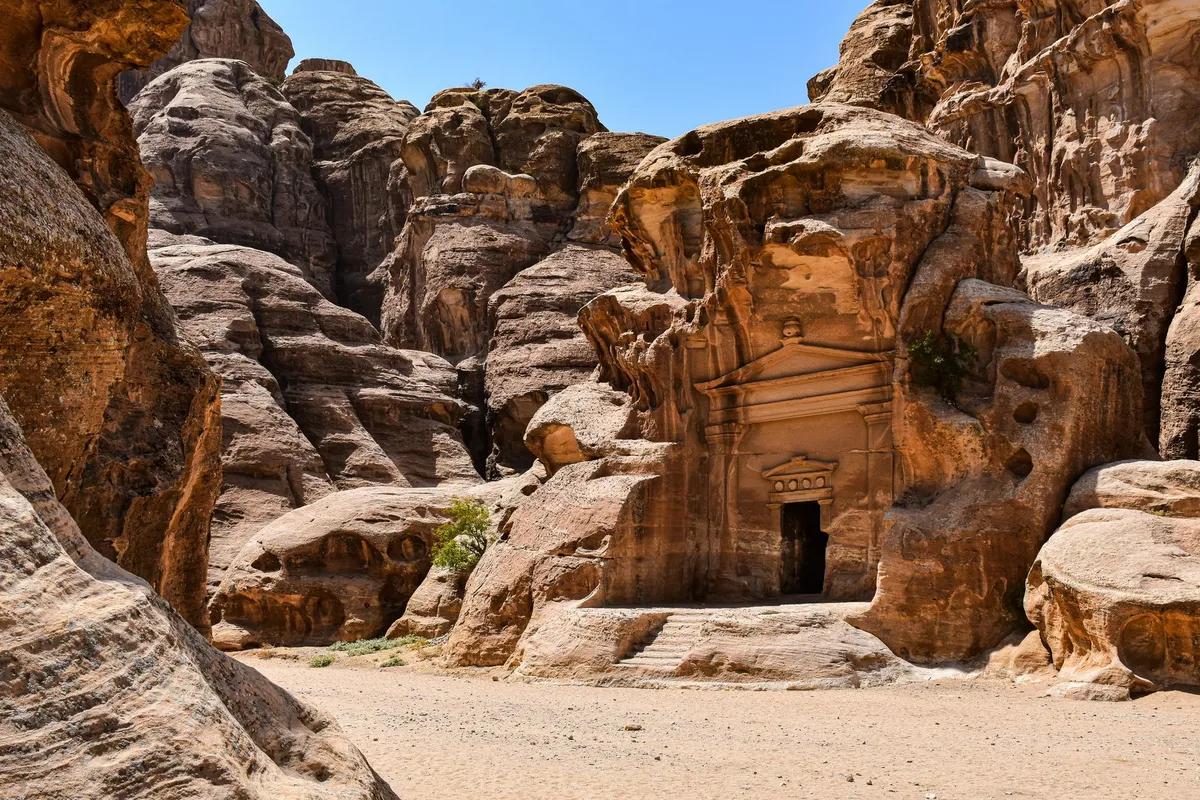

Unveiling the Rose-Red Gem of the Desert Nestled between the towering cliffs of southern Jordan, Petra stands as a testament to human ingenuity and the passage of time. This ancient city, carved directly into rose-red sandstone cliffs by the Nabataeans over 2,000 years ago, was once a thriving trade hub connecting the Silk Road to the Mediterranean. Today, it is a UNESCO World Heritage Site and one of the New Seven Wonders of the World, drawing travelers from every corner of the globe. But Petra is more than just a relic of the past—it’s a living, breathing experience where history, architecture, and adventure intertwine seamlessly. To truly appreciate Petra, you must first understand its origins. The Nabataeans, a nomadic Arab tribe, settled here around the 4th century BCE, transforming a barren desert into a bustling metropolis. Their mastery of water management—through an intricate system of dams, cisterns, and pipelines—allowed Petra to flourish in an otherwise inhospitable landscape. The city’s most iconic structure, Al-Khazneh (The Treasury), is a prime example of Nabataean craftsmanship, with its Hellenistic facade carved directly into the rock. But Petra’s allure extends far beyond its famous monuments. From the towering Monastery to the lesser-known High Place of Sacrifice, every corner of this ancient city whispers stories of trade, religion, and survival.As you traverse the Siq, the narrow gorge that serves as Petra’s grand entrance, the anticipation builds with every step. The path, flanked by towering cliffs, narrows to just a few meters wide, creating a dramatic funnel that heightens the sense of discovery. Suddenly, as you round a bend, Al-Khazneh emerges in all its glory—a breathtaking sight that has captivated visitors for centuries. The Treasury’s intricate carvings, including a central tholos (circular structure) and statues of mythological figures, reflect the Nabataeans’ blend of Arab, Egyptian, and Greco-Roman influences. It’s a masterclass in architectural fusion, a reminder that Petra was a melting pot of cultures long before globalization became a buzzword. But Petra’s wonders don’t end with its stone. The city’s strategic location along ancient trade routes meant it was a crossroads for spices, silks, and ideas. This cultural exchange is evident in the cuisine of the region, which today offers a tantalizing blend of Levantine flavors. From the smoky richness of mansaf (Jordan’s national dish of lamb and rice) to the sweet, nutty crunch of knafeh (a cheese pastry soaked in syrup), Petra’s culinary landscape is as diverse as its history. For those willing to venture beyond the main sites, local eateries in the nearby town of Wadi Musa serve up authentic Jordanian dishes that pair perfectly with a cup of cardamom-spiced tea.From Nomadic Tribes to Global Nomads: The Evolution of Travel in Jordan Petra’s story is inextricably linked to the evolution of travel itself. For centuries, the Nabataeans were the original digital nomads, traversing vast distances to trade goods and ideas. Today, Jordan has adapted to modern travel trends, offering visa policies that cater to global explorers. For those looking to extend their stay, the Jordan Pass is a game-changer. This bundled visa and entry package includes a visa on arrival (free for many nationalities), entry to over 40 attractions including Petra, and even a free night’s stay at certain hotels. It’s a cost-effective way to immerse yourself in Jordan’s wonders without the hassle of multiple transactions. For digital nomads and remote workers, Jordan offers a unique blend of affordability and connectivity. According to Numbeo, the cost of living in Amman, Jordan’s capital, is approximately 30% lower than in Western Europe, with a monthly budget of $1,200-$1,500 covering rent, food, and transportation. Wi-Fi speeds are reliable in urban areas, and co-working spaces like The Tank in Amman provide a professional environment for those balancing work and exploration. The country’s nomad visa, introduced in 2023, allows remote workers to stay for up to a year, provided they meet income requirements (typically around $2,000 per month). This policy reflects Jordan’s commitment to attracting global talent while preserving its cultural heritage.Beyond the practicalities, Jordan’s appeal lies in its ability to transport travelers through time. The ancient city of Jerash, with its remarkably preserved Roman ruins, offers a glimpse into the grandeur of the past, while the Dead Sea—just a few hours’ drive from Petra—provides a stark contrast with its mineral-rich waters and surreal landscapes. For those seeking adventure, the Wadi Rum desert offers jeep tours, camel treks, and even overnight stays in Bedouin camps under a blanket of stars. It’s a reminder that Jordan is not just a destination but a journey through layers of history, culture, and natural beauty. The Architecture of Whispers: Decoding Petra’s Hidden Structures Petra’s architecture is a silent storyteller, each structure revealing a chapter of the Nabataeans’ sophisticated urban planning and religious practices. The city’s layout is a masterclass in adapting to the natural terrain, with buildings and tombs carved directly into the sandstone cliffs. The most famous of these is Al-Khazneh, but Petra is home to over 800 individual monuments, each with its own story. The Street of Facades, for example, is a row of tombs carved into the cliffside, their facades decorated with Nabataean motifs. These tombs, some of which date back to the 1st century BCE, offer a glimpse into the Nabataeans’ beliefs about death and the afterlife. One of Petra’s most intriguing structures is the High Place of Sacrifice, a ritual site perched atop a mountain. To reach it, visitors must climb 800 steps, a journey that rewards them with panoramic views of the entire city. The High Place was used for animal sacrifices and religious ceremonies, reflecting the Nabataeans’ blend of Arab and Greco-Roman religious practices. The site’s altar, carved into the rock, is a stark reminder of the city’s spiritual significance. Nearby, the Temple of the Winged Lions is another architectural gem, dedicated to the Nabataean goddess Al-Uzza. Its intricate carvings and well-preserved columns speak to the city’s religious and cultural diversity.Petra’s architecture is not just about grand monuments—it’s also about the ingenuity of its water systems. The Nabataeans were pioneers in hydraulic engineering, creating a network of channels, cisterns, and pipelines that supplied water to the city. The Petra Great Temple, one of the largest free-standing structures in the ancient city, is a testament to this engineering prowess. The temple’s massive courtyard and intricate facade are complemented by an advanced water drainage system that prevented erosion and flooding. Even today, visitors can see remnants of these systems, a reminder of the Nabataeans’ ability to thrive in a desert environment. For those interested in the finer details of Petra’s architecture, the Petra Archaeological Park offers guided tours that delve into the city’s construction techniques and cultural significance. These tours often include visits to lesser-known sites like the Tomb of Sextius Florentinus, a Roman-style tomb that reflects the city’s later Roman occupation. The contrast between Nabataean and Roman architecture is striking, with the latter’s emphasis on symmetry and grandeur standing in stark contrast to the Nabataeans’ organic, cliff-integrated designs. Archaeology Under the Sands: The Secrets Petra Still Holds Despite centuries of exploration, Petra continues to yield new discoveries, proving that the ancient city is far from fully understood. In 2016, archaeologists uncovered a previously unknown monumental structure beneath the sands of Petra’s city center. The structure, believed to be a temple or public building, was buried under 1.5 meters of sediment and dated to the Nabataean period. Its discovery challenged existing theories about Petra’s urban layout and highlighted the city’s complex social hierarchy. Another groundbreaking find came in 2019, when researchers used LiDAR technology to map Petra’s underground water systems. The scans revealed a vast network of tunnels and cisterns that had gone unnoticed for centuries. These systems not only supplied water to the city but also played a crucial role in its defense, allowing Petra to withstand sieges and droughts. The LiDAR data also uncovered evidence of a previously unknown reservoir, suggesting that Petra’s water management was even more sophisticated than previously thought.Petra’s archaeological significance extends beyond its monuments. The city’s necropolis, a vast cemetery filled with tombs and burial sites, offers insights into Nabataean burial practices and social structures. The tombs vary in size and decoration, reflecting the wealth and status of the deceased. Some are simple, unadorned niches, while others are elaborate facades with intricate carvings. The largest tombs, like the Royal Tombs, are reserved for the city’s elite, their facades adorned with columns and pediments reminiscent of Greco-Roman architecture. One of the most fascinating aspects of Petra’s archaeology is its multicultural heritage. The Nabataeans were not an isolated culture but interacted with Egyptians, Greeks, Romans, and Arabs, absorbing and adapting their traditions. This is evident in the city’s art and architecture, which blends Nabataean, Hellenistic, and Roman styles. For example, the Obelisk Tomb, with its four pyramid-shaped obelisks, reflects Egyptian influences, while the Corinthian columns of the Temple of the Winged Lions are distinctly Greco-Roman. These cultural fusions make Petra a living museum of ancient civilizations. For those eager to participate in Petra’s ongoing discoveries, the Petra Archaeological Park offers volunteer programs and excavation opportunities. These programs allow visitors to work alongside professional archaeologists, learning about excavation techniques and the latest research. It’s a chance to contribute to the preservation of Petra’s heritage while gaining a deeper understanding of the city’s history. Savoring the Sands: A Culinary Journey Through Petra’s Flavors No visit to Petra is complete without indulging in the flavors of Jordanian cuisine. The region’s food is a reflection of its history as a crossroads of trade and culture, with influences from the Levant, Arabia, and the Mediterranean. Petra’s proximity to the Dead Sea and the agricultural heartlands of the Jordan Valley means that fresh ingredients are a staple, from crisp vegetables to fragrant herbs and succulent meats. One of the most iconic Jordanian dishes is mansaf, the national dish of Jordan. Traditionally served on special occasions, mansaf consists of tender lamb cooked in a yogurt sauce (jameed) and served over rice or bulgur. The dish is garnished with almonds and pine nuts and accompanied by a side of fresh flatbread. The origins of mansaf can be traced back to the Bedouin tribes of the Arabian Peninsula, who relied on yogurt as a primary food source due to its long shelf life. Today, mansaf is a symbol of Jordanian hospitality, often served to guests as a gesture of welcome.For a lighter meal, Petra’s markets and eateries offer a variety of mezze dishes—small plates meant to be shared. Hummus, made from blended chickpeas, tahini, lemon, and garlic, is a staple, as is baba ghanoush, a smoky eggplant dip. Falafel, deep-fried chickpea balls, are another must-try, often served in pita bread with fresh vegetables and tahini sauce. These dishes are not only delicious but also a reflection of Jordan’s agricultural abundance, with chickpeas, eggplants, and tahini being locally produced. No culinary journey through Petra would be complete without trying knafeh, a sweet pastry that is a staple of Levantine cuisine. Made from shredded phyllo dough layered with sweet cheese and soaked in sugar syrup, knafeh is often served hot and topped with pistachios. The dish has its roots in the Ottoman Empire, but each region has its own variation. In Jordan, knafeh is typically made with a type of cheese called akkawi, which gives it a unique texture and flavor. For the best experience, head to a local bakery in Wadi Musa, where knafeh is freshly prepared and served with a cup of strong, cardamom-spiced coffee. For those seeking a more adventurous culinary experience, Petra’s Bedouin camps offer a taste of traditional Bedouin cuisine. Dishes like zarb, a slow-cooked meat and vegetable stew cooked underground in a pit, and ghee, a clarified butter used in cooking and as a condiment, provide a glimpse into the nomadic lifestyle of the region’s original inhabitants. These meals are often accompanied by stories of Bedouin life, adding a cultural dimension to the dining experience. To pair your meal, Jordan is famous for its mint tea, a refreshing beverage made with fresh mint leaves and sugar. The tea is often served in small glasses and is a staple of Jordanian hospitality. For those who prefer something stronger, arak—a anise-flavored spirit—is a popular choice, often served with mezze dishes. Made from grapes and aniseed, arak is traditionally diluted with water and ice, turning milky white as the aniseed oils separate. The Modern Nomad’s Petra: Balancing Adventure and Preservation Petra is not just a relic of the past—it’s a living, evolving destination that must balance tourism with preservation. The Jordanian government and international organizations have implemented measures to protect Petra’s fragile structures from the wear and tear of millions of visitors. These include limiting the number of daily visitors, restricting access to certain areas, and using advanced technologies like 3D scanning to monitor the condition of monuments. For travelers, this means that visiting Petra requires a bit of planning. The best time to visit is during the shoulder seasons—spring (March to May) and autumn (September to November)—when temperatures are mild and crowds are smaller. Summer can be scorching, with temperatures exceeding 40°C (104°F), while winter brings cooler temperatures and occasional rain. To avoid the midday heat, it’s best to start your exploration early in the morning, when the Siq and Al-Khazneh are bathed in golden light.For those looking to extend their stay, Jordan offers a range of accommodations, from luxury hotels in Amman to eco-lodges in Wadi Rum. In Wadi Musa, the gateway to Petra, hotels like the Mövenpick Resort Petra and the Petra Moon Hotel offer modern amenities while staying close to the ancient city. For a more immersive experience, consider staying in a Bedouin camp in Wadi Rum, where you can sleep under the stars and wake up to the sound of camel bells. When it comes to getting around, Jordan’s public transportation system is reliable and affordable. Buses and taxis connect major cities like Amman, Petra, and Aqaba, while rental cars offer the flexibility to explore at your own pace. For those looking to combine adventure with culture, guided tours are a great option. Companies like Jordan Discovery and Experience Jordan offer tailored itineraries that include Petra, Wadi Rum, and the Dead Sea, with expert guides who provide insights into the region’s history and culture. As you plan your trip, it’s important to consider the environmental impact of your visit. Petra is located in a fragile desert ecosystem, and even small actions like carrying a reusable water bottle and avoiding single-use plastics can make a difference. The Petra Development and Tourism Region Authority (PDTRA) has implemented eco-friendly initiatives, such as waste management programs and water conservation efforts, to ensure that the ancient city remains pristine for future generations. A Feast for the Senses: Petra’s Unforgettable Legacy Petra is more than just a destination—it’s an experience that engages all the senses. The scent of frankincense and myrrh, traded by the Nabataeans, lingers in the air, while the taste of mansaf and knafeh lingers on the palate. The sight of Al-Khazneh emerging from the Siq is a moment of pure awe, and the sound of the wind whispering through the ancient cliffs is a reminder of the passage of time. It’s a place where history, culture, and nature converge, leaving visitors with memories that last a lifetime. For those who have walked the Siq, climbed the steps to the High Place of Sacrifice, and savored the flavors of Jordanian cuisine, Petra becomes more than just a stop on a travel itinerary. It becomes a part of who they are—a reminder of the ingenuity of ancient civilizations and the enduring power of human creativity. Whether you’re a history buff, an architecture enthusiast, a foodie, or an adventure seeker, Petra has something to offer. It’s a place where the past and present collide, creating an experience that is as enriching as it is unforgettable. As you leave Petra, carrying with you the echoes of its ancient streets and the flavors of its cuisine, you’ll realize that this city is not just a destination—it’s a journey. A journey through time, culture, and the boundless possibilities of human achievement. And perhaps, in the quiet moments after your visit, you’ll find yourself dreaming of the rose-red cliffs and the secrets they still hold.#PetraWonders #AncientArchitecture #JordanTravel #CulturalHeritage #MiddleEasternCuisine Related InsightsDim Sum Decoded: The Ultimate Cantonese Culinary Journey Through Hong Kong’s Hidden Gems Awadhi Cuisine: A Royal Legacy on Your Plate – The Untold Story of Lucknow’s Flavors From Street Corn to Michelin Stars: A Global Food Expedition for the Curious Traveler{ "@context": "https://schema.org", "@type": "FAQPage", "mainEntity": [ { "@type": "Question", "name": "What is the main focus of The Lost City of Petra: Where Ancient Wonders Meet Modern Adventure?", "acceptedAnswer": { "@type": "Answer", "text": "Discover the secrets of Petra, Jordan’s rose-red city carved into cliffs, blending 2,000-year-old history with breathtaking landscapes and culinary delights." } }, { "@type": "Question", "name": "Who authored the comprehensive guide on The Lost City of Petra: Where Ancient Wonders Meet Modern Adventure?", "acceptedAnswer": { "@type": "Answer", "text": "This detailed article and its insights were carefully researched and authored by Liam Carter." } }, { "@type": "Question", "name": "Where can I find more related content about Travel/Food?", "acceptedAnswer": { "@type": "Answer", "text": "You can explore more articles, detailed reviews, and similar insights by browsing the Related Insights section at the bottom of this article or visiting our dedicated Travel/Food category page." } } ] }
-
 Marcus Vance
 - 05 Aug, 2026 09:21
Middle Eastern Mezze: A Symphony of Small Plates and Unforgettable Flavors
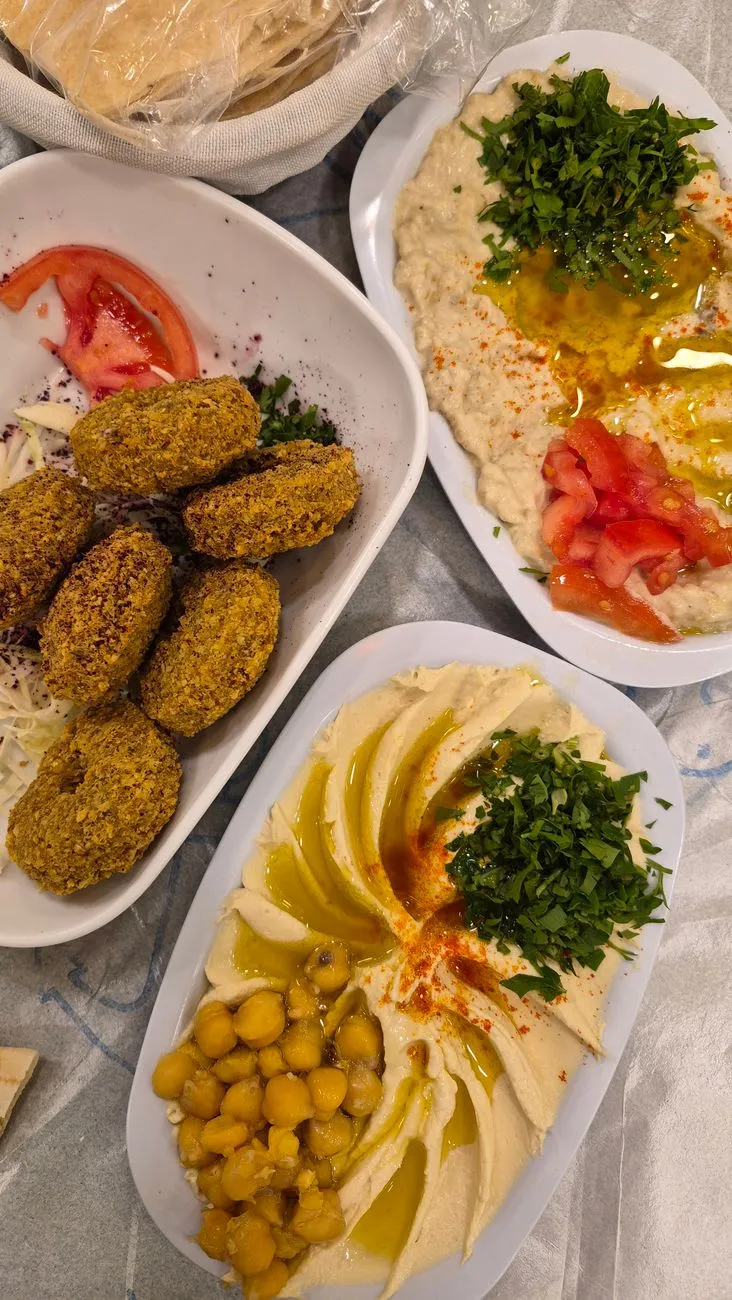
A Journey Through the Spice-Scented Souks of the Levant The first time I stepped into a bustling souk in Beirut, the air was thick with the scent of sizzling kebabs, crushed sumac, and freshly baked pita. My guide, an elderly man with hands stained golden from turmeric, handed me a small plate piled high with golden-brown falafel, still steaming from the fryer. "This," he said, "is mezze." It wasn’t just a meal; it was an experience, a cultural tapestry woven from centuries of trade, migration, and culinary innovation. Mezze, derived from the Arabic word for "taste," is more than a collection of small dishes—it’s a ritual, a celebration of community, and a testament to the Middle East’s rich gastronomic heritage. From the sun-baked terraces of Lebanon to the bustling streets of Damascus, mezze is the heartbeat of social dining. It’s a feast where no one leaves hungry, where every bite is an invitation to linger, converse, and savor. But what makes mezze so extraordinary? It’s the alchemy of simple ingredients—chickpeas, yogurt, eggplant, and spices like za’atar and sumac—transformed into dishes that dance on the palate. It’s the way hummus, once a humble chickpea dip, becomes a canvas for olive oil rivers and pomegranate molasses drizzles. It’s the crunch of fresh tabbouleh, the creamy tang of labneh, and the smoky depth of grilled halloumi. This is a cuisine that doesn’t just feed the body; it nourishes the soul.The Roots of Mezze: A Tapestry Woven by Trade and Tradition To understand mezze, we must travel back to the ancient trade routes that crisscrossed the Middle East. The region’s culinary identity was shaped by the spice trade, the Silk Road, and the empires that rose and fell along its paths. The Persians, Ottomans, and Arabs all left their mark, blending techniques and ingredients into a cuisine that is as diverse as it is unified. Mezze, in particular, reflects this history of cultural exchange. The word itself may derive from the Persian mazze, meaning "to taste," but its roots stretch even further back to the Levantine tradition of serving small dishes alongside wine—a practice documented in ancient texts. The Ottoman Empire, with its vast culinary repertoire, played a pivotal role in shaping mezze as we know it today. Dishes like muhammara (a fiery red pepper and walnut dip) and sigara böreği (crispy cheese-filled pastries) were born in the imperial kitchens of Istanbul but found their way into the homes and taverns of the Levant. Meanwhile, the Arab world contributed its own gems: fatayer (savory pastries stuffed with spiced meat or spinach), moujadara (lentils and rice with caramelized onions), and fatteh (a layered dish of bread, yogurt, and chickpeas). Even the Greeks, with their tzatziki and dolmades, added their own flair to the mezze table. But mezze is more than just a historical artifact—it’s a living tradition. In Palestine, for example, mezze is deeply tied to the land and its people. The OpenAlex Research Data on "Savory Politics: Land, Memory, and the Ecological Occupation of Palestine" highlights how food in the region is intertwined with identity and resistance. Palestinian mezze dishes like maqluba (an upside-down rice dish with meat and vegetables) and musakhan (roasted chicken with sumac and caramelized onions on flatbread) are not just meals; they are acts of defiance against erasure. They tell stories of resilience, of families gathering around a shared table despite the odds. In this way, mezze becomes a form of cultural preservation, a way to keep traditions alive in the face of adversity.The Art of Mezze: Crafting a Feast for the Senses Creating a mezze spread is like composing a symphony. Each dish must harmonize with the others, offering a balance of textures, temperatures, and flavors. The key is variety—warm and cold dishes, creamy and crunchy, spicy and mild. A well-curated mezze table might include:Dips and Spreads: Hummus, baba ghanoush, muhammara, and labneh are staples. Hummus, made from blended chickpeas, tahini, lemon, and garlic, is a global ambassador for mezze. In Lebanon, it’s often served with a drizzle of olive oil and a sprinkle of paprika. Baba ghanoush, a smoky eggplant dip, gets its depth from roasted eggplant, tahini, and pomegranate molasses. Muhammara, a Syrian red pepper and walnut dip, packs a punch with its blend of Aleppo pepper, cumin, and pomegranate syrup.Salads and Fresh Preparations: Tabbouleh, a parsley and bulgur salad, is a refreshing counterpoint to richer dishes. Fattoush, with its crispy pita croutons and sumac dressing, adds a tangy crunch. In Turkey, çoban salatası (shepherd’s salad) brings together tomatoes, cucumbers, and peppers in a light vinaigrette.Grilled and Fried Delights: Falafel, deep-fried chickpea fritters, are a mezze staple, often served with tahini sauce. Kibbeh, a mixture of bulgur, minced meat, and spices, can be baked, fried, or served raw (kibbeh nayyeh). Grilled halloumi, a salty Cypriot cheese, is a vegetarian favorite, often drizzled with honey or served with mint.Breads and Accompaniments: Warm pita, markook (a paper-thin Lebanese flatbread), or manakeesh (flatbread topped with za’atar and olive oil) are essential for scooping up dips and meats. Foul medames, a fava bean stew, is a hearty addition, often topped with cumin, lemon, and olive oil.Meats and Seafood: Kofta (spiced meatballs), shish tawook (grilled chicken skewers), and samak mashwi (grilled fish) add protein to the spread. In coastal regions, seafood mezze like sayadieh (spiced fish with rice) or sambousek (fried pastries stuffed with spiced fish) are popular.The magic of mezze lies in its flexibility. A simple gathering might feature just a few dishes, while a lavish feast could include dozens. The rule is to serve small portions, encouraging diners to try everything and share stories over the table.Mezze Around the World: From Beirut to Brooklyn While mezze is deeply rooted in the Middle East, its influence has spread far beyond its borders. In cities like London, New York, and Melbourne, Middle Eastern restaurants have introduced mezze to global audiences, adapting dishes to local tastes while staying true to their origins. In London’s Edgware Road, for example, you’ll find mezze plates that blend traditional recipes with British ingredients. A halloumi and mint salad might be topped with British watercress, while lamb kofta could be served with a side of minted yogurt and pickled red cabbage. In the United States, mezze has become a staple in fusion cuisine. Restaurants in Los Angeles and San Francisco offer "mezze boards" that pair Middle Eastern dips with artisanal cheeses, charcuterie, and local produce. The trend reflects a broader movement toward shared dining experiences, where small plates encourage conversation and connection. Even fast-casual chains have caught on, offering "mezze-style" platters with hummus, falafel, and tabbouleh as healthier alternatives to traditional appetizers. But the global spread of mezze isn’t just about adaptation—it’s also about preservation. In cities with large Middle Eastern diaspora communities, like Dearborn, Michigan, or Sydney, Australia, mezze remains a cultural anchor. Restaurants like Shawarma King in Dearborn or Bar Zini in Sydney serve up authentic dishes that remind immigrants of home. For many, mezze is a way to keep traditions alive, a taste of the homeland in a foreign land. The OpenAlex Research Data on "Stirring Words: Women and the Making of Modern Food Writing" underscores how women, often the keepers of culinary traditions, have played a crucial role in preserving mezze recipes. In many Middle Eastern cultures, recipes are passed down orally from mother to daughter, with each generation adding its own twist. This oral tradition ensures that mezze remains a living, evolving cuisine, even as it spreads across the globe.Mezze Dish Origin Key Ingredients Average Price (USD)Hummus Lebanon/Palestine Chickpeas, tahini, lemon, garlic $5–$8 per servingBaba Ghanoush Levant Eggplant, tahini, pomegranate molasses $6–$9 per servingFalafel Egypt/Levant Chickpeas, parsley, cumin, coriander $3–$5 per pieceTabbouleh Lebanon Parsley, bulgur, tomatoes, lemon $4–$7 per servingMuhammara Syria Red peppers, walnuts, Aleppo pepper $5–$8 per servingHalloumi Cyprus Halloumi cheese, olive oil, mint $6–$10 per servingFattoush Levant Lettuce, tomatoes, pita, sumac dressing $4–$7 per servingThe Ritual of Mezze: More Than Just a Meal Mezze is not just about the food—it’s about the experience. In the Middle East, mezze is a social ritual, a way to connect with others over shared plates. It’s common to spend hours at a table, nibbling on small bites, sipping on ayran (a yogurt drink) or arak (an anise-flavored spirit), and engaging in lively conversation. The pace is slow, the atmosphere relaxed, and the focus is on the people around the table rather than the food itself. This communal aspect of mezze is what makes it so special. Unlike Western dining, where courses are served sequentially, mezze encourages diners to graze, to try a bit of everything, and to linger. It’s a celebration of abundance, of generosity, and of the joy of sharing. In many cultures, mezze is served at gatherings like weddings, Eid celebrations, and family reunions. It’s a way to honor guests, to show love through food, and to create memories that last a lifetime. But mezze is also a reflection of the Middle East’s complex history. The OpenAlex Research Data on "Savory Politics" highlights how food in the region is intertwined with politics, identity, and resistance. In Palestine, for example, mezze dishes like maqluba and musakhan are not just meals—they are acts of defiance against erasure. They tell stories of resilience, of families gathering around a shared table despite the odds. In this way, mezze becomes a form of cultural preservation, a way to keep traditions alive in the face of adversity.Bringing Mezze Home: A Guide to Creating Your Own Feast You don’t need to travel to Beirut or Damascus to experience the magic of mezze. With a few key ingredients and a little patience, you can create your own mezze spread at home. Here’s how to get started: Step 1: Choose Your Dips and Spreads Start with the classics:Hummus: Blend cooked chickpeas, tahini, lemon juice, garlic, and a pinch of cumin in a food processor until smooth. Drizzle with olive oil and paprika before serving. Baba Ghanoush: Roast eggplants until charred, then blend with tahini, lemon juice, garlic, and a touch of pomegranate molasses. Garnish with parsley and olive oil. Labneh: Strain Greek yogurt until thick, then mix with salt, olive oil, and za’atar. Serve with warm pita.Step 2: Add Fresh SaladsTabbouleh: Finely chop parsley, tomatoes, and mint. Mix with bulgur, lemon juice, olive oil, and salt. Serve chilled. Fattoush: Toss lettuce, tomatoes, cucumbers, and radishes with a sumac-lemon dressing. Top with crispy pita croutons. Mujadara: Cook lentils and rice separately, then combine with caramelized onions and cumin. Serve warm.Step 3: Include Grilled and Fried DishesFalafel: Soak chickpeas overnight, then blend with herbs, garlic, and spices. Form into patties and deep-fry until golden. Serve with tahini sauce. Halloumi: Grill slices of halloumi until golden, then drizzle with honey and sprinkle with mint. Kofta: Mix ground lamb or beef with onions, parsley, and spices. Form into small patties and grill until cooked through.Step 4: Set the Table Use small plates and bowls to encourage sharing. Arrange the dishes in the center of the table, and provide plenty of warm pita or flatbread for scooping. Serve with beverages like ayran, arak, or mint lemonade. Step 5: Savor the Moment The key to mezze is to take your time. Encourage guests to try a bit of everything, to share stories, and to enjoy the experience. Don’t rush—mezze is about the journey, not the destination.Where to Find the Best Mezze: A Global Tour If you’re eager to taste authentic mezze, here are some of the world’s best spots to indulge:Beirut, Lebanon: Barbar – A modern take on classic Lebanese mezze, with dishes like fatayer and kibbeh nayyeh. Damascus, Syria: Naranj – A historic restaurant serving traditional Syrian mezze, including muhammara and sambousek. Istanbul, Turkey: 360 Istanbul – A rooftop restaurant offering mezze with a view, featuring dishes like sigara böreği and çoban salatası. London, UK: The Black Axe Mangal – A Turkish-inspired spot with creative mezze like lamb ribs and halloumi fries. New York, USA: Sahadi’s – A Lebanese market and restaurant serving classic mezze like hummus and tabbouleh. Melbourne, Australia: Charcoal Fish – A seafood-focused mezze spot with dishes like grilled octopus and sayadieh.For those who can’t travel, many Middle Eastern grocery stores sell pre-made mezze dishes, or you can order ingredients online to create your own spread at home.Mezze: A Feast for the Soul Mezze is more than just food—it’s a celebration of life, culture, and community. It’s a reminder that the best meals are the ones shared with others, where every bite tells a story and every dish carries the weight of history. Whether you’re enjoying a simple hummus and pita in your kitchen or indulging in a lavish spread at a Beirut souk, mezze invites you to slow down, savor, and connect. So the next time you gather around a table, consider creating your own mezze feast. Light some candles, pour a glass of arak or mint lemonade, and let the flavors transport you to the sun-drenched streets of the Middle East. Because mezze isn’t just a meal—it’s an experience, a tradition, and a taste of something truly extraordinary.#MiddleEasternFood #MezzeMagic #FoodieAdventure #CulinaryTravel #SharedPlates Related InsightsUnlocking Nature's Secret: How New Nordic Cuisine is Revolutionizing Health and Gastronomy Forever Ndambe: The Comforting Black-Eyed Pea Stew Sourdough Beyond Bread: The Art of Crafting Pizzas, Pastries, and Innovative Baked Delights{ "@context": "https://schema.org", "@type": "FAQPage", "mainEntity": [ { "@type": "Question", "name": "What is the main focus of Middle Eastern Mezze: A Symphony of Small Plates and Unforgettable Flavors?", "acceptedAnswer": { "@type": "Answer", "text": "Dive into the vibrant world of Middle Eastern mezze, where every bite tells a story of culture, tradition, and bold spices. Discover the must-try dishes and their rich histories." } }, { "@type": "Question", "name": "Who authored the comprehensive guide on Middle Eastern Mezze: A Symphony of Small Plates and Unforgettable Flavors?", "acceptedAnswer": { "@type": "Answer", "text": "This detailed article and its insights were carefully researched and authored by Marcus Vance." } }, { "@type": "Question", "name": "Where can I find more related content about Food?", "acceptedAnswer": { "@type": "Answer", "text": "You can explore more articles, detailed reviews, and similar insights by browsing the Related Insights section at the bottom of this article or visiting our dedicated Food category page." } } ] }
-
 Isabella Rossi
 - 16 Jul, 2026 21:17
Middle Eastern Mezze Beyond Turkish: Authentic Lebanese and Syrian Small Plates
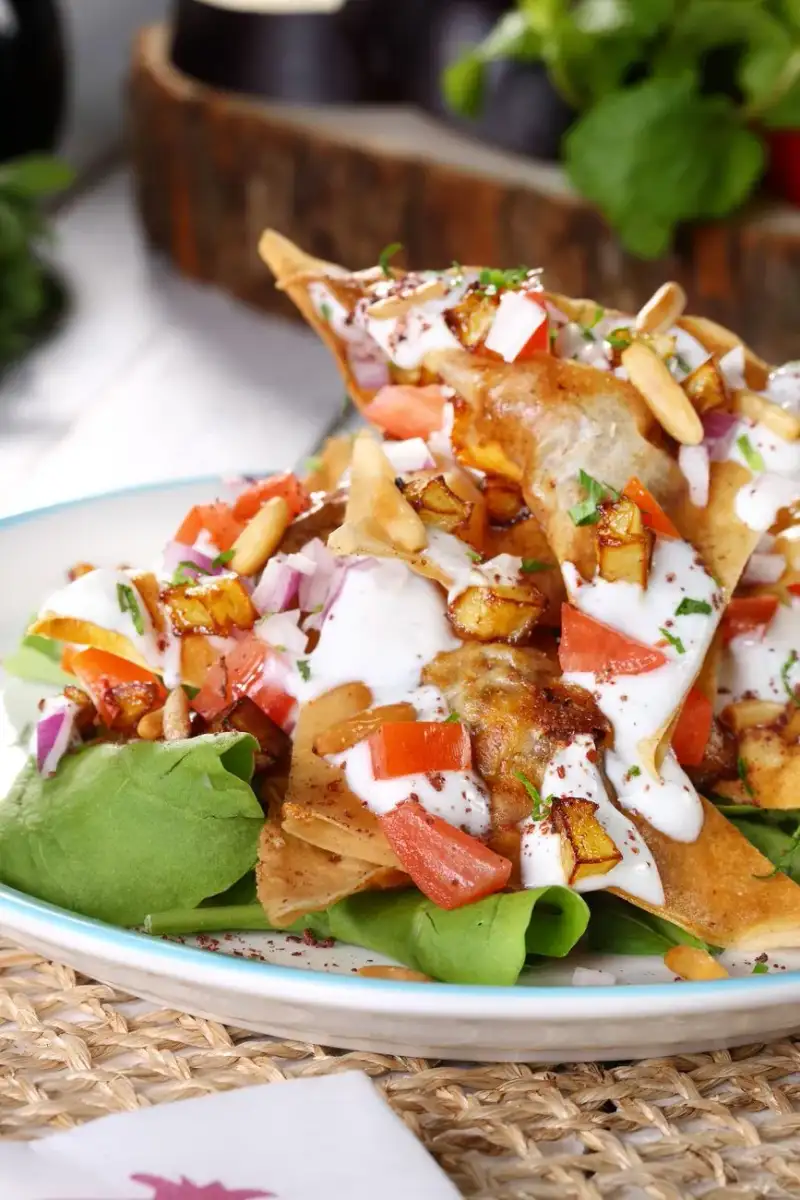
Middle Eastern Mezze Beyond Turkish: Lebanese and Syrian Small Plates Introduction The sun dips below the Mediterranean horizon, casting golden hues over the ancient souks of Damascus and Beirut. The air hums with the sizzle of grilled meats, the earthy aroma of za’atar, and the tang of fresh lemon. This is the world of mezze—not just a meal, but a cultural symphony where every small plate tells a story of history, trade, and tradition. While Turkish mezze often steals the spotlight, Lebanese and Syrian small plates offer a deeper, more nuanced exploration of Middle Eastern flavors. From the smoky char of muhammara to the creamy indulgence of mujaddara, these dishes are a testament to a region where food is both art and sustenance. Mezze, derived from the Arabic word tamazza (meaning "to taste"), is more than an appetizer spread—it’s a way of life. In Lebanon and Syria, mezze is a communal experience, a slow unfolding of flavors that invites conversation, laughter, and connection. Unlike the more structured Turkish meze, Lebanese and Syrian versions are fluid, adaptable, and deeply personal. They reflect the Mediterranean climate’s bounty—olive oil, citrus, fresh herbs, and pulses—while incorporating spices and techniques shaped by centuries of trade along the Silk Road. Whether you’re a seasoned foodie or a curious newcomer, exploring these small plates is like taking a culinary journey through time.The Cultural Significance of Mezze in Lebanon and Syria Mezze is the heartbeat of Lebanese and Syrian hospitality, a tradition that transcends mere dining. In these cultures, food is love, and mezze is the language of generosity. The practice of serving small plates stems from the region’s agricultural roots, where sharing limited resources fostered communal bonds. Even today, a Lebanese or Syrian host will insist you eat more, urging you to try "just one bite" of each dish—a ritual that can last for hours. Historically, mezze evolved from the need to stretch meals across large families and guests. Dishes like fatayer (savory pastries) and baba ghanoush (smoked eggplant dip) were born from resourcefulness, using simple ingredients to create complex flavors. The Ottoman Empire’s influence further enriched these traditions, introducing spices like sumac and pomegranate molasses, while the Mediterranean climate ensured an abundance of fresh produce. Syrian souks, as explored in research on artful marketing in Damascus, were not just marketplaces but cultural hubs where ingredients were traded, stories were shared, and culinary techniques were perfected.In Lebanon, mezze is a point of national pride. The country’s diverse topography—from the fertile Bekaa Valley to the coastal plains—provides a diverse palette of ingredients. Lebanese mezze often features more seafood, reflecting the coastal influence, while Syrian mezze leans toward heartier, meat-based dishes like kebbeh (spiced meat croquettes). Both, however, share a commitment to freshness and balance. A typical Lebanese mezze spread might include 20 or more dishes, each carefully prepared to complement the others. The concept of ‘ilm al-tabeekh (the science of cooking) is deeply ingrained, with recipes passed down through generations. The social aspect of mezze cannot be overstated. In Syria, before the civil war disrupted daily life, mezze was a daily ritual in homes and restaurants alike. In Lebanon, it’s a cornerstone of celebrations, from weddings to religious festivals. The act of sharing mezze fosters a sense of belonging, a reminder that food is a universal language. Even in modern times, as obesity rates in the Mediterranean region rise (as noted in research on obesity and Middle Eastern individuals), mezze remains a healthier alternative to Western-style feasting, emphasizing vegetables, legumes, and lean proteins.Essential Lebanese Mezze Dishes You Must Try Lebanese mezze is a masterclass in balancing flavors and textures. Here are the dishes that define this culinary tradition: 1. Hummus No mezze spread is complete without hummus, the creamy chickpea dip that has become a global phenomenon. Lebanese hummus stands out for its silky texture and bright, lemony flavor. Unlike its Turkish or Israeli counterparts, Lebanese hummus is often served with a generous drizzle of olive oil and a sprinkle of za’atar (a blend of thyme, sumac, and sesame seeds). The key to authentic Lebanese hummus lies in the tahini—it should be smooth, not gritty, and the chickpeas must be cooked until tender but not mushy. 2. Baba Ghanoush This smoky eggplant dip is a staple in every Lebanese mezze spread. The eggplants are charred over an open flame until the flesh is tender and the skin blisters, then blended with tahini, garlic, lemon juice, and olive oil. The result is a dip with a deep, earthy flavor and a velvety texture. In Lebanon, baba ghanoush is often served with warm pita bread or as part of a muqaddam (a platter of dips). 3. Fattoush A refreshing salad that embodies the Lebanese love for fresh herbs and crisp textures. Fattoush is made with mixed greens, radishes, cucumbers, and tomatoes, tossed with crispy pita bread (toasted with sumac and olive oil) and a tangy sumac-lemon dressing. The pita adds a delightful crunch, making it a perfect palate cleanser between richer dishes. 4. Fatayer These savory pastries come in two varieties: fatayer bi sbanakh (filled with spinach and sumac) and fatayer bi jibneh (filled with cheese). The dough is thin and flaky, similar to phyllo, and the filling is spiced with sumac for a tangy kick. Fatayer are often served warm, making them a comforting addition to any mezze spread. 5. Kibbeh Lebanese kibbeh is a versatile dish made from bulgur wheat and spiced ground meat (usually lamb or beef). It can be shaped into small croquettes (kibbeh nayyeh), fried balls (kibbeh lebneh), or baked in a tray (kibbeh bil sanieh). The key to great kibbeh is the balance of spices—cinnamon, allspice, and nutmeg add warmth, while parsley and onion provide freshness.6. Tabbouleh A refreshing parsley salad that is Lebanon’s national dish. Tabbouleh is made with finely chopped parsley, bulgur wheat, tomatoes, mint, and a lemon-olive oil dressing. The parsley should be the dominant flavor, with the bulgur providing a subtle chew. It’s often served alongside other mezze dishes to cleanse the palate. 7. Mujaddara A humble yet beloved dish made from lentils, rice, and caramelized onions. Mujaddara is a staple in Lebanese homes, often served as a main course but also included in mezze spreads for its hearty, comforting flavor. The onions are cooked until crispy, adding a sweet and savory contrast to the earthy lentils and rice. To create an authentic Lebanese mezze spread, start with a base of dips like hummus and baba ghanoush, then add salads like fattoush and tabbouleh. Follow with hot dishes like kibbeh and fatayer, and finish with a refreshing drink like ayran (yogurt drink) or mint lemonade. The key is variety—contrast creamy dips with crisp salads, and light bites with hearty pastries.Syrian Mezze: A Taste of Damascus Syrian mezze is a celebration of bold flavors and rustic charm. Unlike the more refined Lebanese mezze, Syrian small plates often feature heartier, meat-based dishes and a greater emphasis on spices. The cuisine of Damascus, in particular, reflects the city’s rich history as a crossroads of trade and culture. Syrian mezze is deeply rooted in the region’s agricultural traditions, with dishes like muhammara (a spicy red pepper dip) and mansaf (a lamb and rice dish) showcasing the use of local ingredients. 1. Muhammara This vibrant red dip is made from roasted red peppers, walnuts, pomegranate molasses, and spices like cumin and Aleppo pepper. Muhammara is sweet, smoky, and slightly spicy, with a thick, chunky texture. It’s often served with pita bread or as a condiment for grilled meats. The dish originated in the city of Aleppo but has become a staple in Syrian mezze. 2. Fattayer Jibneh Syrian fattayer are similar to their Lebanese counterparts but often feature a cheese filling, typically akawi (a mild, salty cheese). The dough is flaky and crisp, and the cheese is spiced with sumac for a tangy kick. These pastries are a popular breakfast item but also make a great addition to any mezze spread. 3. Kibbeh Bil Sanieh A baked kibbeh dish that is a specialty of Aleppo. Kibbeh bil sanieh is made by layering spiced ground meat and bulgur wheat in a tray, then baking it until golden and crispy. The top layer is often garnished with caramelized onions and pine nuts, adding a sweet and nutty contrast to the savory meat. 4. Mansaf While not a traditional mezze dish, mansaf is often served in Syrian homes as part of a larger feast. It consists of lamb cooked in a yogurt sauce (jameed) and served over rice, garnished with almonds and parsley. The dish is a symbol of Syrian hospitality and is often reserved for special occasions. 5. Shish Barak Tiny dumplings filled with spiced ground meat, cooked in a yogurt sauce. Shish barak is a comforting dish that is often served in the colder months. The dumplings are delicate and melt in the mouth, while the yogurt sauce adds a tangy richness. 6. Za’atar Manakeesh A Syrian flatbread topped with za’atar (a blend of thyme, sumac, and sesame seeds) and olive oil. Za’atar manakeesh is a popular breakfast item but can also be served as part of a mezze spread. The combination of earthy thyme, tangy sumac, and nutty sesame seeds is irresistible. 7. Makdous Stuffed baby eggplants preserved in olive oil and vinegar. Makdous are typically filled with walnuts, garlic, and red pepper flakes, then pickled for a tangy, spicy flavor. They are often served as part of a mezze spread, adding a burst of flavor and texture.Syrian mezze is all about bold flavors and rustic charm. To create an authentic spread, start with dips like muhammara and hummus, then add salads like fattoush and tabbouleh. Follow with hot dishes like kibbeh bil sanieh and shish barak, and finish with flatbreads like za’atar manakeesh. The key is to balance rich, meaty dishes with lighter, tangy flavors.The Art of Pairing Mezze with Drinks and Wines Mezze is not just about the food—it’s about the experience, and that includes the drinks. In Lebanon and Syria, mezze is often paired with a variety of beverages, from traditional non-alcoholic drinks to fine wines. The right pairing can elevate the flavors of the dishes and enhance the overall dining experience. Non-Alcoholic PairingsAyran: A refreshing yogurt drink made with yogurt, water, and a pinch of salt. Ayran is the perfect palate cleanser for rich, spicy dishes like muhammara and kibbeh. Jallab: A sweet syrup made from dates, grape molasses, and rose water, diluted with water and ice. Jallab is often served with pine nuts and raisins, making it a popular choice for balancing the flavors of mezze. Mint Lemonade: A classic Middle Eastern drink made with fresh lemon juice, sugar, and muddled mint leaves. The bright, citrusy flavor complements the tangy and spicy elements of mezze.Alcoholic PairingsArak: Lebanon’s national spirit, arak is an anise-flavored liquor that is typically diluted with water and ice. It pairs beautifully with mezze, especially seafood dishes like grilled shrimp and octopus. The anise flavor cuts through the richness of the food, while the alcohol enhances the spices. Lebanese Wine: Lebanon is one of the oldest wine-producing regions in the world, and its wines are a perfect match for mezze. White wines like Château Musar White or Kefraya Blanc de Blancs complement lighter dishes like tabbouleh and fattoush, while red wines like Château Ksara Reserve du Comte pair well with heartier dishes like kibbeh and mansaf. Beer: Lebanese and Syrian beers like Almaza and Al Shark are light and crisp, making them a great choice for balancing the flavors of mezze. They pair especially well with grilled meats and spicy dips.When pairing drinks with mezze, consider the dominant flavors of the dishes. For example, if your mezze spread includes a lot of spicy and tangy dishes, opt for a refreshing drink like ayran or mint lemonade. If you’re serving heartier, meat-based dishes, a glass of arak or a full-bodied red wine would be ideal. The key is to balance the flavors and enhance the dining experience.Health Benefits and Modern Adaptations of Mezze While mezze is undeniably delicious, it’s also a healthier alternative to many Western-style meals. The Mediterranean diet, which includes many mezze dishes, is renowned for its health benefits, including reduced risk of heart disease, diabetes, and obesity. However, modern adaptations and dietary restrictions have led to creative twists on traditional mezze. Health Benefits of MezzeRich in Vegetables: Mezze is packed with fresh vegetables like cucumbers, tomatoes, and parsley, which are high in fiber, vitamins, and antioxidants. Healthy Fats: Olive oil, a staple in mezze, is a source of monounsaturated fats, which are heart-healthy and can help reduce inflammation. Plant-Based Options: Many mezze dishes are naturally plant-based, such as hummus, baba ghanoush, and tabbouleh, making them suitable for vegetarians and vegans. Lean Proteins: Dishes like kibbeh and mansaf include lean proteins like lamb and lentils, which are high in protein and low in saturated fat.Modern AdaptationsGluten-Free Mezze: For those with gluten sensitivities, dishes like hummus, baba ghanoush, and makdous are naturally gluten-free. Flatbreads can be replaced with gluten-free pita or lettuce wraps. Vegan Mezze: Many traditional mezze dishes are already vegan, such as fattoush, tabbouleh, and mujaddara. For non-vegan dishes like kibbeh, plant-based alternatives like lentils or mushrooms can be used. Low-Carb Mezze: For those watching their carb intake, dishes like fattayer and kibbeh can be made with cauliflower rice or almond flour to reduce the carb content. Modern Twists: Chefs around the world are putting their own spin on mezze, incorporating ingredients like quinoa, avocado, and kale. For example, quinoa tabbouleh or avocado hummus adds a contemporary touch to traditional flavors.Despite these adaptations, the essence of mezze remains the same—a celebration of fresh, wholesome ingredients shared with loved ones. Whether you’re enjoying a traditional spread or a modern twist, mezze is a reminder that food is more than just sustenance; it’s a way to connect with others and honor cultural traditions.Mezze Etiquette and Serving Suggestions Mezze is not just about the food—it’s about the experience. In Lebanon and Syria, mezze is a communal affair, a time to gather with friends and family and savor the flavors of the region. Understanding mezze etiquette can enhance your dining experience and show respect for the culture. Mezze EtiquetteShare Everything: Mezze is meant to be shared. Dishes are placed in the center of the table, and everyone serves themselves. It’s common to try a little bit of everything, even if you’re not familiar with a dish. Use Your Hands: Many mezze dishes, like hummus and baba ghanoush, are traditionally eaten with pita bread or flatbread. Don’t be afraid to use your hands—it’s part of the experience! Compliment the Host: In Lebanese and Syrian culture, the host takes great pride in preparing the food. Complimenting the host on the flavors and presentation is a sign of respect and appreciation. ** Pace Yourself**: Mezze is meant to be enjoyed slowly. Take your time, savor each bite, and engage in conversation. Rushing through the meal is considered impolite.Serving SuggestionsOrder of Serving: Start with cold dishes like hummus, baba ghanoush, and tabbouleh, then move on to hot dishes like kibbeh and fatayer. Finish with sweet dishes like baklava or muhalabia (a milk pudding). Presentation: Mezze is as much about presentation as it is about flavor. Use large platters and bowls to create a visually appealing spread. Garnish dishes with fresh herbs, pomegranate seeds, or nuts for added color and texture. Accompaniments: Serve mezze with a variety of breads, like pita, manakeesh, or markook (a paper-thin flatbread). Offer a selection of dips and spreads, and don’t forget the olives and pickles for added flavor. Portion Sizes: Mezze is meant to be shared, so serve smaller portions to encourage guests to try a variety of dishes. If you’re hosting a large group, prepare multiple dishes to ensure there’s enough for everyone.By following these etiquette tips and serving suggestions, you can create an authentic mezze experience that honors the traditions of Lebanon and Syria. Whether you’re hosting a dinner party or enjoying a meal with friends, mezze is a celebration of food, culture, and community.Conclusion Mezze is more than just a meal—it’s a cultural experience that brings people together. From the smoky depths of baba ghanoush to the tangy sweetness of muhammara, Lebanese and Syrian small plates offer a journey through history, tradition, and flavor. These dishes are a testament to the region’s agricultural bounty, its rich culinary heritage, and its commitment to hospitality. Whether you’re savoring a traditional spread in Beirut or recreating it in your own kitchen, mezze is a reminder that food is a universal language that transcends borders. As you explore the world of mezze, remember that the key to authenticity lies in the ingredients and the care with which they’re prepared. Use fresh, seasonal produce, high-quality olive oil, and spices that are vibrant and aromatic. And most importantly, share the experience with others. Mezze is meant to be enjoyed slowly, with good company and lively conversation. So, gather your friends, set out a spread of dips and salads, and let the flavors of Lebanon and Syria transport you. Whether you’re dipping pita into creamy hummus or savoring the crispy layers of a fatayer, you’re not just eating—you’re participating in a tradition that has been passed down for generations. Until next time, may your mezze be plentiful and your company even more so. #MiddleEasternFood #MezzeMagic #LebaneseCuisine #SyrianFlavors #FoodieAdventures Related InsightsAndean Superfoods Unveiled: The Alchemical Power of Quinoa, Kiwicha, and Canihua Delicious Baked Sea Bass with Cherry Tomatoes and Capers L'Alchimie des Trottoirs : Voyage Sensoriel au Cœur de la Street Food de Mumbai{ "@context": "https://schema.org", "@type": "FAQPage", "mainEntity": [ { "@type": "Question", "name": "What is the main focus of Middle Eastern Mezze Beyond Turkish: Authentic Lebanese and Syrian Small Plates?", "acceptedAnswer": { "@type": "Answer", "text": "Explore the vibrant flavors of Lebanese and Syrian small plates, discovering the authentic, must-try mezze that goes far beyond Turkish cuisine." } }, { "@type": "Question", "name": "Who authored the comprehensive guide on Middle Eastern Mezze Beyond Turkish: Authentic Lebanese and Syrian Small Plates?", "acceptedAnswer": { "@type": "Answer", "text": "This detailed article and its insights were carefully researched and authored by Isabella Rossi." } }, { "@type": "Question", "name": "Where can I find more related content about Food?", "acceptedAnswer": { "@type": "Answer", "text": "You can explore more articles, detailed reviews, and similar insights by browsing the Related Insights section at the bottom of this article or visiting our dedicated Food category page." } } ] }
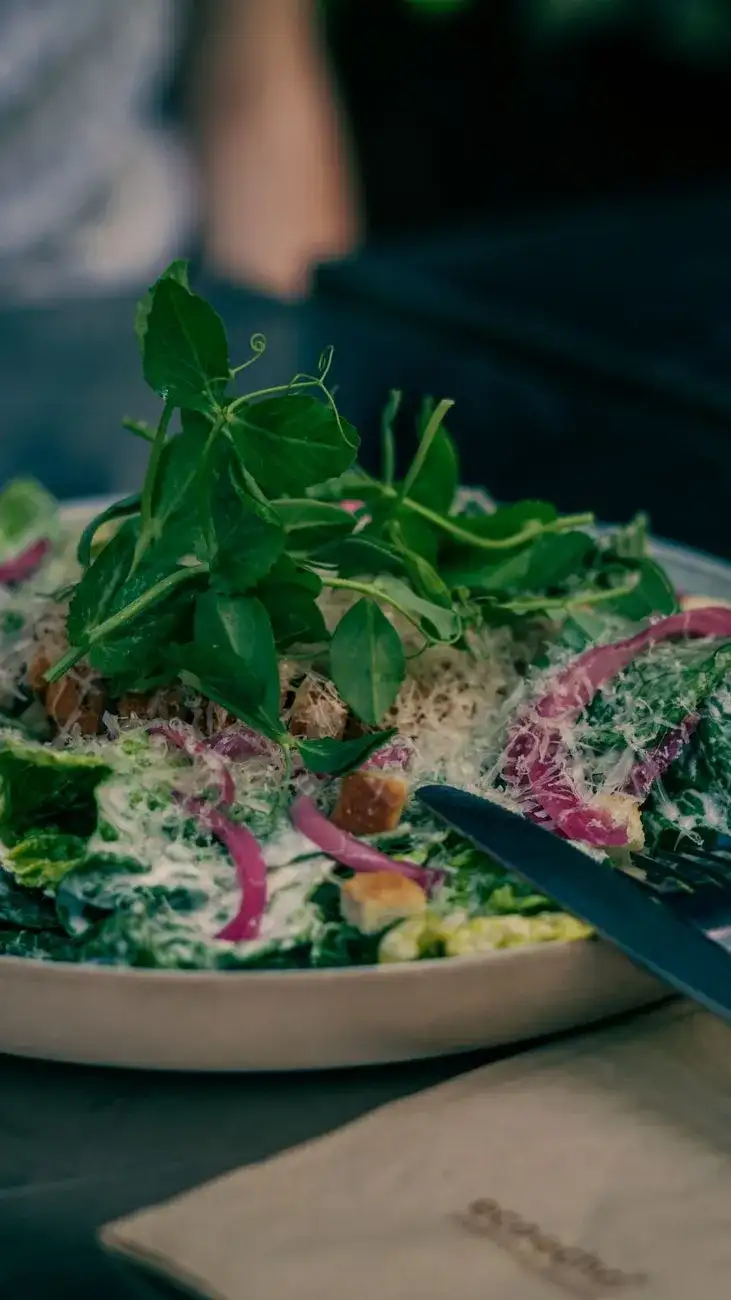

Introduction to the Mediterranean Diet The Mediterranean diet has been widely studied for its numerous health benefits, including reducing the risk of heart disease, obesity, and certain types of cancer. According to a study published in the journal Obesity, the Mediterranean diet has been shown to be effective in reducing body weight and improving cardiometabolic risk factors. The diet is characterized by high consumption of plant-based foods, such as fruits, vegetables, whole grains, and legumes, as well as moderate consumption of dairy products, fish, and poultry. The Importance of Antioxidants Antioxidants play a crucial role in maintaining overall health and well-being. They help to neutralize free radicals, which can cause oxidative stress and damage to cells. According to a study published in the journal ANTIOKSIDANTNI PRODUKTY, antioxidants such as vitamins C and E, flavonoids, and polyphenols have been shown to have anti-inflammatory and anti-cancer properties. Pomegranates, which are a key ingredient in this salad, are rich in antioxidants and have been shown to have numerous health benefits, including reducing inflammation and improving cardiovascular health.Preparing the Quinoa Quinoa is a complete protein and a good source of fiber, making it an excellent ingredient for a healthy and filling salad. To prepare the quinoa, rinse it in a fine mesh strainer and drain well. Then, in a medium saucepan, bring the quinoa and water to a boil. Reduce the heat to low, cover, and simmer for 15-20 minutes, or until the quinoa is tender and fluffy.Assembling the Salad To assemble the salad, whisk together the lemon juice, olive oil, salt, and black pepper in a large bowl. Then, add the chopped parsley, mint, pomegranate seeds, and scallions to the bowl and toss to combine. Fluff the cooked quinoa with a fork and add it to the bowl. Toss the quinoa with the herb and pomegranate mixture until well combined.Serving and Enjoying The Pomegranate and Quinoa Tabbouleh Salad is best served at room temperature or chilled. It makes a great side dish or light lunch, and can be paired with grilled meats or fish for a more substantial meal. The salad is also a great way to get your daily dose of antioxidants and fiber, making it a healthy and delicious addition to any meal.In conclusion, the Pomegranate and Quinoa Tabbouleh Salad is a healthy and delicious twist on a classic Middle Eastern dish. With its high antioxidant content and numerous health benefits, it makes a great addition to any meal. Whether you're looking for a light and refreshing side dish or a healthy and filling lunch, this salad is sure to please. #HealthyLiving #Gastronomy #MediterraneanDiet #QuinoaSalad #PomegranateBenefits Related InsightsThe Unfolding Tapestry of Flavor: A Millennia-Spanning Journey Through the Epic Evolution of Curry The Ambrosial Alchemist's Secret: Unearthing Oxymel's Ancient Culinary Resurgence Nihari: The Rich Morning Stew of the Nawabs{ "@context": "https://schema.org", "@type": "FAQPage", "mainEntity": [ { "@type": "Question", "name": "What is the main focus of Pomegranate and Quinoa Tabbouleh Salad: A Delicious and Healthy Twist?", "acceptedAnswer": { "@type": "Answer", "text": "This Pomegranate and Quinoa Tabbouleh Salad is a healthy and delicious twist on the classic Middle Eastern dish, packed with antioxidants and fresh flavors. According to recent studies, the Mediterranean diet, which this dish is inspired by, has been shown to have numerous health benefits, including reducing the risk of heart disease and obesity." } }, { "@type": "Question", "name": "Who authored the comprehensive guide on Pomegranate and Quinoa Tabbouleh Salad: A Delicious and Healthy Twist?", "acceptedAnswer": { "@type": "Answer", "text": "This detailed article and its insights were carefully researched and authored by Demir Şef." } }, { "@type": "Question", "name": "Where can I find more related content about Food?", "acceptedAnswer": { "@type": "Answer", "text": "You can explore more articles, detailed reviews, and similar insights by browsing the Related Insights section at the bottom of this article or visiting our dedicated Food category page." } } ] }
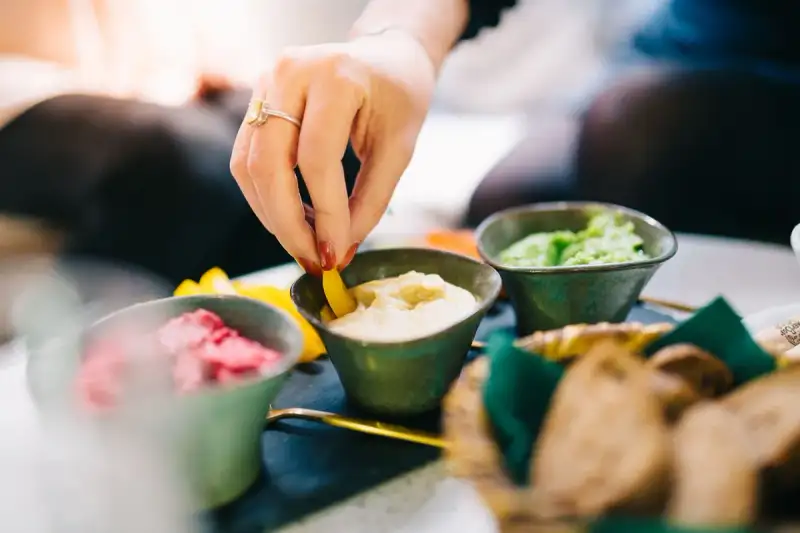
As a culinary and health blogger, I am always excited to share recipes that not only delight the palate but also provide numerous health benefits. Today, I want to introduce you to a dish that has been a staple in Middle Eastern cuisine for centuries: roasted beetroot hummus with toasted sesame. This delicious and nutritious dip is not only a treat for the taste buds, but it also boasts an impressive array of anti-inflammatory compounds that can help to reduce inflammation and promote overall health. Introduction to Beetroot and Sesame Beetroot, with its deep red color and sweet, earthy flavor, is a root vegetable that has been cultivated for thousands of years. It is an excellent source of fiber, vitamins, and minerals, including potassium, magnesium, and iron. According to recent studies, beetroot has been shown to have potent anti-inflammatory properties, which can help to reduce inflammation and improve cardiovascular health. Sesame, on the other hand, is a versatile seed that has been used in cooking for centuries. It is a rich source of healthy fats, protein, and fiber, and is also packed with antioxidants and anti-inflammatory compounds. Toasted sesame seeds add a nutty flavor and crunchy texture to our roasted beetroot hummus, making it a delicious and satisfying snack or appetizer.The Anti-Inflammatory Power of Beetroot and Sesame Research on anti-inflammatory compounds has shown that beetroot and sesame both contain a range of bioactive compounds that can help to reduce inflammation and promote overall health. Beetroot, for example, contains a unique antioxidant called betalain, which has been shown to have potent anti-inflammatory and antioxidant effects. Sesame, on the other hand, contains a range of anti-inflammatory compounds, including sesamin and sesamolin, which have been shown to have potent anti-inflammatory effects. These compounds can help to reduce inflammation and improve cardiovascular health, making them an excellent addition to our roasted beetroot hummus.The Culinary Delight of Roasted Beetroot Hummus Now that we have explored the health benefits of beetroot and sesame, let's talk about the culinary delight of roasted beetroot hummus. This dish is a staple in Middle Eastern cuisine, and for good reason. The combination of roasted beetroot, tahini, lemon juice, and garlic creates a rich and creamy dip that is both delicious and nutritious.To prepare our roasted beetroot hummus, we will need to roast the beetroot in the oven until it is tender and caramelized. We will then blend it with tahini, lemon juice, garlic, and olive oil to create a smooth and creamy dip. Finally, we will stir in toasted sesame seeds and season with salt and pepper to taste. The Recipe Here is the recipe for our roasted beetroot hummus with toasted sesame: Ingredients:2 large beetroot 1/4 cup lemon juice 1/4 cup tahini 2 cloves garlic 1/2 cup olive oil 1/2 cup toasted sesame seeds Salt and pepper to tasteInstructions:Preheat the oven to 425F. Wrap the beetroot in foil and roast for 45 minutes, or until tender and caramelized. Let the beetroot cool, then peel and chop into small pieces. In a blender, combine the beetroot, lemon juice, tahini, garlic, and olive oil. Blend until smooth, then stir in toasted sesame seeds and season with salt and pepper to taste. Serve the hummus with pita bread, vegetables, or crackers, and enjoy!Conclusion In conclusion, our roasted beetroot hummus with toasted sesame is a delicious and nutritious dish that combines the best of Middle Eastern cuisine with the power of anti-inflammatory compounds. With its rich and creamy texture, and the added crunch of toasted sesame seeds, this dish is sure to delight both the palate and the senses. So go ahead, give it a try, and experience the delicious and nutritious world of roasted beetroot hummus with toasted sesame! #HealthyLiving #Gastronomy #AntiInflammatoryFoods #RoastedBeetrootHummus