Showing Posts From
Mumbai cuisine
-
 Michael Chef
 - 10 Aug, 2026 18:42
Mumbai’s Melting Pot of Flavors: The Soul-Satisfying Street Food That Defines the City
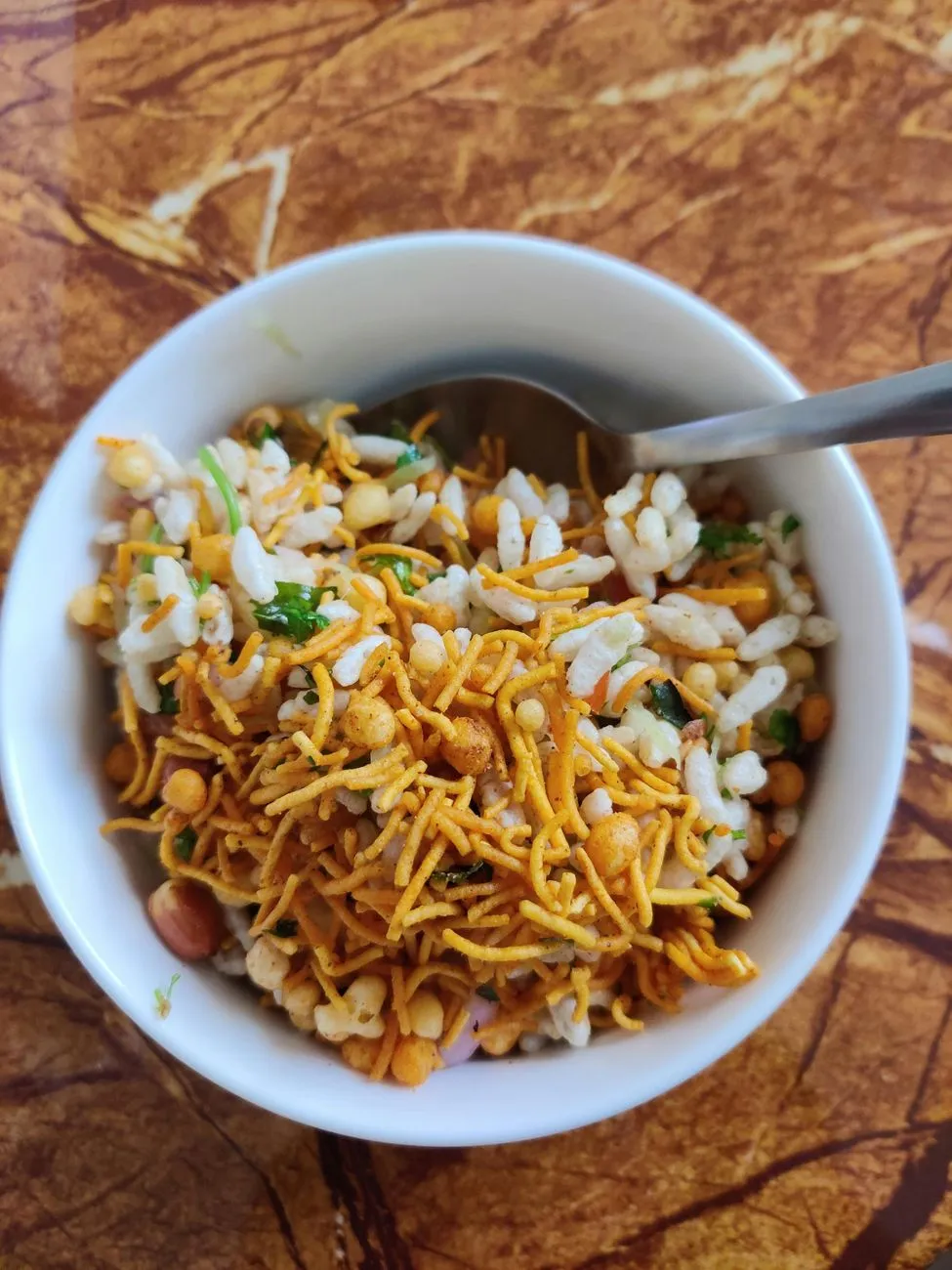
The neon glow of Mumbai’s streets doesn’t just illuminate the skyline—it ignites the senses. Beneath the hum of traffic and the rush of humanity, a symphony of sizzling pans, hissing steam, and the rhythmic clatter of utensils plays out in every corner. This is where the city’s heartbeat isn’t just felt; it’s tasted. Mumbai’s street food isn’t just sustenance—it’s a cultural mosaic, a rebellion against convention, and a testament to the city’s unapologetic love for bold, unfiltered flavors. From the first light of dawn to the late-night glow of neon signs, the streets of Mumbai serve up more than meals; they dish out memories, nostalgia, and a slice of the city’s chaotic soul.The Golden Age of Mumbai’s Street Food: A Legacy Carved in Spice and Chaos Long before Mumbai became the financial capital of India, its streets were already a thriving marketplace of flavors. The city’s street food culture didn’t emerge overnight—it evolved over centuries, shaped by waves of migration, colonial influences, and the relentless hustle of its people. The Portuguese, British, and Gujarati traders all left their culinary fingerprints, but it was the Marathi-speaking locals who truly made street food a way of life. The result? A culinary playground where affordability meets innovation, and where a humble vada pav or a plate of bhel puri can spark conversations that last for hours. What makes Mumbai’s street food so legendary isn’t just its taste—it’s its accessibility. Unlike the rigid menus of high-end restaurants, street food in Mumbai is democratic. A daily wage worker, a college student cramming for exams, and a corporate executive on a lunch break all stand side by side, united by their cravings. The stalls, often no bigger than a closet, become temporary sanctuaries where class distinctions dissolve into the aroma of fried onions, tangy chutneys, and the unmistakable smokiness of a kebab sizzling on a grill. The Crown Jewels of Mumbai’s Street Food: Dishes That Define the City Vada Pav: The Humble Burger That Conquered a Megacity No exploration of Mumbai’s street food is complete without bowing to the vada pav—the city’s unofficial national snack. Born in the 1970s in the bustling streets of Dadar, this deep-fried potato dumpling (vada) stuffed inside a soft pav (bread roll) is the ultimate comfort food. The vada, spiced with garlic, ginger, and green chilies, is coated in a crispy chickpea batter and fried to golden perfection. Served with a side of fiery green chutney and sweet tamarind sauce, it’s a flavor explosion that costs less than a dollar. What’s fascinating about vada pav is its adaptability. From the classic version to gourmet twists like cheese vada pav or schezwan vada pav, the dish has evolved without losing its soul. Street vendors, or bhaiyyas as they’re affectionately called, have turned vada pav into an art form, each stall boasting its own secret spice blend. It’s no wonder that even Michelin-starred chefs in London have tried to replicate its magic—though none can quite capture the magic of eating it under a Mumbai sky, with the city’s symphony of honks and chatter as your soundtrack. Panipuri: The Crunchy, Tangy, Addictive Bite-Sized Balloon Few things in life are as satisfying as the first pop of a panipuri between your teeth. This deceptively simple dish—crisp hollow puris filled with spiced water, tamarind chutney, potato, chickpeas, and sweet chutney—is a rollercoaster of textures and flavors. The puris themselves are made from semolina or wheat flour, fried until they’re light as air, then filled with a medley of ingredients that dance on your palate. Panipuri isn’t just a snack; it’s an experience. The act of assembling it yourself—choosing your fillings, balancing the flavors, and finally devouring it in one go—is almost meditative. Mumbai’s panipuri vendors are masters of their craft, their stalls often surrounded by a loyal crowd of regulars. Whether you prefer it spicy, sweet, or tangy, one thing’s for sure: once you’ve had panipuri from a Mumbai street, you’ll spend the rest of your life chasing that perfect bite. Bhel Puri: The Crunchy, Tangy, Umami-Packed Party in a Plate If panipuri is a bite-sized adventure, bhel puri is a full-blown flavor fiesta. This chaotic mix of puffed rice, sev (crispy chickpea noodles), onions, tomatoes, cilantro, and chutneys is a celebration of contrasts—crunchy yet soft, spicy yet sweet, tangy yet savory. The secret to a great bhel puri lies in the balance of its components, each adding its own personality to the dish. Mumbai’s beaches, especially Girgaon Chowpatty, are legendary for their bhel puri. Picture this: the salty breeze of the Arabian Sea, the golden hues of the setting sun, and a plate of bhel puri that’s been expertly tossed to perfection. It’s no wonder that this dish is a favorite among Mumbaikars looking to unwind after a long day. Pro tip: Add a squeeze of lemon and a sprinkle of sev right before eating to elevate the experience. Misal Pav: The Spicy, Hearty Breakfast That Fuels the City For those who wake up with a hunger that demands more than just a cup of chai, misal pav is the answer. This Maharashtrian street food staple consists of a spicy curry made from sprouted moth beans (matki), topped with onions, cilantro, lemon, and a dollop of butter. Served with a soft pav (bread roll), it’s a dish that’s as filling as it is flavorful. Misal pav is a dish with a history. Originally a humble farmer’s meal, it has evolved into a beloved street food that’s often enjoyed as a late-night snack or a post-party cure. The key to a great misal pav lies in the curry—it should be thick, spicy, and packed with the earthy flavors of sprouted beans. Top it with a fried egg, and you’ve got a meal that’s nothing short of a hug in a bowl. Pav Bhaji: The Buttery, Spicy, Comfort Food That Never Disappoints No list of Mumbai’s street food would be complete without pav bhaji—a dish that’s as much a part of the city’s identity as the local trains. This vibrant medley of mashed vegetables (typically potatoes, cauliflower, peas, and capsicum) cooked in a spicy tomato-based gravy is served with buttered pav (bread rolls). The dish originated in the 1850s as a quick meal for textile mill workers, but it has since become a staple in every Mumbaikar’s diet. What makes pav bhaji so special is its versatility. Whether you prefer it mild or fiery, with extra butter or a squeeze of lemon, there’s a version for everyone. Street vendors often customize the dish based on their customers’ preferences, making each plate a unique creation. And let’s not forget the theatrical flair with which pav bhaji is served—vendors often toss the bhaji in the air, a move that’s as much about showmanship as it is about mixing the flavors. The Unsung Heroes: Street Food Stalls and the People Behind Them Behind every plate of Mumbai’s street food is a story—a story of resilience, creativity, and an unshakable passion for the craft. The vendors, often referred to as hawker bhaiyyas or aunties, are the lifeblood of the city’s culinary scene. They wake up before dawn to prepare their ingredients, set up their stalls in the most unlikely of places, and work tirelessly until the last customer has been served. For many, this isn’t just a job; it’s a legacy passed down through generations. Take, for example, the panipuri vendor at Thane who was filmed urinating into a container in 2011. The incident sparked outrage and a political storm, but it also highlighted the struggles of street vendors in Mumbai. Many operate without licenses, paying bribes to avoid eviction, and living under the constant threat of municipal drives. Despite these challenges, they continue to serve the city with pride, their stalls becoming makeshift community centers where strangers become friends over a shared meal. The Dark Side of the Street: Hygiene, Controversies, and the Fight for Survival For all its charm, Mumbai’s street food scene isn’t without its controversies. Hygiene is a major concern, with critics pointing to the lack of proper sanitation and the use of questionable ingredients. The infamous 2011 panipuri incident, where a vendor was caught urinating into a serving container, was a stark reminder of the challenges faced by the city’s street food vendors. The incident led to a crackdown on panipuri and bhelpuri stalls, with political parties targeting vendors and forcing many to shut down. Yet, despite these controversies, the love for street food in Mumbai remains undiminished. The city’s residents are fiercely loyal to their favorite stalls, often ignoring hygiene concerns in favor of the unbeatable flavors. Recognizing this, the Mumbai Municipal Corporation has taken steps to legalize street vending, demarcating 1,700 zones for hawkers. However, the implementation has been slow, and many vendors continue to operate in legal gray areas. Where to Find Mumbai’s Best Street Food: A Guide for the Adventurous Eater Girgaon Chowpatty: The Beachside Bhel Puri Paradise No trip to Mumbai is complete without a visit to Girgaon Chowpatty. This iconic beach is a hub for street food lovers, with stalls lining the shore offering everything from bhel puri to kulfi. The best time to visit is during sunset, when the sky is painted in hues of orange and pink, and the salty breeze carries the aroma of sizzling snacks. Nariman Point: The Financial Hub’s Lunch Break Escape For the office-goers of Nariman Point, street food is a lifeline. During lunch hour, the sidewalks transform into a bustling marketplace, with vendors selling everything from vada pav to Chinese bhel. The energy here is electric, with professionals grabbing quick bites between meetings, their conversations punctuated by the sizzle of kebabs and the clatter of utensils. Mohammed Ali Road: The Night Market Extravaganza If you’re in Mumbai during Ramadan, Mohammed Ali Road is a must-visit. The street transforms into a nocturnal wonderland, with stalls serving up kebabs, biryanis, and an array of sweets. The air is thick with the scent of spices, and the sound of laughter and clinking glasses fills the night. It’s a sensory overload in the best possible way. Juhu Beach: The Kulfi and Chaat Lover’s Dream Juhu Beach is famous for its kulfi, a frozen dairy dessert that’s a refreshing respite from the city’s heat. Vendors serve kulfi in cones or on sticks, with flavors ranging from classic mango to exotic kesar pista. Pair it with a plate of sev puri, and you’ve got a dessert that’s as satisfying as it is indulgent.The Global Invasion: How Mumbai’s Street Food Conquered the World Mumbai’s street food isn’t just confined to the city’s streets—it’s made its way into kitchens around the world. From London to New York, restaurants are putting their own spin on dishes like vada pav, bhel puri, and pav bhaji. Even fast-food chains in India have jumped on the bandwagon, launching homegrown versions of street food staples. What’s fascinating about this global adoption is how it’s evolved. Chefs abroad often infuse local ingredients into traditional dishes, creating fusion versions that pay homage to Mumbai’s culinary heritage while embracing new flavors. For example, a London-based restaurant might serve a vada pav with avocado and chipotle mayo, while a New York eatery could offer a bhel puri-inspired salad with quinoa and kale. These adaptations are a testament to the versatility and universal appeal of Mumbai’s street food.The Future of Mumbai’s Street Food: Innovation Meets Tradition As Mumbai continues to grow and modernize, the future of its street food scene hangs in a delicate balance. On one hand, there’s a push for modernization—food trucks, pop-up stalls, and even app-based delivery services are making street food more accessible than ever. On the other hand, there’s a growing appreciation for tradition, with younger generations seeking out authentic, time-honored recipes. One exciting trend is the rise of homegrown fast-food companies that serve street food. Brands like Burger Singh and The Bombay Canteen have taken inspiration from Mumbai’s street food culture, offering gourmet versions of classic dishes. These ventures are not only preserving the city’s culinary heritage but also giving it a contemporary twist. Another trend to watch is the increasing focus on hygiene and sustainability. With stricter regulations and a growing awareness of food safety, street food vendors are adopting better practices, from using stainless steel utensils to sourcing ingredients locally. These changes are slowly but surely transforming Mumbai’s street food scene into a more sustainable and health-conscious one. A Love Letter to Mumbai’s Street Food Mumbai’s street food is more than just a culinary experience—it’s a cultural phenomenon. It’s the sound of a sizzling kebab grill at 3 AM, the sight of a crowded stall where strangers become friends over a shared plate of misal pav, and the taste of a kulfi that instantly transports you to a childhood memory. It’s the chaos, the passion, and the unapologetic love for flavor that makes Mumbai’s streets so magical. So, the next time you find yourself in this city of dreams, don’t just visit the landmarks—venture into the labyrinth of its streets. Let the aroma of fried spices guide you, the sizzle of pans enchant you, and the warmth of a street vendor’s smile welcome you. Because in Mumbai, the best stories—and the best meals—are found not in restaurants, but on the streets.#MumbaiStreetFood #FoodieParadise #HiddenGemsOfIndia #StreetFoodLovers #FlavorOfMumbai Related InsightsTacos Al Pastor: Il Mio Viaggio nel Cuore della Messicana Cucina The Concrete Palette: Unveiling the Sizzling Soul of Mumbai's Sidewalks The Emerald Jewel of Turkish Cuisine: Çoban Salata with Walnuts – A Masterclass in Antioxidant-Rich Gastronomy{ "@context": "https://schema.org", "@type": "FAQPage", "mainEntity": [ { "@type": "Question", "name": "What is the main focus of Mumbai’s Melting Pot of Flavors: The Soul-Satisfying Street Food That Defines the City?", "acceptedAnswer": { "@type": "Answer", "text": "Dive into Mumbai’s vibrant street food culture, where every bite tells a story of tradition, chaos, and unmatched flavor—from vada pav to panipuri, and beyond." } }, { "@type": "Question", "name": "Who authored the comprehensive guide on Mumbai’s Melting Pot of Flavors: The Soul-Satisfying Street Food That Defines the City?", "acceptedAnswer": { "@type": "Answer", "text": "This detailed article and its insights were carefully researched and authored by Michael Chef." } }, { "@type": "Question", "name": "Where can I find more related content about Food?", "acceptedAnswer": { "@type": "Answer", "text": "You can explore more articles, detailed reviews, and similar insights by browsing the Related Insights section at the bottom of this article or visiting our dedicated Food category page." } } ] }
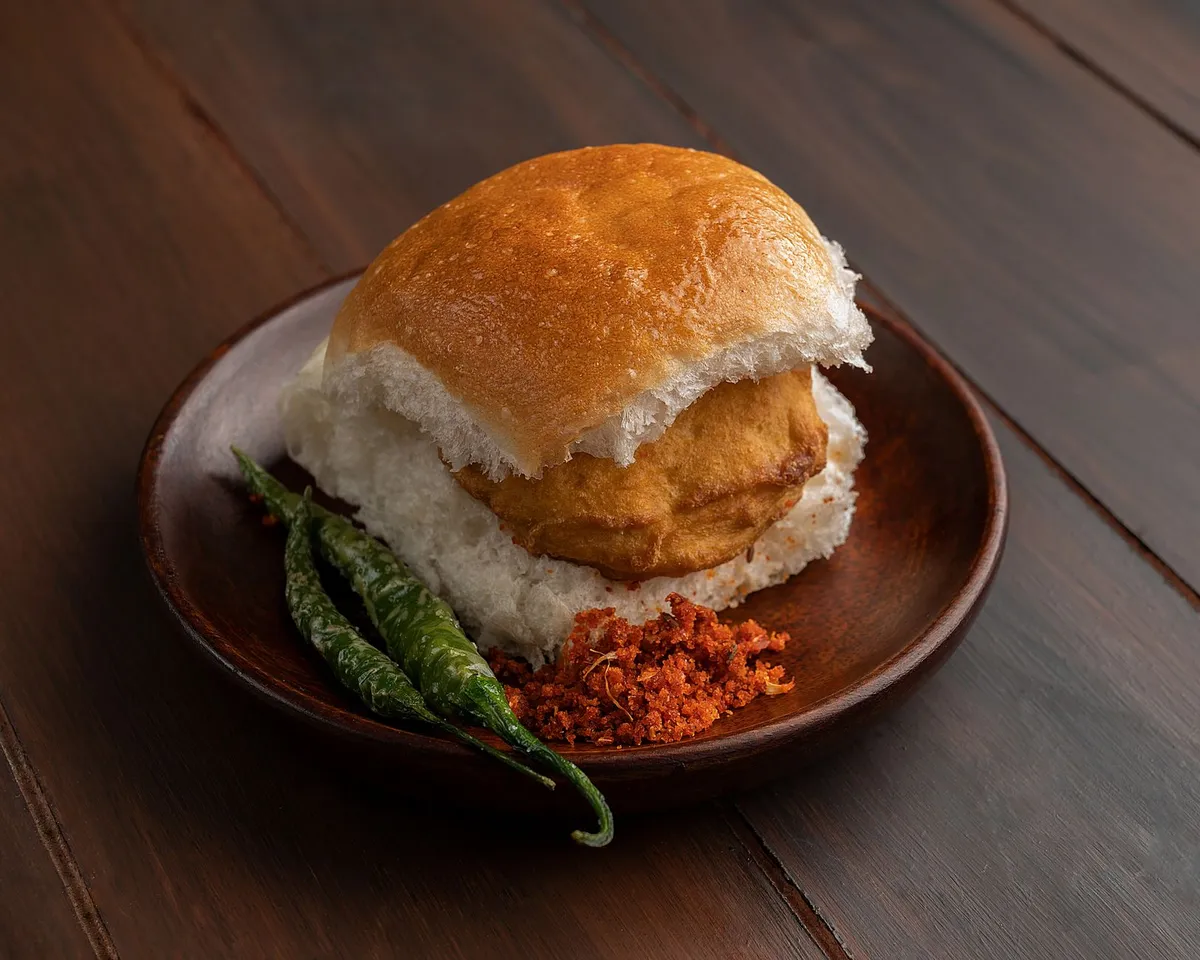
The Golden Arches of the Pavement: Where Mumbai’s Hunger Meets Its Heritage The first time you step into Mumbai’s labyrinth of streets, you don’t just smell the salt of the Arabian Sea—you taste it. It lingers in the tang of fresh lime squeezed over bhel puri, in the smoky aroma of kebabs sizzling on skewers, in the sweet, milky perfume of kulfi melting under the midday sun. This is a city where hunger isn’t just a need; it’s a ritual, a rebellion, a shared secret whispered between strangers in the glow of neon bulbs and the hum of traffic. Here, the pavement is the plate, and every hawker is a chef of chaos, crafting flavors that outshine even the fanciest five-star kitchens. Mumbai’s street food isn’t just sustenance—it’s a cultural manifesto. It’s the reason why a daily wage worker and a stockbroker can stand side by side, elbows deep in a paper cone of sev puri, arguing over whose version is spicier. It’s the reason why a city that never sleeps also never stops eating. From the crack of dawn, when tea vendors pedal their brass kettles through foggy alleys, to the witching hour when kulfi carts roll into Girgaon Chowpatty, Mumbai’s streets are a 24/7 banquet of the senses. And at the center of it all is vada pav—the crowned jewel of Mumbai’s culinary kingdom.Vada Pav: The Burger That Mumbai Made Its Own Imagine a burger, but instead of a beef patty, you have a golden, deep-fried potato dumpling, crisp on the outside and fluffy within, sandwiched between a soft, buttered pav (a pillowy bread roll). Now, slather it with green chutney, red chutney, and a generous dollop of garlic chutney. That, my friend, is vada pav—the unofficial national dish of Mumbai. Born in the 1970s in the working-class neighborhoods of Dadar and Matunga, vada pav was the brainchild of street food pioneer Ashok Vaidya. He wanted to create a snack that was cheap, filling, and portable—something a factory worker or a college student could grab on the go. What he got was a revolution. Today, vada pav stalls dot every corner, from the grime of CST to the glitter of Bandra. Some purists insist on the original recipe: potato, garlic, and spices, fried to perfection. Others push boundaries—adding paneer, cheese, or even mutton to the mix. But the magic isn’t just in the ingredients—it’s in the ritual. Watch a vendor at work: one hand deftly slicing the pav, the other pressing the vada into the bread with a flick of the wrist. The sizzle of oil, the aroma of spices, the way the chutney oozes out when you take a bite—it’s theater. It’s fast food, but not the sterile, assembly-line kind. This is food made with love, sweat, and a little bit of rebellion.The Crunch of Panipuri: A Symphony of Sweet, Sour, and Spicy If vada pav is Mumbai’s burger, then panipuri is its answer to the world’s obsession with crunchy, tangy snacks. These hollow, crispy puris are filled with a mix of mashed potatoes, chickpeas, sweet chutney, tamarind sauce, and a dash of chaat masala. The first bite is a revelation: the crunch of the puri gives way to a burst of flavors—sweet, sour, spicy, and salty—all at once. But panipuri isn’t just a snack; it’s a cultural battleground. In 2011, a single incident—a panipuri vendor in Thane urinating into his serving container—sparked a political firestorm. Shiv Sena and other parties launched a crackdown on panipuri and bhelpuri sellers, accusing them of spreading disease and “polluting” Mumbai’s streets. The vendor, a man who had sold panipuri for 15 years, was arrested and fined. The controversy exposed deeper tensions: the clash between Mumbai’s cosmopolitan identity and its conservative undercurrents, the stigma around street food, and the vulnerability of vendors who operate in legal gray zones. Yet, despite the controversy, panipuri endures. It’s a symbol of Mumbai’s resilience, its ability to turn even the most mundane snack into a political statement. Today, you’ll find panipuri stalls in every nook and cranny—from the posh lanes of South Mumbai to the crowded bylanes of Dharavi. Some vendors offer gourmet versions: pomegranate panipuri, mango panipuri, even paneer panipuri. But purists insist the classic is unbeatable.Bhel Puri: The Original Mumbai Mix Bhel puri is the street food equivalent of a Bollywood potboiler—chaotic, colorful, and impossible to resist. It’s a medley of puffed rice, sev (crispy chickpea noodles), onions, tomatoes, cilantro, and a tangy tamarind-chutney dressing. The key? The balance. Too much chutney, and it’s a soggy mess. Too little, and it’s bland. But when it’s done right, it’s a symphony of textures and flavors. Girgaon Chowpatty beach is the mecca of bhel puri, where vendors set up shop as the sun dips below the horizon. The salty sea breeze mingles with the aroma of spices, and the sound of waves crashing against the shore becomes the soundtrack to your snack. Some stalls add their own twists: a squeeze of lemon, a sprinkle of chaat masala, or even a handful of boiled potatoes for extra heartiness. But bhel puri isn’t just a beach snack. It’s a college staple, a post-movie treat, a midnight craving. It’s the kind of food that brings people together—strangers sharing a paper plate, friends debating whose bhel is the best, families gathering around a street cart after a long day.The Non-Vegetarian Delights: Kebabs, Omelettes, and Fish That Taste Like the Sea Mumbai’s street food isn’t all vegetarian. In fact, the city’s non-veg offerings are just as legendary. Take the Eggs Kejriwal, for instance—a sandwich so spicy it’s named after a former Indian Prime Minister. The filling? Scrambled eggs cooked with green chilies, onions, and a fiery red chutney, all stuffed between slices of buttered bread. It’s a breakfast that’ll wake you up faster than a Mumbai local train at rush hour. Then there are the kebabs. Whether it’s the succulent chicken tikka kebab sizzling on a skewer or the melt-in-your-mouth galouti kebab (a Lucknowi delicacy that’s found a second home in Mumbai’s streets), these skewers are a testament to the city’s love affair with meat. The best kebabs are cooked over charcoal, their smoky aroma wafting through the air and drawing crowds like moths to a flame. And let’s not forget the fish. Mumbai’s coastal location means fresh seafood is never far away. The Bombil (Bombay duck), a local fish with a pungent aroma, is often fried and served with a side of lemon and onions. Or there’s the Bombay sandwich, a vegetarian delight that’s somehow even more iconic—a layer of chutney, cucumber, tomato, and boiled potatoes between buttered bread, pressed and toasted to perfection. But the undisputed king of Mumbai’s non-veg street food? The Bombay omelette. Fluffy, buttery, and studded with onions, green chilies, and coriander, it’s the perfect hangover cure or late-night snack. Served with a side of ketchup and a cup of cutting chai, it’s a taste of Mumbai’s soul.The Sweet Side of the Street: Kulfi, Golah, and the Art of Frozen Bliss After the spice and crunch of chaat and kebabs, Mumbai’s streets offer a cool respite in the form of kulfi—India’s answer to ice cream. Unlike its Western counterpart, kulfi is denser, creamier, and infused with flavors like mango, pistachio, rose, or saffron. It’s served in a clay cup or on a stick, often garnished with chopped nuts or a drizzle of rose syrup. Then there’s golah—the Indian snow cone. Vendors shave ice into a paper cone and douse it with flavored syrups like lemon, orange, or even cola. It’s the ultimate summer refresher, a burst of sweetness on a hot Mumbai day. But the sweetest treat of all? Gulab jamun. These deep-fried dough balls soaked in sugar syrup are a street food staple, often sold by vendors pushing carts laden with trays of golden-brown orbs. The best gulab jamuns are crisp on the outside, syrupy on the inside, and melt in your mouth like a dream.The Dark Side of the Street: Hygiene, Politics, and the Fight for Survival For all its magic, Mumbai’s street food isn’t without its controversies. Hygiene is a constant concern. In a city where 250,000 hawkers operate without licenses, the risk of foodborne illness is real. Yet, Mumbaikars continue to eat street food with gusto, trusting in the vendors’ skill and the city’s collective immunity. Then there’s the issue of legality. Mumbai’s street vendors operate in a legal gray zone. In 2007, the Supreme Court ordered the municipality to demarcate 2,300 legal hawking zones—later increased to 1,700. But implementation has been slow. Out of 250,000 hawkers, only 17,000 have valid licenses. Vendors often pay bribes to avoid eviction, only to return after a few days. The cycle continues, a dance between law and survival. Politics, too, plays a role. In 2011, the panipuri controversy revealed the tensions between Mumbai’s cosmopolitan identity and its conservative undercurrents. Parties like Shiv Sena have targeted street food vendors in the past, accusing them of “polluting” the city. Yet, these same vendors are the backbone of Mumbai’s economy, feeding millions every day. Despite the challenges, street food vendors remain resilient. They adapt, innovate, and keep the city fed. They are the unsung heroes of Mumbai’s culinary scene.The Global Spread: How Mumbai’s Street Food Conquered the World Mumbai’s street food isn’t just confined to the city’s streets. It’s made its way into restaurants, fast-food chains, and even five-star hotels. From London to New York, you’ll find vada pav on menus, bhel puri in fusion dishes, and panipuri as a trendy appetizer. Homegrown fast-food companies have also capitalized on Mumbai’s street food craze. Brands like Mumbai’s Belly and Bombay Food Truck bring street food to offices, colleges, and events, serving up vada pav, pav bhaji, and more in a more “hygienic” setting. Even Bollywood has played a role. Films like Jaane Tu… Ya Jaane Na and Dil Chahta Hai have immortalized Mumbai’s street food, turning it into a symbol of youth, freedom, and rebellion. Today, street food tours are a growing trend, with foodies flocking to Mumbai to sample its iconic snacks.Where to Find the Best Street Food in Mumbai If you’re planning a street food tour of Mumbai, here are some must-visit spots: Juhu Beach Famous for its pav bhaji—a buttery bread roll served with a spicy potato and vegetable curry. The best stalls are near the beach, where the sea breeze adds to the experience. Crawford Market A bustling market where you’ll find everything from fresh fruits to spices. Don’t miss the Bombay sandwich or the egg rolls from the street vendors outside. Dadar East The birthplace of vada pav. Try the Ashok Vada Pav stall for an authentic taste of history. Girgaon Chowpatty The mecca of bhel puri and kulfi. Come here at sunset for the full experience. Colaba Causeway A haven for non-veg lovers. Try the Bombay omelette or the chicken kebabs from the stalls near the Regal Cinema. Bandra A melting pot of cultures, Bandra offers everything from misal pav (a spicy curry made of sprouted moth beans) to vegetable frankie (a Mumbai-style wrap).The Future of Mumbai’s Street Food: Innovation Meets Tradition As Mumbai grows and changes, so does its street food scene. Vendors are experimenting with new flavors and techniques, while still staying true to tradition. Vegan vada pav, gluten-free bhel puri, and organic kulfi are just a few of the innovations taking hold. At the same time, the city is grappling with the challenges of urbanization. Rising rents, stricter regulations, and gentrification threaten the survival of street food vendors. Yet, the spirit of Mumbai’s streets remains unbroken. For every stall that closes, a new one opens. For every controversy, there’s a vendor fighting to keep the tradition alive. Mumbai’s street food is more than just a snack—it’s a way of life. It’s the sound of sizzling oil, the smell of spices, the taste of rebellion. It’s the heartbeat of a city that never stops moving, never stops eating, never stops dreaming.#MumbaiStreetFood #VadaPavLove #BhelPuriMagic #KulfiDreams #BombayBites Related InsightsBun Cha: The Smoky Grilled Pork and Noodles of Hanoi Malaysian Laksa: The Spicy, Creamy Noodle Soup That Defines Southeast Asia’s Culinary Soul The Legacy of Nourishment: A Nutrient-Dense Chicken and Vegetable Pot Pie{ "@context": "https://schema.org", "@type": "FAQPage", "mainEntity": [ { "@type": "Question", "name": "What is the main focus of Mumbai’s Sizzling Soul: The Spicy, Sweet, and Chaotic Heartbeat of Street Food?", "acceptedAnswer": { "@type": "Answer", "text": "Dive into Mumbai’s vibrant street food culture, where vada pav meets panipuri, and every bite tells a story of the city’s fiery spirit." } }, { "@type": "Question", "name": "Who authored the comprehensive guide on Mumbai’s Sizzling Soul: The Spicy, Sweet, and Chaotic Heartbeat of Street Food?", "acceptedAnswer": { "@type": "Answer", "text": "This detailed article and its insights were carefully researched and authored by Demir Şef." } }, { "@type": "Question", "name": "Where can I find more related content about Food?", "acceptedAnswer": { "@type": "Answer", "text": "You can explore more articles, detailed reviews, and similar insights by browsing the Related Insights section at the bottom of this article or visiting our dedicated Food category page." } } ] }