Mumbai’s Sizzling Soul: The Spicy, Sweet, and Chaotic Heartbeat of Street Food
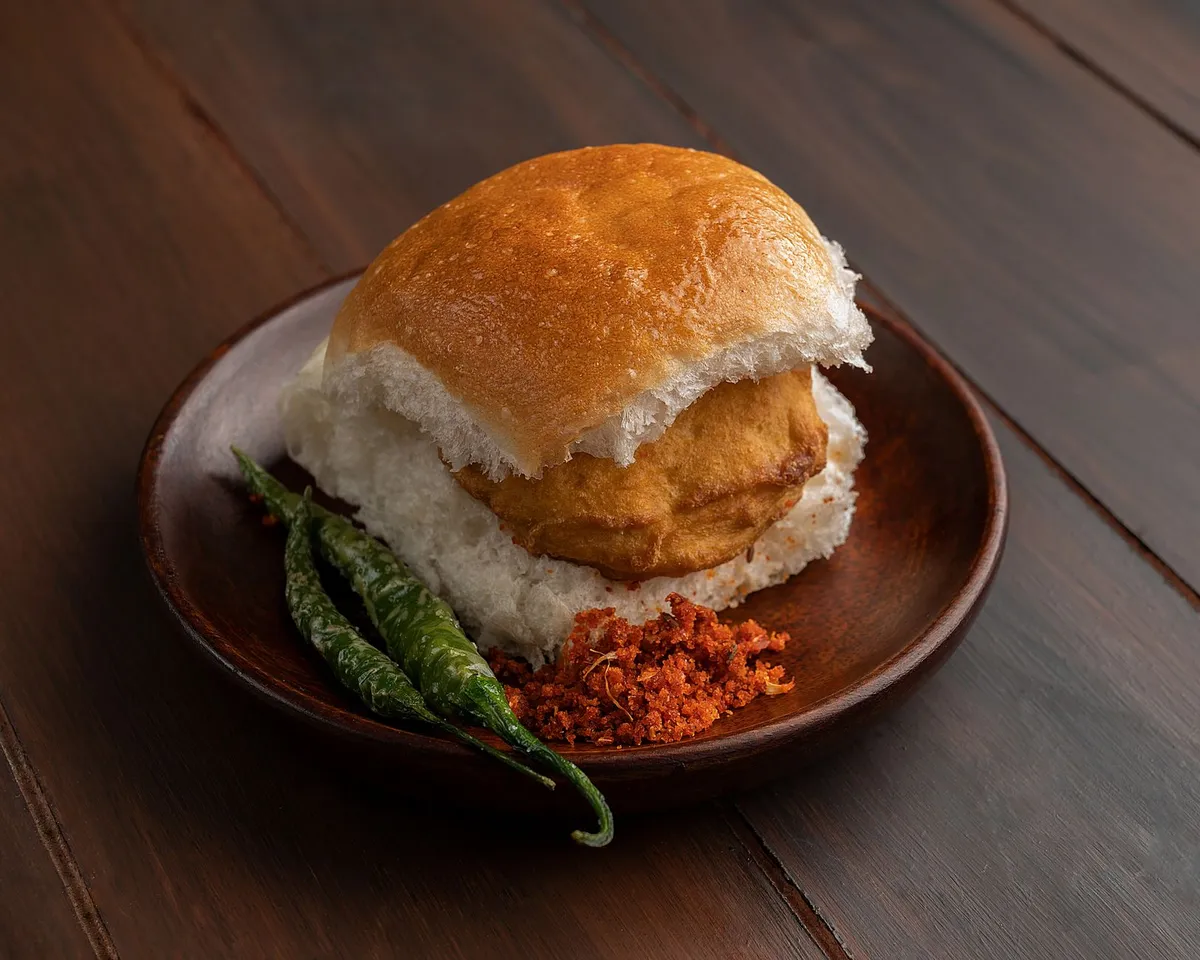
The Golden Arches of the Pavement: Where Mumbai’s Hunger Meets Its Heritage
The first time you step into Mumbai’s labyrinth of streets, you don’t just smell the salt of the Arabian Sea—you taste it. It lingers in the tang of fresh lime squeezed over bhel puri, in the smoky aroma of kebabs sizzling on skewers, in the sweet, milky perfume of kulfi melting under the midday sun. This is a city where hunger isn’t just a need; it’s a ritual, a rebellion, a shared secret whispered between strangers in the glow of neon bulbs and the hum of traffic. Here, the pavement is the plate, and every hawker is a chef of chaos, crafting flavors that outshine even the fanciest five-star kitchens.
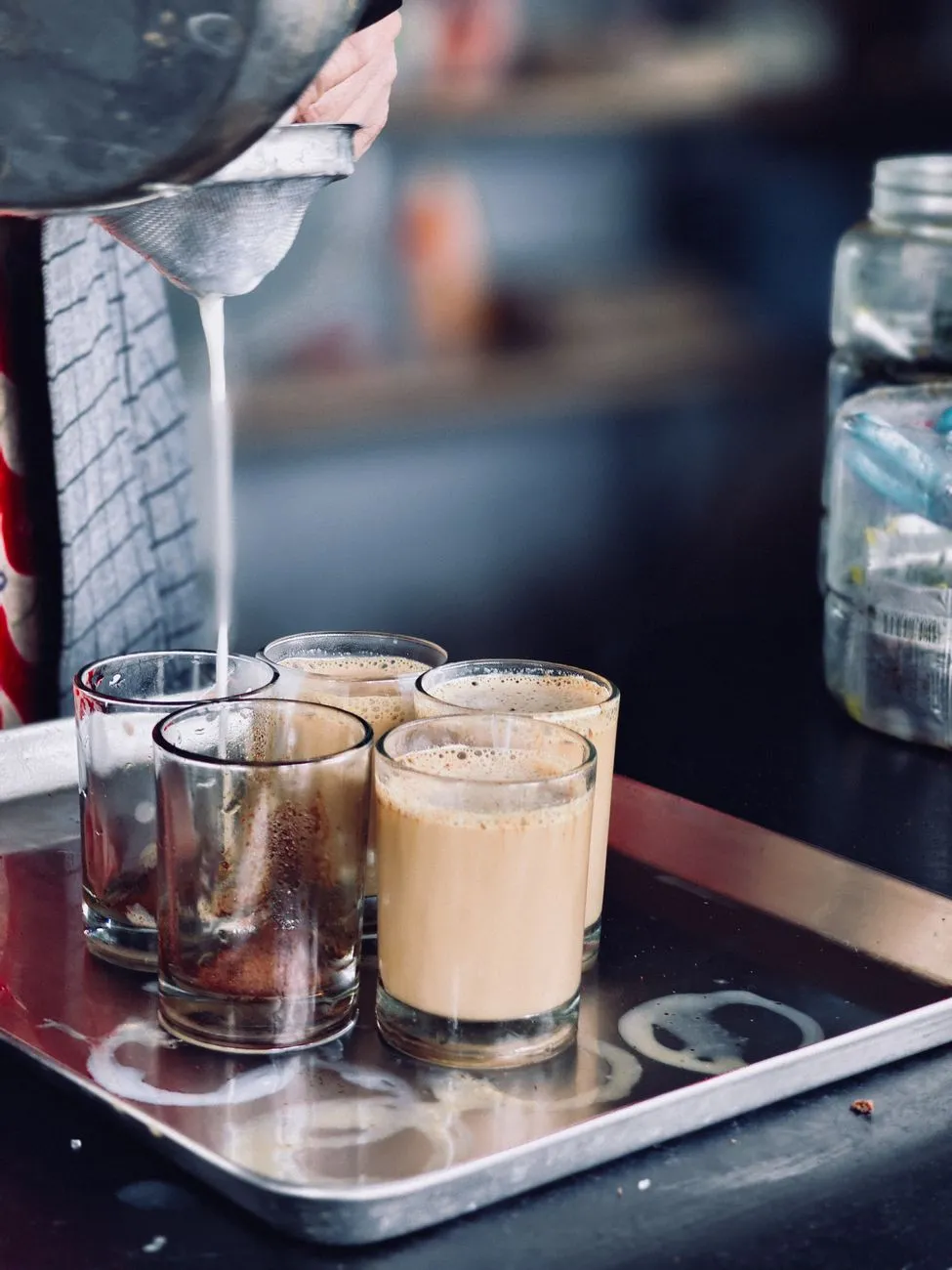
Mumbai’s street food isn’t just sustenance—it’s a cultural manifesto. It’s the reason why a daily wage worker and a stockbroker can stand side by side, elbows deep in a paper cone of sev puri, arguing over whose version is spicier. It’s the reason why a city that never sleeps also never stops eating. From the crack of dawn, when tea vendors pedal their brass kettles through foggy alleys, to the witching hour when kulfi carts roll into Girgaon Chowpatty, Mumbai’s streets are a 24/7 banquet of the senses.
And at the center of it all is vada pav—the crowned jewel of Mumbai’s culinary kingdom.
Vada Pav: The Burger That Mumbai Made Its Own
Imagine a burger, but instead of a beef patty, you have a golden, deep-fried potato dumpling, crisp on the outside and fluffy within, sandwiched between a soft, buttered pav (a pillowy bread roll). Now, slather it with green chutney, red chutney, and a generous dollop of garlic chutney. That, my friend, is vada pav—the unofficial national dish of Mumbai.
Born in the 1970s in the working-class neighborhoods of Dadar and Matunga, vada pav was the brainchild of street food pioneer Ashok Vaidya. He wanted to create a snack that was cheap, filling, and portable—something a factory worker or a college student could grab on the go. What he got was a revolution. Today, vada pav stalls dot every corner, from the grime of CST to the glitter of Bandra. Some purists insist on the original recipe: potato, garlic, and spices, fried to perfection. Others push boundaries—adding paneer, cheese, or even mutton to the mix.
But the magic isn’t just in the ingredients—it’s in the ritual. Watch a vendor at work: one hand deftly slicing the pav, the other pressing the vada into the bread with a flick of the wrist. The sizzle of oil, the aroma of spices, the way the chutney oozes out when you take a bite—it’s theater. It’s fast food, but not the sterile, assembly-line kind. This is food made with love, sweat, and a little bit of rebellion.
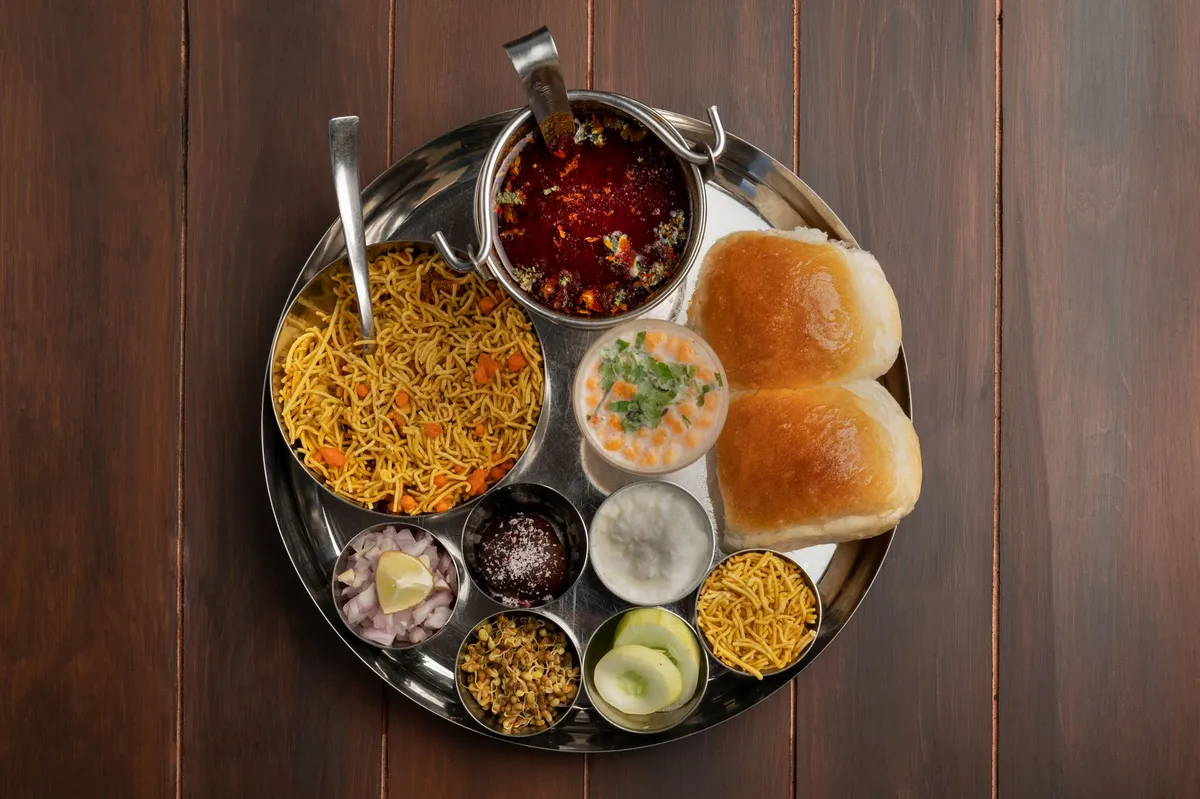
The Crunch of Panipuri: A Symphony of Sweet, Sour, and Spicy
If vada pav is Mumbai’s burger, then panipuri is its answer to the world’s obsession with crunchy, tangy snacks. These hollow, crispy puris are filled with a mix of mashed potatoes, chickpeas, sweet chutney, tamarind sauce, and a dash of chaat masala. The first bite is a revelation: the crunch of the puri gives way to a burst of flavors—sweet, sour, spicy, and salty—all at once.
But panipuri isn’t just a snack; it’s a cultural battleground. In 2011, a single incident—a panipuri vendor in Thane urinating into his serving container—sparked a political firestorm. Shiv Sena and other parties launched a crackdown on panipuri and bhelpuri sellers, accusing them of spreading disease and “polluting” Mumbai’s streets. The vendor, a man who had sold panipuri for 15 years, was arrested and fined. The controversy exposed deeper tensions: the clash between Mumbai’s cosmopolitan identity and its conservative undercurrents, the stigma around street food, and the vulnerability of vendors who operate in legal gray zones.
Yet, despite the controversy, panipuri endures. It’s a symbol of Mumbai’s resilience, its ability to turn even the most mundane snack into a political statement. Today, you’ll find panipuri stalls in every nook and cranny—from the posh lanes of South Mumbai to the crowded bylanes of Dharavi. Some vendors offer gourmet versions: pomegranate panipuri, mango panipuri, even paneer panipuri. But purists insist the classic is unbeatable.
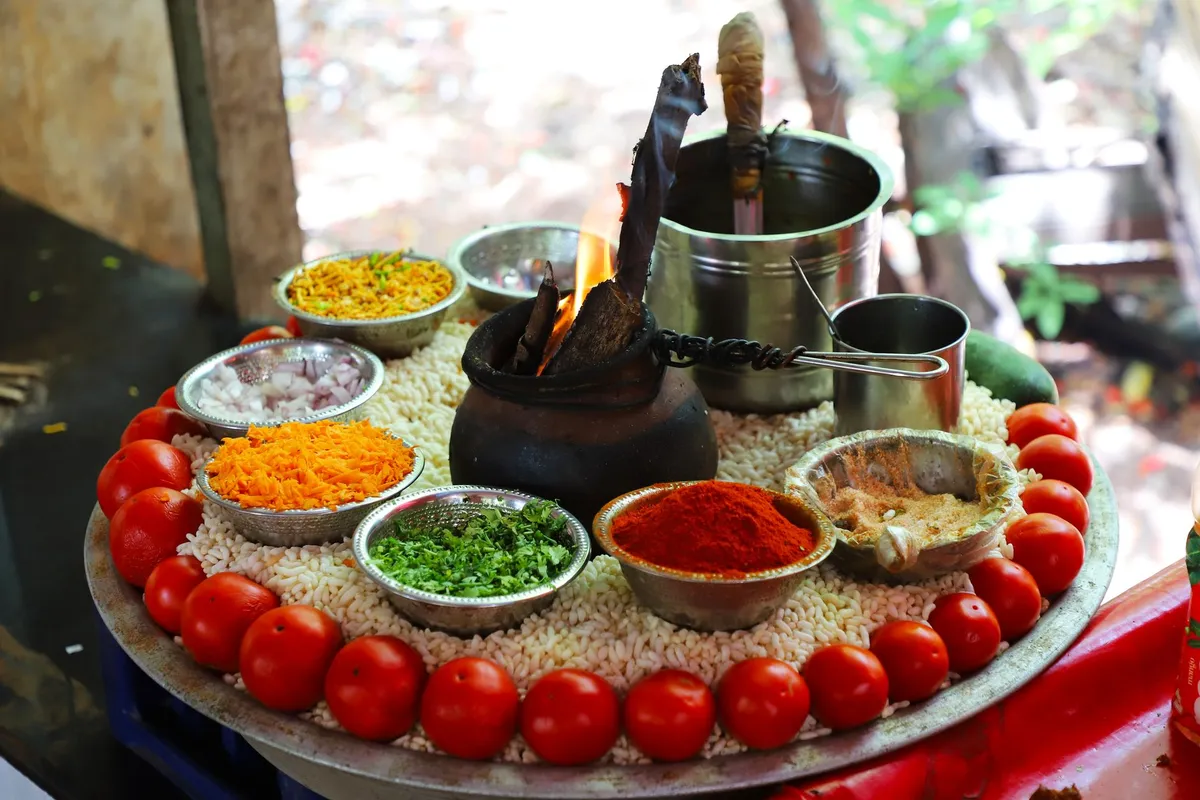
Bhel Puri: The Original Mumbai Mix
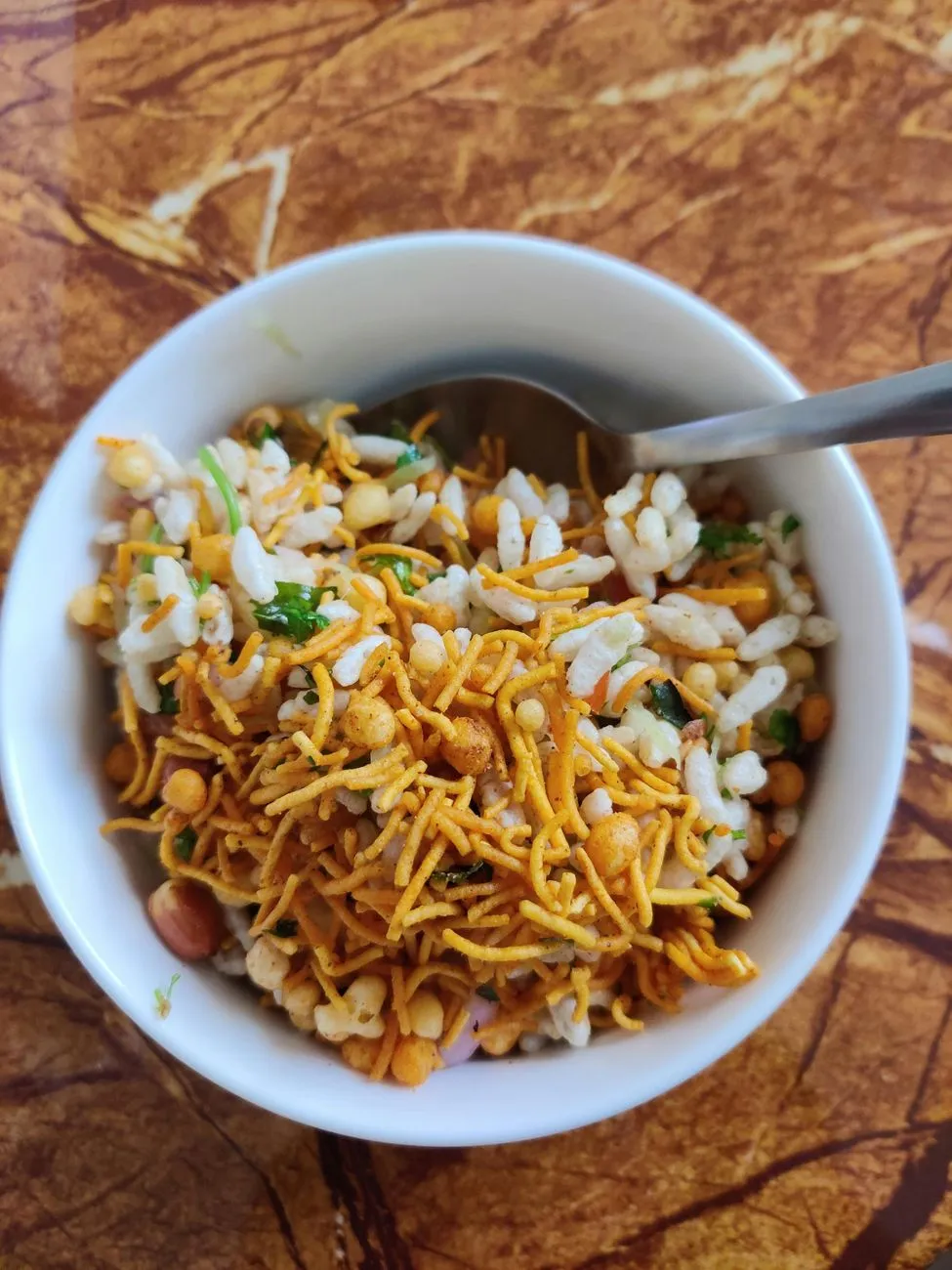
Bhel puri is the street food equivalent of a Bollywood potboiler—chaotic, colorful, and impossible to resist. It’s a medley of puffed rice, sev (crispy chickpea noodles), onions, tomatoes, cilantro, and a tangy tamarind-chutney dressing. The key? The balance. Too much chutney, and it’s a soggy mess. Too little, and it’s bland. But when it’s done right, it’s a symphony of textures and flavors.
Girgaon Chowpatty beach is the mecca of bhel puri, where vendors set up shop as the sun dips below the horizon. The salty sea breeze mingles with the aroma of spices, and the sound of waves crashing against the shore becomes the soundtrack to your snack. Some stalls add their own twists: a squeeze of lemon, a sprinkle of chaat masala, or even a handful of boiled potatoes for extra heartiness.
But bhel puri isn’t just a beach snack. It’s a college staple, a post-movie treat, a midnight craving. It’s the kind of food that brings people together—strangers sharing a paper plate, friends debating whose bhel is the best, families gathering around a street cart after a long day.
The Non-Vegetarian Delights: Kebabs, Omelettes, and Fish That Taste Like the Sea
Mumbai’s street food isn’t all vegetarian. In fact, the city’s non-veg offerings are just as legendary. Take the Eggs Kejriwal, for instance—a sandwich so spicy it’s named after a former Indian Prime Minister. The filling? Scrambled eggs cooked with green chilies, onions, and a fiery red chutney, all stuffed between slices of buttered bread. It’s a breakfast that’ll wake you up faster than a Mumbai local train at rush hour.
Then there are the kebabs. Whether it’s the succulent chicken tikka kebab sizzling on a skewer or the melt-in-your-mouth galouti kebab (a Lucknowi delicacy that’s found a second home in Mumbai’s streets), these skewers are a testament to the city’s love affair with meat. The best kebabs are cooked over charcoal, their smoky aroma wafting through the air and drawing crowds like moths to a flame.
And let’s not forget the fish. Mumbai’s coastal location means fresh seafood is never far away. The Bombil (Bombay duck), a local fish with a pungent aroma, is often fried and served with a side of lemon and onions. Or there’s the Bombay sandwich, a vegetarian delight that’s somehow even more iconic—a layer of chutney, cucumber, tomato, and boiled potatoes between buttered bread, pressed and toasted to perfection.
But the undisputed king of Mumbai’s non-veg street food? The Bombay omelette. Fluffy, buttery, and studded with onions, green chilies, and coriander, it’s the perfect hangover cure or late-night snack. Served with a side of ketchup and a cup of cutting chai, it’s a taste of Mumbai’s soul.
The Sweet Side of the Street: Kulfi, Golah, and the Art of Frozen Bliss
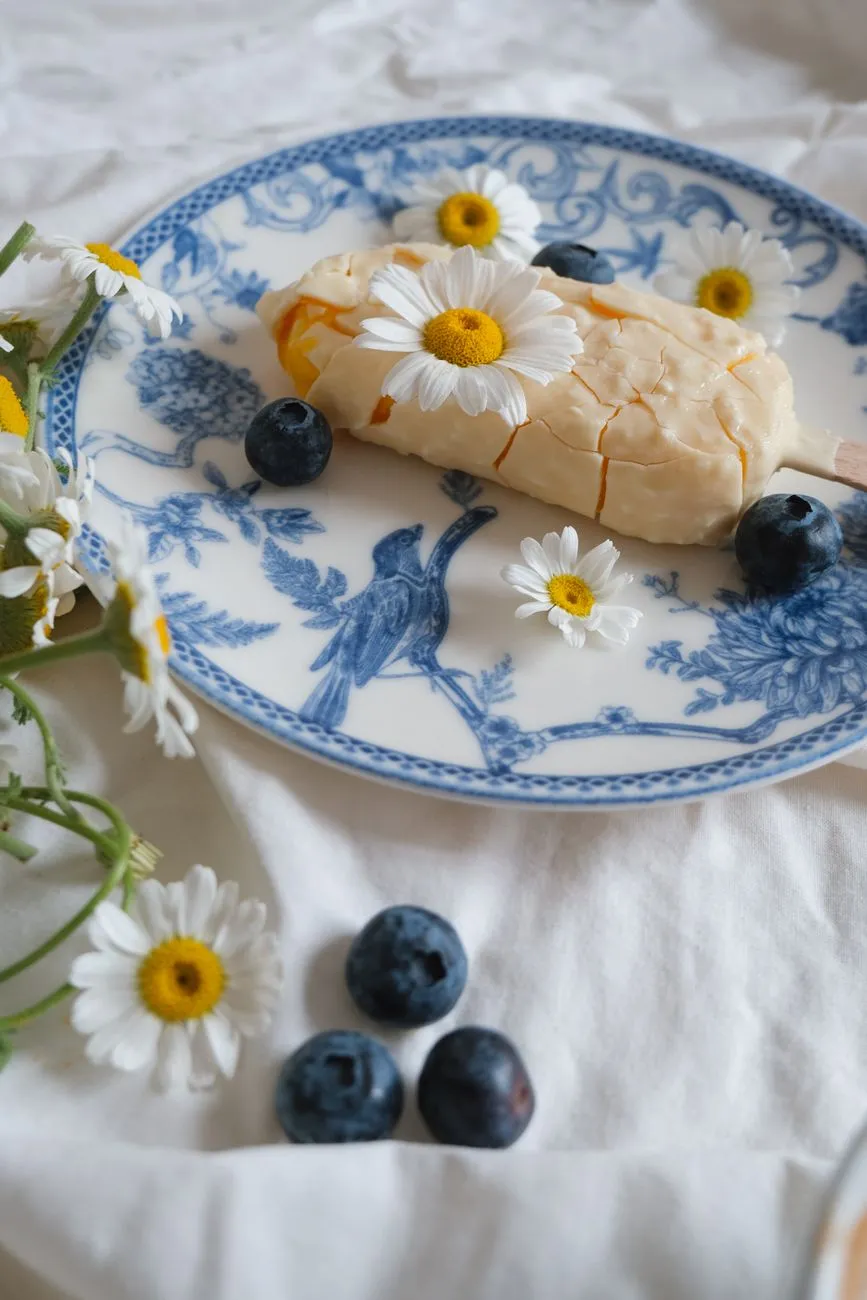
After the spice and crunch of chaat and kebabs, Mumbai’s streets offer a cool respite in the form of kulfi—India’s answer to ice cream. Unlike its Western counterpart, kulfi is denser, creamier, and infused with flavors like mango, pistachio, rose, or saffron. It’s served in a clay cup or on a stick, often garnished with chopped nuts or a drizzle of rose syrup.
Then there’s golah—the Indian snow cone. Vendors shave ice into a paper cone and douse it with flavored syrups like lemon, orange, or even cola. It’s the ultimate summer refresher, a burst of sweetness on a hot Mumbai day.
But the sweetest treat of all? Gulab jamun. These deep-fried dough balls soaked in sugar syrup are a street food staple, often sold by vendors pushing carts laden with trays of golden-brown orbs. The best gulab jamuns are crisp on the outside, syrupy on the inside, and melt in your mouth like a dream.
The Dark Side of the Street: Hygiene, Politics, and the Fight for Survival
For all its magic, Mumbai’s street food isn’t without its controversies. Hygiene is a constant concern. In a city where 250,000 hawkers operate without licenses, the risk of foodborne illness is real. Yet, Mumbaikars continue to eat street food with gusto, trusting in the vendors’ skill and the city’s collective immunity.
Then there’s the issue of legality. Mumbai’s street vendors operate in a legal gray zone. In 2007, the Supreme Court ordered the municipality to demarcate 2,300 legal hawking zones—later increased to 1,700. But implementation has been slow. Out of 250,000 hawkers, only 17,000 have valid licenses. Vendors often pay bribes to avoid eviction, only to return after a few days. The cycle continues, a dance between law and survival.
Politics, too, plays a role. In 2011, the panipuri controversy revealed the tensions between Mumbai’s cosmopolitan identity and its conservative undercurrents. Parties like Shiv Sena have targeted street food vendors in the past, accusing them of “polluting” the city. Yet, these same vendors are the backbone of Mumbai’s economy, feeding millions every day.
Despite the challenges, street food vendors remain resilient. They adapt, innovate, and keep the city fed. They are the unsung heroes of Mumbai’s culinary scene.
The Global Spread: How Mumbai’s Street Food Conquered the World
Mumbai’s street food isn’t just confined to the city’s streets. It’s made its way into restaurants, fast-food chains, and even five-star hotels. From London to New York, you’ll find vada pav on menus, bhel puri in fusion dishes, and panipuri as a trendy appetizer.
Homegrown fast-food companies have also capitalized on Mumbai’s street food craze. Brands like Mumbai’s Belly and Bombay Food Truck bring street food to offices, colleges, and events, serving up vada pav, pav bhaji, and more in a more “hygienic” setting.
Even Bollywood has played a role. Films like Jaane Tu… Ya Jaane Na and Dil Chahta Hai have immortalized Mumbai’s street food, turning it into a symbol of youth, freedom, and rebellion. Today, street food tours are a growing trend, with foodies flocking to Mumbai to sample its iconic snacks.
Where to Find the Best Street Food in Mumbai
If you’re planning a street food tour of Mumbai, here are some must-visit spots:
Juhu Beach
Famous for its pav bhaji—a buttery bread roll served with a spicy potato and vegetable curry. The best stalls are near the beach, where the sea breeze adds to the experience.
Crawford Market
A bustling market where you’ll find everything from fresh fruits to spices. Don’t miss the Bombay sandwich or the egg rolls from the street vendors outside.
Dadar East
The birthplace of vada pav. Try the Ashok Vada Pav stall for an authentic taste of history.
Girgaon Chowpatty
The mecca of bhel puri and kulfi. Come here at sunset for the full experience.
Colaba Causeway
A haven for non-veg lovers. Try the Bombay omelette or the chicken kebabs from the stalls near the Regal Cinema.
Bandra
A melting pot of cultures, Bandra offers everything from misal pav (a spicy curry made of sprouted moth beans) to vegetable frankie (a Mumbai-style wrap).
The Future of Mumbai’s Street Food: Innovation Meets Tradition
As Mumbai grows and changes, so does its street food scene. Vendors are experimenting with new flavors and techniques, while still staying true to tradition. Vegan vada pav, gluten-free bhel puri, and organic kulfi are just a few of the innovations taking hold.
At the same time, the city is grappling with the challenges of urbanization. Rising rents, stricter regulations, and gentrification threaten the survival of street food vendors. Yet, the spirit of Mumbai’s streets remains unbroken. For every stall that closes, a new one opens. For every controversy, there’s a vendor fighting to keep the tradition alive.
Mumbai’s street food is more than just a snack—it’s a way of life. It’s the sound of sizzling oil, the smell of spices, the taste of rebellion. It’s the heartbeat of a city that never stops moving, never stops eating, never stops dreaming.
#MumbaiStreetFood #VadaPavLove #BhelPuriMagic #KulfiDreams #BombayBites