Showing Posts From
Mumbai food
-
 Michael Chef
 - 18 Aug, 2026 18:22
Mumbai’s Midnight Feast: The Spicy, Crunchy, Unforgettable Soul of the City’s Streets
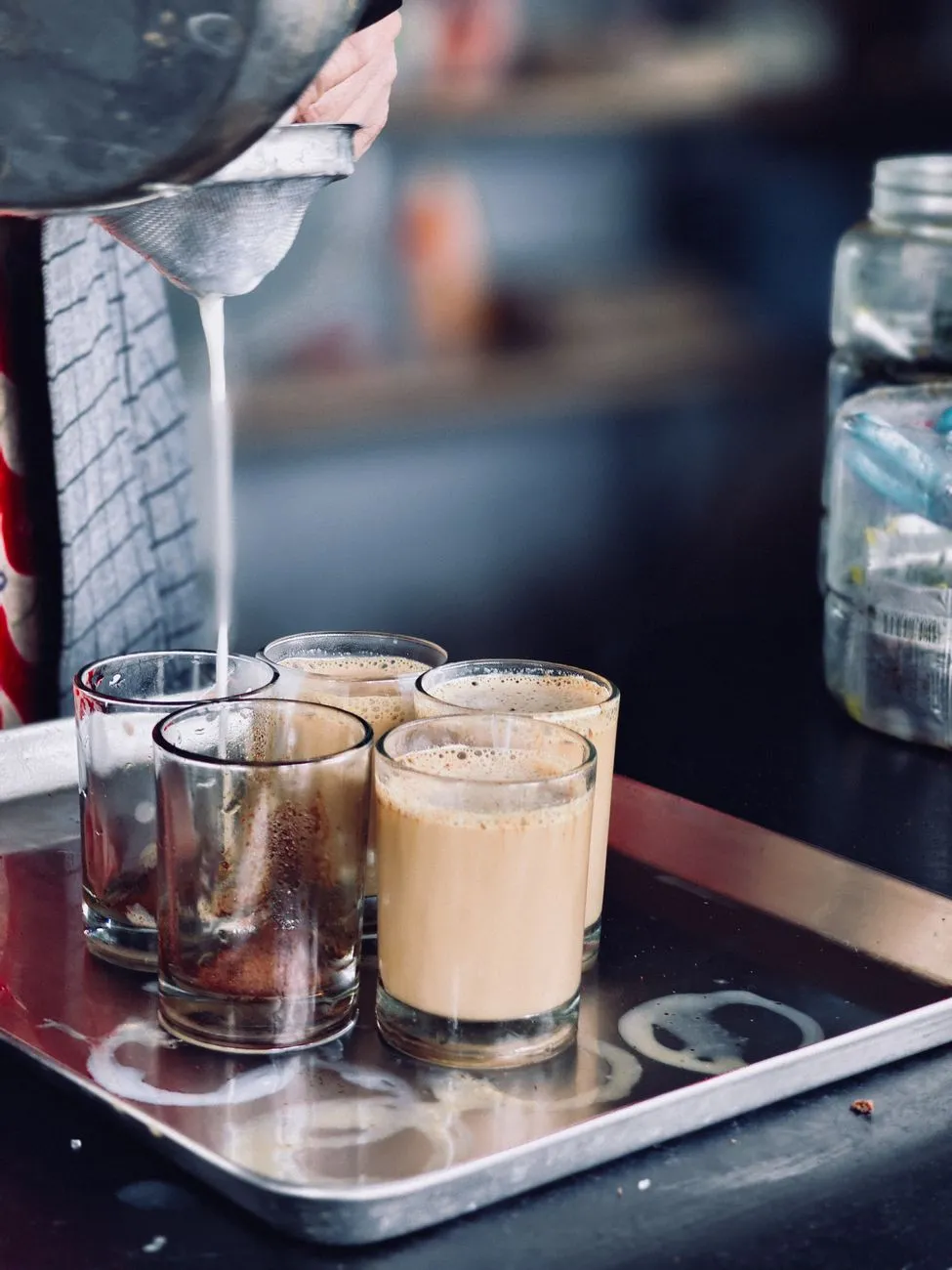
The neon glow of Mumbai’s streets doesn’t just illuminate the skyline—it ignites the senses. Beneath the hum of traffic and the shuffle of a million footsteps, the city’s true heartbeat pulses in the sizzle of oil, the crackle of spices, and the laughter of vendors calling out their wares. This is where the soul of Mumbai isn’t just tasted—it’s felt. From the first light of dawn to the witching hour past midnight, the streets of this metropolis are a living, breathing buffet of flavors, where a humble vada pav can taste like a revolution and a cup of sugarcane juice feels like liquid gold. Mumbai’s street food isn’t just food—it’s a cultural phenomenon, a daily ritual, and a defiant act of joy in a city that never sleeps. Here, the rich and the poor, the student and the CEO, the night-shift worker and the daydreamer all stand side by side, united by the same cravings. The stalls, crammed into alleyways and perched on railway platforms, are temples of taste where recipes have been perfected over generations. And yet, for all its fame, Mumbai’s street food remains a mystery to outsiders—a labyrinth of flavors where every corner hides a new discovery. So, pull up a plastic stool, ignore the honking horns for a moment, and let’s take a bite out of the real Mumbai. The Golden Triangle of Mumbai’s Street Food: Where Every Bite is a Story Mumbai’s street food isn’t just a meal—it’s a passport to the city’s soul. And at the heart of this edible adventure are three iconic dishes that define the Mumbai experience: Vada Pav, Bhel Puri, and Pav Bhaji. These aren’t just snacks; they’re cultural landmarks, each with its own history, its own loyal fanbase, and its own way of making your taste buds dance. Vada Pav: The Poor Man’s Burger That Conquered a MegacityIf Mumbai had a national dish, it would be the vada pav—a humble yet revolutionary street food that’s as much a part of the city as the local trains. Born in the 1960s in the working-class neighborhoods of central Mumbai, the vada pav was the brainchild of street food pioneer Ashok Vaidya, who wanted to create an affordable, portable snack for the city’s laborers. His creation? A spicy potato fritter (vada) stuffed inside a soft, buttered bread roll (pav), served with a fiery green chutney and a side of fried green chilies. What started as a 4-anna (25 paise) snack for mill workers is now a 50-rupee (less than a dollar) legend. The vada pav’s magic lies in its simplicity: a crispy, golden-brown potato patty, mashed with garlic, ginger, and green chilies, dunked in a tangy tamarind-chili sauce, and sandwiched in a fluffy pav. The first bite is a revelation—a crunch that gives way to a burst of spice, followed by the buttery softness of the bread. It’s the kind of dish that makes you understand why Mumbaikars swear by street food over restaurant meals. Today, vada pav stalls are everywhere—from the crowded lanes of Dadar to the railway stations of Andheri. But the most famous? Jai Hind Vada Pav in Dadar East, where the queue snakes around the block before sunrise. Or Raj Thackeray’s favorite stall in Thane, where the vada is so good it’s said to have political clout. The vada pav isn’t just food; it’s a symbol of Mumbai’s resilience, a dish that feeds the city’s dreams as much as its stomachs. Bhel Puri: The Crunchy, Tangy, Addictive Chaos of Mumbai’s BeachesIf the vada pav is Mumbai’s burger, then Bhel Puri is its answer to nachos—a chaotic, crunchy, tangy symphony of flavors that’s as much about the experience as it is about the taste. Born in the coastal neighborhoods of Girgaon Chowpatty, where the Arabian Sea meets the city’s bustling streets, Bhel Puri is a dish that thrives on imperfection. There’s no single recipe; every vendor has their own twist, their own secret blend of puffed rice, sev (crispy chickpea noodles), onions, tomatoes, cilantro, and the all-important tamarind-chili-green chutney. The magic of Bhel Puri lies in its textural anarchy. One moment, you’re biting into the crispness of the puffed rice; the next, you’re hit with the chewiness of the sev. The tamarind sauce adds a sweet-sour tang, while the green chutney brings the heat. And then there’s the golgappa factor—the tiny, crispy hollow spheres that burst in your mouth, releasing a rush of flavors. Eating Bhel Puri isn’t just a meal; it’s a performance. You have to mix it yourself, adjust the spice levels, and eat it fast before the puffed rice turns soggy. At Girgaon Chowpatty, Bhel Puri stalls light up as the sun sets, drawing crowds of office workers, families, and groups of friends. The best stalls? Bhel Puriwala at Chowpatty, where the mix is just right—crunchy, tangy, and spicy enough to make your eyes water. Or Trishna’s Bhel Puri, a more upscale version served with a side of Mumbai’s famous seafood. But no matter where you go, one thing’s certain: Bhel Puri is the snack that turns strangers into friends, as everyone gathers around the same stall, sharing stories and laughter over a plate of this addictive chaos. Pav Bhaji: The Comfort Food That Feeds a City’s SoulWhen the monsoon rains lash Mumbai and the humidity turns the air thick enough to chew, there’s only one dish that can warm the soul: Pav Bhaji. A buttery, spicy curry made from mashed vegetables (traditionally potatoes, cauliflower, peas, and capsicum), served with soft, buttered bread rolls (pav), this dish is Mumbai’s answer to comfort food. Its origins are murky—some say it was created by Maharashtrian housewives to use up leftover vegetables, while others claim it was born in the colonial-era cafes of Mumbai, where British officers demanded a hearty meal to survive the city’s chaos. What’s undeniable is Pav Bhaji’s universal appeal. It’s the dish that office workers devour after a long day, the snack that college students survive on during exam season, and the late-night feast that night-shift workers crave at 3 AM. The key to a great Pav Bhaji lies in the butter. A generous dollop of melted butter is stirred into the curry, giving it a rich, velvety texture that clings to the pav. The bread itself is toasted in butter until it’s golden and crisp, perfect for scooping up the spicy, tangy bhaji. The best Pav Bhaji stalls are legendary. Sardar Pav Bhaji in Matunga is a favorite among locals, where the bhaji is thick, spicy, and loaded with vegetables. Juhu’s Beach Pav Bhaji stall offers a seafood twist, with prawns or fish added to the mix. And at Dadar’s Khau Galli, you’ll find stalls where the pav is grilled over open flames, adding a smoky depth to the dish. But no matter where you go, Pav Bhaji is more than just food—it’s a ritual. It’s the dish that brings people together, that turns a simple meal into a celebration.Beyond the Classics: Mumbai’s Hidden Gems of the Street Food World While Vada Pav, Bhel Puri, and Pav Bhaji are the superstars of Mumbai’s street food scene, the city’s hawkers serve up a treasure trove of lesser-known delights that are just as worthy of your time. These are the dishes that locals swear by, the snacks that fuel late-night cravings, and the flavors that make Mumbai’s streets unforgettable. Misal Pav: The Spicy, Sprouted Bean Curry That Packs a PunchIf you think you know spice, wait until you try Misal Pav. This fiery dish is a Maharashtrian masterpiece—a spicy curry made from sprouted moth beans (matki), slow-cooked with onions, tomatoes, and a blend of aromatic spices like goda masala and red chili powder. Served with pav (bread rolls) and topped with farsan (crispy chickpea noodles), fried onions, and a squeeze of lemon, Misal Pav is the kind of dish that makes your forehead sweat and your heart race. The name "Misal" comes from the Marathi word for "mix," and that’s exactly what this dish is—a flavor explosion in every bite. The sprouted beans give it a nutty, earthy base, while the spices build a slow, smoldering heat. The farsan adds a crunchy contrast, and the lemon brightens it all up. It’s a dish that’s not for the faint-hearted, but for those who love heat, Misal Pav is a religious experience. The best place to try it? Shree Thaker Bhojanalay in Girgaon, where the Misal Pav is legendary. Or Prabhat in Dadar, where the curry is so spicy it’s said to cure hangovers. But be warned: once you try Misal Pav, you’ll never look at lentils the same way again. Dabeli: The Sweet, Spicy, Tangy Street Food Sensation from KutchHailing from the Kutch region of Gujarat, Dabeli is Mumbai’s answer to the sloppy joe—a messy, delicious, and utterly addictive street food that’s a flavor bomb in every sense. The dish consists of a spicy potato filling, stuffed inside a pav (bread roll), and topped with a mix of sweet, tangy, and spicy chutneys, sev, and pomegranate seeds. The name "Dabeli" comes from the Gujarati word for "shake," referring to the way the filling is tossed in spices to coat it evenly. What makes Dabeli special is its contrasting flavors. The potato filling is spiced with garlic, green chilies, and a blend of aromatic spices, giving it a deep, savory kick. But then come the chutneys—sweet tamarind sauce, spicy green chili sauce, and sometimes even a tangy date-chili chutney—that balance the heat with sweetness and tang. Topped with sev and pomegranate seeds for crunch, Dabeli is a textural and flavor rollercoaster. The best Dabeli in Mumbai? Kutch Dabeli in Andheri is a local favorite, where the filling is perfectly spiced and the chutneys are just sweet enough. Or Dabeli House in Bandra, where the dish is served with a side of crispy fried green chilies. Once you try Dabeli, you’ll understand why Mumbaikars queue up for hours just to get a taste. Ragda Pattice: The Mumbai Street Food That’s a Hug in a BiteIf you’ve ever craved a dish that’s crispy, creamy, and spicy all at once, then Ragda Pattice is your answer. This Mumbai street food staple consists of potato patties (pattice) that are shallow-fried until golden and crispy, topped with a white pea curry (ragda), and garnished with onions, cilantro, sev, and a squeeze of lemon. The contrast between the crunchy pattie and the creamy, tangy ragda is nothing short of magical. The ragda itself is a slow-cooked curry made from white peas, potatoes, and a blend of spices like turmeric, cumin, and coriander. It’s thick, hearty, and packed with protein, making it the perfect comfort food for Mumbai’s chilly monsoon evenings. The pattie, on the other hand, is a crispy, golden-brown shell that holds the ragda together, adding a satisfying crunch to every bite. Where to find the best Ragda Pattice in Mumbai? Ragda Pattice stall at Dadar Station is a classic, where the curry is spicy and the patties are perfectly fried. Or Sardar Ragda Pattice in Matunga, where the dish is served with a side of green chutney for extra heat. Ragda Pattice isn’t just a snack—it’s a warm, spicy hug that reminds you why Mumbai’s streets are the best place to eat.The Dark Side of Mumbai’s Street Food: Hygiene, Politics, and the Fight for Survival Mumbai’s street food is legendary, but it’s not without its controversies and challenges. From hygiene concerns to political battles and legal battles, the hawkers who bring the city’s flavors to life face an uphill struggle. Yet, despite the odds, they persist—because Mumbai’s streets would be a lot less vibrant without them.👉 Continue Reading: Mumbai’s Midnight Feast: The Spicy, Crunchy, Unforgettable Soul of the City’s Streets (Part 2)MumbaiStreetFood #VadaPavLove #BhelPuriMagic #PavBhajiDiaries #MumbaiEats Related InsightsHot, Tempting and Delicious Pad Thai: The World's Most Unique Noodles French Lentil Soup with Kale and Dijon: A High Protein Delight Au Cœur du Sénégal : Une Odyssée Sensorielle entre Tradition et Épices{ "@context": "https://schema.org", "@type": "FAQPage", "mainEntity": [ { "@type": "Question", "name": "What is the main focus of Mumbai’s Midnight Feast: The Spicy, Crunchy, Unforgettable Soul of the City’s Streets?", "acceptedAnswer": { "@type": "Answer", "text": "Dive into Mumbai’s chaotic, flavor-packed street food scene—where every bite tells a story of culture, chaos, and culinary genius." } }, { "@type": "Question", "name": "Who authored the comprehensive guide on Mumbai’s Midnight Feast: The Spicy, Crunchy, Unforgettable Soul of the City’s Streets?", "acceptedAnswer": { "@type": "Answer", "text": "This detailed article and its insights were carefully researched and authored by Michael Chef." } }, { "@type": "Question", "name": "Where can I find more related content about Food?", "acceptedAnswer": { "@type": "Answer", "text": "You can explore more articles, detailed reviews, and similar insights by browsing the Related Insights section at the bottom of this article or visiting our dedicated Food category page." } } ] }
- Michael Chef
- 18 Aug, 2026 18:22
Mumbai’s Midnight Feast: The Spicy, Crunchy, Unforgettable Soul of the City’s Streets (Part 2)
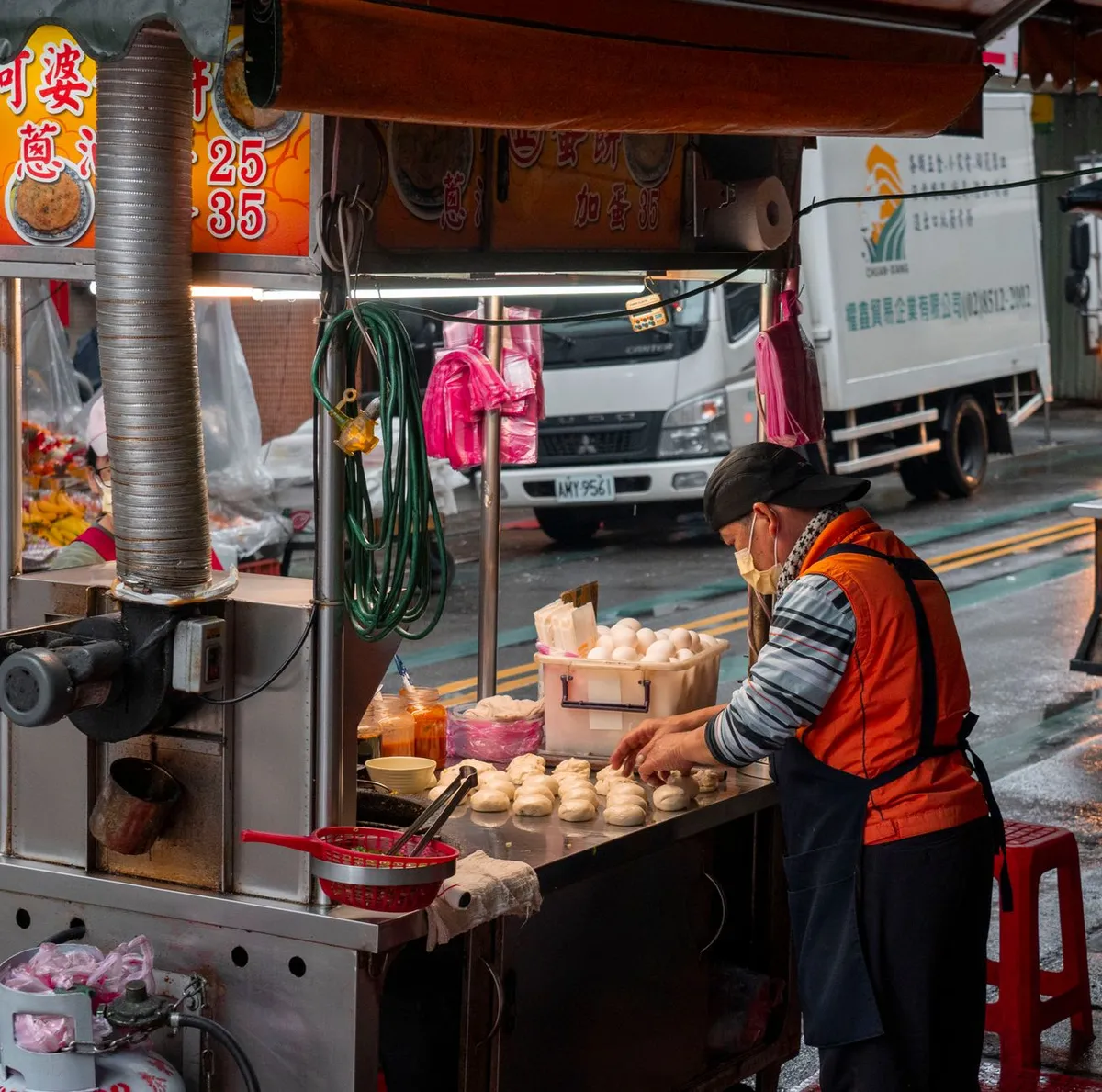
The neon glow of Mumbai’s streets doesn’t just illuminate the skyline—it ignites the senses. Beneath the hum of traffic and the shuffle of a million footsteps, the city’s true heartbeat pulses in the sizzle of oil, the crackle of spices, and the laughter of vendors calling out their wares. This is where the soul of Mumbai isn’t just tasted—it’s felt. From the first light of dawn to the witching hour past midnight, the streets of this metropolis are a living, breathing buffet of flavors, where a humble vada pav can taste like a revolution and a cup of sugarcane juice feels like liquid gold. Mumbai’s street food isn’t just food—it’s a cultural phenomenon, a daily ritual, and a defiant act of joy in a city that never sleeps. Here, the rich and the poor, the student and the CEO, the night-shift worker and the daydreamer all stand side by side, united by the same cravings. The stalls, crammed into alleyways and perched on railway platforms, are temples of taste where recipes have been perfected over generations. And yet, for all its fame, Mumbai’s street food remains a mystery to outsiders—a labyrinth of flavors where every corner hides a new discovery. So, pull up a plastic stool, ignore the honking horns for a moment, and let’s take a bite out of the real Mumbai. This is Part 2 of the series. Read Part 1 here.The Hygiene Dilemma: Can You Really Eat That? For all its charm, Mumbai’s street food scene has a dark underbelly: hygiene concerns. The same stalls that serve up piping hot vada pav and sizzling Pav Bhaji often operate in less-than-ideal conditions. Open drains, dusty streets, and a lack of refrigeration can turn a simple snack into a health hazard. And yet, Mumbaikars keep coming back. Why? The answer lies in trust. For generations, street food vendors have built loyal customer bases by perfecting their recipes and maintaining consistency. Many vendors use fresh ingredients daily, and some even have their own secret techniques to keep their food safe. But the risks are real. In 2011, a Pani Puri vendor in Thane was caught on camera urine into a container used to serve customers, sparking a public uproar and a political firestorm. The incident led to crackdowns on street food vendors, with political parties like Shiv Sena and Maharashtra Navnirman Sena targeting Pani Puri and Bhel Puri stalls. The controversy highlighted the vulnerability of street food vendors, who often operate without licenses or permits. In 2009, a news report revealed that no hawking licenses had been issued in Mumbai for 20 years, despite the city having an estimated 250,000 hawkers. The Supreme Court later ruled in favor of legalizing hawking zones, but the implementation has been slow. Today, only about 17,000 vendors have valid licenses, leaving the rest in a legal gray area. For Mumbaikars, the choice is simple: support the street food they love or risk losing it forever. Many vendors have taken matters into their own hands, installing handwashing stations and using disposable plates to improve hygiene. But the battle is far from over. The Political Battles: When Street Food Becomes a Pawn  across the country. Kwality Walls, a Mumbai-based ice cream brand, turned kulfi into a global dessert. And Haldiram’s, a Rajasthani snack brand with a strong Mumbai presence, started selling Bhel Puri and Sev Puri in supermarkets worldwide. The result? Mumbai’s street food is no longer just a local treasure—it’s a global brand. The Dark Side of Globalization: When Street Food Loses Its Soul  are being paved over, street vendors are being relocated, and traditional stalls are being replaced by sterile food courts. The loss of street food stalls isn’t just a culinary tragedy—it’s a cultural one. These stalls are more than just places to eat; they’re community hubs, social equalizers, and living museums of Mumbai’s history. When they disappear, so does a piece of the city’s soul. The solution? Preservation through innovation. Some vendors are moving indoors, setting up pop-up stalls in food halls or food trucks. Others are embracing technology, using social media to attract customers and delivery apps to reach new audiences. But the real challenge is keeping the spirit alive. Can a Vada Pav served in a sterile food court ever taste as good as one from a gritty street stall? Probably not. The Legal Battles: When the Law Doesn’t Understand the StreetMumbai’s street food vendors are entrepreneurs, artists, and cultural ambassadors. But they’re also outlaws—operating without licenses, permits, or legal protection. The municipality’s crackdowns on hawkers are short-sighted, treating street food as a nuisance rather than a cultural treasure. The Supreme Court’s ruling to legalize hawking zones was a step in the right direction, but the implementation has been slow. Until vendors are given proper infrastructure—like covered stalls, waste disposal systems, and training in food safety—they’ll continue to operate in the shadows. The real solution is collaboration. The municipality, vendors, and consumers need to work together to create a sustainable model for street food. That means legalizing hawking zones, providing training in hygiene, and promoting street food as a cultural asset. The Global Opportunity: Can Mumbai’s Street Food Go Mainstream Without Losing Its Soul?Mumbai’s street food has global potential. Dishes like Vada Pav, Bhel Puri, and Pav Bhaji are flavor-packed, affordable, and easy to adapt for international palates. But the key to success is authenticity. If Mumbai’s street food becomes too commercialized, it risks losing the magic that makes it special. The future lies in balancing tradition with innovation. That means preserving the recipes, supporting local vendors, and celebrating the culture behind the food. It means educating the world about the history and heritage of Mumbai’s street food, not just its taste. For now, the best way to experience Mumbai’s street food is still on the streets—where the chaos, the flavor, and the soul of the city come together in every bite.Mumbai’s Street Food: A Love Letter to the City’s Soul Mumbai’s street food isn’t just a culinary experience—it’s a cultural journey. It’s the sizzle of the oil on a rainy afternoon, the laughter of friends sharing a plate of Bhel Puri, the spicy kick of a Misal Pav that makes your eyes water. It’s the defiant joy of eating on the streets in a city that never stops moving. For all its controversies and challenges, Mumbai’s street food remains alive and thriving. It’s a testament to the city’s resilience, its diversity, and its unbreakable spirit. And as long as there are hawkers with carts, students with empty stomachs, and dreamers with cravings, Mumbai’s streets will keep serving up the flavors of a city that never sleeps. So the next time you’re in Mumbai, forget the restaurants. Skip the fancy cafes. Head to the streets, find a plastic stool, and let the magic of Mumbai’s street food take over. Because in this city, the best meals aren’t served on plates—they’re served on the wind, with a side of chaos, flavor, and soul.MumbaiStreetFood #VadaPavLove #BhelPuriMagic #PavBhajiDiaries #MumbaiEats Related InsightsL'Alchimie du Levant : Quand l'Histoire se Déguste en Mezze Portuguese Pastéis de Nata: The Custard Tart's Sweet History (Part 2) Har Gow: The Translucent Shrimp Dumpling Masterpiece{ "@context": "https://schema.org", "@type": "FAQPage", "mainEntity": [ { "@type": "Question", "name": "What is the main focus of Mumbai’s Midnight Feast: The Spicy, Crunchy, Unforgettable Soul of the City’s Streets (Part 2)?", "acceptedAnswer": { "@type": "Answer", "text": "Dive into Mumbai’s chaotic, flavor-packed street food scene—where every bite tells a story of culture, chaos, and culinary genius." } }, { "@type": "Question", "name": "Who authored the comprehensive guide on Mumbai’s Midnight Feast: The Spicy, Crunchy, Unforgettable Soul of the City’s Streets (Part 2)?", "acceptedAnswer": { "@type": "Answer", "text": "This detailed article and its insights were carefully researched and authored by Michael Chef." } }, { "@type": "Question", "name": "Where can I find more related content about Food?", "acceptedAnswer": { "@type": "Answer", "text": "You can explore more articles, detailed reviews, and similar insights by browsing the Related Insights section at the bottom of this article or visiting our dedicated Food category page." } } ] }