Mumbai’s Midnight Feast: The Spicy, Crunchy, Unforgettable Soul of the City’s Streets (Part 2)
-
 Michael Chef
 - 18 Aug, 2026 18:22
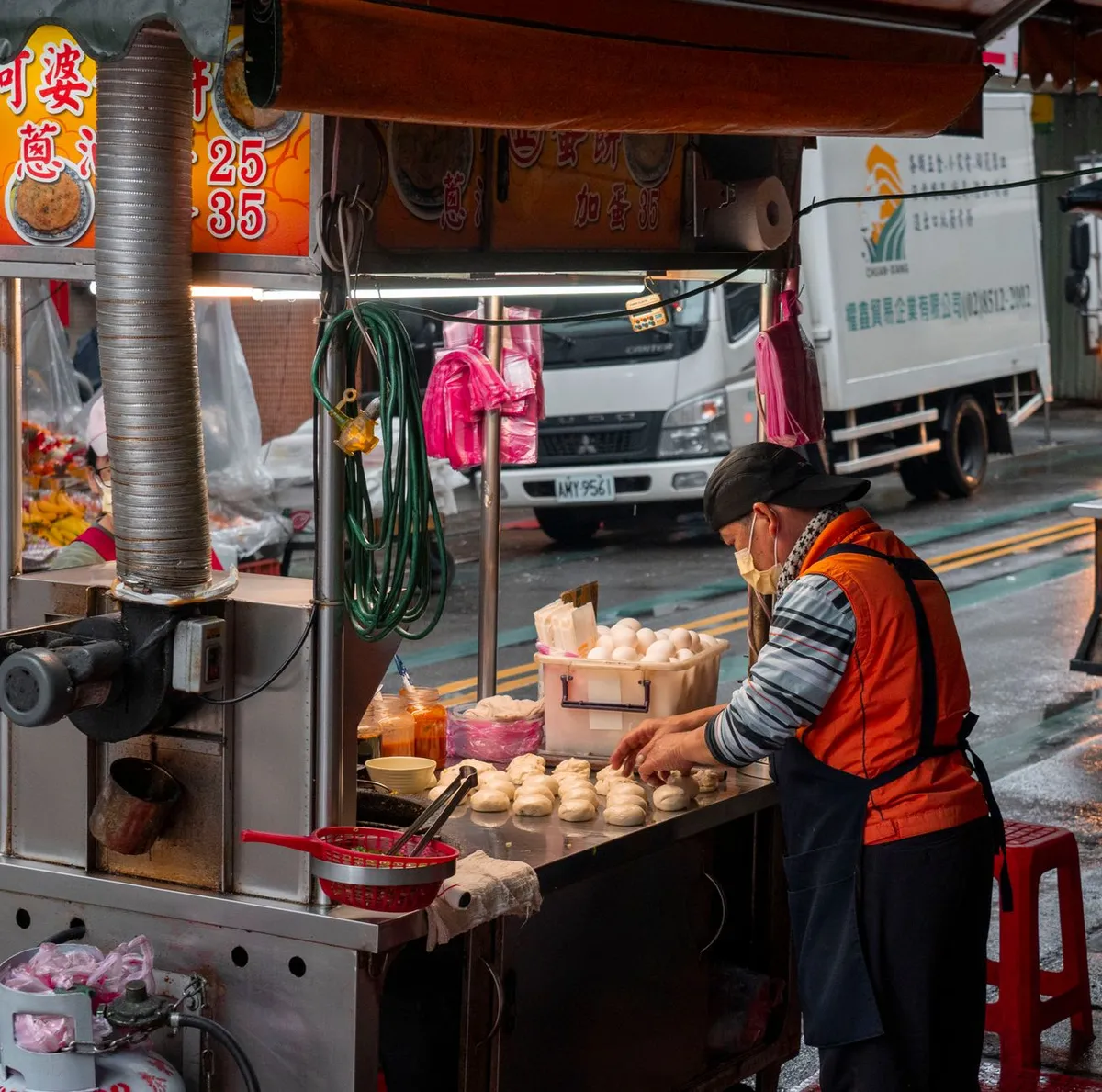
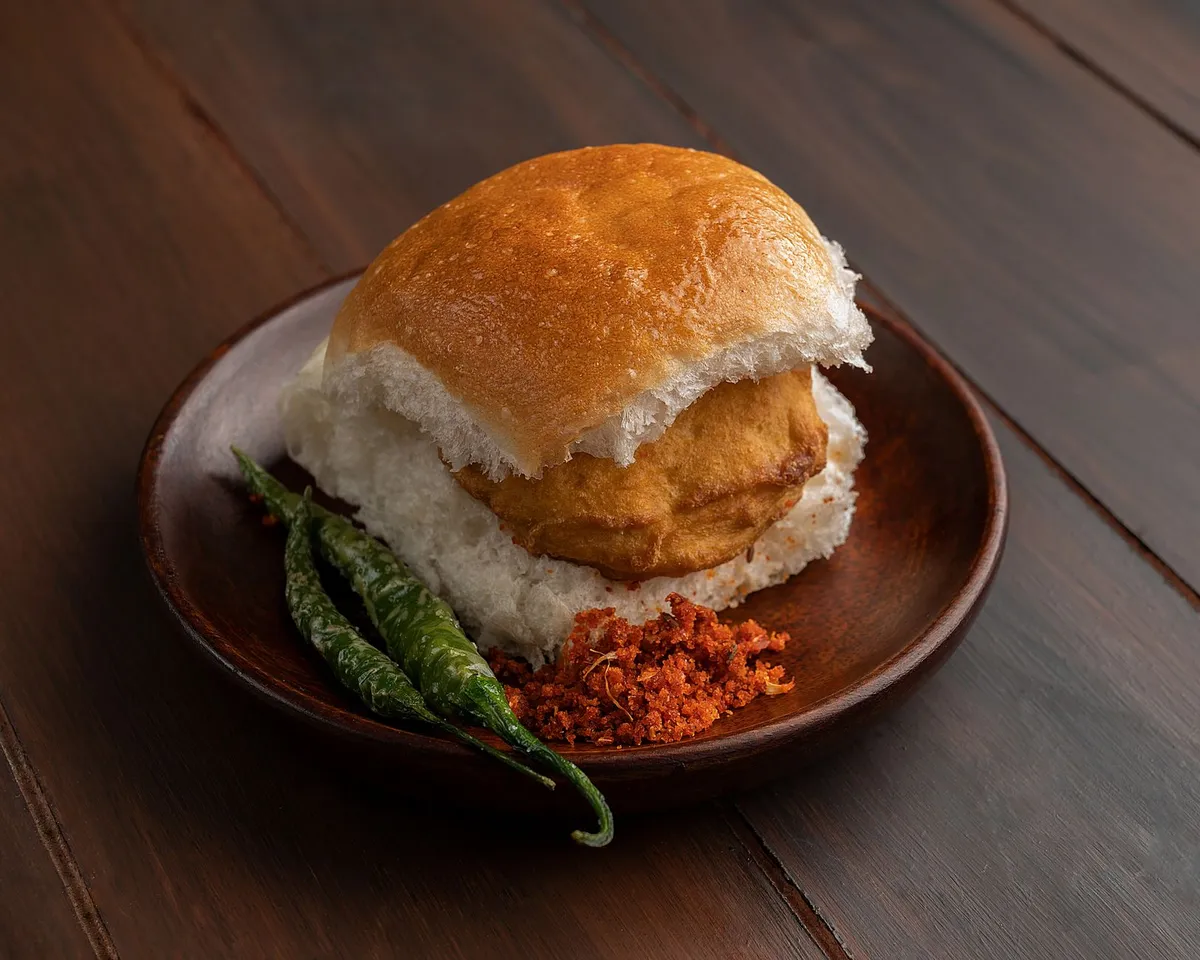
The neon glow of Mumbai’s streets doesn’t just illuminate the skyline—it ignites the senses. Beneath the hum of traffic and the shuffle of a million footsteps, the city’s true heartbeat pulses in the sizzle of oil, the crackle of spices, and the laughter of vendors calling out their wares. This is where the soul of Mumbai isn’t just tasted—it’s felt. From the first light of dawn to the witching hour past midnight, the streets of this metropolis are a living, breathing buffet of flavors, where a humble vada pav can taste like a revolution and a cup of sugarcane juice feels like liquid gold.
Mumbai’s street food isn’t just food—it’s a cultural phenomenon, a daily ritual, and a defiant act of joy in a city that never sleeps. Here, the rich and the poor, the student and the CEO, the night-shift worker and the daydreamer all stand side by side, united by the same cravings. The stalls, crammed into alleyways and perched on railway platforms, are temples of taste where recipes have been perfected over generations. And yet, for all its fame, Mumbai’s street food remains a mystery to outsiders—a labyrinth of flavors where every corner hides a new discovery.
So, pull up a plastic stool, ignore the honking horns for a moment, and let’s take a bite out of the real Mumbai.
This is Part 2 of the series. Read Part 1 here.
The Hygiene Dilemma: Can You Really Eat That?
For all its charm, Mumbai’s street food scene has a dark underbelly: hygiene concerns. The same stalls that serve up piping hot vada pav and sizzling Pav Bhaji often operate in less-than-ideal conditions. Open drains, dusty streets, and a lack of refrigeration can turn a simple snack into a health hazard. And yet, Mumbaikars keep coming back. Why?
The answer lies in trust. For generations, street food vendors have built loyal customer bases by perfecting their recipes and maintaining consistency. Many vendors use fresh ingredients daily, and some even have their own secret techniques to keep their food safe. But the risks are real. In 2011, a Pani Puri vendor in Thane was caught on camera urine into a container used to serve customers, sparking a public uproar and a political firestorm. The incident led to crackdowns on street food vendors, with political parties like Shiv Sena and Maharashtra Navnirman Sena targeting Pani Puri and Bhel Puri stalls.
The controversy highlighted the vulnerability of street food vendors, who often operate without licenses or permits. In 2009, a news report revealed that no hawking licenses had been issued in Mumbai for 20 years, despite the city having an estimated 250,000 hawkers. The Supreme Court later ruled in favor of legalizing hawking zones, but the implementation has been slow. Today, only about 17,000 vendors have valid licenses, leaving the rest in a legal gray area.
For Mumbaikars, the choice is simple: support the street food they love or risk losing it forever. Many vendors have taken matters into their own hands, installing handwashing stations and using disposable plates to improve hygiene. But the battle is far from over.
The Political Battles: When Street Food Becomes a Pawn
 across the country. Kwality Walls, a Mumbai-based ice cream brand, turned kulfi into a global dessert. And Haldiram’s, a Rajasthani snack brand with a strong Mumbai presence, started selling Bhel Puri and Sev Puri in supermarkets worldwide.
The result? Mumbai’s street food is no longer just a local treasure—it’s a global brand.
The Dark Side of Globalization: When Street Food Loses Its Soul

Mumbai is a city in constant flux. As skyscrapers rise and luxury malls multiply, the chaotic charm of the streets is under threat. Khau Gallis (food alleys) are being paved over, street vendors are being relocated, and traditional stalls are being replaced by sterile food courts.
The loss of street food stalls isn’t just a culinary tragedy—it’s a cultural one. These stalls are more than just places to eat; they’re community hubs, social equalizers, and living museums of Mumbai’s history. When they disappear, so does a piece of the city’s soul.
The solution? Preservation through innovation. Some vendors are moving indoors, setting up pop-up stalls in food halls or food trucks. Others are embracing technology, using social media to attract customers and delivery apps to reach new audiences. But the real challenge is keeping the spirit alive. Can a Vada Pav served in a sterile food court ever taste as good as one from a gritty street stall? Probably not.
The Legal Battles: When the Law Doesn’t Understand the Street
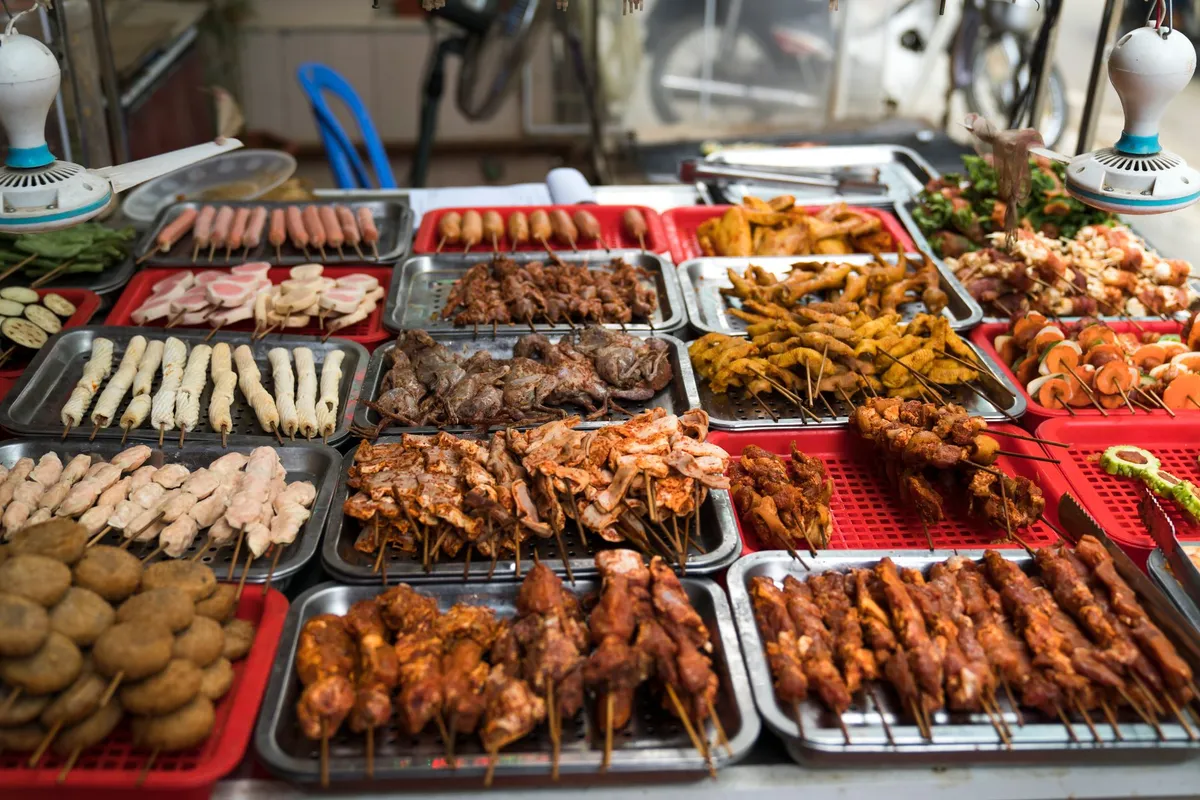
Mumbai’s street food vendors are entrepreneurs, artists, and cultural ambassadors. But they’re also outlaws—operating without licenses, permits, or legal protection. The municipality’s crackdowns on hawkers are short-sighted, treating street food as a nuisance rather than a cultural treasure.
The Supreme Court’s ruling to legalize hawking zones was a step in the right direction, but the implementation has been slow. Until vendors are given proper infrastructure—like covered stalls, waste disposal systems, and training in food safety—they’ll continue to operate in the shadows.
The real solution is collaboration. The municipality, vendors, and consumers need to work together to create a sustainable model for street food. That means legalizing hawking zones, providing training in hygiene, and promoting street food as a cultural asset.
The Global Opportunity: Can Mumbai’s Street Food Go Mainstream Without Losing Its Soul?
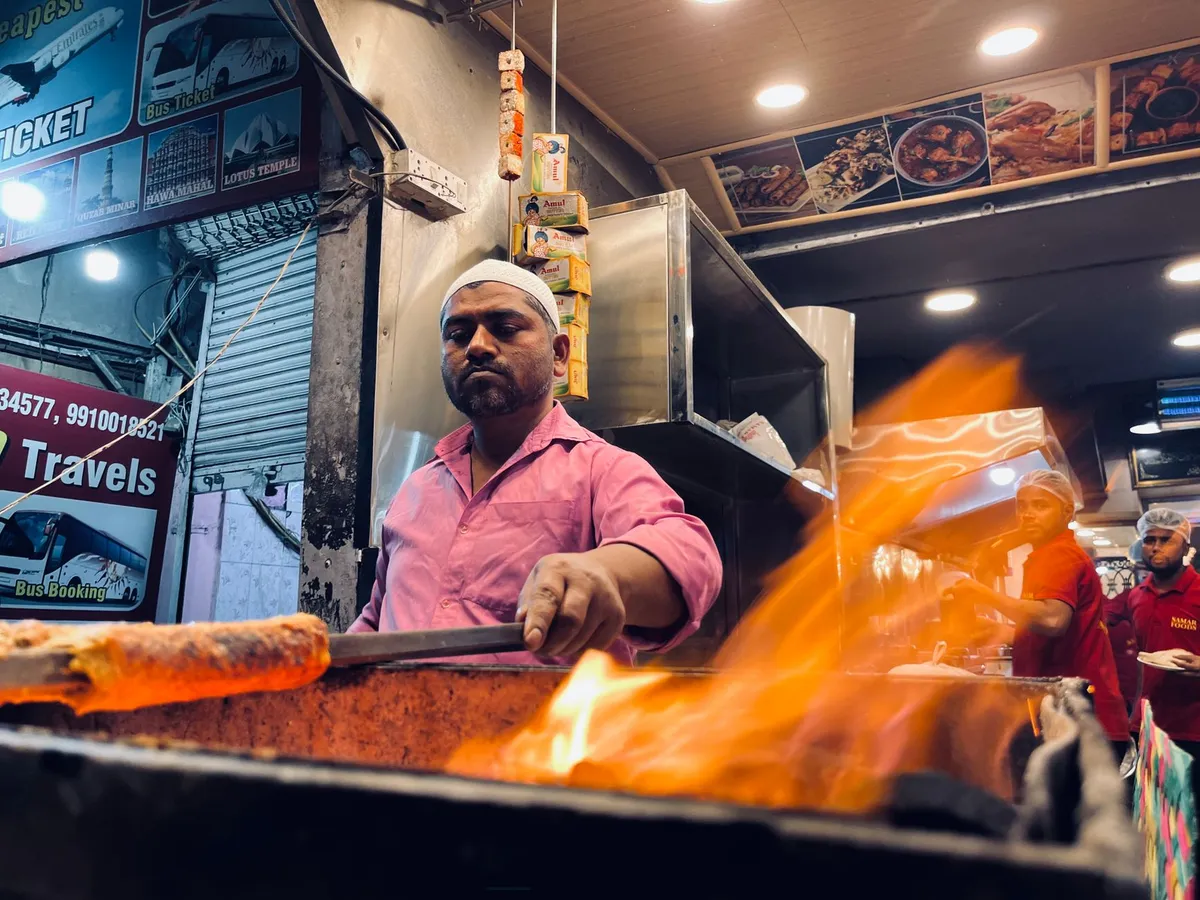
Mumbai’s street food has global potential. Dishes like Vada Pav, Bhel Puri, and Pav Bhaji are flavor-packed, affordable, and easy to adapt for international palates. But the key to success is authenticity. If Mumbai’s street food becomes too commercialized, it risks losing the magic that makes it special.
The future lies in balancing tradition with innovation. That means preserving the recipes, supporting local vendors, and celebrating the culture behind the food. It means educating the world about the history and heritage of Mumbai’s street food, not just its taste.
For now, the best way to experience Mumbai’s street food is still on the streets—where the chaos, the flavor, and the soul of the city come together in every bite.
Mumbai’s Street Food: A Love Letter to the City’s Soul
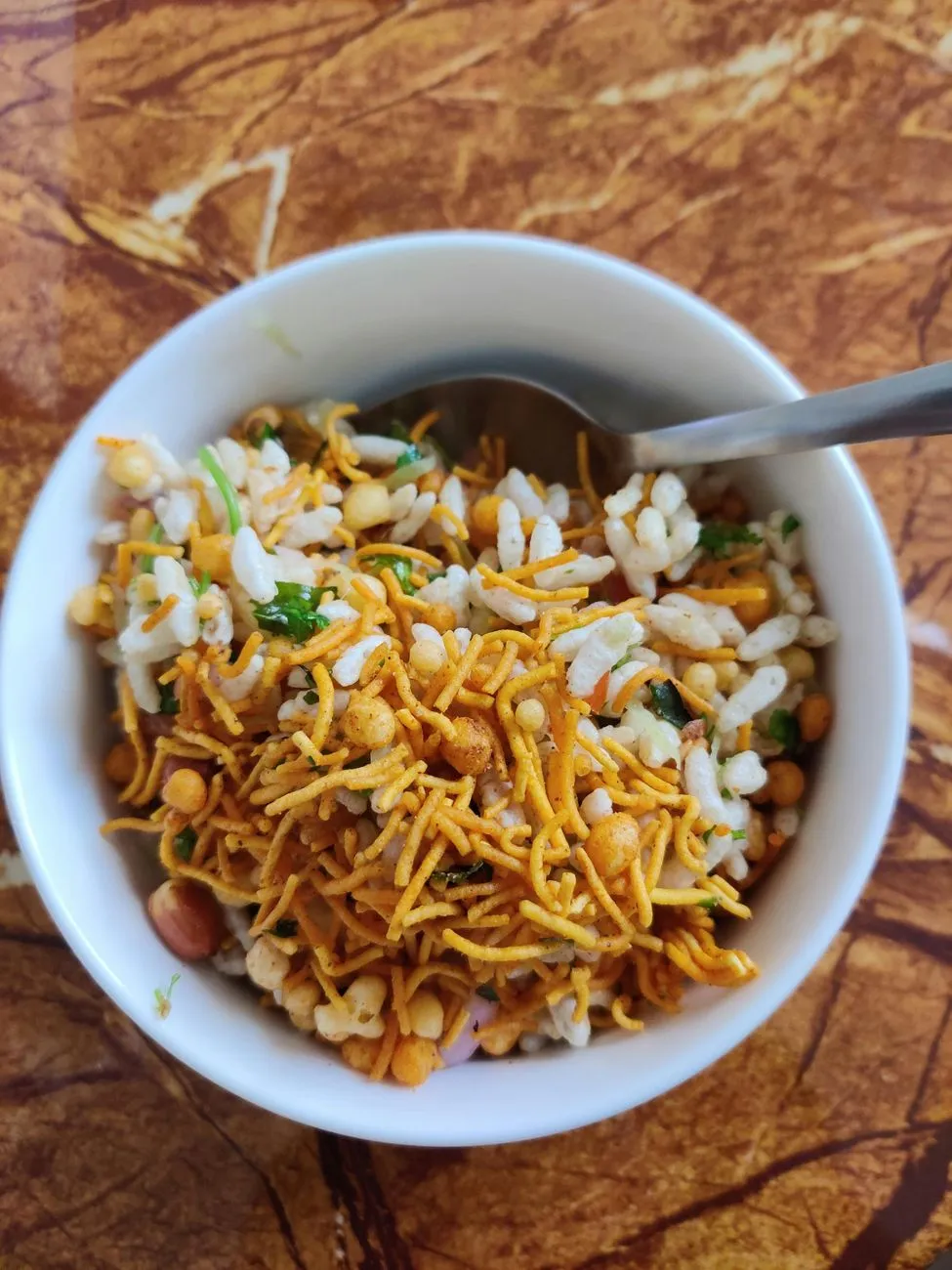
Mumbai’s street food isn’t just a culinary experience—it’s a cultural journey. It’s the sizzle of the oil on a rainy afternoon, the laughter of friends sharing a plate of Bhel Puri, the spicy kick of a Misal Pav that makes your eyes water. It’s the defiant joy of eating on the streets in a city that never stops moving.
For all its controversies and challenges, Mumbai’s street food remains alive and thriving. It’s a testament to the city’s resilience, its diversity, and its unbreakable spirit. And as long as there are hawkers with carts, students with empty stomachs, and dreamers with cravings, Mumbai’s streets will keep serving up the flavors of a city that never sleeps.
So the next time you’re in Mumbai, forget the restaurants. Skip the fancy cafes. Head to the streets, find a plastic stool, and let the magic of Mumbai’s street food take over. Because in this city, the best meals aren’t served on plates—they’re served on the wind, with a side of chaos, flavor, and soul.