Showing Posts From
Scuba diving
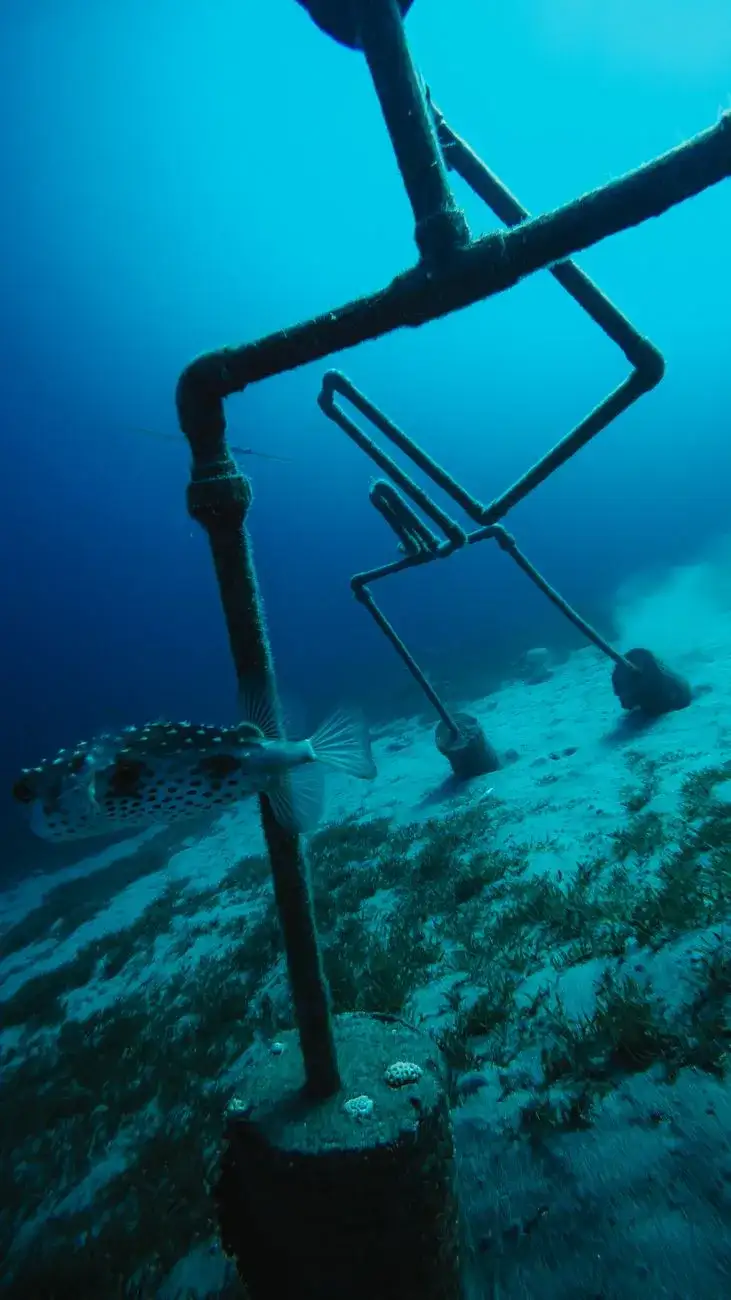

Dive Into a Hidden World: The Most Breathtaking Underwater Museums and Sculpture Parks The ocean has always been a canvas of mystery, but beneath its shimmering surface lies an even more extraordinary spectacle—underwater museums and sculpture parks. These submerged galleries are not just artistic marvels; they are sanctuaries for marine life, tools for conservation, and destinations that redefine travel. Imagine gliding through crystal-clear waters, surrounded by larger-than-life sculptures that tell stories of humanity, nature, and resilience. From the vibrant coral reefs of the Caribbean to the serene depths of the Mediterranean, these underwater museums offer an unparalleled fusion of art and ecology. Whether you're a seasoned diver, a snorkeling enthusiast, or an armchair traveler, this guide will take you on a journey to the most breathtaking submerged art installations in the world. In this article, we’ll explore the history, significance, and practicalities of visiting these underwater wonders. You’ll learn how these projects are transforming tourism, supporting marine ecosystems, and even combating climate change. We’ll also provide step-by-step guides on how to visit, including the best times to go, required certifications, and budget considerations. By the end, you’ll be inspired to dive into this hidden world and witness the magic for yourself.The Rise of Underwater Museums: A Fusion of Art and Conservation Underwater museums are a relatively recent phenomenon, born from the marriage of art, science, and environmental activism. The concept gained global attention in 2009 with the creation of MUSA (Museo Subacuático de Arte) in Cancún, Mexico, by British sculptor Jason deCaires Taylor. MUSA was the first large-scale underwater museum, featuring over 500 permanent life-sized sculptures designed to promote coral life and reduce pressure on natural reefs. Since then, the trend has exploded, with projects popping up in every corner of the globe, from the turquoise waters of the Maldives to the chilly depths of Norway’s fjords. The primary goal of these museums is conservation. Traditional coral reefs are under immense threat from climate change, overfishing, and pollution. By creating artificial reefs from pH-neutral materials like marine-grade concrete or recycled steel, underwater museums provide a substrate for coral polyps to attach and grow. Over time, these sculptures become encrusted with marine life, transforming into vibrant ecosystems. For example, MUSA’s sculptures are now home to over 500 species of fish and coral, making them one of the most biodiverse spots in the Mexican Caribbean. But these projects are more than just conservation tools—they are powerful statements about humanity’s relationship with nature. Many sculptures depict human figures in poses that evoke themes of climate change, migration, or cultural identity. Taylor’s The Silent Evolution in MUSA, for instance, features 400 life-sized human figures arranged in a spiral, symbolizing the collective impact of humanity on the planet. Similarly, Vicissitudes, another of Taylor’s works, shows a group of children holding hands, representing hope for future generations. These installations challenge viewers to reflect on their role in protecting the environment while offering a unique aesthetic experience. Underwater museums also play a crucial role in eco-tourism. By diverting tourists away from fragile natural reefs, they help reduce physical damage caused by divers and snorkelers. In places like Grenada’s Molinière-Beauséjour Marine Protected Area, where the Grenada Underwater Sculpture Park is located, the project has become a cornerstone of sustainable tourism. The park attracts thousands of visitors annually, generating revenue that funds local conservation efforts and education programs. This model has been replicated in other destinations, proving that art and ecology can coexist—and even thrive—together. As the movement grows, so does the diversity of projects. Some museums focus on education, like The Underwater Museum of Art (UMA) in Florida, which features sculptures designed to teach visitors about marine biology. Others, like Ocean Atlas in the Bahamas, are monumental in scale, with a 60-ton sculpture of a young girl holding up the ocean, symbolizing the fragility of marine ecosystems. Whether you’re drawn to the artistic, ecological, or educational aspects, there’s an underwater museum out there for you.Top 5 Must-Visit Underwater Museums and Sculpture Parks Around the World With so many incredible projects to choose from, it can be overwhelming to decide where to start. Below, we’ve curated a list of the top five underwater museums and sculpture parks, each offering a unique blend of art, adventure, and conservation. Whether you’re planning a bucket-list dive trip or simply dreaming of the experience, these destinations should be at the top of your list. 1. Museo Subacuático de Arte (MUSA), Cancún, Mexico Why Visit? MUSA is the granddaddy of underwater museums and remains one of the most impressive. Located in the Mesoamerican Barrier Reef System, the museum spans two galleries: Salvador Dalí Park and The Silent Evolution. The former features 12 surrealist sculptures inspired by Dalí’s work, while the latter houses Taylor’s iconic 400-figure installation. Together, they attract over 750,000 visitors annually, making it one of the most visited underwater museums in the world. What to Expect: The museum is accessible to both divers and snorkelers. The average depth is 8–12 meters (26–39 feet), making it suitable for beginners with an Open Water certification. The sculptures are arranged in a way that guides you through a narrative, from the surreal to the thought-provoking. The marine life here is spectacular, with schools of tropical fish, sea turtles, and even the occasional reef shark adding to the drama. Practical Tips:Best Time to Visit: November to April for calm seas and optimal visibility (up to 30 meters/100 feet). Certification Required: Open Water for snorkelers; Advanced Open Water recommended for divers. Cost: Snorkeling tours start at $80 USD; full-day dive packages with two dives cost around $150 USD. Local Operators: Phantom Divers and Dive Mike are highly rated for MUSA tours.2. Grenada Underwater Sculpture Park, Grenada Why Visit? This was the world’s first underwater sculpture park, established in 2006 by artist Jason deCaires Taylor and local marine biologists. Located in the Molinière-Beauséjour Marine Protected Area, the park features 65 sculptures spread across 800 square meters (8,600 square feet) of seabed. The sculptures are designed to attract marine life, and many have become completely encrusted with coral, creating a surreal blend of art and nature. What to Expect: The park is divided into two sections: The Gallery and The Garden. The Gallery is closer to shore and features human figures in various poses, while The Garden is a more naturalistic area with abstract forms. The depth ranges from 5 to 12 meters (16 to 39 feet), making it accessible to snorkelers and divers alike. The water is warm year-round, and visibility often exceeds 20 meters (65 feet). Practical Tips:Best Time to Visit: December to April for the best weather and visibility. Certification Required: None for snorkelers; Open Water for divers. Cost: Snorkeling tours start at $70 USD; dive packages with two dives cost around $130 USD. Local Operators: True Blue Bay Resort and Dive Grenada offer excellent tours.3. The Underwater Museum of Art (UMA), Florida, USA Why Visit? Located off the coast of Sarasota, UMA is the first underwater museum in the United States and a pioneer in marine education. The museum features 10 sculptures by artists like Kim Anderson and Rachel Binske, each designed to tell a story about Florida’s marine ecosystem. The project is part of a larger effort to restore the local reef, which has been severely damaged by hurricanes and coral bleaching. What to Expect: UMA is divided into three sections: The Garden, The Gallery, and The Sanctuary. The Garden is the shallowest area, perfect for snorkelers, while The Gallery and Sanctuary are deeper and require a scuba certification. The sculptures are made from marine-grade concrete and are designed to be colonized by coral, which has already begun to transform them into living art. Practical Tips:Best Time to Visit: April to October for warm water and calm conditions. Certification Required: None for snorkelers; Open Water for divers. Cost: Snorkeling tours start at $60 USD; dive packages cost around $120 USD. Local Operators: Sarasota Dive Company and Dive Sarasota are top choices.4. Ocean Atlas, Nassau, Bahamas Why Visit? Ocean Atlas is one of the most ambitious underwater sculptures ever created. Standing at 5 meters (16 feet) tall and weighing 60 tons, this colossal statue depicts a young girl holding up the ocean—a powerful metaphor for the fragility of marine ecosystems. Created by artist Jason deCaires Taylor, the sculpture is part of the UNEXSO’s Underwater Sculpture Park and is located near the famous Stuart Cove’s Dive Bahamas site. What to Expect: The sculpture is situated at a depth of 5 meters (16 feet), making it accessible to snorkelers and freedivers. The surrounding area is teeming with marine life, including reef sharks, eagle rays, and colorful tropical fish. The clarity of the water in the Bahamas is legendary, often exceeding 30 meters (100 feet), which makes for an unforgettable visual experience. Practical Tips:Best Time to Visit: November to May for the best weather and visibility. Certification Required: None for snorkelers; Open Water for divers. Cost: Snorkeling tours start at $90 USD; dive packages cost around $160 USD. Local Operators: Stuart Cove’s Dive Bahamas and UNEXSO are the go-to choices.5. The Underwater Museum of Cannes, France Why Visit? Nestled off the coast of Cannes, this underwater museum is a hidden gem in the Mediterranean. The museum features 34 sculptures by artist Marc Andre 2 Figueres, each designed to blend seamlessly with the natural environment. The project was created to promote marine conservation and has become a popular spot for divers and snorkelers alike. What to Expect: The sculptures are arranged in a circular formation at a depth of 8 to 12 meters (26 to 39 feet). The Mediterranean’s clear waters provide excellent visibility, and the sculptures are often surrounded by schools of fish and occasional sea turtles. The museum is also home to a variety of marine plants, adding to the natural beauty of the site. Practical Tips:Best Time to Visit: June to September for warm water and calm seas. Certification Required: None for snorkelers; Open Water for divers. Cost: Snorkeling tours start at €70; dive packages cost around €140. Local Operators: Cannes Dive Center and Plongee Azur offer excellent tours.👉 Continue Reading: Dive Into a Hidden World: The Most Breathtaking Underwater Museums and Sculpture Parks (Part 2)#UnderwaterArt #MarineConservation #EcoTourism #ScubaDiving #TravelWithPurpose Related InsightsVertical Dreams: Navigating the Dolomitic Majesty of Northern Italy Jalid ibn al-Walid: La Espada de Dios Mahoma: El Profeta del Islam{ "@context": "https://schema.org", "@type": "FAQPage", "mainEntity": [ { "@type": "Question", "name": "What is the main focus of Dive Into a Hidden World: The Most Breathtaking Underwater Museums and Sculpture Parks?", "acceptedAnswer": { "@type": "Answer", "text": "Discover the world’s most stunning underwater museums and sculpture parks where art meets marine life. From Mexico to the Maldives, explore how these submerged galleries are revolutionizing eco-tourism and conservation." } }, { "@type": "Question", "name": "Who authored the comprehensive guide on Dive Into a Hidden World: The Most Breathtaking Underwater Museums and Sculpture Parks?", "acceptedAnswer": { "@type": "Answer", "text": "This detailed article and its insights were carefully researched and authored by Wei Chen." } }, { "@type": "Question", "name": "Where can I find more related content about Travel?", "acceptedAnswer": { "@type": "Answer", "text": "You can explore more articles, detailed reviews, and similar insights by browsing the Related Insights section at the bottom of this article or visiting our dedicated Travel category page." } } ] }
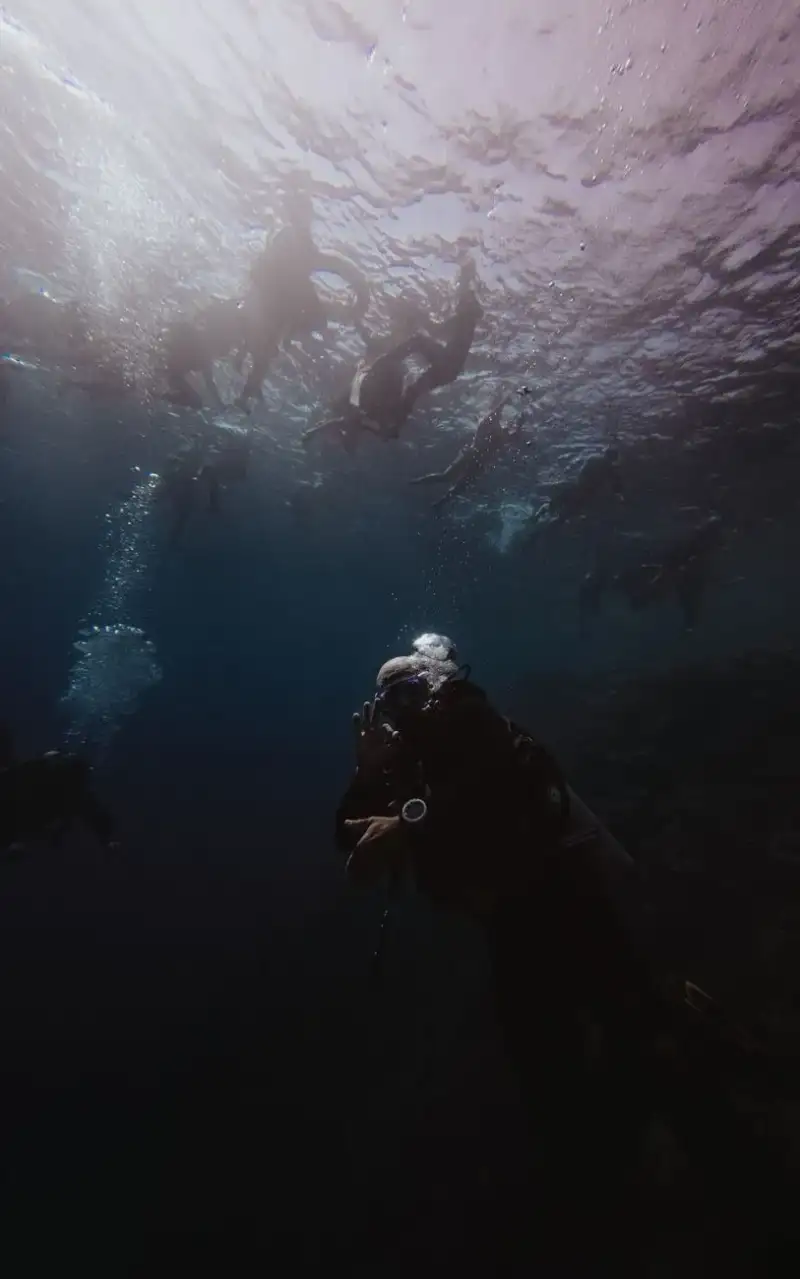
This is Part 2 of the series. Read Part 1 here.How to Plan Your Underwater Museum Adventure: A Step-by-Step Guide Visiting an underwater museum is an unforgettable experience, but it requires careful planning to ensure safety, comfort, and enjoyment. Whether you’re a seasoned diver or a first-time snorkeler, this step-by-step guide will help you prepare for your underwater adventure. From choosing the right destination to packing the essentials, we’ve got you covered. Step 1: Choose Your Destination and Timing The first step is selecting the right underwater museum for your interests and skill level. Consider factors like:Accessibility: Some museums, like Grenada’s, are perfect for beginners, while others, like MUSA’s deeper sections, require advanced certifications. Water Conditions: Research the best time of year for calm seas and optimal visibility. For example, the Caribbean is best from November to April, while the Mediterranean is ideal in summer. Marine Life: If you’re keen on seeing specific species, check which museums are known for attracting certain marine life. MUSA, for instance, is famous for its sea turtles and reef sharks.Step 2: Get Certified (If Necessary) If you plan to dive, you’ll need a scuba certification. Here’s a quick breakdown of the requirements:Open Water Certification: Required for most underwater museums. This certification allows you to dive to depths of 18 meters (60 feet). Advanced Open Water Certification: Recommended for museums with deeper sections or more challenging conditions. Specialty Courses: Some museums, like UMA, offer specialty courses in underwater photography or marine conservation, which can enhance your experience.If you’re not certified, many destinations offer discovery dives or resort courses that allow you to try scuba diving in a controlled environment. These are perfect for beginners who want to experience an underwater museum without committing to a full certification. Step 3: Book a Tour with a Reputable Operator Underwater museums are typically accessed through guided tours, which provide equipment, safety briefings, and local insights. When choosing a tour operator, look for:Safety Record: Check reviews and ratings on platforms like TripAdvisor or ScubaBoard. Group Size: Smaller groups often mean a more personalized experience. Equipment Quality: Ensure the operator provides well-maintained gear, including wetsuits, masks, and BCDs (buoyancy control devices). Environmental Practices: Choose operators that follow eco-friendly guidelines, such as avoiding touching coral or disturbing marine life.Step 4: Pack the Essentials Packing for an underwater museum adventure is similar to preparing for any dive or snorkeling trip, but there are a few key items to prioritize:Dive Certification Card: Bring your certification card if you’re diving. Dive Logbook: Some operators may ask to see your logbook, especially if you’re visiting deeper sections. Reef-Safe Sunscreen: Regular sunscreen can harm marine life, so opt for a mineral-based, reef-safe alternative. Wetsuit: Even in warm waters, a wetsuit can provide protection from the sun, jellyfish, and abrasions. Waterproof Camera: Capture the magic of your experience with a waterproof camera or GoPro. Dive Insurance: Consider purchasing dive insurance, especially if you’re traveling to remote locations.Step 5: Follow Safety and Eco-Friendly Guidelines Safety and environmental responsibility are paramount when visiting underwater museums. Here are some key guidelines to follow:Buoyancy Control: Master your buoyancy to avoid damaging coral or disturbing the sculptures. Many operators offer buoyancy workshops for beginners. No Touching: Resist the urge to touch the sculptures or marine life. Even gentle contact can damage delicate ecosystems. Stay with Your Group: Never wander off alone. Always follow your guide’s instructions. Respect Depth Limits: Adhere to the depth limits of your certification and the tour operator’s guidelines. Leave No Trace: Take all your trash with you, including food wrappers and plastic bottles.Step 6: Capture the Experience Underwater photography is a fantastic way to document your adventure and share it with others. Here are some tips for capturing stunning images:Use a Waterproof Camera: Invest in a good-quality waterproof camera or a GoPro with an underwater housing. Get Close: The closer you are to the subject, the clearer your photos will be. Use your camera’s macro mode for small details. Use Natural Light: Avoid using the camera’s flash, as it can create backscatter (floating particles in the water). Instead, rely on natural light or a video light. Practice Patience: Underwater photography takes time. Don’t rush; take your time to frame the perfect shot.Step 7: Reflect and Share After your dive or snorkeling adventure, take some time to reflect on the experience. Consider the following questions:How did the underwater museum change your perspective on art or conservation? What did you learn about marine ecosystems and the threats they face? How can you support conservation efforts in your own community?Sharing your experience can inspire others to visit these incredible sites and support sustainable tourism. Post your photos on social media with relevant hashtags, write a blog post, or even volunteer with a local marine conservation organization.The Environmental and Economic Impact of Underwater Museums Underwater museums are more than just tourist attractions—they are powerful tools for environmental conservation and economic development. By analyzing their impact, we can see how these projects are transforming coastal communities and marine ecosystems. Below, we break down the key benefits and challenges of underwater museums, supported by real-world data and case studies. Environmental BenefitsCoral Reef RestorationUnderwater museums provide a substrate for coral polyps to attach and grow, helping to restore damaged reefs. For example, MUSA’s sculptures are now 50% covered in coral, providing habitat for over 500 species of fish and invertebrates. A study by the University of Exeter found that artificial reefs can increase fish biomass by up to 200% compared to natural reefs in the same area.Reduction of Overfishing and PollutionBy attracting tourists to underwater museums, these projects divert pressure away from natural reefs, reducing physical damage from fishing gear and pollution. In Grenada, the Underwater Sculpture Park has become a focal point for marine education, with local schools incorporating the park into their curriculum.Climate Change MitigationCoral reefs are vital carbon sinks, absorbing CO2 from the atmosphere. By restoring reefs, underwater museums contribute to climate change mitigation. The Global Coral Reef Monitoring Network estimates that healthy coral reefs can sequester up to 1 kg of carbon per square meter per year.Economic BenefitsBoosting Eco-TourismUnderwater museums generate significant revenue for local communities. In Cancún, MUSA contributes an estimated $5 million USD annually to the local economy through tourism. A report by The Nature Conservancy found that eco-tourism can generate up to 10 times more revenue per hectare than traditional tourism.Job CreationThese projects create jobs in tourism, conservation, and education. In the Bahamas, the Ocean Atlas sculpture has led to the creation of dive guide positions and marine conservation roles. A study by the World Travel & Tourism Council estimates that the travel and tourism sector employs 1 in 10 people globally.Funding for ConservationRevenue from underwater museums often funds local conservation efforts. For example, Grenada’s sculpture park generates funds for the Molinière-Beauséjour Marine Protected Area, which supports research and habitat restoration.Challenges and CriticismsHigh Initial CostsCreating an underwater museum is expensive, with costs ranging from $100,000 to over $1 million USD, depending on the scale and materials used. Funding often comes from a mix of public and private sources, including grants, donations, and tourism revenue.Maintenance and MonitoringUnderwater museums require ongoing maintenance to ensure the sculptures remain structurally sound and continue to support marine life. Regular monitoring is needed to assess the health of the reef and the impact of tourism. In some cases, this requires partnerships with universities or research institutions.Potential for Over-TourismWhile underwater museums can reduce pressure on natural reefs, they can also become victims of their own success. Over-tourism can lead to damage from careless divers or snorkelers. To mitigate this, many museums implement visitor limits, guided tours, and educational programs to promote responsible tourism.Case Study: MUSA’s Success Story MUSA is a prime example of how underwater museums can drive conservation and economic growth. Since its inception in 2009, the museum has:Attracted over 750,000 visitors. Generated over $5 million USD in annual tourism revenue. Supported the growth of over 500 species of fish and coral. Inspired similar projects around the world, including Grenada’s sculpture park and the Bahamas’ Ocean Atlas.The success of MUSA has led to increased investment in underwater museums, with new projects planned in Indonesia, the Philippines, and the United Arab Emirates.Underwater Museum Location Year Established Number of Sculptures Estimated Annual Visitors Estimated Annual Revenue (USD)MUSA Cancún, Mexico 2009 500+ 750,000 $5,000,000Grenada Underwater Sculpture Park Grenada 2006 65 20,000 $1,500,000UMA Florida, USA 2018 10 15,000 $800,000Ocean Atlas Nassau, Bahamas 2014 1 50,000 $2,000,000Underwater Museum of Cannes Cannes, France 2015 34 10,000 $500,000Table: Key metrics for the world’s top underwater museums.Conclusion: Dive In and Make a Difference Underwater museums and sculpture parks are a testament to the power of art to inspire change. They offer a unique blend of adventure, education, and conservation, inviting us to explore the hidden beauty of the ocean while reminding us of our responsibility to protect it. Whether you’re drawn to the surreal sculptures of MUSA, the educational focus of UMA, or the monumental scale of Ocean Atlas, these destinations promise an experience that is as thought-provoking as it is breathtaking. As you plan your underwater adventure, remember that your visit supports conservation efforts and sustainable tourism. By choosing eco-friendly operators, respecting marine life, and sharing your experience, you become part of a global movement to preserve our oceans for future generations. So, take the plunge—literally—and discover the magic that lies beneath the waves. The ocean is not just a place to visit; it’s a world to protect. Underwater museums give us a glimpse of its wonders while offering a path forward for conservation. Whether you’re a diver, a snorkeler, or an armchair traveler, these submerged galleries are a call to action. So, grab your wetsuit, pack your camera, and get ready to dive into a world where art and nature collide in the most extraordinary way.#UnderwaterArt #MarineConservation #EcoTourism #ScubaDiving #TravelWithPurpose Related InsightsKamchatka Volcanoes The Twenty Million Dollar View: A History of Humanity's Most Exclusive Destination Beneath the City of Light: Descending into the Empire of the Dead in Paris{ "@context": "https://schema.org", "@type": "FAQPage", "mainEntity": [ { "@type": "Question", "name": "What is the main focus of Dive Into a Hidden World: The Most Breathtaking Underwater Museums and Sculpture Parks (Part 2)?", "acceptedAnswer": { "@type": "Answer", "text": "Discover the world’s most stunning underwater museums and sculpture parks where art meets marine life. From Mexico to the Maldives, explore how these submerged galleries are revolutionizing eco-tourism and conservation." } }, { "@type": "Question", "name": "Who authored the comprehensive guide on Dive Into a Hidden World: The Most Breathtaking Underwater Museums and Sculpture Parks (Part 2)?", "acceptedAnswer": { "@type": "Answer", "text": "This detailed article and its insights were carefully researched and authored by Wei Chen." } }, { "@type": "Question", "name": "Where can I find more related content about Travel?", "acceptedAnswer": { "@type": "Answer", "text": "You can explore more articles, detailed reviews, and similar insights by browsing the Related Insights section at the bottom of this article or visiting our dedicated Travel category page." } } ] }