Dive Into a Hidden World: The Most Breathtaking Underwater Museums and Sculpture Parks (Part 2)

This is Part 2 of the series. Read Part 1 here.
How to Plan Your Underwater Museum Adventure: A Step-by-Step Guide
Visiting an underwater museum is an unforgettable experience, but it requires careful planning to ensure safety, comfort, and enjoyment. Whether you’re a seasoned diver or a first-time snorkeler, this step-by-step guide will help you prepare for your underwater adventure. From choosing the right destination to packing the essentials, we’ve got you covered.
Step 1: Choose Your Destination and Timing
The first step is selecting the right underwater museum for your interests and skill level. Consider factors like:
- Accessibility: Some museums, like Grenada’s, are perfect for beginners, while others, like MUSA’s deeper sections, require advanced certifications.
- Water Conditions: Research the best time of year for calm seas and optimal visibility. For example, the Caribbean is best from November to April, while the Mediterranean is ideal in summer.
- Marine Life: If you’re keen on seeing specific species, check which museums are known for attracting certain marine life. MUSA, for instance, is famous for its sea turtles and reef sharks.
Step 2: Get Certified (If Necessary)
If you plan to dive, you’ll need a scuba certification. Here’s a quick breakdown of the requirements:
- Open Water Certification: Required for most underwater museums. This certification allows you to dive to depths of 18 meters (60 feet).
- Advanced Open Water Certification: Recommended for museums with deeper sections or more challenging conditions.
- Specialty Courses: Some museums, like UMA, offer specialty courses in underwater photography or marine conservation, which can enhance your experience.
If you’re not certified, many destinations offer discovery dives or resort courses that allow you to try scuba diving in a controlled environment. These are perfect for beginners who want to experience an underwater museum without committing to a full certification.
Step 3: Book a Tour with a Reputable Operator
Underwater museums are typically accessed through guided tours, which provide equipment, safety briefings, and local insights. When choosing a tour operator, look for:
- Safety Record: Check reviews and ratings on platforms like TripAdvisor or ScubaBoard.
- Group Size: Smaller groups often mean a more personalized experience.
- Equipment Quality: Ensure the operator provides well-maintained gear, including wetsuits, masks, and BCDs (buoyancy control devices).
- Environmental Practices: Choose operators that follow eco-friendly guidelines, such as avoiding touching coral or disturbing marine life.
Step 4: Pack the Essentials
Packing for an underwater museum adventure is similar to preparing for any dive or snorkeling trip, but there are a few key items to prioritize:
- Dive Certification Card: Bring your certification card if you’re diving.
- Dive Logbook: Some operators may ask to see your logbook, especially if you’re visiting deeper sections.
- Reef-Safe Sunscreen: Regular sunscreen can harm marine life, so opt for a mineral-based, reef-safe alternative.
- Wetsuit: Even in warm waters, a wetsuit can provide protection from the sun, jellyfish, and abrasions.
- Waterproof Camera: Capture the magic of your experience with a waterproof camera or GoPro.
- Dive Insurance: Consider purchasing dive insurance, especially if you’re traveling to remote locations.
Step 5: Follow Safety and Eco-Friendly Guidelines
Safety and environmental responsibility are paramount when visiting underwater museums. Here are some key guidelines to follow:
- Buoyancy Control: Master your buoyancy to avoid damaging coral or disturbing the sculptures. Many operators offer buoyancy workshops for beginners.
- No Touching: Resist the urge to touch the sculptures or marine life. Even gentle contact can damage delicate ecosystems.
- Stay with Your Group: Never wander off alone. Always follow your guide’s instructions.
- Respect Depth Limits: Adhere to the depth limits of your certification and the tour operator’s guidelines.
- Leave No Trace: Take all your trash with you, including food wrappers and plastic bottles.
Step 6: Capture the Experience
Underwater photography is a fantastic way to document your adventure and share it with others. Here are some tips for capturing stunning images:
- Use a Waterproof Camera: Invest in a good-quality waterproof camera or a GoPro with an underwater housing.
- Get Close: The closer you are to the subject, the clearer your photos will be. Use your camera’s macro mode for small details.
- Use Natural Light: Avoid using the camera’s flash, as it can create backscatter (floating particles in the water). Instead, rely on natural light or a video light.
- Practice Patience: Underwater photography takes time. Don’t rush; take your time to frame the perfect shot.
Step 7: Reflect and Share
After your dive or snorkeling adventure, take some time to reflect on the experience. Consider the following questions:
- How did the underwater museum change your perspective on art or conservation?
- What did you learn about marine ecosystems and the threats they face?
- How can you support conservation efforts in your own community?
Sharing your experience can inspire others to visit these incredible sites and support sustainable tourism. Post your photos on social media with relevant hashtags, write a blog post, or even volunteer with a local marine conservation organization.
The Environmental and Economic Impact of Underwater Museums
Underwater museums are more than just tourist attractions—they are powerful tools for environmental conservation and economic development. By analyzing their impact, we can see how these projects are transforming coastal communities and marine ecosystems. Below, we break down the key benefits and challenges of underwater museums, supported by real-world data and case studies.
Environmental Benefits
-
Coral Reef Restoration
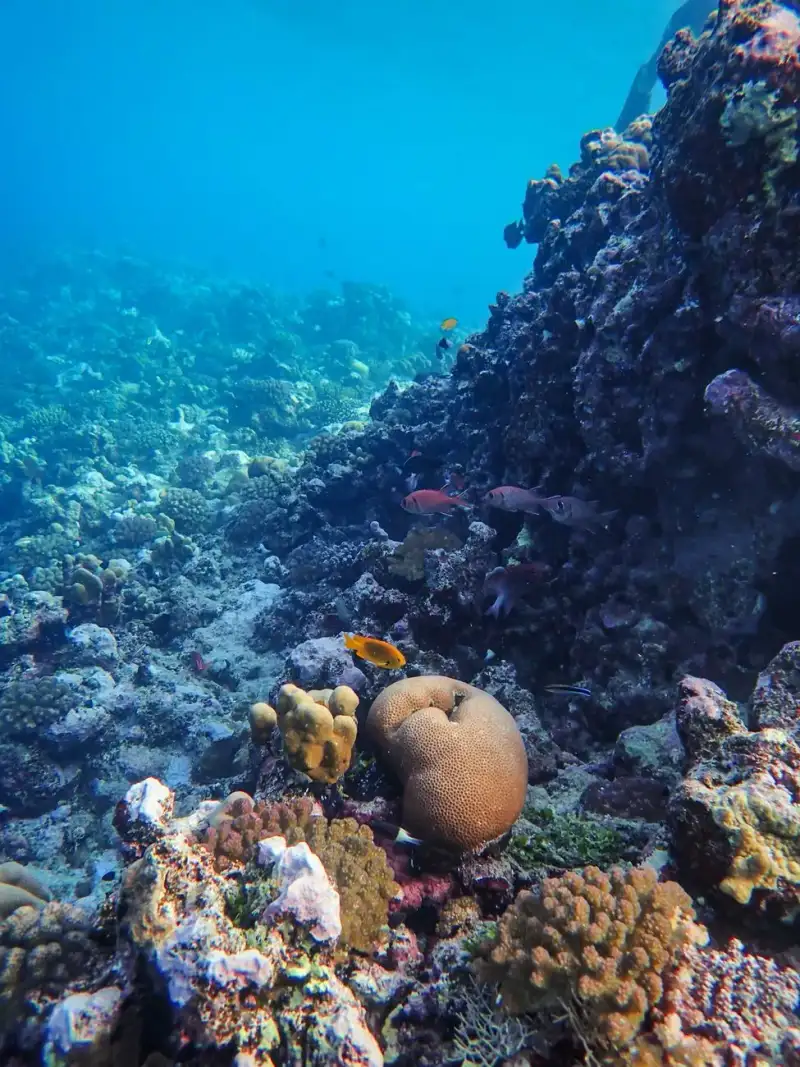
- Underwater museums provide a substrate for coral polyps to attach and grow, helping to restore damaged reefs. For example, MUSA’s sculptures are now 50% covered in coral, providing habitat for over 500 species of fish and invertebrates.
- A study by the University of Exeter found that artificial reefs can increase fish biomass by up to 200% compared to natural reefs in the same area.
-
Reduction of Overfishing and Pollution
- By attracting tourists to underwater museums, these projects divert pressure away from natural reefs, reducing physical damage from fishing gear and pollution.
- In Grenada, the Underwater Sculpture Park has become a focal point for marine education, with local schools incorporating the park into their curriculum.
-
Climate Change Mitigation
- Coral reefs are vital carbon sinks, absorbing CO2 from the atmosphere. By restoring reefs, underwater museums contribute to climate change mitigation.
- The Global Coral Reef Monitoring Network estimates that healthy coral reefs can sequester up to 1 kg of carbon per square meter per year.
Economic Benefits
-
Boosting Eco-Tourism
- Underwater museums generate significant revenue for local communities. In Cancún, MUSA contributes an estimated $5 million USD annually to the local economy through tourism.
- A report by The Nature Conservancy found that eco-tourism can generate up to 10 times more revenue per hectare than traditional tourism.
-
Job Creation
- These projects create jobs in tourism, conservation, and education. In the Bahamas, the Ocean Atlas sculpture has led to the creation of dive guide positions and marine conservation roles.
- A study by the World Travel & Tourism Council estimates that the travel and tourism sector employs 1 in 10 people globally.
-
Funding for Conservation
- Revenue from underwater museums often funds local conservation efforts. For example, Grenada’s sculpture park generates funds for the Molinière-Beauséjour Marine Protected Area, which supports research and habitat restoration.
Challenges and Criticisms
-
High Initial Costs
- Creating an underwater museum is expensive, with costs ranging from $100,000 to over $1 million USD, depending on the scale and materials used.
- Funding often comes from a mix of public and private sources, including grants, donations, and tourism revenue.
-
Maintenance and Monitoring
- Underwater museums require ongoing maintenance to ensure the sculptures remain structurally sound and continue to support marine life.
- Regular monitoring is needed to assess the health of the reef and the impact of tourism. In some cases, this requires partnerships with universities or research institutions.
-
Potential for Over-Tourism
- While underwater museums can reduce pressure on natural reefs, they can also become victims of their own success. Over-tourism can lead to damage from careless divers or snorkelers.
- To mitigate this, many museums implement visitor limits, guided tours, and educational programs to promote responsible tourism.
Case Study: MUSA’s Success Story
MUSA is a prime example of how underwater museums can drive conservation and economic growth. Since its inception in 2009, the museum has:
- Attracted over 750,000 visitors.
- Generated over $5 million USD in annual tourism revenue.
- Supported the growth of over 500 species of fish and coral.
- Inspired similar projects around the world, including Grenada’s sculpture park and the Bahamas’ Ocean Atlas.
The success of MUSA has led to increased investment in underwater museums, with new projects planned in Indonesia, the Philippines, and the United Arab Emirates.
| Underwater Museum | Location | Year Established | Number of Sculptures | Estimated Annual Visitors | Estimated Annual Revenue (USD) |
|---|---|---|---|---|---|
| MUSA | Cancún, Mexico | 2009 | 500+ | 750,000 | $5,000,000 |
| Grenada Underwater Sculpture Park | Grenada | 2006 | 65 | 20,000 | $1,500,000 |
| UMA | Florida, USA | 2018 | 10 | 15,000 | $800,000 |
| Ocean Atlas | Nassau, Bahamas | 2014 | 1 | 50,000 | $2,000,000 |
| Underwater Museum of Cannes | Cannes, France | 2015 | 34 | 10,000 | $500,000 |
Table: Key metrics for the world’s top underwater museums.
Conclusion: Dive In and Make a Difference
Underwater museums and sculpture parks are a testament to the power of art to inspire change. They offer a unique blend of adventure, education, and conservation, inviting us to explore the hidden beauty of the ocean while reminding us of our responsibility to protect it. Whether you’re drawn to the surreal sculptures of MUSA, the educational focus of UMA, or the monumental scale of Ocean Atlas, these destinations promise an experience that is as thought-provoking as it is breathtaking.
As you plan your underwater adventure, remember that your visit supports conservation efforts and sustainable tourism. By choosing eco-friendly operators, respecting marine life, and sharing your experience, you become part of a global movement to preserve our oceans for future generations. So, take the plunge—literally—and discover the magic that lies beneath the waves.
The ocean is not just a place to visit; it’s a world to protect. Underwater museums give us a glimpse of its wonders while offering a path forward for conservation. Whether you’re a diver, a snorkeler, or an armchair traveler, these submerged galleries are a call to action. So, grab your wetsuit, pack your camera, and get ready to dive into a world where art and nature collide in the most extraordinary way.
#UnderwaterArt #MarineConservation #EcoTourism #ScubaDiving #TravelWithPurpose