Black Sea Greenery
-
 Cemre Seyyah
 - 02 May, 2026 23:21

A whisper of mist, cool and laden with the scent of damp earth and verdant foliage, brushes against your face. Below, the #ancient, restless Black Sea stretches, a canvas of deep blues and slate grays. Yet, turn your gaze inland, and the world explodes into an unimaginable spectrum of green – a riotous, untamed, deeply humid green that clings to every mountainside, spills into every valley, and blankets the very soul of the landscape. This, my dear readers, is the legendary Black Sea Greenery, a realm where #nature’s generosity knows no bounds, a living tapestry woven by relentless rain, fertile soil, and the enduring spirit of its people.
As Cemre Seyyah, I have chased the sun across deserts, delved into the heart of bustling metropolises, and scaled snow-capped peaks. But there is a particular magic, a profound sense of awe, that the Black Sea’s eastern littoral ignites. It’s not merely green; it’s a thousand shades of emerald, jade, moss, and forest, so vibrant they almost hum with life. It is a region that defies expectations, challenging preconceived notions of a Mediterranean climate with its temperate rainforest characteristics. Prepare to #journey with me into this extraordinary corner of the world, where the mountains kiss the clouds and the land bursts forth in an unparalleled display of natural splendor.
The Geographic Canvas: An Ode to Orogeny and Orographic Rain
To truly appreciate the Black Sea’s intense greenery, one must first understand the titanic geological forces that sculpted it. The backbone of this verdant paradise is the Pontic Mountains (Kuzey #Anadolu Dağları), a colossal range that runs parallel to the Black Sea coast of Turkey, extending into Georgia. These mountains are not merely hills; they are formidable barriers, often rising directly from the sea to elevations exceeding 3,000 meters (10,000 feet), with the Kaçkar Mountains (part of the Pontic range) peaking at nearly 3,937 meters (12,917 feet).
This dramatic topography is the linchpin of the region’s climate. Warm, moist air blowing in from the Black Sea encounters these towering peaks. As the air is forced upwards, it cools, condenses, and releases its moisture in the form of copious rainfall. This phenomenon, known as orographic precipitation, is the lifeblood of the Black Sea’s greenery. The eastern Black Sea receives some of the highest rainfall in Turkey, often exceeding 2,000-2,500 millimeters (78-98 inches) annually in certain areas, particularly around Rize. This relentless moisture, combined with relatively mild temperatures, creates a climate akin to a temperate rainforest, fostering an ecological richness rarely seen outside tropical zones.
Deep river valleys, carved over millennia by powerful rivers like the Fırtına (Storm), Çoruh, and Yeşilırmak, crisscross the landscape. These rivers cascade down from the mountains, often forming spectacular waterfalls, and transport nutrient-rich sediments to the lower plains. The valleys themselves are microcosms of the larger green ecosystem, acting as natural conduits for biodiversity and human settlement, with villages clinging precariously to their steep sides, seemingly swallowed by the omnipresent green. The very soil, often reddish and fertile, is a testament to the continuous breakdown of ancient volcanic and metamorphic rocks, further enriching the botanical tapestry.
A Symphony of Flora: The Green Gold and Wild Wonders
The sheer diversity of plant life in the Black Sea region is staggering, a testament to its unique climate and topography. From cultivated crops that form the economic backbone of the region to ancient forests teeming with endemic species, the flora is a defining characteristic of “Black Sea Greenery.”
The Emerald Harvest: Tea and Hazelnuts
Perhaps the most iconic representation of the region’s agricultural bounty is tea. The rolling hillsides of Rize, Turkey’s “Tea Capital,” are a mesmerizing sight, terraced into geometric patterns of vibrant green. Tea cultivation here began in the 1930s, transforming an impoverished region into a thriving agricultural powerhouse. The unique climate – high rainfall, fertile soil, and frequent morning mists – proved ideal for growing tea. Turkish tea, or çay, is an inseparable part of daily life, served in distinctive small tulip-shaped glasses. A drive through Rize reveals endless tea plantations, where workers meticulously pluck the fresh leaves, a sight of rhythmic human interaction with nature’s abundance.
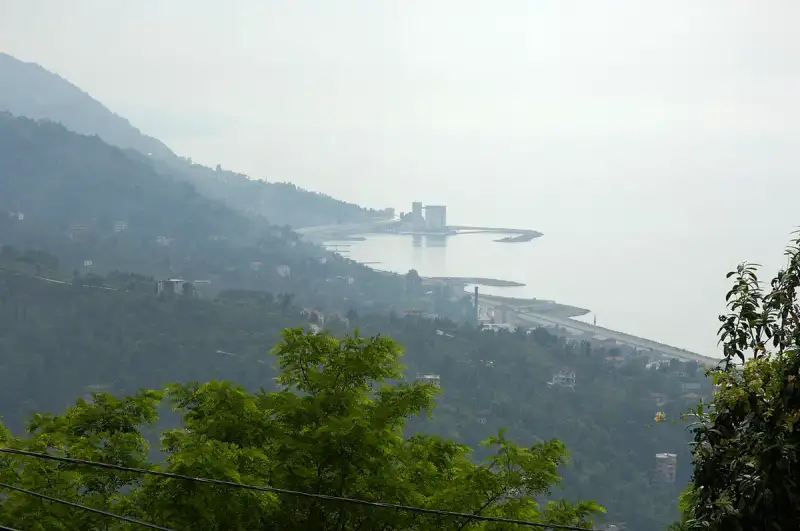
Equally vital to the Black Sea’s economy and landscape are hazelnuts. Turkey is the world’s largest producer of hazelnuts, with the provinces of Ordu and Giresun being the epicenters of this industry. Vast hazelnut groves, often resembling dense, low-growing forests, blanket the hills closer to the coast, their leaves a slightly different shade of green than the tea bushes, adding another layer to the region’s multi-faceted palette. The harvest season, typically late summer, sees families gather to collect the nuts, a tradition deeply embedded in the local #culture.
Beyond these giants, the region also cultivates kiwifruit, another testament to its favorable climate, as well as corn (a staple in the local diet, especially as corn bread, mısır ekmeği), and a variety of other fruits and vegetables that thrive in the rich soil.
Ancient Forests and Wild Blooms
Venture beyond the cultivated areas, and you step into a realm of primeval beauty. The higher elevations of the Pontic Mountains are home to magnificent old-growth forests, some of Europe’s last remaining temperate rainforests. Here, towering beech, spruce, fir, chestnut, and hornbeam trees form dense canopies, their branches draped with mosses and lichens, creating an otherworldly, ethereal atmosphere. The undergrowth is thick with ferns, wild berries, and an astonishing array of wildflowers.
One of the most spectacular floral displays occurs in late spring and early summer when the rhododendrons burst into bloom. Whole mountainsides transform into vibrant canvases of pink, purple, and white, a breathtaking sight that draws nature lovers and photographers from around the globe. These aren’t just ornamental garden varieties; these are wild, resilient rhododendrons, a hallmark of the Pontic flora. The Kaçkar Mountains, in particular, are renowned for their incredible botanical diversity, boasting numerous endemic species. This biodiversity extends to medicinal plants, wild herbs, and mushrooms, which are still traditionally gathered by local communities.
The Emerald Pathways: Exploring the Green Heartlands
To truly immerse oneself in the Black Sea’s greenery, one must venture into its various provinces, each offering a unique facet of this emerald wonderland. While the entire Black Sea coast from Bulgaria to Georgia shares a certain green character, the most iconic and intensely lush sections are found in the eastern Turkish provinces and extending into Georgia.
Trabzon: Where #history Meets the Mist
Trabzon, a historic port city, serves as a gateway to some of the most dramatic landscapes. Just inland, the Altındere Valley National Park cradles the legendary Sumela Monastery. Clinging precariously to a sheer cliff face at an altitude of 1,200 meters, Sumela is often shrouded in swirling mists, making it appear as though it has materialized directly from a dream. The monastery itself, with its intricate frescoes, is a marvel, but its setting – surrounded by dense, ancient forests and cascading waterfalls – is equally captivating. The hike up to the monastery, or even the drive through the national park, is an immersion in deep green.
Further east from Trabzon, towards the border with Rize, lies Uzungöl. This alpine lake, nestled amidst towering green mountains, is a postcard-perfect scene. The dense forests descend right to the water’s edge, and traditional wooden houses dot the slopes. While it has become a popular tourist destination, Uzungöl still retains an undeniable charm, especially early in the morning when the fog hovers over the lake, or after a fresh rain when the greens are at their most vibrant.

Rize: The Heart of Tea Country and Wild Rivers
Rize is synonymous with tea. Here, the terraced tea plantations stretch as far as the eye can see, creating a mesmerizing, undulating landscape of manicured green. But Rize is also home to the Fırtına Valley (Storm Valley), one of Turkey’s premier destinations for adventure tourism. The Fırtına River, fed by countless mountain streams, rushes through a deep, forested gorge, offering exhilarating white-water rafting experiences. Along its banks, medieval stone arch bridges, remnants of ancient trade routes, provide picturesque photo opportunities, their weathered stones adorned with moss and ivy, blending seamlessly with the surrounding greenery.
Higher up in Rize’s mountains are the famous yaylas, or highland pastures. Ayder Yaylası is perhaps the most well-known, offering stunning views of the Kaçkar Mountains, thermal springs, and traditional wooden houses. While Ayder can get crowded, the journey there through lush valleys and past roaring waterfalls is breathtaking. For those seeking more solitude, numerous other yaylas like Pokut or Sal provide equally stunning vistas and a deeper connection to the local pastoral life, surrounded by a sea of green.
Artvin: Untamed Wilderness and Kaçkar Majesty
Artvin, bordering Georgia, represents the wildest and perhaps most pristine aspect of Black Sea greenery. It is less developed for mass tourism than Rize or Trabzon, offering an authentic, rugged experience. The Kaçkar Mountains National Park dominates the landscape here, a true paradise for trekkers and mountaineers. Glacial lakes sparkle amidst jagged peaks, while below, vast ancient forests remain largely untouched. The Çoruh River, known for its thrilling rafting opportunities, cuts through dramatic canyons, its banks lined with dense vegetation. The villages in Artvin, often built entirely from wood, blend harmoniously into the landscape, testaments to a life lived in tune with nature. This is where the green feels deepest, most ancient, and most formidable.
Giresun and Ordu: Hazelnut Heaven and Coastal Charms
Moving westwards, Giresun and Ordu offer a slightly different character, though no less green. These provinces are dominated by hazelnut groves, giving the hillsides a distinctive texture. Ordu, known as “The City with a Hundred Platters” due to its numerous plateaus (yaylas), offers easily accessible natural beauty. Boztepe, accessible by cable car, provides panoramic views of the city and the Black Sea, framed by verdant hills. Giresun’s most famous feature is Giresun Island, the only island in the Turkish Black Sea, shrouded in myths and local folklore, and itself a small patch of green amidst the blue. The coastal areas here are often characterized by small, charming towns nestled between the sea and the green slopes, with cornfields and hazelnut orchards extending down to the shoreline.
Life in the Green Embrace: Culture and People
The intense greenery of the Black Sea is not just a backdrop; it is an intrinsic part of the region’s cultural identity, shaping the lives, traditions, and even the temperament of its people.
The Yaylas: A Summer Exodus
The practice of transhumance, moving livestock to higher pastures during summer, is deeply ingrained in the Black Sea culture. The yaylas are more than just grazing lands; they are summer communities, often featuring traditional wooden houses (serender) built on stilts to protect from dampness and provide storage. Life on the yaylas is simpler, slower, and profoundly connected to the rhythms of nature. Families spend months there, tending to their animals, making butter and cheese, and enjoying the cooler mountain air. Visiting a yayla offers a glimpse into a way of life that has persisted for centuries, surrounded by uninterrupted vistas of emerald green, often punctuated by the vibrant hues of wild rhododendrons.

A Cuisine Rooted in Greenery and the Sea
The local cuisine is a delicious reflection of the abundant resources. Corn is king, appearing as mısır ekmeği (cornbread), a hearty staple, or as a base for dishes like mıhlama (also known as kuymak or muhlama), a delightful fondue-like dish made with cornmeal, local cheese, and butter. Fresh vegetables from the fertile valleys are widely used. Of course, the proximity to the sea means hamsi (anchovies) are a local obsession, prepared in countless ways – fried, baked, in rice, or even as a type of bread. And no meal is complete without copious amounts of Turkish tea, grown just outside the window, reflecting the region’s “green gold.” The food is hearty, comforting, and deeply flavorful, a perfect complement to the cool, moist climate.
Music, Dance, and Warmth
The Black Sea region has a distinct cultural flair. The kemençe, a small, three-stringed folk fiddle, produces a melancholic yet spirited sound that is the heart of local music. The horon, a fast-paced line dance, embodies the energetic and resilient spirit of the people, often performed with lively enthusiasm at weddings, festivals, and even impromptu gatherings. The people of the Black Sea are known for their strong sense of community, their quick wit, and a hospitality that, like their land, is rich and abundant. Despite the challenging terrain, they have carved out a vibrant existence, deeply proud of their unique heritage and their verdant homeland.
Activities and Experiences: Diving into the Green
The Black Sea’s greenery offers a myriad of opportunities for adventure and introspection alike.
- Hiking and Trekking: The Kaçkar Mountains are a trekkers paradise, offering trails ranging from gentle day hikes to multi-day expeditions across high passes and past glacial lakes. Paths wind through ancient forests, across alpine meadows, and past remote yaylas, providing unparalleled views of the verdant landscape.
- White-water Rafting: The Fırtına River in Rize and the Çoruh River in Artvin are internationally recognized for their thrilling rafting and kayaking experiences. The sheer cliffs and dense forests that line the rivers add to the dramatic appeal.
- Paragliding: For a bird’s-eye view of the green expanse meeting the blue sea, several locations, particularly around Ordu’s Boztepe, offer paragliding opportunities, providing a truly unforgettable perspective.
- Cultural Exploration: Visiting tea factories in Rize offers insight into the production process, while exploring the stone arch bridges of Fırtına Valley or the ancient monasteries like Sumela provides a blend of history and natural beauty. Spending time in a local village or a yayla allows for genuine interaction with the local culture.
- Nature Photography: The ever-changing light, mist, and vibrant colors make the Black Sea a dream for photographers, from grand landscapes to intimate details of flora and fauna.
Challenges and Conservation: Protecting the Emerald Gem
While breathtaking, the Black Sea’s intense greenery also presents challenges. The abundant rainfall can lead to frequent fog, making driving on narrow, winding mountain roads hazardous. Landslides are an unfortunate reality, especially after heavy rains, occasionally disrupting #travel. The climate can be unpredictable, with rapid changes from sunny to stormy within hours.
More significantly, this unique ecosystem faces modern threats. Unregulated development, particularly for tourism, can put pressure on fragile natural areas. Climate change models suggest potential alterations to rainfall patterns, which could impact the delicate balance of the temperate rainforests. There is a growing awareness and effort towards conservation, with national parks and protected areas established to safeguard the region’s extraordinary biodiversity and natural beauty. Sustainable tourism practices are crucial to ensure that future generations can also experience the profound wonder of the Black Sea’s greenery.
Preparing for the Green Journey
To fully embrace the Black Sea’s verdant charm, some preparation is key:
- Best Time to Visit: Late spring (May-June) offers blossoming rhododendrons and lush post-rain scenery. Summer (July-August) is warmer and drier (relatively), ideal for high-altitude trekking, though it can be busy. Early autumn (September-October) provides comfortable temperatures and #beautiful fall colors in some areas, though rain increases.
- What to Pack: Layers are essential. Waterproof and windproof jackets are non-negotiable. Comfortable, waterproof hiking shoes are a must. Bring a sturdy backpack, insect repellent, and a good camera. Don’t forget an umbrella!
- Getting Around: A rental car offers the most flexibility for exploring the winding mountain roads and remote villages, but be prepared for steep climbs and sometimes challenging conditions. Local minibuses (dolmuş) connect larger towns and some yaylas.
The Enduring Allure of the Emerald Coast
The Black Sea Greenery is more than just a geographical feature; it is an experience, a feeling, a deep breath of clean, moist air. It is a world where nature truly reigns supreme, painting the landscape in a thousand shades of green, nurturing a unique culture, and offering endless discoveries to those willing to venture into its embrace. From the iconic tea fields of Rize to the ancient forests of the Kaçkars, from the misty serenity of Sumela to the vibrant life of the yaylas, this region promises an encounter with the wild, untamed heart of Anatolia.
As I reflect on my journeys through these emerald pathways, I am reminded that true travel is about connecting – connecting with the land, with its people, and ultimately, with a deeper sense of self that only immersion in such profound natural beauty can awaken. The Black Sea’s greenery isn’t just a sight to behold; it’s a feeling to carry with you, a vibrant memory that will forever color your perception of the world. Come, let the Black Sea’s green heart enchant you.
#BlackSeaTravel #GreenDestinations #TurkeyTravel #PonticMountains #TeaCountry
#travel #explore #guide