Vada Pav: The Heartbeat of Mumbai
-
 Priya Kapoor
 - 24 Feb, 2026 12:25
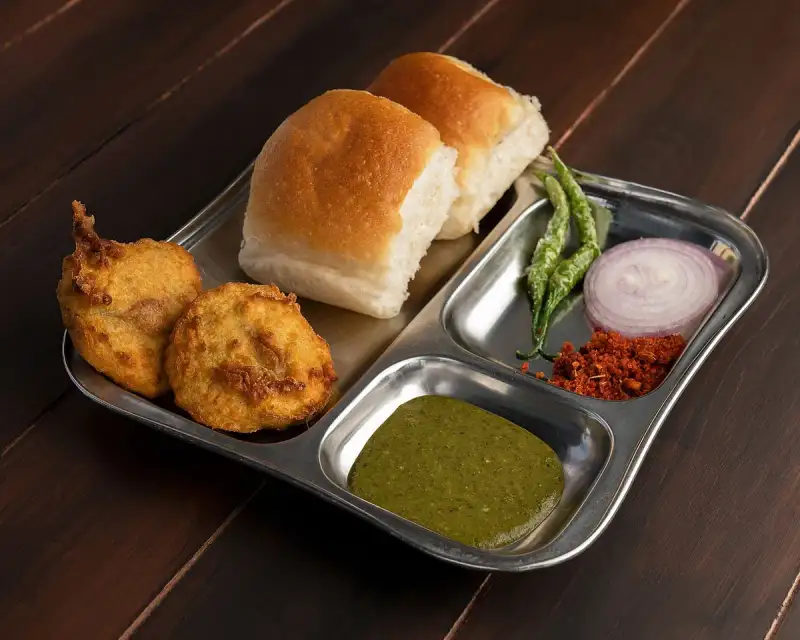
The vibrant streets of Mumbai, formerly known as Bombay, are a melting pot of cultures, traditions, and cuisines. Among the myriad of street foods that line the streets of this bustling metropolis, there is one dish that stands out as a quintessential symbol of Mumbai’s culinary identity: Vada Pav. This humble snack, consisting of a crispy fried potato dumpling served in a soft, fluffy bun, has captured the hearts and taste buds of Mumbaikars and visitors alike. In this article, we will delve into the rich history, cultural significance, and authentic recipe of Vada Pav, the heartbeat of Mumbai.
Introduction to Vada Pav
Vada Pav, also known as the “Indian burger,” is a popular street food that originated in Mumbai in the 1960s. The dish is believed to have been created by a street vendor named Ashok Vaidya, who began serving fried potato dumplings in a bun to hungry commuters at the Dadar railway station. The snack quickly gained popularity, and soon, Vada Pav vendors could be found on almost every street corner in Mumbai.
The Cultural Significance of Vada Pav
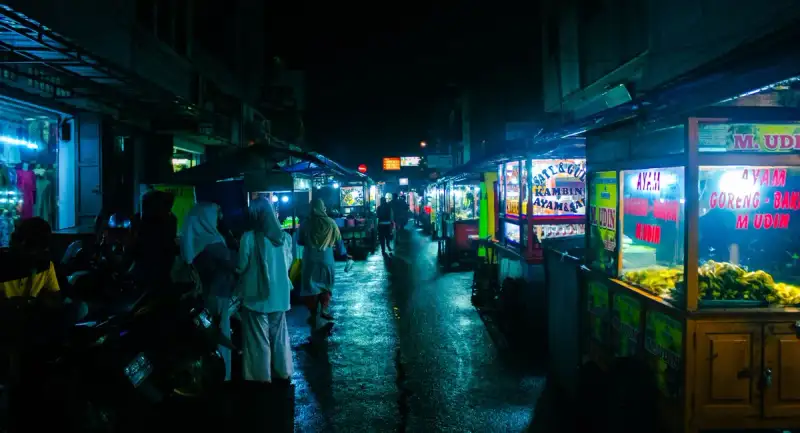
Vada Pav is more than just a snack; it is a cultural phenomenon that reflects the diversity and resilience of Mumbai’s people. The dish has become an integral part of the city’s street food scene, with vendors serving Vada Pav to people from all walks of life, from busy office workers to students and tourists. The snack is often served with a variety of chutneys and spices, which add to its flavor and appeal.
The Authentic Recipe of Vada Pav
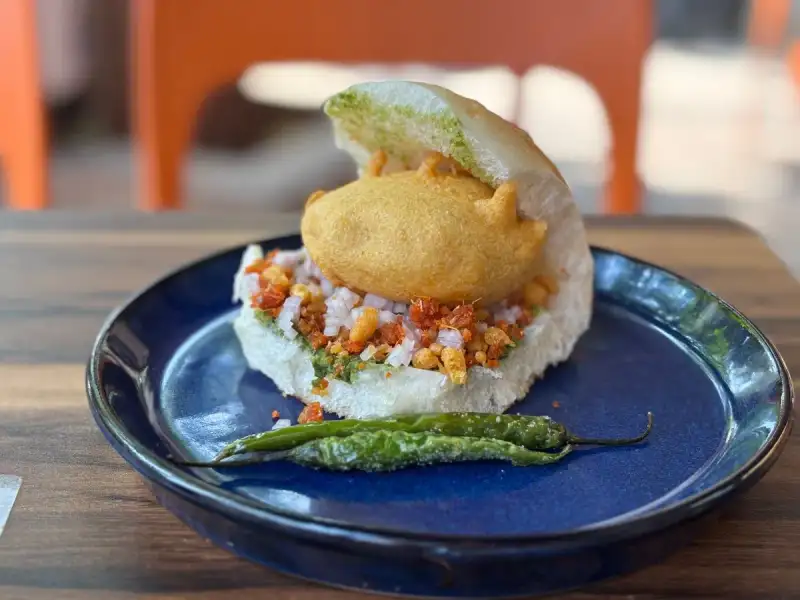
The authentic recipe of Vada Pav involves a few simple ingredients, including potatoes, chickpea flour, onions, garlic, and spices. The potatoes are boiled and mashed, then mixed with chickpea flour, onions, garlic, and spices to form a dough. The dough is then shaped into small dumplings, which are fried until crispy and served in a soft, fluffy bun.
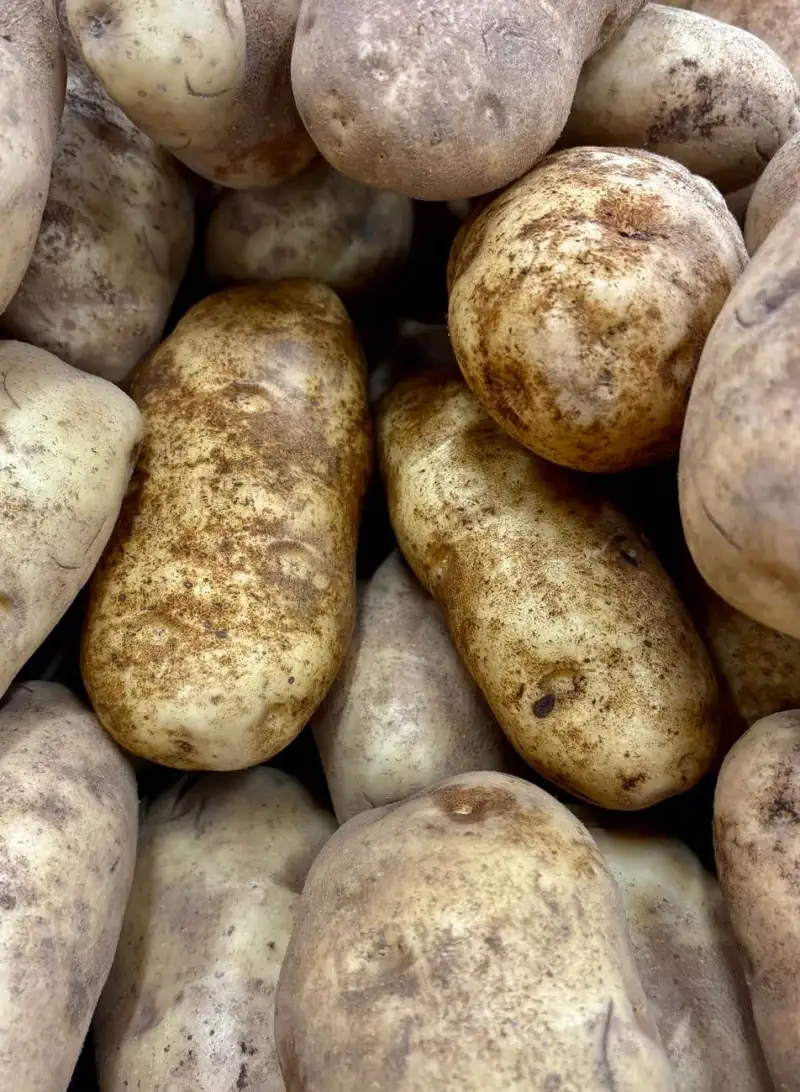
To make Vada Pav at home, you will need the following ingredients:
- 2 large potatoes, boiled and mashed
- 1 cup chickpea flour
- 1/2 cup onions, finely chopped
- 2 cloves garlic, minced
- 1 teaspoon cumin seeds
- 1 teaspoon coriander powder
- 1/2 teaspoon turmeric powder
- Salt, to taste
- 2 tablespoons oil, for frying
- 4-6 buns, for serving
- Chutneys and spices, for serving
Preparing the Vada Pav
To prepare the Vada Pav, start by mixing the mashed potatoes, chickpea flour, onions, garlic, cumin seeds, coriander powder, turmeric powder, and salt in a large bowl. Divide the mixture into small portions and shape each portion into a dumpling. Heat the oil in a deep frying pan and fry the dumplings until crispy and golden brown. Serve the Vada Pav in a soft, fluffy bun with your choice of chutneys and spices.
Variations of Vada Pav
While the traditional recipe of Vada Pav remains the same, there are several variations of the snack that can be found in Mumbai and other parts of India. Some popular variations include:
- Cheese Vada Pav: This variation involves adding melted cheese to the Vada Pav, which adds a rich and creamy texture to the snack.
- Schezwan Vada Pav: This variation involves adding Schezwan sauce to the Vada Pav, which gives the snack a spicy and tangy flavor.
- Jain Vada Pav: This variation involves using a special type of potato that is grown without the use of fertilizers or pesticides, making it a popular choice for Jains and other vegetarians.
Conclusion
Vada Pav is a snack that has captured the hearts and taste buds of people all over the world. Its rich history, cultural significance, and authentic recipe make it a must-try for anyone visiting Mumbai or looking to experience the city’s culinary delights. Whether you are a foodie, a history buff, or simply a lover of street food, Vada Pav is a snack that is sure to leave you wanting more.
#VadaPav #MumbaiStreetFood #IndianCuisine #StreetFoodLover #Foodie #CulturalSignificance #AuthenticRecipe #MumbaiFoodScene