Mulukhiyah: The Royal Green Soup of the Pharaohs
-
 Tariq Al-Fayed
 - 02 Jun, 2026 05:12

In the lush valleys and arid deserts of ancient Egypt, a soup was born that would transcend the boundaries of time and geography, captivating the hearts and taste buds of people across the Middle East and beyond. Mulukhiyah, the royal green soup of the pharaohs, is a dish that weaves a tapestry of history, culture, and flavor, making it an integral part of the culinary heritage of the region. This velvety, nutrient-rich soup, made from the leaves of the mulukhiyah plant (Corchorus olitorius), is a testament to the ingenuity and culinary prowess of the ancient Egyptians.
Introduction to Mulukhiyah
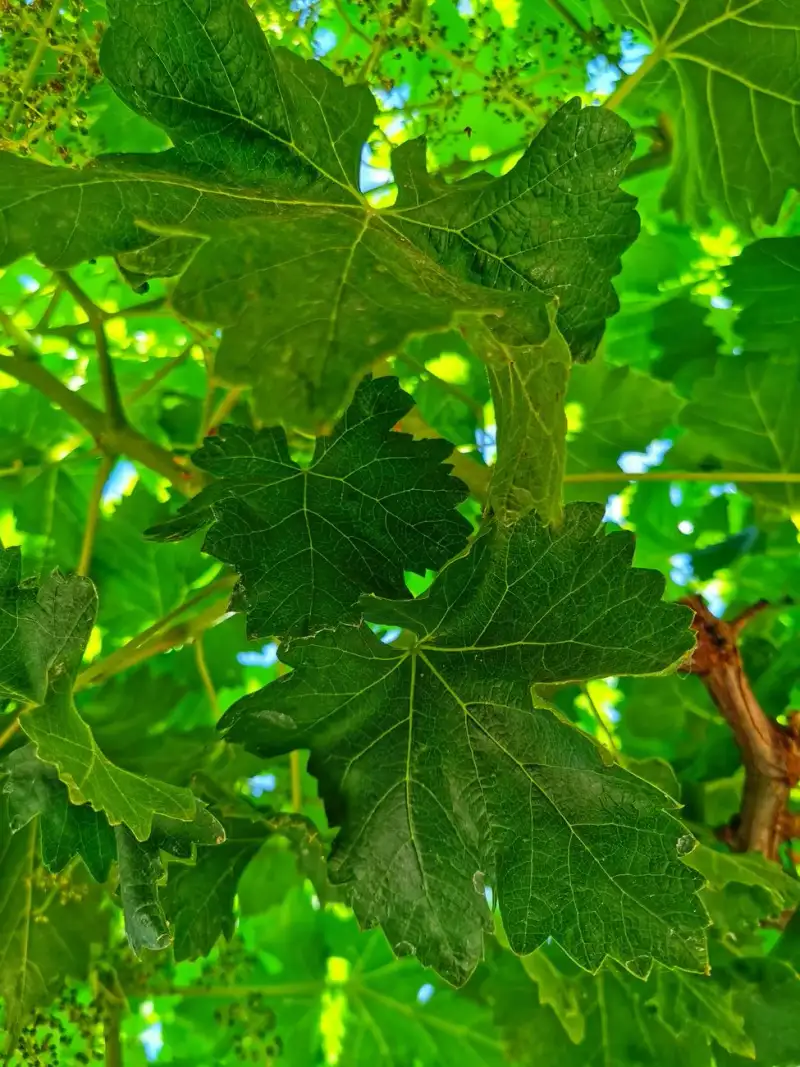
The mulukhiyah plant, also known as Jew’s mallow or Egyptian mallow, is a member of the mallow family. Its leaves, which are the primary ingredient in the soup, are packed with vitamins, minerals, and antioxidants, making mulukhiyah not only a delicious dish but also a nutritious one. The plant has been cultivated for thousands of years, with evidence of its use dating back to the time of the pharaohs. The name “mulukhiyah” itself is derived from the Arabic word for “king” or “royal,” reflecting the high esteem in which this soup was held by ancient Egyptian royalty.
Historical Significance of Mulukhiyah
The historical significance of mulukhiyah cannot be overstated. It was a staple of the ancient Egyptian diet, particularly among the nobility and royalty. The soup was served at special occasions and was considered a delicacy due to the complexity of its preparation and the value of its ingredients. The use of mulukhiyah was not limited to Egypt; it spread throughout the Middle East and North Africa, where it was adapted and incorporated into local cuisines. Today, variations of mulukhiyah can be found in Lebanon, Syria, Jordan, and Palestine, each with its unique twist and flavor profile.
Preparing Mulukhiyah: An Art and a Science
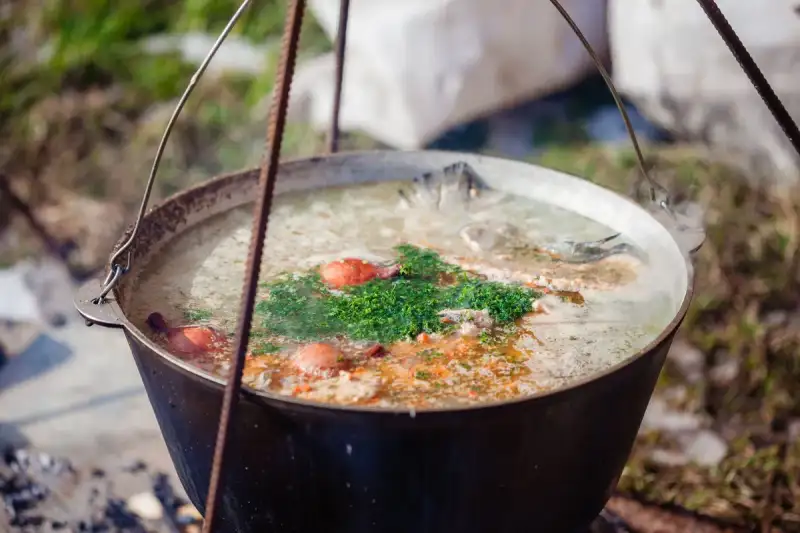
Preparing mulukhiyah is an art that requires patience, skill, and attention to detail. The process begins with the selection of fresh mulukhiyah leaves, which are then cleaned and chopped. The leaves are sautéed in olive oil with garlic and sometimes meat or chicken, before being simmered in a flavorful broth. The soup is thickened with a roux made from flour and ghee (clarified butter), giving it a rich, velvety texture. The key to a good mulukhiyah is in the balance of flavors and the texture of the soup, which should be neither too thick nor too thin.
Cultural Significance of Mulukhiyah
Mulukhiyah holds a special place in the cultural heritage of the Middle East. It is often served on special occasions such as weddings and holidays, and its preparation and sharing are seen as acts of hospitality and generosity. The soup is also believed to have medicinal properties, with the mulukhiyah plant being used in traditional medicine for its anti-inflammatory and antioxidant effects. In many Middle Eastern countries, mulukhiyah is considered a comfort food, evoking memories of family gatherings and traditional meals.
Authentic Recipe for Mulukhiyah
For those interested in trying their hand at making authentic mulukhiyah, here is a simple recipe to get you started:
- 1 pound of fresh mulukhiyah leaves
- 2 tablespoons of olive oil
- 3 cloves of garlic, minced
- 1 pound of chicken or beef, cut into small pieces
- 4 cups of chicken broth
- 2 tablespoons of flour
- 1 tablespoon of ghee
- Salt and pepper to taste
- Lemon wedges, for serving
Saute the garlic and meat in olive oil until the meat is browned. Add the mulukhiyah leaves and cook until they are wilted. Add the broth and bring to a boil. Reduce the heat and simmer for 20 minutes. Mix the flour and ghee to make a roux, then add it to the soup, stirring constantly to avoid lumps. Season with salt and pepper to taste. Serve hot, with lemon wedges on the side.
Conclusion
Mulukhiyah, the royal green soup of the pharaohs, is a culinary treasure that embodies the rich cultural heritage and history of the Middle East. Its unique flavor, nutritional value, and cultural significance make it a dish that is worth exploring and savoring. Whether you are a food enthusiast, a historian, or simply someone looking to try new and exciting flavors, mulukhiyah is sure to delight and inspire.
#Mulukhiyah #EgyptianCuisine #MiddleEasternFood #TraditionalRecipes #FoodHistory #CulturalHeritage #RoyalGreenSoup #PharaohsDish