Showing Posts From
Explore
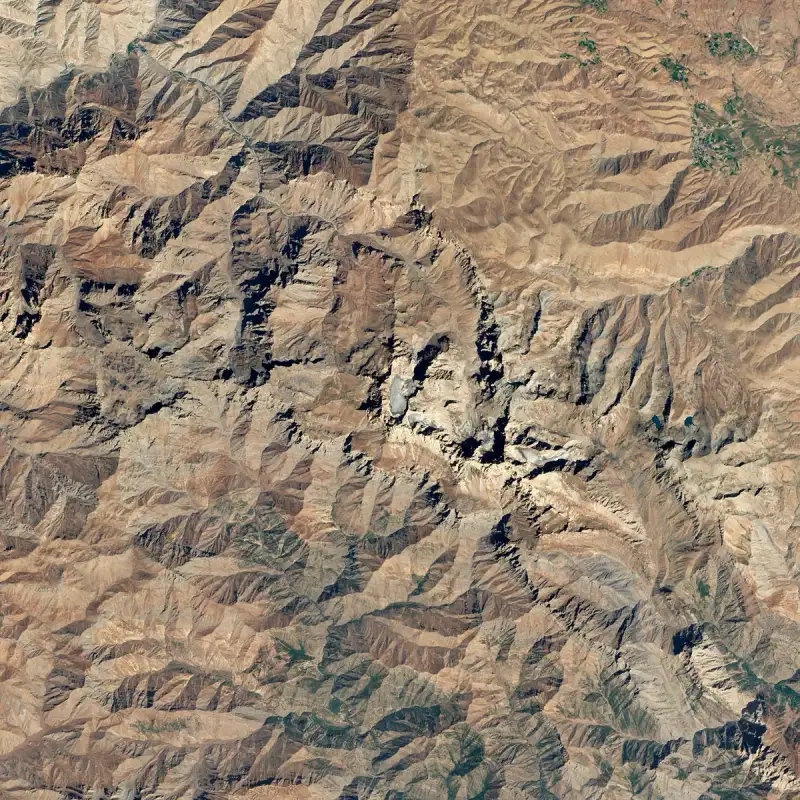
The world holds few landscapes as profoundly enigmatic and majestically silent as Mount Ararat. It rises from the high Anatolian plateau like a colossal sentinel, its snow-crowned summit piercing the azure sky with an almost mythical defiance. For millennia, this dormant stratovolcano, Turkey's highest peak at 5,137 meters (16,854 feet), has captivated human imagination, serving as a beacon for spiritual seekers, ambitious climbers, and relentless truth-finders. It is more than just a mountain; it is a repository of #ancient lore, a testament to geological power, and a crucible of enduring mysteries that beckon the curious soul. My #journey to the shadow of Ağrı Dağı, as it is known in Turkish, was not merely a physical trek but an expedition into the depths of legend itself. The crisp, thin air carried whispers of ages past, of floods and ancient mariners, of empires that rose and fell in its gaze. Standing at its base, the sheer scale is overwhelming. Its twin peaks – Greater Ararat and the slightly smaller, equally imposing Lesser Ararat – dominate the horizon, a perpetually frosted vision that feels both ancient and eternally young. It is here, amidst this stark beauty, that the most compelling of Ararat’s mysteries begins to unfurl: the enduring quest for Noah’s Ark. The Biblical Quest: On the Trail of Noah's Ark Few biblical narratives grip the modern imagination with the force of the Great Flood and the epic voyage of Noah's Ark. The Book of Genesis (8:4) famously states that "the ark rested in the seventh month, on the seventeenth day of the month, upon the mountains of Ararat." This single verse has spawned centuries of fervent expeditions, meticulous research, and passionate belief, turning Mount Ararat into the ultimate archaeological treasure hunt. The allure is undeniable. Imagine, for a moment, stumbling upon the petrified remains of an immense wooden vessel, a relic from a time before recorded #history, perched precariously on a high, remote flank of the mountain. Such a discovery would not only rewrite archaeological textbooks but profoundly impact theological understanding globally. This dream has fueled countless adventurers, from the earliest Byzantine chroniclers to contemporary satellite imagery analysts. One of the earliest recorded claims comes from the 5th-century Armenian historian Faustus of Byzantium, who spoke of a fragment of the Ark kept in a monastery. Marco Polo, in his 13th-century travelogue, The Travels of Marco Polo, noted that "on the top of it [Ararat] no man can ever stay... for it is always covered with snow, and no one can ascend it; and they say that Noah's Ark is there." Such accounts cemented Ararat's place in the collective consciousness as the Ark's most probable resting place. Modern searches gained significant traction in the 20th century. In 1916, Russian aviator Vladimir Roskowitsky reportedly sighted an ark-like structure while flying over Ararat during World War I, although his claims lack concrete verification. Later, in the 1950s, French industrialist Fernand Navarra claimed to have found hand-hewn timbers on the mountain, which radiocarbon dating placed at around 5,000 years old – a date that, tantalizingly, aligns with flood narratives. Navarra’s findings, however, were small fragments and their origin on the mountain remains debated by critics. Perhaps the most famous modern "sightings" revolve around the "Ararat Anomaly" – a distinct, boat-shaped formation captured in aerial photographs taken by the US Air Force in 1949 and later by satellite imagery. Located on the northwestern plateau of Greater Ararat at an altitude of approximately 4,724 meters (15,500 ft), this anomaly has been a persistent target for expeditions. While its shape is undeniably suggestive, geological studies largely attribute it to natural rock formations, possibly shaped by glacial erosion or mudflows. The area is notoriously difficult to access, and permissions for thorough on-site investigations are often complex due to the mountain's sensitive geopolitical location. Another prominent figure in the Ark quest was Ron Wyatt, an American adventurer who claimed to have found the Ark at a site called Durupınar, in the Tendürek Mountains, approximately 29 kilometers (18 miles) south of Mount Ararat's summit. This site, a boat-shaped depression, has also been widely investigated, with some proponents citing geological anomalies and "deck timber" patterns. However, mainstream geologists and archaeologists have consistently dismissed the Durupınar formation as a natural geological feature, with no evidence of ancient timber or human construction. The scientific consensus remains that these features are natural formations, and the absence of definitive, verifiable proof continues to plague all Ark claims. The challenges in finding the Ark are immense. If a wooden vessel did survive, it would have endured millennia of extreme weather, glacial movements, seismic activity (Ararat is a volcano in an active fault zone), and decay. Wood exposed to these conditions would likely have petrified or disintegrated long ago. Furthermore, the term "mountains of Ararat" in Genesis might not refer to the specific peak we know today, but rather to the wider Urartu region – an ancient kingdom spanning parts of modern-day Turkey, Armenia, and Iran. This geographical ambiguity further complicates the search. Regardless of the scientific skepticism, the quest for Noah's Ark continues to draw people to Ararat, imbuing the mountain with a unique spiritual charge. For many, the very act of seeking is a pilgrimage, a reaffirmation of faith in the face of colossal odds.A Geological Marvel: Ararat's Volcanic Heart Beyond its mythical mantle, Mount Ararat stands as a profound testament to the Earth's raw, formative power. It is a stratovolcano, a conical volcano built up by many layers of hardened lava, tephra, pumice, and volcanic ash. Its sheer size and symmetrical form are products of millions of years of geological activity, an architect of its own destiny. Greater Ararat is the largest single-mass mountain in Turkey, rising dramatically from a plateau that is already around 800 meters (2,600 feet) above sea level. Its younger sibling, Lesser Ararat (3,896 meters / 12,782 feet), lies southeast of the main peak, separated by the Sardarbulak pass, a saddle at about 2,687 meters (8,816 feet). Both are considered dormant, though not entirely extinct. Ararat's last known significant eruption occurred in 1840, an event that ravaged the region around the village of Akhuri, which lay on its northern slope. This catastrophic eruption, accompanied by a major earthquake, caused devastating mudslides and avalanches, burying the village and a monastery, killing hundreds. This event serves as a stark reminder of the mountain's inherent power and its capacity for destruction, even in its slumber. The geology of Ararat also plays a role in the Ark mystery. The mountain is composed primarily of Cenozoic volcanic rocks, including basalt, andesite, and dacite. Its slopes are scarred by ancient lava flows and glacial valleys, some of which persist year-round above 3,500 meters (11,500 feet). The ever-present snow and ice caps are vital for local ecosystems, feeding streams and rivers that flow through the arid landscape below. The dynamic #nature of these glaciers and the mountain's seismic activity mean that any ancient wooden structure would have been subjected to immense pressures, potentially crushed, covered, or moved significantly over the millennia. The landscape itself is a living, changing entity, not a static stage. Exploring the lower flanks of Ararat, one encounters a diverse range of microclimates. The arid steppe gives way to sparse shrubland, then alpine meadows teeming with unique flora and fauna during the short summer months. Higher up, the terrain becomes increasingly barren, a desolate realm of scree, rock, and eternal ice. This ecological transition paints a vivid picture of the mountain's immense vertical relief and its role as an ecological island in a vast, dry region. Climbing Ararat: A Pilgrim's Journey For many, including myself, the true way to connect with Ararat's essence is to ascend its formidable slopes. The climb is not merely an athletic endeavor; it is a pilgrimage, a communion with nature, and a profound personal challenge. It requires respect, preparation, and an understanding of the mountain's unpredictable temperament. Permits are essential for climbing Ararat, and they must be obtained through licensed Turkish #travel agencies. The mountain lies within a sensitive border region, and security considerations are paramount. Most expeditions depart from the dusty, bustling town of Doğubayazıt, a gateway town steeped in its own history, dominated by the magnificent Ishak Pasha Palace. Here, local Kurdish guides, who possess an unparalleled knowledge of the mountain and its moods, become indispensable companions. Their wisdom, passed down through generations, is as valuable as any piece of high-tech gear. My own ascent, or at least the imagined journey I've crafted from extensive research and the accounts of those who have reached its summit, begins with the familiar rumble of a four-wheel drive traversing rough tracks. The initial climb passes through a stark, almost lunar landscape, punctuated by the occasional yurt of semi-nomadic shepherds tending their flocks. The air, initially warm, begins to thin and cool perceptibly. Base camp, typically around 3,200 meters (10,500 feet), is a humble affair of tents, warmed by the camaraderie of fellow climbers from across the globe. Here, the sheer scale of the mountain becomes even more apparent, its summit still a distant, intimidating goal. Acclimatization is key; the "climb high, sleep low" principle is strictly adhered to, with day hikes to higher altitudes followed by descents back to base camp to allow the body to adjust to the reduced oxygen levels. The real challenge begins with the push to high camp, often around 4,200 meters (13,800 feet). This involves navigating rockfall-prone scree slopes and steep ascents. The air is noticeably colder, the wind more biting. Each step is a conscious effort, a dialogue between mind and body. The simplicity of life at high camp – hot tea, freeze-dried meals, and the shared anticipation – fosters a unique bond among climbers. The summit push is the climax, usually starting in the early hours of the morning, long before dawn. Under a canopy of brilliant stars, headlamps bob rhythmically as climbers begin their slow, steady ascent. The lower slopes of the summit pyramid are often a mix of loose scree and patches of hard-packed snow. As one ascends higher, crampons and ice axes become essential as the terrain transitions to steep, icy slopes. The oxygen deprivation is palpable, each breath a struggle, but the reward awaiting at the top fuels the determination.Finally, as the sun begins to paint the eastern sky in hues of orange and purple, the world unfurls beneath you. From the summit of Greater Ararat, the view is nothing short of transcendent. The plains of Iran stretch eastward, the distant peaks of Armenia to the north, and the vast Anatolian plateau to the west. Lesser Ararat stands proud beside you, now a fellow peak rather than a distant goal. The curvature of the Earth is almost visible, and the feeling of standing atop this legendary mountain, touching the sky where myth and history converge, is a profound and humbling experience. It is a moment of pure, unadulterated awe, a memory etched deeply into the soul. The Cultural Tapestry and Geopolitical Significance Mount Ararat is more than a geographical feature or a biblical enigma; it is a cultural touchstone woven into the fabric of multiple nations and peoples. Its presence in this volatile corner of the world – where Turkey, Armenia, and Iran converge – imbues it with a complex geopolitical significance. For Armenians, Mount Ararat is a sacred national symbol. Although it lies within the borders of modern Turkey, it is indelibly etched into Armenian identity and history. From virtually any vantage point in Yerevan, the capital of Armenia, the majestic twin peaks of Ararat dominate the horizon, a constant, poignant reminder of ancestral lands and a rich, often turbulent, past. It appears on Armenian coats of arms, banknotes, and countless works of art. Its presence serves as both a source of pride and a symbol of longing. In Turkey, Ararat is known as Ağrı Dağı, the "Mountain of Ağrı" (after the province) or sometimes colloquially as the "Mountain of Pain," perhaps referencing its formidable nature or the historical events that have unfolded around it. It is a source of national pride, the country's highest point, and a challenging frontier for adventure tourism. The region around it, particularly the provinces of Ağrı and Iğdır, is predominantly Kurdish, and the local Kurdish population plays a crucial role in expeditions, providing guiding services, porters, and logistical support. Their intimate knowledge of the mountain, its weather patterns, and its hidden paths is invaluable. Historically, the area surrounding Ararat has been a crossroads of civilizations. The ancient Urartian kingdom (9th-6th centuries BCE) thrived in this region, building impressive fortresses and cities. Later, Persians, Romans, Byzantines, Arabs, Mongols, and Ottomans all cast their shadow upon the mountain, each leaving an indelible mark on the cultural landscape. The strategic importance of this high ground, overlooking vital trade routes and fertile plains, meant it was continuously contested. Today, the mountain's proximity to international borders adds layers of complexity to any travel or research. Permissions are tightly controlled, and travelers are advised to adhere strictly to regulations. The cultural interactions, however, are deeply enriching. Engaging with local villagers, sharing chai in their humble homes, and witnessing their resilient, pastoral way of life offers a window into a world deeply connected to the land and the rhythms of nature, a world largely unchanged by the clamor of the modern age.Other Myths, Legends, and the Enduring Spirit While Noah's Ark dominates the narrative of Ararat's mysteries, the mountain is also home to a myriad of other myths and legends, reflecting the diverse cultures that have revered it over millennia. Before the advent of Abrahamic religions, mountains were often seen as dwelling places of gods, conduits to the heavens, or sacred sanctuaries. Ararat, with its imposing height and dramatic presence, was undoubtedly considered such a place. Local folklore speaks of spirits guarding its slopes, of hidden treasures, and of mystical properties attributed to its waters and rocks. Kurdish legends sometimes connect the mountain to ancient heroes and mythical beasts, echoing the deep animistic beliefs that predate organized religions. These stories, passed down through generations, paint a picture of a living, breathing entity, not just a geological mass. The enduring spirit of Ararat lies not just in its unsolved puzzles or its physical grandeur, but in its capacity to inspire awe and introspection. It forces a confrontation with the ancient, with the vastness of time and the power of natural forces. Whether viewed from the bustling streets of Yerevan, the arid plains of Eastern Turkey, or from its own snow-swept summit, Ararat compels us to look beyond the immediate, to ponder the origins of humanity, the forces that shape our world, and the stories we tell ourselves to make sense of it all. The Experience of Being There: A Profound Resonance To truly grasp the essence of Mount Ararat is to experience it, to feel the wind whip across its slopes, to gaze up at its impossibly distant summit, or to stand atop it and survey the world. The sensory impact is profound: the thin, sharp air that bites at exposed skin, the blinding brilliance of snow under a relentless sun, the deep, echoing silence broken only by the crunch of boots on ice or the distant cry of a raptor. There is a humility that comes with being in the presence of such an ancient and monumental landscape. It strips away the superficial concerns of daily life, inviting contemplation on a grander scale. The very act of traveling to this remote corner of the world, of undertaking the physical and mental challenge of the climb, becomes a transformative experience. As Cemre Seyyah, I have chased stories across continents, but few places have resonated with the primal force of Mount Ararat. It is a place where faith and science dance a delicate, unresolved ballet; where history is etched into the very rock; and where the human spirit is tested and often, renewed. It is a reminder that some mysteries are perhaps meant to remain, to keep us curious, to keep us searching, and to keep us dreaming of what lies beyond the visible horizon. Mount Ararat is not just a mountain; it is an invitation to explore the deepest recesses of our planet and ourselves. To visit Ararat is to step into a living legend, to trace the footsteps of explorers and pilgrims, and to feel the heartbeat of an ancient land. Whether you seek the biblical Ark, the geological wonders, or simply the unparalleled adventure of a high-altitude climb, Ararat promises an unforgettable journey into the heart of an enduring mystery. It challenges, it inspires, and it remains, forever, shrouded in a captivating veil of snow, sky, and stories untold. #MountArarat #TravelTurkey #Noah'sArk #AdventureTravel #MysteryExploration #travel #explore #guide Related InsightsIl Palatino: Il Colle degli Imperatori Moscow Red Square Il Faro di Ercole e i Giganti Luminosi Dimenticati dell'Oceano: Un Viaggio Tra i Guardiani Romani dell'Infinito Atlantico{ "@context": "https://schema.org", "@type": "FAQPage", "mainEntity": [ { "@type": "Question", "name": "What is the main focus of Mount Ararat Mysteries?", "acceptedAnswer": { "@type": "Answer", "text": "A deep dive into Mount Ararat Mysteries with Cemre Seyyah." } }, { "@type": "Question", "name": "Who authored the comprehensive guide on Mount Ararat Mysteries?", "acceptedAnswer": { "@type": "Answer", "text": "This detailed article and its insights were carefully researched and authored by Cemre Seyyah." } }, { "@type": "Question", "name": "Where can I find more related content about Travel?", "acceptedAnswer": { "@type": "Answer", "text": "You can explore more articles, detailed reviews, and similar insights by browsing the Related Insights section at the bottom of this article or visiting our dedicated Travel category page." } } ] }
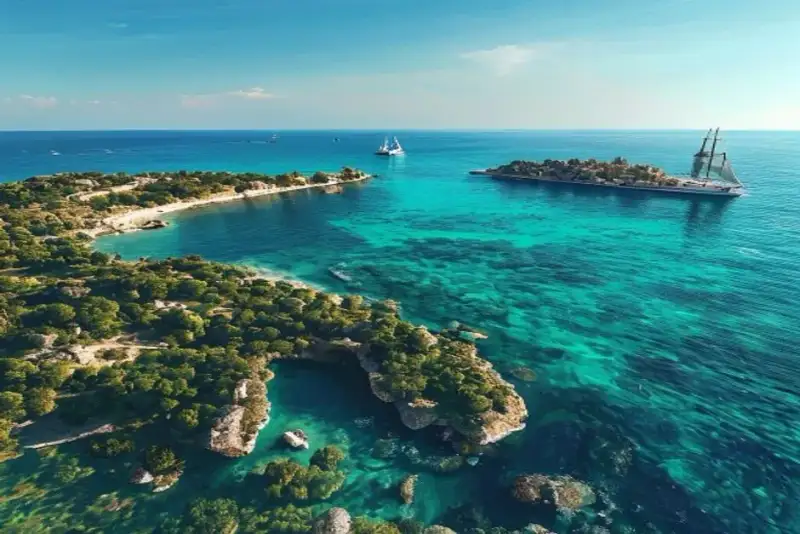
The scent of sun-warmed pine needles, mingled with the faint, invigorating tang of sea salt, is often the first embrace the Aegean offers. It’s a sensory overture to a land where antiquity breathes alongside the modern, where turquoise waters lap at shores steeped in myth, and where every winding road promises a new discovery. This isn't merely a destination; it is an immersive #journey into the very cradle of civilization, a vibrant tapestry woven from millennia of #history, breathtaking natural beauty, and a culinary tradition as rich and varied as its landscapes. Welcome, fellow wanderers, to the boundless wonders of the Turkish Aegean. #AegeanDreams İzmir: The Pearl of the Aegean Our odyssey begins in İzmir, a city often overlooked by those rushing to the more celebrated ruins or resort towns, yet one that pulses with its own unique rhythm and charm. As Turkey's third-largest city, İzmir is a modern metropolis that effortlessly blends its deep historical roots with a contemporary, outward-looking spirit. A stroll along the Kordon, its magnificent waterfront promenade, is a quintessential İzmir experience, offering panoramic views of the bay and a vibrant social scene where locals gather from dawn till dusk. The city's beating heart can be found in Konak Square, dominated by the iconic Clock Tower, a #beautiful Ottoman-era landmark that has stood watch over countless generations. Nearby, the bustling Kemeraltı Bazaar is a sensory overload in the best possible way – a labyrinthine maze of stalls selling everything from spices and textiles to jewelry and local handicrafts. Here, the aroma of roasting coffee mixes with exotic perfumes, and the clamor of vendors creates a symphony of urban life. #IzmirLife Delving deeper, İzmir reveals its #ancient past in fragments. The Kadifekale, or "Velvet Castle," perched atop Mount Pagos, offers not only a glimpse into the city's Hellenistic and Roman foundations but also unparalleled vistas across the entire Gulf of İzmir. Below, the #ancient Agora of Smyrna whispers tales of a vibrant market and administrative center that thrived here for centuries. İzmir is also a fantastic base for exploring the surrounding regions, offering excellent transport links to a wealth of historical and natural attractions. It’s a city that embodies the Aegean spirit: warm, welcoming, and deeply rooted in its heritage, yet ever-evolving. The Echoes of Grandeur: Pergamon and Troy Venturing north from İzmir, the landscape transforms into rolling hills carpeted with olive groves, leading us to sites of astounding historical significance. Our first major stop is Pergamon (Bergama), a city that once rivaled Alexandria in its intellectual and cultural prowess. Perched majestically on a dramatic acropolis, the ruins of Pergamon are a testament to the Hellenistic Attalid dynasty’s ambition and sophistication. The sheer scale of the Theatre of Pergamon, carved into the hillside with a breathtakingly steep incline, leaves an indelible impression, offering views that sweep across the modern town below. It truly feels like stepping back in time to witness ancient dramas unfold. #AncientCivilizations But Pergamon’s fame wasn’t just for its theatre. It was home to one of the ancient world’s largest libraries, second only to Alexandria, rumored to have contained over 200,000 scrolls. It was here, so the legend goes, that parchment (pergamena) was invented as an alternative to papyrus when the Egyptians cut off supply. While the library itself is gone, the foundations of the magnificent Altar of Zeus (parts of which are now in #Berlin's Pergamon Museum) still evoke the city's religious fervor and artistic achievements. Down in the valley lies the Asclepeion, an ancient medical center dedicated to Asclepius, the god of healing. It was a sophisticated complex, akin to a spa and sanatorium, where patients underwent treatments involving dream interpretation, mud baths, and therapeutic exercises. The peaceful, spiritual atmosphere of this ancient healing sanctuary is palpable even today. #UNESCOWorldHeritage Further north, past the Dardanelles, lies the legendary city of Troy (Troia). While perhaps not as visually striking as Ephesus or Pergamon in terms of preserved structures, its significance is immeasurable. The layers of excavation, spanning over 5,000 years of habitation, tell a complex story of nine cities built one upon another, each bearing witness to different eras. It's a place where myth intertwines with archaeology, where Heinrich Schliemann's controversial excavations brought Homer's epic tales to life. Walking through the ruins, imagining the clash of Achilles and Hector, seeing the defensive walls, and standing by the symbolic Trojan Horse replica, one can't help but feel a profound connection to human #history and storytelling. Troy reminds us of the enduring power of narrative and the relentless march of time. #HomericTales Coastal Charms: Çeşme and Alaçatı Returning to the coast, the atmosphere shifts from profound history to vibrant, sun-drenched leisure. The Çeşme Peninsula, easily accessible from İzmir, is a jewel of the Aegean, known for its pristine beaches, thermal springs, and charming towns. Çeşme itself boasts a formidable Ottoman castle, offering superb views and housing an archaeological museum. The town's marina buzzes with activity, and its streets are lined with boutiques and seafood restaurants serving the freshest catches. Just a short drive inland, Alaçatı emerges as a quintessential Aegean dream. This once-sleepy Greek village has been lovingly restored, its cobblestone streets winding past stone houses adorned with vibrant bougainvillea. Boutique hotels, artisanal shops, and chic cafés have replaced traditional homes, creating an atmosphere of sophisticated bohemianism. Alaçatı is particularly famous for its windsurfing and kitesurfing conditions, drawing enthusiasts from around the globe to its shallow, breezy bay. Even for those not chasing the wind, the town's charm, exquisite local cuisine (especially its mastic-infused delicacies), and laid-back yet stylish ambiance make it an irresistible stop. The scent of jasmine and the distant clatter of cafe life create an intoxicating blend. #WindsurfingParadise #BoutiqueTravelThe Cradle of Civilization: Ephesus and Its Neighbors South of İzmir, a region unfolds that is arguably the historical heartland of the Turkish Aegean. Here, amidst olive groves and citrus orchards, lie some of the most spectacular archaeological sites in the world, none more magnificent than Ephesus. Ephesus (Efes) is not merely a ruin; it is a meticulously excavated city frozen in time, offering an unparalleled glimpse into Roman life. Once a bustling port city and the Roman capital of Asia Minor, its grandeur is still breathtaking. Walking down the marble-paved Curetes Street, flanked by grand monuments and adorned with intricate carvings, one can almost hear the echoes of ancient footsteps. The scale of the Great Theatre, capable of holding 25,000 spectators, is immense, and its acoustics are still remarkably functional today. This theatre wasn't just for plays; it witnessed gladiatorial contests and, famously, the riot stirred by Demetrius against St. Paul. #EphesusWonders The undisputed jewel of Ephesus is the Celsus Library. Its two-story facade, meticulously reconstructed with its ornate niches, statues of virtues, and grand columns, is a masterpiece of Roman #architecture. It served as both a library and a monumental tomb for Tiberius Julius Celsus Polemaeanus, the former governor of Asia. Nearby, the Terrace Houses offer a fascinating insight into the daily lives of wealthy Ephesians. These multi-story residences, adorned with stunning mosaics, frescoes, and sophisticated heating systems, paint a vivid picture of domestic luxury in the Roman era. The attention to detail, from the public latrines with their ingenious plumbing to the detailed commercial signs along the main thoroughfares, brings this ancient metropolis truly to life. Beyond the city proper, the remnants of the #temple of Artemis, one of the Seven Wonders of the Ancient World, now stand as a solitary column, a poignant reminder of its former glory. While little remains of the #temple itself, its historical significance as a major cult center dedicated to the Anatolian mother goddess Cybele, later syncretized with Artemis, is immense. Close by, the House of the Virgin Mary (Meryem Ana Evi) offers a place of pilgrimage, believed by many to be where Mary spent her final years. The blend of pagan and early Christian history in this region is profound. #HistoryBuffA short distance from Ephesus lies Şirince, a charming village nestled in the hills, known for its traditional Greek-style houses, local olive oil, and renowned fruit wines. It's a delightful contrast to the grandeur of Ephesus, offering a taste of rural Aegean life and hospitality. The "sacred way" continues south, leading to the trio of ancient Ionian cities: Priene, Miletus, and Didyma. Priene, dramatically situated on a steep hillside, is a remarkably well-preserved example of Hellenistic urban planning. Its grid layout, small but perfectly formed theatre, and the elegant Temple of Athena Polias offer a more intimate archaeological experience. The city’s strategic location overlooking the Meander River plain once gave it a vital connection to the sea, now long receded. Miletus, once a powerful maritime city and a pioneer of scientific thought (home to Thales, Anaximander, and Anaximenes), now lies inland due to siltation from the Meander River. Its magnificent theatre, a Roman reconstruction, is its most impressive feature, but the ruins of its agora, baths, and the Faustina Baths complex still speak of its former glory as a center of philosophy and commerce. Finally, Didyma is home to the colossal Temple of Apollo, a truly awe-inspiring sight. Though never fully completed, its scale and the surviving massive columns are breathtaking. This was once a revered oracle site, second only to Delphi, where pilgrims would consult the oracle for prophecies. Standing amidst these gargantuan remnants, one feels the sheer ambition and spiritual devotion of the ancient world. #ArchaeologicalWonders The Cotton Castle and Ancient Spa: Pamukkale and Hierapolis While technically a bit inland from the immediate Aegean coastline, Pamukkale is an indispensable stop for anyone exploring this region, often combined with visits to Ephesus. The name "Pamukkale" translates to "Cotton Castle," a perfectly apt description for its ethereal, snow-white travertines. These geological formations are created by the calcium-rich thermal waters cascading down the hillside, forming dazzling terraces and pools. Bathing in these warm, mineral-rich waters, believed to have healing properties, is an experience that transcends the ordinary. #ThermalSprings Perched above this natural wonder lies the ancient city of Hierapolis. Founded as a healing spa town in the 2nd century BCE, its ruins are vast and impressive. The sprawling necropolis, with its diverse tombs and sarcophagi, is one of the largest in Anatolia. The grand Roman theatre of Hierapolis is remarkably well-preserved, offering stunning views over the travertines and the surrounding valley. Exploring the remains of its elaborate bath complexes, temples, and the thermal springs that still bubble forth, one gains a profound appreciation for the ancient belief in the restorative power of water. Pamukkale and Hierapolis together form a truly unique #UNESCO World Heritage site, a testament to both #nature's artistry and human ingenuity. #NaturePhotographyBodrum: The White City of Endless Summers Heading further south along the Aegean, we arrive at Bodrum, a name synonymous with chic holidays, vibrant nightlife, and a captivating blend of history and hedonism. The "White City," as it’s often called due to its whitewashed houses cascading down to the shimmering sea, has long been a magnet for artists, intellectuals, and jet-setters. At the heart of Bodrum lies the magnificent Castle of St. Peter, a Crusader fortress built by the Knights Hospitaller in the 15th century. Today, it houses the superb Museum of Underwater Archaeology, one of the most significant museums of its kind in the world. Its exhibits, salvaged from ancient shipwrecks off the Turkish coast, include incredible artifacts from the Bronze Age to the Ottoman period, offering a tangible connection to the region's maritime heritage. The sheer craftsmanship of the artifacts, from Uluburun shipwreck treasures to ancient amphorae, is awe-inspiring. #UnderwaterArchaeology Bodrum's history also stretches back to antiquity as Halicarnassus, home to one of the Seven Wonders of the Ancient World: the Mausoleum at Halicarnassus. While only foundations remain, the site still evokes the grand scale of this elaborate tomb built for Mausolus. Beyond history, Bodrum pulses with a contemporary energy. Its marina is filled with luxurious yachts and traditional wooden gulets, inviting visitors to embark on blue cruises to explore hidden coves and nearby islands. The town's bazaar is a lively place for shopping, and its nightlife, centered around Bar Street, is legendary. From sophisticated beach clubs to traditional meyhanes, Bodrum caters to every taste, seamlessly blending its ancient past with a glamorous present. It's a place where you can spend your mornings exploring ancient ruins and your afternoons sunbathing on a pristine beach, followed by an evening of gourmet dining and lively entertainment. #BodrumNights The Serenity of the Southern Aegean: Akyaka and Datça For those seeking a quieter, more natural side of the Aegean, the regions around Akyaka and the Datça Peninsula offer a soothing balm. Akyaka, nestled at the head of the Gulf of Gökova, is a charming town known for its unique #architecture, where traditional local designs blend seamlessly with modern comfort. It’s a haven for #nature lovers, with the tranquil Azmak River offering boat trips through crystal-clear waters teeming with fish, shaded by ancient trees. The surrounding pine forests are perfect for hiking and cycling, and the area is a protected natural site, ensuring its pristine beauty is preserved. It's a slower pace of life, where the symphony of cicadas and the gentle lapping of waves set the rhythm. Further west, the Datça Peninsula juts out into the Aegean, a rugged finger of land renowned for its untouched beauty, almond trees, and pristine coves. Driving along the winding roads of Datça is an experience in itself, revealing breathtaking vistas at every turn. At its very tip lies Knidos, another significant ancient city, once a center for art and science, home to the famous Aphrodite of Knidos statue by Praxiteles. The ruins, including a well-preserved theatre and two harbors, are spectacularly situated at the confluence of the Aegean and Mediterranean, offering dramatic views. Datça offers a truly escape-from-it-all vibe, perfect for unwinding, swimming in secluded bays, and savoring fresh, simple Aegean cuisine. #UntouchedBeauty The Aegean Palate: A Culinary #journey No exploration of the Aegean is complete without diving deep into its culinary heart. Aegean cuisine is a celebration of freshness, seasonality, and the bounty of both land and sea. It is light, healthy, and incredibly flavorful, heavily reliant on olive oil, fresh herbs, vegetables, and seafood. The star of the show, of course, is olive oil. The Aegean region is #Türkiye's premier olive-growing area, and the quality of its extra virgin olive oil is exceptional. It’s used generously in almost every dish, from the simplest salads to complex stews. Look for local olive oil tastings, especially around Ayvalık or the İzmir region, to truly appreciate its nuanced flavors. #OliveOilCulture Seafood is paramount. From grilled sea bream (çipura) and sea bass (levrek) to fried calamari (kalamar tava) and marinated octopus (ahtapot salatası), the options are endless and always incredibly fresh. Don't miss trying balık ekmek, a simple yet delicious fish sandwich often sold from street carts, particularly in coastal towns. Vegetables feature prominently, often prepared as zeytinyağlılar – dishes cooked in olive oil and served cold or at room temperature. Artichokes, green beans, okra, and zucchini are prepared with dill, lemon, and a generous drizzle of olive oil, embodying the essence of Mediterranean freshness. Otlar, wild edible greens foraged from the hillsides, are another local specialty, often sautéed or used in savory pastries. Mezes are an integral part of the Aegean dining experience. These small plates, ranging from creamy haydari (yogurt with garlic and mint) and spicy ezme (tomato and pepper paste) to stuffed grape leaves (yaprak sarma) and various eggplant dishes, are meant to be shared, fostering conversation and camaraderie. Accompany them with a glass of crisp local white wine, often from vineyards around İzmir or Bozcaada, or the anise-flavored spirit, rakı. Sweet treats often involve fruits, mastic, and tahini. Alaçatı is famous for its mastic ice cream and desserts, while the region’s figs, apricots, and peaches are heavenly when in season. The simplicity and purity of Aegean cuisine reflect the region itself: honest, wholesome, and profoundly satisfying. #AegeanCuisine Gulet Cruises: Sailing the Turquoise Coast One of the most iconic ways to experience the Aegean's unparalleled beauty is aboard a traditional wooden gulet. These charming, handcrafted motor-sailers offer "Blue Cruises" (Mavi Yolculuk) that explore the myriad coves, islands, and ancient ruins inaccessible by land. Departing from towns like Bodrum, Marmaris, or Fethiye, a gulet cruise is an invitation to slow down, disconnect, and immerse yourself in the rhythm of the sea. Days are spent swimming in secluded turquoise bays, snorkeling among vibrant marine life, sunbathing on deck, and enjoying delicious, freshly prepared meals under the open sky. Evenings bring stargazing away from city lights, with the gentle rocking of the boat lulling you to sleep. It's a timeless way to experience the Aegean, connecting you directly with its natural splendor and evoking the spirit of ancient mariners. Many routes include stops at charming fishing villages, ancient island ruins, and natural wonders, making each day an adventure. #GuletLife #TurquoiseCoast Practicalities for the Aegean ExplorerBest Time to Visit: Spring (April-May) and Autumn (September-October) offer pleasant temperatures, fewer crowds, and lush landscapes – ideal for sightseeing and hiking. Summer (June-August) is perfect for beach holidays and water sports, but popular areas can be crowded and hot. Getting Around: Rental cars offer the most flexibility for exploring the diverse landscapes and archaeological sites. Local dolmuş (shared minibuses) are efficient for shorter distances between towns. Major cities are connected by comfortable intercity buses. For islands, ferries and gulet cruises are the way to go. Accommodation: Options range from luxurious five-star resorts and boutique hotels in Alaçatı and Bodrum to charming guesthouses in Şirince and budget-friendly pensions. Local Etiquette: Turks are renowned for their hospitality. A simple Merhaba (hello) and Teşekkür Ederim (thank you) go a long way. Dress modestly when visiting mosques or religious sites. Haggling is common in bazaars but always with a smile.The Turkish Aegean Coast is more than just a geographical region; it is a profound journey through time and senses. It's where the whispers of ancient empires echo on marble streets, where the scent of wild herbs drifts over sun-drenched beaches, and where every meal is a celebration of life. From the intellectual heights of Pergamon to the hedonistic shores of Bodrum, from the serene beauty of Pamukkale to the vibrant markets of İzmir, this coast offers an unparalleled richness of experience. As Cemre Seyyah, I can tell you that few places on Earth captivate the soul so completely. Come, walk these ancient lands, sail these azure waters, and let the Aegean cast its irresistible spell upon you. #TravelTurkey #AegeanAdventure #travel #explore #guide Related InsightsGolden Ring Cities From Cliffside Villages to Fjord Horizons: Europe’s Most Breathtaking Coastal Drives Ilha da Madeira: O Jardim Flutuante do Atlântico{ "@context": "https://schema.org", "@type": "FAQPage", "mainEntity": [ { "@type": "Question", "name": "What is the main focus of Exploring the Aegean Coast?", "acceptedAnswer": { "@type": "Answer", "text": "A deep dive into Exploring the Aegean Coast with Cemre Seyyah." } }, { "@type": "Question", "name": "Who authored the comprehensive guide on Exploring the Aegean Coast?", "acceptedAnswer": { "@type": "Answer", "text": "This detailed article and its insights were carefully researched and authored by Cemre Seyyah." } }, { "@type": "Question", "name": "Where can I find more related content about Travel?", "acceptedAnswer": { "@type": "Answer", "text": "You can explore more articles, detailed reviews, and similar insights by browsing the Related Insights section at the bottom of this article or visiting our dedicated Travel category page." } } ] }

The air hung heavy with the scent of pine and distant citrus, a warm breeze whispering secrets through #ancient cypress trees. Beneath a sky of an impossibly vivid Aegean blue, a sprawling testament to human ingenuity and ambition lay waiting, its marble bones gleaming under the relentless sun. To step onto the hallowed ground of Ephesus is not merely to visit a ruin; it is to peel back the layers of millennia, to walk the very stones where emperors once strode, philosophers debated, and gladiators bled. It is to feel the persistent hum of #history resonating from every worn column and crumbling archway, an invitation to a conversation across time. I have traveled the globe, sought out the echoes of civilizations past in countless corners, but few places possess the immediate, visceral impact of Ephesus. Located near the modern town of Selçuk in Turkey, this ancient city, once a bustling port and the jewel of Roman Asia, represents a pinnacle of Hellenistic and Roman urban planning and cultural sophistication. Its story is one of relentless ambition, profound spiritual fervor, catastrophic decline, and ultimately, a triumphant resurrection by the patient hands of archaeologists. The Grand Entrance: Through the Magnesian Gate My #journey into the heart of Ephesus began, as it often does for many, through the Magnesian Gate. This monumental entrance, while largely reconstructed, immediately sets the tone. It’s not just a passageway; it’s a portal. Passing beneath its imposing arch, one instantly sheds the modern world, the sounds of distant traffic fading, replaced by the crunch of gravel underfoot and the imagined clamor of an ancient metropolis. This was once the primary entry point for dignitaries and merchants, for legions returning from conquest, and for pilgrims seeking the famed #temple of Artemis. The path from the Magnesian Gate leads gradually downhill, allowing the city to unfold before you like a meticulously preserved stage set. On either side, the remnants of grandiose tombs and monuments hint at the city’s early wealth and the prominent families who once resided here. One can almost picture the stately procession, the chariots rumbling, their wheels carving the very ruts that are still visible in the marble streets. The Marble Majesty of Curetes Street As the main artery of ancient Ephesus, Curetes Street is where the city's pulse beat strongest. A magnificent thoroughfare paved entirely with polished marble, it stretches almost a kilometer, linking the Herculean Gate to the Library of Celsus. The sheer scale and opulence of this street are breathtaking. On either side, the foundations of shops, public buildings, and houses line the way, interspersed with monumental fountains and the pedestals of countless statues dedicated to emperors, gods, and prominent citizens. The name "Curetes" itself is a nod to a mythical priestly class associated with the cult of Artemis, and later, to a guild or association of city officials who likely had their offices along this very street. As you wander, notice the subtle details: the intricate carvings on the surviving architectural fragments, the drains running beneath the pavement, and the occasional mosaic pattern peeking through the dust. The street was meticulously designed, not just for practical use, but to impress, to project the power and prosperity of Ephesus. One of the most striking features along Curetes Street is the Fountain of Trajan. Though largely ruined, its scale suggests a multi-story monument, complete with a colossal statue of Emperor Trajan standing over a globe, symbolizing his dominion over the world. Water, a precious commodity, would have cascaded from its various spouts, offering refreshment and a visual spectacle. Imagine the citizens gathering here, exchanging news, children playing, and water vendors filling their amphorae. Further along, the Temple of Hadrian stands as a testament to the intricate artistry of Roman #architecture. Its small size belies its ornate beauty. The façade, a masterful blend of Corinthian columns and relief carvings, includes a magnificent arch depicting Tyche, the goddess of fortune, and a formidable Medusa head, perhaps intended to ward off evil. The four figures in the spandrels above the arch are believed to represent various mythological or historical figures, including possibly the founder of Ephesus, Androclus. It's a structure that demands a moment of quiet contemplation, a miniature jewel box of history.The Scholarly Heart: The Library of Celsus The undisputed star of Ephesus, and perhaps one of the most iconic images of the ancient world, is the Library of Celsus. Its façade, lovingly reconstructed from original fragments, stands as a testament to both Roman engineering and aesthetic brilliance. Built in 125 AD by Gaius Julius Aquila for his father, Tiberius Julius Celsus Polemeanus, a former governor of Asia, this was no ordinary library. It was also his monumental tomb, an honor rarely bestowed upon someone within a library. Celsus was interred in a sarcophagus beneath the central niche of the eastern wall. The library's two-story façade is a masterpiece of Roman Baroque style, employing optical illusions to make it appear even grander. The central entrance is larger, and the columns on the sides are slightly smaller, creating a sense of depth and perspective. Niches within the façade once held statues representing the virtues of Celsus: Sophia (Wisdom), Arete (Goodness), Ennoia (Thought), and Episteme (Knowledge). Imagine stepping inside, the cool air embracing you, scrolls meticulously stored in recessed wall niches, scholars poring over texts, and the scent of aged papyrus filling the air. It is estimated to have held around 12,000 scrolls, making it one of the largest libraries in the Roman world, second only to Alexandria and Pergamon. Standing before it, one can almost hear the rustle of papyrus, the quiet murmur of intellectual discourse, and feel the weight of countless stories and treatises that once filled its shelves. It’s a powerful reminder that Ephesus was not just a commercial hub, but also a center of learning and #culture. The Roar of the Crowd: The Great Theatre Directly opposite the Library of Celsus, and connected by a grand processional street known as the Marble Street, lies the colossal Great Theatre. Carved into the side of Mount Pion, this amphitheater could accommodate an astounding 25,000 spectators, making it the largest in ancient Anatolia. Its sheer scale is awe-inspiring. Originally built in the Hellenistic period, it was extensively remodeled and expanded by the Romans between 41 AD and 117 AD. The tiered seating rises steeply, offering spectacular views not just of the stage, but also, in ancient times, of the bustling harbor and the Aegean Sea beyond. The acoustics are still remarkable; a whisper from the stage can be heard with surprising clarity even from the topmost rows. This was the pulsating heart of Ephesian public life. It hosted not only theatrical performances and concerts but also gladiatorial contests, animal fights, and crucially, political and religious assemblies. It was here that the Apostle Paul famously faced a riot instigated by the silversmiths, whose livelihoods were threatened by his preaching against idol worship, specifically the cult of Artemis. The cries of "Great is Artemis of the Ephesians!" would have reverberated through these very seats. Climbing to the very top row, catching your breath as you turn to gaze out over the excavated city and the hazy plains beyond, is an unforgettable experience. You are standing where thousands once stood, united in shared spectacle, faith, or fury. Glimpses of Grandeur: The Terrace Houses While the public monuments of Ephesus are undeniably impressive, it is within the Terrace Houses that the true intimacy of daily Roman life in a wealthy city comes into vivid focus. These elite residential complexes, built into the slope of Mount Bülbül just above Curetes Street, were multi-story apartment blocks for the affluent Ephesians. Protected by a modern canopy, the ongoing archaeological work here has painstakingly revealed homes that once belonged to senators, merchants, and high-ranking officials. Walking through the designated walkways, peering into the excavated rooms, is like stepping into a time capsule. You see elaborate mosaic floors, depicting geometric patterns, mythological scenes, and everyday objects, all preserved with astonishing clarity. Fading frescoes still adorn walls, showcasing vibrant colors and intricate designs – birds, flowers, mythological figures, and even portraits. The houses featured sophisticated amenities for their time: hot and cold running water, private latrines, and even hypocaust heating systems, where hot air circulated beneath the floors and behind the walls.One can discern kitchens, dining rooms (triclinia) with their distinctive U-shaped seating arrangements, bedrooms, and even small private bath complexes. The sheer luxury and domestic comfort on display offer a poignant contrast to the public grandeur, providing a human dimension to the city's inhabitants. This is where families lived, children played, meals were shared, and private lives unfolded, far removed from the clamor of the theatre or the debates in the agora. It’s a powerful reminder that history is made not just by kings and battles, but by the quiet rhythm of daily existence. Sacred Sites and Civic Hubs Beyond the major highlights, Ephesus is dotted with numerous other significant structures that each tell a piece of its grand narrative:Prytaneion: Located near the upper agora, this was the city hall and administrative center, where the sacred flame of the city (maintained by the Curetes) burned eternally. Here, important civic decisions were made, and banquets were held for dignitaries. Odeon: A smaller, covered theatre near the Prytaneion, designed for musical performances, concerts, and more intimate council meetings. Its excellent acoustics suggest a focus on auditory pleasure rather than grand spectacle. Basilica Stoa: A long, colonnaded hall that served as a judicial and commercial center. Its grandeur emphasized the city's importance as a legal and economic power. Public Latrines: A remarkable example of Roman ingenuity and social custom. These communal toilets, complete with elaborate marble seating, were not just functional but also served as a social gathering place, a testament to the Roman appreciation for communal living, even in the most private of acts.The Ghost of a Wonder: The Temple of Artemis No discussion of Ephesus can be complete without acknowledging its most famous, yet almost entirely vanished, treasure: the Artemision, or the Temple of Artemis. Once one of the Seven Wonders of the Ancient World, it stood about 2 kilometers northeast of the city center. This colossal marble temple, dedicated to the Ephesian Artemis – a goddess blending Greek Artemis with an Anatolian mother goddess, often depicted with multiple breasts symbolizing fertility – was rebuilt multiple times over centuries, each iteration grander than the last. At its zenith, it was an unparalleled architectural marvel, boasting over 127 marble columns, each nearly 60 feet high, some adorned with intricate carvings. Pliny the Elder described it as "the most wonderful work of the Greeks." It drew pilgrims and worshipers from across the Hellenistic world, making Ephesus a spiritual powerhouse. Sadly, little remains today beyond a single re-erected column, assembled from fragmented pieces, standing in a marshy field. Its magnificent stones were plundered over centuries for other constructions, including Byzantine churches like the Hagia Sophia. Yet, even in its absence, the Artemision's ghost looms large over Ephesus, a powerful testament to the transience of even the grandest human endeavors, and a poignant reminder of its former glory as a center of cult worship. Ephesus and the Dawn of Christianity Beyond its pagan splendor, Ephesus played a pivotal role in the early history of Christianity. It was here that the Apostle Paul spent over two years during his missionary journeys in the mid-1st century AD, preaching, teaching, and establishing one of the earliest and most influential Christian communities. His Epistle to the Ephesians is a cornerstone of Christian theology. Later, the Apostle John is also believed to have lived and died in Ephesus. His presence, along with that of Mary, the mother of Jesus, further cemented Ephesus's importance in early Christian tradition. The Basilica of St. John, located on Ayasuluk Hill overlooking Ephesus (and near the site of the Artemision), stands as a magnificent testament to this legacy. Though mostly in ruins today, its impressive foundations and surviving columns give a sense of the immense scale of the basilica, built by Emperor Justinian in the 6th century over what was believed to be St. John's tomb. It was once as grand as Hagia Sophia itself. A short drive from the main site of Ephesus is the House of the Virgin Mary (Meryem Ana Evi), a small stone chapel believed by many, including several popes, to be the last residence of Mary, brought here by St. John after the crucifixion. It's a serene, deeply spiritual site that draws pilgrims from around the world, irrespective of their faith.The Decline and Rediscovery Ephesus's long and glorious reign eventually succumbed to a combination of factors. The most significant was the gradual silting of its harbor by the Cayster River. What was once a thriving port became an inland city, cutting off its vital trade artery. Earthquakes, political instability, and successive invasions also took their toll. By the 6th and 7th centuries AD, the city had largely been abandoned, its grand structures falling into decay, eventually buried under layers of earth. It wasn't until the late 19th century that archaeological excavations began in earnest, spearheaded initially by British and later by Austrian teams. These painstaking efforts, continuing to this day, have slowly unearthed and meticulously reconstructed the city, revealing the breathtaking urban landscape we see today. The work is ongoing, a testament to the dedication of generations of archaeologists who have breathed life back into these ancient stones. The Enduring Echoes To wander through Ephesus is to engage with a story of triumph and tragedy, of innovation and artistry, of faith and human endeavor. It is to feel the weight of countless lives lived, loves lost, empires built and shattered, all within the confines of these ancient walls. The sheer scale of the city, the sophistication of its engineering, and the enduring beauty of its art leave an indelible impression. It’s a place that transcends time, inviting contemplation on the cycles of history, the rise and fall of civilizations, and the enduring human spirit that seeks to build, to create, and to leave a mark. As the sun begins its descent, casting long shadows across the marble, the echoes of the past seem to grow louder. The imagined roar of the theatre, the murmur of the library, the footsteps on Curetes Street – they all converge into a single, profound sense of wonder. Ephesus isn't just a collection of ruins; it is a living, breathing testament to an age of unparalleled splendor, a timeless journey for any true wanderer. #EphesusTravel #AncientCities #RomanHistory #TurkishHeritage #TravelGuide #travel #explore #guide Related InsightsCarcassonne: Stepping Back into the Medieval World Svalbard: Arctic Adventures Beyond the Northern Lights – A Remote Paradise for Explorers and Digital Nomads (Part 2) Palawan’s Hidden Lagoons: The Philippines’ Most Breathtaking Coastal Escapes You Can’t Miss{ "@context": "https://schema.org", "@type": "FAQPage", "mainEntity": [ { "@type": "Question", "name": "What is the main focus of Wandering Through Ephesus?", "acceptedAnswer": { "@type": "Answer", "text": "A deep dive into Wandering Through Ephesus with Cemre Seyyah." } }, { "@type": "Question", "name": "Who authored the comprehensive guide on Wandering Through Ephesus?", "acceptedAnswer": { "@type": "Answer", "text": "This detailed article and its insights were carefully researched and authored by Cemre Seyyah." } }, { "@type": "Question", "name": "Where can I find more related content about Travel?", "acceptedAnswer": { "@type": "Answer", "text": "You can explore more articles, detailed reviews, and similar insights by browsing the Related Insights section at the bottom of this article or visiting our dedicated Travel category page." } } ] }

A whisper of mist, cool and laden with the scent of damp earth and verdant foliage, brushes against your face. Below, the #ancient, restless Black Sea stretches, a canvas of deep blues and slate grays. Yet, turn your gaze inland, and the world explodes into an unimaginable spectrum of green – a riotous, untamed, deeply humid green that clings to every mountainside, spills into every valley, and blankets the very soul of the landscape. This, my dear readers, is the legendary Black Sea Greenery, a realm where #nature's generosity knows no bounds, a living tapestry woven by relentless rain, fertile soil, and the enduring spirit of its people. As Cemre Seyyah, I have chased the sun across deserts, delved into the heart of bustling metropolises, and scaled snow-capped peaks. But there is a particular magic, a profound sense of awe, that the Black Sea’s eastern littoral ignites. It’s not merely green; it’s a thousand shades of emerald, jade, moss, and forest, so vibrant they almost hum with life. It is a region that defies expectations, challenging preconceived notions of a Mediterranean climate with its temperate rainforest characteristics. Prepare to #journey with me into this extraordinary corner of the world, where the mountains kiss the clouds and the land bursts forth in an unparalleled display of natural splendor. The Geographic Canvas: An Ode to Orogeny and Orographic Rain To truly appreciate the Black Sea's intense greenery, one must first understand the titanic geological forces that sculpted it. The backbone of this verdant paradise is the Pontic Mountains (Kuzey #Anadolu Dağları), a colossal range that runs parallel to the Black Sea coast of Turkey, extending into Georgia. These mountains are not merely hills; they are formidable barriers, often rising directly from the sea to elevations exceeding 3,000 meters (10,000 feet), with the Kaçkar Mountains (part of the Pontic range) peaking at nearly 3,937 meters (12,917 feet). This dramatic topography is the linchpin of the region's climate. Warm, moist air blowing in from the Black Sea encounters these towering peaks. As the air is forced upwards, it cools, condenses, and releases its moisture in the form of copious rainfall. This phenomenon, known as orographic precipitation, is the lifeblood of the Black Sea's greenery. The eastern Black Sea receives some of the highest rainfall in Turkey, often exceeding 2,000-2,500 millimeters (78-98 inches) annually in certain areas, particularly around Rize. This relentless moisture, combined with relatively mild temperatures, creates a climate akin to a temperate rainforest, fostering an ecological richness rarely seen outside tropical zones. Deep river valleys, carved over millennia by powerful rivers like the Fırtına (Storm), Çoruh, and Yeşilırmak, crisscross the landscape. These rivers cascade down from the mountains, often forming spectacular waterfalls, and transport nutrient-rich sediments to the lower plains. The valleys themselves are microcosms of the larger green ecosystem, acting as natural conduits for biodiversity and human settlement, with villages clinging precariously to their steep sides, seemingly swallowed by the omnipresent green. The very soil, often reddish and fertile, is a testament to the continuous breakdown of ancient volcanic and metamorphic rocks, further enriching the botanical tapestry. A Symphony of Flora: The Green Gold and Wild Wonders The sheer diversity of plant life in the Black Sea region is staggering, a testament to its unique climate and topography. From cultivated crops that form the economic backbone of the region to ancient forests teeming with endemic species, the flora is a defining characteristic of "Black Sea Greenery." The Emerald Harvest: Tea and Hazelnuts Perhaps the most iconic representation of the region's agricultural bounty is tea. The rolling hillsides of Rize, Turkey’s "Tea Capital," are a mesmerizing sight, terraced into geometric patterns of vibrant green. Tea cultivation here began in the 1930s, transforming an impoverished region into a thriving agricultural powerhouse. The unique climate – high rainfall, fertile soil, and frequent morning mists – proved ideal for growing tea. Turkish tea, or çay, is an inseparable part of daily life, served in distinctive small tulip-shaped glasses. A drive through Rize reveals endless tea plantations, where workers meticulously pluck the fresh leaves, a sight of rhythmic human interaction with nature's abundance.Equally vital to the Black Sea's economy and landscape are hazelnuts. Turkey is the world's largest producer of hazelnuts, with the provinces of Ordu and Giresun being the epicenters of this industry. Vast hazelnut groves, often resembling dense, low-growing forests, blanket the hills closer to the coast, their leaves a slightly different shade of green than the tea bushes, adding another layer to the region's multi-faceted palette. The harvest season, typically late summer, sees families gather to collect the nuts, a tradition deeply embedded in the local #culture. Beyond these giants, the region also cultivates kiwifruit, another testament to its favorable climate, as well as corn (a staple in the local diet, especially as corn bread, mısır ekmeği), and a variety of other fruits and vegetables that thrive in the rich soil. Ancient Forests and Wild Blooms Venture beyond the cultivated areas, and you step into a realm of primeval beauty. The higher elevations of the Pontic Mountains are home to magnificent old-growth forests, some of Europe's last remaining temperate rainforests. Here, towering beech, spruce, fir, chestnut, and hornbeam trees form dense canopies, their branches draped with mosses and lichens, creating an otherworldly, ethereal atmosphere. The undergrowth is thick with ferns, wild berries, and an astonishing array of wildflowers. One of the most spectacular floral displays occurs in late spring and early summer when the rhododendrons burst into bloom. Whole mountainsides transform into vibrant canvases of pink, purple, and white, a breathtaking sight that draws nature lovers and photographers from around the globe. These aren't just ornamental garden varieties; these are wild, resilient rhododendrons, a hallmark of the Pontic flora. The Kaçkar Mountains, in particular, are renowned for their incredible botanical diversity, boasting numerous endemic species. This biodiversity extends to medicinal plants, wild herbs, and mushrooms, which are still traditionally gathered by local communities. The Emerald Pathways: Exploring the Green Heartlands To truly immerse oneself in the Black Sea's greenery, one must venture into its various provinces, each offering a unique facet of this emerald wonderland. While the entire Black Sea coast from Bulgaria to Georgia shares a certain green character, the most iconic and intensely lush sections are found in the eastern Turkish provinces and extending into Georgia. Trabzon: Where #history Meets the Mist Trabzon, a historic port city, serves as a gateway to some of the most dramatic landscapes. Just inland, the Altındere Valley National Park cradles the legendary Sumela Monastery. Clinging precariously to a sheer cliff face at an altitude of 1,200 meters, Sumela is often shrouded in swirling mists, making it appear as though it has materialized directly from a dream. The monastery itself, with its intricate frescoes, is a marvel, but its setting – surrounded by dense, ancient forests and cascading waterfalls – is equally captivating. The hike up to the monastery, or even the drive through the national park, is an immersion in deep green. Further east from Trabzon, towards the border with Rize, lies Uzungöl. This alpine lake, nestled amidst towering green mountains, is a postcard-perfect scene. The dense forests descend right to the water's edge, and traditional wooden houses dot the slopes. While it has become a popular tourist destination, Uzungöl still retains an undeniable charm, especially early in the morning when the fog hovers over the lake, or after a fresh rain when the greens are at their most vibrant.Rize: The Heart of Tea Country and Wild Rivers Rize is synonymous with tea. Here, the terraced tea plantations stretch as far as the eye can see, creating a mesmerizing, undulating landscape of manicured green. But Rize is also home to the Fırtına Valley (Storm Valley), one of Turkey's premier destinations for adventure tourism. The Fırtına River, fed by countless mountain streams, rushes through a deep, forested gorge, offering exhilarating white-water rafting experiences. Along its banks, medieval stone arch bridges, remnants of ancient trade routes, provide picturesque photo opportunities, their weathered stones adorned with moss and ivy, blending seamlessly with the surrounding greenery. Higher up in Rize's mountains are the famous yaylas, or highland pastures. Ayder Yaylası is perhaps the most well-known, offering stunning views of the Kaçkar Mountains, thermal springs, and traditional wooden houses. While Ayder can get crowded, the journey there through lush valleys and past roaring waterfalls is breathtaking. For those seeking more solitude, numerous other yaylas like Pokut or Sal provide equally stunning vistas and a deeper connection to the local pastoral life, surrounded by a sea of green. Artvin: Untamed Wilderness and Kaçkar Majesty Artvin, bordering Georgia, represents the wildest and perhaps most pristine aspect of Black Sea greenery. It is less developed for mass tourism than Rize or Trabzon, offering an authentic, rugged experience. The Kaçkar Mountains National Park dominates the landscape here, a true paradise for trekkers and mountaineers. Glacial lakes sparkle amidst jagged peaks, while below, vast ancient forests remain largely untouched. The Çoruh River, known for its thrilling rafting opportunities, cuts through dramatic canyons, its banks lined with dense vegetation. The villages in Artvin, often built entirely from wood, blend harmoniously into the landscape, testaments to a life lived in tune with nature. This is where the green feels deepest, most ancient, and most formidable. Giresun and Ordu: Hazelnut Heaven and Coastal Charms Moving westwards, Giresun and Ordu offer a slightly different character, though no less green. These provinces are dominated by hazelnut groves, giving the hillsides a distinctive texture. Ordu, known as "The City with a Hundred Platters" due to its numerous plateaus (yaylas), offers easily accessible natural beauty. Boztepe, accessible by cable car, provides panoramic views of the city and the Black Sea, framed by verdant hills. Giresun's most famous feature is Giresun Island, the only island in the Turkish Black Sea, shrouded in myths and local folklore, and itself a small patch of green amidst the blue. The coastal areas here are often characterized by small, charming towns nestled between the sea and the green slopes, with cornfields and hazelnut orchards extending down to the shoreline. Life in the Green Embrace: Culture and People The intense greenery of the Black Sea is not just a backdrop; it is an intrinsic part of the region's cultural identity, shaping the lives, traditions, and even the temperament of its people. The Yaylas: A Summer Exodus The practice of transhumance, moving livestock to higher pastures during summer, is deeply ingrained in the Black Sea culture. The yaylas are more than just grazing lands; they are summer communities, often featuring traditional wooden houses (serender) built on stilts to protect from dampness and provide storage. Life on the yaylas is simpler, slower, and profoundly connected to the rhythms of nature. Families spend months there, tending to their animals, making butter and cheese, and enjoying the cooler mountain air. Visiting a yayla offers a glimpse into a way of life that has persisted for centuries, surrounded by uninterrupted vistas of emerald green, often punctuated by the vibrant hues of wild rhododendrons.A Cuisine Rooted in Greenery and the Sea The local cuisine is a delicious reflection of the abundant resources. Corn is king, appearing as mısır ekmeği (cornbread), a hearty staple, or as a base for dishes like mıhlama (also known as kuymak or muhlama), a delightful fondue-like dish made with cornmeal, local cheese, and butter. Fresh vegetables from the fertile valleys are widely used. Of course, the proximity to the sea means hamsi (anchovies) are a local obsession, prepared in countless ways – fried, baked, in rice, or even as a type of bread. And no meal is complete without copious amounts of Turkish tea, grown just outside the window, reflecting the region's "green gold." The food is hearty, comforting, and deeply flavorful, a perfect complement to the cool, moist climate. Music, Dance, and Warmth The Black Sea region has a distinct cultural flair. The kemençe, a small, three-stringed folk fiddle, produces a melancholic yet spirited sound that is the heart of local music. The horon, a fast-paced line dance, embodies the energetic and resilient spirit of the people, often performed with lively enthusiasm at weddings, festivals, and even impromptu gatherings. The people of the Black Sea are known for their strong sense of community, their quick wit, and a hospitality that, like their land, is rich and abundant. Despite the challenging terrain, they have carved out a vibrant existence, deeply proud of their unique heritage and their verdant homeland. Activities and Experiences: Diving into the Green The Black Sea's greenery offers a myriad of opportunities for adventure and introspection alike.Hiking and Trekking: The Kaçkar Mountains are a trekkers paradise, offering trails ranging from gentle day hikes to multi-day expeditions across high passes and past glacial lakes. Paths wind through ancient forests, across alpine meadows, and past remote yaylas, providing unparalleled views of the verdant landscape. White-water Rafting: The Fırtına River in Rize and the Çoruh River in Artvin are internationally recognized for their thrilling rafting and kayaking experiences. The sheer cliffs and dense forests that line the rivers add to the dramatic appeal. Paragliding: For a bird's-eye view of the green expanse meeting the blue sea, several locations, particularly around Ordu's Boztepe, offer paragliding opportunities, providing a truly unforgettable perspective. Cultural Exploration: Visiting tea factories in Rize offers insight into the production process, while exploring the stone arch bridges of Fırtına Valley or the ancient monasteries like Sumela provides a blend of history and natural beauty. Spending time in a local village or a yayla allows for genuine interaction with the local culture. Nature Photography: The ever-changing light, mist, and vibrant colors make the Black Sea a dream for photographers, from grand landscapes to intimate details of flora and fauna.Challenges and Conservation: Protecting the Emerald Gem While breathtaking, the Black Sea's intense greenery also presents challenges. The abundant rainfall can lead to frequent fog, making driving on narrow, winding mountain roads hazardous. Landslides are an unfortunate reality, especially after heavy rains, occasionally disrupting #travel. The climate can be unpredictable, with rapid changes from sunny to stormy within hours. More significantly, this unique ecosystem faces modern threats. Unregulated development, particularly for tourism, can put pressure on fragile natural areas. Climate change models suggest potential alterations to rainfall patterns, which could impact the delicate balance of the temperate rainforests. There is a growing awareness and effort towards conservation, with national parks and protected areas established to safeguard the region's extraordinary biodiversity and natural beauty. Sustainable tourism practices are crucial to ensure that future generations can also experience the profound wonder of the Black Sea's greenery. Preparing for the Green Journey To fully embrace the Black Sea's verdant charm, some preparation is key:Best Time to Visit: Late spring (May-June) offers blossoming rhododendrons and lush post-rain scenery. Summer (July-August) is warmer and drier (relatively), ideal for high-altitude trekking, though it can be busy. Early autumn (September-October) provides comfortable temperatures and #beautiful fall colors in some areas, though rain increases. What to Pack: Layers are essential. Waterproof and windproof jackets are non-negotiable. Comfortable, waterproof hiking shoes are a must. Bring a sturdy backpack, insect repellent, and a good camera. Don't forget an umbrella! Getting Around: A rental car offers the most flexibility for exploring the winding mountain roads and remote villages, but be prepared for steep climbs and sometimes challenging conditions. Local minibuses (dolmuş) connect larger towns and some yaylas.The Enduring Allure of the Emerald Coast The Black Sea Greenery is more than just a geographical feature; it is an experience, a feeling, a deep breath of clean, moist air. It is a world where nature truly reigns supreme, painting the landscape in a thousand shades of green, nurturing a unique culture, and offering endless discoveries to those willing to venture into its embrace. From the iconic tea fields of Rize to the ancient forests of the Kaçkars, from the misty serenity of Sumela to the vibrant life of the yaylas, this region promises an encounter with the wild, untamed heart of Anatolia. As I reflect on my journeys through these emerald pathways, I am reminded that true travel is about connecting – connecting with the land, with its people, and ultimately, with a deeper sense of self that only immersion in such profound natural beauty can awaken. The Black Sea's greenery isn't just a sight to behold; it's a feeling to carry with you, a vibrant memory that will forever color your perception of the world. Come, let the Black Sea's green heart enchant you. #BlackSeaTravel #GreenDestinations #TurkeyTravel #PonticMountains #TeaCountry #travel #explore #guide Related InsightsBaños Árabes de Jaén: El Legado del Agua Il Foro Romano: Dove Pulsava la Vita di Roma The Maldives: Where Overwater Bungalows Meet Coral Reef Conservation{ "@context": "https://schema.org", "@type": "FAQPage", "mainEntity": [ { "@type": "Question", "name": "What is the main focus of Black Sea Greenery?", "acceptedAnswer": { "@type": "Answer", "text": "A deep dive into Black Sea Greenery with Cemre Seyyah." } }, { "@type": "Question", "name": "Who authored the comprehensive guide on Black Sea Greenery?", "acceptedAnswer": { "@type": "Answer", "text": "This detailed article and its insights were carefully researched and authored by Cemre Seyyah." } }, { "@type": "Question", "name": "Where can I find more related content about Travel?", "acceptedAnswer": { "@type": "Answer", "text": "You can explore more articles, detailed reviews, and similar insights by browsing the Related Insights section at the bottom of this article or visiting our dedicated Travel category page." } } ] }

The world shifted. Not with the violent tremor of an earthquake, but with a gentle, imperceptible lift, a silent soaring that peeled me away from the terrestrial and offered the earth below as a boundless canvas. Beneath, the landscape of Cappadocia, still cloaked in the deep sapphire of pre-dawn, began to reveal its #ancient secrets, sculpted by eons of wind, water, and volcanic might. This wasn't merely a dawn; it was an awakening, an ascension into a dreamscape that defies every expectation of what a morning should be. The alarm had been an unwelcome jolt at 3:30 AM, a harsh intrusion into the velvet quiet of my cave hotel room in Göreme. Yet, the chill in the air and the promise of what lay ahead quickly dispelled any lingering sleepiness. A quick coffee, a warm jacket, and I was stepping out into a darkness so profound it felt primal, save for the distant, rhythmic roar of gas burners echoing through the valleys – the sound of giants breathing life into their colourful skin. This unique symphony of #DawnChorus and #BalloonRoars is the true soundtrack of a Cappadocian morning. Our transfer van navigated the narrow, winding paths with practiced ease, past silhouettes of #FairyChimneys that stood sentinel-like against the brightening eastern sky. The anticipation was a tangible thing, a nervous flutter shared by my fellow travellers, each with eyes wide with wonder, eager for the spectacle promised by a thousand postcard images. Arriving at the launch site was like entering a fantastical theatre backstage. Giant envelopes of nylon lay sprawled across the fields, some already partially inflated, pulsating with the glow of propane flames. Crew members moved with efficient choreography, their voices low against the rising crescendo of the burners. The air was thick with the scent of canvas, propane, and the crisp, clean earth. Our balloon, a magnificent tapestry of crimson and gold, slowly began to take shape, rising from its slumber. The pilot, a seasoned veteran with a calm demeanor and a twinkle in his eye, greeted us with quiet confidence. As we clambered into the wicker basket, the feeling was surprisingly stable, the vastness of the basket mitigating any sense of precariousness. A final powerful blast of fire, a gentle sway, and we were airborne. No jolt, no lurch, just an ethereal ascent into the cool, still air. This moment of #WeightlessWonder is truly unforgettable. Below us, the world stretched out, bathed in the first blush of sunrise. The valleys, carved over millennia, revealed their intricate patterns: the striated reds of #RoseValley, the otherworldly rock formations of #DevrentValley, and the #ancient #PigeonValley, dotted with countless dovecotes carved into the soft tuff. It was a geological masterpiece unveiled, a testament to the raw power of #nature. The geological story of Cappadocia is one of dramatic forces and slow, persistent erosion. Millions of years ago, colossal volcanic eruptions from ancient volcanoes like #MountErciyes, Mount Hasan, and Mount Melendiz blanketed the region with thick layers of ash and lava. Over time, this volcanic material solidified into a soft, porous rock known as tuff. Above this, a harder layer of basalt formed, acting as a protective cap. The relentless work of wind and water, particularly the Melendiz River, began its slow, artistic process. It chiselled away at the softer tuff, leaving behind the harder basalt caps balanced precariously atop conical pillars – the iconic fairy chimneys, or peribacaları in Turkish. Each one is a unique sculpture, a natural monument to time and persistence, some standing slender and elegant, others stout and mushroom-shaped. As we climbed higher, the true scale of the spectacle became apparent. The sky was no longer just the deep blue of dawn but a vibrant tableau of gold, orange, and fiery red, painted by the rising sun. And within this canvas, hundreds upon hundreds of other hot air balloons, like giant, silent lanterns, drifted majestically. They were a kaleidoscope of colours against the pale sky, each a silent witness to this daily miracle. This isn't just a flight; it's a communion, a shared experience of #CollectiveAwe that binds strangers together in a silent appreciation for beauty. From this vantage point, the distinct features of the #CappadocianLandscape, often explored on foot, transformed into an abstract painting, their textures and contours softened by the distance. Our pilot expertly navigated the currents, occasionally dipping low into a valley, allowing us to skim treetops and almost touch the pointy hats of the fairy chimneys, before rising again to dizzying heights. We saw tiny vineyards carved into the hillsides, ancient cave dwellings, and even the faint outlines of churches etched into the rock faces, whispering tales of early Christian communities who sought refuge and built lives within this surreal landscape. This historical resonance, alongside the natural beauty, makes Cappadocia truly unique – a #LivingHistory book. The silence at altitude, broken only by the occasional whoosh of the burner, was profound. It allowed for introspection, for a deep breath of crisp morning air, for the luxury of simply being. The sun, now fully above the horizon, cast long, dramatic shadows across the valleys, illuminating new features with every passing minute. It was a photographer's dream, an artist's muse, and a wanderer's epiphany. This feeling of #PureBliss is something I carry with me long after the flight. After what felt like an eternity, yet simultaneously too short a time, our pilot began the gentle descent. The landing was as smooth as the take-off, a soft bump as the basket settled firmly onto a waiting trailer. Cheers erupted, and we were soon handed glasses of sparkling champagne – a traditional post-flight toast to a successful #journey and an unforgettable experience. Certificates were distributed, affirming our aerial adventure. This celebration, often overlooked in the grand narrative, is a cherished part of the #BallooningTradition. Back on solid ground, with the sky still dotted with fading balloons, the morning had only just begun. The promise of a traditional Turkish breakfast, rich and hearty, beckoned. There's something particularly satisfying about a meal after such an early start and exhilarating adventure. Many cave hotels offer an exquisite spread, often enjoyed on terraces overlooking the very valleys we'd just floated above. The table groaned under the weight of an array of delicacies: freshly baked simit, a sesame-crusted bread ring; a vibrant menemen, scrambled eggs cooked with tomatoes and peppers; an assortment of local cheeses, briny olives, and sweet jams. Creamy kaymak (clotted cream) with honey, fresh fruit, and endless glasses of dark, strong #TurkishTea complete the tableau. It's a feast for the senses, a true taste of #TurkishCuisine and hospitality. Having refuelled, the morning invited further exploration. While many choose to rest, the energy of Cappadocia in the late morning is infectious. One of the most compelling destinations is the Göreme Open-Air Museum, a #UNESCO World Heritage site that offers an unparalleled glimpse into the region's rich past. Under a sky now brilliant blue, the museum is a sprawling monastic complex composed of dozens of rock-cut churches, chapels, and monasteries, all carved into the distinctive fairy chimney formations. Dating back to the 10th, 11th, and 12th centuries, these structures bear witness to the early Christian communities who found sanctuary and solitude here. Walking through the narrow passages and into the cool, dark interiors of these ancient churches is like stepping back in time. The most striking aspect is undoubtedly the frescoes – vibrant, intricate wall paintings that miraculously survived centuries due to the stable climate within the caves and the relative isolation of the region. Each church, though varying in size and preservation, tells a story. The #DarkChurch (Karanlık Kilise), named for its limited light, boasts some of the best-preserved frescoes, depicting scenes from the Bible with astonishing detail and colour. The #AppleChurch (Elmalı Kilise) and the #SnakeChurch (Yılanlı Kilise) also offer captivating examples of Byzantine art and religious devotion. The sheer scale of human endeavour and faith required to carve and decorate these spaces is humbling. It’s a profound testament to #AncientFaith and #ByzantineArtistry. in Göreme Open-Air Museum, Cappadocia. Photorealistic, showing intricate Byzantine frescoes depicting biblical scenes, well-preserved colors, natural light filtering in from a small opening, ancient rock-hewn #architecture.) Beyond Göreme, other morning excursions beckon. A drive through #Pasabag (Monks Valley) reveals some of Cappadocia's most whimsical fairy chimneys, many with multiple caps, earning them the nickname "mushroom-shaped." Hermit monks once lived in cells carved into these formations, seeking isolation and spiritual contemplation. Further along, #DevrentValley, also known as Imagination Valley, is famed for its animal-like rock formations – a camel, a dolphin, even a virgin Mary – inviting visitors to find their own shapes in the lunar-like landscape. It’s a playful reminder of #nature’s artistry and the power of perception. For those inclined towards local crafts, a mid-morning visit to Avanos, the pottery capital of Cappadocia, is a must. Situated on the banks of the #Kızılırmak (Red River), Turkey’s longest river, Avanos has a pottery tradition dating back to the Hittites, some 4,000 years ago. The distinctive red clay from the riverbed is still used today by local artisans. Watching a master potter at work, effortlessly shaping clay on a kick-wheel, is a mesmerizing experience. Their hands move with practiced grace, transforming a lump of earth into an elegant vase or a delicate plate. Visitors often have the opportunity to try their hand at the wheel, a wonderfully tactile and surprisingly challenging experience. These workshops often double as showrooms, offering #beautiful, handcrafted pieces, from functional kitchenware to intricate decorative items – a perfect #CappadociaSouvenir.The air in Avanos hums with the gentle rhythm of creation, a stark contrast to the quiet drama of the balloon flight, yet equally captivating. The warmth of the local people, their eagerness to share their craft and #culture, adds another layer to the morning’s rich tapestry. This sense of genuine #TurkishHospitality is pervasive throughout Cappadocia. By late morning, as the sun climbs higher and the shadows recede, Cappadocia truly comes alive with the bustle of daily life. The early calm gives way to the murmur of conversations, the clinking of teacups, and the gentle footsteps of explorers. Yet, the magic of the dawn, the memory of floating above the world, lingers like a #beautiful dream. A morning in Cappadocia is not just an activity; it is an odyssey. It is a #journey through geological time, through ancient #history, and through personal wonder. From the silent ascent into a sky ablaze with a thousand balloons to the earthy embrace of ancient cave churches and the creative spirit of local artisans, it engages every sense and stirs the soul. It’s a powerful reminder of nature’s grandeur, human ingenuity, and the profound beauty that awaits those willing to rise before the sun. This is not just a destination; it's an experience that carves itself into your memory, making Cappadocia an unparalleled #TravelDestination and an essential addition to any #BucketList. The morning in Cappadocia isn't just about what you see, but how it transforms your perspective, making you feel like a privileged witness to the world's extraordinary beauty, a true #Wanderlust dream fulfilled.#travel #explore #guide Related InsightsAustralia Unveiled: Where Sun-Kissed Shores Meet Ancient Souls and Modern Marvels (Part 2) Arctic Circle Digital Nomadism: Building Connectivity in Greenland's Remote Towns Unveiling the Hidden Gem of Palawan: A Journey Through Time{ "@context": "https://schema.org", "@type": "FAQPage", "mainEntity": [ { "@type": "Question", "name": "What is the main focus of A Morning in Cappadocia?", "acceptedAnswer": { "@type": "Answer", "text": "A deep dive into A Morning in Cappadocia with Cemre Seyyah." } }, { "@type": "Question", "name": "Who authored the comprehensive guide on A Morning in Cappadocia?", "acceptedAnswer": { "@type": "Answer", "text": "This detailed article and its insights were carefully researched and authored by Cemre Seyyah." } }, { "@type": "Question", "name": "Where can I find more related content about Travel?", "acceptedAnswer": { "@type": "Answer", "text": "You can explore more articles, detailed reviews, and similar insights by browsing the Related Insights section at the bottom of this article or visiting our dedicated Travel category page." } } ] }

The air shimmers with an almost ethereal quality, a gentle warmth rising from the earth itself. As you ascend, the landscape transforms, shedding the familiar greens and browns for an otherworldly spectacle of brilliant white. Before you lies a vision ripped from a dream, a cascade of snow-white terraces brimming with turquoise waters, glistening under the Anatolian sun. This is Pamukkale, Turkey’s "Cotton Castle," a place where geology performs its most poetic dance, creating a realm where the #ancient past whispers from every stone and the present offers a profound connection to #nature's enduring power. To call Pamukkale merely a tourist attraction is to misunderstand its very essence. It is a geological marvel, a historical treasure chest, and a therapeutic sanctuary all rolled into one breathtaking panorama. My #journey to Pamukkale began with the usual expectations of seeing a famous landmark, but what unfolded before me was an experience that transcended mere sightseeing, burrowing deep into the soul and leaving an indelible mark. This is a place that demands exploration, not just with the eyes, but with bare feet tracing the path of millennia, with a mind open to the echoes of empires, and a heart ready to be captivated by unparalleled natural artistry. The Genesis of a Dreamscape: Understanding the Travertines At the heart of Pamukkale’s allure are its renowned travertine terraces. The term "travertine" itself conjures images of ancient Roman baths and grand structures, but here, nature is the architect. Imagine a spring, deep within the earth's crust, heating water to temperatures often exceeding 35 degrees Celsius (95°F). This geothermally heated water is saturated with high concentrations of calcium bicarbonate, dissolved from the limestone bedrock through which it flows. As this water emerges from the earth’s fissures and cascades down the hillside, it undergoes a remarkable transformation. The moment the super-saturated water comes into contact with the cooler air and light, carbon dioxide gas rapidly degasses from it. This process, akin to a fizzy drink losing its fizz when opened, causes the calcium carbonate to precipitate out of the solution. This pure white calcium carbonate then solidifies into a soft, gel-like substance that slowly, incrementally, hardens into travertine. Over millennia, layer upon layer of this mineral deposit has built up, forming the magnificent terraced basins, stalactites, and flowstone formations that characterize Pamukkale. Each terrace acts as a natural pool, capturing the mineral-rich thermal water, creating a mesmerizing staircase of milky-blue oases. The sheer scale of this natural sculpture garden is staggering. The travertines span approximately 2,700 meters (8,860 ft) in length, are 600 meters (1,970 ft) wide, and rise 160 meters (525 ft) high from the plain. It’s a living, breathing geological wonder, constantly being sculpted and reshaped by the very forces that created it. The dazzling white surface, reminiscent of freshly fallen snow, is what gives Pamukkale its poetic name – "Pamuk" meaning cotton, and "kale" meaning castle in Turkish. To walk barefoot across these warm, textured surfaces, feeling the gentle flow of the thermal water between your toes, is to connect with a primal geological rhythm. This unique blend of natural beauty and geological significance is precisely why Pamukkale, along with the ancient city of Hierapolis situated directly above it, was inscribed as a #UNESCO World Heritage site in 1988.However, the preservation of this fragile wonder is paramount. Decades of uncontrolled tourism, including the construction of hotels directly on the travertines and the diversion of water for commercial purposes, led to significant degradation. The brilliant white began to yellow, and some terraces dried out. Thankfully, in the late 20th century, stringent conservation efforts were implemented. Hotels were demolished, water flow was carefully managed to allow different sections to rejuvenate, and strict rules were put in place, including the mandatory removal of shoes when walking on designated areas of the travertines. These measures are a testament to humanity’s ability to correct past mistakes and protect irreplaceable natural heritage for future generations. Hierapolis: An Ancient City of Healing and Splendour Perched atop the "Cotton Castle," as if guarding its snowy slopes, lies the sprawling ruins of Hierapolis. This ancient Greco-Roman city is not merely an adjunct to Pamukkale; it is its integral historical and cultural counterpart. The synergy between the therapeutic thermal springs and the development of a major city dedicated to healing is a fascinating chapter in human #history. Hierapolis, meaning "Holy City," was founded in the 2nd century BC by Eumenes II, king of Pergamon. It quickly rose to prominence not for its strategic location, but for its sacred hot springs, which were believed to have remarkable healing properties. People from across the ancient world flocked here, seeking cures for various ailments, leading to its development as a significant spa town and a center for pilgrimage. The city flourished under Roman rule, reaching its zenith in the 2nd and 3rd centuries AD. Earthquakes, a constant threat in this geologically active region, repeatedly ravaged Hierapolis, but each time, it was rebuilt, often grander than before, a testament to the enduring allure of its healing waters. Walking through Hierapolis is like stepping into a time machine. The sheer scale of its necropolis, the largest in Anatolia, is breathtaking. Thousands of tombs, ranging from sarcophagi to tumuli and house-shaped structures, line the road for over two kilometers, offering a poignant glimpse into the diverse populace who lived and died here. Many came seeking healing, and ultimately found their final resting place in this sacred ground. The city’s monumental theatre is perhaps its most awe-inspiring structure. Built during the reigns of Emperors Hadrian and Septimius Severus, this colossal amphitheater could seat over 15,000 spectators. Its remarkably well-preserved stage building, adorned with intricate marble reliefs depicting mythological scenes and the life of Apollo, is a masterpiece of Roman #architecture and engineering. Standing on the stage, you can almost hear the roar of the crowd, the dramatic declamations, and the melodies of ancient performances echoing across the valley. The panoramic views from the upper tiers, encompassing the sprawling city ruins and the white travertines below, are simply spectacular. Further into the city, you encounter the remnants of grand Roman baths, transformed into the Hierapolis Archaeology Museum. This museum houses an exquisite collection of artifacts discovered during excavations, including sculptures, sarcophagi, and small finds that illuminate daily life in the ancient city. The intricate details on the statues and reliefs offer a profound insight into the artistic prowess and cultural sophistication of Hierapolis’s inhabitants. Another significant site is the Martyrium of St. Philip, one of the twelve apostles, who is believed to have been martyred here in 80 AD. The octagonal structure, surrounded by a complex of chapels and a basilica, marks the traditional site of his martyrdom and is a testament to Hierapolis's importance in early Christian history. For centuries, it served as a significant pilgrimage destination for Christians. As you wander the colonnaded Frontinus Street, the main artery of the city, flanked by the remains of shops, houses, and monumental gates, you can easily envision the bustling life of Hierapolis. The Agora, the sacred pool, and various temples dedicated to Apollo and other deities further enrich the historical tapestry. The city's sophisticated water systems, including its aqueducts, demonstrate the advanced engineering capabilities of its builders, designed to channel the precious thermal waters not only for therapeutic purposes but also for daily needs. Hierapolis and Pamukkale are inextricably linked. The city's existence was predicated on the thermal springs; the springs provided the reason for its fame and prosperity. Today, they form a unified UNESCO World Heritage site, urging visitors to appreciate not just the dazzling white terraces, but also the human story interwoven with them – a story of faith, healing, grandeur, and the relentless march of time. The Allure of Cleopatra's Pool: Swimming Through History No visit to Pamukkale is complete without experiencing the legendary Antique Pool, affectionately known as Cleopatra's Pool. While the name conjures images of the Egyptian queen herself gracing these waters, the historical accuracy of her presence here is debated. However, legend, often more potent than fact, insists that she did indeed swim here, drawn by the same therapeutic properties that attracted countless others. The pool itself is a marvel. Imagine swimming in crystal-clear, mineral-rich thermal water, comfortably warm at around 36 degrees Celsius (97°F), amidst ancient Roman columns and architectural fragments that collapsed during an earthquake in the 7th century AD. These submerged ruins, including parts of the #temple of Apollo, create an otherworldly experience. As you glide through the water, brushing past millennia-old marble, you are literally swimming through history. The effervescent bubbles rising from the depths, caused by the underlying geological activity, create a natural jacuzzi effect, enhancing the sensation of relaxation and rejuvenation. The water, rich in calcium, magnesium, and bicarbonate, is renowned for its purported benefits for skin conditions, circulatory problems, and rheumatic ailments. Whether for its therapeutic properties or simply the sheer novelty of it, a dip in Cleopatra's Pool is an unforgettable experience, a moment of profound connection with the past, surrounded by the beauty of nature and the remnants of a glorious civilization. It’s a place where you can close your eyes and almost feel the presence of Romans, Greeks, and perhaps even queens, all seeking solace and healing in these timeless waters. Beyond the Mainstay: Deeper Dives and Local Flavors While the travertines, Hierapolis, and Cleopatra's Pool are undoubtedly the main draws, a truly immersive experience of Pamukkale involves looking a little further afield and engaging with the local #culture. For those interested in exploring more ancient sites, the nearby city of Laodicea is a worthy excursion. Just a short drive from Pamukkale, Laodicea was one of the Seven Churches of Asia Minor mentioned in the Book of Revelation and a prominent city in its own right. Extensive archaeological work has brought many of its magnificent structures to light, including two theatres, a stadium, temples, and a grand church. Its sheer size and ongoing excavations make it a fascinating complement to Hierapolis, offering a broader understanding of ancient Phrygian and Roman civilization in the region. Another intriguing natural wonder in the vicinity is Kaklık Cave, often referred to as "Pamukkale under the ground." This lesser-known cave features a similar formation process to Pamukkale, with thermal waters creating white travertine formations and terraced pools within a subterranean environment. It offers a unique perspective on the geological forces at play in the Denizli region, away from the crowds of its more famous cousin. When it comes to local culture, the town of Denizli, the provincial capital, is a vibrant hub. Denizli is famous for its textiles, particularly its high-quality towels and bathrobes, often featuring the distinctive Denizli rooster motif. Exploring the local markets and shops offers an opportunity to pick up authentic souvenirs and experience the region's craftsmanship. The local cuisine in Denizli is also a delight, with dishes featuring fresh produce and regional specialties. Don't miss the chance to try "Denizli Kebabı," a slow-roasted lamb dish, or sample some of the local cheeses and olives. Practicalities for the Modern Wanderer To truly unlock the magic of Pamukkale, a little preparation goes a long way. Best Time to Visit: The shoulder seasons (April-May and September-October) offer the most pleasant weather, with warm days ideal for walking and exploring, and fewer crowds than the peak summer months. Summer (June-August) can be scorching, though the warm thermal pools offer a welcome respite. Winter (November-March) is cooler and quieter, but some facilities might be reduced, and the landscape might feel less vibrant. Getting There: The nearest airport is Denizli Cardak Airport (DNZ), with regular flights from #Istanbul. From the airport, shuttles and taxis can take you to Pamukkale village (approximately 1 hour). Alternatively, Pamukkale is well-connected by intercity buses from major Turkish cities like Istanbul, Izmir, and Antalya to Denizli Otogar (bus station), from where local minibusses (dolmuş) frequently #travel to Pamukkale. Accommodation: You can choose to stay in the small, charming Pamukkale village, offering a range of guesthouses and boutique hotels within walking distance of the travertines. Alternatively, the larger city of Denizli provides more upscale hotel options and a wider array of restaurants, though it requires a short commute to the site. Navigating the Site: The Pamukkale-Hierapolis site has several entrances. The south gate is often recommended for those arriving by car, as it allows you to walk downhill through Hierapolis towards the travertines. The north gate is also convenient, particularly for those staying in the village. Remember to bring a bag for your shoes, as walking barefoot on the designated travertine paths is mandatory for preservation. What to Bring:Sunscreen and a hat: The white surfaces reflect sunlight intensely. Swimsuit: For Cleopatra's Pool and potentially some of the travertine pools. Towel: Essential for after your swims. Water bottle: Stay hydrated, especially during warmer months. Comfortable walking shoes: For exploring Hierapolis. Camera: To capture the incredible scenery.Responsible Tourism: Pamukkale is a delicate ecosystem and an invaluable historical site. Adhere to all rules, especially those regarding walking barefoot on the travertines and staying within marked paths. Do not touch or remove any ancient artifacts. Support local businesses and engage respectfully with the culture.The Enduring Magic As the sun begins its descent, casting long, dramatic shadows across the terraces, painting the white with hues of orange and pink, the "Cotton Castle" reveals yet another layer of its magic. The soft light illuminates the steam rising from the pools, creating an almost mystical atmosphere. It's in these quiet moments that the true essence of Pamukkale settles in. It is more than just a collection of #beautiful sights; it is a sensory journey through time and nature. The warm, mineral-rich waters soothe tired muscles, the vastness of Hierapolis ignites the imagination, and the sheer uniqueness of the landscape leaves one humbled by the earth's artistry. It speaks of ancient civilizations seeking healing, of geological processes unfolding over millions of years, and of a continuous human connection to the power of nature. The magic of Pamukkale lies in its ability to transport you, to make you feel part of something ancient and grand, to remind you of the incredible beauty and complexity of our world. It's a place that transcends the ordinary, inviting you not just to observe, but to participate in its timeless story. It beckons, a shimmering white beacon in the heart of Anatolia, promising an experience that will linger long after the memory of the warm water on your feet has faded. Go, and discover its enchantment for yourself.#PamukkaleTravel #TurkeyGuide #AncientCities #ThermalSprings #WorldHeritage #travel #explore #guide Related InsightsBreathing the Andes: Mastering Survival on the High-Altitude Trail Ethiopia’s Danakil Depression: Where Earth’s Hellish Beauty Meets Alien Landscapes The Silk Road's Nomadic Hospitality: Yurt Stays in Kyrgyzstan (Part 2){ "@context": "https://schema.org", "@type": "FAQPage", "mainEntity": [ { "@type": "Question", "name": "What is the main focus of The Magic of Pamukkale?", "acceptedAnswer": { "@type": "Answer", "text": "A deep dive into The Magic of Pamukkale with Cemre Seyyah." } }, { "@type": "Question", "name": "Who authored the comprehensive guide on The Magic of Pamukkale?", "acceptedAnswer": { "@type": "Answer", "text": "This detailed article and its insights were carefully researched and authored by Cemre Seyyah." } }, { "@type": "Question", "name": "Where can I find more related content about Travel?", "acceptedAnswer": { "@type": "Answer", "text": "You can explore more articles, detailed reviews, and similar insights by browsing the Related Insights section at the bottom of this article or visiting our dedicated Travel category page." } } ] }
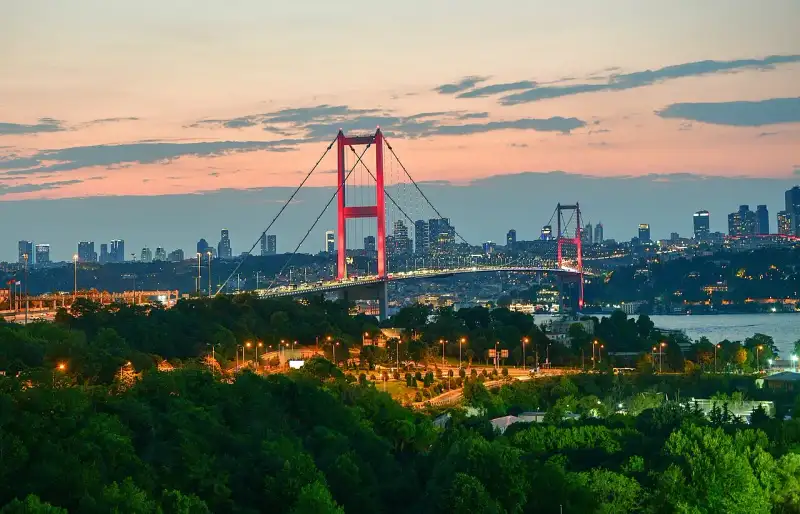
A whisper of the East carried on a breeze from the Sea of Marmara, mingling with the bustling clamor of the West echoing from the Golden Horn. Here, where continents kiss and histories collide, stands #Istanbul – a city woven from the very fabric of contradiction and harmony. It is not merely a city that spans two landmasses; it is a profound philosophical statement etched in stone and water, a place where every step is a #journey through millennia and across worlds. #IstanbulDreams #CrossContinental The Bosphorus: #Istanbul's Pulsating Artery To comprehend Istanbul is to understand the Bosphorus, the narrow, serpentine strait that slices through its heart, carving a natural, undeniable boundary between Asia and Europe. This isn't just a geographical divide; it's a living, breathing entity, a liquid highway that has witnessed empires rise and fall, carried countless ships of trade and war, and continues to be the lifeblood of this colossal metropolis. Its shores are lined with verdant hills, opulent palaces, charming wooden yalı houses, and fortresses that stand as silent sentinels to its strategic importance. From the #ancient Greek colonies to the mighty Roman, Byzantine, and Ottoman Empires, control over the Bosphorus meant dominion over critical trade routes between the Black Sea and the Mediterranean. #BosphorusStrait #GatewayToWorlds A ferry ride across the Bosphorus is perhaps the most quintessential Istanbul experience. As the boat slices through the azure waters, the air is alive with the cry of seagulls, the distant call to prayer, and the murmur of a thousand conversations. Looking back, the European skyline, a silhouette of domes and minarets, gradually gives way to the more serene, residential hills of the Asian side. It's a #journey not just across water, but across a conceptual chasm, a tangible bridge between two vastly different cultural perspectives. The Bosphorus itself is a miracle of #Nature and geopolitics, dictating much of the city's unique charm and enduring significance. Echoes of #empire: The European Side The European side of Istanbul, historically known as Thrace, is where the grand narratives of Byzantium and the Ottoman #empire are most vividly etched. Its historic peninsula, Sultanahmet, is a concentration of monuments that defy belief, each bearing layers of #history. Sultanahmet: The Cradle of Empires No visit to Istanbul is complete without losing oneself in Sultanahmet Square, once the mighty Hippodrome of Constantinople, the epicenter of Byzantine public life. Here, chariot races thrilled crowds, political factions clashed, and emperors displayed their power. Today, it remains an open-air museum, flanked by monuments that define the city's skyline. The Egyptian Obelisk of Thutmose III, brought from Luxor, still stands tall, a testament to the city's #ancient connections. The Serpent Column, originally from Delphi, and the Walled Obelisk further underscore the area's incredible lineage. #AncientHistory #SultanahmetSquare Dominating the square, and indeed the entire city, is Hagia Sophia. A monumental architectural achievement, it has served as a patriarchal basilica, a mosque, a museum, and once again, a mosque. Its colossal dome, seemingly suspended by divine grace, has for centuries inspired awe. Stepping inside, one is enveloped by a spiritual grandeur that transcends religious boundaries. The interplay of light filtering through its numerous windows, illuminating the intricate calligraphy and the faint mosaics peering from behind plaster, speaks volumes of its multi-layered identity. It is a symbol of #ArchitecturalMarvels and human ingenuity.Opposite Hagia Sophia, with its six slender minarets piercing the sky, stands the Blue Mosque (Sultan Ahmed Mosque). Commissioned by Sultan Ahmed I, it was built to rival and surpass the grandeur of its Byzantine neighbor. Its interior is a kaleidoscope of more than 20,000 handmade Iznik tiles, predominantly blue, depicting traditional Ottoman patterns of flowers, trees, and abstract designs. The delicate stained-glass windows, the sweeping calligraphy, and the sheer scale create an atmosphere of profound serenity and devotion. Walking between these two titans of faith and #architecture, one feels the weight of #history pressing down, a tangible sense of the eternal dialogue between East and West. #BlueMosque #OttomanArt A short stroll away lies Topkapı Palace, the opulent residence of Ottoman sultans for nearly 400 years. This sprawling complex, a city within a city, offers a fascinating glimpse into imperial life. Its numerous courtyards, treasury filled with dazzling jewels (including the legendary Spoonmaker's Diamond), the armory, the imperial kitchens, and above all, the labyrinthine Harem, reveal the intricacies of Ottoman court life. The Harem, a world unto itself, housed hundreds of concubines, eunuchs, and the sultan's family, each chamber whispering tales of power, intrigue, and domesticity. The breathtaking views of the Bosphorus and the Golden Horn from the palace gardens are a reminder of the strategic genius behind its placement. #TopkapiPalace #ImperialHistory Beneath the bustling streets of Sultanahmet lies another marvel: the Basilica Cistern (Yerebatan Sarnıcı). A vast underground water reservoir built in the 6th century by Emperor Justinian, its dimly lit, vaulted chambers supported by 336 marble columns create an otherworldly atmosphere. The two Medusa heads, repurposed as column bases, add to the mystique, their inverted and sideways placement sparking endless legends. It's a truly #UniqueExperience, a cool, quiet respite from the city's energy. Beyoğlu: The Modern Pulse Crossing the Galata Bridge from Sultanahmet, one enters the vibrant district of Beyoğlu, historically known as Pera. This area, once home to foreign embassies and European merchants, still carries an air of cosmopolitan sophistication. The iconic Istiklal Avenue, a bustling pedestrian thoroughfare, pulsates with life day and night. Vintage trams clatter along its length, past grand Belle Époque buildings, international boutiques, art galleries, cinemas, and historic passages like the elegant Çiçek Pasajı (Flower Passage). It’s a place where modern Turkish #culture intermingles with echoes of its European past. #IstiklalAvenue #UrbanExploration Rising majestically above Beyoğlu is the Galata Tower. Built by the Genoese in the 14th century, this cylindrical stone tower offers unparalleled panoramic views of Istanbul. From its observation deck, one can see the entire sweep of the city: the historic peninsula with its iconic mosques, the serpentine Bosphorus, the Golden Horn, and the sprawling Asian side. It's a breathtaking vista that underscores Istanbul's sheer scale and beauty. #GalataTower #CityViews Beyond Istiklal, the neighborhoods of Cihangir and Karaköy beckon. Cihangir, with its bohemian vibe, charming cafes, and antique shops, is a haven for artists and intellectuals. Karaköy, once a gritty port district, has transformed into a trendy hub with contemporary art galleries, design studios, and chic eateries housed in renovated warehouses. These areas demonstrate Istanbul's dynamic evolution, where tradition and innovation dance a delicate tango. Fener and Balat: A Step Back in Time For those seeking a deeper dive into Istanbul's multicultural past, the UNESCO-listed neighborhoods of Fener and Balat are essential. These winding, cobblestone streets, lined with brightly painted Ottoman houses, were historically home to Greek Orthodox and Jewish communities. The Patriarchate of Constantinople, the spiritual center of the Greek Orthodox Church, stands proudly in Fener. Balat, with its synagogue and charming cafes nestled amidst restored houses, offers a glimpse into a bygone era, a quiet contrast to the city's major tourist hubs. Exploring these areas feels like uncovering hidden #IstanbulGems. The Asian Side: A Different Rhythm To truly experience Istanbul's duality, one must venture across the Bosphorus to the Asian side, historically known as Anatolia. While often overlooked by first-time visitors, it offers a more relaxed, authentic glimpse into contemporary Turkish life, away from the historical grandeur of Sultanahmet. It's where the city lives, eats, and unwinds. Kadıköy: The Soul of Anatolia Taking a ferry from Eminönü or Karaköy to Kadıköy is an experience in itself. The 20-minute journey offers spectacular views of the European skyline receding and the Asian shore approaching. Kadıköy, a vibrant, sprawling district, feels immediately different – less monumental, more everyday, yet equally captivating. #AsianSideIstanbul #KadıköyLife The Kadıköy Market is a foodie's paradise. A bustling labyrinth of stalls overflowing with fresh produce, aromatic spices, local cheeses, olives, and an impressive array of seafood, it's a sensory feast. Locals flock here for their daily groceries, and visitors can sample an array of Turkish delights, from freshly roasted nuts to succulent midye dolma (stuffed mussels). The market is a true reflection of Istanbul's culinary heart. #FoodieParadise #LocalMarkets Beyond the market, the neighborhood of Moda offers a laid-back, bohemian atmosphere. Its tree-lined streets are dotted with charming cafes, boutique shops, and a #beautiful seaside promenade perfect for an evening stroll, watching the sunset over the European continent. Moda is where Istanbul's youth gathers, enjoying coffee, live music, and the simple pleasure of sea air. Üsküdar: Legends and Panoramas North of Kadıköy, Üsküdar is another historically significant district on the Asian side, replete with #beautiful Ottoman mosques and a distinctly traditional feel. The Mihrimah Sultan Mosque, designed by the legendary Mimar Sinan, stands gracefully by the ferry terminal, its elegant #architecture complementing the Bosphorus backdrop. The most iconic symbol of Üsküdar, and indeed a major emblem of Istanbul, is the Maiden's Tower (Kız Kulesi). Perched on a tiny islet just off the shore, this small, enigmatic tower is steeped in legends – from a Byzantine emperor hiding his daughter from a prophecy of snakebite to a tragic love story. It stands as a solitary, romantic beacon, especially enchanting at sunset when its silhouette is cast against the fiery sky. #MaidenTower #IstanbulLegends For breathtaking panoramic views that encompass both continents, a trip up Çamlıca Hill is a must. Home to the monumental Çamlıca Mosque, Turkey's largest, the hill offers an elevated perspective of the entire cityscape, from the historic peninsula to the sprawling suburbs of Asia, with the Bosphorus weaving its majestic path in between. It's a perfect spot to grasp the sheer scale of Istanbul.The Culinary Tapestry: A Feast for the Senses Istanbul is a city that eats, breathes, and dreams food. Its cuisine is a delectable fusion of Central Asian, Middle Eastern, and Mediterranean influences, refined over centuries in the imperial kitchens of the Ottoman sultans. From humble street food to elegant fine dining, every meal is an adventure. #TurkishCuisine #FoodTravel Start your day with a traditional Turkish breakfast (kahvaltı), a lavish spread of cheeses, olives, tomatoes, cucumbers, honey, jams, eggs, and an endless supply of strong Turkish tea. For lunch, embrace the street food #culture. A freshly baked simit (sesame-crusted bread ring) from a street vendor, a succulent döner kebab, or the spicy, earthy kokoreç are essential experiences. Don't forget midye dolma – mussels stuffed with aromatic rice, lemon, and spices, found on almost every corner. Evenings invite more elaborate meals. Meze, a selection of small, flavorful dishes, sets the stage for a feast. Then come the kebabs – countless varieties, from the classic Adana and Urfa to the more refined Iskender. Seafood, caught fresh from the Bosphorus and the Marmara Sea, is another highlight, especially in restaurants along the strait. No meal is complete without indulging in the famous Turkish desserts. Baklava, layers of filo pastry filled with pistachios or walnuts and drenched in syrup, is a sweet symphony. Künefe, a hot, stretchy cheese pastry topped with pistachios, is heavenly. And of course, the ubiquitous Turkish Delight (lokum), available in a myriad of flavors, makes for a perfect souvenir. Wash it all down with strong Turkish coffee, served in small cups, or endless glasses of black tea. For something stronger, try rakı, the anise-flavored spirit often enjoyed with meze and fish. Cultural Immersion: Beyond the Sights Istanbul's magic isn't just in its landmarks; it's in its soul, its daily rhythms, and its ancient traditions. A visit to a Turkish Hamam is a purifying ritual, a journey back in time. These traditional bathhouses offer a unique experience of steam, exfoliation, and massage, leaving one feeling utterly refreshed and rejuvenated. It's not just a bath; it's a social and cultural institution. #TurkishHamam #WellnessTravel The hauntingly beautiful sound of the Ezan, the call to prayer, echoes through the city five times a day, weaving its way into the urban soundscape. It's a reminder of Istanbul's deep spiritual roots and its enduring faith. Witnessing a performance of the Whirling Dervishes (Sema) is a profoundly moving experience. This spiritual ceremony of the Mevlevi Order, with its mesmerizing circular dance, is a form of active meditation that seeks spiritual union. It is a powerful display of #SufiCulture and tradition. Walking through the Grand Bazaar and the Spice Bazaar is a sensory overload in the best possible way. The Grand Bazaar, one of the world's oldest and largest covered markets, is a maze of over 4,000 shops selling everything from carpets and jewelry to ceramics and leather. The Spice Bazaar, equally vibrant, assaults the senses with the aromas of exotic spices, dried fruits, nuts, and Turkish Delight. Haggling is expected, and the experience is as much about the lively banter as it is about the purchases. #GrandBazaar #SpiceBazaarNavigating the Metropolis: Practicalities Istanbul is a vast city, but its public transportation system is efficient and comprehensive. An Istanbulkart (a rechargeable smart card) is essential for seamless #travel on trams, metros, buses, and ferries. The tram (T1 line) is particularly useful for reaching most major historical sites on the European side. Ferries are not just transport; they are a vital part of the Istanbul experience, offering stunning views and a refreshing journey across the Bosphorus. Taxis are plentiful but ensure the meter is used. The best time to visit Istanbul is during the spring (April-May) and autumn (September-October), when the weather is pleasant, and the crowds are manageable. Summers can be hot and humid, while winters can be cold and occasionally snowy, though they offer a different, quieter charm. Accommodation options are diverse, ranging from luxury hotels in restored Ottoman palaces along the Bosphorus to charming boutique hotels in Sultanahmet and trendy hostels in Beyoğlu. Staying in Sultanahmet keeps you close to the major historical sites, while Beyoğlu offers a more modern, lively atmosphere. For a more local experience, consider the Asian side. Safety in Istanbul is generally good, but like any large city, awareness of your surroundings and safeguarding your belongings is advisable. The warmth and hospitality of the Turkish people (misafirperverlik) are legendary; you'll often find strangers eager to help or share a cup of tea. The Enduring Allure Istanbul is more than a city; it is a crossroads of civilizations, a living museum, and a vibrant, modern metropolis all rolled into one. It is a place where every corner holds a story, every scent evokes a memory, and every view is a masterpiece. Its unique position, straddling two continents, has imbued it with an unparalleled richness – a fusion of logic and mysticism, tradition and innovation, East and West. As the sun sets, casting a golden glow over the Bosphorus, illuminating the minarets and bridges, one realizes that Istanbul doesn't merely exist between two continents; it defines what it means for two worlds to coexist, to enrich each other, and to create something utterly magnificent. It challenges perceptions, broadens horizons, and leaves an indelible mark on the soul of every traveler fortunate enough to wander its storied streets. This city, forever in motion, forever ancient, forever new, truly embodies the spirit of #EternalIstanbul. Come, and let its two hearts beat within you. #TravelInspiration #ExploreTurkey #CulturalCrossroads #CityOfDreams #HistoricalJourney #BreathtakingViews #Wanderlust #EpicDestinations #MustVisit #travel #explore #guide Related InsightsExploring Ani, City of 1001 Churches The Silk Road Revival: Uzbekistan’s Ancient Cities and Modern Wonders (Part 2) Where the Wild Things Roam: The World’s Most Unforgettable Wildlife Encounters{ "@context": "https://schema.org", "@type": "FAQPage", "mainEntity": [ { "@type": "Question", "name": "What is the main focus of Istanbul: Two Continents?", "acceptedAnswer": { "@type": "Answer", "text": "A deep dive into Istanbul: Two Continents with Cemre Seyyah." } }, { "@type": "Question", "name": "Who authored the comprehensive guide on Istanbul: Two Continents?", "acceptedAnswer": { "@type": "Answer", "text": "This detailed article and its insights were carefully researched and authored by Cemre Seyyah." } }, { "@type": "Question", "name": "Where can I find more related content about Travel?", "acceptedAnswer": { "@type": "Answer", "text": "You can explore more articles, detailed reviews, and similar insights by browsing the Related Insights section at the bottom of this article or visiting our dedicated Travel category page." } } ] }
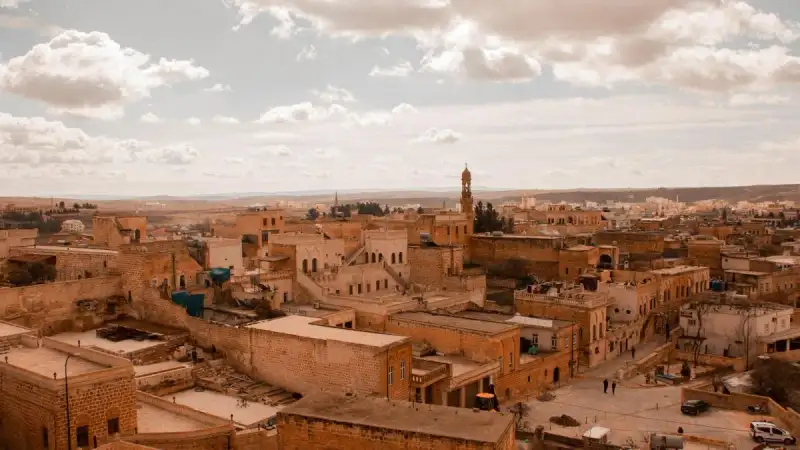
The first breath of Mardin is a whisper of #ancient stone, carried on a breeze that has travelled across the Mesopotamian plains for millennia. It's a scent of sun-warmed limestone, mingled with exotic spices from hidden bazaars, the faint aroma of freshly brewed mırra coffee, and the subtle perfume of #history itself. You don't just arrive in Mardin; you are absorbed by it, drawn into its intricate embrace like a thread into a richly woven tapestry. And at the heart of this absorption, this profound connection to a bygone era, lie its historical streets – a living, breathing museum under the vast, often startlingly blue, Anatolian sky. Mardin isn't merely a collection of buildings; it is an architectural symphony carved into a steep hillside, each stone a note, each street a melody leading to another breathtaking crescendo. Perched majestically over the endless plains of ancient Mesopotamia, the city resembles a golden eagle nesting on a rugged cliff, its wings outstretched, seemingly surveying the vastness below with a timeless gaze. From a distance, particularly at dawn or dusk when the honey-coloured stone glows with an otherworldly luminescence, Mardin appears to be a natural extension of the rock face itself, as if it wasn't built, but rather grew organically from the earth. To truly understand Mardin is to surrender to its streets. They are not merely thoroughfares but arteries carrying the lifeblood of centuries. They are narrow, winding, often steeply inclined, cobbled pathways that twist and turn with an unpredictable charm, revealing new vistas, hidden courtyards, and unexpected architectural delights around every corner. There's no grid plan here, no rational modern design; Mardin's urban fabric evolved organically over thousands of years, shaped by topography, defense, and the communal needs of its diverse inhabitants. The Stone City's Embrace: #architecture of the Streets Mardin's defining characteristic is its uniform architecture, almost exclusively crafted from the local, easily quarried yellow limestone. This soft, malleable stone, which hardens with exposure to air, lends the entire city a cohesive, ancient aesthetic. The houses, madrasahs, mosques, and churches are all built from this same material, creating a harmonious palette that shifts from ochre to gold to dusty beige depending on the angle of the sun. The streets, paved with meticulously laid cobblestones, mirror this material, making you feel entirely enveloped by the stone. As you wander, you’ll notice the architectural nuances that make Mardin’s streets so unique. Houses are often multi-storied, built directly into the slope, with their lower floors serving as foundations for those above, creating a terraced effect. The facades are adorned with intricate stone carvings – geometric patterns, floral motifs, calligraphic inscriptions, and sometimes even stylized animal figures – evidence of the city's rich history of craftsmanship. These decorative elements are not just for show; they often tell stories, carry blessings, or indicate the wealth and status of the original inhabitants. One of the most captivating features you’ll encounter are the abbara – arched stone tunnels or covered passages that span across the streets, connecting buildings on opposite sides. These ancient architectural solutions are born out of necessity and ingenuity. They provide welcome shade from the intense Mesopotamian sun, offer protection from the elements, and in times of conflict, could have served defensive purposes, restricting movement or creating choke points. Walking through an abbara is like stepping into a time capsule; the air cools, sounds echo differently, and for a moment, you are utterly removed from the outside world, suspended in a stone embrace. They create a profound sense of intimacy and discovery, hinting at the closely-knit communities that have thrived here for centuries. Each abbara feels like a secret passage, inviting you to wonder what lies beyond its shadowy depths.The houses themselves, with their high walls and often unassuming street-facing exteriors, belie the splendour within. Mardin homes are typically built around an internal courtyard (hayat), providing privacy, a microclimate of cool air, and a space for family life away from the public gaze. Many also feature eyvans (iwans), open-fronted, vaulted halls that serve as shaded living areas during hot summers, often overlooking the central courtyard. From the streets, you often only catch glimpses of these inner worlds through heavy wooden doors, adorned with elaborate knockers – each a small work of art. A Tapestry of Faiths: Echoes in Stone Mardin has long been a crucible of cultures and religions, a crossroads where East meets West, North meets South. This rich tapestry is vividly reflected in its streets, where the call to prayer from a mosque mingles with the faint peal of bells from a Syriac Orthodox church. This coexistence, often peaceful, sometimes turbulent, has left an indelible mark on the city's soul and its physical landscape. Mosques: Dominating the skyline, particularly with its striking fluted minaret, is the Ulu Cami (Great Mosque). Its precise construction date is debated, but it's believed to be from the Artuqid period (12th century). Its minaret, visible from almost every vantage point in the old city, serves as a beacon, guiding visitors through the labyrinthine streets. Approaching it, you walk through bustling market areas, the aroma of spices filling the air, until the grand portal with its intricate carvings appears. The mosque's courtyard is a sanctuary of calm, a stark contrast to the lively streets outside, offering spectacular views of the plains below. The Latifiye Mosque and Şehidiye Mosque are other notable examples, each with their own historical narrative and architectural nuances, contributing to the city's rich Islamic heritage.Churches: Mardin is a significant center for the Syriac Orthodox Church, and its presence is deeply felt. Tucked away on various streets are several #beautiful churches. The Forty Martyrs Church (Kırklar Kilisesi), with its unassuming stone exterior, opens into a surprisingly ornate interior, adorned with vibrant icons and intricate woodwork. Its courtyard, a peaceful haven, often hosts ceremonies and gatherings. Here, ancient Aramaic is still spoken and sung during services, a living link to one of the world's oldest Christian communities. The Virgin Mary Church is another example, offering a glimpse into the enduring Syriac heritage. While a bit outside the immediate city centre, the Deyrulzafaran Monastery – often called the "Saffron Monastery" due to the saffron used in its mortar – stands as a magnificent testament to Syriac Christianity, its influence radiating throughout Mardin's history and its communities. Its ancient walls and serene atmosphere are a pilgrimage for many, and its spiritual weight is palpable even within the city's streets. Madrasahs: These theological schools are architectural masterpieces and vital historical sites. The Zinciriye Madrasah (Sultan Isa Madrasah), perched high on the hillside, is a breathtaking example of Artuqid architecture. Its domes and minaret-like observatories were once used for astronomical studies, reflecting the sophisticated scientific pursuits of its time. Its internal courtyards, adorned with fountains and intricate carvings, offer unparalleled panoramic views of the Mesopotamian plains, stretching out towards Syria. The Kasımıye Madrasah, located on the city's western outskirts but intricately connected to its history, is another must-see. Its complex architectural design incorporates a sophisticated water system, symbolizing life, birth, and death, flowing through its courtyards. Walking its ancient halls and courtyards provides a profound sense of the intellectual and spiritual life that once thrived within its walls.Even though a physical synagogue no longer functions as a place of worship, the historical Jewish presence in Mardin is acknowledged, forming another thread in the city’s multi-faith narrative. The spirit of coexistence, despite historical challenges, is a cornerstone of Mardin's identity, a unique phenomenon visible in the very proximity of its sacred sites. Life in the Labyrinth: Bazaars, Crafts, and Flavours The historical streets of Mardin are not mere monuments; they are vibrant conduits of daily life. The air thrums with the sounds of commerce and conversation, the clang of metal, the chatter of merchants, and the laughter of children echoing off ancient stone walls. The Bazaars (Çarşılar): Descending from the higher parts of the city towards the lower districts, you plunge into the bustling atmosphere of Mardin's traditional bazaars. Here, the streets narrow further, becoming canopied by awnings and crowded with stalls. The Bakırcılar Çarşısı (Coppersmiths' Bazaar) is a symphony of sound and light, where skilled artisans hammer sheets of copper into exquisite pots, trays, and decorative items, their rhythmic clanging a timeless soundtrack. The Gümüşçüler Çarşısı (Silversmiths' Bazaar) showcases the delicate art of telkâri (filigree silverwork), a Mardin specialty, where silver threads are twisted into intricate jewellery. You can often see the artisans at work, their hands deftly manipulating tiny wires, a testament to generations of inherited skill. Beyond the metalworkers, you’ll find shops overflowing with local treasures: hand-woven textiles, richly dyed carpets, carved wooden artifacts, and traditional soaps made from olive oil and pistachios. The spice markets are a feast for the senses, vibrant pyramids of red pepper flakes, cumin, turmeric, and sumac filling the air with their pungent aromas. You’ll find local delicacies like badem şekeri (sugar-coated almonds, often coloured blue) and dried fruits, perfect for a sweet souvenir. Culinary #journey on Cobblestones: Mardin's streets are also a gateway to its rich culinary traditions. Street vendors offer tempting snacks, from freshly baked sembusek (a local version of a savoury pastry, often filled with minced meat) to ikbebet (Syriac kibbeh, often made with bulgur and walnuts). In small, unassuming eateries tucked away in narrow alleys, you can savour hearty Mesopotamian dishes like kaburga dolması (stuffed lamb ribs), a slow-cooked masterpiece that embodies the region's generous hospitality. And, of course, no visit is complete without experiencing mırra, the intense, bitter, and highly ritualized Turkish-Arabic coffee, served in tiny, handle-less cups, a gesture of welcome and tradition. Each sip connects you to centuries of shared ritual. Strategic Vistas and Hidden Courtyards: The City's Layers Mardin’s streets are not merely about what’s at eye level; they are about elevation, perspective, and discovery. The city’s tiered structure means that every turn can unveil a dramatic panoramic view. Mardin Castle: Although largely inaccessible to visitors due to its use by the military, the ancient Mardin Castle looms large above the city, its formidable walls a constant reminder of Mardin's strategic importance throughout history. Its presence dictated much of the city's defensive planning and layout, influencing the very way its streets and houses were built, creating a tightly packed, defensible urban core. The castle's enduring silhouette adds to the timeless mystique of the city. Terraced Views: One of the great joys of navigating Mardin’s streets is the constant interplay between enclosed intimacy and expansive vistas. You might be walking through a narrow, shadowed lane, only to emerge onto a small square or a rooftop terrace offering an uninterrupted panorama of the vast plains stretching south into Syria. These are the moments when Mardin truly takes your breath away – the endless expanse of the horizon, the shifting colours of the sky, and the profound silence that descends at certain times of the day. Many historical houses have their own terraces, and some cafes offer rooftop seating, perfect for enjoying a mırra or a tea while watching the sunset paint the sky in fiery hues over Mesopotamia. These elevated vantage points not only offer stunning views but also allow you to appreciate the ingenious way the city is built, with one house's roof often serving as another's terrace. Hidden Courtyards: Beyond the public thoroughfares, Mardin’s charm lies in its hidden spaces. Many large stone doors, seemingly unremarkable from the street, open into magnificent courtyards – secret gardens, often featuring a central fountain, lush greenery, and comfortable seating areas. These courtyards, known as hayats, are the heart of Mardin’s domestic life, providing cool retreats from the summer heat and private spaces for families to gather. Sometimes, as you walk past an open door, you might catch a fleeting glimpse of such a courtyard, adding to the city's allure and mystery. The Rhythm of Time on Stone Mardin's streets have a distinct rhythm that changes with the sun's journey across the sky. Morning: As the first rays of sun kiss the golden stone, the city slowly awakens. The aroma of freshly baked bread wafts from neighbourhood bakeries. Shopkeepers begin to raise their metal shutters, and the soft clatter of activity fills the air. It's a peaceful time to wander, when the light is gentle, and the city reveals its quiet, introspective side. Midday: The sun climbs high, casting sharp shadows and warming the stone. Many seek refuge in the shade of the abbara or the cool interiors of mosques and madrasahs. The streets can be bustling with local errands and commerce, but there’s often a noticeable lull, a siesta-like quietness as the heat reaches its peak. This is a time to explore indoor spaces or enjoy a leisurely lunch in a shaded courtyard restaurant. Evening: As the sun begins its descent, Mardin transforms. The golden hour bathes the entire city in a warm, ethereal glow, turning the stone houses into palaces of light. Families emerge for evening strolls, friends gather in tea gardens, and the calls to prayer echo across the plains, blending with the sounds of conversation and traditional music. The city lights twinkle on, transforming the ancient streets into a magical pathway. It’s a time for reflection, for enjoying a leisurely dinner, and for simply absorbing the profound beauty of this ancient place. Navigating Mardin's Enduring Legacy To navigate Mardin’s historical streets is to embark on a journey of discovery. Forget maps and rigid itineraries; the true Mardin reveals itself to those who are willing to get lost, to follow a tantalizing aroma, or to investigate a promising archway. Wear comfortable shoes, as the cobbled streets are uneven and often steep. Be prepared for countless photographic opportunities, as every corner offers a new perspective. Engage with the locals; Mardinians are known for their hospitality and willingness to share stories and a cup of tea. Mardin stands as a living testament to human ingenuity, resilience, and coexistence. Its streets are not just pathways; they are the veins through which thousands of years of history, #culture, and daily life have flowed. From the intricate carvings on an ancient doorway to the cool embrace of an abbara, from the shared silence of a mosque courtyard to the vibrant cacophony of a bazaar, every step through Mardin’s historical streets is a step back in time, a profound connection to the heart of Mesopotamia. It's a city that doesn't just show you its history; it invites you to walk through it, to touch it, to breathe it in, and to become a part of its ongoing story. Mardin isn't just a destination; it's an experience that carves itself into your memory, leaving an indelible mark long after you've left its golden embrace. Its designation as a #UNESCO World Heritage site candidate is a testament to its unparalleled historical and cultural value, a treasure that continues to reveal new layers to those who explore its ancient heart. #MardinHistory #TravelTurkey #AncientStreets #MesopotamiaExplore #CulturalHeritage #travel #explore #guide Related InsightsUn'Avventura Italiana in Cappadocia: La Terra dei Camini delle Fate e delle Mongolfiere Echoes in Stone: Unearthing Sardinia's Lost Cyclopean Mysteries in the Wild Heart of Barbagia Chasing the Endless Day: A Photographer’s Manual for Lofoten’s Midnight Sun{ "@context": "https://schema.org", "@type": "FAQPage", "mainEntity": [ { "@type": "Question", "name": "What is the main focus of Historical Mardin Streets?", "acceptedAnswer": { "@type": "Answer", "text": "A deep dive into Historical Mardin Streets with Cemre Seyyah." } }, { "@type": "Question", "name": "Who authored the comprehensive guide on Historical Mardin Streets?", "acceptedAnswer": { "@type": "Answer", "text": "This detailed article and its insights were carefully researched and authored by Cemre Seyyah." } }, { "@type": "Question", "name": "Where can I find more related content about Travel?", "acceptedAnswer": { "@type": "Answer", "text": "You can explore more articles, detailed reviews, and similar insights by browsing the Related Insights section at the bottom of this article or visiting our dedicated Travel category page." } } ] }
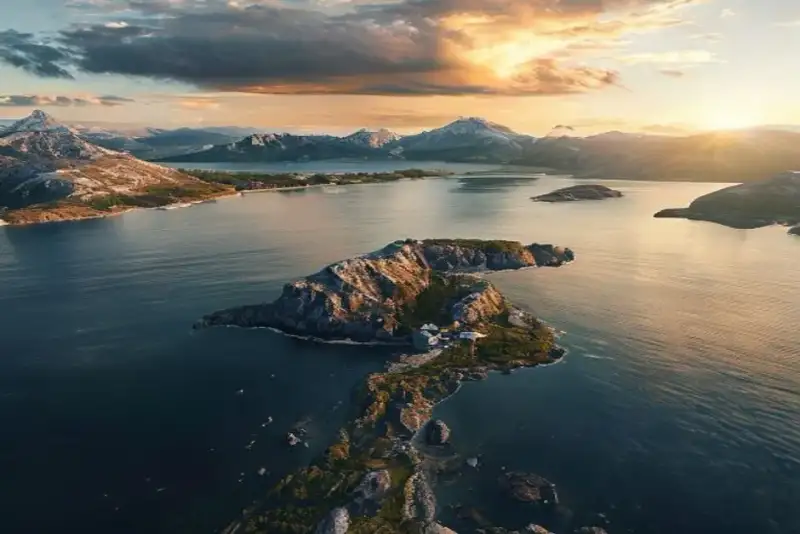
There are places on Earth that whisper secrets, corners of the map that refuse to yield their magic easily. Eastern Anatolia is one such realm – a land of epic scale, where #history is etched into every mountain, every #ancient ruin, and every face encountered. It is not the Anatolia of sun-drenched Aegean beaches or the bustling bazaars of #Istanbul, nor the whimsical moonscapes of Cappadocia that grace countless postcards. No, this is a different Turkey, one that demands a deeper curiosity, a willingness to wander off the well-trodden path, and an open heart to absorb the raw, unfiltered beauty of its #AncientLandscapes and #TimelessCulture. As Cemre Seyyah, I have spent decades chasing horizons, but few regions have captivated my spirit as completely as the sprawling, majestic east. It is here, nestled between towering peaks and vast, mirror-like lakes, that the very cradle of civilization unfolded. Empires rose and fell, leaving behind a staggering legacy of archaeological wonders, spiritual sanctuaries, and a human story so rich it feels woven into the very fabric of the earth. For those who yearn for true discovery, for an adventure that transcends mere sightseeing, Eastern Anatolia presents an unparalleled invitation to explore #UndiscoveredTurkey, a #journey into the heart of authenticity. Forget the guidebooks that merely skim the surface; prepare to dive deep into a region where every corner holds a revelation. The Mystical Heart: Lake Van and Akdamar Island Imagine a body of water so vast it feels like an inland sea, its deep sapphire hues reflecting the colossal peaks that guard its shores. This is Lake Van, the largest lake in Turkey, an alkaline marvel that has cradled civilizations for millennia. It's a place of profound geological and historical significance, often overlooked by those rushing between more famous sites, yet it offers an experience that is both visually stunning and deeply moving. The city of Van itself, though scarred by earthquakes and conflicts, serves as a vibrant hub, boasting the impressive Van Fortress (Van Kalesi) – a towering rock formation crowned with #ancient ruins that offer panoramic views of the lake and the surrounding plains, especially breathtaking at #SunsetViews. But the true jewel of Lake Van lies a short ferry ride across its placid waters: Akdamar Island. As your boat glides towards the island, the 10th-century Holy Cross #cathedral (Akdamar Kilisesi) slowly emerges, a magnificent edifice of pink volcanic tuff stone, standing in solemn grandeur against the backdrop of the azure lake and distant mountains. This Armenian Apostolic #cathedral is an extraordinary example of medieval Armenian #architecture, its exterior intricately carved with biblical scenes, animal motifs, and grotesque figures. Each stone tells a story, the bas-reliefs depicting episodes from the Old Testament, from Adam and Eve to Jonah and the whale, alongside portrayals of earthly life – hunters, musicians, and kings. It’s a stunning outdoor art gallery, a testament to a rich cultural heritage that once thrived here. The interior, though now largely stripped of its former glory, still retains an air of sanctity, with frescoes dimly visible in the apse. Walking around Akdamar Island, particularly in spring when almond blossoms paint the landscape pink and white, feels like stepping back in time. The silence, broken only by the gentle lapping of waves and the cries of gulls, allows for deep reflection on the passage of time and the enduring power of faith. This island is not just a historical site; it's a spiritual sanctuary, a poignant reminder of the Armenian presence in Anatolia and a powerful symbol of resilience. The unique ecosystem of Lake Van, home to the Van Cat with its distinctive heterochromatic eyes, adds another layer of intrigue to this captivating destination. It’s a place that whispers tales of #ArmenianHistory, #SacredSites, and #ArchitecturalWonders, inviting contemplation and awe in equal measure. The City of 1001 Churches: Ani, the Ghost City Journeying further east, close to the Armenian border, one encounters a landscape that feels almost apocalyptic in its stark beauty. Here, on a desolate plateau overlooking a deep gorge that separates Turkey from Armenia, lie the haunting ruins of Ani. Once the thriving capital of the medieval Armenian Bagratid kingdom, a city of immense wealth and power often referred to as "the City of 1001 Churches," Ani now stands as a poignant ghost city, its skeletal remains whispering tales of bygone glory and sudden decline. This is one of the most profoundly evocative archaeological sites I have ever visited, a place that demands silent reverence. Walking through the collapsed city gates and along the double walls, you immediately sense the scale of Ani's past importance. Imagine a bustling metropolis, a major stop on the Silk Road, adorned with countless churches, mosques, and palaces. Today, the biting winds sweep across empty fields where houses once stood, and only a handful of monumental structures remain, defying the ravages of time and earthquakes. The Cathedral of Ani, with its soaring proportions and intricate stonework, is perhaps the most impressive, a masterpiece of Armenian ecclesiastical #architecture, even in its ruined state. Nearby, the Church of St. Gregory, known as the Church of Tigran Honents, boasts incredibly well-preserved frescoes depicting the life of Christ and St. Gregory the Illuminator, their vibrant colours still visible after centuries. Other notable structures include the Church of the Redeemer, split down the middle by an earthquake, and the remarkable Seljuk Palace, a testament to the city's later Islamic period. The Minuchihr Mosque, believed to be the first mosque built in Anatolia, stands proudly near the edge of the gorge, offering commanding views. The sense of isolation here is profound, yet invigorating. You are not just observing ruins; you are walking through the very footsteps of #history, feeling the echoes of countless lives lived within these walls. Ani is a powerful pilgrimage for anyone interested in #MedievalHistory, #ArmenianArchitecture, and #SilkRoadMysteries. It’s a photographer’s dream and a historian’s delight, a place where the past feels palpably alive, urging you to uncover its many secrets.Commagene's Colossal Legacy: Mount Nemrut High in the Anti-Taurus mountains, at an altitude of 2,134 meters, lies one of Eastern Anatolia’s most iconic, yet still remarkably secluded, archaeological sites: the summit of Mount Nemrut. This is the hierothesion (a sacred burial complex) of King Antiochus I Theos of Commagene, a Hellenistic kingdom that existed between the Roman and Persian empires. Nemrut Dagi, as it is known locally, is famous for the colossal stone heads of gods and kings that punctuate its Eastern and Western Terraces. Visiting this #UNESCO World Heritage site is an experience that borders on the surreal, a spiritual pilgrimage to witness a king's audacious attempt at deification. The #journey to the summit typically begins in the pre-dawn hours or late afternoon to catch either the sunrise or sunset, moments when the golden light bathes the massive stone heads in an otherworldly glow. As you ascend the well-maintained path, the anticipation builds. And then, there they are: the immense, stylized heads of Apollo, Zeus-Oromasdes, Heracles, Tyche, and Antiochus himself, once part of colossal statues that sat enthroned, their bodies now crumbling piles of stone. Each head, some over two meters tall, gazes out with a serene yet commanding expression, their classical Greek and Persian influences clearly visible. On the Eastern Terrace, the heads stand proudly on their original bodies, while on the Western Terrace, they have toppled to the ground, scattered amidst the ruins, creating an even more dramatic and evocative scene. The sheer scale and ambition of Antiochus's project are mind-boggling, a testament to his syncretic vision of blending Persian and Greek deities to forge a unique Commagenian identity. He declared himself a living god and sought to establish a new cult centered around himself and the gods, securing his place in eternity. Standing among these silent, monumental witnesses as the sun paints the sky in fiery hues is an unforgettable experience, a powerful connection to #AncientKings, #HellenisticArt, and #DivineAmbition. It's an essential pilgrimage for anyone exploring the #HiddenGemsOfEasternAnatolia, offering both a profound historical insight and a breathtaking natural spectacle. The Walls of Ages: Diyarbakır and the Cradle of Civilizations Venturing deeper into the southeastern reaches of Anatolia brings us to Diyarbakır, a city whose history is as layered as the volcanic rock on which it stands. Known as the "Black City" due to its formidable basalt walls, Diyarbakır is a living museum, a city that has witnessed the rise and fall of countless empires – Hurrians, Urartians, Assyrians, Romans, Byzantines, Seljuks, Ottomans – each leaving an indelible mark. Its UNESCO-listed city walls, the second longest continuous defensive walls in the world after the Great Wall of China, are a marvel of ancient engineering, stretching over five kilometers and punctuated by numerous towers and gates. Walking along the top of these ancient walls, especially at sunrise or sunset, offers a sweeping panorama of the Tigris River plains, the sprawling modern city, and the historical heart within. The Hevsel Gardens, a lush cultivated area between the city walls and the Tigris, also a #UNESCO site, represent a vital link between the city and its life-giving river, a sustainable agricultural system that has fed the city for thousands of years. Within the walls, the old city is a labyrinth of narrow alleys, bustling bazaars, and historic mosques and churches. The Great Mosque (Ulu Cami), one of Anatolia's oldest and most impressive mosques, stands as a testament to the city's early Islamic heritage, incorporating elements of Roman and Byzantine architecture. The Four-Legged Minaret (Dört Ayaklı Minare), built on four basalt columns, is another architectural curiosity, while the historic caravanserais like Hasan Pasha Han offer a glimpse into the city's past as a vital trading post. Diyarbakır pulsates with a vibrant Kurdish #culture, its markets overflowing with spices, textiles, and traditional crafts. The warmth and resilience of its people are palpable, and a visit here offers an authentic dive into a rarely seen side of Turkey. It's a place for intrepid travelers seeking to understand the deep historical currents of the region, to connect with #KurdishCulture, #AncientWalls, and the #TigrisRiverLegacy, uncovering a story that resonates with millennia of human endeavour. #nature's Untamed Splendor: Munzur Valley National Park For those who crave unspoiled #nature and a genuine escape from the modern world, the Munzur Valley National Park, nestled primarily within the Tunceli province, is a revelation. This spectacular wilderness, often overlooked even by domestic tourists, is a haven of biodiversity, a land of crystal-clear rivers, glacial lakes, soaring peaks, and dense forests. It's a region deeply significant to Turkey's Alevi population, who hold the Munzur River and its surrounding mountains sacred. The Munzur River, famed for its pristine waters and numerous springs (Munzur Gözeleri), cascades through dramatic gorges, creating a landscape of breathtaking beauty. Hiking trails wind through ancient forests, past hidden waterfalls, and up to high alpine meadows ablaze with wildflowers in spring and summer. The park is home to a rich array of wildlife, including brown bears, wild goats, and various bird species, making it a paradise for #WildlifePhotography and #Ecotourism enthusiasts. The air here is crisp, the silence profound, interrupted only by the rustling of leaves or the roar of the river. Beyond its natural beauty, Munzur Valley offers a unique cultural immersion. The Alevi people, with their distinct religious and cultural practices, are known for their hospitality and reverence for nature. Visiting a local village or sharing a meal with a family provides an intimate glimpse into a way of life that is deeply connected to the land. This is not a place with grand monuments but a destination where the landscape itself is the monument, a living testament to #PristineNature, #AleviHeritage, and #MountainAdventures. It’s an ideal spot for trekking, rafting, and simply reconnecting with the wild heart of Anatolia, offering a serene escape for the #SoulfulTraveler. . Majestic, rugged mountains rise on either side under a clear blue sky, with rays of late afternoon sunlight illuminating patches of the valley floor, creating dramatic contrasts of light and shadow.) Kars and Erzurum: Gateways to a Storied Past While Ani and Munzur are specific destinations, the cities of Kars and Erzurum serve as crucial gateways and themselves offer a wealth of historical and cultural experiences that contribute to the tapestry of Eastern Anatolia. Kars, with its distinct Russian-era architecture, feels like a city plucked from a different continent. Its grid-like streets and charming stone buildings contrast sharply with the more organically grown cities of Turkey. The Kars Castle, perched high above the city, offers commanding views, while the stone bridge and the Armenian Church of the Apostles (now a mosque) speak of its diverse past. Kars is also the heartland of delicious local goose meat, a must-try culinary experience, and a base for exploring Ani. The region around Kars is also famous for its cheese production, particularly #KarsGravyer, a taste of its #CulinaryHeritage. Erzurum, the largest city in Eastern Anatolia, is a historical powerhouse. Its skyline is dominated by the twin-minaret seminary (Çifte Minareli Medrese), an exquisite example of Seljuk architecture, alongside the Grand Mosque (Ulu Cami) and the Three Tombs (Üç Kümbetler). The city's rich history as a strategic stronghold and a center of learning is evident in its numerous historical buildings. Erzurum is also famous for its Oltu taşı (Oltu stone), a unique black amber-like stone used for prayer beads and jewelry, making it a great place to find unique #LocalSouvenirs. The local specialty, cağ kebabı, a horizontally rotisseried lamb skewer, is a culinary delight not to be missed. Both Kars and Erzurum offer insights into the complex layers of Anatolian history, from Seljuk to Ottoman, and serve as excellent bases for deeper exploration of the region’s #ArchitecturalTreasures and #RegionalCuisine. at twilight. The two ornate fluted brick minarets with their distinct blue tile work are illuminated against a deep blue sky. Below, the intricate Seljuk portal facade is softly lit, creating a mystical and historical ambiance. The foreground features subtle hints of the bustling city life.) The Flavorful Journey: Culinary Delights of the East No exploration of Eastern Anatolia is complete without a deep dive into its unique and hearty cuisine. This is a region where food is not just sustenance but an expression of hospitality, tradition, and the rugged landscape. Influences from Central Asia, the Caucasus, and the Middle East converge here, creating a distinct gastronomic identity. The aforementioned cağ kebabı from Erzurum is a revelation – tender lamb cooked slowly on a horizontal spit, carved into thin slices and served with piping hot lavash bread and fresh onions. In Kars, the kaz etli pilav (rice with goose meat) is a winter staple, rich and flavourful, often accompanied by local cheeses like Kars Gravyer. The city of Van boasts a legendary breakfast #culture (Van Kahvaltısı), a sprawling feast of local cheeses, herbs, honeys, jams, fresh bread, murtuğa (flour and butter fried egg dish), and sucuklu yumurta (eggs with spicy sausage), providing a true taste of local bounty. #VanBreakfast is an institution. Further south, in Diyarbakır, the cuisine takes on a more Middle Eastern flair. Dishes like lebeni çorbası (yogurt and rice soup), kaburga dolması (stuffed ribs), and various kebabs made with spicy local meats are common. The region is also famous for its robust bulgur-based dishes and incredible pistachios, especially from Gaziantep (though slightly west, its culinary influence extends here). Everywhere you go, you’ll find incredible pekmez (grape molasses), honey, and a dazzling array of dried fruits and nuts. Sampling these local delicacies is an integral part of the #travel experience, connecting you directly to the land and its people. It's an exploration of #TurkishCuisine, #AuthenticFlavors, and #GastronomicAdventures that will linger long after your journey ends. The Warmth of the People and Practicalities of #travel What truly elevates a journey through Eastern Anatolia beyond its spectacular sights is the extraordinary warmth and hospitality of its people. Despite the historical hardships and the rugged terrain, the smiles are genuine, the invitations to tea frequent, and the desire to share their culture palpable. You will encounter a deep sense of pride in their heritage, an unwavering resilience, and a generosity that is humbling. Learning a few basic Turkish phrases will undoubtedly open doors and hearts, though many young people in urban centers will speak English. This personal connection is the real #HeartOfAnatolia. Traveling through Eastern Anatolia requires a spirit of adventure and a degree of flexibility. Infrastructure has improved significantly, with reliable bus networks connecting major cities. For more remote sites, hiring a local driver or joining a tour is advisable. Accommodation ranges from comfortable hotels in cities like Erzurum, Van, and Diyarbakır to more modest guesthouses in smaller towns. The best times to visit are late spring (May-June) when the landscapes are lush and green, and early autumn (September-October) for pleasant temperatures and vibrant foliage, avoiding the harsh winters and scorching summers. Dress modestly, especially when visiting religious sites, and always carry small cash for local purchases. Embrace the unexpected, allow for spontaneous detours, and you will be richly rewarded. This is not a rushed holiday; it is an #ImmersiveTravel experience, a #CulturalExchange, and a journey of profound personal discovery. A Call to the Adventurous Spirit Eastern Anatolia is not just a collection of historical sites or #beautiful landscapes; it is a tapestry woven from myth and reality, ancient civilizations and enduring traditions. It is a region that challenges preconceptions, rewards curiosity, and leaves an indelible mark on the soul. From the sacred island in Lake Van to the silent stones of Ani, from the colossal deities of Nemrut to the vibrant streets of Diyarbakır and the pristine wilderness of Munzur, this vast expanse offers a travel experience unlike any other. It is a journey for those who seek to understand the deeper narratives of humanity, to witness the power of nature in its rawest form, and to connect with a people whose generosity knows no bounds. So, pack your bags, shed your expectations, and answer the call of the wild east. The #EasternAnatolia awaits, ready to unveil its #HiddenTreasures and etch unforgettable memories into your traveler's heart. This is more than a trip; it's an odyssey into the soul of Turkey, a testament to the enduring power of history and the breathtaking beauty of an #UntamedFrontier. #travel #explore #guide Related InsightsLa Cathédrale de Séville : Gothique et Héritage Andalou Exploring Ani, City of 1001 Churches Bhutan’s Tiger’s Nest Monastery: A Pilgrimage to the Clouds (Part 2){ "@context": "https://schema.org", "@type": "FAQPage", "mainEntity": [ { "@type": "Question", "name": "What is the main focus of Hidden Gems of Eastern Anatolia?", "acceptedAnswer": { "@type": "Answer", "text": "A deep dive into Hidden Gems of Eastern Anatolia with Cemre Seyyah." } }, { "@type": "Question", "name": "Who authored the comprehensive guide on Hidden Gems of Eastern Anatolia?", "acceptedAnswer": { "@type": "Answer", "text": "This detailed article and its insights were carefully researched and authored by Cemre Seyyah." } }, { "@type": "Question", "name": "Where can I find more related content about Travel?", "acceptedAnswer": { "@type": "Answer", "text": "You can explore more articles, detailed reviews, and similar insights by browsing the Related Insights section at the bottom of this article or visiting our dedicated Travel category page." } } ] }
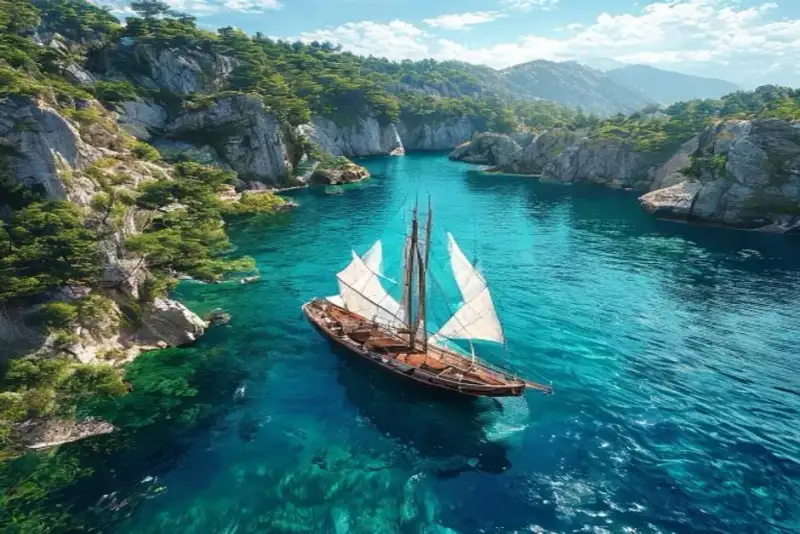
The sun dips below the horizon, painting the sky in fiery oranges and soft lavenders, casting a golden sheen across the glassy water. A gentle breeze, carrying the scent of pine and salt, rustles the sails of our wooden gulet, its polished deck warm beneath my bare feet. Below, the #ancient stones of a sunken city whisper tales of millennia past, visible through the impossibly clear, cerulean depths. This is not merely a vacation; it is an immersion, a dance with #history and #nature along the fabled shores where myth and reality intertwine. This, my friends, is the peerless experience of sailing the Turquoise Coast, Turkey’s #LycianDream. Often referred to as the Turkish Riviera, this magnificent stretch of coastline, primarily encompassing the provinces of Antalya and Muğla, is a symphony of natural beauty, #ancient wonders, and vibrant #culture. From the bustling marinas of Bodrum and Marmaris to the tranquil, pine-clad coves near Göcek and Fethiye, the Turquoise Coast offers an unparalleled maritime adventure. It's a #journey not just across geographical miles but through layers of #history, where Lycian rock tombs overlook Roman theatres, and Ottoman citadels stand guard over Byzantine churches. For the intrepid traveller, the history buff, the sun worshipper, or the sheer lover of beauty, embarking on a voyage here is to uncover one of the Mediterranean's most enduring and captivating secrets. This comprehensive guide will take you deep into the heart of this aquatic paradise, blending the practicalities of yachting with the evocative allure of a truly unforgettable #MediterraneanEscape. Why Sail the Turquoise Coast? The Allure of Azure What makes this particular segment of the Mediterranean so uniquely compelling for sailing? Beyond its obvious aesthetic appeal, the Turquoise Coast boasts a unique confluence of factors. Firstly, the geography: a dramatic coastline punctuated by hundreds of secluded coves, islands, and inlets, many only accessible by boat. Imagine dropping anchor in a bay where the water is so translucent you can count the pebbles on the seabed, surrounded by nothing but the scent of wild herbs and the chirping of cicadas. These #HiddenCoves are the true jewels of the coast. Secondly, the history. This region was once ancient Lycia, a confederation of independent city-states known for their distinctive rock-cut tombs and formidable seafaring prowess. Evidence of these ancient civilisations is ubiquitous, often dramatically situated right on the water's edge. Sailing here is like navigating an open-air museum, where every turn reveals another relic of a storied past. You don’t just read about history; you sail through it. Thirdly, the weather. With over 300 sunny days a year, particularly between May and October, the sailing conditions are typically idyllic – warm, clear days with reliable breezes perfect for cruising. The #ClimatePerfection ensures comfortable passage and endless opportunities for swimming and sunbathing. And finally, the #culture: the famed Turkish hospitality, the delectable cuisine blending Aegean freshness with Anatolian spices, and the vibrant local markets all add an enriching layer to the #journey. The experience goes beyond the boat; it's about connecting with the soul of Turkey. Planning Your Voyage: Setting Sail for Paradise Embarking on a journey along the Turquoise Coast requires a little planning, but the rewards are immeasurable. When to Go: The peak season runs from July to August, offering the warmest waters but also the largest crowds. For a more serene experience with pleasant temperatures and good breezes, consider the shoulder seasons: May-June or September-October. These months offer the best balance of weather, fewer people, and often better prices. #BestTimeToTravel. Choosing Your Vessel: The quintessential experience here is undoubtedly on a gulet. These traditional, handcrafted wooden yachts, with their broad decks and comfortable cabins, are designed for leisure and relaxation. They evoke a sense of timeless romance, perfectly suited to the gentle pace of a coastal cruise. Gulets typically come with a full crew (captain, chef, deckhands), meaning you simply relax while everything else is taken care of. For those with sailing experience, bareboat charters of monohulls or catamarans are also readily available, offering greater autonomy. Each has its charm, but for pure indulgence and a truly Turkish flavour, a gulet is paramount. #GuletLife.Starting Points: Major hubs like Bodrum, Marmaris, Fethiye, and Göcek serve as excellent departure points. Each has its own character: Bodrum, glamorous and historic; Marmaris, vibrant and bustling; Fethiye, a gateway to natural wonders; and Göcek, a sophisticated yachting haven. Your choice often depends on your itinerary and preferred airport access. Itinerary Considerations: A typical cruise ranges from 3 to 7 days, though longer expeditions are certainly possible. A good itinerary balances sailing time with opportunities for swimming, exploring onshore, and simply relaxing. You'll want to factor in must-see sites, but also leave room for spontaneous detours to especially inviting coves. The Jewels of the Coast: A Route to Remember Let’s chart a course through some of the most iconic and enchanting destinations along the Turquoise Coast. Fethiye Gulf and Beyond: Often a starting point, Fethiye itself is a lively port town with a fascinating past, notably the Lycian rock tombs carved high into the cliffs overlooking the city. From Fethiye, you can venture into the stunning Fethiye Gulf, home to numerous islands and bays. Ölüdeniz, or the "Blue Lagoon," is perhaps the most famous, renowned for its calm, iridescent waters and dramatic paragliding opportunities. While it can be crowded, its beauty is undeniable. A short sail away lies Butterfly Valley, a spectacular natural canyon home to thousands of butterflies during certain seasons. Accessible only by boat or a challenging hike, it’s a slice of untouched paradise. Further along, Gemiler Island (St. Nicholas Island) boasts the ruins of several Byzantine churches, believed to be the original burial place of St. Nicholas (Santa Claus). Exploring these ruins at sunset, with panoramic views of the Aegean, is truly magical. #FethiyeAdventures. Göcek: Yachting Paradise: Nestled between Fethiye and Dalyan, Göcek is a smaller, more upscale town, renowned as a premier yachting destination. It’s less about ancient ruins and more about pristine bays, sophisticated marinas, and superb dining. The Twelve Islands region around Göcek offers an endless array of sheltered anchorages, perfect for leisurely swimming, snorkelling, and enjoying the tranquility. Many consider Göcek the heart of gulet cruising, offering unparalleled access to stunning natural beauty without the bustle of larger towns. It’s a place where you truly feel the rhythm of #BoatLife. Dalyan: Mud Baths and Ancient Wonders: While not directly on the coast, a detour up the Dalyan River is a highly recommended excursion. The river winds through a reed-lined labyrinth, revealing the magnificent Lycian rock tombs of Kaunos carved into the cliffs. These incredibly elaborate facades, dating back to the 4th century BC, are a testament to the sophisticated artistry of the Lycians. Further upriver, you can indulge in the famous Dalyan mud baths and thermal springs, said to have therapeutic properties. The journey culminates at Iztuzu Beach, a pristine, protected sand spit that serves as a vital nesting ground for endangered loggerhead sea turtles (#CarettaCaretta). It’s a place where history, #nature, and relaxation converge beautifully. #DalyanRiver. Kaş & Kalkan: Bohemian Charms: South of Fethiye, the charming towns of Kaş and Kalkan offer a different flavour. Kaş is a bohemian gem, with narrow cobbled streets, bougainvillea-draped houses, and a relaxed, artistic vibe. It’s a popular spot for diving, with several interesting wreck sites and vibrant marine life. The ancient theatre overlooking the sea provides a breathtaking spot for sunset views. Kalkan, a short distance away, is known for its upscale restaurants and stunning rooftop terraces, offering gourmet dining experiences with unparalleled views of the bay. Both towns retain an authentic, unhurried feel and are perfect for an evening stroll and a taste of local life. #KaşKalkan. Kekova & The Sunken City: A Window to the Past: This region is arguably the most historically significant and visually dramatic segment of the Turquoise Coast. The island of Kekova is famous for its partially submerged ancient Lycian city, believed to have been destroyed by an earthquake in the 2nd century AD. As your gulet glides over the crystal-clear waters, you can peer down to see remnants of houses, staircases, and even a partially submerged church. It’s an ethereal experience, a poignant reminder of the impermanence of human endeavour against the backdrop of eternal nature. #SunkenCity.Opposite Kekova lies the charming village of Kaleköy, accessible only by sea, with its Byzantine castle perched atop a hill. Known in antiquity as Simena, the village is a maze of stone houses, bougainvillea, and tiny cafes. Climb to the castle for breathtaking views, and don’t forget to try the local homemade ice cream, often featuring unique flavours like goat's milk and fig. Nearby, the dramatic Lycian sarcophagi of Üçağız dot the landscape, some half-submerged in the water, others standing proudly on the shore. It's an archaeological wonderland and a prime example of #HistoryTravel. Demre & Myra: St. Nicholas and Rock Tombs: Further east, accessible via a short journey inland from the coast, lies Demre, home to the ancient city of Myra. This site is significant for two main reasons: its extraordinarily well-preserved Lycian rock tombs, carved into a sheer cliff face with intricate details resembling #temple facades, and the Church of St. Nicholas. St. Nicholas, the 4th-century bishop of Myra, is the historical figure behind Santa Claus. His church, now partially restored, is a place of pilgrimage and offers a fascinating glimpse into early Christian history. The Roman theatre at Myra is also remarkably intact, providing a powerful sense of the city's past grandeur. Exploring these sites adds a profound cultural and historical dimension to your coastal adventure. #AncientRuins. Life Aboard: The Rhythm of the Sea Sailing the Turquoise Coast is as much about the journey as the destinations. Life aboard a gulet settles into a blissful, unhurried rhythm. Mornings begin with a refreshing dip in the bay, followed by a sumptuous Turkish breakfast of fresh fruits, cheeses, olives, eggs, and freshly baked bread. Days are spent cruising, swimming in secluded coves where the water shimmers in impossible shades of blue and green, snorkelling among colourful fish, or simply relaxing on deck with a good book. The onboard chef is often a highlight, preparing exquisite lunches and dinners using the freshest local ingredients. Imagine feasting on grilled sea bass, vibrant mezes, and crisp salads, all served al fresco with the stunning Mediterranean landscape as your backdrop. Evenings are dedicated to conversation under a canopy of stars, perhaps a game of backgammon, or simply listening to the gentle lapping of waves against the hull. The sunsets here are legendary, painting the sky in ever-changing masterpieces. It’s a digital detox by default, an invitation to reconnect with nature and yourself. This is the essence of #SlowTravel and #WellnessJourney. Beyond the Boat: Embracing Local Culture While the gulet provides a comfortable sanctuary, stepping ashore is crucial for a complete experience.Local Markets: Wander through the bustling pazars in towns like Fethiye, Kaş, or Marmaris. Engage with friendly vendors, sample local produce, and perhaps pick up some unique souvenirs – hand-woven textiles, spices, or Turkish delight. It's a sensory overload in the best possible way. Cuisine: Don't miss the opportunity to dine at a local lokanta (eatery) or a charming fish restaurant in a coastal village. From succulent kebabs to fresh seafood (balık), vibrant mezes (small plates), and sweet baklava, Turkish cuisine is a delicious fusion of flavours. Pair it with a glass of rakı (anise-flavoured spirit) or local wine. #MediterraneanDiet. Hiking: The Lycian Way, one of the world's great long-distance trekking routes, traces much of this coastline. Even short sections of a hike offer breathtaking views and a chance to explore ancient paths connecting forgotten villages. Water Sports: Beyond swimming and snorkelling, many bays offer opportunities for paddleboarding, sea kayaking, or even diving for the more adventurous. The underwater world of the Turquoise Coast is surprisingly rich, with vibrant coral reefs, ancient amphorae, and diverse marine life. #UnderwaterExploration.Navigating the Waters: Practical Tips For those considering a bareboat charter, understanding local conditions is key. The prevailing winds, called the meltemi in the Aegean, can pick up in the afternoons, offering exciting sailing but requiring good seamanship. In the Lycian sector, winds are generally lighter. Charts are excellent, and navigation is relatively straightforward, but always be aware of submerged rocks and shallow areas, particularly when entering smaller coves. Having a local pilot or at least good local knowledge is invaluable. Obtaining necessary permits and understanding maritime regulations is essential for a smooth journey. Most charter companies will provide a comprehensive briefing. Safety is paramount, so always ensure your vessel is well-equipped and you are familiar with all safety procedures. The Spirit of the Aegean and Mediterranean: Cultural Insights The Turkish people are renowned for their warmth and hospitality. A smile, a simple "Merhaba" (hello), or "Teşekkür ederim" (thank you) goes a long way. Don't be surprised if locals offer you tea (çay) or engage you in friendly conversation. This genuine desire to connect adds immeasurably to the #travel experience. The blend of ancient traditions with modern vibrancy creates a captivating cultural tapestry. From the call to prayer echoing from a mosque at dawn to the lively chatter of a village square, every moment is an opportunity for #CulturalImmersion. Sustainability and Responsible #travel: Protecting this Paradise The beauty of the Turquoise Coast is fragile. As travellers, we have a responsibility to protect it. Choose reputable charter companies that adhere to sustainable practices, minimise waste, conserve water, and respect marine life. Avoid anchoring on seagrass beds, take all your rubbish with you, and support local businesses that prioritise environmental protection. Be mindful of historical sites, leaving them undisturbed for future generations. Our actions today will ensure that this magnificent coastline remains a pristine #EcoTravel destination for years to come. A Farewell to Azure Horizons As the last day of the voyage approaches, a bittersweet feeling settles in. The gentle rocking of the boat has become a lullaby, the endless expanse of blue a familiar friend. You’ve journeyed through ancient empires, swum in waters of unimaginable clarity, savoured exquisite flavours, and felt the warm embrace of Turkish hospitality. You've witnessed sunsets that etch themselves onto your soul and risen to sunrises that promise endless possibilities. Sailing the Turquoise Coast is more than a trip; it’s an awakening. It's an invitation to slow down, to breathe deeply, and to remember the simple joys of life lived in harmony with the sea. It's a story told in the rustle of sails, the aroma of pine, the taste of salt, and the enduring beauty of a land where every wave carries a whisper of history. So, pack your bags, leave your worries behind, and answer the siren call of the #TurquoiseCoast. Your adventure awaits. #Wanderlust. #travel #explore #guide Related InsightsThe Faroe Islands: Where Nordic Wilderness Meets Photographic Magic The Obsidian Trails: Tracing Azerbaijan's Forgotten Fire Keepers of Garasu The Maldives: Where Overwater Bungalows Meet Coral Reef Conservation (Part 2){ "@context": "https://schema.org", "@type": "FAQPage", "mainEntity": [ { "@type": "Question", "name": "What is the main focus of Sailing the Turquoise Coast?", "acceptedAnswer": { "@type": "Answer", "text": "A deep dive into Sailing the Turquoise Coast with Cemre Seyyah." } }, { "@type": "Question", "name": "Who authored the comprehensive guide on Sailing the Turquoise Coast?", "acceptedAnswer": { "@type": "Answer", "text": "This detailed article and its insights were carefully researched and authored by Cemre Seyyah." } }, { "@type": "Question", "name": "Where can I find more related content about Travel?", "acceptedAnswer": { "@type": "Answer", "text": "You can explore more articles, detailed reviews, and similar insights by browsing the Related Insights section at the bottom of this article or visiting our dedicated Travel category page." } } ] }