Masala Dosa: The Crispy Crepe That Conquered the World
-
 Anjali Desai
 - 10 Feb, 2026 21:15
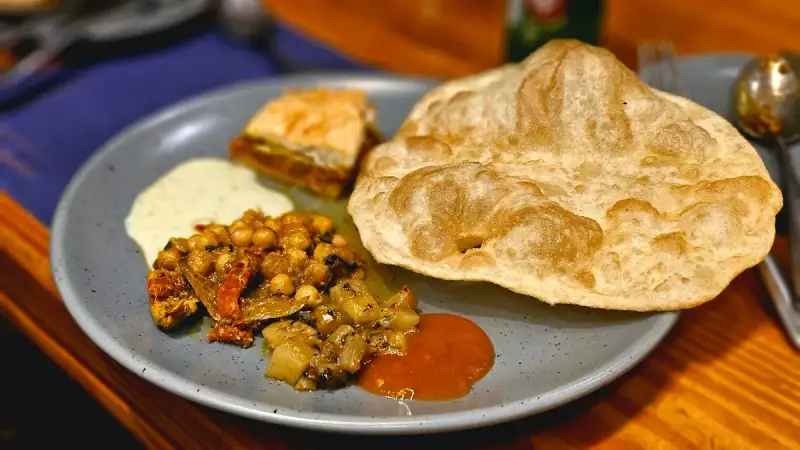
The mere mention of Masala Dosa is enough to transport your senses to the bustling streets of India, where the aroma of fermented batter and spices wafts through the air, teasing your taste buds and beckoning you to take a bite. This crispy crepe, stuffed with a flavorful mixture of spiced potatoes, onions, and chutneys, has become an iconic symbol of Indian cuisine, beloved by people all over the world. But the story of Masala Dosa is more than just a recipe – it’s a tale of cultural heritage, tradition, and innovation.
Introduction to Masala Dosa
Masala Dosa is a type of fermented crepe made from rice and lentil batter, originating from the southern Indian state of Tamil Nadu. The name “Masala Dosa” literally translates to “spiced dosa,” referring to the flavorful filling that’s wrapped inside the crispy crepe. The dish has a long history, dating back to the 10th century, when it was first mentioned in the Tamil literature. Over time, Masala Dosa has evolved and spread to different parts of India, with various regional variations and adaptations.
The Cultural Significance of Masala Dosa
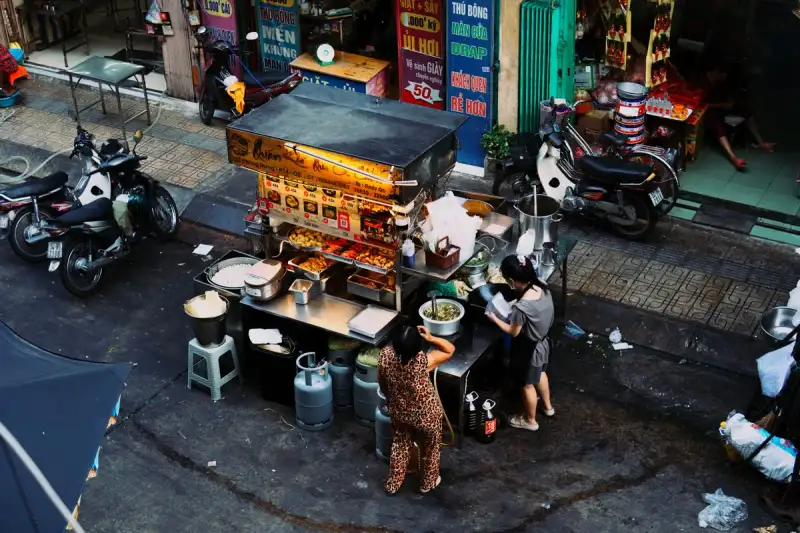
Masala Dosa is more than just a food item – it’s an integral part of Indian culture and tradition. In southern India, Masala Dosa is a staple breakfast food, often served with sambar (a lentil-based vegetable stew) and chutney. The dish is also an important part of Indian festivals and celebrations, such as the Hindu festival of Diwali, where it’s traditionally served as a sweet and savory treat. The cultural significance of Masala Dosa is reflected in its preparation and consumption, which is often a communal and social activity.
The Art of Making Masala Dosa
Making Masala Dosa is an art that requires skill, patience, and practice. The batter is made from a mixture of rice and lentils, which are soaked, ground, and fermented overnight. The fermentation process gives the batter its characteristic sour taste and fluffy texture. The batter is then cooked on a hot griddle, where it’s spread into a thin, crispy crepe. The filling is made from a mixture of boiled potatoes, onions, and spices, which are sautéed in oil and wrapped inside the crepe.
Regional Variations of Masala Dosa
While Masala Dosa is a staple dish in southern India, it has also spread to other parts of the country, where it’s been adapted and modified to suit local tastes and preferences. In Mumbai, for example, Masala Dosa is often served with a sweet and spicy chutney, while in Delhi, it’s commonly served with a side of tangy and creamy raita (a yogurt-based sauce). The regional variations of Masala Dosa reflect the diversity and richness of Indian cuisine, which is characterized by its use of local ingredients, spices, and cooking techniques.
The Global Popularity of Masala Dosa
Masala Dosa has become a global phenomenon, with restaurants and food trucks serving the dish in cities all over the world. The dish has been adapted and modified to suit local tastes and preferences, with variations such as vegan Masala Dosa, gluten-free Masala Dosa, and even dessert Masala Dosa. The global popularity of Masala Dosa reflects the growing interest in international cuisine and the desire for new and exciting food experiences.

Conclusion
Masala Dosa is a dish that’s steeped in tradition and culture, yet it’s also a symbol of innovation and adaptation. Whether you’re a foodie, a chef, or just a lover of Indian cuisine, Masala Dosa is a dish that’s sure to delight and inspire. With its crispy exterior, fluffy interior, and flavorful filling, Masala Dosa is a culinary experience that’s not to be missed.
#MasalaDosa #IndianCuisine #StreetFood #Foodie #TraditionalFood #CulturalHeritage #SouthIndianCuisine #FoodBlogger