Shahi Tukda: The Golden Dessert of Kings
-
 Rahul Sharma
 - 13 Jan, 2026 16:07

In the realm of Indian desserts, there exists a golden delight that has been a symbol of opulence and grandeur for centuries. Shahi Tukda, which translates to “royal piece” in English, is a dessert fit for kings. This indulgent treat is a masterclass in textures and flavors, with crispy fried bread, rich rabri, and a sprinkle of edible gold leaf. As we delve into the world of Shahi Tukda, we will uncover its rich history, cultural significance, and the secrets behind its irresistible charm.
Introduction to Shahi Tukda
Shahi Tukda is a traditional Indian dessert that originated in the Mughal Empire. The Mughal emperors, known for their love of fine cuisine and extravagant feasts, created this dessert as a showcase of their wealth and power. The name “Shahi Tukda” itself is a testament to its royal heritage, with “Shahi” meaning “royal” and “Tukda” meaning “piece” or “portion.” This dessert was served at royal courts and special occasions, where it was devoured by the nobility and aristocracy.
 The ingredients used in Shahi Tukda are a reflection of its royal roots. The bread used is typically a type of white bread, such as milk bread or bun, which is deep-fried until crispy and golden. The rabri, a rich and creamy sauce made from milk, sugar, and nuts, is the perfect accompaniment to the crunchy bread. The edible gold leaf adds a touch of luxury and sophistication, making this dessert truly fit for kings.
History and Cultural Significance
Shahi Tukda has a rich cultural history that spans centuries. During the Mughal Empire, this dessert was a staple at royal courts and special occasions. The Mughal emperors, known for their love of fine cuisine, created this dessert as a showcase of their wealth and power. The use of expensive ingredients, such as saffron and cardamom, and the elaborate preparation process, made this dessert a true indulgence.
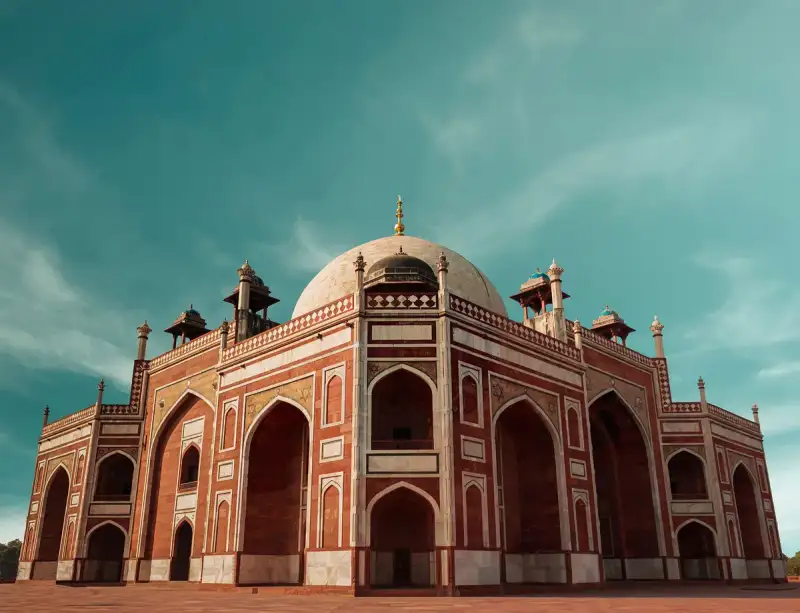 As the Mughal Empire declined, Shahi Tukda spread throughout India, where it was adopted by various regions and cultures. In Hyderabad, for example, Shahi Tukda is a popular dessert during the festival of Eid, where it is served with a variety of other traditional sweets. In other parts of India, such as Delhi and Lucknow, Shahi Tukda is a staple at weddings and other special occasions.
Preparation and Ingredients
The preparation of Shahi Tukda is an art form that requires patience, skill, and attention to detail. The bread is typically deep-fried until crispy and golden, then soaked in a mixture of milk, sugar, and cardamom. The rabri, made from milk, sugar, and nuts, is cooked until thick and creamy, then flavored with saffron and cardamom. The edible gold leaf is added as a finishing touch, giving the dessert its signature golden color.
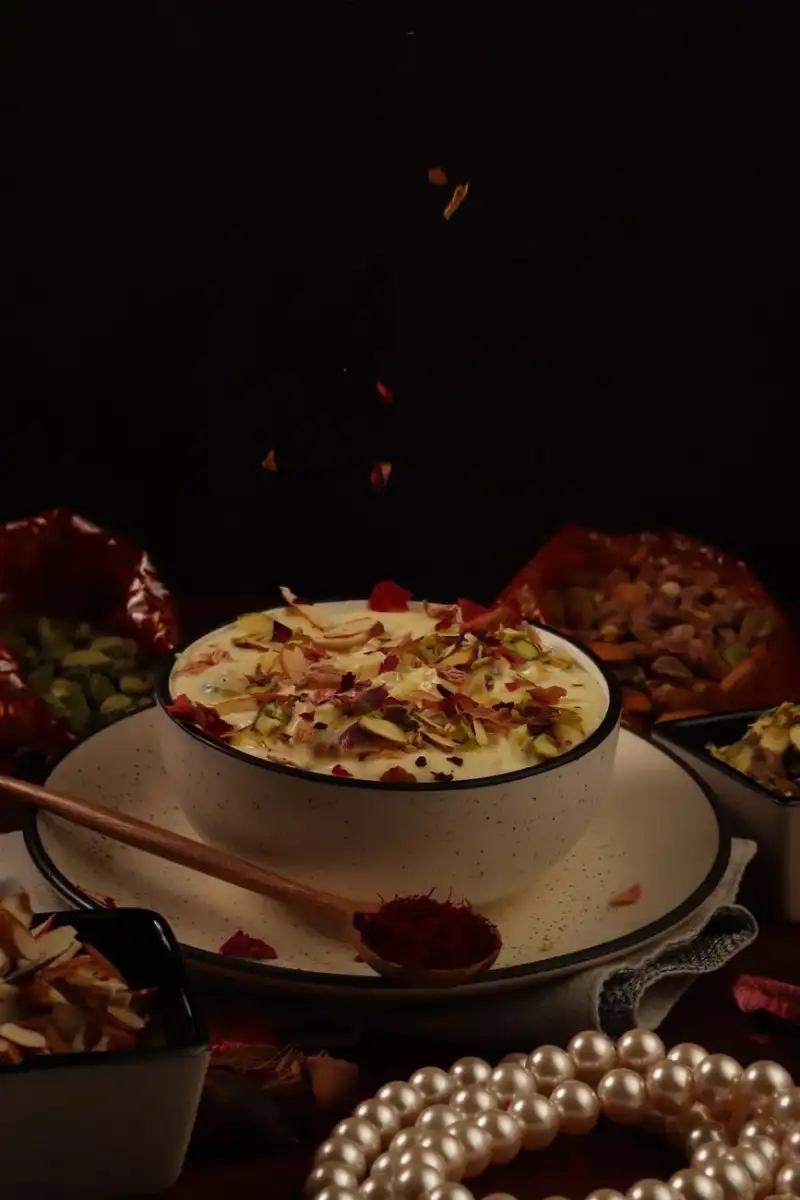 The ingredients used in Shahi Tukda are a reflection of its rich cultural heritage. The bread, typically a type of white bread, is a symbol of luxury and sophistication. The rabri, made from milk, sugar, and nuts, is a staple in Indian cuisine, where it is used in a variety of desserts and sweets. The edible gold leaf, a luxury item in its own right, adds a touch of opulence and grandeur to the dessert.
Variations and Modern Twists
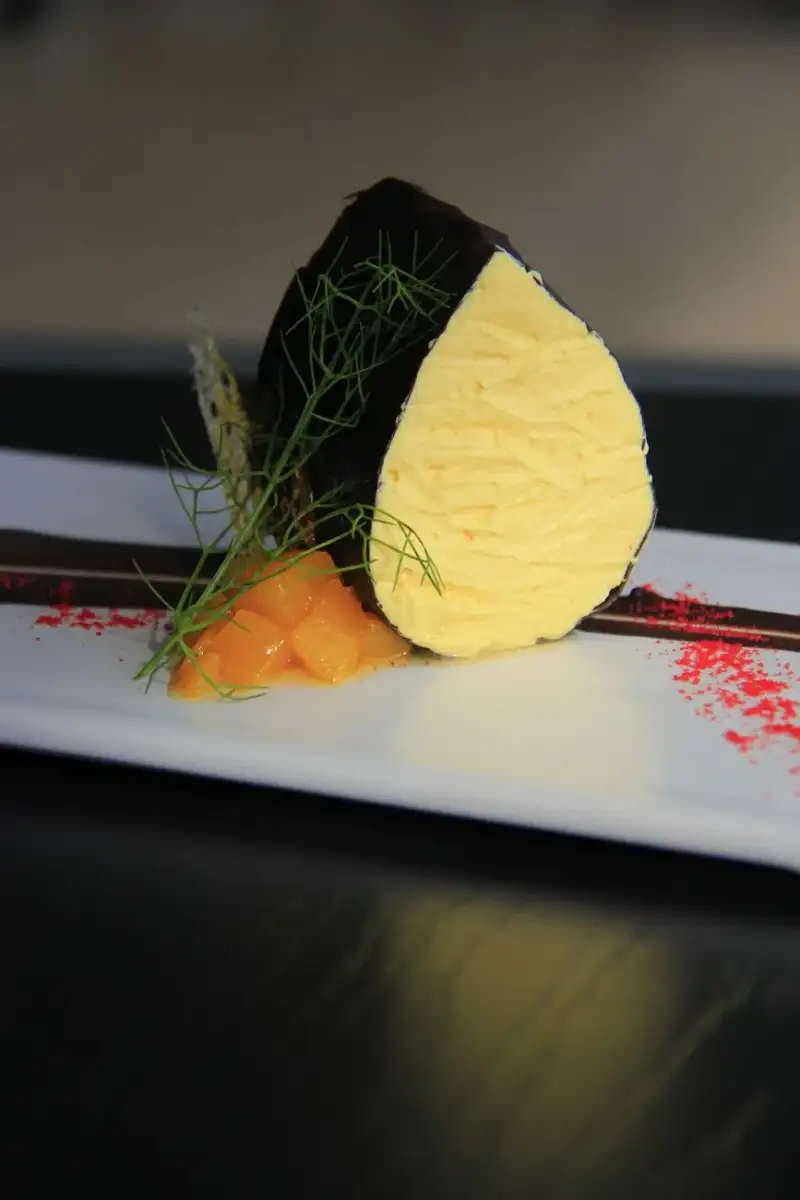
While traditional Shahi Tukda is still widely popular, modern variations and twists have emerged in recent years. Some restaurants and chefs have experimented with new ingredients, such as chocolate and fruit, to create unique and innovative versions of the dessert. Others have retained the traditional recipe, but added modern presentation and plating techniques to give the dessert a contemporary look.
 In addition to these modern variations, Shahi Tukda has also been influenced by regional and cultural traditions. In Hyderabad, for example, Shahi Tukda is often served with a variety of other traditional sweets, such as gulab jamun and jalebi. In other parts of India, such as Delhi and Lucknow, Shahi Tukda is often served with a sprinkle of pistachios and almonds, adding a touch of crunch and texture to the dessert.
Conclusion
Shahi Tukda is a dessert that embodies the richness and grandeur of Indian cuisine. With its crispy fried bread, rich rabri, and sprinkle of edible gold leaf, this dessert is truly fit for kings. As we have explored the history, cultural significance, and preparation of Shahi Tukda, we have uncovered a dessert that is not only delicious, but also steeped in tradition and cultural heritage. Whether you are a foodie, a history buff, or simply someone who appreciates the finer things in life, Shahi Tukda is a dessert that is sure to delight and inspire.
#ShahiTukda #IndianDesserts #TraditionalFood #Foodie #DessertLovers #CulturalHeritage #IndianCuisine #RoyalDesserts