The Lost Alchemy of Ancient Fermented Grains: Echoes from the Andes

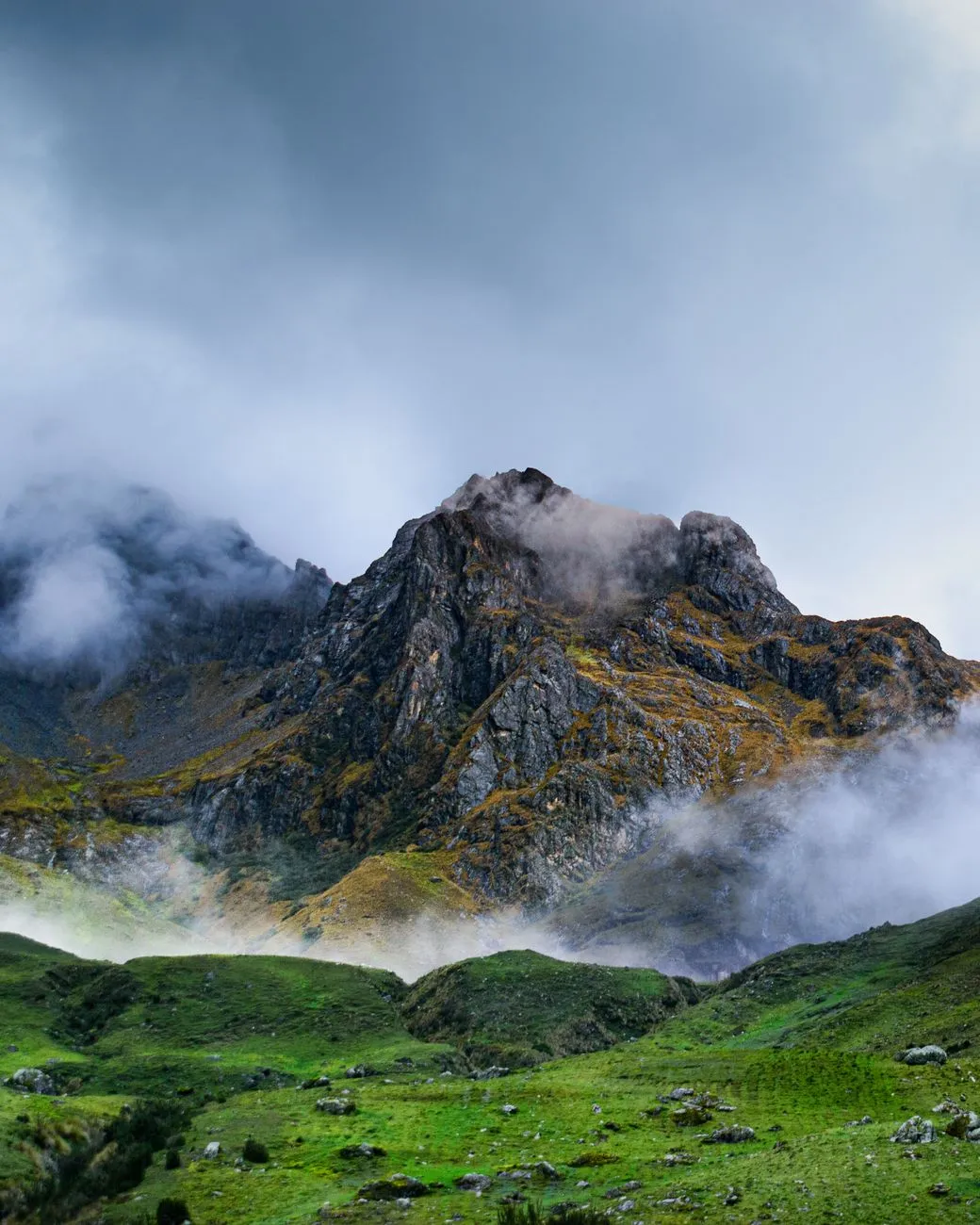
High in the mist-shrouded peaks of the Andes, where the air thins and the silence of the mountains rings with the gravity of centuries, a forgotten chemistry pulses beneath the soil. I am Mark Dinn, and my travels have taken me across six continents, but few places command the spirit like the rugged heart of Peru and Bolivia. Here, the history of civilization is not written merely in stone temples or golden artifacts, but in the slow, bubbling transformation of grains. This is the story of the lost alchemy—the ancestral practice of fermenting Andean staples, a process that once sustained empires and defined the cultural rhythm of the Inca and their predecessors. As a traveler navigating these high-altitude terrains, one does not just eat; one participates in an ancient conversation with the earth. The process of fermentation, often misunderstood in our modern, sterilized world, was the primary technology of survival in the Andes. It turned humble maize and quinoa into the lifeblood of ritual, medicinal, and nutritional necessity. To understand this, we must look past the tourist traps and into the communal kitchens where the “cora” (sprouted grain) is still prepared by hand.
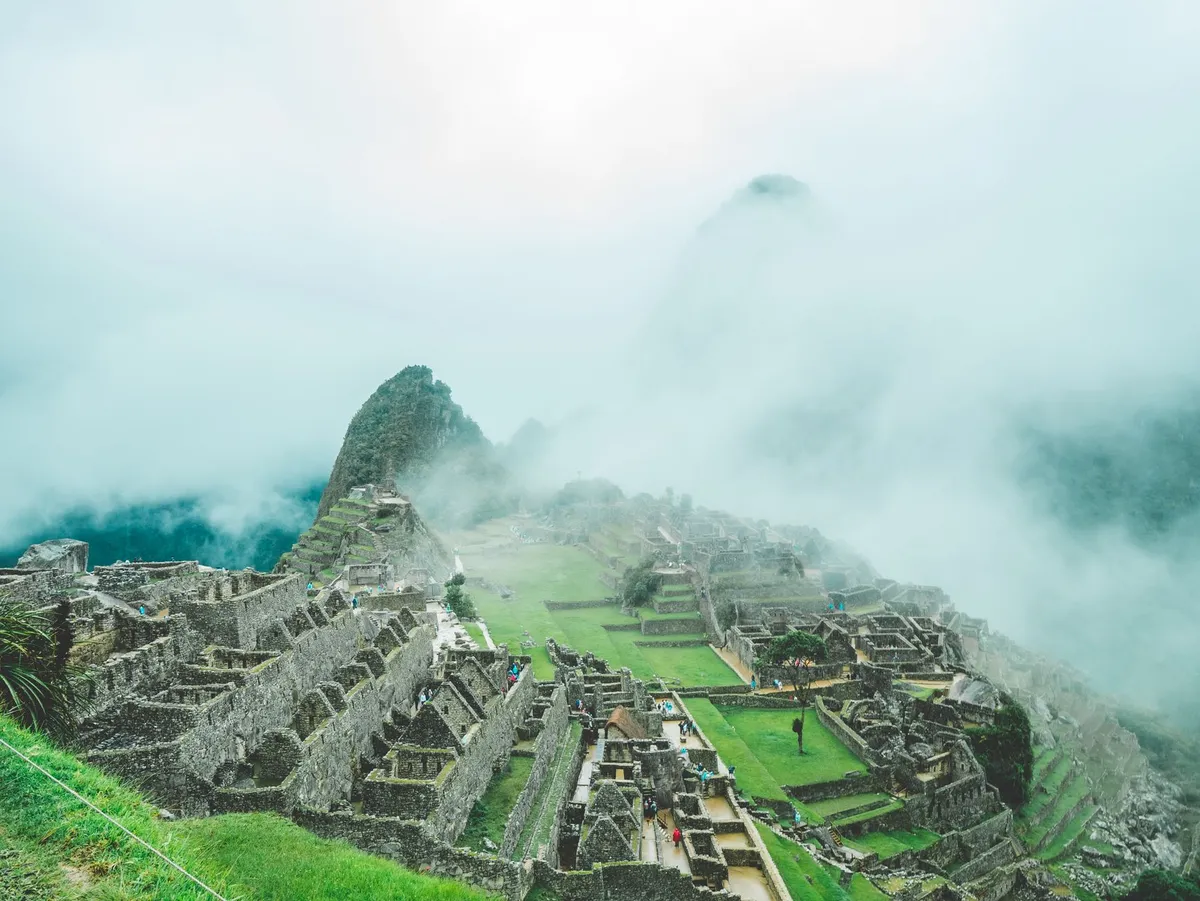
The practice of “chicha de jora,” the most famous of these fermented maize drinks, begins with the germination of the grain. This is not a hobbyist’s endeavor; it is a labor-intensive ritual involving the soaking of corn in water until it begins to sprout. As the grain sprouts, enzymes are activated, breaking down complex starches into fermentable sugars. In the local Quechua tongue, the process is one of rebirth. For the modern traveler, finding an authentic chicha house—often marked by a simple red plastic bag tied to a pole outside a home—is a rite of passage. It is here, amidst the low hum of conversation and the pungent, earthy aroma of fermenting mash, that you realize the sophistication of the Andean diet. While travelers often focus on the cost of living or the safety of transit, referencing tools like Numbeo to manage their budget, the real currency here is tradition. Understanding the effort required to produce these artisanal ferments shifts the way we perceive value. We aren’t just paying for a drink; we are subsidizing the survival of a lineage.
The Chemistry of the High Altitude Harvest
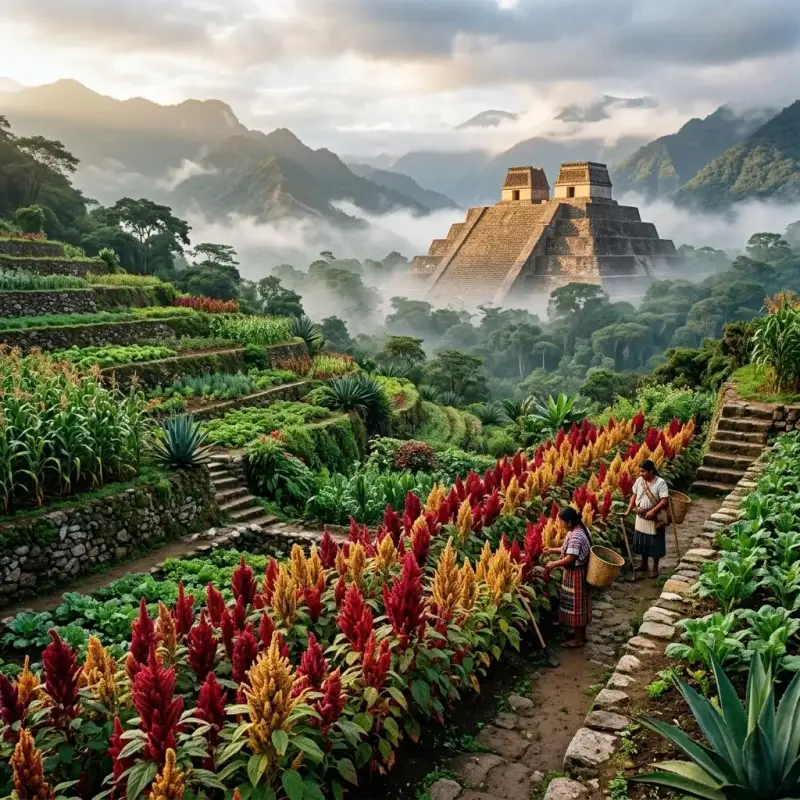
The survival of the Andean people is an architectural marvel of bio-chemistry. At altitudes exceeding 3,000 meters, the human body undergoes extreme stress, and the nutritional profile of the local grains—specifically quinoa, amaranth, and kañiwa—provides the necessary fortification. Fermentation acts as a catalyst here, increasing the bioavailability of micronutrients. When I trek through the Sacred Valley, I am constantly reminded that the fermentation process is essentially a form of pre-digestion. By introducing lactic acid bacteria and indigenous yeasts to the grain, these ancient practitioners effectively unlocked minerals that would otherwise be sequestered by phytic acid. This is why the Quechua people possess such endurance; their diet is engineered for the oxygen-deprived environment.
For the digital nomad looking to settle in Cusco or La Paz, the reliance on these fermented grains can offer a transformative nutritional baseline. However, one must approach this with the rigor of a researcher. While Numbeo provides excellent data on the rising cost of imported goods, the savvy traveler learns that the local markets—where fermented products are sold in earthen vessels—offer the most nutrient-dense options for a fraction of the cost. The local market is not just a place to buy produce; it is a laboratory of health. The “chicha” you find there is rarely the filtered, pasteurized version exported to tourist restaurants. It is raw, alive, and teeming with beneficial microbes. I have spent countless hours speaking with local market vendors who hold the knowledge of how to stabilize these ferments using native herbs like “muña,” which not only flavors the drink but adds potent antimicrobial properties. This is the intersection of botany and history, a tangible alchemy that defines the Andean traveler’s journey.
| Nutrient Type | Traditional Fermented Grain (per 100g) | Modern Processed Equivalent |
|---|---|---|
| Bioavailable Protein | 14g | 9g |
| Digestive Enzymes | High (Active) | Minimal (Inactive) |
| Glycemic Index | Low (Stable) | High (Spiking) |
| Microbiome Impact | Beneficial Bacteria | Neutral/Negligible |
| Mineral Density | High (Bioavailable) | Low (Sequestered) |
The Rhythms of the Sacred Grain Fermentation Process
To observe the fermentation process in a rural Andean village is to witness time slowing down. The craft is rarely documented in textbooks; it is passed through the hands of elders to the next generation. The grains—specifically the “jora” maize—are dried and ground, then boiled in massive clay vats over wood fires. This heat treatment is critical, yet it is the cooling and the subsequent inoculation that determines the quality of the final product. Many travelers make the mistake of assuming all chicha is alcoholic, but the spectrum of fermentation here ranges from the non-alcoholic “api” (a warm, sweet corn porridge) to the highly potent, long-aged chicha. Each stage of the fermentation creates a different chemical composition and a different cultural context.
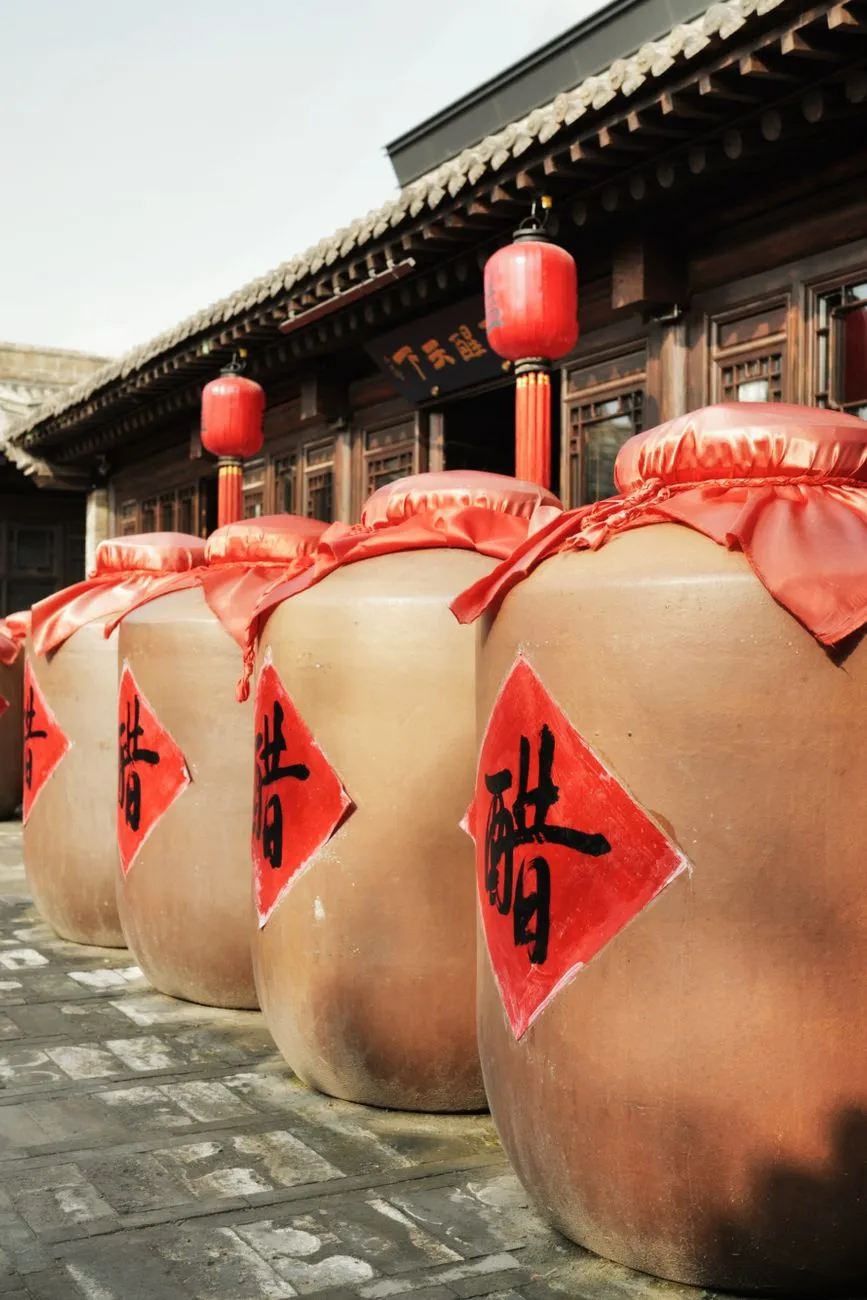
When you sit with a family in the highlands, observing the bubbling vats, you aren’t just a guest; you are a witness to the preservation of Andean identity. The temperature fluctuations of the mountain nights play a vital role. The cool, crisp air slows the fermentation, allowing complex flavor profiles to develop over days rather than hours. As someone who evaluates cities for work-life balance using the metrics provided by databases like Numbeo, I find a fascinating parallel here. The “cost of living” in a city is often measured in currency, but in the Andes, the “cost of living” is measured in the patience required for food to mature. In our hurried world, we have forgotten that the most profound things—whether it is a career path or a jar of fermented quinoa—require the stability of time and the right environment to flourish. This realization is what keeps me returning to these mountains; it is the ultimate grounding mechanism for any traveler.
Navigating the Modern Andes with Ancient Wisdom
Traveling through the Andes requires a balance of modern logistics and respect for ancient protocols. If you are planning a trip to the region, utilize every available digital resource—check Numbeo for the relative cost of living, transport, and healthcare in cities like Lima, Arequipa, or Sucre. These data points are essential for long-term travelers. However, do not let the digital convenience blind you to the reality on the ground. When you arrive in these hubs, your first goal should be to bridge the gap between the modern city and the ancient mountain life. This means seeking out the “picanterías,” the traditional kitchens that act as the gatekeepers of regional fermentation traditions.
When visiting these establishments, the protocol is simple: humility and curiosity. Ask about the grains. Ask about the source of the “cora.” You will find that when you move past the transactional nature of tourism, you unlock a depth of hospitality that is rare in the modern age. The Andes are not just a backdrop for trekking; they are a living system. If you take the time to understand the local fermentation practices, you will find that your travel budget goes much further, as you are accessing locally produced, nutrient-rich foods that sustain the population. Your health—often challenged by altitude and the rigors of constant travel—will benefit immensely from the probiotic density of these ancestral staples. Furthermore, by supporting these small-scale producers, you ensure that the ancient alchemy does not vanish into the tide of industrial, pre-packaged commodities that are slowly encroaching on urban Andean markets.
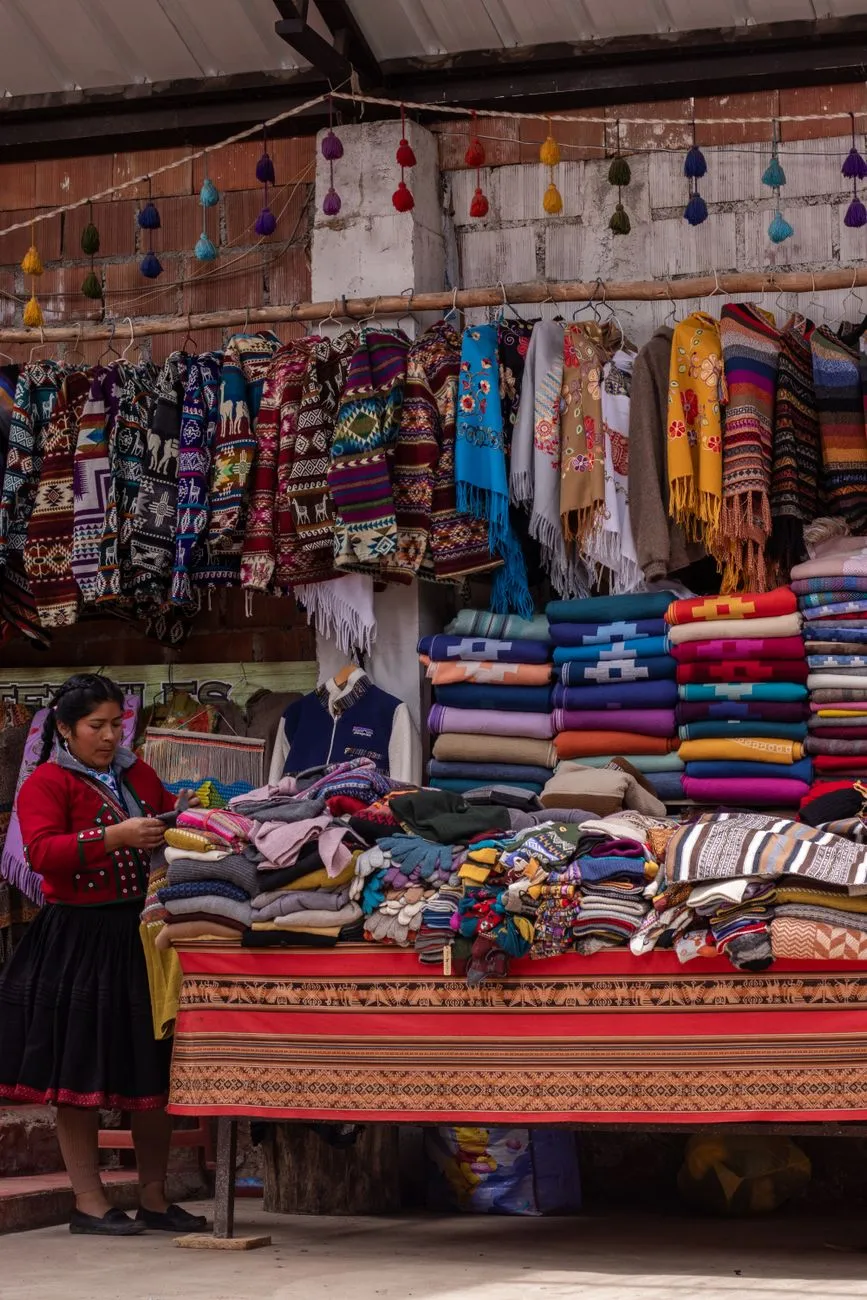
The Philosophical Legacy of the Andean Vat
The “Lost Alchemy” of the Andes is not truly lost; it is waiting in the silent corners of the highlands for those who have the patience to seek it out. It is a reminder that human ingenuity is not always about forward-facing progress; sometimes, the most sophisticated answers to our modern problems of health, nutrition, and environmental sustainability were perfected thousands of years ago in clay pots heated by open fires. As we move forward into a future where sustainability is no longer an option but a requirement, we would do well to look back at the Andean methods of grain utilization. The fermentation of native seeds and grains is a low-energy, high-output, and deeply ecological practice.
As an expert blogger and a seasoned traveler, my mission is to bridge these worlds. Whether I am analyzing the cost of transport in a bustling South American metropolis or tasting the tart, effervescent notes of a fresh chicha in a remote village, the underlying theme is the same: value. Value is found in the connections we make, the knowledge we preserve, and the way we nourish ourselves. The Andes have taught me that the best journey is one that changes your internal chemistry as much as your geographic coordinates. So, pack your bags with the necessary technical tools to survive the modern world, but keep a small space in your heart and your schedule for the ancient, the slow, and the fermented. The echoes of the Andes are calling, and they speak in the language of bubbling grains, mountain air, and a tradition that refuses to be forgotten. In this final assessment, I urge you to look beyond the superficial travel guides and seek the heartbeat of the land, for it is there that you will find the most authentic travel experience of your life. Keep searching, keep learning, and above all, keep honoring the alchemy of the world around you, for it is the secret ingredient to a life well-traveled. The mountain paths are waiting to reveal their secrets, but only to those who are willing to drink from the cup of history.
#CulinaryTravel #AndeanCulture #SustainableTravel #Fermentation #AncientGrains