Showing Posts From
Foodhistory


High in the mist-shrouded peaks of the Andes, where the air thins and the silence of the mountains rings with the gravity of centuries, a forgotten chemistry pulses beneath the soil. I am Mark Dinn, and my travels have taken me across six continents, but few places command the spirit like the rugged heart of Peru and Bolivia. Here, the history of civilization is not written merely in stone temples or golden artifacts, but in the slow, bubbling transformation of grains. This is the story of the lost alchemy—the ancestral practice of fermenting Andean staples, a process that once sustained empires and defined the cultural rhythm of the Inca and their predecessors. As a traveler navigating these high-altitude terrains, one does not just eat; one participates in an ancient conversation with the earth. The process of fermentation, often misunderstood in our modern, sterilized world, was the primary technology of survival in the Andes. It turned humble maize and quinoa into the lifeblood of ritual, medicinal, and nutritional necessity. To understand this, we must look past the tourist traps and into the communal kitchens where the "cora" (sprouted grain) is still prepared by hand.The practice of "chicha de jora," the most famous of these fermented maize drinks, begins with the germination of the grain. This is not a hobbyist’s endeavor; it is a labor-intensive ritual involving the soaking of corn in water until it begins to sprout. As the grain sprouts, enzymes are activated, breaking down complex starches into fermentable sugars. In the local Quechua tongue, the process is one of rebirth. For the modern traveler, finding an authentic chicha house—often marked by a simple red plastic bag tied to a pole outside a home—is a rite of passage. It is here, amidst the low hum of conversation and the pungent, earthy aroma of fermenting mash, that you realize the sophistication of the Andean diet. While travelers often focus on the cost of living or the safety of transit, referencing tools like Numbeo to manage their budget, the real currency here is tradition. Understanding the effort required to produce these artisanal ferments shifts the way we perceive value. We aren't just paying for a drink; we are subsidizing the survival of a lineage. The Chemistry of the High Altitude Harvest The survival of the Andean people is an architectural marvel of bio-chemistry. At altitudes exceeding 3,000 meters, the human body undergoes extreme stress, and the nutritional profile of the local grains—specifically quinoa, amaranth, and kañiwa—provides the necessary fortification. Fermentation acts as a catalyst here, increasing the bioavailability of micronutrients. When I trek through the Sacred Valley, I am constantly reminded that the fermentation process is essentially a form of pre-digestion. By introducing lactic acid bacteria and indigenous yeasts to the grain, these ancient practitioners effectively unlocked minerals that would otherwise be sequestered by phytic acid. This is why the Quechua people possess such endurance; their diet is engineered for the oxygen-deprived environment. For the digital nomad looking to settle in Cusco or La Paz, the reliance on these fermented grains can offer a transformative nutritional baseline. However, one must approach this with the rigor of a researcher. While Numbeo provides excellent data on the rising cost of imported goods, the savvy traveler learns that the local markets—where fermented products are sold in earthen vessels—offer the most nutrient-dense options for a fraction of the cost. The local market is not just a place to buy produce; it is a laboratory of health. The "chicha" you find there is rarely the filtered, pasteurized version exported to tourist restaurants. It is raw, alive, and teeming with beneficial microbes. I have spent countless hours speaking with local market vendors who hold the knowledge of how to stabilize these ferments using native herbs like "muña," which not only flavors the drink but adds potent antimicrobial properties. This is the intersection of botany and history, a tangible alchemy that defines the Andean traveler's journey.Nutrient Type Traditional Fermented Grain (per 100g) Modern Processed EquivalentBioavailable Protein 14g 9gDigestive Enzymes High (Active) Minimal (Inactive)Glycemic Index Low (Stable) High (Spiking)Microbiome Impact Beneficial Bacteria Neutral/NegligibleMineral Density High (Bioavailable) Low (Sequestered)The Rhythms of the Sacred Grain Fermentation Process To observe the fermentation process in a rural Andean village is to witness time slowing down. The craft is rarely documented in textbooks; it is passed through the hands of elders to the next generation. The grains—specifically the "jora" maize—are dried and ground, then boiled in massive clay vats over wood fires. This heat treatment is critical, yet it is the cooling and the subsequent inoculation that determines the quality of the final product. Many travelers make the mistake of assuming all chicha is alcoholic, but the spectrum of fermentation here ranges from the non-alcoholic "api" (a warm, sweet corn porridge) to the highly potent, long-aged chicha. Each stage of the fermentation creates a different chemical composition and a different cultural context.When you sit with a family in the highlands, observing the bubbling vats, you aren't just a guest; you are a witness to the preservation of Andean identity. The temperature fluctuations of the mountain nights play a vital role. The cool, crisp air slows the fermentation, allowing complex flavor profiles to develop over days rather than hours. As someone who evaluates cities for work-life balance using the metrics provided by databases like Numbeo, I find a fascinating parallel here. The "cost of living" in a city is often measured in currency, but in the Andes, the "cost of living" is measured in the patience required for food to mature. In our hurried world, we have forgotten that the most profound things—whether it is a career path or a jar of fermented quinoa—require the stability of time and the right environment to flourish. This realization is what keeps me returning to these mountains; it is the ultimate grounding mechanism for any traveler. Navigating the Modern Andes with Ancient Wisdom Traveling through the Andes requires a balance of modern logistics and respect for ancient protocols. If you are planning a trip to the region, utilize every available digital resource—check Numbeo for the relative cost of living, transport, and healthcare in cities like Lima, Arequipa, or Sucre. These data points are essential for long-term travelers. However, do not let the digital convenience blind you to the reality on the ground. When you arrive in these hubs, your first goal should be to bridge the gap between the modern city and the ancient mountain life. This means seeking out the "picanterías," the traditional kitchens that act as the gatekeepers of regional fermentation traditions. When visiting these establishments, the protocol is simple: humility and curiosity. Ask about the grains. Ask about the source of the "cora." You will find that when you move past the transactional nature of tourism, you unlock a depth of hospitality that is rare in the modern age. The Andes are not just a backdrop for trekking; they are a living system. If you take the time to understand the local fermentation practices, you will find that your travel budget goes much further, as you are accessing locally produced, nutrient-rich foods that sustain the population. Your health—often challenged by altitude and the rigors of constant travel—will benefit immensely from the probiotic density of these ancestral staples. Furthermore, by supporting these small-scale producers, you ensure that the ancient alchemy does not vanish into the tide of industrial, pre-packaged commodities that are slowly encroaching on urban Andean markets.The Philosophical Legacy of the Andean Vat The "Lost Alchemy" of the Andes is not truly lost; it is waiting in the silent corners of the highlands for those who have the patience to seek it out. It is a reminder that human ingenuity is not always about forward-facing progress; sometimes, the most sophisticated answers to our modern problems of health, nutrition, and environmental sustainability were perfected thousands of years ago in clay pots heated by open fires. As we move forward into a future where sustainability is no longer an option but a requirement, we would do well to look back at the Andean methods of grain utilization. The fermentation of native seeds and grains is a low-energy, high-output, and deeply ecological practice. As an expert blogger and a seasoned traveler, my mission is to bridge these worlds. Whether I am analyzing the cost of transport in a bustling South American metropolis or tasting the tart, effervescent notes of a fresh chicha in a remote village, the underlying theme is the same: value. Value is found in the connections we make, the knowledge we preserve, and the way we nourish ourselves. The Andes have taught me that the best journey is one that changes your internal chemistry as much as your geographic coordinates. So, pack your bags with the necessary technical tools to survive the modern world, but keep a small space in your heart and your schedule for the ancient, the slow, and the fermented. The echoes of the Andes are calling, and they speak in the language of bubbling grains, mountain air, and a tradition that refuses to be forgotten. In this final assessment, I urge you to look beyond the superficial travel guides and seek the heartbeat of the land, for it is there that you will find the most authentic travel experience of your life. Keep searching, keep learning, and above all, keep honoring the alchemy of the world around you, for it is the secret ingredient to a life well-traveled. The mountain paths are waiting to reveal their secrets, but only to those who are willing to drink from the cup of history. #CulinaryTravel #AndeanCulture #SustainableTravel #Fermentation #AncientGrains Related InsightsArctic Circle Digital Nomadism: Building Connectivity in Greenland's Remote Towns Le Cattedrali Sotterranee di Puglia: Un Viaggio Intimo nelle Città Rupestri delle Gravine Corsica: The Island of Beauty in the Mediterranean{ "@context": "https://schema.org", "@type": "FAQPage", "mainEntity": [ { "@type": "Question", "name": "What is the main focus of The Lost Alchemy of Ancient Fermented Grains: Echoes from the Andes?", "acceptedAnswer": { "@type": "Answer", "text": "Journey through the high-altitude landscapes of the Andes to rediscover the ancestral secrets of chicha and fermented grains, blending history with modern travel insights." } }, { "@type": "Question", "name": "Who authored the comprehensive guide on The Lost Alchemy of Ancient Fermented Grains: Echoes from the Andes?", "acceptedAnswer": { "@type": "Answer", "text": "This detailed article and its insights were carefully researched and authored by Mark Dinn." } }, { "@type": "Question", "name": "Where can I find more related content about Travel?", "acceptedAnswer": { "@type": "Answer", "text": "You can explore more articles, detailed reviews, and similar insights by browsing the Related Insights section at the bottom of this article or visiting our dedicated Travel category page." } } ] }
-
 Aylin Okur
 - 06 Sep, 2026 09:54
Savoring the Soul of Spain: A Culinary Journey Through the Art of Tapas
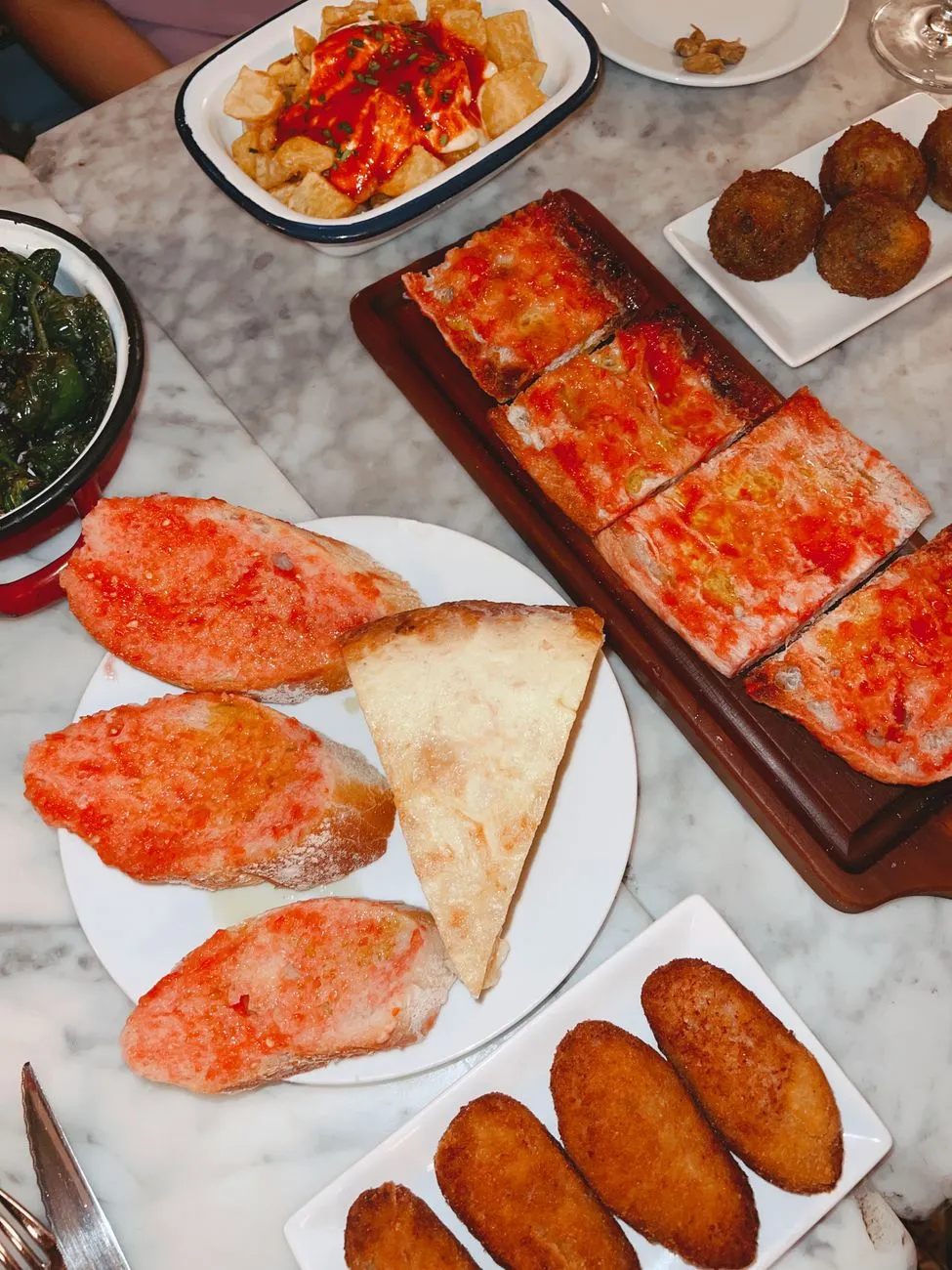
The sun dips low over the Iberian Peninsula, painting the ancient stone walls of Seville in hues of burnt orange and soft gold. In the narrow, winding alleys, the air begins to thicken with the intoxicating scent of sizzling garlic, briny olives, and the rich, nutty aroma of cured Ibérico ham. Here, dining is not merely a task of nourishment; it is a sacred social ritual, a rhythmic dance of flavors known as el tapeo. To eat tapas is to participate in a centuries-old conversation between the land, the history of the Mediterranean, and the irrepressible Spanish zest for communal life. The Origins of a Bite-Sized Revolution The history of the tapa is as murky and delightful as a glass of aged sherry. While historians often debate the exact etymology, the word tapa—meaning "cover" or "lid"—likely originated from the practical custom of placing a slice of bread or a small saucer of cured meat over a glass of wine to keep the buzzing insects at bay. Over time, these makeshift lids evolved from functional necessity into a sophisticated culinary institution. From the royal decrees that allegedly required innkeepers to serve small plates with wine to curb the effects of public intoxication, to the simple peasant necessity of making a modest pantry stretch across a long day of labor, tapas embody the Spanish genius for improvisation. They reflect a landscape shaped by Phoenicians, Romans, Moors, and Christians, each leaving a distinct fingerprint on the pantry of the peninsula.Northern Treasures: From Basque Pintxos to Cantabrian Delights As we move toward the jagged, emerald coast of the North, the culture of tapas undergoes a transformation. In the Basque Country, we encounter the pintxo. Unlike the varied tapas of the south, a pintxo is traditionally anchored by a toothpick—often used to skewer a complex arrangement of ingredients atop a crisp slice of baguette. These are not merely appetizers; they are edible architecture. In cities like San Sebastián, the counters of the txikito bars groan under the weight of elaborate displays: gilda (a spicy, salty marriage of an olive, an anchovy, and a pickled guindilla pepper), bacalao al pil-pil, and seared scallops drizzled in vibrant verde sauce. The secret here lies in the quality of the raw ingredients. The Cantabrian Sea provides the freshest anchovies in the world, cured in salt until they melt like butter on the tongue. The Heart of Castile: Earthy Flavors and Heartland Classics Moving into the high, sweeping plains of the Castilian interior, the tapas menu shifts to heartier fare suited for a colder climate. This is the land of torreznos—thick strips of pork belly fried until the skin shatters like glass and the fat turns into pure, savory velvet. In the taverns of Madrid and Valladolid, the patatas bravas reign supreme. This dish—cubed potatoes fried until golden and crowned with a fiery, piquant sauce—is the litmus test for any traditional establishment. While the recipe for the "brava" sauce is often a fiercely guarded family secret, the harmony of paprika, vinegar, and a subtle touch of sweetness is non-negotiable. Pair this with a robust glass of Tempranillo from the nearby Ribera del Duero, and you have the quintessential Castilian experience: bold, rustic, and deeply satisfying.The Andalusian Alchemy: Where History Meets the Sea Back in the South, in the whitewashed cities of Andalusia, the tapa is light, bright, and influenced by the legacy of Al-Andalus. Here, the focus turns to the abundance of the Mediterranean. Boquerones en vinagre—fresh anchovies marinated in vinegar, garlic, and parsley—offer a sharp, acidic contrast to the heat of the afternoon sun. One cannot speak of Andalusian tapas without mentioning gazpacho and its richer sibling, salmorejo. While the former is a refreshing liquid soup of tomatoes, peppers, and cucumbers, the latter is a thick, cream-like purée from Córdoba, topped with shavings of hard-boiled egg and crispy, salt-cured serrano ham. The interplay of textures here is masterful, demonstrating how ancient, humble ingredients can be elevated to high art through precision and balance. Crafting Your Own Tapas Table: A Guide to Essential Techniques If you wish to recreate the magic of a Spanish tavern at home, you must first master the art of the pantry. A successful tapas spread requires three pillars: a selection of cured meats and cheeses, a cooked vegetable dish, and at least one seafood preparation. For the aspiring home chef, simplicity is the ultimate sophistication. When working with ingredients as pure as Manchego cheese or Ibérico ham, the role of the cook is to get out of the way. Let the cheese reach room temperature before serving to unlock its sheep's-milk sweetness, and slice the ham paper-thin to allow the marbling to dissolve against the heat of the palate. If you are looking to experiment with traditional preparation, here is the basic structural approach for a classic Gambas al Ajillo (Garlic Shrimp): # The logic of the perfect Gambas al Ajillo ingredients = { "shrimp": "fresh, peeled, tails on", "garlic": "thinly sliced cloves, plenty of them", "oil": "extra virgin olive oil, cold pressed", "chili": "dried guindilla or red pepper flakes", "finish": "fresh parsley and lemon juice" }def cook_tapa(shrimp, oil, garlic, chili): # Heat the oil with garlic and chili until aromatic # Add shrimp and sear briefly to keep them tender # Finish with fresh parsley for a burst of color and bite return "Tapa ready for service"The golden rule when preparing tapas is to ensure that everything is served at the correct temperature—hot items must be searing, and cold items must be crisp. The bread should always be fresh, crusty, and plentiful, serving as the essential tool for soaking up the residual oils and sauces that are the true heart of the dish.The Ritual of the Crawl: Why Tapas Should Be Shared The most important element of any tapas guide is not the food itself, but the tapeo—the movement. In Spain, rarely does one sit in a single establishment for an entire meal. Instead, the night is a journey. You have a glass of manzanilla sherry and a plate of olives at one bar, then move to a second for the house-specialty croquetas, and perhaps a third for a grilled chorizo slider. This nomadic style of eating keeps the conversation fluid and the appetite sharp. It encourages you to sample a wider variety of regional specialties, prevents the palate from becoming fatigued by one flavor profile, and turns the act of dining into a communal adventure. The true professional at tapas dining knows that the goal is not to fill the stomach, but to fuel the spirit. Sustaining the Legacy: The Future of the Tapa As the world continues to globalize, the traditional tapas bar faces both challenges and opportunities. Modern chefs in cities like Barcelona are pushing the boundaries, incorporating global ingredients like ginger, soy, and yuzu into the classical framework. Yet, the core essence of the tapa remains stubbornly anchored to its roots: high-quality seasonal produce, a focus on communal interaction, and a deep respect for regional heritage. Whether you are enjoying a plate of pimientos de Padrón—where the fun lies in the occasional spicy kick—or a bowl of slowly simmered callos (tripe stew), you are tasting the history of a nation that views life as a series of small, intense moments to be savored. The guide to Spanish tapas is ultimately a guide to living well. It teaches us that richness is not found in the grandiosity of a feast, but in the perfection of a single, shared bite. So, the next time you find yourself in the bustling heart of a Spanish plaza, step away from the tourist-heavy squares and follow the local sound of clinking glasses. Find a place with worn wooden counters, a chalkboard menu, and the lingering scent of garlic in the air. Order a small plate, pour a glass of wine, and remember: you are not just eating, you are partaking in a living, breathing tradition that has defined a culture for centuries. #SpanishCuisine #TapasGuide #Gastronomy #FoodHistory #MediterraneanDiet Related InsightsLoving a Demon is a Total Nightmare (Total Chaos, #3) Book Review and Summary Winter Book Review and Summary The Monster at the End of this Book Book Review and Summary{ "@context": "https://schema.org", "@type": "FAQPage", "mainEntity": [ { "@type": "Question", "name": "What is the main focus of Savoring the Soul of Spain: A Culinary Journey Through the Art of Tapas?", "acceptedAnswer": { "@type": "Answer", "text": "Discover the storied history and vibrant regional flavors of Spanish tapas, from iconic bite-sized classics to the cultural rhythm of the traditional tavern crawl." } }, { "@type": "Question", "name": "Who authored the comprehensive guide on Savoring the Soul of Spain: A Culinary Journey Through the Art of Tapas?", "acceptedAnswer": { "@type": "Answer", "text": "This detailed article and its insights were carefully researched and authored by Aylin Okur." } }, { "@type": "Question", "name": "Where can I find more related content about Books?", "acceptedAnswer": { "@type": "Answer", "text": "You can explore more articles, detailed reviews, and similar insights by browsing the Related Insights section at the bottom of this article or visiting our dedicated Books category page." } } ] }
-
 Eleanor Hughes
 - 05 Sep, 2026 10:53
The Umami Revolution: How Chefs Are Harnessing the Fifth Taste Today
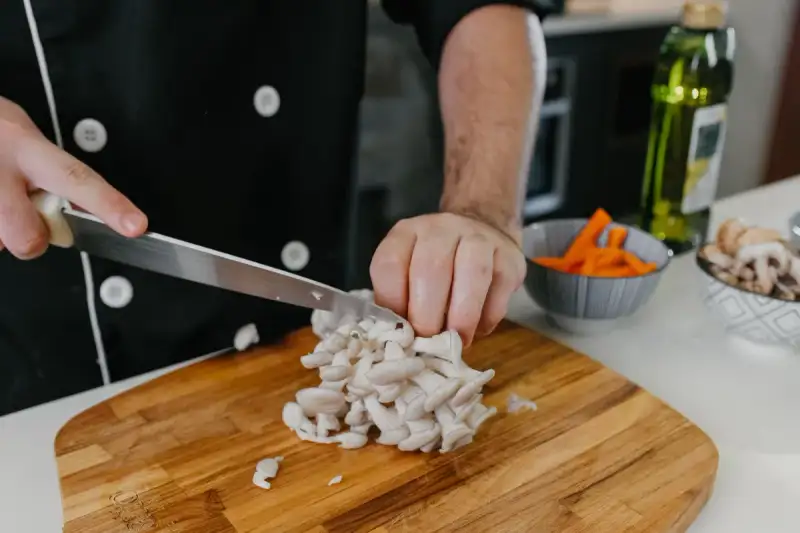
The Invisible Alchemy of the Savory Spectrum The culinary world has long been governed by the familiar pillars of sweetness, sourness, bitterness, and saltiness. Yet, for decades, a subtle, transformative power has been working in the shadows of the world’s most prestigious kitchens—the elusive fifth taste, known as umami. Derived from the Japanese term for "deliciousness," umami represents the sensation of savory richness that coats the palate and lingers long after the first bite. It is not merely a flavor; it is a molecular phenomenon. The history of this sensation is deeply rooted in the groundbreaking work of Kikunae Ikeda, who, in the early 20th century, isolated glutamate as the source of this mouth-watering experience. Today, the umami revolution is in full swing, with chefs transcending traditional seasoning to manipulate ingredients at a chemical level, unlocking depths of flavor that were once reserved for slow-simmered stocks and aged delicacies.Modern gastronomy is no longer satisfied with balancing salt and sugar. Instead, the focus has shifted toward the synergy of glutamates and nucleotides. When these compounds interact, they create an exponential boost in flavor intensity, a phenomenon that has changed how we think about restaurant menu development. The scientific literature, notably the research documented within databases like OpenAlex, highlights how Monosodium Glutamate (MSG) paved the way for our understanding of taste receptors. While MSG was once shrouded in controversy and misunderstanding, its status as a concentrated form of the building block found in nature has been rehabilitated. Chefs now treat these components not as artificial additives, but as essential tools for maximizing the "deliciousness" profile of plant-based dishes, fermented creations, and protein-heavy plates. We are currently witnessing an era where understanding the biochemical basis of flavor is just as important as mastering a knife. The Secret Life of Mushrooms in Modern Cuisine The mushroom—an ancient, humble, and often overlooked staple—has become the star of the umami revolution. As researchers analyze the intersection of food processing and flavor chemistry, the focus has shifted toward innovative techniques to harvest the latent savoriness of fungi. Processing mushrooms is no longer a matter of drying or sautéing; it is about manipulating enzymes to maximize glutamate content. Through precise drying protocols and enzymatic pre-treatments, chefs are able to concentrate the savory essence of Shiitake, Porcini, and Maitake mushrooms to unprecedented levels. This is a game-changer for the plant-based culinary scene, where the goal is to replicate the satisfying depth of meat without the environmental impact of industrial animal agriculture. Business and science have converged in the processing of mushrooms to create a new category of "super-savory" ingredients. By leveraging controlled environments and sophisticated dehydrating technologies, producers can now stabilize and amplify the umami profile of common species. This scientific approach means that a simple mushroom reduction can now carry the same sensory weight as a meat-based demi-glace. For the professional chef, this signifies a paradigm shift. We are moving away from heavy reduction stocks that require hours of boiling, toward lighter, high-intensity flavor concentrates that pack more punch with less volume. The "Revolutionizing Mushroom Processing" movement is not just about logistics; it is about culinary efficiency. By understanding how to break down the cell walls of fungi to release free glutamates, kitchens are achieving flavor profiles that once required the massive infrastructure of a traditional French kitchen. The result is a lighter, more vibrant, and more intense plate of food that appeals to the modern palate’s desire for complexity without heaviness.Unlocking the Potential of Fermentation and Aging Fermentation is perhaps the most ancient, yet highly advanced, method for harnessing the fifth taste. In the current culinary zeitgeist, fermentation laboratories have become the heartbeat of world-class restaurants. From miso and soy sauce to fermented vegetable juices and garums, the process of breaking down proteins into amino acids is the ultimate expression of the umami revolution. When we ferment ingredients, we are essentially outsourcing the work of flavor development to microbes. These tiny organisms tirelessly consume complex proteins, leaving behind a rich, concentrated bounty of glutamates and other savory compounds. It is a slow, methodical process that produces results simply impossible to achieve through heat alone. Chefs are now experimenting with "wild" fermentation, using koji—the mold Aspergillus oryzae—to initiate the breakdown of starches and proteins in non-traditional substrates. Imagine a garum made from fermented mushrooms, or a miso created from sunflower seeds rather than soy. These experiments demonstrate a departure from dogmatic culinary rules toward a deeper, more experimental understanding of ingredient transformation. The key to this process lies in temperature control and time, allowing the naturally occurring enzymes to flourish. The umami generated in this stage provides a foundational depth that serves as the "bass note" for any dish. When a chef combines a fermented ingredient with a fresh one, they are creating a bridge between the vibrant top notes of fresh produce and the grounding, earthy intensity of long-aged preparations. This layering of flavor is the hallmark of the modern culinary master, transforming a plate from a simple meal into a multi-dimensional sensory journey that engages the brain as much as the tongue. Comparative Analysis of Umami-Dense Ingredients To understand the scale of this revolution, one must observe the concentration of glutamate across various food groups. The table below serves as a reference guide for culinary professionals aiming to balance their profiles with natural sources of savory intensity.Ingredient Category Primary Umami Source Typical Glutamate (mg/100g) Application StrategyAged Cheeses Parmesan/Reggiano 1,200 - 1,600 Finishing element, umami baseFermented Soy Traditional Miso/Soy Sauce 700 - 1,100 Seasoning, marinade, glazeSun-Dried Fungi Shiitake Mushrooms 200 - 600 Intense base reduction, powderMarine Products Seaweed (Kombu) 1,500 - 2,500 Dashi, extraction liquidCured Proteins Anchovies/Cured Ham 600 - 1,000 Hidden flavor booster, salt swapTomatoes Sun-Dried Tomatoes 650 - 1,140 Sauces, purees, vinaigrettesData interpretation reveals that while marine products like kombu offer the most concentrated naturally occurring glutamates, the strategic application of these items varies wildly. A chef does not use kombu in the same manner as they use aged parmesan. The former is a bridge of liquid extraction, while the latter is a textural and flavorful highlight. By utilizing this comparative data, kitchens can refine their recipe development, ensuring that the "fifth taste" is calibrated to enhance the dish rather than overwhelm it. This objective approach to seasoning is what separates the home cook from the culinary artisan, allowing for consistent, high-impact results in every service.The Synergy of Savory Landscapes The true magic of the umami revolution happens at the intersection of ingredients. Science shows us that umami is not just a single-input sensation; it is a synergistic one. When a chef combines ingredients rich in glutamate (such as tomatoes or mushrooms) with those rich in nucleotides (such as fish, meat, or certain vegetables like asparagus), the resulting perceived intensity is not additive, but multiplicative. This is the "synergy effect." It is why a simple pasta dish with tomato sauce and a sprinkle of parmesan tastes like far more than the sum of its parts. By purposefully pairing these ingredients, modern chefs can create dishes that feel deeply satisfying and complete, even when they are entirely plant-based. This knowledge of synergy allows for a significant reduction in the amount of salt needed for seasoning. Because the palate perceives the savory intensity of umami as a form of "fullness," a dish that has been properly balanced with glutamate-rich components requires far less sodium to hit the "satisfaction threshold." This is a significant health advantage, and one that is driving the popularity of the umami-forward approach in wellness-conscious dining. We are seeing a shift where "clean eating" does not mean "bland eating." On the contrary, by using fermented pastes, seaweed infusions, and high-quality dried fungi, chefs are delivering complex, bold flavors that satisfy the human evolutionary drive for protein-dense, savory foods. This synergy is the foundation of the future of health-focused culinary arts, proving that we can achieve the richness of a heavy, meat-laden diet through the smart application of botanical and fermented boosters. Beyond the Plate: The Future of Flavor Technology As we look toward the future, the umami revolution is poised to enter a new phase of technological integration. We are moving beyond the simple kitchen application and into the realm of precision ingredient development. New technologies in food processing, derived from the same research that helped us define the taste sensation, are allowing for the creation of sustainable umami boosters that can be incorporated into everything from high-end pastry to everyday snacks. We are seeing the rise of "smart seasonings"—mixtures of amino acids and mineral extracts that provide the specific umami trigger without the need for high-salt levels. This is the next frontier. It is about democratizing the fifth taste, making the richness of a long-simmered broth accessible to all, and leveraging science to improve the nutritional profile of our global food supply. Furthermore, the education of the modern chef now necessitates a foundational understanding of sensory science. We no longer rely on intuition alone; we rely on the measurable, repeatable science of flavor. As the barrier between the laboratory and the kitchen continues to thin, we will see even more creative applications of umami. Perhaps we will see more integration of umami in the realm of desserts—subtle, savory undertones in dark chocolate or caramelized root vegetables—pushing the boundaries of what we consider "delicious." The revolution is not about creating artificial flavors; it is about uncovering the hidden potential of the natural world. It is about understanding that deliciousness is a language, and umami is its most powerful, compelling dialect. As we continue to explore this fifth taste, we are not just feeding the body; we are feeding the mind, the curiosity, and the inherent human desire for complexity in our culinary experiences. The Horizon of Savory Innovation The journey through the fifth taste has taken us from the isolation of glutamate in a Japanese laboratory to the sophisticated, high-tech kitchens of today’s elite establishments. We have learned that umami is not a luxury or a trendy gimmick; it is a fundamental pillar of human flavor perception. By mastering the synergy between glutamates and nucleotides, utilizing the potential of mushrooms and fermentation, and embracing the precision of modern food science, the professional kitchen has been fundamentally altered. We are now in a position to create dishes that are richer, more satisfying, and more healthful than ever before. As you step back into your own kitchen, remember that the quest for umami is a quest for balance. It is the search for that precise moment when a dish moves from being merely "tasty" to being truly unforgettable. Whether you are experimenting with a new batch of koji, dehydrating wild mushrooms to a fine dust, or simply finding the right balance of parmesan in your signature sauce, you are participating in a global movement. The umami revolution is about the pursuit of excellence, a celebration of chemistry, and an unending dedication to the art of deliciousness. Keep exploring, keep measuring, and most importantly, keep tasting. The fifth taste is waiting for you to harness its power, transforming the ordinary into the extraordinary, one savory drop at a time. The landscape of food is evolving, and those who speak the language of umami are leading the way toward a more flavorful, intentional, and deeply satisfying future. #UmamiRevolution #CulinaryScience #Gastronomy #FutureOfFood #ProfessionalCooking Related InsightsThe Antioxidant Powerhouse: Quinoa Salad with Roasted Sweet Potatoes and Kale High‑Pressure Culinary Science: Exploring Hydrothermal Cooking Techniques Feijoada: Brazil’s Hearty Black Bean Stew and the Soul of a Nation{ "@context": "https://schema.org", "@type": "FAQPage", "mainEntity": [ { "@type": "Question", "name": "What is the main focus of The Umami Revolution: How Chefs Are Harnessing the Fifth Taste Today?", "acceptedAnswer": { "@type": "Answer", "text": "Discover how the science of umami is transforming modern culinary arts and why the fifth taste is no longer a secret." } }, { "@type": "Question", "name": "Who authored the comprehensive guide on The Umami Revolution: How Chefs Are Harnessing the Fifth Taste Today?", "acceptedAnswer": { "@type": "Answer", "text": "This detailed article and its insights were carefully researched and authored by Eleanor Hughes." } }, { "@type": "Question", "name": "Where can I find more related content about Food?", "acceptedAnswer": { "@type": "Answer", "text": "You can explore more articles, detailed reviews, and similar insights by browsing the Related Insights section at the bottom of this article or visiting our dedicated Food category page." } } ] }
-
 Michael Chef
 - 05 Jul, 2026 02:13
The Umami Echo: Tracing the Ancient Origins of Fermented Fish Sauce Beyond Roman Garum's Shadow
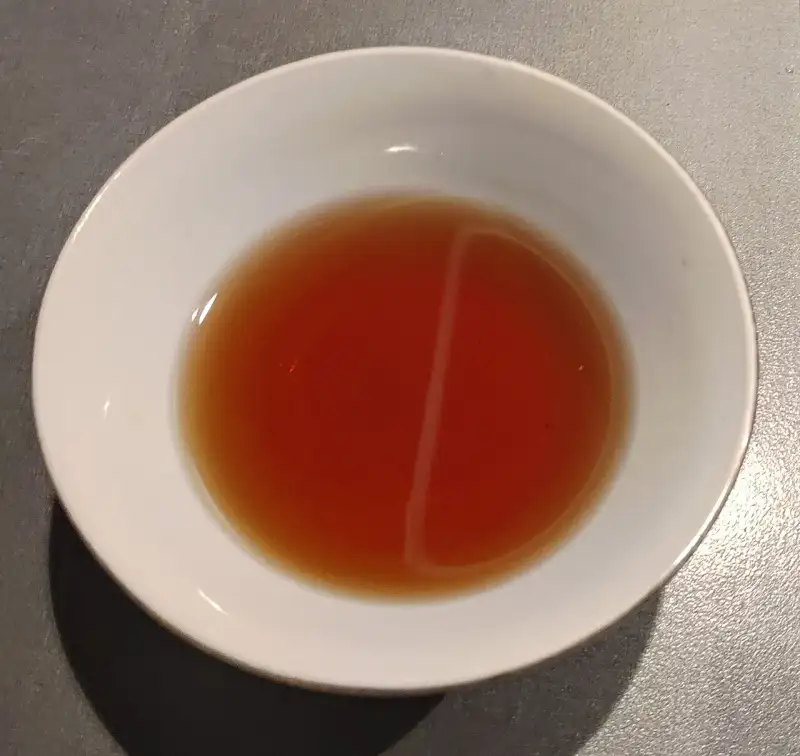
Imagine a flavour so fundamental, so deeply satisfying, that it has permeated human diets for millennia, shaping empires and defining culinary landscapes long before the advent of refrigeration or even organised agriculture. It is a taste that bridges cultures, transcends time, and yet, for many, remains shrouded in a single, often romanticised, historical narrative: Roman garum. But what if the story we've been told is merely a footnote in a much grander, more ancient, and far more geographically expansive epic of umami? What if the pungent, golden elixir of fermented fish sauce, far from being a singular Roman invention, represents a convergent culinary evolution, a universal human quest for depth of flavour born independently across disparate maritime civilisations? This journey into the past isn't merely an academic exercise; it's an exploration of human ingenuity, resourcefulness, and a profound connection to the sea. It challenges us to look beyond the popular historical spotlight and discover the true, diverse origins of a condiment that continues to define many global cuisines today. Prepare to navigate a world where the sea yielded not just sustenance, but a liquid gold of flavour, painstakingly crafted and fiercely valued, echoing through history long before any Roman legionnaire dipped his bread into a jar of liquamen. The Roman Legacy: A Familiar Narrative, An Incomplete Picture For centuries, any mention of ancient fish sauce inevitably conjured images of the Roman Empire. Garum, or its more dilute cousin liquamen, is frequently cited as the quintessential condiment of antiquity. Roman texts, from the culinary treatise of Apicius to the agricultural writings of Columella, meticulously detail its production: layers of whole small fish, or fish entrails, mixed with salt, left to ferment under the scorching Mediterranean sun for weeks, sometimes months. The resulting amber liquid, strained and prized, was a staple, used to enhance everything from simple stews to elaborate banquets. It was a trade commodity, its production sites sprawling along coastal areas from Spain to North Africa, employing vast numbers and generating immense wealth. The distinct, savoury, almost meaty flavour it imparted was, without question, the umami of its age. However, this widespread familiarity with Roman garum often overshadows a crucial fact: fermentation, particularly of fish, is not a uniquely Roman or even Mediterranean phenomenon. The very concept of utilising salt and time to transform perishable protein into a concentrated flavour bomb is a testament to universal human resourcefulness in regions rich with seafood and a pressing need for preservation. The Romans were, in essence, inheritors and refiners of a tradition that likely predated them by centuries, and which was simultaneously flourishing, and perhaps even originating, in entirely different corners of the globe. The Southeast Asian Cradle: A Symphony of Fermented Flavours To truly understand the primordial genesis of fish sauce, our compass must point eastward, to the verdant coastlines and archipelagic wonders of Southeast Asia. Here, long before the rise of Rome, communities were already perfecting the art of fish fermentation. Archaeological evidence, supported by linguistic and ethnographic studies, suggests a deeply entrenched tradition of processing fish with salt. Consider the modern staples: Vietnamese nước mắm, Thai nam pla, Filipino patis, Cambodian prahok, and Burmese ngapi. These aren't merely contemporary iterations; they are the direct descendants of an unbroken chain of culinary practices stretching back at least two millennia, if not more. While pinpointing the exact "first" occurrence is a fool's errand, the sheer diversity and pervasiveness of fermented fish products in Southeast Asia argue for an independent, possibly earlier, origin story than that of the Mediterranean. The production methods, though varying in specific fish species, salt ratios, and fermentation times, share fundamental similarities with their Roman counterparts. Small, oily fish like anchovies, mackerel, or sometimes even freshwater fish, are layered with salt in large earthenware jars or colossal wooden vats. These are left to ferment, often under the tropical sun, a process that relies on natural enzymes in the fish guts and halophilic bacteria to break down proteins into amino acids – the very source of umami. The resulting liquid is a potent, aromatic condiment, foundational to the regional diet.Unlike the Roman tradition, which largely faded with the Empire's decline, the Southeast Asian tradition not only endured but thrived, evolving into the sophisticated, highly valued products we know today. This continuity points to a deep cultural embedment, where fish sauce is not just a flavour enhancer, but a cultural touchstone, a symbol of identity and culinary heritage. Beyond the Mediterranean and Mekong: Other Ancient Fermentation Frontiers The narrative isn't confined to these two primary epicentres. The concept of fermenting fish and other seafood was, in various forms, a global culinary imperative driven by the need for preservation and flavour enhancement in pre-industrial societies. While liquid fish sauce, as a strained condiment, is most strongly associated with Rome and Southeast Asia, other cultures developed related methods. The ancient Egyptians, for example, were masters of fermentation and preserved fish in various ways, though liquid sauce evidence is less clear. However, their use of salt for preserving fish and the cultural significance of fish in their diet suggest the possibility of related, albeit perhaps less documented, practices. Furthermore, a lesser-known but equally fascinating thread leads us to the indigenous communities of the circumpolar regions. While their methods often leaned towards whole fish fermentation (e.g., Greenlandic kiviaq or Icelandic hákarl, though these are distinct in their specific fermentation processes), they highlight the universal human drive to transform and preserve protein, often resulting in incredibly potent, umami-rich foods. These examples, though not directly fish sauce, underscore the deeply rooted human understanding of fermentation's power across vastly different environments. Even in parts of ancient Europe beyond Rome, rudimentary forms of fermented fish products likely existed. The Celts and Germanic tribes, with their riverine and coastal settlements, would have had abundant access to fish and the salt needed for preservation. While archaeological evidence for widespread, highly refined fish sauce production akin to garum is scarce, it's plausible that localised, less industrialised methods of salting and fermenting fish to create flavourful pastes or rudimentary sauces were part of their dietary repertoire. The absence of textual records doesn't necessarily mean absence of practice. The Alchemy of Umami: Why Fish Sauce? What explains this global, independent invention of fish sauce? The answer lies in the potent synergy of biology, chemistry, and environmental necessity. Fish are inherently rich in proteins, and their guts contain powerful proteolytic enzymes. When combined with salt, these enzymes, along with specific halophilic (salt-loving) bacteria, begin a process of autolysis and fermentation. This breaks down complex proteins into their constituent amino acids, most notably glutamate, aspartate, and inosine monophosphate (IMP). These are the chemical compounds that trigger our taste receptors for umami – that elusive, savory "fifth taste" that provides depth, richness, and mouthfeel. Salt plays a dual role: it draws out moisture, creating a brine, and simultaneously inhibits the growth of spoilage-causing bacteria while encouraging the beneficial, fermenting microbes. The resulting liquid is not only deeply flavourful but also remarkably stable, making it an invaluable foodstuff for ancient societies lacking refrigeration. It was a caloric and flavour dense concentrate, a means of making bland staples palatable, and a vital source of nutrients. Vessels of Flavour: Ancient Techniques and Tools The archaeological record provides tantalising glimpses into the ancient production of fish sauce. In the Roman world, vast complexes of cetariae (fish-salting and garum-making factories) have been unearthed, complete with large fermentation vats (dolia) made of clay or stone, intricate drainage systems, and amphorae for storage and transport. These factories were often strategically located near fishing grounds and sources of salt, highlighting the industrial scale of Roman production.In Southeast Asia, the archaeological footprint is somewhat different, often featuring large earthenware jars found at ancient coastal sites. While less "industrial" in the Roman sense, the sheer number and size of these vessels attest to large-scale, communal, or regional production. Traditional Southeast Asian methods also frequently employ large wooden vats, often made from tropical hardwoods, which are still used by artisanal producers today – a testament to the enduring efficacy of ancient techniques. The use of natural materials, reliance on local fish species, and integration with local knowledge systems allowed these practices to become deeply embedded within the culinary fabric of their respective societies. More Than a Condiment: Economic Power and Cultural Identity Beyond its gastronomic appeal, fermented fish sauce held profound economic and cultural significance. In Rome, garum was a luxury item, traded across the entire empire, its quality and provenance debated by connoisseurs. It was a symbol of Roman culinary sophistication, and its production was a major industry, driving innovation in transport and trade. In Southeast Asia, fish sauce continues to be a cornerstone of the economy in many coastal regions. It is a vital export, a household staple, and a source of national pride. Its distinct regional variations reflect local ingredients, traditions, and even family recipes passed down through generations. It acts as a culinary identifier, with specific nước mắm or nam pla being intrinsically linked to a particular region or culture. The depth of its integration into daily life, religious ceremonies, and social customs far surpasses its role as a mere flavouring. The Fading and the Flourishing: Why Some Traditions Endure The decline of Roman garum production largely coincides with the collapse of the Western Roman Empire. The sophisticated infrastructure, extensive trade networks, and stable political environment required for industrial-scale production dwindled. Salt production became less centralised, and new culinary trends and ingredients emerged. While some localised production might have continued, garum never regained its former prominence. Conversely, the Southeast Asian tradition of fish sauce production not only survived but flourished. This resilience can be attributed to several factors: the perennial abundance of fish, the stable tropical climate ideal for fermentation, deeply embedded cultural practices, and the absence of a large-scale, disruptive political or economic collapse comparable to the Roman Empire's fragmentation. The techniques remained artisanal, adaptable, and essential to local diets, ensuring their continued relevance and evolution. Conclusion: A Global Heritage of Umami The ubiquitous, unassuming bottle of fish sauce on our shelves holds a history far richer and more complex than most realise. It is a legacy not merely of Roman innovation, but of a shared human quest for flavour, preservation, and culinary ingenuity that manifested independently across vast oceans and continents. The "umami echo" resonates from the ancient Mediterranean shores to the bustling markets of Southeast Asia, a testament to the timeless appeal of this pungent, profound condiment. By delving into its global origins, we gain a deeper appreciation for the interconnectedness of human culinary history, the genius of ancient food technologies, and the enduring power of a simple, salty liquid to transform meals and cultures alike. So, the next time you taste that savoury depth, remember: you're partaking in a tradition that predates empires, a global legacy of delicious ingenuity, born from the bounty of the sea and the wisdom of our ancestors.#AncientCuisine #FoodHistory #UmamiResearch #Fermentation #GlobalFlavors Related InsightsDer Apfelstrudel: Ein Meisterwerk der Wiener Mehlspeisenkultur und seine faszinierende Geschichte Unlocking Nature's Secret: How New Nordic Cuisine is Revolutionizing Health and Gastronomy Forever Congee (Jook): The Ultimate Comforting Rice Porridge{ "@context": "https://schema.org", "@type": "FAQPage", "mainEntity": [ { "@type": "Question", "name": "What is the main focus of The Umami Echo: Tracing the Ancient Origins of Fermented Fish Sauce Beyond Roman Garum's Shadow?", "acceptedAnswer": { "@type": "Answer", "text": "Dive into the pungent, profound history of fermented fish sauces, exploring their global genesis far beyond the famed Roman garum, from Southeast Asia to the Mediterranean's forgotten depths." } }, { "@type": "Question", "name": "Who authored the comprehensive guide on The Umami Echo: Tracing the Ancient Origins of Fermented Fish Sauce Beyond Roman Garum's Shadow?", "acceptedAnswer": { "@type": "Answer", "text": "This detailed article and its insights were carefully researched and authored by Michael Chef." } }, { "@type": "Question", "name": "Where can I find more related content about Food?", "acceptedAnswer": { "@type": "Answer", "text": "You can explore more articles, detailed reviews, and similar insights by browsing the Related Insights section at the bottom of this article or visiting our dedicated Food category page." } } ] }
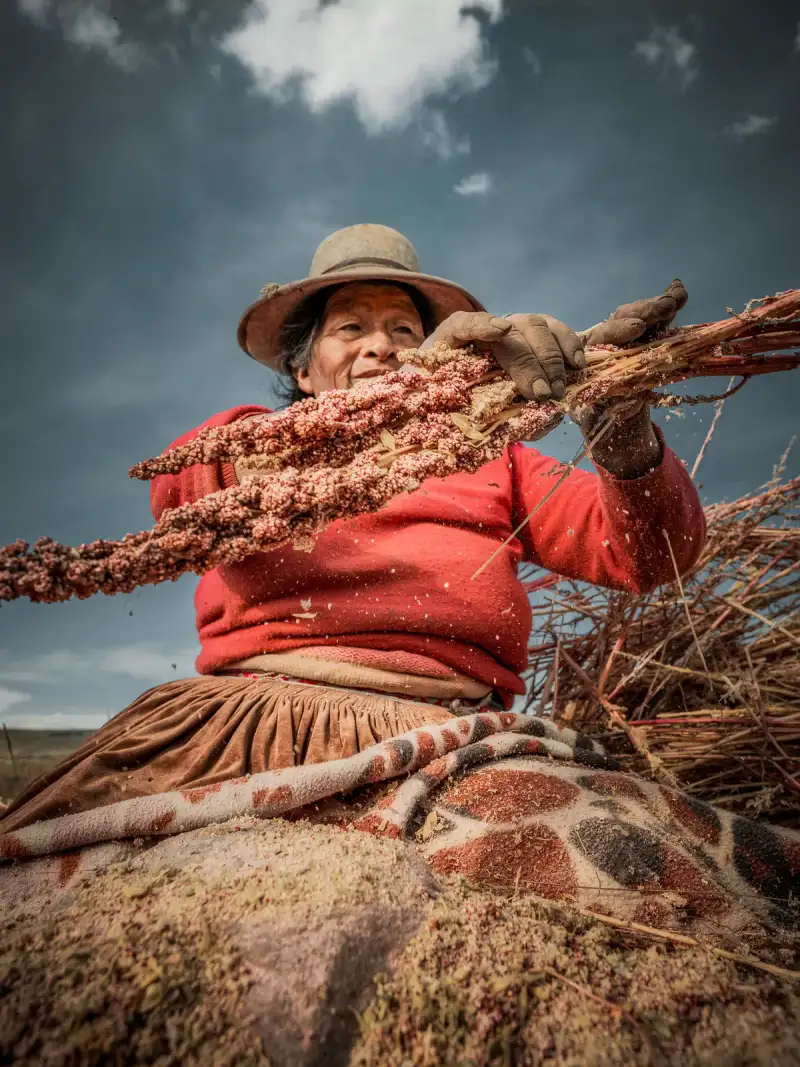
What if the most sophisticated culinary advancements weren't born in the gilded kitchens of European royalty, but beneath the unforgiving, sun-drenched peaks of the Andes, thousands of years before the first European spade ever broke ground on American soil? We often romanticize sourdough or kimchi, hailing them as pinnacles of fermented food, yet a largely untold story lies buried within the pre-Columbian diets of the Inca and their predecessors: a profound, almost mystical mastery of grain fermentation that sustained empires, nourished spiritual life, and unlocked nutritional secrets still being unraveled today. This is not a tale of simple brewing, but of an intricate, climate-driven alchemy that transformed humble seeds into lifelines, rituals, and the very foundation of civilization. The High-Altitude Crucible: Necessity as the Mother of Culinary Invention Imagine a civilization thriving at altitudes where frost claims crops for much of the year, where arable land is scarce, and the air itself thins the barrier between life and scarcity. For millennia, the indigenous peoples of the Andean highlands, from the Norte Chico to the Inca, faced these daunting conditions. Their genius wasn't just in cultivating resilient crops like quinoa, amaranth, kiwicha, and various forms of maize; it was in understanding how to extract maximum value from them, extending their shelf life, enhancing their nutritional profile, and making them digestible in ways that modern science is only beginning to fully appreciate. Fermentation, in this context, was not a luxury; it was an existential imperative. The severe climate demanded methods of preservation that went beyond simple drying. It required a deep, empirical understanding of microbial processes long before microscopes were conceived. The Andean peoples developed a vast lexicon of fermented products, many of which remain obscure outside remote communities, overshadowed by the more widely known chicha (corn beer). But chicha itself is merely the tip of a much larger, more diverse iceberg of fermented grains. Beyond Chicha: A Pantry of Probiotic Powerhouses While chicha holds an important place in Andean culinary and ceremonial history, its prevalence often eclipses a fascinating array of other fermented grain preparations. These lesser-known ferments served various purposes – from highly portable, nutrient-dense travel rations to vital sources of vitamins and minerals in a diet that often lacked fresh produce. Consider, for example, the fermentation of quinoa (Chenopodium quinoa). Quinoa, often lauded today as a "superfood," was a staple for ancient Andeans. While commonly consumed as flour or whole grains, evidence suggests that it was also subjected to various fermentation processes. One method involved soaking and then allowing the grains to naturally ferment, sometimes in combination with local fruits or herbs. This process would have served multiple functions:Detoxification: Raw quinoa contains saponins, bitter compounds that can inhibit nutrient absorption and cause digestive discomfort. Fermentation, much like soaking and rinsing, effectively reduces these antinutrients, making the grain more palatable and digestible. Nutrient Bioavailability: The fermentation process breaks down complex carbohydrates and proteins, making their constituent sugars and amino acids more readily available for absorption. It also synthesizes B vitamins and enhances the bioavailability of minerals like iron and zinc, which are crucial in diets that might be low in animal products. Preservation: The acidic environment created by lactic acid bacteria inhibits the growth of spoilage microorganisms, allowing the fermented product to be stored for extended periods, a critical factor for food security in a harsh climate.This fermented quinoa, perhaps consumed as a gruel or added to stews, would have been a nutritional powerhouse, a far cry from the bland, dried grain. It speaks to an intuitive understanding of biochemistry and microbiology that predates any modern scientific framework. The Enigma of Kispiñu and Cau-Cau Delving deeper, we encounter terms like kispiñu and cau-cau, which, while sometimes referring to different preparations across various regions, often hint at fermented grain components. Kispiñu, for instance, is a traditional Bolivian food typically made from quinoa flour, sometimes soaked and fermented before being shaped and cooked. The fermentation step is crucial for its distinct texture and digestibility. While modern versions might skip the fermentation, historical accounts suggest this was a foundational element, contributing a subtle tang and enhancing its nutritional properties. Cau-cau, another dish with variations, occasionally refers to a fermented grain or potato product. The very act of taking a staple and intentionally exposing it to microbial action suggests a deliberate, learned process passed down through generations. These were not accidental discoveries but refined techniques perfected over centuries of observation and survival. The subtle nuances in flavor, texture, and nutritional output of these ancient ferments would have been as significant to Andean palates as the difference between various cheeses is to a European gourmand. Spiritual Sustenance and Social Cohesion Food, especially fermented food, was never merely fuel in the Andes; it was a conduit for spiritual connection and social cohesion. Chicha, the most famous fermented beverage, played a central role in religious ceremonies, agricultural rituals, and social gatherings. Offering chicha to the Pachamama (Mother Earth) was a common act of reverence, and its consumption fostered communal bonds. The shared act of preparing and partaking in fermented foods reinforced social structures and identity. The knowledge of fermentation was often held by women, passed from mother to daughter, making them custodians of critical cultural and nutritional heritage. The patience required for fermentation mirrored the cyclical nature of Andean agriculture and the deep respect for natural processes. These foods weren't just fermented; they were consecrated, imbued with the spirit of the land and the ancestors. The Science of Ancient Nutrition: A Modern Perspective From a modern nutritional standpoint, the Andean practice of fermenting grains was remarkably advanced.Probiotic Benefits: The presence of lactic acid bacteria in these ferments would have contributed to gut health, a concept now widely recognized for its impact on overall well-being, immunity, and even mental health. Enhanced Nutrient Absorption: Fermentation reduces phytic acid, an antinutrient common in grains that binds to minerals like iron, zinc, and calcium, making them unavailable for absorption. By breaking down phytic acid, fermentation significantly boosts the bioavailability of these essential micronutrients. Reduced Glycemic Index: The partial breakdown of carbohydrates during fermentation can lead to a lower glycemic index, meaning a more stable release of energy, which would have been vital for sustained physical activity in a challenging environment.This intricate dance between grain and microbe represents an astounding level of empirical food science. Without petri dishes or biochemical assays, the Andean peoples harnessed invisible forces to optimize their food supply, creating a robust, resilient diet that fueled millennia of civilization. Legacy and Rediscovery: Bridging Ancient Wisdom and Modern Foodways Today, as the global food system grapples with issues of sustainability, nutrition, and food security, there is a growing interest in ancestral foodways. Chefs, nutritionists, and anthropologists are increasingly turning to indigenous practices for inspiration. The principles behind Andean grain fermentation – resourcefulness, respect for natural processes, and a holistic approach to nutrition – offer invaluable lessons. While many of these ancient fermentation traditions have been marginalized or lost due to colonization and modernization, efforts are underway to revive them. Indigenous communities are working to preserve their culinary heritage, recognizing the profound wisdom embedded in these practices. Contemporary chefs are experimenting with incorporating fermented quinoa or amaranth into modern dishes, not just for their unique flavors, but for their incredible nutritional benefits and the story they tell. The humble grain, transformed by microbial magic under the watchful eyes of Andean innovators, stands as a testament to humanity's enduring ingenuity. It reminds us that often, the most sophisticated solutions are not those forged in laboratories, but those whispered across generations, tested against the unforgiving canvas of nature, and perfected with a profound understanding of the world around us. These echoes of the Andes are not just a footnote in culinary history; they are a vibrant, living legacy offering a taste of forgotten brilliance and a path forward for a more sustainable and nourishing future.#AndeanFermentation #AncientGrains #CulinaryHistory #FermentedFoods #IndigenousFoodways Related InsightsIdli Sambar: The Ultimate Steamed Vegan Breakfast Delving into Sardinian Fregola with Seafood and Fennel: A High Protein Culinary Journey Shakshuka with Spinach and Spiced Poached Eggs: A Mediterranean Masterpiece{ "@context": "https://schema.org", "@type": "FAQPage", "mainEntity": [ { "@type": "Question", "name": "What is the main focus of Echoes of the Andes: Unearthing the Lost Alchemy of Ancient Fermented Grains?", "acceptedAnswer": { "@type": "Answer", "text": "Journey into the heart of the Andes to discover the forgotten world of fermented grains – a testament to ancient ingenuity and a treasure trove of flavor and nutrition." } }, { "@type": "Question", "name": "Who authored the comprehensive guide on Echoes of the Andes: Unearthing the Lost Alchemy of Ancient Fermented Grains?", "acceptedAnswer": { "@type": "Answer", "text": "This detailed article and its insights were carefully researched and authored by Demir Sef." } }, { "@type": "Question", "name": "Where can I find more related content about Food?", "acceptedAnswer": { "@type": "Answer", "text": "You can explore more articles, detailed reviews, and similar insights by browsing the Related Insights section at the bottom of this article or visiting our dedicated Food category page." } } ] }