The Pantanal Chronicles: Into the Heart of Earth’s Greatest Wetland Sanctuary

A Symphony of Water and Wildfire: Understanding the Pantanal’s Geographic Majesty
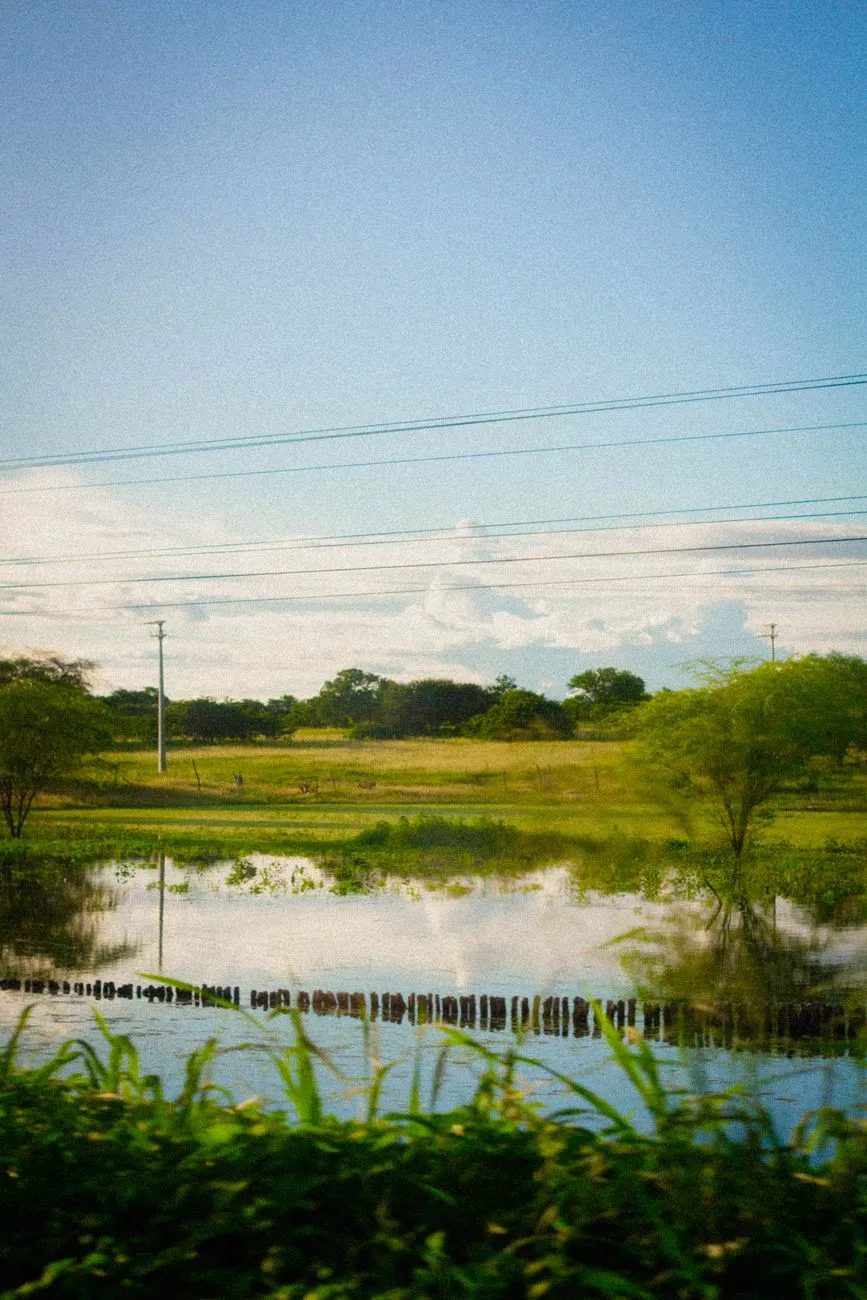
Stepping into the Pantanal is not merely a trip; it is an immersion into a biological masterclass. Spanning an estimated 150,000 to 195,000 square kilometers, this colossal alluvial plain sits primarily within the Brazilian states of Mato Grosso and Mato Grosso do Sul, while extending its reach into parts of Bolivia and Paraguay. Unlike the dense, canopy-choked rainforests of the Amazon, the Pantanal offers an open theater of life. Its geography is defined by a pulse—a rhythmic, seasonal flooding pattern where the Paraguay River and its tributaries spill over their banks, transforming this vast depression into a kaleidoscopic mosaic of aquatic forests, savanna grasslands, and semi-aquatic habitats.
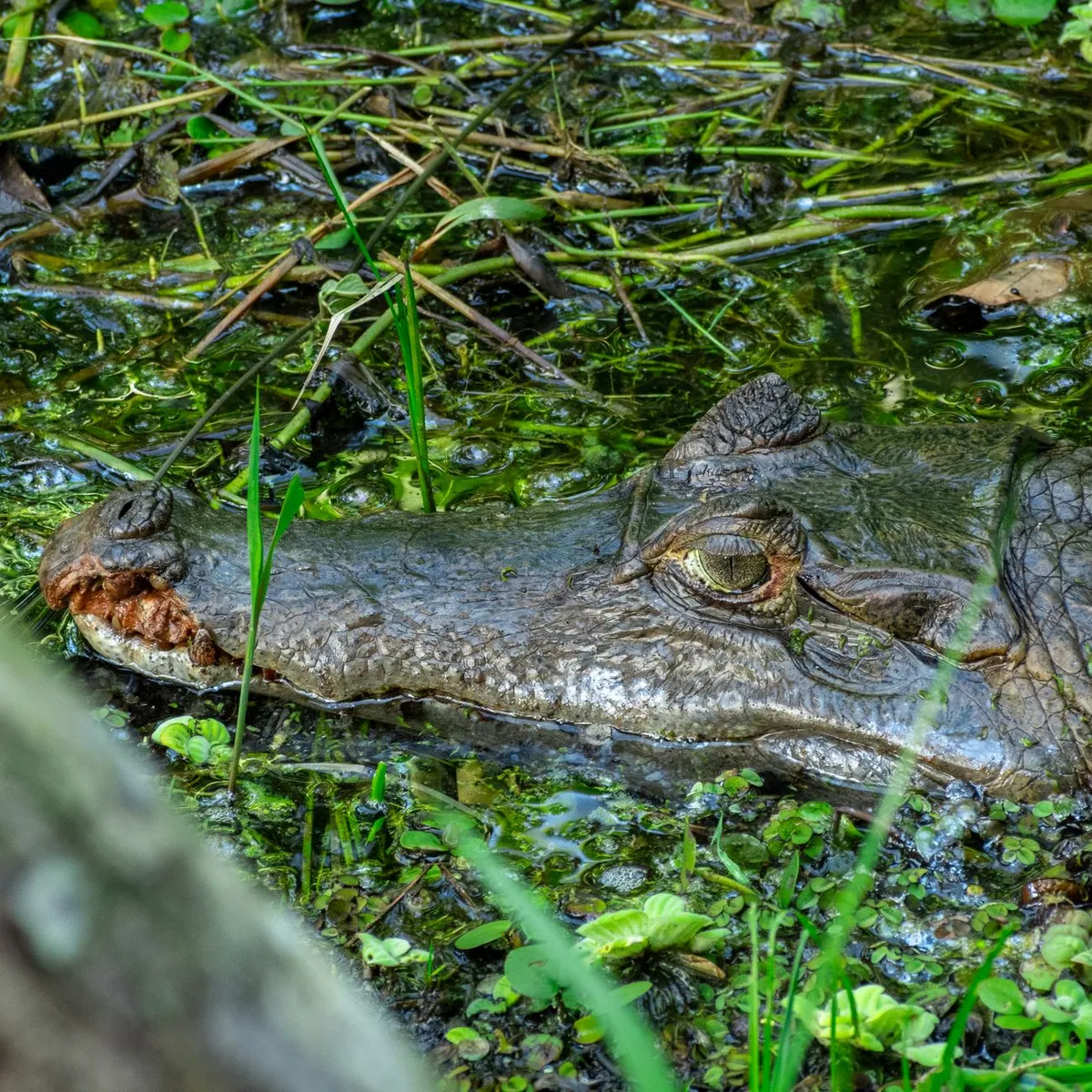
For the intrepid traveler, understanding the hydrological cycle is paramount. The “flood season” (December to March) sees the plains submerged, forcing terrestrial life to retreat to the “cordilheiras” or higher ground. Conversely, the dry season (June to October) acts as a crucible of concentration. As the waters recede, they leave behind isolated ponds and lagoons that act as magnets for wildlife. This is the golden era for visitors. When you venture into the Transpantaneira—a rugged, 147-kilometer unpaved road that serves as the primary artery of the northern Pantanal—you are not just watching from a distance; you are traversing a corridor where caimans bask by the roadside and jabiru storks stalk the drying banks.
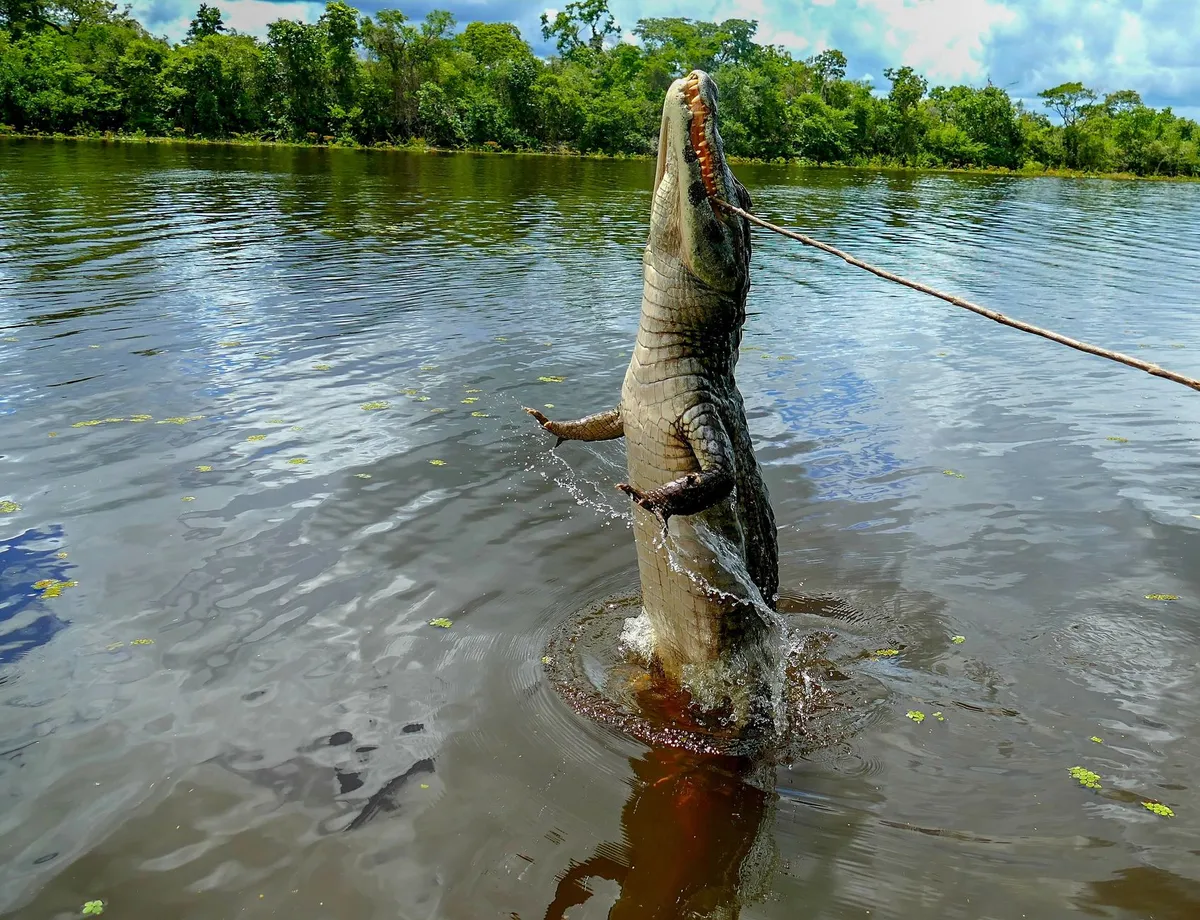
From an expert perspective, the Pantanal’s ecological value is disproportionate to its visibility on typical travel maps. While its sister ecosystem, the Amazon, captures the world’s imagination with its scale, the Pantanal offers superior wildlife viewing simply because the vegetation is less dense. Here, the challenge isn’t finding the animals; it’s keeping up with the relentless pace of their activity. The ecosystem supports the world’s densest concentration of jaguars, a staggering variety of avian life exceeding 650 species, and the largest concentration of crocodilians on the planet.
The Jaguar Kingdom: Tracking the Apex Predator of the Wetlands
There is a singular thrill that permeates the air of Porto Jofre, the epicenter for jaguar sightings in the northern sector. The Pantanal jaguar is a physical marvel; evolution has favored size and boldness here, with individuals often exceeding the mass of their Amazonian counterparts. These cats have uniquely adapted to an amphibious lifestyle, frequently seen swimming across wide channels with purposeful, muscular grace, or patrolling the riverbanks for caiman or capybara.
For the modern traveler, tracking these magnificent felines requires patience and the right local expertise. I always advise travelers to engage dedicated river guides who are fluent in the “language of the river”—understanding alarm calls from capuchin monkeys or the silent dispersal of waterfowl that signals a hunting cat. Unlike safaris in the African savanna, where tracking is conducted via land vehicles, the pursuit here is largely fluvial. You move through narrow tributaries in aluminum skiffs, the silence broken only by the hum of an outboard motor that cuts out when a spotter identifies a flash of gold in the brush.
The data supports the efficacy of this eco-tourism model. In the last two decades, the shift from ranching-centric land use to wildlife-centric tourism has provided an economic incentive for local landowners to protect the jaguars rather than cull them as threats to cattle. This “Jaguar Economy” has turned the Pantanal into one of the world’s most successful examples of predatory conservation. To ensure a successful encounter, one must plan for at least three full days in the Porto Jofre area. Jaguar behavior is unpredictable, but their territorial nature means they are creatures of habit, patrolling specific stretches of the Cuiabá River and its tributaries. When you finally lock eyes with a male jaguar—undisturbed, massive, and master of his domain—the sheer scale of the Pantanal’s untamed nature becomes an indelible memory.
Navigating the Logistical Labyrinth: Visas, Costs, and Infrastructure
Brazil, for all its splendor, remains a nation of bureaucratic precision. If you are planning an extended stay to document the biodiversity, you must be cognizant of the visa landscape. Brazil utilizes a reciprocal visa policy. Many Western travelers benefit from visa-free entry for up to 90 days, but it is vital to check the latest consular updates via the Brazilian Ministry of Foreign Affairs. For digital nomads seeking to utilize the “Nomad Visa,” Brazil offers a specialized permit that allows remote workers to stay for a year, provided they meet specific income thresholds—typically around $1,500 USD per month or significant savings.
Regarding expenses, the Pantanal is not a budget destination. The remoteness of the lodges requires a premium for logistics—food transport, fuel, and specialized equipment like safari boats and 4x4 vehicles. Expect to budget between $300 and $600 USD per day for a high-end, all-inclusive eco-lodge experience. These lodges are the backbone of the region, providing guided excursions that are essential for safety and educational depth.
While Numbeo data suggests that general living costs in Brazil are significantly lower than in the United States or Western Europe, the “Pantanal premium” is a separate entity entirely. Prices for groceries and simple supplies in local hubs like Cuiabá or Campo Grande are modest, but once you head into the deep bush, the economy of supply chains takes over. I highly recommend purchasing your essential gear, high-quality cameras, and specialized medical supplies in the urban centers before embarking. ATMs are non-existent in the wetlands, and credit card connectivity is intermittent at best; therefore, maintaining a reserve of Brazilian Real (BRL) is an essential, if old-fashioned, necessity. Connectivity-wise, if you are looking to work while there, be warned: while some lodges offer Starlink, you should consider this a trip of digital disconnection.
| Item Category | Estimated Cost Range (USD) | Notes |
|---|---|---|
| Safari Lodge (Per Day) | $300 - $650 | Inclusive of meals/guides |
| Private Boat Rental | $150 - $300 | Daily rate for tracking |
| Regional Transport | $100 - $250 | Transfers from Cuiabá/Campo Grande |
| Daily Sustenance (Outside Lodge) | $20 - $40 | Modest local dining |
| National Park Entrance | $10 - $25 | Per day/visitor fees |
The Avian Heartland: A Birdwatcher’s Infinite Paradise
If the jaguar is the king of the Pantanal, the jabiru stork is its undisputed sentry. Standing over a meter tall with a massive, black, slightly upturned bill and a distinctive red band around its neck, the jabiru is the symbol of the wetlands. But they are merely the tip of the iceberg. The Pantanal is arguably the finest birdwatching destination on Earth, a sanctuary where the sheer density of avian life can leave even the most seasoned ornithologist overwhelmed.
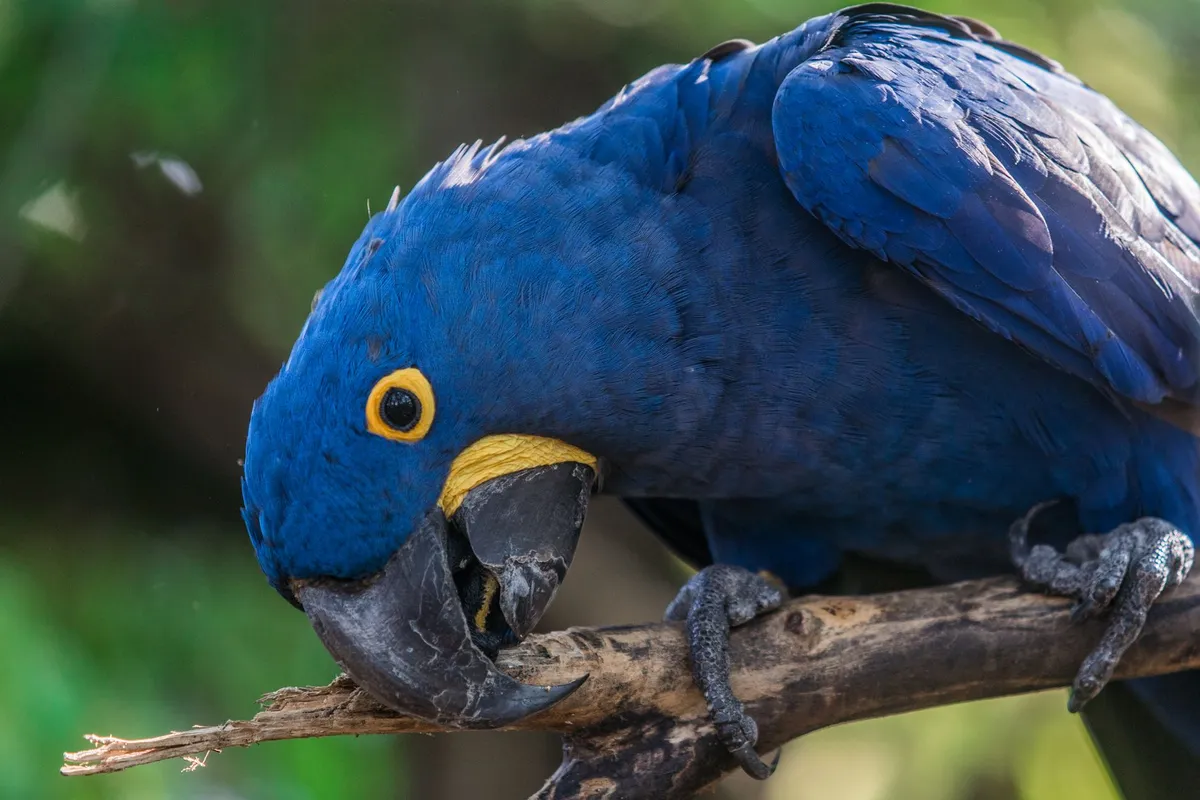
The Hyacinth Macaw, the largest flying parrot species in the world, is perhaps the most iconic resident. Once pushed to the brink by the pet trade and habitat loss, these cobalt-blue beauties have made a spectacular comeback thanks to intense conservation efforts in the southern Pantanal. Watching a pair of macaws nesting in a hollowed-out manduvi tree is an experience that highlights the delicate balance of this ecosystem. They are noisy, social, and strikingly vibrant against the muted greens and browns of the landscape.
To maximize your birding experience, the timing of your visit is non-negotiable. While wildlife is present year-round, the avian migration patterns align with the dry season, when the receding waters concentrate fish in shallow pools, turning them into buffets for egrets, spoonbills, and kingfishers. I recommend bringing at least a 400mm lens and a pair of high-definition binoculars with at least 10x magnification. The birdlife here is so accustomed to the presence of human-operated boats that you can often drift within a few meters of rare species, provided you remain quiet. This proximity is the hallmark of the Pantanal; it is a place where the wild does not flee, but simply tolerates your presence, allowing for an intimate look into the habits of creatures that, elsewhere, would remain distant silhouettes against the sky.
The Human Element: Ranching, Conservation, and Future Horizons
The Pantanal is not a wilderness devoid of human presence; it is a landscape shaped by three centuries of cattle ranching. The “Pantaneiro” culture is deeply embedded in the identity of this region. These cowboys are the stewards of the land, and their symbiotic relationship with the environment is a fascinating counter-narrative to standard conservation tropes. Many traditional ranches, or “fazendas,” have opened their doors to eco-tourism, effectively turning their lands into private reserves.
This transition is essential for the future. The Pantanal faces threats from climate change, specifically the increasing frequency of forest fires during prolonged dry periods, as well as upstream agricultural runoff. The integrity of the Pantanal depends on the health of the Paraguay River basin. When we visit, we are not just observers; we are participants in an economic system that values the standing tree and the roaming predator over the cleared pasture. As a professional, I urge all travelers to research their lodges’ commitment to sustainability. Look for certifications, support for local school programs, and transparent waste management practices.
The human history of this region is defined by isolation. The vast distances and the impassable nature of the land during the flood season have kept the Pantanal relatively insulated from the rapid development seen in other parts of Brazil. However, this isolation is fading. Improved road infrastructure and the rise of “glamping” experiences are making the region more accessible, which brings both opportunity and risk. As visitors, we carry the responsibility of low-impact exploration. Avoid plastic waste, support local handicrafts, and ensure that your presence leaves the wildlife undisturbed. The Pantanal is one of the few places left on Earth where you can witness the natural order of things in near-perfect equilibrium. To lose this would be an irreparable blow to the planet’s biological heritage. Respect the silence, honor the pace of the wild, and recognize that in the Pantanal, we are merely guests in an ancient, breathing cathedral of water and light.
A Call to the Wild: Preserving the Eternal Pulse
The journey through the Pantanal leaves an indelible mark on the soul of any traveler. It is a place where the grandeur of nature is not hidden behind the thick foliage of a jungle, but laid bare under the expansive horizon of a vast, flooding plain. We have navigated the logistics of its wild rivers, tracked the apex predators that command its silence, and observed the vibrant avian life that paints its sky. Whether you are an avid photographer, a seasoned researcher, or a soul simply seeking the raw, untamed beauty of our planet, the Pantanal offers a profound, life-altering experience.
However, as we conclude this exploration, remember that this wetland is not an immortal museum; it is a living, fragile system. Its preservation rests on the informed choices we make as travelers. Choose the operators that respect the land, engage with the local communities that protect these habitats, and always advocate for the conservation of this critical biosphere. The heartbeat of the Pantanal is the sound of the rainfall, the ripple of the jaguar’s swim, and the wind through the grasses. It is a rhythmic, constant pulse that has persisted for millennia. By traveling with intention and authority, we ensure that this pulse continues to beat long after our return home. Brazil’s greatest treasure remains the Pantanal, and it is waiting, ever-patient, to reveal its deepest secrets to those who possess the patience to look and the humility to listen. The wild is not somewhere we go; it is a part of us, and in the heart of this wetland, we find our way back to it.
#PantanalWildlife #BrazilTravel #EcoTourism #JaguarTracking #NatureConservation