Showing Posts From
Recipe
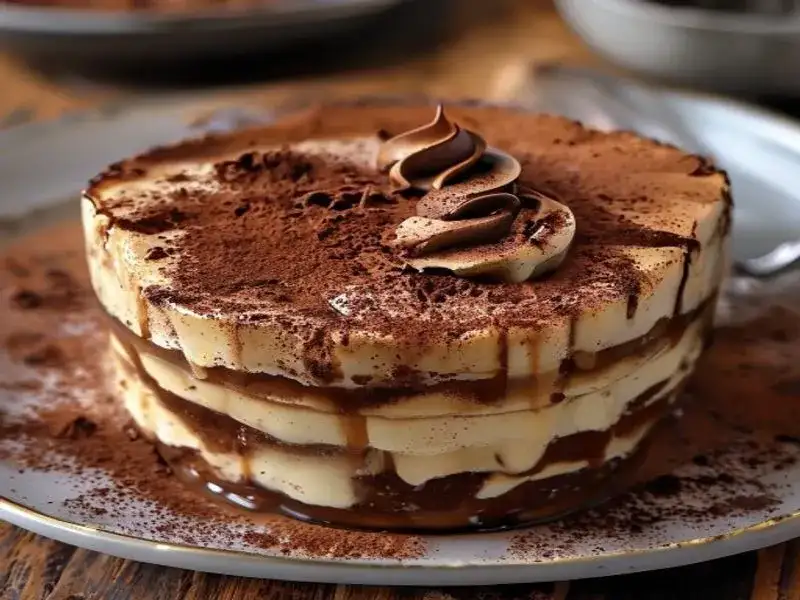

Tiramisù Tradizionale: Il Dessert che Tira Su l'Umore Oggi esploriamo il classico Tiramisù, il dolce più amato, copiato e venerato al mondo. Una Storia Recente, un Successo Mondiale Potrebbe sorprendervi, ma rispetto ad altre ricette storiche italiane, il tiramisù è relativamente giovane. Non ha secoli di storia alle spalle, bensì è nato intorno alla fine degli anni '60 o l'inizio degli anni '70 in Veneto, più precisamente a Treviso, presso il ristorante "Le Beccherie". L'idea brillante della pasticcera Alba Campeol e dello chef Roberto Linguanotto era quella di creare un dolce "ricostituente" (da qui il nome tira-mi-sù) per le neo-mamme e i clienti stanchi, unendo ingredienti energetici e semplici. La preparazione del tiramisù non richiede l'uso del forno, ma è un processo che esige attenzione ai dettagli. I Cinque Ingredienti Sacri L'autentico Tiramisù trevigiano non ammette deviazioni. Niente panna, niente fragole, niente alcolici estranei. Solo cinque elementi fondamentali:I Savoiardi: Questi biscotti leggeri e spugnosi sono essenziali. Sono gli unici in grado di assorbire il caffè senza trasformarsi in una poltiglia informe. Il Mascarpone: Fresco e ricco. È il cuore cremoso del dolce, lavorato a crema. Le Uova: Severamente freschissime. I tuorli vengono montati con lo zucchero fino a diventare spumosi, poi si unisce il mascarpone. Infine, gli albumi montati a neve fermissima vengono incorporati dal basso verso l'alto, garantendo quella leggerezza simile a una nuvola. Il Caffè Espresso: Fortemente amaro e, soprattutto, freddo. Un caffè caldo inzupperebbe troppo velocemente i biscotti. I savoiardi vanno intinti per un solo secondo per lato. Il Cacao Amaro: Spolverato generosamente sulla superficie solo al momento di servire, per contrastare la dolcezza della crema.Riposare in frigorifero per almeno 4-6 ore è il passaggio finale cruciale per permettere ai sapori di fondersi in un'unica sinfonia. Se non lo avete mai preparato seguendo questa rigorosa semplicità, è il momento di farlo! #tiramisu #dessert #italianfood #dolceitaliano #treviso #mascarpone #savoiardi #caffe #isabellaferrari #TiramisuLovers #DolciAlCucchiaio #recipe #exclusive Related InsightsVegane Käsespätzle Готовим бефстроганов Sticky Toffee Pudding{ "@context": "https://schema.org", "@type": "FAQPage", "mainEntity": [ { "@type": "Question", "name": "What is the main focus of Tiramisù Tradizionale?", "acceptedAnswer": { "@type": "Answer", "text": "Explore the incredible journey of Tiramisù Tradizionale with Isabella Ferrari." } }, { "@type": "Question", "name": "Who authored the comprehensive guide on Tiramisù Tradizionale?", "acceptedAnswer": { "@type": "Answer", "text": "This detailed article and its insights were carefully researched and authored by Isabella Ferrari." } }, { "@type": "Question", "name": "Where can I find more related content about Recipe?", "acceptedAnswer": { "@type": "Answer", "text": "You can explore more articles, detailed reviews, and similar insights by browsing the Related Insights section at the bottom of this article or visiting our dedicated Recipe category page." } } ] }
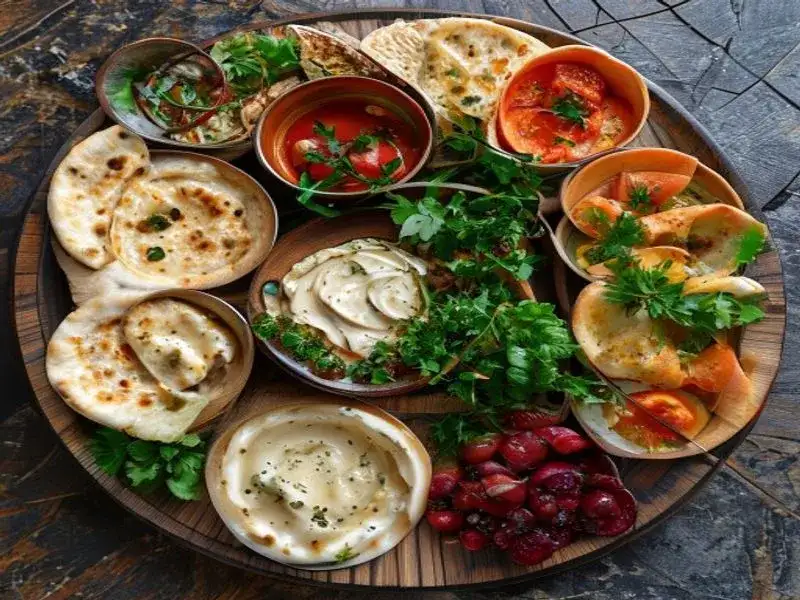
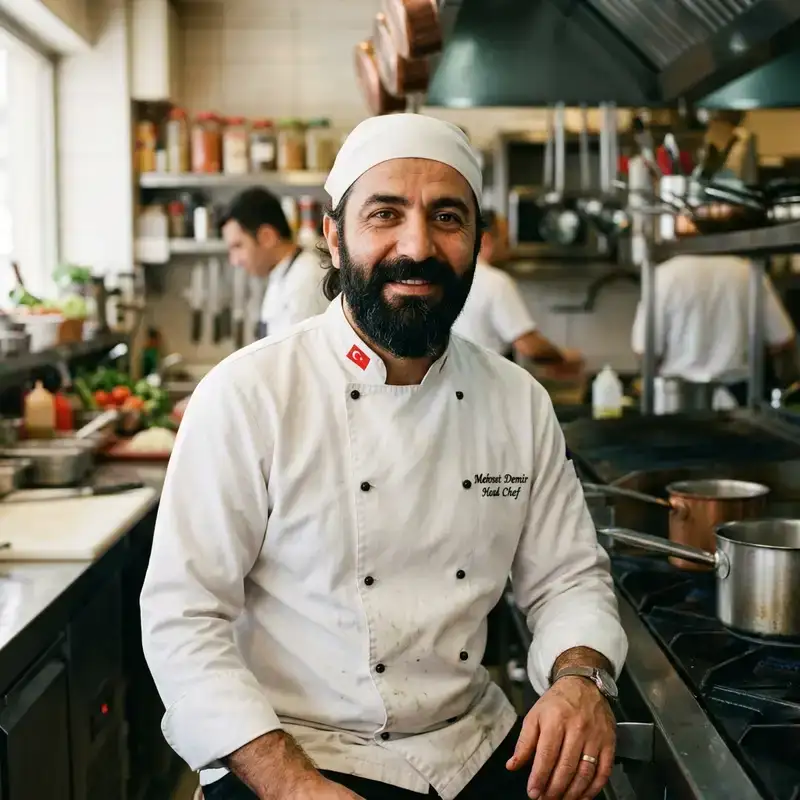
Meze: The Heart of Turkish Tables In Turkish culinary tradition, dining is rarely just about sustenance; it is an elaborate social event built around conversation, connection, and sharing. At the very center of this communal dining #culture is the meze—a sprawling, colorful array of small dishes designed not to satiate, but to tantalize the palate and stimulate dialogue. The word meze itself derives from the Persian word maza, meaning "to taste" or "to relish." A Symphony of Small Plates A true meze spread is a balancing act of temperatures, textures, and flavor profiles—tart, savory, spicy, and herbaceous. A typical table at a meyhane (a traditional Turkish tavern) will be instantly populated with a dozen or more cold meze dishes. Essential staples include haydari, a thick, strained yogurt aggressively seasoned with garlic, dill, and dried mint; acılı ezme, a fiery, finely chopped salsa of tomatoes, onions, hot peppers, and pomegranate molasses; and fava, a dense, savory puree of broad beans topped with dill and olive oil. Seafood also plays a heavy role, particularly along the Aegean and Mediterranean coasts, with dishes like marinated sea bass, grilled octopus, and the ubiquitous midye dolma (stuffed mussels). The Warm Meze Transition As the evening progresses and the cold dishes are slowly diminished with torn pieces of warm pita or crusty bread, the warm mezes (ara sıcaklar) make their appearance. These often include sizzling copper pans of karides güveç (shrimp baked in butter, garlic, and tomato), crispy kalamar (fried calamari), and the beloved sigara böreği—flaky pastry rolls stuffed with melting feta cheese and parsley. The Rakı Connection It is impossible to discuss the meze culture without mentioning its steadfast companion: rakı. Known colloquially as "Lion’s Milk," this potent, anise-flavored spirit is the traditional beverage of the meyhane. When mixed with water and ice, rakı turns a cloudy white. Its intense licorice flavor cuts perfectly through the rich olive oils, sharp garlic, and spicy peppers of the meze spread. Meze is not a starter course intended to precede a main meal; often, the meze is the meal. It is a culinary philosophy that champions taking one's time, savoring diverse flavors, and valuing the company around the table as much as the food upon it. #Meze #TurkishTapas #Meyhane #Raki #Haydari #AegeanFood #CulinaryCulture #SharedMeals #TurkishCuisine #Gastronomy #turkishfood #recipe #mezetheheartofturkishtables #anatoliancuisine #demirsef #delicious #food Related InsightsПирожки как у бабушки Сырники на завтрак Come fare il Pesto Genovese{ "@context": "https://schema.org", "@type": "FAQPage", "mainEntity": [ { "@type": "Question", "name": "What is the main focus of Meze: The Heart of Turkish Tables?", "acceptedAnswer": { "@type": "Answer", "text": "Explore the incredible journey of Meze: The Heart of Turkish Tables with Ayşe Kaya." } }, { "@type": "Question", "name": "Who authored the comprehensive guide on Meze: The Heart of Turkish Tables?", "acceptedAnswer": { "@type": "Answer", "text": "This detailed article and its insights were carefully researched and authored by Demir Şef." } }, { "@type": "Question", "name": "Where can I find more related content about Recipe?", "acceptedAnswer": { "@type": "Answer", "text": "You can explore more articles, detailed reviews, and similar insights by browsing the Related Insights section at the bottom of this article or visiting our dedicated Recipe category page." } } ] }
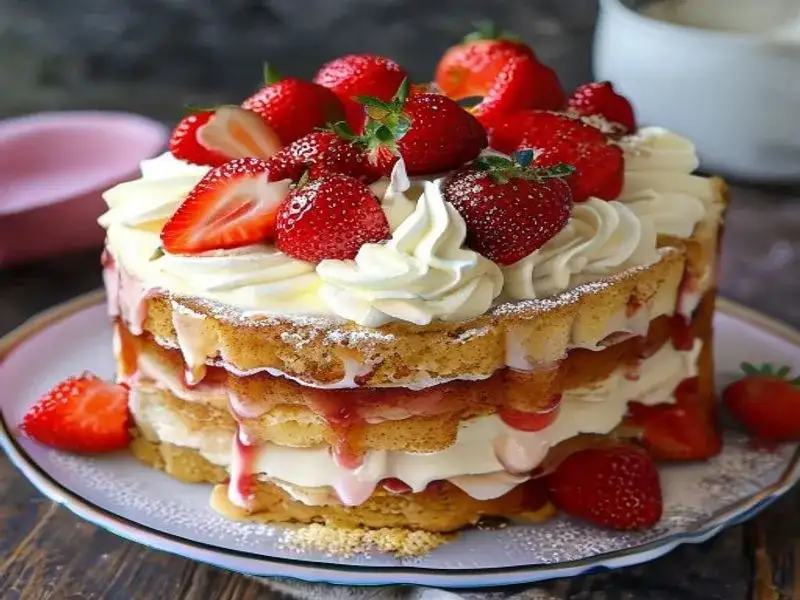

The Royal Ascent of the Victoria Sponge There is perhaps no cake more synonymous with the quintessential British afternoon tea than the beloved Victoria Sponge. Also known as the Victoria Sandwich, this light, airy, and elegantly simple confection holds a profound place in the annals of British culinary #history. It is a masterpiece that transformed the way the British #empire enjoyed its sweet treats. A Cake Fit for a Queen The origins of the Victoria Sponge are inextricably linked to Queen Victoria herself. During the 19th century, the Duchess of Bedford, one of the Queen's ladies-in-waiting, popularized the concept of "afternoon tea" to stave off the hunger gap between a light lunch and a late dinner. Queen Victoria quickly adopted the tradition, famously enjoying a slice of sponge cake with her tea. Prior to the 1843 invention of baking powder by English food manufacturer Alfred Bird, sponge cakes relied heavily on the labor-intensive whisking of eggs to incorporate air. The introduction of baking powder was revolutionary. It allowed bakers to add butter to the mixture, creating a richer, heavier, yet beautifully risen cake. This modern "pound cake" variant became the Victoria Sponge we know today. The Anatomy of Perfection True British culinary purists agree that a traditional Victoria Sponge consists of two layers of aerated buttery sponge cake. The filling is where debates often arise. The Women's Institute (WI), the ultimate arbiter of British baking standards, dictates that a true Victoria Sandwich must only be filled with raspberry jam (and never strawberry). Furthermore, the top of the cake should simply be dusted with caster sugar, not iced or topped with cream. However, modern interpretations frequently include a generous layer of freshly whipped double cream or buttercream alongside the jam, creating a richer dessert. The cake's crumb should be tender, moist, and golden, achieved through the creaming method where equal weights of butter, sugar, flour, and eggs are meticulously combined. Cultural Legacy Today, the Victoria Sponge is not just a cake; it is a cultural touchstone. It is the benchmark by which amateur bakers are judged at county fairs and village fetes across the UK. Its elegant simplicity makes it both a comfort food and a celebratory centerpiece, reminding us of a time when the afternoon paused for the gentle clinking of teacups and the slicing of a perfect bake. #VictoriaSponge #BritishBaking #CulinaryHistory #AfternoonTea #BritishFood #BakingHistory #Foodie #britishfood #michaelchef #recipe #ukcuisine Related InsightsLinseneintopf wie bei Oma Meze: The Heart of Turkish Tables Cannoli Siciliani Croccanti{ "@context": "https://schema.org", "@type": "FAQPage", "mainEntity": [ { "@type": "Question", "name": "What is the main focus of Baking a Victoria Sponge?", "acceptedAnswer": { "@type": "Answer", "text": "Explore the incredible journey of Baking a Victoria Sponge with Emily Page." } }, { "@type": "Question", "name": "Who authored the comprehensive guide on Baking a Victoria Sponge?", "acceptedAnswer": { "@type": "Answer", "text": "This detailed article and its insights were carefully researched and authored by Michael Chef." } }, { "@type": "Question", "name": "Where can I find more related content about Recipe?", "acceptedAnswer": { "@type": "Answer", "text": "You can explore more articles, detailed reviews, and similar insights by browsing the Related Insights section at the bottom of this article or visiting our dedicated Recipe category page." } } ] }
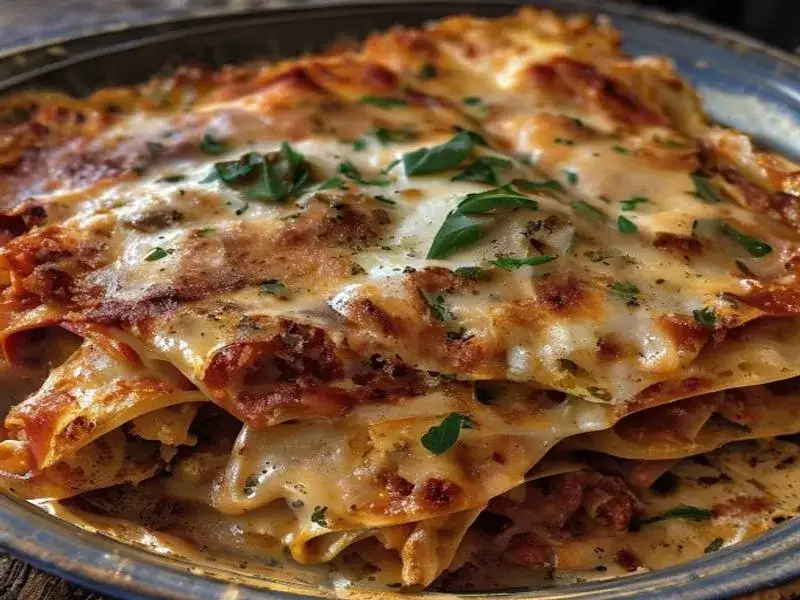
Lasagne al Forno della Nonna: Il Cuore della Domenica Italiana Uno dei piatti più opulenti, amati e storici d'Italia è la lasagna al forno, o come la prepariamo nella mia famiglia, "della nonna". Le Antiche Origini di un Classico Le origini della lasagna risalgono addirittura all'Antica Roma. Il filosofo romano Cicerone era noto per la sua passione per il "laganum", che consisteva in strisce di pasta larghe e piatte, cotte in acqua o brodo. Le lasagne come le conosciamo oggi, con i loro ricchi strati intervallati da sugo, hanno iniziato a prendere forma nel Medioevo e si sono consolidate in Emilia-Romagna. Questo piatto iconico si fonda su tre pilastri fondamentali: la pasta, il ragù e la besciamella. I Tre Pilastri della PerfezioneLa Sfoglia: A Bologna, la tradizione vuole l'uso della sfoglia verde, impastata con l'aggiunta di spinaci lessati e strizzati finemente. Deve essere tirata a mano con il matterello e risultare ruvida e porosa, per assorbire i sughi. Prima di essere assemblata, la pasta va sbollentata per qualche istante in acqua salata. Il Ragù alla Bolognese: Un ragù richiede pazienza. Una lenta cottura ("pippiare") di almeno tre ore è essenziale. Il soffritto di sedano, carota e cipolla accoglie un misto di carne di manzo e maiale, sfumato con vino e bagnato da un tocco di passata di pomodoro. La Besciamella: Deve essere fluida e vellutata. Farina, burro (il classico roux), latte intero e una generosa grattugiata di noce moscata.L'assemblaggio è un rito: strato dopo strato, alternando pasta, ragù, besciamella e una pioggia abbondante di Parmigiano Reggiano grattugiato. La cottura in forno regala poi quella magica crosticina bruciacchiata negli angoli, che tutti si contendono a tavola. #lasagne #ragu #emiliaromagna #italianfood #pastaalforno #cucinatradizionale #domenicaitaliana #isabellaferrari #bologna #cucinaitaliana #ricettadellanonna #tradizioneculinaria #primipiatti #recipe #exclusive Related InsightsRote Grütze Dessert Pasta alla Carbonara Perfetta Come fare il Pesto Genovese{ "@context": "https://schema.org", "@type": "FAQPage", "mainEntity": [ { "@type": "Question", "name": "What is the main focus of Lasagne al Forno della Nonna?", "acceptedAnswer": { "@type": "Answer", "text": "Explore the incredible journey of Lasagne al Forno della Nonna with Isabella Ferrari." } }, { "@type": "Question", "name": "Who authored the comprehensive guide on Lasagne al Forno della Nonna?", "acceptedAnswer": { "@type": "Answer", "text": "This detailed article and its insights were carefully researched and authored by Isabella Ferrari." } }, { "@type": "Question", "name": "Where can I find more related content about Recipe?", "acceptedAnswer": { "@type": "Answer", "text": "You can explore more articles, detailed reviews, and similar insights by browsing the Related Insights section at the bottom of this article or visiting our dedicated Recipe category page." } } ] }
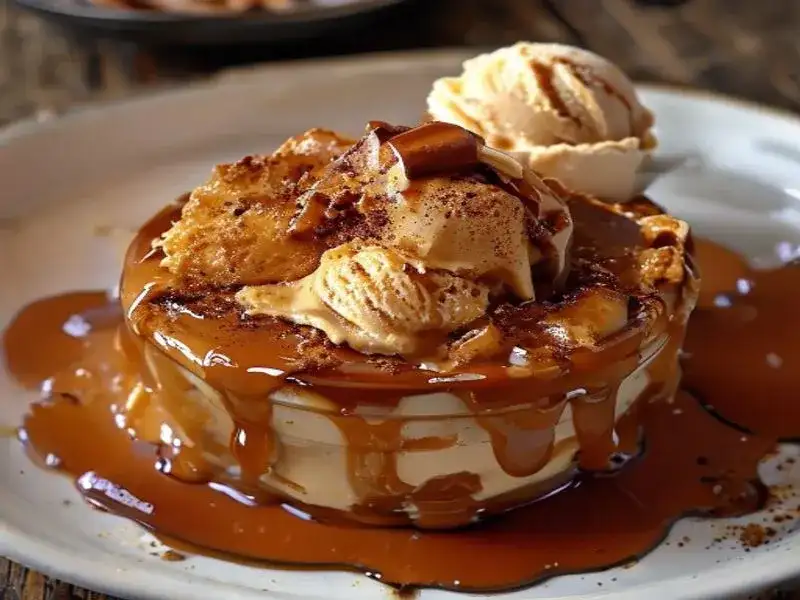
A Sweet Sensation: Sticky Toffee Pudding Despite what its deeply traditional, Dickensian flavor profile might suggest, Sticky Toffee Pudding is a surprisingly modern addition to the pantheon of great British desserts. This incredibly moist sponge cake, studded with dates and drenched in a decadent toffee sauce, has rapidly become a beloved staple in gastropubs and family dining rooms across the United Kingdom. The Dispute Over the Recipe The exact origins of Sticky Toffee Pudding are fiercely contested, but food historians generally agree that it is a 20th-century creation. The most widely accepted origin story traces the dessert to the Sharrow Bay Country House Hotel in the Lake District during the 1970s. The hotel's co-owner, Francis Coulson, claimed to have developed the recipe, allegedly taking inspiration from a Canadian World War II pilot who shared a recipe for a "muffin" made with dates. However, another strong claim comes from the Udny Arms Hotel in Aberdeenshire, Scotland, which purportedly served the pudding as early as 1967. Further complicating matters, the recipe bears a striking resemblance to a traditional Australian dessert known as "Sticky Date Pudding." Regardless of its true birthplace, the Lake District has capitalized on the dessert's fame, with the village of Cartmel now producing millions of commercially sold Sticky Toffee Puddings every year. The Magic of the Date The secret to the pudding's uniquely dense, moist, and almost gelatinous texture lies in its star ingredient: dried dates. Unlike traditional fruitcakes where the fruit remains whole, the dates in Sticky Toffee Pudding are finely chopped and soaked in boiling water mixed with bicarbonate of soda (baking soda). This chemical reaction is crucial. The alkaline bicarbonate of soda softens the tough skins of the dates and breaks down their cellular structure, turning them into a rich, dark mush. When folded into the batter, this date purée not only provides deep, molasses-like sweetness but also ensures the sponge remains incredibly moist during baking, preventing it from drying out. The Sauce That Binds A Sticky Toffee Pudding is nothing without its namesake sauce. The traditional topping is a luxurious, bubbling mixture of double cream, butter, and dark muscovado sugar. Unlike a standard caramel, which is made by crystallizing and burning white sugar, this toffee sauce relies on the rich, natural molasses present in unrefined dark brown sugar. To serve it the true British way, the pudding must be brought to the table piping hot, swimming in an excessive amount of sauce, and aggressively contrasted with a scoop of cold vanilla ice cream or a generous pour of pouring custard. It is the ultimate winter warmer, cementing its status as a modern British classic. #StickyToffeePudding #BritishDesserts #CulinaryHistory #Pudding #BakingFacts #Gastropub #SweetTreats #britishfood #michaelchef #recipe #ukcuisine Related InsightsApfelstrudel rein pflanzlich Салат Оливье к празднику Baklava: Layers of Perfection{ "@context": "https://schema.org", "@type": "FAQPage", "mainEntity": [ { "@type": "Question", "name": "What is the main focus of Sticky Toffee Pudding?", "acceptedAnswer": { "@type": "Answer", "text": "Explore the incredible journey of Sticky Toffee Pudding with Emily Page." } }, { "@type": "Question", "name": "Who authored the comprehensive guide on Sticky Toffee Pudding?", "acceptedAnswer": { "@type": "Answer", "text": "This detailed article and its insights were carefully researched and authored by Michael Chef." } }, { "@type": "Question", "name": "Where can I find more related content about Recipe?", "acceptedAnswer": { "@type": "Answer", "text": "You can explore more articles, detailed reviews, and similar insights by browsing the Related Insights section at the bottom of this article or visiting our dedicated Recipe category page." } } ] }
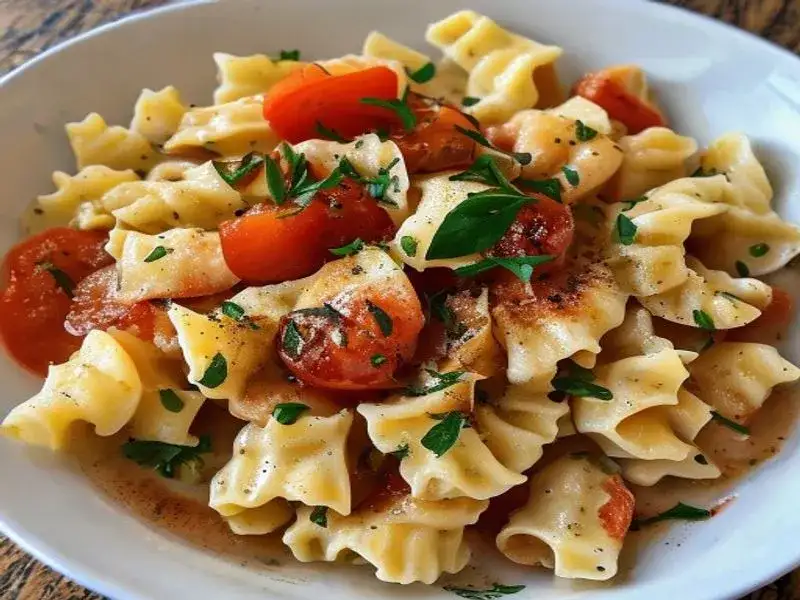
Gnocchi Fatti in Casa: I Soffici Cuscini della Cucina Italiana Gli gnocchi di patate fatti in casa sono uno dei comfort food per eccellenza della nostra penisola. Una Tradizione del Giovedì "Giovedì gnocchi, venerdì pesce, sabato trippa". Questo antico proverbio romano riassume perfettamente l'importanza che gli gnocchi ricoprono nella cultura gastronomica italiana, specialmente a Roma. Nati inizialmente come impasti di farina o mollica di pane, gli gnocchi hanno assunto la loro forma attuale solo dopo la scoperta dell'America, quando la patata è stata introdotta e ha iniziato a essere coltivata in Europa su larga scala. Preparare gli gnocchi a casa è quasi un rito terapeutico, un ponte tra generazioni, dove le nonne insegnano ai nipoti come formare questi piccoli capolavori. I Segreti per Gnocchi Perfetti Ottenere la consistenza perfetta – morbida ma non gommosa – richiede molta attenzione. Ecco le regole d'oro:La scelta delle patate: Devono essere patate vecchie, ricche di amido e povere d'acqua (le patate a pasta bianca o rossa sono ideali). La cottura: Le patate vanno lessate con la buccia o cotte al vapore, per evitare che assorbano troppa acqua. Vanno poi sbucciate e schiacciate quando sono ancora calde. Poca farina: Questo è il segreto supremo! Più farina si aggiunge, più gli gnocchi diventeranno duri. L'impasto deve essere lavorato molto velocemente finché non sta insieme, senza impastarlo come si farebbe per il pane. La rigatura: Passare gli gnocchi sui rebbi di una forchetta o sul riga-gnocchi di legno non è solo una questione estetica; le scanalature permettono di catturare e trattenere meglio il sugo.Sia che li condiate con un ricco ragù alla bolognese, con un fresco pesto genovese, o alla sorrentina con pomodoro e mozzarella filante, gli gnocchi fatti in casa sanno sempre di famiglia. #gnocchi #italianfood #pasta #ricettadellanonna #cucinaitaliana #comfortfood #isabellaferrari #fattoincasa #patate #ricetteitaliane #tradizioneculinaria #primipiatti #cibofattoincasa #recipe #exclusive Related InsightsSunday Roast Tradition Risotto allo Zafferano Lahmacun: The Turkish Pizza{ "@context": "https://schema.org", "@type": "FAQPage", "mainEntity": [ { "@type": "Question", "name": "What is the main focus of Gnocchi fatti in casa?", "acceptedAnswer": { "@type": "Answer", "text": "Explore the incredible journey of Gnocchi fatti in casa with Isabella Ferrari." } }, { "@type": "Question", "name": "Who authored the comprehensive guide on Gnocchi fatti in casa?", "acceptedAnswer": { "@type": "Answer", "text": "This detailed article and its insights were carefully researched and authored by Isabella Ferrari." } }, { "@type": "Question", "name": "Where can I find more related content about Recipe?", "acceptedAnswer": { "@type": "Answer", "text": "You can explore more articles, detailed reviews, and similar insights by browsing the Related Insights section at the bottom of this article or visiting our dedicated Recipe category page." } } ] }
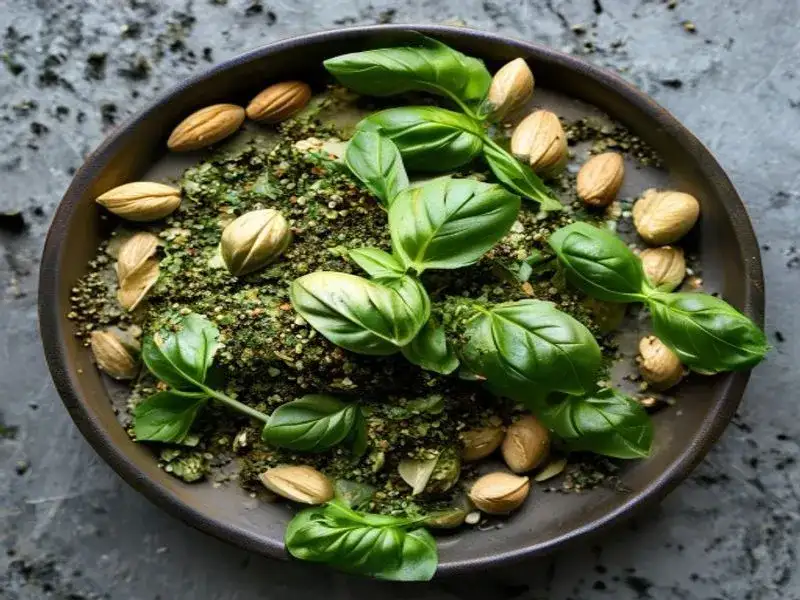
Come Fare il Pesto Genovese: L'Oro Verde della Liguria Il pesto genovese è una delle salse più celebri e amate al mondo. Oggi ne svelo i segreti. La Tradizione del Mortaio La parola "pesto" deriva dal verbo italiano "pestare". La vera ricetta tradizionale, tutelata persino da un Consorzio a Genova, richiede l'uso di un mortaio di marmo e di un pestello di legno (solitamente di ulivo o frassino). Usare le lame di metallo di un frullatore moderno scalda il basilico, ossidandolo e alterandone il sapore e il colore brillante. Il movimento rotatorio del pestello, invece, estrae delicatamente gli oli essenziali dalle foglie, garantendo un profumo inebriante. I Sette Ingredienti Magici Il disciplinare del vero pesto genovese ammette solo sette ingredienti, tutti di altissima qualità:Basilico Genovese DOP: Le foglioline devono essere tenere, piccole e coltivate nella zona di Pra'. Olio Extravergine di Oliva della Riviera Ligure: Un olio dolce e fruttato, non troppo piccante, che non copre gli altri sapori. Pinoli Nazionali: Conferiscono dolcezza e cremosità. Parmigiano Reggiano DOP: Molto stagionato. Fiore Sardo DOP (Pecorino): Per aggiungere una nota sapida e decisa. Aglio di Vessalico: Un aglio ligure noto per essere più delicato e digeribile. Sale Marino Grosso: Essenziale non solo per salare, ma anche per fare attrito nel mortaio e sminuzzare il basilico.Preparare il pesto in casa è un atto di amore verso le tradizioni liguri. Condire un piatto di trofie o di trenette con questa salsa fredda, magari aggiungendo fagiolini e patate come vuole l'usanza genovese, è un'esperienza celestiale. Armatevi di mortaio e iniziate a pestare! #pestogenovese #liguria #italianfood #cucinaligure #pasta #ricettatradizionale #basilico #isabellaferrari #genova #cucinaitaliana #ricetteclassiche #fattoincasa #slowfood #recipe #exclusive Related InsightsAnatolian Street Food Wonders The Secret of Turkish Kebab Салат Оливье к празднику{ "@context": "https://schema.org", "@type": "FAQPage", "mainEntity": [ { "@type": "Question", "name": "What is the main focus of Come fare il Pesto Genovese?", "acceptedAnswer": { "@type": "Answer", "text": "Explore the incredible journey of Come fare il Pesto Genovese with Isabella Ferrari." } }, { "@type": "Question", "name": "Who authored the comprehensive guide on Come fare il Pesto Genovese?", "acceptedAnswer": { "@type": "Answer", "text": "This detailed article and its insights were carefully researched and authored by Isabella Ferrari." } }, { "@type": "Question", "name": "Where can I find more related content about Recipe?", "acceptedAnswer": { "@type": "Answer", "text": "You can explore more articles, detailed reviews, and similar insights by browsing the Related Insights section at the bottom of this article or visiting our dedicated Recipe category page." } } ] }
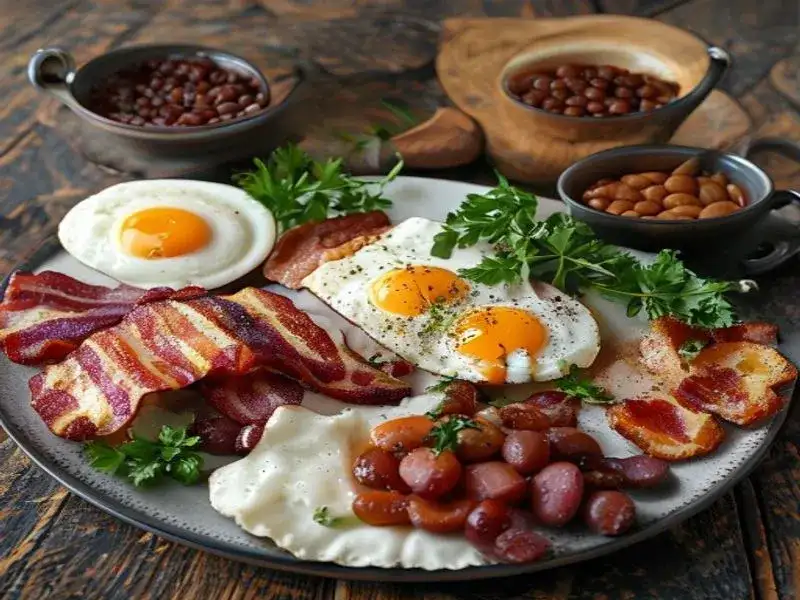
The Full Monty: The Ultimate English Breakfast Internationally renowned and culturally iconic, the Full English Breakfast is not merely a meal; it is an event. Often affectionately referred to as a "fry-up" or "The Full Monty," this gargantuan plate of savory delights is deeply ingrained in British identity, serving as both a weekend indulgence and the nation's undisputed champion of hangover cures. From Victorian Grandeur to Working-Class Fuel The origins of the English breakfast can be traced back to the rural gentry of the 13th century, who used lavish breakfast feasts to display their wealth and hospitality. However, it was the Victorians who truly codified the tradition. The wealthy Victorian class standardized the meal's ingredients, viewing a substantial breakfast as a crucial start to a civilized day. As the Industrial Revolution took hold, the "Full English" moved from the estates of the wealthy to the homes of the working class. Factory workers and laborers needed a highly caloric, fat-rich meal to sustain them through grueling physical labor. By the 1950s, the fry-up had become a national staple, served in "greasy spoon" cafes across the country. The Sacred Anatomy of a Fry-Up The composition of a true English Breakfast is fiercely debated, but traditionalists agree on several non-negotiable pillars. The foundation relies on high-quality back bacon (thicker and meatier than American streaky bacon) and thick pork sausages. These are accompanied by eggs, which must be fried—traditionally in the bacon fat—with a sunny, runny yolk designed for dipping. The carbohydrate elements are crucial for mopping up the plate. This includes fried bread (bread shallow-fried until crisp) or heavily buttered toast. Grilled tomatoes and sautéed mushrooms provide necessary acidity and earthy balance. Perhaps the most divisive elements are baked beans and black pudding. The beans, swimming in a sweet tomato sauce, must be carefully positioned to prevent their juices from compromising the crispness of the fried bread. Black pudding, a highly seasoned blood sausage made with pork fat and oats, is considered an essential delicacy by purists, offering a rich, metallic, and deeply savory crunch. A Cultural Institution Today, the English Breakfast is beloved worldwide. Whether served in a Michelin-starred London hotel or a humble roadside cafe accompanied by a strong, milky cup of builder's tea, the Full English remains a towering testament to Britain's robust and unapologetic culinary heritage. #EnglishBreakfast #FullEnglish #FryUp #BritishFood #BreakfastOfChampions #CulinaryFacts #FoodHistory #britishfood #michaelchef #recipe #ukcuisine Related InsightsClassic Fish and Chips Anatolian Street Food Wonders Vegane Brezeln backen{ "@context": "https://schema.org", "@type": "FAQPage", "mainEntity": [ { "@type": "Question", "name": "What is the main focus of The Ultimate English Breakfast?", "acceptedAnswer": { "@type": "Answer", "text": "Explore the incredible journey of The Ultimate English Breakfast with Emily Page." } }, { "@type": "Question", "name": "Who authored the comprehensive guide on The Ultimate English Breakfast?", "acceptedAnswer": { "@type": "Answer", "text": "This detailed article and its insights were carefully researched and authored by Michael Chef." } }, { "@type": "Question", "name": "Where can I find more related content about Recipe?", "acceptedAnswer": { "@type": "Answer", "text": "You can explore more articles, detailed reviews, and similar insights by browsing the Related Insights section at the bottom of this article or visiting our dedicated Recipe category page." } } ] }