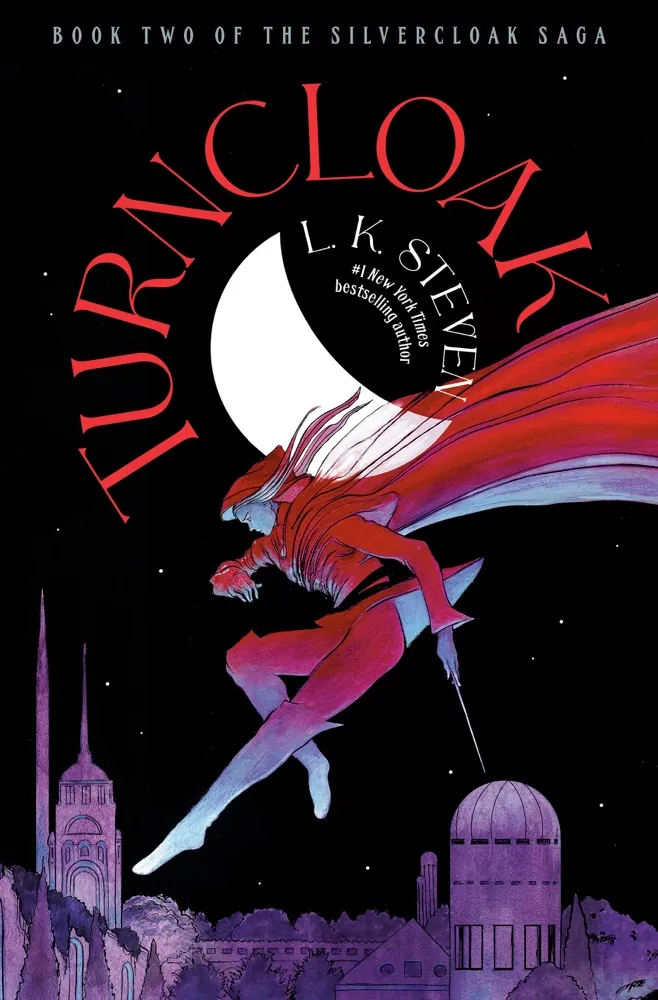
-
 Chloé Laurent
 - 18 Aug, 2026 16:39
Turncloak (The Silvercloak Saga, #2) Book Review and Summary
Author: L.K. StevenPage Count: UnknownPublication Date: Expected publication 2026-09-15 APL Look at the calendar. We are three weeks away from quarterly earnings, the glass partition behind my desk is vibrating from the pileup on Park Avenue, and I am wasting twenty minutes parsing the jacket copy for Turncloak. Steven is coming off a massive bestseller, so naturally, the marketing machinery demands a sequel. Yet this synopsis reads like a structural engineer describing a suspension bridge built entirely out of wet spaghetti. The Architecture of Retribution Revenge is a cold dish, but here it has been reheated so many times the plate is melting. Saffron Killoran spent the first book undercover in the Bloodmoon gang, presumably doing gritty things with shadows. Now? Retribution is gone. Poof. Vanished. So she pivots to—and I quote—"harnessing a long-dormant power to fix her ruinous mistakes." Groundbreaking. Truly the Fyre Festival of character motivations. Instead of dealing with the delicious moral ambiguity of an operative who stayed too long at the dance, we get a magical reset button. The synopsis leans hard on the lazy tropes of cosmic desperation. Unmaking time itself? Please. We abandoned linear temporal panic in fantasy fiction around the time Brandon Sanderson cleared his throat in 2006. The Geometry of a Love Triangle Gone Wrong Then we have the kingpin. He discovers Saffron is a Silvercloak. He knows she wants to level his entire criminal enterprise. Naturally, he is "torn between the cause to which he has devoted his life and the fate of the traitorous mage he loves." Spare me. This is Romeo and Juliet rewritten by a tired intern who binged three seasons of a CW drama during a weekend hangover. Where is the bite? Where is the cold, transactional ruthlessness of a syndicate boss who values profit margins over pillow talk? Instead, we get a soft-bellied thug caught in a geopolitical Vanderpump Rules reunion. And chasing them? A rookie detective. Because every continent-spanning thriller apparently requires a zealous cop who plays by her own rules and hates joy. The Pacing Abyss Steven has talent—Our Infinite Fates printed money for a reason—but this plot synopsis lacks a pulse. It relies on vague nouns and exclamation points to manufacture momentum. "A cat-and-mouse game of trust and betrayal spanning continents." Name three cities, L.K. Give me a concrete geography. Otherwise, it is just a backdrop painted on tissue paper. My assistant just buzzed me about the Frankfurt pitch deck. I have to go explain to my interior designer why installing museum-grade halogen spotlights directly over my reading chair makes me look like an interrogation subject. Related InsightsSomewhere Beyond the Sea Book Review and Summary No One Can Know Book Review and Summary Into the Windwracked Wilds Book Review and Summary{ "@context": "https://schema.org", "@type": "FAQPage", "mainEntity": [ { "@type": "Question", "name": "What is the main focus of Turncloak (The Silvercloak Saga, #2) Book Review and Summary?", "acceptedAnswer": { "@type": "Answer", "text": "Everything you need to know about Turncloak (The Silvercloak Saga, #2) with our detailed review." } }, { "@type": "Question", "name": "Who authored the comprehensive guide on Turncloak (The Silvercloak Saga, #2) Book Review and Summary?", "acceptedAnswer": { "@type": "Answer", "text": "This detailed article and its insights were carefully researched and authored by Chloé Laurent." } }, { "@type": "Question", "name": "Where can I find more related content about Books?", "acceptedAnswer": { "@type": "Answer", "text": "You can explore more articles, detailed reviews, and similar insights by browsing the Related Insights section at the bottom of this article or visiting our dedicated Books category page." } } ] }


Author: Anna MaloneyPage Count: UnknownPublication Date: Expected publication 2026-10-20 APL The thrill of an impending literary explosion – The 10:12: A Novel by Anna Maloney is set to detonate on October 20, 2026. I'm brimming with anticipation, and my usually stoic demeanor is giving way to aggressive enthusiasm. Maloney's thriller promises to be a page-turner in the style of Ruth Ware, Lisa Jewell, and Claire Douglas – a pedigree that's hard to ignore. But will she live up to the hype? The story centers around Claire Fitzroy, an art lecturer who finds herself on a hijacked train from Manchester to London. With nothing to lose, she rallies a group of passengers and takes down the hijackers, saving hundreds of lives. Sounds heroic, right? But here's the twist – Claire now faces the courts and public opinion, with many questioning her actions. Was she a selfless hero or an attention-seeking vigilante? The plot thickens like a deliciously dark sauce, and I'm salivating at the prospect of sinking my teeth into it. But let's get real – the synopsis is infuriatingly vague. What's the real story behind Claire's actions? Is she a complex character with a rich backstory, or a cardboard cutout designed to advance the plot? Maloney's decision to keep Claire silent until now raises more questions than answers. What's she hiding? And what's the significance of the title, The 10:12? Is it merely a reference to the train's departure time, or something more sinister? As I delve into the world of literary thrillers, I'm reminded of the likes of The Girl on the Train and Gone Girl. These novels expertly wove complex characters, plot twists, and social commentary into a cohesive narrative. Will The 10:12 follow suit, or will it succumb to the pitfalls of predictability and clichés? The jury's still out, but I'm willing to take a chance on Maloney's writing. One thing's for sure – The 10:12 will be a thought-provoking exploration of heroism, morality, and the blurred lines between right and wrong. It's a timely commentary on our society's obsession with instant gratification and the cult of celebrity. But will it be a nuanced, thought-provoking exploration, or a shallow, sensationalized take on these themes? I'm leaning towards the former, but only time will tell. Literally. I'm willing to take a chance on The 10:12, but I'm not holding my breath. If Maloney can deliver on her promise of a twisty, high-stakes thriller, I'll be the first to sing her praises. But if she falls short, I'll be the first to call her out. The stakes are high, and I'm eager to see how she'll navigate the complex web of character psychology, plot twists, and social commentary. And now, if you'll excuse me, I must untangle the garden hose that has tied itself into a Gordian knot. #ThrillerThursday #NewRelease #BookLovers #LiteraryFiction Related InsightsFire Book Review and Summary The Monster Hunter's Librarian Book Review and Summary Counting Miracles Book Review and Summary{ "@context": "https://schema.org", "@type": "FAQPage", "mainEntity": [ { "@type": "Question", "name": "What is the main focus of The 10:12: A Novel Book Review and Summary?", "acceptedAnswer": { "@type": "Answer", "text": "Everything you need to know about The 10:12: A Novel with our detailed review." } }, { "@type": "Question", "name": "Who authored the comprehensive guide on The 10:12: A Novel Book Review and Summary?", "acceptedAnswer": { "@type": "Answer", "text": "This detailed article and its insights were carefully researched and authored by Thomas Wright." } }, { "@type": "Question", "name": "Where can I find more related content about Books?", "acceptedAnswer": { "@type": "Answer", "text": "You can explore more articles, detailed reviews, and similar insights by browsing the Related Insights section at the bottom of this article or visiting our dedicated Books category page." } } ] }
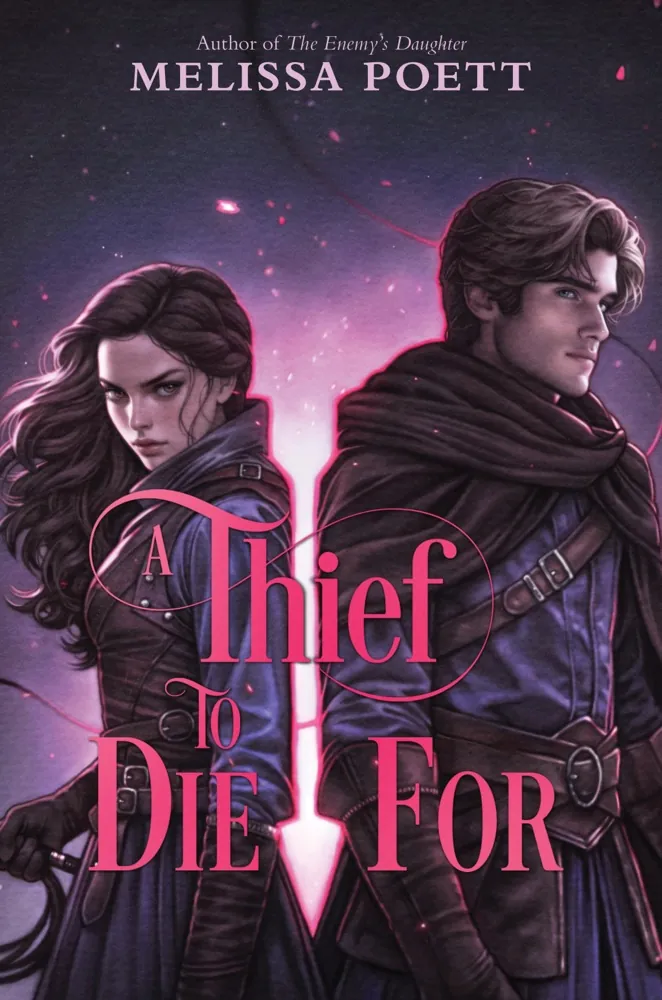

Author: Melissa PoettPage Count: UnknownPublication Date: Expected publication 2026-11-17 APL What is it about these reimaginings that continue to captivate us? Is it our inherent desire to relive the classics, to reimagine the familiar, or merely to escape into the comforting realm of nostalgia? I suppose it's a bit of everything, and Melissa Poett's A Thief to Die For promises to deliver just that—a retelling of the timeless Robin Hood tale, set in a desolate, lawless land. But, I must confess, the premise feels a tad...familiar. A high-ranking guard by day, a whip-wielding thief by night—Marian's dual identity is a classic trope, one that's been done before, and done better, if I might add. And yet, there's something about this particular iteration that piques my interest. Perhaps it's the promise of a "deadly dance of deception" or the hint of a "magical bond" between Marian and Ryland. Whatever the reason, I'm willing to give Poett the benefit of the doubt. Now, let's talk about the world-building. A dystopian landscape, ravaged and barren, with few surviving communities fighting over resources. It's a bleak, if not entirely original, setting. But, I suppose it's the perfect backdrop for a tale of thievery and deception. And, who knows, maybe Poett will surprise us with a fresh take on this tired trope. The characters, however, are a different story altogether. Marian, with her secret life and complicated loyalties, feels like a fascinating, if not entirely new, creation. And Ryland, with his untapped magic and elite soldier status, seems like the perfect foil to Marian's thieving ways. But, what really catches my attention is the power dynamic between them. Marian's father, the ruthless Commander, wants to use Ryland's magic to invade his settlement, and Marian is caught in the middle. It's a classic tale of star-crossed lovers, with a deliciously complicated twist. And yet, despite my initial reservations, I find myself drawn to this narrative. Perhaps it's the promise of a "classic retelling" or the hint of a "magical bond" between the leads. Whatever the reason, I'm willing to give Poett a chance to prove herself. But, let's be real, the true test of A Thief to Die For lies in its execution. Will Poett be able to breathe new life into this familiar tale, or will it feel like just another rehashing of a classic? Only time will tell. The plot, as it stands, feels a tad predictable, but I suppose that's the nature of retellings. And, yet, I find myself wondering what Poett has up her sleeve. Will she subvert our expectations, or play it safe? The world may never know. As I sit here, sipping my tea and pondering the merits of A Thief to Die For, I'm reminded of the infamous Isabella Stewart Gardner Museum heist. A daring, if not entirely successful, theft, it's a tale that's captivated art lovers for decades. And, in many ways, it's the perfect metaphor for Poett's latest effort. Will she be able to pull off this literary heist, or will it fall flat? I suppose only time will tell. And, now, if you'll excuse me, I have a squash game with my lawyer this afternoon, and I simply cannot be late. #RobinHoodReimagined #DystopianDelights #LiteraryHeists Related InsightsThe Body in the Attic Book Review and Summary Oliver Twist Book Review and Summary Great Expectations Book Review and Summary{ "@context": "https://schema.org", "@type": "FAQPage", "mainEntity": [ { "@type": "Question", "name": "What is the main focus of A Thief to Die For Book Review and Summary?", "acceptedAnswer": { "@type": "Answer", "text": "Everything you need to know about A Thief to Die For with our detailed review." } }, { "@type": "Question", "name": "Who authored the comprehensive guide on A Thief to Die For Book Review and Summary?", "acceptedAnswer": { "@type": "Answer", "text": "This detailed article and its insights were carefully researched and authored by James Miller." } }, { "@type": "Question", "name": "Where can I find more related content about Books?", "acceptedAnswer": { "@type": "Answer", "text": "You can explore more articles, detailed reviews, and similar insights by browsing the Related Insights section at the bottom of this article or visiting our dedicated Books category page." } } ] }
-
 Lucas Martin
 - 18 Aug, 2026 11:16
L'Encre Subversive : Ces chefs-d'œuvre traqués dans l'ombre de l'URSS
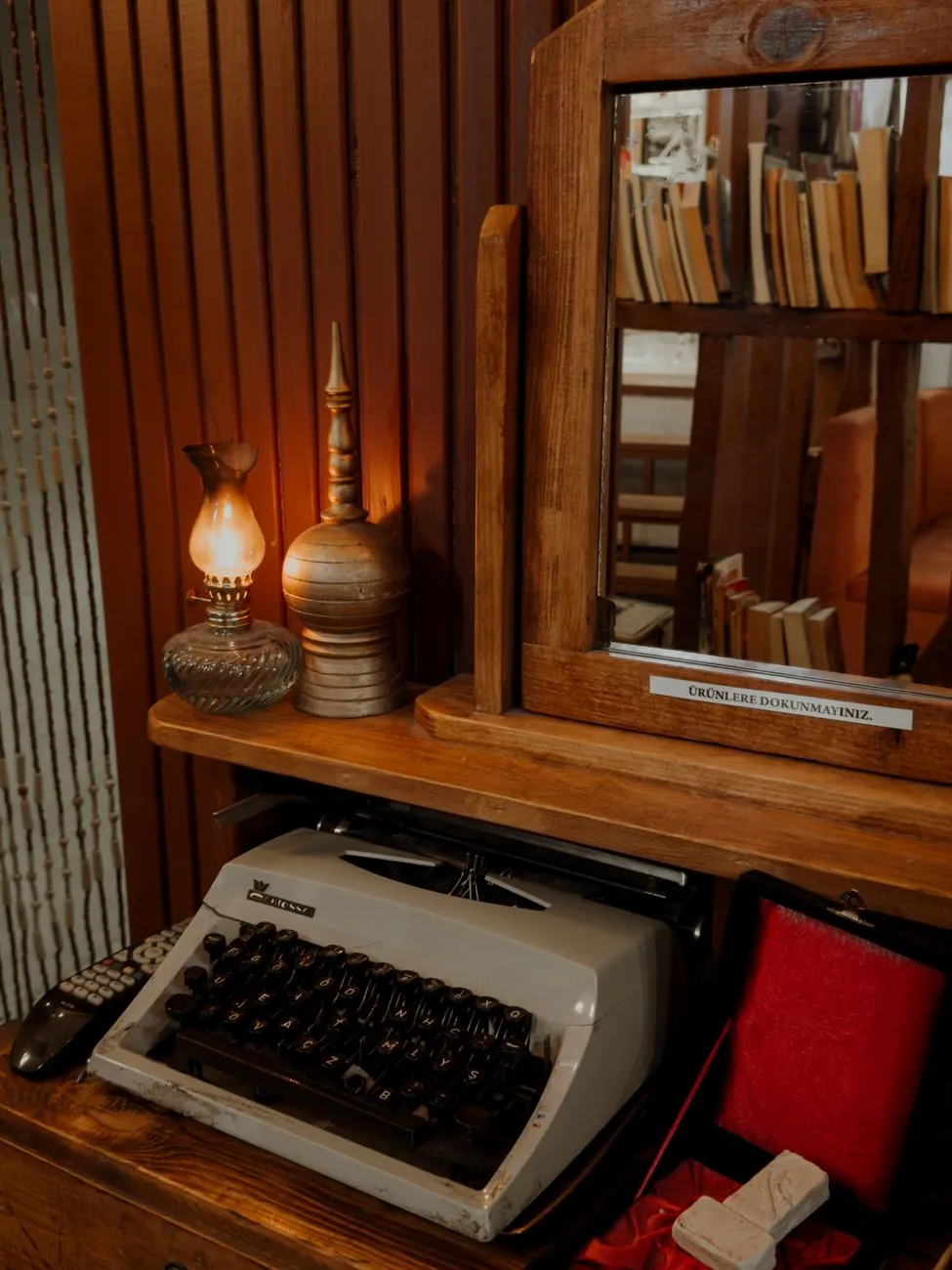
Le papier est une matière fragile, vulnérable au feu, à l'humidité et au temps. Pourtant, dans les couloirs glacés de l'Union soviétique, certaines pages se sont révélées plus résistantes que l'acier des chars T-34. Il y avait dans le secret des appartements moscovites et les recoins sombres des bibliothèques spéciales, une résistance qui ne tirait pas, mais qui écrivait. Ces livres, frappés d'interdiction, constituaient une menace existentielle pour un régime qui avait bâti son empire sur le dogme et l'uniformité de la pensée. Aujourd'hui, en tant que passionné de littérature, je vous invite à plonger dans cette archive des ombres, là où la plume est devenue une arme de libération. Le frisson de la machine à écrire dans la nuit La censure en URSS n'était pas un simple outil administratif ; c'était un scalpel chirurgical visant à sectionner toute veine reliant l'intellectuel à la dissidence. Le Glavlit, organisme de contrôle central, veillait au grain, scrutant chaque ligne pour y débusquer les germes de l'anti-soviétisme. Mais plus on cherchait à enterrer une idée, plus celle-ci semblait fleurir clandestinement. Le phénomène du « Samizdat » — littéralement « auto-édition » — est né de cette nécessité. Des auteurs, incapables de publier leurs manuscrits par les canaux officiels, les faisaient circuler sous forme de copies dactylographiées, transmises de main en main, souvent recopiées à la machine à écrire avec du papier carbone, jusqu'à ce que les dernières copies deviennent presque illisibles. C'était une littérature de la survie, une poésie qui devait être apprise par cœur avant d'être détruite, de peur qu'elle ne serve de preuve lors d'une perquisition du KGB.Les géants condamnés au silence Parmi les voix que le régime a tenté de briser, certaines résonnent encore avec une puissance dévastatrice aujourd'hui. Prenons « Le Maître et Marguerite » de Mikhaïl Boulgakov. Ce roman, un chef-d'œuvre fantastique où le Diable visite Moscou, est une satire féroce de la bureaucratie soviétique. Boulgakov, vivant dans une peur constante, a brûlé une première version de son manuscrit avant de le réécrire de mémoire. Le livre ne fut publié qu'en 1966, près de vingt-six ans après sa mort. Son existence même témoigne de la défaite du système : on ne peut pas assassiner l'imagination. Un autre pilier de cette liste maudite est « L'Archipel du Goulag » d'Alexandre Soljenitsyne. Ce n'était pas seulement un livre ; c'était un séisme. En documentant le système carcéral soviétique, Soljenitsyne a brisé le silence imposé sur des millions de vies broyées. Lorsque le texte a franchi les frontières pour être publié à Paris en 1973, le gouvernement soviétique a été pris de court, incapable d'endiguer la vague de vérité qui déferlait sur l'Occident. Pour le citoyen soviétique moyen, découvrir ces pages revenait à sortir d'une caverne de Platon après des décennies d'obscurité. Les frontières mouvantes de la subversion Il est fascinant d'observer quels ouvrages étaient jugés « dangereux ». Ce n'était pas toujours une question de politique explicite. La poésie d'Anna Akhmatova, par exemple, fut interdite pendant de longues années. Pourquoi ? Parce que son lyrisme, sa mélancolie et son indépendance spirituelle ne cadraient pas avec le réalisme socialiste, cet impératif rigide qui voulait que tout art soit une célébration de la production industrielle et du progrès collectif. L'interdiction frappait sans distinction : Les classiques de la littérature mondiale perçus comme « décadents ». Les œuvres traitant de la religion ou de la spiritualité. Les écrits philosophiques remettant en cause le matérialisme dialectique. Les témoignages directs sur les purges staliniennes.La censure créait un vide culturel que les citoyens, affamés de pensée libre, tentaient de combler par n'importe quel moyen. Le simple fait de posséder un livre de Boris Pasternak, dont « Le Docteur Jivago » fut banni pour son humanisme jugé non conforme, était un acte de bravoure. L'écrivain fut contraint de refuser son prix Nobel de littérature sous la pression du Politburo. Le contraste est saisissant : d'un côté, une puissance atomique mondiale, de l'autre, un poète dont le crime était d'avoir écrit sur l'âme humaine.L'héritage de la résistance littéraire La question que l'on doit se poser aujourd'hui est : qu'est-ce qu'une bibliothèque sans ces livres ? Une bibliothèque qui ne contient que ce qui est autorisé est une bibliothèque qui nous appauvrit. L'histoire des livres interdits en URSS nous enseigne que la censure est le signe d'une peur profonde du pouvoir envers la réflexion individuelle. Chaque fois qu'une dictature interdit un livre, elle ne fait que le sacraliser. Le Samizdat, avec ses typographies imparfaites et son papier jauni, reste un monument à la liberté d'expression. Il nous rappelle que le contrôle de l'information n'a jamais réussi à stopper le désir humain de vérité. Même à l'ère numérique, alors que nous vivons dans une profusion d'informations, il est vital de se souvenir de ces auteurs qui ont risqué la prison, l'asile psychiatrique ou l'exil pour quelques mots posés sur une page. Le poids des mots dans le nouvel âge Aujourd'hui, alors que nous avons un accès presque illimité à la connaissance, il est facile de tenir pour acquise cette liberté de lecture. Pourtant, le spectre de l'interdiction rôde toujours, prenant des formes plus subtiles, plus algorithmiques. L'histoire de la censure soviétique est un miroir qui nous renvoie nos propres failles. Quand je feuillette une édition rare de ces œuvres autrefois prohibées, je ne vois pas seulement du texte. Je vois les mains des courageux lecteurs qui, dans le secret, ont partagé ces pages au péril de leur liberté. Je vois la résilience de la culture face à la barbarie. Ces livres n'étaient pas seulement des vecteurs d'idées ; ils étaient des actes de résistance pure, des brèches ouvertes dans un mur qui se voulait imprenable. La bibliographie des ombres : une étude historique Pour approfondir ce sujet, il faut se pencher sur les archives de la « Spetskhran » — les départements spéciaux des bibliothèques soviétiques où étaient stockés les ouvrages interdits. L'accès y était strictement limité à quelques privilégiés ayant des habilitations de sécurité. Ce paradoxe — une bibliothèque de livres interdits, gérée par ceux-là mêmes qui les censuraient — illustre parfaitement l'absurdité du système. Il existe encore aujourd'hui un travail immense de redécouverte de ces textes. De nombreux auteurs, dont les noms avaient été effacés des manuels scolaires et des dictionnaires, sont en train d'être réhabilités. C'est une tâche nécessaire, non seulement pour l'histoire littéraire, mais pour la santé morale de nos sociétés contemporaines. Nous devons continuer à lire, à partager et surtout, à questionner ce qui nous est présenté comme la seule vérité autorisée.La littérature n'est pas un luxe, c'est une nécessité vitale. En URSS, les autorités l'ont compris avant même les écrivains, c'est pourquoi elles en ont eu si peur. La prochaine fois que vous ouvrirez un livre, souvenez-vous de ces époques où chaque page tournée pouvait changer une vie. Car, comme l'écrivait Boulgakov, « les manuscrits ne brûlent pas ». Ils survivent, ils attendent, et ils finissent toujours par trouver leur chemin vers la lumière. #LittératureSoviétique #Censure #LibertéDExpression #HistoireDesLivres #Samizdat Related InsightsEstuche Albert Camus (contiene: El extranjero / Calígula / El mito de Sísifo) / Albert Camus Box Set (includes: The Stranger / Caligula / The Myth of Sisyphus Book Review and Summary The Way of Kings Book Review and Summary The Maze Runner Book Review and Summary{ "@context": "https://schema.org", "@type": "FAQPage", "mainEntity": [ { "@type": "Question", "name": "What is the main focus of L'Encre Subversive : Ces chefs-d'œuvre traqués dans l'ombre de l'URSS?", "acceptedAnswer": { "@type": "Answer", "text": "Découvrez les œuvres littéraires majeures que le régime soviétique a tenté d'effacer de la mémoire collective et le pouvoir indestructible des mots face à la tyrannie." } }, { "@type": "Question", "name": "Who authored the comprehensive guide on L'Encre Subversive : Ces chefs-d'œuvre traqués dans l'ombre de l'URSS?", "acceptedAnswer": { "@type": "Answer", "text": "This detailed article and its insights were carefully researched and authored by Lucas Martin." } }, { "@type": "Question", "name": "Where can I find more related content about Books?", "acceptedAnswer": { "@type": "Answer", "text": "You can explore more articles, detailed reviews, and similar insights by browsing the Related Insights section at the bottom of this article or visiting our dedicated Books category page." } } ] }
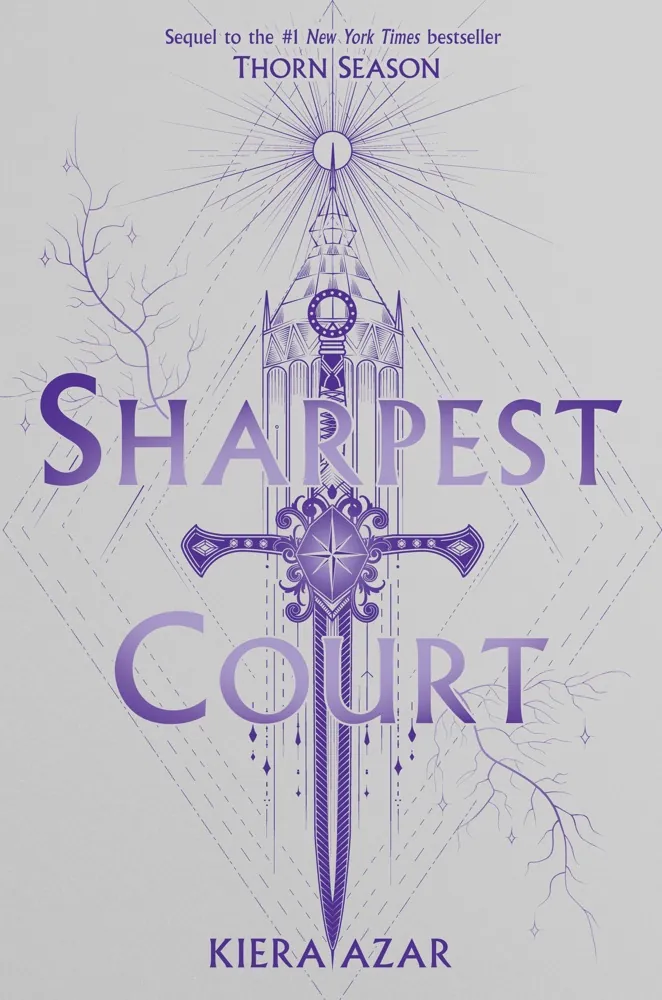

Author: Kiera AzarPage Count: UnknownPublication Date: Expected publication 2026-11-03 APL August heat is baking the tomatoes into dry husks out by the south pasture, and the irrigation pump is rattling its casing loose again. Perfect. Just the soundtrack needed for evaluating Kiera Azar’s upcoming Sharpest Court. Because what the literary market desperately demands right now is yet another hardcover about teenagers wearing elaborate ballgowns while overthrowing monarchies that clearly never learned basic crop rotation. Gilded Cages and Compasses Alissa is back, running from King Erik with a magical compass that sounds suspiciously like every single artifact lost in every YA fantasy written since Sarah J. Maas figured out how to brand a fae cheekbone. Yet the synopsis wants us to gasp at the high stakes of a courtier's mask. Oh, the glamour. Oh, the peril. Honestly, why do these rebels always trade their muddy boots for satin slippers the second a throne room gets mentioned? Give me a protagonist who understands soil compaction instead of court politics. My cousin’s teenager tried to explain the first book's lore last month while I was trying to fix a rusted tractor manifold with a bent coat hanger and half a prayer. That’s certainly an opinion. Kids today consume this relentless machinery of royal romance like cheap candy, ignoring the systemic failures of an agrarian economy entirely dependent on magical contraband. The Cost of Glitter Azar leans hard into the standard formula of hunted magic users dodging tyrannical sovereigns. Ansora offers protection at a steep price. Of course it does. Nothing in these kingdoms is free, unlike the weeds choking my zucchini patch right now. But will Alissa actually face real structural consequences, or will she just spend three hundred pages brooding over a boy named Keil while wearing a vicious mask? Predicting a predictable mess. Readers will eat it up because they crave shiny objects over narrative substance, much like magpies drawn to a gleaming piece of tinsel left on a fence post. Speaking of expensive distractions, the orthodontist bill arrived this morning for the middle kid's overbite. The absurd cost of braces these days is giving me a massive headache. #KieraAzar #SharpestCourt #BookTwitter #Romantasy Related InsightsMatar un ruiseñor / To Kill a Mockingbird Book Review and Summary Paper and Blood Book Review and Summary Heartless Book Review and Summary{ "@context": "https://schema.org", "@type": "FAQPage", "mainEntity": [ { "@type": "Question", "name": "What is the main focus of Sharpest Court (Thorn Season #2) Book Review and Summary?", "acceptedAnswer": { "@type": "Answer", "text": "Everything you need to know about Sharpest Court (Thorn Season #2) with our detailed review." } }, { "@type": "Question", "name": "Who authored the comprehensive guide on Sharpest Court (Thorn Season #2) Book Review and Summary?", "acceptedAnswer": { "@type": "Answer", "text": "This detailed article and its insights were carefully researched and authored by William Clark." } }, { "@type": "Question", "name": "Where can I find more related content about Books?", "acceptedAnswer": { "@type": "Answer", "text": "You can explore more articles, detailed reviews, and similar insights by browsing the Related Insights section at the bottom of this article or visiting our dedicated Books category page." } } ] }
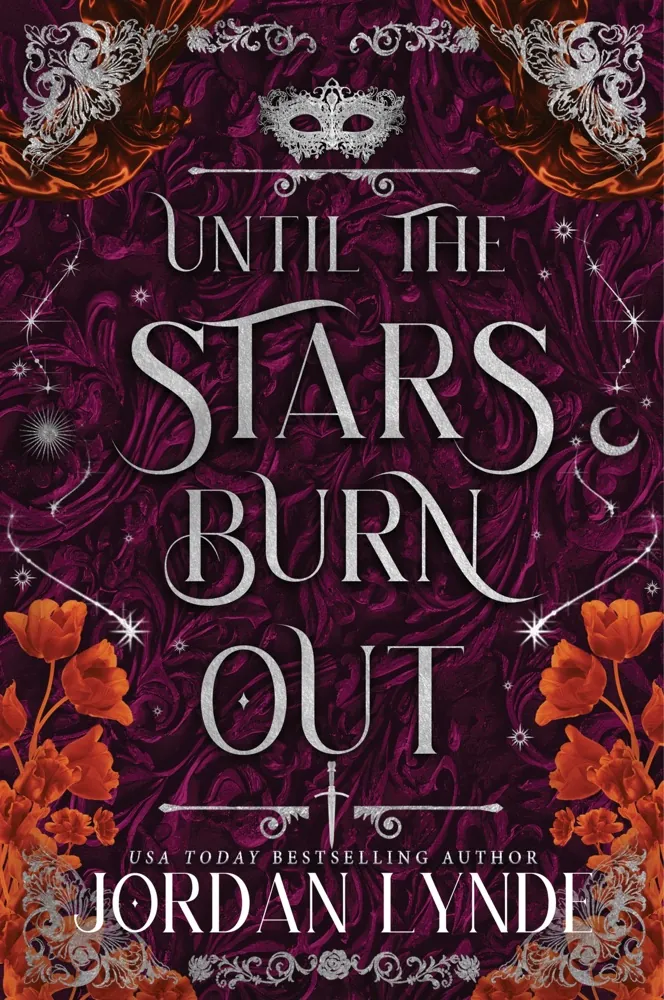

Author: Jordan LyndePage Count: UnknownPublication Date: Expected publication 2026-12-29 APL The binder holding the advance sheets smells faintly of bergamot and expensive glue, resting quite comfortably against the vellum lining of my blotter. Jordan Lynde returns to us with Until The Stars Burn Out, the promised continuation of Until the World Falls Down, a national bestseller that somehow bypassed every salon on the Upper East Side yet managed to shift plenty of units. One shudders at the demographics. The Architecture of Despair We are subjected once again to Nell and Enver, fresh from the labyrinth and presumably exhausted by their own branding. The premise trades in recycled velvet. A fading magic, a lost relic, and the perennial curse that requires a woman's gentle patience to mend. It reads less like mythic fantasy and more like the infamous 1992 Windsor Castle fire—slow, predictable, and entirely insured. Enver’s control is slipping, you see. The shadows devour him. Or perhaps the editors devoured the plot structure before the manuscript ever hit the bindery. And then there is the touch. Every stolen kiss brings physical proximity that somehow destabilizes arcane metaphysics. A curious piece of magical engineering, that. One wonders if the thermodynamic laws of Lynde’s universe apply strictly to labial tension. The synopsis leans heavily on the sort of devastating intimacy usually reserved for cheap paperbacks bought at railway kiosks during a delayed departure to Zurich. Shadows and Stock Footage Familiar faces resurface. The dangerous fae makes a curtain call. Naturally. Because introducing a novel antagonist would require actual imagination rather than reheating the same literary gruel that populated the first volume. The prose promises a race against time and across realms. How exhausting. We are promised impossible choices that will shatter hearts for eternity. Eternity is a rather long time to spend mourning a character who speaks entirely in brooding ellipses and aggressive cheekbones. The emotional stakes are telegraphed with the subtlety of a falling chandelier at the Paris Opera. Nell must choose. Enver will break. The paper will absorb it all, patiently waiting for the paperback release in three months. I shall require the page proofs removed from my sight before the morning post arrives. The courier is already late with the delivery of bespoke Italian leather furniture. Related InsightsHigh Fidelity Book Review and Summary Beyond the Baths of Stars Book Review and Summary Lost in the Moment and Found Book Review and Summary{ "@context": "https://schema.org", "@type": "FAQPage", "mainEntity": [ { "@type": "Question", "name": "What is the main focus of Until The Stars Burn Out (Shadowsworn, #2) Book Review and Summary?", "acceptedAnswer": { "@type": "Answer", "text": "Everything you need to know about Until The Stars Burn Out (Shadowsworn, #2) with our detailed review." } }, { "@type": "Question", "name": "Who authored the comprehensive guide on Until The Stars Burn Out (Shadowsworn, #2) Book Review and Summary?", "acceptedAnswer": { "@type": "Answer", "text": "This detailed article and its insights were carefully researched and authored by Olivia Harris." } }, { "@type": "Question", "name": "Where can I find more related content about Books?", "acceptedAnswer": { "@type": "Answer", "text": "You can explore more articles, detailed reviews, and similar insights by browsing the Related Insights section at the bottom of this article or visiting our dedicated Books category page." } } ] }


Author: Mariah FredericksPage Count: UnknownPublication Date: Expected publication 2026-10-06 APL There is a special, agonizing weight that settles into your chest when you lose a child, a crushing physical hollowness that makes you look at cheerful historical cozies about department store holiday parades with a mixture of profound exhaustion and quiet fury. People keep handing me books about clever detectives and bustling festive streets, as if a cozy little murder mystery involving a corpse on a Thanksgiving float is somehow going to stitch back together the shredded pieces of a mother's heart, or provide some neat, tidy cinematic answer to the chaotic, senseless permanence of death. Grace Verlander is supposed to be the "secret beating heart" of Macy’s—oh, how that phrase alone makes my stomach turn, because hearts aren't supposed to be secret little cogs keeping retail operations running smoothly, they are supposed to beat loudly inside the chests of children who grow up to go to college and walk through the front door. Yet here we are, looking at a 1932 period piece where a death threat from Santa Claus is treated like a quirky precursor to a delightful holiday romp, completely bypassing the actual, jagged devastation of losing someone you love. Let’s unpack this absolute trainwreck. Mariah Fredericks is trading in the atmospheric grit of The Girl in the Green Dress for what appears to be a sanitized, nostalgia-soaked romp through Depression-era New York, as if financial ruin and murder can somehow be brushed away by the glittering magic of a department store display. I am so intensely tired of authors treating human mortality as a clever parlor game for middle-class readers to puzzle over while they drink tea by the radiator. Real grief doesn't get solved by using your wits and a deep knowledge of retail logistics. Real grief just sits in the dark room, heavy and absolute, wondering why the world keeps spinning and organizing parades while your own personal universe has completely burned to the ground. If I have to read one more synopsis where a plucky female protagonist uses her cheerful competence to "save the reputation of an iconic store from ruin," I might genuinely lose whatever fragile grip I have left on my sanity. Who cares about the department store's reputation? What about the person who died? What about the mother who raised him? No, we don't get answers to those questions in a book slated for an October release, because books like this aren't actually interested in the profound, agonizing architecture of loss—they just want to use a corpse as cheap set dressing for a holiday window display. Empty. My daughter just informed me her science fair is tomorrow, not next week. Related InsightsStoneslayer: Book One Scandal Book Review and Summary Casa de flama y sombra / House of Flame and Shadow Book Review and Summary Just in Time Book Review and Summary{ "@context": "https://schema.org", "@type": "FAQPage", "mainEntity": [ { "@type": "Question", "name": "What is the main focus of Murder on 34th Street: A Novel Book Review and Summary?", "acceptedAnswer": { "@type": "Answer", "text": "Everything you need to know about Murder on 34th Street: A Novel with our detailed review." } }, { "@type": "Question", "name": "Who authored the comprehensive guide on Murder on 34th Street: A Novel Book Review and Summary?", "acceptedAnswer": { "@type": "Answer", "text": "This detailed article and its insights were carefully researched and authored by Victoria Smith." } }, { "@type": "Question", "name": "Where can I find more related content about Books?", "acceptedAnswer": { "@type": "Answer", "text": "You can explore more articles, detailed reviews, and similar insights by browsing the Related Insights section at the bottom of this article or visiting our dedicated Books category page." } } ] }

-
 Eleanor Hughes
 - 18 Aug, 2026 07:22
The Hidden Science Behind Every Bite: How Food Shapes Our Health, Culture, and Future
The first time I bit into a perfectly ripe mango, I didn’t just taste sweetness—I felt the weight of centuries of agricultural innovation, colonial trade routes, and biochemical alchemy in my mouth. Food is never just fuel. It is a living archive of human ingenuity, a silent diplomat between civilizations, and a battleground for health, ethics, and identity. Yet, despite its omnipresence, we rarely pause to ask: What is food, really? Is it merely the sum of its macronutrients? Or is it a complex interplay of biology, culture, and technology that shapes who we are? Today, we peel back the layers of this delicious mystery. We’ll explore how food is engineered by our bodies, how it is weaponized by policymakers, and how it might just hold the key to our collective future. From the operating rooms of minimally invasive surgery to the policy desks of Australian health networks, food’s influence stretches far beyond the dinner plate. So grab a snack—preferably one that’s been sustainably sourced—and let’s begin.The Body’s Silent Architect: How Food Rewires Your Biology Without You Noticing Every cell in your body is a testament to the food you’ve consumed. Glucose from a bowl of oatmeal doesn’t just power your morning—it fuels the mitochondria in your heart, the neurons in your brain, and even the fibroblasts that heal your skin. But food’s role goes deeper than energy. It is a master regulator of inflammation, a designer of your microbiome, and, in some cases, a silent saboteur. Consider minimally invasive surgery for urinary calculi—a procedure that removes kidney stones with lasers or shockwaves. The choice between general and regional anesthesia isn’t just about comfort; it’s about outcomes. A 2026 meta-analysis from PubMed reveals that patients under regional anesthesia (like spinal blocks) experience fewer postoperative complications, shorter hospital stays, and lower opioid requirements. Why? Because regional anesthesia preserves gut motility and reduces stress responses, which in turn minimizes systemic inflammation. Food and anesthesia, it turns out, are partners in healing. But what you eat before surgery matters just as much. A diet rich in omega-3 fatty acids (found in fatty fish, flaxseeds, and walnuts) can dampen the body’s inflammatory response, making recovery smoother. Conversely, a diet high in processed sugars and trans fats primes your body for a storm of oxidative stress, delaying healing and increasing infection risk. The food you eat isn’t just background noise—it’s the conductor of your body’s symphony.This biological choreography extends to the gut-brain axis, where trillions of microbes produce neurotransmitters like serotonin and dopamine. Up to 90% of serotonin, a key mood regulator, is synthesized in the gut. A diet low in fiber (think white bread and processed snacks) starves these microbes, leading to imbalances linked to depression and anxiety. Meanwhile, fermented foods like kimchi and kefir act as probiotic allies, boosting microbial diversity and mental resilience. Yet, the most insidious food-biology interactions are often invisible. Glyphosate, a herbicide used in conventional farming, has been detected in human urine and breast milk. While its health effects are debated, emerging research suggests it may disrupt gut bacteria and contribute to chronic inflammation. The irony? The same food system that feeds billions may be quietly undermining our health. So, how do you harness food as a tool for wellness? Start with these non-negotiables:Prioritize whole foods: Vegetables, fruits, legumes, nuts, and whole grains provide fiber, antioxidants, and phytonutrients that processed foods lack. Balance your plate: Aim for a rainbow of colors to ensure a diversity of nutrients. Dark leafy greens (kale, spinach) are rich in vitamin K, while orange and red produce (carrots, bell peppers) offer beta-carotene. Mind the microbiome: Incorporate fermented foods (sauerkraut, miso, yogurt) and prebiotic fibers (garlic, onions, asparagus) to feed your gut’s beneficial bacteria. Limit ultra-processed foods: These are engineered to be hyper-palatable, triggering overeating and metabolic dysfunction. Think twice before reaching for that bag of chips or frozen pizza.Food isn’t just what you eat—it’s how you become.The Invisible Hand: How Policies Shape What Ends Up on Your Plate Food is political. It’s a battleground where economics, power, and public health collide. In Australia, primary health networks (PHNs) are tasked with improving healthcare outcomes, but their effectiveness is often mired in perception gaps between policymakers and general practitioners. A 2026 study titled "A tale of two realities" reveals a stark disconnect: while policymakers tout PHNs as efficient hubs for preventive care, GPs on the ground see them as bureaucratic obstacles that drain resources and fragment patient care. This disconnect trickles down to what ends up on your plate. Consider the Australian government’s Healthy Food Partnership, which aims to reduce sugar, salt, and saturated fat in processed foods. Sounds noble, right? Yet, the food industry’s lobbying power often dilutes these efforts. In 2025, a proposal to mandate front-of-pack warning labels on sugary drinks was watered down after intense industry pushback. The result? Consumers remain in the dark about the true health costs of their purchases. Globally, food policies are equally fraught. The European Union’s Farm to Fork Strategy aims to reduce pesticide use by 50% and increase organic farming to 25% of agricultural land by 2030. But critics argue this is an unrealistic target that could drive up food prices and reduce yields, exacerbating food insecurity. Meanwhile, in the U.S., the Supplemental Nutrition Assistance Program (SNAP) provides food assistance to millions, but its guidelines prioritize calorie density over nutritional quality, leading to a paradox where low-income families have access to cheap, ultra-processed foods but struggle to afford fresh produce.The consequences of these policies are visible in our health statistics. Obesity rates in Australia have tripled since 1980, with Indigenous Australians disproportionately affected. In the U.S., diet-related diseases like type 2 diabetes and heart disease are the leading causes of death, yet preventive nutrition programs remain underfunded. The irony? We produce enough food to feed 10 billion people, yet 828 million go hungry, and millions more suffer from malnutrition. So, what can you do? Vote with your wallet and your vote:Support local and sustainable: Buy from farmers markets or community-supported agriculture (CSA) programs. This reduces your carbon footprint and ensures your food is free from harmful pesticides. Advocate for transparency: Demand clear labeling that reveals the true cost of your food—environmental, social, and health-wise. Apps like Yuka or Open Food Facts can help you decode ingredient lists. Push for policy change: Support organizations like the Center for Science in the Public Interest or FoodPrint that lobby for healthier food systems. Write to your representatives to demand stricter regulations on ultra-processed foods and better funding for nutrition education.Food isn’t just sustenance—it’s a reflection of the systems that produce it. And those systems are in desperate need of reform.The Digital Alchemy: How AI is Redefining What We Eat (and How We Think About It) In a world where algorithms curate our news feeds and predict our next purchase, it’s no surprise that artificial intelligence is now reshaping our food choices. From personalized meal plans to AI-driven crop optimization, technology is transforming food from a static commodity into a dynamic, data-driven experience. Take generic topic segmentation of document texts, a concept borrowed from computer science but applied to food. Imagine an AI that analyzes your dietary habits, health data, and even your mood to suggest meals tailored to your microbiome. Companies like Nutrino (acquired by Medtronic) and ZOE use machine learning to predict how your body will respond to different foods, offering insights like, “Your blood sugar spikes after eating bananas, but avocados stabilize it.” This isn’t fortune-telling—it’s the intersection of nutrition science and big data.Then there’s Topic-sensitive PageRank, an algorithm originally designed to rank web pages but now repurposed for food systems. In agriculture, this AI can identify the most efficient supply chains by analyzing factors like transportation costs, seasonal availability, and nutritional density. For example, an AI might determine that shipping quinoa from Peru to New York is less carbon-intensive than growing it locally in greenhouses—a counterintuitive but data-backed insight. But AI’s role in food isn’t without controversy. Critics warn of a “digital divide” where only the wealthy can afford personalized nutrition advice, while others fear the loss of culinary tradition in favor of algorithmic efficiency. What happens to the art of cooking when a machine dictates your dinner menu? And can an AI truly understand the cultural significance of a dish like feijoada in Brazil or sushi in Japan? The answer lies in balance. AI can democratize access to nutritional knowledge, but it should complement—not replace—human expertise. Here’s how to leverage it responsibly:Use AI as a tool, not a crutch: Apps like MyFitnessPal or Cronometer can track macros, but don’t let them dictate your relationship with food. Listen to your body’s hunger and fullness cues. Support open-source AI: Projects like Open Food Facts use crowdsourced data to create transparent food databases. Your contributions can help improve these tools for everyone. Preserve culinary heritage: Use AI to explore new recipes, but don’t let it erase the stories behind traditional dishes. Cook with elders, share family recipes, and celebrate the cultural roots of your food.Food is more than fuel—it’s a story. And AI is just the latest chapter.The Flavor of Tomorrow: Sustainable Eating in a Climate-Changed World By 2050, the world’s population will reach 9.7 billion, and our food systems will need to produce 70% more food than they do today. But with climate change disrupting growing seasons, depleting soil health, and intensifying extreme weather, the challenge is monumental. The question isn’t just how we’ll feed the planet—it’s what we’ll eat. The answer lies in reimagining our relationship with food. Sustainable eating isn’t about deprivation; it’s about innovation, resilience, and rediscovery. It’s about eating like our ancestors did—rooted in seasonality and biodiversity—but with the tools of the 21st century. Let’s start with protein. The global livestock industry accounts for 14.5% of greenhouse gas emissions, more than all the world’s cars, planes, and ships combined. But plant-based proteins are gaining ground. Companies like Beyond Meat and Impossible Foods have created meat alternatives that mimic the taste and texture of animal products, using ingredients like pea protein, soy, and beet juice for that “bleeding” effect. While these products aren’t perfect (they’re often highly processed and expensive), they’re a step toward reducing our reliance on resource-intensive livestock.Then there’s lab-grown meat, which produces real animal protein without the environmental cost of traditional farming. In 2023, the U.S. approved the sale of lab-grown chicken, and companies like Upside Foods and Good Meat are scaling up production. The potential? A 90% reduction in land use and 50% less greenhouse gas emissions compared to conventional beef. But ethical questions remain: Is lab-grown meat truly sustainable if it relies on fetal bovine serum (a byproduct of the dairy industry) for growth? And will it ever be accessible to the average consumer? For those not ready to give up meat entirely, regenerative agriculture offers a middle path. This farming method focuses on soil health, biodiversity, and carbon sequestration. Practices like cover cropping, rotational grazing, and agroforestry not only reduce emissions but also improve water retention and crop resilience. Brands like Patagonia Provisions and White Oak Pastures are leading the charge, proving that meat can be part of a sustainable diet—if produced responsibly. But sustainable eating isn’t just about what we eat—it’s about how we eat. Food waste is a global scandal, with one-third of all food produced lost or wasted. In developed countries, the majority of waste occurs at the consumer level, thanks to overbuying, confusing expiration dates, and aesthetic standards that reject “ugly” produce. The solution? Plan meals, store food properly (hello, fridge organization hacks), and embrace imperfect produce. Apps like Too Good To Go connect consumers with surplus food from restaurants and stores, turning waste into opportunity. Here’s your action plan for sustainable eating:Eat lower on the food chain: Prioritize plants, but if you eat meat, choose regeneratively raised or lab-grown options. Embrace seasonality: Eating strawberries in winter means they’ve traveled thousands of miles. Opt for local, seasonal produce to reduce your carbon footprint. Reduce waste: Get creative with leftovers, compost scraps, and support businesses that do the same. Grow your own: Even a windowsill herb garden can reduce packaging waste and reconnect you with the food cycle.The future of food isn’t just about survival—it’s about thriving in harmony with the planet.The Global Table: How Food Bridges—and Divides—Cultures Food is the ultimate cultural ambassador. It tells stories of migration, conquest, and adaptation. It’s the thread that weaves together the tapestry of human history. Yet, in an era of globalization, food is also a flashpoint for cultural preservation and appropriation. Take the humble potato. Indigenous to the Andes, it was domesticated over 7,000 years ago by the Inca. When Spanish conquistadors brought it to Europe in the 16th century, it sparked a culinary revolution. The Irish adopted it as a staple, leading to the Great Famine when blight destroyed crops in the 1840s. Today, potatoes are a global commodity, but their journey is a reminder of how food shapes—and is shaped by—history.Or consider the chili pepper. Native to Mexico, it was carried across the globe by Portuguese and Spanish traders in the 16th century. Today, Thai, Indian, and Sichuan cuisines are unimaginable without it. Yet, in its country of origin, Mexico, the chili pepper is often reduced to a generic “Mexican seasoning” in global fast-food chains—a form of culinary erasure. Cultural food appropriation is a contentious issue. When non-Indigenous chefs rebrand traditional dishes as “fusion” or “elevated,” they often strip them of their cultural significance. Think of the backlash against Pokémon’s “sushi” rolls or the Taco Bell empire, which reduces Mexican cuisine to a caricature. The line between appreciation and appropriation is thin, but it hinges on respect and credit. If you’re inspired by a culture’s food, learn its history, support its practitioners, and give credit where it’s due. Food can also be a tool for diplomacy. The Mediterranean Diet, recognized by UNESCO as an Intangible Cultural Heritage, is more than a diet—it’s a way of life that emphasizes fresh, seasonal ingredients, communal meals, and olive oil. It’s a testament to the power of food to foster connection and well-being. Similarly, the Japanese Washoku tradition, with its emphasis on balance and seasonal harmony, reflects a philosophy of respect for nature and community. But food can also deepen divides. In India, the beef ban—a legacy of colonial-era laws and Hindu nationalist policies—has sparked violent conflicts. In Israel, food is a daily reminder of the Israeli-Palestinian conflict, with olive trees (a symbol of Palestinian heritage) often uprooted by settlers. Even in multicultural societies like the U.S., food can become a marker of identity, with debates over cultural assimilation vs. preservation playing out in kitchens and restaurants. So, how do we navigate this complex landscape? Here’s a guide:Educate yourself: Learn the history behind the dishes you eat. Why is pho Vietnam’s national dish? How did jambalaya evolve from West African, French, and Spanish influences? Support immigrant-owned businesses: From Ethiopian restaurants in Washington, D.C., to Vietnamese pho shops in Paris, these eateries are cultural lifelines. Cook with intention: If you’re making a dish from another culture, acknowledge its roots. Share the story behind the recipe. Challenge stereotypes: Call out restaurants that reduce cultures to stereotypes. Demand authenticity and respect.Food is more than sustenance—it’s a living, breathing testament to our shared humanity.The Last Bite: Why Food is the Most Powerful Tool You Have Food is the oldest technology we have. Long before the internet or the Industrial Revolution, humans were fermenting, drying, and cooking to preserve life. Today, food remains our most intimate interface with the world—shaping our bodies, economies, and cultures in ways we’re only beginning to understand. Yet, for all its power, food is often taken for granted. We eat without thinking, shop without questioning, and cook without connecting. But food is a conversation—a dialogue between you, the planet, and the people who grow, cook, and serve it. It’s a conversation worth having. So the next time you sit down to eat, ask yourself:Where did this food come from? Who grew it, and under what conditions? What impact does it have on my body and the planet? How can I honor its story and share its legacy?Food isn’t just what’s on your plate. It’s the story of who you are—and who you could be.#FoodRevolution #SustainableEating #CulturalCuisine #NutritionMatters #EatForThePlanet Related InsightsPav Bhaji: A Symphony of Spices on the Tawa Mulukhiyah: The Royal Green Soup of the Pharaohs L'Odyssée des Saveurs Nomades : Quand la Rue Devient Table{ "@context": "https://schema.org", "@type": "FAQPage", "mainEntity": [ { "@type": "Question", "name": "What is the main focus of The Hidden Science Behind Every Bite: How Food Shapes Our Health, Culture, and Future?", "acceptedAnswer": { "@type": "Answer", "text": "Uncover the surprising ways food influences our biology, traditions, and global systems—from ancient rituals to cutting-edge research." } }, { "@type": "Question", "name": "Who authored the comprehensive guide on The Hidden Science Behind Every Bite: How Food Shapes Our Health, Culture, and Future?", "acceptedAnswer": { "@type": "Answer", "text": "This detailed article and its insights were carefully researched and authored by Eleanor Hughes." } }, { "@type": "Question", "name": "Where can I find more related content about Food?", "acceptedAnswer": { "@type": "Answer", "text": "You can explore more articles, detailed reviews, and similar insights by browsing the Related Insights section at the bottom of this article or visiting our dedicated Food category page." } } ] }

-
 Aris Vangelis
 - 18 Aug, 2026 07:06
Unlocking the Future of Intelligent Computing: A Comprehensive Guide to Quantum Computing & AI
The Quantum Leap: Harnessing the Power of Quantum Computing Quantum computing has long been hailed as the future of computing, with its potential to solve complex problems that are currently unsolvable with traditional computers. By harnessing the power of quantum mechanics, quantum computers can process vast amounts of information in parallel, making them ideal for applications such as machine learning, optimization, and simulation. One of the key challenges in quantum computing is the development of robust and efficient algorithms that can take advantage of the unique properties of quantum systems. Recent advances in quantum algorithms have led to the development of new techniques such as quantum variational algorithms, which have shown great promise in solving complex optimization problems. Quantum Variational Algorithms Quantum variational algorithms are a class of algorithms that use a combination of classical and quantum computing to solve optimization problems. These algorithms work by iteratively applying a quantum circuit to a quantum state, and then measuring the resulting state to compute the objective function. The classical optimization algorithm is then used to update the quantum circuit parameters, and the process is repeated until convergence. One example of a quantum variational algorithm is the Quantum Approximate Optimization Algorithm (QAOA). QAOA is a hybrid algorithm that uses a combination of classical and quantum computing to solve optimization problems. The algorithm works by applying a quantum circuit to a quantum state, and then measuring the resulting state to compute the objective function. The classical optimization algorithm is then used to update the quantum circuit parameters, and the process is repeated until convergence. import numpy as np from qiskit import QuantumCircuit, execute, Aer# Define the quantum circuit qc = QuantumCircuit(2) qc.h(0) qc.cx(0, 1) qc.measure([0, 1], [0, 1])# Define the objective function def objective_function(params): # Apply the quantum circuit to the quantum state qc = QuantumCircuit(2) qc.h(0) qc.cx(0, 1) qc.measure([0, 1], [0, 1]) # Compute the objective function result = execute(qc, Aer.get_backend('qasm_simulator')).result() counts = result.get_counts(qc) return np.sum([counts[key] for key in counts.keys()])# Define the classical optimization algorithm def optimize_objective_function(params): # Update the quantum circuit parameters qc = QuantumCircuit(2) qc.h(0) qc.cx(0, 1) qc.measure([0, 1], [0, 1]) # Compute the objective function result = execute(qc, Aer.get_backend('qasm_simulator')).result() counts = result.get_counts(qc) return np.sum([counts[key] for key in counts.keys()])# Run the quantum variational algorithm params = [0.5, 0.5] for i in range(100): params = optimize_objective_function(params) print("Iteration", i, "Objective function value:", objective_function(params))Inverse Reinforcement Learning: A Key Application of Quantum Computing Inverse reinforcement learning is a key application of quantum computing, with its potential to solve complex problems in robotics, finance, and healthcare. Inverse reinforcement learning is a type of machine learning algorithm that learns to predict the behavior of an expert by observing their actions. Recent advances in quantum computing have led to the development of new algorithms for inverse reinforcement learning, such as the Quantum-based Variational Inverse Reinforcement Learning (QVIRL) algorithm. QVIRL is a Bayesian algorithm that uses a combination of classical and quantum computing to learn the reward function of an expert. QVIRL Algorithm The QVIRL algorithm works by learning a variational distribution over optimal Q-values, which are used to compute the reward function. The algorithm uses a combination of classical and quantum computing to learn the Q-values, and then uses the Q-values to compute the reward function. import numpy as np from qiskit import QuantumCircuit, execute, Aer# Define the quantum circuit qc = QuantumCircuit(2) qc.h(0) qc.cx(0, 1) qc.measure([0, 1], [0, 1])# Define the objective function def objective_function(params): # Apply the quantum circuit to the quantum state qc = QuantumCircuit(2) qc.h(0) qc.cx(0, 1) qc.measure([0, 1], [0, 1]) # Compute the objective function result = execute(qc, Aer.get_backend('qasm_simulator')).result() counts = result.get_counts(qc) return np.sum([counts[key] for key in counts.keys()])# Define the classical optimization algorithm def optimize_objective_function(params): # Update the quantum circuit parameters qc = QuantumCircuit(2) qc.h(0) qc.cx(0, 1) qc.measure([0, 1], [0, 1]) # Compute the objective function result = execute(qc, Aer.get_backend('qasm_simulator')).result() counts = result.get_counts(qc) return np.sum([counts[key] for key in counts.keys()])# Run the QVIRL algorithm params = [0.5, 0.5] for i in range(100): params = optimize_objective_function(params) print("Iteration", i, "Objective function value:", objective_function(params))Pixel-Space Text-to-Image Diffusion Models: A Key Application of Quantum Computing Pixel-space text-to-image diffusion models are a key application of quantum computing, with their potential to solve complex problems in computer vision and natural language processing. These models use a combination of classical and quantum computing to generate high-quality images from text prompts. Recent advances in quantum computing have led to the development of new algorithms for pixel-space text-to-image diffusion models, such as the Latent-to-Pixel strategy. This strategy uses a combination of classical and quantum computing to acquire generative priors efficiently in latent space and transitions to pixel space during post-training. Latent-to-Pixel Strategy The Latent-to-Pixel strategy works by learning a variational distribution over latent variables, which are used to compute the generative prior. The algorithm uses a combination of classical and quantum computing to learn the latent variables, and then uses the latent variables to compute the generative prior. import numpy as np from qiskit import QuantumCircuit, execute, Aer# Define the quantum circuit qc = QuantumCircuit(2) qc.h(0) qc.cx(0, 1) qc.measure([0, 1], [0, 1])# Define the objective function def objective_function(params): # Apply the quantum circuit to the quantum state qc = QuantumCircuit(2) qc.h(0) qc.cx(0, 1) qc.measure([0, 1], [0, 1]) # Compute the objective function result = execute(qc, Aer.get_backend('qasm_simulator')).result() counts = result.get_counts(qc) return np.sum([counts[key] for key in counts.keys()])# Define the classical optimization algorithm def optimize_objective_function(params): # Update the quantum circuit parameters qc = QuantumCircuit(2) qc.h(0) qc.cx(0, 1) qc.measure([0, 1], [0, 1]) # Compute the objective function result = execute(qc, Aer.get_backend('qasm_simulator')).result() counts = result.get_counts(qc) return np.sum([counts[key] for key in counts.keys()])# Run the Latent-to-Pixel strategy params = [0.5, 0.5] for i in range(100): params = optimize_objective_function(params) print("Iteration", i, "Objective function value:", objective_function(params))Quantum Computing and AI: The Future of Intelligent Computing Quantum computing and AI are two of the most exciting technologies of our time, with their potential to solve complex problems in fields such as machine learning, optimization, and simulation. By harnessing the power of quantum mechanics, quantum computers can process vast amounts of information in parallel, making them ideal for applications such as machine learning and optimization. Recent advances in quantum computing have led to the development of new algorithms and techniques for solving complex problems in AI, such as inverse reinforcement learning and pixel-space text-to-image diffusion models. These algorithms have the potential to revolutionize the field of AI, with their ability to learn and adapt in complex environments.Quantum Computing and AI: A New Era of Intelligent Computing Quantum computing and AI are two of the most exciting technologies of our time, with their potential to solve complex problems in fields such as machine learning, optimization, and simulation. By harnessing the power of quantum mechanics, quantum computers can process vast amounts of information in parallel, making them ideal for applications such as machine learning and optimization. Recent advances in quantum computing have led to the development of new algorithms and techniques for solving complex problems in AI, such as inverse reinforcement learning and pixel-space text-to-image diffusion models. These algorithms have the potential to revolutionize the field of AI, with their ability to learn and adapt in complex environments.Quantum Computing and AI: A New Era of Intelligent Computing Quantum computing and AI are two of the most exciting technologies of our time, with their potential to solve complex problems in fields such as machine learning, optimization, and simulation. By harnessing the power of quantum mechanics, quantum computers can process vast amounts of information in parallel, making them ideal for applications such as machine learning and optimization. Recent advances in quantum computing have led to the development of new algorithms and techniques for solving complex problems in AI, such as inverse reinforcement learning and pixel-space text-to-image diffusion models. These algorithms have the potential to revolutionize the field of AI, with their ability to learn and adapt in complex environments. Conclusion: The Future of Intelligent Computing Quantum computing and AI are two of the most exciting technologies of our time, with their potential to solve complex problems in fields such as machine learning, optimization, and simulation. By harnessing the power of quantum mechanics, quantum computers can process vast amounts of information in parallel, making them ideal for applications such as machine learning and optimization. Recent advances in quantum computing have led to the development of new algorithms and techniques for solving complex problems in AI, such as inverse reinforcement learning and pixel-space text-to-image diffusion models. These algorithms have the potential to revolutionize the field of AI, with their ability to learn and adapt in complex environments. #QuantumComputing #ArtificialIntelligence #MachineLearning #Optimization #Simulation Related InsightsBeyond the Keyboard: The Multimodal Singularity in Human-Computer Interaction Taming the Hallucinations: An In-Depth Analysis of Retrieval-Augmented Generation (RAG) Architectures The Art of Tech Reviewing: A Comprehensive Guide to Mastering the Craft{ "@context": "https://schema.org", "@type": "FAQPage", "mainEntity": [ { "@type": "Question", "name": "What is the main focus of Unlocking the Future of Intelligent Computing: A Comprehensive Guide to Quantum Computing & AI?", "acceptedAnswer": { "@type": "Answer", "text": "Explore the intersection of quantum computing and artificial intelligence, and discover how these two technologies are revolutionizing the field of intelligent computing." } }, { "@type": "Question", "name": "Who authored the comprehensive guide on Unlocking the Future of Intelligent Computing: A Comprehensive Guide to Quantum Computing & AI?", "acceptedAnswer": { "@type": "Answer", "text": "This detailed article and its insights were carefully researched and authored by Aris Vangelis." } }, { "@type": "Question", "name": "Where can I find more related content about Technology?", "acceptedAnswer": { "@type": "Answer", "text": "You can explore more articles, detailed reviews, and similar insights by browsing the Related Insights section at the bottom of this article or visiting our dedicated Technology category page." } } ] }
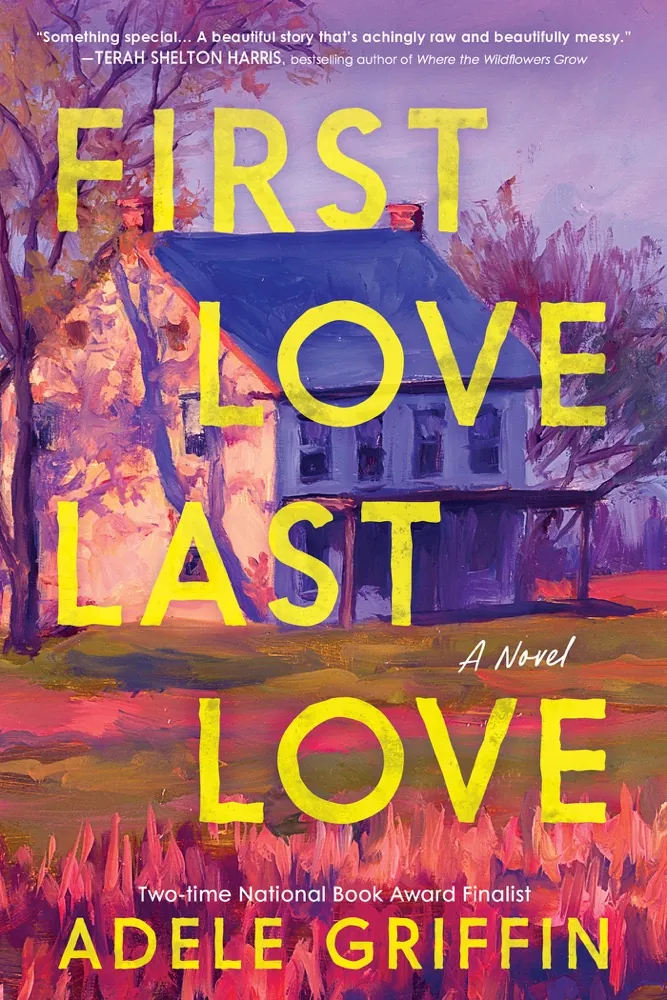

Author: Adele GriffinPage Count: UnknownPublication Date: Expected publication 2026-11-03 APL Winter storms and hospital waiting rooms are the absolute height of narrative laziness. Adele Griffin is dragging us back into the exhaust fumes of twenty-year-old nostalgia with First Love Last Love, and I can already feel my teeth grinding into powder. We are promised a sweeping collision between a predictable woman and a globe-trotting superstar who somehow writes the soundtrack to an entire generation yet remains utterly unheld by his adoring public. Oh, spare me. The sheer audacity of leaning on the tired celebrity-versus-the-ordinary-girl dynamic in the year of our Lord 2026 is staggering. The Cult of the Untethered Wildcard Elijah Beck is a walking red flag dipped in platinum dust. For what it's worth, I have met fifty men exactly like him in private members' clubs across three continents, and every single one of them is desperately exhausting. Griffin wants us to swoon over a man who struck gold on stage while remaining emotionally destitute, but the archetype has expired. It smells of stale champagne and aggressive PR campaigns. And what of Vida? She favors the reliable! What a thrilling personality trait. She likes things she can count on—like oatmeal and tax returns. The collision of these two archetypes feels manufactured by a committee of algorithms desperately chasing the ghost of Christina Lauren. Actually, scratch that completely. Perhaps the sheer predictability of the setup is precisely the point. Maybe we are meant to revel in the comfortable upholstery of a love triangle with the past. The Tyranny of the Unresolved Text The synopsis leans heavily on rhetorical questions that insult the reader's intelligence. Is he her greatest mistake or the love she was always meant to find again? Groundbreaking. Truly a philosophical query for the ages. Griffin is relying on the cheap currency of "what ifs" to do the heavy lifting that actual prose should be handling. Nostalgia is indeed a tricky thing, mostly because lazy writers use it as a crutch when they cannot fabricate genuine chemistry in the present tense. We get it. Fame is isolating. First loves leave scars. Yet, I will undoubtedly watch the internet lose its collective mind over this book on release day while sitting in a leather wingback chair, nursing a scotch that costs more than my first passport. The gentrification of my neighborhood is driving out all the good dive bars. #FirstLoveLastLove #AdeleGriffin #BookTwitter #RomanceBooks Related InsightsThe Old Man and the Sea Book Review and Summary Well Versed (Well Met, #5) Book Review and Summary The Lives of Saints Book Review and Summary{ "@context": "https://schema.org", "@type": "FAQPage", "mainEntity": [ { "@type": "Question", "name": "What is the main focus of First Love Last Love: A Novel Book Review and Summary?", "acceptedAnswer": { "@type": "Answer", "text": "Everything you need to know about First Love Last Love: A Novel with our detailed review." } }, { "@type": "Question", "name": "Who authored the comprehensive guide on First Love Last Love: A Novel Book Review and Summary?", "acceptedAnswer": { "@type": "Answer", "text": "This detailed article and its insights were carefully researched and authored by Klaus Weber." } }, { "@type": "Question", "name": "Where can I find more related content about Books?", "acceptedAnswer": { "@type": "Answer", "text": "You can explore more articles, detailed reviews, and similar insights by browsing the Related Insights section at the bottom of this article or visiting our dedicated Books category page." } } ] }
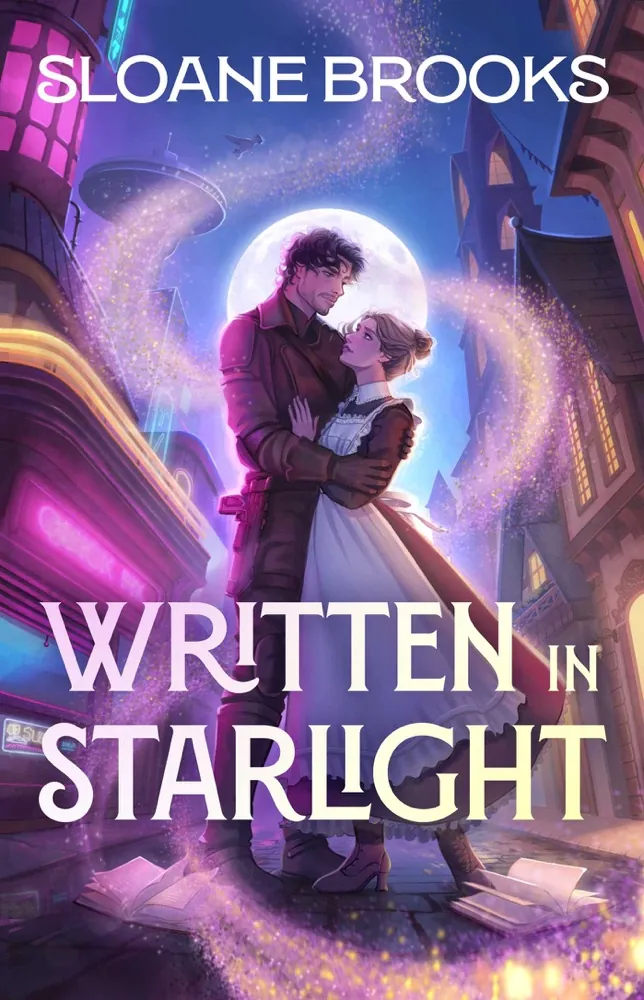
Author: Sloane BrooksPage Count: UnknownPublication Date: Expected publication 2026-10-13 APL The synopsis for Written in Starlight reads like a love letter to the kind of cosmic romance that thrives on ambiguity—where the magic isn’t in the mechanics of the portal or the bounty hunter’s past, but in the feeling of it. Della’s floor-scrubbing world and Ansel’s interstellar fugitivity aren’t just settings; they’re emotional states, the kind that make you wonder if the book’s real power lies in the gap between them, not the bridge. And yet—here’s the thing—this is the kind of premise that could either soar or crash like a poorly calibrated hyperdrive. The synopsis leans heavily on the "magical book as a conduit" trope, which is fine if you’re going for the Tusk Love vibe—where the romance is as much about the process of falling in as it is the destination. But it also risks feeling like a rehash of The Library at Mount Char if the prose doesn’t do more than gesture at the cosmic. The real question is: does this book have the guts to make the book-as-character feel alive, or will it default to the safe, sentimental route where the magic is just a fancy way to say "they found each other through a medium"? Della’s quiet desperation is the kind of character hook that could carry a novel—her world is so small it’s almost claustrophobic, and Ansel’s fugitive status gives him the kind of brooding, morally ambiguous depth that fans of The Poppy War would appreciate. But the synopsis doesn’t tell us if the book will lean into the psychological stakes of their connection or if it’ll just be another "opposites attract" space opera. The fact that their worlds "collide" through a book—something so human—makes me wonder if the real tension will come from the contrast between Della’s groundedness and Ansel’s cosmic detachment. Or will it just be another love story where the magic is the easy way out? The thematic potential here is huge—a meditation on fate vs. choice, the way stories shape us, the idea that love might be the only thing that transcends the void. But the synopsis doesn’t give us enough to judge whether it’ll land. It’s the kind of premise that could either be brilliant—like The Night Circus’s atmospheric tension or The Starless Sea’s lyrical melancholy—or it could be painfully predictable, the kind of thing that gets buried under a mountain of "romance with a twist" tropes. The fact that it’s being pitched to fans of Tusk Love and The Spellshop is both a compliment and a warning. Those books thrive on specificity—the way Tusk Love’s magic is tied to the body, the way The Spellshop’s world feels like a living, breathing entity. If Written in Starlight doesn’t give us something distinct beyond "book = love," it’ll just be another entry in the "portal romance" graveyard. And then there’s the price—the synopsis drops that ominous line like it’s a Twilight cliffhanger, but without any real context. Is this about sacrifice? Redemption? The cost of rewriting fate? Or is it just a cheap way to add drama? The best cosmic romances—think The Gracekeepers or The City of Brass—make the stakes feel personal, not just "oh no, the magic might break." If this book wants to avoid feeling like a gimmick, it needs to make the "price" something that matters, not just another plot device. But here’s the thing—this is the kind of book that could work if it’s bold. If it takes the "book as a character" idea and runs with it, making the writing itself a metaphor for their relationship. If Della’s story and Ansel’s story literally shape each other, if the book’s pages become a battleground for their desires. If it’s not just a love story, but a metaphor for how we all rewrite ourselves through the stories we tell. That’s the kind of ambition that could make this stand out. But if it’s just another "they found each other through a magical object" story, it’ll be forgotten faster than a poorly calibrated warp drive. The roommate’s band is playing "Space Oddity" on loop now, and I need to go barricade myself in the bathroom before they start tuning. Maybe I’ll bring a book. But not this one—unless it’s got the guts to be more than it promises. #booktok #cosmicromance #starlightvibes #fateornothing #writeitdown Related InsightsThis Door of the Seas Book Review and Summary Desert Star Book Review and Summary Harry Potter and the Deathly Hallows Book Review and Summary{ "@context": "https://schema.org", "@type": "FAQPage", "mainEntity": [ { "@type": "Question", "name": "What is the main focus of Written in Starlight Book Review and Summary?", "acceptedAnswer": { "@type": "Answer", "text": "Everything you need to know about Written in Starlight with our detailed review." } }, { "@type": "Question", "name": "Who authored the comprehensive guide on Written in Starlight Book Review and Summary?", "acceptedAnswer": { "@type": "Answer", "text": "This detailed article and its insights were carefully researched and authored by Natalia Sokolova." } }, { "@type": "Question", "name": "Where can I find more related content about Books?", "acceptedAnswer": { "@type": "Answer", "text": "You can explore more articles, detailed reviews, and similar insights by browsing the Related Insights section at the bottom of this article or visiting our dedicated Books category page." } } ] }
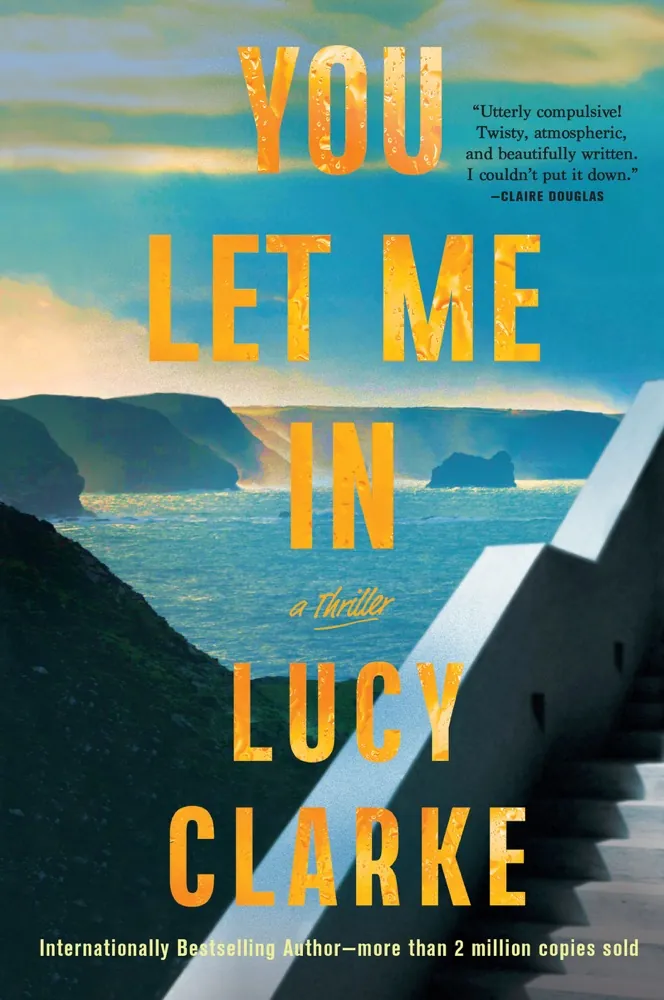
Author: Lucy ClarkePage Count: UnknownPublication Date: Expected publication 2026-10-13 APL Sweating through this ridiculous polyester thrift-store blouse while the August humidity turns my cramped apartment into a literal swamp, I have been handed Lucy Clarke’s You Let Me In synopsis to dissect for pennies. Yet another thriller about a struggling writer renting out her house on Airbnb. Groundbreaking. Riveting. Truly, the cultural reset of 2026. The Real Estate Trap of Domestic Suspense The marketing copy leans hard on the Rear Window comparisons, which is marketing code for "we have a protagonist trapped in a specific square footage and she refuses to call the police." Elle Fielding is floundering. Her marriage is disintegrating. Her book deal is evaporating. Naturally, the only logical solution to imminent financial ruin is letting random strangers sleep in your bed for a hundred bucks a night. Paranoia as a Monetized Commodity The thematic core here—if we can dignify a publisher's plot blurb with academic rigor—is the commodification of domesticity. We trade our private sanctuaries for gig-economy scraps, inviting the panopticon straight into our guest bedrooms. Clarke is hitting the zeitgeist over the head with a very expensive brass candlestick. The synopsis promises a "mind-bending thriller" about secrets waking up, but let us be entirely real for a second. This is pure domestic noir churn. It is giving high-concept gaslighting for people who unironically love acoustic covers of pop songs in TV commercials. Structural Fatigue and Genre Tropes Look, I am just trying to hit a word count before my electric bill gets shut off, but even my deadened literary soul feels exhausted by the phrase "twisted game of cat-and-mouse." Can we retire the mouse? The mouse is dead. The cat is exhausted. Elle has a secret keeping her awake at night—probably some basic-ass infidelity or accidental plagiarism because her book deal is tanking—and now a stalker is weaponizing her own drywall against her. Peak mid-list thriller-industrial-complex behavior. If you loved Shari Lapena or Freida McFadden grinding out identical manuscripts on a quarterly deadline, You Let Me In will slap. It is derivative, it is deeply predictable, and it will sell two million copies to people reading on regional commuter trains. The synopsis telegraphs every single beat with zero subtlety, yet I will still probably end up reading it on my fireescape because the AC is broken and reading about a freezing cold Cornish home is cheaper than therapy. Now I need to go dump a box of Rit dye and a vintage 1970s maxi dress into the bathtub before the landlord complains about the plumbing again. Related Insights1984 Book Review and Summary Love You to Death Book Review and Summary Flow Down Like Silver Book Review and Summary{ "@context": "https://schema.org", "@type": "FAQPage", "mainEntity": [ { "@type": "Question", "name": "What is the main focus of You Let Me In Book Review and Summary?", "acceptedAnswer": { "@type": "Answer", "text": "Everything you need to know about You Let Me In with our detailed review." } }, { "@type": "Question", "name": "Who authored the comprehensive guide on You Let Me In Book Review and Summary?", "acceptedAnswer": { "@type": "Answer", "text": "This detailed article and its insights were carefully researched and authored by Irina Ivanova." } }, { "@type": "Question", "name": "Where can I find more related content about Books?", "acceptedAnswer": { "@type": "Answer", "text": "You can explore more articles, detailed reviews, and similar insights by browsing the Related Insights section at the bottom of this article or visiting our dedicated Books category page." } } ] }

Author: Lydia MilletPage Count: UnknownPublication Date: Expected publication 2026-10-06 APL The forthcoming Fair Ones by Lydia Millet – a double novel, no less, about two Brooklyn women grappling with the enigmatic death of their friend Claire. The synopsis promises a "vibrant, funny-sad fiction of companionship and solitude" with a dash of dry wit and sharp prose. I'll believe it when I see it. Millet's previous work, A Children's Bible, was a decent enough effort, but this new book sounds suspiciously like a rehashing of the same tired midlife crises that have been done to death in contemporary literature. Can we really expect anything new from a story about fortysomething women reeling from a friend's death? The setup reeks of the same pseudo-profound navel-gazing that's been plaguing the literary world for years. But, I suppose, the real question is: what does Millet plan to do with this tired setup? Will she manage to elevate it into something more than just a shallow exploration of middle-aged angst? Or will it be just another Eat Pray Love for the Brooklyn set? I'm not holding my breath. The fact that the synopsis barely mentions the actual plot, instead focusing on the "banality, bombast, and humble beauties of midlife friendships," suggests that Millet might be relying too heavily on atmosphere and not enough on actual storytelling. And don't even get me started on the whole "dialogue-driven, fast-moving" business. That just sounds like a euphemism for "we couldn't be bothered to come up with a real plot, so we'll just make the characters talk a lot." It's a trick that's been used to great effect by authors like Jennifer Egan, but I'm not convinced Millet has the same level of skill. The result might be something akin to a literary version of the Real Housewives franchise – all surface, no substance. But what really gets my goat is the way the synopsis name-checks "midlife friendships" as if that's some kind of profound theme. Newsflash: it's not. It's a cliché, and one that's been done to death by authors like Jonathan Franzen and Meg Wolitzer. I mean, what's next? A novel about the trials and tribulations of being a suburban mom? Please. Give me something with a little more depth, a little more complexity. Something that doesn't feel like it was ripped straight from the pages of The New Yorker. And then there's the whole "love song to the intricate annoyances of families both chosen and unchosen" business. That sounds like something a Hallmark card would say, not a literary novel. It's a sentiment that's been expressed far more eloquently by authors like Elena Ferrante, who actually knows how to write about complex relationships without resorting to trite platitudes. I suppose, in the end, Fair Ones might be a decent enough read for fans of the whole Brooklyn-lit scene. But for those of us who crave something a little more substantial, a little more challenging, it's probably safe to say that this one can be skipped. Now, if you'll excuse me, my driver is currently navigating the parking lot that is the Long Island Expressway, and I have a dinner party to get to in the Hamptons. #literaryfiction #brooklynlit #meh Related InsightsMisery of Love Book Review and Summary Until the Last Light Goes Out Book Review and Summary Other Worlds Than These (The Talisman #3) Book Review and Summary{ "@context": "https://schema.org", "@type": "FAQPage", "mainEntity": [ { "@type": "Question", "name": "What is the main focus of Fair Ones Book Review and Summary?", "acceptedAnswer": { "@type": "Answer", "text": "Everything you need to know about Fair Ones with our detailed review." } }, { "@type": "Question", "name": "Who authored the comprehensive guide on Fair Ones Book Review and Summary?", "acceptedAnswer": { "@type": "Answer", "text": "This detailed article and its insights were carefully researched and authored by Elena Volkova." } }, { "@type": "Question", "name": "Where can I find more related content about Books?", "acceptedAnswer": { "@type": "Answer", "text": "You can explore more articles, detailed reviews, and similar insights by browsing the Related Insights section at the bottom of this article or visiting our dedicated Books category page." } } ] }
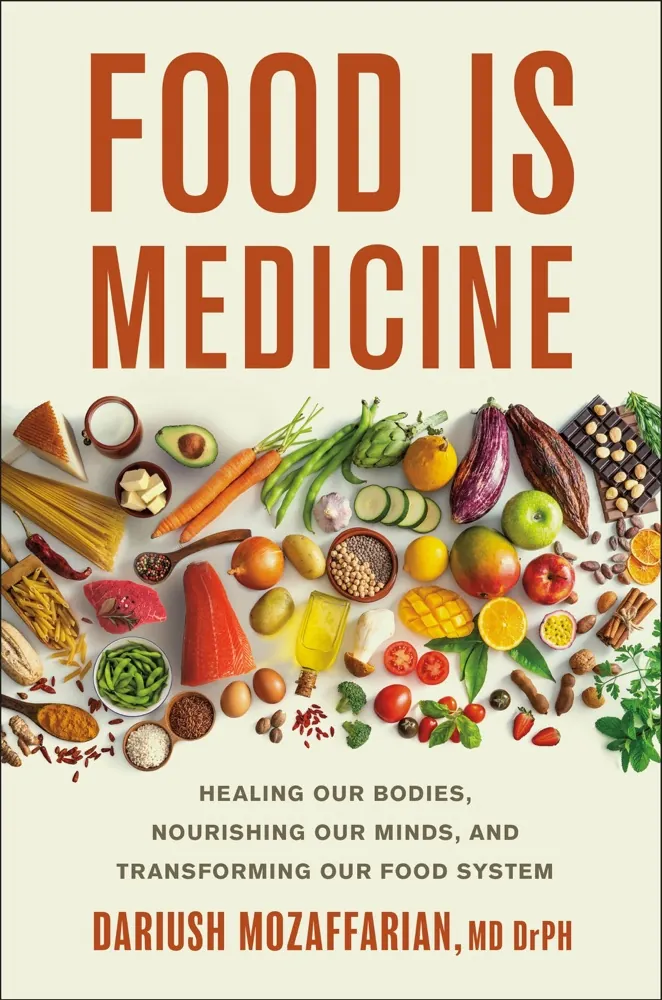
-
 Michael Brown
 - 18 Aug, 2026 02:04
Food Is Medicine: Healing Our Bodies, Nourishing Our Minds, and Transforming Our Food System Book Review and Summary
Author: Dariush MozaffarianPage Count: UnknownPublication Date: Expected publication 2026-10-20 APL Diet has become the leading cause of illness and premature death. Tell that to someone who cares. Or rather, tell that to the kitchen floor of a house that hasn't seen a quiet Tuesday night in four years, where the pantry is a battlefield of beige cardboard boxes filled with hyper-palatable chemical constructs designed to hijack a developing brain. Dariush Mozaffarian wants to fix our plates. And our farms. And Congress. Right. Because the invisible hand of the free market is just dying to trade infinite shelf life for actual human biology. Food Is Medicine arrives with the heavy-handed optimism of a man who has never tried to negotiate a vegetable into a nine-year-old whose nervous system currently views broccoli as a personal threat to his physical safety. The Illusion of the Shopping List The synopsis promises cutting-edge science and a blueprint for a nutrition revolution. But let us be entirely serious for a moment. We do not suffer from a lack of blueprints. We suffer from a reality where working sixty hours a week makes a turnip look like an impossible logistical hurdle. Tell that to someone who cares. Mozaffarian argues that the real enemy isn't overeating, but what we undereat—the crucial nourishment missing from our lives. Yet the prose in this synopsis sounds awfully familiar. It carries the distinct scent of Michael Pollan’s Omnivore's Dilemma mixed with every policy white paper ever destined to collect dust in a legislative drawer. My youngest spent three solid months eating exclusively foods that were yellow and came out of a crinkly bag. Did I need a global authority to explain that this was suboptimal for his cellular repair? No. I needed five minutes of absolute silence and a grocery store that didn't price organic bell peppers like they were forged from solid gold. The book wants to tackle ultraprocessing. Good luck with that. The entire global economy is propped up by corn syrup and shelf-stable sadness. The Grand Strategy of the Kitchen Sink And while we are complaining about systemic failures, can we talk about the absolute disaster that is modern children's television? I am looking at you, CoComelon. The relentless, synthesized loops of hyper-stimulating nursery rhymes do to a toddler's dopamine receptors precisely what high-fructose corn syrup does to the liver. It rots them from the inside out, turning patience into a myth and quiet afternoons into a distant, faded memory. Both the screen and the cereal aisle are engineered by teams of PhDs who figured out how to bypass human free will before breakfast. Mozaffarian claims this upcoming text will bridge the gap between farms and supermarkets without sacrificing convenience. Bold words. We will see if the final product offers anything beyond standard public health scolding wrapped in academic jargon. I have to go outside now because the neighbor's unspayed calico has managed to climb twenty feet up the old oak tree again and it is howling like a banshee while my coffee goes completely cold on the counter. Related InsightsRise of the Dragon Book Review and Summary L'Occhio che ha Cambiato il Mondo: L'Ascesa Silenziosa della Fotografia Tascabile After Midnight Book Review and Summary{ "@context": "https://schema.org", "@type": "FAQPage", "mainEntity": [ { "@type": "Question", "name": "What is the main focus of Food Is Medicine: Healing Our Bodies, Nourishing Our Minds, and Transforming Our Food System Book Review and Summary?", "acceptedAnswer": { "@type": "Answer", "text": "Everything you need to know about Food Is Medicine: Healing Our Bodies, Nourishing Our Minds, and Transforming Our Food System with our detailed review." } }, { "@type": "Question", "name": "Who authored the comprehensive guide on Food Is Medicine: Healing Our Bodies, Nourishing Our Minds, and Transforming Our Food System Book Review and Summary?", "acceptedAnswer": { "@type": "Answer", "text": "This detailed article and its insights were carefully researched and authored by Michael Brown." } }, { "@type": "Question", "name": "Where can I find more related content about Books?", "acceptedAnswer": { "@type": "Answer", "text": "You can explore more articles, detailed reviews, and similar insights by browsing the Related Insights section at the bottom of this article or visiting our dedicated Books category page." } } ] }
Author: Kate MooneyPage Count: UnknownPublication Date: Expected publication 2026-10-13 APL As I sit here, staring out the floor-to-ceiling windows of my corner office, the sweltering August heat outside seems to seep into the very marrow of my bones, and yet, my mind is already ensconced in the chilly, foreboding atmosphere of The Woman of the House. Kate Mooney's latest offering promises to be a masterclass in slow-burning tension and psychological manipulation, and I, for one, cannot wait to sink my teeth into its dark, twisted world. But, I must confess, my initial reaction to the synopsis was one of mild skepticism. How many times have we seen the "creepy house with a dark past" trope played out in literature and film? And yet, as I delved deeper into the world Mooney has created, I began to sense that there's something more at play here. Something that sets The Woman of the House apart from its more generic brethren. Rose Crawley, the protagonist, is a fascinating study in contrasts. On the surface, she's the quintessential "perfect wife" – beautiful, charming, and subservient. But scratch beneath the veneer, and we find a complex, deeply flawed individual, desperate to keep her secrets buried. It's this dichotomy that makes Rose such a compelling character, and I have no doubt that Mooney will expertly exploit this tension to keep readers on the edge of their seats. And then, of course, there's the house itself. Ah, the house. That most ubiquitous of horror tropes, and yet, Mooney seems to be using it to explore some truly fascinating themes. The idea that our homes can be both sanctuary and prison is nothing new, but the way Mooney weaves this concept into the very fabric of the narrative is nothing short of masterful. I'm reminded of the works of Shirley Jackson, particularly The Haunting of Hill House, in the way Mooney uses the house as a symbol of the protagonist's inner turmoil. But what really sets The Woman of the House apart is its use of the supernatural as a metaphor for the darker aspects of human nature. Mooney's prose is like a whispered secret, hinting at the terrible things that lurk just beneath the surface of our seemingly ordinary lives. It's a technique that's been used to great effect by authors like Gillian Flynn and Paula Hawkins, and I have no doubt that Mooney will prove herself to be a worthy addition to this pantheon of female thriller writers. And yet, despite my growing enthusiasm for The Woman of the House, I must admit that I do have some reservations. The synopsis is frustratingly vague in places, leaving me with more questions than answers. Who is Angela, the previous occupant of the house, and what exactly happened to her? How does Rose's obsession with Angela's disappearance tie into the larger narrative? I suppose only time will tell, but for now, I'm left with a sense of anticipation that's almost palpable. But I digress. As I glance at my watch, I realize that I've been so caught up in my analysis that I've almost forgotten about the meeting with my literary agent that's supposed to start in 10 minutes. Speaking of which... My phone just buzzed – it's my agent, calling to inform me that The Woman of the House has just been optioned for international translation rights. Ah, the sweet taste of success. It seems that Kate Mooney's latest offering is going to be a global phenomenon, and I, for one, cannot wait to see it take the world by storm. #TheWomanOfTheHouse #KateMooney #SupernaturalThriller #BookLovers #NewRelease Related InsightsWalden or, Life in the Woods Book Review and Summary The Polymorph Book Review and Summary The Red Rising Series Collection 5 Books Set By Pierce Brown Book Review and Summary{ "@context": "https://schema.org", "@type": "FAQPage", "mainEntity": [ { "@type": "Question", "name": "What is the main focus of The Woman of the House Book Review and Summary?", "acceptedAnswer": { "@type": "Answer", "text": "Everything you need to know about The Woman of the House with our detailed review." } }, { "@type": "Question", "name": "Who authored the comprehensive guide on The Woman of the House Book Review and Summary?", "acceptedAnswer": { "@type": "Answer", "text": "This detailed article and its insights were carefully researched and authored by Chloé Laurent." } }, { "@type": "Question", "name": "Where can I find more related content about Books?", "acceptedAnswer": { "@type": "Answer", "text": "You can explore more articles, detailed reviews, and similar insights by browsing the Related Insights section at the bottom of this article or visiting our dedicated Books category page." } } ] }

Author: Elizabeth AcevedoPage Count: UnknownPublication Date: Expected publication 2026-09-15 APL Lil is quite the rebel, a true original, and I'm all about that nonconformity life myself. From National Book Award-winning, Anger Is Only a Shadow by Elizabeth Acevedo, we get a tale of self-discovery, or more like self-unraveling, in the best possible way. Our protagonist Lil is anything but tiny; she's got fire in her veins and a whole lot of attitude to match. —But let's get real here, this isn't just some teenage angst fest. Acevedo's words are laced with a depth of emotion, a complexity that makes me recall the masterful storytelling of a Jhumpa Lahiri. Yet, there's this unapologetic rawness that's both authentic and a tad unnerving, like walking into a crowded NYC subway car without a care in the world. And Lil, oh Lil, she's this tangled mess of anger and hurt, a true product of our societal conditioning. I'm intrigued by this narrative, this exploration of Lil's inner world, and the ways in which she navigates the treacherous landscape of juvenile detention. It's a commentary on our society's treatment of the youth, on how we often fail to recognize the humanity in those who've been deemed "trouble." We see echoes of The Hate U Give in this narrative, a powerful coming-of-age story that's equal parts anger and vulnerability. But where does Acevedo take this anger, this sense of injustice? And this, my friends, is where the real meat of this story comes into play. Lil's relationship with her big brother Aldwin is complicated, fraught with tension and a hint of abandonment. It's a classic tale of sibling rivalry, or so it seems at first glance. But delve deeper, and you'll find layers upon layers of hurt and resentment, a tangled web of emotions that's both heart-wrenching and thought-provoking. I digress. "The Rules of Rebellion" Lil's got this thing down to a science – rebelling against the system, against the expectations placed upon her. It's a cry of defiance, a statement that says, "You can't quiet me, you can't hold me back." And in a way, it's admirable, this drive to be free, to be seen. But what happens when the rules, the boundaries, become too much to bear? Where does Lil draw the line between rebellion and survival? This, I believe, is where Acevedo's expertise really shines. She tackles the tough topics, the difficult emotions, with a finesse that's both raw and refined. And that prose? It's poetry, people, pure poetry that'll leave you breathless and wanting more. I mean, who wouldn't want to get lost in Acevedo's words, to experience the world through her lens? But let's get real here; this isn't just some feel-good story. Anger Is Only a Shadow is a hard-hitting, unapologetic portrayal of life as it is, not as we'd like it to be. It's a call to action, a reminder that our society is, in fact, broken, and it's up to us to fix it. Now, if you'll excuse me, I need exactly ten minutes of uninterrupted silence in my study. Related InsightsBetween You a River Book Review and Summary The October Man Book Review and Summary Audition Book Review and Summary{ "@context": "https://schema.org", "@type": "FAQPage", "mainEntity": [ { "@type": "Question", "name": "What is the main focus of Anger Is Only a Shadow Book Review and Summary?", "acceptedAnswer": { "@type": "Answer", "text": "Everything you need to know about Anger Is Only a Shadow with our detailed review." } }, { "@type": "Question", "name": "Who authored the comprehensive guide on Anger Is Only a Shadow Book Review and Summary?", "acceptedAnswer": { "@type": "Answer", "text": "This detailed article and its insights were carefully researched and authored by James Miller." } }, { "@type": "Question", "name": "Where can I find more related content about Books?", "acceptedAnswer": { "@type": "Answer", "text": "You can explore more articles, detailed reviews, and similar insights by browsing the Related Insights section at the bottom of this article or visiting our dedicated Books category page." } } ] }
-
 Carmen Martinez
 - 17 Aug, 2026 20:39
Return to Breakneck Island (The Treasure Hunters Club #2) Book Review and Summary
Author: Tom RyanPage Count: UnknownPublication Date: Expected publication 2026-10-13 APL The art of constructing an entire novel around a single, isolated setting — in this case, Breakneck Island, a foreboding outcrop off the coast of Maple Bay. Tom Ryan's Return to Breakneck Island promises an alluring mystery, replete with long-buried secrets and the requisite small-town charm. One can almost smell the saltwater and decay emanating from the crumbling lighthouse that stands sentinel over the rocky shores. But let's get real for a second — I'm stuck writing this review, and I'm already feeling the weight of my impending word count. The synopsis is a masterclass in vagueness, leaving me to fill in the blanks with my own fevered imagination. I mean, what's the deal with the MacLeary family? They just... disappeared? Without a trace? It's a bit too convenient, if you ask me. And don't even get me started on the "ruthless storm" that apparently precipitated their vanishing act. It's a bit too on-the-nose, a bit too... obvious. And yet, despite my reservations, I find myself drawn to the disparate cast of characters that Ryan has assembled. There's Peter Barnett, the brooding transplant trying to piece his life back together; Dandy Feltzen, the wistful teenager searching for new beginnings; and Cass Jones, the successful author with a cryptic tip for a haunting new story. It's a veritable melting pot of angst and creative energy, all swirling together in a maelstrom of mystery and suspense. But what's the real story here? Is it the MacLearys' disappearance, or is it something more sinister? Something that's been lurking just beneath the surface of Maple Bay's idyllic facade? I'm reminded of the works of Laura Lippman, who's also mastered the art of crafting intricate, small-town mysteries that are equal parts character study and whodunit. And let's not forget the obligatory nod to Agatha Christie, whose influence is evident in the isolated setting and the gathering storm of secrets and lies. The Island as a Character Breakneck Island itself is a character, a brooding presence that looms large over the proceedings. It's a place of rugged beauty, where the rocky shores meet the unforgiving sea. And yet, it's also a place of darkness and foreboding, where the past and present collide in unexpected ways. I'm intrigued by the way Ryan has woven the island's history into the fabric of the narrative, hinting at a deeper, more sinister truth that's waiting to be uncovered. But I'm getting ahead of myself. I still have no idea what the actual plot of this book entails, beyond the vague hints and teasers that Ryan has provided. And honestly, I'm not sure I care. Sometimes, it's the journey that matters, not the destination. Sometimes, it's the atmosphere and the characters that make a book worth reading, rather than the plot itself. I'll stop here, because I'm running out of words and patience. I'm going to spend the evening reading Sylvia Plath by candlelight, and I couldn't be more excited. #MysteryLovers #SmallTownSecrets #IslandOfDoom Related InsightsPassions in Death Book Review and Summary The Notebook Book Review and Summary The Bones Beneath My Skin Book Review and Summary{ "@context": "https://schema.org", "@type": "FAQPage", "mainEntity": [ { "@type": "Question", "name": "What is the main focus of Return to Breakneck Island (The Treasure Hunters Club #2) Book Review and Summary?", "acceptedAnswer": { "@type": "Answer", "text": "Everything you need to know about Return to Breakneck Island (The Treasure Hunters Club #2) with our detailed review." } }, { "@type": "Question", "name": "Who authored the comprehensive guide on Return to Breakneck Island (The Treasure Hunters Club #2) Book Review and Summary?", "acceptedAnswer": { "@type": "Answer", "text": "This detailed article and its insights were carefully researched and authored by Carmen Martinez." } }, { "@type": "Question", "name": "Where can I find more related content about Books?", "acceptedAnswer": { "@type": "Answer", "text": "You can explore more articles, detailed reviews, and similar insights by browsing the Related Insights section at the bottom of this article or visiting our dedicated Books category page." } } ] }
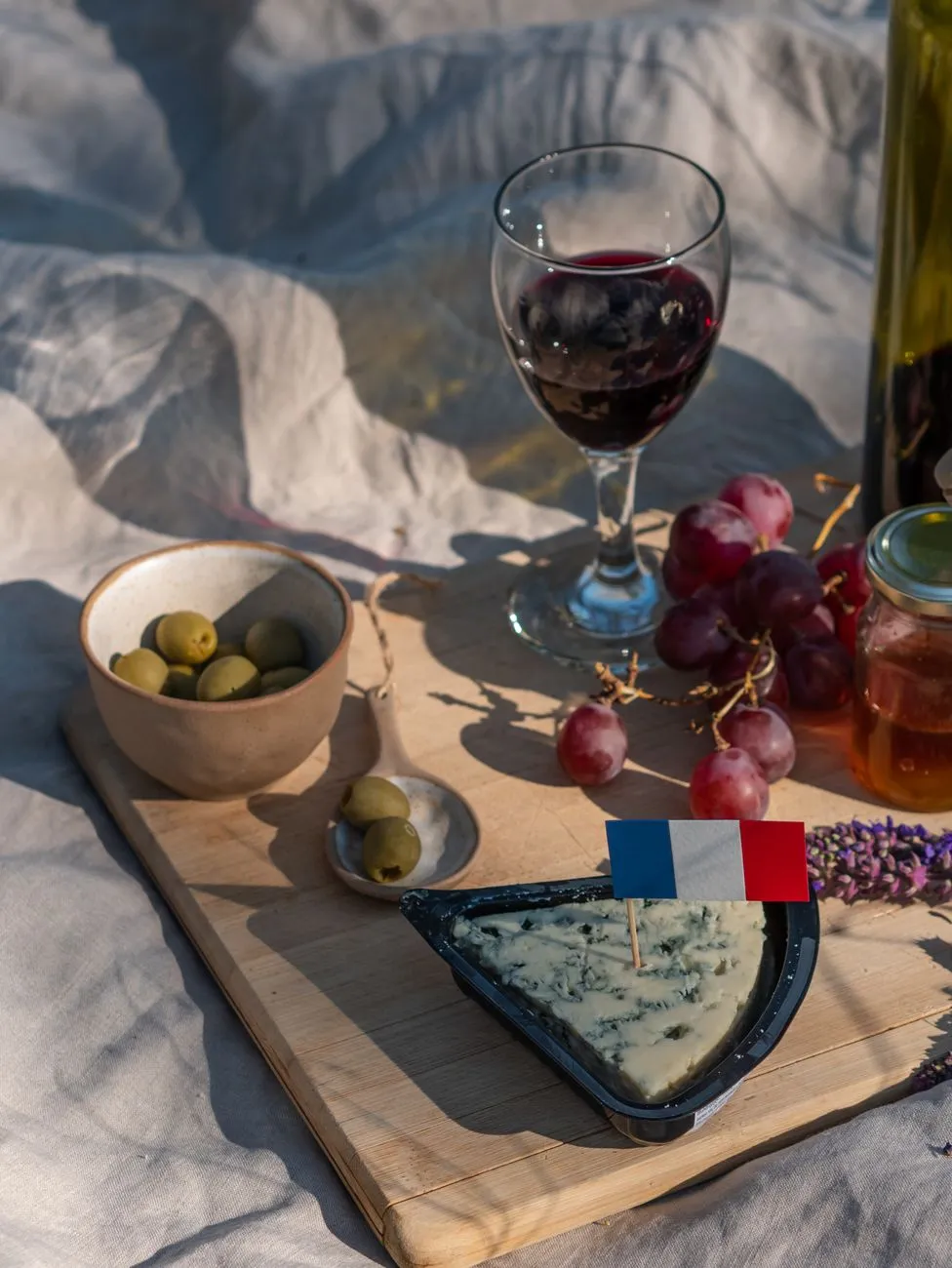
-
 Marcus Vance
 - 17 Aug, 2026 19:10
Sip, Savor, and Swoon: The Art of French Wine and Cheese Pairings That Will Transport You to the Vineyards of Bordeaux
The Golden Rules of French Wine and Cheese Pairings: A Sommelier’s Secret Handbook Pairing French wine and cheese is less about rigid rules and more about harmony—balancing flavors, textures, and regional origins to create a symphony on your palate. The French have elevated this art to near-religious status, and for good reason. A well-chosen pairing can elevate a simple snack into a transcendent experience, revealing layers of flavor that neither component could achieve alone. The first rule is regional alignment. Wines and cheeses from the same region naturally complement each other because they share the same terroir—the unique combination of soil, climate, and tradition that shapes their character. For example, a creamy Brie de Meaux pairs effortlessly with a Champagne from the same region, as both reflect the chalky soils of Île-de-France. Similarly, the bold tannins of a Cahors Malbec harmonize with the earthy, aged flavors of a Cantal cheese from Auvergne. The second rule is texture and intensity. Delicate wines like a Sancerre demand cheeses with subtle flavors, such as a young Chèvre, while robust reds like a Syrah from the Northern Rhône can stand up to the pungent funk of a Munster. The key is to match the weight of the wine with the weight of the cheese. A light-bodied wine will be overwhelmed by a dense, aged cheese, just as a heavy, full-bodied wine can overpower a delicate fresh cheese. Finally, acidity and fat balance is crucial. The acidity in a wine like a Sauternes cuts through the richness of a buttery Comté, while the fat in the cheese softens the wine’s tannins, creating a smooth, balanced finish. This interplay is what makes French pairings so magical. To master this art, start with regional pairings, then experiment with contrasting textures and intensities. Keep a tasting journal to track your preferences—you’ll soon develop an intuitive sense for what works.Bordeaux and Beyond: The Terroir-Driven Art of French Wine RegionsThe concept of terroir is the heartbeat of French wine and cheese pairings. Terroir encompasses everything from the mineral composition of the soil to the microclimate of a vineyard, all of which imprints a distinct character on both wine and cheese. Nowhere is this more evident than in Bordeaux, where the gravelly soils of the Left Bank produce bold, structured reds like a Pauillac, while the clay-limestone soils of the Right Bank yield softer, fruit-forward Merlots like a Saint-Émilion. Bordeaux is divided into two primary regions: the Left Bank (Médoc, Graves, and Sauternes) and the Right Bank (Saint-Émilion and Pomerol). The Left Bank’s Cabernet Sauvignon-dominant blends thrive in the well-drained gravel soils, producing wines with firm tannins and dark fruit flavors that pair beautifully with aged cheeses like a mature Ossau-Iraty from the Basque Country. The Right Bank’s Merlot-based wines, with their lush plum and cherry notes, are perfect with creamy, buttery cheeses such as a Saint-Nectaire. Moving east to Burgundy, the terroir shifts to limestone and clay, yielding elegant Pinot Noirs and Chardonnays. A Burgundy Pinot Noir, with its red fruit and earthy undertones, pairs exquisitely with a Époisses de Bourgogne, a pungent, washed-rind cheese that mirrors the wine’s complexity. Meanwhile, a Chablis, with its crisp acidity and mineral notes, is a match made in heaven with a fresh, tangy Chèvre. In the Rhône Valley, the terroir ranges from the steep, granite slopes of the Northern Rhône to the sun-drenched, galet-strewn vineyards of the Southern Rhône. A Syrah from Hermitage, with its peppery, smoky notes, demands a cheese with depth, such as a Bleu de Gex. Conversely, a Southern Rhône Grenache-based blend, with its ripe red fruit and spice, pairs wonderfully with a Tomme de Provence, a semi-hard cheese with a nutty, herbal profile. The Loire Valley offers a diverse terroir, from the chalky soils of Sancerre to the schist of Chinon. A Sancerre Sauvignon Blanc, with its zesty citrus and herbal notes, is a natural partner for a Crottin de Chavignol, a small, tangy goat cheese from the region. Meanwhile, a Chinon Cabernet Franc, with its bell pepper and raspberry aromas, pairs beautifully with a Sainte-Maure de Touraine, a cylindrical goat cheese with a wrinkled rind. Understanding terroir is the key to unlocking the perfect pairing. By aligning wine and cheese from the same region, you honor the unique expression of that place, creating a harmonious balance that transcends the sum of its parts.From Brie to Bleu: A Cheese Lover’s Tour of France’s FinestFrance is home to over 1,000 varieties of cheese, each with its own story, texture, and flavor profile. To navigate this dairy paradise, it’s helpful to categorize cheeses into broad families based on their milk type, aging process, and texture. Fresh Cheeses are unaged, soft, and mild, with a high moisture content. Examples include Boursin, a creamy garlic-and-herb cheese, and Faisselle, a delicate, slightly tangy fresh goat cheese. These cheeses pair best with light, crisp wines like a Muscadet or a Champagne Blanc de Blancs, which won’t overpower their delicate flavors. Soft-Ripened Cheeses are aged for a short period, developing a bloomy rind and creamy interior. Brie de Meaux and Camembert de Normandie are quintessential examples. These cheeses, with their buttery, mushroomy notes, shine when paired with Champagne or a light-bodied red like a Beaujolais. The effervescence of Champagne cuts through the richness, while the red wine’s acidity balances the cheese’s creaminess. Semi-Soft Cheeses have a firmer texture and a more pronounced flavor. Saint-Nectaire, a cow’s milk cheese from Auvergne, and Tomme de Savoie, a nutty, alpine cheese, fall into this category. These cheeses pair well with medium-bodied reds like a Crozes-Hermitage or whites like a Viognier. The wine’s body complements the cheese’s texture, while its acidity refreshes the palate. Hard Cheeses are aged for months or years, resulting in a dense, crumbly texture and concentrated flavors. Comté, a Jura cheese with caramel and nutty notes, and Beaufort, a buttery alpine cheese, are prime examples. These cheeses demand full-bodied wines like a Jura Vin Jaune or a bold red like a Cahors Malbec. The wine’s tannins and intensity stand up to the cheese’s complexity, creating a harmonious pairing. Blue Cheeses are characterized by veins of mold that give them a sharp, tangy flavor. Roquefort, made from sheep’s milk, and Bleu d’Auvergne, a cow’s milk blue, are iconic French blues. These cheeses pair best with sweet wines like a Sauternes or a Banyuls, which balance their saltiness and pungency. The contrast between the sweet wine and the salty, funky cheese is a match made in heaven. Washed-Rind Cheeses are aged in brine or alcohol, developing a pungent aroma and creamy texture. Époisses de Bourgogne, washed in Marc de Bourgogne, and Munster, a strong-smelling cheese from Alsace, are standout examples. These cheeses require bold, aromatic wines like a Gewürztraminer or a Pinot Gris. The wine’s spice and fruit notes complement the cheese’s funk, creating a dynamic pairing. To create a balanced cheese board, include a variety of textures and milk types. Start with a fresh cheese, move to a soft-ripened, then a semi-soft, and finish with a hard or blue cheese. Pair each with a wine that complements its intensity, and you’ll have a tasting experience that’s both educational and delicious.The Science of Pairing: How Acidity, Tannins, and Fat Create Culinary MagicThe magic of French wine and cheese pairings lies in the science of flavor interaction. Three key components—acidity, tannins, and fat—play a crucial role in determining how a wine and cheese will harmonize on your palate. Acidity is the backbone of many French wines, from the crisp Sancerre to the lively Champagne. Acidity in wine acts like a palate cleanser, cutting through the richness of cheese and refreshing your taste buds. For example, a high-acid white wine like a Chablis will slice through the creaminess of a Camembert, preventing the cheese from feeling overly heavy. Similarly, a sparkling wine’s effervescence enhances the perception of freshness, making it an ideal pairing for salty cheeses like a Feta or a young Pecorino. Tannins are the compounds in red wine that create a dry, astringent sensation. They bind to proteins in cheese, softening the wine’s structure and enhancing its fruit flavors. This is why bold reds like a Bordeaux or a Syrah pair so well with aged cheeses like a Comté or a Parmigiano-Reggiano. The tannins in the wine interact with the fat and protein in the cheese, creating a smooth, balanced finish. However, tannins can clash with soft, creamy cheeses like Brie, making the wine taste overly astringent. In such cases, opt for a lighter red or a white wine with higher acidity. Fat is the unsung hero of cheese pairings. The fat in cheese coats your palate, softening the impact of tannins and acidity in wine. This is why a buttery Brie pairs so well with a Champagne— the fat in the cheese mellows the wine’s acidity, while the acidity in the wine cuts through the cheese’s richness. Similarly, the fat in a mature Gouda enhances the fruitiness of a Rioja, creating a harmonious balance. When pairing, consider the fat content of the cheese: aged cheeses are higher in fat and pair better with full-bodied wines, while fresh cheeses are lower in fat and require lighter wines. Another scientific principle to consider is umami, the savory taste found in aged cheeses like Parmesan and aged Gouda. Umami enhances the perception of sweetness in wine, making it a natural partner for off-dry or sweet wines like a Sauternes or a Jurançon. The interaction between umami and sweetness creates a complex, layered flavor profile that’s both satisfying and intriguing. Finally, temperature plays a crucial role in pairing. Serving wine and cheese at the correct temperature enhances their flavors and textures. Red wines should be served slightly below room temperature (around 60-65°F or 15-18°C), while white wines and Champagnes are best served chilled (around 45-50°F or 7-10°C). Cheese should be served at room temperature to fully express its flavors. A chilled wine will taste flat and dull, while a room-temperature cheese will taste overly sharp and intense. By understanding the science behind these interactions, you can make informed pairing choices that elevate your tasting experience from good to extraordinary.The Ultimate French Wine and Cheese Pairing Cheat SheetWine Cheese Pairing Why It Works Price Range (USD)Champagne Brie de Meaux The acidity cuts through the creaminess, while the effervescence refreshes the palate. $40-$150Sancerre (Sauvignon Blanc) Crottin de Chavignol The wine’s herbal notes complement the goat cheese’s tanginess. $20-$50Bordeaux (Cabernet Sauvignon) Ossau-Iraty The wine’s tannins soften the cheese’s nutty, aged flavors. $25-$80Burgundy (Pinot Noir) Époisses de Bourgogne The wine’s earthy notes mirror the cheese’s funky, washed-rind character. $30-$100Sauternes Roquefort The sweetness balances the cheese’s saltiness and pungency. $35-$200Syrah (Northern Rhône) Bleu de Gex The wine’s peppery notes complement the blue cheese’s tangy, creamy texture. $25-$70Muscadet Faisselle The wine’s crisp acidity enhances the fresh cheese’s delicate flavors. $15-$30This table serves as a quick reference for pairing French wines and cheeses. Use it as a starting point, but don’t be afraid to experiment—sometimes the most unexpected pairings yield the most delightful results.A Toast to Tradition: How to Host the Perfect French Wine and Cheese EveningHosting a French wine and cheese evening is about more than just serving food and drink—it’s about creating an experience that transports your guests to the vineyards and fromageries of France. To host the perfect evening, start with the essentials: a well-curated selection of wines and cheeses, the right accompaniments, and a thoughtful presentation. Step 1: Select Your Wines and Cheeses Choose a variety of wines and cheeses that represent different regions and styles. Aim for a mix of reds, whites, and sparkling wines, along with a diverse selection of cheeses—soft, hard, blue, and fresh. For example, you might include a Champagne, a Sancerre, a Bordeaux, a Burgundy Pinot Noir, and a Sauternes, paired with Brie, Comté, Roquefort, Chèvre, and Époisses. Step 2: Prepare the Cheese Board Arrange the cheeses on a large wooden board or slate platter, leaving space between each variety to avoid overwhelming the senses. Use small knives or spreaders for each cheese, and label them with tent cards to guide your guests. Serve the cheeses at room temperature, as this allows their flavors to fully develop. Step 3: Pair with Accompaniments French cheese boards are often served with simple accompaniments that enhance the flavors of the cheese and wine. Include a fresh baguette or crusty bread, as the bread’s texture and mild flavor won’t compete with the cheese. Add nuts like walnuts or almonds for crunch, and dried fruits like figs or apricots for sweetness. Olives, cornichons, and charcuterie like jambon de Bayonne or saucisson sec are also excellent additions. Step 4: Serve the Wine Properly Serve white wines and Champagnes chilled (around 45-50°F or 7-10°C), and red wines slightly below room temperature (around 60-65°F or 15-18°C). Use proper glassware—white wine glasses for whites and sparkling wines, and larger red wine glasses for reds. Pour the wine generously but not excessively, leaving room in the glass for swirling and sniffing. Step 5: Guide the Tasting Encourage your guests to engage their senses. Have them observe the wine’s color and clarity, sniff its aromas, and take a sip to assess its body and finish. For the cheese, ask them to note the texture, aroma, and flavor profile. Discuss the pairings—why does the Champagne work so well with the Brie? How does the Sauternes balance the Roquefort? This interactive approach makes the tasting more engaging and educational. Step 6: Create a Relaxed Atmosphere French wine and cheese evenings are all about leisure and conversation. Play soft jazz or classical music in the background, and keep the lighting warm and inviting. Provide small plates and cheese knives, and encourage guests to serve themselves. The goal is to create an atmosphere where everyone feels comfortable exploring the flavors and sharing their thoughts. By following these steps, you’ll host an evening that’s not just a meal, but a celebration of French culture and culinary artistry.The Last Sip: Why French Wine and Cheese Pairings Are a Timeless Love StoryFrench wine and cheese pairings are more than just a culinary tradition—they are a testament to the art of living well. For centuries, the French have understood that food and drink are not merely sustenance but a way to connect with the land, the seasons, and the people who produce them. A perfectly paired wine and cheese can evoke memories of a sun-drenched afternoon in Provence, the crisp air of an alpine pasture, or the bustling markets of Paris. What makes this tradition so enduring is its adaptability. While the basics of terroir and balance remain constant, there’s always room for experimentation. Perhaps you’ll discover that a bold Cahors Malbec pairs surprisingly well with a tangy Chèvre, or that a crisp Alsace Pinot Gris enhances the funk of a Munster. The beauty of French wine and cheese pairings lies in their ability to surprise and delight, even as they honor tradition. As you embark on your own journey through the world of French wine and cheese, remember that the best pairings are those that bring you joy. Whether you’re enjoying a simple picnic in the park or hosting a lavish tasting for friends, let your palate be your guide. Savor each sip and bite, and let the flavors transport you to the heart of France.#FrenchWinePairing #CheeseLover #WineAndDine #TerroirMagic #SavorTheMoment Related InsightsVeganismo: Una Rivoluzione Morale, Ambientale e Gastronomica che Sta Ridisegnando il Mondo Das Herz des Dampfes: Die Kunst und Philosophie hinter der Dim Sum Kultur Exploring the Delightful World of Cheese Pairings (Part 2){ "@context": "https://schema.org", "@type": "FAQPage", "mainEntity": [ { "@type": "Question", "name": "What is the main focus of Sip, Savor, and Swoon: The Art of French Wine and Cheese Pairings That Will Transport You to the Vineyards of Bordeaux?", "acceptedAnswer": { "@type": "Answer", "text": "Unlock the secrets of perfect French wine and cheese pairings with this expert guide. Discover regional pairings, tasting tips, and the science behind terroir." } }, { "@type": "Question", "name": "Who authored the comprehensive guide on Sip, Savor, and Swoon: The Art of French Wine and Cheese Pairings That Will Transport You to the Vineyards of Bordeaux?", "acceptedAnswer": { "@type": "Answer", "text": "This detailed article and its insights were carefully researched and authored by Marcus Vance." } }, { "@type": "Question", "name": "Where can I find more related content about Food?", "acceptedAnswer": { "@type": "Answer", "text": "You can explore more articles, detailed reviews, and similar insights by browsing the Related Insights section at the bottom of this article or visiting our dedicated Food category page." } } ] }
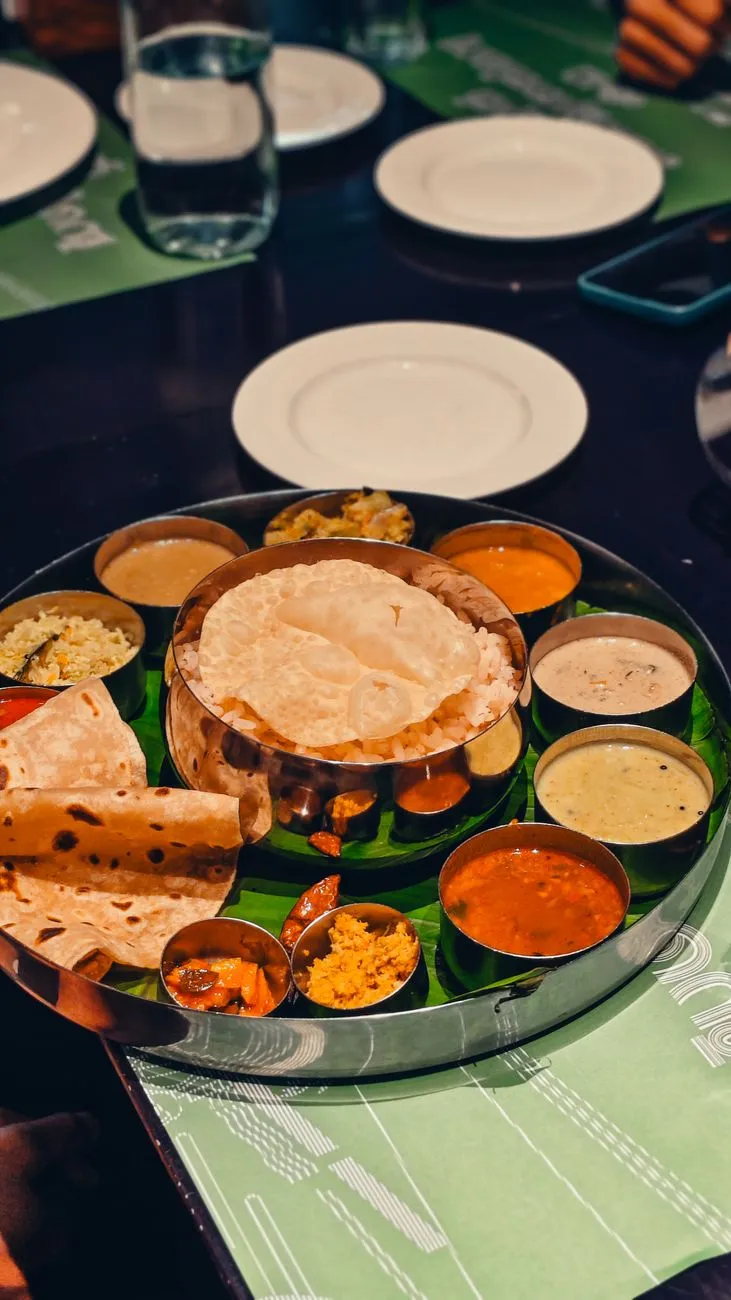
-
 Anjali Desai
 - 17 Aug, 2026 18:59
Decoding the Flavors of South India: A Comprehensive Guide to Coastal and Vegan Expertise
The Flavorful Coast of South India South India, known for its rich cultural heritage and delectable cuisine, boasts a stunning coastline that stretches along the Arabian Sea and the Bay of Bengal. The region's culinary landscape is characterized by an array of flavors, with a focus on fresh seafood, locally-sourced spices, and innovative cooking techniques. As a tech-savvy food enthusiast, I embarked on a journey to explore the intersection of technology and South Indian coastal cuisine, with a special emphasis on vegan expertise. Secure Design Principles for Coastal Cuisine When it comes to designing a culinary experience that showcases the best of South Indian coastal cuisine, several key principles come into play. These include:Freshness: Emphasizing the use of locally-sourced, fresh ingredients to ensure that dishes are not only flavorful but also nutritious. Sustainability: Adopting eco-friendly practices that minimize waste and reduce the carbon footprint of food production and consumption. Innovation: Experimenting with new cooking techniques and ingredient combinations to create unique and exciting flavor profiles.import pandas as pd# Define a dataset of South Indian coastal ingredients ingredients = pd.DataFrame({ 'Name': ['Coconut', 'Tamarind', 'Chili Peppers', 'Turmeric', 'Coriander'], 'Description': ['A staple ingredient in South Indian cuisine', 'Used in curries and chutneys', 'Adds heat to dishes', 'Provides a bright yellow color', 'Used in spice blends'] })# Print the dataset print(ingredients)Exploring the Science of Blazar-Boosted Dark Matter Recent research in the field of astrophysics has shed light on the phenomenon of blazar-boosted dark matter. According to a study published on arXiv, this phenomenon can be used to detect dark matter particles in the universe. # Define a YAML configuration file for a dark matter detection experiment experiment: name: Blazar-Boosted Dark Matter Detection description: A experiment to detect dark matter particles using blazar-boosted signals parameters: energy_threshold: 100 GeV signal_to_noise_ratio: 10 observation_time: 100 hoursThe Role of Cosmic Ray Diffusion in Gamma-Ray Emission Cosmic ray diffusion plays a crucial role in the origin of very high energy gamma-ray emission in young massive stellar clusters. Research has shown that the diffusion coefficient of cosmic rays can be modeled using a combination of mirror diffusion and pitch-angle scattering. import numpy as np# Define a function to calculate the diffusion coefficient def diffusion_coefficient(energy): return 1e-3 * energy**0.33# Calculate the diffusion coefficient for a range of energies energies = np.logspace(1, 3, 100) coefficients = [diffusion_coefficient(e) for e in energies]# Print the results print(coefficients)A Taste of Vegan Expertise in South Indian Cuisine Vegan cuisine is gaining popularity in South India, with many restaurants and home cooks experimenting with plant-based versions of traditional dishes. Some popular vegan ingredients in South Indian cuisine include:Coconut: Used in curries, chutneys, and desserts Tofu: Used in place of meat in many dishes Lentils: Used in curries and stews Vegetables: Such as eggplant, okra, and bell peppersClosing Thoughts: The Future of South Indian Coastal Cuisine As we look to the future of South Indian coastal cuisine, it is clear that technology will play a major role in shaping the industry. From sustainable farming practices to innovative cooking techniques, the intersection of technology and food will continue to evolve and improve. Whether you are a food enthusiast or a tech-savvy individual, there is no denying the excitement and possibilities that this field has to offer. #AI #Cybersecurity #DevOps #FoodTech #Sustainability Related InsightsHyper-Automation: The Convergence of AI, RPA, and BPM AI Agents in Cybersecurity: The Silent Revolution of Automated Patch Management The Architecture of Agency: Navigating the Ethical Frontier of Embodied AI and Hardware-Aware Intelligence{ "@context": "https://schema.org", "@type": "FAQPage", "mainEntity": [ { "@type": "Question", "name": "What is the main focus of Decoding the Flavors of South India: A Comprehensive Guide to Coastal and Vegan Expertise?", "acceptedAnswer": { "@type": "Answer", "text": "Unravel the mysteries of South Indian cuisine with a focus on coastal and vegan delicacies, leveraging arXiv research and GitHub trends." } }, { "@type": "Question", "name": "Who authored the comprehensive guide on Decoding the Flavors of South India: A Comprehensive Guide to Coastal and Vegan Expertise?", "acceptedAnswer": { "@type": "Answer", "text": "This detailed article and its insights were carefully researched and authored by Anjali Desai." } }, { "@type": "Question", "name": "Where can I find more related content about Technology?", "acceptedAnswer": { "@type": "Answer", "text": "You can explore more articles, detailed reviews, and similar insights by browsing the Related Insights section at the bottom of this article or visiting our dedicated Technology category page." } } ] }

- Michael Brown
- 17 Aug, 2026 18:45
Agrippa: A Novel of Ancient Rome's Descent into Dictatorship Book Review and Summary
Author: Robert HarrisPage Count: UnknownPublication Date: Expected publication 2026-09-01 APL Smudge of lukewarm instant coffee rings right beside my elbow on the Formica, while someone upstairs screams about the exact configuration of a Lego spaceship. A Sunday morning should smell like pancakes. Instead, it smells like scorched toast and whatever terrifying chemical they use to clean cheap linoleum. Yet here I am, ignoring the sticky cereal bowls long enough to stare down Robert Harris returning to the mud and marble of the ancient world. The Weight of a Broken Entrance We are looking at a narrative engine built entirely on rejection. Born feet first—an ancient death sentence for the mother—and branded with a slur that somehow became a badge of supreme power. It is an old trick, granting your protagonist a monstrous origin story so we can watch them claw their way back into the light, or perhaps deeper into the dark. Think Colleen McCullough’s The First Man in Rome, but stripped of the academic bloat and weaponized for a modern thriller market obsessed with institutional decay. And why does every historical heavyweight insist on giving us these wounded boys who find solace only in the absolute subjugation of the Mediterranean? My five-year-old just tried to launch a half-eaten grape across the room and hit the cat. Missed completely, obviously. The cat didn't even blink. Just sat there absorbing the indignity of existence with the stoic resignation of a Roman senator watching his republic dissolve into an autocracy. Kids are basically tiny, chaotic tyrants anyway, demanding absolute obedience over bedtime routines while weaponizing exhaustion. We spend half our lives trying to undo the damage of our own early years, or at least smoothing out the rough edges so our kids don't grow up to march legions across the Rubicon. Or maybe we just read about violent military commanders because the alternative is listening to another verse of that infernal blue cartoon dog song. Actually, scratch that entire parenting angle. It's a cheap lens for this kind of high-stakes political machinery. Harris doesn't care about childhood healing arcs. He cares about the cold, unyielding mechanics of how democracies quietly surrender to strongmen. The Machinery of Autocracy The synopsis leans hard on the old trope of the loyal bodyguard turned architect of tyranny. Octavius inherits a crown of ash, and our plebeian hero acts as the merciless instrument of his will. But let us be honest about the promotional copy itself—it reads like a breathless press release trying desperately to ride the coattails of Conclave. We get the standard beats: the chance encounter, the battlefield prowess, the tragic betrayal in the Senate. It is dangerously vague. It promises the earth while hiding the actual architecture of the prose. Yet Harris rarely misses when he steps into the toga. Dictator proved he understands the grubby, transactional nature of power better than almost anyone else writing historical fiction today. He knows that empires do not fall to grand ideological shifts. They fall because men with nicknames like "mother killer" decide that survival requires the systematic destruction of their opponents. Must pull on my soaked nylon windbreaker now and pedal hard against the worsening drizzle just to clear the static out of my skull before someone asks for lunch. Related InsightsFirst Love Last Love: A Novel Book Review and Summary Stolen Heir Book Review and Summary Haunting Adeline Book Review and Summary{ "@context": "https://schema.org", "@type": "FAQPage", "mainEntity": [ { "@type": "Question", "name": "What is the main focus of Agrippa: A Novel of Ancient Rome's Descent into Dictatorship Book Review and Summary?", "acceptedAnswer": { "@type": "Answer", "text": "Everything you need to know about Agrippa: A Novel of Ancient Rome's Descent into Dictatorship with our detailed review." } }, { "@type": "Question", "name": "Who authored the comprehensive guide on Agrippa: A Novel of Ancient Rome's Descent into Dictatorship Book Review and Summary?", "acceptedAnswer": { "@type": "Answer", "text": "This detailed article and its insights were carefully researched and authored by Michael Brown." } }, { "@type": "Question", "name": "Where can I find more related content about Books?", "acceptedAnswer": { "@type": "Answer", "text": "You can explore more articles, detailed reviews, and similar insights by browsing the Related Insights section at the bottom of this article or visiting our dedicated Books category page." } } ] }

Author: Gretchen Powell FoxPage Count: UnknownPublication Date: Expected publication 2026-09-08 APL The saccharine glow of newlywed bliss, forever tainted by the dark allure of power and the crushing weight of demonic possession. Kazimir and Arabella, the star-crossed lovers of Gretchen Powell Fox's Shadow and Son, are about to embark on a honeymoon that promises to be as treacherous as it is tantalizing. It's a little disconcerting that the synopsis doesn't quite commit to the darker aspects of Kazimir's past, instead choosing to dance around them with an air of mystery. One can't help but wonder if this is a deliberate choice, meant to preserve the air of intrigue that surrounds these two villainous lovebirds, or if it's simply a case of the author not wanting to show her hand too early. Whatever the reason, it's a move that leaves this critic feeling more than a little skeptical. And yet, despite this vagueness, there's something undeniably alluring about the world that Fox has created. A world where the boundaries between good and evil are blissfully blurred, and the only constant is the pursuit of power. It's a world that feels almost... familiar, like a twisted echo of the Assistant to the Villain series, or perhaps the deliciously wicked Dreadful. One can almost imagine the sardonic wit of Kazimir and Arabella's banter, the way they dance around each other with a mixture of affection and animosity. But what truly sets Shadow and Son apart is its unapologetic embracing of the 'villainous' trope. These are characters who are unashamedly, unapologetically evil, and yet... they're also somehow likable. It's a delicate balancing act, one that requires a deft hand and a deep understanding of the complexities of human nature. And if the synopsis is any indication, Fox seems more than up to the task. Or does she? The more one reads the synopsis, the more one begins to wonder if Fox is simply relying on the same old tropes, rather than truly subverting them. Is Kazimir's demonic past merely a convenient plot device, or is it something more? And what of Arabella's stolen memories - are they a genuine source of tension, or simply a contrived way to create conflict? But I suppose that's the thing about Shadow and Son - it's a book that promises to be as much about the journey as the destination. A journey that's fraught with peril, and yet somehow, impossibly, romantic. It's a journey that I, for one, am more than a little eager to embark on. And now, if you'll excuse me, I have a private flight to London that's been delayed by an hour. Again. #FantasyRomance #VillainousLove #DelayedFlightsAreTheWorst Related InsightsIt Happened One Summer Book Review and Summary From Goethe to the Silver Screen: The Ever‑Evolving Journey of the Bildungsroman Hunger Like No Other Book Review and Summary{ "@context": "https://schema.org", "@type": "FAQPage", "mainEntity": [ { "@type": "Question", "name": "What is the main focus of Shadow and Son (Shattered Crown, #3) Book Review and Summary?", "acceptedAnswer": { "@type": "Answer", "text": "Everything you need to know about Shadow and Son (Shattered Crown, #3) with our detailed review." } }, { "@type": "Question", "name": "Who authored the comprehensive guide on Shadow and Son (Shattered Crown, #3) Book Review and Summary?", "acceptedAnswer": { "@type": "Answer", "text": "This detailed article and its insights were carefully researched and authored by Anna Kowalska." } }, { "@type": "Question", "name": "Where can I find more related content about Books?", "acceptedAnswer": { "@type": "Answer", "text": "You can explore more articles, detailed reviews, and similar insights by browsing the Related Insights section at the bottom of this article or visiting our dedicated Books category page." } } ] }