
-
 Isabella Moore
- 16 Aug, 2026 11:47
Female Life on Planet Earth Book Review and Summary
Author: Laleh KhadiviPage Count: UnknownPublication Date: Expected publication 2026-09-22 APL Ah, Female Life on Planet Earth by Laleh Khadivi is marching toward its September 2026 release date draped in all the usual blurb-heavy armor. Katie Kitamura calls it intoxicating. Naturally. But let us pause for a fraction of a second to address the sheer exhaustion of the dead-mother revelation trope. If I had a nickel for every time I've read this premise, I could afford to permanently delete my shared calendar and buy a vineyard in Umbria where fidelity is actually a baseline expectation rather than a decorative suggestion. Consider the setup: pristine homemaker mother kicks the bucket, leaving behind an unmarked envelope containing photographic proof of a radical, gun-toting youth. It is The Deep Blue Goodbye meets Normal People via a middle-class Los Angeles traffic jam. Yet Khadivi—an award-winning voice—deserves better than my immediate cynicism. The publisher's pitch relies heavily on the juxtaposition of domestic mundanity (client accounts, aggressive soccer moms) against the kinetic, burning-building anarchy of Ana’s past. And yet, I worry the book will lean too hard into the quirky-aunt chorus. Do we really need an entire Greek chorus of hilarious neighbors to teach our protagonist about female autonomy? Or can we just let a daughter stare at a photograph of her mother holding a firearm and sit with the terrifying realization that we never actually know the people we invite into our beds, our kitchens, and our hearts? Actually, strike that. The chorus of chatting women might be the exact salvation of this manuscript. Maybe the real brilliance lies in the cacophony. Or maybe it is just noise. Bleak. The thematic architecture here hinges entirely on inheritance and lineage—words that usually make my eye twitch because they are so frequently weaponized by authors who refuse to plot their second acts. Khadivi writes with bristling intelligence, according to the jacket copy, which usually means the prose will be gorgeous enough to distract us from the fact that Heti is just another stressed-out LA professional navigating the modern wasteland of email pings and soccer practices. We are promised a celebration of the boundlessness of women over time and space. But I am inherently suspicious of any book that promises to explain the contradictory possibilities inside every woman while ignoring how easily trust gets shredded by a single hidden photograph. Or a secret double life. Or a casual betrayal that blindsides you on a Tuesday afternoon when you were simply trying to fold the fitted sheets. Trust is a fragile architecture. Brittle. September 2026 will arrive soon enough, bringing with it the inevitable stack of glowing reviews in major quarterlies. I will probably buy it anyway. I will sit on the sofa, drink too much espresso, and hope against hope that Heti finds some semblance of peace while I try to remember why I ever believed that people come with warning labels. #FemaleLifeOnPlanetEarth #LalehKhadivi #LiteraryFiction #BookTwitter I have to go untangle the dog's leash from the dining table. Related InsightsFinal Fantasy XIV: Stormblood -- The Art of the Revolution -Western Memories- Book Review and Summary Uglies Book Review and Summary 1Q84 Book Review and Summary{ "@context": "https://schema.org", "@type": "FAQPage", "mainEntity": [ { "@type": "Question", "name": "What is the main focus of Female Life on Planet Earth Book Review and Summary?", "acceptedAnswer": { "@type": "Answer", "text": "Everything you need to know about Female Life on Planet Earth with our detailed review." } }, { "@type": "Question", "name": "Who authored the comprehensive guide on Female Life on Planet Earth Book Review and Summary?", "acceptedAnswer": { "@type": "Answer", "text": "This detailed article and its insights were carefully researched and authored by Isabella Moore." } }, { "@type": "Question", "name": "Where can I find more related content about Books?", "acceptedAnswer": { "@type": "Answer", "text": "You can explore more articles, detailed reviews, and similar insights by browsing the Related Insights section at the bottom of this article or visiting our dedicated Books category page." } } ] }
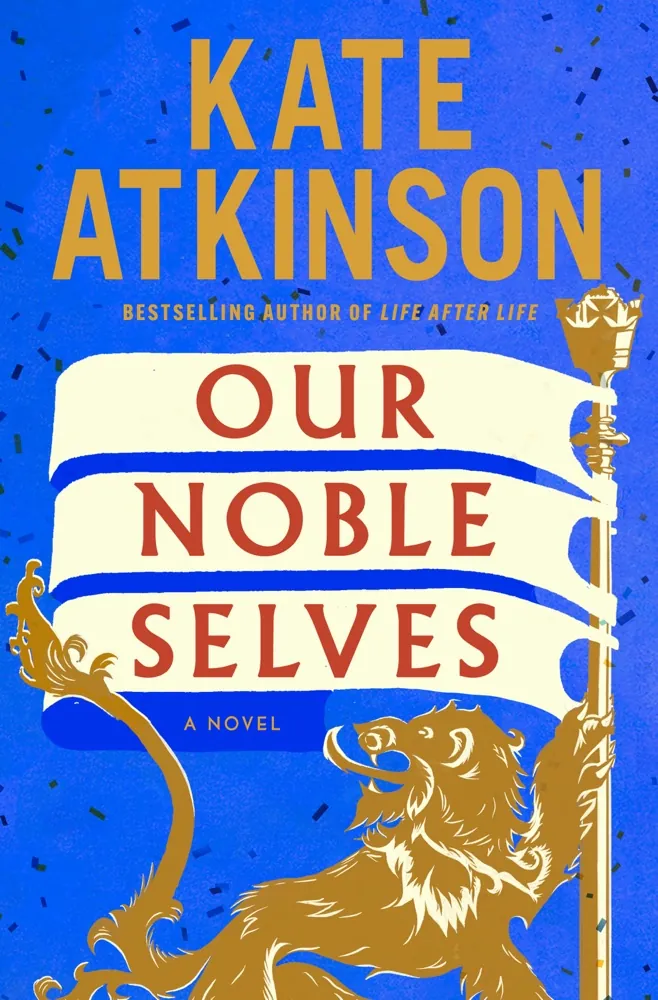

Author: Kate AtkinsonPage Count: UnknownPublication Date: Expected publication 2026-09-15 APL The synopsis for Our Noble Selves is so deliberately vague it’s almost a feature—like a film poster that refuses to reveal the villain’s face until the final act. This is either a masterstroke of marketing ambiguity or a sign that Atkinson is playing with the reader’s expectations like a cat with a mouse. Either way, it’s a gambit that demands patience, the kind of patience only a broken university student with a PhD in literary theory and a rent due next week can muster. The Festival of Britain, a government-sponsored spectacle meant to paper over the cracks of a nation still bleeding from war, is the perfect setting for a story about memory, guilt, and the ways institutions lie to themselves. But here’s the thing—Atkinson’s best work (Life After Life, Case Histories) thrives on the tension between the personal and the historical, where a single character’s trauma becomes a microcosm of a larger collective amnesia. The synopsis hints at Flynn’s amnesia as a plot device, but amnesia in Atkinson’s hands is rarely just a plot device. It’s a metaphor for the way history itself erases inconvenient truths. So when Flynn can’t remember the night the Frenchwoman vanished, we’re not just dealing with a whodunit—we’re dealing with the question of who gets to decide what’s remembered and what’s forgotten. Yet the synopsis also drops a red flag: the "misfits and eccentrics" of the Festival team. This is a trope Atkinson has used before (Life After Life’s ensemble of time-traveling siblings, Human Croquet’s surrealist cast), but the phrasing here feels almost throwaway, like an afterthought. If this is another ensemble piece, then Atkinson’s challenge will be to make each character feel as vivid as the historical backdrop. Because let’s be honest—when the synopsis lists a cast of "misfits," it’s either a promise of rich, layered characters or a warning that the book might lean too heavily on the "eccentric" as shorthand for depth. I’m betting on the former, but only because I’ve seen Atkinson pull it off before. Still, the vagueness here is maddening—where’s the specificity? Where’s the hint of a character who isn’t just "eccentric" but haunting? And then there’s the Festival itself, a government-funded carnival meant to celebrate Britain’s creativity. But Atkinson’s work has always been skeptical of such grand gestures—Life After Life’s alternate histories are a critique of national mythmaking, and Case Histories’ fragmented narratives refuse to let the state tell a single, cohesive story. So if Our Noble Selves is about a nation reconstructing its image, then the real question isn’t who killed the Frenchwoman—it’s who benefits from the story that gets told. The synopsis doesn’t say. It doesn’t need to. But it leaves you wondering: is this a story about individual guilt, or is it about the collective lies we tell to survive? I keep thinking about The Remains of the Day here, the way James Bond’s butler’s quiet complicity in the horrors of his era is the real tragedy. But Atkinson’s work is more subversive than that—she doesn’t just expose the lies, she makes the reader complicit in uncovering them. So if Flynn’s amnesia is the hook, then the real tension will be in how much we, as readers, are allowed to see. And if the Festival is the backdrop, then the question isn’t just who’s hiding something—it’s who’s performing for whom. But I’m getting ahead of myself. The synopsis is deliberately opaque, and that’s fine—it’s a trick Atkinson has used before, a way to make the reader work. And honestly? I’m glad. Because if this book is half as good as the synopsis suggests, then it’ll be worth the wait. But if it’s just another historical mystery with a few "eccentrics" thrown in, then I’ll have to ask myself why I’m even bothering to write this review in the first place. I need to go to a poetry reading. It’ll be terrible, but at least it’ll be over by midnight. And unlike this book, I’ll know exactly what to expect. Related InsightsOne Perfect Couple Book Review and Summary Wonder Book Review and Summary The Invention of Hugo Cabret Book Review and Summary{ "@context": "https://schema.org", "@type": "FAQPage", "mainEntity": [ { "@type": "Question", "name": "What is the main focus of Our Noble Selves Book Review and Summary?", "acceptedAnswer": { "@type": "Answer", "text": "Everything you need to know about Our Noble Selves with our detailed review." } }, { "@type": "Question", "name": "Who authored the comprehensive guide on Our Noble Selves Book Review and Summary?", "acceptedAnswer": { "@type": "Answer", "text": "This detailed article and its insights were carefully researched and authored by Marco Conti." } }, { "@type": "Question", "name": "Where can I find more related content about Books?", "acceptedAnswer": { "@type": "Answer", "text": "You can explore more articles, detailed reviews, and similar insights by browsing the Related Insights section at the bottom of this article or visiting our dedicated Books category page." } } ] }
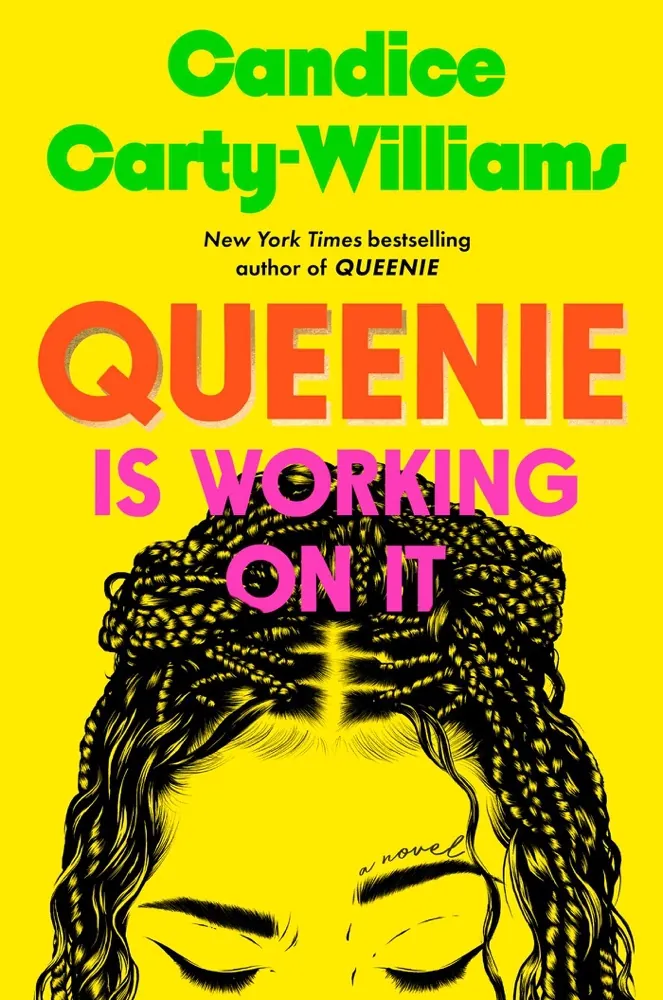

Author: Candice Carty-WilliamsPage Count: UnknownPublication Date: Expected publication 2026-09-08 APL The anticipation is almost palpable as we await the return of Candice Carty-Williams's iconic character, Queenie Jenkins, in her highly anticipated sequel, Queenie Is Working on It. While the original Queenie has been adapted into a television series on Hulu, the allure of Carty-Williams's prose is undeniable—especially for those who have fallen under the spell of authors like Zadie Smith and Chimamanda Ngozi Adichie. As I sit in quiet contemplation, surrounded by the warmth of a late summer evening, I find myself drawn into the world of this beloved and flawed protagonist. Queenie, at thirty-three, is the editorial director of The Good Sis, a media network championing the voices of Black women—a stark contrast to her toxic past. And yet, as she confronts the possibility of motherhood, her own desires and uncertainties come to the forefront. What I find intriguing is the way Carty-Williams weaves together the themes of time, identity, and purpose. Queenie's struggles to define herself are all too relatable in today's fast-paced landscape where careers, relationships, and societal expectations converge to confound us. Yet, as I ponder the synopsis, I'm struck by the opacity of Carty-Williams's narrative trajectory. The plot threads seem tantalizingly thin, leaving me wanting—much like Queenie, who finds herself torn between love, family, and her own autonomy. But this is where the true brilliance lies: in the messy, imperfect, and unapologetic portrayal of Queenie's inner world. Carty-Williams has a remarkable talent for capturing the nuances of her character's emotions, which are raw, authentic, and all the more captivating for their vulnerability. I'm reminded of the works of authors like Angela Flournoy and Akwaeke Emezi, who have skillfully probed the depths of the human experience. Now, I must confess—having read only the synopsis, I'm left with a nagging sense of uncertainty. Will Carty-Williams successfully navigate the complexities of Queenie's life without sacrificing the character's agency? Or will she succumb to the pitfalls of predictable storytelling? These are questions I'm eager to have answered. One thing is certain: as a literary community, we're witnessing a seismic shift in the way Black women are being represented in literature, and Carty-Williams is at the forefront of this movement. Her unflinching dedication to exploring the intricacies of identity and the Black female experience is both a testament to her craft and a beacon of hope for readers seeking more nuanced portrayals. Literally. My mind is racing with the possibilities. In Queenie Is Working on It, Carty-Williams seems poised to deliver a sequel that is both a love letter to her character and a scathing critique of the societal pressures that constrain us. As I await the release on September 8th, I'm left wondering: will Queenie finally find her footing in this chaotic, beautiful, and utterly confounding journey called life? And now, for some reason, the baby monitor just illuminated with terrifying activity. Related InsightsEscuadrón Cielo Book Review and Summary To All the Boys I've Loved Before Book Review and Summary Kafka on the Shore Book Review and Summary{ "@context": "https://schema.org", "@type": "FAQPage", "mainEntity": [ { "@type": "Question", "name": "What is the main focus of Queenie Is Working on It (Queenie, #2) Book Review and Summary?", "acceptedAnswer": { "@type": "Answer", "text": "Everything you need to know about Queenie Is Working on It (Queenie, #2) with our detailed review." } }, { "@type": "Question", "name": "Who authored the comprehensive guide on Queenie Is Working on It (Queenie, #2) Book Review and Summary?", "acceptedAnswer": { "@type": "Answer", "text": "This detailed article and its insights were carefully researched and authored by Camille Dubois." } }, { "@type": "Question", "name": "Where can I find more related content about Books?", "acceptedAnswer": { "@type": "Answer", "text": "You can explore more articles, detailed reviews, and similar insights by browsing the Related Insights section at the bottom of this article or visiting our dedicated Books category page." } } ] }
-
 Antoine Leroy
- 16 Aug, 2026 10:30
Something Is Killing the Children: Hope Is a Knife: A Novel Book Review and Summary
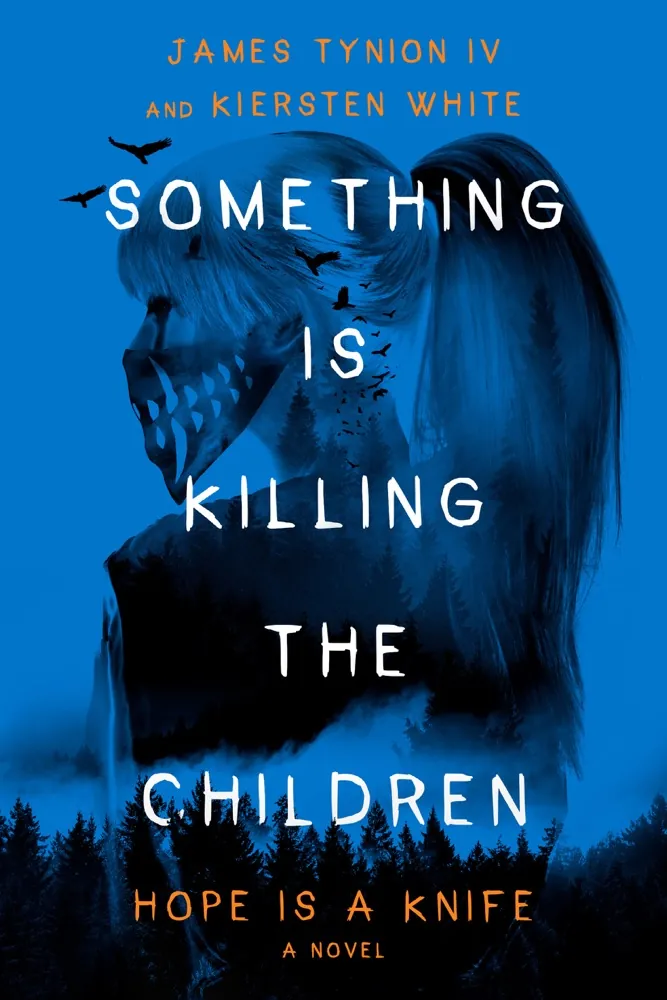
Author: James Tynion IVPage Count: UnknownPublication Date: Expected publication 2026-10-13 APL Listen close, you little ruffians. Sit by the hearth while the embers still pop. We used to tell tales about bog-hags and iron-toothed wolves to keep you from wandering into the dark woods alone after sundown. Back then, the monsters were simple. They wanted your bones. They didn't wear a human mask or wrap themselves in the comforting blankets of localized mass hysteria. James Tynion IV and Kiersten White are bringing that old, brutal folklore back to the page with Something Is Killing the Children: Hope Is a Knife, and I suspect most of you are entirely unready for the teeth waiting in the dark. The Weight of Iron and Blood Erica Slaughter is back, dragging her cold efficiency into Badwater, Idaho. And what a miserable little hamlet it must be. We have traded the comforting predictability of ancient myth for the sharper, uglier terror of modern panic. Think Shirley Jackson meets Stephen King on a particularly bad hangover. What fascinates me—and infuriates me about modern publishing trends—is this desperate need to adapt every comic panel into a prose novel. Why must we stretch the canvas? Are our collective imaginations so brittle now that we require two hundred pages of internal monologue to understand why a child's terror can curdle into a flesh-eating entity? Back in my day, a monster lived under the floorboards because you were disobedient, not because of a nuanced psychological trauma profile engineered by focus groups. Kids these days watch those glowing rectangle screens until their eyes glaze over, completely losing touch with the oral tradition of storytelling, staring blankly at cartoons featuring neon-colored ponies that solve all their interpersonal anxieties through the magic of interpretive dance while the real world outside collapses into absolute bureaucratic mush, but I suppose Erica Slaughter would handle those obnoxious ponies with a silver-plated hatchet and zero hesitation. The Anatomy of Hysteria The synopsis hints at a charismatic doomsday preacher driving a town off a cliff. Brilliant. Nothing terrifies me more than a man with a microphone and a terrible haircut. Tynion understands that the true monster is rarely the clawed beast in the shadows; it is the mob holding the torches, waiting for an excuse to burn the village. Erica faces an impossible mathematical equation in Hope Is a Knife. Find the traumatized kid. Destroy the manifestation of their fear. Do it before the zealots decide to sacrifice the hunter instead of the prey. It is a tight, suffocating premise. Whether the prose can sustain the kinetic, visceral pacing of the original comics without the visual punch of Werther Dell'edera’s artwork remains the great, looming question. I am deeply skeptical. Print can be a clumsy cage for pure nightmare fuel. Watch your step in the brush. The old stories warn us that the things hunting us usually look like neighbors first. Now, hush. I need to go find where the dog dragged my only good pair of dress shoes before the rain starts. Related InsightsMortal Minds (The Broken Realms #2) Book Review and Summary Peter Pan Book Review and Summary Scandals & Whiskey (The Whiskey Women, #2) Book Review and Summary{ "@context": "https://schema.org", "@type": "FAQPage", "mainEntity": [ { "@type": "Question", "name": "What is the main focus of Something Is Killing the Children: Hope Is a Knife: A Novel Book Review and Summary?", "acceptedAnswer": { "@type": "Answer", "text": "Everything you need to know about Something Is Killing the Children: Hope Is a Knife: A Novel with our detailed review." } }, { "@type": "Question", "name": "Who authored the comprehensive guide on Something Is Killing the Children: Hope Is a Knife: A Novel Book Review and Summary?", "acceptedAnswer": { "@type": "Answer", "text": "This detailed article and its insights were carefully researched and authored by Antoine Leroy." } }, { "@type": "Question", "name": "Where can I find more related content about Books?", "acceptedAnswer": { "@type": "Answer", "text": "You can explore more articles, detailed reviews, and similar insights by browsing the Related Insights section at the bottom of this article or visiting our dedicated Books category page." } } ] }


Author: Wesley KingPage Count: UnknownPublication Date: Expected publication 2026-10-20 APL Flour is currently coating every single horizontal surface in this kitchen because the children demanded cinnamon rolls in the oppressive heat of August, which makes zero logical sense unless you enjoy sweating directly into yeast dough. Yet here I am, scraping dried batter off the counter while staring at the synopsis for Wesley King’s Wolf Season. The Illusion of the Prodigal Return Every single publisher in New York insists on recycling this exact same tired trope. The prodigal son comes home. The sheriff father is missing. The small Montana town hides dark secrets. It is entirely uninspired laziness masquerading as suspense. Why do we pretend that hiding bodies in the woods constitutes high art? People act like rural isolation automatically breeds supernatural phenomena and generational curses, but half the time it is just poor plumbing and repressed emotions. Give me a locked-room drawing-room puzzle with three eccentric spinsters and a missing teacup any day over another brooding man staring pensively at a pine tree. The flour has now somehow migrated onto my favorite cookbook, which is fantastic. Speaking of messes, I am still seething over that garbage recommendation last month where the detective miraculously solved the locked-vault murder by remembering a childhood sunburn. Absolute narrative insolvency. It made me want to throw my mixing bowl straight through the drywall. Honestly, why are we rewarding authors who cannot construct a logical timeline without relying on ghost sightings or spectral wolves? The Romance Trap And naturally, we get the mandatory former flame. Because an investigation into a missing father obviously cannot proceed without longing glances over cracked floorboards and unresolved sexual tension with Bernadine Armel. Call me cynical—and heaven knows my spouse would agree with that diagnosis—but nobody solves a homicide while simultaneously rekindling a teenage romance in the middle of a remote wilderness. It simply strains credulity. Real love involves arguing over who forgot to empty the dishwasher, not whispering about shadowy female clans guarding prime acreage under the pale Montana moon. Expect this book to wrap up with a neat little bow that explains away the supernatural elements as mere human malice, or worse, leave them frustratingly ambiguous because the writer painted themselves into a corner. I refuse to be fooled. Happy endings are just unresolved plot points wrapped in marketing. Wait. That loud crashing sound from the playroom demands an immediate investigation before someone permanently glues the family cat to the rug. #WolfSeason #BookTwitter #CozyMysteryHater Related InsightsTruth to Power: A Luke Cage Marvel Crime Novel Book Review and Summary Three Kings Book Review and Summary Tidal Creatures Book Review and Summary{ "@context": "https://schema.org", "@type": "FAQPage", "mainEntity": [ { "@type": "Question", "name": "What is the main focus of Wolf Season: A Novel Book Review and Summary?", "acceptedAnswer": { "@type": "Answer", "text": "Everything you need to know about Wolf Season: A Novel with our detailed review." } }, { "@type": "Question", "name": "Who authored the comprehensive guide on Wolf Season: A Novel Book Review and Summary?", "acceptedAnswer": { "@type": "Answer", "text": "This detailed article and its insights were carefully researched and authored by Sarah Davis." } }, { "@type": "Question", "name": "Where can I find more related content about Books?", "acceptedAnswer": { "@type": "Answer", "text": "You can explore more articles, detailed reviews, and similar insights by browsing the Related Insights section at the bottom of this article or visiting our dedicated Books category page." } } ] }
-
 Anna Kowalska
- 16 Aug, 2026 08:45
When Forever Falls Apart (Cinnamon Springs #2) Book Review and Summary
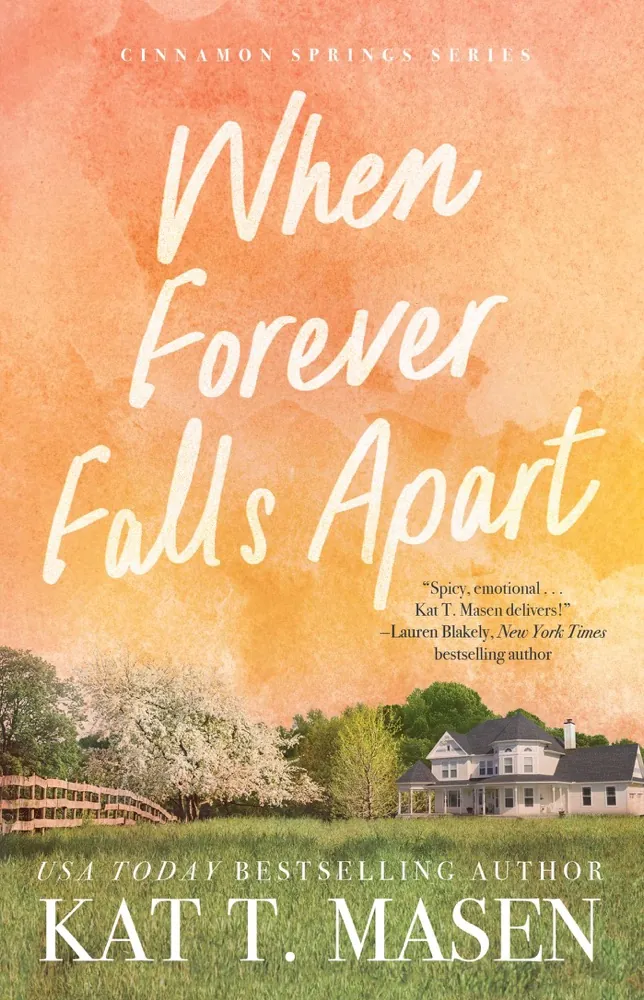
Author: Kat T. MasenPage Count: UnknownPublication Date: Expected publication 2026-09-22 APL Staring at this newly minted blurb for When Forever Falls Apart, a wave of peculiar melancholy washes over me, smelling faintly of stale pipe tobacco and old parchment left too long in a damp mahogany desk. Cinnamon Springs. What an aggressively quaint moniker for a municipality. It sounds less like a functional township and more like a scented candle engineered to extract disposable income from the terminally sentimental. Kat T. Masen is returning to this pastoral purgatory for a second installment, dragging us right back into the exhausting theater of small-town surveillance. And by the sound of it, we are in for a staggering masterclass in interpersonal cowardice. The Architecture of Regret Look at the mechanics here. Maddy Beaumont—truly, a protagonist whose surname demands a monocle and a sigh—bolts from the altar, flees an entire continent, and then discovers the cardinal sin of rural life: gossip outlives passport stamps. Months evaporate, and suddenly she is back in the crucible. Wait. Let me rephrase that entirely. Actually, the geographical flight to Europe wasn't even a cowardly act; it was perhaps the only intellectually honest decision made by anyone in this fictional zip code. Why she felt the compulsive urge to crawl back and subject herself to the local tribunal of judgmental grocers and church ladies is beyond comprehension. Yet, back she goes. Naturally. Because narrative convenience requires proximity. The synopsis leans heavily on the oldest crutch in the romantic comedy manual: the fake-dating mandate. Enter Elliot, the resident pastry chef and brother of the obligatory best friend. One assumes flour dust clings to his forearms like tragic poetry. The Saccharine Contrivance Let us examine the thematic weight of a man who bakes for a living being deployed as a tactical weapon against jealousy. It is almost insulting in its predictability. The synopsis breathlessly informs us that holding hands and pretending to look in love might suddenly—gasp!—blur the lines of fiction and reality. Who could possibly have foreseen this seismic narrative earthquake? Certainly not anyone who has ever opened a paperback printed after the invention of the steam engine. We are wading knee-deep in Emily Henry territory here, minus the linguistic agility. Yet, perhaps the pastry chef angle offers a fleeting crumb of social commentary. Or perhaps it is merely a flimsy excuse to put two moderately attractive people in close proximity until biology forces their hands. The art of diplomacy taught me that nations fall because leaders refuse to speak plainly. This book exists entirely because Maddy and Myles refused to have a ten-minute conversation before ordering a three-tier cake. The subway rumble is vibrating right through the padding of these over-ear headphones, rattling the teacup on my saucer and threatening to shatter what little peace remains of this gray Tuesday afternoon. Related InsightsThe Chain House: A Novel Book Review and Summary Mr Salary Book Review and Summary A Good Girl's Guide to Murder Book Review and Summary{ "@context": "https://schema.org", "@type": "FAQPage", "mainEntity": [ { "@type": "Question", "name": "What is the main focus of When Forever Falls Apart (Cinnamon Springs #2) Book Review and Summary?", "acceptedAnswer": { "@type": "Answer", "text": "Everything you need to know about When Forever Falls Apart (Cinnamon Springs #2) with our detailed review." } }, { "@type": "Question", "name": "Who authored the comprehensive guide on When Forever Falls Apart (Cinnamon Springs #2) Book Review and Summary?", "acceptedAnswer": { "@type": "Answer", "text": "This detailed article and its insights were carefully researched and authored by Anna Kowalska." } }, { "@type": "Question", "name": "Where can I find more related content about Books?", "acceptedAnswer": { "@type": "Answer", "text": "You can explore more articles, detailed reviews, and similar insights by browsing the Related Insights section at the bottom of this article or visiting our dedicated Books category page." } } ] }
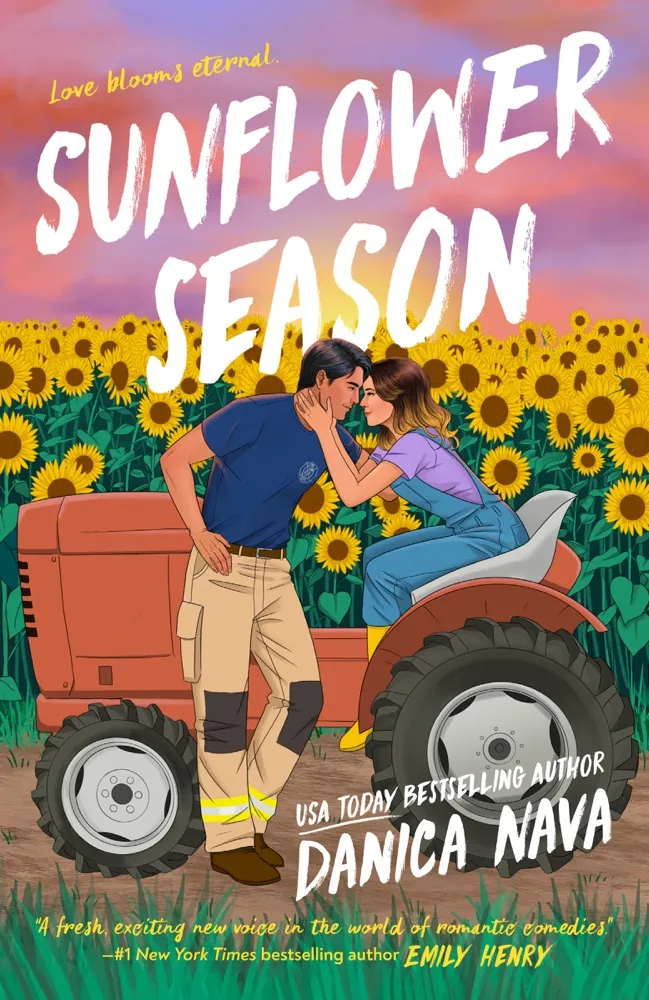

Author: Danica NavaPage Count: UnknownPublication Date: Expected publication 2026-11-03 APL Sweat is currently pooling in places biology never intended, lubricating vinyl seat cushions that smell overwhelmingly of stale diesel and despair. Yet some executive somewhere is greenlighting a 2026 romance novel about trading a high-pressure tech job for agricultural bliss. Give me a break. Sunflower Season by Danica Nava promises a picturesque escape to rural Oklahoma, leaning heavily into the pastoral pastoralism of millennial burnout fantasy. Let's assume for a second this actually works. You hand over your corporate laptop, buy a dilapidated farm because you watched too many TikTok homesteaders romanticize systemic exhaustion, and somehow everything just sorts itself out via emotional reconciliation with the local firefighter. The Agrarian Delusion of Late Capitalism Tech burnout is real, sure. But let us not pretend that rotting fences and a lack of baseline business acumen are solved by “positive vibes” and a ruggedly dependable first love who conveniently never left the zip code. This is bourgeois agrarian cosplay at its finest. Emily Henry territory, but make it agronomy. Noah Abbott stayed behind. He has the local fire brigade, the generational roots, and a profound lack of mobility. June Walker fled to code things until her brain turned to gray sludge, only to boomerang backward when the capitalism machinery chewed her up. The synopsis leans into that tired, predictable second-chance dynamic where a girl vanishes at seventeen—because apparently rural Oklahoma lacks telephones or basic postal tracking—and returns decades later ready for narrative closure. Plot Mechanics and Emotional Rot The thematic tension rests entirely on whether past heartbreaks are worth replanting. Groundbreaking. Let's combine PhD-level semiotic analysis with absolute brain-rot discourse: the text operates on a purely transactional nostalgia-grindset where trauma gets tilled under like cheap fertilizer. Actually, wait. I take that back. The romantic fatalism here might actually bypass the cynicism trap and hit a genuine nerve about middle-distance alienation, provided the author doesn't resolve every single systemic crisis with a sunset kiss in a field of yellow weeds. The synopsis offers zero concrete details about the actual mechanics of farming, which means we are in for three hundred pages of lingering glances across tractor hoods and vague metaphors about soil pH mirroring emotional vulnerability. It's giving low-stakes comfort food for people who think rural poverty is just an aesthetic backdrop for healing. People buy these books to pretend that abandoning your 401k for a crumbling homestead fixes the void left by modern labor exploitation. Spoiler alert: weeds still grow whether you have closure or not. But whatever. The bus is hitting another pothole that rattles my spine straight into my skull, and I have to go find a decent cup of matcha in this gentrified neighborhood. Related InsightsFirst Love Last Love: A Novel Book Review and Summary Chain Reaction (Jack Reacher, #31) Book Review and Summary Atlas Shrugged Book Review and Summary{ "@context": "https://schema.org", "@type": "FAQPage", "mainEntity": [ { "@type": "Question", "name": "What is the main focus of Sunflower Season Book Review and Summary?", "acceptedAnswer": { "@type": "Answer", "text": "Everything you need to know about Sunflower Season with our detailed review." } }, { "@type": "Question", "name": "Who authored the comprehensive guide on Sunflower Season Book Review and Summary?", "acceptedAnswer": { "@type": "Answer", "text": "This detailed article and its insights were carefully researched and authored by Beatriz Costa." } }, { "@type": "Question", "name": "Where can I find more related content about Books?", "acceptedAnswer": { "@type": "Answer", "text": "You can explore more articles, detailed reviews, and similar insights by browsing the Related Insights section at the bottom of this article or visiting our dedicated Books category page." } } ] }
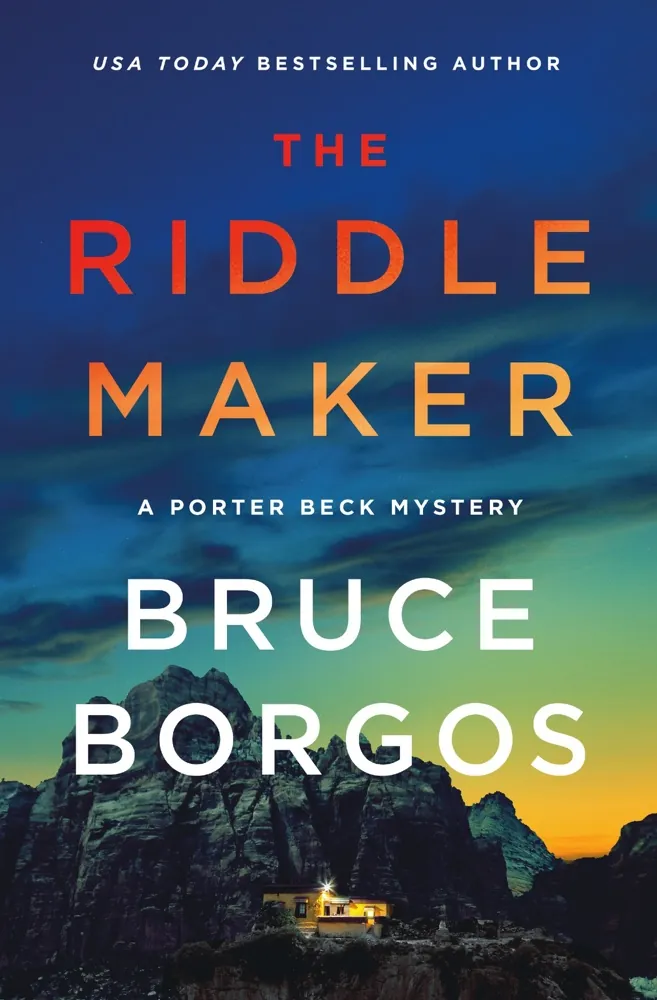

Author: Bruce BorgosPage Count: UnknownPublication Date: Expected publication 2026-11-17 APL The obligatory review. Always a thrill. A chance to dissect the next big nothing. The Riddle Maker (Porter Beck, #4) by Bruce Borgos promises to be a thrilling ride, but will it be more than just a shallow echo of the same tired tropes? And so, we dive into a world where anonymous riddles are the new norm. A world where, apparently, our sheriff, Porter Beck, isn't too busy solving his local murders to receive cryptic messages from the great unknown. A world where, somehow, this riddle is connected to a decades-old serial killer. Oh, the originality. It's like Borgos took a deep breath and thought, "You know what would be a great idea? A riddle-filled thriller!" In the deserts of Nevada, the shrinking waters of Lake Mead, and the red rock wilderness of Utah, Beck and his team will chase a trail of riddles that may or may not lead to the truth. A pint-sized, yet fearless, FBI profiler, Jett Lowell, joins the fray, bringing with her a riddle received seventeen years earlier. Because, of course, she needs to be a pint-sized, fearless profiler. The archetype is tired, yet, for some reason, it still works. The real question here is: will The Riddle Maker be a mindless thrill ride or a thought-provoking exploration of the human condition? One thing's for sure—it'll be a wild ride. And by wild ride, I mean a predictable, genre-specific romp. Riddle Me This, Mr. Borgos But what really gets my goat is the setup. The vagueness of it all raises so many questions. What's the true nature of the riddle? Is it just a clever MacGuffin, or does it hold the key to something deeper? Is Beck's involvement simply a plot device or a genuine connection to the past? We'll have to wait and see. I suppose that's the beauty of it all: the anticipation. As if that wasn't enough, Borgos weaves in familiar tropes and clichés. A small-town sheriff with a troubled past, a pint-sized FBI agent with a personal stake in the case...yawn. It's a tired, overused formula. Yet, somehow, it still works. Maybe it's because the riddle-filled, desert landscapes will sweep us off our feet? Or maybe it's because we're just too jaded to care. — I'm stuck in this never-ending cycle of reviews, reviews, reviews. Where's the art in this? But let's assume The Riddle Maker breaks free from its predictable mold. Let's pretend it's more than just another thriller. Let's say Borgos actually takes the time to craft a compelling narrative, one that challenges the riddle genre and forges new paths. In that case, I'd say The Riddle Maker is reminiscent of Thomas Harris's The Silence of the Lambs. A thrilling, thought-provoking puzzle that keeps you guessing until the very end. Meta-Review I'm starting to get a little bored with this review. The words just seem to blend together. My thoughts are fragmenting, and I'm losing sight of what I'm trying to say. Maybe that's the point? Maybe The Riddle Maker is a reflection of our current culture's obsession with mindless thrills and predictable conclusions. Perhaps it's Borgos's subtle commentary on our shallow world, where the only thing that truly matters is the chase, the riddle, the next fix. As the lights dim, and the evening falls, I'll be spending it reading Sylvia Plath by candlelight. Related InsightsThe Wind in the Willows Book Review and Summary The Gods Will Sing Our Song Book Review and Summary Secretly Yours Book Review and Summary{ "@context": "https://schema.org", "@type": "FAQPage", "mainEntity": [ { "@type": "Question", "name": "What is the main focus of The Riddle Maker (Porter Beck, #4) Book Review and Summary?", "acceptedAnswer": { "@type": "Answer", "text": "Everything you need to know about The Riddle Maker (Porter Beck, #4) with our detailed review." } }, { "@type": "Question", "name": "Who authored the comprehensive guide on The Riddle Maker (Porter Beck, #4) Book Review and Summary?", "acceptedAnswer": { "@type": "Answer", "text": "This detailed article and its insights were carefully researched and authored by Carmen Martinez." } }, { "@type": "Question", "name": "Where can I find more related content about Books?", "acceptedAnswer": { "@type": "Answer", "text": "You can explore more articles, detailed reviews, and similar insights by browsing the Related Insights section at the bottom of this article or visiting our dedicated Books category page." } } ] }

-
 Isabella Rossi
- 16 Aug, 2026 07:10
Savor the World: The Ultimate Guide to the Planet’s Most Exquisite Food Markets
Where the World’s Flavors Collide: A Culinary Journey Through the Best Food Markets Food markets are the beating hearts of cities, where history, culture, and flavor intertwine in every bite. They are not just places to shop—they are living museums of culinary tradition, innovation, and community. Whether you’re a seasoned traveler or a curious foodie, these markets offer an unfiltered glimpse into the soul of a destination. From the aromatic spice stalls of Istanbul to the sizzling seafood grills of Tokyo, each market tells a story through its ingredients, techniques, and the people who bring them to life. But with so many incredible markets around the world, how do you choose where to go? What dishes should you prioritize? And how can you navigate these bustling hubs like a local? In this guide, we’ll take you on a gastronomic tour of the planet’s most extraordinary food markets, breaking down the must-try foods, hidden gems, and insider tips to make your visit unforgettable.Marrakech’s Jemaa el-Fnaa: A Symphony of Spices and Street Food Magic Few places on Earth capture the essence of a culture as vividly as Marrakech’s Jemaa el-Fnaa. This UNESCO-listed square transforms from a quiet plaza by day into a pulsating food market by night, where the air is thick with the scent of cumin, saffron, and grilled meats. The market is a sensory overload in the best possible way—vendors shout in Arabic and French, the clatter of tagines echoes through the alleys, and the flicker of lanterns casts a golden glow over the stalls. At the heart of Jemaa el-Fnaa is the food section, where rows of makeshift kitchens serve up Morocco’s most iconic dishes. Must-try foods include:Tanjia: A slow-cooked lamb dish named after the clay pot it’s prepared in. The meat is marinated in preserved lemon, garlic, and spices, then simmered for hours until it’s fall-off-the-bone tender. Locals swear by the tanjia from the stalls near the center of the square. Harira: A hearty soup made with tomatoes, lentils, chickpeas, and lamb, traditionally eaten to break the fast during Ramadan. The version sold here is rich, spiced with cinnamon and ginger, and often served with a squeeze of lemon. Snail soup: A surprisingly popular street food, this dish features snails simmered in a spicy broth with herbs. It’s an acquired taste but a rite of passage for visitors looking to dive deep into Moroccan cuisine.Pro tip: Arrive at sunset to watch the market come alive, but don’t eat right away. Wander through the spice stalls first—vendors will often let you sample their wares, and you’ll get a better sense of the flavors you’re about to encounter. For the best tanjia, head to the stalls run by older men in traditional djellabas; they’ve been perfecting the recipe for decades.Bangkok’s Chatuchak Weekend Market: A Feast for the Senses Bangkok’s Chatuchak Weekend Market is not just a market—it’s a phenomenon. Spanning 35 acres and housing over 15,000 stalls, it’s one of the largest markets in the world. But beyond its sheer size, Chatuchak is a paradise for food lovers, offering everything from Thai street food classics to exotic delicacies you won’t find anywhere else. The market is divided into sections, but the food area is where the real magic happens. Here’s what you can’t miss:Som Tam (Green Papaya Salad): A fiery, tangy salad made with shredded unripe papaya, chili, lime, fish sauce, and palm sugar. The best versions are made to order, with vendors pounding the ingredients in a mortar and pestle right in front of you. Grilled river prawns: These massive prawns are marinated in garlic, pepper, and cilantro, then grilled over charcoal until they’re crispy on the outside and juicy on the inside. They’re often served with a spicy dipping sauce made from chili and tamarind. Mango Sticky Rice: Thailand’s most beloved dessert, this dish features sweet, ripe mango served over glutinous rice drizzled with coconut milk. The version at Chatuchak is legendary—creamy, fragrant, and perfectly balanced.Pro tip: Chatuchak is enormous, so plan your route. The food section is in the northern part of the market, near the exit at Kamphaeng Phet 2. Go early to avoid the midday heat and crowds, and bring cash—many stalls don’t accept cards. Also, be adventurous: Chatuchak is one of the few places where you can try insects like crickets or silkworm larvae, if you’re feeling daring.Tokyo’s Tsukiji Outer Market: A Seafood Lover’s Paradise Tokyo’s Tsukiji Outer Market is a shrine to seafood, where the freshest fish in the world changes hands before dawn. While the inner wholesale market has moved to Toyosu, the outer market remains a must-visit for food enthusiasts. Here, you’ll find everything from sushi-grade tuna to steaming bowls of ramen, all within a few blocks. The market is divided into two main areas: the sushi stalls and the general food stalls. Don’t leave without trying:Otorodako (Giant Pacific Octopus): A local specialty, this dish features octopus that’s been boiled and sliced, then served with a sweet soy-based sauce. The texture is tender and slightly chewy, with a mild oceanic flavor. Tamagoyaki (Japanese Omelette): A sweet, layered omelette made with eggs, sugar, and soy sauce. The version at Tsukiji is fluffy and slightly caramelized, often served as a side dish or in bento boxes. Uni (Sea Urchin): Tsukiji is one of the best places in the world to try uni, which is prized for its creamy, briny flavor. It’s often served over rice as a sushi topping or in a bowl of steamed rice as a uni-don.Pro tip: Arrive early—many stalls open around 5 AM, and the best spots sell out by 9 AM. If you’re not an early riser, don’t worry; the market stays lively until the afternoon. For the freshest seafood, head to the sushi stalls along the main street, where chefs prepare nigiri right in front of you. And if you’re feeling adventurous, try the fugu (pufferfish) if it’s in season—just make sure the chef is licensed to prepare it!Istanbul’s Spice Bazaar and the Grand Bazaar: A Feast for the Eyes and Palate Istanbul’s Spice Bazaar (Mısır Çarşısı) and the Grand Bazaar are two of the most iconic markets in the world, but their culinary offerings are often overshadowed by their reputation as shopping destinations. However, hidden among the textiles and jewelry are some of the most delicious foods Turkey has to offer. The Spice Bazaar is a labyrinth of stalls selling everything from dried fruits to Turkish delight, but the real gems are the food vendors tucked away in the corners. Must-try foods include:Baklava: While baklava is available throughout Turkey, the version at the Spice Bazaar is legendary. Look for stalls that use pistachios and honey, and ask for a sample before buying—some vendors will happily give you a tiny piece to taste. Künefe: A sweet cheese pastry soaked in syrup and baked until crispy, often served with clotted cream. The best kunefe in Istanbul is made with fresh cheese and cooked in a copper pan over charcoal. Simit: A circular sesame-crusted bread that’s a staple of Turkish breakfast. The simit sold at the Spice Bazaar is freshly baked and best eaten warm, with a sprinkle of salt or a smear of kaymak (clotted cream).Pro tip: The Spice Bazaar can be overwhelming, so focus on the food stalls near the entrance on the Eminönü side. For a more immersive experience, visit the Grand Bazaar’s food section, where you’ll find vendors selling everything from simit to kebabs. And don’t forget to haggle—it’s expected in Turkish markets, and a little negotiation can go a long way in getting a better price.Mexico City’s Mercado de San Juan: A Celebration of Mexican Gastronomy Mexico City’s Mercado de San Juan is a gourmet’s dream, where high-end ingredients meet traditional street food. Unlike the more touristy markets, San Juan is a favorite among locals and chefs, offering everything from exotic meats to artisanal cheeses. The market is divided into sections, but the food hall is where the magic happens. Here’s what you should try:Chapulines (Grasshoppers): A Oaxacan specialty, these toasted grasshoppers are seasoned with chili and lime, offering a crunchy, savory snack. They’re often served in tacos or as a topping for guacamole. Cochinita Pibil: A Yucatecan slow-roasted pork dish marinated in achiote and sour orange juice, then wrapped in banana leaves and baked. The version at San Juan is tender and infused with citrusy, earthy flavors. Queso de Tuna: A unique cheese made from the fruit of the prickly pear cactus, often served with honey or in salads. It’s creamy, slightly sweet, and unlike anything you’ve ever tasted.Pro tip: Mercado de San Juan is a bit more upscale than other markets, so prices are higher. However, the quality is unmatched. For the best cochinita pibil, head to the stall run by a woman in a traditional huipil—she’s been perfecting the recipe for years. And if you’re feeling adventurous, ask for a tasting of escamoles (ant larvae), a delicacy in Mexican cuisine.A Taste of the World: What to Eat and Where Food markets are more than just places to eat—they’re cultural landmarks that offer a glimpse into the heart of a city. Whether you’re feasting on tanjia in Marrakech, slurping som tam in Bangkok, or savoring fresh sushi in Tokyo, each market tells a story through its flavors and traditions. To help you plan your culinary adventures, here’s a quick breakdown of the must-try dishes and where to find them:Market Must-Try Dish Price Range (USD) Best Time to VisitJemaa el-Fnaa (Marrakech) Tanjia $3–$5 Sunset to late nightChatuchak (Bangkok) Som Tam $2–$4 Early morning to afternoonTsukiji (Tokyo) Otorodako $5–$10 Dawn to mid-morningSpice Bazaar (Istanbul) Baklava $1–$3 Morning to afternoonMercado de San Juan (Mexico City) Cochinita Pibil $4–$8 Mid-morning to eveningBeyond the Plate: The Soul of Food Markets Food markets are where culture, history, and community come together in the most delicious way possible. They are places of connection, where strangers become friends over shared plates of food, and where the past and present collide in every bite. As you explore these markets, remember that the best experiences often come from stepping outside your comfort zone. Try that dish you’ve never heard of. Strike up a conversation with a vendor. Let the flavors guide you. Because in the end, the best food markets aren’t just about what you eat—they’re about the stories you take home with you. So pack your appetite, leave your reservations at the door, and get ready to savor the world, one market at a time.#FoodMarkets #StreetFoodAroundTheWorld #CulinaryTravel #EatLikeALocal #GlobalFlavors Related InsightsGlobal Secrets of Preserved Lemons & Salt‑Cured Citrus: From Marrakech Markets to Tokyo Kitchens The Alchemy of Butter and Flour: Unlocking the Secrets of French Pâtisserie The Edible Pulse of Mumbai: A Gastronomic Odyssey Through the Khau Gallis{ "@context": "https://schema.org", "@type": "FAQPage", "mainEntity": [ { "@type": "Question", "name": "What is the main focus of Savor the World: The Ultimate Guide to the Planet’s Most Exquisite Food Markets?", "acceptedAnswer": { "@type": "Answer", "text": "From the bustling souks of Marrakech to the vibrant night markets of Bangkok, discover the world’s best food markets and the must-try dishes that define them." } }, { "@type": "Question", "name": "Who authored the comprehensive guide on Savor the World: The Ultimate Guide to the Planet’s Most Exquisite Food Markets?", "acceptedAnswer": { "@type": "Answer", "text": "This detailed article and its insights were carefully researched and authored by Isabella Rossi." } }, { "@type": "Question", "name": "Where can I find more related content about Food?", "acceptedAnswer": { "@type": "Answer", "text": "You can explore more articles, detailed reviews, and similar insights by browsing the Related Insights section at the bottom of this article or visiting our dedicated Food category page." } } ] }

-
 Nandini Patel
- 16 Aug, 2026 07:01
Revolutionizing Enterprise Data Fetching: The Ascension of GraphQL over REST
The Genesis of Data Fetching: Understanding REST and its Limitations In the realm of software development, data fetching has long been a crucial aspect of building robust and scalable applications. For years, REST (Representational State of Resource) has been the de facto standard for data fetching, allowing developers to interact with resources using a set of predefined HTTP methods. However, as the complexity of modern applications continues to grow, the limitations of REST have become increasingly apparent. REST's rigid structure and lack of flexibility have led to a plethora of problems, including:Over-fetching: Retrieving unnecessary data, resulting in increased latency and bandwidth consumption. Under-fetching: Insufficient data retrieval, leading to additional requests and decreased performance. Tight coupling: RESTful APIs often become tightly coupled, making it challenging to modify or extend the API without affecting existing clients.The Rise of GraphQL: A New Paradigm for Data Fetching In response to the limitations of REST, a new paradigm has emerged: GraphQL. Developed by Facebook in 2015, GraphQL is a query language for APIs that allows clients to specify exactly what data they need, reducing the complexity and overhead associated with traditional RESTful APIs. GraphQL's key benefits include:Flexible querying: Clients can request specific data, reducing over-fetching and under-fetching. Strong typing: GraphQL schemas are strongly typed, ensuring that clients receive the correct data types. Schema-driven development: GraphQL schemas serve as a single source of truth, enabling developers to generate API documentation, client code, and more.# Example GraphQL schema type Query { user(id: ID!): User }type User { id: ID! name: String! email: String! }Secure Design Principles for GraphQL Implementations When implementing GraphQL in an enterprise environment, it's essential to prioritize security. Here are some key design principles to consider:Input validation: Validate user input to prevent malicious queries and data injection attacks. Rate limiting: Implement rate limiting to prevent abuse and denial-of-service (DoS) attacks. Authentication and authorization: Enforce strict authentication and authorization mechanisms to control access to sensitive data.# Example Python code for input validation using GraphQL import grapheneclass Query(graphene.ObjectType): user = graphene.Field(User, id=graphene.ID(required=True)) def resolve_user(self, info, id): if not id: raise graphene.ValidationError("Invalid user ID") # ...Performance Optimization Techniques for GraphQL To ensure optimal performance in GraphQL implementations, consider the following techniques:Caching: Implement caching mechanisms to reduce the number of requests made to the server. Batching: Use batching to combine multiple requests into a single query, reducing overhead and improving performance. Pagination: Implement pagination to limit the amount of data returned in a single query.# Example YAML configuration for caching using Redis redis: host: localhost port: 6379 db: 0 expire: 3600A Case Study: Migrating from REST to GraphQL at Scale In a real-world example, a large enterprise migrated their RESTful API to GraphQL, resulting in significant improvements in performance and scalability. By leveraging GraphQL's flexible querying and strong typing, the company was able to:Reduce latency by 30% Decrease bandwidth consumption by 25% Increase API adoption by 50%# Example Bash script for deploying a GraphQL API using Docker Compose docker-compose up -d docker-compose exec api graphql-schema --print-schema > schema.graphqlThe Future of Enterprise Data Fetching: Embracing GraphQL As the complexity of modern applications continues to grow, it's clear that GraphQL is poised to become the new standard for enterprise data fetching. By embracing GraphQL, developers can build more scalable, maintainable, and performant applications that meet the evolving needs of their users.In conclusion, the transition from REST to GraphQL is a significant shift in the world of enterprise data fetching. By understanding the limitations of REST and the benefits of GraphQL, developers can make informed decisions about their API design and implementation. As we move forward, it's essential to prioritize security, performance, and scalability in GraphQL implementations. By embracing best practices and leveraging the power of GraphQL, we can build a brighter future for enterprise data fetching.#Hashtags #GraphQL #REST #EnterpriseDataFetching #APIDesign #SoftwareDevelopment #DataScience Related InsightsEdge Intelligence Unleashed: Federated Learning’s Role in Decentralized AI at the Edge Quantum Singularity: How Post-Quantum Crypto Will Reshape Our Digital Destiny Forever (Part 2) Sustainable Tech - Part 01: Circular Economy in Electronics Manufacturing{ "@context": "https://schema.org", "@type": "FAQPage", "mainEntity": [ { "@type": "Question", "name": "What is the main focus of Revolutionizing Enterprise Data Fetching: The Ascension of GraphQL over REST?", "acceptedAnswer": { "@type": "Answer", "text": "A deep dive into the evolution of enterprise data fetching, highlighting the shift from REST to GraphQL and its implications on modern software development." } }, { "@type": "Question", "name": "Who authored the comprehensive guide on Revolutionizing Enterprise Data Fetching: The Ascension of GraphQL over REST?", "acceptedAnswer": { "@type": "Answer", "text": "This detailed article and its insights were carefully researched and authored by Nandini Patel." } }, { "@type": "Question", "name": "Where can I find more related content about Technology?", "acceptedAnswer": { "@type": "Answer", "text": "You can explore more articles, detailed reviews, and similar insights by browsing the Related Insights section at the bottom of this article or visiting our dedicated Technology category page." } } ] }

-
 Emily Page
- 16 Aug, 2026 06:22
Ink and Iron: The Silent War Against the Forbidden Pages of the Soviet Union
The scent of old paper and damp basements often carried the fragrance of revolution. In a land where a single misplaced adjective could be interpreted as treason, the book became more than a vessel for storytelling—it became a weapon of survival, a clandestine currency, and a dangerous act of defiance. To possess a banned book in the Soviet Union was to dance on the edge of a blade, inviting the gaze of the Glavlit (the Main Administration for Literary and Publishing Affairs) and the shadow of the KGB. For decades, the Soviet state did not merely curate its libraries; it sculpted a reality by erasing the words that dared to contradict the official party line. The Architecture of Silence and the Glavlit Grip The mechanism of Soviet censorship was not a sporadic set of bans but a systemic architecture of silence. At the heart of this machinery was Glavlit, the state organ tasked with ensuring that no printed word escaped into the public consciousness unless it aligned perfectly with Marxist-Leninist ideology. This wasn't just about banning "anti-Soviet" propaganda; it was about the meticulous scrubbing of history. Maps were redrawn, names were excised from encyclopedias, and entire literary movements were treated as if they had never existed. The criteria for banning a book were as fluid as the political winds of the Kremlin. A writer could be the darling of the state one year and a "class enemy" the next. The state feared not only the explicit political critique but also the "bourgeois" influence—the notion that individual experience, spiritual longing, or existential dread mattered more than the collective progress of the proletariat.Shadows of the Masters: The Internal Exiles Among the most tragic figures of this era were those whose books were banned in their own homeland, often while the authors were still breathing. Mikhail Bulgakov stands as a titan of this struggle. His masterpiece, The Master and Margarita, a surrealist blend of biblical satire and a critique of Soviet bureaucracy, was far too subversive for the official presses. Bulgakov wrote it in secrecy, knowing that the imagery of the Devil visiting Moscow would be seen as a direct assault on the state's claim to absolute moral and social order. The book circulated in fragmented, handwritten copies for years, gaining a legendary status that no official publication could have ever achieved. In the Soviet Union, the "underground" status of a book often acted as a seal of authenticity. If the state hated it, the people craved it. Then there was Boris Pasternak. The publication of Doctor Zhivago became an international geopolitical incident. The novel, which focused on the personal tragedies of an individual caught in the gears of the Russian Revolution, was viewed as a betrayal of the socialist cause. When it was smuggled out of the USSR and published in Italy, the Soviet state responded with a campaign of vitriol. Pasternak was pressured to refuse the Nobel Prize in Literature in 1958, proving that the state's reach extended far beyond the borders of its own bookstores. The Western Contagion: Orwell and the Dread of Dystopia While the state fought its own writers, it was equally terrified of the "Western contagion." English-language literature, particularly that which critiqued totalitarianism, was strictly forbidden. George Orwell’s 1984 and Animal Farm were the ultimate forbidden fruits. The irony, of course, was that Orwell’s descriptions of Big Brother, the Thought Police, and the rewriting of history mirrored the lived experience of millions of Soviet citizens with terrifying precision. Reading Orwell was not merely a literary exercise; it was a cognitive awakening. It provided the vocabulary for the citizens to describe their own oppression. Along with Orwell, the works of Aldous Huxley and other Western philosophers who questioned the nature of power and the state were treated as spiritual poisons. These books were often translated in secret, the typed pages passed from hand to hand in a relay of intellectual bravery.Samizdat and Tamizdat: The Secret Arteries of Truth When the official printing presses were locked, the people created their own. This gave birth to the phenomenon of Samizdat (self-publishing). The process was painstaking: a person would acquire a typewriter, use carbon paper to make several copies of a banned text, and pass them to trusted friends. Each recipient was expected to make further copies. The sound of a typewriter clicking in a midnight apartment became the heartbeat of the Soviet intellectual resistance. Samizdat was not just for novels. It included poetry, political essays, and smuggled news reports. It was a decentralized network of truth that the KGB spent decades trying to dismantle. Those caught with Samizdat materials faced charges of "anti-Soviet agitation and propaganda," which could lead to imprisonment in the Gulags or forced psychiatric hospitalization. Parallel to this was Tamizdat (published "there," meaning abroad). This involved smuggling manuscripts out of the Soviet Union to publishing houses in Paris or New York. Once printed in the West, these books would be smuggled back into the USSR—often hidden in the linings of suitcases or disguised as innocuous travel guides. This bidirectional flow of information ensured that the voices of the suppressed were heard, even if only in whispers. The Sacred and the Profane: Religious Banning The Soviet Union's commitment to state atheism meant that any text promoting religion was subject to immediate banning. Bibles, Torahs, and Quranic texts were hunted by the state. Religious literature was seen as a competing loyalty, a spiritual allegiance that threatened the total devotion required by the Party. The banning of religious texts led to the creation of underground "home churches" and secret study circles. In these spaces, the act of reading a religious text became a liturgical act of rebellion. The state's attempt to erase the divine from the printed page only served to push faith deeper into the private, impenetrable spheres of the home and the heart.The Legacy of the Forbidden Page The fall of the Soviet Union eventually opened the floodgates, allowing the forbidden works to flood back into the bookstores of Moscow and Kyiv. However, the era of banning left a permanent mark on the global literary landscape. It taught the world that the more a government attempts to erase a story, the more immortal that story becomes. The works of Solzhenitsyn, particularly The Gulag Archipelago, stand as the ultimate testament to this era. By documenting the horrors of the labor camps, Solzhenitsyn did more than just write a book; he dismantled the legitimacy of a regime. His writing proved that the truth, once written down and shared, is an unstoppable force. The history of banned books in the Soviet Union is not just a list of titles; it is a map of human resilience. It reminds us that the desire for truth is more powerful than the fear of the police and that a single book, hidden under a mattress or passed in a dark alley, can eventually bring down an empire of silence. The Enduring Power of the Word Today, as we look back at the lists of forbidden authors—from the satirical brilliance of Bulgakov and the haunting prose of Pasternak to the searing honesty of Solzhenitsyn—we realize that censorship is a confession of weakness. A state that fears a book is a state that knows its own narrative is a lie. The Soviet experiment in literary control failed because it ignored a fundamental truth: the human mind cannot be fenced in. The "Ink and Iron" war was won not by the iron of the state, but by the ink of the dreamers, the dissidents, and the brave souls who dared to read.#SovietHistory #ForbiddenBooks #LiteraryResistance #Censorship #BookLovers Related InsightsOne Last Warning (Quinn & Costa, #8) Book Review and Summary Atmosphere Book Review and Summary Houdini Heart Book Review and Summary{ "@context": "https://schema.org", "@type": "FAQPage", "mainEntity": [ { "@type": "Question", "name": "What is the main focus of Ink and Iron: The Silent War Against the Forbidden Pages of the Soviet Union?", "acceptedAnswer": { "@type": "Answer", "text": "Explore the dangerous allure of forbidden literature in the USSR, from Samizdat to the works of Bulgakov and Orwell." } }, { "@type": "Question", "name": "Who authored the comprehensive guide on Ink and Iron: The Silent War Against the Forbidden Pages of the Soviet Union?", "acceptedAnswer": { "@type": "Answer", "text": "This detailed article and its insights were carefully researched and authored by Emily Page." } }, { "@type": "Question", "name": "Where can I find more related content about Books?", "acceptedAnswer": { "@type": "Answer", "text": "You can explore more articles, detailed reviews, and similar insights by browsing the Related Insights section at the bottom of this article or visiting our dedicated Books category page." } } ] }


Author: Betty CorrelloPage Count: UnknownPublication Date: Expected publication 2026-10-06 APL The synopsis for Back for Seconds is a glittering, slightly greasy mess of promise—like a half-eaten slice of pizza left out in the Jersey Shore humidity, still warm but already starting to mold at the edges. It’s the kind of story that smells like garlic and regret, the kind that makes you want to order takeout just to feel something real again. But here’s the thing: it’s not The Love Hypothesis—no lab coats, no forced chemistry equations. This is raw, unfiltered, the kind of romance that feels like a late-night phone call with an ex you swore you’d never call back. June Alfiero is a woman who’s spent her life either feeding people or being fed—literally and metaphorically. The synopsis leans into the Pachinko-esque weight of generational trauma, but where Pachinko is a slow burn of cultural displacement, Back for Seconds is a fast-food romance, where the stakes are margaritas and margarita stains on the couch. The pizza king’s daughter, the woman who’s learned to eat or be eaten—this is the kind of character who would’ve been perfect in a Normal People if they’d swapped the Dublin rain for a Jersey Shore boardwalk and replaced the academic pressure with the pressure of running a family business that’s been in the family for generations. But where Normal People is a slow, suffocating embrace, Back for Seconds is the kind of story that feels like a microwave dinner—quick, messy, and you’re not entirely sure if you’re hungry or just bored. Joey Pagano, the viral vegan homecook, is the kind of character who exists in the gap between online persona and real-life disappointment. He’s the guy who looks like a Greek god in his TikTok videos but turns out to be just a guy who makes a mean lentil Bolognese and has a heartbreak story that’s just as messy as June’s. The synopsis doesn’t give us much to go on—is he the charming rogue? The wounded poet? The guy who’s just really good at cooking and bad at love?—but the way June describes him, it’s clear he’s not here to be a love interest who fixes her. He’s here to be the guy who shows up, who stays for seconds, who doesn’t run when the kitchen gets messy. That’s the kind of thing that makes you think of The Flatshare—where connection isn’t about grand gestures but about the quiet, stubborn refusal to let someone go. The thematic core here is healing, but not the kind of healing that’s neat or tidy. It’s the kind of healing that happens in the middle of a kitchen disaster, with flour in your hair and wine on the counter. The synopsis mentions "the kind of steady companionship June had given up on," which is a line that could’ve come straight out of a Colleen Hoover novel, but with the emotional temperature cranked up to "simmer, not boil." Hoover’s work is all about the slow unraveling of people, but Back for Seconds seems to be promising something different—something more like the emotional equivalent of a well-made pasta dish: rich, comforting, and just a little bit messy. Yet—here’s where the synopsis starts to feel like it’s missing a key ingredient. There’s no real sense of conflict beyond "June’s hardened exterior" and "the risk of heartbreak." Where’s the villain? The family drama? The ex who’s not just an ex but a full-blown emotional landmine? The synopsis leans into the "Christmas magic" trope, which is fine—A Christmas Carol is still one of the best ghost stories ever written—but without more depth, it risks feeling like a Hallmark movie that’s been given a Cosmo Reads makeover. The promise of "chaos" and "generational trauma" is there, but it’s all surface-level, like the crust on a pizza that’s been baked too fast. The real question is whether this will be the kind of book that lingers like the aftertaste of a really good wine—or if it’ll leave you with the hollow, slightly sick feeling of eating a meal that was supposed to be comforting but was just… okay. The synopsis doesn’t give us enough to say for sure, but it does give us enough to hope that it’ll be the kind of story that feels like a second helping of something you didn’t know you needed. And if it’s half as good as the synopsis makes it sound, it’ll be the kind of book that makes you want to put on a sweater, pour a glass of wine, and pretend you’re not the broken-hearted, stray-cat-feeding mess you are right now. #romancereads #cosmoreads #jerseybeachvibes #foodpornromance #secondchancestories Related InsightsThe View from Here Book Review and Summary Big Math: The Hidden Codes That Run Our World Book Review and Summary It Ends with Us Book Review and Summary{ "@context": "https://schema.org", "@type": "FAQPage", "mainEntity": [ { "@type": "Question", "name": "What is the main focus of Back for Seconds Book Review and Summary?", "acceptedAnswer": { "@type": "Answer", "text": "Everything you need to know about Back for Seconds with our detailed review." } }, { "@type": "Question", "name": "Who authored the comprehensive guide on Back for Seconds Book Review and Summary?", "acceptedAnswer": { "@type": "Answer", "text": "This detailed article and its insights were carefully researched and authored by Olya Shevchenko." } }, { "@type": "Question", "name": "Where can I find more related content about Books?", "acceptedAnswer": { "@type": "Answer", "text": "You can explore more articles, detailed reviews, and similar insights by browsing the Related Insights section at the bottom of this article or visiting our dedicated Books category page." } } ] }
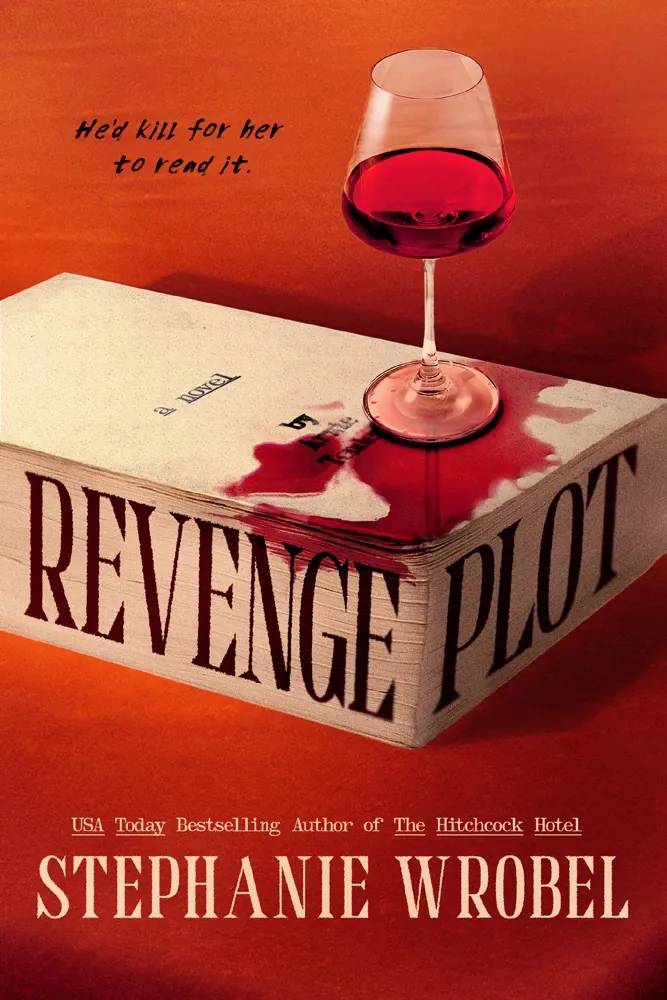

Author: Stephanie WrobelPage Count: UnknownPublication Date: Expected publication 2026-11-10 APL Commuters are currently jamming their heavy backpacks into my ribs on the N train while I try to parse Stephanie Wrobel’s upcoming Revenge Plot. Leave me alone. I refuse to fold my elbows inward just because some corporate drone wants six more inches of breathing room. And honestly? The premise of this book matches my current misanthropic subway commute—a desperate scribbler tracking down a gatekeeper in a desolate cabin because she had the sheer audacity to reject his magnum opus. The Aesthetics of Unhinged Gatekeeping Arnie Tenderton has spent decades polishing garbage manuscripts until he finally birthed his masterpiece. Naturally, he fixates on Claudia Conley. The literary industrial complex creates these absurd hierarchies where nameless powerbrokers sit in glass towers—or isolated Catskill retreats—deciding whether a career is born or buried in the slush pile. Wrobel is clearly leaning into the psychological terror of creative rejection. We have all felt that petty, feral urge to corner an editor who told us our pacing sagged in chapter three. Only Arnie takes it to a literal, trespassing-in-the-snow-with-malice-aforethought extreme. Meta-Fiction Gone Completely Feral The hook here is deliciously unhinged: his manuscript is about her. It is a literary hostage situation wrapped in psychological suspense. Think Stephen King’s Misery if Annie Wilkes possessed an MFA and a passive-aggressive query letter. Or maybe Shirley Jackson channeling pure, unadulterated petty vengeance. The synopsis implies a tight, claustrophobic cat-and-mouse dynamic inside a remote house. Yet—and here is my primary critique—synopses this coy love to lean on cheap withholding. Tell me the damn twist already instead of teasing me with ominous dialogue about the story ending the way he wants. We get it. He is going to psychoanalyze her until she bleeds red ink. The Obsession Economy Look, the modern publishing market loves a toxic power dynamic. We eat up unreliable narrators who mistake stalking for networking. Wrobel proved she can nail sinister domesticity with Darling Rose Gold, and she clearly wants to weaponize the writer-agent relationship next. It is giving major high-brow camp. If Arnie does not end up stapling query rejections to the walls of that Catskill cabin, I will riot right here in this subway car. The thematic core here explores the delusion of artistic entitlement—that specific, deeply annoying brand of male mediocrity that believes the world owes them a book deal simply because they suffered through the draft. I have to fly to Tokyo tomorrow for business and must finish packing. Related InsightsCredence Book Review and Summary The Warlord Book Review and Summary Punto ciego Book Review and Summary{ "@context": "https://schema.org", "@type": "FAQPage", "mainEntity": [ { "@type": "Question", "name": "What is the main focus of Revenge Plot Book Review and Summary?", "acceptedAnswer": { "@type": "Answer", "text": "Everything you need to know about Revenge Plot with our detailed review." } }, { "@type": "Question", "name": "Who authored the comprehensive guide on Revenge Plot Book Review and Summary?", "acceptedAnswer": { "@type": "Answer", "text": "This detailed article and its insights were carefully researched and authored by Piotr Nowak." } }, { "@type": "Question", "name": "Where can I find more related content about Books?", "acceptedAnswer": { "@type": "Answer", "text": "You can explore more articles, detailed reviews, and similar insights by browsing the Related Insights section at the bottom of this article or visiting our dedicated Books category page." } } ] }
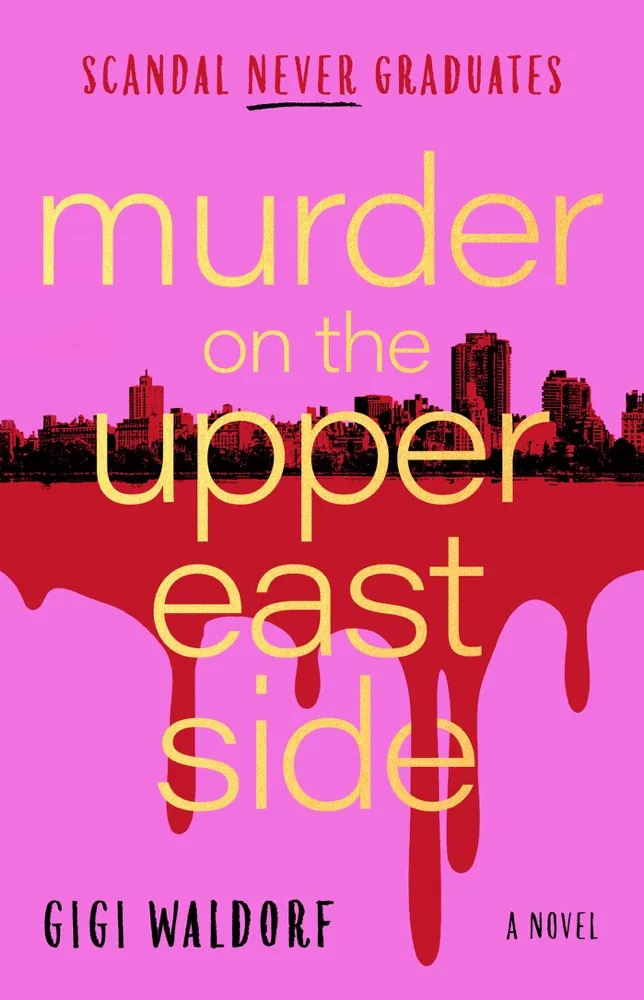

Author: Gigi WaldorfPage Count: UnknownPublication Date: Expected publication 2026-09-08 APL The synopsis for Murder on the Upper East Side reads like a fever dream written by someone who’s either been drinking too much champagne or has finally cracked under the weight of their own privilege. It’s the kind of thing that makes you wonder if the author’s ever left the Upper East Side—because the world they’ve constructed is so meticulously, painfully insular that it might as well be a self-contained ecosystem where the only currency is who you know and who you can ruin. And yet—here’s the thing—it’s not even new. The premise is a rehash of every elite high school thriller that’s been recycled since The Breakfast Club first proved that money could be as much a character as the kids who inherit it. But what’s fascinating is how the synopsis leans into the performative nature of this world, where the murder isn’t just a plot device but a reflection of how these characters have spent their entire lives staging themselves for the camera. The synopsis does something clever—it frames the story as a time loop of sorts, jumping between 2016 and 2026, which immediately signals that this isn’t just about a murder, but about legacy. The Upper East Side isn’t just a setting; it’s a pressure cooker where every interaction is a performance, every friendship a transaction, and every betrayal a carefully scripted exit. The mention of the Upper Edge—that notorious gossip account—is a masterstroke because it turns the entire story into a meta-commentary on how these kids document their own lives, how they weaponize perception. It’s like if Gossip Girl and The Social Network had a baby, and that baby grew up to be a sociopath. The synopsis doesn’t even need to spell it out: the murder is inevitable because the environment demands it. The question isn’t who did it—it’s who gets away with it, and who gets to decide that. But here’s where the synopsis fails spectacularly: it doesn’t show the psychology of these characters. It tells us Hannah is a scholarship student, that Madison is a Queen Bee, that everyone has a reason to hate her—but it doesn’t tell us why. The Upper East Side isn’t just a place; it’s a mindset, and the synopsis treats it like a costume party instead of a psychological experiment. Where’s the nuance? Where’s the messiness? Because the real horror of these stories isn’t the murder—it’s the fact that these kids have spent their entire lives performing for an audience that doesn’t even exist outside of their own heads. And yet, the synopsis reduces it to a checklist: trust funds, penthouse parties, gossip accounts. It’s like watching Stranger Things but with more designer labels and less actual strangeness. And speaking of messiness—why does every elite high school thriller have to be so neat? Like, where’s the chaos? Where’s the human element? Because the Upper East Side isn’t just a place; it’s a prison, and the kids in it are all inmates serving life sentences for crimes they didn’t commit. The synopsis doesn’t even hint at the real tragedy here: that these characters are so trapped in their own narratives that they can’t even see the exit. It’s like The Perks of Being a Wallflower if the wallflower was a trust fund baby who just couldn’t stop being a dick. But fine, let’s talk about the style. The synopsis reads like a Gossip Girl episode summary written by someone who’s never left Manhattan. It’s all surface-level glitter and no substance. It’s the literary equivalent of a TikTok trend—short, punchy, designed to be consumed in one sitting before moving on to the next. And yet, there’s a certain charm to it, because it’s so obviously aware of its own tropes. It’s like if Knives Out and Euphoria had a baby, and that baby was raised by a trust fund baby who just couldn’t stop being a bitch. The real question is: will this book deliver? Or is it just another entry in the elite high school murder genre, where the only thing that changes is the year and the designer labels? Because if it’s just another Pretty Little Liars with more money, then I’m already bored. But if it’s something smarter—something that actually digs into the psychology of these characters, that shows us the cost of living in a world where your worth is measured in who you can ruin—then maybe, just maybe, it’ll be worth the read. Literally. #UpperEastSide #GlossyThriller #EliteMurder #TrustFundTrouble #GigiWaldorf Related InsightsTriangle Book Review and Summary How to Be a Wallflower Book Review and Summary Love Story Book Review and Summary{ "@context": "https://schema.org", "@type": "FAQPage", "mainEntity": [ { "@type": "Question", "name": "What is the main focus of Murder on the Upper East Side Book Review and Summary?", "acceptedAnswer": { "@type": "Answer", "text": "Everything you need to know about Murder on the Upper East Side with our detailed review." } }, { "@type": "Question", "name": "Who authored the comprehensive guide on Murder on the Upper East Side Book Review and Summary?", "acceptedAnswer": { "@type": "Answer", "text": "This detailed article and its insights were carefully researched and authored by Thomas Wright." } }, { "@type": "Question", "name": "Where can I find more related content about Books?", "acceptedAnswer": { "@type": "Answer", "text": "You can explore more articles, detailed reviews, and similar insights by browsing the Related Insights section at the bottom of this article or visiting our dedicated Books category page." } } ] }
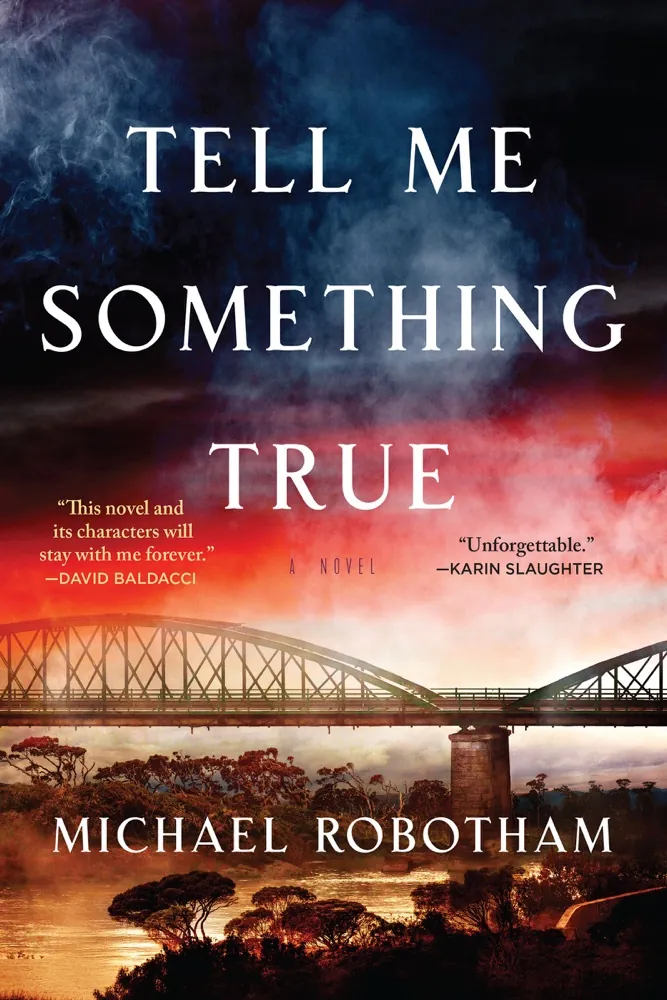

Author: Michael RobothamPage Count: UnknownPublication Date: Expected publication 2026 APL Wrapped in a loose, paint-splattered smock that smells faintly of turpentine and cheap chamomile tea, I find myself entirely at peace this lazy August afternoon, lounging on the studio floor while the heavy summer heat radiates lazily through the open windows. Outside, cicadas buzz in a maddening rhythm. Inside, my gaze falls upon the promotional copy for Michael Robotham’s forthcoming Tell Me Something True, and honestly? The sheer aesthetic audacity of the marketing blurbs is giving major main character energy, no cap. Stephen King and Karin Slaughter are out here dropping atomic-bomb endorsements for a crime epic that promises to dissect the rotten underbelly of a baking Australian hamlet called Yulara. The Architecture of Resentment Small towns in fiction are always living breathing characters—until they are just boring plot devices used to trap traumatized protagonists in an endless loop of small-town gaslighting. Yet Robotham’s premise relies on a twelve-year-old chasm of malice. Arlo Hackett returns home after a brutal prison sentence, burdened by association with a crime his brother committed. But wait, I take that back completely. The synopsis actually leans heavily into the cliché of the vengeful mob, which feels intellectually bankrupt at first glance, yet I am completely obsessed with the vibes anyway. Sue me. The narrative machinery trades traditional heroic tropes for something much messier. We are promised a hybrid beast: part coming-of-age nostalgia trip, part psychological autopsy, part tragic romance. It is absurdly ambitious. And yet, the text hints at a slow-burning descent into repressed memory that completely sidesteps the usual procedural boredom of modern thrillers. Shadows on the Great Southern Road By positioning Yulara as a dusty waypoint rather than a picturesque postcard, the author sets up a visual juxtaposition that practically begs for a deconstruction of rural stoicism. We get the standard tropes of hostility—people staring from doorways, whispering like absolute NPCs—yet the emotional core appears anchored to the tragedy of missed salvations. Compare this to the bleak, sun-bleached despair found in Chris Whitaker’s We Begin at the End. Both books use geography as a physical manifestation of guilt. Arlo walking back into that heat is peak psychological masochism. The text asks whether a community can grant clemency. Spoiler alert: absolutely not, because forgiveness doesn't generate enough narrative tension to sell paperbacks. My tea has gone completely cold on the workbench. It is tepid and bitter, which matches my current artistic skepticism toward any novel claiming to be the absolute pinnacle of suspense. But I’ll buy it. I have to wander the blistering city streets at midnight seeking inspiration anyway, and I might as well have a heavy, devastating rural tragedy tucked under my arm to keep the existential dread company. Related InsightsThe Son of Neptune Book Review and Summary The Quiet American Book Review and Summary The Shell Seekers Book Review and Summary{ "@context": "https://schema.org", "@type": "FAQPage", "mainEntity": [ { "@type": "Question", "name": "What is the main focus of Tell Me Something True Book Review and Summary?", "acceptedAnswer": { "@type": "Answer", "text": "Everything you need to know about Tell Me Something True with our detailed review." } }, { "@type": "Question", "name": "Who authored the comprehensive guide on Tell Me Something True Book Review and Summary?", "acceptedAnswer": { "@type": "Answer", "text": "This detailed article and its insights were carefully researched and authored by Giulia Ricci." } }, { "@type": "Question", "name": "Where can I find more related content about Books?", "acceptedAnswer": { "@type": "Answer", "text": "You can explore more articles, detailed reviews, and similar insights by browsing the Related Insights section at the bottom of this article or visiting our dedicated Books category page." } } ] }
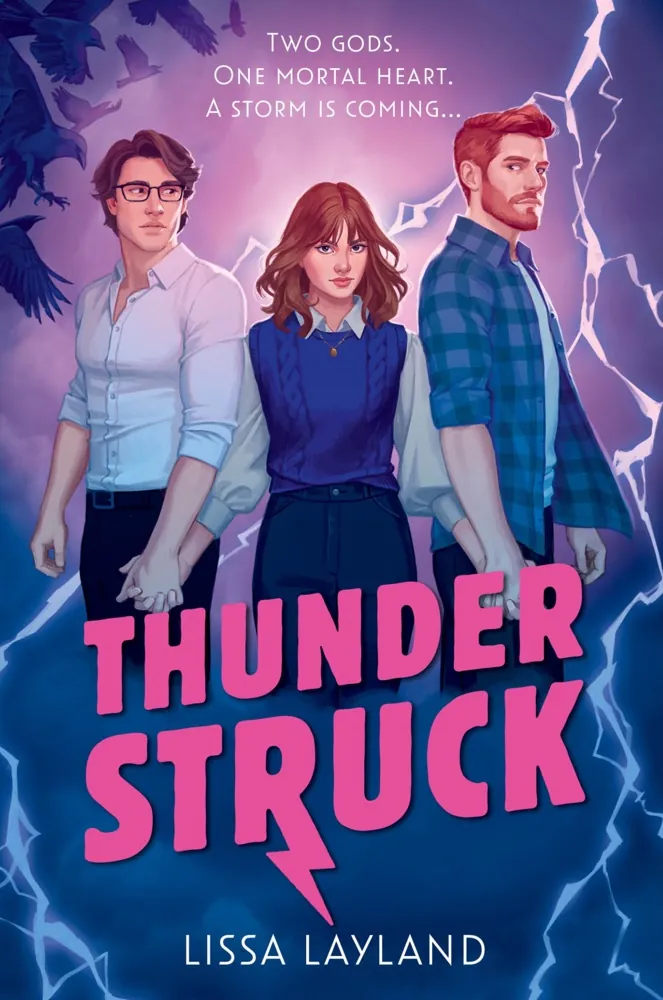

Author: Lissa LaylandPage Count: UnknownPublication Date: Expected publication 2026-11-17 APL Thunderstruck, the latest release by Lissa Layland, promises to deliver a smart, sexy debut romantasy infused with Norse mythology. The premise—American exchange student Althea Leos gets caught up in a love triangle with Norse gods Thor and Loki—is tantalizing enough to pique the interest of even the most jaded reader. —But what exactly are we getting with this book? It seems like a predictable academic romance with a dash of fantasy. Accordingly, the synopsis lists love triangle, academic romance, slow-burn romance, and Norse mythology as tropes. One can't help but think of The City of Brass by S.A. Chakraborty as this book's distant cousin. Both novels deal with academic romances and fantastical elements, albeit with vastly different settings and tones. The inclusion of Norse mythology seems like a bold move, but one that risks feeling superficial. We're told Althea stumbles upon a bridge to Asgard, but what exactly happens in this immortal realm remains a mystery. It's unclear whether Layland will delve into the mythology with any depth or if it'll be reduced to superficial references. I must admit, I'm growing increasingly restless under the weight of this review. My editor is, as usual, breathing down my neck, demanding word count and relevance. The school run, however, takes precedence over my duties at the moment. Meanwhile, let's examine the character of Althea Leos, described as Type A. What might this mean in the context of her interactions with Thor and Loki? We're told she's "love-drunk" and "angrily follows the elusive Professor Dahl home." This juxtaposition of passion and anger could potentially create a compelling narrative, but only if Layland chooses to explore these complexities. The dynamic between Althea, Thor, and Loki promises to be the real focus of this novel. Will we see a genuine exploration of their relationships or a tired rehashing of typical slow-burn romance tropes? As a feminist critic, I have to ask: what does this love triangle between a mortal and two Norse gods say about female agency? Does Althea truly have control over her own narrative or is she trapped in a predetermined fate? It's worth noting that the author's background and writing experience aren't mentioned in the synopsis, leaving us to speculate about her influences. Perhaps Layland is drawing from a long line of writers who've successfully woven mythological elements into their work? But for now, the only thing that's certain is that I have to wrap this review up. My editor is threatening to send a team of highly trained literary assassins to extract the necessary words from my brain. The school run awaits, my duties a mere distraction from the crushing weight of my responsibilities. I'll end here, with the following: Thunderstruck promises to be a sexy, slow-burn romp through Norse mythology, but only time will tell if it lives up to its tantalizing premise. #RomantasyTropes Related InsightsInfernal Vow (Immortal Dark Trilogy, #3) Book Review and Summary Always Remember Book Review and Summary Far Sector Book Review and Summary{ "@context": "https://schema.org", "@type": "FAQPage", "mainEntity": [ { "@type": "Question", "name": "What is the main focus of Thunderstruck Book Review and Summary?", "acceptedAnswer": { "@type": "Answer", "text": "Everything you need to know about Thunderstruck with our detailed review." } }, { "@type": "Question", "name": "Who authored the comprehensive guide on Thunderstruck Book Review and Summary?", "acceptedAnswer": { "@type": "Answer", "text": "This detailed article and its insights were carefully researched and authored by Marta Wisniewska." } }, { "@type": "Question", "name": "Where can I find more related content about Books?", "acceptedAnswer": { "@type": "Answer", "text": "You can explore more articles, detailed reviews, and similar insights by browsing the Related Insights section at the bottom of this article or visiting our dedicated Books category page." } } ] }
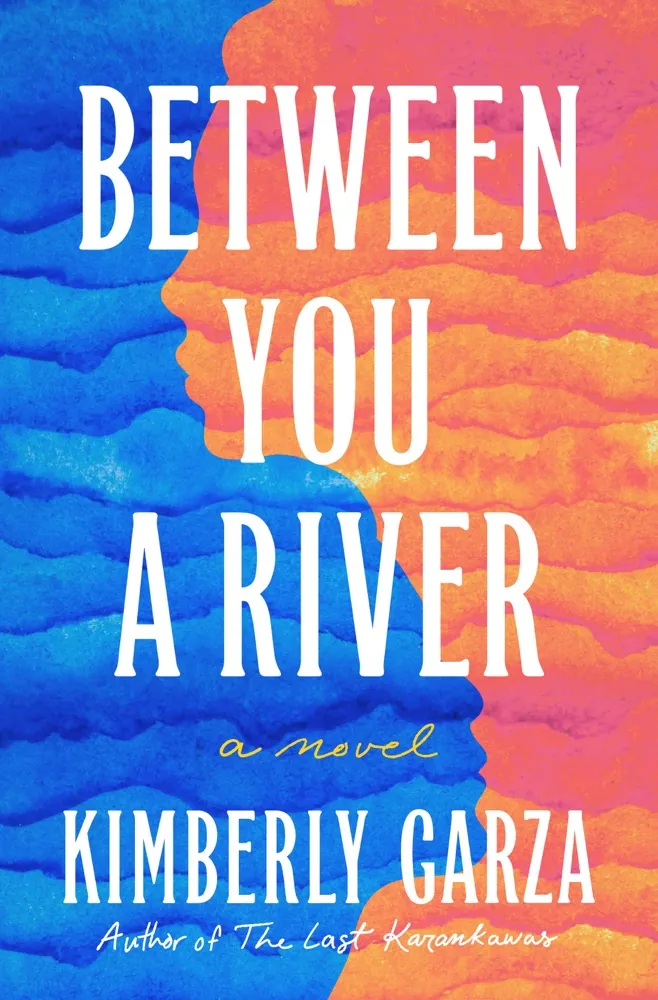

Author: Kimberly GarzaPage Count: UnknownPublication Date: Expected publication 2026-12-01 APL The synopsis for Between You a River reads like a family tree that’s been set on fire—charred edges, smoke still curling from the pages, and the promise of something visceral beneath the ashes. But here’s the problem: it’s too neat. Too saga-ready. The 1960s Philippines, the immigrant dream, the ancestral land slipping through fingers—it’s all there, but where’s the mess? Where’s the moment when the reader realizes this isn’t just a love letter to diaspora, but a wound? Because the best family sagas—think The House of the Spirits or The Namesake—don’t just tell you the family is broken; they make you feel the way the cracks bleed. And yet, the synopsis sells it like a postcard. "A lush family saga"—lush? Really? Lush implies something grown, something intentional, but what if the lushness is just the way the family’s secrets fester? What if the "push and pull of home" isn’t a theme but a physical force, like gravity pulling you toward something you can’t name? The synopsis hints at it—Corazon’s choices, the fire, the daughters returning—but it doesn’t show the weight of those choices. Is she a martyr? A coward? A woman who made the only decision she could, and now her daughters are left to clean up the mess? The synopsis doesn’t say. It just promises. But let’s talk about the real crime here: the way diaspora narratives often get reduced to origin stories. Like that time I tried to explain to a room full of people why Avatar: The Last Airbender isn’t just about "cultural exchange" but about erasure—how the show’s "diversity" was just a backdrop for white saviorism, and now I’m stuck comparing Between You a River to it, which is unfair because this isn’t a cartoon, but still, where’s the subversion? Where’s the moment when the family’s history isn’t just a pretty backdrop but a landmine? The synopsis mentions "long-buried secrets," but secrets are only interesting if they’re dangerous. If they don’t cut. If they don’t make you question whether the mother was a hero or a villain. And don’t even get me started on the way the synopsis frames the sisters’ return as some kind of redemptive arc. "Together for the first time in years"—oh, please. Family reunions in literature are either miraculous or disastrous. They’re not just "together." They’re clashing, betraying, gaslighting. The synopsis makes it sound like they’re uniting to save the land, but what if they’re uniting to fight over it? What if the land isn’t the issue—what if the issue is that they never really knew each other? That the mother’s sacrifices weren’t just about money or legacy, but about erasing parts of themselves to make room for their daughters? The synopsis doesn’t go there. It just assumes the reader will care about the land, as if that’s the only thing that matters. But here’s the thing—I do care about the land. I care about the way diaspora narratives often get reduced to property. Like that time I tried to explain to a landlord why "cultural heritage" isn’t just a pretty story but a legal and emotional battle, and now I’m stuck thinking about how Between You a River could’ve been so much sharper if it didn’t just tell us about the land but showed us the way it owns the family. The way it judges them. The way it’s not just a place but a character—one that’s been waiting for decades to be reckoned with. And yet, the synopsis is too clean. Too precious. It’s like reading a menu where every dish is described as "delicious" but you can’t tell if it’s spicy or sweet or just expensive. The fire that splits the family? Was it an accident? A crime? A metaphor? The synopsis doesn’t say. It just hints. And hints are for people who don’t want to be surprised. They’re for people who want to feel safe. But the best family sagas don’t make you feel safe. They make you uncomfortable. They make you angry. They make you question. And right now, Between You a River feels like it’s trying too hard to be accessible. Like it’s afraid of being too much. But the best stories aren’t about being understood—they’re about being haunted. And now I have to translate a particularly stubborn piece of French existential poetry because apparently, that’s what happens when you spend too long thinking about family sagas that don’t dare to be messy. #bookhangover #familysagas #diaspora #literarycriticism #whatifitsnotenough Related InsightsClockwork Angel Book Review and Summary Sophie, Standing There Book Review and Summary Big Little Truths Book Review and Summary{ "@context": "https://schema.org", "@type": "FAQPage", "mainEntity": [ { "@type": "Question", "name": "What is the main focus of Between You a River Book Review and Summary?", "acceptedAnswer": { "@type": "Answer", "text": "Everything you need to know about Between You a River with our detailed review." } }, { "@type": "Question", "name": "Who authored the comprehensive guide on Between You a River Book Review and Summary?", "acceptedAnswer": { "@type": "Answer", "text": "This detailed article and its insights were carefully researched and authored by Hannah Schmidt." } }, { "@type": "Question", "name": "Where can I find more related content about Books?", "acceptedAnswer": { "@type": "Answer", "text": "You can explore more articles, detailed reviews, and similar insights by browsing the Related Insights section at the bottom of this article or visiting our dedicated Books category page." } } ] }

Author: Kathleen Carr FosterPage Count: UnknownPublication Date: Expected publication 2026-10-27 APL It seems that in The Jewel of Corlivo, Kathleen Carr Foster—a fledgling author—has somehow managed to create—without even attempting to do otherwise—a courtesan narrative that is less a historical fiction and more a bland pastiche of every clichéd Byzantine romance that has been done to death. The idea of pairing a courtesan with a disgraced suitor is nothing new, nor is it particularly engaging, particularly when they embark on a tedious quest for ancient treasure. One begins to wonder if Foster was even familiar with the Byzantine Empire's true cultural and historical significance—a far more fascinating and complex world than the one she's attempted to reimagine. And yet, despite this—despite her apparent lack of research or understanding of the topic—Anna's story unfolds with all the excitement of a sedated tortoise: plodding, uninspired, and with a narrative arc that is—utterly—the opposite of unpredictable. A predictable slog. One can't help but think of the masterful work of The Song of Achilles by Madeline Miller, itself a beautifully crafted exploration of the Trojan War through the lens of a similarly marginalized figure. It is precisely this lack of subtlety, this unwillingness to challenge her readers, that sets The Jewel of Corlivo at such a far remove from truly great historical fiction. Foster's prose betrays a stilted, antiquated quality that feels altogether incongruous with the supposed sophistication of the imperial court she's attempting to recreate. The characters themselves—Anna and Sebastianus, in particular—are cartoonish and lack any discernible depth, their motivations and actions driven more by convenience than by any compelling emotional or psychological logic. One can't help but recall the tragic opera, La Bohème, where the protagonist—Rudolfo—struggles to maintain his artistic integrity in the face of poverty and heartbreak. It is precisely this kind of tragic grandeur that The Jewel of Corlivo sorely lacks, opting instead for an altogether more banal, unremarkable tale. Foster's treatment of the courtesan figure—so central to the Byzantine world—is woefully superficial, relying on tired tropes rather than a nuanced exploration of the social and cultural context in which such women lived. And so, despite her laudable ambition, The Jewel of Corlivo falls woefully short of true greatness. #PenthousePanic Related InsightsRun Away Book Review and Summary Night Tide (Night Tide, #1) Book Review and Summary 1Q84 Book Review and Summary{ "@context": "https://schema.org", "@type": "FAQPage", "mainEntity": [ { "@type": "Question", "name": "What is the main focus of The Jewel of Corlivo Book Review and Summary?", "acceptedAnswer": { "@type": "Answer", "text": "Everything you need to know about The Jewel of Corlivo with our detailed review." } }, { "@type": "Question", "name": "Who authored the comprehensive guide on The Jewel of Corlivo Book Review and Summary?", "acceptedAnswer": { "@type": "Answer", "text": "This detailed article and its insights were carefully researched and authored by James Miller." } }, { "@type": "Question", "name": "Where can I find more related content about Books?", "acceptedAnswer": { "@type": "Answer", "text": "You can explore more articles, detailed reviews, and similar insights by browsing the Related Insights section at the bottom of this article or visiting our dedicated Books category page." } } ] }

Author: China MiévillePage Count: UnknownPublication Date: Expected publication 2026-09-15 APL Twenty years. Two decades of supposedly sharpening a quill for what the publicity machine insists on framing as a magnum opus, yet the synopsis for The Rouse reads like the back cover of a paperback left behind in a private jet cabin over Ibiza. China Miéville wants us to tremble at the knees for an "encyclopaedic and multitudinous saga." How terribly exhausting. The Architecture of Fatigue One expects certain affectations from an author who once made a career out of weird municipal bureaucracy. But personal grief paired with global tumult? Groundbreaking. Next, someone will write a novel about the existential dread of commissioning bespoke Venetian glass during a currency devaluation. Maur loses someone. An ordinary tragedy. Except nothing in these inflated blurbs is ever ordinary. It must be cosmic. It must be shadowed by a soldier hunting the same ghosts, pursued by forces so deeply unknown they might as well be tax audits from the Third Directorate. The Pathology of the Unquiet Force And what of the prose we are threatened with? A terrifying journey into infinite mystery. Spare me. This is the literary equivalent of the disastrous Fyre Festival cheese sandwiches, dressed up in academic velvet and sold to people who unironically use fountain pens to sign their credit card slips. Against the Century We are promised a bloody century. We are promised loves, regrets, and secrets. One shudders to think of the sheer volume of adjectives required to sustain a continent-spanning epic that took twenty years to gestate. If it misses the mark—and let us be entirely frank, the odds of a bloated historical-paranoid conspiracy novel sticking its landing are roughly equal to finding a functioning espresso machine in Zurich on a Sunday—it will sink faster than the Costa Concordia. I refuse to pretend this is revolutionary simply because the author once won a plaque from some dreary committee of genre purists. My publicist is currently screaming through the double-paned mahogany doors of my study, violently demanding an immediate press statement regarding my refusal to endorse the autumn catalog. Related InsightsLina & June Book Review and Summary Espíritu (Cemetery Boys, #2) Book Review and Summary The Assassin's Blade Book Review and Summary{ "@context": "https://schema.org", "@type": "FAQPage", "mainEntity": [ { "@type": "Question", "name": "What is the main focus of The Rouse Book Review and Summary?", "acceptedAnswer": { "@type": "Answer", "text": "Everything you need to know about The Rouse with our detailed review." } }, { "@type": "Question", "name": "Who authored the comprehensive guide on The Rouse Book Review and Summary?", "acceptedAnswer": { "@type": "Answer", "text": "This detailed article and its insights were carefully researched and authored by Sofia Bianchi." } }, { "@type": "Question", "name": "Where can I find more related content about Books?", "acceptedAnswer": { "@type": "Answer", "text": "You can explore more articles, detailed reviews, and similar insights by browsing the Related Insights section at the bottom of this article or visiting our dedicated Books category page." } } ] }
Author: Sawako NatoriPage Count: UnknownPublication Date: Expected publication 2026-11-03 APL Sweat is currently dripping off my chin and onto a grease-stained drop cloth while this apartment bakes like a pizza oven in the dead of August, so naturally, my mind wanders to the utterly derivative literary trend of magical realism set in quaint Japanese retail spaces. The Friday Bookshop by Sawako Natori is coming for your wallets this November, and boy, do I need a laugh. Another quirky basement full of books that magically fix your life? Groundbreaking. Truly avant-garde. Move over, Kafka. The Architecture of Comfort Porn We have a tragic college student named Fumiya. His dad is sick. He wanders into a train station bookstore—because apparently normal high-street shopping is dead to these protagonists—and discovers an underground subway platform converted into a literal literary hobbit-hole. And reader, he gasps. Naturally, there is a rotating daily food menu run by quirky high school besties because nothing cures existential dread quite like artisanal snacks and cozy vibes. It is giving me Days at the Morisaki Bookshop meets every single translated Japanese novel published in the last five minutes. No cap, this book is weaponized whimsy. The synopsis reads like an algorithmic fever dream designed entirely to capture the TikTok demographic that unironically romanticizes aesthetic commute snacks. Epiphanies on the Cheap Yet, I find myself morbidly fascinated by the sheer audacity of this premise. Fumiya goes from not reading a single book in his entire existence to suddenly working part-time in a subterranean vault and curing his daddy issues through the sheer power of genre fiction and aesthetic soup. Thematic analysis? Please. The thematic trajectory here is as predictable as a straight line drawn with a ruler. Books equal human connection. Food equals emotional processing. Nostalgia equals financial security for the publisher. Natori is leaning so hard into the cozy-escapism paradigm that it practically borders on parody. We are expected to swallow the ontological absurdity of an abandoned subway platform functioning as a magical therapist's office disguised as a retail establishment. And yet. The art market is currently saturated with giant canvases of melting clocks that sell for millions while my rent checks bounce, so maybe I am just bitter. Maybe I want an underground train station to hand me a life-altering paperback instead of another utility bill. But let us be entirely real here. This is capitalism wrapped in a pastel cardigan. It is aestheticized grief management for people who find Murakami too weird and Kawabata too depressing. If I have to read one more blurb about a quirky trio serving mouthwatering dishes while teaching a clueless young man about the magic of turning pages, I might actually throw my pallet out the window. Give me some raw human suffering, please. Or at least a protagonist who doesn't solve their paternal trauma via a laminated lunch menu. I have to go argue with my landlord about the persistent leak in the ceiling before the drywall completely collapses onto my easel. Related InsightsSapiens: A Brief History of Humankind Book Review and Summary Holy Bible: New International Version Book Review and Summary Carved in the Shadows Book Review and Summary{ "@context": "https://schema.org", "@type": "FAQPage", "mainEntity": [ { "@type": "Question", "name": "What is the main focus of The Friday Bookshop Book Review and Summary?", "acceptedAnswer": { "@type": "Answer", "text": "Everything you need to know about The Friday Bookshop with our detailed review." } }, { "@type": "Question", "name": "Who authored the comprehensive guide on The Friday Bookshop Book Review and Summary?", "acceptedAnswer": { "@type": "Answer", "text": "This detailed article and its insights were carefully researched and authored by Giulia Ricci." } }, { "@type": "Question", "name": "Where can I find more related content about Books?", "acceptedAnswer": { "@type": "Answer", "text": "You can explore more articles, detailed reviews, and similar insights by browsing the Related Insights section at the bottom of this article or visiting our dedicated Books category page." } } ] }
Author: Christopher BuehlmanPage Count: UnknownPublication Date: Expected publication 2026-10-13 APL God forbid two people just look at each other and admit they care about something without the entire universe conspiring to rip them limb from limb—or worse, without a sentient, homicidal manuscript trying to digest their internal organs. Christopher Buehlman is returning to Manreach with The Thrice-Bound Fool, and I am already clutching my chest over Kinch Na Shannack and Galva like they are my own foolish, stubborn children who refuse to text me when they land. But let us be entirely honest with ourselves for a fraction of a second: the synopsis gives us almost nothing. It is a sleek, teasing skeleton of a blurb that leans entirely on the goodwill built by The Blacktongue Thief. Yet, what a skeleton. We are looking at a cursed book trope that actually weaponizes its own cursed nature, shifting the narrative dynamics from a heist gone sideways into an intimate, desperate road trip across hostile geography. Wait. Let me take that back. Calling it a road trip feels too lighthearted, too casual, like they are stopping for roadside pastries instead of fleeing the all-seeing Taker's Guild while dodging ancient, ravenous horrors in uncharted territories. The psychological tension here relies on an exquisite, grinding friction between survival and obligation—Galva protecting a man she secretly finds endearing simply because his thieving fingertips hold the singular key to saving the queen she loves. And oh, the angst of that dynamic. The agonizing proximity of two people who are too battered by goblin wars and street gutters to say what they actually mean to each other, forced to sprint across the edge of the known world while an evil book tries to snap its pages shut on Kinch's bones. Buehlman channels the gritty, atmospheric weight of Joe Abercrombie mixed with the linguistic swagger of Scott Lynch, but with an emotional undercurrent that feels far more personal, far more bruising. I am staring at this upcoming October release date and wondering how my heart is supposed to survive reading about a cheeky bastard who cannot catch a single break, paired with a death’s sworn handmaiden who deserves a quiet garden and a cup of tea instead of eternal torment. Pain. Pure, unadulterated pain. I need to go bake three dozen cupcakes by tomorrow morning. #TheThriceBoundFool #ChristopherBuehlman #BookSky #FantasyBooks Related InsightsA Wish Upon the Stars Book Review and Summary Firstdawn Book Review and Summary Honey-Don't List Book Review and Summary{ "@context": "https://schema.org", "@type": "FAQPage", "mainEntity": [ { "@type": "Question", "name": "What is the main focus of The Thrice-Bound Fool (Blacktongue #2) Book Review and Summary?", "acceptedAnswer": { "@type": "Answer", "text": "Everything you need to know about The Thrice-Bound Fool (Blacktongue #2) with our detailed review." } }, { "@type": "Question", "name": "Who authored the comprehensive guide on The Thrice-Bound Fool (Blacktongue #2) Book Review and Summary?", "acceptedAnswer": { "@type": "Answer", "text": "This detailed article and its insights were carefully researched and authored by Camille Dubois." } }, { "@type": "Question", "name": "Where can I find more related content about Books?", "acceptedAnswer": { "@type": "Answer", "text": "You can explore more articles, detailed reviews, and similar insights by browsing the Related Insights section at the bottom of this article or visiting our dedicated Books category page." } } ] }