Showing Posts From
Rome
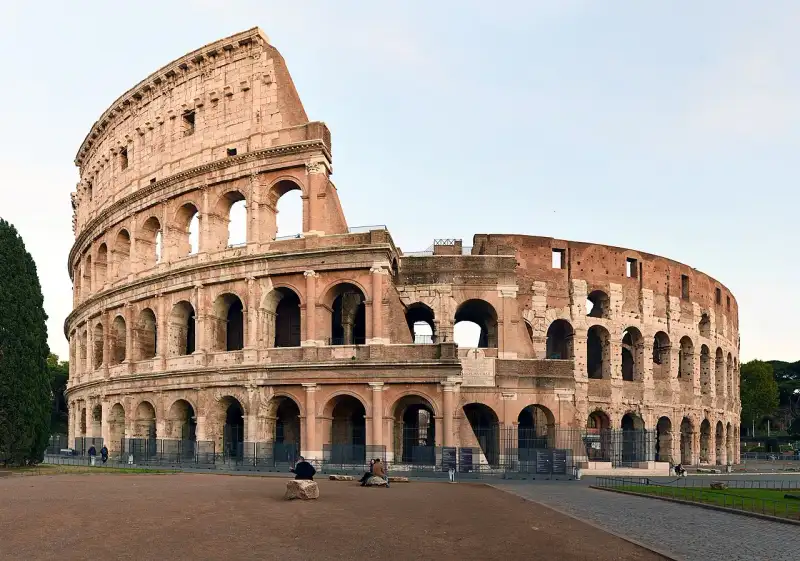

Close your eyes and listen. Can you hear it? Beneath the distant hum of modern traffic in the heart of the Eternal City, there is a phantom roar. It is the deafening, blood-curdling scream of fifty thousand souls, baying for blood under the blazing Mediterranean sun. The air is thick with the copper stench of spilled life, the musky odor of terrified, exotic beasts, and the acrid sting of burning incense meant to mask the smell of death. Welcome to the Flavian Amphitheatre. Welcome to the Colosseum. As a writer of historical fiction, I have walked the ruins of many ancient monuments, running my hands over cold stones and wondering about the stories they hold. #AncientHistory is not just a collection of dates and names; it is the raw, pulsing narrative of human triumph and depravity. And nowhere is that dichotomy more intensely concentrated than in the blood-soaked sands of Rome's greatest arena. Today, we dive deep into the belly of the beast. We will explore not just the architecture of this magnificent slaughterhouse, but the lived experiences of those who fought, bled, and died within its walls. We will uncover the secrets of the Colosseum, peeling back the layers of myth to reveal the terrifying, awe-inspiring reality of surviving Rome’s most infamous stage. #Rome #Colosseum #History The Roar of the Flavian Amphitheatre: An Introduction to Hell To understand the Colosseum, one must first understand the political climate of its inception. In the year 69 AD, known as the Year of the Four Emperors, Rome was torn apart by civil war following the suicide of the tyrannical Nero. Emerging from the chaos was Vespasian, a pragmatic and battle-hardened general. To consolidate his power and distance himself from Nero’s legacy of selfish excess, Vespasian made a brilliant political move. He drained the artificial lake of Nero’s opulent Golden House (the Domus Aurea) and decreed that a massive public amphitheater would be built in its place. He gave the land back to the people—in the form of an arena of death. Opened in 80 AD by Vespasian’s son, Titus, with a staggering hundred days of games, the Colosseum was an architectural marvel and a political weapon. It was a microcosm of Roman society, a place where the social order was strictly enforced through seating arrangements, and where the Emperor could present himself as a god among men, dealing life and death with the flick of a thumb. But for the men and women standing on the sand—the harena, from which we get the word "arena"—the politics meant nothing. For them, the Colosseum was a crucible of survival. The Architecture of Slaughter: The Secrets of the Hypogeum When you look at the Colosseum today, you see a labyrinth of brick and stone exposed where the arena floor used to be. This subterranean world is the hypogeum, the beating heart and secret engine of the amphitheater. It was added by the Emperor Domitian, and it transformed the games from mere combat into theatrical spectacles of impossible magic. The Trap Doors: The arena floor was dotted with dozens of trap doors. Imagine the terror of standing on the sand, knowing that at any moment, the ground beneath you could spring open, releasing a starving leopard, a pack of wolves, or a heavily armed opponent. The Elevators: To bring these beasts and men to the surface, the Romans engineered a complex system of pulleys, capstans, and elevators. Hundreds of slaves worked in the suffocating heat and darkness of the hypogeum, turning massive wooden capstans to lift cages to the arena floor. The timing had to be perfect. A missed cue meant ruining the Emperor’s show—a mistake punishable by death. The Aquaducts and Drainage: The Colosseum was connected to Rome’s massive aqueduct system. Not only did this provide drinking water for the spectators and a way to wash away the immense quantities of blood, but it also allowed for one of the most astonishing spectacles of all: the naumachiae, or naval battles, which we will discuss later.The hypogeum was a place of darkness, stench, and terror. It was a waiting room for the damned, where gladiators listened to the crowd above, knowing that the roar meant someone had just been slaughtered, and that their turn was approaching. #EngineeringMarvel #RomanArchitecture Forged in Fire: The Making of a Gladiator Who were the men who fought in the arena? Contrary to popular belief, they were not all condemned criminals thrown to the lions. While criminals (noxii) were certainly executed in the arena, the true gladiators were highly trained, highly valued athletes. They were the rock stars of the ancient world. Most gladiators were slaves, prisoners of war, or condemned men who had been sold to a lanista (an owner and trainer of gladiators). However, some free men actually volunteered for the arena. Why? For the chance at glory, wealth, and the adoration of the Roman public. A successful gladiator could win his freedom, symbolized by the presentation of a wooden sword, the rudis. Life in a gladiator school (ludus) was grueling. The training was relentless, focusing on mastering specific styles of combat. Gladiators were investments, and a lanista did not want to see his expensive fighter killed in his first bout. Therefore, they received excellent medical care—arguably better than most common Roman citizens. Their diet, however, would surprise modern athletes. The Barley Men: Gladiators were known as hordearii, or "barley men." Their diet consisted heavily of barley, beans, oatmeal, and dried fruit. Building a Shield: Why such a carb-heavy diet? The goal was to build a thick layer of subcutaneous fat. This fat served as a natural armor. A superficial slash across a fat belly would bleed dramatically—pleasing the crowd—but would not damage vital organs, allowing the gladiator to continue fighting. Bone Ash Tonics: To strengthen their bones after brutal training sessions, gladiators drank a foul-tasting concoction of water mixed with bone ash, acting as an early calcium supplement.The Classes of Combat: A Lethal Rock-Paper-Scissors Gladiatorial combat was not a chaotic free-for-all. It was a highly structured martial art, with specific classes of fighters pitted against one another to ensure a balanced and entertaining fight. The pairings were designed to contrast heavily armed, slow fighters with lightly armed, agile ones.The Murmillo: Armed with a large rectangular shield (scutum) and a short sword (gladius), the murmillo wore a heavily plumed helmet shaped like a fish. He was a tank—heavily armored and devastating in close quarters. The Thraex: The Thracian fought with a small rectangular shield and a curved sword called a sica, designed to reach around an opponent's shield and slash at their unarmored back. The Retiarius: The net-fighter was perhaps the most iconic and vulnerable gladiator. Armed only with a weighted net, a trident, and a small dagger, he wore no helmet and no leg armor. His only protection was a metal guard (galerus) on his left shoulder. He relied entirely on speed, agility, and the element of surprise.When a Retiarius faced a heavily armored Secutor (a variant of the murmillo designed specifically to fight the net-man), it was a battle of speed versus strength. The Retiarius had to keep his distance, trying to entangle his opponent, while the Secutor marched forward relentlessly, hoping to trap the lightly armed fighter in a corner. The tension of these mismatched bouts was what kept the Roman crowds coming back. #Gladiator #RomanHistory The Bestiarii and the Venationes: Nature Unleashed The mornings of the Roman games were dedicated to the venationes—the wild beast hunts. This was Rome’s way of demonstrating its dominance not just over other nations, but over nature itself. The Empire scoured its provinces, from the deserts of North Africa to the forests of Germania, to capture the most terrifying and exotic creatures imaginable. Lions, tigers, leopards, bears, rhinos, hippos, crocodiles, and elephants were all brought to the Colosseum. The logistics of transporting these animals alive across the Mediterranean were staggering, a testament to Roman engineering and stubborn cruelty. The men who fought these beasts were known as bestiarii. Some were trained hunters, armed with spears and bows, putting on a display of skill. Others were simply condemned criminals, thrust into the arena naked and unarmed, expected to die a horrific death for the crowd's amusement. The scale of the slaughter is almost incomprehensible to the modern mind. During the inaugural games of the Colosseum in 80 AD, the Roman historian Cassius Dio records that 9,000 animals were killed in just one hundred days. Over the centuries, the Roman appetite for blood led to the localized extinction of several species. The North African elephant and the Atlas bear were wiped from the face of the earth to satisfy the roar of the arena. #AncientWildlife #RomanEmpire Mythological Executions: Death as Theater At midday, when the Roman citizens paused to eat their lunches, the arena was turned over to the executions. But the Romans did not simply behead their criminals. In the Colosseum, executions were transformed into elaborate, macabre theatrical productions known as "fatal charades." The directors of the games would recreate famous myths and legends, casting condemned criminals in the starring roles. The catch? The criminals actually suffered the horrific fates of the mythological characters. The Fate of Icarus: A prisoner might be dressed as Icarus, fitted with wings, and forced to launch himself from a high platform, plummeting to his death on the sand below. The Agony of Prometheus: Another might be bound to a rock in the center of the arena, his stomach sliced open, while a starved bear or leopard was released from a trap door to play the role of the eagle tearing out his liver. The Fire of Hercules: A man condemned to burn might be forced to wear the "Tunic of Nessus"—a garment soaked in pitch and set ablaze, recreating the agonizing death of Hercules.These spectacles were designed not just to entertain, but to send a chilling message about the absolute power of Roman justice. The state controlled not only your life, but the narrative of your death. The Naumachiae: Flooding the Arena Perhaps the most mind-boggling secret of the Colosseum is the naumachia—the naval battle. Ancient sources, including the poet Martial, claim that in the early days of the Colosseum, before the hypogeum was fully built out with stone walls by Domitian, the arena floor could be flooded. Through a complex system of sluice gates connected to the aqueducts, the Romans could fill the basin of the arena with several feet of water. Flat-bottomed ships, built to scale, were brought in. These were not mere displays; these were full-scale battles featuring hundreds of combatants. The water would run red with blood as ships rammed each other and men drowned in the artificial lake. The engineering required to flood and drain the arena rapidly is a subject of intense debate among archaeologists today, but the accounts of the ancients insist that it happened, proving that in Rome, reality was often stranger—and more terrifying—than fiction. #Engineering #AncientRome The Emperor's Calculus: Bread, Circuses, and Power Why did the Roman state go to such astronomical expense to host these games? The answer lies in the famous phrase coined by the satirist Juvenal: panem et circenses—"bread and circuses." The population of Rome was massive, approaching one million people at its height. A significant portion of this population was unemployed, relying on the grain dole provided by the state. A bored, hungry, and crowded populace is a recipe for rebellion. The Emperor needed a way to distract them, pacify them, and bind them to him. The Colosseum was the ultimate political tool. By providing spectacular entertainment and distributing food during the games, the Emperor presented himself as the great provider. Furthermore, the arena was the only place where the Emperor regularly came face-to-face with the masses. It was a terrifying gauge of public opinion. If the crowd cheered, the Emperor was secure. If they rioted or mocked him, his life was in danger. The Emperor also controlled the ultimate power of life and death. When a gladiator was defeated but not killed, he would raise a finger to beg for mercy. The Emperor would look to the crowd. If they waved their garments and shouted "Mitte!" (Let him go!), he might spare the fighter. If they turned their thumbs and shouted "Iugula!" (Slit his throat!), the Emperor would order the death blow. By incorporating the crowd into this decision, the Emperor made them complicit in his power. A Day at the Games: From Sunrise to Sunset To survive a day at the Colosseum—even as a spectator—was an endurance test. The games were a full-day affair, beginning at dawn and ending at dusk. The Morning (Venationes): The day began with the beast hunts. The arena was transformed with painted wooden scenery to look like forests or deserts. The scent of exotic animals filled the air. The Midday (Executions): As the sun reached its zenith, the respectable citizens might leave to eat, while the poorer classes remained to watch the brutal, theatrical executions. This was the hour of blood and fire. The Afternoon (Munera): The afternoon was the main event—the gladiatorial combats (munera). The tension in the stadium would reach a fever pitch. Horns blared, hydraulic organs played, and the gladiators marched in, swearing their oath to the Emperor: "Ave Imperator, morituri te salutant" (Hail Emperor, those who are about to die salute you).The heat, the noise, the smell of blood and human sweat—it must have been an overwhelming sensory assault. To mitigate the heat, a massive canvas awning called the velarium was deployed over the seating area, operated by sailors of the Roman fleet. Saffron-scented water was sprayed over the crowd to mask the stench of the slaughter below. The Gladiatrix: Women in the Arena When we picture gladiators, we imagine hulking men. But there is a hidden secret of the arena: the gladiatrix. Women did fight in the Colosseum. Though rare and often considered a novelty act by the Roman elite, female gladiators existed. They were usually pitted against each other, or against wild beasts, often in the evening by torchlight to add to the exoticism of the spectacle. Emperor Domitian was particularly fond of staging matches between women and dwarfs. While male commentators often mocked these women, viewing them as a perversion of Roman gender roles, archaeological evidence suggests they were treated with the same seriousness as male fighters. A marble relief found in Halicarnassus (modern Turkey) depicts two heavily armed female gladiators, named Amazon and Achillia, fighting to a draw. The inscription honors them, proving that in the arena, skill and bravery could sometimes transcend gender. #Gladiatrix #WomenInHistory The End of an Era: The Silence of the Sand The bloody spectacle of the Colosseum could not last forever. As the Roman Empire slowly crumbled, and as Christianity took hold as the state religion, attitudes toward the games began to change. Christianity, with its focus on the sanctity of human life, found the gladiatorial games abhorrent. However, it was not an overnight change. The games continued for decades even after Rome became Christianized. The immense popularity of the spectacles made emperors hesitant to ban them entirely. The end came gradually. The last recorded gladiatorial fight took place around 404 AD. According to legend, a Christian monk named Telemachus leapt into the arena to stop a fight and was stoned to death by the outraged crowd. Appalled by this event, Emperor Honorius finally banned gladiatorial combat. The wild beast hunts (venationes) continued for another century, but eventually, the immense cost of maintaining the empire and the shifting moral landscape put an end to the bloodshed. The Colosseum fell into disrepair. It was struck by lightning, damaged by earthquakes, and eventually repurposed. It became a cemetery, a fortress for noble families, and eventually a massive quarry. The beautiful travertine marble that once covered its exterior was stripped away to build palaces and churches, including St. Peter's Basilica. The arena of death had become a skeleton. Echoes in Eternity: The Modern Legacy of the Colosseum Today, the Colosseum stands as a monument to the duality of human nature. It is a masterpiece of engineering and architectural genius, a testament to what human beings can achieve when they work together in pursuit of a grand vision. Yet, it is also a monument to profound cruelty, a place where hundreds of thousands of people and animals were slaughtered for the amusement of the mob. When we write historical fiction, we must embrace this duality. We cannot sanitize the past. To understand the Romans, we must look into the dark heart of the Colosseum and acknowledge the thrill they felt at the sight of spilled blood. We must acknowledge that the same society that gave us the foundations of modern law, philosophy, and engineering also found joy in the theatrical torture of their fellow human beings. The secrets of the Colosseum are not just about trap doors and hidden elevators. They are about the secrets of the human soul. The arena forces us to ask uncomfortable questions: What entertains us today? How do we treat the most vulnerable in our society? And if the Colosseum were rebuilt tomorrow, would we buy a ticket? As the sun sets over Rome, casting long shadows across the ruined arches of the Flavian Amphitheatre, the phantom roar fades into the hum of the modern city. But the ghosts of the arena—the murmillo, the bestiarius, the condemned prisoner, the slaughtered lion—they remain. They are trapped in the stone, echoing in eternity, reminding us of a time when death was the greatest show on earth. Stay curious, stay brave, and never forget the stories written in the sand. — Mark DinnDid you enjoy this deep dive into Roman history? Let me know your thoughts on the gladiators and the Colosseum in the comments below. For more tales of ancient battles, survival, and historical mysteries, be sure to check out my latest historical fiction novels. #MarkDinn #HistoricalFiction #WriterLife #AncientWorld #History #Rome Related InsightsWhisper of the Andes: Unraveling the Enigma of Machu Picchu The Whispering Stones of Chichen Itza: Echoes of the Maya The Edge of Empire: A Journey Along Hadrian's Wall{ "@context": "https://schema.org", "@type": "FAQPage", "mainEntity": [ { "@type": "Question", "name": "What is the main focus of The Secrets of the Colosseum: Surviving Rome's Bloody Arena?", "acceptedAnswer": { "@type": "Answer", "text": "A dramatic deep dive into The Secrets of the Colosseum: Surviving Rome's Bloody Arena. Mark Dinn explores the untold history, drama, and legacy of this fascinating subject." } }, { "@type": "Question", "name": "Who authored the comprehensive guide on The Secrets of the Colosseum: Surviving Rome's Bloody Arena?", "acceptedAnswer": { "@type": "Answer", "text": "This detailed article and its insights were carefully researched and authored by Mark Dinn." } }, { "@type": "Question", "name": "Where can I find more related content about History?", "acceptedAnswer": { "@type": "Answer", "text": "You can explore more articles, detailed reviews, and similar insights by browsing the Related Insights section at the bottom of this article or visiting our dedicated History category page." } } ] }
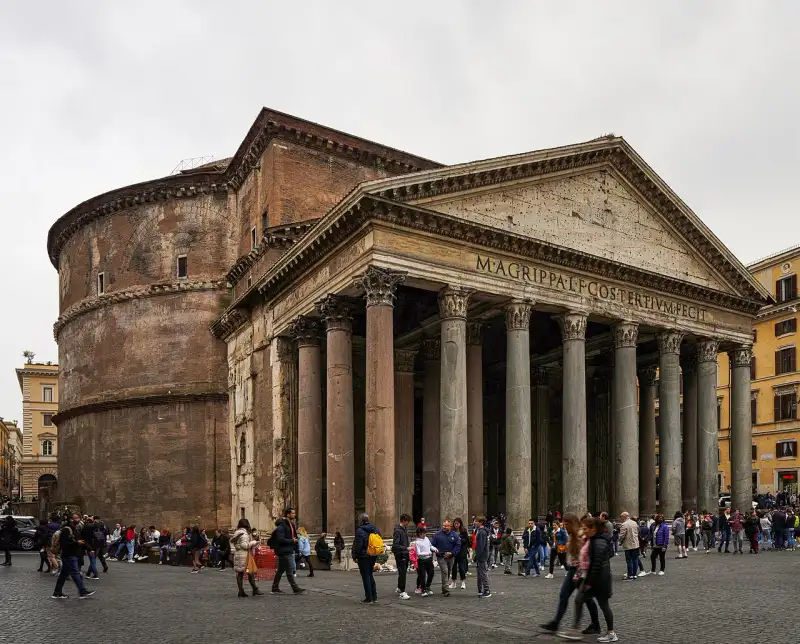

Il Pantheon di Roma è forse l'edificio antico meglio conservato al mondo. Costruito originariamente da Marco Agrippa nel 27 a.C. e poi completamente ricostruito dall'imperatore Adriano intorno al 126 d.C., rappresenta uno dei massimi capolavori dell'architettura romana. Il Miracolo della Cupola Ciò che rende il Pantheon unico è la sua immensa cupola emisferica in calcestruzzo non armato. Con un diametro di 43,44 metri, rimane la più grande cupola del suo genere al mondo. Al centro della cupola si apre l'Oculus, un'apertura circolare di 9 metri che è l'unica fonte di luce naturale dell'edificio. Quando il sole entra dall'Oculus, crea un fascio di luce che si muove lungo le pareti interne, seguendo il ritmo delle stagioni, come un immenso orologio solare che collega la terra al cielo. Un Tempio per Tutti gli Dei Il nome Pantheon deriva dal greco e significa 'di tutti gli dei'. Fu concepito come un tempio dedicato a tutte le divinità dell'Antica Roma. La sua sopravvivenza intatta attraverso i secoli è dovuta alla sua conversione in chiesa cristiana (Santa Maria dei Martiri) nel 609 d.C. Questo salvò l'edificio dai saccheggi e dalle distruzioni che colpirono altri monumenti romani. L'Eredità del Pantheon Il Pantheon ha ispirato innumerevoli architetti nel corso dei secoli, influenzando capolavori come la Cupola del Brunelleschi a Firenze. Oggi ospita anche le tombe di re d'Italia e artisti celebri come Raffaello Sanzio. Entrare nel Pantheon significa immergersi in una perfezione geometrica e spirituale che sfida il tempo. #Pantheon #ArchitetturaRomana #Roma #StoriaDellArte #italy #rome #history #ancient Related InsightsThe Roaring Abyss: Documenting Iguazu National Park The Lost Alchemy of Ancient Fermented Grains: Echoes from the Andes Castillo de Gibralfaro: El Guardián de Málaga{ "@context": "https://schema.org", "@type": "FAQPage", "mainEntity": [ { "@type": "Question", "name": "What is the main focus of Il Pantheon: L'Occhio degli Dei?", "acceptedAnswer": { "@type": "Answer", "text": "Esplorando la perfezione architettonica del tempio di tutti gli dei." } }, { "@type": "Question", "name": "Who authored the comprehensive guide on Il Pantheon: L'Occhio degli Dei?", "acceptedAnswer": { "@type": "Answer", "text": "This detailed article and its insights were carefully researched and authored by Lorenzo Russo." } }, { "@type": "Question", "name": "Where can I find more related content about Travel?", "acceptedAnswer": { "@type": "Answer", "text": "You can explore more articles, detailed reviews, and similar insights by browsing the Related Insights section at the bottom of this article or visiting our dedicated Travel category page." } } ] }
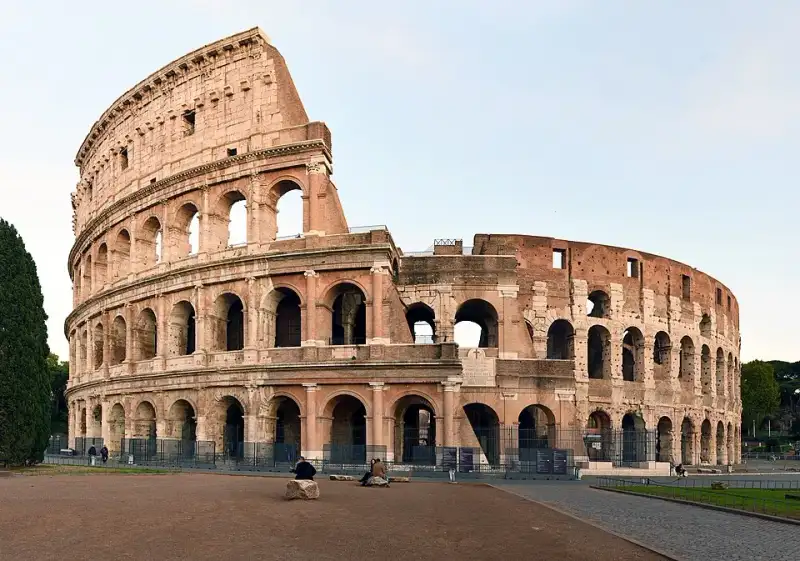

In the very center of the Eternal City, amidst the bustling streets of modern Rome, stands a monument that defies the relentless march of time. The Colosseum, originally known as the Flavian Amphitheatre, is not merely a ruin; it is a profound testament to the ambition, engineering prowess, and complex societal fabric of the Roman Empire. For nearly two millennia, this colossal structure of stone and concrete has captured the imagination of travelers, historians, and artists alike. Its massive, scarred walls whisper tales of glorious triumphs, agonizing defeats, and the roaring crowds that once filled its tiers. To stand before the Colosseum is to stand before the crystallized essence of an empire that once ruled the known world. The story of the Colosseum #Colosseum is inextricably linked to the narrative of Rome itself. It is a story of political maneuvering, architectural innovation, and a cultural obsession with spectacle and violence. From its foundation by Emperor Vespasian to its eventual decline and modern resurrection as a global icon, the Colosseum's journey is a microcosm of human history. This comprehensive exploration will delve into the origins, construction, architectural genius, and the bloody reality of the games that defined this magnificent structure, shedding light on why it remains one of the most recognizable and revered landmarks on the planet #AncientRome. Out of the Ashes: The Origins and Construction The genesis of the Colosseum is rooted in chaos and revolution. Following the suicide of the infamous Emperor Nero in 68 AD, the Roman Empire plunged into a period of violent instability known as the Year of the Four Emperors. Out of this civil war emerged Vespasian, a seasoned military commander who founded the Flavian dynasty. Vespasian was a pragmatic ruler, keenly aware of the need to consolidate his power and appease a populace weary of turmoil and the excesses of his predecessor. Nero had alienated the Roman citizens by confiscating a vast tract of prime real estate in the city center—devastated by the Great Fire of Rome in 64 AD—to build his opulent Domus Aurea, or Golden House. This sprawling palace complex, complete with a massive artificial lake, was a symbol of Nero's tyranny and extravagance #RomanHistory. In a masterstroke of political propaganda, Vespasian decided to dismantle the Domus Aurea and return the land to the people. At the site of Nero's private lake, he decreed the construction of a colossal public amphitheater. This was a clear message: whereas Nero built for his own pleasure, the Flavian emperors would build for the entertainment and benefit of the Roman citizens. The financing for this immense project came from a grim source: the spoils of the First Jewish-Roman War. Following the brutal sack of Jerusalem in 70 AD, immense wealth was brought back to Rome, alongside tens of thousands of Jewish captives who would provide the backbreaking labor required to raise the amphitheater from the ground #AncientEngineering. Construction began around 70-72 AD and proceeded at a remarkable pace, driven by the sheer will of the emperor and the limitless supply of slave labor. The engineering challenges were immense. The site of the former lake had to be drained, a feat accomplished by constructing a massive network of underground drains that channeled the water to the river Tiber. Once the ground was stabilized, the foundations—massive concrete rings up to 13 meters deep—were poured to support the immense weight of the structure. The building materials were sourced from across the region. Over 100,000 cubic meters of travertine limestone, quarried in Tivoli, were transported to Rome along a specially built road. This gleaming white stone was used for the exterior facade and the main load-bearing pillars. Tuff, a softer volcanic rock, and brick-faced concrete were used extensively for the inner walls and vaults, demonstrating the Romans' mastery of concrete (opus caementicium)—a material that revolutionized ancient architecture by allowing for the construction of vast, soaring spaces without the need for internal supports #Architecture. Vespasian did not live to see the completion of his great project. He died in 79 AD, and the amphitheater was inaugurated by his son and successor, Titus, in 80 AD. The inaugural games were an extravagant affair, lasting 100 days and resulting in the slaughter of thousands of wild animals and gladiators. The Colosseum was further modified by Titus's brother, Domitian, who added the highest tier and, crucially, constructed the complex underground network known as the hypogeum. A Symphony of Stone: Architectural Grandeur and Design The sheer scale of the Colosseum is staggering, even by modern standards. It is an elliptical structure, measuring 189 meters (615 feet) long, 156 meters (510 feet) wide, and originally rising to a height of nearly 50 meters (164 feet). It is estimated that it could hold between 50,000 and 80,000 spectators, making it the largest amphitheater ever built. The design is a triumph of functionality and aesthetics, a perfect marriage of form and purpose #MonumentalArchitecture. The exterior facade is perhaps the most iconic element of the Colosseum. It consists of three arcaded tiers, surmounted by a solid, un-arcaded attic story. What makes the facade particularly fascinating is the deliberate progression of architectural orders. The half-columns on the ground floor are of the sturdy, simple Doric order; the second floor features the more elegant Ionic order; and the third floor is adorned with the ornate Corinthian order. The top story features Corinthian pilasters framing rectangular windows. This upward progression, from the heaviest to the most delicate, gives the massive structure a sense of lightness and upward thrust, drawing the eye toward the sky #RomanArchitecture. Inside the amphitheater, the seating arrangement, known as the cavea, was a rigid reflection of Roman social hierarchy. The Colosseum was a microcosm of Roman society, where every citizen knew their place. The podium, the lowest and best tier, was reserved for the Emperor, the Vestal Virgins, senators, and visiting dignitaries. Their seats were inscribed with their names, some of which can still be seen today. The maenianum primum was situated above the podium and was occupied by the equestrian class (knights) and noblemen. The maenianum secundum, divided into an upper and lower section, was for the ordinary Roman citizens (plebeians). The lower part was for wealthier citizens, while the upper part was for poorer individuals. Finally, the maenianum summum in ligneis, added by Domitian, was a steep wooden gallery at the very top of the structure, designated for the lowest classes, including women and slaves #AncientSocieties.One of the most impressive functional aspects of the Colosseum's design was its crowd control system. The architects incorporated 80 numbered arched entrances on the ground level, 76 of which were for the general public. These led into a complex network of vaulted corridors, staircases, and passageways that allowed tens of thousands of spectators to enter and exit the building with astonishing efficiency. These exit points were called vomitoria—not because they were places to regurgitate, as a popular myth suggests, but from the Latin word vomere, meaning "to spew forth," accurately describing how the amphitheater could rapidly empty its vast crowds into the streets of Rome #UrbanPlanning. To protect the spectators from the blistering Roman sun, the Colosseum was equipped with a velarium, an immense retractable awning. This marvel of ancient engineering consisted of a vast canvas suspended from a network of ropes, supported by 240 wooden masts set into corbels around the top cornice. The velarium was operated by a specialized detachment of sailors from the Roman imperial fleet, stationed at the nearby Castra Misenatium. They used complex rigging, similar to that used on a ship, to unfurl and retract the awning, providing shade while allowing a cooling breeze to circulate through the arena #EngineeringMarvel. The Hypogeum: The Beating Heart of the Arena While the soaring arches and tiered seating are the most visible aspects of the Colosseum, its true technological marvel lay hidden beneath the sandy floor of the arena. This subterranean world, known as the hypogeum (Greek for "underground"), was added by Emperor Domitian shortly after the inauguration. It transformed the Colosseum from a simple amphitheater into a highly sophisticated machine designed for death and spectacle #Hypogeum. The hypogeum was a complex, two-level labyrinth of tunnels, chambers, and holding pens. It served as the staging area for the games, a place of frenzied activity where gladiators prepared for battle and exotic beasts were kept in darkness before being thrust into the blinding light of the arena. The logistics of managing this underground city were immense. Hundreds of workers—animal handlers, stagehands, guards, and engineers—toiled in the stifling, foul-smelling darkness to ensure the smooth running of the spectacles above #HiddenHistory. The most ingenious feature of the hypogeum was its intricate system of elevators, pulleys, and trapdoors. The Romans constructed at least 28 sophisticated wooden elevators, powered by capstans turned by slaves. These elevators were used to hoist wild animals—lions, bears, leopards, and wolves—from their cages up to the arena floor. The simultaneous release of dozens of predators from hidden trapdoors across the arena would have created a terrifying and awe-inspiring effect for the audience. Furthermore, the hypogeum was used to raise elaborate stage sets (sylvae). Trees, rocks, and entire buildings could be hoisted into the arena to recreate mythological landscapes or exotic locales, providing a dramatic backdrop for the hunts and executions. The sheer theatricality of these mechanisms demonstrates that the Roman games were not merely bloody slaughters, but highly produced, immersive theatrical events designed to shock, amaze, and entertain #AncientTech. Blood and Sand: The Spectacles of the Colosseum The events held within the Colosseum were central to Roman culture. The games, or ludi, were sponsored by the emperor or wealthy politicians as a means of gaining popularity, demonstrating power, and placating the masses—a strategy famously summarized by the poet Juvenal as "bread and circuses" (panem et circenses). The games were multi-day festivals, and a typical day at the Colosseum followed a structured, gruesome schedule #Gladiators. The morning was typically dedicated to the venationes, or wild animal hunts. The Roman Empire stretched from the deserts of Africa to the forests of Northern Europe, and the emperors used the games to showcase their dominion over the natural world. Exotic beasts—elephants, rhinos, hippos, crocodiles, ostriches, and big cats—were imported at enormous expense and systematically slaughtered. Specially trained hunters, called venatores and bestiarii, armed with spears and bows, would battle the beasts in recreated natural settings. The scale of the slaughter was staggering; it is said that 9,000 animals were killed during the 100-day inaugural games alone, driving some species to the brink of local extinction #RomanEmpire. The midday slot was reserved for the ludi meridiani, the public executions. This was a brutal demonstration of Roman justice, designed to deter crime and reinforce the authority of the state. Criminals, prisoners of war, and, during periods of persecution, Christians, were put to death in increasingly theatrical and sadistic ways. The most common method was damnatio ad bestias, where the condemned were thrown unarmed to starved predators. Others were forced to participate in fatal reenactments of mythological stories, ensuring their deaths were both agonizing and entertaining to the bloodthirsty crowd #AncientJustice. The climax of the day, held in the late afternoon, was the munera—the gladiatorial combats. Gladiators were the superstars of the ancient world. Though predominantly slaves, prisoners of war, or condemned criminals, successful gladiators could achieve immense fame, wealth, and even freedom. They lived in specialized barracks (such as the Ludus Magnus, located near the Colosseum) and underwent rigorous training under the harsh discipline of a lanista #GladiatorLife. There were many distinct types of gladiators, each with specialized armor and weapons, designed to create thrilling and balanced match-ups. The heavily armored Murmillo, with his fish-crested helmet and large rectangular shield, often fought the Thraex, who carried a small square shield and a curved sword. Perhaps the most iconic was the Retiarius, who fought with minimal armor, relying on a weighted net and a trident to entangle and spear his opponent, typically a heavily armored Secutor. The combats were not always chaotic brawls; they were highly regulated martial arts contests overseen by referees. While death was a common outcome, it was not inevitable. Gladiators were expensive investments, and organizers often spared the lives of brave but defeated fighters. The fate of a vanquished gladiator rested in the hands of the emperor, who would heed the roar of the crowd, signaling their preference with a gesture—the infamous "thumbs up" or "thumbs down," though the exact nature of this gesture remains debated among historians #HistoryFacts. There are also ancient accounts of naumachiae, or mock sea battles, being held in the Colosseum. Writers such as Cassius Dio report that the arena was flooded to recreate famous naval engagements. However, the logistics of waterproofing the arena and the subsequent construction of the complex hypogeum make it highly likely that if these sea battles did occur, they happened only in the earliest years of the Colosseum's history, before Domitian's underground renovations made flooding impossible. The Long Twilight: Decline, Fall, and Transformation The bloody spectacles of the Colosseum continued for over four centuries, but the turning point came with the gradual transformation of the Roman Empire. The rise of Christianity, which prioritized the sanctity of human life, increasingly clashed with the brutality of the games. In 325 AD, Emperor Constantine I, the first Christian emperor, issued an edict condemning gladiatorial combat, though the practice persisted. It was not until the early 5th century, under Emperor Honorius, that gladiatorial games were definitively banned, largely due to the martyrdom of a monk named Telemachus, who was stoned to death by the crowd when he tried to intervene in a fight #ChristianHistory. The venationes continued for another century, but as the Western Roman Empire crumbled under economic strain and barbarian invasions, the enormous cost of importing animals and maintaining the vast structure became unsustainable. The last recorded animal hunt took place in 523 AD. Following the cessation of the games, the Colosseum fell into a long period of decline and transformation. It was battered by the forces of nature; a series of devastating earthquakes, particularly a massive tremor in 1349, caused the collapse of the southern side of the outer ring. The ruined structure ceased to be an entertainment venue and was repurposed by the pragmatic citizens of Rome #MiddleAges. During the medieval period, the vast interior was transformed into a bustling neighborhood. The vaulted corridors beneath the seating were walled off and rented out as housing, workshops, and even stables. A small church was built into the structure, and the arena floor was used as a cemetery. In the 12th century, the powerful Frangipani family fortified the Colosseum, turning the ancient monument into a formidable castle to assert their dominance over Rome. Perhaps the greatest damage to the Colosseum was inflicted not by nature, but by humans. For centuries, the building was treated as a vast, convenient quarry. The massive blocks of travertine that had tumbled down during earthquakes were carted away to build palaces, churches, and hospitals throughout Rome, including St. Peter's Basilica. The iron and bronze clamps that held down the stones were meticulously chipped out, leaving the pockmarked facade that is visible today. It is estimated that nearly two-thirds of the original structure was destroyed or removed during this period #HistoricalRuins. Resurrection: The Colosseum in the Modern Era The systematic plundering of the Colosseum only ceased in the mid-18th century. In a bid to preserve the monument, Pope Benedict XIV consecrated the arena in 1749, declaring it a sacred site sanctified by the blood of Christian martyrs—a historically dubious claim, as most early Christian martyrdoms likely occurred in the Circus Maximus or other arenas, but a crucial turning point for the building's survival. The Pope erected the Stations of the Cross around the arena floor, establishing a tradition that continues to this day, with the current Pope leading the Good Friday procession at the Colosseum #Vatican. The 19th and 20th centuries saw concerted efforts to stabilize and restore the ruins. French architects under Napoleon began the first modern excavations of the arena floor, uncovering the forgotten hypogeum. Subsequent Italian governments continued the restoration, shoring up the collapsing outer walls with massive brick buttresses that remain visible today. Under the Fascist regime of Benito Mussolini, the area around the Colosseum was radically altered with the construction of the Via dei Fori Imperiali, an imposing boulevard that cuts through the ancient forums, intended to link Mussolini's new Rome with the glories of the imperial past. Today, the Colosseum stands as one of the most visited archaeological sites on earth, drawing millions of tourists annually. In 1980, it was designated a UNESCO World Heritage Site, and in 2007, it was overwhelmingly voted as one of the New Seven Wonders of the World. Recent restoration projects, funded both by the Italian state and private luxury brands, have meticulously cleaned the facade, restoring the travertine to its original gleaming hue, and opened up new areas of the hypogeum and the upper tiers to the public #WonderOfTheWorld. The cultural impact of the Colosseum is immeasurable. It is a ubiquitous symbol of Rome and Italy, instantly recognizable across the globe. It has served as the dramatic backdrop for countless films, from the classic Roman Holiday to the epic Gladiator, continuing to shape our modern perception of ancient Rome. It remains a powerful muse for artists, writers, and architects, a testament to the enduring power of monumental architecture to inspire awe and reflection #TravelRome. Conclusion The Colosseum is far more than a pile of ancient stones; it is a profound monument to the complexities of human nature. It stands as a pinnacle of Roman engineering, a structure of breathtaking scale and ingenuity that has survived earthquakes, fires, and centuries of plunder. Yet, it is also a chilling reminder of the cruelty and bloodlust that characterized Roman society, an arena where the suffering of men and beasts was consumed as entertainment. To walk through the shadowed archways of the Colosseum is to step back in time. One can almost hear the roar of the eighty thousand spectators, the clash of steel, and the desperate cries of the condemned. It is a place where glory and horror are inextricably linked. As long as its towering walls remain standing, the Colosseum will continue to dominate the skyline of Rome, serving as an eternal bridge between the modern world and the faded, bloody grandeur of the Roman Empire. As the 8th-century English monk the Venerable Bede famously prophesied: "While the Colosseum stands, Rome shall stand; when the Colosseum falls, Rome shall fall; when Rome falls, the world shall fall." #EternalCity #RomeHistory #Colosseum #Rome #AncientHistory #Gladiators Related InsightsEchoes from the Ash: The Rise, Fall, and Resurrection of Pompeii The Acropolis of Athens: A Timeless Citadel of Human Triumph The Whispering Stones of Chichen Itza: Echoes of the Maya{ "@context": "https://schema.org", "@type": "FAQPage", "mainEntity": [ { "@type": "Question", "name": "What is the main focus of The Colosseum: Echoes of Eternity in the Heart of Rome?", "acceptedAnswer": { "@type": "Answer", "text": "Discover the fascinating history, architectural brilliance, and enduring legacy of the Colosseum, Rome's greatest monument and an icon of the ancient world." } }, { "@type": "Question", "name": "Who authored the comprehensive guide on The Colosseum: Echoes of Eternity in the Heart of Rome?", "acceptedAnswer": { "@type": "Answer", "text": "This detailed article and its insights were carefully researched and authored by Liam Carter." } }, { "@type": "Question", "name": "Where can I find more related content about History?", "acceptedAnswer": { "@type": "Answer", "text": "You can explore more articles, detailed reviews, and similar insights by browsing the Related Insights section at the bottom of this article or visiting our dedicated History category page." } } ] }
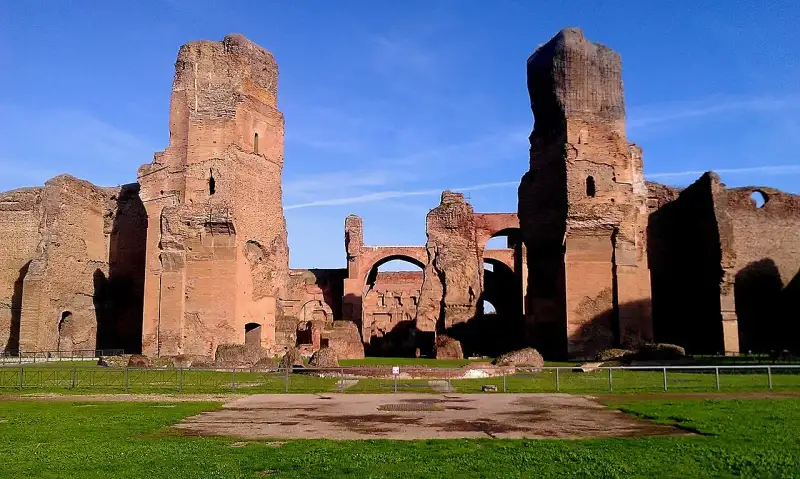
Costruite tra il 212 e il 216 d.C. dall'imperatore Caracalla, le Terme di Caracalla (Thermae Antoninianae) sono uno degli esempi più grandiosi e meglio conservati di terme romane. Non erano solo bagni pubblici, ma veri e propri centri per il benessere fisico e mentale. Una Città nella Città Le dimensioni delle Terme di Caracalla erano colossali. Potevano accogliere oltre 1.600 persone contemporaneamente. Il complesso non includeva solo bagni caldi (Caldarium), tiepidi (Tepidarium) e freddi (Frigidarium), ma anche palestre per lo sport, biblioteche, giardini e botteghe. Era un luogo di socializzazione, affari e relax, aperto a tutti i cittadini liberi di Roma. L'Ingegneria Idraulica Il funzionamento di questo enorme complesso era garantito da un capolavoro di ingegneria: un ramo speciale dell'Acquedotto dell'Acqua Marcia (l'Aqua Antoniniana) fu costruito appositamente per alimentare le terme. Nei sotterranei, centinaia di schiavi lavoravano incessantemente per alimentare i forni che riscaldavano l'acqua e i pavimenti tramite il sistema dell'ipocausto. Le Rovine e l'Ispirazione Oggi, le immense pareti in laterizio alte oltre 30 metri svettano contro il cielo di Roma. Nonostante spogliate dei loro marmi, statue e mosaici preziosi, l'imponenza delle Terme di Caracalla lascia senza fiato. Hanno ispirato architetture moderne, come la Pennsylvania Station di New York, dimostrando come la grandiosità romana continui a plasmare il mondo. #TermeDiCaracalla #IngegneriaRomana #RomaAntica #Archeologia #italy #rome #history #ancient Related InsightsThe Pantanal, Brazil: Unlocking the World’s Largest Wetland and Its Untamed Wildlife Mezquita-Catedral de Córdoba: El Corazón Omeya Rusting Rails of the Sahara: The Forgotten Iron Spine of a Colonial Dream{ "@context": "https://schema.org", "@type": "FAQPage", "mainEntity": [ { "@type": "Question", "name": "What is the main focus of Terme di Caracalla: Il Lusso del Benessere Romano?", "acceptedAnswer": { "@type": "Answer", "text": "Scopri l'imponenza e la complessità di uno dei più grandi complessi termali dell'antichità." } }, { "@type": "Question", "name": "Who authored the comprehensive guide on Terme di Caracalla: Il Lusso del Benessere Romano?", "acceptedAnswer": { "@type": "Answer", "text": "This detailed article and its insights were carefully researched and authored by Lorenzo Russo." } }, { "@type": "Question", "name": "Where can I find more related content about Travel?", "acceptedAnswer": { "@type": "Answer", "text": "You can explore more articles, detailed reviews, and similar insights by browsing the Related Insights section at the bottom of this article or visiting our dedicated Travel category page." } } ] }
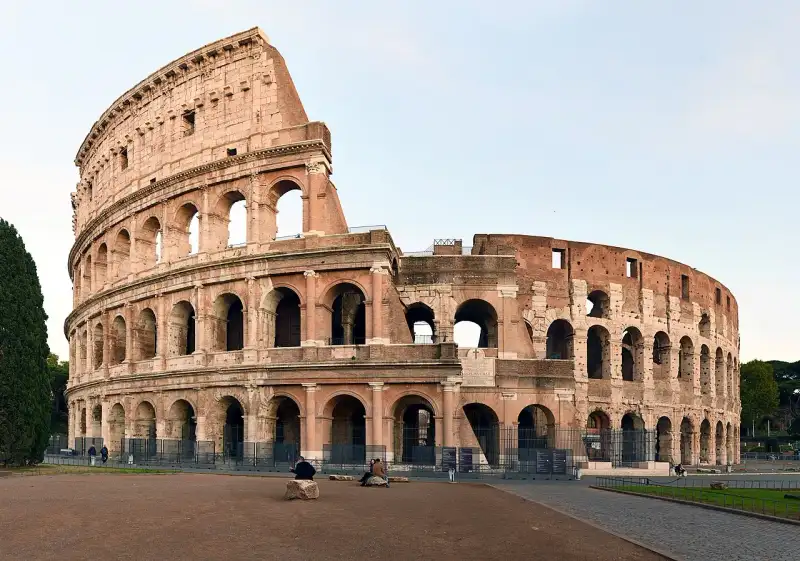
L'ombra maestosa del Colosseo (originariamente noto come Anfiteatro Flavio) si staglia ancora oggi su Roma, ricordandoci la grandezza e la brutalità dell'Impero Romano. Questo edificio iconico, completato nell'80 d.C. sotto l'imperatore Tito, è il più grande anfiteatro mai costruito al mondo. L'Architettura del Potere La costruzione del Colosseo fu un capolavoro di ingegneria. Capace di ospitare tra i 50.000 e gli 80.000 spettatori, l'anfiteatro era diviso in settori rigorosamente separati in base alla classe sociale. Gli imperatori e i senatori sedevano in prima fila, mentre le donne e i plebei occupavano i posti più in alto. I sotterranei, o ipogeo, erano un intricato labirinto di tunnel e gabbie da cui gladiatori e belve feroci venivano sollevati nell'arena tramite complessi montacarichi, creando effetti scenici sorprendenti. Sangue e Sabbia Per secoli, il Colosseo è stato teatro di spettacoli cruenti. I munera (combattimenti tra gladiatori) e le venationes (cacce alle fiere) non erano solo intrattenimento, ma strumenti politici per ottenere il favore della plebe. Questi eventi duravano spesso per giorni, finanziati direttamente dall'imperatore. Ogni combattimento raccontava una storia di sopravvivenza, onore e, spesso, morte. Nonostante il declino dei giochi nel V secolo d.C., il fascino di questi racconti sopravvive. Un Simbolo Eterno Oggi, camminare tra le rovine del Colosseo significa toccare con mano l'eternità di Roma. La struttura ha resistito a terremoti, saccheggi e al passare dei millenni, diventando il simbolo universale della Città Eterna. Per un romano come me, ogni pietra racconta una storia di grandezza. #RomaAntica #Colosseo #StoriaItaliana #ImperoRomano #italy #rome #history #ancient Related InsightsThe Silk Road's Nomadic Hospitality: Yurt Stays in Kyrgyzstan Villa Adriana: Il Rifugio Imperiale a Tivoli L'Eterna Seduzione della Costa Azzurra: Tra Scogliere di Porfido e Misteri Belle Époque{ "@context": "https://schema.org", "@type": "FAQPage", "mainEntity": [ { "@type": "Question", "name": "What is the main focus of Il Colosseo: Il Cuore Sanguinante dell'Impero Romano?", "acceptedAnswer": { "@type": "Answer", "text": "Un'esplorazione approfondita dell'Anfiteatro Flavio, dai gladiatori ai misteri sotterranei." } }, { "@type": "Question", "name": "Who authored the comprehensive guide on Il Colosseo: Il Cuore Sanguinante dell'Impero Romano?", "acceptedAnswer": { "@type": "Answer", "text": "This detailed article and its insights were carefully researched and authored by Lorenzo Russo." } }, { "@type": "Question", "name": "Where can I find more related content about Travel?", "acceptedAnswer": { "@type": "Answer", "text": "You can explore more articles, detailed reviews, and similar insights by browsing the Related Insights section at the bottom of this article or visiting our dedicated Travel category page." } } ] }
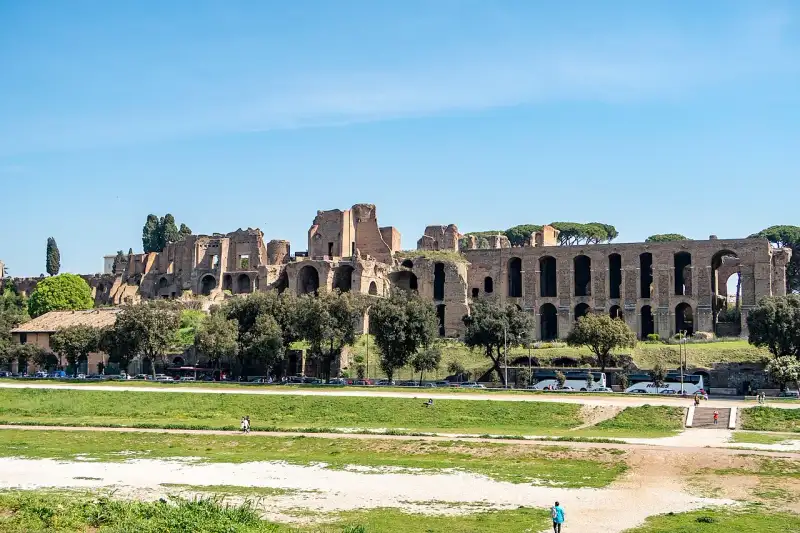
Secondo la leggenda, è proprio sul Palatino che Romolo fondò Roma nel 753 a.C. Questo colle centrale, che si affaccia maestosamente sul Foro Romano e sul Circo Massimo, è diventato nel corso dei secoli il quartiere più esclusivo dell'Antica Roma, scelto dagli imperatori per costruire i loro sontuosi palazzi. Dal Mito alla Storia Gli scavi archeologici hanno confermato la presenza di capanne dell'Età del Ferro sul Palatino, dando un fondamento storico al mito di Romolo. Ma è durante l'Impero che il colle assunse la sua forma monumentale. Augusto, il primo imperatore, scelse il Palatino per la sua residenza, e da quel momento il colle divenne sinonimo di potere (la parola stessa 'palazzo' deriva da Palatium, il nome del colle). I Complessi Imperiali Oggi, le rovine della Domus Flavia e della Domus Augustana costruite dall'imperatore Domiziano dominano l'area. Questi enormi complessi includevano sale del trono, giardini con fontane, terme private e stadi personali. Camminare tra queste mura in mattoni rossi, immaginando i marmi policromi che un tempo le ricoprivano, offre una prospettiva mozzafiato sulla ricchezza sfrenata della corte imperiale. I Giardini Farnesiani Nel XVI secolo, la famiglia Farnese trasformò parte delle rovine nei Giardini Farnesiani, uno dei primi giardini botanici d'Europa. Questa sovrapposizione di epoche rende il Palatino un luogo unico, dove il Rinascimento abbraccia l'antichità romana in un paesaggio di pini marittimi e panorami indimenticabili sulla Città Eterna. #Palatino #RomaAntica #PalazziImperiali #StoriaDiRoma #italy #rome #history #ancient Related InsightsL'Eco del Silenzio: Quando il Viaggio Diventa Custodia della Terra Das Ewige Gewitter vom Maracaibo: Eine Reise ins Haus des Donners Australien: Wo die Ewigkeit des Outbacks auf den Puls der Moderne trifft{ "@context": "https://schema.org", "@type": "FAQPage", "mainEntity": [ { "@type": "Question", "name": "What is the main focus of Il Palatino: Il Colle degli Imperatori?", "acceptedAnswer": { "@type": "Answer", "text": "Esplorando le rovine dei lussuosi palazzi imperiali sul colle dove nacque Roma." } }, { "@type": "Question", "name": "Who authored the comprehensive guide on Il Palatino: Il Colle degli Imperatori?", "acceptedAnswer": { "@type": "Answer", "text": "This detailed article and its insights were carefully researched and authored by Lorenzo Russo." } }, { "@type": "Question", "name": "Where can I find more related content about Travel?", "acceptedAnswer": { "@type": "Answer", "text": "You can explore more articles, detailed reviews, and similar insights by browsing the Related Insights section at the bottom of this article or visiting our dedicated Travel category page." } } ] }
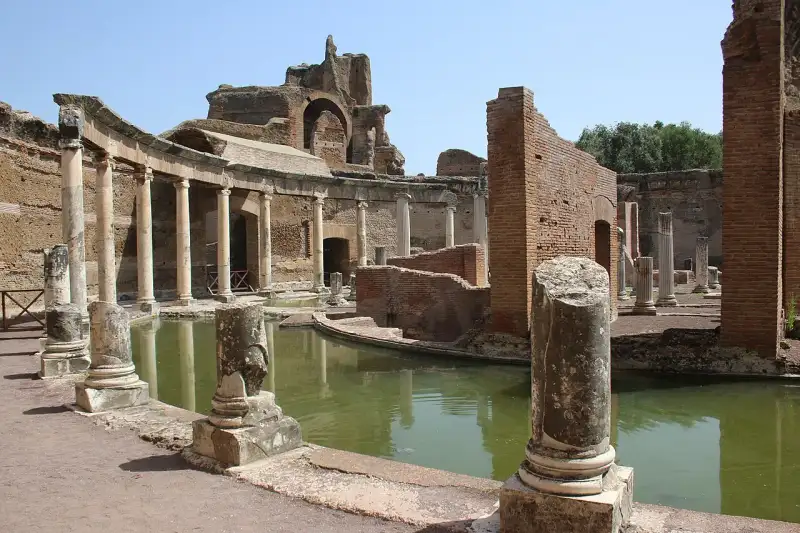
A pochi chilometri da Roma, ai piedi dei monti Tiburtini, sorge Villa Adriana, la più grande e lussuosa villa imperiale mai costruita. Voluta dall'imperatore Adriano tra il 118 e il 138 d.C., non era una semplice casa di campagna, ma una vera e propria città estesa su oltre 120 ettari. Un Mondo in Miniatura Adriano, grande viaggiatore e appassionato di architettura e cultura greca ed egizia, volle riprodurre nella sua villa i luoghi e i monumenti che più lo avevano colpito durante i suoi viaggi attraverso l'Impero. Il complesso è un susseguirsi straordinario di palazzi, terme, teatri, giardini, specchi d'acqua e ninfei, progettati con forme geometriche ardite e soluzioni architettoniche innovative. Il Pecile e il Canopo Tra le strutture più iconiche spicca il Pecile, un immenso portico colonnato che circonda un grande bacino rettangolare, ispirato all'agorà di Atene. Ancora più affascinante è il Canopo, un lungo canale d'acqua circondato da statue e sormontato da una scenografica esedra, che rievoca un antico braccio del fiume Nilo in Egitto. È qui che Adriano teneva lussuosi banchetti all'aperto durante le calde notti estive. Il Teatro Marittimo Un gioiello di rara bellezza è il cosiddetto Teatro Marittimo, un'isola circolare artificiale circondata da un canale e raggiungibile tramite ponti mobili. Si ritiene fosse il rifugio privato dell'imperatore, un luogo di meditazione e isolamento. Oggi, Patrimonio dell'Umanità #UNESCO, Villa Adriana rimane un capolavoro assoluto dell'arte romana, un sogno di marmo e acqua giunto fino a noi. #VillaAdriana #Tivoli #ImperatoreAdriano #PatrimonioUNESCO #italy #rome #history #ancient Related InsightsQuand l'Altruisme Devient Marchandise : Les Zones d'Ombre du Volontourisme Exploring Ani, City of 1001 Churches Scavi di Pompei: La Città Congelata nel Tempo{ "@context": "https://schema.org", "@type": "FAQPage", "mainEntity": [ { "@type": "Question", "name": "What is the main focus of Villa Adriana: Il Rifugio Imperiale a Tivoli?", "acceptedAnswer": { "@type": "Answer", "text": "Un viaggio nel ritiro esotico e sfarzoso dell'imperatore filosofo Adriano." } }, { "@type": "Question", "name": "Who authored the comprehensive guide on Villa Adriana: Il Rifugio Imperiale a Tivoli?", "acceptedAnswer": { "@type": "Answer", "text": "This detailed article and its insights were carefully researched and authored by Lorenzo Russo." } }, { "@type": "Question", "name": "Where can I find more related content about Travel?", "acceptedAnswer": { "@type": "Answer", "text": "You can explore more articles, detailed reviews, and similar insights by browsing the Related Insights section at the bottom of this article or visiting our dedicated Travel category page." } } ] }
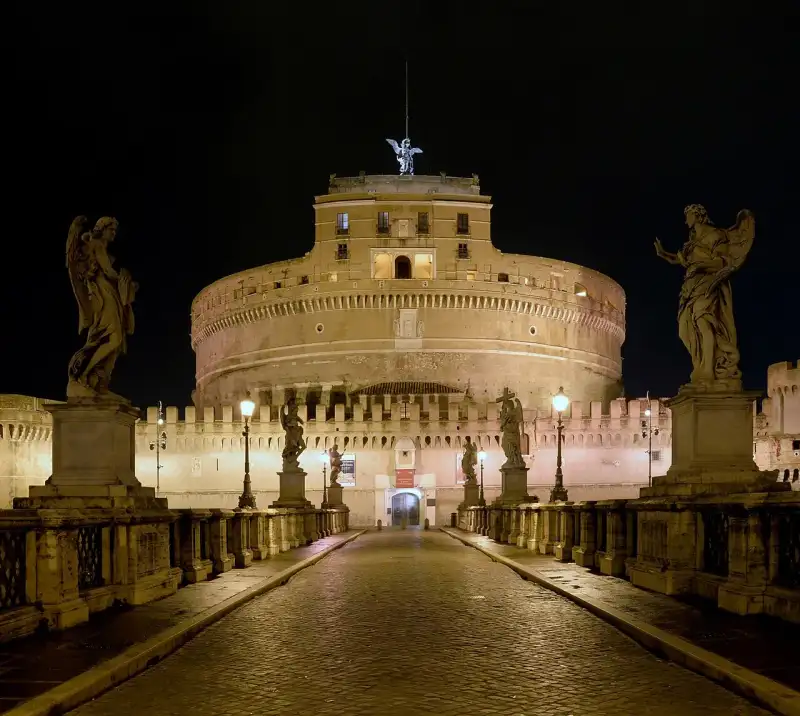
Sulle rive del Tevere, imponente e inconfondibile, sorge il Mausoleo di Adriano, oggi universalmente noto come Castel Sant'Angelo. La storia di questo monumento è unica: nessun altro edificio romano ha vissuto così tante trasformazioni e vite diverse, seguendo inesorabilmente le sorti della città di Roma. Il Sepolcro di Adriano Eretto originariamente intorno al 135 d.C. dall'imperatore Adriano come tomba monumentale per sé e per i suoi successori, il mausoleo era un gigantesco cilindro rivestito di marmo bianco, sormontato da un boschetto di cipressi e coronato da una statua di Adriano alla guida di una quadriga di bronzo. Un'opera concepita per sfidare l'eternità. La Metamorfosi in Fortezza Con le invasioni barbariche, il mausoleo cambiò destino. Data la sua posizione strategica vicino al Vaticano, fu incorporato nelle Mura Aureliane e trasformato in un baluardo militare inespugnabile. Il nome 'Castel Sant'Angelo' deriva da una leggenda del 590 d.C., quando Papa Gregorio Magno, durante una terribile epidemia di peste, ebbe la visione dell'Arcangelo Michele che rinfoderava la spada sulla cima della mole, segnando la fine della pestilenza. Prigione e Rifugio Papale Nel Rinascimento, il castello divenne la roccaforte dei Papi, collegato direttamente al Vaticano dal celebre Passetto di Borgo. Mentre i piani superiori venivano abbelliti con sfarzosi appartamenti affrescati da artisti come Perin del Vaga, i cupi sotterranei fungevano da terribili prigioni (dove furono rinchiusi personaggi come Benvenuto Cellini e Giordano Bruno). Oggi, Castel Sant'Angelo è un museo straordinario che offre, dalle sue terrazze, una delle viste più spettacolari su Roma, testimone silenzioso di quasi duemila anni di storia ininterrotta. #CastelSantAngelo #MausoleoDiAdriano #StoriaDiRoma #Vaticano #italy #rome #history #ancient Related InsightsFrom Cliffside Villages to Fjord Horizons: Europe’s Most Breathtaking Coastal Drives Mount Ararat Mysteries Chloe Tremblay’s Epic 10-Day Iceland Ring Road Adventure: A Budgeter’s Paradise and Luxury Dream{ "@context": "https://schema.org", "@type": "FAQPage", "mainEntity": [ { "@type": "Question", "name": "What is the main focus of Castel Sant'Angelo: Dal Mausoleo Imperiale alla Fortezza Papale?", "acceptedAnswer": { "@type": "Answer", "text": "La trasformazione millenaria del maestoso sepolcro dell'imperatore Adriano." } }, { "@type": "Question", "name": "Who authored the comprehensive guide on Castel Sant'Angelo: Dal Mausoleo Imperiale alla Fortezza Papale?", "acceptedAnswer": { "@type": "Answer", "text": "This detailed article and its insights were carefully researched and authored by Lorenzo Russo." } }, { "@type": "Question", "name": "Where can I find more related content about Travel?", "acceptedAnswer": { "@type": "Answer", "text": "You can explore more articles, detailed reviews, and similar insights by browsing the Related Insights section at the bottom of this article or visiting our dedicated Travel category page." } } ] }
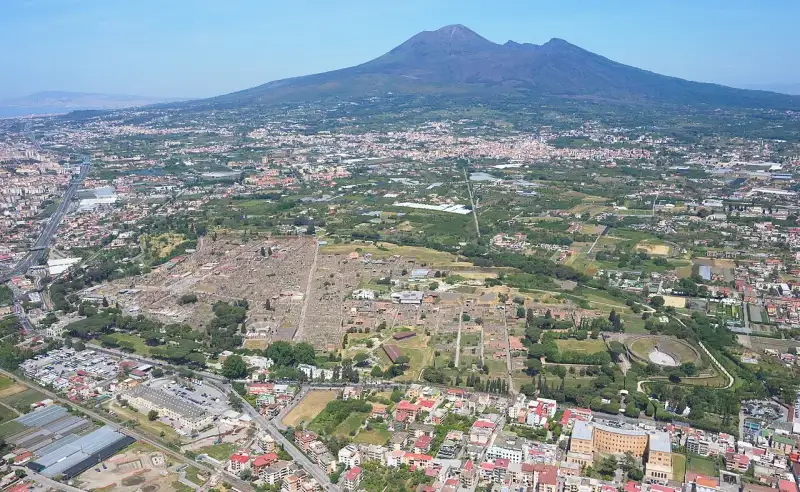
Pochissimi luoghi al mondo possono offrire una finestra così nitida sul passato come Pompei. L'eruzione del Vesuvio nel 79 d.C. distrusse la città, ma la seppellì sotto uno spesso strato di cenere e pomice, preservandola intatta per quasi duemila anni. Oggi, Pompei è uno dei siti archeologici più importanti e visitati al mondo. Vita Quotidiana Interrotta Camminando lungo le strade lastricate di Pompei, si può osservare la vita quotidiana dei romani esattamente come si svolgeva nel I secolo d.C. Dalle lussuose ville affrescate (come la Villa dei Misteri) ai termopoli (i 'fast food' dell'antichità), dai teatri ai postriboli, ogni dettaglio racconta una storia. Gli affreschi, i mosaici e persino i graffiti sui muri ci offrono una narrazione vivida e autentica di una società complessa e vivace. I Calchi: Testimoni della Tragedia Forse l'aspetto più toccante di Pompei sono i calchi in gesso delle vittime. Versando gesso liquido nei vuoti lasciati dai corpi decomposti sotto la cenere, l'archeologo Giuseppe Fiorelli nell'Ottocento riuscì a immortalare gli ultimi istanti di agonia degli abitanti. Queste figure umane, rannicchiate o colte in un disperato tentativo di fuga, sono un monito potente della forza distruttiva della natura. L'Importanza della Conservazione Oggi, la sfida principale per Pompei è la conservazione. Il Grande Progetto Pompei ha fatto passi da gigante nel restauro e nella messa in sicurezza del sito, portando alla luce nuove domus e affreschi mozzafiato. Visitare Pompei non è solo un tour turistico, è un pellegrinaggio nella fragilità dell'esistenza umana. #Pompei #Vesuvio #Archeologia #Campania #StoriaAntica #italy #rome #history #ancient Related InsightsEthiopia’s Danakil Depression: A Journey to Earth’s Hottest and Most Alien Landscape La Alhambra: El Sueño Nazarí de Granada L'Odyssée Australienne : Entre Terre Rouge et Récifs d'Azur{ "@context": "https://schema.org", "@type": "FAQPage", "mainEntity": [ { "@type": "Question", "name": "What is the main focus of Scavi di Pompei: La Città Congelata nel Tempo?", "acceptedAnswer": { "@type": "Answer", "text": "Un viaggio tra le rovine intatte della città distrutta dall'eruzione del Vesuvio nel 79 d.C." } }, { "@type": "Question", "name": "Who authored the comprehensive guide on Scavi di Pompei: La Città Congelata nel Tempo?", "acceptedAnswer": { "@type": "Answer", "text": "This detailed article and its insights were carefully researched and authored by Lorenzo Russo." } }, { "@type": "Question", "name": "Where can I find more related content about Travel?", "acceptedAnswer": { "@type": "Answer", "text": "You can explore more articles, detailed reviews, and similar insights by browsing the Related Insights section at the bottom of this article or visiting our dedicated Travel category page." } } ] }
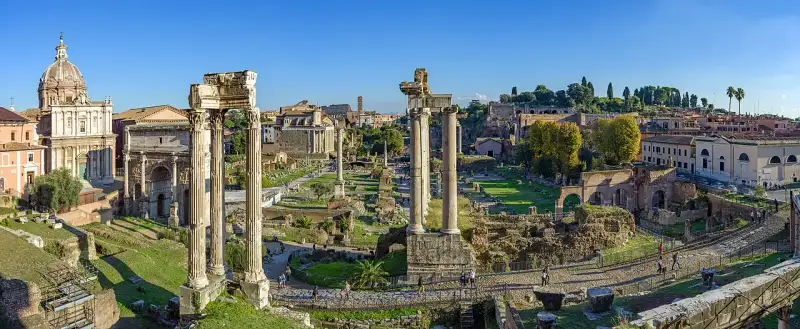
Il Foro Romano era il cuore pulsante della Roma antica. Situato nella valle tra il Palatino e il Campidoglio, per oltre un millennio è stato il centro nevralgico della vita pubblica romana. La Nascita del Foro Inizialmente un'area paludosa, fu bonificata grazie alla costruzione della Cloaca Maxima, uno dei primi sistemi fognari al mondo. Da quel momento, il Foro divenne il luogo dove si svolgevano le elezioni, i discorsi pubblici, i processi penali e le cerimonie trionfali. Era il palcoscenico su cui figure come Giulio Cesare, Cicerone e Augusto scrissero la storia dell'Occidente. I Monumenti del Potere Passeggiando lungo la Via Sacra, è possibile ammirare le rovine di templi maestosi, come il Tempio di Saturno, che ospitava l'erario di stato, e il Tempio delle Vestali, dove il sacro fuoco di Roma veniva custodito. La Curia Julia, sede del Senato, e gli Archi di Trionfo di Settimio Severo e Tito raccontano storie di vittorie militari e potere politico assoluto. Un Patrimonio Inestimabile Nonostante l'abbandono nel Medioevo, quando l'area divenne nota come Campo Vaccino, gli scavi archeologici iniziati nel XIX secolo hanno riportato alla luce gran parte del Foro. Oggi, camminare tra queste colonne cadute significa ascoltare l'eco dei senatori e dei mercanti che fecero grande Roma. È un viaggio nel tempo senza eguali. #ForoRomano #Archeologia #Roma #AnticaRoma #italy #rome #history #ancient Related InsightsDie Berliner Mauer heute Jalid ibn al-Walid: La Espada de Dios The Silk Road Revival: Uzbekistan’s Ancient Cities and Modern Wonders{ "@context": "https://schema.org", "@type": "FAQPage", "mainEntity": [ { "@type": "Question", "name": "What is the main focus of Il Foro Romano: Dove Pulsava la Vita di Roma?", "acceptedAnswer": { "@type": "Answer", "text": "Alla scoperta del centro politico, religioso e commerciale dell'Antica Roma." } }, { "@type": "Question", "name": "Who authored the comprehensive guide on Il Foro Romano: Dove Pulsava la Vita di Roma?", "acceptedAnswer": { "@type": "Answer", "text": "This detailed article and its insights were carefully researched and authored by Lorenzo Russo." } }, { "@type": "Question", "name": "Where can I find more related content about Travel?", "acceptedAnswer": { "@type": "Answer", "text": "You can explore more articles, detailed reviews, and similar insights by browsing the Related Insights section at the bottom of this article or visiting our dedicated Travel category page." } } ] }
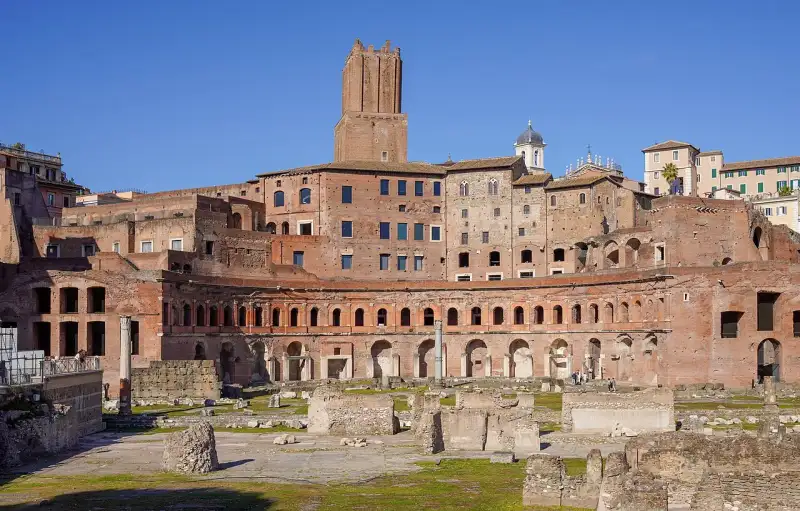
Costruiti all'inizio del II secolo d.C. dall'architetto Apollodoro di Damasco, i Mercati di Traiano sono spesso definiti, in modo un po' anacronistico ma efficace, il primo centro commerciale della storia. Questo vasto complesso in laterizio si sviluppa su sei livelli lungo le pendici del colle Quirinale. Un Centro Multifunzionale Più che un semplice mercato, il complesso era il cuore amministrativo e commerciale dell'Impero Romano. Ospitava oltre 150 tabernae (botteghe), uffici statali, magazzini e la sede del Procurator Annonae, il funzionario incaricato di gestire la distribuzione gratuita del grano al popolo. Il fulcro dell'edificio è la Grande Aula, uno spazio coperto da una maestosa volta a crociera che dimostra l'avanzata tecnologia costruttiva romana. L'Evoluzione nel Tempo I Mercati di Traiano sono un esempio straordinario della stratificazione storica di Roma. Durante il Medioevo, il complesso fu trasformato in una fortezza fortificata dalla famiglia delle Milizie, la cui imponente torre (Torre delle Milizie) domina ancora la struttura. In seguito, divenne persino un convento. Il Museo dei Fori Imperiali Oggi, questo edificio magnificamente restaurato ospita il Museo dei Fori Imperiali. Passeggiando lungo la Via Biberatica, un'antica strada basolata che attraversa il complesso, si respira l'atmosfera commerciale e burocratica della Roma imperiale, ammirando al contempo le decorazioni architettoniche recuperate dai vicini Fori. #MercatiDiTraiano #ArchitetturaAntica #ForiImperiali #Roma #italy #rome #history #ancient Related InsightsSardegna Profonda: Sulle Tracce Misteriose dei Nuraghi nella Barbagia Nascosta Terme di Caracalla: Il Lusso del Benessere Romano Mount Ararat Mysteries{ "@context": "https://schema.org", "@type": "FAQPage", "mainEntity": [ { "@type": "Question", "name": "What is the main focus of Mercati di Traiano: Il Primo Centro Commerciale del Mondo?", "acceptedAnswer": { "@type": "Answer", "text": "Esplora il complesso multifunzionale voluto dall'imperatore Traiano nel cuore di Roma." } }, { "@type": "Question", "name": "Who authored the comprehensive guide on Mercati di Traiano: Il Primo Centro Commerciale del Mondo?", "acceptedAnswer": { "@type": "Answer", "text": "This detailed article and its insights were carefully researched and authored by Lorenzo Russo." } }, { "@type": "Question", "name": "Where can I find more related content about Travel?", "acceptedAnswer": { "@type": "Answer", "text": "You can explore more articles, detailed reviews, and similar insights by browsing the Related Insights section at the bottom of this article or visiting our dedicated Travel category page." } } ] }
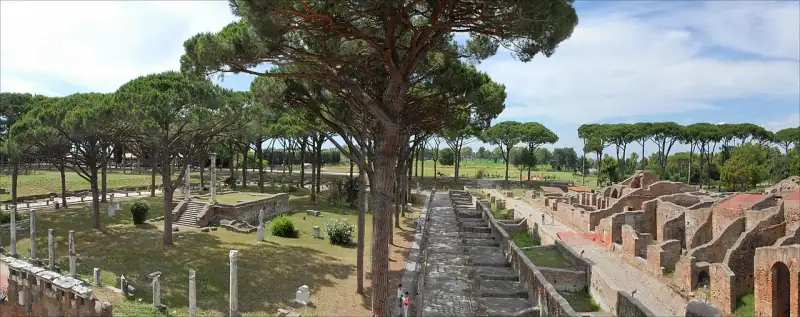
Se Pompei ci mostra una città residenziale sepolta in un istante, Ostia Antica ci rivela una fiorente metropoli commerciale, il porto vitale che ha nutrito e arricchito Roma per secoli. Fondata come prima colonia romana alla foce del Tevere, Ostia divenne il centro logistico nevralgico del Mediterraneo. Il Crocevia del Commercio Nel suo periodo di massimo splendore, nel II secolo d.C., Ostia ospitava circa 50.000 abitanti. Le rovine ci mostrano una città vivace, caratterizzata da insulae (grandi condomini a più piani in mattoni, molto diversi dalle domus unifamiliari di Pompei), vasti magazzini (horrea), terme, mulini e taverne (thermopolia). Il Piazzale delle Corporazioni era il cuore commerciale, circondato dagli uffici di naviculari (armatori) provenienti da ogni angolo dell'impero, identificabili dai mosaici sul pavimento che raffigurano navi, fari e animali esotici. Società Cosmopolita Ostia era una città incredibilmente cosmopolita. La presenza di un foro monumentale, di una delle più antiche sinagoghe d'Europa, di mitrei sotterranei e di templi dedicati a divinità egizie (come Iside e Serapide) dimostra la pacifica convivenza di diverse #culture, religioni e popoli attratti dalle opportunità economiche. Il Lento Declino Con il crollo dell'Impero Romano e l'insabbiamento progressivo del porto, Ostia fu lentamente abbandonata. La malaria e le invasioni resero la costa inabitabile. Ma questo abbandono ha paradossalmente protetto la città dalla distruzione edilizia moderna. Oggi, camminare lungo il Decumano Massimo di Ostia Antica è come passeggiare in una vera città romana, percependo il brulichio di una metropoli mercantile di duemila anni fa. #OstiaAntica #Archeologia #PortoRomano #Roma #italy #rome #history #ancient Related Insights乔家大院:清代北方民居的典范 The Arctic's Whispering Skies: Your Ultimate Guide to Unlocking Scandinavia's Northern Lights Mystique (Part 2) Machu Picchu : Quand les Pierres Éternelles des Incas Murmurent l'Histoire Oubliée au Sommet des Andes{ "@context": "https://schema.org", "@type": "FAQPage", "mainEntity": [ { "@type": "Question", "name": "What is the main focus of Ostia Antica: Il Porto dell'Impero Romano?", "acceptedAnswer": { "@type": "Answer", "text": "La fiorente città portuale commerciale che nutriva e sosteneva Roma." } }, { "@type": "Question", "name": "Who authored the comprehensive guide on Ostia Antica: Il Porto dell'Impero Romano?", "acceptedAnswer": { "@type": "Answer", "text": "This detailed article and its insights were carefully researched and authored by Lorenzo Russo." } }, { "@type": "Question", "name": "Where can I find more related content about Travel?", "acceptedAnswer": { "@type": "Answer", "text": "You can explore more articles, detailed reviews, and similar insights by browsing the Related Insights section at the bottom of this article or visiting our dedicated Travel category page." } } ] }