Exploring the Aegean Coast
-
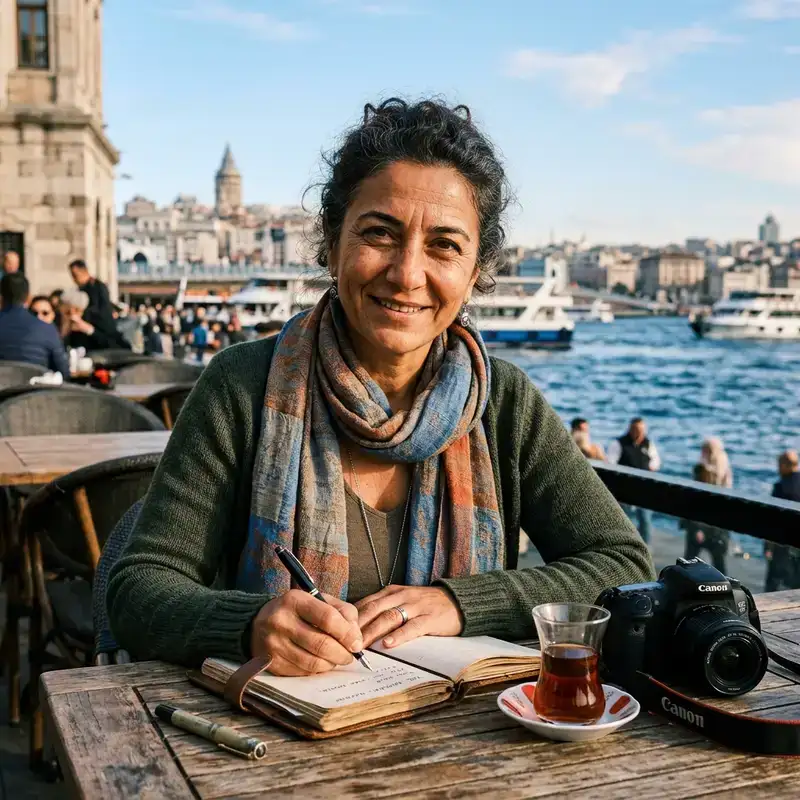 Cemre Seyyah
 - 29 May, 2026 17:26
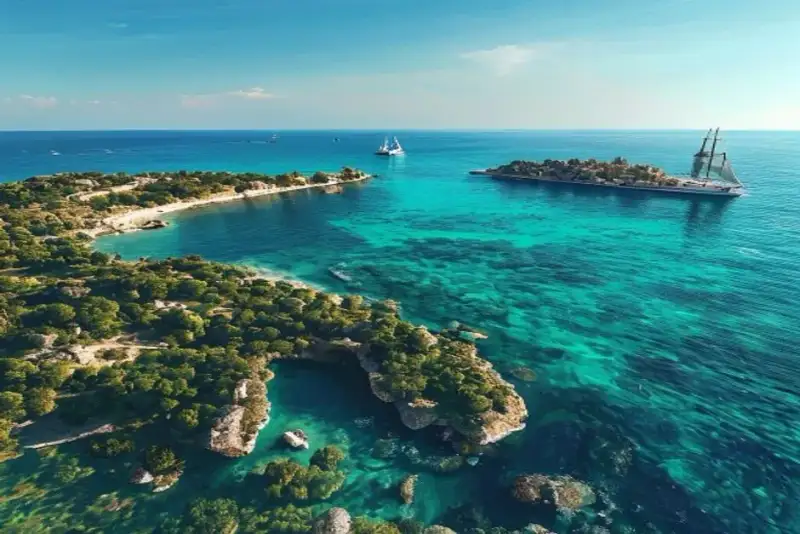
The scent of sun-warmed pine needles, mingled with the faint, invigorating tang of sea salt, is often the first embrace the Aegean offers. It’s a sensory overture to a land where antiquity breathes alongside the modern, where turquoise waters lap at shores steeped in myth, and where every winding road promises a new discovery. This isn’t merely a destination; it is an immersive #journey into the very cradle of civilization, a vibrant tapestry woven from millennia of #history, breathtaking natural beauty, and a culinary tradition as rich and varied as its landscapes. Welcome, fellow wanderers, to the boundless wonders of the Turkish Aegean. #AegeanDreams
İzmir: The Pearl of the Aegean
Our odyssey begins in İzmir, a city often overlooked by those rushing to the more celebrated ruins or resort towns, yet one that pulses with its own unique rhythm and charm. As Turkey’s third-largest city, İzmir is a modern metropolis that effortlessly blends its deep historical roots with a contemporary, outward-looking spirit. A stroll along the Kordon, its magnificent waterfront promenade, is a quintessential İzmir experience, offering panoramic views of the bay and a vibrant social scene where locals gather from dawn till dusk. The city’s beating heart can be found in Konak Square, dominated by the iconic Clock Tower, a #beautiful Ottoman-era landmark that has stood watch over countless generations. Nearby, the bustling Kemeraltı Bazaar is a sensory overload in the best possible way – a labyrinthine maze of stalls selling everything from spices and textiles to jewelry and local handicrafts. Here, the aroma of roasting coffee mixes with exotic perfumes, and the clamor of vendors creates a symphony of urban life. #IzmirLife
Delving deeper, İzmir reveals its #ancient past in fragments. The Kadifekale, or “Velvet Castle,” perched atop Mount Pagos, offers not only a glimpse into the city’s Hellenistic and Roman foundations but also unparalleled vistas across the entire Gulf of İzmir. Below, the #ancient Agora of Smyrna whispers tales of a vibrant market and administrative center that thrived here for centuries. İzmir is also a fantastic base for exploring the surrounding regions, offering excellent transport links to a wealth of historical and natural attractions. It’s a city that embodies the Aegean spirit: warm, welcoming, and deeply rooted in its heritage, yet ever-evolving.
The Echoes of Grandeur: Pergamon and Troy
Venturing north from İzmir, the landscape transforms into rolling hills carpeted with olive groves, leading us to sites of astounding historical significance. Our first major stop is Pergamon (Bergama), a city that once rivaled Alexandria in its intellectual and cultural prowess. Perched majestically on a dramatic acropolis, the ruins of Pergamon are a testament to the Hellenistic Attalid dynasty’s ambition and sophistication. The sheer scale of the Theatre of Pergamon, carved into the hillside with a breathtakingly steep incline, leaves an indelible impression, offering views that sweep across the modern town below. It truly feels like stepping back in time to witness ancient dramas unfold. #AncientCivilizations
But Pergamon’s fame wasn’t just for its theatre. It was home to one of the ancient world’s largest libraries, second only to Alexandria, rumored to have contained over 200,000 scrolls. It was here, so the legend goes, that parchment (pergamena) was invented as an alternative to papyrus when the Egyptians cut off supply. While the library itself is gone, the foundations of the magnificent Altar of Zeus (parts of which are now in #Berlin’s Pergamon Museum) still evoke the city’s religious fervor and artistic achievements. Down in the valley lies the Asclepeion, an ancient medical center dedicated to Asclepius, the god of healing. It was a sophisticated complex, akin to a spa and sanatorium, where patients underwent treatments involving dream interpretation, mud baths, and therapeutic exercises. The peaceful, spiritual atmosphere of this ancient healing sanctuary is palpable even today. #UNESCOWorldHeritage
Further north, past the Dardanelles, lies the legendary city of Troy (Troia). While perhaps not as visually striking as Ephesus or Pergamon in terms of preserved structures, its significance is immeasurable. The layers of excavation, spanning over 5,000 years of habitation, tell a complex story of nine cities built one upon another, each bearing witness to different eras. It’s a place where myth intertwines with archaeology, where Heinrich Schliemann’s controversial excavations brought Homer’s epic tales to life. Walking through the ruins, imagining the clash of Achilles and Hector, seeing the defensive walls, and standing by the symbolic Trojan Horse replica, one can’t help but feel a profound connection to human #history and storytelling. Troy reminds us of the enduring power of narrative and the relentless march of time. #HomericTales
Coastal Charms: Çeşme and Alaçatı
Returning to the coast, the atmosphere shifts from profound history to vibrant, sun-drenched leisure. The Çeşme Peninsula, easily accessible from İzmir, is a jewel of the Aegean, known for its pristine beaches, thermal springs, and charming towns. Çeşme itself boasts a formidable Ottoman castle, offering superb views and housing an archaeological museum. The town’s marina buzzes with activity, and its streets are lined with boutiques and seafood restaurants serving the freshest catches.
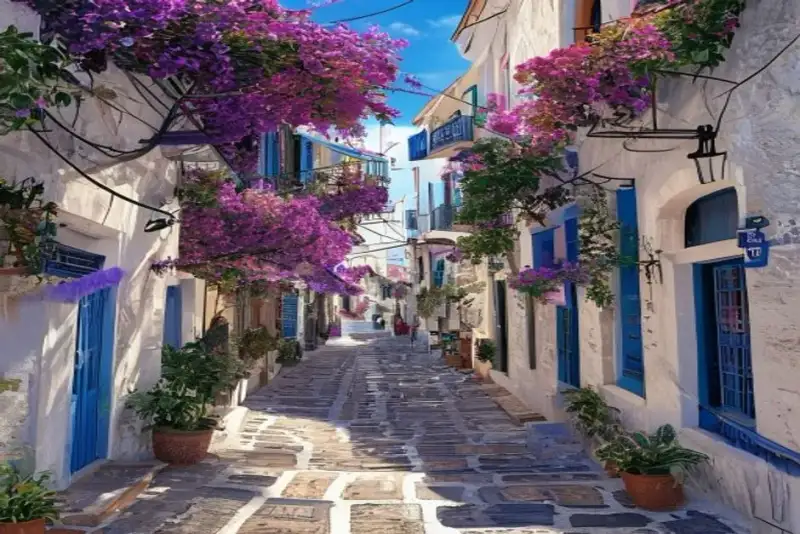
Just a short drive inland, Alaçatı emerges as a quintessential Aegean dream. This once-sleepy Greek village has been lovingly restored, its cobblestone streets winding past stone houses adorned with vibrant bougainvillea. Boutique hotels, artisanal shops, and chic cafés have replaced traditional homes, creating an atmosphere of sophisticated bohemianism. Alaçatı is particularly famous for its windsurfing and kitesurfing conditions, drawing enthusiasts from around the globe to its shallow, breezy bay. Even for those not chasing the wind, the town’s charm, exquisite local cuisine (especially its mastic-infused delicacies), and laid-back yet stylish ambiance make it an irresistible stop. The scent of jasmine and the distant clatter of cafe life create an intoxicating blend. #WindsurfingParadise #BoutiqueTravel
The Cradle of Civilization: Ephesus and Its Neighbors
South of İzmir, a region unfolds that is arguably the historical heartland of the Turkish Aegean. Here, amidst olive groves and citrus orchards, lie some of the most spectacular archaeological sites in the world, none more magnificent than Ephesus.
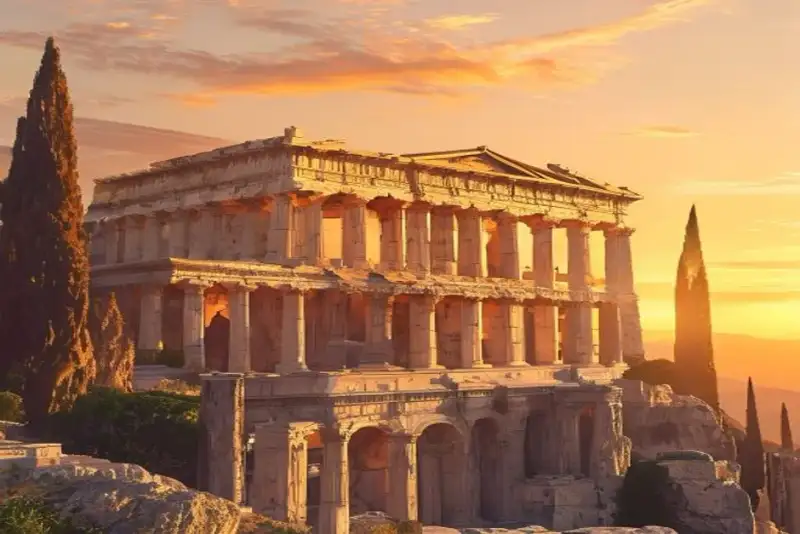
Ephesus (Efes) is not merely a ruin; it is a meticulously excavated city frozen in time, offering an unparalleled glimpse into Roman life. Once a bustling port city and the Roman capital of Asia Minor, its grandeur is still breathtaking. Walking down the marble-paved Curetes Street, flanked by grand monuments and adorned with intricate carvings, one can almost hear the echoes of ancient footsteps. The scale of the Great Theatre, capable of holding 25,000 spectators, is immense, and its acoustics are still remarkably functional today. This theatre wasn’t just for plays; it witnessed gladiatorial contests and, famously, the riot stirred by Demetrius against St. Paul. #EphesusWonders
The undisputed jewel of Ephesus is the Celsus Library. Its two-story facade, meticulously reconstructed with its ornate niches, statues of virtues, and grand columns, is a masterpiece of Roman #architecture. It served as both a library and a monumental tomb for Tiberius Julius Celsus Polemaeanus, the former governor of Asia. Nearby, the Terrace Houses offer a fascinating insight into the daily lives of wealthy Ephesians. These multi-story residences, adorned with stunning mosaics, frescoes, and sophisticated heating systems, paint a vivid picture of domestic luxury in the Roman era. The attention to detail, from the public latrines with their ingenious plumbing to the detailed commercial signs along the main thoroughfares, brings this ancient metropolis truly to life.
Beyond the city proper, the remnants of the #temple of Artemis, one of the Seven Wonders of the Ancient World, now stand as a solitary column, a poignant reminder of its former glory. While little remains of the #temple itself, its historical significance as a major cult center dedicated to the Anatolian mother goddess Cybele, later syncretized with Artemis, is immense. Close by, the House of the Virgin Mary (Meryem Ana Evi) offers a place of pilgrimage, believed by many to be where Mary spent her final years. The blend of pagan and early Christian history in this region is profound. #HistoryBuff
A short distance from Ephesus lies Şirince, a charming village nestled in the hills, known for its traditional Greek-style houses, local olive oil, and renowned fruit wines. It’s a delightful contrast to the grandeur of Ephesus, offering a taste of rural Aegean life and hospitality.
The “sacred way” continues south, leading to the trio of ancient Ionian cities: Priene, Miletus, and Didyma. Priene, dramatically situated on a steep hillside, is a remarkably well-preserved example of Hellenistic urban planning. Its grid layout, small but perfectly formed theatre, and the elegant Temple of Athena Polias offer a more intimate archaeological experience. The city’s strategic location overlooking the Meander River plain once gave it a vital connection to the sea, now long receded. Miletus, once a powerful maritime city and a pioneer of scientific thought (home to Thales, Anaximander, and Anaximenes), now lies inland due to siltation from the Meander River. Its magnificent theatre, a Roman reconstruction, is its most impressive feature, but the ruins of its agora, baths, and the Faustina Baths complex still speak of its former glory as a center of philosophy and commerce. Finally, Didyma is home to the colossal Temple of Apollo, a truly awe-inspiring sight. Though never fully completed, its scale and the surviving massive columns are breathtaking. This was once a revered oracle site, second only to Delphi, where pilgrims would consult the oracle for prophecies. Standing amidst these gargantuan remnants, one feels the sheer ambition and spiritual devotion of the ancient world. #ArchaeologicalWonders
The Cotton Castle and Ancient Spa: Pamukkale and Hierapolis
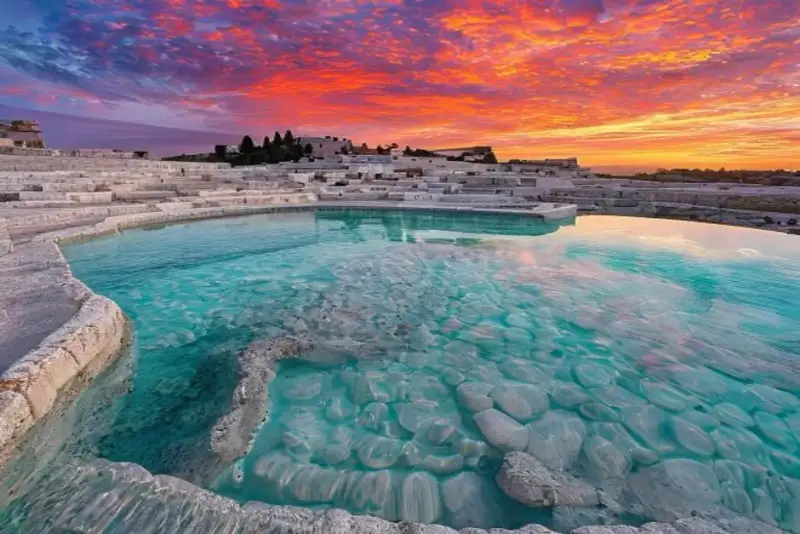
While technically a bit inland from the immediate Aegean coastline, Pamukkale is an indispensable stop for anyone exploring this region, often combined with visits to Ephesus. The name “Pamukkale” translates to “Cotton Castle,” a perfectly apt description for its ethereal, snow-white travertines. These geological formations are created by the calcium-rich thermal waters cascading down the hillside, forming dazzling terraces and pools. Bathing in these warm, mineral-rich waters, believed to have healing properties, is an experience that transcends the ordinary. #ThermalSprings
Perched above this natural wonder lies the ancient city of Hierapolis. Founded as a healing spa town in the 2nd century BCE, its ruins are vast and impressive. The sprawling necropolis, with its diverse tombs and sarcophagi, is one of the largest in Anatolia. The grand Roman theatre of Hierapolis is remarkably well-preserved, offering stunning views over the travertines and the surrounding valley. Exploring the remains of its elaborate bath complexes, temples, and the thermal springs that still bubble forth, one gains a profound appreciation for the ancient belief in the restorative power of water. Pamukkale and Hierapolis together form a truly unique #UNESCO World Heritage site, a testament to both #nature’s artistry and human ingenuity. #NaturePhotography
Bodrum: The White City of Endless Summers
Heading further south along the Aegean, we arrive at Bodrum, a name synonymous with chic holidays, vibrant nightlife, and a captivating blend of history and hedonism. The “White City,” as it’s often called due to its whitewashed houses cascading down to the shimmering sea, has long been a magnet for artists, intellectuals, and jet-setters.
At the heart of Bodrum lies the magnificent Castle of St. Peter, a Crusader fortress built by the Knights Hospitaller in the 15th century. Today, it houses the superb Museum of Underwater Archaeology, one of the most significant museums of its kind in the world. Its exhibits, salvaged from ancient shipwrecks off the Turkish coast, include incredible artifacts from the Bronze Age to the Ottoman period, offering a tangible connection to the region’s maritime heritage. The sheer craftsmanship of the artifacts, from Uluburun shipwreck treasures to ancient amphorae, is awe-inspiring. #UnderwaterArchaeology
Bodrum’s history also stretches back to antiquity as Halicarnassus, home to one of the Seven Wonders of the Ancient World: the Mausoleum at Halicarnassus. While only foundations remain, the site still evokes the grand scale of this elaborate tomb built for Mausolus. Beyond history, Bodrum pulses with a contemporary energy. Its marina is filled with luxurious yachts and traditional wooden gulets, inviting visitors to embark on blue cruises to explore hidden coves and nearby islands. The town’s bazaar is a lively place for shopping, and its nightlife, centered around Bar Street, is legendary. From sophisticated beach clubs to traditional meyhanes, Bodrum caters to every taste, seamlessly blending its ancient past with a glamorous present. It’s a place where you can spend your mornings exploring ancient ruins and your afternoons sunbathing on a pristine beach, followed by an evening of gourmet dining and lively entertainment. #BodrumNights
The Serenity of the Southern Aegean: Akyaka and Datça
For those seeking a quieter, more natural side of the Aegean, the regions around Akyaka and the Datça Peninsula offer a soothing balm. Akyaka, nestled at the head of the Gulf of Gökova, is a charming town known for its unique #architecture, where traditional local designs blend seamlessly with modern comfort. It’s a haven for #nature lovers, with the tranquil Azmak River offering boat trips through crystal-clear waters teeming with fish, shaded by ancient trees. The surrounding pine forests are perfect for hiking and cycling, and the area is a protected natural site, ensuring its pristine beauty is preserved. It’s a slower pace of life, where the symphony of cicadas and the gentle lapping of waves set the rhythm.
Further west, the Datça Peninsula juts out into the Aegean, a rugged finger of land renowned for its untouched beauty, almond trees, and pristine coves. Driving along the winding roads of Datça is an experience in itself, revealing breathtaking vistas at every turn. At its very tip lies Knidos, another significant ancient city, once a center for art and science, home to the famous Aphrodite of Knidos statue by Praxiteles. The ruins, including a well-preserved theatre and two harbors, are spectacularly situated at the confluence of the Aegean and Mediterranean, offering dramatic views. Datça offers a truly escape-from-it-all vibe, perfect for unwinding, swimming in secluded bays, and savoring fresh, simple Aegean cuisine. #UntouchedBeauty
The Aegean Palate: A Culinary #journey
No exploration of the Aegean is complete without diving deep into its culinary heart. Aegean cuisine is a celebration of freshness, seasonality, and the bounty of both land and sea. It is light, healthy, and incredibly flavorful, heavily reliant on olive oil, fresh herbs, vegetables, and seafood.
The star of the show, of course, is olive oil. The Aegean region is #Türkiye’s premier olive-growing area, and the quality of its extra virgin olive oil is exceptional. It’s used generously in almost every dish, from the simplest salads to complex stews. Look for local olive oil tastings, especially around Ayvalık or the İzmir region, to truly appreciate its nuanced flavors. #OliveOilCulture
Seafood is paramount. From grilled sea bream (çipura) and sea bass (levrek) to fried calamari (kalamar tava) and marinated octopus (ahtapot salatası), the options are endless and always incredibly fresh. Don’t miss trying balık ekmek, a simple yet delicious fish sandwich often sold from street carts, particularly in coastal towns.
Vegetables feature prominently, often prepared as zeytinyağlılar – dishes cooked in olive oil and served cold or at room temperature. Artichokes, green beans, okra, and zucchini are prepared with dill, lemon, and a generous drizzle of olive oil, embodying the essence of Mediterranean freshness. Otlar, wild edible greens foraged from the hillsides, are another local specialty, often sautéed or used in savory pastries.
Mezes are an integral part of the Aegean dining experience. These small plates, ranging from creamy haydari (yogurt with garlic and mint) and spicy ezme (tomato and pepper paste) to stuffed grape leaves (yaprak sarma) and various eggplant dishes, are meant to be shared, fostering conversation and camaraderie. Accompany them with a glass of crisp local white wine, often from vineyards around İzmir or Bozcaada, or the anise-flavored spirit, rakı.
Sweet treats often involve fruits, mastic, and tahini. Alaçatı is famous for its mastic ice cream and desserts, while the region’s figs, apricots, and peaches are heavenly when in season. The simplicity and purity of Aegean cuisine reflect the region itself: honest, wholesome, and profoundly satisfying. #AegeanCuisine
Gulet Cruises: Sailing the Turquoise Coast
One of the most iconic ways to experience the Aegean’s unparalleled beauty is aboard a traditional wooden gulet. These charming, handcrafted motor-sailers offer “Blue Cruises” (Mavi Yolculuk) that explore the myriad coves, islands, and ancient ruins inaccessible by land. Departing from towns like Bodrum, Marmaris, or Fethiye, a gulet cruise is an invitation to slow down, disconnect, and immerse yourself in the rhythm of the sea.
Days are spent swimming in secluded turquoise bays, snorkeling among vibrant marine life, sunbathing on deck, and enjoying delicious, freshly prepared meals under the open sky. Evenings bring stargazing away from city lights, with the gentle rocking of the boat lulling you to sleep. It’s a timeless way to experience the Aegean, connecting you directly with its natural splendor and evoking the spirit of ancient mariners. Many routes include stops at charming fishing villages, ancient island ruins, and natural wonders, making each day an adventure. #GuletLife #TurquoiseCoast
Practicalities for the Aegean Explorer
- Best Time to Visit: Spring (April-May) and Autumn (September-October) offer pleasant temperatures, fewer crowds, and lush landscapes – ideal for sightseeing and hiking. Summer (June-August) is perfect for beach holidays and water sports, but popular areas can be crowded and hot.
- Getting Around: Rental cars offer the most flexibility for exploring the diverse landscapes and archaeological sites. Local dolmuş (shared minibuses) are efficient for shorter distances between towns. Major cities are connected by comfortable intercity buses. For islands, ferries and gulet cruises are the way to go.
- Accommodation: Options range from luxurious five-star resorts and boutique hotels in Alaçatı and Bodrum to charming guesthouses in Şirince and budget-friendly pensions.
- Local Etiquette: Turks are renowned for their hospitality. A simple Merhaba (hello) and Teşekkür Ederim (thank you) go a long way. Dress modestly when visiting mosques or religious sites. Haggling is common in bazaars but always with a smile.
The Turkish Aegean Coast is more than just a geographical region; it is a profound journey through time and senses. It’s where the whispers of ancient empires echo on marble streets, where the scent of wild herbs drifts over sun-drenched beaches, and where every meal is a celebration of life. From the intellectual heights of Pergamon to the hedonistic shores of Bodrum, from the serene beauty of Pamukkale to the vibrant markets of İzmir, this coast offers an unparalleled richness of experience. As Cemre Seyyah, I can tell you that few places on Earth captivate the soul so completely. Come, walk these ancient lands, sail these azure waters, and let the Aegean cast its irresistible spell upon you. #TravelTurkey #AegeanAdventure
#travel #explore #guide