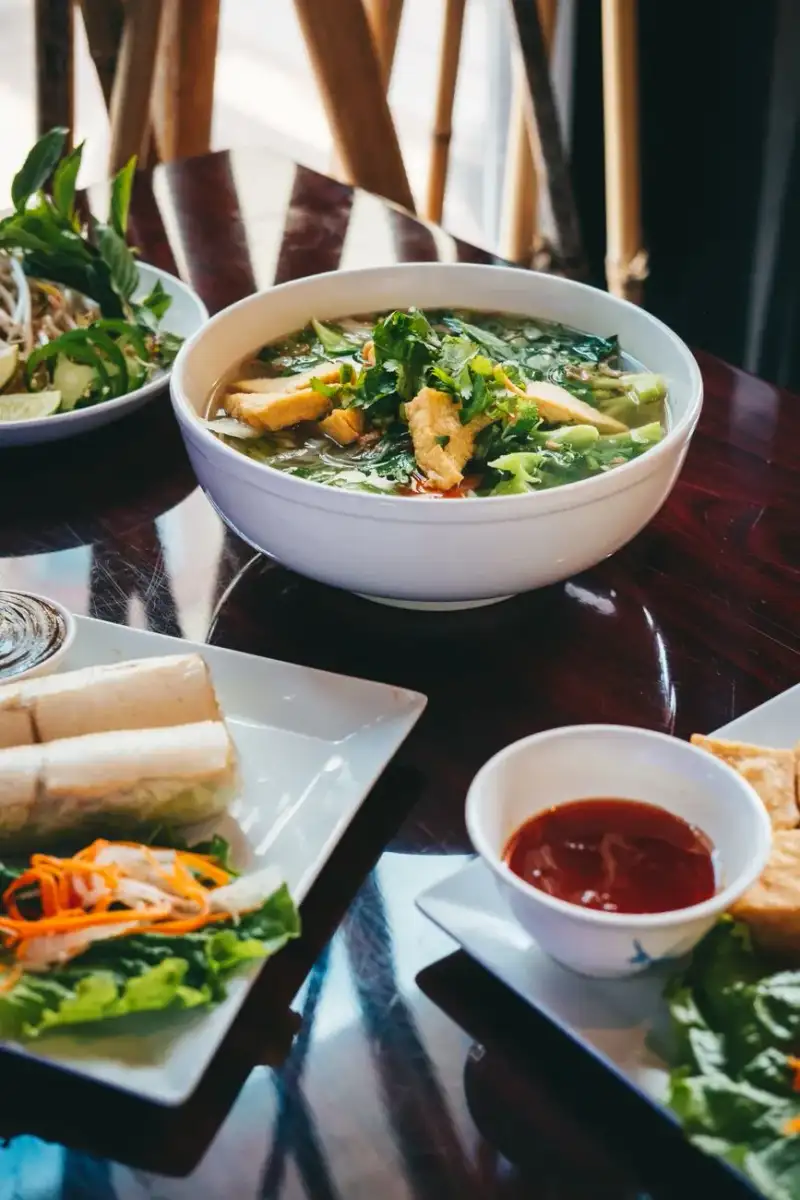
Cheong fun, literally meaning “intestinal fragrant” in Cantonese, is a traditional Cantonese dish that has been a staple in the culinary scene of Southern China, particularly in Guangdong Province, for centuries. These silky rice noodle rolls are not only a delight to the palate but also carry a rich cultural heritage that transcends borders and generations. The delicate, almost translucent sheets of rice flour, wrapped around various fillings, are served steaming hot, often accompanied by a sweet soy sauce, chili sauce, and sesame oil, creating a flavor profile that is both subtle and complex.
Introduction to Cheong Fun
Cheong fun is made from a mixture of rice flour, water, and sometimes tapioca flour, which is then steamed to create the signature silky texture. The dough is first mixed to a smooth, pliable consistency, then rested to allow the gluten to relax, making it easier to roll out into thin sheets. These sheets are then filled with ingredients ranging from classic pork, beef, or shrimp to more modern and innovative fillings such as vegetables, egg, or even dessert fillings. The versatility of cheong fun makes it a favorite not just in traditional dim sum restaurants but also in modern eateries and street food stalls.
History of Cheong Fun
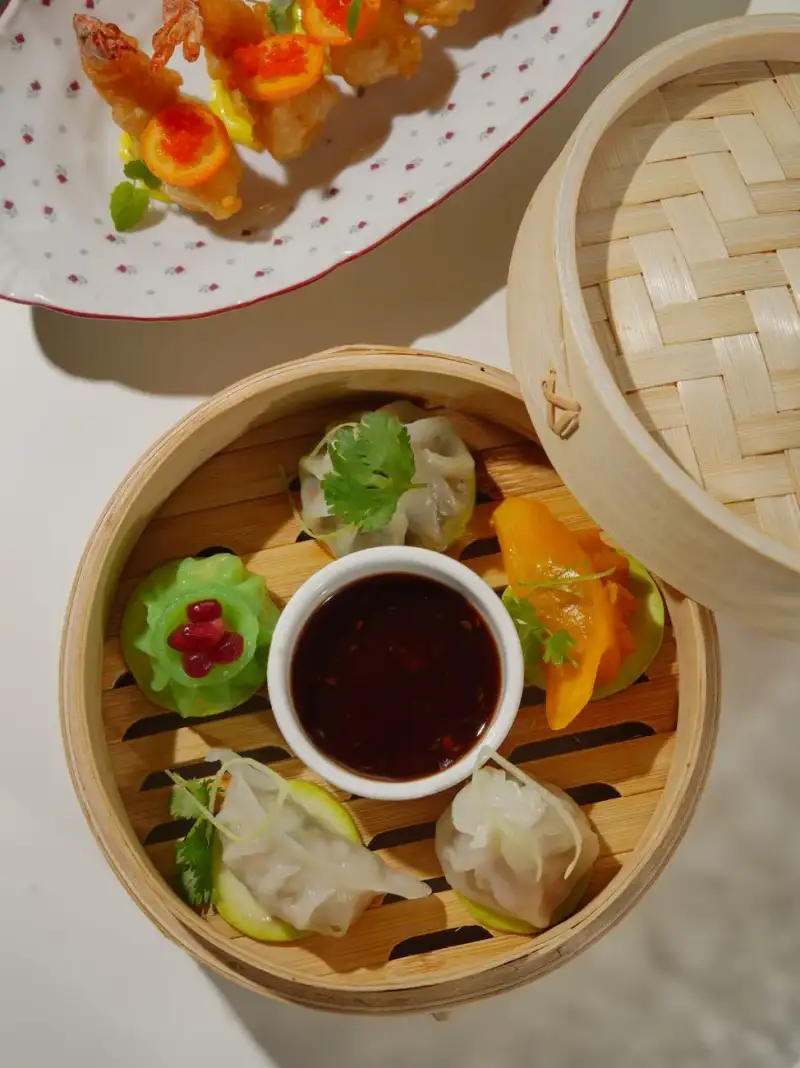
The history of cheong fun dates back to the Qing dynasty, where it is believed to have originated in the Guangdong Province. Initially, it was a simple, humble dish consumed by the working class due to its affordability and filling nature. Over time, as Cantonese cuisine spread throughout China and beyond, cheong fun evolved, incorporating various fillings and sauces, adapting to local tastes while maintaining its core characteristics. Today, cheong fun is enjoyed not only in China but also in countries with significant Chinese diaspora populations, such as the United States, Canada, and Southeast Asia.
Preparation of Cheong Fun
Preparing cheong fun from scratch requires patience and skill. The process begins with mixing the rice flour with water to achieve the right consistency, not too thick and not too thin. The mixture is then kneaded and rested to allow the flour to absorb the water evenly. After resting, the dough is rolled out into thin sheets, a process that requires great care to achieve the desired thinness and evenness. Once the sheets are ready, they are steamed until they are cooked and pliable, ready to be wrapped around the chosen fillings.
Cultural Significance of Cheong Fun
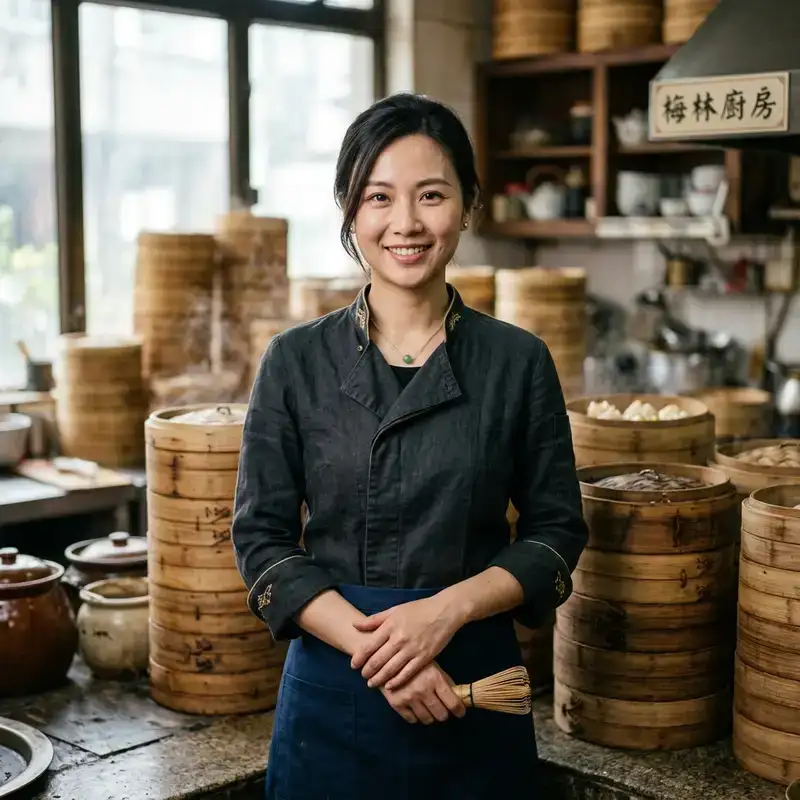
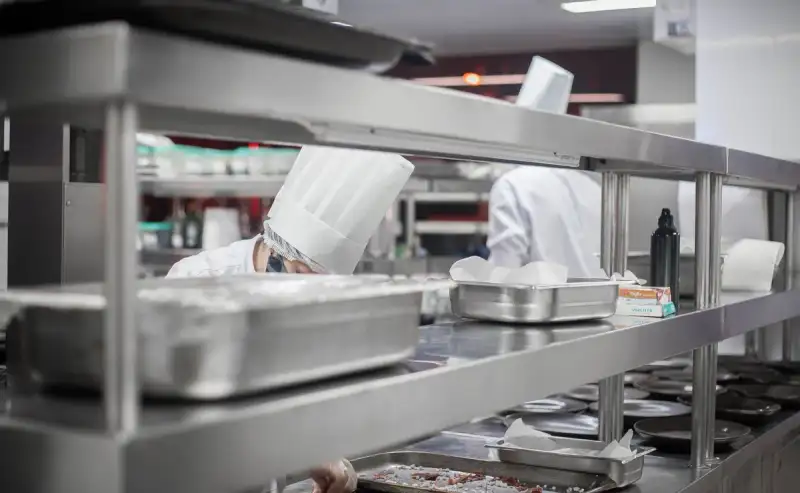
Cheong fun holds a significant place in Cantonese culture, particularly during traditional festivals and special occasions. It is a dish that brings people together, often served in dim sum restaurants where families and friends gather to share a meal. The act of wrapping and serving cheong fun is also steeped in tradition and etiquette, with specific rules governing how it should be handled and consumed. For instance, it is customary to serve cheong fun with specific dipping sauces, and the way one wraps and unwraps the roll can signify respect or disrespect to the chef and the company.
Varieties of Cheong Fun
While traditional fillings such as pork and shrimp remain popular, modern variations of cheong fun have introduced a wide range of fillings and toppings. Vegetarian and vegan options are increasingly available, catering to diverse dietary preferences. Innovative chefs have also experimented with fusion fillings, combining Cantonese traditions with international flavors, such as Korean chili flakes or Italian basil. This adaptability has ensured that cheong fun remains relevant and exciting, appealing to both traditionalists and adventurous eaters.
Authentic Recipe for Cheong Fun
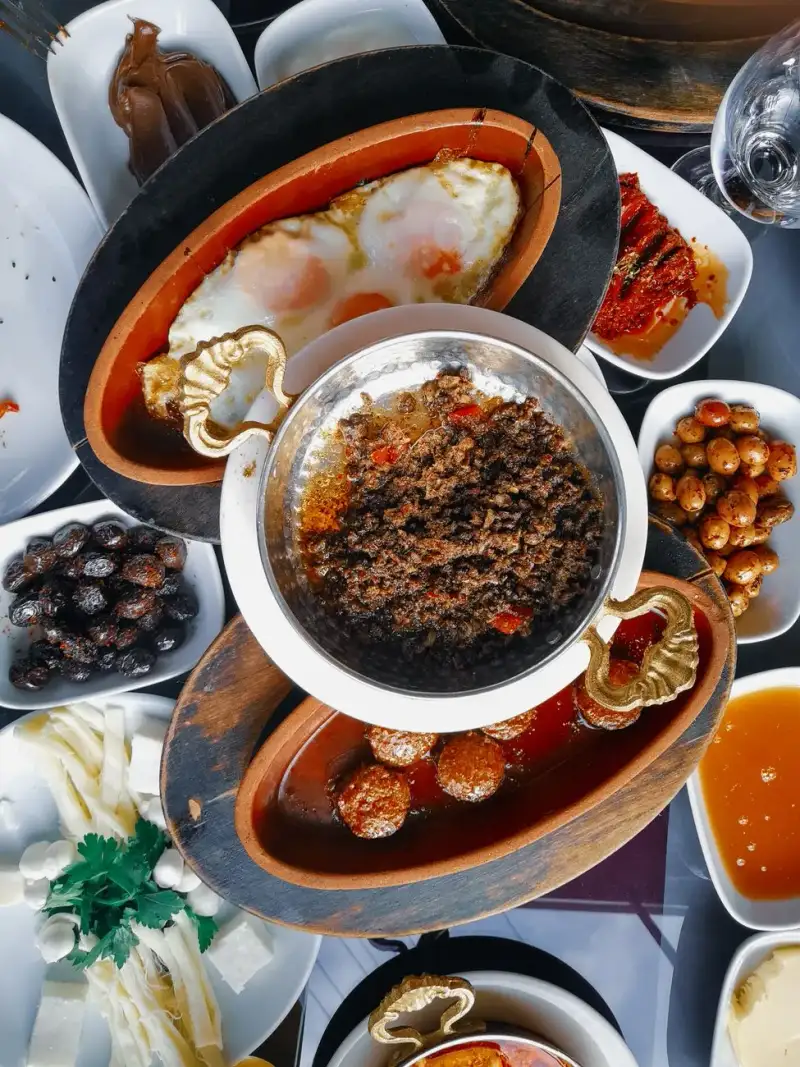
For those eager to try their hand at making cheong fun at home, here is a simple recipe to get started:
- Ingredients: 2 cups of rice flour, 1/2 cup of tapioca flour, 1/4 teaspoon of salt, 1/4 teaspoon of sugar, 1/2 cup of warm water.
- Instructions: Mix all dry ingredients, then gradually add in the warm water, kneading until a smooth dough forms. Rest the dough for 30 minutes, then divide it into small portions. Roll out each portion into a thin sheet, place your preferred filling in the center, and wrap into a roll. Steam the rolls for about 10 minutes, or until they are cooked through and silky.
Conclusion
Cheong fun, with its silky rice noodle rolls and diverse fillings, is a culinary delight that embodies the essence of Cantonese cuisine: simplicity, versatility, and a deep respect for tradition. Whether enjoyed in a bustling dim sum restaurant or prepared at home with love and care, cheong fun is a dish that bridges cultures and generations, inviting all to partake in its rich flavors and storied history.
#CheongFun #SilkyRiceNoodleRolls #CantoneseCuisine #DimSum #TraditionalFood #StreetFood #CulturalHeritage #FoodieAdventures