Introduction to Chongqing Hot Pot
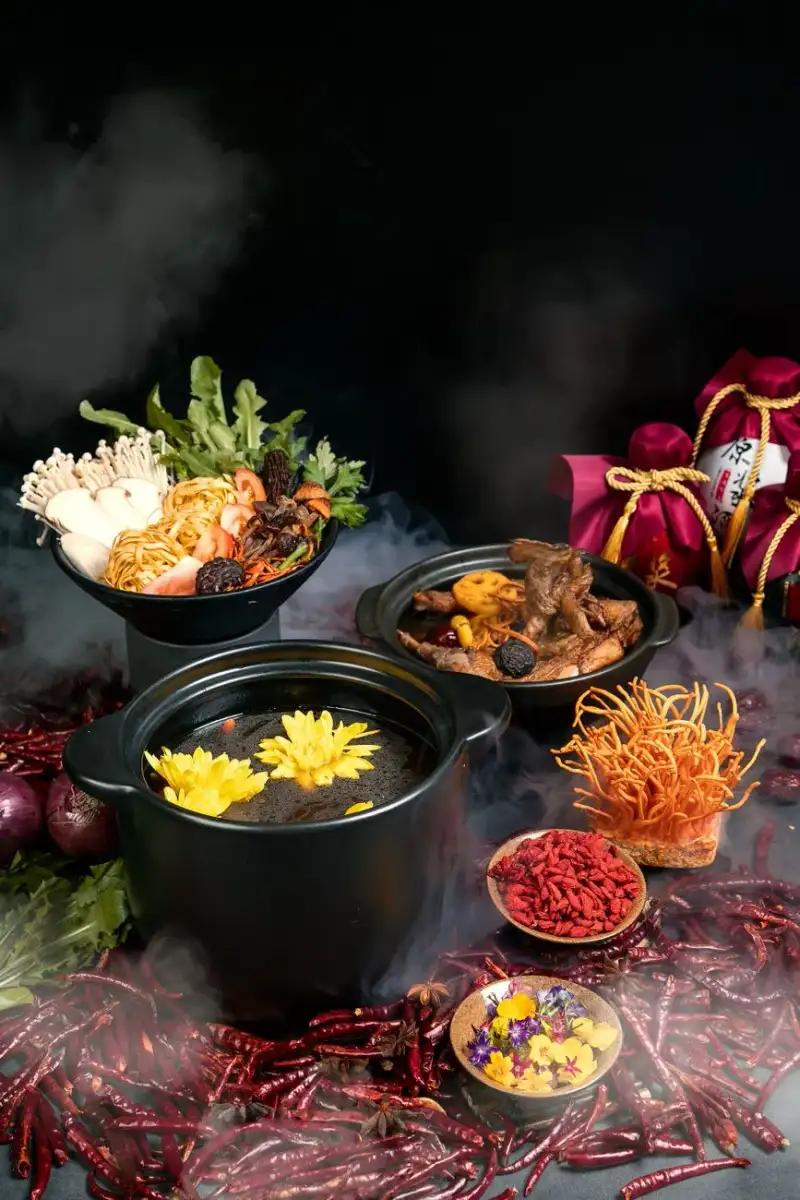
Chongqing Hot Pot, a culinary marvel from the mountainous city of Chongqing in southwestern China, is more than just a dish; it’s an experience that combines the richness of cultural heritage, the vibrancy of communal dining, and the depth of flavors that linger on your palate. This ancient culinary tradition, passed down through generations, embodies the essence of Sichuan cuisine, known for its bold flavors and, notably, the unmistakable presence of Sichuan pepper and chili oil. The heart of Chongqing Hot Pot lies in its broth, a simmering, fiery elixir that cooks a variety of ingredients to perfection, fostering a dining experience that is as much about sharing and community as it is about the food itself.
The Cultural Significance of Chongqing Hot Pot
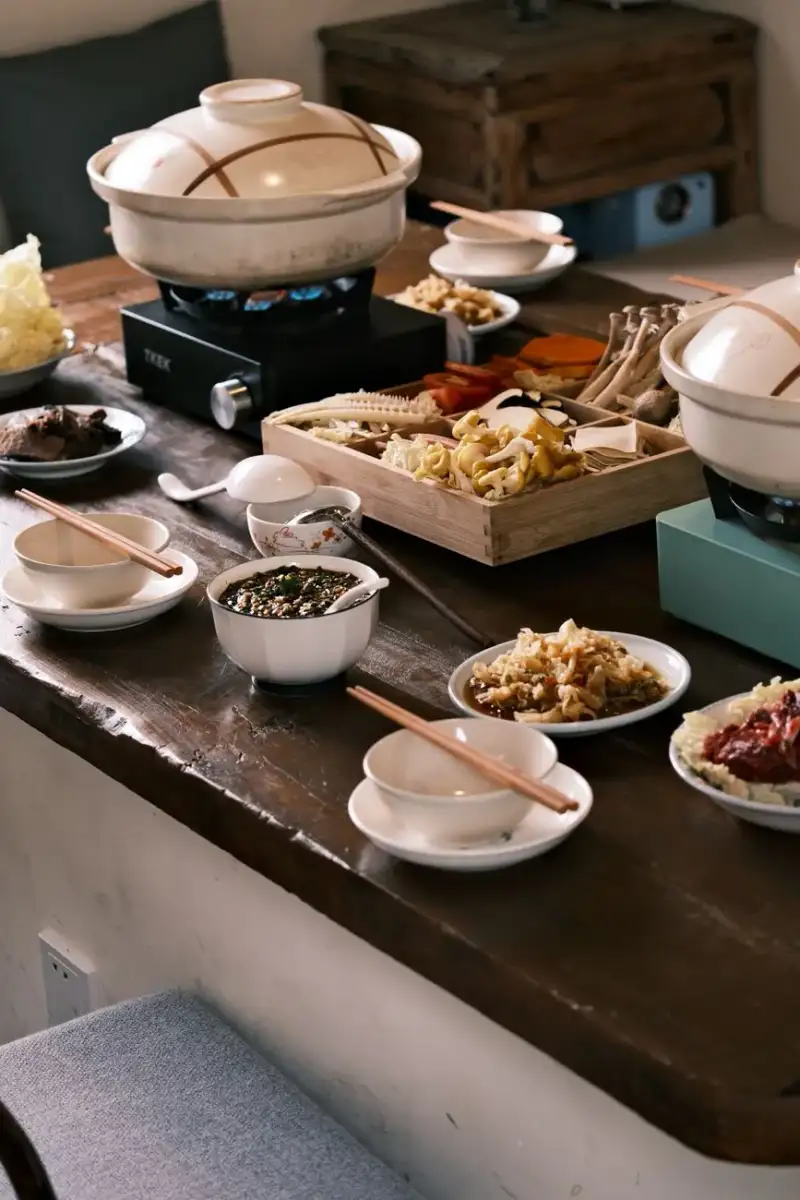 Chongqing Hot Pot is deeply intertwined with the social fabric of the community. It’s not uncommon to see groups of friends, families, or even strangers gathering around a steaming pot, dipping various meats, seafood, and vegetables into the savory broth. This communal style of dining encourages interaction, sharing, and a sense of togetherness, reflecting the intrinsic value placed on community and social bonding in Chinese culture. The tradition is especially pronounced during winter months when the warmth and spice of the hot pot offer a cozy respite from the cold.
The Flavors and Ingredients of Chongqing Hot Pot
 At the core of Chongqing Hot Pot’s allure is its complex, layered flavor profile. The broth, which can simmer for hours, is typically made with a combination of pork or chicken bones, a plethora of spices, and a generous amount of Sichuan peppercorns and chilies. The ingredients used for cooking in the hot pot are diverse, ranging from thinly sliced meats (like beef and pork), a variety of mushrooms, tofu, and an assortment of leafy greens. Each item is carefully selected for its texture and how it will absorb the flavors of the broth, creating a harmonious balance of tastes and sensations with each dip.
Preparing Chongqing Hot Pot at Home
For those looking to recreate the magic of Chongqing Hot Pot in their own kitchens, the process can be somewhat involved but is certainly rewarding. It begins with the preparation of the broth, which requires patience as it needs to simmer for an extended period to develop its rich flavor. A mixture of light and dark soy sauce, Shaoxing wine, ginger, garlic, star anise, cinnamon sticks, and, of course, Sichuan peppercorns and dried red chilies, form the aromatic backbone of the broth. Once the broth is ready, the fun begins – arranging a colorful platter of dipping ingredients and gathering around the table to enjoy the feast.
Health Benefits of Chongqing Hot Pot
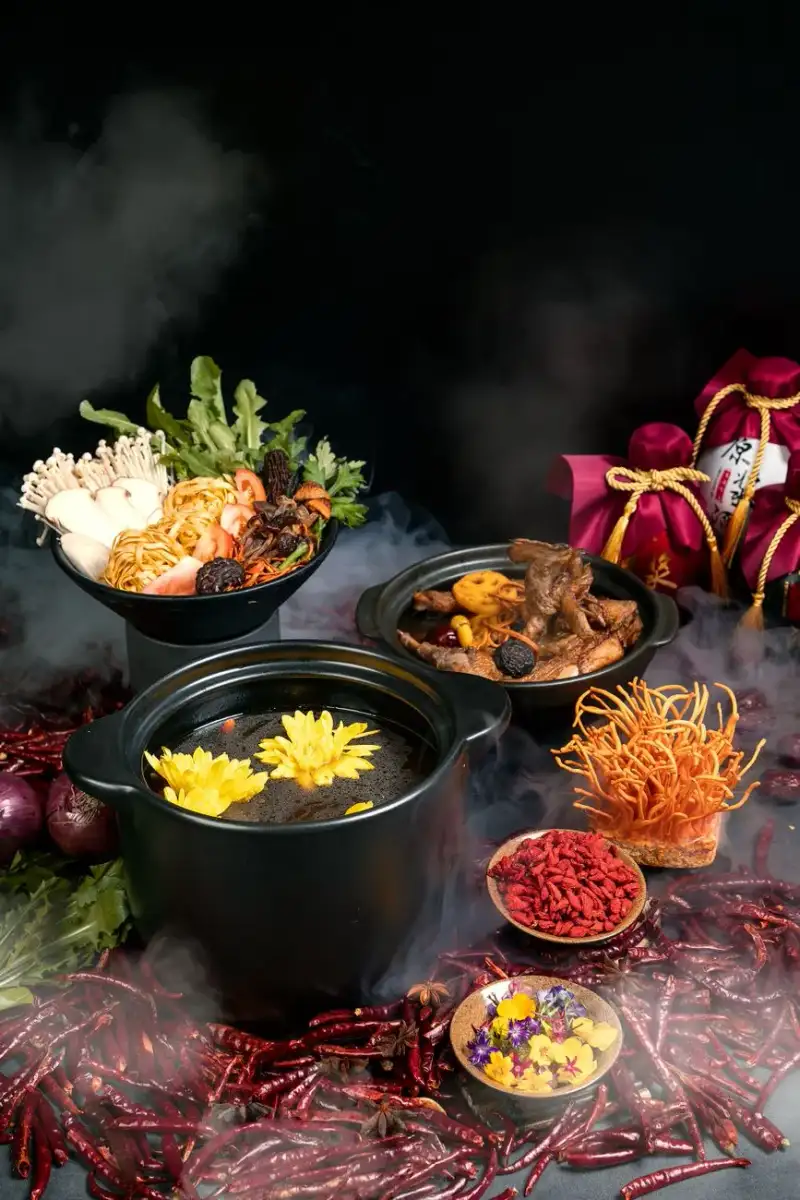 Beyond its cultural and culinary appeal, Chongqing Hot Pot also boasts several health benefits. The broth, rich in collagen from long-simmered bones, is excellent for skin and joint health. The plethora of spices, particularly ginger and garlic, have known anti-inflammatory properties. Moreover, the communal nature of the meal encourages mindful eating and social interaction, both of which are vital for mental well-being. The variety of ingredients also ensures a balanced intake of nutrients, making Chongqing Hot Pot a surprisingly healthy option amidst its spicy and savory allure.
Conclusion
Chongqing Hot Pot stands as a testament to the power of food to bring people together, to share in traditions, and to savor the depths of flavor that only a slow-cooked broth can provide. Whether you’re exploring the vibrant streets of Chongqing, gathering with friends and family, or simply looking to spice up your culinary adventures, Chongqing Hot Pot is an experience that promises to leave you warmed, inside and out.
#ChongqingHotPot #SichuanCuisine #ChineseFood #FoodCulture #CommunalDining #SpicyFoodLover #HotPotRecipe #TraditionalChineseDishes