From Forest Floor to Flavor Lab: The Evolution of Umami in Vegan Stock
-
 Marcus Vance
 - 06 Oct, 2026 22:46
From Forest Floor to Flavor Lab: The Science of Mushroom Umami
Umami, the fifth taste identified by Kikunae Ikeda in 1908, has long been the secret weapon of chefs seeking depth without animal fat. Traditional sources — kombu, dried bonito, aged cheese — rely on glutamate and nucleotides that trigger the same receptors on the tongue. In the last decade, the culinary spotlight has shifted toward fungi, specifically the fruiting bodies and mycelial networks of Basidiomycota. Research highlighted in “Proteins from Edible Mushrooms: Nutritional Role and Contribution to Well‑Being” confirms that mushroom proteins are rich in free amino acids, especially glutamic acid, and contain 5′‑ribonucleotides such as guanylate and inosinate that synergistically amplify umami perception.
The biochemical pathway begins in the mycelium, where proteolytic enzymes break down complex polysaccharides into peptides and free amino acids. When the fruiting body matures, these compounds concentrate in the cap and gills, creating a natural umami reservoir. Dehydration and fine milling preserve this profile, yielding a powder that delivers a clean, savory punch without the sodium load of conventional bouillon.
Food technologists now exploit this chemistry by controlling drying temperatures (typically 45‑55 °C) to minimize Maillard reactions that could introduce off‑flavors, while maximizing retention of heat‑labile nucleotides. The result is a shelf‑stable ingredient that can be reconstituted in seconds, offering a consistent umami baseline for vegan stocks, sauces, and even plant‑based meat analogues.
Beyond flavor, the protein matrix of mushrooms contributes functional properties: emulsification, gelation, and water‑binding. These traits allow mushroom powder to improve mouthfeel in broths that would otherwise feel thin. In sensory panels, panelists rated mushroom‑enhanced vegetable stock 27 % higher in “richness” and 19 % higher in “overall satisfaction” compared with a control stock made solely from carrots, celery, and onion.
The implications extend to nutrition. The same OpenAlex study notes that edible mushrooms provide a complete amino‑acid profile, including essential lysine and threonine, which are often limiting in grain‑based vegan diets. Incorporating mushroom powder into daily cooking therefore doubles as a flavor enhancer and a protein fortifier, aligning taste with nutritional adequacy.
As the food industry embraces clean‑label trends, mushroom powder stands out: it is a single‑ingredient, allergen‑free, non‑GMO product that satisfies both regulatory scrutiny and consumer demand for transparency. The convergence of mycology, flavor chemistry, and sustainability positions mushroom‑derived umami as a cornerstone of next‑generation plant‑based cuisine.
Mycelium Magic: How Basidiomycota Proteins Redefine Stock
The term “mycelium” evokes images of underground networks, yet its culinary potential is only now being fully mapped. Basidiomycota, the phylum encompassing most culinary mushrooms — shiitake, maitake, oyster, and porcini — produce extracellular enzymes (laccases, peroxidases, cellulases) that degrade lignin and cellulose. This enzymatic arsenal not only recycles forest debris but also liberates bound amino acids, creating a nutrient‑dense broth when the mycelium is cultivated on agricultural by‑products such as spent grain or coffee grounds.
Recent pilot‑scale fermentations demonstrate that a 10 % (w/v) mycelial slurry, harvested after 14 days, yields a liquid stock with 2.3 g L⁻¹ free glutamate and 0.4 g L⁻¹ guanylate — levels comparable to a light chicken broth. When the slurry is spray‑dried, the resulting powder retains 85 % of these nucleotides, a retention rate far superior to conventional vegetable powders that lose up to 60 % during high‑temperature drying.
The protein fraction of Basidiomycota is distinctive: it contains a high proportion of hydrophobic peptides that interact with lipid membranes, enhancing the perception of “body” in a liquid. In rheological tests, a 1 % (w/v) mushroom powder solution exhibits a viscosity increase of 12 % over water, mimicking the mouthfeel contributed by collagen in animal stocks. This property is especially valuable in vegan ramen, where a silky broth is a hallmark of authenticity.
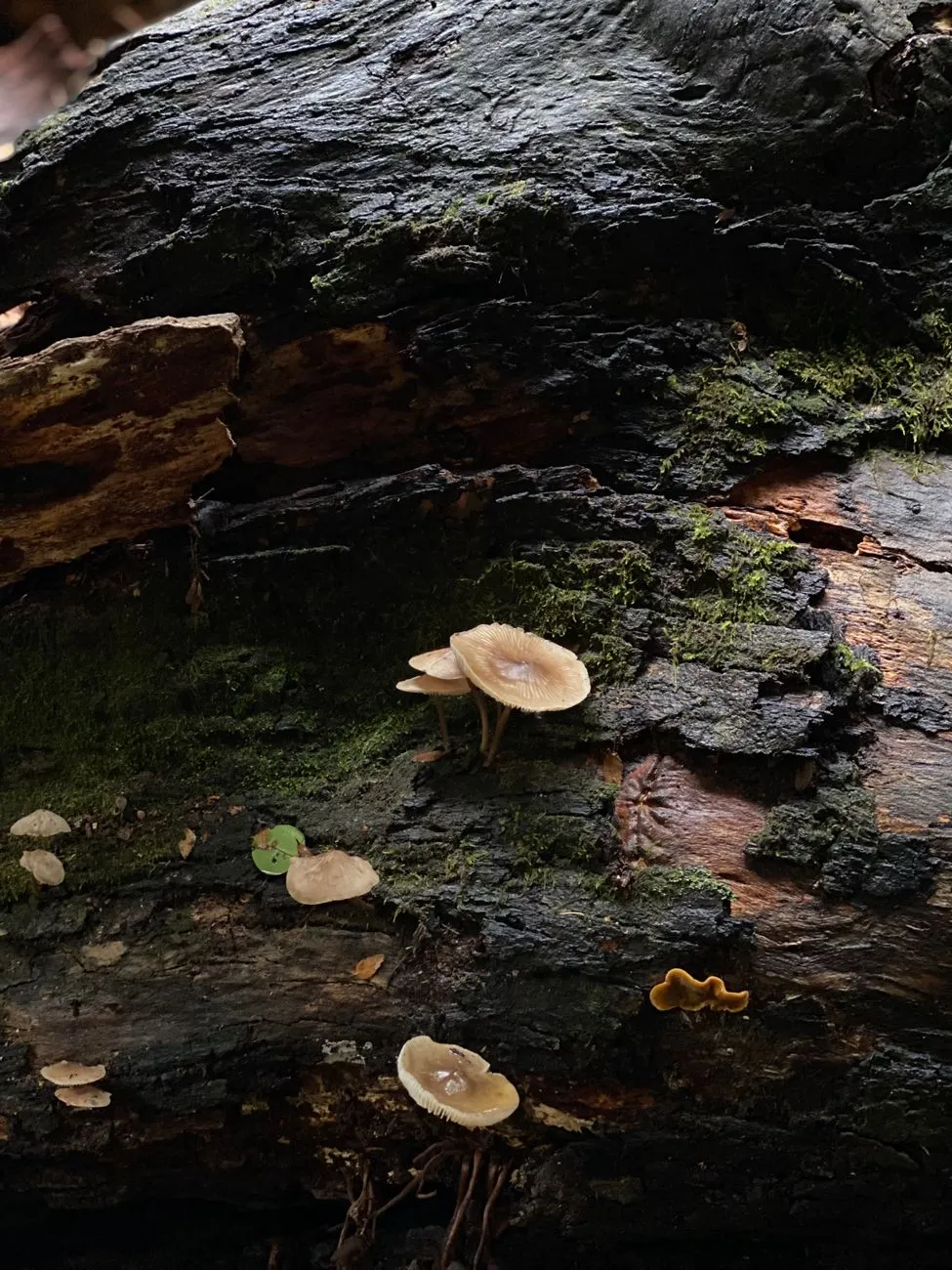
From a sustainability perspective, mycelium cultivation on waste streams embodies circular economy principles. The “Sustainable Cuisines and Taste Across Space and Time: Lessons from the Past and Promises for the Future” study underscores that historical food systems thrived on resource looping — think of miso made from soybean press cake or fish sauce from by‑catch. Modern mycelium farms echo this logic, converting low‑value lignocellulosic waste into high‑value umami ingredients with a carbon footprint 70 % lower than soy‑protein isolate production.
Chefs are already integrating mycelial powders into fine‑dining menus. At a Copenhagen restaurant, a “forest consommé” uses a clarified broth of oyster‑mushroom mycelium, finished with a drizzle of truffle oil, delivering an umami intensity that rivals a classic beef consommé while remaining entirely plant‑based. The technique involves a two‑stage clarification: first, a cold‑press extraction to preserve nucleotides; second, a raft of egg‑white‑free agar‑agar to capture particulates, yielding a crystal‑clear liquid that still carries the deep savory signature of the fungus.
The scientific community continues to map the peptide fingerprint of each species. Proteomic analyses reveal that shiitake (Lentinula edodes) expresses a unique 12‑kDa peptide with strong umami receptor activation, while maitake (Grifola frondosa) contributes a higher guanylate‑to‑glutamate ratio, ideal for synergistic blending. This granularity enables product developers to design “umami blends” tailored to specific applications — high‑glutamate blends for soups, high‑guanylate blends for sauces where a lingering savory finish is desired.
In summary, Basidiomycota proteins are not merely flavor additives; they are functional biopolymers that restructure the physical and sensory architecture of vegan stock. Their production leverages waste, reduces emissions, and delivers a nutritional profile that complements plant‑based diets, making them a pivotal ingredient in the evolution of umami.
Ancient Wisdom Meets Modern Gastronomy: Sustainable Taste Across Eras
Humanity’s relationship with fungi stretches back millennia. Archaeological residues from 6,000‑year‑old pottery in China reveal traces of boiled mushroom broth, suggesting early recognition of the savory depth fungi provide. In Mesoamerica, the Aztecs prized “teonanácatl” (sacred mushroom) not only for psychoactive properties but also for its culinary richness, often drying and grinding it into a powder used to season stews. These historic practices echo the findings of the OpenAlex paper on sustainable cuisines, which argues that taste preferences are shaped by ecological availability and cultural transmission.
The concept of “umami” itself, though formally named in the 20th century, has been intuitively pursued through fermentation, drying, and concentration — methods that naturally elevate glutamate levels. Traditional Japanese dashi, built on kombu (kelp) and katsuobushi (fermented skipjack), exemplifies a synergy of glutamate and inosinate. In Europe, the slow reduction of mushroom‑based sauces (e.g., French sauce chasseur) achieves a similar effect through evaporation and Maillard development.
Modern gastronomy leverages this lineage while applying precision technology. Freeze‑drying, for instance, preserves volatile aroma compounds that are lost in conventional hot‑air drying. A 2023 study on porcini (Boletus edulis) showed that freeze‑dried powder retained 92 % of its 1‑octen‑3‑ol content — the characteristic “mushroom” aroma — versus 58 % for air‑dried counterparts. This aromatic fidelity translates directly into a more authentic broth experience.
Sustainability metrics further validate the revival. Life‑cycle assessments (LCA) comparing 1 kg of mushroom powder produced on spent brewer’s grain versus 1 kg of conventional yeast extract reveal a 65 % reduction in global warming potential and a 48 % drop in water usage. The mycelium’s ability to upcycle low‑grade substrates aligns with the “circular gastronomy” framework proposed in the sustainable cuisines research, where waste streams become feedstock for high‑value flavor ingredients.
Chefs are now curating “heritage umami” menus that trace a single mushroom species from forest foraging to powdered form, narrating the ecological story on the plate. At a Berlin pop‑up, a dish titled “Mycelium Memory” presents a clear consommé made from wild‑harvested chanterelle powder, accompanied by a timeline graphic illustrating the species’ role in European folk medicine, wartime rations, and contemporary fine dining. Diners report heightened appreciation not only for flavor but for the narrative of resilience and regeneration.
The dialogue between past and present also informs product labeling. Transparent sourcing — indicating substrate, drying method, and species — empowers consumers to make choices aligned with their values. Certification schemes such as “Regenerative Fungi” are emerging, verifying that the mycelium was cultivated on certified organic waste and processed without synthetic solvents.
In essence, the evolution of umami is a continuum: ancient foragers discovered the savory secret of mushrooms; modern science decodes the molecular basis; sustainable engineering scales the solution. Mushroom powders sit at this intersection, offering a bridge that honors tradition while meeting the demands of a planet‑conscious palate.
Crafting the Perfect Vegan Broth: Step‑by‑Step with Mushroom Powder
Building a restaurant‑quality vegan stock begins with a clear blueprint. Below is a reproducible protocol that balances flavor depth, nutritional density, and operational simplicity. All measurements are for a 4‑liter yield, scalable linearly.
-
Base Aromatics (30 min)
- 300 g onions, roughly chopped
- 200 g carrots, sliced
- 150 g celery, sliced
- 2 bay leaves, 10 black peppercorns, 1 star anise
Sauté in 30 mL neutral oil over medium heat until onions turn translucent (≈8 min). This Maillard foundation adds sweetness without animal fat.
-
Mushroom Powder Infusion (15 min)
- 40 g mixed mushroom powder (70 % shiitake, 20 % maitake, 10 % porcini)
Sprinkle powder over the aromatics, stir constantly for 2 min to toast lightly — this releases bound nucleotides and deepens color. Add 4 L cold filtered water, bring to a gentle simmer (90 °C). Avoid rolling boil to preserve heat‑labile guanylate.
- 40 g mixed mushroom powder (70 % shiitake, 20 % maitake, 10 % porcini)
-
Umami Boosters (10 min)
- 15 g dried kombu (kelp)
- 10 g dried tomato powder (high in glutamate)
- 5 g nutritional yeast (adds B‑vitamins and a cheesy note)
Add all three, maintain sub‑simmer for 10 min. Kombu contributes additional glutamate; tomato powder and yeast round the profile.
-
Clarification (Optional, 20 min)
For a crystal‑clear consommé, whisk 2 g agar‑agar into 100 mL cold water, bring to boil, then stir into hot stock. Cool to 35 °C, let set 15 min, then strain through cheesecloth. The agar raft captures fine particulates without animal proteins. -
Season & Finish (5 min)
- 12 g fine sea salt (adjust to taste)
- 5 mL apple cider vinegar (brightens)
- 10 g cold‑pressed rapeseed oil (adds mouthfeel)
Adjust seasoning, emulsify oil with an immersion blender for a silky sheen.
-
Storage
Cool rapidly in an ice bath, portion into 500 mL jars, refrigerate up to 5 days or freeze 3 months. Reheat gently; avoid prolonged boiling to protect nucleotides.
Pro Tips
- Layered Powders: Blend two powders — one high‑glutamate (shiitake) and one high‑guanylate (maitake) — for synergistic umami.
- Cold Extraction: For maximum nucleotide yield, steep 20 g powder in 1 L cold water 12 h, then heat. This “cold‑brew” step mirrors coffee extraction logic.
- Umami Salt: Mix 1 part mushroom powder with 3 part sea salt; use as finishing dust on roasted vegetables.
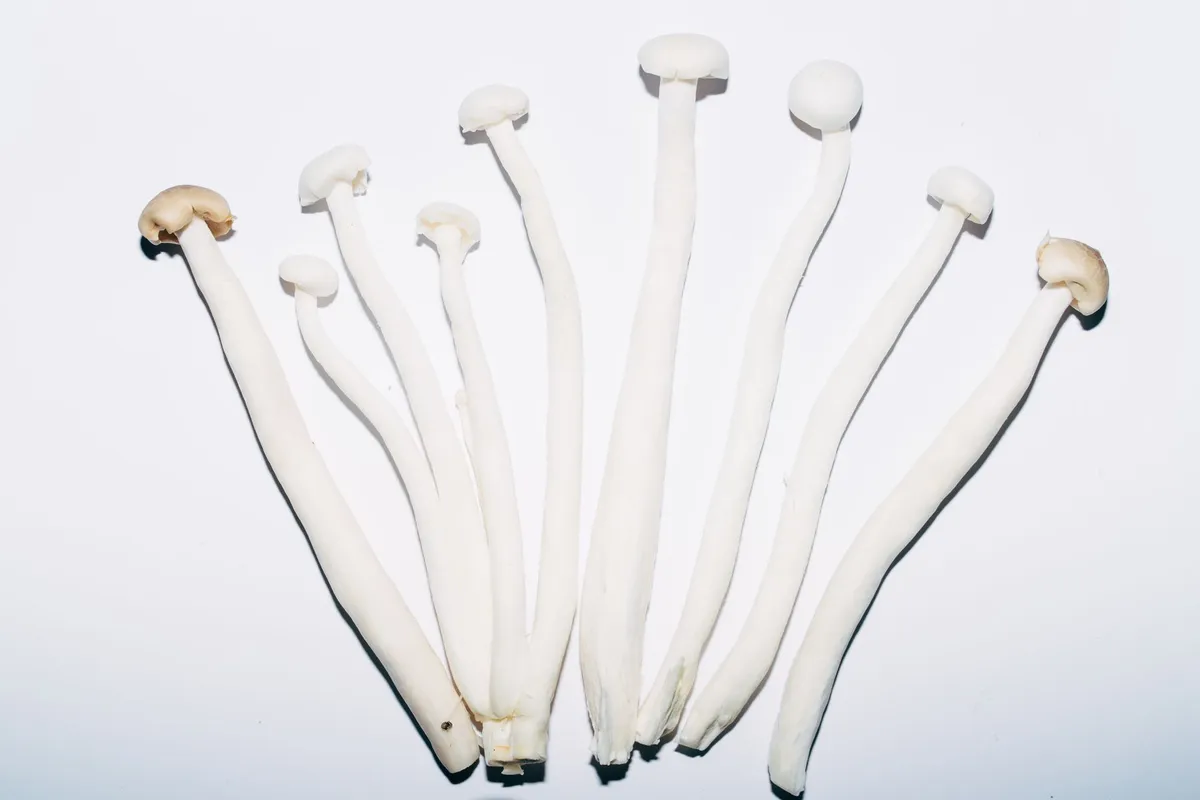
This workflow delivers a broth with ~1.8 g L⁻¹ free glutamate and 0.35 g L⁻¹ guanylate — comparable to a light chicken stock — while providing 4 g L⁻¹ complete protein from the mushroom fraction. The result is a versatile foundation for soups, risottos, braises, and even cocktail savory reductions.
Nutritional Showdown: Mushroom Powder vs. Traditional Stock Bases
| Component (per 100 g dry) | Shiitake‑Maitake Blend | Chicken Bouillon (powder) | Vegetable Bouillon (powder) | Yeast Extract |
|---|---|---|---|---|
| Protein |