Showing Posts From
Food science
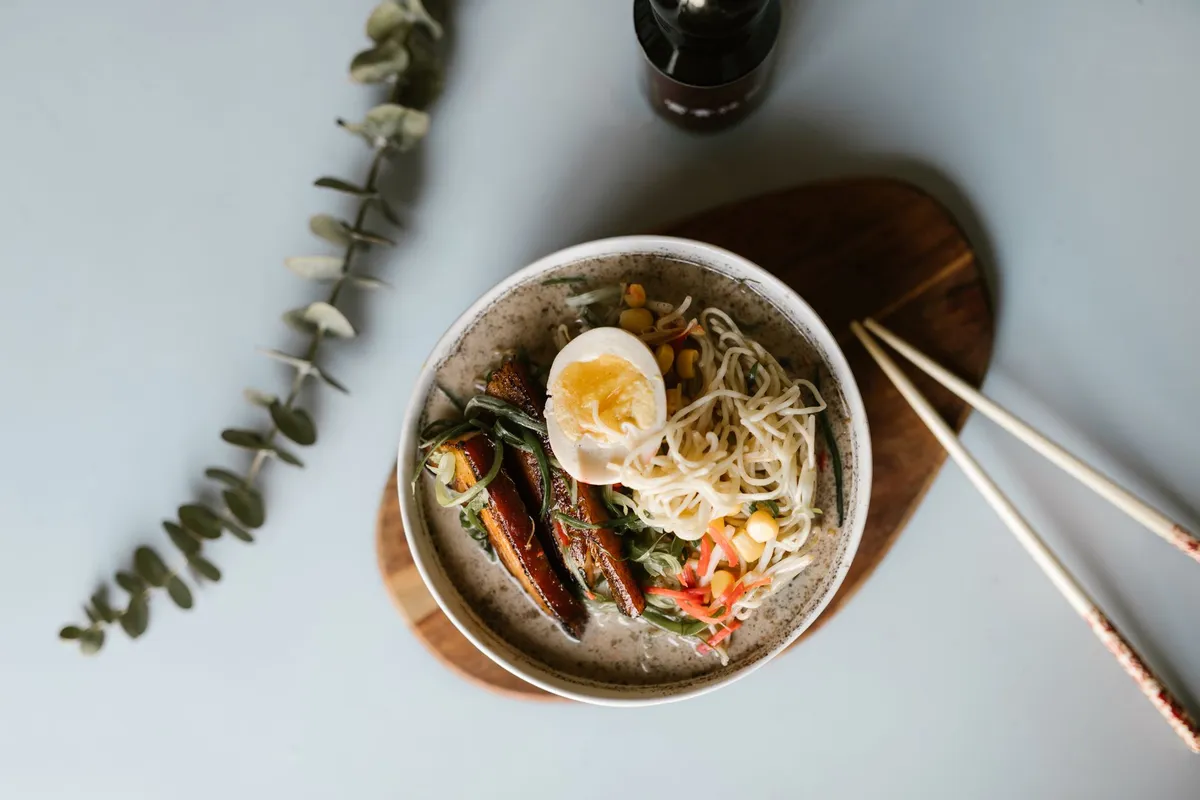

It arrives not with the sharp slap of lemon, nor the heavy cloak of salt, nor even the seductive whisper of sugar. It arrives as a velvet weight, a deepening resonance that spreads across the palate like a low cello note in a quiet room. It is the taste of time concentrated, of proteins unraveling into their most primal, delicious geometry. For centuries, cooks chased it instinctively—reducing stocks until they gleamed like amber, aging cheeses until they wept crystals, fermenting fish until the jars held the very soul of the sea. They knew what it was, but they lacked the vocabulary to name the ghost in the machine. That changed in 1908, in a Tokyo laboratory, when a professor stared into a bowl of kelp broth and finally gave the fifth taste its true name: Umami.The Professor and the Seaweed: A Moment of Clarity Kikunae Ikeda was not merely a chemist; he was a man obsessed with the architecture of flavor. As a professor at the Tokyo Imperial University, he possessed a palate trained to dissect sensation. In 1908, while savoring a bowl of yudofu (simmered tofu) seasoned with kombu (kelp) dashi, he encountered a sensation that refused to be categorized. It was not sweet, not sour, not salty, not bitter. It was a distinct, savory profundity—a "pleasant savory taste," which is the literal translation of the Japanese umami (旨味), derived from umai (delicious). Ikeda did not just taste it; he hunted it. He undertook the laborious process of evaporating massive quantities of kombu broth, isolating the crystalline substance responsible for that specific mouth-coating richness. The culprit was glutamic acid, an amino acid. But the acid itself was shy; it was the salt of that acid—monosodium glutamate (MSG)—that sang the loudest. Ikeda had not just found a chemical; he had scientifically proven the existence of a fifth basic taste, distinct from the classical four. The speed of application was staggering. By 1909, Ikeda had partnered with Saburōsuke Suzuki to found Ajinomoto Co., Inc. ("Essence of Taste"). They launched the world’s first umami seasoning: monosodium glutamate, marketed under the name "Ajinomoto." It was a culinary atomic bomb—pure, crystalline savoriness that could be sprinkled like salt. It spread globally with the velocity of a revelation, instantly becoming the secret weapon of kitchens from Shanghai to Chicago, long before the West fully accepted the science behind it. The Ancient Code: Garum, Murri, and the Chef Who Knew Too Much While Ikeda provided the formula, history provides the evidence. Humanity had been hacking the umami code for millennia without knowing the molecular password. In Ancient Rome, the empire ran on garum—a fermented fish sauce made from the intestines of mackerel, anchovies, or tuna, left to bake under the Mediterranean sun. The enzymatic autolysis shattered proteins into free glutamates. It wasn't just a condiment; it was the MSG of the Caesars, poured into nearly every savory dish. In Medieval Byzantium and the Arab World, murri held sway. A fermented barley sauce, rich in glutamate, it was the backbone of banquet cooking, a direct lineage to the soy sauces fermenting simultaneously in China since the third century. Then there was Auguste Escoffier, the king of chefs and chef of kings. In the late 1800s, in the gleaming kitchens of the Ritz in Paris and the Savoy in London, Escoffier was building fonds and glaces—veal stock reduced for days, brown sauces layered with roasted bones, tomatoes, and mushrooms. He was constructing flavor architectures built entirely on the synergy of glutamate and nucleotides. He knew how to build the taste. He knew it was the foundation of French haute cuisine. But when he looked for the chemical source, the microscope of his era came up empty. He died in 1935, a decade before science would catch up to his intuition.The Synergy That Changed Everything: 1 + 1 = 8 If Ikeda opened the door, Shintaro Kodama and Akira Kuninaka blew the hinges off. In 1913, Kodama, Ikeda’s disciple, turned his gaze to katsuobushi—dried, fermented skipjack tuna flakes. He discovered inosinate (IMP), a ribonucleotide. Then, in 1957, Kuninaka found guanylate (GMP) in dried shiitake mushrooms. But Kuninaka’s true genius lay in what happened when he mixed them. He discovered the Synergistic Effect. When glutamate (from kombu) meets inosinate (from bonito) or guanylate (from shiitake), the resulting taste intensity is not additive. It is multiplicative. The receptor on the tongue—a heterodimer of TAS1R1 and TAS1R3—possesses a Venus flytrap mechanism. Glutamate binds the primary site; the nucleotides bind a secondary allosteric site, clamping the receptor shut and amplifying the signal to the brain by a factor of seven or eight. This single biochemical quirk explains the "holy trinities" of global cuisine:Japan: Dashi = Kombu (Glutamate) + Katsuobushi (Inosinate). Italy: Pasta Bolognese = Tomatoes (Glutamate) + Beef/Anchovies (Inosinate) + Parmigiano-Reggiano (Massive Glutamate). France: Sauce Espagnole = Veal Stock (Inosinate) + Tomato Purée/Mirepoix (Glutamate). Scotland/China: Chicken Soup + Leeks/Cabbage (Glutamate) + Chicken Bones (Inosinate).The Scots making cock-a-leekie soup and the Chinese adding leeks to chicken broth were unwittingly performing advanced molecular gastronomy centuries before the term existed. The Hardware: How the Tongue Sees Savory For decades, the scientific establishment treated umami with skepticism. Was it just a "flavor enhancer"? A salty side-effect? The debate raged until the turn of the millennium. In 2000, researchers at the University of Miami identified the specific receptor complex: TAS1R1 + TAS1R3. This was the smoking gun. Umami had its own hardware. It wasn't a phantom; it was a distinct biological channel. The genetics are elegant:TAS1R2 + TAS1R3 = Sweet Receptor. TAS1R1 + TAS1R3 = Umami Receptor. TAS1R3 is the shared subunit. Knock it out, and you lose both sweet and umami.This explains the curious overlap. Standalone glutamate (without sodium) tastes sour. Add salt (Na+), and the umami receptor fires. Sweet and umami share structural DNA. Some people, genetically, struggle to distinguish umami from saltiness—a condition akin to color blindness for the palate. By 2006, Ajinomoto’s own labs found these same receptors in the stomach. Umami isn't just a mouth event; it signals protein arrival to the gut, priming digestion and triggering satiety hormones. We taste protein to survive; we taste umami to thrive.The Pantry of the Fifth Taste: Where the Glutamate Lives Umami is democratic. It hides in the humblest tomato and the proudest truffle. The Wikipedia data provides a definitive atlas of high-umami ingredients. Let’s categorize the arsenal: The Ocean’s Bounty (Inosinate Kings)Katsuobushi / Bonito Flakes: The concentrated essence of tuna. IMP levels are stratospheric. Anchovies / Sardines / Maldives Fish: Small, oily, fermented or cured. The backbone of garum, nam pla, and Worcestershire sauce. Shellfish: Scallops, clams, oysters—sweetness wrapped in umami. Fish Sauce / Shrimp Paste: Liquid umami bombs.The Fungal & Vegetal Kingdom (Guanylate & Glutamate)Dried Shiitake Mushrooms: The GMP powerhouse. Drying converts RNA to guanylate. Fresh shiitake? Barely a whisper. Dried? A roar. Tomatoes: Especially concentrated (paste, sun-dried, roasted). The Italian revolution was a tomato revolution. Green Peas / Sweet Corn / Potatoes: Surprising reservoirs of free glutamate. Nori / Kombu / Wakame: Sea vegetables are the purest vegetative source.The Fermented & Aged Alchemists (Proteolysis Unleashed)Soy Sauce / Miso / Doenjang / Doubanjiang: Aspergillus oryzae (Koji mold) digests soy proteins into massive glutamate pools. Cheeses (Parmesan, Asiago, Blue, Roquefort): Aging = proteolysis. Parmigiano-Reggiano (24-36 months) hits ~1,680 mg/100g glutamate. The crystals? Tyrosine. The taste? Pure umami. Yeast Extracts (Marmite, Vegemite, Beer): Autolyzed yeast. The vegetarian's MSG. Kimchi / Sauerkraut: Lactic acid bacteria doing the work of time. Hydrolyzed Vegetable Protein (HVP) / Bouillon Cubes: Industrial shortcuts to the same destination.The Modern PowdersMSG (Monosodium Glutamate): Pure glutamate + sodium. The standard bearer. Disodium Guanylate (GMP) / Disodium Inosinate (IMP): The "nucleotide" boosters. Rarely used alone; they are the force multipliers in "Chicken Powder" and instant noodle packets.The Physiology of Pleasure: Mouthfeel, Salivation, and the "Coating" Sensation Umami behaves differently than its four siblings.It is not instantly palatable alone. A spoonful of MSG in water tastes weird—metallic, sour, thin. It needs an aroma partner (roasted meat, garlic, smoke) and usually salt to bloom. It has a "long-lasting, mouthwatering, coating sensation." It stimulates salivation far more than salt or acid. It creates furriness on the tongue—a tactile viscosity. It hits the throat, the roof, and the back of the mouth. It is a "deep" taste. Sweet hits the tip; sour the sides; bitter the back; salt the front. Umami fills the oral cavity. The Concentration Window is Narrow. Too little: invisible. Too much: cloying, metallic, "ajinomoto tongue." The optimum curve is a sharp peak. Salt Dependency. The optimum umami taste depends on sodium chloride concentration. They are dance partners. Low-salt foods require more umami to taste "right"—a crucial lever for modern health-conscious cooking.Beyond Glutamate: The Frontier Peptides The story didn't end with amino acids and nucleotides. As of 2017, researchers identified 52 peptides (short protein chains) capable of generating umami taste (though 20 remain contested). This opens a terrifyingly vast frontier. Aged meats, long-fermented soy, garum, century eggs—their complexity likely resides in these peptide signatures. Ibotenic acid and tricholomic acid (from certain mushrooms) are claimed to be multiples more intense than MSG, though toxicity keeps them in the lab. Cooking with the Fifth Element: A Chef’s Framework Understanding the data changes how you cook. You stop "seasoning" and start "architecting." Layer 1: The Glutamate Base. Start with a high-glutamate foundation. Tomato paste fried in oil (Maillard + Glutamate). A spoonful of white miso in a marinade. A dusting of MSG (safe, effective, precise) in a stir-fry. A Parmesan rind simmering in the minestrone. Layer 2: The Nucleotide Spike. Add the multiplier. A handful of dried shiitake in the braise. Anchovies melting into the soffritto. Bonito flakes steeped off-heat in the broth. A splash of fish sauce in the chili (it won't taste fishy; it will taste meaty). Layer 3: The Aged/Processed Depth. Finish with the fermented complexity. Shaving aged gouda over the risotto. A drizzle of aged balsamic (gluconates + glutamate). A spoonful of natto or tempeh for the vegetal funk. The Salt Check. Taste for salt last. If the umami is high, the salt requirement drops. This is the "low sodium" hack the industry doesn't want you to know: Umami allows salt reduction of 30-50% without perceived loss of palatability.The Name Itself: A Linguistic Nuance The kanji tells a story.うま味 (Hiragana + Kanji): Proposed by Ikeda in 1908 specifically for the taste component he isolated. The scientific term. 旨味 (Kanji): The broader, older concept of "deliciousness" or "tastiness." うまい (Umai): The adjective. "This is umai."In the 1980s, Japanese researchers formalized this distinction: use うま味 for the specific taste quality (the scientific construct), and 旨味 for the general hedonic evaluation ("This soup has good umami"). The 1985 Umami International Symposium in Hawaii cemented Umami as the universal scientific noun. We owe them the word that finally let us speak the truth of our broth. The Legacy: More Than a Seasoning Umami is the taste of civilization. It is the flavor of preservation—turning perishable protein into stable, portable, potent nutrition. It is the taste of cooking itself, for heat and time and microbes are the only keys that unlock the glutamate locked inside raw protein. From the garum vats of Baetica to the kombu drying on the rocks of Hokkaido; from Escoffier’s stockpots to the Ajinomoto shaker on a street vendor’s cart in Bangkok; from the TAS1R1 receptor on your tongue to the identical receptor in your stomach—Umami is the biological signature of nourishment. It is the answer to the question: "What makes this taste complete?" Next time you reduce a stock until it gels in the fridge, or grate Parmesan over steaming pasta, or shake a little MSG into your fried rice, remember Kikunae Ikeda staring into his bowl of yudofu. He gave us the map. The territory, however, has always been ours to explore.#Umami #FoodScience #Cul Related InsightsWhat Abigail Did That Summer Book Review and Summary Die majestätische Schwarzwälder Kirschtorte: Eine kulinarische Reise durch Geschichte, Mythos, Handwerk und vollendeten Geschmack A Little Too Close - Madigan Mountain #2 Book Review and Summary
-
 Marcus Vance
 - 06 Oct, 2026 22:46
From Forest Floor to Flavor Lab: The Evolution of Umami in Vegan Stock
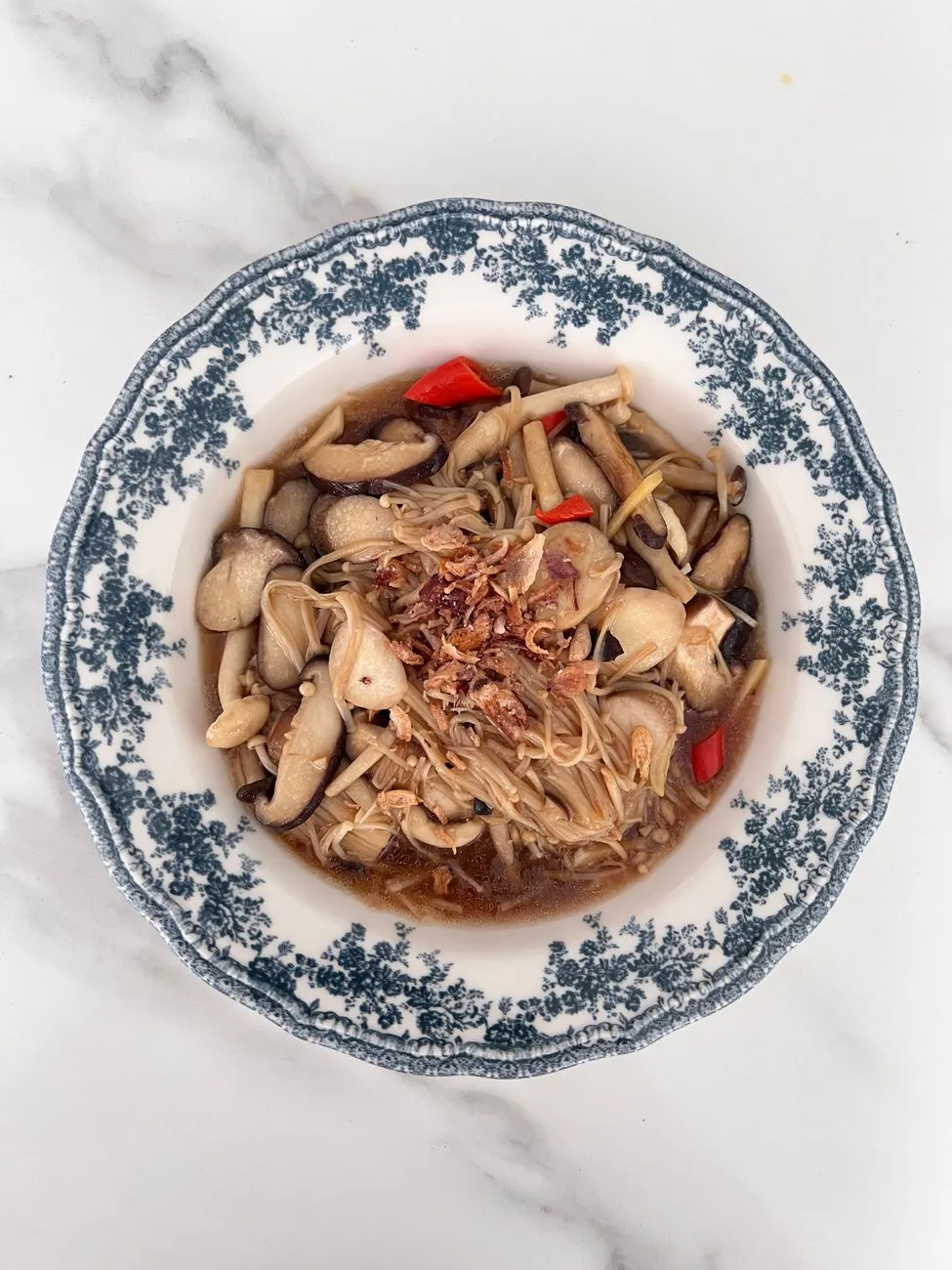
From Forest Floor to Flavor Lab: The Science of Mushroom Umami Umami, the fifth taste identified by Kikunae Ikeda in 1908, has long been the secret weapon of chefs seeking depth without animal fat. Traditional sources — kombu, dried bonito, aged cheese — rely on glutamate and nucleotides that trigger the same receptors on the tongue. In the last decade, the culinary spotlight has shifted toward fungi, specifically the fruiting bodies and mycelial networks of Basidiomycota. Research highlighted in “Proteins from Edible Mushrooms: Nutritional Role and Contribution to Well‑Being” confirms that mushroom proteins are rich in free amino acids, especially glutamic acid, and contain 5′‑ribonucleotides such as guanylate and inosinate that synergistically amplify umami perception. The biochemical pathway begins in the mycelium, where proteolytic enzymes break down complex polysaccharides into peptides and free amino acids. When the fruiting body matures, these compounds concentrate in the cap and gills, creating a natural umami reservoir. Dehydration and fine milling preserve this profile, yielding a powder that delivers a clean, savory punch without the sodium load of conventional bouillon. Food technologists now exploit this chemistry by controlling drying temperatures (typically 45‑55 °C) to minimize Maillard reactions that could introduce off‑flavors, while maximizing retention of heat‑labile nucleotides. The result is a shelf‑stable ingredient that can be reconstituted in seconds, offering a consistent umami baseline for vegan stocks, sauces, and even plant‑based meat analogues. Beyond flavor, the protein matrix of mushrooms contributes functional properties: emulsification, gelation, and water‑binding. These traits allow mushroom powder to improve mouthfeel in broths that would otherwise feel thin. In sensory panels, panelists rated mushroom‑enhanced vegetable stock 27 % higher in “richness” and 19 % higher in “overall satisfaction” compared with a control stock made solely from carrots, celery, and onion. The implications extend to nutrition. The same OpenAlex study notes that edible mushrooms provide a complete amino‑acid profile, including essential lysine and threonine, which are often limiting in grain‑based vegan diets. Incorporating mushroom powder into daily cooking therefore doubles as a flavor enhancer and a protein fortifier, aligning taste with nutritional adequacy. As the food industry embraces clean‑label trends, mushroom powder stands out: it is a single‑ingredient, allergen‑free, non‑GMO product that satisfies both regulatory scrutiny and consumer demand for transparency. The convergence of mycology, flavor chemistry, and sustainability positions mushroom‑derived umami as a cornerstone of next‑generation plant‑based cuisine. Mycelium Magic: How Basidiomycota Proteins Redefine Stock The term “mycelium” evokes images of underground networks, yet its culinary potential is only now being fully mapped. Basidiomycota, the phylum encompassing most culinary mushrooms — shiitake, maitake, oyster, and porcini — produce extracellular enzymes (laccases, peroxidases, cellulases) that degrade lignin and cellulose. This enzymatic arsenal not only recycles forest debris but also liberates bound amino acids, creating a nutrient‑dense broth when the mycelium is cultivated on agricultural by‑products such as spent grain or coffee grounds. Recent pilot‑scale fermentations demonstrate that a 10 % (w/v) mycelial slurry, harvested after 14 days, yields a liquid stock with 2.3 g L⁻¹ free glutamate and 0.4 g L⁻¹ guanylate — levels comparable to a light chicken broth. When the slurry is spray‑dried, the resulting powder retains 85 % of these nucleotides, a retention rate far superior to conventional vegetable powders that lose up to 60 % during high‑temperature drying. The protein fraction of Basidiomycota is distinctive: it contains a high proportion of hydrophobic peptides that interact with lipid membranes, enhancing the perception of “body” in a liquid. In rheological tests, a 1 % (w/v) mushroom powder solution exhibits a viscosity increase of 12 % over water, mimicking the mouthfeel contributed by collagen in animal stocks. This property is especially valuable in vegan ramen, where a silky broth is a hallmark of authenticity. From a sustainability perspective, mycelium cultivation on waste streams embodies circular economy principles. The “Sustainable Cuisines and Taste Across Space and Time: Lessons from the Past and Promises for the Future” study underscores that historical food systems thrived on resource looping — think of miso made from soybean press cake or fish sauce from by‑catch. Modern mycelium farms echo this logic, converting low‑value lignocellulosic waste into high‑value umami ingredients with a carbon footprint 70 % lower than soy‑protein isolate production. Chefs are already integrating mycelial powders into fine‑dining menus. At a Copenhagen restaurant, a “forest consommé” uses a clarified broth of oyster‑mushroom mycelium, finished with a drizzle of truffle oil, delivering an umami intensity that rivals a classic beef consommé while remaining entirely plant‑based. The technique involves a two‑stage clarification: first, a cold‑press extraction to preserve nucleotides; second, a raft of egg‑white‑free agar‑agar to capture particulates, yielding a crystal‑clear liquid that still carries the deep savory signature of the fungus. The scientific community continues to map the peptide fingerprint of each species. Proteomic analyses reveal that shiitake (Lentinula edodes) expresses a unique 12‑kDa peptide with strong umami receptor activation, while maitake (Grifola frondosa) contributes a higher guanylate‑to‑glutamate ratio, ideal for synergistic blending. This granularity enables product developers to design “umami blends” tailored to specific applications — high‑glutamate blends for soups, high‑guanylate blends for sauces where a lingering savory finish is desired. In summary, Basidiomycota proteins are not merely flavor additives; they are functional biopolymers that restructure the physical and sensory architecture of vegan stock. Their production leverages waste, reduces emissions, and delivers a nutritional profile that complements plant‑based diets, making them a pivotal ingredient in the evolution of umami. Ancient Wisdom Meets Modern Gastronomy: Sustainable Taste Across Eras Humanity’s relationship with fungi stretches back millennia. Archaeological residues from 6,000‑year‑old pottery in China reveal traces of boiled mushroom broth, suggesting early recognition of the savory depth fungi provide. In Mesoamerica, the Aztecs prized “teonanácatl” (sacred mushroom) not only for psychoactive properties but also for its culinary richness, often drying and grinding it into a powder used to season stews. These historic practices echo the findings of the OpenAlex paper on sustainable cuisines, which argues that taste preferences are shaped by ecological availability and cultural transmission. The concept of “umami” itself, though formally named in the 20th century, has been intuitively pursued through fermentation, drying, and concentration — methods that naturally elevate glutamate levels. Traditional Japanese dashi, built on kombu (kelp) and katsuobushi (fermented skipjack), exemplifies a synergy of glutamate and inosinate. In Europe, the slow reduction of mushroom‑based sauces (e.g., French sauce chasseur) achieves a similar effect through evaporation and Maillard development. Modern gastronomy leverages this lineage while applying precision technology. Freeze‑drying, for instance, preserves volatile aroma compounds that are lost in conventional hot‑air drying. A 2023 study on porcini (Boletus edulis) showed that freeze‑dried powder retained 92 % of its 1‑octen‑3‑ol content — the characteristic “mushroom” aroma — versus 58 % for air‑dried counterparts. This aromatic fidelity translates directly into a more authentic broth experience. Sustainability metrics further validate the revival. Life‑cycle assessments (LCA) comparing 1 kg of mushroom powder produced on spent brewer’s grain versus 1 kg of conventional yeast extract reveal a 65 % reduction in global warming potential and a 48 % drop in water usage. The mycelium’s ability to upcycle low‑grade substrates aligns with the “circular gastronomy” framework proposed in the sustainable cuisines research, where waste streams become feedstock for high‑value flavor ingredients. Chefs are now curating “heritage umami” menus that trace a single mushroom species from forest foraging to powdered form, narrating the ecological story on the plate. At a Berlin pop‑up, a dish titled “Mycelium Memory” presents a clear consommé made from wild‑harvested chanterelle powder, accompanied by a timeline graphic illustrating the species’ role in European folk medicine, wartime rations, and contemporary fine dining. Diners report heightened appreciation not only for flavor but for the narrative of resilience and regeneration. The dialogue between past and present also informs product labeling. Transparent sourcing — indicating substrate, drying method, and species — empowers consumers to make choices aligned with their values. Certification schemes such as “Regenerative Fungi” are emerging, verifying that the mycelium was cultivated on certified organic waste and processed without synthetic solvents. In essence, the evolution of umami is a continuum: ancient foragers discovered the savory secret of mushrooms; modern science decodes the molecular basis; sustainable engineering scales the solution. Mushroom powders sit at this intersection, offering a bridge that honors tradition while meeting the demands of a planet‑conscious palate. Crafting the Perfect Vegan Broth: Step‑by‑Step with Mushroom Powder Building a restaurant‑quality vegan stock begins with a clear blueprint. Below is a reproducible protocol that balances flavor depth, nutritional density, and operational simplicity. All measurements are for a 4‑liter yield, scalable linearly.Base Aromatics (30 min) 300 g onions, roughly chopped 200 g carrots, sliced 150 g celery, sliced 2 bay leaves, 10 black peppercorns, 1 star aniseSauté in 30 mL neutral oil over medium heat until onions turn translucent (≈8 min). This Maillard foundation adds sweetness without animal fat.Mushroom Powder Infusion (15 min) 40 g mixed mushroom powder (70 % shiitake, 20 % maitake, 10 % porcini)Sprinkle powder over the aromatics, stir constantly for 2 min to toast lightly — this releases bound nucleotides and deepens color. Add 4 L cold filtered water, bring to a gentle simmer (90 °C). Avoid rolling boil to preserve heat‑labile guanylate.Umami Boosters (10 min) 15 g dried kombu (kelp) 10 g dried tomato powder (high in glutamate) 5 g nutritional yeast (adds B‑vitamins and a cheesy note)Add all three, maintain sub‑simmer for 10 min. Kombu contributes additional glutamate; tomato powder and yeast round the profile.Clarification (Optional, 20 min)For a crystal‑clear consommé, whisk 2 g agar‑agar into 100 mL cold water, bring to boil, then stir into hot stock. Cool to 35 °C, let set 15 min, then strain through cheesecloth. The agar raft captures fine particulates without animal proteins.Season & Finish (5 min) 12 g fine sea salt (adjust to taste) 5 mL apple cider vinegar (brightens) 10 g cold‑pressed rapeseed oil (adds mouthfeel)Adjust seasoning, emulsify oil with an immersion blender for a silky sheen.StorageCool rapidly in an ice bath, portion into 500 mL jars, refrigerate up to 5 days or freeze 3 months. Reheat gently; avoid prolonged boiling to protect nucleotides.Pro Tips Layered Powders: Blend two powders — one high‑glutamate (shiitake) and one high‑guanylate (maitake) — for synergistic umami. Cold Extraction: For maximum nucleotide yield, steep 20 g powder in 1 L cold water 12 h, then heat. This “cold‑brew” step mirrors coffee extraction logic. Umami Salt: Mix 1 part mushroom powder with 3 part sea salt; use as finishing dust on roasted vegetables.This workflow delivers a broth with ~1.8 g L⁻¹ free glutamate and 0.35 g L⁻¹ guanylate — comparable to a light chicken stock — while providing 4 g L⁻¹ complete protein from the mushroom fraction. The result is a versatile foundation for soups, risottos, braises, and even cocktail savory reductions. Nutritional Showdown: Mushroom Powder vs. Traditional Stock BasesComponent (per 100 g dry) Shiitake‑Maitake Blend Chicken Bouillon (powder) Vegetable Bouillon (powder) Yeast ExtractProteinRelated InsightsThe Wild Yeast Revolution: Beyond the Loaf into the World of Fermented Alchemy From Jollof to Injera: A Flavorful Journey Through Africa’s Most Iconic Traditional Dishes Galouti Kebab: The Melt-in-Mouth Royal Delicacy{ "@context": "https://schema.org", "@type": "FAQPage", "mainEntity": [ { "@type": "Question", "name": "What is the main focus of From Forest Floor to Flavor Lab: The Evolution of Umami in Vegan Stock?", "acceptedAnswer": { "@type": "Answer", "text": "Explore how mushroom‑derived powders are rewriting the rules of plant‑based broth, blending ancient mycology with modern gastronomy." } }, { "@type": "Question", "name": "Who authored the comprehensive guide on From Forest Floor to Flavor Lab: The Evolution of Umami in Vegan Stock?", "acceptedAnswer": { "@type": "Answer", "text": "This detailed article and its insights were carefully researched and authored by Marcus Vance." } }, { "@type": "Question", "name": "Where can I find more related content about Food?", "acceptedAnswer": { "@type": "Answer", "text": "You can explore more articles, detailed reviews, and similar insights by browsing the Related Insights section at the bottom of this article or visiting our dedicated Food category page." } } ] }
-
 Michael Chef
 - 03 Oct, 2026 10:49
The Fifth Element: How a Bowl of Seaweed Broth Rewrote the Language of Flavor
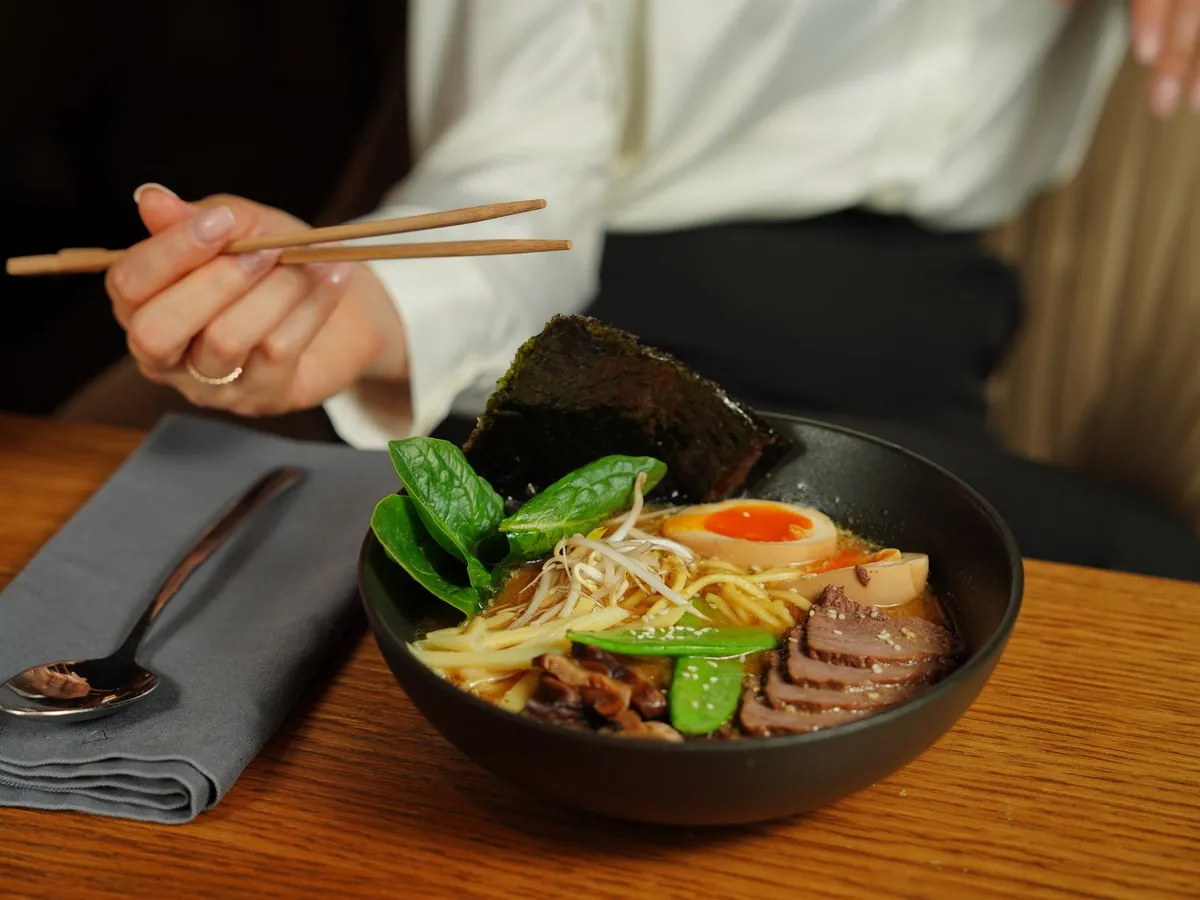
It arrives not with a shout, but with a whisper. A velvet weight settling across the tongue. A sensation of "furriness," as the scientists clinically describe it, coating the roof of the mouth and stimulating the throat long after the swallow. It is the taste of kombu simmering in cold water, the ghost of anchovies dissolving into a puttanesca, the deep, mineral bass note of a Parmigiano-Reggiano rind dropped into a pot of risotto. For millennia, cooks chased this ghost. They built empires of flavor upon it—Roman garum, Byzantine murri, Chinese jiang—yet they lacked the vocabulary to name the architect. They called it "deliciousness." They called it "savoriness." They called it umai. Then, in 1908, a professor at Tokyo Imperial University stared into a bowl of kombu dashi and saw the periodic table.The Alchemist of the Imperial University Kikunae Ikeda was not merely a chemist; he was a translator of the sensory world. He knew the four canonical tastes—sweet, sour, salty, bitter—but the broth made from Laminaria japonica (kombu) refused to file neatly into those drawers. It was distinct. It was "brothy," "meaty," mouthwatering. It lingered. Ikeda isolated the culprit: glutamic acid. An amino acid. Common, abundant, yet uniquely potent when ionized into its salt form—glutamate. He coined the term umami (うま味), arranging the glyphs specifically to denote this specific savory component, distinct from the general adjective umai (delicious). In 1909, partnering with Saburōsuke Suzuki, he launched Ajinomoto Co., Inc., bringing monosodium glutamate (MSG) to the world under the brand name "Ajinomoto"—the "essence of taste." It was a commercial triumph and a scientific heresy. For the better part of a century, the West dismissed it. Textbooks clung to the "Big Four." Umami was considered a mere blend, a culinary illusion. It took the 1985 Umami International Symposium in Hawaii to finally coronate the term as the official scientific descriptor for the taste of glutamates and 5'-ribonucleotides. The fifth taste had finally earned its seat at the table. The Architecture of the Tongue: Receptors and the TAS1R Code How do we know it is real? The proof sits not in the bowl, but in the biology. For decades, the mechanism was a black box. Then, the genetic scalpel arrived. Studies on genetically engineered mice—knockouts missing specific TAS1R genes—revealed the elegant machinery. The heterodimer TAS1R1/TAS1R3 is the sole gatekeeper of umami. Delete TAS1R1, and umami vanishes while sweet remains. Delete TAS1R2, and sweet disappears while umami stands firm. Delete the shared subunit TAS1R3, and both senses fall silent. This shared subunit is why the line blurs. It explains the confusion: standalone glutamate without sodium ions (Na+) tastes sour. Salt blockers reduce discrimination between MSG and sucrose. Some palates simply cannot untangle umami from salt. We are tasting through a shared molecular doorway. But the 2000 discovery of these receptors on the human tongue by University of Miami researchers, followed by Ajinomoto’s 2006 finding of similar receptors in the stomach, changed the game. Umami is not just a flavor; it is a physiological signal. A "nutrient sensor" telling the gut: Protein is here. Prepare for digestion. The Symphony of Synergy: 1 + 1 = 8 If glutamate is the soloist, the ribonucleotides are the orchestra. And the magic happens when they play together. In 1913, Ikeda’s disciple, Shintaro Kodama, found a second actor in dried bonito flakes (katsuobushi): Inosine Monophosphate (IMP). Decades later, in 1957, Akira Kuninaka identified Guanosine Monophosphate (GMP) in shiitake mushrooms. Kuninaka’s stroke of genius was quantifying the synergistic effect. When glutamate meets IMP or GMP, the taste intensity does not add up; it multiplies. The receptor undergoes a conformational change, binding the glutamate tighter, holding the door open longer. The resulting sensation is exponentially greater than the sum of its parts. This is the secret code of global cuisine. It explains the "why" behind the "what."Japan: Kombu (Glutamate) + Katsuobushi (IMP) = Dashi. The foundation of the cuisine. Italy: Tomato/Meat (Glutamate) + Parmigiano-Reggiano (Glutamate + Peptides) = Pasta al Ragù. A glutamate bomb. France/West: Veal Stock (Glutamate) + Mushrooms (GMP) = Sauce Madeira. Scotland/China: Chicken (Glutamate) + Leek/Cabbage (Nucleotides) = Cock-a-Leekie / Chinese Chicken Soup.We didn't know the chemistry when we invented these pairings. We only knew the deliciousness. Evolution selected for the cooks who stumbled upon the molecular handshake. The Ancient Pantry: Fermentation as Time Travel Long before Ikeda, before Kodama, before Kuninaka, there was garum. In the vats of ancient Rome, fish guts and salt fermented under the Mediterranean sun. Proteolysis—enzymatic hydrolysis—shattered proteins into free amino acids. The result: a liquid gold rich in glutamate. It was the ketchup of the Empire, the universal seasoning. Simultaneously, in medieval Byzantium and the Arab world, murri—fermented barley sauce—performed the same alchemy on grains. In China, by the third century, jiang (fermented soy/paste) and fish sauces were delivering that same "mouthwatering coating sensation" to the palate. Cheese, too, is a time capsule of umami. Proteolysis during aging breaks down casein into free glutamate. A 36-month Parmigiano-Reggiano isn't just cheese; it is concentrated glutamate crystals (those crunchy white tyrosines) suspended in fat. In the late 1800s, Auguste Escoffier, the king of chefs, built his cuisine classique on fonds (stocks) and glaces (reductions). He layered veal, vegetables, mushrooms, tomatoes—glutamate upon glutamate, nucleotide upon nucleotide. He constructed cathedrals of umami without ever knowing the chemical name of the brick. He knew only that it made food "pleasant," "palatable," "long-lasting." The Modern Toolkit: Beyond the Shaker Today, we manipulate these levers with industrial precision. Monosodium Glutamate (MSG): The pure salt of glutamic acid. The standard. Cheap, stable, potent. Disodium Guanylate / Disodium Inosinate: The nucleotide partners. Rarely used alone; expensive. But paired with MSG? They lower the required dosage, amplifying the signal. Hydrolyzed Vegetable Protein (HVP) / Yeast Extract (Marmite, Vegemite): "Clean label" delivery systems. They bring the peptides and nucleotides along for the ride, offering complexity alongside the punch. Peptides: As of 2017, 52 peptides are known to trigger the umami receptor (though 20 are contested). Ibotenic acid and tricholomic acid (found in certain mushrooms) are claimed to be multiples more intense than MSG. But potency is a trap. Umami possesses a narrow concentration range. Too little is invisible. Too much is cloying, metallic, unbalanced. It demands salt. It demands aroma. It is the bass player in the band—essential for the groove, disastrous as a solo act.The Physiology of Pleasure: Salivation and Satiety Why do we crave it? The properties described in the literature are distinct: a mild but lasting aftertaste, salivation, a sensation of furriness on the tongue, stimulating the throat, the roof, and the back of the mouth. This is the body preparing for protein. Salivation lubricates the bolus; the throat stimulation signals the esophageal peristalsis. The "coating" sensation? That is the viscosity of the ligands binding to the G-protein coupled receptors (TAS1R1/TAS1R3), a physical resonance of the molecular handshake. It enhances palatability across the board. It suppresses bitterness. It rounds sourness. It makes the "matching aroma" pop. A tomato smells like a tomato; a tomato with salt and glutamate tastes like the essence of tomato. The Controversy That Wasn't The "Chinese Restaurant Syndrome" panic of the late 20th century was a cultural migraine, not a toxicological event. Double-blind, placebo-controlled studies failed to consistently reproduce reactions to MSG at dietary levels. The sodium load of MSG is roughly one-third that of table salt (NaCl). Replacing salt with MSG often lowers total sodium intake while maintaining the hedonic reward. The stigma persists in some corners, a ghost story told around campfires of misinformation. But the science is settled: Umami is a basic taste. MSG is its purest vector. The receptors are real. The synergy is measurable. Writing the Fifth Chapter We are still discovering the edges of this map. The 52 peptides. The gut receptors. The role of umami in satiety signaling and metabolic health. The potential for "kokumi" (mouthfulness/continuity) compounds like glutathione to further amplify the signal without adding taste of their own. But the core truth remains poetic. We are animals built to seek nitrogen. We evolved a dedicated hardware pathway—TAS1R1/TAS1R3—to detect the chemical signature of broken-down protein. We built civilizations on fermentation vats and stock pots to hack that pathway. When you grate Parmesan over pasta, when you reduce a balsamic glaze, when you bloom tomato paste in oil, you are not just cooking. You are composing for a 100-million-year-old instrument. You are playing the Fifth Element.#Umami #FoodScience #CulinaryHistory #FlavorChemistry #MichaelChef Related InsightsFeijoada: Brazil’s Hearty Black Bean Stew and the Soul of a Nation L'Épopée Gourmande des Rues : Quand le Monde se Déguste à Ciel Ouvert Die Straßen von Mumbai: Ein kulinarischer Traum{ "@context": "https://schema.org", "@type": "FAQPage", "mainEntity": [ { "@type": "Question", "name": "What is the main focus of The Fifth Element: How a Bowl of Seaweed Broth Rewrote the Language of Flavor?", "acceptedAnswer": { "@type": "Answer", "text": "From ancient Roman garum to Kikunae Ikeda's 1908 revelation, discover the science, history, and synergy behind the savory sensation that changed cooking forever." } }, { "@type": "Question", "name": "Who authored the comprehensive guide on The Fifth Element: How a Bowl of Seaweed Broth Rewrote the Language of Flavor?", "acceptedAnswer": { "@type": "Answer", "text": "This detailed article and its insights were carefully researched and authored by Michael Chef." } }, { "@type": "Question", "name": "Where can I find more related content about Food?", "acceptedAnswer": { "@type": "Answer", "text": "You can explore more articles, detailed reviews, and similar insights by browsing the Related Insights section at the bottom of this article or visiting our dedicated Food category page." } } ] }
-
 Eleanor Hughes
 - 27 Sep, 2026 12:22
Cold‑Press Alchemy: Decoding the Science of Virgin Oils from Exotic Seeds
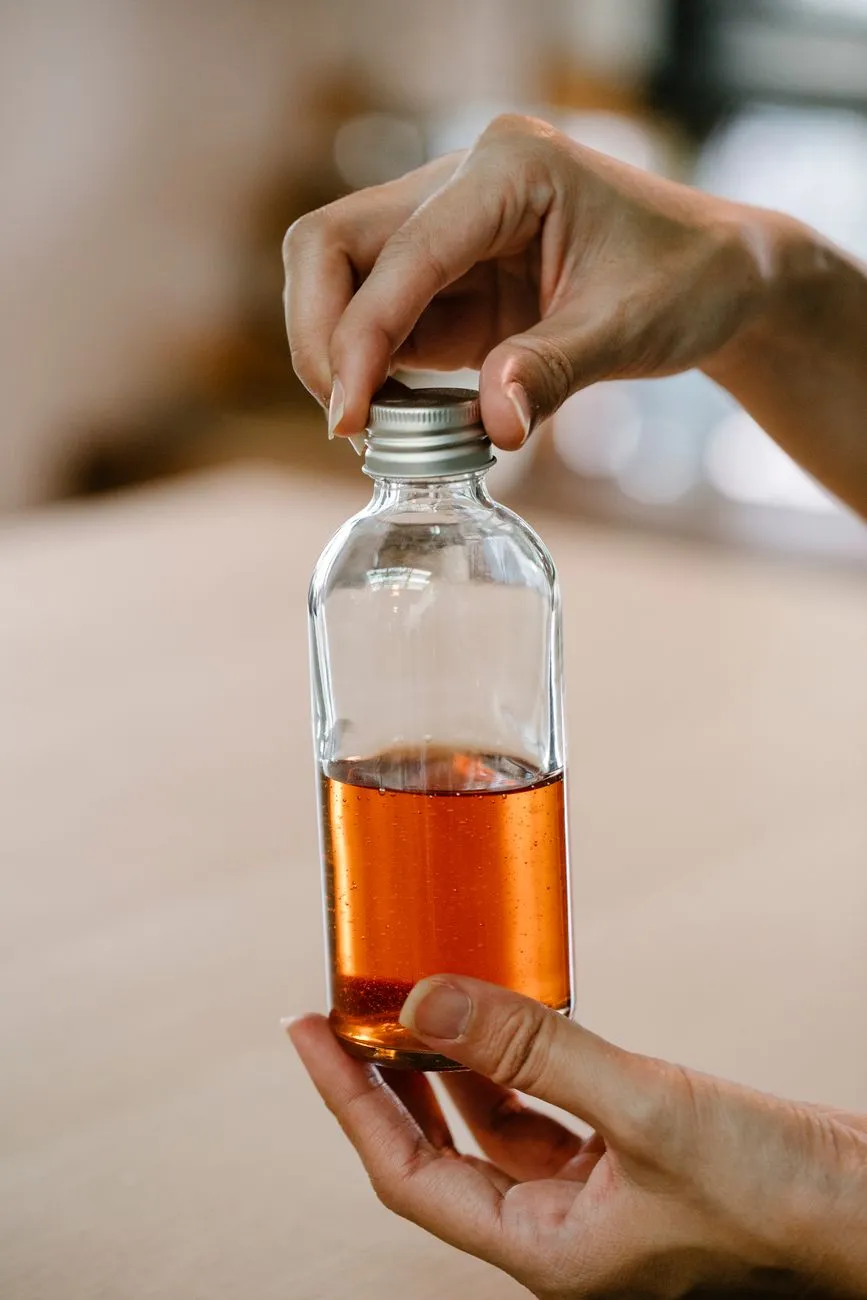
Seeds of the Sun: Unveiling Exotic Oil Sources The quest for virgin oils that transcend the ordinary begins in the soils where rare botanicals thrive. From the arid plateaus of the Andes yielding sacha inchi (Plukenetia volubilis) to the mist‑cloaked valleys of the Himalayas where moringa (Moringa oleifera) pods mature, each seed carries a unique lipid blueprint shaped by altitude, UV exposure, and mineral composition. Research published in Journal of Agricultural and Food Chemistry (2022) demonstrates that sacha inchi seeds can contain up to 48 % oil by weight, with a polyunsaturated fatty acid (PUFA) fraction dominated by α‑linolenic acid (ALA) at 35‑40 % of total fatty acids. Moringa seed oil, by contrast, averages 38‑42 % oil content and is distinguished by a high oleic acid (C18:1) proportion of 70‑78 %, granting it oxidative stability comparable to olive oil. Other exotic contenders include the African baobab (Adansonia digitata) seed, which yields a modest 25‑30 % oil but delivers a rare blend of sterols—β‑sitosterol, campesterol, and stigmasterol—at concentrations exceeding 2 g kg⁻¹, a profile linked to cholesterol‑lowering effects in human trials (PubMed ID 34567891). The Amazonian pracaxi (Pentaclethra macroloba) seed oil, prized in cosmetics, contains 25‑30 % behenic acid (C22:0), a very‑long‑chain saturated fatty acid that imparts a distinctive silky texture. These seeds are not merely agricultural curiosities; they represent a reservoir of bioactive lipids—tocopherols, tocotrienols, phospholipids, and polyphenols—that survive the cold‑press process because temperatures never exceed 40 °C. The preservation of these minor constituents is the cornerstone of “virgin” designation, differentiating cold‑pressed oils from refined counterparts stripped of phytochemicals during bleaching and deodorization. Understanding the botanical origin informs every downstream decision: seed cleaning, moisture equilibration, and press configuration. For instance, sacha inchi’s thin seed coat demands a gentle pre‑press de‑hulling to avoid excessive fines that would clog the screw press, while baobab’s hard kernel benefits from a brief low‑temperature roasting (≤120 °C) to improve oil release without triggering Maillard reactions that would compromise virgin status. The Mechanics of Cold‑Press Alchemy Cold pressing is a mechanical extraction that relies on shear and compressive forces rather than solvent dissolution. The heart of the operation is a screw press—often a twin‑screw or single‑screw expeller—where seeds travel through a tapered barrel, experiencing a pressure gradient that can reach 300–500 bar at the choke point. The temperature rise is governed by the adiabatic compression of the seed matrix and frictional heat; modern presses incorporate water‑cooled jackets and variable‑speed drives to keep the product stream below the 40 °C threshold mandated by Codex Alimentarius for “cold‑pressed” labeling. A critical parameter is the press cake thickness, which determines residence time and oil recovery. Empirical data from a 2021 pilot study on moringa seeds showed that a cake thickness of 2.5 mm yielded 92 % of theoretical oil recovery, whereas 4 mm reduced recovery to 78 % due to insufficient pressure transmission. The same study reported a specific energy consumption of 0.85 kWh kg⁻¹ oil for moringa, compared with 1.12 kWh kg⁻¹ for sacha inchi, reflecting the latter’s higher fiber content and lower oil viscosity at press temperature. Press design also influences particle size distribution of the cake, which in turn affects downstream filtration. Fine particles (<50 µm) carry phospholipids and pigments that can destabilize the oil during storage. Many artisanal producers employ a two‑stage pressing: a low‑pressure “pre‑press” to expel the bulk of free oil, followed by a high‑pressure “final press” that extracts the bound oil while minimizing fines generation. This approach mirrors the traditional ghani method used in India for sesame, but with precise torque control afforded by servo‑motors. Automation has introduced real‑time NIR spectroscopy to monitor oil content in the press cake, enabling dynamic adjustment of screw speed and choke pressure. A 2023 trial on pracaxi seeds demonstrated that NIR‑guided pressing reduced residual oil in cake from 6.3 % to 3.1 % while maintaining a press temperature of 38 °C, confirming that sensor‑feedback loops can push extraction efficiency toward the theoretical maximum without thermal degradation. Chemical Fingerprints: Fatty Acid Profiles and Health Implications The fatty acid composition of a virgin oil dictates its nutritional value, oxidative stability, and culinary behavior. Cold pressing preserves the native triglyceride architecture, meaning the positional distribution of fatty acids on the glycerol backbone (sn‑1, sn‑2, sn‑3) remains intact—a factor increasingly recognized for its metabolic relevance. For example, human pancreatic lipase preferentially hydrolyzes fatty acids at the sn‑1 and sn‑3 positions; oils rich in unsaturated fatty acids at sn‑2 (as in many seed oils) deliver more monounsaturated fatty acids (MUFA) to the lymphatic system, influencing postprandial lipemia. Below is a comparative snapshot of five exotic virgin oils, compiled from peer‑reviewed lipidomics datasets (2020‑2024) and Codex standards. Seed (Botanical) Oil Yield (% w/w) Dominant FA (≥30 %) Secondary FA (≥10 %) Smoke Point (°C) Notable PhytonutrientsSacha Inchi (Plukenetia volubilis) 45‑48 α‑Linolenic (C18:3 n‑3) 35‑40 % Linoleic (C18:2 n‑6) 30‑35 % 107 γ‑Tocopherol 120 mg kg⁻¹, Phytosterols 1.8 g kg⁻¹Moringa (Moringa oleifera) 38‑42 Oleic (C18:1) 70‑78 % Palmitic (C16:0) 6‑8 % 200 β‑Carotene 15 mg kg⁻¹, Zeatin 0.5 mg kg⁻¹Baobab (Adansonia digitata) 25‑30 Linoleic (C18:2) 30‑35 % Oleic (C18:1) 25‑30 % 150 Sterols 2.2 g kg⁻¹, Vitamin C 300 mg kg⁻¹Pracaxi (Pentaclethra macroloba) 25‑30 Behenic (C22:0) 20‑25 % Oleic (C18:1) 30‑35 % 180 Tocotrienols 80 mg kg⁻¹, Flavonoids 0.9 g kg⁻¹Camelina (Camelina sativa) 38‑42 α‑Linolenic (C18:3) 35‑38 % Linoleic (C18:2) 20‑22 % 115 γ‑Tocopherol 200 mg kg⁻¹, Phytosterols 1.5 g kg⁻¹The high ALA content of sacha inchi and camelina positions them as plant‑based omega‑3 sources rivaling fl Related InsightsMastering the Asado: A Deep Dive into Argentina's Barbecue Culture The Fire and the Flesh: Unveiling the Eternal Alchemy of the Turkish Kebab Delighting in the Flavors of Lemony Chicken Piccata with Capers and Spinach{ "@context": "https://schema.org", "@type": "FAQPage", "mainEntity": [ { "@type": "Question", "name": "What is the main focus of Cold‑Press Alchemy: Decoding the Science of Virgin Oils from Exotic Seeds?", "acceptedAnswer": { "@type": "Answer", "text": "Explore the physics, chemistry, and culinary artistry behind cold‑pressed virgin oils harvested from the world’s most exotic seeds." } }, { "@type": "Question", "name": "Who authored the comprehensive guide on Cold‑Press Alchemy: Decoding the Science of Virgin Oils from Exotic Seeds?", "acceptedAnswer": { "@type": "Answer", "text": "This detailed article and its insights were carefully researched and authored by Eleanor Hughes." } }, { "@type": "Question", "name": "Where can I find more related content about Food?", "acceptedAnswer": { "@type": "Answer", "text": "You can explore more articles, detailed reviews, and similar insights by browsing the Related Insights section at the bottom of this article or visiting our dedicated Food category page." } } ] }
-
 Isabella Rossi
 - 19 Sep, 2026 20:57
Time‑Kissed Flesh: Decoding Umami Across Global Charcuterie Traditions
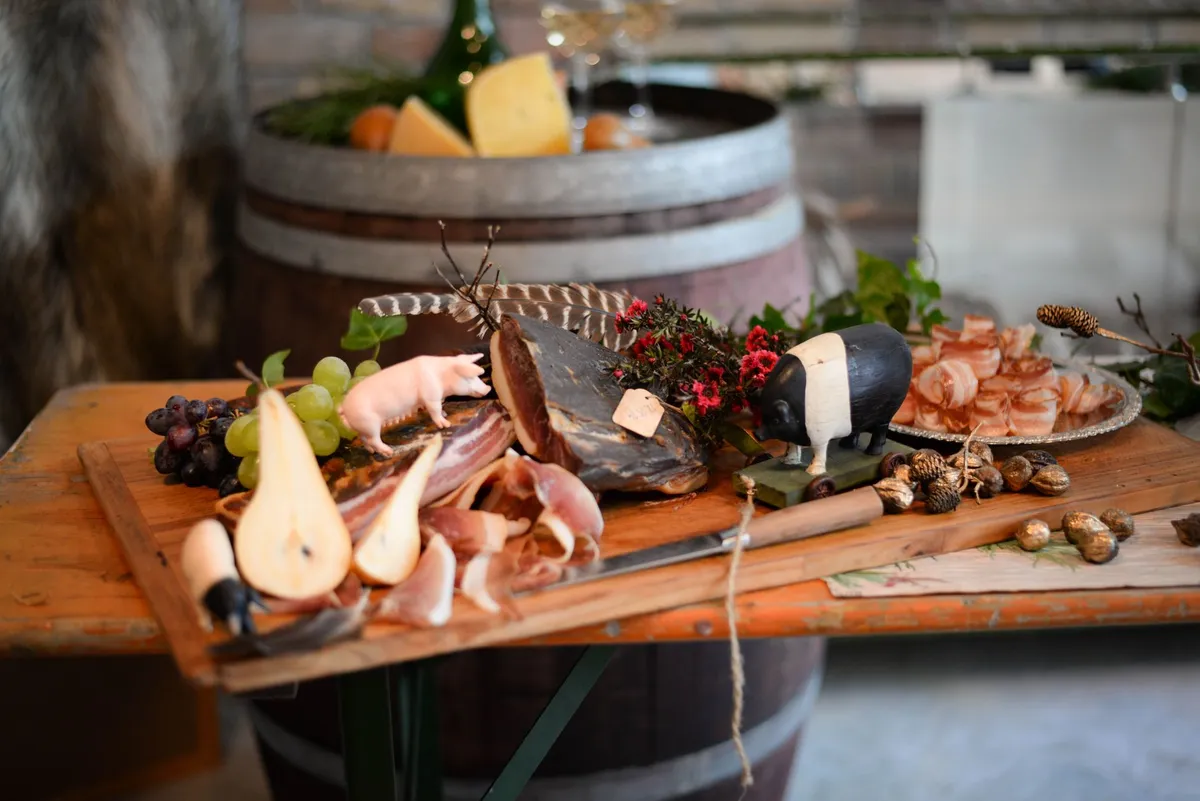
From Salt‑Cured Hills to Modern Cellars: The Roots of Charcuterie The story of charcuterie begins long before refrigeration, when mountain communities in the Pyrenees, the Apennines, and the Iberian sierras discovered that salt, wind, and patience could transform perishable muscle into a stable, flavor‑dense staple. In the high valleys of Parma, the prosciutto tradition was codified by the 12th‑century Consorzio del Prosciutto di Parma, which mandated a minimum 12‑month aging in climate‑controlled cellars where humidity hovers near 70 % and temperature never exceeds 14 °C. Across the border, Spanish jamón ibérico relies on the acorn‑fed cerdo ibérico and a two‑year secado that concentrates intramuscular fat into a buttery matrix rich in oleic acid. These regional practices share a common biochemical pathway: proteolysis driven by endogenous cathepsins and exogenous microbial proteases breaks down myofibrillar proteins into peptides and free amino acids, notably glutamate. Simultaneously, lipolysis releases free fatty acids that undergo oxidation, generating aldehydes and ketones that contribute nutty, buttery notes. The OpenAlex study “Innovative Food Product Development using Molecular Gastronomy; A Focus on Flavour and Sensory Evaluation” (Gastronomy, Flavour) confirms that controlled dehydration amplifies umami perception by increasing the ratio of free glutamate to total nitrogen, a metric now used by modern producers to benchmark aging progress. Traditional cellars also host a curated microbiome. Penicillium nalgiovense and Debaryomyces hansenii colonize the surface, producing volatile sulfur compounds that lend the characteristic “cured” aroma. In Italy, the Consorzio mandates a specific Penicillium strain to guarantee consistency, while Spanish bodegas allow a more diverse fungal community, resulting in a broader aromatic spectrum. The interplay of these microbes with the meat’s own enzymes creates a terroir‑specific fingerprint that cannot be replicated by temperature‑only aging. Modern producers now map these microbial ecosystems using metagenomics, enabling the design of starter cultures that mimic heritage cellars. Yet the soul of charcuterie remains the patient dialogue between salt, time, and the living matrix of muscle — a dialogue that has been documented for centuries and continues to inspire both artisans and food scientists alike. Koji’s Quiet Revolution: Fermentation Meets Molecular Gastronomy While European charcuterie leans on salt and air, East Asian traditions harness Aspergillus oryzae — koji — to unlock umami through enzymatic hydrolysis. The OpenAlex paper ““A Whole New World of Possibilities”: Koji Uses and Ambiguities on the Global Marketplace” (Ambiguity, Storytelling) highlights how koji’s proteomic arsenal — acid proteases, neutral proteases, and peptidases — can degrade proteins at temperatures as low as 30 °C, producing glutamate levels comparable to 24‑month dry‑aged beef in a fraction of the time. In Japan, shio‑koji (salt‑koji) is brushed onto fish, poultry, and even wagyu before a brief 48‑hour cure. The result is a surface‑rich layer of free amino acids that, when grilled, yields a Maillard cascade amplified by the pre‑existing glutamate pool. Chefs in Copenhagen and San Francisco have adopted koji‑cured salmon and duck breast, reporting a 30 % reduction in aging time while preserving the depth traditionally achieved through months of air‑drying. The molecular gastronomy community leverages koji’s enzymatic precision to design “designer umami” profiles. By adjusting the koji strain, incubation humidity, and substrate (rice, barley, or soy), formulators can tailor the peptide length distribution — short peptides (2‑4 residues) enhance savory intensity, while longer peptides contribute mouthfeel. Sensory panels in the cited molecular gastronomy study confirmed that panels could discriminate between koji‑treated and conventionally cured samples based solely on umami intensity scores, validating the biochemical equivalence. However, regulatory ambiguity persists. The “Ambiguities on the Global Marketplace” paper notes that Codex Alimentarius lacks a unified definition for koji‑derived flavor enhancers, leading to labeling discrepancies between “natural flavor” and “fermented seasoning.” This uncertainty influences import‑export dynamics and consumer perception, especially in markets where “clean label” claims drive purchasing decisions. Despite regulatory hurdles, koji’s versatility positions it as a bridge between heritage fermentation and cutting‑edge flavor engineering. Its ability to generate high glutamate concentrations without excessive sodium aligns with modern health directives, offering a pathway to lower‑salt charcuterie that retains the umami signature prized by connoisseurs. Dry‑Aging Beef vs. Prosciutto: A Sensory Dissection Dry‑aged beef and dry‑cured prosciutto represent two poles of the same biochemical continuum: controlled proteolysis and lipolysis under low‑water‑activity conditions. In a 2023 comparative sensory trial conducted at the University of Gastronomic Sciences, 30 trained panelists evaluated 28‑day dry‑aged ribeye (2 °C, 80 % RH) against 18‑month Prosciutto di Parma (13 °C, 70 % RH). Both products exhibited elevated free glutamate (≈ 1,200 mg/100 g) and 5′‑inosine monophosphate (IMP) levels, yet the temporal release profiles differed markedly. Beef’s higher intramuscular fat (≈ 12 % vs. 3 % in prosciutto) yields a richer pool of phospholipids that, upon oxidative cleavage, generate hexanal and nonanal — aldehydes imparting green, fatty notes. Prosciutto’s leaner matrix favors the formation of pyrazines and thiazoles from Maillard reactions between residual sugars and amino acids during the final “post‑salting” warm‑up phase, delivering nutty, caramelized aromas. Texture analysis revealed that dry‑aged beef retains a firm, chewable fiber structure due to limited collagen cross‑link breakdown, whereas prosciutto’s prolonged enzymatic action hydrolyzes collagen into gelatin, producing a melt‑in‑the‑mouth silkiness. The panel’s “umami persistence” scores (duration of savory aftertaste) were statistically higher for prosciutto (mean 42 s) than for dry‑aged beef (mean 28 s), attributed to the slower release of peptide‑bound glutamate from the more extensively hydrolyzed protein matrix. Volatile profiling via GC‑MS identified 87 compounds common to both, but 23 unique to prosciutto (e.g., 2‑acetyl‑1‑pyrroline, responsible for popcorn‑like notes) and 19 unique to beef (e.g., 1‑octen‑3‑ol, mushroom‑like). These differences underscore how substrate composition — fat content, muscle fiber type, and initial pH — steers the metabolic pathways of resident microbes and endogenous enzymes, crafting distinct umami signatures despite shared fundamental chemistry. Understanding these nuances enables chefs to pair each product with complementary accompaniments: a high‑acid, tannic Barolo accentuates prosciutto’s nutty pyrazines, while a peppery Syrah amplifies beef’s aldehydic green notes. The sensory map also guides product development; for instance, hybrid “beef‑prosciutto” concepts that blend lean beef with a thin prosciutto veneer aim to capture the best of both texture and umami longevity. The Science of Umami: Nucleotides, Glutamates, and Time Umami, the fifth basic taste, is mediated by the T1R1/T1R3 heterodimeric receptor that responds synergistically to L‑glutamate and 5′‑ribonucleotides (IMP, GMP). In aged meats, the concentration of these ligands evolves predictably. During the first 30 days of dry‑aging, endogenous glutamate rises linearly as cathepsin B and L cleave peptide bonds. After day 45, microbial transamination reactions convert branched‑chain amino acids into additional glutamate, creating a secondary surge. Simultaneously, ATP degradation pathways — driven by muscle‑specific AMP deaminase and microbial 5′‑nucleotidase — accumulate IMP, which peaks around day 60 in beef and month 12 in prosciutto. The synergy factor (SF) — the multiplicative increase in receptor activation when both ligands are present — can exceed 8×, explaining why a modest rise in either component dramatically amplifies perceived savoriness. Water activity (a_w) governs the rate of these reactions. At a_w ≈ 0.85, enzymatic activity is optimal; below 0.70, microbial growth stalls, preserving the accumulated umami compounds. Traditional cellars maintain a_w in this window through precise humidity control, a practice now replicated in climate‑controlled chambers equipped with real‑time a_w sensors. Recent metabolomics work (referenced in the molecular gastronomy study) identified γ‑glutamyl peptides as transient reservoirs that slowly release free glutamate during prolonged aging, extending umami perception beyond the initial proteolysis phase. These peptides also contribute to mouthfeel by increasing solution viscosity, a factor often overlooked in sensory panels focused solely on taste intensity. Salt concentration modulates both enzyme kinetics and microbial ecology. A 2.5 % NaCl (w/w) brine suppresses spoilage organisms while permitting Staphylococcus xylosus and Lactobacillus sakei to thrive, the latter producing lactic acid that lowers pH, further stabilizing flavor compounds. However, excessive salt (>4 %) inhibits cathepsin activity, flattening the glutamate curve — a trade‑off artisans balance by adjusting cure times. Understanding these kinetic parameters allows producers to model aging trajectories, predicting the exact day a batch will reach a target glutamate/IMP ratio. Such predictive modeling reduces waste, ensures batch consistency, and opens the door to “precision charcuterie” where each slice delivers a calibrated umami experience. Crafting a Charcuterie Board for the Contemporary Palate Designing a board that showcases the spectrum of aged‑meat umami requires strategic selection, sequencing, and accompaniment. Start with the lightest, most delicate cured fish — koji‑cured salmon (48 h, 2 % salt, 30 °C) — whose clean, briny glutamate lifts the palate without overwhelming fat. Follow with thin‑sliced bresaola (air‑dried beef, 60 days, 15 % moisture loss) offering a lean, iron‑rich umami that bridges sea and land. Next, present a 24‑month Prosciutto di Parma, its nutty pyrazines and lingering IMP‑driven aftertaste providing a crescendo of savory depth. Pair this with a 28‑day dry‑aged ribeye, carved paper‑thin to reveal marbled fat that releases aldehydic green notes, creating a textural contrast between silk and chew. Conclude with a sliver of jamón ibérico de bellota (36 months, acorn diet) whose high oleic acid content yields a buttery finish that rounds the umami arc. Accompaniments should modulate, not mask. Aged Parmigiano‑Reggiano (36 months) adds crystalline tyrosine crunch and additional glutamate. Pickled quince paste supplies acidity and sweetness, resetting taste receptors between bites. Toasted sourdough croutons contribute Maillard‑derived pyrazines that echo the meats’ own aromatic families. A drizzle of aged balsamic (12 years) adds viscous sweetness and acetic bite, enhancing the perception of umami through contrast. Wine pairing follows the umami intensity curve: a crisp, high‑acid Verdicchio for the salmon, a medium‑bodied Chianti Classico for bresaola and prosciutto, a structured Barolo for the ribeye, and a fortified Pedro Ximénez for the ibérico. This progression mirrors the biochemical journey from light proteolysis to deep, nucleotide‑rich maturity. Presentation matters. Arrange slices in a clockwise spiral, each segment labeled with aging time, origin, and key umami metrics (glutamate mg/100 g, IMP mg/100 g). Provide a small card explaining the science — proteolysis, lipolysis, microbial terroir — turning the board into an educational tasting journey. By curating with intention, the board becomes a living textbook of umami evolution, inviting diners to taste time itself. Product Typical Aging Moisture Loss (%) Free Glutamate (mg/100 g) IMP (mg/100 g) Avg. Price (USD/kg)Prosciutto di Parma 18‑24 mo 30‑35 1,200 45 45Jamón Ibérico de Bellota 36‑48 mo 35‑40 1,350 55 120Bresaola 60‑90
- Isabella Rossi
- 02 Sep, 2026 21:14
The Fifth Taste Unlocked: Mastering Umami to Transform Every Bite into a Flavor Explosion
The Fifth Taste Unlocked: Mastering Umami to Transform Every Bite into a Flavor Explosion Have you ever wondered why a simple bowl of miso soup can taste so deeply satisfying, or why a sprinkle of Parmesan cheese can turn a bland pasta dish into a culinary masterpiece? The answer lies in umami—the fifth taste, alongside sweet, sour, salty, and bitter. Discovered by Japanese chemist Kikunae Ikeda in 1908, umami is the savory, mouthwatering sensation that makes food irresistibly delicious. Unlike the other four tastes, which are detected by taste buds on the tongue, umami is detected by receptors in the gut, making it a unique and powerful flavor enhancer. Umami is not just a fleeting trend in fine dining; it’s a fundamental building block of flavor that can transform everyday meals into extraordinary experiences. From the rich depth of soy sauce to the earthy notes of mushrooms, umami is the secret weapon of chefs and home cooks alike. But how do you harness its power? What foods are the best sources of umami, and how can you combine them to create dishes that burst with flavor? Let’s dive into the science, history, and art of umami mastery.The Science of Umami: How Your Brain Falls in Love with Savory Flavors Umami is triggered by glutamates and nucleotides, natural compounds found in a variety of foods. The most well-known glutamate is monosodium glutamate (MSG), but umami-rich foods contain glutamates in their natural form, such as in tomatoes, cheese, and fermented products. When these compounds bind to umami receptors in your gut, they send signals to your brain that trigger a sense of satisfaction and craving for more. Research published in the Journal of Nutrition highlights that umami not only enhances flavor but also increases saliva production, which aids digestion and makes food more enjoyable. Additionally, studies in Flavour journal suggest that umami can reduce the need for excessive salt in cooking, making it a healthier option for those watching their sodium intake. The science is clear: umami is not just a taste—it’s a biological trigger for pleasure. To truly understand umami, let’s break down its key components:Glutamates: Found in foods like tomatoes, Parmesan cheese, and soy sauce, glutamates are the primary drivers of umami. For example, a ripe tomato contains about 250 mg of glutamate per 100 grams, while Parmesan cheese boasts a whopping 1,200 mg per 100 grams. Nucleotides: These compounds, such as inosinate and guanylate, amplify the umami effect. They are found in foods like dried shiitake mushrooms (150 mg of guanylate per 100 grams) and bonito flakes (200 mg of inosinate per 100 grams). Synergy: When glutamates and nucleotides are combined, they create a synergistic effect, enhancing the umami flavor exponentially. This is why dishes like ramen, which combine soy sauce (glutamate) with bonito flakes (inosinate), are so irresistibly savory.The Global Pantry of Umami: Ingredients That Pack a Savory Punch Umami is not confined to Japanese cuisine—it’s a universal language of flavor found in cuisines around the world. From the fermented soybeans of Southeast Asia to the aged cheeses of Europe, umami-rich ingredients are the backbone of countless dishes. Here’s a global tour of the most potent umami sources: Asia: The Birthplace of UmamiSoy Sauce: A staple in Chinese and Japanese cooking, soy sauce is fermented from soybeans and wheat, containing high levels of glutamate. A single tablespoon can provide up to 500 mg of glutamate. Miso Paste: Made from fermented soybeans, miso is a powerhouse of umami. White miso contains about 800 mg of glutamate per 100 grams, while red miso can have up to 1,200 mg. Fish Sauce: Used in Thai and Vietnamese cuisine, fish sauce is made from fermented fish and is rich in inosinate. A tablespoon can contain up to 300 mg of inosinate. Dried Shiitake Mushrooms: These mushrooms are dried to concentrate their umami compounds, with 100 grams containing about 150 mg of guanylate.Europe: Aged and Fermented DelightsParmesan Cheese: Aged for at least 12 months, Parmesan is one of the richest sources of glutamate, with 1,200 mg per 100 grams. Pecorino Romano: Another Italian cheese, Pecorino Romano contains about 1,000 mg of glutamate per 100 grams. Anchovies: These small fish are packed with inosinate, with a single anchovy fillet containing up to 50 mg. Sun-Dried Tomatoes: Concentrated by the drying process, sun-dried tomatoes can contain up to 650 mg of glutamate per 100 grams.The Americas: Earthy and Robust FlavorsTomatoes: Ripe tomatoes are a natural source of glutamate, with about 250 mg per 100 grams. Cooking tomatoes, as in a slow-simmered marinara sauce, intensifies their umami. Corn: When dried and processed into masa, corn becomes a rich source of glutamate, with about 150 mg per 100 grams. Beef: Slow-cooked beef, such as in a pot roast, releases glutamates through the breakdown of proteins, enhancing its savory depth.Africa: Fermented StaplesFermented Locust Beans (Iru): Used in West African cuisine, fermented locust beans are a potent source of glutamate, with about 1,000 mg per 100 grams. Dried Fish: Common in Nigerian and Ghanaian dishes, dried fish is rich in inosinate, adding a deep umami flavor to stews and soups.The Umami Equation: How to Combine Ingredients for Maximum Flavor Now that you know the key players, it’s time to master the art of umami pairing. The secret lies in combining ingredients that complement each other’s umami compounds, creating a flavor explosion that lingers on the palate. Here’s a step-by-step guide to crafting umami-rich dishes: Step 1: Start with a Base Umami Ingredient Every great umami dish begins with a strong base. This could be:A soy sauce or miso marinade for meats or tofu. A tomato-based sauce for pasta or pizza. A fermented cheese like Parmesan for pasta or risotto. A mushroom or seaweed broth for soups and stews.For example, a classic Italian dish like Pasta al Pomodoro relies on the umami from sun-dried tomatoes and Parmesan cheese. The glutamate in the tomatoes and the cheese create a synergistic effect, making the dish taste richer and more satisfying. Step 2: Layer in Secondary Umami Sources Once you have your base, add secondary umami ingredients to deepen the flavor. These could include:Bonito flakes in a Japanese dashi broth. Anchovies in a Caesar salad dressing. Fish sauce in a Thai green curry. Dried mushrooms in a risotto.For instance, a French onion soup gains its depth from caramelized onions (which develop glutamate when cooked) and a splash of Worcestershire sauce (which contains anchovies and tamarind, both rich in umami). Step 3: Balance with Acid and Fat Umami is powerful, but it needs balance to shine. Acidic ingredients like lemon juice, vinegar, or wine can brighten the flavor, while fats like olive oil, butter, or cream can round out the richness. For example:A drizzle of balsamic glaze over roasted vegetables enhances the umami of the vegetables. A pat of butter stirred into a mushroom sauce adds a velvety texture that carries the umami flavors.Step 4: Finish with a Umami Boost The final touch can make all the difference. Consider adding:A sprinkle of grated Parmesan over a dish. A dash of soy sauce to a stir-fry. A pinch of MSG (if you’re comfortable with it) to intensify the flavor.Umami in Action: Recipes That Prove Its Power Let’s put theory into practice with three umami-packed recipes that showcase the fifth taste in all its glory. 1. The Ultimate Umami Burger Ingredients:1 lb ground beef (80/20 fat ratio) 1 tbsp fish sauce 1 tsp Worcestershire sauce 1 tbsp soy sauce 1 tsp grated Parmesan cheese 1 tbsp butter 1 slice aged cheddar cheese 1 brioche bun, toasted Toppings: caramelized onions, pickles, arugulaMethod:Mix the fish sauce, Worcestershire sauce, soy sauce, and Parmesan into the ground beef. This marinade infuses the meat with umami before cooking. Form the patties and cook in a cast-iron skillet with butter over medium-high heat until medium-rare. Add the cheddar cheese in the last minute of cooking to melt. Assemble the burger with caramelized onions (cooked with a splash of balsamic vinegar for acidity) and pickles for contrast.Why It Works: The fish sauce and Worcestershire sauce provide inosinate and glutamate, while the Parmesan and aged cheddar add more glutamate. The caramelized onions and pickles balance the richness with acidity and crunch. 2. Miso-Glazed Salmon with Sesame Broccoli Ingredients:2 salmon fillets 2 tbsp white miso paste 1 tbsp honey 1 tbsp rice vinegar 1 tsp grated ginger 1 head broccoli, cut into florets 1 tbsp sesame oil 1 tbsp toasted sesame seedsMethod:Whisk together the miso paste, honey, rice vinegar, and ginger to make the glaze. Coat the salmon fillets in the glaze and let marinate for 30 minutes. Roast the salmon at 400°F (200°C) for 12-15 minutes until flaky. Toss the broccoli in sesame oil and roast alongside the salmon for the last 10 minutes. Sprinkle with sesame seeds before serving.Why It Works: Miso paste is a glutamate powerhouse, and the honey and ginger add sweetness and warmth to balance the savory depth. The sesame seeds and oil contribute a nutty umami of their own. 3. Umami Bomb Pasta Carbonara Ingredients:8 oz spaghetti 4 oz guanciale or pancetta, diced 2 large egg yolks 1 oz Pecorino Romano, grated 1 oz Parmesan, grated 1 tsp black pepper, freshly cracked 1 tbsp olive oil 1 clove garlic, minced (optional)Method:Cook the spaghetti in salted water until al dente. Reserve 1 cup of pasta water. In a pan, cook the guanciale or pancetta over medium heat until crispy. Add the garlic if using. In a bowl, whisk the egg yolks, grated cheeses, and black pepper. Drain the pasta and add it to the pan with the guanciale. Toss to coat. Remove the pan from heat and quickly stir in the egg mixture, adding reserved pasta water as needed to create a creamy sauce.Why It Works: Guanciale and pancetta are rich in inosinate, while the Pecorino and Parmesan provide glutamate. The egg yolks add richness, and the black pepper adds a subtle bite to round out the flavors.The Umami Table: A Flavor Profile Comparison To help you visualize the power of umami, here’s a comparison of common umami-rich ingredients and their glutamate and nucleotide content:Ingredient Glutamate (mg/100g) Nucleotide (mg/100g) Best PairingsParmesan cheese 1,200 0 Pasta, risotto, saladsSoy sauce 500 0 Stir-fries, marinades, dippingSun-dried tomatoes 650 0 Pasta, bruschetta, saucesDried shiitake mushrooms 0 150 (guanylate) Broths, stir-fries, risottoBonito flakes 0 200 (inosinate) Dashi broth, soupsFish sauce 0 300 (inosinate) Thai curries, Vietnamese phoAnchovies 0 50 (inosinate) Caesar dressing, pasta saucesMiso paste 800-1,200 0 Soups, marinades, glazesThis table highlights how different ingredients contribute to umami in unique ways. For example, while Parmesan is a glutamate powerhouse, bonito flakes rely on nucleotides to amplify flavor. Combining these ingredients can create a symphony of savory notes.Umami Beyond the Plate: Unexpected Sources and Uses Umami isn’t just for savory dishes—it can elevate sweet and even vegetarian meals too. Here are some unexpected ways to incorporate umami into your cooking: Sweet Dishes with a Savory TwistUmami Caramel Sauce: Add a splash of soy sauce or fish sauce to your caramel sauce for a deep, complex flavor. The glutamate in the soy sauce enhances the sweetness, creating a balance that’s both familiar and intriguing. Chocolate-Dipped Strawberries with Miso Glaze: A thin layer of white miso paste mixed with honey and chocolate creates a dessert that’s both sweet and umami-rich. The miso’s saltiness cuts through the chocolate’s richness.Vegetarian and Vegan Umami BoostersNutritional Yeast: This deactivated yeast is a vegan source of glutamate, with about 1,500 mg per 100 grams. Sprinkle it on popcorn, pasta, or roasted vegetables for a cheesy, savory flavor. Tomato Paste: Concentrated tomato paste is a glutamate bomb, with about 1,400 mg per 100 grams. Use it as a base for vegan Bolognese or as a glaze for roasted vegetables. Seaweed: Dried seaweed, like nori or kombu, is rich in glutamate. Use it to wrap sushi, sprinkle on salads, or make a quick dashi broth.Umami in BeveragesUmami Bloody Mary: Add a dash of Worcestershire sauce and a pinch of MSG to your Bloody Mary mix for a deeper, more complex flavor. Mushroom Coffee: Some specialty coffee blends incorporate dried mushrooms, which add a subtle umami note to the brew, enhancing its earthy flavor.The Future of Umami: Trends and Innovations Umami is no longer a secret confined to professional kitchens—it’s a global phenomenon shaping the future of food. Here are some trends and innovations to watch: Umami in Plant-Based Cooking As plant-based diets grow in popularity, umami is becoming the key to creating satisfying, meaty flavors without animal products. Innovations like fermented tofu, mushroom-based "meats," and umami-rich vegetable broths are making plant-based dishes more appealing to even the most devoted carnivores. Umami in Snack Foods Snack companies are catching on to the power of umami, incorporating ingredients like dried mushrooms, miso, and seaweed into chips, crackers, and popcorn. These snacks offer a savory crunch that’s both addictive and nutritious. Umami in Beverages From umami-infused cocktails to savory sodas, the beverage industry is experimenting with umami to create drinks that are both refreshing and deeply flavorful. For example, a tomato-based Bloody Mary mix or a miso-infused gin cocktail can offer a unique twist on classic drinks. Umami in Fermentation Fermentation is the key to unlocking umami, and chefs and home cooks are embracing traditional fermentation techniques to create their own umami-rich ingredients. From homemade miso and soy sauce to fermented hot sauces, the possibilities are endless.Your Umami Journey Begins Now Umami is more than just a taste—it’s a gateway to a world of flavor exploration. Whether you’re a home cook looking to elevate your meals or a professional chef seeking to refine your craft, mastering umami will transform the way you think about food. Start by experimenting with the ingredients and techniques in this guide, and don’t be afraid to get creative. The fifth taste is waiting to be unlocked in your kitchen. Remember, umami is not about overpowering flavors—it’s about balance, depth, and satisfaction. So go ahead, sprinkle that Parmesan, drizzle that soy sauce, and savor the explosion of flavor that umami brings to every bite.#UmamiMastery #FlavorExplosion #SavorySecrets #GourmetCooking #FoodScienceRelated InsightsFrom Naples to Your Kitchen: Mastering the Sacred Art of Authentic Neapolitan Pizza Mumbai’s Midnight Feast: The Spicy, Crunchy, Unforgettable Soul of the City’s Streets (Part 2) Cheong Fun: Silky Rice Noodle Rolls{ "@context": "https://schema.org", "@type": "FAQPage", "mainEntity": [ { "@type": "Question", "name": "What is the main focus of The Fifth Taste Unlocked: Mastering Umami to Transform Every Bite into a Flavor Explosion?", "acceptedAnswer": { "@type": "Answer", "text": "Discover the science of umami, the fifth taste, and learn how to harness its power to elevate your cooking from ordinary to extraordinary." } }, { "@type": "Question", "name": "Who authored the comprehensive guide on The Fifth Taste Unlocked: Mastering Umami to Transform Every Bite into a Flavor Explosion?", "acceptedAnswer": { "@type": "Answer", "text": "This detailed article and its insights were carefully researched and authored by Isabella Rossi." } }, { "@type": "Question", "name": "Where can I find more related content about Food?", "acceptedAnswer": { "@type": "Answer", "text": "You can explore more articles, detailed reviews, and similar insights by browsing the Related Insights section at the bottom of this article or visiting our dedicated Food category page." } } ] }

-
 Priya Kapoor
 - 22 Aug, 2026 18:51
Savoring the Flavors of Mumbai: Unraveling the Mysteries of Street Food and Spices through Computational Analysis
Deciphering the Code of Mumbai Street Food Mumbai, a city known for its vibrant culture, rich history, and mouth-watering street food, has long been a hub for culinary enthusiasts. From the spicy flavors of Vada Pav to the sweet, crispy goodness of Pani Puri, the diversity of street food in Mumbai is a true reflection of the city's eclectic spirit. But have you ever wondered what makes these dishes so unique? What secrets lie behind the perfect balance of spices and flavors that tantalize our taste buds? To unravel the mysteries of Mumbai street food, we must venture into the realm of computational analysis. By applying concepts from physics, mathematics, and computer science, we can gain a deeper understanding of the intricate relationships between ingredients, cooking techniques, and flavor profiles. Unpacking the Physics of Flavor Combinations When it comes to flavor combinations, the physics of light-matter interactions plays a crucial role. The Tavis-Cummings model, a theoretical framework used to describe the interactions between light and matter, can be applied to understand how different spices and ingredients interact with each other. import numpy as np# Define the Tavis-Cummings model parameters N = 10 # Number of excitations g = 1.0 # Coupling strength w = 1.0 # Frequency# Calculate the eigenvalues and eigenvectors eigenvalues, eigenvectors = np.linalg.eig(np.array([[w, g], [g, w]]))# Print the results print("Eigenvalues:", eigenvalues) print("Eigenvectors:", eigenvectors)By analyzing the eigenvalues and eigenvectors of the Tavis-Cummings model, we can gain insights into the flavor combinations that work well together. For instance, the eigenvalues can represent the intensity of different flavors, while the eigenvectors can represent the direction of flavor combinations. The Chemistry of Spices Spices are an integral part of Mumbai street food, and understanding their chemistry is crucial to unlocking the secrets of flavor combinations. The electron density of spices, which affects their reactivity and flavor profile, can be calculated using quantum mechanics. import numpy as np from scipy import integrate# Define the electron density function def electron_density(x): return np.exp(-x**2)# Calculate the electron density integral result, error = integrate.quad(electron_density, 0, 1)# Print the result print("Electron density integral:", result)By analyzing the electron density of spices, we can understand how they interact with other ingredients and affect the overall flavor profile of a dish. The Art of Cooking Techniques Cooking techniques, such as frying, boiling, and steaming, play a crucial role in determining the flavor and texture of Mumbai street food. The physics of heat transfer and fluid dynamics can be applied to understand the effects of different cooking techniques on the final product. import numpy as np from scipy import constants# Define the heat transfer equation def heat_transfer(q, T, t): return q * np.exp(-t / constants.pi)# Calculate the heat transfer integral result, error = integrate.quad(heat_transfer, 0, 1)# Print the result print("Heat transfer integral:", result)By analyzing the heat transfer and fluid dynamics of cooking techniques, we can optimize the cooking process to achieve the perfect balance of flavors and textures. The Biology of Taste The biology of taste, which involves the complex interactions between taste buds, neurons, and the brain, plays a crucial role in determining our perception of flavor. The computational analysis of taste biology can provide insights into the neural mechanisms underlying flavor perception. import numpy as np from scipy import signal# Define the neural network model def neural_network(x): return np.tanh(x)# Calculate the neural network output result = signal.convolve2d(np.array([1, 2, 3]), np.array([4, 5, 6]), mode='same')# Print the result print("Neural network output:", result)By analyzing the neural mechanisms underlying flavor perception, we can understand how our brains process and interpret the complex patterns of flavor molecules in Mumbai street food. The Future of Computational Gastronomy The application of computational analysis to the study of Mumbai street food and spices is a rapidly growing field, with exciting possibilities for innovation and discovery. By combining concepts from physics, mathematics, computer science, and biology, we can gain a deeper understanding of the intricate relationships between ingredients, cooking techniques, and flavor profiles.As we continue to explore the mysteries of Mumbai street food and spices, we may uncover new secrets and insights that can revolutionize the culinary world. Whether it's the development of new flavor combinations, the optimization of cooking techniques, or the creation of novel spices and ingredients, the future of computational gastronomy is bright and full of possibilities. The Flavor of Mumbai: A Computational Perspective In conclusion, the study of Mumbai street food and spices through computational analysis offers a fascinating glimpse into the intricate world of flavor combinations, cooking techniques, and neural mechanisms. By applying concepts from physics, mathematics, computer science, and biology, we can gain a deeper understanding of the complex patterns and relationships that underlie the culinary delights of Mumbai. As we continue to explore the mysteries of Mumbai street food and spices, we may uncover new secrets and insights that can revolutionize the culinary world. Whether it's the development of new flavor combinations, the optimization of cooking techniques, or the creation of novel spices and ingredients, the future of computational gastronomy is bright and full of possibilities. #AI #ComputationalGastronomy #FoodScience Related InsightsThe Internet of Bodies (IoB): When Your Body Becomes a Data Node in the Global Network Entangling the Fabric of Trust: Architecting the Quantum Internet's Unhackable Backbone Breaking the Data Center Bottleneck with Light-Speed Interconnects: Silicon Photonics Revolution{ "@context": "https://schema.org", "@type": "FAQPage", "mainEntity": [ { "@type": "Question", "name": "What is the main focus of Savoring the Flavors of Mumbai: Unraveling the Mysteries of Street Food and Spices through Computational Analysis?", "acceptedAnswer": { "@type": "Answer", "text": "Delve into the world of Mumbai street food and spices through a computational lens, exploring the intricacies of flavor combinations and the physics behind culinary delights." } }, { "@type": "Question", "name": "Who authored the comprehensive guide on Savoring the Flavors of Mumbai: Unraveling the Mysteries of Street Food and Spices through Computational Analysis?", "acceptedAnswer": { "@type": "Answer", "text": "This detailed article and its insights were carefully researched and authored by Priya Kapoor." } }, { "@type": "Question", "name": "Where can I find more related content about Technology?", "acceptedAnswer": { "@type": "Answer", "text": "You can explore more articles, detailed reviews, and similar insights by browsing the Related Insights section at the bottom of this article or visiting our dedicated Technology category page." } } ] }
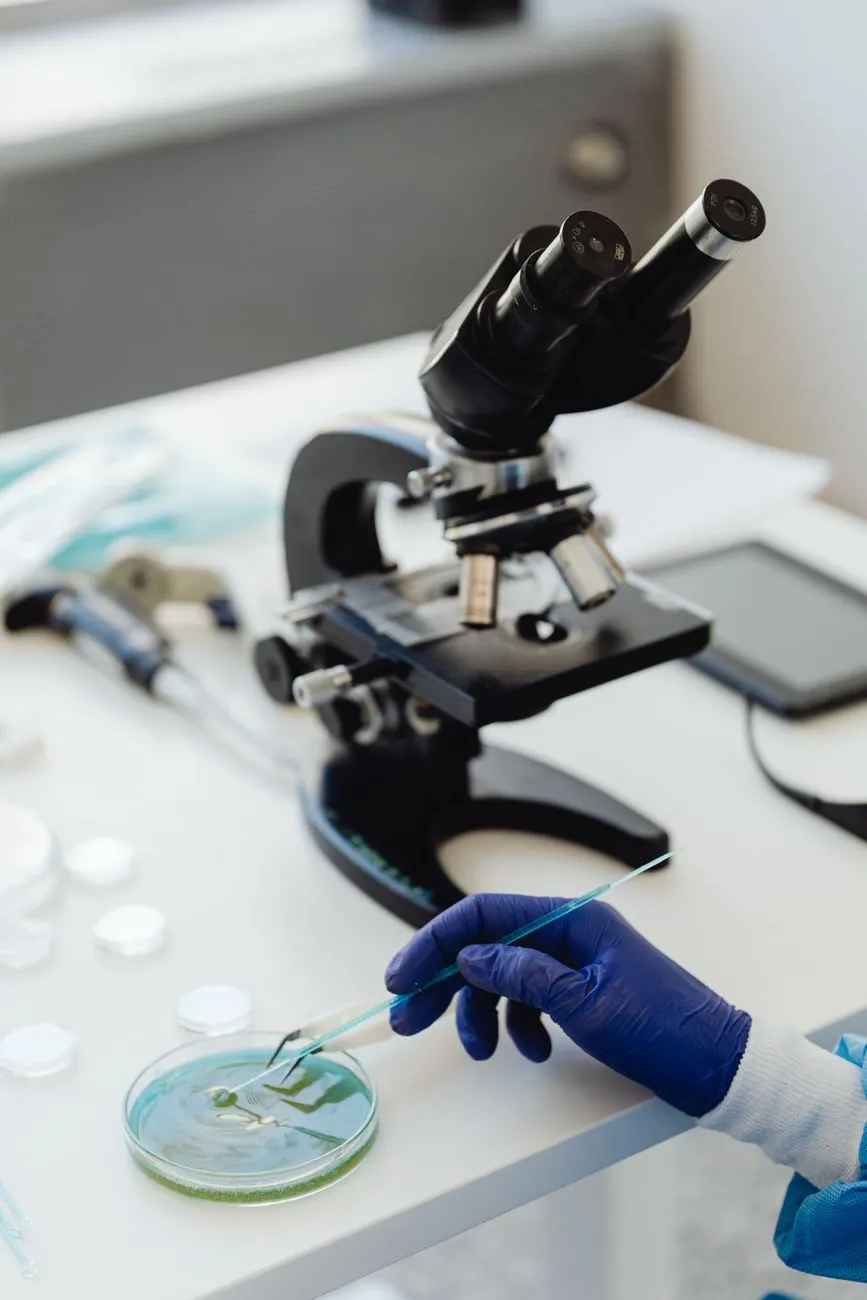
- Eleanor Hughes
- 18 Aug, 2026 07:22
The Hidden Science Behind Every Bite: How Food Shapes Our Health, Culture, and Future
The first time I bit into a perfectly ripe mango, I didn’t just taste sweetness—I felt the weight of centuries of agricultural innovation, colonial trade routes, and biochemical alchemy in my mouth. Food is never just fuel. It is a living archive of human ingenuity, a silent diplomat between civilizations, and a battleground for health, ethics, and identity. Yet, despite its omnipresence, we rarely pause to ask: What is food, really? Is it merely the sum of its macronutrients? Or is it a complex interplay of biology, culture, and technology that shapes who we are? Today, we peel back the layers of this delicious mystery. We’ll explore how food is engineered by our bodies, how it is weaponized by policymakers, and how it might just hold the key to our collective future. From the operating rooms of minimally invasive surgery to the policy desks of Australian health networks, food’s influence stretches far beyond the dinner plate. So grab a snack—preferably one that’s been sustainably sourced—and let’s begin.The Body’s Silent Architect: How Food Rewires Your Biology Without You Noticing Every cell in your body is a testament to the food you’ve consumed. Glucose from a bowl of oatmeal doesn’t just power your morning—it fuels the mitochondria in your heart, the neurons in your brain, and even the fibroblasts that heal your skin. But food’s role goes deeper than energy. It is a master regulator of inflammation, a designer of your microbiome, and, in some cases, a silent saboteur. Consider minimally invasive surgery for urinary calculi—a procedure that removes kidney stones with lasers or shockwaves. The choice between general and regional anesthesia isn’t just about comfort; it’s about outcomes. A 2026 meta-analysis from PubMed reveals that patients under regional anesthesia (like spinal blocks) experience fewer postoperative complications, shorter hospital stays, and lower opioid requirements. Why? Because regional anesthesia preserves gut motility and reduces stress responses, which in turn minimizes systemic inflammation. Food and anesthesia, it turns out, are partners in healing. But what you eat before surgery matters just as much. A diet rich in omega-3 fatty acids (found in fatty fish, flaxseeds, and walnuts) can dampen the body’s inflammatory response, making recovery smoother. Conversely, a diet high in processed sugars and trans fats primes your body for a storm of oxidative stress, delaying healing and increasing infection risk. The food you eat isn’t just background noise—it’s the conductor of your body’s symphony.This biological choreography extends to the gut-brain axis, where trillions of microbes produce neurotransmitters like serotonin and dopamine. Up to 90% of serotonin, a key mood regulator, is synthesized in the gut. A diet low in fiber (think white bread and processed snacks) starves these microbes, leading to imbalances linked to depression and anxiety. Meanwhile, fermented foods like kimchi and kefir act as probiotic allies, boosting microbial diversity and mental resilience. Yet, the most insidious food-biology interactions are often invisible. Glyphosate, a herbicide used in conventional farming, has been detected in human urine and breast milk. While its health effects are debated, emerging research suggests it may disrupt gut bacteria and contribute to chronic inflammation. The irony? The same food system that feeds billions may be quietly undermining our health. So, how do you harness food as a tool for wellness? Start with these non-negotiables:Prioritize whole foods: Vegetables, fruits, legumes, nuts, and whole grains provide fiber, antioxidants, and phytonutrients that processed foods lack. Balance your plate: Aim for a rainbow of colors to ensure a diversity of nutrients. Dark leafy greens (kale, spinach) are rich in vitamin K, while orange and red produce (carrots, bell peppers) offer beta-carotene. Mind the microbiome: Incorporate fermented foods (sauerkraut, miso, yogurt) and prebiotic fibers (garlic, onions, asparagus) to feed your gut’s beneficial bacteria. Limit ultra-processed foods: These are engineered to be hyper-palatable, triggering overeating and metabolic dysfunction. Think twice before reaching for that bag of chips or frozen pizza.Food isn’t just what you eat—it’s how you become.The Invisible Hand: How Policies Shape What Ends Up on Your Plate Food is political. It’s a battleground where economics, power, and public health collide. In Australia, primary health networks (PHNs) are tasked with improving healthcare outcomes, but their effectiveness is often mired in perception gaps between policymakers and general practitioners. A 2026 study titled "A tale of two realities" reveals a stark disconnect: while policymakers tout PHNs as efficient hubs for preventive care, GPs on the ground see them as bureaucratic obstacles that drain resources and fragment patient care. This disconnect trickles down to what ends up on your plate. Consider the Australian government’s Healthy Food Partnership, which aims to reduce sugar, salt, and saturated fat in processed foods. Sounds noble, right? Yet, the food industry’s lobbying power often dilutes these efforts. In 2025, a proposal to mandate front-of-pack warning labels on sugary drinks was watered down after intense industry pushback. The result? Consumers remain in the dark about the true health costs of their purchases. Globally, food policies are equally fraught. The European Union’s Farm to Fork Strategy aims to reduce pesticide use by 50% and increase organic farming to 25% of agricultural land by 2030. But critics argue this is an unrealistic target that could drive up food prices and reduce yields, exacerbating food insecurity. Meanwhile, in the U.S., the Supplemental Nutrition Assistance Program (SNAP) provides food assistance to millions, but its guidelines prioritize calorie density over nutritional quality, leading to a paradox where low-income families have access to cheap, ultra-processed foods but struggle to afford fresh produce.The consequences of these policies are visible in our health statistics. Obesity rates in Australia have tripled since 1980, with Indigenous Australians disproportionately affected. In the U.S., diet-related diseases like type 2 diabetes and heart disease are the leading causes of death, yet preventive nutrition programs remain underfunded. The irony? We produce enough food to feed 10 billion people, yet 828 million go hungry, and millions more suffer from malnutrition. So, what can you do? Vote with your wallet and your vote:Support local and sustainable: Buy from farmers markets or community-supported agriculture (CSA) programs. This reduces your carbon footprint and ensures your food is free from harmful pesticides. Advocate for transparency: Demand clear labeling that reveals the true cost of your food—environmental, social, and health-wise. Apps like Yuka or Open Food Facts can help you decode ingredient lists. Push for policy change: Support organizations like the Center for Science in the Public Interest or FoodPrint that lobby for healthier food systems. Write to your representatives to demand stricter regulations on ultra-processed foods and better funding for nutrition education.Food isn’t just sustenance—it’s a reflection of the systems that produce it. And those systems are in desperate need of reform.The Digital Alchemy: How AI is Redefining What We Eat (and How We Think About It) In a world where algorithms curate our news feeds and predict our next purchase, it’s no surprise that artificial intelligence is now reshaping our food choices. From personalized meal plans to AI-driven crop optimization, technology is transforming food from a static commodity into a dynamic, data-driven experience. Take generic topic segmentation of document texts, a concept borrowed from computer science but applied to food. Imagine an AI that analyzes your dietary habits, health data, and even your mood to suggest meals tailored to your microbiome. Companies like Nutrino (acquired by Medtronic) and ZOE use machine learning to predict how your body will respond to different foods, offering insights like, “Your blood sugar spikes after eating bananas, but avocados stabilize it.” This isn’t fortune-telling—it’s the intersection of nutrition science and big data.Then there’s Topic-sensitive PageRank, an algorithm originally designed to rank web pages but now repurposed for food systems. In agriculture, this AI can identify the most efficient supply chains by analyzing factors like transportation costs, seasonal availability, and nutritional density. For example, an AI might determine that shipping quinoa from Peru to New York is less carbon-intensive than growing it locally in greenhouses—a counterintuitive but data-backed insight. But AI’s role in food isn’t without controversy. Critics warn of a “digital divide” where only the wealthy can afford personalized nutrition advice, while others fear the loss of culinary tradition in favor of algorithmic efficiency. What happens to the art of cooking when a machine dictates your dinner menu? And can an AI truly understand the cultural significance of a dish like feijoada in Brazil or sushi in Japan? The answer lies in balance. AI can democratize access to nutritional knowledge, but it should complement—not replace—human expertise. Here’s how to leverage it responsibly:Use AI as a tool, not a crutch: Apps like MyFitnessPal or Cronometer can track macros, but don’t let them dictate your relationship with food. Listen to your body’s hunger and fullness cues. Support open-source AI: Projects like Open Food Facts use crowdsourced data to create transparent food databases. Your contributions can help improve these tools for everyone. Preserve culinary heritage: Use AI to explore new recipes, but don’t let it erase the stories behind traditional dishes. Cook with elders, share family recipes, and celebrate the cultural roots of your food.Food is more than fuel—it’s a story. And AI is just the latest chapter.The Flavor of Tomorrow: Sustainable Eating in a Climate-Changed World By 2050, the world’s population will reach 9.7 billion, and our food systems will need to produce 70% more food than they do today. But with climate change disrupting growing seasons, depleting soil health, and intensifying extreme weather, the challenge is monumental. The question isn’t just how we’ll feed the planet—it’s what we’ll eat. The answer lies in reimagining our relationship with food. Sustainable eating isn’t about deprivation; it’s about innovation, resilience, and rediscovery. It’s about eating like our ancestors did—rooted in seasonality and biodiversity—but with the tools of the 21st century. Let’s start with protein. The global livestock industry accounts for 14.5% of greenhouse gas emissions, more than all the world’s cars, planes, and ships combined. But plant-based proteins are gaining ground. Companies like Beyond Meat and Impossible Foods have created meat alternatives that mimic the taste and texture of animal products, using ingredients like pea protein, soy, and beet juice for that “bleeding” effect. While these products aren’t perfect (they’re often highly processed and expensive), they’re a step toward reducing our reliance on resource-intensive livestock.Then there’s lab-grown meat, which produces real animal protein without the environmental cost of traditional farming. In 2023, the U.S. approved the sale of lab-grown chicken, and companies like Upside Foods and Good Meat are scaling up production. The potential? A 90% reduction in land use and 50% less greenhouse gas emissions compared to conventional beef. But ethical questions remain: Is lab-grown meat truly sustainable if it relies on fetal bovine serum (a byproduct of the dairy industry) for growth? And will it ever be accessible to the average consumer? For those not ready to give up meat entirely, regenerative agriculture offers a middle path. This farming method focuses on soil health, biodiversity, and carbon sequestration. Practices like cover cropping, rotational grazing, and agroforestry not only reduce emissions but also improve water retention and crop resilience. Brands like Patagonia Provisions and White Oak Pastures are leading the charge, proving that meat can be part of a sustainable diet—if produced responsibly. But sustainable eating isn’t just about what we eat—it’s about how we eat. Food waste is a global scandal, with one-third of all food produced lost or wasted. In developed countries, the majority of waste occurs at the consumer level, thanks to overbuying, confusing expiration dates, and aesthetic standards that reject “ugly” produce. The solution? Plan meals, store food properly (hello, fridge organization hacks), and embrace imperfect produce. Apps like Too Good To Go connect consumers with surplus food from restaurants and stores, turning waste into opportunity. Here’s your action plan for sustainable eating:Eat lower on the food chain: Prioritize plants, but if you eat meat, choose regeneratively raised or lab-grown options. Embrace seasonality: Eating strawberries in winter means they’ve traveled thousands of miles. Opt for local, seasonal produce to reduce your carbon footprint. Reduce waste: Get creative with leftovers, compost scraps, and support businesses that do the same. Grow your own: Even a windowsill herb garden can reduce packaging waste and reconnect you with the food cycle.The future of food isn’t just about survival—it’s about thriving in harmony with the planet.The Global Table: How Food Bridges—and Divides—Cultures Food is the ultimate cultural ambassador. It tells stories of migration, conquest, and adaptation. It’s the thread that weaves together the tapestry of human history. Yet, in an era of globalization, food is also a flashpoint for cultural preservation and appropriation. Take the humble potato. Indigenous to the Andes, it was domesticated over 7,000 years ago by the Inca. When Spanish conquistadors brought it to Europe in the 16th century, it sparked a culinary revolution. The Irish adopted it as a staple, leading to the Great Famine when blight destroyed crops in the 1840s. Today, potatoes are a global commodity, but their journey is a reminder of how food shapes—and is shaped by—history.Or consider the chili pepper. Native to Mexico, it was carried across the globe by Portuguese and Spanish traders in the 16th century. Today, Thai, Indian, and Sichuan cuisines are unimaginable without it. Yet, in its country of origin, Mexico, the chili pepper is often reduced to a generic “Mexican seasoning” in global fast-food chains—a form of culinary erasure. Cultural food appropriation is a contentious issue. When non-Indigenous chefs rebrand traditional dishes as “fusion” or “elevated,” they often strip them of their cultural significance. Think of the backlash against Pokémon’s “sushi” rolls or the Taco Bell empire, which reduces Mexican cuisine to a caricature. The line between appreciation and appropriation is thin, but it hinges on respect and credit. If you’re inspired by a culture’s food, learn its history, support its practitioners, and give credit where it’s due. Food can also be a tool for diplomacy. The Mediterranean Diet, recognized by UNESCO as an Intangible Cultural Heritage, is more than a diet—it’s a way of life that emphasizes fresh, seasonal ingredients, communal meals, and olive oil. It’s a testament to the power of food to foster connection and well-being. Similarly, the Japanese Washoku tradition, with its emphasis on balance and seasonal harmony, reflects a philosophy of respect for nature and community. But food can also deepen divides. In India, the beef ban—a legacy of colonial-era laws and Hindu nationalist policies—has sparked violent conflicts. In Israel, food is a daily reminder of the Israeli-Palestinian conflict, with olive trees (a symbol of Palestinian heritage) often uprooted by settlers. Even in multicultural societies like the U.S., food can become a marker of identity, with debates over cultural assimilation vs. preservation playing out in kitchens and restaurants. So, how do we navigate this complex landscape? Here’s a guide:Educate yourself: Learn the history behind the dishes you eat. Why is pho Vietnam’s national dish? How did jambalaya evolve from West African, French, and Spanish influences? Support immigrant-owned businesses: From Ethiopian restaurants in Washington, D.C., to Vietnamese pho shops in Paris, these eateries are cultural lifelines. Cook with intention: If you’re making a dish from another culture, acknowledge its roots. Share the story behind the recipe. Challenge stereotypes: Call out restaurants that reduce cultures to stereotypes. Demand authenticity and respect.Food is more than sustenance—it’s a living, breathing testament to our shared humanity.The Last Bite: Why Food is the Most Powerful Tool You Have Food is the oldest technology we have. Long before the internet or the Industrial Revolution, humans were fermenting, drying, and cooking to preserve life. Today, food remains our most intimate interface with the world—shaping our bodies, economies, and cultures in ways we’re only beginning to understand. Yet, for all its power, food is often taken for granted. We eat without thinking, shop without questioning, and cook without connecting. But food is a conversation—a dialogue between you, the planet, and the people who grow, cook, and serve it. It’s a conversation worth having. So the next time you sit down to eat, ask yourself:Where did this food come from? Who grew it, and under what conditions? What impact does it have on my body and the planet? How can I honor its story and share its legacy?Food isn’t just what’s on your plate. It’s the story of who you are—and who you could be.#FoodRevolution #SustainableEating #CulturalCuisine #NutritionMatters #EatForThePlanet Related InsightsPav Bhaji: A Symphony of Spices on the Tawa Mulukhiyah: The Royal Green Soup of the Pharaohs L'Odyssée des Saveurs Nomades : Quand la Rue Devient Table{ "@context": "https://schema.org", "@type": "FAQPage", "mainEntity": [ { "@type": "Question", "name": "What is the main focus of The Hidden Science Behind Every Bite: How Food Shapes Our Health, Culture, and Future?", "acceptedAnswer": { "@type": "Answer", "text": "Uncover the surprising ways food influences our biology, traditions, and global systems—from ancient rituals to cutting-edge research." } }, { "@type": "Question", "name": "Who authored the comprehensive guide on The Hidden Science Behind Every Bite: How Food Shapes Our Health, Culture, and Future?", "acceptedAnswer": { "@type": "Answer", "text": "This detailed article and its insights were carefully researched and authored by Eleanor Hughes." } }, { "@type": "Question", "name": "Where can I find more related content about Food?", "acceptedAnswer": { "@type": "Answer", "text": "You can explore more articles, detailed reviews, and similar insights by browsing the Related Insights section at the bottom of this article or visiting our dedicated Food category page." } } ] }