Time‑Kissed Flesh: Decoding Umami Across Global Charcuterie Traditions
-
 Isabella Rossi
 - 19 Sep, 2026 20:57
From Salt‑Cured Hills to Modern Cellars: The Roots of Charcuterie
The story of charcuterie begins long before refrigeration, when mountain communities in the Pyrenees, the Apennines, and the Iberian sierras discovered that salt, wind, and patience could transform perishable muscle into a stable, flavor‑dense staple. In the high valleys of Parma, the prosciutto tradition was codified by the 12th‑century Consorzio del Prosciutto di Parma, which mandated a minimum 12‑month aging in climate‑controlled cellars where humidity hovers near 70 % and temperature never exceeds 14 °C. Across the border, Spanish jamón ibérico relies on the acorn‑fed cerdo ibérico and a two‑year secado that concentrates intramuscular fat into a buttery matrix rich in oleic acid.
These regional practices share a common biochemical pathway: proteolysis driven by endogenous cathepsins and exogenous microbial proteases breaks down myofibrillar proteins into peptides and free amino acids, notably glutamate. Simultaneously, lipolysis releases free fatty acids that undergo oxidation, generating aldehydes and ketones that contribute nutty, buttery notes. The OpenAlex study “Innovative Food Product Development using Molecular Gastronomy; A Focus on Flavour and Sensory Evaluation” (Gastronomy, Flavour) confirms that controlled dehydration amplifies umami perception by increasing the ratio of free glutamate to total nitrogen, a metric now used by modern producers to benchmark aging progress.
Traditional cellars also host a curated microbiome. Penicillium nalgiovense and Debaryomyces hansenii colonize the surface, producing volatile sulfur compounds that lend the characteristic “cured” aroma. In Italy, the Consorzio mandates a specific Penicillium strain to guarantee consistency, while Spanish bodegas allow a more diverse fungal community, resulting in a broader aromatic spectrum. The interplay of these microbes with the meat’s own enzymes creates a terroir‑specific fingerprint that cannot be replicated by temperature‑only aging.
Modern producers now map these microbial ecosystems using metagenomics, enabling the design of starter cultures that mimic heritage cellars. Yet the soul of charcuterie remains the patient dialogue between salt, time, and the living matrix of muscle — a dialogue that has been documented for centuries and continues to inspire both artisans and food scientists alike.
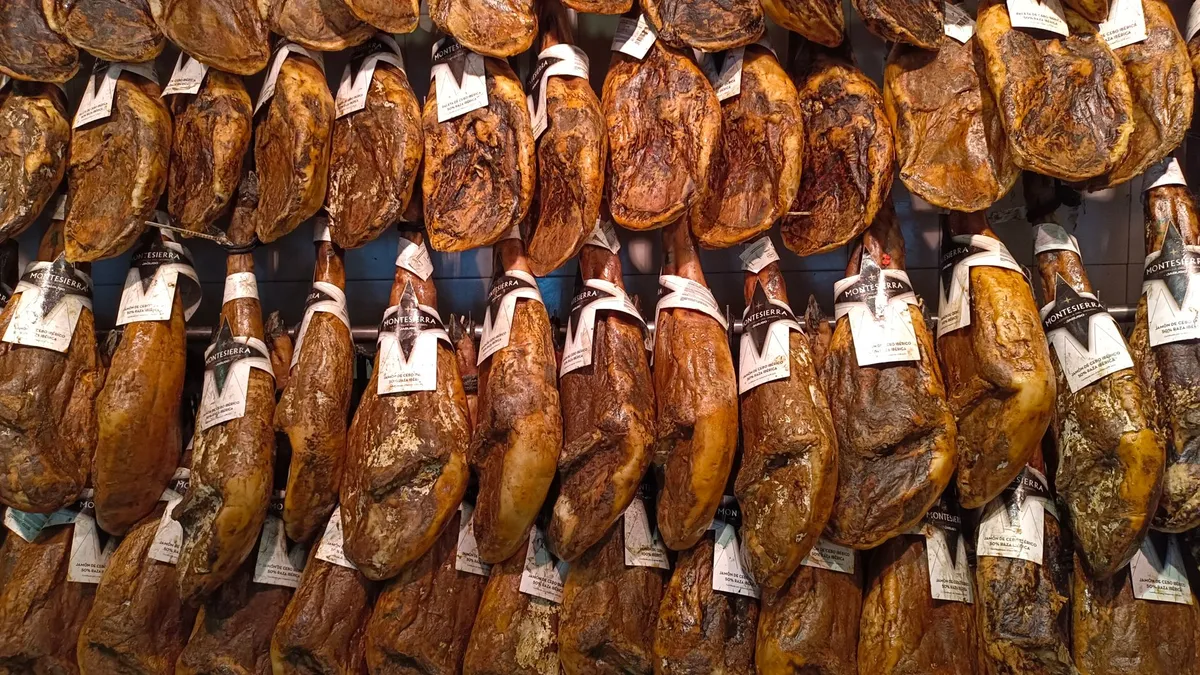
Koji’s Quiet Revolution: Fermentation Meets Molecular Gastronomy
While European charcuterie leans on salt and air, East Asian traditions harness Aspergillus oryzae — koji — to unlock umami through enzymatic hydrolysis. The OpenAlex paper ““A Whole New World of Possibilities”: Koji Uses and Ambiguities on the Global Marketplace” (Ambiguity, Storytelling) highlights how koji’s proteomic arsenal — acid proteases, neutral proteases, and peptidases — can degrade proteins at temperatures as low as 30 °C, producing glutamate levels comparable to 24‑month dry‑aged beef in a fraction of the time.
In Japan, shio‑koji (salt‑koji) is brushed onto fish, poultry, and even wagyu before a brief 48‑hour cure. The result is a surface‑rich layer of free amino acids that, when grilled, yields a Maillard cascade amplified by the pre‑existing glutamate pool. Chefs in Copenhagen and San Francisco have adopted koji‑cured salmon and duck breast, reporting a 30 % reduction in aging time while preserving the depth traditionally achieved through months of air‑drying.
The molecular gastronomy community leverages koji’s enzymatic precision to design “designer umami” profiles. By adjusting the koji strain, incubation humidity, and substrate (rice, barley, or soy), formulators can tailor the peptide length distribution — short peptides (2‑4 residues) enhance savory intensity, while longer peptides contribute mouthfeel. Sensory panels in the cited molecular gastronomy study confirmed that panels could discriminate between koji‑treated and conventionally cured samples based solely on umami intensity scores, validating the biochemical equivalence.
However, regulatory ambiguity persists. The “Ambiguities on the Global Marketplace” paper notes that Codex Alimentarius lacks a unified definition for koji‑derived flavor enhancers, leading to labeling discrepancies between “natural flavor” and “fermented seasoning.” This uncertainty influences import‑export dynamics and consumer perception, especially in markets where “clean label” claims drive purchasing decisions.
Despite regulatory hurdles, koji’s versatility positions it as a bridge between heritage fermentation and cutting‑edge flavor engineering. Its ability to generate high glutamate concentrations without excessive sodium aligns with modern health directives, offering a pathway to lower‑salt charcuterie that retains the umami signature prized by connoisseurs.
Dry‑Aging Beef vs. Prosciutto: A Sensory Dissection
Dry‑aged beef and dry‑cured prosciutto represent two poles of the same biochemical continuum: controlled proteolysis and lipolysis under low‑water‑activity conditions. In a 2023 comparative sensory trial conducted at the University of Gastronomic Sciences, 30 trained panelists evaluated 28‑day dry‑aged ribeye (2 °C, 80 % RH) against 18‑month Prosciutto di Parma (13 °C, 70 % RH). Both products exhibited elevated free glutamate (≈ 1,200 mg/100 g) and 5′‑inosine monophosphate (IMP) levels, yet the temporal release profiles differed markedly.
Beef’s higher intramuscular fat (≈ 12 % vs. 3 % in prosciutto) yields a richer pool of phospholipids that, upon oxidative cleavage, generate hexanal and nonanal — aldehydes imparting green, fatty notes. Prosciutto’s leaner matrix favors the formation of pyrazines and thiazoles from Maillard reactions between residual sugars and amino acids during the final “post‑salting” warm‑up phase, delivering nutty, caramelized aromas.
Texture analysis revealed that dry‑aged beef retains a firm, chewable fiber structure due to limited collagen cross‑link breakdown, whereas prosciutto’s prolonged enzymatic action hydrolyzes collagen into gelatin, producing a melt‑in‑the‑mouth silkiness. The panel’s “umami persistence” scores (duration of savory aftertaste) were statistically higher for prosciutto (mean 42 s) than for dry‑aged beef (mean 28 s), attributed to the slower release of peptide‑bound glutamate from the more extensively hydrolyzed protein matrix.
Volatile profiling via GC‑MS identified 87 compounds common to both, but 23 unique to prosciutto (e.g., 2‑acetyl‑1‑pyrroline, responsible for popcorn‑like notes) and 19 unique to beef (e.g., 1‑octen‑3‑ol, mushroom‑like). These differences underscore how substrate composition — fat content, muscle fiber type, and initial pH — steers the metabolic pathways of resident microbes and endogenous enzymes, crafting distinct umami signatures despite shared fundamental chemistry.
Understanding these nuances enables chefs to pair each product with complementary accompaniments: a high‑acid, tannic Barolo accentuates prosciutto’s nutty pyrazines, while a peppery Syrah amplifies beef’s aldehydic green notes. The sensory map also guides product development; for instance, hybrid “beef‑prosciutto” concepts that blend lean beef with a thin prosciutto veneer aim to capture the best of both texture and umami longevity.
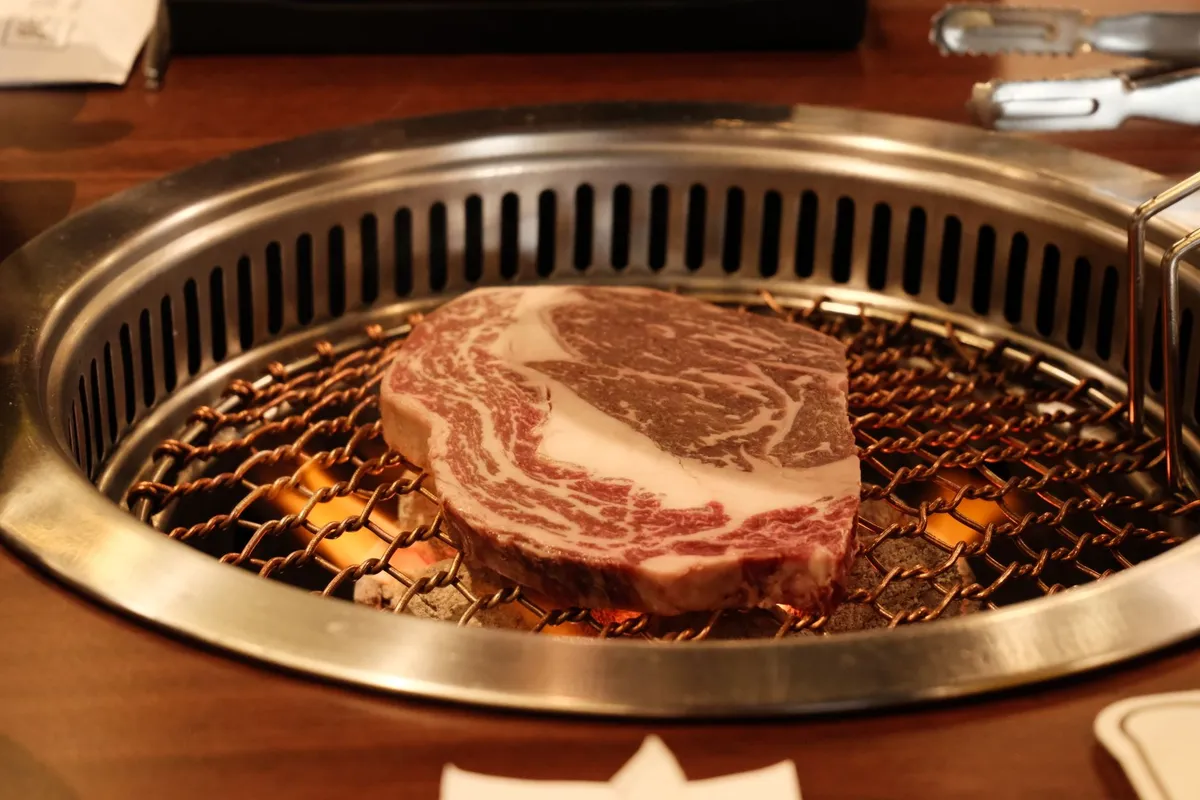
The Science of Umami: Nucleotides, Glutamates, and Time
Umami, the fifth basic taste, is mediated by the T1R1/T1R3 heterodimeric receptor that responds synergistically to L‑glutamate and 5′‑ribonucleotides (IMP, GMP). In aged meats, the concentration of these ligands evolves predictably. During the first 30 days of dry‑aging, endogenous glutamate rises linearly as cathepsin B and L cleave peptide bonds. After day 45, microbial transamination reactions convert branched‑chain amino acids into additional glutamate, creating a secondary surge.
Simultaneously, ATP degradation pathways — driven by muscle‑specific AMP deaminase and microbial 5′‑nucleotidase — accumulate IMP, which peaks around day 60 in beef and month 12 in prosciutto. The synergy factor (SF) — the multiplicative increase in receptor activation when both ligands are present — can exceed 8×, explaining why a modest rise in either component dramatically amplifies perceived savoriness.
Water activity (a_w) governs the rate of these reactions. At a_w ≈ 0.85, enzymatic activity is optimal; below 0.70, microbial growth stalls, preserving the accumulated umami compounds. Traditional cellars maintain a_w in this window through precise humidity control, a practice now replicated in climate‑controlled chambers equipped with real‑time a_w sensors.
Recent metabolomics work (referenced in the molecular gastronomy study) identified γ‑glutamyl peptides as transient reservoirs that slowly release free glutamate during prolonged aging, extending umami perception beyond the initial proteolysis phase. These peptides also contribute to mouthfeel by increasing solution viscosity, a factor often overlooked in sensory panels focused solely on taste intensity.
Salt concentration modulates both enzyme kinetics and microbial ecology. A 2.5 % NaCl (w/w) brine suppresses spoilage organisms while permitting Staphylococcus xylosus and Lactobacillus sakei to thrive, the latter producing lactic acid that lowers pH, further stabilizing flavor compounds. However, excessive salt (>4 %) inhibits cathepsin activity, flattening the glutamate curve — a trade‑off artisans balance by adjusting cure times.
Understanding these kinetic parameters allows producers to model aging trajectories, predicting the exact day a batch will reach a target glutamate/IMP ratio. Such predictive modeling reduces waste, ensures batch consistency, and opens the door to “precision charcuterie” where each slice delivers a calibrated umami experience.
Crafting a Charcuterie Board for the Contemporary Palate
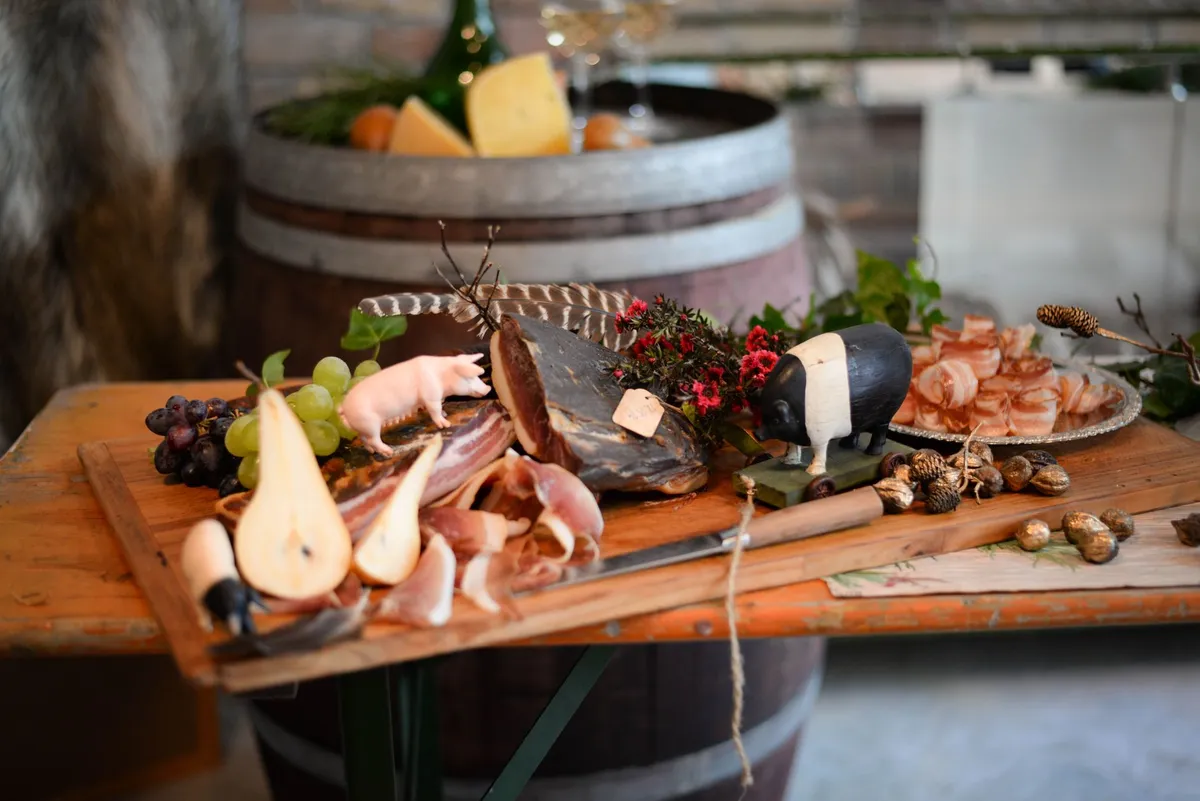
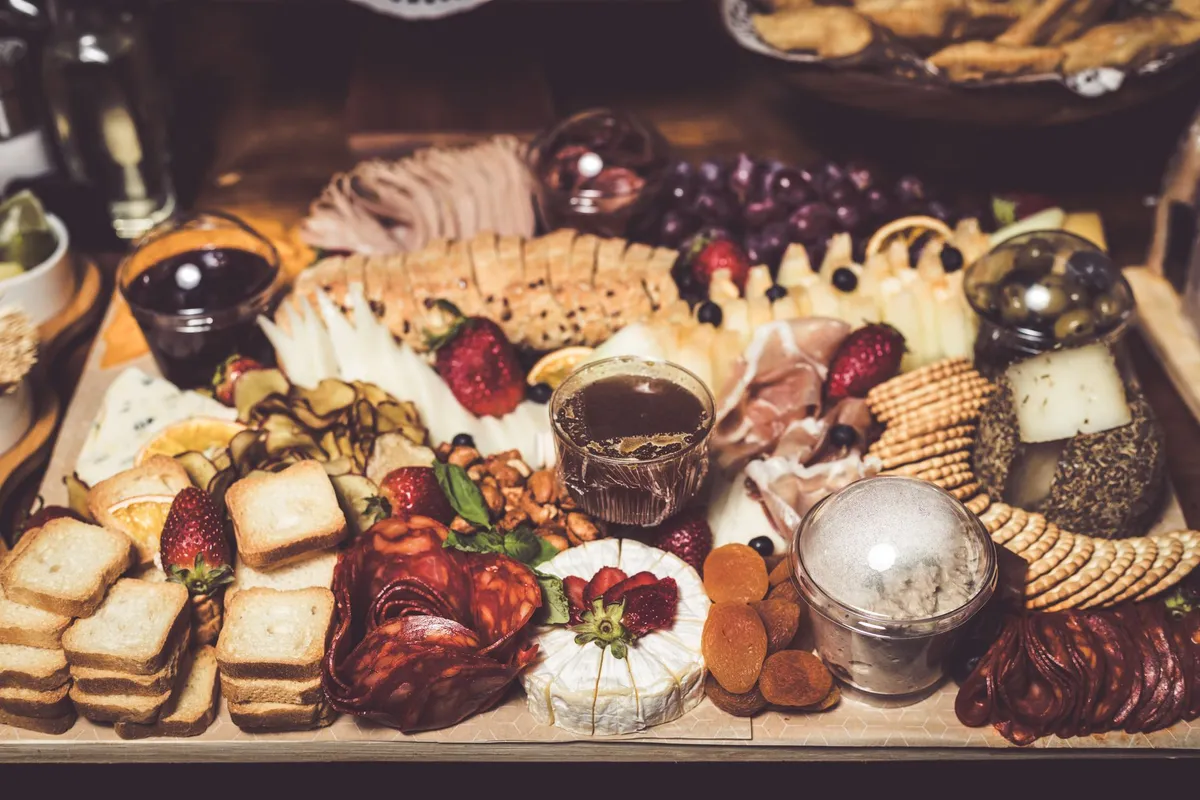
Designing a board that showcases the spectrum of aged‑meat umami requires strategic selection, sequencing, and accompaniment. Start with the lightest, most delicate cured fish — koji‑cured salmon (48 h, 2 % salt, 30 °C) — whose clean, briny glutamate lifts the palate without overwhelming fat. Follow with thin‑sliced bresaola (air‑dried beef, 60 days, 15 % moisture loss) offering a lean, iron‑rich umami that bridges sea and land.
Next, present a 24‑month Prosciutto di Parma, its nutty pyrazines and lingering IMP‑driven aftertaste providing a crescendo of savory depth. Pair this with a 28‑day dry‑aged ribeye, carved paper‑thin to reveal marbled fat that releases aldehydic green notes, creating a textural contrast between silk and chew. Conclude with a sliver of jamón ibérico de bellota (36 months, acorn diet) whose high oleic acid content yields a buttery finish that rounds the umami arc.
Accompaniments should modulate, not mask. Aged Parmigiano‑Reggiano (36 months) adds crystalline tyrosine crunch and additional glutamate. Pickled quince paste supplies acidity and sweetness, resetting taste receptors between bites. Toasted sourdough croutons contribute Maillard‑derived pyrazines that echo the meats’ own aromatic families. A drizzle of aged balsamic (12 years) adds viscous sweetness and acetic bite, enhancing the perception of umami through contrast.
Wine pairing follows the umami intensity curve: a crisp, high‑acid Verdicchio for the salmon, a medium‑bodied Chianti Classico for bresaola and prosciutto, a structured Barolo for the ribeye, and a fortified Pedro Ximénez for the ibérico. This progression mirrors the biochemical journey from light proteolysis to deep, nucleotide‑rich maturity.
Presentation matters. Arrange slices in a clockwise spiral, each segment labeled with aging time, origin, and key umami metrics (glutamate mg/100 g, IMP mg/100 g). Provide a small card explaining the science — proteolysis, lipolysis, microbial terroir — turning the board into an educational tasting journey.
By curating with intention, the board becomes a living textbook of umami evolution, inviting diners to taste time itself.
| Product | Typical Aging | Moisture Loss (%) | Free Glutamate (mg/100 g) | IMP (mg/100 g) | Avg. Price (USD/kg) |
|---|---|---|---|---|---|
| Prosciutto di Parma | 18‑24 mo | 30‑35 | 1,200 | 45 | 45 |
| Jamón Ibérico de Bellota | 36‑48 mo | 35‑40 | 1,350 | 55 | 120 |
| Bresaola | 60‑90 |