Goi Cuon: The Fresh and Healthy Summer Rolls
-
 Nguyen Thi Mai
 - 14 Jul, 2026 12:30
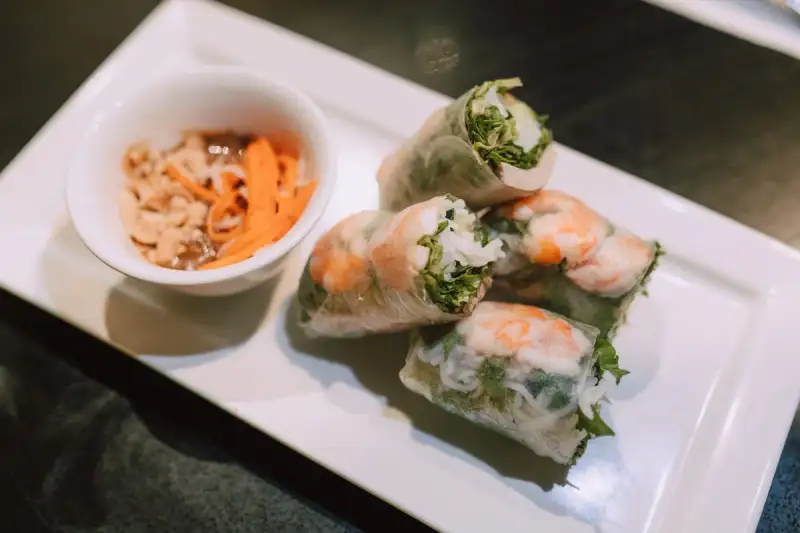
Goi Cuon: The Fresh and Healthy Summer Rolls
Goi Cuon, the quintessential Vietnamese summer rolls, have long been a staple in Vietnamese cuisine and culture. These delicate and refreshing rolls have captured the hearts of food lovers around the world, and for good reason. From its rich history to its authentic flavors, Goi Cuon is a true culinary gem that deserves to be explored.
History of Goi Cuon
Goi Cuon originated in Northern Vietnam, specifically in the region of Hanoi, over a century ago. The rolls were initially created as a simple and nutritious snack for street vendors selling at local markets. These early versions of Goi Cuon were made with fresh vegetables, herbs, and sometimes meat or shrimp, wrapped in a thin sheet of rice paper.
However, it was during the French colonial period in the early 20th century that Goi Cuon gained popularity. French colonizers introduced their own versions of spring rolls, which merged with the traditional Vietnamese dish to create the perfect fusion. The combination of crunchy rice paper, flavorful vegetables, and fragrant herbs resulted in a truly unique and irresistible snack.
Ingredients
To make authentic Goi Cuon, you need to use the freshest of ingredients. Here are some of the essential components:
- Rice paper: Freshly made or frozen rice paper sheets are essential for making good Goi Cuon.
- Vegetables: Shredded carrots, cucumbers, and lettuce are common choices, but feel free to experiment with other vegetables like bean sprouts, mint, and basil.
- Herbs: Mint, basil, and cilantro add a burst of freshness to the rolls.
- Protein: Shrimp, pork, or chicken can be used as protein sources, but vegetarian options like tofu and tempeh are also gaining popularity.
- Dipping sauce: A sweet and sour sauce made with fish sauce, lime juice, sugar, and chilies is the classic accompaniment to Goi Cuon.
Preparing Goi Cuon
Preparing Goi Cuon is an art that requires patience and skill. Here’s a simple recipe to get you started:
Wrapping Rice Paper
- Dip a rice paper sheet in water for a few seconds, until it becomes pliable and soft.
- Place the rice paper on a clean surface and arrange your fillings in the center.
- Fold the bottom half of the rice paper over the fillings, followed by the sides, and finally the top half.
- Press the edges gently to seal the roll.
- Repeat with the remaining rice paper sheets and fillings.
Dipping Sauce
- Mix fish sauce, lime juice, sugar, and chilies in a bowl.
- Adjust the seasoning to taste by adding more fish sauce, sugar, or chilies.
- Serve the dipping sauce chilled.
Garnishes
- Garnish with fresh herbs like mint, basil, and cilantro for a pop of color and fragrance.
- Add sliced chilies or chili flakes for an extra spicy kick.
Serving Suggestions
- Serve Goi Cuon as an appetizer or snack.
- Use them as a main course, served with a variety of dipping sauces.
- Experiment with different fillings, seasonings, and cooking methods to create your own unique versions.
Tasting Goi Cuon
The moment you take a bite of Goi Cuon is pure magic. The crunch of the rice paper, the freshness of the herbs, and the sweetness of the dipping sauce all combine to create a truly unforgettable experience.
Here are some reasons why Goi Cuon stands out:
Unique Texture
The combination of crunchy rice paper, soft vegetables, and fragrant herbs creates a fascinating texture that’s both refreshing and satisfying.
Flavorful Filling
The fillings in Goi Cuon are a perfect blend of sweet, sour, salty, and spicy flavors that cater to a wide range of tastes.
Freshness
Goi Cuon is a dish that’s all about freshness. From the crunchy vegetables to the fragrant herbs, every component is designed to bring out the best flavors and textures.
Cultural Significance
Goi Cuon is more than just a snack or appetizer; it’s a cultural symbol that represents the rich history and traditions of Vietnamese cuisine.
Health Benefits
Goi Cuon is a healthy snack option, made with fresh ingredients and minimal oil. It’s an excellent choice for those looking for a nutritious and delicious meal.
Innovations and Variations
As Goi Cuon has gained popularity worldwide, it has inspired a range of creative variations and innovative ingredients. Here are some interesting takeaways from chefs and food bloggers:
Goi Cuon with Seafood
This variation features shrimp, crab meat, and fish sauce as the main ingredients.
Veggie Goi Cuon
For vegetarians and vegans, Goi Cuon can be made with tofu, tempeh, or seitan as protein sources.
Spicy Goi Cuon
For those who enjoy spicy food, adding more chilies or using spicy sauces like sriracha can create an exciting kick.
Fusion Goi Cuon
Fusion versions of Goi Cuon incorporate global flavors and ingredients into the traditional dish.
Regional Variations
Different regions in Vietnam have their own take on Goi Cuon, using unique ingredients and seasonings.
Conclusion
Goi Cuon, the Fresh and Healthy Summer Rolls, is an authentic Vietnamese dish with a rich history, unique flavors, and numerous health benefits. Whether you’re a food enthusiast or a newcomer to the culinary world, Goi Cuon has something to offer. From classic recipes to innovative variations, this dish has captured the hearts of people everywhere.
Explore the cultural significance, authentic flavors, and health benefits of Goi Cuon. Try out the recipe and discover why Goi Cuon has become an iconic dish worldwide.
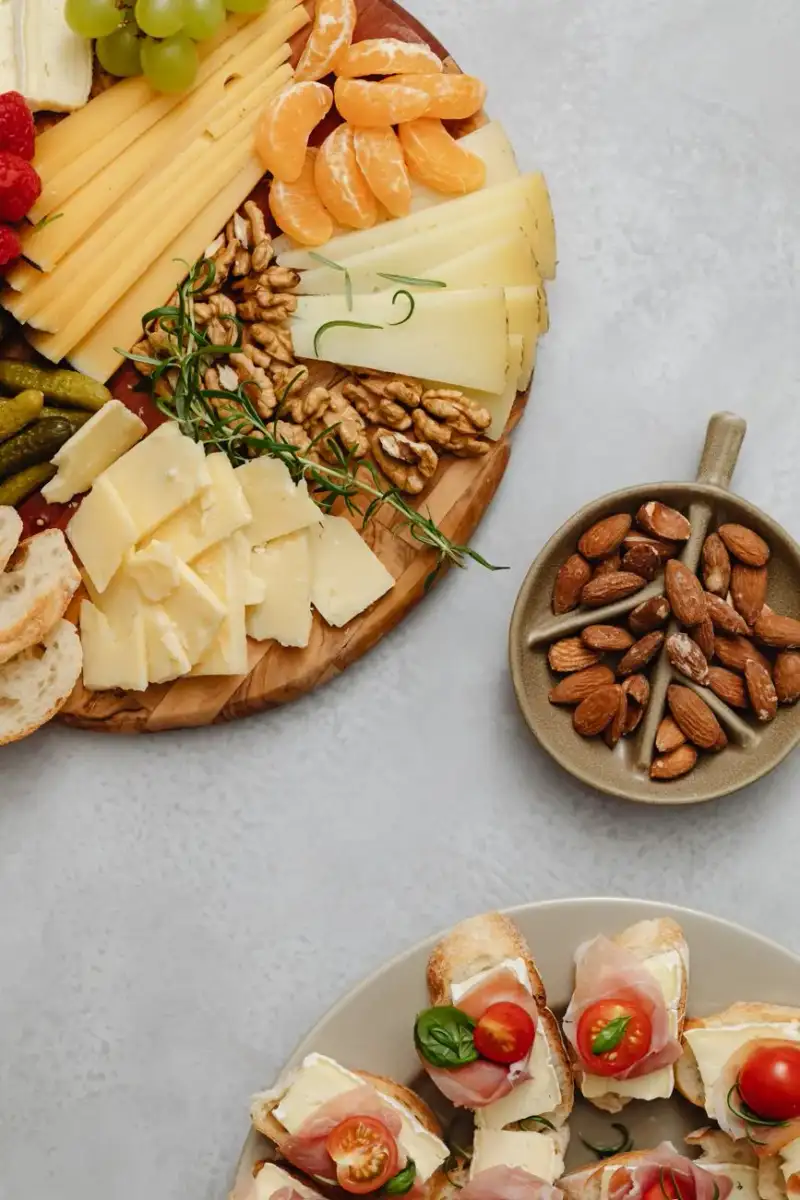
Essential Ingredients for Goi Cuon
- Rice paper
- Vegetables
- Herbs
- Protein sources
- Dipping sauce
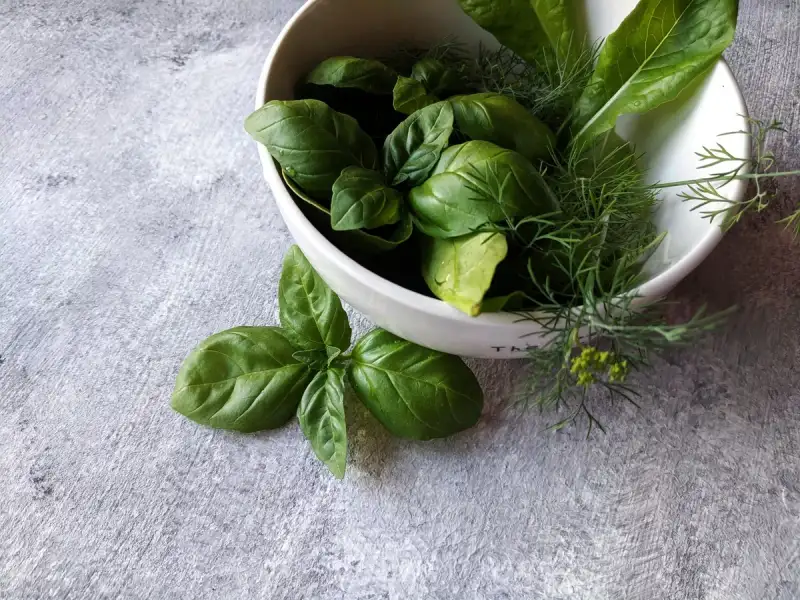
Garnishes and Seasonings for Goi Cuon
- Fresh herbs like mint, basil, and cilantro
- Sliced chilies or chili flakes
- Fish sauce, lime juice, sugar, and chilies for dipping sauce
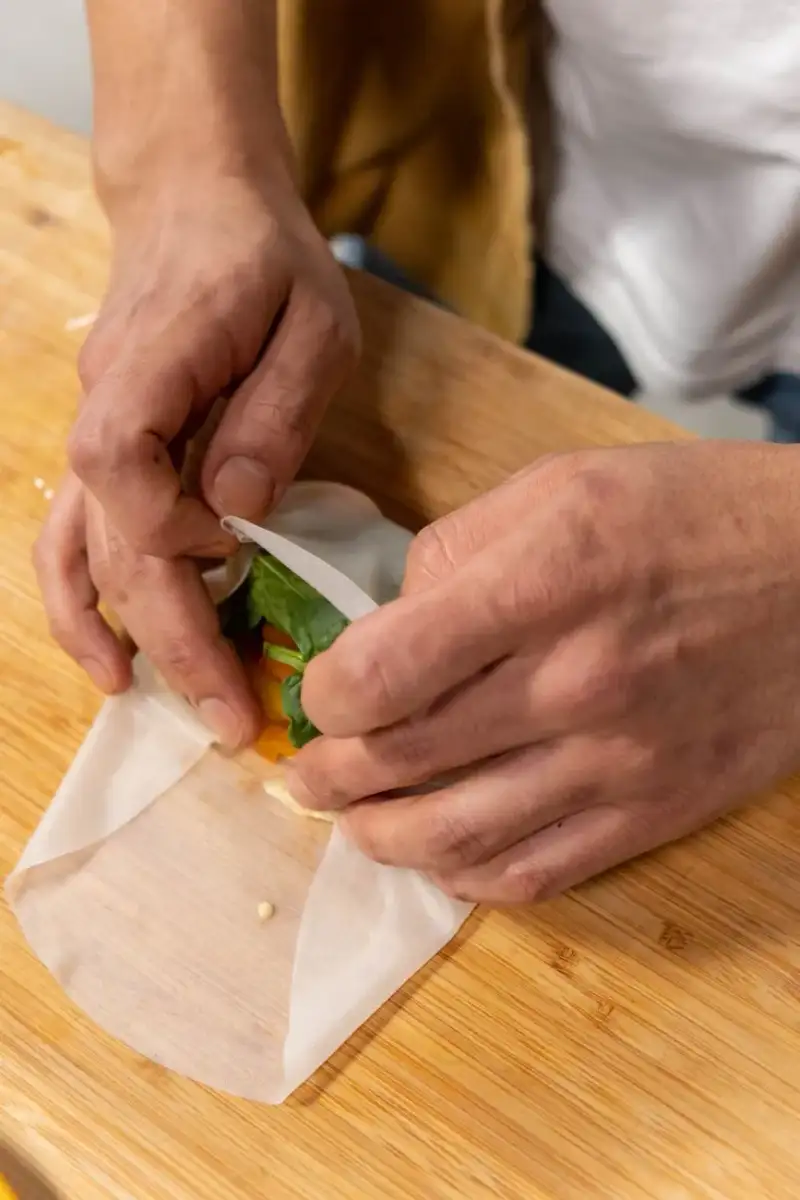
The Art of Wrapping Goi Cuon
Wrapping rice paper sheets around fillings and herbs requires patience and skill. Press the edges gently to seal the roll.
Variations of Goi Cuon
- Goi Cuon with Seafood
- Veggie Goi Cuon
- Spicy Goi Cuon
- Fusion Goi Cuon
- Regional Variations
Hashtags
#GoiCuon #VietnameseFood #SummerRolls #HealthySnacks #StreetFood #CulturalHistory #FoodBlog #RecipeGuide #TraditionalVietnameseRecipe