Showing Posts From
Unesco
-
 Zola Ndlovu
 - 04 Oct, 2026 21:51
Mud‑Brick Horizons: Documenting the Architectural Soul of Djenné and Timbuktu
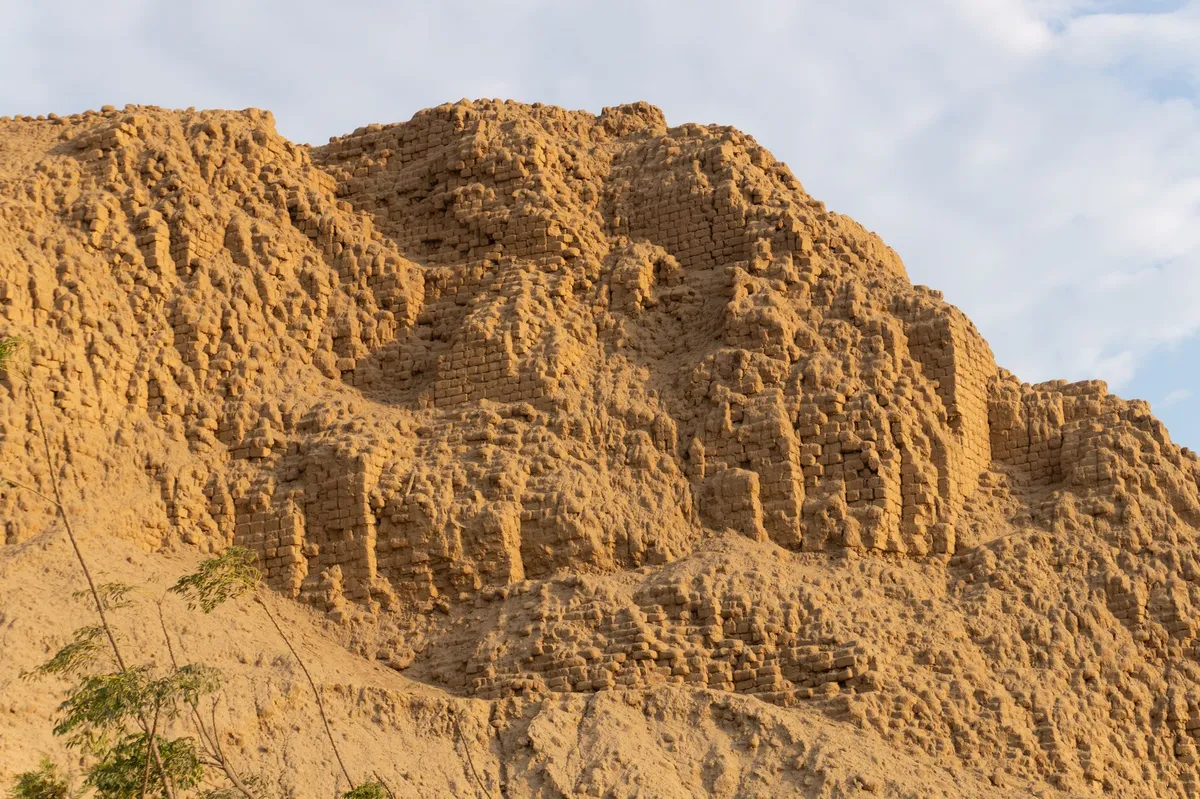
Foundations of Earth: The Mud‑Brick Mastery of Djenné Djenné rises from the floodplain of the Bani River like a mirage sculpted from sun‑baked clay. Its crown jewel, the Great Mosque, is the largest mud‑brick structure on the planet and a living testament to the Sudano‑Sahelian building tradition that has endured for over a millennium. Each year, after the rainy season, the community gathers for the Crepissage – a collective re‑plastering ritual where men, women, and children smear fresh banco (a mixture of mud, rice husks, and water) onto the mosque’s façade. This ceremony is not merely maintenance; it is a social contract that binds generations to the same earth that formed their ancestors’ homes. The architecture here follows a strict grammar: thick load‑bearing walls, tapered buttresses, and protruding toron (palm‑wood beams) that serve both as scaffolding for future repairs and as decorative rhythm across the façade. Roofs are flat, accessed by internal staircases, and often crowned with conical pinnacles that channel the rare but intense Sahelian rains away from the vulnerable mud. Inside, the prayer hall spans 75 metres by 30 metres, supported by a forest of 90 massive columns, each carved from a single trunk of Borassus aethiopum palm. The acoustic quality is remarkable – a whisper at the mihrab can be heard at the far end, a design feature that predates modern sound engineering by centuries. Beyond the mosque, the old town’s labyrinthine alleys reveal a domestic architecture that mirrors the public monuments. Courtyard houses, known locally as gueltas, are organized around a central open space that provides ventilation, light, and a private sanctuary from the scorching sun. Walls are typically 60–80 centimetres thick, offering thermal mass that keeps interiors cool by day and warm by night. Decorative motifs – geometric patterns, stylized lizards, and Quranic calligraphy – are incised into the wet plaster before it hardens, turning each façade into a page of communal memory. Visitors who wish to document this heritage should arrive early, when the low sun casts long shadows that accentuate the texture of the banco. A wide‑angle lens captures the mosque’s monumental scale, while a macro setting reveals the fingerprints of the artisans embedded in the plaster. Permission to photograph the interior during prayer times is granted only through the local Imam and the Association pour la Sauvegarde de Djenné; a respectful request, accompanied by a modest donation to the mosque’s maintenance fund, opens doors that remain closed to casual tourists. Timeless Scholars: Walking the Sandy Streets of Timbuktu Three hundred kilometres north‑west, Timbuktu sits on the southern fringe of the Sahara, its name synonymous with the quest for knowledge. The city’s three historic mosques – Sankore, Djinguereber, and Sidi Yahya – form a triangular nucleus of Islamic scholarship that once attracted students from Andalusia to the Swahili coast. Unlike Djenné’s monolithic mosque, Timbuktu’s sanctuaries are modest in scale but rich in intellectual legacy. Their walls, built from the same banco technique, hide libraries that once housed hundreds of thousands of manuscripts covering astronomy, law, medicine, and poetry. The Djinguereber Mosque, commissioned by Mansa Musa in 1327, showcases a distinctive sudano‑sahelian silhouette: a series of tiered minarets topped with ostrich‑egg finials, a motif that signals both spiritual aspiration and practical ventilation. Inside, the prayer hall is supported by rows of slender columns made from Acacia trunks, their surfaces smoothed by centuries of hands. The Sankore Mosque, originally a madrasa, features a courtyard lined with riwaqs (arcades) where scholars once debated theology under the shade of date palms. The Sidi Yahya Mosque, the smallest of the trio, is famed for its sealed door – a legend claims it will only open on the Day of Judgment. Walking the sand‑covered streets today, one encounters a city that has survived invasions, droughts, and the 2012‑2013 occupation that threatened its manuscript collections. Thanks to the Timbuktu Manuscripts Project and the UNESCO Emergency Safeguarding Programme, over 300,000 codices have been digitized, relocated, or restored. Local custodians, many of whom are descendants of the original ulama families, now guide visitors through climate‑controlled vaults where the fragile folios rest under low‑light LED panels. For the architectural documentarian, Timbuktu offers a study in adaptation. The mosques have been repeatedly repaired using locally sourced banco, yet each restoration respects the original qibla orientation and the spatial hierarchy established centuries ago. The toron beams protruding from the façades serve as permanent scaffolding, a design foresight that eliminates the need for external steel structures. Photographers should note the interplay of light through the mashrabiya‑style wooden screens – these lattice windows filter the harsh midday glare while allowing airflow, a passive cooling strategy that modern green architects are only now rediscovering. Navigating the Sahel: Logistics, Visas, and Real‑World Costs Reaching the twin jewels of Mali’s mud‑brick heritage demands careful planning. International flights land in Bamako, the capital, where most travelers secure a visa on arrival (valid for 30 days) or obtain an e‑visa through the Malian diplomatic portal before departure. A yellow‑fever vaccination certificate is mandatory, and the World Health Organization recommends prophylaxis for malaria, meningitis, and cholera. From Bamako, the journey to Djenné unfolds over a 12‑hour road trip (≈ 650 km) on the RN6, a paved highway that deteriorates into laterite tracks after Mopti. Shared bush taxis (minibuses) run daily, but a private 4×4 with a knowledgeable driver reduces travel time to nine hours and allows stops at the Mopti Grand Marché for supplies. The final leg to Timbuktu is either a 14‑hour overland trek via the RN15 (often impassable in the rainy season) or a 1‑hour charter flight from Mopti on a small turboprop operated by Air Mali or Sky Mali. Charter costs fluctuate; a round‑trip for four passengers typically ranges between US $1,200 and $1,800, depending on fuel surcharges. Accommodation options are modest but authentic. In Djenné, the Hotel Djenné and Auberge du Fleuve offer rooms with courtyard views for US $30–$45 per night, including breakfast. Timbuktu’s Hotel Azalaï and Campement de l’Amitié provide similar rates, though electricity can be intermittent; most lodges run on solar arrays backed by generators. Meals centered on tô (millet porridge), riz au gras, and grilled fish from the Niger River cost US $5–$10 per serving. According to Numbeo, Bamako’s cost‑of‑living index sits in the lower‑mid range for West African capitals, with a safety index reflecting the typical Sahelian environment – travelers should exercise standard precautions, avoid night travel outside major towns, and register with their embassy. Local guides, essential for navigating restricted manuscript sites and for cultural etiquette, charge US $50–$80 per day, inclusive of transport within the city. A concise budget for a seven‑day, two‑city itinerary (including flights, visas, ground transport, lodging, meals, guide fees, and a contingency) is presented below. Item Unit Cost (USD) Quantity Subtotal (USD)International flight (round‑trip) 1,200 1 1,200Visa (on arrival) 50 1 50Yellow‑fever certificate 30 1 30Bamako‑Djenné 4×4 (round‑trip) 350 1 350Mopti‑Timbuktu charter (round‑trip) 1,500 1 1,500Accommodation (7 nights) 40 7 280Meals (3 per day) 8 21 168Local guide (7 days) 65 7 455Manuscript site permits 20 3 60Contingency (10 %) — — 410Total Approx.4,603Seasonal Rhythms: When the Desert Breathes Life into Architecture The Sahel’s climate dictates every aspect of mud‑brick preservation and visitor experience. The harmattan (November–February) brings dry, dusty winds that strip moisture from the banco, causing surface cracking if not regularly re‑plastered. Conversely, the rainy season (June–September) delivers torrential downpours that can erode unprotected walls within hours. The optimal window for architectural documentation is the shoulder months of March–May and October–November, when temperatures hover between 28 °C and 35 °C, humidity is moderate, and the light is soft enough to reveal surface relief without harsh shadows. During the Crepissage in late April, Djenné’s entire population participates in a week‑long re‑plastering festival. This event offers a rare chance to witness the living tradition in action: scaffolding made from toron poles is erected, buckets of fresh banco are passed hand‑to‑hand, and chants in Bamanankan accompany the work. Photographers gain access to the mosque’s roof, normally off‑limits, and can capture the communal rhythm that has sustained the structure for centuries. In Timbuktu, the Festival au Désert (usually held in January) transforms the dunes surrounding the city into a stage for Tuareg music, poetry, and camel races. While the festival draws international crowds, it also strains local infrastructure; early booking of lodging and guides is essential. The cooler evenings provide ideal conditions for night‑time architectural photography – the mosques’ silhouettes against a star‑filled sky create a visual narrative that bridges ancient scholarship and contemporary cultural revival. Travelers should monitor the Mali Meteorological Agency alerts and the UN Office for the Coordination of Humanitarian Affairs (OCHA) security bulletins, as seasonal flooding can render the RN6 and RN15 impassable. Flexible itineraries, with buffer days built into the schedule, mitigate the risk of being stranded. Carrying a satellite messenger (e.g., Garmin inReach) ensures communication in areas where mobile coverage is non‑existent. Preserving the Past: Community Stewardship and Sustainable Tourism The longevity of Djenné and Timbuktu’s mud‑brick heritage rests on a delicate balance between conservation science and living culture. UNESCO’s World Heritage Committee mandates that any intervention respect the authenticity of materials, techniques, and social functions. In practice, this means that repairs must use locally sourced banco, traditional toron scaffolding, and the same hand‑troweling methods passed down through koranic apprenticeship systems. Modern cement, waterproof coatings Related InsightsWhispers of the Altai: Tracing Mongolia's Last Nomadic Trails – Part Two The Azores: Europe’s Hidden Paradise Where Wild Volcanoes Meet Turquoise Oceans (Part 2) Palacio de la Aljafería: Joya de Zaragoza{ "@context": "https://schema.org", "@type": "FAQPage", "mainEntity": [ { "@type": "Question", "name": "What is the main focus of Mud‑Brick Horizons: Documenting the Architectural Soul of Djenné and Timbuktu?", "acceptedAnswer": { "@type": "Answer", "text": "Explore the UNESCO‑listed mud‑brick heritage of Mali’s legendary cities, with practical logistics, seasonal insights, and community‑driven preservation." } }, { "@type": "Question", "name": "Who authored the comprehensive guide on Mud‑Brick Horizons: Documenting the Architectural Soul of Djenné and Timbuktu?", "acceptedAnswer": { "@type": "Answer", "text": "This detailed article and its insights were carefully researched and authored by Zola Ndlovu." } }, { "@type": "Question", "name": "Where can I find more related content about Travel?", "acceptedAnswer": { "@type": "Answer", "text": "You can explore more articles, detailed reviews, and similar insights by browsing the Related Insights section at the bottom of this article or visiting our dedicated Travel category page." } } ] }
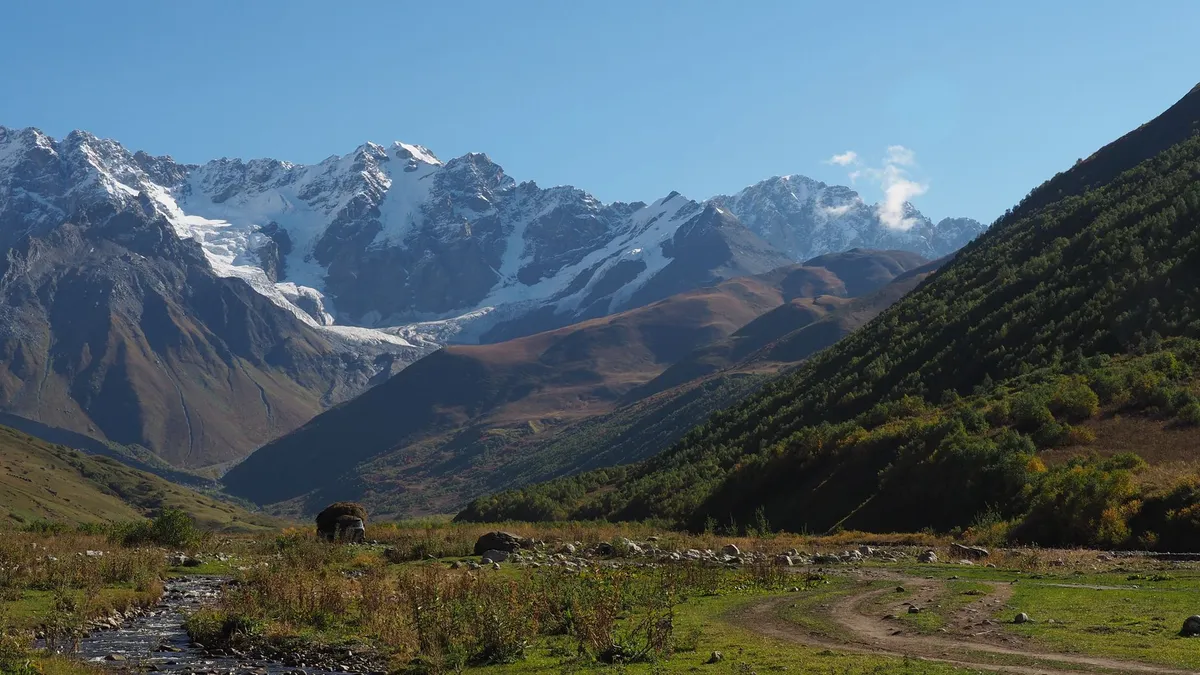

Stone Sentinels of the High Caucasus The silhouette of a Svan tower against a bruised‑purple sky is the region’s calling card. Built between the 9th and 13th centuries, these defensive dwellings cluster in villages like Mestia, Ushguli, and Latali, forming a UNESCO World Heritage ensemble that feels less like a museum and more like a living citadel. Each tower rises 20‑25 metres, its narrow windows designed for archers, its thick schist walls insulated against both invaders and the biting alpine wind. Walking the cobblestone lanes of Ushguli — often cited as Europe’s highest continuously inhabited settlement at 2,100 metres — you can still hear the echo of centuries‑old polyphonic chants drifting from the nearby Lamaria Church. The towers were not merely military; they stored grain, housed extended families, and served as status symbols for the clans that ruled these valleys. Today, many have been restored as guesthouses, offering travelers a night inside history with modern comforts like Wi‑Fi and hot showers. The preservation effort is a delicate balance: local families maintain the structures using traditional lime mortar, while the Georgian Ministry of Culture oversees UNESCO compliance. For the curious, the Svaneti Museum of History and Ethnography in Mestia displays ancient manuscripts, weaponry, and the famed “Svaneti cross” — a symbol of the region’s distinct Christian heritage. A guided hike to the abandoned tower complex at Chazhashi reveals how the landscape dictated architecture: towers perch on rocky outcrops, their foundations anchored directly into bedrock. This interplay of geology and human ingenuity makes every step feel like a dialogue with the past.Navigating the Ribbon of Asphalt to Mestia Reaching Svaneti is an adventure in itself. The main artery, the Zugdidi‑Mestia highway (E60), stretches 150 kilometres of hairpin bends, sheer cliffs, and occasional rockfall zones. In summer, the drive takes roughly three hours from Zugdidi; in winter, snow and ice can double that time, and the road may close for days. The Georgian government has invested heavily in widening the most treacherous sections, installing guardrails and real‑time weather sensors, yet the route retains a raw, untamed character that rewards patient drivers with panoramic vistas of the Enguri River gorge. For those preferring air travel, the newly renovated Queen Tamar Airport in Mestia offers seasonal flights from Tbilisi (about 45 minutes) and Kutaisi, operated by small turboprop aircraft that land on a runway perched at 1,500 metres. Flights are weather‑dependent; fog can ground planes for hours, so flexible itineraries are essential. Shared minibuses (marshrutkas) run daily from Zugdidi’s central station, costing roughly ₾30‑₾40 ($11‑$15) and providing a sociable, if cramped, introduction to local life. Renting a 4×4 in Tbilisi or Kutaisi gives the most freedom — expect $70‑$100 per day for a sturdy SUV with high clearance. Fuel prices hover around ₾3.2 ($1.20) per litre, and the total fuel cost for a round‑trip from Tbilisi is under $80. Travel insurance that covers mountain driving is strongly advised; the safety index for Georgia sits at 73.7, reflecting low crime but notable road hazards. Whether you arrive by air or asphalt, the journey sets the tone: you are entering a realm where the road itself is a protagonist.Feasting on Fire‑Kissed Kubdari in Ushguli Svan cuisine is a revelation for anyone who thinks Georgian food begins and ends with khachapuri. The region’s signature dish, kubdari, is a hand‑rolled bread stuffed with spiced minced beef or lamb, onions, garlic, and a generous pinch of Svanetian salt — a blend of coriander, blue fenugreek, and dried chili. Baked in a wood‑fired tone oven, the crust turns charred and crisp while the filling stays juicy, releasing aromas that cling to the alpine air. In Ushguli, family‑run guesthouses serve kubdari alongside chvishtari (cornbread with melted sulguni cheese) and a bowl of hearty kharcho soup thickened with walnuts. The local honey, harvested from wild thyme and rhododendron blossoms, drizzles over fresh cheese plates, while the famed Svanetian vodka (arakhi) warms the belly after a day on the trails. Dining is communal: long wooden tables, shared platters, and the ever‑present toastmaster (tamada) guiding supra rituals that can last well into the night. The region’s natural wine movement thrives here; amber‑colored qvevri wines from the nearby Kakheti valley are transported up the mountain passes, their tannic structure complementing the rich meat dishes. Vegetarians will find solace in lobio (bean stew) seasoned with smoked ham hock alternatives and the ubiquitous pickled vegetables — jonjoli, cucumber, and garlic shoots. Prices are modest: a full supper with wine costs ₾30‑₾45 ($11‑$17) per person. For the culinary explorer, a cooking workshop in Mestia’s “Svaneti Kitchen” lets you knead dough, grind spices, and pull your own kubdari from the oven — an edible souvenir that travels far better than any magnet. Related Insights'Udaipur: Wo die Zeit in goldenen Palästen und smaragdgrünen Seen erstarrt' Azure Horizons and Fragile Ecosystems: The Maldives Reality Check Australia Unveiled: Where Sun-Kissed Shores Meet Ancient Souls and Modern Marvels (Part 2){ "@context": "https://schema.org", "@type": "FAQPage", "mainEntity": [ { "@type": "Question", "name": "What is the main focus of High Roads of Svaneti: Where Medieval Towers Meet Modern Nomads?", "acceptedAnswer": { "@type": "Answer", "text": "Explore Georgia's Svaneti region, its ancient stone towers, rugged mountain passes, and the practical realities for digital nomads seeking altitude." } }, { "@type": "Question", "name": "Who authored the comprehensive guide on High Roads of Svaneti: Where Medieval Towers Meet Modern Nomads?", "acceptedAnswer": { "@type": "Answer", "text": "This detailed article and its insights were carefully researched and authored by Mark Dinn." } }, { "@type": "Question", "name": "Where can I find more related content about Travel?", "acceptedAnswer": { "@type": "Answer", "text": "You can explore more articles, detailed reviews, and similar insights by browsing the Related Insights section at the bottom of this article or visiting our dedicated Travel category page." } } ] }
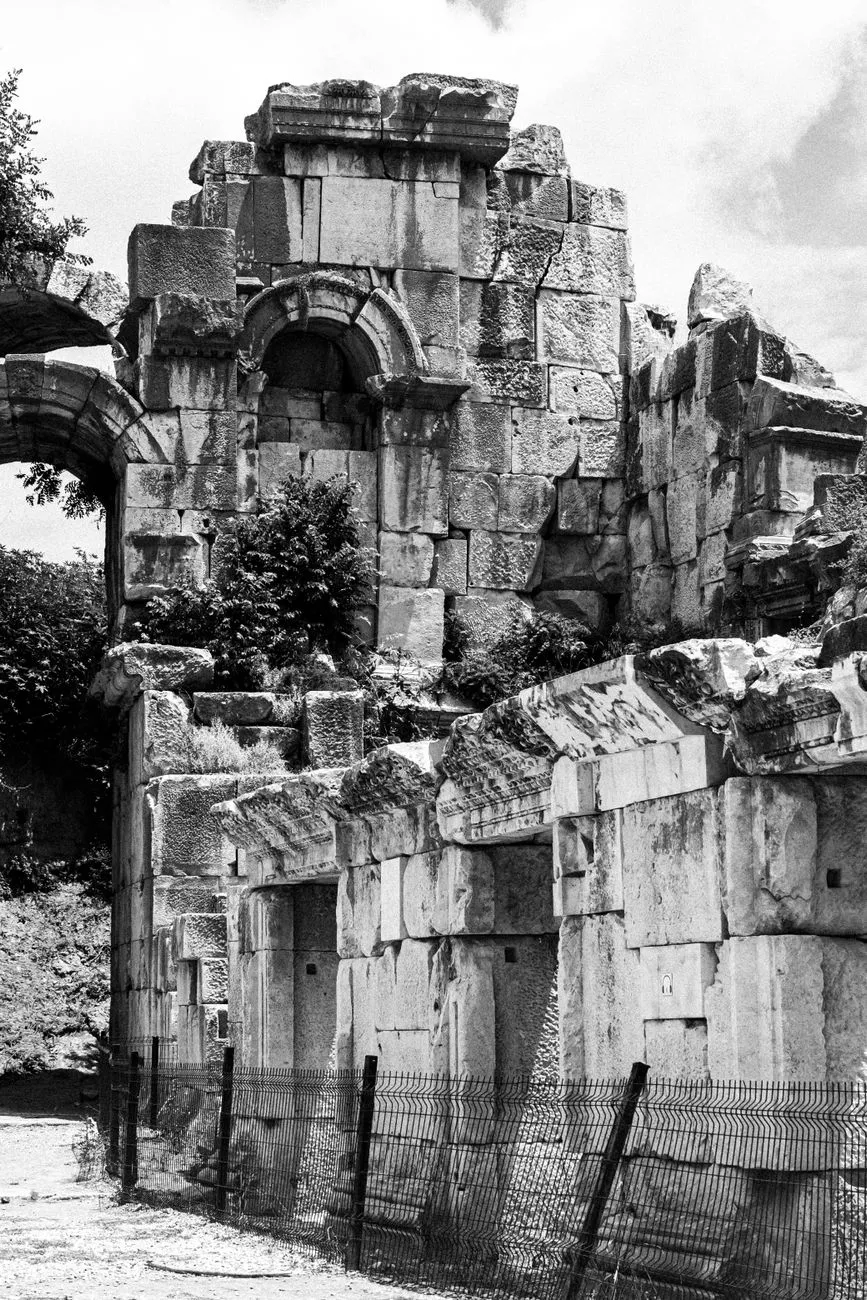
Les Racines du Pèlerinage et la Quête du Sens Depuis l'Antiquité, le déplacement vers des lieux sacrés a façonné les premières formes de tourisme patrimonial. Dans les traditions chrétiennes et islamiques, le pèlerinage visait à honorer le sanctuaire d'un prophète ou d'un saint, comme la Mecque pour le Hajj et la Omra, ou encore Lourdes en France et Canterbury en Angleterre. Ces flux de fidèles ont, bien avant l'ère moderne, généré des économies locales significatives, posant les bases d'une relation symbiotique entre spiritualité et développement territorial.La Naissance d'une Convention Mondiale Le tournant décisif survient au milieu du XXe siècle. La décision de construire le barrage d'Assouan en Égypte menaçait d'engloutir les temples d'Abou Simbel sous les eaux du Nil. Face à l'urgence, l'UNESCO lance en 1959 une campagne internationale de sauvegarde, mobilisant une cinquantaine de pays et réunissant près de 80 millions de dollars. Les monuments sont démontés, transportés et réassemblés sur un terrain sec, prouvant que la coopération mondiale peut préserver l'héritage commun. D'autres opérations — la lagune de Venise, les ruines de Mohenjo-daro au Pakistan, le temple de Borobudur en Indonésie — ont consolidé ce mouvement, aboutissant à la rédaction de la Convention du patrimoine mondial, pilotée avec l'ICOMOS.Saveurs et Savoirs : Le Patrimoine Gastronomique Le patrimoine ne se limite pas aux pierres ; il se goûte. En Bretagne, la galette de sarrasin incarne un savoir-faire transmis de génération en génération. En Normandie, le Calvados, eau-de-vie de pomme, raconte l'histoire des vergers et des alambics. Aux États-Unis, la région du Old Bourbon perpétue la distillation du bourbon, boisson emblématique d'un terroir précis. Ces produits, protégés par des appellations, deviennent des aimants pour les voyageurs en quête d'authenticité culinaire, transformant chaque dégustation en leçon d'histoire vivante.L'Illusion de l'Authenticité La recherche d'authenticité est le fil conducteur du visiteur contemporain. Les travaux sociologiques ont mis en lumière le concept d'« authenticité mise en scène » : les sites sont parfois aménagés pour donner l'illusion d'un « arrière-pays » préservé, alors que la réalité a été remodelée pour le regard touristique. Du côté des gestionnaires, l'objet patrimonial est analysé sous trois angles — sa forme physique, ses liens culturels et historiques, et sa vitalité à transmettre du sens. L'authenticité perçue repose alors sur des indices iconiques et indexiques que le site fournit, créant un dialogue constant entre présentation et réception.Retombées Économiques et Défis Éthiques L'impact financier peut être spectaculaire. En 2017, le tourisme patrimonial a injecté 50 millions de livres dans l'économie des Orcades, archipel écossais riche en sites néolithiques. Pourtant, la médaille a son revers. Au Mexique, l'engouement autour de la fin supposée du calendrier maya a attiré des foules, sans que les communautés mayas ne perçoivent les retombées promises. De même, les pratiques coloniales ont souvent utilisé les notes de terrain pour objectiver les peuples autochtones, transformant leur culture en spectacle. La vigilance s'impose : le tourisme doit devenir un levier de reconnaissance et de partage équitable, non une nouvelle forme d'extraction.Vers un Tourisme Responsable et Durable Face aux risques de surtourisme et d'appropriation culturelle, des initiatives comme le festival IT.A.CÀ en Italie promeuvent un tourisme responsable, intégrant les principes de durabilité, d'interprétation patrimoniale et de respect des communautés hôtes. La genéalogie touristique, le « dark tourism » ou les chemins de fer patrimoniaux illustrent la diversité des approches, chacune pouvant contribuer à la préservation si elle s'inscrit dans une gouvernance participative. L'avenir du patrimoine réside dans l'équilibre fragile entre valorisation économique et transmission fidèle aux générations futures.#Patrimoine #TourismeCulturel #UNESCO #Authenticité #DéveloppementDurable Related Insights喀什:丝绸之路上的明珠与时光交错的古城 The White Silence Beckons: A Century of Chasing the Antarctic Dream Zanzibar’s Hidden Shores: Unveiling the Most Secluded Beaches Where Crowds Dare Not Wander{ "@context": "https://schema.org", "@type": "FAQPage", "mainEntity": [ { "@type": "Question", "name": "What is the main focus of L'Écho des Pierres : Voyage au Cœur du Patrimoine Vivant?", "acceptedAnswer": { "@type": "Answer", "text": "Plongez dans l'univers du tourisme patrimonial, entre sites millénaires, traditions intangibles et défis contemporains de préservation." } }, { "@type": "Question", "name": "Who authored the comprehensive guide on L'Écho des Pierres : Voyage au Cœur du Patrimoine Vivant?", "acceptedAnswer": { "@type": "Answer", "text": "This detailed article and its insights were carefully researched and authored by Pierre Dubois." } }, { "@type": "Question", "name": "Where can I find more related content about Travel?", "acceptedAnswer": { "@type": "Answer", "text": "You can explore more articles, detailed reviews, and similar insights by browsing the Related Insights section at the bottom of this article or visiting our dedicated Travel category page." } } ] }
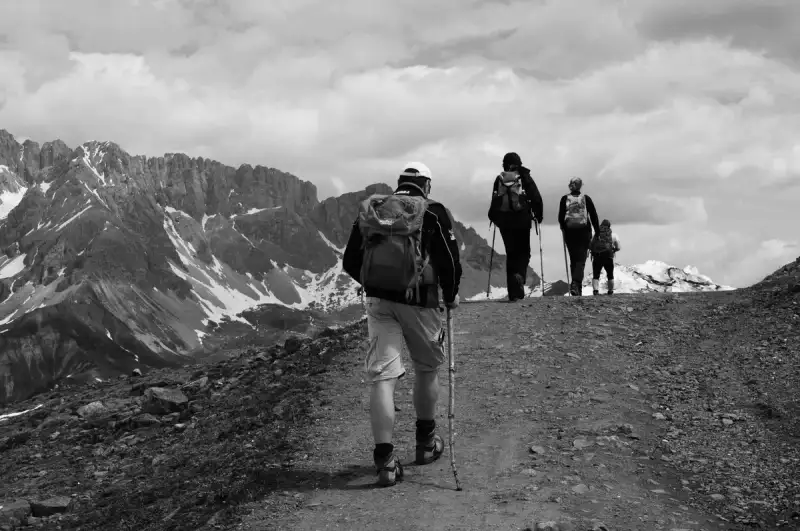
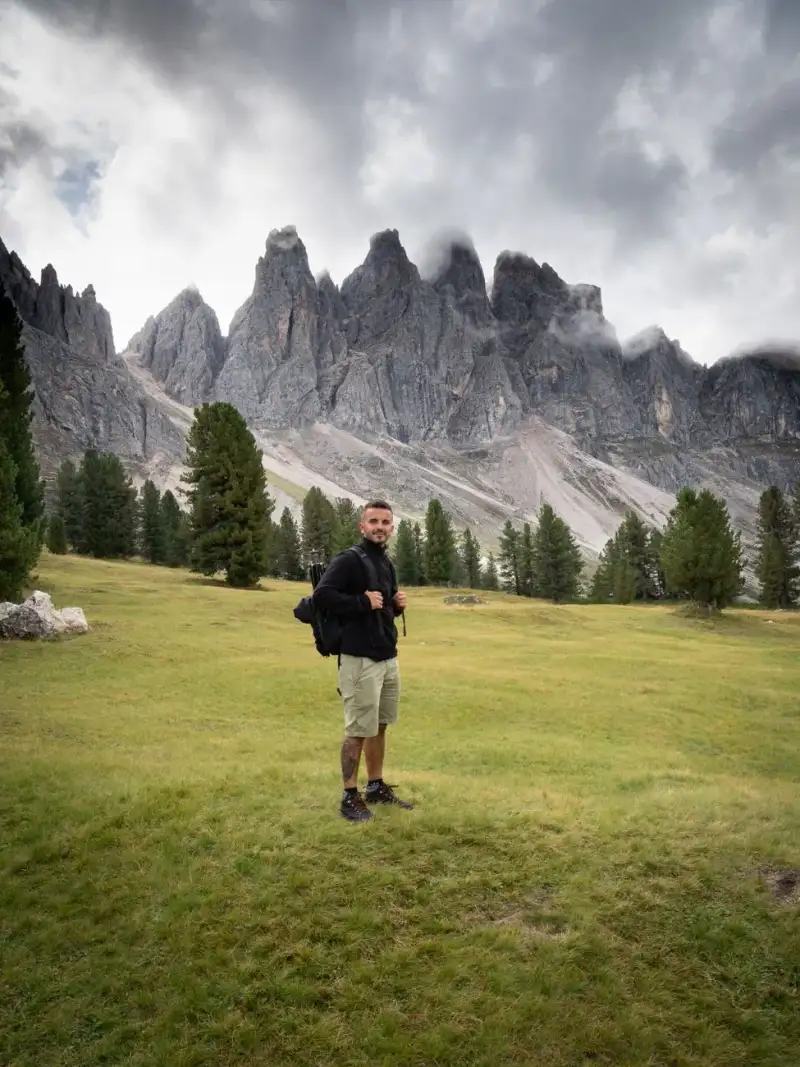
The Dolomites are not just a mountain range; they are a symphony of nature’s grandeur, where limestone spires pierce the sky, alpine meadows blush with wildflowers, and the air hums with the whispers of ancient glaciers. This UNESCO World Heritage Site, nestled in northeastern Italy, is a paradise for hikers, photographers, and soul-searchers alike. With over 1,200 kilometers of marked trails, the Dolomites offer an unparalleled blend of challenge and serenity, where every step reveals a new vista that feels plucked from a dream. Imagine waking up to the crisp mountain air, the scent of pine and wild herbs filling your lungs as you lace up your boots for a day on the trails. The Dolomites are a testament to the raw beauty of the Alps, but with a unique geological identity—composed of dolomite rock, which gives the mountains their signature pale, almost luminous appearance at sunrise and sunset. This geological wonder, combined with the rich cultural tapestry of Ladin villages and Italian alpine traditions, makes the Dolomites a destination unlike any other. Whether you're a seasoned trekker or a casual walker, the Dolomites promise an experience that will leave you breathless—not just from the altitude, but from the sheer majesty of the landscape. For those seeking more than just a hike, the Dolomites are a gateway to a slower, more intentional way of traveling. Here, time seems to stand still in the shadow of the peaks, and every village, every rifugio (mountain hut), and every winding trail tells a story. From the iconic Tre Cime di Lavaredo to the lesser-known Alpe di Siusi, the Dolomites are a mosaic of natural wonders waiting to be explored. So, lace up your boots, pack your camera, and prepare to be enchanted by one of Europe’s most spectacular alpine playgrounds.Why the Dolomites Are a UNESCO World Heritage Site The Dolomites earned their UNESCO World Heritage status in 2009, not just for their stunning beauty, but for their geological significance and ecological importance. This mountain range is a living laboratory of Earth’s history, where the remnants of ancient coral reefs and marine fossils tell the story of a time when the Dolomites were submerged beneath a tropical sea. The unique composition of dolomite rock, named after the French geologist Déodat Gratet de Dolomieu, gives the mountains their distinctive pale color and dramatic verticality. UNESCO recognized the Dolomites for their "outstanding universal value," citing their exceptional natural beauty, geological diversity, and the harmonious coexistence of human culture with the alpine environment. The range spans nine systems, including the Sella Group, the Marmolada, and the Pale di San Martino, each with its own character and charm. The Dolomites are also a biodiversity hotspot, home to rare flora like the Dolomites edelweiss and fauna such as the Alpine ibex and golden eagle. Beyond their natural splendor, the Dolomites are steeped in cultural heritage. The Ladin people, an indigenous group with roots dating back to the Roman era, have preserved their language, traditions, and way of life in the valleys of the Dolomites. Their influence is evident in the architecture of the villages, the cuisine, and the festivals that celebrate the alpine calendar. UNESCO’s designation highlights the importance of preserving this cultural landscape, where nature and human tradition intertwine seamlessly. For hikers, the UNESCO status means that every trail is part of a larger narrative—one that connects you to the earth’s ancient past and the enduring spirit of the people who call these mountains home. Whether you’re traversing the Via Ferrata routes or strolling through the flower-filled meadows of Alpe di Siusi, you’re walking in the footsteps of history.Best Hiking Trails in the Dolomites: From Beginner to Expert The Dolomites offer trails for every level of hiker, from gentle valley walks to grueling multi-day treks. Here’s a breakdown of the best routes, categorized by difficulty and experience. Beginner-Friendly Trails For those new to hiking or looking for a leisurely day on the trails, the Alpe di Siusi is a must-visit. This vast alpine meadow is Europe’s largest high-altitude pasture, stretching over 56 square kilometers. The Panorama Trail (No. 1) is a gentle 5.5-kilometer loop that offers sweeping views of the Sciliar and Sassolungo peaks. With minimal elevation gain and well-marked paths, it’s perfect for families and casual hikers. The trailhead is accessible via the Alpe di Siusi cable car from Compatsch, making it easy to reach. Another excellent beginner option is the Lago di Carezza trail, a short 2.5-kilometer loop around the stunning turquoise lake. The trail is flat and shaded, with interpretive signs explaining the lake’s geological formation and folklore. The lake itself is a photographer’s dream, its colors shifting from emerald to sapphire depending on the light. Intermediate Trails For those ready to tackle more elevation, the Tre Cime di Lavaredo Circuit is an iconic 10-kilometer loop that circles the famous Three Peaks. This trail offers a moderate challenge with an elevation gain of about 700 meters, but the rewards are unparalleled. The jagged limestone spires of the Tre Cime rise dramatically against the sky, and the route passes through alpine meadows dotted with wildflowers and grazing cows. The trail can be started from Rifugio Auronzo, which is accessible by car (though parking fees apply). Another intermediate favorite is the Seceda Ridgeline Trail, which connects the Seceda cable car station to Rifugio Firenze. This 8-kilometer out-and-back trail offers some of the most dramatic views in the Dolomites, with sheer cliffs plunging into the Val Gardena below. The trail is well-marked but exposed in sections, so hikers should be comfortable with heights. The Seceda cable car provides a convenient way to access the trailhead, saving you a steep climb. Advanced Trails For experienced hikers seeking a challenge, the Via Ferrata delle Tridentine is a thrilling option. This via ferrata (iron path) route requires a harness, helmet, and via ferrata set, as it involves sections of exposed climbing and fixed cables. The route starts from Rifugio Lagazuoi and ascends to the summit of Monte Lagazuoi, offering panoramic views of the surrounding peaks. The Via Ferrata is not for the faint-hearted, but the sense of accomplishment at the top is unmatched. For a multi-day adventure, the Alta Via 1 is the Dolomites’ most famous long-distance trail. Stretching 120 kilometers from Lago di Braies to Belluno, this high-altitude route takes hikers through some of the most remote and beautiful parts of the Dolomites. The trail is divided into 14 stages, each ranging from 4 to 16 kilometers, with rifugios providing accommodation along the way. The Alta Via 1 is best tackled in summer or early autumn, when the weather is stable and the rifugios are open. Hidden Gems For those looking to escape the crowds, the Croda da Lago Circuit in the Ampezzo Valley is a hidden gem. This 12-kilometer loop offers stunning views of the Croda da Lago and the Cinque Torri peaks, with far fewer hikers than the more popular routes. The trail starts from Passo Giau and winds through alpine meadows and rocky outcrops, culminating in a breathtaking viewpoint over the Boite Valley.Essential Gear and Packing List for Dolomites Hiking Hiking in the Dolomites is a rewarding but demanding experience, and having the right gear can make the difference between a pleasant adventure and a grueling ordeal. The key to packing for the Dolomites is to prepare for rapidly changing weather conditions, steep elevation gains, and long days on the trails. Here’s a detailed packing list to ensure you’re ready for anything the mountains throw at you. Footwear Your hiking boots are your most important investment. The Dolomites’ trails range from well-maintained paths to rocky, uneven terrain, so you’ll need a pair of boots with good ankle support and a sturdy sole. Brands like Meindl, Hanwag, and Salomon offer excellent options for alpine hiking. Make sure your boots are broken in before your trip to avoid blisters. For via ferrata routes, you’ll need a pair of approach shoes or lightweight hiking shoes with a stiff sole for climbing sections. Clothing The Dolomites’ weather can shift from sunny and warm to cold and rainy in a matter of hours, so layering is essential. Start with a moisture-wicking base layer, such as merino wool or synthetic fabric, to keep sweat away from your skin. Add an insulating mid-layer, like a fleece or down jacket, for warmth, and top it off with a waterproof and windproof shell jacket. Don’t forget a warm hat and gloves, even in summer, as temperatures can drop quickly at higher elevations. Quick-dry hiking pants are ideal, and consider packing a pair of leggings for colder days. Backpack and Hydration A 20-30 liter backpack is ideal for day hikes, with enough space for your water, snacks, and layers. Hydration is critical, so bring at least 2 liters of water or a hydration bladder. A collapsible water bottle is also useful for refilling at mountain streams (though always filter or treat water before drinking). Consider packing a lightweight water filter or purification tablets for longer hikes. Navigation and Safety While the Dolomites’ trails are well-marked with red-and-white stripes (the "CAI" markings), it’s still essential to carry a map and compass—or at least a GPS device or smartphone with offline maps. The Komoot and AllTrails apps are excellent for downloading trail maps, and the Dolomites Hiking Map by Tabacco is a must-have for serious hikers. A headlamp is also crucial, even for day hikes, in case you get caught out after dark. Don’t forget a first-aid kit, including blister treatment, pain relievers, and any personal medications. Miscellaneous Essentials A trekking pole or two can be a game-changer, especially on steep descents or via ferrata routes. They help reduce strain on your knees and provide stability on uneven terrain. Sunglasses with UV protection are a must, as the sun’s glare off the limestone can be intense. A buff or neck gaiter is useful for protecting your face from wind and sun, and a lightweight sit pad can provide comfort during breaks. Finally, pack a trash bag to carry out all your waste—leave no trace is a mantra in the Dolomites.👉 Continue Reading: The Dolomites, Italy: Hiking Through Alpine UNESCO Heritage (Part 2)#DolomitesAdventure #UNESCOHiking #AlpineEscape #ItalyTravel #MountainMagic Related InsightsThe White Silence Beckons: A Century of Chasing the Antarctic Dream Baños Árabes de Jaén: El Legado del Agua L'Eveil des Cimes : Suspendu dans le Souffle du Tigre{ "@context": "https://schema.org", "@type": "FAQPage", "mainEntity": [ { "@type": "Question", "name": "What is the main focus of The Dolomites, Italy: Hiking Through Alpine UNESCO Heritage?", "acceptedAnswer": { "@type": "Answer", "text": "Discover the breathtaking UNESCO-listed Dolomites in Italy, where alpine meadows, jagged peaks, and ancient trails await your next adventure." } }, { "@type": "Question", "name": "Who authored the comprehensive guide on The Dolomites, Italy: Hiking Through Alpine UNESCO Heritage?", "acceptedAnswer": { "@type": "Answer", "text": "This detailed article and its insights were carefully researched and authored by Aisha Sharma." } }, { "@type": "Question", "name": "Where can I find more related content about Travel?", "acceptedAnswer": { "@type": "Answer", "text": "You can explore more articles, detailed reviews, and similar insights by browsing the Related Insights section at the bottom of this article or visiting our dedicated Travel category page." } } ] }
-
 Aisha Sharma
 - 20 Jul, 2026 18:29
The Dolomites, Italy: Hiking Through Alpine UNESCO Heritage (Part 2)
This is Part 2 of the series. Read Part 1 here.Rifugio Etiquette If you’re staying in a rifugio (mountain hut), pack a lightweight sleeping bag liner, as most rifugios provide blankets but not sheets. Bring earplugs, as dormitory-style accommodations can be noisy. A small towel and toiletries are also useful, though many rifugios have basic amenities. Tipping is not expected, but rounding up your bill or leaving a small tip is appreciated for exceptional service.Gear Item Recommended Brand/Model PurposeHiking Boots Meindl Bhutan, Hanwag Tatra Ankle support, durabilityBase Layer Smartwool Merino 250, Icebreaker Moisture-wicking, temperature controlInsulating Layer Patagonia Nano Puff, Arc’teryx Warmth without bulkShell Jacket Gore-Tex Paclite, The North Face Waterproof, windproof protectionBackpack Osprey Talon 22, Deuter Speed Lite Comfortable, lightweight carryTrekking Poles Black Diamond Trail, Leki Makalu Stability, knee supportHeadlamp Petzl Actik Core, Black Diamond Hands-free lightingWater Filter Sawyer Squeeze, Katadyn BeFree Safe drinking waterCultural and Culinary Highlights: What to Eat and Experience in the Dolomites The Dolomites are not just a feast for the eyes; they’re a feast for the senses, especially when it comes to food and culture. The alpine cuisine here is hearty, flavorful, and deeply rooted in tradition, with dishes that reflect the region’s history and environment. From hearty stews to delicate pastries, the food of the Dolomites is a celebration of local ingredients and time-honored recipes. Must-Try Dishes One of the most iconic dishes of the Dolomites is canederli, or bread dumplings. Made from stale bread, milk, eggs, and cheese (often speck or Parmesan), these dumplings are typically served in a rich broth or with a creamy sauce. Another staple is speck, a smoky, cured ham that’s a specialty of the Alto Adige region. It’s often served thinly sliced as an antipasto or melted into dishes like speckknödel (speck dumplings). For meat lovers, casunziei is a must-try. These are beetroot-filled pasta dumplings, typically served with a butter and poppy seed sauce or a meat ragù. Another hearty dish is schlutzkrapfen, half-moon-shaped pasta filled with spinach, ricotta, and herbs, often served with a light tomato sauce. Vegetarians will delight in spinaci ripieni, spinach and cheese-stuffed pasta, or pizzoccheri, a buckwheat pasta dish from the Valtellina region, served with potatoes, greens, and Casera cheese. For dessert, try strudel di mele, a flaky apple strudel, or kaiserschmarrn, a caramelized pancake served with powdered sugar and fruit compote. Rifugio Dining: What to Expect Dining in a rifugio is an experience in itself. Most rifugios offer a set menu (often called a menù di montagna) that includes a starter, main course, and dessert. Prices typically range from €15 to €30 per person, depending on the rifugio’s location and amenities. Aperitivo is a beloved tradition in the Dolomites, where hikers gather before dinner to enjoy a drink (often a local wine or spritz) and small bites like olives, nuts, or cured meats. Popular rifugios like Rifugio Lagazuoi, Rifugio Locatelli, and Rifugio Nuvolau are known for their stunning views and delicious food. Be sure to reserve ahead during peak season (June to September), as rifugios can fill up quickly. Many rifugios also offer half-board options, which include dinner and breakfast, making them a convenient choice for multi-day hikers. Local Beverages The Dolomites are home to some excellent local wines and spirits. Try a glass of Lagrein, a bold red wine from the Alto Adige region, or Pinot Grigio, a crisp white wine that pairs perfectly with seafood dishes. For beer lovers, Forst and Peroni are popular Italian lagers, while Alpina offers craft beers brewed in the Dolomites. For a unique experience, sample genepì, a herbal liqueur made from alpine plants, or amaro, a bittersweet digestif. If you’re hiking in winter, try vin brulé, or mulled wine, which is sold at Christmas markets and rifugios alike. Cultural Experiences Beyond food, the Dolomites offer a wealth of cultural experiences. Visit the Ladin Museum in San Martino in Badia to learn about the Ladin people and their traditions. Attend a folk festival, such as the Sasslong Cup ski race or the Alta Badia Wine Festival, to immerse yourself in local culture. For a unique perspective, take a guided hike with a local expert who can share insights into the region’s geology, flora, and history. Many rifugios also offer cheese-making demonstrations, where you can learn how to make Casera or Puzzone di Moena, two iconic alpine cheeses.Practical Tips: Transportation, Accommodation, and Budgeting Planning a trip to the Dolomites requires careful consideration of transportation, accommodation, and budget. While the region is remote, it’s well-connected by public transport and offers a range of lodging options to suit every traveler’s needs and budget. Getting There The Dolomites are best accessed from major Italian cities like Venice, Milan, or Verona. The closest airports are Venice Marco Polo Airport (VCE) and Verona Villafranca Airport (VRN), both of which offer car rentals and train connections to the Dolomites. From Venice, you can take a train to Calalzo di Cadore or Cortina d’Ampezzo, two key gateway towns. The Dolomiti Bus network connects many of the region’s towns and trailheads, making it easy to reach popular hiking areas without a car. For example, the bus from Cortina to Rifugio Lagazuoi is a scenic and convenient way to access the trails. If you prefer to drive, renting a car gives you the flexibility to explore at your own pace. Be aware that parking in popular areas like Tre Cime or Alpe di Siusi can be expensive (€10-€20 per day), so arrive early or consider using public transport. Accommodation Options The Dolomites offer a range of accommodation options, from luxury hotels to rustic rifugios. Here’s a breakdown of the best choices:Rifugios: These mountain huts are the heart of alpine culture, offering dormitory-style or private rooms, hearty meals, and a chance to meet fellow hikers. Prices range from €30 to €80 per night, depending on the rifugio’s amenities. Some popular rifugios include Rifugio Lagazuoi, Rifugio Locatelli, and Rifugio Nuvolau. Hotels and Guesthouses: For those seeking more comfort, towns like Cortina d’Ampezzo, Ortisei, and San Martino in Badia offer a range of hotels, from boutique properties to family-run guesthouses. Prices vary widely, from €80 to €200 per night. Airbnb and Apartments: Renting an apartment is a great option for groups or families, offering more space and the chance to cook your own meals. Prices range from €60 to €150 per night, depending on the location and size. Camping: For budget travelers, camping is an option in some areas, though facilities are limited. Campgrounds like Camping Catinaccio in Vigo di Fassa offer basic amenities and easy access to trails.Budgeting for the Dolomites The Dolomites can be as affordable or as luxurious as you make it. Here’s a rough breakdown of costs for a 7-day trip:Expense Category Budget Range (Per Day) NotesAccommodation €30-€200 Rifugios are cheapest; hotels are pricierFood €20-€50 Rifugio meals €15-€30; groceries €10-€20Transportation €10-€30 Public transport €5-€15/day; car rental €40-€80/dayActivities €0-€50 Cable cars €15-€30; guided hikes €20-€50Miscellaneous €10-€20 Souvenirs, tips, unexpected costsFor a mid-range traveler, budget around €80-€120 per day, including accommodation, food, and activities. If you’re staying in rifugios and cooking some meals, you can reduce costs to €50-€80 per day. For a more luxurious experience, budget €150-€250 per day for high-end hotels, fine dining, and private tours. Digital Nomad Considerations If you’re a digital nomad, the Dolomites offer a stunning backdrop for remote work. While the region isn’t as well-equipped for digital nomads as cities like Lisbon or Chiang Mai, there are some options. Coworking spaces like Impact Hub Bozen in Bolzano offer reliable internet and a professional environment. Many rifugios and hotels also provide Wi-Fi, though speeds can be slow in remote areas. For a digital nomad visa, Italy offers a Digital Nomad Visa with an income requirement of $2,870 per month. The estimated cost of living in Italy is around $1,629 per month, making it a feasible option for remote workers. However, the Dolomites may not be the most practical base for a digital nomad due to limited coworking spaces and slower internet speeds. Best Time to Visit The Dolomites are a year-round destination, but the best time for hiking is from June to September, when the trails are free of snow and the rifugios are open. July and August are peak season, with higher prices and more crowds, while June and September offer pleasant weather and fewer tourists. For winter sports enthusiasts, the Dolomites are a paradise for skiing, snowboarding, and snowshoeing. The ski season runs from December to April, with popular resorts like Val Gardena, Cortina d’Ampezzo, and Alta Badia offering world-class slopes.The Dolomites are more than just a mountain range; they are a living testament to the power of nature and the resilience of human culture. Whether you’re traversing the iconic Tre Cime di Lavaredo, savoring a hearty meal in a rifugio, or simply soaking in the views from a high alpine meadow, the Dolomites have a way of leaving an indelible mark on your soul. This UNESCO-listed paradise offers something for everyone—adventure, tranquility, and a deep connection to the natural world. As you lace up your boots and set out on the trails, remember that the Dolomites are not just a destination; they are an experience to be savored, one step at a time. So, pack your bags, plan your route, and prepare to be enchanted by the magic of the Dolomites. The mountains are calling, and it’s time to answer.#DolomitesAdventure #UNESCOHiking #AlpineEscape #ItalyTravel #MountainMagic Related InsightsScavi di Pompei: La Città Congelata nel Tempo Mercati di Traiano: Il Primo Centro Commerciale del Mondo Hidden Gems of Eastern Anatolia{ "@context": "https://schema.org", "@type": "FAQPage", "mainEntity": [ { "@type": "Question", "name": "What is the main focus of The Dolomites, Italy: Hiking Through Alpine UNESCO Heritage (Part 2)?", "acceptedAnswer": { "@type": "Answer", "text": "Discover the breathtaking UNESCO-listed Dolomites in Italy, where alpine meadows, jagged peaks, and ancient trails await your next adventure." } }, { "@type": "Question", "name": "Who authored the comprehensive guide on The Dolomites, Italy: Hiking Through Alpine UNESCO Heritage (Part 2)?", "acceptedAnswer": { "@type": "Answer", "text": "This detailed article and its insights were carefully researched and authored by Aisha Sharma." } }, { "@type": "Question", "name": "Where can I find more related content about Travel?", "acceptedAnswer": { "@type": "Answer", "text": "You can explore more articles, detailed reviews, and similar insights by browsing the Related Insights section at the bottom of this article or visiting our dedicated Travel category page." } } ] }

-
 Pierre Dubois
 - 15 Jul, 2026 02:04
Sydney Opera House: The Architectural Icon that Redefined Art and Innovation
A Silhouette Tearing the Horizon: The Call of Concrete Shells In the heart of Sydney, where the Pacific Ocean embraces the land with an almost violent passion, stands a structure that defies the laws of gravity and imagination. The Sydney Opera House is not just a building: it is an architectural statement, a cry of artistic freedom straight out of the dreams of one man, Jørn Utzon, and the hands of a team of Australian visionaries. Its white concrete shells, like sails filled by an invisible wind or the petals of an exotic flower ready to bloom, captivate the eye long before one steps through its doors. Every curve, every angle, every play of light on its surfaces seems to tell a story – that of boundless ambition, a quest for excellence, and a battle against the limits of the possible. But how could a simple architectural competition, launched in 1955, give birth to one of the most photographed monuments in the world? Why did this place, now a UNESCO World Heritage site, almost never see the light of day? And above all, what lies behind these "shells" that have caused so much ink and tears to flow?The Roots of a Dream: When Music Needs a Stage To understand the emergence of the Sydney Opera House, we must go back to the 1940s, in a Sydney still marked by post-war austerity. At the time, the city had no venue dedicated to large lyrical or symphonic productions. Orchestras and operas had to make do with the Sydney Town Hall, a historic building but unsuited to the nation's growing cultural ambitions. Enter Eugene Goossens, a visionary conductor and director of the New South Wales State Conservatorium of Music. In 1948, he sounded the alarm: "Sydney needs an opera house!" A seemingly harmless phrase that would trigger a revolution. Goossens didn't just advocate for a new building. He imagined a place capable of hosting monumental works, symphonic concerts, ballets, and even conferences. In 1954, he finally convinced the Premier of New South Wales, Joseph Cahill, to launch an international competition to build an opera house. The chosen site? Bennelong Point, a rocky peninsula between Sydney Harbour and the Royal Botanic Garden. A bold choice, as at the time, the location was merely a promontory with no major infrastructure. Yet Goossens was right: this spot, bathed by the turquoise waters of the harbor, offered breathtaking views of the Sydney Harbour Bridge and exceptional natural acoustics.The Competition That Changed Everything: When a Dane Stole the Show On September 13, 1955, the Australian government officially launched the competition. The criteria were clear: a large 3,000-seat auditorium, a small 1,200-seat auditorium, and the flexibility to host operas, concerts, conferences, and ballets. The prize? A modest sum of 5,000 Australian pounds – a godsend for architects worldwide. However, what was supposed to be a simple competition would become one of the most fascinating episodes in the history of architecture. Out of 233 projects received from 32 countries, only one would make history: that of Jørn Utzon, a 38-year-old Danish architect unknown to the general public. His design? A series of white concrete shells, evoking boat sails, clouds, or even flower petals. An organic, almost biological shape, completely breaking with the rigid straight lines of modern architecture of the time. For the jury, composed of eminent experts including Finnish-American architect Eero Saarinen, it was obvious: Utzon had captured the very essence of what an opera house should be – both monumental and poetic.On January 29, 1957, the announcement was made: Utzon was the winner. Yet, behind this victory lay the seeds of a future nightmare. For while the design was revolutionary, its execution would prove far more complex than anticipated.The Battle of the Shells: When Concrete Resists Started in 1958 under Utzon's direction, the construction of the Sydney Opera House quickly became a logistical nightmare. The technical challenges were immense:Concrete shells: Utzon wanted shell-like structures, but no one knew how to build them. Australian engineers, accustomed to straight lines, had to invent new methods to pour concrete into perfect curves. An exploding budget: The initial cost, estimated at 7 million Australian dollars, would ultimately reach 102 million – a colossal sum at the time. Unrealistic deadlines: Utzon planned for a 4-year construction. It took 14. Political conflicts: The New South Wales government, under pressure, eventually fired Utzon in 1966, leaving him to depart Australia without even attending the inauguration.Yet, despite these obstacles, Australian workers and engineers accomplished the impossible. The shells, made up of 2,194 precast concrete panels weighing up to 15 tons each, were assembled with surgical precision. The 1,056,006 tiles covering the shells – a mix of glossy white and matte cream – were manufactured in Sweden by Höganäs AB, a company specializing in tiles for the paper industry. Even the materials used for the facades, such as pink Tarana granite, were chosen with meticulous care.Architecture That Defies the Laws of Physics Today, the Sydney Opera House spans 1.8 hectares, with a length of 183 meters and a width of 120 meters at its widest point. Its shells, peaking at 67 meters above sea level, house six main performance venues, each with unique acoustics and varying capacity. The Venues: A Sensory Journey Through the ArtsThe Concert Hall: With 2,679 seats, it is the beating heart of the Sydney Opera House. Here, the Sydney Symphony Orchestra resonates, along with classical music concerts, jazz, and even popular events. The crown jewel of this hall? The Grand Organ, the largest mechanical tracker-action organ in the world, with over 10,000 pipes. Imagine the smell of aged wood, the thrill of the first notes of a Tchaikovsky concerto, and the echo reverberating beneath the sculpted concrete vaults.The Joan Sutherland Theatre: Formerly the Opera Theatre, it is the temple of opera and ballet. Seating 1,507, it hosts Opera Australia and The Australian Ballet. The name pays tribute to Australian soprano Joan Sutherland, one of the greatest voices of the 20th century.The Drama Theatre: More intimate with 544 seats, it is dedicated to contemporary theater and productions by the Sydney Theatre Company.The Playhouse and the Studio: Flexible spaces designed for experimental performances, readings, or dance shows.The Utzon Room: A versatile room, named in honor of the architect, ideal for receptions, conferences, or small chamber music concerts.The Yallamundi Rooms: Modular spaces for private events, such as weddings or corporate conferences.A Place to Live: More Than an Opera House, An Experience The Sydney Opera House is not just a building: it's a living space. Every year, over 1.4 million people attend one of the 1,800 performances offered. But the audience isn't limited to music lovers. With over 10 million visitors annually, the Opera House is one of Australia's most popular tourist attractions. Guided tours, attracting around 350,000 people each year, allow visitors to discover the secrets behind the scenes of this monument. Behind the Scenes of a MasterpieceThe revolving stage of the Joan Sutherland Theatre: A technical feat allowing sets to be changed in record time. Perfect acoustics: Thanks to materials like Australian white birch plywood and brush box wood, sounds resonate with exceptional clarity. Outdoor spaces: The panoramic terrace and monumental stairs are often used for outdoor events, such as film screenings or free concerts.Visiting the Sydney Opera House: Practical Tips for an Unforgettable Experience If you are planning a trip to Sydney, a visit to the Sydney Opera House is a must. Here are some tips to make the most of your experience: 1. Attend a Performance Nothing beats the thrill of experiencing a concert or opera in this legendary venue. Book your tickets in advance, especially for major productions like La Traviata or Sydney Symphony Orchestra concerts. 2. Take a Guided Tour Guided tours last about an hour and allow you to discover the backstage areas, the history of the building, and its most secret anecdotes. Don't miss the Utzon Room, where the architect left his mark. 3. Enjoy a Meal with a View The Sydney Opera House is home to several restaurants, including the Opera Bar, located right in front with breathtaking views of the harbor. Perfect for a romantic lunch or dinner. 4. Explore the Outdoor Spaces The monumental stairs and panoramic terrace offer spectacular views of the harbor and the Sydney Harbour Bridge. It's also a great spot for picnics or photo sessions. 5. Attend a Free Event During the summer months, the Sydney Opera House often hosts free outdoor concerts. An excellent way to discover the acoustics of the venue without spending a dime.Sydney Opera House: A Work of Art that Speaks to the World The Sydney Opera House is much more than a building: it is a total work of art, a perfect fusion of architecture, music, and history. It embodies Australia's spirit of innovation, a country that managed to turn its dreams into reality despite the challenges. Whether you are an architecture enthusiast, a music lover, or simply a traveler in search of beauty, the Sydney Opera House will amaze you. Its white concrete shells, its resonant halls, and its tumultuous history make it a unique place in the world. So, the next time you hear about Sydney, remember: behind this dynamic and modern city lies an architectural pearl, a masterpiece that forever changed the face of art and culture.#SydneyOperaHouse #IconicArchitecture #UNESCOWorldHeritage #PerformingArts #TravelAustralia #ExploreSydney #AustralianCulture Related InsightsEin Tag in München Whispers of the Tatra: Unveiling the Soul of Poland's Winter Capital, Zakopane Karakoram Highway Road Trip – Part 01: Navigating Pakistan’s Northern Passes{ "@context": "https://schema.org", "@type": "FAQPage", "mainEntity": [ { "@type": "Question", "name": "What is the main focus of Sydney Opera House: The Architectural Icon that Redefined Art and Innovation?", "acceptedAnswer": { "@type": "Answer", "text": "Dive into the history, revolutionary architecture, and living legacy of the Sydney Opera House, the jewel of Sydney and a 20th-century masterpiece." } }, { "@type": "Question", "name": "Who authored the comprehensive guide on Sydney Opera House: The Architectural Icon that Redefined Art and Innovation?", "acceptedAnswer": { "@type": "Answer", "text": "This detailed article and its insights were carefully researched and authored by Pierre Dubois." } }, { "@type": "Question", "name": "Where can I find more related content about Travel?", "acceptedAnswer": { "@type": "Answer", "text": "You can explore more articles, detailed reviews, and similar insights by browsing the Related Insights section at the bottom of this article or visiting our dedicated Travel category page." } } ] }

-
 Giovanni Luigi
 - 11 Jul, 2026 20:01
Il Respiro Antico del Mare Nostrum: La Dieta Mediterranea tra Scienza, Storia e Armonia del Vivere
Dalle sponde baciate dal sole dove il tempo sembra rallentare, dove l'ulivo millenario affonda le sue radici nella terra fertile e il profumo del rosmarino si mescola alla brezza marina, emerge un patrimonio inestimabile: non solo un modo di nutrirsi, ma una filosofia di vita, una sinfonia di sapori e tradizioni che risuona attraverso i secoli. Parliamo della Dieta Mediterranea, un concetto che trascende la semplice alimentazione per abbracciare un'intera esistenza, fatta di convivialità, movimento e rispetto per la natura. È un invito a riscoprire l'essenza della buona tavola, un rituale quotidiano che celebra la salute e la gioia di vivere. Fu nel lontano 1975 che la curiosità intellettuale di due menti brillanti, il biologo americano Ancel Keys e la chimica Margaret Keys, disvelò al mondo questo modello alimentare. La loro meticolosa osservazione si concentrò sulle abitudini e sui cibi tradizionali delle popolazioni che abitavano le coste mediterranee tra la fine degli anni '50 e l'inizio degli anni '60: la Grecia, l'Italia, le riviere di Francia e Spagna, e persino le terre del Levante. Non si trattava di delineare una singola cucina, poiché le tradizioni culinarie di questi paesi sono tanto variegate quanto le loro genti, bensì di identificare un modello dietetico comune, distinto sia dalla ricca e diversificata "cucina mediterranea" intesa in senso ampio, sia dalla "dieta atlantica" dell'Europa nord-occidentale, pur con qualche punto di contatto. Da quella prima intuizione, la Dieta Mediterranea si è affermata come il regime alimentare più studiato e riconosciuto a livello globale, un faro nella ricerca scientifica sulla nutrizione. I Pilastri del Gusto e del Benessere: Cosa Definisce la Dieta Mediterranea Sebbene radicata in un tempo e in un luogo specifici, l'espressione "Dieta Mediterranea" oggi descrive un modello alimentare che è stato via via raffinato e validato dai risultati di innumerevoli studi scientifici. Al suo cuore pulsa un'enfasi inequivocabile sui cibi di origine vegetale, autentici doni della terra. Cereali integrali non processati, legumi robusti, verdure fresche e croccanti, e una profusione di frutta succosa costituiscono la base piramidale di questa alimentazione. A questi si affianca un consumo moderato di pesce, prezioso per i suoi nutrienti, e di prodotti lattiero-caseari, prevalentemente formaggi e yogurt, che conferiscono sapidità e cremosità. La carne rossa, i cereali raffinati e gli zuccheri sono invece relegati a un ruolo marginale, consumati con parsimonia. Un capitolo a parte merita il consumo di alcol, limitato principalmente al vino, in particolare quello rosso, assunto in quantità basse o moderate e, quasi sempre, durante i pasti. Questa consuetudine, profondamente radicata nella cultura mediterranea, è parte di un equilibrio che non ricerca l'eccesso ma il piacere misurato. Il vero protagonista, tuttavia, l'oro liquido che lega ogni elemento e conferisce sapore e salute, è l'olio d'oliva. È la fonte principale di grassi in questo regime alimentare e, non a caso, è stato oggetto di vastissima ricerca scientifica per il suo potenziale di ridurre la mortalità per tutte le cause e il rischio di malattie croniche. L'olio d'oliva non è solo un condimento; è un ingrediente fondamentale, un veicolo di benessere che racchiude in sé l'anima stessa del Mediterraneo.L'Eco della Salute: Evidenze Scientifiche e Riconoscimenti Mondiali La risonanza scientifica della Dieta Mediterranea è straordinaria. Studi osservazionali hanno costantemente associato la sua adozione a una riduzione significativa della mortalità per tutte le cause. Una revisione sistematica del 2017 ha fornito prove robuste che questo modello dietetico diminuisce il rischio di malattie cardiache e di morte prematura, suggerendo altresì un potenziale aiuto nella gestione del peso per gli individui obesi. La sua efficacia e sicurezza sono tali che le "Linee Guida Dietetiche per gli Americani 2015-2020" l'hanno inclusa tra le tre diete sane raccomandate, al fianco della dieta DASH e della dieta vegetariana. Anche l'Organizzazione Mondiale della Sanità (OMS) la riconosce universalmente come un modello alimentare salutare. Ma l'impatto della Dieta Mediterranea va oltre il mero aspetto nutrizionale. Nel 2010, l'UNESCO, consapevole della sua profondità culturale, l'ha riconosciuta come Patrimonio Culturale Immateriale dell'Umanità, non solo per i cibi, ma per l'insieme delle tradizioni e delle pratiche ad essa associate. Questo riconoscimento ne sottolinea la natura olistica. La Dieta Mediterranea, infatti, si estende talvolta a includere abitudini di vita specifiche, comportamenti sociali e valori culturali strettamente legati ai paesi mediterranei: metodi di cottura semplici ma vari, pasti comunitari che rafforzano i legami sociali, le immancabili sieste post-pranzo e una regolare attività fisica, spesso integrata nella quotidianità. È un mosaico di pratiche che insieme contribuiscono a un'esistenza più equilibrata e appagante. Gli Effetti Benefici sulla Salute: Un Approfondimento Scientifico L'interesse della comunità scientifica per la Dieta Mediterranea non accenna a diminuire, e le ricerche continuano a svelarne le molteplici virtù. Ricerca Alimentare e il Ruolo dell'Olio d'Oliva Una delle caratteristiche distintive della Dieta Mediterranea è il suo basso contenuto di grassi saturi, bilanciato da elevate quantità di grassi monoinsaturi e fibre alimentari. Il potenziale salutistico dell'olio d'oliva è un fattore chiave in questo equilibrio. L'olio d'oliva è ricco di grassi monoinsaturi, in particolare acido oleico, oggetto di continue ricerche cliniche per i suoi benefici. L'Autorità Europea per la Sicurezza Alimentare (EFSA), tramite il suo Panel sui Prodotti Dietetici, Nutrizione e Allergie, ha approvato dichiarazioni sulla salute riguardanti l'olio d'oliva, riconoscendone la capacità dei polifenoli di proteggere i lipidi ematici dall'ossidazione e il contributo dell'acido oleico al mantenimento di normali livelli di colesterolo LDL nel sangue, quando sostituisce i grassi saturi nella dieta (Regolamento (UE) 432/2012 della Commissione del 16 maggio 2012). Una meta-analisi del 2014 ha concluso che un consumo elevato di olio d'oliva è associato a un rischio ridotto di mortalità per tutte le cause, eventi cardiovascolari e ictus. Questo contrasta con i grassi monoinsaturi di origine mista animale e vegetale, che non hanno mostrato effetti significativi. Le linee guida nazionali degli Stati Uniti 2015-2020 hanno persino elaborato un "Modello Alimentare Sano di Stile Mediterraneo" basato su questi schemi e sui loro esiti positivi per la salute, raccomandando più frutta e frutti di mare e meno latticini rispetto al modello alimentare statunitense tradizionale. Una revisione del 2020 sulla Dieta Mediterranea ha ulteriormente indicato la sua capacità di ottimizzare la salute cardiovascolare. Salute Generale e Riduzione del Rischio di Malattie L'ampiezza dei benefici della Dieta Mediterranea è sorprendente. Una revisione del 2017 ha rilevato prove che la sua adozione può portare a una riduzione del rischio di malattie cardiovascolari, dell'incidenza complessiva di cancro, di malattie neurodegenerative, di diabete e di morte prematura. Un'altra revisione del 2018 ha mostrato che la pratica della Dieta Mediterranea può migliorare lo stato di salute generale, come la riduzione del rischio di malattie non infettive, e può persino contribuire a ridurre i costi totali della vita e quelli per l'assistenza sanitaria nazionale. Sebbene una revisione del 2016 abbia riscontrato una perdita di peso simile a quella di altre diete, i benefici vanno chiaramente ben oltre la sola bilancia. La Salute Cardiovascolare: Un Percorso di Ricerca La Dieta Mediterranea è annoverata tra i modelli alimentari che possono ridurre il rischio di malattie cardiovascolari. Una revisione Cochrane del 2013 ha trovato prove limitate che una Dieta Mediterranea influisca favorevolmente sui fattori di rischio cardiovascolare. Tuttavia, una meta-analisi dello stesso anno, confrontando diverse diete (Mediterranea, vegana, vegetariana, a basso indice glicemico, a basso contenuto di carboidrati, ricca di fibre e ad alto contenuto proteico), ha concluso che la Dieta Mediterranea, insieme alle diete a basso contenuto di carboidrati, a basso indice glicemico e ad alto contenuto proteico, è efficace nel migliorare i marcatori di rischio per malattie cardiovascolari e diabete. Nel 2016, la Dieta Mediterranea è stata raccomandata come mezzo per abbassare l'apolipoproteina B, un indicatore chiave. Anche l'American Heart Association, nel 2016, l'ha discussa come un modello alimentare sano in grado di ridurre il rischio di malattie cardiovascolari. È interessante notare come la scienza progredisca attraverso il dibattito. Verso il 2016, sono emerse revisioni più caute, sollevando preoccupazioni sulla qualità delle precedenti revisioni sistematiche che esaminavano l'impatto della Dieta Mediterranea sui fattori di rischio cardiovascolare. Queste revisioni hanno sottolineato la necessità di ulteriori ricerche standardizzate, con una meta-analisi che concludeva che la quantità e la qualità delle prove disponibili erano altamente variabili, mettendo in guardia sui limiti nella certezza degli esiti clinici possibili dal consumo di una Dieta Mediterranea. Nonostante ciò, altre revisioni nel 2016-2017 hanno raggiunto ulteriori conclusioni sulla capacità di una Dieta Mediterranea di migliorare i fattori di rischio cardiovascolare, come la riduzione del rischio di ipertensione e altre malattie cardiovascolari.Recenti Scoperte sulla Salute Cardiovascolare (dal 2019) Il dibattito scientifico continua ad evolvere. Una revisione Cochrane del 2019 ha rilevato che esiste incertezza circa gli effetti di una dieta in stile mediterraneo sull'incidenza di malattie cardiovascolari e sui fattori di rischio in persone con o senza malattie cardiovascolari esistenti. La revisione ha inoltre discusso che la ricerca sulla dieta ha fornito prove solo per benefici modesti contro i fattori di rischio cardiovascolare, con una qualità della ricerca da bassa a moderata. Questo sottolinea la complessità della ricerca nutrizionale e la necessità di studi a lungo termine e di alta qualità. Tuttavia, le ricerche più recenti continuano a rinforzare il quadro generale positivo. Una revisione del 2023 ha fornito prove per una riduzione della mortalità e del rischio di malattie cardiovascolari nelle donne che seguono una dieta di tipo mediterraneo. Ancora più recentemente, una meta-analisi del 2024 ha riscontrato che l'aderenza al consumo di questi alimenti è associata a una riduzione del rischio di malattie cardiovascolari. Questo continuo flusso di studi, pur con le sfumature e le cautele necessarie, consolida l'immagine della Dieta Mediterranea come un alleato prezioso per il cuore. L'Impatto sul Diabete Anche per quanto riguarda il diabete, i dati sono promettenti. Nel 2014, due meta-analisi hanno rilevato che la Dieta Mediterranea era associata a una diminuzione del rischio di diabete di tipo 2, risultati simili a quelli di una revisione del 2017. L'American Diabetes Association e una revisione del 2019 hanno indicato che la Dieta Mediterranea è un modello alimentare raccomandato per la prevenzione e la gestione di questa malattia sempre più diffusa. L'enfasi sui cereali integrali, sui legumi e sulle verdure, con un basso apporto di zuccheri raffinati, contribuisce a un migliore controllo glicemico e a una maggiore sensibilità all'insulina. Un Patrimonio da Custodire La Dieta Mediterranea è molto più di un elenco di alimenti da consumare. È un'eredità culturale profonda, un simbolo di una connessione intrinseca tra l'uomo, la terra e il mare. È una celebrazione della semplicità, della freschezza e del sapore autentico. In un'epoca in cui le mode alimentari si susseguono freneticamente, la Dieta Mediterranea rimane un baluardo di saggezza, una via maestra verso la salute e il benessere duraturi. I suoi principi, validati dalla scienza e consacrati dalla storia, ci invitano a rallentare, a gustare, a condividere e, in definitiva, a vivere meglio, abbracciando il respiro antico e vitale del Mare Nostrum.#DietaMediterranea #SaluteEBenessere #CucinaItaliana #UNESCOHeritage #OlioDiva Related InsightsThe Wild Yeast Revolution: Beyond the Loaf into the World of Fermented Alchemy Portuguese Pastéis de Nata: The Custard Tart's Sweet History The Bitter Revolution: How Chicory, Radicchio, and Dandelion Are Redefining Modern Menus{ "@context": "https://schema.org", "@type": "FAQPage", "mainEntity": [ { "@type": "Question", "name": "What is the main focus of Il Respiro Antico del Mare Nostrum: La Dieta Mediterranea tra Scienza, Storia e Armonia del Vivere?", "acceptedAnswer": { "@type": "Answer", "text": "Un'esplorazione profonda della Dieta Mediterranea, dall'intuizione dei coniugi Keys alle moderne evidenze scientifiche, svelando il segreto di longevità e benessere radicato nel cuore del Mare Nostrum." } }, { "@type": "Question", "name": "Who authored the comprehensive guide on Il Respiro Antico del Mare Nostrum: La Dieta Mediterranea tra Scienza, Storia e Armonia del Vivere?", "acceptedAnswer": { "@type": "Answer", "text": "This detailed article and its insights were carefully researched and authored by Giovanni Luigi." } }, { "@type": "Question", "name": "Where can I find more related content about Food?", "acceptedAnswer": { "@type": "Answer", "text": "You can explore more articles, detailed reviews, and similar insights by browsing the Related Insights section at the bottom of this article or visiting our dedicated Food category page." } } ] }

Introduction to the City of the Gods As a heritage traveler and documentary filmmaker from Denver, Colorado, I have had the immense privilege of visiting some of the most breathtaking landscapes on our planet. Yet, nothing quite prepares you for the monumental scale and geometric precision of Teotihuacan, located just outside modern-day Mexico City. Known as the "City of the Gods," this ancient Mesoamerican metropolis boasts some of the largest pyramidal structures in the pre-Columbian Americas. #WorldHeritage sites like this are not just beautiful places to visit; they are vital historical sanctuaries that require our utmost respect and protection. When I first set foot on the Avenue of the Dead, the central axis of the city, the sheer scale of the Pyramid of the Sun and the Pyramid of the Moon overwhelmed my senses. At its zenith in the first half of the first millennium CE, Teotihuacan was the largest city in the pre-Columbian Americas, with a population estimated at 125,000 or more. Documenting the architectural majesty and the intricate urban planning of this site was a primary goal for my trip, but as always, my lens quickly turned toward the underlying stories: the mysteries of its original inhabitants, the looming threat of #ClimateChange, and the ongoing efforts for #HeritagePreservation. The Art of Documentary Making in an Ancient Metropolis Filming in a location as expansive and historically layered as Teotihuacan presents a unique set of challenges and opportunities. The glaring high-altitude sun, the vast open spaces, and the sheer volume of visitors demand a flexible, patient, and highly strategic approach. My documentary making process always begins with observation. Before setting up a single camera, I spent days walking the ancient avenues, studying the alignment of the pyramids with the surrounding mountains, and observing how the stark sunlight cast deep, dramatic shadows across the stone facades. #DocumentaryFilmmaking is as much about understanding architectural intention as it is about capturing visuals. I rely heavily on natural light to capture the authentic essence of a place. At Teotihuacan, this meant prioritizing the hours immediately after sunrise and just before sunset. The midday sun here is unforgiving, flattening the textures of the ancient stone. To capture the true scale of the city, I utilized a combination of wide-angle lenses and high-vantage points. Drones are strictly prohibited over the archaeological zone to protect the site and the airspace, so capturing the necessary sweeping shots required climbing the permitted structures and using specialized stabilizing gimbals on the ground. The soundscape of Teotihuacan is a complex mix of the ancient and the modern. The whistling of the wind across the plazas, the calls of the vendors selling jaguar whistles, the distant hum of the nearby highway—all these elements build a rich audio tapestry. Using a specialized array of microphones, I spent hours isolating the natural and cultural sounds while filtering out the noise of mass tourism. #FieldRecording here is a battle of selective listening, but the result is a truly immersive experience for the audience. Climate Change and the Preservation of Ancient Stone One of the most pressing issues I explore in my documentaries is the impact of #ClimateChange on #UNESCOWorldHeritage sites. Teotihuacan is a stark visual indicator of the threat extreme weather poses to ancient structures. The pyramids and murals, constructed from porous volcanic rock and delicate stucco, are highly susceptible to environmental degradation. During my interviews with local archaeologists and conservators at the INAH (National Institute of Anthropology and History), the concern was palpable. Increased intensity of seasonal rains, followed by prolonged droughts, accelerates the cracking and erosion of the stone. Furthermore, fluctuating temperatures and increased air pollution from nearby Mexico City contribute to acid rain, which slowly eats away at the ancient mortar and vibrant frescoes that once covered the city. It's a race against time to document and stabilize these structures. This is a vivid demonstration that global #ClimateAction must be prioritized to protect our shared human history from literal dissolution. The changing climate also threatens the surrounding agricultural lands that once sustained this massive city, offering a grim parallel to the city's ancient collapse, which some scholars believe was partially driven by ecological mismanagement and drought. My documentary aims to highlight these profound connections. Through macro-photography of eroding stone and interviews with experts fighting to protect the site, I want to show my audience that #ClimateChange is not a distant threat; it is happening right here, threatening the very foundations of the City of the Gods. Heritage Preservation: Balancing Tourism and Conservation Teotihuacan is one of the most visited archaeological sites in Mexico, attracting millions of tourists annually. While tourism brings vital economic benefits, it also places immense pressure on the site's structural integrity. #HeritagePreservation in the modern era is often a delicate balancing act between allowing people to experience these wonders and protecting them from physical wear and tear. Navigating the crowded Avenue of the Dead during the spring equinox, the tension between access and conservation is intensely evident. The park management has recently implemented strict rules, including prohibiting the climbing of the Pyramid of the Sun and the Pyramid of the Moon, a controversial but necessary step to halt severe structural damage caused by millions of footsteps. In my film, I feature the dedicated archaeologists and site managers who make these difficult decisions. Their #Conservation efforts are heroic, ensuring that the legacy of this incredible civilization remains intact for future generations, even if it means altering the tourist experience. Education is a cornerstone of effective preservation. By fostering a deeper understanding of the complex, multi-ethnic society that built Teotihuacan, we can encourage visitors to treat the site as a profound historical record rather than an ancient jungle gym. My hope is that through visual storytelling, I can inspire a sense of awe and stewardship among my viewers. Indigenous Cultures and Local Connections While the original builders of Teotihuacan remain a mystery—the city was already in ruins when the Aztecs found it and gave it its current name—the surrounding region has a rich, living cultural history. In my #Documentary travels, I always seek to connect with the local communities, as their lives are intricately woven into the landscape of the ruins. The modern towns surrounding the archaeological zone are inhabited by people whose livelihoods are deeply connected to the site through tourism, crafts, and ongoing excavations. The local artisans possess deep, generational knowledge of working with obsidian and local clays, techniques passed down over centuries. During my time there, I had the privilege of interviewing these craftsmen and local guides. They shared their perspective on living in the shadow of such monumental history and their ongoing efforts to maintain their cultural identity amidst the pressures of globalization and mass tourism. These contemporary voices are invaluable. They provide context that archaeological data alone cannot. By incorporating these voices into my documentary, I aim to provide a holistic view of Teotihuacan. It is not just a dead city of stone; it is surrounded by a living, breathing community whose #CulturalHeritage is inextricably linked to the legacy of the pyramids. The Technical Challenges of Filmmaking in the High Desert From a technical standpoint, filming at Teotihuacan is a battle against the sun and the dust. The high altitude (over 7,500 feet) means the UV radiation is intense, requiring heavy neutral density (ND) filters to achieve proper exposure without sacrificing depth of field. The dry, dusty environment is harsh on electronics and optics. My equipment kit is heavily optimized for these conditions. I use custom dust covers and meticulously clean sensors and lenses in a controlled environment every night. The sheer scale of the site is the greatest logistical challenge. Moving heavy camera gear across miles of ancient plazas under the scorching sun requires intense physical endurance and careful hydration planning. Additionally, coordinating interviews amidst the noise of the crowds and the echoing acoustics of the stone plazas requires specialized audio techniques. Yet, these challenges force you to be adaptable and often lead to striking, high-contrast footage that perfectly captures the austere majesty of the city. Reflecting on the Journey As I packed my gear to leave Teotihuacan, I felt a profound sense of temporal humility. As a #DocumentaryMaker, I am tasked with translating the majesty, the fragility, and the complex realities of this place to an audience thousands of miles away. Teotihuacan is a testament to human ambition and the inevitable rise and fall of civilizations. My journey here has reinforced my belief in the power of visual storytelling. Through my lens, I hope to capture not just the colossal pyramids, but the intricate details of the urban grid and the resilience of the local people. I want to highlight the dedication of the conservators, the skill of the artisans, and the urgent need for global #ClimateAction to protect our architectural heritage. Teotihuacan is a treasure that belongs to the world, and we must heed the silent lessons of its ancient stones. Extended Thoughts on Global Heritage Preservation (A Deep Dive) The following section is part of my ongoing journal series exploring the broader implications of heritage preservation in the 21st century. The concept of #WorldHeritage is relatively modern, formalized by the 1972 UNESCO Convention. The underlying premise is noble: that certain places on Earth are of outstanding universal value to humanity and should be protected for future generations. However, the practical application of this ideal is fraught with complexities. As I travel from site to site, I observe recurring themes and challenges that transcend geographical boundaries. The Paradox of Popularity One of the most significant challenges is the 'paradox of popularity.' When a site receives UNESCO designation, it often experiences a surge in tourism. While this brings economic prosperity to local communities, it also places immense strain on the site itself. In places like Plitvice Lakes, Venice, or Machu Picchu, overtourism threatens the very qualities that made these sites worthy of protection in the first place. The sheer volume of visitors can cause physical degradation, alter local economies, and turn vibrant communities into mere backdrops for tourists. #SustainableTourism is not just a buzzword; it is an urgent necessity. We must rethink how we interact with these spaces, moving away from extractive tourism toward a model of stewardship and respect. Climate Change: The Great Multiplier If overtourism is an acute symptom, #ClimateChange is the chronic underlying disease threatening global heritage. The impacts are diverse and profound. Rising sea levels threaten coastal sites; increasing temperatures exacerbate the decay of ancient structures; shifting weather patterns disrupt fragile ecosystems. As a documentary filmmaker, I see it as my duty to visualize these impacts. Data and statistics can be easily ignored, but the sight of a crumbling monument or a dying coral reef evokes an emotional response. We need to bridge the gap between scientific understanding and public awareness. #ClimateAction is heritage preservation. The two are inextricably linked. If we fail to address the climate crisis, we stand to lose irreplaceable pieces of our shared human history and the natural wonders that define our planet. Amplifying Indigenous Voices Another critical aspect of my work is centering indigenous and local voices in the narrative of heritage preservation. Historically, conservation efforts have often been top-down, driven by Western ideologies that separate 'nature' from 'culture.' This approach frequently marginalizes the very people who have lived in and stewarded these landscapes for millennia. In my documentaries, I strive to challenge this paradigm. True #HeritagePreservation must be inclusive. It must recognize and respect the traditional ecological knowledge of indigenous communities. Their practices, honed over centuries, offer vital lessons in sustainability and resilience. By amplifying their voices, we enrich our understanding of these sites and foster more effective, equitable conservation strategies. The Role of Technology in Preservation While technology has undoubtedly contributed to some of the challenges we face, it also offers powerful tools for preservation. 3D scanning, photogrammetry, and virtual reality allow us to document and reconstruct heritage sites with unprecedented accuracy. This digital archiving is invaluable, providing a record that can survive physical degradation. Furthermore, these technologies offer alternative ways for people to experience these sites, potentially alleviating the pressure of physical tourism. However, we must be cautious. A digital replica can never fully replace the visceral experience of standing in awe before a natural wonder or an ancient ruin. Technology must serve as a tool for preservation, not a substitute for the real thing. The Ethical Filmmaker's Dilemma Finally, I grapple continuously with the ethical implications of my own work. As a #DocumentaryFilmmaker, my very presence alters the dynamic of a place. I am extracting images and stories, shaping them into a narrative for public consumption. Do my films inadvertently contribute to the problem of overtourism? Am I truly capturing the essence of a place, or merely presenting a curated, idealized version? These are difficult questions with no easy answers. I mitigate these concerns through rigorous research, extensive consultation with local stakeholders, and a commitment to authenticity over sensationalism. My goal is not merely to showcase beauty, but to provoke thought, inspire empathy, and catalyze action. A Call to Action The preservation of our world's natural and cultural heritage is not a task for governments and large organizations alone. It requires a collective shift in consciousness. Each of us has a role to play. Whether it's choosing to travel responsibly, supporting conservation organizations, advocating for #ClimateAction, or simply educating ourselves about the diverse cultures and landscapes that make our planet so extraordinary. As I look back on my time at Teotihuacan, the memory of the Avenue of the Dead stretching toward the horizon remains vivid. It is a memory I carry with me, a constant reminder of the fragile, wondrous world we inhabit and the incredible achievements of our ancestors. Through my lens, I hope to share a piece of that wonder with you, and in doing so, invite you to join me in the vital work of protecting our shared heritage. Sarah Mitchell is a documentary filmmaker and heritage traveler based in Denver, Colorado. Her work focuses on the intersection of culture, nature, and climate change. Follow her journeys as she explores the world's most extraordinary places, one frame at a time. Technical Gear List for Teotihuacan Shoot:Primary Camera: Panasonic Lumix S1H for its robust heat dissipation and excellent dynamic range in bright sunlight. Lenses: A set of high-quality zooms (16-35mm, 70-200mm) to minimize lens changes in the dusty environment. Audio: Zoom F6 field recorder paired with wireless lavaliers for interviews, and a highly directional shotgun mic to cut through crowd noise. Support: Lightweight carbon fiber tripod for mobility across the massive site. Protection: High-quality variable ND filters, extensive sun protection for the crew, and specialized dust blowers for equipment maintenance.Travel Logistics and Recommendations: Arrive as early as possible. The site opens at 9:00 AM, and being there right at opening is the only way to experience the scale of the city before the massive tour buses arrive from Mexico City. Wear comfortable shoes, a wide-brimmed hat, and bring plenty of water; there is almost no shade on the Avenue of the Dead. Hire an INAH-certified guide to truly understand the complex history of the site; the informational plaques are sparse. Finally, respect the new regulations—do not attempt to climb restricted structures. #Teotihuacan #Mexico #TravelPhotography #ConservationMatters #ProtectOurPlanet #Pyramids #NatureDocumentary #Storytelling #EcoTourism #SustainableTravel #unesco #documentary #mexico #teotihuacan #archaeology #conservation Related InsightsEchoes in the Clouds: A Pilgrimage Through Meteora’s Forgotten Monasteries El Generalife: Los Jardines del Paraíso Vertical Dreams: Navigating the Dolomitic Majesty of Northern Italy{ "@context": "https://schema.org", "@type": "FAQPage", "mainEntity": [ { "@type": "Question", "name": "What is the main focus of The City of the Gods: Documenting Teotihuacan?", "acceptedAnswer": { "@type": "Answer", "text": "Exploring the colossal pyramids of Teotihuacan, examining urban archaeology, climate change impacts on ancient stone, and the art of documentary filmmaking." } }, { "@type": "Question", "name": "Who authored the comprehensive guide on The City of the Gods: Documenting Teotihuacan?", "acceptedAnswer": { "@type": "Answer", "text": "This detailed article and its insights were carefully researched and authored by Sarah Mitchell." } }, { "@type": "Question", "name": "Where can I find more related content about Travel?", "acceptedAnswer": { "@type": "Answer", "text": "You can explore more articles, detailed reviews, and similar insights by browsing the Related Insights section at the bottom of this article or visiting our dedicated Travel category page." } } ] }

Introduction to the Silent Sentinels As a heritage traveler and documentary filmmaker from Denver, Colorado, I have had the immense privilege of visiting some of the most breathtaking landscapes on our planet. Yet, nothing quite prepares you for the profound sense of isolation and mystery that envelops Rapa Nui, commonly known as Easter Island. Located in the southeastern Pacific Ocean, thousands of miles from the nearest continent, it is a place where ancient stone giants watch over a windswept, volcanic landscape. #WorldHeritage sites like this are not just beautiful places to visit; they are vital cultural sanctuaries that require our utmost respect and protection. When I first set foot on this remote island, the sheer scale and presence of the moai—the monolithic human figures carved by the Rapa Nui people centuries ago—overwhelmed my senses. There are nearly 1,000 of these statues scattered across the island, many clustered on massive stone platforms called ahu. Documenting these iconic figures was a primary goal for my trip, but as always, my lens quickly turned toward the underlying stories: the delicate balance of the island's ecosystem, the looming threat of #ClimateChange, and the ongoing efforts by the indigenous community for #HeritagePreservation. The Art of Documentary Making at the Edge of the World Filming in a location as remote and exposed as Rapa Nui presents a unique set of challenges and opportunities. The constant Pacific winds, the harsh volcanic light, and the immense cultural sensitivity required to work here demand a flexible and deeply respectful approach. My documentary making process always begins with observation. Before setting up a single camera, I spent days walking the ancient trails, listening to the crash of the ocean, and observing how the light interacted with the basalt and tuff stone of the moai. #DocumentaryFilmmaking is as much about cultural immersion as it is about capturing visuals. I rely heavily on natural light to capture the authentic essence of a place. On Rapa Nui, this meant waiting for the golden hours of dawn and dusk when the harsh shadows soften, revealing the intricate carvings on the statues' backs and the solemn expressions on their faces. To capture the true scale of the ahu and the sweeping coastline, I utilized wide-angle lenses. The island has strict regulations regarding filming, requiring indigenous guides and absolute adherence to paths to protect the fragile archaeological context. The soundscape of Rapa Nui is just as important as the visuals. The relentless wind, the pounding surf against the cliffs, the calls of the native seabirds—all these elements build a rich audio tapestry. Using a specialized array of highly directional microphones with heavy wind protection, I spent hours isolating these sounds. #FieldRecording here is a battle against the elements, but the result is a truly immersive experience for the audience. Climate Change and Coastal Heritage One of the most pressing issues I explore in my documentaries is the impact of #ClimateChange on #UNESCOWorldHeritage sites. Rapa Nui is a stark, visual indicator of the threat rising sea levels pose to coastal heritage. Many of the most significant ahu, such as Ahu Tongariki and Ahu Akivi, are located perilously close to the ocean. The island's volcanic rock is porous and highly susceptible to erosion. During my interviews with local archaeologists and conservationists, the concern was palpable. Increased storm intensity and rising sea levels are accelerating the erosion of the cliffs upon which many statues sit. It's a race against time to document and, where possible, stabilize these ancient structures before they are lost to the sea. The threat to Rapa Nui is not just a loss of stone; it is a potential erasure of human history. It's a vivid demonstration that global #ClimateAction must be prioritized to protect vulnerable island communities. The changing climate also threatens the island's already fragile freshwater resources and agricultural viability. My documentary aims to highlight these profound changes. Through dramatic footage of crashing waves near the ahu and interviews with indigenous leaders fighting to protect their ancestral lands, I want to show my audience that #ClimateChange is not a distant threat; it is happening right here, threatening the very foundations of the moai. Heritage Preservation: Balancing Tourism and Conservation Rapa Nui is highly dependent on tourism, attracting thousands of visitors who journey to see the enigmatic statues. While tourism brings vital economic benefits, it also places immense pressure on the island's limited infrastructure and fragile archaeological sites. #HeritagePreservation in the modern era is often a delicate balancing act between allowing people to experience these wonders and protecting them from being loved to death. Navigating the delicate balance between access and conservation is evident across the island. The local Ma'u Henua community, who recently regained administrative control of the national park, has implemented strict rules. Visitors must be accompanied by local guides, and touching or walking on the ahu is strictly forbidden. Yet, issues like waste management and water scarcity on a remote island remain significant challenges. In my film, I feature the dedicated individuals who patrol the sites and educate visitors. Their #Conservation efforts are heroic, ensuring that the legacy of their ancestors remains intact. Education is a cornerstone of effective preservation. By fostering a deeper understanding of the profound cultural significance of the moai, we can encourage visitors to treat the island as an open-air temple rather than an amusement park. My hope is that through visual storytelling, I can inspire a sense of stewardship among my viewers. Indigenous Cultures and Local Connections While Rapa Nui is famous for its statues, the living culture of the indigenous Rapa Nui people is equally compelling. In my #Documentary travels, I always seek to connect with the local communities, as their histories are intricately woven into the landscape. The story of Rapa Nui is often told as an ecological cautionary tale of collapse, but spending time with the community reveals a different narrative: one of incredible resilience and survival. The Rapa Nui possess a deep, generational connection to the land and sea. Their language, traditional music, and the annual Tapati festival are vibrant expressions of a culture that survived near-decimation from disease and slave raids in the 19th century. During my time there, I had the privilege of interviewing elders and young activists. They shared their ongoing struggles for self-determination and their efforts to reclaim their narrative from Western historians. These oral histories are invaluable. They provide context that archaeological data alone cannot. The locals spoke of the moai not as mere statues, but as the living embodiment of their ancestors' mana (spiritual power). By incorporating these voices into my documentary, I aim to provide a holistic view of Rapa Nui. It is not just an archaeological site; it is a living, breathing community whose #CulturalHeritage is the beating heart of the island. The Technical Challenges of Filmmaking on a Remote Island From a technical standpoint, filming on Rapa Nui is a logistical puzzle. The remote location means you must bring everything you need; there are no camera rental houses here. The fine, abrasive volcanic dust gets into every crevice of your gear, and the intense UV radiation can quickly overheat electronics. My equipment kit is heavily optimized for durability. I use custom dust covers for the cameras and meticulously clean lenses every night. The relentless wind is the greatest challenge, both for capturing clean audio and keeping heavy tripods stable on uneven volcanic ground. I relied heavily on heavy-duty sandbags and blimps for my microphones. Additionally, the unpredictable weather patterns mean you must be ready to shoot at a moment's notice. Yet, these challenges force you to be adaptable and often lead to raw, authentic footage that perfectly captures the untamed spirit of the island. Reflecting on the Journey As I boarded the plane to leave Rapa Nui, I felt a profound sense of reverence. As a #DocumentaryMaker, I am tasked with translating the majesty, the fragility, and the complex realities of this place to an audience thousands of miles away. Rapa Nui is a testament to human ingenuity and resilience in the face of extreme isolation. My journey here has reinforced my belief in the power of visual storytelling. Through my lens, I hope to capture not just the silent sentinels of stone, but the vibrant living culture that surrounds them. I want to highlight the dedication of the Ma'u Henua, the wisdom of the elders, and the urgent need for global #ClimateAction to protect this remote outpost of humanity. Rapa Nui is a treasure that belongs to the world, and we must heed its silent warnings. Extended Thoughts on Global Heritage Preservation (A Deep Dive) The following section is part of my ongoing journal series exploring the broader implications of heritage preservation in the 21st century. The concept of #WorldHeritage is relatively modern, formalized by the 1972 UNESCO Convention. The underlying premise is noble: that certain places on Earth are of outstanding universal value to humanity and should be protected for future generations. However, the practical application of this ideal is fraught with complexities. As I travel from site to site, I observe recurring themes and challenges that transcend geographical boundaries. The Paradox of Popularity One of the most significant challenges is the 'paradox of popularity.' When a site receives UNESCO designation, it often experiences a surge in tourism. While this brings economic prosperity to local communities, it also places immense strain on the site itself. In places like Plitvice Lakes, Venice, or Machu Picchu, overtourism threatens the very qualities that made these sites worthy of protection in the first place. The sheer volume of visitors can cause physical degradation, alter local economies, and turn vibrant communities into mere backdrops for tourists. #SustainableTourism is not just a buzzword; it is an urgent necessity. We must rethink how we interact with these spaces, moving away from extractive tourism toward a model of stewardship and respect. Climate Change: The Great Multiplier If overtourism is an acute symptom, #ClimateChange is the chronic underlying disease threatening global heritage. The impacts are diverse and profound. Rising sea levels threaten coastal sites; increasing temperatures exacerbate the decay of ancient structures; shifting weather patterns disrupt fragile ecosystems. As a documentary filmmaker, I see it as my duty to visualize these impacts. Data and statistics can be easily ignored, but the sight of a crumbling monument or a dying coral reef evokes an emotional response. We need to bridge the gap between scientific understanding and public awareness. #ClimateAction is heritage preservation. The two are inextricably linked. If we fail to address the climate crisis, we stand to lose irreplaceable pieces of our shared human history and the natural wonders that define our planet. Amplifying Indigenous Voices Another critical aspect of my work is centering indigenous and local voices in the narrative of heritage preservation. Historically, conservation efforts have often been top-down, driven by Western ideologies that separate 'nature' from 'culture.' This approach frequently marginalizes the very people who have lived in and stewarded these landscapes for millennia. In my documentaries, I strive to challenge this paradigm. True #HeritagePreservation must be inclusive. It must recognize and respect the traditional ecological knowledge of indigenous communities. Their practices, honed over centuries, offer vital lessons in sustainability and resilience. By amplifying their voices, we enrich our understanding of these sites and foster more effective, equitable conservation strategies. The Role of Technology in Preservation While technology has undoubtedly contributed to some of the challenges we face, it also offers powerful tools for preservation. 3D scanning, photogrammetry, and virtual reality allow us to document and reconstruct heritage sites with unprecedented accuracy. This digital archiving is invaluable, providing a record that can survive physical degradation. Furthermore, these technologies offer alternative ways for people to experience these sites, potentially alleviating the pressure of physical tourism. However, we must be cautious. A digital replica can never fully replace the visceral experience of standing in awe before a natural wonder or an ancient ruin. Technology must serve as a tool for preservation, not a substitute for the real thing. The Ethical Filmmaker's Dilemma Finally, I grapple continuously with the ethical implications of my own work. As a #DocumentaryFilmmaker, my very presence alters the dynamic of a place. I am extracting images and stories, shaping them into a narrative for public consumption. Do my films inadvertently contribute to the problem of overtourism? Am I truly capturing the essence of a place, or merely presenting a curated, idealized version? These are difficult questions with no easy answers. I mitigate these concerns through rigorous research, extensive consultation with local stakeholders, and a commitment to authenticity over sensationalism. My goal is not merely to showcase beauty, but to provoke thought, inspire empathy, and catalyze action. A Call to Action The preservation of our world's natural and cultural heritage is not a task for governments and large organizations alone. It requires a collective shift in consciousness. Each of us has a role to play. Whether it's choosing to travel responsibly, supporting conservation organizations, advocating for #ClimateAction, or simply educating ourselves about the diverse cultures and landscapes that make our planet so extraordinary. As I look back on my time at Rapa Nui, the memory of the stone faces staring out to sea remains vivid. It is a memory I carry with me, a constant reminder of the fragile, wondrous world we inhabit. Through my lens, I hope to share a piece of that wonder with you, and in doing so, invite you to join me in the vital work of protecting our shared heritage. Sarah Mitchell is a documentary filmmaker and heritage traveler based in Denver, Colorado. Her work focuses on the intersection of culture, nature, and climate change. Follow her journeys as she explores the world's most extraordinary places, one frame at a time. Technical Gear List for Rapa Nui Shoot:Primary Camera: Canon C300 Mark III for its robust build and internal ND filters, crucial for shifting island light. Lenses: A set of rugged cine primes, specifically utilizing wide focal lengths (14mm, 24mm) to capture the landscape's vastness. Audio: Sound Devices recorder paired with shotgun mics encased in maximum wind protection (Rycote Cyclone). Support: Heavy, sturdy aluminum tripods that won't blow over in the Pacific gales. Protection: Abundant lens cleaning kits, compressed air for dust, and specialized polarized filters to cut through oceanic glare.Travel Logistics and Recommendations: Visiting Rapa Nui is a commitment. Flights are limited and long. Respect the local regulations: you absolutely must hire a local guide to visit the national park sites. This not only protects the archaeology but supports the local economy. Do not touch the moai; the oils from your hands degrade the stone. Try to visit during the Tapati festival in February to witness the incredible living culture, but book well in advance. Remember, you are a guest on someone else's ancestral land. #RapaNui #EasterIsland #Chile #TravelPhotography #ConservationMatters #ProtectOurPlanet #Moai #NatureDocumentary #Storytelling #EcoTourism #SustainableTravel #unesco #documentary #chile #rapanui #archaeology #conservation Related InsightsJapan’s Secret Onsen: 10 Underrated Retreats Where Tradition Meets Serenity The Silk Road's Nomadic Hospitality: Yurt Stays in Kyrgyzstan Roadtrip durch den Schwarzwald{ "@context": "https://schema.org", "@type": "FAQPage", "mainEntity": [ { "@type": "Question", "name": "What is the main focus of The Silent Sentinels: Documenting Rapa Nui?", "acceptedAnswer": { "@type": "Answer", "text": "Exploring the enigmatic moai of Rapa Nui, examining climate change impacts on coastal heritage, indigenous resilience, and the art of documentary filmmaking." } }, { "@type": "Question", "name": "Who authored the comprehensive guide on The Silent Sentinels: Documenting Rapa Nui?", "acceptedAnswer": { "@type": "Answer", "text": "This detailed article and its insights were carefully researched and authored by Sarah Mitchell." } }, { "@type": "Question", "name": "Where can I find more related content about Travel?", "acceptedAnswer": { "@type": "Answer", "text": "You can explore more articles, detailed reviews, and similar insights by browsing the Related Insights section at the bottom of this article or visiting our dedicated Travel category page." } } ] }
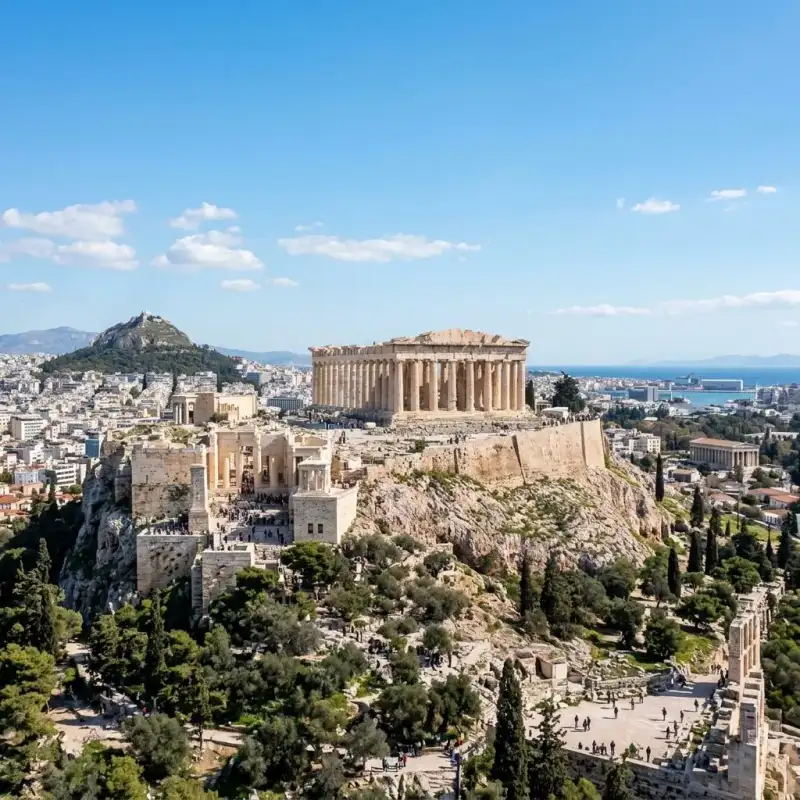
The Great Barrier Reef: A Fragile Underwater Wonder As I descended beneath the crystalline surface of the Coral Sea, the world transformed. The muted sounds of the boat engine above were replaced by the rhythmic crackle of marine life—a symphony of the ocean. This is the Great Barrier Reef, a living structure so massive it can be seen from space, yet so fragile it is currently fighting for its very existence. #WorldHeritage #OceanConservation Stretching over 2,300 kilometers along the northeastern coast of Australia, the Great Barrier Reef is not a single entity but a vast, intricate network of nearly 3,000 individual reefs and 900 islands. It is a masterpiece of biodiversity, a sanctuary for countless species of marine life, and a vital barometer for the health of our planet's oceans. #Nature #GreatBarrierReef A Kaleidoscope of Life My first dive took me to the Agincourt Reef, a ribbon reef situated on the very edge of Australia's continental shelf. Here, the water is extraordinarily clear, offering visibility that can exceed 30 meters. As I floated in the weightless embrace of the ocean, a kaleidoscope of colors unfolded before my eyes. Vibrant corals—staghorn, brain, and plate corals—formed an underwater cityscape. Darting among these living structures were schools of tropical fish in every conceivable hue. I spotted a pair of clownfish defending their anemone home, their bright orange bodies standing out against the swaying, neon-tipped tentacles. #MarineLife #ScubaDiving But the Great Barrier Reef is more than just colorful fish. It is home to six of the world's seven species of marine turtles. During my time here, I had the profound privilege of swimming alongside a massive green sea turtle, its ancient, wise eyes seeming to hold the secrets of the ocean depths. #SeaTurtles #WildlifePhotography The Threat of Climate Change However, the beauty of the Great Barrier Reef is increasingly overshadowed by a looming crisis. As a documentary maker, my lens is trained not just on the splendor, but on the fragility of these UNESCO World Heritage sites. And nowhere is that fragility more apparent than here. Climate change is the single greatest threat to the reef. As global temperatures rise, so do ocean temperatures. When the water gets too warm, corals become stressed and expel the symbiotic algae (zooxanthellae) living in their tissues. These algae provide the corals with their vibrant colors and, more importantly, their primary source of food through photosynthesis. Without them, the corals turn stark white—a phenomenon known as coral bleaching. #ClimateChange #CoralBleaching During my dives, I witnessed the devastating impact of this firsthand. Alongside the vibrant, healthy reefs were patches of skeletal, bleached coral, resembling underwater graveyards. It is a heartbreaking sight, a stark reminder of the urgent need for global action to reduce greenhouse gas emissions. #SaveOurOceans #EnvironmentalAwareness Indigenous Connections The story of the Great Barrier Reef is inextricably linked to the Indigenous peoples of Australia. For over 60,000 years, Aboriginal and Torres Strait Islander communities have been the traditional custodians of this vast seascape. Their connection to the reef is profound, woven into their culture, spirituality, and daily lives. I spent time with traditional owners from the Yirrganydji and Kuku Yalanji language groups, learning about their deep understanding of the marine environment. They shared ancient stories of creation, explaining how the reef and its inhabitants came to be. Their traditional ecological knowledge is increasingly recognized as vital to the ongoing management and conservation of the reef. #IndigenousCulture #TraditionalKnowledge They are also at the forefront of efforts to monitor and protect the reef. Many traditional owners are now working as sea rangers, combining their ancestral wisdom with modern scientific techniques to manage marine resources sustainably. It is a powerful example of how Indigenous leadership can guide us towards a more harmonious relationship with the natural world. #ConservationLeadership #CommunityAction A Call to Action Leaving the Great Barrier Reef, I carried with me a profound sense of both awe and urgency. This extraordinary ecosystem is a testament to the resilience and beauty of the natural world, but it is also a fragile treasure that is teetering on the brink. As a traveler and a storyteller, I believe we have a responsibility to not just witness these wonders, but to actively protect them. The fate of the Great Barrier Reef is not sealed. By supporting sustainable tourism, advocating for strong climate action, and elevating the voices of Indigenous custodians, we can help ensure that this underwater wonderland continues to thrive for generations to come. #SustainableTravel #ActionForClimate The Great Barrier Reef is not just an Australian treasure; it is a global heritage. Its survival depends on the choices we make today. Let us choose to protect the fragile beauty of our blue planet. #ProtectOurOceans #DocumentaryFilmmaking (Note: As a dedicated documentary filmmaker, I continue to document these locations to preserve their memory, but nothing compares to saving them in reality.) #unesco #documentary #ocean #australia Related Insights姫路城: 白鷺が舞い降りた名城 The Shimmering Waters: Documenting Plitvice Lakes National Park Jalid ibn al-Walid: La Espada de Dios{ "@context": "https://schema.org", "@type": "FAQPage", "mainEntity": [ { "@type": "Question", "name": "What is the main focus of The Great Barrier Reef: A Fragile Underwater Wonder?", "acceptedAnswer": { "@type": "Answer", "text": "Exploring the fragile beauty and climate challenges facing Australia's Great Barrier Reef." } }, { "@type": "Question", "name": "Who authored the comprehensive guide on The Great Barrier Reef: A Fragile Underwater Wonder?", "acceptedAnswer": { "@type": "Answer", "text": "This detailed article and its insights were carefully researched and authored by Sarah Mitchell." } }, { "@type": "Question", "name": "Where can I find more related content about Travel?", "acceptedAnswer": { "@type": "Answer", "text": "You can explore more articles, detailed reviews, and similar insights by browsing the Related Insights section at the bottom of this article or visiting our dedicated Travel category page." } } ] }
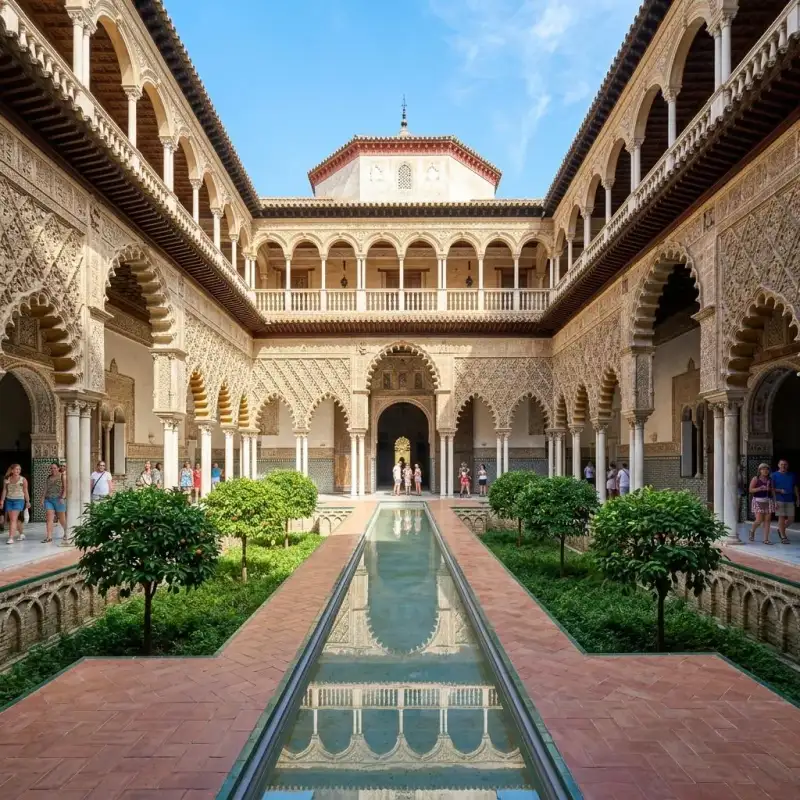
Ha Long Bay: A Mystical Seascape of Legends There are few places on Earth that feel as deeply mythological as Ha Long Bay in northeastern Vietnam. As our traditional junk boat glided silently through the calm, emerald waters, the mist parted to reveal towering limestone karsts rising dramatically from the sea. It was like sailing through a traditional brush painting, a landscape so ethereal it almost defied belief. #WorldHeritage #HaLongBay Designated as a UNESCO World Heritage site in 1994, Ha Long Bay—which translates to "Descending Dragon Bay"—is renowned for its spectacular seascape of approximately 1,600 limestone islands and islets. This geological wonderland has been sculpted over millions of years by the elements, creating a mesmerizing maze of towering pillars, hidden caves, and secluded coves. #Vietnam #LandscapePhotography The Legend of the Descending Dragon According to local legend, when the newly formed country of Vietnam was fighting off invaders, the Jade Emperor sent a family of dragons to assist them. The dragons descended from heaven, spitting out jewels and jade that transformed into the islands and islets of the bay, forming a formidable defensive wall against the enemy ships. After the battle was won, the dragons decided to stay, resting peacefully in the emerald waters. #Mythology #CulturalHeritage This legend permeates the atmosphere of Ha Long Bay. As we wove through the karsts, our guide pointed out rock formations that resembled fighting cocks, a toad, and even a human head. It was easy to see how this dramatic landscape could inspire such fantastical tales. The sheer scale and intricate shapes of the limestone pillars are a testament to the slow, relentless power of nature's artistry. #NaturePhotography #TravelGram Exploring the Hidden Depths Beyond their striking silhouettes, many of the islands harbor magnificent caves and grottoes. We anchored near Bo Hon Island and hiked up to Sung Sot Cave, also known as the Surprise Cave. The name is apt; stepping through the narrow entrance, I was greeted by a cavernous space filled with spectacular stalactites and stalagmites, subtly illuminated to highlight their intricate textures and forms. #Caving #Exploration But perhaps the most magical moments in Ha Long Bay are found on the water itself. Taking a small kayak, I paddled away from the main boat and into the quieter, hidden lagoons accessible only through low water tunnels. Here, surrounded by sheer rock walls dripping with lush vegetation, the silence was profound, broken only by the occasional call of a sea hawk or the gentle lap of water against the limestone. #Kayaking #AdventureTravel The Challenges of Popularity However, the breathtaking beauty of Ha Long Bay has made it one of Vietnam's most popular tourist destinations, and this popularity comes with significant environmental challenges. As a documentary maker, it is crucial to look beyond the pristine veneer and understand the complexities of managing such a delicate ecosystem. #SustainableTourism #EnvironmentalAwareness The sheer volume of boats and visitors puts immense pressure on the bay's marine environment. Issues such as water pollution, plastic waste, and the impact of anchors on the fragile coral reefs are pressing concerns. During my visit, I witnessed ongoing efforts to address these issues, from regular clean-up campaigns to stricter regulations on boat operators. But the threat of climate change also looms large. Rising sea levels and the increasing frequency of severe storms pose significant risks to the delicate limestone structures and the communities that rely on the bay for their livelihoods. #ClimateAction #ProtectOurOceans Floating Villages and Resilient Communities For generations, Ha Long Bay has been home to floating fishing villages, where communities live on traditional wooden houses built on floating platforms. These resilient communities have a deep, symbiotic relationship with the bay, their lives governed by the tides and the seasons. While many residents have recently been relocated to the mainland to reduce environmental impact and improve living conditions, some floating structures remain, serving as aquaculture farms and cultural exhibits. Meeting with local fishermen, I learned about their traditional techniques and the challenges they face in a rapidly changing environment. Their stories added a poignant human dimension to the majestic landscape. #LocalCulture #HumanStories Preserving the Magic Leaving Ha Long Bay, I watched the karsts slowly recede into the mist, holding onto the memory of their mythical beauty. This is a place that inspires awe and contemplation, a powerful reminder of the Earth's geological majesty. Yet, it is also a reminder of our responsibility. The magic of Ha Long Bay is not indestructible. It requires careful stewardship, sustainable practices, and a global commitment to combating climate change. By traveling responsibly and supporting conservation efforts, we can help ensure that the dragons of Ha Long Bay continue to sleep peacefully in their emerald waters for generations to come. #TravelResponsibly #Conservation This documentary journey through Vietnam’s coast proves that our world’s heritage needs us more than ever. #unesco #documentary #vietnam #nature Related InsightsL'Eveil des Cimes : Suspendu dans le Souffle du Tigre Sardegna Profonda: Sulle Tracce Misteriose dei Nuraghi nella Barbagia Nascosta Mahoma: El Profeta del Islam{ "@context": "https://schema.org", "@type": "FAQPage", "mainEntity": [ { "@type": "Question", "name": "What is the main focus of Ha Long Bay: A Mystical Seascape of Legends?", "acceptedAnswer": { "@type": "Answer", "text": "Journey through the emerald waters and towering limestone karsts of Vietnam's Ha Long Bay, a landscape steeped in myth and facing modern environmental challenges." } }, { "@type": "Question", "name": "Who authored the comprehensive guide on Ha Long Bay: A Mystical Seascape of Legends?", "acceptedAnswer": { "@type": "Answer", "text": "This detailed article and its insights were carefully researched and authored by Sarah Mitchell." } }, { "@type": "Question", "name": "Where can I find more related content about Travel?", "acceptedAnswer": { "@type": "Answer", "text": "You can explore more articles, detailed reviews, and similar insights by browsing the Related Insights section at the bottom of this article or visiting our dedicated Travel category page." } } ] }
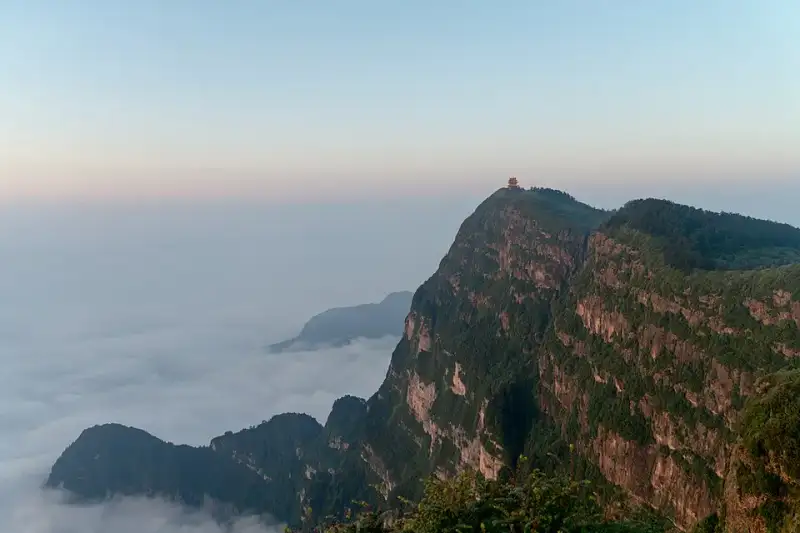

云上佛国,人间仙山:峨眉山的历史、自然与信仰之旅 峨眉山,这座傲然挺立于中国四川盆地西南边缘的雄伟山峰,自古以来便以“峨眉天下秀”的美誉名扬四海。作为中国四大佛教名山之一,峨眉山不仅是普贤菩萨(Samantabhadra)的道场,更是一座汇聚了深厚历史底蕴、绝美自然风光与璀璨宗教文化的巨大宝库。1996年,峨眉山与相邻的乐山大佛共同被联合国教科文组织列入《世界遗产名录》,成为全人类共同珍视的自然与文化双重遗产。站在这片神奇的土地上,无论是虔诚朝圣的信徒还是寻幽探秘的游人,都会被其拔地而起的磅礴气势与云雾缭绕的仙境氛围所深深折服。在这篇文章中,我们将踏上一场穿越千年的时空之旅,全方位解读峨眉山的宗教历史、生态奇观以及它在现代旅游中的无限魅力。 #峨眉山 #四川旅游 #世界文化遗产 1. 亿万年的造化:峨眉山的地理与生态奇观 峨眉山的最高峰万佛顶海拔高达3099米,从秀丽的山麓到巍峨的山巅,巨大的高差造就了这座名山极为复杂的垂直气候带和异常丰富的生物多样性。古人常言“一山有四季,十里不同天”,这句话在峨眉山得到了最完美的印证。从山脚的亚热带常绿阔叶林,到半山腰的温带针阔混交林,再到接近金顶的亚高山针叶林,游客在短短几个小时的攀登过程中,仿佛跨越了数千公里的纬度变化。 #自然生态 #生物多样性 峨眉山被誉为“植物的王国”和“动物的乐园”。这里孕育了超过3200多种植物,约占中国植物总数的十分之一。在这片广袤的原始森林中,你可以看到与恐龙同时代的“植物活化石”——珙桐(鸽子树),每当春夏之交,洁白的花朵如白鸽展翅,微风拂过,宛如群鸽飞舞,令人叹为观止。此外,峨眉山的杜鹃花也堪称一绝,春季时节,漫山遍野的杜鹃花竞相绽放,将山林点缀得如火如荼。 而在茂密的林间,生活着多达2300多种野生动物。其中最著名的莫过于峨眉山藏酋猴(Tibetan macaques)。这些精灵古怪、灵气十足的野生猴群,早已成为峨眉山旅游的一大亮点。它们不仅不惧怕人类,反而经常在游步道旁向游客“化缘”讨要食物。与猴群的互动虽然充满乐趣,但也提醒着我们必须对野生动物保持敬畏,做到人与自然和谐共处。除了灵猴,这里还栖息着小熊猫、枯叶蝶以及独特的峨眉弹琴蛙,这些珍稀生灵共同构筑了峨眉山生机勃勃的生态画卷。 #峨眉灵猴 #植物王国 除了丰富的动植物资源,峨眉山的独特地质构造同样令人惊叹。经过数亿年的地壳运动,尤其是强烈的造山运动,原本沉睡在海底的二叠纪玄武岩与石灰岩岩层被推向高空,形成了如今陡峭的断崖、深邃的峡谷与险峻的绝壁。唐代大诗人李白曾在诗中惊叹:“蜀国多仙山,峨眉邈难匹”,其险峻与秀美并存的独特地貌,是自然界留给人类最珍贵的馈赠。 #地质奇观 #峨眉天下秀 2. 佛光普照:两千年的宗教传承与普贤道场 峨眉山不仅是一座自然之山,更是一座信仰之山。追溯其宗教历史,峨眉山早期的文化渊源其实与道教息息相关。在先秦及魏晋时期,这里曾被视为道家的洞天福地——“第七洞天”,许多修道之士隐居于此,寻仙问道,炼丹修真。然而,随着公元1世纪佛教自印度传入中国,峨眉山的命运迎来了深刻的转折。相传东汉时期,佛教在峨眉山开始生根发芽,并在此建成了中国最早的佛教寺庙之一——普光殿(今万年寺前身)。 #佛教名山 #信仰之旅 到了晋代,高僧慧持在此建寺弘法,进一步奠定了峨眉山作为佛教圣地的基础。而真正让峨眉山名扬天下的,是其作为“普贤菩萨道场”的确立。普贤菩萨在佛教中代表着“大行”(即伟大的实践与行动力),与五台山文殊菩萨的“大智”、普陀山观音菩萨的“大悲”、九华山地藏菩萨的“大愿”共同构成了中国佛教的四大核心精神。据佛经与民间传说记载,普贤菩萨常骑六牙白象,在此山中示现,度化众生。因此,唐宋时期,峨眉山的佛教文化发展到了鼎盛阶段,全山上下寺庙林立,僧侣众多,香火鼎盛,吸引了无数帝王将相与文人墨客前来朝拜。 #普贤菩萨 #佛教历史 明清两代,峨眉山的佛教建筑规模更是达到了巅峰。历史上,这里曾有过上百座规模宏大的寺庙,如今虽然岁月更迭、朝代兴替,但仍有约30座古刹保存完好。漫步在古木参天的山道上,钟磬之声不绝于耳,诵经之音在林间回荡。每一座寺庙、每一尊佛像、每一块历经风雨的碑刻,都在无声地诉说着那些关于信仰、慈悲与坚持的动人故事。峨眉山不仅是中国佛教徒心中的圣地,也吸引着全球各地的朝圣者与文化学者前来礼佛祈福,感受那份超脱尘世的宁静与洗礼。 #佛教文化 #朝圣者 3. 古刹探幽:峨眉山的寺庙建筑与人文景观 峨眉山的寺庙建筑依山就势,巧妙地将自然景观与宗教文化融为一体,展现了中国古代建筑艺术的极高造诣。从山脚到山顶,几座标志性寺庙如同明珠般串联起整条朝圣之路。 #古建筑 #寺庙文化 报国寺(Baoguo Temple):位于峨眉山麓,是游览峨眉山的起点,也是全山最大的一座寺庙。报国寺始建于明代,清代康熙皇帝曾亲笔御题“报国寺”匾额。寺内古木掩映,殿宇宏伟,不仅是峨眉山佛教协会的所在地,更是信徒与游客进入佛国净土的第一道山门。在这里,你可以听到悠远的晨钟暮鼓,观赏到珍贵的明代彩釉瓷佛与高耸的紫铜华严塔,感受到浓厚的佛教氛围。 #报国寺 清音阁(Qingyin Pavilion):向上攀登,便来到了风景如画的清音阁。这里被称为峨眉山的第一胜景。清音阁建在险峻的牛心岭下,两条清澈的溪水——黑龙江与白龙江在此交汇,水流激荡,拍打着溪中状如牛心的巨石,发出的声音如同古琴奏鸣,故名“双桥清音”。在这里,山水相依,亭台楼阁与自然风光完美契合,是无数文人墨客流连忘返的吟咏之地。 #清音阁 #自然山水 万年寺(Wannian Temple):万年寺是峨眉山历史最悠久的古刹之一。其最大的镇寺之宝,是一尊铸造于北宋时期的普贤菩萨骑六牙白象铜像。这尊铜像重达62吨,造型精美,比例匀称,工艺极其高超,被视为中国古代铸造艺术的巅峰之作。万年寺内的无梁砖殿也是一大建筑奇观,整座大殿受印度建筑风格启发,完全由砖块砌筑穹窿顶,未使用一根木柱,历经明清以来的多次强烈地震依然安然无恙,堪称中国建筑史上的奇迹。 #万年寺 #古代铸造艺术 洗象池与九老洞:继续向高海拔进发,会经过充满神秘色彩的九老洞与洗象池。相传洗象池是普贤菩萨骑象经过时,让白象在此池中沐浴洗心的地方。每当皓月当空,清辉照耀池水,“象池夜月”便成了峨眉山极具诗意的经典景观。而九老洞则是峨眉山最大的天然溶洞,传说曾有九位仙人在此修道,洞内深邃莫测,常有蝙蝠栖息,给人以无限遐想。 金顶(Golden Summit):位于海拔3077米的金顶,是每一位峨眉山攀登者心中的终极目标。这里有金碧辉煌的华藏寺,以及高达48米、重达600吨的十方普贤金像。这尊雄伟的金像不仅是现代青铜雕塑的杰作,更是峨眉山信仰的最高象征。当晨曦的阳光洒在这尊巨大的金像上,折射出耀眼夺目的光芒,仿佛佛光普照人间。 #峨眉金顶 #十方普贤 在金顶,游客还可以欣赏到峨眉山名扬天下的“四大奇观”——日出、云海、佛光与圣灯。当浩瀚的云海在脚下如波涛般翻腾,一轮红日从云层中喷薄而出,那一刻的壮阔足以让人热泪盈眶。而当阳光从背后照射过来,在云雾上形成彩色的光环,将人的身影投射其中,这便是神奇的“峨眉佛光”。古人认为这是菩萨显灵,实则是阳光与云雾水滴相互作用的物理光学现象,但这丝毫不影响它带给人们的震撼与敬畏。置身金顶,远处的贡嘎雪山若隐若现,顿生一种“会当凌绝顶,一览众山小”的豪情,足以让人忘记尘世的所有烦恼。 #日出云海 #峨眉佛光 4. 峨眉武术与茶文化:融于山水的生活哲学 除了深邃的宗教与绝美的自然,峨眉山还孕育了独特的武术与茶文化,构成了这座仙山独有的人文生活哲学。 #峨眉武术 #中国功夫 **峨眉武术(Emei Wushu)**与少林、武当并称为中国三大武术流派。它起源于先秦,成型于南宋,深受峨眉山佛教与道教思想的双重影响。峨眉武术讲究“刚柔并济、内外兼修”,动作如灵猴般敏捷,发力如猛虎般刚烈,既有道家的导引吐纳之术,又有佛家的禅定修心之法。金庸先生的武侠小说中,“峨眉派”女侠们的飒爽英姿更是让峨眉武术名扬海内外。如今,许多武术爱好者慕名而来,在这深山古刹中寻访高人,体验中国传统武术的博大精深与修身养性的智慧。 此外,峨眉山的茶文化同样源远流长。高海拔的云雾环境与肥沃的土壤,为茶叶的生长提供了得天独厚的条件。早在唐代,峨眉山的茶叶便被列为贡茶,白居易等大文豪都曾留下品茗的佳句。如今的“峨眉雪芽”与“竹叶青”更是闻名遐迩的高山名茶。在长达数十公里、近六万级石阶的攀登途中,若是疲惫了,找一处临崖的茶社,泡上一杯清香四溢的峨眉绿茶,看着杯中茶叶如刀剑般挺立,品味着茶汤中的甘甜与山林间的清气,这无疑是对疲惫身心最好的慰藉。茶禅一味,在这座仙山中得到了最完美的诠释。 #峨眉茶文化 #竹叶青 #峨眉雪芽 5. 现代旅游与可持续发展:在传承中前行 随着现代旅游业的高速发展,峨眉山早已成为中国乃至世界最受欢迎的旅游目的地之一。作为一个国家5A级旅游景区,峨眉山在旅游基础设施建设上投入了巨大精力。如今,游客的游览方式变得更加丰富多元:你既可以选择传统的徒步登山路线,沿着古人留下的石阶,历经两到三天的跋涉,体验“朝圣”的艰辛与虔诚;也可以乘坐便捷的环保观光车穿越山林,再换乘现代化的高山大索道,只需几分钟便能轻松穿云破雾直达金顶。这种多样化的游览方式,极大地便利了不同年龄与体能的游客,让更多人有机会一睹金顶的绝世风光。 #现代旅游 #索道观光 然而,庞大的游客数量也给峨眉山的生态环境保护带来了巨大的挑战。如何在开发旅游的同时,保护好这片脆弱的高山生态系统与珍贵的文化遗产,成为了重中之重。为此,当地管理部门采取了一系列严格的可持续发展措施。从限制法定节假日的单日游客接待量,到全山推行“无痕山林”与垃圾分类的环保理念;从设立自然保护区对珍稀动植物进行严密监控与繁育保护,到运用数字化技术对古建筑、碑刻进行三维扫描与建档修缮,每一个细节都体现了对自然法则的敬畏与对历史遗产的尊重。峨眉山不仅仅是属于我们这一代人的财富,更是需要我们用心守护、传承给子孙后代的无价瑰宝。 #生态保护 #可持续旅游 #遗产保护 结语:一场涤荡心灵的旅程 李白曾留下“峨眉山月半轮秋,影入平羌江水流”的千古绝唱,苏东坡也曾对这座家乡的名山魂牵梦绕。峨眉山,就像是一部厚重的史书,需要你用双脚去丈量它的厚度,用心灵去阅读它的深邃。 从山麓报国寺的郁郁葱葱,到金顶之上的云海佛光;从清音阁的潺潺流水,到万年寺的晨钟暮鼓。这里有自然造化鬼斧神工的神奇,有历史岁月大浪淘沙的沉淀,更有超越世俗、抚慰人心的信仰力量。无论你是为了追寻那绚丽震撼的日出,还是为了探访那神秘悠远的佛国净土,亦或是仅仅想在喧嚣的都市生活中寻找一片宁静的避风港,峨眉山都会以它那博大的胸怀与无尽的秀美,为你留下此生难忘的印记。 旅行的意义,往往不在于到达终点,而在于沿途的风景与心境的蜕变。下一次规划旅行时,不妨将目光投向四川这片神奇的土地,亲自踏上那条通往云端的石阶,去揭开峨眉山那层神秘而美丽的面纱,体验一场真正意义上涤荡心灵的旅程。 #旅行目的地 #探秘峨眉山 #人文之旅 #心灵洗礼 #MountEmei #Buddhism #Sichuan #UNESCO #Nature #China Related InsightsHistorical Mardin Streets Beyond Merv's Veil: Unearthing Turkmenistan's Ghost Oases of the Silk Road Istanbul: Two Continents{ "@context": "https://schema.org", "@type": "FAQPage", "mainEntity": [ { "@type": "Question", "name": "What is the main focus of 云上佛国,人间仙山:峨眉山的历史、自然与信仰之旅?", "acceptedAnswer": { "@type": "Answer", "text": "跟随李伟的脚步,深度探索中国四大佛教名山之一——峨眉山。从金顶的普贤菩萨到清音阁的灵猴,为您全景展现这座世界文化与自然双重遗产的魅力。" } }, { "@type": "Question", "name": "Who authored the comprehensive guide on 云上佛国,人间仙山:峨眉山的历史、自然与信仰之旅?", "acceptedAnswer": { "@type": "Answer", "text": "This detailed article and its insights were carefully researched and authored by Li Wei." } }, { "@type": "Question", "name": "Where can I find more related content about Travel?", "acceptedAnswer": { "@type": "Answer", "text": "You can explore more articles, detailed reviews, and similar insights by browsing the Related Insights section at the bottom of this article or visiting our dedicated Travel category page." } } ] }

Introduction to the Roaring Abyss As a heritage traveler and documentary filmmaker from Denver, Colorado, I have had the immense privilege of visiting some of the most breathtaking landscapes on our planet. Yet, nothing quite prepares you for the sheer visceral power of Iguazu Falls, straddling the border of Argentina and Brazil. The thunderous roar of the water, the ever-present mist, and the vibrant, pulsing life of the surrounding Atlantic Forest combine to create an experience that shakes you to your core. #WorldHeritage sites like this are not just beautiful places to visit; they are vital ecological sanctuaries that require our utmost respect and protection. When I first set foot in this #Nature paradise, the sheer scale of the 275 individual cascades overwhelmed my senses. The falls stretch for nearly three kilometers, culminating in the terrifyingly beautiful 'Devil's Throat' (Garganta del Diablo). The surrounding park is one of the last remaining remnants of the Paranaense Forest, a biodiversity hotspot teeming with jaguars, toucans, and thousands of plant species. Documenting this vibrant ecosystem was a primary goal for my trip, but as always, my lens quickly turned toward the underlying stories: the delicate balance of the river system, the looming threat of #ClimateChange, and the ongoing efforts for #HeritagePreservation. The Art of Documentary Making in the Mist Filming in a location as dynamic and wet as Iguazu Falls presents a unique set of challenges and opportunities. The constant spray, the dense jungle canopy blocking the light, and the sheer volume of visitors all demand a flexible and patient approach. My documentary making process always begins with observation. Before setting up a single camera, I spent days walking the extensive catwalks, listening to the deafening roar of the falls, and observing how the light pierced through the mist to create spontaneous rainbows. #DocumentaryFilmmaking is as much about enduring the elements as it is about capturing them. I rely heavily on natural light to capture the authentic essence of a place. In Iguazu, this meant embracing the diffused, soft light created by the perpetual mist, and waiting for those magical moments when the sun broke through the clouds. To capture the true scale of the falls, I utilized wide-angle lenses and drone footage—though flying drones here requires navigating strict airspace regulations between two countries and ensuring the local avian population is undisturbed. The soundscape of Iguazu is just as important as the visuals. The roar of the Devil's Throat is a physical force that you feel in your chest. The calls of howler monkeys, the squawking of parrots, the relentless buzzing of insects—all these elements build a rich audio tapestry. Using a specialized array of highly directional microphones, I spent hours isolating these sounds. #FieldRecording in a rainforest is a battle against moisture and background noise, but the result is a truly immersive experience for the audience. Climate Change and the Atlantic Forest Ecosystem One of the most pressing issues I explore in my documentaries is the impact of #ClimateChange on #UNESCOWorldHeritage sites. Iguazu National Park is a stark reminder of how fragile our river ecosystems truly are. The volume of the falls is entirely dependent on the rainfall patterns in the Paraná River basin, hundreds of kilometers upstream. This hydrological cycle is a delicate system that is increasingly being disrupted. Recent years have seen noticeable shifts in weather patterns. The region has experienced unprecedented droughts that reduced the mighty falls to mere trickles, followed by devastating floods that destroyed tourist infrastructure. During my interviews with local ecologists and park authorities, the concern was palpable. They are constantly monitoring the river levels and the health of the surrounding forest. It's a vivid demonstration of how global #ClimateAction must be coupled with regional water management to protect downstream wonders like Iguazu. Deforestation upstream also exacerbates these issues, altering the landscape's ability to absorb and release water naturally. My documentary aims to highlight these interconnected challenges. Through dramatic before-and-after footage of the river levels and interviews with conservationists fighting to restore the Atlantic Forest, I want to show my audience that #ClimateChange is not a distant threat; it is happening right here, right now, threatening the very lifeblood of the falls. Heritage Preservation: Balancing Tourism and Conservation Iguazu National Park is a major international tourist destination, attracting millions of visitors annually to both the Argentine and Brazilian sides. While tourism brings vital economic benefits, it also places immense pressure on the park's infrastructure and the surrounding jungle. #HeritagePreservation in the modern era is often a delicate balancing act between allowing people to experience these wonders and protecting the wildlife from being displaced. Navigating the crowded catwalks near the Devil's Throat, the tension between access and conservation is evident. The park management has implemented strict zoning, limiting human access to a tiny fraction of the total park area to preserve the core wilderness. Yet, issues like road mortality for wildlife (specifically jaguars) and the impact of low-flying helicopters remain contentious. In my film, I feature the dedicated individuals who run the local wildlife rehabilitation centers and the anti-poaching patrols. Their #Conservation efforts are heroic, often operating in the shadows of the massive tourism industry. Education is a cornerstone of effective preservation. By fostering a deeper understanding of the ecological significance of the Atlantic Forest, we can encourage visitors to look beyond the waterfalls and appreciate the complex web of life around them. This means respecting wildlife, minimizing plastic waste, and supporting eco-friendly local businesses. My hope is that through visual storytelling, I can inspire a sense of stewardship among my viewers. Indigenous Cultures and Local Connections While Iguazu is globally famous for its waterfalls, the surrounding region has a rich cultural history deeply tied to the Guaraní people. In my #Documentary travels, I always seek to connect with the indigenous communities, as their histories and spiritual beliefs provide a profound context for the landscape. The Guaraní have lived in this region for millennia, and their legend of the falls' creation—a tale of a jealous serpent god slicing the river in two—adds a layer of mythological resonance to the natural wonder. The Guaraní possess deep, generational knowledge of the forest's medicinal plants and animal behaviors. Their traditional practices offer a valuable perspective on living in harmony with an environment that modern society often views merely as a resource. During my time there, I had the privilege of interviewing members of local Guaraní communities. They shared their ongoing struggles for land rights and their efforts to preserve their language and traditions in the face of rapid modernization. These oral histories and perspectives are invaluable. They provide a counter-narrative to the standard tourist experience. By incorporating these voices into my documentary, I aim to provide a holistic view of Iguazu. It is not just a spectacular photo backdrop; it is a sacred landscape, a home to communities whose #CulturalHeritage is inextricably linked to the survival of the forest. The Technical Challenges of Filmmaking in a Wet Environment From a technical standpoint, filming in Iguazu is a constant battle against water. The mist near the falls is as pervasive as heavy rain. My equipment kit is heavily weather-sealed. I use custom rain covers for the cameras, underwater housings for wide shots near the base, and keep a seemingly endless supply of microfiber cloths to constantly wipe down lenses. The humidity alone can fog lenses from the inside and short out electronics. I developed a routine of meticulously storing all gear in dry bags with silica gel when not in use. Additionally, navigating the slippery metal catwalks with heavy tripods amidst throngs of tourists demands physical endurance and intense situational awareness. There were moments when the spray was so intense I was filming entirely blind. Yet, these challenges force you to be adaptable and often lead to visceral, immersive shots that make the audience feel the power of the water. Reflecting on the Journey As I packed up my gear to leave Iguazu National Park, I felt a profound sense of awe. As a #DocumentaryMaker, I am tasked with translating the majesty, the fragility, and the complex realities of this place to an audience thousands of miles away. Iguazu is a testament to the raw, untamed energy of nature. The roaring water is a constant reminder of the forces that shape our planet. My journey here has reinforced my belief in the power of visual storytelling. Through my lens, I hope to capture not just the picturesque waterfalls, but the intricate web of life that sustains them. I want to highlight the dedication of the conservationists, the resilience of the Guaraní people, and the urgent need for global #ClimateAction. Iguazu Falls is a treasure that belongs to all of humanity, and it is up to all of us to ensure its roar continues to thunder for generations to come. Extended Thoughts on Global Heritage Preservation (A Deep Dive) The following section is part of my ongoing journal series exploring the broader implications of heritage preservation in the 21st century. The concept of #WorldHeritage is relatively modern, formalized by the 1972 UNESCO Convention. The underlying premise is noble: that certain places on Earth are of outstanding universal value to humanity and should be protected for future generations. However, the practical application of this ideal is fraught with complexities. As I travel from site to site, I observe recurring themes and challenges that transcend geographical boundaries. The Paradox of Popularity One of the most significant challenges is the 'paradox of popularity.' When a site receives UNESCO designation, it often experiences a surge in tourism. While this brings economic prosperity to local communities, it also places immense strain on the site itself. In places like Plitvice Lakes, Venice, or Machu Picchu, overtourism threatens the very qualities that made these sites worthy of protection in the first place. The sheer volume of visitors can cause physical degradation, alter local economies, and turn vibrant communities into mere backdrops for tourists. #SustainableTourism is not just a buzzword; it is an urgent necessity. We must rethink how we interact with these spaces, moving away from extractive tourism toward a model of stewardship and respect. Climate Change: The Great Multiplier If overtourism is an acute symptom, #ClimateChange is the chronic underlying disease threatening global heritage. The impacts are diverse and profound. Rising sea levels threaten coastal sites; increasing temperatures exacerbate the decay of ancient structures; shifting weather patterns disrupt fragile ecosystems. As a documentary filmmaker, I see it as my duty to visualize these impacts. Data and statistics can be easily ignored, but the sight of a crumbling monument or a dying coral reef evokes an emotional response. We need to bridge extreme weather events with global awareness. #ClimateAction is heritage preservation. The two are inextricably linked. If we fail to address the climate crisis, we stand to lose irreplaceable pieces of our shared human history and the natural wonders that define our planet. Amplifying Indigenous Voices Another critical aspect of my work is centering indigenous and local voices in the narrative of heritage preservation. Historically, conservation efforts have often been top-down, driven by Western ideologies that separate 'nature' from 'culture.' This approach frequently marginalizes the very people who have lived in and stewarded these landscapes for millennia. In my documentaries, I strive to challenge this paradigm. True #HeritagePreservation must be inclusive. It must recognize and respect the traditional ecological knowledge of indigenous communities. Their practices, honed over centuries, offer vital lessons in sustainability and resilience. By amplifying their voices, we enrich our understanding of these sites and foster more effective, equitable conservation strategies. The Role of Technology in Preservation While technology has undoubtedly contributed to some of the challenges we face, it also offers powerful tools for preservation. 3D scanning, photogrammetry, and virtual reality allow us to document and reconstruct heritage sites with unprecedented accuracy. This digital archiving is invaluable, providing a record that can survive physical degradation. Furthermore, these technologies offer alternative ways for people to experience these sites, potentially alleviating the pressure of physical tourism. However, we must be cautious. A digital replica can never fully replace the visceral experience of standing in awe before a natural wonder or an ancient ruin. Technology must serve as a tool for preservation, not a substitute for the real thing. The Ethical Filmmaker's Dilemma Finally, I grapple continuously with the ethical implications of my own work. As a #DocumentaryFilmmaker, my very presence alters the dynamic of a place. I am extracting images and stories, shaping them into a narrative for public consumption. Do my films inadvertently contribute to the problem of overtourism? Am I truly capturing the essence of a place, or merely presenting a curated, idealized version? These are difficult questions with no easy answers. I mitigate these concerns through rigorous research, extensive consultation with local stakeholders, and a commitment to authenticity over sensationalism. My goal is not merely to showcase beauty, but to provoke thought, inspire empathy, and catalyze action. A Call to Action The preservation of our world's natural and cultural heritage is not a task for governments and large organizations alone. It requires a collective shift in consciousness. Each of us has a role to play. Whether it's choosing to travel responsibly, supporting conservation organizations, advocating for #ClimateAction, or simply educating ourselves about the diverse cultures and landscapes that make our planet so extraordinary. As I look back on my time at Iguazu National Park, the memory of the roaring abyss remains vivid. It is a memory I carry with me, a constant reminder of the fragile, wondrous world we inhabit. Through my lens, I hope to share a piece of that wonder with you, and in doing so, invite you to join me in the vital work of protecting our shared heritage. Sarah Mitchell is a documentary filmmaker and heritage traveler based in Denver, Colorado. Her work focuses on the intersection of culture, nature, and climate change. Follow her journeys as she explores the world's most extraordinary places, one frame at a time. Technical Gear List for Iguazu Shoot:Primary Camera: RED Komodo for its global shutter and robust build, ideal for high-action water sequences. Lenses: Weather-sealed wide-angle zooms (16-35mm) to capture the expanse of the falls while remaining close. Audio: Sennheiser MKH 416 shotgun mic with extreme wind/water protection (blimp and deadcat). Support: Monopod for mobility on crowded catwalks, stabilizing gimbal for smooth tracking shots. Protection: Full underwater housing for main camera, specialized rain sleeves, and industrial-grade dry boxes.Travel Logistics and Recommendations: To truly experience Iguazu, you must visit both sides. The Brazilian side offers the best panoramic overviews, while the Argentine side allows you to get incredibly close to the falls via an extensive network of trails. Dedicate at least two full days. Be prepared to get wet—very wet. Avoid the temptation to feed the coatis (local racoon-like mammals); they can become aggressive and human food is harmful to them. Support the local Guaraní communities by purchasing authentic crafts directly from them. #IguazuFalls #Argentina #Brazil #TravelPhotography #ConservationMatters #ProtectOurPlanet #Waterfalls #NatureDocumentary #Storytelling #EcoTourism #SustainableTravel #unesco #documentary #argentina #brazil #iguazu #conservation Related InsightsEthiopia's Danakil Depression: The Hottest Place on Earth's Alien Landscapes (Part 2) Jalid ibn al-Walid: La Espada de Dios 明孝陵:大明王朝的开国之陵{ "@context": "https://schema.org", "@type": "FAQPage", "mainEntity": [ { "@type": "Question", "name": "What is the main focus of The Roaring Abyss: Documenting Iguazu National Park?", "acceptedAnswer": { "@type": "Answer", "text": "Exploring the thunderous beauty of Iguazu Falls, examining climate change impacts on rainforest ecosystems, heritage preservation, and the art of documentary filmmaking." } }, { "@type": "Question", "name": "Who authored the comprehensive guide on The Roaring Abyss: Documenting Iguazu National Park?", "acceptedAnswer": { "@type": "Answer", "text": "This detailed article and its insights were carefully researched and authored by Sarah Mitchell." } }, { "@type": "Question", "name": "Where can I find more related content about Travel?", "acceptedAnswer": { "@type": "Answer", "text": "You can explore more articles, detailed reviews, and similar insights by browsing the Related Insights section at the bottom of this article or visiting our dedicated Travel category page." } } ] }
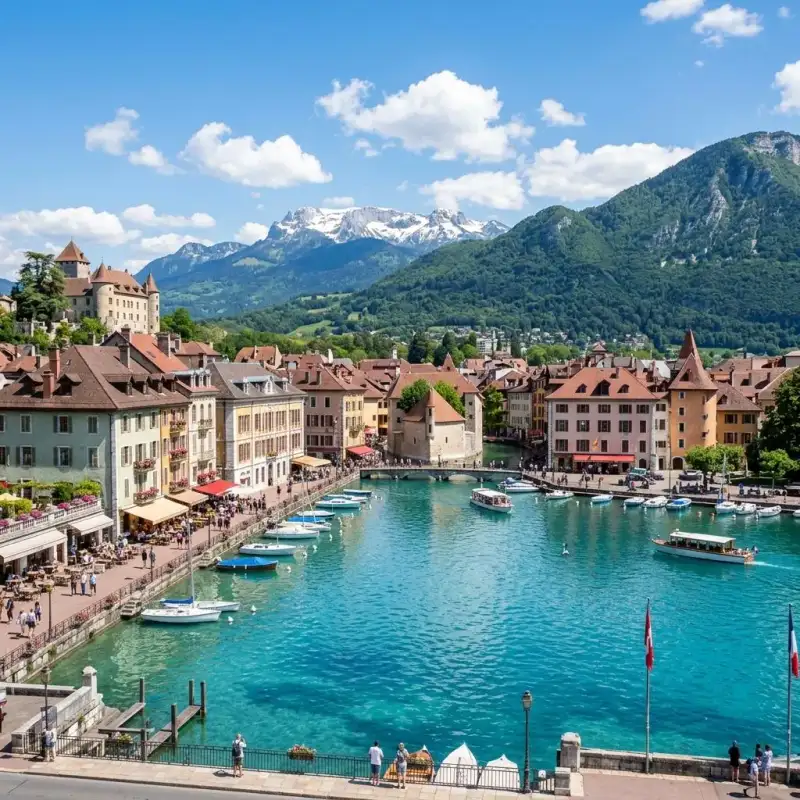
The Galapagos Islands: A Living Laboratory Under Siege Stepping onto the rugged, volcanic shores of the Galapagos Islands feels like arriving on another planet—or perhaps, stepping back in time. Situated nearly 1,000 kilometers off the coast of Ecuador in the vast expanse of the Pacific Ocean, this isolated archipelago is a place where wildlife has evolved in splendid isolation, unafraid of human presence. It is famously the "living laboratory of evolution" that inspired Charles Darwin, and today, it is a UNESCO World Heritage site of unparalleled ecological significance. #WorldHeritage #Galapagos The Galapagos is not just a destination; it is an immersive lesson in natural history. Here, iguanas swim in the ocean, giant tortoises roam the highlands, and birds with bright blue feet dance on the rocky cliffs. #Ecuador #Evolution Encounters with Endemic Wonders What makes the Galapagos truly extraordinary is its high rate of endemism—meaning many of the species found here exist nowhere else on Earth. As I navigated the islands with my camera crew, I was constantly struck by the sheer tameness of the animals. They have evolved without natural land predators, allowing for incredibly close and intimate encounters. #WildlifePhotography #EndemicSpecies On Fernandina Island, I sat quietly on the black lava rocks, surrounded by hundreds of marine iguanas. These prehistoric-looking reptiles are the only lizards in the world that forage in the ocean, diving to feed on underwater algae before returning to the shore to bask in the sun and sneeze out excess salt. Their dark, scaly bodies blended seamlessly with the hardened lava, a perfect adaptation to their stark environment. #MarineIguana #Adaptation On Santa Cruz Island, I trekked into the lush, misty highlands to find the archipelago's most famous residents: the Galapagos giant tortoises. Moving with a slow, deliberate grace, these massive creatures—some weighing over 200 kilograms and living well over a century—seem to embody the deep, unhurried time of the islands themselves. #GiantTortoise #NatureDocumentary A Delicate Balance Threatened However, the very isolation that allowed this unique ecosystem to flourish is also its greatest vulnerability. As a documentary filmmaker, I am acutely aware that the Galapagos is on the frontlines of global environmental change. The delicate balance of life here is under severe threat from a combination of human activity and a rapidly changing climate. #ClimateCrisis #OceanConservation Ocean warming, driven by global climate change, is perhaps the most immediate threat. The Galapagos ecosystem is heavily dependent on cold, nutrient-rich ocean currents that well up from the deep. These currents sustain the food web, from tiny phytoplankton up to sea lions and penguins. When phenomena like El Niño occur, these cold currents are disrupted by warm waters, leading to a catastrophic collapse of the food supply. I witnessed the devastating aftermath of these warming events: marine iguanas starving, seabird colonies abandoning their nests, and the overall vitality of the marine ecosystem significantly diminished. As global temperatures rise, these extreme warming events are becoming more frequent and severe. #ElNino #MarineConservation The Impact of Invasive Species Beyond the climate, the introduction of invasive species poses a persistent and devastating threat to endemic flora and fauna. Historically introduced by pirates, whalers, and early settlers, animals like feral goats, pigs, rats, and even domestic cats have wreaked havoc on the islands. They outcompete native species for food, destroy habitats, and prey on the vulnerable eggs and young of tortoises and ground-nesting birds. The Galapagos National Park and the Charles Darwin Foundation work tirelessly on eradication programs, and while there have been significant successes—such as the removal of feral goats from several islands—the battle against invasive species is ongoing and resource-intensive. #InvasiveSpecies #ConservationEfforts Sustainable Tourism: A Double-Edged Sword Tourism is the lifeblood of the Galapagos economy, providing the vital funds needed for conservation. Yet, it is a double-edged sword. The increasing number of visitors puts pressure on the fragile infrastructure, increases the risk of introducing new invasive species, and contributes to a growing local population that demands more resources. Strict regulations are in place to manage tourist impact, dictating where boats can go, how many people can visit specific sites, and requiring all groups to be accompanied by certified naturalist guides. But the challenge lies in finding the sustainable equilibrium where human visitation supports, rather than degrades, the ecosystem. #SustainableTravel #EcoTourism Protecting Darwin's Legacy Leaving the Galapagos, I felt a profound mix of wonder and anxiety. These islands offer a rare, unfiltered glimpse into the mechanics of nature, a place where the intricate dance of evolution is laid bare. Yet, they are a stark reminder of how deeply human actions impact even the most remote corners of our planet. Protecting the Galapagos Islands requires more than just local management; it demands global responsibility. By addressing the root causes of climate change, supporting stringent biosecurity measures, and choosing responsible, low-impact travel options, we can help safeguard this evolutionary marvel. The Galapagos is a testament to the resilience of life, but it is up to us to ensure that this living laboratory continues to inspire generations to come. #ProtectOurOceans #DocumentaryFilmmaking #unesco #documentary #wildlife #ecuador #ocean Related Insights明孝陵:大明王朝的开国之陵 Historical Mardin Streets Beyond Merv's Veil: Unearthing Turkmenistan's Ghost Oases of the Silk Road{ "@context": "https://schema.org", "@type": "FAQPage", "mainEntity": [ { "@type": "Question", "name": "What is the main focus of The Galapagos Islands: A Living Laboratory Under Siege?", "acceptedAnswer": { "@type": "Answer", "text": "Discovering the unique endemic species of the Galapagos Islands and exploring how climate change and human impact threaten this evolutionary marvel." } }, { "@type": "Question", "name": "Who authored the comprehensive guide on The Galapagos Islands: A Living Laboratory Under Siege?", "acceptedAnswer": { "@type": "Answer", "text": "This detailed article and its insights were carefully researched and authored by Sarah Mitchell." } }, { "@type": "Question", "name": "Where can I find more related content about Travel?", "acceptedAnswer": { "@type": "Answer", "text": "You can explore more articles, detailed reviews, and similar insights by browsing the Related Insights section at the bottom of this article or visiting our dedicated Travel category page." } } ] }

Yellowstone: The Fiery Heart of the American West Stepping into Yellowstone National Park is like walking onto the surface of a beautifully restless, breathing planet. The earth here literally steams, bubbles, and erupts, offering a raw and visceral connection to the geologic forces that shaped our world. Established in 1872 as the world’s first national park and later designated a UNESCO World Heritage site, Yellowstone is a sprawling wilderness of dramatic canyons, alpine rivers, lush forests, and unparalleled geothermal activity. #WorldHeritage #Yellowstone Covering nearly 9,000 square kilometers primarily in Wyoming, but spilling into Montana and Idaho, Yellowstone sits atop a massive, dormant volcano. This fiery heart powers the park's most famous features and creates an ecosystem unlike any other on Earth. #NationalParks #Geology A Geothermal Wonderland Yellowstone contains over half of the world's active geysers, alongside thousands of hot springs, mudpots, and fumaroles. My documentary journey began at the Upper Geyser Basin, home to the iconic Old Faithful. Watching this natural fountain erupt, sending a towering column of scalding water and steam into the crisp mountain air, is a mesmerizing display of subterranean power. #OldFaithful #Geysers Yet, it was the Grand Prismatic Spring that truly captured my imagination. As I hiked up to a vantage point overlooking the Midway Geyser Basin, the sheer scale and vibrancy of the spring came into view. It is the largest hot spring in the United States, framed by striking bands of brilliant orange, yellow, and green. These vivid colors are not chemical dyes, but thermophile bacteria—microorganisms that thrive in extreme heat. Looking into its deep, azure center is like gazing into a massive, psychedelic eye peering out from the Earth's crust. #GrandPrismatic #NaturePhotography The Serengeti of North America Beyond the geothermal features, Yellowstone is often referred to as the "Serengeti of North America" due to its incredible concentration of megafauna. The park is the only place in the United States where bison have lived continuously since prehistoric times. Seeing a herd of these massive, shaggy beasts lumbering through the Lamar Valley, especially during the harsh, snow-swept winters, is a powerful reminder of the resilience of wildlife. #Bison #WildlifeDocumentary The park is also a critical stronghold for grizzly bears, elk, moose, and the famously reintroduced gray wolves. I spent several freezing mornings huddled behind a spotting scope with dedicated wolf watchers, hoping for a glimpse of the Junction Butte pack. When a lone black wolf finally trotted across a distant ridge, the silence of the valley was punctuated by the collective, breathless awe of those watching. The successful reintroduction of wolves in 1995 fundamentally changed the park's ecology, a textbook example of how vital apex predators are to a balanced ecosystem. #Wolves #EcologicalRestoration The Looming Shadow of Climate Change However, this rugged wilderness is not immune to the creeping impacts of global climate change. As a filmmaker focused on environmental heritage, I could not ignore the subtle but profound shifts occurring within the park's boundaries. #ClimateCrisis #EnvironmentalAwareness Temperatures in the Greater Yellowstone Ecosystem are rising significantly faster than the global average. This leads to shorter winters, reduced snowpack, and earlier spring melts. The consequences are far-reaching. Reduced water flow in rivers stresses native trout populations, while hotter, drier summers dramatically increase the frequency and intensity of wildfires. During my visit, the scars of past mega-fires were evident across the landscape—stark, silver ghost forests standing amidst new green growth. While fire is a natural and necessary part of the lodgepole pine ecosystem, the changing climate threatens to alter the fire regime to a point where the forests cannot recover, permanently transforming the landscape. #Wildfires #ClimateAction The Challenge of Coexistence Managing Yellowstone today requires navigating a complex web of ecological, political, and social challenges. The park is an island of protected land surrounded by a growing human footprint. As wildlife migrates outside the park boundaries in search of winter forage, conflicts with ranchers and landowners inevitably arise, particularly concerning bison and wolves. Finding a sustainable path forward requires delicate diplomacy and a commitment to coexistence. It involves creating wildlife corridors, compensating ranchers for livestock losses, and fostering a broader understanding of the ecosystem's value beyond the park's arbitrary borders. #Conservation #HumanWildlifeConflict Preserving the Wild Heart Yellowstone is a place of profound contradictions—it is a serene wilderness powered by violent geological forces, a protected sanctuary struggling against global environmental shifts. It reminds us that nature is not static, but dynamic, resilient, and deeply interconnected. As I packed my camera gear after a final, breathtaking sunset over Yellowstone Lake, I reflected on the legacy of this remarkable place. It was the birthplace of the national park idea, a radical concept that wild places have intrinsic value and are worth preserving for future generations. Today, that idea is more critical than ever. By addressing the root causes of climate change and supporting holistic conservation efforts, we can ensure that the fiery heart of the American West continues to beat strong. #ProtectOurParks #DocumentaryStorytelling #unesco #documentary #nationalpark #wildlife #geothermal Related InsightsWo die Zeit stillsteht: Madagaskars vergessene Pfade zwischen Lemurenrufen und kolonialen Schatten A Morning in Cappadocia 'Australiens verborgene Schätze: Wie der Tourismus das Land neu erfindet'{ "@context": "https://schema.org", "@type": "FAQPage", "mainEntity": [ { "@type": "Question", "name": "What is the main focus of Yellowstone: The Fiery Heart of the American West?", "acceptedAnswer": { "@type": "Answer", "text": "Exploring the geothermal wonders, diverse wildlife, and modern conservation challenges of America's first national park." } }, { "@type": "Question", "name": "Who authored the comprehensive guide on Yellowstone: The Fiery Heart of the American West?", "acceptedAnswer": { "@type": "Answer", "text": "This detailed article and its insights were carefully researched and authored by Sarah Mitchell." } }, { "@type": "Question", "name": "Where can I find more related content about Travel?", "acceptedAnswer": { "@type": "Answer", "text": "You can explore more articles, detailed reviews, and similar insights by browsing the Related Insights section at the bottom of this article or visiting our dedicated Travel category page." } } ] }

Introduction to the Melting Crown As a heritage traveler and documentary filmmaker from Denver, Colorado, I have had the immense privilege of visiting some of the most breathtaking landscapes on our planet. Yet, few places command the horizon—and the imagination—quite like Mount Kilimanjaro in Tanzania. Rising dramatically from the East African plains to a staggering height of 5,895 meters, it is the highest free-standing mountain in the world. #WorldHeritage sites like this are not just beautiful places to visit; they are vital ecological sanctuaries and profound symbols of our natural world that require our utmost respect and protection. When I first set foot in this #Nature paradise, the sheer scale of the mountain overwhelmed my senses. Kilimanjaro is a dormant volcano composed of three distinct volcanic cones: Kibo, Mawenzi, and Shira. What makes this mountain truly extraordinary is its ecological diversity; ascending its slopes is like walking from the equator to the North Pole in a matter of days. You pass through dense rainforests, alpine meadows, surreal moorlands, and finally, the stark, icy summit. Documenting this vertical journey was a primary goal for my trip, but as always, my lens quickly turned toward the underlying stories: the delicate balance of the ecosystem, the looming threat of #ClimateChange, and the ongoing efforts for #HeritagePreservation. The Art of Documentary Making on the Roof of Africa Filming in a location as demanding as Mount Kilimanjaro presents a unique set of challenges and opportunities. The extreme altitude, the unpredictable weather, and the physical toll on both crew and equipment demand a flexible, patient, and highly resilient approach. My documentary making process always begins with observation and pacing. Before setting up a single camera, I spent days acclimatizing, walking the lower trails, listening to the symphony of the forest, and observing how the light interacted with the mountain at different elevations. #DocumentaryFilmmaking in extreme environments is a test of endurance and vision. I rely heavily on natural light to capture the authentic essence of a place. On Kilimanjaro, this meant pre-dawn shoots when the mountain was bathed in cold, blue light, or capturing the fleeting golden hour above the cloud line. To capture the true scale of the landscape, I utilized a combination of lightweight prime lenses and durable cameras. Drones are strictly regulated here, requiring special permits, but even without them, the sweeping vistas from the Barranco Wall or the Saddle offer unparalleled cinematic opportunities. The soundscape of Kilimanjaro is just as important as the visuals. The rustle of the rainforest canopy, the crunch of boots on volcanic scree, the howling wind near the summit—all these elements build a rich audio tapestry. Using a specialized array of portable microphones, I spent hours recording these natural sounds. #FieldRecording at high altitude is a grueling process, often requiring me to fight through exhaustion, but the result is a truly immersive experience for the audience. Climate Change and the Vanishing Glaciers One of the most pressing issues I explore in my documentaries is the impact of #ClimateChange on #UNESCOWorldHeritage sites. Mount Kilimanjaro is a stark, visual indicator of our warming planet. The iconic snow-capped peak, celebrated in literature and lore, is rapidly disappearing. The glaciers that have crowned Kibo for thousands of years have shrunk by over 80% in the last century. This melting is a complex interplay of rising temperatures, shifting precipitation patterns, and increased solar radiation. During my interviews with glaciologists and local guides, the concern was palpable. They are constantly monitoring the ice retreat. It's a race against time to document these ancient ice fields before they vanish entirely, potentially within the next decade or two. The loss of the glaciers is not just a cosmetic tragedy; it impacts the local microclimates and alters the water supply for communities living on the lower slopes. It's a vivid reminder that global #ClimateAction is urgently needed to protect these monumental landscapes. The mountain has experienced periods of intense drought followed by erratic rainfall. These extremes threaten the unique flora, such as the giant groundsels, and the fauna that depend on stable environmental conditions. My documentary aims to highlight these profound changes. Through time-lapse photography and interviews with leading scientists, I want to show my audience that #ClimateChange is not a distant threat; it is happening right here, altering the very roof of Africa. Heritage Preservation: Balancing Tourism and Conservation Mount Kilimanjaro is one of Tanzania's most popular tourist destinations, attracting tens of thousands of trekkers annually. While tourism brings vital economic benefits to the region, it also places immense pressure on the mountain's fragile ecosystem. #HeritagePreservation in the modern era is often a delicate balancing act between allowing people to experience these wonders and protecting them from being degraded. Walking the crowded trails during peak season, the tension between access and conservation is evident. The park management has implemented strict rules regarding waste disposal, trail usage, and porter welfare. Yet, the sheer volume of foot traffic takes a toll on the environment. In my film, I feature the dedicated individuals—from the park rangers to the tireless porters and guides—who work endlessly to maintain the trails and educate trekkers on responsible practices. Their #Conservation efforts are heroic, often going unnoticed by those who are simply focused on reaching the summit. Education is a cornerstone of effective preservation. By fostering a deeper understanding of the ecological significance of the mountain's diverse zones, we can encourage visitors to tread more lightly. This means respecting the Leave No Trace principles, understanding the physical limits of the environment, and supporting ethical trekking companies. My hope is that through visual storytelling, I can inspire a sense of stewardship among my viewers. Indigenous Cultures and Local Connections While Kilimanjaro is primarily celebrated for its towering peak, the surrounding region has a rich cultural history that often goes overlooked. In my #Documentary travels, I always seek to connect with the local communities, as their histories are intricately woven into the landscape. The Chagga people, who inhabit the fertile lower slopes, have lived in harmony with this mountain for centuries. The Chagga possess deep, generational knowledge of the land. Their traditional agricultural practices, particularly the intricate network of irrigation channels (furrows) and the cultivation of coffee and bananas, offer a valuable perspective on sustainability. During my time there, I had the privilege of interviewing elders from nearby villages. They shared stories of how the mountain, which they revere as a sacred entity, has changed over their lifetimes. These oral histories are invaluable. They provide context that scientific data alone cannot. The locals spoke of a time when the snows reached much further down the slopes and the rains were predictable. By incorporating these voices into my documentary, I aim to provide a holistic view of Kilimanjaro. It is not just a geological wonder; it is a lived landscape, a home to communities whose #CulturalHeritage is inextricably linked to the health of the mountain. The Technical Challenges of Filmmaking at High Altitude From a technical standpoint, filming on Kilimanjaro is a logistical nightmare. The extreme cold at higher elevations drains batteries at an alarming rate, and the thin air makes physical exertion exponentially more difficult for the camera operator. My equipment kit is heavily optimized for weight and cold resistance. I use custom thermal covers for the cameras and keep spare batteries close to my body to retain their charge. The altitude alone can wreak havoc on both humans and machines. I developed a routine of meticulous gear checks inside the freezing tents at the end of each day. Additionally, navigating the steep, loose scree of the final ascent with heavy rigs demands intense physical endurance. There were moments of acute altitude sickness where I had to hand the camera over or simply stop filming to focus on survival. Yet, these challenges are part of the process. They force you to be adaptable and often lead to raw, authentic footage that perfectly captures the struggle and triumph of the climb. Reflecting on the Journey As I descended the slopes of Mount Kilimanjaro, I felt a profound sense of responsibility. As a #DocumentaryMaker, I am tasked with translating the majesty, the fragility, and the complex realities of this place to an audience thousands of miles away. Kilimanjaro is a testament to the sheer power of nature, yet its melting crown reveals our profound impact upon it. My journey here has reinforced my belief in the power of visual storytelling. Through my lens, I hope to capture not just the physical challenge of the climb, but the intricate web of life that surrounds it. I want to highlight the dedication of the conservationists, the wisdom of the Chagga people, and the urgent need for global #ClimateAction. Mount Kilimanjaro is a treasure that belongs to all of humanity, and we must bear witness to its changes. Extended Thoughts on Global Heritage Preservation (A Deep Dive) The following section is part of my ongoing journal series exploring the broader implications of heritage preservation in the 21st century. The concept of #WorldHeritage is relatively modern, formalized by the 1972 UNESCO Convention. The underlying premise is noble: that certain places on Earth are of outstanding universal value to humanity and should be protected for future generations. However, the practical application of this ideal is fraught with complexities. As I travel from site to site, I observe recurring themes and challenges that transcend geographical boundaries. The Paradox of Popularity One of the most significant challenges is the 'paradox of popularity.' When a site receives UNESCO designation, it often experiences a surge in tourism. While this brings economic prosperity to local communities, it also places immense strain on the site itself. In places like Plitvice Lakes, Venice, or Machu Picchu, overtourism threatens the very qualities that made these sites worthy of protection in the first place. The sheer volume of visitors can cause physical degradation, alter local economies, and turn vibrant communities into mere backdrops for tourists. #SustainableTourism is not just a buzzword; it is an urgent necessity. We must rethink how we interact with these spaces, moving away from extractive tourism toward a model of stewardship and respect. Climate Change: The Great Multiplier If overtourism is an acute symptom, #ClimateChange is the chronic underlying disease threatening global heritage. The impacts are diverse and profound. Rising sea levels threaten coastal sites; increasing temperatures exacerbate the decay of ancient structures; shifting weather patterns disrupt fragile ecosystems. As a documentary filmmaker, I see it as my duty to visualize these impacts. Data and statistics can be easily ignored, but the sight of a crumbling monument or a dying coral reef evokes an emotional response. We need to bridge the gap between scientific understanding and public awareness. #ClimateAction is heritage preservation. The two are inextricably linked. If we fail to address the climate crisis, we stand to lose irreplaceable pieces of our shared human history and the natural wonders that define our planet. Amplifying Indigenous Voices Another critical aspect of my work is centering indigenous and local voices in the narrative of heritage preservation. Historically, conservation efforts have often been top-down, driven by Western ideologies that separate 'nature' from 'culture.' This approach frequently marginalizes the very people who have lived in and stewarded these landscapes for millennia. In my documentaries, I strive to challenge this paradigm. True #HeritagePreservation must be inclusive. It must recognize and respect the traditional ecological knowledge of indigenous communities. Their practices, honed over centuries, offer vital lessons in sustainability and resilience. By amplifying their voices, we enrich our understanding of these sites and foster more effective, equitable conservation strategies. The Role of Technology in Preservation While technology has undoubtedly contributed to some of the challenges we face, it also offers powerful tools for preservation. 3D scanning, photogrammetry, and virtual reality allow us to document and reconstruct heritage sites with unprecedented accuracy. This digital archiving is invaluable, providing a record that can survive physical degradation. Furthermore, these technologies offer alternative ways for people to experience these sites, potentially alleviating the pressure of physical tourism. However, we must be cautious. A digital replica can never fully replace the visceral experience of standing in awe before a natural wonder or an ancient ruin. Technology must serve as a tool for preservation, not a substitute for the real thing. The Ethical Filmmaker's Dilemma Finally, I grapple continuously with the ethical implications of my own work. As a #DocumentaryFilmmaker, my very presence alters the dynamic of a place. I am extracting images and stories, shaping them into a narrative for public consumption. Do my films inadvertently contribute to the problem of overtourism? Am I truly capturing the essence of a place, or merely presenting a curated, idealized version? These are difficult questions with no easy answers. I mitigate these concerns through rigorous research, extensive consultation with local stakeholders, and a commitment to authenticity over sensationalism. My goal is not merely to showcase beauty, but to provoke thought, inspire empathy, and catalyze action. A Call to Action The preservation of our world's natural and cultural heritage is not a task for governments and large organizations alone. It requires a collective shift in consciousness. Each of us has a role to play. Whether it's choosing to travel responsibly, supporting conservation organizations, advocating for #ClimateAction, or simply educating ourselves about the diverse cultures and landscapes that make our planet so extraordinary. As I look back on my time at Mount Kilimanjaro, the memory of the ice shining against the dark volcanic rock remains vivid. It is a memory I carry with me, a constant reminder of the fragile, wondrous world we inhabit. Through my lens, I hope to share a piece of that wonder with you, and in doing so, invite you to join me in the vital work of protecting our shared heritage. Sarah Mitchell is a documentary filmmaker and heritage traveler based in Denver, Colorado. Her work focuses on the intersection of culture, nature, and climate change. Follow her journeys as she explores the world's most extraordinary places, one frame at a time. Technical Gear List for Kilimanjaro Shoot:Primary Camera: Sony FX3 for its incredible low-light performance and compact, lightweight body. Lenses: A versatile 24-70mm f/2.8 zoom to minimize lens changes in dusty/freezing conditions, and a wide 14mm prime for astrophotography. Audio: Rode VideoMic NTG directly on camera, plus a compact Zoom F2 field recorder for ambient sound. Support: Ultra-lightweight carbon fiber travel tripod. Protection: Neoprene camera jackets, specialized battery warmers, and dry bags for all electronics.Travel Logistics and Recommendations: For those planning an ascent, choose your route carefully. The Lemosho or Machame routes offer better acclimatization profiles than the faster Marangu route. Prioritize ethical trekking operators like those affiliated with the Kilimanjaro Porters Assistance Project (KPAP) to ensure your support staff are treated and paid fairly. Train vigorously, not just physically, but mentally. And most importantly, remember that reaching the summit is optional, but returning safely is mandatory. Respect the mountain. #MountKilimanjaro #Tanzania #TravelPhotography #ConservationMatters #ProtectOurPlanet #Glaciers #NatureDocumentary #Storytelling #EcoTourism #SustainableTravel #RoofOfAfrica #unesco #documentary #tanzania #kilimanjaro #conservation Related InsightsDive Into a Hidden World: The Most Breathtaking Underwater Museums and Sculpture Parks La Signora di Ferro che Sfidò il Cielo: Storie, Segreti e le Ombre Nascoste della Torre Eiffel Floating Above the Clouds: A Definitive Pilgrimage to Bhutan’s Tiger’s Nest{ "@context": "https://schema.org", "@type": "FAQPage", "mainEntity": [ { "@type": "Question", "name": "What is the main focus of The Melting Crown: Documenting Mount Kilimanjaro?", "acceptedAnswer": { "@type": "Answer", "text": "Exploring the iconic slopes of Mount Kilimanjaro, examining climate change impacts on its glaciers, heritage preservation, and the art of documentary filmmaking." } }, { "@type": "Question", "name": "Who authored the comprehensive guide on The Melting Crown: Documenting Mount Kilimanjaro?", "acceptedAnswer": { "@type": "Answer", "text": "This detailed article and its insights were carefully researched and authored by Sarah Mitchell." } }, { "@type": "Question", "name": "Where can I find more related content about Travel?", "acceptedAnswer": { "@type": "Answer", "text": "You can explore more articles, detailed reviews, and similar insights by browsing the Related Insights section at the bottom of this article or visiting our dedicated Travel category page." } } ] }

Introduction to the Shimmering Waters As a heritage traveler and documentary filmmaker from Denver, Colorado, I have had the immense privilege of visiting some of the most breathtaking landscapes on our planet. Yet, nothing quite prepares you for the mesmerizing beauty of Plitvice Lakes National Park in Croatia. The cascading waterfalls, the crystal-clear tufa lakes, and the lush, verdant forests all combine to create a landscape that feels almost otherworldly. #WorldHeritage sites like this are not just beautiful places to visit; they are vital ecological sanctuaries that require our utmost respect and protection. When I first set foot in this #Nature paradise, the sheer scale of the cascading water systems overwhelmed my senses. The park consists of 16 terraced lakes, interconnected by a series of stunning waterfalls. These lakes are renowned for their distinctive colors, ranging from azure to green, grey, or blue. The colors change constantly depending on the quantity of minerals or organisms in the water and the angle of sunlight. Documenting this phenomenon was a primary goal for my trip, but as always, my lens quickly turned toward the underlying stories: the delicate balance of the ecosystem, the looming threat of #ClimateChange, and the ongoing efforts for #HeritagePreservation. The Art of Documentary Making in Plitvice Filming in a location as dynamic as Plitvice Lakes presents a unique set of challenges and opportunities. The constant movement of water, the varying light filtering through the dense canopy, and the sheer volume of visitors all demand a flexible and patient approach. My documentary making process always begins with observation. Before setting up a single camera, I spent days just walking the wooden boardwalks, listening to the symphony of the falls, and observing how the light interacted with the water at different times of the day. #DocumentaryFilmmaking is as much about listening as it is about seeing. I rely heavily on natural light to capture the authentic essence of a place. In Plitvice, this meant early morning shoots when the mist still clung to the water's surface, creating an ethereal atmosphere. The golden hour here is fleeting but spectacular, casting a warm glow over the limestone and tufa formations. To capture the true scale of the falls, I utilized a combination of wide-angle lenses and drone footage—though flying drones here requires strict permits and careful coordination with park authorities to ensure no wildlife is disturbed. The soundscape of Plitvice is just as important as the visuals. The roar of the large falls, the gentle trickling of smaller streams, the calls of the native birds—all these elements build a rich audio tapestry. Using a specialized array of microphones, I spent hours recording these natural sounds. #FieldRecording is a meticulous process, often requiring me to stand perfectly still in the damp forest for long periods, but the result is a truly immersive experience for the audience. Climate Change and the Fragile Tufa Ecosystem One of the most pressing issues I explore in my documentaries is the impact of #ClimateChange on #UNESCOWorldHeritage sites. Plitvice Lakes is a stark reminder of how fragile our ecosystems truly are. The entire lake system is dependent on the continuous formation of tufa, a type of porous limestone rock. This formation process is a delicate interplay of water chemistry, temperature, and biological activity—specifically, the growth of mosses, algae, and bacteria. Recent years have seen noticeable shifts in weather patterns. Warmer temperatures and altered precipitation can significantly disrupt the tufa formation process. If the water becomes too warm, or if the flow rate changes drastically, the delicate biological balance is thrown off. During my interviews with local scientists and park rangers, the concern was palpable. They are constantly monitoring the water quality and tufa growth rates. It's a race against time to understand how global #ClimateAction can be localized to protect specific micro-environments like Plitvice. The park has experienced periods of intense drought followed by heavy, unseasonal rainfall. These extremes not only threaten the physical structure of the tufa barriers but also the diverse flora and fauna that depend on the stable lake levels. My documentary aims to highlight these subtle yet profound changes. Through time-lapse photography and interviews with leading ecologists, I want to show my audience that #ClimateChange is not a distant threat; it is happening right here, right now, altering the very landscapes we hold so dear. Heritage Preservation: Balancing Tourism and Conservation Plitvice Lakes is one of Croatia's most popular tourist destinations, attracting over a million visitors annually. While tourism brings vital economic benefits, it also places immense pressure on the park's infrastructure and ecosystem. #HeritagePreservation in the modern era is often a delicate balancing act between allowing people to experience these wonders and protecting them from being loved to death. Walking the crowded boardwalks during peak season, the tension between access and conservation is evident. The park management has implemented strict quotas on visitor numbers and designated specific pathways to minimize human impact. Yet, the sheer volume of foot traffic takes a toll. In my film, I feature the dedicated individuals who work tirelessly to maintain the trails, manage the crowds, and educate the public on responsible tourism. Their #Conservation efforts are heroic, often going unnoticed by the average tourist who is simply passing through for a photo opportunity. Education is a cornerstone of effective preservation. By fostering a deeper understanding of the ecological significance of the tufa formations, we can encourage visitors to tread more lightly. This means respecting the rules—staying on marked paths, not swimming in the lakes, and taking all trash with them. My hope is that through visual storytelling, I can inspire a sense of stewardship among my viewers. When we understand the profound age and delicate nature of a landscape like Plitvice, we are more likely to advocate for its protection. Indigenous Cultures and Local Connections While Plitvice Lakes is primarily celebrated for its natural beauty, the surrounding region has a rich cultural history that often goes overlooked. In my #Documentary travels, I always seek to connect with the local communities, as their histories are intricately woven into the landscape. The people of the Lika region, where the park is located, have lived in harmony with this rugged environment for centuries. Though not 'indigenous' in the traditional sense often applied to the Americas or Oceania, the local Croatian communities possess deep, generational knowledge of the land. Their traditional agricultural practices, folklore, and connection to the seasons offer a valuable perspective on sustainability. During my time there, I had the privilege of interviewing elders from nearby villages. They shared stories of how the lakes have changed over their lifetimes, noting the subtle shifts in wildlife behavior and the timing of the seasons. These oral histories are invaluable. They provide context that scientific data alone cannot. The locals spoke of a time when the winters were reliably harsh, and the lakes would freeze solid, a phenomenon that is becoming increasingly rare. By incorporating these voices into my documentary, I aim to provide a holistic view of Plitvice Lakes. It is not just a geological wonder; it is a lived landscape, a home to communities whose #CulturalHeritage is inextricably linked to the health of the natural world. The Technical Challenges of Filmmaking in a Wet Environment From a technical standpoint, filming in Plitvice is a logistical puzzle. The constant presence of water—whether in the form of mist, rain, or the ever-present threat of dropping gear into a lake—requires rigorous preparation. My equipment kit is heavily weather-sealed. I use custom rain covers for the cameras and lenses, and all my audio gear is packed in waterproof cases. The humidity alone can wreak havoc on electronics. I developed a routine of meticulously cleaning and drying all equipment at the end of each day. Silica gel packets are my best friends. Additionally, navigating the narrow, often slippery boardwalks with heavy tripods and camera rigs demands physical endurance and constant vigilance. There were moments when a sudden downpour forced me to completely pack up and seek shelter, losing precious filming time. Yet, these challenges are part of the process. They force you to be adaptable and often lead to unexpected, beautiful shots—like the way the forest looks immediately after a rainstorm, vibrant and glistening. Reflecting on the Journey As I packed up my gear to leave Plitvice Lakes, I felt a profound sense of responsibility. As a #DocumentaryMaker, I am tasked with translating the majesty, the fragility, and the complex realities of this place to an audience thousands of miles away. Plitvice is a testament to the slow, patient artistry of nature. The tufa barriers take centuries to form but can be damaged in an instant by careless actions or shifting climates. My journey here has reinforced my belief in the power of visual storytelling. Through my lens, I hope to capture not just the picturesque waterfalls, but the intricate web of life that sustains them. I want to highlight the dedication of the conservationists, the wisdom of the local communities, and the urgent need for global #ClimateAction. Plitvice Lakes is a treasure that belongs to all of humanity, and it is up to all of us to ensure its waters continue to shimmer for generations to come. Extended Thoughts on Global Heritage Preservation (A Deep Dive) The following section is part of my ongoing journal series exploring the broader implications of heritage preservation in the 21st century. The concept of #WorldHeritage is relatively modern, formalized by the 1972 UNESCO Convention. The underlying premise is noble: that certain places on Earth are of outstanding universal value to humanity and should be protected for future generations. However, the practical application of this ideal is fraught with complexities. As I travel from site to site, I observe recurring themes and challenges that transcend geographical boundaries. The Paradox of Popularity One of the most significant challenges is the 'paradox of popularity.' When a site receives UNESCO designation, it often experiences a surge in tourism. While this brings economic prosperity to local communities, it also places immense strain on the site itself. In places like Plitvice Lakes, Venice, or Machu Picchu, overtourism threatens the very qualities that made these sites worthy of protection in the first place. The sheer volume of visitors can cause physical degradation, alter local economies, and turn vibrant communities into mere backdrops for tourists. #SustainableTourism is not just a buzzword; it is an urgent necessity. We must rethink how we interact with these spaces, moving away from extractive tourism toward a model of stewardship and respect. Climate Change: The Great Multiplier If overtourism is an acute symptom, #ClimateChange is the chronic underlying disease threatening global heritage. The impacts are diverse and profound. Rising sea levels threaten coastal sites; increasing temperatures exacerbate the decay of ancient structures; shifting weather patterns disrupt fragile ecosystems like the tufa formations in Plitvice. As a documentary filmmaker, I see it as my duty to visualize these impacts. Data and statistics can be easily ignored, but the sight of a crumbling monument or a dying coral reef evokes an emotional response. We need to bridge the gap between scientific understanding and public awareness. #ClimateAction is heritage preservation. The two are inextricably linked. If we fail to address the climate crisis, we stand to lose irreplaceable pieces of our shared human history and the natural wonders that define our planet. Amplifying Indigenous Voices Another critical aspect of my work is centering indigenous and local voices in the narrative of heritage preservation. Historically, conservation efforts have often been top-down, driven by Western ideologies that separate 'nature' from 'culture.' This approach frequently marginalizes the very people who have lived in and stewarded these landscapes for millennia. In my documentaries, I strive to challenge this paradigm. True #HeritagePreservation must be inclusive. It must recognize and respect the traditional ecological knowledge of indigenous communities. Their practices, honed over centuries, offer vital lessons in sustainability and resilience. By amplifying their voices, we enrich our understanding of these sites and foster more effective, equitable conservation strategies. The Role of Technology in Preservation While technology has undoubtedly contributed to some of the challenges we face, it also offers powerful tools for preservation. 3D scanning, photogrammetry, and virtual reality allow us to document and reconstruct heritage sites with unprecedented accuracy. This digital archiving is invaluable, providing a record that can survive physical degradation. Furthermore, these technologies offer alternative ways for people to experience these sites, potentially alleviating the pressure of physical tourism. However, we must be cautious. A digital replica can never fully replace the visceral experience of standing in awe before a natural wonder or an ancient ruin. Technology must serve as a tool for preservation, not a substitute for the real thing. The Ethical Filmmaker's Dilemma Finally, I grapple continuously with the ethical implications of my own work. As a #DocumentaryFilmmaker, my very presence alters the dynamic of a place. I am extracting images and stories, shaping them into a narrative for public consumption. Do my films inadvertently contribute to the problem of overtourism? Am I truly capturing the essence of a place, or merely presenting a curated, idealized version? These are difficult questions with no easy answers. I mitigate these concerns through rigorous research, extensive consultation with local stakeholders, and a commitment to authenticity over sensationalism. My goal is not merely to showcase beauty, but to provoke thought, inspire empathy, and catalyze action. A Call to Action The preservation of our world's natural and cultural heritage is not a task for governments and large organizations alone. It requires a collective shift in consciousness. Each of us has a role to play. Whether it's choosing to travel responsibly, supporting conservation organizations, advocating for #ClimateAction, or simply educating ourselves about the diverse cultures and landscapes that make our planet so extraordinary. As I look back on my time at Plitvice Lakes National Park, the memory of the shimmering waters remains vivid. It is a memory I carry with me, a constant reminder of the fragile, wondrous world we inhabit. Through my lens, I hope to share a piece of that wonder with you, and in doing so, invite you to join me in the vital work of protecting our shared heritage. Sarah Mitchell is a documentary filmmaker and heritage traveler based in Denver, Colorado. Her work focuses on the intersection of culture, nature, and climate change. Follow her journeys as she explores the world's most extraordinary places, one frame at a time. Technical Gear List for Plitvice Shoot:Primary Camera: ARRI Alexa Mini LF for its incredible dynamic range in high-contrast forest environments. Lenses: A set of prime lenses (24mm, 35mm, 50mm, 85mm) and a 70-200mm zoom for capturing distant wildlife and isolating waterfall details. Audio: Sound Devices MixPre-6 II, coupled with a stereo pair of Schoeps MK4/MK8 microphones for rich ambient sound capture. Shotgun mic for interviews. Support: Heavy-duty carbon fiber tripod to withstand river currents and slippery boardwalks. Protection: Extensive custom rain gear and underwater housings for select shots near the falls.Travel Logistics and Recommendations: For those planning a visit, I strongly advise coming in the shoulder seasons (spring or autumn). The crowds are thinner, and the landscape is either bursting with fresh life or bathed in glorious autumnal colors. Book your entry tickets well in advance, as quotas are strictly enforced. Stay in a local guesthouse rather than a large hotel; it supports the local economy and provides a more authentic experience. And most importantly, bring patience and a deep respect for the environment. Let the park reveal its secrets to you at its own pace. Final Thoughts on the Tufa Process To truly appreciate Plitvice, one must understand the tufa. It is a living rock. The calcium carbonate in the water crystallizes on the mosses and algae, growing at a rate of roughly 1 centimeter per year. It is a process that requires pure, unpolluted water. Any introduction of organic waste, chemicals, or drastic temperature changes disrupts this delicate alchemy. When you look at the towering waterfalls, you are not just seeing water falling over rock; you are witnessing a continuous, millennia-old biological and geological collaboration. It is a masterpiece of nature, requiring our vigilant protection. #PlitviceLakes #Croatia #TravelPhotography #ConservationMatters #ProtectOurPlanet #Waterfalls #NatureDocumentary #Storytelling #EcoTourism #SustainableTravel #unesco #documentary #croatia #plitvice #conservation Related InsightsAltai Mountains Chasing the Rush: Why We Risk It All for the Road Less Traveled Canyoning the Zambezi: Advanced Adventure Tactics for Remote River Explorations{ "@context": "https://schema.org", "@type": "FAQPage", "mainEntity": [ { "@type": "Question", "name": "What is the main focus of The Shimmering Waters: Documenting Plitvice Lakes National Park?", "acceptedAnswer": { "@type": "Answer", "text": "Exploring the fragile beauty of Croatia's Plitvice Lakes National Park, examining climate change impacts, heritage preservation, and the art of documentary filmmaking." } }, { "@type": "Question", "name": "Who authored the comprehensive guide on The Shimmering Waters: Documenting Plitvice Lakes National Park?", "acceptedAnswer": { "@type": "Answer", "text": "This detailed article and its insights were carefully researched and authored by Sarah Mitchell." } }, { "@type": "Question", "name": "Where can I find more related content about Travel?", "acceptedAnswer": { "@type": "Answer", "text": "You can explore more articles, detailed reviews, and similar insights by browsing the Related Insights section at the bottom of this article or visiting our dedicated Travel category page." } } ] }
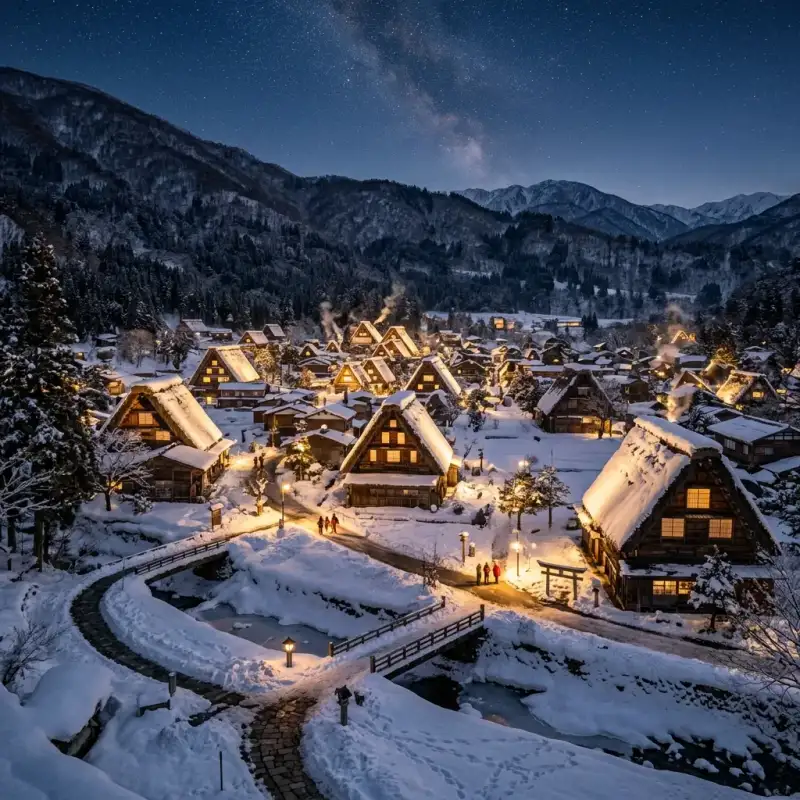
こんにちは!Yumi Tanakaです。本日は、日本の雪深く美しい原風景がそのまま残る魔法のような場所、#Shirakawago(白川郷)へ皆様をご案内します。都会の喧騒を離れ、静寂に包まれたこの小さな村は、私たちの心に深く語りかけてくる不思議な魅力を持っています。#Japan の伝統的な美しさと自然との調和を感じられるこの地での体験を、詩的な言葉とともに分かち合いましょう。 雪に包まれた静寂の村、白川郷 岐阜県の深い山奥にひっそりと佇む白川郷は、1995年に #UNESCO の世界文化遺産に登録された、日本を代表する歴史的集落です。#GasshoZukuri(合掌造り)と呼ばれる独特の建築様式を持つ茅葺き屋根の家々が連なるこの村は、まるで時が止まったかのような錯覚を私たちに抱かせます。 私が初めて白川郷を訪れたのは、深い雪に覆われた真冬のことでした。空気は凛として冷たく、吐く息は白く空へ溶けていきます。雪の重みに耐えるために作られた急勾配の屋根を持つ家々は、その名の通り「手を合わせて祈る(合掌)」ような形をしており、自然の厳しさと共に生きてきた人々の知恵と祈りが込められています。夜になると、家々の窓から漏れるオレンジ色の暖かい灯りが雪面に反射し、村全体が幻想的なおとぎ話の世界へと変貌します。この風景は、一度見たら一生忘れることのできない、心の奥底に刻まれる美しさです。 自然と共生する人々の知恵 白川郷の魅力は、単に風景の美しさだけではありません。そこには、何百年も前から続く、自然と共生するための人々の深い知恵が息づいています。冬の豪雪という過酷な環境の中で生き抜くため、村の人々は「結(ゆい)」と呼ばれる相互扶助の精神を育んできました。 合掌造りの茅葺き屋根は、数十年に一度、村人総出で葺き替え作業が行われます。この作業は決して一人や一つの家族だけでできるものではなく、村全体の協力が不可欠です。誰かの家の屋根を葺き替えるときは全員で手伝い、次は別の家を手伝う。この「結」の精神こそが、白川郷という美しい村を今日まで守り続けてきた真の力なのです。現代の忙しい社会で私たちが忘れかけている、人と人との強いつながりや温かさを、この村は静かに教えてくれます。#Tradition #Culture 季節ごとに変わる息を呑むような風景 冬の雪景色の美しさが有名な白川郷ですが、春、夏、秋と、季節ごとに全く異なる素晴らしい表情を見せてくれます。 春が訪れると、長く厳しい冬の終わりを告げるように、桜や色鮮やかな花々が一斉に咲き誇ります。雪解け水は清らかな小川となり、村のあちこちで心地よいせせらぎの音を響かせます。生命の息吹を感じるこの季節は、心に希望と活力を与えてくれます。 夏には、村全体が眩しいほどの新緑に包まれます。青々とした田んぼと、真っ青な空に浮かぶ入道雲のコントラストは、まさに日本の「夏休み」の原風景そのものです。涼しい風が茅葺き屋根を吹き抜け、縁側で冷たい麦茶を飲みながら過ごすひとときは、この上ない贅沢です。#Summer #Nature そして秋。周囲の山々は赤や黄色に燃えるように染まり、村は一年で最も華やかな季節を迎えます。黄金色に輝く稲穂と紅葉の組み合わせは、一枚の美しい絵画のようです。収穫の喜びと、間もなく訪れる厳しい冬への備えが交錯する、静かでどこか物悲しい季節でもあります。 白川郷での過ごし方と心構え 白川郷を訪れる際、皆様にぜひお勧めしたいのは、ただ観光名所を見て回るだけでなく、この村の「時間」と「空気」を全身で感じることです。可能であれば、合掌造りの民宿に宿泊してみてください。囲炉裏の火を囲みながらいただく地元の食材を使った素朴で温かい郷土料理は、高級レストランでは決して味わえない、心に染み入る美味しさです。 夜、静まり返った村を散歩し、見上げれば満天の星空が広がっています。川の音と虫の音だけが聞こえる暗闇の中で、自分が大自然の一部であることを強く実感できるはずです。#Mindfulness #Zen ただし、この村は今も人々が実際に生活している場所です。彼らの日常を尊重し、プライバシーに配慮するマナーを決して忘れてはいけません。私たちがこの美しい風景を未来の世代へ残していくためには、訪れる一人ひとりの心遣いが何よりも大切なのです。 結びとして 白川郷は、単なる古い村ではありません。それは、日本の魂であり、自然への畏敬の念であり、人々の温かい心の象徴です。現代社会が失いつつある大切なものを、静かに、そして力強く私たちに語りかけ続けています。 あなたが次に #Japan を訪れる際は、ぜひこの魔法のような村へ足を運んでみてください。きっと、あなたの心に深く残る、特別な体験となることでしょう。次回の旅の記録で、また皆様とお会いできることを楽しみにしています。それまで、どうぞ美しい日々をお過ごしください。 Yumi Tanaka #japan #shirakawago #winter #unesco #travel
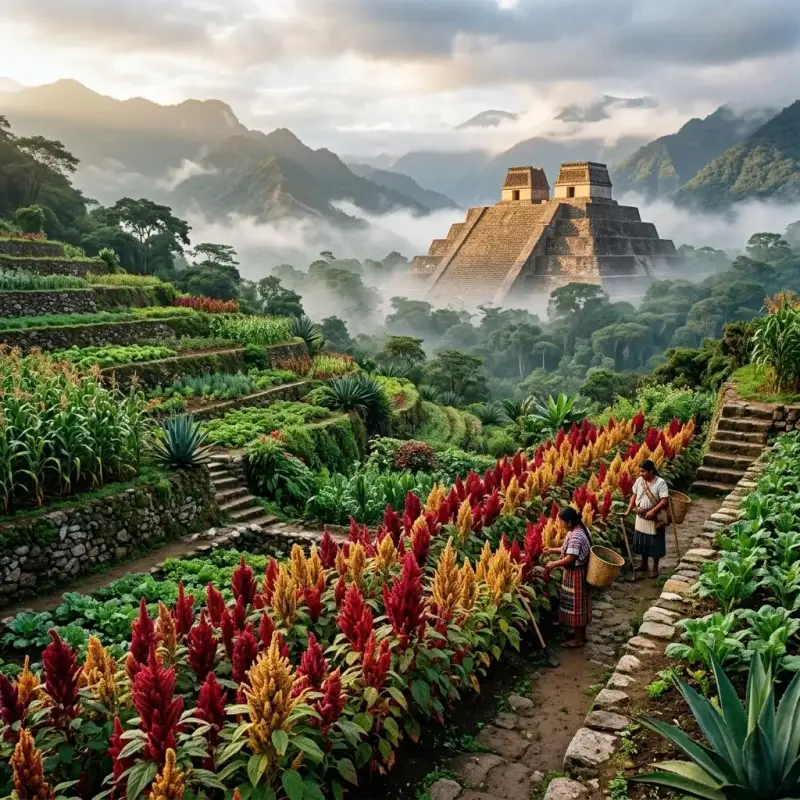
The Serengeti: A Timeless Rhythm of Life and Survival The vast, sun-baked plains of the Serengeti stretched out before me, a sea of golden grass rippling in the warm African breeze. In the Maasai language, Siringet translates to "the place where the land runs on forever." Standing there, with the horizon dissolving into a dusty haze, I understood exactly why. This UNESCO World Heritage site in Tanzania is not just a park; it is the stage for one of the greatest natural spectacles on Earth. #WorldHeritage #Serengeti Covering nearly 15,000 square kilometers, the Serengeti National Park is the beating heart of a much larger ecosystem that spans across the border into Kenya’s Maasai Mara. It is a place of raw, unfiltered nature, where the drama of life and death plays out daily under the immense African sky. #Tanzania #WildlifePhotography The Great Migration: A River of Life I had timed my documentary expedition to witness the Great Migration, the largest overland wildlife migration in the world. Every year, driven by ancient instincts and the search for fresh grazing and water, over two million wildebeest, accompanied by hundreds of thousands of zebras and gazelles, embark on a grueling, circular journey across the Serengeti-Mara ecosystem. #GreatMigration #Wildebeest The sight is staggering. As far as the eye could see, the plains were blanketed by moving animals. The air was thick with the dust kicked up by millions of hooves and the constant, low grunting of the wildebeest. It was a river of life, a relentless, moving force of nature that defies comprehension until you are standing right in the middle of it. We followed the herds as they approached the Grumeti River, a critical and dangerous crossing point. The tension in the air was palpable. The animals hesitated on the banks, instinctively aware of the massive, stealthy crocodiles waiting in the murky waters below. When the first brave—or desperate—wildebeest plunged in, panic ensued. The crossing was a chaotic, heart-stopping struggle for survival, a stark reminder of the harsh realities of the natural world. #NatureDocumentary #Survival Predators on the Prowl Where the herds go, the predators follow. The Serengeti boasts one of the highest concentrations of large predators in the world, and during the migration, it becomes a literal hunting ground. #Predators #AfricanSafari Through the lens of my camera, I spent days observing a pride of lions lounging in the shade of an acacia tree, their golden coats blending perfectly with the dry grass. They were patient, observant, waiting for the perfect moment to launch an ambush. I also had the thrilling privilege of tracking a cheetah, the world's fastest land animal. Watching this sleek, aerodynamic feline accelerate in a blur of motion to take down a Thomson's gazelle was a breathtaking display of evolutionary perfection. Yet, even successful hunts are fraught with danger, as hyenas and lions often swoop in to steal the hard-earned kill. The delicate balance of power in the Serengeti is constantly shifting. #BigCats #LionPride #Cheetah The Climate Threat to the Cycle However, this ancient, rhythmic cycle of life is facing modern, unprecedented threats. As a filmmaker, my focus inevitably shifts from the immediate drama of the hunt to the slower, more insidious danger of climate change. #ClimateCrisis #EnvironmentalProtection The timing and route of the Great Migration are entirely dependent on seasonal rainfall. But climate change is altering these established weather patterns. Droughts are becoming more frequent and severe, while unpredictable, intense rains cause flash flooding. These erratic weather events disrupt the growth of the grasses the herds rely on, leading to starvation and significantly altering their migratory paths. Furthermore, human encroachment and habitat fragmentation around the park's borders put immense pressure on the ecosystem. The proposed construction of roads and infrastructure through the migration routes threatens to sever this vital lifeline, potentially triggering a catastrophic collapse of the entire ecosystem. #ConservationAction #SaveTheSerengeti The Role of Conservation Preserving the Serengeti requires a monumental, coordinated effort. It involves strict anti-poaching patrols to protect endangered species like the black rhino and the African elephant. It also requires working closely with local communities, ensuring they benefit from sustainable tourism and are actively involved in conservation efforts. During my time there, I met with dedicated rangers and conservationists who work tirelessly, often in dangerous conditions, to protect this unparalleled wilderness. Their passion and commitment are the bulwarks defending the Serengeti against the creeping threats of the modern world. #WildlifeRangers #ConservationHeroes A Legacy for the Future As the sun dipped below the horizon, painting the sky in fiery hues of orange and purple, the silhouette of a solitary giraffe ambled across the plains. It was a moment of profound peace, a stark contrast to the frantic energy of the day. The Serengeti is more than just a wildlife park; it is a vital repository of our planet's natural history. It reminds us of a time before human dominance, when the rhythms of nature dictated the flow of life. Protecting the Serengeti is not just about saving animals; it is about preserving the very essence of the wild. We must act decisively to combat climate change and support conservation initiatives, ensuring that the great herds continue to thunder across these timeless plains for generations to come. The world would be infinitely poorer without the wild heart of the Serengeti. #ProtectNature #DocumentaryStorytelling #unesco #documentary #safari #wildlife #africa Related InsightsGeorgia’s Caucasus Mountains: Where Medieval Villages, Ancient Wine, and Epic Hikes Collide Angkor Wat: Il Cuore Cosmico di Pietra, Tra Devozione e Mistero nel Regno Khmer Ethiopia's Danakil Depression: The Hottest Place on Earth's Alien Landscapes (Part 2){ "@context": "https://schema.org", "@type": "FAQPage", "mainEntity": [ { "@type": "Question", "name": "What is the main focus of The Serengeti: A Timeless Rhythm of Life and Survival?", "acceptedAnswer": { "@type": "Answer", "text": "Witnessing the Great Migration and exploring the delicate balance of life, predators, and climate impacts in Tanzania's Serengeti." } }, { "@type": "Question", "name": "Who authored the comprehensive guide on The Serengeti: A Timeless Rhythm of Life and Survival?", "acceptedAnswer": { "@type": "Answer", "text": "This detailed article and its insights were carefully researched and authored by Sarah Mitchell." } }, { "@type": "Question", "name": "Where can I find more related content about Travel?", "acceptedAnswer": { "@type": "Answer", "text": "You can explore more articles, detailed reviews, and similar insights by browsing the Related Insights section at the bottom of this article or visiting our dedicated Travel category page." } } ] }