Showing Posts From
Food

-
 Chloe Blanc
 - 29 Jun, 2026 04:23
Le Garum : L'Élixir Umami Oublié de l'Empire Romain – Une Plongée dans les Abysses Salées de l'Histoire Culinaire
Dans les annales silencieuses de la gastronomie, se tapissent des secrets culinaires dont l'écho peine à traverser les millénaires. Tandis que nos tables modernes s'enorgueillissent de saveurs exquises et de techniques d'avant-garde, il fut un temps où le palais des empereurs et des plébéiens romains vibrait au diapason d'un condiment si puissant, si omniprésent, qu'il est difficile d'imaginer la cuisine antique sans lui. Loin des truffes noires et des vins millésimés que l'on associe aujourd'hui à l'opulence, le véritable or liquide de l'Antiquité romaine n'était autre que le garum, une sauce de poisson fermentée, dont l'intensité umami surpassait tout ce que nous connaissons. Oubliez la sauce soja ou le nuoc-mâm ; le garum était le maître incontesté, une quintessence de saveurs complexes, à la fois salées, acides, douces et résolument savoureuses. Il n'était pas un simple exhausteur de goût ; il était l'âme même de la cuisine romaine, capable de transformer les plats les plus humbles en festins et d'élever les mets les plus raffinés à des sommets d'extase gustative. Mais comment un tel ingrédient, si vital à une civilisation qui a régné pendant des siècles, a-t-il pu sombrer dans l'oubli quasi total ? Et que nous apprend sa résurrection progressive sur notre propre quête de saveurs profondes et authentiques ? L'Archéologie du Goût : Aux Origines d'un Mystère Salin Le garum, ou plus précisément le liquamen dans sa forme la plus pure et filtrée, n'est pas né à Rome. Ses racines plongent bien plus profondément, dans les civilisations orientales et méditerranéennes anciennes. Les Grecs connaissaient une sauce similaire, le γάρος (garos), et il est probable que les Phéniciens, maîtres incontestés du commerce maritime, aient contribué à sa diffusion. Mais c'est sous l'Empire Romain qu'il atteignit son apogée, devenant une véritable industrie, avec des centres de production massifs s'étendant de l'Espagne à l'Afrique du Nord, en passant par la Gaule et l'Asie Mineure. Imaginez des rivages baignés de soleil, où des usines à ciel ouvert, faites de bassins en pierre et d'argile, dégageaient une odeur intense, presque insoutenable pour le nez moderne, mais synonyme de richesse pour l'époque. Ces lieux étaient les temples du garum. Les meilleurs spécimens provenaient de Carthagène (Espagne), de Pompéi et d'Ampurias, chacun avec ses particularités, ses nuances, dignes des appellations d'origine contrôlée d'aujourd'hui. Le plus prisé de tous était le garum sociorum de Carthagène, un produit de luxe dont le prix pouvait rivaliser avec celui des parfums les plus rares. Le garum n'était pas monolithique. Il existait en diverses qualités et saveurs, du garum flos flos (le fleuron, le summum de la qualité, fabriqué à partir du sang et des viscères de thon rouge ou de maquereau, fermenté lentement) aux versions plus rustiques, produites à partir de poissons plus communs et destinées à la consommation quotidienne. Il y avait aussi le muria (une saumure de poisson moins fermentée), l'allec (les résidus solides du garum, utilisés comme pâte à tartiner ou comme condiment épais) et le haemation (fabriqué à partir du sang de thon). Cette diversité témoigne de son rôle central et adaptable dans l'alimentation romaine.L'Alchimie de la Fermentation : Un Art Perdu et Retrouvé La fabrication du garum était un processus fascinant de décomposition contrôlée et de transformation biochimique, une forme d'alchimie avant l'heure. Les poissons – le plus souvent des petits poissons comme les anchois, les sardines, ou des abats de thon et de maquereau – étaient mélangés avec une grande quantité de sel (environ 15 à 20% du poids total du poisson). Ce mélange était ensuite placé dans de larges cuves en plein air, exposé au soleil méditerranéen. Le rôle du sel était crucial : il empêchait la putréfaction en inhibant les bactéries indésirables, tout en permettant aux enzymes présentes dans les intestins du poisson de faire leur travail. Pendant plusieurs semaines, voire plusieurs mois, ces enzymes décomposaient les protéines du poisson en acides aminés, créant ainsi les saveurs complexes et profondes caractéristiques du garum. Le soleil accélérait ce processus, réchauffant la mixture et favorisant la fermentation. Les cuves étaient souvent ouvertes, exposées aux éléments, ce qui ajoutait probablement des levures et bactéries ambiantes au processus, contribuant à la complexité aromatique finale. De temps à autre, le mélange était remué. Lorsque la fermentation était jugée complète, le liquide était filtré à travers des paniers serrés ou des tissus, recueillant ainsi le précieux garum. Le liquide clair et ambré était ensuite transféré dans des amphores et scellé pour le transport et le stockage. Les résidus solides, comme mentionné, devenaient l'allec, un produit à part entière. Ce processus, bien que simple dans ses principes, demandait une expertise certaine pour obtenir un produit de qualité constante. La température, la proportion de sel, le type de poisson et la durée de fermentation étaient autant de variables à maîtriser. C'était une véritable science du goût, transmise de génération en génération, et la marque de fabrique des grands producteurs. Symbole de Statut et Pilier Commercial Le garum n'était pas seulement un condiment ; il était un indicateur social et un moteur économique colossal. Sa production et son commerce étaient des industries de pointe, générant des fortunes et soutenant des réseaux commerciaux complexes à travers tout l'Empire. Les amphores de garum, marquées de timbres indiquant leur provenance et leur qualité, étaient omniprésentes dans les épaves méditerranéennes et les sites archéologiques. Pour les Romains fortunés, le garum était un signe d'élégance et de raffinement. Pline l'Ancien mentionne son coût élevé et sa valeur. Apicius, le célèbre gourmet romain, en fait l'ingrédient de base d'innombrables recettes, du ragoût de veau aux sauces pour légumes, en passant par les assaisonnements pour fruits de mer. Il était utilisé comme une sorte de "bouillon cube" avant l'heure, pour apporter de la profondeur et du "corps" aux plats. On l'ajoutait aux soupes, aux salades, aux viandes, et même, parfois, aux desserts aigres-doux. Il servait à masquer les saveurs trop fortes, mais aussi à rehausser la subtilité d'autres ingrédients. Pour le citoyen moyen, il existait des versions plus abordables. Sa richesse en protéines et en sel en faisait également un excellent conservateur, utilisé pour saler et aromatiser d'autres aliments. Il était un élément essentiel du régime alimentaire romain, fournissant des nutriments et un goût indispensable à une population souvent privée d'une grande variété d'ingrédients frais. Son universalité est un témoignage de son adaptabilité et de son importance nutritionnelle. Le Déclin et la Longue Nuit de l'Oubli Comment un produit si vital a-t-il pu disparaître ? Le déclin du garum est multifactoriel, lié à la chute de l'Empire Romain elle-même. Avec la désintégration de l'infrastructure impériale, les vastes réseaux commerciaux qui permettaient le transport des amphores de garum sur de longues distances ont commencé à s'effilocher. La production de masse est devenue difficile à maintenir sans un système économique stable et des routes maritimes sécurisées. De plus, l'odeur forte et le processus de fermentation en plein air, bien que tolérés à l'époque romaine, étaient probablement de plus en plus mal perçus à mesure que les centres de population se densifiaient et que les normes d'hygiène évoluaient (même si de manière rudimentaire). Les usines de garum étaient souvent reléguées en périphérie des villes précisément à cause de leurs effluves puissants. Mais surtout, l'émergence de nouvelles techniques culinaires et de nouveaux ingrédients, ainsi que l'influence croissante des traditions culinaires du nord de l'Europe, moins axées sur les sauces de poisson fermentées, ont contribué à son abandon progressif. Les sauces à base de vinaigre, de vin, de verjus et d'épices ont commencé à remplacer le garum comme agents de saveur primaires. Au Moyen Âge, le garum était devenu une relique culinaire, une note de bas de page dans les textes des érudits, son goût et sa production presque entièrement oubliés. Seules quelques poches de traditions côtières, notamment en Asie du Sud-Est, ont perpétué la fabrication de sauces de poisson similaires, qui sont devenues les nuoc-mâm et autres condiments que nous connaissons aujourd'hui. La Résurrection Culinaire : Un Goût du Passé pour l'Avenir Cependant, l'histoire ne s'arrête jamais vraiment. Au cours des dernières décennies, avec l'intérêt croissant pour la cuisine historique, l'archéologie expérimentale et la quête de saveurs umami, le garum connaît une renaissance fascinante. Des chefs, des historiens de la gastronomie et des entreprises artisanales se sont lancés dans la quête de recréer l'authentique garum romain. Les efforts de recréation sont basés sur des textes anciens comme ceux d'Apicius et de Pline, ainsi que sur les découvertes archéologiques. Le défi est immense : retrouver les méthodes exactes, les ratios de sel et de poisson, les températures de fermentation, et même les types de poissons utilisés. Beaucoup expérimentent avec des anchois, des sardines, et des abats de maquereau, dans des conditions contrôlées, pour reproduire au mieux l'élixir antique. Les résultats sont variés, mais souvent surprenants. Le garum moderne, artisanal, est un produit d'une profondeur de saveur incroyable, bien au-delà des sauces de poisson asiatiques contemporaines. Il est moins salé et plus complexe, avec des notes fruitées, fromagères, et une umami persistante qui se marie à merveille avec une multitude de plats. Certains chefs l'utilisent comme un secret bien gardé pour sublimer leurs créations, l'incorporant dans des vinaigrettes, des bouillons, des marinades, ou simplement quelques gouttes pour finir un plat.Cette résurrection du garum est plus qu'une simple curiosité historique. Elle représente une reconnexion avec un aspect fondamental de la cuisine humaine : l'art de la fermentation et l'exploration de l'umami. Dans un monde où nous cherchons constamment de nouvelles saveurs et des techniques innovantes, le garum nous rappelle que les réponses se trouvent parfois dans les profondeurs de notre passé culinaire. C'est une invitation à repenser nos ingrédients de base et à embrasser la complexité des saveurs ancestrales. Le garum n'est plus un secret perdu. Il est une fenêtre ouverte sur une époque révolue, un pont entre le palais des Romains antiques et celui des gourmets d'aujourd'hui. Sa renaissance n'est pas seulement un hommage à l'ingéniosité culinaire d'une civilisation perdue, mais aussi une source d'inspiration pour l'avenir de la gastronomie, prouvant que les saveurs les plus intenses et les plus mémorables sont souvent le fruit d'une patiente alchimie, oubliée puis redécouverte.#GastronomieAntique #RecettesRomaines #FermentationCulinaire #UmamiSecret #HistoireAlimentaire Related InsightsAwadhi Biryani: The Aromatic Slow-Cooked Masterpiece Aromatic Flavors of India: Understanding Biryani's Rich Legacy Echoes of the Sun God: Unearthing the Lost Amaranth Varieties of Ancient Mesoamerica{ "@context": "https://schema.org", "@type": "FAQPage", "mainEntity": [ { "@type": "Question", "name": "What is the main focus of Le Garum : L'Élixir Umami Oublié de l'Empire Romain – Une Plongée dans les Abysses Salées de l'Histoire Culinaire?", "acceptedAnswer": { "@type": "Answer", "text": "Explorez le garum, le condiment mystérieux et puissant qui a façonné la gastronomie romaine, de ses origines archaïques à sa quête de redécouverte moderne." } }, { "@type": "Question", "name": "Who authored the comprehensive guide on Le Garum : L'Élixir Umami Oublié de l'Empire Romain – Une Plongée dans les Abysses Salées de l'Histoire Culinaire?", "acceptedAnswer": { "@type": "Answer", "text": "This detailed article and its insights were carefully researched and authored by Chloe Blanc." } }, { "@type": "Question", "name": "Where can I find more related content about Food?", "acceptedAnswer": { "@type": "Answer", "text": "You can explore more articles, detailed reviews, and similar insights by browsing the Related Insights section at the bottom of this article or visiting our dedicated Food category page." } } ] }
-
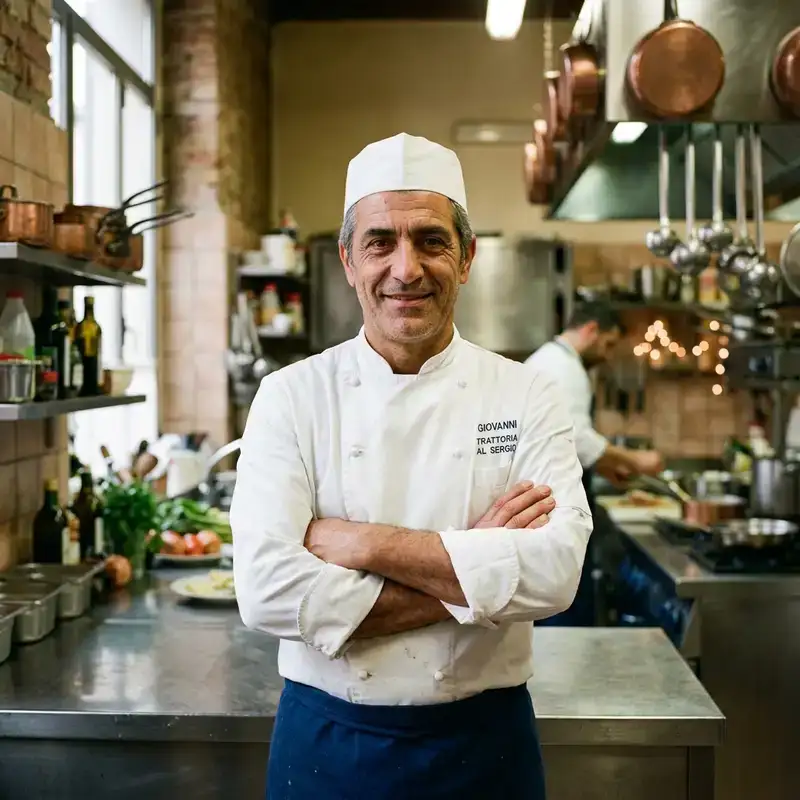 Giovanni Luigi
 - 28 Jun, 2026 18:43
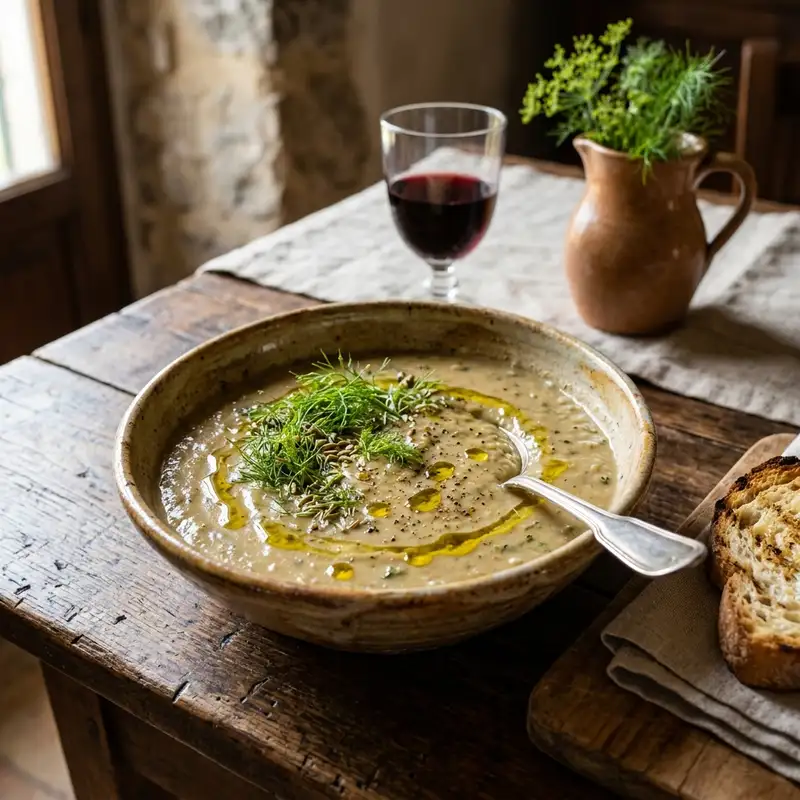
Il Macco di Fave Secche: Un Viaggio Nel Cuore Pulsante e Dimenticato Della Gastronomia Siciliana
Scavate a fondo nelle radici di qualsiasi tradizione culinaria e troverete quasi sempre un piatto che è molto più di un semplice insieme di ingredienti. Troverete un racconto, una lezione di vita, una melodia di sapori che risuona attraverso i secoli, portando con sé l'eco di generazioni e la saggezza di un popolo. La Sicilia, terra di contrasti abbaglianti e di una ricchezza gastronomica che toglie il fiato, custodisce tra le sue pieghe più remote un tesoro quasi dimenticato, una gemma di umiltà e sostanza che sfida il tempo e le mode effimere: il Macco di Fave Secche. Non un piatto per palati superficiali o frettolosi, ma un inno alla pazienza, alla terra e alla capacità di trasformare l'essenziale in straordinario. Lasciate da parte per un momento l'immagine stereotipata della Sicilia fatta di arancini, cannoli e pasta alla Norma. Immergiamoci invece in un paesaggio interiore, quello delle campagne assolate, delle masserie silenziose e delle mani sapienti che per secoli hanno saputo estrarre nutrimento e gioia da pochi, semplici doni della terra. Il Macco non è solo una zuppa; è un monumento alla resilienza contadina, un baluardo contro la fame, un simbolo di una gastronomia che non spreca nulla e che onora ogni singolo ingrediente per il suo contributo vitale. È il sapore della terra che parla, sussurrando storie di fatica e di festa, di carestie superate e di abbondanza condivisa. È un piatto che vi costringerà a rallentare, a riflettere, a gustare non solo il cibo, ma anche il suo profondo significato. Il Macco: Un Affresco Storico e Sociale Per comprendere appieno il Macco di Fave Secche, dobbiamo viaggiare indietro nel tempo, ben oltre le memorie recenti, fino a un'epoca in cui il cibo era strettamente legato alla sopravvivenza e ogni caloria contava. Le fave, nella loro variante secca e decorticata, erano per la popolazione siciliana – e non solo – una delle principali fonti proteiche e di energia, in un'epoca in cui carne e pesce erano un lusso per pochi. La loro capacità di conservarsi a lungo le rendeva un alimento strategico, una scorta preziosa per i lunghi mesi invernali e per i periodi di magra. Il nome stesso, "Macco", evoca un'azione, un processo: "maccare" in siciliano significa schiacciare, pestare, ridurre in poltiglia. Ed è proprio questo il cuore della preparazione, un gesto antico come l'agricoltura stessa, che trasforma i legumi duri e coriacei in una crema vellutata e sostanziosa. Non c'è un'unica data di nascita per il Macco; piuttosto, è il risultato di un'evoluzione millenaria, una ricetta nata dalla necessità e affinata dalla saggezza popolare. Si può rintracciare la sua genesi nell'alimentazione dei Sicani, dei Greci, dei Romani, tutti popoli che hanno abitato la Sicilia e che hanno riconosciuto il valore inestimabile delle fave. Le fave erano già conosciute e coltivate in Mesopotamia e in Egitto migliaia di anni fa, e la loro introduzione nel Mediterraneo ha radici antichissime, ben prima dell'avvento di altri legumi "moderni" come i fagioli americani. Il Macco era un piatto "povero" per antonomasia, ma la sua povertà era inversamente proporzionale alla sua ricchezza nutrizionale e al suo sapore profondo. Era il piatto del bracciante agricolo, del pastore, della famiglia numerosa che trovava in esso un pasto completo e saziante. Veniva spesso consumato con un filo d'olio d'oliva crudo, magari un po' di finocchietto selvatico raccolto nei campi, e accompagnato da pane casereccio. Era il carburante per giornate di duro lavoro sotto il sole cocente o nel freddo umido dell'inverno siciliano. La sua storia si intreccia con quella delle migrazioni interne, delle carestie, delle feste di paese in cui, pur nella sua semplicità, appariva sulle tavole come un simbolo di convivialità e condivisione. Non è raro trovare menzioni del Macco in vecchie testimonianze orali, proverbi o filastrocche dialettali, a dimostrazione di quanto fosse radicato nell'identità culturale e sociale dell'isola. La Fava: Dalla Terra alla Tavola, un Piccolo Grande Eroe Al centro di questa epopea culinaria c'è la fava, in particolare la sua varietà secca e decorticata, la "fava lardu" o "fava cottoia", tipica delle zone interne della Sicilia. Questo legume, così umile all'apparenza, è un concentrato di storia, nutrienti e potenziale gastronomico. Le fave secche decorticate, private della loro buccia esterna, diventano più tenere e digeribili, perfette per lunghe cotture che ne esaltano la cremosità. La coltivazione delle fave in Sicilia ha origini antichissime. Erano un elemento fondamentale dell'agricoltura di sussistenza, capaci di arricchire il terreno di azoto e di fornire un raccolto abbondante anche in condizioni difficili. Per intere generazioni, la fava ha rappresentato una garanzia di cibo, un baluardo contro la fame. La sua versatilità permetteva di consumarla fresca (cruda o cotta), essiccata per la conservazione invernale, o trasformata in farina per pani e focacce.Ma è nel Macco che la fava rivela la sua anima più profonda. La sua polpa, una volta ammorbidita dalla lunga cottura, si fonde in una purea densa e avvolgente, capace di accogliere e amplificare i sapori degli altri pochi ingredienti che la accompagnano. È un esempio lampante di come la semplicità, se gestita con maestria e rispetto per la materia prima, possa raggiungere vette di gusto inaspettate. Le fave non sono solo un ingrediente; sono il telaio su cui si tesse una narama di sapori che è la quintessenza della cucina povera e saggia. Il loro profilo nutrizionale, ricco di proteine vegetali, fibre, vitamine del gruppo B e sali minerali come ferro e potassio, le rendeva un alimento completo e bilanciato, cruciale per la dieta dei contadini. La loro importanza era tale che non era raro che la fava fosse al centro di credenze popolari e riti propiziatori per un buon raccolto. L'Arte della Trasformazione: Creare il Macco Perfetto La preparazione del Macco di Fave Secche è un rito che richiede tempo, dedizione e una profonda comprensione degli ingredienti. Non è una ricetta da eseguire di fretta, ma un lento processo di trasformazione che culmina in un piatto di straordinaria profondità. Tutto inizia con le fave secche decorticate, che vengono messe a bagno per almeno 12-24 ore. Questo passaggio è fondamentale per reidratarle e accorciare i tempi di cottura. Successivamente, le fave vengono sciacquate e cotte lentamente in abbondante acqua, spesso con l'aggiunta di una patata o due, che servono a dare ulteriore cremosità e consistenza al composto. La cottura è lunga, molto lunga: a fuoco dolce, le fave devono bollire dolcemente per ore, fino a quando non si saranno sfaldate completamente, trasformandosi in una purea quasi magica. Durante questo processo, è fondamentale mescolare di tanto in tanto per evitare che attacchino al fondo e per aiutare le fave a disfarsi. È qui che risiede la vera arte del "maccare" – un processo di schiacciamento delicato, spesso con un cucchiaio di legno o una frusta, che rompe le ultime resistenze delle fave e le trasforma in una crema liscia e omogenea. Il tocco finale è dato dal soffritto. Tradizionalmente, si prepara un battuto semplice ma aromatico di cipolla, aglio, sedano e, a volte, un po' di pomodoro o finocchietto selvatico. Questo soffritto viene unito alla purea di fave, insaporendo il tutto e aggiungendo strati di complessità al piatto. Alcune varianti prevedono l'aggiunta di una punta di peperoncino per un tocco piccante, o di pancetta o lardo per chi poteva permetterselo. Una volta uniti e amalgamati, il Macco viene lasciato riposare per qualche minuto, permettendo ai sapori di fondersi e armonizzarsi. È il riposo che lo rende perfetto, spesso migliore il giorno dopo, quando i profumi si sono assestati. Variazioni sul Tema e La Memoria dei Sapori Pur essendo un piatto radicato nella tradizione, il Macco presenta diverse sfumature e varianti a seconda della micro-regione siciliana o addirittura della singola famiglia. Nel Palermitano, ad esempio, non è raro trovarlo arricchito con verdure di campo come la bietola o i tenerumi, la cui amarezza si sposa splendidamente con la dolcezza delle fave. Nel Catanese e nel Siracusano, talvolta, viene preparato con l'aggiunta di pasta corta, spesso ditalini o "quadrucci", che lo trasformano da crema a una minestra densa e confortante. In alcune zone, il soffritto viene preparato con la cotenna di maiale o qualche pezzo di salsiccia, per rendere il piatto ancora più ricco e sostanzioso, una vera celebrazione nei giorni di festa. Ma al di là delle piccole differenze negli ingredienti aggiuntivi, il cuore del Macco rimane lo stesso: le fave secche trasformate in una crema vellutata e saporita. La sua versatilità non si ferma alla ciotola di zuppa. Il Macco, una volta raffreddato, può essere fritto a fette, come una sorta di polenta di legumi, o utilizzato come ripieno per focacce e pastelle. Queste trasformazioni non sono solo un modo per variare il consumo, ma testimoniano la saggezza contadina nel non sprecare mai nulla, reinventando gli avanzi in nuove, deliziose preparazioni. Il Macco fritto, con la sua crosticina dorata e il cuore morbido, è un'altra prelibatezza che merita di essere riscoperta.Oggi, il Macco di Fave Secche è un piatto che sta lentamente riemergendo dall'oblio. Chef innovativi e custodi della tradizione stanno riscoprendo la sua bellezza rustica e il suo inconfondibile sapore. Non è più solo il piatto della povertà, ma un simbolo di autenticità, di "slow food" ante litteram, di una cucina che valorizza il territorio e le sue risorse. Servito con un generoso filo d'olio extra vergine d'oliva siciliano, magari una spolverata di pepe nero fresco e qualche crostino di pane casereccio tostato, il Macco si trasforma in un'esperienza gustativa che parla direttamente all'anima. È un invito a riscoprire i sapori veri, quelli che raccontano una storia, quelli che ci connettono a un passato ricco di dignità e ingegno. È il comfort food per eccellenza, capace di scaldare il corpo e lo spirito, ricordandoci l'importanza della semplicità e della gratitudine per i doni della terra. Un Appello alla Riscoperta In un mondo culinario sempre più globalizzato e standardizzato, riscoprire piatti come il Macco di Fave Secche significa riaffermare l'identità e la ricchezza di una cultura gastronomica millenaria. È un atto di resistenza contro l'omologazione del gusto, un tributo alla creatività e alla sapienza di chi, con poco, sapeva creare molto. Vi invito, dunque, a cercare le fave secche decorticate nei mercati, a dedicare il tempo necessario alla loro preparazione, a immergervi in questo rito antico. Non sarà solo un pasto, ma un'esperienza sensoriale e culturale profonda, un ponte verso un passato che merita di essere ricordato e celebrato. Lasciatevi avvolgere dal suo calore confortante, dal suo sapore terroso e genuino, e scoprirete un pezzo d'anima della Sicilia più vera, quella che pulsa nelle campagne silenziose e nelle cucine dove il tempo si ferma e il cibo diventa storia. Il Macco non è solo un piatto; è un eredità, un sussurro di un tempo che fu, e un invito a preservare i sapori autentici che definiscono chi siamo. È l'essenza stessa della cucina mediterranea: pochi ingredienti, tanta pazienza, e un risultato che nutre corpo e spirito.#MaccoDiFave #CucinaSiciliana #GastronomiaStorica #PiattiDimenticati #FaveSecche #CucinaSiciliana #PiattiContadini #LegumiAntichi #StoriaGastronomica #RicetteTradizionali Related InsightsBombay Sandwich: The Iconic Triple-Layered Delight Il Respiro Antico del Mare Nostrum: La Dieta Mediterranea tra Scienza, Storia e Armonia del Vivere Chicken Yassa: The Tangy and Tender Onion Stew{ "@context": "https://schema.org", "@type": "FAQPage", "mainEntity": [ { "@type": "Question", "name": "What is the main focus of Il Macco di Fave Secche: Un Viaggio Nel Cuore Pulsante e Dimenticato Della Gastronomia Siciliana?", "acceptedAnswer": { "@type": "Answer", "text": "Scopri il Macco di Fave Secche, un'antica minestra siciliana che racchiude secoli di storia, resilienza contadina e sapori autentici, riscoprendo un tesoro gastronomico quasi perduto." } }, { "@type": "Question", "name": "Who authored the comprehensive guide on Il Macco di Fave Secche: Un Viaggio Nel Cuore Pulsante e Dimenticato Della Gastronomia Siciliana?", "acceptedAnswer": { "@type": "Answer", "text": "This detailed article and its insights were carefully researched and authored by Giovanni Luigi." } }, { "@type": "Question", "name": "Where can I find more related content about Food?", "acceptedAnswer": { "@type": "Answer", "text": "You can explore more articles, detailed reviews, and similar insights by browsing the Related Insights section at the bottom of this article or visiting our dedicated Food category page." } } ] }
-
 Klaus Weber
 - 28 Jun, 2026 13:34
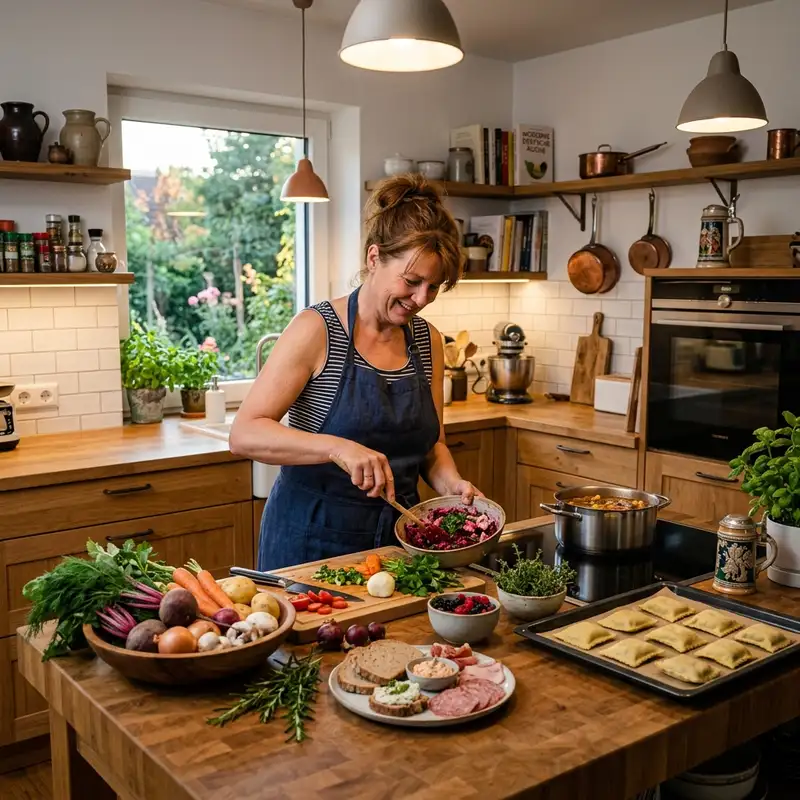
Eine deutsche Seele in der Küche: Essen ist nicht nur zum Sattwerden da!
Dein Umfassender Guide: Digitales Nomadentum in Deutschland Deutschland. Allein der Name ruft Bilder von majestätischen Schlössern, mittelalterlichen Städten, innovativer Ingenieurskunst und dem vielleicht besten Bier der Welt hervor. Aber wusstest du, dass dieses Land auch zu einem Top-Ziel für digitale Nomaden wird? Wenn du von einer stabilen Infrastruktur, hoher Lebensqualität, atemberaubender Natur und einer reichen Kultur träumst, während du flexibel von überall arbeitest, dann könnte Deutschland dein nächstes Zuhause auf Zeit sein. Als erfahrener digitaler Nomade habe ich die Welt bereist und die Vorzüge verschiedener Orte kennengelernt. Deutschland sticht durch seine einzigartige Mischung aus Effizienz und Charme hervor, die es zu einem hervorragenden Ort macht, um Arbeit und Leben zu verbinden. In diesem umfassenden Guide tauchen wir tief in alles ein, was du wissen musst, um dein Abenteuer als digitaler Nomade in Deutschland zu beginnen. Das Tor zur Freiheit: Dein Visum für Deutschland als Digitaler NomadeEiner der wichtigsten Schritte für jeden, der längerfristig in Deutschland arbeiten möchte, ist das richtige Visum. Und hier kommt das "Freelance Visa" (oder "Visum zur Ausübung einer freiberuflichen Tätigkeit" / "Freiberufler-Visum") ins Spiel, das Deutschland speziell für Selbstständige und Freiberufler anbietet. Es ist dein goldenes Ticket, um legal im Land zu leben und zu arbeiten, ohne an einen festen Arbeitgeber gebunden zu sein. Wer kann ein Freiberufler-Visum beantragen? Dieses Visum richtet sich an Nicht-EU/EWR-Bürger, die eine selbstständige Tätigkeit in Deutschland ausüben möchten. Im Gegensatz zu einem Gewerbevisum, das für Händler und Unternehmer gedacht ist, ist das Freiberufler-Visum für Berufe, die intellektuelle, künstlerische oder lehrende Dienstleistungen anbieten – ideal für Autoren, Designer, Programmierer, Übersetzer, Berater und andere Kreative oder Akademiker. Wichtige Voraussetzungen und Zahlen Die Beantragung erfordert einige Vorbereitung, aber keine Sorge, es ist machbar! Hier sind die Kernanforderungen:Finanzielle Mittel: Du musst nachweisen können, dass du deinen Lebensunterhalt in Deutschland selbstständig bestreiten kannst. Die Einkommensanforderung liegt typischerweise bei ~€1.200 bis €2.000 pro Monat. Dies kann durch Kontoauszüge, Freelance-Verträge oder Absichtserklärungen von potenziellen deutschen Kunden belegt werden. Wohnsitz in Deutschland: Du benötigst einen Nachweis über eine Unterkunft, sei es ein Mietvertrag oder eine Reservierung für einen längeren Zeitraum. Krankenversicherung: Eine umfassende Krankenversicherung, die für die gesamte Dauer deines Aufenthalts in Deutschland gültig ist, ist unerlässlich. Dies kann eine private oder eine gesetzliche Krankenversicherung sein. Businessplan: Ein gut durchdachter Businessplan, der deine Geschäftsidee, deine Fähigkeiten, deine Zielgruppe und eine Finanzprognose darlegt, ist oft gefordert. Er muss zeigen, dass deine Tätigkeit einen wirtschaftlichen Nutzen für Deutschland hat oder einen lokalen Bedarf deckt. Nachweis von Kunden: Idealerweise hast du bereits 1-2 Absichtserklärungen oder Verträge von deutschen Kunden, die deine Dienstleistungen in Anspruch nehmen möchten. Dies untermauert die Notwendigkeit deiner Präsenz in Deutschland. Gebühren: Die Kosten für die Visumsbeantragung liegen in der Regel zwischen ~€60 und €125.Der Beantragungsprozess Der Prozess beginnt oft in deinem Heimatland bei der deutschen Botschaft oder dem Konsulat, wo du ein "D-Visum" für die Einreise beantragst. Nach der Einreise musst du dich bei der örtlichen Ausländerbehörde (Ausländeramt) anmelden und dort die eigentliche Aufenthaltserlaubnis für Freiberufler beantragen. Buche Termine frühzeitig, da Wartezeiten, besonders in Großstädten, lang sein können. Sei geduldig und bringe alle Dokumente sorgfältig sortiert mit. Was kostet das Leben als Digitaler Nomade in Deutschland?Deutschland ist bekannt für seine hohe Lebensqualität, aber diese hat auch ihren Preis. Es ist wichtig, realistische Erwartungen an die Lebenshaltungskosten zu haben, besonders wenn man von günstigeren Nomadendestinationen kommt. Dennoch ist Deutschland, gemessen an dem, was es bietet, sehr wettbewerbsfähig. Basierend auf aktuellen Numbeo-Daten für das Jahr 2026 können wir uns ein gutes Bild machen:Für eine einzelne Person belaufen sich die geschätzten monatlichen Kosten ohne Miete auf etwa €1.004 bis €1.104. Die Miete für eine 1-Zimmer-Wohnung im Stadtzentrum liegt bei durchschnittlich ~€806. Wenn du etwas außerhalb des Stadtzentrums wohnst, kannst du mit einer Miete von etwa ~€622 für eine 1-Zimmer-Wohnung rechnen.Diese Zahlen geben dir eine solide Grundlage für deine Budgetplanung. Du kannst die genauen und aktuellsten Daten jederzeit unter diesem Link überprüfen: Numbeo Deutschland Kosten des Lebens. Weitere Kosten, die du berücksichtigen solltest:Lebensmittel: Deutschland bietet eine große Auswahl an Supermärkten für jeden Geldbeutel. Discounter wie Aldi und Lidl sind sehr günstig, während Rewe und Edeka eine größere Auswahl bieten. Rechne mit etwa €200-€350 pro Monat für Einkäufe, je nach Kochgewohnheiten. Transport: Die öffentlichen Verkehrsmittel sind in den meisten deutschen Städten hervorragend und zuverlässig. Ein Monats- oder Jahresticket (z.B. das Deutschlandticket für €49/Monat) kann dir viel Geld sparen. Internet und Handy: Eine stabile und schnelle Internetverbindung ist für digitale Nomaden essenziell. Internet zu Hause kostet in der Regel €30-€50 pro Monat, während Mobilfunktarife mit ausreichend Datenvolumen bei €15-€30 liegen. Krankenversicherung: Wie bereits erwähnt, ist eine Krankenversicherung Pflicht. Die Kosten variieren stark je nach Anbieter und Leistungsumfang, können aber zwischen €80 (spezielle Nomadentarife) und mehreren Hundert Euro liegen. Freizeit und Kultur: Von Museen über Restaurants bis hin zu Konzerten – Deutschland bietet eine reiche Kulturlandschaft. Diese Ausgaben hast du selbst in der Hand.Spartipp: Koche so oft wie möglich selbst, nutze die öffentlichen Verkehrsmittel oder das Fahrrad, und schau dir kostenlose Aktivitäten wie Parks, Wanderwege oder kostenlose Museumstage an. Arbeiten in Deutschland: Infrastruktur und GemeinschaftDeutschland bietet eine erstklassige Infrastruktur, die für Remote-Arbeit prädestiniert ist. Internet und Konnektivität Die Internetabdeckung und -geschwindigkeit sind in Deutschland ausgezeichnet, besonders in städtischen Gebieten. Glasfaser und schnelle DSL-Verbindungen sind Standard. Auch unterwegs bist du gut versorgt, denn das Mobilfunknetz ist zuverlässig und die meisten Cafés und Coworking Spaces bieten kostenloses WLAN an. Coworking Spaces Deutschland ist ein Paradies für Coworking-Enthusiasten. Jede größere Stadt hat eine Vielzahl von Coworking Spaces, die eine professionelle Arbeitsumgebung, schnelles Internet und vor allem eine Community bieten.Berlin: Ist das Epizentrum der deutschen Start-up-Szene und bietet unzählige Coworking Spaces wie Betahaus, Factory Görlitzer Park oder Mindspace. München: Auch hier findest du eine wachsende Szene mit Spaces wie WERK1 oder Impact Hub. Hamburg und Köln: Bieten ebenfalls eine gute Auswahl für unterschiedliche Bedürfnisse.Diese Orte sind nicht nur Arbeitsplätze, sondern auch ideale Orte zum Netzwerken und um andere digitale Nomaden oder lokale Freiberufler kennenzulernen. Netzwerken und Community Deutschland mag manchmal einen Ruf als etwas reserviert haben, aber die Nomadengemeinschaften sind offen und einladend. Suche auf Meetup.com nach Gruppen für digitale Nomaden, Expatriates oder spezifische Interessen. Auch Facebook-Gruppen sind eine gute Quelle, um Gleichgesinnte zu finden. Rechtliches und Steuern Als Freiberufler in Deutschland musst du dich auch um Steuern kümmern. Dies kann komplex sein, daher ist es ratsam, professionelle Hilfe in Anspruch zu nehmen. Ein Steuerberater (Steuerberater) kann dich bei der Registrierung beim Finanzamt, der Umsatzsteuer-Identifikationsnummer und der jährlichen Steuererklärung unterstützen. Die Kosten dafür sind eine Investition, die sich lohnt, um Fehler und Ärger zu vermeiden. Wo in Deutschland leben? Top-Städte für Digitale Nomaden Deutschland ist vielfältig, und jede Region, jede Stadt hat ihren eigenen Charakter. Hier sind einige der beliebtesten und passendsten Städte für digitale Nomaden:Berlin: Die unangefochtene Hauptstadt der Kreativen und Start-ups. Berlin ist international, multikulturell und bietet eine vibrierende Kunst- und Kulturszene sowie unzählige Coworking Spaces und Networking-Events. Die Mieten sind im Vergleich zu anderen europäischen Hauptstädten noch moderat, steigen aber stetig. München: Bietet eine extrem hohe Lebensqualität, Nähe zu den Alpen und eine wunderschöne Natur. München ist jedoch auch eine der teuersten Städte Deutschlands. Die Wirtschaft ist stark, und es gibt viele Möglichkeiten im Tech-Bereich, aber das Leben hier ist eher konservativ und weniger "hip" als in Berlin. Hamburg: Eine wunderschöne Hafenstadt im Norden, bekannt für ihre maritim-hanseatische Eleganz, lebendige Musikszene und eine wachsende Medien- und Kreativwirtschaft. Hamburg bietet eine gute Balance aus Kultur, Natur (Parks, Elbe) und Arbeitsmöglichkeiten. Die Mieten sind hier ebenfalls gehoben. Köln: Eine charmante und offene Stadt im Westen, berühmt für ihren Dom, ihre entspannte Atmosphäre und den Karneval. Köln ist kleiner als Berlin oder Hamburg, aber sehr lebendig und hat eine gute Community. Die Lebenshaltungskosten sind hier tendenziell etwas niedriger als in den Top 3. Leipzig/Dresden: Diese Städte im Osten Deutschlands sind aufstrebend und bieten eine hohe Lebensqualität zu deutlich günstigeren Preisen. Sie sind bekannt für ihre reiche Geschichte, Kultur und eine wachsende Kreativszene. Ideal für diejenigen, die ein begrenzteres Budget haben, aber dennoch nicht auf Urbanität verzichten wollen.Dein Leben in Deutschland meistern Ein neues Land bedeutet immer auch, sich an neue Gegebenheiten anzupassen. Hier sind ein paar Tipps, um dich schnell in Deutschland einzuleben: Sprache lernen Obwohl viele Deutsche, besonders in Großstädten und unter jüngeren Generationen, gut Englisch sprechen, ist es sehr empfehlenswert, Deutsch zu lernen. Es öffnet Türen zur lokalen Kultur, erleichtert Behördengänge und zeigt Respekt gegenüber deinem Gastland. Schon grundlegende Kenntnisse machen einen großen Unterschied. Deutsche Kultur verstehen Pünktlichkeit ist in Deutschland kein Klischee, sondern ein Muss. Direktheit in der Kommunikation mag anfangs ungewohnt erscheinen, ist aber selten böse gemeint. Das Recycling-System ist komplex, aber wichtig. Und verpasse nicht die Gelegenheit, die lokale Küche zu erkunden – von deftigen Bratwürsten bis zum berühmten deutschen Brot und Kuchen. Gesundheitssystem Das deutsche Gesundheitssystem ist hervorragend, aber auch komplex. Als Freiberufler musst du dich um deine Krankenversicherung kümmern. Es gibt sowohl private als auch gesetzliche Optionen. Informiere dich gut, welche am besten zu deiner Situation passt. Öffentliche Verkehrsmittel Deutschlands Nah- und Fernverkehr ist exzellent. Die Deutsche Bahn verbindet fast jeden Winkel des Landes, und die lokalen Verkehrssysteme (U-Bahn, S-Bahn, Bus, Tram) sind zuverlässig und pünktlich. Das Deutschlandticket für €49 pro Monat ist ein Game Changer und ermöglicht dir, fast alle Regionalzüge und den Nahverkehr im ganzen Land zu nutzen – perfekt für Wochenendausflüge! Bankkonto eröffnen Für dein Gehalt, Miete und andere Zahlungen benötigst du ein deutsches Bankkonto. Traditionelle Banken wie die Sparkasse oder die Commerzbank sind Optionen, aber auch moderne Online-Banken wie N26 oder Revolut sind bei digitalen Nomaden beliebt, da sie oft unkomplizierter und schneller zu eröffnen sind. Vor- und Nachteile des Digitalen Nomadentums in Deutschland Wie jedes Land hat auch Deutschland seine Vor- und Nachteile als Basis für digitale Nomaden: Vorteile:Hohe Lebensqualität: Exzellente Infrastruktur, Sicherheit, Sauberkeit und Umweltbewusstsein. Zentrale Lage in Europa: Perfekter Ausgangspunkt, um den Rest Europas zu erkunden. Reiche Kultur und Geschichte: Immer etwas Neues zu entdecken, von Museen über Konzerte bis hin zu historischen Stätten. Atemberaubende Natur: Von den Alpen im Süden über idyllische Wälder und Seen bis zur Nord- und Ostseeküste. Stabile Wirtschaft und Rechtsstaatlichkeit: Bietet Sicherheit und Verlässlichkeit. Gute Work-Life-Balance-Kultur: Obwohl die Arbeit ernst genommen wird, ist Freizeit und Erholung ebenso wichtig.Nachteile:Kosten: Besonders in Großstädten sind die Lebenshaltungskosten höher als in vielen anderen Nomadendestinationen. Bürokratie: Das deutsche System kann anfangs überwältigend sein, mit vielen Formularen und Prozessen. Geduld ist hier ein Muss. Sprachbarriere: Obwohl Englisch in Städten weit verbreitet ist, ist Deutschkenntnisse für die Integration unerlässlich. Wetter: Die Winter können lang und grau sein, was nicht jedermanns Sache ist. Wohnungssuche: In beliebten Städten kann die Wohnungssuche wettbewerbsintensiv und frustrierend sein.Fazit: Dein Abenteuer wartet! Deutschland bietet eine fantastische Kombination aus Effizienz, Kultur und einer unterstützenden Infrastruktur für digitale Nomaden. Ja, es gibt Hürden wie Bürokratie und höhere Kosten, aber die Vorteile – von der hohen Lebensqualität über die Sicherheit bis hin zu den endlosen Reisemöglichkeiten – überwiegen bei Weitem. Mit der richtigen Planung und Einstellung kann Deutschland zu einem unglaublich lohnenden Kapitel in deinem digitalen Nomadenleben werden. Pack deine Koffer, lerne ein paar deutsche Phrasen und mach dich bereit für ein Abenteuer im Herzen Europas! #DigitalNomad #CostOfLiving #Numbeo #RemoteWork #Travel Related InsightsGoi Cuon: The Fresh and Healthy Summer Rolls Mumbai’s Midnight Feast: The Spicy, Crunchy, Unforgettable Soul of the City’s Streets (Part 2) Kibbeh: The Spiced Meat and Bulgur Masterpiece{ "@context": "https://schema.org", "@type": "FAQPage", "mainEntity": [ { "@type": "Question", "name": "What is the main focus of Eine deutsche Seele in der Küche: Essen ist nicht nur zum Sattwerden da!?", "acceptedAnswer": { "@type": "Answer", "text": "Der deutsche Foodblogger Klaus Weber erklärt aus eigener Erfahrung, dass Küchen nicht nur Orte zum Sattwerden sind, sondern auch Stationen für Kultur, Erinnerungen und Leidenschaft." } }, { "@type": "Question", "name": "Who authored the comprehensive guide on Eine deutsche Seele in der Küche: Essen ist nicht nur zum Sattwerden da!?", "acceptedAnswer": { "@type": "Answer", "text": "This detailed article and its insights were carefully researched and authored by Klaus Weber." } }, { "@type": "Question", "name": "Where can I find more related content about Food?", "acceptedAnswer": { "@type": "Answer", "text": "You can explore more articles, detailed reviews, and similar insights by browsing the Related Insights section at the bottom of this article or visiting our dedicated Food category page." } } ] }
-
 Michael Chef
 - 28 Jun, 2026 06:13
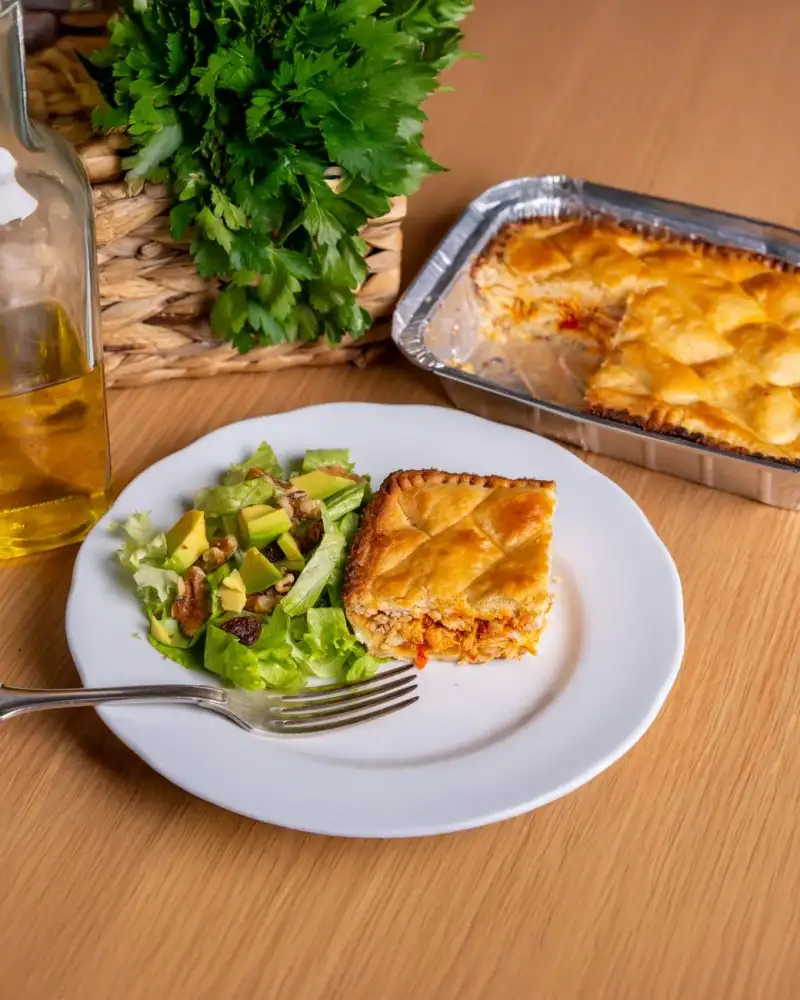
The Legacy of Nourishment: A Nutrient-Dense Chicken and Vegetable Pot Pie
"The Legacy of Nourishment: A Nutrient-Dense Chicken and Vegetable Pot Pie" Welcome back to my kitchen. I am Michael Chef, and today we aren't just baking a pie; we are engaging in a culinary act of reclamation. When we think of "comfort food," we often visualize the heavy, overly processed dishes of the mid-20th century. But true comfort comes from knowing that what you are putting on your plate serves your biology, respects the history of the land, and provides a template for long-term health. The chicken and vegetable pot pie is a staple of Western cuisine, yet it is often maligned for being calorie-dense but nutrient-poor. Today, we are flipping that script. By utilizing a whole wheat crust and a fiber-rich, vegetable-forward filling, we transform this classic into a vehicle for health. The Science of Sustained Habits To understand why we choose specific ingredients, we must look at the long-term impact of our dietary patterns. According to the Saskatchewan Pediatric Bone Mineral Accrual Study, dietary patterns established in childhood and adolescence carry significant weight into adulthood. Researchers noted a moderate tracking coefficient for "Vegetarian-style" diets, suggesting that the habits we cultivate—those focused on whole, plant-based inputs—are not just trends; they are foundational pillars for the health of our future selves. When you prepare this pie, you are opting for a "Vegetarian-style" influence, even when incorporating poultry. You are layering vegetables like carrots, leeks, and peas, which offer fiber and micronutrients that are often absent in the standard "Western-like" diet. The research is clear: as we age, shifting away from high-fat, high-protein extremes toward a balanced, nutrient-dense pattern is the single most effective way to ensure metabolic and structural health throughout our lifespan.Foodways and Resilience Beyond the biology of vitamins and minerals, there is a profound history in how we cook. As highlighted in recent studies on African and Native American foodways, our relationship with food is a story of survival and resilience. For centuries, communities in North America and West Africa have maintained food systems that honor the land, relying on foraging, hunting, and seasonal cultivation. In our modern, industrialized food system, which was severely tested during the COVID-19 pandemic, we are reminded that "efficiency" is not always synonymous with "nutrition." The USDA’s 2007 revision of the Low-Cost and Liberal Food Plans attempted to align home-cooked meals with better dietary guidelines, yet it highlighted the struggle of modern families: the lack of time. This recipe is my solution. It is efficient enough for a busy weeknight, yet restorative enough to honor the traditions of those who built the very concept of "cooking from scratch." By using whole wheat pastry flour and slow-simmered bone broth, we are not just assembling ingredients; we are participating in a foodway that prioritizes density over empty calories. This is how we survive and thrive, just as our ancestors did, by making deliberate choices that honor both the body and the history of our ingredients.Gastronomy Meets Medicine: The Recipe This pot pie is a triumph of texture and taste. The whole wheat crust provides a nutty, complex flavor profile, while the Greek yogurt base offers a protein-rich, tangy creaminess that outperforms traditional heavy cream in both nutritional profile and depth of flavor. [Detailed Recipe Instructions found in the frontmatter above] A Note on the Ingredients The backbone of this recipe is the broth. I highly recommend using a house-made bone broth if time permits. Research from the USDA’s food guidance systems suggests that the most nutrient-dense meals are those where we have control over the sodium and fat content. By making your own broth, you avoid the additives found in store-bought options and create a base rich in collagen and amino acids. Furthermore, the integration of whole wheat flour for the crust isn't just for flavor; it’s about glycemic control. Whole grains contain the bran and germ, providing the fiber necessary to slow the absorption of glucose. As the Saskatchewan study indicated, small, consistent shifts toward healthier dietary patterns (like choosing whole wheat over refined white flour) are what create lasting health outcomes.Building the Foundation Start by prepping your vegetables with care. We aren't just chopping; we are releasing the aromatic oils in the leeks and the natural sugars in the carrots. When you sauté these in high-quality olive oil, you are providing the healthy fats necessary for the absorption of fat-soluble vitamins (A, D, E, and K) found in the vegetables. As you assemble, remember that you are building a meal meant to bridge the gap between historical wisdom and modern medical necessity. This is not about restriction; it is about abundance—an abundance of fiber, phytonutrients, and lean protein. The Joy of the Process The final stage—baking—is where the magic happens. The aroma of roasted vegetables and herbs filling your kitchen is the ultimate sign of a home that prioritizes health. When you pull that golden-crusted pie from the oven, you are seeing the culmination of a process that respects your body’s long-term needs. You are a steward of your own health, a guardian of your own foodways. Every time you choose to cook a meal like this instead of opting for a highly processed alternative, you are signaling to your body that it is worthy of nourishment. The path to health is not a sprint; it is a series of daily, intentional choices. By incorporating these habits now, you are building a legacy of vitality that, according to the tracking patterns established by scientific research, will serve you for decades to come. Eat well, stay curious, and keep cooking from the heart.#HealthyLiving #NutrientDense #Gastronomy #WholeFoods #CulinaryMedicine Related InsightsWaakye: The Vibrant Street Food Breakfast Exploring the Delightful World of Cheese Pairings Cuban Mojito: The Refreshing History of a Caribbean Classic (Part 2){ "@context": "https://schema.org", "@type": "FAQPage", "mainEntity": [ { "@type": "Question", "name": "What is the main focus of The Legacy of Nourishment: A Nutrient-Dense Chicken and Vegetable Pot Pie?", "acceptedAnswer": { "@type": "Answer", "text": "Discover a masterful take on the classic pot pie, blending ancient foodways with modern nutritional science for a wholesome, restorative meal." } }, { "@type": "Question", "name": "Who authored the comprehensive guide on The Legacy of Nourishment: A Nutrient-Dense Chicken and Vegetable Pot Pie?", "acceptedAnswer": { "@type": "Answer", "text": "This detailed article and its insights were carefully researched and authored by Michael Chef." } }, { "@type": "Question", "name": "Where can I find more related content about Food?", "acceptedAnswer": { "@type": "Answer", "text": "You can explore more articles, detailed reviews, and similar insights by browsing the Related Insights section at the bottom of this article or visiting our dedicated Food category page." } } ] }
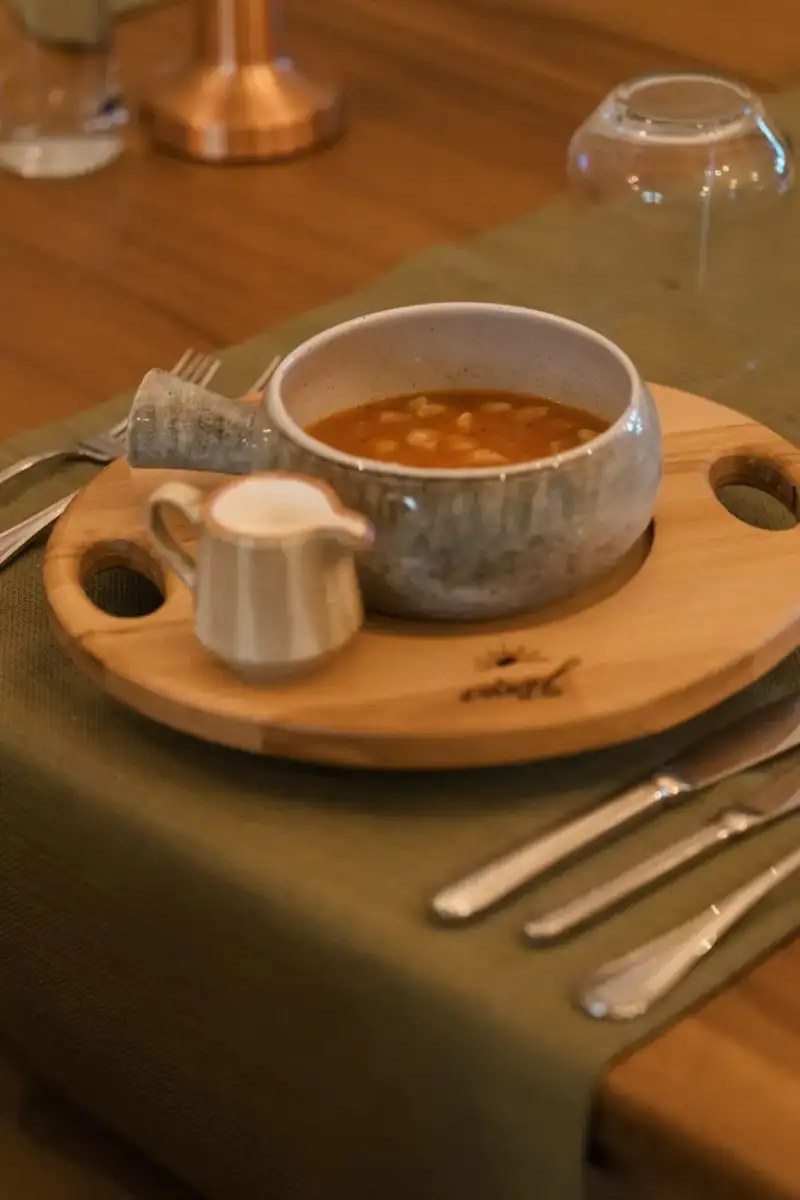
- Giovanni Luigi
- 27 Jun, 2026 16:24
Minestrone Soup with Genovese Pesto and Spelt: A High Fiber Delight
Minestrone Soup, a traditional Italian dish, has been a staple in the Mediterranean diet for centuries. This hearty soup is made with a variety of vegetables, beans, and grains, making it a perfect example of a high fiber meal. According to recent studies, a diet high in fiber can have numerous health benefits, including reducing the risk of heart disease, type 2 diabetes, and certain types of cancer. Research on high fiber shows that it can also promote digestive health and support healthy blood sugar levels. Introduction to Minestrone Soup Minestrone Soup is a thick and flavorful soup that originated in Italy. The name "minestrone" comes from the Latin word "minestra," which means "thick soup." This soup is typically made with a variety of vegetables, such as onions, carrots, celery, and tomatoes, as well as beans, grains, and sometimes meat or poultry. The ingredients are simmered together in a vegetable broth, creating a nutritious and filling meal. The Benefits of High Fiber A high fiber diet has been shown to have numerous health benefits. Fiber can help lower cholesterol levels, regulate blood sugar levels, and promote digestive health. According to the American Heart Association, a diet rich in fiber can help reduce the risk of heart disease, stroke, and high blood pressure. Additionally, a high fiber diet can help with weight management and support healthy blood sugar levels. Genovese Pesto: A Traditional Italian Sauce Genovese Pesto is a traditional Italian sauce that originated in the Liguria region of Italy. This sauce is made with fresh basil, garlic, pine nuts, Parmesan cheese, and olive oil. Genovese Pesto is a key ingredient in Minestrone Soup, adding flavor and nutrition to the dish. The basil in Genovese Pesto is rich in antioxidants and has anti-inflammatory properties, making it a healthy addition to the soup. Spelt: A Nutritious Grain Spelt is an ancient grain that has been cultivated for thousands of years. It is a type of wheat that is higher in fiber and nutrients than modern wheat. Spelt is rich in vitamins, minerals, and antioxidants, making it a nutritious addition to Minestrone Soup. The fiber in spelt can help promote digestive health and support healthy blood sugar levels. Recipe: Minestrone Soup with Genovese Pesto and Spelt To make Minestrone Soup with Genovese Pesto and Spelt, start by soaking the spelt in water for at least 4 hours. While the spelt is soaking, heat the olive oil in a large pot over medium heat. Add the mixed vegetables and cook until tender. Then, add the soaked spelt, vegetable broth, diced tomatoes, and Genovese Pesto to the pot. Bring to a boil, then reduce heat and simmer for 30 minutes. Season with salt and pepper to taste. Conclusion Minestrone Soup with Genovese Pesto and Spelt is a delicious and nutritious meal that is perfect for a cold winter's day. The high fiber content in this soup can help promote digestive health, support healthy blood sugar levels, and reduce the risk of chronic diseases. With its rich flavor and nutritional benefits, Minestrone Soup is a great addition to a healthy diet. #HealthyLiving #Gastronomy #HighFiberDiet #MinestroneSoupRecipe Related InsightsThe Living Gold of the Koji Room: Decoding Traditional Miso Fermentation From Ancient Grills to Modern Plates: Demir Şef's High-Protein Chicken Shish Kebab with Zesty Sumac Salad - A Culinary Journey Through Culture and Wellness Der Apfelstrudel: Ein Meisterwerk der Wiener Mehlspeisenkultur und seine faszinierende Geschichte{ "@context": "https://schema.org", "@type": "FAQPage", "mainEntity": [ { "@type": "Question", "name": "What is the main focus of Minestrone Soup with Genovese Pesto and Spelt: A High Fiber Delight?", "acceptedAnswer": { "@type": "Answer", "text": "Discover the health benefits of high fiber in a delicious and traditional Italian Minestrone Soup with Genovese Pesto and Spelt. This recipe is a perfect blend of nutrition and gastronomy." } }, { "@type": "Question", "name": "Who authored the comprehensive guide on Minestrone Soup with Genovese Pesto and Spelt: A High Fiber Delight?", "acceptedAnswer": { "@type": "Answer", "text": "This detailed article and its insights were carefully researched and authored by Giovanni Luigi." } }, { "@type": "Question", "name": "Where can I find more related content about Food?", "acceptedAnswer": { "@type": "Answer", "text": "You can explore more articles, detailed reviews, and similar insights by browsing the Related Insights section at the bottom of this article or visiting our dedicated Food category page." } } ] }
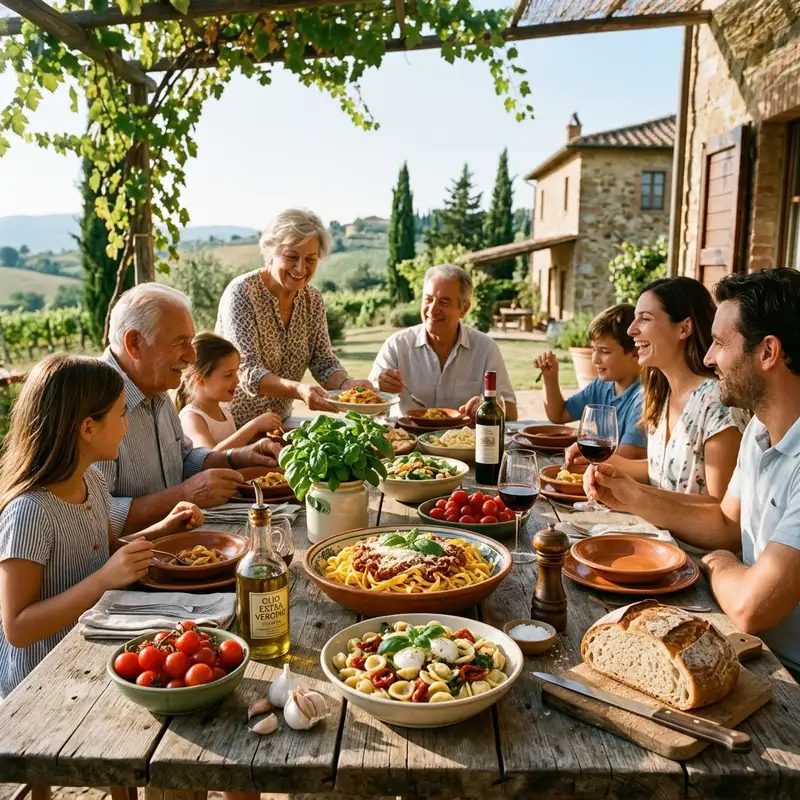
- Giovanni Luigi
- 27 Jun, 2026 12:54
L'Anima della Cucina Italiana: Non Solo Cibo, ma una Storia d'Amore nel Piatto
Italia per Nomadi Digitali: La Guida Definitiva al Dolce Lavoro RemotoAh, l'Italia! Un paese che evoca immagini di pasta fumante, città storiche, coste mozzafiato e arte rinascimentale. Ma cosa succede se vi dicessi che l'Italia è molto più di una destinazione di vacanza da sogno? È ora una delle mete più ambite e concrete per i nomadi digitali di tutto il mondo. Il connubio tra una cultura millenaria, paesaggi indimenticabili e un'infrastruttura in costante miglioramento rende l'Italia un paradiso per chi cerca di bilanciare lavoro remoto e qualità della vita eccezionale. Questo non è più un sogno lontano. Con l'introduzione di un visto specifico per nomadi digitali, il Bel Paese ha spalancato le sue porte, invitandoci a trasformare un espresso mattutino con vista sul Colosseo o un pranzo con vista mare in Sicilia nella nostra routine quotidiana. Siete pronti a scoprire come fare dell'Italia la vostra base operativa? Allacciate le cinture digitali, si parte! Il Visto per Nomadi Digitali: La Porta d'Accesso all'Italia La notizia è fresca e ha scosso il mondo del remote work: l'Italia ha finalmente lanciato il suo visto per nomadi digitali! Questo significa che non è più necessario destreggiarsi tra visti turistici di breve durata o complesse procedure di residenza temporanea. Il governo italiano ha riconosciuto il valore dei professionisti remoti e ha creato un percorso chiaro per vivere e lavorare nel paese. Per qualificarsi per il Visto per Nomadi Digitali italiano, ci sono alcuni requisiti fondamentali che dovrete soddisfare. Il più importante è un reddito annuale di almeno €28.000, che si traduce approssimativamente in circa €2.333 al mese. Questo dimostra la vostra capacità di sostenervi economicamente senza gravare sul sistema sociale italiano. Oltre al reddito, dovrete dimostrare di avere un lavoro a distanza stabile (come dipendente o libero professionista con contratti validi), un'assicurazione sanitaria che copra l'intero periodo del soggiorno e un alloggio adeguato in Italia. La tassa di applicazione per questo visto si aggira attorno ai €116, una cifra ragionevole per l'opportunità che offre. È fondamentale preparare tutta la documentazione con estrema cura, poiché le autorità italiane sono meticolose. Il processo di richiesta avverrà presso il consolato o l'ambasciata italiana nel vostro paese di origine. Vi consiglio vivamente di consultare il sito ufficiale del Ministero degli Affari Esteri e della Cooperazione Internazionale (esteri.it) per le informazioni più aggiornate e dettagliate sui requisiti specifici e la procedura di richiesta. Le normative possono evolvere, quindi la verifica diretta è essenziale. [Image 1: A picturesque view of a Tuscan landscape with a small village nestled among rolling hills.] Una volta ottenuto il visto, avrete il permesso di soggiornare in Italia e godere di tutti i suoi benefici, contribuendo al tempo stesso all'economia locale. È un'opportunità unica per immergersi completamente nella cultura italiana, imparare la lingua e vivere un'esperienza che va ben oltre la semplice vacanza. Costo della Vita in Italia: Bilanciare il Budget nel Dolce Vita Uno degli aspetti più cruciali per ogni nomade digitale è la comprensione del costo della vita. L'Italia, in generale, offre un eccellente rapporto qualità-prezzo rispetto ad altri paesi dell'Europa occidentale, ma ci sono significative variazioni tra le diverse regioni e città. Per darvi un'idea chiara, faremo riferimento ai dati aggiornati al 2026 forniti da Numbeo. Secondo Numbeo (per il 2026), il costo mensile stimato per una singola persona in Italia è di circa €887, escluso l'affitto. Questo dato vi dà una base solida per budgetizzare spese come cibo, trasporti, servizi e intrattenimento. Parlando di affitto, che è la spesa maggiore per la maggior parte delle persone, i prezzi variano notevolmente:Un appartamento con una camera da letto nel centro città costa in media circa €724 al mese. Un appartamento con una camera da letto fuori dal centro città scende a circa €570 al mese.Questi sono dati medi nazionali. Nelle grandi città come Milano o Roma, i prezzi possono essere considerevolmente più alti, specialmente per l'affitto. A Milano, ad esempio, un monolocale in centro potrebbe facilmente superare i €1000. Al contrario, in città più piccole del Sud Italia o nelle zone rurali, potete trovare soluzioni abitative molto più economiche. Considerando sia le spese vive che l'affitto, un nomade digitale che punta a vivere in Italia dovrebbe prevedere un budget mensile di almeno €1500-€2000, a seconda della città e dello stile di vita desiderato. Questo vi permetterà di vivere comodamente, esplorare il paese e godervi la cucina locale senza preoccupazioni eccessive. Per un'analisi più dettagliata e aggiornata del costo della vita in Italia, vi consiglio di consultare direttamente la fonte: https://www.numbeo.com/cost-of-living/country_result.jsp?country=Italy. [Image 2: A laptop open on a cafe table with a cappuccino and a croissant, overlooking a bustling Italian piazza.] Le Migliori Città e Regioni per Nomadi Digitali La scelta della vostra "base" in Italia dipenderà molto dalle vostre preferenze personali: preferite la frenesia di una metropoli, la tranquillità della campagna o il fascino del mare?Milano: La capitale della moda e della finanza italiana offre un ambiente dinamico e internazionale. Ha eccellenti infrastrutture, una vasta gamma di spazi di coworking e ottimi collegamenti di trasporto. Il rovescio della medaglia? È una delle città più costose d'Italia. Perfetta per chi cerca un ritmo veloce e opportunità di networking.Roma: La Città Eterna è un museo a cielo aperto. Vivere a Roma significa immergersi nella storia ad ogni angolo. L'internet è generalmente buono, ci sono molti caffè e spazi di coworking, e la vita sociale è vivace. I costi sono inferiori a Milano, ma comunque superiori alla media nazionale. Preparatevi a traffico e folle di turisti in alta stagione.Firenze: Il cuore della Toscana, ideale per gli amanti dell'arte e della cultura. Firenze è più piccola e gestibile rispetto a Roma o Milano, ma con un'atmosfera incredibilmente ricca. La connessione internet è solida e la qualità della vita è alta. Ottima base per esplorare la campagna toscana.Bologna: Conosciuta come la "città rossa" per i suoi tetti e la sua politica, e la "grassa" per la sua incredibile cucina. Bologna è una città universitaria, vibrante e con un costo della vita più accessibile rispetto a Firenze. Ha un'ottima atmosfera giovane e innovativa, oltre a essere un hub ferroviario strategico per esplorare l'Italia.Napoli e il Sud Italia (Sicilia, Puglia): Per chi cerca un'esperienza più autentica e un costo della vita decisamente inferiore. Napoli è caotica ma affascinante, con cibo incredibile e una cultura vivace. La Sicilia e la Puglia offrono paesaggi mozzafiato, mare cristallino, ritmi più lenti e un'accoglienza calorosa. L'infrastruttura internet è in miglioramento, ma può essere meno affidabile che al Nord. Sono perfette per chi desidera un'esperienza più rilassata e un budget più contenuto.Connettività Internet e Spazi di Coworking Per un nomade digitale, una connessione internet affidabile è non negoziabile. L'Italia ha fatto passi da gigante in questo campo. Nelle grandi città e nei centri urbani, la fibra ottica è ampiamente disponibile, offrendo velocità eccellenti. Anche nelle città più piccole, le connessioni ADSL e VDSL sono generalmente sufficienti. Per quanto riguarda la connettività mobile, i principali operatori (TIM, Vodafone, WindTre, Iliad) offrono piani dati competitivi con buona copertura su tutto il territorio nazionale. Una SIM card locale è facile da ottenere e altamente consigliata per rimanere sempre connessi. Gli spazi di coworking sono in crescita in Italia, specialmente a Milano, Roma, Bologna e Firenze. Offrono non solo un ambiente di lavoro professionale e internet veloce, ma anche opportunità preziose per incontrare altri professionisti e creare una rete di contatti. Molti caffè in tutta Italia offrono anche Wi-Fi gratuito, trasformandosi in uffici improvvisati per qualche ora. [Image 3: A group of diverse young people working on laptops in a modern, brightly lit coworking space.] La Cultura Italiana e lo Stile di Vita Vivere in Italia significa abbracciare un nuovo stile di vita. La cultura italiana è ricca di tradizioni, arte, musica e, naturalmente, cibo!Cucina: Dimenticate tutto ciò che sapete sulla "cucina italiana" all'estero. Qui è un'arte. Ogni regione, ogni città ha le sue specialità. Dalla pasta fresca al Nord ai piatti di pesce al Sud, ogni pasto è un'esperienza. I mercati locali offrono prodotti freschissimi e di stagione, perfetti per chi ama cucinare. Lingua: Imparare l'italiano migliorerà esponenzialmente la vostra esperienza. Anche poche frasi di base faranno una grande differenza nell'interazione quotidiana e nell'integrazione. Gli italiani apprezzano molto gli sforzi per parlare la loro lingua. Ritmo di Vita: Il ritmo è generalmente più lento rispetto ad alcune metropoli nordiche. Si dà valore al tempo libero, alle relazioni sociali e al piacere della vita. Questo non significa che gli italiani non lavorino sodo, ma c'è un forte accento sull'equilibrio tra lavoro e vita privata. Socialità: Gli italiani sono generalmente aperti, amichevoli e accoglienti. Le piazze sono il cuore pulsante delle città, dove le persone si incontrano per un caffè, un aperitivo o una chiacchierata. Essere parte della comunità locale, anche solo partecipando agli eventi di quartiere, arricchirà enormemente la vostra esperienza.Banking, Tasse e Sanità Questi sono aspetti pratici ma fondamentali:Banche: Aprire un conto bancario italiano è consigliabile una volta che vi siete stabiliti. Le banche più grandi come UniCredit, Intesa Sanpaolo o BNL offrono servizi anche in inglese e sono ben attrezzate per i residenti stranieri. Tasse: Essere un nomade digitale con residenza fiscale in Italia comporta obblighi fiscali. È un argomento complesso e vi raccomando caldamente di consultare un commercialista italiano specializzato in diritto internazionale per capire i vostri obblighi e le eventuali convenzioni per evitare la doppia imposizione con il vostro paese d'origine. Sanità: Con il visto per nomadi digitali e la residenza, avrete accesso al Servizio Sanitario Nazionale (SSN) italiano, che è universalistico e di buona qualità. Dovrete iscrivervi al SSN presso l'ASL (Azienda Sanitaria Locale) competente per il vostro luogo di residenza.Muoversi in Italia L'Italia ha un'eccellente rete di trasporti pubblici. I treni ad alta velocità collegano le principali città in modo efficiente e confortevole. I treni regionali e gli autobus coprono il resto del territorio. Nelle città, i trasporti pubblici (autobus, tram, metro) sono generalmente efficienti. Noleggiare un'auto è un'ottima opzione per esplorare le zone rurali e i borghi più piccoli, ma preparatevi a strade strette e stili di guida a volte "creativi". [Image 4: A vibrant street market scene in a sunny Italian town, full of fresh produce, cheeses, and local goods.] Consigli per l'IntegrazioneApprendere la Lingua: Ripeto, è il consiglio più prezioso. Anche le basi vi aiuteranno a navigare la vita quotidiana e a connettervi con la gente del posto. Essere Pazienti: La burocrazia italiana può essere lenta. Armatevi di pazienza e un buon libro! Abbracciare la Cultura: Non cercate di replicare il vostro stile di vita precedente. L'Italia è diversa, ed è questa la sua bellezza. Apritevi alle nuove abitudini, agli orari diversi, al modo di interagire. Connettersi: Cercate gruppi di nomadi digitali online o sui social media. Partecipate a eventi locali, corsi di cucina o scambi linguistici per conoscere gente.Conclusione: Il Tuo Ufficio con Vista sul Futuro L'Italia si sta affermando come una destinazione di primo piano per i nomadi digitali, offrendo un mix irresistibile di cultura, bellezza naturale, un costo della vita ragionevole (se si sceglie con saggezza) e una qualità della vita invidiabile. Con il nuovo visto, la strada è più chiara che mai. Sia che sogni di lavorare da un appartamento storico a Roma, da un agriturismo in Toscana o da un villaggio sul mare in Puglia, l'Italia ha qualcosa da offrire a ogni tipo di nomade digitale. Preparate il vostro laptop, le valigie e il vostro desiderio di avventura. La vostra prossima grande avventura professionale e personale vi aspetta nel cuore dell'Europa. L'Italia non è solo un posto dove visitare, è un posto dove vivere, lavorare e prosperare.#DigitalNomad #CostOfLiving #Numbeo #RemoteWork #Travel Related InsightsThai Street Food Secrets: How to Recreate Bangkok’s Best Dishes at Home Portuguese Pastéis de Nata: The Custard Tart's Sweet History Slurp Your Way Through Japan: The Definitive Ramen Roadmap from Tonkotsu to Shoyu{ "@context": "https://schema.org", "@type": "FAQPage", "mainEntity": [ { "@type": "Question", "name": "What is the main focus of L'Anima della Cucina Italiana: Non Solo Cibo, ma una Storia d'Amore nel Piatto?", "acceptedAnswer": { "@type": "Answer", "text": "Giovanni Luigi racconta per esperienza personale che la cucina italiana non è solo un pasto, ma una filosofia di vita. Dagli ingredienti freschi alle tavole in famiglia, scoprite i segreti profondi dei sapori italiani." } }, { "@type": "Question", "name": "Who authored the comprehensive guide on L'Anima della Cucina Italiana: Non Solo Cibo, ma una Storia d'Amore nel Piatto?", "acceptedAnswer": { "@type": "Answer", "text": "This detailed article and its insights were carefully researched and authored by Giovanni Luigi." } }, { "@type": "Question", "name": "Where can I find more related content about Food?", "acceptedAnswer": { "@type": "Answer", "text": "You can explore more articles, detailed reviews, and similar insights by browsing the Related Insights section at the bottom of this article or visiting our dedicated Food category page." } } ] }
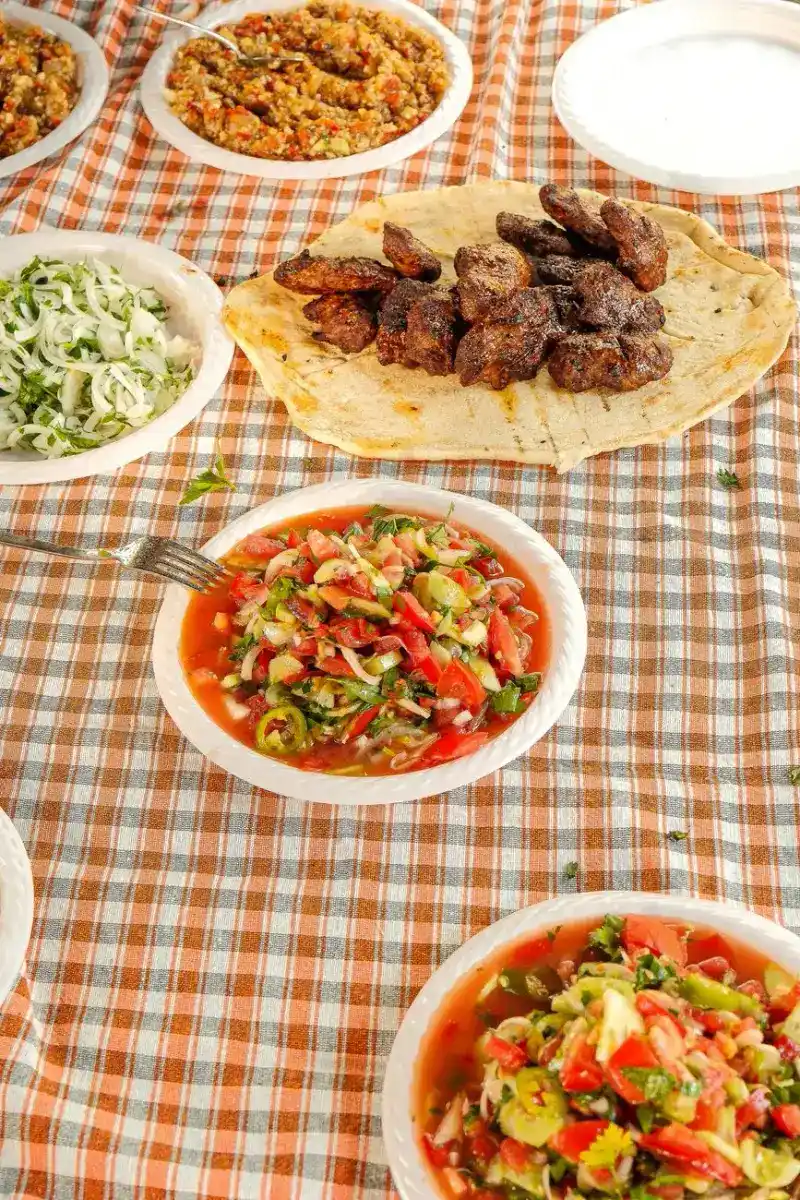

Greetings, food lovers and health enthusiasts! Demir Şef here, inviting you to embark on a culinary journey that transcends mere sustenance, delving deep into the heart of flavor, culture, and profound wellness. Today, we're celebrating a dish that is as ubiquitous as it is beloved across Turkey: the inimitable Çoban Salata, or Shepherd's Salad. But we're not just making any Çoban Salata; we're elevating it, enriching it, and exploring its powerful "antioxidant-rich" properties with the addition of one of nature's most impressive superfoods: walnuts. Prepare to be enchanted by a symphony of fresh tastes and robust health benefits that have sustained generations. The Heartbeat of Turkish Cuisine: A Cultural Overture Turkish cuisine, much like the vibrant tapestry of its history, is a profound expression of identity, heritage, and communal life. From the bustling bazaars to the tranquil village homes, food is more than just a meal; it is a narrative, a shared experience, a connection to the past, and a celebration of the present. Çoban Salata embodies this spirit perfectly. A simple yet incredibly flavorful amalgamation of finely diced tomatoes, cucumbers, green peppers, and onions, dressed lightly with olive oil and lemon juice, it is a staple at virtually every Turkish table, served alongside everything from grilled meats to hearty stews. It’s the refreshing counterpoint, the palate cleanser, the vibrant splash of color and crispness that completes a meal. The cultural significance of food is deeply ingrained, extending even to the linguistic fabric of society. Recent studies, such as the one focusing on Gaziantep's gastronomic values and cultural identity, highlight how culinary elements are woven into the very fabric of social memory and local culture. The research emphasizes that gastronomic nicknames and food-related terminology are not merely descriptive; they are critical in transmitting cultural heritage and sustaining local identity. This suggests that even a dish as seemingly simple as Çoban Salata carries an unspoken cultural weight, becoming a marker of regional identity and a bearer of culinary traditions that span centuries.Similarly, the documentation of diverse culinary traditions is crucial for cultural preservation. Research into Azerbaijani cuisine, for instance, underscores the richness and diversity of regional food cultures and the importance of documenting these "forgotten flavors" to preserve cultural memory. While distinct from Turkish cuisine, the underlying principle holds true: traditional, often simple, recipes like Çoban Salata are vital components of a nation's cultural heritage. They represent a legacy of health and flavor honed over generations, ensuring that valuable gastronomic knowledge is passed down. My version today is a testament to this enduring tradition, enhanced with the nutritional powerhouse of walnuts. Çoban Salata: More Than Just a Salad – An Antioxidant Powerhouse Now, let's turn our attention to the remarkable health benefits packed within this seemingly humble salad. In an age where processed foods dominate, returning to fresh, whole ingredients is paramount for our well-being. Çoban Salata is a shining example of this philosophy. What makes this dish truly extraordinary, particularly with the addition of walnuts, is its incredible concentration of antioxidants. You've likely heard the term "antioxidants" tossed around in health discussions, but what exactly are they, and why are they so crucial? Antioxidants are compounds that combat oxidative stress in our bodies. Oxidative stress is a state where there's an imbalance between free radicals (unstable molecules that can damage cells) and antioxidants. Prolonged oxidative stress can contribute to chronic diseases, inflammation, and premature aging. By neutralizing free radicals, antioxidants play a vital role in protecting our cells, supporting immune function, and promoting overall health. The scientific community has extensively studied the profound benefits of antioxidant-rich foods. For instance, a fascinating study on Aronia (Aronia melanocarpa), often hailed as a "superfruit," showcases its incredibly high content of polyphenolic compounds, including phenolic acids, anthocyanins, and flavonoids. This research identifies Aronia as a powerhouse of antioxidants, suggesting it could even be a functional alternative to blueberries in processed food products due to its high bioactive component profile. While Çoban Salata doesn't feature Aronia, the principle it champions – the immense health benefits derived from a high concentration of polyphenolic compounds – is directly applicable to our dish. The fresh vegetables in Çoban Salata, such as tomatoes, cucumbers, and green peppers, are naturally rich in various vitamins and phytonutrients that act as antioxidants. Tomatoes, for example, are an excellent source of lycopene, a potent antioxidant, especially when slightly processed or in ripe form. Green peppers provide a generous dose of Vitamin C, another powerful antioxidant. Cucumbers offer hydration and a range of beneficial plant compounds. Even the red onion contributes its own unique set of antioxidants like quercetin. Walnuts: The Brain's Best Friend and an Antioxidant Champion However, it's the inclusion of walnuts that truly elevates our Çoban Salata into an unparalleled antioxidant haven. Walnuts are not just a crunchy addition; they are a nutritional goldmine, consistently ranked among the top nuts for their antioxidant capacity. Walnuts are exceptional for their robust profile of polyphenols, particularly ellagic acid, which is known for its potent antioxidant and anti-inflammatory effects. They also contain melatonin, a hormone that not only regulates sleep but also acts as a powerful antioxidant. Furthermore, walnuts are a significant source of alpha-linolenic acid (ALA), a plant-based omega-3 fatty acid. Omega-3s are crucial for heart health, brain function, and reducing inflammation throughout the body. According to various nutritional studies, including those that echo the emphasis on polyphenolic compounds found in "superfruits" like Aronia, walnuts deliver a broad spectrum of protective compounds. By incorporating walnuts into our Çoban Salata, we are not just adding texture and a nutty depth of flavor; we are significantly boosting the salad’s ability to combat oxidative stress and support long-term health. Think of it as a delicious, natural shield against the wear and tear of daily life.The Art of Simplicity: Crafting Your Çoban Salata One of the beauties of Çoban Salata is its simplicity. The magic lies in the freshness of the ingredients and the precise, uniform dicing. Every component should be cut small enough to allow you to get a little bit of everything in each bite, creating a harmonious burst of flavor and texture. This salad is a testament to the idea that the most profound culinary experiences often come from the purest, most unadulterated ingredients. For the best Çoban Salata, source the freshest, ripest seasonal produce you can find. Local farmers' markets are often the best places to discover tomatoes bursting with summer sweetness, crisp cucumbers, and vibrant green peppers. The choice of green pepper is also key: while standard green bell peppers work well, traditional Turkish sivri biber (a long, slender, slightly spicier green pepper) adds an authentic zing that is truly special. The dressing is equally straightforward: a generous glug of high-quality extra virgin olive oil and the bright, tangy squeeze of fresh lemon juice. This simple pairing not only enhances the natural flavors of the vegetables but also provides its own health benefits. Extra virgin olive oil is a cornerstone of the Mediterranean diet, renowned for its monounsaturated fats and its own impressive array of antioxidants, including polyphenols. Lemon juice adds Vitamin C and further brightens the entire dish. Some prefer a touch of sumac, a dried, ground berry with a tart, slightly fruity flavor, which adds another layer of complexity and an additional antioxidant punch.Beyond the Plate: The Lifestyle Connection Incorporating dishes like Çoban Salata with walnuts into your diet is more than just eating a healthy meal; it's embracing a lifestyle. It’s a commitment to fresh, whole foods, a connection to ancient culinary traditions, and a proactive step towards a healthier, more vibrant you. When you prepare and share a dish like this, you're not just nourishing your body; you're participating in a rich cultural narrative that celebrates the earth's bounty and the joy of shared meals. This salad is incredibly versatile. It makes a perfect light lunch on its own, a vibrant side dish for grilled meats or fish, or an excellent component of a larger meze spread. Its refreshing qualities are particularly welcome on hot days, making it a perfect addition to any summer spread. And with the added walnuts, it provides sustained energy and satiety, thanks to its healthy fats, fiber, and protein. The Recipe: Turkish Shepherd's Salad (Çoban Salata) with Walnuts Now, let’s get into the kitchen and create this masterpiece. This recipe is designed to be straightforward yet precise, ensuring you capture the authentic essence and health benefits of this incredible dish. Yields: 4-6 servings Prep time: 20 minutes Cook time: 0 minutes Ingredients:3-4 ripe medium tomatoes, finely diced 2-3 medium cucumbers (English or regular), peeled if desired, finely diced 2-3 green bell peppers or Turkish sivri biber, seeds removed, finely diced 1 small red onion, very finely minced 1/2 cup fresh flat-leaf parsley, finely chopped 1/4 cup fresh mint leaves, finely chopped (optional but highly recommended for an extra layer of freshness) 1/2 cup walnuts, roughly chopped 1/4 cup high-quality extra virgin olive oil Juice of 1-2 fresh lemons (start with 1, adjust to taste) 1 teaspoon sumac (optional, but adds a lovely tang and color) Salt to taste (approximately 1 teaspoon, adjust as needed) Freshly ground black pepper to tasteInstructions:Prepare All Vegetables: Begin by meticulously washing all your produce. The key to a truly authentic and enjoyable Çoban Salata is uniform, fine dicing. Take your time to finely dice the tomatoes, cucumbers, and green peppers into small, even pieces, roughly 1/4 inch cubes. Mince the red onion as finely as possible; a sharp knife is your best friend here. Finely chop the fresh parsley and mint leaves. This precise preparation ensures a harmonious blend of flavors and textures in every bite. Combine Vegetables: In a large, spacious salad bowl, gently combine the diced tomatoes, cucumbers, green peppers, and the finely minced red onion. Handle the ingredients with care to maintain their integrity. Add Herbs and Walnuts: Now, fold in the freshly chopped parsley and mint (if using). Add the roughly chopped walnuts, ensuring they are evenly distributed. You might want to reserve a small sprinkle of walnuts for a beautiful garnish just before serving. Prepare the Dressing: In a separate small bowl or a jar with a lid, whisk together the extra virgin olive oil, fresh lemon juice, sumac (if using), salt, and freshly ground black pepper. Whisk vigorously until the dressing is well emulsified. Taste the dressing and adjust the seasoning – perhaps a little more lemon for zing, or a pinch more salt to your preference. Remember, the dressing is crucial for tying all the flavors together. Dress and Serve: Pour the prepared dressing over the salad ingredients in the large bowl. Using two large spoons or tongs, toss the salad gently but thoroughly, ensuring every piece of vegetable and every walnut is lovingly coated with the vibrant dressing. Allow Flavors to Marry: For the absolute best flavor experience, cover the bowl and let the Çoban Salata rest in the refrigerator for about 10-15 minutes before serving. This brief resting period allows the flavors to meld beautifully and intensify, transforming the individual components into a cohesive, delectable whole. Garnish and Enjoy: Just before serving, give the salad a final gentle toss. Garnish with the reserved walnuts or a fresh sprig of mint for an appealing presentation. Serve immediately and relish the invigorating, antioxidant-rich goodness.This Çoban Salata with walnuts is more than just a recipe; it's an invitation to savor the vibrant heritage and incredible health benefits of Turkish cuisine. It's a reminder that truly nourishing food doesn't have to be complicated, but simply fresh, thoughtful, and prepared with love. Afiyet olsun! (Enjoy your meal!)#TurkishCuisine #ÇobanSalata #AntioxidantRich #HealthyEating #WalnutRecipes Related InsightsThe Fire and the Flesh: Unveiling the Eternal Alchemy of the Turkish Kebab Kimchi's Untold Saga: Unearthing the Fermented Superfoods Beyond the Cabbage You Thought You Knew Hannah Weber's Guide to Delicious and Healthy Sprouted Grain Bread with Avocado and Radish (Vegan){ "@context": "https://schema.org", "@type": "FAQPage", "mainEntity": [ { "@type": "Question", "name": "What is the main focus of The Emerald Jewel of Turkish Cuisine: Çoban Salata with Walnuts – A Masterclass in Antioxidant-Rich Gastronomy?", "acceptedAnswer": { "@type": "Answer", "text": "Discover Çoban Salata, the vibrant Turkish Shepherd's Salad elevated with walnuts, a dish celebrated for its fresh flavors and powerful antioxidant benefits, deeply rooted in culinary heritage." } }, { "@type": "Question", "name": "Who authored the comprehensive guide on The Emerald Jewel of Turkish Cuisine: Çoban Salata with Walnuts – A Masterclass in Antioxidant-Rich Gastronomy?", "acceptedAnswer": { "@type": "Answer", "text": "This detailed article and its insights were carefully researched and authored by Demir Şef." } }, { "@type": "Question", "name": "Where can I find more related content about Food?", "acceptedAnswer": { "@type": "Answer", "text": "You can explore more articles, detailed reviews, and similar insights by browsing the Related Insights section at the bottom of this article or visiting our dedicated Food category page." } } ] }
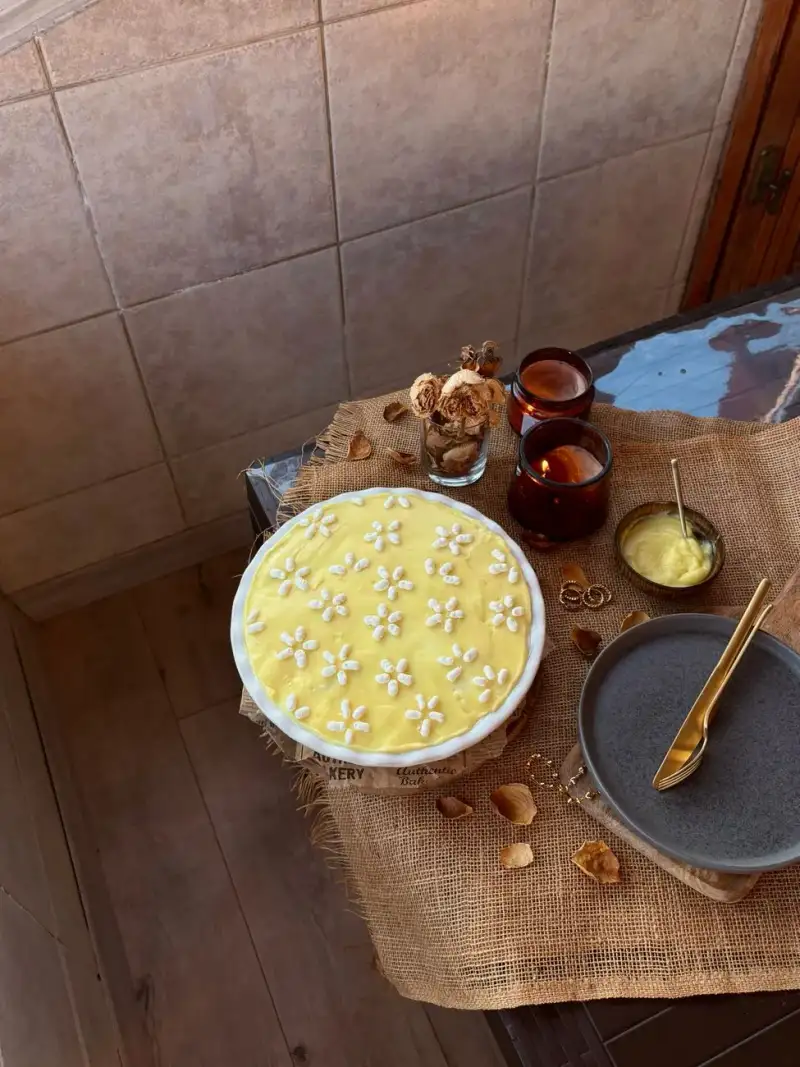
- Michael Chef
- 25 Jun, 2026 13:15
The Ultimate High-Fiber Whole Grain Shepherd's Pie with Lentil Topping
"The Ultimate High-Fiber Whole Grain Shepherd's Pie with Lentil Topping" Welcome back to the kitchen, health enthusiasts and flavor seekers. I am Michael Chef, and today we are embarking on a culinary journey that bridges the gap between traditional comfort food and modern nutritional science. We often think of "Shepherd’s Pie" as a rustic, heavy dish—a remnant of rainy evenings in the countryside. But what if we could transform this hearty classic into a powerhouse of high-fiber nutrition that supports your body from the inside out? The Gastronomy of Wellness In my culinary career, I have spent years exploring how food interacts with our biology. Much like the research into the culinary landscapes of Greece, where local farmers' markets dictate the nutritional quality of the population’s diet, we must recognize that the ingredients we choose are more than just fuel; they are biological signals. When we talk about "hidden hunger," we aren't just talking about a lack of calories. We are talking about the nuanced deficiencies that can impair development and systemic health. One such area of concern is Marginal Zinc Deficiency (MZD). Recent studies have highlighted that MZD is one of the most common hidden deficiencies globally, particularly in industrialized societies. Researchers have observed that factors such as "eating unhealthy" and frequent sickness are negatively correlated with hair zinc levels—a recognized, though underutilized, biomarker for zinc status. By choosing whole grains like barley or farro and legumes like lentils, we are not only providing the fiber necessary for gut health, but we are also selecting ingredients that are naturally more nutrient-dense than refined counterparts. This dish is designed to be a centerpiece of your weekly rotation, offering a complex profile of vitamins, minerals, and the fiber needed to regulate metabolism.Why Fiber and Whole Grains Matter Modern dietary patterns often lean heavily on refined carbohydrates, which can leave the body lacking in essential trace minerals. While research into hair zinc levels suggests that even socioeconomic factors play a role in nutritional status, we can take agency over our own plates. By incorporating lentils—a fantastic source of plant-based protein and fiber—we are creating a meal that promotes satiety. Satiety is not just about feeling full; it is about providing the body with a slow, steady release of energy. When you combine the texture of pearl barley with the earthiness of lentils, you are creating a "nutritional architecture" that keeps blood sugar stable, reducing the likelihood of reaching for ultra-processed snacks later in the day.The Recipe: A Masterclass in Whole-Food Nutrition This recipe is intentionally designed to be customizable. If you find yourself gravitating toward a specific vegetable, add it! The core of this dish—the lentil and grain base—is what provides the fiber content we are aiming for. Step-by-Step ExecutionThe Grain Base: Start by cooking your pearl barley or farro. These whole grains offer a delightful "chew" that white rice or pasta simply cannot mimic. Cook them in vegetable broth to infuse flavor early in the process. The Lentil Stew: This is where the magic happens. Using green or brown lentils is crucial as they hold their shape during the baking process. As you sauté the mirepoix (onions, carrots, celery), ensure you are using high-quality olive oil, which adds healthy fats and complements the fiber-rich vegetables. The Topping: Instead of using heavy cream or butter, use the starch from the potatoes and a high-quality extra virgin olive oil. This creates a fluffy, delicious crust that bakes to perfection without the saturated fat overload.Integrating Science into Every Bite When we look at studies regarding pediatric nutrition and zinc biomarkers, we learn that "taking supplements" is often a reactive measure. However, a proactive measure is the diversification of the diet. By including legumes—a hallmark of Mediterranean and Middle Eastern diets—we are inherently increasing our intake of zinc, iron, and magnesium. This Shepherd's Pie isn't just a recipe; it’s a commitment to health. As you prepare this dish, remember that you are crafting an environment for your own body that favors vitality over deficiency. The fiber in the lentils acts as a prebiotic, feeding the beneficial bacteria in your gut, while the zinc-rich whole grains ensure that your nutritional stores are being replenished in every delicious, comforting bite. Final Thoughts for the Home Chef Cooking should be an act of joy and an act of science. When you serve this to your family, you are serving them a dish that has been thoughtfully curated to avoid the pitfalls of modern, processed dining. Take your time with the aromatics, let the lentils simmer until they are perfectly tender, and enjoy the golden, crispy potato crust as it emerges from the oven. This dish represents the perfect marriage of the "culinary landscape"—the tradition of using what is fresh, honest, and available—and the rigorous science of nutrition. Enjoy the process, savor the flavors, and know that you are fueling your body with the very best that nature has to offer. #HealthyLiving #Gastronomy #PlantBasedNutrition #WholeGrains #ChefMichaelRecipes Related InsightsMafe: The Rich Peanut Stew of West Africa Unlocking the Flavor Secrets: 'Mexican Mole: A Culinary Journey Through Centuries of Flavor' Der gefaltete Mythos: Eine kulinarische Odyssee durch die tiefgründige Welt des Tacos{ "@context": "https://schema.org", "@type": "FAQPage", "mainEntity": [ { "@type": "Question", "name": "What is the main focus of The Ultimate High-Fiber Whole Grain Shepherd's Pie with Lentil Topping?", "acceptedAnswer": { "@type": "Answer", "text": "A nutrient-dense, plant-forward twist on a classic comfort dish that elevates fiber intake while addressing hidden nutritional gaps." } }, { "@type": "Question", "name": "Who authored the comprehensive guide on The Ultimate High-Fiber Whole Grain Shepherd's Pie with Lentil Topping?", "acceptedAnswer": { "@type": "Answer", "text": "This detailed article and its insights were carefully researched and authored by Michael Chef." } }, { "@type": "Question", "name": "Where can I find more related content about Food?", "acceptedAnswer": { "@type": "Answer", "text": "You can explore more articles, detailed reviews, and similar insights by browsing the Related Insights section at the bottom of this article or visiting our dedicated Food category page." } } ] }

-
 Hans Müller
 - 24 Jun, 2026 15:50
Vegan Bratwurst with Sauerkraut and Mustard: A Probiotic-Rich Delight
Introduction to Vegan Bratwurst with Sauerkraut and Mustard As we delve into the world of vegan cuisine, it's exciting to explore the numerous plant-based alternatives to traditional German dishes. One such dish that has gained popularity is the vegan bratwurst, often served with sauerkraut and mustard. According to recent studies, a diet rich in probiotics can have numerous health benefits, including improved digestion and immune system function. Sauerkraut, being a fermented food, is an excellent source of probiotics. Research on probiotic-rich foods shows that they can also have anti-inflammatory properties, which can help in reducing the risk of chronic diseases. The combination of vegan bratwurst, sauerkraut, and mustard creates a flavorful and nutritious dish that not only satisfies our taste buds but also provides a range of health benefits. The Cultural Significance of Bratwurst in German Cuisine Bratwurst has been an integral part of German cuisine for centuries, with each region having its own unique variation. The traditional bratwurst is made from ground meat, usually a combination of pork and veal, and is seasoned with a blend of spices, including salt, pepper, nutmeg, and coriander. However, with the rise of veganism, vegan bratwurst has become a popular alternative, made from plant-based ingredients such as tofu, tempeh, or seitan. The cultural significance of bratwurst in German cuisine is evident in the numerous festivals and events that celebrate this dish. The Oktoberfest, for example, is a world-famous festival that showcases German food, beer, and music, with bratwurst being one of the main attractions. The vegan bratwurst, with its similar taste and texture to the traditional version, has made it possible for vegans to participate in these cultural events and enjoy the flavors of German cuisine. The Health Benefits of Sauerkraut Sauerkraut, a fermented cabbage dish, has been a staple in German cuisine for centuries. The fermentation process involves the action of lactic acid bacteria, which creates a rich source of probiotics. According to recent studies, probiotics can have numerous health benefits, including improved digestion, immune system function, and even mental health. The probiotics in sauerkraut can also help in reducing inflammation, which can reduce the risk of chronic diseases such as heart disease, diabetes, and certain types of cancer. Furthermore, sauerkraut is rich in vitamins and minerals, including vitamin C, vitamin K, and potassium, making it a nutrient-dense food that can be added to a variety of dishes. The Recipe: Vegan Bratwurst with Sauerkraut and Mustard As we explore the world of vegan cuisine, it's exciting to create dishes that are not only delicious but also nutritious. The vegan bratwurst with sauerkraut and mustard is a perfect example of a dish that combines flavor and nutrition. Here's a simple recipe to make this delicious dish: Ingredients:1 cup vegan bratwurst 1 cup sauerkraut 2 tablespoons mustard 1 tablespoon olive oil 1 onion, sliced 2 cloves garlic, minced 1 teaspoon caraway seeds Salt and pepper, to tasteInstructions:Preheat a large skillet over medium heat. Add olive oil, sliced onion, and minced garlic. Cook until the onion is translucent. Add the vegan bratwurst and cook for about 5-7 minutes on each side, until browned. Add the sauerkraut, mustard, caraway seeds, salt, and pepper. Stir well to combine. Reduce heat to low and simmer for about 10-15 minutes, allowing the flavors to meld together. Serve the vegan bratwurst with sauerkraut and mustard, garnished with fresh parsley or chives.Conclusion In conclusion, the vegan bratwurst with sauerkraut and mustard is a delicious and nutritious dish that combines the flavors of traditional German cuisine with the health benefits of probiotic-rich foods. The probiotics in sauerkraut can have numerous health benefits, including improved digestion and immune system function, while the vegan bratwurst provides a plant-based alternative to traditional meat-based dishes. As we explore the world of vegan cuisine, it's exciting to create dishes that are not only delicious but also nutritious. The vegan bratwurst with sauerkraut and mustard is a perfect example of a dish that combines flavor and nutrition, making it a great addition to any meal. #VeganRecipes #ProbioticRichFoods #GermanCuisine
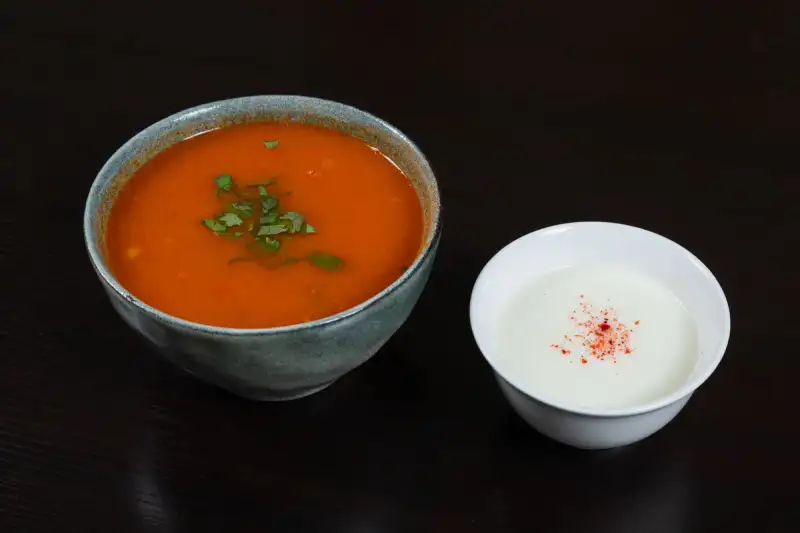
The Heartbeat of Anatolia: Demir Şef's High-Protein Red Lentil Soup with Invigorating Mint and Chili
The Ancestral Embrace: A Journey into Red Lentil Soup's Soul Greetings, my culinary comrades and wellness warriors! Demir Şef here, bringing you a dish that is more than just food; it is a warm embrace, a whisper of history, and a testament to the enduring power of simple, wholesome ingredients. Today, we journey to the heart of Anatolia and the Southern Mediterranean to explore a timeless classic: Red Lentil Soup, elevated with the vibrant notes of fresh mint and the tantalizing kick of chili flakes. This isn't just a recipe; it's a deep dive into the gastronomic heritage and profound health benefits that have sustained civilizations for millennia. Imagine a bustling bazaar, the air thick with the scent of spices, laughter, and the gentle hum of daily life. At the heart of many homes and street stalls, you’d find a simmering pot of lentil soup, an offering of comfort, energy, and nourishment. This humble soup, known in Turkey as Mercimek Çorbası, holds a special place in the culinary tapestry, often served as a comforting starter or a complete meal. Its ubiquity isn't just about taste; it's deeply rooted in its remarkable nutritional profile and economic accessibility. At Demir Şef's table, we believe in the harmonious marriage of flavor and function. Our mission is to transform everyday ingredients into extraordinary experiences that not only delight the palate but also fortify the body. And few ingredients exemplify this philosophy better than the humble lentil. These tiny legumes are titans of nutrition, especially when it comes to protein, a macronutrient critical for virtually every bodily function.The Protein Powerhouse: Unpacking Lentils' Nutritional Might Why all the fuss about lentils, you ask? Beyond their earthy flavor and creamy texture, lentils are nutritional champions, particularly revered for their high protein content. For vegetarians, vegans, and anyone looking to reduce their meat intake, lentils offer a complete and efficient protein source, crucial for muscle repair, enzyme production, and overall cellular health. But the benefits extend far beyond just protein. According to a comprehensive review exploring the "Gastronomic heritage of legume foods in Southern Mediterranean cuisine," legumes like lentils, chickpeas, and fava beans hold a "prominent position" and are "renowned for their richness in proteins, fibers, and essential micronutrients." This research highlights that traditional legume-based dishes are not merely historical relics but continue to be cornerstones of a healthy diet, celebrated for their "nutritional value" and "cultural significance." This very notion underscores why our Red Lentil Soup remains a vital and relevant dish in modern kitchens. It’s a taste of history that actively contributes to your well-being. The fiber content in lentils is equally impressive. Dietary fiber is fundamental for digestive health, promoting regularity and contributing to a healthy gut microbiome. A well-functioning digestive system is the bedrock of overall health, impacting everything from immunity to mood. Research, such as studies focusing on dietary patterns for patients with inflammatory bowel disease (IBD), emphasizes that diet is an "essential, controllable, and economical component" in managing chronic digestive conditions. While our soup isn't a direct treatment for IBD, incorporating nutrient-dense, fiber-rich foods like red lentils into a balanced diet aligns with the general principles of supporting a healthy gut and overall well-being. The abstract notes that understanding the "benefits and drawbacks of typical foods and their chemical compositions" is crucial, and lentils consistently emerge as a food with significant benefits. The "economical component" mentioned in the IBD research is also a crucial aspect of lentils' appeal. They are an incredibly affordable source of high-quality protein and nutrients, making healthy eating accessible to a broader population. This accessibility has made lentil soup a staple in cultures around the world, especially in times when resources were scarce, proving that nourishing food doesn't have to break the bank. Beyond protein and fiber, lentils are packed with essential micronutrients. They are a good source of iron, crucial for oxygen transport in the blood, and folate, vital for cell growth and function. They also provide a spectrum of B vitamins, magnesium, and potassium, all working synergistically to support energy production, nerve function, and heart health. This makes a bowl of our Red Lentil Soup not just satisfying, but truly restorative.A Symphony of Flavors and Wellness: Mint, Chili, and Beyond While the lentils form the nutritious foundation, it's the interplay of fresh mint and vibrant chili flakes that elevates this soup from simple sustenance to an unforgettable culinary experience. These aren't mere garnishes; they are deliberate additions with their own unique contributions to both flavor and health. Mint, often seen as a palate cleanser, offers a burst of freshness that cuts through the richness of the lentils. Beyond its invigorating aroma, mint has been traditionally used to aid digestion. It's believed to soothe an upset stomach and alleviate indigestion, making it a perfect partner for a hearty, fiber-rich soup. The essential oils in mint are responsible for these calming effects, adding a therapeutic dimension to each spoonful. Chili flakes, particularly Pul Biber (Aleppo pepper flakes) or Maras pepper, commonly used in Turkish cuisine, provide a gentle warmth and subtle smokiness without overwhelming heat. The capsaicin in chili peppers is known for its anti-inflammatory properties and its ability to boost metabolism. It adds an exciting layer of flavor that awakens the senses, transforming the soup into a dynamic and engaging dish. This combination of mint's cooling freshness and chili's warming spice creates a beautiful yin and yang effect, making the soup incredibly balanced and addictive. The other vegetables in our recipe—carrots, celery, and onions—contribute a wealth of vitamins, minerals, and antioxidants, further enhancing the soup's nutritional profile. Onions and garlic provide immune-boosting compounds, while carrots add beta-carotene, a precursor to Vitamin A, essential for vision and skin health. This harmonious blend of ingredients ensures that every spoonful is a step towards holistic well-being. Navigating Modern Diets: Lessons from Ancient Legumes In an increasingly complex world of dietary advice and endless food trends, finding reliable, nourishing meals can sometimes feel like a challenge. We see a rise in personalized nutrition and advanced tools exploring dietary patterns, as evidenced by recent research into "The role of ChatGPT in vegetarian menus." This study aimed to analyze how AI models like ChatGPT-4 can create menus for various vegetarian diets, highlighting the "potential of artificial intelligence in gastronomy." However, the research also "emphasize[s] the need for users to verify the information," as errors were observed in some AI-generated menus. This intriguing finding underscores the enduring value of time-tested, traditional recipes like our Red Lentil Soup. While technology continues to evolve and offer new avenues for dietary planning, the foundational wisdom embedded in dishes that have sustained generations remains an invaluable, verified resource. Our soup embodies a culinary heritage built on generations of trial, error, and refinement, where the ingredients and combinations have proven their worth for both taste and health. It’s a reminder that sometimes, the best dietary advice comes from the dishes that have stood the test of time, deeply rooted in cultural traditions and nutrient-rich ingredients. Legumes, as celebrated in the review of Southern Mediterranean cuisine, are versatile and adaptable, making them suitable for a wide array of dietary preferences, including vegetarian, vegan, and flexitarian approaches. This inherent flexibility means that our Red Lentil Soup can fit seamlessly into diverse eating patterns, providing robust nutrition without needing complex, AI-generated meal plans. It’s a simple, reliable, and deeply satisfying answer to the question of what to eat for health and pleasure. Crafting Comfort: The Demir Şef's Red Lentil Soup Recipe Now, let's get into the kitchen and bring this masterpiece to life. This recipe is designed to be straightforward, allowing the natural flavors to shine while delivering maximum nutritional impact.Yields: 6-8 servings Prep Time: PT20M Cook Time: PT40M Ingredients:1 tablespoon good quality olive oil 1 large yellow onion, finely chopped 2 cloves garlic, minced 1 tablespoon tomato paste (Domates Salçası, if you can find it, for authentic flavor) 1 teaspoon sweet paprika 1/2 teaspoon ground cumin 1/4 teaspoon turmeric (optional, for beautiful color and additional anti-inflammatory benefits) 1 cup (200g) red lentils, rinsed thoroughly under cold water until water runs clear 6 cups (1.4 liters) vegetable broth (or chicken broth for a non-vegetarian option) 1 large carrot, peeled and finely diced 1 celery stalk, finely diced 1 teaspoon salt, or to taste 1/4 teaspoon freshly ground black pepper, or to taste Juice of 1/2 lemon, for brightness and acidityFor the Mint-Chili Oil (Optional Garnish):2 tablespoons olive oil 1 tablespoon dried mint (Nane, ideally Turkish dried mint) 1/2 - 1 teaspoon chili flakes (Pul Biber or Maras pepper recommended for milder heat and flavor) Fresh mint leaves, chopped, for garnishInstructions:Prepare the Aromatics: Heat 1 tablespoon of olive oil in a large heavy-bottomed pot or Dutch oven over medium heat. Add the finely chopped yellow onion and cook, stirring occasionally, until softened and translucent, about 5-7 minutes. Add Garlic and Spices: Add the minced garlic to the pot and cook for another minute until fragrant, being careful not to burn it. Stir in the tomato paste, sweet paprika, ground cumin, and turmeric (if using). Cook for 1-2 minutes, stirring constantly, to toast the spices and deepen their flavor. This step is crucial for building the base of the soup's rich taste. Introduce Lentils and Vegetables: Add the thoroughly rinsed red lentils, diced carrot, and diced celery to the pot. Stir well to coat all the ingredients with the aromatic spice mixture. Simmer to Perfection: Pour in the 6 cups of vegetable broth. Bring the mixture to a boil, then reduce the heat to low, cover the pot, and let it simmer gently for 25-30 minutes, or until the lentils and vegetables are very tender. Stir occasionally to prevent sticking. Red lentils cook quickly and will break down, thickening the soup naturally. Achieve Creamy Texture: Once the lentils are cooked, remove the pot from the heat. For a truly creamy consistency, use an immersion blender to blend the soup directly in the pot until smooth. Alternatively, carefully transfer the soup in batches to a standard blender and blend until silky smooth. If using a standard blender, remember to leave the lid slightly ajar to allow steam to escape and protect your hands with a kitchen towel. Season and Finish: Return the blended soup to the pot (if using a standard blender). Stir in the salt and freshly ground black pepper. Taste and adjust seasonings as needed. Add the juice of 1/2 lemon. The lemon juice brightens the flavors and adds a necessary touch of acidity, making the soup sing. Prepare Mint-Chili Oil (Optional Garnish): While the soup is simmering or blending, prepare your flavorful garnish. In a small saucepan or skillet, heat 2 tablespoons of olive oil over low heat. Add the dried mint and chili flakes. Cook gently for about 30 seconds to 1 minute, just until fragrant, being careful not to burn the mint or chili. Remove from heat immediately. This infused oil adds a beautiful color, aroma, and a delightful spicy kick. Serve: Ladle the hot Red Lentil Soup into bowls. Drizzle each serving with a spoonful of the warm mint-chili oil and sprinkle with fresh chopped mint leaves for a final flourish. Serve immediately with warm crusty bread or lemon wedges on the side.Beyond the Bowl: A Holistic Approach to Nourishment This Red Lentil Soup with Mint and Chili is more than just a meal; it's a celebration of health, heritage, and the sheer joy of cooking. It embodies the principles Demir Şef stands for: delicious food that is genuinely good for you, prepared with love and mindful intention. By incorporating traditional ingredients and time-honored techniques, we not only create culinary magic but also tap into a wellspring of scientifically validated health benefits. From its robust protein and fiber content to its array of essential micronutrients, this soup is a testament to the power of legumes. It’s a dish that nourishes your body, comforts your soul, and connects you to a rich cultural narrative. So go ahead, embrace the warmth, the spice, and the profound goodness of this magnificent soup. Your body and taste buds will thank you. Enjoy, and afiyet olsun!#HighProtein #RedLentilSoup #DemirŞef #GutHealth #MediterraneanDiet Related InsightsAppam and Stew: Kerala's Comforting Coconut Duo Miso Alchemy: Scaling Home Fermentation to Artisanal Mastery Siu Mai: The Classic Open-Faced Pork Dumpling{ "@context": "https://schema.org", "@type": "FAQPage", "mainEntity": [ { "@type": "Question", "name": "What is the main focus of The Heartbeat of Anatolia: Demir Şef's High-Protein Red Lentil Soup with Invigorating Mint and Chili?", "acceptedAnswer": { "@type": "Answer", "text": "Savor a high-protein, nourishing red lentil soup with fresh mint and spicy chili. Demir Şef combines ancient culinary wisdom with modern nutritional science for a comforting, gut-friendly meal." } }, { "@type": "Question", "name": "Who authored the comprehensive guide on The Heartbeat of Anatolia: Demir Şef's High-Protein Red Lentil Soup with Invigorating Mint and Chili?", "acceptedAnswer": { "@type": "Answer", "text": "This detailed article and its insights were carefully researched and authored by Demir Şef." } }, { "@type": "Question", "name": "Where can I find more related content about Food?", "acceptedAnswer": { "@type": "Answer", "text": "You can explore more articles, detailed reviews, and similar insights by browsing the Related Insights section at the bottom of this article or visiting our dedicated Food category page." } } ] }
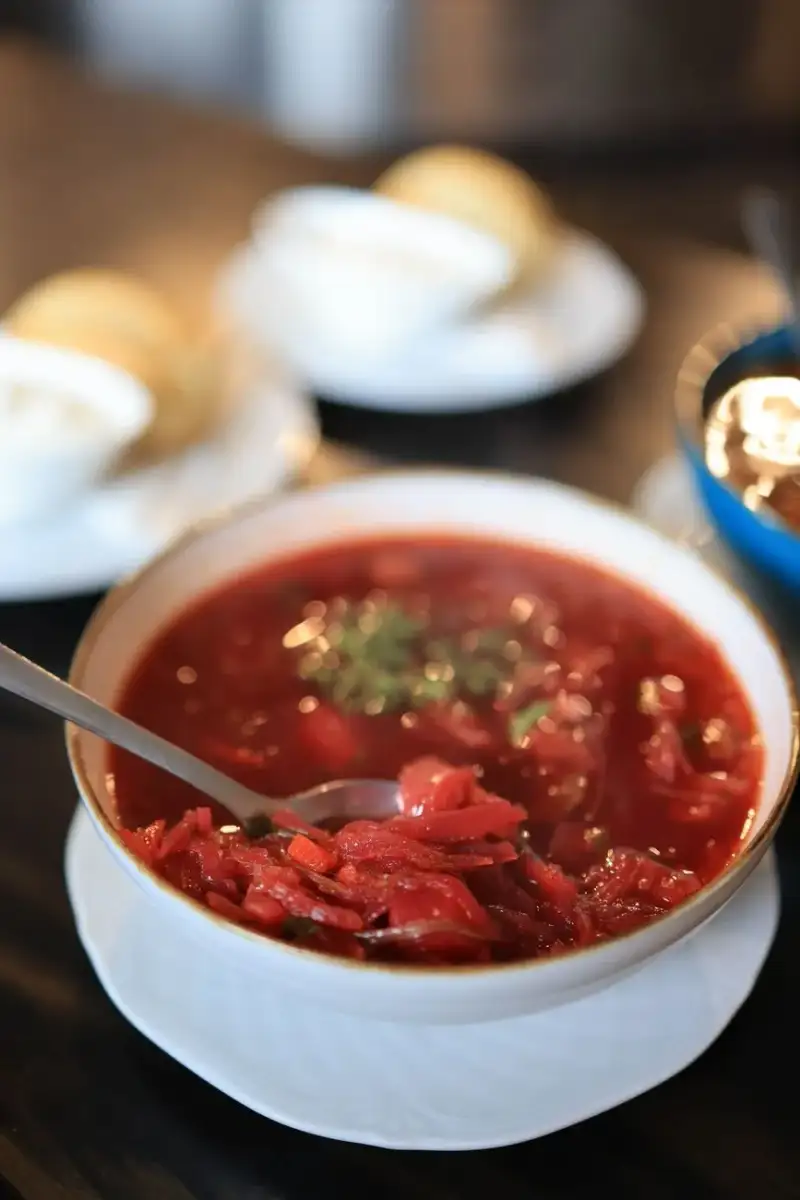
-
 Elena Volkova
 - 24 Jun, 2026 07:25
Exploring the Antioxidant-Rich Delights of Borscht with Kefir and Dill
A Vibrant Bowl of Vitality: Reimagining Borscht There is something profoundly soul-warming about a steaming bowl of Borscht. Traditionally rooted in Eastern European culture, this ruby-hued soup has long been celebrated not just for its complex, earthy flavor profile, but for its legendary status as a "functional food"—a dish that does far more than satisfy hunger. In this modern interpretation, we swap the traditional heavy cream for the tangy, probiotic-rich magic of kefir, and elevate the aromatic profile with a generous handful of fresh dill. This version isn’t just a recipe; it’s a nutritional powerhouse designed to nourish your gut microbiome and provide a concentrated dose of plant-based antioxidants. Whether you are seeking a light lunch or a revitalizing dinner, this Borscht with Kefir and Dill offers a sophisticated balance of textures and tastes that bridge the gap between ancestral tradition and modern nutritional science.The Science Behind: Why This Borscht Works Beyond its striking color, this soup is a masterclass in bioavailable nutrition. Every ingredient serves a physiological purpose: 1. The Beetroot (Beta vulgaris): The star of the show. Beets are one of the few dietary sources of betalains—powerful pigments that provide both the deep red color and potent antioxidant, anti-inflammatory properties. Studies suggest that the nitrates found in beets are converted into nitric oxide in the body, which helps dilate blood vessels, improve oxygen flow, and potentially lower blood pressure. 2. Kefir and the Gut Microbiome: Unlike standard dairy, kefir is a fermented beverage teeming with a diverse range of probiotics (beneficial bacteria). By adding kefir at the end of the cooking process, we preserve these live cultures. A healthy gut microbiome is linked to improved immune function, enhanced mood regulation, and better nutrient absorption. 3. Aromatics and Micronutrients: Garlic, onions, and celery are more than flavor enhancers. Garlic contains allicin, a sulfur-based compound with antimicrobial effects. Carrots provide a significant dose of beta-carotene, a precursor to Vitamin A, which is essential for ocular health and skin integrity. 4. The Synergy of Dill: Fresh dill is not merely a garnish. It is rich in flavonoids and monoterpenes, compounds that have been shown to help neutralize free radicals and support digestive health by reducing gas and bloating. Preparation Tips for the Perfect Bowl To achieve a depth of flavor that feels like it’s been simmering for hours, follow these preparation nuances:The Sauté Stage: Don’t rush the onion and garlic. Sautéing them until they are translucent—not burnt—caramelizes the natural sugars, creating a savory foundation (umami) that balances the inherent sweetness of the beets. Uniformity is Key: Dice your beets, carrots, and celery into uniform, bite-sized pieces. This ensures that every spoonful has a consistent texture and that the vegetables cook evenly without turning into mush. Managing the Kefir: Temperature is critical. Because kefir contains delicate probiotics, avoid boiling the soup vigorously after the kefir is added. Stir it in at the final stages to ensure the heat remains gentle, preserving the integrity of the beneficial bacteria and preventing the kefir from curdling. The Earthiness Balance: If you find the earthiness of the beets too dominant, a small squeeze of lemon juice at the end can brighten the acidity and cut through the natural sugar of the root vegetables.Step-by-Step Flavor Profile When you take your first bite, you will experience a layered flavor journey. It begins with the initial brightness of fresh dill and the sharp, acidic tang of the kefir. As you chew, the sweetness of the roasted-style beets emerges, followed by the savory depth of the vegetable broth and the mild, peppery undertones of the celery and garlic. It is this interplay between sweet, sour, and savory that makes this Borscht a complete sensory experience. Conclusion This Borscht with Kefir and Dill is more than a seasonal staple; it is a testament to the power of whole, nutrient-dense foods. By incorporating fermented ingredients and earth-grown roots into your routine, you are doing more than preparing a meal—you are fueling your body with the biological tools it needs to thrive. Whether you enjoy it hot on a cold winter night or room temperature during the warmer months, this dish remains a timeless, healthful classic. Give this recipe a try, and taste the difference that thoughtful nutrition makes. #Borscht #HealthyRecipes #GutHealth #AntioxidantRich #BeetrootNutritionRelated InsightsDelving into Sardinian Fregola with Seafood and Fennel: A High Protein Culinary Journey The Alchemy of Vitality: Grilled Chicken Pesto with Zucchini Noodles Turning Kitchen Scraps into Gourmet Gold: The Zero‑Waste Revolution{ "@context": "https://schema.org", "@type": "FAQPage", "mainEntity": [ { "@type": "Question", "name": "What is the main focus of Exploring the Antioxidant-Rich Delights of Borscht with Kefir and Dill?", "acceptedAnswer": { "@type": "Answer", "text": "A delicious and healthy twist on the traditional Eastern European dish, this recipe for Borscht with Kefir and Dill is rich in antioxidants and other essential nutrients." } }, { "@type": "Question", "name": "Who authored the comprehensive guide on Exploring the Antioxidant-Rich Delights of Borscht with Kefir and Dill?", "acceptedAnswer": { "@type": "Answer", "text": "This detailed article and its insights were carefully researched and authored by Elena Volkova." } }, { "@type": "Question", "name": "Where can I find more related content about Food?", "acceptedAnswer": { "@type": "Answer", "text": "You can explore more articles, detailed reviews, and similar insights by browsing the Related Insights section at the bottom of this article or visiting our dedicated Food category page." } } ] }
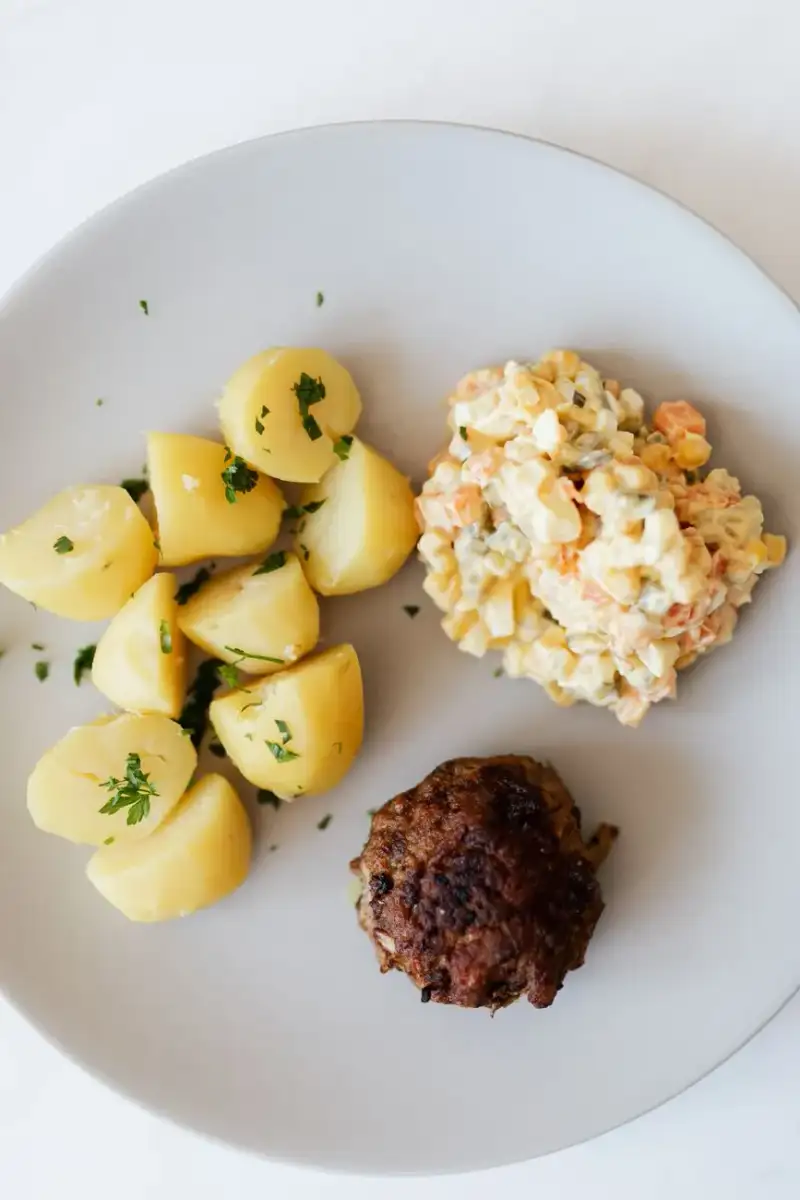
-
 Hannah Weber
 - 24 Jun, 2026 02:36
Delving into the World of Anti-Inflammatory German Potato Salad with Dill and Apple Cider Vinaigrette (Vegan)
Introduction to German Potato Salad German potato salad, also known as Kartoffelsalat, is a traditional dish that originated in Southern Germany and has been a staple in German cuisine for centuries. This hearty salad is typically made with boiled potatoes, onions, and a variety of seasonings, and is often served as a side dish or light lunch. In this version, we'll be adding a vegan twist to the classic recipe, using apple cider vinaigrette and fresh dill to give it a unique flavor and anti-inflammatory benefits. The Anti-Inflammatory Benefits of Dill and Apple Cider Vinaigrette According to general knowledge of nutrition, dill is a rich source of antioxidants and has been shown to have anti-inflammatory properties, which can help to reduce inflammation and improve overall health. Apple cider vinaigrette, made from apple cider vinegar, also has anti-inflammatory benefits, as it contains acetic acid, which has been shown to have anti-inflammatory effects. Research on anti-inflammatory compounds has demonstrated that a diet rich in these compounds can help to reduce the risk of chronic diseases such as heart disease, diabetes, and certain types of cancer.Preparing the German Potato Salad To prepare the German potato salad, start by placing the diced potatoes in a large pot and adding enough cold water to cover them. Bring to a boil over high heat, then reduce the heat to medium-low and simmer for 10-12 minutes, or until the potatoes are tender when pierced with a fork. While the potatoes are cooking, prepare the vinaigrette by whisking together the apple cider vinegar, olive oil, Dijon mustard, salt, and pepper in a small bowl. Adding the Finishing Touches Once the potatoes are cooked, drain them and let them cool to room temperature. In a large bowl, combine the cooled potatoes, chopped onion, minced garlic, and chopped fresh dill. Pour the vinaigrette over the top of the potatoes and toss to combine. Season with salt and pepper to taste, then cover the bowl with plastic wrap and refrigerate for at least 30 minutes to allow the flavors to meld together.Serving and Enjoying To serve, scoop the German potato salad into a bowl or onto a plate and garnish with additional chopped fresh dill, if desired. This salad is perfect for a light lunch or as a side dish for a variety of meals, and can be made ahead of time and refrigerated for up to 24 hours. With its unique flavor and anti-inflammatory benefits, this vegan version of German potato salad is sure to become a favorite in your household.#HealthyLiving #Gastronomy #VeganRecipes #AntiInflammatoryFoods Related InsightsFrench Lentil Soup with Kale and Dijon: A High Protein Delight Goi Cuon: The Fresh and Healthy Summer Rolls Avocado and Poached Egg Toast on Sourdough{ "@context": "https://schema.org", "@type": "FAQPage", "mainEntity": [ { "@type": "Question", "name": "What is the main focus of Delving into the World of Anti-Inflammatory German Potato Salad with Dill and Apple Cider Vinaigrette (Vegan)?", "acceptedAnswer": { "@type": "Answer", "text": "Indulge in the flavors of Germany with a vegan twist on the classic potato salad, infused with the anti-inflammatory benefits of dill and apple cider vinaigrette." } }, { "@type": "Question", "name": "Who authored the comprehensive guide on Delving into the World of Anti-Inflammatory German Potato Salad with Dill and Apple Cider Vinaigrette (Vegan)?", "acceptedAnswer": { "@type": "Answer", "text": "This detailed article and its insights were carefully researched and authored by Hannah Weber." } }, { "@type": "Question", "name": "Where can I find more related content about Food?", "acceptedAnswer": { "@type": "Answer", "text": "You can explore more articles, detailed reviews, and similar insights by browsing the Related Insights section at the bottom of this article or visiting our dedicated Food category page." } } ] }
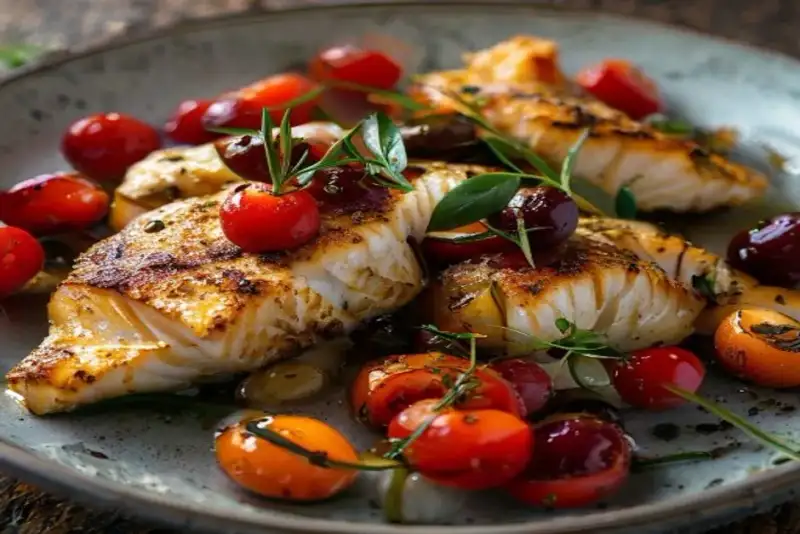
-
 Isabella Ferrari
 - 23 Jun, 2026 06:48
The Mediterranean Elixir: Baked Cod with Cherry Tomatoes, Capers, and Olives
"The Mediterranean Elixir: Baked Cod with Cherry Tomatoes, Capers, and Olives" Welcome to my kitchen, fellow food enthusiasts. I am Isabella Ferrari, and today we are embarking on a journey that bridges the gap between the art of fine dining and the rigorous world of nutritional science. Often, we view the act of cooking as purely sensory—a dance of aromas, textures, and tastes. Yet, when we choose our ingredients with intention, we are performing an act of medicine. There is a profound, almost poetic harmony found in the Mediterranean diet, a way of eating that has been the subject of countless medical inquiries. Among the stars of this dietary tradition, white fish like cod stands out, not just for its delicate, flaky texture, but for its role as a vessel for vital nutrients. When we pair this lean, high-quality protein with the antioxidants found in vine-ripened tomatoes and the briny, polyphenolic punch of olives and capers, we aren't just making dinner—we are crafting a formula for longevity. The Science of the Sea: Why Cod Matters The modern pursuit of health often leads us to seek complex solutions, yet the most enduring wellness strategies are rooted in nature. According to recent studies on nutraceuticals, the compounds found in natural products play a decisive role in cardiovascular health and metabolic management. When we look at ingredients like cod, we are looking at a lean source of protein that lacks the heavy saturated fats of terrestrial meats, making it a cornerstone for those focusing on heart-health and weight management.Research on cardiovascular health consistently points toward the necessity of immune-modulating compounds. The "Wisdom of Nature" abstract clarifies that the action mechanisms of specific natural compounds improve heart function and help in the prevention of cardiovascular disease. By incorporating cod into our weekly rotation, we provide our bodies with high-quality protein, which acts as a foundational block for muscle maintenance and systemic recovery, without the inflammatory baggage of processed alternatives. Mediterranean Aromatics: More Than Just Flavor The beauty of this dish lies in the confluence of its ingredients. The capers and olives are not merely there for their sharp, salty profiles; they are loaded with phytochemicals that assist the body in oxidative stress management. When paired with the healthy monounsaturated fats from extra virgin olive oil, these elements create a bioavailability synergy. Scientific literature regarding nutraceuticals highlights how these active compounds contribute to the development of innovative health therapies. When we roast tomatoes, we release lycopene, a potent antioxidant that becomes significantly easier for the body to absorb. This, combined with the Omega-3s in fish, creates an anti-inflammatory powerhouse on your dinner plate.A Culinary Ritual: Crafting the Dish To prepare this dish, we must respect the ingredients. Cod is a gentle fish; it requires care to ensure it remains succulent. The moisture from the cherry tomatoes acts as a natural poaching liquid, ensuring the fillets remain tender while the capers and olives create a concentrated reduction that packs a savory, umami-rich punch. This recipe is designed for those who value efficiency in the kitchen without sacrificing the health benefits of home-cooked meals. It is a dish that honors the "Wisdom of Nature" by letting the ingredients speak for themselves. [Insert Recipe Instructions Here, provided in the Frontmatter] Integrating Wellness into Your Lifestyle As you plate this meal, take a moment to consider the endurance and vitality you are fueling. The science of nutraceuticals reminds us that every meal is an opportunity to modulate our internal environment. By choosing a diet that prioritizes heart-healthy fats and nutrient-dense botanicals, we are engaging in a daily practice of health preservation.Remember, the goal is not perfection, but consistency. Whether you are a seasoned chef or a beginner looking to improve your health, dishes like this Baked Cod with Cherry Tomatoes, Capers, and Olives serve as a reminder that the path to wellness is delicious, sustainable, and entirely within your control. I invite you to try this recipe, savor the interplay of the briny olives against the sweetness of the tomatoes, and feel empowered by the knowledge that you are feeding your body the very best of nature’s pharmacopeia. Until next time, stay healthy, stay curious, and always keep cooking with love. #HealthyLiving #MediterraneanDiet #Omega3Nutrition #CulinaryScience #IsabellaFerrariEats #Gastronomy #FoodScience #HealthyRecipes #CulinaryArts Related InsightsThe Earthy Revolution: Crafting the Ultimate High-Fiber Whole Grain Lentil Shepherd’s Pie Wine: A Journey Through 8000 Years of History, Science, and Enjoyment Salmon Kulebyaka: A Harmonious Union of Omega-3 Rich Fish, Buckwheat, and Herbs{ "@context": "https://schema.org", "@type": "FAQPage", "mainEntity": [ { "@type": "Question", "name": "What is the main focus of The Mediterranean Elixir: Baked Cod with Cherry Tomatoes, Capers, and Olives?", "acceptedAnswer": { "@type": "Answer", "text": "Discover the perfect marriage of heart-healthy science and culinary bliss with this nutrient-dense baked cod recipe, packed with omega-3s and vibrant Mediterranean flavors." } }, { "@type": "Question", "name": "Who authored the comprehensive guide on The Mediterranean Elixir: Baked Cod with Cherry Tomatoes, Capers, and Olives?", "acceptedAnswer": { "@type": "Answer", "text": "This detailed article and its insights were carefully researched and authored by Isabella Ferrari." } }, { "@type": "Question", "name": "Where can I find more related content about Food?", "acceptedAnswer": { "@type": "Answer", "text": "You can explore more articles, detailed reviews, and similar insights by browsing the Related Insights section at the bottom of this article or visiting our dedicated Food category page." } } ] }
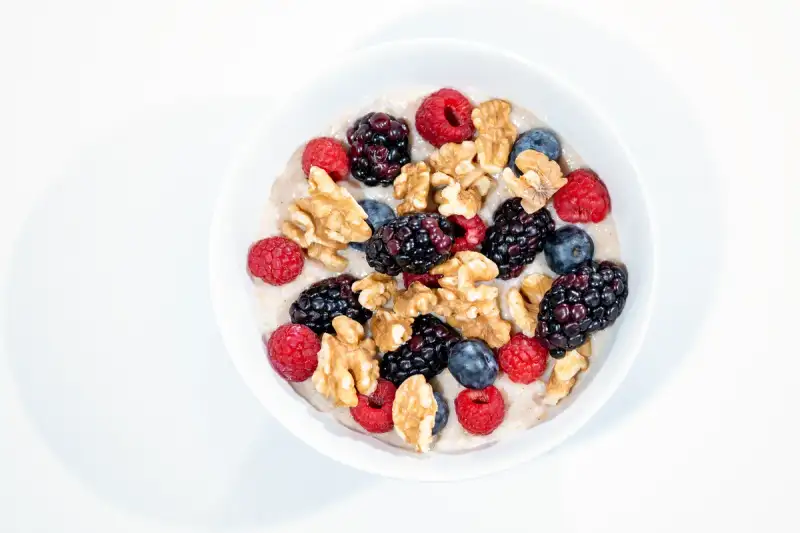
- Michael Chef
- 21 Jun, 2026 15:03
Steel-Cut Oats with Chia Seeds and Blueberries: A Delicious and Nutritious Breakfast Option
Introduction to Steel-Cut Oats with Chia Seeds and Blueberries In today's fast-paced world, it's easy to get caught up in the hustle and bustle of daily life and neglect our health and wellbeing. One of the simplest and most effective ways to prioritize our health is by starting the day with a nutritious breakfast. Steel-Cut Oats with Chia Seeds and Blueberries is a delicious and nutritious breakfast option that is rich in soluble fiber, antioxidants, and other essential nutrients. According to recent studies, a diet rich in soluble fiber can help lower cholesterol levels, regulate blood sugar levels, and even aid in weight management. Research on soluble fiber shows that it can also help promote the growth of beneficial gut bacteria, which is essential for a healthy immune system.Steel-cut oats are a type of oat that is less processed than rolled oats, which means they retain more of their natural fiber and nutrients. Chia seeds are a rich source of omega-3 fatty acids, protein, and fiber, making them a nutritional powerhouse. Blueberries are packed with antioxidants, vitamins, and minerals, and have been shown to have numerous health benefits, including reducing inflammation and improving memory. The Benefits of Soluble Fiber Soluble fiber is a type of dietary fiber that dissolves in water and forms a gel-like substance in the digestive system. It is found in foods such as oats, barley, fruits, and vegetables. According to a study published in the Journal of Nutrition, a diet rich in soluble fiber can help lower cholesterol levels by binding to bile acids and removing them from the body, which in turn reduces the amount of cholesterol produced in the liver. Research on soluble fiber also shows that it can help regulate blood sugar levels by slowing down the absorption of glucose into the bloodstream.In addition to its numerous health benefits, soluble fiber can also help promote the growth of beneficial gut bacteria. A study published in the Journal of Agricultural and Food Chemistry found that a diet rich in soluble fiber can help increase the production of short-chain fatty acids, which are produced by the gut bacteria and are used as energy by the cells in the colon. The Benefits of Antioxidants Antioxidants are compounds that help protect the body from damage caused by free radicals, which are unstable molecules that can damage cells and contribute to aging and disease. Blueberries are one of the richest sources of antioxidants, and have been shown to have numerous health benefits, including reducing inflammation and improving memory. According to a study published in the Journal of Neuroscience, antioxidants can help reduce the risk of age-related diseases such as Alzheimer's and Parkinson's.In addition to their numerous health benefits, antioxidants can also help protect the body from damage caused by environmental stressors such as pollution and UV radiation. A study published in the Journal of Investigative Dermatology found that antioxidants can help reduce the signs of aging, including fine lines and wrinkles, and improve skin elasticity. Recipe: Steel-Cut Oats with Chia Seeds and Blueberries Prep Time: 15 minutes Cook Time: 30 minutes Total Time: 45 minutes Ingredients:1 cup steel-cut oats 1/2 cup chia seeds 1 cup fresh or frozen blueberries 2 cups water or milk 1 tablespoon honey or maple syrup (optional)Instructions:Preheat oven to 375F. In a large pot, bring the water or milk to a boil. Add the steel-cut oats and reduce heat to low, simmering for 20-25 minutes or until the oats have absorbed most of the liquid and have a creamy consistency. In a small bowl, mix together the chia seeds and honey or maple syrup (if using). Stir the chia seed mixture into the cooked oats and top with fresh or frozen blueberries. Serve hot, garnished with additional blueberries and a sprinkle of chia seeds if desired.Conclusion Steel-Cut Oats with Chia Seeds and Blueberries is a delicious and nutritious breakfast option that is rich in soluble fiber, antioxidants, and other essential nutrients. According to recent studies, a diet rich in soluble fiber can help lower cholesterol levels, regulate blood sugar levels, and even aid in weight management. Research on soluble fiber shows that it can also help promote the growth of beneficial gut bacteria, which is essential for a healthy immune system.In addition to its numerous health benefits, this recipe is also easy to make and can be customized to suit your taste preferences. Whether you prefer your oats sweet or savory, there are countless ways to enjoy this nutritious breakfast option. So next time you're looking for a healthy and delicious breakfast idea, give Steel-Cut Oats with Chia Seeds and Blueberries a try! #HealthyLiving #Gastronomy #SolubleFiber #Antioxidants #BreakfastIdeas Related InsightsSip, Savor, and Swoon: The Art of French Wine and Cheese Pairings That Will Transport You to the Vineyards of Bordeaux Andean Superfoods Unveiled: The Alchemical Power of Quinoa, Kiwicha, and Canihua Dan Dan Noodles: The Ultimate Szechuan Street Bowl{ "@context": "https://schema.org", "@type": "FAQPage", "mainEntity": [ { "@type": "Question", "name": "What is the main focus of Steel-Cut Oats with Chia Seeds and Blueberries: A Delicious and Nutritious Breakfast Option?", "acceptedAnswer": { "@type": "Answer", "text": "Start your day with a nutritious and delicious breakfast option, Steel-Cut Oats with Chia Seeds and Blueberries, rich in soluble fiber and antioxidants." } }, { "@type": "Question", "name": "Who authored the comprehensive guide on Steel-Cut Oats with Chia Seeds and Blueberries: A Delicious and Nutritious Breakfast Option?", "acceptedAnswer": { "@type": "Answer", "text": "This detailed article and its insights were carefully researched and authored by Michael Chef." } }, { "@type": "Question", "name": "Where can I find more related content about Food?", "acceptedAnswer": { "@type": "Answer", "text": "You can explore more articles, detailed reviews, and similar insights by browsing the Related Insights section at the bottom of this article or visiting our dedicated Food category page." } } ] }
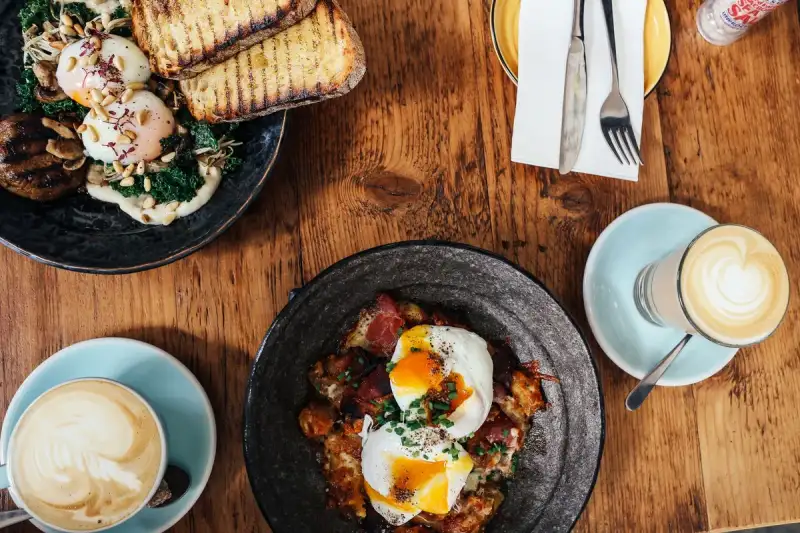

Waakye, a traditional Ghanaian street food, is a harmonious blend of colors, flavors, and textures that awakens the senses and satisfies the palate. This vibrant breakfast dish, typically served in a large, steaming bowl, is a culinary embodiment of Ghanaian culture and hospitality. As the morning sun rises over the bustling streets of Accra, the aroma of waakye wafts through the air, enticing passersby to start their day with a delicious and filling meal. Introduction to Waakye Waakye is a one-pot dish made from a mixture of beans, rice, and a variety of spices, including garlic, ginger, and chili peppers. The name "waakye" is derived from the Ga language, in which "waakye" means "Wednesday," the day of the week when this dish was traditionally cooked. Over time, waakye has become an integral part of Ghanaian cuisine, with its popularity transcending cultural and geographical boundaries.The preparation of waakye is an art form that requires patience, skill, and attention to detail. The dish is typically cooked in large quantities, using a combination of cowpeas and rice, which are soaked overnight and then boiled in a flavorful broth. The cooking process is a labor of love, with the ingredients simmering together for hours to create a rich, savory sauce. The Cultural Significance of Waakye Waakye is more than just a meal; it is a symbol of community, hospitality, and cultural heritage. In Ghana, food plays a vital role in bringing people together, and waakye is no exception. This dish is often served at social gatherings, festivals, and family reunions, where it is shared among friends and loved ones. The communal nature of waakye is reflected in the way it is served, with large portions being ladled into bowls and shared among those present.The cultural significance of waakye is also reflected in its ingredients, which are carefully selected to reflect the country's rich agricultural heritage. The use of cowpeas, rice, and spices in waakye is a testament to Ghana's history as a major trading hub, with these ingredients being introduced by traders and travelers from across the continent. Preparing Waakye: A Recipe For those interested in trying their hand at making waakye, here is a simple recipe to get you started: Ingredients:1 cup cowpeas 1 cup uncooked rice 2 cloves garlic, minced 1-inch piece ginger, grated 1 teaspoon ground cumin 1 teaspoon paprika Salt and pepper to taste 2 cups water Vegetable oil for servingInstructions:Rinse the cowpeas and rice, and soak them in water overnight. Drain the cowpeas and rice, and place them in a large pot. Add the garlic, ginger, cumin, paprika, salt, and pepper to the pot. Pour in the water, and bring the mixture to a boil. Reduce the heat to low, and simmer the waakye for 2-3 hours, or until the cowpeas and rice are tender. Serve the waakye hot, garnished with chopped onions, tomatoes, and a sprinkle of pepper.This recipe is a basic guide, and you can adjust the ingredients and spices to suit your taste preferences. The key to making great waakye is to use high-quality ingredients and to cook the dish with love and care. Waakye: A Reflection of Ghanaian Cuisine Waakye is a prime example of Ghanaian cuisine, which is known for its bold flavors, vibrant colors, and hearty portions. Ghanaian cuisine is a fusion of traditional and modern influences, with dishes like waakye, jollof rice, and banku being staples of the national diet. The use of spices, herbs, and other ingredients in Ghanaian cooking reflects the country's rich cultural heritage, with influences from Africa, Europe, and the Middle East. Conclusion Waakye is a true reflection of Ghanaian culture and cuisine, with its rich flavors, vibrant colors, and hearty portions making it a beloved dish across the country. Whether you are a foodie, a culture enthusiast, or simply someone who loves to try new things, waakye is a must-try dish that is sure to leave you wanting more. So next time you are in Ghana, be sure to try a bowl of waakye, and experience the warmth and hospitality of this beautiful West African country. #GhanaianCuisine #StreetFood #Waakye #AfricanFood #Breakfast Recipes #TraditionalDishes #FoodieAdventures #CulturalHeritage
Introduction to Coq au Vin Coq au Vin, a classic French dish, has been a staple of haute cuisine for centuries. The name, which translates to "chicken in wine," is a testament to the dish's signature ingredient: red wine. According to recent studies, moderate consumption of red wine has been linked to various health benefits, including reduced risk of heart disease and certain types of cancer. Research on high protein shows that it is essential for building and repairing muscles, making it an excellent choice for individuals looking to boost their protein intake. History of Coq au Vin The origins of Coq au Vin are shrouded in mystery, with various legends surrounding its creation. One story claims that the dish was created by peasants in the Burgundy region of France, who would cook tough, old roosters in red wine to make them tender. Another story suggests that the dish was inspired by the French aristocracy, who would serve it at elaborate banquets. Regardless of its true origins, Coq au Vin has become a beloved dish around the world, with various adaptations and interpretations. Health Benefits of Coq au Vin The traditional recipe for Coq au Vin includes a mixture of ingredients that provide a range of health benefits. Chicken, the main protein source, is an excellent source of lean protein, essential for building and repairing muscles. Research has shown that consuming lean protein can help with weight management, as it takes more energy to digest than other types of protein. The red wine used in the recipe contains antioxidants, which have been shown to have anti-inflammatory properties and may help reduce the risk of certain diseases. Ingredients and Instructions To make a healthier version of Coq au Vin, we will use boneless, skinless chicken thighs, which are lower in fat and calories than traditional chicken. We will also add a variety of mushrooms and pearl onions, which are rich in fiber, vitamins, and minerals. The recipe will include a mixture of red wine and chicken broth, which will provide a rich, flavorful sauce without adding excess calories. Step-by-Step Instructions To start, heat olive oil in a large Dutch oven over medium-high heat. Add the chicken and cook until browned on all sides, about 5-7 minutes. Remove the chicken from the pot and set aside. Add the mushrooms and pearl onions to the pot and cook until they release their liquid and start to brown, about 5 minutes. Add the garlic and cook for 1 minute. Adding the Sauce Add the red wine, chicken broth, tomato paste, thyme, salt, and pepper to the pot, stirring to combine. Return the chicken to the pot and bring to a boil. Cover the pot and transfer it to a preheated oven, cooking for 25-30 minutes or until the chicken is cooked through. Conclusion In conclusion, Coq au Vin is a classic dish that can be adapted to be healthier and more nutritious. By using boneless, skinless chicken thighs, a variety of mushrooms and pearl onions, and a mixture of red wine and chicken broth, we can create a dish that is not only delicious but also packed with protein and essential nutrients. Whether you're a foodie, a health enthusiast, or simply looking for a new recipe to try, this healthier version of Coq au Vin is sure to satisfy your cravings and leave you feeling nourished. #HealthyLiving #Gastronomy #HighProteinRecipes Related InsightsVegan Bratwurst with Sauerkraut and Mustard: A Probiotic-Rich Delight Har Gow: The Translucent Shrimp Dumpling Masterpiece From Mongolian Steppes to American Diner Classics: The Untold Saga of the Hamburger{ "@context": "https://schema.org", "@type": "FAQPage", "mainEntity": [ { "@type": "Question", "name": "What is the main focus of Coq au Vin: A Healthy Twist on a Classic Dish?", "acceptedAnswer": { "@type": "Answer", "text": "Indulge in a healthier version of the classic Coq au Vin, packed with high protein ingredients and flavorful mushrooms and pearl onions." } }, { "@type": "Question", "name": "Who authored the comprehensive guide on Coq au Vin: A Healthy Twist on a Classic Dish?", "acceptedAnswer": { "@type": "Answer", "text": "This detailed article and its insights were carefully researched and authored by Chloe Blanc." } }, { "@type": "Question", "name": "Where can I find more related content about Food?", "acceptedAnswer": { "@type": "Answer", "text": "You can explore more articles, detailed reviews, and similar insights by browsing the Related Insights section at the bottom of this article or visiting our dedicated Food category page." } } ] }
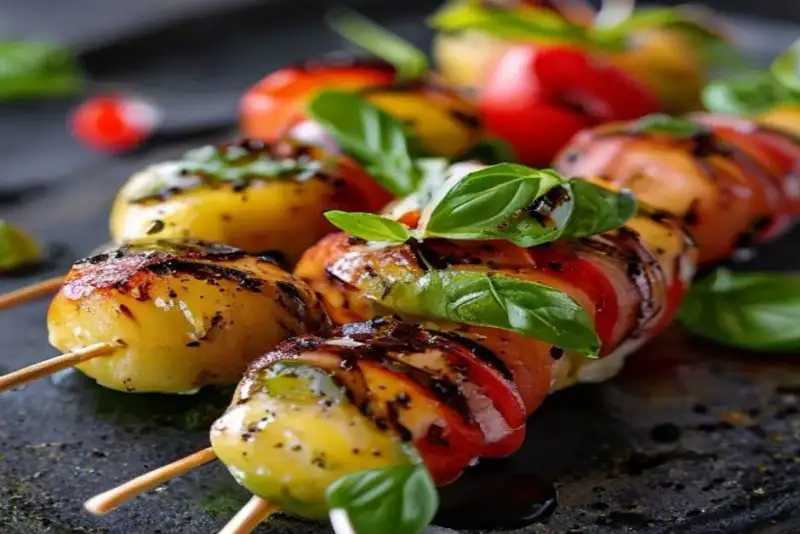
- Giovanni Luigi
- 18 Jun, 2026 11:09
The Antioxidant Elegance: Mastering the Art of Mini Caprese Skewers
"The Antioxidant Elegance: Mastering the Art of Mini Caprese Skewers" Welcome to my kitchen, fellow epicureans. I am Giovanni Luigi, and today we are stripping away the complexity of modern dining to revisit a masterpiece of Italian simplicity: the Caprese salad, reimagined as a vibrant, portable, and scientifically impressive hors d'oeuvre. When we talk about the Mediterranean diet, we often focus on the joy of the meal—the camaraderie, the wine, the laughter. But beneath the surface of the Italian lifestyle lies a sophisticated nutritional profile that has kept populations thriving for centuries. Today, we are focusing on the Mini Caprese Skewer, a dish that is not merely an appetizer but a concentrated delivery system for powerful antioxidants. The Symphony of Ingredients: A Nutritional Perspective In the world of functional food, the combination of tomatoes, basil, mozzarella, and balsamic vinegar is nothing short of a synergy of health. According to nutritional science, the deep red pigment of the cherry tomato is primarily due to lycopene. Research consistently identifies lycopene as a potent carotenoid antioxidant, known for its capacity to neutralize free radicals in the body. When paired with high-quality olive oil, as we do in this recipe, the bioavailability of these fat-soluble nutrients is significantly enhanced.Furthermore, the basil used in our skewers provides more than just an aromatic punch. It is rich in volatile oils, including eugenol, which possesses well-documented anti-inflammatory properties. When you consume these skewers, you are not just enjoying a snack; you are engaging in a culinary ritual that supports systemic health. The Cultural Significance of Caprese The Caprese salad originates from the island of Capri, a place that embodies the quintessential Mediterranean spirit. Legend suggests it was created as a patriotic salute to the Italian flag, featuring the red of the tomato, the white of the mozzarella, and the green of the basil. Over the years, this humble plate has become a global symbol of light, seasonal eating. By transforming this classic into a "Mini" skewer format, we invite portion control—a hallmark of healthy eating—without sacrificing the sensory pleasure of the dish. It is a lesson in balance: the creamy texture of the mozzarella, the bursting acidity of the tomato, and the herbal sweetness of the basil, all tied together by the complex, tart, and slightly sweet finish of the balsamic glaze. Scientific Synergy: Why Ingredients Matter One of the most fascinating aspects of gastronomy is how ingredient combinations affect our physiology. Research in the field of nutritional biochemistry emphasizes that the "matrix" of food—how components are consumed together—often dictates their health benefits. The balsamic glaze, when drizzled over the top, provides more than just a flavor contrast. Aged balsamic vinegar contains polyphenols that contribute to the overall antioxidant load of the dish. When combined with the monounsaturated fats found in premium extra virgin olive oil, these skewers become a heart-healthy choice.The inclusion of mini mozzarella pearls adds a critical component: high-quality protein and calcium. When you pair these proteins with the antioxidant-packed vegetables, you stabilize the absorption of nutrients, providing a steady release of energy rather than a glycemic spike. This is the essence of "gastronomic health." Crafting the Perfect Skewer: A Culinary Guide To achieve the best results, quality is non-negotiable. I always recommend sourcing vine-ripened cherry tomatoes; their sweetness is naturally higher, requiring less heavy seasoning. When selecting your mozzarella, look for "bocconcini" in water, which ensures a soft, creamy texture that store-bought, vacuum-packed alternatives simply cannot replicate. The assembly is where the artistry begins. Notice the structural integrity of the skewer. Threading the basil leaf by folding it twice creates a protective pocket for the tomato and mozzarella, ensuring that each bite is a balanced microcosm of the larger dish.The Role of Balsamic Glaze in Modern Nutrition While traditional balsamic vinegar is a staple, the "glaze" provides a textural component that holds the flavors together. In a health-conscious context, we prefer a glaze that is naturally reduced rather than one thickened with added sugars or starches. A slow-reduction balsamic allows the natural sugars of the grape must to concentrate, providing a complex flavor profile that satisfies the palate without the need for artificial additives. Elevating Your Daily Rituals My goal as a culinary blogger is to move beyond the recipe itself. I want you to view your kitchen as an laboratory of wellness. By focusing on colorful, fresh, and minimally processed ingredients, you change the narrative of your health. The Mini Caprese Skewer is the ideal entry point into this lifestyle. It takes less than 15 minutes to assemble, yet it offers a nutritional profile that outperforms almost any processed snack found in our modern grocery stores. As you prepare these for your next gathering, remember the history of the Mediterranean and the science of the antioxidants you are serving. You are not just feeding your guests; you are nourishing them. Final Notes on Ingredients and Substitutions If you are looking to modify this for specific dietary needs, consider the following:For a vegan variation, swap the mozzarella for marinated firm tofu cubes infused with lemon zest and nutritional yeast to mimic that savory "cheesy" profile. For those seeking extra fiber, add a small piece of marinated artichoke heart to each skewer, which pairs beautifully with the balsamic glaze. If you want to increase the polyphenol count, ensure your olive oil is a robust, cold-pressed variety; the "peppery" finish of a good oil is actually a sign of high antioxidant content.Cooking is an act of love, but it is also an act of intelligence. By understanding the science behind the food, we become better chefs and healthier individuals. Enjoy the process of crafting these skewers, and may your table always be full of vibrant color and health. Stay tuned for my next segment where we explore the intersection of fermented foods and gut health in traditional pasta dishes. Until then, keep cooking with intention, passion, and scientific curiosity. Buon appetito!#HealthyLiving #Gastronomy #AntioxidantRich #ItalianCuisine #HealthyAppetizers Related InsightsThe Legacy of Nourishment: A Nutrient-Dense Chicken and Vegetable Pot Pie Goi Cuon: The Fresh and Healthy Summer Rolls Grass-Fed Beef and Barley Stew: A High Protein Culinary Delight{ "@context": "https://schema.org", "@type": "FAQPage", "mainEntity": [ { "@type": "Question", "name": "What is the main focus of The Antioxidant Elegance: Mastering the Art of Mini Caprese Skewers?", "acceptedAnswer": { "@type": "Answer", "text": "Discover the perfect fusion of Italian tradition and modern nutritional science with these vibrant, antioxidant-rich Mini Caprese Skewers." } }, { "@type": "Question", "name": "Who authored the comprehensive guide on The Antioxidant Elegance: Mastering the Art of Mini Caprese Skewers?", "acceptedAnswer": { "@type": "Answer", "text": "This detailed article and its insights were carefully researched and authored by Giovanni Luigi." } }, { "@type": "Question", "name": "Where can I find more related content about Food?", "acceptedAnswer": { "@type": "Answer", "text": "You can explore more articles, detailed reviews, and similar insights by browsing the Related Insights section at the bottom of this article or visiting our dedicated Food category page." } } ] }
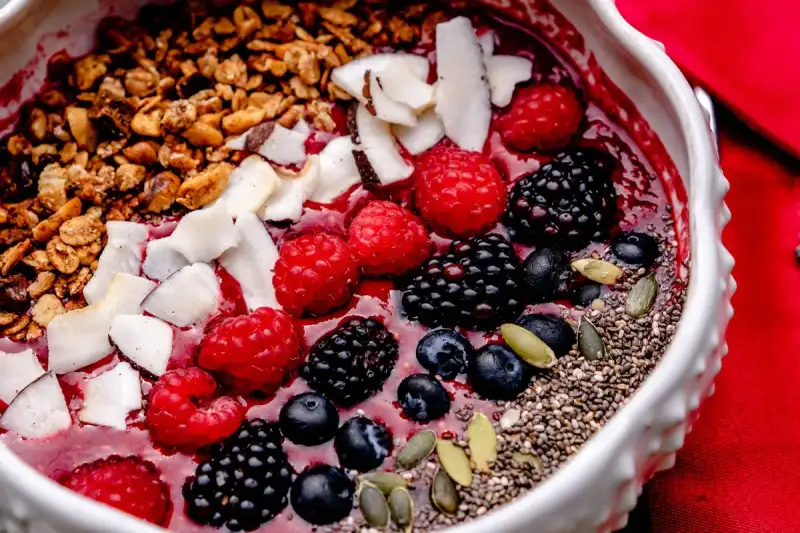
- Michael Chef
- 18 Jun, 2026 05:09
The Ultimate Antioxidant-Rich Berry Oat Smoothie Bowl with Chia Seeds
Introduction: The Dawn of Functional Gastronomy Breakfast has evolved far beyond the simple utility of breaking a overnight fast. In the modern culinary landscape, we look at the plate—or, in this case, the bowl—as a canvas where gastronomy and preventative medicine intersect. As a chef and health advocate, my philosophy has always been that food should not only delight the palate but should also act as a shield for our biology. The "Berry Oat Smoothie Bowl with Chia Seeds" is the epitome of this philosophy. Historically, human diets were rich in wild, bitter, and pigment-dense plants. Today's commercialized food systems often strip these protective compounds away, replacing them with refined carbohydrates and simple sugars that trigger systemic inflammation. By returning to whole, minimally processed ingredients like wild berries, ancient grains, and hydrophilic seeds, we reclaim our evolutionary connection to protective plant compounds. This article explores the deep scientific and culinary foundations of this antioxidant-rich powerhouse, showing you how to turn your morning routine into a delicious ritual of cellular defense.The Chemistry of Cell Defense: Unpacking Antioxidants To appreciate the true genius of this smoothie bowl, we must look at it through the lens of biochemistry. Our bodies constantly produce reactive oxygen species (ROS)—commonly known as free radicals—as a byproduct of normal cellular respiration and environmental stressors like pollution, UV radiation, and stress. Left unchecked, these unstable molecules cause oxidative stress, damaging lipids, proteins, and DNA, which accelerates aging and drives chronic diseases. This is where the term "antioxidant-rich" transitions from a marketing buzzword to a biological necessity. According to extensive nutritional science, berries are among the most concentrated sources of dietary antioxidants on Earth. The dark, intense blues, purples, and reds of blueberries and raspberries are caused by a specific class of flavonoids called anthocyanins. These phytochemicals possess an extraordinary capacity to donate electrons to free radicals, neutralizing them before they can cause cellular damage. Furthermore, research indicates that the synergy of combining multiple berry varieties increases their overall bioavailability. When we blend wild blueberries (rich in anthocyanins) with raspberries (loaded with ellagic acid), we create a multi-tiered defense system for our cardiovascular and neurological systems. Consuming these compounds in their raw, frozen state preserves their heat-sensitive vitamin C content, ensuring your body receives the maximum possible protective yield.The Sustained Energy Matrix: Oats and Beta-Glucans A common criticism of traditional smoothies is that they cause rapid spikes in blood glucose, followed by a mid-morning energy crash. As a chef, my challenge was to create a recipe that delivers luxurious creaminess while stabilizing metabolism. The secret weapon here is the humble oat.Oats are far more than a filler; they are a nutritional powerhouse. They are rich in a unique type of soluble fiber called beta-glucan. When beta-glucan mixes with fluid in your digestive tract, it forms a thick, viscous gel. Scientific studies consistently demonstrate that this gel slows down gastric emptying and delays the absorption of glucose into the bloodstream. By grinding raw rolled oats directly into our smoothie base, we achieve two major goals:Culinary Texture: The pulverized oats act as a natural thickener, giving the bowl a velvety, luxurious mouthfeel without the need for heavy dairy or excessive bananas. Metabolic Balance: The slow-digesting beta-glucan counters the natural sugars present in the berries and bananas, ensuring a slow, sustained release of insulin. This keeps your brain sharp and your energy levels stable for hours.Additionally, oats contain a unique group of antioxidants called avenanthramides. Clinical research suggests that avenanthramides help reduce systemic inflammation by suppressing the production of inflammatory cytokines, adding another layer of defense to this antioxidant-rich dish.The Structural Powerhouse of Chia Seeds No discussion of modern superfoods is complete without highlighting Salvia hispanica, commonly known as the chia seed. Used by ancient Aztec and Mayan warriors for sustained endurance, these tiny seeds are a marvel of structural botany and nutrition.From a nutritional perspective, chia seeds are one of the richest plant-based sources of alpha-linolenic acid (ALA), an essential omega-3 fatty acid. Omega-3s are crucial for maintaining cell membrane fluidity, supporting cognitive function, and lowering systemic inflammation. From a culinary perspective, chia seeds are highly hydrophilic—meaning they can absorb up to twelve times their weight in liquid. When exposed to the almond milk and berry juices in our blender, the outer mucilage layer of the seeds swells, creating a gel. This gel serves a dual purpose:It acts as a natural emulsifier, binding the liquid and solid components of our smoothie bowl together so it doesn't separate as you eat it. Within your digestive system, this hydrophilic gel prolongs hydration and slows the breakdown of carbohydrates, working hand-in-hand with the oats' beta-glucans to support gut health and keep you feeling full.Culinary Artistry: Texture, Color, and Presentation We eat with our eyes first. A great meal is a sensory experience, and the aesthetic appeal of a smoothie bowl is just as important as its nutritional profile. The deep indigo hue of our berry base provides a stunning, high-contrast backdrop for a variety of colorful, textured toppings.When composing your bowl, aim for a balance of textures:The Base: Needs to be exceptionally thick—almost like a soft-serve sorbet. If it is too watery, your toppings will sink to the bottom, ruining the presentation. The Crunch: Raw pumpkin seeds (pepitas) and sliced almonds provide a satisfying contrast to the creamy base. They also add healthy fats and proteins, which further slow down digestion. The Freshness: Garnishing with whole fresh berries adds pops of tart acidity that balance the rich sweetness of the blended banana. The Superfood Finish: Hemp hearts and extra chia seeds add a rustic elegance and a boost of plant-based protein.The Recipe: Berry Oat Smoothie Bowl with Chia Seeds Let’s step into the kitchen and bring this science-backed, antioxidant-rich masterpiece to life. Follow these steps carefully to achieve the perfect texture and flavor balance. Kitchen Tools NeededHigh-speed blender (with a tamper) Chilled serving bowl Measuring cups and spoons Silicone spatulaDetailed Step-by-Step InstructionsChill Your Serving Bowl: Before you begin blending, place your serving bowl in the freezer for 5 to 10 minutes. This simple step prevents your smoothie bowl from melting too quickly when served, maintaining its thick, creamy texture while you enjoy it.Milling the Oats: Add the 1/2 cup of dry rolled oats to your high-speed blender. Pulse on high for 5 to 10 seconds. You want to break down the oats into a coarse flour. This ensures that the oats blend seamlessly into the liquid without leaving any gritty pieces.Loading the Blender: To your milled oats, add the frozen wild blueberries, frozen raspberries, and the sliced frozen banana. Placing the frozen ingredients on top of the dry oats helps press them down into the blades once blending begins.Adding the Liquids and Binders: Pour in the unsweetened almond milk and add the vanilla bean paste. Finally, sprinkle in the tablespoon of black chia seeds. The vanilla bean paste adds a warm, aromatic depth that balances the tartness of the berries.The Emulsification Process: Secure the lid on your blender and insert the tamper. Start blending on low speed to break up the frozen fruit, then quickly increase the speed to high. Use the tamper to press the frozen ingredients down into the blades. Blend for about 45 to 60 seconds. You will see a beautiful, thick swirl form. Stop blending as soon as the mixture is completely smooth to avoid generating heat, which can melt the bowl.Plating and Presentation: Retrieve your chilled bowl from the freezer. Use a silicone spatula to transfer the thick, purple smoothie base into the bowl. Smooth the top with the back of a spoon to create an even surface.Artful Garnishing: Now, unleash your inner culinary artist. Create neat rows or geometric patterns across the surface of the bowl using the fresh blackberries, sliced strawberries, pumpkin seeds, hemp hearts, and a light sprinkle of chia seeds. Serve Immediately: Dig in with a spoon, enjoying the contrast of the cold, creamy base with the crisp, nutrient-dense toppings.Chef Michael’s Pro Tips for Smoothie Bowl SuccessThe Frozen Banana Rule: Always peel and slice your bananas before freezing them. Blending a whole frozen banana can damage your blender's motor, and pre-slicing allows for a faster, smoother blend. Liquid Control: Be conservative with your liquid. It is tempting to add more milk when the blender struggles, but using the tamper is the real key to a thick consistency. If you must add more liquid, do so one tablespoon at a time. Substitutions: If you are allergic to almonds, unsweetened coconut milk or oat milk work beautifully as replacements. For an extra protein boost, you can blend in a scoop of high-quality, unflavored pea protein isolate.Conclusion: A Daily Ritual of Wellness In our fast-paced world, taking fifteen minutes in the morning to craft a meal of this caliber is a profound act of self-care. The "Berry Oat Smoothie Bowl with Chia Seeds" is more than just a trend; it is a delicious commitment to your health. By choosing ingredients backed by nutritional science—antioxidant-dense berries, beta-glucan-rich oats, and omega-3-packed chia seeds—you are fueling your body with the clean, natural energy it needs to thrive. As you enjoy each spoonful, take comfort in knowing that you are actively reducing oxidative stress, supporting your gut microbiome, and protecting your cardiovascular health. Here’s to longevity, vibrant health, and exquisite flavor!#HealthyLiving #Gastronomy #SmoothieBowl #Superfoods #CleanEating Related InsightsIl Segreto Dolce e Antico: Svelare l'Anima della Sapa e del Mosto Cotto tra Storia, Territorio e Rinascita Gastronomica Unwrapping the Flavors of Eastern Europe: The Pierogi Story Fermentation Science – Part 02: Mastering Home‑Grown Kombucha and Jun Cultures{ "@context": "https://schema.org", "@type": "FAQPage", "mainEntity": [ { "@type": "Question", "name": "What is the main focus of The Ultimate Antioxidant-Rich Berry Oat Smoothie Bowl with Chia Seeds?", "acceptedAnswer": { "@type": "Answer", "text": "Discover the perfect fusion of cellular defense and culinary luxury with Michael Chef's scientifically backed Berry Oat Smoothie Bowl." } }, { "@type": "Question", "name": "Who authored the comprehensive guide on The Ultimate Antioxidant-Rich Berry Oat Smoothie Bowl with Chia Seeds?", "acceptedAnswer": { "@type": "Answer", "text": "This detailed article and its insights were carefully researched and authored by Michael Chef." } }, { "@type": "Question", "name": "Where can I find more related content about Food?", "acceptedAnswer": { "@type": "Answer", "text": "You can explore more articles, detailed reviews, and similar insights by browsing the Related Insights section at the bottom of this article or visiting our dedicated Food category page." } } ] }
- Isabella Ferrari
- 17 Jun, 2026 20:32
The Mediterranean Symphony: Whole Wheat Pasta Primavera with Abundant Vegetables
"The Mediterranean Symphony: Whole Wheat Pasta Primavera with Abundant Vegetables" Welcome to my kitchen. I am Isabella Ferrari, and today we are exploring more than just a recipe; we are exploring a lifestyle rooted in the deep, verdant history of the Mediterranean landscape. As we peel back the layers of a dish as classic as Pasta Primavera, we aren't just creating a meal—we are honoring a biological heritage that spans centuries. The Biocultural Heritage of Our Ingredients When we reach for a bottle of high-quality extra virgin olive oil to start our base, we are interacting with what researchers call "biocultural heritage." Recent studies on the monumental olive trees of Sicily highlight that these trees are the only cultivated plants capable of telling the story of Mediterranean landscapes across centuries. Just as stone monuments are preserved for their historical weight, these "green monuments" represent a sustainable relationship between human societies and the land. By using olive oil from these regions, we are tapping into a tradition of longevity that has defined the Mediterranean diet for generations. According to a study titled "The Monumental Olive Trees as Biocultural Heritage of Mediterranean Landscapes," these trees serve as vital indicators of historical landscape stratification. When we cook with the oils derived from these environments, we are essentially consuming the liquid history of the Mediterranean. This is the foundation upon which we build our health. The Science of Plant-Based Vitality In my practice as a culinary advocate, I often refer to the physician’s guide on plant-based nutrition. It is no secret that an ever-increasing body of evidence supports the health advantages of plant-based nutrition. According to current research, a well-balanced, nutrient-dense meal plan is the cornerstone of preventing chronic disease. The Whole Wheat Pasta Primavera I am sharing today is designed to be a "functional dish." It prioritizes complex carbohydrates found in whole wheat—which contain essential fiber and heart-healthy sterols—paired with a rainbow of vegetables that deliver high levels of antioxidants. Unlike refined white pasta, whole wheat provides a slower, more sustained release of energy, keeping your blood sugar stable while delivering essential minerals. Unlocking the Power of Phytosterols One of the most fascinating aspects of modern nutrition science is the role of phytosterols. Recent methodologies for the analysis of phytosterols and their intact esters have provided us with a deeper understanding of how these compounds behave in our bodies. Research confirms that plant foods—specifically cereal grains and nuts—contain significant concentrations of these compounds, which are instrumental in managing cholesterol levels and supporting cardiovascular health.By incorporating whole wheat pasta, we aren't just eating "carbs"; we are consuming a complex matrix of sterols and stanyl esters that contribute to the integrity of our cellular membranes. When you add toasted pine nuts to this dish, you are further increasing the profile of these beneficial lipids. It is a harmonious interplay of chemistry and flavor. Preparing the Primavera: A Culinary Meditation The word "Primavera" literally means "springtime." It is a dish that celebrates the bounty of the harvest. For this recipe, we focus on high-heat sautéing to maintain the structural integrity of the vegetables—ensuring the broccoli retains its bite and the tomatoes burst just enough to create a light, emulsified sauce. Step-by-Step InstructionsThe Pasta Base: Always use high-quality whole wheat linguine or spaghetti. The "al dente" texture is non-negotiable here; the slight resistance to the tooth ensures a lower glycemic impact compared to overcooked pasta. The Sauté: We begin with our olive oil. Remember, use an oil that speaks to the "green monuments" of the Mediterranean. Sauté the broccoli and peppers first; they take the longest. The Emulsion: The secret to a Primavera without heavy cream is the "pasta water trick." By reserving a half-cup of the starchy, salty cooking water, you create a silky, light emulsion that binds the vegetables to the pasta without drowning them in saturated fats. The Finish: We add the fresh basil at the very last second. Heat destroys the delicate essential oils in basil, so letting it wilt just slightly under the steam of the pasta is the professional technique to capture maximum flavor.Why This Dish Matters for Your Health As a physician-guided approach suggests, the transition to plant-based nutrition does not have to be a radical overhaul; it is about the intentionality of what we plate. This Whole Wheat Pasta Primavera acts as a vessel for phytonutrients. The antioxidants present in the bell peppers and tomatoes act as scavengers, neutralizing free radicals that contribute to oxidative stress. When we consume these foods in their natural state, combined with the whole-grain structural benefits of the wheat, we are following a protocol that supports longevity. This is the "physician’s way"—treating the food as the primary therapeutic tool. A Note on Ingredients In this recipe, we use whole wheat linguine as our primary carbohydrate source. If you are curious about the "natural variability" of the nutrients in your pantry, look for brands that stone-grind their wheat. Studies on the analysis of steryl and stanyl esters show that processing methods matter significantly. Keeping the germ and bran intact ensures you are receiving the full spectrum of phytosterols mentioned in the latest clinical research.As you prepare this meal, take a moment to consider the provenance of your produce. A bell pepper grown in soil nurtured by sustainable practices will have a vastly different nutrient density than one mass-produced in a sterile environment. Seek out local farmers' markets. Your body will thank you, and the depth of flavor in your Primavera will be a testament to the quality of your ingredients. Final Reflections To eat is to participate in a cycle of life. By choosing this Whole Wheat Pasta Primavera, you are making a choice for your cardiovascular system, your energy levels, and your connection to the Mediterranean heritage that has nourished humanity for centuries. Cooking is an act of care. Whether you are serving this to your family or enjoying it as a solitary ritual of self-love, know that you are fueling your cells with the best the earth has to offer. Eat with intention, dine with gratitude, and always remember: the best medicine is often found at the end of a fork. #HealthyLiving #MediterraneanDiet #PlantBasedNutrition #WholeWheatPrimavera #AntioxidantRich Related InsightsKimchi's Untold Saga: Unearthing the Fermented Superfoods Beyond the Cabbage You Thought You Knew (Part 2) Der gefaltete Mythos: Eine kulinarische Odyssee durch die tiefgründige Welt des Tacos Bombay Sandwich: The Iconic Triple-Layered Delight{ "@context": "https://schema.org", "@type": "FAQPage", "mainEntity": [ { "@type": "Question", "name": "What is the main focus of The Mediterranean Symphony: Whole Wheat Pasta Primavera with Abundant Vegetables?", "acceptedAnswer": { "@type": "Answer", "text": "Discover a masterclass in plant-based nutrition with my Whole Wheat Pasta Primavera, featuring fiber-rich grains and antioxidant-packed seasonal vegetables." } }, { "@type": "Question", "name": "Who authored the comprehensive guide on The Mediterranean Symphony: Whole Wheat Pasta Primavera with Abundant Vegetables?", "acceptedAnswer": { "@type": "Answer", "text": "This detailed article and its insights were carefully researched and authored by Isabella Ferrari." } }, { "@type": "Question", "name": "Where can I find more related content about Food?", "acceptedAnswer": { "@type": "Answer", "text": "You can explore more articles, detailed reviews, and similar insights by browsing the Related Insights section at the bottom of this article or visiting our dedicated Food category page." } } ] }
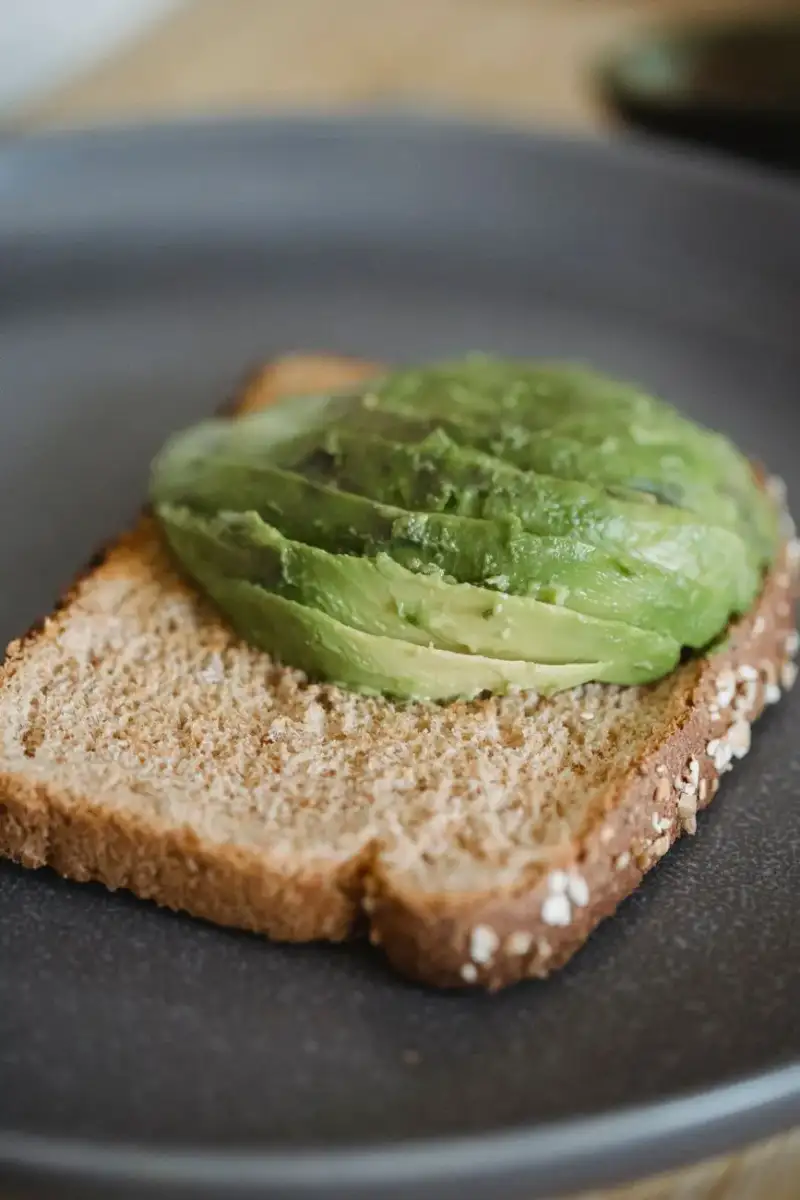
Introduction to Avocado and Poached Egg Toast The classic combination of avocado and poached egg on toast has become a staple in many health-conscious households, and for good reason. According to recent studies, the monounsaturated fats present in avocados have been shown to have numerous health benefits, including reducing the risk of heart disease and improving cognitive function. Research on monounsaturated fats shows that they can help lower LDL cholesterol levels, which can reduce the risk of cardiovascular disease. In addition to the health benefits of avocados, poached eggs provide a rich source of protein, which is essential for maintaining healthy muscles and bones. The combination of these two ingredients on whole grain sourdough bread creates a nutritious and filling breakfast that can help keep you energized throughout the morning. The Science Behind Monounsaturated Fats A study published in the journal of nutrition found that eating a diet rich in monounsaturated fats can help improve heart health by reducing inflammation and improving blood lipid profiles. The study, which analyzed data from 761 community-dwelling men aged 75 years and older, found that those who consumed higher amounts of monounsaturated fats had lower levels of triglycerides and higher levels of HDL cholesterol. These findings are consistent with other research on the topic, which suggests that monounsaturated fats can help reduce the risk of chronic diseases such as heart disease, type 2 diabetes, and certain types of cancer. According to the study, the geometric framework and nutrition in older age play a crucial role in maintaining overall health and well-being. Preparing the Perfect Avocado and Poached Egg Toast To prepare the perfect avocado and poached egg toast, start by toasting four slices of sourdough bread in the oven for 10-12 minutes, or until lightly browned. While the bread is toasting, mash two ripe avocados in a bowl and season with salt and pepper to taste. Once the bread is ready, spread the mashed avocado on each slice, leaving a small border around the edges. Next, poach four eggs by cracking them into a pot of simmering water and cooking for 3-4 minutes, or until the whites are set and the yolks are cooked to your desired doneness. Assembling the Dish To assemble the dish, place a poached egg on top of the avocado layer on each slice of bread. Season with salt and pepper to taste, and add any optional toppings such as cherry tomatoes, spinach, and feta cheese. The combination of creamy avocado, rich poached eggs, and crusty sourdough bread creates a delicious and nutritious breakfast that is sure to please even the pickiest of eaters. With its numerous health benefits and simple preparation, avocado and poached egg toast on sourdough is a dish that is sure to become a staple in your household. Conclusion In conclusion, the combination of avocado and poached egg on sourdough toast is a match made in heaven. With its rich source of monounsaturated fats, protein, and whole grains, this dish provides a nutritious and filling breakfast that can help keep you energized throughout the morning. Whether you're a health-conscious foodie or just looking for a new breakfast idea, avocado and poached egg toast on sourdough is a dish that is sure to please. #HealthyLiving #Gastronomy #BreakfastIdeas #AvocadoLove #PoachedEggs #SourdoughBread Related InsightsFrom Ancient Fields to Modern Crusts: Mastering Emmer & Spelt Sourdough Delighting in the Flavors of Lemony Chicken Piccata with Capers and Spinach From Sacred Cacao to Velvet Bars: The Lost Art and Modern Renaissance of Artisanal Chocolate{ "@context": "https://schema.org", "@type": "FAQPage", "mainEntity": [ { "@type": "Question", "name": "What is the main focus of Avocado and Poached Egg Toast on Sourdough?", "acceptedAnswer": { "@type": "Answer", "text": "A nutritious and delicious twist on a classic breakfast dish, featuring the health benefits of monounsaturated fats from avocados and the richness of poached eggs on sourdough toast." } }, { "@type": "Question", "name": "Who authored the comprehensive guide on Avocado and Poached Egg Toast on Sourdough?", "acceptedAnswer": { "@type": "Answer", "text": "This detailed article and its insights were carefully researched and authored by Michael Chef." } }, { "@type": "Question", "name": "Where can I find more related content about Food?", "acceptedAnswer": { "@type": "Answer", "text": "You can explore more articles, detailed reviews, and similar insights by browsing the Related Insights section at the bottom of this article or visiting our dedicated Food category page." } } ] }
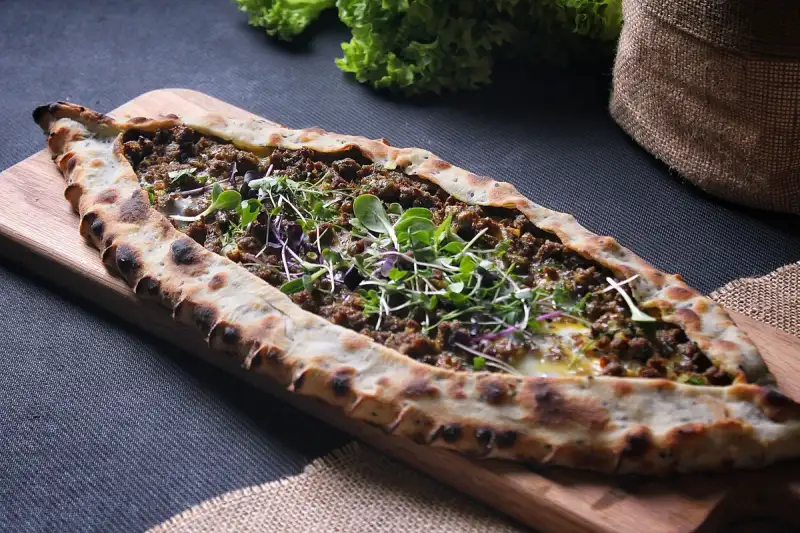
"Shakshuka with Spinach and Spiced Poached Eggs: A Mediterranean Masterpiece" As a culinary and health blogger, I, Demir Şef, am thrilled to share with you the story of Shakshuka, a Mediterranean dish that has been a staple in the region for centuries. This vibrant and flavorful dish is not only a delight to the taste buds, but it also offers a wealth of health benefits, thanks to its rich antioxidant content. According to recent studies, the Mediterranean diet, which features dishes like Shakshuka, has been shown to have numerous health benefits, including reducing the risk of heart disease, type 2 diabetes, and certain types of cancer. Introduction to the Mediterranean Diet The Mediterranean diet has gained enormous scientific attention due to its proven positive effects on health. Researchers have investigated the role of Mediterranean-type dietary patterns on human health, reporting consistent findings concerning its benefits. However, what truly defines the Mediterranean diet? The Mediterranean diet is characterized by the consumption of fruit and vegetables, olive oil, and cereals, as well as other underrated features such as whole-grain consumption, legumes, nuts, seeds, herbs, and spices. As noted in a recent study, "the Mediterranean diet is rather reductive to consider as just a pattern of food groups to be consumed decontextualized from the social and geographical background of Mediterranean culture." The Origins of Shakshuka Shakshuka, a North African and Middle Eastern dish, has become a staple in Mediterranean cuisine. The name "Shakshuka" is derived from the Arabic word "shakshuk," which means "to shake." This vibrant and flavorful dish is typically made with eggs poached in a spicy tomato sauce, and it is often served with crusty bread or pita. In this recipe, we will add a delicious twist to the traditional Shakshuka by incorporating spinach and spiced poached eggs. The Health Benefits of Shakshuka Shakshuka is a nutrient-dense dish that is packed with antioxidants, vitamins, and minerals. The tomatoes used in the recipe are an excellent source of lycopene, an antioxidant that has been shown to reduce the risk of certain types of cancer. The spinach adds a boost of iron, calcium, and vitamins A and K, while the eggs provide a rich source of protein and omega-3 fatty acids. As research on antioxidants shows, a diet rich in antioxidants can help reduce inflammation and improve overall health.The Recipe Now, let's dive into the recipe for Shakshuka with Spinach and Spiced Poached Eggs. This dish is perfect for a weekend brunch or a quick and easy dinner. Ingredients:2 large onions 3 large bell peppers 4 large eggs 1 can of diced tomatoes 1 cup of fresh spinach 1 tsp of smoked paprika Salt and pepper to tasteInstructions:Heat the oil in a large cast-iron skillet over medium heat. Add the sliced onions and cook for 5 minutes, or until they start to soften. Add the sliced bell peppers and cook for an additional 5 minutes. Add the diced tomatoes, smoked paprika, salt, and pepper. Stir well to combine. Bring the mixture to a simmer and let cook for 10-15 minutes, stirring occasionally. Create 4 wells in the tomato mixture and crack an egg into each well. Cover the skillet with a lid and let cook for an additional 5-7 minutes, or until the eggs are cooked to your desired doneness. Stir in the fresh spinach and let cook until wilted. Serve the Shakshuka hot, garnished with fresh herbs and crusty bread on the side.Conclusion In conclusion, Shakshuka with Spinach and Spiced Poached Eggs is a delicious and nutritious dish that is perfect for any meal. The Mediterranean diet, which features dishes like Shakshuka, has been shown to have numerous health benefits, including reducing the risk of heart disease, type 2 diabetes, and certain types of cancer. As research on antioxidants shows, a diet rich in antioxidants can help reduce inflammation and improve overall health. So, go ahead and give this recipe a try, and experience the flavors and health benefits of the Mediterranean diet for yourself. #HealthyLiving #Gastronomy #MediterraneanDiet Related InsightsDelving into the World of Anti-Inflammatory German Potato Salad with Dill and Apple Cider Vinaigrette (Vegan) Hot, Tempting and Delicious Pad Thai: The World's Most Unique Noodles Egg Tarts (Dan Tat): The Sweet Cantonese Finish{ "@context": "https://schema.org", "@type": "FAQPage", "mainEntity": [ { "@type": "Question", "name": "What is the main focus of Shakshuka with Spinach and Spiced Poached Eggs: A Mediterranean Masterpiece?", "acceptedAnswer": { "@type": "Answer", "text": "Discover the health benefits and culinary secrets of Shakshuka with Spinach and Spiced Poached Eggs, a Mediterranean dish packed with antioxidants." } }, { "@type": "Question", "name": "Who authored the comprehensive guide on Shakshuka with Spinach and Spiced Poached Eggs: A Mediterranean Masterpiece?", "acceptedAnswer": { "@type": "Answer", "text": "This detailed article and its insights were carefully researched and authored by Demir Şef." } }, { "@type": "Question", "name": "Where can I find more related content about Food?", "acceptedAnswer": { "@type": "Answer", "text": "You can explore more articles, detailed reviews, and similar insights by browsing the Related Insights section at the bottom of this article or visiting our dedicated Food category page." } } ] }