Showing Posts From
Food

-
 Marco Rossi
 - 15 Jun, 2026 17:16
Delighting in the Flavors of Lemony Chicken Piccata with Capers and Spinach
Introduction to Lemony Chicken Piccata Lemony Chicken Piccata with Capers and Spinach is a dish that embodies the perfect marriage of flavors and health benefits. This classic Italian recipe, with its origins in the northern regions of Italy, has been a staple of Mediterranean cuisine for centuries. According to recent studies on nutrition, meals rich in lean protein, such as chicken breast, can significantly contribute to a healthy diet by providing essential amino acids without the high levels of saturated fats found in other protein sources. Research on lean protein shows that it can help promote muscle growth and maintenance, as well as support weight management efforts.The addition of capers, which are pickled flower buds, not only adds a burst of salty flavor to the dish but also provides a source of antioxidants. Capers have been shown to contain high levels of vitamin K and various flavonoids, which can contribute to overall health by supporting bone health and acting as anti-inflammatory agents. Furthermore, the use of fresh spinach leaves adds a nutritional punch, as spinach is rich in vitamins A, C, and K, as well as iron and folate, making this dish not just delicious but also highly nutritious. Preparing the Ingredients To prepare this delightful dish, one must first assemble the necessary ingredients. The chicken breasts, being the centerpiece of the meal, should be fresh and of high quality. According to food safety guidelines, it's crucial to handle and store chicken properly to avoid contamination. The flour used for dredging the chicken should be all-purpose, providing a light, even coating without overpowering the other flavors. For the sauce, a combination of butter, olive oil, garlic, white wine, chicken broth, and freshly squeezed lemon juice creates a rich and tangy flavor profile. The lemon juice, in particular, adds a brightness to the dish, cutting through the richness of the butter and olive oil, while also providing a boost of vitamin C. Cooking the Chicken Cooking the chicken breasts to the right level of doneness is crucial for both safety and flavor. The internal temperature should reach 165°F (74°C) to ensure that any harmful bacteria are killed. Using a thermometer is the best way to check for doneness, but for those without one, cutting into the thickest part of the breast to check for juices that run clear is a good indicator.The dredging process in flour before cooking helps to create a crust on the chicken, which not only adds texture but also helps to seal in the juices. This is a critical step in achieving moist and flavorful chicken breasts. Making the Sauce The sauce for Chicken Piccata is where the dish truly comes alive with flavor. The combination of white wine, chicken broth, and lemon juice creates a light and zesty sauce that complements the chicken perfectly. The process of reducing the sauce concentrates the flavors, making each bite intensely satisfying.Adding capers towards the end of the sauce's cooking time allows their unique flavor to meld into the sauce without overpowering the other ingredients. Finally, incorporating fresh spinach leaves into the sauce just before serving not only adds a burst of color to the dish but also a wealth of nutrients, as spinach is rich in vitamins and minerals. Serving and Enjoying To serve, place each chicken breast on a plate and spoon some of the delicious sauce over the top, making sure each bite will include a mix of the tender chicken, the flavorful sauce, and the nutritious spinach. This dish can be served with a variety of sides, such as quinoa, roasted vegetables, or a simple green salad, to round out the meal.Lemony Chicken Piccata with Capers and Spinach is a testament to the magic that happens when flavors and nutrition come together in harmony. Whether you're looking for a healthy meal option or simply a dish that will delight your taste buds, this recipe is sure to satisfy. As we continue to delve into the world of gastronomy and health, it's heartening to find dishes like this that remind us food can be both a pleasure and a path to wellness. #HealthyEating #ItalianCuisine #LeanProteinRecipes Related InsightsEchoes of the Sahel: Unearthing the Ancient Art and Culinary Alchemy of Fonio Prahok: The Fermented Soul of Cambodia's Culinary Identity Avocado and Poached Egg Toast on Sourdough{ "@context": "https://schema.org", "@type": "FAQPage", "mainEntity": [ { "@type": "Question", "name": "What is the main focus of Delighting in the Flavors of Lemony Chicken Piccata with Capers and Spinach?", "acceptedAnswer": { "@type": "Answer", "text": "Explore the culinary and health benefits of Chicken Piccata, a classic Italian dish packed with lean protein, capers, and spinach, all infused with the brightness of lemon." } }, { "@type": "Question", "name": "Who authored the comprehensive guide on Delighting in the Flavors of Lemony Chicken Piccata with Capers and Spinach?", "acceptedAnswer": { "@type": "Answer", "text": "This detailed article and its insights were carefully researched and authored by Marco Rossi." } }, { "@type": "Question", "name": "Where can I find more related content about Food?", "acceptedAnswer": { "@type": "Answer", "text": "You can explore more articles, detailed reviews, and similar insights by browsing the Related Insights section at the bottom of this article or visiting our dedicated Food category page." } } ] }
- Marco Rossi
- 15 Jun, 2026 16:37
The Tuscan Secret: Why Minestrone with Farro is the Ultimate High-Fiber Superfood
When I think of home, I think of the rhythmic sound of a wooden spoon scraping the bottom of a heavy ceramic pot. I am Marco Rossi, and for me, gastronomy is not just about the flourish of a chef’s knife or the plating of a dish; it is about the ancient, symbiotic relationship between the land and our longevity. Today, we are exploring a pillar of the Mediterranean diet: the Minestrone, elevated with the ancient, nutty heart of farro. In the fast-paced modern world, we often lose sight of why our ancestors thrived. They didn’t have "superfood" powders or complex supplement stacks; they had the earth, the seasons, and an abundance of legumes and whole grains. Minestrone—the word itself derived from the Italian "minestra," meaning "to serve"—is arguably the most democratic of all dishes. It is a soup that evolves with the harvest. However, by introducing farro, we aren't just adding a grain; we are upgrading the nutritional profile of a meal that has sustained generations.The Science of Fiber: Beyond Digestion When we discuss "high fiber," we are often met with the mundane image of breakfast cereals. But let us look at this through a lens of human physiology. Fiber is not merely a "bulking agent"; it is a complex metabolic modulator. Current nutritional research confirms that high-fiber diets are fundamentally linked to improved gut microbiome diversity. A healthy gut environment is the bedrock of your immune system. When you consume a bowl of this Minestrone with farro, you are feeding the beneficial bacteria in your microbiome with prebiotic fibers. These bacteria, in turn, ferment these fibers into short-chain fatty acids (SCFAs) like butyrate, which are crucial for maintaining the integrity of the colon lining. Furthermore, research consistently shows that fiber slows the absorption of glucose, preventing the sharp insulin spikes that plague our modern, processed-food-heavy society. By replacing refined white pasta—a common, albeit less healthy, addition to traditional minestrone—with fiber-rich, nutrient-dense farro, you are making a conscious choice to stabilize your glycemic response while keeping hunger at bay for hours. Farro: The Ancient Guardian of Health Farro is not merely a trend. It is one of the oldest domesticated crops in human history, dating back to the Fertile Crescent. Nutritionally, farro is a powerhouse of complex carbohydrates. Unlike modern wheat, which has been selectively bred for high gluten and starch content, farro maintains a robust structural integrity that requires more energy for your body to break down. This "slow-release" energy is exactly what the body craves for sustained cognitive function and physical endurance.According to general scientific consensus in the field of dietetics, the intake of whole grains like farro is inversely correlated with risks of cardiovascular disease. The fiber found in farro, specifically beta-glucan, has been shown in various clinical observations to support healthy cholesterol levels. When you combine this with the wide array of phytonutrients found in the carrots, kale, and beans of our Minestrone, you are creating a synergy of antioxidants. Lycopene from the tomatoes, beta-carotene from the carrots, and chlorophyll from the kale all work in concert, protected by the healthy fats of high-quality extra-virgin olive oil. The Art of the Simmer: A Culinary Narrative Cooking, as I often tell my readers, is an act of patience. When you prepare this Minestrone, do not rush the base. The "soffritto"—the holy trinity of onion, carrot, and celery—must be allowed to sweat until the onions turn translucent and sweet. This is where the flavor depth begins. By adding the farro early, we allow the grain to absorb the savory essence of the vegetable broth, turning the starch into a subtle thickener for the soup. I encourage you to source high-quality beans, perhaps even heirloom varieties if you can find them. The texture of a firm, creamy cannellini bean against the pleasant, chewy "al dente" bite of the farro creates a sensory profile that is deeply satisfying. Creating Your Masterpiece: The Recipe The beauty of this recipe lies in its adaptability. While I provide a structured guideline below, consider this your canvas. If you have extra chard in the fridge, toss it in. If you find a beautiful bunch of rosemary, let it infuse the broth for a few minutes before serving. [Refer to the Recipe section in the Frontmatter for the exact preparation method.] Final Thoughts: The Mediterranean Legacy As you sit down with your bowl of steaming Minestrone, remember that you are partaking in a legacy that transcends time. Eating for health does not mean sacrificing the soul of the meal; it means honoring it. When we prioritize whole, fiber-rich ingredients, we aren't just eating; we are healing. Let the warmth of the broth and the texture of the farro remind you that the most potent medicines are often found in the most humble of ingredients. Feed your body, nourish your gut, and enjoy the profound simplicity of a life well-lived in the kitchen. #HealthyLiving #Gastronomy #MinestroneMagic #WholeGrainNutrition #ItalianCuisine Related InsightsUnwrapping the Flavors of Eastern Europe: The Pierogi Story The Alchemy of Microbes: Crafting Kombucha, Kefir, and Fermented Elixirs at Home The Edible Pulse of Mumbai: A Gastronomic Odyssey Through the Khau Gallis{ "@context": "https://schema.org", "@type": "FAQPage", "mainEntity": [ { "@type": "Question", "name": "What is the main focus of The Tuscan Secret: Why Minestrone with Farro is the Ultimate High-Fiber Superfood?", "acceptedAnswer": { "@type": "Answer", "text": "Discover the perfect harmony of Italian tradition and modern nutrition with this fiber-rich Minestrone soup featuring heart-healthy farro." } }, { "@type": "Question", "name": "Who authored the comprehensive guide on The Tuscan Secret: Why Minestrone with Farro is the Ultimate High-Fiber Superfood?", "acceptedAnswer": { "@type": "Answer", "text": "This detailed article and its insights were carefully researched and authored by Marco Rossi." } }, { "@type": "Question", "name": "Where can I find more related content about Food?", "acceptedAnswer": { "@type": "Answer", "text": "You can explore more articles, detailed reviews, and similar insights by browsing the Related Insights section at the bottom of this article or visiting our dedicated Food category page." } } ] }

-
 Hans Müller
 - 15 Jun, 2026 10:00
Der Apfelstrudel: Ein Meisterwerk der Wiener Mehlspeisenkultur und seine faszinierende Geschichte
Die Magie des Backens offenbart sich selten so eindrucksvoll wie in dem Moment, in dem der unverwechselbare Duft von karamellisierenden Äpfeln, geschmolzener Butter, warmem Zimt und einem Hauch von Zitrone durch das Haus zieht. Es ist ein Duft, der tiefe Erinnerungen weckt – an Großmutters Küche, an verregnete Sonntagnachmittage und an die behagliche Wärme eines knisternden Ofens. Unter all den Meisterwerken, die die europäische Backtradition hervorgebracht hat, thront ein Gebäck mit unangefochtener Erhabenheit: der Apfelstrudel. Dieses ikonische Dessert, das weltweit als Inbegriff der österreichischen und insbesondere der Wiener Mehlspeisenkultur gilt, ist weit mehr als nur eine süße Verführung. Es ist ein essbares Stück Geschichte, ein Symbol kultureller Verschmelzung und eine handwerkliche Herausforderung, die Bäcker auf der ganzen Welt gleichermaßen fasziniert und einschüchtert. In diesem umfassenden Essay begeben wir uns auf eine Reise durch die Jahrhunderte, entwirren die historischen Fäden seiner Herkunft, ergründen die Wissenschaft und Kunst hinter dem perfekten, hauchdünnen Strudelteig und zelebrieren die unvergleichliche Sinfonie der Aromen, die den Apfelstrudel zu einem zeitlosen Klassiker machen. #Apfelstrudel #BackenMachtGlücklich #ÖsterreichischeKüche Die historische Reise: Von den osmanischen Palästen in die Wiener Kaffeehäuser Um den Apfelstrudel in seiner ganzen Tiefe zu verstehen, müssen wir unseren Blick weit über die Grenzen Österreichs hinausrichten. Die Geschichte des Strudels ist eine faszinierende Geschichte von Kriegen, Eroberungen, alten Handelsrouten und dem unaufhaltsamen Austausch von Kultur und Kulinarik. Oft wird fälschlicherweise angenommen, dass der Apfelstrudel eine urösterreichische Erfindung sei, die tief in den verschneiten Alpentälern ersonnen wurde. Die historische Wahrheit jedoch ist weitaus exotischer und vielschichtiger. Die Wurzeln des Strudels reichen weit zurück bis in den Nahen Osten und das Byzantinische Reich, wo hauchdünne Teigschichten bereits seit der Antike zur Herstellung von raffinierten Süßspeisen verwendet wurden. Der direkte Vorfahr des klassischen Strudelteigs ist der Yufka- oder Filoteig, der in der osmanischen Küche eine zentrale und unverzichtbare Rolle spielte. Die meisterhaften osmanischen Bäcker perfektionierten die Kunst, Teig so dünn auszuziehen, dass er beinahe transparent wurde – eine Technik, die für die Herstellung von Baklava und unzähligen anderen orientalischen Köstlichkeiten zwingend erforderlich war. Während der weitreichenden osmanischen Expansion auf dem Balkan und in Richtung Mitteleuropa im 15. und 16. Jahrhundert brachten die marschierenden Heere nicht nur ihre überlegenen Waffen und taktischen Innovationen, sondern vor allem auch ihre Essgewohnheiten, Gewürze und streng gehüteten Rezepte mit. Durch das Gebiet des heutigen Ungarns, das für lange Zeit unter osmanischer Herrschaft stand, fand der hauchdünne, aufwendig geschichtete Teig allmählich seinen Weg in das Habsburgerreich. #Kulturgeschichte #Kulinarik #OsmanischesReich In Ungarn wurde der Teig von den lokalen Köchen enthusiastisch adaptiert und kreativ weiterentwickelt. Die Ungarn nannten ihre köstliche Version "Rétes", was sich auf die geschichtete, fast blättrige Natur des Gebäcks bezieht. Von Ungarn aus war es geografisch und kulturell nur noch ein Katzensprung in die glänzende kaiserliche Metropole Wien. Die österreichisch-ungarische Doppelmonarchie fungierte über Jahrhunderte hinweg als ein gewaltiger, pulsierender kultureller Schmelztiegel. In den opulenten Küchen der Wiener Aristokratie und später auch in den gutbürgerlichen Haushalten verschmolz die feine orientalische Teigtechnik mit den reichhaltigen, lokalen Zutaten Mitteleuropas. Äpfel, die in den weitläufigen Streuobstwiesen rund um Wien in Hülle und Fülle wuchsen und von hervorragender Qualität waren, boten sich als ideale, kostengünstige und zugleich edle Füllung an. So wurde aus einem ehemals exotischen Import ein geliebter heimischer Klassiker. Das Osmanische Reich lieferte die anspruchsvolle Technik, Mitteleuropa die süß-saure Füllung – eine wahrhaft globale, harmonische Zusammenarbeit lange vor dem Zeitalter der modernen Globalisierung. #TraditionellesRezept Die Etymologie und das älteste handschriftliche Rezept von 1697 Das wohlklingende Wort "Strudel" selbst ist zutiefst germanischen Ursprungs. Es stammt unverkennbar aus dem Mittelhochdeutschen und bedeutet wörtlich übersetzt schlicht "Strudel" oder "Wasserwirbel" (vergleichbar mit dem englischen Begriff "whirlpool" oder "eddy"). Dieser Name ist eine überaus poetische und exakt treffende Beschreibung der inneren, architektonischen Struktur des Gebäcks. Schneidet man einen meisterhaft gerollten Strudel auf, offenbart sich dem Auge ein faszinierendes, spiralförmiges Muster aus hauchdünnen Teigschichten und üppiger, kompakter Füllung, das unweigerlich an einen hypnotisierenden Strudel im Wasser erinnert. Dieser unverkennbare optische Effekt ist das wichtigste Qualitätsmerkmal eines jeden echten Strudels und unterscheidet ihn ganz maßgeblich von einfachen, profanen Kuchen, Torten oder massiven Pasteten. #Wien #Mehlspeise Das älteste noch erhaltene, niedergeschriebene Rezept für einen Strudel ist ein bemerkenswertes und ehrfürchtig bestauntes historisches Dokument. Es datiert exakt aus dem Jahr 1697 und wird heute unter strengen konservatorischen Auflagen sorgfältig in der Wiener Stadt- und Landesbibliothek, tief in den Archiven des Rathauses, aufbewahrt. Interessanterweise handelte es sich bei diesem allerersten schriftlich dokumentierten Strudel nicht etwa um einen Apfelstrudel, sondern um einen köstlichen "Millirahmstrudel" (Milchrahmstrudel), eine weitere ikonische, wenngleich etwas in Vergessenheit geratene Wiener Spezialität. Das handschriftliche Manuskript, verfasst in der schwer lesbaren, verschnörkelten Kurrentschrift der damaligen Zeit, beschreibt sehr detailliert die mühsame Zubereitung des ausgezogenen Teigs und legt eindrucksvoll Zeugnis darüber ab, dass die Technik des Teigziehens bereits im späten 17. Jahrhundert im Wiener Raum fest etabliert und hochgradig verfeinert war. Es sollte jedoch nicht mehr lange dauern, bis Äpfel als primäre, dominierende Füllung die Oberhand gewannen. Äpfel waren ausgezeichnet haltbar, ließen sich problemlos lagern, waren den allergrößten Teil des Jahres über verfügbar und boten vor allem die perfekte, erfrischende Balance aus belebender Säure und natürlicher Süße, um die schwere Reichhaltigkeit des buttrigen Teigs meisterhaft auszugleichen. Im Verlauf des 18. und 19. Jahrhunderts erlebte der Apfelstrudel dann seinen absoluten, unaufhaltsamen Durchbruch. Unter der aufgeschlossenen Herrschaft von Kaiserin Maria Theresia wurde der Strudel endgültig hoffähig und fand seinen festen, ehrenvollen Platz auf den reich gedeckten Tafeln des prächtigen Schlosses Schönbrunn. Gleichzeitig blieb er aber paradoxerweise auch ein Essen der ganz einfachen Leute, da die grundlegenden, essenziellen Zutaten – Mehl, Wasser, Schmalz und Äpfel – für jedermann erschwinglich waren. Diese charmante doppelte Natur – ein raffiniertes Dessert, das sowohl für gekrönte Häupter als auch für einfache Bauern gleichermaßen tauglich und begehrt war – zementierte seinen heutigen Status als unangreifbares österreichisches Nationalgericht. Das Herzstück: Der perfekte Strudelteig und die hohe Kunst des Ausziehens Jeder ambitionierte, leidenschaftliche Bäcker weiß: Die wahre Seele eines echten Apfelstrudels liegt nicht allein in seiner saftigen Füllung, sondern in seinem anspruchsvollen Teig. Der traditionelle, von Hand "ausgezogene Strudelteig" ist eine kulinarische Legende für sich und flößt selbst erfahrenen, studierten Köchen tiefen Respekt ein. Im direkten Gegensatz zu industriellem Blätterteig, der durch das aufwendige, mehrfache Einarbeiten von kalter Butter (das sogenannte Tourieren) seine schuppige Struktur erhält, oder zu einem einfachen Mürbeteig, der zart und bröselig ist, zeichnet sich der authentische Strudelteig durch seine extreme, fast gummiartige Elastizität und seine unglaublich durchsichtige Dünne aus. #Strudelteig #Backkunst Die Herstellung dieses speziellen Teigs ist eine faszinierende, alchemistische Mischung aus angewandter Wissenschaft, gefühlvoller Intuition und harter körperlicher Arbeit. Alles beginnt unweigerlich mit der peniblen Wahl des richtigen Mehls. Ein Mehl mit einem extrem hohen Glutenanteil (dem wichtigen Klebereiweiß), wie etwa griffiges Weizenmehl der Type 480 (in Österreich) oder das entsprechende Type 550 (in Deutschland), ist zwingend und unverhandelbar erforderlich. Das Gluten bildet beim Kneten ein starkes, dreidimensionales elastisches Netzwerk, das es dem Teig später ermöglicht, extrem weit gedehnt zu werden, ohne in der Mitte zu reißen oder Löcher zu bilden. Der Teig besteht aus denkbar einfachen, fast spartanischen Zutaten: Mehl, lauwarmem Wasser, einem kleinen Schuss neutralem Pflanzenöl, einer Prise Salz und oft einem winzigen Spritzer Essig. Der Essig ist hierbei kein verrückter kulinarischer Spleen, sondern ein raffinierter biochemischer Trick: Die milde Säure greift in die Proteinstruktur ein, entspannt die harten Glutenstränge und macht den Teig spürbar geschmeidiger und dehnbarer. Nachdem alle Zutaten vermengt sind, beginnt das Kneten. Der Teig muss intensiv, ausdauernd und mit viel Kraft lange geknetet werden, bis er vollkommen glatt, seidig und glänzend ist. Traditionell wird der Teig nach dem Kneten mehrfach kräftig und hörbar auf die harte Arbeitsfläche geschlagen – eine archaisch anmutende, laute Technik, die jedoch entscheidend ist, um das innere Glutennetzwerk optimal und strapazierfähig auszubilden. Anschließend folgt eine kritische Phase der absoluten, ungestörten Ruhe. Der Teig wird liebevoll zu einer Kugel geformt, rundum mit Öl bestrichen, unter einer angewärmten Porzellanschüssel platziert und für mindestens eine Stunde sich selbst überlassen. In dieser essenziellen Zeit entspannt sich das strapazierte Gluten vollends. Ein Teig, der nicht ausreichend geruht hat, wird extrem bockig sein, sich weigern, sich ausziehen zu lassen, und sich immer wieder stur wie ein Gummiband zusammenziehen. Dann beginnt der wahrhaft magische Teil des Prozesses: das Ausziehen. Hierfür benötigt man ein sehr großes, absolut sauberes und fusselfreies Tischtuch – das sogenannte "Strudeltuch" –, das leicht bemehlt wird. Der konzentrierte Bäcker legt den ausgeruhten Teig in die Mitte und beginnt, ihn zunächst mit dem Nudelholz leicht und gleichmäßig auszurollen. Danach kommen ausschließlich die Hände zum Einsatz. Mit den Handrücken nach oben gewandt – um fatale Risse durch unachtsame Fingernägel strikt zu vermeiden – wird vorsichtig unter den Teig gegriffen und dieser von der dicken Mitte her behutsam, sanft und stetig nach außen gezogen. Es ist ein fast meditativer, harmonischer Tanz, eine weiche, kontinuierliche Bewegung. Der Teig wird immer dünner, immer größer, bis er schließlich das gesamte große Tuch wie ein feiner Schleier bedeckt. Die traditionelle Qualitätskontrolle für diesen heiklen Arbeitsschritt ist geradezu legendär und hat sich über viele Generationen hinweg unverändert erhalten: Man sagt, der Teig sei nur dann wirklich perfekt, wenn man eine Tageszeitung, die flach unter das Tuch gelegt wurde, mühelos durch den Teig hindurch lesen kann. Alternativ wird oft romantisch behauptet, der Teig müsse so hauchdünn sein, dass man einen handgeschriebenen Liebesbrief des Partners problemlos dadurch entziffern könne. Wenn der Teig diese fast membranartige, fragile Transparenz erreicht hat, ohne auch nur an einer einzigen Stelle zu zerreißen, hat der Bäcker wahre, unbestreitbare Meisterschaft bewiesen. Die Füllung: Ein komplexes Spiel aus Säure, Süße und Textur Während der kunstvolle Teig die handwerkliche Virtuosität und technische Präzision demonstriert, ist die innere Füllung der wahre Träger der Emotion, der Gemütlichkeit und des intensiven Aromas. Die klassische, unverfälschte Wiener Füllung ist ein hochkomplexes, durchdachtes Zusammenspiel verschiedener Texturen und Geschmacksrichtungen, die präzise und harmonisch ausbalanciert sein müssen. Der unbestrittene Star in diesem Ensemble sind natürlich die frischen Äpfel. Doch keineswegs jeder Apfel eignet sich für einen herausragenden Strudel. Extrem süße, mehlige Tafelsorten sind gänzlich ungeeignet; sie würden beim Backprozess schnell zu einem formlosen, unappetitlichen Mus zerfallen. Der absolut ideale Strudelapfel ist sehr festkochend und besitzt eine stark ausgeprägte, spritzige Säure. Klassische, bewährte Sorten wie der robuste Boskoop, der grüne Granny Smith oder der aromatische Cox Orange sind hierfür die allererste Wahl. Die starke Säure des Apfels bildet einen brillanten, lebendigen Kontrast zur schweren Süße des beigemengten Zuckers und der fetten Reichhaltigkeit des buttrigen Teigs. Die Äpfel werden sorgfältig geschält, penibel entkernt und in sehr feine, gleichmäßige Blättchen geschnitten – sie dürfen niemals grob gerieben werden, da sie durch die zerstörte Zellstruktur sonst viel zu viel Feuchtigkeit abgeben würden. #Apfelkuchen #Genuss Übermäßige Feuchtigkeit ist nämlich der absolut größte und gefürchtetste Feind des empfindlichen Strudelteigs. Wenn die Äpfel beim Backen ihren gesamten Saft ungehindert abgeben, würde der feine Teig unweigerlich durchweichen, reißen und eine matschige Konsistenz annehmen. Um dies zuverlässig zu verhindern, bedient sich die Tradition einer genial einfachen Zutat: den in reichlich Butter goldbraun gerösteten Semmelbröseln. Diese Brösel wirken im Inneren des Gebäcks wie winzige, hocharomatische Schwämme. Sie saugen den langsam austretenden Apfelsaft gierig auf und verwandeln ihn in eine dicke, aromatische Paste, die die Feuchtigkeit sicher im Inneren hält, während die äußeren Teigschichten wunderbar knusprig bleiben. Das vorherige Anrösten der Brösel in heißer Butter verleiht der Füllung zudem eine herrlich nussige, tiefe Karamellnote, die den Strudel unverwechselbar macht. Die notwendige Süße kommt durch reinen Feinkristallzucker, der vorab großzügig mit feinem Zimt vermischt wird. Zimt ist das entscheidende Gewürz, das den Apfelstrudel aromatisch endgültig definiert; sein warmes, erdiges und leicht scharfes Aroma hebt den fruchtigen, klaren Geschmack der Äpfel auf eine völlig neue Ebene. Ein intensiv und oft hitzig diskutiertes Element der Füllung sind zweifelsohne die Rosinen. In Österreich spaltet die simple Frage "Mit oder ohne Rosinen?" ganze Familien und zerstört gelegentlich fast Freundschaften. Echte Puristen bestehen vehement auf Rosinen, die idealerweise bereits am Vortag in dunklem Inländerrum (einer speziellen, stark aromatisierten und sehr süßen österreichischen Spirituose) eingelegt wurden. Diese prallen, alkoholgeschwängerten kleinen Geschmacksexplosionen verleihen dem fertigen Strudel eine großartige zusätzliche Dimension. Wer Rosinen hingegen verabscheut, lässt sie einfach weg, verpasst dabei aber ein historisch verbrieftes Element. Hinzu kommen gelegentlich grob gehackte Walnüsse oder gestiftelte Mandeln für einen zusätzlichen, überraschenden Crunch und ein großzügiger Spritzer frisch gepresster Zitronensaft, um die unschöne braune Oxidation der geschnittenen Äpfel zu verhindern und die zitrische Frische weiter zu betonen. Regionale Variationen, grenzüberschreitende Einflüsse und familiäre Geheimnisse Obwohl der elegante Wiener Apfelstrudel weltweit als der unangefochtene Goldstandard gilt, hat das Rezept auf seiner langen historischen Reise durch die Welt zahlreiche spannende regionale Metamorphosen durchgemacht. In Ungarn, dem ursprünglichen Transitland des Strudels, ist der Rétes oft noch deutlich rustikaler und kann mit einer schier endlosen Vielzahl anderer Füllungen aufwarten, von sauren Kirschen über herzhaftes Kraut bis hin zu schwerem Mohn und frischem Topfen (Quark). Im Nachbarland Tschechien wird der Jablečný závin (tschechisch für Apfelstrudel) ebenfalls außerordentlich hochgeschätzt und unterscheidet sich optisch oft kaum von der Wiener Variante, auch wenn hier gelegentlich mutig mit unterschiedlichen Gewürzen wie frisch geriebener Muskatnuss oder einer Prise Kardamom experimentiert wird. In Deutschland und Nordamerika wird für Apfelstrudel aus Bequemlichkeit sehr häufig fertiger Blätterteig anstelle des mühsam gezogenen Strudelteigs verwendet. Blätterteig ist industriell überall leicht verfügbar und erfordert wesentlich weniger handwerkliches Geschick und Kraft. Das Ergebnis ist zweifellos lecker und besticht durch eine flockige, stark butterintensive Kruste, doch es fehlt schmerzlich die charakteristische, sehr kompakte und hauchdünne vielschichtige Struktur des Originals, die ausschließlich durch das stramme Aufrollen des extrem dünnen Teigs entsteht. Ein weiteres, wunderschönes Phänomen sind die streng gehüteten familiären Geheimnisse. In absolut jedem traditionellen österreichischen Haushalt gibt es eine eigene kleine, feine Abweichung vom Grundrezept, die wie ein Staatsschatz von Generation zu Generation weitergegeben wird. Die einen Großmütter schwören darauf, die Äpfel vorher leicht in der Pfanne anzudünsten, die anderen marinieren sie heimlich stundenlang in edlem Calvados. Manche bestreichen den gezogenen Teig vor dem Einrollen mit flüssiger Butter, andere bevorzugen traditionelles Schweineschmalz für eine noch extremere, herzhaftere knusprige Konsistenz. Es gibt sogar mutige Variationen, bei denen saurer Rahm hauchdünn auf den Teig gestrichen wird, bevor die Apfelfüllung darauf verteilt wird. Diese immense Vielfalt zeigt deutlich, dass der Apfelstrudel ein absolut lebendiges Rezept ist, das sich stetig weiterentwickelt und anpasst, ohne jemals seinen authentischen Kern zu verlieren. #HansMüller Die rituelle, fast heilige Zubereitung in der heimischen Küche Den perfekten Apfelstrudel zu Hause von Grund auf zuzubereiten, ist ein tiefgehender Akt der Hingabe, ein zeitaufwendiges Ritual, das oft an hohen Feiertagen oder an trüben, gemütlichen Wochenenden zelebriert wird. Es beginnt mit der bedächtigen, fast meditativen Vorbereitung der vielen Zutaten. Das rhythmische, gleichmäßige Geräusch des Apfelschälens, der unverwechselbare Duft der in der gusseisernen Pfanne schäumenden Butter, in der die Semmelbrösel behutsam golden geröstet werden, die feinen, alkoholischen Nebelschwaden des dunklen Rums, die aufsteigen, wenn die getrockneten Rosinen übergossen und eingeweicht werden – all dies schafft in der Küche eine dichte Atmosphäre der Vorfreude und Wärme. Das Ausbreiten des sauberen Strudeltuchs auf dem großen, mehlbestäubten Küchentisch ist der zeremonielle Höhepunkt der Zubereitung. Wenn der Teig erfolgreich und ohne Löcher ausgezogen ist und wie eine unglaublich feine, transparente Leinwand auf dem Tisch ruht, beginnt der sorgfältige Zusammenbau. Die vorbereitete Füllung wird meist strategisch nur auf dem vorderen Drittel oder der vorderen Hälfte des Teigs verteilt, wobei zwingend ein sauberer Rand frei gelassen werden muss. Dann werden die unweigerlich dicker gebliebenen Ränder des Teigs mit einer Schere oder einem Messer beherzt abgeschnitten. Nun kommt die brillante, verblüffende Technik des Rollens zum Einsatz. Der Bäcker greift nun nicht etwa den empfindlichen Teig selbst an, sondern hebt das Stofftuch vorsichtig an der Seite an, an der die schwere Füllung liegt. Durch das langsame, stetige Anheben des Tuchs rollt sich der Strudel fast magisch von ganz allein ein, wunderbar gleichmäßig und straff. Bei jeder Umdrehung schließt er die Füllung sicherer ein und kreiert tief im Inneren jene legendären, wirbelnden Teigschichten. Schließlich wird der fertige, raupenähnliche und sehr schwere Strang äußerst vorsichtig auf ein gut gebuttertes Backblech transferiert. Sehr oft wird er dabei noch in eine elegante Hufeisenform gebogen, damit das lange Gebäck überhaupt komplett auf das Blech passt. Bevor er endlich in den heißen Ofen wandert, wird er noch einmal sehr großzügig mit flüssiger, zerlassener Butter bestrichen. Während des langen Backens karamellisiert der austretende Zucker, die harten Äpfel werden himmlisch weich, und der blasse Teig verwandelt sich langsam in eine goldbraune, verlockend knusprige Hülle. Zwischendurch wird der backende Strudel oft noch ein- oder zweimal aus dem Ofen gezogen und erneut mit Butter bestrichen, was die Farbe enorm intensiviert und den Geschmack vollendet abrundet. Das lange Warten, während der unwiderstehliche, zimtige Duft langsam das ganze Haus erfüllt, ist vielleicht die allergrößte Herausforderung bei der Zubereitung eines Apfelstrudels. Die Kunst des Servierens: Kaffeehaus-Kultur und moderner Genuss Wenn der Strudel schließlich dampfend aus dem Ofen geholt wird, bedarf er zwingend einer gewissen Ruhezeit. Ein frisch gebackener, im Inneren noch kochend heißer Strudel würde beim Anschnitt unweigerlich in sich zusammenfallen und den Gaumen des Essers unangenehm verbrennen. Man lässt ihn daher geduldig leicht abkühlen, bis er nur noch angenehm lauwarm ist. In genau diesem Zustand entfalten sich alle Aromen am besten, und der Teig hat die absolute Perfektion – die perfekte Balance zwischen knuspriger Hülle und zartem, blättrigem Inneren. Unmittelbar vor dem Servieren wird der Apfelstrudel sehr großzügig mit feinstem Staubzucker (Puderzucker) bestäubt, der sich wie frischer, weißer Schnee auf die raue, goldbraune Kruste legt. Doch ein echter Strudel kommt in Österreich selten allein auf den Teller. Die flüssige oder cremige Begleitung ist fast ebenso wichtig wie das Gebäck selbst. In den traditionellen, holzgetäfelten Wiener Kaffeehäusern, jenen legendären Institutionen, die völlig zu Recht von der UNESCO zum immateriellen Kulturerbe erklärt wurden, gibt es dazu sehr klare, ungeschriebene Gesetze und Präferenzen. Die bei weitem klassischste Begleitung ist ein riesiger Berg von ungesüßtem, nur halbfest geschlagenem Obers (Schlagobers/Schlagsahne). Die kühle Temperatur und die cremige Fettigkeit der Sahne mildern die präsente Säure der Äpfel hervorragend ab und ergänzen die dichte Süße absolut perfekt. Eine weitere, extrem beliebte Option, die besonders im eiskalten Winter geschätzt wird, ist eine reichhaltige, dampfend warme Vanillesauce, die aus echter Bourbon-Vanille, frischem Eigelb, feinem Zucker und Milch liebevoll frisch aufgeschlagen wird. Der enorme Temperaturkontrast zwischen dem lauwarmen Strudel und der sehr heißen Sauce ist ein himmlisches, fast schon dekadentes Erlebnis. An drückend heißen Sommertagen wird hingegen oft eine große Kugel cremiges Vanilleeis bevorzugt, die langsam auf der warmen Kruste schmilzt und den Strudel in ein erfrischendes Dessert verwandelt. #WienerKaffeehaus Zu einem rundum authentischen, perfekten Erlebnis gehört unweigerlich auch das richtige Getränk. Ein echter Wiener Apfelstrudel verlangt gebieterisch nach einem hervorragenden Kaffee. Eine typische Wiener Melange – ein starker Espresso, der mit heißer Milch und einer großen, luftigen Haube Milchschaum serviert wird – oder ein kräftiger Einspänner – ein schwarzer Kaffee im Glas mit einer sehr dicken Schicht kaltem Schlagobers – runden das Geschmackserlebnis perfekt ab. Wenn man in einem der ehrwürdigen, geschichtsträchtigen Kaffeehäuser Wiens, wie dem prunkvollen Café Central, dem authentischen Café Sperl oder dem berühmten Demel, auf einem originalen Thonet-Stuhl an einem kühlen Marmortisch sitzt, den schweren Silberlöffel sanft in den Strudel sticht und dazu einen bedächtigen Schluck starken Kaffee nimmt, fühlt man sich unweigerlich und sofort in die opulente Zeit der Kaiser, Denker und Dichter zurückversetzt. Der Apfelstrudel im Wandel der Jahreszeiten Ein weiteres, absolut faszinierendes Merkmal des Apfelstrudels ist seine bemerkenswerte, fast schon chamäleonartige Anpassungsfähigkeit an die verschiedenen Jahreszeiten. Während er im bitterkalten, dunklen Winter sehr oft heiß serviert und von einer dicken, wärmenden Vanillesauce innig umarmt wird, die viel Trost und tiefe innere Wärme spendet, präsentiert er sich im Hochsommer von einer ganz anderen, überraschenden Seite. Im Juli oder August, wenn die brütende Hitze schwer über den barocken Dächern Wiens steht, wird der Strudel sehr gerne bei Zimmertemperatur oder sogar leicht gekühlt genossen. Begleitet von einigen frischen Minzblättern, einem leichten, säuerlichen Sauerrahm-Dip oder einem erfrischenden Fruchtspiegel aus Beeren, verwandelt sich das einst schwere Winterdessert plötzlich in eine angenehm leichte, belebende Nachmittagserfrischung. Selbst der obligatorische Begleitkaffee ändert sich drastisch: Im Sommer weicht die heiße Melange sehr oft einem eisgekühlten Eiskaffee oder sogar einem kühlen Glas exzellenten österreichischen Süßweins, etwa einer edlen Beerenauslese aus dem sonnigen Burgenland, deren komplexe, fruchtige Restsüße absolut perfekt mit den säuerlichen Äpfeln harmoniert. Diese beeindruckende Wandelbarkeit macht den Apfelstrudel zu einem wahren, unangreifbaren Alleskönner im kulinarischen Kalender. Die gesundheitlichen und philosophischen Aspekte des Strudels Kann ein so sichtlich butterreiches und süßes Gebäck am Ende auch gesundheitliche Vorzüge haben? Auf den ersten, flüchtigen Blick mag dies geradezu paradox erscheinen, doch bei genauerer, analytischer Betrachtung spielen die Grundzutaten eine durchaus interessante Rolle. Äpfel sind bekanntermaßen extrem reich an lebenswichtigen Vitaminen, wertvollem Pektin und starken Antioxidantien, was schon das uralte englische Sprichwort "An apple a day keeps the doctor away" nachdrücklich unterstreicht. Der Zimt, der hier sehr großzügig verwendet wird, ist seit Jahrhunderten bekannt für seine blutzuckerregulierenden Eigenschaften und seine nachweislich entzündungshemmende Wirkung auf den Körper. Aber nicht nur die Zutaten, selbst das Kneten des Teigs hat eine starke therapeutische Komponente. In unserer heutigen, oft sehr hektischen, hochgradig digitalisierten Welt bietet die manuelle, archaische Arbeit mit rohem Teig – das Fühlen, Formen und ausdauernde Dehnen – eine wertvolle, seltene Möglichkeit der mentalen Entschleunigung und Achtsamkeit. Philosophisch betrachtet ist der Apfelstrudel ohnehin ein großartiges Sinnbild für das Leben selbst: Er hat eine harte, schützende und manchmal raue Schale (die Kruste), hochkomplexe, manchmal sehr säuerliche, manchmal wunderbar süße Innereien (die Füllung) und entfaltet sein wahres, volles Potenzial erst dann, wenn er durch das reinigende Feuer (den heißen Ofen) gegangen ist. Apfelstrudel in der internationalen Literatur und Populärkultur Die enorme kulturelle Bedeutung des Apfelstrudels spiegelt sich auch tief in der internationalen Literatur und der modernen Populärkultur wider. Er taucht in unzähligen Romanen, Hollywood-Filmen und Gedichten auf, sehr oft als starkes Symbol und Metapher für Heimat, familiäre Geborgenheit oder einfach für die süßen, unwiderstehlichen Verlockungen des Lebens. In Quentin Tarantinos Meisterwerk "Inglourious Basterds" gibt es beispielsweise eine weltberühmte, vor unterschwelliger Spannung extrem knisternde Szene, in der der antagonistische SS-Standartenführer Hans Landa in einem französischen Restaurant sehr pointiert einen österreichischen Apfelstrudel bestellt. Er besteht penetrant darauf, auf die bestellte Sahne zu warten, bevor er den allerersten Bissen nimmt. Diese intensive Szene, obwohl thematisch sehr düster, unterstreicht auf brillante Weise die fast kultische, rituelle Bedeutung und die extreme Ernsthaftigkeit, mit der der Genuss dieser speziellen Mehlspeise zelebriert wird. In der klassischen österreichischen Literatur wird der Strudel hingegen meistens mit der warmen, tröstenden Figur der fürsorglichen Mutter oder der weisen Großmutter in direkte Verbindung gebracht. Er ist das psychologische Trostessen par excellence, ein bewährtes, altes Heilmittel gegen schmerzhaften Liebeskummer, schlechte Noten in der Schule und graues, regnerisches Wetter. Sigmund Freud, der weltberühmte Begründer der Psychoanalyse und ein ikonischer Bewohner Wiens, war weithin bekannt für seine regelmäßigen, ausgedehnten Besuche in den örtlichen Kaffeehäusern, und man kann sich nur allzu leicht vorstellen, dass auch er den einen oder anderen warmen Apfelstrudel tief versunken genossen hat, während er die komplexesten, dunkelsten Tiefen der menschlichen Seele ergründete. Fazit: Warum der Apfelstrudel ein absolut zeitloses Meisterwerk bleibt In einer modernen Welt, die sich zunehmend und leider oft gedankenlos von schnellen, hochverarbeiteten Snacks und Fast Food ernährt, steht der traditionelle Apfelstrudel wie ein mächtiger, stoischer Fels in der tosenden Brandung. Er verlangt unabdingbar Zeit, echte Geduld und tiefes, handwerkliches Können. Er lehrt uns wieder Respekt vor den einfachen, natürlichen Zutaten und der überlieferten Tradition. Der mühsame Prozess des Teigausziehens ist eine sehr direkte, physische Verbindung zu den unzähligen Generationen von hart arbeitenden Bäckern, die diese geniale Technik über so viele Jahrhunderte hinweg perfektioniert haben. Der Apfelstrudel ist nicht einfach nur ein Kuchen oder ein flüchtiges Dessert. Er ist ein massives Monument der österreichischen und europäischen Geschichte, ein unwiderlegbarer, köstlicher Beweis dafür, wie aus der friedlichen Vermischung völlig unterschiedlicher Kulturen am Ende etwas wahrhaft Großartiges und Bleibendes entstehen kann. Vom fernen osmanischen Filoteig hin zur geliebten Wiener Mehlspeise – der Strudel ist ein wahrer kosmopolitischer Reisender, der mitten im Herzen von Europa eine dauerhafte, süße Heimat gefunden hat. Wenn Sie das nächste Mal das Glück haben, ein Stück dieses himmlischen, warmen Gebäcks zu genießen, schließen Sie für einen kleinen Moment bewusst die Augen. Schmecken Sie den intensiven Zimt, fühlen Sie den zarten, blättrigen Knusper des fragilen Teigs und denken Sie kurz an die jahrhundertelange, abenteuerliche Reise, die in diesem einen perfekten, unvergesslichen Bissen kulminiert. Wagen Sie es, backen Sie ihn selbst, haben Sie bloß keine Angst vor dem berüchtigten Teig, und lassen Sie sich vollständig von der Magie des echten Apfelstrudels verzaubern. Es ist eine Erfahrung, die weit über das bloße, banale Essen hinausgeht – es ist das bewusste Kosten von purer, lebendiger Kulturgeschichte. #Backkunst #Tradition #Genussmomente #KaffeehausKultur #ApfelstrudelLiebe Related InsightsThe Umami Echo: Tracing the Ancient Origins of Fermented Fish Sauce Beyond Roman Garum's Shadow Beyond Black Pepper: The Enchanting Aromas of Long Pepper and Grains of Paradise „Die Architektur des Geschmacks: Wie Gastronomie zur Wissenschaft der Zivilisation wurde“{ "@context": "https://schema.org", "@type": "FAQPage", "mainEntity": [ { "@type": "Question", "name": "What is the main focus of Der Apfelstrudel: Ein Meisterwerk der Wiener Mehlspeisenkultur und seine faszinierende Geschichte?", "acceptedAnswer": { "@type": "Answer", "text": "Entdecken Sie die faszinierende Geschichte, die Geheimnisse des perfekten Teigs und die kulturelle Bedeutung des traditionellen Wiener Apfelstrudels." } }, { "@type": "Question", "name": "Who authored the comprehensive guide on Der Apfelstrudel: Ein Meisterwerk der Wiener Mehlspeisenkultur und seine faszinierende Geschichte?", "acceptedAnswer": { "@type": "Answer", "text": "This detailed article and its insights were carefully researched and authored by Hans Müller." } }, { "@type": "Question", "name": "Where can I find more related content about Food?", "acceptedAnswer": { "@type": "Answer", "text": "You can explore more articles, detailed reviews, and similar insights by browsing the Related Insights section at the bottom of this article or visiting our dedicated Food category page." } } ] }
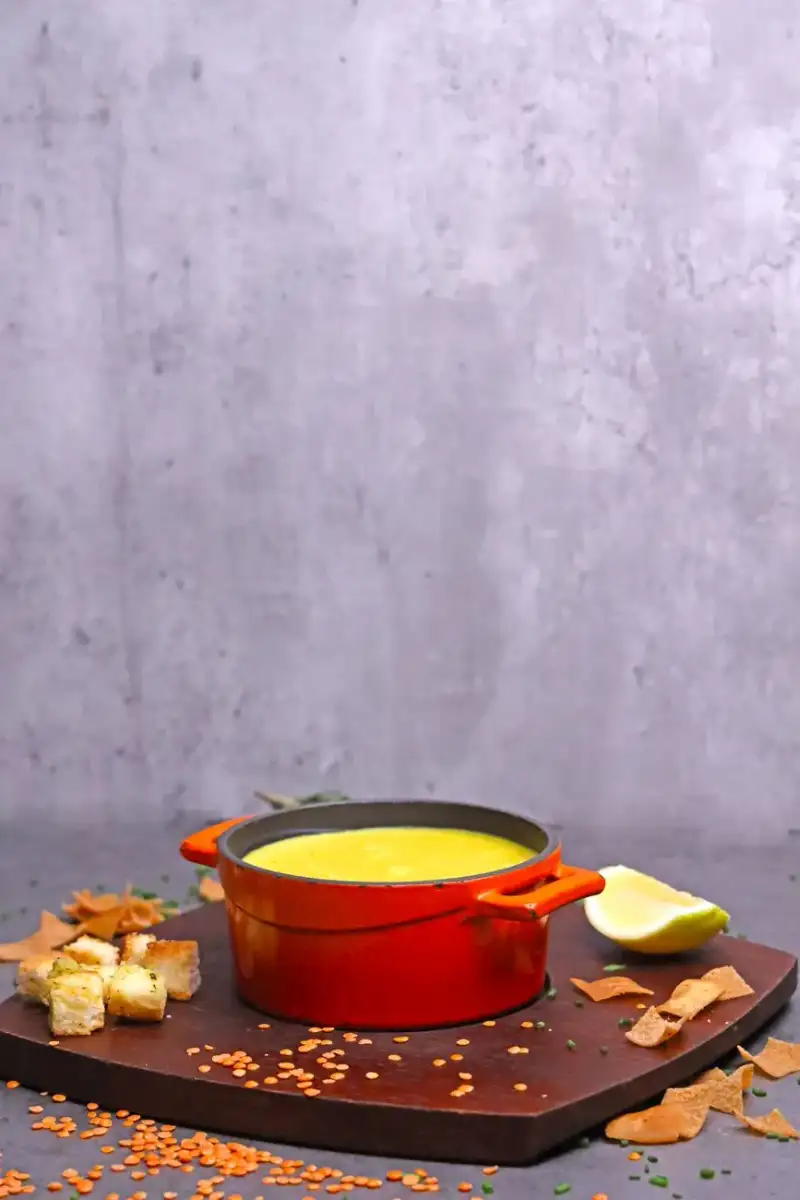

Introduction to Turkish Red Lentil Soup Turkish red lentil soup, also known as "Mercimek Çorbası" in Turkish, is a beloved and iconic dish in Turkish cuisine. This hearty and comforting soup has been a staple in Turkish households for centuries, and its popularity extends far beyond the country's borders. The dish is not only delicious but also packed with nutritional benefits, making it an excellent choice for health-conscious foodies. According to recent studies, a diet rich in lentils can have numerous health benefits, including reducing the risk of cardiovascular disease and improving digestion. Research on high protein shows that lentils are an excellent source of plant-based protein, making them an ideal ingredient for vegetarians and vegans. The Mediterranean diet, which is characterized by high consumption of fruits, vegetables, whole grains, and legumes, has been shown to have numerous health benefits, including reducing the risk of chronic diseases such as heart disease, diabetes, and certain types of cancer.The traditional Turkish red lentil soup recipe has been passed down through generations, and its preparation is often a family affair. The dish is typically made with red lentils, onions, garlic, and spices, and is often served with a squeeze of lemon juice and a sprinkle of fresh mint. The combination of flavors and textures is truly magical, and the dish is sure to become a favorite among soup lovers. The Health Benefits of Lentils Lentils are a type of legume that is rich in protein, fiber, and various essential nutrients. They are an excellent source of plant-based protein, making them an ideal ingredient for vegetarians and vegans. According to the United States Department of Agriculture (USDA), one cup of cooked lentils contains about 18g of protein, 10g of fiber, and 230 calories. Research has shown that a diet rich in lentils can have numerous health benefits, including reducing the risk of cardiovascular disease, improving digestion, and helping to manage blood sugar levels. The high fiber content in lentils can also help to promote satiety and support weight loss.In addition to their nutritional benefits, lentils are also rich in antioxidants and polyphenols, which can help to protect against oxidative stress and inflammation. According to a study published in the Journal of Agricultural and Food Chemistry, lentils contain a range of bioactive compounds, including flavonoids, phenolic acids, and saponins, which have been shown to have anti-inflammatory and antioxidant properties. The Culinary Secrets of Turkish Red Lentil Soup The traditional Turkish red lentil soup recipe is a closely guarded secret, and its preparation is often a family affair. The dish is typically made with red lentils, onions, garlic, and spices, and is often served with a squeeze of lemon juice and a sprinkle of fresh mint. To make the perfect Turkish red lentil soup, it's essential to use high-quality ingredients and to follow a few simple tips and tricks. First, it's essential to rinse the lentils thoroughly and soak them in water for at least 30 minutes. This helps to remove any impurities and reduces the cooking time.Next, it's essential to sauté the onions and garlic in olive oil until they are softened and fragrant. This helps to bring out the flavors and aromas of the dish and adds a depth of flavor that is hard to resist. Finally, it's essential to season the soup with a range of spices, including cumin, paprika, and salt. The combination of flavors and textures is truly magical, and the dish is sure to become a favorite among soup lovers. The Recipe To make the perfect Turkish red lentil soup, follow these simple steps: Ingredients:1 cup red lentils 2 tablespoons olive oil 1 onion, chopped 2 cloves garlic, minced 1 teaspoon ground cumin 1 teaspoon paprika 1/2 teaspoon salt 1/4 teaspoon black pepper 4 cups vegetable broth 2 tablespoons freshly squeezed lemon juice 1/4 cup chopped fresh mintInstructions:Rinse the lentils and soak them in water for at least 30 minutes. Heat the olive oil in a large pot over medium heat. Add the chopped onion and cook until softened, about 5 minutes. Add the minced garlic, cumin, paprika, salt, and pepper. Cook for 1 minute. Add the drained lentils, vegetable broth, and lemon juice. Bring to a boil, then reduce the heat and simmer for 20-25 minutes or until the lentils are tender. Stir in the chopped fresh mint and serve hot.Conclusion Turkish red lentil soup is a delicious and nutritious dish that is rich in protein, fiber, and various essential nutrients. The dish is perfect for health-conscious foodies who are looking for a hearty and comforting meal that is also good for them. With its rich flavors and textures, Turkish red lentil soup is sure to become a favorite among soup lovers. According to research, the Mediterranean diet, which is characterized by high consumption of fruits, vegetables, whole grains, and legumes, has been shown to have numerous health benefits, including reducing the risk of chronic diseases such as heart disease, diabetes, and certain types of cancer.In conclusion, Turkish red lentil soup is a culinary delight that is not only delicious but also packed with nutritional benefits. With its rich flavors and textures, this dish is sure to become a favorite among soup lovers. So why not give it a try and experience the magic of Turkish cuisine for yourself? #HealthyLiving #Gastronomy #MediterraneanDiet #LentilSoup #TurkishCuisine
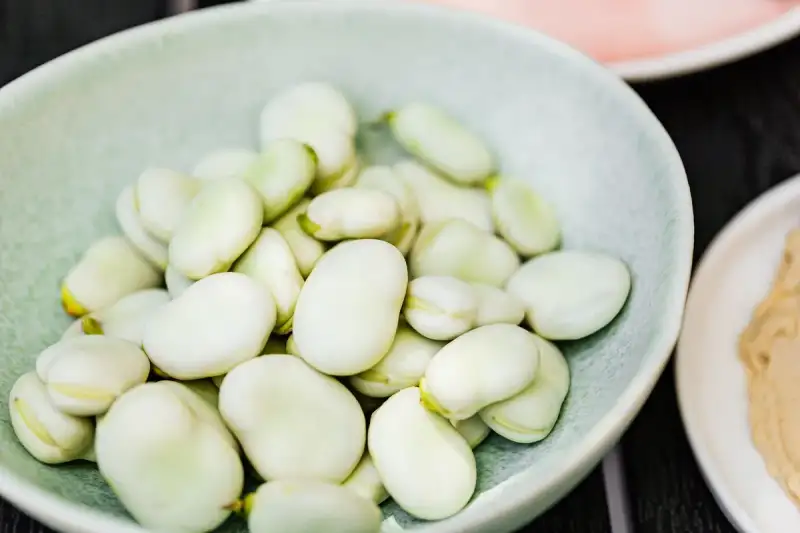

Ful Medames, the centuries-old fava bean dish, stands as a testament to the rich culinary heritage of the Mediterranean. This traditional breakfast staple, born from the humble fava bean, has traversed time and borders, weaving itself into the fabric of cultures across the region. Its origins lost in the mists of history, Ful Medames has evolved, adapting to the tastes and traditions of the people who have embraced it, from the sun-kissed fields of Egypt to the bustling streets of Lebanon. Introduction to Ful Medames Ful Medames is more than just a meal; it is an experience. The name itself, "Ful Medames," reflects its Egyptian roots, where "ful" refers to the fava beans and "medames" means "buried," alluding to the traditional method of cooking the beans in a pot buried in hot coals or sand. This ancient method allows for a slow, overnight cooking process, resulting in tender, flavorful beans that are then served with a variety of toppings.The dish is a symphony of textures and flavors, combining the creamy richness of fava beans with the tang of lemon juice, the depth of garlic, and the freshness of parsley. It's a meal that invites community, often served in large bowls from which everyone eats, fostering a sense of togetherness and sharing. The Cultural Significance of Ful Medames Ful Medames holds a special place in the hearts and stomachs of people across the Mediterranean. It's a dish that transcends borders, with variations found in Egyptian, Palestinian, Syrian, and Lebanese cuisines, among others. In Egypt, it's a national dish, often served at almost every meal, from casual breakfasts to more formal gatherings. The simplicity and nourishment it provides make it a staple for both the rich and the poor, bridging social divides.The cultural significance of Ful Medames is also reflected in its role during Ramadan, the Islamic holy month of fasting. After a long day of fasting, Ful Medames is often one of the first foods eaten at iftar, the meal that breaks the fast, providing necessary sustenance and energy. The History of Ful Medames The history of Ful Medames is as ancient as the fava bean itself, which has been cultivated for over 10,000 years. The use of fava beans in dishes dates back to the time of the pharaohs in Egypt, where they were considered a staple food due to their nutritional value and ease of cultivation. Over time, as civilizations rose and fell, and as trade and migration brought different cultures into contact with one another, the recipe for Ful Medames evolved. The addition of garlic, lemon juice, and olive oil, for example, reflects the influence of Mediterranean cuisine on the dish. Preparing Ful Medames Preparing Ful Medames is an art that requires patience and a bit of tradition. The process begins with soaking dried fava beans overnight, then boiling them until they are tender. The beans are then mashed and mixed with garlic, lemon juice, and olive oil, creating a creamy, flavorful paste. Traditional Recipe1 cup dried fava beans, soaked overnight and drained 4 cloves garlic, minced 2 tablespoons lemon juice 1/4 cup olive oil Salt and pepper, to taste Chopped parsley or cilantro, for garnishCombine the cooked fava beans, garlic, lemon juice, and olive oil in a bowl. Season with salt and pepper to taste. Serve warm, garnished with parsley or cilantro, and accompanied by pita bread or vegetables.Conclusion Ful Medames is more than a dish; it's a bridge between past and present, a symbol of community and sharing, and a testament to the enduring power of food to bring people together. Whether enjoyed in a bustling street food market in Cairo or prepared in the comfort of one's own home, Ful Medames offers a taste of tradition, history, and warmth. As we delve into the world of Ful Medames, we not only explore a culinary delight but also uncover the stories, traditions, and people behind this ancient fava bean breakfast. It's an invitation to experience the richness of Mediterranean culture, one bowl at a time. #FulMedames #MediterraneanCuisine #FavaBeanRecipe #TraditionalBreakfast #FoodHistory #CulturalHeritage #MediterraneanDiet #StreetFoodDelights Related InsightsLe Sushi : Odyssée Salée et Sucrée, de la Préservation Antique à l'Art Culinaire Éphémère Global Secrets of Preserved Lemons & Salt‑Cured Citrus: From Marrakech Markets to Tokyo Kitchens Delving into the World of Anti-Inflammatory German Potato Salad with Dill and Apple Cider Vinaigrette (Vegan){ "@context": "https://schema.org", "@type": "FAQPage", "mainEntity": [ { "@type": "Question", "name": "What is the main focus of Ful Medames: The Ancient Fava Bean Breakfast?", "acceptedAnswer": { "@type": "Answer", "text": "Discover the deep cultural roots, authentic flavors, and history of Ful Medames: The Ancient Fava Bean Breakfast." } }, { "@type": "Question", "name": "Who authored the comprehensive guide on Ful Medames: The Ancient Fava Bean Breakfast?", "acceptedAnswer": { "@type": "Answer", "text": "This detailed article and its insights were carefully researched and authored by Tariq Al-Fayed." } }, { "@type": "Question", "name": "Where can I find more related content about Food?", "acceptedAnswer": { "@type": "Answer", "text": "You can explore more articles, detailed reviews, and similar insights by browsing the Related Insights section at the bottom of this article or visiting our dedicated Food category page." } } ] }

-
 Hannah Weber
 - 11 Jun, 2026 17:12
Hannah Weber's Guide to Delicious and Healthy Sprouted Grain Bread with Avocado and Radish (Vegan)
The Perfect Start: Elevating Your Morning Toast There is something undeniably transformative about a simple piece of toast. However, when you swap out standard white bread for sprouted grains and top it with the vibrant crunch of garden-fresh radishes and the creaminess of ripe avocado, breakfast stops being a chore and starts being a wellness ritual. This recipe—my personal guide to the ultimate sprouted grain avocado toast—is designed to be more than just a quick bite. It is a masterclass in balancing textures and flavors while providing your body with the fuel it needs to sustain focus throughout the day. Whether you are a dedicated vegan or simply looking to incorporate more nutrient-dense whole foods into your routine, this dish offers a sophisticated profile that proves healthy eating is never about restriction; it’s about choosing high-quality ingredients that harmonize on the plate.The Science Behind: Why This Combination Works Nutrition is not just about calories; it is about the synergy of compounds interacting within your system. Here is why this specific combination of ingredients is a powerhouse for your health: Sprouted Grains: Unlike refined flour, sprouted grains are essentially "living" foods. The sprouting process neutralizes phytic acid—an "anti-nutrient" that can inhibit the absorption of minerals—making iron, calcium, and zinc significantly more bioavailable. Furthermore, the germination process increases the concentration of fiber and protein, leading to a lower glycemic index and more stable blood sugar levels compared to conventional bread. Avocado (The Lipid Profile): Avocados are a primary source of monounsaturated fatty acids, particularly oleic acid. These healthy fats are essential for the absorption of fat-soluble vitamins (A, D, E, and K) found in the accompanying vegetables. They also promote satiety, signaling the brain that you are full, which helps prevent overeating. Radishes (Bioactive Compounds): Often relegated to a mere garnish, radishes are nutritional giants. They contain high levels of anthocyanins and glucosinolates—compounds associated with reduced oxidative stress and anti-inflammatory properties. Their signature peppery crunch adds a textural contrast that forces you to chew more slowly, aiding in digestion and mindful consumption. Lemon Juice: Beyond its bright acidity, the Vitamin C in lemon juice acts as a critical catalyst. Vitamin C is a known enhancer of non-heme iron absorption, meaning the squeeze of lemon over your avocado and grains literally helps your body extract more iron from the meal. Preparation and Flavor Mastery: The Details To elevate this dish from basic toast to a gourmet vegan experience, focus on these preparation nuances:The Toasting Technique: When you preheat the oven to 375F, you are not just drying the bread; you are performing a Maillard reaction. This light caramelization of the starches in the sprouted grain creates a nutty, deeper flavor profile that stands up well to the moist toppings. The Avocado Maceration: When mashing your avocado, keep it slightly chunky. The contrast between creamy, spreadable avocado and the texture of the grain provides a superior mouthfeel. Mix in your lemon juice immediately after mashing; the citric acid prevents oxidation (browning) and keeps your avocado vibrant and emerald green. The Radish Slice: The secret to the perfect radish layer is thinness. Use a mandoline or a very sharp chef's knife to get translucent slices. This ensures that every bite contains a perfect ratio of bread, avocado, and radish. Final Seasoning: While not in the base ingredient list, finishing the dish with a tiny pinch of flaky sea salt and cracked black pepper is essential. The salt draws out the natural sweetness of the cherry tomatoes, while the pepper complements the spicy notes of the radish.A Nourishing Conclusion In a world filled with processed convenience foods, taking fifteen minutes to assemble a meal from whole, sprouted, and raw ingredients is a radical act of self-care. This sprouted grain bread with avocado and radish is a testament to the fact that simple, plant-based ingredients, when combined thoughtfully, can provide a profound sensory experience. By focusing on nutrient density and the biological benefits of each component, you aren't just eating—you are nourishing your cells, supporting your digestion, and setting a high standard for your daily energy levels. Enjoy this dish as a breakfast, a post-workout recovery snack, or a light lunch. Your body will thank you for the extra effort. #PlantBasedWellness #SproutedGrains #HealthyEating #VeganGastronomy #MindfulNutrition Related InsightsThe Unfolding Tapestry of Flavor: A Millennia-Spanning Journey Through the Epic Evolution of Curry Exploring the Delightful World of Cheese Pairings Mapo Tofu: The Spicy and Numbing Classic{ "@context": "https://schema.org", "@type": "FAQPage", "mainEntity": [ { "@type": "Question", "name": "What is the main focus of Hannah Weber's Guide to Delicious and Healthy Sprouted Grain Bread with Avocado and Radish (Vegan)?", "acceptedAnswer": { "@type": "Answer", "text": "A delicious and healthy recipe that combines the benefits of healthy fats, dietary fiber, and bioactive compounds." } }, { "@type": "Question", "name": "Who authored the comprehensive guide on Hannah Weber's Guide to Delicious and Healthy Sprouted Grain Bread with Avocado and Radish (Vegan)?", "acceptedAnswer": { "@type": "Answer", "text": "This detailed article and its insights were carefully researched and authored by Hannah Weber." } }, { "@type": "Question", "name": "Where can I find more related content about Food?", "acceptedAnswer": { "@type": "Answer", "text": "You can explore more articles, detailed reviews, and similar insights by browsing the Related Insights section at the bottom of this article or visiting our dedicated Food category page." } } ] }

"From Ancient Grills to Modern Plates: Demir Şef's High-Protein Chicken Shish Kebab with Zesty Sumac Salad - A Culinary Journey Through Culture and Wellness" Greetings, food lovers and wellness seekers! Demir Şef here, ready to whisk you away on a gastronomic journey that promises not just exquisite flavors but also profound health benefits. Today, we're diving into a dish that is a true cornerstone of Mediterranean and Middle Eastern cuisine, a global ambassador of taste and tradition: Chicken Shish Kebab. But we won't stop there. We’ll elevate this classic with a vibrant, zesty Sumac Salad, crafting a meal that is as nourishing as it is delicious, with a special focus on its high-protein power. Imagine the smoky aroma of perfectly grilled chicken, marinated to perfection, mingling with the bright, tangy notes of a fresh sumac salad. This isn't just a meal; it's an experience, a celebration of history, culture, and mindful eating. The shish kebab, a dish whose origins stretch back through millennia to nomadic tribes cooking meat over open fires, has evolved from a simple necessity into a culinary art form, embraced by countless cultures across the globe. Its journey is a testament to food's incredible power to connect, transcend borders, and adapt, much like the dynamic culinary landscape shaped by immigration we see today. Beyond its captivating history and irresistible taste, our Chicken Shish Kebab is a powerhouse of nutrition. Chicken, particularly lean cuts like breast and thigh, is an exceptional source of high-quality protein. This is not just a buzzword; protein is a fundamental macronutrient crucial for virtually every bodily function. It’s essential for building and repairing tissues, making enzymes and hormones, and providing a sustained source of energy. For those focusing on fitness, weight management, or simply maintaining a healthy lifestyle, a high-protein meal like this kebab offers remarkable satiety, helping you feel fuller for longer and curbing unhealthy cravings. This focus on nutrient-dense protein makes our shish kebab an ideal choice for a balanced and energizing diet. The story of the shish kebab’s global proliferation perfectly illustrates how culinary traditions are shared and enriched through human migration and cultural exchange. According to recent studies, "Canada’s food culture is strongly shaped by its immigrant populations." This observation is not unique to Canada; it's a global phenomenon. Dishes like shish kebab have traveled across continents, carried by people who brought their culinary heritage with them, embedding these flavors into new lands and new communities. The very act of sharing a meal like shish kebab becomes a bridge, helping new communities "feel at home" and fostering "openness to new cultures coming to the country," as described in research exploring how future immigration might impact a nation's culinary landscape. This dish, therefore, is more than just food; it's a narrative of integration, understanding, and the delicious evolution of human culture.The preparation of a truly great shish kebab begins with the marinade. This isn't just about adding flavor; it's a science. Our marinade combines the fruity bitterness of olive oil, the zesty tang of fresh lemon juice, the pungent warmth of garlic and onion, and the earthy, subtly spicy notes of red pepper paste, oregano, and cumin. Each ingredient plays a crucial role. The acidity from the lemon juice and onion helps to tenderize the chicken, breaking down muscle fibers to ensure a succulent bite. The olive oil acts as a carrier for the fat-soluble flavors and helps keep the chicken moist during grilling. The array of spices – oregano for its aromatic, slightly bitter undertones, cumin for its distinctive earthy warmth, and paprika for a touch of sweetness and color – create a complex flavor profile that is both authentic and incredibly appealing. This thoughtful combination transforms simple chicken pieces into a culinary masterpiece, ready for their fiery kiss on the grill. The choice of chicken cut is also important for our high-protein goal. While chicken breast is often lauded for its leanness, chicken thighs, which we recommend for their richer flavor and tendency to stay juicier, also pack a significant protein punch while adding a little more healthy fat for extra satisfaction. Whichever cut you choose, you're investing in a meal that supports muscle maintenance and growth, provides sustained energy, and aids in overall satiety. This makes our Chicken Shish Kebab a fantastic choice for athletes, active individuals, or anyone looking to fuel their body with quality nutrition without sacrificing taste. This meticulous marination process and careful selection of ingredients are what set a Demir Şef recipe apart. We’re not just cooking; we’re crafting an experience, honoring centuries of culinary wisdom while optimizing for modern health goals.As the chicken cubes thread onto the skewers, they are transformed from simple ingredients into elegant preparations, ready for the flame. Grilling is the preferred method for shish kebab, imparting a characteristic smoky char that enhances the marinated flavors. The high heat seals in the juices, ensuring each cube of chicken is tender on the inside with a tantalizingly crisp exterior. The visual appeal of the kebabs sizzling over an open flame is part of the magic, a primal connection to those ancient cooks who first honed this method. For those without a grill, baking or broiling in the oven provides a fantastic alternative, still achieving that perfectly cooked, juicy result, though perhaps without the same smoky depth. To balance the richness of the grilled chicken, our vibrant Sumac Salad steps in as the perfect accompaniment. This isn't just a side dish; it's an essential component that completes the flavor profile and adds a refreshing burst of vitamins and fiber. Sumac, a cornerstone spice in Middle Eastern cuisine, offers a unique tangy, almost lemony flavor that is both bright and savory. It's derived from the dried and ground berries of the sumac bush, and its deep red hue adds a beautiful splash of color to any dish. Beyond its flavor, sumac has been traditionally used for its potential anti-inflammatory properties, making it a delicious addition to a health-conscious diet.The Sumac Salad combines finely diced cucumbers, ripe tomatoes, thinly sliced red onion, and generous handfuls of fresh parsley. This medley of fresh vegetables provides a wealth of dietary fiber, vitamins (especially Vitamin C and K), and antioxidants. The crispness of the cucumber, the juicy sweetness of the tomato, and the sharp bite of the red onion create a refreshing contrast to the savory kebab. Dressed simply with extra virgin olive oil and fresh lemon juice, the salad is then generously seasoned with sumac, tying all the flavors together in a harmonious symphony. This salad not only enhances the gastronomic experience but also significantly boosts the nutritional value of the meal, contributing to a feeling of lightness and promoting digestive health. It’s a testament to how simple, fresh ingredients, when thoughtfully combined, can elevate a dish to new heights of both flavor and wellness. The concept of "recipes from the future," as envisioned in studies exploring the impact of immigration on culinary landscapes, is beautifully embodied by a dish like chicken shish kebab. It's a classic that continually reinvents itself and finds new admirers in every corner of the world. Just as research suggests that future immigration will introduce and integrate "emerging food trends" and "new cuisines" into established food cultures, shish kebab has already undergone this journey for centuries. It’s a perfect example of a dish that transcends its geographical origins, becoming a universally beloved staple. This seamless adoption of diverse culinary elements not only enriches our palates but also, as noted by scientific inquiry, "aims to establish a shared understanding between Canadians and these future immigrant communities, helping these communities feel at home in Canada, and helping Canadians be more open to new cultures coming to the country." Applied globally, the shish kebab serves as a powerful symbol of cultural exchange and acceptance, a delicious common ground for humanity. This deep integration of food and culture highlights how our tables become meeting points for different traditions. Each bite of chicken shish kebab, with its expertly balanced spices and the freshness of the sumac salad, tells a story of lands far away and the people who brought these flavors to our plates. It’s a living "recipe from the future" because its adaptability, universal appeal, and ability to foster connection ensure its place in the global culinary narrative for generations to come. This understanding, gleaned from scientific explorations of how our food evolves, adds an even deeper layer of appreciation to the dishes we prepare and consume. Demir Şef's Master Recipe: High-Protein Chicken Shish Kebab with Zesty Sumac Salad This recipe is designed for both flavor and efficiency, ensuring a meal that is both healthy and incredibly satisfying. The marination time is crucial for flavor, so plan ahead! Yields: 6 servings Prep time: 30 minutes (plus 2+ hours marination time) Cook time: 20 minutes Ingredients: For the Chicken Shish Kebab:1.5 kg (approximately 3.3 lbs) boneless, skinless chicken thighs or breasts, cut into 1.5-inch (4 cm) cubes 1/2 cup (120 ml) olive oil 1/4 cup (60 ml) fresh lemon juice 4 cloves garlic, minced 1 large onion, grated or finely minced (gently squeeze out excess liquid) 2 tablespoons red pepper paste (biber salçası) OR 1 tbsp sweet paprika + 1 tbsp hot paprika 1 tablespoon dried oregano 1 teaspoon ground cumin 1 teaspoon salt (or to taste) 1/2 teaspoon black pepper (or to taste) Wooden or metal skewers (if using wooden, soak in water for at least 30 minutes to prevent burning)For the Zesty Sumac Salad:2 large cucumbers, finely diced 3 large ripe tomatoes, finely diced 1 large red onion, thinly sliced and finely chopped 1 large bunch fresh parsley, finely chopped 2 tablespoons sumac 3 tablespoons extra virgin olive oil 2 tablespoons fresh lemon juice Salt and black pepper to tasteInstructions:Prepare the Chicken Kebab Marinade: In a large mixing bowl, combine the olive oil, fresh lemon juice, minced garlic, grated onion (ensure you've squeezed out any excess liquid, as too much moisture can dilute the marinade), red pepper paste (or the paprika blend), dried oregano, ground cumin, salt, and black pepper. Whisk all the ingredients together until thoroughly combined, creating a thick, aromatic marinade. Marinate the Chicken: Add the cubed chicken pieces to the marinade bowl. Using your hands or a spatula, toss the chicken thoroughly, ensuring every piece is generously coated. Cover the bowl tightly with plastic wrap and refrigerate for a minimum of 2 hours. For the best flavor penetration and tenderization, I highly recommend marinating overnight (8-12 hours). Prepare the Sumac Salad: While the chicken is marinating, prepare your vibrant Sumac Salad. In a medium-sized serving bowl, combine the finely diced cucumbers, diced tomatoes, finely chopped red onion, and the fresh, finely chopped parsley. Dress the Salad: In a small separate bowl, whisk together the sumac, extra virgin olive oil, fresh lemon juice, salt, and black pepper. Once emulsified, pour the dressing over the chopped vegetables in the serving bowl. Toss gently to combine all the ingredients, ensuring the sumac dressing coats every piece. Cover the salad and refrigerate until you're ready to serve, allowing the flavors to meld and chill beautifully. Prepare the Skewers: Remove the marinated chicken from the refrigerator. If you're using wooden skewers, make sure they have been soaking for at least 30 minutes. Carefully thread the marinated chicken cubes onto the skewers. Try not to pack them too tightly, as this can prevent even cooking. Leave a little space between pieces to ensure consistent heat distribution. Preheat Grill or Oven: For Grilling: Preheat your outdoor grill to medium-high heat (aim for an internal temperature of around 400-450°F / 200-230°C). Lightly oil the grill grates to prevent sticking. For Oven Baking/Broiling: Preheat your oven to 425°F (220°C). Line a large baking sheet with aluminum foil for easier cleanup, then place a wire rack on top. Arrange the skewers on the wire rack.Cook the Kebabs: On the Grill: Place the chicken skewers directly on the preheated grill grates. Grill for about 4-6 minutes per side, turning them a quarter turn every few minutes, until the chicken is thoroughly cooked through, has a beautiful golden-brown char, and an internal temperature of 165°F (74°C). In the Oven: Bake the skewers for 15-20 minutes, flipping them halfway through the cooking time, or until the chicken is cooked through and reaches an internal temperature of 165°F (74°C). For extra char, you can place them under the broiler for the last 2-3 minutes, watching carefully to prevent burning.Rest and Serve: Once cooked, remove the kebabs from the heat and transfer them to a clean platter. Let them rest for 5 minutes. This crucial resting period allows the juices within the chicken to redistribute, resulting in incredibly tender and moist meat. Final Plating: Serve the hot, flavorful Chicken Shish Kebabs immediately alongside the chilled, zesty Sumac Salad. For a complete and traditional meal, consider serving with fluffy basmati rice, a side of bulgur pilaf, or warm pita bread to soak up all the delicious juices.There you have it—a meal that truly nourishes the body and delights the senses. This Chicken Shish Kebab with Sumac Salad is more than just a recipe; it's an invitation to explore the rich tapestry of global food culture, to appreciate the profound journey of ingredients, and to embrace a lifestyle focused on both flavor and well-being. From my kitchen to yours, may every bite be a journey and every meal a celebration. Afiyet olsun! (Enjoy your meal!)#HighProteinMeals #ChickenKebab #SumacSalad #HealthyEating #DemirŞefKitchen #GastronomyAndHealth #MediterraneanDiet Related InsightsSeaweed Gastronomy: Crafting Sustainable Plant‑Based Culinary Frontiers Masala Dosa: The Crispy Crepe That Conquered the World L'Alchimie du Levain : Quand le Temps Sculpte la Croûte et l'Âme du Pain{ "@context": "https://schema.org", "@type": "FAQPage", "mainEntity": [ { "@type": "Question", "name": "What is the main focus of From Ancient Grills to Modern Plates: Demir Şef's High-Protein Chicken Shish Kebab with Zesty Sumac Salad - A Culinary Journey Through Culture and Wellness?", "acceptedAnswer": { "@type": "Answer", "text": "Join Demir Şef on a health and gastronomy adventure with this high-protein Chicken Shish Kebab, paired with a vibrant Sumac Salad, exploring its global cultural impact and profound nutritional benefits." } }, { "@type": "Question", "name": "Who authored the comprehensive guide on From Ancient Grills to Modern Plates: Demir Şef's High-Protein Chicken Shish Kebab with Zesty Sumac Salad - A Culinary Journey Through Culture and Wellness?", "acceptedAnswer": { "@type": "Answer", "text": "This detailed article and its insights were carefully researched and authored by Demir Şef." } }, { "@type": "Question", "name": "Where can I find more related content about Food?", "acceptedAnswer": { "@type": "Answer", "text": "You can explore more articles, detailed reviews, and similar insights by browsing the Related Insights section at the bottom of this article or visiting our dedicated Food category page." } } ] }
-
 Elena Volkova
 - 09 Jun, 2026 03:47
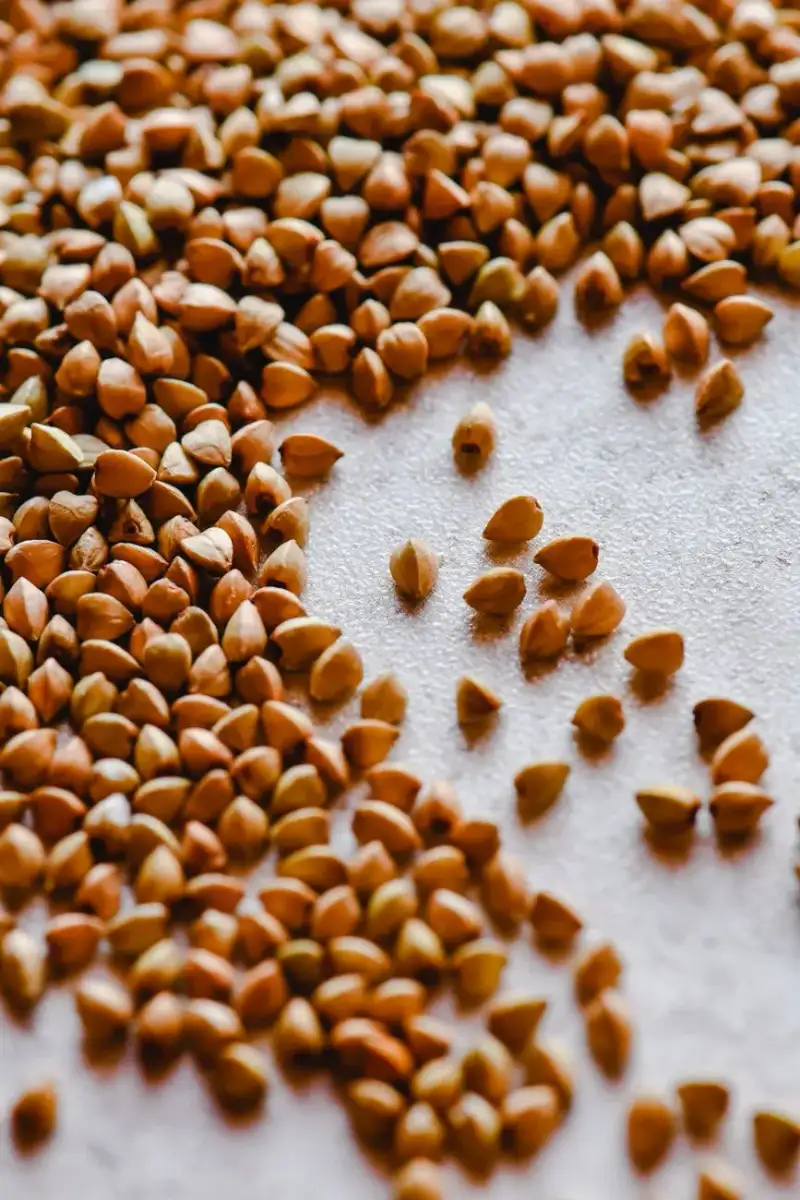
Exploring the Nutritional Haven of Buckwheat Kasha with Sautéed Mushrooms and Onions
Introduction to Buckwheat Kasha Buckwheat kasha, a dish deeply rooted in Eastern European and Russian cuisine, offers a nutritional haven that combines the health benefits of high fiber with the savory flavors of sautéed mushrooms and onions. According to recent studies, high-fiber diets are associated with numerous health benefits, including improved digestion, lower cholesterol levels, and better blood sugar control. Research on high fiber shows that it can also contribute to a feeling of fullness, making it an excellent component of weight management diets. The Culinary Journey of Buckwheat The culinary journey of buckwheat kasha is as rich as its nutritional profile. Originating from the seed of the buckwheat plant, which is technically a pseudocereal, buckwheat is a versatile ingredient that can be prepared in various forms, including as a flour, groats, or even noodles. In the context of kasha, buckwheat is typically roasted to enhance its nutty flavor and then cooked in water or broth to yield a dish that is both hearty and comforting. The Health Benefits of Buckwheat Buckwheat is renowned for its high fiber content, which is a critical nutrient for maintaining a healthy digestive system. High fiber intake is associated with a lower risk of chronic diseases, such as heart disease, diabetes, and certain types of cancer. Furthermore, buckwheat is a good source of minerals like copper, manganese, and phosphorus, along with antioxidants and phytochemicals that contribute to its overall nutritional value. Preparing the Perfect Buckwheat Kasha To prepare the perfect buckwheat kasha, it is essential to start with high-quality ingredients. This includes using roasted buckwheat groats, which have a more intense flavor than unroasted ones, and selecting a variety of mushrooms that add both texture and flavor to the dish. The sautéing process is also crucial, as it brings out the natural sweetness of the onions and the earthy flavor of the mushrooms. Step-by-Step Recipe Ingredients:1 cup buckwheat groats 2 cups water 1 tablespoon olive oil 1 large onion, chopped 2 cups mixed mushrooms, sliced Salt and pepper to taste Fresh parsley, chopped (optional)Instructions:Rinse the buckwheat groats and soak them in water for at least 4 hours. This step is crucial for rehydrating the groats and making them easier to cook. Heat the olive oil in a large skillet over medium heat. Add the chopped onion and sauté until translucent, stirring occasionally to prevent burning. Add the sliced mushrooms to the skillet and cook until they release their moisture and start browning. This process enhances the flavor and texture of the mushrooms. Drain the soaked buckwheat groats and add them to the skillet with the mushrooms and onions. Stir to combine, ensuring the groats are well coated with the flavors from the skillet. Season with salt and pepper to taste, then serve hot, garnished with chopped parsley if desired. The parsley adds a fresh note to the dish and complements the earthy flavors of the buckwheat and mushrooms.Conclusion Buckwheat kasha with sautéed mushrooms and onions is a dish that embodies the perfect blend of flavor, nutrition, and cultural heritage. With its high fiber content and rich mineral profile, buckwheat stands out as a superfood that can be incorporated into a variety of meals. Whether you're looking for a hearty side dish or a main course that is both satisfying and healthy, this recipe for buckwheat kasha is sure to delight your senses and nourish your body. #HealthyLiving #Gastronomy #HighFiberDiet #BuckwheatBenefits Related InsightsLe Sushi : Odyssée Salée et Sucrée, de la Préservation Antique à l'Art Culinaire Éphémère Goi Cuon: The Fresh and Healthy Summer Rolls Minestrone Soup with Genovese Pesto and Spelt: A High Fiber Delight{ "@context": "https://schema.org", "@type": "FAQPage", "mainEntity": [ { "@type": "Question", "name": "What is the main focus of Exploring the Nutritional Haven of Buckwheat Kasha with Sautéed Mushrooms and Onions?", "acceptedAnswer": { "@type": "Answer", "text": "A high-fiber dish that combines the nutritional benefits of buckwheat with the savory flavors of sautéed mushrooms and onions, perfect for a healthy meal." } }, { "@type": "Question", "name": "Who authored the comprehensive guide on Exploring the Nutritional Haven of Buckwheat Kasha with Sautéed Mushrooms and Onions?", "acceptedAnswer": { "@type": "Answer", "text": "This detailed article and its insights were carefully researched and authored by Elena Volkova." } }, { "@type": "Question", "name": "Where can I find more related content about Food?", "acceptedAnswer": { "@type": "Answer", "text": "You can explore more articles, detailed reviews, and similar insights by browsing the Related Insights section at the bottom of this article or visiting our dedicated Food category page." } } ] }

-
 Michael Chef
 - 06 Jun, 2026 08:47
The Ultimate Omega-3 Powerhouse: Sheet Pan Salmon with Asparagus and Cherry Tomatoes
The Gastronomic and Physiological Symphony of Salmon In the realm of modern gastronomy, the line between the kitchen and the laboratory has beautifully blurred. As a culinary professional and health advocate, my philosophy has always been that a plate of food should do more than merely satisfy hunger; it should act as a cellular restoration therapy. Today, we are diving deep into a dish that represents the absolute zenith of this philosophy: Sheet Pan Salmon with Asparagus and Cherry Tomatoes, enhanced with a scientifically-inspired pecan-herb crust. Historically, salmon has been revered across cultures—from the indigenous peoples of the Pacific Northwest, who regarded the wild fish as a sacred renewer of life, to the coastal communities of the Nordic regions, who relied on its dense fat stores to survive unforgiving winters. These cultures intuitively understood what modern science has spent decades proving: salmon is an unparalleled metabolic elixir. At the center of salmon’s health profile is its extraordinary concentration of long-chain omega-3 polyunsaturated fatty acids (PUFAs), specifically eicosapentaenoic acid (EPA) and docosahexaenoic acid (DHA). These essential fats are critical structural components of human cell membranes, particularly in the brain, retina, and cardiovascular system. However, preparing salmon in a way that preserves these delicate, highly volatile fats is a precise culinary science. To truly appreciate how we can maximize the health potential of our food, we must look at how modern science approaches molecular protection, preservation, and agricultural synergy.The Vulnerability of Omega-3s: A Deep Scientific Dive While omega-3 fatty acids are incredibly beneficial for lowering systemic inflammation and supporting cognitive function, they possess a major vulnerability: their chemical structure makes them highly susceptible to oxidative degradation. Because polyunsaturated fats contain multiple double bonds, exposure to heat, light, and oxygen during storage and cooking can trigger a cascade of lipid oxidation. This process not only destroys the beneficial properties of the fatty acids but also produces harmful compounds such as hydroperoxides, malondialdehyde, and volatile off-flavor compounds that give fish a notoriously "fishy" smell and bitter taste. To combat this, culinary science borrows fascinating concepts from agricultural and packaging research. For instance, recent scientific investigations into food preservation have highlighted the potent role of natural, plant-derived antioxidants in stabilizing delicate fats. In a groundbreaking study evaluating the "Antioxidant properties and applications of pecan (Carya illinoinensis)", researchers explored how the natural bioactive extracts from pecans could prevent the degradation of volatile lipids in real food environments. According to this research, extracts from the shell and fruit of the pecan contain exceptionally high levels of total polyphenols (TPC) and exhibit remarkable antiradical activity—comparable even to the values found in green tea extract. Most notably for seafood lovers, the study demonstrated that these natural extracts had a highly positive effect in slowing the formation of hydroperoxides in emulsions. Furthermore, when researchers evaluated the potential synergetic effects of these plant extracts, they discovered that combining different plant materials significantly slowed down fat oxidation in fish patties (specifically sardine burgers), dramatically decreasing the formation of reactive compounds like malondialdehyde. In our kitchen, we can directly apply these incredible scientific findings. By coating our salmon fillets with a finely crushed pecan crust and roasting them alongside antioxidant-rich vegetables like cherry tomatoes and asparagus, we create a synergistic, natural protective shield. The polyphenols present in the pecans, combined with the lycopene and vitamin C in the tomatoes, act as active biological scavengers, neutralizing free radicals and preventing the heat-induced oxidation of our precious omega-3 fatty acids during the roasting process.The Protective Shield: Packaging and Prep Science Understanding how to protect our food begins long before we turn on the oven. The journey of salmon from the cold ocean waters to our kitchen counters involves a sophisticated chain of preservation, where green technology plays an increasingly vital role. In the study titled "Green Design of Novel Starch-Based Packaging Materials Sustaining Human and Environmental Health", scientists are rewriting the rules of how we package and protect fresh foods. The research focuses on integrating the principles of green chemistry, green technology, and green nanotechnology to create starch-based packaging films that incorporate natural bioactive compounds, vitamins, and minerals. This advanced packaging acts as an active shield, utilizing cold atmospheric plasma treatments and phytosynthesized metal nanoparticles to preserve the structural and nutritional integrity of fresh ingredients, preventing microbial decay and primary lipid oxidation before the food even reaches your home. When we unpack a pristine piece of wild-caught salmon, we are receiving a raw ingredient that has been kept stable through high-tech preservation methods. Once it enters our culinary domain, it is our responsibility to maintain that biological integrity. By roasting salmon at a moderate 400°F (200°C) for a relatively short period, and using high-quality extra virgin olive oil or pecan oil, we are continuing this protective chain. The monounsaturated fats in these oils provide a stable medium that gently transfers heat to the fish without breaking down. The addition of fresh garlic—which contains sulfur-based organosulfur compounds—and freshly squeezed lemon juice further enhances the biochemical preservation of the fish, making this sheet pan meal a masterclass in modern, health-focused home cooking.The Culinary Anatomy of Our Sheet Pan Masterpiece To build a dish that satisfies both the clinical researcher and the seasoned epicurean, every single ingredient must be chosen with intent. Here is the anatomical breakdown of why this sheet pan assembly works so beautifully on both a molecular and sensory level:Wild-Caught Salmon: Our star ingredient. Wild-caught varieties (such as Sockeye or King salmon) boast a superior omega-3 to omega-6 ratio compared to farm-raised alternatives. It is also packed with astaxanthin, a powerful antioxidant carotenoid that gives the flesh its vibrant pink hue and helps protect our cells from oxidative stress. Fresh Asparagus: Asparagus is a nutritional powerhouse, loaded with vitamins A, C, E, and K, as well as chromium—a trace mineral that enhances the action of insulin and aids in blood sugar regulation. Culturally, asparagus represents the arrival of spring, offering a crisp, herbaceous, and slightly bitter contrast that cuts through the rich, buttery mouthfeel of the salmon. Cherry Tomatoes: When cherry tomatoes are subjected to the dry heat of roasting, their skins blister, their natural sugars caramelize, and their cell walls break down. This thermal breakdown actually increases the bioavailability of lycopene, a highly potent lipid-soluble antioxidant. Lycopene works hand-in-hand with the monounsaturated fats in our cooking oil, absorbing directly into our system to support cardiovascular health. The Pecan and Herb Crust: Directly inspired by the Carya illinoinensis study, we introduce finely crushed pecans as a topping. Not only do pecans provide an earthy, buttery crunch that mimics traditional breadcrumbs (making this recipe naturally gluten-free), but their rich polyphenol profile and soluble fiber content actively protect the salmon's fats from heat-induced secondary oxidation. Fresh Garlic and Lemon: Garlic brings depth and savoriness, while its active compound, allicin, supports vascular health. Lemon provides a bright, acidic lift that cuts through the richness of the fish, while its citric acid and vitamin C act as natural chelating agents to preserve the vibrant colors of our vegetables.Let us now translate this fascinating science into culinary action. The Recipe: Sheet Pan Salmon with Asparagus, Cherry Tomatoes, and Pecan DustPrep Time: 15 minutes Cook Time: 20 minutes Yield: 4 servingsIngredients4 wild-caught salmon fillets (approx. 6 ounces each, skin-on) 1 large bunch of fresh organic asparagus (woody ends snapped off and discarded) 2 cups organic cherry tomatoes (left whole) 2 tablespoons cold-pressed extra virgin olive oil (or high-quality pecan oil) 3 large cloves of garlic, finely minced 1/2 cup raw pecans, very finely crushed/chopped (almost to a coarse meal texture) 1 organic lemon, sliced into thin rounds (plus extra wedges for serving) 1 teaspoon pink Himalayan sea salt (divided) 1/2 teaspoon freshly cracked black pepper 1/4 cup fresh dill leaves, roughly chopped for garnishStep-by-Step Instructions Step 1: Prepare Your Workspace and Oven Preheat your oven to 400°F (200°C). Position your oven rack in the center. Line a heavy-duty, rimmed baking sheet with unbleached parchment paper. This not only prevents sticking but also ensures even heat distribution, echoing the eco-friendly, clean cooking principles of sustainable food design. Step 2: Prep the Vegetables Thoroughly wash the asparagus and cherry tomatoes, then pat them completely dry with a clean kitchen towel. (Moisture is the enemy of caramelization; if the vegetables are wet, they will steam rather than roast). Place the trimmed asparagus and whole cherry tomatoes in a large mixing bowl. Drizzle with one tablespoon of the olive oil (or pecan oil), half of the minced garlic, half a teaspoon of sea salt, and a quarter teaspoon of black pepper. Toss gently until every spear and tomato is lightly and evenly coated with the seasoned oil. Step 3: Arrange the Sheet Pan Spread the seasoned asparagus and cherry tomatoes across the prepared sheet pan, leaving four distinct spaces clear for the salmon fillets. Step 4: Prepare the Salmon and the Protective Pecan Crust Pat the salmon fillets dry with a paper towel. Place them skin-side down in the designated spaces on the sheet pan. Drizzle the remaining tablespoon of oil over the top of each fillet. Rub the remaining minced garlic evenly onto the flesh of the salmon, followed by a light sprinkle of the remaining salt and pepper. Now, apply the scientific shield: press the finely crushed pecans firmly onto the top of each salmon fillet, creating an even, dense crust. This physical barrier of polyphenol-rich pecans will bear the direct heat of the oven, protecting the delicate omega-3s within the fish from thermal degradation. Lay the thin lemon slices directly over the vegetables and slightly overlapping the edges of the salmon. Step 5: Roast to Perfection Slide the sheet pan into the preheated oven. Bake for 12 to 15 minutes. You will know the dish is ready when the cherry tomatoes have slightly blistered and begun to release their sweet juices, the asparagus is tender-crisp with caramelized tips, and the pecan crust is fragrant and golden-brown. To test the salmon, gently press the thickest part of the fillet with a fork; it should flake easily and reveal a moist, translucent pink interior. Step 6: Garnish and Serve Carefully remove the sheet pan from the oven. Immediately scatter the fresh, chopped dill over the entire pan. The residual heat will activate the volatile oils in the dill, releasing an incredible, fresh aroma. Serve hot, spooning any accumulated pan juices (rich in lycopene and healthy fats) back over the salmon and vegetables.Culinary Tips and Storage Science If you happen to have leftovers, understanding how to store them is just as important as knowing how to cook them. Because cooked salmon contains highly unsaturated fats, it is prone to rapid secondary oxidation if left exposed to the air. To preserve the nutritional integrity of your leftovers, store them in a tightly sealed glass container in the refrigerator for no more than two days. Glass is non-reactive and impermeable to oxygen, unlike cheap plastics. When reheating, avoid the microwave at all costs. The aggressive, uneven heating of microwave radiation can quickly denature the proteins and oxidize the remaining omega-3 fats, resulting in a dry, rubbery texture and a strong fishy odor. Instead, place the salmon and vegetables back on a sheet pan, cover loosely with foil to retain moisture, and warm gently in a 300°F (150°C) oven for about 8 to 10 minutes. This slow, low-temperature reheat preserves the integrity of both the flavor and the beneficial fats. Conclusion: Where Science and Flavor Intersect Creating a truly healthy lifestyle does not require sacrificing the joy of eating. As we have seen through the lens of modern food packaging and antioxidant research, the very ingredients that elevate a dish to culinary greatness—such as rich, buttery pecans, sweet roasted tomatoes, and aromatic garlic—are the precise biological agents that protect and enhance its nutritional profile. This Sheet Pan Salmon with Asparagus and Cherry Tomatoes is a beautiful testament to this synergy. It is simple enough for a busy weeknight, yet sophisticated enough to serve at a elegant dinner party. By understanding the science behind lipid oxidation and utilizing the natural protective power of plant synergies, we transform a simple dinner into a proactive step toward long-term health, cellular vitality, and culinary joy. Bon Appétit!#HealthyLiving #Gastronomy #Omega3Rich #CleanEating #MichaelChef Related InsightsThe Living Gold of the Koji Room: Decoding Traditional Miso Fermentation Exploring the Delightful World of Cheese Pairings Korma: The Art of Braising in Royal Kitchens{ "@context": "https://schema.org", "@type": "FAQPage", "mainEntity": [ { "@type": "Question", "name": "What is the main focus of The Ultimate Omega-3 Powerhouse: Sheet Pan Salmon with Asparagus and Cherry Tomatoes?", "acceptedAnswer": { "@type": "Answer", "text": "Discover a scientifically-backed, antioxidant-rich sheet pan salmon recipe featuring asparagus and cherry tomatoes designed to preserve fragile omega-3 fatty acids." } }, { "@type": "Question", "name": "Who authored the comprehensive guide on The Ultimate Omega-3 Powerhouse: Sheet Pan Salmon with Asparagus and Cherry Tomatoes?", "acceptedAnswer": { "@type": "Answer", "text": "This detailed article and its insights were carefully researched and authored by Michael Chef." } }, { "@type": "Question", "name": "Where can I find more related content about Food?", "acceptedAnswer": { "@type": "Answer", "text": "You can explore more articles, detailed reviews, and similar insights by browsing the Related Insights section at the bottom of this article or visiting our dedicated Food category page." } } ] }
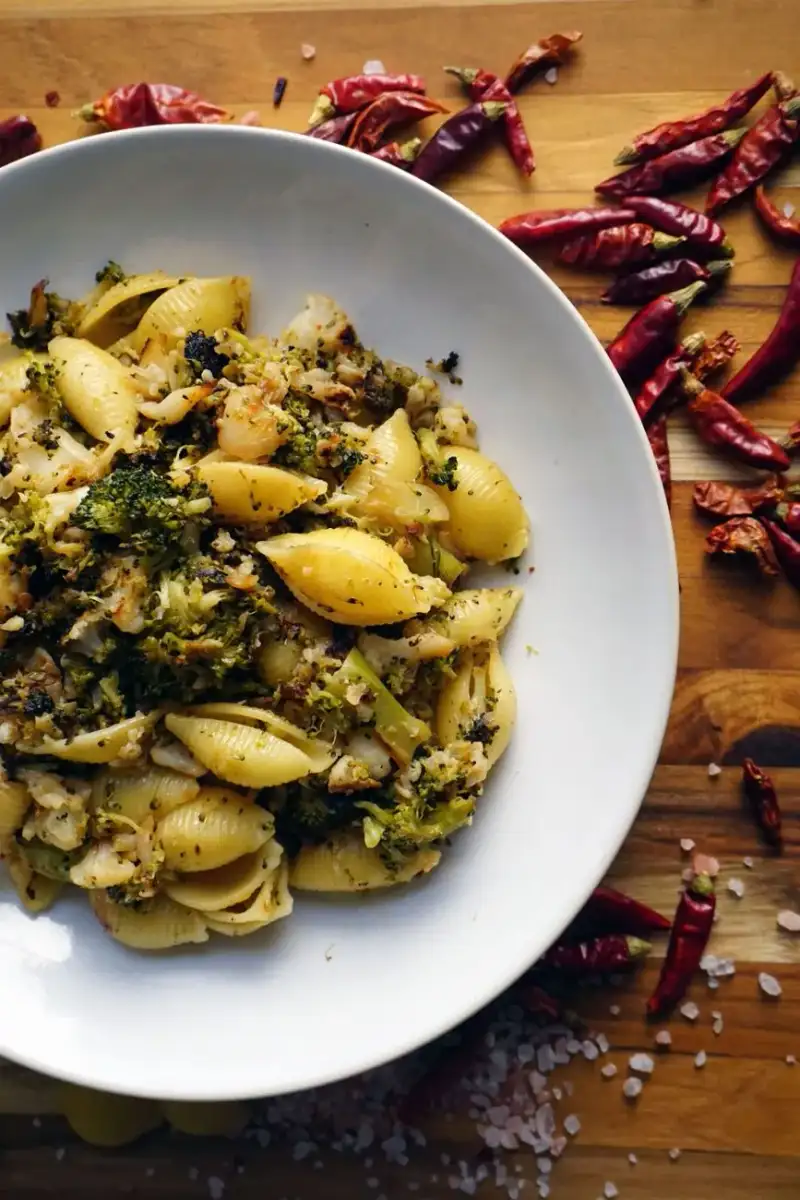
-
 Giovanni Luigi
 - 05 Jun, 2026 18:14
The Protein-Powered Italian Table: Spinach and Ricotta Stuffed Shells
"The Protein-Powered Italian Table: Spinach and Ricotta Stuffed Shells" Welcome, my fellow food lovers, to my kitchen. I am Giovanni Luigi, and today we are embarking on a journey that bridges the gap between the soul-warming comfort of an Italian grandmother’s kitchen and the cutting-edge requirements of modern nutritional science. Many believe that pasta is merely a carbohydrate-heavy indulgence, but today, I intend to prove that with the right approach to ingredients and a focus on nutrient density, your favorite shells can become a cornerstone of a high-protein, health-conscious lifestyle. The art of pasta has long been a subject of fascination. From the humble, hand-rolled orecchiette of Puglia to the refined, extruded shapes found in Northern Italy, pasta is the canvas upon which we paint our culinary masterpieces. But as we move toward a generation that views food as both sustenance and fuel—a concept often studied in academic circles regarding "Fresh Journey" strategies for organic dining—we must reconsider how we balance our plates.Scientific Inquiry into Food Density When we look at the future of food, researchers are increasingly focused on the "value-added" potential of everyday ingredients. Recent academic studies on the development of pasta, specifically those exploring the incorporation of underutilized protein sources—such as the mechanical separation of crustacean by-products—remind us that we can improve the nutritional profile of our meals without sacrificing the gourmet flair we crave. While my recipe focuses on the classic spinach and ricotta blend, I encourage you to consider the "crab mince" model mentioned in recent scientific literature. By utilizing high-quality proteins that are often overlooked, we can transform a simple vegetarian dish into a protein-packed powerhouse. The incorporation of spinach provides a substantial amount of micronutrients, while the ricotta acts as a complete protein source, essential for muscle repair and metabolic health. Research on high-protein intake emphasizes its role in satiety and sustained energy, making this dish perfect for the active, health-conscious Gen-Z demographic currently reshaping the organic restaurant landscape. The Architecture of the Perfect Shell Why stuffed shells? They are a masterclass in texture and structural integrity. A well-designed shell must hold its shape under the weight of the filling while providing the perfect "al dente" bite. Much like the design strategies discussed in contemporary studies regarding organic restaurant branding, the presentation and composition of a dish are just as important as the taste. When we layer these components, we are building a "Fresh Journey" for the palate.Let us talk about the ricotta. Use a high-quality, part-skim ricotta to ensure you get the protein boost without an excess of saturated fat. When you combine this with the spinach—which I suggest you wring as dry as possible to prevent a watery consistency—you create a flavor profile that is creamy, earthy, and deeply satisfying. Adding a touch of protein-rich mince (if you choose to experiment with seafood as noted in the research on crab mince pasta) adds a level of complexity and umami that elevates the dish to a professional level. The Science of the Sauce The marinara is the soul of this dish. Do not settle for store-bought jars filled with added sugars. A simple, home-made marinara—crushed tomatoes, garlic, extra virgin olive oil, and fresh basil—is the cleanest way to deliver the antioxidants found in lycopene-rich tomatoes. According to recent nutrition research, the bioavailability of certain nutrients is enhanced when they are consumed with healthy fats, which is precisely why the ricotta and the touch of olive oil in our sauce are so important. They aren't just for flavor; they are functional components of a balanced meal.Health Benefits: Why High Protein? The obsession with "high protein" is not merely a fitness trend; it is a nutritional necessity. Proteins are the building blocks of life. When you consume a meal like these spinach and ricotta shells, you are providing your body with amino acids that are vital for hormone regulation and tissue repair. By fortifying your pasta shells with ricotta and, potentially, lean animal proteins, you are shifting the glycemic index of your dinner. This means slower digestion, steady blood sugar levels, and a feeling of fullness that prevents the post-dinner snacking urge. For those interested in the "Fresh Journey" of food—a concept highlighted in studies examining how younger generations choose their dining experiences—this dish represents the intersection of tradition and evolution. It is organic, it is intentional, and it is designed for the modern body. The Step-by-Step Culinary Experience Now, let us get to the kitchen. Remember, cooking is not just about following steps; it is about understanding your ingredients. When you boil the shells, watch the clock carefully. If you overcook them, they will lose their structural integrity and collapse in the oven. Aim for two minutes less than the package instructions suggest; the shells will finish cooking in the oven as they absorb the steam and moisture from the marinara.Preparation Tips:The Spinach Squeeze: This is the most critical step. If your spinach is wet, your filling will be runny. Use a clean kitchen towel to wring out every last drop of moisture. The Protein Addition: If you decide to add the "crab mince" as mentioned in the scientific abstracts, ensure it is cooked and finely minced. It will blend seamlessly with the ricotta, providing a subtle brine that pairs beautifully with the tomato sauce. The Oven Temperature: 375°F is the sweet spot. It allows the cheese to melt and the flavors to meld without burning the delicate edges of the pasta.As you plate these shells, remember that you are not just serving dinner; you are serving a piece of nutritional science. Whether you are cooking for friends, family, or simply seeking a high-protein solution for your own wellness journey, this recipe stands as a testament to the fact that healthy eating does not have to be boring. It is, and always will be, a celebration of flavor. In conclusion, as we continue to explore the "Fresh Journey" of culinary innovation, keep looking for ways to enhance your favorite dishes. Whether it is adding lean proteins to traditional recipes or finding new ways to utilize whole ingredients, the potential for improvement is endless. Enjoy this dish, savor the balance of flavors, and feel proud that you are nourishing your body with the best that gastronomy has to offer. Buon appetito! #HealthyLiving #HighProtein #Gastronomy #ItalianCuisine #FreshJourney Related InsightsThe Fifth Element: How a Bowl of Seaweed Broth Rewrote the Language of Flavor Das vergessene Moretum: Eine kulinarische Zeitreise in die römische Bauernküche Black Forest Oat Porridge with Berries and Nuts (Vegan): A Nutritious and Delicious Antioxidant-Rich Breakfast{ "@context": "https://schema.org", "@type": "FAQPage", "mainEntity": [ { "@type": "Question", "name": "What is the main focus of The Protein-Powered Italian Table: Spinach and Ricotta Stuffed Shells?", "acceptedAnswer": { "@type": "Answer", "text": "Elevate your weeknight dinner with this high-protein, nutritionally dense spinach and ricotta stuffed shell recipe, backed by culinary science." } }, { "@type": "Question", "name": "Who authored the comprehensive guide on The Protein-Powered Italian Table: Spinach and Ricotta Stuffed Shells?", "acceptedAnswer": { "@type": "Answer", "text": "This detailed article and its insights were carefully researched and authored by Giovanni Luigi." } }, { "@type": "Question", "name": "Where can I find more related content about Food?", "acceptedAnswer": { "@type": "Answer", "text": "You can explore more articles, detailed reviews, and similar insights by browsing the Related Insights section at the bottom of this article or visiting our dedicated Food category page." } } ] }
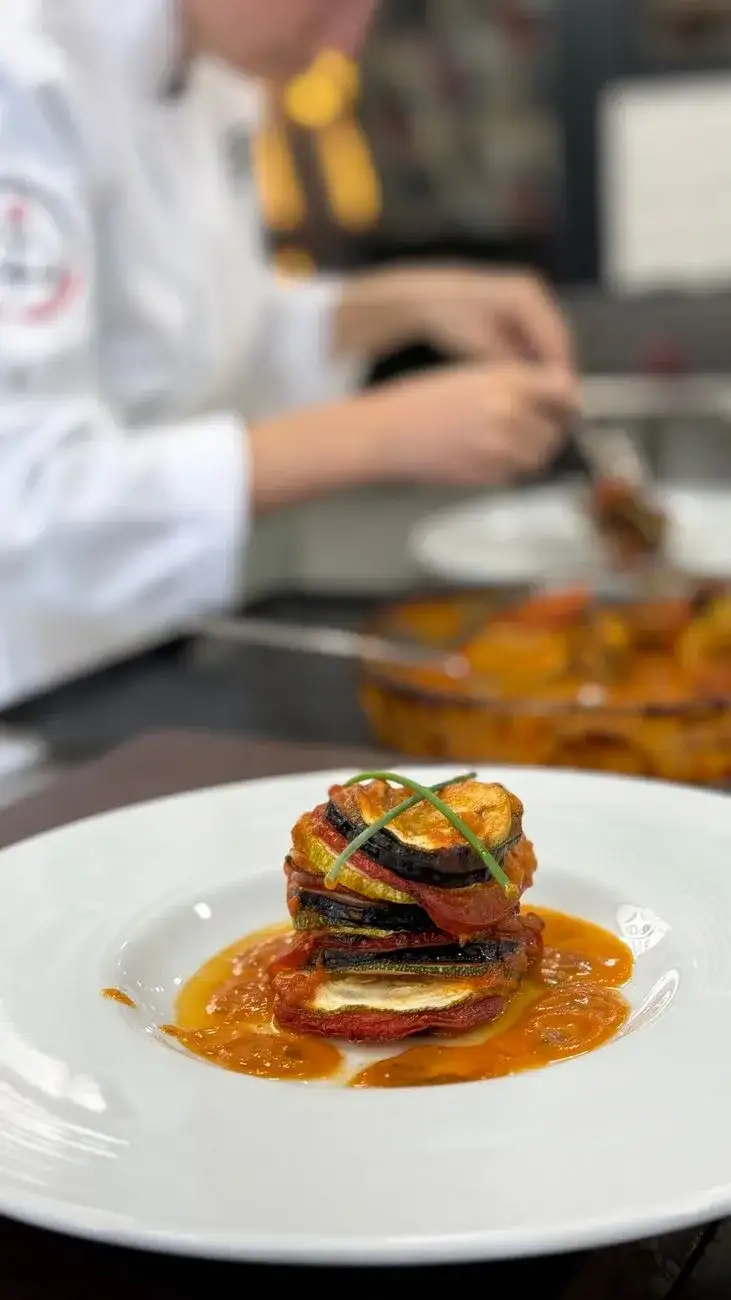
-
 Pierre Dubois
 - 04 Jun, 2026 12:59
Ratatouille with Herbs de Provence: A Symphony of Flavors and Antioxidants
As we embark on this culinary journey through the sun-kissed hills of Provence, we find ourselves immersed in a world of vibrant colors, intoxicating aromas, and unparalleled flavors. At the heart of this gastronomic paradise lies the iconic ratatouille, a traditional vegetable stew originating from the humble kitchens of Nice. This beloved dish has been a staple of Provençal cuisine for centuries, with its rich, velvety texture and deep, satisfying flavors that seem to capture the very essence of the Mediterranean. According to recent studies, the high antioxidant content in ratatouille's key ingredients, such as eggplants, bell peppers, and tomatoes, makes it an excellent addition to a healthy diet.As we delve into the world of ratatouille, we begin to appreciate the intricate dance of flavors and textures that come together to create this masterpiece. The dish typically consists of a medley of tender vegetables, including eggplants, bell peppers, onions, and tomatoes, all slow-cooked in olive oil and infused with the aromatic essence of Herbs de Provence. This iconic blend of herbs, which includes thyme, rosemary, oregano, and lavender, is the quintessential flavor profile of Provence, adding a subtle, nuanced depth to the ratatouille that is nothing short of enchanting.Research on antioxidant-rich foods has consistently shown that a diet high in fruits and vegetables can have a profound impact on our overall health and wellbeing. The antioxidants present in these foods help to protect our cells from damage caused by free radicals, which can contribute to a range of chronic diseases, including heart disease, cancer, and cognitive decline. As we explore the world of ratatouille, we begin to appreciate the numerous health benefits that this dish has to offer, from its high antioxidant content to its rich stores of vitamins, minerals, and fiber.To create this unforgettable ratatouille, we will need the following ingredients: 2 large eggplants, sliced into 1/2-inch thick rounds; 2 large bell peppers, sliced into 1-inch pieces; 1 large onion, chopped; 4 garlic cloves, minced; 2 cups chopped fresh tomatoes; 1 tsp dried Herbs de Provence; 2 tbsp olive oil; salt and pepper to taste. With these simple, wholesome ingredients, we can begin to craft a dish that is not only a feast for the senses but also a powerful tool for promoting health and wellbeing.To begin, preheat the oven to 375F. In a large bowl, toss the sliced eggplants with a pinch of salt to remove excess moisture. Let them sit for 10-15 minutes before patting them dry with a paper towel. In a large Dutch oven, heat 1 tbsp of olive oil over medium heat. Add the chopped onion and sauté until translucent, about 5 minutes. Add the minced garlic and cook for an additional minute, stirring constantly to prevent burning.Next, add the sliced bell peppers to the pot and cook until tender, about 5-7 minutes. Add the chopped fresh tomatoes, dried Herbs de Provence, salt, and pepper. Stir well to combine, then add the sliced eggplants to the pot. Cook for an additional 10-15 minutes, stirring occasionally, until the eggplants are tender and the mixture has reached a rich, velvety consistency.As we sit down to enjoy this unforgettable ratatouille, we are reminded of the profound connection between food, culture, and health. This iconic dish, with its rich flavors and textures, is a testament to the power of traditional cuisine to bring people together and promote wellbeing. Whether served as a side dish, a main course, or a simple snack, ratatouille with Herbs de Provence is a true masterpiece of Provençal cuisine, offering a culinary experience that is nothing short of sublime. #HealthyLiving #Gastronomy #AntioxidantRich #FrenchCuisine #RatatouilleRecipe Related InsightsGalouti Kebab: The Melt-in-Mouth Royal Delicacy The Verdant Alchemy: Why Bhindi is the Ocean-Breeze Snack You Never Knew You Craved From Dragon Fruit to Durian: A Global Tour of the World’s Most Exotic Fruits and Their Secrets{ "@context": "https://schema.org", "@type": "FAQPage", "mainEntity": [ { "@type": "Question", "name": "What is the main focus of Ratatouille with Herbs de Provence: A Symphony of Flavors and Antioxidants?", "acceptedAnswer": { "@type": "Answer", "text": "Indulge in the rich flavors of Provence with this antioxidant-rich ratatouille recipe, featuring the iconic Herbs de Provence blend." } }, { "@type": "Question", "name": "Who authored the comprehensive guide on Ratatouille with Herbs de Provence: A Symphony of Flavors and Antioxidants?", "acceptedAnswer": { "@type": "Answer", "text": "This detailed article and its insights were carefully researched and authored by Pierre Dubois." } }, { "@type": "Question", "name": "Where can I find more related content about Food?", "acceptedAnswer": { "@type": "Answer", "text": "You can explore more articles, detailed reviews, and similar insights by browsing the Related Insights section at the bottom of this article or visiting our dedicated Food category page." } } ] }

In the lush valleys and arid deserts of ancient Egypt, a soup was born that would transcend the boundaries of time and geography, captivating the hearts and taste buds of people across the Middle East and beyond. Mulukhiyah, the royal green soup of the pharaohs, is a dish that weaves a tapestry of history, culture, and flavor, making it an integral part of the culinary heritage of the region. This velvety, nutrient-rich soup, made from the leaves of the mulukhiyah plant (Corchorus olitorius), is a testament to the ingenuity and culinary prowess of the ancient Egyptians. Introduction to Mulukhiyah The mulukhiyah plant, also known as Jew's mallow or Egyptian mallow, is a member of the mallow family. Its leaves, which are the primary ingredient in the soup, are packed with vitamins, minerals, and antioxidants, making mulukhiyah not only a delicious dish but also a nutritious one. The plant has been cultivated for thousands of years, with evidence of its use dating back to the time of the pharaohs. The name "mulukhiyah" itself is derived from the Arabic word for "king" or "royal," reflecting the high esteem in which this soup was held by ancient Egyptian royalty.Historical Significance of Mulukhiyah The historical significance of mulukhiyah cannot be overstated. It was a staple of the ancient Egyptian diet, particularly among the nobility and royalty. The soup was served at special occasions and was considered a delicacy due to the complexity of its preparation and the value of its ingredients. The use of mulukhiyah was not limited to Egypt; it spread throughout the Middle East and North Africa, where it was adapted and incorporated into local cuisines. Today, variations of mulukhiyah can be found in Lebanon, Syria, Jordan, and Palestine, each with its unique twist and flavor profile. Preparing Mulukhiyah: An Art and a Science Preparing mulukhiyah is an art that requires patience, skill, and attention to detail. The process begins with the selection of fresh mulukhiyah leaves, which are then cleaned and chopped. The leaves are sautéed in olive oil with garlic and sometimes meat or chicken, before being simmered in a flavorful broth. The soup is thickened with a roux made from flour and ghee (clarified butter), giving it a rich, velvety texture. The key to a good mulukhiyah is in the balance of flavors and the texture of the soup, which should be neither too thick nor too thin.Cultural Significance of Mulukhiyah Mulukhiyah holds a special place in the cultural heritage of the Middle East. It is often served on special occasions such as weddings and holidays, and its preparation and sharing are seen as acts of hospitality and generosity. The soup is also believed to have medicinal properties, with the mulukhiyah plant being used in traditional medicine for its anti-inflammatory and antioxidant effects. In many Middle Eastern countries, mulukhiyah is considered a comfort food, evoking memories of family gatherings and traditional meals. Authentic Recipe for Mulukhiyah For those interested in trying their hand at making authentic mulukhiyah, here is a simple recipe to get you started:1 pound of fresh mulukhiyah leaves 2 tablespoons of olive oil 3 cloves of garlic, minced 1 pound of chicken or beef, cut into small pieces 4 cups of chicken broth 2 tablespoons of flour 1 tablespoon of ghee Salt and pepper to taste Lemon wedges, for servingSaute the garlic and meat in olive oil until the meat is browned. Add the mulukhiyah leaves and cook until they are wilted. Add the broth and bring to a boil. Reduce the heat and simmer for 20 minutes. Mix the flour and ghee to make a roux, then add it to the soup, stirring constantly to avoid lumps. Season with salt and pepper to taste. Serve hot, with lemon wedges on the side.Conclusion Mulukhiyah, the royal green soup of the pharaohs, is a culinary treasure that embodies the rich cultural heritage and history of the Middle East. Its unique flavor, nutritional value, and cultural significance make it a dish that is worth exploring and savoring. Whether you are a food enthusiast, a historian, or simply someone looking to try new and exciting flavors, mulukhiyah is sure to delight and inspire.#Mulukhiyah #EgyptianCuisine #MiddleEasternFood #TraditionalRecipes #FoodHistory #CulturalHeritage #RoyalGreenSoup #PharaohsDish Related InsightsMumbai’s Midnight Feast: The Spicy, Crunchy, Unforgettable Soul of the City’s Streets The Fifth Taste Unlocked: Mastering Umami to Transform Every Bite into a Flavor Explosion The Gastronomic Odyssey: From Charred Street Corn to the Pinnacle of Michelin Perfection{ "@context": "https://schema.org", "@type": "FAQPage", "mainEntity": [ { "@type": "Question", "name": "What is the main focus of Mulukhiyah: The Royal Green Soup of the Pharaohs?", "acceptedAnswer": { "@type": "Answer", "text": "Discover the deep cultural roots, authentic flavors, and history of Mulukhiyah: The Royal Green Soup of the Pharaohs." } }, { "@type": "Question", "name": "Who authored the comprehensive guide on Mulukhiyah: The Royal Green Soup of the Pharaohs?", "acceptedAnswer": { "@type": "Answer", "text": "This detailed article and its insights were carefully researched and authored by Tariq Al-Fayed." } }, { "@type": "Question", "name": "Where can I find more related content about Food?", "acceptedAnswer": { "@type": "Answer", "text": "You can explore more articles, detailed reviews, and similar insights by browsing the Related Insights section at the bottom of this article or visiting our dedicated Food category page." } } ] }

Ndambe, a hearty black-eyed pea stew, is more than just a dish - it's an embodiment of comfort, tradition, and community. Originating from the vibrant cultures of West Africa, this stew has traveled far and wide, adapting to various tastes and ingredients, yet retaining its essence. As we delve into the world of Ndambe, we find ourselves entwined in a narrative of history, cultural exchange, and the universal language of food. Introduction to Ndambe Ndambe is a testament to the resourcefulness and culinary ingenuity of African cuisine. Black-eyed peas, the main ingredient, are rich in protein, fiber, and nutrients, making them an ideal component for a nourishing stew. The peas are typically cooked with an assortment of vegetables, meats or fish, and a blend of aromatic spices, resulting in a flavorful broth that warms the heart and soul. History and Cultural Significance The history of Ndambe is deeply intertwined with the transatlantic slave trade and the displacement of African peoples to the Americas. Black-eyed peas, being a staple in many African diets, were among the crops brought to the New World by enslaved Africans. Over time, the dish evolved, incorporating local ingredients and cooking techniques, yet maintaining its African roots. Today, variations of Ndambe can be found in numerous countries, each with its unique twist, reflecting the dynamic nature of culinary traditions.Preparing Ndambe: A Step-by-Step Guide Preparing Ndambe is an act of love and patience, requiring careful selection of ingredients and attention to the cooking process. The basic recipe includes black-eyed peas, onions, garlic, tomatoes, peppers, and a choice of protein, which can range from beef to fish or chicken. The ingredients are sautéed in oil to bring out their flavors, then simmered in a broth until the peas are tender. The key to a delicious Ndambe lies in the balance of spices and the richness of the broth.Essential IngredientsBlack-eyed peas Onion Garlic Tomatoes Peppers Protein of choice (beef, fish, chicken) Aromatic spices (thyme, rosemary, bay leaves) Broth OilStep-by-Step InstructionsSoak the black-eyed peas overnight to reduce cooking time. Sauté the onions, garlic, and peppers in oil until they are soft and fragrant. Add the tomatoes and spices, cooking for a few minutes to blend the flavors. Incorporate the protein, cooking until it is browned. Add the soaked black-eyed peas and broth, bringing the mixture to a boil. Reduce heat and simmer until the peas are tender. Season to taste, adjusting the spices and salt as needed.Variations and Adaptations The beauty of Ndambe lies in its versatility. From the spicy versions of the Caribbean to the hearty stews of Southern America, each region has embraced and modified the dish according to local tastes and ingredients. In some parts of Africa, Ndambe is cooked with smoked fish or meat, giving it a distinctive flavor. The use of different spices and herbs can also significantly alter the character of the stew, making each variation a unique culinary experience.Ndambe in Modern Cuisine In contemporary culinary scenes, Ndambe has found its place as a symbol of cultural heritage and gastronomic excellence. Chefs and food enthusiasts alike are revisiting traditional recipes, adapting them to modern tastes while preserving their historical and cultural contexts. The dish has also become a centerpiece for community gatherings and cultural festivals, serving as a reminder of the power of food to unite and inspire. Conclusion Ndambe, the comforting black-eyed pea stew, stands as a testament to the enduring legacy of African cuisine and its profound impact on global culinary traditions. It is a dish that embodies warmth, community, and the shared human experience of breaking bread together. As we continue to explore and celebrate the diversity of world cuisine, Ndambe remains a cherished gem, inviting us to partake in its rich flavors and profound cultural significance.#NdambeRecipe #AfricanCuisine #BlackEyedPeas #ComfortFood #CulturalHeritage #FoodHistory #TraditionalDishes #GlobalCuisine Related InsightsAwadhi Biryani: The Aromatic Slow-Cooked Masterpiece Unlocking the Power of Roasted Beetroot Hummus with Toasted Sesame: A Delicious Anti-Inflammatory Delight Hannah Weber's Guide to Delicious and Healthy Sprouted Grain Bread with Avocado and Radish (Vegan){ "@context": "https://schema.org", "@type": "FAQPage", "mainEntity": [ { "@type": "Question", "name": "What is the main focus of Ndambe: The Comforting Black-Eyed Pea Stew?", "acceptedAnswer": { "@type": "Answer", "text": "Discover the deep cultural roots, authentic flavors, and history of Ndambe: The Comforting Black-Eyed Pea Stew." } }, { "@type": "Question", "name": "Who authored the comprehensive guide on Ndambe: The Comforting Black-Eyed Pea Stew?", "acceptedAnswer": { "@type": "Answer", "text": "This detailed article and its insights were carefully researched and authored by Amara Ndiaye." } }, { "@type": "Question", "name": "Where can I find more related content about Food?", "acceptedAnswer": { "@type": "Answer", "text": "You can explore more articles, detailed reviews, and similar insights by browsing the Related Insights section at the bottom of this article or visiting our dedicated Food category page." } } ] }
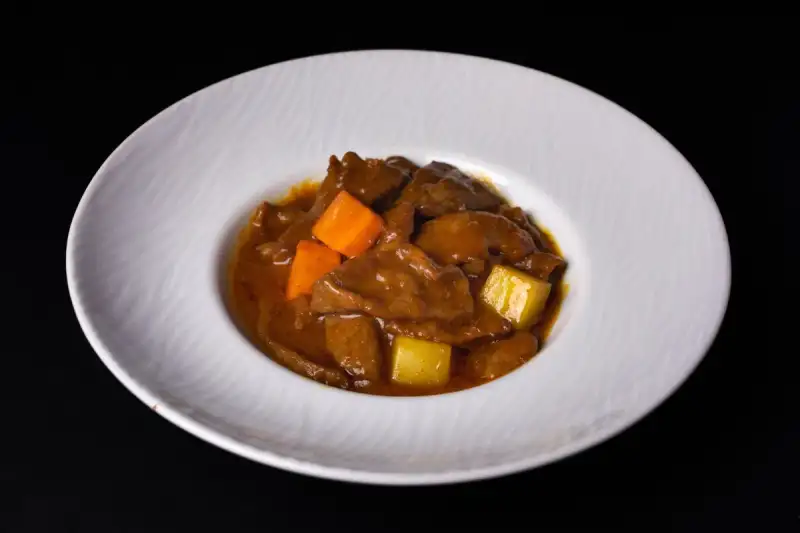
"Grass-Fed Beef and Barley Stew: A High Protein Culinary Delight" Introduction to High Protein Diets High protein diets have been increasingly popular in recent years, and for good reason. Research on high protein shows that it can help with weight loss, improve muscle mass, and even reduce the risk of chronic diseases such as diabetes and heart disease. According to recent studies, a high protein diet can also help to improve bone density, reducing the risk of osteoporosis and fractures. As a result, many people are looking for ways to incorporate more protein into their diets, and one of the best ways to do this is through the consumption of high protein foods such as grass-fed beef. The Benefits of Grass-Fed Beef Grass-fed beef is a type of beef that is raised on a diet of grass and other forages, rather than grains. This type of beef is higher in protein and lower in fat than grain-fed beef, making it a popular choice for health-conscious consumers. In addition to its high protein content, grass-fed beef is also rich in other nutrients such as vitamins A and E, and conjugated linoleic acid (CLA), a type of fatty acid that has been linked to several health benefits. As noted in the study "Opportunities to improve fiber degradation in the rumen: microbiology, ecology, and genomics", the unique microbiology of the rumen in grass-fed cattle allows for more efficient degradation of fiber, resulting in a more nutrient-dense beef product.The Importance of Fiber in the Diet Fiber is an essential nutrient that plays a critical role in maintaining a healthy digestive system. According to the study "Opportunities to improve fiber degradation in the rumen: microbiology, ecology, and genomics", fiber degradation in the rumen is a complex process that involves the cooperation of multiple microorganisms. The study notes that increasing the efficiency of fiber degradation in the rumen can have significant benefits for animal health and productivity. In humans, a high fiber diet has been linked to a reduced risk of chronic diseases such as heart disease, type 2 diabetes, and certain types of cancer. Barley, one of the main ingredients in this stew, is a rich source of dietary fiber, making it an excellent addition to a high protein diet.The Impact of Tropane Alkaloids on Human Health Tropane alkaloids are a type of secondary metabolite that is found in certain plant families. According to the study "Scientific Opinion on Tropane alkaloids in food and feed", tropane alkaloids can have significant effects on human health, including decreased heart rate and other pharmacological effects. The study notes that the risks associated with tropane alkaloids can be mitigated through the establishment of an Acute Reference Dose (ARfD), which is a safe level of consumption that is unlikely to cause adverse health effects. As a result, it is essential to choose ingredients that are low in tropane alkaloids, such as the beef and barley used in this stew.Strategies for Sustainable Substitution of Livestock Meat The production of livestock meat is a significant contributor to greenhouse gas emissions, and as a result, there is a growing interest in sustainable alternatives to traditional meat products. According to the study "Strategies for Sustainable Substitution of Livestock Meat", one of the most effective ways to reduce the environmental impact of meat production is to adopt a plant-based diet. However, for those who still want to consume meat, choosing sustainable and environmentally-friendly options such as grass-fed beef can help to reduce the environmental impact of meat production. Additionally, reducing food waste and using up leftovers can also help to reduce the environmental impact of food production.Conclusion In conclusion, this grass-fed beef and barley stew is a delicious and nutritious option for those looking to incorporate more high protein foods into their diet. With its rich flavor and tender texture, this stew is sure to become a favorite. By choosing sustainable and environmentally-friendly ingredients, and reducing food waste, we can all do our part to reduce the environmental impact of food production. Whether you are a health-conscious consumer or just looking for a hearty and flavorful meal, this grass-fed beef and barley stew is an excellent choice. #HealthyLiving #Gastronomy #HighProtein #SustainableFood Related InsightsThe Ultimate Antioxidant-Rich Berry Oat Smoothie Bowl with Chia Seeds Har Gow: The Translucent Shrimp Dumpling Masterpiece Misal Pav: Maharashtra's Fiery Breakfast{ "@context": "https://schema.org", "@type": "FAQPage", "mainEntity": [ { "@type": "Question", "name": "What is the main focus of Grass-Fed Beef and Barley Stew: A High Protein Culinary Delight?", "acceptedAnswer": { "@type": "Answer", "text": "Discover the health benefits and culinary secrets of a high protein grass-fed beef and barley stew, perfect for a nutritious meal." } }, { "@type": "Question", "name": "Who authored the comprehensive guide on Grass-Fed Beef and Barley Stew: A High Protein Culinary Delight?", "acceptedAnswer": { "@type": "Answer", "text": "This detailed article and its insights were carefully researched and authored by Michael Chef." } }, { "@type": "Question", "name": "Where can I find more related content about Food?", "acceptedAnswer": { "@type": "Answer", "text": "You can explore more articles, detailed reviews, and similar insights by browsing the Related Insights section at the bottom of this article or visiting our dedicated Food category page." } } ] }


The aromatic landscape of the Middle East is dotted with dishes that evoke a sense of community, history, and rich cultural heritage. Among these, Kibbeh stands out as a testament to the ingenuity and culinary prowess of the region's ancient peoples. This spiced meat and bulgur masterpiece is a dish that transcends borders, embracing the diversity of Middle Eastern cuisine while remaining quintessentially authentic. Introduction to Kibbeh Kibbeh, pronounced as "kubbeh" or "kibbe," is a beloved dish across the Middle East, with variations found in Lebanese, Syrian, Palestinian, Iraqi, and Turkish cuisines. At its core, Kibbeh is a mixture of ground meat (usually beef, lamb, or a combination of the two) and bulgur (cracked wheat), spiced with a blend of aromatic herbs and spices. The simplicity of its ingredients belies the complexity of its preparations and the depth of its flavors.The Cultural Significance of Kibbeh Kibbeh is more than just a dish; it's a cultural phenomenon that brings people together. In many Middle Eastern households, the preparation of Kibbeh is a family affair, with each member contributing to the process. From the grinding of the meat and the soaking of the bulgur to the meticulous shaping of the Kibbeh balls or patties, every step is imbued with tradition and love. Kibbeh is often served at gatherings and celebrations, symbolizing warmth, hospitality, and the joy of sharing meals with others. Variations of Kibbeh The diversity of Kibbeh is as vast as the Middle East itself, with countless variations that reflect local tastes, ingredients, and cooking techniques. Some of the most popular forms include:Raw Kibbeh (Kibbeh Nayyeh): A Lebanese specialty made with raw ground meat, bulgur, and spices, often served as an appetizer. Fried Kibbeh: Crispy, golden balls filled with spiced meat and onions, perfect for snacking. Baked Kibbeh: A layer of ground meat and bulgur topped with a layer of the same mixture but with a finer texture, baked to perfection in the oven. Kibbeh Bil Sanieh: A Lebanese dish where layers of Kibbeh are topped with a mixture of ground meat and spices, then baked in a large tray.The Art of Making Kibbeh The process of making Kibbeh is an art form that requires patience, skill, and practice. The initial step involves preparing the bulgur, which is soaked and drained to achieve the right consistency. Meanwhile, the meat is ground and mixed with a blend of onions, spices, and salt. The key to a perfect Kibbeh is in the balance of its components and the finesse with which it is shaped. For those looking to try their hand at making Kibbeh, starting with simple recipes and gradually experimenting with different spices and techniques is highly recommended. Health Benefits of Kibbeh Beyond its culinary appeal, Kibbeh also offers several health benefits. The bulgur in Kibbeh is a good source of fiber, which can help with digestion and prevent constipation. The lean meat provides protein, essential for muscle repair and growth. Furthermore, many of the spices used in Kibbeh, such as cumin and coriander, have anti-inflammatory properties and can aid in boosting the immune system. Conclusion Kibbeh is a dish that embodies the spirit of Middle Eastern cuisine: rich, diverse, and warmly inviting. Whether you're exploring the streets of Beirut, the markets of Istanbul, or the comfort of your own home, Kibbeh is a culinary journey worth taking. With its blend of spiced meat and bulgur, this masterpiece invites all to experience the authentic flavors and deep cultural roots of the Middle East.#MiddleEasternCuisine #KibbehRecipe #TraditionalFood #StreetFood #CulturalHeritage #FoodieAdventures #MiddleEasternDishes #KibbehLover Related InsightsL'Âme Fermentée de la Corée : Odyssée Sensorielle et Historique du Kimchi Middle Eastern Mezze Beyond Turkish: Authentic Lebanese and Syrian Small Plates L'Epopea Della Pizza: Un Viaggio Millenario Tra Impasti, Leggende e Conquiste Globali, Dal Cuore Bizantino di Gaeta all'Icona Gastronomica del Mondo{ "@context": "https://schema.org", "@type": "FAQPage", "mainEntity": [ { "@type": "Question", "name": "What is the main focus of Kibbeh: The Spiced Meat and Bulgur Masterpiece?", "acceptedAnswer": { "@type": "Answer", "text": "Discover the deep cultural roots, authentic flavors, and history of Kibbeh: The Spiced Meat and Bulgur Masterpiece." } }, { "@type": "Question", "name": "Who authored the comprehensive guide on Kibbeh: The Spiced Meat and Bulgur Masterpiece?", "acceptedAnswer": { "@type": "Answer", "text": "This detailed article and its insights were carefully researched and authored by Layla Hariri." } }, { "@type": "Question", "name": "Where can I find more related content about Food?", "acceptedAnswer": { "@type": "Answer", "text": "You can explore more articles, detailed reviews, and similar insights by browsing the Related Insights section at the bottom of this article or visiting our dedicated Food category page." } } ] }

The vibrant streets of Egypt are a culinary wonderland, filled with the enticing aromas of traditional dishes that have been passed down through generations. Among these, Koshari stands out as a quintessential Egyptian street food bowl that embodies the country's rich cultural heritage and diverse culinary influences. This beloved dish is a masterful combination of flavors, textures, and presentation, making it a must-try for anyone exploring the authentic tastes of Egypt. Introduction to Koshari Koshari, also spelled Koshary or Kushari, is a hearty, comforting bowl filled with an assortment of ingredients, including pasta, lentils, tomato sauce, fried onions, and chickpeas, all topped with a sprinkle of vinegar and a side of garlic sauce. The dish is often served in small, unassuming eateries and street food stalls, where it is devoured by locals and visitors alike. Despite its humble appearance, Koshari boasts a complex flavor profile that reflects the cultural melting pot of Egyptian cuisine, with influences from Mediterranean, Middle Eastern, and African traditions.Historical Roots of Koshari The origins of Koshari are unclear, but it is believed to have emerged during the period of British occupation in Egypt, which lasted from 1882 to 1922. At that time, British colonial powers introduced pasta and other European ingredients to the country, which were incorporated into the local cuisine. Koshari is thought to have been created as a way to use up leftover pasta, lentils, and other staples, which were then combined with local ingredients like tomato sauce and chickpeas. Over time, the dish evolved and spread throughout Egypt, becoming a staple of street food culture. Components of Koshari A traditional Koshari bowl consists of several key components, each of which adds its own unique flavor and texture to the dish. The base of the bowl is typically made up of pasta, usually macaroni or penne, which is cooked al dente and then tossed with lentils. The lentils are usually brown or green, and are cooked until they are tender and slightly mushy. Next, a rich tomato sauce is added, made with a combination of fresh tomatoes, onions, garlic, and spices. The sauce is simmered for hours to develop a deep, intense flavor that is both tangy and slightly sweet.In addition to the pasta, lentils, and tomato sauce, Koshari is also topped with a variety of other ingredients, including fried onions, chickpeas, and vinegar. The fried onions add a crispy, caramelized texture to the dish, while the chickpeas provide a boost of protein and fiber. A sprinkle of vinegar adds a tangy, refreshing flavor that helps to balance out the richness of the tomato sauce. Regional Variations of Koshari While Koshari is a beloved dish throughout Egypt, there are regional variations that reflect the unique cultural and culinary traditions of different parts of the country. In Cairo, for example, Koshari is often made with a spicy tomato sauce and topped with a dollop of garlic sauce. In Alexandria, the dish is typically milder, with a focus on the natural flavors of the ingredients rather than added spices or seasonings.Cultural Significance of Koshari Koshari is more than just a dish - it is a cultural phenomenon that reflects the values and traditions of Egyptian society. In a country where food is often at the center of social gatherings and celebrations, Koshari is a staple that brings people together. Whether it is served at a family dinner, a street food stall, or a casual gathering with friends, Koshari is a dish that is shared and enjoyed by people of all ages and backgrounds. Authentic Koshari Recipe For those who want to try their hand at making authentic Koshari, here is a simple recipe to get you started: Ingredients:1 cup pasta (macaroni or penne) 1 cup lentils (brown or green) 2 cups tomato sauce 1 onion, chopped 2 cloves garlic, minced 1 cup chickpeas 1/4 cup fried onions 2 tablespoons vinegar Salt and pepper to taste Garlic sauce (optional)Instructions:Cook the pasta according to package instructions. Drain and set aside. Cook the lentils until they are tender and slightly mushy. Drain and set aside. Make the tomato sauce by sautéing the onions and garlic in a little oil until they are softened. Add the tomatoes and simmer for at least an hour, stirring occasionally. Assemble the Koshari bowls by placing a portion of pasta and lentils in the bottom of the bowl. Top with a spoonful of tomato sauce, followed by a sprinkle of chickpeas and fried onions. Drizzle with vinegar and serve with a side of garlic sauce, if desired.Conclusion Koshari is a true culinary gem of Egyptian street food culture, offering a unique and delicious combination of flavors, textures, and presentation. Whether you are a foodie, a cultural enthusiast, or simply someone who loves to try new things, Koshari is a must-try dish that is sure to leave you wanting more. With its rich history, cultural significance, and authentic flavors, Koshari is a true reflection of the warmth and hospitality of Egyptian cuisine.#EgyptianStreetFood #KoshariRecipe #MiddleEasternCuisine #FoodieAdventures #StreetFoodLovers #CulturalHeritage #TraditionalFood #EgyptianCuisine Related InsightsSavor the Spice: A Deep Dive into South India’s Coastal and Vegan Culinary Wonders From Naples to Your Kitchen: Mastering the Sacred Art of Authentic Neapolitan Pizza From Ancient Fields to Modern Crusts: Mastering Emmer & Spelt Sourdough{ "@context": "https://schema.org", "@type": "FAQPage", "mainEntity": [ { "@type": "Question", "name": "What is the main focus of Koshari: The Ultimate Egyptian Street Food Bowl?", "acceptedAnswer": { "@type": "Answer", "text": "Discover the deep cultural roots, authentic flavors, and history of Koshari: The Ultimate Egyptian Street Food Bowl." } }, { "@type": "Question", "name": "Who authored the comprehensive guide on Koshari: The Ultimate Egyptian Street Food Bowl?", "acceptedAnswer": { "@type": "Answer", "text": "This detailed article and its insights were carefully researched and authored by Tariq Al-Fayed." } }, { "@type": "Question", "name": "Where can I find more related content about Food?", "acceptedAnswer": { "@type": "Answer", "text": "You can explore more articles, detailed reviews, and similar insights by browsing the Related Insights section at the bottom of this article or visiting our dedicated Food category page." } } ] }

- Elena Volkova
- 21 May, 2026 11:44
Salmon Kulebyaka: A Harmonious Union of Omega-3 Rich Fish, Buckwheat, and Herbs
Introduction to Salmon Kulebyaka Salmon Kulebyaka, a traditional Russian dish, is a masterpiece of culinary art that combines the richness of salmon with the earthiness of buckwheat and the brightness of fresh herbs. According to recent studies, omega-3 rich foods like salmon have been shown to have numerous health benefits, including reducing inflammation and improving heart health. Research on omega-3 rich foods has also demonstrated their potential to improve cognitive function and reduce the risk of chronic diseases. As we delve into the world of Salmon Kulebyaka, we will explore the cultural significance of this dish, the health benefits of its ingredients, and provide a step-by-step guide to preparing this delightful recipe.The cultural significance of Salmon Kulebyaka lies in its traditional Russian roots, where it was served as a main course during special occasions and holidays. The dish is a testament to the resourcefulness and creativity of Russian cuisine, which often combines simple ingredients to create complex and flavorful dishes. The Health Benefits of Omega-3 Rich Salmon Omega-3 rich salmon is an excellent source of protein, vitamins, and minerals, making it an ideal ingredient for a healthy and balanced diet. According to scientific research, omega-3 fatty acids found in salmon have been shown to reduce inflammation, improve heart health, and support brain function. The high levels of omega-3 fatty acids in salmon also make it an excellent ingredient for reducing the risk of chronic diseases, such as heart disease, diabetes, and certain types of cancer.In addition to its numerous health benefits, omega-3 rich salmon is also a versatile ingredient that can be prepared in a variety of ways, from grilled and baked to poached and sautéed. The delicate flavor and flaky texture of salmon make it an ideal ingredient for a wide range of dishes, from simple salads to complex sauces and marinades. The Nutritional Value of Buckwheat Buckwheat, a pseudo-cereal, is a nutritious and versatile ingredient that is high in protein, fiber, and minerals. According to recent studies, buckwheat has been shown to have numerous health benefits, including reducing inflammation, improving heart health, and supporting digestive health. The high levels of fiber and protein in buckwheat also make it an excellent ingredient for reducing the risk of chronic diseases, such as diabetes, heart disease, and certain types of cancer.In addition to its numerous health benefits, buckwheat is also a versatile ingredient that can be prepared in a variety of ways, from simple porridges to complex pancakes and breads. The nutty flavor and crunchy texture of buckwheat make it an ideal ingredient for a wide range of dishes, from savory salads to sweet desserts. Preparing the Salmon Kulebyaka To prepare the Salmon Kulebyaka, start by preheating the oven to 375F. While the oven is heating up, prepare the buckwheat filling by sautéing the onion and garlic in olive oil until softened. Add the buckwheat groats, mixed herbs, paprika, salt, and pepper to the skillet and stir to combine.Next, place the salmon fillets on top of the buckwheat mixture and fold the edges of the kulebyaka to seal the filling. Brush the edges with a little bit of water to help them stick together.Place the kulebyaka on a baking sheet lined with parchment paper and bake for 30-40 minutes or until the salmon is cooked through and the crust is golden brown.Serving and Enjoying the Salmon Kulebyaka To serve the Salmon Kulebyaka, slice it into individual portions and garnish with fresh herbs and a dollop of sour cream. The creamy texture and tangy flavor of the sour cream complement the rich flavor and flaky texture of the salmon perfectly.In addition to its delicious flavor and numerous health benefits, the Salmon Kulebyaka is also a visually stunning dish that is sure to impress your family and friends. The combination of the golden brown crust, the vibrant green herbs, and the delicate pink salmon creates a dish that is both beautiful and delicious.#HealthyLiving #Gastronomy #Omega3RichFoods #RussianCuisine #SalmonRecipes #BuckwheatBenefits Related InsightsAndean Superfoods Unveiled: The Alchemical Power of Quinoa, Kiwicha, and Canihua The Emerald Symphony of the Levant: Unveiling the Soul of Authentic Tabbouleh Thieboudienne: The Crown Jewel of Senegalese Cuisine{ "@context": "https://schema.org", "@type": "FAQPage", "mainEntity": [ { "@type": "Question", "name": "What is the main focus of Salmon Kulebyaka: A Harmonious Union of Omega-3 Rich Fish, Buckwheat, and Herbs?", "acceptedAnswer": { "@type": "Answer", "text": "Explore the health benefits of omega-3 rich salmon and learn how to prepare a delicious Salmon Kulebyaka with buckwheat and herbs. This traditional Russian dish is a perfect combination of flavor and nutrition." } }, { "@type": "Question", "name": "Who authored the comprehensive guide on Salmon Kulebyaka: A Harmonious Union of Omega-3 Rich Fish, Buckwheat, and Herbs?", "acceptedAnswer": { "@type": "Answer", "text": "This detailed article and its insights were carefully researched and authored by Elena Volkova." } }, { "@type": "Question", "name": "Where can I find more related content about Food?", "acceptedAnswer": { "@type": "Answer", "text": "You can explore more articles, detailed reviews, and similar insights by browsing the Related Insights section at the bottom of this article or visiting our dedicated Food category page." } } ] }
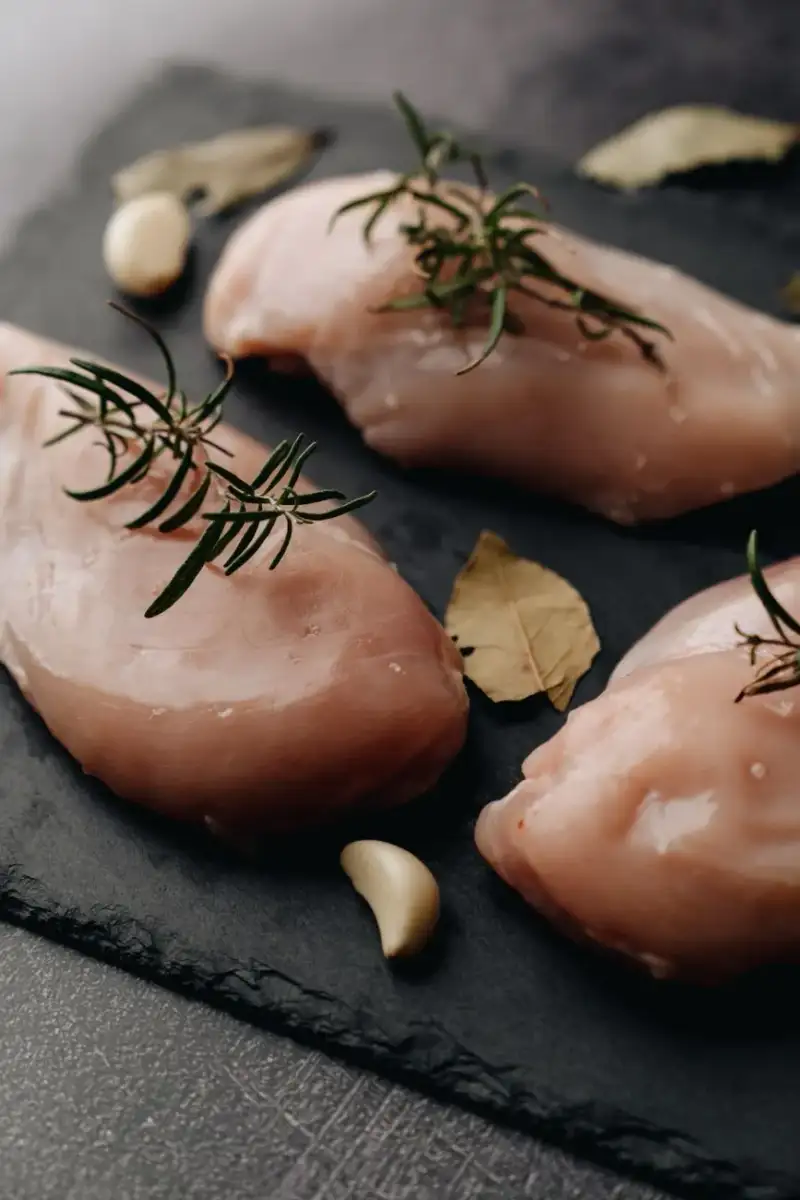
- Michael Chef
- 21 May, 2026 08:39
Turmeric Roasted Chicken Breast with Quinoa Stuffing: A Delicious Anti-Inflammatory Dish
In the realm of culinary and health enthusiasts, there exists a profound appreciation for dishes that not only tantalize our taste buds but also provide a myriad of health benefits. One such ingredient that has garnered significant attention in recent years is turmeric, a spice commonly found in many Asian and Middle Eastern recipes. Turmeric contains a powerful compound called curcumin, which has been extensively studied for its anti-inflammatory properties. According to general scientific knowledge, curcumin has been shown to have potent antioxidant and anti-inflammatory effects, making it a valuable ingredient in the prevention and management of various chronic diseases. Introduction to Turmeric and Quinoa Turmeric, with its vibrant yellow color and distinct flavor, has been a staple in many traditional cuisines for centuries. Its anti-inflammatory properties have been revered for their potential to alleviate symptoms associated with arthritis, gout, and other inflammatory diseases. On the other hand, quinoa, a protein-rich grain, has been recognized for its nutritional benefits, including its high fiber and mineral content. The combination of turmeric and quinoa creates a dish that is not only delicious but also provides a range of health benefits. The Science Behind Turmeric's Anti-Inflammatory Effects Research on anti-inflammatory compounds has shown that curcumin, the active component in turmeric, plays a significant role in reducing inflammation in the body. By inhibiting the production of pro-inflammatory enzymes, curcumin helps to alleviate symptoms associated with inflammatory diseases. Furthermore, curcumin has been shown to have antioxidant properties, which help to protect the body against free radicals and oxidative stress. Preparing the Turmeric Roasted Chicken Breast with Quinoa Stuffing To prepare this dish, start by preheating the oven to 375F. While the oven is heating up, prepare the quinoa stuffing by cooking the quinoa according to the package instructions. In a pan, heat two tablespoons of olive oil over medium heat. Add the chopped onion and cook until translucent, followed by the minced garlic. Add the mixed vegetables and cook until they are tender. Seasoning the Chicken Breast with Turmeric In a small bowl, mix together one tablespoon of turmeric powder, salt, and pepper. Rub the turmeric mixture evenly onto both chicken breasts, making sure to coat them thoroughly. Place the chicken breasts on a baking sheet lined with parchment paper and roast in the oven for 25-30 minutes, or until cooked through. Assembling the Dish Once the chicken is cooked, remove it from the oven and let it rest for a few minutes. Slice the chicken breast into thin strips and serve with the quinoa stuffing. Garnish with fresh herbs, such as parsley or cilantro, and a squeeze of lemon juice. Conclusion In conclusion, the Turmeric Roasted Chicken Breast with Quinoa Stuffing is a dish that combines the anti-inflammatory properties of turmeric with the nutritional benefits of quinoa. By incorporating this dish into your diet, you can reap the rewards of a healthier and more delicious meal. Whether you're a health enthusiast or a foodie, this recipe is sure to please even the most discerning palates. #HealthyLiving #Gastronomy #AntiInflammatoryRecipes #NutritionAndHealth #FoodAndMedicine
As a culinary and health blogger, I am always excited to share recipes that not only delight the palate but also provide numerous health benefits. Today, I want to introduce you to a dish that has been a staple in Middle Eastern cuisine for centuries: roasted beetroot hummus with toasted sesame. This delicious and nutritious dip is not only a treat for the taste buds, but it also boasts an impressive array of anti-inflammatory compounds that can help to reduce inflammation and promote overall health. Introduction to Beetroot and Sesame Beetroot, with its deep red color and sweet, earthy flavor, is a root vegetable that has been cultivated for thousands of years. It is an excellent source of fiber, vitamins, and minerals, including potassium, magnesium, and iron. According to recent studies, beetroot has been shown to have potent anti-inflammatory properties, which can help to reduce inflammation and improve cardiovascular health. Sesame, on the other hand, is a versatile seed that has been used in cooking for centuries. It is a rich source of healthy fats, protein, and fiber, and is also packed with antioxidants and anti-inflammatory compounds. Toasted sesame seeds add a nutty flavor and crunchy texture to our roasted beetroot hummus, making it a delicious and satisfying snack or appetizer.The Anti-Inflammatory Power of Beetroot and Sesame Research on anti-inflammatory compounds has shown that beetroot and sesame both contain a range of bioactive compounds that can help to reduce inflammation and promote overall health. Beetroot, for example, contains a unique antioxidant called betalain, which has been shown to have potent anti-inflammatory and antioxidant effects. Sesame, on the other hand, contains a range of anti-inflammatory compounds, including sesamin and sesamolin, which have been shown to have potent anti-inflammatory effects. These compounds can help to reduce inflammation and improve cardiovascular health, making them an excellent addition to our roasted beetroot hummus.The Culinary Delight of Roasted Beetroot Hummus Now that we have explored the health benefits of beetroot and sesame, let's talk about the culinary delight of roasted beetroot hummus. This dish is a staple in Middle Eastern cuisine, and for good reason. The combination of roasted beetroot, tahini, lemon juice, and garlic creates a rich and creamy dip that is both delicious and nutritious.To prepare our roasted beetroot hummus, we will need to roast the beetroot in the oven until it is tender and caramelized. We will then blend it with tahini, lemon juice, garlic, and olive oil to create a smooth and creamy dip. Finally, we will stir in toasted sesame seeds and season with salt and pepper to taste. The Recipe Here is the recipe for our roasted beetroot hummus with toasted sesame: Ingredients:2 large beetroot 1/4 cup lemon juice 1/4 cup tahini 2 cloves garlic 1/2 cup olive oil 1/2 cup toasted sesame seeds Salt and pepper to tasteInstructions:Preheat the oven to 425F. Wrap the beetroot in foil and roast for 45 minutes, or until tender and caramelized. Let the beetroot cool, then peel and chop into small pieces. In a blender, combine the beetroot, lemon juice, tahini, garlic, and olive oil. Blend until smooth, then stir in toasted sesame seeds and season with salt and pepper to taste. Serve the hummus with pita bread, vegetables, or crackers, and enjoy!Conclusion In conclusion, our roasted beetroot hummus with toasted sesame is a delicious and nutritious dish that combines the best of Middle Eastern cuisine with the power of anti-inflammatory compounds. With its rich and creamy texture, and the added crunch of toasted sesame seeds, this dish is sure to delight both the palate and the senses. So go ahead, give it a try, and experience the delicious and nutritious world of roasted beetroot hummus with toasted sesame! #HealthyLiving #Gastronomy #AntiInflammatoryFoods #RoastedBeetrootHummus

- Giovanni Luigi
- 18 May, 2026 09:10
Grilled Swordfish with Sicilian Salmoriglio Sauce: A Harmonious Union of Flavor and Nutrition
As a culinary and health enthusiast, I, Giovanni Luigi, am thrilled to share with you a recipe that embodies the perfect harmony of flavor and nutrition. Grilled Swordfish with Sicilian Salmoriglio Sauce is a dish that not only delights the palate but also provides numerous health benefits, primarily due to the rich omega-3 content found in swordfish. According to recent studies, omega-3 fatty acids have been shown to reduce inflammation, improve heart health, and even support brain function. Introduction to Swordfish and Omega-3 Swordfish, a type of fish that is both prized for its flavor and nutritional value, is an excellent source of omega-3 fatty acids. These essential fatty acids play a crucial role in maintaining heart health by reducing triglycerides, lowering blood pressure, and preventing blood clots. Research on omega-3 shows that it also has anti-inflammatory properties, which can help alleviate symptoms of conditions such as rheumatoid arthritis. The Cultural Significance of Salmoriglio Sauce Salmoriglio Sauce, a traditional Sicilian condiment, is a vital component of this recipe. Made from olive oil, lemon juice, garlic, and oregano, this sauce not only adds a burst of flavor to the grilled swordfish but also provides a wealth of antioxidants and vitamins. The cultural significance of Salmoriglio Sauce lies in its simplicity and the use of locally sourced ingredients, reflecting the resourcefulness and hospitality of the Sicilian people. Health Benefits of Omega-3 Rich Foods Omega-3 rich foods, such as swordfish, have been extensively studied for their numerous health benefits. These benefits include reducing the risk of heart disease, supporting brain function, and even aiding in the management of depression and anxiety. The anti-inflammatory properties of omega-3 fatty acids also make them an excellent addition to a diet focused on reducing inflammation and promoting overall well-being. Preparing the Grilled Swordfish with Salmoriglio Sauce To prepare this delectable dish, begin by preheating your grill to medium-high heat. While the grill is heating up, prepare the Salmoriglio Sauce by whisking together olive oil, lemon juice, garlic, oregano, salt, and pepper in a small bowl. Applying the Salmoriglio Sauce Once the grill is ready, brush the swordfish steaks with the Salmoriglio Sauce, making sure they are well coated. Grill the swordfish for 5-6 minutes per side, or until it reaches an internal temperature of 145°F. Serving and Enjoying To serve, garnish the grilled swordfish with chopped parsley and a squeeze of lemon juice. This dish is best enjoyed with a side of quinoa, roasted vegetables, or a simple green salad, allowing the flavors of the swordfish and Salmoriglio Sauce to take center stage. In conclusion, Grilled Swordfish with Sicilian Salmoriglio Sauce is a dish that not only delights the senses but also provides a wealth of health benefits due to its rich omega-3 content. By incorporating this recipe into your culinary repertoire, you will not only be treating your taste buds to a flavorful and aromatic dish but also supporting your overall health and well-being. #HealthyLiving #Gastronomy #Omega3RichFoods #SicilianCuisine Related InsightsLa Symphonie des Saveurs : Une Odyssée Culinaire au Cœur de la France Éternelle Hawawshi: The Spiced Meat Bread of Cairo L'Alchimie du Levant : Quand l'Histoire se Déguste en Mezze{ "@context": "https://schema.org", "@type": "FAQPage", "mainEntity": [ { "@type": "Question", "name": "What is the main focus of Grilled Swordfish with Sicilian Salmoriglio Sauce: A Harmonious Union of Flavor and Nutrition?", "acceptedAnswer": { "@type": "Answer", "text": "Indulge in the rich flavors of Sicily with our Grilled Swordfish recipe, paired with a zesty Salmoriglio Sauce, and discover the numerous health benefits of omega-3 rich swordfish." } }, { "@type": "Question", "name": "Who authored the comprehensive guide on Grilled Swordfish with Sicilian Salmoriglio Sauce: A Harmonious Union of Flavor and Nutrition?", "acceptedAnswer": { "@type": "Answer", "text": "This detailed article and its insights were carefully researched and authored by Giovanni Luigi." } }, { "@type": "Question", "name": "Where can I find more related content about Food?", "acceptedAnswer": { "@type": "Answer", "text": "You can explore more articles, detailed reviews, and similar insights by browsing the Related Insights section at the bottom of this article or visiting our dedicated Food category page." } } ] }
- Michael Chef
- 17 May, 2026 18:11
Wild Salmon and Sweet Potato Fish Cakes: A Delicious and Nutritious Omega-3 Rich Dish
Introduction to Wild Salmon and Sweet Potato Fish Cakes Wild salmon and sweet potatoes are two nutrient-dense ingredients that pair perfectly together in a delicious and healthy fish cake recipe. According to recent studies, the Western diet, characterized by high intakes of pre-packaged foods, refined grains, and red meat, can have negative effects on metabolism, inflammation, and antioxidant status (Global Impacts of Western Diet and Its Effects on Metabolism and Health: A Narrative Review). On the other hand, consuming omega-3 rich foods like wild salmon can have numerous health benefits, including reducing inflammation and improving heart health. Research on omega-3 shows that it plays a crucial role in brain function, as well as in the reduction of inflammation and improvement of cardiovascular health.The Importance of Omega-3 Rich Foods Omega-3 fatty acids are essential nutrients that our bodies cannot produce on their own. Therefore, it is crucial to consume omega-3 rich foods, such as wild salmon, to maintain optimal health. The benefits of omega-3 rich foods are numerous, ranging from reducing inflammation and improving heart health to supporting brain function and development. According to the study "Global Impacts of Western Diet and Its Effects on Metabolism and Health: A Narrative Review," a diet rich in omega-3 fatty acids can help mitigate the negative effects of the Western diet.Sustainable Food Systems and Agri-Food Wastes In addition to consuming omega-3 rich foods, it is also essential to consider the environmental impact of our food choices. The study "Bioactives from Agri-Food Wastes: Present Insights and Future Challenges" highlights the importance of sustainable utilization of agri-food wastes and by-products. By reducing food waste and utilizing agri-food by-products, we can help decrease environmental stress and promote sustainable food systems. This can be achieved through various methods, including lactic acid fermentation of cereals and pseudocereals, as discussed in the study "Lactic Acid Fermentation of Cereals and Pseudocereals: Ancient Nutritional Biotechnologies with Modern Applications."The Recipe: Wild Salmon and Sweet Potato Fish Cakes Now that we have explored the importance of omega-3 rich foods and sustainable food systems, let's dive into the recipe. This delicious and nutritious dish combines the flavors of wild salmon and sweet potatoes with a crunchy panko breadcrumb coating. Ingredients:2 wild salmon fillets 2 large sweet potatoes 1/4 cup panko breadcrumbs 1/4 cup finely chopped onion 2 cloves garlic, minced 1 egg, lightly beaten 1 tablespoon olive oil Salt and pepper to taste 2 tablespoons freshly squeezed lemon juiceInstructions:Preheat oven to 400F. Bake sweet potatoes for 45 minutes, or until tender. Flake salmon into a bowl and set aside. In a separate bowl, combine panko breadcrumbs, onion, garlic, egg, olive oil, salt, pepper, and lemon juice. Mash baked sweet potatoes and add to the bowl with the breadcrumb mixture. Gently fold in the flaked salmon. Divide the mixture into 8 equal portions and shape into patties. Pan-fry the patties for 4-5 minutes per side, or until golden brown and crispy.Conclusion In conclusion, the Wild Salmon and Sweet Potato Fish Cakes recipe is a delicious and nutritious dish that combines the flavors of omega-3 rich wild salmon and sweet potatoes. By incorporating sustainable food systems and reducing agri-food wastes, we can promote a healthier environment and improve our overall well-being. According to the study "Global Impacts of Western Diet and Its Effects on Metabolism and Health: A Narrative Review," consuming omega-3 rich foods like wild salmon can have numerous health benefits, including reducing inflammation and improving heart health.#HealthyLiving #Gastronomy #Omega3Rich Foods #SustainableFoodSystems