Showing Posts From
Food


In the grand tapestry of gastronomy, where vibrant colors, intoxicating aromas, and complex textures vie for attention, some threads remain subtly woven, almost invisible, yet foundational to the entire design. We often gravitate towards the flamboyant, the celebrated, the easily accessible. But what of the quiet protagonists, the unsung heroes that once graced royal tables and peasant stews alike, only to recede into the shadows of culinary memory? Today, we embark on an excavation, not of ancient ruins, but of flavor – a journey to unearth a root so enigmatic, so uniquely flavored, that its very existence feels like a whispered secret passed down through generations of discerning palates. This is the story of salsify, affectionately known as the "oyster plant," a vegetable whose delicate charm and surprising depth have patiently awaited a renaissance. Imagine a vegetable that offers the delicate salinity of the sea, intertwined with the earthy sweetness of a parsnip, and the creamy texture of a perfectly cooked potato. This is salsify, a member of the daisy family (Asteraceae) that defies easy categorization. Its appearance, a long, slender taproot often resembling a gnarled parsnip or a pale carrot, gives little hint of the sophisticated flavor journey it promises. Yet, beneath its unassuming exterior lies a world of historical intrigue, botanical resilience, and profound culinary versatility, one that challenges our preconceived notions of what a root vegetable can be. We are not merely discussing a forgotten ingredient; we are exploring a lost lexicon of taste, a historical echo that resonates with modern food sensibilities. A Root Etched in Ancient Lore: Salsify's Historical Footprint The saga of salsify (specifically Tragopogon porrifolius, or common salsify) is far older than many of the vegetables we routinely consume today. Its origins trace back to the Mediterranean basin, where wild varieties have flourished for millennia. Ancient Greeks and Romans, ever attuned to the bounty of the earth, recognized its value, though not always primarily for culinary reasons. Early references often highlight its medicinal properties, particularly as a diuretic and a remedy for various ailments, including snake bites. The plant’s milky sap, characteristic of the Tragopogon genus, was believed to possess therapeutic qualities, a testament to the holistic approach to sustenance prevalent in antiquity. As the Roman Empire expanded, so too did the reach of salsify, finding new soils and appreciative cultivators across Europe. By the Middle Ages, it had firmly established itself as a garden staple, particularly in France, Italy, and England. During this period, food security and seasonal availability were paramount, and root vegetables, with their ability to store well through harsh winters, were invaluable. Salsify, with its distinct flavor and nourishing properties, became a cherished component of winter diets, gracing the tables of both commoners and aristocracy. Cookbooks from the 16th and 17th centuries frequently feature recipes for salsify, often boiled, stewed, or fried, showcasing its adaptability long before the advent of industrial agriculture. It was esteemed for its delicate taste, a palate cleanser in an era of heavily spiced and rich dishes. The name "oyster plant" itself is a relatively modern moniker, emerging as its unique flavor profile became more widely recognized. It’s a remarkable descriptor, capturing the elusive marine hint that makes salsify so distinctive. This wasn't merely a marketing ploy; it was an accurate, if poetic, assessment of its taste. To imagine a land-grown root mimicking the essence of the sea is to grasp the extraordinary nature of salsify, a characteristic that set it apart from its earthy brethren.Botanical Wonders and Cultivation Challenges The Tragopogon genus, from which salsify hails, is a fascinating group. Its name is derived from the Greek words tragos (goat) and pogon (beard), a reference to the long, feathery pappus of its seeds, which indeed resemble a goat's beard. While common salsify (Tragopogon porrifolius) is the primary culinary variety, its close relative, black salsify (Scorzonera hispanica), offers a similar but distinct flavor profile, often described as nuttier and more intense, with a darker skin that requires careful peeling. Both require a certain degree of patience in preparation, a minor hurdle that perhaps contributed to their decline in an age demanding instant gratification. Cultivating salsify is not for the faint of heart, but the rewards are substantial. It thrives in deeply tilled, well-drained soil, preferring a long growing season and consistent moisture. Its long taproot requires ample space to develop without obstruction, making rocky or compacted soil unsuitable. The plant produces striking purple, daisy-like flowers in its second year, which are also edible and beautiful additions to salads. The roots are typically harvested in late autumn after the first frost, which is believed to enhance their sweetness and flavor. This post-frost harvesting technique is common for many root vegetables, as the cold temperatures convert starches into sugars, intensifying their taste. The cultivation process, while not overly complex, is more labor-intensive than for, say, carrots or potatoes. The roots are brittle and can snap easily if not carefully excavated. Once harvested, they "bleed" a sticky, milky latex-like sap when cut, which can stain hands and surfaces. This sap, though harmless, also contributes to the rapid oxidation of the root, turning it brown if not immediately immersed in acidulated water (water with lemon juice or vinegar). This minor inconvenience, coupled with the relatively lower yields compared to other staple root crops, made salsify less attractive to large-scale commercial agriculture and contributed to its gradual marginalization in favor of more "efficient" vegetables. The Elusive Taste: Why "Oyster Plant" is More Than a Whim The unique flavor of salsify is its true claim to fame, a complex tapestry of subtle notes that defy simple description. It's often likened to oysters, hence its charming moniker, but this comparison only scratches the surface. There's an underlying sweetness, a delicate nuttiness, and a distinct earthiness that grounds the experience. Some detect hints of artichoke hearts, others a subtle whisper of asparagus. The texture, when properly cooked, is creamy and tender, almost melting in the mouth, a stark contrast to the firm crunch of many other raw root vegetables. This distinctive flavor profile arises from its unique chemical composition, particularly the presence of inulin, a fructan polysaccharide. Inulin is a prebiotic fiber that lends a slight sweetness and creamy mouthfeel, which is why salsify is sometimes used as a natural sweetener in health foods. It also contains various volatile compounds that contribute to its complex aroma, creating the illusion of a briny, oceanic essence without a drop of seawater. This makes salsify an extraordinary ingredient for vegetarians and vegans looking to introduce a subtle seafood-like dimension to their dishes, or for anyone seeking a truly novel flavor experience. From Forgotten Fanciful Dishes to Modern Gastronomy The annals of historical cuisine are replete with recipes that celebrate salsify. In 17th-century English cookery, it was often boiled, then fried in butter, or incorporated into savory pies and stews. French chefs, always masters of delicate flavors, transformed it into gratins, purées, and even fritters, often pairing it with rich sauces to complement its subtle character. Its versatility allowed it to bridge the gap between humble fare and aristocratic banquets. The 19th and early 20th centuries saw salsify begin its slow retreat from mainstream popularity. The rise of more robust, easier-to-grow, and less perishable root vegetables like potatoes, carrots, and turnips, coupled with changing culinary tastes and the increasing demands of mass production, pushed salsify into the realm of the niche and the specialist. It became a curiosity, a conversation piece for gardeners and a secret ingredient for a handful of traditionalists. Yet, like many treasures of the past, salsify has experienced a resurgence in recent years, propelled by a growing interest in heirloom vegetables, sustainable agriculture, and the broader farm-to-table movement. Modern chefs, ever on the hunt for unique ingredients to surprise and delight, have rediscovered its delicate charm. They appreciate its versatility and its ability to add a sophisticated, almost ethereal quality to dishes. Today, you might encounter salsify in a Michelin-starred restaurant, transformed into a velvety purée alongside pan-seared scallops, or delicately roasted to accompany a succulent duck breast. It shines when prepared simply: gently blanched and tossed with butter and fresh herbs, or roasted until caramelized, bringing out its inherent sweetness. Its creamy texture makes it an excellent candidate for soups and gratins, where its distinct flavor can truly sing. Deep-fried salsify fritters, surprisingly reminiscent of calamari, are another popular preparation that highlights its "oyster plant" character.The Health Benefits: More Than Just a Pretty Root Beyond its captivating flavor and rich history, salsify also offers an impressive nutritional profile, further solidifying its status as a vegetable worthy of rediscovery. It is an excellent source of dietary fiber, particularly the aforementioned inulin, which promotes digestive health by acting as a prebiotic, nourishing beneficial gut bacteria. This can aid in improved digestion, nutrient absorption, and overall gut microbiome balance. Salsify is also packed with essential vitamins and minerals. It is a good source of Vitamin C, which is crucial for immune function and skin health, and several B vitamins, vital for energy metabolism. Furthermore, it provides significant amounts of potassium, important for blood pressure regulation, and iron, necessary for oxygen transport in the blood. Its antioxidant properties, derived from various phytonutrients, contribute to cellular protection against oxidative stress. With a relatively low caloric count and high nutrient density, salsify truly embodies the principle of "food as medicine," offering both exquisite taste and substantial health benefits. A Call to Unearth Your Own Culinary History In a world increasingly driven by convenience and mass-produced uniformity, the rediscovery of vegetables like salsify is more than just a culinary trend; it's a testament to the enduring power of diversity, flavor, and history. It challenges us to look beyond the supermarket aisle and explore the rich tapestry of forgotten foods that still exist, waiting to be brought back into the light. The "oyster plant" is a reminder that some of the greatest culinary treasures are not always the most obvious, but rather the ones that require a little digging, a little patience, and a willingness to embrace the unusual. So, the next time you encounter salsify at a farmer's market or a specialty grocer, don't pass it by. Take a moment to appreciate its journey through time, its unique flavor, and the quiet resilience of a root that has refused to be entirely forgotten. Bring it into your kitchen, experiment with its delicate notes, and allow yourself to be transported to a culinary realm where history, flavor, and an elusive hint of the sea converge. Unearth your own connection to this extraordinary vegetable, and you might just discover your new favorite secret ingredient.#Salsify #ForgottenVegetables #HeirloomProduce #GourmetIngredients #RootVegetables Related InsightsThai Street Food Secrets: How to Recreate Bangkok’s Best Dishes at Home Turning Kitchen Scraps into Gourmet Gold: The Zero‑Waste Revolution The Alchemy of Vinegar and Ocean: The Deep Evolution of Sushi{ "@context": "https://schema.org", "@type": "FAQPage", "mainEntity": [ { "@type": "Question", "name": "What is the main focus of Salsify: The Oyster Plant's Whispering Secret Through Culinary Eras?", "acceptedAnswer": { "@type": "Answer", "text": "Discover the enigmatic salsify, the 'oyster plant,' a forgotten root vegetable with a rich history, unique flavor, and surprising versatility from ancient tables to modern gastronomy." } }, { "@type": "Question", "name": "Who authored the comprehensive guide on Salsify: The Oyster Plant's Whispering Secret Through Culinary Eras?", "acceptedAnswer": { "@type": "Answer", "text": "This detailed article and its insights were carefully researched and authored by Demir Şef." } }, { "@type": "Question", "name": "Where can I find more related content about Food?", "acceptedAnswer": { "@type": "Answer", "text": "You can explore more articles, detailed reviews, and similar insights by browsing the Related Insights section at the bottom of this article or visiting our dedicated Food category page." } } ] }

-
 Michael Chef
 - 05 Jul, 2026 15:01
Kale and Grilled Chicken Caesar Salad with Greek Yogurt Dressing: A High Protein Delight
Introduction to High Protein Diets According to recent studies, high protein diets have been shown to be effective in weight management, particularly in elderly populations who have sustained a lower limb amputation. Research on high protein shows that it can help individuals maintain their weight and ensure a consistent fit of their prosthetic device. As noted in the study "Weight Management for the Elderly Population Who have Sustained a Lower Limb Amputation," approximately two million people within the United States are living with an amputation, most commonly in the lower extremity. This highlights the importance of weight management in this population, as excess weight can put additional strain on the remaining joints and affect the fit of the prosthetic device.The Importance of Kale in a High Protein Diet Kale is a nutrient-dense leafy green that is rich in protein, fiber, and various vitamins and minerals. According to the United States Department of Agriculture (USDA), one cup of chopped kale contains about 2.5 grams of protein, making it an excellent addition to a high protein diet. Kale has also been shown to have numerous health benefits, including reducing inflammation and improving cardiovascular health. In the context of a high protein diet, kale can help individuals meet their daily protein needs while also providing essential vitamins and minerals.The Benefits of Greek Yogurt in a High Protein Diet Greek yogurt is a high protein food that is rich in casein protein, which can help promote muscle growth and repair. According to the USDA, one cup of Greek yogurt contains about 20 grams of protein, making it an excellent addition to a high protein diet. Greek yogurt has also been shown to have numerous health benefits, including improving digestive health and reducing the risk of osteoporosis. In the context of a high protein diet, Greek yogurt can help individuals meet their daily protein needs while also providing essential calcium and other nutrients.The Recipe: Kale and Grilled Chicken Caesar Salad with Greek Yogurt Dressing This recipe combines the nutritional benefits of kale, grilled chicken, and Greek yogurt to create a high protein meal that is both delicious and healthy. The recipe includes:2 cups kale, stems removed and discarded, leaves coarsely chopped 1 cup Greek yogurt 2 tablespoons freshly squeezed lemon juice 1 teaspoon Dijon mustard 1/2 teaspoon Worcestershire sauce 1/2 teaspoon garlic powder Salt and pepper, to taste 1 cup grilled chicken breast, diced 1 cup homemade croutons, made with whole wheat bread 1 cup shaved Parmesan cheeseTo prepare the recipe, follow these steps:Preheat grill to medium-high heat. Season the chicken breast with salt, pepper, and garlic powder. Grill the chicken for 5-6 minutes per side, or until it reaches an internal temperature of 165F. In a blender or food processor, combine the Greek yogurt, lemon juice, Dijon mustard, Worcestershire sauce, salt, and pepper. Blend until smooth and creamy. In a large bowl, massage the chopped kale with your hands for about 2-3 minutes, or until it becomes tender and slightly wilted. Add the diced grilled chicken, homemade croutons, and shaved Parmesan cheese to the bowl with the kale. Drizzle the Greek yogurt dressing over the salad and toss to combine.Conclusion In conclusion, this recipe for kale and grilled chicken Caesar salad with Greek yogurt dressing is a delicious and healthy meal that is high in protein and rich in essential vitamins and minerals. According to recent studies, high protein diets have been shown to be effective in weight management, particularly in elderly populations who have sustained a lower limb amputation. By incorporating kale, Greek yogurt, and grilled chicken into a high protein diet, individuals can help promote muscle growth and repair, improve digestive health, and reduce the risk of osteoporosis.#HealthyLiving #Gastronomy #HighProteinDiet #KaleSaladRecipe Related Insights'From Sacred Ritual to Sweet Obsession: The Untold History of Chocolate That Will Change How You Taste It' Siu Mai: The Classic Open-Faced Pork Dumpling The Legacy of Nourishment: A Nutrient-Dense Chicken and Vegetable Pot Pie{ "@context": "https://schema.org", "@type": "FAQPage", "mainEntity": [ { "@type": "Question", "name": "What is the main focus of Kale and Grilled Chicken Caesar Salad with Greek Yogurt Dressing: A High Protein Delight?", "acceptedAnswer": { "@type": "Answer", "text": "A healthy and delicious kale and grilled chicken Caesar salad with Greek yogurt dressing, perfect for a high protein meal. Learn how to make it and its health benefits." } }, { "@type": "Question", "name": "Who authored the comprehensive guide on Kale and Grilled Chicken Caesar Salad with Greek Yogurt Dressing: A High Protein Delight?", "acceptedAnswer": { "@type": "Answer", "text": "This detailed article and its insights were carefully researched and authored by Michael Chef." } }, { "@type": "Question", "name": "Where can I find more related content about Food?", "acceptedAnswer": { "@type": "Answer", "text": "You can explore more articles, detailed reviews, and similar insights by browsing the Related Insights section at the bottom of this article or visiting our dedicated Food category page." } } ] }
-
 Isabella Ferrari
 - 05 Jul, 2026 11:38
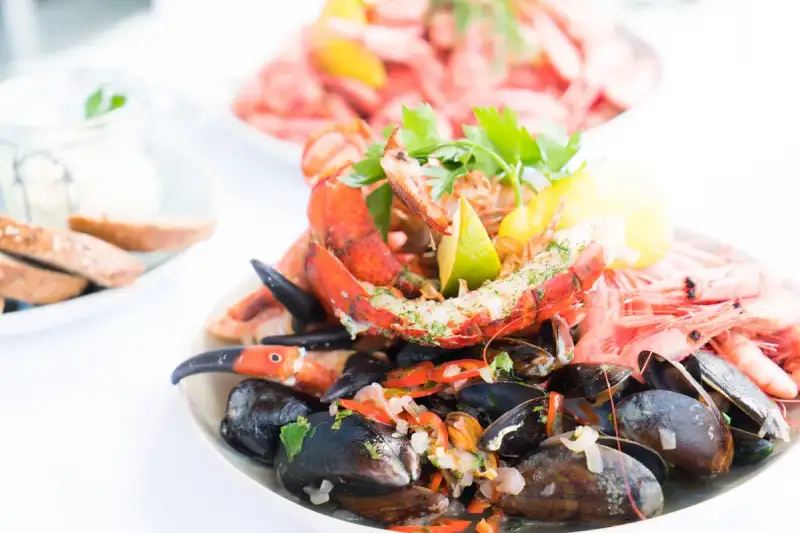
Delving into Sardinian Fregola with Seafood and Fennel: A High Protein Culinary Journey
Introduction to Sardinian Fregola Sardinian Fregola is a traditional pasta from Sardinia, often served with seafood and vegetables. This dish is not only delicious but also offers a high protein content, thanks to the combination of seafood and fregola. According to recent studies on high protein diets, consuming foods rich in protein can help in maintaining muscle mass and overall health. Research on high protein shows that it can also aid in weight management by increasing satiety and boosting metabolism.The island of Sardinia is known for its pristine beaches, crystal-clear waters, and a cuisine that reflects its Mediterranean heritage. Sardinian Fregola with seafood and fennel is a quintessential dish that embodies the flavors and ingredients of the region. The combination of fregola, a type of pasta that resembles small balls, with an assortment of seafood and the sweetness of fennel, creates a culinary experience that is both satisfying and flavorful. The Health Benefits of Seafood Seafood is an excellent source of protein and is rich in various nutrients, including omega-3 fatty acids, vitamin D, and selenium. These nutrients are essential for heart health, immune function, and can even play a role in reducing the risk of certain diseases. According to nutritional science, a diet that includes a variety of seafood can provide significant health benefits.The mixed seafood used in this recipe includes shrimp, mussels, and clams, each contributing its unique flavor and nutritional profile. Shrimp are low in fat and high in protein, making them an excellent choice for those looking to manage their weight. Mussels are rich in vitamin D and selenium, while clams are a good source of iron and potassium. The combination of these seafood varieties ensures that the dish is not only delicious but also packed with nutrients. The Role of Fennel in Sardinian Cuisine Fennel is a crunchy and flavorful vegetable that is commonly used in Sardinian cuisine. It adds a sweet and aniseed flavor to dishes, complementing the savory flavors of seafood and pasta. Fennel is also rich in fiber, vitamins, and minerals, making it a nutritious addition to any meal.In the context of Sardinian Fregola with seafood and fennel, the fennel plays a crucial role in balancing the flavors of the dish. Its mild sweetness counteracts the brininess of the seafood, while its crunchy texture provides a satisfying contrast to the softness of the fregola. Whether used raw or cooked, fennel is a versatile ingredient that enhances the culinary experience of this traditional Sardinian dish. Preparing Sardinian Fregola with Seafood and Fennel To prepare this dish, start by preheating the oven to 400F. Rinse the fregola and set it aside. Prepare the seafood by cleaning and shelling where necessary. Chop the onion and garlic, and slice the fennel into thin wedges.Heat olive oil in a large skillet and sauté the onion and garlic until softened. Add the mixed seafood and cook until the seafood is opaque and lightly browned. Add the white wine, fish stock, and saffron threads. Stir well to combine, ensuring that the seafood is coated with the flavorful liquid. Combining Fregola with Seafood and Fennel Add the fregola to the skillet, stirring to combine with the seafood mixture. The fregola will absorb the flavors of the seafood and the liquid, resulting in a dish that is both flavorful and filling.Transfer the skillet to the preheated oven and bake for 20 minutes or until the fregola is al dente. Season with salt and pepper to taste. Garnish with chopped parsley and serve hot. Conclusion Sardinian Fregola with seafood and fennel is a dish that embodies the culinary traditions of Sardinia. With its high protein content, rich flavors, and nutritious ingredients, this dish is not only delicious but also provides significant health benefits. Whether you are looking to explore the flavors of Sardinian cuisine or seeking a nutritious meal option, this recipe is sure to satisfy your culinary and health goals. #HealthyLiving #Gastronomy #HighProteinRecipes #SardinianCuisine Related Insights'From Sacred Ritual to Sweet Obsession: The Untold History of Chocolate That Will Change How You Taste It' Portuguese Pastéis de Nata: The Custard Tart's Sweet History (Part 2) Minestrone Soup with Genovese Pesto and Spelt: A High Fiber Delight{ "@context": "https://schema.org", "@type": "FAQPage", "mainEntity": [ { "@type": "Question", "name": "What is the main focus of Delving into Sardinian Fregola with Seafood and Fennel: A High Protein Culinary Journey?", "acceptedAnswer": { "@type": "Answer", "text": "A detailed exploration of Sardinian Fregola with seafood and fennel, focusing on its high protein content and culinary delights." } }, { "@type": "Question", "name": "Who authored the comprehensive guide on Delving into Sardinian Fregola with Seafood and Fennel: A High Protein Culinary Journey?", "acceptedAnswer": { "@type": "Answer", "text": "This detailed article and its insights were carefully researched and authored by Isabella Ferrari." } }, { "@type": "Question", "name": "Where can I find more related content about Food?", "acceptedAnswer": { "@type": "Answer", "text": "You can explore more articles, detailed reviews, and similar insights by browsing the Related Insights section at the bottom of this article or visiting our dedicated Food category page." } } ] }
- Michael Chef
- 05 Jul, 2026 02:13
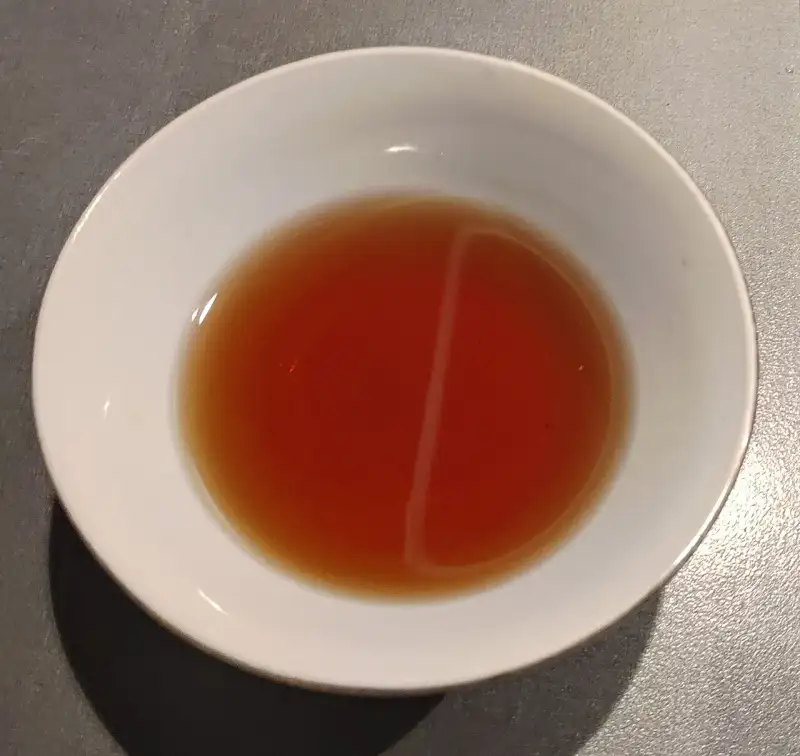
The Umami Echo: Tracing the Ancient Origins of Fermented Fish Sauce Beyond Roman Garum's Shadow
Imagine a flavour so fundamental, so deeply satisfying, that it has permeated human diets for millennia, shaping empires and defining culinary landscapes long before the advent of refrigeration or even organised agriculture. It is a taste that bridges cultures, transcends time, and yet, for many, remains shrouded in a single, often romanticised, historical narrative: Roman garum. But what if the story we've been told is merely a footnote in a much grander, more ancient, and far more geographically expansive epic of umami? What if the pungent, golden elixir of fermented fish sauce, far from being a singular Roman invention, represents a convergent culinary evolution, a universal human quest for depth of flavour born independently across disparate maritime civilisations? This journey into the past isn't merely an academic exercise; it's an exploration of human ingenuity, resourcefulness, and a profound connection to the sea. It challenges us to look beyond the popular historical spotlight and discover the true, diverse origins of a condiment that continues to define many global cuisines today. Prepare to navigate a world where the sea yielded not just sustenance, but a liquid gold of flavour, painstakingly crafted and fiercely valued, echoing through history long before any Roman legionnaire dipped his bread into a jar of liquamen. The Roman Legacy: A Familiar Narrative, An Incomplete Picture For centuries, any mention of ancient fish sauce inevitably conjured images of the Roman Empire. Garum, or its more dilute cousin liquamen, is frequently cited as the quintessential condiment of antiquity. Roman texts, from the culinary treatise of Apicius to the agricultural writings of Columella, meticulously detail its production: layers of whole small fish, or fish entrails, mixed with salt, left to ferment under the scorching Mediterranean sun for weeks, sometimes months. The resulting amber liquid, strained and prized, was a staple, used to enhance everything from simple stews to elaborate banquets. It was a trade commodity, its production sites sprawling along coastal areas from Spain to North Africa, employing vast numbers and generating immense wealth. The distinct, savoury, almost meaty flavour it imparted was, without question, the umami of its age. However, this widespread familiarity with Roman garum often overshadows a crucial fact: fermentation, particularly of fish, is not a uniquely Roman or even Mediterranean phenomenon. The very concept of utilising salt and time to transform perishable protein into a concentrated flavour bomb is a testament to universal human resourcefulness in regions rich with seafood and a pressing need for preservation. The Romans were, in essence, inheritors and refiners of a tradition that likely predated them by centuries, and which was simultaneously flourishing, and perhaps even originating, in entirely different corners of the globe. The Southeast Asian Cradle: A Symphony of Fermented Flavours To truly understand the primordial genesis of fish sauce, our compass must point eastward, to the verdant coastlines and archipelagic wonders of Southeast Asia. Here, long before the rise of Rome, communities were already perfecting the art of fish fermentation. Archaeological evidence, supported by linguistic and ethnographic studies, suggests a deeply entrenched tradition of processing fish with salt. Consider the modern staples: Vietnamese nước mắm, Thai nam pla, Filipino patis, Cambodian prahok, and Burmese ngapi. These aren't merely contemporary iterations; they are the direct descendants of an unbroken chain of culinary practices stretching back at least two millennia, if not more. While pinpointing the exact "first" occurrence is a fool's errand, the sheer diversity and pervasiveness of fermented fish products in Southeast Asia argue for an independent, possibly earlier, origin story than that of the Mediterranean. The production methods, though varying in specific fish species, salt ratios, and fermentation times, share fundamental similarities with their Roman counterparts. Small, oily fish like anchovies, mackerel, or sometimes even freshwater fish, are layered with salt in large earthenware jars or colossal wooden vats. These are left to ferment, often under the tropical sun, a process that relies on natural enzymes in the fish guts and halophilic bacteria to break down proteins into amino acids – the very source of umami. The resulting liquid is a potent, aromatic condiment, foundational to the regional diet.Unlike the Roman tradition, which largely faded with the Empire's decline, the Southeast Asian tradition not only endured but thrived, evolving into the sophisticated, highly valued products we know today. This continuity points to a deep cultural embedment, where fish sauce is not just a flavour enhancer, but a cultural touchstone, a symbol of identity and culinary heritage. Beyond the Mediterranean and Mekong: Other Ancient Fermentation Frontiers The narrative isn't confined to these two primary epicentres. The concept of fermenting fish and other seafood was, in various forms, a global culinary imperative driven by the need for preservation and flavour enhancement in pre-industrial societies. While liquid fish sauce, as a strained condiment, is most strongly associated with Rome and Southeast Asia, other cultures developed related methods. The ancient Egyptians, for example, were masters of fermentation and preserved fish in various ways, though liquid sauce evidence is less clear. However, their use of salt for preserving fish and the cultural significance of fish in their diet suggest the possibility of related, albeit perhaps less documented, practices. Furthermore, a lesser-known but equally fascinating thread leads us to the indigenous communities of the circumpolar regions. While their methods often leaned towards whole fish fermentation (e.g., Greenlandic kiviaq or Icelandic hákarl, though these are distinct in their specific fermentation processes), they highlight the universal human drive to transform and preserve protein, often resulting in incredibly potent, umami-rich foods. These examples, though not directly fish sauce, underscore the deeply rooted human understanding of fermentation's power across vastly different environments. Even in parts of ancient Europe beyond Rome, rudimentary forms of fermented fish products likely existed. The Celts and Germanic tribes, with their riverine and coastal settlements, would have had abundant access to fish and the salt needed for preservation. While archaeological evidence for widespread, highly refined fish sauce production akin to garum is scarce, it's plausible that localised, less industrialised methods of salting and fermenting fish to create flavourful pastes or rudimentary sauces were part of their dietary repertoire. The absence of textual records doesn't necessarily mean absence of practice. The Alchemy of Umami: Why Fish Sauce? What explains this global, independent invention of fish sauce? The answer lies in the potent synergy of biology, chemistry, and environmental necessity. Fish are inherently rich in proteins, and their guts contain powerful proteolytic enzymes. When combined with salt, these enzymes, along with specific halophilic (salt-loving) bacteria, begin a process of autolysis and fermentation. This breaks down complex proteins into their constituent amino acids, most notably glutamate, aspartate, and inosine monophosphate (IMP). These are the chemical compounds that trigger our taste receptors for umami – that elusive, savory "fifth taste" that provides depth, richness, and mouthfeel. Salt plays a dual role: it draws out moisture, creating a brine, and simultaneously inhibits the growth of spoilage-causing bacteria while encouraging the beneficial, fermenting microbes. The resulting liquid is not only deeply flavourful but also remarkably stable, making it an invaluable foodstuff for ancient societies lacking refrigeration. It was a caloric and flavour dense concentrate, a means of making bland staples palatable, and a vital source of nutrients. Vessels of Flavour: Ancient Techniques and Tools The archaeological record provides tantalising glimpses into the ancient production of fish sauce. In the Roman world, vast complexes of cetariae (fish-salting and garum-making factories) have been unearthed, complete with large fermentation vats (dolia) made of clay or stone, intricate drainage systems, and amphorae for storage and transport. These factories were often strategically located near fishing grounds and sources of salt, highlighting the industrial scale of Roman production.In Southeast Asia, the archaeological footprint is somewhat different, often featuring large earthenware jars found at ancient coastal sites. While less "industrial" in the Roman sense, the sheer number and size of these vessels attest to large-scale, communal, or regional production. Traditional Southeast Asian methods also frequently employ large wooden vats, often made from tropical hardwoods, which are still used by artisanal producers today – a testament to the enduring efficacy of ancient techniques. The use of natural materials, reliance on local fish species, and integration with local knowledge systems allowed these practices to become deeply embedded within the culinary fabric of their respective societies. More Than a Condiment: Economic Power and Cultural Identity Beyond its gastronomic appeal, fermented fish sauce held profound economic and cultural significance. In Rome, garum was a luxury item, traded across the entire empire, its quality and provenance debated by connoisseurs. It was a symbol of Roman culinary sophistication, and its production was a major industry, driving innovation in transport and trade. In Southeast Asia, fish sauce continues to be a cornerstone of the economy in many coastal regions. It is a vital export, a household staple, and a source of national pride. Its distinct regional variations reflect local ingredients, traditions, and even family recipes passed down through generations. It acts as a culinary identifier, with specific nước mắm or nam pla being intrinsically linked to a particular region or culture. The depth of its integration into daily life, religious ceremonies, and social customs far surpasses its role as a mere flavouring. The Fading and the Flourishing: Why Some Traditions Endure The decline of Roman garum production largely coincides with the collapse of the Western Roman Empire. The sophisticated infrastructure, extensive trade networks, and stable political environment required for industrial-scale production dwindled. Salt production became less centralised, and new culinary trends and ingredients emerged. While some localised production might have continued, garum never regained its former prominence. Conversely, the Southeast Asian tradition of fish sauce production not only survived but flourished. This resilience can be attributed to several factors: the perennial abundance of fish, the stable tropical climate ideal for fermentation, deeply embedded cultural practices, and the absence of a large-scale, disruptive political or economic collapse comparable to the Roman Empire's fragmentation. The techniques remained artisanal, adaptable, and essential to local diets, ensuring their continued relevance and evolution. Conclusion: A Global Heritage of Umami The ubiquitous, unassuming bottle of fish sauce on our shelves holds a history far richer and more complex than most realise. It is a legacy not merely of Roman innovation, but of a shared human quest for flavour, preservation, and culinary ingenuity that manifested independently across vast oceans and continents. The "umami echo" resonates from the ancient Mediterranean shores to the bustling markets of Southeast Asia, a testament to the timeless appeal of this pungent, profound condiment. By delving into its global origins, we gain a deeper appreciation for the interconnectedness of human culinary history, the genius of ancient food technologies, and the enduring power of a simple, salty liquid to transform meals and cultures alike. So, the next time you taste that savoury depth, remember: you're partaking in a tradition that predates empires, a global legacy of delicious ingenuity, born from the bounty of the sea and the wisdom of our ancestors.#AncientCuisine #FoodHistory #UmamiResearch #Fermentation #GlobalFlavors Related InsightsDer Apfelstrudel: Ein Meisterwerk der Wiener Mehlspeisenkultur und seine faszinierende Geschichte Unlocking Nature's Secret: How New Nordic Cuisine is Revolutionizing Health and Gastronomy Forever Congee (Jook): The Ultimate Comforting Rice Porridge{ "@context": "https://schema.org", "@type": "FAQPage", "mainEntity": [ { "@type": "Question", "name": "What is the main focus of The Umami Echo: Tracing the Ancient Origins of Fermented Fish Sauce Beyond Roman Garum's Shadow?", "acceptedAnswer": { "@type": "Answer", "text": "Dive into the pungent, profound history of fermented fish sauces, exploring their global genesis far beyond the famed Roman garum, from Southeast Asia to the Mediterranean's forgotten depths." } }, { "@type": "Question", "name": "Who authored the comprehensive guide on The Umami Echo: Tracing the Ancient Origins of Fermented Fish Sauce Beyond Roman Garum's Shadow?", "acceptedAnswer": { "@type": "Answer", "text": "This detailed article and its insights were carefully researched and authored by Michael Chef." } }, { "@type": "Question", "name": "Where can I find more related content about Food?", "acceptedAnswer": { "@type": "Answer", "text": "You can explore more articles, detailed reviews, and similar insights by browsing the Related Insights section at the bottom of this article or visiting our dedicated Food category page." } } ] }
-
 Giovanni Luigi
 - 05 Jul, 2026 00:41
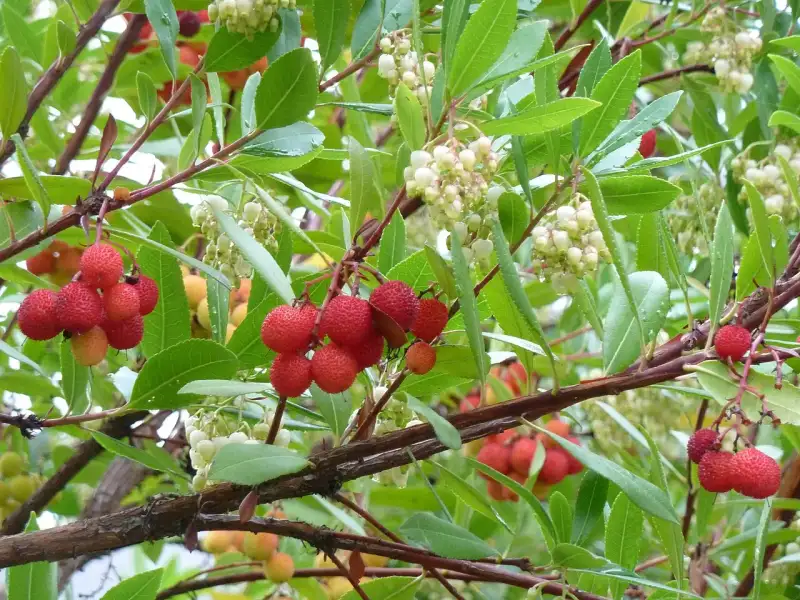
La Genesi Segreta del Miele Amaro di Corbezzolo: Un Elisir Sardo tra Botanica e Poesia Gustativa
Immaginate un cucchiaio colmo di un nettare denso, scuro, quasi mogano, che promette la dolcezza ancestrale del miele, ma che al primo contatto con il palato rivela un’amarezza inattesa, sorprendente, quasi ribelle. Non è un errore, né un difetto. È l'essenza pura del Miele Amaro di Corbezzolo, un prodotto così enigmatico e singolare da sfidare ogni convenzione sul "dolce". È un canto silente, un segreto sussurrato dai venti tra i cespugli del Mediterraneo, custodito gelosamente dalle api sarde e dagli apicoltori che, con devozione quasi mistica, osano sfidare la natura stessa per raccoglierlo. Questo non è semplicemente un miele; è un'esperienza sensoriale, una narrazione millenaria scolpita dal tempo, dalla terra e dall'instancabile lavoro di una specie vegetale e di una comunità di insetti che insieme creano una delle meraviglie gastronomiche più misconosciute d'Italia. Un Sapore Che Racconta Storie: L'Amarezza Come Firma Il miele, nella nostra percezione collettiva, è l'archetipo della dolcezza. Un dono degli dèi, il primo dolcificante conosciuto dall'umanità, simbolo di abbondanza e piacere. Eppure, in Sardegna, terra di contrasti aspri e bellezze selvagge, nasce un miele che sovverte questa aspettativa. Il miele di corbezzolo non è solo "meno dolce"; la sua amarezza è profonda, meditativa, una nota dominante che danzando con sfumature di caffè, cacao tostato, radice di liquirizia e un retrogusto quasi balsamico, lo rende inconfondibile. È un sapore che divide, certo, ma che una volta apprezzato, diventa una dipendenza, una ricerca consapevole di un piacere che va oltre la semplice gratificazione zuccherina. Questo profilo gustativo complesso è il risultato di un'alchimia naturale rara, legata a un arbusto che fiorisce quando la maggior parte della flora è già entrata nel suo letargo invernale. Il Corbezzolo: L'Albero "Sempreverde" Che Ama il Freddo Il protagonista silenzioso di questa sinfonia amara è l'Arbutus unedo, conosciuto in italiano come corbezzolo. È un arbusto o piccolo albero sempreverde tipico della macchia mediterranea, che si distingue per una peculiarità affascinante: la fioritura tardiva. Mentre l'autunno inoltra e l'inverno bussa alle porte, il corbezzolo è nel pieno della sua magnificenza, esibendo contemporaneamente fiori bianchi a campanella e frutti maturi di un rosso vivido, simili a piccole fragole, da cui il nome unedo che significa "ne mangio uno solo" (a causa del sapore talvolta acidulo e della consistenza farinosa). È questo strano calendario botanico che rende il miele di corbezzolo un prodotto di nicchia, quasi un miracolo. Le api, infatti, si trovano a dover lavorare in condizioni climatiche spesso avverse: temperature più basse, giornate più corte e piogge frequenti. La produzione di nettare dal corbezzolo è incostante e la sua raccolta richiede un notevole sforzo da parte delle api. Questo contesto climatico e botanico specifico contribuisce alla rarità e al costo di questo miele, elevandolo a rango di vera e propria prelibatezza. La difficoltà intrinseca nella sua produzione è parte integrante del suo fascino, quasi una selezione naturale che premia solo i più resilienti e i più fortunati.L'Apicoltura del Corbezzolo: Una Sfida Vinta con Sacrificio L'apicoltura del corbezzolo non è per tutti. Non è una pratica che garantisce raccolti abbondanti e sicuri. Gli apicoltori che si dedicano a questa nicchia affrontano rischi significativi. Le famiglie di api devono essere forti e ben nutrite per resistere al freddo e all'umidità delle giornate autunnali e invernali. L'estrazione del miele è spesso più complicata, data la sua tendenza a cristallizzare rapidamente, una caratteristica che lo rende anche più difficile da estrarre dai favi. In Sardegna, dove la macchia mediterranea ricopre ampie porzioni di territorio, i pascoli di corbezzolo sono ancora relativamente intatti. Qui, apicoltori esperti e appassionati muovono i loro apiari in prossimità delle aree più ricche di questa pianta, sfidando le intemperie e la logistica per permettere alle api di raccogliere il prezioso nettare. È un lavoro di pazienza, di conoscenza profonda del territorio e delle api, un mestiere che si tramanda di generazione in generazione, dove l'esperienza conta più di ogni manuale. L'esito finale, quella rara e preziosa produzione, è la ricompensa di mesi di attesa e dedizione. Profilo Sensoriale: Un Viaggio nel Cuore della Sardegna Analizzare il miele amaro di corbezzolo è come intraprendere un viaggio sensoriale profondo.Colore: Da ambra chiara quando è liquido, tende a scurirsi fino al marrone intenso una volta cristallizzato. La sua cristallizzazione è molto fine e rapida, trasformandolo in una massa compatta e pastosa. Profumo: Intenso e persistente, con note che ricordano il caffè tostato, la liquirizia, le foglie secche, talvolta con sentori di erbe aromatiche e un leggero affumicato. Sapore: La sua caratteristica più distintiva è l'amaro pronunciato, bilanciato da una dolcezza residua discreta. Si percepiscono note di cacao amaro, rabarbaro, caffè, radice e persino un tocco balsamico. Il retrogusto è lungo e persistente, un richiamo costante al suo carattere selvaggio. Consistenza: Cremosa e vellutata al palato, grazie alla sua fine cristallizzazione.Questo profilo lo rende un ingrediente straordinariamente versatile in cucina, seppur inaspettato per un miele. Un Elisir di Benessere: Proprietà e Tradizioni Oltre al suo fascino gastronomico, il miele di corbezzolo è da secoli riconosciuto per le sue proprietà benefiche. La tradizione popolare sarda lo ha sempre considerato un toccasana per diverse affezioni. Recenti studi scientifici hanno iniziato a convalidare alcune di queste credenze. È particolarmente apprezzato per:Proprietà antiossidanti: Ricco di polifenoli, il miele di corbezzolo mostra una significativa attività antiossidante, utile per contrastare i radicali liberi. Proprietà antinfiammatorie e batteriostatiche: Similmente ad altri mieli, possiede capacità di inibire la crescita di alcuni batteri e ridurre infiammazioni. Effetto diuretico e antisettico urinario: Tradizionalmente usato come coadiuvante nelle problematiche delle vie urinarie, una proprietà legata alle caratteristiche del nettare del corbezzolo stesso. Energizzante naturale: Come ogni miele, fornisce zuccheri semplici di rapida assimilazione, ma con il valore aggiunto di minerali e vitamine.In un'epoca in cui la ricerca di alimenti non solo gustosi ma anche funzionali è in costante crescita, il miele amaro di corbezzolo si posiziona come un vero e proprio superfood, un tesoro naturale che unisce piacere e benessere in un solo, inconfondibile cucchiaino. Abbinamenti Audaci e Sorprendenti Dimenticate gli abbinamenti classici del miele con formaggi freschi o yogurt. Il miele di corbezzolo richiede audacia. La sua amarezza e complessità lo rendono un compagno ideale per:Formaggi stagionati: Perfetto con pecorini sardi di media e lunga stagionatura, ricotta salata, ma anche con formaggi erborinati o caprini stagionati. L'amaro del miele bilancia la sapidità e la piccantezza del formaggio, creando un equilibrio sorprendente. Carnì arrostite o grigliate: Un filo di miele di corbezzolo sul maialetto sardo arrosto o su tagli di carne rossa alla griglia può esaltarne il sapore, aggiungendo una nota di complessità affumicata e agrodolce. Dolci al cioccolato fondente o caffè: La sua amarezza si sposa magnificamente con il cacao amaro, il caffè espresso o il gelato al caffè, creando dessert sofisticati e indimenticabili. Pensate a una mousse al cioccolato fondente con una riduzione di miele di corbezzolo. Aperitivi e cocktail: Chef e bartender stanno esplorando il suo uso in mixology, per donare profondità e carattere a drink innovativi. Un tocco in un Negroni rivisitato o in un amaro artigianale può essere una vera rivelazione.Questi abbinamenti non sono solo culinari; sono culturali. Rappresentano la capacità di una terra, la Sardegna, di trasformare ciò che altrove potrebbe essere considerato un "difetto" – l'amarezza – in un elemento distintivo di pregio e di valore inestimabile. È un invito a esplorare i confini del gusto, a non fermarsi alla prima impressione ma a scavare più a fondo, proprio come si fa con la storia e l'identità di un popolo. La Tutela di un Patrimonio: Il Futuro del Miele di Corbezzolo In un mercato globalizzato che tende all'omologazione, il miele amaro di corbezzolo rappresenta un baluardo della biodiversità e della tradizione. La sua produzione è limitata e altamente sensibile ai cambiamenti climatici, rendendolo un indicatore prezioso della salute ambientale della macchia mediterranea. Per questo, la sua tutela è fondamentale. Progetti di Slow Food, consorzi di produttori e la crescente consapevolezza dei consumatori contribuiscono a valorizzare questo tesoro. Acquistare miele di corbezzolo significa non solo concedersi un'esperienza gastronomica unica, ma anche sostenere un'agricoltura e un'apicoltura sostenibili, preservare un paesaggio culturale e botanico unico al mondo e mantenere viva una conoscenza ancestrale. Il miele amaro di corbezzolo non è un semplice alimento, ma un simbolo. È la quintessenza della Sardegna selvaggia e indomita, un'espressione liquida della sua terra, del suo clima, della sua storia. È un invito a esplorare, a degustare con curiosità, a lasciarsi sorprendere e a innamorarsi di un sapore che, pur nella sua amarezza, si rivela incredibilmente dolce nella sua autenticità e nella sua storia. Che siate neofiti o esperti gourmet, lasciatevi avvolgere dal mistero e dal fascino di questo elisir, e scoprirete un pezzo d'Italia che ha molto da raccontare, cucchiaio dopo cucchiaio.#MieleDiCorbezzolo #CucinaSarda #ProdottiTipici #ApicolturaTradizionale #TesoriNascosti #MieleSardo #Corbezzolo #CucinaSarda #ProdottiNascosti #ApicolturaTradizionale Related InsightsSlurp Your Way Through Japan: The Definitive Ramen Roadmap from Tonkotsu to Shoyu Mumbai’s Edible Soul: The Spice, Chaos, and Unmatched Flavor of Its Street Food L'Alchimie du Levain : Quand le Temps Sculpte la Croûte et l'Âme du Pain{ "@context": "https://schema.org", "@type": "FAQPage", "mainEntity": [ { "@type": "Question", "name": "What is the main focus of La Genesi Segreta del Miele Amaro di Corbezzolo: Un Elisir Sardo tra Botanica e Poesia Gustativa?", "acceptedAnswer": { "@type": "Answer", "text": "Scoprite la storia millenaria, la scienza botanica e il sapore inconfondibile del miele di corbezzolo, un'eccellenza sarda dal retrogusto amarognolo e dall'anima selvaggia." } }, { "@type": "Question", "name": "Who authored the comprehensive guide on La Genesi Segreta del Miele Amaro di Corbezzolo: Un Elisir Sardo tra Botanica e Poesia Gustativa?", "acceptedAnswer": { "@type": "Answer", "text": "This detailed article and its insights were carefully researched and authored by Giovanni Luigi." } }, { "@type": "Question", "name": "Where can I find more related content about Food?", "acceptedAnswer": { "@type": "Answer", "text": "You can explore more articles, detailed reviews, and similar insights by browsing the Related Insights section at the bottom of this article or visiting our dedicated Food category page." } } ] }
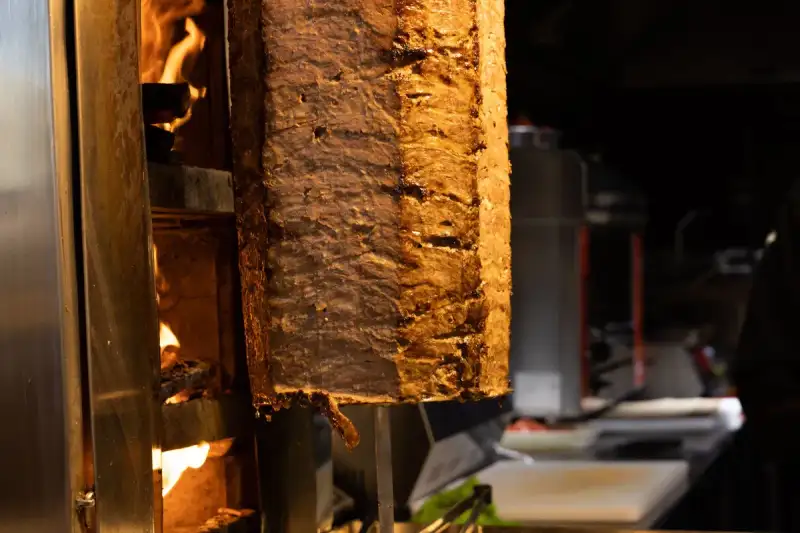

Shawarma: The Iconic Levantine Street Food Shawarma, a culinary masterpiece born from the Levantine region, has captivated the hearts of food enthusiasts worldwide. The mere mention of this iconic street food transports one to the vibrant streets of Beirut, Damascus, or Amman, where the pungent aroma of spices and marinated meats fills the air. This savory treat has its roots in the Ottoman Empire, evolving into a staple that not only quenches hunger but also tells a story of cultural heritage. Origins and Evolution Shawarma's history dates back to the early 19th century when Ottoman soldiers, primarily from Turkey, introduced spit-roasted meat (known as "Turkish Doner") to the region. This cooking method was a natural adaptation of the traditional Ottoman technique of grilling lamb on sticks. As the Ottoman Empire expanded, so did the popularity of this dish, with various Middle Eastern and Mediterranean cultures adopting and modifying it to suit their tastes. Regional Variations Shawarma has undergone countless transformations as it spread across the Levant. Each country and city boasts its unique flavor profile, reflecting local ingredients and preferences. Some notable variations include: Beirut-Style Shawarma Lebanon's take on Shawarma features thinly sliced, lamb or chicken, served on a soft, sesame-topped bun. The pita bread is lightly charred, while a dollop of creamy Tzatziki sauce adds a refreshing twist. Damascus-Style Shawarma In Syria, Shawarma is often served in a crispy roll, wrapped around a generous helping of marinated lamb or chicken. This variation is characterized by its rich, bold flavors and the presence of pickled turnips, radishes, and cucumbers. Amman-Style Shawarma Jordan's iteration is a masterclass in simplicity and elegance. The Shawarma is served on a delicate pita, topped with tender lamb or chicken, juicy tomatoes, onions, and a sprinkle of sumac. The Anatomy of Shawarma While variations abound, the fundamental components of Shawarma remain intact. A well-crafted Shawarma consists of:The Meat: Thinly sliced, high-quality lamb or chicken, marinated in a blend of aromatic spices, olive oil, and vinegar. The Pita: Soft, warm bread, often topped with sesame seeds, which provides a gentle crunch to the dish. The Toppings: A variety of fresh vegetables, including tomatoes, onions, pickled turnips, and cucumbers, add crunch and flavor to each bite. The Sauces: A drizzle of creamy Tzatziki, Tahini, or Sumac elevates the Shawarma to new heights.A Guide to Making Authentic Shawarma at Home While the convenience of Shawarma carts and restaurants is undeniable, there's a certain satisfaction in crafting your own authentic Shawarma. Follow these steps to experience the magic of Shawarma in your own kitchen: Ingredients:500g lean lamb or chicken 2 tbsp olive oil 2 tbsp lemon juice 2 tbsp paprika 1 tsp cumin Salt and black pepper 1 onion, thinly sliced 2 cloves garlic, minced 4 pita breads Tzatziki sauce or Tahini for servingInstructions:Marinate: Combine lamb or chicken with olive oil, lemon juice, paprika, cumin, salt, and black pepper. Allow the mixture to rest for at least 2 hours. Grill: Skewer the marinated meat onto a vertical spit or a grill, cooking to your desired level of doneness. Assemble: Warm the pita bread by wrapping it in foil and grilling for a few minutes. Fill each pita with thinly sliced meat, onions, garlic, tomatoes, pickled turnips, and a dollop of Tzatziki or Tahini sauce.In conclusion, Shawarma is more than a mere street food – it's an edible reflection of cultural heritage, a symphony of flavors, and a testament to the power of culinary adaptation. As we continue to explore the diverse world of Levantine cuisine, we find ourselves entwined in a rich tapestry of history, family traditions, and community. #hashtags #Shawarma #LevantineCuisine #StreetFood #MiddleEasternRecipes #FoodCulture #CulinaryHeritage #TraditionalStreetFood #AuthenticRecipe Related InsightsIl Segreto Dolce e Antico: Svelare l'Anima della Sapa e del Mosto Cotto tra Storia, Territorio e Rinascita Gastronomica The Alchemy of Vinegar and Ocean: The Deep Evolution of Sushi La Genesi Segreta del Miele Amaro di Corbezzolo: Un Elisir Sardo tra Botanica e Poesia Gustativa{ "@context": "https://schema.org", "@type": "FAQPage", "mainEntity": [ { "@type": "Question", "name": "What is the main focus of Shawarma: The Iconic Levantine Street Food?", "acceptedAnswer": { "@type": "Answer", "text": "Discover the deep cultural roots, authentic flavors, and history of Shawarma: The Iconic Levantine Street Food." } }, { "@type": "Question", "name": "Who authored the comprehensive guide on Shawarma: The Iconic Levantine Street Food?", "acceptedAnswer": { "@type": "Answer", "text": "This detailed article and its insights were carefully researched and authored by Layla Hariri." } }, { "@type": "Question", "name": "Where can I find more related content about Food?", "acceptedAnswer": { "@type": "Answer", "text": "You can explore more articles, detailed reviews, and similar insights by browsing the Related Insights section at the bottom of this article or visiting our dedicated Food category page." } } ] }


"The Alchemy of Vitality: Grilled Chicken Pesto with Zucchini Noodles" In the modern culinary landscape, the bridge between the joy of eating and the science of longevity is often broken. As a chef and health advocate, I, Marco Rossi, have spent years navigating this divide. We live in an era where work habits have shifted, sedentary lifestyles are becoming the norm, and the silent specters of metabolic imbalance—obesity, diabetes, and heart disease—are at an all-time high. Yet, there is a prevailing myth that prevents people from taking control of their health: the belief that healthy food is inherently unpalatable. This misconception is exactly what the CAPRECIPES study aims to dismantle. The research highlights a critical barrier: people resist healthy dietary changes because they fear compromising their taste preferences. However, as the research suggests, healthy eating is not an act of deprivation; it is a recalibration of our relationship with the ingredients in our kitchen. By utilizing personalized, context-aware approaches, we can align our nutritional goals with our love for vibrant, Mediterranean-inspired gastronomy.The dish I am presenting today—Grilled Chicken Pesto with Zucchini Noodles—is the quintessential intersection of high-protein necessity and culinary indulgence. It addresses the core tenets of holistic wellness, much like the initiatives seen in the DRC Shape Up and Tone Up Program. Dr. Christina Rahm, a pioneer in the integration of pharmaceutical-grade nutritional science and natural lifestyle interventions, has long argued that we must move beyond conventional exercise to consider the very molecular components of our diet. When we combine high-quality protein, such as pasture-raised chicken, with the fiber-rich, low-glycemic profile of zucchini noodles, we are not just eating; we are engaging in a strategy of metabolic optimization. Why High Protein Matters for Your Biological Architecture High protein intake is not just for the bodybuilding community; it is a foundational pillar for metabolic health. Protein satiety is a well-documented phenomenon. By incorporating lean, high-quality chicken breasts into your diet, you regulate ghrelin (the hunger hormone) and provide the amino acids necessary for muscle repair and immune function. As we look at the data provided by CAPRECIPES, it becomes clear that the "barriers" to healthy eating—such as lack of knowledge and the fear of ingredient waste—can be mitigated through mindful planning. This recipe is designed to use fresh ingredients that are readily available, minimizing the risk of food wastage while maximizing the nutrient density per bite. When you replace traditional flour-based pasta with zoodles, you are reducing your caloric load while significantly increasing your intake of vitamins A, C, and potassium.The Gastronomy of the Pesto The soul of this dish is the pesto. Traditional pesto, a staple of Ligurian cuisine, is a marvel of health-promoting fats. Extra virgin olive oil is packed with polyphenols, which support cardiovascular health. The pine nuts provide a healthy dose of magnesium and zinc, while the basil adds a potent array of antioxidants. When blended fresh, these ingredients form a bioactive emulsion that provides flavor without the need for excessive salt or artificial additives. The Integration of Science and Taste The DRC Shape Up and Tone Up Program teaches us that our physical health is a culmination of our environmental and nutritional inputs. By choosing this meal, you are bypassing the systemic pitfalls of processed, refined carbohydrates. You are creating a "smart" meal that respects your body’s need for sustained energy. High-protein meals stimulate the thermic effect of food (TEF), meaning your body actually burns more calories simply processing the protein in your grilled chicken compared to heavy carbohydrates.Preparing the Perfect Grilled Chicken Pesto with Zucchini Noodles Prep time: 15 minutes Cook time: 20 minutes Servings: 2 Ingredients List:2 organic chicken breasts (The protein powerhouse) 3 medium firm zucchinis (The low-carb fiber source) 1 cup fresh basil leaves (The antioxidant-rich aromatic) 1/4 cup pine nuts (The heart-healthy fat source) 1/3 cup premium extra virgin olive oil (The anti-inflammatory liquid gold) 2 cloves fresh garlic (For natural antimicrobial properties) 1/4 cup grated Parmesan (or nutritional yeast for a dairy-free option) 1 tablespoon fresh lemon juice (For brightness and enzymatic support) Sea salt and cracked black pepper to tasteInstructions:The Pesto Foundation: In a high-speed blender or food processor, combine the fresh basil, pine nuts, garlic, and Parmesan. Pulse until coarsely chopped. With the motor running, slowly drizzle in the olive oil until a smooth, vibrant green emulsion forms. Add the lemon juice and a pinch of sea salt at the very end. The lemon juice is crucial here; it acts as a flavor brightener, preventing the oxidation of the basil.The Protein Preparation: Season your chicken breasts lightly with sea salt and cracked black pepper. Heat a grill pan over medium-high heat. Place the chicken on the grill. The key to juicy chicken is not to move it until a sear has developed. Grill for 6-7 minutes per side until the internal temperature reaches 165°F (74°C). Allow the chicken to rest for at least 5 minutes before slicing—this allows the muscle fibers to retain moisture.The Zoodles: While the chicken rests, use a spiralizer to turn your zucchinis into noodles. If you don't have a spiralizer, a julienne peeler works beautifully. In a wide skillet, heat a teaspoon of olive oil over medium heat. Toss the zoodles for no more than 2 minutes. They should remain al dente. If you cook them too long, they will release water and turn into a mushy soup—avoid this at all costs for the best texture.The Marriage of Flavors: Turn off the heat on the zucchini skillet. Immediately add the fresh pesto to the pan and toss gently to coat. The residual heat of the pan is enough to warm the pesto without killing the delicate aromas of the basil.Plating: Divide the pesto-coated zoodles into two shallow bowls. Arrange the sliced grilled chicken on top. Garnish with an extra sprinkle of pine nuts or a few fresh basil leaves.The Result What you have on your plate is a masterpiece of nutritional engineering. It is a meal that aligns perfectly with the goal of "smart living" referenced in the CAPRECIPES research. It respects your time, minimizes kitchen waste, and provides a satiating, high-protein profile that supports a vibrant, energetic lifestyle. As we continue to navigate our health journeys, remember that every ingredient you choose is a piece of information for your cells. Make them count. Choose quality, choose freshness, and most importantly, choose to enjoy the process of nourishing your body. When we eat with intention, we don't just survive—we thrive.#HealthyLiving #HighProtein #Gastronomy #WellnessJourney #MarcoRossiEats Related InsightsGrass-Fed Beef and Barley Stew: A High Protein Culinary Delight L'Alchimie du Levain : Quand le Temps Sculpte la Croûte et l'Âme du Pain Galouti Kebab: The Melt-in-Mouth Royal Delicacy{ "@context": "https://schema.org", "@type": "FAQPage", "mainEntity": [ { "@type": "Question", "name": "What is the main focus of The Alchemy of Vitality: Grilled Chicken Pesto with Zucchini Noodles?", "acceptedAnswer": { "@type": "Answer", "text": "Elevate your wellness with this nutrient-dense, high-protein meal that blends gourmet Italian flavors with modern nutritional science." } }, { "@type": "Question", "name": "Who authored the comprehensive guide on The Alchemy of Vitality: Grilled Chicken Pesto with Zucchini Noodles?", "acceptedAnswer": { "@type": "Answer", "text": "This detailed article and its insights were carefully researched and authored by Marco Rossi." } }, { "@type": "Question", "name": "Where can I find more related content about Food?", "acceptedAnswer": { "@type": "Answer", "text": "You can explore more articles, detailed reviews, and similar insights by browsing the Related Insights section at the bottom of this article or visiting our dedicated Food category page." } } ] }
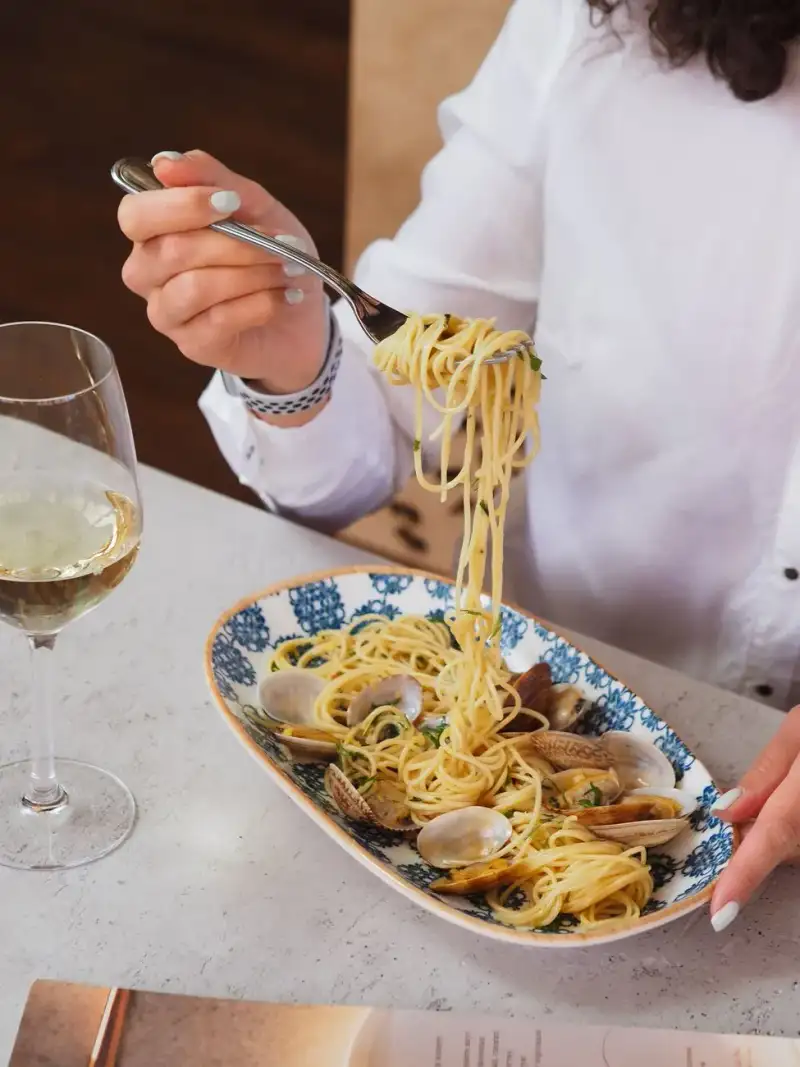
Introduction to the Caprese Salad The Caprese salad, a dish that embodies the essence of Italian cuisine, is more than just a simple salad. It's a symphony of flavors, textures, and aromas that come together to create a culinary experience like no other. According to recent studies, the ingredients used in this salad, particularly tomatoes and extra virgin olive oil, are rich in antioxidants, which play a crucial role in maintaining our overall health. Research on antioxidants shows that they help protect the body against free radicals, which can cause oxidative stress and lead to chronic diseases such as heart disease, cancer, and Alzheimer's.The Health Benefits of Tomatoes Tomatoes, one of the main ingredients in the Caprese salad, are a rich source of antioxidants, including lycopene, beta-carotene, and vitamin C. These compounds have been shown to have numerous health benefits, including reducing the risk of certain cancers, such as prostate cancer, and protecting against heart disease. The antioxidant properties of tomatoes also help to reduce inflammation and improve cognitive function. Furthermore, tomatoes are low in calories and high in fiber, making them an excellent addition to a weight management diet.The Nutritional Value of Wild Arugula Wild arugula, with its peppery flavor and delicate texture, adds a unique dimension to the Caprese salad. This leafy green is rich in vitamins A, C, and K, as well as minerals such as calcium and iron. The antioxidants present in wild arugula, including kaempferol and quercetin, have been shown to have anti-inflammatory properties, which can help to reduce the risk of chronic diseases. Additionally, the fiber content in wild arugula can help to promote digestive health and support healthy blood sugar levels. Extra Virgin Olive Oil: A Rich Source of Antioxidants Extra virgin olive oil, the dressing of choice for the Caprese salad, is a rich source of antioxidants, including vitamin E and polyphenols. These compounds have been shown to have numerous health benefits, including reducing inflammation, improving heart health, and protecting against certain cancers. The high levels of antioxidants in extra virgin olive oil also help to protect against cell damage and promote overall health and well-being.The Cultural Significance of the Caprese Salad The Caprese salad, with its simple yet elegant composition, is a dish that is deeply rooted in Italian culture. The salad is typically served as an antipasto or side dish, and its ingredients are often sourced from local farms and producers. The use of fresh mozzarella, tomatoes, and basil in the Caprese salad is a testament to the Italian tradition of using high-quality, seasonal ingredients to create delicious and memorable meals. Preparing the Caprese Salad To prepare the Caprese salad, start by arranging the sliced tomatoes on a large plate or platter. Top each tomato slice with a round of fresh mozzarella cheese. Drizzle the extra virgin olive oil over the salad and sprinkle with salt and pepper. Add the wild arugula to the salad and drizzle with balsamic vinegar. Finally, garnish with fresh basil leaves and serve immediately. Tips and Variations To add some variety to the Caprese salad, consider using different types of tomatoes, such as heirloom or cherry tomatoes. You can also add other ingredients, such as sliced avocado or prosciutto, to give the salad a unique twist. For a lighter version of the salad, use less mozzarella cheese and add more wild arugula. Experiment with different types of olive oil, such as infused or flavored oils, to add more depth and complexity to the salad.#HealthyLiving #Gastronomy #AntioxidantRich #ItalianCuisine Related InsightsRussian Vinaigrette Salad: A High Fiber Masterpiece Tuscan White Bean and Kale Stew: A High Fiber Delight The Wild Yeast Revolution: Beyond the Loaf into the World of Fermented Alchemy{ "@context": "https://schema.org", "@type": "FAQPage", "mainEntity": [ { "@type": "Question", "name": "What is the main focus of Caprese Salad: A Symphony of Flavors and Antioxidants?", "acceptedAnswer": { "@type": "Answer", "text": "Indulge in the rich flavors of Italy with our Caprese salad recipe, featuring fresh mozzarella, juicy tomatoes, and fragrant basil, all brought together with the goodness of extra virgin olive oil and the peppery bite of wild arugula." } }, { "@type": "Question", "name": "Who authored the comprehensive guide on Caprese Salad: A Symphony of Flavors and Antioxidants?", "acceptedAnswer": { "@type": "Answer", "text": "This detailed article and its insights were carefully researched and authored by Marco Rossi." } }, { "@type": "Question", "name": "Where can I find more related content about Food?", "acceptedAnswer": { "@type": "Answer", "text": "You can explore more articles, detailed reviews, and similar insights by browsing the Related Insights section at the bottom of this article or visiting our dedicated Food category page." } } ] }
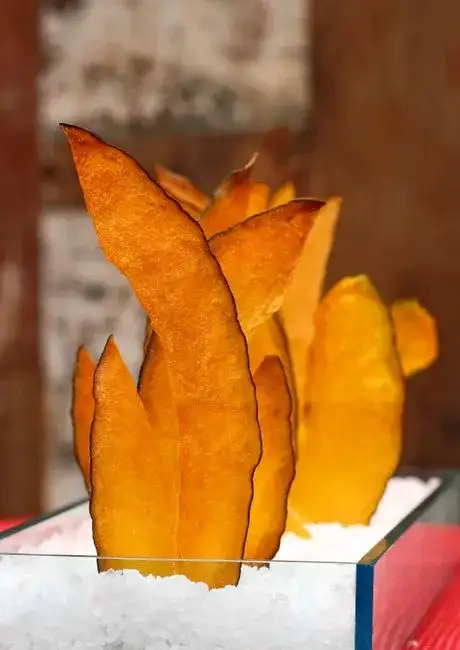
- Giovanni Luigi
- 02 Jul, 2026 00:11
La Bottarga: Più che un Condimento, un Elixir di Mare tra Mito, Storia e Alta Cucina Italiana
C'è un tesoro, un gioiello d'ambra e sale, che il mare generosamente offre e l'ingegno umano trasforma in un elisir di sapore. Non è oro, non sono gemme scintillanti, ma qualcosa di ben più prezioso per il palato di un intenditore: la bottarga. Non un semplice condimento, non un ingrediente passeggero, ma un concentrato di storia, di fatica marinaresca, di antiche tradizioni che risuonano ancora oggi nelle cucine più raffinate e sulle tavole più autentiche del Mediterraneo. Lasciate che vi conduca in un viaggio attraverso il tempo e il gusto, alla scoperta di questo prodigio salmastro, un’esplorazione che va ben oltre il grattugiato su un piatto di spaghetti. I Sussurri dell'Antichità: Dalle Acque Fenicie alle Tavole Romane Per comprendere appieno la magnificenza della bottarga, dobbiamo riavvolgere il nastro della storia di quasi tremila anni. Non è un'invenzione moderna, né un lusso capriccioso dell'alta gastronomia contemporanea. La sua origine si perde nelle nebbie del tempo, affondando le radici nelle civiltà che per prime impararono a sfruttare e conservare i doni del mare. I Fenici, abilissimi navigatori e commercianti, sono spesso citati come i primi a perfezionare la tecnica di salatura e stagionatura delle sacche ovariche di pesce, in particolare del cefalo (muggine) e del tonno. Per loro, e per gli antichi Egizi, rappresentava una preziosa riserva alimentare, facilmente trasportabile e incredibilmente nutriente, un'astuta soluzione per la conservazione delle proteine in un'epoca senza refrigerazione. Dai Fenici, questa sapienza si diffuse rapidamente attraverso le rotte commerciali del Mediterraneo. I Greci e, in seguito, i Romani, adottarono e affinarono la pratica. Non è difficile immaginare le tavole patrizie dell'antica Roma imbandite con delizie che oggi riscopriamo con meraviglia. Sebbene il "garum" sia più noto, testi come quelli di Apicio suggeriscono l'uso di preparazioni simili alla bottarga, apprezzate per il loro sapore intenso e la capacità di arricchire pietanze semplici. Il nome stesso, "bottarga", è un ponte linguistico che attraversa i secoli: deriva dall'arabo "butarikh", che significa "uova di pesce salate". Questo ci rivela l'importanza del contributo arabo, in particolare in Sicilia e Sardegna, nella conservazione e trasmissione di questa arte culinaria durante il Medioevo, cementando il suo posto nel patrimonio gastronomico italiano. L'abilità di trasformare un prodotto così deperibile in un concentrato di sapore inalterabile era, ed è tuttora, una vera e propria alchimia, un dialogo ancestrale tra l'uomo e il mare. L'Anima Salmastra delle Isole: La Bottarga in Sardegna e Sicilia Quando si parla di bottarga in Italia, due regioni emergono prepotentemente, veri e propri santuari di questa prelibatezza: la Sardegna e la Sicilia. Sebbene entrambe vantino una tradizione secolare, le loro bottarghe presentano peculiarità distintive, figlie delle diverse specie ittiche e delle specifiche tradizioni di lavorazione. La Bottarga di Muggine Sarda: L'Oro di Cabras In Sardegna, la bottarga è quasi un'istituzione, un simbolo di un'isola aspra e generosa. Qui, la regina indiscussa è la bottarga di muggine (cefalo). Località come Cabras, Stintino e Alghero sono celebri per la loro produzione, che segue metodi artigianali tramandati di generazione in generazione. Il processo è un rito che inizia con la pesca dei cefali, solitamente tra agosto e settembre, quando le sacche ovariche sono al culmine della maturazione. Le uova vengono estratte con estrema delicatezza, per evitare di romperle, e poi sottoposte a una meticolosa pulizia. La fase successiva è la salatura, un momento cruciale che richiede mano esperta. Le sacche vengono ricoperte di sale marino grosso, che agisce da disidratante e conservante. Il periodo di salatura varia, ma è fondamentale per estrarre l'umidità e infondere il sapore sapido e marino. Dopo il lavaggio del sale in eccesso, segue la pressatura, durante la quale le sacche vengono poste tra tavole di legno e pressate delicatamente per eliminare gli ultimi residui liquidi e dare loro la caratteristica forma appiattita. Infine, la stagionatura. Le bottarghe vengono appese ad asciugare in luoghi ben ventilati, spesso per settimane o mesi, sotto l'influenza della brezza marina che conferisce loro un profumo unico e un colore che va dal giallo oro all'ambra scuro. La bottarga di muggine sarda ha un sapore intenso ma raffinato, con note dolciastre e un retrogusto leggermente amarognolo che la rende inconfondibile. È spesso gustata affettata sottile, condita con un filo d'olio extra vergine d'oliva e qualche goccia di limone, oppure grattugiata su piatti di pasta, in particolare gli spaghetti alla bottarga, un classico intramontabile. La Bottarga di Tonno Siciliana: L'Intensità delle Tonnare Spostandoci in Sicilia, in particolare nelle zone di Favignana, Marsala e Trapani, entriamo nel regno della bottarga di tonno. Qui, la tradizione è intrinsecamente legata all'epica e quasi rituale pesca del tonno rosso, la "mattanza", una pratica millenaria che ha plasmato l'identità marinara dell'isola. Le sacche ovariche del tonno, molto più grandi e corpose rispetto a quelle del muggine, vengono estratte con la stessa cura ma trattate con una salatura e stagionatura che ne esaltano il sapore più deciso e robusto. Il colore della bottarga di tonno tende a essere più scuro, un rosso bruno intenso. Il suo gusto è potente, sapido, con un carattere più marcato e una complessità aromatica che evoca direttamente la profondità del mare. È ideale per chi cerca un'esplosione di sapore. In cucina, pur essendo anch'essa ottima grattugiata sulla pasta, la sua consistenza più compatta la rende perfetta per essere tagliata a fette più spesse, magari su crostini imburrati, o come ingrediente principale in antipasti elaborati che ne sappiano bilanciare l'intensità. L'esperienza di gustare una bottarga di tonno siciliana è un omaggio alla potenza della natura e alla maestria dell'uomo.Un classico rivisitato: l'incontro sublime tra i gamberi rossi di Sicilia e le intense scaglie di bottarga di tonno, un'esplosione di sapori marini. Oltre l'Arcipelago: Variazioni e Rarità della Bottarga Italiana Sebbene Sardegna e Sicilia siano i fari della produzione di bottarga, l'Italia offre altre gemme nascoste e tradizioni meno conosciute ma ugualmente affascinanti. Un esempio notevole è la bottarga di Orbetello, in Toscana, anch'essa prodotta da cefalo, che vanta un riconoscimento come Presidio Slow Food. Questa bottarga si distingue per la sua particolare dolcezza e delicatezza, risultato di un microclima unico e di tecniche di lavorazione affinate nel tempo nella laguna di Orbetello. È un prodotto che incarna la biodiversità e la ricchezza delle tradizioni culinarie regionali italiane, un ponte tra la costa tirrenica e le isole del Mediterraneo. Esistono poi, a volte, produzioni quasi "di nicchia nella nicchia", come la bottarga di ricciola, sebbene molto più rara e difficile da trovare, o sperimentazioni con altre specie ittiche. Queste rarità sottolineano la versatilità della tecnica e l'ingegno dei pescatori e degli artigiani italiani nel valorizzare ogni risorsa del mare. Indipendentemente dalla specie di pesce, il processo di creazione della bottarga è un'arte che si basa su pochi, semplici pilastri: la qualità della materia prima, la sapiente salatura e l'accurata stagionatura. La combinazione di sale, pressione e tempo, unita alla brezza marina, trasforma un ingrediente comune in un concentrato di umami, un'esplosione di sapore che cattura l'essenza dell'oceano. Ogni singolo passaggio è fondamentale e la pazienza è la virtù cardinale: ogni scostamento, anche minimo, può alterare il risultato finale, rendendo ogni bottarga un pezzo unico e irripetibile. L'Alchimia del Gusto: Svelare la Versatilità in Cucina La bottarga è spesso associata a un unico, iconico piatto: gli spaghetti. E, certo, un buon piatto di spaghetti con aglio, olio, peperoncino e una generosa spolverata di bottarga è un'esperienza celestiale. Ma relegarla a un ruolo così esclusivo sarebbe un torto imperdonabile alla sua straordinaria versatilità. La bottarga è un jolly culinario, capace di elevare piatti semplici a vette di alta gastronomia, e di infondere un tocco di mare in preparazioni inaspettate. Oltre la Pasta: Nuove Frontiere del GustoAntipasti Illuminati: Immaginate sottili scaglie di bottarga adagiate su crostini di pane casereccio appena tostato, con una base di burro non salato o una ricotta fresca e delicata. Il contrasto tra la sapidità della bottarga e la dolcezza del burro o della ricotta è un'armonia perfetta. Oppure, un carpaccio di carciofi crudi finemente affettati, conditi con olio, limone e scaglie di bottarga: un incontro inaspettato tra terra e mare che sorprende il palato. La bottarga può anche arricchire una semplice insalata di pomodorini freschi e rucola, donandole un carattere mediterraneo inconfondibile.Primi Piatti Creativi: Se gli spaghetti sono il punto di partenza, non sono certo l'arrivo. Provate a grattugiare la bottarga su un risotto cremoso con asparagi o zucchine, oppure su gnocchi di patate conditi con un sugo leggero di pomodoro fresco e basilico. La sua sapidità si sposa divinamente anche con paste ripiene, come i ravioli di pesce o i culurgiones sardi. Un altro abbinamento audace ma riuscito è con i legumi: una vellutata di lenticchie o ceci, con un tocco di bottarga a crudo, acquisisce una profondità di sapore sorprendente.Secondi e Contorni Raffinati: Sebbene meno comune, la bottarga può essere usata con parsimonia per dare carattere a secondi piatti di pesce bianco, come un filetto di branzino al forno o una ricciola alla piastra, aggiungendola negli ultimi minuti di cottura o a crudo per preservarne l'aroma. Alcuni chef la utilizzano anche per insaporire salse o vinaigrette che accompagnano verdure al vapore o grigliate, creando un contrasto salino e umami.Abbinamenti Audaci e Moderni: La gastronomia contemporanea non ha paura di osare. C'è chi sperimenta abbinamenti con cioccolato fondente (la sapidità della bottarga che bilancia l'amarezza del cacao), o con frutti esotici per creare contrasti agrodolci. Questi accostamenti, per quanto inusuali, dimostrano la versatilità e il potenziale inesplorato della bottarga, spingendo i confini del gusto e invitando alla sperimentazione.Guida all'Acquisto e alla Conservazione Per godere appieno di questo tesoro, è fondamentale saper scegliere e conservare. Una bottarga di qualità dovrebbe presentare un colore uniforme (dal giallo dorato all'ambra scuro per il muggine, al rosso bruno per il tonno), una consistenza soda ma non troppo dura, e un profumo intenso ma non sgradevole, che evochi il mare. Preferite prodotti artigianali, magari con certificazioni di origine o Presidi Slow Food. Una volta aperta, la bottarga si conserva avvolta in carta da cucina e poi in pellicola trasparente, riposta in frigorifero. Per prolungarne la vita, può essere anche sott'olio o sottovuoto. Se correttamente conservata, una bottarga di buona qualità può durare per diverse settimane, o anche mesi se intera e ben sigillata.Il rituale del taglio: fette sottili di bottarga artigianale pronte per essere gustate, accompagnate da olio extra vergine d'oliva e limone fresco, un'ode alla semplicità e al sapore. La Rinascita e la Tutela: Un Tesoro da Preservare Per un periodo, la bottarga ha rischiato di cadere nell'oblio o di essere soppiantata da produzioni industriali che ne compromettevano la qualità. Fortunatamente, negli ultimi decenni, c'è stata una riscoperta e una valorizzazione di questo antico prodotto. Il movimento Slow Food, con i suoi Presidi, ha giocato un ruolo cruciale nel proteggere e promuovere le produzioni artigianali, come la bottarga di Orbetello o alcune specifiche produzioni sarde. Questo impegno non è solo volto a preservare un gusto, ma anche a tutelare le tecniche di lavorazione tradizionali, le comunità di pescatori e l'equilibrio ecologico degli ambienti marini. La crescente consapevolezza dei consumatori sulla qualità e sull'origine dei prodotti ha contribuito a far sì che la bottarga ritrovasse il suo posto d'onore. Dalle tavole casalinghe alle cucine stellate, i migliori chef italiani e internazionali hanno imparato a maneggiare questo ingrediente con rispetto e creatività, elevandolo al rango di caviale del Mediterraneo. La bottarga non è più solo un ricordo del passato, ma un ingrediente vibrante e attuale, che continua a raccontare storie di mare, di sapienza antica e di un gusto senza tempo. La sua salvaguardia è un impegno collettivo, un modo per onorare le radizioni e garantire che le future generazioni possano continuare a godere di questo straordinario "oro salato". Chiudo gli occhi e immagino il profumo del mare che si confonde con quello salmastro della bottarga, le mani sapienti dei pescatori che estraggono le uova, la brezza che asciuga e il sole che le tinge d'oro. Ogni scaglia di bottarga è un frammento di questo racconto millenario, un morso di storia, un sussurro d'eternità che il Mediterraneo continua a regalarci. Non è solo cibo; è un'esperienza sensoriale e culturale, un filo invisibile che ci lega alle generazioni passate e al cuore pulsante del nostro mare.#CucinaMediterranea #Bottarga #ProdottiTipiciItaliani #OroDelMare #GastronomiaStorica #SaporiAntichi Related InsightsFrom Mongolian Steppes to American Diner Classics: The Untold Saga of the Hamburger Turkish Red Lentil Soup with Mint and Lemon Oil: A High Protein Culinary Delight Le Souffle des Nawabs : L'Art Impérial du Biryani Awadhi{ "@context": "https://schema.org", "@type": "FAQPage", "mainEntity": [ { "@type": "Question", "name": "What is the main focus of La Bottarga: Più che un Condimento, un Elixir di Mare tra Mito, Storia e Alta Cucina Italiana?", "acceptedAnswer": { "@type": "Answer", "text": "Un viaggio millenario nell'enigmatico mondo della bottarga, dalle sue origini fenicie ai segreti delle produzioni artigianali italiane, svelando un tesoro culinario di rara intensità e versatilità." } }, { "@type": "Question", "name": "Who authored the comprehensive guide on La Bottarga: Più che un Condimento, un Elixir di Mare tra Mito, Storia e Alta Cucina Italiana?", "acceptedAnswer": { "@type": "Answer", "text": "This detailed article and its insights were carefully researched and authored by Giovanni Luigi." } }, { "@type": "Question", "name": "Where can I find more related content about Food?", "acceptedAnswer": { "@type": "Answer", "text": "You can explore more articles, detailed reviews, and similar insights by browsing the Related Insights section at the bottom of this article or visiting our dedicated Food category page." } } ] }
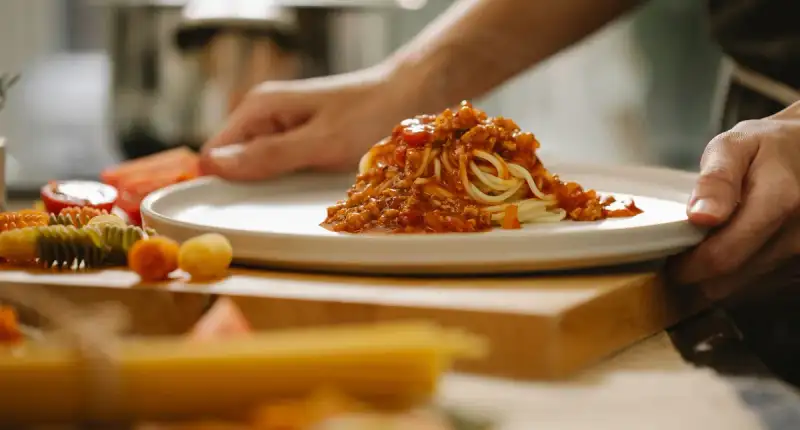
"Tuscan White Bean and Kale Stew: A High Fiber Delight" In the rolling hills of Tuscany, where the sun dips into the horizon and paints the sky with hues of gold, the art of cooking is a revered tradition. It is a place where the love for food, family, and community comes together in perfect harmony. At the heart of this culinary heritage lies a dish that embodies the essence of Tuscan cuisine: the humble white bean and kale stew. This hearty, comforting stew is not only a staple of the region but also a testament to the power of high fiber foods in promoting overall health and well-being. Introduction to High Fiber Benefits According to recent studies, a diet rich in high fiber foods can have a significant impact on our health, from reducing the risk of chronic diseases like heart disease and diabetes to promoting a healthy gut microbiome. Research on high fiber shows that it can help lower cholesterol levels, regulate blood sugar levels, and even support weight management. The benefits of high fiber are numerous, and incorporating it into our daily diet can have a profound impact on our overall health.The Nutritional Power of Kale Kale, a leafy green vegetable, is a powerhouse of nutrition. It is packed with vitamins A, C, and K, as well as minerals like calcium and iron. Kale is also an excellent source of fiber, containing both soluble and insoluble fiber. According to a study on Brassica vegetables, kale is a rich source of dietary fiber, vitamin C, vitamin B6, vitamin K, minerals, and antioxidants glucosinolates and flavonoids, which exhibit anticarcinogen properties. These compounds have been shown to have a protective effect against certain types of cancer and other diseases.The Health Benefits of White Beans White beans, also known as cannellini beans, are a type of legume that is native to Italy. They are an excellent source of protein, fiber, and complex carbohydrates. White beans are also rich in minerals like potassium, magnesium, and iron, making them a nutritious addition to any meal. Research has shown that a diet rich in legumes like white beans can help reduce the risk of heart disease, type 2 diabetes, and certain types of cancer. The high fiber content in white beans can also help promote digestive health and support healthy blood sugar levels.Preparing the Stew To prepare the Tuscan white bean and kale stew, start by heating olive oil in a large pot over medium heat. Add the onion, garlic, carrot, and celery, and cook until the vegetables are tender. This will create a flavorful base for the stew and add a depth of flavor that is characteristic of Tuscan cuisine.Next, add the kale and cook until it is wilted. This will help to release the nutrients and flavors of the kale, making it a delicious and healthy addition to the stew.Once the kale is wilted, add the cannellini beans, diced tomatoes, vegetable broth, thyme, and rosemary. Season with salt and pepper to taste, and then simmer the stew for 30 minutes. This will allow the flavors to meld together and the stew to thicken, creating a hearty and comforting meal.Serving and Enjoying To serve the Tuscan white bean and kale stew, ladle it into bowls and top with a drizzle of olive oil and a sprinkle of parsley. This will add a fresh and herbaceous flavor to the dish, as well as a pop of color and texture.The Tuscan white bean and kale stew is a delicious and nutritious meal that is perfect for any time of year. It is a testament to the power of high fiber foods in promoting overall health and well-being, and it is a dish that is sure to become a staple in your kitchen. #HealthyLiving #Gastronomy #HighFiberRecipes #TuscanCuisine
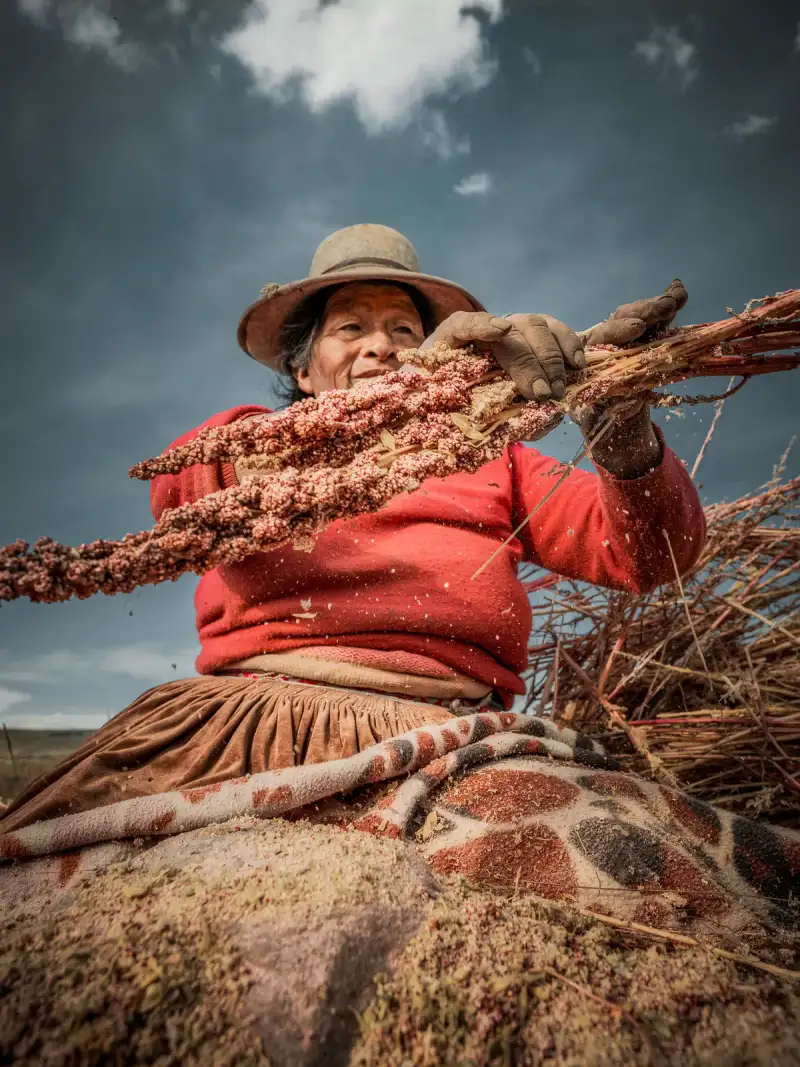
What if the most sophisticated culinary advancements weren't born in the gilded kitchens of European royalty, but beneath the unforgiving, sun-drenched peaks of the Andes, thousands of years before the first European spade ever broke ground on American soil? We often romanticize sourdough or kimchi, hailing them as pinnacles of fermented food, yet a largely untold story lies buried within the pre-Columbian diets of the Inca and their predecessors: a profound, almost mystical mastery of grain fermentation that sustained empires, nourished spiritual life, and unlocked nutritional secrets still being unraveled today. This is not a tale of simple brewing, but of an intricate, climate-driven alchemy that transformed humble seeds into lifelines, rituals, and the very foundation of civilization. The High-Altitude Crucible: Necessity as the Mother of Culinary Invention Imagine a civilization thriving at altitudes where frost claims crops for much of the year, where arable land is scarce, and the air itself thins the barrier between life and scarcity. For millennia, the indigenous peoples of the Andean highlands, from the Norte Chico to the Inca, faced these daunting conditions. Their genius wasn't just in cultivating resilient crops like quinoa, amaranth, kiwicha, and various forms of maize; it was in understanding how to extract maximum value from them, extending their shelf life, enhancing their nutritional profile, and making them digestible in ways that modern science is only beginning to fully appreciate. Fermentation, in this context, was not a luxury; it was an existential imperative. The severe climate demanded methods of preservation that went beyond simple drying. It required a deep, empirical understanding of microbial processes long before microscopes were conceived. The Andean peoples developed a vast lexicon of fermented products, many of which remain obscure outside remote communities, overshadowed by the more widely known chicha (corn beer). But chicha itself is merely the tip of a much larger, more diverse iceberg of fermented grains. Beyond Chicha: A Pantry of Probiotic Powerhouses While chicha holds an important place in Andean culinary and ceremonial history, its prevalence often eclipses a fascinating array of other fermented grain preparations. These lesser-known ferments served various purposes – from highly portable, nutrient-dense travel rations to vital sources of vitamins and minerals in a diet that often lacked fresh produce. Consider, for example, the fermentation of quinoa (Chenopodium quinoa). Quinoa, often lauded today as a "superfood," was a staple for ancient Andeans. While commonly consumed as flour or whole grains, evidence suggests that it was also subjected to various fermentation processes. One method involved soaking and then allowing the grains to naturally ferment, sometimes in combination with local fruits or herbs. This process would have served multiple functions:Detoxification: Raw quinoa contains saponins, bitter compounds that can inhibit nutrient absorption and cause digestive discomfort. Fermentation, much like soaking and rinsing, effectively reduces these antinutrients, making the grain more palatable and digestible. Nutrient Bioavailability: The fermentation process breaks down complex carbohydrates and proteins, making their constituent sugars and amino acids more readily available for absorption. It also synthesizes B vitamins and enhances the bioavailability of minerals like iron and zinc, which are crucial in diets that might be low in animal products. Preservation: The acidic environment created by lactic acid bacteria inhibits the growth of spoilage microorganisms, allowing the fermented product to be stored for extended periods, a critical factor for food security in a harsh climate.This fermented quinoa, perhaps consumed as a gruel or added to stews, would have been a nutritional powerhouse, a far cry from the bland, dried grain. It speaks to an intuitive understanding of biochemistry and microbiology that predates any modern scientific framework. The Enigma of Kispiñu and Cau-Cau Delving deeper, we encounter terms like kispiñu and cau-cau, which, while sometimes referring to different preparations across various regions, often hint at fermented grain components. Kispiñu, for instance, is a traditional Bolivian food typically made from quinoa flour, sometimes soaked and fermented before being shaped and cooked. The fermentation step is crucial for its distinct texture and digestibility. While modern versions might skip the fermentation, historical accounts suggest this was a foundational element, contributing a subtle tang and enhancing its nutritional properties. Cau-cau, another dish with variations, occasionally refers to a fermented grain or potato product. The very act of taking a staple and intentionally exposing it to microbial action suggests a deliberate, learned process passed down through generations. These were not accidental discoveries but refined techniques perfected over centuries of observation and survival. The subtle nuances in flavor, texture, and nutritional output of these ancient ferments would have been as significant to Andean palates as the difference between various cheeses is to a European gourmand. Spiritual Sustenance and Social Cohesion Food, especially fermented food, was never merely fuel in the Andes; it was a conduit for spiritual connection and social cohesion. Chicha, the most famous fermented beverage, played a central role in religious ceremonies, agricultural rituals, and social gatherings. Offering chicha to the Pachamama (Mother Earth) was a common act of reverence, and its consumption fostered communal bonds. The shared act of preparing and partaking in fermented foods reinforced social structures and identity. The knowledge of fermentation was often held by women, passed from mother to daughter, making them custodians of critical cultural and nutritional heritage. The patience required for fermentation mirrored the cyclical nature of Andean agriculture and the deep respect for natural processes. These foods weren't just fermented; they were consecrated, imbued with the spirit of the land and the ancestors. The Science of Ancient Nutrition: A Modern Perspective From a modern nutritional standpoint, the Andean practice of fermenting grains was remarkably advanced.Probiotic Benefits: The presence of lactic acid bacteria in these ferments would have contributed to gut health, a concept now widely recognized for its impact on overall well-being, immunity, and even mental health. Enhanced Nutrient Absorption: Fermentation reduces phytic acid, an antinutrient common in grains that binds to minerals like iron, zinc, and calcium, making them unavailable for absorption. By breaking down phytic acid, fermentation significantly boosts the bioavailability of these essential micronutrients. Reduced Glycemic Index: The partial breakdown of carbohydrates during fermentation can lead to a lower glycemic index, meaning a more stable release of energy, which would have been vital for sustained physical activity in a challenging environment.This intricate dance between grain and microbe represents an astounding level of empirical food science. Without petri dishes or biochemical assays, the Andean peoples harnessed invisible forces to optimize their food supply, creating a robust, resilient diet that fueled millennia of civilization. Legacy and Rediscovery: Bridging Ancient Wisdom and Modern Foodways Today, as the global food system grapples with issues of sustainability, nutrition, and food security, there is a growing interest in ancestral foodways. Chefs, nutritionists, and anthropologists are increasingly turning to indigenous practices for inspiration. The principles behind Andean grain fermentation – resourcefulness, respect for natural processes, and a holistic approach to nutrition – offer invaluable lessons. While many of these ancient fermentation traditions have been marginalized or lost due to colonization and modernization, efforts are underway to revive them. Indigenous communities are working to preserve their culinary heritage, recognizing the profound wisdom embedded in these practices. Contemporary chefs are experimenting with incorporating fermented quinoa or amaranth into modern dishes, not just for their unique flavors, but for their incredible nutritional benefits and the story they tell. The humble grain, transformed by microbial magic under the watchful eyes of Andean innovators, stands as a testament to humanity's enduring ingenuity. It reminds us that often, the most sophisticated solutions are not those forged in laboratories, but those whispered across generations, tested against the unforgiving canvas of nature, and perfected with a profound understanding of the world around us. These echoes of the Andes are not just a footnote in culinary history; they are a vibrant, living legacy offering a taste of forgotten brilliance and a path forward for a more sustainable and nourishing future.#AndeanFermentation #AncientGrains #CulinaryHistory #FermentedFoods #IndigenousFoodways Related InsightsIdli Sambar: The Ultimate Steamed Vegan Breakfast Delving into Sardinian Fregola with Seafood and Fennel: A High Protein Culinary Journey Shakshuka with Spinach and Spiced Poached Eggs: A Mediterranean Masterpiece{ "@context": "https://schema.org", "@type": "FAQPage", "mainEntity": [ { "@type": "Question", "name": "What is the main focus of Echoes of the Andes: Unearthing the Lost Alchemy of Ancient Fermented Grains?", "acceptedAnswer": { "@type": "Answer", "text": "Journey into the heart of the Andes to discover the forgotten world of fermented grains – a testament to ancient ingenuity and a treasure trove of flavor and nutrition." } }, { "@type": "Question", "name": "Who authored the comprehensive guide on Echoes of the Andes: Unearthing the Lost Alchemy of Ancient Fermented Grains?", "acceptedAnswer": { "@type": "Answer", "text": "This detailed article and its insights were carefully researched and authored by Demir Sef." } }, { "@type": "Question", "name": "Where can I find more related content about Food?", "acceptedAnswer": { "@type": "Answer", "text": "You can explore more articles, detailed reviews, and similar insights by browsing the Related Insights section at the bottom of this article or visiting our dedicated Food category page." } } ] }
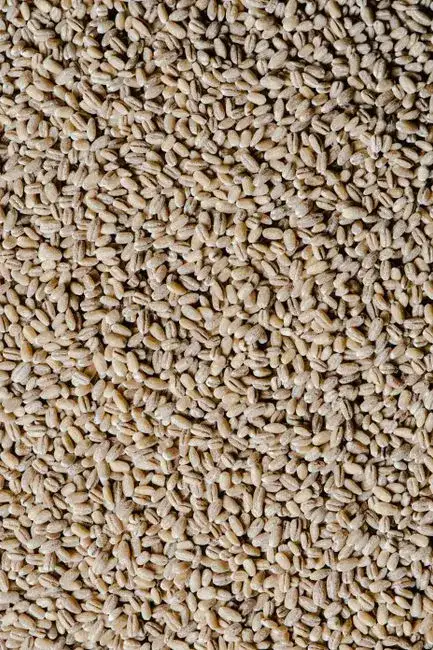
- Giovanni Luigi
- 01 Jul, 2026 04:18
Il Farro Inquieto: Tracce di un Cereale Millenario Tra Imperi Dimenticati e Rivoluzioni Gastronomiche Rurali
Immaginate un chicco. Non un semplice seme, ma una capsula del tempo, un testimone silente di civiltà passate, di tavole imbandite sotto il sole rovente di un'estate romana, di sacrifici votivi agli dei e di fatiche contadine scolpite dal tempo. Questo non è un racconto su un cereale qualsiasi, né sulla pasta o il pane che conosciamo oggi. Questo è il racconto del farro, un protagonista enigmatico e "inquieto", la cui storia si intreccia con quella dell'Italia stessa, delle sue terre, dei suoi popoli, e che oggi, dopo secoli di semi-oblio, sta vivendo una rinascita sorprendente. Non parliamo del farro generico che si trova in ogni supermercato, ma delle sue anime più profonde, delle varietà antiche, quasi sussurrate, custodite come segreti preziosi tra le valli appenniniche e le pianure che furono teatro di imperi. Un viaggio che non è solo culinario, ma archeologico, antropologico e, in fin dei conti, un inno alla biodiversità e alla resilienza. Il Farro nell'Antichità: Il Cuore Pulsante di un Impero Per comprendere l'anima inquieta del farro, dobbiamo risalire alle sue radici più profonde, quando non era semplicemente un ingrediente, ma il fondamento stesso di una civiltà. Nell'antica Roma, prima che il grano duro e il pane lievitato prendessero il sopravvento, il farro – in particolare il Triticum dicoccum, noto come farro dicocco – era il "frumento" per eccellenza. Era la base della dieta plebea e patrizia, l'energia che alimentava legionari e costruttori, la moneta di scambio in tempi di scarsità, e persino un elemento sacro nelle cerimonie nuziali (la confarreatio) e nei riti agli dei Lari. Il farro era il chicco che dava vita alla puls, una sorta di zuppa densa o polenta, il vero "piatto nazionale" romano. La puls fabata, con fagioli, o la puls Punica, arricchita con formaggio, uova e miele, erano versioni elaborate di questo pasto umile ma sostanzioso. Immaginate i Romani, seduti attorno al fuoco, a gustare questa preparazione, con le mani che tenevano coppe di terracotta, i sapori terrosi e robusti del farro che si mescolavano a erbe aromatiche e legumi. Era un cibo di sostanza, un cibo che legava l'uomo alla terra, al ciclo delle stagioni, alla fatica dei campi. Era un chicco che, nonostante la sua apparente semplicità, celava una complessità nutrizionale e un sapore inconfondibile, quasi nocciolato, con una consistenza soda e resiliente che resisteva alla cottura. La sua coltivazione era estesa, dai campi fertili della Campania fino alle colline della Toscana e dell'Umbria. La sua robustezza lo rendeva ideale per terreni difficili e climi variabili, una virtù che ne avrebbe assicurato la sopravvivenza nei secoli a venire, quando altre colture più "raffinate" avrebbero dominato le tavole dei potenti. Il farro era l'emblema di una cucina pratica, radicata, che non inseguiva lussi effimeri ma la pura essenza del nutrimento. Il Lungo Sonno e le Tasche di Resistenza Con il declino dell'Impero Romano e l'avanzare di nuove tecniche agricole, il farro iniziò un lento ma inesorabile declino. Il grano tenero, più facile da decorticare e da macinare per produrre pane bianco, divenne il cereale preferito, simbolo di status e modernità. Il farro, con la sua spessa glumella che lo rendeva difficile da lavorare – richiedendo un processo di "sbucciatura" a pietra – fu relegato ai margini, ai campi più impervi, alle tavole più povere e isolate. Ma è proprio in questo declino che risiede la sua "inquietudine", la sua capacità di resistere e di attendere. In valli remote, in borghi montani dimenticati dalle grandi rotte commerciali, il farro non morì mai del tutto. In luoghi come la Garfagnana, in Toscana, o in certe aree dell'Umbria e del Lazio, la sua coltivazione continuò, perpetuata da generazioni di contadini che ne conoscevano il valore, la resistenza e la capacità di nutrire anche con poco. Diventò un simbolo di autosufficienza e di legame con le tradizioni più autentiche.In queste "tasche di resistenza", il farro ha conservato non solo la sua integrità genetica, ma anche un patrimonio inestimabile di saperi e ricette tramandate oralmente. Zuppe robuste per l'inverno rigido, minestre contadine che profumavano di terra e bosco, persino torte e dolci semplici per le feste paesane. Il farro non era più l'ingrediente di un impero, ma la linfa vitale di piccole comunità, un guardiano silenzioso della biodiversità agricola. Le Molteplici Anime del Farro: Monococco, Dicocco, Spelta Quando parliamo di farro, in realtà ci riferiamo a tre specie distinte di grano vestito, ognuna con la sua storia, le sue caratteristiche e il suo sapore peculiare. Questa diversità è parte integrante della sua ricchezza e del suo fascino.Farro Monococco (Triticum monococcum): Considerato il padre di tutti i grani, è il più antico dei farri, coltivato sin dal Neolitico. I suoi chicchi sono piccoli, quasi dorati, con un sapore delicato e leggermente dolce, con note di nocciola e frutta secca. È ricchissimo di carotenoidi (che gli conferiscono il colore giallastro) e ha un glutine molto digeribile, rendendolo adatto anche a chi ha sensibilità. La sua resa è più bassa rispetto agli altri farri, il che lo rende più raro e prezioso. In cucina, eccelle nelle zuppe leggere, nelle insalate e come base per piatti di pesce o verdure delicate.Farro Dicocco (Triticum dicoccum): Questo è il "vero" farro dei Romani, il più diffuso in Italia e quello a cui si fa riferimento più spesso quando si parla di farro in generale. Ha chicchi più grandi e un sapore più intenso, terroso e robusto, con una consistenza tenace che lo rende perfetto per assorbire i sapori. È il protagonista indiscusso delle classiche zuppe di farro toscane o umbre, dei risotti di farro e delle insalate più corpose. La sua coltivazione è particolarmente concentrata in Garfagnana, dove ha ottenuto la certificazione IGP (Indicazione Geografica Protetta), un riconoscimento della sua unicità e del legame indissolubile con il territorio.Farro Spelta (Triticum spelta): Sebbene sia il più "giovane" tra i farri e probabilmente di origine mediorientale, ha trovato ampia diffusione nell'Europa centrale e settentrionale fin dal Medioevo, e anche in alcune regioni del nord Italia. I suoi chicchi sono grandi, allungati, con un sapore più dolce e meno "rustico" del dicocco, con sentori di noce e pane. È molto versatile in cucina, ottimo per pane, pasta, birra e dolci, oltre che per zuppe e insalate. Il suo glutine è più simile a quello del grano tenero, rendendolo più adatto alla panificazione.Questa triade di farri non è solo una curiosità botanica; è una finestra su un mondo di sapori perduti e ritrovati, una tavolozza di consistenze e aromi che offre infinite possibilità culinarie. Ogni varietà è un capitolo diverso della stessa, lunga storia, un'ulteriore prova dell'inquietudine di questo cereale che non si è mai accontentato di una singola forma. La Rivoluzione Silenziosa: Il Farro nell'Era Moderna Negli ultimi decenni, complice una crescente attenzione verso l'alimentazione sana, la sostenibilità e il recupero delle tradizioni, il farro ha iniziato la sua rivoluzione silenziosa. Non più solo un cibo per i poveri o per le mense monastiche, ma un ingrediente "gourmet", ricercato da chef, nutrizionisti e consumatori consapevoli. Questa rinascita è alimentata da diverse fattori:Valore Nutrizionale: Il farro è una miniera di benefici. Ricco di fibre, proteine, vitamine del gruppo B, sali minerali (magnesio, fosforo, potassio) e antiossidanti. Ha un basso indice glicemico e aiuta a mantenere il senso di sazietà, rendendolo un alleato prezioso per una dieta equilibrata. Sapore e Versatilità: I cuochi hanno riscoperto la sua texture unica e il suo sapore distintivo. Non è un sostituto del riso o della pasta, ma un ingrediente con una sua personalità, capace di elevare piatti semplici a esperienze culinarie complesse. Sostenibilità: Essendo un cereale robusto e adattabile, il farro richiede meno acqua e meno fertilizzanti rispetto ad altri grani. La sua coltivazione favorisce la biodiversità e la rotazione delle colture, contribuendo a pratiche agricole più sostenibili. Recupero delle Tradizioni: L'interesse per il farro si inserisce nel più ampio movimento del "chilometro zero" e della valorizzazione dei prodotti tipici locali. Coltivare e cucinare il farro significa onorare la storia, la terra e le mani che per secoli lo hanno custodito.Produttori artigianali, spesso piccoli agricoltori biologici, stanno investendo nella riscoperta e nella coltivazione delle varietà antiche, garantendo la purezza del seme e l'applicazione di metodi tradizionali. Questo non è solo un affare economico; è un atto di custodia culturale, un impegno per preservare un patrimonio che altrimenti andrebbe perduto. Il Farro in Cucina: Oltre la Zuppa, l'Inesplorato Se la zuppa di farro è l'ambasciatrice più nota di questo cereale, il suo potenziale culinario è infinitamente più vasto e spesso inesplorato. È qui che l'inquietudine del farro si manifesta appieno, la sua capacità di adattarsi e reinventarsi. Ricette Tradizionali Ritrovate: Nei borghi della Garfagnana, si prepara il "farro in grana", una preparazione simile a un risotto ma con una consistenza più soda, spesso arricchita con funghi porcini raccolti nei boschi circostanti o con verdure di stagione. In Umbria, si trova la "minestra di farro e ceci", un piatto povero ma incredibilmente saporito e nutriente. Non mancano poi le insalate estive, dove il farro perlato (più facile e veloce da cucinare) si sposa con pomodorini, cetrioli, basilico e feta, un connubio di freschezza e sostanza. Innovazioni Gastronomiche: Ma il farro non è solo tradizione. Chef innovativi lo stanno introducendo in contesti inaspettati:Risotti di Farro: Sostituire il riso con il farro in un risotto non è solo un cambio di ingrediente, ma una trasformazione del piatto. Il farro dicocco, con la sua tenacia, regge la mantecatura e assorbe i sapori in modo magistrale, creando un piatto ricco di masticabilità e aromi complessi. Immaginate un risotto di farro con gamberi rossi e agrumi, o con pesto di rucola e stracciatella. Panificazione e Pasta: Il farro spelta, con il suo glutine più malleabile, è perfetto per la panificazione. Pane di farro integrale, focacce, persino pizze, acquisiscono un sapore rustico e una consistenza unica. Con le farine di farro monococco o dicocco si possono preparare paste fresche, come tagliatelle o orecchiette, che sorprendono per il loro sapore autentico. Dessert e Colazioni: Chicchi di farro cotti e poi raffreddati possono essere la base per colazioni nutrienti, uniti a yogurt, frutta fresca e miele. Si possono preparare persino budini o torte dolci di farro, che offrono una consistenza inedita e un sapore leggermente dolce e nocciolato. Birra di Farro: Alcuni birrifici artigianali stanno sperimentando con il farro, creando birre dalla personalità distintiva, con note maltate e terrose, un tocco di antica ruralità in una bevanda moderna.La bellezza del farro risiede anche nella sua capacità di evocare un senso di storia in ogni boccone. Ogni chicco è un piccolo ponte tra il passato e il presente, una connessione diretta con i nostri antenati e con la terra. Cucinare il farro è un atto meditativo, un modo per rallentare, per apprezzare la pazienza della natura e la ricchezza che essa ci offre. L'Eredità Inquieta: Un Futuro da Scrivere Il farro, con la sua "inquietudine", ci insegna una lezione preziosa. Ci mostra che il progresso non sempre risiede nella ricerca del nuovo a tutti i costi, ma spesso nella riscoperta e nella valorizzazione di ciò che è antico, autentico e resiliente. È un monito contro la monocultura, un invito a celebrare la biodiversità e la varietà che la natura ci offre. La sua storia è un ciclo continuo di oblio e rinascita, un chicco che non si è mai veramente fermato, sempre in movimento tra epoche e culture diverse. Dal granaio dell'Impero Romano alle valli nascoste, dalle tavole contadine ai ristoranti stellati, il farro ha dimostrato una capacità straordinaria di adattamento e di sopravvivenza. La prossima volta che vi troverete di fronte a un pacchetto di farro, non vedete solo un cereale. Vedete un pezzo di storia, un simbolo di resistenza, un invito a esplorare sapori antichi e a partecipare a una rivoluzione gastronomica silenziosa. Sperimentate con le sue varietà, osate nuove ricette, e lasciatevi trasportare dalla sua eredità inquieta, perché ogni chicco è una storia in attesa di essere raccontata e gustata.#FarroItaliano #CerealiAntichi #CucinaStorica #GastronomiaRurale #BiodiversitàAlimentare Related InsightsBeyond Black Pepper: The Enchanting Aromas of Long Pepper and Grains of Paradise The Alchemist’s Pantry: Mastering the Art of Perfect Cheese Pairings Congee (Jook): The Ultimate Comforting Rice Porridge{ "@context": "https://schema.org", "@type": "FAQPage", "mainEntity": [ { "@type": "Question", "name": "What is the main focus of Il Farro Inquieto: Tracce di un Cereale Millenario Tra Imperi Dimenticati e Rivoluzioni Gastronomiche Rurali?", "acceptedAnswer": { "@type": "Answer", "text": "Un viaggio affascinante nel mondo del farro, dal suo ruolo cruciale nell'antica Roma alle sue rare varietà custodite nei borghi italiani, scoprendo sapori e storie dimenticate." } }, { "@type": "Question", "name": "Who authored the comprehensive guide on Il Farro Inquieto: Tracce di un Cereale Millenario Tra Imperi Dimenticati e Rivoluzioni Gastronomiche Rurali?", "acceptedAnswer": { "@type": "Answer", "text": "This detailed article and its insights were carefully researched and authored by Giovanni Luigi." } }, { "@type": "Question", "name": "Where can I find more related content about Food?", "acceptedAnswer": { "@type": "Answer", "text": "You can explore more articles, detailed reviews, and similar insights by browsing the Related Insights section at the bottom of this article or visiting our dedicated Food category page." } } ] }
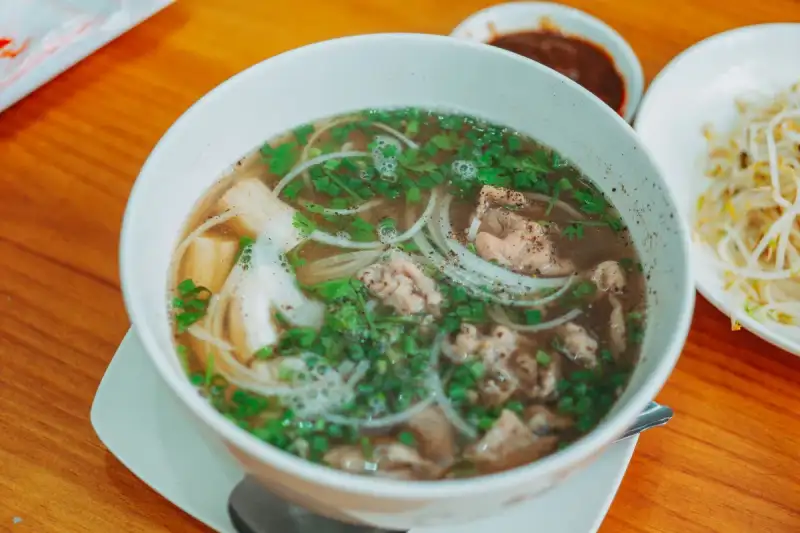

Pho: The Soul-Warming Noodle Soup of Vietnam A Cultural Icon of Vietnam Pho, pronounced as "fu," is the quintessential Vietnamese dish that warms the hearts of locals and international travelers alike. This fragrant, flavorful, and comforting noodle soup has become an integral part of Vietnamese culture, symbolizing the nation's rich history, resilience, and hospitality. In this article, we delve into the story behind Pho's creation, its cultural significance, and the secret to its soul-warming taste. Origins of Pho The origins of Pho are shrouded in mystery, with different theories pointing to its creation during the French colonial era (1862-1954) or during the Nguyen dynasty (1802-1945). One story suggests that Pho was inspired by the French pot-au-feu, a hearty beef stew, with modifications to suit the Vietnamese palate. Another theory proposes that Pho was inspired by the traditional Chinese noodle soups, such as wonton or la mian, with the addition of local ingredients. Regardless of its origins, Pho has become a staple in Vietnamese cuisine, with different regions offering their unique interpretations. The most popular variations are Pho Bo (beef noodle soup) and Pho Ga (chicken noodle soup), although other meat alternatives, such as Pho Chay (vegetarian noodle soup), have gained popularity in recent years.Regional Influences on Pho Pho's regional variations reflect the diversity of Vietnam's culinary landscape. In the north, Pho is typically served with a clearer broth, using bone marrow and ginger for added depth, while in the south, the broth is heartier and sweeter, with the addition of fish sauce and star anise. Central Vietnam's Pho is often served with a variety of herbs, including basil, chili, and mint, adding a fresh and aromatic twist to the dish. The regional differences are also reflected in the types of noodles used. In northern Pho, rice noodles (bun) are typically thin and soft, while in southern Pho, they are thicker and chewier. The beef used in Pho also varies, with northern Pho often featuring rare slices of beef (bò tái) or beef brisket, while southern Pho typically uses thinly sliced beef (bò chín). Traditional Pho Recipe While Pho varies across regions, the traditional recipe remains a closely guarded secret. However, we can reveal the basic ingredients and techniques involved in crafting an authentic Pho broth:Beef or Chicken: The choice of meat affects the flavor profile of the broth. For beef Pho, use oxtail or beef bones, while for chicken Pho, use chicken bones and wings.Aromatics: Onions, ginger, garlic, and star anise add depth and warmth to the broth.Spices: Fish sauce, soy sauce, and sugar balance the flavors and give the broth its characteristic umami taste.Herbs: Fresh herbs like basil, mint, and cilantro add freshness and aroma to the dish. The preparation involves a multi-step process:Soak the beef or chicken bones in cold water for at least 30 minutes to remove impurities. Blanch the bones in hot water to cook them before making the broth. Simmer the bones in a large pot with aromatics, spices, and herbs for at least 30 minutes to extract the flavors. Strain the broth through a fine-mesh sieve and discard the solids. Re-season the broth with salt and sugar to balance the flavors.The Perfect Bowl of Pho A traditional Pho bowl consists of a steaming hot broth, soft and chewy rice noodles, sliced beef or chicken, herbs, and a squeeze of lime juice. To assemble the perfect bowl, follow these steps:Broth: Ladle the hot broth over the noodles and meat. Noodles: Cook the noodles according to package instructions and add them to the bowl. Meat: Slice the beef or chicken thinly and arrange it on top of the noodles. Herbs: Sprinkle fresh herbs like basil, mint, and cilantro on top of the meat. Lime Juice: Squeeze a slice of lime juice over the herbs and noodles. Bean Sprouts: Add bean sprouts on top of the noodles for added crunch.Conclusion Pho is more than just a meal; it represents the soul of Vietnam, its rich cultural heritage, and its welcoming hospitality. Whether you're a food enthusiast or simply looking for a hearty and comforting meal, Pho is a must-try experience. With its fragrant broth, soft noodles, and fresh herbs, Pho will transport you to the streets of Vietnam, where the aroma of this beloved dish fills the air and lingers in the heart forever. [Hashtags] #VietnameseCuisine #PhoRecipe #TraditionalFood #StreetFood #CulturalHistory #Foodie #VietnamTourism #AuthenticPho #VietnameseNoodleSoup Related InsightsThai Street Food Secrets: How to Recreate Bangkok’s Best Dishes at Home The Umami Echo: Tracing the Ancient Origins of Fermented Fish Sauce Beyond Roman Garum's Shadow Steel-Cut Oats with Chia Seeds and Blueberries: A Delicious and Nutritious Breakfast Option{ "@context": "https://schema.org", "@type": "FAQPage", "mainEntity": [ { "@type": "Question", "name": "What is the main focus of Pho: The Soul-Warming Noodle Soup of Vietnam?", "acceptedAnswer": { "@type": "Answer", "text": "Discover the deep cultural roots, authentic flavors, and history of Pho: The Soul-Warming Noodle Soup of Vietnam." } }, { "@type": "Question", "name": "Who authored the comprehensive guide on Pho: The Soul-Warming Noodle Soup of Vietnam?", "acceptedAnswer": { "@type": "Answer", "text": "This detailed article and its insights were carefully researched and authored by Nguyen Thi Mai." } }, { "@type": "Question", "name": "Where can I find more related content about Food?", "acceptedAnswer": { "@type": "Answer", "text": "You can explore more articles, detailed reviews, and similar insights by browsing the Related Insights section at the bottom of this article or visiting our dedicated Food category page." } } ] }
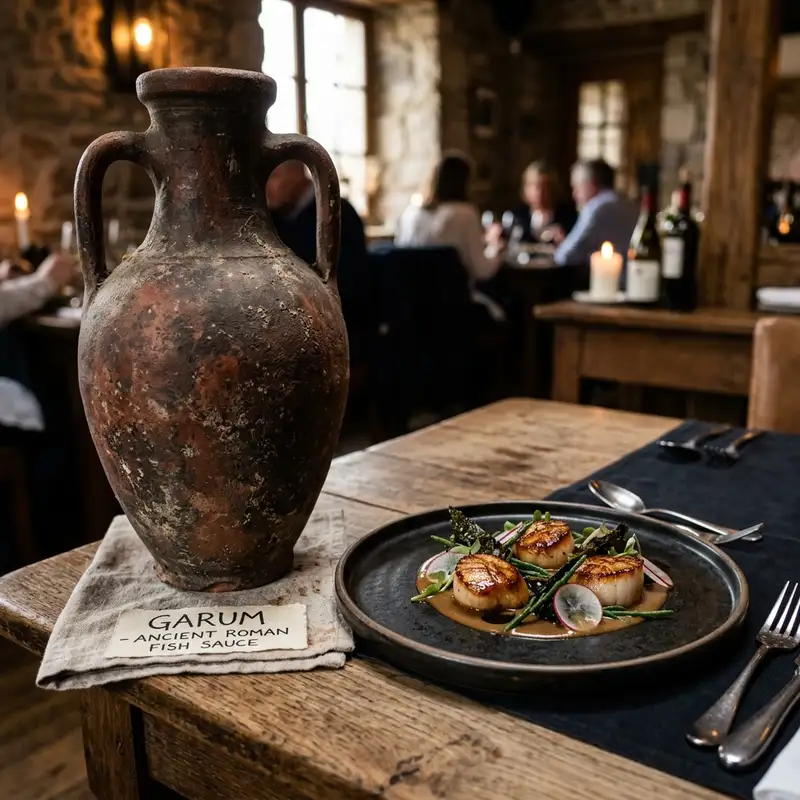
Imagine a world where every meal, from the simplest gruel to the most lavish imperial banquet, was seasoned with a single, pervasive condiment. A flavor so integral, so universally present, that its absence would render dishes incomplete, its very aroma defining the culinary landscape. This was the gastronomic reality of #ancient #Rome, and its undisputed king was not salt, nor pepper, nor any fresh herb, but garum – a fermented fish sauce that was the very heartbeat of Roman cuisine, a liquid gold flowing through the veins of an #empire. For centuries, garum remained a mere historical footnote, relegated to dusty texts and archaeological dig sites, often misunderstood as a simple, crude fermentation. Yet, to dismiss garum as just "ancient fish sauce" would be akin to calling a symphony mere noise. It was a complex, nuanced, and utterly essential flavor enhancer, the ultimate expression of umami long before the term was coined. Its story is one of innovation, empire, decline, and a remarkable, unexpected modern resurgence, a testament to the enduring power of fundamental flavors. The Pervasive Taste of Empire: Garum's Ancient Reign Garum wasn't merely a niche ingredient; it was an industrial commodity, produced on a massive scale across the Roman Empire, from the shores of Hispania (modern #Spain) and Lusitania (Portugal) to North Africa and the Levant. Its production centers, often sprawling complexes of vats and processing areas, were economic powerhouses, contributing significantly to regional wealth. The sheer volume of garum produced speaks volumes about its demand. Amphorae, bearing distinctive stamps identifying their origin and contents, have been found in shipwrecks and archaeological sites across the Roman world, evidence of an intricate and far-reaching trade network. The process of making garum was surprisingly sophisticated for its time, relying on the natural enzymatic breakdown of fish guts and whole small fish, layered with salt, and left to ferment under the scorching Mediterranean sun. This slow, anaerobic digestion transformed proteins into amino acids, yielding a liquid brimming with intensely savory compounds. Classical authors provided tantalizing glimpses into this industry:Pliny the Elder in his Natural #history described garum as "a liquor of exquisite taste." Apicius, the famed Roman gourmand, featured garum extensively in his cookbook, De re coquinaria, indicating its versatility in everything from sauces and stews to dressings and even desserts (though likely in savory-sweet combinations).Different qualities and types of garum existed, much like today's olive oils or balsamic vinegars. Key varieties included:Garum (or Liquamen): The most common, clear, amber liquid. Alleс: The thick, pasty sediment left after the garum was strained, often used as a spread or thickener. Muria: A simpler brine used for curing fish. Haemation: A prized, dark red garum made from tuna blood and guts. Garum Flos Floris: "The flower of flowers," indicating a premium, possibly first-press, variety.The aroma, by modern standards, would have been intense, to say the least. Ancient sources occasionally mention its powerful smell, even referencing it in jokes and proverbs. Yet, it was the smell of prosperity, of flavor, and of a complex culinary civilization. It seasoned vegetables, meats, and even bread. Soldiers carried it on campaigns, and it was a staple in every Roman household, irrespective of social standing, though the wealthy might have access to finer, more aged varieties. The Curious Case of Its Disappearance The decline of garum production is a fascinating tangent in culinary history. As the Roman Empire fragmented and eventually collapsed, so too did many of its sophisticated infrastructures. The large-scale, industrial production of garum, which required substantial investment, extensive trade routes, and a stable political environment, began to wane. Several factors contributed to its eventual disappearance:Economic Disruption: The breakdown of imperial trade routes made it difficult and dangerous to transport goods like garum over long distances. Changing Palates: Over centuries, new culinary influences, ingredients, and cooking methods emerged across Europe. Fermented products remained, but perhaps the specific intensity and production method of garum fell out of favor. Rise of Spices: The increasing availability and affordability of spices from the East, facilitated by new trade networks, offered alternative ways to flavor food, potentially overshadowing the need for garum. Sanitary Concerns: While essential to the Roman diet, the production of garum, with large quantities of fermenting fish in open vats, was undeniably odorous and potentially unhygienic in areas not properly managed. As populations shifted and new urban centers grew, public health concerns, however rudimentary, might have played a role. Loss of Knowledge: The complex techniques, specific ratios, and knowledge of ideal fish species for garum production might have simply been lost or diluted over generations as production dwindled.By the early medieval period, garum had largely vanished from European tables, replaced by a multitude of other seasonings, notably salt, vinegar, and early forms of mustard and herb pastes. It became a ghostly echo in the annals of history, a forgotten flavor of a bygone era. From Rubble to Revival: The Modern Renaissance For nearly two millennia, garum remained buried in history. Then, in the late 20th and early 21st centuries, a confluence of factors led to its astonishing revival. This resurgence isn't merely about historical curiosity; it's a testament to the power of umami and the continuous quest for unique, profound flavors in modern gastronomy. The catalysts for this revival are multifaceted:Culinary Archaeology: Growing interest in reconstructing ancient recipes and foodways. Scholars and food historians began to meticulously translate ancient texts and analyze archaeological findings from sites like Pompeii, where garum factories and residue-filled amphorae provided concrete evidence. The Umami Revolution: The widespread recognition and popularization of "umami" as the fifth basic taste, largely driven by Japanese cuisine and its use of fermented ingredients like soy sauce and dashi. This created a context for appreciating the deep savoriness of garum. Chef-Driven Innovation: Forward-thinking chefs, always seeking new dimensions of flavor, started looking beyond conventional ingredients. The idea of resurrecting an "ancient secret weapon" held immense appeal. Fermentation Trend: The global trend towards fermented foods, celebrated for their complex flavors and health benefits, provided a natural framework for re-evaluating garum.One of the most notable figures in the modern garum movement is the Italian chef Gennaro Esposito, whose commitment to authentic regional ingredients led him to explore Colatura di Alici di Cetara. While not exactly garum, colatura is a traditional anchovy-based fish sauce produced in Cetara on the Amalfi Coast, a direct descendant of ancient Roman garum. Its production method – salt-cured anchovies pressed for their liquid – is remarkably similar to one of the ancient techniques. This existing tradition provided a tangible link to the past. Inspired by colatura and archaeological research, chefs and food scientists began experimenting with true garum production. The challenges were significant: recreating ancient conditions, sourcing appropriate fish, controlling fermentation, and ensuring food safety. Modern garum production often involves:Selection of Fish: Small, oily fish like anchovies, sardines, or even mackerel are preferred, often whole or with guts. Salting: Layering fish with high-quality sea salt. Fermentation: Placing the mixture in controlled environments (sometimes temperature-regulated, sometimes relying on passive solar heat) for several months, often up to a year or more. Pressing and Filtering: After fermentation, the liquid is pressed out and filtered to achieve clarity.The Flavor Profile and Modern Applications What does modern garum taste like? It’s a revelation. Unlike many commercial fish sauces, which can be aggressively salty or fishy, well-made garum is complex, deep, and incredibly savory. It possesses a distinct umami punch, often with notes of:Briny sweetness: A subtle sweetness that balances the salt. Nutty undertones: Some compare its depth to aged parmesan or cured meats. Earthy funk: A pleasant, fermented aroma that adds character without being overtly "fishy." Roundness: It adds a foundational richness to dishes, enhancing other flavors rather than dominating them.The culinary world has embraced garum with open arms. Michelin-starred restaurants globally are featuring it on their menus, incorporating it into innovative dishes. Here are some ways modern chefs are utilizing garum:Sauces and Dressings: A few drops can elevate a vinaigrette, Hollandaise, or simple pan sauce to new heights. Marinades: Imparting a profound depth to meats, poultry, and seafood. Vegetable Enhancer: Drizzled over roasted vegetables (asparagus, broccoli, tomatoes) to intensify their natural flavors. Broths and Soups: A secret ingredient for a richer, more complex stock or consommé. Pasta Dishes: A natural fit, especially with seafood or simple garlic and oil preparations. Fermented Food Pairings: Enhancing other fermented products like kimchi or miso. Cocktails (Surprisingly!): A daring dash in savory cocktails like a Bloody Mary for an unexpected layer of umami.The beauty of garum lies in its ability to provide a background hum of savoriness, making other ingredients shine more brightly. It's not about making a dish taste like fish sauce; it's about making it taste more. Beyond the Palate: What Garum's Revival Tells Us The #journey of garum, from its imperial dominance to its millennia-long slumber and dramatic reawakening, offers more than just a culinary curiosity. It speaks to the cyclical #nature of human endeavor, the enduring allure of fundamental flavors, and our persistent desire to connect with the past through our senses. The effort to revive garum is an act of culinary archaeology, a dedication to understanding and appreciating the ingenuity of ancient cultures. It highlights the sophistication of Roman gastronomy, often overlooked in favor of more dramatic historical narratives. It also underscores the universality of umami, a taste that transcends cultures and eras, connecting the banquets of emperors to the plates of modern epicureans. As we continue to explore the boundaries of flavor, products like garum remind us that sometimes, the most innovative tastes are not newly invented, but rather rediscovered echoes from a distant past. The pungent, profound liquid that once fueled an empire is now inspiring a new generation of chefs and food lovers, proving that a great flavor, however ancient, never truly disappears; it merely waits for its moment to be tasted again. #Umami #Garum #CulinaryHistory #AncientRomanCuisine #FermentedFoods Related InsightsKung Pao: The Perfect Balance of Sweet and Heat The World on a Plate: How Street Food Shaped Civilizations and Continues to Feed Billions The Obscure Origins and Transcendent Transformation of Cacao's Dark Heart{ "@context": "https://schema.org", "@type": "FAQPage", "mainEntity": [ { "@type": "Question", "name": "What is the main focus of The Umami Echo: Tracing Garum's Resurgence from Pompeii to Michelin Stars?", "acceptedAnswer": { "@type": "Answer", "text": "Delve into the fascinating, pungent history of Garum, ancient Rome's omnipresent condiment, and discover its unexpected culinary revival in modern gastronomy." } }, { "@type": "Question", "name": "Who authored the comprehensive guide on The Umami Echo: Tracing Garum's Resurgence from Pompeii to Michelin Stars?", "acceptedAnswer": { "@type": "Answer", "text": "This detailed article and its insights were carefully researched and authored by Demir Şef." } }, { "@type": "Question", "name": "Where can I find more related content about Food?", "acceptedAnswer": { "@type": "Answer", "text": "You can explore more articles, detailed reviews, and similar insights by browsing the Related Insights section at the bottom of this article or visiting our dedicated Food category page." } } ] }


Jollof Rice is more than just a dish; it's an experience that embodies the vibrant spirit of West Africa. This iconic one-pot meal has been a cornerstone of social gatherings and celebrations across the region for centuries, weaving a rich tapestry of flavors, traditions, and community. As a staple of West African cuisine, Jollof Rice has become synonymous with joy, hospitality, and the unifying power of food. Introduction to Jollof Rice Jollof Rice, also known as Benachin, is a quintessential West African dish made from a flavorful combination of rice, tomatoes, onions, peppers, and a blend of spices. Its origins are deeply rooted in the culinary traditions of the Wolof Empire, which once flourished in what is now Senegal and The Gambia. Over time, Jollof Rice has evolved and spread throughout West Africa, with each country adding its unique twist to the recipe.The preparation of Jollof Rice is an art form in itself, requiring patience, skill, and a deep understanding of the intricacies involved in balancing the dish's complex flavors. The process begins with the careful selection of ingredients, including long-grain rice, fresh tomatoes, onions, Scotch bonnet peppers, and a variety of spices such as cumin, coriander, and paprika. The onions and peppers are sautéed in oil to create a flavorful base, followed by the addition of grated tomatoes, tomato paste, and the spice blend. Finally, the rice is added and cooked to perfection, absorbing the rich, aromatic flavors of the sauce. Cultural Significance of Jollof Rice Jollof Rice holds a revered place in West African culture, often serving as the centerpiece of social gatherings, festivals, and family celebrations. In Ghana, for example, Jollof Rice is a staple at weddings, funerals, and other significant life events, symbolizing unity, love, and the binding power of community. Similarly, in Nigeria, Jollof Rice is a beloved dish at parties and social gatherings, where it is often served alongside an array of colorful side dishes and refreshing beverages.The cultural significance of Jollof Rice extends beyond its role as a party dish, representing a deeper connection to the region's history, traditions, and values. In many West African societies, food plays a vital role in fostering community and social bonds, with meals often serving as opportunities for storytelling, laughter, and communal celebration. Jollof Rice, in particular, has become an emblem of West African hospitality, reflecting the region's warm and welcoming spirit. Variations of Jollof Rice While Jollof Rice is a beloved dish throughout West Africa, its recipe and preparation can vary significantly from country to country. In Ghana, for example, Jollof Rice is often made with a lighter, more delicate sauce, emphasizing the natural flavors of the ingredients. In contrast, Nigerian Jollof Rice tends to be spicier and more robust, with a deeper, richer flavor profile.In Senegal, Jollof Rice is often served with a variety of side dishes, including grilled meats, fried plantains, and spicy sauces. Similarly, in The Gambia, Jollof Rice is frequently paired with a refreshing peanut stew, adding a delicious and satisfying contrast to the meal. Authentic Recipe for Jollof Rice For those interested in preparing an authentic West African Jollof Rice, the following recipe offers a delicious and flavorful starting point: Ingredients:1 cup long-grain rice 2 cups water 2 tablespoons vegetable oil 1 large onion, chopped 2 Scotch bonnet peppers, chopped 2 tomatoes, grated 2 tablespoons tomato paste 1 teaspoon ground cumin 1 teaspoon ground coriander 1 teaspoon paprika Salt and black pepper, to tasteInstructions:Heat the oil in a large pot over medium heat. Add the chopped onion and sauté until softened, about 5 minutes. Add the chopped peppers and cook for an additional 2-3 minutes. Add the grated tomatoes, tomato paste, cumin, coriander, paprika, salt, and black pepper. Stir well to combine. Add the rice to the pot, stirring to coat the grains with the flavorful sauce. Add the water to the pot, bringing the mixture to a boil. Reduce the heat to low, cover the pot, and simmer for 20-25 minutes, or until the rice is cooked and the liquid has been absorbed.Conclusion Jollof Rice is more than just a delicious and flavorful dish; it's a symbol of West African culture, community, and hospitality. Whether served at a vibrant party or a quiet family gathering, Jollof Rice has the power to bring people together, fostering a sense of unity and connection. As a beloved staple of West African cuisine, Jollof Rice continues to inspire and delight people around the world, offering a taste of the region's rich cultural heritage and warm, welcoming spirit.#JollofRice #WestAfricanFood #AfricanCuisine #PartyDish #TraditionalFood #StreetFood #CulturalHistory #FoodieAdventures Related InsightsKimchi's Untold Saga: Unearthing the Fermented Superfoods Beyond the Cabbage You Thought You Knew (Part 2) Shahi Tukda: The Golden Dessert of Kings Vietnamese Pho: The Soulful Broth That Defines a Nation's Heritage{ "@context": "https://schema.org", "@type": "FAQPage", "mainEntity": [ { "@type": "Question", "name": "What is the main focus of Jollof Rice: The Ultimate West African Party Dish?", "acceptedAnswer": { "@type": "Answer", "text": "Discover the deep cultural roots, authentic flavors, and history of Jollof Rice: The Ultimate West African Party Dish." } }, { "@type": "Question", "name": "Who authored the comprehensive guide on Jollof Rice: The Ultimate West African Party Dish?", "acceptedAnswer": { "@type": "Answer", "text": "This detailed article and its insights were carefully researched and authored by Kwame Osei." } }, { "@type": "Question", "name": "Where can I find more related content about Food?", "acceptedAnswer": { "@type": "Answer", "text": "You can explore more articles, detailed reviews, and similar insights by browsing the Related Insights section at the bottom of this article or visiting our dedicated Food category page." } } ] }

The dust of forgotten empires often settles not just on monumental ruins, but also on the very seeds that sustained them. Deep within the annals of pre-Columbian Mesoamerica, where towering pyramids pierced the jade sky and the pulse of ritual drummed through verdant valleys, lay a culinary secret that nourished empires and whispered prophecies: amaranth. Not merely a grain, but a vibrant tapestry of life, myth, and sustenance, this incredible plant once stood at the zenith of indigenous agriculture, only to be cast into the shadows of #history. We are not merely discussing Amaranthus spp. in its general sense, but rather the enigmatic saga of specific, once-thriving varieties, meticulously cultivated and revered, whose genetic blueprints teetered on the brink of oblivion, now quietly re-emerging from the earth’s memory. To truly grasp the significance of these 'lost' amaranth varieties, one must first transport themselves to a time before conquest, a golden age of agricultural ingenuity that flourished across a vast and diverse landscape. From the arid plateaus of the Aztec #empire to the lush lowlands of the Maya, and the intricate terraced fields of the Zapotec, amaranth, often known as huauhtli in Nahuatl, was not merely a staple crop; it was a cosmic anchor. Its tiny, pearl-like seeds, bursting with complete protein, essential minerals, and a surprising array of micronutrients, fueled the builders of mighty cities, sustained vast armies, and enriched the diets of millions. But beyond its nutritional prowess, amaranth occupied a hallowed space in the spiritual and ceremonial life of these civilizations. The Sacred Heartbeat of Mesoamerican Civilizations Imagine bustling marketplaces laden with iridescent amaranth grain, cultivated in a dazzling spectrum of colors—deep crimson, vibrant gold, pure white. These weren't mere genetic variations for novelty; each color often signified specific uses, perhaps even different species or landraces, painstakingly selected over millennia by skilled farmers. The Aztec, in particular, imbued huauhtli with profound sacred meaning. It was intimately linked with the sun god, Huitzilopochtli, and the earth goddess, Coatlicue, representing vitality, rebirth, and the very essence of life itself. During major religious festivals, such as Panquetzaliztli, the most important ritual dedicated to Huitzilopochtli, the reverence for amaranth reached its zenith. Priests and skilled artisans would mix amaranth flour with maguey syrup (honey from agave) and human blood (often from ritual sacrifice or self-mutilation), molding this paste into intricate effigies of deities and sacred symbols. These tzoalli figures were then ritually consumed by the populace, a communal act of communion with the divine, embodying the very spirit of the gods within their bodies. This wasn't just food; it was a direct channel to the supernatural, an edible prayer, a binding force for society. The consumption of amaranth was woven into daily life in myriad forms. The seeds were toasted and popped, much like popcorn, then bound with honey or agave nectar to create alegría (joy), a confection still beloved in parts of Mexico today. They were ground into flour for tortillas, tamales, and atoles (a thick, warm beverage). The young leaves and stems, remarkably nutritious, were consumed as greens, akin to spinach, adding vital vitamins and minerals to the diet. The sheer diversity of amaranth varieties cultivated would have been staggering, each adapted to specific microclimates, offering unique yields, disease resistances, and flavor profiles. These were the true 'lost' varieties – not entirely unknown to science today, but certainly lost to widespread cultivation and common culinary practice.The Shadow of Suppression: A Near Extinction The arrival of the Spanish conquistadors in the 16th century marked a catastrophic turning point for amaranth. The invaders, driven by religious fervor and a thirst for gold, viewed the indigenous spiritual practices as pagan idolatry. The use of amaranth in religious effigies, particularly the tzoalli figures that mimicked the Christian Eucharist, was deemed an abomination. In a brutally effective move to dismantle native #culture and impose Christianity, the Spanish authorities outlawed the cultivation and consumption of amaranth. This prohibition was enforced with extreme prejudice. Fields of amaranth were systematically burned, cultivators were severely punished, often with mutilation or death, and the mere possession of seeds became a dangerous act. Farmers were forced to switch to European grains like wheat and barley, which were culturally alien and nutritionally inferior in many respects to their traditional staples. This cultural, religious, and agricultural genocide effectively severed a millennia-old bond between the people and their sacred grain. While other staple crops like maize and beans managed to survive the onslaught due to their fundamental role in daily survival and less explicit ceremonial ties, amaranth, with its deeply intertwined spiritual significance, was deliberately targeted for eradication. This violent suppression led to an immense loss of genetic diversity. The countless specialized landraces, adapted to diverse ecological niches and culinary applications, dwindled. Many simply vanished, their unique genetic codes lost forever. What remained were often hardy, less preferred varieties that could be grown covertly, or those that thrived in remote, inaccessible areas where the reach of colonial authority was weaker. The vibrant spectrum of huauhtli that once adorned Mesoamerican fields was reduced to a few tenacious survivors, clinging to existence in forgotten corners. A Quiet Resilience: Survival in Remote Pockets Despite the brutal decrees and widespread destruction, amaranth did not entirely disappear. Its survival is a testament to the resilience of indigenous communities and their profound connection to their ancestral crops. In secluded mountain valleys of Oaxaca, Puebla, and Hidalgo in Mexico, and in isolated communities in parts of Guatemala and Peru, a clandestine agriculture persisted. Farmers, risking severe punishment, continued to cultivate small, hidden patches of amaranth, often interspersed with other crops to avoid detection. This underground cultivation wasn't just about food security; it was an act of cultural defiance, a quiet preservation of heritage. These hidden gardens became living seed banks, safeguarding the genetic memory of a vital crop. While much diversity was undoubtedly lost, these tenacious cultivators managed to preserve several key varieties, albeit in reduced numbers. Over centuries, amaranth became a local secret, a comfort food known only within specific communities, its larger historical and cultural significance slowly fading from collective memory outside these enclaves. It transformed from a dominant staple to a resilient, yet marginalized, heritage crop.The Modern Rediscovery and the 'Superfood' Era The latter half of the 20th century, spurred by a growing global interest in traditional crops, nutritional science, and sustainable agriculture, saw a quiet resurgence of amaranth. Botanists, ethnobotanists, and agricultural researchers began to "rediscover" this #ancient grain, recognizing its exceptional nutritional profile and agricultural potential. They delved into historical texts, interviewed elderly indigenous farmers, and scoured remote regions for surviving landraces. The nutritional data was compelling: amaranth is a complete protein, boasting all nine essential amino acids, including lysine, which is often deficient in other grains. It’s rich in fiber, iron, magnesium, phosphorus, potassium, and vitamins A, C, and E. It's also naturally gluten-free, making it an ideal alternative for individuals with celiac disease or gluten sensitivities. This confluence of historical intrigue and modern scientific validation propelled amaranth into the global "superfood" spotlight. However, the #journey from obscure heritage crop to modern culinary ingredient was not without its challenges. The surviving varieties, while precious, represented a fraction of the diversity that once existed. Efforts had to be made to collect, characterize, and propagate these landraces, often with limited resources and against the backdrop of evolving agricultural practices. The term "lost varieties" in the modern context refers not just to those completely extinct, but also to those that are genetically distinct, traditionally significant, and have either ceased to be cultivated or are on the verge of disappearing, known only to a handful of indigenous farmers or stored in the icy dormancy of international seed banks. The Quest for the 'Lost' Strains: A Global Collaborative Effort Today, dedicated institutions, non-profit organizations, and indigenous communities are actively engaged in the painstaking work of identifying, researching, and reintroducing these forgotten amaranth varieties. The Vavilov Institute in #Russia, the Rodale Institute in the US, and various Mexican agricultural research centers hold collections of diverse amaranth germplasm, a living library of its genetic heritage. Seed savers and plant breeders are working to understand the unique characteristics of each strain – its adaptation to specific soil types, altitudes, pest resistance, and most importantly, its culinary applications. This quest is about more than just genetic preservation; it's about cultural restitution. It’s about empowering indigenous communities to reclaim their agricultural heritage and benefit from its renewed interest. It's about recognizing the invaluable, millennia-old knowledge embedded in these traditions. Some varieties, once thought lost, are being found in small, isolated fields or in the memories of elders, offering clues to their unique properties – perhaps a specific variety that thrived in high-altitude volcanic soil, or one particularly suited for popping into a delicate crisp. Chefs and culinary innovators are also playing a crucial role. They are experimenting with different amaranth varieties, exploring their distinct textures and subtle flavor notes. While common amaranth varieties often have a slightly nutty, earthy taste, some of these revived landraces might offer hints of sweetness, a more pronounced bitterness, or unique textural properties when cooked. This experimental cooking is not just about novelty; it's about reconnecting with the authentic tastes of the past and honoring the plant’s complex history. Amaranth in the Contemporary Kitchen: A Grain for the Future Today, amaranth is finding its way into kitchens worldwide, far beyond its Mesoamerican origins. While the specific lost varieties are primarily being studied and slowly reintroduced, the general resurgence of amaranth has paved the way for a deeper appreciation of its lineage. Consumers are discovering its versatility:Popped: Used as a gluten-free cereal, a crunchy topping for salads and yogurts, or recreated into modern alegría bars. Whole Grain: Cooked like rice or quinoa, it makes a nutrient-dense side dish, a base for grain bowls, or a thickener for stews. Flour: A superb gluten-free flour for baking, enriching breads, pancakes, and desserts with its protein and unique texture. Leaves: Young amaranth leaves are now prized as a nutritious green, sautéed, added to stir-fries, or blended into smoothies.The reintroduction of specific heritage varieties promises to expand this culinary landscape even further, offering chefs and home cooks a wider palette of flavors and textures to explore. Imagine an alegría crafted from a specific, ancient Aztec amaranth variety, its flavor profile subtly distinct, carrying echoes of its storied past. The journey of amaranth, from its revered status in ancient Mesoamerica to its violent suppression and quiet survival, culminating in its modern rediscovery, is a powerful narrative. It serves as a poignant reminder of the fragility of agricultural biodiversity and the profound impact of cultural hegemony. But more importantly, it stands as a beacon of hope—a testament to the enduring power of seeds to carry history, culture, and sustenance through time. As we embrace amaranth today, we are not just consuming a 'superfood'; we are tasting the echoes of a sun god, honoring the resilience of ancient peoples, and nurturing a grain that holds the promise of a more sustainable and culturally rich future for our plates and our planet.#AncientGrains #MesoamericanCuisine #CulinaryHistory #Amaranth #HeritageFoods #SustainableEating #AncientGrains #MesoamericanCuisine #CulinaryHistory #Amaranth #PreColumbianFood #SustainableEating #HeritageGrains Related InsightsBeyond Black Pepper: The Enchanting Aromas of Long Pepper and Grains of Paradise Baba Ghanoush: The Smoky Eggplant Dip Ndambe: The Comforting Black-Eyed Pea Stew{ "@context": "https://schema.org", "@type": "FAQPage", "mainEntity": [ { "@type": "Question", "name": "What is the main focus of Echoes of the Sun God: Unearthing the Lost Amaranth Varieties of Ancient Mesoamerica?", "acceptedAnswer": { "@type": "Answer", "text": "Delve into the forgotten history of Amaranth, a sacred grain of Mesoamerican civilizations, and its silent journey back to modern plates." } }, { "@type": "Question", "name": "Who authored the comprehensive guide on Echoes of the Sun God: Unearthing the Lost Amaranth Varieties of Ancient Mesoamerica?", "acceptedAnswer": { "@type": "Answer", "text": "This detailed article and its insights were carefully researched and authored by Demir Şef." } }, { "@type": "Question", "name": "Where can I find more related content about Food?", "acceptedAnswer": { "@type": "Answer", "text": "You can explore more articles, detailed reviews, and similar insights by browsing the Related Insights section at the bottom of this article or visiting our dedicated Food category page." } } ] }
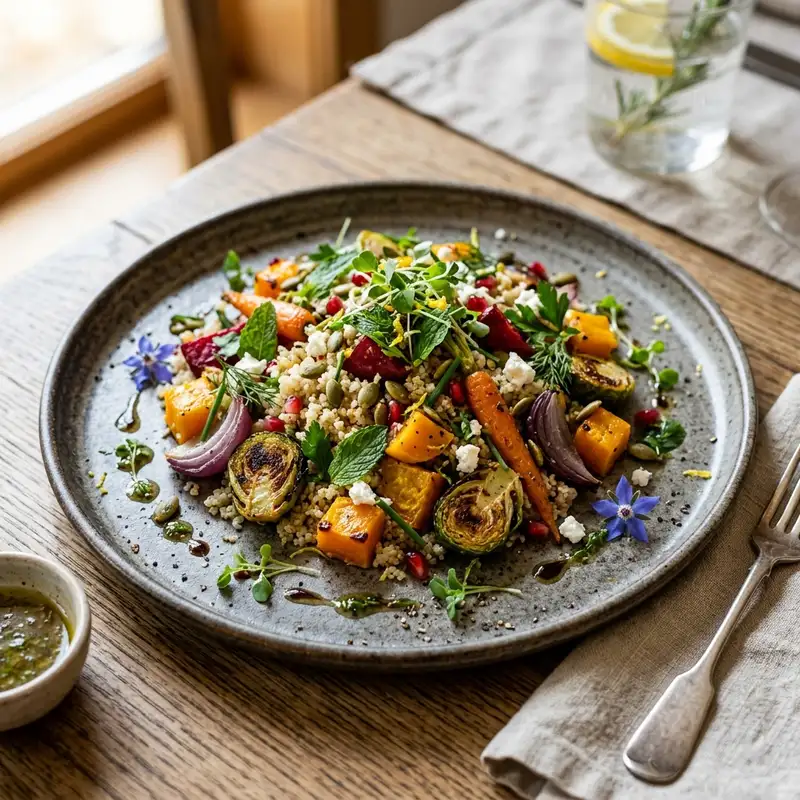
- Michael Chef
- 29 Jun, 2026 23:21
Echoes of the Sahel: Unearthing the Ancient Art and Culinary Alchemy of Fonio
A whisper of the desert wind carries tales, not of grand empires or legendary battles, but of something far more fundamental, more enduring: sustenance. It speaks of a tiny grain, often overlooked, yet possessing a spirit of resilience that has nourished civilizations for millennia. This is the story of Fonio, a cereal often dubbed "the hungry rice" of West Africa, a grain whose delicate #nature belies its monumental importance and whose future is now poised to redefine global culinary landscapes. Forget the quinoa, the farro, and the freekeh; Fonio is not just another #ancient grain making a comeback. It is a profound historical narrative, an intricate agricultural ballet, and a culinary alchemist's dream, all rolled into miniature, pearl-like kernels. The Cradle of Fonio: A Sahelian Saga To truly appreciate Fonio, we must #journey back, far into the arid and semi-arid expanse of the Sahelian belt, stretching across countries like Mali, Guinea, Burkina Faso, and Senegal. Here, where erratic rainfall and challenging soils often dictate survival, Fonio (scientific names Digitaria exilis for white Fonio and Digitaria iburua for black Fonio) has flourished as a cornerstone of indigenous agriculture for at least 5,000 years. Archaeological evidence, including Fonio grains found in Egyptian tombs, suggests its ancient pedigree and widespread cultivation long before the arrival of maize or rice to the continent. Fonio's profound significance lies in its incredible adaptability and speed. It is a grain of resilience, capable of growing in poor, sandy soils where other crops fail, and boasts an astonishingly short growing cycle, maturing in as little as 60 to 90 days. This rapid turnaround has historically made it a vital "famine food," providing a crucial safety net for communities during periods of drought or when other harvests faltered. It is the grain that feeds when all else succumbs to the harsh embrace of the sun. The local epithet, "hungry rice," is not a pejorative but a testament to its role as a quick, reliable crop that fends off hunger. In some regions, it is even believed to have spiritual properties, associated with the origin of the universe and revered as "the seed of the cosmos." From Earth to Table: The Intricate Dance of Cultivation and Processing The journey of Fonio from a minuscule seed to a nourishing meal is an intricate dance of human ingenuity and natural forces, demanding patience, skill, and a deep connection to the land. Unlike industrial farming operations, Fonio cultivation is predominantly a smallholder affair, reliant on traditional practices passed down through generations. Farmers in the Sahel prepare their fields with minimal disturbance, often clearing land by hand and relying on the rhythm of the seasons to dictate their planting. Seeds are sown by hand, broadcast across the soil, a process that demands a keen eye and steady hand. Because Fonio thrives in nutrient-poor conditions, it requires little to no synthetic fertilizers or pesticides, making it an inherently sustainable crop. Its deep root system helps to stabilize soil and prevent erosion, further contributing to the ecological health of its environment. The harvest, typically occurring between July and December, is a communal affair, often involving entire families and village members. Stalks, barely reaching waist height, are cut with small sickles. The harvested bundles are then sun-dried before the arduous process of threshing begins. Traditionally, this involves pounding the dried plants in large mortars to separate the grains from the husks, followed by winnowing – tossing the Fonio into the air on flat baskets to let the wind carry away the chaff while the heavier grains fall back down. This visually stunning, almost meditative process is not just about separating grain; it is a ritual that strengthens community bonds and reinforces cultural identity. The most challenging step in Fonio preparation, and often a bottleneck to its wider adoption, is dehulling. Each tiny grain is encased in a tough, fibrous husk that must be removed without crushing the delicate kernel. Historically, this was done manually using a mortar and pestle, a labor-intensive task performed primarily by women, sometimes taking hours for even small quantities. Modern innovations, such as small-scale mechanical dehullers, are slowly easing this burden, but the essence of Fonio processing remains deeply rooted in traditional practices that respect the grain's unique properties. Once dehulled, Fonio is carefully winnowed again, cleaned, and dried, ready for storage or immediate culinary transformation.The Alchemist's Kitchen: Culinary Versatility and Cultural Significance Once processed, Fonio transforms into a culinary marvel, its delicate, nutty flavor and light, fluffy texture lending itself to an astonishing array of dishes. Its versatility is such that it often takes the place of couscous, rice, or even pasta in many West African cuisines. One of the most iconic preparations is Fonio Couscous, known by various names such as Thiébé in Senegal or Fonio Thiakry. The tiny grains are steamed until light and airy, then often served alongside rich stews brimming with vegetables, meat, or fish. The delicate, almost ethereal quality of the Fonio beautifully complements the robust flavors of the accompanying sauces, creating a balanced and deeply satisfying meal. For breakfast, Fonio Porridge (Fonio Bouillie) is a comforting staple. Simmered with water or milk, sweetened with honey or sugar, and often flavored with spices like ginger or cinnamon, it provides sustained energy for the day ahead. Its smooth texture makes it an excellent first food for infants and a nourishing meal for the elderly. Beyond these staples, Fonio flour is increasingly used to make gluten-free breads, pancakes, and snacks, offering a nutritious alternative to wheat-based products. In some communities, Fonio is also fermented to produce a traditional beer called Dolo, a low-alcohol beverage enjoyed during celebrations and social gatherings, further embedding the grain into the cultural tapestry of the region. The flavor profile of Fonio is subtly complex. It's often described as having a nutty, earthy taste with hints of millet or couscous, yet distinctly its own – slightly sweet, never overpowering. Its texture is incredibly light and fluffy, individual grains separating beautifully after cooking, making it an excellent base for absorbing other flavors without becoming heavy or clumpy. Fonio is not just food; it is a carrier of #culture, #history, and communal identity. It features prominently in rituals, from naming ceremonies to religious festivals, symbolizing purity, resilience, and prosperity. Proverbs and folk tales often feature Fonio, illustrating its deep integration into the collective consciousness of the people who cultivate and consume it. To eat Fonio is to partake in a tradition thousands of years old, to connect with the very essence of Sahelian life.The Nutritional Powerhouse: Beyond Survival While its historical role as a survival grain is undeniable, Fonio's nutritional profile makes it a genuine superfood, earning it increasing recognition in the global health and wellness sphere. It punches well above its weight in terms of beneficial compounds. Crucially, Fonio is naturally gluten-free, making it an ideal choice for individuals with celiac disease, gluten sensitivity, or those simply looking to reduce gluten in their diet. But its benefits extend far beyond this. Fonio is rich in essential amino acids, particularly methionine and cysteine, two sulfur-containing amino acids often deficient in other grains like wheat, rice, and maize. These amino acids are vital for human health, playing roles in detoxification, hair and skin health, and the synthesis of other proteins. It's also a good source of vital micronutrients, including iron, zinc, magnesium, and calcium, which are often lacking in typical Western diets. Its high fiber content aids in digestion, promotes gut health, and contributes to a feeling of fullness, which can be beneficial for weight management. Furthermore, studies suggest Fonio has a relatively low glycemic index, which means it releases glucose into the bloodstream slowly, potentially benefiting individuals managing blood sugar levels. For pregnant women, nursing mothers, and growing children, Fonio offers a dense, easily digestible, and highly nutritious food source. A Grain for Tomorrow: Revival and Global Promise In recent decades, Fonio, like many traditional African grains, faced challenges from the proliferation of imported rice and wheat, which were often cheaper and easier to process. However, a global shift towards sustainable, healthy, and culturally diverse food systems has sparked a profound renaissance for Fonio. Chefs in avant-garde kitchens, nutritionists seeking alternative superfoods, and consumers passionate about ethical sourcing are all turning their attention to this unassuming grain. Its unique flavor and texture are being explored in new and exciting culinary contexts, from high-end restaurant menus to innovative gluten-free products on supermarket shelves. However, scaling Fonio production and ensuring fair trade practices are crucial. While traditional methods are #beautiful, modern, small-scale technologies for dehulling and processing are vital to make Fonio more accessible and reduce the labor burden on farmers, particularly women. Empowering these communities through fair pricing and market access can significantly improve livelihoods in some of the world's most vulnerable regions. Fonio also stands as a powerful symbol of sustainable agriculture in the face of climate change. Its minimal water requirements, ability to thrive in degraded soils, and short growing season make it a resilient crop perfectly suited for a changing planet. It represents not just an ancient food source, but a model for future food systems that prioritize ecological health, economic justice, and cultural preservation. By choosing Fonio, we are not just opting for a nutritious meal; we are actively participating in a movement that supports biodiversity, rural African economies, and a more resilient global food landscape. A Future Sown in Ancient Soil The journey of Fonio is far from over. From the parched soils of the Sahel to the global gourmet plate, this tenacious grain continues to tell a story of survival, cultural richness, and unparalleled adaptability. It reminds us that true culinary innovation often lies not in complex new inventions, but in rediscovering the profound wisdom embedded in ancient traditions and overlooked ingredients. As we seek more sustainable, healthful, and diverse ways to nourish ourselves and our planet, Fonio emerges not just as a choice, but as an imperative – a testament to the enduring power of food to connect us to our past, sustain us in the present, and seed a brighter future.#Fonio #WestAfricanCuisine #AncientGrains #SustainableFood #CulinaryHistory #AfricanFood #Superfood Related InsightsThe Obscure Origins and Transcendent Transformation of Cacao's Dark Heart Mumbai's Sizzling Soul: The Spice, Sweet, and Chaotic Heartbeat of Street Food La Bottarga: Più che un Condimento, un Elixir di Mare tra Mito, Storia e Alta Cucina Italiana{ "@context": "https://schema.org", "@type": "FAQPage", "mainEntity": [ { "@type": "Question", "name": "What is the main focus of Echoes of the Sahel: Unearthing the Ancient Art and Culinary Alchemy of Fonio?", "acceptedAnswer": { "@type": "Answer", "text": "Journey into the captivating world of Fonio, West Africa's resilient 'hungry rice,' exploring its profound history, intricate cultivation, and its transformative culinary potential from ancestral staple to global superfood." } }, { "@type": "Question", "name": "Who authored the comprehensive guide on Echoes of the Sahel: Unearthing the Ancient Art and Culinary Alchemy of Fonio?", "acceptedAnswer": { "@type": "Answer", "text": "This detailed article and its insights were carefully researched and authored by Michael Chef." } }, { "@type": "Question", "name": "Where can I find more related content about Food?", "acceptedAnswer": { "@type": "Answer", "text": "You can explore more articles, detailed reviews, and similar insights by browsing the Related Insights section at the bottom of this article or visiting our dedicated Food category page." } } ] }
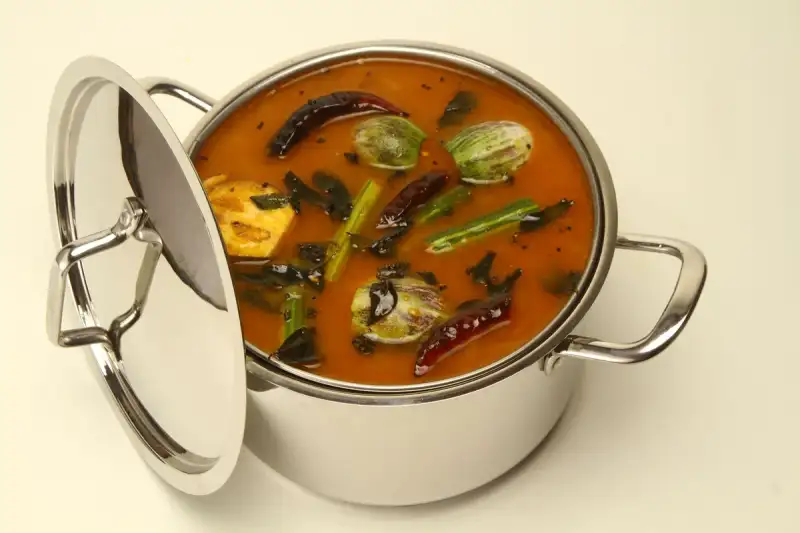

"The Earthy Harvest: A High-Fiber Lentil and Root Vegetable Stew" Welcome back to my kitchen. I’m Hannah Weber, and today we are diving deep into the intersection of culinary heritage and modern nutritional science. As someone who views the plate as both a canvas for creativity and a vehicle for vitality, I have long been fascinated by the "forgotten" ingredients—the humble pulses and root vegetables that have sustained civilizations for millennia. In a world increasingly dominated by ultra-processed foods, there is a profound, almost revolutionary act in simmering a pot of lentils and roots. It is a return to basics, a nod to the ancient wisdom that valued legumes as a sustainable and primary food source. Today, we are exploring a recipe that isn't just a comfort food staple; it is a clinical powerhouse designed to optimize your gut health and sustain your energy through high-fiber density. The Science of the Pulse: Why Lentils Are Our Greatest Ally When we talk about the nutritional profile of legumes, we are looking at one of the most remarkable gifts nature has provided. According to recent studies on human nutrition, legumes are considered the second most important food source after cereals, and for good reason. They are nutritional powerhouses, providing between 20% to 45% protein alongside complex carbohydrates. Most importantly, for those of us focusing on digestive wellness, legumes offer a significant source of dietary fiber—ranging from 5% to 37%. As my research into nutritional science shows, the bioactive compounds found in pulses go far beyond simple calories. They possess antioxidant properties that play a vital role in the prevention of degenerative diseases, including heart disease and certain types of cancer. By replacing animal proteins—which can sometimes be heavy or inflammatory—with these fibrous plant alternatives, we aren't just making a choice for the planet; we are choosing cellular health.Bridging Cultures: From Teff to Lentils In my journey through global culinary traditions, I often look toward Ethiopia, where the staple food, Injera—typically prepared from teff flour—serves as a base for flavorful, lentil-rich stews known as 'wats.' The Ethiopian culinary tradition is a masterclass in how to combine grain-like seeds and legumes to achieve a balanced, gluten-free, and mineral-rich diet. Science acknowledges that the nutritional superiority of these traditional staples, particularly regarding their lack of gluten and high iron content, makes them a model for modern "functional foods." Our Lentil and Root Vegetable Stew seeks to mirror this philosophy. By pairing high-fiber lentils with dense root vegetables, we create a meal that mirrors the nutritional complexity of traditional ethnic staples while adapting them to a hearty, winter-ready format. Sustainability: The Future of Meat Analogues There is a growing, critical conversation about the environmental and physiological costs of industrial meat consumption. Recent academic reviews regarding the role of plant protein as a meat analogue suggest that we are at a turning point. By partially replacing meat with pulses and plant-based ingredients, we improve both the technological and functional quality of our diets. This stew isn't merely a "meatless" dish; it is a deliberate "meat analogue" experience. The texture of a slow-simmered lentil, when combined with the robust, earthy sweetness of parsnips and sweet potatoes, provides a mouthfeel that satisfies the same cravings as a meat-based stew. We are utilizing the inherent "meaty" qualities of legumes—their protein density and satiety—to create a meal that makes you feel full without the heavy saturated fats associated with animal-derived proteins.A Masterclass in High-Fiber Cooking: The Recipe This recipe is designed to be a "functional food"—a dish that promotes health through its specific, high-fiber composition. The synergy between the soluble fiber in the lentils and the prebiotic fibers in the root vegetables (carrots and parsnips) makes this an ideal meal for gut microbiome support. Prep Time: 15 minutes Cook Time: 45 minutes Servings: 4-6 Ingredients:1.5 cups dried brown or green lentils (the workhorses of the legume world) 2 large organic carrots, peeled and diced (for Vitamin A and crunch) 1 large parsnip, peeled and diced (for earthy sweetness) 1 medium sweet potato, cubed (for complex carbohydrates and potassium) 1 large yellow onion, finely diced 3 cloves garlic, smashed and minced 1 tsp smoked paprika (to simulate the richness of meat) 1/2 tsp ground cumin (for digestion and warmth) 4 to 5 cups low-sodium vegetable broth (depending on desired thickness) 1 tbsp high-quality extra virgin olive oil A generous handful of fresh flat-leaf parsley (to finish) Lemon wedges for serving (the acid cuts the earthiness perfectly)Instructions:The Foundation: Begin by heating your olive oil in a heavy-bottomed Dutch oven or large pot over medium heat. Add your diced onions and sauté until translucent. This aromatics base is essential for the depth of the final stew.The Build: Add the garlic, carrots, parsnips, and sweet potatoes to the pot. Sautéing these root vegetables for about 5-8 minutes allows the natural sugars to caramelize slightly, providing a depth of flavor that contrasts beautifully with the lentils.The Seasoning: Stir in your smoked paprika and cumin. The heat of the pot will release the volatile oils in these spices, infusing the vegetables with a deep, smoky aroma that mimics the complexity of slow-cooked meat.The Pulse: Add your rinsed lentils and the vegetable broth. Bring the mixture to a rolling boil, then immediately reduce the heat to a low simmer. Cover the pot, leaving the lid slightly ajar to allow for evaporation, which thickens the stew.The Simmer: Let the stew cook undisturbed for 35 to 45 minutes. You are looking for the lentils to be tender but still hold their shape, and the root vegetables to be fork-tender. Finishing Touch: Before serving, squeeze fresh lemon juice over the pot. The acidity is a scientific necessity—it brightens the flavor profile and helps in the absorption of the non-heme iron found in the lentils.Why This Stew Matters for Your Health As a health blogger, I often get asked, "Hannah, why focus so much on fiber?" The answer lies in the data. Research highlights that legumes—because of their specific fiber and protein composition—are particularly attractive to individuals managing blood sugar, weight, or even those dealing with celiac-related dietary restrictions. By consuming a bowl of this stew, you are providing your body with a massive dose of complex carbohydrates that release energy slowly, avoiding the insulin spikes associated with simple sugars. Furthermore, the bioactive compounds we discussed earlier act as internal scavengers, neutralizing oxidative stress. This isn't just dinner; it's a medicinal intervention performed in your own kitchen. Culinary Tips for the PerfectionistThe Soaking Debate: While lentils don't technically require the long soak that beans do, a quick 30-minute soak in warm water can help reduce some of the anti-nutritional factors that cause digestive discomfort. The Texture Factor: If you prefer a creamier stew, take a potato masher and lightly crush about 20% of the vegetables and lentils in the pot once it's cooked. This releases starches and creates a thick, luxurious mouthfeel without needing cream or thickeners. Storage: This stew is a "keeper." Like all legume-based dishes, the flavors harmonize and improve after 24 hours in the refrigerator. It makes for the perfect meal-prep lunch for a busy work week.Final Thoughts The path to a healthier life doesn't always lie in expensive supplements or complex restrictive diets. Often, it is found in the simple, ancestral practice of boiling pulses and roots. When we embrace these ingredients, we aren't just nourishing ourselves; we are participating in a global food culture that understands the value of the earth's bounty. Take your time with this stew. Smell the paprika and cumin as they toast, feel the texture of the vegetables as you chop them, and take comfort in knowing that every spoonful is contributing to your long-term health. Eat well, live deeply, and enjoy the harmony of nature on your plate.#HealthyLiving #Gastronomy #VeganRecipes #HighFiberDiet #PlantBasedNutrition Related InsightsDer Apfelstrudel: Ein Meisterwerk der Wiener Mehlspeisenkultur und seine faszinierende Geschichte From Forest Floor to Flavor Lab: The Evolution of Umami in Vegan Stock The Golden Pulse: Reclaiming the Chickpea’s Lost Lineage in the Mediterranean{ "@context": "https://schema.org", "@type": "FAQPage", "mainEntity": [ { "@type": "Question", "name": "What is the main focus of The Earthy Harvest: A High-Fiber Lentil and Root Vegetable Stew?", "acceptedAnswer": { "@type": "Answer", "text": "Discover a hearty, plant-based stew packed with high-fiber legumes and roasted root vegetables for optimal health and flavor." } }, { "@type": "Question", "name": "Who authored the comprehensive guide on The Earthy Harvest: A High-Fiber Lentil and Root Vegetable Stew?", "acceptedAnswer": { "@type": "Answer", "text": "This detailed article and its insights were carefully researched and authored by Hannah Weber." } }, { "@type": "Question", "name": "Where can I find more related content about Food?", "acceptedAnswer": { "@type": "Answer", "text": "You can explore more articles, detailed reviews, and similar insights by browsing the Related Insights section at the bottom of this article or visiting our dedicated Food category page." } } ] }
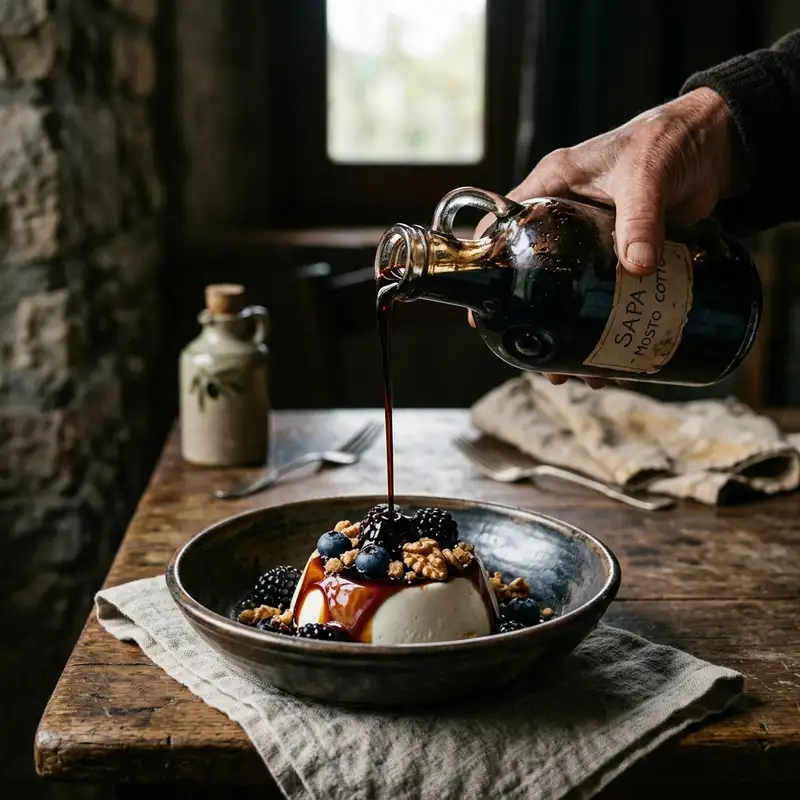
- Giovanni Luigi
- 29 Jun, 2026 10:40
Il Segreto Dolce e Antico: Svelare l'Anima della Sapa e del Mosto Cotto tra Storia, Territorio e Rinascita Gastronomica
Il silenzio delle vigne al tramonto, un profumo denso che evoca terre lontane e tempi remoti, e poi, un gorgoglio lento, quasi ipnotico, da un paiolo di rame. Non stiamo assistendo a una scena bucolica da cartolina, bensì alla genesi di un elisir che ha attraversato millenni, un liquido ambrato e voluttuoso, capace di raccontare la storia della nostra civiltà più di mille tomi polverosi. Parliamo della sapa e del mosto cotto, due nomi per un unico, ancestrale tesoro culinario che l'Italia, culla di sapori eterni, custodisce e, fortunatamente, sta riscoprendo. Per secoli, ben prima che lo zucchero di canna o di barbabietola colonizzasse le nostre dispense, l'uomo ha cercato la dolcezza nella natura che lo circondava. E nel bacino del Mediterraneo, la vite non offriva solo vino, ma anche un nettare primordiale, la linfa stessa della terra trasformata dal fuoco e dal tempo. Questo non è un semplice sciroppo d'uva; è un concentrato di storia, una capsula temporale gastronomica che ci riporta ai fasti dell'Impero Romano e alle frugali tavole contadine del Medioevo. È l'essenza stessa dell'uva, ridotta lentamente, pazientemente, fino a diventare un liquido scuro, denso, con sentori che spaziano dal fico secco alla prugna, dalla nocciola caramellata al balsamico. Le Radici Profonde nell'Antichità: Dal Defrutum alla Sapa Romana Immergersi nel mondo della sapa e del mosto cotto significa intraprendere un viaggio archeologico nel gusto. Plinio il Vecchio, nel suo monumentale Naturalis #historia, e Columella, nel De Re Rustica, descrivono con dovizia di particolari la produzione e l'uso di diversi tipi di mosto concentrato: il defrutum, il caroenum e la sapa. Queste denominazioni non indicavano solo gradi diversi di concentrazione del mosto (il defrutum era il meno concentrato, la sapa il più denso, ridotto a un terzo del volume iniziale), ma anche il loro utilizzo poliedrico. Nell'antica Roma, questi sciroppi non erano semplici dolcificanti. Erano ingredienti fondamentali in cucina, usati per conservare frutta e verdura, per addensare salse, per insaporire carni e selvaggina, e persino per "correggere" vini. Apicio, nel suo celebre De Re Coquinaria, ne fa ampio uso in innumerevoli ricette, testimoniando la loro onnipresenza sulla tavola imperiale come su quella del popolo. Si pensi solo all'agrodolce romano, dove la sapa bilanciava l'acidità dell'aceto e il sapido del garum, creando armonie gustative che oggi riscopriamo con meraviglia. Erano anche considerati un presidio medico, un ricostituente energetico, un portatore di benessere. La loro importanza era tale da essere considerati un bene prezioso, un vero e proprio "oro liquido" della terra.Il metodo di produzione è rimasto sorprendentemente simile per millenni. Il mosto fresco, appena spremuto, veniva posto in ampi calderoni (spesso di rame, per una migliore conduzione del calore) e fatto bollire a fuoco lento e costante. Durante questa lunga cottura, che poteva durare anche 10-12 ore, l'acqua evaporava e gli zuccheri naturalmente presenti nell'uva si concentravano, trasformandosi e caramellandosi in parte. La schiuma che affiorava veniva diligentemente rimossa, per garantire la purezza e la limpidezza del prodotto finale. Alcune tradizioni prevedevano l'aggiunta di una mela cotogna o di un pezzetto di scorza di agrume nel paiolo, per conferire sfumature aromatiche particolari e aiutare la chiarificazione. È un processo lento, che richiede attenzione, pazienza e una profonda conoscenza della materia prima. Un Mosaico di Nomi e Tradizioni: La Sapa e il Mosto Cotto nell'Italia Rurale Ciò che nell'antichità era un ingrediente comune e largamente diffuso, con il tempo ha assunto connotazioni regionali e nomenclature specifiche, diventando un simbolo di un sapere contadino tramandato di generazione in generazione. Sebbene il principio di base sia lo stesso – la riduzione del mosto – ogni regione italiana, e talvolta ogni singola famiglia, ha sviluppato le proprie sfumature e le proprie denominazioni, rendendo questo patrimonio ancora più ricco e variegato. In Emilia-Romagna, è la Saba (o Sapa) a regnare sovrana. Qui, viene tradizionalmente prodotta con uve Trebbiano, Ancellotta o Lambrusco, il che conferisce un sapore più fruttato e acidulo, ideale per accompagnare la polenta, i formaggi stagionati, o per arricchire i dolci invernali come le fave dei morti o la torta di saba. La Saba emiliana è un vero e proprio rito autunnale, legato alla vendemmia e alla festa della nuova uva. Scendendo verso il centro-sud, nelle Marche e in Umbria, si trova una produzione simile, con il nome che spesso rimane saba o sapa, a volte con l'aggiunta di erbe aromatiche o spezie come la noce moscata o i chiodi di garofano, che le conferiscono un profilo più speziato e complesso. Ma è nel profondo Sud Italia, in particolare in Puglia, in Basilicata e in Calabria, che il mosto cotto assume un ruolo quasi mitico, spesso chiamato Vincotto (nonostante il nome ricordi il vino, è sempre mosto cotto, o un blend di mosto e vino cotto). Qui, l'utilizzo di uve a bacca rossa come il Negroamaro, la Malvasia Nera o l'Aglianico, dona al prodotto finale un colore ancora più intenso, quasi nero, e un sapore più robusto, con note di prugna, datteri e caramello tostato. Il Vincotto pugliese è spesso abbinato a dolci tipici come le cartellate, biscotti fritti immersi nel vincotto, o utilizzato per insaporire carni di maiale e formaggi freschi come la ricotta. In Calabria, il Mosto Cotto è un ingrediente essenziale per la preparazione di dolci natalizi come i pittuli o i mostaccioli, e viene spesso conservato per anni, migliorando con l'invecchiamento. Queste differenze, seppur sottili, raccontano la biodiversità dei territori, la specificità delle uve autoctone e la creatività culinaria di ogni comunità, un vero e proprio atlante del gusto che merita di essere esplorato con curiosità. L'Arte della Pazienza: Il Processo di Riduzione e Trasformazione La produzione della sapa o del mosto cotto è un inno alla pazienza e alla sapienza contadina. Non è un processo che può essere affrettato. Tutto inizia con la selezione del mosto. Idealmente, si usa mosto appena pigiato, ricco di zuccheri e aromi. Le uve, come detto, variano a seconda della regione, ma il comune denominatore è la loro maturità ottimale, che garantisce la massima concentrazione zuccherina e aromatica. Il mosto viene poi versato in ampi recipienti, tradizionalmente di rame, che sono posizionati su un fuoco a legna. La cottura deve essere lenta, costante, senza bollire a rotta di collo. È un fremito delicato, una danza di bolle leggere. Durante questo processo, che può durare dalle 6 alle 24 ore a seconda della quantità e del grado di concentrazione desiderato, una parte dell'acqua evapora, e gli zuccheri dell'uva subiscono una serie di trasformazioni complesse. Si assiste alla caramellizzazione di alcuni zuccheri, alla formazione di nuovi composti aromatici e all'intensificazione dei sapori già presenti.Un momento cruciale è la schiumatura. Man mano che il mosto si scalda e inizia a ridurre, affiora in superficie una schiuma verdastra, composta da impurità e residui della pigiatura. Questa deve essere rimossa con cura e costanza, per garantire la limpidezza e la purezza del prodotto finale. È un gesto meticoloso, che richiede occhio attento e mano ferma. La riduzione avviene fino a raggiungere la densità desiderata, che, come abbiamo visto, varia dal defrutum (circa metà del volume iniziale) alla sapa (un terzo o addirittura un quarto del volume iniziale). Il prodotto finale deve essere denso, sciropposo, con un colore che può variare dall'ambrato profondo al bruno scuro, quasi nero, a seconda dell'uva utilizzata e della durata della cottura. Una volta raffreddato, viene imbottigliato e conservato in un luogo fresco e buio. La sapa e il mosto cotto non solo si conservano a lungo, ma migliorano con l'invecchiamento, sviluppando complessità aromatiche sempre maggiori. Dal Dimenticatoio alla Tavola Gourmet: La Rinascita di un Tesoro Con l'avvento dello zucchero di canna e, successivamente, della barbabietola, la sapa e il mosto cotto hanno gradualmente perso il loro ruolo centrale. Considerati prodotti "poveri" o "contadini", il loro uso si è ridotto a poche tradizioni locali e familiari, rischiando l'oblio. La produzione è diventata sempre più rara, limitata a pochi appassionati o anziani che ne ricordavano la sapienza. Fortunatamente, negli ultimi decenni, grazie anche al movimento Slow Food e alla crescente attenzione verso i prodotti di nicchia, le tradizioni culinarie autentiche e la riscoperta dei sapori ancestrali, la sapa e il mosto cotto stanno vivendo una vera e propria rinascita. Molti produttori artigianali, spesso piccole aziende agricole a conduzione familiare, hanno ripreso a produrli seguendo le ricette e i metodi antichi, spesso tutelando specifici Presidi Slow Food che ne garantiscono l'autenticità e la qualità. Oggi, questi sciroppi antichi non sono più relegati alle sole tavole contadine, ma hanno conquistato un posto d'onore nell'alta gastronomia. Chef stellati e innovativi li utilizzano per esaltare i loro piatti, sfruttando la loro complessa dolcezza e la loro profondità aromatica.In cucina salata: La sapa è un abbinamento sorprendente con formaggi erborinati o stagionati (come il Parmigiano Reggiano o il Pecorino), ai quali aggiunge una nota dolce e fruttata che ne equilibra la sapidità. Dà il meglio di sé anche su arrosti di carne (specialmente maiale e anatra), selvaggina e foie gras, creando un delizioso contrasto agrodolce. Alcuni chef la usano per glassare le verdure o per arricchire vinaigrette e marinature. In pasticceria: Naturalmente, la sapa e il mosto cotto sono eccellenti dolcificanti per torte, biscotti e gelati, conferendo una profondità di sapore unica che lo zucchero non può replicare. Sono perfetti su ricotta fresca, yogurt, frutta cotta o cruda, pancakes e waffle. Un semplice cucchiaio di sapa su un gelato alla vaniglia o un panna cotta trasforma un dolce ordinario in un'esperienza straordinaria. Nel mondo dei cocktail: L'ultima frontiera della sapa e del mosto cotto è la mixology. Bartender creativi li stanno incorporando in cocktail, usandoli come dolcificanti naturali e agenti aromatizzanti. Le loro note complesse, che ricordano frutta secca, spezie e caramello, si abbinano splendidamente con distillati scuri come il rum, il whisky o il brandy, o per dare un tocco italiano a classici come il Negroni o l'Old Fashioned.Un Sorso di Storia, Un Morso di Futuro La sapa e il mosto cotto sono molto più di semplici ingredienti; sono custodi di un patrimonio culturale e gastronomico che ci lega indissolubilmente al nostro passato. Sono la prova che la vera ricchezza si trova spesso nelle cose semplici, autentiche, create con pazienza e rispetto per la natura. Assaggiarli significa connettersi a un filo invisibile che attraversa i secoli, dai banchetti romani alle tavole dei contadini, fino ai moderni ristoranti stellati. È un'esperienza sensoriale che evoca terra, sole e il lavoro sapiente dell'uomo. Ogni goccia è un concentrato di profumi e sapori, un viaggio nel tempo e nello spazio, una celebrazione della resilienza della tradizione e della sua capacità di reinventarsi. Se non avete mai avuto l'occasione di assaporare questi sciroppi millenari, vi esorto a cercarli, a provarli. Scoprirete un mondo di sapori dimenticati, un patrimonio che merita di essere riscoperto, gustato e tramandato. Permettete alla sapa e al mosto cotto di raccontarvi la loro storia, un sorso, o un cucchiaio, alla volta.#Sapa #MostoCotto #Vincotto #CucinaAntica #SlowFoodItalia #TradizioniCulinarie #ProdottiTipiciItaliani #GastronomiaStorica #sapa #mostocotto #vincotto #cucinaantica #slowfood #gastronomiaitaliana #prodottitipici Related InsightsQuando i Mondi si Incontrano nel Piatto: L'Anima Segreta della Cucina Fusion Das goldene Erbe von Valencia: Die Alchemie der Paella zwischen Tradition und Mythos Kimchi's Untold Saga: Unearthing the Fermented Superfoods Beyond the Cabbage You Thought You Knew{ "@context": "https://schema.org", "@type": "FAQPage", "mainEntity": [ { "@type": "Question", "name": "What is the main focus of Il Segreto Dolce e Antico: Svelare l'Anima della Sapa e del Mosto Cotto tra Storia, Territorio e Rinascita Gastronomica?", "acceptedAnswer": { "@type": "Answer", "text": "Un viaggio millenario alla scoperta della sapa e del mosto cotto, i dolcificanti ancestrali italiani che rinascono sulle tavole gourmet e nei cocktail più raffinati." } }, { "@type": "Question", "name": "Who authored the comprehensive guide on Il Segreto Dolce e Antico: Svelare l'Anima della Sapa e del Mosto Cotto tra Storia, Territorio e Rinascita Gastronomica?", "acceptedAnswer": { "@type": "Answer", "text": "This detailed article and its insights were carefully researched and authored by Giovanni Luigi." } }, { "@type": "Question", "name": "Where can I find more related content about Food?", "acceptedAnswer": { "@type": "Answer", "text": "You can explore more articles, detailed reviews, and similar insights by browsing the Related Insights section at the bottom of this article or visiting our dedicated Food category page." } } ] }
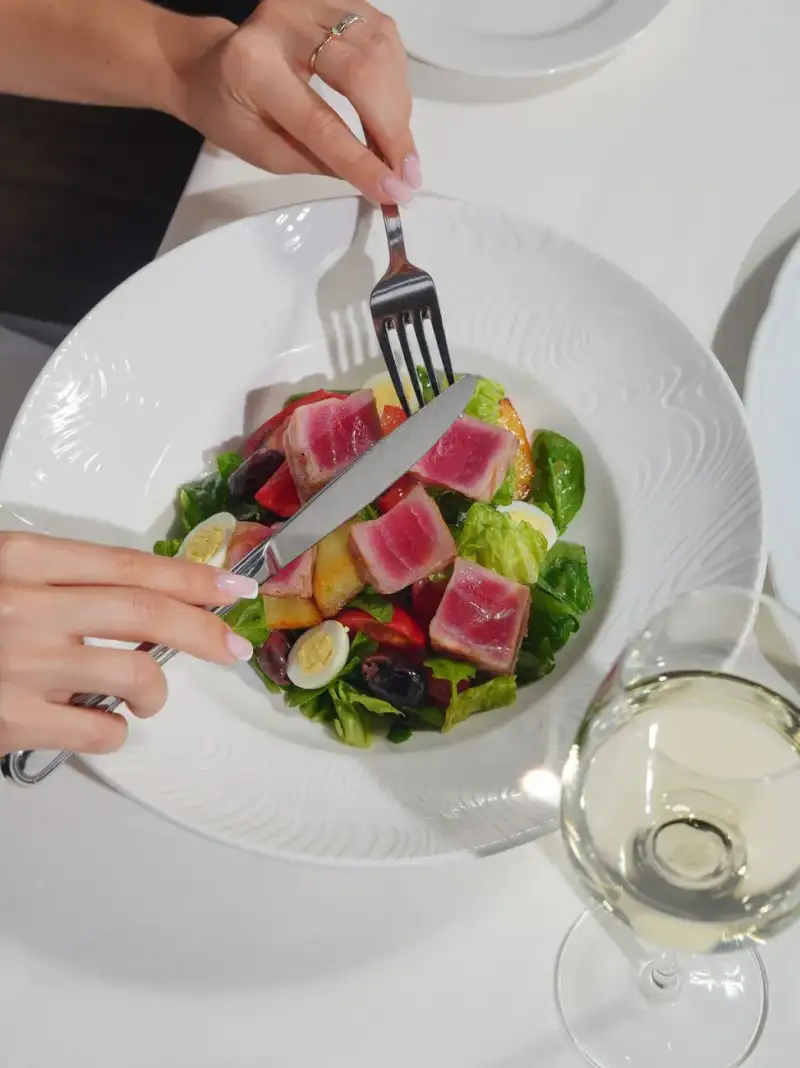
-
 Chloe Blanc
 - 29 Jun, 2026 08:24
nicoise salad with seared tuna and green beans: a delicious omega-3 rich dish
Introduction to Nicoise Salad The Nicoise salad is a classic French dish that originated in the city of Nice, France. It typically consists of hard-boiled eggs, niçoise olives, and tuna, dressed with a vinaigrette made from olive oil and lemon juice. In this recipe, we will be adding some green beans and searing the tuna to give it a delicious and healthy twist. According to recent studies, omega-3 rich foods like tuna have been shown to have numerous health benefits, including reducing inflammation and improving heart health. The Health Benefits of Omega-3 Research on omega-3 rich foods has shown that they have anti-inflammatory properties, which can help to reduce the risk of chronic diseases such as heart disease, cancer, and Alzheimer's disease. Omega-3 fatty acids have also been shown to improve brain function and may even help to reduce the symptoms of depression. The best sources of omega-3 are fatty fish like tuna, salmon, and sardines, as well as flaxseeds and chia seeds. Preparing the Ingredients To prepare the ingredients for this recipe, start by bringing a pot of salted water to a boil. Blanch the green beans in the boiling water for 3-5 minutes, or until they are tender but still crisp. While the green beans are cooking, heat a skillet over medium-high heat. Season the tuna steaks with salt and pepper, and sear them in the skillet for 2-3 minutes per side, or until they are cooked to your desired level of doneness.Cooking the Quinoa Quinoa is a nutritious and versatile grain that is high in protein and fiber. To cook the quinoa, rinse it in a fine mesh strainer and drain well. In a medium saucepan, bring 2 cups of water to a boil. Add the quinoa and reduce the heat to low. Cover the saucepan with a lid and simmer for 15-20 minutes, or until the quinoa is tender and the water has been absorbed.Assembling the Salad To assemble the salad, start by combining the cooked quinoa, green beans, cherry tomatoes, and niçoise olives in a large bowl. In a small bowl, whisk together the olive oil, lemon juice, Dijon mustard, salt, and pepper. Pour the dressing over the quinoa mixture and toss to combine. Slice the seared tuna and place it on top of the salad.Conclusion The Nicoise salad with seared tuna and green beans is a delicious and healthy dish that is rich in omega-3 fatty acids. With its combination of protein, healthy fats, and complex carbohydrates, this salad makes for a nutritious and filling meal. Whether you're looking for a quick and easy lunch or a hearty dinner, this recipe is sure to become a staple in your kitchen. #HealthyLiving #Gastronomy #Omega3Rich #NicoiseSalad #SearedTuna #GreenBeans Related InsightsThe Fire and the Flesh: Unveiling the Eternal Alchemy of the Turkish Kebab Exploring the Nutritional Haven of Buckwheat Kasha with Sautéed Mushrooms and Onions Bhel Puri: The Crunchy, Tangy Beachside Snack{ "@context": "https://schema.org", "@type": "FAQPage", "mainEntity": [ { "@type": "Question", "name": "What is the main focus of nicoise salad with seared tuna and green beans: a delicious omega-3 rich dish?", "acceptedAnswer": { "@type": "Answer", "text": "A healthy and delicious nicoise salad recipe with seared tuna and green beans, rich in omega-3 fatty acids. Learn about the health benefits of omega-3 and how to prepare this dish." } }, { "@type": "Question", "name": "Who authored the comprehensive guide on nicoise salad with seared tuna and green beans: a delicious omega-3 rich dish?", "acceptedAnswer": { "@type": "Answer", "text": "This detailed article and its insights were carefully researched and authored by Chloe Blanc." } }, { "@type": "Question", "name": "Where can I find more related content about Food?", "acceptedAnswer": { "@type": "Answer", "text": "You can explore more articles, detailed reviews, and similar insights by browsing the Related Insights section at the bottom of this article or visiting our dedicated Food category page." } } ] }
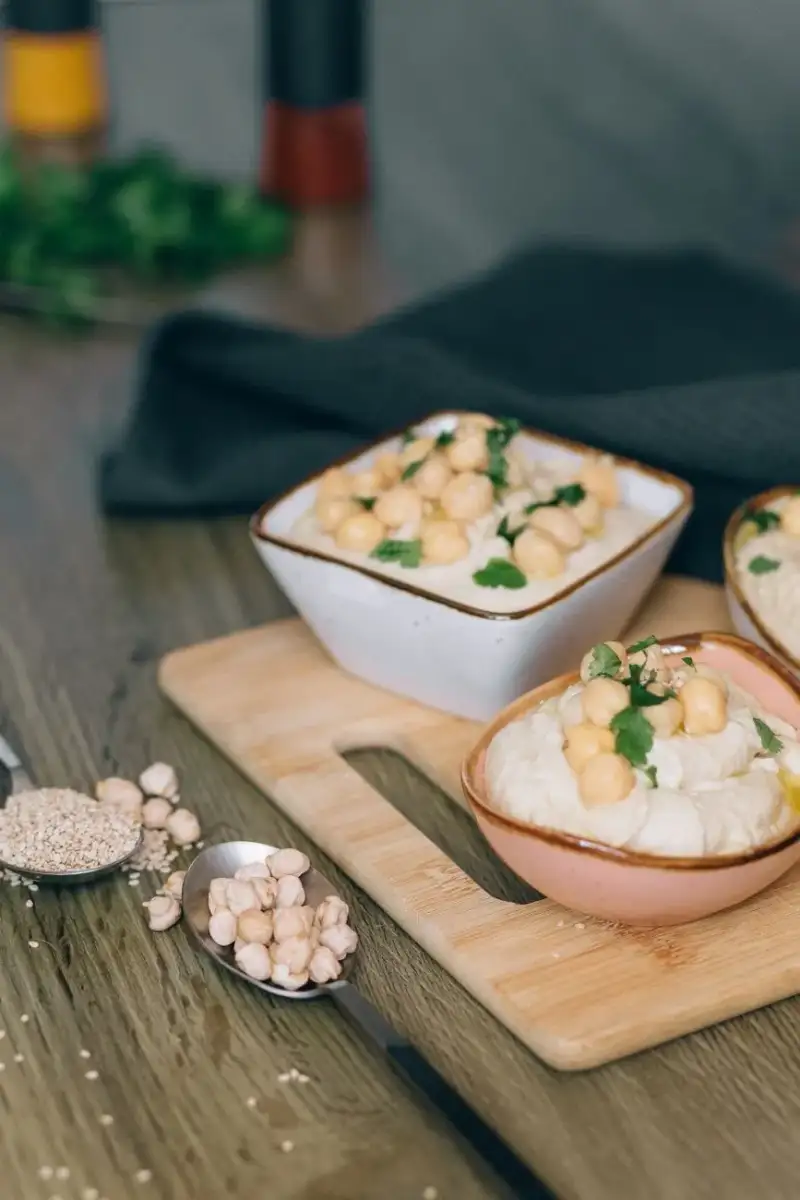
"The Golden Embrace: High-Protein Hummus with Za'atar & Olive Oil, A Culinary Journey of Health and Heritage" Greetings, my dear food enthusiasts and seekers of vibrant health! Demir Şef here, ready to whisk you away on another gastronomic adventure that nourishes both body and soul. Today, we delve into the heart of a dish that has captivated palates for millennia, a creamy, savory delight that whispers tales of ancient lands and bustling bazaars: Hummus. But this isn't just any hummus; it's a celebration of high-protein goodness, elevated by the aromatic magic of Za'atar and the liquid gold of extra virgin olive oil. It's a dish that stands as a testament to cultural exchange, culinary evolution, and the profound connection between what we eat and who we are. Hummus bi tahini, as it is traditionally known, transcends its simple ingredients – chickpeas, tahini, lemon, and garlic – to become a global culinary icon. From the sun-drenched shores of the Mediterranean to the bustling metropolises of the world, hummus has journeyed across borders, adapting, evolving, and ultimately, enriching the food cultures it encounters. This incredible journey isn't merely a matter of taste; it reflects broader culinary shifts driven by cultural exchange and the increasing diversity of our communities. Indeed, this global embrace of dishes like hummus beautifully illustrates insights explored in recent academic inquiries, such as fascinating research examining how future immigration might impact the culinary landscape of diverse nations. This research highlights how new cuisines are adopted and integrated, establishing a shared understanding and helping communities feel at home, much like hummus has found a home in countless hearts worldwide.The Ancient Roots and Modern Resonance of Hummus To truly appreciate hummus, we must first acknowledge its profound historical significance. While its exact origins are debated, stretching back perhaps to ancient Egypt or the Levant, its presence as a staple in Middle Eastern and Mediterranean diets is undeniable. It's a dish woven into the fabric of daily life, enjoyed at family gatherings, celebratory feasts, and quiet moments of contemplation. It represents more than just food; it embodies hospitality, community, and the simple pleasure of sharing. In its purest form, hummus is a symphony of textures and flavors. The earthy, nutty richness of chickpeas, the creamy depth of tahini (sesame paste), the bright, acidic zing of fresh lemon juice, and the pungent kick of garlic all coalesce into a harmonious whole. But beyond its undeniable deliciousness, hummus is also a nutritional powerhouse, aligning perfectly with our focus on health and vitality here at Demir Şef. Hummus: A High-Protein Culinary Ambassador One of the most compelling aspects of hummus, especially for those pursuing a healthy and active lifestyle, is its impressive nutritional profile. At its core, hummus is a fantastic source of high-quality, plant-based protein. The star ingredient, chickpeas (also known as garbanzo beans), are legumes revered globally for their protein content. A single serving of hummus can significantly contribute to your daily protein intake, making it an excellent choice for vegetarians, vegans, and anyone looking to incorporate more plant-based protein into their diet. Protein is absolutely essential for muscle repair and growth, satiety (keeping you feeling full and satisfied), and maintaining overall body function. For instance, athletes and fitness enthusiasts often turn to chickpeas and hummus as a go-to source to fuel their bodies and aid recovery, a testament to its robust nutritional benefits. Beyond protein, chickpeas are packed with dietary fiber, which is crucial for digestive health, blood sugar regulation, and again, contributing to that feeling of fullness that can aid in weight management. They also provide a wealth of essential micronutrients, including iron, folate, phosphorus, and B vitamins. When combined with tahini, which adds healthy fats, calcium, and even more protein, hummus becomes a remarkably complete and beneficial food. This global embrace of hummus is not merely a matter of taste or nutritional benefit; it reflects broader culinary shifts driven by cultural exchange. Indeed, recent academic inquiries, such as a fascinating study exploring how future immigration might impact culinary landscapes, illuminate the dynamic interplay between different cultures and their influence on food. This research, while specifically looking at the Canadian context and anticipating the adoption of dishes like Arepas, Fufu, and Gado Gado, provides a powerful framework for understanding how existing dishes like hummus have already successfully navigated cultural currents. It exemplifies how new cuisines, brought by diverse communities, are not just added to a nation's menu, but become integral to its evolving culinary identity, fostering mutual understanding and openness to new cultures.Za'atar and Olive Oil: Aromatic Enhancers and Nutritional Boosts While the core ingredients form the backbone of hummus, the additions of Za'atar and extra virgin olive oil elevate it to another level entirely – both gastronomically and nutritionally. Za'atar, a fragrant spice blend, is a cornerstone of Middle Eastern cuisine. Typically composed of dried thyme, oregano, marjoram, toasted sesame seeds, and sumac, it offers a complex flavor profile that is earthy, herbal, tangy, and subtly nutty. Beyond its incredible taste, Za'atar is also known for its potential health benefits, often attributed to the antioxidants in its herb components and the beneficial fats from sesame seeds. It's not just a garnish; it's an experience that awakens the senses and adds a layer of authenticity to the dish. Then there is extra virgin olive oil, the "liquid gold" of the Mediterranean. Drizzled generously over hummus, it contributes a silky richness, a peppery note, and an abundance of monounsaturated fatty acids. These healthy fats are celebrated for their heart-protective properties, their role in reducing inflammation, and their ability to enhance the absorption of fat-soluble vitamins. The quality of your olive oil truly makes a difference here, so invest in a good one – your taste buds and your body will thank you. Just as the study mentioned envisions new dishes like "Arepas, Fufu, and Gado Gado" enriching culinary scenes in diverse nations, hummus, enhanced by its traditional companions, already serves as a bridge, inviting diners to experience a taste of different cultures. It demonstrates how a dish can evolve, adapt, and become a beloved part of diverse culinary traditions, much in the same way the research anticipates the future adoption of emerging food trends due to global migration. The Science of Culinary Migration: Hummus as a Case Study Let's delve deeper into the fascinating connection between our high-protein hummus and the scientific data we've touched upon. According to recent research published in the context of how future immigration shapes national culinary identities, the dynamic interplay between immigrant populations and their host countries profoundly influences food culture. This research highlights how Canada's food culture is strongly shaped by its immigrant populations, and while many studies explore the future of food or global migration, few combine these insights to determine how future immigration will affect food. This particular study utilized horizon scanning and branch analysis of emerging global and policy issues to generate scenarios predicting where Canada’s immigrants might come from in the near future. These scenarios were then enriched with a horizon scan of emerging food trends to envision how these new cuisines might be adopted by Canadians in fifteen years. While the study specifically looked at the Canadian context and anticipated the integration of dishes like "Arepas, Fufu, and Gado Gado," the underlying principle is universal and profoundly relevant to the story of hummus: new cultures bring new flavors, enriching the gastronomic tapestry of a nation. Hummus, a staple for millennia in the Middle East and surrounding regions, perfectly illustrates this phenomenon on a global scale. It wasn't "invented" in every country it's now beloved in; rather, it traveled, carried by people who brought their culinary heritage with them. As communities migrated, they introduced their foods, and these foods were, in turn, adopted, adapted, and celebrated by new populations. This process mirrors the study's aim to "establish a shared understanding between [host nations] and these future immigrant communities, helping these communities feel at home in [their new country], and helping [the host nation] be more open to new cultures coming to the country." The widespread acceptance and love for hummus worldwide demonstrate how food acts as a powerful cultural ambassador. It creates common ground, invites exploration, and fosters a sense of shared humanity around the dinner table. When we prepare and enjoy hummus, we are not just eating a high-protein, delicious dip; we are participating in a millennia-old tradition of culinary exchange that continues to evolve, much like the future food trends envisioned by researchers studying the impact of global migration. It is a tangible example of how, by anticipating and embracing new cuisines, societies can foster greater openness and understanding.Crafting Your Own High-Protein Hummus: Demir Şef's Master Recipe Now, my friends, it's time to bring this rich history, vibrant culture, and robust health focus into your own kitchen. While store-bought hummus can be convenient, making it from scratch allows for unparalleled freshness, flavor, and the ability to customize its texture and seasoning. Plus, it's incredibly satisfying to create such a delicious dish with your own hands. My secret for exceptionally creamy hummus? A few simple tricks: peeling the chickpeas (optional but recommended for silkiness), using good quality tahini, and incorporating ice-cold water or reserved aquafaba (the liquid from canned chickpeas) during blending. The aquafaba acts as an emulsifier and helps achieve that airy, light texture. Ingredients:2 cups (approx. 1 can, 15oz/425g) cooked chickpeas, drained (reserve aquafaba) 1/2 cup tahini 1/4 cup fresh lemon juice (approx. 1-2 lemons) 2-3 cloves garlic, minced 1/2 teaspoon ground cumin 1/2 teaspoon sea salt (or to taste) 2-4 tablespoons ice-cold water or reserved aquafaba (adjust for desired consistency) 1/4 cup extra virgin olive oil, plus more for drizzling 2-3 tablespoons Za'atar spice blend, for garnish Optional: paprika, sumac, fresh parsley for garnishEquipment:Food processor SpatulaInstructions:Prepare the Chickpeas: If using canned chickpeas, rinse them thoroughly under cold water. For the creamiest hummus, gently rub the chickpeas between your palms or with a kitchen towel to remove as many skins as possible. This step is optional but highly recommended for a silky texture. Combine Tahini and Lemon: In a food processor, combine the tahini and fresh lemon juice. Process for 1-2 minutes until the mixture lightens in color and thickens slightly. This emulsifies the tahini and helps create a smoother, almost fluffy base. Add Aromatics: Add the minced garlic, ground cumin, and sea salt to the tahini-lemon mixture. Process for another 30 seconds to combine well, ensuring the garlic is finely incorporated. Blend the Hummus: Add the drained chickpeas to the food processor. Begin processing, slowly adding the ice-cold water (or reserved aquafaba) one tablespoon at a time through the feed tube, while the processor is running. Continue processing for 3-5 minutes, scraping down the sides as needed, until the hummus is incredibly smooth and creamy. The ice water helps to lighten the texture and achieve that coveted airy consistency. Adjust Seasoning: Taste and adjust seasoning as necessary. You might want more salt, lemon juice, or cumin depending on your preference. If you prefer a thinner consistency, add a tiny bit more ice water or aquafaba. Serve & Garnish: To serve, spread the hummus onto a shallow plate or bowl. Create a shallow well in the center using the back of a spoon. Generously drizzle extra virgin olive oil into the well and over the hummus. Sprinkle generously with Za'atar spice blend. Add optional garnishes like a dusting of paprika or sumac, or a sprinkle of fresh chopped parsley for an extra pop of color and flavor. Enjoy! Serve immediately with warm pita bread, fresh vegetable sticks (cucumber, carrots, bell peppers), crackers, or use it as a flavorful, high-protein spread in wraps and sandwiches. Hummus can be stored in an airtight container in the refrigerator for up to 5 days.The Enduring Legacy on Your Plate This high-protein hummus with Za'atar and olive oil is more than just a recipe; it's an invitation to explore history, savor culture, and embrace health. Each creamy spoonful offers a glimpse into ancient traditions, a burst of wholesome nutrition, and a profound connection to the global culinary tapestry. It exemplifies how food, especially traditional dishes like hummus, serves as a bridge between cultures, fostering understanding and creating a sense of belonging for everyone around the table. In a world that is constantly evolving, with new cuisines and traditions emerging and intertwining, hummus stands as a powerful reminder of how food unites us. It’s a dish that has, through the very mechanism of cultural exchange and migration that researchers are studying, become a beloved staple far beyond its origins. So, gather your loved ones, prepare this golden embrace, and share not just a meal, but a story – a story of health, heritage, and the beautiful, interconnected future of food. Afiyet olsun! (Bon appétit!)#HighProteinHummus #Zaatar #MediterraneanDiet #HealthyEating #DemirŞef Related InsightsL'Alchimie du Levant : Quand l'Histoire se Déguste en Mezze Dan Dan Noodles: The Ultimate Szechuan Street Bowl Il Garum Pompeiano: Il Sangue Salato degli Dei e la Sua Rinascita Gastronomica{ "@context": "https://schema.org", "@type": "FAQPage", "mainEntity": [ { "@type": "Question", "name": "What is the main focus of The Golden Embrace: High-Protein Hummus with Za'atar & Olive Oil, A Culinary Journey of Health and Heritage?", "acceptedAnswer": { "@type": "Answer", "text": "Demir Şef shares a masterful, high-protein hummus recipe, celebrating its rich heritage, health benefits, and its role as a culinary ambassador across cultures." } }, { "@type": "Question", "name": "Who authored the comprehensive guide on The Golden Embrace: High-Protein Hummus with Za'atar & Olive Oil, A Culinary Journey of Health and Heritage?", "acceptedAnswer": { "@type": "Answer", "text": "This detailed article and its insights were carefully researched and authored by Demir Şef." } }, { "@type": "Question", "name": "Where can I find more related content about Food?", "acceptedAnswer": { "@type": "Answer", "text": "You can explore more articles, detailed reviews, and similar insights by browsing the Related Insights section at the bottom of this article or visiting our dedicated Food category page." } } ] }