-
 Natalia Sokolova
 - 20 Aug, 2026 05:50
Kissing Cowboys Book Review and Summary
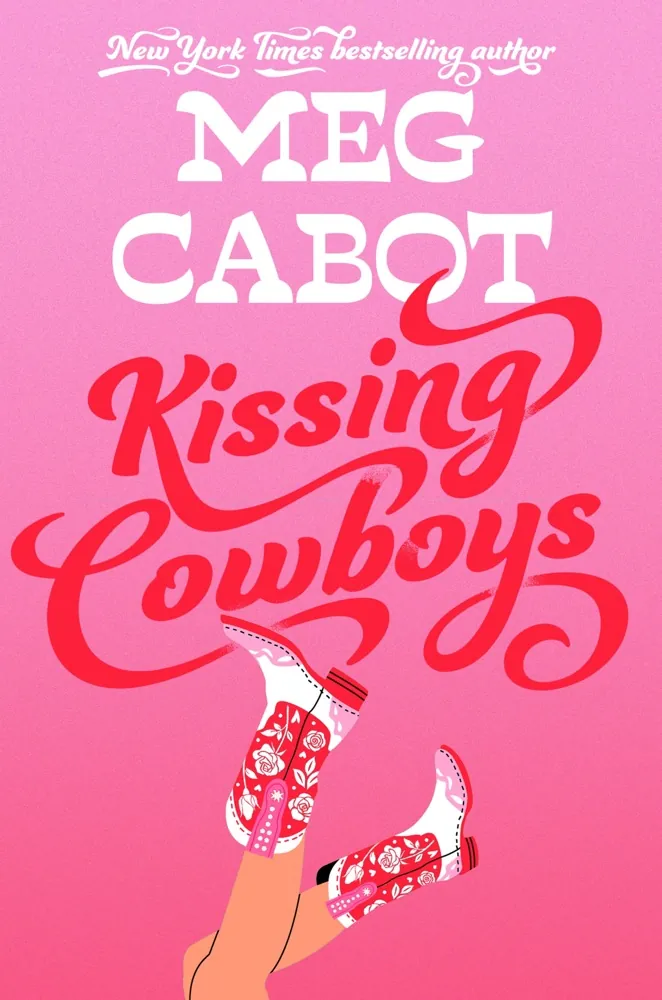
Author: Meg CabotPage Count: UnknownPublication Date: Expected publication 2026-12-08 APL My head feels like it just absorbed a full twelve-round beating from a heavyweight champion throwing straight hooks into my frontal lobe. Reading last night until three in the morning was a catastrophic tactical error, yet here I am, tasked with dissecting the promotional copy for Meg Cabot’s upcoming Kissing Cowboys while my brain throbs in rhythm with the August cicadas outside my sweltering window. The Montana Contender Meg Cabot is stepping back into the young adult arena with a premise that practically screams comfort food for the romance demographic. Or does it? Let us look at the bare bones provided by the marketing machinery. Sixteen-year-old Winn Riley gets dragged from the concrete comforts of New York City to a remote Montana dude ranch. Not just any ranch, mind you—a working-farm school for troubled genius boys. She is the solitary female student in a compound of adolescent intellect and cattle-rustling hormones. Wait. Let me rephrase that entirely because the synopsis calls them "troubled genius boys," which implies a psychological depth that a standard teen romcom will likely bypass entirely for the sake of a fast-paced narrative arc. Actually, scratch that, the synopsis immediately pivots the tension away from any genuine psychological stakes and drops us straight into the classic love triangle. Zack and Teddy are waiting. They are incredibly cute. They rustle cattle by day and hit the books by night. The thematic undercurrent here—if one dares to look for depth in a marketing blurb—suggests a collision between urban sophistication and rural grit. The Agony of the Canvas The publisher leans heavily on comparisons to My Life with the Walter Boys and The Summer of Broken Rules. We are looking at a masterclass in tropes. The isolated setting functions almost like a locked-room mystery, except instead of a murderer, the protagonist is trapped with a bunch of brooding ranch hands who double as scholars. Cabot is trading the royal courts of Genovia for dusty boots and Stetson hats. Cynicism meets vulnerability—or so the marketing team promises us—in a voice designed to appeal to readers who want their emotional blows pulled neatly behind a smile. Yet, the vagueness of the synopsis is staggering. We get zero details on the actual conflict beyond the protagonist enduring "deprivation and temptation." Is the academic side of this genius farm a mere backdrop for staring awkwardly across a mess hall? Probably. Novels in this lineage rarely care about the syllabus; they care about the lingering glances over pitchforks. I predict this will either be a sharp, witty deconstruction of rural tropes or an utterly predictable slog that makes my current post-reading headache feel like a mild spa treatment. The prose style will undoubtedly carry the weight, given Cabot's decades-long track record of keeping pages turning faster than a speed bag session. But right now, staring at these fifty-degree-angle sunbeams baking the pavement outside while I process marketing copy about cute cowboys has completely derailed my cognitive faculties. I need to go figure out why the ribbon on my vintage Underwood typewriter keeps shredding itself to pieces every time I hit the exclamation key. Related InsightsTo Bewitch a Hunter Book Review and Summary Forced Proximity Book Review and Summary El planeta inhóspito: La vida después del calentamiento / The Uninhabitable Earth: Life After Warming Book Review and Summary{ "@context": "https://schema.org", "@type": "FAQPage", "mainEntity": [ { "@type": "Question", "name": "What is the main focus of Kissing Cowboys Book Review and Summary?", "acceptedAnswer": { "@type": "Answer", "text": "Everything you need to know about Kissing Cowboys with our detailed review." } }, { "@type": "Question", "name": "Who authored the comprehensive guide on Kissing Cowboys Book Review and Summary?", "acceptedAnswer": { "@type": "Answer", "text": "This detailed article and its insights were carefully researched and authored by Natalia Sokolova." } }, { "@type": "Question", "name": "Where can I find more related content about Books?", "acceptedAnswer": { "@type": "Answer", "text": "You can explore more articles, detailed reviews, and similar insights by browsing the Related Insights section at the bottom of this article or visiting our dedicated Books category page." } } ] }
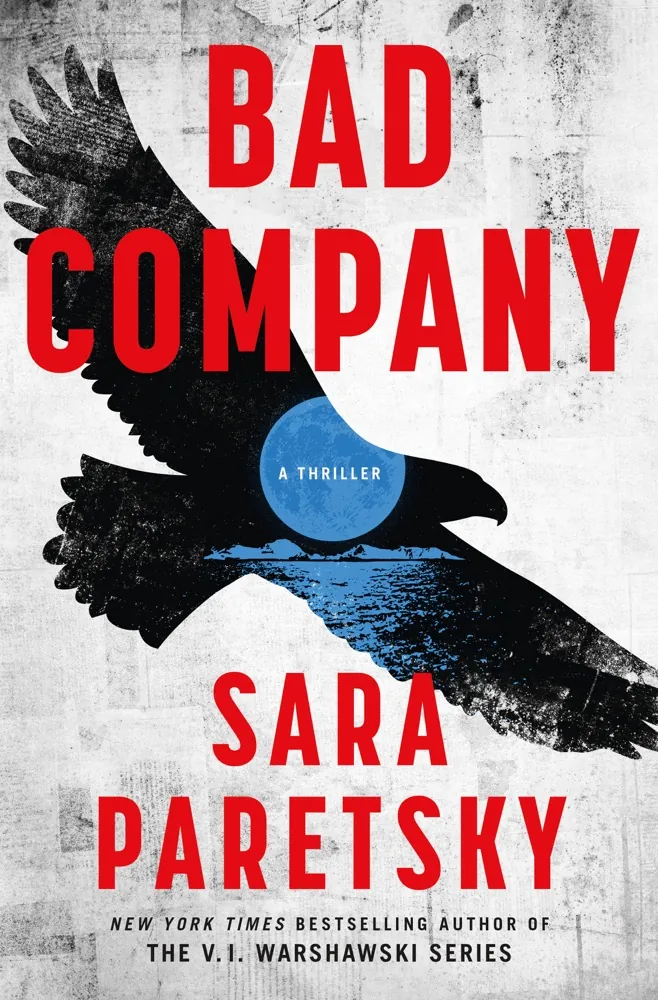

Author: Sara ParetskyPage Count: UnknownPublication Date: Expected publication 2026-11-10 APL The August heat baking the asphalt outside my floor-to-ceiling glass is oppressive enough to melt a lesser executive, but inside this corner office, the AC is cranked to arctic, freezing my nerves just enough to read another pitch. Sara Paretsky is handing us Bad Company this November, and honestly, the market is starving for a protagonist who isn't a twenty-something influencer solving cold cases from a ring light. The Pensioner Spy Trope Needs an Upgrade We are looking at Lily Sedako—a seventy-something CIA retiree in Chicago whose quiet routine gets shattered by an anonymous package. A magazine clipping. A forgotten photo from Hayalistan, a former USSR territory where her past went catastrophically sideways back in 2002. Someone wants her exposed. Someone wants her dead. Wait. Let me backtrack on my previous critique about tired tropes because Paretsky actually has the gravitas to pull this off without making it look like a Red movie ripoff. Or maybe the manuscript will completely bomb because the premise relies entirely on decades-old geopolitical fallout that modern readers might need a Wikipedia tab open to comprehend, which is totally mid and a massive vibe-kill for the airport paperback demographic. Geopolitics Meet Geriatric Retribution The thematic architecture here is fascinating. Paretsky uses aging not as a quiet descent into twilight, but as an absolute flex of hard-won tradecraft. We are talking about love, systemic corruption, and brutal revenge filtered through the lens of a body that remembers every bone-jarring betrayal from Central Asia. It gives off major John le Carré energy crossed with Lee Child's calculated precision, minus the cheap testosterone. The contrast between mundane retirement tasks and clandestine Cold War residue slaps hard, honestly. Yet, the synopsis plays it remarkably safe with the antagonist's motivation—reducing a potentially rich geopolitical conspiracy to a vague "someone is trying to expose Lily" beat. Give me teeth. Give me moral ambiguity where the CIA looks just as dirty as the mountain tribes. The Bottom Line on the Market If Paretsky leans into the psychological toll of outliving your own classified sins, this book prints money. If she gets bogged down in bureaucratic exposition about 2002 coups, it's going to stall out faster than a tech startup in this economy. Either way, my assistant needs to fix my schedule before the next partner call, and I desperately need to find a decent dry cleaner in Manhattan who doesn't ruin custom silk shirts during a brutal summer downpour. #SaraParetsky #BookPublishing #CrimeFiction Related InsightsJitterbug Perfume Book Review and Summary Kane & Abel Book Review and Summary The Elegance of the Hedgehog Book Review and Summary{ "@context": "https://schema.org", "@type": "FAQPage", "mainEntity": [ { "@type": "Question", "name": "What is the main focus of Bad Company Book Review and Summary?", "acceptedAnswer": { "@type": "Answer", "text": "Everything you need to know about Bad Company with our detailed review." } }, { "@type": "Question", "name": "Who authored the comprehensive guide on Bad Company Book Review and Summary?", "acceptedAnswer": { "@type": "Answer", "text": "This detailed article and its insights were carefully researched and authored by Chloé Laurent." } }, { "@type": "Question", "name": "Where can I find more related content about Books?", "acceptedAnswer": { "@type": "Answer", "text": "You can explore more articles, detailed reviews, and similar insights by browsing the Related Insights section at the bottom of this article or visiting our dedicated Books category page." } } ] }
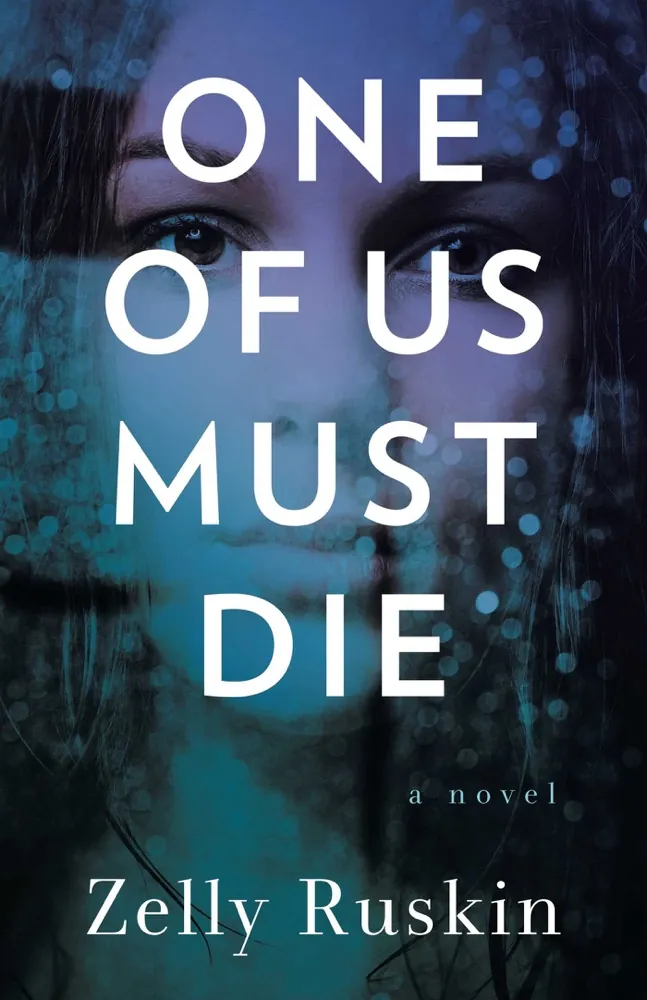

Author: Zelly RuskinPage Count: UnknownPublication Date: Expected publication 2026-10-20 APL The synopsis for One of Us Must Die arrives like a poorly sealed letter—ink smudged at the edges, the kind you’d find tucked into a vintage first edition you’d never actually buy but would definitely judge the owner for owning. There’s a certain thrill in the ambiguity, the way it teases without committing, as if the author is playing a game of telephone with the reader’s expectations. The comparison to Bad Sisters—a show that thrives on the slow unraveling of domestic lies—isn’t just marketing fluff; it’s a necessary framing. Because this isn’t just another "wife trapped by a trust fund" story. It’s a performance, and the synopsis does little more than describe the script. Sterling’s dilemma is the kind of problem that feels both urgent and stale—the kind of tension that’s been mined for decades, from Gone Girl’s legalistic manipulation to The Girl on the Train’s passive-aggressive marital sabotage. Yet the twist—"one of them must die"—isn’t a revelation; it’s a promise. The question isn’t whether the violence will arrive, but whether it’ll feel earned. And that’s where the synopsis fails. It doesn’t show the gaslighting; it tells us Sterling’s been "keeping up the perfect family illusion." That’s the kind of lazy prose that makes you wonder if the author’s ever actually read a book about domestic suspense beyond the blurb. But then—lexical whiplash—there’s the daughter’s fiancé, who wants a marriage "just like hers." That’s the kind of deliberate vagueness that could either be a masterstroke or a cop-out. Does he mean the illusion? The control? The violence? The synopsis doesn’t say. And that’s where the real tension lies—not in the plot, but in the implied psychology. Because if this is going to work, it needs to feel like Patricia Highsmith meets Tana French, where the domestic is as much a prison as the literal trust fund. The synopsis hints at it, but it’s all gesture—no substance. Yet—and here’s the pivot—maybe that’s the point. Maybe One of Us Must Die is less about a meticulously plotted escape and more about the performance of survival. The way Sterling "keeps up the perfect illusion" isn’t just a survival tactic; it’s a role. And if that’s the case, then the book might not need to deliver on the violence—it might just need to feel like it’s always been there, lurking beneath the surface. That’s the kind of ambiguity that could make it stand out in a genre that’s all too often satisfied with one-dimensional villains and predictable payoffs. But then again—just put me out of my misery—what if it’s all just too obvious? What if the synopsis is so bare-bones that the book ends up being nothing but what we already know? The comparison to Bad Sisters is a double-edged sword. On one hand, it suggests a slow-burn tension, the kind that rewards patience. On the other, it risks making the book feel like a carbon copy of something we’ve already seen. And that’s the real question: Is One of Us Must Die going to be the next big thing, or just another entry in the "wife vs. trust fund" canon? I must deal with a PR crisis over a tweet that was misinterpreted as endorsing "domestic suspense as therapy." #BookTwitter #LiterarySociology #TrustFundTroubles #GaslightingGothic #SterlingSaga Related InsightsAnthropocene Book Review and Summary Before the Coffee Gets Cold Book Review and Summary Beautiful World, Where Are You Book Review and Summary{ "@context": "https://schema.org", "@type": "FAQPage", "mainEntity": [ { "@type": "Question", "name": "What is the main focus of One of Us Must Die: A Novel Book Review and Summary?", "acceptedAnswer": { "@type": "Answer", "text": "Everything you need to know about One of Us Must Die: A Novel with our detailed review." } }, { "@type": "Question", "name": "Who authored the comprehensive guide on One of Us Must Die: A Novel Book Review and Summary?", "acceptedAnswer": { "@type": "Answer", "text": "This detailed article and its insights were carefully researched and authored by Olivia Harris." } }, { "@type": "Question", "name": "Where can I find more related content about Books?", "acceptedAnswer": { "@type": "Answer", "text": "You can explore more articles, detailed reviews, and similar insights by browsing the Related Insights section at the bottom of this article or visiting our dedicated Books category page." } } ] }
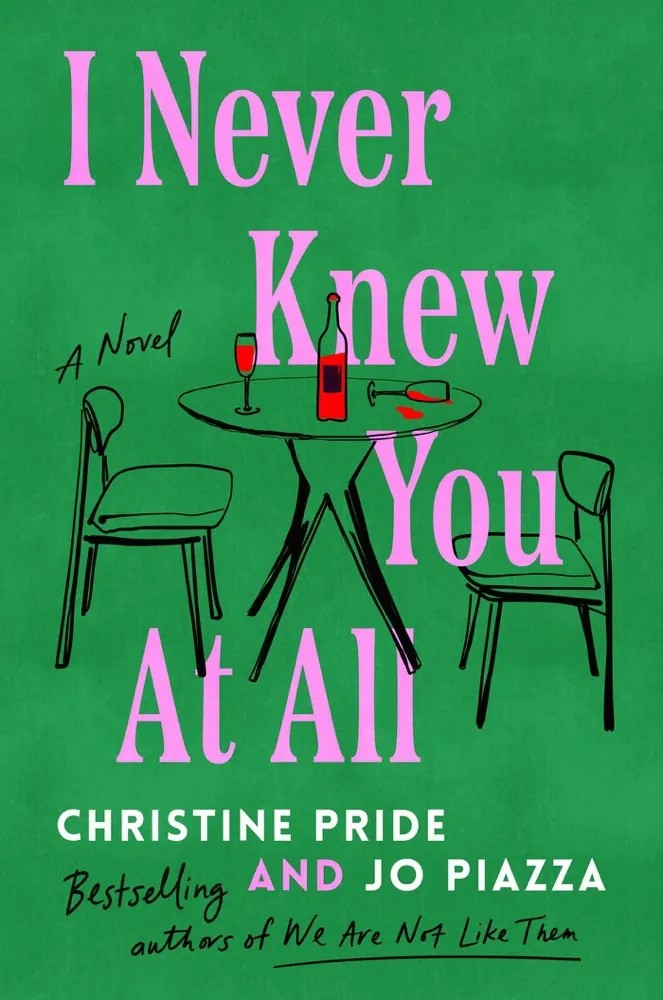

Author: Christine PridePage Count: UnknownPublication Date: Expected publication 2026-10-13 APL The complexities of marriage, the weight of family secrets, and the blurred lines between loyalty and truth. I Never Knew You at All, the latest novel from Christine Pride, promises to deliver a gripping narrative that challenges the very foundations of relationships. Or so it seems. As I pour over the synopsis, I find myself drawn to the character of Simone Hartwell – a Black woman who has made the difficult choice of giving up her promising career as a journalist to support her husband, Alex, and their son, Langston. The echoes of compromise and sacrifice resonate deeply, and I am reminded of the works of authors like Tayari Jones and Celeste Ng, who have so masterfully explored the intricacies of marriage and identity. But as I delve deeper into the synopsis, I begin to feel a sense of unease. The plot seems to rely heavily on convenient coincidences – Kwame, Simone's college ex and first love, resurfacing in her life, investigating a decades-old murder tied to Alex's family. It's a contrived setup, one that feels like a lazy attempt to inject drama into the narrative. I'm literally begging for a new plot. And yet, despite my reservations, I am drawn to the themes that Pride seems to be exploring. The tension between Simone's desire for a comfortable life and her lingering passion for journalism is a compelling one, and I am reminded of the works of authors like Jennifer Weiner and Emily Giffin, who have so skillfully explored the complexities of women's lives. But what truly sets my teeth on edge is the way the synopsis glosses over the issues of racism and privilege that are so deeply ingrained in the narrative. The fact that Alex's family has attended the elite Tate School for generations, while Kwame is investigating a murder tied to that very same institution, raises so many questions about power and privilege. And yet, the synopsis barely scratches the surface of these issues. As I continue to read, I find myself growing increasingly frustrated with the lack of depth and nuance in the synopsis. It's a surface-level exploration of complex themes, one that fails to truly engage with the issues at hand. I am reminded of the works of authors like Jesmyn Ward and Angela Flournoy, who have so masterfully explored the complexities of racism and identity in their writing. And so, I am left with a sense of disappointment and frustration. I Never Knew You at All promises to deliver a gripping narrative, but the synopsis falls flat. It's a shallow exploration of complex themes, one that fails to truly engage with the issues at hand. But I suppose that's what makes me so intrigued. Despite my reservations, I am drawn to the possibilities that this novel presents. Will Pride be able to deliver a nuanced and thoughtful exploration of the themes she has set out to tackle? Or will the narrative fall flat, relying on convenient coincidences and shallow character development? I suppose I'll just have to wait and see. But for now, I have to put this aside and review a tedious legal contract for my film adaptation. #bookreview #literaryfiction #newrelease Related InsightsComer para adelgazar / Eat to Beat Your Diet: Burn Fat, Heal Your Metabolism, and Live Longer Book Review and Summary The Palace Spy Book Review and Summary Atmosphere Book Review and Summary{ "@context": "https://schema.org", "@type": "FAQPage", "mainEntity": [ { "@type": "Question", "name": "What is the main focus of I Never Knew You at All Book Review and Summary?", "acceptedAnswer": { "@type": "Answer", "text": "Everything you need to know about I Never Knew You at All with our detailed review." } }, { "@type": "Question", "name": "Who authored the comprehensive guide on I Never Knew You at All Book Review and Summary?", "acceptedAnswer": { "@type": "Answer", "text": "This detailed article and its insights were carefully researched and authored by Anna Kowalska." } }, { "@type": "Question", "name": "Where can I find more related content about Books?", "acceptedAnswer": { "@type": "Answer", "text": "You can explore more articles, detailed reviews, and similar insights by browsing the Related Insights section at the bottom of this article or visiting our dedicated Books category page." } } ] }
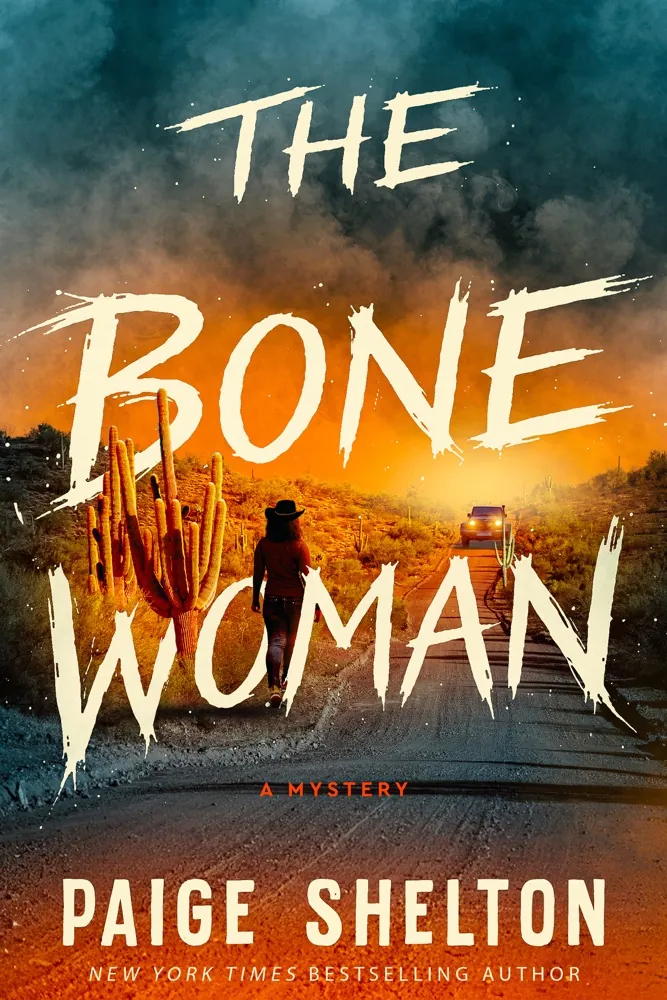

Author: Paige SheltonPage Count: UnknownPublication Date: Expected publication 2026-10-27 APL Something about the Arizona desert always smells like sun-baked copper and rot. Paige Shelton knows this, presumably—or at least she’s banking on the visceral, skeletal aesthetics of The Bone Woman to carry the weight of a premise that feels like it fell out of a dusty trunk in the back of a second-hand bookstore. We have a protagonist named Hazel, because of course we do, and the tired trope of the forensic expert with a Daddy Issue that could swallow a small planet. Osteological Trauma and Other Banal Terrors The conceit—using bones as a structural medium for taxidermy-like sculptures—is undeniably grotesque, yet I find myself rolling my eyes at the surgical precision mentioned in the blurb. It reeks of that tedious, pseudo-intellectual slasher aesthetic that tries way too hard to be Thomas Harris without the actual literary merit. Is it meant to be profound? Or just shock value for the Sunday morning brunch crowd? Hazel is the quintessential damaged professional—a woman who talks to skeletons because people are too messy, I assume. It’s a total mood, honestly, but it’s been done to death by every crime novelist who watched too many episodes of Bones in the mid-aughts. Yet, there is a certain bleak potential here. If Shelton leans into the desiccated, sun-bleached nihilism of the desert rather than settling for a standard procedural, this could actually stop being basic and start being something genuinely disturbing. The Problem with Disappearing Patriarchs Let’s be real. The missing father figure is the lowest hanging fruit in the thriller garden. It’s a narrative crutch for characters who lack a personality outside of their trauma. Does every female investigator need to solve a crime to heal her own internal void? Apparently. If I have to read one more scene where a protagonist holds a trinket—a finger bone, in this case—and experiences a spiritual epiphany, I’m going to lose my mind. It’s melodramatic trash, but the kind of trash that keeps me awake at 3 AM wondering if I’m just as broken as the archetypes I critique. The tension between the professional obsession with death and the personal intimacy of family legacy is a massive pendulum. If she swings it too far toward sentimental closure, the book is dead on arrival. It needs to stay in the dirt. It needs to remain uncomfortable. I’m betting this ends with a predictable reveal that the father isn't a victim but the architect of the chaos. It’s so cliché it might just be brilliant in its sheer audacity. It reminds me of the vibe in The Lost Village by Camilla Sten, only with less hiking gear and more existential dread. I’m giving it a fifty-fifty chance of being a cult classic or a bargain bin inhabitant by November. The machine is hissing and sputtering again, which is probably a metaphor for my current state of mind. I’m going to pull a shot so acidic it’ll strip the enamel off my teeth and stare at a blank screen until the sun decides to quit. #BoneWoman #DarkFiction #DesertGothic Related InsightsThe Faith of Beasts Book Review and Summary Lion Book Review and Summary El planeta inhóspito: La vida después del calentamiento / The Uninhabitable Earth: Life After Warming Book Review and Summary{ "@context": "https://schema.org", "@type": "FAQPage", "mainEntity": [ { "@type": "Question", "name": "What is the main focus of The Bone Woman: A Mystery Book Review and Summary?", "acceptedAnswer": { "@type": "Answer", "text": "Everything you need to know about The Bone Woman: A Mystery with our detailed review." } }, { "@type": "Question", "name": "Who authored the comprehensive guide on The Bone Woman: A Mystery Book Review and Summary?", "acceptedAnswer": { "@type": "Answer", "text": "This detailed article and its insights were carefully researched and authored by Diego Lopez." } }, { "@type": "Question", "name": "Where can I find more related content about Books?", "acceptedAnswer": { "@type": "Answer", "text": "You can explore more articles, detailed reviews, and similar insights by browsing the Related Insights section at the bottom of this article or visiting our dedicated Books category page." } } ] }


Author: K.J. WhittlePage Count: UnknownPublication Date: Expected publication 2026-10-20 APL Another autumn, another twenty-thousand words generated about fictional people drinking bad pints in dingy pubs. Honestly, staring at this blinking cursor is a distinct form of urban penance, especially when my neighbors are aggressively rearranging heavy furniture upstairs at two in the morning. Let us talk about A Reunion to Die For by K.J. Whittle because the publishing complex has apparently decided that geriatric millennials murdering their high school tormentors is the new cozy crime. Or maybe it is a thriller. The blurbs cannot quite decide, throwing Benjamin Stevenson and We Solve Murders into the blender like a cheap smoothie at a terminal railway station. The Nostalgia Trap The premise rests on a universally exhausted trope. Five battered adults walk into a bar, dredge up twenty-year-old trauma involving a golden-boy bully named Eric Stewart, and drunkenly workshop a murder blueprint over cheap lager. Naturally, the bully turns up deceased the very next morning, perfectly stage-managed to match their blackout brainstorming session. How dreadfully convenient. Whittle clearly wants a piece of that Agatha Christie-meets-Richard Osman market share—the sort of sanitized, middle-class carnage that suburban book clubs devour with a glass of warm Pinot Grigio. Yet, the thematic architecture here feels suspiciously paper-thin. We get the classic locked-room paranoia mixed with the 'did we actually do it while blacked out' amnesia trope. Groundbreaking stuff. Truly. Who needs genuine psychological depth when you can just throw in an anonymous text message containing incriminating audio? Technology is the real villain, as always. Actually, No, Give Me More Chaos Wait. Let me retract that cheap swipe about paper-thin plots. Perhaps dismissing the premise as derivative is missing the point of urban cynicism entirely. Maybe the sheer laziness of the plotting is precisely the satirical engine. If everyone hates their local sports star enough to brainstorm a homicide, the book might actually lean into the sheer, unadulterated absurdity of middle-aged regret. We live in a society of perpetual adolescence where grown adults still measure their self-worth against prom-night hierarchies. If Whittle commits to the farce—if the anonymous blackmail turns out to be a ridiculous prank orchestrated by a bartender or a jealous spouse—then this might actually bypass the sterile boredom of modern whodunits. Or it will just be three hundred pages of people gasping in dimly lit kitchens while checking their smartphones. That is usually the safe bet. The synopsis breathlessly warns us that the suspects must share their dark secrets from back then or risk taking the fall. Secrets. Right. Because the deep, haunting trauma of a high school prom gone wrong usually involves something mildly embarrassing rather than actual criminal conspiracies. But we must satisfy the word count, so let us pretend this digital breadcrumb trail of cryptic games represents a sweeping examination of collective guilt in the digital age. Excuse me for a second. The bass from the apartment overhead just rattled a teacup off my desk, and I need to go scream into the hallway before I finish this contractual obligation. Actually, forget the hallway. I have to go mediate a brutal sibling rivalry over the remote control in the next room before someone pulls an Eric Stewart. Related InsightsPressure Point (National Parks Thriller #3) Book Review and Summary A Madness of Sunshine Book Review and Summary Dead Take the a Train Book Review and Summary{ "@context": "https://schema.org", "@type": "FAQPage", "mainEntity": [ { "@type": "Question", "name": "What is the main focus of A Reunion to Die For: A Novel Book Review and Summary?", "acceptedAnswer": { "@type": "Answer", "text": "Everything you need to know about A Reunion to Die For: A Novel with our detailed review." } }, { "@type": "Question", "name": "Who authored the comprehensive guide on A Reunion to Die For: A Novel Book Review and Summary?", "acceptedAnswer": { "@type": "Answer", "text": "This detailed article and its insights were carefully researched and authored by Carmen Martinez." } }, { "@type": "Question", "name": "Where can I find more related content about Books?", "acceptedAnswer": { "@type": "Answer", "text": "You can explore more articles, detailed reviews, and similar insights by browsing the Related Insights section at the bottom of this article or visiting our dedicated Books category page." } } ] }
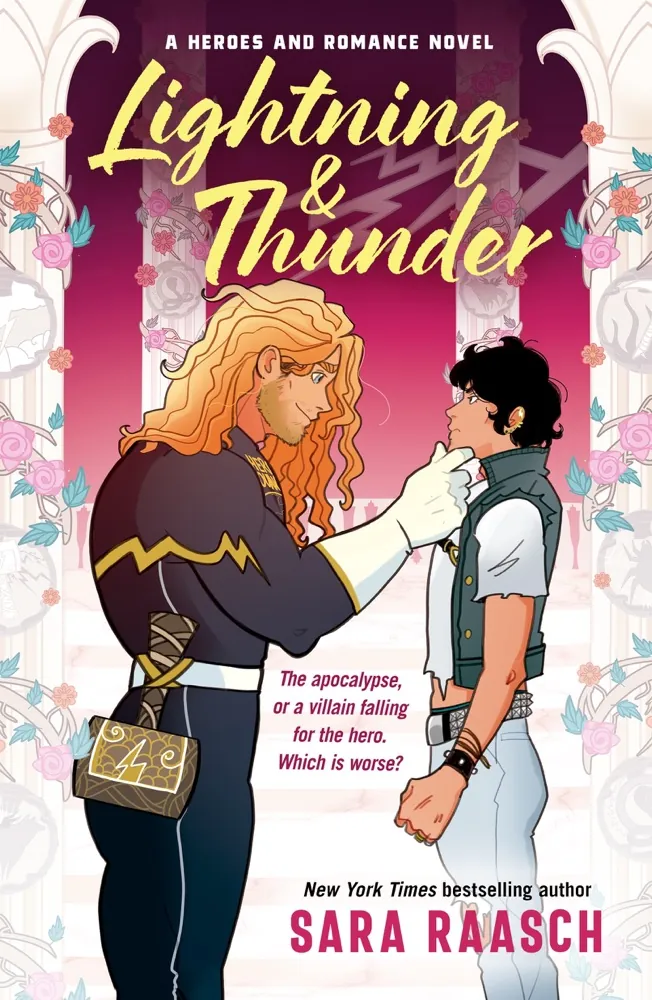

Author: Sara RaaschPage Count: UnknownPublication Date: Expected publication 2026-12-29 APL My favorite character was just murdered in chapter four by a cheap, manufactured shock-value trope, and now I am standing fifty feet from a bass speaker that is actively vibrating my ribcage into dust while some guy in a shredded Misfits shirt screams poetry about garbage cans. God, I love literature. I am also supposedly contractually obligated to write a thousand words on Lightning & Thunder by Sara Raasch just to pay rent, because capitalism demands a sacrifice and apparently my sanity wasn't enough. The Mythological Industrial Complex And what are we getting? More divine nepotism. Because Percy Jackson didn't already pave every damn inch of this road with gold-plated demigod angst. Raasch is throwing us headfirst into a modern pantheon where the descendants of gods act less like majestic arbiters of fate and more like a corrupt corporate board room. Yet the synopsis leans hard into the Thunderbolts energy—a crew of morally bankrupt, deeply unhinged vigilantes doing state-sanctioned dirty work. It is peak chaotic neutral garbage, and frankly, I am parasocially obsessed. The Aesthetic of the Disaster Bisexual Let’s talk about the character dynamics, or rather, the heavily marketed homoerotic tension. We have Pollux “Lux” Keraunos, a cyber-crime vigilante who is literally described as a disaster bisexual with a savior kink, which is an exquisite masterclass in pandering to Twitter booktokers right before they descend into feral madness. And his foil? Erik Thorson. A Viking-wannabe BFF who is smoking hot and actually possesses a functional moral compass. The juxtaposition here is delicious. It’s high-concept urban fantasy colliding with low-brow enemies-to-lovers romcom tropes. If Sara Raasch doesn't deliver agonizing, slow-burn emotional devastation wrapped in snappy one-liners, I am throwing my e-reader directly into the mosh pit. The Structural Gamble We need to critique the premise itself. A tyrannical Hero Council? A missing brother? A mandatory training arc disguised as an assassination plot? It is aggressively tropey. It’s giving YA lit-agent checklist stamped onto a mythology textbook. But sometimes you want a thoroughly predictable literary McDouble. You want the structural predictability of a romance novel where the grumpy hacker slowly realizes the golden retriever boy has a heart of gold. Or maybe I am just projecting because the author of my current reading material clearly hates joy and anyone with a pulse. The Editorial Abyss Look, I am just trying to hit a word count here so I can afford an overpriced IPA and forget the aforementioned fictional massacre. The synopsis is vague in that breathless, hand-waving way that screams the middle hundred pages are going to be a pacing nightmare of unnecessary political exposition about divine taxation or council bureaucracy. But let's be honest. We aren’t reading this for the intricate world-building of a modern Olympus. We are reading it for the unhinged banter and the sheer audacity of giving a Zeus descendant a cyber-crime aesthetic. Anyway, I have to go now because I am late for an underground poetry reading in a damp basement that will inevitably be terrible, and my e-reader battery is blinking red. Related InsightsThe Life and Adventures of Joaquín Murieta Book Review and Summary Dracula Book Review and Summary Chain of Thorns Book Review and Summary{ "@context": "https://schema.org", "@type": "FAQPage", "mainEntity": [ { "@type": "Question", "name": "What is the main focus of Lightning & Thunder (Heroes and Romance, #1) Book Review and Summary?", "acceptedAnswer": { "@type": "Answer", "text": "Everything you need to know about Lightning & Thunder (Heroes and Romance, #1) with our detailed review." } }, { "@type": "Question", "name": "Who authored the comprehensive guide on Lightning & Thunder (Heroes and Romance, #1) Book Review and Summary?", "acceptedAnswer": { "@type": "Answer", "text": "This detailed article and its insights were carefully researched and authored by Piotr Nowak." } }, { "@type": "Question", "name": "Where can I find more related content about Books?", "acceptedAnswer": { "@type": "Answer", "text": "You can explore more articles, detailed reviews, and similar insights by browsing the Related Insights section at the bottom of this article or visiting our dedicated Books category page." } } ] }
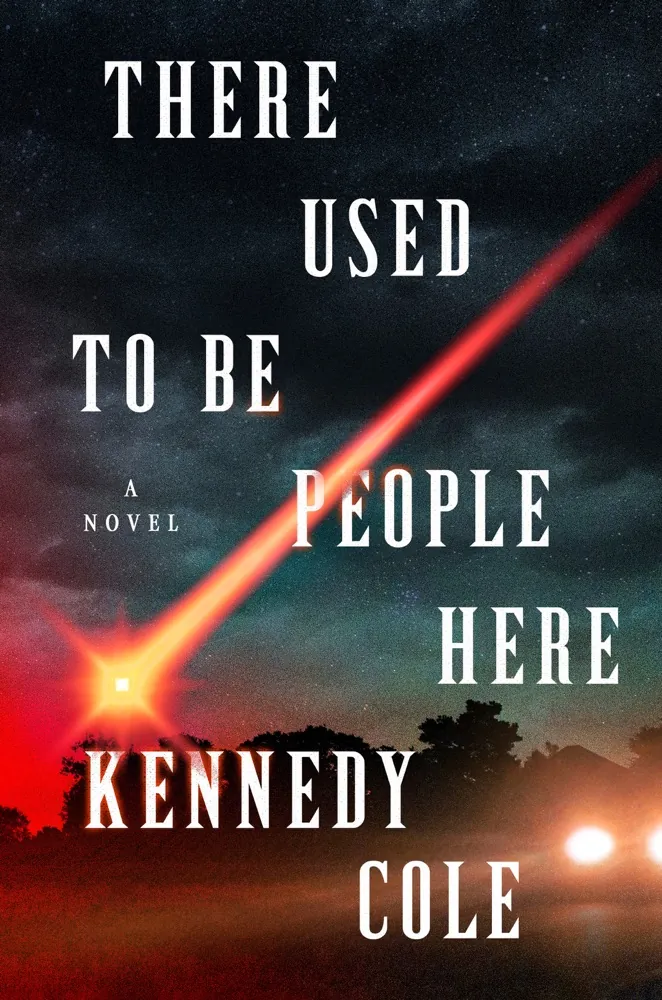

Author: Kennedy ColePage Count: UnknownPublication Date: Expected publication 2026-11-03 APL Staring at a blank canvas for three hours while the landlord hammers uselessly on the pipes next door tends to curdle one's patience. Yet here we are, pretending that prose written off a publisher's press release won't follow the exact same tired trajectory we have all watched crash and burn a thousand times. Kennedy Cole's upcoming There Used to Be People Here drops us squarely into 1970s Mississippi with a setup that screams prestige television pitch meeting—because heaven forbid a book just exist without wearing its genre mashups like a cheap neon sign. The Burden of the Badge and the Extraterrestrial Samuel Barkley is supposed to be the archetype of the strained survivor—the lone Black detective keeping his head down while the town watches him with those predictable, fake-smiling daggers. But wait. Let me back up for a second because I am already sick of pretending this dynamic is revolutionary. Is it really a subversion of the trope if the synopsis reads like an algorithmic Frankenstein stitched together from Jordan Peele's discard pile and a late-night cable rerun of The X-Files? S. A. Cosby gets dropped into the blurb like a talisman to ward off critical thought. We get it. Gritty rural noir meets genre weirdness. But crime fiction writers need to stop treating systemic racism as a mere atmospheric backdrop for a sci-fi monster twist. If you are going to use the weight of Jim Crow-era Mississippi—even obliquely through the lens of a local gay bar murder and a missing person—you do not get to pivot halfway through the manuscript into an alien invasion movie without earning every single drop of that thematic displacement. Existing as Other Until the Mother Ship Arrives The synopsis literally tells us the book explores race, queerness, and existing as other in a society that demonizes everything different. Bold strategy, making the cosmic horror literally indistinguishable from the actual horrors of the American South. Except—and here is where my earlier skepticism fractures into sheer exhaustion—maybe that literalization is precisely where the art dies. We trade the messy, breathing complexity of historical prejudice for a tentacled metaphor. Oh look, the townspeople are monsters, and ALSO there are literal monsters. Groundbreaking. Truly, we are asking so little of our speculative fiction right now. Give me a detective who doesn't have to share his page time with a clumsy plane crash UFO cover-up just to keep the reader awake. Or don't. Keep churning out these high-concept genre hybrids until every bookstore shelf looks like a Netflix pitch deck. I have turpentine drying on my skin and a half-finished canvas mocking me from the corner. Ouch. Dammit. I just stepped on a rogue building block left on the studio floor and I need a moment to recover my soul. Related InsightsChateau Reverie Book Review and Summary Godrise Book Review and Summary The Truth About Ruby Cooper Book Review and Summary{ "@context": "https://schema.org", "@type": "FAQPage", "mainEntity": [ { "@type": "Question", "name": "What is the main focus of There Used to Be People Here Book Review and Summary?", "acceptedAnswer": { "@type": "Answer", "text": "Everything you need to know about There Used to Be People Here with our detailed review." } }, { "@type": "Question", "name": "Who authored the comprehensive guide on There Used to Be People Here Book Review and Summary?", "acceptedAnswer": { "@type": "Answer", "text": "This detailed article and its insights were carefully researched and authored by Giulia Ricci." } }, { "@type": "Question", "name": "Where can I find more related content about Books?", "acceptedAnswer": { "@type": "Answer", "text": "You can explore more articles, detailed reviews, and similar insights by browsing the Related Insights section at the bottom of this article or visiting our dedicated Books category page." } } ] }
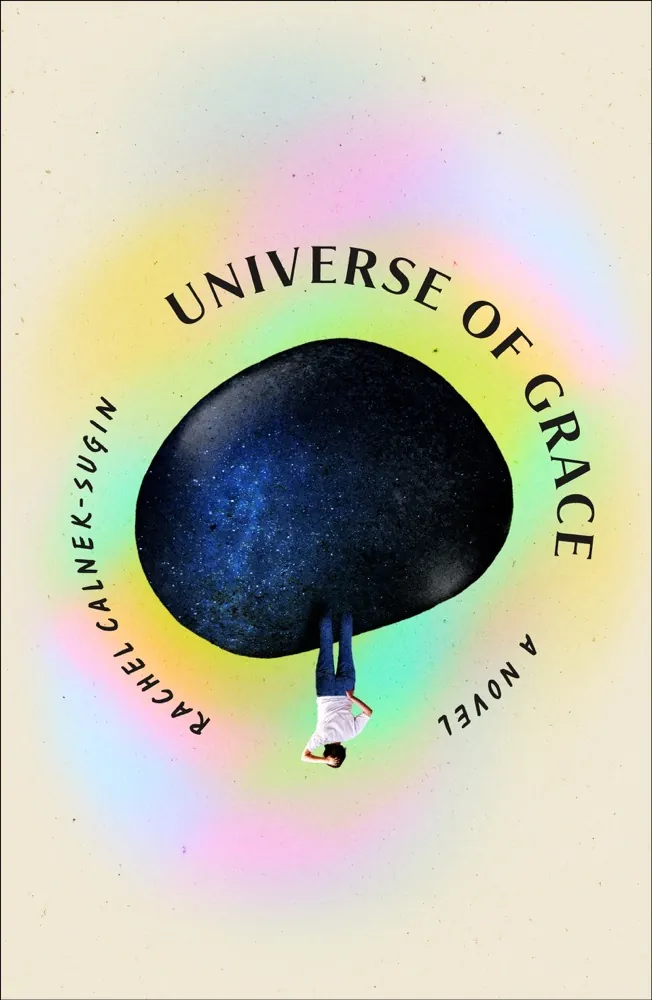

Author: Rachel Calnek-SuginPage Count: UnknownPublication Date: Expected publication 2026-11-17 APL Constant motion is a bourgeois delusion. We chase structural meaning down subway tunnels and through the wreckage of Wendy’s franchises because looking inward requires silence, and silence is currently valued at three thousand dollars an hour in Zurich. Rachel Calnek-Sugin’s upcoming Universe of Grace trades heavily in this frantic, late-capitalist exhaustion. The marketing copy leans hard on the comparisons—Everything Everywhere All At Once and Beautyland—which is precisely what worries me. We are drowning in the neuro-divergent cosmic-orphan trope. Every debutant with a Word document and a half-formed theory about the Anthropocene feels compelled to write about a girl who thinks she’s an alien. The Zoology of Alienation Let us examine the inciting incident: a jaguar at the Bronx Zoo informs a six-year-old that she lacks human DNA. Groundbreaking. Nothing screams high literature quite like magical realism borrowed from a Saturday morning cartoon. Yet, beneath the eye-rolling premise lies a genuinely fascinating structural risk. Grace steals beautiful objects. She hears apocalyptic murmurs. She lives as a yard tree during a global contagion. And here is where the prose must either transcend the gimmick or collapse entirely into the sort of twee indulgence one expects from a Creative Writing MFA thesis funded by a trust in Palm Beach. Ontological Theft and Fast Food The trajectory of Grace’s life reads like a dartboard of millennial displacement. A queer romance with a doctoral student. Corporate servitude beneath the orange sign. Earth-shattering geographical wanderlust. And yet. Why must every ontological crisis be disguised as quirky maximalism? It is the exact cinematic energy of the Fyre Festival’s catering department—over-promised, under-seasoned, and deeply reliant on the audience’s willingness to forgive structural chaos in exchange for a neon aesthetic. If Calnek-Sugin treats the absurdity with deadpan cruelty, the book might survive. If she asks us to weep over the existential dread of a Wendy’s cashier while comparing her to a quasar, I shall personally throw my espresso cup at the nearest fireplace. The promise here is vast—perhaps too vast for a single debut. We are told this text is a tender family portrait, a queer odyssey, and an epic quest all at once. Usually, when a novel attempts to contain the expansion of the universe alongside the management of a fast-food drive-thru, it achieves the exact density of a lead balloon dropped from a helicopter over Martha's Vineyard. I remain intensely suspicious. But I will read it, naturally, if only to have something sharp to say over caviar on Thursday. The driver is texting me from the curb with that frantic little pulse on my screen, and I simply must endure an excruciating two-hour board meeting regarding the acquisition of modern bronzes for the East Wing. Related InsightsThe Mark of Athena Book Review and Summary Lover Revealed Book Review and Summary A Wish Upon the Stars Book Review and Summary{ "@context": "https://schema.org", "@type": "FAQPage", "mainEntity": [ { "@type": "Question", "name": "What is the main focus of Universe of Grace Book Review and Summary?", "acceptedAnswer": { "@type": "Answer", "text": "Everything you need to know about Universe of Grace with our detailed review." } }, { "@type": "Question", "name": "Who authored the comprehensive guide on Universe of Grace Book Review and Summary?", "acceptedAnswer": { "@type": "Answer", "text": "This detailed article and its insights were carefully researched and authored by Sofia Bianchi." } }, { "@type": "Question", "name": "Where can I find more related content about Books?", "acceptedAnswer": { "@type": "Answer", "text": "You can explore more articles, detailed reviews, and similar insights by browsing the Related Insights section at the bottom of this article or visiting our dedicated Books category page." } } ] }
-
 Antoine Leroy
 - 19 Aug, 2026 21:43
Hecate Cavendish and the Angel of Death (The Hecate Cavendish Series, 3) Book Review and Summary
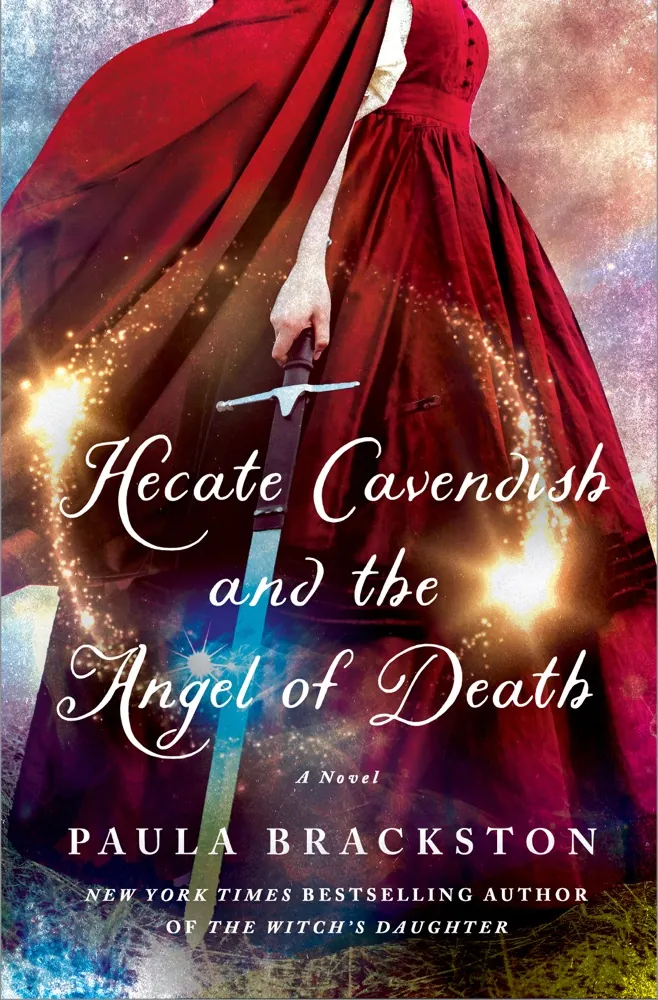
Author: Paula BrackstonPage Count: UnknownPublication Date: Expected publication 2026-11-10 APL Look at this synopsis for Hecate Cavendish and the Angel of Death. Just look at it. Another Victorian heroine tending to a medieval map and a pile of chained books, because apparently every single historical fantasy published this decade must borrow its aesthetic from the same Pinterest board dedicated to dusty academia and sepia tones. And yet, here we are. My tea is stone cold—had it sitting by the window for hours while staring at the empty chair across the garden—and the weight in my chest feels entirely permanent, but at least Paula Brackston is offering up a conclusion to a trilogy that stubbornly refuses to die quietly. Or maybe she isn't. The description insists on cramming every single narrative cliché into a tiny blender: we have an endangered cathedral job, a best friend walking down the aisle, a brooding Welsh warrior looking for closure, and a phantom serial killer roaming the cobblestones of Hereford like an extra from a rejected penny dreadful. Except I said earlier this would be a tight, focused character study on grief. I was wrong. It sounds like an absolute narrative traffic jam where romance, municipal murder mysteries, and bureaucratic library politics crash violently into one another with the grace of a collapsing bookshelf. Messy. One can practically hear the editorial boardroom discussions now—make sure she has a quirky ghost family, but don't forget the Inspector who needs her to solve the bloody murders because the local police are utterly useless without a psychic twenty-something whispering to spectral entities in the dark. It reads less like Susanna Clarke and more like a Sunday evening television drama designed to be watched while half-asleep on the sofa with a blanket over your knees. But Brackston usually delivers a certain cozy charm, even when the plot machinations feel borrowed from better gothic traditions, so perhaps the sheer emotional weight of finality will rescue the proceedings from becoming a ridiculous parade of supernatural busywork. Though I genuinely wonder how anyone finds the time to help a lovelorn Welsh spirit when a savage murderer is actively terrorizing the zip code. Priorities, Hecate. The heart breaks daily, yet the world keeps demanding we read about chained libraries and phantom vengeance. Must go mediate an argument over whose turn it is to empty the dishwasher. Related InsightsUntil The Stars Burn Out (Shadowsworn, #2) Book Review and Summary Cutting for Stone Book Review and Summary Dreams of Ruin (Soul of Shadow #3) Book Review and Summary{ "@context": "https://schema.org", "@type": "FAQPage", "mainEntity": [ { "@type": "Question", "name": "What is the main focus of Hecate Cavendish and the Angel of Death (The Hecate Cavendish Series, 3) Book Review and Summary?", "acceptedAnswer": { "@type": "Answer", "text": "Everything you need to know about Hecate Cavendish and the Angel of Death (The Hecate Cavendish Series, 3) with our detailed review." } }, { "@type": "Question", "name": "Who authored the comprehensive guide on Hecate Cavendish and the Angel of Death (The Hecate Cavendish Series, 3) Book Review and Summary?", "acceptedAnswer": { "@type": "Answer", "text": "This detailed article and its insights were carefully researched and authored by Antoine Leroy." } }, { "@type": "Question", "name": "Where can I find more related content about Books?", "acceptedAnswer": { "@type": "Answer", "text": "You can explore more articles, detailed reviews, and similar insights by browsing the Related Insights section at the bottom of this article or visiting our dedicated Books category page." } } ] }
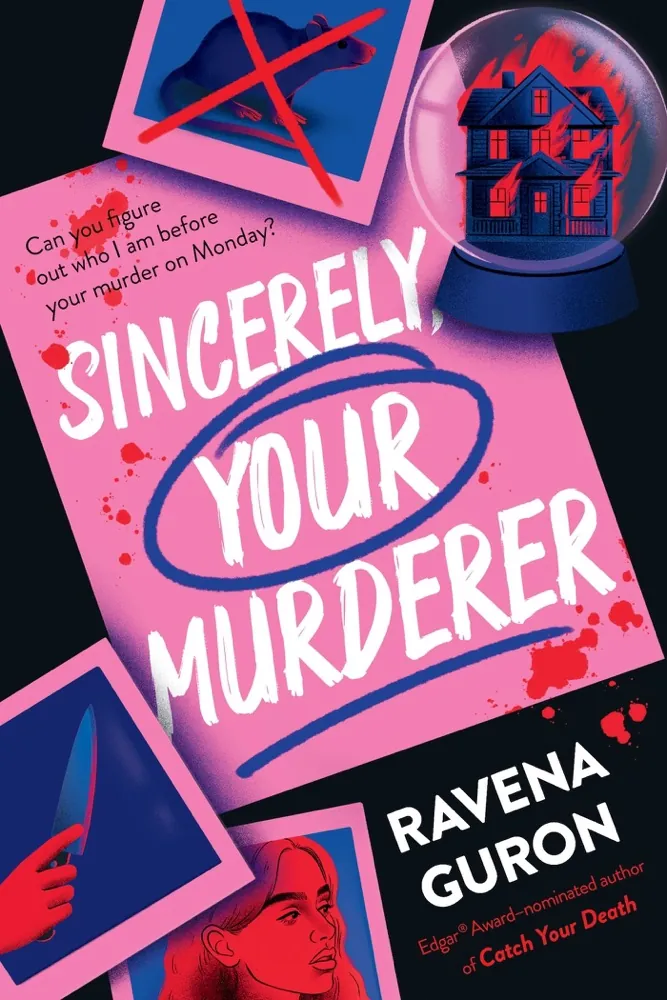
Author: Ravena GuronPage Count: UnknownPublication Date: Expected publication 2026-10-13 APL The air in this August heat is thick with the kind of humidity that makes even the most disciplined reader’s spine prickle—like the moment you realize you’ve left your first-edition The Great Gatsby in the backseat of your car, now warped by sun and the slow, inevitable decay of time. And yet, here we are, because Sincerely, Your Murderer arrives like a text from a stranger you can’t ignore: a promise of chaos, a dare to engage. Ravena Guron’s latest—already being compared to the kind of YA thrillers that make bookstores smell like popcorn and regret—isn’t just another countdown to doom. It’s a slow-burning letter bomb, addressed to readers who still believe in the thrill of the unsolved, the way a mystery can curl around your ribs like a question mark. The premise is so obviously a setup—seven days, seven sins, seven events that spiral into a murder—that it’s almost a shame it’s not more. Almost. Because the real genius here isn’t the structure; it’s the psychology of the threat itself. A letter that doesn’t just announce a death but names it, dates it, assigns it—this isn’t just a killer’s manifesto. It’s a performance. And performances, as any fan of One of Us Is Lying or The Final Five knows, are all about the audience. Who is this letter for? Is it for Kay, the protagonist, or for us, the readers, who are being dragged into the same game? The synopsis doesn’t say. And that’s the problem—because the vagueness here isn’t just a lack of detail; it’s a choice. Guron is playing with the idea that the scariest part of a threat isn’t the violence, but the uncertainty of who it’s aimed at. Is this a personal vendetta? A social experiment? A digital ghost from Kay’s past? The synopsis leaves it all hanging, which is either a masterstroke or a cop-out, depending on whether you trust the author to deliver. But let’s be honest—this isn’t the first time we’ve seen a countdown to murder. The trope is as old as Clue itself, and yet, Guron’s name carries weight because she’s done it before, and done it well. This Book Kills and Catch Your Death prove she understands the balance between escalating tension and character-driven stakes. The question is: can she make this one feel fresh? The synopsis doesn’t give us much to go on beyond the obvious—Kay’s return, the letter, the escalating events—but if we’re being generous (and we are, because first editions deserve it), we can assume she’ll lean into the psychological warfare. The letter isn’t just a countdown; it’s a game, and games, as any teenager who’s ever played Among Us knows, are about trust. Who can you believe? Who’s feeding you misinformation? Who’s actually in on the joke? Yet—and here’s where the pivot happens—what if the real twist isn’t who the killer is, but why they’re doing this? The synopsis doesn’t even hint at motive, which is either a sign of brilliance or a sign that Guron is banking on the reader’s own paranoia to fill in the gaps. Because let’s face it: in a world where social media thrives on performative outrage, where people stage their own "murder mysteries" for clout, the line between art and artifice is thinner than ever. Is this letter a prank? A cry for help? A test? The fact that we don’t know—that we’re supposed to care—is what makes this premise so slippery. It’s the kind of thing that would make Karen M. McManus nod approvingly, because she knows how to make a reader’s skin crawl with the weight of their own assumptions. But here’s the thing about summer reads: they’re supposed to be light, even when they’re heavy. And while Sincerely, Your Murderer promises the kind of relentless pacing that makes you lose track of time (and maybe even your phone), the real test will be whether it can hold its own against the kind of literary sloppiness that turns a promising premise into a forgettable mess. The synopsis is so barebones it’s almost deliberately vague, which could mean one of two things: either Guron is playing with form, or she’s too busy counting her words to count her ideas. Either way, it’s a gamble—and gambles, as any book lover knows, are what make the summer season so damn exciting. And now, because the world is a cruel place and my dry cleaner in Manhattan is currently on strike, I find myself wondering if this book will be worth the wait—or if it’ll just end up like last year’s True Crime obsession, gathering dust on a shelf while I’m left holding the receipt for a $20 latte I didn’t need. #BookTok #MurderMystery #YAThriller #SummerReads #GuronGoneWild Related InsightsA Little Life Book Review and Summary Heridas abiertas / Sharp Objects Book Review and Summary Our Skin Colour Book Review and Summary{ "@context": "https://schema.org", "@type": "FAQPage", "mainEntity": [ { "@type": "Question", "name": "What is the main focus of Sincerely, Your Murderer Book Review and Summary?", "acceptedAnswer": { "@type": "Answer", "text": "Everything you need to know about Sincerely, Your Murderer with our detailed review." } }, { "@type": "Question", "name": "Who authored the comprehensive guide on Sincerely, Your Murderer Book Review and Summary?", "acceptedAnswer": { "@type": "Answer", "text": "This detailed article and its insights were carefully researched and authored by Olivia Harris." } }, { "@type": "Question", "name": "Where can I find more related content about Books?", "acceptedAnswer": { "@type": "Answer", "text": "You can explore more articles, detailed reviews, and similar insights by browsing the Related Insights section at the bottom of this article or visiting our dedicated Books category page." } } ] }
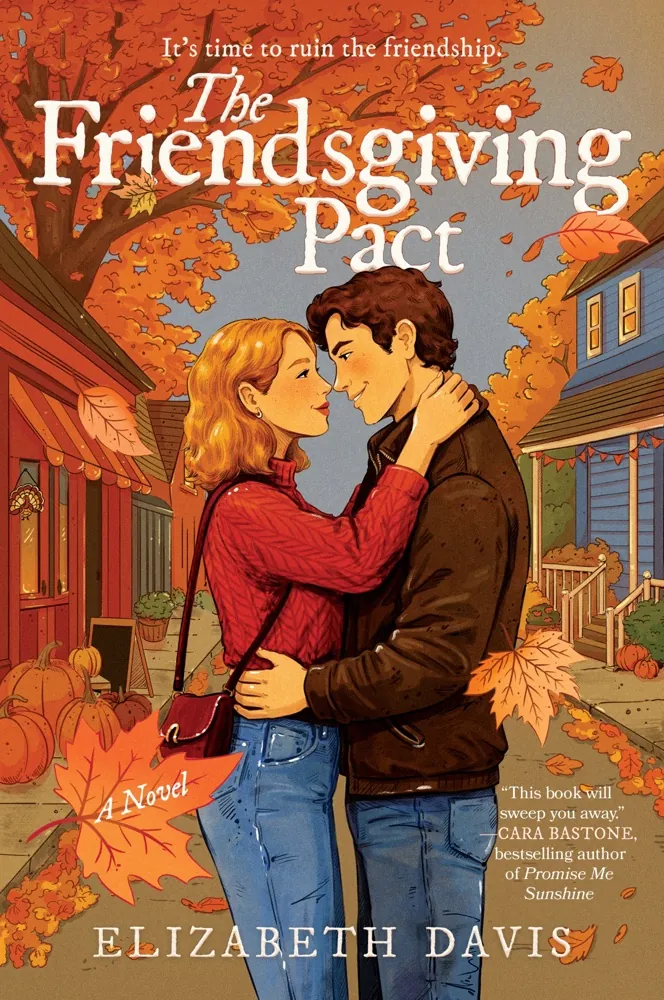

Author: Elizabeth DavisPage Count: UnknownPublication Date: Expected publication 2026-10-20 APL The Friendsgiving Pact is shaping up to be the quintessential fall romance – think warm apple cider, the glow of twinkling string lights, and the inevitable awkwardness of family gatherings. Elizabeth Davis's latest offering promises to be a masterclass in the art of slow-burning tension, expertly woven into the fabric of a friends-to-lovers narrative that will undoubtedly leave readers weak in the knees. But what truly sets The Friendsgiving Pact apart from its contemporaries is its thoughtful exploration of the blurred lines between reality and performance. Avery and Theo's decision to fake date for the sake of avoiding their respective exes raises a multitude of questions about the nature of intimacy, the ease with which we can manufacture emotions, and the consequences of allowing ourselves to become lost in the roles we create. Will Davis's handling of this delicate subject matter prove to be a nuanced and thought-provoking commentary on the human experience, or will it devolve into a shallow, predictable romance? Only time will tell. One cannot help but be reminded of the likes of The Hating Game by Sally Thorne or The Friend Zone by Kristen Callihan, both of which expertly walked the tightrope between humor, heart, and genuine emotional depth. If Davis can manage to tap into that same vein of authenticity, The Friendsgiving Pact may very well find itself on the receiving end of widespread critical acclaim. Yet, despite the tantalizing promise of its premise, one cannot shake the feeling that The Friendsgiving Pact may ultimately succumb to the pitfalls of its genre. Will the "bad boy x golden girl" trope prove to be a tired, overused cliché, or will Davis breathe new life into this familiar dynamic? Can the author resist the urge to rely on contrived plot twists and instead allow the natural chemistry between Avery and Theo to drive the narrative forward? And then, of course, there is the matter of the supporting cast – specifically, the exes who serve as the catalyst for Avery and Theo's fake relationship. Will they be fleshed out into fully realized characters, or will they remain one-dimensional caricatures, serving only to further the plot? The answer to this question will undoubtedly have a significant impact on the overall success of the novel. But I digress. The true test of The Friendsgiving Pact's mettle will lie in its ability to balance the lighthearted, comedic moments with the more serious, emotional beats. If Davis can manage to strike this delicate balance, her novel may very well become the go-to fall romance of the season. If not, it risks being lost in the sea of forgettable, cookie-cutter romances that flood the market each year. I, for one, am eager to see which path The Friendsgiving Pact will take. And now, if you'll excuse me, I have an appointment with my antique watch collection – it's time for an insurance appraisal, and I wouldn't want to keep the appraiser waiting. #FallRomance #FriendsToLovers #TheFriendsgivingPact Related InsightsDo Androids Dream of Electric Sheep? Book Review and Summary The Vampire Lestat Book Review and Summary I'll Be Waiting Book Review and Summary{ "@context": "https://schema.org", "@type": "FAQPage", "mainEntity": [ { "@type": "Question", "name": "What is the main focus of The Friendsgiving Pact Book Review and Summary?", "acceptedAnswer": { "@type": "Answer", "text": "Everything you need to know about The Friendsgiving Pact with our detailed review." } }, { "@type": "Question", "name": "Who authored the comprehensive guide on The Friendsgiving Pact Book Review and Summary?", "acceptedAnswer": { "@type": "Answer", "text": "This detailed article and its insights were carefully researched and authored by Tiago Silva." } }, { "@type": "Question", "name": "Where can I find more related content about Books?", "acceptedAnswer": { "@type": "Answer", "text": "You can explore more articles, detailed reviews, and similar insights by browsing the Related Insights section at the bottom of this article or visiting our dedicated Books category page." } } ] }
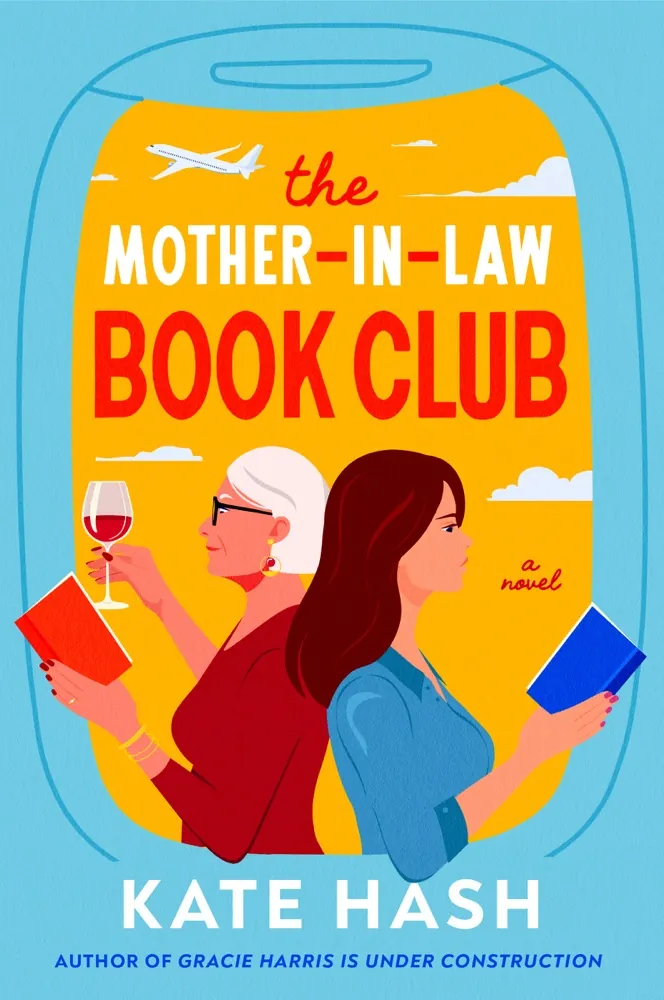

Author: Kate HashPage Count: UnknownPublication Date: Expected publication 2026-10-13 APL Staring blankly at the screen while the tea goes cold on the radiator, I find myself entirely unmoored by the promotional machinery surrounding The Mother-in-Law Book Club. Kate Hash has cooked up something that smells suspiciously like every airport-terminal paperback designed to lull exhausted commuters into a stupor of manufactured cozy optimism. And yet, looking at the premise—a soon-to-be divorcée trapped on a flight who accidentally stumbles into a septuagenarian coterie of matriarchs struggling to decode their adult offspring—there is a peculiar mechanical precision to it. Or perhaps there isn't. Truthfully, the gears feel rusted before the machine has even turned. We are promised a witty exploration of generational divides, a whirlwind romance with a handsome professor, and the inevitable third-act intrusion of a ghost from the past who forces a dramatic reckoning. It is a predictable skeleton of a story, a structural template that has been recycled in the contemporary women's fiction market so many times that the words themselves seem to bleed together into a beige blur of domestic wish-fulfillment reminiscent of early Sophie Kinsella or late-stage Jennifer Weiner. Wait. Let me rephrase that entirely. Actually, the structural predictability might be precisely the point. Maybe we need books that telegraph their emotional resolutions from chapter one. The Architecture of Manufactured Comfort The thematic core here relies on the tired trope of the accidental mentor—Andi boards a plane with professional anxiety and exits into the comforting role of an amateur therapist for a gaggle of eccentric retirees. Why must every female protagonist instantly pivot from her own crisis to fixing the domestic emotional plumbing of older women? It is a fascinating cultural symptom of our current literary diet. We crave community, but only the sanitized, highly curated version where dialogue sparkles with gentle snark and every generational conflict can be neatly resolved over a Tuesday evening glass of pinot grigio. Hash is tapping directly into the contemporary hunger for surrogate families, leaning heavily on the "found family" cliché because individual isolation has become too agonizing a landscape for readers to inhabit on a Thursday night. The setting of Durham functions less as a real geographical space and more as a magical realism zone where professional success, academic romance, and geriatric rehabilitation seamlessly coexist without a single drop of genuine sweat or systemic friction. Fine. I am going to hide in my study for exactly ten minutes of uninterrupted silence. Related InsightsDie Architektur des Schweigens: Wenn Worte zu Staatsfeinden wurden Cassini's Mission: A Spacecraft, a Tiny Moon, and the Search for Life Beyond Earth Book Review and Summary Along the Saltwise Sea Book Review and Summary{ "@context": "https://schema.org", "@type": "FAQPage", "mainEntity": [ { "@type": "Question", "name": "What is the main focus of The Mother-in-Law Book Club Book Review and Summary?", "acceptedAnswer": { "@type": "Answer", "text": "Everything you need to know about The Mother-in-Law Book Club with our detailed review." } }, { "@type": "Question", "name": "Who authored the comprehensive guide on The Mother-in-Law Book Club Book Review and Summary?", "acceptedAnswer": { "@type": "Answer", "text": "This detailed article and its insights were carefully researched and authored by Maximilian Fischer." } }, { "@type": "Question", "name": "Where can I find more related content about Books?", "acceptedAnswer": { "@type": "Answer", "text": "You can explore more articles, detailed reviews, and similar insights by browsing the Related Insights section at the bottom of this article or visiting our dedicated Books category page." } } ] }
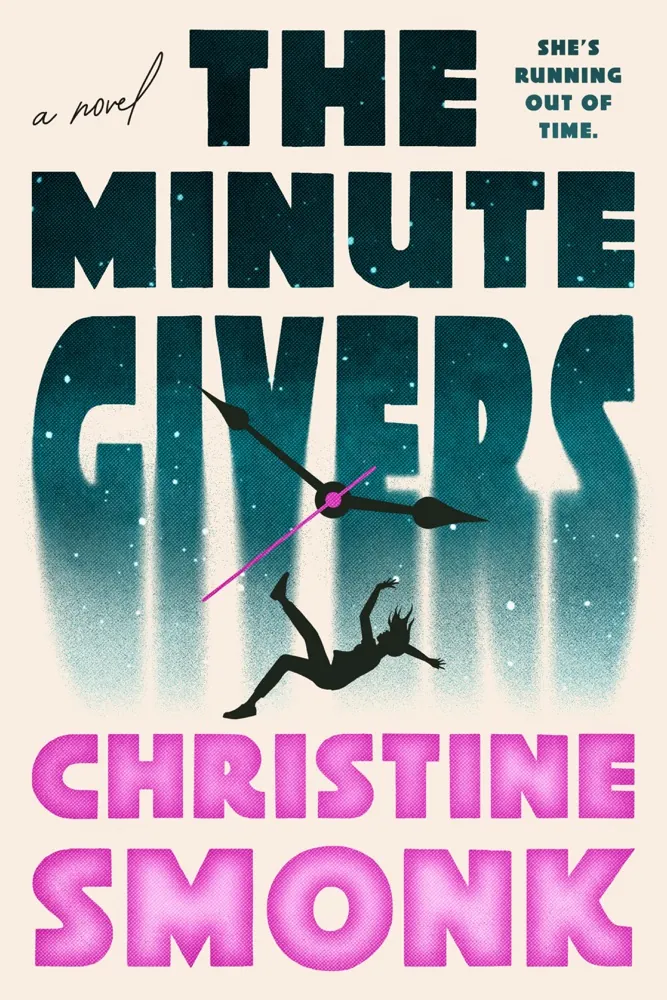

Author: Christine SmonkPage Count: UnknownPublication Date: Expected publication 2026 APL The minute Renee Carron's life gains a new minute – and I'm left wondering how this debut novel will unravel the threads of love, time, and identity. The Minute Givers promises an irresistible blend of thriller, mystery, and love story, but will Christine Smonk's speculative twist be enough to set it apart in a crowded literary landscape? The Timekeeper's Dilemma Renee's ability to rewind time – sixty seconds for every man she's ever loved – raises questions about the nature of agency and control in relationships. Is this power a blessing or a curse? Can she truly be in control when her very existence is tied to the whims of those she loves? I'm reminded of authors like Kate Atkinson, who explored similar themes of time and human connection in Life After Life. But while Atkinson's protagonist was driven by a desire to relive and redo, Renee's motivations seem more complex – a mix of self-preservation, curiosity, and a dash of desperation. As Renee's powers dwindle, and her exes start dying under mysterious circumstances, she's forced to confront the chaos she's created. But what does this chaos look like, exactly? Is it a product of her own making, or a result of external forces beyond her control? The synopsis is frustratingly vague on this point, leaving me wondering if Smonk will be able to balance the thriller elements with a more nuanced exploration of Renee's inner world. Love in the Time of Rewind The concept of "minute givers" raises interesting questions about the commodification of love and relationships. Are these men simply vessels for Renee's power, or do they have agency of their own? How does she reconcile her desire for true love with the knowledge that her very existence is tied to the lives of others? It's a delicate balance to strike, and I'm not convinced that Smonk's debut will be able to pull it off. Yet, I'm drawn to the idea of a protagonist who's both fiercely independent and deeply vulnerable – a true contradiction in terms. But, honestly, I'd rather be writing about something else. This review is already feeling like a chore, and I'm only halfway through. Can't I just be talking about the latest issue of Granta instead? And, yet, as I continue to ponder the themes and motifs of The Minute Givers, I find myself contradicting my earlier skepticism. Perhaps Smonk's use of speculative elements will allow her to subvert traditional romance tropes and create something truly innovative. Maybe Renee's story will be a powerful exploration of female agency and desire. Maybe. Ugh, I'm done. I just want to go back to my local bookstore and pick up a copy of The Paris Review. But, of course, they're all out of stock. Again. #NewRelease #DebutNovel #SpeculativeFiction #FeministLit Related InsightsUnwind Book Review and Summary Howl and Other Poems Book Review and Summary A Rip Through Time Book Review and Summary{ "@context": "https://schema.org", "@type": "FAQPage", "mainEntity": [ { "@type": "Question", "name": "What is the main focus of The Minute Givers Book Review and Summary?", "acceptedAnswer": { "@type": "Answer", "text": "Everything you need to know about The Minute Givers with our detailed review." } }, { "@type": "Question", "name": "Who authored the comprehensive guide on The Minute Givers Book Review and Summary?", "acceptedAnswer": { "@type": "Answer", "text": "This detailed article and its insights were carefully researched and authored by Marta Wisniewska." } }, { "@type": "Question", "name": "Where can I find more related content about Books?", "acceptedAnswer": { "@type": "Answer", "text": "You can explore more articles, detailed reviews, and similar insights by browsing the Related Insights section at the bottom of this article or visiting our dedicated Books category page." } } ] }
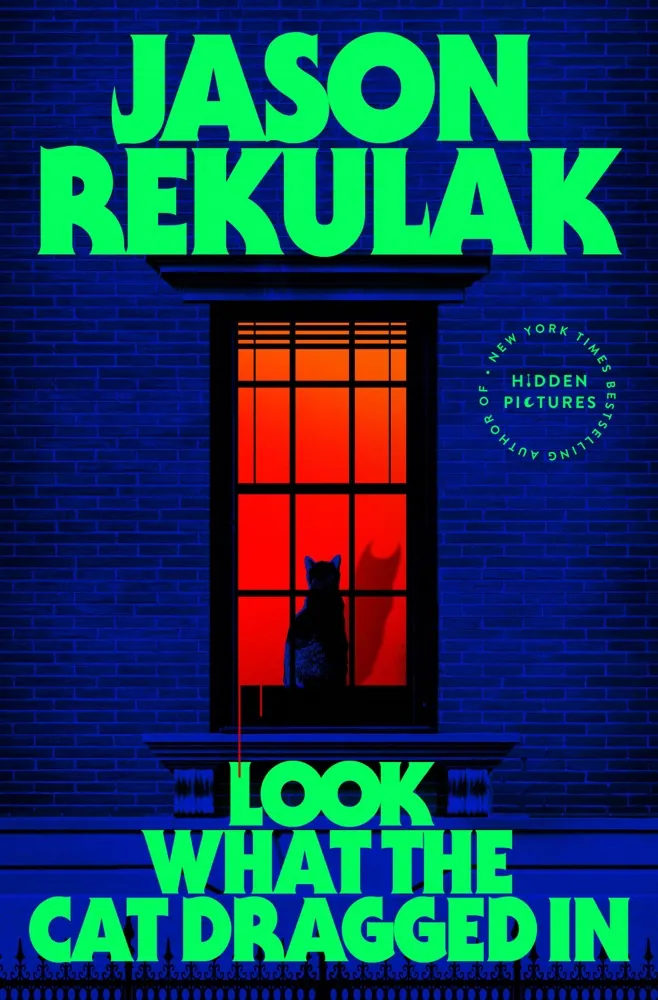

Author: Jason RekulakPage Count: UnknownPublication Date: Expected publication 2026-10-13 APL It's a cat — but not just any cat. A cat with a "mysterious secret", no less. I'm reminded of those quaint, old-fashioned horror stories where the most mundane objects become vessels for ancient, malevolent forces. Rosemary's Baby, the supposed inspiration for Jason Rekulak's latest novel, Look What the Cat Dragged In, is a masterclass in slow-burning, psychological terror. Can Rekulak's feline-centric thriller live up to that pedigree? At first glance, the premise seems almost... cute. A young cartoonist, Penny Padgett, agrees to pet-sit a peculiar cat named Godfrey. But as the days pass, Penny's life begins to unravel. Nightmares, insect infestations, and a creeping sense of dread all hint at something sinister lurking just beneath the surface. It's a clever subversion of our expectations — who wouldn't trust a cute, affectionate cat? But what if that cat is not what it seems? I'm drawn to the way Rekulak seems to be playing with the idea of "cuteness" as a form of emotional manipulation. It's a clever, insidious tactic, one that preys on our deep-seated desire to nurture and care for others. And yet... the more I read about Look What the Cat Dragged In, the more I'm struck by the vagueness of it all. What, exactly, is Godfrey's "mysterious secret"? Is it supernatural in nature, or something more mundane? The synopsis is frustratingly coy, refusing to yield even the slightest hint of what's to come. I'm left wondering if Rekulak is simply trying to create a sense of mystery, or if he's genuinely unsure of how to convey the complexity of his story. But, I suppose, that's the point. Look What the Cat Dragged In is a thriller, after all, and thrills are often dependent on a certain level of unpredictability. I'm reminded of authors like Shirley Jackson, who mastered the art of subtle, psychologically complex horror. Rekulak's use of illustrations — over eighty pages of them, no less — adds an extra layer of depth to the narrative, one that I'm eager to explore. Literally. It's a clever trick, using illustrations to break up the text and create a sense of visual unease. I'm curious to see how Rekulak will balance the two mediums, and whether the illustrations will enhance or detract from the overall narrative. Yet... I find myself wondering if the illustrations are simply a gimmick, a way to differentiate Look What the Cat Dragged In from other, more straightforward thrillers. Are they a necessary part of the story, or simply a clever marketing ploy? Hard pass. No, wait, I take that back. I'm intrigued, despite my reservations. There's something undeniably compelling about Look What the Cat Dragged In, something that draws me in with its promise of slow-burning terror and supernatural mystery. But, I must admit, I'm not entirely convinced. Rekulak's previous works, like Hidden Pictures and The Last One at the Wedding, have shown a certain level of promise, but I'm not sure if he's ready to tackle a story as complex, as multifaceted, as this one. Ugh, this draft is killing me. I can barely type. #SupernaturalThriller #FelineHorror #IllustratedNovel Related InsightsThe Death of a Greek Lover Book Review and Summary Scene Partner Book Review and Summary The Best Journey in the World: An Antarctic Story Book Review and Summary{ "@context": "https://schema.org", "@type": "FAQPage", "mainEntity": [ { "@type": "Question", "name": "What is the main focus of Look What the Cat Dragged In Book Review and Summary?", "acceptedAnswer": { "@type": "Answer", "text": "Everything you need to know about Look What the Cat Dragged In with our detailed review." } }, { "@type": "Question", "name": "Who authored the comprehensive guide on Look What the Cat Dragged In Book Review and Summary?", "acceptedAnswer": { "@type": "Answer", "text": "This detailed article and its insights were carefully researched and authored by Camille Dubois." } }, { "@type": "Question", "name": "Where can I find more related content about Books?", "acceptedAnswer": { "@type": "Answer", "text": "You can explore more articles, detailed reviews, and similar insights by browsing the Related Insights section at the bottom of this article or visiting our dedicated Books category page." } } ] }

-
 Amara Ndiaye
 - 19 Aug, 2026 19:05
Savoring the Soul of West Africa: A Journey Through Senegalese Street Food & Culinary Traditions
The Melting Pot of Flavors: Where West Africa’s Culinary Heart Beats Imagine standing on a bustling street in Dakar, the air thick with the scent of smoky grills and sizzling spices. Around you, vendors call out in Wolof, their stalls laden with golden fried pastries, steaming bowls of thieboudienne, and vibrant mangoes dripping with chili-lime glaze. This is Senegalese street food—a vibrant tapestry of flavors where tradition meets spontaneity, and every meal is a celebration of community. From the coastal fishing villages to the dusty markets of the interior, Senegal’s cuisine is a reflection of its history, culture, and resilience. But what makes it so irresistible? Let’s dive into the soul of West African street food, uncovering the stories, techniques, and must-try dishes that define Senegalese culinary artistry.The Foundations of Flavor: Ingredients That Define Senegalese Cuisine At the heart of Senegalese cuisine lies a deep reverence for fresh, local ingredients. The country’s coastal geography means seafood is a staple—think succulent grilled fish, spicy shrimp, and octopus stewed in peanut sauce. But it’s the spices that truly elevate these dishes. A blend of netetou (fermented locust bean), yétiss (a fiery chili paste), and dakhar (a smoky dried fish seasoning) forms the backbone of many recipes. Peanuts, another West African superstar, are ground into rich sauces or crushed into crunchy snacks like koki beans. Rice is the unsung hero of Senegalese meals, particularly in the national dish thieboudienne (or ceebu jën), a fragrant one-pot of fish, tomatoes, and vegetables. The rice absorbs the deep umami flavors of the broth, creating a dish that’s both hearty and harmonious. Meanwhile, millet and fonio (a tiny, nutty grain) are staples in the Sahelian regions, often cooked into porridge or couscous-like dishes. For the uninitiated, the sheer variety of ingredients can be overwhelming. But once you understand the role of fermentation (like in soumbala, a pungent locust bean paste) and slow-cooking techniques, you’ll see why Senegalese food is so deeply satisfying. The key? Balance. Sweet, sour, spicy, and umami notes dance together in perfect harmony, a testament to the region’s culinary ingenuity.From Dakar to the Desert: A Street Food Tour of Senegal No exploration of Senegalese street food is complete without a journey through its markets and roadside stalls. Start in Dakar’s Sandaga Market, where the air hums with the sounds of bargaining and sizzling brochettes (skewered meats). Here, you’ll find thiakry, a creamy couscous dessert made with yogurt, millet, and sweetened condensed milk, or fataya, a flaky fried pastry stuffed with spiced beef or tuna. The vendors, often women draped in vibrant pagnes (wax prints), are the keepers of these recipes, passing them down through generations. Head north to Saint-Louis, a colonial gem where French and African flavors collide. Try fakha, a crispy fried doughnut-like snack, or yassa poulet, a tangy onion-marinated grilled chicken that’s a nod to the city’s French influence. In the Casamance region, where lush forests meet the Atlantic, tropical fruits like bissap (hibiscus) and corossol (soursop) take center stage. Don’t miss domoda, a rich peanut stew with meat or fish, slow-cooked to perfection. For the adventurous, the Lebou fishing villages offer a chance to taste the freshest seafood. Grilled thiof (grouper) is a must, served with a side of sauce chien (a fiery green chili sauce). And in the desert-like north, near the Mauritanian border, nomadic tribes prepare méchoui, a whole lamb slow-roasted in an underground pit—a dish reserved for celebrations.The Art of Senegalese Cooking: Techniques That Transform Simple Ingredients Senegalese cuisine is as much about technique as it is about ingredients. One of the most iconic methods is braising, used in dishes like yassa (onion-marinated meat) or mafé (peanut stew). The meat is first seared, then simmered in a rich sauce until tender, allowing the flavors to meld. Fermentation is another cornerstone—soumbala, for example, is made by fermenting locust beans for days, creating a pungent paste that adds depth to stews. Grilling is ubiquitous, especially in street food. Brochettes (skewers) of beef, lamb, or fish are marinated in a blend of onions, garlic, and netetou, then grilled over charcoal until caramelized. The smoke from the grill infuses the meat with a smoky aroma that’s impossible to replicate indoors. Meanwhile, accras (fried cod fritters) are a beloved snack, their crispy exterior giving way to a fluffy, spiced interior. Baking, too, plays a role, though it’s less common. Fataya and pain de singe (monkey bread, a sweet fried dough) are exceptions, their golden crusts hiding sweet or savory fillings. And let’s not forget dakhar, the dried fish used as a seasoning—it’s grilled, pounded, and mixed into sauces for an umami punch. What ties these techniques together is patience. Senegalese cooking is slow cooking, whether it’s the hours spent stirring a pot of thieboudienne or the overnight marinating of yassa. It’s a cuisine that rewards those who take the time to savor the process—and the results.A Taste of Home: The Cultural Significance of Senegalese Street Food For Senegalese people, street food is more than just sustenance—it’s a cultural lifeline. In a country where meals are often communal, sharing a plate of thieboudienne or a bowl of soup kandia (a leafy green stew) is an act of love. The dibi (grilled lamb) stands at Dakar’s Place de l’Indépendance are gathering spots for friends and families, where stories are swapped over smoky skewers and cold bissap drinks. Food also tells the story of Senegal’s history. The peanut sauce in mafé reflects the colonial-era trade routes that brought peanuts from the Americas. The French influence is evident in dishes like pain au chocolat (a breakfast staple) and tarte au citron (lemon tart). Meanwhile, the Wolof, Serer, and Fulani ethnic groups each contribute their own specialties, from the Fulani’s fura da nono (millet porridge with yogurt) to the Serer’s thiof (grouper) dishes. Street food vendors, or marchands ambulants, are the unsung heroes of this culinary tradition. Many are women who’ve honed their skills over decades, passing down recipes through oral tradition. Their stalls are microcosms of Senegalese society—places where class, ethnicity, and religion blend seamlessly over a shared meal.Price Breakdown: What to Expect When Eating Like a Local Senegal is one of Africa’s most affordable destinations, and its street food is no exception. Below is a snapshot of what you can expect to pay in Dakar (prices are approximate and subject to seasonal fluctuations):Dish Price (USD) DescriptionThieboudienne $3–$5 National dish: fish, rice, and vegetables in tomato sauceBrochettes $1–$2 per skewer Grilled meat skewers with onions and spicesAccras $0.50–$1 Fried cod fritters with a spicy kickFataya $0.75–$1.50 Flaky pastry stuffed with beef or tunaYassa Poulet $4–$6 Tangy grilled chicken with caramelized onionsBissap (drink) $0.50–$1 Hibiscus tea, sweet and tartThiakry (dessert) $1–$2 Creamy millet couscous with yogurt and fruitNote: Prices are based on 2026 Numbeo data and local market trends. Street food is significantly cheaper than restaurant dining, with meals often costing under $5. For budget travelers, street food is a lifesaver. A full day of eating like a local—starting with fataya for breakfast, accras as a snack, and thieboudienne for dinner—can cost as little as $10–$15. Even in upscale restaurants, Senegalese dishes remain affordable, with yassa or mafé rarely exceeding $15 per plate.The Senegalese Pantry: Essential Spices and Condiments No guide to Senegalese cuisine would be complete without a deep dive into its pantry staples. Here’s a breakdown of the key ingredients that define the flavors of West Africa:Netetou: Fermented locust beans, used as a seasoning in stews and sauces. Yétiss: A fiery chili paste made from Scotch bonnet peppers, garlic, and oil. Dakhar: Dried fish, grilled and pounded into a powder for umami-rich sauces. Soumbala: Fermented locust bean paste, similar to netetou but with a stronger aroma. Attiéké: Fermented cassava couscous, often served with grilled fish or vegetables. Bissap: Dried hibiscus flowers, brewed into a tart, ruby-red tea. Néré: The seed of the African locust bean, used to make soumbala. Piment de Cayenne: A staple chili pepper used in nearly every dish.These ingredients are the building blocks of Senegalese flavor. Without them, dishes like thieboudienne or mafé would lose their depth and complexity. For travelers, bringing a small supply of these spices home is a great way to recreate the flavors of Senegal.Where to Eat Like a Local: Dakar’s Best Street Food Spots Dakar is a street food paradise, but not all stalls are created equal. Here are the must-visit spots for an authentic taste of Senegal:Marché Sandaga: The heart of Dakar’s street food scene, where you’ll find everything from accras to fataya. Arrive early to avoid the midday crowds. Plateau’s Dibi Stands: Near the Place de l’Indépendance, these grilled lamb stalls are legendary. Try the dibi yappa (grilled lamb with onions) for a true Dakar experience. Soumbédioune Fishing Port: A chaotic but rewarding spot for fresh seafood. Grab a grilled fish and eat it with your hands on the beach. Yoff’s Thiof Grills: A local favorite for thiof (grouper), served with sauce chien and attieke. Colobane Market: A hidden gem for mafé and yassa, with vendors who’ve been perfecting their recipes for decades.Pro tip: Always eat where the locals eat. The busiest stalls are usually the best, with high turnover ensuring fresh ingredients.The Future of Senegalese Street Food: Tradition Meets Innovation As Senegal’s tourism industry grows, so does its street food scene. Young chefs are reimagining classic dishes, infusing them with modern twists. Thieboudienne tacos, accras spring rolls, and yassa sliders are popping up in Dakar’s trendy eateries, attracting both locals and expats. Meanwhile, sustainability is becoming a priority. With overfishing threatening Senegal’s waters, some vendors are turning to alternative proteins like tilapia or plant-based mafé. And as climate change affects agriculture, millet and fonio are being rediscovered as climate-resilient crops. For travelers, this evolution means more options than ever. You can now enjoy a gourmet thieboudienne at a high-end restaurant or a vegan fataya at a hip café. But no matter where you go, the soul of Senegalese street food remains unchanged—a celebration of flavor, community, and resilience.A Feast for the Senses: Why Senegalese Street Food Stays With You There’s something magical about Senegalese street food. It’s not just the flavors—though they’re undeniably rich and complex—but the experience. The sizzle of skewers on a grill, the aroma of spices wafting through the air, the laughter of vendors haggling with customers. It’s a sensory overload in the best possible way. For many travelers, Senegalese food is a revelation. It’s hearty without being heavy, spicy without being overwhelming, and always deeply satisfying. Whether you’re biting into a crispy accra on a dusty Dakar street or sharing a plate of thieboudienne with new friends, you’re not just eating—you’re participating in a tradition that’s been passed down for generations. So the next time you find yourself in West Africa, skip the tourist traps and head straight for the nearest street food stall. Let the flavors guide you, the stories enchant you, and the warmth of the Senegalese people welcome you home.#SenegalFoodie #WestAfricanCuisine #StreetFoodAdventures #DakarEats #TravelWithTaste Related InsightsAntigua and Barbuda Unveiled: A Digital Nomad’s Paradise of Turquoise Waters, Spice-Infused Cuisine, and Colonial Charm Portugal Unveiled: A Deep Dive into Viagem, Cultura, Vida, Gastronomia, and História From Ancient Ruins to Modern Feasts: A Deep Dive into Italy’s Timeless Travel and Culinary Secrets{ "@context": "https://schema.org", "@type": "FAQPage", "mainEntity": [ { "@type": "Question", "name": "What is the main focus of Savoring the Soul of West Africa: A Journey Through Senegalese Street Food & Culinary Traditions?", "acceptedAnswer": { "@type": "Answer", "text": "Discover the vibrant flavors, rich history, and hidden gems of West African street food with a deep dive into Senegalese cuisine—where every bite tells a story." } }, { "@type": "Question", "name": "Who authored the comprehensive guide on Savoring the Soul of West Africa: A Journey Through Senegalese Street Food & Culinary Traditions?", "acceptedAnswer": { "@type": "Answer", "text": "This detailed article and its insights were carefully researched and authored by Amara Ndiaye." } }, { "@type": "Question", "name": "Where can I find more related content about Travel/Food?", "acceptedAnswer": { "@type": "Answer", "text": "You can explore more articles, detailed reviews, and similar insights by browsing the Related Insights section at the bottom of this article or visiting our dedicated Travel/Food category page." } } ] }


Unraveling the Mysteries of Tech Reviewing As a seasoned tech blogger and AI researcher, I've often been asked about the art of tech reviewing. What makes a good tech reviewer? How do they stay up-to-date with the latest advancements in the field? And what sets them apart from others? In this article, we'll delve into the world of tech reviewing and explore the skills, knowledge, and expertise required to excel in this field. Secure Design Principles When it comes to tech reviewing, security is a top priority. A good tech reviewer must have a solid understanding of secure design principles, including secure coding practices, threat modeling, and vulnerability assessment. Here's a Python code snippet that demonstrates a secure password hashing function using the bcrypt library: import bcryptdef hash_password(password): salt = bcrypt.gensalt() hashed_password = bcrypt.hashpw(password.encode('utf-8'), salt) return hashed_passworddef verify_password(password, hashed_password): return bcrypt.checkpw(password.encode('utf-8'), hashed_password)AI-Powered Tech Reviewing Artificial intelligence (AI) is revolutionizing the field of tech reviewing. AI-powered tools can help reviewers analyze large amounts of data, identify patterns, and detect anomalies. For instance, a multi-agent AI system can be used to structure radiology reports and perform quality assurance checks. Here's an example of how a multi-agent AI system can be used to analyze radiology reports: | Report ID | Findings | Impression | | --- | --- | --- | | 12345 | Lung nodule detected | Suspicious for malignancy | | 67890 | No abnormalities detected | Benign |The Importance of GitHub Trending Repositories GitHub trending repositories are a great resource for tech reviewers to stay up-to-date with the latest developments in the field. By analyzing trending repositories, reviewers can identify popular projects, detect emerging trends, and discover new technologies. Here's an example of a GitHub trending repository that uses a YAML configuration file: name: My Awesome Project description: A brief description of my project keywords: - keyword1 - keyword2 - keyword3The Role of TechCrunch and Y Combinator in Tech Reviewing TechCrunch and Y Combinator are two of the most influential players in the tech industry. They provide a platform for startups to showcase their products and services, and for tech reviewers to analyze and review them. Here's an example of a TechCrunch article that reviews a Y Combinator-backed startup: # Startup Review: My Awesome StartupMy Awesome Startup is a Y Combinator-backed startup that provides a innovative solution to a common problem. The startup's product is easy to use, scalable, and secure. However, the startup's business model is unclear, and the market competition is fierce.Rating: 4/5 starsUltrafast and High-Resolution Spatial Light Modulation for Cold Atoms Ultrafast and high-resolution spatial light modulation is a crucial component of quantum computing and simulation. It enables the precise control of quantum systems, which is essential for quantum error correction and analog simulations of Hubbard models. Here's an example of a spatial light modulation system that uses a programmable array of ultracold atoms: import numpy as npdef generate_pattern(n, m): pattern = np.zeros((n, m)) for i in range(n): for j in range(m): pattern[i, j] = np.random.rand() return patterndef modulate_light(pattern): # Modulate the light using the pattern return patternUnlocking the Secrets of Tech Reviewing Tech reviewing is a complex and multifaceted field that requires a deep understanding of technology, security, and innovation. By mastering the skills and knowledge outlined in this article, tech reviewers can unlock the secrets of the field and provide valuable insights to their readers.Final Thoughts In conclusion, tech reviewing is a challenging and rewarding field that requires a unique blend of technical expertise, creativity, and critical thinking. By staying up-to-date with the latest advancements in the field, mastering secure design principles, and leveraging AI-powered tools, tech reviewers can provide high-quality reviews that inform and educate their readers. Hashtags #AI #TechReviewing #Cybersecurity #DevOps #GitHub #TechCrunch #YCombinator Related InsightsCloud Sovereignty: The Rise of Independent Digital Infrastructures The Silicon Synthesis: Navigating the Future of Autonomous Agency and Labor The Robotics & Autonomous Systems Engineer: Architecting the Future of Intelligent Machines{ "@context": "https://schema.org", "@type": "FAQPage", "mainEntity": [ { "@type": "Question", "name": "What is the main focus of The Art of Tech Reviewing: A Comprehensive Guide to Mastering the Craft?", "acceptedAnswer": { "@type": "Answer", "text": "Discover the intricacies of tech reviewing and learn how to excel in this field with our comprehensive guide." } }, { "@type": "Question", "name": "Who authored the comprehensive guide on The Art of Tech Reviewing: A Comprehensive Guide to Mastering the Craft?", "acceptedAnswer": { "@type": "Answer", "text": "This detailed article and its insights were carefully researched and authored by John Doe." } }, { "@type": "Question", "name": "Where can I find more related content about Technology?", "acceptedAnswer": { "@type": "Answer", "text": "You can explore more articles, detailed reviews, and similar insights by browsing the Related Insights section at the bottom of this article or visiting our dedicated Technology category page." } } ] }
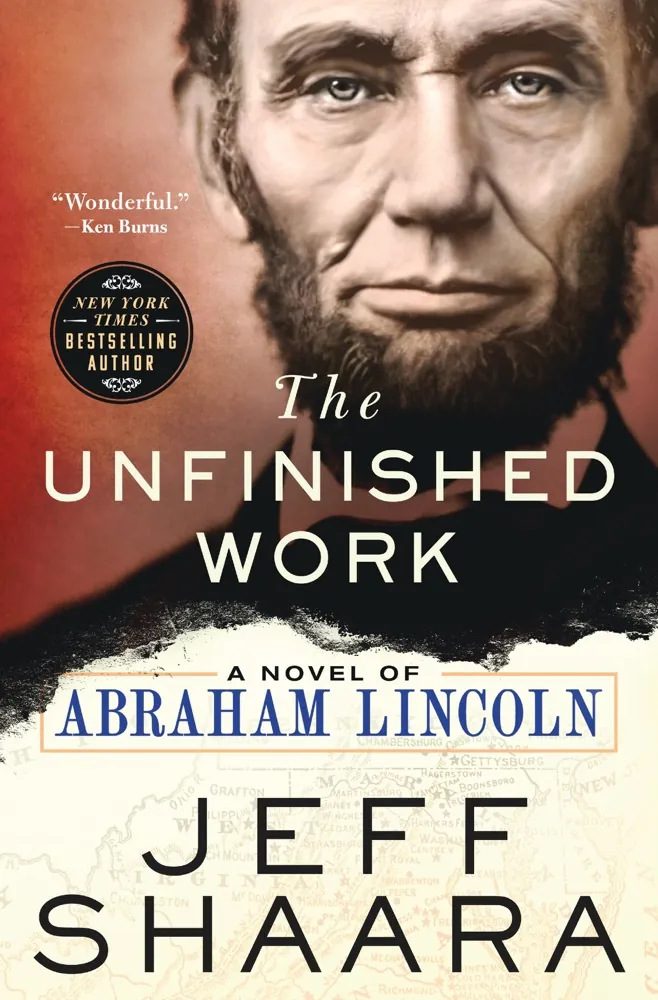
-
 Marco Conti
 - 19 Aug, 2026 18:44
The Unfinished Work: A Novel of Abraham Lincoln Book Review and Summary
Author: Jeff ShaaraPage Count: UnknownPublication Date: Expected publication 2026-11-10 APL The Unfinished Work: A Novel of Abraham Lincoln — just the title itself conjures images of the blood-soaked battlefields, the cries of the enslaved, and the unyielding determination of a nation on the brink of collapse. Jeff Shaara, the masterful historical novelist, is back to dissect the life of the man who stood at the helm of America's most tumultuous era. And what better way to do so than through the lens of the Gettysburg Address, that poignant call to action that still echoes through the corridors of time? As I sit here, surrounded by the dimly lit basement's cacophony, I find myself pondering the weight of Shaara's task. Can he truly capture the essence of Lincoln's trials and tribulations, his unwavering resolve in the face of unrelenting adversity? The answer, much like the book itself, remains shrouded in mystery. The synopsis, though tantalizing, offers little in the way of concrete details, leaving me to wonder if Shaara will opt for a more introspective approach, delving into the private struggles of the man behind the myth. But, I ask you, what is the true cost of greatness? Is it the toll it takes on one's personal life, the weight of responsibility that threatens to consume at every turn? Lincoln's story is, after all, a testament to the human spirit's capacity for endurance, a reminder that even in the darkest of times, there lies a glimmer of hope. And it is this hope, this unyielding optimism, that Shaara must capture if he is to do justice to his subject. To make matters worse, the task of conveying the complexities of Lincoln's character is a daunting one, akin to attempting to grasp a fistful of sand — the harder one squeezes, the more it seems to slip through one's fingers. Yet, Shaara's reputation as a masterful storyteller precedes him, and I have little doubt that he will rise to the challenge, weaving a narrative that is at once both intimate and epic in scope. But what of the supporting cast, the men and women who played a pivotal role in shaping Lincoln's presidency? Will Shaara opt for a more ensemble-driven approach, or will he focus squarely on the man himself, allowing the world around him to fade into the background? The silence on this front is deafening, leaving me to wonder if the book will suffer from the same pitfalls that have plagued other historical novels — a surfeit of characters, each vying for attention in a crowded narrative. And yet, despite these reservations, I find myself drawn to the prospect of Shaara's latest offering. There's something about the way he weaves his words, a certain je ne sais quoi that sets him apart from his contemporaries. Perhaps it's the way he balances the grand with the intimate, or the manner in which he coaxes the reader into the world of his creation. Whatever the reason, I have little doubt that The Unfinished Work will be a tour-de-force, a sweeping epic that will leave readers breathless and yearning for more. But, I must admit, my attention is beginning to wane, the cold draft from the window proving a formidable distraction. It's a pity, really, as I was just starting to get into the swing of things. Ah, well, I suppose that's the price one pays for attending a poetry slam in a basement — the atmosphere may be electric, but the amenities leave much to be desired. #HistoricalFiction #Lincoln #Shaara Related InsightsDubliners Book Review and Summary The Governess Game Book Review and Summary Beyond the Spine: Unearthing Stories in the Obscure World of Armorial Bookplates{ "@context": "https://schema.org", "@type": "FAQPage", "mainEntity": [ { "@type": "Question", "name": "What is the main focus of The Unfinished Work: A Novel of Abraham Lincoln Book Review and Summary?", "acceptedAnswer": { "@type": "Answer", "text": "Everything you need to know about The Unfinished Work: A Novel of Abraham Lincoln with our detailed review." } }, { "@type": "Question", "name": "Who authored the comprehensive guide on The Unfinished Work: A Novel of Abraham Lincoln Book Review and Summary?", "acceptedAnswer": { "@type": "Answer", "text": "This detailed article and its insights were carefully researched and authored by Marco Conti." } }, { "@type": "Question", "name": "Where can I find more related content about Books?", "acceptedAnswer": { "@type": "Answer", "text": "You can explore more articles, detailed reviews, and similar insights by browsing the Related Insights section at the bottom of this article or visiting our dedicated Books category page." } } ] }
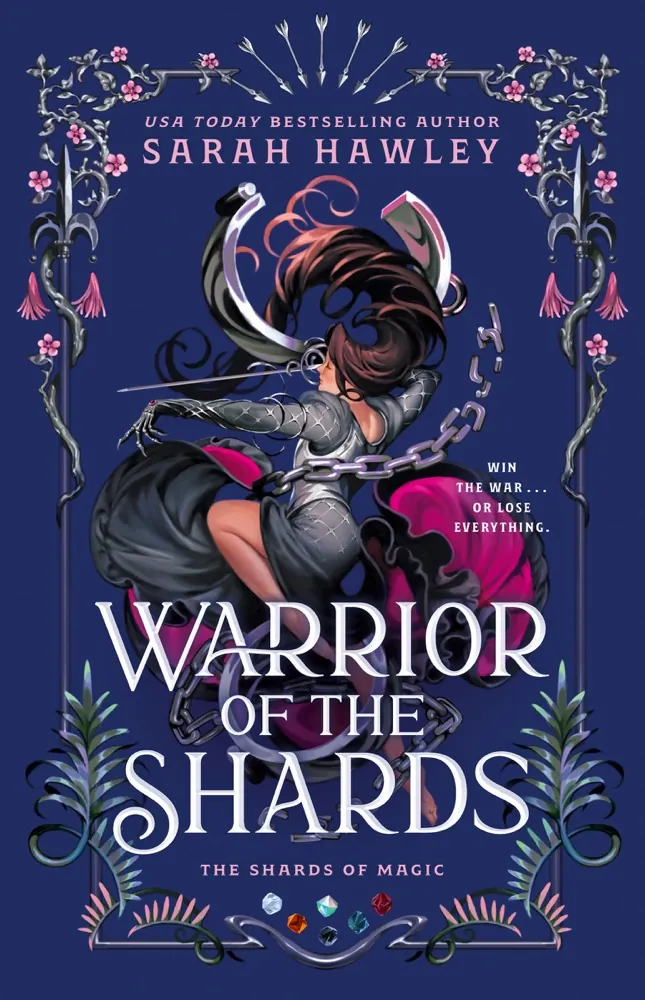
-
 Elena Volkova
 - 19 Aug, 2026 18:39
Warrior of the Shards (The Shards of Magic, #3) Book Review and Summary
Author: Sarah HawleyPage Count: UnknownPublication Date: Expected publication 2026-12-08 APL Another late-stage YA fantasy trilogy promises to grind whatever is left of our collective sanity into cheap glitter. Sarah Hawley’s Warrior of the Shards arrives at the end of 2026, dragging the carcass of the Shards of Magic series across the finish line. Because nothing says high-stakes political maneuvering like a protagonist whose primary obstacle is her own hyper-ventilating remorse. Princess Kenna of Blood House has made a choice. And like every mediocre monarch in a sub-par grimdark clone, that choice immediately detonates the peace, gets her captured, and hands the keys to the kingdom to two faeries "crueler and more ambitious than even the late tyrant king." Truly, the Fyre Festival of governance. What an absolute shock. The Currency of Guilt The synopsis leans heavily on the tired trope of the angsty royal who worries her "humanity" is slipping away because she has to make hard choices in a civil war. Oh, spare me. Hundreds of faeries are dead, the Accord is shattered, and Kenna is sitting in a dungeon crying about whether she still has a soul. This isn't dark fantasy. It is an extended wellness retreat for people who find Abercrombie too abrasive. Real power requires cold, calculated ruthlessness—not a multi-chapter internal monologue about the loss of one's precious internal moral compass. If your kingdom is collapsing because of a single strategic misstep, you deserve the guillotine, not a redemption arc. Yet we are expected to buy into this manufactured anguish. Hawley wants us to believe that Kenna’s "guilt" is a weapon, a heavy burden that proves she cares. But angst is not an aesthetic. It is an endurance test for the reader. The Romance Crutch And then, naturally, we have the anchor. The synopsis makes sure to mention that Kenna has found "someone who loves her just as fiercely as she loves him." Because a bloody peasant rebellion and a fractured throne simply cannot function without a mid-war soulmate subplot to lower the intellectual bar. Nothing dilutes a high-stakes political collapse quite like whispered sweet nothings between torture sessions. It is the literary equivalent of a corporate merger brokered over artisanal sourdough. The Inevitable Horizon I predict three hundred pages of padded imprisonment, predictable betrayals, and an ending where the power of mutual affection saves the realm from the terrifyingly generic super-villain faeries. No actual structural critique of power. Just safe, sanitized suffering designed for readers who think reading Sarah J. Maas counts as studying Machiavelli. My driver is waiting outside idling a V12 engine that burns more cash per minute than these authors make in royalties, and I am entirely too late for a painfully dull charity gala where I have to force down artisanal sea salt canapés and pretend to care about corporate philanthropy. Related InsightsNon farti prendere dal panico: Odissea intergalattica tra le pagine di Douglas Adams Along the Saltwise Sea Book Review and Summary Damned If I Do Book Review and Summary{ "@context": "https://schema.org", "@type": "FAQPage", "mainEntity": [ { "@type": "Question", "name": "What is the main focus of Warrior of the Shards (The Shards of Magic, #3) Book Review and Summary?", "acceptedAnswer": { "@type": "Answer", "text": "Everything you need to know about Warrior of the Shards (The Shards of Magic, #3) with our detailed review." } }, { "@type": "Question", "name": "Who authored the comprehensive guide on Warrior of the Shards (The Shards of Magic, #3) Book Review and Summary?", "acceptedAnswer": { "@type": "Answer", "text": "This detailed article and its insights were carefully researched and authored by Elena Volkova." } }, { "@type": "Question", "name": "Where can I find more related content about Books?", "acceptedAnswer": { "@type": "Answer", "text": "You can explore more articles, detailed reviews, and similar insights by browsing the Related Insights section at the bottom of this article or visiting our dedicated Books category page." } } ] }

-
 Giovanni Luigi
 - 19 Aug, 2026 18:19
Il Battito Speziato di Mumbai: Un Viaggio nei Vicoli del Gusto che Sfida le Convenzioni
C’è un aroma che danza tra il rumore incessante del traffico e il respiro frenetico dei treni pendolari di Mumbai, un profumo che definisce l’identità di una metropoli dove il tempo non sembra mai scorrere, ma semplicemente bollire. A Mumbai, il cibo di strada non è un semplice pasto veloce: è il sangue che scorre nelle vene della città, un rito collettivo che ignora le barriere sociali e sfida, quotidianamente, l’autorità dei ristoranti più blasonati. Qui, dove milioni di persone si incrociano ogni giorno, la strada è la cucina più democratica del mondo. L'Arte della Sopravvivenza in un Boccone di Vada Pav Se dovessimo eleggere il re indiscusso di questa giungla urbana, il trono spetterebbe senza ombra di dubbio al Vada Pav. Non si tratta solo di una frittella di patate racchiusa in un soffice panino indiano; è il simbolo di una città che vive in movimento. Questo snack onnipresente incarna perfettamente l'anima di Mumbai: economico, immediato, irresistibile. Tuttavia, Mumbai è una tavolozza di sapori cosmopoliti. Mentre il Vada Pav regna, la varietà degli snack vegetariani — tra cui spiccano Dabeli, Panipuri, Bhel puri, Sev puri e Dahipuri — racconta la storia di un'India che si fonde in Maharashtra. Il "Ragda pattice" o il "Pav bhaji" non sono solo piatti, sono la prova concreta che la cultura culinaria di Mumbai è stata forgiata proprio da questi venditori ambulanti, pionieri di un gusto che ha saputo resistere al passaggio dei decenni.Oltre il Vegetariano: Una Metropoli dai Mille Volti Sebbene la tradizione vegetariana sia predominante, la cosmopolita Mumbai nasconde angoli dove il non-vegetariano diventa protagonista. Non è raro imbattersi in omelette fumanti, kebab succulenti e piatti a base di pesce che raccontano la vicinanza della città al Mar Arabico. Negli anni '80, abbiamo assistito a una rivoluzione: l'ascesa dell'Indianised Chinese food, una tendenza che ha trasformato i marciapiedi della metropoli in una fusion inaspettata. Penso al "Chinese bhel", un'invenzione tanto audace quanto popolare, che dimostra come la cucina di strada di Mumbai sia viva, plastica e capace di reinventarsi costantemente. E per chi cerca qualcosa di più sostanzioso, il "vegetable frankie" — una versione accessibile e rapida dei famosi involtini — è diventato il compagno fedele di studenti universitari e impiegati durante la pausa pranzo. I Khau Galli: Santuari di Sapori nei Labirinti Urbani Esistono luoghi a Mumbai chiamati Khau Galli, che in lingua marathi significa letteralmente "Vicolo del Cibo". Sono corridoi stretti, avvolti da una nuvola costante di spezie e vapore, dove la vita urbana si ferma per un istante. A Girgaon Chowpatty, la spiaggia si trasforma in un palcoscenico per i venditori di Bhel puri e kulfi, mentre le zone finanziarie come Nariman Point brulicano di vita durante l'ora di pranzo, creando un contrasto affascinante tra il rigore degli affari e la semplicità di un pasto consumato in piedi. Questi venditori sono l'ossatura della città. Nonostante le sfide, le intemperie e le chiamate agli scioperi che paralizzano altri settori, i venditori ambulanti di Mumbai sono una costante incrollabile. Sono lì, instancabili, a offrire un sorso di fresco succo di canna da zucchero — sinonimo visivo e gustativo delle strade di Mumbai — o a preparare un caldo tè, venduto da coraggiosi ciclisti che pedalano tra il traffico caotico portando ristoro in ogni angolo.Il Paradosso della Legalità e il Gusto del Rischio Non si può parlare di Mumbai senza menzionare l'eterna tensione che circonda i suoi venditori. Il 2007 ha segnato una pietra miliare con la sentenza della Corte Suprema che chiedeva di demarcare zone di vendita legali, una promessa burocratica che ancora oggi fatica a trovare piena attuazione. La realtà è fatta di stime approssimative: su circa 250.000 hawkers, solo una frazione infinitesimale possiede una licenza valida. Questa fragilità crea un rapporto ambiguo con l'autorità: sequestri di attrezzature, multe e periodi di sgombero seguiti dal ritorno inesorabile dei venditori. Eppure, la gente continua a scegliere il cibo di strada, ignorando spesso le critiche sull'igiene a favore di una tradizione che è percepita, spesso, come superiore per gusto rispetto alla cucina dei ristoranti convenzionali. Anche nei momenti di crisi, come il controverso incidente del 2011 che ha visto coinvolto un venditore di Panipuri, la resilienza di questo settore è sorprendente: il sistema si scuote, le tensioni politiche emergono, ma il desiderio di un boccone speziato all'angolo della via rimane radicato nel profondo dell'animo di ogni Mumbaikar. Dalle Strade alle Tabelle dei Ristoranti Cinque Stelle Ciò che rende Mumbai un caso studio unico è la transizione del suo cibo di strada verso l'alta gastronomia. Quello che nasce su un carrettino fatiscente finisce oggi nelle cucine dei ristoranti di lusso e persino nei menù dei grandi alberghi internazionali. È una consacrazione meritata per un'arte, quella del cibo di strada, che ha saputo evolversi diventando un'icona globale.Che si tratti di concludere un pasto con il Paan — la tipica preparazione a base di foglie di betel, vero e proprio rinfrescante orale — o di rinfrescarsi con un golah (la granita indiana), Mumbai offre un’esperienza sensoriale completa. Non è solo nutrizione; è un atto di appartenenza. Mangiare per strada a Mumbai significa partecipare al respiro di una città che non chiede permesso, che non si scusa per il suo caos, ma che ti offre, in cambio di pochi spiccioli, il sapore autentico della vita. I venditori di strada di Mumbai non sono solo commercianti; sono i custodi di una cultura che si rifiuta di essere chiusa tra quattro mura. Sono la voce di milioni di persone che, tra una stazione ferroviaria e un campus universitario, trovano nella semplicità di un "pav bhaji" o in un bicchiere di succo fresco, un momento di pace e di piacere nel cuore pulsante dell'India. #MumbaiStreetFood #CucinaIndiana #ViaggioGastronomico #StreetFoodCulture #IndiaTravel Related InsightsIl Cuore della Città: Il Cibo di Strada di Mumbai Kung Pao: Die Alchemie des Feuers und die Kunst des perfekten Kontrasts Delving into the World of Anti-Inflammatory German Potato Salad with Dill and Apple Cider Vinaigrette (Vegan){ "@context": "https://schema.org", "@type": "FAQPage", "mainEntity": [ { "@type": "Question", "name": "What is the main focus of Il Battito Speziato di Mumbai: Un Viaggio nei Vicoli del Gusto che Sfida le Convenzioni?", "acceptedAnswer": { "@type": "Answer", "text": "Esplora l'anima vibrante di Mumbai attraverso i suoi leggendari venditori ambulanti, dove la cultura culinaria incontra la storia vivente di una metropoli inarrestabile." } }, { "@type": "Question", "name": "Who authored the comprehensive guide on Il Battito Speziato di Mumbai: Un Viaggio nei Vicoli del Gusto che Sfida le Convenzioni?", "acceptedAnswer": { "@type": "Answer", "text": "This detailed article and its insights were carefully researched and authored by Giovanni Luigi." } }, { "@type": "Question", "name": "Where can I find more related content about Food?", "acceptedAnswer": { "@type": "Answer", "text": "You can explore more articles, detailed reviews, and similar insights by browsing the Related Insights section at the bottom of this article or visiting our dedicated Food category page." } } ] }

-
 James Miller
 - 19 Aug, 2026 17:21
You Don't Need a Smartphone: A Practical Guide to Downgrading Your Phone and Upgrading Your Life Book Review and Summary
Author: August LammPage Count: UnknownPublication Date: Expected publication 2026-10-06 APL The descendants of people who actually owned things are currently forced to watch the hoi polloi fumble with glowing rectangles like chimpanzees discovering fire for the first time. August Lamm has penned You Don't Need a Smartphone, an upcoming manifesto set for publication in October 2026, which promises to salvage what remains of human cognitive capacity from the jaws of late-stage dopamine harvesting. Or perhaps it is merely another marketable lifestyle accessory for burnt-out influencers. One grows terribly fatigued keeping track of the bourgeoisie rediscovering basic analog autonomy and attempting to monetize it as a radical spiritual awakening. Lamm spent her formative years glued to a glowing pane of glass—a thoroughly pedestrian affliction—before abruptly deciding she preferred the quiet dignity of a "dumb phone." Yet, calling the abolition of digital leashes a revolutionary geopolitical stance feels remarkably dramatic. But who am I to scoff at the profound realization that checking dual-factor authentication without a pocket supercomputer requires minor logistical inconvenience? The Aristocracy of Boredom The central motif here relies on the ancient, forgotten art of looking out a train window rather than staring blankly at algorithmic sludge. Lamm suggests that parting ways with one's digital appendage restores curiosity and attention spans. Naturally, the modern literati will clutch their pearls at the sheer Luddite audacity of navigating a city without real-time satellite mapping. Let them weep. True lineage demands an internal compass, not an orbiting constellation of government hardware telling you where to purchase overpriced artisanal coffee. Wait. Dismissing the logistical hurdles of modern bureaucracy as mere inconveniences is terribly myopic of me. Try paying property taxes or boarding a transatlantic flight without a QR code and watch how quickly romantic analog theories shatter against the cold, unyielding wall of administrative digitization. Lamm apparently tackles these exact modern bottlenecks, though one suspects her practical suggestions amount to little more than telling the peasantry to simply touch grass and stop being parasocially obsessed with TikTok. The Grift of Going Offline Catherine Price blurbed the volume, drawing an immediate parallel to How to Break Up With Your Phone. We are drowning in a veritable sea of self-help screeds telling adults how to put down their toys like misbehaving toddlers. Yet, Lamm’s approach leans heavily into biographical redemption. She wasted her youth on the internet, which is the modern equivalent of squandering a pristine country estate at the baccarat table, and now she wants to charge us for the architectural blueprint of her escape. The stylistic architecture of the book remains entirely opaque from the marketing copy, relying entirely on emotional resonance rather than structural heft. Is it a rigorous sociological critique of surveillance capitalism, or just a glorified diary entry written by someone who couldn't handle the algorithm? Both, most likely. It gives the readers maximum vibey satisfaction without demanding any actual intellectual heavy lifting. The terrible return on my latest real estate investment in Manhattan is troubling. Related InsightsCrowned by Roses (Beasts of the Briar, #7) Book Review and Summary Jane Eyre Book Review and Summary Accidents Never Happen: A Novel Book Review and Summary{ "@context": "https://schema.org", "@type": "FAQPage", "mainEntity": [ { "@type": "Question", "name": "What is the main focus of You Don't Need a Smartphone: A Practical Guide to Downgrading Your Phone and Upgrading Your Life Book Review and Summary?", "acceptedAnswer": { "@type": "Answer", "text": "Everything you need to know about You Don't Need a Smartphone: A Practical Guide to Downgrading Your Phone and Upgrading Your Life with our detailed review." } }, { "@type": "Question", "name": "Who authored the comprehensive guide on You Don't Need a Smartphone: A Practical Guide to Downgrading Your Phone and Upgrading Your Life Book Review and Summary?", "acceptedAnswer": { "@type": "Answer", "text": "This detailed article and its insights were carefully researched and authored by James Miller." } }, { "@type": "Question", "name": "Where can I find more related content about Books?", "acceptedAnswer": { "@type": "Answer", "text": "You can explore more articles, detailed reviews, and similar insights by browsing the Related Insights section at the bottom of this article or visiting our dedicated Books category page." } } ] }