
-
 Antoine Leroy
 - 17 Aug, 2026 02:41
This B Just Won't Die!: A Novel Book Review and Summary
Author: Tanya PellPage Count: UnknownPublication Date: Expected publication 2026-10-13 APL Gather around the hearth, you grease-stained urchins, and let old granddad tell you a yarn about monsters that wear rubber masks and the fools who pay good coin to watch them bleed. Or rather, let us peer into the smoke of the upcoming chronicle This B Just Won't Die! by Tanya Pell, a manuscript resting on my worn mahogany table that promises to drag the ancient rites of the final girl screaming into the modern age. We have heard this epic chant before, haven't we? The gods of Olympus certainly loved a good metamorphosis, though they usually turned people into weeping spiders or laurel trees instead of trapping them in the amber of a twenty-year-old horror franchise where the fans only want autographs of your youth. Barb Jacobs is a forty-year-old phantom haunting the convention circuit, trapped inside the digital display-case of Hollywood nostalgia. And yet—no, wait, let me take that back entirely. Hollywood isn't an amber tomb at all; it's a meat grinder that spits you out at thirty-nine and bills you for the cleanup. Barb isn't a tragic myth; she is just tired, broke, and desperately seeking validation from industry ghouls who view her career as a severed head to mount on a living room wall. Pell is wading into waters previously charted by Stephen Graham Jones or Grady Hendrix, poking fun at our cultural obsession with slasher iconography and the cruel expiration dates stamped onto women in the cinematic arts. The Mirror Man is stalking her now, a shadow wearing the very mask that imprisoned her soul. Brutal. The narrative architecture relies entirely on the meta-textual irony of a woman reliving her cinematic trauma while the audience eats popcorn in the dark. We mythologize our survivors while actively praying for their demise in the sequels. Mirror Man is not merely a masked killer brandishing a prop-department blade; he is the embodiment of patriarchal fan service, demanding that Barb stay young, stay terrified, and stay inside the box the studio built for her. My knees are aching terribly tonight. The dampness from the river always seeps through these old floorboards while I am trying to read advance galleys by the dim light of a flickering bulb. The bodega down on the corner has completely run out of my preferred brand of cheap cigarettes again, and the sullen clerk just shrugged when I asked if a shipment was coming in before midnight. #slasher #horrorbooks #booktok Related InsightsThis Is What Happens When Women Read Book Review and Summary Murder at the Grand Alpine Hotel Book Review and Summary L'Architecture du Réel : Quand les Mots Dessinent le Monde{ "@context": "https://schema.org", "@type": "FAQPage", "mainEntity": [ { "@type": "Question", "name": "What is the main focus of This B Just Won't Die!: A Novel Book Review and Summary?", "acceptedAnswer": { "@type": "Answer", "text": "Everything you need to know about This B Just Won't Die!: A Novel with our detailed review." } }, { "@type": "Question", "name": "Who authored the comprehensive guide on This B Just Won't Die!: A Novel Book Review and Summary?", "acceptedAnswer": { "@type": "Answer", "text": "This detailed article and its insights were carefully researched and authored by Antoine Leroy." } }, { "@type": "Question", "name": "Where can I find more related content about Books?", "acceptedAnswer": { "@type": "Answer", "text": "You can explore more articles, detailed reviews, and similar insights by browsing the Related Insights section at the bottom of this article or visiting our dedicated Books category page." } } ] }
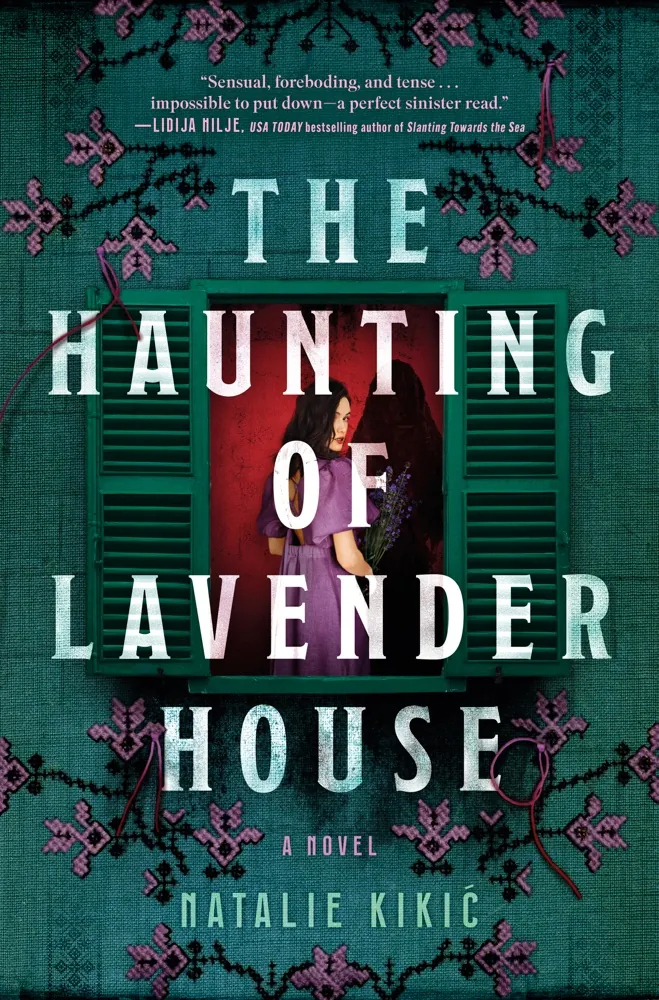

Author: Natalie KikicPage Count: UnknownPublication Date: Expected publication 2026-10-20 APL Staring blankly at a half-eaten packet of stale ramen while trying to hit an arbitrary word count makes one deeply question the academic viability of contemporary publishing trends. Yet, here we are, pretending to care about the promotional copy for Natalie Kikić’s debut, The Haunting of Lavender House. Because nothing screams financial stability quite like analyzing marketing blurbs for a book that won’t even exist in physical form until late 2026. The synopsis leans heavily on the usual dual-timeline crutch, pairing a grieving modern descendant named Petra with a persecuted 19th-century healer named Magdalena. Groundbreaking. We are promised sunlit dread on the Adriatic Sea—a juxtaposition that sounds suspiciously like every domestic thriller currently being pumped out by major houses hoping to capitalize on the Silvia Moreno-Garcia pipeline. The Semiotics of Sun-Drenched Terror There is a distinct, exhausting formula to modern gothic marketing. Take a dilapidated structure, add a local folklore monster—in this case, a bloodthirsty mora from Croatian tradition—and season liberally with generational trauma. But let us look at the physics of this narrative. If the sun is perpetually beating down on these supposed lavender fields, the atmospheric dread loses its claustrophobia. Dread requires shadows, atmospheric pressure, and actual darkness, not a Mediterranean resort brochure masquerading as a horror novel. And yet, the premise of Magdalena in 1895 being labeled a witch while simultaneously playing savior to the local elite possesses a deliciously petty energy. Women healing people only to be branded as sinners is historical fiction 101, but Kikić’s framing of the monster motif—what it actually means to be perceived as non-human by a hostile society—might actually elevate the text above standard genre tropes. Or it will just be another three-hundred-page exercise in historical vibes over structural coherence. Honestly? It's giving mid. The Inheritance of Structural Fatigue Petra’s modern arc relies on the oldest trick in the speculative fiction playbook: the sudden revelation of a living relative who happens to reside in a haunted ancestral estate. Why do grandmothers in these books always lurk on obscure islands instead of just sending a text message? The text asks us to contemplate the cost of belonging, but if Petra's primary obstacle is walking around a house feeling like someone is watching her while she fails to sleep, the psychological stakes are going to feel aggressively thin. We are constantly subjected to publisher comparisons like The Lost Apothecary and The Hacienda, as if publishers genuinely believe readers possess zero imagination beyond whatever sat atop the bestseller lists three years ago. Give us something original. Stop selling us the same haunted real estate dressed up in different regional folklore. Still, if the prose actually delivers on the "gorgeous, sweeping" promise rather than defaulting to purple-prose exposition dumps, it might be worth stealing from the university library. Not that I'm paying for it. My bank account currently consists of four dollars and a dream of dropping out to live in a cave. Oh well. Time to go drink lukewarm absinthe and pretend I am writing modernist poetry in 1920s Paris while avoiding my landlord. #bookstagram #gothicfiction #literarycriticism Related InsightsCruel Seduction Book Review and Summary L'Inchiostro Proibito: Il Silenzio Forzato delle Pagine nell'Impero Sovietico ALIEN STAGE: The Art Book (Deluxe Edition) Book Review and Summary{ "@context": "https://schema.org", "@type": "FAQPage", "mainEntity": [ { "@type": "Question", "name": "What is the main focus of The Haunting of Lavender House Book Review and Summary?", "acceptedAnswer": { "@type": "Answer", "text": "Everything you need to know about The Haunting of Lavender House with our detailed review." } }, { "@type": "Question", "name": "Who authored the comprehensive guide on The Haunting of Lavender House Book Review and Summary?", "acceptedAnswer": { "@type": "Answer", "text": "This detailed article and its insights were carefully researched and authored by Marco Conti." } }, { "@type": "Question", "name": "Where can I find more related content about Books?", "acceptedAnswer": { "@type": "Answer", "text": "You can explore more articles, detailed reviews, and similar insights by browsing the Related Insights section at the bottom of this article or visiting our dedicated Books category page." } } ] }

Author: Rachid BenzinePage Count: UnknownPublication Date: Expected publication 2026-11-10 APL The Man Who Read Books – a title that already feels like a quiet defiance in the face of chaos – promises to be a poignant exploration of the human condition, set against the backdrop of a war-torn Palestine. Rachid Benzine's latest offering is a tale of an elderly bookseller, a man who finds solace in the written word, and shares his story with a young French photographer. But what does it mean, really, to find refuge in literature? Is it a form of escapism, a way to temporarily forget the harsh realities of one's surroundings? Or is it something more profound, a way to connect with the world beyond the confines of one's own experience? The bookseller's story, we're told, is one that encompasses exile, imprisonment, activism, and love – all tied to the books that helped him make sense of it all. Milan Kundera, Frantz Fanon, Umberto Eco – the names are dropped like breadcrumbs, leading us deeper into the heart of the narrative. And yet, despite the promise of this setup, the synopsis feels curiously vague. We're given glimpses of the bookseller's life, but the specifics are sketchy at best. What does his story really entail? How do the books he reads shape his understanding of the world? The answers, it seems, lie within the pages of the book itself. But I'm willing to take a chance on Benzine's vision. There's something about this setup that feels reminiscent of Azouz Begag's Shantytown Kid, or even the works of Assia Djebar – a sense of resilience in the face of adversity, a determination to hold on to hope, no matter what. And the writing, judging from the synopsis, seems to be infused with a sense of lyricism, a poetic sensibility that's hard to ignore. Still, I have my doubts. Will the narrative feel overly sentimental, relying too heavily on the power of literature to transform lives? Or will it be something more nuanced, a exploration of the complexities of human experience? The truth is, I don't know – and that's what makes me want to read this book. The Man Who Read Books feels like a love letter to literature, a testament to the power of words to sustain us in the darkest of times. It's a theme that's been explored before, of course – but there's something about Benzine's approach that feels fresh, innovative. And so, I'll wait for the book to be released, my curiosity piqued. I'll read it, and I'll see if it lives up to the promise of its synopsis. Until then, I'll just have to stare at this blank canvas, waiting for inspiration to strike. #Gaza #Palestine #LiteraryFiction #ThePowerOfWords Related InsightsA Streetcar Named Desire Book Review and Summary The Lightning-Bug and the Lightning: Debunking the Myths of Mark Twain, in His Own Words Book Review and Summary Carry On Book Review and Summary{ "@context": "https://schema.org", "@type": "FAQPage", "mainEntity": [ { "@type": "Question", "name": "What is the main focus of The Man Who Read Books Book Review and Summary?", "acceptedAnswer": { "@type": "Answer", "text": "Everything you need to know about The Man Who Read Books with our detailed review." } }, { "@type": "Question", "name": "Who authored the comprehensive guide on The Man Who Read Books Book Review and Summary?", "acceptedAnswer": { "@type": "Answer", "text": "This detailed article and its insights were carefully researched and authored by Irina Ivanova." } }, { "@type": "Question", "name": "Where can I find more related content about Books?", "acceptedAnswer": { "@type": "Answer", "text": "You can explore more articles, detailed reviews, and similar insights by browsing the Related Insights section at the bottom of this article or visiting our dedicated Books category page." } } ] }
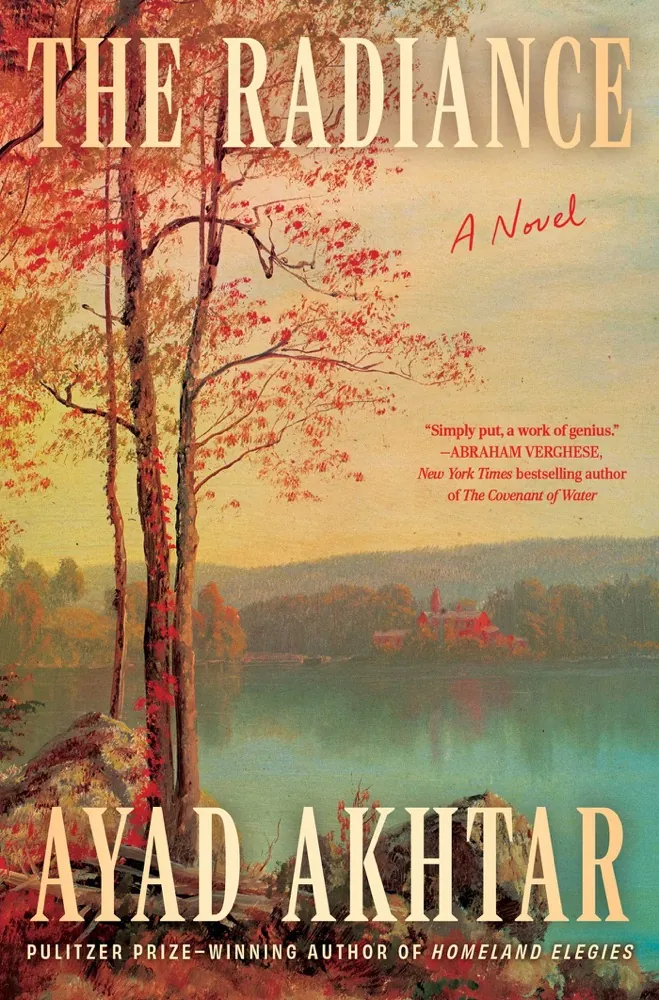

Author: Ayad AkhtarPage Count: UnknownPublication Date: Expected publication 2026-09-29 APL Sunlight is pooling across the eighteenth-century parquet in a manner that demands an immediate glass of Sancerre, provided the staff remembers where the good vintage is kept. Meanwhile, the literary world is hyperventilating over the forthcoming arrival of The Radiance. Ayad Akhtar has decided to grace us plebeians with what the blurbs promise is a masterpiece. God save us all from Pulitzer winners who discover God on rural asphalt. The Geometry of a Crack-Up Consider the premise. A routine hit-and-run precipitates an existential awakening. How dreadfully suburban. Yet, if anyone can elevate mid-life metaphysical whiplash into high art, it is Akhtar. We are promised an intoxicating descent—or perhaps a profoundly pretentious psychological unravelling—where madness and divine revelation blur into the exact same shade of grey. And quite frankly, I am entirely here for the ensuing dumpster fire of academic scandal. The synopsis breathlessly outlines an illicit liaison with a campus colleague, because nothing accelerates spiritual transcendence quite like tenure-track infidelity. We have seen this exact flavor of intellectual self-flagellation before. It leans heavily into the Don DeLillo or Philip Roth playbook of aging men grappling with their own irrelevance while the cultural architecture crumbles around them. But let us be entirely real for a second: the man is cooking with gas, and the prose is bound to slap harder than a disgruntled curator at an exclusive biennale. Geographies of the Ineffable The canvas here stretches across rural America and Europe, dragging Islam and Christianity into the ring for a heavyweight bout on the nature of the fractured modern soul. One prays the dialectical sparring avoids the heavy-handed earnestness that usually plagues contemporary novels attempting to map the cosmos in three hundred pages. Give me cynicism wrapped in silk. Give me prose that tastes like expensive iodine. Mary Gaitskill blurbs it with a breathless mention of the ineffable. Naturally. Critics love throwing around mysticism when a book refuses to explain its own symbolism. Yet, the tension between the domestic debris—a hidden family secret—and the cosmic radio static of the narrator's brain-damaged epiphany holds immense promise. Or it will completely implode under the weight of its own ambition. Either way, the cocktail party chatter will be insufferable. I am buying extra champagne just to survive the launch parties. Now, if you will excuse me, my wealth manager is calling on the private line because some hedge-fund barbarian is aggressively outbidding me for an obscure seventeenth-century Flemish oil painting at Christie's, and I simply must go ruin someone's financial life before luncheon. Related InsightsCity of Heavenly Fire Book Review and Summary Witch Dance (The Spellbound History Quartet, #2) Book Review and Summary Dark Tides Book Review and Summary{ "@context": "https://schema.org", "@type": "FAQPage", "mainEntity": [ { "@type": "Question", "name": "What is the main focus of The Radiance Book Review and Summary?", "acceptedAnswer": { "@type": "Answer", "text": "Everything you need to know about The Radiance with our detailed review." } }, { "@type": "Question", "name": "Who authored the comprehensive guide on The Radiance Book Review and Summary?", "acceptedAnswer": { "@type": "Answer", "text": "This detailed article and its insights were carefully researched and authored by Emma Thompson." } }, { "@type": "Question", "name": "Where can I find more related content about Books?", "acceptedAnswer": { "@type": "Answer", "text": "You can explore more articles, detailed reviews, and similar insights by browsing the Related Insights section at the bottom of this article or visiting our dedicated Books category page." } } ] }
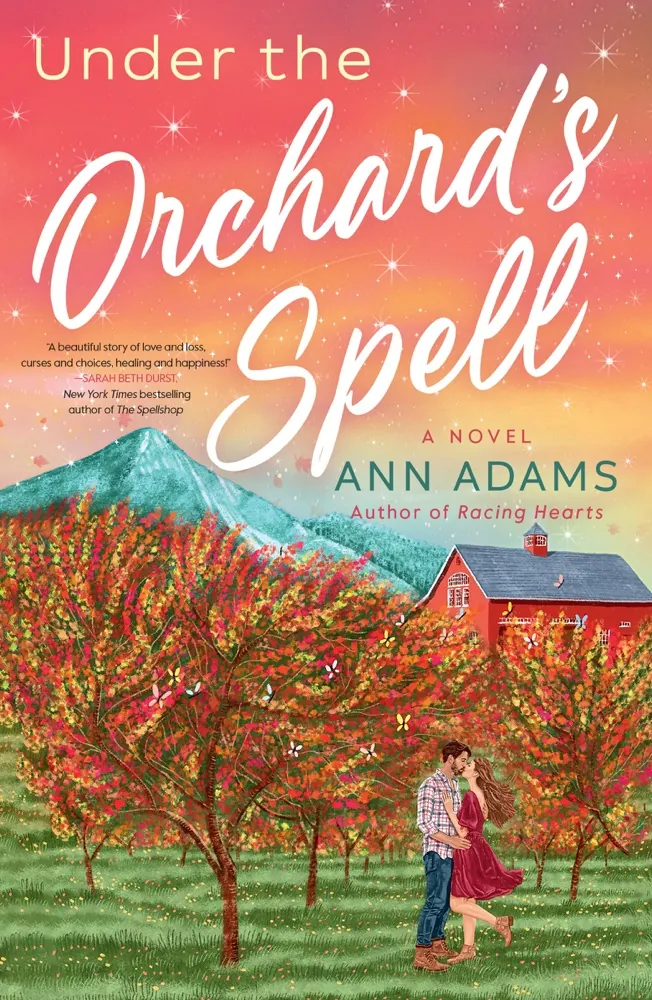

Author: Ann AdamsPage Count: UnknownPublication Date: Expected publication 2026-10-06 APL Ann Adams wants us to believe that a failing piece of agricultural real estate can be saved by emotional resurrection and some aggressively plaid carpentry. Under the Orchard's Spell is coming for our TBR piles this October, and honestly? The literary pretensions here are giving me a migraine. We are looking at a masterclass in cozy escapism wrapped in horticultural financial ruin. The Economics of Magical Pears Ali Reid inherits an orchard that is apparently sinking faster than my fourth-quarter portfolio on a bad crypto day—bankrupt, abandoned by human decency in the form of a rogue fiancé, and plagued by existential fruit rot. Peak suffering. But instead of liquidating the acreage, cutting her losses, and investing in municipal bonds like any rational sentient being, she opts for supernatural domesticity. Because nothing screams "second chance at life" quite like mystical weather anomalies and literal jewel-toned rabbits squatting in the barn. Logan Wright enters stage left. He is the stoic carpenter archetype. You know the type. He wears flannel, stares at floorboards with unearned intensity, and carries the emotional availability of a brick wall. They have fourteen years of unresolved history hanging over them like a bad tax audit. The Domestic Trauma Aesthetic Let us talk about the stakes here. Pears are crystallizing on branches like some sort of bourgeois Grimm fairy tale gone wrong. Unnatural storms are brewing. And what does our protagonist do? She leans into the vibe. This is trauma-bonding over stone fruits. We are expected to buy into the premise that fourteen years of absence can be cured by manual labor and shared glances across a decrepit farmhouse kitchen island. Actually, scratch that. The romantic pragmatism here is almost impressive. Who needs a diversified investment portfolio when you have a brooding woodworker fixing your rotting fence posts while the local ecosystem literally rebels against the laws of physics? I predict this book will sell a metric ton of copies to people who think a weekend cabin trip constitutes roughing it. It borrows heavily from the whimsical agricultural charm of Sarah Beth Durst’s The Spellshop, minus the self-awareness. Adams is leaning hard into the cottagecore fantasy industrial complex, serving up domesticity as a panacea for systemic economic collapse. And yet—wait, no. The pacing described in the synopsis actually suggests a relentless narrative momentum that might just save the manuscript from drowning in its own saccharine mulch. The supernatural intrusion of cursed fruit prevents it from being a total snooze-fest of mid-tier emotional processing. The Ledger of Heartbreak The underlying motif here is painfully transparent. Land holds memory. People break promises. Pears turn into gemstones because capitalism hates romance. It is a psychological defense mechanism writ large across a dysfunctional farm. If you ignore the glaring lack of basic agricultural zoning laws and the total absence of a viable business plan, the metaphorical weight of a cursed orchard doing the heavy lifting for a stale romance trope is peak contemporary fiction. My publicist is currently screaming in my ear and demanding an immediate, sanitized statement for the press before the markets open. #BookTwitter #CozyFantasy #CursedPears Related InsightsWhat Lies in the Woods Book Review and Summary Hidden Pictures Book Review and Summary Dreams of Ruin (Soul of Shadow #3) Book Review and Summary{ "@context": "https://schema.org", "@type": "FAQPage", "mainEntity": [ { "@type": "Question", "name": "What is the main focus of Under the Orchard's Spell Book Review and Summary?", "acceptedAnswer": { "@type": "Answer", "text": "Everything you need to know about Under the Orchard's Spell with our detailed review." } }, { "@type": "Question", "name": "Who authored the comprehensive guide on Under the Orchard's Spell Book Review and Summary?", "acceptedAnswer": { "@type": "Answer", "text": "This detailed article and its insights were carefully researched and authored by Elena Volkova." } }, { "@type": "Question", "name": "Where can I find more related content about Books?", "acceptedAnswer": { "@type": "Answer", "text": "You can explore more articles, detailed reviews, and similar insights by browsing the Related Insights section at the bottom of this article or visiting our dedicated Books category page." } } ] }
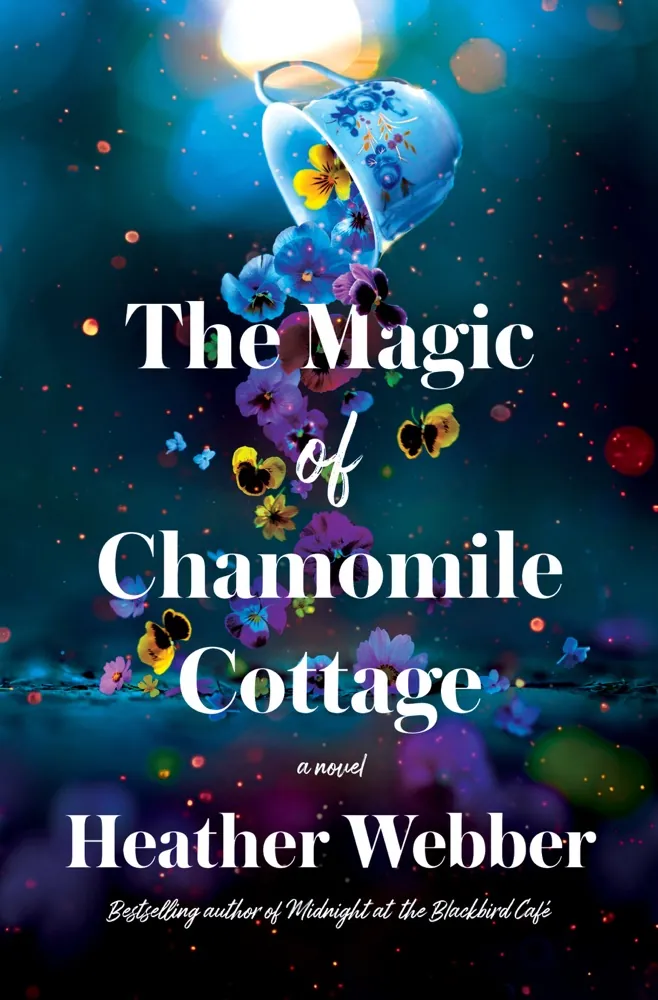

Author: Heather WebberPage Count: UnknownPublication Date: Expected publication 2026-12-01 APL There is something profoundly settling about a good cup of herbal tea when the world outside is falling apart. Yet the synopsis for The Magic of Chamomile Cottage promises an emotional rescue mission wrapped in dried leaves and small-town grit. Heather Webber clearly understands the exact emotional anatomy of comfort fiction. Think Sarah Addison Allen meets the coziest corners of Alice Hoffman. But let us be entirely serious for a moment about the narrative architecture here. Why do fictional towns always possess a failing artisanal hub right when a burned-out protagonist rolls into town? It is a formula, yes. Yet I will defend this formula until my dying breath because modern existence is relentless and sometimes we just need to watch fictional people fix a struggling tea factory using sheer pluck and familial affection. Speaking of familial affection, my eldest child has spent the past forty-eight minutes trying to convince their younger sibling that broccoli possesses actual sentient intelligence and therefore must be banished from the dinner table. It is an absolute catastrophe of logic and negotiation happening three feet from my desk. Why children treat vegetables like political enemies requires a degree in forensic psychology that I simply do not possess. Anyway. Back to the small-town revitalization efforts of Sunny Callaway and her mysterious cousin. Steeped in Sorrow and Second Chances The thematic core here relies on a brilliant friction. Sunny is a professional storyteller who cannot write her own narrative anymore. That is a delicious irony. A creator struck dumb by a devastating diagnosis and a shattered heart. That specific brand of creative paralysis feels painfully authentic. You look at a blank screen and realize your life has derailed while you were busy outlining someone else's triumph. And then you have Nova Frances Clark. An old soul running a shop with a secret recipe book. The synopsis implies that chamomile does more than soothe a mild sore throat. It heals the spirit. Webber is leaning hard into magical realism, and honestly, the genre needs more unapologetic magic right now. Everything is so gritty and grim in contemporary publishing. Give me the herbal infusions. Give me the long-lost cousins who show up precisely when the local economy is flatlining. The emotional arc maps out cleanly. Two women carrying distinct invisible loads—one nursing physical and creative burnout, the other carrying the quiet burden of a failing community—find salvation in each other's orbit. It is about kinship. It is about trusting that vulnerability is not a liability. I am calling it right now. This book is going to make me ugly cry into my mug on a Tuesday afternoon, and I will not regret a single second of it. I must go. The television remote has somehow become a hostage in an ongoing territorial dispute between two miniature dictators and I am the only available mediator. Related InsightsDel cosmos a la vida / From the Cosmos to Life Book Review and Summary Other: Race, Sex, and the Hidden Harms of Human Categories Book Review and Summary The Silent Ink: Unmasking the Forbidden Libraries of the Soviet Empire{ "@context": "https://schema.org", "@type": "FAQPage", "mainEntity": [ { "@type": "Question", "name": "What is the main focus of The Magic of Chamomile Cottage Book Review and Summary?", "acceptedAnswer": { "@type": "Answer", "text": "Everything you need to know about The Magic of Chamomile Cottage with our detailed review." } }, { "@type": "Question", "name": "Who authored the comprehensive guide on The Magic of Chamomile Cottage Book Review and Summary?", "acceptedAnswer": { "@type": "Answer", "text": "This detailed article and its insights were carefully researched and authored by Camille Dubois." } }, { "@type": "Question", "name": "Where can I find more related content about Books?", "acceptedAnswer": { "@type": "Answer", "text": "You can explore more articles, detailed reviews, and similar insights by browsing the Related Insights section at the bottom of this article or visiting our dedicated Books category page." } } ] }
-
 Tiago Silva
 - 17 Aug, 2026 01:04
The Rush: California Gold, the Civil War, and the Making of the Modern World Book Review and Summary
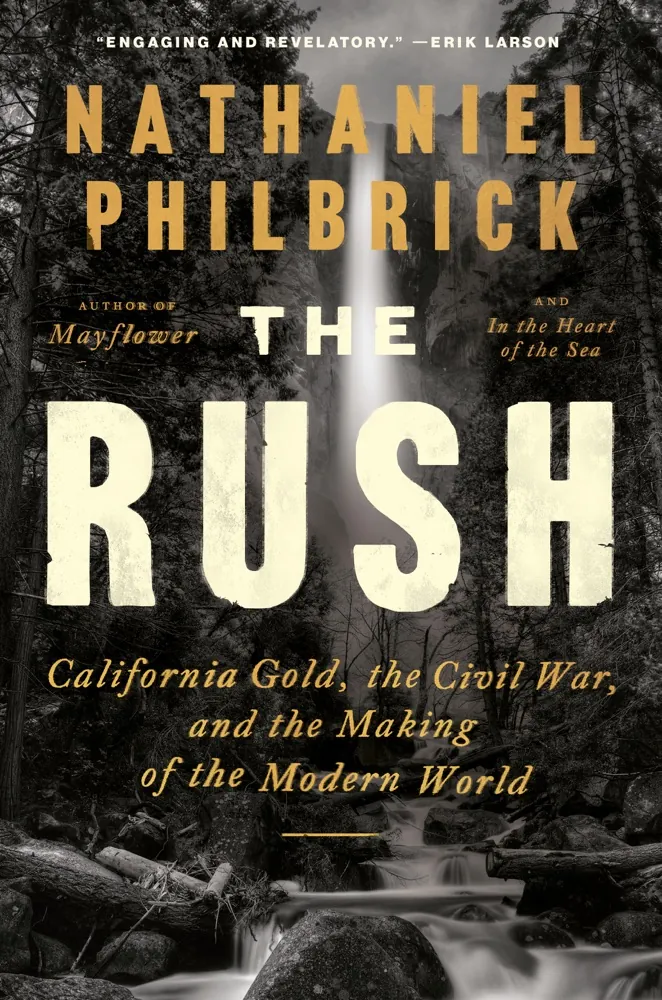
Author: Nathaniel PhilbrickPage Count: UnknownPublication Date: Expected publication 2026-10-06 APL Nathaniel Philbrick's forthcoming The Rush: California Gold, the Civil War, and the Making of the Modern World reads like a promise, a siren's call to the historians who have long been enthralled by the California Gold Rush's mythos. But what lies within the covers of this National Book Award winner's latest magnum opus? A story of American exceptionalism, perhaps, or a cautionary tale of the perils of unchecked capitalism? I suspect, however, that The Rush will instead be another instance of the author's fondness for romanticizing the American past, that old trope of the rugged individualist triumphing over adversity. Philbrick's prose often veers towards the grand, a sweeping panorama of American history that threatens to engulf the reader in its sheer velocity. But what about the nuances, the messy contradictions that make for compelling historical fiction? Does Philbrick's vision of California gold, with its promises of instant wealth and boundless possibility, also acknowledge the systemic inequalities that fueled this very rush—Native American dispossession, Chinese immigrant labor, the racial tensions that simmered just beneath the surface of the mining camps? I, for one, wouldn't be surprised if Philbrick chose to sidestep these complexities, opting instead for a more crowd-pleasing narrative that revels in the romance of America's Wild West. But what about the character of Samuel Brannan, the merchant-showman who finds himself at the center of vigilantism in San Francisco? Is he more than just a cipher, a straw man to be pitted against the Southern power broker William Gwin? Philbrick mentions Brannan's "drawn into the center of early vigilantism," but what does this mean, exactly? That he's a passive observer, swept up in the tumultuous politics of California? Or is he perhaps more integral to the story, a symbol of the rough-and-tumble capitalism that defined this era? —In a move that should give even the most hardened literary critics pause, Philbrick is rumored to be collaborating with a prominent film director to adapt The Rush into a feature-length drama. This would be a cinematic version of The Exorcist's infamous 'head-spinning' scene, a mess of conflicting ideas and competing interests that threatens to blow the very lid off the American narrative. The Rush's supposed focus on the intersection of California and the Civil War feels like a bold, innovative move—especially given the relative dearth of literature on this period of American history. Yet, I remain skeptical, my mind wandering instead to the more sensationalized accounts of this era, the pulp fiction versions that reduced complex historical events to simple tales of good vs. evil. A Question of Timing Is it merely a coincidence that The Rush is set to release in the midst of a national reckoning with our country's history of racism and inequality? Or is this a deliberate attempt by Philbrick to tap into the zeitgeist, to offer a timely reminder of the American experience's more unsavory aspects? Either way, I imagine The Rush will be a commercial success, its grand narrative and larger-than-life characters resonating with readers eager to revisit a more storied, more heroic past. —And don't even get me started on the problematic implications of Philbrick's historical narrative, a thinly veiled defense of Manifest Destiny that threatens to whitewash the brutal realities of American expansionism. Can anyone say 'Wendy Doniger's 'The Hindus'*? Philbrick's writing does possess a certain gravitas, a sense of authority that commands attention. But can we trust that authority, given the author's propensity for mythologizing historical events? Is he merely offering a fresh spin on familiar tales, or is there genuine insight to be gleaned from The Rush? Only time (and a thorough reading of the book itself) will tell. I, for one, expect The Rush to leave me feeling unsatisfied, like a dinner guest whose appetites have been cruelly tantalized but never quite satiated. But what about the reader who craves a panoramic epic, a sweeping narrative that redefines the contours of American history? Will they find The Rush to be a revelation, or simply another disappointment in a long line of grand, but ultimately hollow, historical narratives? For now, I'll continue to await the release of The Rush, my skepticism tempered by the knowledge that even the most questionable historians can sometimes produce something unexpected, something truly remarkable. And now, I need to appraise my antique watch collection for insurance purposes. #GoldRushEra #CivilWarEra #AmericanHistory #HistoricalFiction #NathanielPhilbrick #TheRush #booktoread Related InsightsRabbit Rabbit Book Review and Summary Defy Me (Shatter Me) Book Review and Summary Find Me Book Review and Summary{ "@context": "https://schema.org", "@type": "FAQPage", "mainEntity": [ { "@type": "Question", "name": "What is the main focus of The Rush: California Gold, the Civil War, and the Making of the Modern World Book Review and Summary?", "acceptedAnswer": { "@type": "Answer", "text": "Everything you need to know about The Rush: California Gold, the Civil War, and the Making of the Modern World with our detailed review." } }, { "@type": "Question", "name": "Who authored the comprehensive guide on The Rush: California Gold, the Civil War, and the Making of the Modern World Book Review and Summary?", "acceptedAnswer": { "@type": "Answer", "text": "This detailed article and its insights were carefully researched and authored by Tiago Silva." } }, { "@type": "Question", "name": "Where can I find more related content about Books?", "acceptedAnswer": { "@type": "Answer", "text": "You can explore more articles, detailed reviews, and similar insights by browsing the Related Insights section at the bottom of this article or visiting our dedicated Books category page." } } ] }
-
 Sofia Bianchi
 - 17 Aug, 2026 00:50
Murder Unabridged: An Old Juniper Bookshop Mystery Book Review and Summary
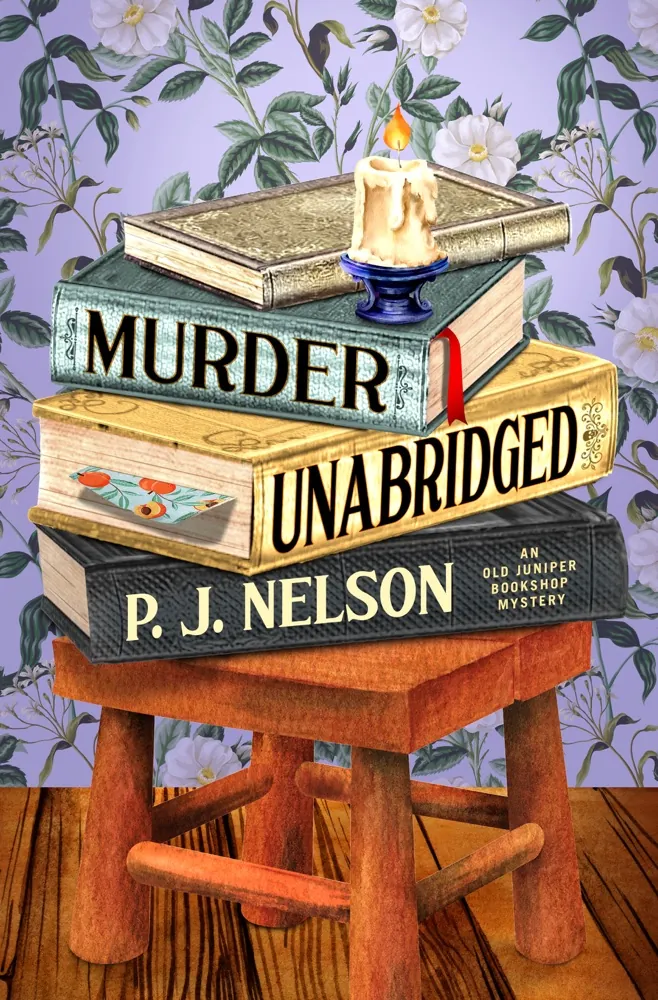
Author: P.J. NelsonPage Count: UnknownPublication Date: Expected publication 2026-12-01 APL The air conditioning in this townhouse has surrendered entirely to the suffocating weight of August, leaving one to ponder the existential utility of linen shirts when the humidity mimics the atmosphere of a greenhouse. P.J. Nelson’s forthcoming Murder Unabridged: An Old Juniper Bookshop Mystery arrives with the heavy, unearned certainty of a trust fund baby lecturing the proletariat on fiscal austerity. Enigma, Georgia. A quaint moniker for a small college town that apparently functions as a perpetual magnet for homicide, arson, and inconveniently placed corpses. The Architecture of the Absurd Madeline Brimley trades the slow, agonizing death of a stagnant acting career for the considerably more kinetic peril of running an inherited Victorian bookstore. One notes the glaring structural cliché here. The failed-thespian-turned-amateur-sleuth trope is as tired as the scandals surrounding the Duke of York, yet we lap it up like parched hounds in the dog days of summer. Or perhaps we do not lap it up at all. Actually, let us reconsider this sweeping dismissal; perhaps the theatrical background provides a necessary lens for a protagonist forced to stage-manage her own survival while local law enforcement plays the heavy. Nelson relies heavily on the gothic convenience of midnight confessions. A frail, aged wanderer named Trilby—surely a name burdened with literary baggage—drags his weathered bones through a storm only to confess to a forgotten murder within the very floorboards of The Old Juniper Bookstore. Naturally, he promptly expires by sunrise. Poisoned, no less. Epistemological Dread in the Southern Heat The synopsis outlines a neat little epistemological puzzle wrapped in cozy genre tropes. What does it mean to inherit a house that breathes history, only to find that the history is actively trying to frame you for murder? The ontological weight of the Victorian homestead looms large over this narrative. Yet the publisher’s blurb treats this metaphysical rot with the breezy indifference of a summer afternoon spent lounging by a chlorinated pool in Palm Beach. One suspects the manuscript will lean heavily into cozy procedural banalities when it hits shelves in December—though why anyone sets a Southern Gothic in the dead of winter escapes logic—rather than exploring the darker recesses of inherited guilt. The premise demands a philosophical excavation of memory and physical space. Instead, we shall likely receive standard-issue quaintness with a side of iced tea and small-town gossip. The sommelier just arrived with the new vintage and requires attention. Related InsightsTangled Up In You Book Review and Summary Starter Villain Book Review and Summary Our Skin Colour Book Review and Summary{ "@context": "https://schema.org", "@type": "FAQPage", "mainEntity": [ { "@type": "Question", "name": "What is the main focus of Murder Unabridged: An Old Juniper Bookshop Mystery Book Review and Summary?", "acceptedAnswer": { "@type": "Answer", "text": "Everything you need to know about Murder Unabridged: An Old Juniper Bookshop Mystery with our detailed review." } }, { "@type": "Question", "name": "Who authored the comprehensive guide on Murder Unabridged: An Old Juniper Bookshop Mystery Book Review and Summary?", "acceptedAnswer": { "@type": "Answer", "text": "This detailed article and its insights were carefully researched and authored by Sofia Bianchi." } }, { "@type": "Question", "name": "Where can I find more related content about Books?", "acceptedAnswer": { "@type": "Answer", "text": "You can explore more articles, detailed reviews, and similar insights by browsing the Related Insights section at the bottom of this article or visiting our dedicated Books category page." } } ] }
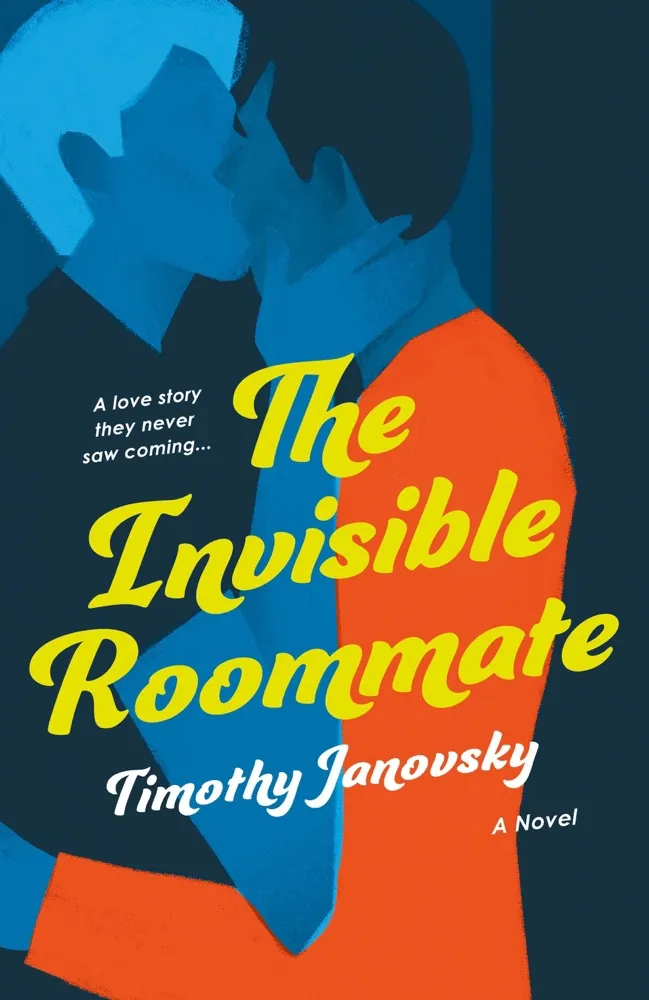

Author: Timothy JanovskyPage Count: UnknownPublication Date: Expected publication 2026-09-29 APL Steam hisses from the commercial wand behind me, drowning out the miserable screech of another customer ordering a half-caf macchiato with far too many syllables. I am wiping down a sticky stainless-steel counter for the fourth time this hour, glaring at the dark puddles left by the morning rain while waiting for the espresso machine to stop groaning. And yet, I am expected to sit here and dissect The Invisible Roommate by Timothy Janovsky. Joyous. Truly, nothing screams literary terror quite like a premise crossing HGTV house-hunting with H.G. Wells on a budget. The Sub-Basement of Romance Tropes The synopsis tells us we are getting an autumnal love story where a pop star escapes fame on a crumbling Chesapeake Bay island and accidentally shacks up with an invisible graduate school drop-out. Because nothing says gothic dread quite like forced proximity in a damp Victorian fixer-upper. Wait. Let me correct myself immediately. Maybe the dampness is actually doing heavy lifting here. Maybe the mold is sentient. Or maybe I am just desperately searching for a phantom slice of dread in a book that sounds aggressively engineered for a TikTok book club. And look, I usually love a good monster feature. Give me Cronenberg body horror or Shirley Jackson's slow-acting psychological rot any day of the week. But marrying the classic tale of isolation with a reality dating show hook—Love is Blind meets biological invisibility—feels less like a descent into the macabre and more like a fever dream hatched in a sterile writers' room. Can we talk about the sheer absurdity of hiding from the local police while conducting groundbreaking invisibility research in a rental? Actually, let us not talk about it. I have three hundred words left to write before my shift mercifully ends, and my caffeine-addled brain refuses to unpack the jurisprudence of spectral trespassing. Autumnal Bleakness Versus Manufactured Quirp The thematic stakes here allegedly hinge on vulnerability and secrets as Halloween approaches. But where is the blood? Where is the psychological devastation of watching your own body slowly vanish from the earthly plane? Instead, we get a cute autumnal backdrop. Give me actual ghosts. Give me a protagonist losing his mind to isolation rather than a pop star whining about chart rankings. Though, to be fair, maybe Janovsky is slipping a sharp little critique of surveillance capitalism under the rom-com rug. Or maybe I am projecting my deep, abiding hatred for open-plan living onto a fictional Victorian house. Let us be entirely honest with ourselves for a fraction of a second. I am only tapping away at this keyboard because my rent skyrocketed by twenty percent and the tips this week have been abysmal. If I wanted to read about rich men crying in remote locations, I would read standard literary fiction. Yet here we are. Waiting for the invisible shoe to drop. The new taxes on luxury imports are seriously impacting my wine collection. Related InsightsCity of Last Chances Book Review and Summary The Inward Trip: The Untold Story of Meditation in the West Book Review and Summary Call Off the Dark Book Review and Summary{ "@context": "https://schema.org", "@type": "FAQPage", "mainEntity": [ { "@type": "Question", "name": "What is the main focus of The Invisible Roommate Book Review and Summary?", "acceptedAnswer": { "@type": "Answer", "text": "Everything you need to know about The Invisible Roommate with our detailed review." } }, { "@type": "Question", "name": "Who authored the comprehensive guide on The Invisible Roommate Book Review and Summary?", "acceptedAnswer": { "@type": "Answer", "text": "This detailed article and its insights were carefully researched and authored by Diego Lopez." } }, { "@type": "Question", "name": "Where can I find more related content about Books?", "acceptedAnswer": { "@type": "Answer", "text": "You can explore more articles, detailed reviews, and similar insights by browsing the Related Insights section at the bottom of this article or visiting our dedicated Books category page." } } ] }


Author: Gracie MarsdenPage Count: UnknownPublication Date: Expected publication 2026-11-10 APL Look at this red clay caked onto my boots. It is three days past the equinox, the soil is still too stubbornly sodden to turn with a spade, and I am supposed to sit here parsing promotional blurbs about Eleventh-century demons. People think working the earth is a romantic exercise in mindfulness. It is actually just a relentless war against mud, bureaucratic water restrictions, and crows that have somehow evolved an immunity to every scarecrow design invented since the Bronze Age. And then a publisher sends over a synopsis for Bones of Jade, Flesh Like Ice. The Transactional Cost of Soil and Soul Gracie Marsden wants us to look at an eleventh-century Kangzhu where youth is bartered away to shapeshifting entities like sacks of grain. A girl named Yu’er gets sold off because a demon promised her parents unearned wealth. Naturally. Because nothing says domestic stability quite like economic mobility founded on supernatural extortion. Shelley Parker-Chan compares the construction to a finger trap. A clever blurb. But let us be entirely honest about what a finger trap actually requires. You pull away in a panic, and the weave tightens. You submit, and you are stuck. Or maybe the real tragedy here isn't the demon bargain at all. Maybe the tragedy is the sheer predictability of humans trading love for autonomy the second the floorboards start rotting. We pretend we are different from our medieval ancestors just because our exploitation comes with a corporate retirement plan. Actually, scratch that entire line of reasoning. The demon bargains are obviously just clever metaphors for predatory lending practices in contemporary housing markets. No, wait. That is completely absurd and pretentious. It is a historical fantasy with mythical beasts, not a seminar on municipal zoning laws. I am just projecting my sheer exhaustion with the local county council denying my permit for a rainwater catchment tank onto a book about dynastic court politics. Speaking of infuriating things, has anyone forced themselves to read the latest climate-apocalypse YA trilogy currently dominating every bestseller list? It is four hundred pages of privileged teenagers complaining about melting glaciers while sipping synthetic oat lattes in a glass-domed biodome, completely ignoring the fundamental physics of soil microbiome collapse. Every single page reads like a McKinsey report written by a depressed seventeen-year-old who just discovered Marx on TikTok. At least Marsden has the decency to set her devastation in a historical past where people actually had to bleed for their firewood, instead of just crying into an iPad about carbon footprints. The Royal Court and the Rot Yu’er leaves her husband, leaves her home, and trades her domestic sanctuary for absolute power in the royal court. A classic literary trajectory. Power always demands the shedding of one's softer edges—the bones of jade, the flesh like ice. It is a striking aesthetic paradox. Jade is brittle if struck incorrectly. Ice melts the moment the temperature shifts. Expect this book to sell a million copies to people who have never had to shovel muck in the freezing rain at dawn. They will read about Yu’er sacrificing her humanity for agency, sigh deeply into their designer throw pillows, and order takeout. The draft coming through the ill-fitted seal on the north window is currently slicing straight through my flannel shirt like a rusty saw blade, and I am entirely done pretending this wind is going to drop before sundown. Related InsightsThe consuming fire Book Review and Summary It's a Prince Thing (the Princess Rules) Book Review and Summary A Court of Wings and Ruin Book Review and Summary{ "@context": "https://schema.org", "@type": "FAQPage", "mainEntity": [ { "@type": "Question", "name": "What is the main focus of Bones of Jade, Flesh Like Ice Book Review and Summary?", "acceptedAnswer": { "@type": "Answer", "text": "Everything you need to know about Bones of Jade, Flesh Like Ice with our detailed review." } }, { "@type": "Question", "name": "Who authored the comprehensive guide on Bones of Jade, Flesh Like Ice Book Review and Summary?", "acceptedAnswer": { "@type": "Answer", "text": "This detailed article and its insights were carefully researched and authored by William Clark." } }, { "@type": "Question", "name": "Where can I find more related content about Books?", "acceptedAnswer": { "@type": "Answer", "text": "You can explore more articles, detailed reviews, and similar insights by browsing the Related Insights section at the bottom of this article or visiting our dedicated Books category page." } } ] }
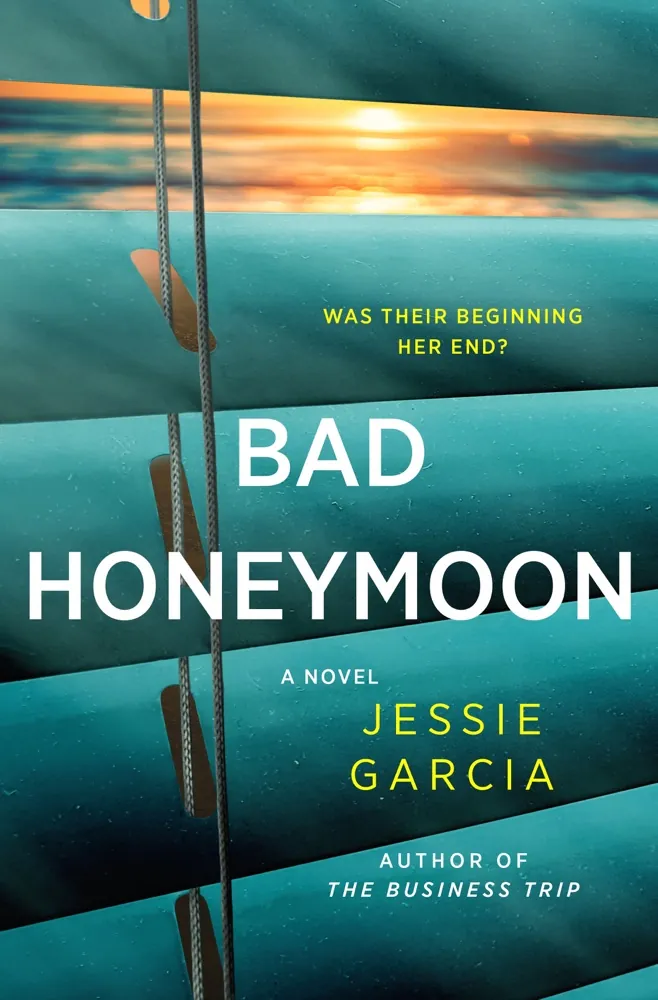
Author: Jessie GarciaPage Count: UnknownPublication Date: Expected publication 2026 APL Sitting here folding another tiny pair of socks while the news drones on about another missing person, another tragedy reduced to a soundbite, I keep thinking about how easily a human life becomes content. Jessie Garcia is giving us Bad Honeymoon in 2026, and based strictly on the premise, it feels like a sharp, cynical mirror held up to our desperate need for a ratings bump and a good scare before bedtime, echoing the brisk, commercial paranoia of Freida McFadden or Mary Kubica, though I honestly suspect Garcia's multi-POV framing will rely too heavily on withholding simple timeline facts just to trick us. And yet, looking at Becca Larson packing her bags for Florida to exploit a stranger's ruined vacation, I find myself strangely exhausted by the sheer machinery of modern storytelling where every single marriage must strain under doubt and every career must unravel because of a missing source. Actually, wait. Maybe the marriage isn't the point at all. Maybe Garcia is trying to say something much darker about the way grief and tragedy are commodified by people who claim to be looking for the truth, even if I complained a second ago about cheap narrative tricks. The synopsis tells us the story starts with a compelling, disturbing interview and ends with a corpse and a vanishing act, which sounds less like a deeply moving exploration of human loss and more like a slick, disposable beach read that forgot how to feel like anything real. The Currency of Despair We consume horror and sudden death like candy because we are desperately trying to inoculate ourselves against the quiet terror of losing someone we love, hoping that if we watch enough fictional reporters get framed for enough fictional murders, we might somehow understand how a life can vanish into thin air between one phone call and the next. Predictable. The smoke detector in the hallway is shrieking because my daughter decided to microwave a potato wrapped entirely in aluminum foil for her science project. Related InsightsLove, Death + Robots Book Review and Summary Once in a Timeline Book Review and Summary La llama en la niebla Book Review and Summary{ "@context": "https://schema.org", "@type": "FAQPage", "mainEntity": [ { "@type": "Question", "name": "What is the main focus of Bad Honeymoon Book Review and Summary?", "acceptedAnswer": { "@type": "Answer", "text": "Everything you need to know about Bad Honeymoon with our detailed review." } }, { "@type": "Question", "name": "Who authored the comprehensive guide on Bad Honeymoon Book Review and Summary?", "acceptedAnswer": { "@type": "Answer", "text": "This detailed article and its insights were carefully researched and authored by Victoria Smith." } }, { "@type": "Question", "name": "Where can I find more related content about Books?", "acceptedAnswer": { "@type": "Answer", "text": "You can explore more articles, detailed reviews, and similar insights by browsing the Related Insights section at the bottom of this article or visiting our dedicated Books category page." } } ] }

-
 Chloe Tremblay
 - 16 Aug, 2026 18:58
Patagonia’s Secret Gems: Where Wild Winds Carve Legends Beyond Torres del Paine
Where the Earth Breathes Fire and Ice: Patagonia’s Uncharted Soul Patagonia isn’t just a place—it’s a whisper from the planet’s wildest dreams. While Torres del Paine steals the spotlight with its jagged granite spires, the true magic of this land lies in the places where few dare to tread. Here, glaciers groan under the weight of centuries, winds sculpt ancient forests into living sculptures, and the silence is so profound it feels like the world has paused to listen. This is a land for those who crave depth over crowds, authenticity over postcards. Welcome to Patagonia’s hidden treasures—where every step feels like a secret shared between you and the earth.Bariloche’s Chocolate-Kissed Wilderness: A Slow Traveler’s Dream Nestled against the eastern slopes of the Andes, San Carlos de Bariloche is often dismissed as a touristy gateway to Patagonia. But those who linger beyond the chocolate shops and ski lifts discover a landscape where alpine lakes mirror the sky and ancient forests hum with stories of Mapuche legends. This is the place where Patagonia’s wild heart beats strongest—not in the postcard-perfect postcard moments, but in the quiet corners where time moves to the rhythm of a woodstove’s crackle. Start your slow journey in Villa La Angostura, a town so picturesque it feels like a painting left unfinished. The Arrayanes Forest, with its cinnamon-colored myrtle trees, is a UNESCO-listed wonder where the trees glow amber in the afternoon light. Hike the Circuito Chico, a 48-kilometer loop that takes you past turquoise lakes, waterfalls, and views of the Nahuel Huapi volcano. For a deeper dive, take a boat to Isla Victoria, a pristine island where guanacos graze and the air smells of pine and rain. Food here is an adventure in itself. Bariloche’s chocolate isn’t just a treat—it’s a cultural institution. Visit Mamuschka or Rapa Nui for artisanal truffles, or stop by La Marisma for lamb slow-cooked in a traditional curanto pit. The local calafate berry, a tart purple fruit used in jams and liqueurs, is a must-try. Pair it with a glass of Malbec from nearby Bodega Schroeder, where the high-altitude vineyards produce wines with a crisp, alpine edge. But the real magic? Slow travel. Bariloche rewards those who linger. Rent a cabin in Pampa Linda, a hamlet at the base of the Tronador Volcano, where the air is thin and the stars are so bright they feel within reach. Or spend a week in El Bolsón, a bohemian village where artisans sell handwoven textiles and organic honey. The cost of living here is surprisingly affordable if you avoid peak season (December–February). A mid-range apartment rents for $800–$1,200 USD/month, while a meal at a local parrilla (steakhouse) costs $15–$25 USD. Public transport is reliable, with buses connecting Bariloche to nearby towns for as little as $2–$5 USD per trip.El Chaltén’s Untamed Trails: Where Every Step is a Story If Bariloche is Patagonia’s gentle introduction, El Chaltén is where the land demands your respect. Known as the "Trekking Capital of Argentina," this tiny village at the foot of the Fitz Roy massif is a place where the wind is a constant companion, and the mountains refuse to be ignored. But beyond the famous Laguna de los Tres hike lies a world of hidden trails, where glaciers calve into turquoise lagoons and condors circle overhead like ancient guardians. Start with the classics, but don’t stop there. The Laguna de los Tres trail (22 km round trip) is a rite of passage, offering a jaw-dropping view of the Fitz Roy’s granite spires reflected in the lagoon. But for a quieter experience, take the Laguna Torre route (18 km round trip), where the glacier’s tongue meets the lake in a dramatic display of nature’s power. For the truly adventurous, the Laguna Capri loop (10 km) is a shorter but no less stunning alternative, with views of the Fitz Roy’s north face. Beyond the trails, El Chaltén is a place of contrasts. The village itself is a hub of backpackers and climbers, with cozy hostels like Destino Sur and La Cabaña offering hot showers and hearty meals. But the real magic happens in the estancias (ranches) just outside town. Spend a night at Estancia Helsingfors, where you can horseback ride through the valleys or help with the sheep shearing. The cost? $100–$150 USD for a night’s stay, including meals. Food here is fuel for the soul. La Tapera serves up hearty Patagonian stews, while El Muro offers wood-fired pizzas with a view of the Fitz Roy. Don’t miss the cordero patagónico (Patagonian lamb), slow-roasted over an open fire. The cost of living is higher than in Bariloche, but still manageable if you plan ahead. A dorm bed in a hostel costs $20–$30 USD/night, while a meal at a mid-range restaurant runs $15–$25 USD. Groceries are affordable—expect to spend $150–$200 USD/month on basics like bread, cheese, and pasta.Puerto Natales: The Gateway to Patagonia’s Wildest Secrets If El Chaltén is where the mountains call, Puerto Natales is where the adventure begins. This rugged port town on the shores of the Última Esperanza Fjord is the jumping-off point for some of Patagonia’s most remote and breathtaking destinations. But it’s also a place with its own charm—a place where the Torres del Paine looms in the distance, but the real treasures lie elsewhere. Start with the Balneario Municipal, a hot spring nestled in a cove where you can soak your muscles after days of hiking. Then, explore the Cueva del Milodón, a cave where prehistoric sloths once roamed, and where the wind carries the scent of salt and adventure. For a taste of local life, visit the Mercado Municipal, where fishermen sell fresh king crab and mussels straight from the fjord. But the real magic of Puerto Natales lies in its proximity to Torres del Paine’s lesser-known corners. Take a boat to Puerto Edén, a remote village accessible only by sea, where the Paine Massif reflects in the fjord’s glassy waters. Or visit Lago Grey, where the Grey Glacier calves into the lake with a thunderous splash. For the truly intrepid, the Dientes de Navarino circuit on Isla Navarino (Chile) offers a 5-day trek around the southernmost town in the world, Puerto Williams. The cost of living in Puerto Natales is lower than in El Chaltén but higher than in Bariloche. A mid-range apartment rents for $600–$900 USD/month, while a meal at a local asador (grill) costs $10–$20 USD. Public transport is limited, so renting a car or joining a tour is often the best option. A day trip to Torres del Paine costs $80–$150 USD, while a boat tour to Puerto Edén runs $120–$200 USD.The Patagonian Budget Breakdown: How to Slow Travel Without Breaking the Bank Slow travel in Patagonia isn’t just about the destinations—it’s about the rhythm. It’s about waking up to the sound of rain on a tin roof, about trading crowded hostels for cozy cabins, about savoring meals that taste like home. But how much does it really cost to live here in 2026? The answer depends on where you go and how you travel, but with the right planning, Patagonia can be surprisingly affordable. Here’s a breakdown of monthly costs for a slow traveler in Patagonia’s hidden gems:Category Bariloche (USD) El Chaltén (USD) Puerto Natales (USD)Accommodation (mid-range) $800–$1,200 $1,000–$1,500 $600–$900Food (groceries + eating out) $300–$500 $400–$600 $250–$400Transport (local buses + occasional tours) $100–$200 $150–$300 $200–$400Activities (hikes, tours, entrance fees) $100–$200 $150–$300 $100–$250Miscellaneous (Wi-Fi, SIM card, etc.) $50–$100 $50–$100 $50–$100Total (per month) $1,350–$2,100 $1,750–$2,800 $1,250–$2,050Pro Tips for Saving Money:Travel in shoulder season (April–May or September–October) to avoid peak prices. Cook your own meals—hostels and Airbnbs often have kitchens. Use local buses instead of tours for hikes like Laguna Torre. Stay in cabins or guesthouses—they’re often cheaper than hostels and more comfortable. Buy groceries in bulk—markets in Bariloche and Puerto Natales offer great deals on staples like rice, pasta, and cheese.The Wind’s Whisper: Why Patagonia’s Hidden Treasures Outshine the Postcards Patagonia is a land of extremes—where the wind can strip paint from a car in minutes and the silence is so deep it feels like the world has stopped. But it’s also a land of quiet wonders, where the real magic lies not in the places everyone visits, but in the corners where few dare to go. In Bariloche, the chocolate shops and ski lifts are just the beginning. The real treasures are the hidden lakes, the Mapuche legends, and the alpine meadows where wildflowers bloom in defiance of the cold. In El Chaltén, the Fitz Roy is a constant presence, but the real magic is in the untouched trails, the glaciers that calve into turquoise lagoons, and the estancias where time moves to the rhythm of the land. And in Puerto Natales, the fjords and glaciers are just the start—adventure awaits in remote villages, prehistoric caves, and boat trips to places where the world feels untouched. Slow travel in Patagonia isn’t about ticking off landmarks—it’s about listening to the wind, savoring the silence, and letting the land guide you. It’s about waking up in a cabin with a view of the mountains, about sharing stories with fellow travelers in a cozy hostel, about tasting food that tastes like home. It’s about discovering that the real treasures of Patagonia aren’t the places everyone visits, but the places where few dare to go. So pack your bags, leave the crowds behind, and let Patagonia’s hidden treasures reveal themselves to you. The wind is calling—and the land is waiting.#PatagoniaUncovered #SlowTravelPatagonia #OffTheBeatenPath Related InsightsThe Enigmatic Ruins of Angkor Wat: Beyond the Crowds and Into the Jungle Yellowstone: The Fiery Heart of the American West Sustainable Archipelagos: Crafting an Eco‑Conscious Island‑Hopping Blueprint for the Azores{ "@context": "https://schema.org", "@type": "FAQPage", "mainEntity": [ { "@type": "Question", "name": "What is the main focus of Patagonia’s Secret Gems: Where Wild Winds Carve Legends Beyond Torres del Paine?", "acceptedAnswer": { "@type": "Answer", "text": "Uncover Patagonia’s lesser-known wonders—from Bariloche’s chocolate trails to El Chaltén’s untouched trails—with real cost breakdowns and insider tips for slow travel in 2026." } }, { "@type": "Question", "name": "Who authored the comprehensive guide on Patagonia’s Secret Gems: Where Wild Winds Carve Legends Beyond Torres del Paine?", "acceptedAnswer": { "@type": "Answer", "text": "This detailed article and its insights were carefully researched and authored by Chloe Tremblay." } }, { "@type": "Question", "name": "Where can I find more related content about Travel?", "acceptedAnswer": { "@type": "Answer", "text": "You can explore more articles, detailed reviews, and similar insights by browsing the Related Insights section at the bottom of this article or visiting our dedicated Travel category page." } } ] }

-
 Hiroshi Tanaka
 - 16 Aug, 2026 18:48
Revolutionizing Code Maintenance: The Power of AI-Powered Code Refactoring
The Dawn of AI-Powered Code Refactoring As software systems continue to grow in complexity, managing technical debt has become an increasingly pressing concern for developers. Technical debt refers to the cost of implementing quick fixes or workarounds that need to be revisited later, often resulting in a significant maintenance burden. However, with the advent of AI-powered code refactoring, developers can now automatically manage technical debt and improve code quality. Recent advances in artificial intelligence (AI) have enabled the development of sophisticated code refactoring tools that can analyze codebases, identify areas of improvement, and apply transformations to enhance maintainability, readability, and performance. These tools leverage machine learning algorithms, natural language processing, and data analysis to understand the structure and semantics of code, allowing for more accurate and effective refactoring.Secure Design Principles for AI-Powered Code Refactoring When designing AI-powered code refactoring systems, several secure design principles must be considered to ensure the integrity and reliability of the refactored code:Modularity: Break down the codebase into smaller, independent modules to facilitate easier analysis and transformation. Abstraction: Use abstract representations of code to enable more efficient analysis and transformation. Encapsulation: Ensure that sensitive data and functionality are properly encapsulated to prevent unauthorized access or modification. Reusability: Design the refactoring system to promote reusability of code components and transformations.import astdef refactor_code(code): # Parse the code into an abstract syntax tree (AST) tree = ast.parse(code) # Analyze the AST to identify areas of improvement improvements = analyze_ast(tree) # Apply transformations to the AST to implement improvements transformed_tree = apply_transformations(tree, improvements) # Generate the refactored code from the transformed AST refactored_code = ast.unparse(transformed_tree) return refactored_codedef analyze_ast(tree): # Implement analysis logic to identify areas of improvement passdef apply_transformations(tree, improvements): # Implement transformation logic to apply improvements passEvaluating the Effectiveness of AI-Powered Code Refactoring Evaluating the effectiveness of AI-powered code refactoring requires a comprehensive approach that considers multiple factors, including:Code quality metrics: Measure improvements in code quality, such as maintainability, readability, and performance. Technical debt reduction: Assess the reduction in technical debt resulting from the refactoring process. Developer productivity: Evaluate the impact of AI-powered code refactoring on developer productivity and efficiency.evaluation_criteria: code_quality_metrics: - maintainability - readability - performance technical_debt_reduction: - percentage_reduction developer_productivity: - time_saved - effort_reducedReal-World Applications of AI-Powered Code Refactoring AI-powered code refactoring has numerous real-world applications, including:Legacy system modernization: Refactor legacy codebases to improve maintainability, scalability, and performance. Cloud migration: Refactor on-premises applications for cloud deployment, ensuring optimal performance and scalability. DevOps automation: Integrate AI-powered code refactoring into DevOps pipelines to automate code review and improvement.# Example DevOps pipeline script #!/bin/bash# Refactor code using AI-powered code refactoring tool refactored_code=$(refactor_code $CODE)# Deploy refactored code to production environment deploy_code $refactored_codeThe Future of Code Maintenance As AI-powered code refactoring continues to evolve, we can expect to see significant advancements in code maintenance and improvement. With the ability to automatically manage technical debt and improve code quality, developers can focus on higher-level tasks, such as feature development and innovation. In conclusion, AI-powered code refactoring is revolutionizing the way we approach code maintenance, enabling developers to automatically manage technical debt and improve code quality. By understanding the secure design principles, evaluation criteria, and real-world applications of AI-powered code refactoring, developers can unlock the full potential of this technology and take their code maintenance to the next level. #AI #CodeRefactoring #TechnicalDebt #SoftwareEngineering #Automation Related InsightsSmart Materials Rewired: From Self‑Healing Concrete to Adaptive Textiles The Convergence of Quantum Entropy and Native Multimodal Architectures: A New Frontier in Information Processing Space Debris Mitigation: The Race to Clean Up Earth's Orbit{ "@context": "https://schema.org", "@type": "FAQPage", "mainEntity": [ { "@type": "Question", "name": "What is the main focus of Revolutionizing Code Maintenance: The Power of AI-Powered Code Refactoring?", "acceptedAnswer": { "@type": "Answer", "text": "Discover the future of code maintenance with AI-powered code refactoring, enabling automatic management of technical debt and improved code quality." } }, { "@type": "Question", "name": "Who authored the comprehensive guide on Revolutionizing Code Maintenance: The Power of AI-Powered Code Refactoring?", "acceptedAnswer": { "@type": "Answer", "text": "This detailed article and its insights were carefully researched and authored by Hiroshi Tanaka." } }, { "@type": "Question", "name": "Where can I find more related content about Technology?", "acceptedAnswer": { "@type": "Answer", "text": "You can explore more articles, detailed reviews, and similar insights by browsing the Related Insights section at the bottom of this article or visiting our dedicated Technology category page." } } ] }

-
 Sofia Romano
 - 16 Aug, 2026 18:15
L'Inchiostro Proibito: Il Silenzio Forzato delle Pagine nell'Impero Sovietico
Esiste un freddo che non appartiene al clima della steppa, ma al cuore di un regime che temeva la parola più di ogni arma. È il freddo del silenzio imposto, il gelo che avvolge milioni di pagine strappate, volumi bruciati e pensieri clandestini. Immaginate una biblioteca dove i libri non sono finestre aperte sul mondo, ma specchi deformanti controllati da un unico sguardo onnisciente. In quell'estremità del XX secolo, leggere il libro "sbagliato" non era un semplice atto di curiosità intellettuale, ma un gesto rivoluzionario, un salto nel vuoto che poteva condurre direttamente nei corridoi grigi del Gulag. L'Archeologia della Paura: Come Funzionava la Macchina della Censura Per comprendere quali opere siano state bandite nell'Unione Sovietica, è necessario prima scendere negli abissi di Glavlit, l'Ufficio Centrale per la Protezione dei Segreti di Stato. Non si trattava di una semplice revisione editoriale, ma di un setaccio spietato che filtrava ogni singola virgola prima che potesse raggiungere gli occhi del popolo. La censura sovietica non mirava solo a eliminare l'opposizione politica, ma a riscrivere la realtà stessa. Le opere venivano bandite secondo criteri che oscillavano tra l'ideologia marxista-leninista e il capriccio personale del leader di turno. In particolare, venivano perseguitati tre grandi "nemici": l'estetismo (considerato decadente), la religione (visto come oppio per i popoli) e il "cosmopolitismo" (ovvero l'influenza culturale occidentale). Un libro non veniva solo rimosso dagli scaffali; veniva cancellato dalla memoria collettiva. Gli autori non erano solo dimenticati, ma spesso "liquidati", trasformando i loro testi in fantasmi che circolavano solo tra le ombre.I Giganti Caduti: I Maestri della Parola Banditi dal Cremlino Quando parliamo di libri proibiti in URSS, non possiamo non citare coloro che hanno trasformato la letteratura in un atto di resistenza. La lista dei banditi è vasta, ma alcuni nomi risplendono di una luce particolare proprio a causa dell'oscurità che hanno cercato di combattere. Mikhail Bulgakov e l'ironia del demonio Uno dei casi più emblematici è senza dubbio quello di Bulgakov. Il suo capolavoro, Il Maestro e Margherita, è un intreccio surreale di satira sociale, teologia e magia. In un regime che esigeva il "Realismo Socialista" — un'arte che dovesse descrivere la società non com'era, ma come avrebbe dovuto essere secondo il Partito — l'opera di Bulgakov era un'eresia. La sua critica feroce alla burocrazia moscovita e l'introduzione di un Satana che cammina per le strade di Mosca lo rendevano un bersaglio perfetto. Il libro rimase inedito e proibito per decenni, circolando in copie dattilografate che passavano di mano in mano come reliquie sacre. Boris Pasternak e il peccato dell'individualismo Poi c'è Il dottor Živago. Questa opera non era un manifesto politico esplicito, eppure fu percepita come un attacco letale al sistema. Perché? Perché Pasternak aveva avuto l'ardire di mettere l'individuo, l'anima e l'amore sopra la collettività e lo Stato. La storia di Yuri Živago, attraverso le tempeste della Rivoluzione, era un inno alla libertà interiore. Quando l'opera fu pubblicata illegalmente all'estero, il regime scatenò una campagna d'odio senza precedenti, rendendo Pasternak un paria nella sua stessa terra. Aleksandr Solženitsyn e la verità nuda del Gulag Se Pasternak era l'anima, Solženitsyn era la voce del dolore fisico. L'arcipelago Gulag non è solo un libro; è un'enciclopedia dell'orrore. Documentando il sistema dei campi di concentramento, Solženitsyn strappò il velo di ipocrisia che copriva i crimini di Stalin. Questo libro non fu solo bandito; fu considerato un atto di tradimento. La sua pubblicazione segnò l'inizio della fine dell'illusione sovietica, dimostrando che la verità, una volta scritta, diventa un'arma impossibile da disarmare. Il Labirinto del Samizdat: La Resistenza Digitale Ante Litteram In un mondo dove ogni libro era controllato, nacque l'invenzione più affascinante della cultura clandestina: il Samizdat (letteralmente "auto-pubblicazione"). Questo sistema era l'essenza stessa della resilienza. Un individuo riusciva a procurarsi una copia di un libro proibito, lo copiava a mano o utilizzando macchine da scrivere rudimentali, e consegnava le copie a conoscenti fidati. Ogni copia del Samizdat era un pezzo di storia. Spesso i fogli erano sottili, le scritte sbiadite, i margini pieni di annotazioni. Leggere un testo Samizdat significava accettare il rischio della prigione, ma offriva in cambio un senso di appartenenza a una comunità di anime libere. Il processo era semplice ma pericoloso:Reperimento: Un testo arrivava clandestinamente dall'Occidente o veniva scritto localmente. Riproduzione: Una macchina da scrivere con più fogli di carbonio permetteva di creare 4 o 5 copie contemporaneamente. Distribuzione: I testi passavano attraverso reti di fiducia, spesso all'interno di famiglie o cerchie accademiche. Conservazione: I libri venivano nascosti sotto i pavimenti, dietro i mobili o in doppifondi di valigie.L'Ombra dell'Occidente: I Classici stranieri sotto Sospetto Non furono solo gli autori russi a subire il furore di Glavlit. L'URSS guardava con sospetto a tutto ciò che proveniva dall' "estremità capitalista". Tuttavia, la censura non era un blocco monolitico, ma un gioco di equilibri. Molti autori occidentali venivano banditi perché le loro idee erano considerate "borghesi" o "decadenti". George Orwell è l'esempio perfetto. 1984 e La fattoria degli animali erano specchi troppo fedeli della realtà sovietica. L'idea del "Grande Fratello" era così vicina alla figura di Stalin che l'opera di Orwell divenne un manuale di sopravvivenza mentale per i dissidenti. Anche alcuni filosofi e poeti francesi, nonostante la loro vicinanza nominale al socialismo, vennero periodicamente banditi se le loro riflessioni diventavano troppo critiche verso l'ortodossia di Mosca. La cultura straniera era ammessa solo se serviva come esempio della "miseria del capitalismo" o se era stata "ripulita" dai censori, rimuovendo passaggi che potevano suggerire l'idea di libertà individuale. L'Eredità dei Volumi Proibiti: Perché Leggerli Oggi? Potrebbe sembrare che questa storia appartenga a un passato remoto, polveroso e superato. Ma l'eredità dei libri banditi in Unione Sovietica è più attuale che mai. Questi testi ci insegnano che l'informazione è potere e che il controllo della narrazione è il primo passo verso l'oppressione. Quando leggiamo oggi Il dottor Živago o L'arcipelago Gulag, non stiamo solo leggendo romanzi o memorie storiche. Stiamo ascoltando le grida di persone che hanno rifiutato di essere ridotte a semplici ingranaggi di una macchina statale. La letteratura proibita ci ricorda che l'immaginazione è l'ultimo rifugio della libertà: un regime può bruciare i libri, può arrestare gli autori, può distruggere le tipografie, ma non può uccidere l'idea che risiede tra le righe di un testo che qualcuno, da qualche parte, ha avuto il coraggio di leggere. L'atto di leggere un libro proibito era, in URSS, un atto di auto-definizione. In un sistema che voleva che tutti fossero uguali e conformi, il libro bandito permetteva al lettore di dirsi: "Io sono diverso, io penso, io esisto al di fuori del Partito".La Mappa dei Testi che Hanno Sfidato l'Impero Per chi desidera approfondire l'estetica e la politica del dissenso, ecco una guida rapida alle opere che hanno segnato l'epoca della censura sovietica:La Satira Esistenziale: Il Maestro e Margherita di Bulgakov. Essenziale per capire come l'umorismo possa essere l'unica risposta possibile all'assurdo. L'Introspezione Lirica: Il dottor Živago di Pasternak. Un manifesto della sacralità dell'individuo. La Documentazione dell'Orrore: L'arcipelago Gulag di Solženitsyn. Un muro di verità contro le menzogne di Stato. La Profezia Distopica: 1984 di George Orwell. Anche se non russo, è il libro che ha dato agli oppressi il linguaggio per descrivere la propria oppressione.Questi volumi non sono semplici reperti archeologici; sono fari. Ci ricordano che ogni volta che un libro viene bandito, ogni volta che una parola viene censurata, quel libro diventa automaticamente più prezioso, più necessario e più potente. La storia della censura sovietica ci lascia un monito silenzioso: la cultura non è un lusso, ma una necessità vitale. Senza la libertà di leggere e scrivere, l'essere umano è ridotto a un'ombra. E le ombre, come abbiamo visto, tendono a svanire quando sorge il sole della verità. #StoriaSovietica #LibriProibiti #Censura #LetteraturaRussa #LibertàDiEspressione Related InsightsNeuromancer Book Review and Summary The Last Battle Book Review and Summary Savages Book Review and Summary{ "@context": "https://schema.org", "@type": "FAQPage", "mainEntity": [ { "@type": "Question", "name": "What is the main focus of L'Inchiostro Proibito: Il Silenzio Forzato delle Pagine nell'Impero Sovietico?", "acceptedAnswer": { "@type": "Answer", "text": "Un viaggio profondo tra le pagine clandestine e i volumi proibiti che hanno sfidato il regime sovietico, tra Samizdat e repressione." } }, { "@type": "Question", "name": "Who authored the comprehensive guide on L'Inchiostro Proibito: Il Silenzio Forzato delle Pagine nell'Impero Sovietico?", "acceptedAnswer": { "@type": "Answer", "text": "This detailed article and its insights were carefully researched and authored by Sofia Romano." } }, { "@type": "Question", "name": "Where can I find more related content about Books?", "acceptedAnswer": { "@type": "Answer", "text": "You can explore more articles, detailed reviews, and similar insights by browsing the Related Insights section at the bottom of this article or visiting our dedicated Books category page." } } ] }
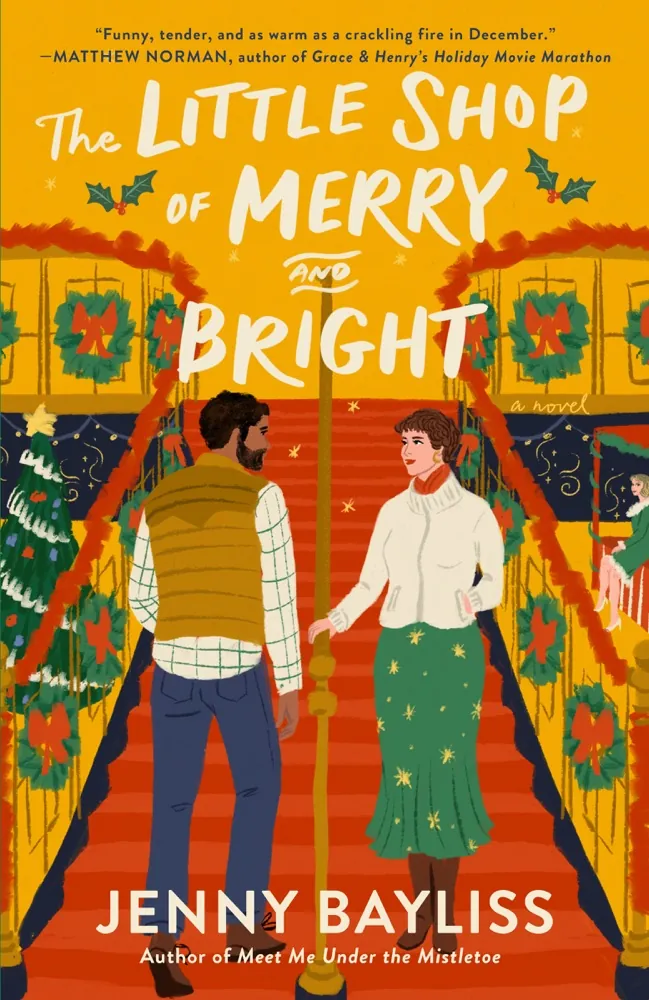
Author: Jenny BaylissPage Count: UnknownPublication Date: Expected publication 2026-09-22 APL The synopsis of The Little Shop of Merry and Bright is a masterclass in anti-escapism—which, ironically, is exactly what it promises. The premise is a glittering bait-and-switch: a woman who fled public life after a viral humiliation is offered a deal by a Christmas spirit, one that sounds like a Dark Souls boss fight wrapped in tinsel. But here’s the thing—this isn’t a fantasy novel about magic or redemption. It’s a quietist’s revenge fantasy, the kind where the real horror isn’t the alternate realities but the idea that Casey might like any of them. The bargain itself is a perfect setup for the kind of psychological tension you’d find in The Love Hypothesis meets The Secret History—if the latter had been written by a disgruntled Amazon reviewer. Margo, the Spirit of Christmas Present, isn’t some benevolent Santa. She’s a transactional entity, the kind of NPC you’d find in a Stardew Valley mod where the farmer’s daughter just wants to erase the past. The catch—five alternate realities—feels less like a test and more like a choose-your-own-adventure where the real question isn’t which life Casey prefers, but why she’d ever want to leave the one she’s in. Because let’s be honest, the life she’s in now is the one where she’s not being roasted on Twitter. That’s a luxury. Yet—and here’s where the synopsis starts to unravel—there’s a subtle undercurrent of something far more dangerous than escapism. The idea that Casey might not want the video erased isn’t just a plot device; it’s a psychological landmine. It’s the same tension you’d find in The Perks of Being a Wallflower, but with the emotional stakes of a Netflix breakup drama where the villain is her own self-loathing. The question isn’t whether she’ll choose the erased life—it’s whether she’ll even recognize the one she’s in as worth keeping. And that’s where the synopsis fails. It doesn’t tell us what those alternate realities look like. Are they worse? Better? Or just different enough to make her question whether she’s been running from something or just from everything? Let me grab my reading glasses for this mess. Because here’s the thing: the synopsis is too neat. It’s the kind of setup that would make a Twilight fanboy weep with joy—magic! spirits! alternate lives!—but it’s missing the grit. Where’s the real cost? Where’s the moment where Casey realizes that the life she’s trying to escape isn’t the one that made her a viral joke, but the one where she chose to stay quiet? The synopsis reads like a Hallmark Christmas movie synopsis, not a novel. And that’s a problem, because The Little Shop of Merry and Bright isn’t just about Christmas magic—it’s about the weight of silence. The kind of silence that makes you wonder if you’re the one who’s been haunted all along. But then again, maybe that’s the point. Maybe the real magic isn’t in the alternate realities, but in the decision to stay. And if that’s the case, then the synopsis is deliberately vague—because the best stories aren’t about the places you go, but the ones you choose not to leave. And yet—lexical whiplash—I can already see the booktok reactions: "This sounds like a cozy fantasy with a twist!" "I need this in my life!" "Why does this make me cry?!" It’s the same energy as The Song of Achilles, but with the emotional range of a McDonald’s Happy Meal. The synopsis sells the idea of magic, but it doesn’t sell the cost. And that’s where the real tension should be. I must select the floral arrangements for my upcoming book launch. Related Insightsالقرآن الكريم Book Review and Summary The Moon Is a Harsh Mistress Book Review and Summary Mokradla Book Review and Summary{ "@context": "https://schema.org", "@type": "FAQPage", "mainEntity": [ { "@type": "Question", "name": "What is the main focus of The Little Shop of Merry and Bright Book Review and Summary?", "acceptedAnswer": { "@type": "Answer", "text": "Everything you need to know about The Little Shop of Merry and Bright with our detailed review." } }, { "@type": "Question", "name": "Who authored the comprehensive guide on The Little Shop of Merry and Bright Book Review and Summary?", "acceptedAnswer": { "@type": "Answer", "text": "This detailed article and its insights were carefully researched and authored by Elena Volkova." } }, { "@type": "Question", "name": "Where can I find more related content about Books?", "acceptedAnswer": { "@type": "Answer", "text": "You can explore more articles, detailed reviews, and similar insights by browsing the Related Insights section at the bottom of this article or visiting our dedicated Books category page." } } ] }


Author: Vincent RalphPage Count: UnknownPublication Date: Expected publication 2026-09-15 APL August air is practically dripping through the window screens this afternoon, heavy and cicada-strummed, making it entirely too warm to contemplate anything darker than a dry white wine. Yet here we are, staring down the bleak horizon of Vincent Ralph’s Fear Farm. The final installment of the Bleak Haven series arrives this September, carrying the kind of heavy-handed promise that usually makes me wince. We are promised a town you cannot leave. We are promised a fright-fest where residents pay to be terrified. Groundbreaking concepts, truly. We have not seen this exact narrative chassis since every direct-to-video slasher released during the Bush administration. But Ralph writes with a frantic, teeth-gritting momentum that somehow elevates standard-issue YA carnage into something worth watching. The Performance of Dread Tori Swift is seventeen. Tori Swift has ideas. Naturally. Or perhaps I am being too harsh on poor Tori before she has even drawn her fictional breath. Actually, let me correct that instinct entirely because teenage resourcefulness in modern horror is the only thing keeping the genre afloat right now, echoing the sharp, paranoid energy of Karen McManus or Natasha Preston at their finest. The thematic spine here is wonderfully transparent—performance as survival. Bleak Haven turns terror into commerce, laundering local trauma and suspicious "accidents" through the safe, neon-lit fog of an annual haunt. Tori does not just hide from the monster; she auditions to play the villain. She puts on the greasepaint. She steps onto the stage of her own volition. Shadows in the Footlights We find ourselves swimming in metatextual commentary about masks and authenticity. Yet the synopsis relies on the laziest shorthand of the trade. "Tragedy strikes." What a deeply informative phrase. One could drive a Mack truck through that plot hole, and yet we are expected to gasp when the fake blood suddenly matches the real iron-scented variety on the floorboards. And yet, I will read it. I will sit under the humming ceiling fan next month and turn the pages, hoping for a shred of genuine subversion. My home insurance renewal just landed on the kitchen counter, which means I now have to spend the next hour reviewing a policy that costs more than my first car, a singularly joyless task. Related InsightsPotions & Prejudice (The Moonflower Witches, #1) Book Review and Summary How to Let Go: A Memoir of Finding Peace in Endings Book Review and Summary After Midnight Book Review and Summary{ "@context": "https://schema.org", "@type": "FAQPage", "mainEntity": [ { "@type": "Question", "name": "What is the main focus of Fear Farm (Bleak Haven, #4) Book Review and Summary?", "acceptedAnswer": { "@type": "Answer", "text": "Everything you need to know about Fear Farm (Bleak Haven, #4) with our detailed review." } }, { "@type": "Question", "name": "Who authored the comprehensive guide on Fear Farm (Bleak Haven, #4) Book Review and Summary?", "acceptedAnswer": { "@type": "Answer", "text": "This detailed article and its insights were carefully researched and authored by Maximilian Fischer." } }, { "@type": "Question", "name": "Where can I find more related content about Books?", "acceptedAnswer": { "@type": "Answer", "text": "You can explore more articles, detailed reviews, and similar insights by browsing the Related Insights section at the bottom of this article or visiting our dedicated Books category page." } } ] }
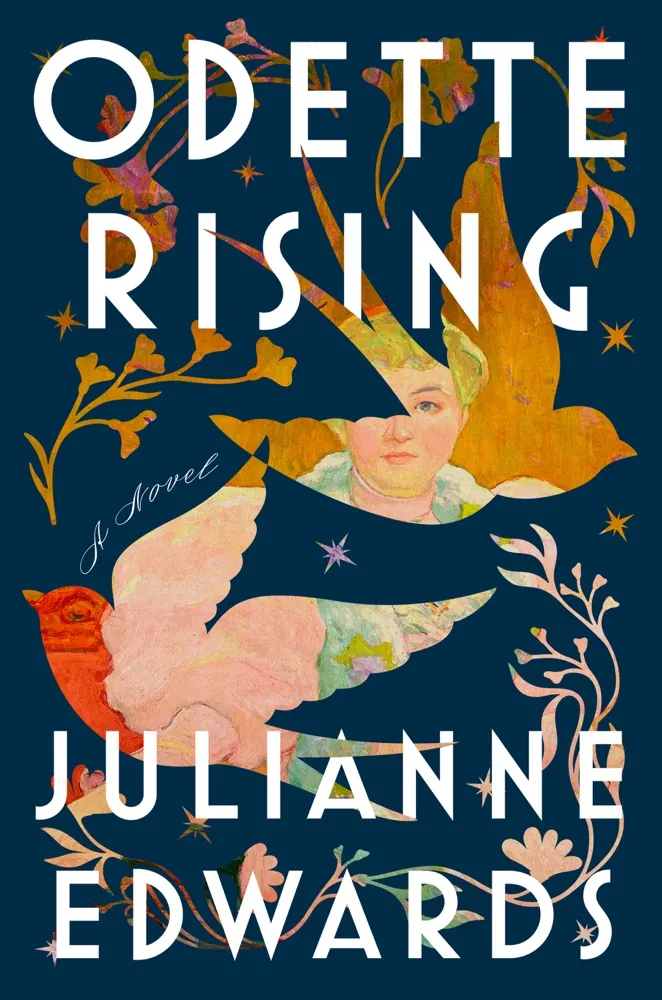

Author: Julianne EdwardsPage Count: UnknownPublication Date: Expected publication 2026-10-13 APL Ten years of voluntary enclosure in Sèvres because society demands female docility is a choice that makes my eye twitch. Not to burst anyone's bubble, but the trope of the sequestered maiden waiting for a dead man's estate to violently yank her into consciousness is exhausting. Julianne Edwards is dropping Odette Rising in October 2026, and the publishing machine is already trying to sell us another bourgeois girlboss awakening fueled by inherited hosiery capital. Give me a break. Or better yet, give this protagonist a guillotine. The Gilded Cage of Bourgeois Legitimization We are supposed to swoon over a twenty-one-year-old recluse who spent a decade hiding from loss by reading and carb-loading. Relatable? Sure. Radically subversive? Absolutely not. The premise hinges on a massive fortune tied to stockings that adorn the slender ankles of Parisian femmes célèbres. And there it is. The mandatory commodification of female vanity—even in a supposedly triumphant coming-of-age narrative. Yet the marketing copy insists on framing this inheritance as an emancipation tool. Men die, women inherit the factory floor, and suddenly capitalism is feminist empowerment. Right. Finding Agency in the Patriarchal Ledger Let us look closely at the architecture of this anticipated text. Odette unearths paternal secrets and stumbles upon her true identity through an unorthodox found family. Yawn. We have read this exact blueprint in every historical drama marketed toward book clubs that pretend they want grit while demanding a cozy resolution. Clare Leslie Hall compares it to Broken Country, which tells me to expect lush prose masking deeply conventional character arcs. Odette is touted as complex and flawed—which usually translates to making mildly bad decisions before the narrative gently rewards her with self-actualization and a found family hug. Where is the feral rage? Where is the institutional demolition? The Tyranny of the Comfort Read We refuse to accept that healing requires a quirky supporting cast and a dusty ledger of industrial secrets. A decade of agoraphobia broken down by a pair of designer stockings and some dead man's paperwork defies any realistic psychological trajectory—it is pure literary comfort food disguised as a triumph of storytelling. And yet, the prose excerpt promises moments of genuine sensory awakening. The tension between the shadows and the sudden shock of joy might actually save the manuscript from drowning in its own predictable domesticity. Or maybe it will just be another three hundred pages of crying into brioche until a man or a legacy saves her. Time will tell if Edwards has the teeth to bite the hand that binds her heroine. The washing machine just flooded the laundry room. Related InsightsThe Five People You Meet in Heaven Book Review and Summary Clockwork Princess Book Review and Summary Love Story Book Review and Summary{ "@context": "https://schema.org", "@type": "FAQPage", "mainEntity": [ { "@type": "Question", "name": "What is the main focus of Odette Rising Book Review and Summary?", "acceptedAnswer": { "@type": "Answer", "text": "Everything you need to know about Odette Rising with our detailed review." } }, { "@type": "Question", "name": "Who authored the comprehensive guide on Odette Rising Book Review and Summary?", "acceptedAnswer": { "@type": "Answer", "text": "This detailed article and its insights were carefully researched and authored by Marta Wisniewska." } }, { "@type": "Question", "name": "Where can I find more related content about Books?", "acceptedAnswer": { "@type": "Answer", "text": "You can explore more articles, detailed reviews, and similar insights by browsing the Related Insights section at the bottom of this article or visiting our dedicated Books category page." } } ] }
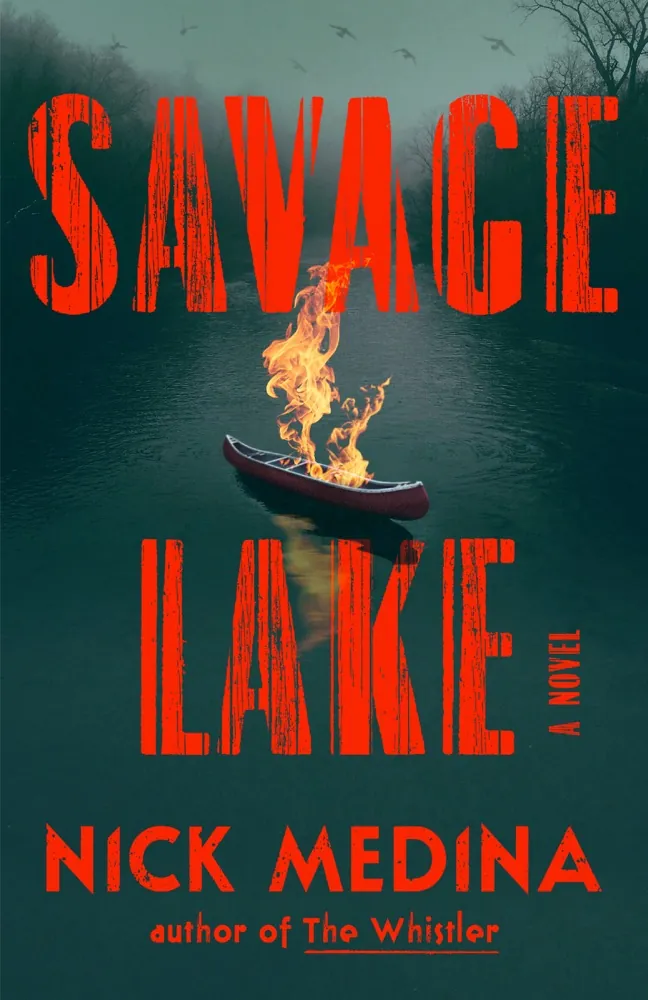

Author: Nick MedinaPage Count: UnknownPublication Date: Expected publication 2026-10-27 APL Nick Medina is heading back into the woods with Savage Lake, and honestly, my chest tightens just looking at the cover art. But let us be real for a second about the entire marketing apparatus surrounding modern horror. Every single synopsis relies on the exact same tired tropes about generational trauma and cabins that somehow hold memories like a cheap jar of preserves. Give me a break. People talk endlessly about the psychological depth of these grief-driven narratives, yet half the time it is just characters wandering around shouting names in the dark while a local community tries to mind its own business. Speaking of communities trying to protect their borders from outsiders who refuse to respect boundaries, why is the local homeowners association on my street allowed to dictate the exact shade of beige we paint our front porches? I swear, last Tuesday I spent three agonizing hours listening to Mrs. Higgins argue about the historical integrity of aluminum siding while my chest felt like it was caving in from sheer exhaustion, which honestly brings me right back to the suffocating cabin atmosphere Medina is promising us. The Geography of Resentment Torchlight Lake sounds less like a vacation spot and more like a bureaucratic trap. And who can blame the local Tribe for throwing up barricades? If tourists kept tracking their emotional baggage onto sovereign land, I would blockade the roads too. We are supposed to view these systemic friction points as mere window dressing for a ghost story. Yet the real friction is political, messy, and entirely real-world. It operates in the background while the teenagers complain about cell service. Nick Medina clearly wants to channel Stephen Graham Jones or Alma Katsu, blending folklore with domestic rot. I'll believe it when I see it on the shelves. Because leaning on Native land as a spooky backdrop for a white teenager's horror-movie meta-commentary feels dangerously close to cultural set-dressing. The Burden of Inheritance The synopsis leans heavily on the mother's fracturing psyche. Nell has a past. Naturally. Her dad passed away. Naturally. Now she has to drag her kid back to a dilapidated shack because apparently no one in horror fiction ever utilizes a local real estate agent. The thematic core here is blatantly obvious—we inherit our parents' ghosts whether we want them or not. Groundbreaking stuff. Oscar plays the role of the genre-savvy teen who recognizes the setup, which is a cute wink to the audience that usually falls flat when the actual prose takes itself entirely too seriously. If Medina avoids the trap of turning Indigenous sovereignty into just another monster-of-the-week obstacle, this might actually pack a punch. Otherwise, it is just another overpriced exercise in parental regret wrapped in pine needles. I am operating on three hours of sleep and pure espresso. Related InsightsThe Divine Comedy: Inferno - Purgatorio - Paradiso Book Review and Summary A Canticle for Leibowitz Book Review and Summary Clash of Kings Book Review and Summary{ "@context": "https://schema.org", "@type": "FAQPage", "mainEntity": [ { "@type": "Question", "name": "What is the main focus of Savage Lake Book Review and Summary?", "acceptedAnswer": { "@type": "Answer", "text": "Everything you need to know about Savage Lake with our detailed review." } }, { "@type": "Question", "name": "Who authored the comprehensive guide on Savage Lake Book Review and Summary?", "acceptedAnswer": { "@type": "Answer", "text": "This detailed article and its insights were carefully researched and authored by Hannah Schmidt." } }, { "@type": "Question", "name": "Where can I find more related content about Books?", "acceptedAnswer": { "@type": "Answer", "text": "You can explore more articles, detailed reviews, and similar insights by browsing the Related Insights section at the bottom of this article or visiting our dedicated Books category page." } } ] }
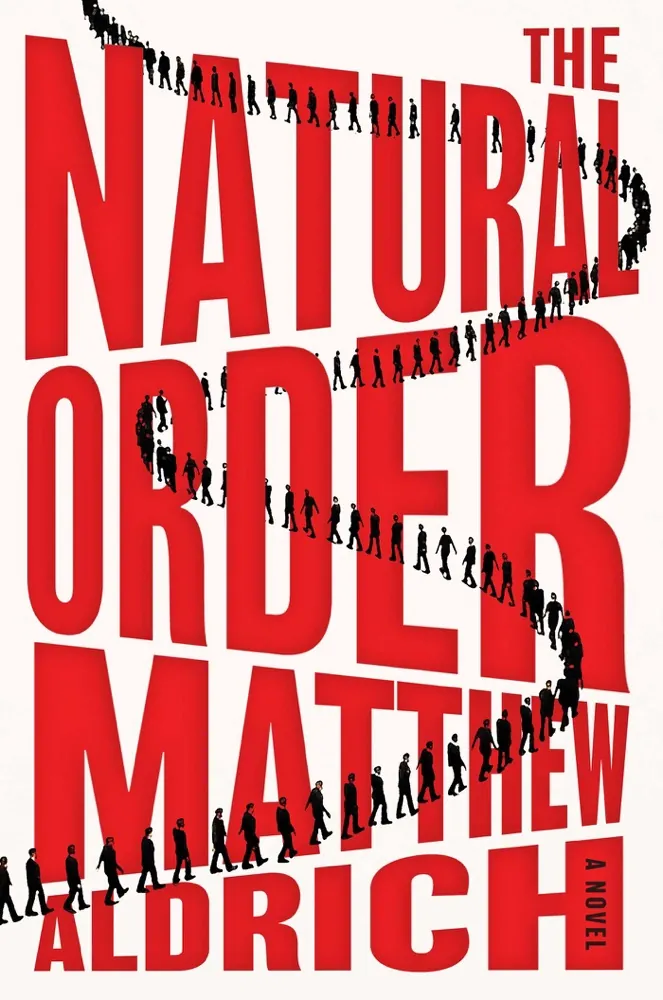

Author: Matthew AldrichPage Count: UnknownPublication Date: Expected publication 2026-10-27 APL The book synopsis has a certain... allure to it. The Natural Order, a novel by Matthew Aldrich, promises an unflinching look at our dystopian future. Paul Whitmore, the world's wealthiest man, has cracked the code to eternal life—a notion that should excite us, yet the author's warning signs are waving frantically like a reckless driver on a highway. The setup is straightforward: a billionaire with a foolproof plan to stop aging, an extremist group hell-bent on foiling his plans, and a tense reunion with his estranged son. It's a familiar, yet intriguing combination—think The Road meets The Immortalists with a dash of Black Mirror. The stakes are clear: the future of humanity hangs in the balance, and the protagonist's fragile family bond is put to the test. However, I find myself questioning the vagueness of it all. What does this "method" really entail? How does it work? These unanswered questions leave me with an unsettling feeling, as if the author is deliberately withholding crucial information. It's like being shown a fascinating but incomplete blueprint—enough to pique my curiosity, but not enough to fully commit to the project. This is where The Natural Order starts to feel like a Frankenstein's monster of themes and ideas. We have our familiar dystopian warning signs, our tech-obsessed billionaire, and our family drama. It's a mix that should resonate with fans of authors like Kim Stanley Robinson and Margaret Atwood, but somehow it feels... unrefined. Like a still-learning screenwriter trying too hard to make a point. Yet, despite my reservations, I can see the sparks flying. There's a potential richness here—this is a novel that could grapple with issues of technology, longevity, and the human condition in ways that would make for a thought-provoking and unsettling read. Aldrich has set the stage for a thought-provoking exploration of what it means to be human in a world where our mortality is a distant memory. I'm not yet convinced that The Natural Order will deliver on its promise, but I'm willing to give it a shot. With the right execution, this could be a haunting and humane novel that lingers in the reader's mind long after the final page is turned. Literally. Reviewing life insurance policies is not exactly my idea of a fun afternoon activity. #DystopianFiction #FutureScopes #EternalLife Related InsightsAnother Life Book Review and Summary Amarilla Book Review and Summary New Year's Grieve Book Review and Summary{ "@context": "https://schema.org", "@type": "FAQPage", "mainEntity": [ { "@type": "Question", "name": "What is the main focus of The Natural Order: A Novel Book Review and Summary?", "acceptedAnswer": { "@type": "Answer", "text": "Everything you need to know about The Natural Order: A Novel with our detailed review." } }, { "@type": "Question", "name": "Who authored the comprehensive guide on The Natural Order: A Novel Book Review and Summary?", "acceptedAnswer": { "@type": "Answer", "text": "This detailed article and its insights were carefully researched and authored by Michael Brown." } }, { "@type": "Question", "name": "Where can I find more related content about Books?", "acceptedAnswer": { "@type": "Answer", "text": "You can explore more articles, detailed reviews, and similar insights by browsing the Related Insights section at the bottom of this article or visiting our dedicated Books category page." } } ] }
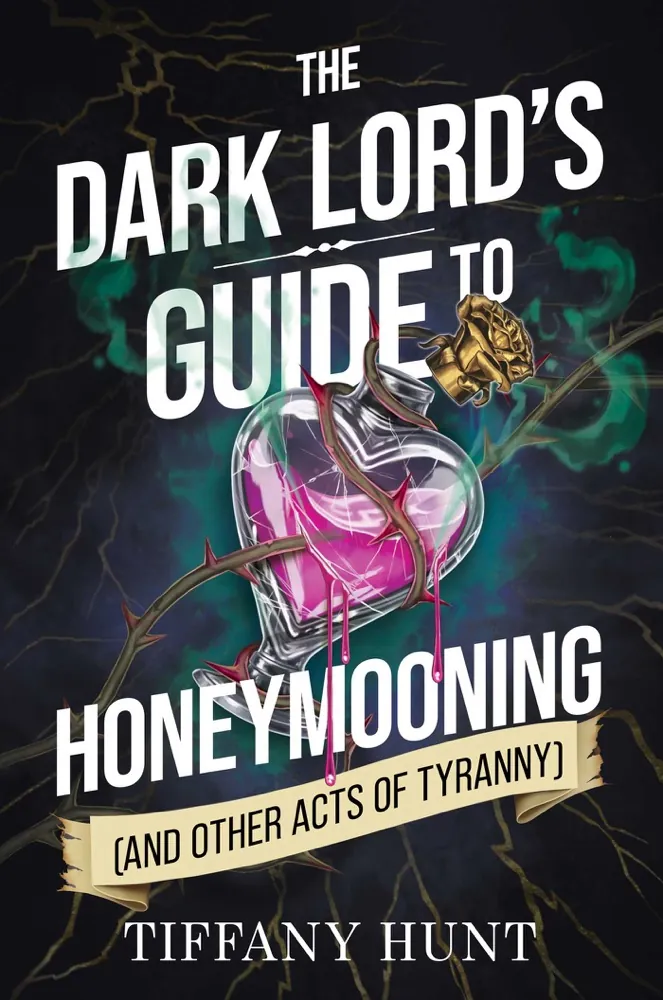
- Tiago Silva
- 16 Aug, 2026 12:59
The Dark Lord's Guide to Honeymooning (and Other Acts of Tyranny) Book Review and Summary
Author: Tiffany HuntPage Count: UnknownPublication Date: Expected publication 2026-09-08 APL Another afternoon bleeding away into the champagne bucket while my portfolio takes a nosedive off a metaphorical cliff, and what am I doing? Staring at promotional copy for The Dark Lord's Guide to Honeymooning (and Other Acts of Tyranny) by Tiffany Hunt. God forbid I drink my vintage in peace without contemporary publishing dragging me back into the gutter of trope-heavy romantasy. Look. We are expected to swallow the premise that domestic bliss can coexist with mass kidnappings and demonic possession. Groundbreaking. Truly, the avant-garde literature of our generation. The Aesthetics of Domestic Terrorism Hunt is apparently leaning hard into the Assistant to the Villain meets Dreadful vibe, which tells me absolutely nothing original while simultaneously promising a very specific brand of chaotic domesticity. Kazimir Blackrose and Arabella are bound by marriage and some magical artifact called an Heirloom—how delightfully pedestrian. Every modern indie darling needs a glowing rock or a cursed piece of IKEA furniture to anchor their relationship arc. Yet. The sheer audacity of framing a world-conquest timeline around a honeymoon itinerary deserves a slow clap. We are promised villains who stay deliciously wicked while being catastrophically in love. A masterclass in cognitive dissonance. You cannot dismantle the socio-political structures of Solandris while simultaneously worrying about artisanal scones baked by a pastry chef with heroic blood. Make it make sense. Or don't. At this point, my existential dread is too heavy to care about artisanal pastry mechanics. Actually, scrap that entirely. The pastry chef detail is genius. It is unhinged, carb-loaded chaos, and I will tolerate zero slander against weaponized baked goods. Sizzling Spice and Structural Collapse The core tension of this entire text relies on three dangerous little words. Three. We all know what they are. It is the literary equivalent of a jump scare in a slasher flick. One second you are plotting global domination, and the next you are having an emotional breakdown over a missing memory and a demonic ex-roommate. The psychological whiplash is palpable. Hunt is riding the coattails of the current romantasy zeitgeist where characters can commit war crimes on Tuesday and hold hands by Thursday. It is trashy. It is glossy. It is probably going to spend six months on the bestseller list while my stocks burn to ash. Let us be entirely honest with ourselves for a fraction of a second. The synopsis reads like a fanfiction prompt generator designed by an algorithm hopped on cold brew. And yet? I am pre-ordering the sprayed-edge hardcover edition. Shame is a social construct anyway. Excuse me. I need to authorize a multi-million dollar wire transfer for a philanthropic endeavor involving endangered sphinx cats, or the tax attorneys will scream. #romantasy #darkacademia #booktok #scones Related InsightsThe Twilight Collection Book Review and Summary Daughter of Smoke & Bone Book Review and Summary Doctor Zhivago Book Review and Summary{ "@context": "https://schema.org", "@type": "FAQPage", "mainEntity": [ { "@type": "Question", "name": "What is the main focus of The Dark Lord's Guide to Honeymooning (and Other Acts of Tyranny) Book Review and Summary?", "acceptedAnswer": { "@type": "Answer", "text": "Everything you need to know about The Dark Lord's Guide to Honeymooning (and Other Acts of Tyranny) with our detailed review." } }, { "@type": "Question", "name": "Who authored the comprehensive guide on The Dark Lord's Guide to Honeymooning (and Other Acts of Tyranny) Book Review and Summary?", "acceptedAnswer": { "@type": "Answer", "text": "This detailed article and its insights were carefully researched and authored by Tiago Silva." } }, { "@type": "Question", "name": "Where can I find more related content about Books?", "acceptedAnswer": { "@type": "Answer", "text": "You can explore more articles, detailed reviews, and similar insights by browsing the Related Insights section at the bottom of this article or visiting our dedicated Books category page." } } ] }


Author: Laleh KhadiviPage Count: UnknownPublication Date: Expected publication 2026-09-22 APL Ah, Female Life on Planet Earth by Laleh Khadivi is marching toward its September 2026 release date draped in all the usual blurb-heavy armor. Katie Kitamura calls it intoxicating. Naturally. But let us pause for a fraction of a second to address the sheer exhaustion of the dead-mother revelation trope. If I had a nickel for every time I've read this premise, I could afford to permanently delete my shared calendar and buy a vineyard in Umbria where fidelity is actually a baseline expectation rather than a decorative suggestion. Consider the setup: pristine homemaker mother kicks the bucket, leaving behind an unmarked envelope containing photographic proof of a radical, gun-toting youth. It is The Deep Blue Goodbye meets Normal People via a middle-class Los Angeles traffic jam. Yet Khadivi—an award-winning voice—deserves better than my immediate cynicism. The publisher's pitch relies heavily on the juxtaposition of domestic mundanity (client accounts, aggressive soccer moms) against the kinetic, burning-building anarchy of Ana’s past. And yet, I worry the book will lean too hard into the quirky-aunt chorus. Do we really need an entire Greek chorus of hilarious neighbors to teach our protagonist about female autonomy? Or can we just let a daughter stare at a photograph of her mother holding a firearm and sit with the terrifying realization that we never actually know the people we invite into our beds, our kitchens, and our hearts? Actually, strike that. The chorus of chatting women might be the exact salvation of this manuscript. Maybe the real brilliance lies in the cacophony. Or maybe it is just noise. Bleak. The thematic architecture here hinges entirely on inheritance and lineage—words that usually make my eye twitch because they are so frequently weaponized by authors who refuse to plot their second acts. Khadivi writes with bristling intelligence, according to the jacket copy, which usually means the prose will be gorgeous enough to distract us from the fact that Heti is just another stressed-out LA professional navigating the modern wasteland of email pings and soccer practices. We are promised a celebration of the boundlessness of women over time and space. But I am inherently suspicious of any book that promises to explain the contradictory possibilities inside every woman while ignoring how easily trust gets shredded by a single hidden photograph. Or a secret double life. Or a casual betrayal that blindsides you on a Tuesday afternoon when you were simply trying to fold the fitted sheets. Trust is a fragile architecture. Brittle. September 2026 will arrive soon enough, bringing with it the inevitable stack of glowing reviews in major quarterlies. I will probably buy it anyway. I will sit on the sofa, drink too much espresso, and hope against hope that Heti finds some semblance of peace while I try to remember why I ever believed that people come with warning labels. #FemaleLifeOnPlanetEarth #LalehKhadivi #LiteraryFiction #BookTwitter I have to go untangle the dog's leash from the dining table. Related InsightsFinal Fantasy XIV: Stormblood -- The Art of the Revolution -Western Memories- Book Review and Summary Uglies Book Review and Summary 1Q84 Book Review and Summary{ "@context": "https://schema.org", "@type": "FAQPage", "mainEntity": [ { "@type": "Question", "name": "What is the main focus of Female Life on Planet Earth Book Review and Summary?", "acceptedAnswer": { "@type": "Answer", "text": "Everything you need to know about Female Life on Planet Earth with our detailed review." } }, { "@type": "Question", "name": "Who authored the comprehensive guide on Female Life on Planet Earth Book Review and Summary?", "acceptedAnswer": { "@type": "Answer", "text": "This detailed article and its insights were carefully researched and authored by Isabella Moore." } }, { "@type": "Question", "name": "Where can I find more related content about Books?", "acceptedAnswer": { "@type": "Answer", "text": "You can explore more articles, detailed reviews, and similar insights by browsing the Related Insights section at the bottom of this article or visiting our dedicated Books category page." } } ] }