Showing Posts From
Food
-
 Klaus Weber
 - 11 Jul, 2026 09:57
Der verborgene Tanz der Transformation: Eine Odyssee durch die Welt der Fermentation
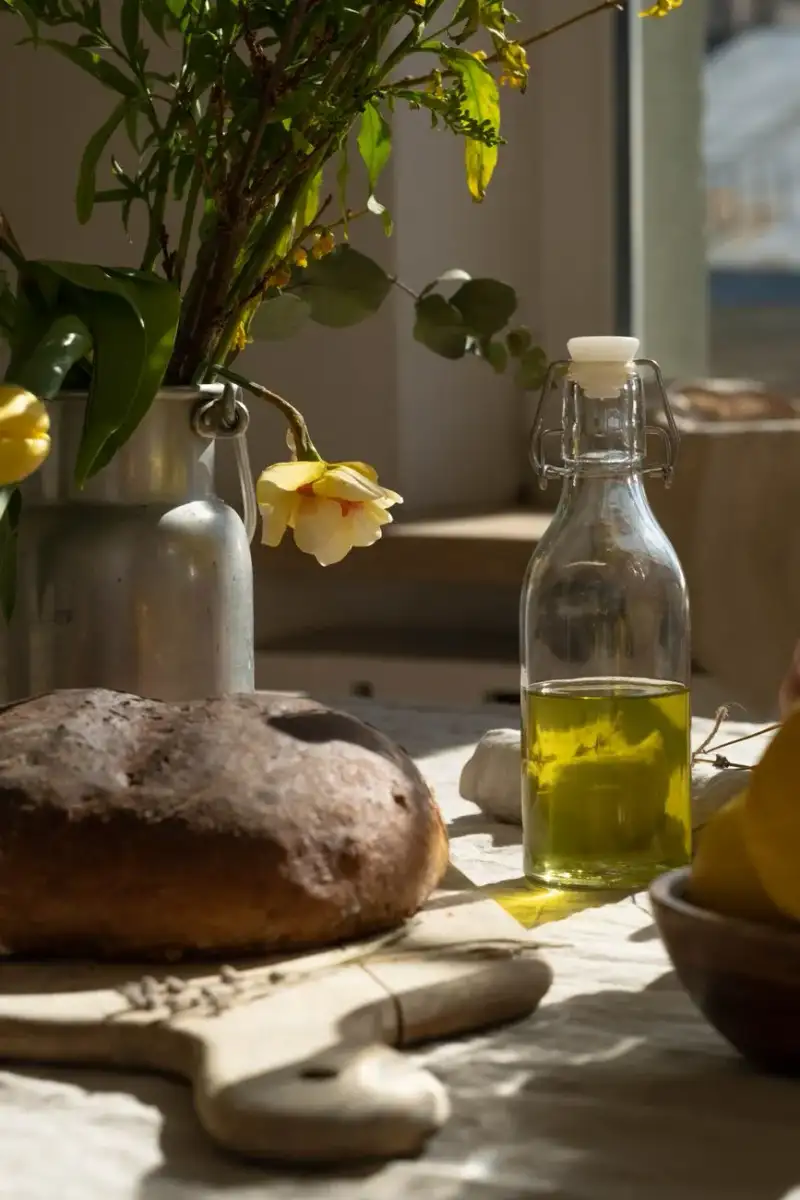
In den Tiefen der Geschichte, lange bevor der Mensch das Feuer zähmte oder die Schrift erfand, wirkte bereits eine stille, unsichtbare Kraft in der Natur. Eine Kraft, die rohe Materie in etwas Neues, oft Köstlicheres und Haltbareres verwandelte. Es ist der geheime Tanz der Mikroorganismen, eine Alchemie des Geschmacks und der Konservierung, die wir heute als Fermentation kennen. Ein Phänomen, das die Menschheit seit Urzeiten prägt und dessen wissenschaftliche Ergründung uns immer wieder aufs Neue fasziniert. Die Wissenschaft dieser wundersamen Wandlung trägt einen klangvollen Namen: Zymologie oder Zymurgie. Im Kern ist Fermentation in der Lebensmittelverarbeitung die kunstvolle Umwandlung von Kohlenhydraten in Alkohol oder organische Säuren. Dabei kommen winzige Helfer zum Einsatz – Hefen oder Bakterien –, und das alles ohne die Notwendigkeit eines oxidierenden Agens. Was diese Prozesse so besonders macht, ist ihre Absicht: Die Aktion der Mikroorganismen ist hierbei ausdrücklich erwünscht. Manchmal wird der Begriff „Fermentation“ spezifisch auf die chemische Umwandlung von Zuckern in Ethanol bezogen, die uns alkoholische Getränke wie Wein, Bier und Apfelwein beschert. Doch ihr Reich ist weitaus größer und umfasst ähnliche Wunderwerke wie das Treiben von Brot durch die Kohlendioxidproduktion der Hefe oder die Konservierung säuerlicher Lebensmittel, wie sie in Sauerkraut und Joghurt durch Milchsäuregärung geschieht. Die globale Speisekammer wäre ohne diese transformierende Kraft undenkbar: Essig, Oliven und Käse sind nur einige der allgegenwärtigen Zeugen. Doch auch regional prägen fermentierte Köstlichkeiten auf Basis von Bohnen, Getreide, Gemüse, Obst, Honig, Milchprodukten und Fisch die kulinarische Identität unzähliger Kulturen. Ein Blick in die Urgeschichte: Die Geburt der Fermentation Die natürliche Fermentation ist älter als die menschliche Geschichte selbst. Doch seit alten Zeiten hat der Mensch diesen Prozess für sich nutzbar gemacht, oft wohl eher unabsichtlich, durch glückliche Fügungen des Zufalls. Man kann sich vorstellen, wie unsere Vorfahren überschüssige Nahrungsmittel in Gefäßen lagerten und diese mit der Zeit in Vergessenheit gerieten. Im Laufe der Zeit begannen Hefen und Bakterien, sich in diesen vergessenen Schätzen auszubreiten, und führten den Menschen so zur Entdeckung fermentierter Lebensmittel. Die archäologischen Zeugnisse dieser frühen Entdeckungen sind atemberaubend und zeugen von einer tief verwurzelten Tradition. Das früheste uns bekannte Indiz für Fermentation stammt aus einer Höhle in der Nähe von Haifa in Israel: 13.000 Jahre alte Rückstände eines Bieres, das in seiner Konsistenz wohl eher einem Brei ähnelte. Dies ist ein Echo aus einer Zeit, die unsere Vorstellungskraft kaum fassen kann.Nicht viel jünger sind weitere Zeugnisse alkoholischen Genusses: Zwischen 7000 und 6600 v. Chr. wurde in dem neolithischen chinesischen Dorf Jiahu ein Getränk aus Früchten, Reis und Honig hergestellt. Und die Kunst des Weinbaus? Sie reicht bis etwa 6000 v. Chr. zurück, mit Ursprung in Georgien, im Kaukasusgebiet. Siebentausend Jahre alte Krüge mit Weinresten, die heute an der University of Pennsylvania ausgestellt sind, wurden im Zagros-Gebirge im Iran ausgegraben. Die Beweise verdichten sich, dass alkoholische Getränke bereits um 3000 v. Chr. in Babylon, um 3150 v. Chr. im alten Ägypten, um 2000 v. Chr. im vorspanischen Mexiko und um 1500 v. Chr. im Sudan fermentiert wurden. Diese Spuren ziehen sich wie ein roter Faden durch die Geschichte der menschlichen Zivilisation und offenbaren eine universelle Faszination für die Gaben der Fermentation. Das Licht der Erkenntnis: Die Rolle der Hefe entschlüsselt Jahrtausende vergingen, in denen der Mensch die Fermentation nutzte, ohne ihre innersten Mechanismen zu verstehen. Erst im Jahr 1856 betrat ein Mann die Bühne der Wissenschaft, der unser Verständnis revolutionieren sollte: der französische Chemiker Louis Pasteur, der als Begründer der Zymologie gilt. Es war Pasteur, der die entscheidende Verbindung zwischen Hefe und Fermentation herstellte. Bei seinen Studien zur Fermentation von Zucker zu Alkohol durch Hefe kam Pasteur zu dem Schluss, dass dieser Prozess durch eine „vitale Kraft“, die er „Fermente“ nannte, innerhalb der Hefezellen katalysiert wurde. Diese „Fermente“ galten als nur innerhalb lebender Organismen funktionsfähig. Pasteur formulierte es unmissverständlich: „Die alkoholische Gärung ist ein Akt, der mit dem Leben und der Organisation der Hefezellen korreliert, nicht mit dem Tod oder der Fäulnis der Zellen.“ Eine tiefgreifende Erkenntnis, die den Weg für die moderne Mikrobiologie ebnete. Das Geheimnis der „zellfreien Fermentation“ Doch die Wissenschaft ruht nie. Trotz Pasteurs Überzeugung, dass die Fermente nur in lebenden Zellen wirken, war bereits bekannt, dass Hefeextrakte Zucker auch in Abwesenheit lebender Hefezellen fermentieren konnten. Diesem Phänomen widmete sich der deutsche Chemiker und Zymologe Eduard Buchner von der Humboldt-Universität zu Berlin. Im Jahr 1897 machte er eine bahnbrechende Entdeckung: Zucker wurde auch dann fermentiert, wenn keine lebenden Hefezellen in der Mischung vorhanden waren. Verantwortlich dafür war ein Enzymkomplex, der von der Hefe abgesondert wurde und den Buchner als Zymase bezeichnete. Diese Entdeckung der „zellfreien Fermentation“ war so fundamental, dass Buchner 1907 den Nobelpreis für Chemie erhielt. Seine Forschung erweiterte das Verständnis der Fermentation von einem rein biologischen Prozess auf einen biochemischen, der durch spezifische Enzyme katalysiert wird. Nur ein Jahr zuvor, im Jahr 1906, führten Studien zur Ethanolgärung zur frühen Entdeckung von oxidiertem Nicotinamid-Adenin-Dinukleotid (NAD+), einem entscheidenden Coenzym im Stoffwechsel. Solche Entdeckungen legten das Fundament für die moderne Biotechnologie. Die vielfältigen Anwendungen: Fermentation als kulinarischer Baumeister Lebensmittelfermentation ist die Umwandlung von Zuckern und anderen Kohlenhydraten in Alkohol oder konservierende organische Säuren und Kohlendioxid. Alle drei Produkte haben die Menschheit in vielfältiger Weise bereichert. Die Produktion von Alkohol wird genutzt, wenn Fruchtsäfte zu Wein werden, wenn Getreide zu Bier verarbeitet wird und wenn stärkereiche Lebensmittel wie Kartoffeln fermentiert und dann destilliert werden, um Spirituosen wie Gin und Wodka herzustellen. Kohlendioxid ist der unsichtbare Helfer, der Brot aufgehen lässt und ihm seine luftige Textur verleiht. Die Produktion organischer Säuren wiederum wird zur Konservierung und Aromatisierung von Gemüse und Milchprodukten genutzt – man denke nur an das pikante Aroma von Sauerkraut oder die cremige Säure von Joghurt. Die Fermentation dient fünf Hauptzwecken, die unsere Ernährung seit jeher tiefgreifend beeinflussen:Aromenvielfalt: Sie bereichert die Ernährung durch die Entwicklung einer Vielfalt an Geschmäckern, Aromen und Texturen in den Lebensmittelrohstoffen. Haltbarkeit: Sie ermöglicht die Konservierung erheblicher Mengen an Lebensmitteln durch Milchsäure-, Alkohol-, Essigsäure- und alkalische Fermentationen. Nährwertsteigerung: Sie reichert Lebensmittelrohstoffe mit Proteinen, essenziellen Aminosäuren und Vitaminen an. Antinährstoffreduktion: Sie hilft, Antinährstoffe zu eliminieren, die sonst die Aufnahme von Nährstoffen behindern könnten. Kochzeitverkürzung: Sie reduziert die Kochzeit und den damit verbundenen Brennstoffverbrauch.Fermentierte Getränke sind wahrscheinlich universell mit Zeremonien und Festen verbunden gewesen. Die Art und Weise, wie sie in solchen Kontexten konsumiert wurden, lässt sich teilweise aus der Konstruktion von Trinkgefäßen und den darin enthaltenen Rückständen ableiten – ein stilles Zeugnis alter Bräuche. Eine globale Speisekammer: Fermentierte Köstlichkeiten weltweit Die Geografie der Fermentation ist so vielfältig wie die Menschheit selbst. Jede Region hat ihre eigenen, einzigartigen Methoden und Rezepte entwickelt, die oft tief in der Kultur und Geschichte verankert sind. Weltweit bekannte Klassiker: Alkoholische Getränke (Bier, Wein), Essig, Oliven, Joghurt, Brot und Käse sind globale Grundnahrungsmittel, die ohne Fermentation undenkbar wären. Asien – Ein Fest der Fermentation:Ost- und Südostasien: Hier finden sich so unterschiedliche Spezialitäten wie Amazake (ein süßer, fermentierter Reiswein), Atchara (fermentiertes Papayagemüse), Belacan (Garnelenpaste), Doenjang (Sojabohnenpaste), Douchi (fermentierte schwarze Bohnen), Fischsauce, Kimchi (fermentiertes Gemüse), Kombucha, Miso, Nata de Coco, Natto (fermentierte Sojabohnen), Ngapi (Fisch- oder Garnelenpaste), Sake, Sojasauce, Stinky Tofu und Tempeh. Zentralasien: Kumis (fermentierte Stutenmilch), Kefir, Schubat (fermentierte Kamelmilch) und Qatiq (Joghurt) prägen die Milchwirtschaft. Südasien: Achar (eingelegtes Gemüse/Obst), Appam, Dosa, Dhokla, Dahi (Joghurt) und Idli sind Beispiele für fermentierte Köstlichkeiten, oft auf Getreide- oder Linsenbasis.Afrika – Die Vielfalt des Kontinents: Garri (fermentierte Maniok), Injera (Fladenbrot), Laxoox, Mageu, Ogi und Ogiri sind nur einige Beispiele, die die Grundlage vieler Mahlzeiten bilden. Amerika – Von Kakao bis Chicha: Chicha (fermentiertes Maisgetränk), Schokolade, Vanille, Hot Sauce, Tepache, Pulque, Muktuk und Kiviak zeigen die breite Palette von fermentierten Lebensmitteln, von Getränken bis zu traditionellen Inuit-Gerichten. Mittlerer Osten: Torshi (eingelegtes Gemüse) und Boza (fermentiertes Getreidegetränk) sind hier beheimatet. Europa – Eine reiche Tradition: Sauerteigbrot, Holunderwein, Kombucha, Einlegen von Gemüse (Pickling), Rakfisk, Sauerkraut, Essiggurken, Surströmming, Met, Kwass, Salami, Sucuk, Prosciutto und eine Vielzahl von Kultmilchprodukten wie Quark, Kefir, Filmjölk, Crème fraîche, Smetana, Skyr, Rakı und Tupí zeugen von einer tiefen Fermentationskultur. Ozeanien: Poi und Kanga Pirau sind Beispiele aus dieser Region.Fermentierte Lebensmittel nach Typ: Eine kulinarische Klassifizierung Die Wunder der Fermentation erstrecken sich über alle Kategorien von Lebensmitteln und transformieren Grundzutaten in kulinarische Meisterwerke. Bohnen: Fermentierte Bohnenprodukte sind ein Eckpfeiler vieler Küchen, insbesondere in Asien. Cheonggukjang, Doenjang, Douchi, fermentierter Bohnenkäse, Miso, Natto, Sojasauce, Stinky Tofu, Tempeh, Oncom, Sojabohnenpaste, Beijing Mungbohnenmilch, Kinama, Iru und Thua Nao sind Beispiele für die unglaubliche Vielfalt, die aus der Fermentation von Bohnen entsteht. Getreide: Getreide ist die Basis für unzählige fermentierte Produkte. Amazake, Bier, Brot, Choujiu, Gamju, Injera, Kwass, Makgeolli, Murri, Ogi, Rejuvelac, Sake, Sikhye, Sauerteig, Sowans, Reiswein, Malt Whisky, Grain Whisky, Idli, Dosa, Bangla (Getränk), Wodka, Boza und Chicha sind nur einige der vielen Beispiele, die zeigen, wie Getreide durch Fermentation zu nahrhaften und genussvollen Lebensmitteln und Getränken verarbeitet wird. Gemüse: Die Kunst des Einlegens und Fermentierens von Gemüse ist eine der ältesten Konservierungsmethoden. Kimchi, Mixed Pickle, Sauerkraut, Indian Pickle, Gundruk und Tursu sind nur einige der würzigen, sauren und oft probiotischen Köstlichkeiten, die durch die Milchsäuregärung von Gemüse entstehen. Obst: Früchte werden ebenfalls durch Fermentation veredelt. Wein, Essig, Apfelwein, Birnenwein, Branntwein, Atchara, Nata de Coco, Burong Mangga, Asinan, Pickling, Vişinată, Schokolade, Rakı, Aragh Sagi, Chacha und Tempoyak sind allesamt Produkte, die ihre einzigartigen Geschmacksprofile und Eigenschaften der Fermentation verdanken. Honig: Der süße Nektar des Honigs verwandelt sich durch Fermentation in berauschende Getränke. Met (Honigwein), Metheglin (gewürzter Met) und Tej (äthiopischer Honigwein) sind uralte Beispiele dieser Transformation. Milchprodukte: Milchprodukte sind eine weitere Domäne der Fermentation, die eine Fülle von Texturen und Geschmacksrichtungen hervorbringt. Viele Käsesorten, Kefir, Kumis (Stutenmilch), Schubat (Kamelmilch), Ayran und Kulturmilchprodukte wie Quark, Filmjölk, Crème fraîche, Smetana, Skyr und Joghurt sind das Ergebnis der enzymatischen Aktivität von Bakterien und Hefen. Fisch: Auch Fischprodukte werden durch Fermentation konserviert und aromatisiert. Bagoong, Faseekh, Fischsauce, Garum, Hákarl, Jeotgal, Ngapi, Padaek, Pla Ra, Prahok, Rakfisk, Garnelenpaste, Surströmming und Shidal sind Beispiele für die kreative Nutzung der Fermentation zur Veredelung dieser Rohstoffe. Fleisch: Fermentiertes Fleisch ist ebenfalls eine lange Tradition, die Wurstwaren wie Chorizo, Salami, Sucuk, Pepperoni, Nem Chua, Som Moo und Saucisson hervorgebracht hat. Diese fermentierten Würste zeichnen sich durch ihre Haltbarkeit und ihren intensiven Geschmack aus. Tee: Selbst Tee ist nicht vor der Fermentation sicher. Pu-erh Tee, Kombucha (ein fermentiertes Teegetränk), Lahpet (fermentierte Teeblätter) und Goishicha sind Beispiele dafür, wie die Fermentation auch Teeblätter in einzigartige Genüsse verwandelt. Risiken und die Kunst der Kontrolle Die Fermentation ist ein wundersamer Prozess, doch sie erfordert Präzision und Kontrolle. Sterilisation ist ein entscheidender Faktor bei der Fermentation von Lebensmitteln. Das Versäumnis, Mikroben von Geräten und Lagergefäßen vollständig zu entfernen, kann dazu führen, dass unerwünschte Mikroorganismen die Oberhand gewinnen. Während die Fermentation in der Regel die erwünschte Aktivität spezifischer Mikroben impliziert, birgt die unkontrollierte Vermehrung schädlicher Keime immer ein Risiko für die Lebensmittelsicherheit. Die Kunst besteht darin, die erwünschten Mikroben gedeihen zu lassen und gleichzeitig unerwünschte Kontaminanten fernzuhalten, um die magische Transformation sicher zu ermöglichen. Die ewige Faszination der Fermentation Die Fermentation ist weit mehr als nur eine Methode zur Lebensmittelkonservierung; sie ist eine Brücke in die Vergangenheit, eine Säule der kulinarischen Gegenwart und ein vielversprechender Weg in die Zukunft. Von den ältesten Bierrezepten der Menschheit bis zu den raffiniertesten modernen Käsesorten zeugt sie von der genialen Anpassungsfähigkeit und Kreativität des Menschen im Umgang mit seiner Umwelt. Sie ist eine stille, aber mächtige Kraft, die uns lehrt, die verborgenen Potenziale der Natur zu erkennen und zu nutzen – ein ewiger Tanz der Transformation, der unsere Sinne bereichert und unsere Geschichte prägt.#Fermentation #Lebensmittelverarbeitung #Zymologie #KulinarischeTransformation #TraditionelleKüche Related InsightsSavor the World: The Ultimate Guide to the Planet’s Most Exquisite Food Markets From Sacred Cacao to Velvet Bars: The Lost Art and Modern Renaissance of Artisanal Chocolate Banh Mi: The Perfect French-Vietnamese Fusion Sandwich{ "@context": "https://schema.org", "@type": "FAQPage", "mainEntity": [ { "@type": "Question", "name": "What is the main focus of Der verborgene Tanz der Transformation: Eine Odyssee durch die Welt der Fermentation?", "acceptedAnswer": { "@type": "Answer", "text": "Tauchen Sie ein in die faszinierende Welt der Fermentation, einer uralten Technik, die Geschmack, Textur und Haltbarkeit unserer Lebensmittel seit Jahrtausenden revolutioniert hat – von den ältesten Bierrezepten bis zur modernen Mikrobiologie." } }, { "@type": "Question", "name": "Who authored the comprehensive guide on Der verborgene Tanz der Transformation: Eine Odyssee durch die Welt der Fermentation?", "acceptedAnswer": { "@type": "Answer", "text": "This detailed article and its insights were carefully researched and authored by Klaus Weber." } }, { "@type": "Question", "name": "Where can I find more related content about Food?", "acceptedAnswer": { "@type": "Answer", "text": "You can explore more articles, detailed reviews, and similar insights by browsing the Related Insights section at the bottom of this article or visiting our dedicated Food category page." } } ] }

Introduction to a Delicious and Nutritious Dish Baked sea bass with cherry tomatoes and capers is a mouth-watering recipe that combines the delicate flavor of sea bass with the sweetness of cherry tomatoes and the tanginess of capers. This dish is not only a treat for your taste buds but also a nutritious meal that provides a wealth of health benefits. The combination of omega-3 rich sea bass, antioxidant-packed cherry tomatoes, and vitamin C-rich capers creates a culinary masterpiece that is both delicious and healthy. Whether you're a seafood lover or just looking for a new recipe to add to your repertoire, this dish is sure to impress.The Science Behind the Ingredients The ingredients used in this recipe have been carefully selected for their unique nutritional profile and scientific backing. Sea bass is an excellent source of protein, omega-3 fatty acids, and various minerals such as selenium and potassium. The omega-3 fatty acids found in sea bass have been shown to have anti-inflammatory properties, reducing the risk of chronic diseases such as heart disease and cancer. Cherry tomatoes are rich in lycopene, a powerful antioxidant that has been linked to a reduced risk of certain cancers and heart disease. Capers, on the other hand, are a good source of vitamin C, vitamin K, and minerals such as calcium and iron. The vitamin C in capers has been shown to have immunity-boosting properties, while the vitamin K plays a crucial role in blood clotting and bone health. With such a nutrient-dense ingredient list, it's no wonder that this dish is not only delicious but also packed with health benefits. Preparing the Dish: Step-by-Step Flavor Profile and Tips To prepare this dish, start by preheating your oven to 400F. While the oven is heating up, prepare the sea bass fillets by seasoning them with your favorite herbs and spices. Next, place the sea bass fillets on a baking sheet lined with parchment paper and bake for 12-15 minutes, or until cooked through. While the sea bass is baking, prepare the cherry tomatoes by cutting them in half and tossing them with a drizzle of olive oil, salt, and pepper. Once the sea bass is done, remove it from the oven and top each fillet with a spoonful of cherry tomatoes and a sprinkle of capers. The bitterness of the capers pairs perfectly with the sweetness of the cherry tomatoes, creating a flavor profile that is both complex and delicious. To take this dish to the next level, try adding a squeeze of fresh lemon juice and a sprinkle of chopped fresh parsley.Conclusion In conclusion, baked sea bass with cherry tomatoes and capers is a nutritious and delicious dish that is perfect for any occasion. With its omega-3 rich sea bass, antioxidant-packed cherry tomatoes, and vitamin C-rich capers, this recipe is a culinary masterpiece that is sure to impress. Whether you're a health enthusiast or just looking for a new recipe to add to your repertoire, this dish is sure to satisfy your cravings and provide a wealth of health benefits. So go ahead, give this recipe a try, and experience the delicious and nutritious world of baked sea bass with cherry tomatoes and capers. #SeaBassRecipe #HealthyEating #Omega3Rich #AntioxidantPacked #NutritiousDishes Related InsightsThe Verdant Alchemy: Why Bhindi is the Ocean-Breeze Snack You Never Knew You Craved Portuguese Pastéis de Nata: The Custard Tart's Sweet History Prahok: The Fermented Soul of Cambodia's Culinary Identity{ "@context": "https://schema.org", "@type": "FAQPage", "mainEntity": [ { "@type": "Question", "name": "What is the main focus of Delicious Baked Sea Bass with Cherry Tomatoes and Capers?", "acceptedAnswer": { "@type": "Answer", "text": "A healthy and delicious recipe for baked sea bass with cherry tomatoes and capers, rich in omega-3 and antioxidants." } }, { "@type": "Question", "name": "Who authored the comprehensive guide on Delicious Baked Sea Bass with Cherry Tomatoes and Capers?", "acceptedAnswer": { "@type": "Answer", "text": "This detailed article and its insights were carefully researched and authored by Isabella Ferrari." } }, { "@type": "Question", "name": "Where can I find more related content about Food?", "acceptedAnswer": { "@type": "Answer", "text": "You can explore more articles, detailed reviews, and similar insights by browsing the Related Insights section at the bottom of this article or visiting our dedicated Food category page." } } ] }
-
 Chloe Blanc
 - 10 Jul, 2026 17:17
La Symphonie des Saveurs : Une Odyssée Culinaire au Cœur de la France Éternelle
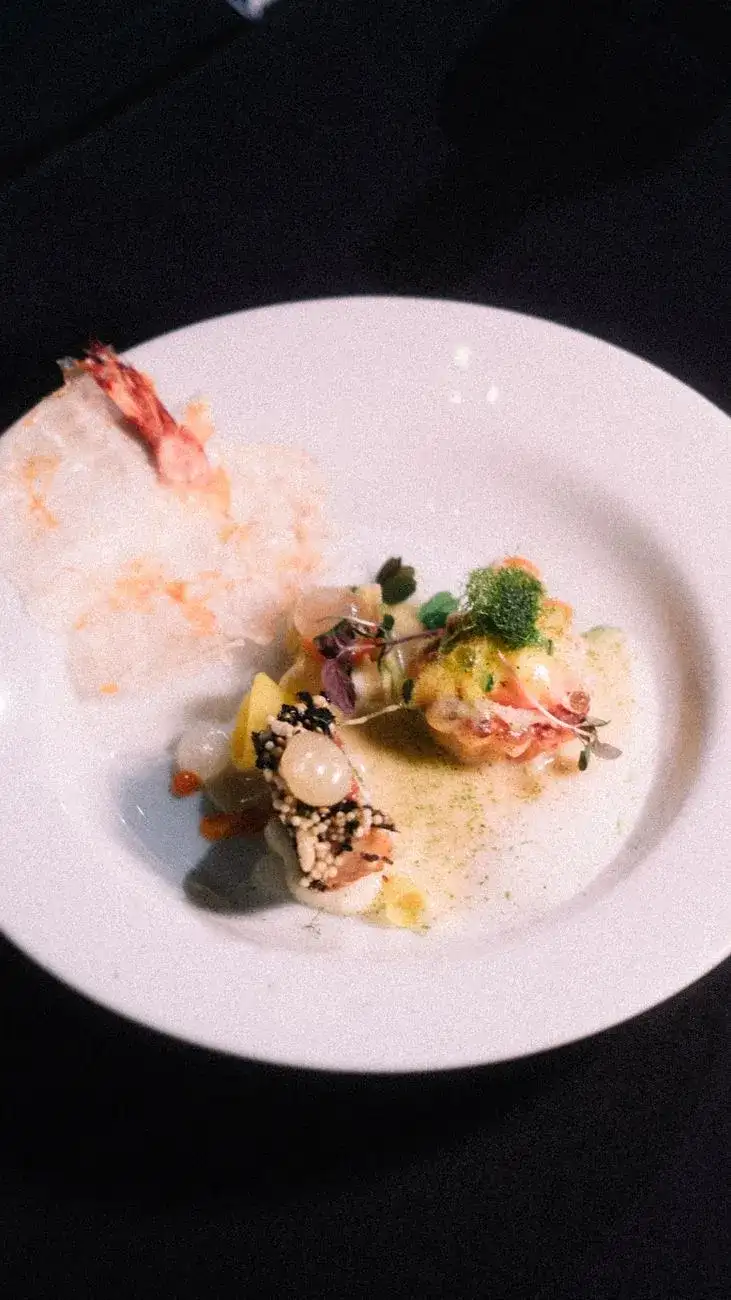
Dans le ballet incessant des cultures et des civilisations, il est des expressions qui transcendent le simple fait de subsister pour s'ériger en art de vivre, en miroir d'une identité collective. La cuisine française est de cette trempe, un univers où chaque plat raconte une histoire, chaque saveur murmure un secret ancestral, chaque repas est une célébration. Plus qu'une suite de recettes, elle incarne une tradition vivante, un héritage qui a façonné les palais du monde entier et dont la résonance continue d'inspirer, de séduire, d'émerveiller. Il n'est pas anodin que, en novembre 2010, cette "gastronomie française" ait été officiellement inscrite par l'UNESCO sur ses listes du patrimoine culturel immatériel de l'humanité, reconnaissance ultime d'une contribution inestimable à la civilisation. Cette influence n'est pas le fruit du hasard, mais l'aboutissement de siècles d'évolution, de passion et d'innovation. Dès le XIVe siècle, un certain Guillaume Tirel, plus connu sous le pseudonyme de "Taillevent", cuisinier de cour dont le nom est gravé dans l'histoire, rédigeait Le Viandier, l'un des tout premiers recueils de recettes du Moyen Âge français. Son œuvre fut un jalon, posant les premières pierres d'une identité culinaire en devenir. Puis, aux XVIIe et XVIIIe siècles, des figures emblématiques comme François Pierre La Varenne et Marie-Antoine Carême prirent les rênes de ce mouvement, œuvrant avec une vision audacieuse à affranchir la cuisine française de ses influences étrangères, notamment italiennes, pour forger un style intrinsèquement français, singulier et inimitable. Ils furent les architectes d'une révolution gastronomique, jetant les bases de ce qui allait devenir une référence mondiale. Aujourd'hui, l'imaginaire collectif associe instantanément la France à ses fromages et à ses vins, piliers indéfectibles de sa cuisine. Ces éléments, bien au-delà de leur rôle gustatif, sont les témoins d'une richesse territoriale et d'une diversité incomparable, jouant des rôles variés selon les régions et à l'échelle nationale. Leurs nombreuses variations et les strictes lois d'Appellation d'Origine Contrôlée (AOC) attestent d'une volonté farouche de préserver l'authenticité et la qualité de ces trésors du terroir. Au XXe siècle, l'avènement du tourisme culinaire et l'influence du Guide Michelin ont permis de démocratiser l'accès à cette richesse, familiarisant le grand public avec la "cuisine bourgeoise" des élites urbaines comme avec la "cuisine paysanne" des campagnes françaises, jadis cloisonnées. Ainsi, de nombreux plats autrefois strictement régionaux ont essaimé, se déclinant en une multitude de variations à travers tout le pays, fusionnant les traditions et enrichissant le répertoire national. La connaissance de la cuisine française a incontestablement contribué de manière significative aux cuisines occidentales, ses critères étant largement adoptés dans les écoles de cuisine et l'enseignement culinaire à travers le monde. L'Épopée Médiévale : Festins et Fastes d'Antan Remonter le fil du temps, c'est découvrir une cuisine française originelle, celle du Moyen Âge, où les banquets aristocratiques étaient monnaie courante, de véritables spectacles pour les sens. Ces festins se distinguaient par un "service en confusion", une pratique où de multiples plats étaient servis simultanément, créant une profusion visuelle et olfactive saisissante. L'acte de manger était alors une expérience tactile autant que gustative, les convives saisissant généralement les viandes, coupées en gros morceaux, entre le pouce et deux doigts. Les sauces, riches et épaisses, étaient fortement assaisonnées, et les moutardes puissantes rehaussaient le goût de chaque bouchée. Les tourtes, ces pâtisseries aux croûtes robustes, constituaient un élément fréquent de ces banquets. Leur fonction première était celle de contenant, protégeant et cuisant les garnitures succulentes qu'elles recelaient, plutôt que d'être consommées pour elles-mêmes. Ce n'est qu'à la fin du Moyen Âge que la pâte brisée, telle que nous la connaissons, a commencé à se développer, transformant la croûte en un mets à part entière. Les repas s'achevaient souvent par une "issue de table", l'ancêtre de notre dessert moderne, généralement composée de dragées – à l'époque, de simples morceaux de sucre ou de miel durcis et épicés –, de fromages affinés et de vins épicés, comme l'hypocras, une boisson exquise aux arômes enivrants. La cuisine médiévale était intrinsèquement liée au rythme des saisons et au calendrier de l'Église. L'abondance régnait à la fin du printemps, en été et en automne, tandis que les repas d'hiver étaient plus frugaux, imposant une ingéniosité certaine pour la conservation des aliments. Le début de l'hiver marquait l'abattage du bétail : le bœuf était souvent salé, le porc salé et fumé. Le bacon et les saucisses fumaient dans les cheminées, tandis que la langue et les jambons étaient saumurés puis séchés. Les concombres, eux aussi, étaient conservés en saumure, et les légumes verts étaient mis en bocaux avec du sel. Les fruits, les noix et les légumes racines étaient bouillis dans du miel pour en assurer la pérennité. Les restrictions du Carême, qui classaient la baleine, le dauphin et le marsouin comme des "poissons", voyaient la consommation de leurs chairs salées.Les étangs artificiels, souvent appelés "viviers", regorgeaient de carpes, de brochets, de tanches, de brèmes et d'anguilles, assurant un approvisionnement constant en poisson. La volaille était élevée dans des basses-cours dédiées, les pigeons et pigeonneaux étant réservés à l'élite. Le gibier, bien que très prisé, était rare et incluait le cerf, le sanglier, le lièvre, le lapin et diverses volailles. Les potagers, quant à eux, fournissaient une variété d'herbes, dont certaines, comme la tanaisie, la rue, la menthe pouliot et l'hysope, sont rarement utilisées aujourd'hui. Les épices étaient alors des trésors inestimables, d'une valeur marchande considérable : poivre, cannelle, clous de girofle, noix de muscade et macis. Certaines épices en vogue à l'époque, mais disparues de la cuisine française actuelle, incluent les cubèbes, le poivre long (tous deux issus de vignes similaires au poivre noir), les graines de paradis et le galanga. Les saveurs aigres-douces étaient courantes, obtenues en combinant le vinaigre et le verjus avec du sucre (pour les plus aisés) ou du miel. Une méthode de préparation fréquente consistait à cuire minutieusement, piler et passer les mélanges pour obtenir des pâtes et des purées fines, une pratique que l'on pensait bénéfique pour mieux assimiler les nutriments. L'apparat visuel était également très recherché. Des couleurs éclatantes étaient obtenues grâce à des jus de légumes comme ceux des épinards ou du vert de poireau pour le vert, le safran ou le jaune d'œuf pour le jaune, le tournesol (après l'échange colombien) pour le rouge, et le Crozophora tinctoria ou l'Heliotropium europaeum pour le violet. Des feuilles d'or et d'argent étaient posées sur les surfaces des aliments et badigeonnées de blancs d'œufs. Il en résultait des plats élaborés et spectaculaires, comme la "tourte parmerienne", une pâtisserie conçue pour ressembler à un château, dont les tours, faites de pilons de poulet, étaient recouvertes de feuilles d'or. L'une des plus grandes pièces maîtresses de l'époque était un cygne ou un paon rôti, recousu dans sa peau avec ses plumes intactes, les pattes et le bec dorés. Au firmament des chefs médiévaux, un nom brille particulièrement : Guillaume Tirel, plus connu sous le nom de Taillevent. Il œuvra dans de nombreuses cuisines royales au cours du XIVe siècle. Son premier poste, celui de marmiton, remonte à 1326. Il fut ensuite cuisinier pour Philippe VI, puis pour le Dauphin, fils de Jean II, qui devint le roi Charles V de France en 1364, avec Taillevent comme chef cuisinier principal. Sa carrière, qui s'étendit sur soixante-six ans, fut couronnée d'honneurs. À sa mort, il fut enterré avec faste entre ses deux épouses, sa pierre tombale le représentant en armure, tenant un bouclier orné de trois marmites. L'Ancien Régime : L'Émergence d'une Structure Culinaire Sous l'Ancien Régime, Paris s'affirma comme un carrefour central de la culture et de l'activité économique, attirant naturellement les artisans culinaires les plus talentueux et les plus qualifiés. Les marchés parisiens, tels que les célèbres Halles, la Mégisserie, et ceux qui jalonnaient la Rue Mouffetard, ainsi que leurs équivalents plus modestes dans d'autres villes, jouaient un rôle vital dans la distribution des denrées alimentaires. Ce qui conférait aux produits français leur identité caractéristique était la régulation par le système des corporations, qui avait pris forme dès le Moyen Âge. À Paris, ces corporations étaient sous la tutelle du gouvernement municipal et de la Couronne française. Chaque corporation limitait strictement ses membres à n'opérer que dans leur domaine spécifique de l'industrie culinaire, assurant ainsi une spécialisation et une qualité encadrées. Il existait deux grandes catégories de corporations. La première était celle des fournisseurs de matières premières : les bouchers, les poissonniers, les marchands de céréales et les jardiniers. La seconde regroupait ceux qui proposaient des aliments préparés : les boulangers, les pâtissiers, les sauciers, les volaillers et les traiteurs. Certaines corporations offraient à la fois des matières premières et des plats préparés, comme les charcutiers et les rôtisseurs. Ces derniers vendaient des tourtes et des plats de viande cuits, mais aussi de la viande crue et de la volaille, ce qui, on l'imagine, entraînait des frictions avec les bouchers et les volaillers qui vendaient les mêmes matières premières brutes. Les corporations servaient de véritables écoles de formation pour tous ceux qui intégraient l'industrie. Des grades d'apprenti cuisinier, de cuisinier confirmé et de maître-cuisinier étaient conférés, marquant la progression et l'expertise de chacun. Ceux qui atteignaient le statut de maître-cuisinier jouissaient d'un rang considérable au sein de leur profession, d'un niveau de revenu élevé ainsi que d'une sécurité économique et professionnelle enviable. Il arrivait que les cuisiniers des cuisines royales soient rattachés à la hiérarchie des corporations, mais il était souvent nécessaire de leur trouver un poste équivalent, basé sur leurs compétences, après avoir quitté le service de la royauté. Cette transition était facilitée par les règlements de la Corporation des cuisiniers de Paris, qui permettaient une telle mobilité.C'est au cours des XVIe et XVIIe siècles que la cuisine française commença à assimiler de nouvelles pratiques et saveurs, les prémices d'une transformation profonde qui allait la mener vers son apogée. Les Architectes de la Modernité : La Naissance d'une Identité et son Rayonnement L'histoire ne s'arrête jamais d'écrire de nouvelles pages, et la cuisine française, loin de se figer dans son passé, a continué d'évoluer, de se réinventer. La Varenne et Carême, véritables phares de leur temps, ont catalysé un mouvement essentiel : celui de l'émancipation. Ils ont guidé la cuisine française loin des sentiers balisés par les influences extérieures, en particulier celles de la cuisine italienne, pour cultiver et magnifier un style indigène, profondément ancré dans le terroir et l'ingéniosité française. C'est à eux que l'on doit, en grande partie, l'émergence d'une esthétique et d'une philosophie culinaires propres, marquant un tournant décisif. Dans ce panorama évolutif, le fromage et le vin sont demeurés des composantes majeures, des âmes jumelles qui incarnent la diversité et la richesse de la France. Leurs rôles varient infiniment d'une région à l'autre, chaque terroir offrant ses spécificités, ses saveurs uniques, rigoureusement protégées par les lois d'Appellation d'Origine Contrôlée (AOC). Ces régulations ne sont pas de simples formalités ; elles sont la garantie de l'authenticité, le sceau d'un savoir-faire ancestral transmis de génération en génération. Le XXe siècle a vu une démocratisation spectaculaire de cette richesse gastronomique. Le tourisme culinaire, phénomène croissant, et le prestigieux Guide Michelin, avec ses étoiles tant convoitées, ont contribué à briser les barrières, permettant au commun des mortels de découvrir la cuisine bourgeoise des élites urbaines et la cuisine paysanne des campagnes françaises. Cette rencontre des saveurs a engendré un métissage heureux : des plats jadis cantonnés à une région se sont répandus, déclinés en une multitude de variations à travers tout le pays, enrichissant le répertoire culinaire national d'une tapisserie de goûts et de textures. L'influence de la cuisine française ne s'est pas limitée aux frontières de l'Hexagone. Son savoir-faire, ses techniques, sa philosophie ont significativement enrichi les cuisines occidentales, devenant un modèle, une référence. Les critères de la cuisine française sont aujourd'hui largement utilisés dans les programmes des écoles de cuisine et l'enseignement culinaire à travers le monde, formant des générations de chefs et perpétuant un héritage d'excellence. La reconnaissance par l'UNESCO, en 2010, de la gastronomie française comme patrimoine culturel immatériel de l'humanité, n'est pas seulement un honneur ; c'est un engagement à préserver, à célébrer et à transmettre cette tradition vivante, un trésor dont la valeur dépasse les frontières et les époques. La cuisine française, cette symphonie des saveurs, est bien plus qu'une simple succession de plats. C'est un voyage à travers le temps, un dialogue incessant entre l'histoire et l'innovation, le terroir et le raffinement. Des banquets médiévaux de Taillevent aux créations audacieuses des chefs étoilés d'aujourd'hui, en passant par la structuration des corporations de l'Ancien Régime et l'avènement des grands maîtres comme La Varenne et Carême, elle incarne une quête perpétuelle d'excellence, de beauté et de goût. Elle est une invitation permanente à explorer la profondeur de son âme, à se laisser emporter par la poésie de ses mets, et à célébrer, à chaque bouchée, l'art de vivre à la française.#CuisineFrançaise #Gastronomie #HistoireCulinaire #PatrimoineUNESCO #ChefsCélèbres Related InsightsFrom Mongolian Steppes to American Diner Classics: The Untold Saga of the Hamburger Appam and Stew: Kerala's Comforting Coconut Duo Baba Ghanoush: The Smoky Eggplant Dip{ "@context": "https://schema.org", "@type": "FAQPage", "mainEntity": [ { "@type": "Question", "name": "What is the main focus of La Symphonie des Saveurs : Une Odyssée Culinaire au Cœur de la France Éternelle?", "acceptedAnswer": { "@type": "Answer", "text": "Plongez dans l'âme de la cuisine française, des banquets médiévaux aux étoiles Michelin, un voyage époustouflant au cœur d'un patrimoine gastronomique mondialement célébré." } }, { "@type": "Question", "name": "Who authored the comprehensive guide on La Symphonie des Saveurs : Une Odyssée Culinaire au Cœur de la France Éternelle?", "acceptedAnswer": { "@type": "Answer", "text": "This detailed article and its insights were carefully researched and authored by Chloe Blanc." } }, { "@type": "Question", "name": "Where can I find more related content about Food?", "acceptedAnswer": { "@type": "Answer", "text": "You can explore more articles, detailed reviews, and similar insights by browsing the Related Insights section at the bottom of this article or visiting our dedicated Food category page." } } ] }
-
 Michael Chef
 - 10 Jul, 2026 11:25
The Antioxidant Powerhouse: Quinoa Salad with Roasted Sweet Potatoes and Kale
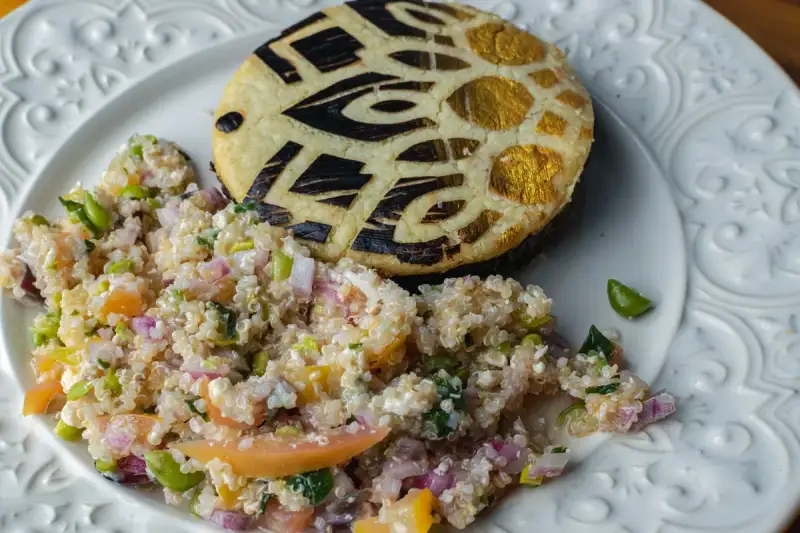
"The Antioxidant Powerhouse: Quinoa Salad with Roasted Sweet Potatoes and Kale" Welcome to my kitchen, food enthusiasts and wellness seekers. I’m Michael Chef, and today we aren’t just preparing a meal; we are curating a biological shield for your body. In the modern era, where our schedules are packed and stress levels are often pushed to the brink, what we put on our plates determines not just our energy, but our longevity. Today, we are exploring a dish that sits at the intersection of haute cuisine and functional medicine: a vibrant, antioxidant-rich Quinoa Salad with Roasted Sweet Potatoes and Kale. The Gastronomy of Resilience Culinary art has always been about the marriage of textures and flavors. Here, the earthiness of the roasted sweet potatoes contrasts beautifully with the slight bitterness of massaged kale and the delicate, nutty pop of cooked quinoa. But as a chef deeply invested in health, I believe that the "gastronomy of resilience" requires us to look beyond the palate and into the cellular matrix of our ingredients. Why do we choose these specific components? Because the body, much like a high-performance machine, requires high-quality fuel to manage oxidative stress. According to research on the role of dietary antioxidants for healthcare professionals, high-stress environments lead to oxidative stress, which causes a measurable decline in cognitive and physical energy. This study emphasizes that targeted dietary interventions—specifically those rich in polyphenols and vitamins—are essential for counteracting these negative effects. By building a bowl filled with these specific nutrients, we are essentially crafting an "energy-enhancing" strategy that tastes extraordinary.The Science of Immune Defense When we look at the immune-boosting functional components of natural foods, we find a compelling argument for the diversity of our ingredients. Scientific reviews have highlighted that nutrients like vitamins A, C, E, and phytochemicals are critical for protecting the body against degenerative diseases. Our salad features sweet potatoes, which are goldmines for beta-carotene (vitamin A), and kale, a notorious superfood packed with vitamin C and K. Research indicates that these natural compounds have profound protective effects, ranging from anti-inflammatory responses to cardiovascular support. When we discuss inflammation, it is impossible to ignore the Groningen Anti-Inflammatory Diet (GrAID). Although the GrAID focuses heavily on whole foods to manage inflammatory bowel disease, the core philosophy applies to all of us: prioritizing vegetables, legumes, and nutrient-dense grains while avoiding processed additives. By preparing this salad, you are adhering to these evidence-based principles—lean, clean, and entirely whole-food focused. The Culinary Process: Step-by-Step Cooking is a therapeutic ritual. The preparation of this dish should be as nourishing as the consumption. First, let's talk about the quinoa. Quinoa is a pseudo-cereal that serves as the backbone of this salad, providing complete plant-based protein and fiber. To ensure it is light and fluffy, always rinse it under cold water to remove the natural saponins which can cause a bitter finish. Cooking it in vegetable broth rather than water infuses the grain with deep, savory notes that ground the sweetness of the roasted potatoes.Next, we address the kale. Many people find kale too tough or fibrous. The secret? "Massage." By pouring your dressing—composed of extra virgin olive oil, apple cider vinegar, and Dijon—over the kale and manually working the leaves until they darken and soften, you break down the cellulose. This makes the nutrients more bioavailable and the texture infinitely more pleasant. The Roasted Element: Sweet Potatoes The sweet potatoes provide the "energy-enhancement" component. When roasted with smoked paprika, they develop a caramelized depth that provides a necessary contrast to the fresh greens. Roasting is more than a heating method; it is a chemical transformation that enhances the flavor profile while retaining the vitamins that combat oxidative stress.Assembling the Bowl: A Symphony of Nutrients Finally, we top this dish with pomegranate seeds and walnuts. Pomegranates are legendary for their antioxidant capacity, and their sharp, acidic sweetness cuts through the richness of the olive oil. Walnuts provide the omega-3 fatty acids mentioned in recent clinical literature as essential for mitigating the physical stress experienced in high-demand daily routines. By integrating these elements, we aren't just eating a salad; we are consuming a blueprint for better health. This recipe is an invitation to take control of your well-being through the joy of cooking. Remember, as the scientific literature suggests, the path to a robust immune system and sustained energy starts with the consistent choice of natural, unprocessed foods. Detailed Preparation GuidePreparation (15 Minutes): Begin by preheating your oven. Clean your kale thoroughly. The massage step is vital—do not skip it! It is the difference between a salad that feels like a chore and one that feels like a gourmet experience. The Roast (30 Minutes): Ensure your sweet potato cubes are uniform in size to ensure even cooking. They should have a slight char on the edges; this is where the flavor lives. The Balance: Once your quinoa is cooked, let it cool slightly before mixing it with the kale. If you add the quinoa while it's piping hot, the kale will wilt into a soggy mess—we want "tender," not "boiled."Health Benefits SummarizedAntioxidant Defense: The combination of kale and pomegranate provides a dual-action defense against free radical damage. Anti-Inflammatory Support: Using the GrAID framework, this recipe relies on whole, plant-derived ingredients that avoid processed sugars and artificial additives. Energy Metabolism: The complex carbohydrates in quinoa, paired with healthy fats from walnuts and olive oil, provide a sustained energy release, preventing the "afternoon crash" often associated with high-glycemic lunches.Final Thoughts I encourage you to try this recipe this week. Share it with your family or enjoy it as a quiet, meditative meal prep for your busy days. When you understand the science behind your food, every bite takes on a new level of appreciation. You are fueling your potential, protecting your cells, and indulging in the culinary arts all at once. This is Michael Chef, reminding you that your kitchen is the most important laboratory for your health. Stay nourished, stay curious, and keep cooking with purpose.#HealthyLiving #Gastronomy #AntiInflammatory #QuinoaSalad #WholeFoodDiet Related InsightsPani Puri: Explosive Flavors in a Bite Goi Cuon: The Fresh and Healthy Summer Rolls Echoes of the Sun God: Unearthing the Lost Amaranth Varieties of Ancient Mesoamerica{ "@context": "https://schema.org", "@type": "FAQPage", "mainEntity": [ { "@type": "Question", "name": "What is the main focus of The Antioxidant Powerhouse: Quinoa Salad with Roasted Sweet Potatoes and Kale?", "acceptedAnswer": { "@type": "Answer", "text": "Elevate your health with this delicious, nutrient-dense quinoa salad featuring roasted sweet potatoes and kale, backed by the latest in nutritional science." } }, { "@type": "Question", "name": "Who authored the comprehensive guide on The Antioxidant Powerhouse: Quinoa Salad with Roasted Sweet Potatoes and Kale?", "acceptedAnswer": { "@type": "Answer", "text": "This detailed article and its insights were carefully researched and authored by Michael Chef." } }, { "@type": "Question", "name": "Where can I find more related content about Food?", "acceptedAnswer": { "@type": "Answer", "text": "You can explore more articles, detailed reviews, and similar insights by browsing the Related Insights section at the bottom of this article or visiting our dedicated Food category page." } } ] }

- Michael Chef
- 09 Jul, 2026 10:37
The Unfolding Tapestry of Flavor: A Millennia-Spanning Journey Through the Epic Evolution of Curry
In the grand chronicle of human sustenance, few dishes command as rich and intricate a narrative as curry. It is not merely a meal; it is a gastronomic odyssey, a symphony of flavors echoing through millennia, a testament to humanity's innate desire for discovery, connection, and the sheer delight of the palate. From the sun-baked plains of ancient India to the bustling kitchens of modern metropolises, curry has embarked on a transformative journey, continuously reinventing itself, absorbing new influences, and ultimately becoming a vibrant, indispensable thread in the global culinary fabric. Its essence lies not in a single recipe, but in an enduring concept: a spicy, sauced dish, born of diverse ingredients and shaped by the ceaseless flow of trade, empire, and cultural exchange. The Genesis of Flavor: Whispers from Ancient India Long before the world envisioned a dish called "curry," the seeds of its magnificent future were being sown in the ancient lands of the Indian subcontinent. Archaeological revelations from sites such as Mohenjo-daro, dating back to a staggering 2600 BCE, unveil a sophisticated culinary culture already adept at the art of spice preparation. Here, the rhythmic thud of mortar and pestle was a daily symphony, as early inhabitants meticulously ground an array of aromatic treasures: cumin, fennel, garlic, ginger, mustard, black peppercorns, saffron, sesame seeds, tamarind pods, and turmeric. These were not mere flavorings but foundational elements, enhancing a diet rich in meats, fish, grains, pulses, and fruits. Among these pioneering spices, black pepper stands as a titan. Indigenous to the Indian subcontinent and Southeast Asia, its piquant bite has graced Indian cooking since at least 2000 BCE, providing a gentle warmth that was a precursor to the fiery curries we know today. Starch grain analysis on ancient skeletons and pottery shards has further illuminated this prehistoric culinary landscape, revealing the consistent presence of turmeric and ginger, alongside garlic, forming what archaeologists have aptly termed "proto-curries." These early concoctions, while undeniably spiced and flavorful, possessed a heat profile distinctly different from their modern descendants. Relying solely on black pepper or long pepper for their subtle piquancy, they lacked the intense, searing warmth brought by the chili peppers that would arrive on the scene much later. They were delicious, complex, and deeply rooted in their land, but not "spicy hot" by contemporary standards, offering a window into a foundational stage of flavor development that predates globalization.By 1500 BCE, seafaring merchants, primarily from Austronesian communities, were already masters of the waves, establishing some of the world's earliest maritime trade networks. Their vessels plied the vast expanse between South Asia and East Asia, docking at crucial ports along southeastern India and Sri Lanka. This ancient spice trade was not just an economic exchange; it was a profound cultural conduit, facilitating the movement of ingredients, ideas, and culinary techniques, laying the groundwork for the future internationalization of dishes like curry. Medieval Innovations and Subtle Palates The medieval period in pre-Columbian India saw the evolution of these proto-curries into a diverse array of dishes, though still distinct from the internationalized versions that would emerge. The absence of chili peppers, tomatoes, potatoes, bell peppers, and squashes – all gifts of the Columbian Exchange – meant that Indian dishes, while often spicy with black or long pepper, never achieved the fiery intensity characteristic of many modern curries. Consider Sambar, a medieval staple, which was a dish of pigeon peas (toor dal) or lentils, artfully flavored with onions and a delicate selection of mild spices. One of the era's most fascinating and essential spices was asafoetida (hīng). This pungent gum, extracted from plants of the genus Ferula, possessed a notorious odor in its raw form. Yet, when subjected to the transformative heat of oil, it blossomed, shedding its offensive smell to impart a uniquely fine-tasting, almost meaty, flavor profile, adding depth and umami to countless preparations. Historical texts offer tantalizing glimpses into these medieval culinary practices. Chavundaraya II's 11th-century Lokopakara, a Kannada text, details the use of asafoetida, cumin, curry tree leaves, and mustard in flavoring dal, showcasing a sophisticated understanding of spice combinations. A century later, the 12th-century Mānasollāsa, from the Western Chalukya Empire of South India, listed coriander, cumin, asafoetida, salt, and black pepper among its key spices, further illustrating the complexity and regional variations in flavor profiles. Even in the North, the 15th-century Ni'matnāmah Naṣir al-Dīn Shāhī from the Malwa Sultanate described flavoring vegetables with asafoetida and sesame seeds, fried in clarified butter (ghee), then brightened with lime juice and salt – a testament to a cuisine that was both refined and deeply rooted in its local ingredients and traditions. These were dishes of profound flavor, built on an intricate understanding of spices, yet they awaited a revolution that would redefine "spicy hot." The Columbian Exchange and Mughal Grandeur: A Culinary Revolution The early modern era ushered in two monumental shifts that would irrevocably alter the course of Indian cuisine and, by extension, the global story of curry. The first was the establishment of the Mughal Empire in the early 16th century. This new power brought with it a distinct culinary philosophy, an Indo-Persian heritage that introduced new and subtly spiced dishes, particularly to the north of India. The cuisine of Emperor Akbar, meticulously documented in the Ain-i-Akbari, featured elegant preparations such as aubergines (eggplants) cooked with a harmonious blend of asafoetida, cardamom, cloves, coriander, ginger, lime juice, onions, and pepper. It was under Mughal patronage that iconic dishes like biryani evolved in India, a masterful fusion of Persian pilau rice, the Persian custom of marinating meat in yogurt (curd), and the rich, complex spicing traditions native to India. The second, equally transformative influence, arrived with the establishment of the Portuguese trading center in Goa in 1510. This pivotal moment initiated a byproduct of the Columbian Exchange that would permanently reshape the Indian palate: the introduction of chili peppers, tomatoes, and potatoes from the Americas. Before this, Indian cuisine, while flavorful, had known no true "heat" as we understand it today. The fiery chili pepper, with its Capsaicin kick, was a revelation, rapidly integrated into regional cuisines, especially in the south, igniting a new era of piquant possibilities. Tomatoes and potatoes also found fertile ground, adding new textures, flavors, and versatility to the Indian culinary lexicon. It was amidst this vibrant cultural crossroads in Goa that the very word "curry" likely began its journey into the English language. Food culture scholar Lizzie Collingham suggests that the Portuguese, interacting with local populations in West India, adopted terms from Dravidian languages of South India, transcribing them as "caril" or "carree." These terms, subsequently encountered by British travelers, gradually coalesced into the modern meaning of "curry": a dish, often spiced, served in a sauce or gravy. An early mention appears in a 1598 English translation of a Dutch travelogue concerning the East Indies, which spoke of a "somewhat sour" broth called "Carriel" eaten with rice. The Dutch word "karie" later became prevalent in the Dutch East Indies from the 19th century, a period that also saw significant migration of Indians to Southeast Asia, further extending curry's reach.Etymology: Tracing the Thread of a Word The word "curry" itself is a fascinating linguistic artifact, a testament to centuries of trade and cultural interchange. Its origins are firmly rooted in the Dravidian language family, a group of languages predominantly spoken in South India and Sri Lanka. While its precise lineage is somewhat debated, it likely entered English through a combination of linguistic pathways, possibly via the Dutch "carrijl" or the Portuguese "caris" or "caril." The most commonly cited Dravidian source is the Tamil word "கறி" (kaṟi), which refers to "a spiced mixture with fish, meat or vegetable, eaten with boiled rice." This definition perfectly encapsulates the essence of what became known as curry. Other Dravidian languages, including Malayalam ("കറി" kari, meaning "hot condiments; meats, vegetables"), Middle Kannada, Kodava, and Telugu, possess similar cognates, suggesting a widespread and ancient usage of the term for spiced preparations. The word’s journey into European consciousness is well-documented. A 17th-century Portuguese cookbook, drawing on trade interactions with Tamil merchants along India's Coromandel Coast, provides an early reference to a "spice blend... called kari podi or curry powder." This indicates an awareness of the concept even before its widespread adoption. The first definitive appearance of "curry" in its anglicized form (spelt "currey") was in Hannah Glasse’s seminal 1747 cookbook, The Art of Cookery Made Plain and Easy, marking its formal entry into the English culinary lexicon. It is crucial to clarify several common misconceptions surrounding the word. The English "curry" is emphatically not derived from the name of the curry tree, Murraya koenigii, despite the fact that its aromatic leaves are a prized ingredient in many curry dishes. Nor is it related to the Indian cooking dish shaped like a wok, the "Karahi" or "Kadai," as suggested by cookery writer Pat Chapman, a claim for which no substantiating evidence has been found. Furthermore, "curry" bears no relation to the word "cury" found in The Forme of Cury, a 1390s English cookbook. That archaic term stems from the Middle French word "cuire," meaning "to cook," a linguistic ancestor entirely separate from the South Indian origins of our modern "curry." The British Raj and Global Diffusion: Curry's World Tour The 17th century saw curry begin its migration into English cuisine, primarily through the conduit of Anglo-Indian cooking, initially as a "spicy sauce." This early introduction paved the way for its growing popularity, culminating in Hannah Glasse's famous 18th-century recipe for "currey the India way," which introduced the concept to a wider British audience. The 19th century proved to be a pivotal period for curry's global expansion. As the British Empire’s reach extended, so did the influence of this captivating dish. Indentured Indian sugar workers, traveling across oceans to new colonies, carried their culinary traditions with them, introducing curry to the Caribbean, where it blossomed into distinct regional variations. Simultaneously, British traders and colonial administrators played a crucial role in its spread, notably introducing it to Japan, where it underwent its own unique transformation into a beloved national dish. These initial waves of dissemination were just the beginning. Subsequent cultural exchanges, facilitated by migration, trade, and the ever-shrinking world, ensured that curry became a truly international phenomenon. Its adaptability, its capacity to absorb and reflect local ingredients and palates, allowed it to flourish in myriad environments, far removed from its Indian birthplace. The enduring popularity of curry in Britain, for instance, is a remarkable case study. Here, some curry types were adopted directly from India, preserving their authentic character. However, many others were artfully modified or entirely invented to suit local tastes, leading to the creation of a vibrant Anglo-Indian curry culture that is distinctly British yet unmistakably rooted in Indian traditions. This continuous interplay of preservation and innovation underscores curry's dynamic nature. Curry's Infinite Adaptations: A Global Phenomenon Today, the sheer diversity of dishes bearing the name "curry" is astounding, a testament to its remarkable adaptability and the vastness of its journey. Each region, each country, each community, has embraced the concept and made it its own, creating a rich mosaic of flavors and techniques. In Southeast Asia, for example, curry often manifests with a distinct character, frequently featuring a vibrant spice paste, meticulously pounded from fresh aromatics, and luxuriant coconut milk, which imparts a creamy texture and sweet undertone that is characteristic of the region’s culinary identity. Back in India, the heartland of curry, the approach often begins with tempering. Spices are fried in hot oil or ghee to unlock their full aromatic potential, forming a fragrant paste. This base is then typically combined with a water-based broth, allowing the flavors to meld and deepen, though sometimes milk or coconut milk are used, especially in southern Indian and coastal preparations, or in certain regional specialties. Moving eastward, in countries like China and Korea, curries often derive their characteristic flavor profile from a commercial curry powder, a standardized blend that offers convenience and a consistent taste, differing from the fresh spice grinding traditions of other regions. This highlights another facet of curry's adaptability: its ability to simplify and integrate into new culinary systems. The phenomenon extends globally to curry restaurants operating outside their native countries. These establishments invariably adapt their cuisine to suit local tastes, a practice that ensures broader appeal but also leads to unique, localized curry styles. From the mild, creamy Kormas of British curry houses to the rich, often sweeter variations found in Japanese cuisine, each iteration tells a story of cultural assimilation and culinary innovation. The global reach of curry is not just about its widespread presence, but about its profound capacity for transformation, making it a true culinary chameleon, endlessly fascinating and universally cherished. An Enduring Legacy of Flavor The saga of curry is far more than a simple culinary history; it is a profound narrative of human connection, innovation, and the enduring power of food to transcend borders. From the subtle, fragrant "proto-curries" of the Indus Valley Civilization, flavored with indigenous spices like ginger, garlic, and turmeric, to the revolutionary impact of chili peppers arriving from the New World, and the subsequent global dispersion catalyzed by trade, empire, and migration, curry has continuously evolved. It is a living, breathing culinary concept, a vibrant tapestry woven from countless threads of spices, ingredients, techniques, and cultural exchanges. Today, curry stands as a monument to global interconnectedness, a dish that, in its myriad forms, speaks to the shared human experience of nourishment and pleasure. Its journey, spanning continents and millennia, is a powerful reminder that food, at its heart, is a universal language, constantly adapting, absorbing, and ultimately uniting us through the sheer delight of flavor. Its legacy is not just on our plates, but in the very fabric of our shared culinary heritage, a testament to an epic evolution that continues to unfold.#CurryHistory #GlobalCuisine #SpiceTrade #CulinaryEvolution #IndianFood Related InsightsThe Alchemy of Butter and Flour: Unlocking the Secrets of French Pâtisserie The Mediterranean Vitality Bowl: A Masterclass in Omega-3 Rich Chickpea and Tuna Salad Shahi Tukda: The Golden Dessert of Kings{ "@context": "https://schema.org", "@type": "FAQPage", "mainEntity": [ { "@type": "Question", "name": "What is the main focus of The Unfolding Tapestry of Flavor: A Millennia-Spanning Journey Through the Epic Evolution of Curry?", "acceptedAnswer": { "@type": "Answer", "text": "Delve into the profound history of curry, tracing its intricate evolution from ancient Indian spice blends to a universally beloved dish, shaped by trade, empire, and cultural fusion." } }, { "@type": "Question", "name": "Who authored the comprehensive guide on The Unfolding Tapestry of Flavor: A Millennia-Spanning Journey Through the Epic Evolution of Curry?", "acceptedAnswer": { "@type": "Answer", "text": "This detailed article and its insights were carefully researched and authored by Michael Chef." } }, { "@type": "Question", "name": "Where can I find more related content about Food?", "acceptedAnswer": { "@type": "Answer", "text": "You can explore more articles, detailed reviews, and similar insights by browsing the Related Insights section at the bottom of this article or visiting our dedicated Food category page." } } ] }
-
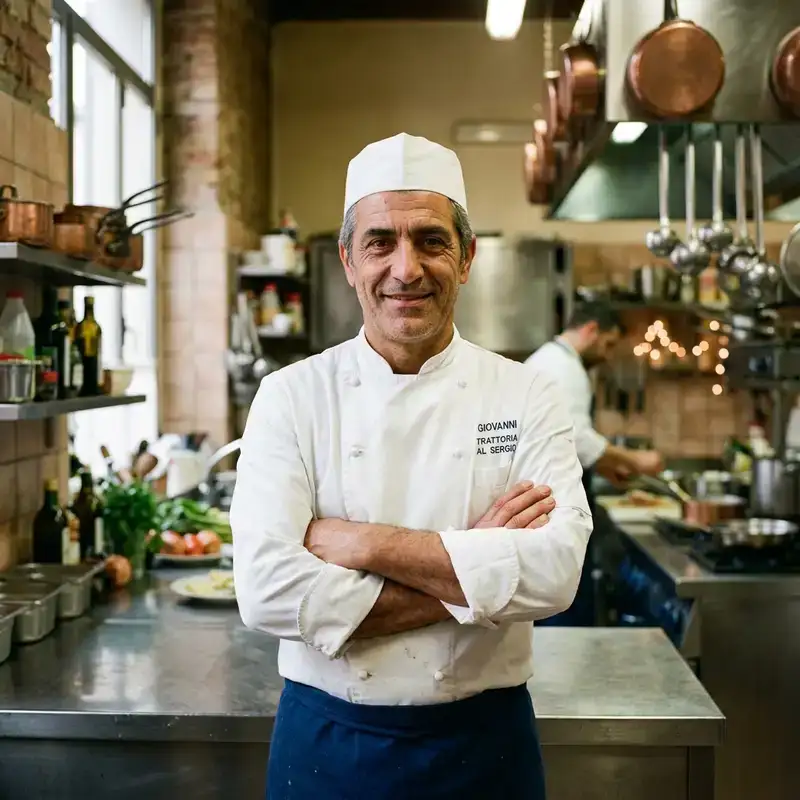 Giovanni Luigi
 - 08 Jul, 2026 17:57
L'Epopea Della Pizza: Un Viaggio Millenario Tra Impasti, Leggende e Conquiste Globali, Dal Cuore Bizantino di Gaeta all'Icona Gastronomica del Mondo
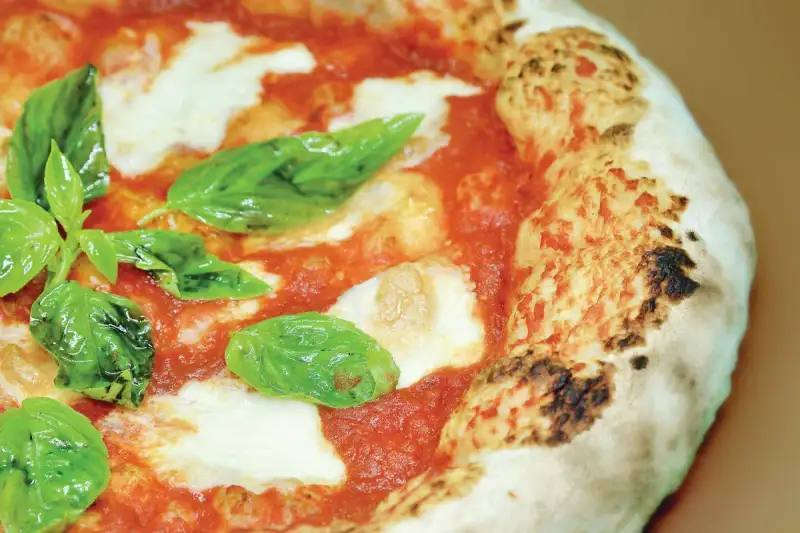
Dalla notte dei tempi, l'umanità ha cercato nel pane non solo sostentamento, ma anche un'espressione della propria cultura, del proprio ingegno e della propria anima. E in questo vasto e millenario racconto di cereali, acqua e fuoco, emerge un capitolo che risplende con un fulgore tutto particolare: quello della pizza. Non un semplice piatto, ma un archetipo, un ponte tra il passato remoto e il presente globalizzato, un mosaico di sapori che evoca la storia, l'ingegno e la passione di un intero popolo. La pizza, quintessenza della cucina italiana, non è soltanto un impasto lievitato coronato da pomodoro, formaggio e un'infinità di altri ingredienti, cotta ad altissime temperature, tradizionalmente nel cuore ardente di un forno a legna. È una poesia gastronomica, un inno alla semplicità e alla perfezione. La sua risonanza è tale che, in ogni angolo del globo, si è affermata come uno degli alimenti più amati e diffusi, una celebrazione del gusto che trascende confini e culture. Si trova nelle pizzerie eleganti, nei ristoranti mediterranei, arriva comodamente a domicilio, o si gusta, rapida e deliziosa, come cibo di strada. In Italia, la consuetudine la vuole servita intera, non tagliata, e l'esperienza del gustarla passa attraverso la sapiente danza di coltello e forchetta, un rituale che ne onora la composizione. Ma in contesti più informali, l'impasto cedevole e i sapori vivaci si offrono alle mani, tagliati a spicchi, in un gesto di condivisione e immediatezza. La sua ubiquità si estende anche agli scaffali dei supermercati, dove si presenta in forme diverse, surgelata o in kit per l'assemblaggio casalingo, pronta per essere animata dal calore del forno domestico. Nel 2017, il mercato globale della pizza ha raggiunto la stupefacente cifra di 128 miliardi di dollari, con gli Stati Uniti a guidare con 44 miliardi, distribuiti su 76.000 pizzerie, a testimonianza di un amore che, per il 13% della popolazione americana sopra i due anni, si traduce in un consumo quotidiano. Una storia di successo, certo, ma le sue radici affondano molto più in profondità di quanto si possa immaginare. Le Corde Segrete del Linguaggio: Alla Ricerca del Primo Accento di "Pizza" Il primo sussurro documentato della parola che oggi riconosciamo come "pizza" risuona tra le mura del tempo, esattamente nel maggio del 997 d.C. Un manoscritto latino, il Codex diplomaticus Caietanus, custodito nella città laziale di Gaeta, all'epoca ancora parte dell'Impero Bizantino, ne è il custode. Questo documento notarile narra di un inquilino che doveva versare al vescovo di Gaeta, come tributo annuale, "duodecim pizze" (letteralmente, 'dodici pizze'), una spalla e un rene di maiale a Natale, e dodici pizze con una coppia di polli a Pasqua. Questa è la nostra primissima testimonianza, un flash dal passato che ci lega direttamente a quel piatto. Ma da dove trae origine questa parola così iconica? L'etimologia, come spesso accade per termini così antichi e diffusi, è un labirinto di ipotesi affascinanti. Una delle teorie più accreditate suggerisce una derivazione dal greco bizantino e dal tardo latino pitta (o pitta), che trova un'eco nel moderno pitta bread greco e nella pitta pugliese e calabrese (allora territori dell'Italia bizantina), un pane rotondo e piatto, cotto ad alta temperatura, talvolta arricchito da condimenti. La parola pitta stessa potrebbe discendere dal greco antico πικτή (pikte), che significa 'pasta fermentata', latinizzata poi in picta, oppure da πίσσα (pissa, attico: πίττα, pitta), 'pece', o ancora da πήτεα (pḗtea), 'crusca' (πητίτης, pētítēs, 'pane di crusca'). Un'altra linea di pensiero, delineata nel Dizionario Etimologico della Lingua Italiana, la riconduce al dialettale pinza, che significa 'morsetto', proprio come il moderno italiano 'pinze'. L'origine di questi termini si troverebbe nel latino pinsere, ovvero 'pestare, pigiare'. Non meno intrigante è la teoria che vede l'influenza della parola longobarda bizzo o pizzo, traducibile con 'boccone' (affine ai termini inglesi bit e bite), introdotta in Italia a metà del VI secolo d.C. dalle invasioni longobarde. Lo spostamento consonantico da b a p potrebbe essere spiegato dalla mutazione consonantica dell'alto tedesco, e in questo contesto si nota come in tedesco la parola Imbiss significhi 'spuntino'. Colui che, con maestria e passione, dà vita a questa meraviglia è noto come pizzaiolo. È interessante notare come la parola "pizza" sia stata introdotta nell'inglese solo negli anni '30 del Novecento; prima di acquisire la sua fama attuale, era spesso chiamata "tomato pie" dagli anglofoni, un nome che ancora oggi sopravvive in alcune varianti regionali. Antiche Radici e Leggende Incrociate: I Progenitori della Pizza La storia della pizza, nella sua concezione più ampia, affonda le radici in un passato ben più remoto del primo documento gaetano, quasi confondendosi con la storia stessa della civiltà. Fin dal VI secolo a.C., i soldati persiani dell'Impero Achemenide, sotto il regno di Dario il Grande, cuocevano focacce piatte con formaggio e datteri sui loro scudi da battaglia. Nello stesso periodo, gli antichi Greci arricchivano il loro pane con oli, erbe e formaggio. È l'alba di un'idea, quella del pane come base per altri sapori. Una delle prime e più suggestive allusioni a un cibo simile alla pizza si trova nell'epopea virgiliana dell'Eneide. Nel Libro III, la regina delle Arpie, Celeno, profetizza ai Troiani che non avrebbero trovato pace finché la fame non li avesse costretti a "mangiare le loro stesse tavole". Più avanti, nel Libro VII, Enea e i suoi uomini vengono serviti con un pasto che include focacce rotonde (simili al pane pita) condite con verdure cotte. Solo dopo aver consumato anche la base di pane, i Troiani realizzano, con stupore, di aver mangiato le "tavole" profetizzate da Celeno, un momento di rivelazione culinaria e mistica. Questa narrazione epica ci mostra come l'idea di utilizzare il pane come "piatto" o "base commestibile" sia antica quanto la letteratura stessa.E il passato continua a parlare, rivelando nuove connessioni. Nel 2023, gli archeologi hanno portato alla luce a Pompei un affresco che sembra raffigurare un piatto simile alla pizza, affiancato ad altri generi alimentari su un vassoio d'argento. Il ministro della cultura italiano ha commentato che potrebbe trattarsi di "un lontano antenato del piatto moderno". Questi ritrovamenti, queste leggende e questi documenti, pur nella loro diversità, dipingono un quadro affascinante di come l'idea di una base di pane condita sia un fil rouge che attraversa millenni di storia umana, culminando, almeno per quanto riguarda il nome, nella "pizza" del 997 d.C. di Gaeta. La Nascita del Mito Moderno: Napoli e la Margherita La pizza moderna, quella che oggi riconosciamo e amiamo, ha iniziato a prendere forma e sostanza a Napoli, in Italia, tra il XVIII e l'inizio del XIX secolo, evolvendo da simili piatti di focaccia. Prima di questo periodo, le focacce erano spesso condite con ingredienti semplici ma sostanziosi come aglio, sale, strutto e formaggio. Il momento esatto in cui il pomodoro, oggi elemento imprescindibile, fece il suo ingresso trionfale sulla scena è avvolto nel mistero e da molteplici rivendicazioni contrastanti. Ciò che è certo è che non poté accadere prima del XVI secolo, con l'arrivo del cosiddetto Scambio Colombiano, che portò il pomodoro dalle Americhe in Europa. Per decenni, la pizza fu venduta da bancarelle all'aperto e da fornai ambulanti. Fu solo intorno al 1830 che le pizzerie di Napoli iniziarono a dotarsi di "stanze" con tavoli, offrendo ai clienti la possibilità di sedersi e gustare le loro pizze sul posto, trasformando un cibo da strada in un'esperienza più strutturata. E poi, c'è la leggenda, quella che ha contribuito a cementare la pizza nel pantheon della gastronomia mondiale: la nascita della Pizza Margherita. La storia popolare vuole che nel 1889, il Palazzo Reale di Capodimonte commissionò al pizzaiolo napoletano Raffaele Esposito la creazione di una pizza in onore della Regina Margherita di Savoia, in visita a Napoli. Delle tre pizze che Esposito creò, la regina pare predilesse in modo particolare quella i cui colori richiamavano la bandiera italiana: il rosso del pomodoro, il bianco della mozzarella e il verde del basilico. Si dice che questa pizza fu allora battezzata in onore della regina, con tanto di lettera ufficiale di riconoscimento dal "capo servizio" della sovrana, ancora oggi esposta nel locale di Esposito, ora noto come Pizzeria Brandi. Tuttavia, ricerche successive hanno gettato un'ombra di dubbio su questa affascinante narrazione, mettendo in discussione l'autenticità della lettera di riconoscimento. Si è evidenziato come nessun media dell'epoca abbia riportato la presunta visita reale e che sia la storia che il nome "Margherita" siano stati promossi per la prima volta solo tra gli anni '30 e '40 del secolo scorso. Indipendentemente dalla veridicità della leggenda, essa ha indubbiamente contribuito a forgiare l'identità e il fascino della pizza, rendendola immortale. L'Orizzonte si Espande: La Pizza Conquista il Mondo La vera epopea globale della pizza inizia con le ondate migratorie. Alla fine del XIX secolo, gli immigrati italiani portarono la pizza negli Stati Uniti, dove si radicò inizialmente nelle aree in cui si concentravano le loro comunità. La prima pizzeria del paese, "Lombardi's", aprì a New York City nel 1905, segnando l'inizio di una rivoluzione gastronomica. Gli italo-americani, migrando da Est a Ovest, portarono con sé il piatto, e da lì, la versione americana della pizza fu esportata nel resto del mondo, plasmando gusti e aspettative su scala planetaria. Nel Regno Unito, la pizza fece la sua comparsa dopo la Seconda Guerra Mondiale, quando gli immigrati italiani aprirono ristoranti italiani a Londra. Ma fu con Peter Boizot, un imprenditore inglese che aveva assaporato l'autentica pizza napoletana durante un viaggio in Italia nel 1948, che il piatto si affermò con forza. Boizot aprì la prima nota pizzeria di Londra, "PizzaExpress", nel 1965. La sua catena si espanse rapidamente a oltre 500 locali nel Regno Unito e in Irlanda, per poi spingersi oltreoceano, dimostrando la contagiosa universalità del suo appeal.Riconoscimento e Patrimonio: La Pizza Napoletana Custodita La pizza non è solo un cibo, è un patrimonio. Questa consapevolezza ha portato, nel 1984, alla fondazione dell'Associazione Verace Pizza Napoletana, un'organizzazione senza scopo di lucro con sede a Napoli, dedicata a promuovere e tutelare la tradizione. Il suo impegno ha dato frutti significativi. Nel 2009, la pizza napoletana è stata registrata presso l'Unione Europea come "specialità tradizionale garantita" (STG), un riconoscimento che ne salvaguarda l'autenticità e il processo produttivo. Ma la sua importanza va oltre il palato. Nel 2017, l'arte di fare la pizza napoletana è stata inclusa nella lista UNESCO del patrimonio culturale immateriale dell'umanità. Questo non è un riconoscimento del piatto in sé, ma della maestria, della tradizione, dei gesti e della cultura che si celano dietro ogni singola pizza, un omaggio ai pizzaioli che con le loro mani e la loro passione portano avanti una storia millenaria. È la celebrazione di un sapere antico, tramandato di generazione in generazione, che ha saputo evolvere senza perdere la sua anima più profonda. La pizza, nelle sue molteplici varianti, è diventata un pilastro della gastronomia mondiale. Ogni fetta, ogni morso, è un viaggio attraverso la storia, un omaggio all'ingegno umano e alla capacità di trasformare pochi, semplici ingredienti in un'esperienza culinaria straordinaria. Dalle focacce degli antichi Persiani al calore del forno a legna napoletano, dal documento del 997 d.C. alle luci scintillanti delle pizzerie di New York o Londra, la pizza continua a raccontare la sua epopea, un racconto di gusto, tradizione e di una passione che non conosce tramonto. E mentre la gustiamo, sia con posate eleganti o semplicemente con le mani, stiamo partecipando a una storia che è vecchia quasi quanto il tempo stesso, un patrimonio che appartiene a tutti, ma che batte, indubitabilmente, nel cuore dell'Italia.#PizzaNapoletana #StoriaDellaPizza #CucinaItaliana #PatrimonioUNESCO #GiovanniLuigi Related InsightsFrom Ancient Grills to Modern Plates: Demir Şef's High-Protein Chicken Shish Kebab with Zesty Sumac Salad - A Culinary Journey Through Culture and Wellness Wenn die Uhr langsamer tickt: Slow Food und das Erwachen regionaler Gaumen The Alchemy of Microbes: Crafting Kombucha, Kefir, and Fermented Elixirs at Home{ "@context": "https://schema.org", "@type": "FAQPage", "mainEntity": [ { "@type": "Question", "name": "What is the main focus of L'Epopea Della Pizza: Un Viaggio Millenario Tra Impasti, Leggende e Conquiste Globali, Dal Cuore Bizantino di Gaeta all'Icona Gastronomica del Mondo?", "acceptedAnswer": { "@type": "Answer", "text": "Un'esplorazione profonda della pizza, dal suo primo accenno nel 997 d.C. alle leggende napoletane e alla sua ascesa in un fenomeno culinario riconosciuto da UNESCO e amato in ogni angolo del pianeta." } }, { "@type": "Question", "name": "Who authored the comprehensive guide on L'Epopea Della Pizza: Un Viaggio Millenario Tra Impasti, Leggende e Conquiste Globali, Dal Cuore Bizantino di Gaeta all'Icona Gastronomica del Mondo?", "acceptedAnswer": { "@type": "Answer", "text": "This detailed article and its insights were carefully researched and authored by Giovanni Luigi." } }, { "@type": "Question", "name": "Where can I find more related content about Food?", "acceptedAnswer": { "@type": "Answer", "text": "You can explore more articles, detailed reviews, and similar insights by browsing the Related Insights section at the bottom of this article or visiting our dedicated Food category page." } } ] }
-
 Isabella Ferrari
 - 08 Jul, 2026 17:57
The Mediterranean Vitality Bowl: A Masterclass in Omega-3 Rich Chickpea and Tuna Salad
"The Mediterranean Vitality Bowl: A Masterclass in Omega-3 Rich Chickpea and Tuna Salad" Welcome back to my culinary sanctuary. I am Isabella Ferrari, and today we are venturing into the heart of the Mediterranean—a region where the secret to longevity is not found in a laboratory, but in the vibrant, sun-drenched ingredients that grace the dinner table. We often talk about "food as medicine," but in the Mediterranean basin, this isn't just a trendy hashtag; it is a way of life that has sustained generations. Today’s focus is a dish that sits at the intersection of nutritional science and culinary delight: the Mediterranean Chickpea and Tuna Salad. This isn't your average lunch; it is a carefully calibrated balance of omega-3 fatty acids, plant-based fibers, and potent antioxidants. The Science of Longevity: Why Omega-3s Matter When we discuss the health benefits of Mediterranean cuisine, we inevitably return to the concept of fat—specifically, high-quality fats. Research into dietary habits shows that the inclusion of oily fish like tuna, rich in long-chain omega-3 fatty acids (specifically EPA and DHA), plays a critical role in cardiovascular health and cognitive function. According to general nutritional consensus and broad scientific literature, omega-3 fatty acids are essential building blocks of the human brain and retina. They are known for their anti-inflammatory properties, which help counteract the systemic inflammation often triggered by modern, highly processed diets. By pairing the fatty acids from high-quality tuna with the complex carbohydrates and prebiotic fibers found in chickpeas, we create a synergistic effect. The fiber in the chickpeas slows the absorption of nutrients, ensuring a steady release of energy without the glycemic spikes associated with less wholesome meals.The Art of the Mediterranean Vinaigrette The backbone of this dish is the lemon vinaigrette. In the Mediterranean, acid is the primary tool used to "wake up" a dish. By whisking extra virgin olive oil—a staple rich in polyphenols—with fresh lemon juice, we create an emulsion that does more than just add flavor. The citric acid helps to brighten the palate, while the polyphenols in the oil work in concert with the omega-3s to support endothelial function, the lining of our blood vessels. I always encourage my readers to use the highest quality tuna they can source. Whether you choose pole-and-line caught albacore or skipjack, look for options packed in olive oil. The oil serves as a protective medium for the delicate fatty acids, preserving their integrity from the moment of canning to the moment they reach your bowl. Cultivating the Mindful Kitchen Cooking is an act of mindfulness. When you are dicing the cucumbers or mincing the red onion, take a moment to appreciate the texture and the color. The vibrant red of the tomatoes, the earthy green of the parsley, and the golden-tan of the chickpeas create a tapestry of nutrients. Science suggests that the Mediterranean diet’s success is not just about the what, but the how. Eating in a state of relaxation—what some call the "parasympathetic state"—improves digestion. When you prepare this salad with intention, you are already nourishing your body before the first bite even hits your tongue.Step-by-Step Culinary Excellence The preparation of this salad is deceptively simple, yet it requires respect for the ingredients. Do not rush the marination process. By coating the chickpeas in the vinaigrette first, you allow the fibers to soften slightly and absorb the garlic-infused oil. This "priming" of the pulse is what separates a mundane salad from a gourmet Mediterranean experience.Preparation: Gather your ingredients. Using fresh parsley is non-negotiable—it provides a bright, herbal finish that lifts the richness of the tuna. The Emulsion: Start by whisking your base. Use a flat whisk to ensure the mustard and olive oil become a stable, creamy emulsion. The Folding Technique: When combining the tuna and chickpeas, use a gentle hand. You want the tuna to remain chunky; pulverizing it into a paste ruins the mouthfeel. The Finish: Serve this in wide, shallow bowls. Garnish with an extra drizzle of cold-pressed olive oil if you are feeling indulgent—it adds a layer of depth that truly sings.Integrating Nutrition into Your Lifestyle Why make this a staple? In a world of fast food and erratic eating, having a "go-to" recipe that provides high-quality protein and omega-3s is a form of self-defense. Nutritional studies consistently demonstrate that those who consume regular servings of omega-3-rich seafood and fiber-dense legumes experience better metabolic health and improved satiety levels. This salad keeps you full, prevents the "afternoon slump," and provides your brain with the sustained fuel it needs to perform throughout the day. As you incorporate this into your weekly rotation, remember that the Mediterranean diet is not a rigid set of rules—it is an invitation to celebrate the earth’s bounty. Feel free to add kalamata olives for a salty punch or roasted red peppers for a touch of sweetness. The recipe is a canvas; your health and your palate are the artists. I hope this dish brings as much vitality to your table as it has to mine. Eating well is the highest form of self-respect. Until next time, stay vibrant, stay curious, and always keep cooking with love. #HealthyLiving #MediterraneanDiet #Omega3Rich #CleanEating #Gastronomy Related InsightsAromatic Flavors of India: Understanding Biryani's Rich Legacy Exploring the Delightful World of Cheese Pairings Kung Pao: Die Alchemie des Feuers und die Kunst des perfekten Kontrasts{ "@context": "https://schema.org", "@type": "FAQPage", "mainEntity": [ { "@type": "Question", "name": "What is the main focus of The Mediterranean Vitality Bowl: A Masterclass in Omega-3 Rich Chickpea and Tuna Salad?", "acceptedAnswer": { "@type": "Answer", "text": "Experience the perfect harmony of heart-healthy fats and plant-based protein in this Mediterranean-inspired salad that fuels your body and soul." } }, { "@type": "Question", "name": "Who authored the comprehensive guide on The Mediterranean Vitality Bowl: A Masterclass in Omega-3 Rich Chickpea and Tuna Salad?", "acceptedAnswer": { "@type": "Answer", "text": "This detailed article and its insights were carefully researched and authored by Isabella Ferrari." } }, { "@type": "Question", "name": "Where can I find more related content about Food?", "acceptedAnswer": { "@type": "Answer", "text": "You can explore more articles, detailed reviews, and similar insights by browsing the Related Insights section at the bottom of this article or visiting our dedicated Food category page." } } ] }
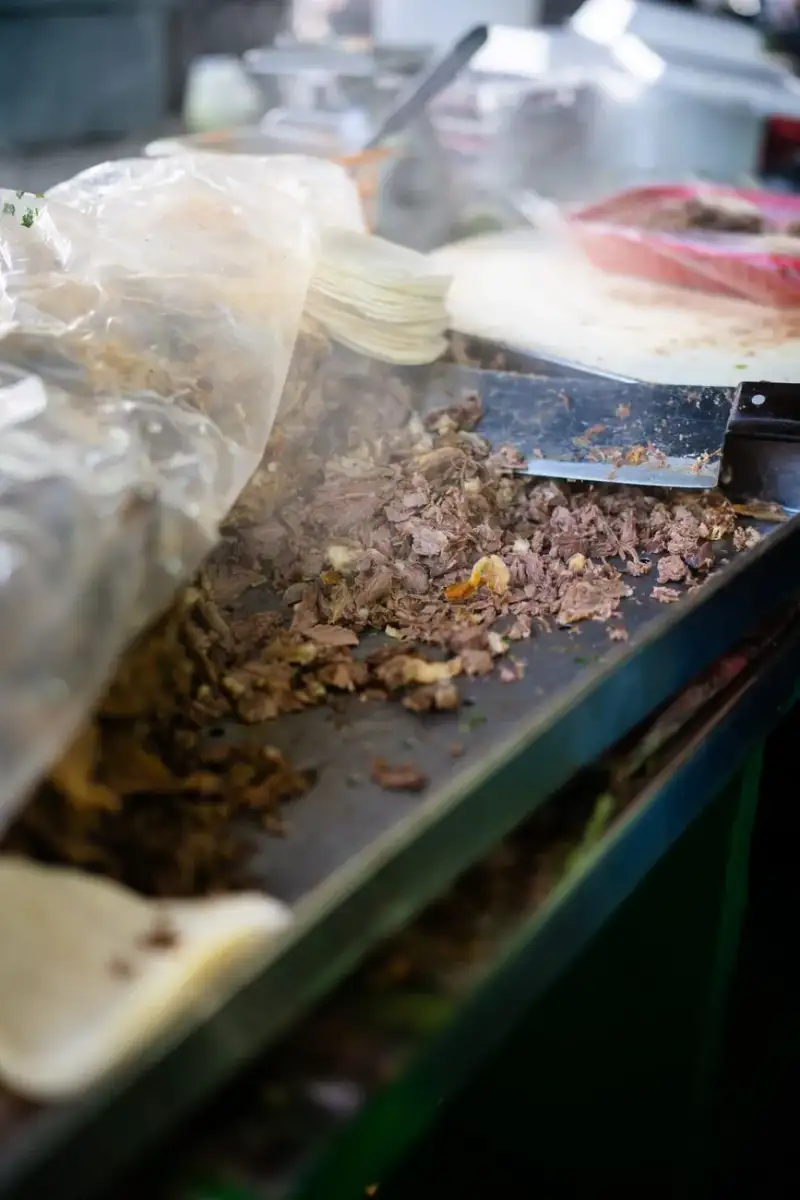
- Klaus Weber
- 08 Jul, 2026 16:01
Der gefaltete Mythos: Eine kulinarische Odyssee durch die tiefgründige Welt des Tacos
In den Annalen der Gastronomie gibt es Speisen, die weit mehr sind als nur die Summe ihrer Zutaten. Sie sind kulturelle Botschafter, Zeugen der Geschichte und ein Ausdruck tiefer regionaler Identität. Der Taco, dieses bescheidene, doch geniale Gebilde aus einer gefalteten Tortilla und einer Füllung, ist zweifellos ein solches Phänomen. Er repräsentiert die Seele Mexikos und hat von den staubigen Gassen seiner Ursprünge eine triumphalen Siegeszug um die ganze Welt angetreten. Eine kleine, handliche Kreation, die man direkt aus der Hand genießt, doch in ihrer Einfachheit eine unendliche Vielfalt verbirgt – das ist der Taco. Die Essenz des Tacos liegt in seiner fundamentalen Konstruktion: eine kleine, handgroße Tortilla, traditionell aus Mais, zunehmend aber auch aus Weizenmehl, die als Träger für eine schier grenzenlose Auswahl an Füllungen dient. Ob zartes Rindfleisch, saftiges Schweinefleisch, würziges Hähnchen, frische Meeresfrüchte, herzhafte Bohnen, knackiges Gemüse oder schmelzender Käse – die Möglichkeiten sind so vielfältig wie die Landschaften Mexikos selbst. Garniert wird dieses Ensemble oft mit einer Explosion von Aromen und Texturen: scharfe Salsa, cremige Guacamole, kühle Sauerrahm, frischer Salat, duftender Koriander, scharfe Zwiebeln, saftige Tomaten und die unverzichtbaren Chiles. Der Taco ist nicht nur eine Speise; er ist ein Antojito, ein kleines Verlangen, ein Stück mexikanischer Straßenkultur, das sich zu einem globalen Symbol entwickelt hat. Man darf den Taco jedoch nicht vorschnell mit seinen Verwandten verwechseln. Im Gegensatz zu Burritos, die oft wesentlich größer sind und gerollt statt gefaltet werden, oder Taquitos, die ebenfalls gerollt und dann frittiert werden, oder gar Chalupas und Tostadas, bei denen die Tortilla vor dem Füllen frittiert wird und offen bleibt, bewahrt der Taco seine charakteristische Falttechnik und seine handliche Größe. Diese scheinbare Einfachheit ist der Schlüssel zu seiner universellen Anziehungskraft und seiner tiefen Verwurzelung in der mexikanischen Esskultur. Die verborgenen Pfade der Sprache: Eine etymologische Spurensuche Die Ursprünge des Wortes „Taco“ im kulinarischen Sinne sind von einem Schleier des Mysteriums umhüllt, und die etymologischen Theorien, die seine Genese zu entschlüsseln versuchen, sind ebenso faszinierend wie vielfältig. Laut der Real Academia Española, dem Hüter der spanischen Sprache, ist „Taco“ im Sinne des typischen mexikanischen Gerichts lediglich eine von vielen Bedeutungen, die das Wort tragen kann. Diese kulinarische Konnotation ist eine mexikanische Innovation, doch das Wort selbst findet in anderen Kontexten eine reiche Verwendung. Es kann „Keil“, „Pfropfen“, „Stopfen“, „Billardqueue“, „Blasrohr“, „Ladestock“, „eine kurze, stämmige Person“ oder gar ein „kurzes, dickes Holzstück“ bedeuten. Die etymologischen Wurzeln dieses vielseitigen Wortes reichen tief in die germanische Sprachfamilie zurück und offenbaren Verwandtschaften mit Begriffen in anderen europäischen Sprachen, darunter das französische „tache“ (Fleck, Aufgabe) und das englische „tack“ (Heftzwecke, Kurs). In Spanien selbst begegnen wir dem Wort „Taco“ auch im Zusammenhang mit „Tacos de jamón“ – hierbei handelt es sich um gewürfelte Schinkenstücke oder manchmal um Reste und Späne, die beim Schneiden eines größeren Schinkenstücks anfallen. Diese können pur als Tapas oder Streetfood genossen werden oder bereichern andere Gerichte wie Salmorejo, Omeletts, Eintöpfe, Empanadas oder Melón con jamón. Diese Beispiele zeigen die semantische Breite des Wortes, bevor es seine spezifische kulinarische Bedeutung in Mexiko annahm. Eine der populärsten etymologischen Theorien zur kulinarischen Verwendung des Begriffs in Mexiko führt uns tief in die Silberminen des 18. Jahrhunderts. Dort wurde „Taco“ von den Bergleuten als Bezeichnung für einen „Pfropfen“ verwendet. Es handelte sich um explosive Ladungen in Pfropfenform, bestehend aus einer Papierhülle und einer Schwarzpulverfüllung. Die Vorstellung, dass die gefüllte Tortilla eine ähnliche Form oder Funktion – das „Füllen“ – wie diese Sprengpfropfen aufwies, könnte die metaphorische Brücke geschlagen haben. Doch die Etymologie des Tacos ist nicht ausschließlich europäisch verhaftet. Es gibt auch Theorien, die indigene Ursprünge nahelegen. Eine faszinierende Möglichkeit ist, dass das Wort vom Nahuatl-Wort „tlahco“ abstammt, was „Hälfte“ oder „in der Mitte“ bedeutet. Dies würde darauf hindeuten, dass die Speise, die in die Mitte einer Tortilla gelegt wird, dem Namen Pate stand. Hinzu kommt die Tatsache, dass bereits in der präkolumbianischen Gesellschaft Gerichte existierten, die dem heutigen Taco ähnelten. Das Nahuatl-Wort „tlaxcalli“ beispielsweise bezeichnete eine Art Maistortilla und beweist die lange Tradition des Füllens und Verzehrens dieser flachen Brote. Die Sprache, so scheint es, ist ein Spiegel der Geschichte und des kulinarischen Wandels. Eine Zeitreise: Die Geschichte des Tacos Die genaue Geburt des Tacos in Mexiko ist Gegenstand lebhafter Debatten. Einige Historiker und Anthropologen argumentieren, dass der Taco bereits vor der Ankunft der Spanier in Mexiko existierte. Es gibt anthropologische Beweise, die darauf hindeuten, dass die indigenen Völker, die in der Seenregion des Tals von Mexiko lebten, traditionell Tacos mit kleinen Fischen füllten. Diese frühen Formen wären somit ein Echo einer jahrtausendealten Kultur, die bereits die Kunst des Füllens von Maistortillas beherrschte. Bernal Díaz del Castillo, ein Chronist der spanischen Konquistadoren, dokumentierte sogar das erste Taco-Fest, das Europäer genossen – ein Mahl, das Hernán Cortés für seine Kapitäne in Coyoacán arrangierte. Dies würde die indigene Ursprungstheorie untermauern und dem Taco eine ehrwürdige Stellung in der vorspanischen Geschichte verleihen. Andere wiederum vertreten die Ansicht, dass die Entstehung des Tacos wesentlich jüngeren Datums ist. Eine der populärsten Theorien datiert die Erfindung des Tacos auf das 18. Jahrhundert, und zwar durch die bereits erwähnten Silberminenarbeiter. Die harten Arbeitsbedingungen und die Notwendigkeit einer schnell verzehrbaren, nahrhaften Mahlzeit könnten zur Entwicklung dieses praktischen Gerichts geführt haben. Die Bergleute, die ihren "Tacos" (Sprengladungen) gewohnt waren, könnten den Begriff auf die gefüllten Tortillas übertragen haben.Die früheste schriftliche Erwähnung des Begriffs „Taco“ findet sich in einem Kochbuch aus dem Jahr 1836 – „Nuevo y sencillo arte de cocina, reposteria y refrescos“ von Antonia Carrillo. In einem Rezept für eine gerollte Schweinelende (lomo de cerdo enrollado) weist sie die Leser an, die Lende so zu rollen, wie sie einen „taco de tortilla“ oder Tortilla-Taco rollen würden. Dies ist ein entscheidender Hinweis darauf, dass der Begriff und das Konzept bereits zu dieser Zeit etabliert waren. Eine weitere frühe Erwähnung des Wortes „Taco“ stammt aus dem Roman „El hombre de la situación“ (1861) des mexikanischen Schriftstellers Manuel Payno. Hier wird beschrieben, wie sich eine Familie um das Bett des Vaters versammelt, und die Mutter „mit einer Hand eine große Tasse weißen Atole schwenkte, während sie mit der anderen direkt zum Mund einen Tortilla-Taco trug, gefüllt mit einer roten Chilisauce.“ Diese literarischen Referenzen widerlegen die Behauptung, dass die erste Erwähnung des Wortes „Taco“ in Mexiko erst in demselben Autor Paynos späterem Roman „Los bandidos de Río Frío“ (1891) erfolgte. Die Zeitlinien sind somit klarer. Es ist auch wichtig zu beachten, dass der Begriff „Taco“ ursprünglich regional begrenzt war, insbesondere auf Mexiko-Stadt und die umliegenden Gebiete. In anderen Regionen existierten eigene Bezeichnungen. In Guanajuato, Guerrero, Michoacán und San Luis Potosí verwendete man die Begriffe „burrito“ und „burro“. In Yucatán und Quintana Roo war der Begriff „codzito“ (coçito) gebräuchlich. Doch aufgrund des kulturellen Einflusses von Mexiko-Stadt setzte sich der Begriff „Taco“ schließlich als Standard durch. Die regionalen Namen wie „burrito“ und „codzito“ wurden entweder vergessen oder entwickelten sich im Laufe der Zeit zu Bedeutungen, die sich von den ursprünglichen gefüllten Tortillas unterschieden. So wurde der "Burrito", wie wir ihn heute kennen, ein eigenständiges, größeres Gericht. Ein bemerkenswerter Höhepunkt in der jüngsten Geschichte des Tacos ereignete sich 2024, als El Califa de León in Mexiko-Stadt zum ersten Taco-Stand avancierte, der einen Michelin-Stern erhielt. Dies ist nicht nur eine Anerkennung für die Qualität und Raffinesse eines bestimmten Taco-Anbieters, sondern eine symbolträchtige Ehrerbietung an die gesamte Taco-Kultur, die damit endgültig ihren Platz in der Liga der Weltklasse-Gastronomie beansprucht hat. Die Symphonie der Aromen: Traditionelle Variationen des Tacos Die wahre Magie des Tacos offenbart sich in seiner grenzenlosen Vielfalt, die von regionalen Spezialitäten und kulinarischen Innovationen geprägt ist. Jeder Taco erzählt eine eigene Geschichte, gewürzt mit den Besonderheiten seiner Herkunft und Zubereitung. Tacos al Pastor und ihre orientalischen Wurzeln Ein leuchtendes Beispiel für kulturellen Austausch sind die Tacos al pastor („Hirtenart“), die auch als Tacos de adobada oder Tacos árabes („arabische Tacos“) bekannt sind. Ihre Zubereitung ist ein Spektakel für sich: Dünne Schweinefleischscheiben, die kunstvoll mit Adobo-Gewürz mariniert werden, werden auf einen vertikalen Drehspieß gesteckt und übereinandergeschichtet. Ähnlich wie beim Schawarma wird das Fleisch langsam über offenem Feuer gegrillt und flammengebraten, während es sich dreht. Die dünnen, knusprigen Scheiben werden dann direkt vom Spieß geschnitten. Diese Variation hat ihre tiefen Wurzeln in der libanesischen Einwandererbevölkerung Mexikos, die im frühen 20. Jahrhundert ihre Kochtraditionen mitbrachten und sie auf brillante Weise mit lokalen Zutaten und Geschmäckern verschmolzen. Serviert werden sie oft mit Ananas, Zwiebeln und Koriander – eine perfekte Balance aus Süße, Schärfe und Frische. Tacos de Asador: Vom Grill direkt auf die Hand Die Tacos de asador („Spieß-“ oder „Grill-Tacos“) umfassen eine Reihe von Köstlichkeiten, die alle auf dem Grill zubereitet werden und eine rauchige Tiefe entwickeln. Dazu gehören die allseits beliebten Carne asada tacos mit zart gegrilltem Rindfleisch, die Tacos de tripita („Kuttel-Tacos“), die bis zur perfekten Knusprigkeit gegrillt werden, und die Chorizo asado (traditionelle spanische Wurst). Jede dieser Varianten wird typischerweise auf zwei übereinanderliegenden kleinen Tortillas serviert, was für zusätzliche Stabilität sorgt und die Geschmacksaufnahme optimiert. Garniert werden sie oft mit Guacamole, Salsa, Zwiebeln und frischem Koriander. Eine besondere Form des Grill-Tacos ist die Mulita („kleines Maultier“). Hierbei handelt es sich um eine Art Sandwich-Taco, bei dem Fleisch zwischen zwei Tortillas gelegt und mit Oaxaca-Käse garniert wird. In den nördlichen Bundesstaaten Mexikos werden diese speziellen Sandwich-Tacos als Mulita bezeichnet, während sie im Süden Mexikos oft als Gringas bekannt sind und dann typischerweise mit Weizenmehl-Tortillas zubereitet werden. Diese regionalen Bezeichnungen und die leichte Variation der Tortillenart zeigen die feinen Nuancen innerhalb der Taco-Kultur. Tacos de Cabeza: Eine Hommage an das Ganze Für die Wagemutigeren und Kenner gibt es die Tacos de cabeza („Kopf-Tacos“). Hierbei wird ein perforiertes Metallblech verwendet, aus dem Dampf aufsteigt, um den Kopf einer Kuh sanft und langsam zu garen. Diese Methode sorgt für eine außergewöhnlich zarte Textur und einen intensiven Geschmack. Die Füllungen können vielfältig sein und umfassen: Cabeza (Muskelfleisch vom Kopf), Sesos („Gehirn“), Lengua („Zunge“), Cachete („Wangen“), Trompa („Lippen“) und Ojo („Auge“). Die Tortillas für diese Tacos werden auf demselben Dampfblech erwärmt, was ihnen eine einzigartige Konsistenz verleiht. Typischerweise werden diese Tacos paarweise serviert und ebenfalls mit Salsa, Zwiebeln und Koriander, gelegentlich auch mit Guacamole, garniert. Sie sind ein Zeugnis der mexikanischen Tradition, alle Teile des Tieres zu verwerten und in köstliche Speisen zu verwandeln. Tacos de Camarones: Die Meeresbrise in der Tortilla An der Küste Mexikos, insbesondere in Baja California, haben die Tacos de camarones („Garnelen-Tacos“) ihren Ursprung gefunden. Hier werden gegrillte oder frittierte Garnelen zum Star des Tacos. Die Begleitungen ähneln oft denen der Fisch-Tacos: knackiger Salat oder Kohl, frisches Pico de Gallo, cremige Avocado und eine Sauce auf Sauerrahm- oder Zitrus-Mayonnaise-Basis, alles kunstvoll auf einer Mais- oder Weizenmehl-Tortilla angerichtet. Diese Tacos fangen die Leichtigkeit und Frische der Pazifikküste ein und bieten eine willkommene Abwechslung zu den fleischlastigeren Varianten.Tacos de Cazo: Tief frittierte Perfektion Die Tacos de cazo (wörtlich „Eimer-Tacos“) sind eine weitere Spezialität, die ihren Namen einer spezifischen Zubereitungsart verdankt. Für diese Tacos wird ein großer Metalltopf oder „Cazo“, gefüllt mit Schmalz, typischerweise als Fritteuse verwendet. Die Fleischsorten für diese Art von Tacos sind oft Innereien wie Tripa („Kutteln“), die hier jedoch in der Regel vom Schwein statt vom Rind stammen und in dem heißen Schmalz langsam bis zur Perfektion frittiert werden, wodurch sie eine reiche Textur und einen tiefen Geschmack entwickeln. Diese Zubereitung verleiht dem Fleisch eine besondere Saftigkeit und Würze, die in Kombination mit frischen Tortillas und typischen Garnituren ein unvergessliches Geschmackserlebnis schafft. Der Taco ist somit nicht nur ein Gericht; er ist ein Panorama der mexikanischen Kochkunst, ein Ausdruck ihrer Geschichte, ihrer regionalen Vielfalt und ihrer Innovationskraft. Von den geheimnisvollen Wortursprüngen bis zu den raffinierten Zubereitungsarten, vom einfachen Streetfood bis zum Michelin-Stern – der Taco ist ein kulinarischer Schatz, der seine Geschichte in jeder Falte trägt und in jedem Bissen eine Welt von Aromen und Traditionen offenbart. Er ist ein Zeugnis dafür, wie ein einfaches Konzept zu einer universellen Ikone werden kann, die Generationen und Kontinente verbindet.#Taco #MexikanischeKüche #KulinarischeGeschichte #StreetFood #Gastronomie Related InsightsThe Antioxidant Powerhouse: Quinoa Salad with Roasted Sweet Potatoes and Kale The Golden Threads of History: Unraveling the Millennia-Old Tapestry of Pasta nicoise salad with seared tuna and green beans: a delicious omega-3 rich dish{ "@context": "https://schema.org", "@type": "FAQPage", "mainEntity": [ { "@type": "Question", "name": "What is the main focus of Der gefaltete Mythos: Eine kulinarische Odyssee durch die tiefgründige Welt des Tacos?", "acceptedAnswer": { "@type": "Answer", "text": "Von antiken Ursprüngen bis zur globalen Ikone: Entdecken Sie die faszinierende Geschichte, die sprachlichen Geheimnisse und die unzähligen Variationen des Tacos." } }, { "@type": "Question", "name": "Who authored the comprehensive guide on Der gefaltete Mythos: Eine kulinarische Odyssee durch die tiefgründige Welt des Tacos?", "acceptedAnswer": { "@type": "Answer", "text": "This detailed article and its insights were carefully researched and authored by Klaus Weber." } }, { "@type": "Question", "name": "Where can I find more related content about Food?", "acceptedAnswer": { "@type": "Answer", "text": "You can explore more articles, detailed reviews, and similar insights by browsing the Related Insights section at the bottom of this article or visiting our dedicated Food category page." } } ] }
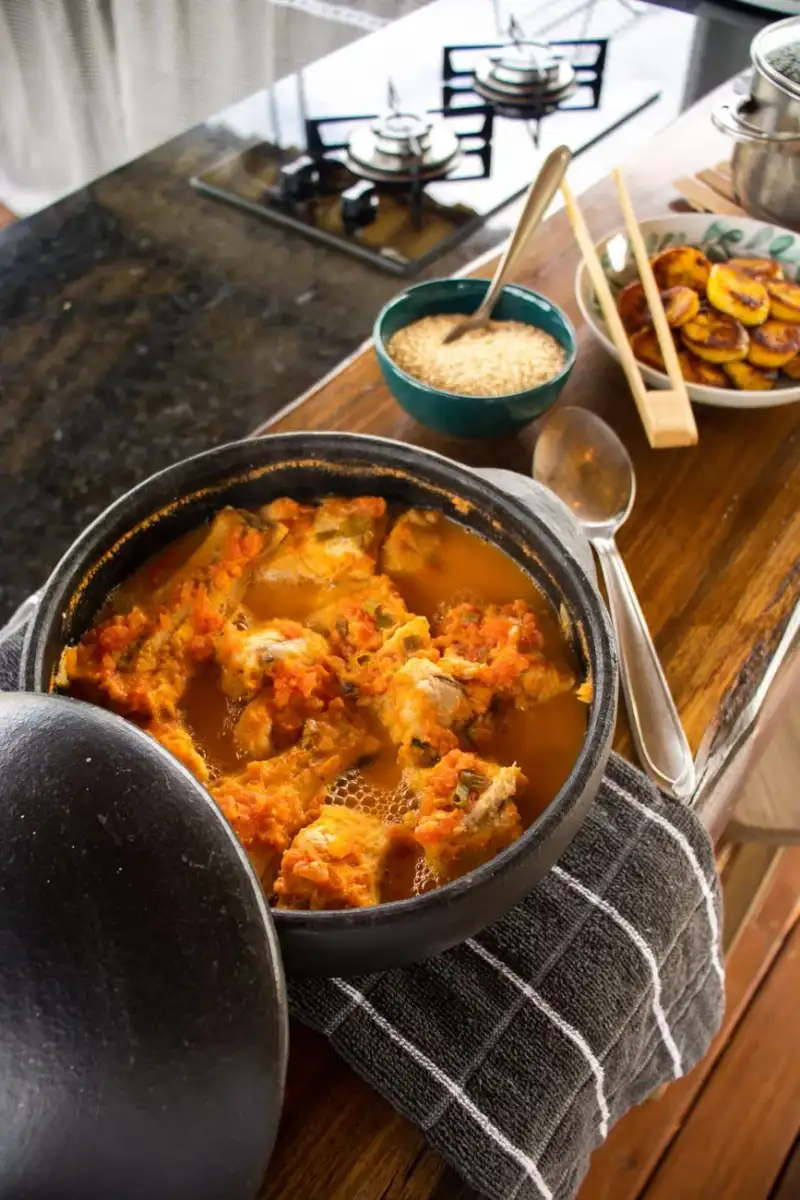

Thieboudienne, a dish so deeply ingrained in the culture of Senegal that it's often referred to as the country's national pride. This majestic one-pot meal is a testament to the rich culinary heritage of the Wolof people, who have lovingly crafted and perfected the recipe over generations. As a food writer, I'm excited to delve into the fascinating history, cultural significance, and mouth-watering flavors of Thieboudienne, the crown jewel of Senegalese cuisine. Introduction to Thieboudienne Thieboudienne, which translates to "rice and fish" in Wolof, is a hearty dish that combines the freshest catches from the Atlantic Ocean with an assortment of vegetables, spices, and a special type of broken rice called "mburru." The meal is typically cooked in a large, shallow pot over an open flame, allowing the aromas and flavors to meld together in perfect harmony. The result is a fragrant, flavorful, and satisfying dish that's both nourishing and delicious. History and Cultural Significance Thieboudienne has its roots in the medieval Wolof Empire, where it was served as a symbol of hospitality and generosity. The dish was originally prepared with rice, fish, and vegetables, but over time, it evolved to include a variety of ingredients, such as tomatoes, onions, and peppers. Today, Thieboudienne is an integral part of Senegalese culture, often served at special occasions, like weddings and holidays. The dish is also a staple of street food in Senegal, with vendors and markets offering their own unique versions.Ingredients and Preparation The ingredients used in Thieboudienne are a testament to the country's rich culinary heritage. The dish typically includes a variety of fish and seafood, such as tilapia, mussels, and shrimp, which are combined with an assortment of vegetables, like carrots, potatoes, and cabbage. The special type of broken rice, mburru, is also an essential component, as it absorbs the flavorful broth and helps to thicken the dish. A blend of spices, including cumin, coriander, and chili peppers, adds depth and warmth to the meal.To prepare Thieboudienne, the ingredients are first sautéed in a large pot, then simmered in a flavorful broth made with fish stock, water, and spices. The mburru rice is added towards the end of the cooking process, allowing it to absorb the rich flavors and textures of the dish. The result is a fragrant, flavorful, and nutritious meal that's both satisfying and delicious. Variations and Regional Influences While Thieboudienne is a national dish in Senegal, there are several regional variations and influences that have shaped the recipe over time. In the Casamance region, for example, the dish is often made with a variety of seafood, including crab and lobster, while in the north, it's more commonly prepared with meat, such as beef or lamb. The dish has also been influenced by other West African countries, such as The Gambia and Guinea, where similar one-pot meals are enjoyed.Authentic Recipe For those interested in trying Thieboudienne at home, here's an authentic recipe to get you started: Ingredients:1 cup of mburru rice 1 pound of fish and seafood (tilapia, mussels, shrimp) 2 tablespoons of vegetable oil 1 onion, chopped 2 cloves of garlic, minced 1 carrot, chopped 1 potato, chopped 1 cup of fish stock 1 cup of water 1 teaspoon of cumin 1 teaspoon of coriander 1/2 teaspoon of chili peppers Salt and pepper to tasteInstructions:Heat the oil in a large pot over medium heat. Add the onion, garlic, carrot, and potato, and sauté until the vegetables are tender. Add the fish and seafood, and cook until they're lightly browned. Add the fish stock, water, cumin, coriander, and chili peppers, and bring the mixture to a boil. Reduce the heat to low, and simmer the broth for 10-15 minutes. Add the mburru rice, and stir to combine. Cook the rice for an additional 5-10 minutes, or until it's tender and the liquid has been absorbed. Season the dish with salt and pepper to taste, and serve hot.Conclusion Thieboudienne is a true reflection of Senegal's rich cultural heritage and culinary expertise. This majestic one-pot meal is a testament to the country's love of good food, warm hospitality, and community bonding. Whether you're a food enthusiast, a cultural buff, or simply a lover of delicious cuisine, Thieboudienne is a dish that's sure to captivate and inspire. So why not give it a try, and experience the authentic flavors and traditions of Senegal? #Thieboudienne #SenegaleseCuisine #AfricanFood #TraditionalRecipes #FoodieAdventures #CulturalHeritage #WestAfricanDishes #SeafoodLovers #OnePotMeals
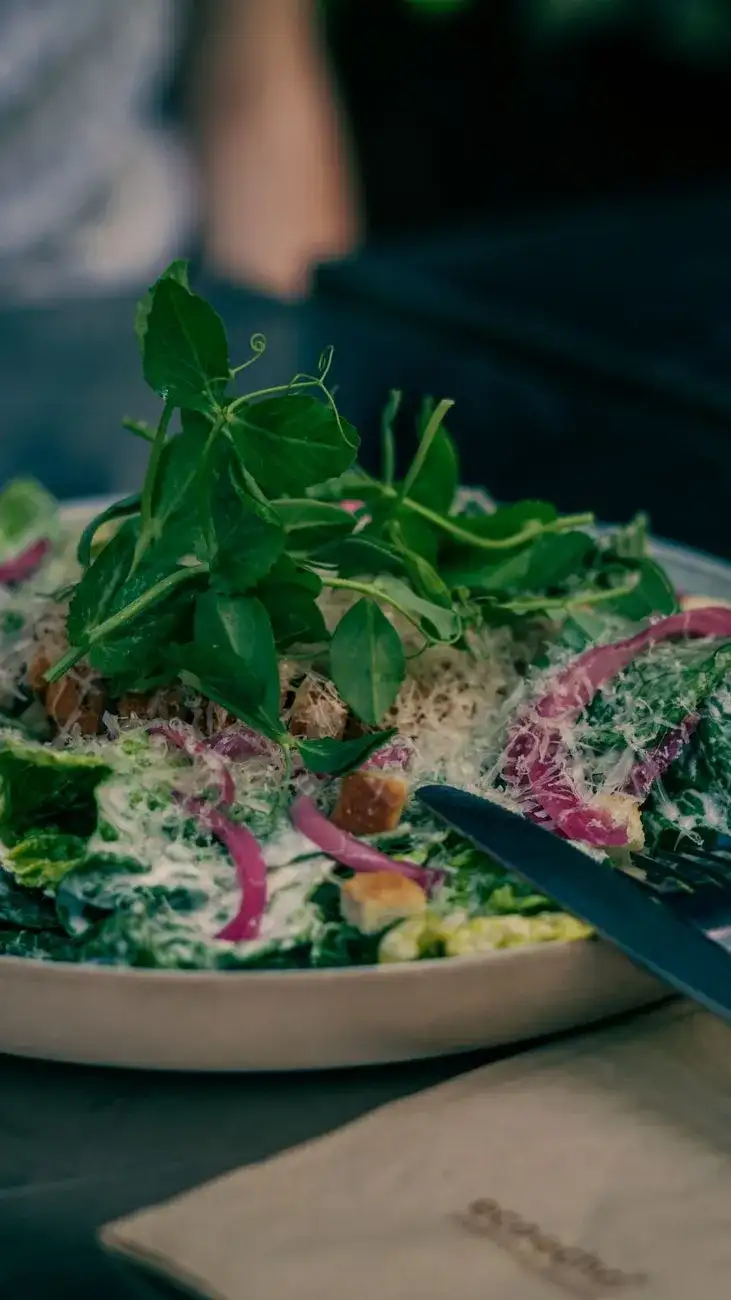
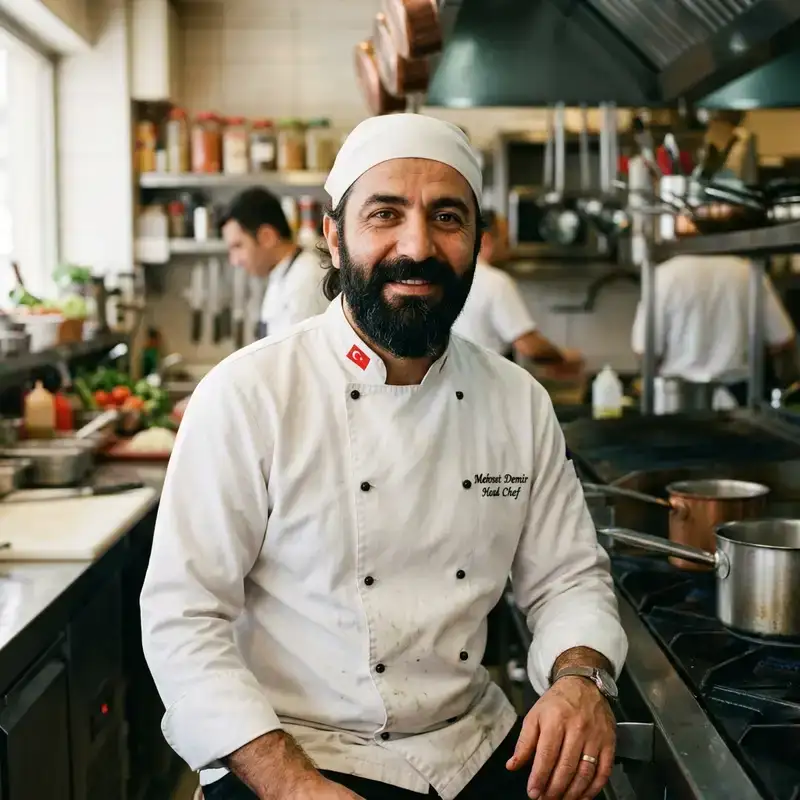
Introduction to the Mediterranean Diet The Mediterranean diet has been widely studied for its numerous health benefits, including reducing the risk of heart disease, obesity, and certain types of cancer. According to a study published in the journal Obesity, the Mediterranean diet has been shown to be effective in reducing body weight and improving cardiometabolic risk factors. The diet is characterized by high consumption of plant-based foods, such as fruits, vegetables, whole grains, and legumes, as well as moderate consumption of dairy products, fish, and poultry. The Importance of Antioxidants Antioxidants play a crucial role in maintaining overall health and well-being. They help to neutralize free radicals, which can cause oxidative stress and damage to cells. According to a study published in the journal ANTIOKSIDANTNI PRODUKTY, antioxidants such as vitamins C and E, flavonoids, and polyphenols have been shown to have anti-inflammatory and anti-cancer properties. Pomegranates, which are a key ingredient in this salad, are rich in antioxidants and have been shown to have numerous health benefits, including reducing inflammation and improving cardiovascular health.Preparing the Quinoa Quinoa is a complete protein and a good source of fiber, making it an excellent ingredient for a healthy and filling salad. To prepare the quinoa, rinse it in a fine mesh strainer and drain well. Then, in a medium saucepan, bring the quinoa and water to a boil. Reduce the heat to low, cover, and simmer for 15-20 minutes, or until the quinoa is tender and fluffy.Assembling the Salad To assemble the salad, whisk together the lemon juice, olive oil, salt, and black pepper in a large bowl. Then, add the chopped parsley, mint, pomegranate seeds, and scallions to the bowl and toss to combine. Fluff the cooked quinoa with a fork and add it to the bowl. Toss the quinoa with the herb and pomegranate mixture until well combined.Serving and Enjoying The Pomegranate and Quinoa Tabbouleh Salad is best served at room temperature or chilled. It makes a great side dish or light lunch, and can be paired with grilled meats or fish for a more substantial meal. The salad is also a great way to get your daily dose of antioxidants and fiber, making it a healthy and delicious addition to any meal.In conclusion, the Pomegranate and Quinoa Tabbouleh Salad is a healthy and delicious twist on a classic Middle Eastern dish. With its high antioxidant content and numerous health benefits, it makes a great addition to any meal. Whether you're looking for a light and refreshing side dish or a healthy and filling lunch, this salad is sure to please. #HealthyLiving #Gastronomy #MediterraneanDiet #QuinoaSalad #PomegranateBenefits Related InsightsThe Unfolding Tapestry of Flavor: A Millennia-Spanning Journey Through the Epic Evolution of Curry The Ambrosial Alchemist's Secret: Unearthing Oxymel's Ancient Culinary Resurgence Nihari: The Rich Morning Stew of the Nawabs{ "@context": "https://schema.org", "@type": "FAQPage", "mainEntity": [ { "@type": "Question", "name": "What is the main focus of Pomegranate and Quinoa Tabbouleh Salad: A Delicious and Healthy Twist?", "acceptedAnswer": { "@type": "Answer", "text": "This Pomegranate and Quinoa Tabbouleh Salad is a healthy and delicious twist on the classic Middle Eastern dish, packed with antioxidants and fresh flavors. According to recent studies, the Mediterranean diet, which this dish is inspired by, has been shown to have numerous health benefits, including reducing the risk of heart disease and obesity." } }, { "@type": "Question", "name": "Who authored the comprehensive guide on Pomegranate and Quinoa Tabbouleh Salad: A Delicious and Healthy Twist?", "acceptedAnswer": { "@type": "Answer", "text": "This detailed article and its insights were carefully researched and authored by Demir Şef." } }, { "@type": "Question", "name": "Where can I find more related content about Food?", "acceptedAnswer": { "@type": "Answer", "text": "You can explore more articles, detailed reviews, and similar insights by browsing the Related Insights section at the bottom of this article or visiting our dedicated Food category page." } } ] }
- Chloe Blanc
- 07 Jul, 2026 21:42
Le Sushi : Odyssée Salée et Sucrée, de la Préservation Antique à l'Art Culinaire Éphémère
Dans le ballet éternel des saveurs et des cultures, il est des créations qui traversent les âges, se métamorphosant avec le temps, les lieux et les mains qui les façonnent. Le sushi, ce mets japonais emblématique, n'est pas qu'un simple plat ; c'est une épopée gustative, une toile où se dessinent des millénaires d'ingéniosité humaine, de techniques de conservation primitives à l'apogée d'une gastronomie raffinée. Loin d'être la simple association de poisson cru et de riz, le sushi incarne une philosophie, une esthétique, et une histoire riche, profondément enracinée dans la nécessité et transformée par l'art. Accompagnez-moi dans cette exploration de ses origines, de ses métamorphoses, et de son essence qui continue de fasciner le monde entier. Qu'est-ce que le Sushi ? Une Définition Profonde Le sushi, terme qui résonne avec la délicatesse et la précision de la cuisine japonaise, est avant tout une création culinaire traditionnelle centrée sur un élément fondamental : le riz vinaigré. Ce riz, connu sous les noms poétiques de sushi-meshi, shari, ou sumeshi, est assaisonné avec une alliance subtile de sucre et de sel, conférant à chaque grain une profondeur de saveur incomparable. Autour de ce cœur de riz, une myriade d'ingrédients, appelés neta, viennent s'ajouter pour composer la diversité des styles de sushi que nous connaissons. Bien que le poisson cru soit l'ingrédient le plus communément associé au sushi – et pour cause, il en est une des incarnations les plus emblématiques – il est essentiel de rappeler que le spectre des neta est bien plus vaste. Il inclut une variété de fruits de mer, qu'ils soient crus ou cuits, des légumes frais, et même parfois de la viande. Il existe d'ailleurs des sushis entièrement végétariens, témoignant de la flexibilité et de l'adaptabilité de ce concept culinaire. Il est crucial de dissiper une confusion fréquente : le sushi n'est pas le sashimi. Le sashimi, bien qu'il partage souvent le même terroir marin et la même fraîcheur exquise, est une préparation de poisson ou de viande crue coupée en fines tranches, servie sans riz. Le riz vinaigré est le pilier distinctif du sushi, le fil conducteur qui relie toutes ses formes, des plus anciennes aux plus modernes. Ce plat, souvent accompagné de gingembre mariné (gari) pour nettoyer le palais, de wasabi pour une pointe de chaleur piquante, et de sauce soja pour une touche umami, ainsi que de radis daikon ou de daikon mariné (takuan) en garniture, est aujourd'hui universellement reconnu comme l'une des expériences gastronomiques les plus prisées au monde. L'Étymologie : Une Saveur Acide aux Racines Antiques Le mot "sushi" (寿司 ; すし) puise ses origines dans le kanji japonais 鮨. Le terme 寿司 est une application d'ateji, où les caractères sont utilisés pour leur prononciation plutôt que pour leur sens sémantique originel, pour représenter le son du mot. Mais au-delà de cette transcription moderne, le sens intrinsèque du mot "sushi" nous ramène à une saveur fondamentale : celle de l'acidité. Le terme signifie littéralement "au goût aigre", une description qui capture l'essence des premières incarnations de ce plat. Cette saveur acide, ou aigre, provient d'une forme conjuguée obsolète du verbe adjectival sui (酸い, "être acide"), donnant sushi (酸し). Cette étymologie est un précieux indice sur la fonction et le goût des sushis ancestraux, bien loin des créations délicates et équilibrées que nous dégustons aujourd'hui. Elle ancre le sushi dans une histoire de fermentation et de conservation, où l'acidité jouait un rôle clé. Les Origines Lointaines : L'Époque du Narezushi, l'Art de la Conservation Le voyage du sushi débute il y a plus d'un millénaire, non pas comme un plat raffiné, mais comme une méthode de conservation ingénieuse. Le narezushi (馴れ寿司, 熟寿司), littéralement "poisson mûri", est cité comme l'une des influences primordiales de la pratique japonaise d'associer le riz au poisson cru. Imaginez des poissons de rivière, comme ceux pêchés dans le bassin du Mékong ou de l'Irrawaddy, qui traversent aujourd'hui le Laos, le Cambodge, la Thaïlande, le Vietnam et le Myanmar, préservés pendant des mois, voire des années, grâce à une technique révolutionnaire. Ce poisson était fermenté dans une combinaison de vinaigre de riz, de sel et de riz, le riz étant ensuite jeté. Cette fermentation lactique prévenait la détérioration du poisson, offrant une source de protéines cruciale dans des périodes sans réfrigération. L'origine de cette méthode de fermentation du poisson dans le riz remonte à l'Asie du Sud-Est, où elle était employée pour préserver les poissons d'eau douce. La première mention d'un aliment similaire au narezushi apparaît dans un dictionnaire chinois datant du IVe siècle, décrivant un poisson salé placé dans du riz cuit ou étuvé, subissant un processus de fermentation par l'acide lactique. Des méthodes de fermentation suivant une logique similaire existent encore aujourd'hui dans diverses cultures rizicoles asiatiques, telles que le burong isda, balao-balao et tinapayan aux Philippines ; le pekasam en Indonésie et en Malaisie ; le padaek au Laos ; le pla ra en Thaïlande ; le sikhae en Corée ; et le mắm au Vietnam. L'introduction de la culture du riz en rizière inondée au Japon, durant la période Yayoi, a créé des conditions propices à cette pratique. Les crues saisonnières laissaient souvent des poissons piégés dans les rizières. Le salage et la fermentation devenaient alors un moyen vital de conserver ce surplus de poisson, garantissant des réserves alimentaires pour les mois suivants. Le narezushi est ainsi devenu une source de protéines essentielle pour les consommateurs japonais. C'est l'acidité résultant de cette fermentation qui a donné son nom au plat, "sushi" signifiant "au goût aigre" en référence à ses saveurs umami et acidulées. Le narezushi perdure encore aujourd'hui comme une spécialité régionale, notamment le funa-zushi de la préfecture de Shiga, témoin vivant de cette tradition ancestrale. L'existence de caractères pour "鮨" et "鮓" dans le Code Yōrō (養老律令) de 718, écrits comme un tribut à la cour impériale japonaise, suggère que cette forme de narezushi était déjà reconnue et appréciée.L'Évolution Culinaire : Du Narezushi au Namanare, le Riz Rejoint le Poisson Au fil des siècles, et parallèlement à l'évolution générale de la cuisine japonaise, le sushi a commencé à se transformer lentement. Des changements majeurs dans les habitudes alimentaires, tels que l'adoption de trois repas par jour et la cuisson du riz à l'eau plutôt qu'à la vapeur, ont ouvert la voie à de nouvelles innovations. L'un des développements les plus significatifs fut l'émergence du vinaigre de riz, qui allait jouer un rôle central dans la métamorphose du sushi. C'est durant la période Muromachi (1336-1573) qu'une nouvelle forme de sushi, le namanare ou namanari (生成, なまなれ, なまなり), signifiant "partiellement fermenté", fit son apparition. La période de fermentation du namanare était considérablement plus courte que celle de son prédécesseur, le narezushi. Mais l'innovation la plus révolutionnaire fut que, pour la première fois, le riz utilisé pour la fermentation était également consommé avec le poisson. Le namanare marqua ainsi un tournant fondamental : le sushi cessa d'être un simple aliment de conservation pour devenir un plat où le poisson et le riz étaient savourés ensemble. Cette évolution progressive a vu l'utilisation du saké et des lies de saké pour accélérer encore le processus de fermentation, avant que le vinaigre ne devienne l'ingrédient clé à l'époque d'Edo. L'Ère de la Vitesse : Le Hayazushi et l'Avènement du Sushi Moderne La période d'Edo (1603-1867) fut le théâtre d'une nouvelle révolution culinaire avec le développement du haya-zushi (早寿司, 早ずし), le "sushi rapide". Cette troisième génération de sushi se distinguait radicalement de ses prédécesseurs. Au lieu de s'appuyer sur la fermentation lactique du riz, le haya-zushi incorporait directement le vinaigre, un aliment fermenté en soi, au riz pour lui conférer cette saveur acidulée caractéristique. Le riz pouvait ainsi être consommé instantanément avec le poisson, sans aucune attente de fermentation prolongée. Le sushi, qui avait constamment évolué dans le sens d'un raccourcissement des temps de préparation, éliminait désormais complètement le processus de fermentation complexe, le transformant en un véritable "fast-food" de l'époque. C'est durant cette période féconde que sont nés de nombreux types de sushis reconnaissables aujourd'hui, tous des formes de haya-zushi. Le chirashizushi (散らし寿司, "sushi éparpillé"), l'inarizushi (稲荷寿司, "sushi Inari"), le makizushi (巻寿司, "sushi roulé"), et l'iconique nigirizushi (握り寿司, "sushi pressé à la main") sont tous des héritiers directs de cette ère d'innovation. Chaque région du Japon a su adapter et personnaliser ces formes, utilisant des saveurs locales pour produire une variété infinie de sushis qui se sont transmis de génération en génération. Des ouvrages culinaires de l'époque attestent de cette effervescence : un livre de recettes de 1689 décrit le haya-zushi, tandis qu'un autre de 1728 détaille l'utilisation du vinaigre sur le hako-zushi (箱ずし, "sushi en boîte"), un sushi carré confectionné en remplissant un cadre en bois de riz. Le Chef Visionnaire : Hanaya Yohei et la Naissance du Nigirizushi Tel Que Nous le Connaissons Parmi toutes les innovations de la période Edo, l'émergence du nigirizushi moderne occupe une place particulière. Ce style, composé d'un monticule de riz oblong surmonté d'une tranche de poisson, a gagné en popularité à Edo (l'actuelle Tokyo) dans les années 1820 ou 1830. La légende la plus répandue attribue l'invention ou le perfectionnement de cette technique au chef Hanaya Yohei (1799–1858), qui l'aurait mise au point en 1824 dans son échoppe de Ryōgoku. Le nigirizushi de Hanaya Yohei était une réponse à la vie trépidante de la classe chōnin (roturière) d'Edo, offrant un repas rapide, savoureux et nourrissant, idéal pour être consommé sur le pouce. Cependant, le nigirizushi de cette époque différait quelque peu de son homologue contemporain. Le riz à sushi était environ trois fois plus volumineux que les portions actuelles, offrant une satiété plus grande. L'équilibre des saveurs était également distinct : la quantité de vinaigre utilisée était réduite de moitié par rapport à aujourd'hui, et le type de vinaigre privilégié était l'aka-su (赤酢, "vinaigre rouge"), élaboré à partir de la fermentation des lies de saké. Ce vinaigre rouge, développé par Nakano Matazaemon (中野 又佐衛門), le fondateur de Mizkan – une entreprise qui continue de produire et de vendre du vinaigre et des assaisonnements aujourd'hui – apportait une profondeur de saveur unique. De plus, les sushis de cette période étaient légèrement plus salés et, fait notable, le sucre n'était pas encore un ingrédient courant dans l'assaisonnement du riz. Les fruits de mer servis sur le riz étaient également préparés de diverses manières, allant bien au-delà du simple poisson cru. Le plat était initialement appelé Edomae zushi car il utilisait du poisson fraîchement pêché dans la baie d'Edo (Edo-mae), l'actuelle baie de Tokyo ; le terme Edomae nigirizushi est d'ailleurs encore utilisé aujourd'hui pour désigner ce style particulier, souvent associé à une qualité et une fraîcheur exceptionnelles.Le Sushi Aujourd'hui : Un Phénomène Mondial et un Symbole de Perfection Le parcours du sushi, de ses humbles débuts comme méthode de conservation dans les plaines inondées d'Asie du Sud-Est à son statut actuel d'icône culinaire mondiale, est un témoignage fascinant de l'ingéniosité humaine et de l'évolution des goûts. Aujourd'hui, le sushi est bien plus qu'un simple plat ; c'est une célébration de la fraîcheur, de la texture, de la couleur, et de la précision. Bien que ses présentations et ses styles soient innombrables, son composant déterminant et invariant reste le riz vinaigré, ce shari qui est l'âme même de chaque bouchée. Des restaurants étoilés aux étals de marché, le sushi a conquis les palais du monde entier, transcendant les frontières culturelles pour devenir un symbole de la gastronomie japonaise et un plaisir partagé. La richesse de son histoire, la complexité de ses techniques, et la simplicité élégante de ses saveurs en font un mets intemporel, dont chaque grain de riz et chaque tranche de poisson racontent une part de l'odyssée culinaire de l'humanité. Le sushi n'est pas seulement consommé ; il est vécu, apprécié, et perpétue une tradition qui, loin de s'éteindre, continue de s'écrire avec chaque nouvelle génération de chefs et d'amateurs éclairés.#SushiHistoire #CuisineJaponaise #Gastronomie #ArtCulinaire #SaveursDuJapon Related InsightsIl Cuore Rosso del Ghana: L'Alchimia Millenaria del Waakye Le Garum Oublié : Voyage au Cœur de l'Umami Antique et de ses Résurrections Modernes The Wild Yeast Revolution: Beyond the Loaf into the World of Fermented Alchemy{ "@context": "https://schema.org", "@type": "FAQPage", "mainEntity": [ { "@type": "Question", "name": "What is the main focus of Le Sushi : Odyssée Salée et Sucrée, de la Préservation Antique à l'Art Culinaire Éphémère?", "acceptedAnswer": { "@type": "Answer", "text": "Plongez dans l'histoire millénaire du sushi, de ses origines lointaines en Asie du Sud-Est comme méthode de conservation, à son apogée en tant que chef-d'œuvre culinaire japonais, redéfinissant l'art de manger." } }, { "@type": "Question", "name": "Who authored the comprehensive guide on Le Sushi : Odyssée Salée et Sucrée, de la Préservation Antique à l'Art Culinaire Éphémère?", "acceptedAnswer": { "@type": "Answer", "text": "This detailed article and its insights were carefully researched and authored by Chloe Blanc." } }, { "@type": "Question", "name": "Where can I find more related content about Food?", "acceptedAnswer": { "@type": "Answer", "text": "You can explore more articles, detailed reviews, and similar insights by browsing the Related Insights section at the bottom of this article or visiting our dedicated Food category page." } } ] }
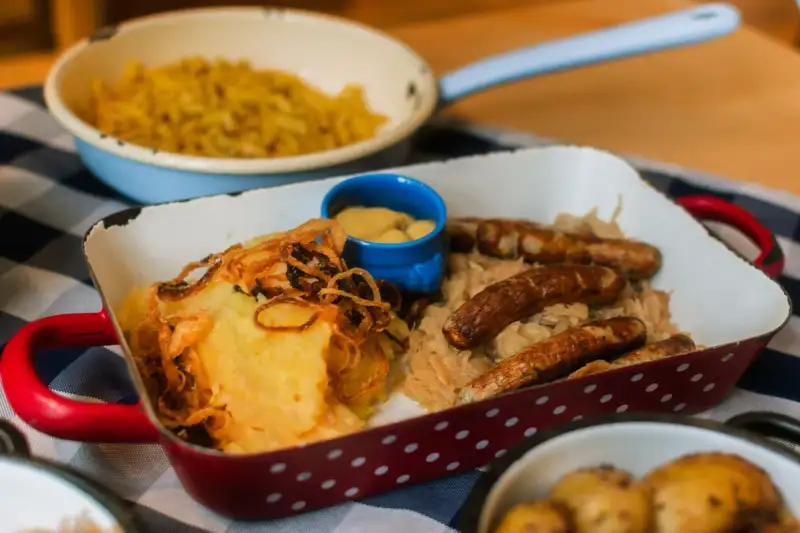

Welcome back to my kitchen! I am Hannah Weber, and today we are diving deep into a dish that sits at the very intersection of my German heritage and my passion for nutritional science. If you have ever walked through a cold, mist-shrouded forest in Bavaria or along the Baltic coast in late autumn, you know that German comfort food is not just about filling the stomach—it is about warming the soul and fortifying the body against the elements. Today, we are elevating a humble classic: the Linseneintopf (lentil stew), married beautifully with the sour, vibrant notes of Sauerkraut. But this is not just any comfort meal. We are dissecting this dish through a modern scientific lens, exploring how its rich probiotic profile and functional ingredients act as a therapeutic intervention for your digestive system. By utilizing raw, fermented sauerkraut and combining it with ancient grains and prebiotic-rich pulses, we create a culinary masterpiece that nurtures your microbiome, aligns with your genetic heritage, and acts as a functional "nutraceutical" food. Let us explore the medical, cultural, and gastronomic secrets of this incredible dish. Biogeography, Climate, and the KNApSAcK Database: Why We Eat What We Eat Have you ever wondered why certain culinary traditions favor fermented foods while others rely on fresh, raw ingredients? It is not merely a matter of historical whim; it is deeply rooted in our evolutionary geography and regional climates. A groundbreaking data-intensive study, "Data Intensive Study of Accessibility of Edible Species and Healthcare Across the Globe," analyzed 28,064 records of relationships between 11,752 edible species and 228 geographic zones through hierarchical clustering. The researchers classified these geographic regions into 11 super groups and 39 distinct clusters. They found that 96% of these clusters have highly specific climates that dictate food accessibility. This scientific analysis identified distinct continental landmass regions, including the Baltic Sea and Western Europe—the cradle of sauerkraut and lentil-based diets. The study points out something fundamental for health advocates: human healthcare must be considered on the basis of culture, climate, accessibility of edible foods, and preferences, but also based on molecular-level information of the genome and digestive systems. In cooler, temperate climates like Western Europe, the natural preservation of food through fermentation was a survival necessity. Cabbage, a highly accessible species in this cluster, was fermented to survive the harsh winters. This adaptation did more than preserve vitamin C; it co-evolved our digestive systems to thrive on fermented, lactic-acid-producing foods. When we consume sauerkraut today, we are participating in a highly sophisticated, climate-adapted ancestral healthcare system that aligns perfectly with our modern digestive biology. The Probiotic Powerhouse: Sauerkraut's Impact on the Gut Microbiome The star of our stew is, without a doubt, sauerkraut. Authentic, unpasteurized sauerkraut is a living ecosystem. During the fermentation process, naturally occurring lactic acid bacteria (primarily species of Lactobacillus, Leuconostoc, and Pediococcus) consume the sugars in the cabbage, producing lactic acid, carbon dioxide, and a bounty of beneficial metabolites. These live microorganisms are classified as probiotics. When they reach our gastrointestinal tract, they play an active role in maintaining the integrity of our gut barrier, synthesizing vital vitamins, and modulating our immune system. However, to truly reap the benefits of these probiotics, we must understand the culinary physics of heat. Boiling fermented sauerkraut kills the very beneficial bacteria we want to cultivate. That is why this recipe employs a specific culinary technique: we simmer the lentils, barley, and root vegetables to perfection, pull the pot off the heat source, and then fold in the raw sauerkraut. This warms the kraut through without crossing the thermal threshold that pasteurizes and destroys these valuable live cultures. By doing this, you receive a therapeutic dose of live probiotics alongside a soothing, warm bowl of comfort. Transforming Stew into a Functional Nutraceutical: The Role of Barley and Soluble Fiber To maximize the therapeutic potential of our German stew, we look to the principles of functional medicine and food technology. In a scientific review titled "Exploring the Potential of Nutraceutical Foods Prepared from Rice Bran Oil, Flaxseed, and Barley Combination through Extrusion Technology," researchers explored how targeted food components deliver health benefits far beyond basic nutrition, supporting overall wellness and disease prevention. The study highlights the unique health properties of specific functional ingredients, particularly the soluble fiber found in barley, which aids in cholesterol regulation and metabolic support. When we design foods with a multi-pronged approach to health, we create what the functional food sector calls "nutraceutical foods."By adding pearl barley into our vegan sauerkraut and lentil stew, we are introducing a powerful source of beta-glucans—a type of soluble fiber. This fiber acts in harmony with the probiotics in the sauerkraut. While the sauerkraut delivers the live "friendly" bacteria (probiotics), the soluble fiber from the barley and the prebiotic starches from the lentils serve as "food" (prebiotics) for those bacteria. This symbiotic relationship—often termed synbiotics—allows the beneficial bacteria to colonize, ferment the fibers in your colon, and produce short-chain fatty acids (SCFAs) like acetate, propionate, and butyrate. These SCFAs are the primary fuel source for your colon cells, helping to reduce systemic inflammation and support overall metabolic health. The Ultimate Vegan German Sauerkraut and Lentil Stew Recipe Now, let us bring these scientific principles into the kitchen. This recipe is designed to yield a thick, hearty, deeply savory stew that highlights the earthy tones of lentils, the nutty chew of barley, and the bright, cleansing tang of raw fermented sauerkraut. Ingredients1.5 cups brown or green lentils, rinsed (rich in plant-based protein and prebiotic fiber) 2 cups fermented sauerkraut, unpasteurized (with its raw brine) 1/2 cup pearl barley, rinsed (provides soluble fiber for cholesterol regulation) 1 large yellow onion, finely diced 3 cloves garlic, minced 2 medium carrots, sliced into rounds 2 stalks celery, chopped 1 large Yukon Gold potato, cubed (adds rustic thickness and body) 4 cups low-sodium vegetable broth 2 bay leaves 1 tsp smoked paprika (for a deep, smoky undertone that mimics traditional bacon) 1 tsp caraway seeds (essential for authentic flavor and reducing bloating) 1 tbsp extra virgin olive oil (or high-antioxidant rice bran oil) Sea salt and freshly ground black pepper to taste Fresh dill and parsley for a vibrant garnishStep-by-Step Instructions Step 1: Laying the Aromatic Foundation In a large, heavy-bottomed Dutch oven, heat the olive oil (or rice bran oil) over medium heat. Add the diced onion, minced garlic, carrot rounds, and chopped celery. Sauté these aromatics for 6 to 8 minutes, stirring occasionally, until the onions become sweet and translucent, and the carrots begin to soften. Step 2: Toasting the Spices and Grains Add the smoked paprika, caraway seeds, and a pinch of salt and pepper to the pot. Stir constantly for about 1 minute. Toasting the caraway seeds in the oil releases their volatile oils, which not only provides that classic German aroma but also stimulates digestive enzymes, making the legumes easier to digest. Next, toss in the rinsed brown lentils and pearl barley, stirring to coat them thoroughly in the spiced aromatic base. Step 3: Simmering to Perfection Add the cubed Yukon Gold potato to the pot, then pour in the 4 cups of vegetable broth. Drop in the two bay leaves. Bring the mixture to a gentle boil. Once boiling, reduce the heat to low, cover the pot with a tight-fitting lid, and let it simmer for 25 to 30 minutes. You want the lentils to be tender, the barley plump and chewy, and the potatoes soft enough to melt slightly into the broth, thickening the stew naturally. Step 4: The Probiotic-Preserving Finish This is where science guides our culinary hand. Once the lentils and barley are fully cooked, turn off the heat completely. Remove the pot from the hot burner. Carefully stir in the 2 cups of unpasteurized sauerkraut, along with a few tablespoons of its raw, cloudy brine. Cover the pot and let it sit off the heat for 5 minutes. The residual heat of the stew will gently warm the sauerkraut without killing the beneficial lactic acid bacteria. Remove the bay leaves. Step 5: Garnish and Serve Ladle the warm, thick stew into deep ceramic bowls. Garnish generously with freshly chopped dill and flat-leaf parsley. The fresh herbs add a burst of vitamin C and a bright, clean contrast to the deep, earthy, sour notes of the stew. Serve with a slice of dark, dense German rye bread.Hannah’s Culinary Tips: Protecting the Probiotic Integrity To get the absolute most out of this dish, keep these expert tips in mind:The Sauerkraut Selection: When shopping, avoid the canned or jarred sauerkraut found in the warm aisles of the grocery store. These have been pasteurized with high heat, which kills all the beneficial bacteria. Look for sauerkraut in the refrigerated section, labeled "raw," "unpasteurized," or "wild fermented." The ingredient list should ideally contain only cabbage, water, and salt. Reheating Mindfully: If you have leftovers (and trust me, this stew tastes even better the next day!), reheat only the portion you plan to eat. Warm it gently on the stove over low heat until it is just warm enough to enjoy. Avoid bringing it to a rolling boil to preserve the remaining probiotic cultures. Customizing Your Fats: Drawing inspiration from the nutraceutical review, you can experiment with different functional oils. While extra virgin olive oil is a classic choice, using cold-pressed rice bran oil or finishing your bowl with a drizzle of flaxseed oil can introduce unique antioxidants and omega-3 fatty acids, further boosting the anti-inflammatory profile of your meal.Conclusion: A Bowl of Harmonious Science and Tradition Cooking is so much more than just putting heat to food; it is an act of biological harmony. By understanding our ancestral roots—how climate and geography shaped our access to nourishing foods like cabbage and lentils—and combining that with modern research on probiotics and functional grains, we can feed our bodies with incredible precision. This Vegan German Sauerkraut and Lentil Stew is a perfect example of this harmony. It honors the Baltic and Western European culinary heritage, respects our evolutionary digestive systems, and utilizes smart cooking techniques to deliver a powerful dose of live probiotics and soluble fiber. It is warm, comforting, deeply satisfying, and scientifically designed to help your microbiome thrive. Give this recipe a try in your kitchen, and feel the difference that functional, mindful eating makes. Until next time, eat well, stay curious, and gut-health first!#HealthyLiving #Gastronomy #GutHealth #Probiotics #VeganRecipes Related InsightsCongee (Jook): The Ultimate Comforting Rice Porridge Shawarma: The Iconic Levantine Street Food Chicken Yassa: The Tangy and Tender Onion Stew{ "@context": "https://schema.org", "@type": "FAQPage", "mainEntity": [ { "@type": "Question", "name": "What is the main focus of The Probiotic Powerhouse: Vegan German Sauerkraut and Lentil Stew?", "acceptedAnswer": { "@type": "Answer", "text": "Discover a deeply comforting, traditional German sauerkraut and lentil stew packed with gut-healthy probiotics and plant-based proteins." } }, { "@type": "Question", "name": "Who authored the comprehensive guide on The Probiotic Powerhouse: Vegan German Sauerkraut and Lentil Stew?", "acceptedAnswer": { "@type": "Answer", "text": "This detailed article and its insights were carefully researched and authored by Hannah Weber." } }, { "@type": "Question", "name": "Where can I find more related content about Food?", "acceptedAnswer": { "@type": "Answer", "text": "You can explore more articles, detailed reviews, and similar insights by browsing the Related Insights section at the bottom of this article or visiting our dedicated Food category page." } } ] }
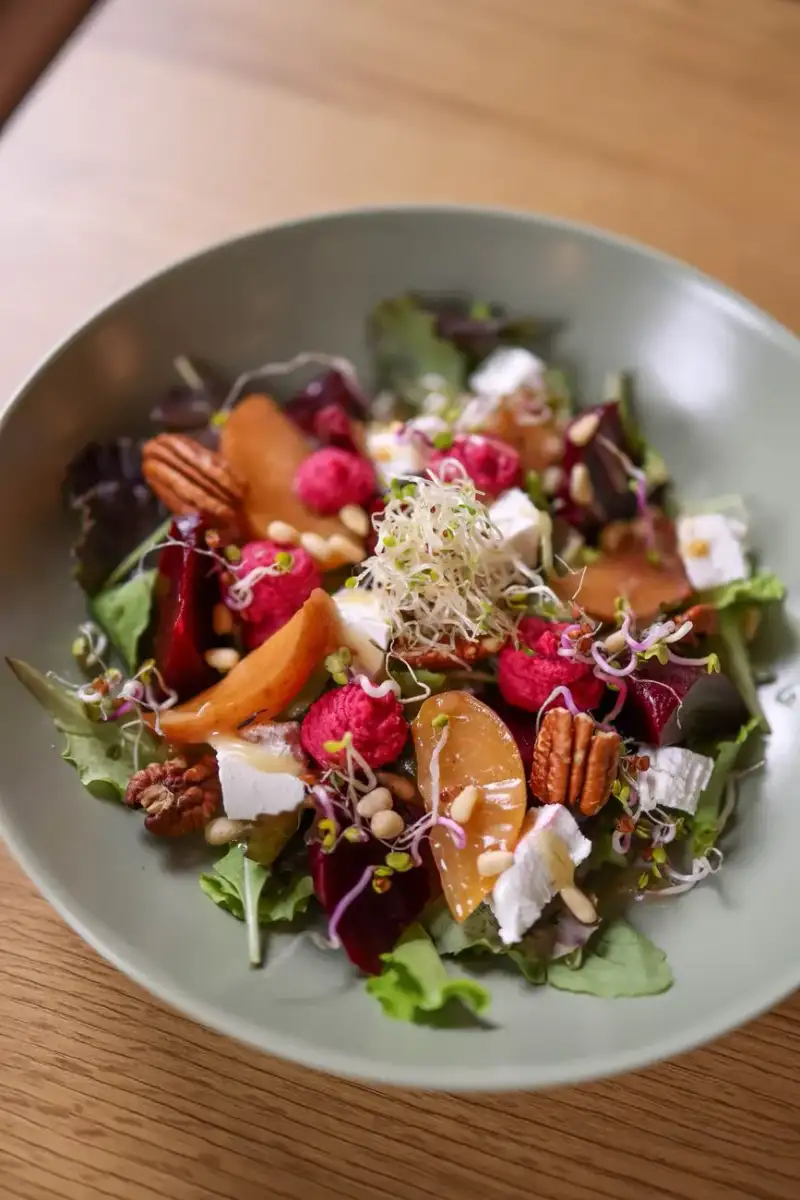

As a culinary and health blogger, I am thrilled to introduce you to one of Russia's most beloved salads, the Vinaigrette Salad, also known as Vinegret. This vibrant and flavorful dish is not only a staple in Russian cuisine but also a powerhouse of high fiber ingredients, making it an excellent addition to a healthy diet. In this article, we will delve into the rich history and cultural significance of the Vinaigrette Salad, explore the numerous health benefits of its high fiber ingredients, and provide a simple and delicious recipe to make this salad at home. Introduction to Russian Vinaigrette Salad The Vinaigrette Salad has been a cornerstone of Russian cuisine for centuries, with its origins dating back to the 19th century. This salad is typically made with a combination of cooked beets, potatoes, carrots, and peas, mixed with sauerkraut and dressed with a vinaigrette sauce. The beauty of this salad lies in its simplicity and versatility, as it can be served as a side dish, a light lunch, or even as a topping for other Russian dishes.The Vinaigrette Salad is more than just a delicious dish; it's a reflection of Russian culture and tradition. It's a symbol of hospitality, community, and the importance of sharing meals with loved ones. In Russia, it's common to see this salad served at family gatherings, holidays, and special occasions, where it's often accompanied by other traditional dishes, such as borscht, pelmeni, and blini. Health Benefits of High Fiber Ingredients According to recent studies, a high fiber diet can have numerous health benefits, including promoting digestive health, supporting healthy blood sugar levels, and even aiding in weight management. The ingredients in the Vinaigrette Salad are rich in fiber, making it an excellent addition to a healthy diet. Beets, for example, are a rich source of dietary fiber, containing both soluble and insoluble fiber. Soluble fiber can help lower cholesterol levels and regulate blood sugar levels, while insoluble fiber can help promote digestive health and prevent constipation.Potatoes are another high fiber ingredient in the Vinaigrette Salad, containing both soluble and insoluble fiber. Potatoes are also rich in antioxidants, vitamins, and minerals, making them a nutrient-dense food. Carrots, peas, and sauerkraut are also high in fiber and antioxidants, making them excellent additions to this salad. The Importance of Fiber in Our Diet Research on high fiber shows that a diet rich in fiber can have numerous health benefits, including reducing the risk of chronic diseases, such as heart disease, type 2 diabetes, and certain types of cancer. Fiber can also help promote satiety, making it easier to maintain a healthy weight. The American Heart Association recommends consuming at least 25-30 grams of fiber per day, but the average American consumes only about 15 grams of fiber per day.The Vinaigrette Salad is an excellent way to increase your daily fiber intake, with a single serving providing approximately 10-12 grams of fiber. By incorporating this salad into your diet, you can help promote digestive health, support healthy blood sugar levels, and even aid in weight management. Recipe: Russian Vinaigrette Salad with Beets and Potatoes To make this delicious and healthy salad, you will need the following ingredients:2 large beets 2 large potatoes 1 cup of carrots 1 cup of peas 1/2 cup of sauerkraut 1/4 cup of olive oil 2 tablespoons of apple cider vinegar Salt and pepper to tastePreheat your oven to 400F. Wrap the beets and potatoes in foil and bake for 40 minutes, or until they are tender. Allow them to cool before peeling and chopping them into bite-sized pieces.Chop the carrots and sauerkraut, and mix them with the cooked beets and potatoes. In a small bowl, whisk together the olive oil and apple cider vinegar, and pour the dressing over the salad. Season with salt and pepper to taste. Serving and Storage The Vinaigrette Salad can be served immediately, garnished with fresh herbs, such as parsley or dill. It can also be stored in the refrigerator for up to 3 days, making it an excellent make-ahead dish. This salad is perfect for meal prep, as it can be easily portioned out and taken on-the-go.In conclusion, the Russian Vinaigrette Salad is a delicious and healthy dish that is rich in high fiber ingredients. With its numerous health benefits and versatility, it's an excellent addition to any diet. By following this simple recipe, you can create a tasty and nutritious salad that's perfect for any occasion. #HealthyLiving #Gastronomy #HighFiberDiet Related InsightsKibbeh: The Spiced Meat and Bulgur Masterpiece Unveiling Injera: Why This Sour, Spongy Ethiopian Staple Is the World's Most Underrated Superfood (And How to Master It) The Probiotic Powerhouse: Vegan German Sauerkraut and Lentil Stew{ "@context": "https://schema.org", "@type": "FAQPage", "mainEntity": [ { "@type": "Question", "name": "What is the main focus of Russian Vinaigrette Salad: A High Fiber Masterpiece?", "acceptedAnswer": { "@type": "Answer", "text": "Explore the world of Russian cuisine with our high fiber Russian Vinaigrette Salad recipe, featuring beets and potatoes, and discover its numerous health benefits." } }, { "@type": "Question", "name": "Who authored the comprehensive guide on Russian Vinaigrette Salad: A High Fiber Masterpiece?", "acceptedAnswer": { "@type": "Answer", "text": "This detailed article and its insights were carefully researched and authored by Elena Volkova." } }, { "@type": "Question", "name": "Where can I find more related content about Food?", "acceptedAnswer": { "@type": "Answer", "text": "You can explore more articles, detailed reviews, and similar insights by browsing the Related Insights section at the bottom of this article or visiting our dedicated Food category page." } } ] }
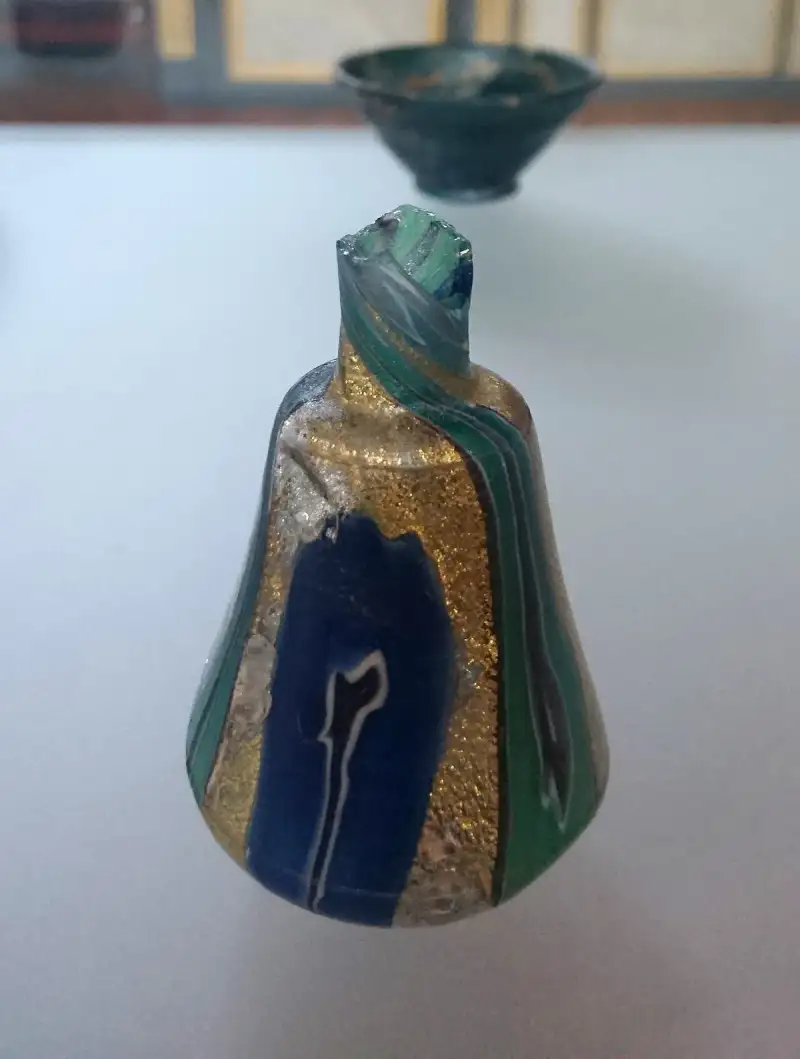
- 06 Jul, 2026 09:04
The Ambrosial Alchemist's Secret: Unearthing Oxymel's Ancient Culinary Resurgence
Imagine a time when the boundary between medicine and cuisine blurred, where a single, versatile concoction could soothe ailments, invigorate the spirit, and elevate a simple meal to a feast. This isn't a fantasy from a forgotten age, but the very real legacy of oxymel, an ancient elixir poised for a magnificent culinary renaissance. While familiar culinary stalwarts like olive oil or wine have endured for millennia, oxymel – a deceptively simple blend of honey and vinegar – slipped into the shadows, a quiet whisper in history's vast gastronomic archives. But as modern palates crave authenticity, functionality, and a connection to our culinary past, this sweet-sour tonic is once again stepping into the limelight, revealing its profound depth and versatility far beyond the apothecary's shelf. We are not merely revisiting a historical footnote; we are uncovering a sophisticated, multi-faceted ingredient that predates many of our cherished culinary staples. Oxymel is more than a recipe; it's a testament to ancient wisdom, a bridge between nature's bounty and human ingenuity, and a harbinger of flavor complexities that will challenge and delight the contemporary chef and home cook alike. A Potion of Paradox: Tracing Oxymel's Ancient Lineage The story of oxymel begins not in a bustling marketplace, but in the contemplative chambers of ancient philosophers and healers. Its very name, derived from the Greek oxys (acid) and meli (honey), succinctly defines its core components. While its precise origin is nebulous, medical texts from ancient Greece provide the earliest substantive accounts of its widespread use. Hippocrates, the "Father of Medicine," frequently prescribed oxymel, recognizing the synergistic properties of honey's soothing and antimicrobial qualities combined with vinegar's digestive and cleansing attributes. For the Greeks, it was a panacea, a tonic for respiratory ailments, a digestive aid, and even a fortifying drink for athletes. As Hellenic influence spread, so too did the knowledge of oxymel. The Roman Empire adopted and adapted it, moving it from a purely medicinal context into the realm of daily life and culinary art. Roman gastronomes, renowned for their innovative and often opulent cuisine, saw the potential of oxymel not just as a health tonic but as a foundational flavoring agent. They experimented with different vinegars – wine vinegar being particularly popular – and infused the mixture with a vast array of herbs, spices, and even sea salt. It was used to preserve foods, flavor game meats, dress salads, and create refreshing beverages, a precursor to modern shrubs and cordials. This was not merely a drink; it was an integral part of their flavor matrix, offering a complexity that balanced the richness of their dishes.Through the Medieval period and into the Renaissance, oxymel continued its quiet existence, primarily within monastic orders and folk medicine. While its widespread culinary prominence waned with the rise of new spices and the increasing availability of sugar, apothecaries and herbalists maintained its tradition. They customized oxymels with specific botanical infusions – sage for memory, lavender for calm, ginger for digestion – transforming it into a personalized remedy for a myriad of conditions. It was a time when the kitchen and the clinic were often one and the same, and oxymel epitomized this integrated approach to well-being and sustenance. Its eventual fade from common knowledge can be attributed to several factors: the industrialization of food, the commercialization of pharmaceuticals, and a general cultural shift away from traditional, slow-crafted remedies. Sugar became cheap and ubiquitous, offering an instant sweetness that bypassed the nuanced complexity of honey and vinegar. The convenience of pre-packaged medicines replaced the art of herbal compounding. Oxymel became a relic, an intriguing mention in dusty old texts, awaiting rediscovery. The Alchemy of Sweet and Sour: Flavor and Functionality At its heart, oxymel is a symphony of two seemingly opposing forces: the unctuous sweetness of honey and the sharp acidity of vinegar. Yet, when combined, especially over time, they undergo a subtle alchemy. The vinegar cuts through the cloying nature of honey, while the honey mellows the vinegar's harsh edge, resulting in a balanced, multifaceted flavor profile that is simultaneously invigorating and soothing. The choice of ingredients dramatically influences the final character.Honey: Raw, unfiltered honey brings with it a complex bouquet of floral notes, terroir, and beneficial enzymes. Wildflower honey offers a gentle sweetness, while buckwheat honey introduces a darker, more robust, almost molasses-like depth. Manuka honey, renowned for its potent antimicrobial properties, can elevate an oxymel into a truly functional tonic. Vinegar: The type of vinegar is equally crucial. Raw, unfiltered apple cider vinegar (ACV) is a popular modern choice, known for its "mother" – a symbiotic colony of bacteria and yeast that contributes probiotics and a distinct fruity tang. White wine vinegar provides a crisp, clean acidity, while red wine vinegar lends a richer, more robust flavor. Balsamic vinegar, with its aged complexity, can create a deeply savory and sweet oxymel, perfect for specific gourmet applications. Rice vinegar offers a milder, slightly sweeter option.But the true magic often lies in the infusions. This is where the ancient practice truly shines and modern creativity can take flight. Herbs, spices, fruits, and even vegetables can be steeped in the honey-vinegar mixture, imparting their essences and medicinal properties.Herbal Oxymels: Rosemary for a savory, aromatic blend; thyme for respiratory support; ginger for warmth and digestion; lavender for a delicate floral note; mint for refreshment. Fruited Oxymels: Berries (raspberries, blueberries) for vibrant color and fruity tartness; citrus peels for bright, zesty notes; figs or dates for a deeper, caramelized sweetness. Spiced Oxymels: Cinnamon, star anise, cloves, or cardamom can transform oxymel into a complex, aromatic syrup, ideal for desserts or warming beverages.The fermentation process, albeit a mild one depending on the raw ingredients, further develops these flavors. The acetic acid in vinegar acts as a powerful solvent, extracting compounds from the infused botanicals that might not be soluble in water or alcohol alone. This results in a potent, flavor-dense elixir that captures the very essence of its components. Modern Resurgence: From Apothecary to Avant-Garde Kitchen The modern culinary world is in a constant state of evolution, cycling through trends that often look to the past for inspiration. Oxymel's re-emergence is no accident; it aligns perfectly with several contemporary movements: the farm-to-table ethos, the craft cocktail revolution, the growing interest in fermented foods, and a holistic approach to health and wellness. Chefs and mixologists are rediscovering oxymel not just as a historical curiosity, but as a dynamic ingredient capable of adding layers of complexity to both sweet and savory dishes. Its unique sweet-sour profile offers a sophisticated alternative to simple sugar syrups or plain vinegars. Culinary Applications Reimagined:Vinaigrettes and Dressings: A basic oxymel can form the base of an extraordinary salad dressing. Imagine a fig-infused oxymel drizzled over a goat cheese salad with walnuts, or a rosemary-garlic oxymel enhancing roasted vegetables. Its natural emulsifying properties with oil create a wonderfully smooth texture. Marinades and Glazes: The acidity of oxymel tenderizes meats and fish, while the honey creates a beautiful caramelization. A ginger-chili oxymel could be an exquisite marinade for grilled chicken or pork, imparting both heat and sweetness. Gourmet Beverages: This is where oxymel truly shines in the craft scene. Shrubs/Drinking Vinegars: Oxymel is a natural evolution, offering a softer, more nuanced base. A berry-infused oxymel mixed with sparkling water makes for a refreshing, probiotic-rich soda. Cocktails/Mocktails: Oxymels can replace simple syrups or provide a unique sour element. A lavender oxymel in a gin fizz, or a lemon-ginger oxymel in a bourbon smash, offers an adventurous twist.Sauces and Reductions: Reducing an oxymel with fruit juices or broths can create intensely flavorful sauces for pan-seared duck, pork loin, or even plant-based dishes. A balsamic-infused oxymel reduction can elevate a gourmet cheese board. Dessert Enhancements: While primarily savory, certain oxymels can be surprisingly delightful in desserts. A spiced oxymel drizzled over vanilla ice cream or a fruit salad, or incorporated into a poaching liquid for pears, adds an unexpected depth.Crafting Your Own Oxymel: A Journey of Discovery Making oxymel at home is a wonderfully rewarding process, allowing for endless experimentation and personalization. The basic ratio is typically 1:1 or 2:1 honey to vinegar, but this can be adjusted to taste. Basic Oxymel Recipe:Ingredients:1 part raw, unfiltered honey (e.g., 1 cup) 1 part raw, unfiltered apple cider vinegar (e.g., 1 cup) Optional: Fresh or dried herbs, spices, fruits, or roots (e.g., 1/4 cup fresh ginger slices, 2 sprigs rosemary, 1/2 cup berries)Instructions:Prepare Infusions (Optional): If using fresh ingredients, roughly chop or bruise them to release their flavors. For dried herbs, ensure they are clean. Combine: In a clean glass jar, combine your chosen infusions (if any) with the honey and vinegar. Stir well to thoroughly combine the honey and vinegar. Steep: Cover the jar with a lid (preferably plastic, as vinegar can corrode metal over time, or place parchment paper under a metal lid). Store in a cool, dark place for 2-4 weeks. Shake or stir daily for the first week to ensure the ingredients are well mixed and the honey fully dissolves into the vinegar. Strain: After steeping, strain the oxymel through a fine-mesh sieve or cheesecloth, pressing out all the liquid from the solids. Store: Pour the finished oxymel into a clean, airtight bottle. It will keep for several months, if not indefinitely, in a cool, dark pantry.Tips for Experimentation:Herbal Blends: Combine complementary herbs, like lemon balm and rose petals for a calming oxymel, or oregano and garlic for a potent culinary base. Spicy Kicks: Add thinly sliced jalapeños or a pinch of cayenne pepper during infusion for a fiery oxymel perfect for grilling marinades. Seasonal Fruits: Experiment with seasonal berries, stone fruits, or even melon rinds for unique fruity oxymels.The beauty of homemade oxymel lies in its adaptability. Each batch can be a unique expression of your creativity and the flavors of the season. The Future is Flavored by the Past Oxymel's journey from an ancient panacea to a forgotten curiosity and now to a celebrated culinary ingredient is a testament to the enduring power of simple, natural foods. In an age saturated with artificial flavors and overly processed ingredients, there is a profound satisfaction in reconnecting with methods and flavors that have sustained humanity for millennia. As we continue to explore the vast and often overlooked corners of culinary history, oxymel serves as a shining example of a time-honored tradition perfectly suited for modern palates and contemporary kitchens. It challenges us to look beyond the obvious, to appreciate the delicate balance of contrasting elements, and to embrace the rich, nuanced flavors that emerge when ancient wisdom meets modern ingenuity. So, uncork a bottle, stir up a batch, and let the ambrosial alchemy of oxymel transform your cooking, one sweet-sour drop at a time.#Oxymel #AncientElixir #CulinaryRevival #HistoricalRecipes #GourmetTonic Related InsightsMiddle Eastern Mezze Beyond Turkish: Authentic Lebanese and Syrian Small Plates The Ultimate High-Fiber Whole Grain Shepherd's Pie with Lentil Topping Caprese Salad: A Symphony of Flavors and Antioxidants{ "@context": "https://schema.org", "@type": "FAQPage", "mainEntity": [ { "@type": "Question", "name": "What is the main focus of The Ambrosial Alchemist's Secret: Unearthing Oxymel's Ancient Culinary Resurgence?", "acceptedAnswer": { "@type": "Answer", "text": "Journey through the millennia to discover oxymel, the sweet-sour honey-vinegar tonic, from its ancient medicinal roots to its unexpected re-emergence in contemporary gastronomy." } }, { "@type": "Question", "name": "Who authored the comprehensive guide on The Ambrosial Alchemist's Secret: Unearthing Oxymel's Ancient Culinary Resurgence?", "acceptedAnswer": { "@type": "Answer", "text": "This detailed article and its insights were carefully researched and authored by Demir Sef." } }, { "@type": "Question", "name": "Where can I find more related content about Food?", "acceptedAnswer": { "@type": "Answer", "text": "You can explore more articles, detailed reviews, and similar insights by browsing the Related Insights section at the bottom of this article or visiting our dedicated Food category page." } } ] }
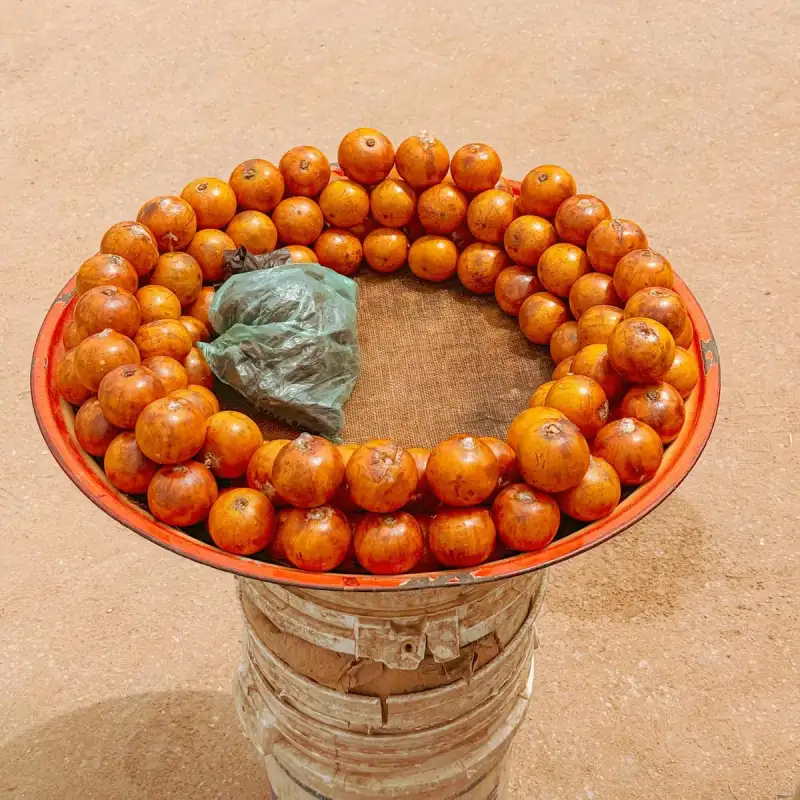
Mafe, a dish so quintessentially West African, its very name evokes a sensory journey through the bustling markets and aromatic kitchens of the region. This rich peanut stew, born from the cultural melting pot of West Africa, is a testament to the continent's incredible diversity and gastronomic richness. As we delve into the world of Mafe, we find ourselves immersed in a narrative of tradition, innovation, and community, all bound together by the universal language of food. Introduction to Mafe Mafe, also known as groundnut stew, is a beloved dish across West Africa, particularly in countries such as Senegal, The Gambia, Mali, and Guinea. The name "Mafe" itself is derived from the Wolof language, spoken in Senegal and The Gambia, and translates to "peanut" or "groundnut." This stew is characterized by its thick, velvety sauce made from ground peanuts, which serves as the foundation for an array of vegetables, meats, and spices. The preparation of Mafe is an art form, requiring patience, skill, and a deep understanding of the nuances of flavor and texture.History and Cultural Significance The history of Mafe is intertwined with the history of peanuts in West Africa. Introduced by Portuguese traders in the 16th century, peanuts quickly became a staple crop, valued for their nutritional richness and versatility. Over time, peanuts were incorporated into various local dishes, eventually giving birth to Mafe. This stew became an integral part of West African cuisine, often served at special occasions such as weddings, holidays, and community gatherings. Mafe's significance extends beyond its role as a nourishing meal; it symbolizes hospitality, generosity, and the bonds of community. Ingredients and Preparation At its core, Mafe consists of a rich peanut sauce, meat or fish, and an assortment of vegetables. The peanut sauce, the backbone of the dish, is made by grinding roasted peanuts into a smooth paste, which is then cooked in oil and mixed with onions, garlic, ginger, and a variety of spices. The choice of meat can vary, with beef, lamb, chicken, and fish being popular options. Vegetables such as potatoes, carrots, and cassava add depth and texture to the stew. The slow-cooking process allows the flavors to meld together, creating a complex and aromatic broth that is both comforting and exhilarating.Regional Variations Despite its shared roots, Mafe has evolved differently across West Africa, reflecting local preferences and ingredient availability. In Senegal, for example, Mafe is often made with beef or lamb, and the sauce is thicker and more intense. In The Gambia, fish is a common protein, reflecting the country's coastal location. These variations not only highlight the dish's adaptability but also its resilience and capacity to thrive in diverse culinary environments. Health Benefits and Nutrition Mafe is more than just a flavorful dish; it is a nutritious meal that provides a significant amount of protein, healthy fats, and fiber. Peanuts, the main ingredient, are rich in vitamins E and B3, and minerals like magnesium and potassium. The variety of vegetables adds vitamins, minerals, and antioxidants, making Mafe a well-rounded and healthy option. This stew is also relatively affordable and accessible, making it a staple in many West African households.Conclusion Mafe, the rich peanut stew of West Africa, is a culinary masterpiece that embodies the spirit of community, tradition, and innovation. Its rich history, cultural significance, and nutritional value make it a dish that resonates deeply with people from all walks of life. As we explore the diverse culinary landscapes of West Africa, Mafe stands out as a shining example of the region's gastronomic wealth and the power of food to unite and inspire. #WestAfricanCuisine #MafeRecipe #PeanutStew #AfricanFood #TraditionalDishes #FoodHistory #CulturalHeritage #NutritiousMeals #GlobalCuisine Related InsightsIl Macco di Fave Secche: Un Viaggio Nel Cuore Pulsante e Dimenticato Della Gastronomia Siciliana From Forest Floor to Flavor Lab: The Evolution of Umami in Vegan Stock The Fifth Element: How a Bowl of Seaweed Broth Rewrote the Language of Flavor{ "@context": "https://schema.org", "@type": "FAQPage", "mainEntity": [ { "@type": "Question", "name": "What is the main focus of Mafe: The Rich Peanut Stew of West Africa?", "acceptedAnswer": { "@type": "Answer", "text": "Discover the deep cultural roots, authentic flavors, and history of Mafe: The Rich Peanut Stew of West Africa." } }, { "@type": "Question", "name": "Who authored the comprehensive guide on Mafe: The Rich Peanut Stew of West Africa?", "acceptedAnswer": { "@type": "Answer", "text": "This detailed article and its insights were carefully researched and authored by Amara Ndiaye." } }, { "@type": "Question", "name": "Where can I find more related content about Food?", "acceptedAnswer": { "@type": "Answer", "text": "You can explore more articles, detailed reviews, and similar insights by browsing the Related Insights section at the bottom of this article or visiting our dedicated Food category page." } } ] }
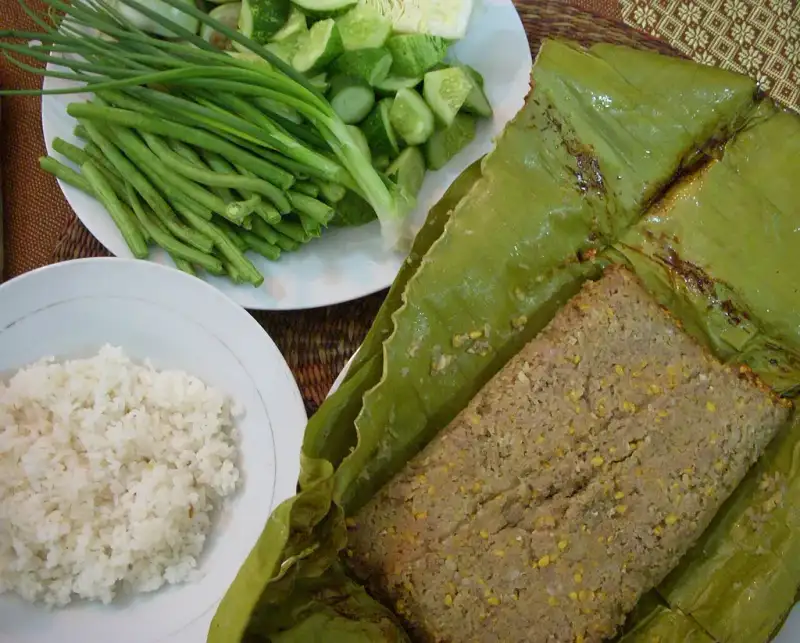
There are culinary experiences that merely delight the palate, and then there are those that challenge the very boundaries of gastronomic perception, forcing a reconsideration of what food can be. Prahok, the legendary fermented fish paste of Cambodia, undeniably belongs to the latter category. For the uninitiated, its potent, almost aggressive aroma can be an immediate deterrent, a primal alarm signaling something foreign, perhaps even alarming. Yet, for millions of Khmers, Prahok is not just food; it is the very soul of their cooking, an indispensable, revered cornerstone of their culinary identity, embodying history, struggle, and an unwavering connection to the land and water. To truly understand Prahok is to embark on a sensory and cultural journey far removed from the sanitized aisles of modern supermarkets. It is to wade into the muddy banks of the Tonle Sap, to witness the chaotic ballet of fishermen at harvest, and to appreciate the ingenious alchemy of preservation born out of necessity centuries ago. This is not a mere condiment; it is a repository of tradition, a testament to resourcefulness, and a polarizing delicacy that defines Cambodian tables more profoundly than any other single ingredient. The Ancestral Whispers: A History Woven in Salt and Fish The origins of fermentation are as old as humanity's struggle against spoilage. In Southeast Asia, where tropical climates accelerate decay, methods of preserving highly perishable protein sources like fish became paramount. Prahok, in its most fundamental form, is the ingenious solution devised by the Khmer people to harness the annual bounty of the Tonle Sap and Mekong River systems, ensuring sustenance through lean seasons. Centuries before refrigeration, communities relied on salting, drying, and fermenting. The Tonle Sap, a unique hydrological marvel that reverses its flow annually, floods vast plains, providing an unparalleled breeding ground for freshwater fish. When the waters recede, the fish are caught in staggering numbers. Faced with an abundance that could not be consumed fresh, the ancestors of modern Cambodians turned to a time-honored technique: controlled decomposition. Early forms of Prahok likely emerged from simple practices of salting fish and burying them in earthenware jars, allowing natural enzymes and microbes to work their magic. Over generations, this process was refined, becoming the complex, multi-stage fermentation we recognize today. It was not merely about preventing rot but about transforming the fish into something entirely new – a concentrated source of umami, packed with flavor and nutrients, capable of enduring for months, even years. Prahok thus became the bedrock of the Khmer diet, a stable, accessible source of protein and flavor, particularly crucial during times of war, famine, and displacement, which have tragically marked much of Cambodian history. Its very existence is a testament to the resilience and ingenuity of a people who have learned to thrive in harmony with their environment, making the most of its cyclical gifts. The Art and Alchemy: Crafting the Essence of Khmer Cuisine The making of Prahok is a communal and often festive affair, deeply ingrained in the annual rhythm of rural Cambodian life. It typically begins after the peak fishing season, usually between December and February, when the waters are receding, and fish are plentiful and robust. The process, while seemingly straightforward, requires skilled hands and an understanding of the subtle nuances of fermentation. First, immense quantities of small freshwater fish, often varieties like trey riel, are meticulously cleaned. This involves removing scales, guts, and sometimes heads, though regional variations exist. The cleaned fish are then crushed or pounded into a paste – traditionally by hand or foot, in large wooden mortars, a laborious task often shared by many. This crushing is crucial; it breaks down the fish muscle and exposes more surface area for salt penetration and microbial activity. Next comes the salting. A generous amount of salt is mixed thoroughly with the fish paste. The precise ratio varies by family and region, a closely guarded secret passed down through generations. The salt not only draws out moisture, inhibiting spoilage bacteria, but also kickstarts the fermentation by favoring salt-tolerant microbes. The salted paste is then packed tightly into large earthenware jars, clay pots, or sometimes even concrete vats, ensuring no air pockets remain.The jars are sealed, often with a layer of banana leaves or a heavy lid, and left to ferment in a cool, dark place for several months, sometimes up to a year or more. During this period, enzymes within the fish, along with beneficial bacteria, break down the fish proteins and fats, creating a complex array of amino acids and fatty acids that contribute to Prahok's distinctive flavor and aroma. The characteristic pungency develops as sulfur compounds are formed, a hallmark of fermented fish products across Asia. Some traditions involve sun-drying the fish slightly before salting, or adding other ingredients like roasted rice powder or spices, leading to different grades and flavors of Prahok, each with its own specific culinary application. The careful monitoring of temperature and humidity is vital, as is the patience of the makers, understanding that time is the ultimate ingredient. More Than a Condiment: Prahok's Place at the Cambodian Table To dismiss Prahok as a mere "fish paste" is to profoundly misunderstand its culinary role. It is not just an ingredient; it is the fundamental flavor base for countless Cambodian dishes, performing a similar function to fish sauce in Thai or Vietnamese cuisine, but with a far more robust, earthy, and complex profile. Prahok provides the deep umami, the salty anchor, and the signature funk that defines Khmer cooking. One of the most common ways Prahok is consumed is as a dip or relish. Prahok ktis is a beloved dish where minced pork is cooked with Prahok, coconut milk, eggplant, and chilies, resulting in a creamy, savory, and spicy dip often served with fresh vegetables like cucumbers, raw cabbage, and long beans. Another popular preparation is Prahok chien, where the paste is stir-fried with pork or beef, garlic, and chilies until caramelized, intensifying its flavors. This fiery dish is typically eaten with plain white rice and a mountain of fresh herbs. Prahok also serves as a crucial flavoring agent in soups and curries. A classic example is Samlor Korko, a hearty mixed vegetable soup often featuring slices of fresh fish or pork, flavored heavily with Prahok, creating a rich, deeply savory broth. It's often added to marinades for grilled meats or fish, imparting a depth that is unmistakable. Even in dishes where its presence is subtle, Prahok provides that essential "Khmerness," a foundational layer of flavor that would be conspicuously absent without it. Its versatility is such that it can be roasted, fried, steamed, or eaten raw (if meticulously prepared and traditionally aged), showcasing its adaptability across the entire culinary spectrum. with fresh garden vegetables and steamed rice, rustic setting) Cultural Crossroads: Identity, Poverty, and Global Palates Prahok's omnipresence in Cambodian cuisine is inextricably linked to the nation's history and socioeconomic realities. For centuries, Prahok was a vital source of protein for the rural poor, offering an affordable, shelf-stable alternative to fresh meat or fish. Its production also created livelihoods, from the fishermen to the families involved in its painstaking preparation. During the brutal Khmer Rouge regime, when resources were scarce and people were forced into agricultural labor, Prahok, often scavenged or made in secret, became a critical survival food, a grim testament to its enduring importance. This history further imbues Prahok with a profound cultural resonance, making it a symbol of resilience and survival. However, Prahok also stands at a fascinating cultural crossroads. While revered domestically, its pungent aroma and intense flavor profile can be challenging for non-Khmer palates, even among other Southeast Asian cultures accustomed to fermented fish products. This has led to Prahok being a defining, yet sometimes divisive, marker of Cambodian identity, both celebrated internally and occasionally misunderstood externally. In the modern era, the artisanal production of Prahok faces new challenges. Traditional methods are labor-intensive, and the younger generation, drawn to urban opportunities, may not always embrace the arduous process. Environmental concerns, such as overfishing, pollution, and climate change impacting the Tonle Sap's delicate ecosystem, threaten the very fish stocks necessary for Prahok production. The rise of industrial-scale production also raises questions about quality, authenticity, and the preservation of traditional knowledge. Yet, there is also a burgeoning appreciation. As global culinary explorers delve deeper into niche and authentic flavors, Prahok is slowly finding its way onto more adventurous menus outside Cambodia. Chefs are beginning to experiment with its umami depth, using it sparingly to add complexity, much like how anchovy paste or aged cheese is used in Western cuisine. This growing recognition offers a glimmer of hope for the continuation of this ancient craft, perhaps even inspiring new generations to reconnect with this vital piece of their heritage. The Future of Funk: Preserving a Culinary Legacy The future of Prahok, like many traditional foods, hangs in a delicate balance between modernization and preservation. Efforts are needed to support the artisanal producers, ensuring fair trade practices and promoting sustainable fishing methods. Educating younger generations about the cultural significance and intricate craft of Prahok making is crucial to prevent its knowledge from fading. Furthermore, innovative approaches to marketing and presenting Prahok to a wider audience, without compromising its authenticity, could help secure its place in the global culinary landscape. For the adventurous eater, approaching Prahok requires an open mind and a willingness to transcend preconceived notions of taste. Start by trying it in dishes where its flavor is integrated rather than raw or dominant. Embrace the intensity, appreciate the history, and understand that beneath the challenging aroma lies a depth of flavor and a story of survival that few ingredients can match. Prahok is more than just fermented fish; it is the enduring heartbeat of Cambodian cuisine, a symbol of a people's enduring connection to their past, their land, and their unwavering spirit. To taste Prahok is to taste Cambodia itself, in all its complexity, resilience, and profound beauty.#CambodianCuisine #Prahok #FermentedFoods #KhmerFood #CulinaryHeritage Related InsightsThe Fifth Dimension of Flavor: How a Bowl of Seaweed Broth Rewrote the History of Taste Ndambe: The Comforting Black-Eyed Pea Stew Turning Kitchen Scraps into Gourmet Gold: The Zero‑Waste Revolution{ "@context": "https://schema.org", "@type": "FAQPage", "mainEntity": [ { "@type": "Question", "name": "What is the main focus of Prahok: The Fermented Soul of Cambodia's Culinary Identity?", "acceptedAnswer": { "@type": "Answer", "text": "Unravel the complex history, cultural significance, and intricate craft of Prahok, Cambodia's polarizing yet indispensable fermented fish paste. Beyond its pungent aroma, discover a symbol of resilience, heritage, and the true essence of Khmer cuisine." } }, { "@type": "Question", "name": "Who authored the comprehensive guide on Prahok: The Fermented Soul of Cambodia's Culinary Identity?", "acceptedAnswer": { "@type": "Answer", "text": "This detailed article and its insights were carefully researched and authored by Demir Şef." } }, { "@type": "Question", "name": "Where can I find more related content about Food?", "acceptedAnswer": { "@type": "Answer", "text": "You can explore more articles, detailed reviews, and similar insights by browsing the Related Insights section at the bottom of this article or visiting our dedicated Food category page." } } ] }
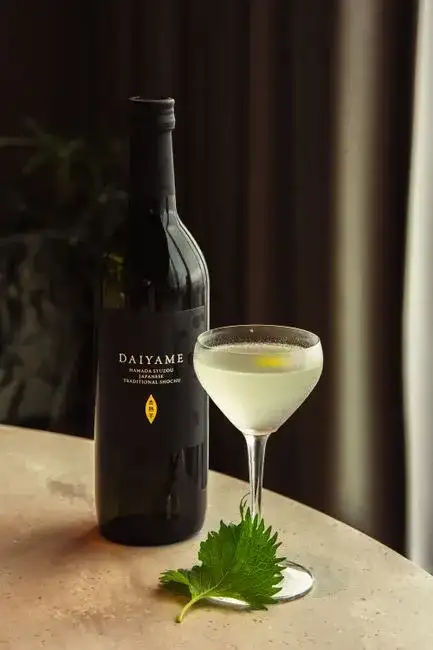
- Chloe Blanc
- 06 Jul, 2026 05:54
Le Garum Oublié : Voyage au Cœur de l'Umami Antique et de ses Résurrections Modernes
Le soleil mordant d'une côte méditerranéenne antique, l'air salé chargé d'une odeur insistante, presque entêtante, un mélange de mer, de chair et d'une fermentation profonde. Cette fragrance, loin d'être un désagrément, était le souffle même de la richesse, l'arôme entêtant d'un empire. Imaginez un condiment si omniprésent qu'il traversait toutes les couches de la société, de la table la plus humble du plébéien à la fastueuse cena de l'empereur, un liquide doré et puissant capable de transformer les mets les plus simples en festins divins. Ce n'était pas l'huile d'olive, ni le vin, mais le garum, la saveur perdue de Rome, le précurseur oublié de ce que nous appelons aujourd'hui l'umami. Oubliez tout ce que vous pensiez savoir sur la cuisine romaine ; nous sommes sur le point de déterrer une histoire où le goût, la fortune et un processus de transformation des plus audacieux se rencontrent. L'Essence Oubliée : Qu'était le Garum ? Le garum, ou son cousin plus courant, le liquamen, était bien plus qu'une simple sauce. C'était l'âme liquide de la cuisine romaine, un exhausteur de goût fabriqué à partir de la fermentation de poissons (principalement des anchois, des maquereaux, des thons, des sardines) et de leurs entrailles, mélangés à une grande quantité de sel, le tout exposé au soleil pendant des semaines, voire des mois. Le processus était simple dans son principe, mais complexe dans son art et ses nuances. Les Romains utilisaient de grands récipients en pierre ou en argile, appelés cetariae, où des couches alternées de poissons entiers ou de leurs viscères, d'herbes aromatiques (origan, coriandre, fenouil) et de sel étaient soigneusement disposées. Le sel jouait un rôle crucial : non seulement il tirait l'humidité des poissons et stoppait la putréfaction, mais il favorisait également l'action d'enzymes spécifiques présentes dans les entrailles du poisson. Sous l'effet de la chaleur solaire, ces enzymes cassaient les protéines du poisson en acides aminés, créant ainsi un liquide riche en saveurs, doté d'une profondeur et d'une complexité incomparables. C'est ce processus qui libérait ce goût salé, charnu et profondément savoureux que nous identifions aujourd'hui comme l'umami. Il existait une véritable typologie du garum, avec des variantes pour tous les goûts et toutes les bourses. Le garum flos flos (fleur de garum) ou garum optimum était le produit le plus fin, obtenu à partir de la première pression, clair et aromatique. Des versions plus épaisses, avec des morceaux de poisson, étaient appelées allec. Le muria, quant à lui, était une saumure pure, souvent utilisée pour la conservation. La couleur variait du jaune clair au brun rougeâtre profond, et la saveur, si l'on en croit les rares textes qui la décrivent, était un mélange puissant de salé, d'acide, d'un soupçon d'amertume et d'une richesse umami qui saturait le palais. Au Cœur de la Table Romaine : Un Condiment Universel Le garum n'était pas un simple ingrédient ; c'était un mode de vie. Sa présence était si fondamentale qu'il était impensable d'imaginer une cuisine romaine sans lui. Il était utilisé à la place du sel dans de nombreux plats, mais sa complexité de saveurs le rendait bien plus qu'un simple assaisonnement. Les recettes du célèbre livre de cuisine d'Apicius, De Re Coquinaria, regorgent de références au garum. Il servait de base pour des sauces froides et chaudes, il relevait les légumes, le gibier, les fruits de mer et même certains desserts inattendus. Il était souvent mélangé à du vin, du vinaigre, du miel ou de l'huile d'olive pour créer des combinaisons sophistiquées. Les Romains aimaient les contrastes, et le garum, avec sa saveur intense, était l'allié parfait pour équilibrer l'acidité des agrumes, la douceur du miel ou l'amertume de certaines herbes. On l'utilisait pour mariner la viande, pour créer des bouillons savoureux, et même comme boisson énergisante, dilué avec de l'eau. Imaginez la surprise du palais moderne devant un plat sucré-salé-umami à la romaine, où le garum joue un rôle aussi central que le sucre dans nos pâtisseries. Son statut social était aussi varié que ses utilisations. Si les versions les plus raffinées étaient l'apanage des élites, échangées comme des cadeaux précieux entre provinces et monarques, le garum de base était un aliment de subsistance, accessible à tous. Les soldats en campagne portaient leurs rations de garum, et les travailleurs le consommaient quotidiennement pour accompagner leur pain et leurs légumes. Le garum était la démocratisation du goût, offrant à chacun, riche ou pauvre, une touche de saveur exquise. L'Économie du Goût : Une Industrie Florissante Derrière cette omniprésence culinaire se cachait une industrie massive et incroyablement lucrative. La production de garum était une entreprise de grande envergure, nécessitant d'importantes infrastructures et une main-d'œuvre considérable. Des usines dédiées, appelées officinae garum, s'étendaient le long des côtes de l'Empire romain, notamment en Hispanie (aujourd'hui l'Espagne et le Portugal), en Maurétanie (Afrique du Nord) et en Gaule. Le site archéologique de Baelo Claudia, en Espagne, en est un témoignage frappant. On y trouve des vestiges impressionnants de cuves de fermentation, parfois de plusieurs mètres cubes, alignées pour maximiser l'exposition au soleil. Ces usines étaient souvent implantées près des zones de pêche abondantes, afin de minimiser le transport des matières premières hautement périssables. La production était saisonnière, liée aux migrations des poissons, et nécessitait une organisation logistique impeccable pour gérer la récolte, la transformation et l'emballage. Le garum était ensuite transporté dans des amphores en terre cuite, souvent estampillées du nom du producteur ou de la région d'origine, agissant comme de véritables marques commerciales antiques. Ces amphores voyageaient sur d'immenses réseaux commerciaux, par voie maritime et terrestre, atteignant les confins de l'Empire. Le commerce du garum était si florissant qu'il a contribué à la richesse de certaines cités et de familles entières. C'était un produit de luxe et de première nécessité, un moteur économique qui soulignait l'ingéniosité romaine à exploiter les ressources naturelles et à satisfaire une demande insatiable de saveur.Le Voile de l'Oubli : La Disparition d'une Saveur Impériale Pourtant, malgré son importance capitale, le garum disparut presque entièrement de la scène culinaire occidentale avec la chute de l'Empire romain. Plusieurs facteurs peuvent expliquer son déclin. La désorganisation des routes commerciales et la fragmentation politique rendirent la production et le transport à grande échelle de plus en plus difficiles et coûteux. La réputation olfactive du garum, qui pouvait être... disons, prononcée, n'a sans doute pas aidé à sa survie dans des contextes urbains moins hygiéniques. De plus, les goûts évoluèrent. L'arrivée de nouvelles épices, le développement d'autres techniques de conservation et l'émergence de nouvelles cultures culinaires ont progressivement relégué le garum au rang de curiosité historique. Cependant, comme souvent avec les traditions culinaires, certaines bribes ont survécu. En Campanie, dans le sud de l'Italie, on trouve encore une spécialité appelée colatura di alici di Cetara, une sauce d'anchois fermentée qui est le descendant direct et vivant du garum romain. Produite selon des méthodes ancestrales, elle offre un aperçu fascinant de ce que pouvait être la saveur de son illustre ancêtre. C'est un testament silencieux à la persévérance des traditions, un murmure de l'Antiquité dans le tumulte du monde moderne. L'Umami Avant l'Umami : Parallèles Orientaux La disparition du garum en Occident contraste fortement avec la permanence et l'évolution des sauces de poisson fermentées en Orient. En Asie du Sud-Est, des condiments comme le nuoc mâm vietnamien, le nam pla thaïlandais ou le patis philippin sont des piliers indéfectibles de leurs cuisines respectives. Leurs méthodes de fabrication sont étonnamment similaires à celles du garum : poissons (souvent des anchois), sel, fermentation lente en présence d'enzymes, pour produire un liquide ambré riche en saveur umami. Ces sauces orientales sont l'incarnation même du cinquième goût, l'umami, découvert et théorisé par le scientifique japonais Kikunae Ikeda au début du XXe siècle. Ce goût, décrit comme "savoureux", "charnu" ou "délicieux", est caractérisé par la présence de glutamate, d'inosinate et de guanylate. Le garum antique, sans le savoir, était une bombe d'umami. Est-ce une simple coïncidence culturelle ? Ou y a-t-il eu des échanges ? L'idée d'une influence directe du garum romain sur les sauces de poisson asiatiques est difficile à prouver, car les traditions de fermentation de poisson existent indépendamment dans de nombreuses cultures depuis des millénaires. Cependant, les similitudes frappantes dans le processus et le produit final soulignent une compréhension universelle et intemporelle de la puissance de la fermentation pour extraire et concentrer les saveurs les plus profondes des aliments. C'est une convergence culinaire fascinante qui transcende les frontières géographiques et les époques.La Résurrection d'un Mythe : Le Garum à l'Ère Moderne Ces dernières décennies, avec l'intérêt croissant pour l'archéologie culinaire, l'histoire de la gastronomie et la quête de saveurs inédites, le garum a connu une forme de résurrection. Des historiens, des chefs et des passionnés ont entrepris de recréer cette sauce légendaire. Le défi est immense : reconstituer un goût avec des ingrédients modernes, sans les souches de bactéries spécifiques, les types de poissons exacts ou le contexte sensoriel complet de l'époque romaine. Des équipes de chercheurs ont analysé les résidus d'amphores antiques, étudié les textes d'auteurs comme Pline l'Ancien ou Dioscoride, et expérimenté diverses méthodes de fermentation. Certains chefs étoilés, poussés par une curiosité insatiable, ont commencé à produire leur propre "néo-garum", parfois en utilisant des poissons locaux, parfois en intégrant d'autres protéines (viande, champignons) dans le processus pour créer des saveurs umami originales. Ces tentatives modernes sont à la fois des hommages à l'ingéniosité romaine et des explorations audacieuses des limites du goût. Ces recréations ne sont peut-être pas une copie exacte de l'original, mais elles nous offrent un pont sensoriel vers le passé. Elles nous permettent d'imaginer, de goûter et de comprendre un peu mieux la sophistication et la diversité de la cuisine romaine, souvent stéréotypée comme étant simple ou "barbare". C'est une démarche qui va au-delà de la simple recette : c'est une réappropriation culturelle, une tentative de redonner vie à un patrimoine gustatif oublié. Au-delà du Goût : Une Réflexion sur l'Héritage Culinaire L'histoire du garum nous enseigne bien plus qu'une simple leçon de cuisine antique. Elle nous invite à une réflexion plus profonde sur notre rapport à la nourriture, à l'histoire et à la culture. Le garum est un puissant rappel que les saveurs, les techniques et les ingrédients voyagent à travers le temps et l'espace, se transformant, disparaissant et réapparaissant sous de nouvelles formes. Il souligne l'ingéniosité humaine face aux ressources disponibles et la capacité à transformer le "non comestible" en délice. Il nous montre que la quête de l'umami, de cette saveur profonde et satisfaisante, n'est pas une invention moderne mais une constante universelle de l'expérience culinaire. Enfin, l'exploration du garum nous pousse à nous interroger sur la nature de l'authenticité en cuisine. Faut-il recréer à l'identique, ou s'inspirer du passé pour innover ? La "cuisine du futur" ne résiderait-elle pas, paradoxalement, dans la redécouverte et la réinterprétation des saveurs et des techniques ancestrales ? Le garum est un testament liquide à cette idée, une capsule temporelle de saveurs qui continue de nous interpeller, des profondeurs de l'Antiquité jusqu'à nos tables contemporaines. Ne vous contentez pas d'imaginer, explorez. La cuisine n'est pas qu'une affaire de recettes, c'est une affaire de temps, de culture, de persévérance et de redécouverte. Le garum en est la preuve vivante, un testament à l'ingéniosité humaine et à la profondeur inattendue de nos papilles.#Garum #CuisineRomaine #UmamiAntique #Fermentation #HistoireCulinaire Related InsightsEchoes of the Andes: Unearthing the Lost Alchemy of Ancient Fermented Grains Hawawshi: The Spiced Meat Bread of Cairo L'Epopea Della Pizza: Un Viaggio Millenario Tra Impasti, Leggende e Conquiste Globali, Dal Cuore Bizantino di Gaeta all'Icona Gastronomica del Mondo{ "@context": "https://schema.org", "@type": "FAQPage", "mainEntity": [ { "@type": "Question", "name": "What is the main focus of Le Garum Oublié : Voyage au Cœur de l'Umami Antique et de ses Résurrections Modernes?", "acceptedAnswer": { "@type": "Answer", "text": "Plongez dans l'histoire fascinante du Garum, la sauce de poisson fermentée des Romains, et découvrez son impact sur la cuisine antique et ses échos contemporains." } }, { "@type": "Question", "name": "Who authored the comprehensive guide on Le Garum Oublié : Voyage au Cœur de l'Umami Antique et de ses Résurrections Modernes?", "acceptedAnswer": { "@type": "Answer", "text": "This detailed article and its insights were carefully researched and authored by Chloe Blanc." } }, { "@type": "Question", "name": "Where can I find more related content about Food?", "acceptedAnswer": { "@type": "Answer", "text": "You can explore more articles, detailed reviews, and similar insights by browsing the Related Insights section at the bottom of this article or visiting our dedicated Food category page." } } ] }
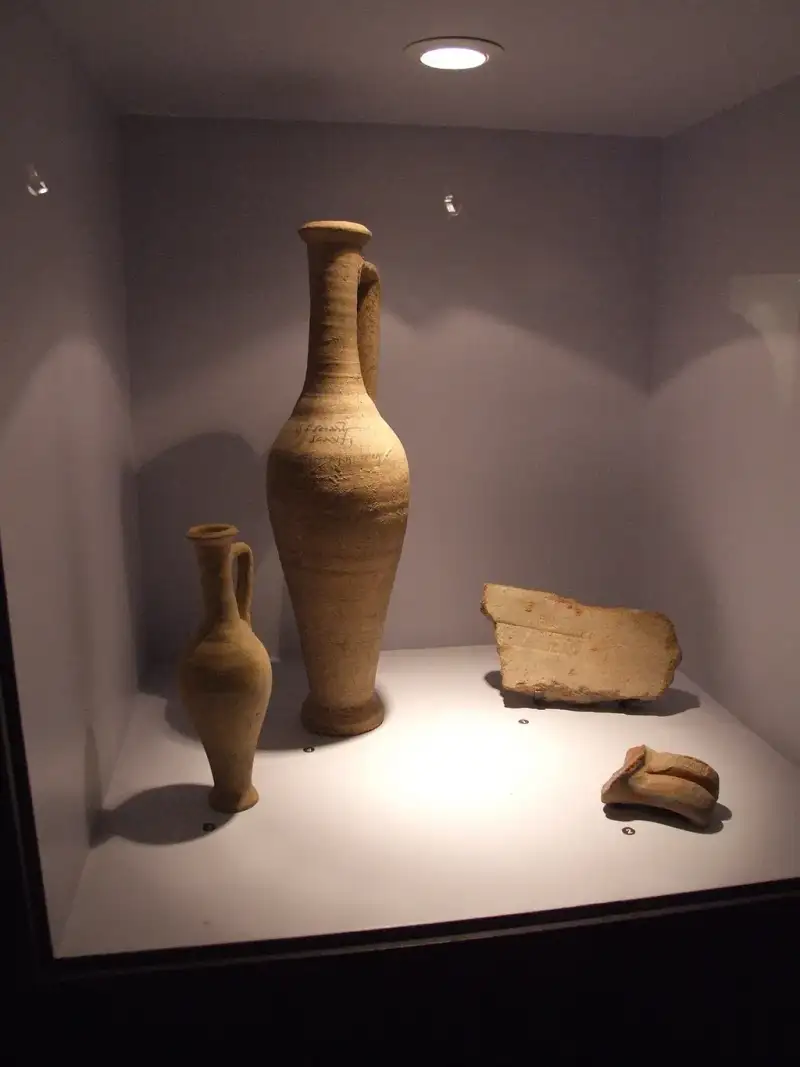
- Michael Chef
- 06 Jul, 2026 02:24
The Enigmatic Umami of Antiquity: Unearthing the Lost Flavors of Roman Garum
Imagine a condiment so potent, so universally adored across an empire stretching from the scorching sands of North Africa to the misty shores of Britannia, yet so utterly alien to contemporary taste that its very name conjures whispers of forgotten culinary dark arts. This is not the familiar umami of soy sauce or aged Parmesan; this is garum, the fermented fish sauce that defined the Roman palate, an economic powerhouse, and a culinary mystery that continues to intrigue historians and gastronomes alike. Forget what you think you know about Roman dining from simplified textbooks. The grandeur of their feasts was underpinned by a flavor profile deeply complex, often challenging, and invariably infused with garum. It was more than just an ingredient; it was a fundamental pillar of Roman gastronomy, influencing nearly every dish from humble porridge to lavish banquets. Its pervasive presence, now largely lost to the tides of history, offers a unique window into the sensory world of one of the greatest civilizations. A Whiff of Antiquity: The Making of Garum At its heart, garum was a product of decomposition and transformation – a deliberate, controlled fermentation of fish intestines, blood, and small fish mixed with salt. But the simplicity of this description belies a sophisticated process, perfected over centuries, that yielded a spectrum of flavors and qualities. The production sites, often sprawling complexes located along the sun-drenched coastlines of the Mediterranean (especially in Hispania Baetica, Lusitania, and North Africa), were a testament to the scale of the garum industry. Enormous vats, some capable of holding thousands of liters, were filled with layers of fish and salt. Common ingredients included mackerel, tuna, anchovies, sprats, and even the smallest, cheapest fish available. The mixture was left to ferment under the intense Mediterranean sun for weeks, sometimes months. The process was driven by endogenous enzymes within the fish guts, breaking down proteins into amino acids, primarily glutamates – the very essence of umami. The high salt content prevented putrefaction, guiding the decomposition towards fermentation. The resulting liquid, clear and amber-hued, was periodically strained, yielding the prized garum. The remaining solids, known as allec, were a coarser, paste-like byproduct, still flavorful and often used by the poorer classes or as animal feed. Archaeological findings, such as the impressive garum factories discovered in places like Baelo Claudia in Spain or in modern-day Morocco, provide tangible evidence of this ancient industry. These sites, with their interconnected vats and drainage systems, paint a vivid picture of an economy deeply invested in this pungent liquid.The Hierarchy of Pungency: Varieties and Value Just as modern olive oils or wines boast diverse grades and origins, garum was not a monolithic entity. Its quality and price varied wildly, reflecting the type of fish used, the specific preparation methods, and its geographic origin.Garum sociorum: The most highly prized variety, often made from the blood and entrails of tuna or mackerel, was a luxury item, fetching exorbitant prices. Its name, translating to "garum of the allies," suggests its origin from allied communities or perhaps a brand associated with quality. Liquamen: This term was often used interchangeably with garum, but some scholars suggest liquamen might have referred to a broader category of fish sauces, perhaps a slightly less refined or more common type. It was the workhorse of Roman kitchens. Muria: A simpler brine, often made from salting fish without the extensive fermentation. Haimation: A rarer, exceptionally rich garum made specifically from the blood of tuna.The economic importance of garum cannot be overstated. It was a significant trade commodity, transported across the empire in distinctive amphorae, each often bearing stamps indicating the producer or origin. Fortunes were made and lost in the garum trade, and its ubiquity made it a staple in every Roman household, from the humblest dwelling to the emperor's palace. Its value was such that it was sometimes used as a form of payment or as a luxury gift. Beyond the Palate: Garum's Cultural Significance Garum's role extended far beyond mere culinary enhancement. It was deeply interwoven with Roman culture, society, and even medicine. A Universal Seasoning Garum was the salt, the pepper, and the primary flavor enhancer of the Roman world, all rolled into one. It was drizzled over bread, mixed into salads, stirred into stews, and used to braise meats and vegetables. The Roman cookbook Apicius (De re coquinaria), one of the few surviving culinary texts from antiquity, features garum in almost every single recipe. Without it, Roman food would have been utterly different, almost unrecognizable. Consider a Roman dinner party. Instead of a salt cellar and pepper grinder, a small cruet of garum would have been passed around. Its ability to amplify other flavors and add a savory depth was unparalleled. It wasn't just about adding fishiness; it was about adding a fundamental layer of taste, much like MSG in some modern cuisines. Medicinal Properties The Romans, like many ancient civilizations, often blurred the lines between food and medicine. Garum was no exception. It was believed to possess various health benefits, used as a remedy for ailments ranging from indigestion to dysentery. Its rich protein content and trace minerals were likely beneficial, especially in a diet that might otherwise lack certain nutrients. Pliny the Elder, in his Natural History, even mentions its use in cosmetics and as an aphrodisiac, showcasing its versatile applications in Roman life. Social Status While common liquamen was accessible to most, the high-end garum sociorum was a mark of wealth and sophistication. To serve it at a banquet was a clear signal of one's status and generosity. This differentiation underscores how even a humble fish sauce could reflect the intricate social hierarchies of Roman society.The Decline and Rediscovery With the fall of the Western Roman Empire and the subsequent societal upheaval, the elaborate infrastructure required for large-scale garum production gradually collapsed. The knowledge and demand for this specific condiment waned. The art of its making, once a thriving industry, became a lost culinary secret. Europe moved towards other flavor enhancers, primarily salt, herbs, and spices, as well as the emerging dairy and meat products of the medieval era. For centuries, garum remained a footnote in ancient texts, a pungent curiosity for classicists. It wasn't until the 20th century, with renewed interest in ancient Roman history and the burgeoning field of food archaeology, that garum began its slow, academic rediscovery. Modern attempts to recreate garum have been undertaken by culinary historians and experimental archaeologists. These efforts, often painstaking and requiring specific conditions, have revealed the complexities of the ancient process. The results vary, but they consistently confirm its potent umami character, providing invaluable insights into what Roman food truly tasted like. Some modern chefs are even experimenting with incorporating recreated garum into contemporary dishes, bridging millennia of culinary history. Garum's Enduring Legacy: The Umami Connection While garum itself faded from the European culinary landscape, its spirit lives on in various forms around the world. The concept of fermented fish sauce is far from unique to Rome. Southeast Asian cuisines, for example, have a rich tradition of fish sauces (such as Vietnamese nuoc mam or Thai nam pla) that bear striking similarities to garum in their production methods and fundamental flavor profile. These sauces, too, are umami bombs, essential to their respective culinary traditions. This global commonality highlights a fundamental human predilection for umami, the fifth basic taste. The Romans, with their garum, were masters of harnessing this savory depth long before the scientific understanding of glutamates existed. Garum stands as a testament to humanity's ancient and ongoing quest to create delicious, complex flavors through the transformative power of fermentation. Studying garum isn't just about understanding an old recipe; it's about peeling back the layers of history to taste the past. It’s about recognizing the ingenuity of ancient peoples, their sophisticated understanding of flavor, and their ability to create a culinary staple that nourished an empire. The next time you encounter a modern fermented delight, spare a thought for garum, the enigmatic umami of antiquity, whose forgotten flavors once defined the world's most powerful empire. It's a reminder that sometimes, the most profound culinary wisdom lies buried, waiting to be unearthed.#AncientRomanCuisine #Garum #CulinaryHistory #FermentedFoods #UmamiDiscovery #AncientRomanCuisine #Garum #FermentedFoods #CulinaryHistory #Umami Related InsightsThe Bitter Revolution: How Chicory, Radicchio, and Dandelion Are Redefining Modern Menus Eine deutsche Seele in der Küche: Essen ist nicht nur zum Sattwerden da! Japanese Ramen: The Ultimate Guide to Regional Styles, Secret Broths, and How to Make Them at Home{ "@context": "https://schema.org", "@type": "FAQPage", "mainEntity": [ { "@type": "Question", "name": "What is the main focus of The Enigmatic Umami of Antiquity: Unearthing the Lost Flavors of Roman Garum?", "acceptedAnswer": { "@type": "Answer", "text": "Journey through time to discover Garum, the lost fermented fish sauce that fueled the Roman Empire's culinary obsession and defined its palate." } }, { "@type": "Question", "name": "Who authored the comprehensive guide on The Enigmatic Umami of Antiquity: Unearthing the Lost Flavors of Roman Garum?", "acceptedAnswer": { "@type": "Answer", "text": "This detailed article and its insights were carefully researched and authored by Michael Chef." } }, { "@type": "Question", "name": "Where can I find more related content about Food?", "acceptedAnswer": { "@type": "Answer", "text": "You can explore more articles, detailed reviews, and similar insights by browsing the Related Insights section at the bottom of this article or visiting our dedicated Food category page." } } ] }
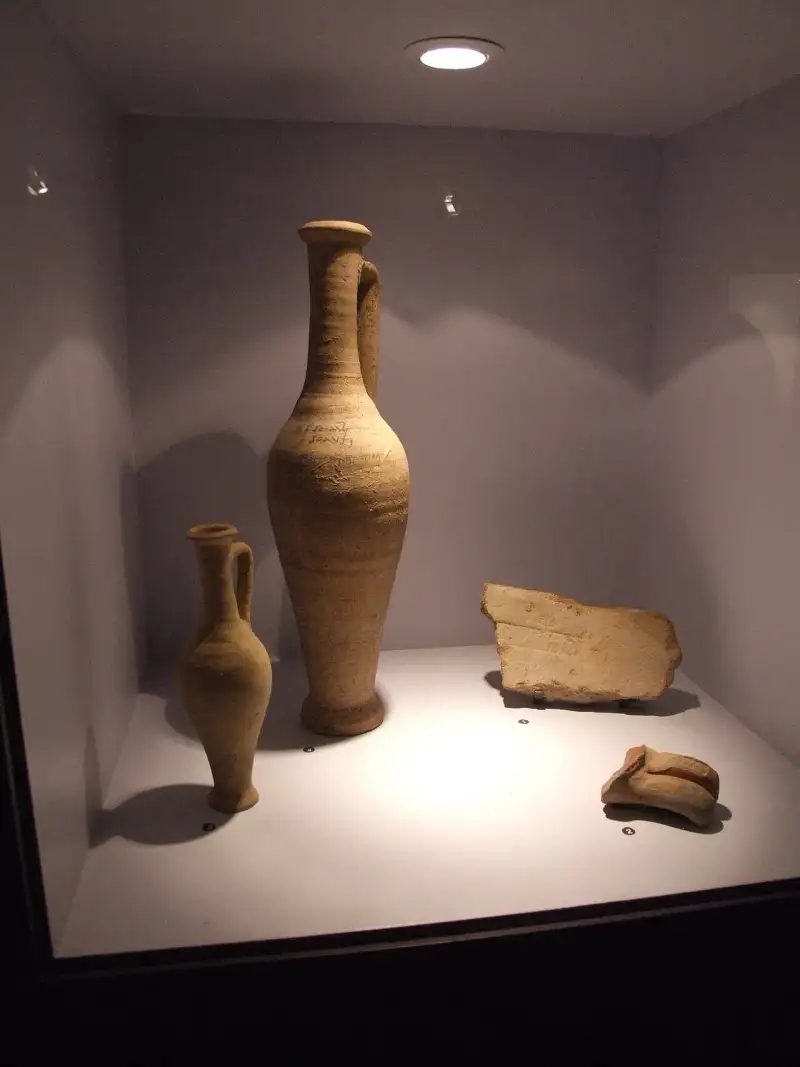
Picture the grandeur of ancient Rome: sprawling forums, magnificent aqueducts, and legions marching with disciplined precision. But beyond the public spectacle and political machinations, lies a culinary secret so pervasive, so fundamental to the Roman palate, that its very absence today leaves a gaping hole in our understanding of their gastronomy. This isn't about gladiatorial feasts or bacchanalian revels, but rather the humble, yet incredibly complex, condiment that permeated virtually every dish: garum. For millennia, the concept of "umami" – that elusive fifth taste, often described as savory or meaty – has been attributed to modern East Asian culinary traditions or the comparatively recent discovery of MSG. Yet, long before shoyu graced Japanese tables or nuoc cham seasoned Vietnamese cuisine, a pungent, savory elixir from the Mediterranean basin reigned supreme. Garum was not merely a seasoning; it was the lifeblood of Roman cooking, an alchemical transformation of fish and salt into a liquid gold that defined the flavor profile of an empire. The Genesis of a Gastronomic Giant: Origins and Production The origins of garum, or its close cousin muria, stretch back further than Rome itself, likely to the Greeks, Phoenicians, and even earlier civilizations. The coastal peoples of the Mediterranean, adept at fishing and salt preservation, inadvertently discovered the power of enzymatic fermentation. The process was simple in concept but meticulous in execution: whole small fish, or the entrails of larger fish (especially mackerel, tuna, and anchovies), were layered with large quantities of salt. This mixture was then left to ferment under the scorching Mediterranean sun for weeks, sometimes months, in large open-air vats or sealed terracotta dolia. The salt acted as a microbial inhibitor, preventing spoilage while drawing out moisture and facilitating autolysis – the breakdown of proteins by the fish's own enzymes. This prolonged, anaerobic decomposition released a rich spectrum of amino acids, particularly glutamate, which is the primary driver of umami. The resulting liquid, clear and amber-hued, was garum. The leftover fermented fish paste was known as allec, often a cheaper byproduct for the masses, while the most prized garum, often from Mackerel or Tuna, was revered. Ancient texts, particularly the Roman cookbook Apicius, offer tantalizing glimpses into its ubiquity. It wasn't just a seasoning for meat or fish; it enhanced vegetables, soups, and even sweet dishes. Imagine a Roman kitchen without garum—it would be akin to a modern Italian kitchen without olive oil or a French kitchen devoid of butter.The Economic Engine: Garum's Industrial Scale and Trade Routes The production of garum was not a cottage industry; it was a massive, industrialized enterprise. Coastal cities like Pompeii and Leptis Magna in North Africa, and Baelo Claudia in Hispania (modern Spain), housed colossal factories dedicated solely to its manufacture. These sites featured rows upon rows of massive stone vats, some capable of holding thousands of liters, indicating an output designed to feed an empire. The stench, one can only imagine, must have been overwhelming, leading these factories to be typically located on the outskirts of towns, downwind from residential areas. The finished product was decanted into distinctive amphorae, sealed, and shipped across the vast Roman network. From the shores of Hispania to the bustling markets of Rome, from the military outposts on the Rhine to the distant provinces of Britannia, garum was a cornerstone of both commerce and cuisine. Its economic importance rivaled that of olive oil and wine, with specific brands and regional varieties commanding premium prices, much like fine wines today. Pliny the Elder, in his Natural History, even discusses the various qualities and origins of garum, lamenting the exorbitant cost of the most prized varieties. This widespread distribution meant that soldiers, senators, slaves, and citizens alike consumed garum. It was democratic in its reach, yet aristocratic in its most refined forms. The ability to flavor food effectively in an age before refrigeration and complex spice routes made garum indispensable. It masked the taste of less-than-fresh ingredients, amplified the flavors of simple staples, and provided vital nutrients. Beyond the Palate: Medicinal and Cultural Significance Garum's role extended beyond mere culinary enhancement. Roman physicians, including Galen, believed in its medicinal properties, prescribing it for various ailments. Its high salt content and fermentation byproducts were thought to have therapeutic effects, from treating indigestion to boosting vitality. While modern science might question its efficacy as a panacea, it undoubtedly contributed electrolytes and minerals to the Roman diet. Culturally, garum became intrinsically linked to Roman identity. To dine like a Roman was to dine with garum. It symbolized Roman ingenuity in food preservation and their ability to harness the elements – sun, sea, and salt – to create something both delicious and enduring. Its decline, therefore, mirrored the decline of the Western Roman Empire itself. As trade routes fragmented, centralized production faltered, and the infrastructure required for its large-scale manufacture dwindled, garum gradually faded from the European culinary landscape, replaced by simpler forms of salt and other spices introduced through new trade. A Pungent Paradox: The Taste of Garum So, what did garum actually taste like? It's a question that has tantalized historians and food enthusiasts for centuries. Descriptions range from "salty and fishy" to "complex, savory, and rich." Modern attempts to recreate garum, often based on ancient recipes and archaeological findings, provide some clues. The consensus points to a flavor profile that is intensely umami, deeply savory, and undeniably fishy, but in a way that is integrated and nuanced, not overtly "fishy" in the way a raw anchovy might be. Think of the depth of aged Parmesan, the complexity of a good soy sauce, or the punch of modern Vietnamese fish sauce (nuoc mam) or Thai fish sauce (nam pla), but with its own distinct Mediterranean terroir. It would have provided a crucial baseline of flavor, elevating simple stews, transforming bland grains, and adding a layer of sophistication to elaborate dishes. Unlike the perception of fish sauce in some modern Western cuisines, where it's often seen as a pungent additive used sparingly, garum was a primary seasoning, often mixed directly into dishes or used as a dipping sauce. Its versatility was legendary, from liquamen (a general term for fish sauce) to oxygarum (garum mixed with vinegar) and hydrogarum (garum diluted with water), demonstrating its adaptability to different culinary applications and social strata. The Echoes of Garum: Modern Resurgence and Parallel Traditions While garum itself largely vanished from European tables after the fall of Rome, the fundamental principle of fermented fish sauce never truly disappeared globally. Across Southeast Asia, fish sauces like nuoc mam and nam pla have thrived for centuries, fulfilling a remarkably similar culinary role. In Italy, the colatura di alici from Cetara, a highly prized artisanal anchovy sauce, is often cited as a direct descendant, or at least a powerful echo, of ancient garum, made through a remarkably similar process of slow fermentation of anchovies in brine. In recent decades, there has been a resurgence of interest in historical gastronomy, leading chefs and food scientists to attempt to recreate garum. These modern iterations often experiment with different fish, fermentation times, and salt ratios, striving to unlock the elusive flavors of antiquity. The motivation is twofold: historical curiosity and the desire to reintroduce a powerful, natural source of umami into contemporary cooking, aligning with the broader movement towards fermentation and ancient techniques. with a vintage-style label on a wooden table with fresh anchovies and sea salt) This revival isn't just about recreating a historical artifact; it's about understanding how our ancestors flavored their world and perhaps even discovering new dimensions of taste. Modern culinary explorations are showing that garum's umami depth can enhance a vast array of dishes, from dressings and marinades to sophisticated sauces, proving that a taste once lost can be found again, enriching our palates with the echoes of empires. Conclusion: A Legacy Reclaimed The story of garum is more than just the tale of an ancient condiment; it's a testament to the enduring human ingenuity in food preservation and flavor enhancement. It reveals how a simple combination of fish and salt, transformed by time and microbes, could become an indispensable pillar of an entire civilization's diet and economy. Its decline reminds us of the fragility of culinary traditions in the face of societal upheaval, yet its modern resurgence highlights our persistent fascination with the past and our ongoing quest for profound, complex flavors. From the sun-drenched vats of Roman Hispania to the artisanal kitchens of today, garum, in its original form or its modern echoes, continues to whisper tales of umami. It reminds us that sometimes, the greatest culinary treasures are not exotic spices from distant lands, but rather the transformative power of nature, patiently harnessed, and patiently rediscovered. As Demir Şef, I urge you to seek out these ancient flavors, for in them lies not just taste, but a living history.#AncientCuisine #Garum #UmamiHistory #RomanFood #Fermentation #CulinaryHistory Related InsightsChettinad Flavors: Fiery Vegan Curries The Alchemy of Appetite: Decoding the Molecular Soul of Our Sustenance The Alchemy of Oaxaca: Decoding the Molecular Symphony of Mole Negro{ "@context": "https://schema.org", "@type": "FAQPage", "mainEntity": [ { "@type": "Question", "name": "What is the main focus of The Liquid Gold of Antiquity: Rediscovering Garum, Rome's Fermented Umami Elixir and Its Forgotten Legacy?", "acceptedAnswer": { "@type": "Answer", "text": "Beyond the opulent banquets, ancient Rome's true culinary foundation lay in garum – a potent, fermented fish sauce. Join Demir Şef as we unearth the pungent paradox that flavored an empire and shaped global gastronomy." } }, { "@type": "Question", "name": "Who authored the comprehensive guide on The Liquid Gold of Antiquity: Rediscovering Garum, Rome's Fermented Umami Elixir and Its Forgotten Legacy?", "acceptedAnswer": { "@type": "Answer", "text": "This detailed article and its insights were carefully researched and authored by Demir Şef." } }, { "@type": "Question", "name": "Where can I find more related content about Food?", "acceptedAnswer": { "@type": "Answer", "text": "You can explore more articles, detailed reviews, and similar insights by browsing the Related Insights section at the bottom of this article or visiting our dedicated Food category page." } } ] }

- Giovanni Luigi
- 05 Jul, 2026 20:01
Il Garum Pompeiano: Il Sangue Salato degli Dei e la Sua Rinascita Gastronomica
Immaginatevi di passeggiare tra le rovine silenziose di Pompei, non come turisti armati di smartphone, ma come cittadini dell'anno 79 d.C. L'aria è densa di profumi: il fumo delle botteghe, il sentore dolce di vino e mosto, e poi, sottile ma pervasivo, un odore inconfondibile, profondo, sapido, quasi elettrico. È l'anima liquida di ogni piatto, il sapore onnipresente che legava ogni banchetto, dalla più umile mensa del plebeo alla sontuosa tavola del patrizio. Stiamo parlando del garum, e in particolare di quello che un tempo sgorgava copioso dalle officine pompeiane, un condimento che fu al contempo tesoro culinario, segno di ricchezza e, per molti, il "sangue salato degli dei". La sua storia è un’epopea di fermentazione, sapienza artigianale e oblio millenario, culminata oggi in una lenta ma intrigante riscoperta. Non è una semplice salsa di pesce; è un frammento di tempo imbottigliato, un ponte liquido verso un'epoca perduta, capace di evocare sapori che per secoli sono stati patrimonio esclusivo di fantasmi romani. Il Mito del Garum: Umami degli Antichi Imperi Per comprendere il garum, dobbiamo liberarci delle nostre moderne concezioni culinarie. Dimenticate il sale raffinato, l'aceto balsamico o la salsa di soia. Il garum era tutto questo e molto di più, racchiuso in un unico, enigmatico fluido ambrato o scuro. Era la quintessenza dell'umami prima che la parola stessa fosse coniata, un esaltatore di sapidità naturale ottenuto attraverso un processo di fermentazione prolungata di pesce intero – o viscere di pesce – con abbondante sale. Le fonti antiche, da Plinio il Vecchio a Columella, ci parlano di diverse tipologie di questo prezioso liquido. Non esisteva un solo garum, ma un'intera famiglia di condimenti: il liquamen, un garum più generico e diffuso; la muria, una salamoia più densa; l'allec, il residuo solido della lavorazione, spesso usato come paté o base per altre salse. Ma è il garum, in particolare quello di eccellente qualità, ad aver conquistato il palato e le pagine degli storici. A Pompei, il garum non era solo un prodotto; era un'identità. Le sue anfore, recanti spesso il marchio di fabbrica del produttore, come l'illustre Umbricius Scaurus, sono state ritrovate a migliaia, non solo a Pompei ma in tutto il Mediterraneo, testimonianza di un impero economico e gastronomico che si estendeva ben oltre le mura cittadine. La Ricetta per un Impero: Scienza, Sole e Pazienza Il processo di produzione del garum era tanto semplice quanto geniale, eppure richiedeva una conoscenza quasi alchemica dei tempi e delle proporzioni. I Romani, eredi di tecniche fenicie e greche, avevano perfezionato l'arte della fermentazione ittica. La ricetta di base prevedeva strati alternati di pesce (sardine, alici, sgombri, tonno o le loro interiora) e sale, il tutto lasciato a macerare sotto il sole in grandi vasche di terracotta (cetariae) per settimane o mesi. Il sale svolgeva un duplice ruolo: impediva la putrefazione e, al contempo, estraeva i liquidi e avviava un processo di autolisi enzimatica. Gli enzimi presenti nelle viscere del pesce, uniti al calore del sole, scomponevano le proteine del pesce in aminoacidi, tra cui l'acido glutammico, responsabile del sapore umami. Il risultato era un liquido oleoso, dal colore che variava dal giallo ambra al marrone scuro, con un aroma intenso, complesso, sapido e sorprendentemente fruttato o speziato a seconda degli ingredienti e delle spezie aggiunte. Apicio, nel suo celebre De Re Coquinaria, menziona il garum in quasi ogni ricetta, non solo come condimento finale, ma come ingrediente fondamentale per brodi, stufati e persino dolci (sebbene la versione dolce fosse probabilmente una miscela con miele o defrutum). Era l'equivalente romano del nostro sale, pepe, olio d'oliva e aceto messi insieme, ma con una complessità di sapore ineguagliabile.Pompei: La Capitale del Garum e la Sua Economia Fragile Perché Pompei? La città, affacciata sul Golfo di Napoli, godeva di una posizione strategica, vicina a zone di pesca abbondanti e a un entroterra agricolo che produceva sale e anfore. Le sue coste erano perfette per le cetariae, le grandi vasche a cielo aperto dove il sole mediterraneo faceva il suo lavoro. Gli scavi archeologici hanno rivelato diverse fabbriche di garum a Pompei, con ampi spazi dedicati alle vasche e ai magazzini per le anfore. Il nome di Aulus Umbricius Scaurus spicca su tutti. Era un magnate del garum, i cui prodotti erano così rinomati da essere paragonati ai marchi di lusso odierni. Le anfore recanti il suo nome e la sua immagine (un pescatore con un garum) erano garanzia di qualità superiore, e si ritrovano in ogni angolo dell'Impero, da Londra alla Siria. La produzione di garum era un'industria fiorente, generava ricchezza, lavoro e dava lustro alla città. Era un'economia solida, basata su un prodotto di largo consumo e di alto valore. Ma questa prosperità era intrinsecamente legata alla stabilità dell'Impero e alla rete commerciale che lo sosteneva. E come ogni cosa legata alla natura, era anche vulnerabile. Il Collasso e l'Oblio: Il Silenzio Durato un Millennio Il garum, così ubiquitario nella cucina romana, iniziò la sua lenta discesa nell'oblio con il declino dell'Impero Romano. Diversi fattori contribuirono a questa scomparsa:Cambiamenti Geopolitici: La frammentazione dell'Impero interruppe le rotte commerciali. Prodotti di nicchia come il garum, che richiedevano vaste quantità di pesce e sale e un trasporto efficiente, divennero meno praticabili. Cambiamenti Climatici e Risorse: Alcune teorie suggeriscono che mutamenti climatici o la sovrappesca potrebbero aver ridotto la disponibilità di pesce. Cambiamenti Culinari e Religiosi: Con l'avvento del Cristianesimo, l'enfasi sui cibi puri e la condanna di alcuni sapori intensi (spesso associati alla decadenza pagana) potrebbero aver giocato un ruolo. I sapori forti e complessi del garum, un tempo apprezzati, potrebbero essere stati soppiantati da condimenti più semplici e "puliti". Costi e Complessità: La produzione del garum era laboriosa e, una volta interrotte le catene di approvvigionamento, divenne troppo costosa e complessa da sostenere localmente su larga scala.Così, con il Medioevo, il garum svanì dalle tavole e dalle memorie culinarie, lasciando dietro di sé solo menzioni nei testi antichi e le tracce silenziose nelle anfore sepolte. La sua eredità si frammentò, forse evolvendo in condimenti locali come la colatura di alici di Cetara (una sorta di garum "moderno", sebbene non identico per processo e ingredienti) o le salse di pesce del sud-est asiatico, che, pur condividendo la logica della fermentazione ittica, non possono essere considerate dirette discendenti del garum romano. La Questione del Gusto Moderno: Un Sapere Perduto da Rispolverare Ma cosa si provava a gustare il garum? È difficile dirlo con certezza, dato che la sua produzione è stata interrotta per così tanto tempo. Le descrizioni antiche parlano di un sapore "divino", "piccante", "forte", "salato". I moderni tentativi di ricreazione suggeriscono un liquido dal sapore profondo, ricco di umami, con note che possono variare dal fungino al formaggio invecchiato, dal brodo di carne concentrato alla stessa colatura di alici, ma con una complessità e una persistenza uniche. Era un sapore che saturava il palato, esaltava gli altri ingredienti e, a differenza di molti condimenti odierni, non si limitava a salare, ma aggiungeva una dimensione completamente nuova al piatto. La versatilità del garum era leggendaria. Era usato per condire verdure, insalate, carne, pesce. Era mescolato con vino, aceto, miele, olio d'oliva o spezie per creare salse più elaborate (come la oenogarum o la oxygarum). La sua presenza in quasi ogni ricetta di Apicio ci mostra come fosse un ingrediente fondamentale, non un semplice extra. Era il sale e il pepe dell'epoca, ma con una marcia in più. Garum Oggi: Una Lenta, Coraggiosa Rinascita Negli ultimi decenni, grazie all'archeologia sperimentale e alla gastronomia storica, c'è stato un rinnovato interesse per il garum. Chef, storici del cibo e ricercatori stanno tentando di riprodurre il condimento, basandosi sulle ricette antiche e sulle prove archeologiche. Il processo è lungo e costoso, ma i risultati sono affascinanti. Uno degli esempi più noti di questa riscoperta è la produzione della colatura di alici di Cetara, in Campania. Questo liquido ambrato, ottenuto dalla fermentazione di alici sotto sale, è spesso considerato l'erede più prossimo al garum, anche se il processo non è identico (viene utilizzato solo pesce sotto sale, e per un tempo relativamente breve rispetto al garum antico). La colatura, con il suo sapore sapido e intenso, ci offre un'idea approssimativa di ciò che il garum poteva rappresentare per i palati antichi. Tuttavia, alcuni progetti vanno oltre, cercando di replicare il vero garum romano. In Spagna, ad esempio, sono stati condotti esperimenti per ricreare il garum sociorum (il garum degli alleati, una varietà di alta qualità), utilizzando le stesse specie ittiche e metodi di fermentazione descritti dagli antichi. Anche in Italia, in alcune università e laboratori gastronomici, si lavora alla riscoperta delle tecniche originali, spesso con l'obiettivo di comprendere meglio la dieta romana e le sue sfumature.Questi esperimenti moderni non sono solo esercizi accademici. Alcuni chef contemporanei stanno iniziando a esplorare l'uso di garum ricreato in piatti d'alta cucina, cercando di aggiungere una profondità di sapore unica e un tocco storico alle loro creazioni. Si tratta di un'audace fusione tra passato e presente, un tentativo di reintrodurre un sapore che ha plasmato un'intera civiltà. Oltre il Piatto: Un Simbolo di Ingegno Culinario Il garum non è solo un condimento; è un pezzo di storia liquida. La sua riscoperta ci permette non solo di assaggiare un frammento del passato, ma anche di apprezzare l'ingegno culinario dei Romani. In un'epoca priva di refrigerazione, seppero sfruttare i principi della fermentazione per creare un prodotto che non solo conservava il pesce, ma ne esaltava il sapore in modo straordinario. Ci ricorda che la cucina è un'arte in continua evoluzione, fatta di scoperte, perdite e riscoprimento. Ogni sapore, ogni ingrediente ha una storia, e il garum è una delle più affascinanti. È la storia di come un condimento potesse essere così intrinsecamente legato alla vita di una città, alla sua economia, alla sua cultura, al suo stesso sapore. Così, la prossima volta che vi troverete a passeggiare tra le rovine di Pompei, fermatevi un momento. Chiudete gli occhi e provate a immaginare quel profumo salato e pungente che aleggiava nell'aria, il sapore complesso che definiva un'intera epoca. Il garum di Pompei non è più il sangue salato degli dei che un tempo era, ma la sua eco, un sussurro umami proveniente da un passato glorioso, continua a ispirare e a stuzzicare la curiosità dei palati moderni, in un continuo dialogo tra epoche e sapori. La sua rinascita è un tributo non solo a un condimento, ma a un modo di vivere e di gustare che non smette di affascinarci.#Garum #CucinaRomanaAntica #StoriaDelCibo #GastronomiaAntica #RiscopertaCulinaria #Pompei #CondimentiAntichi Related InsightsIl Respiro Antico del Mare Nostrum: La Dieta Mediterranea tra Scienza, Storia e Armonia del Vivere From Ancient Fields to Modern Crusts: Mastering Emmer & Spelt Sourdough Delighting in the Flavors of Lemony Chicken Piccata with Capers and Spinach{ "@context": "https://schema.org", "@type": "FAQPage", "mainEntity": [ { "@type": "Question", "name": "What is the main focus of Il Garum Pompeiano: Il Sangue Salato degli Dei e la Sua Rinascita Gastronomica?", "acceptedAnswer": { "@type": "Answer", "text": "Un viaggio affascinante nel cuore della cucina romana antica, alla scoperta del leggendario garum di Pompei e dei suoi tentativi di riscoperta nella gastronomia contemporanea." } }, { "@type": "Question", "name": "Who authored the comprehensive guide on Il Garum Pompeiano: Il Sangue Salato degli Dei e la Sua Rinascita Gastronomica?", "acceptedAnswer": { "@type": "Answer", "text": "This detailed article and its insights were carefully researched and authored by Giovanni Luigi." } }, { "@type": "Question", "name": "Where can I find more related content about Food?", "acceptedAnswer": { "@type": "Answer", "text": "You can explore more articles, detailed reviews, and similar insights by browsing the Related Insights section at the bottom of this article or visiting our dedicated Food category page." } } ] }
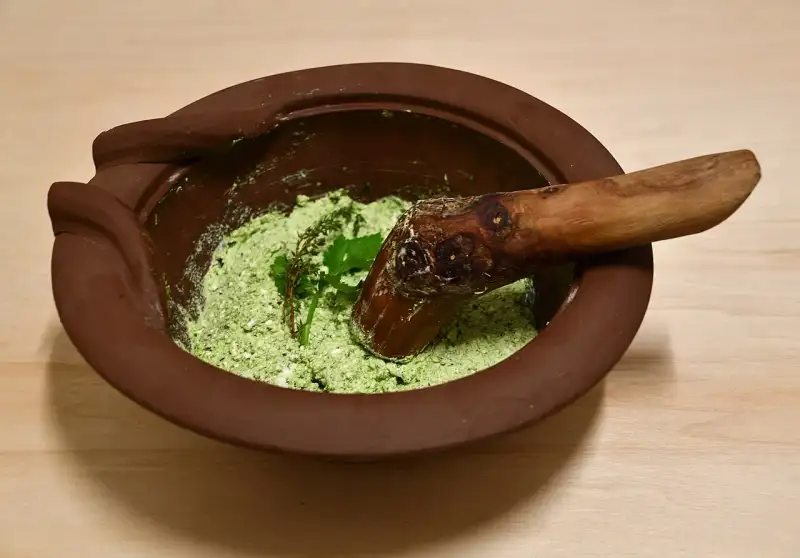
- Klaus Weber
- 05 Jul, 2026 19:06
Das vergessene Moretum: Eine kulinarische Zeitreise in die römische Bauernküche
Manche Geschmäcker verändern sich nie. Andere wiederum werden in den Annalen der Zeit verschüttet, bis nur noch ein Hauch ihrer Existenz in alten Schriften verbleibt – eine kulinarische Geistererscheinung, die auf ihre Wiedererweckung wartet. Stellen Sie sich eine Welt vor, in der die Aromen von frischen Kräutern, scharfem Knoblauch und würzigem Käse nicht in einer schicken Manufaktur, sondern in einem groben Mörser aus Stein, unter den kräftigen Händen eines römischen Bauern, zu einer Paste zerstoßen wurden. Eine Paste, die nicht nur Hunger stillte, sondern eine Geschichte erzählte: die Geschichte des Moretums. Wir alle kennen Pesto, dieses grüne Wunderwerk der ligurischen Küche, das weltweit seinen Siegeszug angetreten hat. Doch was, wenn ich Ihnen sage, dass Pesto einen fernen, fast vergessenen Vorfahren hatte, der Jahrhunderte vor ihm das Licht der Welt erblickte? Einen Vorfahren, der nicht von wohlhabenden Bürgern, sondern von den einfachen Leuten Roms geliebt und geschätzt wurde. Das Moretum ist mehr als nur eine historische Kuriosität; es ist ein Fenster in das tägliche Leben, die Überlebensstrategien und die überraschend raffinierte Einfachheit der römischen Bauern. Es ist ein Gericht, das uns lehrt, dass wahre Gaumenfreuden oft in den bescheidensten Zutaten und der größten Not ihren Ursprung finden. Ein Gedicht als Kochbuch: Virgils "Moretum" Die seltenen Perlen der römischen Küche sind nicht immer in aufwendigen Kochbüchern der Elite zu finden, sondern manchmal in den unerwartetsten Ecken. Unser Wissen über das Moretum stammt hauptsächlich aus einem epischen Gedicht, das dem berühmten römischen Dichter Vergil zugeschrieben wird – dem "Moretum" (oder "Der Mörser", wie es übersetzt werden könnte), einem Teil der Appendix Vergiliana. Dieses kurze, aber unglaublich detaillierte Gedicht ist nicht nur eine lyrische Beschreibung des Landlebens, sondern auch eine akribische Schritt-für-Schritt-Anleitung zur Zubereitung dieses alten Gerichts. Es ist eine faszinierende Momentaufnahme des Alltags eines römischen Bauern namens Simulus, der sich in den frühen Morgenstunden sein bescheidenes Frühstück zubereitet. Simulus, der Protagonist des Gedichts, verkörpert die Genügsamkeit und den Pragmatismus des ländlichen Roms. Er erwacht vor Sonnenaufgang, entzündet ein kleines Feuer, mahlt sein Getreide für Brot und bereitet dann sein Moretum zu. Die Beschreibung ist so lebhaft, dass man fast den Duft der zerstoßenen Kräuter riechen und das rhythmische Klopfen des Stößels im Mörser hören kann. Es ist ein Zeugnis dafür, dass die Küche der Antike nicht nur aus opulenter Völlerei bestand, sondern auch aus ehrlicher, nahrhafter Bauernkost, die den Geist und Körper für einen harten Arbeitstag stärken sollte. Das Gedicht offenbart, wie zentral und elementar dieses einfache Gericht für die Ernährung der ländlichen Bevölkerung war. Es war nicht einfach nur eine Beilage; es war oft das Herzstück der Mahlzeit, eine schmackhafte und energiespendende Ergänzung zum täglichen Brot. Die Zutaten der Einfachheit: Was das Moretum ausmachte Was genau kam also in diesen antiken Mörser? Virgils Gedicht gibt uns eine präzise Liste:Käse: Vermutlich ein harter, salziger Schafskäse, ähnlich dem heutigen Pecorino. Käse war eine Hauptproteinquelle und konnte lange gelagert werden. Knoblauch: Unverzichtbar für seinen scharfen Geschmack und seine konservierenden Eigenschaften. Simulus schält vier Knoblauchzehen – eine beträchtliche Menge! Kräuter: Hier wird es spannend und anders als beim Pesto. Das Gedicht nennt Koriander, Poleiminze und ruta (Weinraute). Weinraute ist heute in vielen Regionen weniger bekannt und wird wegen ihres intensiven, leicht bitteren Geschmacks selten in der modernen Küche verwendet. Sie verleiht dem Moretum einen unverwechselbaren, erdigen und herb-würzigen Charakter, der es deutlich vom basilikumbasierten Pesto abhebt. Olivenöl: Ein Grundnahrungsmittel der mediterranen Küche, das als Bindemittel diente und dem Gericht eine gewisse Geschmeidigkeit verlieh. Essig: Für eine zusätzliche Schärfe und Säure, die die Aromen der Kräuter und des Knoblauchs verstärkte. Salz: Zum Würzen.Die Zubereitung war ebenso simpel wie genial: Alle Zutaten wurden nacheinander in den Mörser gegeben und mit dem Stößel zu einer feinen Paste zerrieben. Der Mörser, mortarium auf Latein, ist namensgebend für das Gericht. Es war eine mühsame Arbeit, die Kraft und Ausdauer erforderte, aber auch das Ergebnis war entsprechend lohnend – eine aromatische, würzige Paste, die perfekt zu dem ungesäuerten Brot passte, das Simulus ebenfalls selbst buk. Diese Art der Zubereitung stellte sicher, dass alle ätherischen Öle der Kräuter und des Knoblauchs maximal freigesetzt wurden, was zu einem intensiven Geschmackserlebnis führte. Es war eine Mahlzeit, die nicht nur sättigte, sondern auch belebte. Moretum vs. Pesto: Eine kulinarische Genealogie? Die Ähnlichkeiten zwischen Moretum und Pesto sind unübersehbar: eine Paste aus Käse, Kräutern, Knoblauch und Öl, zubereitet in einem Mörser. Dies hat viele Food-Historiker dazu veranlasst, das Moretum als einen direkten Vorläufer oder sogar als den "Ur-Pesto" zu bezeichnen. Doch diese Vereinfachung wird der einzigartigen Identität des Moretums nicht ganz gerecht. Der offensichtlichste Unterschied liegt in den Kräutern. Während Pesto Genovese auf Basilikum, Pinienkernen und Parmigiano Reggiano basiert, setzte das Moretum auf Koriander, Poleiminze und Weinraute – eine ganz andere Geschmackspalette. Die Weinraute verleiht dem Moretum eine markante Bitterkeit und einen erdigen, fast medizinischen Unterton, der in modernem Pesto nicht zu finden ist. Auch die Art des Käses, ein salziger Schafskäse, und das Fehlen von Nüssen (Pinienkerne waren teuer und nicht immer verfügbar) unterscheiden die beiden Gerichte. Das Moretum war ein Produkt seiner Zeit und seiner Umgebung. Es war ein Gericht, das aus der Notwendigkeit geboren wurde, haltbare und nahrhafte Zutaten zu einem schmackhaften Ganzen zu vereinen. Es war robust, unprätentiös und spiegelte die raue Schönheit des römischen Landlebens wider. Pesto hingegen, auch wenn es seine Wurzeln in einfachen italienischen Küchen hat, entwickelte sich in einer anderen kulturellen und landwirtschaftlichen Landschaft, mit anderen verfügbaren Zutaten und Geschmackspräferenzen. Beide sind Meisterwerke der Mörserküche, aber mit jeweils eigenem Charakter und historischer Bedeutung. Moretum ist nicht einfach nur ein altes Pesto; es ist Moretum – ein eigenständiges Gericht mit einer reichen, vergessenen Geschichte. Die soziale Bedeutung: Geschmack des Volkes Das Moretum war keine Speise, die bei den opulenten Banketten des römischen Adels auf den Tisch kam. Es war die Mahlzeit des einfachen Mannes, des Bauern, des Sklaven. Es war ein Gericht, das Überleben sicherte und den Tag überstehen half. Dies verleiht dem Moretum eine tiefe soziale Bedeutung. Während die Patrizier ihre Gaumen mit exotischen Delikatessen und aufwendig zubereiteten Gerichten verwöhnten, die oft stundenlange Zubereitung und seltene Zutaten erforderten, ernährten sich die meisten Römer von einfacheren, aber nicht weniger schmackhaften Speisen. Das Moretum verkörperte die Tugenden der frugalitas (Sparsamkeit) und simplicitas (Einfachheit), die in der frühen römischen Republik hochgehalten wurden. Es war eine ausgewogene Mahlzeit, die Proteine aus dem Käse, Kohlenhydrate aus dem Brot und Vitamine sowie Würze aus den Kräutern und dem Knoblauch lieferte. Es war ein Gericht, das mit minimalen Mitteln maximalen Geschmack und maximale Sättigung bot. Diese Art von Essen war die Grundlage, auf der das römische Reich aufgebaut wurde – nahrhafte, unkomplizierte Gerichte, die die harte Arbeit und den langen Tag auf den Feldern oder in den Werkstätten ermöglichten. Die Popularität des Moretums unter den Bauern und der arbeitenden Klasse unterstreicht, dass die römische Küche eine vielschichtige und diverse Landschaft war, die weit über die bekannten Extravaganzen der Oberschicht hinausging. Es war eine Küche, die sich an die Realitäten des Alltags anpasste und dabei dennoch Geschmack und Würde bewahrte. Das sensorische Erlebnis neu gedacht: Ein Geschmack der Antike Wie würde ein Moretum für unseren modernen Gaumen schmecken? Die Kombination aus würzigem Käse, scharfem Knoblauch, dem frischen, leicht pfeffrigen Koriander und der herben, leicht bitteren Weinraute würde ein intensives, komplexes Geschmackserlebnis bieten. Es wäre sicherlich gewöhnungsbedürftig für jemanden, der nur die mildere Süße von Basilikum aus Pesto kennt. Der Knoblauch würde wahrscheinlich dominieren und eine wärmende Schärfe hinterlassen. Der Schafskäse würde für eine salzige, umami-reiche Basis sorgen. Die Weinraute, die in großen Mengen giftig sein kann und heute oft mit Vorsicht verwendet wird, würde dem Gericht seinen unverwechselbaren, leicht erdigen und pfeffrigen Ton geben. Man könnte es als eine kräftigere, rustikalere und erdverbundenere Variante des Pestos beschreiben. Es ist ein Geschmack, der uns nicht nur in eine andere Zeit, sondern auch in eine andere sensorische Welt entführt – eine Welt, in der die Aromen der Natur unverfälscht und potent waren. Es ist ein Geschmack, der Ehrlichkeit und Direktheit ausstrahlt, fernab von kulinarischer Übertreibung. Die Textur wäre wahrscheinlich etwas gröber als bei modernem Pesto, da der alte Mörser nicht die gleiche Feinheit erreichte wie moderne Küchenmaschinen.Man kann sich vorstellen, wie ein römischer Bauer nach einem langen Arbeitstag auf dem Feld sein Moretum mit einem Stück frischem Brot genoss. Jeder Bissen wäre eine Explosion von Aromen gewesen, die nicht nur den Hunger stillte, sondern auch die Sinne belebte und Trost spendete. Es war eine Mahlzeit, die man verdiente und die man in vollen Zügen genoss, vielleicht am Ende eines Tages, an dem man selbst im Feld geschuftet hatte und die einfachen Genüsse des Lebens am meisten zu schätzen wusste. Die Wiederentdeckung: Moretum in der modernen Küche Kann das Moretum in unserer modernen Küche eine Renaissance erleben? Absolute Puristen haben versucht, das Gericht exakt nach Virgils Vorgaben zu rekonstruieren, oft mit dem Ergebnis eines ungewohnt intensiven, vielleicht sogar herausfordernden Geschmacks. Doch die Essenz des Moretums – die Verbindung von Käse, Knoblauch und frischen Kräutern im Mörser – ist zeitlos und inspirierend. Heutige Köche könnten das Moretum als Ausgangspunkt für moderne Interpretationen nutzen. Man könnte die Weinraute durch andere, leichter zugängliche und bekömmlichere Kräuter wie Petersilie, Minze oder sogar eine kleine Menge Rucola ersetzen, um eine ähnliche Bitterkeit zu erzielen, aber in einer subtileren Form. Ein Spritzer Zitronensaft anstelle von Essig könnte für eine frischere Säure sorgen. Die Verwendung von Mandeln oder Walnüssen könnte eine zusätzliche Textur und Tiefe hinzufügen, ähnlich wie beim Pesto. Das Moretum lädt uns ein, über unsere kulinarischen Wurzeln nachzudenken und die Einfachheit und Robustheit der alten Küche neu zu entdecken. Es ist eine Erinnerung daran, dass einige der besten Gerichte der Welt aus den einfachsten Zutaten und der Notwendigkeit geboren wurden. Es ist auch eine Einladung, unsere eigenen Mörser und Stößel zu entstauben und uns wieder mit dem archaischen Akt des Zerreibens und Mischens zu verbinden – ein meditativer Prozess, der die Zubereitung von Speisen zu einem sinnlichen Erlebnis macht. In einer Welt, die sich oft nach schneller und bequemer Nahrung sehnt, bietet das Moretum eine willkommene Rückkehr zu den Grundlagen, zu den handwerklichen Fertigkeiten und zu einer tieferen Wertschätzung für das, was wir essen. Es ist ein Ruf nach Authentizität, der über Jahrtausende hinweg widerhallt. Fazit: Mehr als nur eine Paste Das Moretum ist weit mehr als eine vergessene Kräuterpaste der römischen Bauern. Es ist ein Symbol für Widerstandsfähigkeit, Einfachheit und die unvergängliche Kraft der Küche, Geschichten zu erzählen. Es ist ein Echo aus einer Zeit, in der Essen nicht nur Brennstoff war, sondern ein integraler Bestandteil des täglichen Lebens, der Kultur und der Identität eines Volkes. Durch die Linse des Moretums können wir die Welt der römischen Bauern besser verstehen – ihre harte Arbeit, ihre bescheidenen Freuden und ihre Fähigkeit, aus wenigen, einfachen Zutaten etwas Außergewöhnliches zu schaffen. Die Geschichte des Moretums erinnert uns daran, dass wahre kulinarische Schätze oft nicht in den prunkvollen Küchen der Reichen, sondern in den einfachen Behausungen der Menschen zu finden sind, die das Land bearbeiteten. Es fordert uns auf, über den Tellerrand der bekannten Gerichte zu blicken und die verborgenen Geschichten und Geschmäcker der Vergangenheit zu erforschen. Und vielleicht, nur vielleicht, inspiriert es uns dazu, selbst einen Mörser in die Hand zu nehmen und ein Stück dieser antiken Geschichte in unserer eigenen Küche wieder zum Leben zu erwecken – nicht nur als Mahlzeit, sondern als eine Hommage an die Ausdauer und den Geist derer, die vor uns kamen.#Moretum #RömischeKüche #AntikeRezepte #VergesseneSpeisen #KulinarischeGeschichte #Bauernküche Related InsightsMumbai’s Melting Pot of Flavors: The Soul-Satisfying Street Food That Defines the City Sheermal: The Saffron-Infused Royal Bread The Ultimate Antioxidant-Rich Berry Oat Smoothie Bowl with Chia Seeds{ "@context": "https://schema.org", "@type": "FAQPage", "mainEntity": [ { "@type": "Question", "name": "What is the main focus of Das vergessene Moretum: Eine kulinarische Zeitreise in die römische Bauernküche?", "acceptedAnswer": { "@type": "Answer", "text": "Entdecken Sie Moretum, die vergessene Kräuterpaste der römischen Bauern. Ein tiefgründiger Einblick in ein Gericht, das mehr als nur ein Vorläufer des Pestos ist, sondern ein Echo der antiken Seele." } }, { "@type": "Question", "name": "Who authored the comprehensive guide on Das vergessene Moretum: Eine kulinarische Zeitreise in die römische Bauernküche?", "acceptedAnswer": { "@type": "Answer", "text": "This detailed article and its insights were carefully researched and authored by Klaus Weber." } }, { "@type": "Question", "name": "Where can I find more related content about Food?", "acceptedAnswer": { "@type": "Answer", "text": "You can explore more articles, detailed reviews, and similar insights by browsing the Related Insights section at the bottom of this article or visiting our dedicated Food category page." } } ] }