
-
 Mariana Costa
- 15 May, 2026 10:00
As Igrejas Centenárias de Olinda: Uma Herança Esquecida
As Igrejas Centenárias de Olinda: Uma Herança Esquecida Olá! Eu sou a Mariana Costa. Sou uma nômade digital que cresceu nas ruas ensolaradas, vibrantes e sempre cheias de música do Brasil, e hoje viaja pelo mundo com um laptop e uma mochila. Embora eu viaje por todo o canto, não importa o quão longe eu vá, meu coração sempre bate na textura acolhedora e histórica da América Latina e nas comidas de rua de suas esquinas. Hoje, vou levar você a um dos cantos mais especiais e poéticos do meu país: Olinda, mundialmente famosa por seu carnaval, mas que na verdade esconde uma história muito mais profunda em suas ruas de paralelepípedos. A primeira e única imagem que vem à mente da maioria das pessoas quando se fala em Olinda é a daquela atmosfera colorida de carnaval, onde gigantescos bonecos de papel machê (Bonecos de Olinda) dançam nas ruas e milhões de pessoas se divertem loucamente ao ritmo do frevo. É claro que o carnaval é uma grande parte da alma de Olinda; no entanto, o verdadeiro coração desta cidade começa a bater quando aquela multidão enlouquecida se dispersa e as ruas mergulham no silêncio. Hoje, deixe de lado aquela atmosfera colorida, louca e lotada do carnaval. Hoje, vamos seguir os rastros daquelas magníficas igrejas, testemunhas silenciosas de Olinda, que têm séculos de história, mas que muitas vezes passam despercebidas pelos turistas, e das comidas de rua que tomam forma ao redor dessas igrejas. A Face Oculta de Olinda Pelos Olhos de Uma Nômade Digital Olinda é uma cidade histórica localizada no nordeste do Brasil, no estado de Pernambuco, com vista para o Oceano Atlântico do alto de uma colina. Fundada em 1535 pelo nobre português Duarte Coelho, a cidade leva esse nome por causa da frase que, segundo a lenda, seu fundador proferiu ao subir a colina e contemplar a paisagem: "Oh, linda situação para se construir uma vila!". E de fato, Olinda é um povoado que encanta instantaneamente quem a vê, com sua estrutura montanhosa, vista infinita do oceano, palmeiras tropicais e coloridas casas coloniais. Como uma nômade digital, Olinda me oferece tanto um ambiente de trabalho inspirador quanto uma imensa e inesgotável área de exploração. Pela manhã, pego meu computador e trabalho degustando aquele café forte, mas delicioso, do Brasil em um pequeno café com vista para o mar, enquanto à tarde me perco nas ruas estreitas, íngremes e de paralelepípedos desta cidade. E o lugar aonde essas ruas sempre me levam é, infalivelmente, uma magnífica igreja centenária. Essas igrejas não são apenas locais de adoração da fé cristã; elas também são museus vivos que carregam as marcas do passado colonial do Brasil, da riqueza da cana-de-açúcar, da dolorosa história da escravidão, da invasão holandesa e da cultura portuguesa. Em cada pedra, em cada escultura de madeira, você pode ouvir os sussurros do passado. Passar por essas portas que se abrem para séculos atrás, bem no meio da velocidade da internet e da correria do mundo moderno, me lembra como viajante da relatividade do tempo. Período Colonial, Esplendor da Cana-de-Açúcar e Arquitetura Para entender essas igrejas gigantescas e majestosas de Olinda, precisamos folhear um pouco as páginas da história. Nos séculos XVI e XVII, Olinda não era apenas uma das cidades mais ricas do Brasil, mas do mundo. A fonte dessa riqueza inimaginável eram as plantações de cana-de-açúcar (engenho) estabelecidas nas terras férteis da região. Os barões do açúcar portugueses acumularam imensas fortunas exportando o açúcar, que na Europa valia mais que ouro. Eles gastaram essa fortuna em construções religiosas, tanto para exibir seu poder mundano quanto para garantir o apoio político e espiritual da igreja. Arquitetos europeus foram trazidos, os melhores escultores e pintores foram comissionados. As igrejas construídas nesse período continham os exemplos mais extremos e ostensivos da arquitetura barroca na América do Sul. Enormes esculturas folheadas a ouro, trabalhos incrivelmente detalhados em madeira exótica local do Brasil, e os azulejos azul e branco trazidos de navio de Portugal com imensa dificuldade estavam entre as características marcantes dessas estruturas. Porém, como uma amante da história, não devo ignorar o seguinte fato: essa riqueza e esplendor também foram construídos com o sangue, o suor e as lágrimas dos africanos escravizados e dos povos indígenas. Por trás daqueles altares folheados a ouro jaz o trabalho dos escravos que foram forçados a trabalhar em condições desumanas nas plantações de cana-de-açúcar. Portanto, ao passear pelas igrejas de Olinda, você não sente apenas uma admiração estética, mas também uma profunda tristeza histórica em relação à injustiça social daquela época. A beleza arquitetônica caminha lado a lado com uma tragédia histórica. A Invasão Holandesa: Anos de Fogo e Destruição Um dos maiores pontos de ruptura na história das construções religiosas de Olinda foi a invasão holandesa. Na década de 1630, os holandeses, de olho na riqueza açucareira do Brasil, invadiram a região de Pernambuco. Por acharem Olinda muito íngreme e difícil de defender para governar, os holandeses transferiram a capital para a cidade vizinha e plana do Recife. Ao abandonarem Olinda, eles incendiaram a cidade. Nesse grande incêndio (1631), a maioria daquelas magníficas igrejas, mosteiros e mansões de Olinda virou cinzas. Apenas as paredes de pedra permaneceram de pé. Após os cerca de 24 anos de domínio holandês, quando os portugueses retomaram a região, Olinda teve quase que renascer das cinzas. A maioria das igrejas que vemos hoje são as versões reconstruídas em estilo barroco sobre suas fundações originais, nos séculos XVII e XVIII, após esse incêndio. Igreja da Sé: A Sentinela no Topo do Alto da Sé Vamos começar nosso passeio por Olinda na Igreja da Sé (Catedral da Sé), cujo nome completo é Catedral de São Salvador do Mundo, localizada no ponto mais alto da cidade. Este é o lugar onde o coração de Olinda bate, tanto geográfica quanto espiritualmente. Esta praça, conhecida como Alto da Sé, é famosa não apenas por sua magnífica catedral, mas também por sua vista panorâmica onde os modernos arranha-céus do Recife abaixo, os telhados de barro vermelho de Olinda e a imensidão azul do Oceano Atlântico se encontram. Originalmente construída em taipa de pilão entre 1537 e 1540, a catedral sofreu grandes danos durante a invasão holandesa e depois foi reconstruída usando pedra e cal. A arquitetura da catedral apresenta uma mistura de influências do Renascimento e do Barroco. Embora sua fachada externa pareça bastante simples em comparação com as outras igrejas, ao entrar, você é recebido por tetos altos, impressionantes altares e a luz colorida filtrada pelos vitrais. Este também é o local de descanso eterno de muitas figuras históricas e arcebispos que desempenharam um papel importante nas lutas pela independência e abolição da escravatura no Brasil. O som emitido pela torre do sino da Catedral da Sé tem sido como um metrônomo ajustando o tempo de Olinda há séculos. Parada de Comida de Rua da Mariana 1: O Ritual da Tapioca no Alto da Sé Como uma entusiasta da gastronomia e da comida de rua, vou contar um segredo a você neste ponto: quando for ao Alto da Sé, não se contente apenas em apreciar a vista e visitar a catedral. Dirija-se às pequenas barracas operadas por mulheres de avental branco, montadas na praça. Este é o epicentro onde você pode comer a melhor tapioca de Olinda e, possivelmente, de todo o estado de Pernambuco. A tapioca é um maravilhoso lanche herdado dos povos indígenas Tupi-Guarani, feito a partir de uma farinha rica em amido extraída da raiz da mandioca (cassava) cozida em uma panela como um crepe. Naturalmente sem glúten. A farinha branca, derramada na panela, gruda ao entrar em contato com o calor, formando uma textura maravilhosa. Seu recheio pode ser feito com ingredientes doces ou salgados. Se você me perguntar qual é o meu favorito: Com certeza o recheado com queijo coalho (um queijo lendário, levemente salgado e típico da região, excelente para grelhar) e coco fresco ralado, coberto com um pouco de leite condensado! Sentar-se à sombra fresca da catedral e, acompanhada pela brisa morna que sopra do oceano, experimentar aquela perfeita harmonia entre o salgado do queijo e o doce do leite, enquanto imagina a Olinda de séculos atrás, é uma sensação inestimável. Convento de São Francisco: A Magia do Silêncio e dos Azulejos Descendo a partir da praça da Sé, caminhando por entre muros ladeados por buganvílias debruçadas, as estreitas ruas de paralelepípedos nos levam ao mais antigo mosteiro franciscano do Brasil, o Convento de São Francisco. Iniciado em 1585, este imenso complexo é um dos tesouros mais bem preservados de Olinda até hoje. O que sempre mais me fascina nesse mosteiro é o seu claustro, ou pátio interno quadrado. No momento em que você pisa da porta de fora para dentro, o calor tropical lá de fora, os turistas e a vibrante energia das ruas de Olinda são instantaneamente substituídos por uma profunda tranquilidade. As paredes do pátio são cobertas por azulejos azuis e brancos incrivelmente bonitos, pintados à mão e trazidos lá de Portugal no século XVIII. Nestes azulejos, estão retratados trechos da vida de São Francisco, várias cenas bíblicas e figuras da vida da época. Cada painel de azulejo é como uma história em quadrinhos que precisa ser lida por si só. Ao seguir para a capela principal do mosteiro, você vê o ápice do entalhe em madeira do Barroco brasileiro. A aplicação de folha de ouro sobre a madeira é tão detalhada e a técnica é tão fina que o pescoço pode até doer de tanto olhar para os tetos e paredes. Tentar entender o estado de espírito assumido pelos monges isolados do mundo exterior neste templo de ouro e madeira, que outrora oravam aqui, dedicando suas vidas à pobreza e obediência, nos leva a reflexões profundas. Toda vez que me sinto sobrecarregada com o mundo digital, os e-mails e as telas, deixo meu computador em casa, sento-me em um dos bancos de pedra deste pátio e passo horas apenas ouvindo o som do vento. Mosteiro de São Bento: Ouro, Poder e Cantos Gregorianos Se o Convento de São Francisco representa a tranquilidade, o Mosteiro e Igreja de São Bento representa, sem dúvida, o poder, a riqueza e aquele exagero indomável da arquitetura barroca. Fundado em 1586, o complexo do mosteiro foi reconstruído em seu esplendor atual no século XVIII, após o incêndio holandês. A verdadeira surpresa desta estrutura, que de fora parece bastante austera, simétrica e imponente, começa quando você entra por suas pesadas portas de madeira. Ao dar um passo na capela principal, você se sente literalmente cego por um brilho dourado ofuscante. O altar principal, com 14 metros de altura e indubitavelmente uma das maiores obras-primas da arte barroca brasileira, é coberto do chão ao teto por centenas de quilos de folhas de ouro. Figuras de anjos, cachos de uva, motivos florais e símbolos religiosos se entrelaçam de forma tão complexa que você precisa de minutos de contemplação apenas para distinguir os detalhes. Este altar, que é o indicador mais tangível da riqueza dos barões da cana-de-açúcar e do poder da igreja na época, é tão único e magnífico que foi temporariamente desmontado e levado em pedaços para a América do Norte para ser exibido na gigantesca exposição "Brazil: Body and Soul", realizada no famoso Museu Guggenheim, em Nova York, em 2001. Se os seus passos te levarem a Olinda num domingo, não deixe de participar da missa dominical realizada às 10h da manhã no São Bento. Eu garanto que você se arrepiará, independentemente de sua fé, enquanto os Cantos Gregorianos entoados ao vivo pelos monges beneditinos ecoam na acústica perfeita da igreja em frente àquele gigantesco altar de ouro. Você se sentirá transportado a séculos atrás, numa dimensão mística onde o tempo parou. Parada de Comida de Rua da Mariana 2: Traços Africanos e o Acarajé Quando sair da missa dominical e se desprender daquela densa atmosfera espiritual e a fome bater, prepare-se desta vez para embarcar numa jornada de sabores às raízes da culinária brasileira, rumo à África. Nas ruas ao redor do mosteiro, você verá mulheres com seus tradicionais vestidos brancos imensos, turbantes na cabeça e colares de contas coloridas (baianas) vendendo acarajé. O acarajé é uma comida feita fritando-se uma massa de feijão-fradinho descascado e amassado em uma frigideira funda com óleo de dendê fervente (um óleo de palma africano de coloração vermelha intensa) até ficar dourada. A massa frita é cortada ao meio e o interior é recheado com vatapá (um creme incrível feito de camarão, pão esmigalhado, leite de coco, gengibre e pasta de amendoim), camarão seco, salada de tomate verde e, claro, muita pimenta. Como uma ironia histórica e uma riqueza cultural; as crenças (Candomblé) e a cultura alimentar dos africanos, trazidos para o Brasil em navios negreiros, conseguiram sobreviver à sombra das igrejas católicas e tornaram-se uma parte inseparável da identidade brasileira de hoje. Sair do opulento esplendor cristão e dourado de São Bento e, do lado de fora da porta, comer um acarajé das mãos de uma mulher de ascendência afro-brasileira é o resumo perfeito da alma fascinante de Olinda, tão mestiça, cheia de camadas, moldada pela dor e pela beleza. Igreja da Misericórdia: Compaixão no Fim das Ladeiras Íngremes Passear adequadamente por Olinda a pé exige, para ser honesta, um sério preparo físico nas pernas. A cidade é quase como um labirinto cheio de altos e baixos. Quando você sobe, ofegante, a rua mais íngreme, cansativa e de paralelepípedos da cidade, conhecida como "Ladeira da Misericórdia", a Igreja da Misericórdia aguarda no topo como se fosse um presente. Fundada em 1540, esta igreja e o antigo complexo hospitalar adjacente foram construídos pela Santa Casa da Misericórdia, de origem portuguesa, com o propósito de distribuir a cura e demonstrar compaixão pelos pobres, doentes e órfãos da época, como o próprio nome sugere. Foi seriamente danificada durante os ataques holandeses, mas posteriormente restaurada fielmente ao original. Mais modesta, mas ainda assim elegante do que os outros grandes mosteiros, infelizmente as portas dessa estrutura nem sempre estão abertas. No entanto, se você estiver num dia de sorte e pegá-la aberta, as pinturas no teto de madeira, os azulejos portugueses e os seus altares simples e relaxantes definitivamente valem a pena ver. Para mim, a melhor coisa sobre a Igreja da Misericórdia é a vista inigualável e panorâmica de Olinda que ela oferece da pequena praça em frente à igreja depois de subir aquela ladeira difícil e suada. Este é um refúgio escondido, totalmente longe das multidões de turistas, quieto, tranquilo, onde se ouve apenas o sussurro do vento entre as folhas das palmeiras. Igreja do Carmo: A Primeira Igreja Carmelita no Brasil Quando você desce para as partes mais baixas da cidade, perto do oceano, a Igreja de Nossa Senhora do Carmo, erguendo-se na Praça do Carmo, lhe dá as boas-vindas com a sua impressionante e ligeiramente melancólica fachada. Iniciada por volta de 1580, esta enorme estrutura tem a distinção de ser a primeira igreja da ordem carmelita no Brasil e tem uma grande importância histórica. Lamentavelmente, também sofreu grandes danos no devastador incêndio holandês de 1631 e permaneceu em estado de semi-ruína por muitos anos, mas recuperou o seu aspecto atual no início do século XVIII. Após passar recentemente por um longo e extenso processo de restauração, a fachada externa da igreja é um exemplo muito belo e proporcionado do período de transição do Renascimento para o Barroco. A imponente torre do sino, que se ergue em uma única peça, é um dos elementos mais icônicos do horizonte de Olinda e aparece frequentemente nas fotografias. Parada de Comida de Rua da Mariana 3: Pastel, Caldo de Cana e Um Encerramento Doce A Praça do Carmo é um dos lugares mais animados da vida cotidiana em Olinda. Depois de visitar a igreja e passear pelas páginas empoeiradas da história, você pode passar pelos vendedores de rua com guarda-sóis na praça e cumprir um ritual clássico brasileiro: Pastel e Caldo de Cana. O pastel é uma comida de rua fofa, onde ingredientes como carne moída, queijo, frango ou palmito são colocados dentro de uma massa fina e crocante e fritos em óleo profundo em poucos segundos. Para acompanhar, toma-se um refrescante, estupidamente gelado e espumante caldo de cana (suco de cana-de-açúcar) espremido na hora passando por uma máquina especial. Às vezes, pingam algumas gotas de limão ou até abacaxi dentro. Que a própria cana-de-açúcar histórica que financiou a construção daquelas magníficas igrejas séculos atrás hoje encha o seu copo como uma bebida simples mas lendária nas esquinas, é uma pequena prova de como a história pode ser irônica e saborosa. Já que você veio até Pernambuco, não pode ir embora sem comer um doce. Se cruzar com uma confeitaria, não deixe de experimentar o Bolo de Rolo, em hipótese alguma. Feito ao se espalhar goiabada derretida entre uma massa fina de pão de ló enrolada, este doce é considerado a herança cultural de Pernambuco. Ou então, peça após o jantar num restaurante o famoso doce Cartola, que é feito colocando-se canela, açúcar e queijo coalho derretido em cima de uma banana frita. Você não irá se arrepender. O Efeito Destrutivo do Tempo e Os Desafios da Preservação A Olinda, onde a história e a cultura estão tão interligadas, foi inscrita e protegida na Lista do Patrimônio Mundial pela UNESCO em 1982 devido a este patrimônio arquitetônico único. Porém, não é nada fácil manter essas estruturas antigas de pé e protegidas. Os ventos úmidos e salgados que sopram do oceano, as fortes chuvas trazidas pelo clima tropical e o implacável e escaldante sol desgastam continuamente as pedras centenárias, os entalhes de madeira delicados e os azulejos. Muitas igrejas podem ficar fechadas por meses devido a trabalhos urgentes de restauração, e por vezes até mesmo durante anos devido à insuficiência orçamentária. As flutuações econômicas sazonais pelas quais o Brasil passa e os limitados orçamentos estatais alocados para o patrimônio cultural também desaceleram esse processo. Apesar de todas essas dificuldades, o povo de Olinda cuida apaixonadamente de sua história e destas edificações. Especialmente fora da temporada de carnaval, durante os períodos religiosos como a Semana Santa, essas igrejas ganham vida de verdade; ficam repletas com missas, procissões e celebrações. Estas estruturas não são apenas objetos turísticos, elas continuam a ser espaços vivos, ligando organicamente a população à sua vida cotidiana, sua fé e sua identidade cultural. Dicas Práticas Para Um Nômade Digital Se você for um nômade digital como eu, que viaja pelo mundo com um notebook e por ventura um dia você estiver em Olinda, preste muita atenção nestas dicas práticas que preparei para você:Hospedagem e Internet: No centro histórico de Olinda, há "pousadas" (pensões boutique) incríveis operando em antigos casarões coloniais cuidadosamente restaurados. Ao hospedar-se nelas, você pode realmente sentir a alma histórica da cidade. No entanto, surpresas desagradáveis às vezes podem ocorrer no que diz respeito à conexão de internet. As grossas paredes de pedra antigas podem bloquear gravemente o sinal de Wi-Fi. Portanto, não deixe de verificar a velocidade da conexão antes de reservar o seu lugar para ficar. Alternativamente, garanta a sua própria internet ao comprar um cartão SIM local (Claro ou Vivo). Espaços de Trabalho: Ao redor do Alto da Sé e nas ruas estreitas de paralelepípedos do centro histórico, há cafés locais muito fofos que servem cafés fantásticos, onde você pode trabalhar confortavelmente com o seu notebook. É uma imensa fonte de motivação trabalhar enquanto contempla as igrejas históricas e o oceano através de janelas abertas. Segurança e Caminhada: Embora Olinda seja um lugar geralmente seguro para os turistas, é sempre bom usar o bom senso, como em qualquer cidade turística da América do Sul. Cuidado para não entrar em ruas muito desertas e escuras à noite e evite expor demais os seus objetos de valor. Além disso, tenha não deixe de levar sapatos de caminhada confortáveis e protetor solar para poder subir as ladeiras. Estratégia de Tempo: Se o seu objetivo principal for visitar estas igrejas históricas, examinar a arquitetura e experienciar a atmosfera nostálgica da cidade, evite completamente a época de Carnaval (final de fevereiro/início de março). Durante aquele período, Olinda é inundada por milhões de pessoas, bonecos gigantes andam pelas ruas, a música nunca para, e não se acha espaço nem para um passo sequer nas ruas. A melhor época para vivenciar as igrejas em seu próprio silêncio e atmosfera espiritual, é no inverno e na primavera do hemisfério sul (entre maio e outubro). O clima fica mais fresco e as ruas mais vazias, nessa época.Sugestão Inesquecível de Roteiro a Pé Antes de encerrar o meu longo e agradável texto, quero compartilhar com você um roteiro diário a pé que frequentemente faço e que acredito refletir a alma histórica e mística de Olinda da melhor forma. Salve este roteiro!09:00 da Manhã: Comece o dia na Praça do Carmo e visite a Igreja do Carmo antes do tempo esquentar muito. Observar a luz suave do sol da manhã batendo na fachada da igreja é um ótimo começo. 10:00 da Manhã: Subindo a praça, inicie a escalada na famosa Ladeira da Misericórdia. Você ficará cansado e suado, mas quando chegar ao topo, aquela vista do oceano vista de frente da Igreja da Misericórdia vai curar toda sua fadiga. 11:30 da Manhã: Desça ligeiramente as ladeiras e vá para o Convento de São Francisco. Sente-se num dos bancos de pedra naquele famoso pátio de azulejos, curta o silêncio, examine os entalhes de madeira e mergulhe no passado. Almoço às 13:00: Dirija-se ao Alto da Sé, o ponto mais alto da cidade. Em vez de procurar um restaurante luxuoso e caro, com ar-condicionado para o almoço, pegue uma tapioca feita na hora nas barracas da praça. Peça também uma água de coco estupidamente gelada, e coma enquanto aprecia a vista do Recife se estendendo abaixo. Tarde às 14:30: Após recuperar suas energias, visite a Igreja da Sé que fica logo atrás de você. Sinta a atmosfera simples, porém poderosa da catedral e observe a torre do sino. Tarde às 16:00: Agora que você está andando devagar a ladeira abaixo, chegue ao Mosteiro de São Bento, que é o pico arquitetônico do dia. Contemple aquele deslumbrante altar dourado durante bastante tempo. Se for domingo, aproveite a chance de ouvir os cânticos. Pôr do sol às 17:30: Encerre seu passeio saindo do mosteiro e comendo, com molho de pimenta quentinho na rua, um acarajé ou, se preferir, um pastel crocante acompanhado de um caldo de cana espremido na hora. Nas ruas de paralelepípedos por onde outrora andavam os antigos barões do açúcar, escravos e monges, feche o dia assistindo ao reflexo do céu avermelhado sobre o oceano.Palavra Final Embora Olinda possa à primeira vista dar a ilusão de ser uma divertida "cidade de férias" com suas casas coloridas, tremenda vegetação tropical e a animação do seu carnaval que atrai as atenções mundiais, é na verdade um dos lugares onde a história colonial, dores, crenças profundas, bem como arte extraordinária do Brasil mais intensamente é vivida. Aquelas igrejas, mosteiros e catedrais centenários não são simplesmente edificações feitas de pedra, madeira e ouro. Eles são a memória coletiva desta terra e daqueles que viveram e morreram aqui. Eles esperam silenciosamente, mas as histórias que contam, ressoam muito alto. Se alguma vez as suas viagens te levarem para o Brasil na próxima vez, não se contente com as famosas praias do Rio de Janeiro nem os arranha-céus de concreto de São Paulo; em vez disso, vá em direção um pouco mais ao norte, ao estado de Pernambuco, para Olinda. Caminhe pelas ruas, compre uma tapioca, sente-se nos degraus seculares de uma igreja, e ouça as histórias esquecidas que esta antiga cidade tem para lhe contar. Fique bem, até nos vermos de novo numa rua de paralelepípedos totalmente diferente numa esquina distante de nosso mundo! Mariana Costa #Brasil #Olinda #Pernambuco #IgrejasHistoricas #ArquiteturaBarroca #NomadeDigital #BlogDeViagens #ComidaDeRua #AmericaDoSul #HistoriaECultura #MarianaCosta #PatrimonioMundialDaUnesco #GuiaDeViagem #Acaraje #Tapioca #DigitalNomad #Brasil #Arquitetura Related InsightsA Magia de Paraty: Ruas de Pedra e História Colonial Rota do Ouro: Uma Viagem no Tempo pelo Interior de Tiradentes{ "@context": "https://schema.org", "@type": "FAQPage", "mainEntity": [ { "@type": "Question", "name": "What is the main focus of As Igrejas Centenárias de Olinda: Uma Herança Esquecida?", "acceptedAnswer": { "@type": "Answer", "text": "A história das igrejas históricas nas ruas secundárias da cidade de Olinda, conhecida pelo seu carnaval colorido no Brasil." } }, { "@type": "Question", "name": "Who authored the comprehensive guide on As Igrejas Centenárias de Olinda: Uma Herança Esquecida?", "acceptedAnswer": { "@type": "Answer", "text": "This detailed article and its insights were carefully researched and authored by Mariana Costa." } }, { "@type": "Question", "name": "Where can I find more related content about História?", "acceptedAnswer": { "@type": "Answer", "text": "You can explore more articles, detailed reviews, and similar insights by browsing the Related Insights section at the bottom of this article or visiting our dedicated História category page." } } ] }


The Serengeti: A Timeless Rhythm of Life and Survival The vast, sun-baked plains of the Serengeti stretched out before me, a sea of golden grass rippling in the warm African breeze. In the Maasai language, Siringet translates to "the place where the land runs on forever." Standing there, with the horizon dissolving into a dusty haze, I understood exactly why. This UNESCO World Heritage site in Tanzania is not just a park; it is the stage for one of the greatest natural spectacles on Earth. #WorldHeritage #Serengeti Covering nearly 15,000 square kilometers, the Serengeti National Park is the beating heart of a much larger ecosystem that spans across the border into Kenya’s Maasai Mara. It is a place of raw, unfiltered nature, where the drama of life and death plays out daily under the immense African sky. #Tanzania #WildlifePhotography The Great Migration: A River of Life I had timed my documentary expedition to witness the Great Migration, the largest overland wildlife migration in the world. Every year, driven by ancient instincts and the search for fresh grazing and water, over two million wildebeest, accompanied by hundreds of thousands of zebras and gazelles, embark on a grueling, circular journey across the Serengeti-Mara ecosystem. #GreatMigration #Wildebeest The sight is staggering. As far as the eye could see, the plains were blanketed by moving animals. The air was thick with the dust kicked up by millions of hooves and the constant, low grunting of the wildebeest. It was a river of life, a relentless, moving force of nature that defies comprehension until you are standing right in the middle of it. We followed the herds as they approached the Grumeti River, a critical and dangerous crossing point. The tension in the air was palpable. The animals hesitated on the banks, instinctively aware of the massive, stealthy crocodiles waiting in the murky waters below. When the first brave—or desperate—wildebeest plunged in, panic ensued. The crossing was a chaotic, heart-stopping struggle for survival, a stark reminder of the harsh realities of the natural world. #NatureDocumentary #Survival Predators on the Prowl Where the herds go, the predators follow. The Serengeti boasts one of the highest concentrations of large predators in the world, and during the migration, it becomes a literal hunting ground. #Predators #AfricanSafari Through the lens of my camera, I spent days observing a pride of lions lounging in the shade of an acacia tree, their golden coats blending perfectly with the dry grass. They were patient, observant, waiting for the perfect moment to launch an ambush. I also had the thrilling privilege of tracking a cheetah, the world's fastest land animal. Watching this sleek, aerodynamic feline accelerate in a blur of motion to take down a Thomson's gazelle was a breathtaking display of evolutionary perfection. Yet, even successful hunts are fraught with danger, as hyenas and lions often swoop in to steal the hard-earned kill. The delicate balance of power in the Serengeti is constantly shifting. #BigCats #LionPride #Cheetah The Climate Threat to the Cycle However, this ancient, rhythmic cycle of life is facing modern, unprecedented threats. As a filmmaker, my focus inevitably shifts from the immediate drama of the hunt to the slower, more insidious danger of climate change. #ClimateCrisis #EnvironmentalProtection The timing and route of the Great Migration are entirely dependent on seasonal rainfall. But climate change is altering these established weather patterns. Droughts are becoming more frequent and severe, while unpredictable, intense rains cause flash flooding. These erratic weather events disrupt the growth of the grasses the herds rely on, leading to starvation and significantly altering their migratory paths. Furthermore, human encroachment and habitat fragmentation around the park's borders put immense pressure on the ecosystem. The proposed construction of roads and infrastructure through the migration routes threatens to sever this vital lifeline, potentially triggering a catastrophic collapse of the entire ecosystem. #ConservationAction #SaveTheSerengeti The Role of Conservation Preserving the Serengeti requires a monumental, coordinated effort. It involves strict anti-poaching patrols to protect endangered species like the black rhino and the African elephant. It also requires working closely with local communities, ensuring they benefit from sustainable tourism and are actively involved in conservation efforts. During my time there, I met with dedicated rangers and conservationists who work tirelessly, often in dangerous conditions, to protect this unparalleled wilderness. Their passion and commitment are the bulwarks defending the Serengeti against the creeping threats of the modern world. #WildlifeRangers #ConservationHeroes A Legacy for the Future As the sun dipped below the horizon, painting the sky in fiery hues of orange and purple, the silhouette of a solitary giraffe ambled across the plains. It was a moment of profound peace, a stark contrast to the frantic energy of the day. The Serengeti is more than just a wildlife park; it is a vital repository of our planet's natural history. It reminds us of a time before human dominance, when the rhythms of nature dictated the flow of life. Protecting the Serengeti is not just about saving animals; it is about preserving the very essence of the wild. We must act decisively to combat climate change and support conservation initiatives, ensuring that the great herds continue to thunder across these timeless plains for generations to come. The world would be infinitely poorer without the wild heart of the Serengeti. #ProtectNature #DocumentaryStorytelling #unesco #documentary #safari #wildlife #africa Related InsightsGeorgia’s Caucasus Mountains: Where Medieval Villages, Ancient Wine, and Epic Hikes Collide Angkor Wat: Il Cuore Cosmico di Pietra, Tra Devozione e Mistero nel Regno Khmer Ethiopia's Danakil Depression: The Hottest Place on Earth's Alien Landscapes (Part 2){ "@context": "https://schema.org", "@type": "FAQPage", "mainEntity": [ { "@type": "Question", "name": "What is the main focus of The Serengeti: A Timeless Rhythm of Life and Survival?", "acceptedAnswer": { "@type": "Answer", "text": "Witnessing the Great Migration and exploring the delicate balance of life, predators, and climate impacts in Tanzania's Serengeti." } }, { "@type": "Question", "name": "Who authored the comprehensive guide on The Serengeti: A Timeless Rhythm of Life and Survival?", "acceptedAnswer": { "@type": "Answer", "text": "This detailed article and its insights were carefully researched and authored by Sarah Mitchell." } }, { "@type": "Question", "name": "Where can I find more related content about Travel?", "acceptedAnswer": { "@type": "Answer", "text": "You can explore more articles, detailed reviews, and similar insights by browsing the Related Insights section at the bottom of this article or visiting our dedicated Travel category page." } } ] }


The air hung heavy with the scent of pine and distant citrus, a warm breeze whispering secrets through #ancient cypress trees. Beneath a sky of an impossibly vivid Aegean blue, a sprawling testament to human ingenuity and ambition lay waiting, its marble bones gleaming under the relentless sun. To step onto the hallowed ground of Ephesus is not merely to visit a ruin; it is to peel back the layers of millennia, to walk the very stones where emperors once strode, philosophers debated, and gladiators bled. It is to feel the persistent hum of #history resonating from every worn column and crumbling archway, an invitation to a conversation across time. I have traveled the globe, sought out the echoes of civilizations past in countless corners, but few places possess the immediate, visceral impact of Ephesus. Located near the modern town of Selçuk in Turkey, this ancient city, once a bustling port and the jewel of Roman Asia, represents a pinnacle of Hellenistic and Roman urban planning and cultural sophistication. Its story is one of relentless ambition, profound spiritual fervor, catastrophic decline, and ultimately, a triumphant resurrection by the patient hands of archaeologists. The Grand Entrance: Through the Magnesian Gate My #journey into the heart of Ephesus began, as it often does for many, through the Magnesian Gate. This monumental entrance, while largely reconstructed, immediately sets the tone. It’s not just a passageway; it’s a portal. Passing beneath its imposing arch, one instantly sheds the modern world, the sounds of distant traffic fading, replaced by the crunch of gravel underfoot and the imagined clamor of an ancient metropolis. This was once the primary entry point for dignitaries and merchants, for legions returning from conquest, and for pilgrims seeking the famed #temple of Artemis. The path from the Magnesian Gate leads gradually downhill, allowing the city to unfold before you like a meticulously preserved stage set. On either side, the remnants of grandiose tombs and monuments hint at the city’s early wealth and the prominent families who once resided here. One can almost picture the stately procession, the chariots rumbling, their wheels carving the very ruts that are still visible in the marble streets. The Marble Majesty of Curetes Street As the main artery of ancient Ephesus, Curetes Street is where the city's pulse beat strongest. A magnificent thoroughfare paved entirely with polished marble, it stretches almost a kilometer, linking the Herculean Gate to the Library of Celsus. The sheer scale and opulence of this street are breathtaking. On either side, the foundations of shops, public buildings, and houses line the way, interspersed with monumental fountains and the pedestals of countless statues dedicated to emperors, gods, and prominent citizens. The name "Curetes" itself is a nod to a mythical priestly class associated with the cult of Artemis, and later, to a guild or association of city officials who likely had their offices along this very street. As you wander, notice the subtle details: the intricate carvings on the surviving architectural fragments, the drains running beneath the pavement, and the occasional mosaic pattern peeking through the dust. The street was meticulously designed, not just for practical use, but to impress, to project the power and prosperity of Ephesus. One of the most striking features along Curetes Street is the Fountain of Trajan. Though largely ruined, its scale suggests a multi-story monument, complete with a colossal statue of Emperor Trajan standing over a globe, symbolizing his dominion over the world. Water, a precious commodity, would have cascaded from its various spouts, offering refreshment and a visual spectacle. Imagine the citizens gathering here, exchanging news, children playing, and water vendors filling their amphorae. Further along, the Temple of Hadrian stands as a testament to the intricate artistry of Roman #architecture. Its small size belies its ornate beauty. The façade, a masterful blend of Corinthian columns and relief carvings, includes a magnificent arch depicting Tyche, the goddess of fortune, and a formidable Medusa head, perhaps intended to ward off evil. The four figures in the spandrels above the arch are believed to represent various mythological or historical figures, including possibly the founder of Ephesus, Androclus. It's a structure that demands a moment of quiet contemplation, a miniature jewel box of history.The Scholarly Heart: The Library of Celsus The undisputed star of Ephesus, and perhaps one of the most iconic images of the ancient world, is the Library of Celsus. Its façade, lovingly reconstructed from original fragments, stands as a testament to both Roman engineering and aesthetic brilliance. Built in 125 AD by Gaius Julius Aquila for his father, Tiberius Julius Celsus Polemeanus, a former governor of Asia, this was no ordinary library. It was also his monumental tomb, an honor rarely bestowed upon someone within a library. Celsus was interred in a sarcophagus beneath the central niche of the eastern wall. The library's two-story façade is a masterpiece of Roman Baroque style, employing optical illusions to make it appear even grander. The central entrance is larger, and the columns on the sides are slightly smaller, creating a sense of depth and perspective. Niches within the façade once held statues representing the virtues of Celsus: Sophia (Wisdom), Arete (Goodness), Ennoia (Thought), and Episteme (Knowledge). Imagine stepping inside, the cool air embracing you, scrolls meticulously stored in recessed wall niches, scholars poring over texts, and the scent of aged papyrus filling the air. It is estimated to have held around 12,000 scrolls, making it one of the largest libraries in the Roman world, second only to Alexandria and Pergamon. Standing before it, one can almost hear the rustle of papyrus, the quiet murmur of intellectual discourse, and feel the weight of countless stories and treatises that once filled its shelves. It’s a powerful reminder that Ephesus was not just a commercial hub, but also a center of learning and #culture. The Roar of the Crowd: The Great Theatre Directly opposite the Library of Celsus, and connected by a grand processional street known as the Marble Street, lies the colossal Great Theatre. Carved into the side of Mount Pion, this amphitheater could accommodate an astounding 25,000 spectators, making it the largest in ancient Anatolia. Its sheer scale is awe-inspiring. Originally built in the Hellenistic period, it was extensively remodeled and expanded by the Romans between 41 AD and 117 AD. The tiered seating rises steeply, offering spectacular views not just of the stage, but also, in ancient times, of the bustling harbor and the Aegean Sea beyond. The acoustics are still remarkable; a whisper from the stage can be heard with surprising clarity even from the topmost rows. This was the pulsating heart of Ephesian public life. It hosted not only theatrical performances and concerts but also gladiatorial contests, animal fights, and crucially, political and religious assemblies. It was here that the Apostle Paul famously faced a riot instigated by the silversmiths, whose livelihoods were threatened by his preaching against idol worship, specifically the cult of Artemis. The cries of "Great is Artemis of the Ephesians!" would have reverberated through these very seats. Climbing to the very top row, catching your breath as you turn to gaze out over the excavated city and the hazy plains beyond, is an unforgettable experience. You are standing where thousands once stood, united in shared spectacle, faith, or fury. Glimpses of Grandeur: The Terrace Houses While the public monuments of Ephesus are undeniably impressive, it is within the Terrace Houses that the true intimacy of daily Roman life in a wealthy city comes into vivid focus. These elite residential complexes, built into the slope of Mount Bülbül just above Curetes Street, were multi-story apartment blocks for the affluent Ephesians. Protected by a modern canopy, the ongoing archaeological work here has painstakingly revealed homes that once belonged to senators, merchants, and high-ranking officials. Walking through the designated walkways, peering into the excavated rooms, is like stepping into a time capsule. You see elaborate mosaic floors, depicting geometric patterns, mythological scenes, and everyday objects, all preserved with astonishing clarity. Fading frescoes still adorn walls, showcasing vibrant colors and intricate designs – birds, flowers, mythological figures, and even portraits. The houses featured sophisticated amenities for their time: hot and cold running water, private latrines, and even hypocaust heating systems, where hot air circulated beneath the floors and behind the walls.One can discern kitchens, dining rooms (triclinia) with their distinctive U-shaped seating arrangements, bedrooms, and even small private bath complexes. The sheer luxury and domestic comfort on display offer a poignant contrast to the public grandeur, providing a human dimension to the city's inhabitants. This is where families lived, children played, meals were shared, and private lives unfolded, far removed from the clamor of the theatre or the debates in the agora. It’s a powerful reminder that history is made not just by kings and battles, but by the quiet rhythm of daily existence. Sacred Sites and Civic Hubs Beyond the major highlights, Ephesus is dotted with numerous other significant structures that each tell a piece of its grand narrative:Prytaneion: Located near the upper agora, this was the city hall and administrative center, where the sacred flame of the city (maintained by the Curetes) burned eternally. Here, important civic decisions were made, and banquets were held for dignitaries. Odeon: A smaller, covered theatre near the Prytaneion, designed for musical performances, concerts, and more intimate council meetings. Its excellent acoustics suggest a focus on auditory pleasure rather than grand spectacle. Basilica Stoa: A long, colonnaded hall that served as a judicial and commercial center. Its grandeur emphasized the city's importance as a legal and economic power. Public Latrines: A remarkable example of Roman ingenuity and social custom. These communal toilets, complete with elaborate marble seating, were not just functional but also served as a social gathering place, a testament to the Roman appreciation for communal living, even in the most private of acts.The Ghost of a Wonder: The Temple of Artemis No discussion of Ephesus can be complete without acknowledging its most famous, yet almost entirely vanished, treasure: the Artemision, or the Temple of Artemis. Once one of the Seven Wonders of the Ancient World, it stood about 2 kilometers northeast of the city center. This colossal marble temple, dedicated to the Ephesian Artemis – a goddess blending Greek Artemis with an Anatolian mother goddess, often depicted with multiple breasts symbolizing fertility – was rebuilt multiple times over centuries, each iteration grander than the last. At its zenith, it was an unparalleled architectural marvel, boasting over 127 marble columns, each nearly 60 feet high, some adorned with intricate carvings. Pliny the Elder described it as "the most wonderful work of the Greeks." It drew pilgrims and worshipers from across the Hellenistic world, making Ephesus a spiritual powerhouse. Sadly, little remains today beyond a single re-erected column, assembled from fragmented pieces, standing in a marshy field. Its magnificent stones were plundered over centuries for other constructions, including Byzantine churches like the Hagia Sophia. Yet, even in its absence, the Artemision's ghost looms large over Ephesus, a powerful testament to the transience of even the grandest human endeavors, and a poignant reminder of its former glory as a center of cult worship. Ephesus and the Dawn of Christianity Beyond its pagan splendor, Ephesus played a pivotal role in the early history of Christianity. It was here that the Apostle Paul spent over two years during his missionary journeys in the mid-1st century AD, preaching, teaching, and establishing one of the earliest and most influential Christian communities. His Epistle to the Ephesians is a cornerstone of Christian theology. Later, the Apostle John is also believed to have lived and died in Ephesus. His presence, along with that of Mary, the mother of Jesus, further cemented Ephesus's importance in early Christian tradition. The Basilica of St. John, located on Ayasuluk Hill overlooking Ephesus (and near the site of the Artemision), stands as a magnificent testament to this legacy. Though mostly in ruins today, its impressive foundations and surviving columns give a sense of the immense scale of the basilica, built by Emperor Justinian in the 6th century over what was believed to be St. John's tomb. It was once as grand as Hagia Sophia itself. A short drive from the main site of Ephesus is the House of the Virgin Mary (Meryem Ana Evi), a small stone chapel believed by many, including several popes, to be the last residence of Mary, brought here by St. John after the crucifixion. It's a serene, deeply spiritual site that draws pilgrims from around the world, irrespective of their faith.The Decline and Rediscovery Ephesus's long and glorious reign eventually succumbed to a combination of factors. The most significant was the gradual silting of its harbor by the Cayster River. What was once a thriving port became an inland city, cutting off its vital trade artery. Earthquakes, political instability, and successive invasions also took their toll. By the 6th and 7th centuries AD, the city had largely been abandoned, its grand structures falling into decay, eventually buried under layers of earth. It wasn't until the late 19th century that archaeological excavations began in earnest, spearheaded initially by British and later by Austrian teams. These painstaking efforts, continuing to this day, have slowly unearthed and meticulously reconstructed the city, revealing the breathtaking urban landscape we see today. The work is ongoing, a testament to the dedication of generations of archaeologists who have breathed life back into these ancient stones. The Enduring Echoes To wander through Ephesus is to engage with a story of triumph and tragedy, of innovation and artistry, of faith and human endeavor. It is to feel the weight of countless lives lived, loves lost, empires built and shattered, all within the confines of these ancient walls. The sheer scale of the city, the sophistication of its engineering, and the enduring beauty of its art leave an indelible impression. It’s a place that transcends time, inviting contemplation on the cycles of history, the rise and fall of civilizations, and the enduring human spirit that seeks to build, to create, and to leave a mark. As the sun begins its descent, casting long shadows across the marble, the echoes of the past seem to grow louder. The imagined roar of the theatre, the murmur of the library, the footsteps on Curetes Street – they all converge into a single, profound sense of wonder. Ephesus isn't just a collection of ruins; it is a living, breathing testament to an age of unparalleled splendor, a timeless journey for any true wanderer. #EphesusTravel #AncientCities #RomanHistory #TurkishHeritage #TravelGuide #travel #explore #guide Related InsightsCarcassonne: Stepping Back into the Medieval World Svalbard: Arctic Adventures Beyond the Northern Lights – A Remote Paradise for Explorers and Digital Nomads (Part 2) Palawan’s Hidden Lagoons: The Philippines’ Most Breathtaking Coastal Escapes You Can’t Miss{ "@context": "https://schema.org", "@type": "FAQPage", "mainEntity": [ { "@type": "Question", "name": "What is the main focus of Wandering Through Ephesus?", "acceptedAnswer": { "@type": "Answer", "text": "A deep dive into Wandering Through Ephesus with Cemre Seyyah." } }, { "@type": "Question", "name": "Who authored the comprehensive guide on Wandering Through Ephesus?", "acceptedAnswer": { "@type": "Answer", "text": "This detailed article and its insights were carefully researched and authored by Cemre Seyyah." } }, { "@type": "Question", "name": "Where can I find more related content about Travel?", "acceptedAnswer": { "@type": "Answer", "text": "You can explore more articles, detailed reviews, and similar insights by browsing the Related Insights section at the bottom of this article or visiting our dedicated Travel category page." } } ] }
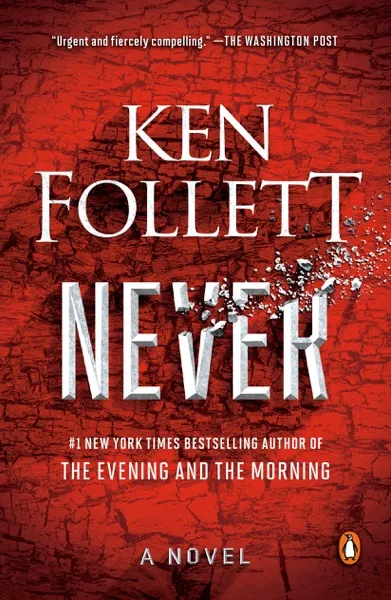

Never Author: Ken FollettPage Count: UnknownPublication Year: 2021-GB Ken Follett’s Never is a masterclass in suspense, blending historical depth with relentless tension in a way that only the maestro of the genre can achieve. Published in 2021, this novel is a global bestseller, and it’s easy to see why. Follett, known for his meticulously researched and gripping thrillers, delivers another page-turner that keeps readers hooked from the first chapter to the last. But Never is more than just a thriller—it’s a deep dive into human resilience, moral dilemmas, and the unbreakable will to survive against impossible odds. At its core, Never is a story about the indomitable human spirit. Follett crafts a narrative that spans continents and decades, following a group of strangers whose lives collide in a series of high-stakes crises. The central theme revolves around the concept of "never" giving up, even when faced with the most daunting challenges. Whether it’s political upheaval, natural disasters, or personal betrayals, the characters in Never embody the idea that perseverance is the key to survival. Follett doesn’t just tell a story; he immerses the reader in a world where every decision could mean the difference between life and death, and where hope is the one thing no one can afford to lose. One of the most striking aspects of Follett’s writing is his ability to blend meticulous historical detail with crackling suspense. Whether he’s setting a scene in post-war London, a war-torn African nation, or a high-tech research facility, Follett’s attention to detail makes the world of Never feel vividly real. He doesn’t just describe a location; he makes the reader feel the weight of the environment, whether it’s the oppressive heat of a desert or the suffocating tension of a life-or-death negotiation. This commitment to authenticity is what sets Follett apart from other thriller writers—he doesn’t just tell a story; he builds an entire universe around it. The novel’s structure is another testament to Follett’s skill. Rather than relying on a single linear narrative, Never weaves together multiple storylines, each one more gripping than the last. The reader is constantly shifting between characters, each with their own motivations, fears, and secrets. This technique creates a sense of urgency, as the reader is always left wondering what will happen next. Follett’s pacing is impeccable, with each chapter ending on a cliffhanger that compels the reader to keep turning the pages. It’s the kind of book that’s impossible to put down, even when sleep beckons. Follett’s characters are another standout feature of Never. They are flawed, complex, and deeply human, which makes their struggles all the more compelling. Whether it’s a determined journalist uncovering a conspiracy, a scientist racing against time to prevent a global catastrophe, or an ordinary person caught in extraordinary circumstances, Follett ensures that each character feels real and relatable. Their triumphs and failures resonate because they reflect the kinds of challenges we might all face in one form or another. It’s this emotional depth that elevates Never from a mere thriller to a story about the human condition itself. The novel’s themes are also deeply relevant to the world we live in today. In an era of climate change, political instability, and global pandemics, Never feels eerily prescient. Follett doesn’t shy away from exploring the darker sides of human nature—greed, corruption, and the abuse of power—but he also offers a glimmer of hope. The characters in Never are constantly forced to confront their own limits, and in doing so, they discover reserves of strength they never knew they had. It’s a powerful message, one that resonates in a world where it often feels like the odds are stacked against us. Follett’s prose is another reason why Never is such a compelling read. His writing is clear and accessible, yet rich with detail and nuance. He has a knack for making complex ideas understandable without dumbing them down, and his dialogue crackles with authenticity. Whether he’s describing a tense negotiation or a quiet moment of reflection, Follett’s prose draws the reader in and keeps them invested. It’s the kind of writing that makes you forget you’re reading a book at all and instead feel like you’re living the story alongside the characters. In many ways, Never is a testament to Follett’s enduring appeal as a writer. With decades of experience behind him, he continues to deliver stories that captivate and inspire. Never is more than just a thriller; it’s a celebration of the human spirit, a gripping tale of survival, and a reminder that even in the darkest of times, there is always hope. Whether you’re a longtime fan of Follett or new to his work, this novel is sure to leave a lasting impression. #Never #KenFollett #ThrillerBooks #MustRead #BookReview #Suspense Related InsightsA Thousand Beginnings and Endings Book Review and Summary Dream Big (Dream On, #2) Book Review and Summary My Ántonia Book Review and Summary{ "@context": "https://schema.org", "@type": "FAQPage", "mainEntity": [ { "@type": "Question", "name": "What is the main focus of Never Book Review and Summary?", "acceptedAnswer": { "@type": "Answer", "text": "Everything you need to know about Never with our detailed review." } }, { "@type": "Question", "name": "Who authored the comprehensive guide on Never Book Review and Summary?", "acceptedAnswer": { "@type": "Answer", "text": "This detailed article and its insights were carefully researched and authored by Camille Dubois." } }, { "@type": "Question", "name": "Where can I find more related content about Books?", "acceptedAnswer": { "@type": "Answer", "text": "You can explore more articles, detailed reviews, and similar insights by browsing the Related Insights section at the bottom of this article or visiting our dedicated Books category page." } } ] }


Gay Relationships for Men and Women Author: Tina TessinaPage Count: UnknownPublication Date: 1990-PRH Tina Tessina’s Gay Relationships for Men and Women (1990) stands as a groundbreaking and empathetic guide in a time when LGBTQ+ voices were often marginalized in mainstream relationship literature. As a psychotherapist with a keen understanding of human dynamics, Tessina delivers a much-needed resource tailored specifically for gay men and lesbian women navigating the complexities of love, commitment, and intimacy. What makes this book truly remarkable is not just its subject matter, but its compassionate tone, practical wisdom, and defiance of heteronormative assumptions that dominated relationship advice in the late 20th century. From the very first pages, Tessina dismantles the idea that love and partnership look the same for everyone. She acknowledges the unique challenges faced by same-sex couples—such as societal stigma, internalized homophobia, and the absence of traditional role models—while offering a framework rooted in emotional honesty and mutual respect. Unlike many self-help books that treat relationships as a one-size-fits-all endeavor, Gay Relationships is refreshingly specific, speaking directly to the lived experiences of its audience with warmth and clarity. The author’s style is one of her greatest strengths. Tessina writes with the clarity of a seasoned therapist and the empathy of someone who genuinely understands the struggles of queer love. Her prose is accessible, devoid of jargon, and infused with a gentle humor that eases the weight of serious topics. She doesn’t just tell readers what to do; she explains why certain dynamics arise in same-sex relationships and how to address them with patience and self-awareness. Whether discussing communication, conflict resolution, or the emotional aftermath of a breakup, Tessina strikes a balance between being informative and reassuring—never condescending, always insightful. One of the book’s most compelling aspects is its acknowledgment of the emotional labor involved in maintaining healthy relationships. Tessina doesn’t shy away from difficult subjects like jealousy, power imbalances, or societal pressures. Instead, she frames these challenges as opportunities for growth, encouraging readers to approach their relationships with curiosity rather than fear. Her advice is rooted in psychological principles but grounded in real-world applicability, making it invaluable not just for those in crisis, but for anyone seeking to deepen their connection with a partner. The book also shines in its inclusivity. While the title mentions both gay men and women, Tessina’s insights resonate across the spectrum of queer relationships, offering a foundation that feels universal without erasing the nuances of individual identity. Whether the reader is single and seeking love, deeply entwined in a partnership, or healing from a past heartbreak, Gay Relationships provides a roadmap that feels both personal and empowering. Tessina’s work is a testament to the idea that relationship advice isn’t just for straight couples—it’s for everyone who seeks love and partnership. In an era when LGBTQ+ literature was still finding its footing, this book was a quiet revolution, offering validation and guidance where few dared to tread. Nearly three decades later, its messages remain strikingly relevant, a reminder that the fundamentals of healthy relationships are timeless, even as the contexts change. If there’s one critique to offer, it’s that the book’s brevity may leave some readers wanting more depth on certain topics. However, this is also its strength—Tessina respects her audience enough to trust them with complex ideas without overwhelming them with excess. The result is a concise yet profound guide that feels like a conversation with a wise, compassionate friend rather than a lecture from an authority figure. Gay Relationships for Men and Women is more than just a manual; it’s a lifeline for those who have spent too long adapting heteronormative advice to fit their lives. Tina Tessina’s work is a celebration of queer love in all its forms, and a reminder that love, when nurtured with intention, can overcome even the most entrenched societal barriers. #GayRelationships #LGBTQ+Love #QueerLiterature #SelfHelpForCouples #LoveWithoutBorders #TinaTessina Related InsightsWorld of Throne of Glass Book Review and Summary Being Ace Book Review and Summary Dopamine Nation Book Review and Summary{ "@context": "https://schema.org", "@type": "FAQPage", "mainEntity": [ { "@type": "Question", "name": "What is the main focus of Gay Relationships for Men and Women Book Review and Summary?", "acceptedAnswer": { "@type": "Answer", "text": "Everything you need to know about Gay Relationships for Men and Women with our detailed review." } }, { "@type": "Question", "name": "Who authored the comprehensive guide on Gay Relationships for Men and Women Book Review and Summary?", "acceptedAnswer": { "@type": "Answer", "text": "This detailed article and its insights were carefully researched and authored by Isabella Moore." } }, { "@type": "Question", "name": "Where can I find more related content about Books?", "acceptedAnswer": { "@type": "Answer", "text": "You can explore more articles, detailed reviews, and similar insights by browsing the Related Insights section at the bottom of this article or visiting our dedicated Books category page." } } ] }


Small Kingdoms and Other Stories Author: Charlaine HarrisPage Count: UnknownPublication Year: 2019-GB Charlaine Harris is a master storyteller whose work effortlessly bridges the gap between the ordinary and the extraordinary, and Small Kingdoms and Other Stories is no exception. Published in 2019, this collection of short fiction serves as a testament to Harris’s versatility, showcasing her ability to weave tales that are as haunting as they are grounded in human complexity. Whether she’s exploring the supernatural or delving into the quiet tragedies of small-town life, Harris’s prose remains sharp, evocative, and deeply engaging. At its core, Small Kingdoms and Other Stories is a meditation on power—its acquisition, its abuse, and the often fragile lines that separate dominance from submission. Harris’s stories orbit around characters who are either clinging to control or wrestling with the loss of it, whether in personal relationships, societal hierarchies, or the supernatural realms she so deftly inhabits. In the title story, "Small Kingdoms," we meet a woman who orchestrates her life with ruthless precision, only to find her carefully constructed world unraveling when a stranger from her past resurfaces. The tension here is palpable, not just in the external conflict but in the internal erosion of her self-assurance. Harris excels at depicting the fragility of human pride, how it can crumble under the weight of unresolved history. The collection’s strength lies in its diversity of tone and subject matter, yet Harris maintains a consistent voice that feels unmistakably hers. She has a knack for blending the mundane with the macabre, often grounding fantastical elements in the realism of human emotion. In stories like "Sparklin’," she introduces a supernatural twist—a man who can see ghosts—but the true horror isn’t the spectral visitors; it’s the way his family’s secrets and resentments manifest in their presence. Harris doesn’t rely on cheap thrills; instead, she crafts stories where the supernatural is a metaphor for the inescapable truths we bury. Her dialogue is another standout feature, crackling with authenticity and often laced with dry humor. In "The Pretender," a woman impersonates a deceased friend to insulate herself from grief, and the back-and-forth between her and the skeptical narrator drips with wry tension. Harris trusts her readers to pick up on the subtext, to sense the desperation beneath the banter. This economy of language is a hallmark of her style, where every word feels deliberate, every silence loaded with meaning. One of the collection’s most compelling themes is the idea of identity as something fluid and performative. Whether it’s a woman reinventing herself in "The Glitter Tornado" or a man grappling with the legacy of his father’s crimes in "The King of Mississippi," Harris explores how people construct narratives to survive. These aren’t just stories about who we are; they’re about who we choose to be—and the cost of those choices. The title story, "Small Kingdoms," is particularly resonant in this regard, as the protagonist’s carefully curated life is exposed as a facade, revealing the emptiness beneath her crown of control. Harris’s world-building is another area where she shines. Even in her short stories, she creates vivid settings that feel lived-in and immersive. Whether it’s the sultry, oppressive heat of a Southern town or the claustrophobic intimacy of a family dinner, the settings serve as more than just backdrops; they amplify the emotional stakes. In "The King of Mississippi," the decaying grandeur of a riverboat casino mirrors the moral decay of its inhabitants, creating a sense of inevitability that lingers long after the story ends. What makes Small Kingdoms and Other Stories truly remarkable is Harris’s refusal to shy away from moral ambiguity. Her characters are rarely pure heroes or villains; they’re flawed, contradictory people making imperfect choices. In "The Pretender," the protagonist’s deception is both understandable and ethically troubling, leaving the reader to grapple with their own judgments. Harris doesn’t offer easy answers, which is precisely why her stories resonate. They reflect the messiness of real life, where right and wrong are often shades of gray. Harris’s prose is elegant but never flowery, her sentences clean and purposeful. She has a journalist’s eye for detail and a poet’s ear for rhythm, which makes her stories a joy to read aloud. There’s a musicality to her writing that draws you in, even when the subject matter is dark. In "The Glitter Tornado," the protagonist’s obsession with sparkle and surface beauty is mirrored in the shimmering, almost hypnotic quality of the prose. It’s a masterclass in how style can reinforce theme. Ultimately, Small Kingdoms and Other Stories is a collection that proves Charlaine Harris is more than just the creator of Sookie Stackhouse. She’s a writer of remarkable range and depth, capable of crafting stories that linger in the mind long after the last page is turned. Whether you’re a longtime fan of her work or new to her writing, this collection offers something for everyone—a taste of the supernatural, a dash of Southern Gothic charm, and a generous helping of human drama. If you’re looking for stories that are as thought-provoking as they are entertaining, Small Kingdoms and Other Stories is a must-read. Harris’s ability to blend the extraordinary with the everyday ensures that these tales feel both timeless and urgently relevant. #CharlaineHarris #ShortStoryCollection #SupernaturalFiction #SouthernGothic #CharlaineHarrisStories #MustRead Related InsightsInstallment Immortality Book Review and Summary The Henchperson's Guide to Unionizing Book Review and Summary The Things You'll Never Know Book Review and Summary{ "@context": "https://schema.org", "@type": "FAQPage", "mainEntity": [ { "@type": "Question", "name": "What is the main focus of Small Kingdoms and Other Stories Book Review and Summary?", "acceptedAnswer": { "@type": "Answer", "text": "Everything you need to know about Small Kingdoms and Other Stories with our detailed review." } }, { "@type": "Question", "name": "Who authored the comprehensive guide on Small Kingdoms and Other Stories Book Review and Summary?", "acceptedAnswer": { "@type": "Answer", "text": "This detailed article and its insights were carefully researched and authored by Victoria Smith." } }, { "@type": "Question", "name": "Where can I find more related content about Books?", "acceptedAnswer": { "@type": "Answer", "text": "You can explore more articles, detailed reviews, and similar insights by browsing the Related Insights section at the bottom of this article or visiting our dedicated Books category page." } } ] }
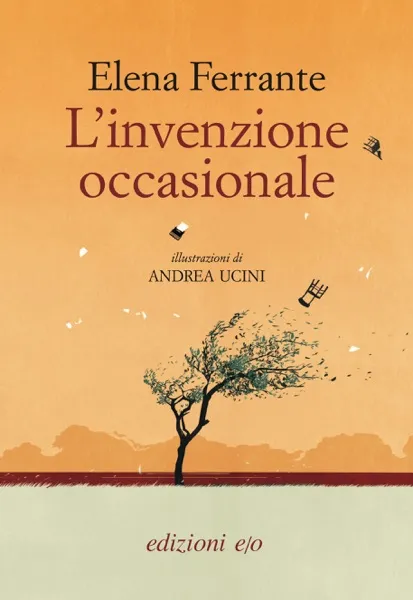
Invenzione occasionale Author: Elena FerrantePage Count: UnknownPublication Year: 2019-GB Elena Ferrante’s Invenzione occasionale (2019) is a masterclass in literary alchemy—where the mundane and the extraordinary collide in a narrative that feels both intimate and boundless. Though the exact page count remains elusive, the book’s power lies not in its length but in its density: each sentence crackles with the tension of a life teetering between revelation and concealment. Ferrante, the shadowy genius behind the Neapolitan Novels, once again strips away the illusions of autobiography, only to weave something far more compelling—a story that is occasionally invented, yet insistently real. At its core, Invenzione occasionale explores the fragility of identity when confronted with the past. The unnamed narrator, a writer grappling with the ghosts of her youth, stumbles upon an old photograph that ignites a crisis: Is she the person she remembers, or a construct of her own storytelling? Ferrante’s genius lies in her refusal to resolve this tension neatly. Instead, she luxuriates in the ambiguity, turning the act of remembering into a performance—one where the past is both a prison and a playground. The book’s title, which translates to Occasional Invention, is a sly nod to this duality: we are, after all, the sum of our deliberate fictions, even when we believe ourselves to be documenting truth. Ferrante’s prose is deceptive in its simplicity. There are no pyrotechnic sentences, no ostentatious metaphors—just a prose that feels as natural as breathing, yet carries the weight of a confession. Her sentences coil around the reader, pulling them into a vortex of doubt. When the narrator describes her childhood in Naples, the city itself becomes a character—oppressive, suffocating, yet impossible to escape. Ferrante’s Naples is not a postcard; it’s a living, breathing entity that shapes her characters’ psyches like a mold. The city’s narrow streets and crumbling buildings mirror the narrator’s fragmented psyche, where every corner holds a memory, every alley a secret. What makes Invenzione occasionale so haunting is its refusal to commit to any single truth. The narrator’s memories are contradictory, her emotions volatile, her relationships with her family and lovers painted in shades of gray rather than black and white. This is not a story of redemption or resolution but of perpetual unraveling—a testament to the fact that we are all, in some way, occasional inventions of our own making. Ferrante’s brilliance lies in her ability to make this disorientation feel not like a flaw but like the essence of human experience. The book’s structure is fluid, almost improvisational. It reads like a series of vignettes stitched together by the narrator’s restless mind, where digressions feel intentional rather than accidental. One moment, we’re plunged into a childhood memory of a family argument; the next, the narrator is dissecting the mechanics of writing itself, questioning whether art is a betrayal of life or its only honest reflection. This meta-narrative layer adds depth, inviting readers to question not just the narrator’s story, but their own relationship with memory and fiction. Ferrante’s characters are, as ever, indelible. The narrator’s mother, a woman of fierce contradictions, looms large even in absence, her presence felt in every sharp word and unspoken grievance. The men in her life—lovers, friends, strangers—are sketched with equal precision, their roles in her life rendered as fleeting as they are significant. There’s a rawness to these relationships that feels uncomfortably real, as if Ferrante has dipped her pen in the ink of lived experience rather than imagination. Ultimately, Invenzione occasionale is a book about the lies we tell ourselves to survive. It’s a meditation on how we curate our pasts, how we perform our identities, and how the stories we tell—whether to others or to ourselves—are never quite the whole truth. In an era where authenticity is both a commodity and a curse, Ferrante’s work is a reminder that the most compelling stories are the ones that resist closure. They are, like all great art, occasional inventions—necessary, beautiful, and just a little bit dangerous. #FerranteFiction #OccasionalInvention #MemoryAndFiction #ElenaFerranteMagic #LiteraryAlchemy #NaplesInLiterature Related InsightsWhiteout Book Review and Summary Nineteen Minutes Book Review and Summary Buried Embers Book Review and Summary{ "@context": "https://schema.org", "@type": "FAQPage", "mainEntity": [ { "@type": "Question", "name": "What is the main focus of Invenzione occasionale Book Review and Summary?", "acceptedAnswer": { "@type": "Answer", "text": "Everything you need to know about Invenzione occasionale with our detailed review." } }, { "@type": "Question", "name": "Who authored the comprehensive guide on Invenzione occasionale Book Review and Summary?", "acceptedAnswer": { "@type": "Answer", "text": "This detailed article and its insights were carefully researched and authored by Sofia Bianchi." } }, { "@type": "Question", "name": "Where can I find more related content about Books?", "acceptedAnswer": { "@type": "Answer", "text": "You can explore more articles, detailed reviews, and similar insights by browsing the Related Insights section at the bottom of this article or visiting our dedicated Books category page." } } ] }
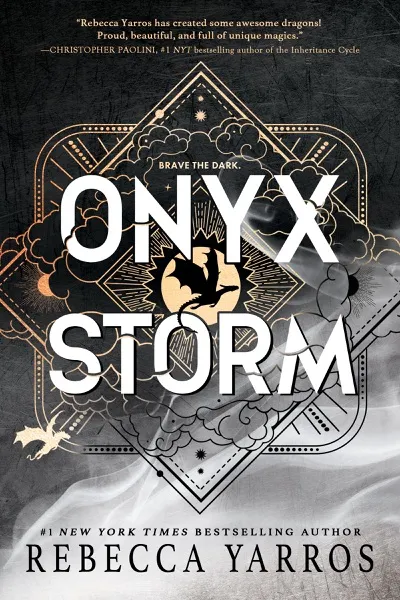

Onyx Storm Author: Rebecca YarrosPage Count: UnknownPublication Year: 2025-GB Rebecca Yarros’ Onyx Storm isn’t just another romance—it’s a tempest of emotion, resilience, and raw human connection, set against the backdrop of a world that feels as vivid as the characters who inhabit it. As a global bestseller, Yarros has once again proven her mastery of blending high-stakes drama with the kind of emotional intimacy that lingers long after the final page. But what makes Onyx Storm more than just a fleeting sensation is its unflinching exploration of survival, love, and the storms we weather when life refuses to bow to our plans. At its core, Onyx Storm is a story about reinvention. Yarros, known for her ability to craft characters who are as flawed as they are fiercely determined, delivers another protagonist who refuses to be defined by her past. The novel’s unnamed narrator (or perhaps we should say narrators—plural, as the story unfolds in layers) is a woman who has spent years building walls around herself, only to find them crumbling when the unexpected arrives. It’s a theme that resonates deeply in a world where reinvention is often marketed as a luxury rather than a necessity. Yarros doesn’t shy away from the messiness of it—the guilt of leaving things behind, the fear of never being enough in a new place, the quiet triumph of realizing that growth isn’t linear. The storm in the title isn’t just a metaphor; it’s the inevitable chaos that forces us to adapt, to shed old skins, and to discover who we are when the familiar is stripped away. What elevates this novel beyond the ordinary is Yarros’ signature style: a blend of lyrical prose and unvarnished realism. Her writing is like a storm itself—sometimes gentle, sometimes brutal, but always compelling. She has a gift for making the mundane feel extraordinary, whether she’s describing the quiet rhythm of a morning routine or the overwhelming weight of a single decision. The dialogue crackles with authenticity, and the emotional beats land with precision, never veering into melodrama despite the high stakes. Yarros doesn’t just tell you how a character feels; she makes you feel it, in a way that lingers like the aftershocks of a real-life crisis. The romance in Onyx Storm is neither predictable nor saccharine. Yarros understands that love isn’t always a soft landing—sometimes it’s the thing that knocks you off your feet when you least expect it. The relationship at the heart of the novel is built on mutual respect, shared pain, and an unspoken understanding that both parties are still learning to stand on their own. There’s a delicious tension in the way Yarros teases out the push-and-pull between independence and vulnerability, making the eventual resolution feel earned rather than contrived. But perhaps the most striking aspect of Onyx Storm is its refusal to offer easy answers. Life, Yarros seems to say, isn’t about neatly tying up loose ends. It’s about learning to dance in the rain, even when the forecast is uncertain. The novel’s ending is bittersweet, a reflection of real life where not every story has a perfect resolution, but where every moment—even the painful ones—contributes to the person we become. Yarros’ ability to weave such a rich, immersive narrative while keeping the emotional core so tightly focused is a testament to her skill as a storyteller. Onyx Storm isn’t just a book you read; it’s an experience you live through, one that lingers in your thoughts long after you’ve turned the last page. If you’re looking for a romance that challenges as much as it comforts, or a story that reminds you that sometimes the greatest storms lead to the clearest skies, then Onyx Storm is your next must-read. #OnyxStorm #RebeccaYarros #NewAdultRomance #BookTokMustRead #StormyRomance #LoveInTheRain Related InsightsThe Hiding Place: The Triumphant True Story of Corrie Ten Boom Book Review and Summary Queen of Lombard Street Book Review and Summary Running Man Book Review and Summary{ "@context": "https://schema.org", "@type": "FAQPage", "mainEntity": [ { "@type": "Question", "name": "What is the main focus of Onyx Storm Book Review and Summary?", "acceptedAnswer": { "@type": "Answer", "text": "Everything you need to know about Onyx Storm with our detailed review." } }, { "@type": "Question", "name": "Who authored the comprehensive guide on Onyx Storm Book Review and Summary?", "acceptedAnswer": { "@type": "Answer", "text": "This detailed article and its insights were carefully researched and authored by William Clark." } }, { "@type": "Question", "name": "Where can I find more related content about Books?", "acceptedAnswer": { "@type": "Answer", "text": "You can explore more articles, detailed reviews, and similar insights by browsing the Related Insights section at the bottom of this article or visiting our dedicated Books category page." } } ] }


The Boys of Summer Author: Elizabeth ZackPage Count: UnknownPublication Date: 2007-PRH The Boys of Summer: A Glamorous Deep Dive into the Rise of Two Hollywood Icons Elizabeth Zack’s The Boys of Summer is more than just a celebrity exposé—it’s a time capsule of early 2000s Hollywood stardom, capturing the electric rise of two actors who defined a generation of teen drama and beyond. Released in 2007, at the peak of The O.C.’s cultural dominance, the book serves as both a fan’s guide and a cultural artifact, blending biography, gossip, and behind-the-scenes intrigue to paint a vivid portrait of Benjamin McKenzie and Adam Brody. At its core, The Boys of Summer is a celebration of ambition, youth, and the intoxicating allure of fame. Zack doesn’t just dissect McKenzie and Brody’s careers; she immerses the reader in their journeys—from their humble beginnings to the dizzying heights of becoming two of Hollywood’s most bankable heartthrobs. The book’s strength lies in its ability to balance hard facts with the kind of insider tidbits that make celebrity bios feel alive. Whether it’s McKenzie’s New York acting struggles or Brody’s early forays into horror (The Ring), Zack ensures that the narrative never feels like a dry recitation of achievements. Instead, it reads like a love letter to the era when The O.C. was appointment television, and its stars were the ultimate teen idols. Zack’s writing style is punchy and accessible, mirroring the fast-paced energy of the entertainment industry she’s chronicling. She avoids the dry academic tone that plagues so many celebrity bios, opting instead for a conversational, almost breathless approach that mirrors the excitement of discovering new talent. The prose is slick, the pacing brisk, and the tone unapologetically fangirl—perfect for readers who grew up watching McKenzie and Brody’s careers unfold in real time. One of the book’s most compelling themes is the duality of stardom—how fame can be both a blessing and a curse. Zack doesn’t shy away from the pressures of being young, attractive, and in the spotlight, particularly for actors who rose to fame in an era before social media had softened the edges of celebrity culture. She delves into the dating dilemmas, the industry’s expectations, and the sheer luck that propelled Brody and McKenzie to the top. There’s a sense of nostalgia in these pages, a reminder of a time when The O.C. wasn’t just a show but a phenomenon that shaped pop culture. Zack also excels at capturing the camaraderie between the two actors. Their on-screen chemistry in The O.C. was undeniable, but the book reveals the off-screen friendship that made their partnership so special. Zack peppers the narrative with anecdotes from the set, giving readers a glimpse into the dynamic between the two—whether it’s their shared love of music, their mutual disdain for the paparazzi, or the inside jokes that kept them grounded amidst the chaos of fame. That said, The Boys of Summer isn’t without its flaws. As a product of its time, it leans heavily into the O.C. hype, which may leave some readers craving more depth on the actors’ careers post-2007. Zack’s focus is squarely on their rise, not their later work, which means fans looking for a comprehensive look at their entire careers might find the book’s scope a bit limited. Additionally, the writing occasionally veers into the realm of hagiography—it’s hard to find a critical word about either actor, which can make the tone feel a tad unbalanced. Still, these minor critiques don’t detract from the book’s overall charm. The Boys of Summer is a time capsule of a moment when two actors became synonymous with cool, when a TV show could make or break careers, and when the line between reality and fiction felt delightfully blurred. Zack’s passion for her subjects shines through, making this more than just a book about fame—it’s a testament to the fleeting, golden age of early 2000s Hollywood. For fans of The O.C. and the actors who defined an era, The Boys of Summer is a must-read—a nostalgic trip down memory lane that reminds us why Brody and McKenzie were, and still are, two of the most magnetic stars of their generation. #TheOC #BenjaminMcKenzie #AdamBrody #CelebrityBios #90sNostalgia #HollywoodRisingStars Related InsightsEvie and the Animals Book Review and Summary Iron Flame Book Review and Summary The Sixth Faction (The Sixth Faction, #1) Book Review and Summary{ "@context": "https://schema.org", "@type": "FAQPage", "mainEntity": [ { "@type": "Question", "name": "What is the main focus of The Boys of Summer Book Review and Summary?", "acceptedAnswer": { "@type": "Answer", "text": "Everything you need to know about The Boys of Summer with our detailed review." } }, { "@type": "Question", "name": "Who authored the comprehensive guide on The Boys of Summer Book Review and Summary?", "acceptedAnswer": { "@type": "Answer", "text": "This detailed article and its insights were carefully researched and authored by Diego Lopez." } }, { "@type": "Question", "name": "Where can I find more related content about Books?", "acceptedAnswer": { "@type": "Answer", "text": "You can explore more articles, detailed reviews, and similar insights by browsing the Related Insights section at the bottom of this article or visiting our dedicated Books category page." } } ] }

The Case for Marriage Author: Linda WaitePage Count: UnknownPublication Date: 2001-PRH In "The Case for Marriage," Linda Waite presents a compelling and rigorously researched argument for the benefits of marriage, challenging the prevailing notion that marriage is a relic of the past. With the help of journalist Maggie Gallagher and other scholars, Waite crafts a comprehensive and accessible exploration of the institution of marriage, revealing the numerous emotional, physical, economic, and sexual benefits it brings to individuals and society as a whole. Waite's writing style is clear and engaging, making the book an enjoyable read for both academics and non-experts alike. The author's use of empirical data and research findings adds depth and credibility to her arguments, while her practical advice for strengthening the institution of marriage provides readers with actionable steps to improve their own relationships. One of the book's greatest strengths is its ability to debunk common myths about marriage. Waite and Gallagher convincingly argue that marriage is not a bad deal for women, that divorce is not better for children when parents are unhappy, and that marriage is not simply a private choice, but a public institution that has a profound impact on society. Instead, the authors demonstrate that married people tend to live longer, have better health, earn more money, and enjoy more fulfilling lives than those who remain single or divorced. The book's critique of modern society's views on marriage is also noteworthy. Waite and Gallagher contend that the decline of marriage has led to a host of social problems, including increased poverty, decreased economic mobility, and a decline in overall well-being. By reestablishing marriage as the foundation for a healthy and happy society, the authors argue that we can begin to address these problems and create a more stable and prosperous future for all. Throughout the book, Waite's passion for the subject matter shines through, and her commitment to providing a balanced and nuanced exploration of the topic is evident. While some readers may disagree with the authors' conclusions, it is impossible to deny the thoroughness and rigor of their research. In short, "The Case for Marriage" is a must-read for anyone interested in the future of family and relationships. Waite's compelling arguments, combined with her engaging writing style and commitment to empirical research, make this book a standout in the field. Whether you are a scholar, a policymaker, or simply someone looking to improve your own relationship, this book has something to offer. #TheCaseForMarriage #MarriageMatters #RelationshipGoals #FamilyFirst #Sociology #MarriageBenefits Related InsightsIl Respiro delle Rotte: Come la Letteratura di Viaggio Ha Plasmato le Nostre Mappe Interiori Wolf Season: A Novel Book Review and Summary A Clockwork Orange Book Review and Summary{ "@context": "https://schema.org", "@type": "FAQPage", "mainEntity": [ { "@type": "Question", "name": "What is the main focus of Waiting for Godot Book Review and Summary?", "acceptedAnswer": { "@type": "Answer", "text": "Everything you need to know about Waiting for Godot with our detailed review." } }, { "@type": "Question", "name": "Who authored the comprehensive guide on Waiting for Godot Book Review and Summary?", "acceptedAnswer": { "@type": "Answer", "text": "This detailed article and its insights were carefully researched and authored by Samuel Beckett." } }, { "@type": "Question", "name": "Where can I find more related content about Books?", "acceptedAnswer": { "@type": "Answer", "text": "You can explore more articles, detailed reviews, and similar insights by browsing the Related Insights section at the bottom of this article or visiting our dedicated Books category page." } } ] }
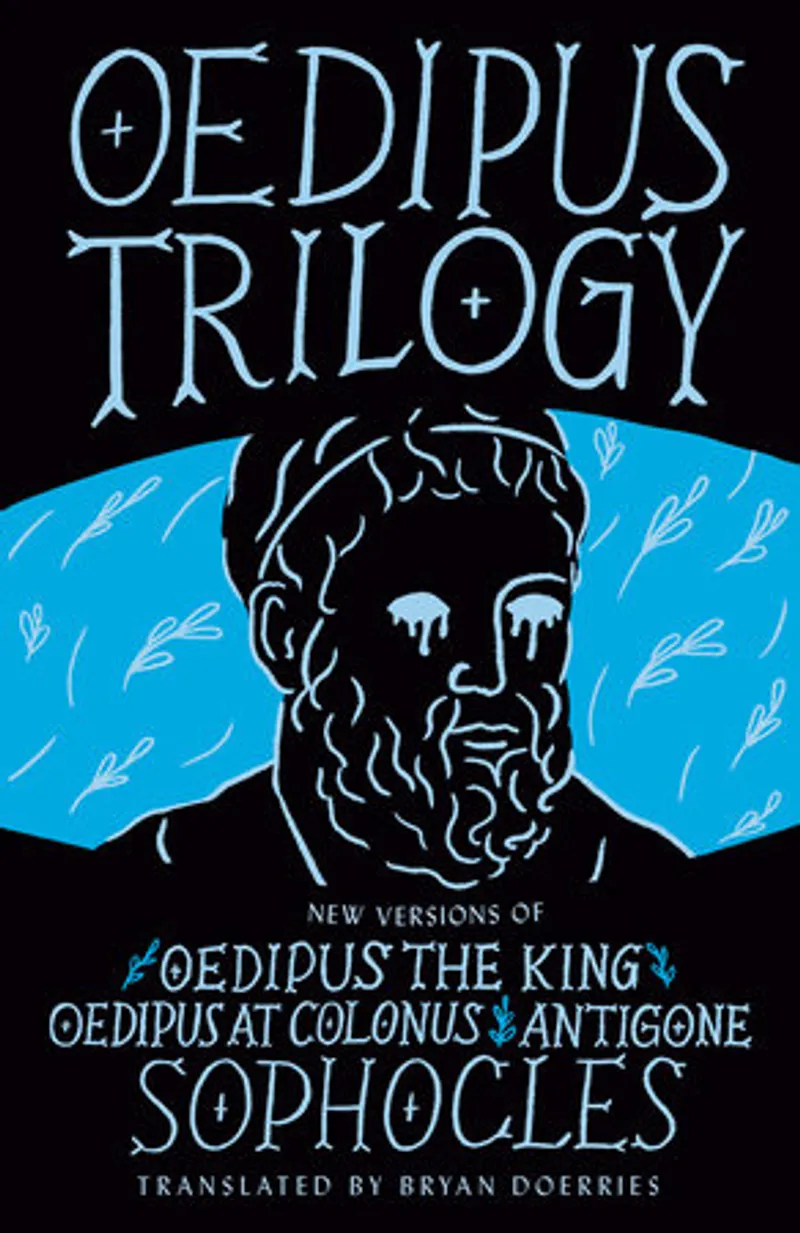
Oedipus Trilogy Author: SophoclesPage Count: UnknownPublication Date: 2021-PRH Sophocles’ Oedipus Trilogy has long stood as a cornerstone of Western literature, a timeless exploration of fate, hubris, and the human condition. Yet Bryan Doerries’ fresh translations breathe new life into these ancient tragedies, stripping away the dust of centuries to reveal their raw, urgent relevance. This isn’t just a retelling—it’s a resuscitation, a way to make Sophocles’ words resonate in a world still grappling with pandemics, racial injustice, and the failures of leadership. At its core, the trilogy is a meditation on suffering and the illusions of control. Oedipus the King begins with a plague ravaging Thebes, a crisis met with arrogance by its ruler, Oedipus, who clings to his belief in his own intellect even as the gods’ prophecies unravel around him. Doerries’ translation sharpens the play’s modern parallels, framing Oedipus’ downfall not as a distant myth but as a cautionary tale about denial and the dangers of ignoring expert warnings—whether in a pandemic or a climate crisis. The language is direct, stripped of archaic flourishes, making the tragedy feel immediate. When Oedipus declares, “I am the one who must bear the burden,” the weight of his hubris lands with visceral force. Oedipus at Colonus shifts tone, offering a quieter, more reflective meditation on aging, exile, and redemption. Doerries’ version emphasizes the play’s themes of homelessness and displacement, framing Oedipus’ wandering as a metaphor for modern refugees and the elderly abandoned by society. The dialogue here is more lyrical, yet still accessible, with a rhythm that mirrors the inevitability of fate. The play’s ending—Oedipus’ mysterious disappearance—feels less like a resolution and more like a challenge, leaving readers to ponder what it means to find peace in a world that has rejected you. Antigone is the trilogy’s most explosive work, a defiant cry against unjust laws and the cost of moral integrity. Doerries’ translation amplifies its political urgency, particularly in its resonance with movements like Black Lives Matter. Antigone’s refusal to obey Creon’s edict—“I was born to join in love, not hate”—becomes a rallying cry for civil disobedience. The choral odes, often dense in other translations, here sing with clarity, their rhythms mirroring the pulse of protest. The play’s ending, with its pile of bodies and the king’s belated realization of his folly, feels like a gut punch, a reminder that power unchecked always collapses under its own weight. Doerries’ greatest achievement is his refusal to treat these plays as museum pieces. His translations are designed to provoke, to spark conversations—not just about ancient Greece, but about today’s crises. The accompanying notes and context (drawing from his Theater of War projects) reveal how Sophocles’ words have been weaponized in modern struggles: Antigone in Ferguson used the play to confront racial injustice; The Oedipus Project linked its themes to COVID-19’s devastation. This isn’t just literary scholarship; it’s an act of cultural alchemy, turning tragedy into a tool for healing. Doerries’ style is unpretentious but precise. He avoids the stilted grandeur of older translations, opting for a language that feels like it’s spoken, not performed. The result is a trilogy that feels alive, where every line crackles with the potential to unsettle. His introductions and afterwords are concise but illuminating, providing just enough context without overwhelming the text. He doesn’t just translate Sophocles—he translates his urgency. The only minor quibble is that the book’s design (as a 2021 publication) doesn’t fully capture the multimedia energy of Doerries’ theatrical projects. The absence of QR codes or references to the original performances feels like a missed opportunity to immerse readers in the full experience. Still, the text stands powerfully on its own. In an era where we’re constantly told to “learn from history,” Doerries reminds us that the past isn’t just a lesson—it’s a mirror. Sophocles’ trilogy isn’t about kings and oracles; it’s about us. Oedipus’ blindness, Antigone’s defiance, Creon’s tyranny—these aren’t relics. They’re warnings. And Doerries’ translations ensure we can’t ignore them. #OedipusTrilogy #Sophocles #BryanDoerries #AncientGreekTragedy #ModernRelevance #TheaterOfWar Related Insights’Salem’s Lot Book Review and Summary Bastille vs. the Evil Librarians Book Review and Summary Blood of Rome Book Review and Summary{ "@context": "https://schema.org", "@type": "FAQPage", "mainEntity": [ { "@type": "Question", "name": "What is the main focus of Antigone Book Review and Summary?", "acceptedAnswer": { "@type": "Answer", "text": "Everything you need to know about Antigone with our detailed review." } }, { "@type": "Question", "name": "Who authored the comprehensive guide on Antigone Book Review and Summary?", "acceptedAnswer": { "@type": "Answer", "text": "This detailed article and its insights were carefully researched and authored by Sophocles." } }, { "@type": "Question", "name": "Where can I find more related content about Books?", "acceptedAnswer": { "@type": "Answer", "text": "You can explore more articles, detailed reviews, and similar insights by browsing the Related Insights section at the bottom of this article or visiting our dedicated Books category page." } } ] }

Clive Cussler Obsidian Sky Author: Dirk CusslerPage Count: UnknownPublication Date: 2026-PRH In the world of action-adventure novels, few names are as synonymous with high-octane thrills and historical intrigue as Clive Cussler. With the passing of the torch to his son, Dirk Cussler, the family legacy continues to soar to new heights. The latest installment in the Isaac Bell series, "Obsidian Sky", is a testament to the Cussler name, blending meticulous research, breakneck pacing, and larger-than-life characters. From the outset, it's clear that Dirk Cussler has mastered the art of weaving complex narratives that seamlessly blend fact and fiction. The story hurtles forward with the trademark Cussler momentum, barely pausing for breath as it careens through treacherous landscapes and treacherous villains. At the helm is the inimitable Isaac Bell, a detective with a penchant for finding himself at the epicenter of global events. One of the most striking aspects of "Obsidian Sky" is its ability to balance historical accuracy with the demands of a modern thriller. The Cussler name has long been associated with meticulous research, and this latest outing is no exception. From the intricate details of early 20th-century aviation to the cutthroat world of international espionage, every aspect of the narrative is imbued with a sense of authenticity that's nothing short of remarkable. And yet, despite the emphasis on historical veracity, "Obsidian Sky" never feels like a dry, dusty tome. Instead, it's a full-throated, adrenaline-fueled ride that's as much at home in the world of Indiana Jones as it is in the rarefied realm of historical fiction. The action sequences are expertly choreographed, with a keen eye for detail that puts the reader squarely in the midst of the mayhem. If there's one area where "Obsidian Sky" truly excels, it's in the development of its characters. Isaac Bell, in particular, is a fascinating study in contrasts – a man of unwavering principle and unshakeable calm, even in the face of unimaginable danger. His supporting cast is equally well-drawn, from the enigmatic femme fatale to the ruthless villain who'll stop at nothing to achieve his goals. Throughout the narrative, Dirk Cussler's prose is economical and direct, eschewing flowery language in favor of a more straightforward, no-nonsense approach. It's a style that's well-suited to the demands of the thriller genre, where pacing and tension are paramount. And yet, despite the breakneck speed of the narrative, there's a keen sense of emotional depth that adds a richness to the story that's often lacking in more straightforward action-adventure fare. In the end, "Obsidian Sky" is a resounding success – a testament to the enduring power of the Cussler name and the boundless creativity of its newest standard-bearer. If you're a fan of historical thrillers, action-adventure novels, or simply great storytelling in general, do yourself a favor and pick up a copy of this outstanding book. #CliveCussler #DirkCussler #ObsidianSky #IsaacBellSeries #HistoricalThriller #ActionAdventureNovels Related InsightsWell Versed (Well Met, #5) Book Review and Summary City and Its Uncertain Walls Book Review and Summary Life Impossible Book Review and Summary{ "@context": "https://schema.org", "@type": "FAQPage", "mainEntity": [ { "@type": "Question", "name": "What is the main focus of Obsidian Book Review and Summary?", "acceptedAnswer": { "@type": "Answer", "text": "Everything you need to know about Obsidian with our detailed review." } }, { "@type": "Question", "name": "Who authored the comprehensive guide on Obsidian Book Review and Summary?", "acceptedAnswer": { "@type": "Answer", "text": "This detailed article and its insights were carefully researched and authored by Jennifer L. Armentrout." } }, { "@type": "Question", "name": "Where can I find more related content about Books?", "acceptedAnswer": { "@type": "Answer", "text": "You can explore more articles, detailed reviews, and similar insights by browsing the Related Insights section at the bottom of this article or visiting our dedicated Books category page." } } ] }


The Memory Police Author: Yoko OgawaPage Count: UnknownPublication Date: 2020-PRH The Memory Police: A Chilling Ode to the Fragility of Memory and the Tyranny of Forgetting Yoko Ogawa’s The Memory Police is a dystopian masterpiece that burrows into the mind like a slow, insidious chill. Neither a full-blown sci-fi allegory nor a straight-laced political thriller, it exists in the unsettling space between Orwellian dread and Kafkan absurdity, asking a question that gnaws at the edges of consciousness: What happens when the past is erased not by fire, but by the quiet, relentless work of collective forgetting? Set on an unnamed island where objects—hats, ribbons, birds, roses—mysteriously vanish, the novel unfolds with the quiet inevitability of a tide receding. Most inhabitants accept these disappearances as natural, their memories dissolving along with the things themselves. But a small, terrified minority retain the lost objects in their minds, hunted by the faceless Memory Police, who ensure that what is forgotten stays forgotten. Into this oppressive stillness steps our unnamed narrator, a novelist whose work becomes both her salvation and her curse as she grapples with the erasure of her own past. At its core, The Memory Police is a meditation on the nature of memory itself—how it is both a prison and a sanctuary. Ogawa treats memory not as a fixed archive but as a living, breathing thing, subject to erosion, manipulation, and violent erasure. The island’s inhabitants don’t just forget; they let go, as if the act of remembering were a betrayal of some unspoken social contract. The Memory Police, then, are not just enforcers of state power but the embodiment of collective complicity in self-erasure. Their existence raises a chilling question: Is forgetting a choice—or a survival tactic in a world where clinging to the past invites punishment? Ogawa’s prose is deceptively simple, lulling the reader with a dreamlike, almost fairy-tale cadence before the horror seeps in like ink in water. Her sentences are precise, measured, and devoid of melodrama, which makes the novel’s quiet devastation all the more powerful. There are no grand speeches, no overt acts of rebellion—just the slow, suffocating realization that resistance is itself a disappearing act. The narrator’s relationship with her editor, whom she hides beneath her floorboards, becomes a poignant metaphor for the struggle to preserve meaning in a world that demands silence. Their whispered conversations, their shared acts of defiance through writing, feel like the last embers of a dying fire. The novel’s greatest strength lies in its ambiguity. Is the island a physical place or a state of mind? Are the disappearances a metaphor for censorship, historical revisionism, or the natural decay of human connection? Ogawa refuses to provide easy answers, instead letting the reader sit with the unease. The Memory Police are never fully explained; they are a force as intangible as the memories they destroy. This deliberate vagueness makes the book feel timeless, as if it could be set in any era where power dictates what is remembered—and what is buried. Ogawa’s style is reminiscent of classic Japanese literary minimalism, where restraint amplifies the emotional weight. There are no gratuitous descriptions, no overburdened metaphors—just the steady, inexorable march toward oblivion. The novel’s structure, too, is a masterclass in tension. The disappearances escalate in ways that feel both random and inevitable, mirroring the way trauma seeps into life, altering it in ways that are impossible to predict. Yet for all its bleakness, The Memory Police is not without hope. The narrator’s act of writing—her stubborn insistence on recording what others forget—becomes an act of defiance. In a world where memory is policed, literature becomes resistance. The novel asks: If words are the last bastion of truth, what happens when language itself is at risk? Ogawa doesn’t offer redemption, but she does suggest that the impulse to remember, to create, is itself an act of rebellion. This is a book that lingers, not because it shocks with spectacle, but because it worms its way into your mind, making you question what you’ve already forgotten. In an age of misinformation, algorithmic curation, and the relentless rewriting of history, The Memory Police feels less like fiction and more like a warning. It reminds us that the most insidious form of control isn’t the erasure of books or monuments, but the slow, collective decision to stop caring about what was lost. Ogawa’s novel is a haunting, beautifully crafted nightmare—one that lingers like the memory of a dream half-remembered at dawn. It doesn’t just ask you to confront the past; it forces you to ask whether you’d even recognize it if it disappeared before your eyes. #TheMemoryPolice #DystopianFiction #BookReview #YokoOgawa #MemoryAndLoss #OrwellianNightmare Related InsightsTwo Can Play That Game Book Review and Summary Bitterroots Book Review and Summary Normal People, the scripts Book Review and Summary{ "@context": "https://schema.org", "@type": "FAQPage", "mainEntity": [ { "@type": "Question", "name": "What is the main focus of The Memory Police Book Review and Summary?", "acceptedAnswer": { "@type": "Answer", "text": "Everything you need to know about The Memory Police with our detailed review." } }, { "@type": "Question", "name": "Who authored the comprehensive guide on The Memory Police Book Review and Summary?", "acceptedAnswer": { "@type": "Answer", "text": "This detailed article and its insights were carefully researched and authored by Marta Wisniewska." } }, { "@type": "Question", "name": "Where can I find more related content about Books?", "acceptedAnswer": { "@type": "Answer", "text": "You can explore more articles, detailed reviews, and similar insights by browsing the Related Insights section at the bottom of this article or visiting our dedicated Books category page." } } ] }
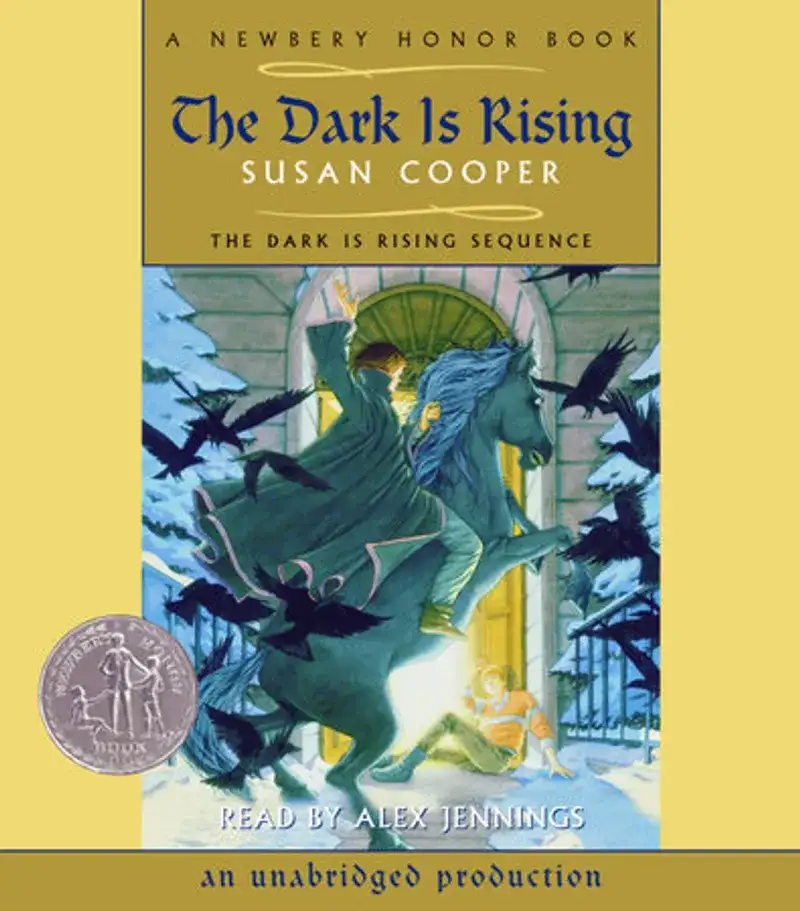

The Dark Is Rising Author: Susan CooperPage Count: UnknownPublication Date: 2005-PRH The Dark Is Rising by Susan Cooper is a masterclass in atmospheric storytelling, weaving ancient myth with modern childhood wonder to craft a timeless battle between light and dark. First published in 1973 (though the edition referenced here may vary), this Newbery Honor-winning novel stands as a cornerstone of children’s fantasy, its haunting lyricism and mythic grandeur lingering long after the final page. At its core, The Dark Is Rising explores the eternal struggle between good and evil, but Cooper doesn’t resort to simplistic moral binaries. Instead, she grounds this cosmic conflict in the intimate, almost mundane world of Will Stanton, an ordinary eleven-year-old boy on the cusp of discovering his extraordinary destiny. His journey—from reluctant hero to awakened Old One—mirrors the universal passage from childhood innocence to the weight of responsibility. The book’s true genius lies in how it makes the abstract tangible: the Dark isn’t just a force; it’s the creeping dread of winter’s longest night, the whisper of unseen things in the woods, the oppressive weight of silence when the wind dies. Cooper’s prose is rich with sensory detail, painting a Britain where the past is never far from the present, where standing stones hum with forgotten power and the Thames itself seems to guard ancient secrets. Cooper’s style is deceptively poetic. Her sentences flow like incantations, yet they never feel overwrought. Consider the opening lines: "The Dark is rising. The year is turning. The Light is turning too." In just three short sentences, she establishes the book’s central tension—balance, not outright victory, is the goal. The narrative unfolds with a dreamlike logic, where rules are hinted at rather than spelled out, and the reader must piece together the puzzle alongside Will. This ambiguity only deepens the immersion; the world feels alive with possibility, where every hedgerow and hollow could hide a sign—or a snare. The twelve days of Christmas frame the novel’s action, but Cooper uses the season less as a mere backdrop and more as a living character. The Midwinter solstice, with its ancient pagan echoes, becomes the battleground where time itself seems to fray at the edges. Will’s quest for the six Signs—each tied to elemental forces and deep folklore—feels less like a treasure hunt and more like a ritual, a necessary act to realign the world’s decaying order. The signs themselves are beautifully conceived: the Sign of Fire, the Sign of Bronze, the Sign of Stone. They’re not just objects but symbols of resilience, each forged in a different era of British history, binding Will to the land in a way that feels mythically inevitable. Cooper’s greatest achievement, however, is her portrayal of the Dark. It’s not a cartoonish villain with a mustache-twirling monologue, but a creeping, insidious presence that thrives on fear, apathy, and the slow erosion of human connection. The novel’s villains—Merlin, the Rider, the malevolent Miss Greythorne—are terrifying precisely because they’re plausible. They wear the faces of authority figures, of quiet neighbors, of the very institutions meant to protect. This makes The Dark Is Rising more than a fantasy adventure; it’s a meditation on how evil often masquerades as normalcy until it’s too late to resist. Will Stanton is a protagonist who earns his heroism. He’s not a chosen one who swoops in with effortless power; he’s a child who stumbles, doubts, and sometimes fails. His fear is palpable, his exhaustion relatable. When he finally claims the Signs, it’s not through brute strength but through understanding, through becoming part of something larger than himself. This emotional core elevates the story beyond mere spectacle. The book’s pacing is deliberate, almost hypnotic. Cooper lingers on moments—the taste of salt in the air as Will rides through the night, the way the snow muffles sound, the eerie stillness before a storm breaks. These details aren’t filler; they’re essential to the book’s spell. The climax, when Will must face the Dark in its most concentrated form, is a masterstroke of tension. The prose becomes sharper, the stakes clearer, and the reader’s heart pounds in time with Will’s racing thoughts. The resolution, though bittersweet, carries a quiet hope—because in Cooper’s world, light doesn’t banish darkness forever. It simply keeps the darkness at bay, for now. The Dark Is Rising endures because it taps into something primal: the belief that magic exists in the world, if only we know where to look. It’s a story about the power of memory, of tradition, and of the unbreakable bonds between people and place. Susan Cooper doesn’t just tell a story; she invites the reader into a living legend, where every stone and star has a voice. If you’ve ever stood in a quiet wood at dusk and felt the prickle of something otherworldly, this book will resonate. It’s a reminder that the oldest battles are still being fought—and that sometimes, the hero we need is the one who was there all along, waiting for the Dark to rise. #DarkIsRising #FantasyClassic #YAFantasy #MythicAdventure #ComingOfAge #SusanCooper Related InsightsCity of Fallen Angels Book Review and Summary Elfenthron Book Review and Summary Food Is Medicine: Healing Our Bodies, Nourishing Our Minds, and Transforming Our Food System Book Review and Summary{ "@context": "https://schema.org", "@type": "FAQPage", "mainEntity": [ { "@type": "Question", "name": "What is the main focus of The Dark Is Rising Book Review and Summary?", "acceptedAnswer": { "@type": "Answer", "text": "Everything you need to know about The Dark Is Rising with our detailed review." } }, { "@type": "Question", "name": "Who authored the comprehensive guide on The Dark Is Rising Book Review and Summary?", "acceptedAnswer": { "@type": "Answer", "text": "This detailed article and its insights were carefully researched and authored by Carmen Martinez." } }, { "@type": "Question", "name": "Where can I find more related content about Books?", "acceptedAnswer": { "@type": "Answer", "text": "You can explore more articles, detailed reviews, and similar insights by browsing the Related Insights section at the bottom of this article or visiting our dedicated Books category page." } } ] }
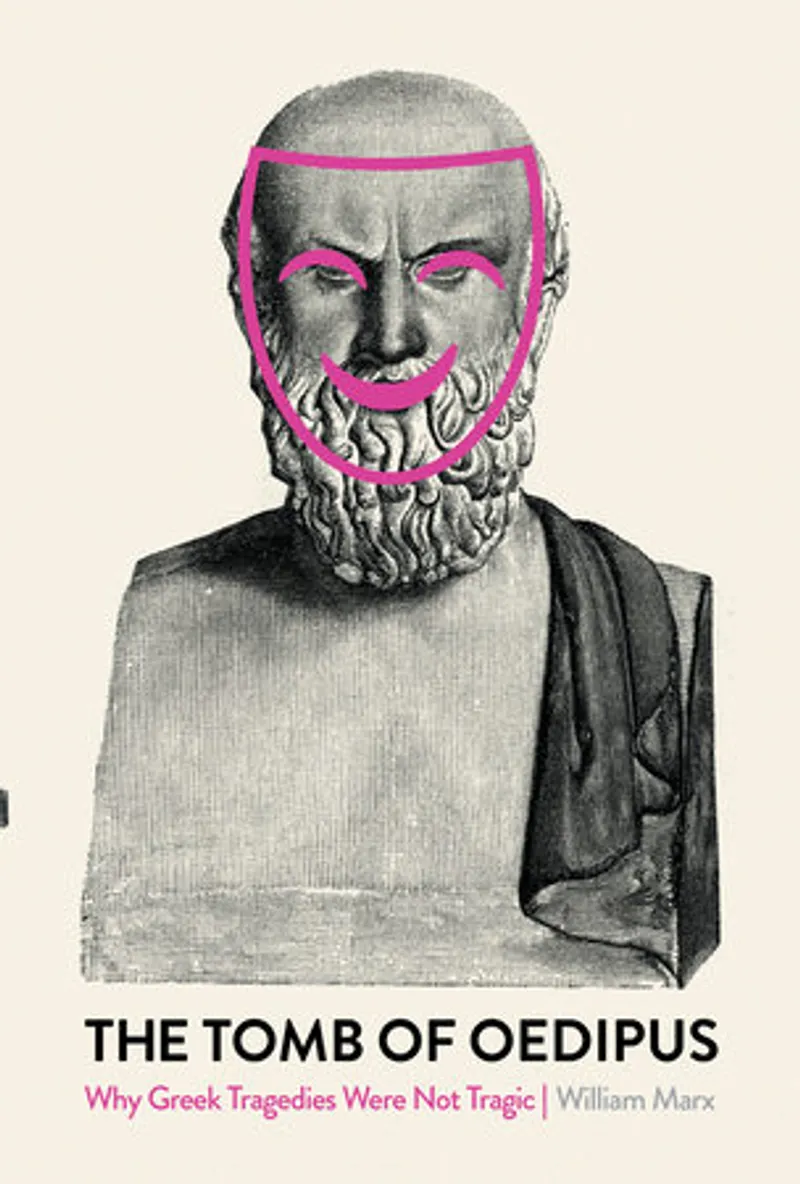
The Tomb of Oedipus Author: Wililam MarxPage Count: UnknownPublication Date: 2022-PRH In "The Tomb of Oedipus," William Marx boldly challenges the conventional wisdom surrounding Greek tragedy, inviting readers to reexamine their understanding of this cornerstone of Western culture. With a narrative voice reminiscent of Umberto Eco, Marx masterfully weaves a compelling tale that delves into the mysteries of lost tragedies and their potential to revolutionize our perception of Greek drama. Marx's central argument is that the 32 preserved tragedies, which have long been considered the epitome of Greek tragic theatre, may not be representative of the entire genre. Instead, he posits that the lost tragedies, which outnumber the surviving ones, could have presented a radically different picture of Greek tragedy. This intriguing hypothesis sets the stage for a fascinating exploration of the historical context in which these tragedies were performed, and the ways in which they have been interpreted and misinterpreted over time. One of the most striking aspects of Marx's book is its accessibility. Despite being a scholarly work, "The Tomb of Oedipus" is remarkably readable, making it an excellent choice for both academics and non-specialists interested in Greek tragedy and theatre history. Marx's writing is engaging, stimulating, and often humorous, which makes the book a pleasure to read. Marx's analysis is not limited to the realm of classical studies; he draws parallels with Japanese theatre, shedding new light on the concept of catharsis, and explores the connections between Greek tragedy and psychoanalysis. These interdisciplinary approaches add depth and complexity to his argument, demonstrating the far-reaching implications of his research. Throughout the book, Marx critiques the various ways in which Greek tragedy has been misunderstood and misinterpreted over the centuries. He argues that philosophers have transformed Greek tragedies into an ideal archetype, while modern readers often approach them as self-help handbooks. Both perspectives, Marx contends, are misguided, and he sets out to reclaim the complexity and richness of Greek tragedy. Ultimately, "The Tomb of Oedipus" is a thought-provoking book that challenges readers to rethink their assumptions about Greek tragedy. Marx's engaging narrative and meticulous research make this book an essential read for anyone interested in classical studies, theatre history, and the evolution of Western culture. By reading "The Tomb of Oedipus," we are reminded that Greek tragedy is a multifaceted and enigmatic genre that continues to inspire and intrigue us. Marx's book is a testament to the enduring power of Greek tragedy, and its ability to inspire new perspectives and insights. #GreekTragedyRevisited #TheTombOfOedipus #ChallengingClassicalWisdom #TheatreHistoryMysteries #LostTragediesUncovered #RethinkingWesternCulture Related InsightsFragile Threads of Power Book Review and Summary Laws of Solomon (Martyr Maker, #4) Book Review and Summary I Am the Night: The Ultimate Unauthorized History of Batman: The Animated Series Book Review and Summary{ "@context": "https://schema.org", "@type": "FAQPage", "mainEntity": [ { "@type": "Question", "name": "What is the main focus of Oedipus Rex Book Review and Summary?", "acceptedAnswer": { "@type": "Answer", "text": "Everything you need to know about Oedipus Rex with our detailed review." } }, { "@type": "Question", "name": "Who authored the comprehensive guide on Oedipus Rex Book Review and Summary?", "acceptedAnswer": { "@type": "Answer", "text": "This detailed article and its insights were carefully researched and authored by Sophocles." } }, { "@type": "Question", "name": "Where can I find more related content about Books?", "acceptedAnswer": { "@type": "Answer", "text": "You can explore more articles, detailed reviews, and similar insights by browsing the Related Insights section at the bottom of this article or visiting our dedicated Books category page." } } ] }

House of Hades (Graphic Novel) Author: Rick RiordanPage Count: UnknownPublication Year: 2024-GB Dive into the Underworld: Why Rick Riordan’s House of Hades (Graphic Novel) is a Must-Read for Mythology Lovers Few authors have redefined modern young adult fantasy the way Rick Riordan has. With his razor-sharp wit, boundless imagination, and uncanny ability to make ancient myths feel fresh and exhilarating, Riordan has carved out a permanent place in the hearts of readers worldwide. Now, his critically acclaimed House of Hades—the fourth installment in the The Trials of Apollo series—has been reimagined as a stunning graphic novel, and it’s nothing short of a visual and narrative triumph. Whether you’re a longtime fan or a newcomer to the Riordanverse, this adaptation is a masterclass in storytelling that will leave you breathless. At its core, House of Hades (Graphic Novel) is a tale of survival, sacrifice, and the unbreakable bonds of friendship. The story follows Percy Jackson and Annabeth Chase as they navigate the treacherous depths of Tartarus, a nightmarish realm where the laws of physics and morality bend to the will of the gods. Meanwhile, their friends back on Earth—Leo, Hazel, Frank, and Nico—race against time to close the Doors of Death before the forces of chaos overwhelm the world. Riordan’s genius lies in his ability to weave multiple perspectives into a cohesive, high-stakes narrative that never feels disjointed. The graphic novel format amplifies this tension, with dynamic illustrations that bring the horrors and wonders of the Underworld to life in vivid detail. One of the most compelling aspects of Riordan’s work is his ability to modernize classical mythology without losing its essence. The gods of Olympus are as flawed and human as ever, their divine powers tempered by petty rivalries and personal demons. Riordan’s humor—sharp, irreverent, and often laugh-out-loud funny—serves as a perfect counterbalance to the darker themes of the story. The graphic novel adaptation enhances this balance, using expressive artwork to highlight both the comedic and dramatic beats. The contrast between the vibrant, almost cartoonish style of the mortal world and the eerie, shadowy aesthetic of Tartarus is particularly striking, creating a visual dichotomy that mirrors the story’s tonal shifts. The characters in House of Hades are, as always, the heart of the narrative. Percy and Annabeth’s relationship is a masterclass in slow-burn romance, their chemistry palpable even in the most dire circumstances. Their resilience in the face of unimaginable horrors is a testament to Riordan’s skill in crafting protagonists who feel real and relatable. The supporting cast—Leo’s ingenuity, Hazel’s quiet strength, Frank’s unexpected heroism, and Nico’s complex emotional journey—add layers of depth to the story. Each character’s arc is given room to breathe, making their triumphs and struggles feel earned and impactful. Riordan’s writing style is deceptively simple, yet it packs a punch. His prose is accessible, ensuring that younger readers aren’t alienated, while his world-building is so rich that even seasoned fantasy fans will find themselves lost in the lore. The graphic novel adaptation, helmed by artist Antonio Caparo, elevates the text with breathtaking illustrations that capture the essence of Riordan’s characters and settings. Caparo’s work is dynamic, with action sequences that leap off the page and quieter moments that linger in the mind. The color palette shifts seamlessly between the stark contrasts of the Underworld and the warmer tones of the mortal realm, reinforcing the story’s duality. Thematically, House of Hades explores the power of hope in the face of despair, the importance of found family, and the idea that even the smallest acts of courage can change the course of history. Riordan doesn’t shy away from darkness—his stories often grapple with loss, betrayal, and the weight of destiny—but he always leaves room for light. The graphic novel format makes these themes even more visceral, as the visual medium allows readers to see the emotional toll on the characters in a way that prose alone sometimes can’t. For fans of Riordan’s previous works, House of Hades (Graphic Novel) is a dream come true. For newcomers, it’s the perfect entry point into a universe that’s as expansive as it is entertaining. The adaptation doesn’t just retell the story; it reimagines it, offering a fresh perspective that feels both nostalgic and innovative. Whether you’re reading it for the first time or revisiting an old favorite, this graphic novel is a must-have addition to any bookshelf. In a literary landscape crowded with forgettable YA fare, Rick Riordan’s work stands out as a beacon of creativity, heart, and humor. House of Hades (Graphic Novel) is more than just a retelling—it’s a celebration of myth, friendship, and the enduring power of storytelling. If you haven’t already dived into the Riordanverse, now’s the perfect time. And if you’re already a fan? Prepare to fall in love all over again. #RickRiordan #HouseOfHades #GraphicNovels #MythologyRetelling #PercyJackson Related InsightsDaughter of the Tempest (Myths of the Empyrieos, #2) Book Review and Summary The Secret History Book Review and Summary Cassini's Mission: A Spacecraft, a Tiny Moon, and the Search for Life Beyond Earth Book Review and Summary{ "@context": "https://schema.org", "@type": "FAQPage", "mainEntity": [ { "@type": "Question", "name": "What is the main focus of **House of Hades (Graphic Novel)** Book Review and Summary?", "acceptedAnswer": { "@type": "Answer", "text": "Everything you need to know about **House of Hades (Graphic Novel)** with our detailed review." } }, { "@type": "Question", "name": "Who authored the comprehensive guide on **House of Hades (Graphic Novel)** Book Review and Summary?", "acceptedAnswer": { "@type": "Answer", "text": "This detailed article and its insights were carefully researched and authored by Sofia Bianchi." } }, { "@type": "Question", "name": "Where can I find more related content about Books?", "acceptedAnswer": { "@type": "Answer", "text": "You can explore more articles, detailed reviews, and similar insights by browsing the Related Insights section at the bottom of this article or visiting our dedicated Books category page." } } ] }


The Art of Banh Mi: Unveiling the Flavors of French-Vietnamese Cuisine For those familiar with the vibrant streets of Vietnam, the tantalizing aroma of freshly baked bread, the crunch of crispy vegetables, and the savory flavors of a variety of meats or tofu may evoke a sense of nostalgia and longing for the perfect fusion sandwich: Banh Mi. With its rich history, mouth-watering flavors, and versatility, Banh Mi has captivated the palates of food enthusiasts worldwide. Let us embark on a culinary journey to explore the origins, authentic recipes, and cultural significance of this beloved sandwich. A Historical Account of Vietnamese-French Fusion Cuisine The French colonization of Vietnam in the mid-19th century paved the way for a unique culinary fusion that would shape the future of Vietnamese cuisine. The French introduced their bread-baking techniques, while Vietnamese cooks integrated local ingredients and flavors into the mix. The resulting Banh Mi, which translates to "wheat bread" in Vietnamese, was born out of this cultural fusion.Banh Mi quickly became a staple of Vietnamese cuisine, offering a delicious and affordable meal option for workers and traders in bustling cities. The sandwich's popularity soared with the introduction of various meats, cheeses, and condiments, creating multiple regional varieties that catered to local tastes. The Anatomy of an Authentic Banh Mi A traditional Banh Mi consists of a crispy baguette, crunchy vegetables, and a range of savory ingredients. Let us dissect the essential components of this delectable sandwich. The Baguette: Crispy on the Outside, Soft on the Inside The foundation of a Banh Mi lies in its crunchy, golden-brown baguette. Made from wheat flour, yeast, water, sugar, and salt, this bread is baked to perfection in a brick oven or a large-scale bakery. To achieve the quintessential crunch, bakers often brush the bread with butter or oil before frying it to crispy perfection.Crunchy Vegetables: Add Texture and Flavor Thinly sliced cucumbers, carrots, and cilantro add a pop of color and texture to this culinary masterpiece. The crunch of these vegetables is essential in balancing the softness of the bread and the juiciness of the meat or tofu. Savory Fillings: Exploring the Diversity of Banh Mi Varieties From mouth-watering grilled pork to succulent roasted chicken, Banh Mi's versatility lies in its numerous regional fillings. Some popular variations include:Banh Mi Thit Heo: A classic combination of grilled pork, pickled carrots, and cilantro. Banh Mi Chay: A vegan version loaded with tofu, avocado, and sprouts. Banh Mi Xiu Mai: A meat-lover's dream, featuring crispy pork meatballs and a sweet and spicy sauce.Condiments and Spreads: Adding Depth and Zest A drizzle of sriracha sauce, a sprinkle of pickled carrots, or a smear of mayonnaise can elevate this sandwich to new heights. Experimenting with various condiments and spreads allows you to tailor your Banh Mi experience to your taste preferences. Regional Influences and Cultural Heritage Banh Mi has been a vital element in Vietnamese cuisine, playing a significant role in the country's social and cultural identity. This versatile sandwich has transcended local borders, with regional influences adding new flavors and textures to the mix. Banh Mi in Vietnamese Culture Banh Mi's importance extends beyond the culinary realm, symbolizing the rich cultural heritage and traditions of Vietnam. This iconic sandwich often serves as a reminder of family gatherings, street food vendors, and the vibrant spirit of the Vietnamese people.Conclusion: The Timeless Appeal of Banh Mi In a world where culinary traditions often give way to modernity and global influences, Banh Mi remains an endearing testament to the power of cultural fusion. This humble yet mouth-watering sandwich has captured the hearts and taste buds of people worldwide, transcending borders and time, offering an authentic and unforgettable experience. Banh Mi, more than just a sandwich, represents the harmonious blend of French and Vietnamese flavors, creativity, and resilience in the face of adversity. Join us on this culinary adventure as we delve into the intricate world of Banh Mi, uncovering the mysteries of this beloved fusion cuisine. Hashtags #BanhMiRecipe #FrenchVietnameseCuisine #VietnameseFoodCulture #AuthenticStreetFood #CulturalHeritage #FoodAnthropology #StreetFoodLovers Related InsightsThe Dark Elixir of Waking Minds: A Deep Historical, Etymological, and Economic Inquiry into Coffee The Gastronomic Odyssey: From Charred Street Corn to the Pinnacle of Michelin Perfection The Fifth Element: How a Bowl of Seaweed Broth Rewrote the Language of Flavor{ "@context": "https://schema.org", "@type": "FAQPage", "mainEntity": [ { "@type": "Question", "name": "What is the main focus of Banh Mi: The Perfect French-Vietnamese Fusion Sandwich?", "acceptedAnswer": { "@type": "Answer", "text": "Discover the deep cultural roots, authentic flavors, and history of Banh Mi: The Perfect French-Vietnamese Fusion Sandwich." } }, { "@type": "Question", "name": "Who authored the comprehensive guide on Banh Mi: The Perfect French-Vietnamese Fusion Sandwich?", "acceptedAnswer": { "@type": "Answer", "text": "This detailed article and its insights were carefully researched and authored by Nguyen Thi Mai." } }, { "@type": "Question", "name": "Where can I find more related content about Food?", "acceptedAnswer": { "@type": "Answer", "text": "You can explore more articles, detailed reviews, and similar insights by browsing the Related Insights section at the bottom of this article or visiting our dedicated Food category page." } } ] }
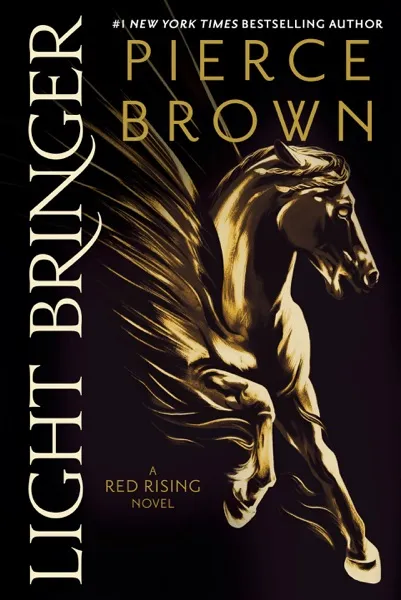

Light Bringer Author: Pierce BrownPage Count: UnknownPublication Year: 2022-GB Pierce Brown’s Light Bringer is a dazzling storm of ambition, power, and cosmic warfare, a novel that cements his reputation as a master of high-stakes sci-fi drama. Released in 2022, this entry in the Red Rising saga doesn’t just continue the saga—it ignites it, hurling its cast into a new dimension of conflict where gods clash and humanity’s fate hangs by a thread. Brown, already celebrated for his visceral prose and relentless pacing, delivers a story that is as intellectually stimulating as it is emotionally explosive. If Red Rising was a revolution in space opera, Light Bringer is its apotheosis—a book that doesn’t just expand the universe but redefines the very stakes of survival. At its core, Light Bringer is about legacy and revolution. The story follows Darrow of Lykos, now elevated to the rank of Light Bringer, a mythic figure in the Solar System’s struggle against the tyrannical Obsidians and their puppet rulers, the Golds. But legacy isn’t just a burden—it’s a weapon. Brown explores how the past shapes identity, how revolution becomes tradition, and whether any leader can outrun the darkness they inherit. The novel interrogates power: who wields it, who deserves it, and what happens when it corrupts even the most idealistic. Darrow, once a revolutionary, now finds himself the architect of a new order—one that may be just as oppressive as the old. Brown’s genius lies in making this moral ambiguity thrilling rather than tedious, turning political philosophy into high-stakes action. Brown’s writing style is a force of nature—visceral, poetic, and unapologetically operatic. His prose crackles with energy, blending brutal fight scenes with lush, almost Shakespearean dialogue. The dialogue in Light Bringer is particularly noteworthy; Brown excels at making even casual exchanges feel charged with subtext, history, and consequence. When characters spar with words, it’s as gripping as any duel with a razor. And the action? It’s cinematic in scope, from the clashing fleets of the Rim Dominion to the intimate, brutal intimacy of hand-to-hand combat. Brown doesn’t shy away from violence, but he frames it with purpose—every death, every sacrifice, every betrayal serves the larger narrative of revolution and redemption. One of the novel’s most striking elements is its world-building. Brown doesn’t just describe futuristic technology or alien civilizations—he makes them feel inevitable, as if they grew organically from the characters’ desires and fears. The Rim Dominion, with its vast fleets and godlike leaders, feels like a natural evolution of the power structures Darrow has fought against. The introduction of new factions—the Obsidian clans, the hidden Martian resistance—adds layers of complexity, making the conflict feel even more desperate. Brown’s ability to weave personal drama into galactic-scale stakes is what makes Light Bringer more than just another space opera. It’s a meditation on what it means to fight for freedom when freedom itself is a contested ideal. The emotional core of the book, however, remains Darrow. Brown’s protagonist is a study in contradictions: a warrior who longs for peace, a leader who fears his own legend, a man who has seen the darkness in himself and still chooses to fight. Darrow’s journey is one of disillusionment and defiance, and Brown handles his arc with nuance. The supporting cast is equally compelling—each character, from the ruthless Romulus au Raa to the enigmatic Virginia au Augustus, is given moments to shine, to doubt, to grow. Brown’s strength lies in making even secondary characters feel vital, their choices rippling through the narrative in unpredictable ways. Light Bringer isn’t without its flaws. The sheer scale of the story occasionally risks losing focus, and some subplots feel underdeveloped in the rush to deliver grand revelations. But these are minor quibbles in a novel that otherwise delivers on every promise. Brown’s ambition is matched only by his execution, and the result is a book that demands to be read in a single, breathless sitting. Ultimately, Light Bringer is about the cost of revolution—and whether any victory is worth the blood spilled to achieve it. It’s a story of fire and light, of gods and mortals, of the endless cycle of violence that defines human history. Pierce Brown doesn’t just tell this story; he immerses you in it, until the line between fiction and reality blurs, and you find yourself questioning not just the characters’ choices, but your own. This is sci-fi at its finest—epic, emotional, and impossible to put down. #LightBringer #RedRising #SciFiEpic #SpaceOpera #PierceBrown #BookReview Related InsightsAlpha Night Book Review and Summary La parte más oscura del bosque Book Review and Summary Great Big Beautiful Life Book Review and Summary{ "@context": "https://schema.org", "@type": "FAQPage", "mainEntity": [ { "@type": "Question", "name": "What is the main focus of Light Bringer Book Review and Summary?", "acceptedAnswer": { "@type": "Answer", "text": "Everything you need to know about Light Bringer with our detailed review." } }, { "@type": "Question", "name": "Who authored the comprehensive guide on Light Bringer Book Review and Summary?", "acceptedAnswer": { "@type": "Answer", "text": "This detailed article and its insights were carefully researched and authored by Klaus Weber." } }, { "@type": "Question", "name": "Where can I find more related content about Books?", "acceptedAnswer": { "@type": "Answer", "text": "You can explore more articles, detailed reviews, and similar insights by browsing the Related Insights section at the bottom of this article or visiting our dedicated Books category page." } } ] }
The Signal and the Noise Author: Nate SilverPage Count: UnknownPublication Date: 2015-PRH Nate Silver’s The Signal and the Noise is not just a book about prediction—it’s a manifesto for thinking clearly in a world drowning in data. Published in 2015, Silver, the statistician and founder of FiveThirtyEight, dismantles the myth of infallible forecasting and champions a humble, probabilistic approach to understanding uncertainty. His argument is both timely and timeless: the more we accept that we don’t know, the better we can prepare for what we do know. Silver’s central thesis revolves around the "prediction paradox." In an era where big data and AI promise precision, we often confuse confidence for accuracy. Experts and pundits alike cling to overconfident forecasts, only to be humbled by reality—whether in politics, economics, or public health. Silver’s antidote? A rigorous embrace of uncertainty. He argues that the best forecasters are not those who claim to predict the future with certainty, but those who understand the limits of their knowledge and adjust accordingly. What makes The Signal and the Noise compelling is Silver’s ability to blend storytelling with hard data. His writing is accessible yet intellectually rigorous, drawing on examples from poker, baseball, weather forecasting, and even the stock market to illustrate his points. He doesn’t just tell us to be humble; he shows us how humility leads to better predictions. For instance, he examines how meteorologists improved hurricane tracking by acknowledging the inherent unpredictability of weather systems, or how poker players use Bayesian reasoning to make better bets. Silver’s style is both analytical and engaging. He breaks down complex statistical concepts—like Bayes’ theorem or the dangers of overfitting models—into digestible anecdotes. His critique of failed forecasts, from the 2008 financial crisis to political polling errors, is sharp without being cynical. He doesn’t just point out mistakes; he explains why they happen and how to avoid them. This makes the book not just a critique of bad prediction, but a guide to doing it better. One of the book’s strongest sections explores the role of human bias in forecasting. Silver highlights how our brains are wired to see patterns where none exist—a cognitive flaw that leads to false confidence. He contrasts this with the disciplined approach of successful forecasters, who rely on rigorous models and continuous feedback loops. His discussion of "expert intuition" versus statistical prediction is particularly illuminating, showing how even the most seasoned professionals can be led astray by their own biases. The Signal and the Noise is also a timely read in today’s world of misinformation and algorithmic echo chambers. Silver’s insights into how data can be misused—whether by journalists cherry-picking statistics or by pundits exploiting uncertainty for drama—feel eerily prescient in an age where truth is increasingly contested. His call for better communication of uncertainty is a necessary corrective to the black-and-white thinking that dominates public discourse. Silver’s prose is clear and unpretentious, making the book accessible to both casual readers and data enthusiasts. He avoids jargon while still delivering depth, a rare feat in a book about statistics. His voice is authoritative but not condescending, and his examples are drawn from a wide range of fields, ensuring that there’s something for everyone. At its core, The Signal and the Noise is a book about humility—not just in prediction, but in how we engage with the world. Silver doesn’t promise that his methods will eliminate uncertainty, but he shows that embracing it can lead to more reliable insights. In an era where confidence often masquerades as competence, this is a vital lesson. In a world where data is everywhere but wisdom is scarce, Nate Silver’s The Signal and the Noise is a beacon. It reminds us that the goal isn’t to eliminate uncertainty, but to navigate it wisely. For anyone who wants to think more clearly about the future, this book is essential reading. #PredictionParadox #DataScience #BayesianThinking #UncertaintyMatters #BetterForecasting #NateSilver Related InsightsTess of the D’Urbervilles Book Review and Summary Blacktail Book Review and Summary Drop Dead Handsome Book Review and Summary{ "@context": "https://schema.org", "@type": "FAQPage", "mainEntity": [ { "@type": "Question", "name": "What is the main focus of The Signal and the Noise Book Review and Summary?", "acceptedAnswer": { "@type": "Answer", "text": "Everything you need to know about The Signal and the Noise with our detailed review." } }, { "@type": "Question", "name": "Who authored the comprehensive guide on The Signal and the Noise Book Review and Summary?", "acceptedAnswer": { "@type": "Answer", "text": "This detailed article and its insights were carefully researched and authored by Natalia Sokolova." } }, { "@type": "Question", "name": "Where can I find more related content about Books?", "acceptedAnswer": { "@type": "Answer", "text": "You can explore more articles, detailed reviews, and similar insights by browsing the Related Insights section at the bottom of this article or visiting our dedicated Books category page." } } ] }

-
 Tiago Silva
- 12 May, 2026 21:33
Promesas de Dios para tiempos difíciles / God's Promises when you are hurting Book Review and Summary
Promesas de Dios para tiempos difíciles / God's Promises when you are hurting Author: Jack CountrymanPage Count: UnknownPublication Date: 2021-PRH "God’s Promises for When You Are Hurting" by Jack Countryman: A Beacon of Hope in Life’s Darkest Valleys In a world that often feels broken and overwhelming, where pain, loss, and uncertainty can leave us gasping for air, God’s Promises for When You Are Hurting by Jack Countryman arrives not just as a book, but as a lifeline—a gentle yet powerful reminder that even in our deepest struggles, we are never, ever alone. This isn’t merely a devotional or a collection of verses; it’s a heartfelt invitation to anchor your soul in the unshakable truth of God’s Word when every other voice seems to whisper despair. Countryman, a seasoned editor and author known for curating Scripture with profound sensitivity, has crafted a book that feels like a whispered comfort from a trusted friend. The premise is simple yet revolutionary: when words fail us, when grief robs us of speech, when fear silences our prayers, the Bible still speaks. And it speaks loudly—with promises of hope, healing, and divine presence. This book distills that truth into 58 carefully selected themes, each designed to meet you right where you are, whether you’re drowning in sorrow, wrestling with doubt, or simply needing a moment of quiet reassurance. What stands out immediately is the book’s structure—intuitive yet deeply intentional. Instead of overwhelming the reader with an endless stream of verses, Countryman organizes the content into four clear sections:“What to do When You Are…” – A lifeline for the grieving, the lonely, the depressed, or the anxious. Here, the focus isn’t just on feeling better but on doing—taking small, faith-filled steps toward healing. “What to do When You…” – Addresses practical struggles like needing confidence, facing disappointment, or waiting on God’s timing. It’s like having a wise mentor guiding you through the fog. “Truth from the Bible About…” – Delves into foundational truths—God’s plan for your life, the power of prayer, the sufficiency of His Word. It’s theology in bite-sized, heart-sized portions. “The Love of God Is Healing for Your Life…” – A soothing balm for the weary soul, reminding us of eternal promises, unchanging love, and the hope that outlasts every trial.Countryman’s writing style is understated but profound. He doesn’t rely on flowery prose or emotional manipulation; instead, he lets Scripture do the heavy lifting. Each chapter is concise, often just a few pages, yet packed with verses that resonate like a familiar hymn. The tone is warm, pastoral, and deeply empathetic—never preachy, always inviting. It’s the kind of book you can read in one sitting or keep on your nightstand, flipping to a page that speaks directly to your heartache in that moment. One of the book’s greatest strengths is its accessibility. Whether you’re a seasoned believer or someone who’s never opened a Bible, the language is clear, the themes universal, and the hope undeniable. It’s not a book that demands you have all the answers; it’s a book that meets you in the questions, the tears, and the silent spaces where words feel inadequate. For those who’ve walked through the valley of the shadow of death—literally or emotionally—this book is a treasure. It doesn’t promise a quick fix or a painless path, but it does promise that every tear is seen, every wound is known, and every broken heart is held by a God who is both sovereign and tender. In an era where self-help books promise quick solutions and motivational speakers urge us to “manifest” our way out of pain, God’s Promises for When You Are Hurting offers something far more reliable: the unchanging Word of a God who keeps His promises. If you’re searching for a gift—whether for yourself or someone in pain—this book is more than a present. It’s a message. A declaration. A whisper of hope in the dark. And in those moments when you feel like you can’t pray, it prays for you. #GodsPromises #HealingWords #FaithInHardTimes #ChristianEncouragement #BibleStudy #HopeForTheBroken Related InsightsHere One Moment Book Review and Summary Just a Shot Away: Martin Scorsese's Life in Film Book Review and Summary Fair Ones Book Review and Summary{ "@context": "https://schema.org", "@type": "FAQPage", "mainEntity": [ { "@type": "Question", "name": "What is the main focus of Promesas de Dios para tiempos difíciles / God's Promises when you are hurting Book Review and Summary?", "acceptedAnswer": { "@type": "Answer", "text": "Everything you need to know about Promesas de Dios para tiempos difíciles / God's Promises when you are hurting with our detailed review." } }, { "@type": "Question", "name": "Who authored the comprehensive guide on Promesas de Dios para tiempos difíciles / God's Promises when you are hurting Book Review and Summary?", "acceptedAnswer": { "@type": "Answer", "text": "This detailed article and its insights were carefully researched and authored by Tiago Silva." } }, { "@type": "Question", "name": "Where can I find more related content about Books?", "acceptedAnswer": { "@type": "Answer", "text": "You can explore more articles, detailed reviews, and similar insights by browsing the Related Insights section at the bottom of this article or visiting our dedicated Books category page." } } ] }

Bienvenue! Let us embark on an unforgettable #journey to the heart of #France. The Catacombs of #Paris (French: Catacombes de Paris, ) are underground ossuaries in Paris, #France, which hold the remains of more than six million people. Built to consolidate Paris's #ancient stone quarries, they extend south from the Barrière d'Enfer ("Gate of Hell") former city gate. The ossuary was created as part of the effort to eliminate the effects of the city's overflowing cemeteries. Preparation work began shortly after a 1774 series of basement wall collapses around the Holy Innocents' Cemetery added a sense of urgency to the cemetery-eliminating measure, and from 1788, nightly processions of covered wagons transferred remains from most of Paris's cemeteries to a mine shaft opened near the Rue de la Tombe-Issoire. The ossuary remained largely forgotten until it became a novelty-place for concerts and other private events in the early 19th century; after further renovations and the construction of accesses around Place Denfert-Rochereau, it was opened to public visitation from 1874. Since 2013, the Catacombs have numbered among the fourteen City of Paris Museums managed by Paris Musées. Although the ossuary comprises only a small section of the underground mines of Paris, Parisians often refer to the entire tunnel network as the catacombs. #history Paris's cemeteries Paris's earliest burial grounds were to the southern outskirts of the Roman-era Left Bank city. In ruins after the Western Roman #empire's 5th-century end and the ensuing Frankish invasions, this settlement was eventually abandoned for the marshy Right Bank: from the 4th century, the first known settlement there was on higher ground around a Saint-Etienne church and burial ground (behind the present Hôtel de Ville), and urban expansion on the Right Bank began in earnest after other ecclesiastical landowners filled in the marshlands from the late 10th century. Thus, instead of burying its dead away from inhabited areas as usual, the Paris Right Bank settlement began with cemeteries near its centre. The most central of these cemeteries, a burial ground around the 5th-century Notre-Dame-des-Bois church, became the property of the Saint-Opportune parish after the original church was demolished by the 9th-century Norman invasions. When it became its own parish associated with the church of the "Saints Innocents" from 1130, this burial ground, filling the land between the present rue Saint-Denis, rue de la Ferronnerie, rue de la Lingerie and the rue Berger, had become the city's principal cemetery. By the end of the same century, Saints Innocents was neighbour to the principal Parisian marketplace Les Halles, and already filled to overflowing. To make room for more burials, the long-dead were exhumed and their bones packed into the roofs and walls of "charnier" galleries built inside the cemetery walls. By the end of the 18th century, the central burial ground was a two-metre-high (6.6-foot) mound of earth filled with centuries of Parisian dead, plus the remains from the Hôtel-Dieu hospital and the Morgue; other Parisian parishes had their own burial grounds, but the conditions in Saints Innocents were the worst. A series of ineffective decrees limiting the use of the cemetery did little to remedy the situation, and it was not until the late 18th century that it was decided to create three new large-scale suburban burial grounds on the outskirts of the city, and to condemn all existing parish cemeteries within city limits. The future ossuary: Paris's former mines Much of the Left Bank area rests upon rich Lutetian limestone deposits. This stone built much of the city, but it was extracted in suburban locations away from any habitation. Because of the post 12th-century haphazard mining technique of digging wells down to the deposit and extracting it horizontally until depletion, many of these (often illicit) mines were uncharted, and when depleted, often abandoned and forgotten. Paris had annexed its suburbs many times over the centuries, and by the 18th century many of its arrondissements (administrative districts) were or included previously mined territories. The undermined state of the Left Bank was known to architects as early 17th-century construction of the Val-de-Grâce hospital (most of its building expenses were due to its foundations), but a series of mine cave-ins beginning 1774 with the collapse of a house along the "rue d'Enfer" (near today's crossing of the Avenue Denfert-Rochereau and the boulevard Saint-Michel) caused King Louis XVI to name a commission to investigate the state of the Parisian underground. This resulted in the creation of the inspection Générale des Carrières (General Inspection of Mines) service. Ossuary creation The need to eliminate Les Innocents gained urgency from May 31, 1780, when a basement wall in a property adjoining the cemetery collapsed under the weight of the mass grave behind it. The cemetery was closed to the public and all intra muros (Latin: "within the [city] walls") burials were forbidden after 1780. The problem of what to do with the remains crowding intra muros cemeteries was still unresolved. Mine consolidations were still occurring and the underground around the site of the 1777 collapse that had initiated the project had already become a series of stone and masonry inspection passageways that reinforced the streets above. The mine renovation and cemetery closures were both issues within the jurisdiction of the Police Prefect Police Lieutenant-General Alexandre Lenoir, who had been directly involved in the creation of a mine inspection service. Lenoir endorsed the idea of moving Parisian dead to the subterranean passageways that were renovated during 1782. After deciding to further renovate the "Tombe-Issoire" passageways for their future role as an underground sepulchre, the idea became law in late 1785. A well within a walled property above one of the principal subterranean passageways was dug to receive Les Innocents' unearthed remains, and the property itself was transformed into a sort of museum for all the headstones, sculptures and other artifacts recovered from the former cemetery. Beginning from an opening ceremony on 7 April the same year, the route between Les Innocents and the "Clos de la Tombe-Issoire" became a nightly procession of black cloth-covered wagons carrying the millions of Parisian dead. It would take two years to empty the majority of Paris's cemeteries. Cemeteries whose remains were moved to the Catacombs include Saints-Innocents (the largest by far with about 2 million buried over 600 years of operation), Saint-Étienne-des-Grès (one of the oldest), Madeleine Cemetery, Errancis Cemetery (used for the victims of the French Revolution), and Notre-Dame-des-Blancs-Manteaux. By this way the skeletal remains of several notable victims of the French Revolution were transferred to the Catacombs, including (the date is the date of death): Charlotte Corday (18 July 1793) 22 Girondists (31 October 1793); among them Jacques Pierre Brissot and Pierre Victurnien Vergniaud Louis Philippe II, Duke of Orléans (6 November 1793), father of king Louis Philippe I Madame Roland (8 November 1793) Madame du Barry (8 December 1793) Jacques Hébert (24 March 1794) Georges Jacques Danton (April 5, 1794) Camille Desmoulins (April 5, 1794) Philippe Fabre d'Églantine (April 5, 1794) Marie-Jean Hérault de Séchelles (April 5, 1794) Lucile Duplessis (April 13, 1794), widow of Camille Desmoulins Marie Marguerite Françoise Hébert (April 13, 1794), widow of Jacques Hébert Antoine-Laurent de Lavoisier (May 8, 1794) Madame Élisabeth (May 10, 1794), sister of kings Louis XVI, Louis XVIII and Charles X François Hanriot (July 28, 1794) Maximilien Robespierre (July 28, 1794) Louis Antoine de Saint-Just (July 28, 1794) Georges Couthon (July 28, 1794) Antoine Simon (July 28, 1794) Renovation and ossuary decor Catacombs in their first years were a disorganized bone repository, but Louis-Étienne Héricart de Thury, director of the Paris Mine Inspection Service (Inspection générale des carrières) from 1810, had renovations done that would transform the caverns into a visitable mausoleum. In addition to directing the stacking of skulls, femurs and tibias into the patterns seen in the catacombs today he used the cemetery decorations he could find (formerly stored on the Tombe-Issoire property; many had disappeared after the 1789 Revolution) to complement the walls of bones. A room dedicated to the display of the various minerals found under Paris was also created, in addition to another showing various skeletal deformities found during the catacombs' creation and renovation. He also added monumental tablets and archways bearing ominous warning inscriptions, and added stone tablets bearing descriptions or other comments about the #nature of the ossuary, and to ensure the safety of eventual visitors, it was walled from the rest of Paris's Left Bank's already-extensive tunnel network. Modern During World War II, Parisian members of the French Resistance used the tunnel system and established the headquarters from where Colonel Rol-Tanguy led the insurrection for the liberation of Paris in June 1944. The Wehrmacht established an underground bunker below Lycée Montaigne, a high school in the 6th arrondissement. In 2004, police discovered a fully equipped movie theater in an area of the catacombs underneath the Trocadéro. It was equipped with a giant cinema screen, seats for the audience, projection equipment, film reels of recent thrillers and film noir classics, a fully stocked bar, and a complete restaurant with tables and chairs. The group les UX took responsibility for the installation. The film As Above, So Below, released in 2014, was the first production that secured permission from the French government to film in the catacombs. They aimed to use no alterations to the environment with the exception of a piano and a car which were hauled into the catacombs and set on fire. In 2015, Airbnb paid €350,000 as part of a publicity stunt offering customers the chance to stay overnight in the Catacombs. In August 2017, thieves broke into a cellar from the catacombs and stole more than €250,000 of wine. In 2025, American desert rock band Queens of the Stone Age released an acoustic live performance entitled Alive in the Catacombs, recorded in 2024 while on the European leg of The End Is Nero World Tour. On the WTF with Marc Maron podcast, frontman Joshua Homme described how it took 18 years to secure permission to record in the catacombs. Deaths Only one death has officially been confirmed in the Catacombs. In 1793, Philibert Aspairt, a door keeper for the Val-de-Grâce hospital, died in the catacombs. It is thought that he lost his light source and was left to die in the darkness. In 1804, 11 years later, his body was found, only a few meters from a staircase that led to an exit. He was only identified by his hospital key ring and the buttons on his jacket. Visits As one visits the catacombs, a sign above reads Arrête! C'est ici l'empire de la Mort ("Stop! The empire of Death lies here"). The Catacombs of Paris became a curiosity for more privileged Parisians from their creation, an early visitor being the Count of Artois (later Charles X of France) in 1787. Public visits began after its renovation into a proper ossuary and the 1814–1815 War. Initially, visitors were allowed only a few times a year with the permission of an authorized mines inspector, but later more frequently and permitted by any mine overseer. A flow of visitors degraded the ossuary to a point where the permission-only rule was restored from 1830, and the catacombs were closed completely from 1833 because of church opposition to exposing human remains to public display. The catacombs were open again for four visits a year from 1850, and public demand caused the government to allow monthly visits from 1867, bi-weekly visits on the first and third Saturday of each month from 1874 (with an extra opening for the November 1 toussaint holiday), and weekly visits during the 1878, 1889 (the most visitors yet that year) and 1900 World's Fair Expositions. Later, they opened for regular daily visits. After an incident of vandalism, the catacombs were closed to the public during September 2009 and reopened on 19 December of the same year. Disruption of surface structures Because the catacombs are directly under the Paris streets, large foundations cannot be built above them and cave-ins have destroyed buildings. For this reason, there are few tall buildings in this area. #france #travel #history #europe #culture Related InsightsEchoes in the Clouds: A Pilgrimage Through Meteora’s Forgotten Monasteries Exploring Ani, City of 1001 Churches Dive Into a Hidden World: The Most Breathtaking Underwater Museums and Sculpture Parks{ "@context": "https://schema.org", "@type": "FAQPage", "mainEntity": [ { "@type": "Question", "name": "What is the main focus of The Dark Heart of Paris: Exploring the Catacombs?", "acceptedAnswer": { "@type": "Answer", "text": "Join Camille Dubois on a journey exploring The Dark Heart of Paris and its incredible history." } }, { "@type": "Question", "name": "Who authored the comprehensive guide on The Dark Heart of Paris: Exploring the Catacombs?", "acceptedAnswer": { "@type": "Answer", "text": "This detailed article and its insights were carefully researched and authored by Camille Dubois." } }, { "@type": "Question", "name": "Where can I find more related content about Travel?", "acceptedAnswer": { "@type": "Answer", "text": "You can explore more articles, detailed reviews, and similar insights by browsing the Related Insights section at the bottom of this article or visiting our dedicated Travel category page." } } ] }