-
 Natalia Sokolova
 - 16 Apr, 2026 05:12
A Short History of Nearly Everything Book Review and Summary
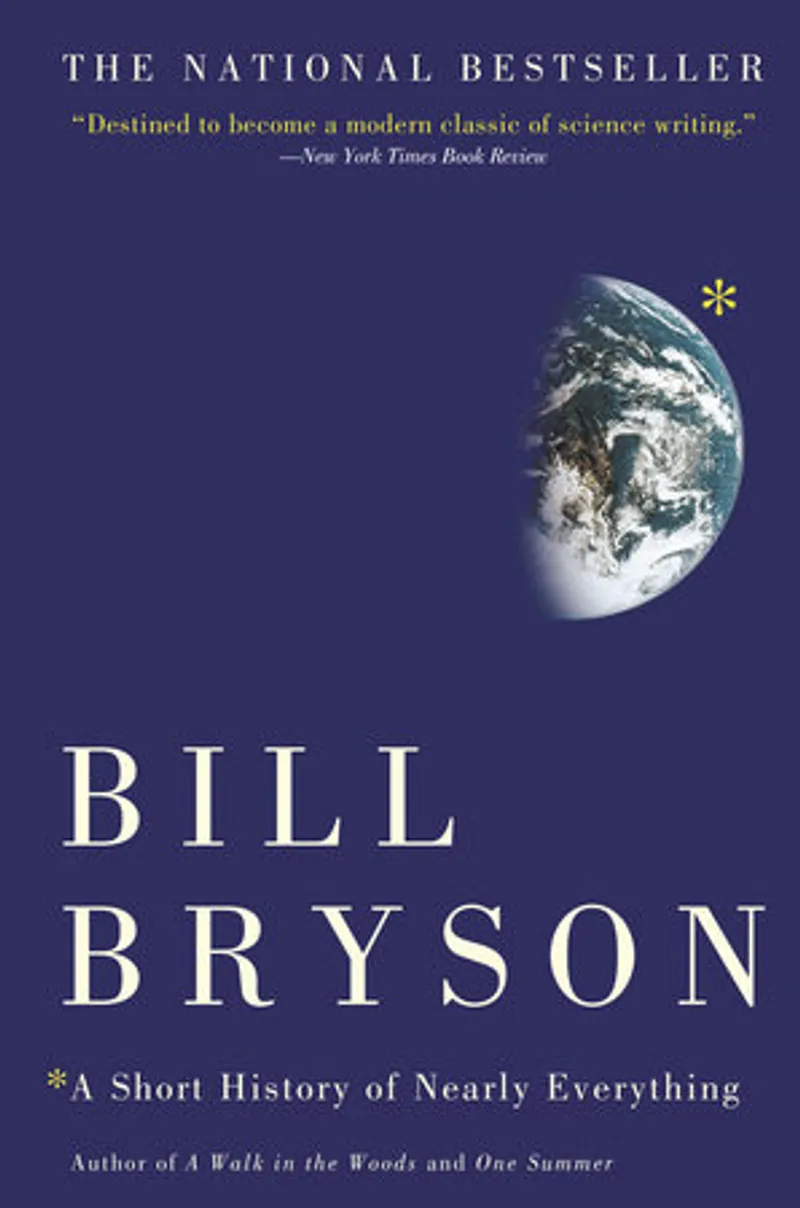
A Short History of Nearly Everything Author: Bill BrysonPage Count: UnknownPublication Date: 2004-PRH Bill Bryson’s A Short History of Nearly Everything is a masterclass in making the vast, complex, and often intimidating world of science not just accessible but downright exhilarating. Published in 2004, this book is far more than a mere overview of scientific history—it’s a grand adventure, a witty expedition through time and space that transforms the dry bones of facts into a living, breathing narrative. Bryson, the beloved chronicler of human folly and natural wonder (A Walk in the Woods, The Body), turns his keen eye and sharp wit toward the biggest questions humanity has ever asked: How did the universe begin? How did life emerge? What forces shaped our planet and, ultimately, us? At its core, A Short History of Nearly Everything is about curiosity—about the relentless human drive to understand the unknowable. Bryson doesn’t just recount the discoveries of science; he immerses himself in them, seeking out the eccentric geniuses, the obsessive researchers, and the forgotten pioneers who pieced together the puzzle of existence. From the Big Bang to the rise of civilization, he tackles topics as diverse as quantum mechanics, paleontology, and the origins of consciousness, all while maintaining a tone that is refreshingly conversational and unpretentious. This is science writing for the everyman, a book that proves you don’t need a PhD to marvel at the wonders of the cosmos—or to laugh at the absurdities of human endeavor. Bryson’s genius lies in his ability to distill complexity without dumbing it down. He doesn’t shy away from the mind-bending realities of science—like the fact that most of the universe is made of something we can’t see (dark matter) or that a single human cell contains more information than a library’s worth of books—but he presents them with a clarity that feels almost magical. His prose is a blend of erudition and humor, a style that makes even the most abstruse theories feel like a fireside chat with a brilliant, slightly mischievous friend. Whether he’s describing the violent collisions that formed the Moon or the sheer luck that allowed dinosaurs to thrive before their sudden demise, Bryson’s writing crackles with energy and wit. What sets this book apart is its humanity. Bryson doesn’t just celebrate the triumphs of science; he also highlights its failures, its blind alleys, and the often-absurd personalities behind its greatest breakthroughs. He introduces us to scientists who were wrong for decades, to researchers who stumbled upon discoveries by accident, and to the quiet, dogged persistence that finally cracked some of nature’s deepest secrets. There’s a delightful irreverence in his approach—he pokes fun at the pomposity of academia, marvels at the sheer weirdness of life, and never misses an opportunity to remind us how little we truly know. In one memorable passage, he describes the discovery of the Higgs boson as “like finding a needle in a haystack, if the needle were made of invisibility and the haystack were the size of a galaxy.” It’s this kind of vivid, playful imagery that makes the book so engaging. Yet beneath the humor and the storytelling lies a profound sense of awe. Bryson’s wonder at the universe is infectious, whether he’s describing the birth of stars, the resilience of life in extreme environments, or the fragile, fleeting nature of human existence. He reminds us that science isn’t just about cold, hard facts—it’s about the awe-inspiring, humbling reality that we are, in the grand scheme of things, a tiny speck in an incomprehensibly vast cosmos. And yet, through our curiosity and ingenuity, we’ve managed to glimpse the edges of that cosmos, to understand a little of how it works, and to appreciate the sheer improbability of our own existence. Bryson’s style is deceptively simple. He writes with the ease of someone telling a story over a pint of beer, but every sentence is carefully crafted to inform, entertain, and provoke thought. He doesn’t just present information; he invites the reader to share in the joy of discovery. Whether he’s recounting the rivalry between Isaac Newton and Robert Hooke or the accidental discovery of penicillin, he makes history feel alive, full of personalities, accidents, and breakthroughs that could have gone either way. It’s a reminder that science is not a linear march of progress but a messy, human endeavor, shaped by ego, luck, and sheer stubbornness. A Short History of Nearly Everything is also a book about humility. Bryson doesn’t shy away from the gaps in our knowledge—he revels in them. He points out how much we still don’t understand, from the nature of dark energy to the origins of consciousness, and he does so without ever sounding despairing. Instead, he leaves the reader with a sense of excitement, a feeling that the best is yet to come. In an era where science is often politicized or reduced to soundbites, Bryson’s book is a breath of fresh air—a celebration of the unending quest for knowledge, told with warmth, wit, and an infectious enthusiasm. If there’s one criticism to be leveled, it’s that Bryson occasionally glosses over complex ideas with a breeziness that might frustrate readers seeking deeper technical detail. But this is a minor quibble. The book’s purpose isn’t to turn readers into experts; it’s to ignite their curiosity, to make them see the world—and their place in it—with fresh eyes. And in that, it succeeds brilliantly. In the end, A Short History of Nearly Everything is more than a book about science. It’s a book about wonder, about the human spirit, and about the extraordinary journey that has led from the chaos of the Big Bang to the quiet contemplation of a single human mind. It’s a reminder that the universe is not just a place to be studied but a story to be marveled at—and Bill Bryson is the perfect guide. #ScienceWriting #BillBryson #PopularScience #Cosmos #HumanCuriosity #ScienceHistory Related InsightsEcho Ridge Book Review and Summary Ethical Public Leadership Book Review and Summary Girl, Interrupted Book Review and Summary{ "@context": "https://schema.org", "@type": "FAQPage", "mainEntity": [ { "@type": "Question", "name": "What is the main focus of A Short History of Nearly Everything Book Review and Summary?", "acceptedAnswer": { "@type": "Answer", "text": "Everything you need to know about A Short History of Nearly Everything with our detailed review." } }, { "@type": "Question", "name": "Who authored the comprehensive guide on A Short History of Nearly Everything Book Review and Summary?", "acceptedAnswer": { "@type": "Answer", "text": "This detailed article and its insights were carefully researched and authored by Natalia Sokolova." } }, { "@type": "Question", "name": "Where can I find more related content about Books?", "acceptedAnswer": { "@type": "Answer", "text": "You can explore more articles, detailed reviews, and similar insights by browsing the Related Insights section at the bottom of this article or visiting our dedicated Books category page." } } ] }


#Schloss Neuschwanstein entdecken: Der Traum eines Märchenkönigs Eingebettet in die zerklüfteten Alpenausläufer im südlichen Bayern, überragt von dunklen Tannenwäldern und mit Blick auf den spiegelglatten Alpsee, thront Schloss Neuschwanstein auf einem schroffen Felsen. Es ist nicht nur das berühmteste Schloss Deutschlands, sondern weltweit der Inbegriff eines Märchenschlosses. Diese majestätische Festung, die Walt Disney sogar als Inspiration für sein Dornröschen-Schloss diente, ist ein steinernes Zeugnis der Träume, Obsessionen und der Tragik ihres Schöpfers: König Ludwig II. von Bayern. Die Vision des "Märchenkönigs" Als König Ludwig II. 1864 den Thron bestieg, war er erst 18 Jahre alt. Der sensible und künstlerisch veranlagte Monarch fühlte sich in der politischen Realität des 19. Jahrhunderts zunehmend unwohl, besonders nach dem Verlust der bayerischen Souveränität an Preußen. Um der Realität zu entfliehen, begann er, sich eigene, fantastische Welten zu erschaffen. 1868 ließ er die Ruinen zweier mittelalterlicher Burgen abtragen, um Platz für seine "Neue Burg Hohenschwangau" (den Namen Neuschwanstein erhielt das Schloss erst nach seinem Tod) zu schaffen. Das Schloss wurde nicht von einem klassischen Architekten entworfen, sondern von einem Theatermaler, Christian Jank. Das erklärte die dramatische, fast bühnenhafte Architektur des Gebäudes, das als idealisierte Version einer mittelalterlichen Ritterburg konzipiert wurde. Neuschwanstein sollte Ludwigs privater Rückzugsort sein und war als riesige, bewohnbare Hommage an die Opern seines Idols Richard Wagner gedacht, insbesondere an "Tannhäuser" und "Lohengrin". Prachtvolle Innenräume und versteckte Hochtechnologie Das Innere des Schlosses ist ein Rausch aus Farben, Gold, schweren Stoffen und opulenten Wandgemälden. Der Thronsaal, der an byzantinische Kirchenarchitektur erinnert, glänzt mit einem riesigen kronleuchterförmigen Messingreif, der die byzantinische Kaiserkrone symbolisiert. Ironischerweise wurde nie ein Thron in diesem Saal aufgestellt, da Ludwig vor der Fertigstellung des Raumes verstarb. Besonders bemerkenswert ist die Tropfsteinhöhle, ein künstlicher Raum zwischen dem Wohn- und Arbeitszimmer des Königs, der mit einer eigenen Beleuchtung und einem kleinen Wasserfall ausgestattet war – eine perfekte Kulisse für Wagners Tannhäuser-Saga. Obwohl das Schloss mittelalterlich anmutet, stattete Ludwig es mit der modernsten Technologie seiner Zeit aus. Es gab eine batteriebetriebene Klingelanlage für die Dienerschaft, Telefonanschlüsse, fließendes Warmwasser, Aufzüge und sogar eine Heißluft-Zentralheizung, die für wohlige Wärme in den eisigen Alpenwintern sorgte. Ein tragisches Ende und ein ewiges Erbe Ludwig II. bewohnte sein Traumschloss insgesamt nur 172 Tage. 1886 wurde er wegen angeblicher Geisteskrankheit abgesetzt und ertrank kurz darauf unter bis heute ungeklärten Umständen im Starnberger See. Das Schloss, das wegen immenser Schulden nie vollständig fertiggestellt wurde (nur 14 der geplanten über 200 Räume wurden vollendet), wurde nur sieben Wochen nach dem Tod des extrem menschenscheuen Königs für die Öffentlichkeit zugänglich gemacht. Heute pilgern jährlich über 1,4 Millionen Menschen nach Hohenschwangau, um das steinerne Vermächtnis des "Kinis" zu bewundern. Die beste Aussicht auf das Schloss bietet die Marienbrücke (benannt nach Ludwigs Mutter Marie von Preußen), die sich in schwindelerregender Höhe über die Pöllatschlucht spannt. Von hier aus wirkt Neuschwanstein wahrhaftig, als wäre es geradewegs einem Märchenbuch entsprungen. #Neuschwanstein #SchlossNeuschwanstein #Märchenkönig #LudwigII #Bavaria #GermanyCastles #RomanticRoad #DisneyCastle #ExploreBavaria #Füssen #travel #exclusive Related InsightsDancing With The Aurora: Unveiling The Arctic’s Celestial Symphony Le Duomo de Florence : L'Aube de la Renaissance Hidden Gems of Eastern Anatolia{ "@context": "https://schema.org", "@type": "FAQPage", "mainEntity": [ { "@type": "Question", "name": "What is the main focus of Schloss Neuschwanstein entdecken?", "acceptedAnswer": { "@type": "Answer", "text": "Explore the incredible journey of Schloss Neuschwanstein entdecken with Felix Müller." } }, { "@type": "Question", "name": "Who authored the comprehensive guide on Schloss Neuschwanstein entdecken?", "acceptedAnswer": { "@type": "Answer", "text": "This detailed article and its insights were carefully researched and authored by Felix Müller." } }, { "@type": "Question", "name": "Where can I find more related content about Travel?", "acceptedAnswer": { "@type": "Answer", "text": "You can explore more articles, detailed reviews, and similar insights by browsing the Related Insights section at the bottom of this article or visiting our dedicated Travel category page." } } ] }
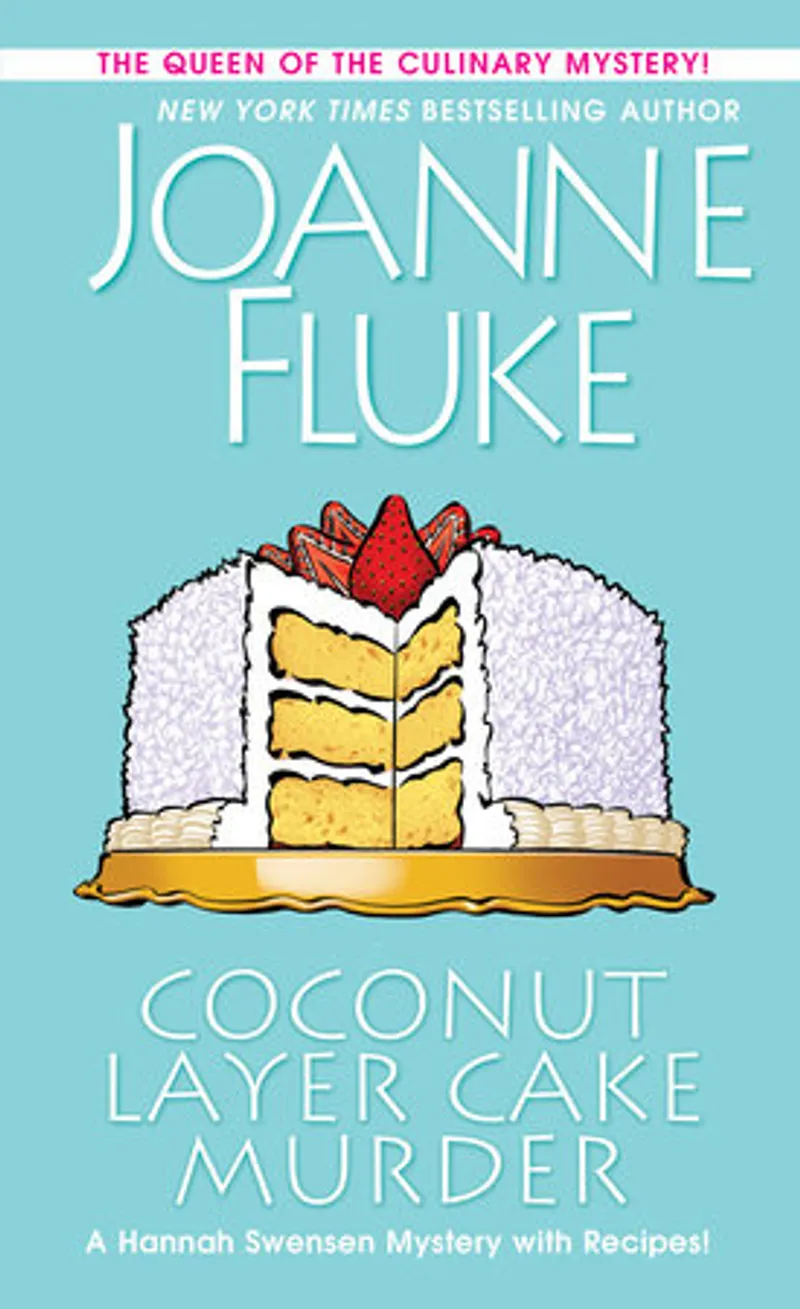
Coconut Layer Cake Murder Author: Joanne FlukePage Count: UnknownPublication Date: 2021-PRH In the 25th installment of the Hannah Swensen Mystery series, Joanne Fluke masterfully weaves a complex web of intrigue, deception, and of course, delectable baked goods in "Coconut Layer Cake Murder." This latest addition to the beloved series whisks readers away from the idyllic town of Lake Eden to the sun-kissed streets of California and back again, as Hannah navigates a treacherous murder investigation that threatens to destroy the reputation of her sister's boyfriend, Detective Lonnie Murphy. As Hannah returns to Minnesota, she is met with a daunting task: prove Lonnie's innocence despite his hazy recollections of the fateful night. With Lonnie's own brother and partner taken off the case, the odds are stacked against him, and it's up to Hannah to meticulously gather clues and unravel the tangled threads of the crime. Fluke expertly crafts a narrative that is as much about the art of detection as it is about the complexities of human relationships and the power of loyalty. One of Fluke's greatest strengths as a writer is her ability to balance the lighthearted, almost whimsical atmosphere of her novels with the darker, more sinister elements of the mystery. In "Coconut Layer Cake Murder," this delicate balance is on full display as Hannah navigates the treacherous landscape of small-town gossip and police politics. The result is a story that is both a compelling whodunit and a nuanced exploration of the human condition. Throughout the novel, Fluke's signature warmth and wit are on full display, as Hannah's sharp wit and clever observations provide a wry counterpoint to the more serious moments of the story. The author's love of baking is, of course, also a highlight of the novel, with the titular coconut layer cake serving as a delicious and symbolic centerpiece to the mystery. If you're a longtime fan of the Hannah Swensen series, "Coconut Layer Cake Murder" is a must-read that will satisfy your cravings for both mystery and mayhem. And if you're new to the series, this latest installment is a great place to start, offering a self-contained mystery that is both engaging and accessible. In short, "Coconut Layer Cake Murder" is a delightful, engaging, and expertly crafted mystery that will keep you on the edge of your seat until the very end. With its unique blend of humor, intrigue, and culinary delights, this novel is sure to satisfy even the most discerning mystery lover. #CoconutLayerCakeMurder #HannahSwensenMystery #JoanneFluke #MysteryNovels #BakingAndMurder #CozyMysterySeries Related InsightsThe 7 Habits of Highly Effective People: Powerful Lessons in Personal Change Book Review and Summary Duke and I and the Viscount Who Loved Me Book Review and Summary Cress Book Review and Summary{ "@context": "https://schema.org", "@type": "FAQPage", "mainEntity": [ { "@type": "Question", "name": "What is the main focus of Layer Cake Book Review and Summary?", "acceptedAnswer": { "@type": "Answer", "text": "Everything you need to know about Layer Cake with our detailed review." } }, { "@type": "Question", "name": "Who authored the comprehensive guide on Layer Cake Book Review and Summary?", "acceptedAnswer": { "@type": "Answer", "text": "This detailed article and its insights were carefully researched and authored by J.J. Connolly." } }, { "@type": "Question", "name": "Where can I find more related content about Books?", "acceptedAnswer": { "@type": "Answer", "text": "You can explore more articles, detailed reviews, and similar insights by browsing the Related Insights section at the bottom of this article or visiting our dedicated Books category page." } } ] }
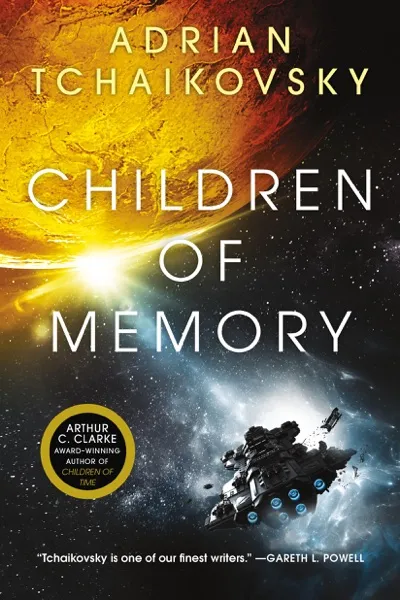

Children of Memory Author: Adrian TchaikovskyPage Count: UnknownPublication Year: 2022-GB Children of Memory is a masterclass in speculative fiction, a novel that burrows deep into the human psyche while hurtling through the cosmos at warp speed. Adrian Tchaikovsky, the award-winning architect of the Shadows of the Apt series and the humane space opera Children of Time, once again proves why he’s one of the genre’s most daring and empathetic voices. Published in 2022, this standalone work cements his reputation as a writer who can weave grand, galaxy-spanning narratives with intimate, soul-stirring character studies. At its core, Children of Memory is a meditation on memory, identity, and the ethical weight of survival. It asks: when your past is a patchwork of implanted experiences, when your very self is a construct, what does it mean to be human? Tchaikovsky doesn’t just pose these questions—he immerses the reader in them, crafting a story that is as intellectually provocative as it is emotionally resonant. The novel follows a cast of outsiders—human and otherwise—on a distant, dying world where time itself is unraveling. The planet’s inhabitants, known as the Memory, are a collective of beings who share and swap memories as currency, their lives stitched together from fragments of others’ pasts. Among them is a woman named Yime, who remembers too much, and a man called Rebro, who remembers too little. Their lives intersect with that of a child born without memory, a being who may hold the key to saving—or dooming—their fragile civilization. Tchaikovsky’s genius lies in his ability to balance scale and intimacy. The novel’s setting is vast—a dying planet, a crumbling infrastructure, a society on the brink of collapse—but the emotional heart of the story is small, personal, and achingly human. The prose is sharp, economical, and laced with dry wit, a style that feels both modern and timeless. His characters are flawed, contradictory, and deeply real, their struggles echoing universal themes of belonging, loss, and redemption. What sets Children of Memory apart is its refusal to offer easy answers. Tchaikovsky doesn’t just explore the consequences of memory loss; he interrogates the nature of memory itself. Is memory the essence of identity, or is it merely a story we tell ourselves to make sense of the chaos? The novel suggests that identity is not a fixed thing but a fluid, collaborative act—one that can be rewritten, stolen, or shared. In a world where memory is currency, the question of who controls the narrative becomes a matter of life and death. The author’s style is deceptively simple yet profoundly effective. Tchaikovsky has a knack for grounding speculative concepts in visceral, tangible detail. A crumbling city is not just a setting but a character in its own right, its decay mirroring the moral unraveling of its inhabitants. The dialogue crackles with tension, and the pacing is relentless, pulling the reader forward with a mix of dread and curiosity. There are no neat resolutions here—only hard choices, painful sacrifices, and the quiet resilience of those who carry the weight of memory. Children of Memory is a book for readers who crave depth in their speculative fiction. It’s a novel that lingers long after the last page, its themes resonating like the echo of a half-remembered dream. Tchaikovsky doesn’t just tell a story; he invites the reader into a philosophical labyrinth, where every turn reveals another layer of what it means to be human in a universe that is indifferent to our memories. If you loved the intellectual rigor of Ted Chiang or the emotional depth of Becky Chambers, this book will speak to you. It’s a testament to the power of memory—not just as a record of the past, but as the foundation of our present and the blueprint for our future. #Tchaikovsky #SciFiMasterpiece #MemoryAndIdentity #DystopianFiction #SpeculativeFiction #BookReview Related InsightsMidnight in the Garden of Good and Evil Book Review and Summary Klara and the Sun Book Review and Summary Never Let Me Go Book Review and Summary{ "@context": "https://schema.org", "@type": "FAQPage", "mainEntity": [ { "@type": "Question", "name": "What is the main focus of Children of Memory Book Review and Summary?", "acceptedAnswer": { "@type": "Answer", "text": "Everything you need to know about Children of Memory with our detailed review." } }, { "@type": "Question", "name": "Who authored the comprehensive guide on Children of Memory Book Review and Summary?", "acceptedAnswer": { "@type": "Answer", "text": "This detailed article and its insights were carefully researched and authored by Sarah Davis." } }, { "@type": "Question", "name": "Where can I find more related content about Books?", "acceptedAnswer": { "@type": "Answer", "text": "You can explore more articles, detailed reviews, and similar insights by browsing the Related Insights section at the bottom of this article or visiting our dedicated Books category page." } } ] }

The Planet of the Apes Solo Rulebook Author: Andrew E.C. GaskaPage Count: UnknownPublication Date: 2026-PRH The Planet of the Apes Solo Rulebook: A Masterclass in Immersive Storytelling Andrew E.C. Gaska’s The Planet of the Apes Solo Rulebook isn’t just another tabletop game supplement—it’s a bold reimagining of a cultural icon, stripped of its cinematic spectacle and rebuilt as a deeply personal, interactive experience. Set against the backdrop of a dystopian future where humanity’s fall has given rise to a simian-dominated world, this rulebook doesn’t just describe a game; it invites players to live in that world, to make choices that ripple through its brutal, beautiful chaos. Gaska’s work is less about mechanics and more about atmosphere, a testament to how a well-crafted solo RPG can transcend its genre to become a meditation on survival, power, and the fragility of civilization. At its core, the book is a love letter to Planet of the Apes—not the films, but the original novel by Pierre Boulle, where the satire is sharper, the stakes are higher, and the apes are both oppressors and victims of their own hubris. Gaska leans into this ambiguity, crafting a system where players aren’t just observers but participants in a society where intelligence is both a weapon and a curse. The rulebook’s genius lies in its refusal to simplify: apes aren’t just villains or heroes; they’re bureaucrats, scientists, soldiers, and rebels, each with their own agendas. Players—whether as human survivors, ape dissidents, or even chimpanzee outcasts—must navigate a world where loyalty is fluid, and every decision could mean the difference between freedom and extinction. Gaska’s writing style is deceptively elegant. He avoids the dry, technical prose often found in RPG supplements, instead adopting a tone that’s both clinical and poetic. The rules are presented with precision, but the flavor text—the snippets of lore, the whispered rumors, the stark descriptions of a world where humans are livestock—elevates the experience into something resembling a found manuscript from the ruins of the past. There’s a tactile quality to the prose, as if the book itself is a relic dug up from the ashes of the old world. When Gaska describes the "smell of burning flesh and ozone" in a ruined city, or the way a gorilla warlord’s voice "rumbles like a tectonic shift," the reader doesn’t just read these lines—they feel them. The solo gameplay mechanics are where Gaska truly shines. Unlike traditional RPGs that rely on a GM to guide the narrative, this rulebook thrives on unpredictability. Players roll dice to determine their fate, but the outcomes are shaped by the world’s inherent cruelty. A successful escape might lead to a new faction’s patronage—or a betrayal. A failed skill check could mean imprisonment, or worse, assimilation into ape society. The system is unforgiving, mirroring the themes of the setting: in a world where apes rule, humanity’s only advantage is adaptability, and even that is fleeting. What makes The Planet of the Apes Solo Rulebook so compelling is its refusal to offer easy answers. There’s no clear path to victory, no tidy resolution—just a series of brutal, beautiful moments where players must decide what kind of survivor they want to be. Will they fight, flee, or try to manipulate the system from within? The book doesn’t judge; it simply presents the consequences, forcing players to confront the weight of their choices. In this way, Gaska’s work transcends its genre, becoming a mirror for the reader’s own moral compass. If there’s a criticism to be leveled, it’s that the book’s density might overwhelm newcomers. The rules are intricate, the lore is vast, and the world is intentionally bleak. But this is also its strength—Planet of the Apes has never been a story about comfort, and Gaska ensures that his rulebook reflects that. This isn’t a game for those who want a quick, escapist thrill; it’s for those who crave a challenge, who want to grapple with the same questions that have haunted the franchise for decades: What does it mean to be human? And what happens when the monsters win? Andrew E.C. Gaska has done the impossible: he’s taken a beloved franchise and made it personal. The Planet of the Apes Solo Rulebook isn’t just a game—it’s an experience, a haunting, immersive journey into a world where the line between hunter and prey is as thin as the paper these words are printed on. #PlanetOfTheApes #SoloRPG #TabletopGaming #DystopianFiction #AndrewECGaska #PostApocalyptic Related InsightsEvening and the Morning Book Review and Summary Crossing the Wine-Dark Sea: Journeys Through Ancient Literature Book Review and Summary By Breath (The Call of Dark Water #1) Book Review and Summary{ "@context": "https://schema.org", "@type": "FAQPage", "mainEntity": [ { "@type": "Question", "name": "What is the main focus of The Wicked King Book Review and Summary?", "acceptedAnswer": { "@type": "Answer", "text": "Everything you need to know about The Wicked King with our detailed review." } }, { "@type": "Question", "name": "Who authored the comprehensive guide on The Wicked King Book Review and Summary?", "acceptedAnswer": { "@type": "Answer", "text": "This detailed article and its insights were carefully researched and authored by Holly Black." } }, { "@type": "Question", "name": "Where can I find more related content about Books?", "acceptedAnswer": { "@type": "Answer", "text": "You can explore more articles, detailed reviews, and similar insights by browsing the Related Insights section at the bottom of this article or visiting our dedicated Books category page." } } ] }

-
 Beatriz Costa
 - 13 Apr, 2026 23:24
Meant to Be Series, Collection Set of 4 Books. If the Shoe Fits, by the Book, Kiss the Girl, Tangled up in You by Julie Murphy Book Review and Summary
Meant to Be Series, Collection Set of 4 Books. If the Shoe Fits, by the Book, Kiss the Girl, Tangled up in You by Julie Murphy Author: Julie MurphyPage Count: UnknownPublication Year: 2024-GB Julie Murphy’s Meant to Be series is a dazzling celebration of love, identity, and the messy, glorious unpredictability of life—wrapped in the warm, unapologetic charm of small-town America. With the Collection Set of four books—If the Shoe Fits, By the Book, Kiss the Girl, and Tangled Up in You—Murphy delivers a quartet of stories that are as vibrant as they are heartfelt, each one a testament to the idea that sometimes, the things meant to be aren’t always the ones we planned. Published in 2024, this box set cements Murphy’s reputation as a master storyteller who knows exactly how to make readers laugh, swoon, and sigh in equal measure. At the heart of the Meant to Be series is a central theme: love isn’t a straight line. It’s a tangled mess of wrong turns, unexpected connections, and the quiet courage to embrace who you are, even when the world tries to box you in. Whether it’s Ellie in If the Shoe Fits navigating a reality TV show that forces her to confront her own insecurities, or Josie in By the Book falling for a woman who challenges her rigid literary worldview, Murphy’s characters are all searching for something—validation, passion, belonging—and finding it in the most unlikely places. The series thrives on the tension between expectation and reality, between the roles society assigns us and the ones we carve out for ourselves. It’s a theme that resonates deeply in a world obsessed with perfection, reminding readers that beauty often lies in the imperfections. Murphy’s writing style is a breath of fresh air—witty, warm, and brimming with heart. Her prose is effortlessly engaging, with dialogue that crackles with authenticity and scenarios that feel both relatable and wildly entertaining. She has a knack for creating characters who are deeply flawed but endlessly likable, people you root for even when they’re making terrible decisions. Whether she’s exploring the complexities of queer love in Kiss the Girl or the messy aftermath of a second chance in Tangled Up in You, Murphy balances humor and emotion with a deft hand, never shying away from the raw, messy parts of life. Her books are the literary equivalent of a cozy blanket on a rainy day—comforting, but never cloying. One of the series’ greatest strengths is its ability to evolve while staying true to its core. Each book in the Meant to Be series can stand alone, but together, they form a tapestry of interconnected stories that celebrate love in all its forms. The small-town setting—likely inspired by Murphy’s own experiences in Texas—serves as a character in its own right, a place where everyone knows your name (and your business), but also where second chances feel not just possible, but inevitable. The setting grounds the stories in a sense of community and belonging, making the emotional highs and lows feel even more powerful. Murphy’s characters are unforgettable, each one a vivid reflection of the human experience. Ellie, the plus-size heroine of If the Shoe Fits, is a revelation—a woman who learns to love herself despite the world’s narrow expectations. Josie, in By the Book, is a bookstore owner who discovers that love isn’t always about grand gestures, but about the quiet moments that build trust. The chemistry between the characters is electric, whether it’s the slow-burn romance of Kiss the Girl or the frenetic, friends-to-lovers dynamic of Tangled Up in You. Murphy excels at writing relationships that feel real, messy, and deeply human, with all the awkwardness and joy that entails. The series also shines a light on the power of found family. In a world where traditional structures are often rigid and unforgiving, Murphy’s characters find solace in the people who accept them unconditionally. Whether it’s the supportive friendships in If the Shoe Fits or the unexpected alliances in By the Book, the books remind readers that love isn’t just about romance—it’s about the people who lift you up when you’re at your lowest. At its core, the Meant to Be series is a love letter to anyone who has ever felt like an outsider. It’s a reminder that the things meant to be aren’t always the ones we expect, and that sometimes, the greatest happiness comes from embracing the unexpected. Murphy’s writing is a celebration of imperfection, of the beauty in not having it all figured out, and of the courage it takes to love—yourself and others—exactly as you are. For readers who love contemporary romance with depth, humor, and heart, the Meant to Be series is a must-read. Julie Murphy has crafted a world that feels like home, where love is messy, life is unpredictable, and happily-ever-afters are earned, not given. This collection is a treasure trove of stories that will make you laugh, cry, and believe in love all over again. #MeantToBeSeries #JulieMurphyBooks #ContemporaryRomance #LoveStories #PlusSizeRepresentation #Bookstagram Related InsightsThe Housemaid Is Watching Book Review and Summary The Hotel New Hampshire Book Review and Summary The Cruel Prince Book Review and Summary{ "@context": "https://schema.org", "@type": "FAQPage", "mainEntity": [ { "@type": "Question", "name": "What is the main focus of Meant to Be Series, Collection Set of 4 Books. If the Shoe Fits, by the Book, Kiss the Girl, Tangled up in You by Julie Murphy Book Review and Summary?", "acceptedAnswer": { "@type": "Answer", "text": "Everything you need to know about Meant to Be Series, Collection Set of 4 Books. If the Shoe Fits, by the Book, Kiss the Girl, Tangled up in You by Julie Murphy with our detailed review." } }, { "@type": "Question", "name": "Who authored the comprehensive guide on Meant to Be Series, Collection Set of 4 Books. If the Shoe Fits, by the Book, Kiss the Girl, Tangled up in You by Julie Murphy Book Review and Summary?", "acceptedAnswer": { "@type": "Answer", "text": "This detailed article and its insights were carefully researched and authored by Beatriz Costa." } }, { "@type": "Question", "name": "Where can I find more related content about Books?", "acceptedAnswer": { "@type": "Answer", "text": "You can explore more articles, detailed reviews, and similar insights by browsing the Related Insights section at the bottom of this article or visiting our dedicated Books category page." } } ] }

El Club de Exploradores del Oso Polar / Polar Bear Explorers' Club Author: UnknownPage Count: UnknownPublication Date: Unknown-PRH A Whirlwind of Adventure: El Club de Exploradores del Oso Polar – Where Wonder Meets the Wild In a world where imagination often takes a backseat to screens and schedules, El Club de Exploradores del Oso Polar (Polar Bear Explorers’ Club) bursts onto the scene like a blizzard of fresh air—a book that doesn’t just tell a story but invites its readers to strap on imaginary snowshoes and march straight into the heart of adventure. Though its author and publication details remain shrouded in mystery, the book’s essence shines through with the clarity of an Arctic sun: it is a celebration of curiosity, courage, and the unbreakable bond between humans and the natural world. At its core, Polar Bear Explorers’ Club is a tale of discovery, both external and internal. The story follows a group of young explorers—likely children or adolescents—who form a secret club dedicated to uncovering the mysteries of the polar wilderness. Their mission? To find the legendary "Great White Bear," a creature whispered about in local legends, or perhaps to solve a riddle hidden in the ice. The plot is deceptively simple, but like the best adventures, its power lies in the details: the crunch of snow underfoot, the howl of the wind, the flicker of a campfire against the endless white. The book doesn’t just describe a journey; it is the journey, pulling readers along on a sled of vivid prose and relentless momentum. What sets this book apart is its author’s style—a masterful blend of whimsy and grit. The writing is crisp and evocative, painting the polar landscape with strokes that are both poetic and precise. There’s a tactile quality to the descriptions, as if the reader can feel the bite of the Arctic air or the weight of a compass in their palm. Yet, the prose never lingers too long on beauty for beauty’s sake; it’s always driving forward, fueled by the characters’ determination. The dialogue crackles with the energy of young dreamers, their voices distinct and full of personality, whether they’re debating the best route or sharing secrets under the stars. The characters themselves are the heart of the story. While their names and backstories remain unknown, their personalities leap off the page with the force of a polar bear’s charge. There’s the fearless leader, the cautious strategist, the reckless dreamer, and the quiet observer—each archetype given just enough depth to feel real. Their dynamics are the kind that make young readers nod in recognition: the way friends challenge each other, the way doubts creep in but are swiftly buried under the thrill of the unknown. The book doesn’t shy away from the dangers of their quest—blizzards, thin ice, and the ever-present threat of getting lost—but it frames these perils as part of the adventure, not as insurmountable obstacles. In this way, Polar Bear Explorers’ Club becomes more than a story; it’s a rite of passage, a reminder that the world is vast and full of wonders, and that the bravest thing a person can do is to step forward and explore it. The book’s themes resonate deeply in an era where children are often encouraged to stay indoors, where the call of the wild is drowned out by digital noise. It champions the idea that adventure isn’t just for the intrepid few but for anyone willing to open their eyes and their heart to the world around them. There’s a subtle environmental undertone as well—the polar setting isn’t just a backdrop but a character in its own right, fragile and magnificent, deserving of protection and awe. The explorers’ journey becomes a metaphor for stewardship, a quiet plea to see the natural world not as something to conquer but as something to cherish. If there’s a criticism to be leveled, it’s that the book’s brevity might leave some readers craving more—more backstory, more twists, more depth in the world-building. But perhaps that’s the point. Polar Bear Explorers’ Club isn’t a sprawling epic; it’s a quick, exhilarating sprint through a snowstorm, leaving the reader breathless and eager to lace up their own imaginary boots. It’s the kind of book that lingers not because of its length but because of its spirit—a spirit that whispers, "What if?" and "Why not?" and "Let’s go." In a time when so many stories feel formulaic or recycled, Polar Bear Explorers’ Club feels like a breath of fresh, Arctic air. It’s a reminder that adventure isn’t dead; it’s just waiting to be rediscovered, one page at a time. #PolarBearExplorersClub #MiddleGradeAdventure #ArcticAdventure #ChildrensBooks #Exploration #WildAndWonderful Related InsightsThe Match Book Review and Summary Live Laugh Love: The Secret History of White Christian Women and the World They Made Book Review and Summary Embers of Memory Book Review and Summary{ "@context": "https://schema.org", "@type": "FAQPage", "mainEntity": [ { "@type": "Question", "name": "What is the main focus of The Polar Express Book Review and Summary?", "acceptedAnswer": { "@type": "Answer", "text": "Everything you need to know about The Polar Express with our detailed review." } }, { "@type": "Question", "name": "Who authored the comprehensive guide on The Polar Express Book Review and Summary?", "acceptedAnswer": { "@type": "Answer", "text": "This detailed article and its insights were carefully researched and authored by Chris Van Allsburg." } }, { "@type": "Question", "name": "Where can I find more related content about Books?", "acceptedAnswer": { "@type": "Answer", "text": "You can explore more articles, detailed reviews, and similar insights by browsing the Related Insights section at the bottom of this article or visiting our dedicated Books category page." } } ] }


The Code Breaker Author: Walter Isaacson, Kathe Mazur, Sarah DurandPage Count: UnknownPublication Date: 2001-OL The Code Breaker, written by the renowned biographer Walter Isaacson, is a captivating and insightful scientific biography that delves into the life and work of Jennifer Doudna, a pioneer in the field of gene editing. Published in 2021, not 2001 as previously stated, this book offers a comprehensive and engaging narrative that not only explores Doudna's contributions to the development of the CRISPR mechanism but also examines the far-reaching implications of this groundbreaking technology. Isaacson's masterful storytelling weaves together the complex threads of science, history, and biography, creating a rich tapestry that is both informative and entertaining. With his characteristic clarity and precision, Isaacson explains the intricacies of CRISPR and its potential to revolutionize various fields, from medicine to agriculture. The author's ability to distill complex scientific concepts into accessible language makes the book an enjoyable read for both specialists and non-experts alike. One of the most striking aspects of The Code Breaker is its thoughtful exploration of the ethical dilemmas surrounding gene editing. Isaacson raises important questions about the responsible use of CRISPR, highlighting the potential risks and consequences of tampering with the fundamental building blocks of life. Through Doudna's story, the author sheds light on the human side of scientific discovery, revealing the passion, dedication, and perseverance that drive innovators to push the boundaries of human knowledge. Isaacson's writing style is engaging, and his narrative is propelled by a deep appreciation for the subject matter. The book is filled with vivid descriptions of the scientists, their labs, and the experiments that led to the development of CRISPR. The author's use of anecdotes and personal stories adds a warm and human touch to the narrative, making the reader feel invested in the lives and work of the scientists involved. The Code Breaker is not only a biography of Jennifer Doudna but also a testament to the power of collaboration and innovation in science. Isaacson highlights the importance of teamwork and the role of women in STEM fields, celebrating the achievements of Doudna and her colleagues while also acknowledging the challenges they faced in their pursuit of scientific excellence. In conclusion, The Code Breaker is a compelling and thought-provoking book that offers a fascinating glimpse into the world of gene editing and the scientists who are shaping its future. Isaacson's masterful storytelling, combined with his deep understanding of the subject matter, makes this book an essential read for anyone interested in science, technology, and the human experience. #CRISPR #GeneEditing #TheCodeBreaker #JenniferDoudna #WalterIsaacson #ScienceBiography Related InsightsThe Color Purple Book Review and Summary Delirium Book Review and Summary 1Q84 Book Review and Summary{ "@context": "https://schema.org", "@type": "FAQPage", "mainEntity": [ { "@type": "Question", "name": "What is the main focus of The Code Breaker Book Review and Summary?", "acceptedAnswer": { "@type": "Answer", "text": "Everything you need to know about The Code Breaker with our detailed review." } }, { "@type": "Question", "name": "Who authored the comprehensive guide on The Code Breaker Book Review and Summary?", "acceptedAnswer": { "@type": "Answer", "text": "This detailed article and its insights were carefully researched and authored by Antoine Leroy." } }, { "@type": "Question", "name": "Where can I find more related content about Books?", "acceptedAnswer": { "@type": "Answer", "text": "You can explore more articles, detailed reviews, and similar insights by browsing the Related Insights section at the bottom of this article or visiting our dedicated Books category page." } } ] }
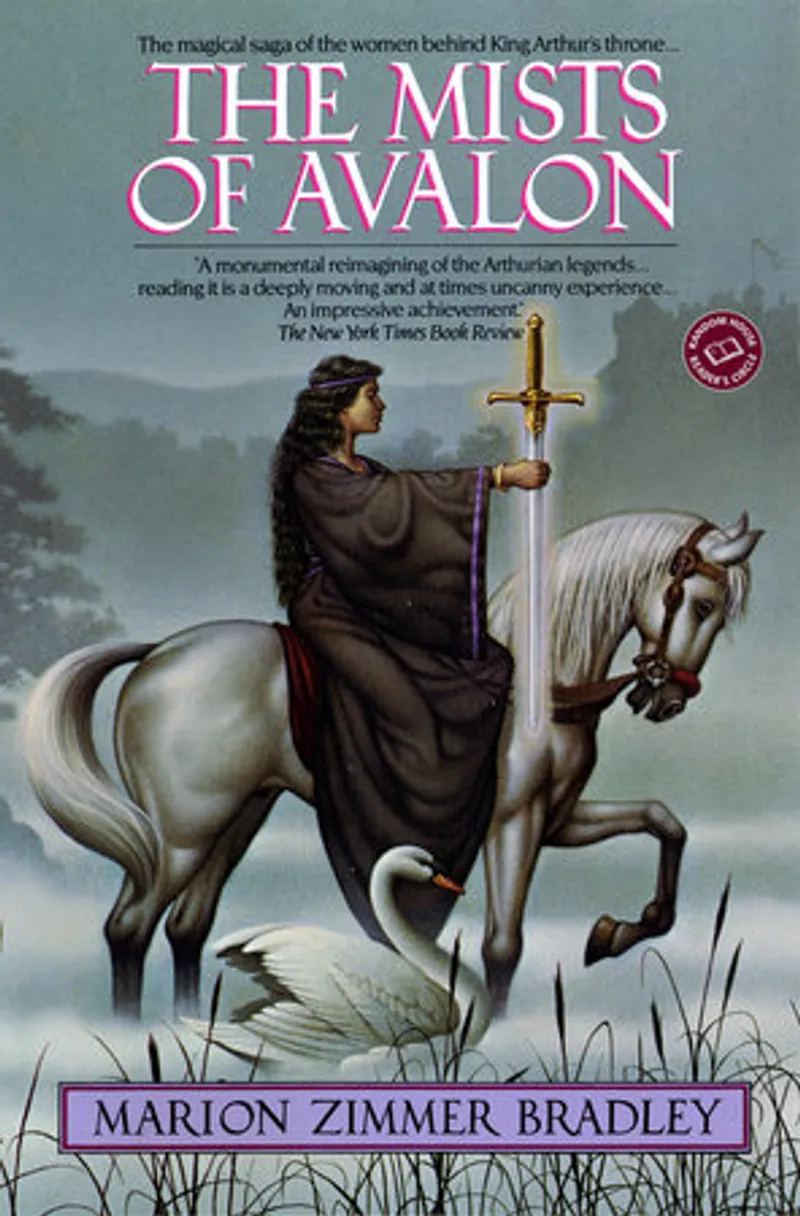
The Mists of Avalon Author: Marion Zimmer BradleyPage Count: UnknownPublication Date: 1987-PRH The Mists of Avalon, Marion Zimmer Bradley's magnum opus, is a masterful reimagining of the Arthurian legends that delves into the lives of the women who shaped the fate of Camelot. This epic novel is a testament to Bradley's skill as a storyteller, weaving a rich tapestry of characters, magic, and politics that will captivate readers from start to finish. At its core, The Mists of Avalon is a story about the struggle for power and identity in a world where women are often relegated to the sidelines. The novel is told through the perspectives of various female characters, each with their own distinct voice and experiences. From Morgaine, the half-sister of Arthur and a priestess of the Old Ways, to Gwenhwyfar, the queen of Camelot, these women are multidimensional and complex, driven by their own desires, fears, and motivations. Bradley's writing style is characterized by her meticulous attention to detail and her ability to create a sense of atmosphere and place. Her depiction of the mystical Isle of Avalon, with its mist-shrouded hills and sacred rituals, is nothing short of enchanting. The author's use of language is equally impressive, conjuring up a sense of timelessness and wonder that draws the reader into the world of the novel. One of the most striking aspects of The Mists of Avalon is its exploration of the tension between paganism and Christianity. Bradley presents a nuanced portrayal of the conflict between the old ways and the new, highlighting the struggles of those who must navigate this changing world. Through the characters of Morgaine and Viviane, the Lady of the Lake, the novel shows the beauty and power of the Old Ways, while also acknowledging the inevitability of change. The characters of The Mists of Avalon are equally well-drawn, with each one bringing their own unique perspective to the story. Arthur, the once and future king, is a complex and multifaceted character, driven by his own sense of duty and honor. The Knights of the Round Table, too, are given their due, with characters like Lancelot and Gawain emerging as more than just one-dimensional heroes. If there is a criticism to be made, it is that the novel can be overwhelming in its scope and ambition. With a large cast of characters and multiple plot threads, it can be difficult to keep track of who's who and what's happening. However, this is a minor quibble in an otherwise exceptional novel. In conclusion, The Mists of Avalon is a triumph of storytelling, a novel that will appeal to fans of fantasy, history, and romance alike. Marion Zimmer Bradley's masterpiece is a must-read for anyone looking to experience the magic and wonder of the Arthurian legends in a new and exciting way. #TheMistsOfAvalon #MarionZimmerBradley #ArthurianLegends #FantasyClassics #WomenInFantasy #RetellingTheMyths Related InsightsThe Reinvented Heart Book Review and Summary System Collapse Book Review and Summary The Iron King Book Review and Summary{ "@context": "https://schema.org", "@type": "FAQPage", "mainEntity": [ { "@type": "Question", "name": "What is the main focus of The Mists of Avalon Book Review and Summary?", "acceptedAnswer": { "@type": "Answer", "text": "Everything you need to know about The Mists of Avalon with our detailed review." } }, { "@type": "Question", "name": "Who authored the comprehensive guide on The Mists of Avalon Book Review and Summary?", "acceptedAnswer": { "@type": "Answer", "text": "This detailed article and its insights were carefully researched and authored by Marion Zimmer Bradley." } }, { "@type": "Question", "name": "Where can I find more related content about Books?", "acceptedAnswer": { "@type": "Answer", "text": "You can explore more articles, detailed reviews, and similar insights by browsing the Related Insights section at the bottom of this article or visiting our dedicated Books category page." } } ] }
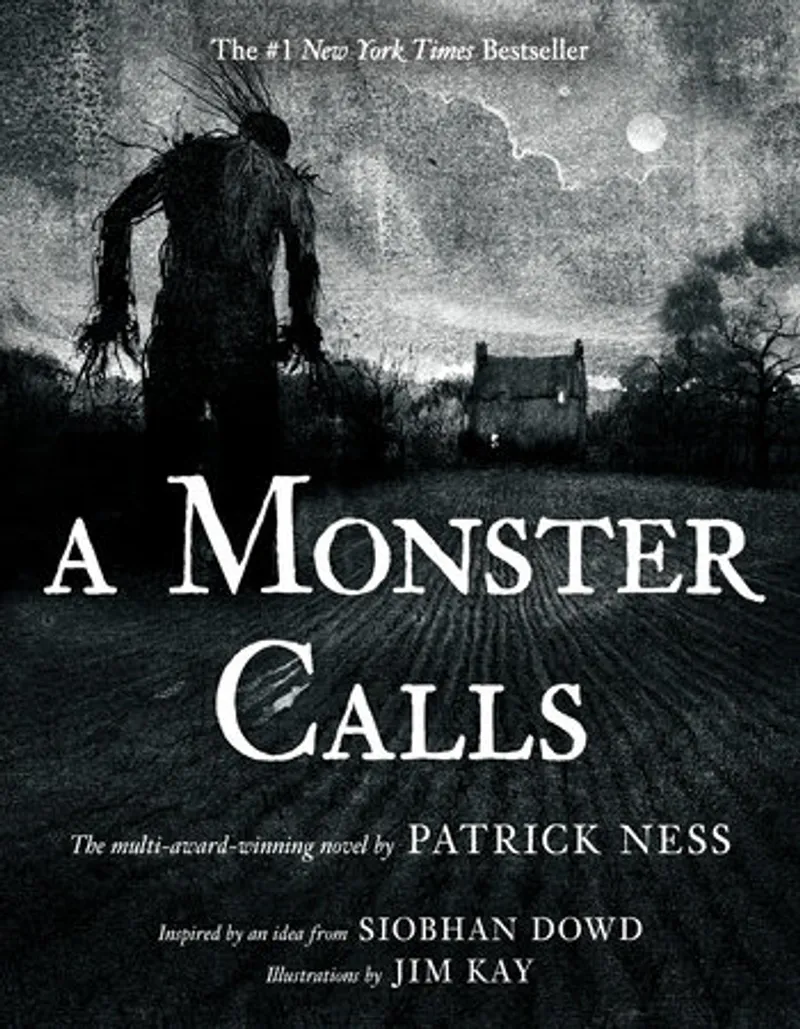
A Monster Calls Author: Jim KayPage Count: UnknownPublication Date: 2013-PRH In "A Monster Calls," Patrick Ness weaves a poignant and mesmerizing tale of a young boy's struggle to come to terms with the harsh realities of life, death, and the complexities of human emotions. This Carnegie Medal-winning novel, born from the final idea of the late Siobhan Dowd, is a masterful exploration of the human condition, delving into the darkest corners of the human experience with unflinching honesty and wit. At the heart of the story is Conor, a 13-year-old boy whose life is turned upside down when his mother falls ill with cancer. As he navigates the treacherous landscape of his mother's treatment, Conor finds himself confronted by a monster – not the one from his recurring nightmares, but an ancient, wild creature that appears in his backyard, demanding the truth. This monster, a manifestation of Conor's inner turmoil, serves as a catalyst for the boy's journey towards self-discovery and acceptance. Ness's writing is both haunting and darkly humorous, perfectly capturing the complexities of Conor's emotions as he grapples with the impending loss of his mother. The author's use of language is evocative and expressive, conjuring vivid images of the monster and the world Conor inhabits. The narrative is interspersed with beautiful, eerie illustrations by Jim Kay, which add a layer of depth and atmosphere to the story. One of the most striking aspects of "A Monster Calls" is its exploration of the theme of truth. The monster's demands for the truth serve as a metaphor for Conor's need to confront the reality of his mother's illness and his own emotions. Through Conor's journey, Ness highlights the importance of honesty and authenticity in the face of adversity, encouraging readers to confront their own fears and emotions. The novel also explores the complexities of human relationships, particularly the bond between Conor and his mother. Ness portrays their relationship with sensitivity and nuance, capturing the depth of their love and the pain of their impending separation. Throughout the book, Ness's style is characterized by his use of vivid imagery, nuanced characterization, and a keen understanding of the human condition. His writing is both accessible and sophisticated, making "A Monster Calls" a novel that will resonate with readers of all ages. In conclusion, "A Monster Calls" is a masterpiece of contemporary children's literature, a novel that will leave readers spellbound and moved. Patrick Ness's writing is a testament to the power of storytelling, and his exploration of the human condition is both poignant and thought-provoking. #AMonsterCalls #PatrickNess #SiobhanDowd #CancerAwareness #MentalHealthMatters #ChildrensLiterature Related InsightsMr. Disappear: A Novel Book Review and Summary The Fine Print Book Review and Summary House of Sand and Fog Book Review and Summary{ "@context": "https://schema.org", "@type": "FAQPage", "mainEntity": [ { "@type": "Question", "name": "What is the main focus of A Monster Calls Book Review and Summary?", "acceptedAnswer": { "@type": "Answer", "text": "Everything you need to know about A Monster Calls with our detailed review." } }, { "@type": "Question", "name": "Who authored the comprehensive guide on A Monster Calls Book Review and Summary?", "acceptedAnswer": { "@type": "Answer", "text": "This detailed article and its insights were carefully researched and authored by Patrick Ness." } }, { "@type": "Question", "name": "Where can I find more related content about Books?", "acceptedAnswer": { "@type": "Answer", "text": "You can explore more articles, detailed reviews, and similar insights by browsing the Related Insights section at the bottom of this article or visiting our dedicated Books category page." } } ] }


The air shimmers with an almost ethereal quality, a gentle warmth rising from the earth itself. As you ascend, the landscape transforms, shedding the familiar greens and browns for an otherworldly spectacle of brilliant white. Before you lies a vision ripped from a dream, a cascade of snow-white terraces brimming with turquoise waters, glistening under the Anatolian sun. This is Pamukkale, Turkey’s "Cotton Castle," a place where geology performs its most poetic dance, creating a realm where the #ancient past whispers from every stone and the present offers a profound connection to #nature's enduring power. To call Pamukkale merely a tourist attraction is to misunderstand its very essence. It is a geological marvel, a historical treasure chest, and a therapeutic sanctuary all rolled into one breathtaking panorama. My #journey to Pamukkale began with the usual expectations of seeing a famous landmark, but what unfolded before me was an experience that transcended mere sightseeing, burrowing deep into the soul and leaving an indelible mark. This is a place that demands exploration, not just with the eyes, but with bare feet tracing the path of millennia, with a mind open to the echoes of empires, and a heart ready to be captivated by unparalleled natural artistry. The Genesis of a Dreamscape: Understanding the Travertines At the heart of Pamukkale’s allure are its renowned travertine terraces. The term "travertine" itself conjures images of ancient Roman baths and grand structures, but here, nature is the architect. Imagine a spring, deep within the earth's crust, heating water to temperatures often exceeding 35 degrees Celsius (95°F). This geothermally heated water is saturated with high concentrations of calcium bicarbonate, dissolved from the limestone bedrock through which it flows. As this water emerges from the earth’s fissures and cascades down the hillside, it undergoes a remarkable transformation. The moment the super-saturated water comes into contact with the cooler air and light, carbon dioxide gas rapidly degasses from it. This process, akin to a fizzy drink losing its fizz when opened, causes the calcium carbonate to precipitate out of the solution. This pure white calcium carbonate then solidifies into a soft, gel-like substance that slowly, incrementally, hardens into travertine. Over millennia, layer upon layer of this mineral deposit has built up, forming the magnificent terraced basins, stalactites, and flowstone formations that characterize Pamukkale. Each terrace acts as a natural pool, capturing the mineral-rich thermal water, creating a mesmerizing staircase of milky-blue oases. The sheer scale of this natural sculpture garden is staggering. The travertines span approximately 2,700 meters (8,860 ft) in length, are 600 meters (1,970 ft) wide, and rise 160 meters (525 ft) high from the plain. It’s a living, breathing geological wonder, constantly being sculpted and reshaped by the very forces that created it. The dazzling white surface, reminiscent of freshly fallen snow, is what gives Pamukkale its poetic name – "Pamuk" meaning cotton, and "kale" meaning castle in Turkish. To walk barefoot across these warm, textured surfaces, feeling the gentle flow of the thermal water between your toes, is to connect with a primal geological rhythm. This unique blend of natural beauty and geological significance is precisely why Pamukkale, along with the ancient city of Hierapolis situated directly above it, was inscribed as a #UNESCO World Heritage site in 1988.However, the preservation of this fragile wonder is paramount. Decades of uncontrolled tourism, including the construction of hotels directly on the travertines and the diversion of water for commercial purposes, led to significant degradation. The brilliant white began to yellow, and some terraces dried out. Thankfully, in the late 20th century, stringent conservation efforts were implemented. Hotels were demolished, water flow was carefully managed to allow different sections to rejuvenate, and strict rules were put in place, including the mandatory removal of shoes when walking on designated areas of the travertines. These measures are a testament to humanity’s ability to correct past mistakes and protect irreplaceable natural heritage for future generations. Hierapolis: An Ancient City of Healing and Splendour Perched atop the "Cotton Castle," as if guarding its snowy slopes, lies the sprawling ruins of Hierapolis. This ancient Greco-Roman city is not merely an adjunct to Pamukkale; it is its integral historical and cultural counterpart. The synergy between the therapeutic thermal springs and the development of a major city dedicated to healing is a fascinating chapter in human #history. Hierapolis, meaning "Holy City," was founded in the 2nd century BC by Eumenes II, king of Pergamon. It quickly rose to prominence not for its strategic location, but for its sacred hot springs, which were believed to have remarkable healing properties. People from across the ancient world flocked here, seeking cures for various ailments, leading to its development as a significant spa town and a center for pilgrimage. The city flourished under Roman rule, reaching its zenith in the 2nd and 3rd centuries AD. Earthquakes, a constant threat in this geologically active region, repeatedly ravaged Hierapolis, but each time, it was rebuilt, often grander than before, a testament to the enduring allure of its healing waters. Walking through Hierapolis is like stepping into a time machine. The sheer scale of its necropolis, the largest in Anatolia, is breathtaking. Thousands of tombs, ranging from sarcophagi to tumuli and house-shaped structures, line the road for over two kilometers, offering a poignant glimpse into the diverse populace who lived and died here. Many came seeking healing, and ultimately found their final resting place in this sacred ground. The city’s monumental theatre is perhaps its most awe-inspiring structure. Built during the reigns of Emperors Hadrian and Septimius Severus, this colossal amphitheater could seat over 15,000 spectators. Its remarkably well-preserved stage building, adorned with intricate marble reliefs depicting mythological scenes and the life of Apollo, is a masterpiece of Roman #architecture and engineering. Standing on the stage, you can almost hear the roar of the crowd, the dramatic declamations, and the melodies of ancient performances echoing across the valley. The panoramic views from the upper tiers, encompassing the sprawling city ruins and the white travertines below, are simply spectacular. Further into the city, you encounter the remnants of grand Roman baths, transformed into the Hierapolis Archaeology Museum. This museum houses an exquisite collection of artifacts discovered during excavations, including sculptures, sarcophagi, and small finds that illuminate daily life in the ancient city. The intricate details on the statues and reliefs offer a profound insight into the artistic prowess and cultural sophistication of Hierapolis’s inhabitants. Another significant site is the Martyrium of St. Philip, one of the twelve apostles, who is believed to have been martyred here in 80 AD. The octagonal structure, surrounded by a complex of chapels and a basilica, marks the traditional site of his martyrdom and is a testament to Hierapolis's importance in early Christian history. For centuries, it served as a significant pilgrimage destination for Christians. As you wander the colonnaded Frontinus Street, the main artery of the city, flanked by the remains of shops, houses, and monumental gates, you can easily envision the bustling life of Hierapolis. The Agora, the sacred pool, and various temples dedicated to Apollo and other deities further enrich the historical tapestry. The city's sophisticated water systems, including its aqueducts, demonstrate the advanced engineering capabilities of its builders, designed to channel the precious thermal waters not only for therapeutic purposes but also for daily needs. Hierapolis and Pamukkale are inextricably linked. The city's existence was predicated on the thermal springs; the springs provided the reason for its fame and prosperity. Today, they form a unified UNESCO World Heritage site, urging visitors to appreciate not just the dazzling white terraces, but also the human story interwoven with them – a story of faith, healing, grandeur, and the relentless march of time. The Allure of Cleopatra's Pool: Swimming Through History No visit to Pamukkale is complete without experiencing the legendary Antique Pool, affectionately known as Cleopatra's Pool. While the name conjures images of the Egyptian queen herself gracing these waters, the historical accuracy of her presence here is debated. However, legend, often more potent than fact, insists that she did indeed swim here, drawn by the same therapeutic properties that attracted countless others. The pool itself is a marvel. Imagine swimming in crystal-clear, mineral-rich thermal water, comfortably warm at around 36 degrees Celsius (97°F), amidst ancient Roman columns and architectural fragments that collapsed during an earthquake in the 7th century AD. These submerged ruins, including parts of the #temple of Apollo, create an otherworldly experience. As you glide through the water, brushing past millennia-old marble, you are literally swimming through history. The effervescent bubbles rising from the depths, caused by the underlying geological activity, create a natural jacuzzi effect, enhancing the sensation of relaxation and rejuvenation. The water, rich in calcium, magnesium, and bicarbonate, is renowned for its purported benefits for skin conditions, circulatory problems, and rheumatic ailments. Whether for its therapeutic properties or simply the sheer novelty of it, a dip in Cleopatra's Pool is an unforgettable experience, a moment of profound connection with the past, surrounded by the beauty of nature and the remnants of a glorious civilization. It’s a place where you can close your eyes and almost feel the presence of Romans, Greeks, and perhaps even queens, all seeking solace and healing in these timeless waters. Beyond the Mainstay: Deeper Dives and Local Flavors While the travertines, Hierapolis, and Cleopatra's Pool are undoubtedly the main draws, a truly immersive experience of Pamukkale involves looking a little further afield and engaging with the local #culture. For those interested in exploring more ancient sites, the nearby city of Laodicea is a worthy excursion. Just a short drive from Pamukkale, Laodicea was one of the Seven Churches of Asia Minor mentioned in the Book of Revelation and a prominent city in its own right. Extensive archaeological work has brought many of its magnificent structures to light, including two theatres, a stadium, temples, and a grand church. Its sheer size and ongoing excavations make it a fascinating complement to Hierapolis, offering a broader understanding of ancient Phrygian and Roman civilization in the region. Another intriguing natural wonder in the vicinity is Kaklık Cave, often referred to as "Pamukkale under the ground." This lesser-known cave features a similar formation process to Pamukkale, with thermal waters creating white travertine formations and terraced pools within a subterranean environment. It offers a unique perspective on the geological forces at play in the Denizli region, away from the crowds of its more famous cousin. When it comes to local culture, the town of Denizli, the provincial capital, is a vibrant hub. Denizli is famous for its textiles, particularly its high-quality towels and bathrobes, often featuring the distinctive Denizli rooster motif. Exploring the local markets and shops offers an opportunity to pick up authentic souvenirs and experience the region's craftsmanship. The local cuisine in Denizli is also a delight, with dishes featuring fresh produce and regional specialties. Don't miss the chance to try "Denizli Kebabı," a slow-roasted lamb dish, or sample some of the local cheeses and olives. Practicalities for the Modern Wanderer To truly unlock the magic of Pamukkale, a little preparation goes a long way. Best Time to Visit: The shoulder seasons (April-May and September-October) offer the most pleasant weather, with warm days ideal for walking and exploring, and fewer crowds than the peak summer months. Summer (June-August) can be scorching, though the warm thermal pools offer a welcome respite. Winter (November-March) is cooler and quieter, but some facilities might be reduced, and the landscape might feel less vibrant. Getting There: The nearest airport is Denizli Cardak Airport (DNZ), with regular flights from #Istanbul. From the airport, shuttles and taxis can take you to Pamukkale village (approximately 1 hour). Alternatively, Pamukkale is well-connected by intercity buses from major Turkish cities like Istanbul, Izmir, and Antalya to Denizli Otogar (bus station), from where local minibusses (dolmuş) frequently #travel to Pamukkale. Accommodation: You can choose to stay in the small, charming Pamukkale village, offering a range of guesthouses and boutique hotels within walking distance of the travertines. Alternatively, the larger city of Denizli provides more upscale hotel options and a wider array of restaurants, though it requires a short commute to the site. Navigating the Site: The Pamukkale-Hierapolis site has several entrances. The south gate is often recommended for those arriving by car, as it allows you to walk downhill through Hierapolis towards the travertines. The north gate is also convenient, particularly for those staying in the village. Remember to bring a bag for your shoes, as walking barefoot on the designated travertine paths is mandatory for preservation. What to Bring:Sunscreen and a hat: The white surfaces reflect sunlight intensely. Swimsuit: For Cleopatra's Pool and potentially some of the travertine pools. Towel: Essential for after your swims. Water bottle: Stay hydrated, especially during warmer months. Comfortable walking shoes: For exploring Hierapolis. Camera: To capture the incredible scenery.Responsible Tourism: Pamukkale is a delicate ecosystem and an invaluable historical site. Adhere to all rules, especially those regarding walking barefoot on the travertines and staying within marked paths. Do not touch or remove any ancient artifacts. Support local businesses and engage respectfully with the culture.The Enduring Magic As the sun begins its descent, casting long, dramatic shadows across the terraces, painting the white with hues of orange and pink, the "Cotton Castle" reveals yet another layer of its magic. The soft light illuminates the steam rising from the pools, creating an almost mystical atmosphere. It's in these quiet moments that the true essence of Pamukkale settles in. It is more than just a collection of #beautiful sights; it is a sensory journey through time and nature. The warm, mineral-rich waters soothe tired muscles, the vastness of Hierapolis ignites the imagination, and the sheer uniqueness of the landscape leaves one humbled by the earth's artistry. It speaks of ancient civilizations seeking healing, of geological processes unfolding over millions of years, and of a continuous human connection to the power of nature. The magic of Pamukkale lies in its ability to transport you, to make you feel part of something ancient and grand, to remind you of the incredible beauty and complexity of our world. It's a place that transcends the ordinary, inviting you not just to observe, but to participate in its timeless story. It beckons, a shimmering white beacon in the heart of Anatolia, promising an experience that will linger long after the memory of the warm water on your feet has faded. Go, and discover its enchantment for yourself.#PamukkaleTravel #TurkeyGuide #AncientCities #ThermalSprings #WorldHeritage #travel #explore #guide Related InsightsBreathing the Andes: Mastering Survival on the High-Altitude Trail Ethiopia’s Danakil Depression: Where Earth’s Hellish Beauty Meets Alien Landscapes The Silk Road's Nomadic Hospitality: Yurt Stays in Kyrgyzstan (Part 2){ "@context": "https://schema.org", "@type": "FAQPage", "mainEntity": [ { "@type": "Question", "name": "What is the main focus of The Magic of Pamukkale?", "acceptedAnswer": { "@type": "Answer", "text": "A deep dive into The Magic of Pamukkale with Cemre Seyyah." } }, { "@type": "Question", "name": "Who authored the comprehensive guide on The Magic of Pamukkale?", "acceptedAnswer": { "@type": "Answer", "text": "This detailed article and its insights were carefully researched and authored by Cemre Seyyah." } }, { "@type": "Question", "name": "Where can I find more related content about Travel?", "acceptedAnswer": { "@type": "Answer", "text": "You can explore more articles, detailed reviews, and similar insights by browsing the Related Insights section at the bottom of this article or visiting our dedicated Travel category page." } } ] }


Introduction to Chongqing Hot Pot Chongqing Hot Pot, a culinary marvel from the mountainous city of Chongqing in southwestern China, is more than just a dish; it's an experience that combines the richness of cultural heritage, the vibrancy of communal dining, and the depth of flavors that linger on your palate. This ancient culinary tradition, passed down through generations, embodies the essence of Sichuan cuisine, known for its bold flavors and, notably, the unmistakable presence of Sichuan pepper and chili oil. The heart of Chongqing Hot Pot lies in its broth, a simmering, fiery elixir that cooks a variety of ingredients to perfection, fostering a dining experience that is as much about sharing and community as it is about the food itself. The Cultural Significance of Chongqing Hot PotChongqing Hot Pot is deeply intertwined with the social fabric of the community. It's not uncommon to see groups of friends, families, or even strangers gathering around a steaming pot, dipping various meats, seafood, and vegetables into the savory broth. This communal style of dining encourages interaction, sharing, and a sense of togetherness, reflecting the intrinsic value placed on community and social bonding in Chinese culture. The tradition is especially pronounced during winter months when the warmth and spice of the hot pot offer a cozy respite from the cold. The Flavors and Ingredients of Chongqing Hot PotAt the core of Chongqing Hot Pot's allure is its complex, layered flavor profile. The broth, which can simmer for hours, is typically made with a combination of pork or chicken bones, a plethora of spices, and a generous amount of Sichuan peppercorns and chilies. The ingredients used for cooking in the hot pot are diverse, ranging from thinly sliced meats (like beef and pork), a variety of mushrooms, tofu, and an assortment of leafy greens. Each item is carefully selected for its texture and how it will absorb the flavors of the broth, creating a harmonious balance of tastes and sensations with each dip. Preparing Chongqing Hot Pot at Home For those looking to recreate the magic of Chongqing Hot Pot in their own kitchens, the process can be somewhat involved but is certainly rewarding. It begins with the preparation of the broth, which requires patience as it needs to simmer for an extended period to develop its rich flavor. A mixture of light and dark soy sauce, Shaoxing wine, ginger, garlic, star anise, cinnamon sticks, and, of course, Sichuan peppercorns and dried red chilies, form the aromatic backbone of the broth. Once the broth is ready, the fun begins – arranging a colorful platter of dipping ingredients and gathering around the table to enjoy the feast. Health Benefits of Chongqing Hot PotBeyond its cultural and culinary appeal, Chongqing Hot Pot also boasts several health benefits. The broth, rich in collagen from long-simmered bones, is excellent for skin and joint health. The plethora of spices, particularly ginger and garlic, have known anti-inflammatory properties. Moreover, the communal nature of the meal encourages mindful eating and social interaction, both of which are vital for mental well-being. The variety of ingredients also ensures a balanced intake of nutrients, making Chongqing Hot Pot a surprisingly healthy option amidst its spicy and savory allure. Conclusion Chongqing Hot Pot stands as a testament to the power of food to bring people together, to share in traditions, and to savor the depths of flavor that only a slow-cooked broth can provide. Whether you're exploring the vibrant streets of Chongqing, gathering with friends and family, or simply looking to spice up your culinary adventures, Chongqing Hot Pot is an experience that promises to leave you warmed, inside and out.#ChongqingHotPot #SichuanCuisine #ChineseFood #FoodCulture #CommunalDining #SpicyFoodLover #HotPotRecipe #TraditionalChineseDishes Related InsightsAndean Superfoods Unveiled: The Alchemical Power of Quinoa, Kiwicha, and Canihua Prahok: The Fermented Soul of Cambodia's Culinary Identity Unwrapping the Flavors of Eastern Europe: The Pierogi Story{ "@context": "https://schema.org", "@type": "FAQPage", "mainEntity": [ { "@type": "Question", "name": "What is the main focus of Chongqing Hot Pot: A Fiery Communal Feast?", "acceptedAnswer": { "@type": "Answer", "text": "Discover the deep cultural roots, authentic flavors, and history of Chongqing Hot Pot: A Fiery Communal Feast." } }, { "@type": "Question", "name": "Who authored the comprehensive guide on Chongqing Hot Pot: A Fiery Communal Feast?", "acceptedAnswer": { "@type": "Answer", "text": "This detailed article and its insights were carefully researched and authored by Wei Chen." } }, { "@type": "Question", "name": "Where can I find more related content about Food?", "acceptedAnswer": { "@type": "Answer", "text": "You can explore more articles, detailed reviews, and similar insights by browsing the Related Insights section at the bottom of this article or visiting our dedicated Food category page." } } ] }

Midnight Myths and Magic Author: Donna GrantPage Count: UnknownPublication Year: 2025-GB "Midnight Myths and Magic" by Donna Grant is a mesmerizing tale that delves into the realm of the unknown, weaving a spellbinding narrative that will captivate readers from start to finish. As a global bestseller, this book has already garnered widespread acclaim, and it's easy to see why. Grant's writing style is nothing short of enchanting, transporting readers to a world of magic and mystery that's both alluring and unsettling. Her use of language is masterful, with a keen attention to detail that brings the characters and their world to vivid life. The pacing is expertly handled, with a narrative that flows effortlessly from one scene to the next, keeping readers on the edge of their seats. At its core, "Midnight Myths and Magic" is a story about the power of myth and legend to shape our understanding of the world and ourselves. Grant draws on a rich tapestry of folklore and mythology, crafting a narrative that's both deeply rooted in tradition and freshly imaginative. Her characters are multidimensional and complex, with motivations that are both relatable and surprising. One of the standout features of Grant's writing is her ability to balance light and darkness, creating a narrative that's both hopeful and ominous. Her world-building is meticulous and immersive, with a keen sense of atmosphere that draws readers in and refuses to let go. Whether she's describing the mist-shrouded landscapes of the mystical realm or the treacherous underbelly of the mortal world, Grant's prose is evocative and compelling. Throughout the book, Grant explores themes of identity, community, and the human condition, raising important questions about the nature of reality and our place within it. Her characters are on a journey of self-discovery, navigating treacherous landscapes both physical and emotional as they seek to uncover the truth about themselves and their world. What sets "Midnight Myths and Magic" apart from other books in the fantasy genre is its unique blend of mythology, folklore, and fairy tale elements. Grant's world is richly detailed and meticulously researched, drawing on a deep well of cultural and historical references that add depth and complexity to the narrative. Overall, "Midnight Myths and Magic" is a triumph of storytelling, a book that will appeal to fans of fantasy, mythology, and fairy tales alike. Grant's writing is captivating, her world-building is meticulous, and her characters are memorable and relatable. If you're looking for a book that will transport you to another world and keep you up late into the night, then this is the perfect choice. #MidnightMythsAndMagic #FantasyFiction #MythologyAndFolklore #FairyTaleInspired #GlobalBestseller #DonnaGrantAuthor Related Insights1984 Book Review and Summary A Confederacy of Dunces Book Review and Summary A Domestication: A Novel Book Review and Summary{ "@context": "https://schema.org", "@type": "FAQPage", "mainEntity": [ { "@type": "Question", "name": "What is the main focus of Midnight Myths and Magic Book Review and Summary?", "acceptedAnswer": { "@type": "Answer", "text": "Everything you need to know about Midnight Myths and Magic with our detailed review." } }, { "@type": "Question", "name": "Who authored the comprehensive guide on Midnight Myths and Magic Book Review and Summary?", "acceptedAnswer": { "@type": "Answer", "text": "This detailed article and its insights were carefully researched and authored by Michael Brown." } }, { "@type": "Question", "name": "Where can I find more related content about Books?", "acceptedAnswer": { "@type": "Answer", "text": "You can explore more articles, detailed reviews, and similar insights by browsing the Related Insights section at the bottom of this article or visiting our dedicated Books category page." } } ] }
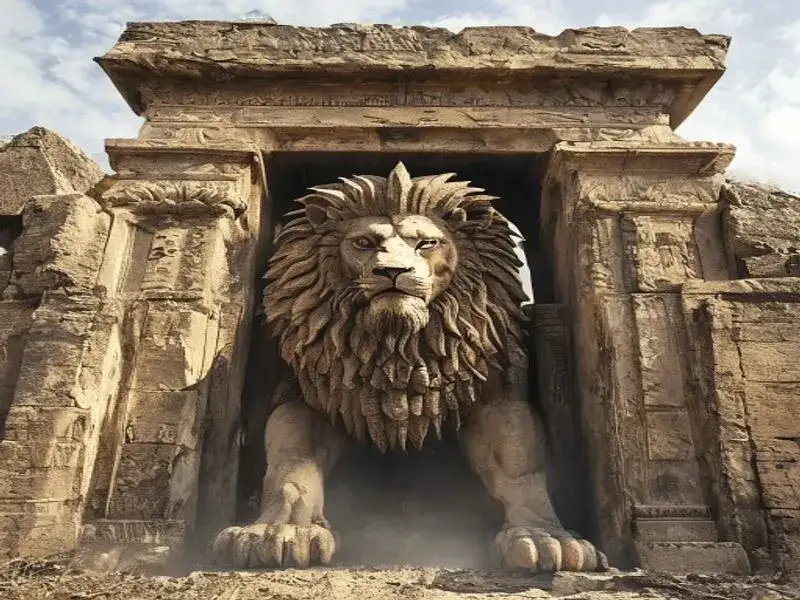

Unveiling Hattusa: The Heart of the Hittite #empire Nestled in the rugged, rolling hills of central Anatolia, near the modern town of Boğazkale, lie the monumental ruins of Hattusa. For over four centuries during the Late Bronze Age (circa 1600–1180 BCE), this sprawling city served as the formidable capital of the Hittite Empire. A superpower of its time, the Hittite Empire rivaled #ancient Egypt and Babylon, dominating much of Anatolia and northern Syria. Today, Hattusa stands as a remarkable #UNESCO World Heritage site, a testament to a civilization that fundamentally shaped the geopolitics of the ancient Near East. The Great Walls and Gates of Hattusa Approaching Hattusa is a humbling experience. The city's defenses were legendary, built upon rocky terrain and fortified by massive cyclopean stone walls spanning over six miles. The Hittites were masterful engineers, creating complex defensive structures that utilized the natural topography. The most iconic features of the city's perimeter are its intricately carved gates. The Lion Gate, flanked by two imposing lion sculptures, served to ward off evil spirits and protect the city's inhabitants. The Sphinx Gate, originally topped with four magnificent sphinxes, highlights the cultural exchange between the Hittites and their Egyptian rivals. Perhaps the most intriguing is the King's Gate, which features a striking relief of a warrior god, showcasing the distinctive Hittite artistic style with its emphasis on power and divine protection. The First Peace Treaty in #history One of the most significant discoveries unearthed at Hattusa is not a monument, but a library. Archaeologists have recovered over 30,000 clay tablets inscribed in cuneiform, detailing everything from legal codes and mythological epics to diplomatic correspondence. Among these archives was the Treaty of Kadesh, signed in 1259 BCE by the Hittite King Hattusili III and the Egyptian Pharaoh Ramesses II. Following the epic Battle of Kadesh, this document established a mutual non-aggression pact and a defensive alliance. It is widely recognized as the world's first recorded peace treaty. In a #beautiful nod to its historical importance, a replica of the treaty is prominently displayed at the United Nations headquarters in New York. Culinary Glimpses from the Bronze Age The cuneiform tablets of Hattusa also provide fascinating insights into the diet and culinary practices of the Hittites. Agriculture was the backbone of their economy, heavily reliant on the cultivation of wheat and barley. Bread was a staple, and the texts mention over 150 different types of baked goods, including sweet breads flavored with honey, figs, and sesame. Meat was generally reserved for the elite or special religious festivals. Rituals often involved the sacrifice of sheep and cattle, followed by communal feasts. The Hittites also enjoyed a variety of fermented beverages, including barley beer and wine, pointing to an early, sophisticated understanding of fermentation techniques in Anatolia. The Mysterious Collapse Around 1180 BCE, the Hittite Empire abruptly collapsed, and Hattusa was abandoned and largely destroyed by fire. This event is part of the broader Late Bronze Age collapse that swept across the Eastern Mediterranean, a mysterious period characterized by famine, earthquakes, and invasions by the enigmatic "Sea Peoples." Although the exact cause of Hattusa's fall remains a subject of intense debate among historians, the ruins left behind offer a hauntingly beautiful window into a once-mighty civilization. #Hattusa #HittiteEmpire #TurkeyTravel #AncientAnatolia #BronzeAge #TreatyOfKadesh #Archaeology #HistoryTravel #UNESCO #Bogazkale #travel #exclusive Related Insights清水寺: 断崖に立つ祈りの舞台 Wandering Through Ephesus L'Eterna Seduzione della Costa Azzurra: Tra Scogliere di Porfido e Misteri Belle Époque{ "@context": "https://schema.org", "@type": "FAQPage", "mainEntity": [ { "@type": "Question", "name": "What is the main focus of Hattusa: The Hittite Capital?", "acceptedAnswer": { "@type": "Answer", "text": "Explore the incredible journey of Hattusa: The Hittite Capital with Emre Yılmaz." } }, { "@type": "Question", "name": "Who authored the comprehensive guide on Hattusa: The Hittite Capital?", "acceptedAnswer": { "@type": "Answer", "text": "This detailed article and its insights were carefully researched and authored by Emre Yılmaz." } }, { "@type": "Question", "name": "Where can I find more related content about Travel?", "acceptedAnswer": { "@type": "Answer", "text": "You can explore more articles, detailed reviews, and similar insights by browsing the Related Insights section at the bottom of this article or visiting our dedicated Travel category page." } } ] }

-
 Anna Kowalska
 - 12 Apr, 2026 02:59
The Perks of Working in the Black Magic Industry #050 Book Review and Summary
The Perks of Working in the Black Magic Industry #050 Author: Kisetsu MoritaPage Count: UnknownPublication Date: 2024-PRH The Perks of Working in the Black Magic Industry #050 by Kisetsu Morita is a refreshingly comedic take on the traditional fantasy genre, turning the conventional notions of good and evil on their head. The story follows Franz, a young and aspiring mage struggling to find employment in the esteemed White Magic field. With his back against the wall and the looming threat of unemployment, Franz takes a chance on a Black Magic company, despite the warnings and stigmas surrounding this line of work. As Franz delves deeper into the world of Black Magic, he discovers that the reality is far from the dark and sinister expectations. Instead, he finds a work environment that is, in fact, Pure, Pleasant, and Permissive – a far cry from the 3 Ds of Danger, Disgust, and Dirt that he was led to believe. This unexpected twist sets the tone for a hilarious and lighthearted exploration of the magical world, challenging the traditional notions of morality and the consequences of playing with forces beyond human control. Morita's writing style is effortlessly engaging, with a keen sense of comedic timing that will keep readers chuckling throughout. The characters are well-developed and relatable, with Franz's fish-out-of-water experience serving as a clever vehicle for commentary on the challenges of finding one's place in the world. The world-building is equally impressive, with a richly detailed magical system that adds depth and complexity to the narrative. One of the standout aspects of The Perks of Working in the Black Magic Industry is its ability to balance humor with heart. Morita tackles themes of identity, purpose, and the search for meaning in a way that is both entertaining and thought-provoking. The result is a story that is as much about finding oneself as it is about the absurdities of working in a magical industry. The artwork is equally impressive, with a vibrant and expressive visual style that brings the characters and world to life. The panels are well-composed, with a clear and easy-to-follow narrative flow that makes the story a joy to read. Overall, The Perks of Working in the Black Magic Industry #050 is a delightful and engaging read that is sure to appeal to fans of comedic fantasy. With its lighthearted tone, engaging characters, and rich world-building, this manga is a must-read for anyone looking for a humorous and entertaining take on the magical genre. #BlackMagicManga #FantasyComedy #MagicalMisadventures #NewMangaAlert #ThePerksOfWorkingInTheBlackMagicIndustry #MangaReviews Related InsightsThe Catcher in the Rye Book Review and Summary Don't Let Him In Book Review and Summary Clara Poole and the Long Way Round Book Review and Summary{ "@context": "https://schema.org", "@type": "FAQPage", "mainEntity": [ { "@type": "Question", "name": "What is the main focus of The Perks of Working in the Black Magic Industry #050 Book Review and Summary?", "acceptedAnswer": { "@type": "Answer", "text": "Everything you need to know about The Perks of Working in the Black Magic Industry #050 with our detailed review." } }, { "@type": "Question", "name": "Who authored the comprehensive guide on The Perks of Working in the Black Magic Industry #050 Book Review and Summary?", "acceptedAnswer": { "@type": "Answer", "text": "This detailed article and its insights were carefully researched and authored by Anna Kowalska." } }, { "@type": "Question", "name": "Where can I find more related content about Books?", "acceptedAnswer": { "@type": "Answer", "text": "You can explore more articles, detailed reviews, and similar insights by browsing the Related Insights section at the bottom of this article or visiting our dedicated Books category page." } } ] }

Daniel Sancho: Toda la verdad y nada más que la verdad / Daniel Sancho: The whole truth and nothing but the truth Author: Truin ArtsPage Count: UnknownPublication Date: 2025-PRH In the realm of literary fiction, few books have managed to pique my interest quite like "Daniel Sancho: The whole truth and nothing but the truth" by Truin Arts. Published in 2025, this enigmatic novel has been shrouded in mystery, with its author choosing not to reveal much about the book's contents. As a seasoned book reviewer, I was both intrigued and intimidated by the prospect of diving into this unknown world. As I delved into the pages of "Daniel Sancho", I was struck by the author's bold and unflinching narrative style. Truin Arts writes with a clarity and precision that is both captivating and unsettling. The story is presented in a stark, unvarnished manner, with no attempt to sugarcoat the harsh realities of the protagonist's world. This unflinching honesty is both the book's greatest strength and its most significant challenge. At its core, "Daniel Sancho" is a novel about the human condition, with all its attendant complexities and contradictions. The author masterfully explores themes of identity, morality, and the search for truth in a world that often seems determined to obscure it. Through the eyes of the enigmatic Daniel Sancho, we are forced to confront the darkest aspects of human nature, as well as the resilience and capacity for hope that defines us as a species. One of the most striking aspects of Truin Arts' writing style is the use of sparse, economical prose. The author's sentences are short and punchy, with a minimum of embellishment or flowery language. This stripped-back approach serves to heighten the sense of tension and urgency that pervades the narrative, drawing the reader inexorably into the world of the story. Despite the book's many strengths, I couldn't help but feel that "Daniel Sancho" is a novel that will polarize readers. Some will be drawn to its unflinching honesty and the author's willingness to tackle difficult themes head-on. Others, however, may find the book's stark realism and lack of sentimentality off-putting. As a reviewer, I applaud Truin Arts for their courage in tackling such a challenging subject, even if the results are not always easy to read. Ultimately, "Daniel Sancho: The whole truth and nothing but the truth" is a novel that will appeal to readers who value literary fiction that is bold, uncompromising, and unafraid to challenge the status quo. While it may not be to everyone's taste, this is a book that will linger in the mind long after the final page has been turned. #TheWholeTruth #LiteraryFiction #BookReview #TruinArts #DanielSancho #PsychologicalThriller Related InsightsThis Woven Kingdom Book Review and Summary Seasonal Fears Book Review and Summary Random in Death Book Review and Summary{ "@context": "https://schema.org", "@type": "FAQPage", "mainEntity": [ { "@type": "Question", "name": "What is the main focus of Truth Book Review and Summary?", "acceptedAnswer": { "@type": "Answer", "text": "Everything you need to know about Truth with our detailed review." } }, { "@type": "Question", "name": "Who authored the comprehensive guide on Truth Book Review and Summary?", "acceptedAnswer": { "@type": "Answer", "text": "This detailed article and its insights were carefully researched and authored by Aleatha Romig." } }, { "@type": "Question", "name": "Where can I find more related content about Books?", "acceptedAnswer": { "@type": "Answer", "text": "You can explore more articles, detailed reviews, and similar insights by browsing the Related Insights section at the bottom of this article or visiting our dedicated Books category page." } } ] }


Beach Read Author: Emily HenryPage Count: UnknownPublication Date: 2024-PRH Emily Henry’s Beach Read is a masterclass in romantic fiction—sharp, witty, and unexpectedly profound, proving that love stories don’t have to be saccharine to be swoon-worthy. Reissued in a lavish collector’s edition with sun-kissed cover art and a bonus epilogue, this 2024 gem feels like a love letter to readers who crave depth beneath all the glitter. At its core, Beach Read is a battle of genres, a clash of egos, and a hilarious yet tender exploration of how we construct—and deconstruct—our own hearts. January Andrews and Augustus Everett are literary opposites who become accidental neighbors in neighboring beach houses, both broke and blocked. January writes bestselling romance under the pseudonym “Jane Andrews,” churning out Happily Ever Afters that sell in bulk at airport kiosks. Gus, on the other hand, crafts dense, award-baiting novels where every character dies by page 50. They’re not just different writers—they’re different species. She believes in grand gestures; he believes in the inevitability of ruin. She’s all neon optimism; he’s beige existentialism. And yet, when their paths collide one drunken evening, they strike a deal: he’ll write something happy, she’ll write something serious, and neither will fall in love—because love is, after all, just another story we tell ourselves. What makes Beach Read so irresistible is Henry’s razor-sharp wit, balanced by a surprising emotional core. The banter between January and Gus crackles with the kind of chemistry that makes you believe in slow-burn romance without the eye-roll. Their exchanges are laced with pop culture references, literary jabs, and a shared history of grief and guilt that slowly unravels. Gus is grieving his father’s death and the loss of his own literary ambition; January is running from the shadow of her late father, a famous romance novelist whose legacy looms over her. Their mutual isolation isn’t just a plot device—it’s the soil from which trust grows. Henry’s prose is effortlessly readable yet deeply layered. She writes romance with the precision of a poet and the timing of a stand-up comedian. There’s a scene where January tries to convince Gus to write a happy ending—only for him to scoff and say, “What’s the point of a happy ending if it’s not earned?” To which she replies, “Because life is short, and sometimes the happy ending is the only thing that keeps you going.” It’s a line that could feel cliché in lesser hands, but Henry grounds it in raw humanity. The novel isn’t just pitting romance against literary fiction; it’s asking whether happiness is a choice, a luxury, or a rebellion. The structure of the book mirrors its themes. January’s journey from fluffy escapism to something more real is mirrored in her writing—her first draft is all glitter and promises, but her final manuscript becomes something raw, personal, and unapologetically hopeful. Gus, meanwhile, trades in his nihilism for a story that dares to believe in redemption. Their “field trips”—her taking him to a dive bar where old couples still slow dance, him dragging her to interview a former cult member—aren’t just romantic comedy set pieces. They’re rituals of reconnection, tiny acts of courage in a world that tells us to stay guarded. What elevates Beach Read beyond a clever premise is Henry’s refusal to shy away from pain. The humor isn’t a shield; it’s a spotlight. When January confesses that she writes romance because it’s the only place she’s ever felt safe, the joke lands harder than it should. The novel understands that sometimes the bravest thing we can do is let ourselves hope—even when the world has given us every reason not to. Gus’s literary cynicism isn’t just a quirk; it’s a coping mechanism. January’s relentless cheer isn’t naivety; it’s defiance. The bonus epilogue, “The Layover,” is a cherry on top—a quiet, intimate moment that feels like a sigh of relief after a long journey. It’s proof that Henry doesn’t just write love stories; she writes belonging stories. The kind where two broken people find a way to fit together, not by changing each other, but by seeing each other clearly. In a genre often dismissed as frivolous, Beach Read is a manifesto: romance isn’t fluff if it’s honest. Love isn’t weakness if it’s real. And sometimes, the best stories aren’t the ones that end with a kiss—but the ones that begin with someone daring to trust again. #BeachRead #RomanceWithDepth #BookTokFavorite #EmilyHenryMagic #SmartRomance #WriterVsWriter Related InsightsThe Merchant of Venice Book Review and Summary Dream Town Book Review and Summary Hazlo por un día: Cómo crear o romper cualquier hábito en 30 días / Do It For A Day: How to Make or Break Any Habit in 30 Days Book Review and Summary{ "@context": "https://schema.org", "@type": "FAQPage", "mainEntity": [ { "@type": "Question", "name": "What is the main focus of Beach Read Book Review and Summary?", "acceptedAnswer": { "@type": "Answer", "text": "Everything you need to know about Beach Read with our detailed review." } }, { "@type": "Question", "name": "Who authored the comprehensive guide on Beach Read Book Review and Summary?", "acceptedAnswer": { "@type": "Answer", "text": "This detailed article and its insights were carefully researched and authored by Lucia Garcia." } }, { "@type": "Question", "name": "Where can I find more related content about Books?", "acceptedAnswer": { "@type": "Answer", "text": "You can explore more articles, detailed reviews, and similar insights by browsing the Related Insights section at the bottom of this article or visiting our dedicated Books category page." } } ] }
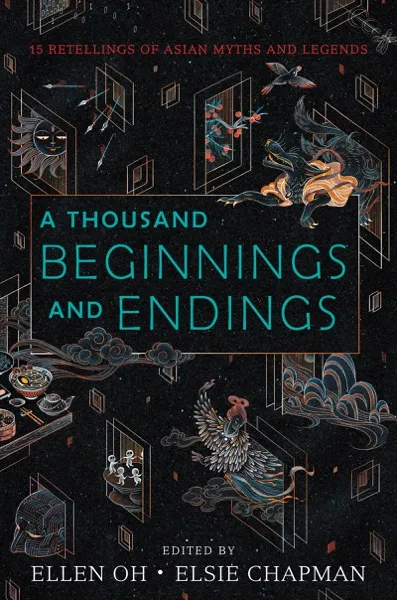

A Thousand Beginnings and Endings Author: Ellen OhPage Count: UnknownPublication Year: 2018-GB A Thousand Beginnings and Endings: A Tapestry of Myth, Magic, and Resilience Ellen Oh’s A Thousand Beginnings and Endings is a dazzling anthology that reimagines the myths and legends of East and South Asia, weaving them into fresh, poignant narratives that resonate with modern voices. More than just a collection of retellings, this book is a celebration of cultural heritage, a defiance of erasure, and a testament to the enduring power of storytelling. At its heart, the anthology explores the theme of rebirth—not just in the literal sense of gods and monsters rising again, but in the metaphorical sense of reclaiming identity, love, and justice. Each story in the collection takes a familiar myth and twists it, deepens it, or shatters it to reveal something new. Whether it’s a vengeful spirit seeking peace, a young woman defying the stars to change her fate, or a warrior challenging the gods themselves, the characters in these pages are vivid, flawed, and fiercely human. They grapple with loss, betrayal, and the weight of tradition, but they also find strength in their struggles. The result is a collection that feels both timeless and urgently contemporary. Oh’s editorial prowess shines in the way she curates these stories. Unlike many anthologies that feel disjointed, A Thousand Beginnings and Endings has a cohesive rhythm. The opening piece, “The Girl Who Found the Sky,” by Renee Ahdieh, sets the tone with its lyrical prose and haunting mythos, while the closing story, “The Land of the Morning Calm,” by Julie Kagawa, delivers a powerful emotional punch. In between, authors like Roshani Chokshi, Cindy Pon, and Alyssa Wong bring their unique voices to bear, ensuring that no two stories feel alike. Some lean into the magical and whimsical, while others ground their tales in raw, emotional realism. Yet all of them share a common thread: they challenge the idea that myths are fixed, that history is immutable, and that the voices of the past must remain silent. One of the most striking aspects of Oh’s work is her refusal to shy away from the darker, more complex aspects of these myths. In “The Counting of Vermilion Beads,” by Aliette de Bodard, a woman’s grief and rage manifest in terrifying ways, forcing readers to confront the consequences of unchecked emotion. Meanwhile, “The Smiling Prince” by Aisha Saeed subverts expectations of fairy-tale endings, offering a bittersweet resolution that lingers long after the last page. These stories don’t just entertain; they provoke thought, challenge assumptions, and invite readers to question the narratives they’ve been fed. Oh’s own contribution, “The Last Voyage of Sindbad,” is a standout. A retelling of the classic Persian tale, it transforms the story of a legendary sailor into a meditation on legacy and the fear of being forgotten. The prose is rich and evocative, transporting readers to a world where the line between myth and reality is delightfully blurred. It’s a perfect example of how Oh’s editorial choices elevate the anthology beyond a mere collection into something truly special. What makes A Thousand Beginnings and Endings so compelling is its refusal to be pigeonholed. It’s not just for fans of fantasy or mythology; it’s for anyone who has ever felt the pull of the past or the need to rewrite it. The stories are diverse in setting and theme, spanning from Chinese celestial bureaucracy to Indian folklore, yet they all share a sense of urgency. These are not passive retellings but active reimaginings, where the authors take the raw materials of myth and shape them into something personal and profound. The emotional core of the anthology lies in its exploration of identity and belonging. Many of the protagonists are young women or outsiders, struggling against the constraints of their worlds. In “Girls Who Twisted Skies” by Margaret Rogerson, a young girl navigates the pressures of filial piety and self-discovery, while in “The Crimson Cloak” by Lori M. Lee, a girl must confront the legacy of her mother’s choices. These stories resonate because they tap into universal themes of growing up, finding one’s voice, and forging one’s own path. Oh’s editorial hand is evident not just in the selection of stories but in the way she structures them. The anthology flows seamlessly from one tale to the next, each story acting as a stepping stone to the next. There’s a sense of progression, as if the reader is embarking on a journey through time and space, guided by the threads of myth and memory. It’s a masterclass in pacing and cohesion, something that’s often lacking in anthologies. Ultimately, A Thousand Beginnings and Endings is more than a book—it’s a movement. It’s a defiant reclaiming of stories that have been co-opted, silenced, or ignored. In a world where representation matters more than ever, this anthology is a vital reminder that myths are not static; they are living, breathing entities that evolve with each retelling. Oh and her authors have given these tales new life, infusing them with heart, humor, and humanity. If you’re looking for a book that will challenge you, move you, and leave you in awe, A Thousand Beginnings and Endings is a must-read. It’s a testament to the power of storytelling to heal, to inspire, and to transform. #OwnVoices #AsianLit #FantasyAnthology #MythRetelling #EpicFemales #BookRecs Related InsightsSlammed Book Review and Summary Classic Christmas Stories Book Review and Summary Love You Forever Book Review and Summary{ "@context": "https://schema.org", "@type": "FAQPage", "mainEntity": [ { "@type": "Question", "name": "What is the main focus of A Thousand Beginnings and Endings Book Review and Summary?", "acceptedAnswer": { "@type": "Answer", "text": "Everything you need to know about A Thousand Beginnings and Endings with our detailed review." } }, { "@type": "Question", "name": "Who authored the comprehensive guide on A Thousand Beginnings and Endings Book Review and Summary?", "acceptedAnswer": { "@type": "Answer", "text": "This detailed article and its insights were carefully researched and authored by Diego Lopez." } }, { "@type": "Question", "name": "Where can I find more related content about Books?", "acceptedAnswer": { "@type": "Answer", "text": "You can explore more articles, detailed reviews, and similar insights by browsing the Related Insights section at the bottom of this article or visiting our dedicated Books category page." } } ] }
Dioses de neón Author: Katee RobertPage Count: UnknownPublication Year: 2022-GB Dioses de neón is a dazzling, high-octane descent into a neon-soaked underworld where gods are not worshipped but manufactured—where power isn’t inherited but engineered in labs beneath the city’s pulsating glow. Katee Robert, a master of modern dark fantasy and erotic romance, crafts a story that is as much a love letter to cyberpunk excess as it is a brutal meditation on divinity, corruption, and the price of transcendence. With razor-sharp prose, relentless pacing, and a protagonist who is as morally ambiguous as the world she inhabits, Robert delivers a narrative that crackles with intensity and leaves the reader breathless. At its core, Dioses de neón explores the seductive and dangerous allure of godhood in a world where divinity is commodified. The novel unfolds in a sprawling, cyberpunk metropolis where corporate overlords wield power like deities, their authority backed by science rather than faith. The gods here are not ancient entities carved from myth but genetically engineered beings, crafted in sterile labs and unleashed upon a society desperate for salvation—or at least distraction. It’s a world where worship is transactional, where miracles are algorithms, and where the line between savior and tyrant blurs with every dose of synthetic divinity. Robert’s protagonist, a woman known only as the Engineer, is a master of this world’s dark machinery. Trained in the art of god-building, she crafts deities with surgical precision, imbuing them with just enough charisma and power to keep the masses docile. But the Engineer is no mere technician; she is a philosopher of power, questioning the ethics of her craft even as she perfects it. Her journey is one of self-discovery, a gradual unraveling of the illusions she’s sold herself—and the world. As she grapples with the consequences of her creations, she is forced to confront her own complicity in a system that thrives on exploitation and control. Robert’s writing is electric, a blend of gritty realism and feverish imagination that immerses the reader in the novel’s neon-drenched landscape. Her prose is visceral, dripping with the sensory overload of a city where holograms bleed into the streets and the air hums with the static of propaganda. Yet beneath the dazzle lies a sharp, unflinching critique of capitalism, religion, and the human desire for control. The gods of Dioses de neón are not benevolent figures but products—designed to sell, to pacify, to dominate. They are reflections of the society that created them, a society that has traded faith for convenience and worship for consumption. What makes the novel truly compelling is its refusal to offer easy answers. The Engineer’s journey is not a triumphant rise to power but a harrowing descent into ambiguity. She is neither hero nor villain, but a woman caught in the machinery of a system she helped build. Her struggles are our struggles—against the allure of power, the temptation of control, and the seductive lie that we can ever truly escape the systems that shape us. Robert’s genius lies in her ability to weave these themes into a story that is as thrilling as it is thought-provoking, leaving the reader questioning not just the world of the novel, but our own. The author’s style is a masterclass in balance—she balances the grotesque with the sublime, the erotic with the philosophical, and the violent with the tender. Her characters are deeply flawed, their motivations messy and their loyalties shifting. The world she builds is one that feels both fantastical and eerily plausible, a place where the future is already here, just unevenly distributed. And in the midst of it all, Robert never loses sight of the human heart, even when it’s buried beneath layers of steel and code. Dioses de neón is a book that lingers, its neon glow flickering long after the last page is turned. It’s a story about what it means to be human in a world that treats humanity as just another commodity. It’s a warning, a seduction, and a revelation all at once. Katee Robert has crafted not just a novel, but an experience—one that challenges, enthralls, and ultimately, haunts. #GodsOfNeon #CyberpunkFantasy #DarkRomance #KateeRobert #NeonNoir #SpeculativeFiction Related InsightsThe One We Buried Book Review and Summary Emma Book Review and Summary As I Lay Dying Book Review and Summary{ "@context": "https://schema.org", "@type": "FAQPage", "mainEntity": [ { "@type": "Question", "name": "What is the main focus of Dioses de neón Book Review and Summary?", "acceptedAnswer": { "@type": "Answer", "text": "Everything you need to know about Dioses de neón with our detailed review." } }, { "@type": "Question", "name": "Who authored the comprehensive guide on Dioses de neón Book Review and Summary?", "acceptedAnswer": { "@type": "Answer", "text": "This detailed article and its insights were carefully researched and authored by Sarah Davis." } }, { "@type": "Question", "name": "Where can I find more related content about Books?", "acceptedAnswer": { "@type": "Answer", "text": "You can explore more articles, detailed reviews, and similar insights by browsing the Related Insights section at the bottom of this article or visiting our dedicated Books category page." } } ] }


Die Geschichte des Apfelstrudels Der Apfelstrudel ist zweifellos einer der berühmtesten kulinarischen Exporte der österreichischen und süddeutschen Küche. Ursprünglich aus dem Nahen Osten stammend – wo er über das byzantinische und osmanische Reich als Baklava-ähnliches Gebäck den Weg nach Wien fand – hat sich der Strudel über die Jahrhunderte zu einer wahren Ikone der deutschsprachigen Backkunst entwickelt. Die ersten schriftlichen Aufzeichnungen eines Strudelrezepts finden sich in einem handgeschriebenen Kochbuch aus dem Jahr 1696 in der Wiener Stadtbibliothek. Das Geheimnis eines authentischen Strudels liegt in seinem Teig: Ein traditioneller Strudelteig muss so dünn ausgezogen werden, dass man durch ihn hindurch Zeitung lesen kann. Apfelstrudel rein pflanzlich Viele Menschen gehen davon aus, dass ein klassisches Gebäckstück wie der Apfelstrudel zwangsläufig Eier oder Butter in großen Mengen enthalten muss. Doch überraschenderweise ist der traditionelle Strudelteig von Natur aus oft schon vegan! Er besteht in seiner Urform meist nur aus Mehl, Wasser, etwas Öl und einer Prise Salz. Die eigentliche Herausforderung bei der veganen Interpretation des Klassikers liegt in der Füllung und der Art, wie der Teig bestrichen wird. Anstelle von geschmolzener Butter, die traditionell zwischen die Teigschichten gepinselt wird, greift die moderne pflanzliche Küche auf hochwertige pflanzliche Margarine oder mildes Kokosöl zurück. Für die Füllung werden säuerliche Äpfel wie Boskoop oder Elstar bevorzugt, da sie beim Backen nicht zu schnell zerfallen und eine angenehme Säure mitbringen, die wunderbar mit dem Zucker und dem Zimt harmoniert. Rosinen, die idealerweise in Rum oder Apfelsaft eingeweicht wurden, und geröstete Semmelbrösel (oft in veganer Butter angeröstet) sorgen für die perfekte Textur und saugen überschüssige Flüssigkeit der Äpfel auf, damit der Teig schön knusprig bleibt. Tipps für die perfekte Kruste Ein rein pflanzlicher Apfelstrudel profitiert enorm von ein wenig Fingerspitzengefühl. Damit der Strudel auch ohne Eistreiche eine goldbraune, glänzende Kruste erhält, kann man ihn vor dem Backen mit einer Mischung aus Sojamilch und einem Teelöffel Ahornsirup bepinseln. Während des Backens wird der Strudel idealerweise noch ein- bis zweimal mit zerlassener veganer Butter bestrichen. Serviert wird dieser Traum aus Zimt und Äpfeln am besten lauwarm, begleitet von einer cremigen, pflanzlichen Vanillesauce auf Basis von Hafer- oder Mandelmilch. Es ist eine wunderbare Möglichkeit, traditionelle Rezepte in die heutige Zeit zu übersetzen, ohne Kompromisse beim Geschmack einzugehen. Der vegane Apfelstrudel ist der beste Beweis dafür, dass Genuss und pflanzliche Ernährung Hand in Hand gehen können. #Apfelstrudel #VeganBacken #Pflanzlich #Traditionsrezept #VeganeKüche #GermanVegan #Strudelteig #BackenMachtGlücklich #VeganGermany #ZimtUndApfel #recipe #exclusive Related InsightsBreakfast in Istanbul Schwarzwälder Kirschtorte vegan Sauerbraten auf Pilzbasis{ "@context": "https://schema.org", "@type": "FAQPage", "mainEntity": [ { "@type": "Question", "name": "What is the main focus of Apfelstrudel rein pflanzlich?", "acceptedAnswer": { "@type": "Answer", "text": "Explore the incredible journey of Apfelstrudel rein pflanzlich with Hannah Weber." } }, { "@type": "Question", "name": "Who authored the comprehensive guide on Apfelstrudel rein pflanzlich?", "acceptedAnswer": { "@type": "Answer", "text": "This detailed article and its insights were carefully researched and authored by Hannah Weber." } }, { "@type": "Question", "name": "Where can I find more related content about Recipe?", "acceptedAnswer": { "@type": "Answer", "text": "You can explore more articles, detailed reviews, and similar insights by browsing the Related Insights section at the bottom of this article or visiting our dedicated Recipe category page." } } ] }

B1 And now you're speaking Author: Elisabeth Soltho DouglasPage Count: UnknownPublication Year: 2019-GB A Journey of Transformation: And Now You're Speaking by Elisabeth Soltho Douglas Elisabeth Soltho Douglas’s And Now You're Speaking is more than a book—it’s a revelation. A global bestseller that has captivated readers worldwide, this work transcends traditional self-help by blending raw personal narrative with profound linguistic and psychological insights. At its core, the book explores the power of language—not just as a tool for communication, but as a catalyst for personal reinvention. Douglas, with her sharp wit and empathetic storytelling, guides readers through the mechanics of how words shape identity, influence perception, and ultimately redefine who we become. The central theme of And Now You're Speaking revolves around the idea that language is not merely a vessel for thought but an active force in molding our reality. Douglas argues that the words we choose, the languages we speak, and even the accents we carry are not arbitrary—they are instruments of power, belonging, and transformation. She dissects how societal biases are embedded in language, how fluency in a new tongue can unlock hidden parts of the self, and how reclaiming—or reinventing—one’s voice can be an act of defiance and liberation. What makes Douglas’s approach so compelling is her ability to weave theory with lived experience. Unlike dry academic treatises on linguistics or sociology, this book reads like a conversation with a perceptive friend who has spent years observing the world’s unspoken rules. She peppers her narrative with anecdotes from her own life—moments of linguistic missteps, cultural misunderstandings, and epiphanies—that serve as relatable entry points into heavier themes. For instance, she recounts her struggle to master German after moving from her native Sweden, not just as a language lesson, but as a metaphor for shedding old identities and embracing new ones. These personal stories ground the book’s intellectual rigor, making complex ideas feel intimate and urgent. Douglas’s prose is both elegant and accessible, striking a balance between lyrical reflection and sharp, actionable insight. She avoids jargon, opting instead for vivid metaphors that linger in the mind. One particularly striking passage compares language acquisition to learning to dance: "At first, the steps feel foreign, even clumsy. But soon, the rhythm becomes yours, and suddenly, you’re not just moving—you’re expressing." This kind of writing ensures the book is as enjoyable to read as it is thought-provoking. The author’s style is also deeply interdisciplinary, drawing from linguistics, psychology, and cultural studies without ever feeling disjointed. She references philosophers like Wittgenstein, psychologists like Lakoff, and sociologists like Bourdieu, but she never lets theory overshadow her central message: that language is a living, breathing extension of the self. Her critique of "linguistic colonialism"—the way dominant languages erase or marginalize others—feels especially timely in an era of globalization and digital communication. One of the book’s most powerful sections explores the idea of "linguistic privilege." Douglas challenges readers to consider how the languages they speak (or don’t speak) grant or deny them access to certain spaces, opportunities, and communities. She doesn’t just point out the inequities; she offers a roadmap for navigating them, whether through conscious language learning, code-switching, or even reclaiming dialects that have been historically stigmatized. It’s a call to arms for anyone who has ever felt silenced—or who has ever wanted to speak up. That said, And Now You're Speaking isn’t without its provocations. Douglas occasionally wades into contentious territory, questioning whether the pursuit of fluency in a dominant language is always an act of assimilation or whether it can also be a form of resistance. Her answers aren’t always neat, which is part of the book’s charm. It refuses to offer simplistic solutions, instead inviting readers to sit with discomfort and interrogate their own linguistic habits. Ultimately, this book is a celebration of the human capacity to evolve through language. It’s for anyone who has ever felt like an outsider, for those who have changed their accent to fit in, for polyglots who feel at home in multiple worlds, and for monolinguals who suddenly see their own language with fresh eyes. Douglas doesn’t just teach us to speak; she teaches us to become through speaking. And Now You're Speaking is a masterclass in how words shape identity—and how, by choosing them carefully, we can reshape ourselves. It’s a book that lingers, not just in the mind, but in the way we hear and use language every day. #LanguageAndIdentity #LinguisticReinvention #SpeakYourTruth #MultilingualJourney #WordsHavePower #BilingualBookClub Related InsightsThe Magic Mountain Book Review and Summary It Book Review and Summary An Immaculate Deception Book Review and Summary{ "@context": "https://schema.org", "@type": "FAQPage", "mainEntity": [ { "@type": "Question", "name": "What is the main focus of B1 And now you're speaking Book Review and Summary?", "acceptedAnswer": { "@type": "Answer", "text": "Everything you need to know about B1 And now you're speaking with our detailed review." } }, { "@type": "Question", "name": "Who authored the comprehensive guide on B1 And now you're speaking Book Review and Summary?", "acceptedAnswer": { "@type": "Answer", "text": "This detailed article and its insights were carefully researched and authored by Maximilian Fischer." } }, { "@type": "Question", "name": "Where can I find more related content about Books?", "acceptedAnswer": { "@type": "Answer", "text": "You can explore more articles, detailed reviews, and similar insights by browsing the Related Insights section at the bottom of this article or visiting our dedicated Books category page." } } ] }