-
 Giulia Ricci
 - 01 Apr, 2026 12:50
Final Fantasy XIV: Stormblood -- The Art of the Revolution -Western Memories- Book Review and Summary
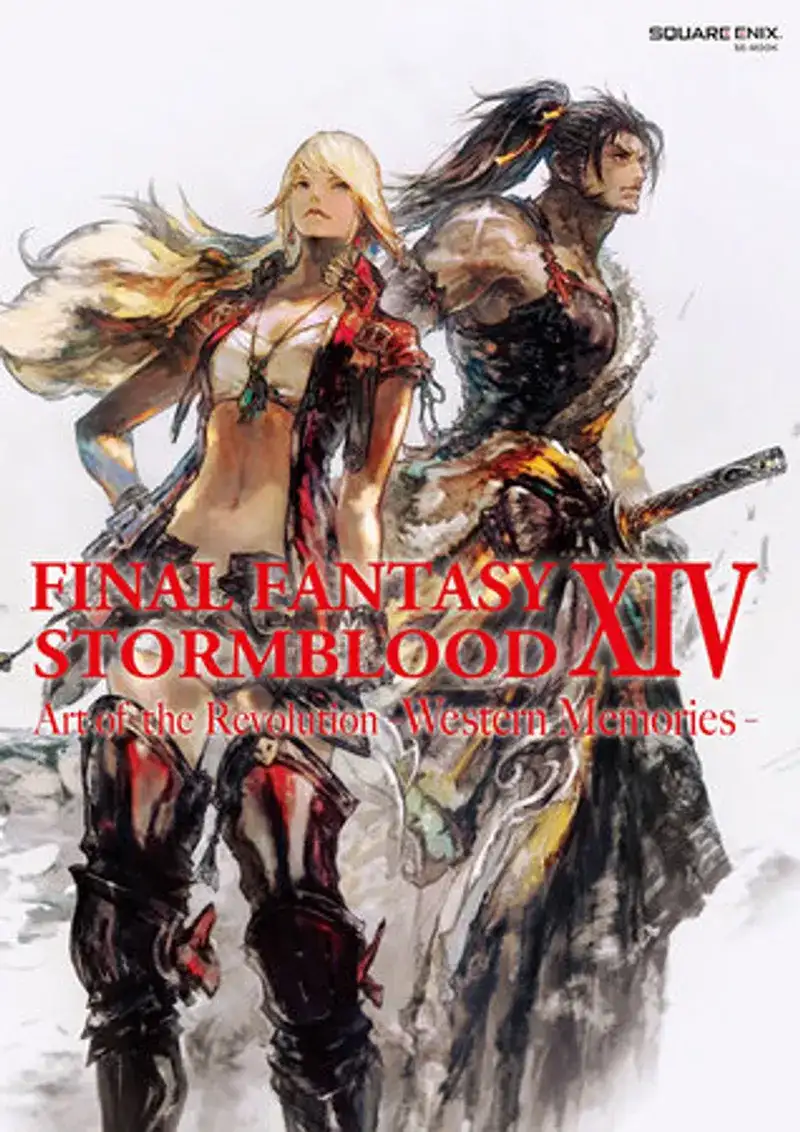
Final Fantasy XIV: Stormblood -- The Art of the Revolution -Western Memories- Author: Square EnixPage Count: UnknownPublication Date: 2021-PRH A Visual Revolution: Final Fantasy XIV: Stormblood – The Art of the Revolution – Western Memories Square Enix’s Final Fantasy XIV: Stormblood – The Art of the Revolution – Western Memories is not merely a book—it’s a portal. A portal into the meticulously crafted world of Eorzea’s bloody rebellion, where the clash between Ala Mhigan freedom fighters and the Garlean Empire ignites not just political upheaval but a riot of color, line, and imagination. As the fourth volume in the official Final Fantasy XIV art book series, this collectors’ tome stands as a testament to the game’s artistic evolution, blending Eastern and Western influences into a cohesive, breathtaking vision. The book’s primary theme is transformation—both narrative and aesthetic. Stormblood marks a turning point in FFXIV’s storytelling, shifting from the melancholic introspection of A Realm Reborn to a more kinetic, action-driven saga of revolution. This thematic pivot is mirrored in the art, which evolves from the earthy tones of early patches into a vibrant, almost cinematic palette. The book’s subtitle, Western Memories, hints at this duality: while the game’s lore draws heavily from Japanese history and fantasy, the art team—led by directors Naoki Yoshida and Hiroshi Minagawa—embraces Western influences, from Renaissance armor designs to Baroque ornamentation. The result is a visual language that feels both familiar and fresh, a hybrid of tradition and innovation. What sets this volume apart is its depth of commentary. Unlike many art books that relegate text to sparse captions, Western Memories features insights from the art team, particularly on costume design. These notes reveal the thought process behind the game’s most striking outfits—how the Ala Mhigan rebels’ tattered yet regal attire reflects their struggle, or how Yotsuyu’s Garlean-inspired garb embodies both her ruthless authority and her tragic complexity. The book doesn’t just showcase finished designs; it dissects them, offering a glimpse into the iterative process that brings characters like Lyse to life. For fans of game design, this is gold. The artwork itself is a masterclass in composition. The book is divided into sections that mirror the game’s structure: character designs, field areas, dungeons, monsters, and equipment. Each page is a study in contrast—whether it’s the fiery hues of the Ruby Sea at dusk or the cold, metallic sheen of Garlean legionnaires. The monster designs, in particular, deserve special mention. Creatures like the Dreadnought and Dark Eruption are rendered with a visceral intensity, their forms both alien and majestic. Even the equipment—from the brutal Bentham’s greataxe to the delicate Doman silks—tells a story of cultural fusion, blending the fantastical with the historically inspired. One of the book’s most compelling features is its bonus item code—a Wind-up Yotsuyu minion. This isn’t just a marketing gimmick; it’s a nod to the book’s interactive nature. FFXIV’s art isn’t static; it’s meant to be experienced in motion, and the minion serves as a playful bridge between the printed page and the digital world. It’s a reminder that this art book is part of a living, breathing universe. Critically, the book’s only minor flaw is its structure as part of a two-book set. While Western Memories focuses on the Ala Mhigan storyline and Garlean influences, its counterpart, Eastern Memories, presumably covers the Doman and Kojan arcs. For a complete picture, readers will need both volumes, which might deter some. Still, as a standalone piece, Western Memories delivers an immersive experience, its 10/10 presentation (hardcover, premium paper, and stunning print quality) elevating it from mere merchandise to a true collector’s item. Square Enix has always excelled at blending art and narrative in FFXIV, but The Art of the Revolution – Western Memories takes it further. It’s a celebration of rebellion—not just the in-game uprising, but the rebellion against artistic convention. This book doesn’t just document Stormblood’s world; it reimagines it, proving that even in an MMO, the artistry behind the pixels is as vital as the gameplay itself. For Final Fantasy XIV fans, this is a must-own. For artists and designers, it’s a masterclass in world-building. And for anyone who’s ever marveled at the game’s visual storytelling, it’s a love letter to the power of creativity. #FFXIV #Stormblood #SquareEnix #GamingArt #FinalFantasy #ArtBook Related InsightsMeditations on Nature, Meditations on Silence Book Review and Summary Things We Left Behind Book Review and Summary It's a Prince Thing (the Princess Rules) Book Review and Summary{ "@context": "https://schema.org", "@type": "FAQPage", "mainEntity": [ { "@type": "Question", "name": "What is the main focus of Final Fantasy XIV: Stormblood -- The Art of the Revolution -Western Memories- Book Review and Summary?", "acceptedAnswer": { "@type": "Answer", "text": "Everything you need to know about Final Fantasy XIV: Stormblood -- The Art of the Revolution -Western Memories- with our detailed review." } }, { "@type": "Question", "name": "Who authored the comprehensive guide on Final Fantasy XIV: Stormblood -- The Art of the Revolution -Western Memories- Book Review and Summary?", "acceptedAnswer": { "@type": "Answer", "text": "This detailed article and its insights were carefully researched and authored by Giulia Ricci." } }, { "@type": "Question", "name": "Where can I find more related content about Books?", "acceptedAnswer": { "@type": "Answer", "text": "You can explore more articles, detailed reviews, and similar insights by browsing the Related Insights section at the bottom of this article or visiting our dedicated Books category page." } } ] }


The sun-kissed beaches of India, where the warm sand meets the cool ocean breeze, and the sound of the waves harmonizes with the chatter of the crowd. It's here that you'll find one of India's most beloved street foods: Bhel Puri. This crunchy, tangy, and sweet snack has been a staple of Indian beachside cuisine for decades, with its origins dating back to the streets of Mumbai. As a food writer, I'm excited to delve into the history, cultural significance, and authentic recipe of Bhel Puri, the ultimate beachside snack. Introduction to Bhel Puri Bhel Puri is a popular Indian street food that consists of a mixture of puffed rice, sev (fried gram flour noodles), onions, tomatoes, chutneys, and a variety of spices. The dish is typically served in a paper cone or a small bowl, making it easy to devour while strolling along the beach or exploring the local markets. The name "Bhel Puri" is derived from the Hindi words "bhel," meaning "everything mixed together," and "puri," referring to the puffed rice.The beauty of Bhel Puri lies in its simplicity and customization. Each vendor or cook has their own secret recipe, and the dish can be tailored to suit individual tastes. Some like it spicy, while others prefer it sweet and tangy. The versatility of Bhel Puri has made it a favorite among locals and tourists alike, with each bite offering a unique flavor experience. History of Bhel Puri The origins of Bhel Puri are shrouded in mystery, but it's believed to have originated in the 1950s or 1960s in the streets of Mumbai. The dish is often attributed to the city's street food vendors, who would mix together leftover ingredients to create a quick and affordable snack. Over time, Bhel Puri gained popularity and spread to other parts of India, with each region adding its own twist to the recipe.In Mumbai, Bhel Puri is often associated with the city's iconic beaches, such as Juhu and Chowpatty. The dish is typically served by street vendors, who would carry large baskets of puffed rice, sev, and chutneys, and assemble the snack on the spot. The sound of the vendors calling out "Bhel Puri, Bhel Puri" is a familiar one in Mumbai, and the aroma of the dish wafting through the air is sure to tantalize the taste buds. Authentic Recipe of Bhel Puri While there are many variations of Bhel Puri, the authentic recipe from Mumbai is a closely guarded secret. However, I've managed to get my hands on a traditional recipe that's been passed down through generations of street food vendors. Here's a simplified version of the recipe: Ingredients:2 cups puffed rice 1 cup sev (fried gram flour noodles) 1/2 cup chopped onions 1/2 cup chopped tomatoes 1/4 cup tamarind chutney 1/4 cup green chutney 1/4 cup date chutney 1 tablespoon lemon juice 1 teaspoon cumin powder 1 teaspoon chili powder Salt, to taste Chopped cilantro, for garnishInstructions:In a large bowl, mix together the puffed rice, sev, onions, and tomatoes. In a small bowl, whisk together the tamarind chutney, green chutney, date chutney, lemon juice, cumin powder, and chili powder. Pour the chutney mixture over the puffed rice mixture and toss until everything is well combined. Season with salt to taste. Garnish with chopped cilantro and serve immediately.Cultural Significance of Bhel Puri Bhel Puri is more than just a snack; it's an integral part of Indian culture and tradition. The dish is often served at social gatherings, festivals, and celebrations, and is a popular snack among locals and tourists alike. In Mumbai, Bhel Puri is a staple of the city's street food scene, and the dish is often associated with the city's vibrant and eclectic culture. Variations of Bhel Puri While the traditional recipe of Bhel Puri remains the same, there are many variations of the dish that can be found across India. Some popular variations include:Sev Puri: A variation of Bhel Puri that uses sev as the base ingredient, topped with onions, tomatoes, and chutneys. Pani Puri: A variation of Bhel Puri that uses a hollow puri (crunchy bread) filled with a spicy tamarind water, onions, and chutneys. Dahi Puri: A variation of Bhel Puri that uses a hollow puri filled with yogurt, onions, and chutneys.In conclusion, Bhel Puri is a dish that embodies the spirit of Indian street food: it's crunchy, tangy, sweet, and utterly delicious. Whether you're strolling along the beach, exploring the local markets, or simply looking for a quick snack, Bhel Puri is the perfect choice. With its rich cultural heritage and authentic flavors, Bhel Puri is a dish that's sure to tantalize your taste buds and leave you wanting more. #BhelPuri #IndianStreetFood #BeachsideSnacks #TraditionalRecipe #CulturalSignificance #Foodie #StreetFoodLover #IndianCuisine Related InsightsPav Bhaji: A Symphony of Spices on the Tawa The Fifth Element: How a Bowl of Seaweed Broth Rewrote the Language of Flavor The Ultimate Antioxidant-Rich Berry Oat Smoothie Bowl with Chia Seeds{ "@context": "https://schema.org", "@type": "FAQPage", "mainEntity": [ { "@type": "Question", "name": "What is the main focus of Bhel Puri: The Crunchy, Tangy Beachside Snack?", "acceptedAnswer": { "@type": "Answer", "text": "Discover the deep cultural roots, authentic flavors, and history of Bhel Puri: The Crunchy, Tangy Beachside Snack." } }, { "@type": "Question", "name": "Who authored the comprehensive guide on Bhel Puri: The Crunchy, Tangy Beachside Snack?", "acceptedAnswer": { "@type": "Answer", "text": "This detailed article and its insights were carefully researched and authored by Priya Kapoor." } }, { "@type": "Question", "name": "Where can I find more related content about Food?", "acceptedAnswer": { "@type": "Answer", "text": "You can explore more articles, detailed reviews, and similar insights by browsing the Related Insights section at the bottom of this article or visiting our dedicated Food category page." } } ] }


In the realm of comfort foods, few dishes evoke the same sense of warmth and nostalgia as congee, also affectionately known as jook. This traditional rice porridge has been a staple in many Eastern cultures for centuries, serving as a remedy for the sick, a comfort for the weary, and a staple for the hungry. Congee's gentle, soothing nature has captivated the hearts and taste buds of people worldwide, making it a universal symbol of care, love, and community. Introduction to Congee Congee is essentially a rice porridge made from rice and water, with the ratio of water to rice typically being much higher than regular cooked rice. This high water ratio and prolonged cooking time break down the starches in the rice, resulting in a creamy, smooth texture that is easily digestible. The simplicity of congee belies its depth of flavor and versatility, as it can be flavored with a wide array of ingredients to suit any taste or dietary need.Cultural Significance of Congee The cultural significance of congee spans across many Asian countries, including China, Japan, Korea, and Southeast Asia. In Chinese culture, congee is more than just a food; it's a symbol of nurturing and care. It's common for family members to prepare congee for those who are sick or recovering, as its easy-to-digest nature makes it an ideal meal for convalescents. Similarly, in Japan, a dishes like "okayu" (Japanese congee) is often served to those who are unwell. Varieties of Congee One of the fascinating aspects of congee is its diversity. Depending on the region and personal preferences, congee can be flavored and textured in countless ways. For instance, in China, congee can be made with various types of rice, including glutinous (sticky) rice, which gives it a distinctive chewy texture. It can also be flavored with ginger, soy sauce, and sesame oil for added depth. In Korea, congee might be made with other grains like barley or millet, offering a nuttier, earthier taste.Preparing Congee Preparing congee is an art that requires patience and attention to detail. The basic process involves rinsing the rice thoroughly, then cooking it in a large amount of water over low heat for an extended period. The duration of cooking can vary, but generally, it takes about an hour or more for the rice to break down into a smooth porridge. The key to making good congee is to stir it occasionally to prevent the rice from sticking to the bottom of the pot and to ensure even cooking. Serving and Enjoying Congee Congee is best enjoyed hot, fresh from the pot. It can be served plain or garnished with a variety of toppings to enhance its flavor and nutritional value. Common toppings include diced vegetables, lean meats, fish, and fermented products like kimchi or pickled ginger. The simplicity of congee makes it an excellent canvas for creative expression, allowing each person to tailor their bowl to their liking.Health Benefits of Congee Beyond its emotional comfort, congee also offers several health benefits. It's easy on the stomach, making it an ideal food for those with digestive issues. The high water content helps with hydration, and when flavored with herbs and spices, congee can have medicinal properties. For example, ginger congee is often consumed to alleviate nausea and aid in digestion. Conclusion Congee, or jook, stands as a testament to the power of simple, traditional foods to bring comfort, joy, and nourishment to our lives. Its rich history, diverse flavors, and numerous health benefits make it a dish that transcends cultural boundaries, inviting everyone to experience the warmth and love embedded in each bowl. Whether you're exploring the depths of traditional cuisine or simply seeking a meal that soothes the soul, congee is sure to become a cherished favorite.#CongeeLove #ComfortFood #RicePorridge #TraditionalCuisine #FoodForTheSoul #GlobalFoodTrends #HealthyEating #NourishingRecipes Related InsightsLa Bottarga: Più che un Condimento, un Elixir di Mare tra Mito, Storia e Alta Cucina Italiana Puttu and Kadala Curry: A Breakfast of Champions Thieboudienne: The Crown Jewel of Senegalese Cuisine{ "@context": "https://schema.org", "@type": "FAQPage", "mainEntity": [ { "@type": "Question", "name": "What is the main focus of Congee (Jook): The Ultimate Comforting Rice Porridge?", "acceptedAnswer": { "@type": "Answer", "text": "Discover the deep cultural roots, authentic flavors, and history of Congee (Jook): The Ultimate Comforting Rice Porridge." } }, { "@type": "Question", "name": "Who authored the comprehensive guide on Congee (Jook): The Ultimate Comforting Rice Porridge?", "acceptedAnswer": { "@type": "Answer", "text": "This detailed article and its insights were carefully researched and authored by Lin Yao." } }, { "@type": "Question", "name": "Where can I find more related content about Food?", "acceptedAnswer": { "@type": "Answer", "text": "You can explore more articles, detailed reviews, and similar insights by browsing the Related Insights section at the bottom of this article or visiting our dedicated Food category page." } } ] }
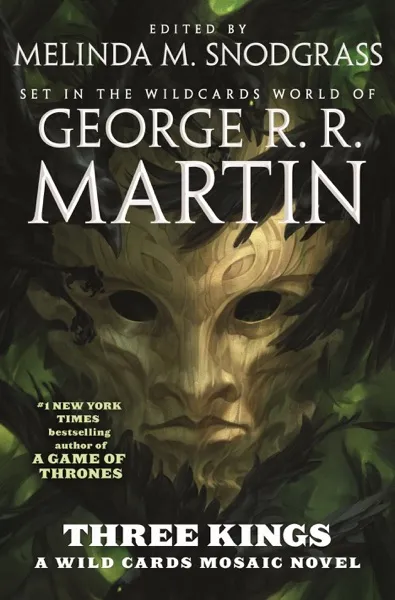
Three Kings Author: George R. R. MartinPage Count: UnknownPublication Year: 2020-GB George R. R. Martin’s Three Kings is not just another fantasy epic—it’s a masterclass in political intrigue, moral ambiguity, and the intoxicating allure of power. Originally published in 2020, this standalone novella (or perhaps a fragment of a larger, untold saga) stands as a testament to Martin’s unparalleled ability to weave together the personal and the political, the brutal and the beautiful, in a narrative that lingers like a curse. At its core, Three Kings is a story about succession, rebellion, and the relentless hunger for the throne. But unlike the sprawling, multi-POV sagas of A Song of Ice and Fire, this work is a tight, almost surgical examination of three men—each a king in his own right, or at least in his own mind—locked in a deadly dance for dominance. Martin strips away the myth of heroic leadership, exposing the raw, often ugly mechanics of power. There are no clear heroes here, only flawed men making ruthless choices, their fates intertwined in a way that feels both inevitable and shocking. The book’s title itself is a nod to the biblical Magi, but in Martin’s world, these are kings in the most literal sense—men who have seized power through force, cunning, or sheer bloody will. Yet the irony is that none of them truly deserve the crown. The first king is a usurper, the second a puppet, and the third a madman clinging to a throne that was never his to begin with. Their reigns are fleeting, their downfalls as predictable as they are inevitable. Martin’s genius lies in making us care about these men despite their flaws, even as we see the rot beneath their rule. What sets Three Kings apart is its narrative structure. Martin employs a shifting third-person perspective, allowing us to inhabit the minds of each king in turn. This technique is deceptively simple but devastating in its execution. We see the world through the eyes of a tyrant who believes himself justified, a schemer who knows he’s damned, and a broken man who has lost everything save his delusions. The prose is sparse yet evocative, with Martin’s signature knack for blending visceral action with philosophical musings. There’s a sense of inevitability to the story—like watching a storm gather on the horizon, knowing you’ll be drenched but unable to look away. Thematically, Three Kings explores the corrupting nature of power, the cyclical nature of violence, and the fragility of human connection. Martin doesn’t shy away from the brutality of his world; if anything, he revels in it, making the reader complicit in the kings’ misdeeds. There’s a cold, almost clinical precision to the storytelling, as if Martin is dissecting power like a surgeon, exposing its veins and arteries for all to see. Yet beneath the cruelty, there’s a strange melancholy—a recognition that these men are products of their time, their choices shaped by forces beyond their control. Martin’s style is what truly elevates this book. His prose is lean and muscular, devoid of unnecessary ornamentation. He trusts the reader to fill in the blanks, to sense the weight of history in every exchange. Dialogue crackles with tension, and the pacing is relentless, driving the story forward with the inevitability of a collapsing tower. There’s a sense of mythic grandeur here, even as the characters stumble and fall. Martin doesn’t just tell a story—he crafts a legend, one that feels as ancient as it does immediate. If Three Kings has a weakness, it’s its brevity. At a certain point, you’ll find yourself wanting more—more depth, more resolution, more of the world Martin has so meticulously constructed. But perhaps that’s the point. Power is fleeting, and so too is this story. It leaves you with a sense of incompleteness, a hunger for more, much like the kings themselves are left with their own insatiable desires. In the end, Three Kings is a mirror held up to the faces of those who seek power. It shows us the cracks in their armor, the rot in their souls, and the way the throne devours even its most devoted servants. It’s a story that lingers, not just because of its shocks or its twists, but because of its unflinching honesty. Martin doesn’t just write fantasy—he writes tragedy, and Three Kings is one of his finest. #ThreeKings #GeorgeRRMartin #FantasyPolitics #DarkFantasy #PowerAndCorruption #ASOIAF Related InsightsThe Murder Party Book Review and Summary Holding on to Chaos Book Review and Summary Dovecombe: A Novel Book Review and Summary{ "@context": "https://schema.org", "@type": "FAQPage", "mainEntity": [ { "@type": "Question", "name": "What is the main focus of Three Kings Book Review and Summary?", "acceptedAnswer": { "@type": "Answer", "text": "Everything you need to know about Three Kings with our detailed review." } }, { "@type": "Question", "name": "Who authored the comprehensive guide on Three Kings Book Review and Summary?", "acceptedAnswer": { "@type": "Answer", "text": "This detailed article and its insights were carefully researched and authored by Giulia Ricci." } }, { "@type": "Question", "name": "Where can I find more related content about Books?", "acceptedAnswer": { "@type": "Answer", "text": "You can explore more articles, detailed reviews, and similar insights by browsing the Related Insights section at the bottom of this article or visiting our dedicated Books category page." } } ] }


Il Foro Romano era il cuore pulsante della Roma antica. Situato nella valle tra il Palatino e il Campidoglio, per oltre un millennio è stato il centro nevralgico della vita pubblica romana. La Nascita del Foro Inizialmente un'area paludosa, fu bonificata grazie alla costruzione della Cloaca Maxima, uno dei primi sistemi fognari al mondo. Da quel momento, il Foro divenne il luogo dove si svolgevano le elezioni, i discorsi pubblici, i processi penali e le cerimonie trionfali. Era il palcoscenico su cui figure come Giulio Cesare, Cicerone e Augusto scrissero la storia dell'Occidente. I Monumenti del Potere Passeggiando lungo la Via Sacra, è possibile ammirare le rovine di templi maestosi, come il Tempio di Saturno, che ospitava l'erario di stato, e il Tempio delle Vestali, dove il sacro fuoco di Roma veniva custodito. La Curia Julia, sede del Senato, e gli Archi di Trionfo di Settimio Severo e Tito raccontano storie di vittorie militari e potere politico assoluto. Un Patrimonio Inestimabile Nonostante l'abbandono nel Medioevo, quando l'area divenne nota come Campo Vaccino, gli scavi archeologici iniziati nel XIX secolo hanno riportato alla luce gran parte del Foro. Oggi, camminare tra queste colonne cadute significa ascoltare l'eco dei senatori e dei mercanti che fecero grande Roma. È un viaggio nel tempo senza eguali. #ForoRomano #Archeologia #Roma #AnticaRoma #italy #rome #history #ancient Related InsightsDie Berliner Mauer heute Jalid ibn al-Walid: La Espada de Dios The Silk Road Revival: Uzbekistan’s Ancient Cities and Modern Wonders{ "@context": "https://schema.org", "@type": "FAQPage", "mainEntity": [ { "@type": "Question", "name": "What is the main focus of Il Foro Romano: Dove Pulsava la Vita di Roma?", "acceptedAnswer": { "@type": "Answer", "text": "Alla scoperta del centro politico, religioso e commerciale dell'Antica Roma." } }, { "@type": "Question", "name": "Who authored the comprehensive guide on Il Foro Romano: Dove Pulsava la Vita di Roma?", "acceptedAnswer": { "@type": "Answer", "text": "This detailed article and its insights were carefully researched and authored by Lorenzo Russo." } }, { "@type": "Question", "name": "Where can I find more related content about Travel?", "acceptedAnswer": { "@type": "Answer", "text": "You can explore more articles, detailed reviews, and similar insights by browsing the Related Insights section at the bottom of this article or visiting our dedicated Travel category page." } } ] }
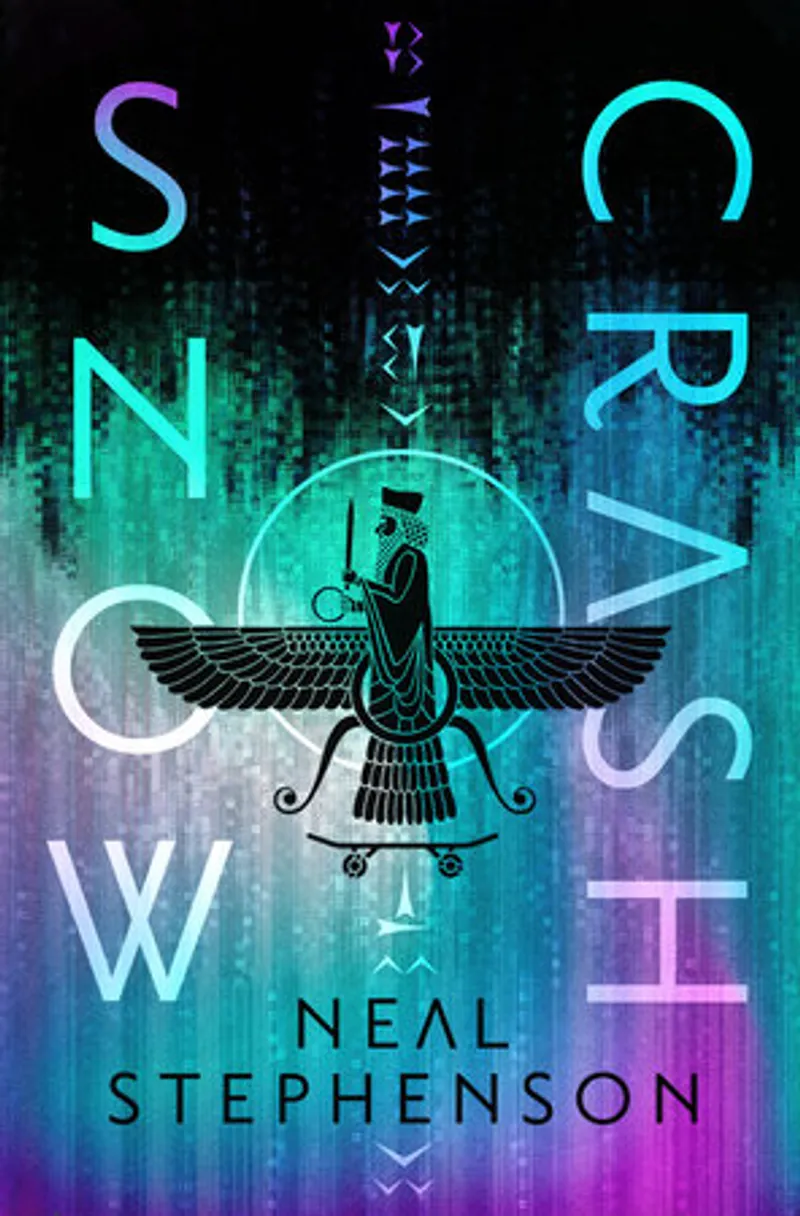
Snow Crash Author: Neal StephensonPage Count: UnknownPublication Date: 2022-PRH Neal Stephenson’s Snow Crash is a cyberpunk fever dream that feels less like a novel and more like a prophetic manifesto for the digital age—one that predicted the metaverse, corporate feudalism, and the addictive power of virtual escapism long before Mark Zuckerberg ever uttered the word. Originally published in 1992, this newly reissued hardcover edition (2022) arrives with fresh material, but its genius remains undiminished: a wild, sprawling, and endlessly inventive satire that blends linguistics, theology, and techno-paranoia into a high-octane thriller. At its core, Snow Crash is a meditation on language as both a virus and a weapon. Stephenson posits that ancient Sumerian priest-kings weaponized the structure of human speech to enslave populations, and in the novel’s near-future dystopia, this "Snow Crash" memetic code has resurfaced in a digital form, capable of hijacking minds—both in the Metaverse and the real world. The book’s title itself is a double entendre: a literal "snow crash" is the visual glitch that occurs when a hacker’s avatar is corrupted by the virus, while the metaphorical "snow crash" refers to the catastrophic mental breakdown it induces. It’s a brilliant conceit that ties together Stephenson’s obsessions with semiotics, power, and the fragility of human cognition. The novel’s protagonist, Hiro Protagonist (yes, that’s his name), is a hacker-samurai pizza delivery guy who navigates a fractured America where franchises have replaced governments, and the only law is the one you can enforce with a sword or a keyboard. His foil is Y.T., a teenage skateboard courier with a magnetic personality and a knack for getting into trouble. Together, they uncover a conspiracy that stretches from the Metaverse’s neon-lit back alleys to the biblical origins of language itself. Stephenson’s world-building is nothing short of audacious—imagine Blade Runner meets The Matrix meets a cyberpunk Illiad, with a dash of absurdist humor thrown in for good measure. What makes Snow Crash truly remarkable is Stephenson’s style: a relentless, hyperkinetic prose that mirrors the novel’s themes of information overload and digital acceleration. His sentences are dense with neologisms ("gargoyles," "rat things," "Mr. Lee’s Greater Hong Kong"), tech jargon, and rapid-fire cultural references that range from Sumerian mythology to 1980s hacker culture. The dialogue crackles with wit, and the action sequences—whether it’s a sword fight in a pizza van or a high-speed chase on a skateboard—are executed with a kinetic energy that leaves you breathless. Stephenson doesn’t just describe the Metaverse; he immerses you in it, making the virtual world feel as tangible as the crumbling, franchise-ridden streets of Los Angeles. Yet beneath the novel’s dazzling surface lies a sharp critique of late-stage capitalism and the erosion of public space. In Stephenson’s America, corporations have replaced nations, and citizenship is just another subscription service. The government is a relic, the streets are controlled by franchises like franchises control everything else, and the only way to survive is to either opt out entirely (like Hiro, who lives in a storage unit) or become a corporate mercenary. It’s a vision that feels eerily prescient in an era where Amazon, Meta, and Google wield more power than most governments. Snow Crash is also a novel about addiction—whether to drugs, virtual reality, or the endless dopamine hits of consumer culture. The Snow Crash virus isn’t just a hack; it’s a metaphor for the way language, media, and capitalism colonize our minds. Stephenson’s genius is in making this idea thrilling rather than didactic, wrapping it in a plot that’s equal parts cyber-thriller, conspiracy epic, and absurdist comedy. If there’s a flaw, it’s that the novel’s sheer ambition sometimes outpaces its coherence. The plot careens from one set piece to another with dizzying speed, and the sheer volume of ideas can feel overwhelming. But that’s also part of its charm—Snow Crash is a book that demands to be reread, not because it’s confusing, but because it’s so packed with insights and Easter eggs that you’ll catch new details every time. In the end, Snow Crash isn’t just a cult classic; it’s a foundational text for the digital age. It predicted the rise of virtual reality, the gig economy, and the way corporations would colonize every aspect of our lives. Stephenson’s vision is both exhilarating and unsettling, a reminder that the future isn’t something that happens to us—it’s something we build, one line of code at a time. #SnowCrash #NealStephenson #Cyberpunk #Metaverse #DystopianFiction #TechSatire Related InsightsThe Dues & Don'ts of Magic Book Review and Summary Observer: A Novel Book Review and Summary Fifty Shades Darker Book Review and Summary{ "@context": "https://schema.org", "@type": "FAQPage", "mainEntity": [ { "@type": "Question", "name": "What is the main focus of Snow Crash Book Review and Summary?", "acceptedAnswer": { "@type": "Answer", "text": "Everything you need to know about Snow Crash with our detailed review." } }, { "@type": "Question", "name": "Who authored the comprehensive guide on Snow Crash Book Review and Summary?", "acceptedAnswer": { "@type": "Answer", "text": "This detailed article and its insights were carefully researched and authored by Neal Stephenson." } }, { "@type": "Question", "name": "Where can I find more related content about Books?", "acceptedAnswer": { "@type": "Answer", "text": "You can explore more articles, detailed reviews, and similar insights by browsing the Related Insights section at the bottom of this article or visiting our dedicated Books category page." } } ] }
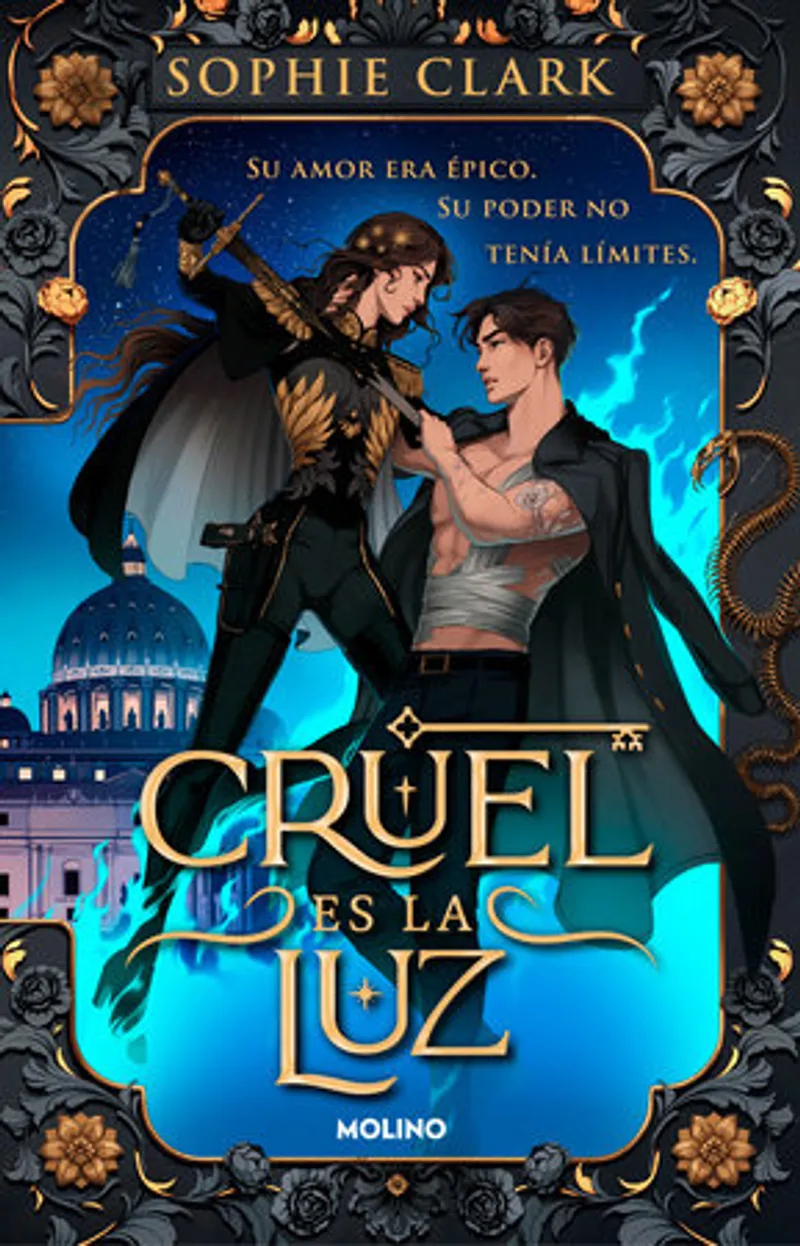
Cruel es la luz / Cruel is the Light Author: Sophie ClarkPage Count: UnknownPublication Date: 2025-PRH Cruel es la luz, or Cruel is the Light, is the latest offering from Sophie Clark, a writer known for her unflinching and poignant storytelling. This 2025 release promises to be a thought-provoking exploration of the human condition, delving into the complexities of our existence with Clark's characteristic nuance and sensitivity. From the onset, it becomes apparent that Clark's prose is as evocative as ever, weaving a narrative that is both deeply personal and universally relatable. Her writing is akin to a masterfully crafted tapestry, with each thread carefully intertwined to create a rich and immersive experience. The author's use of language is deliberate and precise, with every word chosen to evoke a specific emotional response from the reader. At its core, Cruel es la luz appears to be an exploration of the human relationship with light and darkness, and the ways in which these opposing forces shape our understanding of ourselves and the world around us. Clark masterfully navigates this dichotomy, revealing the intricate dance between light and darkness that exists within each of us. Through her characters, she exposes the cruel nature of light, which can both illuminate and blind, bringing comfort and despair in equal measure. One of the most striking aspects of Clark's writing is her ability to craft characters that are multidimensional and relatable. Her protagonists are flawed and vulnerable, yet possessed of a resilience that is both inspiring and heartbreaking. As they navigate the complexities of their lives, they must confront the darkness within themselves, and it is here that Clark's writing truly shines. Her portrayal of the human condition is unflinching, yet compassionate, revealing the intricate web of emotions that binds us all. Throughout the book, Clark's style is both lyrical and unflinching, a testament to her skill as a writer. Her use of imagery is vivid and evocative, conjuring powerful emotions in the reader. The narrative is both deeply personal and universally relatable, making it a compelling read for anyone who has ever struggled to find their place in the world. If there is one criticism to be made, it is that Clark's writing can be unflinchingly honest, making for a sometimes uncomfortable read. However, this is also the book's greatest strength, as it challenges the reader to confront their own vulnerabilities and weaknesses. In doing so, Clark creates a narrative that is both deeply moving and profoundly thought-provoking. In conclusion, Cruel es la luz is a masterpiece of contemporary literature, a powerful exploration of the human condition that will leave readers moved and inspired. Sophie Clark's writing is a testament to her skill as a storyteller, and this book is a must-read for anyone who has ever struggled to find their place in the world. #CruelEsLaLuz #SophieClark #LiteraryFiction #PsychologicalInsights #HumanCondition #ContemporaryLiterature Related InsightsUlysses Book Review and Summary Angel Country Book Review and Summary How to Be Less Useful: The Joy of Inefficiency Book Review and Summary{ "@context": "https://schema.org", "@type": "FAQPage", "mainEntity": [ { "@type": "Question", "name": "What is the main focus of The Cruel Prince Book Review and Summary?", "acceptedAnswer": { "@type": "Answer", "text": "Everything you need to know about The Cruel Prince with our detailed review." } }, { "@type": "Question", "name": "Who authored the comprehensive guide on The Cruel Prince Book Review and Summary?", "acceptedAnswer": { "@type": "Answer", "text": "This detailed article and its insights were carefully researched and authored by Holly Black." } }, { "@type": "Question", "name": "Where can I find more related content about Books?", "acceptedAnswer": { "@type": "Answer", "text": "You can explore more articles, detailed reviews, and similar insights by browsing the Related Insights section at the bottom of this article or visiting our dedicated Books category page." } } ] }
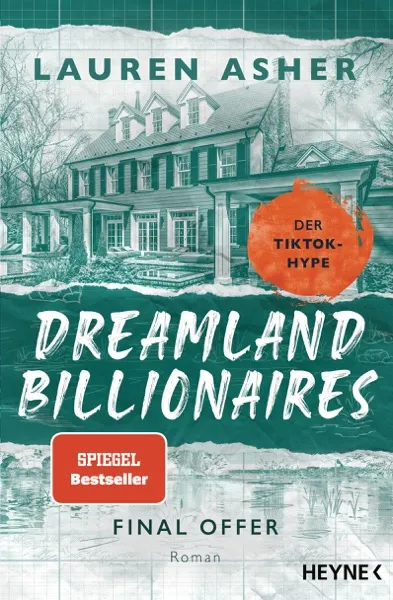

Final Offer Author: Lauren AsherPage Count: UnknownPublication Year: 2023-GB In the world of high-stakes business and cutthroat negotiations, few authors have managed to capture the intensity and allure of the corporate world as masterfully as Lauren Asher in her latest novel, Final Offer. This global bestseller has taken the literary world by storm, and for good reason – Asher's writing is a force to be reckoned with. At its core, Final Offer is a story about the art of negotiation, the power of persuasion, and the blurred lines between business and pleasure. Asher's protagonist is a master negotiator, a wizard of words who can talk his way into (or out of) just about any deal. But as the stakes grow higher and the tension builds, it becomes clear that this is more than just a game of corporate cat and mouse – it's a battle for control, for dominance, and for the very soul of the company. Asher's writing style is as sleek and polished as the high-rise office buildings that serve as the backdrop for her story. Her prose is crisp and efficient, with a keen eye for detail and a deep understanding of the inner workings of the corporate world. She has a talent for crafting characters that are both complex and relatable, with motivations that are multifaceted and often surprising. One of the most striking aspects of Final Offer is its exploration of the theme of power and control. Asher's characters are all vying for dominance, whether it's in the boardroom or the bedroom, and the lines between business and pleasure are constantly blurred. This is a world where the stakes are high and the players are ruthless, where one misstep can mean disaster and one clever move can mean victory. But Asher's novel is more than just a shallow exploration of corporate greed and ambition. It's a nuanced and thoughtful examination of the human condition, a probing of the darker corners of the human heart. Her characters are multidimensional and richly drawn, with flaws and weaknesses that make them all the more believable and relatable. Throughout the book, Asher's writing is infused with a sense of tension and urgency, a feeling that the stakes are always high and the outcome is never certain. This is a novel that will keep you on the edge of your seat, guessing and second-guessing until the very end. Overall, Final Offer is a gripping and thought-provoking novel that will appeal to fans of corporate thrillers and romance alike. Asher's writing is top-notch, her characters are complex and compelling, and her exploration of the theme of power and control is both timely and timeless. If you're looking for a book that will keep you up late at night, turning pages and guessing until the very end, then Final Offer is the perfect choice. #CorporateThriller #RomanceNovel #BusinessFiction #GlobalBestseller #LaurenAsher #FinalOffer Related InsightsA Wizard of Earthsea Book Review and Summary Recruitment (The Resistance Trilogy #1) Book Review and Summary Big Math: The Hidden Codes That Run Our World Book Review and Summary{ "@context": "https://schema.org", "@type": "FAQPage", "mainEntity": [ { "@type": "Question", "name": "What is the main focus of Final Offer Book Review and Summary?", "acceptedAnswer": { "@type": "Answer", "text": "Everything you need to know about Final Offer with our detailed review." } }, { "@type": "Question", "name": "Who authored the comprehensive guide on Final Offer Book Review and Summary?", "acceptedAnswer": { "@type": "Answer", "text": "This detailed article and its insights were carefully researched and authored by Thomas Wright." } }, { "@type": "Question", "name": "Where can I find more related content about Books?", "acceptedAnswer": { "@type": "Answer", "text": "You can explore more articles, detailed reviews, and similar insights by browsing the Related Insights section at the bottom of this article or visiting our dedicated Books category page." } } ] }


Cannoli Siciliani Croccanti: Il Re della Pasticceria dell'Isola Il cannolo è il re incontrastato della pasticceria siciliana. Croccante all'esterno e cremoso all'interno, è un dolce che racchiude la storia stessa della Sicilia. Le Origini: Un Dolce dalla Lunga Storia Le origini del cannolo siciliano affondano le radici nell'epoca della dominazione araba in Sicilia (dal IX all'XI secolo). Furono proprio gli arabi a introdurre sull'isola ingredienti fondamentali come la canna da zucchero, le mandorle e la ricotta dolcificata. La leggenda narra che i primi cannoli siano stati creati nell'harem del Castello di Pietrarossa a Caltanissetta, dove le donne si dilettavano nella preparazione di dolci elaborati. In seguito, con l'arrivo dei Normanni, la ricetta passò nei monasteri cristiani. Le suore continuarono la tradizione, preparando i cannoli principalmente in occasione del Carnevale, come simbolo di fertilità e abbondanza. Oggi, fortunatamente, possiamo gustare questa prelibatezza tutto l'anno! Il Segreto della "Scorcia" Perfetta La "scorcia" (la cialda croccante) è ciò che fa la differenza nel cannolo. Per ottenere la consistenza perfetta, la ricetta tradizionale prevede l'utilizzo di strutto (che dona friabilità) e di un goccio di vino Marsala o aceto. Questi liquidi acidi aiutano a formare le caratteristiche bolle sulla superficie della cialda durante la frittura in abbondante olio o strutto. Un dettaglio fondamentale è il ripieno: la ricotta di pecora, rigorosamente freschissima, va setacciata e mescolata con lo zucchero. L'aggiunta di gocce di cioccolato fondente, canditi di arancia o granella di pistacchi di Bronte trasforma ogni morso in un'esplosione di gusto. Assicuratevi solo che il vostro cannolo venga riempito al momento, altrimenti la cialda perderà la sua inconfondibile croccantezza! #cannolisiciliani #dolcisiciliani #pasticceriaitaliana #sicilia #italianfood #dessert #isabellaferrari #foodhistory #tradizioneculinaria #GastronomiaSiciliana #RicottaDiPecora #DolceTradizionale #PistacchioDiBronte #CucinaRegionale #recipe #exclusive Related InsightsVegane Käsespätzle Meze: The Heart of Turkish Tables Breakfast in Istanbul{ "@context": "https://schema.org", "@type": "FAQPage", "mainEntity": [ { "@type": "Question", "name": "What is the main focus of Cannoli Siciliani Croccanti?", "acceptedAnswer": { "@type": "Answer", "text": "Explore the incredible journey of Cannoli Siciliani Croccanti with Isabella Ferrari." } }, { "@type": "Question", "name": "Who authored the comprehensive guide on Cannoli Siciliani Croccanti?", "acceptedAnswer": { "@type": "Answer", "text": "This detailed article and its insights were carefully researched and authored by Isabella Ferrari." } }, { "@type": "Question", "name": "Where can I find more related content about Recipe?", "acceptedAnswer": { "@type": "Answer", "text": "You can explore more articles, detailed reviews, and similar insights by browsing the Related Insights section at the bottom of this article or visiting our dedicated Recipe category page." } } ] }
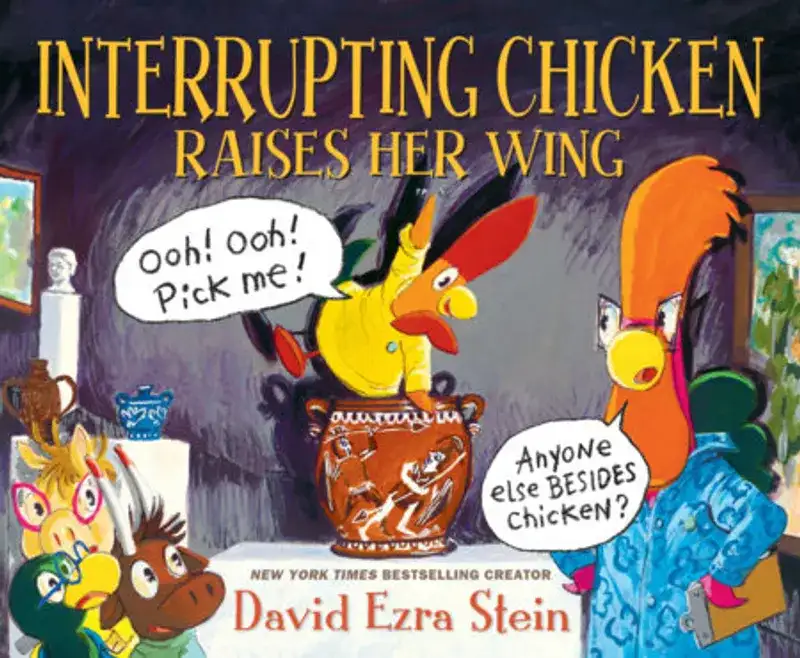

Interrupting Chicken Raises Her Wing Author: David Ezra SteinPage Count: UnknownPublication Date: 2026-PRH In the latest addition to the beloved Interrupting Chicken series, David Ezra Stein once again showcases his mastery of storytelling with Interrupting Chicken Raises Her Wing. As a seasoned book reviewer, I was thrilled to dive into this new installment and explore the main theme of growing up and learning to navigate the complexities of relationships. The story follows our feisty and lovable heroine, Interrupting Chicken, as she raises her own wing and takes on new challenges. Stein's signature style shines through in his use of simple yet evocative language, perfectly capturing the emotional ups and downs of childhood. With each turn of the page, we are treated to a visually stunning and humorous exploration of what it means to be a parent, a child, and a friend. One of the standout aspects of Stein's writing is his ability to tackle complex themes in a way that is both accessible and engaging for young readers. In Interrupting Chicken Raises Her Wing, he delves into the intricacies of family dynamics, exploring the push-and-pull of relationships and the importance of communication. The result is a narrative that is both entertaining and thought-provoking, inviting readers of all ages to reflect on their own experiences and relationships. Stein's distinctive illustrations are, as always, a highlight of the book. His use of bold lines, vibrant colors, and expressive characters brings the story to life in a way that is both whimsical and genuine. The artwork is full of clever details and visual humor, adding an extra layer of depth and complexity to the narrative. Throughout the book, Stein's passion for storytelling and his commitment to creating relatable, flawed, and ultimately lovable characters shine through. Interrupting Chicken Raises Her Wing is more than just a charming tale about a plucky chicken – it's a deeply human story about growth, empathy, and connection. As a reviewer, it's a joy to encounter a book that so effortlessly balances humor, heart, and intelligence. Stein's latest offering is a testament to his skill as a storyteller and his dedication to crafting stories that resonate with readers of all ages. Whether you're a longtime fan of the Interrupting Chicken series or just discovering Stein's work, Interrupting Chicken Raises Her Wing is sure to delight and inspire. In short, Interrupting Chicken Raises Her Wing is a triumphant addition to the series, showcasing Stein's unique voice, style, and talent for storytelling. With its uplifting message, stunning illustrations, and endearing characters, this book is sure to become a favorite among readers of all ages. #InterruptingChicken #DavidEzraStein #ChildrensBooks #FamilyStories #GrowingUp #KidsLit Related InsightsThe Complete Maus Book Review and Summary Queenie Is Working on It (Queenie, #2) Book Review and Summary Percy Jackson and the Olympians Book Review and Summary{ "@context": "https://schema.org", "@type": "FAQPage", "mainEntity": [ { "@type": "Question", "name": "What is the main focus of Interrupting Chicken Raises Her Wing Book Review and Summary?", "acceptedAnswer": { "@type": "Answer", "text": "Everything you need to know about Interrupting Chicken Raises Her Wing with our detailed review." } }, { "@type": "Question", "name": "Who authored the comprehensive guide on Interrupting Chicken Raises Her Wing Book Review and Summary?", "acceptedAnswer": { "@type": "Answer", "text": "This detailed article and its insights were carefully researched and authored by Michael Brown." } }, { "@type": "Question", "name": "Where can I find more related content about Books?", "acceptedAnswer": { "@type": "Answer", "text": "You can explore more articles, detailed reviews, and similar insights by browsing the Related Insights section at the bottom of this article or visiting our dedicated Books category page." } } ] }
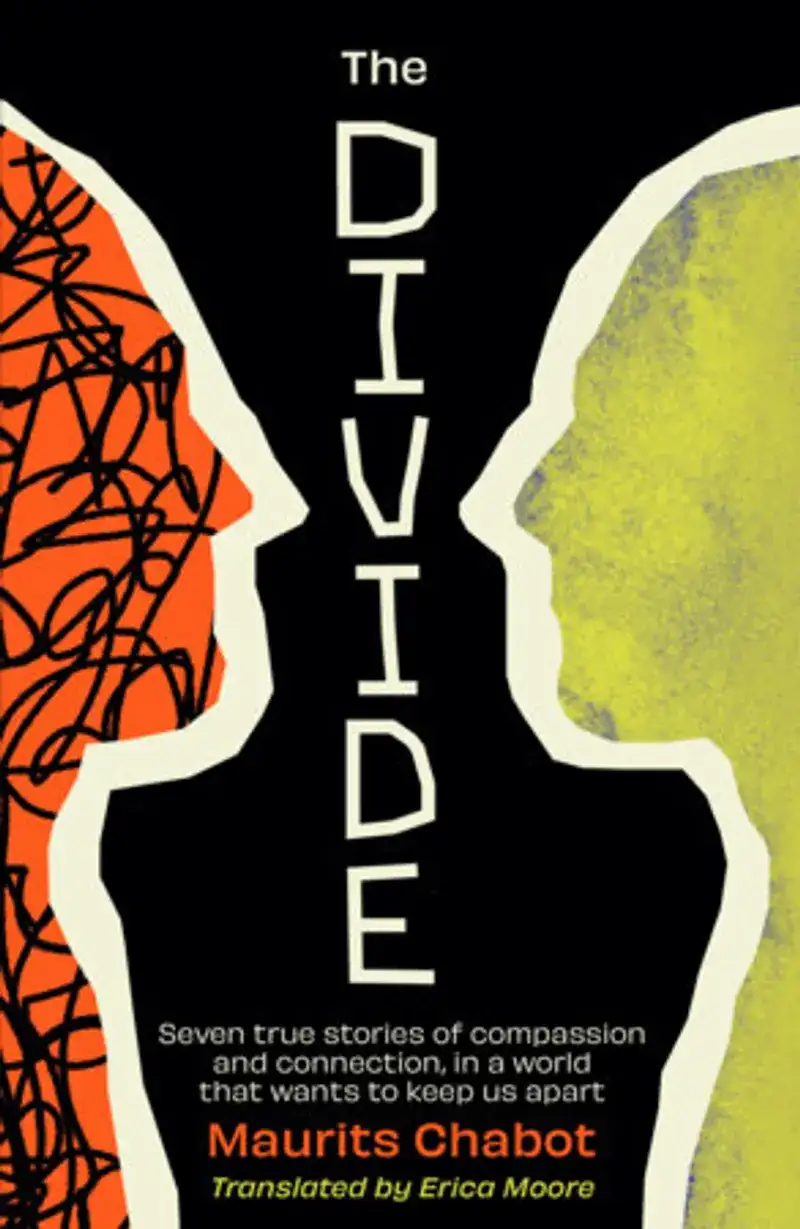

The Divide Author: Maurits ChabotPage Count: UnknownPublication Date: 2026-PRH The Divide, the latest offering from acclaimed author Maurits Chabot, is a gripping and thought-provoking novel that delves into the intricacies of human relationships and the complexities of societal dichotomies. In this masterpiece, Chabot masterfully weaves a narrative that not only explores the depths of human emotion but also challenges the reader to confront the divides that exist within ourselves and our communities. From the outset, it is clear that Chabot's writing style is both evocative and concise, with a unique ability to craft sentences that are at once poetic and piercing. His use of language is deliberate and intentional, drawing the reader into a world that is both familiar and yet, utterly alien. As we navigate the complexities of the narrative, we are struck by the author's unwavering commitment to exploring the intricacies of the human condition. At its core, The Divide is a novel about the boundaries that separate us – whether they be physical, emotional, or psychological. Chabot skillfully exposes the fault lines that exist within our relationships, our communities, and our very own selves, revealing the intricate web of tensions and contradictions that shape our lives. Through a cast of complex and deeply nuanced characters, the author expertly illustrates the ways in which these divides can both unite and isolate us, often simultaneously. One of the standout features of Chabot's writing is his ability to balance the intimate and the universal. His characters are meticulously crafted, with each one embodying a unique perspective and experience that reflects the broader societal themes. As we delve deeper into the narrative, we find ourselves drawn into a world that is at once deeply personal and yet, utterly relatable. This is a testament to Chabot's skill as a storyteller, able to distill the essence of human experience into a narrative that is both deeply moving and profoundly thought-provoking. Throughout the novel, Chabot's prose is marked by a lyrical quality, with sentences that flow like a river, carrying the reader on a journey of discovery and exploration. His use of imagery is vivid and evocative, conjuring a world that is both vividly realized and yet, subtly nuanced. As we navigate the twists and turns of the narrative, we are struck by the author's unwavering commitment to his vision, a vision that is both unflinching and yet, deeply compassionate. In The Divide, Chabot has created a novel that is both a masterpiece of contemporary literature and a powerful exploration of the human condition. This is a book that will resonate with readers long after they finish the final page, a testament to the author's skill and craftsmanship. As we reflect on the novel's themes and characters, we are left with a profound sense of awe and wonder, a sense of the complexity and beauty that exists within and around us. The Divide is a triumph, a novel that will leave readers changed, moved, and profoundly inspired. With its nuanced characters, lyrical prose, and thought-provoking themes, this is a book that will resonate with readers for years to come. Whether you are a fan of literary fiction, a lover of poetry, or simply someone who is drawn to stories that challenge and inspire, The Divide is a must-read. #TheDivide #MauritsChabot #LiteraryFiction #BookLovers #TheHumanCondition #ContemporaryLiterature Related InsightsThe Darkest Destiny Book Review and Summary An Ember in the Ashes Book Review and Summary Magic Unicorn Coloring Book Book Review and Summary{ "@context": "https://schema.org", "@type": "FAQPage", "mainEntity": [ { "@type": "Question", "name": "What is the main focus of The Divide Book Review and Summary?", "acceptedAnswer": { "@type": "Answer", "text": "Everything you need to know about The Divide with our detailed review." } }, { "@type": "Question", "name": "Who authored the comprehensive guide on The Divide Book Review and Summary?", "acceptedAnswer": { "@type": "Answer", "text": "This detailed article and its insights were carefully researched and authored by Maximilian Fischer." } }, { "@type": "Question", "name": "Where can I find more related content about Books?", "acceptedAnswer": { "@type": "Answer", "text": "You can explore more articles, detailed reviews, and similar insights by browsing the Related Insights section at the bottom of this article or visiting our dedicated Books category page." } } ] }

The Complete Idiot's Guide to Live Auctions Author: The National Auctioneers AssocPage Count: UnknownPublication Date: 2008-PRH The Complete Idiot's Guide to Live Auctions is a comprehensive and engaging guide that delves into the world of live auctions, an industry that generates a staggering $227.5 billion globally. Written by the National Auctioneers Association, this book is a treasure trove of information that caters to both novices and seasoned auction enthusiasts. One of the book's greatest strengths is its ability to demystify the world of live auctions, making it accessible to a wide range of readers. The author's style is clear, concise, and free of jargon, allowing readers to navigate the complex landscape of auctions with ease. The book covers a broad spectrum of topics, including the rules and lingo of live auctions, the process of setting up an auction, and the intricacies of hiring professional auctioneers. What sets this book apart from others in its genre is its attention to detail and the wealth of information it provides. The author takes the reader on a journey through various types of auctions, including those for cars, homes, fine art, and even coal. This comprehensive approach gives readers a deeper understanding of the industry and its many nuances. The book's use of statistics and facts adds depth and context to the narrative. For instance, the revelation that 24% of U.S. consumers spend an average of four hours at live auctions each year highlights the industry's significant reach and appeal. The inclusion of a resource section with auction house listings is also a valuable addition, providing readers with a practical guide to getting started in the world of live auctions. Throughout the book, the National Auctioneers Association's expertise shines through, lending credibility and authority to the narrative. The author's passion for the subject matter is evident on every page, making the book an enjoyable and engaging read. In conclusion, The Complete Idiot's Guide to Live Auctions is a must-read for anyone interested in the world of live auctions. Whether you're a seasoned collector, a novice bidder, or simply someone looking to learn more about this fascinating industry, this book has something to offer. With its clear and concise writing style, comprehensive coverage of the subject matter, and wealth of practical information, it's an invaluable resource that is sure to educate and entertain. #LiveAuctions #Auctioneering #TheCompleteIdiotsGuide #AuctionIndustry #CollectorsGuide #AuctionHouse Related InsightsThe Spirits Book Review and Summary From Whispers to Worlds: Charting the Timeless Odyssey of Children's Literature Echo Ridge Book Review and Summary{ "@context": "https://schema.org", "@type": "FAQPage", "mainEntity": [ { "@type": "Question", "name": "What is the main focus of The High Auction Book Review and Summary?", "acceptedAnswer": { "@type": "Answer", "text": "Everything you need to know about The High Auction with our detailed review." } }, { "@type": "Question", "name": "Who authored the comprehensive guide on The High Auction Book Review and Summary?", "acceptedAnswer": { "@type": "Answer", "text": "This detailed article and its insights were carefully researched and authored by Misba." } }, { "@type": "Question", "name": "Where can I find more related content about Books?", "acceptedAnswer": { "@type": "Answer", "text": "You can explore more articles, detailed reviews, and similar insights by browsing the Related Insights section at the bottom of this article or visiting our dedicated Books category page." } } ] }
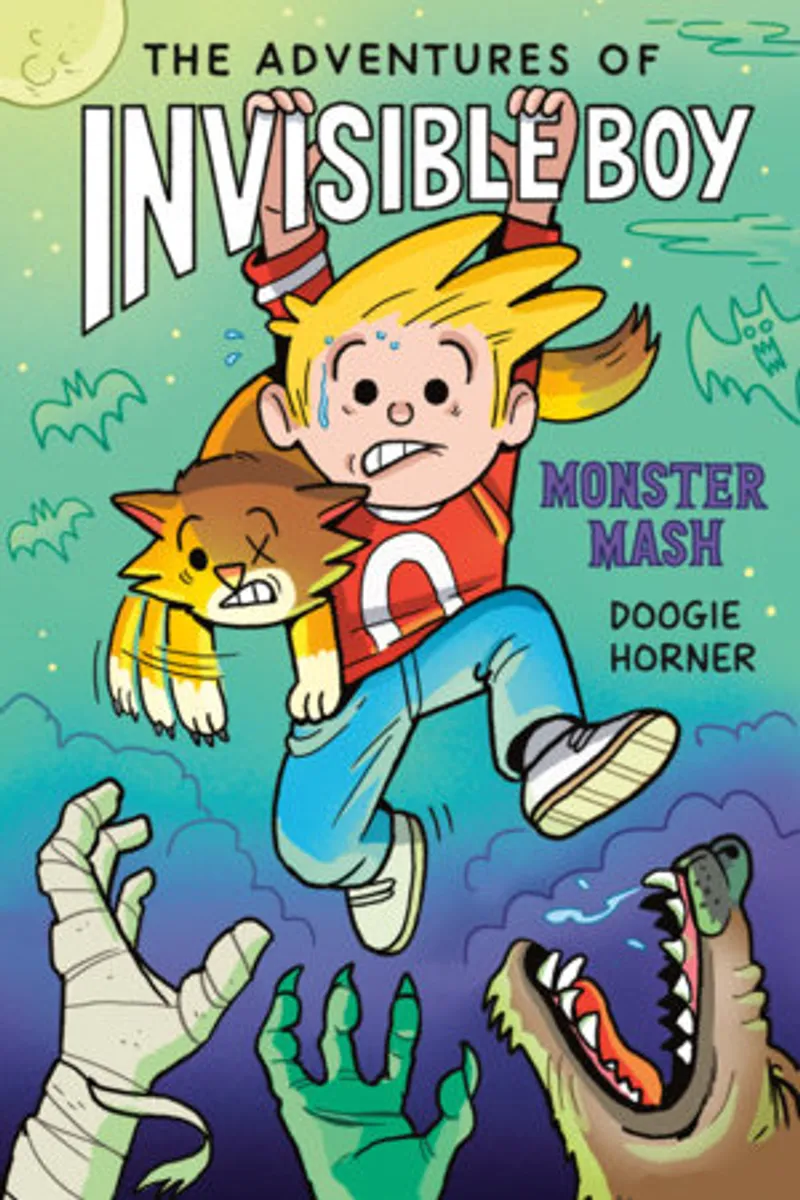
The Adventures of Invisible Boy: Monster Mash: A Graphic Novel Author: Doogie HornerPage Count: UnknownPublication Date: 2026-PRH The Adventures of Invisible Boy: Monster Mash – A Graphic Novel That’s More Than Meets the Eye Doogie Horner’s The Adventures of Invisible Boy: Monster Mash (2026) is a delightful, visually inventive graphic novel that blends humor, heart, and a touch of the uncanny. While the full synopsis remains under wraps, the premise alone—following an invisible boy navigating a world of monsters—suggests a story ripe with creativity, emotional depth, and a playful subversion of expectations. At its core, Monster Mash appears to explore themes of identity, belonging, and self-acceptance. Invisibility, both literal and metaphorical, is a powerful metaphor for feeling unseen or misunderstood. Horner, known for his quirky, offbeat humor in works like The 12 Saves of Christmas, seems poised to use this premise to deliver a story that’s as thought-provoking as it is entertaining. The monsters, rather than being mere antagonists, likely serve as mirrors—figures who challenge Invisible Boy to confront his own insecurities while also teaching him that true strength comes from embracing what makes him different. Horner’s artistic style is a standout feature. His work often balances exaggerated, cartoonish characters with meticulous detail, creating a visual language that’s both accessible and richly textured. In Monster Mash, expect a dynamic interplay between the ordinary and the fantastical, with Invisible Boy’s invisibility rendered in clever ways—perhaps through negative space, clever panel layouts, or even a muted color palette that subtly fades him into the background. This visual storytelling reinforces the book’s themes, making the invisible visible in the most unexpected ways. The pacing and tone of Monster Mash are likely to be brisk and witty, with Horner’s signature humor shining through in both dialogue and visual gags. His ability to blend absurdity with sincerity suggests that this isn’t just a silly monster romp—it’s a story with emotional weight, where laughter and introspection go hand in hand. If Horner’s past work is any indication, readers can expect clever wordplay, unexpected twists, and a cast of characters that feel both larger-than-life and deeply relatable. One of the most intriguing aspects of Monster Mash is its potential to resonate with younger readers while still offering layers that adults will appreciate. The monsters, for instance, could be metaphors for childhood fears or societal pressures, making the story a subtle yet powerful allegory. Horner’s knack for balancing humor with heart ensures that the book never feels preachy, instead inviting readers to draw their own conclusions about what it means to be seen—and to see others. In an era where graphic novels are increasingly recognized as a medium for both escapism and profound storytelling, The Adventures of Invisible Boy: Monster Mash stands out as a promising addition. It’s a book that promises to make the invisible visible—not just on the page, but in the hearts of its readers. #InvisibleBoy #MonsterMash #GraphicNovel #DoogieHorner #MiddleGradeBooks #HiddenHeroes Related InsightsThe Tyrant's Tomb Book Review and Summary Untitled (A Court of Thorns and Roses, #7) Book Review and Summary The Knife of Never Letting Go Book Review and Summary{ "@context": "https://schema.org", "@type": "FAQPage", "mainEntity": [ { "@type": "Question", "name": "What is the main focus of Invisible Monsters Book Review and Summary?", "acceptedAnswer": { "@type": "Answer", "text": "Everything you need to know about Invisible Monsters with our detailed review." } }, { "@type": "Question", "name": "Who authored the comprehensive guide on Invisible Monsters Book Review and Summary?", "acceptedAnswer": { "@type": "Answer", "text": "This detailed article and its insights were carefully researched and authored by Chuck Palahniuk." } }, { "@type": "Question", "name": "Where can I find more related content about Books?", "acceptedAnswer": { "@type": "Answer", "text": "You can explore more articles, detailed reviews, and similar insights by browsing the Related Insights section at the bottom of this article or visiting our dedicated Books category page." } } ] }
-
 Beatriz Costa
 - 29 Mar, 2026 01:16
Literature and the Writing Process--eleventh edition Book Review and Summary
Literature and the Writing Process--eleventh edition Author: Elizabeth McMahanPage Count: UnknownPublication Year: 2018-GB Literature and the Writing Process, now in its eleventh edition, is a masterful guide that continues to captivate readers and inspire writers around the world. Elizabeth McMahan, the author, has woven a rich tapestry of literary expertise, offering a comprehensive and engaging exploration of the writing process. This global bestseller has stood the test of time, and its enduring popularity is a testament to the author's skill in crafting a work that is both informative and accessible. At its core, Literature and the Writing Process is a book about the art of writing, and the ways in which literature can inform and enrich our understanding of the craft. McMahan's approach is multifaceted, drawing on a wide range of literary examples to illustrate the key elements of effective writing. From the basics of style and structure to the nuances of tone and voice, the author provides a thorough and engaging analysis of the writing process, making this book an invaluable resource for students, teachers, and writers alike. One of the strengths of Literature and the Writing Process is its ability to balance theory and practice. McMahan's discussion of literary theory is never dry or abstract, but is instead grounded in a deep understanding of how writers actually work. The book is filled with practical examples and exercises, designed to help readers develop their writing skills and apply the principles of literary analysis to their own work. This approach makes the book an excellent choice for writing workshops and classrooms, where students can benefit from the author's expertise and guidance. Throughout the book, McMahan's writing style is clear, concise, and engaging. Her love of literature is evident on every page, and her enthusiasm is infectious, making even the most complex concepts seem accessible and exciting. The author's use of language is precise and evocative, with a keen attention to detail that reflects her own mastery of the craft. Whether she is discussing the finer points of literary analysis or offering practical advice on writing technique, McMahan's voice is always authoritative, yet approachable, making the book a pleasure to read. The eleventh edition of Literature and the Writing Process has been updated to reflect the latest developments in literary studies and writing pedagogy. The book includes new chapters and sections on topics such as digital writing, creative nonfiction, and literary analysis in the digital age. These additions enhance the book's relevance and usefulness, making it an essential resource for anyone interested in writing, literature, or the teaching of writing. In conclusion, Literature and the Writing Process is a remarkable book that offers a unique blend of literary expertise, practical guidance, and engaging writing style. Elizabeth McMahan's masterpiece is a must-read for anyone who loves literature, writing, or teaching, and its enduring popularity is a testament to the author's skill and dedication. Whether you are a student, teacher, or writer, this book is sure to inspire and inform, offering a wealth of insights and practical advice that will help you to develop your writing skills and deepen your understanding of the literary arts. #writingcommunity #literaryanalysis #writingprocess #literaturelover #teachingwriting #writingtips Related InsightsBook of Night Book Review and Summary The Bookbinder's Code Book Review and Summary Along the Saltwise Sea Book Review and Summary{ "@context": "https://schema.org", "@type": "FAQPage", "mainEntity": [ { "@type": "Question", "name": "What is the main focus of Literature and the Writing Process--eleventh edition Book Review and Summary?", "acceptedAnswer": { "@type": "Answer", "text": "Everything you need to know about Literature and the Writing Process--eleventh edition with our detailed review." } }, { "@type": "Question", "name": "Who authored the comprehensive guide on Literature and the Writing Process--eleventh edition Book Review and Summary?", "acceptedAnswer": { "@type": "Answer", "text": "This detailed article and its insights were carefully researched and authored by Beatriz Costa." } }, { "@type": "Question", "name": "Where can I find more related content about Books?", "acceptedAnswer": { "@type": "Answer", "text": "You can explore more articles, detailed reviews, and similar insights by browsing the Related Insights section at the bottom of this article or visiting our dedicated Books category page." } } ] }

La Vera Pizza Napoletana: Un Patrimonio dell'Umanità Oggi vi parlo di una meravigliosa riscoperta di un'icona mondiale: la vera pizza napoletana. Non si tratta solo di cibo; stiamo parlando di un'arte riconosciuta persino dall'#UNESCO come Patrimonio Culturale Immateriale. L'Arte del Pizzaiolo Napoletano Il perfetto equilibrio che si nasconde in una semplice margherita richiede pazienza, abilità e, soprattutto, passione. L'arte tradizionale del "pizzaiolo napoletano" comprende tecniche gestuali specifiche che si tramandano da secoli. Dalla stesura dell'impasto allo "schiaffo" sul bancone, ogni movimento è misurato. Il disciplinare dell'Associazione Verace Pizza Napoletana (AVPN) è severissimo: l'impasto deve essere costituito solo da acqua, sale, lievito e farina di grano tenero tipo 00 o 0. Nessun grasso nell'impasto! La lievitazione deve essere lunga e naturale, conferendo all'impasto quella leggerezza e digeribilità ineguagliabili. Le Caratteristiche Inconfondibili Come si riconosce la vera pizza napoletana? Il cornicione: I bordi devono essere gonfi, alti circa 1-2 cm, privi di bolle bruciate, morbidi e ben alveolati. Il centro: Il disco della pizza, invece, è sottilissimo (massimo 4 millimetri) ed elastico, tanto che la pizza può essere piegata a "portafoglio". La cottura: Avviene esclusivamente in forno a legna a temperature altissime, tra i 430°C e i 480°C. La cottura dura tra i 60 e i 90 secondi! Gli ingredienti: Solo il meglio della Campania. Pomodori San Marzano DOP, mozzarella di bufala campana DOP o fior di latte di Agerola, basilico fresco e un giro d'olio extravergine d'oliva aggiunto a crudo o in cottura.Assaporare una pizza napoletana è come fare un giro nei vicoli dei Quartieri Spagnoli. La morbidezza della pasta, l'acidità dolce del pomodoro e la scioglievolezza della mozzarella creano una sinfonia perfetta. Cimentatevi in questa nobile arte nel vostro forno di casa. La vita è troppo breve per accontentarsi di imitazioni! #pizzanapoletana #pizza #napoli #unesco #italianfood #margherita #cucinacampana #isabellaferrari #artebianca #PizzaLovers #LievitoMadre #recipe #exclusive Related InsightsПирожки как у бабушки Anatolian Street Food Wonders Медовик: торт с историей{ "@context": "https://schema.org", "@type": "FAQPage", "mainEntity": [ { "@type": "Question", "name": "What is the main focus of La Vera Pizza Napoletana?", "acceptedAnswer": { "@type": "Answer", "text": "Explore the incredible journey of La Vera Pizza Napoletana with Isabella Ferrari." } }, { "@type": "Question", "name": "Who authored the comprehensive guide on La Vera Pizza Napoletana?", "acceptedAnswer": { "@type": "Answer", "text": "This detailed article and its insights were carefully researched and authored by Isabella Ferrari." } }, { "@type": "Question", "name": "Where can I find more related content about Recipe?", "acceptedAnswer": { "@type": "Answer", "text": "You can explore more articles, detailed reviews, and similar insights by browsing the Related Insights section at the bottom of this article or visiting our dedicated Recipe category page." } } ] }


Ein norddeutsches Kulturgut Die Rote Grütze ist wohl das berühmteste Dessert Norddeutschlands und Skandinaviens. Der Name leitet sich vom althochdeutschen Wort "gruzzi" ab, was "grob Gemahlenes" bedeutet. Ursprünglich wurde die Speise tatsächlich mit Buchweizen-, Hafer- oder Grießgrütze gekocht, um den säuerlichen Beerenfrüchten mehr Substanz und Sättigungskraft zu verleihen. Heute wird meist Speisestärke (Sago, Mais- oder Kartoffelstärke) verwendet, um die typisch geleeartige, glänzende Konsistenz zu erreichen. In Hamburg, Bremen und Schleswig-Holstein ist die Rote Grütze mehr als nur ein Nachtisch; sie ist ein kulinarisches Symbol für den Sommer und die Ernte der heimischen Gärten. Rote Grütze Dessert in veganer Perfektion Das Wundervolle an der Roten Grütze ist, dass sie in ihrer Grundform immer schon zu 100 % vegan war. Die Magie dieses Desserts liegt in der sorgfältigen Auswahl der Früchte. Ein klassisches Rezept verlangt nach einer harmonischen Mischung aus roten und schwarzen Johannisbeeren, Himbeeren, Kirschen (oft Sauerkirschen) und manchmal Brombeeren oder Erdbeeren. Die schwarze Johannisbeere verleiht der Grütze ihre intensive, dunkle Farbe und eine feine, herbe Note, während Kirschen und Himbeeren für die Süße und das intensive Aroma sorgen. Bei der Zubereitung wird der Fruchtsaft mit etwas Zucker (oder einer pflanzlichen Alternative wie Agavendicksaft) und eventuell einem Spritzer Zitronensaft aufgekocht. Anschließend wird die in kaltem Wasser angerührte Stärke langsam eingerührt, bis die Flüssigkeit andickt. Die ganzen Früchte werden erst ganz zum Schluss vorsichtig untergehoben, damit sie nicht zerkochen und ihre Form behalten. Die Begleitung macht den Unterschied Was die Rote Grütze jedoch erst zum vollkommenen Dessert macht, ist ihr Gegenspieler: die cremige Begleitung. Traditionell wird sie mit flüssiger Sahne, Vanillesauce oder Milch serviert. Um das Dessert rein pflanzlich zu halten, bietet sich eine selbstgemachte vegane Vanillesauce auf Basis von Hafer- oder Sojacuisine an, die mit echter Bourbon-Vanille und einer Prise Kurkuma (für die gelbe Farbe) verfeinert wird. Wer es frischer mag, kann die Rote Grütze auch mit einer Kugel veganem Vanilleeis, Mandelsahne oder leicht gesüßtem Kokosjoghurt kombinieren. Die kühle, cremige Vanillenote harmoniert himmlisch mit der lauwarmen, fruchtig-säuerlichen Grütze. Ein Dessert, das den Geschmack des norddeutschen Sommers in jedem Löffel einfängt. #RoteGrütze #VeganDessert #Norddeutschland #Sommerfrüchte #VeganeSüßspeise #Beerenliebe #GermanVegan #Vanillesauce #Nachtisch #VeganBacken #recipe #exclusive Related InsightsСалат Оливье к празднику Lahmacun: The Turkish Pizza Пирожки как у бабушки{ "@context": "https://schema.org", "@type": "FAQPage", "mainEntity": [ { "@type": "Question", "name": "What is the main focus of Rote Grütze Dessert?", "acceptedAnswer": { "@type": "Answer", "text": "Explore the incredible journey of Rote Grütze Dessert with Hannah Weber." } }, { "@type": "Question", "name": "Who authored the comprehensive guide on Rote Grütze Dessert?", "acceptedAnswer": { "@type": "Answer", "text": "This detailed article and its insights were carefully researched and authored by Hannah Weber." } }, { "@type": "Question", "name": "Where can I find more related content about Recipe?", "acceptedAnswer": { "@type": "Answer", "text": "You can explore more articles, detailed reviews, and similar insights by browsing the Related Insights section at the bottom of this article or visiting our dedicated Recipe category page." } } ] }
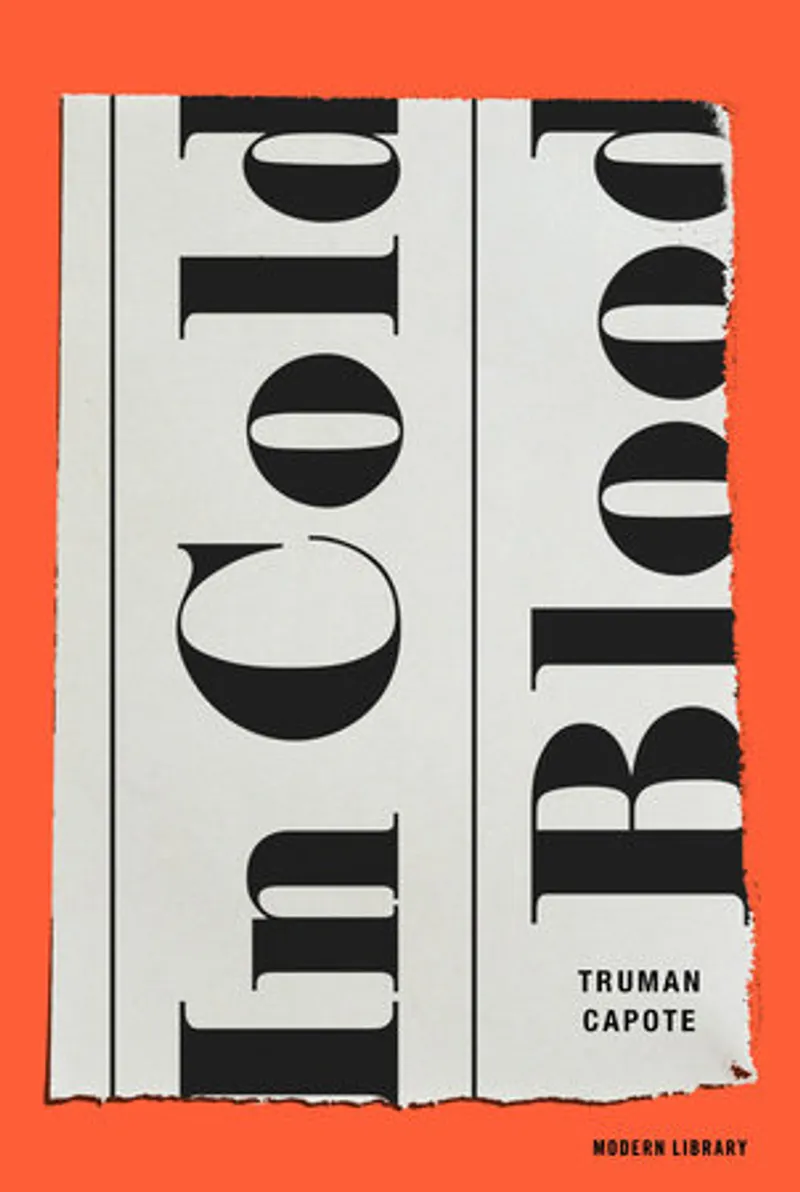
In Cold Blood Author: Truman CapotePage Count: UnknownPublication Date: 2013-PRH In Cold Blood by Truman Capote is a literary masterpiece that delves into the darkest corners of human nature, leaving an indelible mark on the reader. Originally published in 1965, this book is a seminal work of the "new journalism" that has stood the test of time, and its inclusion in the Modern Library's list of 100 best nonfiction books is a testament to its enduring power. Capote's account of the brutal murder of the Clutter family in Holcomb, Kansas, on the night of November 15, 1959, is a gripping narrative that oscillates between the tranquil lives of the victims and the ominous approach of their killers, Richard Eugene Hickock and Perry Edward Smith. The author's meticulous research and masterful storytelling create a sense of intimacy, drawing the reader into the world of the characters and making them feel like a participant in the events. One of the most striking aspects of the book is its exploration of the human psyche, particularly through the character of Perry Smith. A complex and contradictory figure, Smith is both captivating and terrifying, embodying the darkest aspects of human nature. His statement about Herb Clutter, "I thought he was a very nice gentleman... Soft-spoken. I thought so right up to the moment I cut his throat," is a chilling insight into the mind of a killer, and it raises fundamental questions about the nature of humanity. Capote's writing style is a key element in the book's success. His use of alternating chapters, switching between the Clutter household and the approach of the killers, creates a sense of tension and foreboding that propels the reader forward. The author's vivid descriptions of the characters and their surroundings are equally impressive, conjuring a sense of atmosphere that immerses the reader in the world of the story. The author's ability to balance the objective and subjective aspects of the narrative is another notable feature of the book. Capote's account is meticulously researched, and his attention to detail is impressive. However, he also manages to convey the emotional resonance of the events, creating a sense of empathy and connection with the characters. In Cold Blood is a thought-provoking and deeply unsettling book that challenges the reader to confront the darker aspects of human nature. Capote's masterpiece is a must-read for anyone interested in true crime, psychology, or literature. It is a testament to the power of storytelling and a reminder that, even in the most horrific of circumstances, there is always a deeper truth waiting to be uncovered. #TrueCrimeClassics #InColdBlood #TrumanCapote #NewJournalism #CrimeLiterature #PsychologicalThrillers Related InsightsDon't Let Him In Book Review and Summary Joker Moon Book Review and Summary Watchmen Book Review and Summary{ "@context": "https://schema.org", "@type": "FAQPage", "mainEntity": [ { "@type": "Question", "name": "What is the main focus of In Cold Blood Book Review and Summary?", "acceptedAnswer": { "@type": "Answer", "text": "Everything you need to know about In Cold Blood with our detailed review." } }, { "@type": "Question", "name": "Who authored the comprehensive guide on In Cold Blood Book Review and Summary?", "acceptedAnswer": { "@type": "Answer", "text": "This detailed article and its insights were carefully researched and authored by Truman Capote." } }, { "@type": "Question", "name": "Where can I find more related content about Books?", "acceptedAnswer": { "@type": "Answer", "text": "You can explore more articles, detailed reviews, and similar insights by browsing the Related Insights section at the bottom of this article or visiting our dedicated Books category page." } } ] }
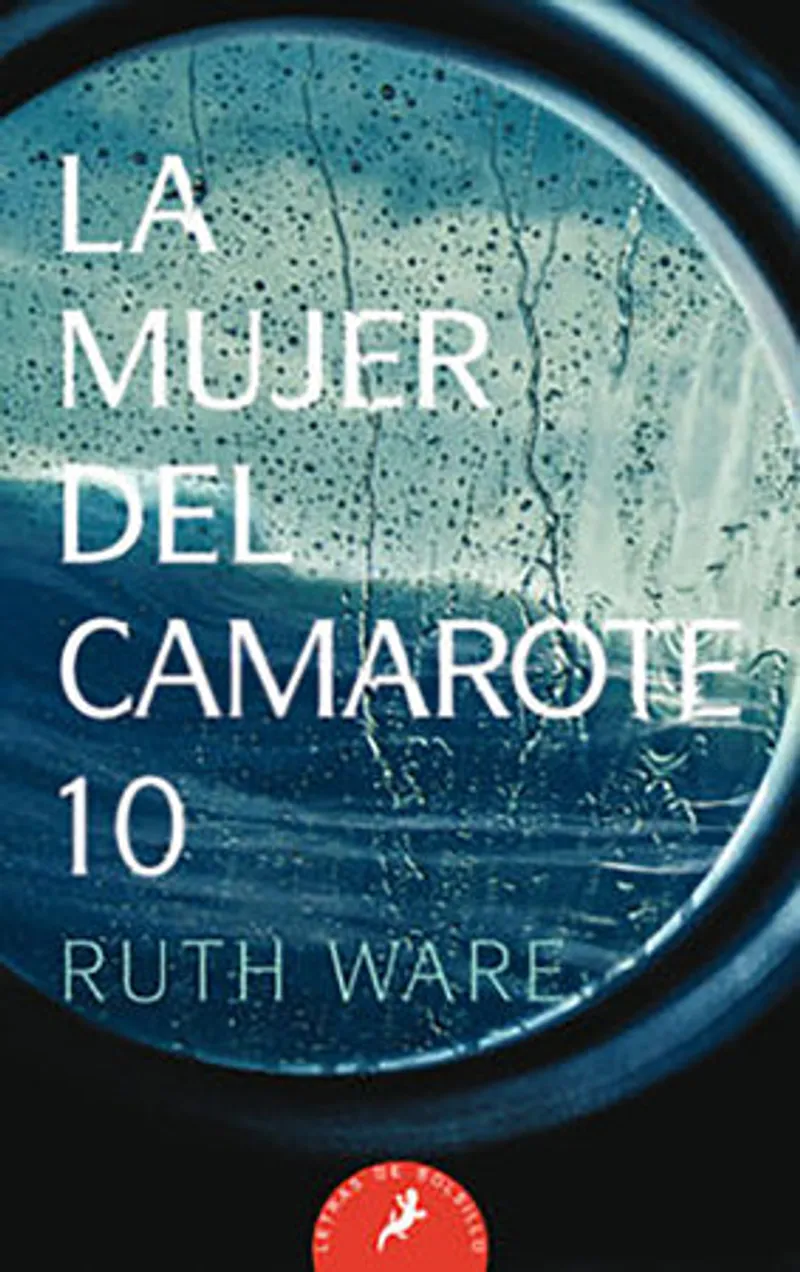
La mujer del camarote 10 / The Woman in Cabin 10 Author: Ruth WarePage Count: UnknownPublication Date: 2019-PRH The Woman in Cabin 10 by Ruth Ware is a masterful thriller that will keep you on the edge of your seat from start to finish. The story follows Lo Blacklock, a travel journalist who embarks on a luxury cruise to the Norwegian fjords, only to find herself entangled in a mysterious and terrifying ordeal. Ware's writing style is reminiscent of Agatha Christie's classic whodunits, with a unique blend of atmospheric tension, intricate plotting, and a cast of complex characters. The setting of the luxury cruise ship is expertly used to create a sense of claustrophobia and isolation, heightening the sense of unease and fear as the story unfolds. At the heart of the novel is Lo Blacklock, a flawed and relatable protagonist who is both fiercely independent and deeply vulnerable. Her character is skillfully crafted to evoke empathy and understanding, making it impossible not to become invested in her fate. The plot is a tightly wound and expertly paced, with a series of twists and turns that will keep you guessing until the very end. Ware's use of suspense and tension is masterful, creating a sense of unease that permeates every aspect of the story. One of the standout aspects of The Woman in Cabin 10 is its exploration of the theme of gaslighting. Lo's experiences on the ship are constantly questioned and undermined by those around her, leaving her to doubt her own perceptions and sanity. This is a powerful and thought-provoking commentary on the ways in which women's experiences and voices are often marginalized and dismissed. Overall, The Woman in Cabin 10 is a gripping and unputdownable thriller that will appeal to fans of psychological suspense and mystery. With its unique blend of atmospheric tension, intricate plotting, and complex characters, it is a must-read for anyone looking for a compelling and thought-provoking page-turner. #TheWomanInCabin10 #RuthWare #PsychologicalThriller #Mystery #Suspense #Gaslighting Related InsightsElla Enchanted Book Review and Summary Mind Games Book Review and Summary Fall into Place Book Review and Summary{ "@context": "https://schema.org", "@type": "FAQPage", "mainEntity": [ { "@type": "Question", "name": "What is the main focus of The Woman in Cabin 10 Book Review and Summary?", "acceptedAnswer": { "@type": "Answer", "text": "Everything you need to know about The Woman in Cabin 10 with our detailed review." } }, { "@type": "Question", "name": "Who authored the comprehensive guide on The Woman in Cabin 10 Book Review and Summary?", "acceptedAnswer": { "@type": "Answer", "text": "This detailed article and its insights were carefully researched and authored by Ruth Ware." } }, { "@type": "Question", "name": "Where can I find more related content about Books?", "acceptedAnswer": { "@type": "Answer", "text": "You can explore more articles, detailed reviews, and similar insights by browsing the Related Insights section at the bottom of this article or visiting our dedicated Books category page." } } ] }
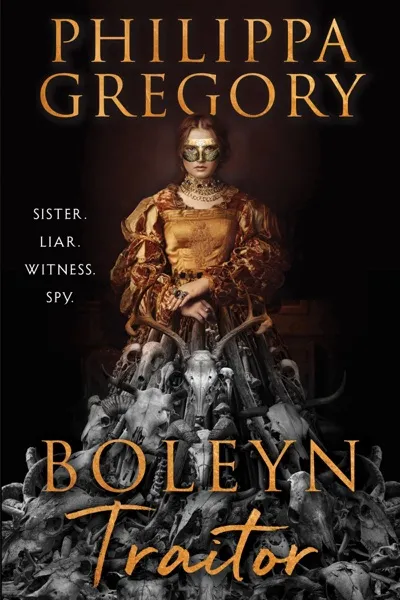

Boleyn Traitor Author: Philippa GregoryPage Count: UnknownPublication Year: 2025-GB Philippa Gregory’s Boleyn Traitor is a masterclass in historical fiction, weaving the intricate web of Tudor England with the deft touch of a seasoned storyteller. Published in 2025, this addition to Gregory’s acclaimed series promises to captivate readers with its blend of political intrigue, personal drama, and the ever-present shadow of betrayal. Set against the turbulent backdrop of Henry VIII’s reign, the novel reimagines the rise and fall of Anne Boleyn not just as a queen but as a woman entangled in a web of power, suspicion, and ultimate tragedy. At its core, Boleyn Traitor explores the fragility of loyalty in a court where every whisper can seal a fate. Gregory’s genius lies in her ability to humanize historical figures, stripping away the myth to reveal the raw emotions and calculated risks that defined their lives. The novel’s title itself is a deliberate provocation—Anne Boleyn, long cast as a seductress and schemer, is recast here as a woman whose greatest crime may have been her inability to read the shifting tides of power. The theme of betrayal is not merely incidental but structural, seeping into every relationship, from the courtly love of Henry VIII to the political machinations of Thomas Cromwell. Gregory forces readers to question who, in this world of mirrors and shadows, is truly loyal—and who is merely waiting for the right moment to strike. Gregory’s prose is as sharp as the executioner’s sword, balancing lyrical descriptions of Tudor England with the relentless pace of a thriller. Her writing style is immersive, pulling readers into the gilded yet treacherous halls of Hampton Court and the claustrophobic corridors of the Tower of London. The dialogue crackles with tension, whether it’s the calculated flattery of courtiers or the desperate pleas of those caught in the king’s disfavor. Gregory doesn’t just recount history; she reanimates it, making the past feel vivid and immediate. One of the novel’s most compelling aspects is its reexamination of Anne Boleyn’s character. Far from the one-dimensional villain of popular myth, Gregory’s Anne is a woman of contradictions—brilliant yet reckless, ambitious yet vulnerable. The novel delves into her psyche, revealing a woman who knows she is playing a dangerous game but believes she can outmaneuver her enemies. Her relationship with Henry is portrayed as a dance of fire and ice, where passion is as much a weapon as it is a weakness. Gregory’s portrayal is neither wholly sympathetic nor entirely condemning; instead, she presents Anne as a product of her time, a woman who had to be ruthless to survive in a world where men held all the cards. The supporting cast is equally richly drawn. Thomas Cromwell, often depicted as a villain in other retellings, is given a more nuanced treatment here. Gregory portrays him as a man of intellect and ambition, but also as a pragmatist who understands the cost of power. His interactions with Anne are charged with unspoken threats, a chess match where every move could mean life or death. Even minor characters, like Anne’s sister Mary or the enigmatic Jane Seymour, are fleshed out with enough depth to make them feel like real people rather than mere historical footnotes. What makes Boleyn Traitor particularly gripping is its exploration of how quickly fortunes can reverse in the Tudor court. The novel’s structure mirrors this instability, with shifting perspectives that keep readers off-balance. One chapter might be narrated by Anne, her voice trembling with fear and defiance, while the next could belong to Cromwell, his mind a whirring machine of strategy and calculation. This narrative approach ensures that no character is entirely trustworthy, and neither is the reader’s allegiance. Gregory’s attention to historical detail is meticulous, from the opulent gowns that signify status to the political undercurrents that dictate every alliance. Yet she never lets the period’s authenticity overshadow the emotional core of the story. The result is a novel that feels both meticulously researched and deeply personal, a rare feat in historical fiction. In Boleyn Traitor, Philippa Gregory once again proves why she is the undisputed queen of Tudor fiction. The book is a slow-burning fuse that explodes into a devastating climax, leaving readers to ponder the fine line between victim and villain, loyalty and betrayal. It’s a story that lingers long after the final page, a testament to Gregory’s ability to make the past feel alive and urgent. #PhilippaGregory #BoleynTraitor #TudorFiction #HistoricalFiction #AnneBoleyn #HistoricalDrama Related InsightsThe Murder Party Book Review and Summary Die stille Architektur des Denkens: Warum Philosophie mehr ist als nur Fragen stellen Cryptonomicon Book Review and Summary{ "@context": "https://schema.org", "@type": "FAQPage", "mainEntity": [ { "@type": "Question", "name": "What is the main focus of Boleyn Traitor Book Review and Summary?", "acceptedAnswer": { "@type": "Answer", "text": "Everything you need to know about Boleyn Traitor with our detailed review." } }, { "@type": "Question", "name": "Who authored the comprehensive guide on Boleyn Traitor Book Review and Summary?", "acceptedAnswer": { "@type": "Answer", "text": "This detailed article and its insights were carefully researched and authored by Sofia Bianchi." } }, { "@type": "Question", "name": "Where can I find more related content about Books?", "acceptedAnswer": { "@type": "Answer", "text": "You can explore more articles, detailed reviews, and similar insights by browsing the Related Insights section at the bottom of this article or visiting our dedicated Books category page." } } ] }

La razón de estar contigo / A Dog's Purpose Author: W. Bruce CameronPage Count: UnknownPublication Date: 2018-PRH In the pages of W. Bruce Cameron's "A Dog's Purpose", a heartwarming and thought-provoking tale unfolds, exploring the profound bond between humans and their canine companions. This novel, which has captivated readers worldwide and inspired a major motion picture, delves into the multiple lives of a dog, weaving a narrative that is both a poignant exploration of the human experience and a celebration of the unwavering loyalty of our furry friends. Through the eyes of a dog, Cameron masterfully reveals the intricacies of human relationships, exposing the complexities, the joys, and the sorrows that define our existence. The story is told with a unique blend of humor, wit, and sensitivity, making it an irresistible read for anyone who has ever loved and been loved by a dog. As the canine protagonist navigates its various lives, it imparts valuable lessons on the importance of love, friendship, and the pursuit of one's purpose. One of the most striking aspects of Cameron's writing style is his ability to balance lighthearted moments with deeper, more profound themes. He tackles complex issues such as loss, grief, and the meaning of life with a deft touch, never shying away from the tough questions but also never losing sight of the story's emotional core. The result is a narrative that is both entertaining and enlightening, making "A Dog's Purpose" a must-read for anyone seeking a story that will make them laugh, cry, and reflect on the human condition. The novel's central theme – that every creature is born with a purpose – is a powerful reminder of the interconnectedness of all living beings. Through the dog's experiences, Cameron shows us that even the smallest among us can have a profound impact on the lives of those around us. This message is conveyed with a sense of hope and optimism, suggesting that even in the darkest of times, there is always the potential for love, redemption, and forgiveness. Cameron's prose is engaging, and his storytelling is effortless, making "A Dog's Purpose" a page-turner that is hard to put down. The characters, both human and animal, are well-developed and relatable, adding depth and complexity to the narrative. The writing is descriptive and evocative, conjuring vivid images of the world from a dog's perspective. In short, "A Dog's Purpose" is a beautifully crafted novel that will resonate with readers of all ages. It is a testament to the transformative power of love and friendship, reminding us that even in the most challenging times, there is always the potential for growth, learning, and redemption. If you're looking for a story that will touch your heart, make you laugh, and inspire you to appreciate the beauty of life, then this book is a must-read. #ADogsPurpose #DogLovers #BookReview #AnimalFiction #HeartwarmingStories #PetLovers Related InsightsTwisted Games Book Review and Summary L'Eco del Silenzio e l'Ombra dell'Ingiustizia: L'Eterno Ritorno di 'To Kill a Mockingbird' Engineering a Love Story Book Review and Summary{ "@context": "https://schema.org", "@type": "FAQPage", "mainEntity": [ { "@type": "Question", "name": "What is the main focus of A Dog's Purpose Book Review and Summary?", "acceptedAnswer": { "@type": "Answer", "text": "Everything you need to know about A Dog's Purpose with our detailed review." } }, { "@type": "Question", "name": "Who authored the comprehensive guide on A Dog's Purpose Book Review and Summary?", "acceptedAnswer": { "@type": "Answer", "text": "This detailed article and its insights were carefully researched and authored by W. Bruce Cameron." } }, { "@type": "Question", "name": "Where can I find more related content about Books?", "acceptedAnswer": { "@type": "Answer", "text": "You can explore more articles, detailed reviews, and similar insights by browsing the Related Insights section at the bottom of this article or visiting our dedicated Books category page." } } ] }


Börek: A #journey Through Dough If there is one pastry that captures the soul of the Middle East, the Balkans, and Anatolia, it is undeniably börek. This versatile, savory pie made of thin, flaky dough holds a pivotal place in Turkish culinary #history. Tracing its origins back to the nomadic Turkic peoples of Central Asia, börek evolved as a practical yet indulgent food, baked in portable earthen ovens and filled with whatever the pastoral landscape provided. The Art of Yufka The foundation of any authentic börek is yufka—a paper-thin, unleavened dough that is the precursor to the famous phyllo used in Greek and Levantine traditions. Creating yufka requires immense skill and dexterity. Traditionally, women would gather to roll out the dough using a long, slender wooden rolling pin called an oklava. The mastery lies in stretching the dough so thin that one can read a newspaper through it, a technique perfected over centuries within the royal kitchens of the Ottoman #empire, specifically the Topkapı Palace. Regional Variations The beauty of börek lies in its regional diversity across Turkey. Su Böreği (Water Börek): Perhaps the most labor-intensive variety, this version involves boiling layers of yufka before stacking them with a rich mixture of feta cheese and parsley, resulting in a texture reminiscent of lasagna. Sigara Böreği: Shaped like cigars, these are tightly rolled and deep-fried until blistered and crispy, typically filled with cheese or a spiced potato mixture. They are a staple of the Turkish meze spread. Kol Böreği: Characterized by its long, arm-like coiled shape (the word kol means arm in Turkish), this variety is often stuffed with minced meat, pine nuts, and currants, offering a robust flavor profile that traces back to #Istanbul’s historic bakeries. Gül Böreği: Meaning "rose börek," these are single-serving pastries where the filled dough is spiraled into a delicate, flower-like shape.A Cultural Pillar Beyond its taste, börek represents hospitality. Offering a guest freshly baked börek accompanied by steeped black tea is a quintessential Turkish gesture of warmth. It transcends social classes, found equally in bustling street-corner bakeries and upscale urban cafes. It is a true journey through dough, telling the story of migration, empire, and the enduring power of a simple, perfect pastry. #Borek #TurkishPastry #Yufka #OttomanCuisine #CulinaryHeritage #BakingHistory #TurkishFood #FoodCulture #SavoryPastry #AnatolianFlavors #turkishfood #recipe #brekajourneythroughdough #anatoliancuisine #demirsef #delicious #food Related InsightsAnatolian Street Food Wonders Baklava: Layers of Perfection Ossobuco alla Milanese{ "@context": "https://schema.org", "@type": "FAQPage", "mainEntity": [ { "@type": "Question", "name": "What is the main focus of Börek: A Journey Through Dough?", "acceptedAnswer": { "@type": "Answer", "text": "Explore the incredible journey of Börek: A Journey Through Dough with Ayşe Kaya." } }, { "@type": "Question", "name": "Who authored the comprehensive guide on Börek: A Journey Through Dough?", "acceptedAnswer": { "@type": "Answer", "text": "This detailed article and its insights were carefully researched and authored by Demir Şef." } }, { "@type": "Question", "name": "Where can I find more related content about Recipe?", "acceptedAnswer": { "@type": "Answer", "text": "You can explore more articles, detailed reviews, and similar insights by browsing the Related Insights section at the bottom of this article or visiting our dedicated Recipe category page." } } ] }