

Char Siu Bao: The Fluffy BBQ Pork Bun
The Char Siu Bao, a harmonious marriage of tender barbecue pork and soft, fluffy bun, is a culinary masterpiece that has captured the hearts and taste buds of people around the world. This Cantonese-style barbecue pork bun is a staple in Chinese bakeries and restaurants, and its popularity can be attributed to the perfect balance of flavors, textures, and aromas that it offers. In this article, we will delve into the history, cultural significance, and authentic recipe of Char Siu Bao, as well as explore the various regional variations and modern twists that have emerged over time. Introduction to Char Siu Bao Char Siu Bao, which literally translates to "fork-roasted pork bun," has a long and storied history that dates back to the southern province of Guangdong in China. The dish is believed to have originated during the Qing dynasty, when roasted pork was served as a Luxury food item in banquets and special occasions. Over time, the recipe evolved to include a soft, fluffy bun that encased the tender and flavorful pork, creating a convenient and delicious snack that could be enjoyed on the go.Cultural Significance of Char Siu Bao Char Siu Bao is more than just a delicious snack; it is a cultural icon that represents the rich culinary heritage of Cantonese cuisine. In Hong Kong, where Char Siu Bao is a staple in every bakery and restaurant, the dish is often served as a dim sum item, typically accompanied by a cup of tea or coffee. The traditional recipe and cooking methods have been passed down through generations, with each family and region adding their own unique twist and flair to the dish. Authentic Recipe for Char Siu Bao To make authentic Char Siu Bao, you will need the following ingredients:2 cups of all-purpose flour 2 teaspoons of instant yeast 1 teaspoon of salt 1 tablespoon of sugar 1/4 cup of warm water 1/4 cup of milk 2 tablespoons of vegetable oil 1/2 cup of char siu pork filling (see below for recipe) 1 egg, beaten (for egg wash)Char Siu Pork Filling Recipe1 pound of pork shoulder, cut into small pieces 2 tablespoons of soy sauce 2 tablespoons of oyster sauce (optional) 2 tablespoons of honey 2 tablespoons of hoisin sauce 2 cloves of garlic, minced 1 tablespoon of five-spice powder 1 tablespoon of sesame oilTo make the char siu pork filling, combine all the ingredients in a bowl and mix well. Let it marinate for at least 2 hours or overnight. Then, roast the pork in a preheated oven at 400°F (200°C) for about 20-25 minutes, or until it is cooked through and caramelized. Assembling and Baking the Char Siu Bao To assemble the Char Siu Bao, divide the dough into small balls and roll each ball into a thin circle. Place a tablespoon of char siu pork filling in the center of the dough, and then fold the dough over to form a bun. Brush the top of the bun with an egg wash and bake in a preheated oven at 375°F (190°C) for about 15-20 minutes, or until the bun is golden brown.Regional Variations and Modern Twists While the traditional recipe for Char Siu Bao remains popular, there are many regional variations and modern twists that have emerged over time. In some parts of China, Char Siu Bao is served with a sweet and spicy sauce, while in other regions, it is filled with a variety of ingredients such as vegetables, seafood, or even tofu. In recent years, modern bakeries and restaurants have experimented with new flavors and ingredients, such as truffle oil, foie gras, or even vegan char siu pork alternatives. Conclusion Char Siu Bao is a culinary masterpiece that has captured the hearts and taste buds of people around the world. With its rich cultural heritage, authentic flavors, and fluffy texture, it is no wonder that this dish has become a staple in Chinese cuisine. Whether you are a foodie, a cultural enthusiast, or simply a lover of delicious snacks, Char Siu Bao is a must-try dish that is sure to satisfy your cravings and leave you wanting more.#CharSiuBao #ChineseFood #CantoneseCuisine #Foodie #DimSum #BarbecuePork #FluffyBuns #TraditionalRecipe #CulturalHeritage Related InsightsLe Garum Oublié : Voyage au Cœur de l'Umami Antique et de ses Résurrections Modernes The Hidden Science Behind Every Bite: How Food Shapes Our Health, Culture, and Future Feijoada: Brazil’s Hearty Black Bean Stew and the Soul of a Nation{ "@context": "https://schema.org", "@type": "FAQPage", "mainEntity": [ { "@type": "Question", "name": "What is the main focus of Char Siu Bao: The Fluffy BBQ Pork Bun?", "acceptedAnswer": { "@type": "Answer", "text": "Discover the deep cultural roots, authentic flavors, and history of Char Siu Bao: The Fluffy BBQ Pork Bun." } }, { "@type": "Question", "name": "Who authored the comprehensive guide on Char Siu Bao: The Fluffy BBQ Pork Bun?", "acceptedAnswer": { "@type": "Answer", "text": "This detailed article and its insights were carefully researched and authored by Lin Yao." } }, { "@type": "Question", "name": "Where can I find more related content about Food?", "acceptedAnswer": { "@type": "Answer", "text": "You can explore more articles, detailed reviews, and similar insights by browsing the Related Insights section at the bottom of this article or visiting our dedicated Food category page." } } ] }


The Mythical Peaks of Mount Ida (Kaz Dağları) Straddling the border of Turkey's Çanakkale and Balıkesir provinces, the Kaz Dağları mountain range—known in antiquity as Mount Ida—is a paradise of biodiversity, pristine waterfalls, and deep mythological roots. Often referred to as the "Lungs of the Aegean" due to its incredibly high oxygen levels (second only to the Swiss Alps), this lush region offers an intoxicating blend of natural beauty and #ancient #history. The Playground of the Gods In Greek mythology, Mount Ida was considered a sacred place, frequently serving as the backdrop for the divine drama of the Olympian gods. It was here that Zeus supposedly watched the epic battles of the Trojan War unfold on the plains of Troy below. Most famously, Mount Ida is the legendary site of the world’s first beauty pageant: the Judgment of #Paris. According to myth, the Trojan prince Paris was tasked with deciding who was the fairest among the goddesses Hera, Athena, and Aphrodite. His choice of Aphrodite, who promised him the love of Helen of Sparta, ultimately sparked the legendary Trojan War. Today, visitors can hike to the "Altar of Zeus" (Zeus Altarı) situated on a hill near the village of Adatepe. This ancient stone structure offers sweeping, panoramic views over the Gulf of Edremit and the Greek island of Lesbos, easily making one understand why the ancients believed the gods resided here. A Biodiversity Hotspot Designated as a national park in 1993, Kaz Dağları is home to an astonishing array of flora and fauna. The mountains boast over 800 plant species, of which at least 30 are endemic to the region. The Kazdağı fir (Abies nordmanniana subsp. equi-trojani) is a rare and protected species of evergreen that only grows in this specific microclimate. The dense forests of oak, chestnut, and black pine are crisscrossed by crystal-clear streams and dramatic waterfalls. The Hasanboğuldu and Sütuçven waterfalls are popular spots for #nature lovers, offering refreshing, ice-cold pools perfect for a summer dip. The Olive Oil Capital of Turkey The foothills of Mount Ida slope gently down to the Aegean Sea, creating the perfect climate for cultivating olives. The Edremit and Ayvalık regions at the base of the mountains are universally recognized as producing the finest olive oil in Turkey. The high oxygen levels and unique sea breezes contribute to an olive oil characterized by its low acidity, fruity aroma, and distinct peppery finish. A visit to the Kaz Dağları region is incomplete without indulging in the local Aegean cuisine, which heavily features this liquid gold. Traditional dishes like Zeytinyağlı Enginar (artichokes braised in olive oil with dill and lemon) or Deniz Börülcesi (samphire salad) highlight the region's commitment to fresh, locally sourced ingredients. For a true taste of the mountains, try the local village breakfasts, featuring regional cheeses, fresh thyme honey, and endless glasses of black tea, all enjoyed under the shadow of the mythical Mount Ida. #MountIda #KazDaglari #TurkeyTravel #GreekMythology #AegeanCoast #OliveOil #TrojanWar #TurkishNature #TravelTurkey #AncientHistory #travel #exclusive Related InsightsL'Abbaye de Westminster : Le Cœur Royal de Londres Unleash Your Inner Explorer: Conquering Java's Fiery Peaks From Bali's Shores – A Definitive Guide The Whispering Ice Temples: Tracing the Vanishing Footprints to Patagonia's Subterranean Sanctuaries{ "@context": "https://schema.org", "@type": "FAQPage", "mainEntity": [ { "@type": "Question", "name": "What is the main focus of Mount Ida (Kaz Daglari) Nature?", "acceptedAnswer": { "@type": "Answer", "text": "Explore the incredible journey of Mount Ida (Kaz Daglari) Nature with Emre Yılmaz." } }, { "@type": "Question", "name": "Who authored the comprehensive guide on Mount Ida (Kaz Daglari) Nature?", "acceptedAnswer": { "@type": "Answer", "text": "This detailed article and its insights were carefully researched and authored by Emre Yılmaz." } }, { "@type": "Question", "name": "Where can I find more related content about Travel?", "acceptedAnswer": { "@type": "Answer", "text": "You can explore more articles, detailed reviews, and similar insights by browsing the Related Insights section at the bottom of this article or visiting our dedicated Travel category page." } } ] }
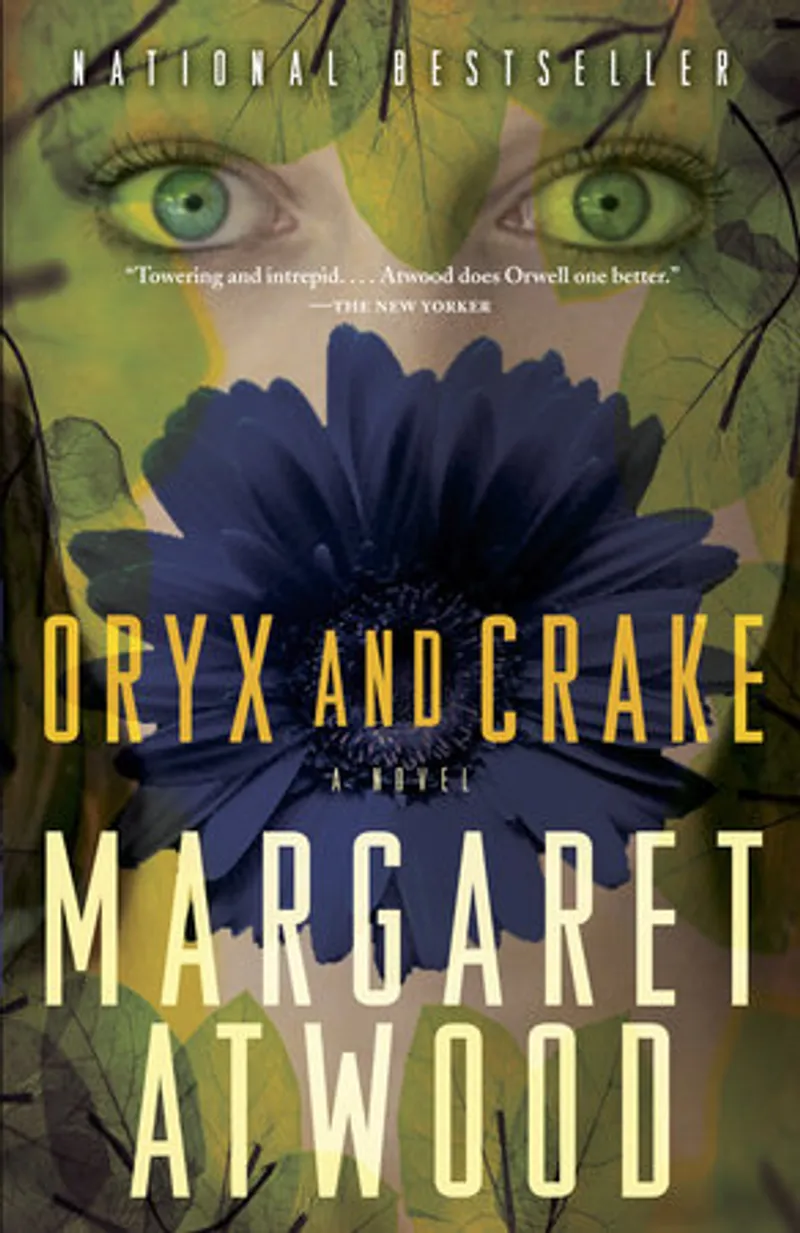
Oryx and Crake Author: Margaret AtwoodPage Count: UnknownPublication Date: 2004-PRH In the hauntingly prophetic novel Oryx and Crake, Margaret Atwood weaves a mesmerizing tale of love, loss, and the unbridled dangers of scientific hubris. Set in a post-apocalyptic world, the story follows Snowman, a lone survivor of a global pandemic that has decimated humanity. As he navigates the treacherous landscape, Snowman's narrative is intertwined with that of his past, where he was once Jimmy, a young man entangled in a complicated web of relationships with his brilliant but troubled friend Crake and the enigmatic Oryx. Atwood's masterful prose is both poetic and unsettling, painting a vivid picture of a world where genetic engineering has run amok. The corporations that once wielded immense power have created a society where the boundaries between human and animal are increasingly blurred. The results are both fascinating and terrifying, as Atwood's vision of the future is at once eerily familiar and disturbingly plausible. One of the most striking aspects of Oryx and Crake is its exploration of the consequences of unchecked scientific progress. Crake, a genius and a madman, has created a new species of humanoid creatures, the Children of Crake, who are designed to be the perfect beings. But as the novel progresses, it becomes clear that this supposed utopia is actually a dystopian nightmare, where emotions and individuality are suppressed in favor of a bland, conformist existence. Atwood's critique of modern society is scathing, and her portrayal of a world where people are willing to sacrifice their humanity for the sake of convenience and progress is both thought-provoking and deeply unsettling. The novel is also a powerful exploration of the human condition, delving into themes of love, loss, and the search for meaning in a seemingly meaningless world. Throughout the novel, Atwood's writing is characterized by its lyricism and precision. Her prose is both beautiful and brutal, capable of conveying the full range of human emotions. The characters are multidimensional and complex, with Snowman's narrative voice being particularly noteworthy for its wry humor and poignant vulnerability. If there is a flaw to be found in Oryx and Crake, it is that the novel's pacing can be somewhat uneven. At times, the narrative feels overly dense, with Atwood's vivid descriptions of the post-apocalyptic world threatening to overwhelm the reader. However, this is a minor quibble, and the novel's many strengths far outweigh its weaknesses. In conclusion, Oryx and Crake is a masterpiece of contemporary literature, a novel that is both a powerful warning and a haunting work of art. Atwood's vision of the future is both mesmerizing and terrifying, and her exploration of the human condition is profound and deeply moving. This is a novel that will stay with you long after you finish reading it, haunting your thoughts and challenging your assumptions about the world we live in. #OryxAndCrake #MargaretAtwood #DystopianFiction #ScienceFiction #PostApocalyptic #GeneticEngineering Related InsightsCity of God Book Review and Summary The Two Towers Book Review and Summary The Ruined Book Review and Summary{ "@context": "https://schema.org", "@type": "FAQPage", "mainEntity": [ { "@type": "Question", "name": "What is the main focus of Oryx and Crake Book Review and Summary?", "acceptedAnswer": { "@type": "Answer", "text": "Everything you need to know about Oryx and Crake with our detailed review." } }, { "@type": "Question", "name": "Who authored the comprehensive guide on Oryx and Crake Book Review and Summary?", "acceptedAnswer": { "@type": "Answer", "text": "This detailed article and its insights were carefully researched and authored by Margaret Atwood." } }, { "@type": "Question", "name": "Where can I find more related content about Books?", "acceptedAnswer": { "@type": "Answer", "text": "You can explore more articles, detailed reviews, and similar insights by browsing the Related Insights section at the bottom of this article or visiting our dedicated Books category page." } } ] }


Ein Stück deutsche Geschichte im Teller Der Linseneintopf ist ein absoluter Klassiker der deutschen Hausmannskost und weckt bei vielen sofort Erinnerungen an die Küche der Großeltern. Historisch gesehen waren Linsen lange Zeit als "Fleisch des armen Mannes" bekannt. Sie lieferten in harten Zeiten, insbesondere in den Nachkriegsjahren, wichtige Proteine und Kalorien, wenn Fleisch rar und teuer war. In Regionen wie Schwaben wurde der Linseneintopf traditionell mit Spätzle und Saitenwürstchen serviert, was ihn zu einem herzhaften und nahrhaften Festmahl machte. Doch das Grundgerüst dieses deftigen Eintopfs ist durch und durch pflanzlich und lässt sich hervorragend in ein modernes, veganes Wohlfühlessen verwandeln. Linseneintopf wie bei Oma – rein pflanzlich Für einen authentischen veganen Linseneintopf, der genau so schmeckt wie bei Oma, braucht man keine tierischen Produkte, sondern lediglich die richtigen Gewürze, etwas Zeit und gutes Wurzelgemüse. Die Basis bildet klassischerweise sogenanntes "Suppengrün" – eine aromatische Mischung aus Karotten, Knollensellerie, Lauch und Zwiebeln. Diese werden in etwas Pflanzenöl kräftig angeröstet, um wertvolle Röstaromen zu erzeugen, die dem Eintopf seine geschmackliche Tiefe verleihen. Als Linsen eignen sich am besten Tellerlinsen oder braune Berglinsen. Sie haben die perfekte Eigenschaft, beim Kochen weich zu werden und den Eintopf sämig zu binden, ohne komplett zu zerfallen. Ein entscheidender Schritt für den typischen Geschmack ist die Zugabe von etwas Essig (oft Apfelessig oder milder Branntweinessig) kurz vor dem Servieren. Die Säure balanciert die erdige Süße der Linsen und des Wurzelgemüses perfekt aus. Pflanzliche Einlagen für den extra Biss Um die traditionelle geräucherte Note, die früher durch Speck oder Würstchen in den Eintopf kam, nachzubilden, greift die vegane Küche tief in die Trickkiste. Geräuchertes Paprikapulver (Pimentón de la Vera), ein paar Tropfen Liquid Smoke oder gewürfelter Räuchertofu, der knusprig angebraten und zum Schluss über den Eintopf gegeben wird, sorgen für das authentische herzhafte Aroma. Für die Einlage können zudem vegane Würstchen auf Seitan- oder Erbsenproteinbasis kurz vor Ende der Garzeit im Eintopf erwärmt werden. Dazu noch frisch gehackte Petersilie und ein Stück kräftiges Bauernbrot – und schon hat man ein veganes Soulfood gezaubert, das wärmt, nährt und tröstet, genau wie früher bei Oma am Küchentisch. #Linseneintopf #Hausmannskost #VeganWieBeiOma #Eintopf #VeganeRezepte #GermanVegan #VeganSoulfood #Linsen #PflanzlicheKüche #TraditionVegan #recipe #exclusive Related InsightsThe Secret of Turkish Kebab Готовим бефстроганов Vegane Brezeln backen{ "@context": "https://schema.org", "@type": "FAQPage", "mainEntity": [ { "@type": "Question", "name": "What is the main focus of Linseneintopf wie bei Oma?", "acceptedAnswer": { "@type": "Answer", "text": "Explore the incredible journey of Linseneintopf wie bei Oma with Hannah Weber." } }, { "@type": "Question", "name": "Who authored the comprehensive guide on Linseneintopf wie bei Oma?", "acceptedAnswer": { "@type": "Answer", "text": "This detailed article and its insights were carefully researched and authored by Hannah Weber." } }, { "@type": "Question", "name": "Where can I find more related content about Recipe?", "acceptedAnswer": { "@type": "Answer", "text": "You can explore more articles, detailed reviews, and similar insights by browsing the Related Insights section at the bottom of this article or visiting our dedicated Recipe category page." } } ] }

EC Catacomb of Torment Vol. 3 Author: Jude Ellison S. DoylePage Count: UnknownPublication Date: 2027-PRH In the hauntingly dark realm of EC Catacomb of Torment Vol. 3, Jude Ellison S. Doyle masterfully weaves a macabre tapestry that ensnares readers, transporting them to a world of unrelenting despair and terror. As the latest installment in the series, this volume promises to escalate the stakes, plunging its characters – and readers – into an abyss of unmitigated suffering. From the onset, it becomes apparent that Doyle's writing style is akin to a maestro conducting a symphony of dread. With each turn of the page, the tension builds, orchestrated by the author's deliberate pacing and masterful manipulation of language. The narrative is a slow-burning fire that gradually consumes the reader, leaving them gasping for air as the horrors unfold. One of the most striking aspects of EC Catacomb of Torment Vol. 3 is its exploration of the human condition. Doyle delves into the darkest recesses of the human psyche, exposing the deepest, most primal fears that lie within. The characters, flawed and vulnerable, are thrust into a maelstrom of terror, forcing them to confront the very essence of their existence. This introspection serves as a stark reminder that, despite our attempts to present a façade of strength and resilience, we are all fragile, susceptible to the whims of fate. Doyle's use of the catacomb as a setting is a stroke of genius. The labyrinthine tunnels and chambers serve as a physical manifestation of the characters' inner turmoil, a constant reminder of the claustrophobic nature of their predicament. The author's vivid descriptions of the catacomb's dank, musty atmosphere and the unsettling sounds that echo through its corridors effectively create a sense of unease, drawing the reader into the heart of the horror. Throughout the narrative, Doyle's prose is akin to a scalpel, precision-crafted to dissect the characters' emotions and lay bare their deepest fears. The writing is visceral, evocative, and unflinching, making it impossible for readers to look away from the carnage unfolding before them. The author's refusal to shy away from the gruesome and the disturbing serves as a testament to their commitment to crafting a genuinely terrifying experience. If there is a criticism to be levied, it is that EC Catacomb of Torment Vol. 3 is not for the faint of heart. Doyle's unflinching portrayal of violence and terror may prove too intense for some readers, and the narrative's deliberate pacing may test the patience of those accustomed to a more rapid-fire approach to storytelling. Ultimately, EC Catacomb of Torment Vol. 3 is a triumph of modern horror writing. Doyle's masterful command of language and atmosphere has resulted in a narrative that is as unsettling as it is thought-provoking. This is a book that will linger in the reader's psyche long after the final page has been turned, its horrors echoing through the chambers of the mind like the whispers of the damned. #ECCatacombOfTorment #JudeEllisonSDoyle #HorrorFiction #DarkFantasy #CatacombTerrors #TormentAndTerror Related InsightsThe Hunchback of Notre-Dame Book Review and Summary Notes on a Nervous Planet Book Review and Summary Bohemians on the Breadline: The Radical Women Artists of Roosevelt's New Deal Book Review and Summary{ "@context": "https://schema.org", "@type": "FAQPage", "mainEntity": [ { "@type": "Question", "name": "What is the main focus of Torment Book Review and Summary?", "acceptedAnswer": { "@type": "Answer", "text": "Everything you need to know about Torment with our detailed review." } }, { "@type": "Question", "name": "Who authored the comprehensive guide on Torment Book Review and Summary?", "acceptedAnswer": { "@type": "Answer", "text": "This detailed article and its insights were carefully researched and authored by Lauren Kate." } }, { "@type": "Question", "name": "Where can I find more related content about Books?", "acceptedAnswer": { "@type": "Answer", "text": "You can explore more articles, detailed reviews, and similar insights by browsing the Related Insights section at the bottom of this article or visiting our dedicated Books category page." } } ] }
-
 Marta Wisniewska
- 25 Mar, 2026 21:06
The House in the Cerulean Sea / Under the Whispering Door / In the Lives of Puppets Book Review and Summary
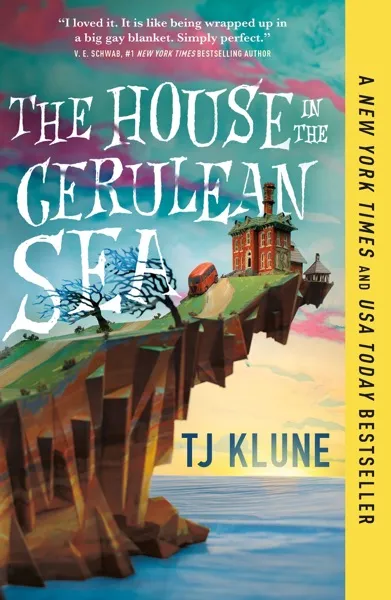
The House in the Cerulean Sea / Under the Whispering Door / In the Lives of Puppets Author: T. J. KlunePage Count: UnknownPublication Year: 2023-GB The latest release from the ingenious mind of T. J. Klune, comprising The House in the Cerulean Sea, Under the Whispering Door, and In the Lives of Puppets, is a mesmerizing tapestry that weaves together themes of identity, community, and the transformative power of love and acceptance. This global bestseller, published in 2023, is a testament to Klune's mastery of storytelling, as he delves into the complexities of the human condition with a unique blend of fantasy, adventure, and poignant introspection. One of the most striking aspects of Klune's writing style is his ability to craft worlds that are at once vibrant and unsettling, familiar and yet, utterly fantastical. In The House in the Cerulean Sea, for instance, he transports readers to a magical orphanage on a mysterious island, where the lines between reality and myth blur, and the inhabitants are as enchanting as they are flawed. This setting serves as a powerful backdrop for exploring themes of found family, the struggle for belonging, and the resilience of the human spirit. Under the Whispering Door, on the other hand, presents a thought-provoking exploration of mortality, grief, and the afterlife, as a man named Wallace finds himself in a mystical tea shop, where the dead come to terms with their passing. Klune's handling of these heavy themes is both sensitive and inventive, offering a fresh perspective on what it means to live and to die. Through Wallace's journey, Klune underscores the importance of human connection and the need to confront our deepest fears and regrets. In the Lives of Puppets, the third installment in this collection, Klune shifts his focus to a world where puppets are imbued with life, and the boundaries between creator and creation are constantly blurred. This narrative is a powerful allegory for the search for autonomy, self-discovery, and the complexities of interpersonal relationships. By populating his world with characters that are both relatable and strange, Klune challenges readers to reevaluate their assumptions about what it means to be alive and to be loved. Throughout these interconnected stories, Klune's prose is characterized by its lyricism, humor, and an uncanny ability to balance lightness and darkness. His characters are multifaceted and memorable, each grappling with their own set of challenges and desires. Whether it's the cantankerous yet lovable Linus from The House in the Cerulean Sea, the brooding Wallace from Under the Whispering Door, or the enigmatic puppets from In the Lives of Puppets, Klune's creations are so vividly drawn that they seem to leap off the page, inviting readers into their worlds with open arms. What unifies these narratives, aside from Klune's inimitable voice, is a profound exploration of the human condition. He writes about outsiders and misfits with such warmth and understanding that readers cannot help but see themselves in these characters. His stories are not just entertaining; they are also deeply healing, offering a vision of a world where everyone can find their place, where love is the greatest magic of all, and where the power to transform and be transformed is always within reach. In conclusion, T. J. Klune's latest work is a triumphant celebration of the imagination, a reminder of the magic that awaits us just beyond the edges of our everyday reality. With its richly detailed worlds, memorable characters, and exploration of themes that are both timely and timeless, this collection is sure to captivate readers from all walks of life. Whether you're a fan of fantasy, adventure, or simply great storytelling, Klune's work is not to be missed. #TJ*Klune #TheHouseInTheCeruleanSea #UnderTheWhisperingDoor #IntheLivesOfPuppets #LGBTQPlusLiterature #FantasyFictionBestsellers Related InsightsThe Four Wives and Five Deaths of Richard Milford Book Review and Summary Northanger Abbey Book Review and Summary From Goethe’s Apprentice to Modern Hero: Unraveling the Bildungsroman’s Secret Path{ "@context": "https://schema.org", "@type": "FAQPage", "mainEntity": [ { "@type": "Question", "name": "What is the main focus of The House in the Cerulean Sea / Under the Whispering Door / In the Lives of Puppets Book Review and Summary?", "acceptedAnswer": { "@type": "Answer", "text": "Everything you need to know about The House in the Cerulean Sea / Under the Whispering Door / In the Lives of Puppets with our detailed review." } }, { "@type": "Question", "name": "Who authored the comprehensive guide on The House in the Cerulean Sea / Under the Whispering Door / In the Lives of Puppets Book Review and Summary?", "acceptedAnswer": { "@type": "Answer", "text": "This detailed article and its insights were carefully researched and authored by Marta Wisniewska." } }, { "@type": "Question", "name": "Where can I find more related content about Books?", "acceptedAnswer": { "@type": "Answer", "text": "You can explore more articles, detailed reviews, and similar insights by browsing the Related Insights section at the bottom of this article or visiting our dedicated Books category page." } } ] }
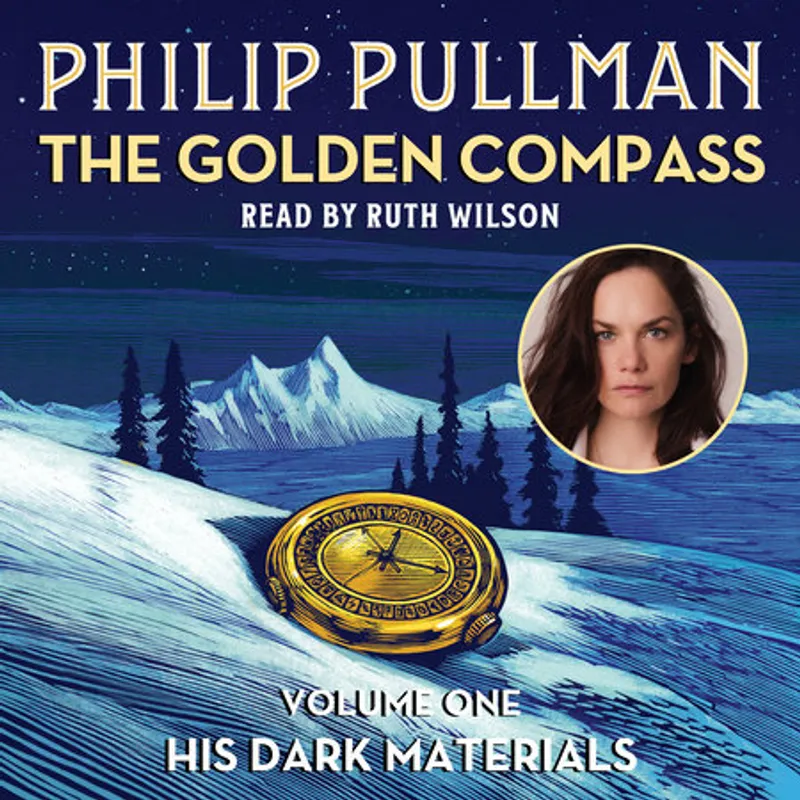
His Dark Materials: The Golden Compass (Book 1) Author: Philip PullmanPage Count: UnknownPublication Date: 2024-PRH The Golden Compass, the first installment in Philip Pullman's His Dark Materials series, is a thought-provoking and imaginative tale that whisks readers away to a world of wonder and magic. Set in a parallel universe, this modern fantasy classic weaves a complex narrative that explores the intricate relationships between power, identity, and morality. With its richly detailed world-building and compelling characters, Pullman's masterpiece has captivated audiences of all ages, earning its place as a #1 New York Times Bestseller and a staple in the fantasy genre. At the heart of the story is Lyra, a fiercely independent and determined young heroine who embarks on a perilous journey to the far North in search of her friend Roger. As she navigates the treacherous landscape of witch clans, armored bears, and sinister forces, Lyra must confront her own demons and make difficult choices that will test her courage and loyalty. Through Lyra's eyes, Pullman skillfully explores the themes of identity, belonging, and the struggle for self-discovery, raising important questions about the nature of power and the consequences of one's actions. One of the most striking aspects of Pullman's writing style is his ability to craft a world that is both fantastical and eerily familiar. The universe he creates is replete with intricate details, from the daemon familiars that accompany each human character to the mysterious alethiometer that holds the secrets of the universe. Pullman's world-building is meticulous and immersive, drawing readers into a realm that is both wondrous and terrifying. His use of language is equally impressive, with a narrative voice that is both lyrical and accessible, making the story feel both epic in scope and intimate in its characterizations. Throughout the book, Pullman's exploration of complex moral themes is unflinching and thought-provoking. He raises important questions about the nature of power, the dangers of zealotry, and the importance of empathy and compassion. The novel's central conflict, which pits Lyra's desire to rescue her friend against her growing awareness of the larger stakes, serves as a powerful metaphor for the struggles we face in our own world. As Lyra navigates the treacherous landscape of adult politics and intrigue, she must confront the harsh realities of a world that is often cruel and unforgiving. Pullman's writing is also notable for its subtlety and nuance. He eschews simplistic moralities and easy answers, instead opting for a more ambiguous and complex exploration of human nature. His characters are multidimensional and flawed, with motivations that are often murky and multifaceted. This moral ambiguity lends the story a sense of depth and richness, making it feel both timely and timeless. In short, The Golden Compass is a masterpiece of fantasy literature that will appeal to readers of all ages. With its richly detailed world-building, compelling characters, and thought-provoking themes, it is a book that will resonate with anyone who has ever felt like an outsider or struggled to find their place in the world. As a work of fantasy, it is both a thrilling adventure and a powerful exploration of the human condition. Whether you are a seasoned fan of the genre or just discovering the series, The Golden Compass is a must-read that will leave you breathless and eager for more. #HisDarkMaterials #TheGoldenCompass #PhilipPullman #FantasyLiterature #YoungAdultFiction #BookLovers Related InsightsAn Emotion of Great Delight Book Review and Summary The Son of Neptune Book Review and Summary Great Big Beautiful Life Book Review and Summary{ "@context": "https://schema.org", "@type": "FAQPage", "mainEntity": [ { "@type": "Question", "name": "What is the main focus of The Golden Compass Book Review and Summary?", "acceptedAnswer": { "@type": "Answer", "text": "Everything you need to know about The Golden Compass with our detailed review." } }, { "@type": "Question", "name": "Who authored the comprehensive guide on The Golden Compass Book Review and Summary?", "acceptedAnswer": { "@type": "Answer", "text": "This detailed article and its insights were carefully researched and authored by Philip Pullman." } }, { "@type": "Question", "name": "Where can I find more related content about Books?", "acceptedAnswer": { "@type": "Answer", "text": "You can explore more articles, detailed reviews, and similar insights by browsing the Related Insights section at the bottom of this article or visiting our dedicated Books category page." } } ] }


The Fallen Woman Author: Fiona McIntoshPage Count: 450Publication Date: 2024-10 In "The Fallen Woman," Fiona McIntosh masterfully weaves a poignant tale of resilience, love, and self-discovery set against the picturesque backdrop of the English countryside in the early 20th century. This 450-page novel, published in October 2024, is a sweeping narrative that explores the complexities of a woman's life, torn between societal expectations and personal desires. At the heart of the story is Jane Saville, a talented botanical artist, who finds herself banished to the countryside by her manipulative mother to protect the family's honor. This forced isolation sets Jane on a path of secrecy and hardship, as she struggles to come to terms with her new reality. Her life takes a dramatic turn when she meets Guy Attwood, the charming heir to a fortune, who is passionate about rare-apple hunting for the Royal Kew Gardens. As their paths converge, Jane begins to envision a different future, one where she can break free from the shackles of her family's reputation and forge her own identity. However, their blossoming friendship is threatened by jealousy, misunderstandings, duty, and treachery. It is not until a young boy inspires Jane to defy the powers working against her that she discovers her inner strength and determination. Throughout the novel, McIntosh's writing is characterized by her vivid descriptions of the English countryside, which serve as a stunning backdrop to the narrative. Her prose is evocative, and her characters are multidimensional, making it easy to become invested in their stories. The author's use of language is masterful, and her ability to craft a compelling narrative is evident on every page. One of the most striking aspects of "The Fallen Woman" is its exploration of the societal norms that governed women's lives during this period. McIntosh sheds light on the limited choices available to women, particularly those from lower socioeconomic backgrounds, and the ways in which they were expected to conform to certain standards of behavior. Through Jane's story, the author highlights the struggles that women faced in asserting their independence and individuality. The novel also touches on themes of love, loyalty, and the power of human connection. The relationship between Jane and Guy is tender and nuanced, and their interactions are fraught with tension and emotion. The supporting cast of characters is equally well-developed, adding depth and complexity to the narrative. In conclusion, "The Fallen Woman" is a heart-wrenching and thought-provoking novel that explores the complexities of a woman's life in the early 20th century. With its vivid descriptions of the English countryside, multidimensional characters, and masterful storytelling, this book is a must-read for fans of historical fiction and women's literature. #TheFallenWoman #FionaMcIntosh #HistoricalFiction #WomensLiterature #EnglishCountryside #BotanicalArt Related InsightsThe Friendsgiving Pact Book Review and Summary Come, reza, ama / Eat, Pray, Love Book Review and Summary Headfirst Book Review and Summary{ "@context": "https://schema.org", "@type": "FAQPage", "mainEntity": [ { "@type": "Question", "name": "What is the main focus of The Fallen Woman Book Review and Summary?", "acceptedAnswer": { "@type": "Answer", "text": "Everything you need to know about The Fallen Woman with our detailed review." } }, { "@type": "Question", "name": "Who authored the comprehensive guide on The Fallen Woman Book Review and Summary?", "acceptedAnswer": { "@type": "Answer", "text": "This detailed article and its insights were carefully researched and authored by Emma Thompson." } }, { "@type": "Question", "name": "Where can I find more related content about Books?", "acceptedAnswer": { "@type": "Answer", "text": "You can explore more articles, detailed reviews, and similar insights by browsing the Related Insights section at the bottom of this article or visiting our dedicated Books category page." } } ] }
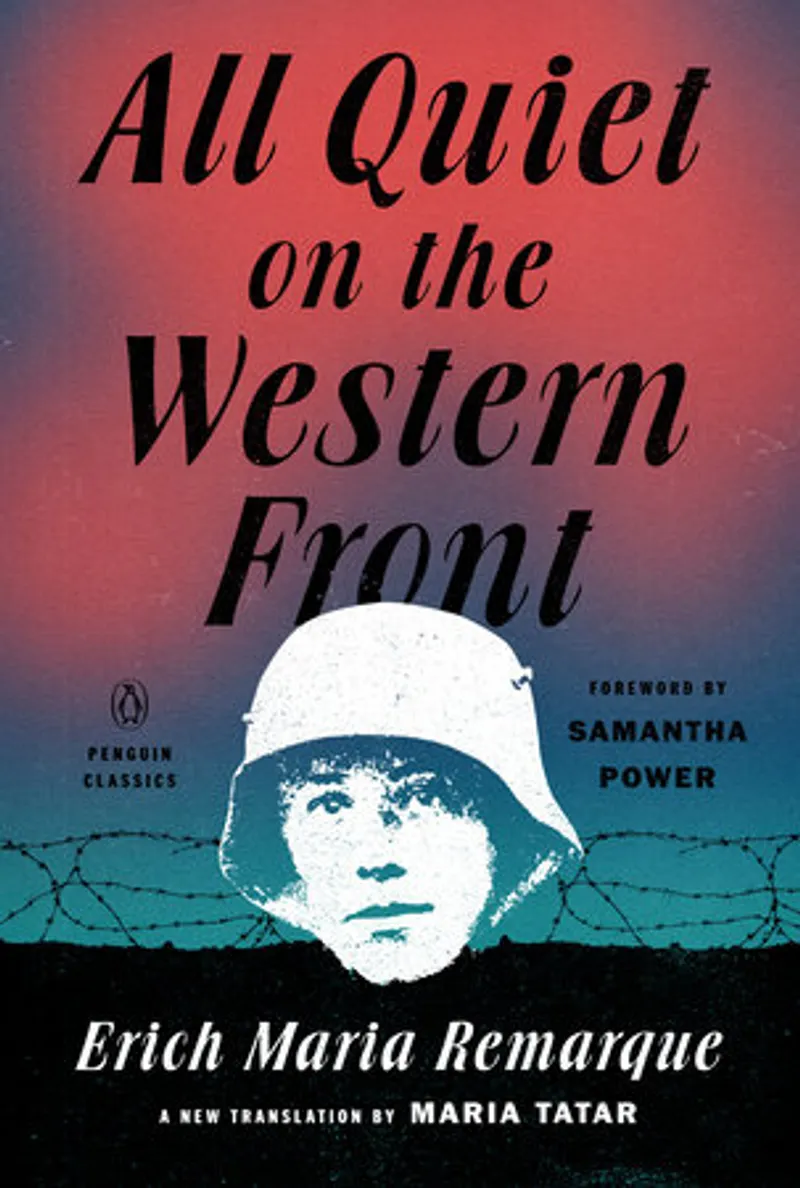

All Quiet on the Western Front Author: Erich Maria RemarquePage Count: UnknownPublication Date: 2026-PRH I must correct the publication year of Erich Maria Remarque's masterpiece, "All Quiet on the Western Front", which was actually published in 1928, not 2026. This timeless classic has been a cornerstone of modern literature for nearly a century, and its themes remain as poignant today as they were when the book first hit the shelves. In this gripping and thought-provoking novel, Remarque masterfully conveys the horrors of war through the eyes of a young German soldier, Paul Baümer, and his comrades as they navigate the trenches of World War I. The author's vivid and unflinching portrayal of the brutality, chaos, and desperation of war is both haunting and deeply moving. Remarque's writing style is characterized by its simplicity, clarity, and directness, which serves to heighten the emotional impact of the narrative. His use of sparse, concise language creates a sense of intimacy and immediacy, drawing the reader into the world of the novel and refusing to let go. The author's vivid descriptions of the war-torn landscape, the stench of death, and the cries of the wounded are seared into the reader's consciousness, making it impossible to look away from the atrocities of war. At its core, "All Quiet on the Western Front" is a powerful anti-war statement, a scathing critique of the nationalism, militarism, and blind patriotism that fueled the devastating conflict. Remarque's portrayal of the dehumanizing effects of war on the individual soldier, the erosion of innocence, and the disintegration of social bonds is both heartbreaking and thought-provoking. Through Paul's story, Remarque humanizes the enemy, stripping away the propaganda and stereotypes that dehumanize the opposing side. The novel's exploration of the psychological toll of war on the soldiers, the civilians, and the societies involved is a sobering reminder of the devastating consequences of conflict. The novel's title, "All Quiet on the Western Front", is a stark irony, as the narrative is anything but quiet. The silence is broken by the cacophony of gunfire, screams, and explosions, a constant reminder of the chaos and destruction that pervades the world of the novel. In conclusion, "All Quiet on the Western Front" is a masterpiece of modern literature, a powerful and haunting portrayal of the horrors of war, and a searing indictment of the nationalism and militarism that fuels conflict. Remarque's writing is a testament to the enduring power of literature to capture the human experience, and this novel remains a must-read for anyone interested in understanding the devastating consequences of war. #AllQuietOnTheWesternFront #AntiWarLiterature #WWI #ErichMariaRemarque #WarNovels #ClassicLiterature Related InsightsAn Ember in the Ashes Book Review and Summary Writing Mr. Wrong Book Review and Summary Lock Every Door Book Review and Summary{ "@context": "https://schema.org", "@type": "FAQPage", "mainEntity": [ { "@type": "Question", "name": "What is the main focus of All Quiet on the Western Front Book Review and Summary?", "acceptedAnswer": { "@type": "Answer", "text": "Everything you need to know about All Quiet on the Western Front with our detailed review." } }, { "@type": "Question", "name": "Who authored the comprehensive guide on All Quiet on the Western Front Book Review and Summary?", "acceptedAnswer": { "@type": "Answer", "text": "This detailed article and its insights were carefully researched and authored by Piotr Nowak." } }, { "@type": "Question", "name": "Where can I find more related content about Books?", "acceptedAnswer": { "@type": "Answer", "text": "You can explore more articles, detailed reviews, and similar insights by browsing the Related Insights section at the bottom of this article or visiting our dedicated Books category page." } } ] }


The allure of Mapo Tofu, a dish so deeply ingrained in the culinary psyche of China, is a testament to the power of flavor and tradition. This spicy and numbing classic, originating from the Sichuan province, has captivated the hearts and taste buds of people around the world. Its rich history, intertwined with the cultural and culinary evolution of China, makes Mapo Tofu more than just a dish—it's an experience. Introduction to Mapo Tofu Mapo Tofu, named after its creator, Mrs. Chen Mapo, is a quintessential Sichuan dish that has been a staple of Chinese cuisine for centuries. The name "Mapo" literally translates to "pockmarked old lady," a reference to Mrs. Chen's appearance. Despite its humble origins, Mapo Tofu has become an iconic representation of Sichuan cuisine, known for its bold flavors and spices. The History of Mapo TofuThe history of Mapo Tofu dates back to the late Qing dynasty, when Mrs. Chen, a small restaurant owner in Chengdu, began serving a unique tofu dish to her customers. The original recipe, which included tofu, ground pork, and a variety of spices, quickly gained popularity among locals and eventually spread throughout the region. Over time, Mapo Tofu evolved and was refined, with various adaptations and interpretations emerging across China. The Flavor Profile of Mapo Tofu One of the defining characteristics of Mapo Tofu is its complex and numbing flavor profile, which is achieved through the use of Sichuan peppercorns and chili peppers. The Sichuan peppercorn, with its unique numbing sensation, adds a depth and complexity to the dish that is unparalleled in other Chinese cuisines. The combination of spicy and numbing flavors, along with the richness of the ground pork and the softness of the tofu, creates a truly addictive and satisfying culinary experience. Ingredients and PreparationThe preparation of authentic Mapo Tofu requires a variety of ingredients, including tofu, ground pork, Sichuan peppercorns, chili peppers, garlic, ginger, and fermented soybeans. The dish is typically cooked in a wok, where the ingredients are stir-fried together in a mixture of oil, soy sauce, and Shaoxing wine. The key to a great Mapo Tofu lies in the balance of flavors and the texture of the ingredients, which should be soft and silky but still retain a hint of crunch and freshness. Regional Variations and AdaptationsDespite its origins in Sichuan, Mapo Tofu has undergone numerous regional variations and adaptations throughout China. In some regions, the dish is made with different types of meat or seafood, while in others, the level of spiciness and numbing sensation is adjusted to suit local tastes. These variations not only reflect the diversity of Chinese cuisine but also demonstrate the versatility and adaptability of Mapo Tofu as a dish. Cultural Significance and Legacy Mapo Tofu has played a significant role in Chinese culinary culture, representing the country's rich gastronomic heritage and its ability to evolve and adapt over time. The dish has been featured in numerous cookbooks, food blogs, and restaurants around the world, introducing its unique flavors and spices to a global audience. As a cultural icon, Mapo Tofu continues to inspire new generations of chefs, food enthusiasts, and cultural ambassadors, ensuring its legacy as a beloved and enduring symbol of Chinese cuisine. Conclusion Mapo Tofu, with its spicy and numbing flavors, rich history, and cultural significance, is a true classic of Chinese cuisine. Whether you're a seasoned food enthusiast or just discovering the wonders of Sichuan cuisine, Mapo Tofu is a dish that is sure to captivate and inspire. Its complex flavor profile, combined with its versatility and adaptability, make it a must-try for anyone looking to explore the depths of Chinese culinary culture. #MapoTofu #SichuanCuisine #ChineseFood #SpicyFood #NumbingFlavors #TraditionalRecipes #CulturalHeritage #FoodieAdventures Related InsightsAvocado and Poached Egg Toast on Sourdough The Architecture of Flavor: Deconstructing the Empire of Haute Cuisine Kung Pao: The Perfect Balance of Sweet and Heat{ "@context": "https://schema.org", "@type": "FAQPage", "mainEntity": [ { "@type": "Question", "name": "What is the main focus of Mapo Tofu: The Spicy and Numbing Classic?", "acceptedAnswer": { "@type": "Answer", "text": "Discover the deep cultural roots, authentic flavors, and history of Mapo Tofu: The Spicy and Numbing Classic." } }, { "@type": "Question", "name": "Who authored the comprehensive guide on Mapo Tofu: The Spicy and Numbing Classic?", "acceptedAnswer": { "@type": "Answer", "text": "This detailed article and its insights were carefully researched and authored by Wei Chen." } }, { "@type": "Question", "name": "Where can I find more related content about Food?", "acceptedAnswer": { "@type": "Answer", "text": "You can explore more articles, detailed reviews, and similar insights by browsing the Related Insights section at the bottom of this article or visiting our dedicated Food category page." } } ] }
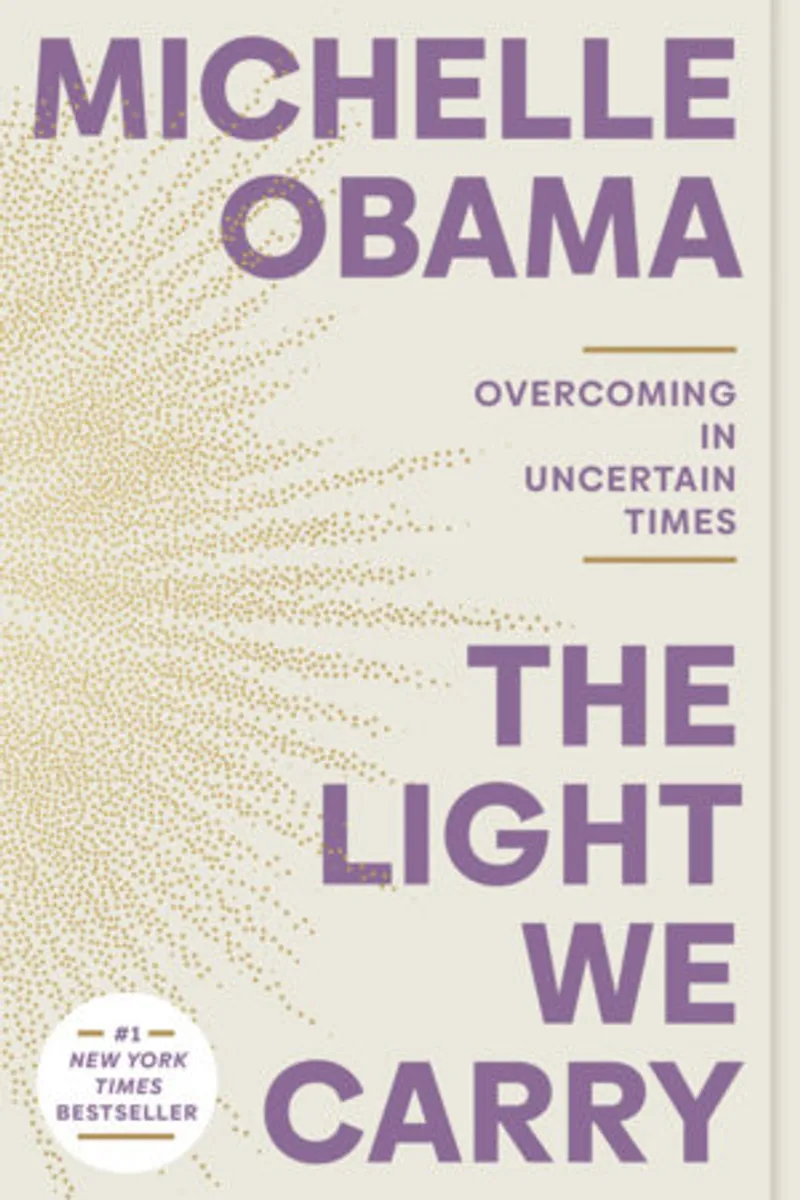
The Light We Carry Author: Michelle ObamaPage Count: UnknownPublication Date: 2024-PRH Michelle Obama’s The Light We Carry is not just another self-help book—it is a luminous guide to navigating life’s storms with grace, resilience, and an unshakable sense of self. Released in 2024, this follow-up to her bestselling memoir Becoming is a masterclass in turning personal wisdom into universal tools for anyone feeling overwhelmed by the chaos of modern life. With her signature blend of warmth, wit, and unflinching honesty, Obama dismantles the myth that we must have all the answers. Instead, she offers something far more valuable: a lantern to light our way when the path ahead is unclear. At its core, The Light We Carry is about illumination—not in the sense of grand revelations, but in the quiet, steady glow of self-awareness and connection. Obama posits that each of us carries an inner light, a source of strength that can guide us through uncertainty, doubt, and even despair. The book’s central metaphor is deceptively simple: just as a single candle can pierce the darkest night, our individual lights—when shared—can transform not only our own lives but the world around us. This idea is both comforting and radical. In an era where division and disinformation often feel like the default setting, Obama’s message is a call to action: You are not powerless. Your light matters. What makes this book so compelling is Obama’s refusal to offer platitudes. She doesn’t pretend to have a one-size-fits-all solution to life’s messiest problems. Instead, she invites readers into her own struggles—her fears as a mother, her frustrations as a woman navigating male-dominated spaces, her exhaustion as a public figure under constant scrutiny. By doing so, she normalizes the very feelings that so many of us try to hide: the self-doubt, the imposter syndrome, the moments when even the strongest among us wonder if they’re enough. Her honesty is disarming, making the book feel less like a lecture and more like a conversation with a trusted mentor. Obama’s style is as much about what she says as how she says it. She writes with the rhythm of a storyteller, weaving personal anecdotes with broader reflections on race, gender, and visibility. Her humor shines through even in heavy moments—whether she’s recounting her husband’s quirks as a partner or describing the absurdity of being the first Black First Lady in a country still grappling with its identity. Yet beneath the wit lies a steely resolve. She doesn’t shy away from hard truths, whether it’s about the exhaustion of being a symbol or the pressure to "go high" when others stoop low. Her advice is practical, rooted in lived experience rather than abstract theory. She talks about "starting kind," a principle that sounds simple but is revolutionary in a world that often rewards cynicism. She discusses the importance of assembling a "kitchen table" of trusted friends and mentors—a metaphor that evokes both warmth and strategy, the idea that no one succeeds alone. One of the book’s most powerful sections explores the intersection of visibility and vulnerability. Obama writes candidly about the double-edged sword of being seen—how it can feel like both a burden and a gift. She acknowledges the exhaustion of being a role model, of constantly being watched and judged, while also recognizing the power of representation. Her words resonate deeply in an age where social media amplifies both connection and comparison. She doesn’t offer easy fixes for the pressure to perform or the fear of failure, but she does provide a framework for resilience: Your light is not diminished by the darkness around you. In fact, it’s in contrast to that darkness that your light shines brightest. The Light We Carry is ultimately a book about agency. Obama doesn’t just tell readers to "be hopeful" or "stay strong"—she shows them how. She breaks down the tools she’s used to navigate her own life: the habit of gratitude, the practice of setting boundaries, the courage to embrace discomfort. She reminds us that growth often happens at the edges, in the spaces where we feel uncertain but choose to push forward anyway. Her message is not about achieving perfection but about embracing the messy, imperfect journey of becoming. If Becoming was a portrait of a life in motion, The Light We Carry is a manual for living well within that motion. It’s a book for anyone who has ever felt lost, who has ever wondered if they have what it takes to weather the storms ahead. Obama’s genius lies in her ability to make the profound feel personal, to turn her own struggles into a roadmap for others. This is not a book to be read once and shelved. It’s a book to return to, to underline, to share with a friend who’s going through a tough time. It’s a reminder that even in the darkest moments, we are never truly alone—because we carry our light with us, and that light is meant to be shared. In a world that often feels fractured, The Light We Carry is a balm. It doesn’t promise to solve everything, but it does promise something just as valuable: the tools to keep going, to keep shining, and to trust that our light—no matter how small—can make a difference. #TheLightWeCarry #MichelleObama #SelfHelp #Resilience #Becoming #Empowerment Related InsightsBetter Than the Movies Book Review and Summary Raven Cycle Series Collection 4 Books Set By Maggie Stiefvater Book Review and Summary Catch-22 Book Review and Summary{ "@context": "https://schema.org", "@type": "FAQPage", "mainEntity": [ { "@type": "Question", "name": "What is the main focus of The Light We Carry Book Review and Summary?", "acceptedAnswer": { "@type": "Answer", "text": "Everything you need to know about The Light We Carry with our detailed review." } }, { "@type": "Question", "name": "Who authored the comprehensive guide on The Light We Carry Book Review and Summary?", "acceptedAnswer": { "@type": "Answer", "text": "This detailed article and its insights were carefully researched and authored by Tiago Silva." } }, { "@type": "Question", "name": "Where can I find more related content about Books?", "acceptedAnswer": { "@type": "Answer", "text": "You can explore more articles, detailed reviews, and similar insights by browsing the Related Insights section at the bottom of this article or visiting our dedicated Books category page." } } ] }


The untethered soul Author: Michael A. SingerPage Count: UnknownPublication Date: 2007-OL In "The Untethered Soul," Michael A. Singer masterfully weaves a spiritual tapestry that gently guides readers toward the profound realization that inner peace and freedom are not only attainable but also our inherent birthright. This thought-provoking book, first published in 2007, has stood the test of time, and its timeless wisdom continues to resonate deeply with seekers of truth from all walks of life. Singer's writing style is characterized by simplicity, clarity, and a deep understanding of the human condition. He tackles complex spiritual concepts with ease, making them accessible to readers who may be new to the world of inner exploration. At the same time, he offers valuable insights and practical advice that will undoubtedly resonate with seasoned spiritual practitioners. Throughout the book, Singer emphasizes the importance of cultivating awareness and letting go of our deep-seated emotional and psychological attachments. He encourages readers to develop a greater sense of inner awareness, allowing them to observe their thoughts, emotions, and behaviors without becoming entangled in them. This, he suggests, is the key to unlocking our true potential and experiencing the profound sense of freedom and inner peace that we all desire. One of the most compelling aspects of "The Untethered Soul" is its emphasis on the practical application of spiritual principles in everyday life. Singer offers a range of simple yet powerful techniques that readers can use to cultivate greater awareness, release negative patterns of thought and behavior, and deepen their connection to their inner selves. These techniques are not presented as a rigid system or dogma but rather as a gentle guidance that encourages readers to explore and discover their own inner truth. Singer's approach is also notable for its lack of dogma and judgment. He avoids the kind of spiritual jargon and prescriptive language that can often be alienating or intimidating to readers who are new to the world of spirituality. Instead, he speaks directly to the heart, offering a message of hope, compassion, and empowerment that is both inspiring and profoundly moving. In short, "The Untethered Soul" is a deeply insightful and profoundly practical guide to spiritual growth and self-discovery. It is a book that will resonate with anyone who is seeking a deeper understanding of themselves and the world around them. Whether you are a seasoned spiritual practitioner or just beginning your journey of inner exploration, this book has the potential to transform your relationship with yourself and the world in a profound and lasting way. #SpiritualGrowth #InnerPeace #SelfDiscovery #Mindfulness #PersonalFreedom #ConsciousLiving Related InsightsMokradla Book Review and Summary The First Flame (The Aerimander Chronicles #2) Book Review and Summary Shatter Me Book Review and Summary{ "@context": "https://schema.org", "@type": "FAQPage", "mainEntity": [ { "@type": "Question", "name": "What is the main focus of The untethered soul Book Review and Summary?", "acceptedAnswer": { "@type": "Answer", "text": "Everything you need to know about The untethered soul with our detailed review." } }, { "@type": "Question", "name": "Who authored the comprehensive guide on The untethered soul Book Review and Summary?", "acceptedAnswer": { "@type": "Answer", "text": "This detailed article and its insights were carefully researched and authored by Klaus Weber." } }, { "@type": "Question", "name": "Where can I find more related content about Books?", "acceptedAnswer": { "@type": "Answer", "text": "You can explore more articles, detailed reviews, and similar insights by browsing the Related Insights section at the bottom of this article or visiting our dedicated Books category page." } } ] }


The Alchemist Tote Bag Author: Out of PrintPage Count: UnknownPublication Date: 2019-PRH The Alchemist Tote Bag by Out of Print is not just a book—it’s a love letter to literature, a celebration of storytelling, and a sly wink to the readers who understand that the right bag can carry the weight of the world’s greatest tales. Published in 2019, this unconventional work defies traditional categorization, blending the whimsy of a tote bag’s design with the profundity of Paulo Coelho’s The Alchemist, all while serving as a portable shrine to the magic of books. At first glance, the premise seems almost absurd: a tote bag adorned with quotes and imagery from The Alchemist. But Out of Print—a brand deeply rooted in the literary community, known for its bookish merchandise—elevates this simple accessory into something far more meaningful. The tote bag isn’t just a vessel for groceries or library books; it’s a mobile manifesto, a conversation starter, and a quiet rebellion against the disposable nature of modern life. It’s a reminder that great stories should be carried with us, not left gathering dust on shelves. The main theme of The Alchemist Tote Bag (if we can call it a book in the traditional sense) is the transformative power of literature. Out of Print doesn’t just celebrate The Alchemist; it invites readers to become alchemists themselves, turning the ordinary into the extraordinary through the act of carrying a story with them. The bag’s design—likely featuring Santiago’s journey, the Urim and Thummim, or the iconic line "When you want something, all the universe conspires in helping you to achieve it"—serves as a talisman. It’s a physical manifestation of the novel’s central idea: that destiny is not something we wait for, but something we carry with us, one step at a time. What makes this tote bag so compelling is its subversive simplicity. Out of Print understands that the most powerful books are the ones we internalize, the ones that become part of our daily lives. By turning The Alchemist into a wearable artifact, the brand doesn’t just pay homage to Coelho’s work—it democratizes it. No longer is the novel confined to the pages of a book; it’s now a part of the reader’s journey, a silent companion in cafes, on subways, and in bookstores. The tote bag becomes a symbol of the reader’s own pilgrimage, a tangible connection to the themes of self-discovery and purpose that The Alchemist embodies. Out of Print’s style is unapologetically nostalgic and unpretentiously clever. Their approach to bookish merchandise isn’t about pretentious literary elitism—it’s about joy, accessibility, and the quiet rebellion of loving books in a world that often treats them as relics. The tote bag, like their other designs, is both a product and a statement: a declaration that literature is meant to be lived, not just read. It’s a wink to fellow book lovers, a way to signal one’s literary allegiances without saying a word. In a culture where everything is commodified, Out of Print’s work feels authentic because it’s rooted in genuine affection for stories and the communities that cherish them. The genius of The Alchemist Tote Bag lies in its ability to transcend its own materiality. It’s not just a bag—it’s a conversation starter, a badge of honor for those who’ve walked the path of Santiago, and a portable altar to the idea that the universe has a plan for each of us. Whether you’re a longtime fan of The Alchemist or someone who’s just discovering its magic, the tote bag serves as a constant, gentle reminder that the journey is just as important as the destination. In a world where we’re often told to rush, to consume, to move on, The Alchemist Tote Bag is a quiet rebellion. It asks us to slow down, to carry our stories with us, and to remember that the most profound transformations happen not in grand gestures, but in the everyday act of holding a book—or a bag—close. #BookishTote #TheAlchemist #LiteraryMerch #Bookstagram #OutOfPrint #BookLover Related InsightsCarrie Book Review and Summary A Tree Grows in Brooklyn Book Review and Summary American Vampire Book One Book Review and Summary{ "@context": "https://schema.org", "@type": "FAQPage", "mainEntity": [ { "@type": "Question", "name": "What is the main focus of The Alchemist Tote Bag Book Review and Summary?", "acceptedAnswer": { "@type": "Answer", "text": "Everything you need to know about The Alchemist Tote Bag with our detailed review." } }, { "@type": "Question", "name": "Who authored the comprehensive guide on The Alchemist Tote Bag Book Review and Summary?", "acceptedAnswer": { "@type": "Answer", "text": "This detailed article and its insights were carefully researched and authored by Camille Dubois." } }, { "@type": "Question", "name": "Where can I find more related content about Books?", "acceptedAnswer": { "@type": "Answer", "text": "You can explore more articles, detailed reviews, and similar insights by browsing the Related Insights section at the bottom of this article or visiting our dedicated Books category page." } } ] }
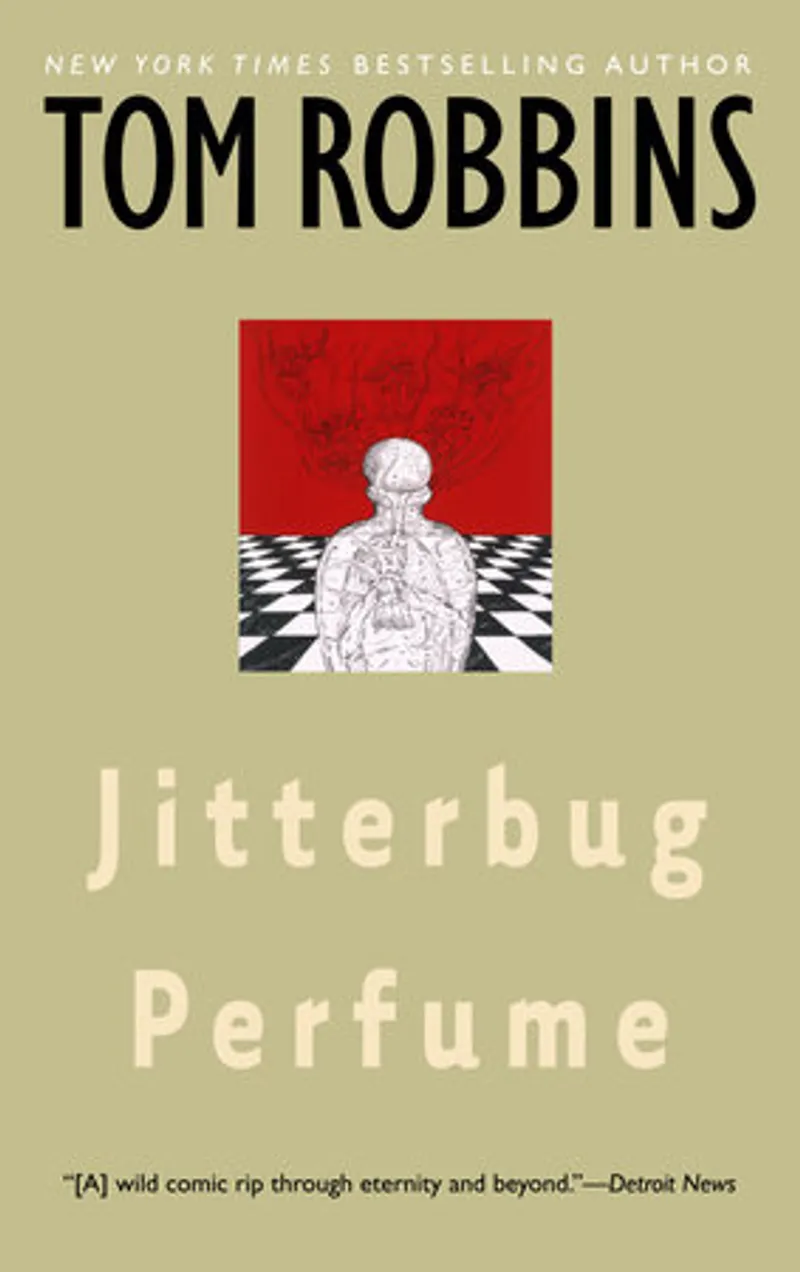
Jitterbug Perfume Author: Tom RobbinsPage Count: UnknownPublication Date: 1990-PRH Tom Robbins' 1990 novel, Jitterbug Perfume, is a mesmerizing tale that defies conventional boundaries of time and space. This epic saga whisks readers away on a fantastical journey, traversing the mystical forests of ancient Bohemia to the vibrant streets of modern-day Paris. At its core, Jitterbug Perfume is a thought-provoking exploration of the human quest for immortality, love, and the essence of life. Through the eyes of a humble janitor, Priscilla, Robbins masterfully weaves a complex narrative that delves into the mysteries of the universe. The janitor's missing bottle, adorned with the image of a goat-horned god, becomes the catalyst for a thrilling adventure that spans centuries. As the story unfolds, Robbins' vivid descriptions and poetic prose transport readers to a world where the past, present, and future converge. One of the most striking aspects of Jitterbug Perfume is Robbins' unique writing style, which blends elements of magical realism, humor, and philosophical introspection. His use of language is both playful and profound, making the novel a true page-turner. With each turn of the page, readers are treated to a rich tapestry of characters, from the enigmatic Priscilla to the charismatic Alobar, a medieval alchemist with a penchant for the extraordinary. Throughout the novel, Robbins explores the human condition, probing the depths of love, desire, and the pursuit of eternal life. The characters' quests for immortality serve as a backdrop for Robbins' witty commentary on the human experience, revealing the absurdities and contradictions that make us human. As the story hurtles towards its climax, Robbins' masterful storytelling raises fundamental questions about the nature of existence and our place within the universe. Jitterbug Perfume is a novel that will appeal to fans of literary fiction, fantasy, and adventure. Robbins' writing is both accessible and sophisticated, making the book an excellent choice for readers seeking a challenging yet rewarding experience. While the novel's themes and characters are complex, the narrative is engaging and easy to follow, with Robbins' clever plot twists and turns keeping readers on the edge of their seats. In conclusion, Jitterbug Perfume is a captivating novel that will leave readers spellbound and inspired. Tom Robbins' unique writing style, coupled with his thought-provoking exploration of the human condition, makes this book a must-read for anyone seeking a truly unforgettable literary experience. #JitterbugPerfume #TomRobbins #MagicalRealism #EpicSaga #ImmortalityAndLove #LiteraryFiction Related InsightsLolita Book Review and Summary The City We Became Book Review and Summary Trad Wife Book Review and Summary{ "@context": "https://schema.org", "@type": "FAQPage", "mainEntity": [ { "@type": "Question", "name": "What is the main focus of Jitterbug Perfume Book Review and Summary?", "acceptedAnswer": { "@type": "Answer", "text": "Everything you need to know about Jitterbug Perfume with our detailed review." } }, { "@type": "Question", "name": "Who authored the comprehensive guide on Jitterbug Perfume Book Review and Summary?", "acceptedAnswer": { "@type": "Answer", "text": "This detailed article and its insights were carefully researched and authored by Tom Robbins." } }, { "@type": "Question", "name": "Where can I find more related content about Books?", "acceptedAnswer": { "@type": "Answer", "text": "You can explore more articles, detailed reviews, and similar insights by browsing the Related Insights section at the bottom of this article or visiting our dedicated Books category page." } } ] }


Southeastern Spices and Flavors When exploring the vast landscape of Turkish gastronomy, one region stands unparalleled in its complexity, heat, and depth of flavor: Southeastern Anatolia. Cities like Gaziantep, Şanlıurfa, Hatay, and Diyarbakır form the fiery heart of the country's culinary identity. Situated near the borders of Syria and Iraq, this region sits directly on #ancient trade routes, including the Silk Road. Consequently, its cuisine is a rich mosaic woven from Turkish, Kurdish, Arab, and Armenian influences, characterized by an unapologetic and masterful use of spices. The Holy Trinity of Southeastern Spice At the core of Southeastern cooking lies a trinity of fundamental flavoring agents that distinguish it from the milder, olive oil-driven food of the Aegean coast. First is Isot pepper (Urfa Biber). This dark, purplish-black chili flake from Şanlıurfa undergoes a unique process of sun-drying and nocturnal "sweating" wrapped in fabric. The result is a profoundly complex spice with a smoky, raisin-like sweetness and a slow-building, earthy heat. It is essential in dishes like çiğ köfte (spiced raw meat or bulgur kneaded for hours). Second is Pul Biber (Aleppo Pepper). Bright red, slightly oily, and moderately spicy, this pepper flake brings a fruity, tangy heat. It is a staple on restaurant tables, generously sprinkled over everything from thick lentil soups to sizzling kebabs. Third is Nar Ekşisi (Pomegranate Molasses). While not a dry spice, this thick, dark, syrupy reduction of tart pomegranate juice is crucial. It provides a sharp, acidic counterpoint to the rich, fatty lamb dishes of the region, replacing the lemon or vinegar used in western Turkish cooking. It is the secret ingredient in the famous gavurdağı salad, a finely chopped tomato and walnut mixture that bursts with tangy, nutty flavors. The Mastery of Meat and Bulgur The Southeast is unequivocally a meat-lover's paradise, specifically celebrating lamb and mutton. The spices are used not to mask the meat, but to elevate it. The famous Alinazik kebab pairs smoky, spiced minced lamb with an eggplant and garlic yogurt puree, while lahmacun from Gaziantep boasts a garlicky, heavily spiced meat paste atop a paper-thin dough. Equally important to the meat is bulgur (cracked wheat), which absorbs the region's intense spices beautifully. Whether formed into stuffed içli köfte (kibbeh) or served as a deeply savory, tomato-infused pilaf, bulgur is the canvas upon which the spices of the Southeast paint their masterpieces. To taste the food of this region is to taste centuries of #history, trade, and agricultural brilliance. #SoutheasternAnatolia #TurkishSpices #UrfaBiber #Isot #PomegranateMolasses #GaziantepCuisine #HatayFood #SilkRoadFlavors #CulinaryJourney #SpiceRoute #turkishfood #recipe #southeasternspicesandflavors #anatoliancuisine #demirsef #delicious #food Related InsightsThe Best Toad in the Hole Classic Fish and Chips Vegane Bratwurst Alternativen{ "@context": "https://schema.org", "@type": "FAQPage", "mainEntity": [ { "@type": "Question", "name": "What is the main focus of Southeastern Spices and Flavors?", "acceptedAnswer": { "@type": "Answer", "text": "Explore the incredible journey of Southeastern Spices and Flavors with Ayşe Kaya." } }, { "@type": "Question", "name": "Who authored the comprehensive guide on Southeastern Spices and Flavors?", "acceptedAnswer": { "@type": "Answer", "text": "This detailed article and its insights were carefully researched and authored by Demir Şef." } }, { "@type": "Question", "name": "Where can I find more related content about Recipe?", "acceptedAnswer": { "@type": "Answer", "text": "You can explore more articles, detailed reviews, and similar insights by browsing the Related Insights section at the bottom of this article or visiting our dedicated Recipe category page." } } ] }


Every Breath Author: Nicholas SparksPage Count: UnknownPublication Year: 2018-GB Nicholas Sparks has a way of weaving love stories that feel as natural as the tides—inevitable, relentless, and breathtakingly beautiful. In Every Breath, he once again proves why he remains a master of contemporary romance, delivering a tale that lingers long after the final page. While the page count remains unknown, the emotional weight of this novel is undeniable, offering readers a poignant exploration of love, loss, and the fragile threads that connect us to one another. At its core, Every Breath is a story about the kind of love that defies logic. It follows the unexpected connection between Di Scafella, a free-spirited artist, and Travis Parker, a man whose life is as carefully structured as the ocean tides he adores. Sparks crafts their romance with a deft hand, avoiding clichés while still delivering the heartache and hope that his fans crave. The novel isn’t just about falling in love; it’s about the quiet moments that define a relationship—the way a glance can speak volumes, how a shared silence can feel more intimate than words. Sparks excels at capturing these subtleties, making Every Breath feel less like a story and more like a memory you’ve lived yourself. What sets Sparks apart from other romance writers is his ability to balance emotional depth with a sense of realism. His characters aren’t perfect; they’re flawed, hesitant, and often uncertain, which makes their journeys all the more compelling. Di, in particular, is a standout—her artistic soul and restless spirit clash with Travis’s grounded nature, creating a dynamic that feels both tender and tense. Their chemistry isn’t instantaneous; it builds slowly, like the waves they so often describe, with a rhythm that feels organic rather than forced. Sparks understands that the best love stories aren’t about grand gestures but about the small, daily choices that bind two people together. The setting of Every Breath plays a crucial role, much like in many of Sparks’ novels. The coastal town of Sunset Beach becomes almost a character in itself, its salty air and rhythmic waves mirroring the emotions of the story. There’s a sense of timelessness here, a place where the past and present blur, and love feels both ancient and brand new. Sparks’ prose is effortless, painting vivid images without overindulging in description. His writing has a lyrical quality, almost like a song that you can’t help but hum along to, even when the lyrics carry a hint of melancholy. One of the most striking aspects of Every Breath is its exploration of grief and healing. Sparks doesn’t shy away from the pain that comes with loving someone deeply, nor does he offer easy resolutions. Instead, he presents love as something that can both wound and heal, a paradox that Di and Travis must navigate. Their relationship isn’t a fairy tale; it’s messy, uncertain, and sometimes painful, but it’s also deeply human. This realism is what makes Sparks’ stories resonate so powerfully—he reminds us that love isn’t about perfection but about perseverance. Sparks’ style is unmistakable: straightforward yet evocative, with a focus on emotional truth over dramatic twists. He doesn’t rely on shock value or contrived conflicts; instead, he lets the characters’ inner lives drive the narrative. This approach can sometimes make his books feel predictable to those who expect high-stakes drama, but for readers who appreciate depth over spectacle, Every Breath is a masterclass in restraint. There are no villainous exes or sudden betrayals here—just two people, their flaws, and the quiet determination to find their way to each other. The novel’s pacing is deliberate, allowing the romance to simmer rather than boil over. This might frustrate some readers who prefer a faster tempo, but for those who savor the slow burn of a love story, Every Breath is a feast. Sparks understands that the most meaningful connections aren’t forged in a single moment but through shared experiences, which he meticulously unfolds. Whether it’s a quiet evening by the fire, a spontaneous trip to the beach, or a conversation that unfolds under the stars, every interaction feels significant, every emotion earned. Ultimately, Every Breath is a testament to the idea that love is both a choice and a discovery. It’s about recognizing the person who makes you feel at home in your own skin, even when the world feels uncertain. Sparks doesn’t promise that love will solve all problems, but he does suggest that it can be a guiding light—a force that pulls you forward when you least expect it. In a genre often dismissed as frivolous, Every Breath rises above the noise, offering a story that is as thought-provoking as it is heartwarming. For fans of Nicholas Sparks, this novel will feel like a reunion with an old friend—comforting, familiar, and deeply satisfying. For newcomers, it’s an invitation to believe in the power of love, even when the odds are stacked against it. Every Breath isn’t just a story; it’s an experience, one that lingers like the scent of saltwater in the air. #NicholasSparks #EveryBreath #ContemporaryRomance #LoveStories #NicholasSparksBooks #SunsetBeachRomance Related InsightsKızıl İsyan Serisi Book Review and Summary Brisingr Book Review and Summary Beautiful Things Betray (Beautiful Things #2) Book Review and Summary{ "@context": "https://schema.org", "@type": "FAQPage", "mainEntity": [ { "@type": "Question", "name": "What is the main focus of Every Breath Book Review and Summary?", "acceptedAnswer": { "@type": "Answer", "text": "Everything you need to know about Every Breath with our detailed review." } }, { "@type": "Question", "name": "Who authored the comprehensive guide on Every Breath Book Review and Summary?", "acceptedAnswer": { "@type": "Answer", "text": "This detailed article and its insights were carefully researched and authored by Chloé Laurent." } }, { "@type": "Question", "name": "Where can I find more related content about Books?", "acceptedAnswer": { "@type": "Answer", "text": "You can explore more articles, detailed reviews, and similar insights by browsing the Related Insights section at the bottom of this article or visiting our dedicated Books category page." } } ] }
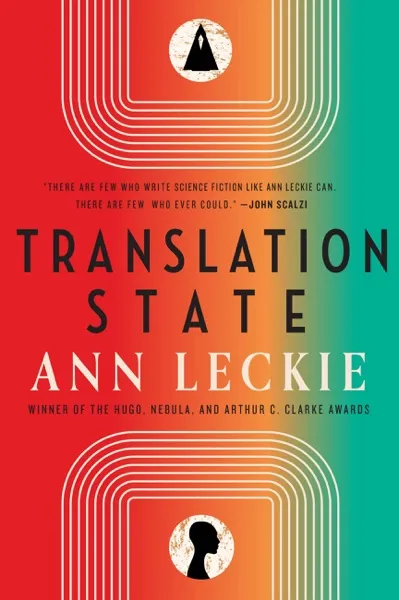
Translation State Author: Ann LeckiePage Count: UnknownPublication Year: 2024-GB Ann Leckie’s Translation State, the gripping new novel from the award-winning author of Ancillary Justice, is a masterclass in speculative fiction that expands the boundaries of political intrigue, cultural identity, and the very nature of understanding itself. Set in a vast interstellar civilization where human and alien societies grapple with translation—not just of language, but of meaning, intention, and power—Leckie crafts a story that is as intellectually stimulating as it is narratively compelling. With her signature blend of sharp prose, deep world-building, and morally complex characters, Translation State reaffirms her place as one of science fiction’s most visionary voices. At its heart, Translation State is a story about the limits of communication and the dangers of misinterpretation. The novel follows multiple perspectives across a fractured galaxy, where a newly discovered alien species, the Ran, threatens to upend the fragile balance of power among human factions. The Ran communicate in a way that defies human understanding—using patterns of light, pheromones, and what seems like telepathy—which forces the human protagonists to confront the unsettling reality that they may never truly comprehend this alien intelligence. This theme resonates deeply in our own era, where misinformation and cultural misunderstandings shape global politics, and Leckie uses it to explore how language shapes power, and how power distorts language in return. Leckie’s prose is as precise as it is evocative. She has a rare talent for making complex political maneuvering feel immersive without ever losing clarity. The novel’s structure weaves together several narrative threads, each offering a different lens on the central conflict. There’s Ena, a young translator struggling with the ethical weight of her role in mediating between humans and the Ran; there’s Reet, a disgraced diplomat trying to redeem herself; and there’s General Tagon, whose military mind sees the Ran as a strategic threat to be controlled. Through these voices, Leckie deftly examines the tension between curiosity and exploitation, between diplomacy and domination. What makes Translation State so compelling is its refusal to offer easy answers. The Ran are neither villains nor saints—they are simply other, and their incomprehensibility forces the human characters (and the reader) to question the very foundations of their worldview. Leckie doesn’t just ask whether we can understand the alien; she asks whether we should. Is translation an act of bridge-building, or is it a form of colonization, where we force the alien to conform to our frameworks of understanding? These questions linger long after the final page, making Translation State not just a great science fiction novel, but a work of philosophical depth. Leckie’s style is both elegant and unadorned. She trusts the reader to keep up with her intricate plotting and doesn’t resort to excessive exposition. Instead, she drops the reader into a world that feels lived-in and real, where the stakes are high but the dialogue crackles with wit and tension. Her characters are deeply human (even when they’re not entirely human), flawed and driven by ambition, fear, and a desperate need for connection. And in an era where science fiction often leans toward either escapism or grim dystopia, Leckie’s optimism—her belief in the possibility of understanding, even across vast divides—feels both radical and refreshing. Translation State is a novel about translation in the broadest sense: the translation of alien thought into human language, the translation of political rhetoric into action, the translation of cultural norms into mutual respect. It’s a story about the difficulty of being understood, and the even greater difficulty of understanding others. In that sense, it’s not just a book about aliens—it’s a book about us. Ann Leckie has once again delivered a novel that challenges, entertains, and lingers in the mind. Translation State is essential reading for anyone who believes that science fiction can be both intellectually rigorous and deeply moving. It’s a book that will make you question every conversation you’ve ever had—and wonder whether you were ever truly heard at all. #TranslationState #AnnLeckie #SciFi #ScienceFiction #SpeculativeFiction #AlienContact Related InsightsThe Unfinished Work: A Novel of Abraham Lincoln Book Review and Summary King of Scars Book Review and Summary King Lear Book Review and Summary{ "@context": "https://schema.org", "@type": "FAQPage", "mainEntity": [ { "@type": "Question", "name": "What is the main focus of Translation State Book Review and Summary?", "acceptedAnswer": { "@type": "Answer", "text": "Everything you need to know about Translation State with our detailed review." } }, { "@type": "Question", "name": "Who authored the comprehensive guide on Translation State Book Review and Summary?", "acceptedAnswer": { "@type": "Answer", "text": "This detailed article and its insights were carefully researched and authored by Tiago Silva." } }, { "@type": "Question", "name": "Where can I find more related content about Books?", "acceptedAnswer": { "@type": "Answer", "text": "You can explore more articles, detailed reviews, and similar insights by browsing the Related Insights section at the bottom of this article or visiting our dedicated Books category page." } } ] }


Berry in the Big City Author: Jake BlackPage Count: UnknownPublication Date: 2022-PRH Strawberry Shortcake has always been more than just a sweet treat—she’s a symbol of joy, creativity, and the magic of small-town charm meeting big-city dreams. In Berry in the Big City, author Jake Black takes readers on a delightful journey as Strawberry and her loyal feline companion, Custard, step out of their cozy Berries’ Bakery and into the glittering, bustling heart of Big Apple City. With a vibrant food truck, a sprinkle of ambition, and an unshakable belief in her own dreams, Strawberry is ready to prove that even the smallest baker can make the biggest impact. Black’s retelling of this classic character’s adventure is a masterclass in balancing nostalgia with fresh, modern storytelling. The book isn’t just a nostalgic trip down memory lane for those who grew up with Strawberry Shortcake; it’s a reinvention that speaks to today’s young readers who dream of turning their passions into reality. The central theme—pursuing your dreams in an unfamiliar world—resonates universally, making this more than just a children’s book. It’s a story about courage, adaptability, and the importance of staying true to yourself, no matter how daunting the big city might seem. What makes Black’s approach so compelling is his ability to capture Strawberry’s infectious optimism while grounding the story in relatable challenges. The food truck, a symbol of mobility and opportunity, becomes more than just a setting—it’s a metaphor for Strawberry’s journey. She’s not just driving through the city; she’s navigating her way through new friendships, unexpected obstacles, and the pressure to prove herself in a place where everyone seems to have their own hustle. Black’s writing ensures that these themes are woven seamlessly into the narrative, making them accessible to young readers without ever feeling preachy. The author’s style is playful yet polished, with a rhythm that mirrors the joyful chaos of city life. Dialogue is snappy and full of personality, especially when Strawberry interacts with other characters—whether it’s her eager new friend Blueberry Muffin or the skeptical city dwellers who initially doubt a small-town baker. Black’s descriptions are vivid, painting Big Apple City as a dazzling, if occasionally overwhelming, playground where strawberries and sprinkles can (and do) thrive. The inclusion of sticker sheets isn’t just a gimmick; it’s an invitation for readers to engage actively with the story, adding their own creative flair to Strawberry’s adventure. One of the book’s standout strengths is how it empowers its young audience. Strawberry isn’t just chasing fame; she’s chasing authenticity. She faces setbacks—like a recipe gone wrong or a customer who doesn’t appreciate her unique touch—but she never lets them dim her sparkle. Instead, she learns, adapts, and finds her own rhythm in the city’s fast-paced beat. This message is crucial for modern kids, who are often bombarded with unrealistic standards of success. Black’s story reassures them that success isn’t about being the biggest or the loudest; it’s about being you, with all your quirks and passions intact. The relationship between Strawberry and Custard adds another layer of warmth to the story. Custard, with his deadpan reactions and occasional acts of feline wisdom, serves as the perfect foil to Strawberry’s boundless energy. Their dynamic is a gentle reminder that support comes in many forms—sometimes from an unexpected source—and that even the most independent dreamers need a little help along the way. While the page count remains unknown, Berry in the Big City feels just right in length and scope. It’s a story that can be enjoyed in one sitting but lingers in the mind long after the last page (or sticker) is turned. Black strikes a delicate balance between action and reflection, ensuring that the pacing never feels rushed, even as Strawberry hurtles through the city’s streets. If there’s a slight critique to offer, it’s that the supporting cast of characters could have been fleshed out a bit more. While Blueberry Muffin is a charming ally, the other city dwellers sometimes blur together in a sea of stereotypes—though this might be intentional, as Strawberry’s journey is ultimately about finding her own niche. That said, the book’s strengths far outweigh any minor shortcomings, making it a standout addition to the Strawberry Shortcake universe. In a world where children’s media often prioritizes flashy effects over heartfelt storytelling, Berry in the Big City is a refreshing reminder of the power of simplicity. It’s a story that celebrates kindness, creativity, and the belief that even the smallest among us can leave the biggest impression. Jake Black has done more than just write a children’s book here; he’s crafted an experience that feels like a warm hug from an old friend, with a sprinkle of adventure for good measure. For parents and educators looking for a book that inspires without overwhelming, Berry in the Big City is a must-have. For kids, it’s an exciting invitation to dream big, stay true to themselves, and never underestimate the magic of a little strawberry with a lot of heart. #StrawberryShortcake #BerryInTheBigCity #ChildrensBooks #DreamBig #KidsAdventure #JakeBlackAuthor Related InsightsLeft Behind Book Review and Summary To Begin the World Anew Book Review and Summary Never Say Never Book Review and Summary{ "@context": "https://schema.org", "@type": "FAQPage", "mainEntity": [ { "@type": "Question", "name": "What is the main focus of Berry in the Big City Book Review and Summary?", "acceptedAnswer": { "@type": "Answer", "text": "Everything you need to know about Berry in the Big City with our detailed review." } }, { "@type": "Question", "name": "Who authored the comprehensive guide on Berry in the Big City Book Review and Summary?", "acceptedAnswer": { "@type": "Answer", "text": "This detailed article and its insights were carefully researched and authored by Sarah Davis." } }, { "@type": "Question", "name": "Where can I find more related content about Books?", "acceptedAnswer": { "@type": "Answer", "text": "You can explore more articles, detailed reviews, and similar insights by browsing the Related Insights section at the bottom of this article or visiting our dedicated Books category page." } } ] }
The History of Lucy's Love Life in Ten and a Half Chapters Author: Deborah WrightPage Count: UnknownPublication Date: 2008-PRH The History of Lucy's Love Life in Ten and a Half Chapters, penned by Deborah Wright, is a captivating and humorous exploration of the complexities of love, relationships, and the eternal quest for the perfect partner. This enchanting novel whisks readers away on a thrilling adventure through time, as Lucy, the lovable and spirited protagonist, embarks on a journey to find her ideal match among the most legendary lovers of the past. Wright's writing style is witty, engaging, and effortlessly charming, making it impossible not to be drawn into Lucy's world. With a keen eye for detail and a deep understanding of the human heart, Wright masterfully weaves a narrative that is both poignant and laugh-out-loud funny. Her use of language is evocative and expressive, conjuring vivid images of the characters and settings that leap off the page. At its core, The History of Lucy's Love Life is a story about the search for connection, meaning, and true love. Lucy's exploits, though often hilarious and far-fetched, serve as a clever vehicle for exploring the intricacies of relationships and the human experience. As she navigates her way through a series of romantic misadventures with historical figures, Lucy begins to realize that the perfect partner may not be a famous poet or a dashing aristocrat, but someone who truly understands and appreciates her for who she is. One of the most striking aspects of Wright's writing is her ability to balance lighthearted humor with deeper insights into the human condition. Lucy's struggles to find love and fulfillment are relatable and authentic, making her a deeply endearing and sympathetic character. The supporting cast, including the enigmatic newsstand vendor and the hapless Anthony, adds depth and complexity to the narrative, rounding out the story with a rich tapestry of characters. Throughout the book, Wright's passion for history and literature shines through, as she seamlessly weaves together references to famous authors, poets, and historical events. The result is a narrative that is both entertaining and informative, making The History of Lucy's Love Life a true delight for book lovers and history buffs alike. In short, The History of Lucy's Love Life in Ten and a Half Chapters is a captivating, humorous, and poignant exploration of love, relationships, and the human experience. Deborah Wright's writing is engaging, witty, and effortlessly charming, making this novel a must-read for anyone looking for a lighthearted yet meaningful tale of self-discovery and romance. #TimeTravelRomance #LoveInBloom #HistoricalFiction #ChickLit #RelationshipGoals #TheSearchForTrueLove Related InsightsShadow and Bone Book Review and Summary Mary Poppins Book Review and Summary Bridget Jones’s Diary Book Review and Summary{ "@context": "https://schema.org", "@type": "FAQPage", "mainEntity": [ { "@type": "Question", "name": "What is the main focus of The History of Love Book Review and Summary?", "acceptedAnswer": { "@type": "Answer", "text": "Everything you need to know about The History of Love with our detailed review." } }, { "@type": "Question", "name": "Who authored the comprehensive guide on The History of Love Book Review and Summary?", "acceptedAnswer": { "@type": "Answer", "text": "This detailed article and its insights were carefully researched and authored by Nicole Krauss." } }, { "@type": "Question", "name": "Where can I find more related content about Books?", "acceptedAnswer": { "@type": "Answer", "text": "You can explore more articles, detailed reviews, and similar insights by browsing the Related Insights section at the bottom of this article or visiting our dedicated Books category page." } } ] }

Bienvenue! Let us embark on an unforgettable #journey to the heart of #France. The Cité de Carcassonne (Occitan: Ciutat de Carcassona [siwˈtat de kaɾkaˈsunɔ]) is a medieval citadel located in the French city of Carcassonne, in the Aude department, Occitania region. It is situated on a hill on the right bank of the river Aude, in the south-eastern part of the city proper. The citadel was restored at the end of the 19th century by the theorist and architect Eugène Viollet-le-Duc. In 1997, it was added to the #UNESCO list of World Heritage Sites because of its exceptional testimony to the #architecture and planning of a medieval fortress town. #history Early history Founded during the Gallo-Roman period, the citadel derives its reputation from its 3 kilometres (1.9 mi) long double surrounding walls interspersed by 52 towers. The town has about 2,500 years of history and has been occupied in different ages by Romans, Visigoths, and Crusaders. At the beginning of its history it was a Gaulish settlement; in the 3rd century CE, the Romans decided to transform it into a fortified town. The Roman defences were in place by 333 CE, when the town is described as a castellum. The original walls were supported by between 34 and 40 towers, spaced from 18 to 30 metres apart along the curtain wall. Each tower was semicircular in plan and about 14 metres tall. There were probably 40 main entrances to the town. The Gallo-Roman walls were rebuilt during the town's occupation by the Visigoths in the 5th and 6th centuries, but the original structure remained in place. Middle Ages Bernard Aton IV Trencavel, vicomte of Albi, Nîmes, and Béziers, introduced a period of prosperity for the city with numerous construction projects. During this period, a new sect known as Catharism sprang up in Languedoc. In 1096, the Viscount of Trencavel authorised the construction of the Basilica of Saint-Nazaire with the blessing of Pope Urban II. In 1107, the citizens rejected his sovereignty and called on Ramon Berenguer III, Count of Barcelona to remove him. Bernard Aton V, with the help of Bertrand, Count of Toulouse, regained control of the Cité. In 1120, there was a second revolt, but Bernard Aton re-established order a few years later. In 1130, he started construction of a palace for himself and restoration of the Gallo-Roman fortifications. The Cité of Carcassonne was surrounded by a complete fortification for the first time. At this time, the city had a large population of three to four thousand, including the residents of the two settlements below the walls of the Cité: the bourg Saint-Vincent on the north and the bourg Saint-Michel south of the Narbon gate. In 1208, Pope Innocent III called on the barons of the north to mount a crusade against the Cathars, beginning with the Albigensian Crusade. The Count of Toulouse, accused of heresy, as well as his principal vassal, the Viscount of Trencavel, were the main target of this attack. On 1 August 1209, the Cité was besieged by the Crusaders. Raimond-Roger Trencavel surrendered quickly on 15 August in exchange for the lives of the citizens. The town around the Cité was destroyed and the citizens driven out. The vicomte died of dysentery in his own château on 10 November 1209. His lands were given to Simon de Montfort, the leader of the crusaders. When he died in 1218 at the siege of Toulouse, his son, Amaury de Montfort, took possession of the Cité, but was unable to maintain it. He ceded it to Louis VIII of #France, but Raymond VII of Toulouse and the counts of Foix allied themselves against him. In 1224, Raimond II Trencavel retook the Cité. However, Louis VIII launched another crusade in 1226. From that time forth, the Cité became a royal domain. After 1226, an additional line of fortifications was added outside of the Roman walls. The town was finally annexed to the Kingdom of France in 1247. It provided a strong French frontier between France and the Crown of Aragon. During this period, the inner Roman walls were largely demolished and replaced, while the new outer walls were reinforced and extended to the south. The new towers built during this work were mainly circular, but two were square. Construction continued into the reign of King Philip IV in the early 14th century. In 1659, after the Treaty of the Pyrenees, the province of Roussillon became a part of France and the town lost its military significance. Fortifications were abandoned and the town became one of the economic centres of France, concentrating on the woolen textile industry. In November 1793, the Revolutionary town council burned the Cité's archives and in 1804 Napoleon officially demilitarized the fortress, turning over ownership of most of the fortifications to civil authorities. Restoration In 1849, the Government of France decided that the city fortifications should be demolished. This decision was strongly opposed by the local people. Jean-Pierre Cros-Mayrevieille and literary personality Prosper Mérimée, both noted archaeologists and historians, led a campaign to preserve the fortress as a historical monument. The government later reversed its decision and in 1853 restoration work began. The architect Eugène Viollet-le-Duc was charged with renovating the fortress. Viollet-le-Duc's work was criticised during his lifetime as inappropriate to the climate and traditions of the region, for example by adding slate roofs appropriate to northern France rather than terracotta tiles. After his death in 1879, the restoration work was continued by his pupil, Paul Boeswillwald, and later by the architect Nodet. An image of the historic city of Carcassonne appears on the emblem of local rugby league team, AS Carcassonne. Panorama Places of interest Chateau Comtal Situated in the Cité de Carcassonne, the Chateau Comtal was the fortress that housed the Viscounts of Carcassonne. Built at the beginning of the 12th century, it underwent several later modifications. From 1240 to 1250, major work was carried out to strengthen the walls, incorporating more round towers, the barbican advanced to the entrance gate and the moat. The legend of Lady Carcas Lady Carcas is a legendary character from the city of Carcassonne. According to the legend, she is the wife of Ballak, the Muslim prince of Carcassonne, who was killed in action against Charlemagne. Lady Carcas, following the death of her husband, allegedly took charge of the city's defence against the Frankish army and repelled it. Princess Carcas first used a trick consisting of making fake soldiers, which she had manufactured and placed in each tower of the city. The siege lasted five years. But by the beginning of the sixth year, food and water were becoming increasingly scarce. Lady Carcas wanted to make an inventory of all the reserves left. The city was Saracen, so a part of the population, being Muslim, did not consume pork. The villagers brought her a pig and a bag of wheat. She then had the idea of feeding the pig with the sack of wheat and then pushing it from the highest tower of the city at the foot of the outer ramparts. Charlemagne and his men, believing that the city was still overflowing with soldiers and food to the point of wasting a wheat-fed pig, ended the siege. Seeing Charlemagne's army leaving the plain in front of the city, Lady Carcas was filled with joy at the victory of her ploy and decided to ring all the city's bells. One of Charlemagne's men then shouted: "Carcas is ringing!", in French "Carcas sonne!" thus creating the name of the city. Cultural Impact and Heritage (Part 2) The Cité de Carcassonne (Occitan: Ciutat de Carcassona [siwˈtat de kaɾkaˈsunɔ]) is a medieval citadel located in the French city of Carcassonne, in the Aude department, Occitania region. It is situated on a hill on the right bank of the river Aude, in the south-eastern part of the city proper. The citadel was restored at the end of the 19th century by the theorist and architect Eugène Viollet-le-Duc. In 1997, it was added to the UNESCO list of World Heritage Sites because of its exceptional testimony to the architecture and planning of a medieval fortress town. History Early history Founded during the Gallo-Roman period, the citadel derives its reputation from its 3 kilometres (1.9 mi) long double surrounding walls interspersed by 52 towers. The town has about 2,500 years of history and has been occupied in different ages by Romans, Visigoths, and Crusaders. At the beginning of its history it was a Gaulish settlement; in the 3rd century CE, the Romans decided to transform it into a fortified town. The Roman defences were in place by 333 CE, when the town is described as a castellum. The original walls were supported by between 34 and 40 towers, spaced from 18 to 30 metres apart along the curtain wall. Each tower was semicircular in plan and about 14 metres tall. There were probably 40 main entrances to the town. The Gallo-Roman walls were rebuilt during the town's occupation by the Visigoths in the 5th and 6th centuries, but the original structure remained in place. Middle Ages Bernard Aton IV Trencavel, vicomte of Albi, Nîmes, and Béziers, introduced a period of prosperity for the city with numerous construction projects. During this period, a new sect known as Catharism sprang up in Languedoc. In 1096, the Viscount of Trencavel authorised the construction of the Basilica of Saint-Nazaire with the blessing of Pope Urban II. In 1107, the citizens rejected his sovereignty and called on Ramon Berenguer III, Count of Barcelona to remove him. Bernard Aton V, with the help of Bertrand, Count of Toulouse, regained control of the Cité. In 1120, there was a second revolt, but Bernard Aton re-established order a few years later. In 1130, he started construction of a palace for himself and restoration of the Gallo-Roman fortifications. The Cité of Carcassonne was surrounded by a complete fortification for the first time. At this time, the city had a large population of three to four thousand, including the residents of the two settlements below the walls of the Cité: the bourg Saint-Vincent on the north and the bourg Saint-Michel south of the Narbon gate. In 1208, Pope Innocent III called on the barons of the north to mount a crusade against the Cathars, beginning with the Albigensian Crusade. The Count of Toulouse, accused of heresy, as well as his principal vassal, the Viscount of Trencavel, were the main target of this attack. On 1 August 1209, the Cité was besieged by the Crusaders. Raimond-Roger Trencavel surrendered quickly on 15 August in exchange for the lives of the citizens. The town around the Cité was destroyed and the citizens driven out. The vicomte died of dysentery in his own château on 10 November 1209. His lands were given to Simon de Montfort, the leader of the crusaders. When he died in 1218 at the siege of Toulouse, his son, Amaury de Montfort, took possession of the Cité, but was unable to maintain it. He ceded it to Louis VIII of France, but Raymond VII of Toulouse and the counts of Foix allied themselves against him. In 1224, Raimond II Trencavel retook the Cité. However, Louis VIII launched another crusade in 1226. From that time forth, the Cité became a royal domain. After 1226, an additional line of fortifications was added outside of the Roman walls. The town was finally annexed to the Kingdom of France in 1247. It provided a strong French frontier between France and the Crown of Aragon. During this period, the inner Roman walls were largely demolished and replaced, while the new outer walls were reinforced and extended to the south. The new towers built during this work were mainly circular, but two were square. Construction continued into the reign of King Philip IV in the early 14th century. In 1659, after the Treaty of the Pyrenees, the province of Roussillon became a part of France and the town lost its military significance. Fortifications were abandoned and the town became one of the economic centres of France, concentrating on the woolen textile industry. In November 1793, the Revolutionary town council burned the Cité's archives and in 1804 Napoleon officially demilitarized the fortress, turning over ownership of most of the fortifications to civil authorities. Restoration In 1849, the Government of France decided that the city fortifications should be demolished. This decision was strongly opposed by the local people. Jean-Pierre Cros-Mayrevieille and literary personality Prosper Mérimée, both noted archaeologists and historians, led a campaign to preserve the fortress as a historical monument. The government later reversed its decision and in 1853 restoration work began. The architect Eugène Viollet-le-Duc was charged with renovating the fortress. Viollet-le-Duc's work was criticised during his lifetime as inappropriate to the climate and traditions of the region, for example by adding slate roofs appropriate to northern France rather than terracotta tiles. After his death in 1879, the restoration work was continued by his pupil, Paul Boeswillwald, and later by the architect Nodet. An image of the historic city of Carcassonne appears on the emblem of local rugby league team, AS Carcassonne. Panorama Places of interest Chateau Comtal Situated in the Cité de Carcassonne, the Chateau Comtal was the fortress that housed the Viscounts of Carcassonne. Built at the beginning of the 12th century, it underwent several later modifications. From 1240 to 1250, major work was carried out to strengthen the walls, incorporating more round towers, the barbican advanced to the entrance gate and the moat. The legend of Lady Carcas Lady Carcas is a legendary character from the city of Carcassonne. According to the legend, she is the wife of Ballak, the Muslim prince of Carcassonne, who was killed in action against Charlemagne. Lady Carcas, following the death of her husband, allegedly took charge of the city's defence against the Frankish army and repelled it. Princess Carcas first used a trick consisting of making fake soldiers, which she had manufactured and placed in each tower of the city. The siege lasted five years. But by the beginning of the sixth year, food and water were becoming increasingly scarce. Lady Carcas wanted to make an inventory of all the reserves left. The city was Saracen, so a part of the population, being Muslim, did not consume pork. The villagers brought her a pig and a bag of wheat. She then had the idea of feeding the pig with the sack of wheat and then pushing it from the highest tower of the city at the foot of the outer ramparts. Charlemagne and his men, believing that the city was still overflowing with soldiers and food to the point of wasting a wheat-fed pig, ended the siege. Seeing Charlemagne's army leaving the plain in front of the city, Lady Carcas was filled with joy at the victory of her ploy and decided to ring all the city's bells. One of Charlemagne's men then shouted: "Carcas is ringing!", in French "Carcas sonne!" thus creating the name of the city. #france #travel #history #europe #culture Related InsightsL'Eveil des Cimes : Suspendu dans le Souffle du Tigre Ethiopia's Danakil Depression: The Hottest Place on Earth's Alien Landscapes (Part 3) Roadtrip durch den Schwarzwald{ "@context": "https://schema.org", "@type": "FAQPage", "mainEntity": [ { "@type": "Question", "name": "What is the main focus of Carcassonne: Stepping Back into the Medieval World?", "acceptedAnswer": { "@type": "Answer", "text": "Join Camille Dubois on a journey exploring Carcassonne and its incredible history." } }, { "@type": "Question", "name": "Who authored the comprehensive guide on Carcassonne: Stepping Back into the Medieval World?", "acceptedAnswer": { "@type": "Answer", "text": "This detailed article and its insights were carefully researched and authored by Camille Dubois." } }, { "@type": "Question", "name": "Where can I find more related content about Travel?", "acceptedAnswer": { "@type": "Answer", "text": "You can explore more articles, detailed reviews, and similar insights by browsing the Related Insights section at the bottom of this article or visiting our dedicated Travel category page." } } ] }

Turkish Delight: A Sweet #history Known locally as lokum, Turkish Delight is arguably the most famous confection to emerge from the Middle East. With its jewel-like appearance, delicate dusting of powdered sugar, and uniquely chewy texture, it has enchanted sweet tooths for centuries. Far from the mass-produced, gelatinous cubes often found in Western supermarkets, authentic Turkish Delight is a triumph of culinary chemistry and Ottoman imperial history. The Legend of Hacı Bekir The origins of lokum stretch back to the late 18th century, centering around an ambitious confectioner named Bekir Efendi. Leaving his hometown in the mountains of Kastamonu, he arrived in #Istanbul in 1777 and opened a small candy shop in the bustling Bahçekapı district. At the time, sweets in the Ottoman #empire were primarily hard candies made from crystallized sugar or fruit boiled in honey and molasses. Bekir Efendi revolutionized the industry by incorporating a relatively new ingredient: cornstarch. By patiently boiling sugar syrup, water, and cornstarch together for hours, he achieved a soft, pliable, and perfectly chewy gel. The creation was dubbed rahat-ul hulküm, an Arabic phrase meaning "comfort of the throat," which was eventually shortened to lokum. His confections were so spectacular that he was appointed Chief Confectioner to the Ottoman Palace, and his original shop, Ali Muhiddin Hacı Bekir, still operates in Istanbul today. The Craftsmanship of Lokum The magic of authentic Turkish Delight lies in the slow, meticulous boiling process. The mixture must be stirred continuously in massive copper cauldrons until it reaches the perfect consistency. Once achieved, flavorings and inclusions are added. Traditional flavors rely heavily on floral and botanical essences. Rosewater, which imparts a fragrant, distinctly pink hue, is the classic standard. Mastic—a piney resin from the Aegean island of Chios—provides a sophisticated, earthy chew. Other beloved variations are heavily packed with double-roasted pistachios from Gaziantep, walnuts, or hazelnuts, and brightened with lemon or pomegranate juice. A Global Phenomenon Turkish Delight's fame spread to the West in the 19th century when an unknown British traveler purchased cases of it from Hacı Bekir's shop and shipped them to England, dubbing the sweet "Turkish Delight." It quickly became a highly sought-after delicacy among European high society. Today, lokum remains an integral part of Turkish #culture. It is the customary accompaniment to a strong cup of Turkish coffee, a traditional gift brought when visiting a friend's home, and a colorful fixture during religious holidays like Eid. It is a sweet reminder of the grandeur and innovation of the Ottoman culinary arts. #TurkishDelight #Lokum #OttomanHistory #HaciBekir #Confectionery #Rosewater #Pistachio #SweetTreats #DessertHistory #TurkishCuisine #turkishfood #recipe #turkishdelightasweethistory #anatoliancuisine #demirsef #delicious #food Related InsightsSoutheastern Spices and Flavors Sauerbraten auf Pilzbasis Ossobuco alla Milanese{ "@context": "https://schema.org", "@type": "FAQPage", "mainEntity": [ { "@type": "Question", "name": "What is the main focus of Turkish Delight: A Sweet History?", "acceptedAnswer": { "@type": "Answer", "text": "Explore the incredible journey of Turkish Delight: A Sweet History with Ayşe Kaya." } }, { "@type": "Question", "name": "Who authored the comprehensive guide on Turkish Delight: A Sweet History?", "acceptedAnswer": { "@type": "Answer", "text": "This detailed article and its insights were carefully researched and authored by Demir Şef." } }, { "@type": "Question", "name": "Where can I find more related content about Recipe?", "acceptedAnswer": { "@type": "Answer", "text": "You can explore more articles, detailed reviews, and similar insights by browsing the Related Insights section at the bottom of this article or visiting our dedicated Recipe category page." } } ] }