
-
 Chloe Blanc
 - 04 Jul, 2026 08:30
Cannelé : Le Trésor Croustillant de Bordeaux
Bienvenue, chers passionnés de la gastronomie et de l'art sucré. Je suis Chloe Blanc, et aujourd'hui, je vous invite à un voyage sensoriel et historique au cœur de l'une des créations les plus fascinantes, les plus exigeantes et les plus gratifiantes de notre patrimoine culinaire : le cannelé. Ce petit gâteau, à l'apparence modeste mais au caractère bien trempé, est une véritable icône. Originaire de la majestueuse ville de Bordeaux, le cannelé (parfois orthographié canelé, avec un seul 'n' selon la confrérie dédiée à ce dessert) est bien plus qu'une simple friandise que l'on grignote sur le pouce. C'est une authentique prouesse technique, une alchimie de textures savamment orchestrée et une symphonie de parfums qui résonne avec l'histoire même de la France. Dans ce format long et détaillé, nous allons décortiquer ensemble ce joyau absolu de la #Patisserie française. Nous explorerons ses origines mystérieuses et passionnantes, nous analyserons l'importance capitale et le rôle de chaque ingrédient avec la rigueur d'un chimiste, et je partagerai avec vous, en toute transparence, les secrets de fabrication que j'ai pu affiner au fil de mes années d'expérience dans les cuisines et laboratoires des plus grandes maisons. Préparez-vous à plonger dans le monde merveilleux du croustillant caramélisé et du cœur fondant, intensément parfumé à la vanille et au vieux rhum. L'Histoire Mystérieuse du Cannelé de Bordeaux Pour comprendre véritablement l'âme du cannelé, il est indispensable de remonter le temps et de s'immerger dans l'histoire de Bordeaux, un port maritime florissant dont la puissance économique et les échanges commerciaux ont directement façonné ce dessert exceptionnel. Les origines exactes de cette pâtisserie sont nimbées de mystère, baignées de légendes transmises de génération en génération, mais la version la plus largement acceptée par les historiens de la gastronomie nous ramène au XVIIIe siècle, dans le calme des cloîtres du couvent des sœurs de l'Annonciade, situé juste derrière l'église Sainte-Eulalie. Le Lien Indéfectible avec le Monde du Vin La création du cannelé est intimement et indissociablement liée à l'industrie viticole bordelaise. À cette époque, le processus de "collage" du vin – une technique ancestrale visant à le clarifier, à éliminer les impuretés en suspension et à en adoucir les tanins – nécessitait une quantité astronomique de blancs d'œufs. Le blanc d'œuf, grâce à ses protéines, agit comme un filet qui emprisonne les particules indésirables avant de tomber au fond des barriques. Les viticulteurs, se retrouvant avec des milliers de jaunes d'œufs dont ils ne savaient que faire, les offraient généreusement aux religieuses locales et aux œuvres de charité. Les sœurs, dans un souci de ne rien gaspiller, utilisèrent ces précieux jaunes pour confectionner de petits gâteaux très nourrissants, qu'elles distribuaient aux pauvres ou vendaient pour subvenir aux besoins de leur communauté. Ces premiers balbutiements de la recette, alors appelés "canelas" ou "canelons", étaient probablement assez différents du chef-d'œuvre caramélisé que nous connaissons et vénérons aujourd'hui, car ils étaient frits dans la graisse plutôt que cuits lentement au four. L'Influence Décisive du Commerce Maritime Le port de Bordeaux, au-delà du vin, était également un carrefour commercial majeur à l'échelle mondiale, une porte d'entrée incontournable vers les colonies et les contrées lointaines. Les navires de commerce déchargeaient quotidiennement sur les quais des cargaisons de sucre de canne brut, de gousses de vanille odorantes en provenance des îles lointaines et de barriques de rhum des Caraïbes. Ces ingrédients exotiques, rares et précieux, ont naturellement trouvé leur chemin dans les cuisines bordelaises. L'ajout du rhum ambré et de la vanille charnue dans la pâte à base de jaunes d'œufs a transformé un simple gâteau de récupération, un peu roboratif, en une véritable gourmandise noble et raffinée. La Révolution française a mis un terme brutal aux activités des couvents, et la recette, jalousement gardée, a failli disparaître dans les méandres de l'histoire. Heureusement, au XIXe siècle, les artisans pâtissiers bordelais, conscients de ce patrimoine inestimable, l'ont ressuscitée, l'améliorant techniquement et lui donnant sa forme définitive, celle d'un cylindre cannelé de cuivre, d'où il tire son nom actuel et sa silhouette reconnaissable entre mille. L'Anatomie de la Perfection : Qu'est-ce qu'un Vrai Cannelé ? Avant de se lancer tête baissée dans la confection, il est crucial de savoir très précisément ce que l'on cherche à obtenir. En tant que chef, je suis d'une exigence absolue, voire intransigeante, sur l'apparence et la texture du cannelé. Un cannelé parfait se reconnaît immédiatement à plusieurs caractéristiques fondamentales, qui ne souffrent d'aucun compromis. Le Contraste des Textures : Le Graal du Pâtissier Le secret intime du cannelé réside dans une dichotomie parfaite et assumée. À l'extérieur, il doit arborer une croûte foncée, d'un brun profond, presque noire par endroits sur les arêtes supérieures, extrêmement croustillante, épaisse et caramélisée à souhait. Cette robe rigide doit opposer une légère résistance sous la dent, annonçant la gourmandise de la suite. Attention, cette croûte n'est absolument pas brûlée ni amère ; elle est le résultat d'une caramélisation poussée à l'extrême, une réaction de Maillard parfaitement maîtrisée par une cuisson millimétrée. À l'intérieur, c'est l'inverse absolu, un contraste saisissant. Le cœur du cannelé doit être incroyablement moelleux, tendre, aérien, alvéolé de petites poches d'air (les fameuses "alvéoles"), et presque s'apparenter à la texture fondante d'un flan parisien ou d'une crème prise, très hydratée. L'équilibre précaire entre ce cœur humide, riche et dense, et la carapace protectrice et croquante est ce qui rend la dégustation du cannelé si follement addictive. C'est une danse des contraires en bouche. L'Harmonie Visuelle Visuellement, la forme est iconique et doit forcer le respect : un petit cylindre mesurant généralement 5 centimètres de haut pour le format classique (il existe aussi le format "lunch" plus petit, ou la "bouchée"), strié de rainures profondes, régulières et nettes (les fameuses cannelures). La surface supérieure (qui est en fait le fond du moule lors de la cuisson, ne l'oublions pas) doit présenter un léger creux élégant, signe que la pâte a bien gonflé sous l'effet de la chaleur avant de se rétracter doucement en fin de cuisson, concentrant ainsi les sucs, le caramel et les arômes. La couleur doit être uniforme sur les flancs, d'un brun acajou profond et brillant, presque vitrifié. Les Ingrédients : La Symphonie des Saveurs La liste des ingrédients du cannelé est étonnamment courte. Cependant, dans la haute #Patisserie, plus la liste est courte, plus la qualité intrinsèque de chaque composant devient déterminante, vitale même. Chaque élément joue une partition précise, et aucune fausse note n'est tolérée si l'on vise l'excellence. Le Lait Entier et le Beurre de Baratte Le lait est la base liquide de notre appareil, la toile de fond de notre œuvre. Il est impératif d'utiliser du lait entier, de préférence un lait frais microfiltré ou, si vous pouvez en trouver, du lait cru, dont la teneur en matière grasse naturelle apportera une onctuosité inégalable. Le lait sert également de vecteur essentiel pour infuser la vanille ; le gras du lait fixe les molécules aromatiques lipophiles de la gousse. Le beurre, quant à lui, enrichit et assouplit la pâte. Optez pour un authentique beurre de baratte doux, contenant au moins 82% de matière grasse, issu de crèmes maturées. Il fondra délicatement dans le lait chaud, contribuant à la souplesse du cœur du cannelé tout en lui donnant un léger goût de noisette. Les Jaunes d'Œufs : L'Or Liquide Ce sont les véritables stars de la texture intérieure ! Les jaunes d'œufs apportent la richesse, la couleur dorée vibrante de la mie et cette consistance de flan inimitable qui fond sur la langue. Je recommande de toujours utiliser des œufs extra-frais, issus de poules élevées en plein air nourries aux céréales. Certains chefs ajoutent volontairement un œuf entier pour structurer davantage la pâte avec un peu de blanc (l'albumine aide à figer l'appareil et limite l'affaissement post-cuisson), mais la majorité absolue du ratio doit toujours rester en faveur des jaunes pour préserver ce gras savoureux. Le Sucre : L'Agent Caramélisant Le sucre est le moteur exclusif de la caramélisation. Il faut une quantité généreuse de sucre semoule fin ou de sucre de canne blond de qualité. Lors de la cuisson, sous l'effet de la chaleur intense, ce sucre va fondre, se lier aux protéines, se transformer en caramel contre les parois brûlantes du moule en cuivre, et former l'exosquelette croquant de la pâtisserie. Réduire le sucre dans une recette de cannelé sous prétexte de diététique, c'est un non-sens absolu : c'est sacrifier sa texture extérieure et détruire son identité même. Le cannelé est un plaisir indulgent, assumons-le ! La Vanille et le Rhum : L'Âme Aromatique Incontestable C'est ici que l'artisan exprime sa sensibilité, sa signature.La Vanille : N'utilisez sous aucun prétexte d'arôme artificiel ou d'extrait bas de gamme. Vous avez besoin d'une véritable gousse de vanille, charnue, souple, luisante et gorgée de caviar (les petites graines noires). La vanille Bourbon de Madagascar est le grand classique, offrant des notes boisées, rondes et chaudes très rassurantes. La vanille de Tahiti, plus charnue, grasse, avec ses notes florales et presque anisées, offre une dimension incroyable et beaucoup de modernité. Il faut fendre la gousse en deux dans le sens de la longueur, gratter consciencieusement les grains avec le dos d'un couteau et laisser le tout (gousses et grains) infuser très longuement dans le lait. Le Rhum : Un rhum ambré ou vieux de qualité supérieure est essentiel. Le rhum ne sert pas seulement à aromatiser ; son alcool va majoritairement s'évaporer à la cuisson, mais il laissera derrière lui des esters complexes, des notes boisées, fruitées et épicées qui subliment la vanille. Un vieux rhum agricole des Antilles françaises (comme un rhum de la Martinique) fera des merveilles absolues, apportant des notes de canne à sucre rôtie, de tabac blond et d'épices douces. Ne lésinez pas sur la qualité du rhum, il transparaît dans le produit final.Le Matériel : Le Secret Absolu du Moule en Cuivre Si vous me demandez, à moi, Chloe Blanc, quel est le plus grand et le plus impénétrable secret d'un cannelé réussi, ma réponse sera immédiate, directe et sans équivoque : le moule. Il n'y a pas de grand cannelé sans un bon moule en cuivre étamé, épais et lourd. Pourquoi le Cuivre et Seulement le Cuivre ? Le cuivre est un conducteur thermique d'une efficacité exceptionnelle, inégalée en cuisine. Dans l'enfer du four préchauffé à blanc, il absorbe la chaleur ambiante à une vitesse vertigineuse et la transmet de manière foudroyante, directe et parfaitement uniforme à la pâte fluide. C'est ce "choc thermique" continu et cette conductivité qui permettent à l'extérieur de saisir instantanément, de caraméliser intensément, tout en gardant l'intérieur moelleux, isolé par la croûte qui vient de se former. L'étamage à l'intérieur du moule (une très fine couche d'étain appliquée de manière artisanale) empêche l'oxydation du cuivre (le fameux vert-de-gris, toxique) et garantit une sécurité alimentaire totale tout en favorisant le démoulage. Le Chemisage à la Cire d'Abeille : La Tradition à l'État Pur Pour éviter que le cannelé, très riche en sucre, n'attache au moule en cuivre, et surtout pour lui conférer ce brillant spectaculaire et ce croustillant vitrifié, la méthode traditionnelle des puristes exige un chemisage minutieux à la cire d'abeille et au beurre. Il s'agit de fondre à feu très doux de la cire d'abeille pure d'apiculteur (souvent achetée en blocs) avec du beurre clarifié (pour éviter que le petit-lait ne brûle). On verse ensuite ce liquide chaud dans les moules froids, on les fait tourner pour bien napper les parois jusqu'aux bords, puis on les retourne brusquement sur une grille pour faire s'écouler l'excédent et ne laisser qu'un film microscopique, presque invisible. En refroidissant, ce film fige. Cette cire va fondre à nouveau lors de la cuisson, créant une barrière protectrice ultra-croustillante supplémentaire au goût infiniment subtil et floral de miel, et facilitant un démoulage absolument parfait. C'est un processus méticuleux, chronophage, qui demande un coup de main, mais c'est le prix immuable de l'excellence en matière de cannelé. Le Cas des Moules en Silicone : L'Hérésie Je sais que les moules en silicone sont très populaires dans les cuisines domestiques : ils sont abordables, souples, prennent peu de place et sont faciles d'entretien. Mais, je me dois d'être honnête : ils sont les pires ennemis du cannelé. Le silicone est par nature un isolant thermique. Au lieu de transmettre violemment la chaleur, il la bloque, la tamise. Il empêche littéralement la chaleur de saisir la pâte brutalement. Résultat : vous n'obtiendrez jamais la croûte caractéristique. Vous obtiendrez des gâteaux informes, spongieux, mous, sans aucun contraste de texture, avec une coloration pâle, mate et hétérogène. Si vous aimez la #France, son terroir et l'authenticité de sa pâtisserie, oubliez le silicone et investissez une bonne fois pour toutes dans le cuivre, des moules qui se transmettront de génération en génération ! La Préparation : L'Art Délicat de la Patience et de la Précision La préparation de l'appareil à cannelés (la pâte liquide) est d'une simplicité technique enfantine. Il ne s'agit ni plus ni moins que d'une pâte à crêpes très riche. Cependant, elle exige une précision absolue dans les pesées et surtout, une vertu essentielle, souvent rare de nos jours : la patience infinie. L'Infusion à Froid ou à Chaud Tout commence, idéalement la veille, par faire bouillir le lait avec le beurre fondu et la gousse de vanille fendue en deux et soigneusement grattée. Cette étape est cruciale pour extraire tous les arômes complexes de la vanille. Je laisse souvent ce mélange infuser hors du feu, à couvert, pendant au moins une heure, voire toute une nuit au réfrigérateur une fois refroidi, pour une "infusion à froid" qui préserve les notes les plus volatiles et florales de la vanille, avant de le réchauffer très légèrement (autour de 50°C) pour l'incorporer à la suite. Le Mélange Doux : Interdit de Fouetter ! Dans un grand cul-de-poule, on blanchit très légèrement les jaunes d'œufs avec le sucre à l'aide d'un fouet, mais sans insister. Puis, on y incorpore la farine tamisée. L'astuce fondamentale de chef, c'est de mélanger délicatement à la maryse ou à la spatule, simplement pour amalgamer, afin d'éviter au maximum d'incorporer de l'air. Plus vous fouettez vigoureusement pour aller vite, plus vous créez de réseau glutineux avec la farine et, pire encore, vous incorporez de microscopiques bulles d'air. Ces bulles sont fatales : elles se dilateront à la cuisson sous l'effet de la chaleur, faisant gonfler la pâte de manière disproportionnée et la faisant déborder hors des moules (ce qu'on appelle le redouté "fesses en l'air" en jargon de laboratoire). Ensuite, on verse le lait chaud parfumé en filet continu tout en remuant doucement et régulièrement pour obtenir une consistance lisse. On termine enfin par l'ajout du rhum ambré, qui va couronner l'appareil. Le Repos : L'Étape Sacrée et Non-Négociable L'appareil ressemble maintenant à une pâte à crêpes très parfumée et très liquide. L'erreur absolue de débutant serait de vouloir les cuire immédiatement, porté par l'impatience de la gourmandise. L'appareil à cannelé a un besoin vital de reposer au réfrigérateur, couvert d'un film alimentaire au contact (pour éviter la formation d'une croûte), pendant une durée incompressible de 24 à 48 heures. Pourquoi un temps de repos au froid si long est-il indispensable ? Il permet aux molécules d'amidon de la farine de s'hydrater complètement et lentement, donnant de l'élasticité et de la structure à la future mie, lui permettant de tenir la cuisson sans s'effondrer. Il laisse tout le temps nécessaire aux puissants arômes du rhum et de la douce vanille de se développer, de se complexifier, de fusionner et d'imprégner intimement chaque goutte de gras du lait et des œufs. C'est une maturation aromatique. Il fait retomber la pâte. Toutes les petites bulles d'air accidentellement incorporées lors du mélange vont remonter à la surface et s'échapper, ce qui garantira une pâte "morte", dense, qui assurera une cuisson stable, bien à plat, sans aucun débordement massif dans le four.Le repos est véritablement le gardien silencieux de la perfection gustative et visuelle de votre #Dessert de prédilection. La Cuisson : Le Choc Thermique et la Maîtrise Diabolique du Four Si la préparation requiert de la patience, la cuisson requiert, elle, une vigilance de tous les instants, l'œil rivé sur la vitre du four. Chaque four domestique ou professionnel est différent, et apprivoiser la cuisson idéale du cannelé demande souvent plusieurs essais, des ajustements, de la frustration parfois, mais la récompense est au bout. Le principe de base est la gestion stricte du choc thermique en deux temps. La Chaleur Saisissante : Créer la Carapace L'objectif initial est de croûter violemment l'extérieur du cannelé. On commence par enfourner les moules de cuivre (préalablement chemisés avec amour à la cire, passés au congélateur 10 minutes pour figer la cire, puis remplis de la pâte liquide sortie directement du frigo, bien remuée avant emploi) dans un four extrêmement chaud. Ce four est généralement préchauffé à une température infernale de 250°C (ou 480°F), idéalement en chaleur statique (sole et voûte) plutôt qu'en chaleur tournante qui pourrait déformer la pousse. Cette température accablante va provoquer une ébullition quasiment immédiate sur les parois du moule en cuivre. C'est ce contact brutal qui fixe la forme instantanément et initie la réaction de caramélisation. Cette première phase critique dure environ 10 à 15 minutes, selon les fours. La Cuisson à Cœur : Le Flan Moelleux Une fois la croûte fermement formée et que le cannelé est "saisi", si l'on laissait le four à 250°C, le gâteau finirait inévitablement carbonisé à l'extérieur, dur comme de la pierre, et cru et liquide à l'intérieur. Il faut donc agir vite et baisser drastiquement la température du four, autour de 180°C (350°F). Cette baisse de régime permet à la chaleur douce de pénétrer lentement et progressivement jusqu'au cœur de la pâtisserie, sans brûler la croûte existante, figeant délicatement les jaunes d'œufs et la farine en un flan divin, souple et parfumé. Cette seconde phase de cuisson lente dure environ 45 minutes à 1 heure, selon la taille des moules (bouchées ou gros cannelés) et la puissance résiduelle du four. L'astuce de professionnel est d'observer en permanence : pendant cette phase, la pâte va monter un peu, parfois gonfler hors du moule sous l'effet de l'évaporation de l'eau. Si la cuisson est bien menée et que la pâte a bien reposé, il va redescendre sagement dans son moule en fin de cuisson. Pour savoir si un cannelé est cuit, il faut en sacrifier un (ou le démouler avec un gant). Le cul du cannelé (le haut apparent) doit être d'un marron très foncé, uniforme. Dès la sortie du four, un bon cannelé se démoule instantanément. Un petit coup sec du poignet en retournant le moule de cuivre sur une grille, et le joyau glisse, brillant, fumant et crépitant de caramel chaud, libérant une odeur enivrante de vanille torréfiée dans toute la cuisine. La Dégustation : Un Rituel Sensoriel Hors du Temps La dégustation d'un cannelé est un moment solennel qui se respecte. Ne les mangez jamais immédiatement à la sortie du four, c'est une hérésie ! L'intérieur serait encore trop liquide et excessivement brûlant pour le palais, et surtout, la croûte extérieure n'aurait pas eu le temps de se figer et de sécher pour devenir croquante. À la sortie du four, un cannelé est paradoxalement assez mou. Il faut impérativement les laisser refroidir sur une grille à température ambiante, dans un endroit sec, pendant au moins une à deux heures. C'est à ce moment précis que la véritable magie opère : en refroidissant, le caramel de la croûte cristallise, se durcit pour atteindre son croustillant maximal, tandis que l'intérieur termine de prendre grâce à l'amidon pour offrir une mâche ferme mais fondante, absolument parfaite. Comment et Quand le Déguster pour une Expérience Ultime ? Le cannelé est, par essence, une pâtisserie éphémère. Sa perfection texturale ne dure que quelques heures, une fenêtre de tir très courte. Passé 8 à 12 heures, il commence inévitablement à ramollir, le cœur humide communiquant son humidité à la croûte, et le caramel absorbant l'humidité de l'air ambiant. C'est pourquoi un bon artisan pâtissier les cuit en continu tout au long de la journée, en petites fournées, plutôt qu'en une seule fois le matin. Un cannelé acheté la veille et mangé le lendemain sera bon en goût, mais caoutchouteux en texture. Il est sublime, divin, à l'heure du thé au milieu de l'après-midi, accompagnant à merveille un grand thé noir corsé, de type Earl Grey ou un thé de Ceylan, dont la pointe d'amertume et les notes de bergamote répondront subtilement à la rondeur de la vanille. Mais la tradition bourgeoise bordelaise veut qu'il clôture majestueusement un bon repas, servi en mignardise avec un café expresso bien serré et sans sucre, dont la force tranche avec la sucrosité du gâteau. Pour les plus épicuriens et puristes d'entre nous, un cannelé s'accompagne d'un verre de vin liquoreux de la région, tel un grand cru de Sauternes ou de Barsac, ou, en fin de soirée, d'un vieux Bas-Armagnac aux notes boisées, faisant un écho fantastique aux notes de rhum du dessert. Mes Astuces de Chef Pâtissier pour Réussir vos Cannelés à la Maison Si, après cette longue lecture, vous souhaitez vous lancer avec bravoure dans l'aventure chez vous, voici quelques recommandations très précieuses tirées de mon carnet de recettes personnel de chef, pour éviter les écueils les plus courants :Le Lissage de la Pâte Post-Repos : Après les 24 ou 48 heures de repos obligatoire au frigo, le beurre fondu de l'appareil aura figé et formé une couche solide en surface. Surtout, ne fouettez pas l'appareil frénétiquement pour le réincorporer ! Passez simplement la pâte froide au mixeur plongeant (girafe) pendant quelques petites secondes, en le gardant bien au fond du cul-de-poule sans le soulever pour ne pas incorporer d'air, afin de recréer une émulsion lisse et homogène. Le Remplissage Stratégique : Ne remplissez jamais vos moules en cuivre jusqu'au bord extrême. Laissez toujours environ 5 millimètres à 1 centimètre d'espace libre en haut du moule, car la pâte va inévitablement bouillonner et gonfler sous l'action de la chaleur extrême du début de cuisson. Le Démoulage Express : Démoulez vos merveilles à chaud, quasi immédiatement à la sortie du four, avec des gants épais. Si vous attendez qu'ils refroidissent dans le moule, le sucre et le caramel vont se figer et coller définitivement le cannelé au cuivre, rendant son extraction impossible sans le déchiqueter de manière chaotique. La Gestion du Gonflement Intempestif : Si, lors de la cuisson, vous remarquez à travers la vitre que vos cannelés montent trop haut comme des soufflés et menacent de déborder de façon imminente, pas de panique. Ouvrez brièvement la porte du four pendant 5 à 10 secondes. Cela fera chuter la température de la chambre de cuisson de quelques degrés et fera retomber la pâte instantanément. Refermez et poursuivez la cuisson. L'Entretien Précieux du Cuivre : Ne lavez absolument jamais vos moules en cuivre étamé avec du savon liquide, une éponge abrasive, et encore moins au lave-vaisselle (l'acidité détruirait l'étamage). Si vous les avez chemisés à la cire, le démoulage laisse le moule propre. Essuyez-les simplement à chaud, tout de suite après le démoulage, avec un chiffon doux ou un papier absorbant pour retirer les excédents de gras et de miettes. Conservez-les à l'envers, dans un endroit sec, à l'abri de la poussière. Ils vont foncer et se patiner avec le temps, c'est normal, c'est la marque des grands ustensiles, et c'est même hautement souhaitable pour la conductivité !Le Cannelé Aujourd'hui : Entre Traditions, Innovations et Variations Bien que je sois, vous l'avez compris, une fervente puriste attachée corps et âme à la recette historique classique vanille-rhum cuite dans le cuivre, la pâtisserie est un art vivant, en perpétuel mouvement, qui doit savoir se réinventer sans se trahir. De très nombreux chefs pâtissiers talentueux à travers le monde se sont approprié ce format ludique et cette texture incroyable pour créer des déclinaisons passionnantes, surprenantes, ouvrant de nouvelles voies gustatives. Nous voyons fleurir aujourd'hui, dans de grandes boutiques, des cannelés parfumés à la pâte de pistache d'Iran, à la fève de tonka râpée (qui se marie si bien avec le rhum), au praliné noisette onctueux, infusés au thé matcha, ou encore ultra-gourmands, évidés à froid par le dessous et garnis à la poche à douille d'un cœur coulant au caramel au beurre salé, d'une ganache montée au chocolat noir, ou d'une compotée de fruits rouges acidulée. Le format cylindrique, élégant et pratique à manger avec les doigts, se prête également incroyablement bien aux versions salées pour des apéritifs chics. Imaginez un appareil de base non sucré, enrichi de fins morceaux de chorizo ibérique épicé et de vieux Comté affiné 24 mois fondant, ou encore une variante méditerranéenne avec des tomates séchées hachées, du piment d'Espelette subtil et des éclats de chèvre frais. Ces versions salées, cuites également dans le cuivre avec un choc thermique, conservent cette fascinante dualité de texture, offrant un amuse-bouche croustillant et fondant qui surprend et régale toujours les convives. Cependant, et je terminerai là-dessus, malgré toutes ces formidables innovations et la créativité débordante de la nouvelle génération, le cannelé de Bordeaux originel, ce petit cylindre caramélisé au rhum et à la vanille, reste et restera pour l'éternité le roi incontesté de sa catégorie. C'est un véritable monument classé de la gastronomie de #France, prouvant de la plus belle des manières que l'élégance suprême réside souvent dans l'apparente simplicité des ingrédients conjuguée à une parfaite, voire obsessionnelle, maîtrise technique. Conclusion : Une Invitation Chaleureuse à la Création Pâtissière Créer de ses propres mains le cannelé parfait est un véritable voyage initiatique, un rite de passage pour tout passionné de pâtisserie, qu'il soit un amateur éclairé dans sa cuisine ou un professionnel en apprentissage. C'est une recette qui demande, exige même, de la rigueur absolue, une passion dévorante, et un respect profond pour la noblesse des matières premières, pour le temps qui passe, pour le geste artisanal. C'est un long apprentissage de l'humilité face aux caprices parfois imprévisibles de la matière vivante et de la puissance du four. Il faut accepter de rater les premières tournées pour mieux rebondir. Mais je vous le garantis, lorsque, après 48h d'attente fébrile et 1h de cuisson stressante, vous démoulez enfin, d'un geste sec, ces petits bijoux bruns, dorés, follement parfumés, craquants sous les doigts et fondants sous la dent, la récompense gustative et l'immense fierté personnelle sont largement au-delà des mots. C'est un moment de grâce pure. J'espère du fond du cœur que cette longue immersion dans l'univers secret et fascinant du cannelé vous aura inspiré, instruit, et surtout, donné faim. Ne vous laissez surtout pas intimider par son niveau d'exigence technique ou les mythes qui l'entourent. Procurez-vous de bons œufs, de la vraie vanille, un bon rhum, cherchez de beaux moules en cuivre étamé (c'est le meilleur investissement d'une vie de pâtissier), chemisez-les avec soin, prenez le temps, et lancez-vous sans crainte dans l'aventure ! La pâtisserie, n'oubliez jamais, est avant tout une question d'amour, de transmission et de partage autour d'une table. À vos fourneaux, sortez le beurre et la maryse, et vive la #ChloeBlanc touch ! Prenez soin de vous, de vos proches, et continuez inlassablement à explorer et à déguster les merveilles infinies du monde #Sweet. Merci infiniment de m'avoir lue jusqu'au bout, et à très bientôt pour de nouvelles explorations passionnantes, techniques et toujours gourmandes de notre si cher patrimoine sucré mondial. #patisserie #dessert #france #chloeblanc #sweet Related InsightsParis-Brest : Le Voyage Praliné Inoubliable Tarte Tatin : La Merveilleuse Erreur Culinaire Madeleine : Le Souvenir Sucré de l'Enfance{ "@context": "https://schema.org", "@type": "FAQPage", "mainEntity": [ { "@type": "Question", "name": "What is the main focus of Cannelé : Le Trésor Croustillant de Bordeaux?", "acceptedAnswer": { "@type": "Answer", "text": "Plongez dans l'univers de la haute pâtisserie avec Chloe Blanc et découvrez les secrets de ce dessert emblématique." } }, { "@type": "Question", "name": "Who authored the comprehensive guide on Cannelé : Le Trésor Croustillant de Bordeaux?", "acceptedAnswer": { "@type": "Answer", "text": "This detailed article and its insights were carefully researched and authored by Chloe Blanc." } }, { "@type": "Question", "name": "Where can I find more related content about Gastronomy?", "acceptedAnswer": { "@type": "Answer", "text": "You can explore more articles, detailed reviews, and similar insights by browsing the Related Insights section at the bottom of this article or visiting our dedicated Gastronomy category page." } } ] }

-
 Marco Rossi
 - 04 Jul, 2026 08:25
Sardegna Profonda: Sulle Tracce Misteriose dei Nuraghi nella Barbagia Nascosta
L'aria è intrisa di mirto e lentisco, il profumo salmastro del mare, pur distante decine di chilometri, si mescola a quello intenso della terra, calda e primordiale. Il vento porta con sé storie antiche, sussurri di un tempo in cui giganti di pietra dominavano l'orizzonte, custodi silenti di un'isola misteriosa. Non siete sulla Costa Smeralda, né tra le scintillanti calette del sud. Siete nel cuore selvaggio e pulsante della Sardegna, là dove il tempo si è fermato, e dove ogni roccia racconta un epopea millenaria. Siete nel santuario dei Nuraghi, nell'anima segreta della Barbagia. Dimenticate le cartoline patinate e le folle estive. Questo è un viaggio che richiede pazienza, rispetto e una profonda curiosità. È un pellegrinaggio non verso spiagge assolate, ma verso le radici stesse di una civiltà che, per quasi due millenni, ha plasmato il volto di questa terra senza lasciare traccia scritta, solo imponenti e inspiegabili monumenti di pietra. La Sardegna nuragica non è una semplice parentesi storica; è la chiave per comprendere l'identità profonda di un popolo, il suo legame indissolubile con la terra, la sua resilienza e il suo enigma. Il Muto Appello dei Giganti di Pietra: Un'Architettura Senza Tempo Immaginate strutture che sfidano la logica, torri coniche di pietra ciclopica, erette con una precisione ingegneristica che ancora oggi lascia gli esperti senza parole. I nuraghi, più di 7.000 disseminati su tutta l'isola, sono il simbolo per eccellenza della Sardegna. Ma cosa erano esattamente? Fortezze, abitazioni nobiliari, templi, osservatori astronomici, forni fusori, luoghi di riunione? La verità è probabilmente un mix di tutto ciò, a seconda del singolo nuraghe e del suo contesto. Il popolo nuragico emerse nell'Età del Bronzo (circa 1800 a.C.) e fiorì fino all'arrivo dei Romani, lasciando dietro di sé una rete complessa di queste costruzioni. Molti sono nuraghi "monotorre", imponenti fortezze solitarie che dominano valli e colline. Altri sono veri e propri complessi architettonici, con cinte murarie, bastioni e torri aggiuntive, quasi delle città fortificate in miniatura. La loro funzione primaria rimane un enigma irrisolto. Erano difensivi? Di certo la loro posizione strategica e la loro imponenza suggeriscono un ruolo protettivo. Erano centri di potere? La complessità di alcuni siti fa pensare a una gerarchia sociale ben definita. Erano luoghi di culto? Le "tombe dei giganti" e i "pozzi sacri", spesso associati ai nuraghi, indicano una spiritualità complessa e radicata. Il viaggio che vi propongo non si limita a osservare queste pietre, ma a cercare di ascoltare i loro muti racconti, a percepire l'energia di chi le ha erette con fatica e devozione. È un'esperienza quasi mistica, un confronto diretto con un passato che non è mai stato del tutto digerito, che vibra ancora sotto la superficie dell'isola. La Barbagia: Cuore Pulsante e Scrigno di Segreti Se i nuraghi sono i monumenti della Sardegna, la Barbagia è il suo tempio. Questa regione montuosa e aspra, che si estende nel cuore dell'isola, è un territorio di contrasti: vette rocciose e profonde gole, foreste secolari e pascoli fioriti. Qui la modernità ha bussato più tardi e con minor insistenza, permettendo la conservazione di tradizioni, dialetti e un senso di identità che altrove è andato perduto. La Barbagia è l'anima più autentica della Sardegna, ed è qui che i nuraghi rivelano la loro vera essenza, meno assediati dal turismo di massa e più integrati nel paesaggio e nella vita dei pastori. Qui, i villaggi sono incastonati nelle montagne, le case in pietra si aggrappano ai pendii, e il tempo sembra scorrere a un ritmo diverso, dettato dai cicli della natura e dai ritmi secolari della pastorizia. Ogni curva sulla strada rivela uno scorcio mozzafiato, ogni sentiero conduce a un tesoro nascosto. E tra questi tesori, imponenti e maestosi, si ergono i nuraghi. Ma quali nuraghi esplorare, una volta oltrepassata la "porta" di Barumini con il suo celebre Su Nuraxi, ormai meta consolidata? La vera avventura inizia quando si devia dai percorsi più battuti. Penso ad esempio al Nuraghe Mannu, vicino a Dorgali, che si erge su un promontorio a picco sul mare, offrendo una vista mozzafiato che abbraccia la costa di Cala Gonone. La sua posizione suggerisce un ruolo di controllo strategico del territorio e delle rotte marittime. O al complesso di Serra Orrios, anch'esso nel territorio di Dorgali, un vero e proprio villaggio nuragico con decine di capanne, due nuraghi e un pozzo sacro, che ci dà un'idea più chiara della vita quotidiana di questa civiltà.Un altro gioiello poco conosciuto è il Nuraghe Arvu a Orroli, o il Nuraghe Losa a Abbasanta, quest'ultimo famoso per la sua perfetta conservazione e la complessità della sua struttura interna, con corridoi e scale che si snodano attraverso le sue torri. Ma la Barbagia offre anche siti minori, meno imponenti ma non meno affascinanti, spesso scoperti per caso durante una passeggiata, seminascosti dalla macchia mediterranea, che regalano la sensazione di una scoperta personale, quasi intima. Archeologia del Quotidiano e Spiritualità Profonda I nuraghi non erano strutture isolate, ma il fulcro di una società complessa. Attorno a essi sorgevano villaggi di capanne, come dimostrano i ritrovamenti a Serra Orrios. La vita ruotava attorno all'agricoltura e alla pastorizia, ma anche a scambi commerciali intensi, come testimoniano i manufatti fenici e micenei rinvenuti. I bronzetti nuragici, piccole statuette votive che raffigurano guerrieri, sacerdoti, madri e animali, ci offrono uno sguardo prezioso sulla loro fede e sulla loro organizzazione sociale. Ma è nella sfera spirituale che il popolo nuragico rivela la sua profondità. Le "Tombe dei Giganti", sepolcri collettivi dall'architettura imponente che ricordano la prua di una nave o la testa di un toro, erano luoghi di culto degli antenati, punti di contatto tra il mondo dei vivi e quello dei morti. I "Pozzi Sacri" o "Fonti Sacre", come quello di Santa Cristina (vicino a Paulilatino, ma esempi minori si trovano in tutta l'isola), sono capolavori di ingegneria idraulica e astronomica, con scale che scendono in un ventre di pietra a captare l'acqua sorgiva, usati per riti legati al culto dell'acqua e probabilmente per osservazioni celesti. Visitare questi luoghi è un'esperienza che va oltre la semplice ammirazione archeologica; è sentire il respiro di una fede antica, la connessione profonda con gli elementi naturali: acqua, terra e cielo. L'Eco del Passato nel Presente Barbaricino Il viaggio nei nuraghi della Barbagia non è solo un tuffo nel passato remoto. È anche un'immersione nella cultura sarda contemporanea, che di quel passato è figlia legittima. L'isolamento e la conservazione del patrimonio nuragico hanno permesso alla Barbagia di mantenere vive tradizioni uniche. Qui si trova la vera ospitalità sarda, fatta di gesti sinceri, di sapori autentici. Le feste paesane, spesso legate a riti ancestrali e al ciclo agrario, sono momenti di aggregazione in cui si possono ammirare i Mamuthones e Issohadores di Mamoiada, figure carnevalesche misteriose che richiamano antichi riti apotropaici legati alla fertilità e alla cacciata degli spiriti maligni, con le loro maschere lignee e i pesanti campanacci. Non sono solo folklore, ma una celebrazione della resilienza e dell'identità sarda. La cucina barbaricinia è un'ode alla terra: il pane carasau, i formaggi di pecora, il porceddu allo spiedo, il pane frattau. Questi non sono semplici piatti, ma espressioni di una cultura contadina e pastorale che ha imparato a valorizzare ogni risorsa del territorio, un legame indissolubile con la natura circostante. Ogni pasto è un racconto, ogni assaggio un viaggio sensoriale che si fonde con la storia delle pietre circostanti. Consigli per l'Esploratore Intrepido Preparatevi a un'avventura che richiede una mentalità aperta e un po' di spirito d'adattamento.Mezzi di Trasporto: Un'auto a noleggio è indispensabile per esplorare la Barbagia. Le strade possono essere tortuose e strette, ma i panorami ripagano ogni fatica. Molti siti nuragici si trovano su sterrate o richiedono brevi camminate. Abbigliamento: Scarpe da trekking robuste e comode sono d'obbligo. Indossate strati, poiché il clima in montagna può cambiare rapidamente. Guida: Per i siti meno battuti, o per una comprensione più profonda, considerate l'idea di affidarvi a una guida locale esperta. Sono spesso persone che vivono in quei territori e che conoscono non solo la storia, ma anche le leggende e le tradizioni orali. Rispetto: La Barbagia è un luogo dove la natura e la storia sono sacre. Rispettate l'ambiente, non lasciate rifiuti, non alterate i siti archeologici. Chiedete il permesso prima di fotografare le persone e siate aperti alla conversazione con gli abitanti del luogo. Alloggio: Optate per agriturismi o piccoli hotel gestiti da famiglie. Non solo sosterrete l'economia locale, ma avrete l'opportunità di immergervi nella vera vita sarda. Mappe e Orientamento: La copertura telefonica non è sempre ottimale. Scaricate mappe offline e portate una mappa cartacea.Il richiamo di queste torri di pietra è più che un semplice fascino archeologico; è una chiamata a riconnettersi con qualcosa di primordiale, a comprendere l'ingegno e la spiritualità di chi ci ha preceduto. È un promemoria che, al di là delle mode e della frenesia del presente, esistono luoghi dove il passato non è una reliquia, ma una presenza viva e pulsante.Un viaggio nella Barbagia nuragica è un atto di scoperta, non solo del paesaggio o dell'archeologia, ma di se stessi. È un invito a rallentare, a osservare, a sentire, a farsi avvolgere dal mistero di un'isola che non finisce mai di stupire. Lasciatevi guidare dal vento tra le pietre, ascoltate i racconti silenziosi delle torri e scoprite una Sardegna che pochi hanno la fortuna di conoscere, un'isola di forza, resilienza e bellezza selvaggia. Non tornerete gli stessi.#SardegnaProfonda #NuraghiMisteriosi #BarbagiaSelvaggia #ArcheologiaSarda #ViaggiUnici Related InsightsSilent Steel: Photographing the Sunken Fleet of the Solomon Islands Australia Unveiled: Where Sun-Kissed Shores Meet Ancient Souls and Modern Marvels (Part 2) La Signora di Ferro che Sfidò il Cielo: Storie, Segreti e le Ombre Nascoste della Torre Eiffel{ "@context": "https://schema.org", "@type": "FAQPage", "mainEntity": [ { "@type": "Question", "name": "What is the main focus of Sardegna Profonda: Sulle Tracce Misteriose dei Nuraghi nella Barbagia Nascosta?", "acceptedAnswer": { "@type": "Answer", "text": "Dimenticate le spiagge dorate: la vera anima della Sardegna si cela tra le pietre millenarie dei Nuraghi, in un viaggio avvolgente nella Barbagia più autentica e selvaggia." } }, { "@type": "Question", "name": "Who authored the comprehensive guide on Sardegna Profonda: Sulle Tracce Misteriose dei Nuraghi nella Barbagia Nascosta?", "acceptedAnswer": { "@type": "Answer", "text": "This detailed article and its insights were carefully researched and authored by Marco Rossi." } }, { "@type": "Question", "name": "Where can I find more related content about Travel?", "acceptedAnswer": { "@type": "Answer", "text": "You can explore more articles, detailed reviews, and similar insights by browsing the Related Insights section at the bottom of this article or visiting our dedicated Travel category page." } } ] }
-
 Pierre Dubois
 - 04 Jul, 2026 06:30
Sous les Vignobles de la Loire : Le Mystère Énigmatique des Cités Troglodytiques Oubliées
Dans le panthéon des destinations françaises, la Vallée de la Loire résonne souvent avec l'écho des fastes royaux, l'élégance intemporelle de ses châteaux de la Renaissance, et la douceur onctueuse de ses vins renommés. Des jardins d'Azay-le-Rideau aux tours emblématiques de Chambord, l'image que nous en avons est celle d'une surface opulente, baignée de lumière, où l'histoire se lit à ciel ouvert. Mais que se passerait-il si je vous disais que l'âme véritable de cette région, son héritage le plus singulier et le plus profondément enraciné, se cachait, non pas sous le soleil, mais dans l'obscurité fraîche et silencieuse de ses entrailles ? Oubliez un instant les splendeurs de la pierre sculptée et les reflets du Cher. Suivez-moi, non pas sur les sentiers battus, mais dans les passages secrets, les galeries oubliées et les cavités creusées à même la roche, là où se dissimule un monde presque invisible : celui des cités troglodytiques de la Loire. Ces habitations souterraines, souvent reléguées au rang de curiosités anecdotiques, constituent en réalité l'une des formes d'habitat humain les plus durables et les plus fascinantes que la France ait jamais connues. Il ne s'agit pas de simples grottes, mais de véritables architectures inversées, sculptées dans un matériau unique, le tuffeau, et porteuses d'une histoire millénaire qui défie notre compréhension moderne du confort et de l'ingéniosité. L'Émergence d'un Monde Souterrain : Une Géologie au Service de l'Homme Pour comprendre l'existence de ces villages sous la terre, il faut d'abord se pencher sur la géologie locale. La Vallée de la Loire est traversée par une roche tendre et crayeuse, le tuffeau. Cette pierre calcaire, de couleur blanc crème, s'est formée il y a des millions d'années par l'accumulation de sédiments marins. Sa particularité est d'être relativement facile à extraire, mais une fois exposée à l'air, elle durcit et offre une résistance étonnante. Cette dualité en a fait le matériau de prédilection pour la construction des châteaux de la Loire (les blocs étant extraits des carrières locales) et, paradoxalement, la matrice même de ces habitations souterraines. Dès l'époque néolithique, l'homme a compris le potentiel de ces falaises de tuffeau. Les premières utilisations furent probablement des abris temporaires ou des refuges. Mais c'est véritablement au Moyen Âge que l'habitat troglodytique prend son essor. Alors que les seigneurs construisaient leurs donjons et leurs forteresses en surface, les populations plus modestes, paysans, artisans ou ermites, trouvaient dans le sous-sol une solution d'habitation économique, naturellement isolante (fraîche en été, tempérée en hiver) et discrète. Les falaises longeant les cours d'eau, comme le Loir, la Loire, le Cher ou la Vienne, se sont ainsi transformées en véritables parois verticales, criblées de milliers de cavités. Ce n'était pas un choix par défaut, mais une adaptation astucieuse. Creuser dans le tuffeau fournissait non seulement un logis, mais aussi la pierre nécessaire à l'édification des bâtiments de surface. Les "carrières" se muaient en "habitations" à mesure que les blocs étaient extraits. C'est cette interdépendance qui a façonné le paysage troglodytique, transformant des falaises naturelles en façades monumentales, percées de portes et de fenêtres, souvent dissimulées par la végétation ou l'apparente banalité du paysage. De l'Abri Rustique à la Cité Organisée : La Diversité de l'Habitat Troglodytique L'imaginaire collectif associe souvent le troglodyte à une simple caverne. Or, la réalité de la Loire est bien plus complexe et raffinée. On y distingue plusieurs types d'habitations, témoignant d'une ingéniosité architecturale remarquable :Les Caves-Habitats : Directement creusées dans le flanc de la falaise, ces maisons se développent horizontalement. Souvent agrémentées d'une façade maçonnée en surface, elles s'intègrent discrètement au paysage. L'intérieur révèle un agencement surprenant de pièces, parfois sur plusieurs niveaux, avec des cheminées sculptées dans la roche et des systèmes d'aération rudimentaires mais efficaces.Les Souterrains-Refuges : Plus complexes, ces réseaux de galeries s'étendent parfois sur des kilomètres sous la terre. Utilisés comme greniers à grain, cachettes pendant les périodes d'invasion ou même lieux de culte clandestins, ils témoignent d'une organisation sociale et défensive élaborée. Le village de Rochemenier, par exemple, offre un aperçu fascinant de ce type d'habitat, avec ses maisons, ses dépendances et même sa chapelle entièrement souterrains.Les Fortifications Troglodytiques : Moins connues, certaines falaises ont été transformées en véritables forteresses. À Brézé, le château possède un réseau souterrain impressionnant, avec des cuisines, des écuries et des passages secrets, illustrant la complémentarité entre l'architecture de surface et le monde sous-terrain.Les Sites "Hors Norme" : On trouve également des églises troglodytiques (comme celle de Louresse-Rochemenier), des pigeonniers creusés dans la roche (les "pierriers" ou "tuffiers"), et bien sûr, les fameuses caves à vin et champignonnières. Ces dernières, véritables cathédrales souterraines dédiées à la culture des champignons de Paris ou au vieillissement des vins de Saumur, sont l'incarnation la plus vivante et la plus productive de l'héritage troglodytique. Elles exploitent la stabilité de température et d'humidité constante du sous-sol, conditions idéales pour ces activités.La Vie au Quotidien dans l'Obscurité et la Fraîcheur S'imaginer vivre sous la terre peut paraître rude, voire austère, pour l'homme du XXIe siècle. Pourtant, pour les habitants de ces lieux, c'était un mode de vie parfaitement adapté aux contraintes de l'époque. La roche offrait une protection naturelle contre les intempéries, les invasions et les variations climatiques extrêmes. Les intérieurs, souvent blanchis à la chaux pour refléter la lumière et assainir l'atmosphère, étaient meublés de manière rustique mais fonctionnelle. L'éclairage, autrefois assuré par des lampes à huile ou des bougies, était complété par l'ingéniosité des ouvertures. Les puits de lumière et les conduits d'aération étaient souvent percés verticalement pour capter la clarté et assurer une ventilation minimale, créant une ambiance douce et intime, loin du tumulte extérieur. La température constante, autour de 12-14°C toute l'année, était un atout inestimable avant l'ère du chauffage central et de la climatisation. Mais au-delà de l'aspect pratique, il y avait aussi une dimension communautaire forte. Dans certains villages troglodytiques, les habitations étaient interconnectées par des galeries, créant un véritable réseau social sous-terrain. Les voisins partageaient non seulement des murs de roche, mais aussi un mode de vie, des traditions et des secrets. C'était un monde où l'entraide était essentielle, où la connaissance de la roche et de ses caprices était transmise de génération en génération. Le Tuffeau et le Vin : Une Alliance Millénaire Il est impossible d'évoquer les troglodytes de la Loire sans parler de leur lien indéfectible avec le vin. Les vastes galeries souterraines, issues de l'extraction du tuffeau, se sont naturellement transformées en caves idéales pour le vieillissement des vins locaux. L'humidité constante et la température stable créent un environnement parfait pour l'élevage des Saumur-Champigny, Chinon, Bourgueil, ou Vouvray. De nombreuses maisons viticoles, encore aujourd'hui, exploitent ces caves troglodytiques. La visite d'une telle cave est une expérience sensorielle unique : l'odeur terreuse et humide, la vision des rangées de bouteilles endormies, le silence presque religieux, tout contribue à une immersion profonde dans l'histoire et la culture de la viticulture ligérienne. C'est là que le passé et le présent se rencontrent, où les techniques ancestrales continuent de servir une production moderne de qualité. Au-delà des vins, les troglodytes sont également devenus les sanctuaires du champignon de Paris. Des kilomètres de galeries obscures sont aujourd'hui dédiés à sa culture, profitant des conditions climatiques souterraines pour une production constante et abondante. C'est une autre illustration spectaculaire de l'ingéniosité humaine à tirer parti de son environnement.Les Troglodytes Aujourd'hui : Entre Musée Vivant et Renaissance Créative Longtemps délaissées au profit d'habitations plus "modernes" et lumineuses, les habitations troglodytiques ont connu un déclin progressif à partir du début du XXe siècle. Cependant, ces dernières décennies ont vu renaître un intérêt marqué pour ce patrimoine exceptionnel. Aujourd'hui, de nombreux sites ont été restaurés et ouverts au public, comme le village de Rochemenier ou le site de Doué-la-Fontaine avec son bioparc unique, en partie troglodytique. Ces lieux offrent une plongée fascinante dans la vie quotidienne des habitants d'autrefois, avec des reconstitutions fidèles et des expositions pédagogiques. Ils ne sont plus de simples curiosités, mais des musées vivants qui témoignent de l'ingéniosité humaine face à l'environnement. Mais l'héritage troglodytique ne se limite pas à la conservation. Il connaît aussi une véritable renaissance créative. Certains ont choisi de réinvestir ces lieux pour en faire des habitats contemporains, des chambres d'hôtes insolites, des restaurants à l'ambiance unique, ou même des galeries d'art et des ateliers d'artistes. La fraîcheur naturelle et le caractère atypique de ces lieux attirent ceux qui recherchent une expérience différente, hors des sentiers battus, et un mode de vie plus respectueux de l'environnement. Imaginez dîner dans un restaurant entièrement creusé dans le tuffeau, la lumière des bougies dansant sur les parois de pierre, le silence rompu seulement par les conversations feutrées. C'est une immersion totale, une parenthèse hors du temps. Le défi actuel réside dans la préservation de ce patrimoine fragile. Le tuffeau, bien que résistant, est sujet à l'érosion et aux effondrements si les cavités ne sont pas correctement entretenues. Des efforts considérables sont déployés pour consolider les sites, étudier leur structure et assurer leur pérennité pour les générations futures. C'est un travail de longue haleine, mais essentiel pour que ces cités souterraines continuent de raconter leur histoire. Un Appel à l'Exploration Hors des Sentiers Battus La Vallée de la Loire, avec ses cités troglodytiques, nous rappelle que l'histoire et la culture d'une région ne se limitent pas à ce qui est visible à la surface. Elle nous invite à regarder au-delà des façades évidentes, à explorer les profondeurs, et à apprécier l'ingéniosité et la résilience de l'humanité face aux défis de son environnement. Ces villages sous les vignobles ne sont pas de simples reliques du passé. Ce sont des témoignages vivants d'un mode de vie oublié, des sanctuaires de la tradition viticole, et des lieux d'innovation contemporaine. Ils offrent une perspective unique sur le patrimoine français, loin des foules et des clichés. Alors, la prochaine fois que vous sillonnerez les routes de la Loire, entre deux dégustations de vin ou une visite de château, osez faire un détour. Descendez quelques marches, poussez une porte discrète dans le flanc d'une falaise, et laissez-vous transporter dans un monde souterrain, silencieux et fascinant. C'est là, dans l'ombre fraîche du tuffeau, que vous découvrirez l'âme la plus secrète et la plus authentique de la Vallée de la Loire, un trésor enfoui qui n'attend que d'être exploré.#ValléeDeLaLoire #Troglodyte #PatrimoineCaché #VoyageInsolite #FranceProfonde #ArchitectureSouterraine #FranceTravel #LoireValley #Troglodyte #HiddenGems #FrenchHistory Related InsightsPatagonia’s Secret Gems: Where Wild Winds Carve Legends Beyond Torres del Paine Coimbra: Tradição Académica e História Medieval L'Écho Secret des Montagnes du Tigré : À la Découverte des Églises Monolithiques d'Éthiopie{ "@context": "https://schema.org", "@type": "FAQPage", "mainEntity": [ { "@type": "Question", "name": "What is the main focus of Sous les Vignobles de la Loire : Le Mystère Énigmatique des Cités Troglodytiques Oubliées?", "acceptedAnswer": { "@type": "Answer", "text": "Plongez dans l'univers fascinant et méconnu des habitations troglodytiques de la Vallée de la Loire, un patrimoine souterrain riche en histoire et en mystères." } }, { "@type": "Question", "name": "Who authored the comprehensive guide on Sous les Vignobles de la Loire : Le Mystère Énigmatique des Cités Troglodytiques Oubliées?", "acceptedAnswer": { "@type": "Answer", "text": "This detailed article and its insights were carefully researched and authored by Pierre Dubois." } }, { "@type": "Question", "name": "Where can I find more related content about Travel?", "acceptedAnswer": { "@type": "Answer", "text": "You can explore more articles, detailed reviews, and similar insights by browsing the Related Insights section at the bottom of this article or visiting our dedicated Travel category page." } } ] }
- Marco Rossi
- 04 Jul, 2026 02:06
Il Faro di Ercole e i Giganti Luminosi Dimenticati dell'Oceano: Un Viaggio Tra i Guardiani Romani dell'Infinito Atlantico
Immaginate un mondo dove la terra finiva, dove l'ignoto si estendeva oltre le Colonne d'Ercole, e il mare, una distesa infinita di misteri e pericoli, era solcato da navi cariche di spezie, metalli e sogni. In questo scenario epico, l'uomo antico, con la sua ingegnosità e il suo coraggio, non si limitò a solcare quelle acque indomite, ma cercò di dominarle, di illuminarle. E lo fece con fari. Non i fari dipinti sulle cartoline, non le torri romantiche che punteggiano le nostre coste odierne, ma colossi di pietra eretti da una civiltà che, forse più di ogni altra, comprese il potere della luce e la necessità di guidare i propri esploratori e mercanti. Questa non è una storia di città luccicanti o spiagge esotiche. È un’odissea nel tempo, un’indagine archeologica e storica che ci porta ai margini dell'Impero Romano, dove la sua influenza si scontra con la furia dell'Oceano Atlantico. Stiamo per scoprire un aspetto quasi dimenticato della grandezza romana: i suoi fari atlantici. Giganti silenziosi, molti persi nell'oblio o sepolti sotto strati di storia, ma uno, in particolare, continua a sfidare i millenni: la Torre di Ercole a La Coruña, Spagna. Preparatevi a navigare con me attraverso le nebbie del tempo, dove la luce di un faro romano non era solo un segnale, ma una promessa, una speranza, un legame indissolubile con la civiltà. La Torre di Ercole: L'Ultimo Guardiano Imperiale dell'Oceano Il mondo è pieno di fari, ma nessuno come la Torre di Ercole. Si erge maestosa sulla costa rocciosa di La Coruña, in Galizia, Spagna, non solo come il faro romano più antico ancora in uso, ma come un simbolo vivente della straordinaria capacità ingegneristica e della visione a lungo termine dell'Impero Romano. Costruita nel I secolo d.C., probabilmente sotto l'imperatore Traiano, questa torre non è un semplice reperto archeologico; è un faro funzionante da quasi due millenni. Quando ci si avvicina, non si può fare a meno di sentire il peso della storia. Ogni pietra racconta un viaggio, ogni strato di muschio sulle sue pareti muscolose evoca le tempeste che ha sopportato. Il suo nome stesso è intriso di mitologia: la leggenda vuole che sia stata eretta da Ercole in persona, dopo aver sconfitto il gigante Gerione, seppellendone la testa sotto la torre. Un'altra narra che fu il re celtico Breogán a costruire un'alta torre in questo luogo per avvistare la terra d'Irlanda, dove i suoi discendenti avrebbero poi navigato. Queste storie non sono solo favole; sono il tessuto stesso della Galizia, e il faro ne è l'incarnazione fisica, un punto di riferimento tra mito e realtà. La sua struttura originale, di cui rimangono le fondamenta e parte del nucleo, era un prodigio di ingegneria. Si trattava di una torre quadrangolare con una rampa interna che permetteva di trasportare il combustibile, probabilmente legna e carbone, fino alla cima. All'epoca romana, la luce era alimentata da un grande fuoco aperto, riflettuto e amplificato per essere visibile a grandi distanze, guidando i naviganti attraverso le insidiose coste atlantiche. Sebbene l'esterno sia stato rivestito e ristrutturato nel XVIII secolo, l'anima romana, il suo cuore pulsante di pietra e scopo, è rimasto intatto. Scalare i suoi quasi 250 gradini è un'esperienza quasi mistica, un'ascensione attraverso secoli di storia marittima. Dalla sommità, la vista sull'Atlantico, sull'estuario e sulla città è mozzafiato, e si può quasi sentire l'eco delle navi romane che solcavano queste acque, affidandosi alla sua luce.L'importanza della Torre di Ercole non può essere sottovalutata. Essa segnava l'estremità nord-occidentale del finis terrae, il confine del mondo conosciuto per i Romani, ma era anche un punto cruciale lungo le rotte commerciali che collegavano la ricca provincia di Gallaecia (con le sue miniere d'oro e stagno) e l'Iberia al resto dell'Impero, specialmente con la Britannia. Era una sentinella silenziosa che vegliava sul commercio e sulla sicurezza, un simbolo di potere e organizzazione in un ambiente ostile e imprevedibile. Oltre A Coruña: Le Tracce Scomparse dei Fratelli Atlantici La Torre di Ercole è un'eccezione, un miracolo di persistenza. Ma cosa dire degli altri fari romani che sicuramente punteggiavano le coste atlantiche dell'Impero? La verità è che la maggior parte di essi è scomparsa. L'Oceano Atlantico è un maestro di oblio, le sue onde inesorabili, le sue tempeste implacabili. Molti fari romani non erano costruiti con la stessa monumentalità della torre di A Coruña; erano spesso strutture più piccole, destinate a guidare le navi in porti specifici o lungo tratti costieri particolarmente pericolosi. Le prove della loro esistenza sono spesso frammentarie: nomi di luoghi, antichi testi, scoperte archeologiche di fondamenta sommerse o di resti inglobati in costruzioni successive. Ad esempio, si ritiene che fari romani esistessero in luoghi strategici lungo le coste del Portogallo, dove le rotte verso l'Africa e la Britannia erano vitali. Alcuni studiosi ipotizzano la presenza di fari a Lisbona (Olisipo) o a Faro, quest'ultima città il cui nome evoca la funzione luminosa. Anche in Britannia, all'estremità settentrionale dell'Impero, c'è evidenza di fari romani. Il più famoso è forse quello di Dover, in Inghilterra. Sebbene oggi sia una torre di forma ottagonale in rovina, situata all'interno del perimetro del Castello di Dover, le sue fondamenta e parte della struttura inferiore risalgono all'epoca romana. Serviva a guidare le navi che attraversavano la Manica, un cruciale punto di passaggio tra la Britannia e la Gallia romana. Questo faro, seppur meno imponente della Torre di Ercole, ci offre un altro scorcio della rete marittima romana e della sua estensione. La difficoltà nel ritrovare questi "fratelli" scomparsi risiede nella natura stessa delle coste atlantiche: l'erosione, i cambiamenti del livello del mare, e soprattutto la tendenza delle civiltà successive a riutilizzare le pietre e i siti delle precedenti. Non è raro che un faro medievale o moderno sia stato costruito direttamente sopra le fondamenta di uno romano, cancellando le tracce del suo predecessore. Questo rende ogni scoperta ancora più preziosa, ogni frammento di storia un tesoro da decifrare. La Funzione di Luce: Navigazione e Potere Imperiale Perché i Romani investivano tanto nella costruzione di fari, specialmente in un'area così remota e selvaggia come l'Atlantico? La risposta è complessa e multifunzionale. Innanzitutto, c'era la necessità pratica di navigazione. Le navi romane, pur essendo robuste, erano vulnerabili alle tempeste e alle coste rocciose. I fari fornivano punti di riferimento essenziali, segnalando l'ingresso dei porti o avvertendo di pericoli come secche e scogli. L'Atlantico, con le sue maree imponenti e le sue condizioni meteorologiche estreme, era molto più impegnativo del placido Mediterraneo, e la luce di un faro poteva significare la differenza tra vita e morte per un equipaggio e il suo prezioso carico. In secondo luogo, i fari erano nodi vitali per il commercio. L'Impero Romano era un'enorme macchina economica, e il commercio marittimo era il suo motore. Le province atlantiche, come la Galizia, erano ricche di risorse minerarie, mentre altre regioni commerciavano lana, schiavi o prodotti agricoli. I fari facilitavano il flusso continuo di queste merci, riducendo i rischi e i tempi di viaggio, e contribuendo così alla prosperità dell'Impero. Senza una navigazione sicura, l'approvvigionamento e la ricchezza sarebbero stati compromessi. Infine, e non meno importante, i fari erano simboli di potere e controllo imperiale. La capacità di un impero di erigere opere così imponenti e complesse ai confini del mondo conosciuto, mantenendole in funzione per secoli, era una dichiarazione di forza e di organizzazione. Era un modo per Roma di proiettare la sua influenza e la sua civiltà anche negli angoli più remoti del suo vasto dominio. Erano manifestazioni fisiche della pax romana, una promessa di ordine e sicurezza anche sui mari più tempestosi.La logistica del mantenimento di un faro romano era anch'essa notevole. Immaginate le squadre che dovevano assicurarsi che ci fosse sempre combustibile a sufficienza, trasportandolo spesso su per le ripide rampe interne. Pensate ai "custodi della luce", uomini isolati, forse veterani o schiavi, il cui compito solitario e vitale era mantenere acceso il fuoco notte dopo notte, tempesta dopo tempesta. La loro vita era una testimonianza di dedizione, un'esistenza al servizio di una causa più grande, un anello invisibile ma essenziale nella catena di un impero. Echi Attraverso il Tempo: L'Eredità della Luce Romana L'impatto dei fari romani non si esaurì con la caduta dell'Impero. La loro architettura, le tecniche di costruzione e la loro stessa funzione servirono da modello e ispirazione per le generazioni future. La Torre di Ercole stessa ne è la prova lampante: pur essendo stata restaurata e modificata nel corso dei secoli, la sua essenza romana è sopravvissuta e ha continuato a servire lo scopo originario. Essa rappresenta un ponte tra l'ingegneria antica e quella moderna, una testimonianza della durabilità e dell'efficacia del design romano. La capacità romana di combinare funzionalità, robustezza e una certa monumentalità nelle sue opere pubbliche, inclusi i fari, influenzò la costruzione di strutture simili nel Medioevo e oltre. I concetti di elevazione, di combustione controllata per produrre luce e di posizionamento strategico divennero principi fondamentali nell'architettura dei fari in ogni epoca. Quei giganti di pietra non erano solo guardiani delle coste, ma anche maestri silenziosi che insegnavano alle civiltà future come sfidare l'oscurità e guidare l'uomo attraverso la notte. Oggi, in un'epoca di GPS, radar e luci LED, il fascino dei fari antichi rimane immutato. Essi non sono più indispensabili per la navigazione moderna, ma la loro presenza evoca un senso di meraviglia e rispetto per il passato. Ci ricordano i pericoli superati, le scoperte fatte, e la perenne ricerca umana di sicurezza e conoscenza. La Torre di Ercole, in particolare, ci invita a riflettere sull'ingegno di una civiltà che, secoli fa, osò piantare la luce ai confini del mondo, sfidando le intemperie e il tempo. Conclusione: Un Faro nell'Anima Viaggiare non significa solo visitare luoghi iconici o ammirare paesaggi da cartolina. A volte, il vero viaggio è una immersione profonda in una nicchia di storia, un angolo dimenticato che rivela molto più di quanto ci si aspetti. I fari romani dell'Atlantico, e in particolare la straordinaria Torre di Ercole, sono esattamente questo: un portale verso un'epoca in cui l'ingegno umano affrontava l'immensità del mare, non solo con coraggio, ma con una pianificazione meticolosa e una visione che trascendeva i millenni. Questi guardiani di pietra, siano essi ancora in piedi o ormai solo eco nella sabbia e nella memoria, ci parlano di rotte commerciali, di soldati, di marinai, di sogni imperiali e di vite semplici vissute al servizio di un'idea grandiosa. Ci ricordano che la civiltà non si costruisce solo con le spade e le leggi, ma anche con la luce e con la tenacia di coloro che osano piantarla dove il mondo finisce. Quindi, la prossima volta che vi affaccerete sull'Atlantico, o che vedrete un faro all'orizzonte, ricordatevi di Ercole, dei marinai romani e dei custodi di quelle antiche fiamme. Ricordatevi che ogni faro è più di una struttura: è un battito cardiaco di storia, un sussurro del passato che continua a illuminare il nostro presente, guidandoci non solo attraverso i mari, ma anche attraverso il vasto e misterioso oceano del tempo.#ArcheologiaRomana #FariStorici #AtlanticoRomano #IngegneriaAntica #ViaggiNellaStoria Related InsightsMount Ida (Kaz Daglari) Nature Ring of Fire Odyssey: The Ultimate Safety Manual for Volcanic Trekking Across Indonesia Fantasmi sulla Via della Seta: Il richiamo silenzioso delle oasi perdute del Turkmenistan{ "@context": "https://schema.org", "@type": "FAQPage", "mainEntity": [ { "@type": "Question", "name": "What is the main focus of Il Faro di Ercole e i Giganti Luminosi Dimenticati dell'Oceano: Un Viaggio Tra i Guardiani Romani dell'Infinito Atlantico?", "acceptedAnswer": { "@type": "Answer", "text": "Scoprite i fari romani che sfidavano le onde dell'Atlantico, testimoni silenziosi di un impero e custodi di antiche leggende marittime. Un viaggio nel cuore della luce e della storia." } }, { "@type": "Question", "name": "Who authored the comprehensive guide on Il Faro di Ercole e i Giganti Luminosi Dimenticati dell'Oceano: Un Viaggio Tra i Guardiani Romani dell'Infinito Atlantico?", "acceptedAnswer": { "@type": "Answer", "text": "This detailed article and its insights were carefully researched and authored by Marco Rossi." } }, { "@type": "Question", "name": "Where can I find more related content about Travel?", "acceptedAnswer": { "@type": "Answer", "text": "You can explore more articles, detailed reviews, and similar insights by browsing the Related Insights section at the bottom of this article or visiting our dedicated Travel category page." } } ] }

-
 Clara Schmidt
 - 04 Jul, 2026 00:35
Der Verborgene Kosmos am Buchschnitt: Eine Reise in die Welt der Fore-edge Paintings
In einer Zeit, in der das Digitale oft das Greifbare überstrahlt, sehnen wir uns doch nach dem Unerwarteten, dem Geheimnisvollen, das sich in den stillen Ecken unserer Welt verbirgt. Stellen Sie sich vor, Sie halten einen ehrwürdigen Folianten in den Händen, dessen Ledereinband von Jahrhunderten der Berührung geschmeidig geworden ist, dessen Seiten rascheln wie Herbstlaub im Wind. Sie bewundern den goldenen Schnitt, der im Licht schimmert – doch erst, wenn Sie das Buch mit einem sanften Druck fächern, offenbart sich ein Wunder. Eine Welt erwacht zum Leben: Eine verborgene Landschaft, ein Detailporträt, eine mythologische Szene, die sich wie durch Zauberhand auf den scheinbar leeren Buchrändern materialisiert. Willkommen in der entrückten Welt der Fore-edge Paintings, einer Kunstform, die so subtil wie bezaubernd ist und die Vorstellungskraft von Bibliophilen und Kunstliebhabern seit Jahrhunderten gleichermaßen fesselt. Dies ist keine übliche Geschichte über Bücher; dies ist eine Expedition in ein mikroskopisches Universum, das sich dem flüchtigen Blick entzieht und nur den aufmerksamen und geduldigen Seelen seine wahre Pracht offenbart. Was ist ein Fore-edge Painting? Die Kunst des Unsichtbaren Ein Fore-edge Painting, im Deutschen oft als „Schnittbild“ oder „Kantenschnittmalerei“ bezeichnet, ist ein einzigartiges Kunstwerk, das auf dem vorderen, seitlichen Schnitt eines Buches angebracht wird. Der Clou: Es ist nur sichtbar, wenn die Buchseiten auf eine bestimmte Weise – meist schräg aufgefächert – gehalten werden. Schließt man das Buch, verschwindet das Bild wie von Geisterhand, überdeckt von der Vergoldung oder dem marmorierten Schnitt, der dann wieder als schmückendes Element die Oberhand gewinnt. Dies macht jede dieser Malereien zu einem privaten Erlebnis, einem geheimen Dialog zwischen dem Buch und seinem Betrachter. Die Herstellung eines solchen Kunstwerks erfordert nicht nur ein hohes Maß an malerischem Können, sondern auch ein tiefes Verständnis für die Physik des Buches. Jede Seite muss als winziger Pinselstrich fungieren, um das Gesamtbild zu formen. Es ist eine faszinierende Mischung aus Illusion und Präzision, die über die Jahrhunderte hinweg eine mystische Aura um diese Bücher geschaffen hat. Ursprünglich oft als Statussymbol oder als persönliche Verzierung für wertvolle Bände in königlichen oder adligen Bibliotheken in Auftrag gegeben, sind Fore-edge Paintings heute extrem selten und gesuchte Sammlerstücke. Sie sind Zeugen einer vergangenen Ära, in der die ästhetische Gestaltung von Büchern weit über ihren Inhalt hinausging und jedes Detail eine Geschichte erzählen konnte. Historische Wurzeln: Von Wappen zu Welten Die genaue Ursprung der Fore-edge Paintings ist ein wenig im Nebel der Geschichte verborgen, doch die frühesten bekannten Beispiele tauchen im Europa des 10. Jahrhunderts auf. Diese frühen Formen waren jedoch weit entfernt von den komplexen Szenen, die wir heute kennen. Es handelte sich meist um einfache heraldische Wappen, Embleme oder Initialen, die mit Tinte oder einfacher Farbe direkt auf den Schnitt gemalt wurden, ohne den „magischen“ Effekt des Verschwindens. Oft dienten sie dazu, das Eigentum an einem Buch zu kennzeichnen oder es in einer Bibliothek leichter identifizierbar zu machen. Man könnte sie als Vorläufer der späteren, ausgefeilteren Technik betrachten, auch wenn der Unterschied in der Komplexität immens ist. Die eigentliche Blütezeit der Fore-edge Paintings begann jedoch im 17. Jahrhundert, insbesondere in England. Hier entwickelte sich die Technik zu der Form, die wir heute bewundern. Die Familie Edwards aus Halifax, allen voran William Edwards, wird oft als Wegbereiter und Meister dieser Kunstform im 18. Jahrhundert genannt. Ihre Werkstatt perfektionierte nicht nur die Technik des Malens, sondern auch die des "Etruscan-Bindings", einer speziellen Art der Ledereinbandgestaltung, die häufig mit Fore-edge Paintings kombiniert wurde. Diese Periode, die bis ins 19. Jahrhundert reichte, sah eine Explosion in der Beliebtheit und der Komplexität der Malereien. Königsfamilien, Adlige und wohlhabende Gelehrte beauftragten Maler, ihre wertvollsten Bücher mit individuellen Kunstwerken zu schmücken. Diese Bücher waren oft Reiseberichte, Gedichtbände, klassische Texte oder religiöse Schriften, deren verborgene Bilder den Inhalt ergänzen oder eine persönliche Referenz für den Besitzer darstellten. Die Edwards'sche Methode beinhaltete auch das Auftragen einer dünnen Schicht Gesso vor dem Malen, was den Farben mehr Leuchtkraft verlieh und die Haltbarkeit erhöhte. Durch diese Innovationen wurden die Fore-edge Paintings zu einem wahren Höhepunkt der Buchkunst. Technik und Handwerkskunst: Ein Tanz der Geduld und Präzision Die Herstellung eines Fore-edge Paintings ist ein Akt äußerster Präzision und Geduld, der die Fähigkeiten eines Miniaturmalers mit dem Wissen eines Buchbinders vereint. Der Prozess beginnt mit dem Buch selbst. Zuerst werden die Buchseiten vorsichtig, aber fest in einem Schraubstock oder einer Presse fixiert, um eine minimale Öffnung des Buches zu gewährleisten. Der Buchbinder oder Restaurator wählt den Winkel, in dem das Buch aufgefächert werden muss, damit die feinen Schnittkanten der Seiten eine durchgängige, leicht gewölbte Fläche bilden. Dies ist der „Leinwand“ des Künstlers. Auf dieser Leinwand trägt der Künstler eine dünne Grundierung auf, oft eine Mischung aus Gesso und Leim, um eine glatte und saugfähige Oberfläche zu schaffen. Anschließend beginnt das eigentliche Malen. Dies erfordert feinstes Werkzeug – oft Pinsel mit nur wenigen Haaren – und eine ruhige Hand. Jeder Strich muss bedacht sein, denn jede einzelne Seite stellt im Grunde einen vertikalen „Pinselstrich“ dar. Die verwendeten Farben sind in der Regel wasserbasiert, meist Aquarelle oder Gouache, da sie schnell trocknen und die Seiten nicht durchweichen oder wellen lassen. Die Künstler müssen nicht nur die Gesamtkomposition im Auge behalten, sondern auch, wie das Bild auf den winzigen, leicht unregelmäßigen Oberflächen jedes Seitenrandes erscheint.Nachdem das Gemälde fertiggestellt und vollständig getrocknet ist, wird das Buch vorsichtig geschlossen. Nun kommt der entscheidende Schritt: der Schnitt wird wieder mit Gold oder einer Marmorierung versehen. Diese Schicht verdeckt das Gemälde vollständig, wenn das Buch geschlossen ist, und lässt es nur im aufgefächerten Zustand zum Vorschein kommen. Es ist diese Kombination aus Sichtbarkeit und Unsichtbarkeit, aus offensichtlicher Verzierung und verborgenem Schatz, die die Fore-edge Paintings so einzigartig und faszinierend macht. Es ist ein wahrer Triumph der Kunst über die Materie, ein subtiler Trick, der die Augen des Betrachters immer wieder aufs Neue verzaubert. Themen und Symbolik: Spiegelbilder vergangener Welten Die Sujets der Fore-edge Paintings sind so vielfältig wie die Bücher, die sie schmücken. Am häufigsten findet man idyllische Landschaften, oft mit lokalen Sehenswürdigkeiten, Burgen oder Flüssen, die einen Bezug zum Inhalt des Buches oder zur Heimat des Besitzers herstellen. Englische Landschaften mit sanften Hügeln, romantischen Ruinen und majestätischen Bäumen waren besonders beliebt und spiegelten den Zeitgeist des Romantizismus wider. Doch die Bandbreite ist weit größer:Porträts und heraldische Embleme: Oft waren es Abbildungen des Buchbesitzers, seiner Familie oder wichtiger Persönlichkeiten sowie Familienwappen oder Monogramme, die das Buch als persönlichen Besitz kennzeichneten. Mythologische und biblische Szenen: Für Bände mit antiken Texten oder religiösen Schriften wurden oft passende Szenen aus der griechischen Mythologie oder der Bibel gewählt, die den Inhalt des Buches auf künstlerische Weise visualisierten. Architektur und Stadtansichten: Berühmte Gebäude, Stadtpanoramen oder auch Karten wurden auf den Buchschnitt gemalt und boten einen zusätzlichen visuellen Reiz, der zum Inhalt des Buches passen konnte, beispielsweise bei Reiseführern oder historischen Werken. Flora und Fauna: Blumenmuster, Tierdarstellungen oder Jagdszenen waren ebenfalls beliebte Motive, die die Schönheit der Natur einfingen.Die Auswahl des Themas war selten zufällig. Sie war oft eng mit dem Inhalt des Buches, dem Geschmack des Auftraggebers oder sogar mit einem speziellen Anlass verbunden, für den das Buch verschenkt wurde. Ein Buch über englische Poesie könnte eine ländliche Szene Englands verbergen, während ein Band mit griechischer Mythologie eine Darstellung von Göttern und Heroen offenbaren könnte. Manchmal jedoch gibt es keine offensichtliche Verbindung, und das Bild dient einfach als eine rein ästhetische Ergänzung, ein stiller Schrei nach Schönheit in einer oft übersehenen Ecke. Diese Freiheit des Ausdrucks macht jedes Fore-edge Painting zu einem einzigartigen Kunstwerk, das die Sehnsüchte und die Ästhetik einer vergangenen Epoche widerspiegelt. Die Symbolik konnte subtil sein, ein versteckter Gruß oder eine private Erinnerung, die nur dem Eingeweihten bekannt war. Die Mystik und Anziehungskraft: Ein Geheimnis für sich Die wahre Magie der Fore-edge Paintings liegt in ihrer Unsichtbarkeit. Sie sind stille Wächter einer verborgenen Schönheit, die sich erst auf Befehl offenbart. Diese Eigenschaft verleiht ihnen eine einzigartige Anziehungskraft, die über die Jahrhunderte hinweg Bestand hatte. Warum wurde eine solche geheime Kunstform überhaupt geschaffen? Ein Teil der Antwort liegt in der Wertschätzung des Handwerks und der Ästhetik in früheren Jahrhunderten. Bücher waren nicht nur Informationsträger, sondern auch Kunstobjekte, Statussymbole und Erbstücke. Die Bereitschaft, erhebliche Mittel und Zeit in ein Detail zu investieren, das die meiste Zeit verborgen bleibt, spricht Bände über den Wert, der Schönheit und Einzigartigkeit beigemessen wurde. Für den Besitzer eines solchen Buches war es ein persönlicher Schatz, ein Geheimnis, das er mit ausgewählten Gästen teilen konnte. Es war ein Gesprächsthema, ein Beweis für seinen erlesenen Geschmack und seine Kultiviertheit. In einer Welt, die weniger von Massenproduktion geprägt war, symbolisierte ein Fore-edge Painting Individualität und Exklusivität. Es war ein Geschenk, das mehr als nur Worte ausdrückte, eine Geste der Verbundenheit, die über das Offensichtliche hinausging. Die Anziehungskraft dieser "geheimen" Bilder ist zeitlos. Auch heute noch löst das Entdecken eines Fore-edge Paintings eine tiefe Faszination aus. Es ist, als würde man ein Portal in die Vergangenheit öffnen, einen flüchtigen Blick auf das werfen, was der ursprüngliche Künstler und Besitzer geschätzt haben. In einer digitalisierten Welt, in der fast alles sofort zugänglich ist, erinnern uns diese verborgenen Meisterwerke an den Wert des Unerwarteten, des Langsamen und des Persönlichen. Sie ermutigen uns, genauer hinzusehen, tiefer zu graben und die subtile Schönheit zu suchen, die sich dem schnellen Blick entzieht. Moderne Wiederbelebung und Konservierung: Das Erbe bewahren Die Kunst der Fore-edge Paintings geriet im 20. Jahrhundert fast in Vergessenheit, da Buchproduktion und -design sich grundlegend änderten. Mit dem Aufkommen von industrieller Massenproduktion und neuen Materialien für Bucheinbände schwand das Interesse an solch aufwendigen und zeitintensiven Verzierungen. Doch wie so oft bei vergessenen Künsten gibt es eine kleine, engagierte Gemeinschaft von Künstlern und Restauratoren, die sich dieser Herausforderung angenommen haben und versuchen, dieses einzigartige Handwerk wiederzubeleben. Heute gibt es nur eine Handvoll Künstler weltweit, die die Technik der Fore-edge Paintings beherrschen und praktizieren. Sie sind oft Buchbinder, Restauratoren oder Miniaturmaler, die sich aus Leidenschaft und historischem Interesse dieser anspruchsvollen Kunst verschrieben haben. Sie fertigen nicht nur neue Fore-edge Paintings an, oft nach historischen Vorbildern oder mit modernen Motiven, sondern widmen sich auch der Konservierung und Restaurierung alter Exemplare. Alte Fore-edge Paintings sind extrem empfindlich. Die dünne Farbschicht kann durch Feuchtigkeit, Temperaturschwankungen oder unsachgemäße Handhabung leicht beschädigt werden. Die Herausforderung besteht darin, die Gemälde zu stabilisieren und zu reinigen, ohne die ursprüngliche Integrität des Werkes zu beeinträchtigen. Dies erfordert nicht nur kunsthistorisches Wissen, sondern auch chemische Kenntnisse und eine äußerst behutsame Arbeitsweise.Seltene Buchsammlungen und Bibliotheken auf der ganzen Welt beherbergen noch immer eine erstaunliche Anzahl dieser versteckten Schätze. Die Bodleian Library in Oxford, die British Library und die Harvard University Library sind nur einige Beispiele für Institutionen, die bedeutende Sammlungen von Büchern mit Fore-edge Paintings besitzen. Durch Ausstellungen, Veröffentlichungen und digitale Katalogisierung tragen diese Institutionen dazu bei, das Bewusstsein für diese faszinierende Kunstform zu schärfen und sie für zukünftige Generationen zu erhalten. Die moderne Wiederbelebung ist ein Zeugnis dafür, dass wahre Schönheit und handwerkliches Können niemals vollständig verloren gehen können, sondern immer wieder neue Bewunderer finden, die bereit sind, das Erbe zu bewahren und fortzuführen. Ein Aufruf zur Wiederentdeckung: Öffnen Sie Ihre Augen für verborgene Wunder Die Geschichte der Fore-edge Paintings ist mehr als nur die Geschichte einer Buchverzierung; sie ist eine Geschichte über Hingabe, Geheimnis und die unendliche Kapazität des menschlichen Geistes, Schönheit zu erschaffen, selbst dort, wo man sie am wenigsten erwartet. In einer Welt, die immer schneller, lauter und sichtbarer wird, sind diese verborgenen Kunstwerke eine sanfte Erinnerung daran, dass die tiefsten Freuden oft in den stillsten und diskretesten Ecken zu finden sind. Ich lade Sie ein, die Welt mit anderen Augen zu betrachten. Das nächste Mal, wenn Sie durch eine antiquarische Buchhandlung streifen, eine alte Bibliothek besuchen oder vielleicht sogar einen alten Band in Ihrem eigenen Regal finden, nehmen Sie sich einen Moment Zeit. Fühlen Sie den Einband, riechen Sie das Papier, und dann, mit Bedacht, fächern Sie die Seiten. Wer weiß, vielleicht halten Sie das nächste Mal einen stillen Zeugen einer längst vergangenen Epoche in Händen, einen Band, der ein ganzes Universum am Rande seiner Seiten verbirgt. Die Fore-edge Paintings sind ein Beweis dafür, dass das Wunderbare oft nur einen Flügelschlag entfernt ist, geduldig darauf wartend, von neugierigen Blicken entdeckt zu werden. Sie sind eine Ode an die Kunst des Verborgenen, an die Magie, die entsteht, wenn das Sichtbare das Unsichtbare umarmt.#Buchkunst #ForeEdgePainting #VergesseneKünste #SelteneBücher #Buchgeschichte Related InsightsThe Magic of Chamomile Cottage Book Review and Summary The Law of Innocence Book Review and Summary Under the Whispering Door Book Review and Summary{ "@context": "https://schema.org", "@type": "FAQPage", "mainEntity": [ { "@type": "Question", "name": "What is the main focus of Der Verborgene Kosmos am Buchschnitt: Eine Reise in die Welt der Fore-edge Paintings?", "acceptedAnswer": { "@type": "Answer", "text": "Entdecken Sie die faszinierende, fast vergessene Kunst der Fore-edge Paintings – geheime Meisterwerke, die sich nur beim Aufblättern eines Buches offenbaren." } }, { "@type": "Question", "name": "Who authored the comprehensive guide on Der Verborgene Kosmos am Buchschnitt: Eine Reise in die Welt der Fore-edge Paintings?", "acceptedAnswer": { "@type": "Answer", "text": "This detailed article and its insights were carefully researched and authored by Clara Schmidt." } }, { "@type": "Question", "name": "Where can I find more related content about Books?", "acceptedAnswer": { "@type": "Answer", "text": "You can explore more articles, detailed reviews, and similar insights by browsing the Related Insights section at the bottom of this article or visiting our dedicated Books category page." } } ] }
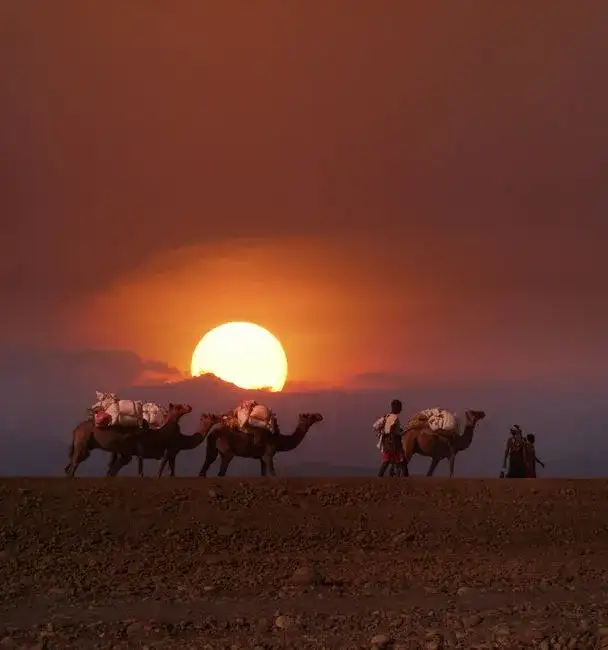
-
 John Explorer
 - 04 Jul, 2026 00:27
Where Faith Clings to Cliffs: An Expedition to Tigray's Unseen Sky Sanctuaries
The dust of forgotten empires clings to the wind in Tigray, a northern province of Ethiopia where the earth itself seems to have been sculpted by divine hands and ancient faith. Not all journeys begin with a beaten path; some demand a vertical ascent, a silent prayer whispered on the wind, and a spirit unyielding in the face of sheer rock faces. For centuries, the world has marvelled at the more accessible wonders of Tigray's rock-hewn churches, such as the grand Abraha we Atsbeha. But beyond these revered landmarks lies a realm less traversed, a constellation of hidden sanctuaries clinging precariously to the very heavens – places where the devout have carved not just churches, but entire lives, into the most formidable cliffs. This is not a journey for the faint of heart, but for the soul seeking the profound, the untouched, and the truly extraordinary. Join me, John Explorer, as we venture into the heart of the Gheralta mountains, to seek out the rock-hewn churches that defy gravity and time, places whispered about in hushed tones, often accessible only by scaling dizzying heights. The Geological Canvas: A Land Forged by Fire and Faith Tigray’s landscape is a masterclass in raw, untamed beauty. Volcanic eruptions and tectonic shifts over millions of years have sculpted a colossal amphitheatre of sandstone mesas, dramatic spires, and labyrinthine canyons. It is amidst this awe-inspiring, often intimidating, topography that the early Christians of Ethiopia found their refuge and inspiration. The Aksumite Kingdom, one of the most powerful ancient civilizations in Africa, adopted Christianity in the 4th century CE, long before much of Europe. As the faith spread, and later, as periods of persecution or monastic introspection prompted a desire for solitude, hermits and communities sought out the most remote and defensible locations. They didn’t just build on mountains; they became part of them, meticulously carving churches directly into the living rock. These aren't merely caves adapted for worship; many are architectural marvels, complete with cruciform layouts, domes, pillars, arches, and intricate decorative elements, all hewn from the sandstone. The sheer audacity of their creation beggars belief. Imagine artisans, armed with rudimentary tools, chipping away at solid rock, often hundreds of meters above the valley floor, under a scorching sun. The purpose was clear: to create sanctuaries both physically and spiritually elevated, drawing closer to the divine by literally ascending towards it. While churches like Maryam Papasetti and Mikael Barka are known, my quest led me deeper, to the true vertical challenges, to places like Abuna Yemata Guh and Debre Maryam Korkor, whose existence feels more legend than reality. The Vertical Pilgrimage: Navigating the Paths of Ancient Ascetics The expedition to these sky sanctuaries is, in itself, a pilgrimage. It begins long before the first handhold is grasped, with days of arduous trekking through dry riverbeds, thorny scrub, and sun-baked plains. The villages at the foothills are isolated, their rhythms dictated by ancient agricultural cycles and the stark realities of their environment. Here, time moves differently, and the sense of history is palpable in every weathered face and ancient stone dwelling. Our journey to Abuna Yemata Guh, perhaps the most infamous of Tigray's vertical churches, began at dawn. The path quickly evaporated, replaced by a scramble over loose scree and boulders. The air was thin, carrying the scent of wild thyme and sun-baked earth. Local guides, with their incredible agility and encyclopedic knowledge of the terrain, are indispensable. They move with an almost ethereal grace, barefoot often, across surfaces that demand focused attention from even the most seasoned climbers. The true test came with the sheer, unyielding rock face. To reach Abuna Yemata Guh, one must climb a vertical cliff, using only hand and footholds carved into the rock centuries ago, often no wider than a finger. There are no safety ropes provided; pilgrims bring their own, or simply trust in faith and the surefootedness of their guides. It’s a gut-wrenching experience for anyone unaccustomed to such exposure. The wind whips past, and the world drops away beneath your feet.After the initial climb, a narrow, exposed ledge requires a careful traverse, followed by another vertical climb. Finally, a series of wooden pegs hammered into the rock, coupled with an old rope, offers the last, harrowing ascent to the entrance. It's a dance between fear and exhilaration, each muscle straining, each breath a conscious effort. But the reward, as with all truly difficult quests, is transcendent. Guardians of Stone and Spirit: The Living Legacy Upon reaching the entrance of Abuna Yemata Guh, the world outside fades. The small antechamber, cool and silent, offers immediate respite. The church itself is small but breathtaking, its walls and ceiling adorned with vibrant frescoes dating back to the 15th century. These paintings, remarkably preserved by the dry desert air and their isolation, depict apostles, saints, and biblical scenes with a distinct Ethiopian style – bold colors, expressive faces, and a spiritual intensity that is deeply moving. The resident priest, often an elderly man who has dedicated his life to this arduous calling, greets visitors with quiet dignity. His presence is a living testament to the unbroken chain of faith that has sustained these churches for over a millennium. He is not just a custodian of the building, but a living bridge to the past, performing ancient liturgies and guarding relics passed down through generations. To converse with him, even through a translator, is to touch the very heart of Ethiopian Christianity. These priests make the arduous climb almost daily, sometimes several times, for services, baptisms, or simply to tend to their sacred duties. They are the true guardians, their lives intertwined with the rock and the spiritual energy it holds. Their resilience and devotion are a humbling counterpoint to the fleeting concerns of the modern world. They embody the philosophy of the early hermits: to seek God in isolation, to find solace and strength in the raw power of nature and unwavering faith. Artistry in the Abyss: Frescoes, Manuscripts, and Mysticism The artistic and architectural achievements within these remote churches are astounding. Unlike European cathedrals that were built up from the ground, these sanctuaries were carved down and in. The sculptors had to anticipate the internal structure, working in reverse, always conscious of the integrity of the mountain around them. The precision required is mind-boggling, especially considering the constraints of the location. The frescoes, often in a distinct Aksumite-influenced style, are characterized by their flattened perspectives, large, expressive eyes, and vibrant, natural pigments derived from local minerals. In churches like Debre Maryam Korkor, also a significant climb though slightly less perilous than Abuna Yemata Guh, the paintings stretch across entire ceilings, depicting intricate narratives. There are scenes of the nine saints, the Virgin Mary, and various martyrs, all rendered with a profound spiritual depth. These are not merely decorations; they are visual sermons, mnemonic devices for a largely illiterate population, and powerful expressions of faith. Beyond the frescoes, many churches house ancient manuscripts, some dating back centuries, hand-copied on vellum and bound in leather. These texts, often beautifully illuminated, contain gospels, psalters, and theological treatises that offer invaluable insights into Ethiopian monastic traditions and early Christian thought. The very act of preserving these delicate artifacts in such remote locations speaks volumes about their perceived sacredness and historical value. To hold a manuscript that has witnessed centuries of human history, brought to a perilous cliff edge for safekeeping, is to experience a tangible link to a world long past. Echoes of the Past, Whispers of the Future The rock-hewn churches of Tigray are more than just architectural wonders or historical sites; they are living testaments to human endurance, unwavering faith, and artistic genius. They tell a story of a civilization that embraced Christianity with a fervor that literally moved mountains. They speak of a time when the spiritual journey was inseparable from the physical, where proximity to God was sought in the most challenging and elevated places on earth. In an increasingly connected and homogenized world, these sanctuaries remain remarkably untouched, preserving not just ancient art and architecture, but an entire way of life. Visiting them is a powerful reminder of humanity's capacity for devotion, creativity, and resilience. It challenges our modern perceptions of accessibility and comfort, forcing us to confront our own limits and appreciate the profound effort required to experience such wonders.The journey to Tigray’s unseen sky sanctuaries is an expedition into the very soul of Ethiopia, a vertical pilgrimage that redefines what it means to travel. It is a profound immersion into a world where faith quite literally clings to cliffs, where the whispers of ancient prayers echo in the wind, and where every ascent brings you closer to understanding the enduring spirit of humanity. These places are not just destinations; they are experiences that carve themselves into your memory, much like the churches are carved into the rock, leaving an indelible mark long after you’ve descended back to the plains.#TigrayTravel #EthiopianHistory #RockHewnChurches #AdventureTravel #HiddenGems #CulturalHeritage #VerticalPilgrimage Related InsightsChasing the Endless Day: A Photographer’s Manual for Lofoten’s Midnight Sun Chloe Tremblay’s Epic 10-Day Iceland Ring Road Adventure: A Budgeter’s Paradise and Luxury Dream Dive Into a Hidden World: The Most Breathtaking Underwater Museums and Sculpture Parks{ "@context": "https://schema.org", "@type": "FAQPage", "mainEntity": [ { "@type": "Question", "name": "What is the main focus of Where Faith Clings to Cliffs: An Expedition to Tigray's Unseen Sky Sanctuaries?", "acceptedAnswer": { "@type": "Answer", "text": "Embark on an epic journey with John Explorer to the perilous, rock-hewn churches of Tigray, Ethiopia, testaments to an ancient faith carved into sheer, forgotten cliffs." } }, { "@type": "Question", "name": "Who authored the comprehensive guide on Where Faith Clings to Cliffs: An Expedition to Tigray's Unseen Sky Sanctuaries?", "acceptedAnswer": { "@type": "Answer", "text": "This detailed article and its insights were carefully researched and authored by John Explorer." } }, { "@type": "Question", "name": "Where can I find more related content about Travel?", "acceptedAnswer": { "@type": "Answer", "text": "You can explore more articles, detailed reviews, and similar insights by browsing the Related Insights section at the bottom of this article or visiting our dedicated Travel category page." } } ] }
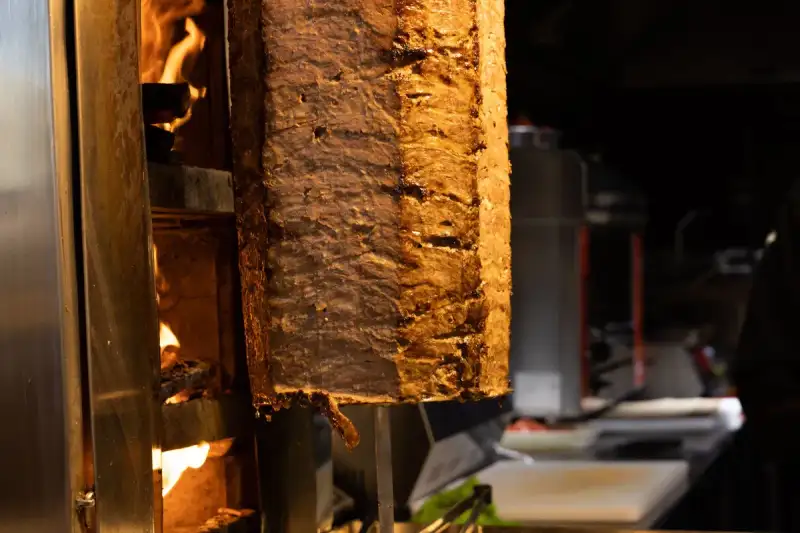
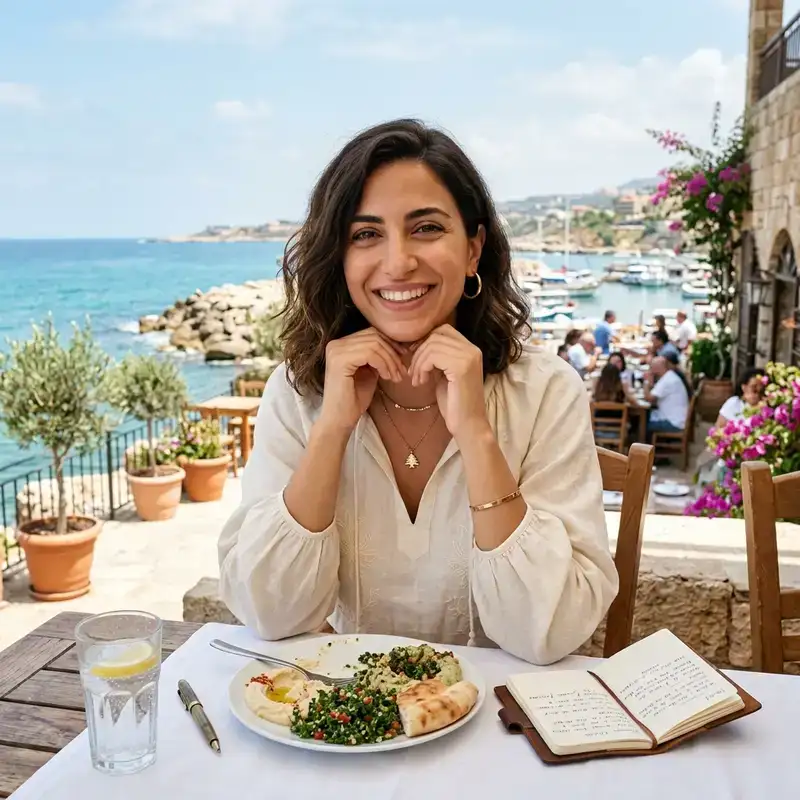
Shawarma: The Iconic Levantine Street Food Shawarma, a culinary masterpiece born from the Levantine region, has captivated the hearts of food enthusiasts worldwide. The mere mention of this iconic street food transports one to the vibrant streets of Beirut, Damascus, or Amman, where the pungent aroma of spices and marinated meats fills the air. This savory treat has its roots in the Ottoman Empire, evolving into a staple that not only quenches hunger but also tells a story of cultural heritage. Origins and Evolution Shawarma's history dates back to the early 19th century when Ottoman soldiers, primarily from Turkey, introduced spit-roasted meat (known as "Turkish Doner") to the region. This cooking method was a natural adaptation of the traditional Ottoman technique of grilling lamb on sticks. As the Ottoman Empire expanded, so did the popularity of this dish, with various Middle Eastern and Mediterranean cultures adopting and modifying it to suit their tastes. Regional Variations Shawarma has undergone countless transformations as it spread across the Levant. Each country and city boasts its unique flavor profile, reflecting local ingredients and preferences. Some notable variations include: Beirut-Style Shawarma Lebanon's take on Shawarma features thinly sliced, lamb or chicken, served on a soft, sesame-topped bun. The pita bread is lightly charred, while a dollop of creamy Tzatziki sauce adds a refreshing twist. Damascus-Style Shawarma In Syria, Shawarma is often served in a crispy roll, wrapped around a generous helping of marinated lamb or chicken. This variation is characterized by its rich, bold flavors and the presence of pickled turnips, radishes, and cucumbers. Amman-Style Shawarma Jordan's iteration is a masterclass in simplicity and elegance. The Shawarma is served on a delicate pita, topped with tender lamb or chicken, juicy tomatoes, onions, and a sprinkle of sumac. The Anatomy of Shawarma While variations abound, the fundamental components of Shawarma remain intact. A well-crafted Shawarma consists of:The Meat: Thinly sliced, high-quality lamb or chicken, marinated in a blend of aromatic spices, olive oil, and vinegar. The Pita: Soft, warm bread, often topped with sesame seeds, which provides a gentle crunch to the dish. The Toppings: A variety of fresh vegetables, including tomatoes, onions, pickled turnips, and cucumbers, add crunch and flavor to each bite. The Sauces: A drizzle of creamy Tzatziki, Tahini, or Sumac elevates the Shawarma to new heights.A Guide to Making Authentic Shawarma at Home While the convenience of Shawarma carts and restaurants is undeniable, there's a certain satisfaction in crafting your own authentic Shawarma. Follow these steps to experience the magic of Shawarma in your own kitchen: Ingredients:500g lean lamb or chicken 2 tbsp olive oil 2 tbsp lemon juice 2 tbsp paprika 1 tsp cumin Salt and black pepper 1 onion, thinly sliced 2 cloves garlic, minced 4 pita breads Tzatziki sauce or Tahini for servingInstructions:Marinate: Combine lamb or chicken with olive oil, lemon juice, paprika, cumin, salt, and black pepper. Allow the mixture to rest for at least 2 hours. Grill: Skewer the marinated meat onto a vertical spit or a grill, cooking to your desired level of doneness. Assemble: Warm the pita bread by wrapping it in foil and grilling for a few minutes. Fill each pita with thinly sliced meat, onions, garlic, tomatoes, pickled turnips, and a dollop of Tzatziki or Tahini sauce.In conclusion, Shawarma is more than a mere street food – it's an edible reflection of cultural heritage, a symphony of flavors, and a testament to the power of culinary adaptation. As we continue to explore the diverse world of Levantine cuisine, we find ourselves entwined in a rich tapestry of history, family traditions, and community. #hashtags #Shawarma #LevantineCuisine #StreetFood #MiddleEasternRecipes #FoodCulture #CulinaryHeritage #TraditionalStreetFood #AuthenticRecipe Related InsightsIl Segreto Dolce e Antico: Svelare l'Anima della Sapa e del Mosto Cotto tra Storia, Territorio e Rinascita Gastronomica The Alchemy of Vinegar and Ocean: The Deep Evolution of Sushi La Genesi Segreta del Miele Amaro di Corbezzolo: Un Elisir Sardo tra Botanica e Poesia Gustativa{ "@context": "https://schema.org", "@type": "FAQPage", "mainEntity": [ { "@type": "Question", "name": "What is the main focus of Shawarma: The Iconic Levantine Street Food?", "acceptedAnswer": { "@type": "Answer", "text": "Discover the deep cultural roots, authentic flavors, and history of Shawarma: The Iconic Levantine Street Food." } }, { "@type": "Question", "name": "Who authored the comprehensive guide on Shawarma: The Iconic Levantine Street Food?", "acceptedAnswer": { "@type": "Answer", "text": "This detailed article and its insights were carefully researched and authored by Layla Hariri." } }, { "@type": "Question", "name": "Where can I find more related content about Food?", "acceptedAnswer": { "@type": "Answer", "text": "You can explore more articles, detailed reviews, and similar insights by browsing the Related Insights section at the bottom of this article or visiting our dedicated Food category page." } } ] }
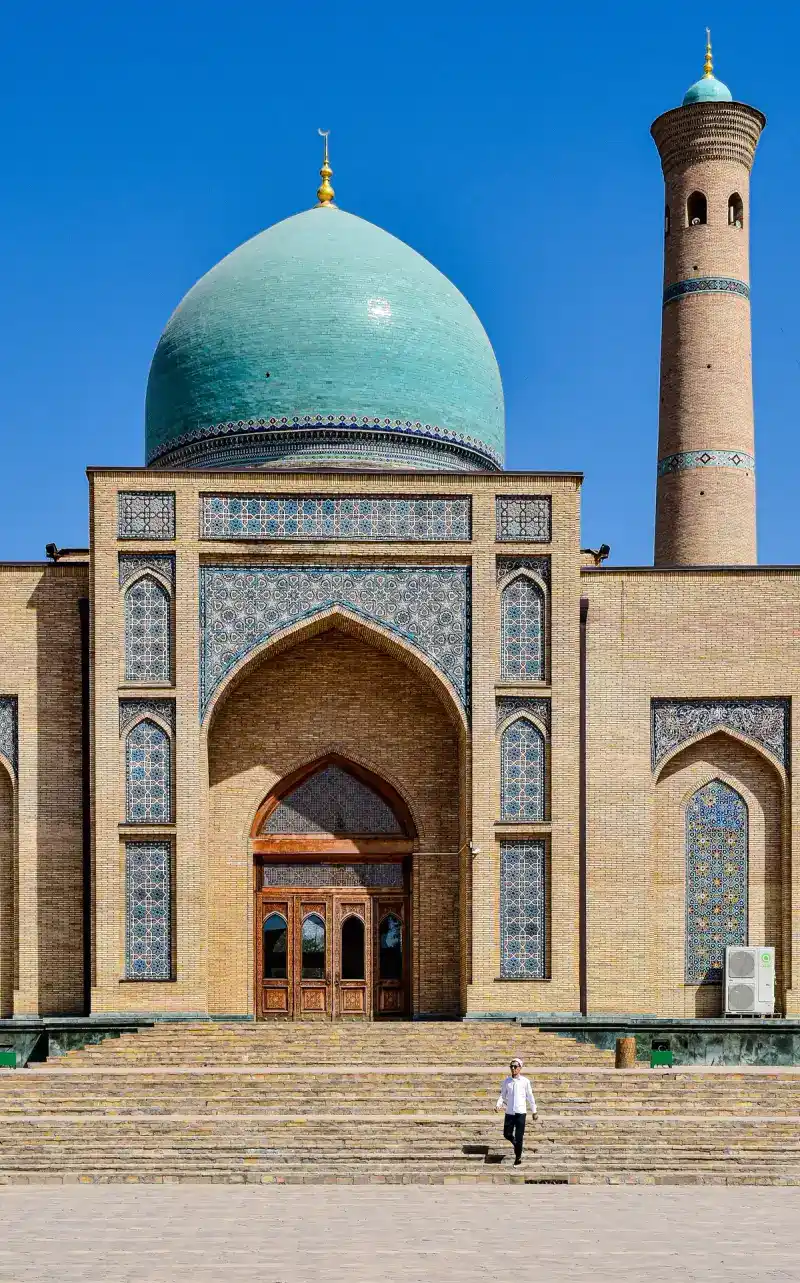
- John Explorer
- 03 Jul, 2026 13:55
Beyond Samarkand's Shadow: Unearthing the Fergana Valley's Mystical Silk Road Legacies
The world, in its sprawling immensity, often presents us with dazzling facades: the Eiffel Tower, the Colosseum, the Great Wall. These titans of human endeavor draw millions, yet beneath their colossal shadows lie countless other narratives, whispered by wind-swept ruins and ancient paths, waiting for the curious few. What if the true essence of discovery isn't found on the well-worn map, but in the forgotten corners, where history breathes a different air and time flows with a quieter rhythm? As John Explorer, my compass has always pointed towards the whispers, not the roars, guiding me to destinations that challenge preconceptions and reward with unparalleled authenticity. My latest odyssey led me deep into Central Asia, not to the glittering mosaic-domed cities of Samarkand or Bukhara, but to a verdant, fertile crescent often overlooked: the Fergana Valley. Nestled between the Tien Shan and Alay mountain ranges, the Fergana Valley, shared by Uzbekistan, Kyrgyzstan, and Tajikistan, is a land of paradox. Historically, it was a pivotal artery of the Silk Road, renowned for its fabled "heavenly horses" that captivated Chinese emperors, its fertile soil yielding an abundance of fruits, and its strategic position connecting East and West. Yet, modern tourism largely bypasses it, drawn instead to the more iconic Uzbek cities further west. This oversight, however, is precisely its charm. To step into the Fergana Valley is to peel back layers of history, to encounter a living museum where ancient traditions, devout Sufi spirituality, and vibrant craftsmanship continue to thrive, largely untouched by the globalized gaze. It is a journey into the heart of a forgotten Silk Road branch, a place where the echoes of caravans still resonate, not in grand monuments, but in the soul of its people and the enduring rhythm of their lives. The Valley's Crucible of Civilizations: A Historical Overture My exploration began with a deep dive into the valley's storied past. For millennia, the Fergana Valley has been a melting pot of cultures. From the Sogdians and Persians to Turkic tribes and the conquering armies of Alexander the Great, Genghis Khan, and Timur, each left an indelible mark. It was the birthplace of Babur, founder of the Mughal Empire, and a powerful Khanate in its own right, particularly under Kokand. This rich tapestry of influences created a unique cultural synthesis, distinct from its western Uzbek counterparts, yet intrinsically linked to the broader Central Asian narrative. The valley's isolation, ringed by mountains, fostered a fierce independence and allowed certain cultural expressions to flourish, undisturbed for centuries. My initial days were spent traversing its undulating landscapes, envisioning the ancient riders on their famed horses, the Silk Road merchants bartering exotic goods, and the Sufi mystics seeking divine solace amidst the bustling markets. It’s this historical depth that provides the perfect backdrop for understanding the valley’s present-day allure. Whispers of the Divine: Tracing the Sufi Path One of the most profound aspects of the Fergana Valley is its deep-rooted Sufi heritage. While Sufism is prevalent throughout Central Asia, in Fergana, it feels particularly intimate and pervasive, woven into the fabric of daily life rather than confined to grand, tourist-centric complexes. My journey here was intentionally shaped by a desire to understand this spiritual dimension. The valley is home to countless mazars (shrines) and khanaqahs (Sufi lodges), many of them modest, tucked away in quiet courtyards or on hillsides, known primarily to local devotees. My most moving encounter was at a small, unassuming mazar dedicated to a revered local Sufi saint, somewhere between Kokand and Margilan. There were no tour buses, no souvenir stalls. Just a handful of local pilgrims, their faces etched with devotion, offering prayers and seeking blessings. The air was thick with incense and the murmur of whispered supplications. The elderly custodian, with eyes that held centuries of wisdom, invited me for a cup of tea, sharing tales of the saint's miracles and the enduring power of faith. He spoke of the importance of zikr (remembrance of God) and ishq (divine love), concepts that transcend language barriers and resonate with a universal quest for meaning. It was here, in this humble setting, that the true spirit of Fergana’s Sufism revealed itself – a gentle, inclusive, and deeply personal path to the divine.The city of Kokand, once the heart of a powerful khanate, also played a crucial role in Central Asian Sufism. Its magnificent Khudoyar Khan Palace, while a secular monument, stands as a testament to an era when spiritual leaders often held significant influence in court. Exploring its ornate chambers, I could almost hear the debates of scholars and Sufi masters who once graced its halls, shaping the intellectual and spiritual landscape of the region. The numerous smaller mosques and madrasahs scattered throughout Kokand further underscore its historical importance as a center of learning and spiritual contemplation, a testament to the enduring presence of faith. Echoes of the Steppe: Nomadic Legacies and Artisan Craft While the Fergana Valley is primarily an agricultural basin, the influence of its nomadic past and the trade routes that crisscrossed it are still palpable, particularly in its vibrant artisan traditions. This is a region where skills are passed down through generations, where the hands of craftsmen tell stories as old as the Silk Road itself. My journey took me to Rishtan, a town globally renowned for its unique blue ceramics. Here, the clay, rich in minerals from the local soil, combined with centuries-old techniques, transforms into breathtaking pieces of art. I spent hours in a bustling workshop, observing masters at work. The rhythmic whir of the potter's wheel, the meticulous application of natural glazes derived from plant ashes, and the patient firing process all culminate in the distinctive turquoise and cobalt hues that define Rishtan pottery. Each bowl, plate, and pitcher is not just a functional object but a canvas, often adorned with traditional patterns inspired by pomegranates, almond blossoms, and Islamic calligraphy. It’s a craft that requires immense patience, skill, and an understanding of the very earth beneath one's feet.Further east, in Margilan, I delved into the world of silk production. Margilan has been a silk-making hub for over two millennia, its history intertwined with the very fabric of the Silk Road. Here, traditional ikat weaving thrives, a complex resist-dyeing technique that creates mesmerizing patterns of shimmering colors. Walking through the Yodgorlik Silk Factory, one of the last remaining traditional workshops, was like stepping back in time. The rhythmic clack of the looms, the whirring of the spinning wheels, and the sight of vibrant silk threads being meticulously arranged into intricate designs offered a tangible connection to the ancient trade. The process, from silkworm cocoon to finished fabric, is labor-intensive and artistic, a testament to human ingenuity and dedication. Holding a piece of hand-woven Margilan silk is to touch a piece of history, to feel the legacy of the Silk Road against your fingertips. The bustling bazaars of every town, from Fergana City to Andijan, also serve as vibrant conduits to this past. Here, the nomadic spirit of trade and exchange is alive and well. Piles of freshly picked fruits, aromatic spices, hand-stitched suzani (embroidered textiles), and the ubiquitous chapans (traditional coats) create a riot of color and sound. These markets are not just places of commerce; they are social hubs, where stories are exchanged, friendships are forged, and the pulse of the community beats strongest. My conversations with vendors, often over cups of tea and shared smiles, offered invaluable insights into the daily lives and enduring traditions of the Fergana people. Culinary Journeys and the Warmth of Fergana Hospitality No journey through a foreign land is complete without immersing oneself in its culinary traditions, and Fergana offers a delightful array of tastes. The valley's fertile lands ensure an abundance of fresh produce, making its cuisine distinct and incredibly flavorful. Naturally, plov (rice pilaf) is king, but each region, each family, has its unique twist. I sampled numerous variations, each more delicious than the last, often cooked in colossal kazans (cauldrons) over open fires. The local laghman (hand-pulled noodles), hearty shashlik (kebabs), and various samsas (savory pastries) filled my days with warmth and flavor. Yet, beyond the food itself, it was the unparalleled hospitality of the Fergana people that left the deepest impression. Invited into homes for meals, sharing bread and conversation, I experienced a genuine warmth and generosity that transcended any language barrier. This is a culture where a guest is considered a gift from God, and every effort is made to ensure their comfort and happiness. These personal interactions, often spontaneous and heartfelt, were the true gems of my journey, transforming a mere trip into an enriching human experience. The Enduring Allure of the Uncharted Leaving the Fergana Valley, I carried not just souvenirs, but a profound sense of having touched something ancient and authentic. This region, often overlooked by the masses, holds a unique place in the tapestry of Central Asian history and culture. Its Sufi shrines offer a quiet spirituality, its artisans keep centuries-old traditions alive, and its people extend a hospitality that is truly legendary. For the intrepid traveler seeking more than just photo opportunities, the Fergana Valley offers an unparalleled opportunity to delve into a part of the world that still feels genuinely unexplored. It requires a willingness to step off the well-trodden path, to embrace the unexpected, and to listen to the whispers of history rather than the shouts of commercialism. In doing so, one discovers not just a forgotten branch of the Silk Road, but a vibrant, living culture that continues to flourish, quietly safeguarding its mystical legacies for those curious enough to seek them out. It is a reminder that the greatest treasures often lie hidden, waiting to be discovered by the truly adventurous heart.#Travel #FerganaValley #Uzbekistan #SilkRoad #SufiTraditions #CentralAsia Related InsightsCanyoning the Zambezi: Advanced Adventure Tactics for Remote River Explorations Sardegna Profonda: Sulle Tracce Misteriose dei Nuraghi nella Barbagia Nascosta Colmar and the Alsace Wine Route: A Colorful Escape{ "@context": "https://schema.org", "@type": "FAQPage", "mainEntity": [ { "@type": "Question", "name": "What is the main focus of Beyond Samarkand's Shadow: Unearthing the Fergana Valley's Mystical Silk Road Legacies?", "acceptedAnswer": { "@type": "Answer", "text": "Venture deep into Central Asia's Fergana Valley, a forgotten Silk Road branch brimming with ancient Sufi shrines, vibrant craftsmanship, and nomadic echoes. Discover a spiritual journey far from the well-trodden paths." } }, { "@type": "Question", "name": "Who authored the comprehensive guide on Beyond Samarkand's Shadow: Unearthing the Fergana Valley's Mystical Silk Road Legacies?", "acceptedAnswer": { "@type": "Answer", "text": "This detailed article and its insights were carefully researched and authored by John Explorer." } }, { "@type": "Question", "name": "Where can I find more related content about Travel?", "acceptedAnswer": { "@type": "Answer", "text": "You can explore more articles, detailed reviews, and similar insights by browsing the Related Insights section at the bottom of this article or visiting our dedicated Travel category page." } } ] }
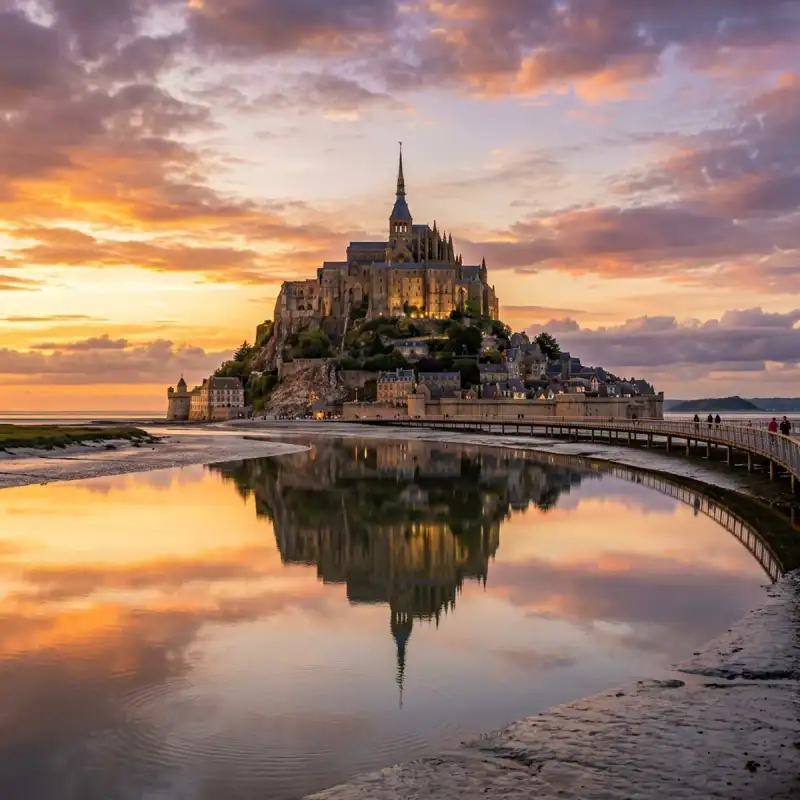
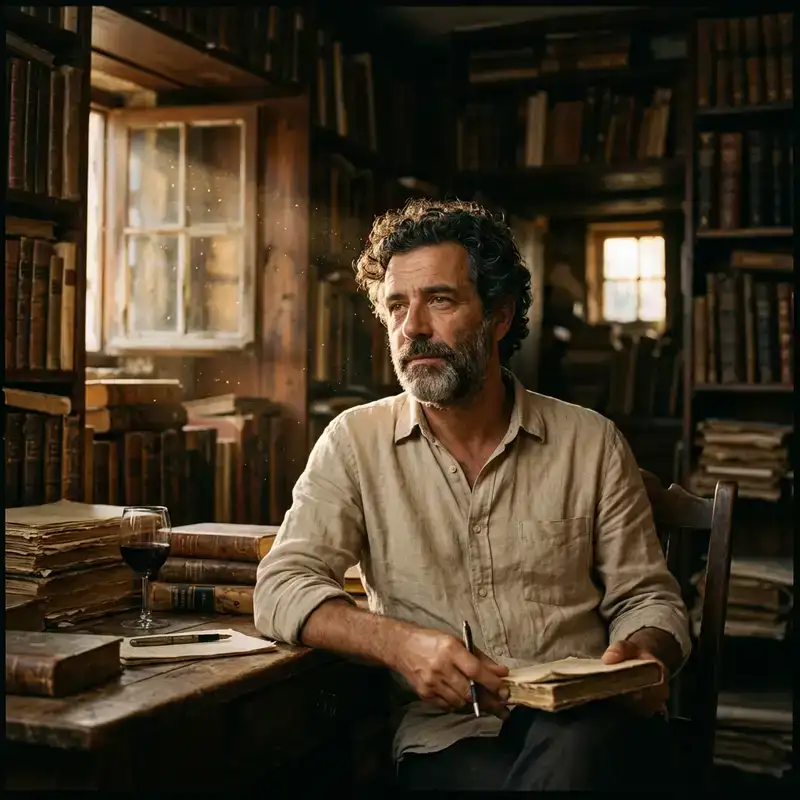
Bem-vindo! Prepare-se para uma #viagem inesquecível pelo coração de #Portugal. Olá, amantes de viagens e descobridoras de mundos! Sou o vosso Tiago Silva, e hoje levo-vos numa jornada inesquecível a uma cidade que mora no meu coração e na alma de #Portugal. Preparem-se para se perderem nas ruas calcetadas, nos aromas do passado e nos sons de um presente vibrante, porque vamos explorar Lisboa: A Cidade das Sete Colinas. Lisboa: O Abraço Atlântico e a Porta da Europa Imaginem uma cidade que se debruça sobre o oceano, onde o sol beija as águas de um rio majestoso e onde a brisa do Atlântico sussurra histórias de navegadores e descobertas. Essa é Lisboa, a capital e a maior cidade do nosso querido Portugal, um epicentro de vida e cultura que pulsa com uma energia inconfundível. Com uma população que, em 2022, se estimava em cerca de 548.703 habitantes nos seus cem quilómetros quadrados de encantos, Lisboa não é apenas um número, mas um universo de experiências à espera de ser desvendado. É aqui, neste cantinho abençoado da Península Ibérica, que encontramos a capital mais ocidental da Europa continental. Sim, ouviram bem! Enquanto outras capitais europeias se aninham mais a leste, ou se escondem em ilhas distantes como Reiquiavique e Dublin, Lisboa ergue-se orgulhosamente ao longo da costa atlântica, a única capital continental a desfrutar deste privilégio. É uma posição geográfica que moldou a sua identidade, a sua luz e a sua alma. A cidade estende-se graciosamente na margem norte do rio Tejo, um espelho de água que reflete séculos de história e que serve de cenário para alguns dos mais belos pores-do-sol que já tive o prazer de testemunhar. E se falarmos de extremos, a área metropolitana de Lisboa guarda um segredo ainda mais ocidental: o imponente Cabo da Roca, na deslumbrante Costa do Estoril. É o ponto mais ocidental da Europa continental, um lugar onde a terra acaba e o mar começa, e onde a vastidão do oceano nos lembra a audácia dos nossos antepassados. Esta região metropolitana é um verdadeiro caldeirão de vida, acolhendo cerca de 3 milhões de pessoas, o que a torna a terceira maior área metropolitana da Península Ibérica, apenas superada por Madrid e Barcelona. É uma das dez áreas urbanas mais populosas da União Europeia, e representa cerca de um terço da população total do país. Um facto que, por si só, demonstra a centralidade e a importância desta cidade no panorama nacional e europeu. Cada vez que regresso a Lisboa, sinto que estou a regressar a casa, a um lugar onde a história se encontra com a modernidade num abraço perfeito. É uma sensação que só uma grande #viagem pode proporcionar. Um Palimpsesto de Milénios: A História Viva de Lisboa Caminhar por Lisboa é como folhear um livro de história vivo, onde cada rua, cada praça, cada pedra tem uma história para contar. É uma das cidades mais antigas do mundo e, preparem-se para este dado fascinante, a segunda capital europeia mais antiga, superada apenas por Atenas. Sim, Lisboa antecede em séculos muitas das capitais europeias modernas que hoje conhecemos e admiramos. É uma antiguidade que se sente no ar, que se respira nas suas vielas e que se vê nos seus monumentos. A sua fundação remonta a tempos imemoriais, quando tribos pré-celtas já habitavam estas terras férteis. Mais tarde, os fenícios, mestres do comércio marítimo, estabeleceram aqui um porto vibrante, aproveitando a localização estratégica do estuário do Tejo. Imagino os seus navios a aportar, carregados de mercadorias exóticas, dando início à vocação cosmopolita de Lisboa. A influência romana não tardou a chegar, e foi Júlio César quem elevou a cidade ao estatuto de município romano, batizando-a de Felicitas Julia, um termo que se acrescentou ao nome original, Olissipo. A era romana deixou marcas indeléveis, desde os vestígios arqueológicos até à própria organização da cidade. Com a queda do Império Romano, Lisboa passou por um período de transições, sendo governada por uma sucessão de tribos germânicas a partir do século V, com os Visigodos a deixarem a sua pegada mais notável. No entanto, o século VIII trouxe uma nova onda de transformação com a invasão moura. Durante séculos, a cidade floresceu sob o domínio islâmico, enriquecendo-se com novos conhecimentos, arquiteturas e culturas. A Lisboa moura era um centro de saber e beleza, e ainda hoje podemos vislumbrar essa influência em certos bairros e na toponímia. Foi em 1147 que um capítulo decisivo foi escrito na longa #história de Lisboa. Afonso Henriques, o primeiro rei de Portugal, empreendeu a reconquista da cidade, um evento que marcou profundamente a identidade nacional. E em 1255, a coroação da sua importância: Lisboa tornou-se oficialmente a capital do Reino de Portugal, substituindo Coimbra. Desde então, nunca mais perdeu esse estatuto, firmando-se como o coração pulsante do país. O Coração Pulsante de Portugal: Um Centro de Poder e Cultura Desde aquele ano de 1255, Lisboa tem sido, ininterruptamente, o centro nevrálgico de Portugal em todas as frentes. É aqui que o pulso político do país bate mais forte, sendo a sede do governo, da Assembleia da República, onde as leis são debatidas e criadas, e do Supremo Tribunal de Justiça, guardião da legalidade. As Forças Armadas têm na capital o seu comando central, e é também aqui que reside o nosso chefe de Estado, o Presidente da República, num palácio que observa o Tejo. Mas Lisboa não é apenas o centro da governação interna; é também o epicentro da diplomacia portuguesa no mundo. A cidade acolhe embaixadores de 86 países, cada um representando a sua nação e fortalecendo os laços internacionais de Portugal. Além disso, representações de Taiwan e da Palestina também têm aqui a sua voz, sublinhando o papel de Lisboa como um ponto de encontro global. Esta efervescência diplomática confere à cidade um ambiente verdadeiramente internacional, onde diferentes culturas se cruzam e se influenciam mutuamente. É uma prova da abertura e da relevância de Portugal no cenário mundial. A riqueza da #cultura lisboeta é inegável, manifestando-se em cada esquina, em cada fachada de azulejos, no fado que ecoa pelas noites de Alfama, ou nos museus que guardam tesouros de milénios. Esta cidade é um palco onde o passado se encontra com o presente, onde as tradições se misturam com as tendências mais modernas, criando uma atmosfera única e apaixonante. Uma Metrópole Global de Destaque: Brilho e Inovação Lisboa transcendeu há muito tempo o seu papel de capital nacional para se afirmar como uma verdadeira cidade global, reconhecida com o estatuto de nível alfa. Este reconhecimento não é por acaso, mas sim um reflexo da sua crescente importância em áreas tão diversas como as finanças, o comércio, a moda, a mídia, o entretenimento, as artes, o comércio internacional, a educação e o turismo. Lisboa não é apenas um destino, é um motor de inovação e um centro de oportunidades. É uma das duas cidades portuguesas (sendo a outra o Porto, a minha cidade natal!) a ostentar este título de cidade global, o que demonstra a vitalidade económica e cultural do nosso país. A capital é, inclusive, a sede de três empresas que figuram na prestigiada lista Global 2000: o Grupo EDP, a Galp Energia e a Jerónimo Martins. Estes gigantes empresariais são um testemunho da força e da capacidade de Lisboa em gerar valor e inovação à escala mundial. A cidade é, sem dúvida, um dos grandes centros económicos da #Europa. O seu setor financeiro está em constante crescimento, com o índice PSI a integrar a Euronext, a maior bolsa de valores da Europa continental. Este é um indicador claro da confiança dos investidores e da solidez económica da região. A riqueza gerada em Lisboa é notável, com a região a apresentar um PIB por paridade do poder de compra per capita mais elevado do que qualquer outra região portuguesa. É um polo de prosperidade que atrai talento e investimento. Não é de estranhar, portanto, que Lisboa ocupe o 40º lugar no ranking mundial de maior rendimento bruto. A cidade é também um refúgio para a riqueza, com quase 21 mil milionários residentes, o que a coloca como a 11ª cidade europeia em número de milionários e a 14ª em número de bilionários. Estes números, embora frios, pintam um quadro de uma metrópole dinâmica e próspera. A maior parte das sedes das empresas multinacionais portuguesas estão estrategicamente localizadas na região de Lisboa, reforçando o seu papel como centro de decisão e inovação. É uma cidade que, apesar da sua antiguidade, está sempre a olhar para o futuro, a construir e a reinventar-se. O Enigma do Nome: Olissipo, Ulisses e Além A história de um lugar é inseparável da história do seu nome, e a etimologia de Lisboa é um mistério fascinante, com várias origens sugeridas, mas nenhuma conclusiva. É como tentar desvendar um segredo antigo, sussurrado pelos ventos que sopram do Tejo. Uma das versões mais recentes e credíveis, sugerida por Francisco Villar, aponta para que "Olissipo" possa ter origem na extinta língua tartessa, falada pelos povos Tartessos que habitaram algumas áreas no sul do país. É intrigante pensar que o prefixo "Oli(s)" não seria único, visto estar associado a outra cidade lusitana de localização desconhecida, que Pompónio Mela referia como "Olitingi". Isto sugere uma possível raiz linguística comum, um eco de civilizações perdidas. No século XVII, Samuel Bochart, um académico francês dedicado ao estudo da Bíblia, propôs que Olissipo seria uma designação pré-romana, remontando aos fenícios, que no seu tempo comercializavam intensamente na Península Ibérica. Segundo ele, Olissipo seria uma derivação do fenício "Allis Ubbo", que significaria "Porto Seguro", uma alusão mais que apropriada ao excelente porto natural situado no estuário do Tejo. Embora esta teoria seja poeticamente apelativa, a ausência de registos que a comprovem levou os académicos recentes a descartá-la. Contudo, a imagem de um "Porto Seguro" ressoa com a natureza acolhedora e protetora de Lisboa, um farol na #natureza atlântica. Os autores da Antiguidade, por sua vez, preferiam uma lenda mais épica, atribuindo a fundação de Olissipo ao próprio Ulisses, o astuto herói da mitologia grega. Baseando-se provavelmente em Estrabão, contava-se que Ulisses teria fundado uma cidade chamada Olissipo num local incerto da Península Ibérica, supostamente nas margens do rio Tejo. Esta lenda, embora mítica, confere a Lisboa um toque de grandiosidade e heroísmo que se encaixa perfeitamente na sua história. Posteriormente, durante a época Romana, o nome adaptou-se para a versão latina Olissipona ou Ulyssipona. Ptolomeu, outro geógrafo da antiguidade, chamou-lhe Oliosipon. Com a chegada dos Suevos e Visigodos, a interpretação germânica da língua transformou-a em Ulishbon. E, como já mencionei, #portugal #travel #history #europe #cultura Related InsightsLe Cattedrali Sotterranee di Puglia: Un Viaggio Intimo nelle Città Rupestri delle Gravine The Dark Heart of Paris: Exploring the Catacombs Le Isole che Respirano il Vento: Il Risveglio Silenzioso delle Fær Øer{ "@context": "https://schema.org", "@type": "FAQPage", "mainEntity": [ { "@type": "Question", "name": "What is the main focus of Lisboa: A Cidade das Sete Colinas?", "acceptedAnswer": { "@type": "Answer", "text": "Junte-se a Tiago Silva numa exploração profunda por Lisboa." } }, { "@type": "Question", "name": "Who authored the comprehensive guide on Lisboa: A Cidade das Sete Colinas?", "acceptedAnswer": { "@type": "Answer", "text": "This detailed article and its insights were carefully researched and authored by Tiago Silva." } }, { "@type": "Question", "name": "Where can I find more related content about Travel?", "acceptedAnswer": { "@type": "Answer", "text": "You can explore more articles, detailed reviews, and similar insights by browsing the Related Insights section at the bottom of this article or visiting our dedicated Travel category page." } } ] }
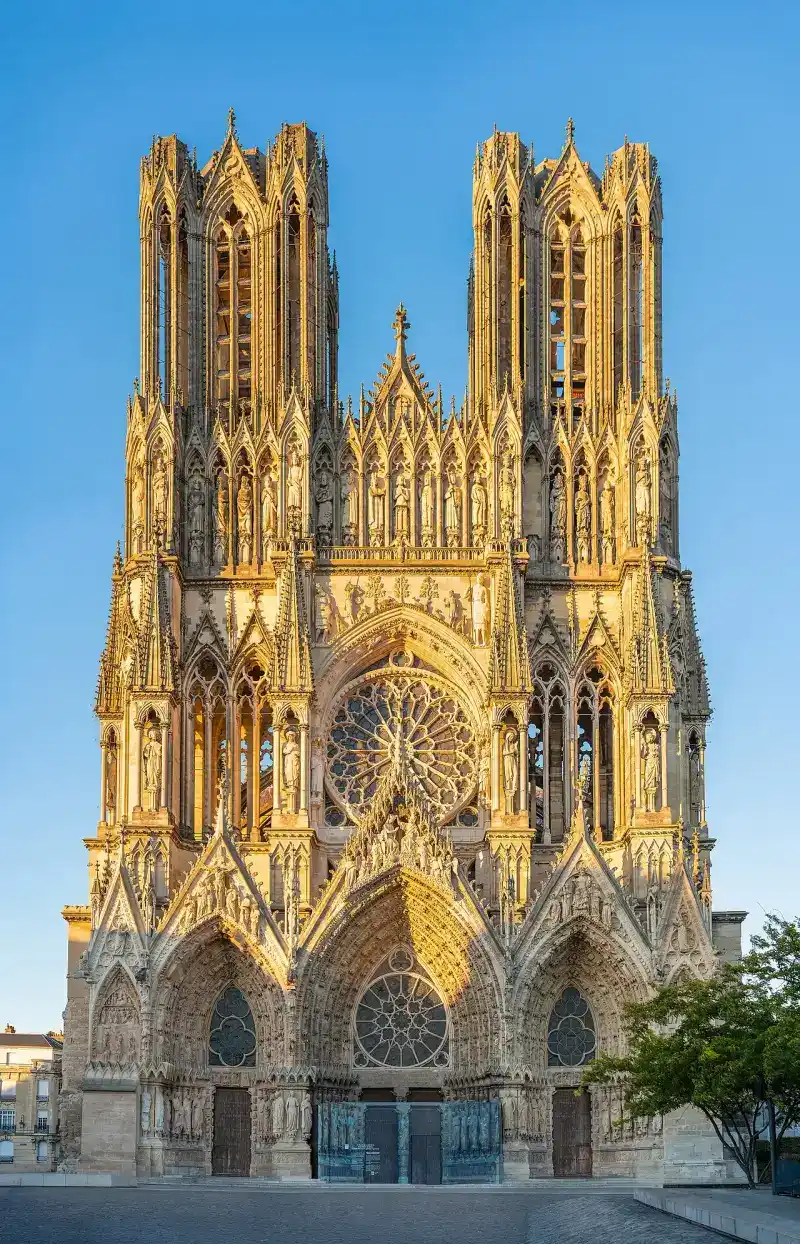
La Cathédrale de Reims : Le Sanctuaire des Rois de #France Bonjour à tous, passionnés d'histoire ! Je suis Lucas Martin. Pour clore ce tour d'horizon des grandes structures gothiques d'Europe, nous revenons en France, dans la région de la Champagne. Si Notre-Dame de #Paris est la cathédrale de la capitale, et Chartres la cathédrale de la lumière, Notre-Dame de Reims est la cathédrale de la Nation. Elle est le lieu sacré par excellence de la monarchie française. La Cité des Sacres Pendant près de 1 000 ans, la quasi-totalité des rois de France ont été couronnés dans cette cathédrale (33 souverains au total !). Pourquoi Reims ? L'histoire remonte à l'an 496, lorsque Clovis, le premier roi des Francs, y fut baptisé par l'évêque Saint-Remi. La légende raconte qu'une colombe descendue du ciel aurait apporté la "Sainte Ampoule", une fiole contenant une huile divine utilisée pour oindre les futurs rois. Reims est donc devenue le lieu de légitimation du pouvoir royal absolu. L'événement historique le plus célèbre s'y est déroulé le 17 juillet 1429 : le sacre de Charles VII, rendu possible par l'héroïsme de Jeanne d'Arc, présente dans la nef avec son étendard. Le Chef-d'œuvre du Gothique Flamboyant D'un point de vue architectural, Reims est souvent considérée (avec Amiens) comme l'apogée du style gothique rayonnant. Construite rapidement au 13e siècle (comme Chartres), la cathédrale de Reims pousse la recherche de hauteur et d'ouverture des murs encore plus loin. Sa façade ouest est une véritable dentelle de pierre. Là où les autres cathédrales conservent des tympans en pierre pleine au-dessus des portes, les bâtisseurs de Reims ont innové en y plaçant d'immenses rosaces en vitrail. C'est ce qu'on appelle "le triomphe de la lumière sur la matière". Avec plus de 2 300 statues qui ornent ses murs extérieurs, c'est l'édifice religieux gothique le plus sculpté au monde. L'Ange au Sourire : Le Symbole de la Ville Parmi ces milliers de sculptures, une figure se détache et a capté le cœur du monde entier : le fameux "Ange au Sourire" (L'Ange Gabriel), situé sur le portail nord de la façade ouest. Sculpté au milieu du 13e siècle, cet ange possède une expression d'une douceur et d'un humanisme frappants, très éloignée de la rigidité des sculptures romanes antérieures. Il illustre le nouveau courant artistique du gothique qui cherchait à doter les figures saintes d'émotions humaines. La Cathédrale Martyre (1914-1918) Malheureusement, l'histoire de Reims est tragiquement marquée par la Première Guerre Mondiale. Située près de la ligne de front, la cathédrale a été bombardée sans pitié par l'artillerie allemande en septembre 1914. Les échafaudages en bois qui entouraient la tour nord prirent feu, la toiture en plomb fondit, et la façade fut terriblement endommagée. L'"Ange au Sourire" a d'ailleurs eu la tête décapitée (elle sera restaurée plus tard). Ces bombardements suscitèrent une indignation mondiale. La cathédrale en ruine devint le symbole du patrimoine culturel européen détruit par la folie de la guerre (surnommée la "cathédrale martyre"). Grâce au financement d'importants mécènes américains (notamment la fondation Rockefeller), l'édifice fut patiemment reconstruit et restauré au lendemain de la guerre. Sa nouvelle charpente n'est plus en chêne, mais en béton armé (innovation majeure de l'architecte Henri Deneux). Une Renaissance par le Vitrail Les bombardements ont brisé la plupart des vitraux médiévaux de la nef. Pour combler les lacunes lumineuses, la cathédrale a fait appel, à la fin du 20e siècle, aux plus grands artistes contemporains. Le chef-d'œuvre incontesté de cette commande moderne se trouve dans la chapelle d'axe : trois magnifiques verrières créées en 1974 par le maître de la couleur, Marc Chagall. L'utilisation de ses bleus profonds, de ses rouges et de son iconographie onirique se marie avec une grâce absolue au chœur gothique. Récemment, en 2011, l'artiste allemand Imi Knoebel a également ajouté des vitraux géométriques et très colorés. Reims est donc le pont parfait entre le génie médiéval et l'art contemporain. En Conclusion Visiter Reims, c'est comprendre l'essence du pouvoir en France. C'est aussi admirer un bâtiment qui, bien qu'ayant frôlé l'annihilation, se dresse toujours, fier et magnifique, rappelant que la #culture et la beauté triomphent toujours de la destruction. Ne manquez surtout pas de déguster une flûte de Champagne (la région y oblige !) en admirant cette dentelle de pierre au soleil couchant. #Reims #France #RoisDeFrance #Gothique #PremiereGuerreMondiale #Chagall #AngeAuSourire Related InsightsDie Flüsternden Kristalle Siziliens: Eine Entdeckungsreise entlang der vergessenen Salzstraßen The Obsidian Trails: Tracing Azerbaijan's Forgotten Fire Keepers of Garasu The City of the Gods: Documenting Teotihuacan{ "@context": "https://schema.org", "@type": "FAQPage", "mainEntity": [ { "@type": "Question", "name": "What is the main focus of La Cathédrale de Reims : Le Sanctuaire des Rois de France?", "acceptedAnswer": { "@type": "Answer", "text": "Plongez dans l'histoire de la cathédrale Notre-Dame de Reims, le joyau meurtri du gothique champenois, lieu mythique des sacres des rois de France." } }, { "@type": "Question", "name": "Who authored the comprehensive guide on La Cathédrale de Reims : Le Sanctuaire des Rois de France?", "acceptedAnswer": { "@type": "Answer", "text": "This detailed article and its insights were carefully researched and authored by Lucas Martin." } }, { "@type": "Question", "name": "Where can I find more related content about Travel?", "acceptedAnswer": { "@type": "Answer", "text": "You can explore more articles, detailed reviews, and similar insights by browsing the Related Insights section at the bottom of this article or visiting our dedicated Travel category page." } } ] }
La Cathédrale de Chartres : Les Mystères de ses Vitraux Bonjour à tous, ici Lucas. S'il ne devait rester qu'un seul édifice pour représenter l'apogée de l'#architecture médiévale, le summum de l'harmonie religieuse et du savoir-faire humain, beaucoup d'historiens de l'art choisiraient celui dont nous allons parler aujourd'hui. Située à 80 kilomètres au sud-ouest de #Paris, émergeant majestueusement des vastes plaines céréalières de la Beauce, voici Notre-Dame de Chartres. Un Monument Préservé par Miracle Contrairement à Notre-Dame de Paris ou à Reims, la cathédrale de Chartres n'a pratiquement pas été endommagée par les guerres, la Révolution française ou les incendies ultérieurs. Ce que nous voyons aujourd'hui est l'édifice tel qu'il a été achevé au début du 13e siècle. C'est l'un des monuments les plus authentiques de la planète. L'histoire de la construction de Chartres est fascinante. En 1194, un incendie terrible ravage l'ancienne cathédrale romane. La population est au désespoir, pensant que la relique la plus sacrée de la ville, la Sancta Camisia (le voile ou la tunique que la Vierge Marie aurait porté lors de la naissance du Christ), a été détruite. Mais trois jours plus tard, miracle : les prêtres émergent de la crypte, saufs, portant la précieuse relique indemne ! Cet "intervention divine" provoque un immense élan de foi et de dons dans toute l'Europe (y compris de la part du roi Richard Cœur de Lion). Grâce à cette richesse soudaine, la cathédrale actuelle a été construite en un temps record d'environ 30 ans ! Cette rapidité explique la cohérence et l'harmonie exceptionnelles de son style : c'est le modèle parfait du gothique "classique". Le Bleu de Chartres : Le Mystère des Maîtres Verriers La gloire absolue de Chartres, ce qui attire les chercheurs du monde entier, ce sont ses vitraux. La cathédrale possède la collection de vitraux des 12e et 13e siècles la plus vaste et la mieux conservée au monde (176 verrières, représentant plus de 2 600 mètres carrés de verre !). Le secret le plus célèbre réside dans une couleur spécifique : le fameux "Bleu de Chartres" (présent notamment dans le célèbre vitrail de "Notre-Dame de la Belle Verrière"). C'est un bleu cobalt d'une intensité et d'une luminosité stupéfiantes. Le secret exact de la composition chimique de ce verre bleuté a été perdu au Moyen Âge, et même avec les technologies modernes, les maîtres verriers ont du mal à reproduire cette nuance exacte qui capte la lumière comme un saphir liquide. La Sculpture : Un Livre de Pierre Chartres possède trois grands portails sculptés qui sont des chefs-d'œuvre de l'évolution de la sculpture médiévale :Le Portail Royal (Ouest) : Survivant de l'incendie de 1194, il date de 1150. Les figures bibliques allongées en colonnes sont raides, figées, le regard tourné vers l'éternité (style roman tardif). Les Portails Nord et Sud : Réalisés au 13e siècle, ils montrent une véritable révolution artistique. Les statues se détachent du mur, prennent vie, pivotent sur leurs hanches, sourient ou discutent entre elles. C'est l'éveil du naturalisme gothique, préfigurant la Renaissance.Le Labyrinthe : Le Chemin de Jérusalem Un autre mystère au cœur de la nef : le labyrinthe. Dessiné sur le dallage en pierres noires et blanches au 13e siècle, il mesure près de 13 mètres de diamètre. Sa longueur totale, du début jusqu'au centre, est de 261,5 mètres. Au Moyen Âge, il était utilisé par les fidèles (qui le parcouraient souvent à genoux) comme un substitut au pèlerinage à Jérusalem, qui était long et dangereux. Le centre représentait la Jérusalem céleste, le salut. Fait fascinant : le diamètre du labyrinthe est exactement de la même taille que la grande rosace ouest. S'il était possible de replier la façade sur le sol, la rosace viendrait se superposer parfaitement sur le labyrinthe. Un témoignage troublant de la géométrie sacrée utilisée par les bâtisseurs. Mon Avis d'Historien Si vous êtes de passage à Paris, prenez ce train de 50 minutes vers Chartres. L'expérience de la lumière filtrant à travers les vitraux centenaires, plongeant la nef dans une lueur bleutée et pourpre, est l'une des expériences esthétiques les plus bouleversantes que l'on puisse vivre en Europe. Chartres n'est pas seulement un bâtiment d'ingénierie révolutionnaire, c'est un poème mystique écrit dans la pierre et la lumière. #Chartres #France #Vitraux #GothiqueClassique #MoyenAge #BleuDeChartres #Patrimoine Related InsightsEl Generalife: Los Jardines del Paraíso The Faroe Islands: Where Nordic Wilderness Meets Photographic Magic La Expansión del Islam y los Primeros Musulmanes{ "@context": "https://schema.org", "@type": "FAQPage", "mainEntity": [ { "@type": "Question", "name": "What is the main focus of La Cathédrale de Chartres : Les Mystères de ses Vitraux?", "acceptedAnswer": { "@type": "Answer", "text": "Découvrez la cathédrale Notre-Dame de Chartres en France, le chef-d'œuvre absolu du gothique, célèbre pour son labyrinthe, le voile de la Vierge et ses vitraux mystiques." } }, { "@type": "Question", "name": "Who authored the comprehensive guide on La Cathédrale de Chartres : Les Mystères de ses Vitraux?", "acceptedAnswer": { "@type": "Answer", "text": "This detailed article and its insights were carefully researched and authored by Lucas Martin." } }, { "@type": "Question", "name": "Where can I find more related content about Travel?", "acceptedAnswer": { "@type": "Answer", "text": "You can explore more articles, detailed reviews, and similar insights by browsing the Related Insights section at the bottom of this article or visiting our dedicated Travel category page." } } ] }
-
 Sofia Romano
 - 03 Jul, 2026 11:14
Il Dialogo Silenzioso: L'Arte della Marginalia e il Mondo Segreto delle Annotazioni Nei Libri Antichi
C'è un'ombra che danza tra le righe stampate, una voce che sussurra dal passato, celata non tra le pagine, ma ai loro margini. Non si tratta di fantasmi letterari, né di codici criptici intessuti dall'autore stesso. Parliamo di quella pratica intima, spesso impulsiva, talvolta erudita, che ha trasformato i libri da semplici veicoli di testo in palinsesti di pensieri e reazioni: la marginalia. Un tempo considerata una profanazione, un'irriverenza, oggi è riconosciuta come un tesoro inestimabile, un filo d'Arianna che ci guida attraverso la mente dei lettori che ci hanno preceduto, rivelando un dialogo silenzioso che attraversa i secoli. Immaginate di tenere tra le mani un incunabolo, non immacolato e silenzioso come un reperto museale, ma vibrante di segni, glosse, disegni e persino improperi scritti da mani ormai polvere. Cosa ci raccontano questi segni? E cosa perdiamo quando, nell'ansia della conservazione o nella ricerca di una purezza illusoria, li cancelliamo o li ignoriamo? Un'Archeologia del Pensiero: Le Origini della Marginalia La pratica di annotare i margini non è un capriccio dell'età moderna, ma affonda le sue radici nell'alba della scrittura e della lettura stessa. Già gli antichi scribi egizi e mesopotamici, nel riprodurre testi sacri o amministrativi, inserivano glosse esplicative o correzioni tra le colonne di papiro e argilla. Ma è con l'avvento del rotolo e, successivamente, del codice nella civiltà greco-romana che la marginalia assume una forma più vicina a quella che conosciamo. Filosofi, retori e studiosi erano soliti annotare i loro testi con commenti, interrogativi, o semplici lemmata per richiamare passaggi specifici durante le lezioni o le discussioni. Non era una questione di disordine, ma di interazione profonda, di appropriazione intellettuale del testo. Pensate alle centinaia di manoscritti di Platone o Aristotele, non sarebbero giunti a noi senza le stratificazioni di commenti, i scholia, che generazioni di intellettuali hanno aggiunto per comprenderli, spiegarli e preservarli. Con il Medioevo, l'arte della marginalia raggiunse vette straordinarie, soprattutto nei monasteri e nelle università nascenti. I codici miniati, veri capolavori d'arte e devozione, non erano esenti da queste incursioni. Anzi, i margini diventavano un vero e proprio "spazio di libertà" per gli scribi e i copisti. Accanto a glosse esplicative in latino o volgare, si potevano trovare miniature fantastiche: creature ibride, "droleries" grottesche, scene di vita quotidiana, o persino autoritratti dello scriba stanco. Questi disegni non erano sempre collegati al testo principale; a volte erano espressioni di umorismo, di tedio, o forse di una ribellione silenziosa contro la severità della vita monastica. Essi rivelano un'umanità sorprendente e una ricchezza culturale che il testo sacro o erudito, da solo, non poteva offrire. Sono testimonianze della vita intellettuale e artistica, ma anche dell'umore e delle condizioni materiali di chi lavorava quei manoscritti.La Rivoluzione della Stampa e la Democratizzazione dell'Annotazione L'invenzione della stampa a caratteri mobili nel XV secolo, pur rivoluzionando la produzione e la diffusione dei libri, non estinse affatto la pratica della marginalia; al contrario, la democratizzò. Se prima solo i colti e i religiosi avevano accesso a libri e la capacità di annotarli, ora una classe media di mercanti, avvocati, medici e studiosi laici poteva permettersi di acquistare libri e interagire con essi. I margini dei primi libri a stampa, gli incunaboli, erano spesso volutamente lasciati ampi proprio per permettere al lettore di aggiungere i propri commenti, note, correzioni o integrazioni. L'età rinascimentale e barocca vide un'esplosione di questa pratica. Grandi pensatori come Erasmo da Rotterdam, Michel de Montaigne, Francis Bacon non solo leggevano, ma conversavano con i libri, riempiendone i margini di riflessioni, critiche, elaborazioni personali. Il libro non era più un oggetto da venerare passivamente, ma un compagno di dialogo, uno strumento attivo per la produzione di nuove idee. Le annotazioni potevano essere di varia natura:Glosse Esplicative: Chiarimenti di termini difficili, riassunti di paragrafi complessi. Critiche e Commenti: Espressione di accordo o disaccordo con l'autore, sviluppo di argomenti paralleli. Riferimenti Crociati: Collegamenti ad altri testi letti o a esperienze personali. Emendazioni Testuali: Correzioni di errori di stampa o proposte di varianti. Segnalibri e Indici Personali: Asterischi, mani indicatrici (maniculae), o brevi riassunti per ritrovare passaggi importanti. Disegni e Doodle: A volte semplici scarabocchi dettati dalla noia, altre volte illustrazioni concettuali o caricature. Note di Vita Quotidiana: Ricette, liste della spesa, appunti di viaggio, poesie, persino sfoghi personali o preghiere.Queste ultime, in particolare, ci offrono uno spaccato incredibilmente intimo della vita di individui comuni. Un ricettario medico del XVII secolo potrebbe ospitare a margine la ricetta per una torta alle mele, o un libro di sermoni contenere la lista degli acquisti per il mercato. Questi dettagli, apparentemente insignificanti, tessono la trama della storia sociale e culturale, spesso ignorata dai grandi eventi. I Famosi Marginalisti e il Valore Inestimabile per la Ricerca Nel corso dei secoli, alcuni lettori sono diventati celebri per la loro marginalia, trasformando i loro libri in veri e propri laboratori di pensiero. Samuel Taylor Coleridge, ad esempio, è noto per le sue annotazioni lunghe e complesse, che spesso superavano in lunghezza il testo originale. Le sue marginalia ai libri di Shakespeare, Milton o Kant non erano semplici note, ma veri e propri saggi critici, riflessioni filosofiche che anticipavano teorie moderne. Molte delle sue opere pubblicate nacquero proprio dalle interazioni con i testi altrui. Un altro esempio eclatante è Voltaire, la cui libreria era un campo di battaglia di idee. I suoi libri sono pieni di commenti sarcastici, critiche pungenti e obiezioni feroci, che rivelano il suo spirito polemico e la sua instancabile ricerca della verità. La marginalia di Voltaire non era un atto privato, ma quasi una preparazione per la sua successiva produzione letteraria e filosofica. Più recentemente, autori come Vladimir Nabokov hanno praticato la marginalia con una precisione quasi scientifica, analizzando la struttura del testo, la scelta delle parole e la musicalità della prosa. I suoi libri annotati sono un'aula di scrittura creativa, un masterclass sulle tecniche narrative. Per gli studiosi di oggi, i libri con marginalia storica rappresentano fonti primarie di inestimabile valore.Per gli storici della lettura: Permettono di ricostruire le abitudini di lettura, le reazioni emotive e intellettuali dei lettori di epoche passate. Ci aiutano a capire non solo cosa si leggeva, ma come si leggeva e perché. Per i filologi e i critici letterari: Le annotazioni possono svelare l'interpretazione contemporanea di un'opera, aiutare a identificare le fonti di un autore o persino suggerire varianti testuali non altrimenti note. Un commento a margine può confermare la paternità di un'opera anonima o rivelare l'identità di un lettore importante. Per gli storici delle idee: Le glosse possono tracciare l'evoluzione di concetti filosofici, scientifici o teologici, mostrando come le idee venivano comprese, dibattute e trasformate nel tempo. Per i bibliografi e i bibliotecari: La marginalia aiuta a ricostruire la provenienza di un libro, la sua storia proprietaria, aggiungendo strati di valore e significato a un esemplare altrimenti comune.La Linea Sottile tra Interazione e Vandalismo: Un Dibattito Moderno La percezione della marginalia è sempre stata ambivalente. Da un lato, è vista come un atto di appropriazione intellettuale, un segno di lettura profonda e attenta. Dall'altro, può essere considerata una violazione dell'integrità del testo, un atto vandalico, specialmente quando le annotazioni sono superficiali, distruttive o dettate da pura pigrizia. Le biblioteche moderne, per ovvie ragioni di conservazione, scoraggiano e proibiscono categoricamente la marginalia sui loro esemplari, specialmente quelli rari e antichi. Tuttavia, è proprio questa ambivalenza che rende la marginalia un campo di studio così affascinante. Chi decide cosa è una "buona" marginalia e cosa è un "atto vandalico"? Il valore di un'annotazione non risiede solo nella sua erudizione o nella fama di chi l'ha scritta, ma anche nella sua capacità di rivelarci qualcosa di nuovo sul rapporto tra il lettore e il testo, sulla cultura di un'epoca. Una semplice X accanto a un passaggio, un punto esclamativo, o persino un cuore, possono essere altrettanto eloquenti di un lungo commento. Essi catturano l'emozione istantanea del lettore, un'impronta fuggevole ma potente. In un'epoca digitale, in cui gli e-reader e le piattaforme online offrono strumenti di annotazione virtuale, la marginalia fisica assume un valore quasi nostalgico. Le evidenziazioni digitali, i commenti condivisi su Goodreads o le note su Kindle sono l'erede moderno di questa antica pratica. Essi permettono una facilità di condivisione e archiviazione impensabile in passato, ma mancano della materialità e della patina storica che solo un'annotazione fatta a mano su carta può offrire. La fisicità della penna, il tipo di inchiostro, la grafia, persino l'odore di un vecchio libro con le sue note, contribuiscono a creare un'esperienza sensoriale e intellettuale unica. Il Futuro del Passato: Preservare e Interpretare il Dialogo Silenzioso La conservazione e lo studio della marginalia rappresentano oggi una sfida e un'opportunità per le biblioteche e gli studiosi. Progetti di digitalizzazione su larga scala stanno rendendo accessibili migliaia di volumi con annotazioni, permettendo di analizzare modelli, identificare mani e ricostruire reti di lettura e influenza intellettuale come mai prima d'ora. Database specializzati e strumenti di analisi del testo possono ora confrontare le annotazioni di diversi esemplari dello stesso libro, rivelando come le idee si diffondevano e venivano recepite in diversi contesti. Comprendere la marginalia non significa solo decifrare parole scritte a margine, ma interpretare un intero ecosistema di interazioni. È ascoltare il dialogo che l'autore, il lettore, il copista, l'editore e la cultura stessa hanno intessuto attraverso il libro. Ogni segno, ogni linea, ogni scarabocchio è una traccia, un indizio, una finestra su una mente che ha vissuto, pensato e interagito con le parole. Pertanto, la prossima volta che vi capiterà di sfogliare un vecchio libro, sia esso un classico della letteratura o un polveroso manuale di botanica, prendetevi un momento per osservare i margini. Potreste scoprire non solo le idee dell'autore, ma anche i segreti, le gioie, le preoccupazioni e le intelligenze di un lettore dimenticato. Potreste imbattervi in un dialogo silenzioso che attende solo di essere riscoperto, un ponte invisibile che collega la vostra esperienza di lettura a quella di un'anima lontana nel tempo. E in questo atto di scoperta, il libro non sarà più solo un insieme di pagine, ma un organismo vivente, un testimone parlante di un'umanità complessa e affascinante.#Marginalia #StoriaDelLibro #LibriAntichi #Filologia #CulturaLetteraria Related InsightsThe Christmas Yes List Book Review and Summary Defy the Dusk (The Sundering Duet, #1) Book Review and Summary Dangerous Impulses (The Naturals, #5) Book Review and Summary{ "@context": "https://schema.org", "@type": "FAQPage", "mainEntity": [ { "@type": "Question", "name": "What is the main focus of Il Dialogo Silenzioso: L'Arte della Marginalia e il Mondo Segreto delle Annotazioni Nei Libri Antichi?", "acceptedAnswer": { "@type": "Answer", "text": "Esplora il mondo nascosto delle annotazioni a margine che trasformano i libri antichi da mere pagine in testimonianze viventi di dialoghi dimenticati." } }, { "@type": "Question", "name": "Who authored the comprehensive guide on Il Dialogo Silenzioso: L'Arte della Marginalia e il Mondo Segreto delle Annotazioni Nei Libri Antichi?", "acceptedAnswer": { "@type": "Answer", "text": "This detailed article and its insights were carefully researched and authored by Sofia Romano." } }, { "@type": "Question", "name": "Where can I find more related content about Books?", "acceptedAnswer": { "@type": "Answer", "text": "You can explore more articles, detailed reviews, and similar insights by browsing the Related Insights section at the bottom of this article or visiting our dedicated Books category page." } } ] }
La Cathédrale de Séville : Gothique et Héritage Andalou Salutations aux amoureux du voyage et du patrimoine ! Ici Lucas Martin. Descendons aujourd'hui dans le sud chaud et ensoleillé de l'Espagne, en Andalousie. Nous allons visiter la Catedral de Santa María de la Sede à Séville. Pourquoi ce choix ? Parce qu'en termes de volume, c'est tout simplement la plus grande cathédrale gothique du monde. "Construisons une Église si Belle et si Grande..." L'histoire de la cathédrale de Séville est profondément liée à la Reconquista espagnole. En 1248, le roi chrétien Ferdinand III conquiert Séville, alors sous domination maure (musulmane) depuis plus de 500 ans. Au lieu de détruire la gigantesque mosquée almohade de la ville, les Chrétiens la consacrent et l'utilisent comme cathédrale. Cependant, en 1401, l'édifice est gravement endommagé par un tremblement de terre. Le chapitre de la cathédrale prend alors une décision radicale. La légende raconte qu'ils auraient déclaré : "Construisons une église si belle et si grande que ceux qui la verront achevée nous prendront pour des fous". Une Empreinte Musulmane Indélébile Pour construire cet édifice titanesque, les architectes durent raser la mosquée. Mais ils conservèrent deux éléments majeurs, qui font aujourd'hui toute l'originalité du monument :Le Patio de los Naranjos (La cour des orangers) : L'ancienne cour des ablutions de la mosquée, avec sa fontaine centrale et ses orangers odorants, offre aujourd'hui un sas de paix et de fraîcheur avant d'entrer dans la cathédrale chrétienne. La Giralda : C'est le minaret original de la mosquée du 12e siècle. Au lieu de le détruire, les Chrétiens l'ont surmonté d'un beffroi abritant les cloches. Haute de 104 mètres, elle reste le symbole absolu de Séville. Sa particularité ? À l'intérieur, il n'y a pas d'escaliers, mais 35 rampes inclinées assez larges pour que le muezzin puisse monter à cheval pour l'appel à la prière !Un Intérieur Titanesque L'intérieur de la cathédrale est conçu sur le plan rectangulaire (très rare dans le gothique) hérité de l'ancienne mosquée. Il compte cinq nefs d'une ampleur étourdissante. L'élément central et le plus impressionnant est le Retablo Mayor (le grand retable) situé dans la chapelle principale. C'est tout simplement le plus grand retable de la chrétienté. Sculpté en bois de noyer, de châtaignier et de mélèze pendant plus de 80 ans, il raconte 45 scènes de la vie du Christ et de la Vierge. Il est entièrement recouvert d'or provenant des toutes nouvelles colonies espagnoles d'Amérique. Ce mur d'or qui scintille dans la pénombre est d'une beauté saisissante. Le Tombeau d'un Explorateur Controversé La cathédrale de Séville attire des millions de curieux pour une autre raison majeure : elle abrite le majestueux monument funéraire de Christophe Colomb. Le tombeau est impressionnant. Le cercueil du navigateur n'est pas posé sur le sol, mais porté sur les épaules par quatre immenses statues allégoriques représentant les quatre royaumes d'Espagne : Castille, León, Aragon et Navarre. (Fait amusant : les statues de Castille et León, qui ont soutenu financièrement Colomb, ont la tête haute, tandis qu'Aragon et Navarre, qui ont été plus réticents, regardent vers le bas). Pendant des décennies, une controverse a fait rage avec la République dominicaine, qui affirmait posséder les véritables restes de Colomb. Des tests ADN récents ont confirmé à 100% que les os à Séville sont bien ceux du célèbre explorateur. Le Mélange des Cultures : Le Style Mudéjar La cathédrale de Séville, et plus largement l'#architecture andalouse, est le parfait exemple du style mudéjar. C'est un style architectural produit par les artisans musulmans restés en territoire chrétien après la Reconquista, mêlant les structures gothiques (et plus tard de la Renaissance) avec l'ornementation islamique (entrelacs géométriques, stucs, céramiques). En vous promenant autour de l'édifice, vous remarquerez comment les voûtes à nervures gothiques cohabitent avec l'arc en fer à cheval almohade. La cathédrale de Séville est bien plus qu'une prouesse technique ; c'est un palimpseste architectural, un livre de pierre où se lit le choc et la fusion des grandes civilisations de la Méditerranée. Un conseil : Montez au sommet de la Giralda en fin d'après-midi. La lumière dorée d'Andalousie qui se reflète sur les toits blancs de Séville est un spectacle que vous n'oublierez jamais. #Séville #Andalousie #Giralda #Gothique #ChristopheColomb #HistoireDEspagne #UNESCO #Espagne #Andalousie #Sville #Gothique Related InsightsThe Faroe Islands: Where Nordic Wilderness Meets Photographic Magic Die steinerne Ewigkeit von Stonehenge: Ein Echo aus prähistorischen Nebeln, das bis heute verweilt Das Ewige Gewitter vom Maracaibo: Eine Reise ins Haus des Donners{ "@context": "https://schema.org", "@type": "FAQPage", "mainEntity": [ { "@type": "Question", "name": "What is the main focus of La Cathédrale de Séville : Gothique et Héritage Andalou?", "acceptedAnswer": { "@type": "Answer", "text": "Explorez la majestueuse Cathédrale de Séville en Andalousie, construite sur les restes d'une mosquée, abritant le tombeau de Christophe Colomb et la célèbre Giralda." } }, { "@type": "Question", "name": "Who authored the comprehensive guide on La Cathédrale de Séville : Gothique et Héritage Andalou?", "acceptedAnswer": { "@type": "Answer", "text": "This detailed article and its insights were carefully researched and authored by Lucas Martin." } }, { "@type": "Question", "name": "Where can I find more related content about Travel?", "acceptedAnswer": { "@type": "Answer", "text": "You can explore more articles, detailed reviews, and similar insights by browsing the Related Insights section at the bottom of this article or visiting our dedicated Travel category page." } } ] }
La Cathédrale Saint-Guy de Prague : Joyau de Bohême Bonjour les voyageurs du temps, ici Lucas Martin. Lorsque l'on évoque les grandes cathédrales d'Europe, on a tendance à se concentrer sur la #France, l'Angleterre ou l'Allemagne. Pourtant, au cœur de l'Europe centrale, perchée sur une colline dominant la Vltava, se trouve un monument qui n'a absolument rien à envier à Notre-Dame de #Paris : la Cathédrale Saint-Guy (Katedrála svatého Víta) à Prague. Le Cœur du Château La position de Saint-Guy est unique. Elle n'est pas construite sur une place au milieu de la ville, mais à l'intérieur même des murs du Château de Prague (le plus grand complexe castral ancien au monde). C'était le symbole ultime de la fusion entre le pouvoir spirituel et le pouvoir impérial royal. Fondée en 1344 par le roi de Bohême (et futur empereur du Saint-Empire) Charles IV, la cathédrale devait être la nécropole de la dynastie des Přemyslides et le lieu du trésor national. L'architecte initial était un Français, Mathieu d'Arras, ce qui explique le plan de base très inspiré des cathédrales du sud de la France (comme Narbonne). Mais c'est à la mort de Mathieu que la cathédrale va acquérir son caractère unique. Le Génie de Peter Parler En 1356, Charles IV confie le chantier à un jeune architecte souabe de 23 ans : Peter Parler. Ce que Parler va accomplir à Prague va révolutionner le style gothique. Là où le gothique français privilégiait la linéarité et la répétition géométrique stricte, Parler introduit une liberté et une dynamique inouïes. Son invention majeure est la voûte réticulée (net vault). Les nervures du plafond ne se croisent plus simplement en forme de "X", mais forment des motifs complexes en réseau (des étoiles, des losanges) qui donnent une impression de fluidité et de continuité, gommant la séparation entre les travées. Dans le triforium (la galerie de circulation à l'étage), Parler a sculpté des dizaines de bustes représentant la famille royale, l'archevêque, mais aussi les architectes (dont lui-même !). C'est l'une des premières fois au Moyen Âge que l'architecte se représente lui-même, marquant l'émergence de la notion d'artiste individuel. La Chapelle Saint-Venceslas : Un Écrin Précieux Le véritable joyau de la cathédrale se trouve au centre de l'édifice : la chapelle dédiée à Saint-Venceslas, le saint patron de la République Tchèque (le fameux "Good King Wenceslas" des chants de Noël). Cette chapelle ne ressemble à rien de ce que l'on peut voir ailleurs en Europe. Les murs inférieurs sont incrustés de plus de 1 300 pierres semi-précieuses (améthystes, jaspes, chrysoprases) de Bohême, serties dans un enduit doré. C'est la Jérusalem Céleste recréée sur terre. La porte de cette chapelle, avec son fameux anneau de bronze auquel Venceslas se serait accroché lors de son assassinat par son frère en 935, est une relique profondément vénérée. Le Trésor de la Couronne et la Porte Dorée La chapelle Saint-Venceslas abrite également une lourde porte verrouillée par sept serrures (dont les clés sont détenues par 7 personnalités de l'État tchèque, dont le Président). Cette porte mène à la chambre de la Couronne, où sont conservés les Joyaux de la Couronne de Bohême, parmi les plus anciens et les plus sacrés d'Europe. À l'extérieur, sur la façade sud, ne manquez pas la Porte Dorée (Zlatá brána). C'était l'entrée principale réservée aux rois. Elle est surmontée d'une magnifique mosaïque vénitienne du 14e siècle représentant le Jugement Dernier, scintillant de mille feux sous le soleil de Prague. Une Achèvement au 20e Siècle Tout comme à Cologne, la construction de Saint-Guy a été interrompue par les guerres hussites au 15e siècle. La nef principale et la façade ouest n'existaient pas ! C'est seulement au 19e et 20e siècle, dans un élan nationaliste tchèque, que la cathédrale a été achevée en style néo-gothique. La consécration finale a eu lieu en... 1929 ! Cette longue gestation explique la présence d'éléments très modernes, comme l'incroyable vitrail Art Nouveau réalisé par le célèbre peintre tchèque Alphonse Mucha en 1931, racontant la légende des évangélisateurs slaves Cyrille et Méthode. C'est un anachronisme sublime. Prague est une ville magique, imprégnée d'alchimie et d'histoire, et la cathédrale Saint-Guy en est l'épicentre mystique. C'est une symphonie de pierre sombre, d'or et de lumière colorée. #Prague #SaintGuy #Bohême #Gothique #ArtNouveau #VoyageEnTchéquie #Architecture #RpubliqueTchque #Prague #Gothique #Bohme Related InsightsThe Magic of Mont Saint-Michel: Normandy's Floating Abbey Echoes of the Cosmos: Unveiling the Mysteries of Angkor Wat Altai Mountains{ "@context": "https://schema.org", "@type": "FAQPage", "mainEntity": [ { "@type": "Question", "name": "What is the main focus of La Cathédrale Saint-Guy de Prague : Joyau de Bohême?", "acceptedAnswer": { "@type": "Answer", "text": "Au cœur du Château de Prague, découvrez la cathédrale Saint-Guy, chef-d'œuvre du gothique flamboyant qui renferme l'âme et la royauté de la nation tchèque." } }, { "@type": "Question", "name": "Who authored the comprehensive guide on La Cathédrale Saint-Guy de Prague : Joyau de Bohême?", "acceptedAnswer": { "@type": "Answer", "text": "This detailed article and its insights were carefully researched and authored by Lucas Martin." } }, { "@type": "Question", "name": "Where can I find more related content about Travel?", "acceptedAnswer": { "@type": "Answer", "text": "You can explore more articles, detailed reviews, and similar insights by browsing the Related Insights section at the bottom of this article or visiting our dedicated Travel category page." } } ] }
Le Duomo de Florence : L'Aube de la Renaissance Bonjour à tous les amoureux de l'histoire et de l'#architecture ! C'est Lucas Martin. Aujourd'hui, je vous emmène en Toscane, dans la ville qui a changé le cours de l'histoire de l'art européen : Florence. Au centre de ce musée à ciel ouvert trône un chef-d'œuvre absolu, la cathédrale Santa Maria del Fiore, plus connue sous le nom de "Duomo". Une Ambition Démesurée À la fin du 13e siècle, Florence est une république riche, fière et ambitieuse, portée par le commerce de la laine et de la soie. Ses grandes rivales, Pise et Sienne, sont en train de construire de magnifiques cathédrales. Florence ne peut pas être en reste. En 1296, la construction du Duomo débute sous la direction d'Arnolfo di Cambio, dans un style gothique tardif, avec une façade extérieure étonnante, entièrement recouverte de marbre polychrome (vert de Prato, blanc de Carrare et rouge de Sienne). Mais l'ambition des Florentins a créé un problème monumental. Ils avaient prévu à la croisée du transept un espace octogonal de 42 mètres de diamètre. Le problème ? Personne à l'époque ne savait comment construire un dôme d'une telle envergure sans que la structure ne s'effondre sous son propre poids. Pendant plus d'un siècle, la cathédrale est restée béante, à ciel ouvert. Le Génie de Filippo Brunelleschi En 1418, la guilde des marchands de laine organise un grand concours pour trouver enfin un moyen de couvrir l'édifice. C'est un orfèvre devenu architecte, Filippo Brunelleschi, qui remporte le défi avec une idée considérée comme folle : construire le dôme sans aucun échafaudage en bois depuis le sol (il n'y avait pas d'arbres assez grands en Toscane pour cela !). L'ingéniosité de Brunelleschi est la quintessence de l'esprit de la Renaissance. Il a conçu une structure à double coque (un dôme intérieur léger et un dôme extérieur pour protéger des intempéries). Pour empêcher la voûte de s'effondrer, il a inventé un système de pose de briques en arête de poisson ("spina di pesce"), une technique directement inspirée des ruines du Panthéon de #Rome qu'il avait longuement étudiées. Le chantier, qui a duré 16 ans, a été un exploit d'ingénierie mécanique. Brunelleschi a même dû inventer de nouvelles machines de levage (le castello) pour monter les tonnes de briques et de marbre à plus de 50 mètres de haut. La Lanterne et les Portes du Paradis Au sommet de l'immense coupole de briques rouges se trouve la "lanterne" de marbre blanc, ajoutée après la mort de Brunelleschi. Cette lanterne a une double fonction : laisser entrer la lumière et stabiliser la structure en pesant lourdement sur la clé de voûte. Mais le complexe du Duomo ne s'arrête pas à la cathédrale. Juste en face se trouve le Baptistère Saint-Jean. Ne manquez sous aucun prétexte les portes est en bronze doré, sculptées par Lorenzo Ghiberti. Ces portes sont si magnifiquement détaillées et si innovantes dans leur utilisation de la perspective que Michel-Ange lui-même les a surnommées "Les Portes du Paradis" (Porta del Paradiso). Une Esthétique de la Pureté Si l'extérieur du Duomo est une explosion visuelle de marbres colorés, l'intérieur frappe par son austérité. Contrairement aux cathédrales gothiques françaises, Santa Maria del Fiore a très peu de vitraux, laissant de grandes étendues de murs nus, enduits de plâtre gris (pietra serena). Cette sobriété était volontaire, typique de l'idéal de la pré-Renaissance florentine, qui valorisait la rationalité et la géométrie de l'espace plutôt que l'ornementation excessive. Le seul véritable faste intérieur est la fresque monumentale recouvrant l'intérieur de la coupole : Le Jugement Dernier, commencée par Giorgio Vasari en 1572. Une œuvre d'une ampleur vertigineuse, mais dont la complexité maniériste jure un peu avec la pureté architecturale voulue par Brunelleschi. Conseils pour le VisiteurLa montée du Dôme : Oui, il y a 463 marches (étroites et parfois oppressantes), mais l'effort est récompensé. Vous passerez entre les deux coques conçues par Brunelleschi, ce qui permet de comprendre l'ingéniosité de la construction, avant de déboucher sur une vue imprenable sur Florence. Il faut absolument réserver des semaines à l'avance ! Le Campanile de Giotto : Si vous n'avez pas le courage de monter sur le dôme (ou pas de billet), grimpez en haut du campanile adjacent, conçu par le grand peintre Giotto. Vous y aurez la plus belle vue sur le dôme lui-même. Le Museo dell'Opera del Duomo : Ce musée, récemment rénové, se trouve derrière la cathédrale. Il abrite les sculptures originales de la façade, des portes de Ghiberti, et l'émouvante et terrible Pietà Bandini de Michel-Ange. Un incontournable souvent ignoré par la foule.Le Duomo de Florence est la preuve en brique et en marbre du moment exact où l'Europe est sortie du Moyen Âge pour embrasser la raison, les mathématiques et l'humanisme de la Renaissance. C'est l'intelligence humaine triomphant sur la matière. #Florence #Toscane #Brunelleschi #Duomo #RenaissanceItalienne #Architecture #Italie #Florence #Renaissance #Brunelleschi Related InsightsBeyond the Horizon: Unveiling Naoshima and Teshima – Japan's Transformative Art Island Odyssey (Part 2) L'Eterna Seduzione della Costa Azzurra: Tra Scogliere di Porfido e Misteri Belle Époque Insel Rügen im Sommer{ "@context": "https://schema.org", "@type": "FAQPage", "mainEntity": [ { "@type": "Question", "name": "What is the main focus of Le Duomo de Florence : L'Aube de la Renaissance?", "acceptedAnswer": { "@type": "Answer", "text": "Découvrez l'histoire du Duomo de Florence, son incroyable dôme de Brunelleschi et la transition spectaculaire du gothique à la Renaissance." } }, { "@type": "Question", "name": "Who authored the comprehensive guide on Le Duomo de Florence : L'Aube de la Renaissance?", "acceptedAnswer": { "@type": "Answer", "text": "This detailed article and its insights were carefully researched and authored by Lucas Martin." } }, { "@type": "Question", "name": "Where can I find more related content about Travel?", "acceptedAnswer": { "@type": "Answer", "text": "You can explore more articles, detailed reviews, and similar insights by browsing the Related Insights section at the bottom of this article or visiting our dedicated Travel category page." } } ] }
L'Abbaye de Westminster : Le Cœur Royal de Londres Salutations depuis le Royaume-Uni ! Je suis Lucas Martin. Si nous avons exploré la pureté du gothique français, l'exubérance espagnole et la monumentalité allemande, le gothique anglais possède, lui aussi, son joyau unique. Aujourd'hui, nous pénétrons dans un édifice qui résume à lui seul mille ans d'histoire britannique : L'Abbaye de Westminster. Plus qu'une Église, la Maison de la Couronne La Collegiate Church of St Peter at Westminster (son nom officiel) n'est ni une cathédrale ni une église paroissiale. C'est une "Royal Peculiar", ce qui signifie qu'elle est soumise directement à la juridiction du souverain britannique, et non à un évêque. L'abbaye a été fondée à l'origine par le roi Édouard le Confesseur au 11e siècle (dans le style roman). Mais le bâtiment gothique que nous voyons aujourd'hui est l'œuvre du roi Henri III, qui décida en 1245 de la reconstruire dans le nouveau style gothique anglo-français pour y abriter la dépouille d'Édouard (canonisé entre-temps) et en faire la nécropole des monarques anglais. La Scène des Couronnements Depuis Guillaume le Conquérant en 1066, absolument tous les monarques anglais et britanniques (à deux exceptions près) ont été couronnés dans l'Abbaye de Westminster. C'est ici que l'histoire se fait. Au centre de l'abbaye, devant le maître-autel, se trouve le Cosmati Pavement, une mosaïque médiévale italienne d'une beauté époustouflante, qui sert de scène au couronnement. C'est également ici que repose la célèbre Chaise du Couronnement (Coronation Chair), commandée par Édouard Ier en 1296. Cette chaise en chêne abritait la "Pierre de la Destinée" (Stone of Scone), le symbole du trône d'Écosse. C'est sur ce trône érodé par le temps que Charles III a récemment été couronné. Le Gothique Perpendiculaire : La Chapelle d'Henri VII Si l'essentiel de la nef est un bel exemple du gothique primitif anglais, le véritable chef-d'œuvre architectural se trouve à l'arrière : la chapelle d'Henri VII (Lady Chapel). Achevée au 16e siècle, cette chapelle est le summum du style gothique "perpendiculaire". Le plafond est une merveille absolue : une incroyable voûte en éventail (fan vaulting) avec des pendentifs sculptés qui semblent défier la gravité, retombant comme des stalactites de pierre. C'est un niveau de virtuosité dans la sculpture de la pierre que l'on ne trouve presque nulle part ailleurs dans le monde. Le Panthéon Britannique L'Abbaye de Westminster est aussi le grand cimetière national. Plus de 3 300 personnes y sont enterrées ou commémorées. On y trouve la dépouille de nombreux rois et reines, dont Élisabeth Ire, enterrée (ironie de l'histoire) dans le même tombeau que sa rivale catholique, Marie Tudor. Mais ce qui attire des foules de visiteurs, ce sont les sections dédiées aux grands esprits de la nation :Le Coin des Poètes (Poets' Corner) : On y trouve la tombe de Geoffrey Chaucer, Charles Dickens, Rudyard Kipling, et des monuments dédiés à Shakespeare ou Jane Austen. La Nef des Scientifiques : Charles Darwin repose ici, tout comme Sir Isaac Newton. Plus récemment, les cendres de Stephen Hawking y ont été inhumées, à quelques mètres de ses illustres prédécesseurs.L'abbaye honore également le Soldat Inconnu de la Première Guerre Mondiale. Sa tombe est la seule sur laquelle il est strictement interdit de marcher. Conseils de l'Étudiant en Histoire Visiter Westminster peut être une expérience écrasante en raison de la foule et de la densité d'informations.Évitez le milieu de journée : Arrivez dès l'ouverture à 9h30 pour pouvoir apprécier la nef sans être étouffé par les groupes de touristes. Ne manquez pas les cloîtres : Souvent ignorés, les cloîtres adjacents offrent un havre de paix et mènent à la salle capitulaire octogonale (Chapter House), avec son incroyable pilier central et ses peintures murales médiévales. Assistez à l'Evensong : Si vous voulez ressentir la spiritualité du lieu, revenez en fin d'après-midi pour assister aux vêpres chantées par le célèbre chœur de l'abbaye. L'entrée est gratuite pour l'office !Westminster n'est pas seulement un musée ou un mausolée. C'est l'âme de l'histoire britannique condensée entre des murs de pierre. #Londres #WestminsterAbbey #RoyautéAnglaise #ArchitectureGothique #HistoireBritannique #UK #RoyaumeUni #Londres #Royaut #Westminster Related InsightsMezquita-Catedral de Córdoba: El Corazón Omeya The Silk Road Rediscovered: Navigating the Ancient Caravanserais of Central Asia Sustainable Archipelagos: Crafting an Eco‑Conscious Island‑Hopping Blueprint for the Azores{ "@context": "https://schema.org", "@type": "FAQPage", "mainEntity": [ { "@type": "Question", "name": "What is the main focus of L'Abbaye de Westminster : Le Cœur Royal de Londres?", "acceptedAnswer": { "@type": "Answer", "text": "Plongez dans l'histoire de l'Abbaye de Westminster à Londres, joyau du gothique anglais, lieu des couronnements royaux et Panthéon de la nation britannique." } }, { "@type": "Question", "name": "Who authored the comprehensive guide on L'Abbaye de Westminster : Le Cœur Royal de Londres?", "acceptedAnswer": { "@type": "Answer", "text": "This detailed article and its insights were carefully researched and authored by Lucas Martin." } }, { "@type": "Question", "name": "Where can I find more related content about Travel?", "acceptedAnswer": { "@type": "Answer", "text": "You can explore more articles, detailed reviews, and similar insights by browsing the Related Insights section at the bottom of this article or visiting our dedicated Travel category page." } } ] }
La Cathédrale de Cologne : Un Géant sur le Rhin Amis d'histoire et de vieilles pierres, bonjour ! C'est Lucas Martin. Aujourd'hui, nous traversons la frontière allemande pour nous rendre sur les rives du Rhin. Là, dominant la ligne d'horizon avec une puissance écrasante, se dresse le Kölner Dom (la Cathédrale de Cologne). C'est le monument le plus visité d'Allemagne, et pour une bonne raison : c'est un titan gothique. La Quête des Reliques L'histoire de la cathédrale de Cologne commence avec un trésor. En 1164, l'archevêque de Cologne, Rainald von Dassel, rapporte de Milan les présumées reliques des Trois Rois Mages. Cologne devient instantanément l'un des lieux de pèlerinage les plus importants d'Europe chrétienne, au même titre que Jérusalem, #Rome et Saint-Jacques-de-Compostelle. L'ancienne cathédrale carolingienne n'étant plus suffisante pour accueillir les foules de pèlerins, il est décidé en 1248 de construire un nouvel édifice, dans le tout nouveau style "gothique français" (inspiré par la cathédrale d'Amiens). Le Plus Long Chantier de l'Histoire ? Le Kölner Dom détient un record singulier : son temps de construction. Commencée en 1248, la construction a progressé pendant deux siècles avant de s'arrêter net en 1560, faute de financement et en raison du désintérêt pour le style gothique à l'époque de la Renaissance. Pendant près de 300 ans, la cathédrale est restée inachevée. Une immense grue en bois médiévale est restée perchée sur la tour sud inachevée pendant des siècles, devenant le symbole de la ville. C'est le mouvement romantique du 19e siècle, avec son engouement pour le Moyen Âge et l'identité nationale allemande, qui a relancé le projet. En 1842, le roi de Prusse pose la première pierre de la reprise des travaux. Le miracle, c'est que les plans originaux sur parchemin (mesurant plus de 4 mètres de long !) avaient été retrouvés ! La cathédrale a donc été achevée en 1880, exactement selon le design de 1248. C'est ce qui lui donne cette pureté et cette harmonie architecturale exceptionnelle. Des Dimensions Vertigineuses La façade oculaire est la plus grande du monde pour une église. Ses deux flèches jumelles culminent à 157 mètres de hauteur (elle a d'ailleurs été le plus haut bâtiment du monde pendant 4 ans, avant la construction du Washington Monument). À l'intérieur, la nef est une pure merveille d'élévation, atteignant 43 mètres de hauteur sous voûte. L'impression d'élancement est vertigineuse, accentuée par d'immenses vitraux qui baignent l'intérieur d'une lumière douce. Les Trésors Inestimables La cathédrale abrite bien sûr la célèbre Châsse des Rois Mages (Dreikönigenschrein). C'est le plus grand reliquaire du monde occidental, un chef-d'œuvre d'orfèvrerie en or, argent et pierres précieuses, façonné par Nicolas de Verdun au 12e siècle. Un autre trésor inattendu est le vitrail sud du transept, conçu par l'artiste contemporain Gerhard Richter en 2007. Composé de 11 263 carrés de verre coloré disposés de manière aléatoire (calculée par ordinateur), c'est une touche de modernité audacieuse mais étrangement harmonieuse au cœur du gothique. La Seconde Guerre Mondiale : Le Miracle de Cologne Si vous regardez des photos de Cologne en 1945, la ville est un champ de ruines absolu suite aux intenses bombardements alliés. Au milieu de ce paysage apocalyptique, la cathédrale se dresse, blessée mais debout. Elle a encaissé 14 bombes aériennes majeures. Si elle a survécu, c'est en partie grâce à son #architecture gothique très flexible et à sa structure d'acier ajoutée sur le toit au 19e siècle. Aujourd'hui encore, des réparations en briques plus sombres sont visibles sur les murs extérieurs, cicatrices indélébiles de la guerre. Les Allemands l'ont d'ailleurs noircie au fil du temps (à cause de la pollution et du grès utilisé), ce qui lui donne cet aspect dramatique et imposant. Le saviez-vous ? La cathédrale abrite la cloche de la Saint-Pierre (Der Dicke Pitter), qui pèse 24 tonnes ! C'est la plus grosse cloche du monde en volée libre. L'entendre sonner lors des grandes fêtes religieuses fait vibrer le sol de la ville entière. Cologne est une ville vibrante, et sa cathédrale est son âme. C'est un chef-d'œuvre de persévérance humaine et de grandeur gothique. #Cologne #KoelnerDom #Allemagne #GothiqueAllemand #HistoireEuropéenne #Architecture Related InsightsCarcassonne: Stepping Back into the Medieval World Beyond the Clouds: Unveiling the Eternal Spirit of Georgia’s Caucasus Palawan’s Hidden Lagoons: The Philippines’ Most Breathtaking Coastal Escapes You Can’t Miss{ "@context": "https://schema.org", "@type": "FAQPage", "mainEntity": [ { "@type": "Question", "name": "What is the main focus of La Cathédrale de Cologne : Un Géant sur le Rhin?", "acceptedAnswer": { "@type": "Answer", "text": "Explorez la Cathédrale de Cologne, chef-d'œuvre du gothique allemand abritant les reliques des Rois Mages. Un monument de résilience et d'histoire." } }, { "@type": "Question", "name": "Who authored the comprehensive guide on La Cathédrale de Cologne : Un Géant sur le Rhin?", "acceptedAnswer": { "@type": "Answer", "text": "This detailed article and its insights were carefully researched and authored by Lucas Martin." } }, { "@type": "Question", "name": "Where can I find more related content about Travel?", "acceptedAnswer": { "@type": "Answer", "text": "You can explore more articles, detailed reviews, and similar insights by browsing the Related Insights section at the bottom of this article or visiting our dedicated Travel category page." } } ] }
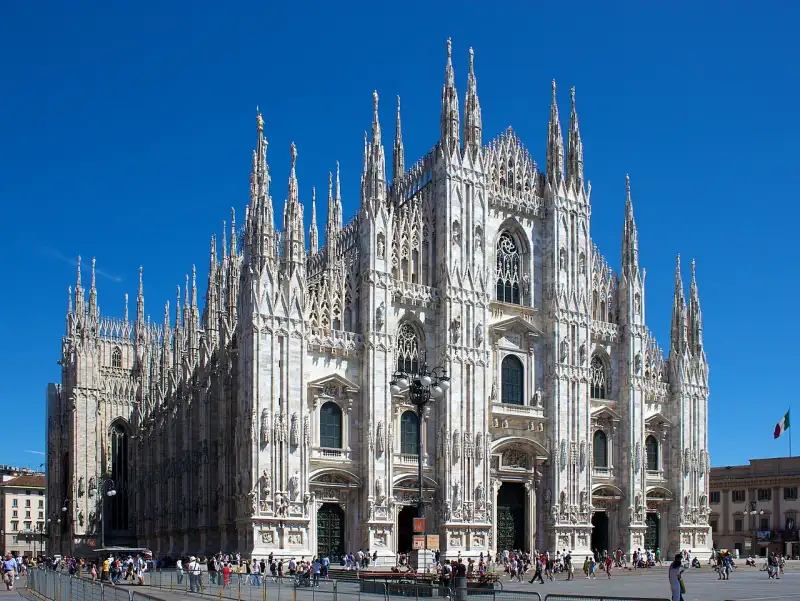
Le Dôme de Milan : L'Élégance de Marbre Blanc Salut les explorateurs du passé ! C'est Lucas. Poursuivons notre tour d'Europe des géants de pierre. Quittons la #France et l'Espagne pour nous diriger vers l'Italie. À Milan, sur une place bourdonnante d'activité, se dresse une montagne de marbre blanc aux proportions irréelles : Il Duomo di Milano. L'Exception Gothique Italienne Il faut savoir que l'Italie n'a jamais été particulièrement fan du style gothique français. Les Italiens préféraient les dômes ronds, les proportions classiques et les fresques. Le Duomo de Milan est l'exception qui confirme la règle. C'est l'un des rares édifices en Italie à avoir embrassé pleinement le gothique rayonnant et flamboyant nord-européen. Initié en 1386 par l'archevêque Antonio da Saluzzo et le seigneur Gian Galeazzo Visconti, le Duomo avait une ambition politique claire : rivaliser avec les grandes cathédrales d'Europe du Nord et asseoir la puissance de la dynastie Visconti. Une Forêt de Marbre Ce qui frappe immédiatement le visiteur, c'est le matériau. Contrairement à la pierre calcaire blonde de #Paris, le Duomo est entièrement revêtu de marbre de Candoglia, un marbre blanc-rose extrait d'une carrière spéciale près du lac Majeur. Les Visconti ont même creusé un système de canaux (les fameux Navigli) spécialement pour acheminer ces immenses blocs de marbre jusqu'au centre de Milan. Le résultat ? Un édifice qui semble scintiller sous le soleil de Lombardie. Avec ses 135 flèches (guglie) et plus de 3 400 statues extérieures, la toiture de la cathédrale ressemble à une forêt pétrifiée ou à un palais de glace. C'est le triomphe absolu du détail. La Madonnina : Protectrice de la Cité Si vous levez les yeux vers la plus haute flèche, à 108 mètres d'altitude, vous apercevrez une statue dorée qui brille de mille feux. C'est la Madonnina (la petite Madone), installée en 1774. Symbole de Milan, elle est recouverte de feuilles d'or véritable. La tradition milanaise exigeait qu'aucun bâtiment de la ville ne puisse dépasser la Madonnina. Lorsque le premier gratte-ciel milanais (la tour Pirelli) a été construit dans les années 1950 et l'a dépassée, une copie de la Madonnina a été placée sur son toit pour respecter la tradition ! Une Construction sur Six Siècles Comme beaucoup de cathédrales, le Duomo n'a pas été construit en un jour. En fait, il a fallu près de six siècles pour l'achever ! La façade, par exemple, est un curieux mélange. Commencée à la Renaissance, elle mêle des éléments gothiques, baroques et néo-gothiques. C'est d'ailleurs Napoléon Bonaparte, sur le point d'être couronné roi d'Italie en 1805, qui a ordonné et financé l'achèvement de la façade ! La Visite des Terrasses : Le Point d'Orgue En tant que passionné d'#architecture, le conseil absolu que je peux vous donner est de monter sur les terrasses du Duomo. Vous pouvez y accéder par des escaliers (pour les plus courageux) ou par un ascenseur. Marcher sur le toit du Duomo est une expérience indescriptible. Vous vous promenez littéralement à travers cette forêt de flèches, côtoyant de près les gargouilles et les saints de marbre. Par temps clair, la vue s'étend par-delà la plaine du Pô, jusqu'aux sommets enneigés des Alpes. C'est le lieu idéal pour comprendre la folie et le génie des bâtisseurs médiévaux. L'Intérieur : Immensité et Mystère Si l'extérieur est éclatant, l'intérieur est plongé dans une pénombre solennelle. La nef, l'une des plus hautes du monde, est divisée par 52 immenses piliers fasciculés (un pour chaque semaine de l'année). Ne manquez pas de chercher la statue de Saint-Barthélemy écorché vif, sculptée par Marco d'Agrate. Elle est d'un réalisme anatomique terrifiant, le saint portant sa propre peau sur ses épaules comme un manteau. Un autre détail fascinant est le clou sacré (le Saint Mors), supposément issu de la Vraie Croix, suspendu très haut dans l'abside, signalé par une petite lumière rouge. Le Duomo de Milan est une démonstration de force, un défi à la raison et un triomphe de l'artisanat humain. C'est une cathédrale qui n'a pas son pareil dans le monde, un "hérisson de marbre" (comme l'appelait Mark Twain) qui mérite absolument votre visite. #Milan #Duomo #Italie #ArchitectureGothique #VoyageEnItalie #HistoireDeLArt Related InsightsChloe Tremblay’s Epic 10-Day Iceland Ring Road Adventure: A Budgeter’s Paradise and Luxury Dream The Whispering Paths: Tracing Europe's Forgotten Salt Roads, From Alpine Mines to Adriatic Shores The Faroe Islands: Where Nordic Wilderness Meets Photographic Magic{ "@context": "https://schema.org", "@type": "FAQPage", "mainEntity": [ { "@type": "Question", "name": "What is the main focus of Le Dôme de Milan (Il Duomo) : L'Élégance de Marbre Blanc?", "acceptedAnswer": { "@type": "Answer", "text": "Découvrez le Dôme de Milan, la plus grande église gothique d'Italie. Une forêt de flèches en marbre de Candoglia qui défie le temps et la gravité." } }, { "@type": "Question", "name": "Who authored the comprehensive guide on Le Dôme de Milan (Il Duomo) : L'Élégance de Marbre Blanc?", "acceptedAnswer": { "@type": "Answer", "text": "This detailed article and its insights were carefully researched and authored by Lucas Martin." } }, { "@type": "Question", "name": "Where can I find more related content about Travel?", "acceptedAnswer": { "@type": "Answer", "text": "You can explore more articles, detailed reviews, and similar insights by browsing the Related Insights section at the bottom of this article or visiting our dedicated Travel category page." } } ] }

-
 Emily Page
 - 03 Jul, 2026 10:18
Whispers on Carbon Paper: The Subversive Art of Samizdat Literature in the Shadow of the Iron Curtain
Imagine a world where the act of reading a certain book could mean imprisonment, exile, or worse. A world where the mere possession of a particular poem, essay, or novel was an act of profound rebellion, a whisper against the deafening roar of state propaganda. This was the reality for millions living under the rigid control of the Soviet Union and its satellite states, where intellectual freedom was a dangerous fantasy, and official narratives were enforced with an iron fist. Yet, even in such an oppressive climate, the human spirit, driven by an insatiable hunger for truth and self-expression, found a way. It found its voice not in grand pronouncements or public demonstrations, but in the quiet, clandestine act of self-publishing – a phenomenon known as samizdat. The word "samizdat" itself, a portmanteau of "sam" (self) and "izdatelstvo" (publishing house), offers a wry, poignant commentary on its very #nature. It wasn't a commercial venture, but a desperate necessity, an underground river of ideas flowing beneath the frozen surface of totalitarianism. These weren't mass-produced volumes with crisp pages and glossy covers. Samizdat texts were often crude, smudged, and fragile, testament to their illicit birth and perilous #journey. They were the very antithesis of official literature, a defiant assertion that truth, even when meticulously suppressed, would always find a medium. This is not merely a historical curiosity; it is a profound testament to the enduring power of the written word, a testament that resonates with chilling relevance in any age where freedom of thought is threatened. The Anatomy of a Whisper: How Samizdat Was Born The genesis of a samizdat text was as unassuming as it was audacious. Lacking access to printing presses, which were strictly state-controlled, dissidents turned to the most ubiquitous and unassuming of tools: the typewriter. Imagine the scene: a dimly lit kitchen late at night, the rhythmic clack-clack-clack of keys, carefully muffled, each strike a tiny blow against censorship. Original manuscripts, perhaps a forbidden poem or a dissident essay, would be typed out, usually with four or five carbon copies beneath the original. This created a precious handful of "first-generation" copies, each a tangible act of defiance. But the process didn't end there. These initial copies would then be passed from hand to hand, friend to friend, trusted acquaintance to trusted acquaintance. Each recipient, if they had access to a typewriter and carbon paper, was expected to re-type the text, creating another set of copies. This iterative process, slow and labor-intensive, was the lifeblood of samizdat. The quality of the text often deteriorated with each generation – smudged letters, typos, faint impressions – but these imperfections were also badges of authenticity, proof of its perilous journey. Sometimes, particularly sensitive documents or longer works would be meticulously handwritten, the very act of transcription an intimate form of engagement with the forbidden ideas. Distribution was a dangerous ballet. There were no bookstores, no public libraries for these books. Instead, texts were slipped under doors, passed in briefcases, hidden in coats, or memorized and recited. A single book could traverse vast distances, crossing republics and languages, fueled by a network of brave individuals who risked everything for the sake of an idea. The "readers" of samizdat were not passive consumers; they were active participants in a dangerous intellectual relay race, each one a temporary guardian of a fragile truth.The Voices of Defiance: Authors and Their Forbidden Works The pantheon of samizdat authors includes some of the 20th century's most profound and courageous literary figures. Alexander Solzhenitsyn, arguably the most famous, saw his monumental exposé of the Soviet forced labor camp system, The Gulag Archipelago, first circulate in samizdat form before its explosive publication abroad. Its detailed, unflinching account of state terror ripped open the carefully constructed facade of Soviet propaganda, becoming a touchstone for dissent worldwide. But Solzhenitsyn was far from alone. Andrei Sakharov's essays on human rights and intellectual freedom, critical of the Soviet regime he once served as a nuclear physicist, also found their way into samizdat circles, galvanizing the nascent human rights movement. Poets like Joseph Brodsky, persecuted for his "parasitism" (lack of official employment), had his verses meticulously copied and distributed, ensuring his voice resonated even when he was silenced by the state. Writers like Venedikt Erofeev, whose darkly satirical novel Moscow-Petushki offered a surreal, alcoholic odyssey through Soviet reality, achieved cult status precisely because of its underground circulation. Beyond individual authors, samizdat also served as a conduit for collective manifestos, political critiques, and chronicles of dissent. The Chronicle of Current Events, a typewritten human rights bulletin produced by anonymous activists, meticulously documented political arrests, trials, and abuses from 1968 to 1982. It was a lifeline of information, providing a vital counter-narrative to official Soviet media and connecting dissidents across the vast Soviet #empire. In Czechoslovakia, Václav Havel's philosophical essays and plays, banned by the communist regime, were central to the samizdat movement there, inspiring Charter 77 and ultimately contributing to the Velvet Revolution. These texts were not merely literature; they were weapons in an ideological war, forged from courage and conviction. The Reader's Covenant: Danger, Discovery, and Community To read a samizdat text was to enter into a silent covenant. It was an act fraught with danger. Discovery could lead to immediate consequences: loss of job, expulsion from university, interrogation by the KGB, or even forced psychiatric treatment. Yet, the rewards were immeasurable. For those starved of truth and genuine intellectual discourse, samizdat offered a window into an alternative reality, a validation of their own suppressed thoughts and feelings. It fostered a sense of community, a shared understanding among those who dared to question. Imagine receiving a heavily re-typed, barely legible copy of Anna Akhmatova's Requiem, a searing poetic cycle about the Stalinist purges. You would guard it jealously, perhaps read it in secret, late at night, the words burning with a newfound intensity because of their forbidden nature. Then, you might discreetly pass it on to a trusted friend, a whispered agreement sealing the exchange. Each book became a shared secret, a bond between individuals who, through the simple act of reading, became co-conspirators in the pursuit of truth. These texts were not passive entertainment; they were catalysts for critical thought, fostering intellectual resilience in the face of relentless ideological pressure. Beyond the Iron Curtain: Tamizdat and Global Solidarity While samizdat circulated within the Soviet Bloc, its counterpart, tamizdat (from "tam" meaning "there" or "abroad" and "izdatelstvo"), was crucial for its wider impact. Tamizdat referred to works by Soviet dissidents that were published outside the Soviet Union, often smuggled out as samizdat manuscripts. The Western world, particularly organizations like Radio Free Europe and various publishing houses, played a critical role in bringing these forbidden voices to a global audience. The interplay between samizdat and tamizdat was a complex dance. Publication abroad often gave samizdat authors international recognition and, paradoxically, a degree of protection. While the Soviet authorities could persecute authors for their writings, the international outcry following the imprisonment of a globally recognized figure like Solzhenitsyn or Sakharov was harder to ignore. This international attention helped to sustain the samizdat movement, providing both a potential outlet and a shield for those who risked everything at home. It demonstrated that ideas, once unleashed, knew no borders, no iron curtains. The Enduring Legacy and the Bibliophile's Quest The era of pervasive samizdat largely faded with the collapse of the Soviet Union. The printing presses opened, censorship loosened, and the forbidden became freely available. Yet, the legacy of samizdat endures as a powerful testament to the human desire for freedom of expression and the resilience of the written word. It reminds us that books are not merely objects of entertainment or instruction; they can be acts of courage, vessels of defiance, and catalysts for profound social and political change. For the modern bibliophile, samizdat represents a particularly fascinating and challenging area of collection. These are not pristine first editions with elegant bindings. A genuine samizdat piece is typically fragile, often poorly typed on cheap paper, with faded carbon copies, annotations, and smudges that tell a story far beyond the words themselves. Each surviving copy is a relic of resistance, a tangible link to a time when ideas were dangerous and books were smuggled like contraband. Collecting samizdat is a quest for authenticity, for the faint impressions of a typewriter ribbon that hammered out forbidden truths in the dead of night. It’s about understanding the provenance of a document, the journey it took from a dissident's desk to a clandestine reading circle. These unique artifacts embody the spirit of those who risked everything to ensure that truth, in whatever humble form, would persist. They are not merely rare books; they are historical documents imbued with the very essence of human perseverance and intellectual bravery.The story of samizdat is a powerful reminder that freedom is never truly given; it is perpetually asserted. In an age where information flows freely yet can also be manipulated and controlled, the underground whispers of samizdat literature serve as a stark warning and an enduring inspiration. They demonstrate that the simple act of putting words on paper, and the courageous act of seeking them out and sharing them, can ultimately reshape the world. The paper may be thin, the ink may be faint, but the ideas carried within those forbidden pages were, and remain, unbreakably strong.#SamizdatLiterature #SovietDissent #ForbiddenBooks #LiteraryHistory #FreedomOfSpeech Related InsightsRagpicker King Book Review and Summary You Like It Darker Book Review and Summary Trigger Happy Book Review and Summary{ "@context": "https://schema.org", "@type": "FAQPage", "mainEntity": [ { "@type": "Question", "name": "What is the main focus of Whispers on Carbon Paper: The Subversive Art of Samizdat Literature in the Shadow of the Iron Curtain?", "acceptedAnswer": { "@type": "Answer", "text": "Delve into the clandestine world of samizdat, where typewriters became instruments of defiance and forbidden books carved pathways to freedom in Soviet-era Eastern Europe." } }, { "@type": "Question", "name": "Who authored the comprehensive guide on Whispers on Carbon Paper: The Subversive Art of Samizdat Literature in the Shadow of the Iron Curtain?", "acceptedAnswer": { "@type": "Answer", "text": "This detailed article and its insights were carefully researched and authored by Emily Page." } }, { "@type": "Question", "name": "Where can I find more related content about Books?", "acceptedAnswer": { "@type": "Answer", "text": "You can explore more articles, detailed reviews, and similar insights by browsing the Related Insights section at the bottom of this article or visiting our dedicated Books category page." } } ] }
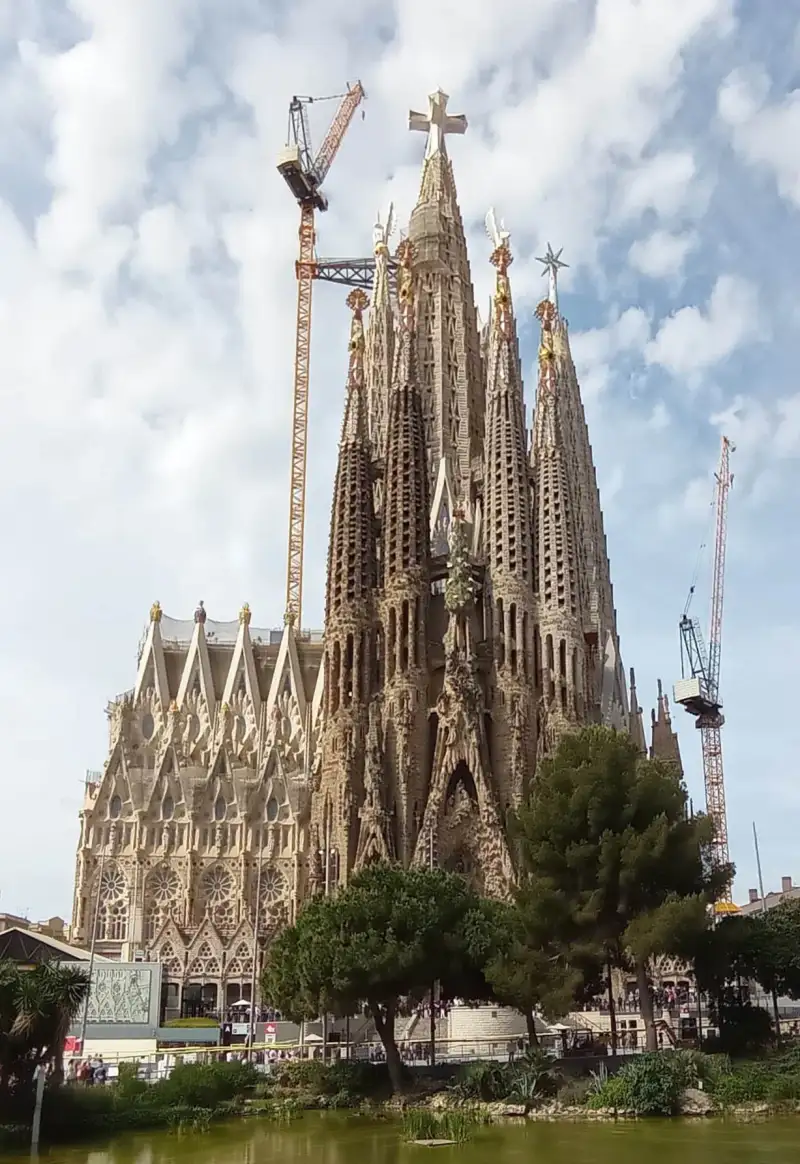
La Sagrada Familia : Le Gothique Réinventé par Gaudí Bonjour à tous, passionnés d'#architecture et de voyages ! Lucas Martin au rapport. Si mon cœur de futur historien bat la chamade pour les cathédrales gothiques françaises, il m'est impossible d'ignorer la manière dont ce style a été sublimé, déconstruit et transcendé en Espagne. Aujourd'hui, nous partons pour Barcelone, à la découverte de la Sagrada Familia, le chef-d'œuvre inachevé d'Antoni Gaudí. L'Héritage Gothique et la Vision Moderniste La Sagrada Familia n'a pas commencé comme un projet moderniste. En 1882, l'architecte Francisco de Paula del Villar initie la construction avec un plan strictement néo-gothique. Cependant, des désaccords surviennent, et en 1883, un jeune architecte de 31 ans, Antoni Gaudí, reprend le projet. Gaudí respecte le plan en croix latine initial, mais il va révolutionner l'élévation et la structure. Pour lui, le style gothique traditionnel était imparfait car il nécessitait l'usage de "béquilles" (les arcs-boutants) pour se tenir debout. Inspiré par la #nature, Gaudí conçoit un système d'arborescence : des colonnes inclinées qui se ramifient comme les branches d'un arbre, soutenant les voûtes de manière organique et autonome. La Nature comme Maître d'Œuvre La véritable révolution de la Sagrada Familia réside dans son intégration totale de la nature. Gaudí affirmait que l'originalité consiste à "revenir à l'origine". L'intérieur de la basilique ressemble à une forêt géante. Les colonnes, faites de porphyre, de basalte, de granit et de pierre, varient en épaisseur et en couleur. La lumière pénètre par des fenêtres savamment orientées, créant un kaléidoscope de couleurs. Au lever du soleil, les teintes froides (bleus, verts) baignent la nef, symbolisant la naissance. Au coucher du soleil, les tons chauds (rouges, oranges) embrasent l'intérieur, représentant la passion et la mort. C'est une expérience spirituelle et sensorielle unique au monde. Les Trois Façades de l'Humanité La cathédrale est pensée comme une Bible ouverte, racontant la vie du Christ à travers trois façades monumentales :La Façade de la Nativité : Orientée vers l'est (le lever du soleil), elle est la seule construite du vivant de Gaudí. C'est une explosion de détails sculpturaux, grouillant de vie végétale, animale et humaine. La Façade de la Passion : Orientée vers l'ouest. Contrairement à la Nativité, cette façade (achevée bien plus tard) est austère, angulaire et dépouillée, symbolisant la souffrance, la mort et le sacrifice. Josep Maria Subirachs y a sculpté des figures aux lignes dures et dramatiques. La Façade de la Gloire : Orientée vers le sud, elle sera la plus imposante et deviendra l'entrée principale une fois terminée. Elle symbolisera la résurrection et la gloire céleste.Les Tours : Un Lien vers le Ciel Le projet final prévoit 18 tours : 12 pour les apôtres, 4 pour les évangélistes, 1 pour la Vierge Marie (inaugurée récemment avec son étoile lumineuse) et la tour centrale dédiée à Jésus-Christ, qui culminera à 172,5 mètres. Gaudí a délibérément choisi cette hauteur pour être juste un peu plus bas que la colline de Montjuïc. Pour lui, l'œuvre de l'homme ne devait jamais dépasser l'œuvre de Dieu (la nature). Quand Sera-t-elle Terminée ? La question que tout le monde se pose : à quand la fin ? Pendant des décennies, le financement dépendait uniquement des dons privés, ce qui expliquait la lenteur des travaux (Gaudí disait d'ailleurs : "Mon client n'est pas pressé"). Aujourd'hui, grâce aux millions de visiteurs annuels, le financement est assuré. La date symbolique de 2026, marquant le centenaire de la mort de Gaudí (renversé par un tramway en 1926), est souvent évoquée, bien que la pandémie ait ralenti le calendrier. Le Verdict de l'Historien La Sagrada Familia est souvent critiquée par les puristes pour son exubérance, voire qualifiée de "monstre" par certains écrivains (George Orwell la détestait). Pourtant, en tant qu'étudiant en histoire, je la vois comme l'évolution ultime du rêve gothique. Les bâtisseurs de cathédrales du Moyen Âge cherchaient la lumière et la hauteur ; Gaudí a accompli leur rêve en utilisant la géométrie et la nature. Conseils de Voyage :Réservez vos billets en ligne des mois à l'avance, la file d'attente est colossale. Prenez le temps de visiter le musée en sous-sol, il explique en détail les modèles en fil et poids inversés utilisés par Gaudí pour calculer les charges.C'est un chantier permanent, une œuvre vivante. Allez la voir, et laissez-vous transporter par ce génie absolu. #SagradaFamilia #Barcelone #Gaudí #Architecture #VoyageEnEspagne #Modernisme #Espagne #Barcelone #Gaud #Modernisme Related InsightsCanada's Rocky Mountains: Emerald Lakes and Alpine Adventures Georgia’s Caucasus Mountains: Where Medieval Villages, Ancient Wine, and Epic Hikes Collide Discover Luang Prabang's Hidden Gems{ "@context": "https://schema.org", "@type": "FAQPage", "mainEntity": [ { "@type": "Question", "name": "What is the main focus of La Sagrada Familia : Le Gothique Réinventé par Gaudí?", "acceptedAnswer": { "@type": "Answer", "text": "Plongez dans l'univers fascinant de la Sagrada Familia à Barcelone, où Antoni Gaudí a transcendé l'architecture gothique pour créer un chef-d'œuvre moderniste." } }, { "@type": "Question", "name": "Who authored the comprehensive guide on La Sagrada Familia : Le Gothique Réinventé par Gaudí?", "acceptedAnswer": { "@type": "Answer", "text": "This detailed article and its insights were carefully researched and authored by Lucas Martin." } }, { "@type": "Question", "name": "Where can I find more related content about Travel?", "acceptedAnswer": { "@type": "Answer", "text": "You can explore more articles, detailed reviews, and similar insights by browsing the Related Insights section at the bottom of this article or visiting our dedicated Travel category page." } } ] }
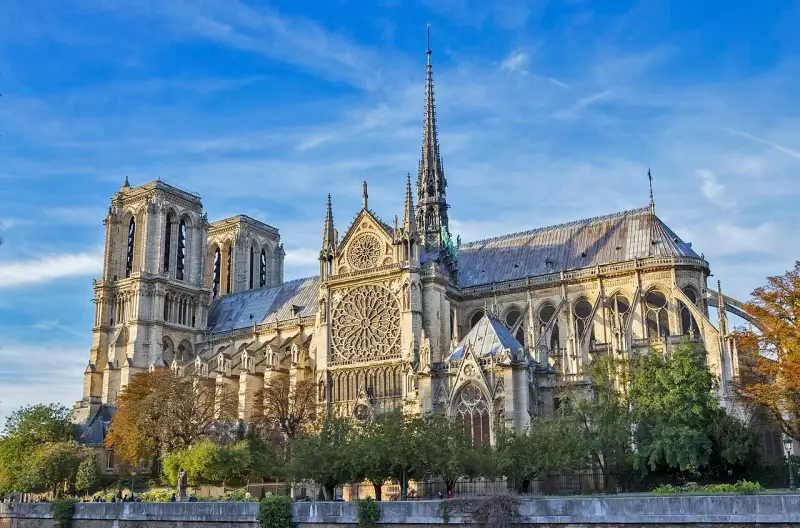
Notre-Dame de #Paris : La Résilience du Chef-d'œuvre Gothique Bienvenue à tous les passionnés d'histoire et d'#architecture. Je suis Lucas Martin, étudiant en histoire, et aujourd'hui je vous emmène au cœur de la #France, sur l'Île de la Cité, pour redécouvrir l'un des monuments les plus emblématiques au monde : Notre-Dame de Paris. Un Chef-d'œuvre Né de la Boue et de la Foi La construction de la cathédrale Notre-Dame de Paris a débuté en 1163, sous l'impulsion de l'évêque Maurice de Sully. À cette époque, Paris émergeait comme le centre intellectuel et politique de l'Europe. Il fallait une cathédrale digne de ce nouveau statut. Pendant près de deux siècles, des artisans, des tailleurs de pierre, des charpentiers et des maîtres verriers ont travaillé sans relâche pour élever cet édifice majestueux vers les cieux. L'architecture gothique de Notre-Dame est caractérisée par ses innovations techniques spectaculaires. L'utilisation des arcs-boutants a permis de soutenir les murs très hauts et d'ouvrir de vastes espaces pour les vitraux. Ces arcs, tels de gigantesques bras de pierre, ne sont pas seulement structurels ; ils ajoutent une esthétique élancée et aérienne à la cathédrale. L'Art des Vitraux : La Lumière Divine L'une des merveilles absolues de Notre-Dame réside dans ses immenses rosaces. La rosace nord, avec ses 13 mètres de diamètre, est un chef-d'œuvre de géométrie et de couleur, datant du 13e siècle. Lorsque la lumière du soleil traverse ces milliers de morceaux de verre coloré, elle inonde la nef d'une lueur mystique. Au Moyen Âge, la lumière n'était pas seulement fonctionnelle ; elle était théologique. On croyait que Dieu était lumière (Lux), et les cathédrales gothiques étaient conçues pour capturer cette essence divine. Les vitraux servaient également de "Bible de pierre" pour une population largement analphabète, racontant les histoires de l'Ancien et du Nouveau Testament. Les Gargouilles et les Chimères Il est impossible de parler de Notre-Dame sans évoquer ses fameuses gargouilles et chimères. Contrairement à une idée reçue, les gargouilles ont une fonction purement pratique : elles servent à évacuer l'eau de pluie loin des murs pour éviter la corrosion de la pierre. Les chimères, en revanche, sont de pures décorations ajoutées lors de la restauration menée par Eugène Viollet-le-Duc au 19e siècle. Ces créatures fantastiques, mi-bêtes mi-démons, contemplent Paris du haut des tours. Elles symbolisent le mal repoussé hors de l'église, tout en ajoutant une touche romantique et sombre à l'édifice, immortalisée par Victor Hugo dans son célèbre roman. Les Reliques Sacrées Notre-Dame est bien plus qu'une prouesse architecturale ; c'est un sanctuaire spirituel. Elle abrite l'une des reliques les plus vénérées du monde chrétien : la Sainte Couronne d'épines, acquise par le roi Saint-Louis au 13e siècle. Pour abriter cette relique inestimable, Louis IX avait d'ailleurs fait construire la Sainte-Chapelle, un autre joyau gothique situé à quelques pas de Notre-Dame. Aujourd'hui encore, la conservation de ces reliques fait l'objet d'une vénération particulière. Le Tragique Incendie de 2019 et la Résurrection Le 15 avril 2019, le monde entier a retenu son souffle en voyant les flammes ravager la toiture de Notre-Dame et provoquer l'effondrement de la célèbre flèche de Viollet-le-Duc. La "forêt", cette charpente en bois de chêne datant du 13e siècle, est partie en fumée. Pourtant, dans cette tragédie, la résilience du chef-d'œuvre s'est manifestée. La structure principale, les tours et la majeure partie des voûtes ont tenu bon. Aujourd'hui, un chantier de restauration titanesque est en cours, mêlant savoir-faire traditionnels et technologies de pointe (comme la numérisation 3D). Ce chantier est une preuve vivante que la cathédrale continue de fédérer l'humanité, bien au-delà de ses frontières. Conseils aux Voyageurs Si vous prévoyez de visiter Paris dans les années à venir, voici quelques conseils pour apprécier Notre-Dame :Prenez du recul : Les meilleures vues sur la cathédrale s'obtiennent depuis les quais de la Seine, particulièrement au coucher du soleil. Explorez l'Île de la Cité : Ne vous limitez pas à la cathédrale. Les ruelles de l'île, la Conciergerie et la place Dauphine valent le détour. Plongez dans l'histoire : Lisez "Notre-Dame de Paris" de Victor Hugo avant votre visite. Ce roman vous donnera une perspective unique sur l'âme de l'édifice.Notre-Dame de Paris n'est pas seulement un tas de pierres ; c'est le cœur battant de la France. Elle a survécu aux guerres, aux révolutions et aux incendies. Elle continuera de se tenir debout, témoin silencieux mais puissant de notre histoire commune. Merci de m'avoir accompagné dans cette exploration. L'histoire s'écrit chaque jour, et nous en sommes les témoins. #NotreDame #Paris #ArchitectureGothique #HistoireDeFrance #VoyageCulturel #PatrimoineMondial #France #Paris #Gothique #Cathdrales Related InsightsTerme di Caracalla: Il Lusso del Benessere Romano Gobeklitepe: The First Temple Beyond the Great Wall: Uncovering the Ming Dynasty Watchtowers in Hebei{ "@context": "https://schema.org", "@type": "FAQPage", "mainEntity": [ { "@type": "Question", "name": "What is the main focus of Notre-Dame de Paris : La Résilience du Chef-d'œuvre Gothique?", "acceptedAnswer": { "@type": "Answer", "text": "Découvrez l'histoire fascinante de Notre-Dame de Paris, chef-d'œuvre de l'architecture gothique française, sa résilience à travers les siècles et ses secrets." } }, { "@type": "Question", "name": "Who authored the comprehensive guide on Notre-Dame de Paris : La Résilience du Chef-d'œuvre Gothique?", "acceptedAnswer": { "@type": "Answer", "text": "This detailed article and its insights were carefully researched and authored by Lucas Martin." } }, { "@type": "Question", "name": "Where can I find more related content about Travel?", "acceptedAnswer": { "@type": "Answer", "text": "You can explore more articles, detailed reviews, and similar insights by browsing the Related Insights section at the bottom of this article or visiting our dedicated Travel category page." } } ] }