-
 Chloe Blanc
- 03 Jul, 2026 09:00
Madeleine : Le Souvenir Sucré de l'Enfance
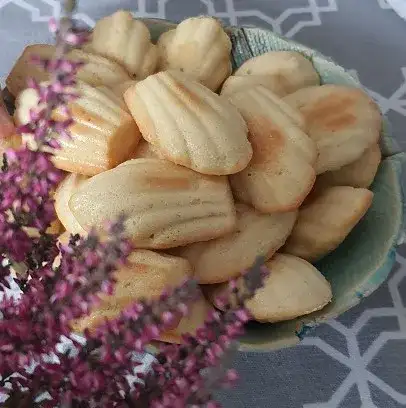
L'Éloge de la Madeleine : Un Voyage au Cœur de la Mémoire Émotionnelle et de la Haute Pâtisserie Bienvenue, chers passionnés de l'art sucré, dans ce nouvel espace où la magie de la haute pâtisserie prend vie. Je suis Chloe Blanc, et aujourd'hui, j'ai l'immense privilège de vous emmener dans un voyage sensoriel, historique et technique autour de l'un des joyaux les plus précieux de notre patrimoine culinaire français : la madeleine. Ce petit gâteau, à l'apparence si modeste et pourtant si sophistiquée, est bien plus qu'une simple douceur que l'on savoure distraitement à l'heure du thé. C'est une véritable institution, une capsule temporelle qui nous ramène instantanément à l'innocence de l'enfance, une symphonie de textures et de saveurs qui, lorsqu'elle est exécutée à la perfection, touche à l'universel. Marcel Proust a immortalisé la madeleine dans son chef-d'œuvre « À la recherche du temps perdu », décrivant avec une justesse bouleversante comment le goût subtil de ce gâteau trempé dans une infusion de tilleul a fait rejaillir, avec une vivacité inouïe, tout un pan oublié de son passé. Mais en tant que pâtissière professionnelle, mon rapport à la madeleine va bien au-delà de la littérature et de la simple nostalgie. C'est une quête perpétuelle de perfection, un équilibre fragile entre la chimie complexe des ingrédients, la maîtrise absolue des températures et l'amour du geste précis. La madeleine est exigeante, capricieuse même. Elle demande du respect, du temps et une compréhension profonde de ce qui se joue à l'intérieur du four. Dans cet article exhaustif, je vous dévoilerai absolument tous les secrets qui entourent la madeleine. Nous explorerons ses origines fascinantes, nous décortiquerons l'anatomie de la madeleine parfaite, nous plongerons dans la sélection intransigeante des matières premières, et surtout, je vous confierai les techniques de haute volée qui vous permettront d'obtenir cette fameuse « bosse » qui fait la fierté absolue de tout bon pâtissier. Préparez-vous à redécouvrir la madeleine sous un jour nouveau, celui de l'excellence et de la gourmandise sans compromis. Une Histoire Fascinante : De Commercy aux Tables Royales de Versailles Pour comprendre l'âme véritable de la madeleine, il faut remonter le temps et se rendre dans la région de Lorraine, plus précisément dans la charmante ville de Commercy, au beau milieu du XVIIIe siècle. L'histoire, toujours un peu teintée de légende et de romantisme, nous raconte que le duc de Lorraine, Stanislas Leszczynski (ancien roi de Pologne et beau-père bien-aimé du roi de France Louis XV), donnait une réception somptueuse dans son prestigieux château de Commercy. Suite à une querelle orageuse en cuisine, le chef pâtissier jeta son tablier et quitta les lieux, laissant le souverain et ses prestigieux invités sans le moindre dessert pour couronner le banquet. C'est alors qu'une jeune et audacieuse servante, prénommée Madeleine Paulmier, proposa de confectionner, à la hâte, de petits gâteaux selon une recette secrète que lui avait transmise sa grand-mère. Ces petites merveilles, cuites dans des coquilles Saint-Jacques qui leur donnèrent leur forme striée si caractéristique, firent une véritable sensation parmi les convives. Le duc Stanislas, enchanté par leur texture moelleuse, leur belle couleur dorée et leur parfum délicat, décida sur-le-champ de baptiser ces gâteaux du prénom de leur créatrice : « Madeleine ». Le succès fut d'une telle ampleur que la recette voyagea rapidement jusqu'à la majestueuse cour de Versailles, portée par les louanges de Marie Leszczynska, la fille de Stanislas et épouse de Louis XV. La madeleine conquit d'abord l'aristocratie française, s'imposant lors des goûters royaux, avant de se démocratiser progressivement et de devenir, au fil des siècles, l'emblème indétrônable de la pâtisserie ménagère et bourgeoise. Aujourd'hui, de nombreuses villes revendiquent des variations de la madeleine, mais Commercy reste la capitale historique et incontestée de ce délice. Des artisans passionnés y perpétuent la tradition, utilisant toujours des moules en forme de coquille, bien que l'acier lourd et le silicone antiadhésif aient depuis longtemps remplacé les véritables coquillages de bord de mer. Cette riche histoire nous rappelle humblement que les plus grandes inventions culinaires naissent souvent de l'imprévu, de la nécessité et de la transmission affectueuse des secrets de famille. C'est cet héritage extraordinaire que j'essaie d'honorer chaque fois que je beurre méticuleusement mes moules. L'Anatomie d'une Madeleine Parfaite : La Quête de l'Excellence En tant que chef pâtissier, je suis très souvent interrogée par mes apprentis ou mes clients sur ce qui différencie fondamentalement une bonne madeleine d'une madeleine exceptionnelle. La réponse réside toujours dans les détails, dans cette anatomie si particulière qui doit solliciter et ravir tous nos sens en une seule bouchée. Visuellement d'abord, une madeleine parfaite doit présenter deux faces distinctement opposées et complémentaires. Sur le dessous, on doit impérativement retrouver l'empreinte nette et précise de la coquille, avec des stries régulières, dorées à souhait, presque caramélisées, témoignant d'une cuisson homogène au contact de la matière. Les bords doivent être légèrement croustillants, offrant une mâche résistante et gourmande qui contraste avec la tendresse du cœur. Et puis, il y a le dessus. La surface doit être d'une douceur veloutée, d'un blond vénitien appétissant, et surtout, couronnée par la mythique, l'incontournable « bosse ». Cette excroissance voluptueuse et fière n'est absolument pas un défaut esthétique, c'est la signature indéniable d'une maîtrise technique irréprochable. Elle indique clairement que l'appareil a subi le bon choc thermique, s'épanouissant vers le haut avec énergie au lieu de s'étaler misérablement. À la dégustation, la magie doit opérer instantanément. La croûte, fine et délicate sous la dent, doit immédiatement céder la place à une mie d'une tendreté absolue, presque aérienne. Une véritable madeleine ne doit jamais, au grand jamais, être sèche ; elle doit conserver une humidité réconfortante, capturant à l'intérieur de ses alvéoles les parfums puissants de beurre noisette, de vanille des îles et d'agrumes fraîchement râpés. Le beurre doit tapisser le palais sans l'alourdir, laissant une longueur en bouche élégante, parfumée et régressive. C'est cet équilibre fragile entre le croquant des bords, le moelleux du centre et l'explosion aromatique qui définit la véritable haute pâtisserie. Chaque bouchée doit être une célébration. Les Ingrédients : La Symphonie des Saveurs et la Qualité Intransigeante En pâtisserie française, et particulièrement pour les classiques épurés, la recette n'est qu'une partition silencieuse ; ce sont les ingrédients qui en sont les musiciens. Pour obtenir une madeleine digne d'un grand salon de thé, aucun compromis n'est permis. Oubliez définitivement les arômes artificiels en fiole ou les margarines sans âme, nous parlons ici d'artisanat pur et exigeant. Le Beurre : L'Âme de la Madeleine Le beurre est indiscutablement l'ingrédient roi de cette préparation. Je préconise un beurre de baratte extra-fin, idéalement un beurre AOP d'Isigny ou de Charentes-Poitou, riche en matières grasses (au moins 82%). Mais le véritable secret de la madeleine de palace réside dans la préparation minutieuse de ce beurre : il doit être transformé en « beurre noisette ». En le chauffant doucement dans une petite casserole, l'eau s'évapore et les protéines de lait caramélisent subtilement, développant des arômes torréfiés, chauds et profonds, rappelant indéniablement la noisette grillée. Ce beurre noisette, une fois refroidi et soigneusement filtré, apportera une dimension aromatique incomparable et une profondeur unique à votre pâte. Les Œufs et le Sucre : La Structure et l'Émulsion Les œufs doivent être d'une fraîcheur irréprochable, si possible biologiques ou provenant de poules élevées en plein air. Surtout, ils doivent impérativement être à température ambiante pour garantir une émulsion parfaite et aérienne avec le sucre. Quant au sucre, j'aime personnellement combiner le sucre en poudre classique, extra-fin (qui apporte le croustillant de la croûte), avec une touche de miel (un miel d'acacia doux, aux notes florales subtiles). Le miel agit comme un sucre inverti naturel ; il retient l'humidité avec efficacité et garantit que votre madeleine restera extraordinairement moelleuse pendant plusieurs jours, tout en ajoutant une note complexe très élégante. La Farine et la Levure : La Légèreté Aérienne Utilisez de préférence une farine de blé type T45, qui est fine et surtout peu riche en gluten, pour éviter de donner de l'élasticité à la pâte au moment du mélange. La madeleine doit rester tendre, friable, et ne surtout pas devenir caoutchouteuse sous la dent. La levure chimique (ou poudre à lever) doit quant à elle être pesée au gramme près avec une balance de précision. Trop de levure et la madeleine développera un désagréable arrière-goût métallique ou savonneux ; trop peu, et elle sera dense, lourde, ressemblant davantage à un palet breton qu'à un nuage lorrain. Les Aromates : La Signature du Pâtissier C'est précisément ici que s'exprime la personnalité, le goût et l'intuition du pâtissier. La madeleine traditionnelle fait la part belle au zeste de citron jaune, fraîchement râpé (idéalement un citron de Menton, de Sicile ou d'Amalfi, dont l'écorce est gorgée d'huiles essentielles), qui apporte une fraîcheur indispensable pour balancer la richesse du beurre. J'y ajoute toujours, religieusement, les grains d'une véritable gousse de vanille charnue de Tahiti ou de Madagascar. La rencontre alchimique entre les notes torréfiées du beurre noisette, l'acidité vibrante du citron et la rondeur réconfortante de la vanille crée une synergie aromatique littéralement envoûtante. Le Secret Ultime de la Bosse : La Magie du Choc Thermique Abordons maintenant le Saint Graal, l'obsession de tout amateur de pâtisserie : comment obtenir, à coup sûr, cette bosse majestueuse et rebondie ? Pendant des décennies, des théories farfelues ont circulé dans les cuisines familiales. Certains juraient qu'il fallait mettre une cuillère en argent dans le fond du four, d'autres soutenaient mordicus qu'il fallait inciser la pâte en pleine cuisson. La vérité, elle, est purement scientifique : elle réside dans la thermodynamique et ce que nous appelons dans notre jargon professionnel le « choc thermique ». La première règle d'or, absolue et non négociable, est le repos. Une fois votre appareil à madeleine soigneusement préparé, il est strictement interdit de l'enfourner immédiatement. La pâte doit reposer au réfrigérateur, couverte, pendant au moins 12 heures, idéalement 24 heures. Ce long sommeil au froid intense a un double objectif. D'une part, il permet au réseau de gluten (le peu qui s'est formé lors du mélange) de se détendre totalement, ce qui garantit le moelleux. D'autre part, il permet au beurre de figer et aux délicats arômes de vanille et de citron d'infuser profondément dans la pâte. Mais surtout, et c'est là le point crucial, il refroidit la masse à cœur. Lorsque vous enfournez cette pâte glaciale dans un four préchauffé à très haute température (généralement autour de 220°C ou 425°F), un phénomène fascinant se produit. Les bords de la madeleine, en contact direct avec le métal brûlant et beurré du moule, cuisent, caramélisent et se figent presque instantanément. Une croûte solide se forme. Cependant, le cœur de la pâte, qui est encore très froid grâce à son séjour au réfrigérateur, prend beaucoup plus de temps à chauffer. Au fur et à mesure que la chaleur radiante pénètre inexorablement vers le centre, la levure chimique s'active brusquement, créant des bulles de gaz, tandis que l'eau contenue dans le beurre et les œufs se transforme en vapeur. Puisque les bords sont déjà emprisonnés par la croûte rigide et inébranlable, la seule échappatoire pour cette pâte en pleine expansion et pour ces gaz sous pression est de pousser vers le haut, là où le centre est encore liquide, tendre et flexible. C'est cette éruption volcanique miniature, poussée par la chaleur extrême, qui forme la célèbre bosse. Sans ce contraste violent entre une pâte très froide et un four très chaud, la madeleine cuira uniformément et restera désespérément, tragiquement plate. La Masterclass de Chloe Blanc : Ma Recette Signature Puisque nous partageons un amour profond pour la haute pâtisserie, je ne pouvais décemment pas rédiger cet article sans vous offrir un accès privilégié à ma propre recette, celle que je peaufine, ajuste et perfectionne depuis mes débuts dans les plus grands palaces parisiens. Voici, dévoilés pour vous, les secrets de la « Madeleine Signature Chloe Blanc ». Les Proportions (pour une vingtaine de madeleines parfaites) :150g de beurre doux d'excellence (AOP Isigny), afin d'obtenir environ 120g de beurre noisette propre 3 gros œufs entiers (scrupuleusement à température ambiante) 100g de sucre semoule extra-fin 25g de miel d'acacia de grande qualité 130g de farine T45 minutieusement tamisée 6g de levure chimique de bonne qualité 1 généreuse pincée de fleur de sel de Guérande Le zeste très fin d'un citron jaune non traité Les graines pulpeuses d'une grosse gousse de vanilleLa Méthodologie Pas à Pas : Étape 1 : Le Précieux Beurre Noisette Dans une petite casserole à fond épais, faites fondre le beurre à feu moyen. Laissez-le crépiter (c'est l'eau qui s'évapore en chantant). Lorsqu'il cesse complètement de chanter, qu'une mousse fine apparaît en surface et qu'il prend une belle couleur ambrée tout en dégageant une enivrante odeur de noisette grillée, retirez-le immédiatement du feu. Filtrez-le sans attendre à travers une passette très fine pour retirer les impuretés brûlées (le petit-lait). Laissez-le tiédir tranquillement jusqu'à environ 40°C. Étape 2 : L'Émulsion Aromatique Dans un grand cul-de-poule en inox ou le bol de votre robot pâtissier, mélangez le sucre semoule extra-fin et les zestes de citron. Frottez ce mélange du bout des doigts pendant quelques instants ; cette action mécanique va libérer les huiles essentielles du citron et parfumer le sucre d'une manière incroyable. Ajoutez les œufs entiers, les graines de vanille grattées et le miel. Fouettez vigoureusement pendant quelques minutes pour blanchir l'appareil, le rendre mousseux et dissoudre complètement les cristaux de sucre. Étape 3 : L'Incorporation des Poudres Tamisez ensemble, au-dessus d'une feuille de papier sulfurisé, la farine et la levure chimique. Ajoutez la délicate fleur de sel. Incorporez doucement ces poudres sèches au mélange d'œufs à l'aide d'une maryse ou d'un fouet manuel, en veillant scrupuleusement à ne pas trop travailler la pâte pour ne pas développer l'élasticité du gluten. Étape 4 : Le Lissage au Beurre Versez enfin le beurre noisette tiédi en un fin filet tout en mélangeant très délicatement avec votre maryse. Vous devez obtenir une pâte lisse, brillante, voluptueuse et parfaitement homogène, semblable à un ruban de satin. Étape 5 : Le Repos (Étape Cruciale) Filmez la pâte "au contact" (le film plastique posé directement sur la surface de la pâte pour éviter qu'une croûte sèche ne se forme à l'air libre) et placez-la au réfrigérateur, dans la zone la plus froide, pour un minimum de 12 heures, idéalement 24 heures. Étape 6 : La Cuisson et la Naissance de la Bosse Le lendemain, préchauffez votre four à 220°C (chaleur tournante). Beurrez très généreusement vos moules (s'ils sont en métal, ce que je recommande vivement pour la caramélisation) et farinez-les légèrement, en tapotant l'excédent. Remplissez les alvéoles aux trois quarts avec la pâte bien froide à l'aide d'une poche à douille. Enfournez. Laissez cuire à 220°C pendant 4 à 5 minutes (le temps de voir le choc thermique agir, les bords se figer et la bosse commencer son ascension). Puis, baissez immédiatement la température de votre four à 170°C et poursuivez la délicate cuisson pendant 5 à 7 minutes. Surveillez la coloration avec une attention de tous les instants ! Démoulez les madeleines dès la sortie du four, alors qu'elles sont encore brûlantes, en tapant délicatement la plaque sur le plan de travail, et laissez-les refroidir sur une grille surélevée pour préserver leur précieux croustillant extérieur. Réinventer un Classique : Variations Audacieuses et Accords Gastronomiques Bien que la madeleine nature soit, de l'avis de tous, une merveille d'équilibre, son statut d'icône n'interdit en rien l'innovation. La haute pâtisserie moderne adore s'approprier les classiques pour les bousculer avec élégance. Pour surprendre véritablement vos convives, vous pouvez opter pour un glaçage rocher ultra-gourmand. Après complet refroidissement sur grille, trempez généreusement la face striée de la madeleine dans un mélange tiède de chocolat au lait fondu (type Jivara) et de praliné amande-noisette, parsemé d'éclats de noisettes préalablement torréfiées. Remettez au frais quelques minutes pour figer la coque : le contraste en bouche entre la coque craquante au chocolat et le cœur divinement moelleux est un véritable péché de gourmandise. Une autre technique que j'affectionne particulièrement dans mes boutiques est de garnir les madeleines à l'aide d'une seringue de pâtissier ou d'une poche munie d'une douille très fine. Injectez au cœur de la pâte un lemon curd intensément acidulé, une ganache montée soyeuse à la pistache d'Iran ou encore un caramel beurre salé coulant, juste après la cuisson. La surprise à la dégustation est toujours un moment mémorable. Du côté salé, car il ne faut rien s'interdire, la pâte à madeleine se prête magnifiquement aux apéritifs raffinés : retirez le sucre, ajoutez-y du parmesan Reggiano fraîchement râpé, des tomates confites hachées, de la ciboulette ciselée et un trait d'une excellente huile d'olive vierge extra. L'Art de la Dégustation Pour sublimer votre création à son apogée, prêtez une attention toute particulière à l'accord des saveurs. Une madeleine fraîchement cuite, dégustée encore tiède, révèle toute l'étendue complexe de ses arômes beurrés et torréfiés. Elle trouve un partenaire tout simplement idéal dans un thé noir Earl Grey, dont les notes florales de bergamote feront un écho spectaculaire au zeste de citron de la recette. Pour les amateurs de café, un arabica pur cru d'Éthiopie, aux notes florales et légèrement citronnées, prolongera la délicate subtilité de la vanille en bouche. Et pour les très grandes occasions ? Un Champagne Blanc de Blancs, vif, minéral et élégant, tranchera la richesse de la pâte avec une effervescence follement festive. Conclusion : Bien Plus qu'un Gâteau, une Émotion à Partager Mes chers amis gourmets, la madeleine est la preuve irréfutable que la grandeur, en gastronomie comme ailleurs, ne réside pas toujours dans l'ostentatoire, le compliqué ou l'exubérance. À travers ce simple petit gâteau dodu et doré, c'est toute l'âme authentique de la pâtisserie française qui s'exprime avec justesse : une alchimie parfaite entre la rigueur inflexible de la technique, la noblesse absolue des ingrédients, et la pureté des souvenirs qu'elle fait naître. Chaque fois que je regarde l'intérieur de mon four et que je vois ces petites bosses se soulever avec grâce, je ressens le même émerveillement enfantin, la même magie opérer. J'espère très sincèrement que cet article passionné vous donnera l'envie irrépressible de revêtir votre tablier, de faire fondre du beurre doucement dans une casserole, de laisser embaumer votre cuisine, et de créer à votre tour ces merveilleuses petites capsules de bonheur. Prenez votre temps, respectez les températures, soyez infiniment patients avec le repos de la pâte, et je vous promets que la magie opérera. N'hésitez surtout pas à partager vos magnifiques réalisations avec moi, je serai ravie et honorée d'admirer vos créations dorées. À vos fouets, faites chauffer vos fours, et surtout, ne cessez jamais de rêver et de pâtisser ! Avec toute mon affection sucrée et dévouée, Chloe Blanc #Patisserie #France #Dessert #ChloeBlanc #Madeleine #Baking #HautePatisserie #Sweet #Gastronomy #FrenchPastry #Boulangerie #Gourmandise #Recette #Artisanat #FoodLover #patisserie #dessert #france #chloeblanc #sweet Related InsightsTarte Tatin : La Merveilleuse Erreur Culinaire Macaron : L'Élégance Parfaite en Une Seule Bouchée Profiterole : Gourmandise Absolue au Chocolat{ "@context": "https://schema.org", "@type": "FAQPage", "mainEntity": [ { "@type": "Question", "name": "What is the main focus of Madeleine : Le Souvenir Sucré de l'Enfance?", "acceptedAnswer": { "@type": "Answer", "text": "Plongez dans l'univers de la haute pâtisserie avec Chloe Blanc et découvrez les secrets de ce dessert emblématique." } }, { "@type": "Question", "name": "Who authored the comprehensive guide on Madeleine : Le Souvenir Sucré de l'Enfance?", "acceptedAnswer": { "@type": "Answer", "text": "This detailed article and its insights were carefully researched and authored by Chloe Blanc." } }, { "@type": "Question", "name": "Where can I find more related content about Gastronomy?", "acceptedAnswer": { "@type": "Answer", "text": "You can explore more articles, detailed reviews, and similar insights by browsing the Related Insights section at the bottom of this article or visiting our dedicated Gastronomy category page." } } ] }
-
 Emily Page
- 03 Jul, 2026 08:20
The Whispered Pages: Unearthing the Clandestine World of Samizdat Literature
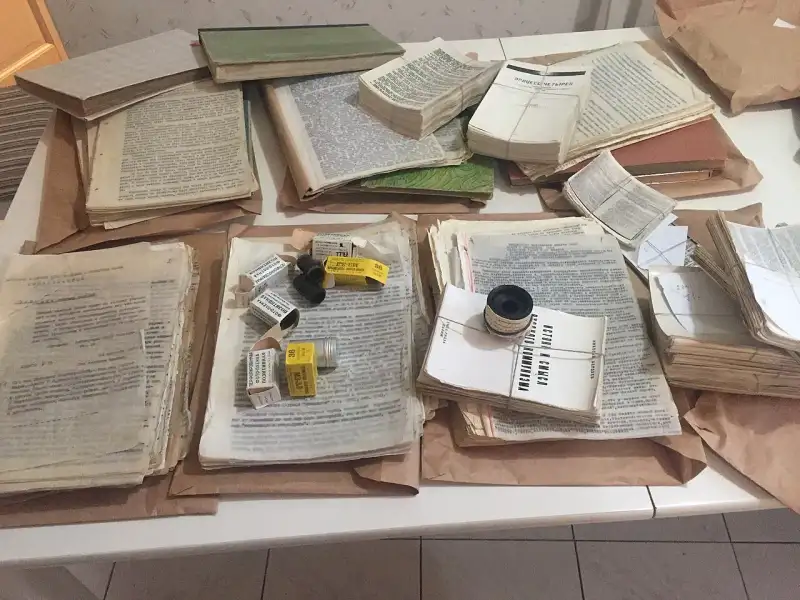
Imagine a book. Not a book printed on glossy paper, bound professionally, available at your local bookstore. Not a digital file easily downloaded or streamed. Imagine a book that could cost you your freedom, your livelihood, or even your life, merely for possessing it. Now, imagine a vast, invisible library built from such books, meticulously typed, carbon-copied, and passed hand-to-hand under the cloak of night. This is not a dystopian fantasy; this was the tangible, perilous reality of samizdat. The very word, a Russian neologism meaning "self-publishing" (from sam "self" and izdatel'stvo "publishing house"), evokes a quiet rebellion. It signifies more than just a method of dissemination; it represents an entire philosophy, a desperate act of intellectual and moral survival against the suffocating grip of totalitarian censorship. Samizdat was the underground heartbeat of forbidden thought in the Soviet Union and its satellite states, a testament to humanity's unyielding need to create, to document, and to communicate truth, even in the face of overwhelming state power. The Genesis of a Clandestine Press The roots of samizdat are inextricably linked to the iron curtain of censorship that descended across Eastern Europe in the wake of the Bolshevik Revolution and solidified under Stalin. With the state controlling every printing press, every publishing house, and every public library, any deviation from the officially sanctioned narrative was deemed subversive. History was rewritten, inconvenient truths were expunged, and inconvenient voices were silenced—often permanently. Yet, the human spirit, particularly the literary and intellectual spirit, proved remarkably resilient. In the early decades of the Soviet Union, samizdat began modestly, with individuals transcribing banned poems or critical essays by hand, often in notebooks passed secretly among trusted friends. However, it truly blossomed into a formidable, though decentralized, phenomenon from the late 1950s onward, particularly following Khrushchev's "Thaw." While the Thaw offered a brief respite from the most brutal aspects of Stalinism, it also exposed the deep ideological cracks within the system, fueling a hunger for truth and uncensored perspectives. Writers, poets, historians, and thinkers who found their works rejected, suppressed, or outright banned by official channels had a stark choice: self-censorship and silence, or the perilous path of self-publication.The tools were primitive, but the resolve was ironclad. Typewriters, carbon paper, and thin, often low-quality paper became the implements of a silent revolution. A single typed copy could be replicated into four or five carbon copies, depending on the thickness of the paper and the strength of the typist's fingers. These "originals" would then be passed on, and new individuals would re-type the text, creating further generations of copies. It was a painstaking, labor-intensive, and inherently slow process, yet it was surprisingly effective in accumulating a substantial body of alternative literature. The Architecture of Distribution: From Hand to Hand The challenge wasn't just writing or typing; it was distribution. Official channels were, by definition, closed. The state controlled mail, telephone lines, and monitored social interactions. Any organized network for distribution would be swiftly identified and dismantled by the KGB. Consequently, samizdat's distribution was organic, decentralized, and deeply personal. It operated on a principle of trust, often within tight-knit circles of friends, family, and like-minded intellectuals. A common phrase associated with samizdat was "from hand to hand" (iz ruk v ruki). A person would receive a samizdat text, read it, and then pass it to someone they implicitly trusted. This individual, in turn, might make their own copies and disseminate them further. The network grew exponentially, though informally, like an intricate mycelial web beneath the forest floor. There were no central depots, no formal printing presses, just a continuous, whispered flow of forbidden words. This method had its advantages. Its decentralized nature made it difficult for authorities to trace the origin or map the full extent of the network. Catching one "distributor" didn't necessarily compromise the entire system. However, it also came with immense risks. Merely possessing samizdat, let alone distributing it, could lead to arrest, interrogation, imprisonment in a labor camp (Gulag), forced psychiatric treatment, or exile. The fear of surveillance was omnipresent, turning everyday interactions into potential traps. Voices from the Abyss: Who Wrote and What Was Read? The content of samizdat was as diverse as the intellectual life it sought to preserve. It encompassed:Literary Works: Novels, poems, and short stories by authors banned from official publication. Aleksandr Solzhenitsyn's The Gulag Archipelago is perhaps the most famous example, a searing exposé of the Soviet forced labor camp system. Other significant literary figures included Varlam Shalamov, Anna Akhmatova (whose Requiem was long circulated in samizdat), and Osip Mandelstam. Political Dissidence: Critiques of Soviet ideology, analyses of human rights abuses, and calls for political reform. Andrei Sakharov's essays on peace and intellectual freedom were widely circulated. Religious Texts: Bibles, prayer books, and theological treatises that were suppressed by the officially atheist state. Historical Works: Uncensored histories, documents revealing the true scale of purges, famines, and other crimes of the regime. Journalism and Reports: A Chronicle of Current Events (Khronika tekushchikh sobytiy), which began in 1968, was a particularly crucial samizdat publication. It documented human rights abuses, political arrests, and trials, acting as a vital counter-narrative to state propaganda. It was meticulously factual, almost clinically detached, to lend it credibility. Philosophical and Cultural Essays: Works exploring alternative philosophies, Western thought, and non-conformist cultural critiques.Many authors, like Solzhenitsyn, saw samizdat as not just an alternative, but the only authentic form of publication. To be published officially often meant compromising one's integrity, self-censoring, or actively participating in the regime's propaganda. Samizdat, despite its dangers, offered a profound sense of moral freedom and intellectual purity. Tamizdat: The Other Side of the Iron Curtain While samizdat operated within the Soviet bloc, another critical phenomenon known as tamizdat ("there-publishing," from tam "there" and izdatel'stvo "publishing house") worked in tandem. Tamizdat referred to works by Soviet authors that were smuggled out of the country and published abroad, primarily in Western Europe and the United States. Once published in the West, these books would often be translated back into Russian and then smuggled back into the Soviet Union, adding another layer to the clandestine literary ecosystem.Tamizdat provided a crucial external validation for dissident writers and helped to bring their plights to international attention. It also created a powerful feedback loop: Western condemnation of Soviet human rights abuses, often fueled by tamizdat works, put pressure on the Soviet government, even if the internal impact was limited. The works themselves, once returned in samizdat form, further strengthened the domestic dissident movement. The Legacy of the Whispered Pages The era of mass samizdat largely came to an end with glasnost and perestroika under Mikhail Gorbachev in the late 1980s. As censorship eased and eventually dissolved, the need for clandestine publications diminished. Works that had circulated in hushed tones for decades suddenly appeared openly in bookstores. Writers returned from exile or were released from prison. The hidden library emerged into the light. Yet, the legacy of samizdat extends far beyond its historical context. It stands as a powerful testament to:The Indomitable Spirit of Literature: It demonstrates that the human need to create, to express, and to know truth is irrepressible, even under the most extreme pressure. Literature, in its purest form, can be a weapon, a shield, and a sanctuary. The Fragility of Freedom: Samizdat reminds us that intellectual freedom and freedom of the press are not guarantees but hard-won rights that require constant vigilance and defense. When official channels fail, alternative avenues will emerge, driven by necessity. The Power of Decentralization: In an age increasingly concerned with information control and misinformation, samizdat offers a historical precedent for decentralized information dissemination as a counter-strategy against centralized propaganda. While the tools have evolved from typewriters to encrypted digital networks, the spirit of individuals bypassing state control to share vital information remains profoundly relevant. The Courage of the Individual: Behind every whispered page was an individual who took a risk—the writer, the typist, the reader, the passer-on. Their quiet acts of defiance, cumulatively, helped to chip away at the foundations of a repressive system.Today, as societies grapple with new forms of censorship, surveillance, and information manipulation, the story of samizdat offers a sobering lesson and an inspiring example. The physical books may have been crude, the distribution networks rudimentary, but the ideas they carried were potent enough to pierce through ideological walls and foster the seeds of change. The whispered pages of samizdat were not just books; they were acts of courage, threads of truth, and enduring monuments to the unbreakable human spirit.#Samizdat #ClandestineLiterature #SovietDissidence #BookHistory #CensorshipResistance Related InsightsElder Race Book Review and Summary A Feast for Crows Book Review and Summary Friends and Family Book Review and Summary{ "@context": "https://schema.org", "@type": "FAQPage", "mainEntity": [ { "@type": "Question", "name": "What is the main focus of The Whispered Pages: Unearthing the Clandestine World of Samizdat Literature?", "acceptedAnswer": { "@type": "Answer", "text": "Delve into the shadowy realm of samizdat, where forbidden books and dissident voices defied totalitarian regimes, shaping history with whispered pages." } }, { "@type": "Question", "name": "Who authored the comprehensive guide on The Whispered Pages: Unearthing the Clandestine World of Samizdat Literature?", "acceptedAnswer": { "@type": "Answer", "text": "This detailed article and its insights were carefully researched and authored by Emily Page." } }, { "@type": "Question", "name": "Where can I find more related content about Books?", "acceptedAnswer": { "@type": "Answer", "text": "You can explore more articles, detailed reviews, and similar insights by browsing the Related Insights section at the bottom of this article or visiting our dedicated Books category page." } } ] }
-
 Clara Schmidt
- 03 Jul, 2026 07:30
Verbotene Märchen, unbeugsame Seelen: Die geheime Welt der Untergrund-Kinderbücher in totalitären Regimen
Die Macht der Erzählung ist unendlich. Sie kann Imperien erbauen und stürzen, Generationen formen und die tiefsten Winkel der menschlichen Seele berühren. Doch was geschieht, wenn diese Macht, die so oft als harmlos und verspielt gilt – die Macht der Kindergeschichte – zu einer Bedrohung für einen allmächtigen Staat wird? Wenn Märchen zu Manifesten werden und Bilderbücher zu Blaupausen des Widerstands? Wir tauchen ein in die faszinierende und oft tragische Welt der Untergrund-Kinderbücher, die in den dunkelsten Kapiteln der Menschheitsgeschichte als leise, aber unerschütterliche Leuchtfeuer der Hoffnung dienten. Totalitäre Regime leben von der vollständigen Kontrolle. Kontrolle über Informationen, Kontrolle über Gedanken, Kontrolle über die Zukunft. Und die Zukunft, das sind immer die Kinder. Jedes Wort, jede Zeichnung, jede Moral, die ein Kind erreicht, ist eine Saat, die entweder gehorsamen Konformismus oder gefährliche Individualität nähren kann. Es ist daher kaum verwunderlich, dass eine der ersten Maßnahmen jeder Diktatur die Gleichschaltung des Bildungssystems und die Zensur der Kinderliteratur war. Bücher wurden verbrannt, Autoren verboten, und nur das, was der Parteilinie entsprach, durfte die unschuldigen Augen eines Kindes erreichen. Doch genau in diesem repressiven Klima blühte eine bemerkenswerte Form des Widerstands auf: das Untergrund-Kinderbuch. Die unsichtbare Frontlinie: Warum Kinderbücher zur Bedrohung wurden Man mag denken, ein Kinderbuch sei zu trivial, um ein Regime zu stürzen. Doch genau hier liegt die fundamentale Fehleinschätzung. Totalitäre Staaten verstanden die tiefgreifende Wirkung von Geschichten auf die kindliche Psyche besser als viele andere. Sie wussten, dass die Prägung in jungen Jahren unwiderruflich ist, dass Werte und Weltbilder, einmal etabliert, schwer zu erschüttern sind. Daher wurden Kinderbücher zu einer entscheidenden Frontlinie im Kampf um die Köpfe und Herzen der nächsten Generation. Die Zensur der Kinderliteratur ging weit über das Offensichtliche hinaus. Es ging nicht nur darum, direkt regimekritische Inhalte zu verbannen. Nein, es ging darum, jede Idee zu eliminieren, die nicht mit der staatlich verordneten Ideologie übereinstimmte. Freundschaft über nationale oder rassische Grenzen hinweg? Gefährlich. Individualismus und freies Denken? Subversiv. Kritik an Autorität? Unvorstellbar. Sogar traditionelle Märchen wurden umgeschrieben oder ganz verboten, wenn ihre ursprünglichen Botschaften von Freiheit, Gerechtigkeit für den kleinen Mann oder dem Triumph des Guten über das Böse nicht in das Schema des Regimes passten. Die Märchen der Gebrüder Grimm beispielsweise, die in vielen Diktaturen als nationales Erbe gefeiert wurden, mussten oft sorgfältig gesiebt und "gereinigt" werden, um keine unerwünschten Interpretationen aufkommen zu lassen. In dieser ideologischen Wüste, wo offizielle Kinderbücher nichts als Propaganda waren, sehnten sich Eltern und Pädagogen nach echten Geschichten – nach Erzählungen, die Menschlichkeit, Mitgefühl, kritisches Denken und die Schönheit der Welt jenseits der staatlichen Dogmen vermittelten. Sie wollten ihren Kindern nicht die Last der Ideologie aufbürden, sondern ihnen Wurzeln und Flügel für eine freie Zukunft geben. Und so entstand eine wagemutige Bewegung, die heimlich Geschichten schuf und verbreitete, die den Kindern die Wahrheit und die Hoffnung flüsterten, die ihnen offiziell verwehrt wurde.Das geheime Netzwerk: Herstellung und Verteilung unter Lebensgefahr Die Entstehung eines Untergrund-Kinderbuches war eine Heldentat der Logistik und des Mutes. Es begann oft mit einzelnen Personen – einer tapferen Mutter, einem engagierten Lehrer, einem verbannten Künstler oder einem enttäuschten Drucker –, die die Notwendigkeit erkannten und das Risiko eingingen. Sie wussten, dass die Entdeckung nicht nur den Verlust ihrer Freiheit, sondern oft auch den ihres Lebens bedeuten konnte. Die Herstellung erfolgte unter primitivsten Bedingungen. Manchmal wurden Bücher von Hand abgeschrieben, Seite für Seite, mit Tinte auf dünnem Papier, das mühsam beschafft wurde. Illustrator:innen, deren Kunst als "entartet" gebrandmarkt worden war, nutzten ihre Fähigkeiten heimlich, um Illustrationen zu schaffen, die oft symbolisch und doppeldeutig waren, um eine sofortige Entdeckung zu vermeiden. In anderen Fällen wurden kleine, versteckte Druckpressen verwendet – oft in Kellern, auf Dachböden oder in abgelegenen Werkstätten. Die Tinten- und Papierbeschaffung war ein ständiger Kampf, und jeder Lärm, jeder ungewöhnliche Geruch konnte die Aufmerksamkeit der Behörden auf sich ziehen. Die Drucker:innen arbeiteten nachts, im Schutz der Dunkelheit, mit einem Ohr auf jedes Geräusch lauschend, während sie die verbotenen Geschichten zeugten. Die Verteilung war ebenso gefährlich und aufwendig. Diese Bücher wurden nicht in Läden verkauft. Sie wanderten von Hand zu Hand, versteckt in Brotkörben, unter Kleidung, in Schultaschen oder in den Taschen von Kurieren, die oft nicht wussten, welche explosive Fracht sie transportierten. Lehrer:innen lasen sie ihren Schüler:innen heimlich vor, unter dem Vorwand, eine "eigene Geschichte" zu erzählen. Eltern versteckten sie unter Matratzen oder in Geheimfächern, um sie ihren Kindern in Momenten der Einsamkeit oder des Zweifels zu zeigen. Jedes Buch war eine kleine Bombe der Wahrheit, die tickte und darauf wartete, ihre Botschaft in den Herzen der Empfänger:innen zu entzünden. In vielen Fällen waren die Geschichten selbst anonym. Die Namen der Autor:innen, Illustrator:innen und Drucker:innen blieben geheim, um sie und ihre Familien zu schützen. Dies verlieh diesen Büchern eine zeitlose, kollektive Qualität; sie waren nicht das Werk eines Einzelnen, sondern der Ausdruck eines gemeinsamen menschlichen Verlangens nach Freiheit und Würde. Inhaltliche Codes und Botschaften: Zwischen Märchen und Manifest Was genau enthielten diese verbotenen Kinderbücher? Selten waren es direkte politische Traktate. Das wäre zu offensichtlich und riskant gewesen. Stattdessen bedienten sie sich der subtilen, mächtigen Sprache der Allegorie und der Metapher. Sie waren Geschichten, die zwischen den Zeilen lasen, Geschichten, die die Fantasie beflügelten und gleichzeitig kritische Gedanken säten. Ein häufiges Motiv war die Betonung von universellen Werten, die im offiziellen Diskurs untergraben wurden: Freundschaft, Solidarität, Gerechtigkeit, Wahrheit, Mitgefühl und die Schönheit der Natur. Während offizielle Bücher die Spaltung und den Hass predigten, feierten Untergrund-Bücher die Einheit und die Menschlichkeit. Tiere, oft in Fabeln, konnten für unterdrückte Bevölkerungsgruppen oder für die mutigen Widerständler stehen. Ein kleiner Vogel, der trotz eines Sturms singt, konnte die Hoffnung auf eine bessere Zukunft symbolisieren. Ein Kind, das eine schwierige Aufgabe löst, indem es seine eigenen Gedanken nutzt, stand für den Wert des kritischen Denkens und der Individualität. Ein Beispiel (fiktiv, aber exemplarisch für solche Werke) könnte die Geschichte eines kleinen Jungen in einer grauen Stadt sein, in der alle Häuser gleich aussehen und alle Menschen die gleichen Dinge tun müssen. Er findet heimlich einen vergessenen Farbkasten und beginnt, seine Welt in bunten Farben zu malen – zunächst nur in seiner Fantasie, dann auf kleinen Papierfetzen, die er mit seinen Freunden teilt. Die Botschaft: Kreativität und Individualität können selbst in der grauesten Welt leuchten und andere inspirieren. Oder die Geschichte eines kleinen Mädchens, das einen verletzten Vogel findet und ihn gesundpflegt, obwohl es verboten ist, sich um "unnütze" Kreaturen zu kümmern. Die Moral: Mitgefühl und Fürsorge sind stärker als Verbote. Diese Geschichten vermittelten Kindern nicht nur moralische Werte, sondern auch eine wichtige Lektion über die Natur der Macht: dass sie nicht absolut ist, dass es immer eine Wahl gibt, dass das Innere eines Menschen nicht kontrolliert werden kann. Sie nährten eine innere Stärke und Resilienz, die den Kindern half, die Widersprüche und Lügen des Regimes zu erkennen, ohne zu verzweifeln. Sie waren Fenster in eine Welt jenseits der Propaganda, ein Versprechen, dass es jenseits der Mauern der Tyrannei noch Freiheit gab. Das bleibende Erbe: Wie diese Bücher Generationen prägten Die Wirkung dieser geheimen Kinderbücher war immens, auch wenn sie zahlenmäßig nie mit der offiziellen Produktion mithalten konnten. Für die Kinder, die sie lasen, waren sie weit mehr als nur Geschichten. Sie waren Rettungsanker. In einer Welt, die ihnen Angst und Konformität lehrte, boten diese Bücher einen sicheren Hafen für ihre Fantasie und ihre Seele. Sie gaben ihnen das Gefühl, nicht allein zu sein, dass es andere gab, die an ähnliche Werte glaubten. Psychologisch gesehen schützten diese Bücher Kinder vor der vollständigen Indoktrination. Sie bewahrten eine Restmenge an unabhängigem Denken und moralischer Integrität. Sie stärkten ihre Fähigkeit zur Empathie und kritischen Reflexion, Eigenschaften, die für das Überleben der menschlichen Seele unter Unterdrückung von entscheidender Bedeutung sind. Viele Überlebende totalitärer Regime berichten, wie eine bestimmte heimlich gelesene Geschichte ihnen Trost spendete, ihnen Mut machte oder ihnen half, die Welt um sie herum besser zu verstehen, ohne die Zensur zu akzeptieren. Diese Bücher spielten auch eine wichtige Rolle bei der Bewahrung kultureller Identität. Wenn Regime versuchten, die Geschichte, Sprache und Traditionen eines Volkes auszulöschen oder umzuschreiben, konnten diese geheimen Erzählungen Fragmente dieser verlorenen Welt bewahren und an die nächste Generation weitergeben. Sie waren kleine Archive der Menschlichkeit und der kulturellen Wurzeln. Das vielleicht wichtigste Erbe dieser Untergrund-Kinderbücher ist ihre Rolle bei der Vorbereitung auf eine freie Gesellschaft. Indem sie Werte wie Freiheit, Gerechtigkeit und individuelle Würde vermittelten, schufen sie in den Herzen der Kinder einen Nährboden für den Wunsch nach Veränderung. Sie legten den Grundstein für eine Generation, die, wenn die Gelegenheit kam, bereit war, für diese Ideale zu kämpfen und eine bessere Welt aufzubauen.Ein Echo in der Gegenwart: Lehren für unsere Zeit Die Geschichten der Untergrund-Kinderbücher sind keine bloßen historischen Fußnoten. Sie sind zeitlose Mahnungen und Inspirationen für die Gegenwart. Sie erinnern uns an die unglaubliche Widerstandsfähigkeit des menschlichen Geistes und an die unverzichtbare Rolle der Literatur für die Freiheit. In einer Welt, in der immer wieder Meinungsfreiheit und der freie Austausch von Ideen bedroht sind – sei es durch staatliche Zensur, algorithmische Filter oder die Dominanz bestimmter Narrative –, lehren uns diese Bücher die Bedeutung von Lese- und Meinungsfreiheit. Jedes Buch, das gelesen wird, ist ein Akt der Freiheit; jede Geschichte, die geteilt wird, ist ein Akt der Verbindung. Sie zeigen uns auch, wie Geschichten heute noch Widerstand leisten können. Nicht unbedingt im physischen Untergrund, aber im kulturellen und intellektuellen Sinne. Das Festhalten an der Wahrheit, das Erzählen von Geschichten, die Empathie und kritisches Denken fördern, die Unterstützung von Autor:innen und Verleger:innen, die mutige und vielfältige Perspektiven bieten – all das ist ein Erbe der Untergrund-Literatur. Eltern und Pädagogen tragen weiterhin eine immense Verantwortung. Es ist ihre Aufgabe, Kindern nicht nur Lesen und Schreiben beizubringen, sondern ihnen auch die Fähigkeit zu vermitteln, zwischen Wahrheit und Lüge zu unterscheiden, kritisch zu denken und ein Herz voller Mitgefühl zu entwickeln. Das Erbe der Untergrund-Kinderbücher ist ein Aufruf, die Macht der Geschichten nicht zu unterschätzen und sie als Werkzeug für eine menschlichere und freiere Welt zu nutzen. Die stillen Stimmen der Hoffnung, geflüstert durch die Seiten verbotener Kinderbücher, hallen bis heute nach. Sie erzählen von mutigen Herzen, von unbeugsamen Geistern und von der unzerstörbaren Kraft der menschlichen Vorstellungskraft. Sie erinnern uns daran, dass selbst in den dunkelsten Zeiten die kleinste Geschichte ein Licht entzünden kann, das eine ganze Generation erhellt und den Weg zur Freiheit weist.#VerboteneBücher #Kinderliteratur #GeschichteDesWiderstands #Buchkultur #GedächtnisDerHoffnung #UntergrundLiteratur #Kinderbcher #Totalitarismus #Kulturgeschichte #Widerstand Related InsightsMestra Book Review and Summary The Munich Affair Book Review and Summary Entities to Lovers Book Review and Summary{ "@context": "https://schema.org", "@type": "FAQPage", "mainEntity": [ { "@type": "Question", "name": "What is the main focus of Verbotene Märchen, unbeugsame Seelen: Die geheime Welt der Untergrund-Kinderbücher in totalitären Regimen?", "acceptedAnswer": { "@type": "Answer", "text": "Entdecken Sie die verborgene Geschichte von Kinderbüchern, die unter totalitären Regimen heimlich gedruckt wurden, um Hoffnung und Widerstand zu säen." } }, { "@type": "Question", "name": "Who authored the comprehensive guide on Verbotene Märchen, unbeugsame Seelen: Die geheime Welt der Untergrund-Kinderbücher in totalitären Regimen?", "acceptedAnswer": { "@type": "Answer", "text": "This detailed article and its insights were carefully researched and authored by Clara Schmidt." } }, { "@type": "Question", "name": "Where can I find more related content about Books?", "acceptedAnswer": { "@type": "Answer", "text": "You can explore more articles, detailed reviews, and similar insights by browsing the Related Insights section at the bottom of this article or visiting our dedicated Books category page." } } ] }
-
 Pierre Dubois
- 03 Jul, 2026 02:54
Les Sentinelles Solitaires du Bout du Monde : Une Odyssée vers les Phares Oubliés de Patagonie Chilienne
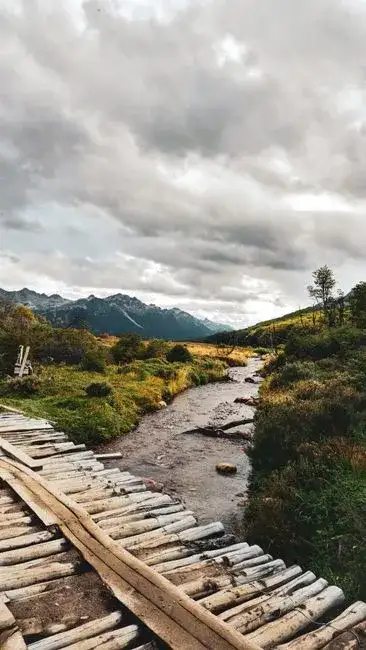
Dans un monde où chaque recoin de la carte semble avoir été scruté, digitalisé et rendu accessible d'un simple clic, il persiste des lieux qui murmurent encore des histoires d'isolement, de résilience et de beauté brute. Des endroits où la civilisation cède sa place à l'immensité, et où la main de l'homme se manifeste non par la conquête, mais par une humble veille. C'est à la rencontre de ces sentinelles silencieuses, les phares solitaires de la Patagonie chilienne, que je vous convie aujourd'hui, loin des sentiers battus et des clichés touristiques. Non pas une simple description de destinations, mais une immersion dans l'âme d'une région façonnée par le vent, le froid et l'océan, à travers les yeux de ces structures lumineuses. L'Appel des Confins : Pourquoi les Phares ? Pourquoi s'intéresser à des phares, ces monuments fonctionnels que l'on perçoit souvent comme de simples balises maritimes ? Parce qu'en Patagonie chilienne, ils sont bien plus que cela. Ils sont les dépositaires d'un héritage héroïque, les témoins impassibles d'une navigation audacieuse, et les emblèmes d'une terre où la nature dicte encore sa loi suprême. La Patagonie, ce nom seul évoque des fjords profonds, des glaciers bleutés, des forêts impénétrables et des vents furieux balayant des archipels infinis. C'est un labyrinthe d'îles et de canaux, une côte déchiquetée de plus de 4 000 kilomètres, où la mer est à la fois nourricière et implacable. Dans ce contexte, les phares sont des points de repère vitaux, des lumières d'espoir dans l'obscurité, et le dernier lien de l'homme avec le continent avant l'immensité du Pacifique. Mon exploration ne se contente pas d'énumérer ces phares ; elle cherche à comprendre leur âme, l'histoire des hommes et des femmes qui les ont habités, et la nature implacable qui les entoure. C'est un pèlerinage vers l'extrême, une quête de solitude et de compréhension d'une existence en marge. Une Géographie de l'Extrême : La Patagonie, Terre des Défis La Patagonie chilienne est une mosaïque de paysages d'une beauté époustouflante et d'une rudesse intimidante. Des îles de Chiloé au nord, jusqu'au Cap Horn à l'extrême sud, cette région est un défi constant. Les conditions météorologiques y sont parmi les plus imprévisibles et violentes de la planète : des tempêtes soudaines, des vents catabatiques déchaînés, des pluies incessantes et des brouillards épais qui peuvent engloutir un navire en quelques instants. Les courants marins sont puissants, les canaux étroits et traîtres, et les côtes souvent inabordables, faites de falaises abruptes et de rochers acérés. C'est dans cet environnement hostile que les premiers marins et explorateurs se sont aventurés, affrontant l'inconnu avec courage. Magellan, Drake, Bougainville, Darwin – tous ont laissé leur empreinte dans ces eaux tumultueuses. Et avec eux, la nécessité de baliser ces passages dangereux est devenue évidente. Les phares ont alors commencé à surgir, un par un, comme des sentinelles solitaires chargées de veiller sur le passage des navires et la sécurité de leurs équipages. Les Pionniers de la Lumière : Histoire et Sacrifices L'histoire des phares de Patagonie est indissociable de celle de la marine chilienne et des pionniers qui ont bravé l'isolement. La construction même de ces structures était une prouesse d'ingénierie et de logistique. Les matériaux devaient être acheminés par bateau, souvent depuis des milliers de kilomètres, puis hissés sur des falaises vertigineuses ou assemblés sur des îlots balayés par les vagues. Chaque phare est une victoire de la volonté humaine sur les éléments. Mais la véritable épopée réside dans la vie des gardiens de phare. Imaginez-vous, isolé pendant des mois, voire des années, avec pour seule compagnie le bruit incessant de la mer, le vent qui hurle et le scintillement régulier de votre lanterne. Ces hommes et parfois ces femmes ont fait preuve d'une résilience extraordinaire. Leurs journées étaient rythmées par l'entretien de la lentille, le réapprovisionnement en combustible (huile de colza, puis pétrole, puis électricité), la maintenance du mécanisme, et la surveillance constante de l'horizon. C'était une vie de discipline rigoureuse, de solitude profonde et de responsabilité immense, car des vies dépendaient de leur vigilance. Les familles des gardiens partageaient souvent cet isolement, les enfants étant éduqués à distance ou par leurs parents, et les provisions arrivant par bateau, parfois avec des mois de retard. La maladie, les accidents, l'ennui et la monotonie étaient des défis quotidiens. Pourtant, l'attachement à leur tâche et la majesté sauvage de leur environnement étaient souvent les raisons qui les poussaient à rester.Phares Emblématiques : Lumières dans le Labyrinthe Parmi la myriade de phares et de balises qui parsèment la Patagonie chilienne, certains se distinguent par leur histoire, leur emplacement spectaculaire ou leur rôle stratégique.Le Faro San Isidro : La Porte du Détroit de Magellan Situé à l'extrémité de la péninsule de Brunswick, à environ 75 kilomètres au sud de Punta Arenas, le Faro San Isidro est le phare le plus méridional du continent américain accessible par la route (bien que cette route soit souvent impraticable). Érigé en 1904, il marque l'entrée occidentale du Détroit de Magellan pour les navires venant du Pacifique. Sa tour octogonale blanche se dresse majestueusement sur une falaise, offrant des vues imprenables sur les eaux glacées et les montagnes enneigées. Une randonnée de plusieurs heures est nécessaire pour l'atteindre, traversant des forêts subpolaires denses, un voyage qui récompense les courageux par une rencontre avec un monument chargé d'histoire et une nature intacte. Il n'est plus gardienné, mais son aura persiste.Le Faro Cabo Froward : Le Point le Plus Méridional du Continent Plus au sud encore que San Isidro, au bout d'une péninsule escarpée et presque inaccessible, se trouve le Cabo Froward, le point le plus méridional du continent américain, juste avant la Terre de Feu. Le phare qui y a été construit est l'un des plus isolés. Il est souvent visité lors d'expéditions maritimes, mais l'approche terrestre est une aventure extrême, réservée aux trekkeurs les plus aguerris, traversant des tourbières, des forêts denses et des rivières. Ce phare symbolise la fin de la terre ferme et le début de l'immensité océanique. Au sommet du cap se dresse une croix imposante, la Cruz de los Mares, un hommage aux marins qui ont péri dans ces eaux.Les Phares du Canal Beagle et de la Terre de Feu En s'aventurant plus à l'est et au sud, vers la Terre de Feu, on trouve des phares encore plus emblématiques et connus, comme le célèbre "Phare des Éclaireurs" (Les Éclaireurs Lighthouse) près d'Ushuaia (côté argentin, mais représentatif de la région), ou des phares plus modestes mais tout aussi vitaux le long du Canal Beagle. Ces lumières guident les navires à travers des passages étroits, où les fjords se transforment en canaux et où les vents de l'Antarctique se font sentir avec une force redoublable.Le Faro Evangelistas : La Sentinelle du Pacifique Peut-être le plus mythique de tous, le Faro Evangelistas est une légende. Situé sur un îlot rocheux battu par les vagues, à l'entrée ouest du Détroit de Magellan, c'est l'un des phares les plus exposés et les plus difficiles d'accès au monde. Bâti en 1895 par l'ingénieur écossais George Slight, sa construction fut une prouesse incroyable. Des mois de travail acharné, des conditions climatiques dantesques, des tempêtes qui emportaient les équipements... Tout concourait à rendre ce projet quasi impossible. Les gardiens qui y ont vécu pendant des décennies ont connu l'isolement le plus total, ravitaillés seulement quelques fois par an. Aujourd'hui automatisé, il continue de veiller, un symbole de l'ingéniosité humaine face à la furie des éléments. Son image, avec ses vagues s'écrasant contre la tour, est gravée dans l'imaginaire des marins.La Vie Autour des Phares : Écosystèmes et Faune Marine L'isolement de ces phares a eu un effet secondaire remarquable : il a préservé des écosystèmes marins et terrestres uniques. Les eaux froides et riches de la Patagonie sont un sanctuaire pour une faune marine abondante. Autour de ces îlots et côtes déchiquetées, on peut observer des baleines à bosse, des orques, des dauphins de Commerson, des lions de mer à crinière (otaries de Patagonie), et une multitude d'oiseaux marins. De nombreuses colonies de manchots de Magellan, de cormorans impériaux et d'albatros vivent sur ces îles et falaises isolées, nichant à l'abri des prédateurs terrestres. La présence de ces phares, paradoxalement, a contribué à maintenir la tranquillité de ces habitats en dissuadant une exploration trop intensive. Une expédition vers ces phares est souvent une occasion rare d'observer la faune dans son habitat naturel et immaculé.Voyager vers l'Inaccessible : Une Quête Personnelle Visiter ces phares n'est pas une simple excursion. C'est une expédition, une immersion. Pour la plupart d'entre eux, il n'existe pas de routes ou de liaisons régulières. Il faut affréter des bateaux (souvent des voiliers d'expédition ou de petits navires de croisière spécialisés), ou entreprendre des treks de plusieurs jours dans des conditions météorologiques imprévisibles. Cela exige une planification minutieuse, un équipement adapté et un esprit d'aventure inébranlable. C'est une opportunité unique de se déconnecter du rythme effréné du monde moderne, de se confronter à la grandeur de la nature et de méditer sur la place de l'homme dans cet univers sauvage. L'expérience de se tenir au pied d'un phare balayé par les vents, d'imaginer la vie des gardiens d'antan et de contempler l'horizon infini, est profondément transformatrice. C'est un rappel puissant de notre petitesse face à l'immensité et de notre capacité à persévérer même dans les conditions les plus rudes. L'Héritage des Phares : Plus Qu'une Lumière Aujourd'hui, de nombreux phares sont automatisés, les gardiens humains ayant été remplacés par la technologie. Mais leur essence demeure. Ils continuent de symboliser la ténacité, la persévérance et l'ingéniosité humaine. Ils nous rappellent l'importance de la lumière dans l'obscurité, non seulement pour les marins, mais aussi comme métaphore de l'espoir et du guidage dans nos propres vies. L'odyssée vers les phares oubliés de Patagonie chilienne est un voyage aux confins du monde, une immersion dans une histoire maritime fascinante et une confrontation avec une nature à la fois magnifique et redoutable. C'est une invitation à redécouvrir le sens de l'aventure, de l'isolement choisi, et de l'admiration pour ces sentinelles de lumière qui, contre vents et marées, continuent de veiller sur le bout du monde. Que leur lumière continue de briller, guidant non seulement les navires, mais aussi l'esprit de tous ceux qui osent rêver d'exploration et de découverte.#PatagonieChilienne #PharesIsolés #VoyageAventure #ExplorationMarine #NatureSauvage #ChiliSecret Related InsightsLa Giralda: El Minarete de Sevilla 'Hallstatt: Where Time Carved Its Name into the Alps and Salt Whispered Eternity' Die Moorgeister des Hohen Venns: Eine Reise in die vergessenen Welten der Torfstecher{ "@context": "https://schema.org", "@type": "FAQPage", "mainEntity": [ { "@type": "Question", "name": "What is the main focus of Les Sentinelles Solitaires du Bout du Monde : Une Odyssée vers les Phares Oubliés de Patagonie Chilienne?", "acceptedAnswer": { "@type": "Answer", "text": "Découvrez le récit captivant des phares mythiques et inaccessibles qui veillent sur les eaux tumultueuses de la Patagonie chilienne, un voyage au cœur de l'isolement et de l'histoire maritime." } }, { "@type": "Question", "name": "Who authored the comprehensive guide on Les Sentinelles Solitaires du Bout du Monde : Une Odyssée vers les Phares Oubliés de Patagonie Chilienne?", "acceptedAnswer": { "@type": "Answer", "text": "This detailed article and its insights were carefully researched and authored by Pierre Dubois." } }, { "@type": "Question", "name": "Where can I find more related content about Travel?", "acceptedAnswer": { "@type": "Answer", "text": "You can explore more articles, detailed reviews, and similar insights by browsing the Related Insights section at the bottom of this article or visiting our dedicated Travel category page." } } ] }
-
 John Explorer
- 03 Jul, 2026 01:15
Beyond the Watchtowers: Unearthing Svaneti's Hidden Star-Stone Calendar
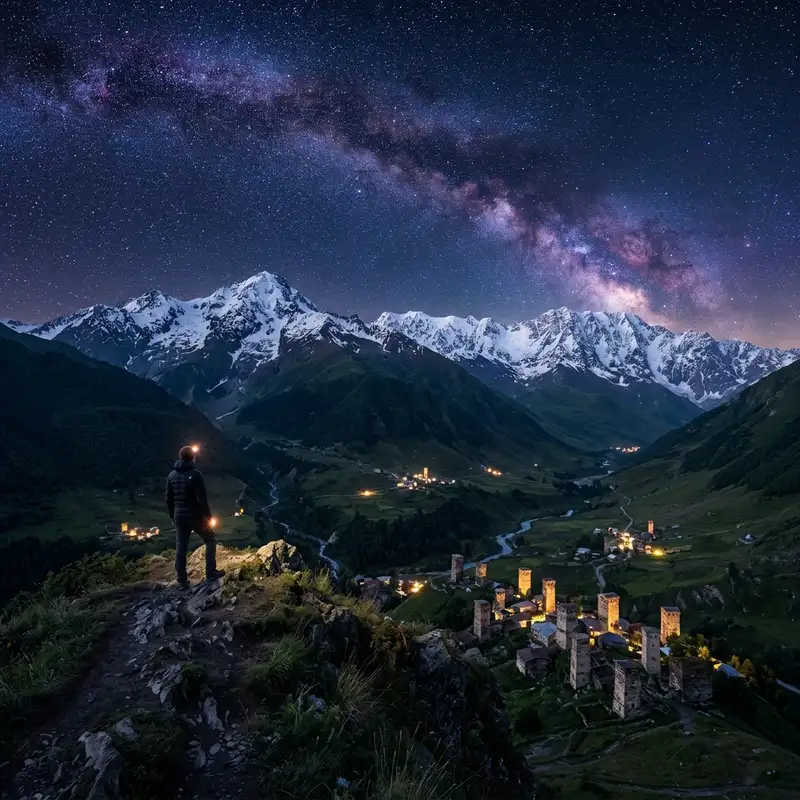
There are places on Earth where time doesn't merely slow; it calcifies, hardening into the very stone of the mountains, the timber of #ancient homes, the wrinkles on the faces of its oldest inhabitants. Svaneti, a fortress of a region tucked high in the Greater Caucasus of Georgia, is one such place. Its iconic defensive towers, or koshki, pierce the sky like ancient sentinels, silent witnesses to millennia of fierce independence. Yet, beneath their watchful gaze, and beyond the well-trodden paths to these architectural wonders, lies a secret far older, far more enigmatic than any medieval fortification: a celestial calendar etched not in parchment or clay, but in the very bedrock of the Earth, a scattered constellation of megaliths known only to a precious few. My #journey began not with a #travel brochure, but with a forgotten footnote in a faded, Georgian-language ethnography from the early 20th century. The text, a dense academic tome on Svan customs and folklore, briefly alluded to 'heaven-touching stones' – Tsiskhela Kvani – said to mark the passages of the sun and stars for purposes now lost to memory. The author dismissed them as mere local superstitions, perhaps misidentified boundary markers. But the phrase lodged itself in my mind, a splinter of intrigue in a vast landscape of known #history. 'Heaven-touching.' What could that mean in a land already so close to the heavens? The Whisper of a Forgotten Cosmology Svaneti has always captivated me. Its isolation, its unique unwritten language (Svan, a distinct Kartvelian tongue), its fierce warrior traditions, and its profound adherence to ancient customs speak of a cultural crucible forged in extreme conditions. The Svans, with their deep reverence for their ancestors and the mountainous terrain, seemed like the perfect candidates for having preserved such an archaic astronomical practice. My initial research was a frustrating tangle of dead ends. Modern Georgian archaeology has largely focused on more accessible, better-documented sites. The concept of a widespread megalithic astronomical complex in Svaneti was met with polite skepticism, or outright bewilderment. No official maps noted them; no tourist guides mentioned them. They existed, if at all, purely in the realm of local oral tradition, or perhaps, simply didn't exist. But the spark of an idea, once ignited, becomes a bonfire for the explorer. I imagined ancient Svans, in their high mountain valleys, gazing up at the impossibly clear, star-strewn skies, their lives intimately linked to the cycles of the sun and moon, the rhythms of planting and harvest dictated by celestial movements. It was more than a practical need; it was a spiritual imperative, a way to connect their earthly existence to the cosmic order. My quest, then, was not merely to find stones, but to uncover a lost cosmology, to understand how a civilization, isolated by formidable peaks, understood its place in the universe. It felt less like a travel blog entry and more like an archaeological detective story, one where the clues were written in stone and the archives were held in the memories of a people fiercely protective of their heritage. Navigating the Labyrinth of Svaneti's Peaks and Perceptions The road to Svaneti is an adventure in itself. From Zugdidi, the drive winds through increasingly dramatic gorges, past emerald valleys, until the true scale of the Caucasus reveals itself. Mestia, the regional capital, bustles with a growing, albeit still nascent, tourism industry. But my interest lay far beyond Mestia, in the more remote villages that cling precariously to the mountain slopes, where electricity is intermittent and paved roads are a luxury. My first weeks were spent traversing the upper reaches of the Enguri valley, visiting villages like Ushguli (a #UNESCO World Heritage site known for its concentration of koshki), Adishi, and Khalde. I spoke with elders, often through multiple layers of translation, seeking any mention of Tsiskhela Kvani. Most conversations were cordial but fruitless. There were stories of powerful spirits, of sacred groves, of boundary markers, but nothing that definitively pointed to astronomical observatories. The Svans, renowned for their hospitality, are also reserved, their ancient ways not easily shared with outsiders. I encountered the usual challenges of remote travel: treacherous mountain paths, sudden changes in weather, the occasional territorial shepherd dog. More significantly, I faced the challenge of translating a deeply ingrained, almost instinctual connection to the land and sky into something comprehensible to a modern, scientific mind. The concept of 'astronomy' as we understand it didn't quite fit. What I was looking for was a system, a set of markers that served a calendrical or observational purpose, however rudimentary. Then, in a tiny, almost forgotten hamlet beyond Ushguli, nestled against a backdrop of snow-capped giants, I met Khatuna. She was a woman in her late seventies, with eyes that seemed to hold the wisdom of generations and hands calloused from a lifetime of working the land. Her grandson, a young man named Temo who had studied some English in Kutaisi, became my crucial interpreter. Khatuna, unlike others, didn’t immediately dismiss my questions. She listened, her gaze distant, as if sifting through long-buried memories. “The old ones… they watched the sky,” she finally said, her voice raspy but clear. “Not for telling stories, not just for seeing God. But for knowing when the snow would melt, when the earth would wake, when the mravaljamieri (feasts) should be held. The stones… they helped them see.” The Unveiling: A Glimmer of Celestial Alignment Khatuna described a specific stone, not far from her village, one her own grandfather had shown her, warning her to respect its 'old power.' It wasn't a grand monument, she cautioned, but a simple, standing stone, largely overgrown. With Temo as my guide and Khatuna's cryptic directions, we set out early one misty morning. The path was barely discernible, a faint deer trail winding through dense rhododendron thickets and ancient pine forests. The air was cool and crisp, scented with damp earth and wild herbs. After an arduous two-hour trek uphill, breaking through thorny bushes and clambering over moss-slicked boulders, Temo pointed. "There," he whispered, his voice hushed with reverence. And there it was. Not a towering obelisk, but a single, rough-hewn slab of granite, perhaps two meters tall, half-hidden by a tangle of ivy and ferns. It stood sentinel on a small, windswept plateau, offering an unobstructed view of the eastern horizon and, more importantly, a distant notch in the mountain range. The stone itself was unremarkable at first glance. No elaborate carvings, no obvious inscriptions. It was simply… there. But as I cleared away the overgrowth, I noticed a subtle detail: a series of small, shallow depressions, almost like cup-marks, on its northern face. They were eroded, barely visible, but they were definitely deliberate. I took out my compass and GPS. The stone was oriented almost perfectly along a north-south axis. My initial excitement was cautious. This could still be a boundary marker, a monument of unknown purpose. But then, Temo, who had been quietly observing, spoke. "My grandmother said, when the sun first touches this stone on the longest day, it means the hay will be good." The longest day – the summer solstice. My heart quickened. Could this be it? Could this unassuming stone be a marker for a crucial agricultural date, aligned with a specific astronomical event? I spent the next few hours there, sketching, taking measurements, noting the topography. The view from the stone was strategic, framing a particular peak on the eastern horizon. I imagined the ancient Svan priests or elders, standing here at dawn on the solstice, watching for the first ray of sunlight to strike the stone at a precise point, confirming the turn of the cosmic wheel. The Network: Unravelling Svaneti's Celestial Tapestry This single stone, however compelling, was merely a thread. Khatuna, encouraged by my genuine interest, revealed that there were 'others,' though she couldn't pinpoint their exact locations. She spoke of them as a scattered family, each with its own story, its own purpose. This implied a network, not just isolated markers. My investigation shifted. With Temo's invaluable help, I began cross-referencing Khatuna's vague descriptions with old maps, local legends, and even the natural geography of the valleys. We spent weeks trekking, often following goat trails, sometimes forging our own path through untouched wilderness. The discoveries were slow, arduous, and interspersed with many false leads. We found a second stone, much larger, near the ruins of an ancient watchtower, positioned on a ridge overlooking a confluence of rivers. This one had a more pronounced, almost altar-like top, with a deep, circular basin carved into it. Its alignment, after careful observation over several days, seemed to point towards the setting sun during the winter solstice – the shortest day, a critical marker for the depth of winter and the promise of spring's return. The Anatomy of an Ancient Observatory The pattern began to emerge. These weren't random rocks; they were precisely placed, deliberately oriented megaliths, each acting as a gnomon, a foresight, or a backsight for celestial observations. Some marked solstices, others equinoxes. One smaller stone, almost entirely buried, appeared to align with the rising of certain prominent stars or constellations that would have been visible to ancient Svans – perhaps Sirius, or the Pleiades, critical for predicting seasons in pre-telescopic societies. I started to reconstruct a rudimentary calendar system, one that would have allowed the Svans to predict seasonal changes with remarkable accuracy. Imagine the immense intellectual effort involved: centuries of meticulous observation, passed down orally, generation after generation, until these specific points on the landscape were identified and marked with enduring stone. This wasn't merely practical agriculture; it was a profound scientific and spiritual endeavor.The stones weren't just about marking time; they were central to the Svan worldview. They provided a tangible connection between their earthly toil and the cosmic dance above. Rituals, prayers, and community gatherings would undoubtedly have taken place at these sites, reinforcing the community's connection to the land and the heavens. The cup-marks on the first stone? Perhaps offerings, or points for pouring libations to the celestial deities, or even simpler, mnemonic devices for tracking lunar cycles or star positions. What struck me most was the sheer ingenuity. Without sophisticated instruments, without written language for scientific notation, these ancient Svans had charted the heavens with an accuracy that rivals many early civilizations. Their 'observatory' was not a grand #temple, but the entire sweeping mountain landscape, dotted with these humble yet powerful markers. The Keepers of the Knowledge and the Urgency of Preservation Khatuna and Temo were not the only ones with fragments of this knowledge. As word of my quest spread (and my genuine respect for their #culture became apparent), other elders would occasionally share a story, a memory, a half-forgotten rhyme about a 'watching stone' or a 'star-point.' Each piece of information was like a precious shard, helping to reconstruct a shattered mosaic. It became clear that the full understanding of this star-stone calendar had faded over centuries. The arrival of Christianity, the shifting agricultural practices, and the simple passage of time had eroded the practical necessity and spiritual reverence for these sites. Many stones were likely lost to natural erosion, landslides, or simply re-purposed for construction. The few that remained were ghosts of a forgotten science, whispering secrets that fewer and fewer could hear. This is why their documentation and preservation are so critical. These Svaneti star-stones are not just archaeological curiosities; they are a testament to human ingenuity, resilience, and our universal urge to understand our place in the cosmos. They represent a unique contribution of Svan culture to the global history of astronomy and megalithic #architecture, a testament to a civilization that looked not only inward, to their fortified valleys, but also upward, to the infinite expanse above. My time in Svaneti became more than a physical journey; it was an intellectual and spiritual odyssey. Standing beside these ancient markers, feeling the immense weight of history, the silence broken only by the mountain wind, I felt a profound connection to those distant ancestors. They carved their understanding of the universe into the very fabric of their homeland, leaving behind a legacy that transcends time and language. The Enduring Allure of the Unseen Leaving Svaneti, I carried with me not just photographs and field notes, but a deeper appreciation for the hidden histories that lie just beneath the surface of the familiar. The koshki of Svaneti are impressive, drawing deserved attention, but it is the silent, weather-beaten Tsiskhela Kvani – the heaven-touching stones – that truly reveal the profound intellectual and spiritual depth of this ancient culture. They remind us that the greatest discoveries are often not found in grand museums or bustling tourist centers, but in the quiet, forgotten corners of the world, patiently waiting for a curious soul to listen. My journey to Svaneti was a powerful reminder that exploration isn't just about seeing what's there, but about unearthing what was, deciphering what's hidden, and preserving what might otherwise be lost forever. The mountains of Svaneti still hold countless secrets, waiting for the next adventurer to delve deeper, to listen more closely, and to piece together the fragments of a universe long observed and revered. These star-stones are not just an ancient calendar; they are an open invitation to look up, and wonder. #Svaneti #HiddenHistory #AncientAstronomy #MegalithicCulture #GeorgiaTravel Related InsightsLa Cathédrale de Reims : Le Sanctuaire des Rois de France Chasing the Endless Day: A Photographer’s Manual for Lofoten’s Midnight Sun Wandern in den Alpen{ "@context": "https://schema.org", "@type": "FAQPage", "mainEntity": [ { "@type": "Question", "name": "What is the main focus of Beyond the Watchtowers: Unearthing Svaneti's Hidden Star-Stone Calendar?", "acceptedAnswer": { "@type": "Answer", "text": "Join John Explorer on an arduous trek into Georgia's remote Svaneti region, where ancient megaliths whisper forgotten celestial secrets, revealing a civilization obsessed with the stars." } }, { "@type": "Question", "name": "Who authored the comprehensive guide on Beyond the Watchtowers: Unearthing Svaneti's Hidden Star-Stone Calendar?", "acceptedAnswer": { "@type": "Answer", "text": "This detailed article and its insights were carefully researched and authored by John Explorer." } }, { "@type": "Question", "name": "Where can I find more related content about Travel?", "acceptedAnswer": { "@type": "Answer", "text": "You can explore more articles, detailed reviews, and similar insights by browsing the Related Insights section at the bottom of this article or visiting our dedicated Travel category page." } } ] }
-
 Cemre Seyyah
- 03 Jul, 2026 01:01
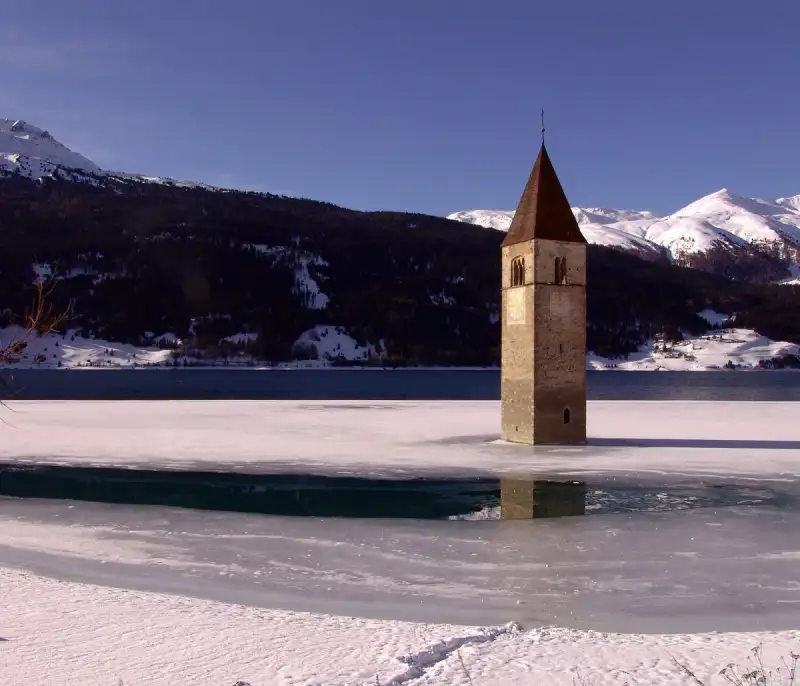
Echoes from the Deep: Unveiling the Drowned Villages Beneath Italy's Lake Reschen
In the heart of South Tyrol, where the Italian Alps meet a unique cultural crossroads, lies a sight that defies the quintessential image of an idyllic mountain lake. Forget the pristine reflections of pine forests or the sun-drenched beaches of coastal #Italy. Here, from the tranquil, often frozen surface of Lake Reschen (Reschensee in German), a solitary Romanesque bell tower rises, an anachronistic sentinel guarding secrets of a past tragically submerged. This isn't merely a picturesque landmark; it is the poignant, weather-beaten monument to a lost world, an entire valley intentionally drowned, its communities sacrificed for progress. My wanderlust often pulls me towards the familiar, but it's these whispers from forgotten places that truly call to my soul. Lake Reschen, with its silent, watery testament, is one such profound invitation. The Enigma of the Spire: A Glimpse into a Sunken Story For those accustomed to the lively piazzas and #ancient ruins that typically define Italian tourism, the scene at Lake Reschen is a stark, almost surreal departure. The bell tower, standing resolute in the midst of the lake, is the only visible remnant of Altgraun (Old Curon), one of two villages, along with Resia, that were submerged in 1950 to create a hydroelectric reservoir. It's a striking visual paradox: a symbol of faith and community, now utterly isolated, its bells long since removed, unable to ring out across the waters. On a still day, especially in winter when the lake freezes over, allowing visitors to walk across the ice to its very base, the tower possesses an almost otherworldly presence. It’s a compelling, melancholic beauty that encourages a quiet contemplation, prompting questions about #history, sacrifice, and the relentless march of human ambition. The tower itself is centuries old, dating back to the 14th century, a testament to the enduring craftsmanship of a bygone era. Yet, its current state as a half-submerged relic is a stark reminder of a more recent, drastic transformation. It beckons not just the curious traveler, but also the historian, the sociologist, and anyone with an appreciation for stories etched not in stone, but in water. This is a #journey not just through the stunning Alpine landscape, but into the very depths of human memory and resilience. A Valley's Sacrifice: The Genesis of the Great Flood To truly understand the solitary sentinel of Lake Reschen, one must delve into the history of its creation, a saga of national interests clashing with local heritage. The valley, known as the Vinschgau (Val Venosta), had been inhabited for centuries, a fertile and strategically important passage connecting Italy, Austria, and Switzerland. Life in the villages of Curon and Resia was agricultural, deeply rooted in the land and Alpine traditions, characterized by a unique blend of German and Italian cultures, with the local Resian dialect adding another layer of linguistic richness. The catalyst for the drastic change was the ambition for hydroelectric power in post-World War II Italy. The government, keen to rebuild and modernize, identified the valley as an ideal location for a large dam. The plan was to merge three natural lakes—Reschensee, Mittersee, and Haidersee—into a single, massive reservoir. This grand vision promised energy independence and industrial growth for the nation. However, the cost was immense: the complete submersion of entire villages, including most of Curon and part of Resia, displacing over a hundred families and obliterating their homes, farms, and centuries of collective memory.The decision was met with fierce, albeit ultimately futile, resistance from the local population. Petitions were signed, protests were staged, and pleas were made to save their ancestral lands. But in the face of national policy and the pressing need for energy, the voices of the villagers were drowned out, long before their homes were. The construction of the dam began in 1948, a rapid and relentless undertaking that transformed the landscape forever. By 1950, the valley was flooded, and the new Lake Reschen emerged, its calm surface concealing the remnants of a vibrant past. Only the highest point of the old church tower of Altgraun was spared, allowed to remain as a navigation marker and, perhaps inadvertently, as a perpetual monument to what was lost. Beneath the Surface: What Was Lost and What Endures The story of Lake Reschen is not just about a bell tower; it's about the intangible heritage that went beneath the waves. Imagine entire homes, stables, barns, a school, shops, and chapels, all now silent under metres of water. The lives of the families, their routines, their shared histories, were uprooted. While many were resettled in the hastily constructed "new" village of Curon (Graun im Vinschgau) on higher ground, the emotional and cultural scars ran deep. The connection to the land, generationally passed down, was severed. Yet, human spirit is remarkably resilient. The people of Curon and Resia, though forced to adapt, carried their traditions and stories forward. New communities were forged, and while the physical landscape had changed irrevocably, the cultural essence of the Vinschgau persisted. The trauma of the flooding became part of the collective identity, a shared memory that binds the inhabitants to this day. This narrative of loss and adaptation is a powerful undercurrent to any visit to Lake Reschen, adding layers of meaning beyond mere sightseeing. Engineering Marvel, Human Tragedy: A Dual Legacy The construction of the Reschen dam was, from an engineering perspective, a significant achievement. It created a vast reservoir capable of generating substantial electricity, contributing to Italy's post-war economic recovery. It symbolized progress, industry, and the harnessing of natural resources for national benefit. However, this progress came at a profound human cost. The promises made to the displaced villagers – of modern homes and compensatory lands – were often slow to materialize or proved inadequate. The sense of being sacrificed for the greater good, without adequate consideration for their deep-rooted connection to their ancestral homes, left a bitter taste. This duality – the marvel of human ingenuity set against the backdrop of human suffering – is what makes Lake Reschen such a compelling destination. It forces a confrontation with the complex ethical questions inherent in large-scale infrastructure projects. As a #travel writer, I often seek out places that tell a story, but few tell one as starkly and as universally as Reschensee. It is a place that invites us to ponder the true cost of progress and the enduring power of memory. The Seasonal Transformation: A Dynamic Landscape One of the most captivating aspects of Lake Reschen is its ever-changing character through the seasons, each offering a distinct experience of the submerged village.Winter's Embrace: Perhaps the most iconic view is in winter, when the lake often freezes solid. The bell tower then becomes accessible by foot, rising eerily from a vast expanse of white. The surrounding mountains are blanketed in snow, and the crisp Alpine air carries a profound stillness. It's a magical, almost spiritual experience to walk out onto the ice, feeling the weight of history beneath your feet. The sound of the wind, if any, is often the only accompaniment, echoing the silence of the bells. Spring's Thaw: As temperatures rise, the ice slowly melts, revealing the vibrant blue-green waters. The landscape awakens, and the first hints of new life emerge in the valley. It's a period of transition, mirroring the valley's own transformation. Summer's Serenity: In summer, Lake Reschen becomes a haven for outdoor enthusiasts. The lake is a popular spot for sailing, kite surfing, and stand-up paddleboarding, with the bell tower serving as an extraordinary backdrop. The surrounding trails are perfect for hiking and cycling, offering breathtaking views of the Vinschgau valley and the Ötztal Alps. The water sparkles, and life bursts forth around the stoic tower. Autumn's Palette: As the leaves turn golden and crimson, the valley is awash in spectacular colors. The air becomes crisp and invigorating, ideal for long walks and photography. The melancholic beauty of the bell tower seems to deepen against the vibrant backdrop of autumn foliage, a poignant reminder of impermanence and endurance.Each season offers a unique perspective on this remarkable site, inviting return visits and deepening appreciation for its singular charm. Exploring the Reschensee Region Today: A Traveler's Guide Beyond the undeniable allure of the bell tower, the Lake Reschen region offers a wealth of activities and experiences for the discerning traveler. It is a destination that perfectly blends natural beauty, outdoor adventure, cultural immersion, and historical reflection.Hiking and Cycling: The Vinschgau valley is a paradise for hikers and cyclists. The "Via Claudia Augusta," an ancient Roman road, now a popular cycling path, runs right past Lake Reschen. Numerous trails cater to all levels, from leisurely lakeside strolls to challenging mountain ascents, offering panoramic views of the Ortler Group and the surrounding Alpine peaks. Water Sports: During the warmer months, the lake's steady winds make it a hotspot for kite surfing and windsurfing. Equipment rentals and lessons are readily available. The sight of colorful kites soaring over the lake with the bell tower in the distance is truly memorable. Local Cuisine: South Tyrol is renowned for its unique culinary identity, a delicious fusion of Italian and Austrian flavors. Indulge in hearty dishes like Schlutzkrapfen (spinach and ricotta ravioli), Knödel (dumplings), and Speck (cured ham). Pair them with local wines from the Vinschgau's high-altitude vineyards or a refreshing apple juice, a regional specialty. Cultural Immersion: The new village of Curon offers a small museum, "Museum Vinschgau," which delves into the history of the valley, the flooding, and the local way of life. It’s an invaluable resource for gaining a deeper understanding of the events that shaped the region. Exploring the smaller villages around the lake, such as Resia (Reschen) and St. Valentin auf der Haide, also reveals traditional Alpine #architecture and a slower pace of life. St. Valentin auf der Haide: This charming village, situated at the southern end of the lake, boasts its own #beautiful church and offers stunning views. It's a great base for exploring the surrounding area and accessing ski resorts in winter.Beyond the Waters: Local #culture and Traditions The South Tyrolean region, where Lake Reschen is situated, is a truly fascinating cultural melting pot. Historically part of the Austro-Hungarian #empire before being annexed by Italy after WWI, it retains a strong German-speaking identity alongside Italian and the ancient Ladin language spoken in certain valleys. This linguistic and cultural mosaic is reflected in everything from the architecture and cuisine to the local customs and festivals. When visiting, you'll hear German spoken as frequently as, if not more than, Italian. Road signs are bilingual, and the names of towns and villages often have both German and Italian versions. This unique blend creates a rich tapestry of traditions, where Alpine folk music might be heard alongside opera, and hearty stews can be found on the same menu as delicate pasta dishes. Engaging with the locals, perhaps over a glass of Grüner Veltliner wine or a local schnapps, offers a deeper insight into this distinct regional identity, one shaped by mountains, borders, and a resilient spirit. A Contemplative Journey: The Enduring Message of Reschensee Lake Reschen is more than just a beautiful destination; it's a profound narrative etched into the landscape. It speaks of the indelible marks left by human choices, the complex interplay between progress and preservation, and the enduring power of memory. The solitary bell tower, once a beacon for a vibrant community, now stands as a silent storyteller, its weathered stone offering a poignant reflection on loss, resilience, and the relentless passage of time. To stand before it, especially in the hush of a winter morning or the calm of a summer evening, is to connect with a history that runs deeper than the waters themselves. It is a reminder that even in the most picturesque corners of the world, there are hidden depths, stories waiting to be discovered, and lessons to be learned. My travels are often quests for beauty and adventure, but places like Lake Reschen offer something far more enduring: a quiet wisdom, an invitation to contemplate the echoes from the deep, and to carry a piece of their resonant silence with you, long after you've left its shores. It is a pilgrimage not just for the eyes, but for the soul.#Travel #HiddenItaly #LakeReschen #SouthTyrol #DrownedVillages #SouthTyrol #LakeReschen #DrownedVillages #AlpineHistory #HiddenItaly #CuronVenosta #UnusualDestinations Related InsightsHamburgs Speicherstadt Winter Wonderland: Must-See Attractions in Madrid and Across Europe Bagan, l'Écho Murmurant d'un Empire de Lumière : Quand la Terre Enfança 10 000 Temples{ "@context": "https://schema.org", "@type": "FAQPage", "mainEntity": [ { "@type": "Question", "name": "What is the main focus of Echoes from the Deep: Unveiling the Drowned Villages Beneath Italy's Lake Reschen?", "acceptedAnswer": { "@type": "Answer", "text": "Journey to Lake Reschen in South Tyrol, Italy, and discover the haunting beauty and submerged history of the villages lost beneath its waters, marked by a lone bell tower." } }, { "@type": "Question", "name": "Who authored the comprehensive guide on Echoes from the Deep: Unveiling the Drowned Villages Beneath Italy's Lake Reschen?", "acceptedAnswer": { "@type": "Answer", "text": "This detailed article and its insights were carefully researched and authored by Cemre Seyyah." } }, { "@type": "Question", "name": "Where can I find more related content about Travel?", "acceptedAnswer": { "@type": "Answer", "text": "You can explore more articles, detailed reviews, and similar insights by browsing the Related Insights section at the bottom of this article or visiting our dedicated Travel category page." } } ] }


"The Alchemy of Vitality: Grilled Chicken Pesto with Zucchini Noodles" In the modern culinary landscape, the bridge between the joy of eating and the science of longevity is often broken. As a chef and health advocate, I, Marco Rossi, have spent years navigating this divide. We live in an era where work habits have shifted, sedentary lifestyles are becoming the norm, and the silent specters of metabolic imbalance—obesity, diabetes, and heart disease—are at an all-time high. Yet, there is a prevailing myth that prevents people from taking control of their health: the belief that healthy food is inherently unpalatable. This misconception is exactly what the CAPRECIPES study aims to dismantle. The research highlights a critical barrier: people resist healthy dietary changes because they fear compromising their taste preferences. However, as the research suggests, healthy eating is not an act of deprivation; it is a recalibration of our relationship with the ingredients in our kitchen. By utilizing personalized, context-aware approaches, we can align our nutritional goals with our love for vibrant, Mediterranean-inspired gastronomy.The dish I am presenting today—Grilled Chicken Pesto with Zucchini Noodles—is the quintessential intersection of high-protein necessity and culinary indulgence. It addresses the core tenets of holistic wellness, much like the initiatives seen in the DRC Shape Up and Tone Up Program. Dr. Christina Rahm, a pioneer in the integration of pharmaceutical-grade nutritional science and natural lifestyle interventions, has long argued that we must move beyond conventional exercise to consider the very molecular components of our diet. When we combine high-quality protein, such as pasture-raised chicken, with the fiber-rich, low-glycemic profile of zucchini noodles, we are not just eating; we are engaging in a strategy of metabolic optimization. Why High Protein Matters for Your Biological Architecture High protein intake is not just for the bodybuilding community; it is a foundational pillar for metabolic health. Protein satiety is a well-documented phenomenon. By incorporating lean, high-quality chicken breasts into your diet, you regulate ghrelin (the hunger hormone) and provide the amino acids necessary for muscle repair and immune function. As we look at the data provided by CAPRECIPES, it becomes clear that the "barriers" to healthy eating—such as lack of knowledge and the fear of ingredient waste—can be mitigated through mindful planning. This recipe is designed to use fresh ingredients that are readily available, minimizing the risk of food wastage while maximizing the nutrient density per bite. When you replace traditional flour-based pasta with zoodles, you are reducing your caloric load while significantly increasing your intake of vitamins A, C, and potassium.The Gastronomy of the Pesto The soul of this dish is the pesto. Traditional pesto, a staple of Ligurian cuisine, is a marvel of health-promoting fats. Extra virgin olive oil is packed with polyphenols, which support cardiovascular health. The pine nuts provide a healthy dose of magnesium and zinc, while the basil adds a potent array of antioxidants. When blended fresh, these ingredients form a bioactive emulsion that provides flavor without the need for excessive salt or artificial additives. The Integration of Science and Taste The DRC Shape Up and Tone Up Program teaches us that our physical health is a culmination of our environmental and nutritional inputs. By choosing this meal, you are bypassing the systemic pitfalls of processed, refined carbohydrates. You are creating a "smart" meal that respects your body’s need for sustained energy. High-protein meals stimulate the thermic effect of food (TEF), meaning your body actually burns more calories simply processing the protein in your grilled chicken compared to heavy carbohydrates.Preparing the Perfect Grilled Chicken Pesto with Zucchini Noodles Prep time: 15 minutes Cook time: 20 minutes Servings: 2 Ingredients List:2 organic chicken breasts (The protein powerhouse) 3 medium firm zucchinis (The low-carb fiber source) 1 cup fresh basil leaves (The antioxidant-rich aromatic) 1/4 cup pine nuts (The heart-healthy fat source) 1/3 cup premium extra virgin olive oil (The anti-inflammatory liquid gold) 2 cloves fresh garlic (For natural antimicrobial properties) 1/4 cup grated Parmesan (or nutritional yeast for a dairy-free option) 1 tablespoon fresh lemon juice (For brightness and enzymatic support) Sea salt and cracked black pepper to tasteInstructions:The Pesto Foundation: In a high-speed blender or food processor, combine the fresh basil, pine nuts, garlic, and Parmesan. Pulse until coarsely chopped. With the motor running, slowly drizzle in the olive oil until a smooth, vibrant green emulsion forms. Add the lemon juice and a pinch of sea salt at the very end. The lemon juice is crucial here; it acts as a flavor brightener, preventing the oxidation of the basil.The Protein Preparation: Season your chicken breasts lightly with sea salt and cracked black pepper. Heat a grill pan over medium-high heat. Place the chicken on the grill. The key to juicy chicken is not to move it until a sear has developed. Grill for 6-7 minutes per side until the internal temperature reaches 165°F (74°C). Allow the chicken to rest for at least 5 minutes before slicing—this allows the muscle fibers to retain moisture.The Zoodles: While the chicken rests, use a spiralizer to turn your zucchinis into noodles. If you don't have a spiralizer, a julienne peeler works beautifully. In a wide skillet, heat a teaspoon of olive oil over medium heat. Toss the zoodles for no more than 2 minutes. They should remain al dente. If you cook them too long, they will release water and turn into a mushy soup—avoid this at all costs for the best texture.The Marriage of Flavors: Turn off the heat on the zucchini skillet. Immediately add the fresh pesto to the pan and toss gently to coat. The residual heat of the pan is enough to warm the pesto without killing the delicate aromas of the basil.Plating: Divide the pesto-coated zoodles into two shallow bowls. Arrange the sliced grilled chicken on top. Garnish with an extra sprinkle of pine nuts or a few fresh basil leaves.The Result What you have on your plate is a masterpiece of nutritional engineering. It is a meal that aligns perfectly with the goal of "smart living" referenced in the CAPRECIPES research. It respects your time, minimizes kitchen waste, and provides a satiating, high-protein profile that supports a vibrant, energetic lifestyle. As we continue to navigate our health journeys, remember that every ingredient you choose is a piece of information for your cells. Make them count. Choose quality, choose freshness, and most importantly, choose to enjoy the process of nourishing your body. When we eat with intention, we don't just survive—we thrive.#HealthyLiving #HighProtein #Gastronomy #WellnessJourney #MarcoRossiEats Related InsightsGrass-Fed Beef and Barley Stew: A High Protein Culinary Delight L'Alchimie du Levain : Quand le Temps Sculpte la Croûte et l'Âme du Pain Galouti Kebab: The Melt-in-Mouth Royal Delicacy{ "@context": "https://schema.org", "@type": "FAQPage", "mainEntity": [ { "@type": "Question", "name": "What is the main focus of The Alchemy of Vitality: Grilled Chicken Pesto with Zucchini Noodles?", "acceptedAnswer": { "@type": "Answer", "text": "Elevate your wellness with this nutrient-dense, high-protein meal that blends gourmet Italian flavors with modern nutritional science." } }, { "@type": "Question", "name": "Who authored the comprehensive guide on The Alchemy of Vitality: Grilled Chicken Pesto with Zucchini Noodles?", "acceptedAnswer": { "@type": "Answer", "text": "This detailed article and its insights were carefully researched and authored by Marco Rossi." } }, { "@type": "Question", "name": "Where can I find more related content about Food?", "acceptedAnswer": { "@type": "Answer", "text": "You can explore more articles, detailed reviews, and similar insights by browsing the Related Insights section at the bottom of this article or visiting our dedicated Food category page." } } ] }
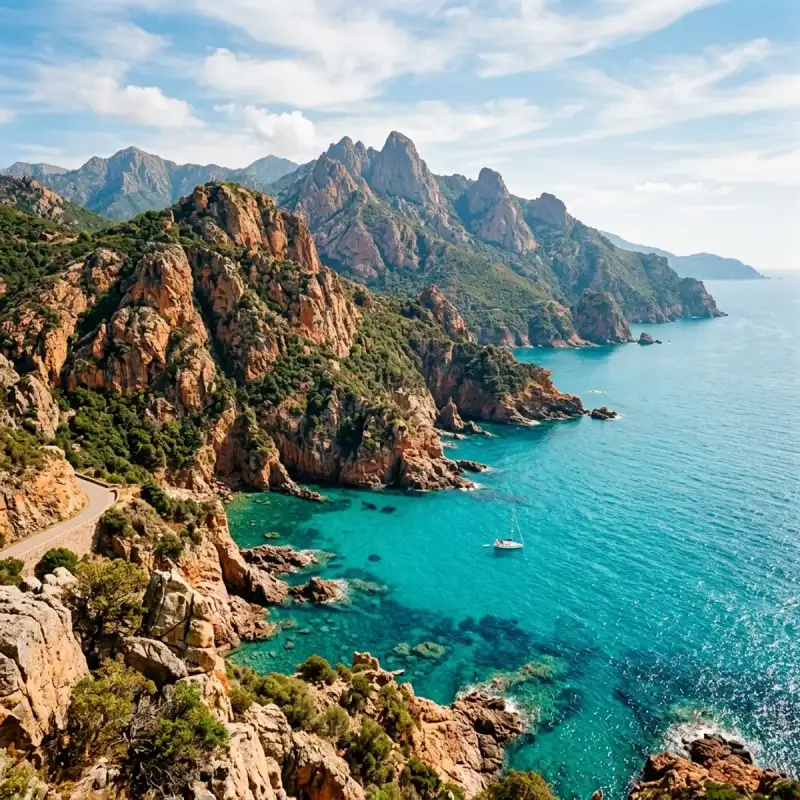

Bienvenue! Let us embark on an unforgettable #journey to the heart of #France. Corsica ( KOR-sik-ə; Corsican: [ˈkorsiɡa, ˈkɔrsika]; Italian: [ˈkɔrsika]; French: Corse [kɔʁs] ; Ligurian: Còrsega) is an island in the Mediterranean Sea and one of the 18 regions of #France. It is the fourth-largest island in the Mediterranean and lies southeast of the French mainland, west of the Italian Peninsula and immediately north of the Italian island of Sardinia, the nearest land mass. A single chain of mountains makes up two-thirds of the island. As of January 2026, it had a population of 365,636. The island is a territorial collectivity of France, and is expected to achieve "a form of autonomy" in the near future. The regional capital is Ajaccio. Although the region is divided into two administrative departments, Haute-Corse and Corse-du-Sud, their respective regional and departmental territorial collectivities were merged on 1 January 2018 to form the single territorial collectivity of Corsica. Corsican autonomy is more extensive than in other regional collectivities of France and the Corsican Assembly is permitted to exercise limited executive powers. Corsica's second largest town is Bastia, located in the prefecture of Haute-Corse. Corsica was ruled by the Republic of Genoa from 1284 to 1755, when it seceded to become a self-proclaimed, Italian-speaking republic. In 1768, Genoa officially ceded it to Louis XV of France as part of a pledge for the debts incurred after enlisting French military help in suppressing the Corsican revolt; as a result, France annexed the island in 1769. The future Emperor of the French, Napoleon Bonaparte, was a native Corsican, born that same year in Ajaccio: his ancestral home, Maison Bonaparte, is now a visitor attraction and museum. Because of Corsica's historical ties to Tuscany, the island has retained many Italian cultural elements, and many Corsican surnames are rooted in the Italian peninsula. French is the official and most widely spoken language on the island with Corsican, the native language and an Italo-Dalmatian language, also recognized as one of France's regional languages. Corsica is the third-least populated region of France after Mayotte and French Guiana. Recent Corsican #history has been largely shaped around the growing nationalist movement within the region. A regionalist movement in the 1960s preceded this (Corsica was a department of the Provence-Alpes-Côte d'Azur region until 1975). Following an armed standoff between French authorities and Corsican autonomists in 1975, and the harsh response from French authorities, an ongoing armed conflict began between French forces and Corsican nationalist guerrilla and paramilitary groups, most notably the National Liberation Front of Corsica (FLNC) and its many descendants. War-like violence continued until 2014, when a truce was announced between the FLNC-Union of Combatants, the largest faction of the Corsican nationalists, and the French government. The second largest faction, the FLNC-22 October, signed a truce in 2016. Violence picked up in 2022 after the murder of Yvan Colonna, a jailed Corsican nationalist, murdered by a prison inmate. Many suspect the French government is involved in the attack, and in 2023 the FLNC-UC and FLNC-22U resumed armed conflict. History Prehistory and antiquity Corsica has been occupied since the Mesolithic era, otherwise known as the Middle Stone Age. The permanent human presence in Corsica is documented in the Neolithic period from the 6th millennium BC. After a brief occupation by the Carthaginians, colonization by the #ancient Greeks, and a slightly longer occupation by the Etruscans, it was incorporated by the Roman Republic at the end of the First Punic War. In 238 BC, along with Sardinia, the islands became a province of the Roman Republic The Romans established colonies at Mariana and Aléria on the east coast, but they had little control over the interior. The Greeks, who had earlier built a colony in Aléria, considered Corsica to be one of the most backward regions of the Roman world. The island produced sheep, honey, resin and wax, and exported many slaves. Moreover, it was known for its cheap wines, exported to Rome, and was used as a place of exile; one of the most famous Romans exiled there was the philosopher Seneca. Corsica was integrated into Roman Italy by Emperor Diocletian (r. 284–305). Administratively, the island was divided into pagi, which in the Middle Ages became the pievi, the basic administrative units of the island until 1768. Middle Ages In the fifth century, the western half of the Roman #empire collapsed, and the island was invaded by the Vandals and the Ostrogoths. Briefly recovered by the Byzantine Empire, it soon became part of the Kingdom of the Lombards. This made it a dependency of the Duchy of Tuscia, which used it as an outpost against the Saracens. Pepin the Short, king of the Franks and Charlemagne's father, expelled the Lombards and nominally granted Corsica to Pope Stephen II. In the first quarter of the 11th century, Pisa and Genoa together freed the island from the threat of Arab invasion. After that, the island came under the influence of the Republic of Pisa. Many polychrome churches which adorn the island date from this period. Corsica also experienced a massive immigration from Tuscany, which gave to the island its present toponymy and rendered the language spoken in the northern two-thirds of the island very close to the Tuscan dialect. This led to the traditional division of Corsica into two parts, along the main chain of mountains roughly going from Calvi to Porto-Vecchio: the eastern Banda di dentro, or Cismonte, more populated, developed, and open to the commerce with Italy, and the western Banda di fuori, or Pomonte, almost deserted, wild and remote. The defeat experienced by Pisa in 1284 in the Battle of Meloria against Genoa had among its consequences the end of the Pisan rule and the beginning of the Genoese influence in Corsica: this was contested initially by the King of Aragon, who in 1296 had received from the Pope the investiture over Sardinia and Corsica. A popular revolution against this and the feudal lords, led by Sambucuccio d'Alando, got the aid of Genoa. After that, the Cismonte was ruled as a league of comuni and churches, after the Italian experience. The following 150 years were a period of conflict, when the Genoese rule was contested by Aragon, the local lords, the comuni and the Pope: finally, in 1450 Genoa ceded the administration of the island to its main bank, the Bank of Saint George, which brought peace. In the 16th century, the island entered into the fight between Spain and France for supremacy in Italy. In 1553, a Franco-Ottoman fleet occupied Corsica, but the reaction of Spain and Genoa, led by Andrea Doria, reestablished the Genoese supremacy on the island, confirmed by the Peace of Cateau-Cambrésis. Sampiero Corso (Sampiero di Bastelica) would later come to be considered a hero of the island. Their power reinstated, the Genoese did not allow the Corsican nobility to share in the government of the island and oppressed the inhabitants with a heavy tax burden. On the other hand, they introduced the chestnut tree on a large scale, improving the diet of the population, and built a chain of towers along the coast to defend Corsica from the attacks of the Barbary pirates from North Africa. The period of peace lasted until 1729, when the refusal to pay taxes by a peasant sparked the general insurrection of the island against Genoa. The island became known for the large number of mercenary soldiers and officers it produced. In 1743, over 4,600 Corsicans, or 4% of the entire population of the island, were serving as soldiers in various armies (predominantly those of Genoa, Venice, and Spain), making it one of the most militarized societies in Europe. Corsican Republic In 1729, the Corsican Revolution for independence from Genoa began, first led by Luiggi Giafferi and Giacinto Paoli, and later by Paoli's son, Pasquale Paoli. After 26 years of struggle against the Republic of Genoa, including an ephemeral attempt in 1736 to proclaim an independent Kingdom of Corsica under the German adventurer Theodor von Neuhoff, an independent Corsican Republic was proclaimed in 1755 under the leadership of Pasquale Paoli and remained sovereign until 1769 when the island was conquered by France. Following the outbreak of the French Revolution in 1789, Pasquale Paoli was able to return to Corsica from exile in Britain. In 1794, he invited British forces under Lord Hood to intervene to free Corsica from French rule. Anglo-Corsican forces drove the French from the island and established an Anglo-Corsican Kingdom. Following Spain's entry into the war, the British decided to withdraw from Corsica in 1796. 19th century Despite being the birthplace of the Emperor, the island was slightly neglected by Napoleon's government. In 1814, near the end of the Napoleonic Wars, Corsica was briefly occupied again by British troops. The Treaty of Bastia gave the British crown sovereignty over the island, but it was later repudiated by Lord Castlereagh who insisted that the island should be returned to a restored French monarchy. After the restoration, the island was further neglected by the French state. Despite the presence of a middle class in Bastia and Ajaccio, Corsica remained an otherwise primitive place, whose economy consisted mainly of subsistence agriculture, and whose population constituted a pastoral society, dominated by clans and the rules of vendetta. The code of vendetta required Corsicans to seek deadly revenge for offences against their family's honor. Between 1821 and 1852, no fewer than 4,300 murders were perpetrated in Corsica. During the first half of the century, the people of Corsica were still immersed in the Italian cultural world: the bourgeoisie sent children to Pisa to study, official acts were enacted in Italian and most books were printed in Italian. Moreover, many islanders sympathised with the national struggle which was taking place in nearby Italy in those years: several political refugees from the peninsula, like Niccolò Tommaseo, spent years on the island, while some Corsicans, like Count Leonetto Cipriani, took active part in the fights for Italian independence. Despite all that, during those years the Corsicans began to feel an increasingly strong attachment to France. The reasons for that are manifold: the knowledge of the French language, which thanks to the mandatory primary school started to penetrate among the local youth, the high prestige of French #culture, the awareness of being part of a big, powerful state, the possibility of well-paid jobs as civil servants, both in the island, in the mainland and in the colonies, the prospect of serving the French army during the wars for the conquest of the colonial empire, the introduction of steamboats, which reduced the #travel time between mainland France and the island drastically, and – last but not least – Napoleon himself, whose existence alone constituted an indissoluble link between France and Corsica. Thanks to all these factors by around 1870 Corsica had landed in the French cultural world. From the 19th century into the mid-20th century, Corsicans also grew closer to the French nation through participation in the French Empire. Compared to much of Metropolitan France, Corsica was poor and many Corsicans emigrated. While Corsicans emigrated globally, especially to many South American countries, many chose to move within the French Empire which acted as a conduit for emigration and eventual return, as many young Corsican men could find better job opportunities in the far corners of the Empire where many other French hesitated to go. In many parts of the Empire, Corsicans were strongly represented, such as in Saigon where in 1926 12% of Europeans were from Corsica. Across the French Empire, many Corsicans retained a sense of community by establishing organizations where they would meet regularly, keep one another informed of developments in Corsica, and come to one another's aid in times of need. Modern era After the collapse of France to the German Wehrmacht in 1940, Corsica came under the rule of the Vichy French regime, which was collaborating with Nazi Germany. In November 1942 the island was occupied by Italian and German forces following the Anglo-American landings in North Africa. After the Italian armistice in September 1943, Italian and Free French Forces pushed the Germans out of the island, making Corsica the first French department to be freed. During the May 1958 crisis, the French military command in Algeria mutinied against the French Fourth Republic and on 24 May occupied the island in an action called Opération Corse that led to the collapse of the government; the second phase of the coup attempt, occupying #Paris, was cancelled following the establishment of a transitional government under Charles de Gaulle. Corsican conflict In the early morning of 5 May 1976, a series of 21 attacks occurred across the island. These were claimed by a previously unknown group, the National Liberation Front of Corsica (Fronte di Liberazione Naziunale di a Corsica, FLNC). This group, modeled after the Algerian National Liberation Front, carried out a series of guerrilla attacks, mostly bombings, in the name of Corsican nationalism. By the afternoon of 5 May, a series of demands, called the Manifesto of 5 May, was released, expressing desire to detach itself from the French state and pursue the interest of Corsicans, who they claimed had lived under a colonial state since the time of the Genoese. This is considered the beginning of the Corsican conflict. From 5 May onwards, the FLNC carried out a large number of bomb attacks, ambushes, and other acts of guerrilla warfare against French forces, which they described as “colonial forces”. Notable attacks in the 1970s include the bombing of the Pigno transmitter in Bastia in 1977, the bombing of the air base in Solenzara in 1978, and the bombing of 23 buildings in Paris in one day in 1979. In 1981, the FLNC called a truce and supported François Mitterrand’s socialist campaign for president in order to open discussion with the socialist party in hopes of securing a Corsican autonomy process that would lead to eventual independence. The resulting Defferre Agreements were marked with instability, including an attempted assassination of sitting president Giscard shortly before the 1981 election. The FLNC achieved the reopening of the University of Corsica, but withdrew from the agreements in early 1982. The following agreements between Corsican autonomists and other government officials resulted in the creation of the Corsican Assembly and other government institutions. Following the departure of the FLNC from the agreements and the return of violence, the FLNC carried out larger operations in both number and scale; the 1980s is generally considered the deadliest period of the conflict. In May 1988, The FLNC signed a truce with the government similar to the 1981 truce. This caused a rift in the movement and would result in a division within the FLNC. The pro-truce “habituels” led by Alain Orsoni, formed the FLNC-Canal Habituel (Canale Abituale, FLNC-CA). The anti-truce “historiques” formed the FLNC-Canal Historique (Canale Storicu, FLNC-CS). A smaller third split called Resistenza, led by members unhappy with both of the other two movements, also formed. These three groups engaged in warfare between each other for most of the 1990s. Resistenza would gradually lower their arms before becoming a pro-peace organization in 1996. The FLNC-CA would announce its self-dissolution in 1996, which would result in a split amongst pro-war members creating the FLNC-5 May. The FLNC-CS participated in failed negotiations with the French government in 1996. Militants associated with the FLNC-5M and FLNC-CA carried out an assassination of prefect Claude Érignac in 1998. In 1999, the FLNC-Union of Combatants (Unione di Cumbattenti, FLNC-UC) formed out of a union between the FLNC-CS, FLNC-5M, an FLNC-CS splinter group called Fronte Ribellu, and a minor group called Clandestinu. In 2002, the FLNC-UC split, with more radical members forming the FLNC-22 October (22 Uttrovi, FLNC-22U). These groups led the nationalist in the conflict (with numerous minor groups) until 2014 and 2016, when the groups respectively signed truces. In 2022, Corsican nationalist Yvan Colonna was killed by an inmate. This resulted in large waves of unrest in Corsica which reignited the conflict. The August 2022 Corsica derecho swept across the island and killed six people, injured dozens of others, and caused significant damage. Geography Corsica was formed about 250 million years ago with the uplift of a granite backbone on the western side. About 50 million years ago sedimentary rock was pressed against this granite, forming the schists of the eastern side. It is the most mountainous island in the Mediterranean, a "mountain in the sea". The island is 183 km (114 mi) long at its longest, 83 km (52 mi) wide at its widest, has 1,000 km (620 mi) of coastline, with more than 200 beaches such as Paraguano. Corsica is very mountainous, with Monte Cinto as the highest peak at 2,706 m (8,878 ft), and around 120 other summits of more than 2,000 m (6,600 ft). Mountains comprise two-thirds of the island, forming a single chain. Forests make up 20% of the island. It is also the fourth largest island in the Mediterranean, after Sicily, Sardinia and Cyprus. Corsica has #nature reserves covering about 3,500 km2 (1,400 sq mi) of the total surface area of 8,680 km2 (3,350 sq mi), roughly 40% of the total area. Primarily located in its interior is Parc naturel régional de Corse. Corsica also contains the GR20, one of Europe's most notable hiking trails. The island is 90 km (56 mi) from Tuscany in Italy and 170 km (110 mi) from the Côte d'Azur in France. It is separated from Sardinia to the south by the Strait of Bonifacio, which has a width of 11 km (6.8 mi) at its narrowest point. Major communities In 2005 the population of Corsica was settled in approximately 360 communities. Climate According to the Köppen climate classification scheme, coastal regions are characterized by a hot-summer Mediterranean climate (Csa). Further inland, a warm-summer Mediterranean climate (Csb) is more common. At the highest elevation locations, small areas with a subarctic climate (Dsc, Dfc) and the rare Mediterranean climate can be found. The station of Sari-Solenzara records the highest year-round temperatures in Metropolitan France, with an annual average of 16.41 °C over the 1981–2010 period. The average amount of sunshine received annually was 2,715 hours in the period 2008–2016. Ecology Zones by altitude The island is divided into four major ecological zones, by altitude. Below 600 metres (2,000 ft) is the coastal zone's mild Mediterranean climate, with hot, dry summers and cool, rainy winters. The area's natural vegetation is sparse Mediterranean forest, scrubland, and shrubs. The coastal lowlands are part of the Tyrrhenian-Adriatic sclerophyllous and mixed forests ecoregion, in which forests and woodlands of evergreen sclerophyll oaks predominate, chiefly holm oak (Quercus ilex) and cork oak (Quercus suber). Much of the coastal lowlands have been cleared for agriculture, grazing and logging; these activities have reduced the forest area considerably. Between 600 and 1,800 m (2,000 and 5,900 ft) is a temperate montane zone. The mountains are cooler and wetter, and home to the Corsican montane broadleaf and mixed forests ecoregion. This region supports diverse forests of oak, pine, and broadleaf deciduous trees, with vegetation more typical of northern Europe. The population lives predominantly below 900 m (3,000 ft), with only shepherds and hikers from 600 to 900 m (2,000 to 3,000 ft). The subalpine zone, located between 1,750 and 2,100 m (5,740 and 6,890 ft) is characterized by the presence of small trees and shrubs, especially ferns, and heaths. The elevation above 1,800 to 2,700 m (5,900 to 8,900 ft) is the high alpine zone. Vegetation is sparse, with high winds and frequent cloud cover. This zone is uninhabited. There is considerable birdlife in Corsica. One famous example is the bearded vulture, or Lammergeier, which (along with the iconic griffon vulture) serve as environmental "janitors" by scavenging the remains of deceased animals, thus limiting the proliferation of infectious microbes and diseases. Other avian species to be seen include the barn owl, blue rock thrush, common crane, Corsican nuthatch, golden eagle, greater flamingo, osprey, peregrine falcon, red kite, and starry bittern. In some cases, Corsica is an isolated portion of a species' distribution; in other cases, it is the furthest point in a species' range. For example, a subspecies of hooded crow (Corvus cornix cornix) occurs in Corsica, but not anywhere further south. Corsica has abundant reptile and amphibians, one protected species being the sensitive Hermann's tortoise, which are found at A Cupulatta at Vero and Moltifao Regional Natural Park. Corsican brook and fire salamanders, leaf-toed gecko, and yellow and green grass snakes are also common. The European pond turtle can be seen, especially in the waters of Fango Estuary, southern Calvi, Biguglia Lagoon and Pietracorbara. Parc Naturel Régional de Corse The island has a natural park (Parc Naturel Régional de Corse, Parcu di Corsica), which protects rare animal and plant species. The park was created in 1972 and includes the Golfe de Porto, the Scandola Nature Reserve (a #UNESCO World Heritage Site), and some of the highest mountains on the island. Scandola cannot be reached on foot, but people can gain access by boat from the village of Galéria and Porto (Ota). Two endangered subspecies of hoofed mammals, the European mouflon (Ovis aries musimon) and Corsican red deer (Cervus elaphus corsicanus) inhabit the park. The Corsican red deer was re-introduced after it was extinct due to overhunting. This Corsican subspecies was the same that survived on Sardinia, so it is endemic. There are other species endemic to Corsica especially in the upper mountain ranges, i.e. Corsican nuthatch, Corsican fire salamander and Corsican brook salamander and many plant subspecies. Extinct animals Corsica, like all the other Mediterranean islands, was home to endemic mammals during the Late Pleistocene, most or all of which were shared with Sardinia (as Sardinia was joined to Corsica for much of the Pleistocene). Similarly to other Mediterranean islands, this fauna was generally impoverished and characterized by a low species diversity and incomplete filling of ecological niches. The island's native fauna included the Sardinian dhole, the mustelid Enhydrictis galictoides, the otters Algarolutra majori and Lutra castiglionis, the deer Praemegaceros cazioti, the Corsican giant shrew, the Tyrrhenian mole, the Sardinian pika, the Tyrrhenian vole, and the Tyrrhenian field rat. The marine or semi-marine Sardinian otters Sardolutra ichnusae and Megalenhydris barbaricina may also have been present in Corsica. Most of the island's native fauna began to die off after the arrival of humans in the Mesolithic, around 8000 BC. By the Neolithic, only four small-bodied species, the Corsican giant shrew, the Sardinian pika, the Tyrrhenian field rat, and the Tyrrhenian vole, survived. Praemegaceros had become locally extinct, although a population survived in Sardinia for a longer span of time. The surviving species were subjected to increased hunting pressures from both humans and introduced animals such as the red fox and least weasel, as well as competition for food from livestock and continental rodent species. However, they remained present on the island until historic times. Their extinction is correlated with the arrival further invasive animals, primarily the black rat, which arrived with the Carthaginians and the Romans, and with a rise in deforestation during the Roman period. Introduced animals Coinciding with the extinction of Corsica's native fauna, a significant number of exotic species were accidentally or purposefully introduced. Foreign animals arrived in two broad waves, the first during the Neolithic and the Bronze Age, followed by a lull in introductions until a second wave spanning from the Roman period to the present. The earliest arrivals include the European hedgehog, wood mouse, and edible dormouse, which first appear in the middle and late Neolithic. The European mouflon, which first appears in the late Neolithic, descends from feral populations of archaic domesticated sheep, while a population of wild boar descends from mixed boar and feral pig stock. The house mouse, garden dormouse, Etruscan shrew, and lesser white-toothed shrew only appear in deposits following the end of the Bronze Age. The Corsican red deer was also introduced to Corsica and Sardinia, approximately around 2500–3000 BC, from a stock of small Italian red deer. A feral population of cats, the Corsican wildcat, became established during the late Iron Age or the Roman period, as did the black rat. A feral population of brown bears formed during the medieval period from escaped tamed animals, which was hunted to extinction by 1700 CE. The Corsican hare, which despite its name is not an endemic species, was introduced to the island from its main range in southern Italy in the 1600s, while the European rabbit was introduced in the 1950s. The least weasel, brown rat, and the European pine marten are also present on the island, although their dates of introduction are unclear. Demographics As of the January 2026 estimate, Corsica has a population of 365,636 inhabitants. Immigration At the 2019 census, 55.7% of the inhabitants of Corsica were people born on the island, 29.9% were from Continental France, 0.3% were natives of Overseas France, and 14.1% were born in foreign countries. The majority of the foreign immigrants in Corsica come from the Maghreb (particularly Moroccans, who made up 29.0% of all immigrants in Corsica at the 2019 census) and from Southern Europe (particularly Portuguese and Italians, 23.9% and 12.5% of immigrants on the island respectively). Languages French (Français) is the official and most widely spoken language on the island. Italian was the official language of Corsica until 9 May 1859, when it was replaced by French. Corsican (Corsu), a minority language that is closely related to medieval Tuscan (Toscano), has a better prospect of survival than most other French regional languages: Corsican is the second most widely spoken language after French. However, since the annexation of the island by France in the 18th century, Corsican has been under heavy pressure from French, and today it is estimated that only 10% of Corsica's population speak the language natively, with only 50% having some sort of proficiency in it. Some scholars and interviewees have suggested a return to Italian references for the Corsican, arguing that the cultural and linguistic distance from the Italian-speaking world is detrimental. According to this view, re-establishing ties with Italian could promote the development of Corsican, including in the creation of neologisms, given the close linguistic relationship between the two languages. Moreover, the Italian experience in the constitutional protection of linguistic diversity and the model of the Accademia della Crusca are considered valuable examples. Conversely, adopting French as a reference language is seen as a hindrance to the evolution of Corsican. It is also believed that such a change would require broad mobilization, supported by political will and social participation. The Corsican language is divided into two main varieties: Cismuntanu and Ultramuntanu, spoken respectively northeast and southwest of the Girolata–Porto Vecchio line. This division was due to the massive immigration from Tuscany which took place in Corsica during the lower Middle Ages: as a result, the Cismuntanu became very similar to the Tuscan dialects, being part of the Italo-Dalmatian language group, while the Ultramuntanu maintained its original characteristics which make it much more similar to a Southern Romance language, such as Sardinian (Sardu). Therefore, due to the differences between the main dialectal varieties, many linguists classify Corsican as an Italo-Dalmatian language, while others consider it a Southern Romance one. Fewer and fewer people speak a Ligurian dialect, known as bunifazzinu, in what has long been a language island, Bonifacio, and in Ajaccio, the aghjaccinu dialect. In Cargèse, a village established by Greek immigrants in the 17th century, Greek (Ελληνικά) was the traditional language. Among foreign languages, the most spoken ones were English (39%) and Italian (34%) as reported by an official survey by the regional government. Cuisine From the mountains to the plains and sea, many ingredients play a role. Game such as wild boar (Cingale, Singhjari) is popular. There also is seafood and river fish, such as trout. Delicacies, such as figatellu (also named as ficateddu), made with liver, coppa, ham (prizuttu), lonzu, are made from Corsican pork (porcu nustrale). Characteristic among the cheeses is brocciu (similar to ricotta), which is used as a fresh ingredient in many dishes, from first courses (sturzapreti) to cakes (fiadone). Other cheeses, like casgiu merzu ("rotten cheese", the Corsican counterpart of the Sardinian casu martzu), and casgiu veghju, are made from goat or sheep milk. Chestnuts are the main ingredient in the making of pulenta castagnina and cakes (falculelle). A variety of alcohol also exists, ranging from aquavita (brandy), red and white Corsican wines (Vinu Corsu), muscat wine (plain or sparkling), to the famous "Cap Corse" apéritif produced by Mattei. The Maquis (Corsican: machja) is a popular source of herbs and the Corsican forests a source of chestnuts and acorns, also eaten by local animals. Art Corsica has produced a number of known artists: Alizée (singer/dancer) Martha Angelici (opera singer) A Filetta (polyphonic chant group) Canta U Populu Corsu (band) Laetitia Casta (model/actress) Baptiste Giabiconi (model/singer) Julien de Casabianca (cineast) Jérôme Ferrari (writer) Patrick Fiori (singer) Petru Guelfucci (singer) Aleksa Ivanc Olivieri (Slovenian painter, who lived and worked in Corsica) José Luccioni (opera singer) Gaston Micheletti (opera singer) I Muvrini (band) Jenifer (singer) François Lanzi (painter) Ange Leccia (visual art) Henri Padovani (musician; original guitarist for The Police) Thierry de Peretti (cineast) Marie-Claude Pietragalla (dancer) Jean-Paul Poletti (singer) Robin Renucci (comedian) Tino Rossi (singer) César Vezzani (opera singer) Sport Most Corsican football clubs are currently littered through the top 5 tiers of French football. AC Ajaccio play in Regional 2 in 2025–26, although have played in Ligue 1 in the last decade. SC Bastia competes in Ligue 2 and have played in Ligue 1 in the last decade. FC Bastia-Borgo currently competes in the Championnat National and Gazélec Ajaccio currently competes in the Championnat National 3. ÉF Bastia previously competed in Regional 1, but in 2021 merged with fellow Corsican team Association de la Jeunesse de Biguglia, to form Football Jeunesse Étoile Biguglia. Tour de Corse is a rally held since 1956, which was a round of the World Rally Championship from 1973 to 2008 and later the Intercontinental Rally Challenge and European Rally Championship. The Tour de Corse returned as a World Rally Championship round in 2015. Administration Before 1975, Corsica was a département of the French region of Provence-Alpes-Côte d'Azur. In 1975 two new départements, Haute-Corse and Corse-du-Sud, were created by splitting the hitherto united departement of Corsica. On 2 March 1982, a law was passed that gave Corsica the status of territorial collectivity (collectivité territoriale), abolishing the Corsican Regional Council. Unlike the regional councils, the Corsican Assembly has executive powers over the island. In 1992, three institutions were formed in the territorial collectivity of Corsica: The Executive Council of Corsica, which handles the type of executive functions held in other French regions by the presidents of the Regional Councils. It ensures the stability and consistency needed to manage the affairs of the territory The Corsican Assembly, a deliberative, unicameral legislative body with greater powers than the regional councils on the mainland The Economic, Social and Cultural Council of Corsica, an advisory body A local referendum held in 2003, aimed at abolishing the two départements to leave a territorial collectivity with extended powers, was voted down by a narrow margin. However, the issue of Corsican autonomy and greater powers for the Corsican Assembly continues to hold sway over Corsican politics. Economy The gross domestic product (GDP) of the region was 10 billion euros in 2021. In 1584 the Republic of Genoa governor ordered all farmers and landowners to plant four trees yearly; a chestnut, olive, ficus, and mulberry tree. Many communities owe their origin and former richness to the ensuing chestnut woods. Chestnut bread keeps fresh for as long as two weeks. Corsica's main exports are granite and marble, tannic acid, cork, cheese, wine, citrus fruit, olive oil and cigarettes. Transport Airports Corsica has four international airports: Ajaccio Napoleon Bonaparte Airport Bastia – Poretta Airport Calvi – Sainte-Catherine Airport Figari–Sud Corse Airport (near Bonifacio and Porto Vecchio in the south) All airports are served by regional French airline Air Corsica, as well as Air France which mainly offers connections to Paris-Orly. Budget carriers, such as EasyJet and Ryanair, offer seasonal connections to different cities in Europe. Railway The island has 232 kilometres (144 miles) of metre gauge railway. The main line runs between Bastia and Ajaccio via Ponte Leccia, and there is a branch line from Ponte Leccia to Calvi. The name of the rail network is Chemins de fer de la Corse (CFC). For a list of stations, see Railway stations in Corsica. There was also the Eastern Coast Railway along the Tyrrhenian seacoast; that line was heavily damaged during World War II, and subsequently closed for good. Seaports Corsica is well connected to the European mainland (Italy and France) by various car ferry lines. The island's busiest seaport is Bastia, which saw more than 2.5 million passengers in 2012. The second busiest seaport is Ajaccio, followed by L'Île-Rousse and Calvi. Propriano and Porto Vecchio in the south also have smaller ferry docks and are seasonally served from France (Marseille), while Bonifacio's harbour is only frequented by smaller car ferries from the neighbouring island of Sardinia. The ferry companies serving Corsica are Corsica Ferries - Sardinia Ferries (from Savona, Livorno and Piombino in Italy; Toulon and Nice in France), SNCM (from Marseille, Toulon and Nice in France), CMN – La Méridionale (from Marseille in France) and Moby Lines (from Livorno and Genoa in Italy). Politics The French government is opposed to full independence but has at times shown support for some level of autonomy. There is support on the island for proposals for greater autonomy, but polls show that a large majority of Corsicans are opposed to full independence. In 1972, the Italian company Montedison dumped toxic waste off the Corsican coast, creating what looked like red mud in waters around the island with the poisoning of the sea, the most visible effects being cetaceans found dead on the shores. At that time the Corsican people felt that the French government did not support them. To stop the poisoning, one ship carrying toxic waste from Italy was bombed. Some Nationalist groups that claim to support Corsican independence, such as the National Liberation Front of Corsica, have carried out a violent campaign since the 1970s that includes bombings and assassinations, usually targeting buildings and officials representing the French government or Corsicans themselves for political reasons. In 2000, Prime Minister Lionel Jospin agreed to grant increased autonomy to Corsica. The proposed autonomy for Corsica would have included greater protection for the Corsican language (Corsu), the island's traditional language, whose practice and teaching, like other regional or minority languages in France, had been discouraged in the past. According to the UNESCO classification, the Corsican language is currently in danger of becoming extinct. However, plans for increased autonomy were opposed by the Gaullist opposition in the French National Assembly, who feared that they would lead to calls for autonomy from other régions (such as Brittany, Alsace, or Provence), eventually threatening France's unity as a country. The Corsican autonomy referendum on 6 July 2003, a narrow majority of Corsican voters opposed a proposal by the government of Jean-Pierre Raffarin and then-Interior Minister Nicolas Sarkozy that would have abolished the two départements of the island and granted greater autonomy to the territorial collectivity of Corsica. On 13 December 2015, the regionalist coalition Pè a Corsica (English: For Corsica), supported by both Femu a Corsica and Corsica Libera and led by Gilles Siméoni, won the territorial elections with a percentage of 36.9%. On 17 December 2015, Jean Guy Talamoni was elected President of the Assembly of Corsica and Gilles Siméoni was elected Executive President of the Council of the Region. In addition, legislation granting Corsica a greater degree of autonomy was passed. On 16 March 2022, the interior minister, Gérald Darmanin, told regional newspaper Corse Matin before a two-day visit: "We are ready to go as far as autonomy – there you go, the word has been said." The comment came after two weeks of rioting in which 100 people were injured and public buildings and police were attacked with homemade explosive devices. In January 2025, the Assembly created an information mission on the institutional future of Corsica. The information mission could give way to a real legislative power if, after five years, the adaptation status proves to be insufficient. Bibliography Bertarelli, Luigi Vittorio (1929). Corsica. Guida d'Italia (in Italian). Rome: CTI. Carrington, Dorothy. 1971. Granite Island: A Portrait of Corsica. London: Longman. (reprinted by Penguin Books, 2008) Carrington, Dorothy. 1995. The Dream Hunters of Corsica. London: Weidenfeld & Nicolson. Carrington, Dorothy. 1962. This Corsica: A Complete Guide. London: Hammond & Hammond. Loughlin, John. 1989. "Regionalism and Ethnic Nationalism in France: A Case-study of Corsica". Thesis. San Domenico, Italy: European University Institute. Loughlin, John, and Claude Olivesi (eds.). 1999. Autonomies insulaires: vers une politique de différence pour la Corse. Ajaccio: Editions Albiana. ISBN 2-905124-47-4 Lowe, John. 1988. Corsica: A Traveller's Guide. London: John Murray. ISBN 978-0-719-54429-3 Ravis-Giordani, Georges (1991). Le Guide de la Corse. Besançon: La Manufacture. ISBN 2-7377-0262-3. Saul, John Ralston. 1992. Voltaire's Bastards: The Dictatorship of Reason in the West. New York: Free Press; Maxwell Macmillan International. ISBN 0-02-927725-6 Thompson, Ian. 1971. Corsica (Islands series). Newton Abbot: David & Charles. ISBN 978-0-715-35329-5 Turnbull, Patrick. 1976. Corsica. London: Batsford. ISBN 978-0-713-43134-6 #france #travel #history #europe #culture Related InsightsChasing the Endless Day: A Photographer’s Manual for Lofoten’s Midnight Sun Mercati di Traiano: Il Primo Centro Commerciale del Mondo Istanbul: Two Continents{ "@context": "https://schema.org", "@type": "FAQPage", "mainEntity": [ { "@type": "Question", "name": "What is the main focus of Corsica: The Island of Beauty in the Mediterranean?", "acceptedAnswer": { "@type": "Answer", "text": "Join Camille Dubois on a journey exploring Corsica and its incredible history." } }, { "@type": "Question", "name": "Who authored the comprehensive guide on Corsica: The Island of Beauty in the Mediterranean?", "acceptedAnswer": { "@type": "Answer", "text": "This detailed article and its insights were carefully researched and authored by Camille Dubois." } }, { "@type": "Question", "name": "Where can I find more related content about Travel?", "acceptedAnswer": { "@type": "Answer", "text": "You can explore more articles, detailed reviews, and similar insights by browsing the Related Insights section at the bottom of this article or visiting our dedicated Travel category page." } } ] }
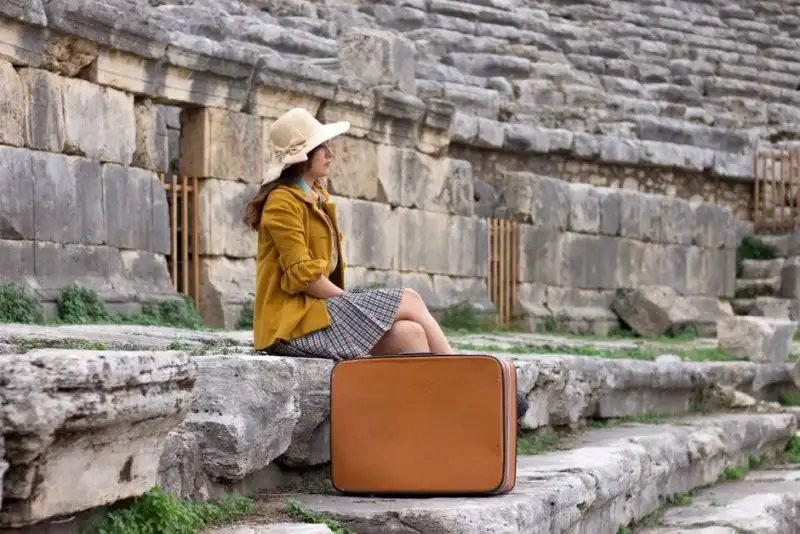
- John Explorer
- 02 Jul, 2026 13:53
The Whispering Paths: Tracing Europe's Forgotten Salt Roads, From Alpine Mines to Adriatic Shores
Imagine a time when a simple crystalline mineral held the power of empires, drove economies, and shaped the very arteries of a continent. Not gold, nor silver, but salt. In an age before refrigeration, this humble "white gold" was life itself, a currency more precious than coinage, carving pathways through Europe's most formidable landscapes. These are the forgotten arteries, the Salzstraßen or salt roads, silent witnesses to millennia of human endeavor, whispers of which still echo through remote valleys and ancient towns, beckoning the modern explorer to rediscover their profound legacy. As John Explorer, my passion lies in unearthing the stories etched into the very fabric of our world, particularly those overlooked by the well-trodden paths of conventional tourism. Today, we embark on a journey not just through space, but through time, to traverse the ancient salt routes that once pulsed with life, connecting distant communities and fueling civilizations from the Iron Age to the Industrial Revolution. This is an invitation to look beyond the guidebooks, to lace up your boots, and to truly feel the weight of history underfoot on paths that dictated the fate of nations. The Indispensable Grain: Why Salt Shaped a Continent Before diving into the physical routes, it's crucial to grasp the sheer indispensability of salt throughout history. For millennia, salt was not merely a seasoning; it was the bedrock of human civilization. Its primary role was preservation, allowing communities to store food – meat, fish, vegetables – through lean seasons, enabling settled agriculture, and supporting larger, non-nomadic populations. Without it, long voyages were impossible, armies couldn't be provisioned, and cities couldn't thrive beyond the immediate reach of their food sources. Beyond preservation, salt was a vital dietary supplement, especially for those in agricultural or physically demanding professions, preventing dehydration and heatstroke. It had medicinal uses, religious significance, and even played a role in tanning hides and making dyes. Its value was so immense that it often served as currency, leading to the saying "worth one's salt" and providing the etymological root for the word "salary." Control over salt sources and trade routes meant immense power and wealth, leading to conflicts, alliances, and the strategic positioning of countless towns and cities along these crucial arteries. Alpine Veins: The Heart of Europe's Salt Production Many of Europe's most significant salt routes originated in the rich salt deposits found deep within the Alps. Places like Hallstatt in Austria, famously one of the oldest continuously inhabited settlements in Europe, boast a salt mining history stretching back over 7,000 years. Imagine miners, long before recorded history, painstakingly carving out tunnels with primitive tools, driven by the knowledge that their efforts literally sustained their communities. These mines were not just industrial sites; they were epicenters of technological innovation and cultural exchange. From these subterranean riches, salt was brought to the surface, often compacted into solid blocks or carefully measured quantities, ready for the arduous journey across mountains and rivers. The paths weren't always direct; they often wound through challenging terrain, following river valleys, ancient Roman roads, or purpose-built tracks designed to accommodate pack animals and, later, wheeled carts. These were not mere trails but meticulously maintained infrastructure, crucial to the economic health of entire regions.One particularly fascinating example is the Alte Salzstraße (Old Salt Road) that linked Luneburg in northern Germany, another vital salt production center, with the Hanseatic League trading hubs on the Baltic Sea. This route, active from the 10th to the 19th centuries, was so integral to the region's prosperity that it shaped the urban development of cities like Lübeck and Hamburg. While Luneburg salt was a significant player, our focus today draws us further south, to the more dramatic landscapes of the Alps and their connections to the Mediterranean. The Southern Cross: Routes to the Adriatic and Beyond While northern routes supplied the Baltic, the Alpine salt sources, particularly those in Austria and Bavaria, looked south and east, feeding the burgeoning markets of Italy, the Balkans, and even further into the Mediterranean. These routes were characterized by their incredible diversity, adapting to varied geographies from high mountain passes to gentle rolling hills, river plains, and coastal stretches. Consider the routes emanating from Bad Reichenhall in Bavaria or Hallstatt and Hallein in Austria. Salt from these mines would travel south, often utilizing the Inn River or crossing formidable passes like the Reschenpass or Brenner Pass. These aren't just scenic drives today; they were arteries of life, thronged with merchants, guards, and local laborers. One of the most compelling, yet less-explored, segments connected these Alpine sources to the Adriatic Sea. Imagine caravans laden with precious salt traversing modern-day Slovenia and Croatia, heading for Venetian or Genoese trading posts. Venice, in particular, built much of its immense wealth and naval power on its control of the salt trade, importing vast quantities from central Europe and its own salt pans, then distributing it throughout the Mediterranean. The cities along these routes, often fortified, became critical checkpoints, collecting tolls, providing lodging, and sometimes even fostering unique local cultures blending Alpine and Mediterranean influences. The Echoes of Commerce: Villages, Customs, and Cuisine The enduring legacy of the salt roads isn't just found in historical documents or archaeological digs; it lives on in the villages and towns that line these ancient paths. Many of these communities owe their very existence, prosperity, and unique cultural characteristics to their position on a salt route. Walk through a medieval town like Sterzing (Vipiteno) in South Tyrol, Italy, or visit a market in Slovenia's Vipava Valley, and you'll find subtle clues. Architectural styles might reveal a mix of Germanic and Italian influences, reflecting centuries of trade and cultural exchange. Local festivals might hark back to old merchant traditions. Even regional cuisines often bear the imprint of salt’s historical importance, with specialized methods of curing meats and cheeses evolving from the need to preserve provisions for long journeys or to store surplus goods. These weren't just transit points; they were melting pots. Merchants from diverse regions, speaking different languages, would converge, exchanging not just goods but also ideas, technologies, and stories. Inns along the routes became crucial social hubs, fostering a unique "roadside culture" distinct from purely agricultural or urban centers. The very landscape around these paths was often shaped by the salt trade, with terraced fields and cleared forests reflecting the need for both sustenance and navigable terrain. Tracing the Paths: A Modern Explorer's Quest Today, many of the original salt roads are no longer identifiable as distinct pathways, having been absorbed into modern road networks, overgrown by forests, or repurposed for other uses. However, a dedicated explorer can still trace their ghosts. This isn't about following a single, perfectly preserved trail; it’s about piecing together fragments, using historical maps, local knowledge, and an adventurous spirit. The best way to experience these routes is often on foot or by bicycle. European long-distance hiking trails, such as sections of the Via Alpina or various regional "Salzsteig" (salt trail) paths, sometimes incorporate segments of these ancient trade routes. The rewards are immense: you'll discover pristine natural landscapes, stumble upon forgotten chapels or waymarkers, and encounter local communities far removed from the mainstream tourist circuits. Imagine hiking through the high mountain pastures of the Austrian Salzkammergut, knowing that every step mirrors the path of a medieval salt carrier. Or cycling along a quiet valley road in Slovenia, recognizing that the contours of the land were chosen centuries ago for their practicality in transporting precious cargo. This is slow travel at its finest, a journey of discovery that prioritizes immersion over mere sightseeing. To plan such an adventure, extensive research is key. Look for regional historical societies, local tourism boards that highlight "heritage trails," and specialized guidebooks focusing on trade routes. Google Earth can be surprisingly useful in identifying old, disused tracks that align with historical maps. Engage with locals; the elder generations in many of these villages often hold an invaluable oral history of their region’s connections to the salt trade.Challenges and Rewards: The Explorer's Ethos Embarking on a journey to trace Europe's forgotten salt roads presents its own set of challenges. Some sections might be poorly marked, requiring navigational skills and a degree of self-reliance. Accommodation might be sparse in truly remote areas, necessitating careful planning or even wild camping (where permitted). Language barriers can also be a factor, particularly in less-visited regions. However, these challenges are precisely what make the rewards so profound. The sense of accomplishment from navigating a forgotten path, the unexpected beauty of a hidden village, the taste of a local dish prepared with centuries-old techniques – these are the moments that define true exploration. You're not just a tourist; you're a modern-day pioneer, connecting with a profound human story that spans millennia. This journey is also a poignant reminder of our connection to the past and the ingenuity of our ancestors. It highlights how something as fundamental as a mineral could shape entire landscapes, cultures, and economies, leaving an indelible mark that, though often overlooked, continues to define regions even today. The salt roads teach us about resilience, trade, and the enduring human spirit that seeks to connect, to preserve, and to thrive against all odds. The Enduring Legacy: Why These Paths Still Matter In an age of instant gratification and globalized supply chains, it’s easy to forget the sheer logistical challenge and human effort involved in moving essential goods across continents. The salt roads stand as monumental testaments to this endeavor. They remind us that infrastructure, communication, and trade are not modern inventions but ancient human impulses. Furthermore, exploring these routes offers a unique perspective on environmental stewardship. Many of these paths traverse fragile ecosystems, and their continued existence relies on careful preservation. By engaging with these historical trails, we contribute to their recognition and protection, ensuring that future generations can also walk in the footsteps of ancient merchants and discover the powerful story of "white gold." So, as you plan your next adventure, consider straying from the well-worn tourist routes. Seek out the whispers of history, the faint echoes of commerce, and the enduring spirit of the communities forged by the vital flow of salt. The salt roads of Europe are more than just historical curiosities; they are living pathways to understanding our shared past, offering an unparalleled journey into the heart of a continent shaped by this most unassuming yet utterly essential mineral. Unearth their secrets, and you'll discover not just ancient history, but a deeper connection to the very pulse of human civilization.#HistoricalTravel #EuropeanHeritage #AncientTradeRoutes #SlowTravel #HiddenGems Related InsightsIl Faro di Ercole e i Giganti Luminosi Dimenticati dell'Oceano: Un Viaggio Tra i Guardiani Romani dell'Infinito Atlantico Felt Horizons: Mastering Kyrgyz Yurt Homestays for the Modern Nomad Exploring the Frozen Wilderness: The Magnificent Antarctica Expeditions{ "@context": "https://schema.org", "@type": "FAQPage", "mainEntity": [ { "@type": "Question", "name": "What is the main focus of The Whispering Paths: Tracing Europe's Forgotten Salt Roads, From Alpine Mines to Adriatic Shores?", "acceptedAnswer": { "@type": "Answer", "text": "Unearth the forgotten history of Europe's vital salt trade routes. Journey through ancient paths, remote villages, and discover the enduring legacy of 'white gold'." } }, { "@type": "Question", "name": "Who authored the comprehensive guide on The Whispering Paths: Tracing Europe's Forgotten Salt Roads, From Alpine Mines to Adriatic Shores?", "acceptedAnswer": { "@type": "Answer", "text": "This detailed article and its insights were carefully researched and authored by John Explorer." } }, { "@type": "Question", "name": "Where can I find more related content about Travel?", "acceptedAnswer": { "@type": "Answer", "text": "You can explore more articles, detailed reviews, and similar insights by browsing the Related Insights section at the bottom of this article or visiting our dedicated Travel category page." } } ] }
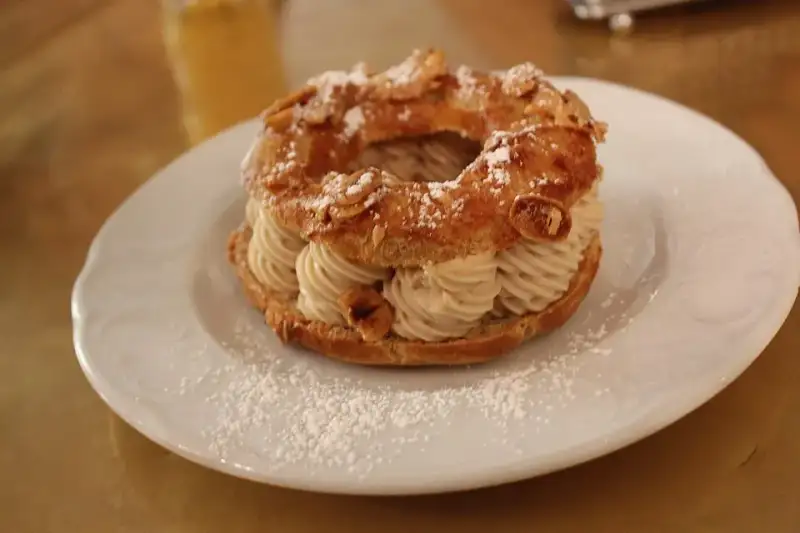
Paris-Brest : Le Joyau de la Pâtisserie Française Bonjour mes chers passionnés de gourmandises, esthètes des saveurs et amoureux inconditionnels de l'art culinaire. Je suis Chloe Blanc, et c'est avec une immense joie que je vous convie aujourd'hui à franchir les portes de mon univers, un monde exigeant mais profondément poétique où le sucre, le beurre, et la passion se rencontrent pour créer de la magie pure. S'il est un dessert, un seul, qui incarne à lui seul toute l'histoire, la technicité, la générosité et l'élégance absolue de notre belle nation gastronomique, c'est indubitablement lui : le majestueux Paris-Brest. Laissez-moi vous emporter dans un voyage sensoriel, technique et historique sans précédent autour de cette couronne majestueuse qui trône si fièrement dans les vitrines de toutes les grandes maisons de pâtisserie. Préparez-vous à plonger dans l'onctuosité incomparable d'une crème mousseline pralinée, à entendre le croquant irrésistible des amandes délicatement torréfiées et à savourer la légèreté aérienne d'une pâte à choux maîtrisée à la perfection. Une Histoire de Vélos, de Sueur et de Gourmandise Pour véritablement comprendre l'âme et la profondeur du Paris-Brest, il nous faut remonter le cours du temps et faire escale à la fin du dix-neuvième siècle, plus précisément en 1891. La France de la Belle Époque se passionne pour les innovations mécaniques. C'est dans cette atmosphère d'ébullition que naît la légendaire course cycliste Paris-Brest-Paris. Cette épreuve d'endurance titanesque et presque surhumaine de 1 200 kilomètres fut imaginée et créée par Pierre Giffard, un journaliste visionnaire, directeur du "Petit Journal", et pionnier incontesté du journalisme sportif moderne. Cette course, initialement destinée à démontrer au monde la fiabilité et l'avenir de la bicyclette, a rapidement captivé l'imaginaire de tous les Français, réunissant des foules considérables sur le bord des routes. Mais quel est donc le rapport entre des coureurs cyclistes épuisés, bravant les intempéries bretonnes, et notre somptueux dessert, me demanderez-vous avec raison ? L'histoire raconte que c'est en 1910 que le destin gourmand de cette course mythique s'est joué à jamais. Louis Durand, un artisan pâtissier au talent reconnu et installé à Maisons-Laffitte (une bourgade francilienne stratégiquement située sur le tracé de la course), fut approché par Pierre Giffard en personne. Le charismatique journaliste lui commanda une pâtisserie inédite et spéciale, une douceur hautement symbolique capable de rendre un hommage vibrant à cet événement sportif hors normes. Ce dessert devait redonner de l'énergie et du courage aux cyclistes éreintés, mais aussi ravir le palais des innombrables spectateurs enthousiastes qui jalonnaient le parcours. La Forme Évocatrice de la Roue C'est des suites de cette commande pour le moins insolite qu'est né le véritable mythe du Paris-Brest. Louis Durand, mû par une intuition géniale, eut l'idée lumineuse de façonner une grande couronne de pâte à choux rappelant de façon indéniable la forme d'une roue de bicyclette. Les amandes effilées, généreusement parsemées sur le dessus de la couronne, évoquaient avec poésie les rayons de cette fameuse roue. Quant à la richesse calorique et voluptueuse de la crème pralinée au beurre qui la garnissait, elle offrait sur un plateau l'énergie vitale et indispensable aux coureurs pour continuer leur périple exténuant. Aujourd'hui, soyons honnêtes, l'aspect purement nutritif et reconstituant a largement laissé la place au pur plaisir hédoniste et gastronomique. Cependant, la forme circulaire, symbole intemporel de mouvement, de continuité et de perfection géométrique, est restée gravée dans le marbre de la grande tradition pâtissière française. Le Paris-Brest n'est plus un "en-cas" pour sportif, il est devenu une institution. L'Anatomie d'un Chef-d'œuvre Pâtissier : Les Secrets de Chloe Blanc En tant que chef pâtissière, je n'ai de cesse de répéter que le Paris-Brest est l'un des exercices de style les plus exigeants de notre métier. Il est impitoyable car il ne souffre d'aucune médiocrité, d'aucune approximation. Chaque élément constitutif doit être savamment pensé, pesé au gramme près, et exécuté avec une précision relevant presque de l'orfèvrerie. Décortiquons ensemble la structure moléculaire et sensorielle de ce joyau. 1. La Pâte à Choux : Le Souffle, la Structure et l'Écrin La pâte à choux constitue le squelette indispensable de notre dessert. Une grande pâte à choux doit être uniformément dorée, présenter un croustillant franc à l'extérieur, et se révéler incroyablement alvéolée, légère et sèche à l'intérieur. Sa confection relève d'une alchimie complexe et passionnante.La Panade : Tout le processus démarre par le chauffage mesuré de l'eau, du lait (pour le moelleux), du beurre (pour le goût et la couleur), d'une bonne pincée de fleur de sel de Guérande et d'une pointe de sucre. L'ajout de la farine, obligatoirement hors du feu et en une seule fois, crée ce qu'on appelle la "panade". L'étape la plus technique et cruciale est ensuite le dessèchement de cette panade sur le feu. Il faut, à la force du poignet et à l'aide d'une spatule, faire évaporer l'humidité superflue pour que la pâte puisse, dans un second temps, absorber les œufs de manière optimale. L'Ajout des Œufs : C'est très exactement ici que l'instinct pur du pâtissier entre en jeu. Les œufs entiers doivent être incorporés un à un, avec patience. La texture finale recherchée doit former une crête ou un "ruban" parfait lorsqu'elle retombe de la spatule, elle ne doit être ni trop liquide (les choux s'étaleraient), ni trop cassante (les choux n'éclateraient pas). La Cuisson : Le four devient alors le théâtre de la magie de la physique. L'humidité emprisonnée au cœur de la pâte se transforme brutalement en vapeur sous l'effet de la chaleur, poussant violemment les parois vers l'extérieur et créant ce vide majestueux et caverneux à l'intérieur du chou. Le secret ultime : ne jamais, sous aucun prétexte, ouvrir la porte de votre four pendant les 25 premières minutes de cuisson, sous peine de voir votre belle roue s'affaisser et s'effondrer pitoyablement.Dans ma version signature de ce classique, j'ajoute un très fin craquelin sur le dessus de ma couronne de choux juste avant de l'enfourner. Ce craquelin est une pâte sablée basique composée à parts égales de beurre pommade, de cassonade brute et de farine. En fondant lors de la cuisson, il enrobe le chou, assurant un développement parfaitement sphérique et régulier, tout en apportant une texture merveilleusement sablée et sucrée qui contraste idéalement avec le moelleux du chou. 2. La Crème Mousseline Pralinée : Le Cœur Battant et Voluptueux Si la pâte à choux constitue la charpente, la crème mousseline pralinée en est indiscutablement l'âme charnelle. Elle se doit d'être voluptueuse, soyeuse, brillante, d'une richesse réconfortante mais qui, paradoxalement, doit fondre sur la langue sans laisser de sensation de lourdeur ou de gras excessif.La Crème Pâtissière : C'est la base indispensable de la mousseline. Elle doit être onctueuse, très riche en jaunes d'œufs pour la couleur et le liant, et intensément infusée. Pour ma part, je n'utilise que de la véritable gousse de vanille de Madagascar, grasse, charnue et gorgée de milliers de grains noirs parfumés. Elle doit être cuite à ébullition pour garantir sa sécurité alimentaire et sa bonne tenue, puis refroidie rapidement. Le Foisonnement avec le Beurre : Tout l'art délicat de la mousseline réside dans l'émulsion. On incorpore une quantité généreuse de beurre de très haute qualité (un beurre de baratte au lait cru d'Isigny ou des Charentes) à la crème pâtissière lissée. La règle d'or ? Les deux éléments doivent se trouver à une température absolument identique (environ 20-22°C) pour éviter que la crème ne "tranche", c'est-à-dire que le beurre ne se sépare de l'eau contenue dans la crème. On fouette alors longuement et vigoureusement, soit à la main pour les plus courageux, soit au robot, pour incorporer un maximum d'air. Ce processus de "foisonnement" rend cette crème visuellement plus claire et surtout étonnamment légère en bouche. L'Incorporation du Praliné : C'est cet ingrédient magique qui vient donner son identité au dessert. Et là, chers amis, je ne fais aucun compromis !3. Le Praliné Maison : L'Or Brun et Précieux de la Pâtisserie Ah, le praliné... Je pourrais en écrire des livres entiers. C'est ma véritable passion, mon péché mignon absolu. Pour élaborer un Paris-Brest digne de la haute gastronomie, il faut impérativement bannir les pâtes pralinées industrielles, trop douces et standardisées. Le praliné doit être une création maison, une signature. C'est la symphonie parfaitement accordée de fruits secs de prestige et de sucre caramélisé à vif. Dans l'intimité de mon laboratoire de recherche culinaire, je sélectionne méticuleusement mes fruits à coque. J'ai élaboré un mélange spécifique : j'utilise 60% de noisettes du Piémont IGP (Indication Géographique Protégée), mondialement réputées pour leur saveur torréfiée intense et leur teneur en huile incomparable, et 40% d'amandes Marcona venues d'Espagne pour leur douceur lactée et subtile.La Torréfaction : Les fruits secs sont étalés sur des plaques et torréfiés au four, lentement et à basse température (environ 150°C), pour exalter leurs huiles essentielles et leurs arômes complexes sans jamais les brûler. L'odeur qui embaume alors la cuisine est tout simplement divine, un parfum chaud, boisé et envoutant qui annonce le réconfort imminent. Le Caramel à Sec : Dans une casserole en cuivre, je réalise un caramel à sec, ambré, profond, presque poussé sur une pointe d'amertume afin de contrebalancer intelligemment la sucrosité finale du dessert. Je coule ensuite ce caramel bouillant en fine couche sur mes fruits secs tout juste sortis du four. Le Broyage : Une fois cette grande plaque de nougatine entièrement refroidie et figée, elle est concassée en morceaux puis broyée très longuement dans une meule de pierre traditionnelle ou un robot cutter surpuissant. D'abord, on obtient un pralin rustique (une poudre granuleuse idéale pour tapisser le fond des tartes), puis la friction fait son œuvre. L'huile précieuse contenue naturellement dans les fruits secs est libérée par la chaleur du mixage, transformant progressivement la poudre en une pâte fluide, onctueuse, miroitante : voilà notre praliné pur.Mon astuce secrète de Chef : Lors du dressage final de la pâtisserie, je m'assure de cacher toujours un généreux insert de ce praliné pur et coulant au cœur même des volutes de la crème mousseline. Ainsi, à la découpe et à la dégustation, le convive a la surprise d'obtenir une explosion de saveurs pralinées intenses, non diluées, qui vient titiller et réveiller violemment les papilles. 4. La Finition : L'Élégance des Amandes et le Sucre Neige C'est le couronnement de notre chef-d'œuvre. Les amandes effilées, qui ont été préalablement torréfiées pour leur donner du goût et de la couleur, sont parsemées sur le dessus du chou (souvent fixées par le craquelin ou une dorure avant cuisson). Elles apportent l'esthétique finale, le fameux rappel visuel des rayons de bicyclette de Monsieur Durand, mais elles procurent surtout une note croquante supplémentaire fondamentale lors de la mâche. Enfin, juste avant de servir (et jamais trop en avance pour ne pas qu'il fonde à cause de l'humidité du réfrigérateur), un léger voile de sucre glace, saupoudré avec la grâce et la délicatesse d'une première neige d'hiver, vient parfaire le tableau. C'est la signature intemporelle, l'habit de lumière du Paris-Brest. Ma Philosophie de Création : Entre Exigence Extrême et Émotion Pure Créer, monter et servir un Paris-Brest n'est pas seulement le fait de suivre une recette technique à la lettre, aussi précise soit-elle. C'est avant tout un acte de transmission, la volonté viscérale de procurer une émotion. La pâtisserie française, lorsqu'elle est portée à ce niveau d'exigence, cesse d'être de la simple cuisine pour devenir un véritable artisanat d'art. Quand je prépare minutieusement ce dessert de légende, je pense invariablement au sourire et au plaisir de la personne qui va le déguster. J'imagine, presque auditivement, le bruit sec du craquelin qui cède sous la pression de la cuillère à dessert, la douceur veloutée et parfumée de la mousseline qui vient tapisser le palais, le choc thermique et gustatif intense du praliné pur qui s'en échappe, et enfin, la note torréfiée et persistante des amandes qui étire la finale en bouche pendant de longues minutes. Pour atteindre ce niveau de perfectionnisme sensoriel, le choix rigoureux des matières premières est purement et simplement non négociable. On ne fait pas, et on ne fera jamais, de la grande gastronomie avec des ingrédients passables. Le beurre de baratte, le lait cru entier, la crème épaisse, les œufs de poules élevées en plein air nourries aux graines de lin, les fruits secs d'appellation... Chaque élément doit être sourcé, goûté, validé, et sélectionné auprès de producteurs et d'artisans passionnés. Utiliser ces produits d'exception, c'est rendre un hommage quotidien à notre terroir fabuleux, c'est une mise en valeur du travail acharné de nos agriculteurs. Ensuite, il y a la maîtrise absolue du temps, de l'hygrométrie et des températures. La pâtisserie est une science exacte, presque mathématique. Quelques degrés de trop dans le beurre lors de l'émulsion, et la mousseline est irrémédiablement gâchée, lourde et grasse. Quelques minutes de moins dans le four, et la magnifique couronne de pâte à choux retombe comme un soufflé raté. C'est cette danse quotidienne sur le fil du rasoir, ce besoin perpétuel de concentration, qui rend notre métier si palpitant, si vivant. Chaque nouvelle réalisation est un défi lancé à la matière. Comment Réussir Votre Paris-Brest à la Maison : Le Guide de l'Élite Je sais pertinemment que nombre d'entre vous, mes fidèles lecteurs et épicuriens avertis, êtes des pâtissiers amateurs éclairés, désireux de reproduire la magie et le faste des grandes maisons parisiennes dans l'intimité de vos propres cuisines. Voici quelques conseils exclusifs, mes secrets d'atelier, pour élever votre Paris-Brest vers les sommets de la gastronomie :Anticipez et Divisez le Travail : Ne tentez jamais de tout faire le même jour, c'est l'assurance d'un stress inutile. La veille, préparez votre praliné maison (il se conserve des mois), votre craquelin (que vous étalerez finement et congèlerez entre deux feuilles de papier cuisson), et votre crème pâtissière (pour qu'elle soit parfaitement froide). Le jour J sera ainsi sereinement dédié à la réalisation de la pâte à choux, au délicat foisonnement de la crème mousseline et au montage final. Cette organisation militaire vous sauvera de la panique et garantira des textures optimales. Dessinez votre Gabarit de Pochage : Ne pochez pas votre imposante couronne à l'aveugle, l'œil humain est trompeur ! Sur l'envers de votre feuille de papier cuisson, tracez au stylo ou au crayon un cercle parfait de 16 ou 18 centimètres de diamètre en utilisant un emporte-pièce, un moule ou un bol retourné. Retournez la feuille (pour que l'encre ne touche pas la pâte) : cela vous servira de guide infaillible pour pocher une roue régulière. Pochez deux boudins épais l'un à côté de l'autre, et un troisième par-dessus, à cheval sur la jointure des deux premiers. C'est le secret d'un chou majestueux et bien gonflé. La Magie Indispensable du Craquelin : Je le répète, n'omettez jamais l'étape du craquelin. Découpez des anneaux réguliers dans votre plaque de craquelin congelé et déposez-les très délicatement sur vos choux pochés juste avant d'enfourner. C'est l'assurance vie d'un développement homogène, d'une croûte qui ne se fendillera pas n'importe comment. Le Secret d'une Mousseline Aérienne : Sortez impérativement votre beurre et votre crème pâtissière du réfrigérateur bien à l'avance, au minimum deux heures avant. Ils doivent être à une température ambiante douce. Si la crème pâtissière est trop froide par rapport au beurre pommade, le beurre figera et fera de petits grains disgracieux. Utilisez le fouet de votre robot pâtissier à pleine puissance et battez longuement, au moins 5 à 10 minutes. La crème va blanchir spectaculairement, prendre un volume incroyable et devenir aussi légère qu'un nuage de douceur. Le Dressage Majestueux et Architecturé : À l'aide d'un couteau à dent fin (type couteau à pain), coupez délicatement votre couronne de choux refroidie à l'horizontale, aux deux tiers de sa hauteur (le "chapeau" doit être plus fin et léger que la base solide). À l'aide d'une grande poche à douille munie d'une douille cannelée de grand diamètre (type F8, M1, ou douille à petit four), pochez votre crème mousseline en formant de très jolies rosaces régulières, généreuses et bien rebondies. Soyez extrêmement généreux, l'abondance est la clé ! N'oubliez surtout pas, comme évoqué plus haut, d'insérer un fin cordon continu de praliné pur au cœur même de ces volutes de crème. Reposez délicatement le chapeau par-dessus sans l'écraser.Les Variations Modernes : L'Évolution du Mythe Si la recette traditionnelle aux amandes et noisettes reste intouchable, il serait faux de croire que le Paris-Brest est figé dans le passé. Aujourd'hui, l'imagination débordante de la nouvelle génération de chefs pâtissiers ne connaît plus de limites. Le concept même de pâte à choux garnie de mousseline pralinée a été décliné à l'infini pour explorer de nouveaux territoires gustatifs. Nous voyons ainsi fleurir dans les vitrines de somptueux Paris-Brest à la pistache d'Iran, arborant une couleur vert émeraude fascinante, où le praliné pistache vient remplacer la noisette, apportant des notes herbacées et élégantes. D'autres chefs se tournent vers la noix de pécan et le sirop d'érable pour une version aux accents nord-américains terriblement réconfortante. On trouve même des déclinaisons au sésame noir du Japon, offrant une expérience visuelle et gustative saisissante, jouant sur des notes fumées et torréfiées extrêmement complexes. Enfin, la forme elle-même a parfois évolué : éclairs individuels, formes rectangulaires très graphiques, ou petites bouchées. Pourtant, quel que soit l'habit qu'il revêt, l'ADN du Paris-Brest — ce contraste bouleversant entre le croquant, l'aérien et le crémeux riche — demeure intact. L'Art Délicat de la Dégustation : Les Accords Parfaits Un dessert d'une telle envergure, riche d'histoire et de travail, mérite d'être honoré et accompagné avec une élégance toute particulière. Comment déguster le Paris-Brest de manière optimale, selon les principes de Chloe Blanc ? Tout d'abord, la température de dégustation est une variable absolument capitale. Ne servez jamais un Paris-Brest directement sorti du réfrigérateur. Le froid intense anesthésie les papilles, fige le beurre de la crème mousseline qui devient dure, et emprisonne les molécules aromatiques du praliné. Pensez impérativement à laisser votre chef-d'œuvre reposer environ 20 à 30 minutes à température ambiante douce avant de le trancher. C'est le temps nécessaire pour que la crème retrouve tout son soyeux et que les effluves de noisettes s'échappent. Pour accompagner cette merveille absolue, plusieurs choix s'offrent à vous pour sublimer l'instant :Le Café de Spécialité : C'est l'accord classique, indémodable et terriblement efficace. L'amertume tranchante d'un grand espresso ou la rondeur suave d'un café méthode douce (filtre, V60) aux notes naturelles de cacao, de noisette ou de fruits rouges, viendra contraster à merveille avec la sucrosité du praliné, nettoyant le palais et équilibrant la richesse de la crème mousseline. Le Thé Noir de Caractère : Un grand thé noir, infusé avec précision, comme un Assam corsé d'Inde ou un majestueux Earl Grey aux notes subtiles et zestées de bergamote, apportera une note boisée, légèrement tannique et extrêmement rafraîchissante qui allégera considérablement la fin de bouche entre chaque bouchée gourmande. Le Vin d'Exception : Pour les gastronomes audacieux, pourquoi ne pas tenter un grand accord met et vin ? Un vin doux naturel muté sur grains, comme un vieux Banyuls ambré ou un Maury, avec ses arômes profonds de noix, de caramel, de figue sèche et de rancio, créera une résonance aromatique absolument fantastique et fusionnelle avec le praliné torréfié. Par ailleurs, un Champagne "Blanc de Noirs" (élaboré uniquement à partir de raisins noirs comme le Pinot Noir), puissant, vineux et très peu dosé, peut également apporter une belle effervescence tranchante pour venir casser le gras et contraster merveilleusement avec la texture voluptueuse du dessert.En Conclusion : Un Héritage Précieux à Savourer et à Transmettre Le Paris-Brest est, de toute évidence, bien plus qu'une simple recette de pâtisserie. C'est un morceau vibrant de l'histoire culturelle de la France. C'est une ode magnifique à l'artisanat patient, au geste précis, un symbole chaleureux de rassemblement dominical autour de la grande table familiale. Il représente à mes yeux l'essence même, l'apogée de tout ce que j'aime profondément dans mon métier de chef : la transformation alchimique de nobles produits bruts en une création éphémère, fragile, mais capable de procurer un bonheur immense et des souvenirs impérissables. Je vous invite de tout cœur, chers lecteurs, à vous lancer dans cette aventure pâtissière merveilleuse. Prenez le temps de peser, de fouetter, d'émulsionner, de pocher, et surtout, n'oubliez pas de savourer chaque instant du processus créatif. Pâtisser, c'est aimer. Et si, d'aventure, l'envie ou le temps de pâtisser vous manque cruellement, n'hésitez pas : poussez la porte d'une belle maison de pâtisserie artisanale, commandez un grand Paris-Brest classique, asseyez-vous, fermez les yeux et laissez-vous simplement emporter par la magie de cet héritage intemporel. Gourmandement et passionnément vôtre, Chloe Blanc Laissez parler votre cœur, laissez parler vos papilles, la gourmandise est un art de vivre. #Patisserie #France #Dessert #ParisBrest #HautePatisserie #ChefChloeBlanc #Gourmandise #Praline #PateAChoux #ArtDeVivre #FrenchPastry #BakingLove #GastronomieFrancaise #DessertsDeLegende #SavoirFaire #patisserie #dessert #france #chloeblanc #sweet Related InsightsMacaron : L'Élégance Parfaite en Une Seule Bouchée Madeleine : Le Souvenir Sucré de l'Enfance Profiterole : Gourmandise Absolue au Chocolat{ "@context": "https://schema.org", "@type": "FAQPage", "mainEntity": [ { "@type": "Question", "name": "What is the main focus of Paris-Brest : Le Voyage Praliné Inoubliable?", "acceptedAnswer": { "@type": "Answer", "text": "Plongez dans l'univers de la haute pâtisserie avec Chloe Blanc et découvrez les secrets de ce dessert emblématique." } }, { "@type": "Question", "name": "Who authored the comprehensive guide on Paris-Brest : Le Voyage Praliné Inoubliable?", "acceptedAnswer": { "@type": "Answer", "text": "This detailed article and its insights were carefully researched and authored by Chloe Blanc." } }, { "@type": "Question", "name": "Where can I find more related content about Gastronomy?", "acceptedAnswer": { "@type": "Answer", "text": "You can explore more articles, detailed reviews, and similar insights by browsing the Related Insights section at the bottom of this article or visiting our dedicated Gastronomy category page." } } ] }
- Clara Schmidt
- 02 Jul, 2026 03:46
Maledictiones Librorum: Die faszinierende und furchterregende Geschichte der Buchflüche
Stellen Sie sich vor, der Besitz eines Buches könnte Sie in die ewige Verdammnis stürzen, Ihre Nachkommen mit Pest belegen oder Sie zu einem Leben voller Leid verdammen. Eine absurde Vorstellung im Zeitalter digitaler Bibliotheken, in dem geistiges Eigentum durch komplexe Algorithmen und internationale Gesetze geschützt wird? Keineswegs. In den tiefsten und dunkelsten Ecken der Geschichte war dies eine ernstzunehmende Drohung, die den Wert und die Heiligkeit des geschriebenen Wortes schützte: der Buchfluch, oder, wie die Gelehrten es nannten, die maledictiones librorum. Wir leben in einer Welt, in der Bücher, ob gedruckt oder digital, allgegenwärtig und oft austauschbar erscheinen. Doch für Jahrhunderte, als die Produktion eines einzelnen Buches ein monumentales Unterfangen darstellte, vergleichbar mit dem Bau einer Kathedrale, war der Schutz dieses intellektuellen und materiellen Gutes von größter Bedeutung. Ein Buch war ein Schatz, eine Investition, ein Erbe und oft eine direkte Verbindung zum Göttlichen. Wie konnte man solch unschätzbares Eigentum vor Diebstahl, Beschädigung oder schlichtem Verlust schützen, lange bevor es moderne Rechtssysteme, Sicherheitsschlösser oder gar Bibliothekskataloge gab? Die Antwort war so simpel wie drastisch: durch spirituelle Abschreckung. Und so entstand eine faszinierende, oft makabre und heute fast vergessene Tradition von Flüchen und Warnungen, die die Seiten unzähliger Manuskripte und früher Drucke zieren. Die Ursprünge der literarischen Abschreckung Die Idee, Texte und die darin enthaltenen Informationen zu schützen, ist keineswegs neu. Schon in der Antike finden sich erste Spuren einer Art literarischer Abschreckung. In Mesopotamien wurden Tontafeln, die wichtige Aufzeichnungen oder Gesetze enthielten, mit Drohungen gegen jene versehen, die sie zerstören oder verändern würden. Ägyptische Papyri trugen manchmal Warnungen, die den Leser auf die Notwendigkeit hinwiesen, den Text zu respektieren. Diese frühen Formen waren jedoch meist weltlicher Natur, oft mit königlichen Edikten oder göttlichen Strafen verbunden, die sich auf das Leben in dieser Welt bezogen. Der wahre Höhepunkt und die schauerlichste Ausprägung des Buchfluches finden wir jedoch im Mittelalter Europas. Es war eine Zeit, in der das Christentum tief in alle Aspekte des Lebens verwurzelt war und die Angst vor Gott und dem Jenseits eine immense Macht besaß. Klöster waren die intellektuellen und kulturellen Zentren, in denen Wissen bewahrt, kopiert und gelehrt wurde. Jedes Manuskript, oft in jahrelanger mühsamer Arbeit von Mönchen im Skriptorium handgeschrieben und aufwendig illustriert, war ein Kunstwerk, ein Zeugnis tiefster Frömmigkeit und eine Quelle unwiederbringlichen Wissens. Der Verlust oder Diebstahl eines solchen Buches war nicht nur ein materieller, sondern auch ein spiritueller und kultureller Katastrophe. Das Mittelalter: Die goldene Ära der Buchflüche In den Klöstern des Mittelalters entwickelten sich die Buchflüche zu einer Kunstform der Abschreckung. Sie waren meist in Latein verfasst und oft am Anfang oder Ende des Buches, auf den Vorsatzblättern oder sogar innerhalb des Textes selbst platziert. Ihre Inhalte variierten stark, aber ihr Ziel war immer dasselbe: potenzielle Diebe, Plagiateure oder Nachlässige abzuschrecken. Die Drohungen reichten von milden Ermahnungen bis zu den schrecklichsten Flüchen, die sich ein menschlicher Geist vorstellen konnte. Manche Fluchformeln waren relativ "sanft". Sie baten lediglich den Leser, das Buch sorgfältig zu behandeln und es an seinen rechtmäßigen Besitzer zurückzugeben. Zum Beispiel: "Wer dieses Buch entwendet oder missbräuchlich behandelt, sei verflucht." Andere wurden schon spezifischer und drohten mit weltlichen Strafen: "Wer dieses Buch stiehlt, der soll am Galgen hängen oder ins Gefängnis geworfen werden." Doch die wirklich furchterregenden Buchflüche spielten mit der tiefsitzenden mittelalterlichen Angst vor ewiger Verdammnis und göttlicher Rache. Die Mönche, die diese Flüche schrieben, nutzten die volle Bandbreite der kirchlichen Macht und des damaligen Aberglaubens. Oft wurden die Flüche mit der Autorität des Klosters, des Abtes oder sogar der heiligen Patrone verbunden. Sie riefen nicht nur Gott selbst an, sondern auch Engel, Heilige und sogar den Teufel, um den Frevler zu bestrafen. Typologie der mittelalterlichen Buchflüche Die maledictiones librorum lassen sich grob in verschiedene Kategorien einteilen, die oft ineinander übergingen:Exkommunikationsflüche: Diese Drohten dem Dieb mit der Exkommunikation aus der Kirche, was im Mittelalter den Ausschluss aus der Gemeinschaft der Gläubigen und die Verwehrung der Sakramente bedeutete – eine Bestrafung, die als direkte Route zur ewigen Verdammnis galt. Körperliche Strafen: Häufig wurden Krankheiten, Verstümmelungen oder unnatürliche Tode herbeigewünscht. "Wer dieses Buch stiehlt, dessen Hand möge abfaulen und dessen Augen blind werden." Solche expliziten Drohungen waren keine Seltenheit. Soziale Ächtung und Ruin: Der Dieb könnte mit sozialer Ausgrenzung, Armut oder dem Verlust seines guten Namens belegt werden. Ewige Verdammnis: Dies war die härteste und wohl wirkungsvollste Form des Fluches. Dem Täter wurde die Hölle, das ewige Feuer und die Gesellschaft von Dämonen versprochen. Oft wurde ein bestimmter Anteil des Fleisches des Diebes den Würmern überlassen, während seine Seele in den Abgrund stürzte.Ein berühmt-berüchtigtes Beispiel, das oft zitiert wird, obwohl es sich hierbei weniger um einen reinen "Buchfluch" im eigentlichen Sinne als um eine Art Besitzervermerk mit scharfer Drohung handelt, ist der Vermerk aus der Bibliothek von St. Albans, der um 1220 datiert wird: "Si quis eum rapiat, rabiantur in eum febres quartanae, et percutiatur manu Dei, et in hac vita non habeat prosperitatem, et in futuro non habeat partem cum Sanctis." (Wenn jemand es raubt, sollen ihn Quartanfieber befallen, und er soll von der Hand Gottes geschlagen werden, und in diesem Leben soll er keinen Wohlstand haben, und in Zukunft soll er keinen Anteil mit den Heiligen haben.) Ein weiteres, noch drastischeres Beispiel, das in vielen mittelalterlichen Bibliotheken auftaucht, ist der "Fluch des Judas": "Für den, der dieses Buch stiehlt oder es aus dem Kloster verkauft oder es in irgendeiner Weise entfremdet, so dass es nicht mehr im Besitz dieses Klosters ist, der sei verflucht und mit dem Fluch des Judas, des Verräters, belegt. Er sei verdammt mit den Dämonen in der Hölle, bis er Reue zeigt und das Buch zurückgibt." Die psychologische Wirkung dieser Flüche muss enorm gewesen sein. In einer zutiefst gläubigen Gesellschaft war die Bedrohung mit ewiger Verdammnis keine leere Phrase, sondern eine reale Angst, die selbst den kühnsten Dieb zweimal überlegen ließ. Die Mönche glaubten fest an die Macht ihrer Worte und an die Gerechtigkeit Gottes. Für sie waren diese Flüche nicht nur leere Drohungen, sondern ernsthafte Appelle an eine höhere Macht zum Schutz ihres heiligen Besitzes. Die Renaissance und frühe Neuzeit: Wandel und Anpassung Mit dem Aufkommen des Buchdrucks im 15. Jahrhundert und der allmählichen Verbreitung von Büchern über die Klostermauern hinaus veränderte sich auch die Natur der Buchflüche. Bücher wurden zwar zugänglicher, blieben aber kostbare Güter. Private Bibliotheken wuchsen, und ihre Besitzer, oft wohlhabende Bürger, Adelige oder Gelehrte, übernahmen die Tradition der Flüche, passten sie aber ihren eigenen Vorstellungen an. Die Drohungen wurden im Vergleich zu den mittelalterlichen Klosterflüchen oft etwas weniger drastisch, manchmal humorvoller, manchmal auch nur pragmatischer. An die Stelle der Exkommunikation traten oft eher weltliche Bestrafungen oder der Wunsch nach gesellschaftlicher Ächtung. Dennoch hielten sich die traditionellen Flüche in kirchlichen und akademischen Bibliotheken weiterhin. Ein populäres Phänomen dieser Zeit waren die sogenannten Ex Libris-Vermerke oder Bucheignerzeichen. Zwar nicht immer Flüche im eigentlichen Sinne, enthielten sie doch oft Ermahnungen oder Drohungen, die auf den Buchfluch zurückgingen. Ein häufiger Spruch war: "Mein Buch hat Beine, damit es zu mir zurückkommt." Oder die lateinische Variante: "Liber meus, te revoca!" (Mein Buch, kehre zurück!). Manchmal wurden auch kleine, humorvolle Reime oder Sprüche verwendet, wie: "Stehle mich nicht, sonst wirst du an der Nase gezogen." Oder: "Wer mich stiehlt, der kriegt ein buckliges Rückgrat." Diese Bucheignerzeichen markierten den Besitz und erinnerten potenzielle Entwender daran, dass das Buch einem bestimmten Individuum gehörte und nicht ohne Weiteres entwendet werden durfte. Das Verschwinden der Flüche und moderne Echos Mit dem Zeitalter der Aufklärung, der Säkularisierung der Gesellschaft und der Entwicklung moderner Rechtssysteme verloren die Buchflüche allmählich ihre Wirksamkeit und ihre Bedeutung. Die Angst vor göttlicher Strafe nahm ab, und der Schutz des Eigentums wurde zunehmend durch weltliche Gesetze und Polizeikräfte geregelt. Bibliotheken entwickelten Ausleihsysteme, Kataloge und Strafen für verspätete Rückgabe oder Beschädigung. Dennoch haben die Buchflüche ihre Spuren in der Kultur hinterlassen. Die moderne Form des Ex Libris, das Buchzeichen oder der Stempel mit dem Namen des Besitzers, ist ein direkter Nachfahre dieser alten Tradition. Es ist eine sanfte, zivilisierte Erinnerung an den Besitzanspruch, frei von höllischen Drohungen, aber mit demselben grundlegenden Ziel: die Identität des Eigentümers zu markieren und das Buch zu schützen. In der Populärkultur tauchen Buchflüche immer wieder auf, oft in Fantasy-Romanen oder Filmen, wo verfluchte Grimoires oder magische Bücher eine zentrale Rolle spielen. Diese Darstellungen zeugen von der anhaltenden Faszination, die diese alte Praxis auf uns ausübt, auch wenn wir sie heute nicht mehr ernst nehmen. Sind Buchflüche also gänzlich verschwunden? Technisch gesehen ja. Ihre Funktion wurde von modernen Gesetzen und Technologien übernommen. Doch die Essenz, der Wunsch, das intellektuelle Eigentum zu schützen, bleibt bestehen. Man könnte argumentieren, dass die heutigen digitalen Rechteverwaltungssysteme (DRM) für E-Books eine Art technologischer Buchfluch sind. Sie sollen verhindern, dass digitale Texte illegal kopiert, verbreitet oder manipuliert werden. Zwar drohen sie nicht mit ewiger Verdammnis, aber sie können den Zugang verwehren, das Leseerlebnis einschränken oder sogar das Gerät unbrauchbar machen – moderne Formen der Abschreckung, die, wenn auch anders, den Zweck der alten Flüche erfüllen. with intricate design, a personal inscription of ownership, and a subtle, almost hidden warning or symbol, on the inside cover of an old leather-bound book) Die anhaltende Faszination der Maledictiones Librorum Die Geschichte der Buchflüche ist mehr als nur eine Kuriosität der Vergangenheit; sie ist ein faszinierendes Fenster in die Werte, Ängste und den Alltag vergangener Epochen. Sie erinnert uns daran, welchen unermesslichen Wert Bücher einst hatten und wie weit Menschen gingen, um dieses Wissen zu bewahren. Sie spricht von einer Zeit, in der das geschriebene Wort eine fast magische Kraft besaß, fähig, Seelen zu retten oder zu verdammen. Für uns moderne Leser, die wir Bücher oft als selbstverständlich ansehen, bieten die maledictiones librorum eine einzigartige Perspektive auf die Geschichte des Buches und die Entwicklung unseres Verständnisses von Eigentum und geistigem Besitz. Sie sind Zeugen einer tiefen Ehrfurcht vor dem Wissen und der unglaublichen Mühe, die in seine Bewahrung investiert wurde. Ob wir sie nun als Aberglaube abtun oder als geniale psychologische Taktik bewundern – die Buchflüche bleiben ein bemerkenswertes Kapitel in der langen und reichen Geschichte des Buches. Sie sind ein Echo aus einer Zeit, in der das Schicksal einer Seele auf dem Spiel stehen konnte, wenn man es wagte, ein Buch zu stehlen. Und vielleicht, nur vielleicht, fühlen wir beim nächsten Blättern in einem alten, ledergebundenen Band einen leichten Schauer, der uns an jene unsichtbaren Wächter erinnert, die einst die Seiten schützten.#Buchgeschichte #Mittelalter #SelteneBücher #Manuskripte #Kulturerbe Related InsightsCity of Lost Souls Book Review and Summary Banker's Holiday: A Novel of Fiscal Irregularity Book Review and Summary Never Too Late Book Review and Summary{ "@context": "https://schema.org", "@type": "FAQPage", "mainEntity": [ { "@type": "Question", "name": "What is the main focus of Maledictiones Librorum: Die faszinierende und furchterregende Geschichte der Buchflüche?", "acceptedAnswer": { "@type": "Answer", "text": "Entdecken Sie die dunkle und mystische Tradition der Buchflüche – von mittelalterlichen Klöstern bis zur modernen Zeit – und wie sie das Schicksal von Manuskripten und Lesern prägten." } }, { "@type": "Question", "name": "Who authored the comprehensive guide on Maledictiones Librorum: Die faszinierende und furchterregende Geschichte der Buchflüche?", "acceptedAnswer": { "@type": "Answer", "text": "This detailed article and its insights were carefully researched and authored by Clara Schmidt." } }, { "@type": "Question", "name": "Where can I find more related content about Books?", "acceptedAnswer": { "@type": "Answer", "text": "You can explore more articles, detailed reviews, and similar insights by browsing the Related Insights section at the bottom of this article or visiting our dedicated Books category page." } } ] }

- Clara Schmidt
- 02 Jul, 2026 03:36
Anthropodermische Bibliopegie: Eine Makabre Reise in die Welt der in Menschenhaut gebundenen Bücher
Stellen Sie sich vor, Sie stehen in einer altehrwürdigen Bibliothek, umgeben vom sanften Duft von Papier und Leder, und Ihre Hand gleitet über einen Buchrücken, dessen Oberfläche eine unheimliche Vertrautheit ausstrahlt, die weit über das Übliche hinausgeht. Dieses Gefühl der Irritation weicht schnell einem Schauer der Erkenntnis, denn die haptische Beschaffenheit ist unverkennbar: Es ist die Haut eines Menschen. Was klingt wie die Eröffnung eines Gothic-Romans, ist eine dunkle, aber faszinierende Realität der Buchgeschichte: die Anthropodermische Bibliopegie – die Kunst oder vielmehr die Praxis, Bücher in Menschenhaut zu binden. In einer Welt, in der Bücher oft als Tore zu Wissen, Fantasie und menschlicher Erfahrung gefeiert werden, existiert ein verborgener Korridor, der zu Exemplaren führt, die die Grenzen des Konventionellen weit überschreiten. Diese Bücher sind keine bloßen Träger von Texten; sie sind Artefakte, die von Tod, morbider Neugier und einer befremdlichen Beziehung zur Sterblichkeit zeugen. Sie fordern unsere Vorstellungen von Ethik, Ästhetik und dem Vermächtnis des menschlichen Körpers heraus. Es ist eine Nische innerhalb der Buchgeschichte, die sowohl Abscheu als auch eine unbestreitbare, beinahe unwiderstehliche Anziehungskraft hervorruft, und sie verdient eine tiefgehende, aber respektvolle Untersuchung. Die Ursprünge eines Makabren Handwerks: Wann und Warum? Die Anthropodermische Bibliopegie ist kein Phänomen, das sich über Jahrtausende erstreckt. Ihre Blütezeit erlebte sie hauptsächlich zwischen dem 17. und dem frühen 20. Jahrhundert, eine Ära, die von wissenschaftlichem Fortschritt, aber auch von einem veränderten Blick auf den menschlichen Körper geprägt war. Die Motivationen, zu solch einem drastischen Material zu greifen, waren vielfältig und oft tief in den jeweiligen gesellschaftlichen Kontexten verwurzelt. Eine der prominentesten Anwendungsbereiche war die Medizin. Im Zeitalter der aufkommenden Anatomie und Chirurgie, als das Studium des menschlichen Körpers noch in den Kinderschuhen steckte und die Materialbeschaffung oft schwierig war, wurden menschliche Überreste für wissenschaftliche Zwecke genutzt. Es gab Fälle, in denen anatomische Lehrbücher oder medizinische Berichte in der Haut von Verstorbenen gebunden wurden, deren Körper zuvor zu Forschungszwecken dienten. Dies mag aus heutiger Sicht barbarisch erscheinen, doch im Kontext der damaligen Zeit, in der Leichensektionen oft öffentlich stattfanden und eine gewisse Enttabuisierung des Körpers zu Lehrzwecken existierte, sahen einige dies als eine Art des "ewigen Dienstes" an der Wissenschaft.Ein weiteres düsteres Kapitel findet sich in der Rechtsgeschichte und Kriminologie. Es gab eine erschreckende Tradition, Bücher über berüchtigte Kriminelle in deren eigener Haut zu binden – oft als eine posthume Bestrafung, ein Mahnmal oder eine makabre Trophäe der Gerechtigkeit. Diese Praxis diente nicht nur dazu, die Verbrechen des Täters für die Nachwelt festzuhalten, sondern auch, um durch die "Belegung" des Buches mit der physischen Essenz des Verbrechers eine zusätzliche Schicht der Abschreckung oder des Spektakels zu schaffen. Es war eine ultimative Form der Entehrung, die selbst über den Tod hinausreichte. Weniger häufig, aber dennoch dokumentiert, sind Fälle, die aus persönlichen Gründen entstanden sind. Dies reichte von testamentarischen Verfügungen, bei denen Menschen wünschten, nach ihrem Tod in die Form eines Buches verwandelt zu werden, um ihren Liebsten nahe zu sein, bis hin zu bizarren Akten der Verehrung oder des Besitzanspruchs. Diese Fälle sind oft die emotional verstörendsten, da sie eine tief persönliche und oft pathologische Beziehung zum Tod und zum Vermächtnis offenbaren. Das Handwerk: Vom Körper zum Buch Die Umwandlung von Menschenhaut in einen Bucheinband war kein einfacher Prozess. Es erforderte die Fähigkeiten eines Gerbers und eines erfahrenen Buchbinders. Zunächst musste die Haut sorgfältig von der Leiche entfernt, gereinigt und dann gegerbt werden, ähnlich wie Tierhäute zu Leder verarbeitet werden. Dieser Gerbungsprozess machte das Material haltbar und flexibel. Die resultierende Haut, oft dünner und geschmeidiger als tierisches Leder, konnte dann zugeschnitten, verziert und um die Buchdeckel gespannt werden. Oftmals weisen diese Einbände eine feinere Maserung auf als herkömmliches Kalbs- oder Ziegenleder. Manchmal finden sich sogar Merkmale wie Poren, Haarfollikel oder Narben, die die menschliche Herkunft unverkennbar machen. Gelegentlich wurden auch Inschriften auf dem Einband angebracht, die die Herkunft des Materials explizit machten – ein Zeugnis einer Zeit, in der makabre Details nicht nur geduldet, sondern oft sogar zur Schau gestellt wurden. Berühmte (und Berüchtigte) Exemplare Die Geschichte der Anthropodermischen Bibliopegie ist gesprenkelt mit einer Reihe von Fällen, die die Jahrhunderte überdauert haben und bis heute für Diskussionen sorgen. Viele Bibliotheken und Museen, die solche Exemplare besitzen, stehen vor der ethischen Frage, wie sie mit diesen sensiblen Artefakten umgehen sollen. Eines der bekanntesten Beispiele ist das Buch Des Destinées de l’Âme (Die Schicksale der Seele) von Arsène Houssaye, das sich in der Houghton Library der Harvard University befindet. Das Buch, eine philosophische Meditation über die Seele und das Leben nach dem Tod, ist in der Haut einer Patientin gebunden, die im 19. Jahrhundert in einem französischen Sanatorium starb. Eine Inschrift im Buch, verfasst von Dr. Ludovic Bouland, der den Einband anfertigte, bestätigt die Herkunft und beschreibt die Haut als die einer "Frau". Nach jahrzehntelanger Spekulation wurde die menschliche Herkunft der Haut 2014 durch wissenschaftliche Analysen bestätigt. Ein weiteres aufsehenerregendes Exemplar, ebenfalls in den USA, befindet sich im Boston Athenæum. Hierbei handelt es sich um eine Sammlung von Gerichtsakten aus dem Fall von George Walton, einem Mann, der im 19. Jahrhundert wegen Mordes hingerichtet wurde. Das Gerichtsdokument wurde, der Legende nach, in Waltons eigener Haut gebunden. Diese Geschichte ist ein Paradebeispiel für die oben erwähnte Tradition der posthumen Bestrafung oder des Warnexponats. In Frankreich, insbesondere während der Französischen Revolution, gab es Berichte, die von der massenhaften Gerbung menschlicher Haut und der Herstellung von Büchern und sogar Kleidung berichteten. Obwohl viele dieser Geschichten im Bereich der Legende anzusiedeln sind und von der Propaganda der damaligen Zeit befeuert wurden, zeugen sie doch von einem kollektiven Grauen und einer Faszination für das Überschreiten von Grenzen in extremen Zeiten. Die Fabrik in Meudon, die angeblich menschliche Haut zu Leder verarbeitete, ist ein solches Beispiel, dessen genaue Wahrheit bis heute Gegenstand historischer Debatten ist.Verifizierung und die Ethik des Besitzes Angesichts der makabren Natur dieser Objekte und der Tendenz zu Hoaxes in der Geschichte der Kuriositäten, ist die wissenschaftliche Verifizierung der menschlichen Herkunft eines Einbands von entscheidender Bedeutung. Moderne Techniken wie die Peptidmassenfingerabdruckanalyse (PMF) oder DNA-Tests ermöglichen es Forschern heute, die Art des Leders mit hoher Genauigkeit zu bestimmen. Viele der "Menschenhautbücher", die über die Jahre in Bibliotheken und Privatsammlungen aufgetaucht sind, haben sich bei näherer Untersuchung als Schaf-, Ziegen- oder Kalbsleder herausgestellt, oft absichtlich mit unheimlichen Inschriften versehen, um den Verkaufswert zu steigern oder eine Geschichte zu untermauern. Sobald die Echtheit eines anthropodermischen Einbands bestätigt ist, stellen sich unweigerlich tiefgreifende ethische Fragen:Respekt vor den Toten: Ist es moralisch vertretbar, die Überreste eines Menschen auf diese Weise zu konservieren und auszustellen? Zustimmung: Wurde die Zustimmung der Person oder ihrer Angehörigen eingeholt? In den meisten historischen Fällen war dies unwahrscheinlich. Ausstellung und Vermittlung: Wie sollen solche Bücher in Museen oder Bibliotheken präsentiert werden? Als bloße Kuriositäten oder als Objekte, die eine tiefere historische und ethische Reflexion anregen sollen? Rückführung oder Beisetzung: Sollten diese Bücher "bestattet" oder zumindest in einer Weise aufbewahrt werden, die der Würde des Menschen gerechter wird?Diese Debatten sind komplex und zeigen, wie sich unsere Wahrnehmung von Sterblichkeit, Körper und dem Erbe der Geschichte im Laufe der Zeit verändert hat. Einige Argumente plädieren für die Bewahrung dieser Bücher als historische Dokumente, die uns viel über die Sitten und die Wissenschaft ihrer Zeit erzählen können, während andere eine sofortige Entfernung aus dem öffentlichen Raum fordern. Mythos und die Faszination des Verbotenen Neben den wissenschaftlich bestätigten Fällen existiert eine weit größere Schattenwelt von Mythen und Gerüchten rund um Bücher, die angeblich in Menschenhaut gebunden sind. Die menschliche Psyche ist seit jeher von dem Makabren und dem Verbotenen fasziniert, und so wurden solche Geschichten oft übertrieben oder gänzlich erfunden. Das Konzept eines Buches, das nicht nur Wissen, sondern auch die physische Essenz eines Menschen enthält, berührt eine Urangst und eine perverse Neugier. Diese Mythen speisen sich oft aus der gleichen Quelle wie die Geschichten von "verfluchten" oder "okkulten" Büchern. Das berühmteste fiktive Beispiel ist das "Necronomicon" von H.P. Lovecraft, dessen gruselige Beschreibung – oft in Menschenhaut gebunden und mit Blut geschrieben – tief in das kollektive Unterbewusstsein eingedrungen ist. Die reale Anthropodermische Bibliopegie verleiht solchen fiktiven Erzählungen eine beunruhigende Glaubwürdigkeit und zeigt, wie die Grenzen zwischen Realität und Horror verschwimmen können, wenn es um die dunklen Seiten der Buchgeschichte geht. Fazit: Mehr als nur Einbände Die anthropodermische Bibliopegie ist weit mehr als nur eine bizarre Randnotiz in der Geschichte des Buchbindens. Sie ist ein Spiegel, der uns auf unbequeme Weise Fragen über die menschliche Natur, die Grenzen der Wissenschaft und Kunst, die Ethik des Todes und die bleibende Macht von Artefakten entgegenhält. Diese Bücher sind Relikte einer vergangenen Ära, in der die Grenzen des Respekts und der Moral anders gezogen wurden. Sie erinnern uns daran, dass jedes Buch, selbst das unscheinbarste, eine Geschichte hat, die über den Inhalt seiner Seiten hinausgeht – eine Geschichte seines Materials, seines Herstellers und seiner Reise durch die Zeit. Die in Menschenhaut gebundenen Bücher mögen schockieren und abstossen, doch sie zwingen uns auch dazu, über die Bedeutung des menschlichen Körpers nach dem Tod nachzudenken und darüber, wie wir unsere Vergangenheit, auch ihre verstörendsten Aspekte, verstehen und ehren wollen. Sie sind eine stumme, aber eindringliche Mahnung an die komplexen und oft dunklen Wege, die die menschliche Kreativität und Neugier beschreiten kann. Ihr Anblick mag uns erschaudern lassen, doch ihr bloßes Vorhandensein ist ein unbestreitbares Zeugnis der Tiefe und Breite der menschlichen Geschichte – in all ihrer Pracht und ihrem Schrecken.#AnthropodermischeBibliopegie #MenschenhautBücher #MakabreBibliotheksgeschichte #SelteneBücher #Buchgeschichte #AnthropodermischeBibliopegie #MenschenhautBcher #MakabreBibliotheksgeschichte #HistorischeBuchbindekunst #SelteneBcher #VerboteneBcher #Kuriosittenkabinett #Buchgeschichte #Medizingeschichte Related InsightsSomething Wilder Book Review and Summary 1Q84 Book Review and Summary Intermezzo Book Review and Summary{ "@context": "https://schema.org", "@type": "FAQPage", "mainEntity": [ { "@type": "Question", "name": "What is the main focus of Anthropodermische Bibliopegie: Eine Makabre Reise in die Welt der in Menschenhaut gebundenen Bücher?", "acceptedAnswer": { "@type": "Answer", "text": "Tauchen Sie ein in die verstörende Geschichte der Anthropodermischen Bibliopegie, die Praxis, Bücher in Menschenhaut zu binden, und entdecken Sie die seltenen und makabren Exemplare, die bis heute existieren." } }, { "@type": "Question", "name": "Who authored the comprehensive guide on Anthropodermische Bibliopegie: Eine Makabre Reise in die Welt der in Menschenhaut gebundenen Bücher?", "acceptedAnswer": { "@type": "Answer", "text": "This detailed article and its insights were carefully researched and authored by Clara Schmidt." } }, { "@type": "Question", "name": "Where can I find more related content about Books?", "acceptedAnswer": { "@type": "Answer", "text": "You can explore more articles, detailed reviews, and similar insights by browsing the Related Insights section at the bottom of this article or visiting our dedicated Books category page." } } ] }
Introduction to the Caprese Salad The Caprese salad, a dish that embodies the essence of Italian cuisine, is more than just a simple salad. It's a symphony of flavors, textures, and aromas that come together to create a culinary experience like no other. According to recent studies, the ingredients used in this salad, particularly tomatoes and extra virgin olive oil, are rich in antioxidants, which play a crucial role in maintaining our overall health. Research on antioxidants shows that they help protect the body against free radicals, which can cause oxidative stress and lead to chronic diseases such as heart disease, cancer, and Alzheimer's.The Health Benefits of Tomatoes Tomatoes, one of the main ingredients in the Caprese salad, are a rich source of antioxidants, including lycopene, beta-carotene, and vitamin C. These compounds have been shown to have numerous health benefits, including reducing the risk of certain cancers, such as prostate cancer, and protecting against heart disease. The antioxidant properties of tomatoes also help to reduce inflammation and improve cognitive function. Furthermore, tomatoes are low in calories and high in fiber, making them an excellent addition to a weight management diet.The Nutritional Value of Wild Arugula Wild arugula, with its peppery flavor and delicate texture, adds a unique dimension to the Caprese salad. This leafy green is rich in vitamins A, C, and K, as well as minerals such as calcium and iron. The antioxidants present in wild arugula, including kaempferol and quercetin, have been shown to have anti-inflammatory properties, which can help to reduce the risk of chronic diseases. Additionally, the fiber content in wild arugula can help to promote digestive health and support healthy blood sugar levels. Extra Virgin Olive Oil: A Rich Source of Antioxidants Extra virgin olive oil, the dressing of choice for the Caprese salad, is a rich source of antioxidants, including vitamin E and polyphenols. These compounds have been shown to have numerous health benefits, including reducing inflammation, improving heart health, and protecting against certain cancers. The high levels of antioxidants in extra virgin olive oil also help to protect against cell damage and promote overall health and well-being.The Cultural Significance of the Caprese Salad The Caprese salad, with its simple yet elegant composition, is a dish that is deeply rooted in Italian culture. The salad is typically served as an antipasto or side dish, and its ingredients are often sourced from local farms and producers. The use of fresh mozzarella, tomatoes, and basil in the Caprese salad is a testament to the Italian tradition of using high-quality, seasonal ingredients to create delicious and memorable meals. Preparing the Caprese Salad To prepare the Caprese salad, start by arranging the sliced tomatoes on a large plate or platter. Top each tomato slice with a round of fresh mozzarella cheese. Drizzle the extra virgin olive oil over the salad and sprinkle with salt and pepper. Add the wild arugula to the salad and drizzle with balsamic vinegar. Finally, garnish with fresh basil leaves and serve immediately. Tips and Variations To add some variety to the Caprese salad, consider using different types of tomatoes, such as heirloom or cherry tomatoes. You can also add other ingredients, such as sliced avocado or prosciutto, to give the salad a unique twist. For a lighter version of the salad, use less mozzarella cheese and add more wild arugula. Experiment with different types of olive oil, such as infused or flavored oils, to add more depth and complexity to the salad.#HealthyLiving #Gastronomy #AntioxidantRich #ItalianCuisine Related InsightsRussian Vinaigrette Salad: A High Fiber Masterpiece Tuscan White Bean and Kale Stew: A High Fiber Delight The Wild Yeast Revolution: Beyond the Loaf into the World of Fermented Alchemy{ "@context": "https://schema.org", "@type": "FAQPage", "mainEntity": [ { "@type": "Question", "name": "What is the main focus of Caprese Salad: A Symphony of Flavors and Antioxidants?", "acceptedAnswer": { "@type": "Answer", "text": "Indulge in the rich flavors of Italy with our Caprese salad recipe, featuring fresh mozzarella, juicy tomatoes, and fragrant basil, all brought together with the goodness of extra virgin olive oil and the peppery bite of wild arugula." } }, { "@type": "Question", "name": "Who authored the comprehensive guide on Caprese Salad: A Symphony of Flavors and Antioxidants?", "acceptedAnswer": { "@type": "Answer", "text": "This detailed article and its insights were carefully researched and authored by Marco Rossi." } }, { "@type": "Question", "name": "Where can I find more related content about Food?", "acceptedAnswer": { "@type": "Answer", "text": "You can explore more articles, detailed reviews, and similar insights by browsing the Related Insights section at the bottom of this article or visiting our dedicated Food category page." } } ] }
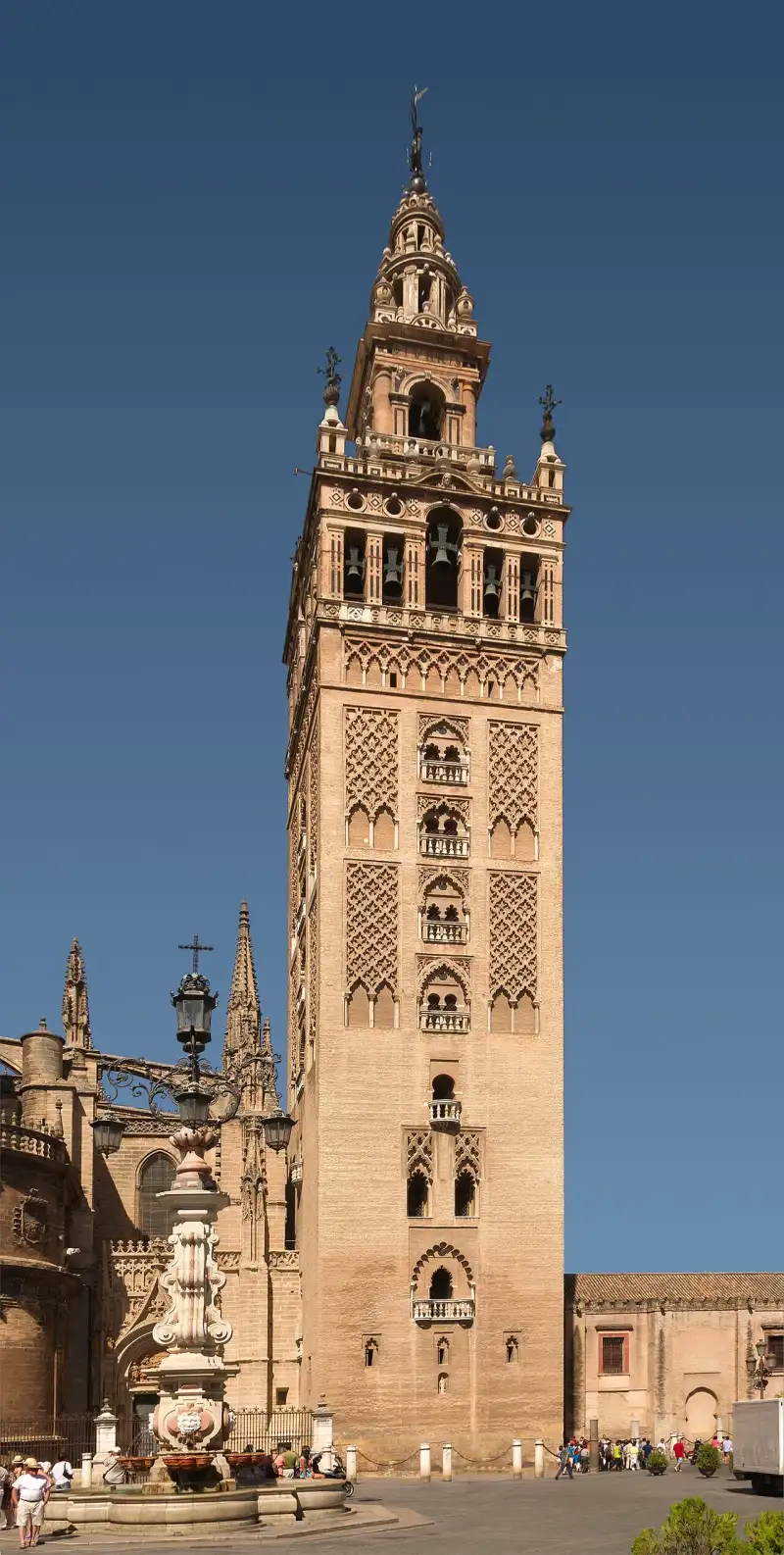

El esplendor de #Al-Ándalus y sus monumentos no pueden entenderse sin conocer sus raíces históricas. La civilización que construyó maravillas como esta fue impulsada por la religión traída por #Mahoma (s.a.v), consolidada por los heroicos esfuerzos y sacrificios de los primeros #musulmanes y la expansión del #Islam, y protegida por genios militares legendarios como el invicto #Jalid ibn al-Walid. La Giralda es la torre campanario de la catedral de Santa María de la Sede de la ciudad de Sevilla, en Andalucía (#España). La parte inferior de la torre corresponde al alminar de la antigua #mezquita de la ciudad, de finales del siglo XII, levantado en época almohade, mientras que la parte superior es una construcción sobrepuesta en el siglo XVI, en época cristiana, para albergar el cuerpo de campanas. En su cúspide se halla una estatua de bronce que representa el Triunfo de la Fe y que tiene función de veleta, el Giraldillo. Mide 94,69 m metros de altura. El 29 de diciembre de 1928 la catedral, incluida la Giralda, fue declarada Monumento Nacional. En 1987 el conjunto del Alcázar, el Archivo de Indias y la catedral, con su torre, fueron considerados Patrimonio de la Humanidad. Existen réplicas y edificios inspirados en ella en #España y en varios países del mundo. #historia Período almohade Durante el período almohade, Abu Yaacub Yúsuf, que gobernó entre 1163 y 1184, y Abu Yúsuf al-Mansur, que gobernó entre 1184 y 1199, pusieron la capital de #Al-Ándalus en Isbiliya (Sevilla). Esto trajo a la ciudad una actualización de sus infraestructuras procediéndose a la construcción de algunas grandes edificaciones. La primera #mezquita mayor, construida en el 829 y situada donde actualmente está la iglesia del Salvador, se quedó pequeña. En 1172 se inició la construcción de una nueva, encargándose de ello el jefe de los arquitectos, Ahmad Ben Baso y los arquitectos constructores de Marrakech y Fez. En 1176 se paralizó la construcción por la marcha a África del califa, cuando solo faltaba por instalar la solería y las vidrieras. Con posterioridad, el 14 de abril de 1182, Abu Yaacub Yúsuf pronunció la primera jutba en la #mezquita. El 26 de mayo de 1184 Abu Yaacub Yúsuf mandó construir el alminar cuando llegó a Sevilla de paso para su campaña contra Santarém. También mandó construir una muralla que quedaría unida al alminar. Sin embargo, las obras no empezaron en aquel momento. Salió el califa el 7 de junio, hacia Badajoz, para luego dirigirse al oeste para sitiar la población de Santarém a la que llegó el 27 de junio. Esta ciudad estaba defendida por Alfonso I de Portugal. El asedio duró hasta julio de 1184 y el 29 de julio resultó muerto en combate. El nuevo califa, Abu Yúsuf al-Mansur (conocido entre sus súbditos como Muminin) fue proclamado el 10 de agosto de 1184, en el Alcázar de Sevilla. La construcción del alminar debió comenzar en otoño de 1184. El que inició su construcción fue Ahmad Ben Baso. En la excavación para la cimentación encontró un manantial que fue cegado con piedras y cal, creando una superficie plana sobre la que situar los cimientos. Sondeos realizados en 1987 parecen evidenciar que los cimientos alcanzaron un máximo de cerca de nueve metros de profundidad, con una base cuadrada de 17,50 metros de lado. Las piedras que se emplearon, llamadas tayud al adi, fueron extraídas del muro del palacio del Alcázar de Ibn Abbad. Los muros de este palacio tenían características defensivas. Las piedras fueron bajadas sin necesidad de escaleras, ya que a estos muros se ascendía por una cuesta apta para caballos. En la década de 1990 se descubrieron siete aras romanas embutidas en la primera hilada de pavimentación. En la esquina suroriental, una de las aras, datada en la segunda mitad del siglo II d. C., conserva un epígrafe dedicado a un "difusor oleario" llamado M. Iulius Hermesianus, procedente de Astigi, donde han aparecido otras inscripciones referentes a la misma persona. Las obras se paralizaron entre 1184 y 1185, cuando fue destituido Ibn Said, el almojarife encargado del registro de los gastos, hasta que llegó para sustituirle Abu Bakr entre 1188 y 1189. Entonces se reanudaron las obras, a cargo del alarife Alí al-Gumari (también conocido como Alí de Gomara), con ladrillo. La torre está realizada de este material a partir de los dos metros del suelo. Las obras continuaron de forma intermitente a causa de los frecuentes viajes que el alarife hacía a Marrakech. El 19 de julio de 1195 Abu Yaacub al-Mansur derrotó a Alfonso VIII de Castilla en la batalla de Alarcos. Al regresar ordenó la realización de unas grandes esferas de bronce dorado para ser colocadas en la parte superior del alminar. También encargó que estas se situaran sobre una marqaba con una columna grande de hierro cuya base se cimentaba en el alminar. Un cronista del siglo XIV, Ibn Abi Zar, nos dice que estas esferas fueron realizadas por Abul Layz al-Sigilli, que en su dorado se gastaron 100.000 dinares de oro y que, dadas las enormes dimensiones de la bola mayor, no entró por la puerta de los Almuédanos, sino arrancando algo de mármol de la parte inferior. Fueron colocadas el 10 de marzo de 1198 en presencia de Abu Yúsuf al-Mansur. Estas cuatro bolas o manzanas doradas ensartadas en un vástago vertical reciben el nombre de yâmûr en la cultura árabe y se ha utilizado, aunque no siempre, para coronar mezquitas. El esquema del alminar deriva del modelo de la #mezquita de Córdoba. El primer cuerpo tenía 50,51 m de alto y una planta cuadrada de 13,61 m de ancho. El segundo cuerpo medía 14,39 m de alto y su planta era cuadrada de 6,83 m de ancho. Sobre el segundo cuerpo había una cúpula y sobre esta el yâmûr. La altura total de la torre era de 82 metros. El transcurso de las obras se conoce con detalle gracias a las crónicas de Ibn Sahib al-Salá. Período cristiano En 1248, el rey castellano-leonés, Fernando III, conquistó la ciudad de Sevilla y la #mezquita fue consagrada como templo cristiano. Algo habitual cuando los cristianos conquistaban poblaciones musulmanas era añadir campanas a los alminares, así como retirar el yâmûr para colocar una cruz y, bajo ella, una veleta, aunque este yâmûr no se retiró. No obstante, el 24 de agosto de 1356 se produjo un terremoto que trajo consigo el derrumbamiento de las cuatro bolas. No existe demasiada información sobre el aspecto de la torre entre este acontecimiento y el siglo XV. Al parecer, esta estructura fue sustituida por una espadaña con una campana y, en algún momento posterior, la torre se coronó con una cruz. En 2008 la investigadora Begoña Alonso Ruiz descubrió el plano más antiguo que se conserva de la catedral de Sevilla, en el monasterio de Bidaurreta, El documento está datado entre 1480 y 1498 y es posible que sea una copia del plano original, que debió dibujarse entre 1433 y 1439. En este plano no figura ni el antiguo minarete ni el antiguo patio de las abluciones, que finalmente sí se mantuvieron. A mediados del siglo XVI, el canónigo Francisco Pacheco diseñó un programa iconográfico con murales para decorar la Giralda. Los frescos fueron realizados por el pintor Luis de Vargas entre 1553 y 1558. Gracias al cuadro de las Santas Justa y Rufina realizado por Miguel de Esquivel en 1620 se sabe que en la fachada norte, debajo del primer balcón, estaba la Anunciación. A la izquierda y a la derecha de este balcón, en dos superficies de estuco que aún existen, estaban las imágenes de San Isidoro y San Leandro a un lado y las Santas Justa y Rufina al otro. Encima de este balcón, había una pintura de Cristo Crucificado con la Virgen María y San Juan Evangelista. A los lados de los demás balcones había otras pinturas de santos. En 2018, durante la restauración, se demostró que, en el siglo XVI, la Giralda estaba pintada con un color rojizo. Las pinturas murales de Luis de Vargas estaban muy deterioradas a finales del siglo XIX y se perdieron, junto con restos de su color rojizo, en la restauración realizada entre 1881 y 1883 por Adolfo Fernández Casanova. El 6 de junio de 1556 falleció el maestro mayor de la catedral, Martín Gaiza, y el cabildo convocó un concurso para escoger a su sustituto, al que se presentaron los maestros mayores de las principales ciudades andaluzas: Hernán Ruiz, Andrés de Vandelvira, Francisco del Castillo, Juan de Orea, Luis Machuca y Pedro de Campo. También se presentó Miguel Gainza, que había sido aparejador en la catedral desde 1542. El 14 de diciembre de 1557 fue escogido Hernán Ruiz. Al parecer, llegó de Córdoba con un proyecto definitivo de cómo debería renovarse la torre y contaba incluso con una maqueta de escala 1:50. En su diseño, Hernán Ruiz añadió un completo cuerpo de campanas. Las obras empezaron en abril, ya que constan el inicio de los pagos realizados de ladrillo y yeso. Las obras fueron especialmente lentas los primeros años, aunque hubo mayores adelantos a partir de 1562. En 1565, las obras de edificación ya estaban acabadas. En la semana del 10 al 16 de diciembre de 1565 se pagaron 10 ducados a Luis de Vargas, su criado y un oficial flamenco que habían pintado en la torre cinco días. En 1566 se realizaron grandes cuadros para la fachada norte. Concluidas las pinturas de la torre, se procedió a realizarse la estatua que la coronaría, que hace la función de veleta. La obra, una alegoría de la Fe, fue realizada por Bartolomé Morel y colocada el 13 de agosto de 1568. Originalmente, la palabra "Giralda" hacía referencia a esta escultura y como tal aparece mencionada en El viaje entretenido (1603) de Agustín de Rojas Villandrando o en El Quijote (1605) de Miguel de Cervantes, que residió en la ciudad desde 1588. La propia palabra "Giralda" es definida por la RAE como una veleta con forma humana o animal. Al final esa denominación se aplicó al conjunto de toda la torre y la escultura pasó a ser conocida como Giraldillo. Precedentes estilísticos La construcción de la Giralda se basó en el alminar de la #mezquita Kutubia de Marrakech (Marruecos), también construido en el siglo XII, considerado con sus setenta y nueve metros de altura, una obra maestra del arte magrebí, consta de una estructura muy similar a la torre sevillana, sigue la forma más típica de los alminares de la escuela hispanomarroquí, con un cuerpo principal de forma ortoédrica sobre el que se sitúa otro mucho más reducido, a modo de remate. Otra gran muestra de arquitectura muy similar la constituye, la gran Torre Hasan de Rabat, considerada hermana de la Giralda y cuyo proyecto de construcción preveía un altura de sesenta metros, pero las obras se interrumpieron cuando llegaba a los 44 metros. En ambos precedentes se encuentran los elementos decorativos de los almohades, reproducidos en la Giralda, con arcos ciegos, lacerías y relieves que se inspiran en los que realizaban los selyúcidas en esa misma época en la región de Asia Menor. Descripción de la torre El cuerpo principal es de planta cuadrada, en el que la cara oeste mira al patio de los Naranjos, la este a la plaza de la Virgen de los Reyes, la norte a la calle Placentines y la sur a la plaza del Triunfo. Cuerpos superiores El remate superior de depurado estilo renacentista fue llevado a cabo por Hernán Ruiz II, entre 1558 y 1568, en el que se distinguen las siguientes partes, decoradas con relieves: En primer lugar se encuentra el cuerpo de campanas con la misma superficie cuadrada que la parte inferior. Fue levantado entre 1560 y 1562 y está rematado con la llamada terraza de las azucenas, por cuatro jarras realizadas por el fundidor Bartolomé Morel en 1568 en las que se introdujeron azucenas de metal en 1751. Estas azucenas fueron restauradas por el orfebre Fernando Marmolejo Camargo en 1981. En la base de este cuerpo hay 16 cabezas de león, cuatro por cada frente. Sobre cada uno de los 16 óculos, cuatro por cada frente, se encuentra la cabeza de un querubín. En cada frente hay un frontón de triple inflexión hay una cabeza de varón que representa a cada uno de los cuatro profetas mayores respectivamente: Isaías, Jeremías, Ezequiel y Daniel. Por encima se encuentra el cuerpo del reloj, cuyo diseño fue encargado a fray José Cordero en 1765. Cuerpo de las estrellas o del pozo, terminado en todos sus lados por arcos de medio punto, en cuyo friso figura una inscripción bíblica que recorre las cuatro caras de la torre y dice "TURRIS (E) - FORTISSIMA (S) - NOMEN DNI (O)- PROVERB (N). 18" (cuya traducción al castellano es "La torre más fuerte es el Nombre del Señor"), colgando en su interior la campana más antigua de la torre, la de San Miguel de las Victorias, que da las horas del reloj. En cada frente hay un arco y en cada una de las dos enjutas de cada arco hay cabezas de varones que deben representar a los profetas menores: Zacarías, Malaquías, Oseas, Amós, Abdías, Jonías, Miqueas y Sofonías. Cuerpo de las carambolas o redondo, el primero de carácter circular, y llamado así por los remates pétreos en forma esférica. El penacho, que acaba en una cúpula Esfera de bronce sobre la que se asienta la escultura de la veleta, es conocida con el nombre de la tinaja, tiene 1,45 metros de diámetro. La veleta que representa la victoria de la Fe cristiana, conocida como Giraldillo, fue realizada entre 1566 y 1568, terminándose de colocar el 13 de agosto de este año. La estatua fue fundida en bronce por Bartolomé Morel. Dimensiones El primitivo alminar mide 50,85 m de altura y presenta una planta cuadrada de 13,5 m de lado. El cuerpo de campanas, sobre la misma planta que el alminar, llega hasta los 60,45 m de altura. Sobre él, se sitúa la terraza de las azucenas, que llega hasta los 65,30 m, donde comienza el cuerpo del reloj, de planta cuadrada y 6,8 m de lado, que se eleva hasta los 74,40 m. Encima, el cuerpo de las carambolas, de 4,5 m de diámetro en planta, llega hasta los 81,00 m, y remata la torre el penacho, que llega hasta los 87,00 m. Contando con la estatua del Giraldillo, la altura total es de 94,69 m sobre el nivel del suelo. La figura del Giraldillo mide 3,5 metros de altura, siete y medio contando el pedestal, y pesa 1300 kg. El lábaro que señala la dirección del viento pesa 180 kg, y la palma, de dos metros, 91 kg. La torre de la Giralda tiene 35 rampas lo suficientemente anchas como para permitir que el encargado de convocar a la población a la oración pudiera subir por ellas montado a caballo, aunque en ningún momento se ha podido constatar documentalmente que se usara para ello, y un tramo final de 17 escalones para acceder al nivel de campanas que es la zona actualmente visitable de la misma. Las jarras de azucenas Las obras de Hernán Ruiz finalizaron en 1565 tras siete años de trabajos. Los tres años sucesivos se emplearon en labores ornamentales. El diseño de Hernán Ruiz incluía unas jarras. El 28 de febrero de 1568 el fundidor Bartolomé Morel se comprometió a realizar estas jarras, de hierro y bronce. La intención original de estas jarras era introducir unas luminarias, es decir, unas mechas que se encendieran en los días señalados del año, ya fuere por motivos religiosos, victorias militares o entronaciones. Bartolomé Morel tardó tres meses en hacerlas, y en junio acudió Antón Pérez para dorarlas, aplicándoles además barniz y aceite de linaza. En 1751 fue cuando se introdujeron las azucenas en las jarras. El autor de estas azucenas fue Basilio Cortés, que además doró las azucenas y la bola sobre la que se asienta el Giraldillo, llamada entonces "la tinaja". Las azucenas han sido símbolo de pureza y virginidad desde la Edad Media. El escudo de la archidiócesis sevillana durante la época medieval eran dos torres flanqueando una jarra de azucenas. Después de 1568, se cambió el escudo de la archidiócesis por uno que mostraba la Giralda flanqueada por dos jarras de azucenas. Desprendimiento de una jarra de azucenas El 5 de febrero de 2026, las fuertes rachas de viento asociadas a una borrasca provocaron el desprendimiento de una de las jarras de azucenas. Campanas La Giralda cuenta con un total de 24 campanas, de las que 18 son de volteo y 6 de badajo; hay que añadir la campana del reloj en un piso superior, haciendo un total de 25 campanas. Se trata, pues, de la catedral de #España con un mayor número de campanas, sin tener en cuenta los carillones. Las campanas, que se encontraban en un estado de conservación pobre, fueron restauradas en 1998, acometiéndose diversas actuaciones: se fundieron seis nuevas, se soldaron diez y se reafinaron cuatro, entre otras actuaciones de mejora. A continuación se lista la totalidad de las campanas que se encuentran en la catedral de Santa María de la Sede de Sevilla (el número muestra la ubicación según esta imagen [1] Archivado el 5 de marzo de 2016 en Wayback Machine.): Usos de la torre en el pasado Desde su construcción la Giralda ha sido utilizada para bastantes usos que se exponen a continuación: Elemento de llamada religiosa. La utilización como elemento de aviso o llamada religiosa ha sido la primordial desde su construcción, primero para los #musulmanes a través del almuédano que invitaba a la oración varias veces al día y después para los cristianos, con la utilización de las campanas. Vivienda. Las cámaras del interior sirvieron en su momento como vivienda para el alcaide de la torre y los campaneros. En una de estas habitaciones nació la monja Bárbara de Santo Domingo, conocida como Hija de la Giralda, que se hizo célebre por sus visiones místicas. Granero. Según queda recogida en acta del Cabildo catedralicio de 29 de octubre de 1567, por la que se adjudica el grano almacenado dentro de la torre. Rogativas. La Giralda fue utilizada en 1626 como elemento de estación a lo más alto de la torre, para rogar el cese de las lluvias que duraban ya cuarenta días. Veleta. A partir de 1356, cuando cayeron los elementos decorativos que entonces existían por efecto de un terremoto, se sustituyeron por un campanario rematado por una veleta. Reloj. En el año 1400 se colocó un reloj en presencia del rey Enrique III. Fue el primer reloj de torre que hubo en #España. En 1766 se colocó un nuevo reloj, que se conserva en el interior. Este último fue realizado entre 1757 y 1764 por un fraile del Convento de San Francisco llamado José Cordero. Atalaya. En diversos momentos fue utilizada como atalaya de vigía para la defensa de la ciudad. Pararrayos. Los primeros pararrayos se colocaron a partir de 1884, en que una chispa eléctrica destrozó los antepechos de los balcones. Luminaria. La Giralda se utilizaba como elemento de iluminación de la ciudad para la celebración de determinados acontecimientos tanto de carácter religioso, elección de un papa, canonización de un santo o la entrada de un nuevo arzobispo en la ciudad; en otras ocasiones eran celebraciones de carácter civil, como matrimonio de un rey, o nacimiento de un príncipe; y también en algunos casos por haber conseguido alguna victoria militar. Para este fin, Hernán Ruiz II dispuso la colocación de 144 puntos de luces, sobre una serie de recipientes de bronce y piedra, colocados en los cuerpos renacentistas, de diez modelos diferentes. Para el alumbrado se utilizaban las cuatro jarras existentes en el cuerpo de campanas, pero en 1751 se colocaron azucenas de bronce en estas, cambiando su función original. Vistas de la Giralda Réplicas y edificios inspirados #España Las torres de la iglesia de San Pedro de Carmona (provincia de Sevilla), la iglesia de Nuestra Señora de la Oliva de Lebrija (provincia de Sevilla), la torre de la iglesia de Santa María de Écija (provincia de Sevilla), la iglesia de Nuestra Señora de la Granada de Moguer (provincia de Huelva) y la basílica de la Purísima Concepción del municipio vasco de Elorrio están inspiradas en la Giralda. En Badajoz (Extremadura), existe un edificio que es una réplica de este monumento. En Arbós (provincia de Tarragona) también hay un edificio que es una réplica de la Giralda. Francia En la Exposición Universal de París del 1900 el Pabellón de #España tenía una réplica de la Giralda. Bélgica La torre de la biblioteca de la Universidad Católica de Lovaina está inspirada en la Giralda. Polonia En Varsovia, Polonia, la torre del Palacio de la Cultura y de la Ciencia está inspirada en la Giralda. Estados Unidos En Estados Unidos, se construyó una Giralda en un edificio de la Exposición Mundial Colombina de Chicago de 1893, pero fue destruida por un incendio ese mismo año. Se construyó una torre similar a la Giralda (1895) en el edificio del Ferry de San Francisco. El segundo Madison Square Garden de Nueva York contaba con una réplica de la Giralda (1890) rematada por una estatua de la diosa Diana. Fue el edificio más alto de esa ciudad. En 1925 la Giralda neoyorquina fue derruida por el impago de unas hipotecas. Esa estatua de Diana se conserva en el Museo de Arte de Filadelfia. Kansas City se halla hermanada con Sevilla y exhibe una réplica de la Giralda (1967) de unos 40 metros en el centro comercial Country Club Plaza. La correspondencia en Sevilla es la estatua de un indio, llamada «El Explorador», en la avenida Kansas City. En Toledo, Ohio, se levantó el edificio Nasby (1895), que era una réplica de la Giralda. En los años 60 el edificio fue reformado, perdiendo esta forma característica. En Florida, la Torre de la Libertad (1925) de Miami, la torre del hotel Biltmore (1926) de Coral Gables y una de las torres Alhambra de Coral Gables están inspiradas en la Giralda. En Miami hubo otros dos hoteles que tenían torres similares a la Giralda, el Roney Plaza (construido en 1925 y demolido en 1968) y el Everglades (construido en 1926 y demolido en 2003). También guardan parecido con la Giralda la torre de la Terminal (1930) de Cleveland y el edificio Wrigley (1924) de Chicago. Cuba Hay una escultura, conocida como la Giraldilla, realizada en 1632, en el campanario del Castillo de la Real Fuerza de La Habana, en Cuba. La Giraldilla original se conserva en el Museo de La Habana y el castillo actualmente luce una réplica. La Giraldilla cubana ha inspirado el logo de la marca de ron Havana Club. En la cultura popular Desde que se finalizó la Giralda en 1568 su imagen, flanqueada por dos jarras de azucenas, ha sido usada como escudo de la archidiócesis y en algunos edificios civiles, como es el caso de las portadas más recientes de la Real Fábrica de Tabacos de Sevilla. La torre es mencionada en la obra El viaje entretenido (1603) de Agustín de Rojas Villandrando y en El Quijote (1605) de Miguel de Cervantes, que residió en la ciudad durante algunas temporadas. Le han escrito poemas los conocidos escritores Juan Ramón Jiménez, los hermanos Álvarez Quintero y María de los Reyes Fuentes. Entre el verano de 1932 y enero de 1933 el pasodoble Giralda, de Eduardo López Juarranz, fue un himno andalucista. En 2013 apareció en el popular videojuego SimCity. Suele aparecer en las películas que están ambientadas en Sevilla, entre las que se incluyen las producciones de Hollywood Knight and Day (2010) y Assassin’s Creed (2016). La Giralda inspiró, en el año 2007, la portada de la Feria de Abril. El diseño fue obra de Ricardo Hernández González. En 1963 Correos emitió un sello con la Giralda. Hacia 1965 emitió otro sello donde aparecen la Giralda y la Puerta de la Concepción de la catedral. La imagen de la torre almohade aparece en otro sello español de 1998, conmemorativo de los 800 años de la Giralda. En 1994 Rusia emitió una serie de sellos con catedrales, en uno de los cuales aparece la Giralda. En el siglo XX, el pintor Amalio García del Moral y Garrido realizó una serie de 365 cuadros de la Giralda, uno por cada día del año. De estos, 64 están expuestos en el Museo Pintor Amalio, en el barrio Santa Cruz. Referencias Notas Bibliografía ÁLVAREZ BENAVIDES, Alfonso (1913). La Giralda: noticia histórico-descriptiva del grandioso monumento hispalense: descripción geométrica y artística expresando su volumen y peso. Sevilla. Editorial: Asociación de Libreros de Viejo. FALCÓN MÁRQUEZ, Teodoro [1989] (1999). La Giralda: rosa de los vientos. Sevilla. Editorial: Diputación, Área de Cultura. ISBN 84-7798-153-1 BARRIONUEVO FERRER, Francisco (2000). Giganta de Sevilla. Sevilla. Editorial: Fundación El Monte. ISBN 84-89777-97-7 GARCÍA DEL MORAL, Amalio (1987). La Giralda: 800 años de #historia, de arte y de leyenda. Sevilla. Editorial: Editoriales Andaluzas Reunidas. ISBN 84-7587-087-2 (v.1); 84-7587-086-4 (o.c.) RODRÍGUEZ ESTÉVEZ, Juan Clemente (1998). El alminar de Isbiliya: La Giralda en sus orígenes (1184-1198). Sevilla. Editorial: Ayuntamiento, Área de Cultura. ISBN 84-95020-32-7 ALMAGRO GORBEA, Antonio; ZÚÑIGA URBANO, Juan Ignacio (2007). Atlas arquitectónico de la Catedral de Sevilla. Sevilla-Granada. Editorial: Escuela de estudios árabes. CSIC. ISBN 978-84-7170-213-5 MOLINA, Francisco (coord.) (1981). El Giraldillo. Editorial: Monte de Piedad y Caja de Ahorros de Sevilla. D.L. SE-212-1981 BOSCH VILÁ, Jacinto (1984). #historia de Sevilla: La Sevilla islámica 712-1248. Editorial: Secretariado de Publicaciones de la Universidad de Sevilla. ISBN 84-7405-294-7 SOBRINO, Miguel (2009). Catedrales. Las biografías desconocidas de los grandes templos de #España. Editorial:La Esfera de los Libros. ISBN 978-84-9734-868-3 KAGAN, Richard L.. The Spanish Craze: America's Fascination with the Hispanic World, 1779–1939. Editorial: University of Nebraska Press. DE MENA, José María. Historia de Sevilla. Plaza & Janés. 1985 DE PUY, W. H. et al.The New People's Cyclopedia of Universal Knowledge. The Great Church Buildings of #history. Cathedrals of #Italy and #Spain. Phillips & Hunt Publishers. 1887 Real Academia Española. Diccionario de la lengua castellana. Giralda 1734 HAIM BURAS, Nir. The Art of Classic Planning: Building #beautiful and Enduring Communities. 2019. The Richard H. Driehaus Foundation M. STAUFFER, Suzanne (ed.). Libraries, Archives, and Museums: An Introduction to Cultural Heritage. 2021. Rowman & Littlefield CHAVES REY, Manuel. Cosas nuevas y viejas. Outlook Verlags GmbH. Frankfurt. [1904] 2022. Iniesta Coullaut-Valera, Enrique (2007). Blas Infante. Toda su verdad. 1931-1936. Almuzara. ISBN 978-84-96710-24-5. #andalus #sevilla #giralda Related InsightsSous les Vignobles de la Loire : Le Mystère Énigmatique des Cités Troglodytiques Oubliées 西递:中国古代木雕的巅峰 Sardegna Profonda: Sulle Tracce Misteriose dei Nuraghi nella Barbagia Nascosta{ "@context": "https://schema.org", "@type": "FAQPage", "mainEntity": [ { "@type": "Question", "name": "What is the main focus of La Giralda: El Minarete de Sevilla?", "acceptedAnswer": { "@type": "Answer", "text": "Descubre la historia profunda de Giralda." } }, { "@type": "Question", "name": "Who authored the comprehensive guide on La Giralda: El Minarete de Sevilla?", "acceptedAnswer": { "@type": "Answer", "text": "This detailed article and its insights were carefully researched and authored by Mateo García." } }, { "@type": "Question", "name": "Where can I find more related content about Travel?", "acceptedAnswer": { "@type": "Answer", "text": "You can explore more articles, detailed reviews, and similar insights by browsing the Related Insights section at the bottom of this article or visiting our dedicated Travel category page." } } ] }
-
 Giovanni Luigi
- 02 Jul, 2026 00:11
La Bottarga: Più che un Condimento, un Elixir di Mare tra Mito, Storia e Alta Cucina Italiana
C'è un tesoro, un gioiello d'ambra e sale, che il mare generosamente offre e l'ingegno umano trasforma in un elisir di sapore. Non è oro, non sono gemme scintillanti, ma qualcosa di ben più prezioso per il palato di un intenditore: la bottarga. Non un semplice condimento, non un ingrediente passeggero, ma un concentrato di storia, di fatica marinaresca, di antiche tradizioni che risuonano ancora oggi nelle cucine più raffinate e sulle tavole più autentiche del Mediterraneo. Lasciate che vi conduca in un viaggio attraverso il tempo e il gusto, alla scoperta di questo prodigio salmastro, un’esplorazione che va ben oltre il grattugiato su un piatto di spaghetti. I Sussurri dell'Antichità: Dalle Acque Fenicie alle Tavole Romane Per comprendere appieno la magnificenza della bottarga, dobbiamo riavvolgere il nastro della storia di quasi tremila anni. Non è un'invenzione moderna, né un lusso capriccioso dell'alta gastronomia contemporanea. La sua origine si perde nelle nebbie del tempo, affondando le radici nelle civiltà che per prime impararono a sfruttare e conservare i doni del mare. I Fenici, abilissimi navigatori e commercianti, sono spesso citati come i primi a perfezionare la tecnica di salatura e stagionatura delle sacche ovariche di pesce, in particolare del cefalo (muggine) e del tonno. Per loro, e per gli antichi Egizi, rappresentava una preziosa riserva alimentare, facilmente trasportabile e incredibilmente nutriente, un'astuta soluzione per la conservazione delle proteine in un'epoca senza refrigerazione. Dai Fenici, questa sapienza si diffuse rapidamente attraverso le rotte commerciali del Mediterraneo. I Greci e, in seguito, i Romani, adottarono e affinarono la pratica. Non è difficile immaginare le tavole patrizie dell'antica Roma imbandite con delizie che oggi riscopriamo con meraviglia. Sebbene il "garum" sia più noto, testi come quelli di Apicio suggeriscono l'uso di preparazioni simili alla bottarga, apprezzate per il loro sapore intenso e la capacità di arricchire pietanze semplici. Il nome stesso, "bottarga", è un ponte linguistico che attraversa i secoli: deriva dall'arabo "butarikh", che significa "uova di pesce salate". Questo ci rivela l'importanza del contributo arabo, in particolare in Sicilia e Sardegna, nella conservazione e trasmissione di questa arte culinaria durante il Medioevo, cementando il suo posto nel patrimonio gastronomico italiano. L'abilità di trasformare un prodotto così deperibile in un concentrato di sapore inalterabile era, ed è tuttora, una vera e propria alchimia, un dialogo ancestrale tra l'uomo e il mare. L'Anima Salmastra delle Isole: La Bottarga in Sardegna e Sicilia Quando si parla di bottarga in Italia, due regioni emergono prepotentemente, veri e propri santuari di questa prelibatezza: la Sardegna e la Sicilia. Sebbene entrambe vantino una tradizione secolare, le loro bottarghe presentano peculiarità distintive, figlie delle diverse specie ittiche e delle specifiche tradizioni di lavorazione. La Bottarga di Muggine Sarda: L'Oro di Cabras In Sardegna, la bottarga è quasi un'istituzione, un simbolo di un'isola aspra e generosa. Qui, la regina indiscussa è la bottarga di muggine (cefalo). Località come Cabras, Stintino e Alghero sono celebri per la loro produzione, che segue metodi artigianali tramandati di generazione in generazione. Il processo è un rito che inizia con la pesca dei cefali, solitamente tra agosto e settembre, quando le sacche ovariche sono al culmine della maturazione. Le uova vengono estratte con estrema delicatezza, per evitare di romperle, e poi sottoposte a una meticolosa pulizia. La fase successiva è la salatura, un momento cruciale che richiede mano esperta. Le sacche vengono ricoperte di sale marino grosso, che agisce da disidratante e conservante. Il periodo di salatura varia, ma è fondamentale per estrarre l'umidità e infondere il sapore sapido e marino. Dopo il lavaggio del sale in eccesso, segue la pressatura, durante la quale le sacche vengono poste tra tavole di legno e pressate delicatamente per eliminare gli ultimi residui liquidi e dare loro la caratteristica forma appiattita. Infine, la stagionatura. Le bottarghe vengono appese ad asciugare in luoghi ben ventilati, spesso per settimane o mesi, sotto l'influenza della brezza marina che conferisce loro un profumo unico e un colore che va dal giallo oro all'ambra scuro. La bottarga di muggine sarda ha un sapore intenso ma raffinato, con note dolciastre e un retrogusto leggermente amarognolo che la rende inconfondibile. È spesso gustata affettata sottile, condita con un filo d'olio extra vergine d'oliva e qualche goccia di limone, oppure grattugiata su piatti di pasta, in particolare gli spaghetti alla bottarga, un classico intramontabile. La Bottarga di Tonno Siciliana: L'Intensità delle Tonnare Spostandoci in Sicilia, in particolare nelle zone di Favignana, Marsala e Trapani, entriamo nel regno della bottarga di tonno. Qui, la tradizione è intrinsecamente legata all'epica e quasi rituale pesca del tonno rosso, la "mattanza", una pratica millenaria che ha plasmato l'identità marinara dell'isola. Le sacche ovariche del tonno, molto più grandi e corpose rispetto a quelle del muggine, vengono estratte con la stessa cura ma trattate con una salatura e stagionatura che ne esaltano il sapore più deciso e robusto. Il colore della bottarga di tonno tende a essere più scuro, un rosso bruno intenso. Il suo gusto è potente, sapido, con un carattere più marcato e una complessità aromatica che evoca direttamente la profondità del mare. È ideale per chi cerca un'esplosione di sapore. In cucina, pur essendo anch'essa ottima grattugiata sulla pasta, la sua consistenza più compatta la rende perfetta per essere tagliata a fette più spesse, magari su crostini imburrati, o come ingrediente principale in antipasti elaborati che ne sappiano bilanciare l'intensità. L'esperienza di gustare una bottarga di tonno siciliana è un omaggio alla potenza della natura e alla maestria dell'uomo.Un classico rivisitato: l'incontro sublime tra i gamberi rossi di Sicilia e le intense scaglie di bottarga di tonno, un'esplosione di sapori marini. Oltre l'Arcipelago: Variazioni e Rarità della Bottarga Italiana Sebbene Sardegna e Sicilia siano i fari della produzione di bottarga, l'Italia offre altre gemme nascoste e tradizioni meno conosciute ma ugualmente affascinanti. Un esempio notevole è la bottarga di Orbetello, in Toscana, anch'essa prodotta da cefalo, che vanta un riconoscimento come Presidio Slow Food. Questa bottarga si distingue per la sua particolare dolcezza e delicatezza, risultato di un microclima unico e di tecniche di lavorazione affinate nel tempo nella laguna di Orbetello. È un prodotto che incarna la biodiversità e la ricchezza delle tradizioni culinarie regionali italiane, un ponte tra la costa tirrenica e le isole del Mediterraneo. Esistono poi, a volte, produzioni quasi "di nicchia nella nicchia", come la bottarga di ricciola, sebbene molto più rara e difficile da trovare, o sperimentazioni con altre specie ittiche. Queste rarità sottolineano la versatilità della tecnica e l'ingegno dei pescatori e degli artigiani italiani nel valorizzare ogni risorsa del mare. Indipendentemente dalla specie di pesce, il processo di creazione della bottarga è un'arte che si basa su pochi, semplici pilastri: la qualità della materia prima, la sapiente salatura e l'accurata stagionatura. La combinazione di sale, pressione e tempo, unita alla brezza marina, trasforma un ingrediente comune in un concentrato di umami, un'esplosione di sapore che cattura l'essenza dell'oceano. Ogni singolo passaggio è fondamentale e la pazienza è la virtù cardinale: ogni scostamento, anche minimo, può alterare il risultato finale, rendendo ogni bottarga un pezzo unico e irripetibile. L'Alchimia del Gusto: Svelare la Versatilità in Cucina La bottarga è spesso associata a un unico, iconico piatto: gli spaghetti. E, certo, un buon piatto di spaghetti con aglio, olio, peperoncino e una generosa spolverata di bottarga è un'esperienza celestiale. Ma relegarla a un ruolo così esclusivo sarebbe un torto imperdonabile alla sua straordinaria versatilità. La bottarga è un jolly culinario, capace di elevare piatti semplici a vette di alta gastronomia, e di infondere un tocco di mare in preparazioni inaspettate. Oltre la Pasta: Nuove Frontiere del GustoAntipasti Illuminati: Immaginate sottili scaglie di bottarga adagiate su crostini di pane casereccio appena tostato, con una base di burro non salato o una ricotta fresca e delicata. Il contrasto tra la sapidità della bottarga e la dolcezza del burro o della ricotta è un'armonia perfetta. Oppure, un carpaccio di carciofi crudi finemente affettati, conditi con olio, limone e scaglie di bottarga: un incontro inaspettato tra terra e mare che sorprende il palato. La bottarga può anche arricchire una semplice insalata di pomodorini freschi e rucola, donandole un carattere mediterraneo inconfondibile.Primi Piatti Creativi: Se gli spaghetti sono il punto di partenza, non sono certo l'arrivo. Provate a grattugiare la bottarga su un risotto cremoso con asparagi o zucchine, oppure su gnocchi di patate conditi con un sugo leggero di pomodoro fresco e basilico. La sua sapidità si sposa divinamente anche con paste ripiene, come i ravioli di pesce o i culurgiones sardi. Un altro abbinamento audace ma riuscito è con i legumi: una vellutata di lenticchie o ceci, con un tocco di bottarga a crudo, acquisisce una profondità di sapore sorprendente.Secondi e Contorni Raffinati: Sebbene meno comune, la bottarga può essere usata con parsimonia per dare carattere a secondi piatti di pesce bianco, come un filetto di branzino al forno o una ricciola alla piastra, aggiungendola negli ultimi minuti di cottura o a crudo per preservarne l'aroma. Alcuni chef la utilizzano anche per insaporire salse o vinaigrette che accompagnano verdure al vapore o grigliate, creando un contrasto salino e umami.Abbinamenti Audaci e Moderni: La gastronomia contemporanea non ha paura di osare. C'è chi sperimenta abbinamenti con cioccolato fondente (la sapidità della bottarga che bilancia l'amarezza del cacao), o con frutti esotici per creare contrasti agrodolci. Questi accostamenti, per quanto inusuali, dimostrano la versatilità e il potenziale inesplorato della bottarga, spingendo i confini del gusto e invitando alla sperimentazione.Guida all'Acquisto e alla Conservazione Per godere appieno di questo tesoro, è fondamentale saper scegliere e conservare. Una bottarga di qualità dovrebbe presentare un colore uniforme (dal giallo dorato all'ambra scuro per il muggine, al rosso bruno per il tonno), una consistenza soda ma non troppo dura, e un profumo intenso ma non sgradevole, che evochi il mare. Preferite prodotti artigianali, magari con certificazioni di origine o Presidi Slow Food. Una volta aperta, la bottarga si conserva avvolta in carta da cucina e poi in pellicola trasparente, riposta in frigorifero. Per prolungarne la vita, può essere anche sott'olio o sottovuoto. Se correttamente conservata, una bottarga di buona qualità può durare per diverse settimane, o anche mesi se intera e ben sigillata.Il rituale del taglio: fette sottili di bottarga artigianale pronte per essere gustate, accompagnate da olio extra vergine d'oliva e limone fresco, un'ode alla semplicità e al sapore. La Rinascita e la Tutela: Un Tesoro da Preservare Per un periodo, la bottarga ha rischiato di cadere nell'oblio o di essere soppiantata da produzioni industriali che ne compromettevano la qualità. Fortunatamente, negli ultimi decenni, c'è stata una riscoperta e una valorizzazione di questo antico prodotto. Il movimento Slow Food, con i suoi Presidi, ha giocato un ruolo cruciale nel proteggere e promuovere le produzioni artigianali, come la bottarga di Orbetello o alcune specifiche produzioni sarde. Questo impegno non è solo volto a preservare un gusto, ma anche a tutelare le tecniche di lavorazione tradizionali, le comunità di pescatori e l'equilibrio ecologico degli ambienti marini. La crescente consapevolezza dei consumatori sulla qualità e sull'origine dei prodotti ha contribuito a far sì che la bottarga ritrovasse il suo posto d'onore. Dalle tavole casalinghe alle cucine stellate, i migliori chef italiani e internazionali hanno imparato a maneggiare questo ingrediente con rispetto e creatività, elevandolo al rango di caviale del Mediterraneo. La bottarga non è più solo un ricordo del passato, ma un ingrediente vibrante e attuale, che continua a raccontare storie di mare, di sapienza antica e di un gusto senza tempo. La sua salvaguardia è un impegno collettivo, un modo per onorare le radizioni e garantire che le future generazioni possano continuare a godere di questo straordinario "oro salato". Chiudo gli occhi e immagino il profumo del mare che si confonde con quello salmastro della bottarga, le mani sapienti dei pescatori che estraggono le uova, la brezza che asciuga e il sole che le tinge d'oro. Ogni scaglia di bottarga è un frammento di questo racconto millenario, un morso di storia, un sussurro d'eternità che il Mediterraneo continua a regalarci. Non è solo cibo; è un'esperienza sensoriale e culturale, un filo invisibile che ci lega alle generazioni passate e al cuore pulsante del nostro mare.#CucinaMediterranea #Bottarga #ProdottiTipiciItaliani #OroDelMare #GastronomiaStorica #SaporiAntichi Related InsightsFrom Mongolian Steppes to American Diner Classics: The Untold Saga of the Hamburger Turkish Red Lentil Soup with Mint and Lemon Oil: A High Protein Culinary Delight Le Souffle des Nawabs : L'Art Impérial du Biryani Awadhi{ "@context": "https://schema.org", "@type": "FAQPage", "mainEntity": [ { "@type": "Question", "name": "What is the main focus of La Bottarga: Più che un Condimento, un Elixir di Mare tra Mito, Storia e Alta Cucina Italiana?", "acceptedAnswer": { "@type": "Answer", "text": "Un viaggio millenario nell'enigmatico mondo della bottarga, dalle sue origini fenicie ai segreti delle produzioni artigianali italiane, svelando un tesoro culinario di rara intensità e versatilità." } }, { "@type": "Question", "name": "Who authored the comprehensive guide on La Bottarga: Più che un Condimento, un Elixir di Mare tra Mito, Storia e Alta Cucina Italiana?", "acceptedAnswer": { "@type": "Answer", "text": "This detailed article and its insights were carefully researched and authored by Giovanni Luigi." } }, { "@type": "Question", "name": "Where can I find more related content about Food?", "acceptedAnswer": { "@type": "Answer", "text": "You can explore more articles, detailed reviews, and similar insights by browsing the Related Insights section at the bottom of this article or visiting our dedicated Food category page." } } ] }
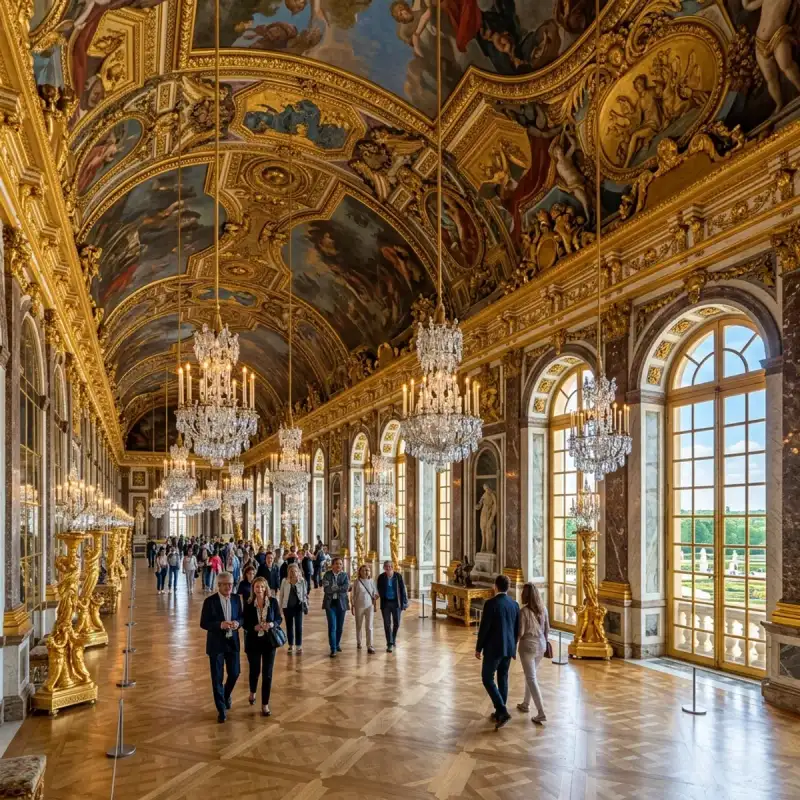
Bem-vindo! Prepare-se para uma #viagem inesquecível pelo coração de #Portugal. Açores: Natureza Selvagem e Crateras Vulcânicas – Um Diário de Tiago Silva Olá, meus queridos exploradores do mundo! Tiago Silva aqui, diretamente de um dos recantos mais mágicos e indomáveis do nosso planeta. Preparem-se para uma viagem que vos vai prender a alma e encher os olhos de uma beleza quase irreal. Hoje, levo-vos a um lugar onde a natureza se exibe em todo o seu esplendor primordial, onde o passado geológico é palpável e a cultura se entrelaça com a paisagem de forma indelével: os Açores. Este arquipélago, que emerge imponente das profundezas do Oceano Atlântico Norte, é um tesouro escondido, um dos segredos mais bem guardados de #Portugal. Não é apenas um destino; é uma experiência sensorial, uma imersão num mundo onde o verde é mais verde, o azul mais profundo e a história ecoa em cada pedra e em cada onda. O Coração Pulsante de um Arquipélago Atlântico Os Açores são, na sua essência, uma criação vulcânica. Nove ilhas principais – São Miguel, Santa Maria, Terceira, Graciosa, São Jorge, Pico, Faial, Flores e Corvo – espalham-se pela vasta extensão azul, como pérolas de um colar gigante que a própria Terra moldou. Cada uma delas é um universo à parte, com a sua identidade, os seus encantos e as suas histórias para contar. A origem vulcânica destas terras é a grande protagonista, a força invisível que esculpiu cada montanha, cada vale e cada lagoa. É impossível não sentir a energia telúrica a pulsar sob os pés, a recordar-nos que estamos num palco onde a geologia é uma força viva e constante. As paisagens são um testemunho eloquente da dança incessante entre o fogo e a água, entre a fúria da terra e a serenidade do oceano. São Miguel: A Ilha Verde e os Seus Segredos Comecemos por São Miguel, a maior e mais populosa das ilhas, muitas vezes apelidada de "Ilha Verde" – e com razão! Aqui, a vegetação luxuriante é uma explosão de vida, um manto esmeralda que cobre colinas e vales. Mas é nas suas crateras que reside grande parte da sua mística. Quem nunca sonhou em contemplar a Lagoa das Sete Cidades? Este cartão-postal açoriano é uma visão de tirar o fôlego. Do Miradouro da Vista do Rei, a paisagem desdobra-se num espetáculo de cores: a lagoa divide-se em duas, uma de um azul profundo, a outra de um verde vibrante, separadas apenas por uma ponte estreita. A lenda fala de um amor proibido entre uma princesa de olhos azuis e um pastor de olhos verdes, cujas lágrimas deram origem a estas águas mágicas. A atmosfera aqui é de pura contemplação, um convite à introspeção enquanto o vento suave sussurra segredos antigos. É um dos locais onde a #nature se revela mais poética. E depois, há a Lagoa do Fogo. Escondida no coração da ilha, dentro de uma cratera vulcânica, esta lagoa é um santuário de beleza intocada. O acesso é feito por trilhos que serpenteiam por uma vegetação densa e endémica, e a recompensa é uma vista panorâmica de águas cristalinas rodeadas por encostas íngremes e virgens. É um local classificado como Reserva Natural, e ao pisar o seu areal, sente-se uma paz profunda, quase mística. A neblina que por vezes a envolve só aumenta o seu encanto, transformando-a num cenário de conto de fadas. Mas São Miguel não é só lagos. As Furnas são outro capítulo fascinante da sua história geológica. Aqui, a Terra respira através de fumarolas e nascentes termais, criando um ambiente único onde a gastronomia se funde com a geologia. O famoso "Cozido das Furnas" é cozinhado em panelas enterradas no solo vulcânico, aproveitando o calor natural da Terra. O cheiro a enxofre no ar, as paisagens fumegantes e a experiência de provar um prato cozinhado desta forma ancestral é algo que nunca esqueceremos. É uma celebração da riqueza geotérmica da ilha, um verdadeiro banquete para os sentidos e um testemunho da inventividade humana em harmonia com a natureza. Terceira: História, Cor e Património Mundial Avançando para a Ilha Terceira, somos transportados para um cenário de cores vibrantes e uma riqueza histórica palpável. Angra do Heroísmo, a sua capital, é um tesouro arquitetónico, classificada como Património Mundial pela UNESCO. As suas ruas estreitas e sinuosas, ladeadas por edifícios coloridos e elaborados, contam histórias de navegadores, de batalhas e de uma época de ouro em que era um porto estratégico vital. A #architecture aqui é um espetáculo de elegância e resiliência, com os seus palacetes, igrejas e fortes que resistiram ao tempo e aos sismos. Passear por Angra é como viajar no tempo. Cada fachada, cada varanda, cada calçada parece sussurrar contos de uma #história rica e gloriosa. O Monte Brasil, uma antiga cratera vulcânica que se eleva majestosamente sobre a cidade, oferece vistas panorâmicas deslumbrantes e é um convite a explorar a sua fortaleza e os seus trilhos verdejantes. A Terceira é também a ilha das festas, das touradas à corda e de uma alegria contagiante que se manifesta na sua gente hospitaleira. Pico e Faial: Gigantes e Marinheiros O Pico é a ilha que abriga o ponto mais alto de Portugal, a montanha do Pico, uma presença majestosa que domina a paisagem. Subir ao seu cume é um desafio gratificante, recompensado com vistas que se estendem por quilómetros, abraçando as ilhas vizinhas. Mas o Pico é também a ilha do vinho, com as suas vinhas plantadas em "currais" – pequenos muros de pedra que protegem as videiras do vento e do sal do mar. Esta paisagem cultural da vinha da Ilha do Pico é outra joia classificada pela UNESCO, um testemunho da tenacidade e engenho dos seus habitantes. É um exemplo perfeito de como a #cultura local se adapta e prospera em cenários naturais desafiadores. Do outro lado do canal, encontra-se a Ilha do Faial, conhecida pelo seu porto cosmopolita, Horta, um ponto de encontro para velejadores de todo o mundo. Mas a paisagem mais marcante do Faial é, sem dúvida, o Vulcão dos Capelinhos. Este local, que nasceu de uma erupção submarina em 1957-58, é uma paisagem lunar, desolada e impressionante. As cinzas vulcânicas e as rochas escuras criam um contraste dramático com o azul do oceano, uma tela onde a força bruta da criação da Terra se manifesta de forma esmagadora. É um lembrete vívido da constante evolução geológica do arquipélago, um lugar que nos faz sentir pequenos perante a grandiosidade da natureza. A Flora e Fauna Endémicas: Um Jardim Flutuante A isolamento geográfico dos Açores, combinado com o seu clima temperado oceânico – caracterizado por temperaturas amenas, elevada humidade e chuvas frequentes que podem mudar rapidamente – criou um ecossistema único. A flora e fauna endémicas são um dos maiores tesouros do arquipélago. Aqui, encontramos a Laurissilva, uma floresta relíquia do Terciário, que outrora cobria grande parte do sul da #Europa. Caminhar por estes bosques é como entrar num túnel do tempo, onde a luz filtra-se através das copas densas, e o ar é carregado com o cheiro a terra húmida e vida selvagem. As famosas hortênsias, com as suas cores vibrantes de azul e roxo, alinham-se nas estradas e campos, criando um espetáculo visual que é a imagem de marca dos Açores. A vida marinha também é abundante e espetacular. Os Açores são um dos melhores locais do mundo para a observação de baleias e golfinhos, um santuário para estas majestosas criaturas do oceano. A rica biodiversidade marinha é um reflexo da saúde dos seus ecossistemas e da sua posição privilegiada no Atlântico. O Legado Humano: De Navegadores a Emigrantes A história humana dos Açores é tão fascinante quanto a sua geologia. Descobertas por navegadores portugueses no século XV, estas ilhas rapidamente se tornaram um ponto de paragem crucial nas rotas marítimas do Atlântico. A sua posição estratégica transformou-as num entreposto vital para o comércio e a navegação entre a Europa, a América e a África. A colonização das ilhas foi um feito notável de resiliência e adaptação. Os primeiros povoadores enfrentaram desafios imensos, transformando terras virgens e vulcânicas em férteis campos de cultivo e em comunidades vibrantes. A atividade baleeira, embora controversa nos dias de hoje, foi uma indústria que marcou profundamente a identidade de algumas ilhas, deixando um legado de coragem, sacrifício e uma profunda ligação ao mar. A emigração, sobretudo para os Estados Unidos e Canadá, é outra faceta importante da história açoriana. Muitas famílias procuraram melhores oportunidades além-mar, mas a ligação às suas raízes e à sua terra natal manteve-se forte, criando uma diáspora global que orgulhosamente preserva a sua identidade açoriana. Esta história de partida e regresso, de saudade e esperança, é parte integrante da alma açoriana. Uma Viagem Inesquecível Os Açores não são apenas um conjunto de ilhas; são uma promessa de aventura, de descoberta e de uma profunda conexão com a natureza e com uma cultura rica e resiliente. Desde as paisagens lunares dos Capelinhos até às lagoas místicas escondidas em crateras vulcânicas, passando pelas cidades histó #portugal #travel #history #europe #cultura Related InsightsWhere the Wild Things Roam: The World’s Most Unforgettable Wildlife Encounters Unveiling the Hidden Gems of the Arctic Circle: A Journey Through Sami Traditions and Tundra Life Ombre di Storia: Viaggio nel Turismo Oscuro tra Memoria e Mistero{ "@context": "https://schema.org", "@type": "FAQPage", "mainEntity": [ { "@type": "Question", "name": "What is the main focus of Açores: Natureza Selvagem e Crateras Vulcânicas?", "acceptedAnswer": { "@type": "Answer", "text": "Junte-se a Tiago Silva numa exploração profunda por Açores." } }, { "@type": "Question", "name": "Who authored the comprehensive guide on Açores: Natureza Selvagem e Crateras Vulcânicas?", "acceptedAnswer": { "@type": "Answer", "text": "This detailed article and its insights were carefully researched and authored by Tiago Silva." } }, { "@type": "Question", "name": "Where can I find more related content about Travel?", "acceptedAnswer": { "@type": "Answer", "text": "You can explore more articles, detailed reviews, and similar insights by browsing the Related Insights section at the bottom of this article or visiting our dedicated Travel category page." } } ] }
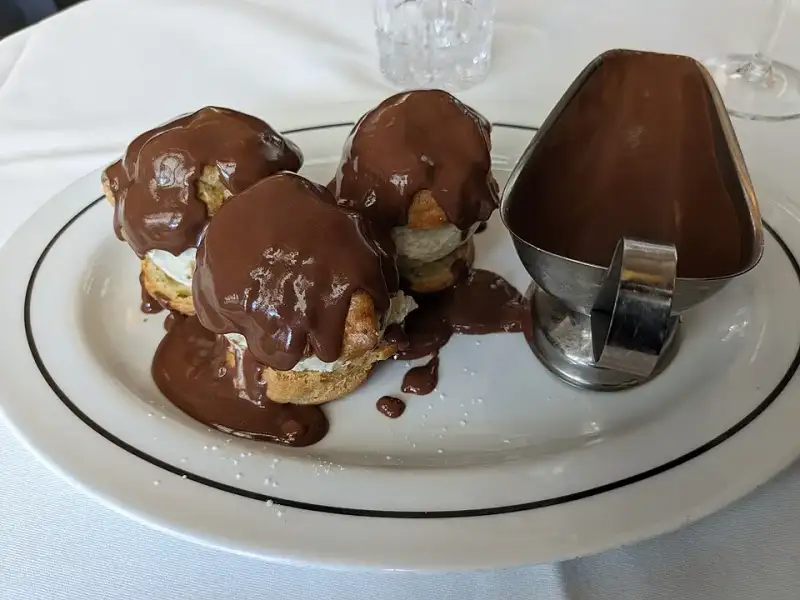
Profiterole : Le Joyau de la Pâtisserie Française Bonjour mes chers amis épicuriens, esthètes du goût et amoureux inconditionnels de la grande tradition culinaire française ! Je suis Chloe Blanc, et c'est avec une immense joie et une passion débordante que je vous accueille aujourd'hui dans mon univers sucré. La pâtisserie n'est pas seulement un métier pour moi ; c'est un langage universel, une forme d'art à part entière qui permet de transmettre des émotions pures, de raconter des histoires merveilleuses et de raviver des souvenirs d'enfance enfouis. Aujourd'hui, nous allons nous pencher sur un monument absolu, une véritable icône de nos brasseries parisiennes et de nos tables de fête : la légendaire Profiterole. Préparez-vous à un voyage sensoriel inédit où le chaud rencontre le froid, où le croquant sublime le moelleux, et où la gourmandise atteint son paroxysme. Que vous soyez un amateur éclairé dans votre cuisine ou un novice curieux de découvrir les coulisses de la gastronomie, je vous invite à découvrir tous les secrets, l'histoire et les techniques professionnelles pour maîtriser ce chef-d'œuvre. #Patisserie #France #Dessert L'Histoire Fascinante d'un "Petit Profit" Pour comprendre l'âme véritable de la profiterole, il faut remonter le temps et s'immerger dans les riches heures de l'histoire de France et de la Renaissance italienne. La légende, souvent romancée par les historiens de la table mais toujours captivante, fait remonter les origines de la pâte à choux au XVIe siècle. Lorsque Catherine de Médicis quitte son Italie natale pour épouser le futur roi de France Henri II, elle amène avec elle sa cour, ses artisans, et bien sûr, ses cuisiniers et pâtissiers personnels. Parmi eux, un certain Popelini, un chef audacieux qui aurait inventé une pâte desséchée sur le feu qu'on appelait alors la "pâte à chaud". Cette préparation, devenue par glissement phonétique et linguistique la "pâte à choux", allait révolutionner la confiserie. Cependant, le mot "profiterole" lui-même a une étymologie bien plus humble et inattendue. Au XVIIe siècle, une profiterole (littéralement un "petit profit") désignait une petite gratification, une aumône charitable sous la forme d'une boulette de pain cuite sous la cendre, que l'on offrait aux domestiques, aux serviteurs ou aux mendiants. Ce n'était alors qu'un mets rustique, bien loin du dessert luxueux et décadent que nous connaissons aujourd'hui. On l'agrémentait parfois d'un peu de viande rôtie, de fromage ou de bouillon chaud. La profiterole était donc, à l'origine, un plat exclusivement salé ! Il faudra attendre le début du XIXe siècle et le génie visionnaire du grand Antonin Carême — surnommé à juste titre "le roi des chefs et le chef des rois", l'inventeur de la haute cuisine française — pour que la profiterole prenne enfin ses lettres de noblesse sucrées. C'est lui qui eut la brillante idée de garnir ces petits choux creux de crème pâtissière onctueuse ou de crème chantilly aérienne, et de les napper d'un glaçage au caramel ou au chocolat. Plus tard, au milieu du XXe siècle, l'idée lumineuse de remplacer la crème par de la glace à la vanille, créant ainsi ce contraste thermique saisissant et si caractéristique avec la sauce au chocolat chaud, a définitivement scellé le destin de la profiterole comme un dessert de restaurant incontournable et mondialement célébré. L'Anatomie d'une Profiterole Parfaite En tant que pâtissière de métier, je considère la réalisation d'une profiterole comme un formidable exercice d'équilibriste. C'est un dessert franc, qui ne triche pas. Il repose sur trois piliers fondamentaux. Si l'un d'eux est négligé, l'édifice tout entier s'effondre lamentablement. Analysons ensemble cette sainte trinité de la gourmandise absolue. #ChloeBlanc #Sweet #Gastronomy 1. La Pâte à Choux : La Fondation Architecturale La pâte à choux est le contenant indispensable, le navire délicat qui va transporter les autres saveurs vers votre palais. Une pâte à choux réussie doit être légère comme un nuage, d'une belle couleur dorée uniforme, avec une fine croûte légèrement craquante à l'extérieur et une cavité bien développée, alvéolée et moelleuse à l'intérieur. Elle ne doit en aucun cas être caoutchouteuse, dense, ou pire, détrempée. Le chou doit être gonflé avec fierté, offrant une belle rondeur rebondie. C'est cette enveloppe protectrice et beurrée qui va accueillir la fraîcheur éclatante de la glace sans rompre sous son humidité. 2. Le Cœur Glacé : L'Âme de la Profiterole La tradition moderne la plus respectée veut que l'on garnisse le chou d'une généreuse et parfaite boule de glace à la vanille. Et attention, je parle ici d'une véritable glace artisanale, turbinée avec soin, infusée patiemment avec des gousses de vanille Bourbon de Madagascar, du Mexique ou de Tahiti, charnues et intensément parfumées. La qualité de cette vanille est absolument primordiale. Ses notes florales, parfois boisées ou caramélisées, vont venir trancher élégamment avec la rondeur biscuitée de la pâte à choux et la puissance brute du chocolat. La température de service de la glace doit être idéale : ni trop dure (ce qui empêcherait de la couper facilement à la cuillère à dessert), ni trop fondante (pour ne pas détremper le chou immédiatement et ruiner l'expérience texturale). 3. L'Écrin de Chocolat : La Touche de Noblesse Ah, la sauce au chocolat... C'est le grand frisson, le moment de grâce théâtral de la profiterole. Servie fumante en salle, directement devant le convive émerveillé, elle est versée généreusement, recouvrant les choux glacés d'un voile de mystère. Cette sauce ne doit pas être un simple glaçage figé qui casse sous la dent, ni un sirop liquide industriel sans texture. Elle doit être onctueuse, soyeuse, d'une brillance miroir envoûtante, et posséder une véritable profondeur aromatique. J'utilise toujours, sans exception, un chocolat de couverture noir de haute voltige, idéalement avec un pourcentage situé entre 65% et 70% de cacao. Cela permet d'apporter une belle amertume noble qui viendra magistralement contrebalancer la sucrosité inhérente de la glace à la vanille. C'est très exactement ce choc frontal des températures — le glacé polaire de la vanille percutant le brûlant volcanique du chocolat — qui crée l'étincelle magique en bouche. La Masterclass de Chloe Blanc : Mes Secrets de Fabrication et la Fiche Recette Complète Maintenant que nous avons longuement posé les bases théoriques et philosophiques de notre sujet, passons à la pratique. Voici mes secrets de chef et ma recette détaillée pour réaliser des profiteroles dignes des plus grands palaces parisiens, directement dans votre propre cuisine. Préparez vos balances de précision ! Les Astuces Techniques Indispensables Beaucoup de passionnés redoutent la confection de la pâte à choux. Pourtant, c'est une préparation éminemment logique et scientifique. Le dessèchement de la panade : C'est une étape vitale. Une fois la farine ajoutée d'un seul coup au liquide bouillant (eau, lait, beurre, sel, sucre), il faut remuer vigoureusement sur le feu doux à moyen à l'aide d'une spatule en bois. L'objectif est d'évaporer l'excédent d'humidité de la pâte jusqu'à ce qu'elle forme une boule bien homogène qui se détache parfaitement des parois de la casserole et laisse une fine pellicule caractéristique au fond. Le pochage et la cuisson : La règle d'or, absolue et non négociable : n'ouvrez sous aucun prétexte la porte de votre four pendant les 20 à 25 premières minutes de cuisson ! Le moindre choc thermique ferait retomber vos choux irrémédiablement, les transformant en galettes plates. Ils doivent cuire dans l'environnement saturé de la vapeur qu'ils dégagent eux-mêmes.Le Twist Moderne : Le Craquelin Pour apporter une dimension largement supérieure et très professionnelle à vos choux, je vous recommande vivement d'utiliser un craquelin. C'est un mélange tant pour tant de beurre pommade, de cassonade et de farine, étalé très finement, refroidi, puis détaillé en petits disques que l'on pose délicatement sur les choux pochés crus avant de les enfourner. À la chaleur du four, ce petit disque sucré va fondre et enrober le chou de manière uniforme, lui offrant une forme géométrique parfaitement sphérique, un développement d'une régularité stupéfiante et surtout, une texture ultra-croustillante incroyable qui résistera beaucoup mieux à l'humidité de la glace. La Fiche Recette Complète de Chloe Blanc (Pour 6 personnes) Pour le Craquelin :50g de beurre doux (à température ambiante, texture pommade souple) 60g de cassonade (le sucre roux apporte ce goût subtilement caramélisé indispensable) 60g de farine T55 Une belle pincée de fleur de sel de GuérandeMélangez intimement le beurre pommade avec la cassonade et la fleur de sel. Ajoutez la farine et mélangez à la spatule ou à la main jusqu'à obtenir une pâte homogène sans trop la travailler. Étalez très finement (environ 2 mm d'épaisseur) entre deux feuilles de papier sulfurisé à l'aide d'un rouleau à pâtisserie. Placez cette plaque au congélateur pendant au moins 30 minutes avant de détailler des disques réguliers de 3 à 4 cm de diamètre avec un emporte-pièce. Pour la Pâte à Choux :60g de lait entier (pour la couleur et le moelleux) 60g d'eau minérale (pour le croustillant) 60g de beurre doux coupé en petits dés 2g de sel fin 4g de sucre en poudre 75g de farine T55 (systématiquement tamisée pour éviter les grumeaux) 120g à 125g d'œufs entiers battus (environ 2 à 3 œufs moyens. Pesez-les, c'est crucial !)Dans une casserole, portez à ébullition l'eau, le lait, les dés de beurre, le sel et le sucre. Dès que le beurre est totalement fondu et que le liquide bout, retirez du feu et ajoutez la farine d'un coup. Mélangez vigoureusement avec une spatule en bois, puis remettez sur feu moyen pour dessécher la panade pendant 1 à 2 minutes. Transvasez dans un grand cul de poule pour stopper la cuisson. Incorporez les œufs battus très progressivement (en 3 ou 4 fois), en vérifiant la texture entre chaque ajout. La pâte est prête lorsqu'elle forme un ruban cassant ou un "bec d'oiseau" au bout de la spatule. Pochez des choux de 4 cm de diamètre sur une plaque. Déposez les disques de craquelin congelés bien au centre de chaque chou. Enfournez à 180°C (chaleur statique de préférence) pendant 25 à 30 minutes. Laissez refroidir sur une grille. Pour la Glace à la Vanille Artisanale :500ml de lait entier frais 150ml de crème liquide entière (minimum 30% MG) 5 gros jaunes d'œufs de poules élevées en plein air 120g de sucre en poudre extra-fin 2 magnifiques gousses de vanille de qualité exceptionnelle 20g de lait en poudre (le secret professionnel absolu pour éviter la cristallisation aqueuse de la glace)Faites chauffer doucement le lait et la crème avec les gousses de vanille préalablement fendues et grattées (graines + gousses). Retirez du feu, couvrez et laissez infuser au minimum 1 heure (voire toute la nuit). Blanchissez les jaunes d'œufs au fouet avec le sucre et le lait en poudre. Faites réchauffer le lait infusé (retirez les gousses), versez-le en filet sur les jaunes tout en fouettant, puis remettez le tout dans la casserole sur le feu. Cuisez doucement en remuant en "8" avec une spatule jusqu'à 84°C (cuisson "à la nappe"). Refroidissez la crème anglaise le plus rapidement possible (sur un bain-marie d'eau glacée), filmez au contact, laissez maturer 12 à 24h au réfrigérateur pour développer les arômes, puis turbinez dans votre sorbetière. Pour la Sauce au Chocolat Chaud Miroir :200g de chocolat noir de couverture de grande qualité (type Valrhona Caraïbe 66% ou Guanaja 70%) 200g de crème liquide entière 30% MG 50g de lait entier 20g de miel neutre (type acacia, essentiel pour la souplesse et la brillance) 15g de beurre doux (pour la touche veloutée finale)Faites bouillir la crème, le lait et le miel. Versez un tiers de ce liquide bouillant sur le chocolat finement haché (ou en pistoles). Émulsionnez énergiquement avec une maryse au centre du récipient pour créer un noyau élastique et brillant. Répétez l'opération avec le deuxième tiers, puis le dernier tiers. Incorporez le beurre pommade à la fin et lissez bien. Maintenez au bain-marie tiède avant le service. L'Art du Montage et du Service Sublimé La profiterole est, par excellence, un dessert que l'on appelle "minute". Elle ne souffre d'aucune attente, d'aucun délai entre son dressage et sa dégustation. C'est très exactement dans l'immédiateté foudroyante de son montage que réside toute l'intensité de son enchantement.La préparation ultime : Coupez délicatement le chapeau de vos choux (environ au tiers supérieur de leur hauteur) à l'aide d'un couteau scie. L'idéal, pour une expérience parfaite, est de leur redonner un très bref coup de chaleur au four (à 150°C pendant 3 à 4 minutes maximum) juste avant le dressage final pour raviver intensément le croustillant du craquelin. Laissez-les tiédir quelques instants. Le garnissage généreux : Formez de très belles boules de glace à la vanille, bien rondes et régulières, à l'aide d'une cuillère à glace que vous aurez préalablement trempée dans l'eau très chaude. Déposez délicatement mais rapidement la boule de glace bien au cœur du chou, et refermez nonchalamment avec le petit chapeau de craquelin, très légèrement incliné pour laisser deviner le trésor glacé à l'intérieur. Le dressage élégant : Disposez deux ou trois choux ainsi royalement garnis dans une belle assiette creuse ou une magnifique coupe en cristal ou en porcelaine fine. Le clou absolu du spectacle : La sauce au chocolat noir, maintenue bien chaude, ne doit surtout pas être versée en cuisine ! Elle doit être servie à part, dans une saucière élégante, et versée à table, majestueusement, sous les yeux ébahis des convives. La chaleur envoûtante du chocolat va venir épouser les formes du chou, faire fondre d'un millimètre la surface de la glace à la vanille, et enrober l'ensemble d'une nappe luisante, gourmande et profondément parfumée.Pour parfaire ce tableau de maître, vous pouvez ajouter au dernier moment quelques amandes effilées fraîchement torréfiées, des éclats de noisettes du Piémont caramélisées, ou même, pour les palais les plus pointus, quelques précieux grains de fleur de sel qui viendront exalter la longueur en bouche du cacao et piquer la curiosité de vos papilles. #Gourmandise #HautePatisserie Variations et Réinventions Contemporaines Audacieuses Bien que je sois, vous l'aurez compris, une ardente et fervente défenseuse de la profiterole ultra-classique à la vanille et au chocolat, la créativité débordante est le moteur même de notre métier d'artisan. Au fil des décennies, de nombreux grands chefs pâtissiers ont su réinventer ce monument classique avec un brio incontestable, l'emmenant vers des territoires gustatifs inexplorés.La Profiterole Praliné-Noisette Intense : On remplace la sage glace vanille par une glace au praliné noisette ultra-gourmande. On ajoute un cœur de pâte de praliné pur et coulant à l'intérieur du chou, et on nappe l'ensemble d'une sauce soyeuse au chocolat au lait et gianduja. Une véritable explosion régressive qui ravit les amateurs de douceur absolue ! La Version Fruitée et Printanière : À l'arrivée des beaux jours, pourquoi ne pas alléger le propos et imaginer un chou délicat garni d'un sorbet plein fruit à la fraise Mara des Bois ou à la framboise, agrémenté d'une compotée de fruits rouges acidulée, et surmonté d'un coulis chaud et vibrant de fruits de la passion ou d'une sauce onctueuse au chocolat blanc et à la vanille ? L'Approche Caféinée et Corsée : Remplissez votre chou d'une glace au café de spécialité d'Éthiopie ou de Colombie. Nappez d'une sauce chocolat noir très corsée (75% ou 80%) et parsemez de grué de cacao torréfié. Le mariage café-chocolat est d'une élégance rare, presque ténébreuse, et ravira les palais adultes recherchant de la puissance, de l'amertume et de la longueur en bouche. Le Retour Héroïque aux Sources Salées : Fermant la boucle de l'Histoire avec élégance, certains chefs audacieux et étoilés proposent aujourd'hui des profiteroles salées servies en entrée. Imaginez des petits choux garnis d'une mousse de foie gras légère, d'une crème fouettée à la truffe noire du Périgord ou d'un chèvre frais aux herbes, le tout surmonté d'un coulis chaud de légumes de saison ou d'un puissant jus de viande très réduit, façon miroir. C'est un clin d'œil historique brillant et absolument délicieux qui surprend toujours les convives.Accords Mets et Vins : Que Boire avec une Profiterole de Haut Vol ? La dégustation d'une profiterole est un moment fort, éminemment gourmand, riche et d'une intensité rare. Il convient donc de l'accompagner d'une boisson capable de soutenir cette puissance aromatique et cette texture enveloppante, sans pour autant alourdir l'expérience gustative globale.Les Vins Doux Naturels (VDN) : C'est sans doute l'accord roi. Un Maury rouge ou un vieux Banyuls, avec leurs notes complexes de fruits rouges surmûris et confits, de cacao en poudre, de pruneau et d'épices douces, feront un écho absolument parfait à la sauce au chocolat noir. Leur sucrosité résiduelle bien fondue s'accorde merveilleusement avec la glace. Un Vieux Porto Tawny : Un Porto Tawny, vieilli longuement en fûts de chêne (10 ou 20 ans d'âge), apportera des arômes oxydatifs sublimes de noix fraîches, de caramel blond et de légères notes de torréfaction qui viendront souligner et sublimer les notes beurrées de la pâte à choux et la rondeur de la vanille. Le Champagne : Pour alléger le palais, casser le gras de la crème et apporter une indispensable touche de festivité, un Champagne Demi-Sec ou, pour les plus puristes, un puissant Blanc de Noirs bien structuré offrira un contraste rafraîchissant et élégant. La finesse des bulles viendra littéralement rincer et dynamiser le palais entre chaque bouchée riche et fondante. L'Incontournable Café de Spécialité : Bien sûr, l'amertume naturelle et l'acidité maîtrisée d'un grand expresso pur arabica fraîchement extrait, ou l'élégance d'un grand cru de thé noir puissant (comme un Darjeeling de première récolte ou un thé Earl Grey intensément parfumé à la bergamote) restent des valeurs sûres, classiques et indémodables pour accompagner dignement ce dessert emblématique sans risquer de saturer le palais.Une Émotion en Héritage pour Conclure Pour refermer ce chapitre de notre immersion totale dans l'univers foisonnant de la profiterole, je voudrais vous partager une conviction très intime, née de mes années passées dans les fournils et laboratoires. Ce dessert fabuleux n'est pas seulement une simple addition de recettes techniques, fussent-elles parfaitement maîtrisées. C'est, avant tout, un puissant concentré d'émotions humaines. C'est le souvenir impérissable des longs repas de famille le dimanche après-midi, l'émerveillement magique dans les yeux d'un enfant qui regarde couler la cascade de chocolat chaud, le plaisir simple, brut et authentique du partage autour d'une grande table. En tant qu'artisans et créateurs de douceurs, notre mission première est de préserver, de chérir et de transmettre ce patrimoine gastronomique incroyable qu'est la haute pâtisserie française, tout en le faisant vibrer et vivre avec notre propre sensibilité, notre exigence et les codes de notre époque. La profiterole incarne à la perfection absolue cette dualité fascinante : elle est profondément ancrée dans notre histoire commune, elle se veut rassurante, généreuse, familière, et pourtant, elle exige, pour être véritablement sublimée, une rigueur millimétrée et une précision redoutable lors de sa conception. Je vous encourage de tout cœur à vous lancer dans cette aventure. Ne craignez surtout pas la pâte à choux, domptez-la ! Abordez ce dessert avec beaucoup d'amour, avec une patience infinie, et en utilisant toujours les meilleurs ingrédients que vous pourrez dénicher. La récompense pour vos efforts, cette fameuse "petite profiterole", ce petit profit originel dont nous parlions au début, se transformera alors inévitablement en un immense moment de bonheur partagé, un souvenir indélébile pour ceux que vous aimez. Cuisinez, testez, ratez parfois, recommencez toujours avec passion, mais surtout, n'oubliez jamais de prendre du plaisir ! La pâtisserie est une fête perpétuelle, un art de la célébration, et la profiterole en est assurément, aujourd'hui et pour toujours, l'une des reines couronnées. À vos balances, à vos fouets, et je vous souhaite une très, très bonne dégustation ! Avec toute ma gourmandise, mon dévouement et ma passion inaltérable pour le sucré, Chloe BlancChef Pâtissière#ChloeBlanc #Profiterole #ArtDeVivre #FrenchGastronomy #DessertLovers #ChefLife #BakingSecrets #FrenchPastry #FoodArt #patisserie #dessert #france #chloeblanc #sweet Related InsightsCrème Brûlée : La Douce Symphonie du Caramel Éclair : Le Grand Classique Indémodable Madeleine : Le Souvenir Sucré de l'Enfance{ "@context": "https://schema.org", "@type": "FAQPage", "mainEntity": [ { "@type": "Question", "name": "What is the main focus of Profiterole : Gourmandise Absolue au Chocolat?", "acceptedAnswer": { "@type": "Answer", "text": "Plongez dans l'univers de la haute pâtisserie avec Chloe Blanc et découvrez les secrets de ce dessert emblématique." } }, { "@type": "Question", "name": "Who authored the comprehensive guide on Profiterole : Gourmandise Absolue au Chocolat?", "acceptedAnswer": { "@type": "Answer", "text": "This detailed article and its insights were carefully researched and authored by Chloe Blanc." } }, { "@type": "Question", "name": "Where can I find more related content about Gastronomy?", "acceptedAnswer": { "@type": "Answer", "text": "You can explore more articles, detailed reviews, and similar insights by browsing the Related Insights section at the bottom of this article or visiting our dedicated Gastronomy category page." } } ] }

"Tuscan White Bean and Kale Stew: A High Fiber Delight" In the rolling hills of Tuscany, where the sun dips into the horizon and paints the sky with hues of gold, the art of cooking is a revered tradition. It is a place where the love for food, family, and community comes together in perfect harmony. At the heart of this culinary heritage lies a dish that embodies the essence of Tuscan cuisine: the humble white bean and kale stew. This hearty, comforting stew is not only a staple of the region but also a testament to the power of high fiber foods in promoting overall health and well-being. Introduction to High Fiber Benefits According to recent studies, a diet rich in high fiber foods can have a significant impact on our health, from reducing the risk of chronic diseases like heart disease and diabetes to promoting a healthy gut microbiome. Research on high fiber shows that it can help lower cholesterol levels, regulate blood sugar levels, and even support weight management. The benefits of high fiber are numerous, and incorporating it into our daily diet can have a profound impact on our overall health.The Nutritional Power of Kale Kale, a leafy green vegetable, is a powerhouse of nutrition. It is packed with vitamins A, C, and K, as well as minerals like calcium and iron. Kale is also an excellent source of fiber, containing both soluble and insoluble fiber. According to a study on Brassica vegetables, kale is a rich source of dietary fiber, vitamin C, vitamin B6, vitamin K, minerals, and antioxidants glucosinolates and flavonoids, which exhibit anticarcinogen properties. These compounds have been shown to have a protective effect against certain types of cancer and other diseases.The Health Benefits of White Beans White beans, also known as cannellini beans, are a type of legume that is native to Italy. They are an excellent source of protein, fiber, and complex carbohydrates. White beans are also rich in minerals like potassium, magnesium, and iron, making them a nutritious addition to any meal. Research has shown that a diet rich in legumes like white beans can help reduce the risk of heart disease, type 2 diabetes, and certain types of cancer. The high fiber content in white beans can also help promote digestive health and support healthy blood sugar levels.Preparing the Stew To prepare the Tuscan white bean and kale stew, start by heating olive oil in a large pot over medium heat. Add the onion, garlic, carrot, and celery, and cook until the vegetables are tender. This will create a flavorful base for the stew and add a depth of flavor that is characteristic of Tuscan cuisine.Next, add the kale and cook until it is wilted. This will help to release the nutrients and flavors of the kale, making it a delicious and healthy addition to the stew.Once the kale is wilted, add the cannellini beans, diced tomatoes, vegetable broth, thyme, and rosemary. Season with salt and pepper to taste, and then simmer the stew for 30 minutes. This will allow the flavors to meld together and the stew to thicken, creating a hearty and comforting meal.Serving and Enjoying To serve the Tuscan white bean and kale stew, ladle it into bowls and top with a drizzle of olive oil and a sprinkle of parsley. This will add a fresh and herbaceous flavor to the dish, as well as a pop of color and texture.The Tuscan white bean and kale stew is a delicious and nutritious meal that is perfect for any time of year. It is a testament to the power of high fiber foods in promoting overall health and well-being, and it is a dish that is sure to become a staple in your kitchen. #HealthyLiving #Gastronomy #HighFiberRecipes #TuscanCuisine Related InsightsEine deutsche Seele in der Küche: Essen ist nicht nur zum Sattwerden da! The Ultimate High-Fiber Whole Grain Shepherd's Pie with Lentil Topping Cheong Fun: Silky Rice Noodle Rolls{ "@context": "https://schema.org", "@type": "FAQPage", "mainEntity": [ { "@type": "Question", "name": "What is the main focus of Tuscan White Bean and Kale Stew: A High Fiber Delight?", "acceptedAnswer": { "@type": "Answer", "text": "Indulge in the rich flavors of Tuscany with this hearty white bean and kale stew, packed with high fiber benefits for a healthier you." } }, { "@type": "Question", "name": "Who authored the comprehensive guide on Tuscan White Bean and Kale Stew: A High Fiber Delight?", "acceptedAnswer": { "@type": "Answer", "text": "This detailed article and its insights were carefully researched and authored by Isabella Ferrari." } }, { "@type": "Question", "name": "Where can I find more related content about Food?", "acceptedAnswer": { "@type": "Answer", "text": "You can explore more articles, detailed reviews, and similar insights by browsing the Related Insights section at the bottom of this article or visiting our dedicated Food category page." } } ] }
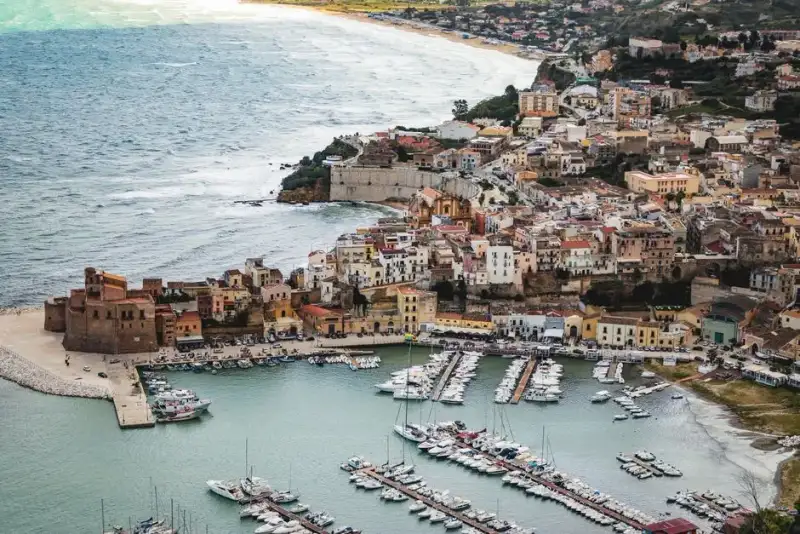
- 01 Jul, 2026 13:14
Die Flüsternden Kristalle Siziliens: Eine Entdeckungsreise entlang der vergessenen Salzstraßen
Der Wind auf Sizilien trägt nicht nur den Duft von Jasmin und Orangenblüten mit sich, sondern auch eine uralte, mineralische Note – das feine Aroma des Salzes. Es ist ein Geruch, der Geschichten erzählt, Geschichten von Phöniziern, Römern, Arabern und Normannen, die alle einst auf dieser Insel landeten, nicht nur um Land zu erobern, sondern auch um dieses "weiße Gold" zu gewinnen, das die Konservierung von Lebensmitteln revolutionierte und Handelsrouten über Kontinente hinweg prägte. Während die meisten Reisenden die archäologischen Wunder, die barocken Städte oder die azurblauen Strände Siziliens erkunden, lade ich Sie ein, eine tiefere, unsichtbare Ebene der Insel zu entdecken: die vergessenen Salzstraßen. Es ist eine Reise, die nicht auf ausgetretenen Pfaden, sondern auf den Spuren einer jahrtausendealten Industrie verläuft, die Siziliens Identität und seine kulinarische Seele geformt hat. Diese Routen sind keine markierten Wanderwege, sondern eher ein Gewebe aus Geschichte, Landschaft und lokaler Tradition, das sich hauptsächlich entlang der Westküste, rund um Trapani und Marsala, erstreckt. Hier, wo die Sonne erbarmungslos brennt und der Scirocco-Wind das Meerwasser in flachen Becken zu funkelnden Kristallen verdunsten lässt, pulsiert noch heute das Herz einer Industrie, die die Welt ernährte und ganze Zivilisationen beeinflusste. Es ist eine faszinierende Mischung aus roher Naturgewalt und menschlichem Fleiß, ein Tanz zwischen Ebbe und Flut, zwischen Sonne und Wind, der die Landschaft in eine surreal anmutende Mosaik aus spiegelnden Wasserflächen und schneeweißen Hügeln verwandelt. Das Weißgold der Antike: Eine Geschichte von Handel und Macht Die Bedeutung des Salzes kann kaum überschätzt werden. In der Antike war es so wertvoll, dass römische Soldaten teilweise in Salz (Salarium) bezahlt wurden – daher unser Wort „Gehalt“. Sizilien, strategisch günstig im Mittelmeer gelegen, war prädestiniert für die Salzgewinnung. Schon die Phönizier im 8. Jahrhundert v. Chr. erkannten das Potenzial der flachen Küstenstreifen um Trapani und legten die ersten Salzgärten an. Sie legten den Grundstein für ein Handwerk, das über Jahrhunderte hinweg perfektioniert wurde. Ihre Nachfolger, die Karthager, Römer, Byzantiner und später die Araber, entwickelten die Techniken weiter, bauten Windmühlen zur Wasserregulierung und schufen ein komplexes System von Becken und Kanälen, das bis heute in seinen Grundzügen erhalten ist. Die arabische Herrschaft vom 9. bis zum 11. Jahrhundert war eine Blütezeit für die sizilianische Salzwirtschaft. Sie brachten nicht nur fortschrittliche Bewässerungssysteme und eine neue Agrarwirtschaft auf die Insel, sondern auch ein tiefes Verständnis für den Handel. Salz wurde zu einem wichtigen Exportgut, das von den Häfen Siziliens aus in den gesamten Mittelmeerraum verschifft wurde. Die nachfolgenden Normannen und Staufer, obwohl Christen, erkannten den Wert dieser Industrie und führten sie fort, was die kontinuierliche Entwicklung der Salzstraßen und der damit verbundenen Infrastruktur sicherstellte. Diese Salzstraßen waren nicht einfach nur Wege, sondern pulsierende Lebensadern. Sie verbanden die abgelegenen Salinen mit den Hafenstädten, transportierten nicht nur Salz, sondern auch Ideen, Kulturen und Völker. Entlang dieser Wege entstanden Siedlungen, Gasthäuser und Märkte, die das soziale und wirtschaftliche Gefüge der Region nachhaltig prägten. Es waren Routen des Austauschs, des Reichtums und manchmal auch des Konflikts, da das begehrte Gut immer wieder Anlass zu Auseinandersetzungen gab. Trapani und Marsala: Herzstücke der Salzgewinnung Unsere Reise beginnt in Trapani, der westlichsten Stadt Siziliens, die oft als "Stadt des Salzes und des Segelns" bezeichnet wird. Wenn man sich der Stadt nähert, erblickt man eine der atemberaubendsten Landschaften Siziliens: die Saline di Trapani e Paceco. Hier erstrecken sich kilometerweit spiegelnde Salzbecken, die in verschiedenen Stadien der Verdunstung in allen erdenklichen Rosa-, Orange- und Violetttönen schimmern. Zwischen ihnen ragen die charakteristischen Windmühlen auf, deren Flügel sich träge im Wind drehen – stumme Zeugen einer vergangenen Ära, die heute oft als Museen dienen oder in Restaurants umgewandelt wurden, die lokale Spezialitäten mit Blick auf die Salinen anbieten.Ein Besuch in einem der vielen Salzmuseen, wie dem Museo del Sale in der alten Saline Culcasi, ist unerlässlich, um die Komplexität und Mühsal der traditionellen Salzgewinnung zu verstehen. Hier sieht man die Werkzeuge der Salinai – der Salzarbeiter – die über Jahrhunderte hinweg mit bloßen Händen, Schaufeln und Schubkarren die tonnenschweren Salzhügel aufschichteten. Es ist eine harte Arbeit, die oft unter sengender Sonne verrichtet wird, doch sie zeugt von einer tiefen Verbindung zur Erde und zum Meer. Das gesammelte Salz, in makellosen, pyramidenförmigen Haufen gestapelt, glänzt wie Schnee unter der Mittelmeersonne und wartet darauf, gemahlen und verpackt zu werden. Weiter südlich, entlang der Küste Richtung Marsala, setzen sich die Salinen fort. Die Stagnone di Marsala ist eine weitere faszinierende Lagune, die nicht nur für ihre Salinen, sondern auch für die antike Insel Mothia bekannt ist. Mothia, eine phönizische Siedlung, war einst ein wichtiger Handelsposten und Zeuge der frühen Salzwirtschaft. Die Überreste der antiken Stadt, die man über eine künstliche Dammstraße erreichen kann, erzählen von einer blühenden Vergangenheit, in der Salz, Wein und andere Güter gehandelt wurden. Der Windpark des Stagnone-Gebiets, mit seinen modernen Windrädern, steht in einem faszinierenden Kontrast zu den historischen Windmühlen der Salinen, ein Symbol für die Verbindung von Tradition und Fortschritt. Kultureller Einfluss und Architektonisches Erbe Die Salzstraßen Siziliens sind nicht nur eine Hommage an die Arbeit der Salzarbeiter, sondern auch an das reiche architektonische Erbe, das sie hinterlassen haben. Neben den Windmühlen, die oft zu charmanten Agriturismen oder Restaurants umfunktioniert wurden, findet man entlang der Küste zahlreiche alte Bagli – befestigte Bauernhöfe, die einst als Lagerhäuser für Salz und andere landwirtschaftliche Produkte dienten. Diese massiven Steinbauten, oft mit Innenhöfen und Zisternen ausgestattet, zeugen von der Notwendigkeit, wertvolle Güter vor Piraten oder Räubern zu schützen. In den Küstenstädten selbst, insbesondere in Trapani, spiegeln sich die Einnahmen aus dem Salzhandel in prächtigen Kirchen, Palästen und Plätzen wider. Die Altstadt von Trapani ist ein Labyrinth aus engen Gassen, die zu beeindruckenden Barockfassaden und malerischen Häfen führen, von denen aus einst die Schiffe mit dem "weißen Gold" in See stachen. Die lokale Bevölkerung pflegt bis heute Rituale und Feste, die mit dem Meer und seinen Gaben verbunden sind, wie die Prozessionen der Fischer oder die Feste zu Ehren der Schutzheiligen, die die Seefahrer beschützen sollen. Die Salzgewinnung hat auch die lokale Sprache und die Namen einiger Orte geprägt. Man stößt auf Begriffe wie "Salina Grande" oder "Isola Lunga", die direkt auf die Geographie und die Industrie verweisen. Die Geschichten der Salinai, ihrer harten Arbeit und ihres einfachen Lebens sind tief im kollektiven Gedächtnis verankert und werden oft in Liedern und mündlichen Überlieferungen weitergegeben. Es ist ein kulturelles Erbe, das sowohl von Mühsal als auch von Stolz zeugt. Die Kulinarische Seele: Salz auf dem Teller Keine Reise entlang der Salzstraßen wäre vollständig ohne eine tiefe Eintauchen in die kulinarische Welt Siziliens, die vom Salz entscheidend geprägt ist. Sizilianisches Meersalz, insbesondere das aus Trapani, ist für seine Reinheit und seinen reichen Mineraliengehalt bekannt. Es ist grobkörniger und geschmacksintensiver als normales Tafelsalz und wird von Küchenchefs weltweit geschätzt. Das "Sale Marino di Trapani" ist ein PDO-Produkt (geschützte Ursprungsbezeichnung) und bildet die Basis vieler lokaler Spezialitäten. Von der einfachen, aber unverzichtbaren Würze für frischen Fisch und Meeresfrüchte, die hier im Überfluss vorhanden sind, bis hin zur Konservierung von Kapern, Oliven und Tomaten – Salz ist überall. Denken Sie an Bottarga, den gesalzenen und getrockneten Rogen von Meeräsche oder Thunfisch, der gerieben über Pasta ein einzigartiges Meeresaroma entfaltet. Oder an die berühmten Acciughe salate, gesalzene Sardellen, die ein Grundnahrungsmittel der sizilianischen Küche sind und unzähligen Gerichten Tiefe verleihen.Ein typisches Gericht, das die Essenz dieser Region einfängt, ist der Couscous di Pesce aus Trapani, ein Erbe der arabischen Küche, bei dem feiner Grießdampf mit einer aromatischen Fischbrühe und einer Vielzahl von Meeresfrüchten serviert wird – natürlich perfekt abgestimmt mit lokalem Meersalz. Auch die Pane Cunzato, ein rustikales Brot, das mit Tomaten, Olivenöl, Origano und natürlich gesalzenen Sardellen belegt wird, ist ein einfacher, aber explosiver Genuss, der die Aromen der Insel auf den Punkt bringt. Restaurants entlang der Küste bieten oft Menüs an, die diese lokalen Produkte zelebrieren. Suchen Sie nach kleinen Trattorien, in denen die Mama noch am Herd steht und Gerichte zubereitet, die seit Generationen weitergegeben werden. Hier können Sie die wahre Seele Siziliens schmecken, gewürzt mit dem Salz, das diese Landschaft seit Jahrtausenden formt. Eine Reise jenseits der Klischees: Empfehlungen für Entdecker Wer die Salzstraßen Siziliens erkundet, entscheidet sich für eine Reise abseits der üblichen Touristenpfade. Es ist eine Einladung, die Langsamkeit zu umarmen, die Natur zu beobachten und in die Geschichten einzutauchen, die der Wind über die Salinen trägt.Mieten Sie ein Fahrrad oder Auto: Die beste Art, die Salinen zu erkunden, ist flexibel zu sein. Eine Fahrradtour entlang der Küste ermöglicht es Ihnen, anzuhalten, wo immer Sie möchten, um Fotos zu machen oder einfach nur die Stille und die Weite der Landschaft zu genießen. Besuchen Sie ein Salzmuseum: Um die Geschichte und die Techniken wirklich zu verstehen, ist ein Besuch unerlässlich. Das Museo del Sale bei Trapani oder das Salzmuseum auf Mothia bieten tiefe Einblicke. Beobachten Sie Vögel: Die Salinen sind auch ein wichtiges Feuchtgebiet und Rastplatz für Zugvögel, darunter Flamingos. Ein Fernglas ist ein Muss für Naturliebhaber. Erleben Sie den Sonnenuntergang: Die Farben, die der Himmel über den spiegelnden Wasserflächen der Salinen beim Sonnenuntergang annimmt, sind schlichtweg magisch. Viele Restaurants und Agriturismen entlang der Küste bieten Abendessen mit Blick auf dieses Spektakel an. Probieren Sie das lokale Salz: Kaufen Sie eine Tüte des groben Meersalzes direkt von den Produzenten. Es ist ein wunderbares Souvenir und eine Erinnerung an die Geschmäcker dieser einzigartigen Region. Nehmen Sie an einer Führung teil: Einige Salinenbetriebe bieten geführte Touren an, die Ihnen nicht nur die Funktionsweise der Salinen erklären, sondern auch persönliche Geschichten und Anekdoten aus dem Leben der Salzarbeiter näherbringen.Diese Reise ist keine, die man in einem Tag abhakt. Sie erfordert Zeit, Neugier und die Bereitschaft, sich auf die raue Schönheit und die tief verwurzelten Traditionen einer Region einzulassen, die seit jeher vom Meer und seinem "weißen Gold" lebt. Es ist eine Hommage an die Ausdauer des Menschen und die Großzügigkeit der Natur, eine Erfahrung, die tiefer geht als jeder Strandbesuch und die Seele mit unvergesslichen Eindrücken füllt. Die Salzstraßen Siziliens sind ein Vermächtnis, das es verdient, wiederentdeckt und geschätzt zu werden, ein stilles Zeugnis der Zeit, in der Salz mehr war als nur ein Gewürz – es war das Fundament des Lebens.#Sizilien #Salzstraßen #HistorischeReise #Geheimtipp #Kulinarik #NachhaltigerTourismus #KulturErbe Related InsightsIceland's Golden Circle: Unveiling the Land of Fire and Ice Hidden Gems of Eastern Anatolia Albania’s Riviera vs Montenegro’s Bay of Kotor: Europe’s Best-Kept Secret Coastlines Revealed{ "@context": "https://schema.org", "@type": "FAQPage", "mainEntity": [ { "@type": "Question", "name": "What is the main focus of Die Flüsternden Kristalle Siziliens: Eine Entdeckungsreise entlang der vergessenen Salzstraßen?", "acceptedAnswer": { "@type": "Answer", "text": "Entdecken Sie die geheimnisvollen Salzstraßen Siziliens, ihre reiche Geschichte, einzigartige Kultur und unvergessliche kulinarische Erlebnisse abseits der Touristenpfade." } }, { "@type": "Question", "name": "Who authored the comprehensive guide on Die Flüsternden Kristalle Siziliens: Eine Entdeckungsreise entlang der vergessenen Salzstraßen?", "acceptedAnswer": { "@type": "Answer", "text": "This detailed article and its insights were carefully researched and authored by Hans Muller." } }, { "@type": "Question", "name": "Where can I find more related content about Travel?", "acceptedAnswer": { "@type": "Answer", "text": "You can explore more articles, detailed reviews, and similar insights by browsing the Related Insights section at the bottom of this article or visiting our dedicated Travel category page." } } ] }
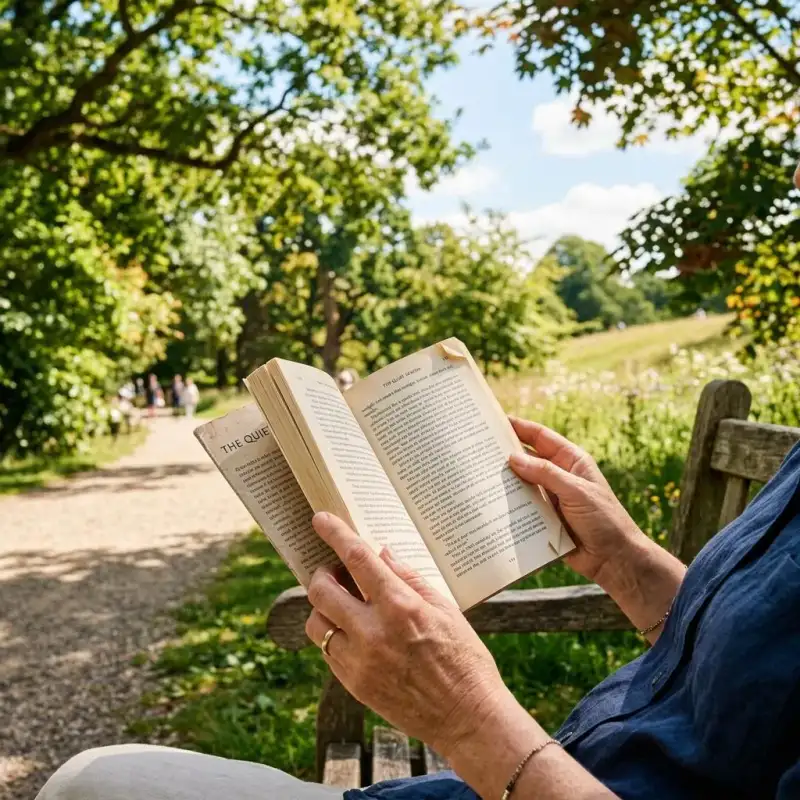

Introduction to the City of the Gods As a heritage traveler and documentary filmmaker from Denver, Colorado, I have had the immense privilege of visiting some of the most breathtaking landscapes on our planet. Yet, nothing quite prepares you for the monumental scale and geometric precision of Teotihuacan, located just outside modern-day Mexico City. Known as the "City of the Gods," this ancient Mesoamerican metropolis boasts some of the largest pyramidal structures in the pre-Columbian Americas. #WorldHeritage sites like this are not just beautiful places to visit; they are vital historical sanctuaries that require our utmost respect and protection. When I first set foot on the Avenue of the Dead, the central axis of the city, the sheer scale of the Pyramid of the Sun and the Pyramid of the Moon overwhelmed my senses. At its zenith in the first half of the first millennium CE, Teotihuacan was the largest city in the pre-Columbian Americas, with a population estimated at 125,000 or more. Documenting the architectural majesty and the intricate urban planning of this site was a primary goal for my trip, but as always, my lens quickly turned toward the underlying stories: the mysteries of its original inhabitants, the looming threat of #ClimateChange, and the ongoing efforts for #HeritagePreservation. The Art of Documentary Making in an Ancient Metropolis Filming in a location as expansive and historically layered as Teotihuacan presents a unique set of challenges and opportunities. The glaring high-altitude sun, the vast open spaces, and the sheer volume of visitors demand a flexible, patient, and highly strategic approach. My documentary making process always begins with observation. Before setting up a single camera, I spent days walking the ancient avenues, studying the alignment of the pyramids with the surrounding mountains, and observing how the stark sunlight cast deep, dramatic shadows across the stone facades. #DocumentaryFilmmaking is as much about understanding architectural intention as it is about capturing visuals. I rely heavily on natural light to capture the authentic essence of a place. At Teotihuacan, this meant prioritizing the hours immediately after sunrise and just before sunset. The midday sun here is unforgiving, flattening the textures of the ancient stone. To capture the true scale of the city, I utilized a combination of wide-angle lenses and high-vantage points. Drones are strictly prohibited over the archaeological zone to protect the site and the airspace, so capturing the necessary sweeping shots required climbing the permitted structures and using specialized stabilizing gimbals on the ground. The soundscape of Teotihuacan is a complex mix of the ancient and the modern. The whistling of the wind across the plazas, the calls of the vendors selling jaguar whistles, the distant hum of the nearby highway—all these elements build a rich audio tapestry. Using a specialized array of microphones, I spent hours isolating the natural and cultural sounds while filtering out the noise of mass tourism. #FieldRecording here is a battle of selective listening, but the result is a truly immersive experience for the audience. Climate Change and the Preservation of Ancient Stone One of the most pressing issues I explore in my documentaries is the impact of #ClimateChange on #UNESCOWorldHeritage sites. Teotihuacan is a stark visual indicator of the threat extreme weather poses to ancient structures. The pyramids and murals, constructed from porous volcanic rock and delicate stucco, are highly susceptible to environmental degradation. During my interviews with local archaeologists and conservators at the INAH (National Institute of Anthropology and History), the concern was palpable. Increased intensity of seasonal rains, followed by prolonged droughts, accelerates the cracking and erosion of the stone. Furthermore, fluctuating temperatures and increased air pollution from nearby Mexico City contribute to acid rain, which slowly eats away at the ancient mortar and vibrant frescoes that once covered the city. It's a race against time to document and stabilize these structures. This is a vivid demonstration that global #ClimateAction must be prioritized to protect our shared human history from literal dissolution. The changing climate also threatens the surrounding agricultural lands that once sustained this massive city, offering a grim parallel to the city's ancient collapse, which some scholars believe was partially driven by ecological mismanagement and drought. My documentary aims to highlight these profound connections. Through macro-photography of eroding stone and interviews with experts fighting to protect the site, I want to show my audience that #ClimateChange is not a distant threat; it is happening right here, threatening the very foundations of the City of the Gods. Heritage Preservation: Balancing Tourism and Conservation Teotihuacan is one of the most visited archaeological sites in Mexico, attracting millions of tourists annually. While tourism brings vital economic benefits, it also places immense pressure on the site's structural integrity. #HeritagePreservation in the modern era is often a delicate balancing act between allowing people to experience these wonders and protecting them from physical wear and tear. Navigating the crowded Avenue of the Dead during the spring equinox, the tension between access and conservation is intensely evident. The park management has recently implemented strict rules, including prohibiting the climbing of the Pyramid of the Sun and the Pyramid of the Moon, a controversial but necessary step to halt severe structural damage caused by millions of footsteps. In my film, I feature the dedicated archaeologists and site managers who make these difficult decisions. Their #Conservation efforts are heroic, ensuring that the legacy of this incredible civilization remains intact for future generations, even if it means altering the tourist experience. Education is a cornerstone of effective preservation. By fostering a deeper understanding of the complex, multi-ethnic society that built Teotihuacan, we can encourage visitors to treat the site as a profound historical record rather than an ancient jungle gym. My hope is that through visual storytelling, I can inspire a sense of awe and stewardship among my viewers. Indigenous Cultures and Local Connections While the original builders of Teotihuacan remain a mystery—the city was already in ruins when the Aztecs found it and gave it its current name—the surrounding region has a rich, living cultural history. In my #Documentary travels, I always seek to connect with the local communities, as their lives are intricately woven into the landscape of the ruins. The modern towns surrounding the archaeological zone are inhabited by people whose livelihoods are deeply connected to the site through tourism, crafts, and ongoing excavations. The local artisans possess deep, generational knowledge of working with obsidian and local clays, techniques passed down over centuries. During my time there, I had the privilege of interviewing these craftsmen and local guides. They shared their perspective on living in the shadow of such monumental history and their ongoing efforts to maintain their cultural identity amidst the pressures of globalization and mass tourism. These contemporary voices are invaluable. They provide context that archaeological data alone cannot. By incorporating these voices into my documentary, I aim to provide a holistic view of Teotihuacan. It is not just a dead city of stone; it is surrounded by a living, breathing community whose #CulturalHeritage is inextricably linked to the legacy of the pyramids. The Technical Challenges of Filmmaking in the High Desert From a technical standpoint, filming at Teotihuacan is a battle against the sun and the dust. The high altitude (over 7,500 feet) means the UV radiation is intense, requiring heavy neutral density (ND) filters to achieve proper exposure without sacrificing depth of field. The dry, dusty environment is harsh on electronics and optics. My equipment kit is heavily optimized for these conditions. I use custom dust covers and meticulously clean sensors and lenses in a controlled environment every night. The sheer scale of the site is the greatest logistical challenge. Moving heavy camera gear across miles of ancient plazas under the scorching sun requires intense physical endurance and careful hydration planning. Additionally, coordinating interviews amidst the noise of the crowds and the echoing acoustics of the stone plazas requires specialized audio techniques. Yet, these challenges force you to be adaptable and often lead to striking, high-contrast footage that perfectly captures the austere majesty of the city. Reflecting on the Journey As I packed my gear to leave Teotihuacan, I felt a profound sense of temporal humility. As a #DocumentaryMaker, I am tasked with translating the majesty, the fragility, and the complex realities of this place to an audience thousands of miles away. Teotihuacan is a testament to human ambition and the inevitable rise and fall of civilizations. My journey here has reinforced my belief in the power of visual storytelling. Through my lens, I hope to capture not just the colossal pyramids, but the intricate details of the urban grid and the resilience of the local people. I want to highlight the dedication of the conservators, the skill of the artisans, and the urgent need for global #ClimateAction to protect our architectural heritage. Teotihuacan is a treasure that belongs to the world, and we must heed the silent lessons of its ancient stones. Extended Thoughts on Global Heritage Preservation (A Deep Dive) The following section is part of my ongoing journal series exploring the broader implications of heritage preservation in the 21st century. The concept of #WorldHeritage is relatively modern, formalized by the 1972 UNESCO Convention. The underlying premise is noble: that certain places on Earth are of outstanding universal value to humanity and should be protected for future generations. However, the practical application of this ideal is fraught with complexities. As I travel from site to site, I observe recurring themes and challenges that transcend geographical boundaries. The Paradox of Popularity One of the most significant challenges is the 'paradox of popularity.' When a site receives UNESCO designation, it often experiences a surge in tourism. While this brings economic prosperity to local communities, it also places immense strain on the site itself. In places like Plitvice Lakes, Venice, or Machu Picchu, overtourism threatens the very qualities that made these sites worthy of protection in the first place. The sheer volume of visitors can cause physical degradation, alter local economies, and turn vibrant communities into mere backdrops for tourists. #SustainableTourism is not just a buzzword; it is an urgent necessity. We must rethink how we interact with these spaces, moving away from extractive tourism toward a model of stewardship and respect. Climate Change: The Great Multiplier If overtourism is an acute symptom, #ClimateChange is the chronic underlying disease threatening global heritage. The impacts are diverse and profound. Rising sea levels threaten coastal sites; increasing temperatures exacerbate the decay of ancient structures; shifting weather patterns disrupt fragile ecosystems. As a documentary filmmaker, I see it as my duty to visualize these impacts. Data and statistics can be easily ignored, but the sight of a crumbling monument or a dying coral reef evokes an emotional response. We need to bridge the gap between scientific understanding and public awareness. #ClimateAction is heritage preservation. The two are inextricably linked. If we fail to address the climate crisis, we stand to lose irreplaceable pieces of our shared human history and the natural wonders that define our planet. Amplifying Indigenous Voices Another critical aspect of my work is centering indigenous and local voices in the narrative of heritage preservation. Historically, conservation efforts have often been top-down, driven by Western ideologies that separate 'nature' from 'culture.' This approach frequently marginalizes the very people who have lived in and stewarded these landscapes for millennia. In my documentaries, I strive to challenge this paradigm. True #HeritagePreservation must be inclusive. It must recognize and respect the traditional ecological knowledge of indigenous communities. Their practices, honed over centuries, offer vital lessons in sustainability and resilience. By amplifying their voices, we enrich our understanding of these sites and foster more effective, equitable conservation strategies. The Role of Technology in Preservation While technology has undoubtedly contributed to some of the challenges we face, it also offers powerful tools for preservation. 3D scanning, photogrammetry, and virtual reality allow us to document and reconstruct heritage sites with unprecedented accuracy. This digital archiving is invaluable, providing a record that can survive physical degradation. Furthermore, these technologies offer alternative ways for people to experience these sites, potentially alleviating the pressure of physical tourism. However, we must be cautious. A digital replica can never fully replace the visceral experience of standing in awe before a natural wonder or an ancient ruin. Technology must serve as a tool for preservation, not a substitute for the real thing. The Ethical Filmmaker's Dilemma Finally, I grapple continuously with the ethical implications of my own work. As a #DocumentaryFilmmaker, my very presence alters the dynamic of a place. I am extracting images and stories, shaping them into a narrative for public consumption. Do my films inadvertently contribute to the problem of overtourism? Am I truly capturing the essence of a place, or merely presenting a curated, idealized version? These are difficult questions with no easy answers. I mitigate these concerns through rigorous research, extensive consultation with local stakeholders, and a commitment to authenticity over sensationalism. My goal is not merely to showcase beauty, but to provoke thought, inspire empathy, and catalyze action. A Call to Action The preservation of our world's natural and cultural heritage is not a task for governments and large organizations alone. It requires a collective shift in consciousness. Each of us has a role to play. Whether it's choosing to travel responsibly, supporting conservation organizations, advocating for #ClimateAction, or simply educating ourselves about the diverse cultures and landscapes that make our planet so extraordinary. As I look back on my time at Teotihuacan, the memory of the Avenue of the Dead stretching toward the horizon remains vivid. It is a memory I carry with me, a constant reminder of the fragile, wondrous world we inhabit and the incredible achievements of our ancestors. Through my lens, I hope to share a piece of that wonder with you, and in doing so, invite you to join me in the vital work of protecting our shared heritage. Sarah Mitchell is a documentary filmmaker and heritage traveler based in Denver, Colorado. Her work focuses on the intersection of culture, nature, and climate change. Follow her journeys as she explores the world's most extraordinary places, one frame at a time. Technical Gear List for Teotihuacan Shoot:Primary Camera: Panasonic Lumix S1H for its robust heat dissipation and excellent dynamic range in bright sunlight. Lenses: A set of high-quality zooms (16-35mm, 70-200mm) to minimize lens changes in the dusty environment. Audio: Zoom F6 field recorder paired with wireless lavaliers for interviews, and a highly directional shotgun mic to cut through crowd noise. Support: Lightweight carbon fiber tripod for mobility across the massive site. Protection: High-quality variable ND filters, extensive sun protection for the crew, and specialized dust blowers for equipment maintenance.Travel Logistics and Recommendations: Arrive as early as possible. The site opens at 9:00 AM, and being there right at opening is the only way to experience the scale of the city before the massive tour buses arrive from Mexico City. Wear comfortable shoes, a wide-brimmed hat, and bring plenty of water; there is almost no shade on the Avenue of the Dead. Hire an INAH-certified guide to truly understand the complex history of the site; the informational plaques are sparse. Finally, respect the new regulations—do not attempt to climb restricted structures. #Teotihuacan #Mexico #TravelPhotography #ConservationMatters #ProtectOurPlanet #Pyramids #NatureDocumentary #Storytelling #EcoTourism #SustainableTravel #unesco #documentary #mexico #teotihuacan #archaeology #conservation Related InsightsEchoes in the Clouds: A Pilgrimage Through Meteora’s Forgotten Monasteries El Generalife: Los Jardines del Paraíso Vertical Dreams: Navigating the Dolomitic Majesty of Northern Italy{ "@context": "https://schema.org", "@type": "FAQPage", "mainEntity": [ { "@type": "Question", "name": "What is the main focus of The City of the Gods: Documenting Teotihuacan?", "acceptedAnswer": { "@type": "Answer", "text": "Exploring the colossal pyramids of Teotihuacan, examining urban archaeology, climate change impacts on ancient stone, and the art of documentary filmmaking." } }, { "@type": "Question", "name": "Who authored the comprehensive guide on The City of the Gods: Documenting Teotihuacan?", "acceptedAnswer": { "@type": "Answer", "text": "This detailed article and its insights were carefully researched and authored by Sarah Mitchell." } }, { "@type": "Question", "name": "Where can I find more related content about Travel?", "acceptedAnswer": { "@type": "Answer", "text": "You can explore more articles, detailed reviews, and similar insights by browsing the Related Insights section at the bottom of this article or visiting our dedicated Travel category page." } } ] }
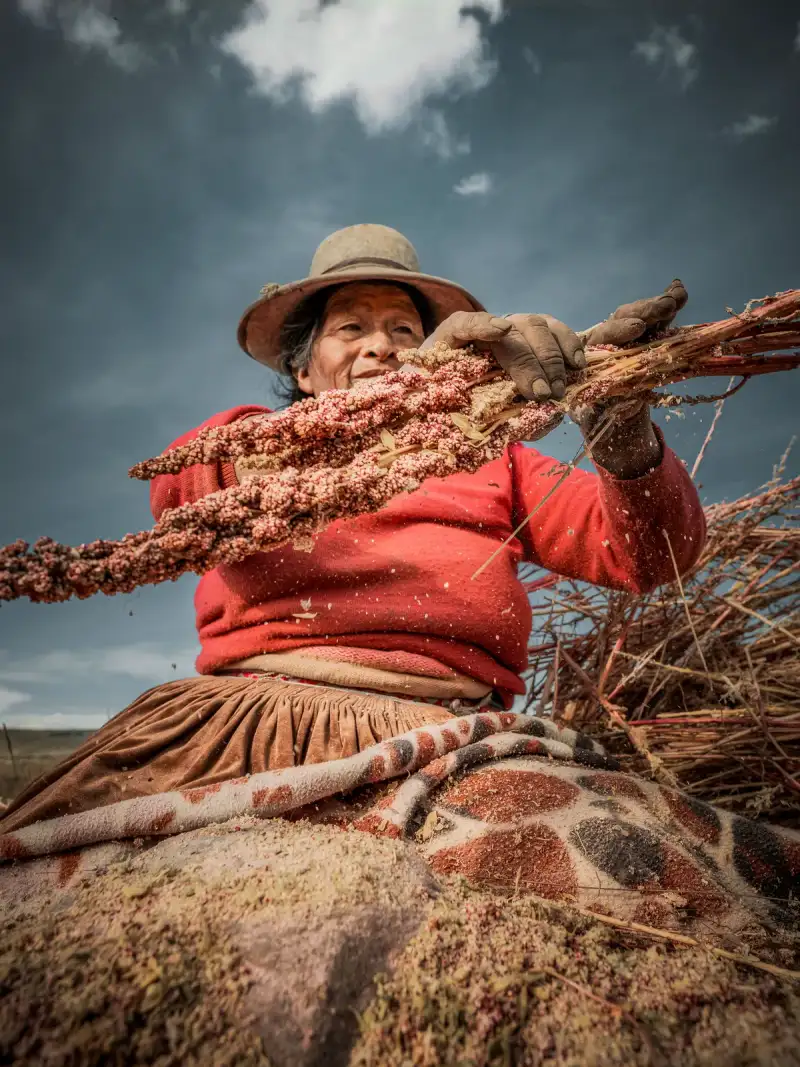
What if the most sophisticated culinary advancements weren't born in the gilded kitchens of European royalty, but beneath the unforgiving, sun-drenched peaks of the Andes, thousands of years before the first European spade ever broke ground on American soil? We often romanticize sourdough or kimchi, hailing them as pinnacles of fermented food, yet a largely untold story lies buried within the pre-Columbian diets of the Inca and their predecessors: a profound, almost mystical mastery of grain fermentation that sustained empires, nourished spiritual life, and unlocked nutritional secrets still being unraveled today. This is not a tale of simple brewing, but of an intricate, climate-driven alchemy that transformed humble seeds into lifelines, rituals, and the very foundation of civilization. The High-Altitude Crucible: Necessity as the Mother of Culinary Invention Imagine a civilization thriving at altitudes where frost claims crops for much of the year, where arable land is scarce, and the air itself thins the barrier between life and scarcity. For millennia, the indigenous peoples of the Andean highlands, from the Norte Chico to the Inca, faced these daunting conditions. Their genius wasn't just in cultivating resilient crops like quinoa, amaranth, kiwicha, and various forms of maize; it was in understanding how to extract maximum value from them, extending their shelf life, enhancing their nutritional profile, and making them digestible in ways that modern science is only beginning to fully appreciate. Fermentation, in this context, was not a luxury; it was an existential imperative. The severe climate demanded methods of preservation that went beyond simple drying. It required a deep, empirical understanding of microbial processes long before microscopes were conceived. The Andean peoples developed a vast lexicon of fermented products, many of which remain obscure outside remote communities, overshadowed by the more widely known chicha (corn beer). But chicha itself is merely the tip of a much larger, more diverse iceberg of fermented grains. Beyond Chicha: A Pantry of Probiotic Powerhouses While chicha holds an important place in Andean culinary and ceremonial history, its prevalence often eclipses a fascinating array of other fermented grain preparations. These lesser-known ferments served various purposes – from highly portable, nutrient-dense travel rations to vital sources of vitamins and minerals in a diet that often lacked fresh produce. Consider, for example, the fermentation of quinoa (Chenopodium quinoa). Quinoa, often lauded today as a "superfood," was a staple for ancient Andeans. While commonly consumed as flour or whole grains, evidence suggests that it was also subjected to various fermentation processes. One method involved soaking and then allowing the grains to naturally ferment, sometimes in combination with local fruits or herbs. This process would have served multiple functions:Detoxification: Raw quinoa contains saponins, bitter compounds that can inhibit nutrient absorption and cause digestive discomfort. Fermentation, much like soaking and rinsing, effectively reduces these antinutrients, making the grain more palatable and digestible. Nutrient Bioavailability: The fermentation process breaks down complex carbohydrates and proteins, making their constituent sugars and amino acids more readily available for absorption. It also synthesizes B vitamins and enhances the bioavailability of minerals like iron and zinc, which are crucial in diets that might be low in animal products. Preservation: The acidic environment created by lactic acid bacteria inhibits the growth of spoilage microorganisms, allowing the fermented product to be stored for extended periods, a critical factor for food security in a harsh climate.This fermented quinoa, perhaps consumed as a gruel or added to stews, would have been a nutritional powerhouse, a far cry from the bland, dried grain. It speaks to an intuitive understanding of biochemistry and microbiology that predates any modern scientific framework. The Enigma of Kispiñu and Cau-Cau Delving deeper, we encounter terms like kispiñu and cau-cau, which, while sometimes referring to different preparations across various regions, often hint at fermented grain components. Kispiñu, for instance, is a traditional Bolivian food typically made from quinoa flour, sometimes soaked and fermented before being shaped and cooked. The fermentation step is crucial for its distinct texture and digestibility. While modern versions might skip the fermentation, historical accounts suggest this was a foundational element, contributing a subtle tang and enhancing its nutritional properties. Cau-cau, another dish with variations, occasionally refers to a fermented grain or potato product. The very act of taking a staple and intentionally exposing it to microbial action suggests a deliberate, learned process passed down through generations. These were not accidental discoveries but refined techniques perfected over centuries of observation and survival. The subtle nuances in flavor, texture, and nutritional output of these ancient ferments would have been as significant to Andean palates as the difference between various cheeses is to a European gourmand. Spiritual Sustenance and Social Cohesion Food, especially fermented food, was never merely fuel in the Andes; it was a conduit for spiritual connection and social cohesion. Chicha, the most famous fermented beverage, played a central role in religious ceremonies, agricultural rituals, and social gatherings. Offering chicha to the Pachamama (Mother Earth) was a common act of reverence, and its consumption fostered communal bonds. The shared act of preparing and partaking in fermented foods reinforced social structures and identity. The knowledge of fermentation was often held by women, passed from mother to daughter, making them custodians of critical cultural and nutritional heritage. The patience required for fermentation mirrored the cyclical nature of Andean agriculture and the deep respect for natural processes. These foods weren't just fermented; they were consecrated, imbued with the spirit of the land and the ancestors. The Science of Ancient Nutrition: A Modern Perspective From a modern nutritional standpoint, the Andean practice of fermenting grains was remarkably advanced.Probiotic Benefits: The presence of lactic acid bacteria in these ferments would have contributed to gut health, a concept now widely recognized for its impact on overall well-being, immunity, and even mental health. Enhanced Nutrient Absorption: Fermentation reduces phytic acid, an antinutrient common in grains that binds to minerals like iron, zinc, and calcium, making them unavailable for absorption. By breaking down phytic acid, fermentation significantly boosts the bioavailability of these essential micronutrients. Reduced Glycemic Index: The partial breakdown of carbohydrates during fermentation can lead to a lower glycemic index, meaning a more stable release of energy, which would have been vital for sustained physical activity in a challenging environment.This intricate dance between grain and microbe represents an astounding level of empirical food science. Without petri dishes or biochemical assays, the Andean peoples harnessed invisible forces to optimize their food supply, creating a robust, resilient diet that fueled millennia of civilization. Legacy and Rediscovery: Bridging Ancient Wisdom and Modern Foodways Today, as the global food system grapples with issues of sustainability, nutrition, and food security, there is a growing interest in ancestral foodways. Chefs, nutritionists, and anthropologists are increasingly turning to indigenous practices for inspiration. The principles behind Andean grain fermentation – resourcefulness, respect for natural processes, and a holistic approach to nutrition – offer invaluable lessons. While many of these ancient fermentation traditions have been marginalized or lost due to colonization and modernization, efforts are underway to revive them. Indigenous communities are working to preserve their culinary heritage, recognizing the profound wisdom embedded in these practices. Contemporary chefs are experimenting with incorporating fermented quinoa or amaranth into modern dishes, not just for their unique flavors, but for their incredible nutritional benefits and the story they tell. The humble grain, transformed by microbial magic under the watchful eyes of Andean innovators, stands as a testament to humanity's enduring ingenuity. It reminds us that often, the most sophisticated solutions are not those forged in laboratories, but those whispered across generations, tested against the unforgiving canvas of nature, and perfected with a profound understanding of the world around us. These echoes of the Andes are not just a footnote in culinary history; they are a vibrant, living legacy offering a taste of forgotten brilliance and a path forward for a more sustainable and nourishing future.#AndeanFermentation #AncientGrains #CulinaryHistory #FermentedFoods #IndigenousFoodways Related InsightsIdli Sambar: The Ultimate Steamed Vegan Breakfast Delving into Sardinian Fregola with Seafood and Fennel: A High Protein Culinary Journey Shakshuka with Spinach and Spiced Poached Eggs: A Mediterranean Masterpiece{ "@context": "https://schema.org", "@type": "FAQPage", "mainEntity": [ { "@type": "Question", "name": "What is the main focus of Echoes of the Andes: Unearthing the Lost Alchemy of Ancient Fermented Grains?", "acceptedAnswer": { "@type": "Answer", "text": "Journey into the heart of the Andes to discover the forgotten world of fermented grains – a testament to ancient ingenuity and a treasure trove of flavor and nutrition." } }, { "@type": "Question", "name": "Who authored the comprehensive guide on Echoes of the Andes: Unearthing the Lost Alchemy of Ancient Fermented Grains?", "acceptedAnswer": { "@type": "Answer", "text": "This detailed article and its insights were carefully researched and authored by Demir Sef." } }, { "@type": "Question", "name": "Where can I find more related content about Food?", "acceptedAnswer": { "@type": "Answer", "text": "You can explore more articles, detailed reviews, and similar insights by browsing the Related Insights section at the bottom of this article or visiting our dedicated Food category page." } } ] }