

The Secret of Turkish Kebab
The Secret of Turkish Kebab When the word "kebab" is mentioned internationally, it often conjures images of late-night fast food or standard chunks of meat on a stick. However, within the borders of Turkey, the #kebap is a high culinary art form, governed by strict regional rules, masterful butchery, and centuries of tradition. To truly understand the secret of the Turkish kebab, one must look beyond the grill and examine the deep relationship between the land, the livestock, and the artisan. The Foundation: Fat and Fire The undisputed king of the Turkish kebab scene is the mangal (charcoal grill). The secret to a perfect kebab does not lie in complex marinades; in fact, the most revered kebabs in Turkey use astonishingly few spices. Instead, the magic relies on the quality of the meat—traditionally male lamb raised on the wild thyme and mountainous flora of Anatolia—and the strategic, masterful use of tail fat (kuyruk yağı). Tail fat is the lifeblood of a true Turkish kebab. In legendary varieties like the Adana kebabı, the meat is never ground in a machine. It is hand-minced using a heavy, curved, scythe-like knife called a zırh. The chef rhythmically chops the lamb alongside solid tail fat, red bell peppers, and a touch of salt. The fat melts during the grilling process, continuously basting the meat from the inside out, resulting in a juiciness and depth of flavor that machinery simply cannot replicate. A Tale of Two Cities: Adana vs. Urfa The debate over the ultimate kebab often centers on two southern culinary heavyweights: Adana and Şanlıurfa. The Adana kebabı is bold and aggressive. It features the hand-minced lamb and tail fat mentioned above, generously spiked with fiery red pepper flakes. It is molded onto wide, flat iron skewers and grilled over white-hot coals. It is spicy, smoky, and defiant. Conversely, the Urfa kebabı is subtle and nuanced. It uses a very similar meat-to-fat ratio but entirely omits the hot pepper. It allows the pure, grassy flavor of the high-quality lamb to shine through, favored by those who prefer rich, unadulterated meat flavors over intense heat. The Symphony of Sides A Turkish kebab is never served in isolation. It arrives at the table nestled on a bed of flatbread (lavash) designed to soak up the savory drippings. It is flanked by charred green chilies, roasted tomatoes, a sharp salad of sumac-dusted onions and parsley, and heavily spiced ezme. The secret of the Turkish kebab is ultimately a testament to restraint. It is the understanding that when you have superior ingredients, the chef's job is not to mask them, but to apply fire and fat with just enough precision to let the meat speak for itself. #TurkishKebab #AdanaKebabi #UrfaKebabi #Mangal #GrillMaster #AnatolianFood #CulinarySecrets #MeatLovers #Gastronomy #TurkishCuisine #turkishfood #recipe #thesecretofturkishkebab #anatoliancuisine #demirsef #delicious #food Related InsightsThe Art of Turkish Coffee Baklava: Layers of Perfection Focaccia Barese{ "@context": "https://schema.org", "@type": "FAQPage", "mainEntity": [ { "@type": "Question", "name": "What is the main focus of The Secret of Turkish Kebab?", "acceptedAnswer": { "@type": "Answer", "text": "Explore the incredible journey of The Secret of Turkish Kebab with Ayşe Kaya." } }, { "@type": "Question", "name": "Who authored the comprehensive guide on The Secret of Turkish Kebab?", "acceptedAnswer": { "@type": "Answer", "text": "This detailed article and its insights were carefully researched and authored by Demir Şef." } }, { "@type": "Question", "name": "Where can I find more related content about Recipe?", "acceptedAnswer": { "@type": "Answer", "text": "You can explore more articles, detailed reviews, and similar insights by browsing the Related Insights section at the bottom of this article or visiting our dedicated Recipe category page." } } ] }


Türk ve Dünya klasiklerinin derinliklerine daldığım incelemelerime bugün Dante Alighieri'nın ölümsüz eseri İlahi Komedi ile devam ediyoruz. Edebiyat dünyasının kilometre taşlarından biri olan bu kitap, satır aralarında keşfedilmeyi bekleyen bir okyanus gibi. Kitap Hakkında Genel Görüşler ve Eleştiriler Cehennem, Araf ve Cennet'te yapılan bu olağanüstü yolculuk, Orta Çağ zihniyetinin ve teolojisinin edebi zirvesidir. Karakter Çözümlemeleri Dante'nin kendi günahlarıyla yüzleşmesi ve rehberi Virgil'in bilgeliği, aklın ve inancın insanı nasıl aydınlattığını sembolize eder. Yazar Hakkında Fikirler Dante, sürgünde olduğu İtalya'nın politik figürlerini Cehennem'in katmanlarına yerleştirerek muazzam bir edebi intikam almıştır. Sevilen ve Sevilmeyen Yönler Alegorik yapısı ve teolojik derinliği benzersiz, ancak dönemin İtalyan siyasetine dair göndermeleri ek okuma yapmadan anlamak imkansız. Kitabın Ana Fikri ve Mesajı İnsanın kendi içindeki karanlıklardan (cehennemden) geçmeden, aydınlığa ve ruhsal huzura (cennete) ulaşamayacağıdır. #şiir #din #italyanedebiyatı #kitap #edebiyat #aylinokur #kitapincelemesi #okumak Related Insights1984 Kitap İncelemesi: Aylin Okur Devlet Kitap İncelemesi: Aylin Okur Martı Kitap İncelemesi: Aylin Okur{ "@context": "https://schema.org", "@type": "FAQPage", "mainEntity": [ { "@type": "Question", "name": "What is the main focus of İlahi Komedi Kitap İncelemesi: Aylin Okur?", "acceptedAnswer": { "@type": "Answer", "text": "Dante Alighieri tarafından yazılan İlahi Komedi eserinin derinlemesine incelenmesi, karakter analizleri ve ana fikri." } }, { "@type": "Question", "name": "Who authored the comprehensive guide on İlahi Komedi Kitap İncelemesi: Aylin Okur?", "acceptedAnswer": { "@type": "Answer", "text": "This detailed article and its insights were carefully researched and authored by Aylin Okur." } }, { "@type": "Question", "name": "Where can I find more related content about Dünya Klasikleri?", "acceptedAnswer": { "@type": "Answer", "text": "You can explore more articles, detailed reviews, and similar insights by browsing the Related Insights section at the bottom of this article or visiting our dedicated Dünya Klasikleri category page." } } ] }
-
 Elena Volkova
- 09 Jun, 2026 03:47
Exploring the Nutritional Haven of Buckwheat Kasha with Sautéed Mushrooms and Onions
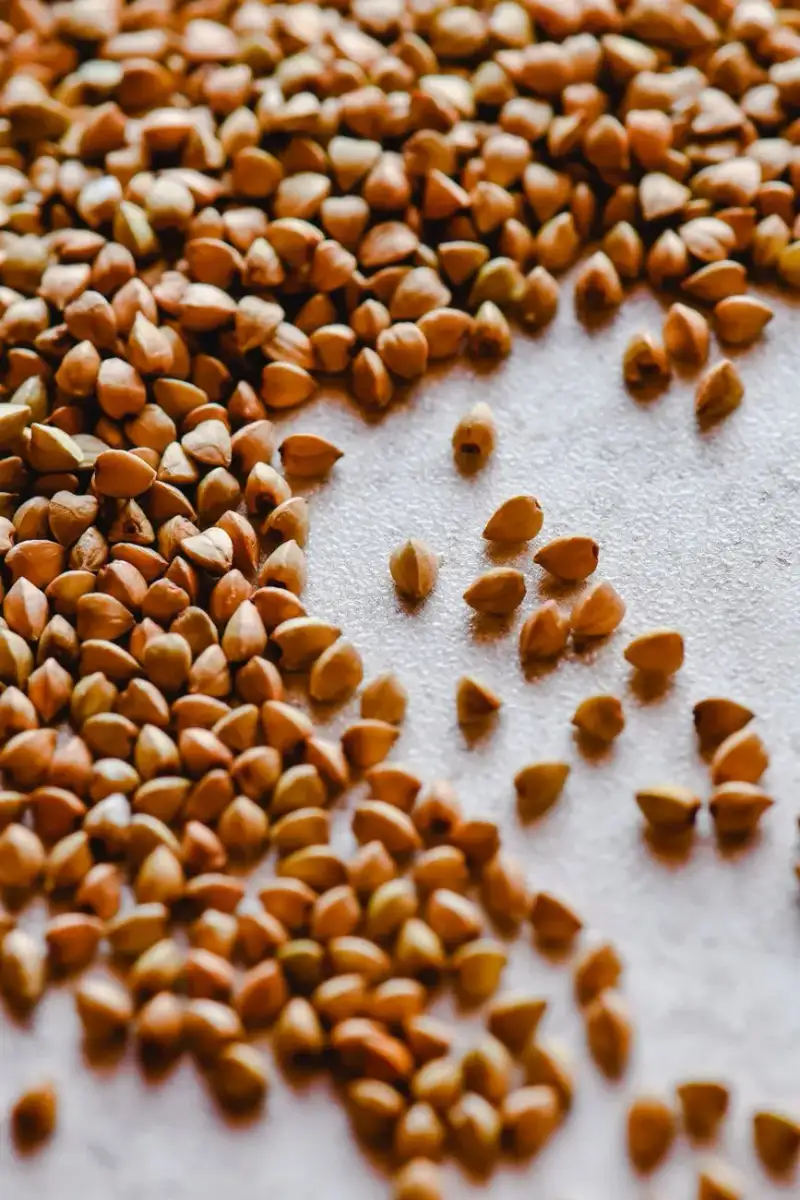
Introduction to Buckwheat Kasha Buckwheat kasha, a dish deeply rooted in Eastern European and Russian cuisine, offers a nutritional haven that combines the health benefits of high fiber with the savory flavors of sautéed mushrooms and onions. According to recent studies, high-fiber diets are associated with numerous health benefits, including improved digestion, lower cholesterol levels, and better blood sugar control. Research on high fiber shows that it can also contribute to a feeling of fullness, making it an excellent component of weight management diets. The Culinary Journey of Buckwheat The culinary journey of buckwheat kasha is as rich as its nutritional profile. Originating from the seed of the buckwheat plant, which is technically a pseudocereal, buckwheat is a versatile ingredient that can be prepared in various forms, including as a flour, groats, or even noodles. In the context of kasha, buckwheat is typically roasted to enhance its nutty flavor and then cooked in water or broth to yield a dish that is both hearty and comforting. The Health Benefits of Buckwheat Buckwheat is renowned for its high fiber content, which is a critical nutrient for maintaining a healthy digestive system. High fiber intake is associated with a lower risk of chronic diseases, such as heart disease, diabetes, and certain types of cancer. Furthermore, buckwheat is a good source of minerals like copper, manganese, and phosphorus, along with antioxidants and phytochemicals that contribute to its overall nutritional value. Preparing the Perfect Buckwheat Kasha To prepare the perfect buckwheat kasha, it is essential to start with high-quality ingredients. This includes using roasted buckwheat groats, which have a more intense flavor than unroasted ones, and selecting a variety of mushrooms that add both texture and flavor to the dish. The sautéing process is also crucial, as it brings out the natural sweetness of the onions and the earthy flavor of the mushrooms. Step-by-Step Recipe Ingredients:1 cup buckwheat groats 2 cups water 1 tablespoon olive oil 1 large onion, chopped 2 cups mixed mushrooms, sliced Salt and pepper to taste Fresh parsley, chopped (optional)Instructions:Rinse the buckwheat groats and soak them in water for at least 4 hours. This step is crucial for rehydrating the groats and making them easier to cook. Heat the olive oil in a large skillet over medium heat. Add the chopped onion and sauté until translucent, stirring occasionally to prevent burning. Add the sliced mushrooms to the skillet and cook until they release their moisture and start browning. This process enhances the flavor and texture of the mushrooms. Drain the soaked buckwheat groats and add them to the skillet with the mushrooms and onions. Stir to combine, ensuring the groats are well coated with the flavors from the skillet. Season with salt and pepper to taste, then serve hot, garnished with chopped parsley if desired. The parsley adds a fresh note to the dish and complements the earthy flavors of the buckwheat and mushrooms.Conclusion Buckwheat kasha with sautéed mushrooms and onions is a dish that embodies the perfect blend of flavor, nutrition, and cultural heritage. With its high fiber content and rich mineral profile, buckwheat stands out as a superfood that can be incorporated into a variety of meals. Whether you're looking for a hearty side dish or a main course that is both satisfying and healthy, this recipe for buckwheat kasha is sure to delight your senses and nourish your body. #HealthyLiving #Gastronomy #HighFiberDiet #BuckwheatBenefits Related InsightsLe Sushi : Odyssée Salée et Sucrée, de la Préservation Antique à l'Art Culinaire Éphémère Goi Cuon: The Fresh and Healthy Summer Rolls Minestrone Soup with Genovese Pesto and Spelt: A High Fiber Delight{ "@context": "https://schema.org", "@type": "FAQPage", "mainEntity": [ { "@type": "Question", "name": "What is the main focus of Exploring the Nutritional Haven of Buckwheat Kasha with Sautéed Mushrooms and Onions?", "acceptedAnswer": { "@type": "Answer", "text": "A high-fiber dish that combines the nutritional benefits of buckwheat with the savory flavors of sautéed mushrooms and onions, perfect for a healthy meal." } }, { "@type": "Question", "name": "Who authored the comprehensive guide on Exploring the Nutritional Haven of Buckwheat Kasha with Sautéed Mushrooms and Onions?", "acceptedAnswer": { "@type": "Answer", "text": "This detailed article and its insights were carefully researched and authored by Elena Volkova." } }, { "@type": "Question", "name": "Where can I find more related content about Food?", "acceptedAnswer": { "@type": "Answer", "text": "You can explore more articles, detailed reviews, and similar insights by browsing the Related Insights section at the bottom of this article or visiting our dedicated Food category page." } } ] }

Staying Gold: The Oral History of The Outsiders Author: Jimmie TramelPage Count: UnknownPublication Date: 2025-PRH Jimmie Tramel’s Staying Gold: The Oral History of The Outsiders is not just a book—it’s a time capsule, a love letter, and a mirror held up to a story that refuses to fade. In an era where cultural touchstones flicker in and out of relevance like neon signs in a Tulsa diner, The Outsiders endures, a testament to the power of storytelling. Tramel’s oral history doesn’t just document the life of S.E. Hinton’s 1967 novel, Coppola’s 1983 film, and the 2024 Tony-winning musical; it breathes life into them, weaving together the voices of those who lived them, shaped them, and were forever changed by them. At its core, Staying Gold is about legacy—not just the kind that gets etched into history books, but the kind that lives in the hearts of readers, filmgoers, and theatergoers who find themselves in the raw, unflinching world of Ponyboy Curtis and his brothers. The book’s central theme is resilience, the idea that some stories don’t just survive; they thrive, evolving with each generation while retaining their original spark. Tramel captures this through a chorus of perspectives: the teenagers who saw themselves in Ponyboy’s struggle, the filmmakers who fought to bring Hinton’s gritty realism to the screen, and the artists who reimagined it for the stage. What emerges is a portrait of a story that transcends its origins, becoming a cultural shorthand for class, brotherhood, and the fleeting beauty of youth. Tramel’s style is immersive, almost cinematic in its approach. He doesn’t just interview his subjects; he lets them speak, their voices layered like the tracks of a film reel. There’s a rhythm to the book, a pulse that mirrors the heartbeat of The Outsiders itself—urgent, emotional, and unapologetically honest. The oral history format is perfect for this story, allowing the raw, unfiltered voices of the people involved to take center stage. You don’t just read about Coppola’s vision for the film; you hear it from the actors who lived it, from C. Thomas Howell’s wide-eyed Ponyboy to Matt Dillon’s brooding Dally. You don’t just learn about the musical’s creation; you feel the passion of the creators who wanted to honor the source material while making it their own. What makes Staying Gold so compelling is its refusal to mythologize. This isn’t a sanitized retelling of a beloved story; it’s a messy, sometimes contradictory, always human exploration of how art shapes lives and how lives shape art. There are disagreements here—about the film’s casting, about the musical’s changes to the source material, about what The Outsiders even means to different people. But that’s the point. The book embraces the chaos, the way a story like this can mean something entirely different to a kid in 1967 than it does to a teenager in 2024. It’s a reminder that the best stories aren’t static; they’re living, breathing things that grow with their audience. Tramel’s writing is sharp and evocative, but it’s the voices of his interviewees that truly bring the book to life. You can hear the awe in the voice of a young reader who found solace in Hinton’s words, the frustration of a filmmaker who had to fight for authenticity, the excitement of a cast member who got to bring a beloved character to life on stage. It’s this multiplicity of perspectives that makes Staying Gold feel like a conversation rather than a lecture. You’re not just learning about The Outsiders; you’re being invited into a community of people who have, in their own way, been touched by its magic. The book’s title, Staying Gold, is a nod to the poem that Ponyboy recites in the novel and film—a reminder that nothing gold can stay, that youth and innocence are fleeting. But Tramel flips that idea on its head. The Outsiders has stayed gold, not because it’s frozen in time, but because it has adapted, evolved, and remained relevant. It’s a story about holding onto what matters, even as the world changes around you. And in that sense, Staying Gold is more than an oral history; it’s a guide for how to keep a story alive. For anyone who has ever felt like an outsider, or who has ever found solace in a book, a movie, or a song, this book is a balm. It’s a reminder that you’re not alone, that your story matters, and that some things—some people—are worth holding onto. Tramel’s work is a love letter to The Outsiders, but it’s also a love letter to the power of storytelling itself. #StayingGold #TheOutsiders #SEHinton #FrancisFordCoppola #BroadwayMusical #OralHistory Related InsightsAtonement Book Review and Summary The World According to Garp Book Review and Summary Familias fatales Book Review and Summary{ "@context": "https://schema.org", "@type": "FAQPage", "mainEntity": [ { "@type": "Question", "name": "What is the main focus of The Outsiders Book Review and Summary?", "acceptedAnswer": { "@type": "Answer", "text": "Everything you need to know about The Outsiders with our detailed review." } }, { "@type": "Question", "name": "Who authored the comprehensive guide on The Outsiders Book Review and Summary?", "acceptedAnswer": { "@type": "Answer", "text": "This detailed article and its insights were carefully researched and authored by S.E. Hinton." } }, { "@type": "Question", "name": "Where can I find more related content about Books?", "acceptedAnswer": { "@type": "Answer", "text": "You can explore more articles, detailed reviews, and similar insights by browsing the Related Insights section at the bottom of this article or visiting our dedicated Books category page." } } ] }

Türk ve Dünya klasiklerinin derinliklerine daldığım incelemelerime bugün Honoré de Balzac'nın ölümsüz eseri Vadideki Zambak ile devam ediyoruz. Edebiyat dünyasının kilometre taşlarından biri olan bu kitap, satır aralarında keşfedilmeyi bekleyen bir okyanus gibi. Kitap Hakkında Genel Görüşler ve Eleştiriler Genç ve tecrübesiz Felix'in, kendisinden yaşça büyük ve evli bir kadına duyduğu platonik, saf ve yıpratıcı aşkın mektuplarla anlatımı. Karakter Çözümlemeleri Madam de Mortsauf'un erdemiyle arzuları arasında sıkışıp kalışı, tutkunun ne kadar yakıcı bir sessizlik olabileceğini gösterir. Yazar Hakkında Fikirler Balzac'ın doğa tasvirleriyle insan ruhunun durumlarını eşleştirmesi, onun romantizm ile realizm arasındaki eşsiz köprüsünü kanıtlar. Sevilen ve Sevilmeyen Yönler Aşkın ruhsal analizi kusursuz ancak uzun ve aşırı ağdalı doğa betimlemeleri zaman zaman hikayenin özünü unutturabiliyor. Kitabın Ana Fikri ve Mesajı Gerçek sevginin her zaman fiziksel bir kavuşma gerektirmediği, bazen feragat etmenin aşkın en yüce hali olduğudur. #aşk #romantizm #fransızedebiyatı #kitap #edebiyat #aylinokur #kitapincelemesi #okumak Related InsightsÖlü Canlar Kitap İncelemesi: Aylin Okur Savaş ve Barış Kitap İncelemesi: Aylin Okur Sırça Fanus Kitap İncelemesi: Aylin Okur{ "@context": "https://schema.org", "@type": "FAQPage", "mainEntity": [ { "@type": "Question", "name": "What is the main focus of Vadideki Zambak Kitap İncelemesi: Aylin Okur?", "acceptedAnswer": { "@type": "Answer", "text": "Honoré de Balzac tarafından yazılan Vadideki Zambak eserinin derinlemesine incelenmesi, karakter analizleri ve ana fikri." } }, { "@type": "Question", "name": "Who authored the comprehensive guide on Vadideki Zambak Kitap İncelemesi: Aylin Okur?", "acceptedAnswer": { "@type": "Answer", "text": "This detailed article and its insights were carefully researched and authored by Aylin Okur." } }, { "@type": "Question", "name": "Where can I find more related content about Dünya Klasikleri?", "acceptedAnswer": { "@type": "Answer", "text": "You can explore more articles, detailed reviews, and similar insights by browsing the Related Insights section at the bottom of this article or visiting our dedicated Dünya Klasikleri category page." } } ] }
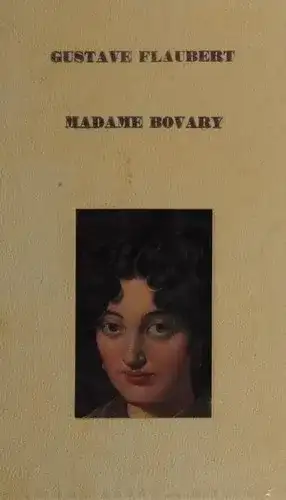
Türk ve Dünya klasiklerinin derinliklerine daldığım incelemelerime bugün Gustave Flaubert'nın ölümsüz eseri Madame Bovary ile devam ediyoruz. Edebiyat dünyasının kilometre taşlarından biri olan bu kitap, satır aralarında keşfedilmeyi bekleyen bir okyanus gibi. Kitap Hakkında Genel Görüşler ve Eleştiriler Taşra sıkıntısından ve sıradan bir evlilikten kaçmak için romantik romanlardaki tutkuyu arayan bir kadının kaçınılmaz yıkımı. Karakter Çözümlemeleri Emma Bovary'nin bitmek bilmeyen tatminsizliği ve lüks düşkünlüğü, onu edebiyat tarihinin en gerçekçi anti-kahramanlarından biri yapar. Yazar Hakkında Fikirler Flaubert'in 'doğru kelimeyi' (le mot juste) bulmak için gösterdiği takıntı, romanın her cümlesini edebi bir tabloya dönüştürmüş. Sevilen ve Sevilmeyen Yönler Tasvirlerin detaylılığı realizmin zirvesi olsa da, bazı okurlar Emma'nın sürekli yanlış kararlar almasından dolayı karaktere empati duyamayabiliyor. Kitabın Ana Fikri ve Mesajı Hayallerle beslenen romantik beklentilerin, soğuk ve acımasız gerçeklik duvarına çarptığında insanı nasıl felakete sürüklediğidir. #realizm #aşk #fransızedebiyatı #kitap #edebiyat #aylinokur #kitapincelemesi #okumak Related InsightsFrankenstein Kitap İncelemesi: Aylin Okur Yabancı Kitap İncelemesi: Aylin Okur 1984 Kitap İncelemesi: Aylin Okur{ "@context": "https://schema.org", "@type": "FAQPage", "mainEntity": [ { "@type": "Question", "name": "What is the main focus of Madame Bovary Kitap İncelemesi: Aylin Okur?", "acceptedAnswer": { "@type": "Answer", "text": "Gustave Flaubert tarafından yazılan Madame Bovary eserinin derinlemesine incelenmesi, karakter analizleri ve ana fikri." } }, { "@type": "Question", "name": "Who authored the comprehensive guide on Madame Bovary Kitap İncelemesi: Aylin Okur?", "acceptedAnswer": { "@type": "Answer", "text": "This detailed article and its insights were carefully researched and authored by Aylin Okur." } }, { "@type": "Question", "name": "Where can I find more related content about Dünya Klasikleri?", "acceptedAnswer": { "@type": "Answer", "text": "You can explore more articles, detailed reviews, and similar insights by browsing the Related Insights section at the bottom of this article or visiting our dedicated Dünya Klasikleri category page." } } ] }
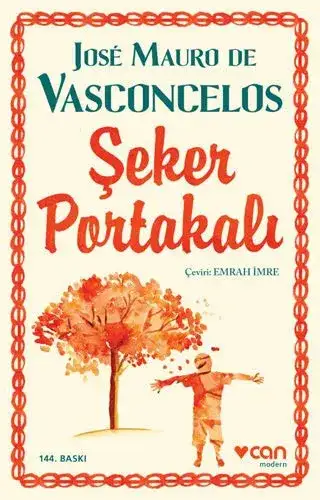
Türk ve Dünya klasiklerinin derinliklerine daldığım incelemelerime bugün José Mauro de Vasconcelos'nın ölümsüz eseri Şeker Portakalı ile devam ediyoruz. Edebiyat dünyasının kilometre taşlarından biri olan bu kitap, satır aralarında keşfedilmeyi bekleyen bir okyanus gibi. Kitap Hakkında Genel Görüşler ve Eleştiriler Yoksulluk ve şiddet içinde büyüyen, hayal gücüne sığınmış küçük bir çocuğun acıyla erken tanışmasının yürek yakan hikayesi. Karakter Çözümlemeleri Zeze'nin zekası, yaramazlıkları ve Portuga ile kurduğu baba-oğul bağı, edebiyatın en saf sevgi tasvirlerinden biridir. Yazar Hakkında Fikirler Yazarın kendi çocukluğundan yola çıkarak yazdığı bu eser, acıyı dramatize etmeden en çıplak ve vurucu haliyle okura sunuyor. Sevilen ve Sevilmeyen Yönler Zeze'nin iç dünyası muazzam aktarılmış, ancak çocuğun gördüğü fiziksel şiddet sahneleri okurken nefesinizi kesip sizi isyan ettiriyor. Kitabın Ana Fikri ve Mesajı Hayattaki en büyük acının dayak yemek değil, sevdiklerini kaybetmek ve çocukluğun o saf inancını yitirmek olduğudur. #çocukluk #dram #brezilyaedebiyatı #kitap #edebiyat #aylinokur #kitapincelemesi #okumak Related InsightsKaramazov Kardeşler Kitap İncelemesi: Aylin Okur 1984 Kitap İncelemesi: Aylin Okur Dönüşüm Kitap İncelemesi: Aylin Okur{ "@context": "https://schema.org", "@type": "FAQPage", "mainEntity": [ { "@type": "Question", "name": "What is the main focus of Şeker Portakalı Kitap İncelemesi: Aylin Okur?", "acceptedAnswer": { "@type": "Answer", "text": "José Mauro de Vasconcelos tarafından yazılan Şeker Portakalı eserinin derinlemesine incelenmesi, karakter analizleri ve ana fikri." } }, { "@type": "Question", "name": "Who authored the comprehensive guide on Şeker Portakalı Kitap İncelemesi: Aylin Okur?", "acceptedAnswer": { "@type": "Answer", "text": "This detailed article and its insights were carefully researched and authored by Aylin Okur." } }, { "@type": "Question", "name": "Where can I find more related content about Dünya Klasikleri?", "acceptedAnswer": { "@type": "Answer", "text": "You can explore more articles, detailed reviews, and similar insights by browsing the Related Insights section at the bottom of this article or visiting our dedicated Dünya Klasikleri category page." } } ] }
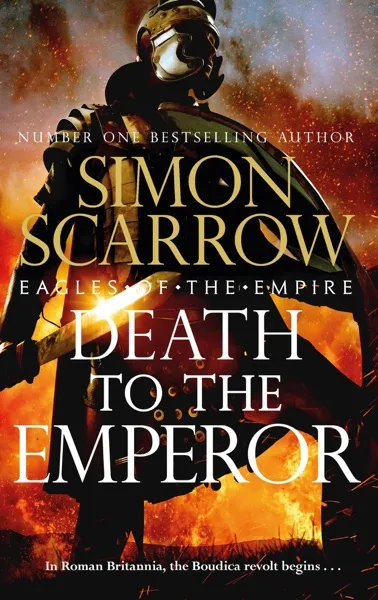

Death to the Emperor Author: Simon ScarrowPage Count: UnknownPublication Year: 2022-GB Simon Scarrow’s Death to the Emperor is a masterclass in historical fiction, blending military precision with the raw, unrelenting drama of imperial Rome’s final days. Set against the backdrop of the Year of the Four Emperors (69 AD), Scarrow crafts a gripping narrative that pits ambition against survival, loyalty against treachery, and the brutal machinery of power against the fragile threads of human connection. This isn’t just a story about emperors falling—it’s about the empire itself, its glory and its rot, seen through the eyes of those caught in its death throes. The novel’s central theme is the fragility of power. The Roman Empire, at its zenith, was a colossus with feet of clay. In Death to the Emperor, Scarrow dissects that paradox with surgical precision. The emperor’s death—whether by assassination, battlefield defeat, or suicide—isn’t just an event; it’s a cataclysm that sends shockwaves through the empire. Scarrow doesn’t glorify the emperors (Galen, Otho, Vitellius, and Vespasian) as demi-gods but exposes them as flawed, desperate men clinging to a throne that’s already slipping from their grasp. The real heroes, if they can be called that, are the soldiers and officers who navigate this treacherous terrain, where one wrong move means death not just for them, but for their families. Scarrow’s strength lies in his ability to weave personal stakes into the grand historical tapestry. His characters are not just ciphers in a textbook—they breathe, bleed, and betray. Take the protagonist, a fictional centurion named Macro, whose loyalty is tested at every turn. Macro isn’t a superhuman hero; he’s a man who makes mistakes, who questions orders, and who fears the consequences of failure. This relatability makes his struggles compelling. When he faces off against the emperor’s enemies or grapples with his own moral compromises, the reader isn’t just reading history—they’re living it. Scarrow’s prose is tight, muscular, and devoid of unnecessary flourish. He writes like a man who respects his reader’s intelligence, delivering action in crisp, vivid strokes without over-explaining. Battles are chaotic but never confusing, and the political maneuvering is as tense as a drawn sword. His dialogue crackles with authenticity, whether it’s the clipped exchanges of soldiers in the field or the venomous whispers of courtiers in the palace. This isn’t a book that demands you admire its style—it’s a book that demands you feel its momentum. One of the most striking aspects of Death to the Emperor is its unflinching portrayal of violence. Scarrow doesn’t romanticize war; he shows it as it was—brutal, filthy, and indifferent to human suffering. The deaths are sudden, the victories hollow, and the aftermath leaves scars that never fully heal. This isn’t just for shock value; it underscores the novel’s core message: power is transient, but the cost of its pursuit is eternal. Scarrow’s research is evident, but he wears it lightly. He doesn’t drown the reader in historical minutiae; instead, he uses the era’s texture—the stench of the city, the clatter of legionary boots, the stifling intrigue of the imperial court—to immerse us in the world. The result is a novel that feels as real as the history books, but with the added thrill of a story that could have been lost to time. If there’s a weakness, it’s in the pacing at times. Scarrow juggles multiple perspectives, and while this adds depth, it can occasionally dilute the emotional impact of individual arcs. Some characters, though vivid, exist primarily as foils to Macro, and their fates sometimes feel like stepping stones rather than fully realized tragedies. But this is a minor quibble in a novel that otherwise delivers relentless momentum. Death to the Emperor is more than just a military thriller or a historical drama—it’s a meditation on the cyclical nature of power and the human cost of ambition. Scarrow doesn’t just tell us that empires fall; he makes us feel their collapse in our bones. #HistoricalFiction #RomanEmpire #MilitaryFiction #AncientRome #SimonScarrow #EmpiresFall Related InsightsThe Hours Book Review and Summary Democracy in a Hotter Time Book Review and Summary Notes on a Nervous Planet Book Review and Summary{ "@context": "https://schema.org", "@type": "FAQPage", "mainEntity": [ { "@type": "Question", "name": "What is the main focus of Death to the Emperor Book Review and Summary?", "acceptedAnswer": { "@type": "Answer", "text": "Everything you need to know about Death to the Emperor with our detailed review." } }, { "@type": "Question", "name": "Who authored the comprehensive guide on Death to the Emperor Book Review and Summary?", "acceptedAnswer": { "@type": "Answer", "text": "This detailed article and its insights were carefully researched and authored by Diego Lopez." } }, { "@type": "Question", "name": "Where can I find more related content about Books?", "acceptedAnswer": { "@type": "Answer", "text": "You can explore more articles, detailed reviews, and similar insights by browsing the Related Insights section at the bottom of this article or visiting our dedicated Books category page." } } ] }

-
 John Explorer
- 07 Jun, 2026 17:45
The Whispering Ice Temples: Tracing the Vanishing Footprints to Patagonia's Subterranean Sanctuaries
The silence was not just the absence of sound; it was a physical presence, a dense, frigid blanket pressing in from all sides, amplifying the frantic rhythm of my own heart against my ribs. Above me, the sky bled a bruised, perpetual twilight, and around me, the land stretched, a colossal sculpture of wind-hewn rock and glacial ice. I wasn't just at the edge of the world; I was at the threshold of a story that the world had almost forgotten to tell. My breath plumed like a ghost, instantly whisked away by the ceaseless Patagonian wind. For weeks, this wind had been my constant companion, a tireless sculptor of the landscape, and a tireless opponent to my progress. But on this particular morning, as I stood amidst a labyrinth of blue-white icefalls and razor-sharp moraines, the wind felt different. It felt like a voice, thin and reedy, weaving through the crystalline structures, urging me deeper into the very heart of the silence. This wasn't a #journey born of guidebook recommendations or trending #travel hashtags. This was a pilgrimage, a pursuit of a legend whispered in hushed tones around smoky fires in the remotest corners of Chilean Patagonia. A legend of K’awi N’ash, the 'Crystalline Heart,' a network of sacred ice temples where, it was said, the veil between worlds thinned, and the ancestral spirits of the 'People of the Whispering Ice' found their solace and their voice. My quest for the Whispering Ice Temples was a deliberate divergence from the well-trodden paths, a dive headfirst into the profound, the precarious, and the utterly unknown. The Cartographer's Cryptic Compass The seed of this obsession was planted months prior, not by a glossy magazine spread, but by a faded, hand-drawn map tucked inside a leather-bound journal I’d discovered in a dusty antiquarian bookshop in Punta Arenas. It was less a map and more a collection of poetic symbols and topographical hints, sketched by a long-dead explorer whose name was lost to time, but whose passion for the Patagonian wilderness clearly transcended mere cartography. Alongside cryptic annotations about ‘blue-light sanctuaries’ and ‘singing ice,’ a solitary name was scrawled: Maia. This was my first and only solid lead. Finding Maia was its own odyssey. It involved a series of arduous bus rides, hitchhiking with gauchos hauling firewood, and days spent navigating glacial fjords on a tiny fishing boat. Finally, in a village so small it barely registered on any modern chart—a collection of brightly painted corrugated iron shacks clinging to a hillside overlooking a slate-grey channel—I found her. Maia was an elder, her face a roadmap of a hundred Patagonian winters, her eyes the colour of polished obsidian, holding stories far older than any written word. She spoke a dialect that blended Spanish with fragments of an indigenous language I barely recognized, a linguistic echo of the lost 'People of the Whispering Ice.' Initially, she was wary, her silence as formidable as the mountains themselves. I didn't arrive with demands or a camera crew; I arrived with an open heart, a willingness to listen, and the tattered journal as my offering. Over shared mate and the crackling warmth of a wood stove, I explained my fascination, my respect for the hidden lore, and my desire to understand, not merely to witness. Slowly, tentatively, Maia began to unravel the threads of the legend. The K’awi N’ash, she explained, were not just geological formations. They were the very breath of the Earth, hallowed spaces where the K’awi—the life force, the spirit essence of the ice itself—resided. For her ancestors, these weren't merely caves; they were cathedrals carved by cosmic forces, places of pilgrimage for guidance, healing, and communion with those who had passed beyond the visible realm. The whispers I felt in the wind, she confirmed, were the K’awi calling. Into the Glacial Embrace: The Ascent Maia wouldn’t come with me to the ice temples—her knees, she said, were too old for the mountains. But she gave me something far more valuable: a mental map, a series of natural waypoints described not in compass bearings, but in the shape of particular clouds, the song of specific birds, the unique scent of certain mosses after a rain. She introduced me to Mateo, a taciturn, weather-beaten local who had an intimate knowledge of the surrounding glaciers and an even deeper respect for the land's spiritual power. Mateo, with his quiet strength and innate navigational wisdom, became my guide. Our journey commenced from a remote estancia, leaving behind the last vestiges of human civilization. For days, we traversed landscapes of staggering, desolate beauty. We climbed steep, rocky ascents, our crampons biting into brittle ice, our ice axes providing a rhythmic counterpoint to the howling wind. We forded icy meltwater streams that threatened to sweep us away, and carefully navigated treacherous crevasses, their fathomless blue depths a stark reminder of the earth's raw power. The air grew thinner, the cold more profound, and the silence, punctuated only by the groan of shifting ice and the occasional cry of a condor, became a character in itself. Each evening, we huddled in our tent, sipping hot tea, Mateo sharing fragments of stories about the 'People of the Whispering Ice'—their reverence for the mountains, their understanding of the ice as a living entity, their rituals performed in secret, deep within the Earth's frozen womb. He spoke of how the K’awi N’ash were hidden not just by geography, but by the very spirit of the land, revealing themselves only to those who approached with humility and a pure heart. One afternoon, as we crested a particularly challenging ridge, a sight unfolded before us that stole my breath. A vast, undulating glacier stretched to the horizon, a sea of white and brilliant turquoise. But unlike any glacier I’d seen, this one seemed to shimmer with an unnatural, almost internal light. And in its colossal embrace, nestled amongst towering seracs and deep blue crevasses, I saw it—a subtle, almost imperceptible opening, a dark maw against the blinding white, framed by impossible towers of ice. Mateo simply nodded, his eyes fixed on the distant promise. The Threshold: Entering the Blue-Light Sanctuary Reaching the entrance was another feat. We had to navigate a chaotic icefall, a frozen waterfall of fractured blocks, each one a potential trap. The sun, a pale, distant disc, cast long, spectral shadows that danced and twisted with every gust. As we finally stood before the opening, a wave of profound cold emanated from within, a stark contrast to the slightly warmer air outside. It was like stepping into another season, another dimension. The entrance was not grand; it was a humble, narrow slit in the glacier’s face, barely wide enough for one person to squeeze through. The air inside was utterly still, the wind’s roar replaced by a deep, resonant hum that seemed to vibrate through my very bones. This was the 'singing ice' Maia had spoken of. The light, initially dim, gradually transformed as we moved deeper. The ice around us began to glow, not with reflected sunlight, but with an otherworldly, internal luminescence. A spectrum of blues—sapphire, aquamarine, cobalt, and an ethereal, shimmering cerulean—painted the cavern walls, creating a dazzling, kaleidoscopic effect that transcended anything I could have imagined. We moved slowly, reverently, our headlamps almost superfluous in the intensifying blue glow. The ground beneath our feet was a mix of polished ice and compacted snow, occasionally revealing #ancient, smooth stones, placed with deliberate intent. The cavern widened, unfolding into a series of vast chambers, each more breathtaking than the last. Pillars of ice, impossibly delicate and intricate, rose from the floor to meet soaring, vaulted ceilings, looking like the work of an unseen, celestial architect. This wasn't merely a cave; it was a #cathedral, carved by geological eons and imbued with an undeniable spiritual presence.In the deepest chamber, an extraordinary sight awaited us. The space was enormous, almost perfectly circular, its walls shimmering with an incandescent blue. In the very centre, a natural formation of ice and ancient rock created an altar-like structure. Here, the air felt thick with reverence, the whispers of the K’awi more pronounced, less wind-driven, more like a gentle chorus rising from the very fabric of the ice. Mateo pointed to subtle etchings on the ice walls—symbols and figures that Maia had described, depicting ancestral spirits intertwined with the crystalline formations. This was the heart of the K’awi N’ash, the sanctum of the People of the Whispering Ice. The Communion: A Soul Breathed into Ice There was no grand ritual, no dramatic incantation. Instead, Mateo performed a quiet, deeply personal ceremony. He knelt before the ice altar, placing a small offering—a smooth, river-worn stone, a feather, and a pinch of dried herbs. He sat in silent meditation, his eyes closed, his breathing slow and deep. I watched him, completely absorbed, feeling the profound stillness of the place seep into my very being. It wasn't about spectacle; it was about presence. It was about listening to the earth's ancient heartbeat, acknowledging the spirits that resided within the cold, silent blue. I sat beside him, letting the cold seep into my bones, yet feeling an inexplicable warmth in my spirit. The blues around me seemed to deepen, to breathe. I understood then what Maia had meant by the 'Crystalline Heart.' It wasn't just a place of beauty; it was a place of deep spiritual resonance, a natural conduit for connection, a living archive of #history and belief etched in ice. In that moment, the concept of time itself seemed to melt away, leaving only the eternal present. I felt a strange sense of clarity, a profound peace that transcended the physical chill. The whispers I had felt in the wind, Maia’s stories, the journal’s cryptic clues—they all coalesced into a singular, undeniable truth: there are places on this earth, profoundly sacred, that resist the relentless march of modernity, that demand a different kind of respect, a different kind of journey. The K’awi N’ash was one such place, a testament to the enduring power of #nature and the resilience of forgotten spiritual traditions. Echoes and Guardians: A Legacy in Blue Our return journey was quieter, infused with a newfound understanding. The mountains, which had once seemed merely formidable, now felt like ancient guardians. The wind, no longer an antagonist, was a carrier of stories. I had not merely witnessed a geological wonder; I had touched the very essence of a lost #culture, felt the breath of ancient spirits, and gained an insight into a profound reverence for the natural world that too often escapes our modern sensibilities. The secret of the K’awi N’ash, I realized, was not meant for mass tourism. It was a treasure to be guarded, its sanctity preserved by its very remoteness and the quiet devotion of people like Maia and Mateo. My role, as John Explorer, was not to broadcast its exact location, but to share the spirit of its discovery—the importance of seeking out the hidden, respecting the sacred, and understanding that some of the world's greatest wonders are found not on a map, but in the heart of a whispered legend. This journey has changed me. It has deepened my appreciation for the profound stories etched into our planet, for the quiet resilience of indigenous cultures, and for the thrilling beauty of pure, unadulterated wilderness. The Whispering Ice Temples of Patagonia are more than just caves; they are a timeless testament to belief, a vibrant blue pulse in the frozen heart of the world, reminding us that true discovery often lies beyond the visible, beyond the known, in the hushed reverence of a hidden sanctuary. #Patagonia #HiddenGems #IceCaves #IndigenousCulture #SpiritualJourney #AdventureTravel #SubterraneanSanctuary #UntoldStories #TravelDeep Related InsightsL'Écho des Pierres : Voyage au Cœur du Patrimoine Vivant Sardegna Profonda: Sulle Tracce Misteriose dei Nuraghi nella Barbagia Nascosta Il Palatino: Il Colle degli Imperatori{ "@context": "https://schema.org", "@type": "FAQPage", "mainEntity": [ { "@type": "Question", "name": "What is the main focus of The Whispering Ice Temples: Tracing the Vanishing Footprints to Patagonia's Subterranean Sanctuaries?", "acceptedAnswer": { "@type": "Answer", "text": "Beneath Patagonia's roaring winds and jagged peaks lies a forgotten world of sacred ice caves, where ancient spirits whisper secrets. Join John Explorer on an odyssey to unearth these chillingly beautiful, clandestine subterranean sanctuaries." } }, { "@type": "Question", "name": "Who authored the comprehensive guide on The Whispering Ice Temples: Tracing the Vanishing Footprints to Patagonia's Subterranean Sanctuaries?", "acceptedAnswer": { "@type": "Answer", "text": "This detailed article and its insights were carefully researched and authored by John Explorer." } }, { "@type": "Question", "name": "Where can I find more related content about Travel?", "acceptedAnswer": { "@type": "Answer", "text": "You can explore more articles, detailed reviews, and similar insights by browsing the Related Insights section at the bottom of this article or visiting our dedicated Travel category page." } } ] }


DARLING in the FRANXX Vol. 7-8 Author: Kentaro YabukiPage Count: UnknownPublication Date: 2022-PRH Kentaro Yabuki’s DARLING in the FRANXX Vol. 7-8 delivers a climactic, emotionally charged finale that cements the series as one of the most visually and narratively explosive anime adaptations of the last decade. These concluding volumes don’t just wrap up a story—they detonate it. With Zero Two’s descent into madness, Hiro’s fractured memories, and the Klaxosaur Princess’s wrath descending upon humanity, Yabuki crafts a psychological and action-packed storm that leaves readers breathless. At its core, DARLING in the FRANXX is a meditation on identity, love, and the cyclical nature of vengeance. The series questions whether humanity even deserves survival after its relentless exploitation of the Klaxosaurs, a species that once coexisted with them. By Volume 7, the Klaxosaur Princess’s rage isn’t just a plot device—it’s a mirror to the audience, forcing us to confront the consequences of unchecked power and the moral cost of survival. Yabuki doesn’t shy away from the brutality of this conflict. The destruction of the 9’s and the Plantations is rendered with visceral detail, underscoring the inevitability of collapse when hatred becomes the only language spoken. Zero Two, the series’ enigmatic and tragic protagonist, remains its beating heart. Her descent into madness in these volumes is handled with a tragic grace that feels both inevitable and heartbreaking. Yabuki’s character writing shines here—Zero Two isn’t a villain or a hero, but a force of nature, consumed by her origins and her love for Hiro. The way her psyche fractures under the weight of the Klaxosaur Princess’s whispers is one of the most disturbing and compelling arcs in modern anime storytelling. It’s a testament to Yabuki’s skill that her madness feels less like a plot contrivance and more like the logical culmination of her entire existence. Hiro, too, undergoes a transformation. His foggy memories clearing isn’t just a narrative convenience—it’s a revelation that reframes everything we’ve seen. The moment he realizes his true past isn’t just a twist; it’s the key to understanding the series’ central conflict. Yabuki’s writing ensures that Hiro’s journey feels earned, his desperation to save Zero Two and his squad palpable. The emotional weight of these volumes comes from the fact that every character—from Ichigo to Miku—is fighting not just for survival, but for their relationships, their humanity, and their right to exist in a world that has repeatedly tried to erase them. Yabuki’s art and visual storytelling remain unparalleled. The action sequences in Vol. 7-8 are kinetic, with page after page of explosive mecha combat and raw emotional outbursts. His character designs—especially Zero Two’s ever-changing expressions—capture the full spectrum of human (and inhuman) emotion. The use of color and lighting to convey Zero Two’s mental state is particularly effective, shifting from vibrant hues to stark, oppressive shadows as her sanity unravels. Even in moments of quiet reflection, Yabuki’s art pulls you in, making the reader feel every ounce of tension. What makes DARLING in the FRANXX so compelling is its refusal to provide easy answers. The Klaxosaur Princess’s vengeance isn’t dismissed as irrational; humanity’s sins are acknowledged, not absolved. The ending, while divisive to some, is thematically consistent—it doesn’t offer redemption, but it demands introspection. Yabuki forces the audience to sit with the discomfort of a world where love and destruction are intertwined, where survival comes at a cost no one is spared from paying. In these final volumes, Yabuki isn’t just concluding a story—he’s delivering a gut-punch of an experience. The pacing is relentless, the emotional beats are earned, and the visuals are breathtaking. DARLING in the FRANXX Vol. 7-8 is a masterclass in how to end a series that refuses to play by anyone’s rules. If you’ve followed the series this far, these volumes will leave you exhilarated, devastated, and questioning everything. If you’re new to DARLING in the FRANXX, prepare for a wild, unforgettable ride. #DarlingInTheFranxx #ZeroTwoForever #MechaAnime #AnimeFinales #KentaroYabuki #MixedEmotions Related InsightsThe Killing of a Chestnut Tree (Havelock Harper Mysteries #1) Book Review and Summary Haunting of Paynes Hollow Book Review and Summary A Wizard of Earthsea Book Review and Summary{ "@context": "https://schema.org", "@type": "FAQPage", "mainEntity": [ { "@type": "Question", "name": "What is the main focus of DARLING in the FRANXX Vol. 7-8 Book Review and Summary?", "acceptedAnswer": { "@type": "Answer", "text": "Everything you need to know about DARLING in the FRANXX Vol. 7-8 with our detailed review." } }, { "@type": "Question", "name": "Who authored the comprehensive guide on DARLING in the FRANXX Vol. 7-8 Book Review and Summary?", "acceptedAnswer": { "@type": "Answer", "text": "This detailed article and its insights were carefully researched and authored by Isabella Moore." } }, { "@type": "Question", "name": "Where can I find more related content about Books?", "acceptedAnswer": { "@type": "Answer", "text": "You can explore more articles, detailed reviews, and similar insights by browsing the Related Insights section at the bottom of this article or visiting our dedicated Books category page." } } ] }


ようこそ。日本の美しき歴史と文化の旅へ。 伏見稲荷大社:千本鳥居が導く、悠久の神秘と魂の道標 日本の古都、京都。その東南に位置する深草の地に、霊峰稲荷山を抱き、朱色の鳥居が無限に連なる壮麗な景観で、訪れる者の心を捉えて離さない聖地があります。それは、全国津々浦々に鎮座する稲荷神社の総本宮、伏見稲荷大社。単なる観光名所としての一面を超え、この場所は日本の信仰の深淵、歴史の重層、そして自然との共生を静かに物語る、生きた文化遺産と言えるでしょう。私、田中ゆみは、この地を訪れるたびに、古の人々の祈り、そして神と人との織りなす壮大な物語に心を馳せます。 信仰の源流と悠久の歴史:稲荷山に宿る神��の息吹 伏見稲荷大社は、京都市伏見区深草薮之内町に鎮座し、古くは『延喜式』に「名神大社」として名を連ね、また二十二社の「上七社」の一角を占めるなど、その格式の高さは古来より揺るぎないものでした。かつては官幣大社として国家の崇敬を集め、現在は単立神社として、独自の歩みを続けています。旧称は「稲荷神社」でしたが、1946年(昭和21年)に現在の「伏見稲荷大社」へと改称され、その名は今や世界に響き渡っています。 この聖地の核を成すのは、稲荷山の麓に厳かに佇む本殿と、山そのものが神域とされる霊峰稲荷山です。京都盆地の東山三十六峰の最南端に位置するこの霊峰は、その三つの峰を神そのものとして崇拝したことが、稲荷信仰の揺るがぬ源流とされています。初めは、人々の暮らしの根幹を支える「農耕の神」として厚く祀られましたが、時代の移ろいとともに、その神徳は「殖産興業」、すなわち産業の発展や経済活動全般を司る神へと広がり、今日に至るまで、あらゆる階層の人々から篤い信仰を集めてきました。 神が稲荷山に降臨したという神秘的な縁起に由来し、毎年2月��初午の日は、古来より多くの参拝者で賑わいます。この日、山は人々の熱気に包まれ、祈りの声がこだまします。清少納言がその優雅な筆致で『枕草子』に稲荷詣の様子を記したのをはじめ、『蜻蛉日記』や『今昔物語集』といった平安期の古典文学にもしばしば登場することからも、当時の貴族社会における稲荷信仰の浸透ぶりが窺い知れます。 平安時代に入り、空海が東寺(教王護国寺)を造営するに際し、稲荷大神がその鎮守神となると、真言密教との結びつきを深め、その信仰は飛躍的に拡大しました。これにより、稲荷大神の神位は次第に高められ、ついに『延喜式』の名神大社に列せられる栄誉を賜り、天慶5年(942年)には神階の最高位である正一位を得るに至ります。この間、延喜8年(908年)には左大臣藤原時平が三箇社を修営するなど、時の権力者たちもその造営や修造に深く関与しました。源頼朝や足利義教といった武将たちも社殿の再建や修復に尽力しましたが、応仁の乱の兵火によって、惜しくもそのすべてが焼失してしまいます。しかし、信仰の灯は消えることなく、乱後には社僧たちによる「勧進」活動のもとで再建が始まり、明応8年(1499年)にはついに遷宮を迎えました。近世に至るまで、これら勧進僧たちは稲荷信仰の普及や「稲荷講」の結成に大きく関与し、その信仰を庶民の間に深く根付かせる上で決定的な役割を果たしたのです。 明治政府による神仏分離令は、伏見稲荷大社にも大きな変革をもたらしました。本願所をはじめ、境内にあった仏堂はすべて廃寺となりましたが、この転換期こそが、現在の伏見稲荷大社を特徴づける象徴的な景観を生み出す契機となりました。すなわち、崇敬者たちによる朱色の「鳥居の奉納」や、稲荷山中に無数に建立された私的な「お塚」の顕著な増加です。これらは、神仏分離によって失われた仏教的な要素に代わり、純粋な稲荷信仰の形として、個人の篤い信仰心を可視化する新たな表現となり、今日まで続く伏見稲荷大社ならではの神秘的な風景を創り上げています。 古くからの東寺との深い関係は、現在も「稲荷祭」の最終日に脈々と受け継がれています。この日、東寺の僧侶たちが東門(慶賀門)の前に供物を供え、還幸する下社の神輿に読経を捧げる儀式は、両社寺が辿った数世紀にわたる歴史と、信仰を通じた絆の証として、現代にその姿を伝えています。#歴史 祭神:豊穣と繁栄を司る五柱の神々 伏見稲荷大社に祀られる祭神は、以下の五柱の神々です。これらの神々は、稲荷大神が持つ広大な神徳が、それぞれの側面に応じて神名化されたものとされています。まさに、人々の多岐にわたる願いに応える、包括的な神の姿を映し出していると言えるでしょう。 主祭神である「宇迦之御魂大神(うかのみたまのおおかみ)」は中央の「下社」に、その広大な神威を以て鎮座されています。「佐田彦大神(さたひこのおおかみ)」は北に位置する「中社」に、そして「大宮能売大神(おおみやのめのおおかみ)」は南の「上社」に祀られ、それぞれが稲荷山の三つの峰に対応するかのようです。さらに、明応8年(1499年)の遷宮の際に本殿に合祀された左右の摂社に祀られる「田中大神(たなかのおおかみ)」と「四大神(しのおおかみ)」が加わり、これら五柱の神々が、一つの社殿に共に祀られる「一宇相殿」という形式で、その神威を一体として発揮されています。宇迦之御魂大神(うかのみたまのおおかみ) - 下社(中央座) その名は「穀物・食物の霊」を意味し、稲荷信仰の根幹を成す、五穀豊穣を司る中心的な神です。佐田彦大神(さたひこのおおかみ) - 中社(北座) 道開きの神、または土地の神としての性格も持ち合わせるとされ、人々の進むべき道を示し、導く神徳を有すると考えられています。大宮能売大神(おおみやのめのおおかみ) - 上社(南座) 「大宮の女神」を意味し、芸能や技芸の神、また福徳を授ける神として信仰を集めています。田中大神(たなかのおおかみ) - 下社摂社(最北座) その名の通り、「田」に深く関わる神とされ、農業生産の守護神としての性格が濃厚です。四大神(しのおおかみ) - 中社摂社(最南座) その神格には諸説ありますが、後述の通り、穀物や四季と関連する神として解釈されています。元来、稲荷神は「五穀豊穣」を司る神として、人々が生きる上で最も基盤となる食の恵みをもたらす存在でした。しかし、時代が下り、社会が複雑化するにつれて、その神徳はより多様な人々の願いに応える形へと進化しました。今日では、「商売繁昌」「産業興隆」「家内安全」「交通安全」「芸能上達」といった、現代社会におけるあらゆる側面を守護する神として、幅広い信仰を集めています。この神徳の広がりこそが、稲荷信仰が時代を超えて多くの人々に支持され続けてきた理由と言えるでしょう。 田中大神および四大神について:深遠なる地主神の系譜 摂社の祭神である田中大神と四大神については、その由緒が明確には分かっていない点が、かえってその神秘性を深めています。伏見稲荷大社では、これらの神々を「稲荷神と何らかの深い関わりがある地主神、あるいは土着神的傾向が濃厚」であると解釈しており、稲荷山という聖なる土地に古くから宿っていた、土着の信仰と稲荷信仰が融合した姿である可能性を示唆しています。 下社の摂社に祀られる田中大神は、その名が示す通り、「田の神」としての性格が最も強く考えられます。古くから日本の農耕社会において、田の神は豊作をもたらし、田を守る重要な存在として崇められてきました。興味深いことに、田中��神はかつて、国造りの神である「大己貴神(おおなむちのおおかみ)」や、道案内の神として知られる「猿田彦神(さたひこのおおかみ)」、さらには賀茂氏の祖神である「鴨建角身命(かもたけつぬみのみこと)」など、他の著名な神々と同一視されることもありました。これは、古代における多神教的な信仰の柔軟性と、異なる神々が持つ神徳の共通性を見出す人々の精神性を物語っています。 中社の摂社に祀られる四大神についても、その神格には様々な説があり、一柱の神名なのか、それとも四柱の神々の総称なのか、明確な結論は出ていません。江戸時代の国学者、前田夏蔭は、これを「若年神(わかとしのかみ)、夏高津日神(なつたかつひのかみ)、秋比売神(あきひめのかみ)、久久年神(くくとしのかみ)」の四柱であると唱えました。これらの神々は、宇迦之御魂神と同一視されることもある穀物神「オオゲツヒメ」の御子神であり、それぞれの名が「四季」を表していると解釈することもできます。これは、稲荷信仰が自然の循環、特に農耕と深く結びついていたことの証であり、生命の恵みをもたら��大いなる自然への畏敬の念が込められていると言えるでしょう。 歴史の深層:秦氏の創建から神仏習合、そして現代へ 伏見稲荷大社の歴史は、日本の古代から現代に至る壮大な時の流れを映し出しています。その創建の物語は、単なる事実の羅列ではなく、人々の想像力と信仰が織りなす、豊かな説話に彩られています。 「秦氏の祖霊として創建」の縁起:白鳥と稲の伝説 「イナリ」という名の由来については、古代の地誌『山城国風土記』にあったとされる「秦伊侶具(はたのいろぐ)」の縁起が最も有名であり、その神秘的な起源を今に伝えています。 風土記によれば、イナリと称する所以は次のようなものでした。秦中家忌寸(はたのなかつえのいみき)などの遠い祖先である秦氏族の「伊侶具」は、稲作によって大変な富を築き上げた裕福な人物でした。ある時、彼が餅を的として矢を射たところ、その餅は不思議なことに白鳥へと姿を変え、空高く飛び去り、この稲荷山に降り立ちました。その地に稲が成ったことから、人々はこの山を「稲荷(いなり)」と呼び、社名としたと伝えられています���後に伊侶具の子孫たちは、その軽率な行為を深く悔い、社の木を抜き取って自らの家に植え、丁重に祀り始めました。この伝承は現代にも「験(しるし)の杉」として受け継がれており、その木が根付けば福が訪れ、根付かなければ福が来ないという、人々の願いと畏敬の念が込められた習慣として息づいています。#文化 この秦氏について、『日本書紀』欽明紀には「秦大津父(はたのおおつち)」の記述があり、もともと山城国紀伊郡深草近辺に在住していたことが明確に示されています。また、秦氏と賀茂神社との関連や、秦氏が和銅年間に稲荷社の社家となったことを伝える記述も存在します。社伝によれば、当時全国的な天候不順によって作物の不作が続いていましたが、勅使を名山大川に遣わして祈請したところ、稲荷山に大神を祀ると五穀が稔り、国が豊かになったとも伝えられています。 上述の『山城国風土記』に見られるように、元来「イナリ」の表記には「伊奈利」の字が当てられていました。しかし、『類聚国史』に記されている淳和天皇の天長4年(827年)正月辛巳の詔において、初めて「稲荷」の���記が公式に用いられました。これ以降、『延喜式神名帳』には「山城国紀伊郡 稲荷神社三座 並名神大 月次・新甞」と記載され、名神大社に列せられるとともに、月次祭や新甞祭において朝廷からの幣帛(へいはく:供物)を受ける格式高い神社としての地位を確立しました。この歴史的な変遷は、稲荷信仰が単なる地方の信仰から、国家的な重要性を持つ存在へと昇華していった過程を鮮やかに示しています。 「弘法大師が出会った竜頭太」の縁起:神と仏の邂逅 東寺などに伝わる文献には、空海(弘法大師)と稲荷神の深遠な関係を伝える伝説が残されています。これらの説話は平安時代初期を舞台としていますが、文献自体の成立は14世紀頃である点に留意することで、神仏習合が進んだ時代の精神性をより深く理解することができます。 『稲荷大明神流記』などには、次のような神秘的な出会いが描かれています。弘仁7年(816年)4月頃、紀州国の熊野で厳しく修行中の空海は、田辺の宿で常人とは思えない風格を湛えた老翁に出会いました。その老翁は身の丈八尺(約240cm)にも及ぶ立派な体躯で、威厳に満ちていましたが、それを表に出さない静かな顔立ちをしていました。老人は空海に会えたことを心から喜び、語りかけます。「自分は(以前そなたに会ったことのある)神である #japan #travel #history #culture #nature Related InsightsShirakawa-go: The Enchanting Village of Snow and Traditions Tiflis der Wärme: Eine zeitlose Odyssee durch das Herz von Georgien The Silk Road's Nomadic Hospitality: Yurt Stays in Kyrgyzstan{ "@context": "https://schema.org", "@type": "FAQPage", "mainEntity": [ { "@type": "Question", "name": "What is the main focus of 伏見稲荷大社: 千本鳥居が導く神秘の山?", "acceptedAnswer": { "@type": "Answer", "text": "田中ゆみと共に、伏見稲荷大社の深淵なる歴史と文化を紐解く旅へ。" } }, { "@type": "Question", "name": "Who authored the comprehensive guide on 伏見稲荷大社: 千本鳥居が導く神秘の山?", "acceptedAnswer": { "@type": "Answer", "text": "This detailed article and its insights were carefully researched and authored by Yumi Tanaka." } }, { "@type": "Question", "name": "Where can I find more related content about Travel?", "acceptedAnswer": { "@type": "Answer", "text": "You can explore more articles, detailed reviews, and similar insights by browsing the Related Insights section at the bottom of this article or visiting our dedicated Travel category page." } } ] }
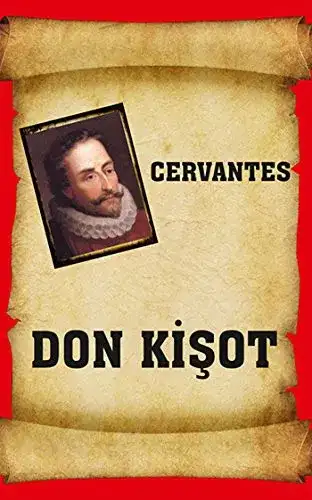
Türk ve Dünya klasiklerinin derinliklerine daldığım incelemelerime bugün Miguel de Cervantes'nın ölümsüz eseri Don Kişot ile devam ediyoruz. Edebiyat dünyasının kilometre taşlarından biri olan bu kitap, satır aralarında keşfedilmeyi bekleyen bir okyanus gibi. Kitap Hakkında Genel Görüşler ve Eleştiriler Şövalye romanlarına takıntılı bir asilzadenin yel değirmenlerine karşı savaşını anlatan, modern romanın ilk ve en büyük örneği. Karakter Çözümlemeleri Don Kişot'un trajikomik idealizmi ile Sancho Panza'nın dünyevi gerçekçiliği, insan doğasının iki ayrılmaz yarısını temsil eder. Yazar Hakkında Fikirler Cervantes, döneminin popüler edebiyatını hicvederken aynı zamanda hayal kurmanın ve ideale inanmanın felsefesini yapmıştır. Sevilen ve Sevilmeyen Yönler İkili arasındaki diyaloglar yüzyıllar sonrasına bile ışık tutuyor, ancak kitabın aşırı uzun hacmi ve tekrarlayan maceralar tempoyu düşürebiliyor. Kitabın Ana Fikri ve Mesajı Gerçekliğin sıkıcılığına karşı, insanın kendi inandığı kurgusal bir dünyada yaşamasının hem bir delilik hem de bir özgürlük olduğudur. #hiciv #macera #ispanyoledebiyatı #kitap #edebiyat #aylinokur #kitapincelemesi #okumak Related InsightsDönüşüm Kitap İncelemesi: Aylin Okur Anna Karenina Kitap İncelemesi: Aylin Okur Madame Bovary Kitap İncelemesi: Aylin Okur{ "@context": "https://schema.org", "@type": "FAQPage", "mainEntity": [ { "@type": "Question", "name": "What is the main focus of Don Kişot Kitap İncelemesi: Aylin Okur?", "acceptedAnswer": { "@type": "Answer", "text": "Miguel de Cervantes tarafından yazılan Don Kişot eserinin derinlemesine incelenmesi, karakter analizleri ve ana fikri." } }, { "@type": "Question", "name": "Who authored the comprehensive guide on Don Kişot Kitap İncelemesi: Aylin Okur?", "acceptedAnswer": { "@type": "Answer", "text": "This detailed article and its insights were carefully researched and authored by Aylin Okur." } }, { "@type": "Question", "name": "Where can I find more related content about Dünya Klasikleri?", "acceptedAnswer": { "@type": "Answer", "text": "You can explore more articles, detailed reviews, and similar insights by browsing the Related Insights section at the bottom of this article or visiting our dedicated Dünya Klasikleri category page." } } ] }

The Legend of Sleepy Hollow and Other Stories Author: Washington IrvingPage Count: UnknownPublication Date: 2014-PRH Washington Irving’s The Legend of Sleepy Hollow and Other Stories is more than a collection of ghostly tales—it is the birth of American folklore itself. Published in 1819 under the pseudonym Geoffrey Crayon, this slender volume did something extraordinary: it gave a young nation its own mythology. Before Irving, America was a land of untamed wilderness and fledgling cities, not of legends. But with the introduction of Ichabod Crane, the Headless Horseman, and Rip Van Winkle, he wove the first threads of a uniquely American tapestry, blending European traditions with the eerie charm of the Hudson Valley. More than two centuries later, these stories still haunt us—not just because of their supernatural thrills, but because they capture something essential about the American spirit: the tension between reason and superstition, progress and nostalgia, the known and the unknown. At the heart of these tales lies a preoccupation with the past and its lingering presence. Irving’s stories are steeped in history, yet they feel timeless. "Rip Van Winkle," the most famous of the lot, is a gentle satire on laziness and marital strife, but it is also a meditation on time itself. Rip sleeps through the American Revolution, waking to find a world transformed—his village modernized, his wife dead, his identity almost erased. The tale is both humorous and melancholic, a reminder that change is inevitable, yet the past is never truly gone. Irving doesn’t just tell us a story; he invites us into a world where the past whispers through the trees, where the Dutch settlers of Sleepy Hollow still linger in the mist, and where the supernatural feels as real as the wind rustling through the Catskills. Irving’s style is deceptively simple, yet masterfully evocative. He writes with a conversational ease, as if Geoffrey Crayon himself is leaning over a tavern table, spinning yarns by firelight. His prose is rich with detail but never overwrought, painting vivid scenes with a few well-chosen words. Consider the opening of "The Legend of Sleepy Hollow": "In the bosom of one of those spacious coves which indent the eastern shore of the Hudson, at that broad expansion of the river denominated by the ancient Dutch navigators the Tappan Zee..." Already, we are transported—not just to a place, but to a time when Dutch settlers named the land, when the river was a highway of commerce and mystery, when the very air hummed with the possibility of ghosts. Yet Irving’s genius lies in his ability to balance the supernatural with the mundane. The Headless Horseman is terrifying, but he is also absurd—a Hessian mercenary’s headless ghost, still clinging to his duties centuries later. Ichabod Crane, with his lanky frame and scholarly airs, is a figure of ridicule, yet his terror of the supernatural feels achingly real. Irving never lets us forget that the scariest monsters are often the ones we create in our own minds. The real horror of Sleepy Hollow isn’t the Horseman; it’s the fear of the unknown, the dread of what lurks in the dark corners of a sleepy village where old wives’ tales hold more weight than reason. What makes these stories endure is not just their spookiness, but their humanity. Irving’s characters are flawed, relatable, and deeply human. Rip Van Winkle is a lovable ne’er-do-well; Ichabod Crane is a vain schoolteacher whose downfall is as much his own doing as the Horseman’s. Even the ghosts feel like extensions of the living, reflections of their fears and desires. In "The Adventure of the German Student," a tale of doomed love set during the French Revolution, Irving explores obsession and madness with a psychological depth that feels almost modern. The line between sanity and superstition blurs, and we are left wondering: was the ghost real, or was it the product of a mind unraveling? Irving’s influence on American literature cannot be overstated. He proved that a young nation could produce its own myths, its own ghosts, its own legends. Before him, American writers often aped European styles; after him, they began to carve out a distinctly American voice. Edgar Allan Poe, Nathaniel Hawthorne, and later Stephen King all owe a debt to Irving’s blend of the gothic and the everyday. Even today, when we speak of the Headless Horseman, we are invoking a figure Irving first conjured from the mist. Reading The Legend of Sleepy Hollow and Other Stories is like stepping into a world where the past is never truly dead. Irving’s stories remind us that folklore is not just about monsters and ghosts—it’s about the stories we tell to make sense of a world that is often confusing, frightening, and beautiful. These tales endure because they tap into something universal: the fear of the unknown, the longing for the past, and the uneasy realization that the line between myth and reality is thinner than we think. Washington Irving didn’t just write ghost stories. He wrote the first draft of America’s haunted imagination. #SleepyHollow #WashingtonIrving #ClassicHorror #AmericanFolklore #GothicTales #RipVanWinkle Related InsightsNebula Awards Showcase 56 Book Review and Summary 'The Portrait That Bore the Weight of a Soul: Why Oscar Wilde’s Dorian Gray Still Haunts Us' Chasing the Devil: The Search for Africa's Fighting Spirit Book Review and Summary{ "@context": "https://schema.org", "@type": "FAQPage", "mainEntity": [ { "@type": "Question", "name": "What is the main focus of I Am Legend and Other Stories Book Review and Summary?", "acceptedAnswer": { "@type": "Answer", "text": "Everything you need to know about I Am Legend and Other Stories with our detailed review." } }, { "@type": "Question", "name": "Who authored the comprehensive guide on I Am Legend and Other Stories Book Review and Summary?", "acceptedAnswer": { "@type": "Answer", "text": "This detailed article and its insights were carefully researched and authored by Richard Matheson." } }, { "@type": "Question", "name": "Where can I find more related content about Books?", "acceptedAnswer": { "@type": "Answer", "text": "You can explore more articles, detailed reviews, and similar insights by browsing the Related Insights section at the bottom of this article or visiting our dedicated Books category page." } } ] }
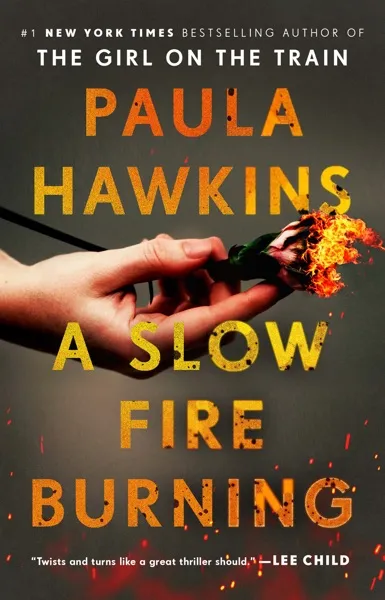

A Slow Fire Burning Author: Paula HawkinsPage Count: UnknownPublication Year: 2019-GB A Slow Fire Burning: A Masterclass in Psychological Suspense Paula Hawkins, the queen of modern psychological thrillers, returns with A Slow Fire Burning, a book that smolders like a barely contained blaze—unpredictable, intense, and impossible to look away from. Published in 2019, this standout novel cements Hawkins’ reputation as a storyteller who excels at dissecting the darkest corners of human nature, where secrets fester and guilt festers like an open wound. At its core, A Slow Fire Burning is a murder mystery wrapped in a psychological examination of grief, trauma, and the lies we tell ourselves to survive. The story centers on Laura, a young woman with a murky past, who becomes the prime suspect in the brutal murder of a man she once loved. But Laura isn’t alone in her guilt—every character in this novel is nursing a wound, hiding a secret, or nursing a grudge. Hawkins’ genius lies in her ability to weave these disparate threads into a tapestry of suspicion, where the real villain isn’t just one person but the collective rot of denial and obsession. What makes this book so compelling is Hawkins’ razor-sharp focus on character. Unlike some thriller writers who prioritize plot twists at the expense of depth, Hawkins digs into the psyche of her characters with surgical precision. Laura is a particularly fascinating protagonist—not because she’s likable, but because she’s undeniably human. She’s flawed, vulnerable, and desperate to outrun her past, but her instincts for self-preservation often lead her into deeper trouble. The supporting cast is equally well-drawn: from the grieving mother to the enigmatic neighbor, each person carries a burden that feels achingly real. Hawkins’ prose is deceptively simple, almost understated, but that’s part of what makes it so effective. She doesn’t rely on overwrought descriptions or melodrama; instead, she lets the tension simmer beneath the surface, building to a slow, insidious boil. The chapters alternate between past and present, revealing fragments of Laura’s history while the present-day investigation unfolds. This structure keeps the reader guessing—just when you think you have a handle on the story, Hawkins pulls the rug out from under you with a revelation that reframes everything. The theme of A Slow Fire Burning is as much about the fires we set ourselves as it is about the ones we set for others. Laura’s struggle isn’t just about proving her innocence; it’s about confronting the truth of who she is and what she’s capable of. Hawkins explores how trauma shapes us, how guilt can become a second skin, and how the need for control can curdle into something far more destructive. The novel asks uncomfortable questions: How well do we really know the people we love? Can we ever truly escape our past? And at what cost do we protect our secrets? What sets this book apart from Hawkins’ earlier work, The Girl on the Train, is its tighter focus and more intimate scale. While The Girl on the Train sprawled across multiple perspectives, A Slow Fire Burning hones in on a small cast of characters, allowing their flaws and contradictions to collide in explosive ways. The result is a more contained but no less devastating story—a slow burn that eventually ignites into something raw and unforgettable. Hawkins’ writing is addictive, but it’s also unsettling. She has a knack for making the mundane feel sinister—a quiet street, a flickering streetlamp, the way someone’s voice catches when they’re lying. The prose isn’t flashy, but it lingers, like the aftertaste of something bitter and necessary. A Slow Fire Burning is a book that lingers in your mind long after the last page, not just because of its mystery, but because of its humanity. It’s a story about the fires we carry inside us, how they consume us, and whether we have the strength to let them burn themselves out. Hawkins doesn’t offer easy answers, but she doesn’t need to—her brilliance lies in making you ask the questions yourself. If you’re a fan of psychological thrillers that dig deep rather than just dazzle, this is a must-read. If you’re new to Hawkins’ work, consider this the perfect entry point. Either way, be warned: once you start reading, you won’t be able to put it down until the embers fade. #SlowFireBurning #PaulaHawkins #PsychologicalThriller #MysteryNovel #DarkFiction #BookRecommendation Related InsightsHouse Across the Lake Book Review and Summary Ghosts of the West Yorkshire Moors: The Savage Soul of Wuthering Heights Carry On Book Review and Summary{ "@context": "https://schema.org", "@type": "FAQPage", "mainEntity": [ { "@type": "Question", "name": "What is the main focus of A Slow Fire Burning Book Review and Summary?", "acceptedAnswer": { "@type": "Answer", "text": "Everything you need to know about A Slow Fire Burning with our detailed review." } }, { "@type": "Question", "name": "Who authored the comprehensive guide on A Slow Fire Burning Book Review and Summary?", "acceptedAnswer": { "@type": "Answer", "text": "This detailed article and its insights were carefully researched and authored by James Miller." } }, { "@type": "Question", "name": "Where can I find more related content about Books?", "acceptedAnswer": { "@type": "Answer", "text": "You can explore more articles, detailed reviews, and similar insights by browsing the Related Insights section at the bottom of this article or visiting our dedicated Books category page." } } ] }

Música, sólo música Author: 村上春樹Page Count: UnknownPublication Year: 2020-GB Haruki Murakami’s Música, solo música—a collection of reflections on the power of music—is not just another book by the Japanese literary giant, but a rare, intimate glimpse into the mind of a writer who has always believed in the transcendent, almost mystical, role of music in shaping human existence. At its core, this book is a love letter to music—jazz, classical, rock, and everything in between—written by a man who has spent a lifetime listening, curating, and letting melodies guide his thoughts. The title itself, Música, solo música, is deceptively simple, as if Murakami is stripping away all distractions to remind us that music, in its purest form, is enough. But beneath this simplicity lies a profound meditation on how music shapes memory, emotion, and even the act of writing itself. Murakami has long been a writer who treats music as a character in his stories—think of the jazz bars in Kafka on the Shore or the Beatles-inspired Norwegian Wood. Here, he steps out of fiction and into nonfiction, but the result is no less immersive. What makes this book compelling is not just the nostalgia or the references to the artists he admires (John Coltrane, Miles Davis, Schubert, and Pink Floyd among them), but the way he connects music to the rhythm of life itself. One of the most striking aspects of Música, solo música is Murakami’s conversational tone. He writes as if he’s speaking directly to the reader, sharing personal anecdotes, half-remembered melodies, and the way certain songs evoke entire landscapes of the past. There’s a warmth to his prose, a gentleness that makes even the most abstract ideas feel tangible. He doesn’t just describe music—he lets it breathe, letting us feel the shivers it sends down our spines or the way it can transport us to another time. The book is structured loosely, not as a rigid analysis but as a series of vignettes—some no longer than a paragraph—where Murakami muses on the role of music in his life. There’s a chapter where he recalls listening to the radio as a child, tuning in to foreign stations that played music he couldn’t always understand but felt deeply. Another passage explores how jazz, with its improvisational nature, mirrors the unpredictability of life. And then there’s the way he weaves in his own writing process, admitting that music is often the soundtrack to his novels, setting the mood before he even begins typing. What makes this book so resonant is its universality. While Murakami’s tastes are undeniably his own—leaning toward the melancholic, the atmospheric, the slightly off-kilter—his observations about music’s emotional power are deeply relatable. Whether you’re a jazz aficionado or someone who hums along to pop songs in the shower, you’ll find something to latch onto here. Music, for Murakami, is not just entertainment; it’s a lifeline, a form of therapy, a way to make sense of the world when words fail. The book also serves as a kind of manifesto for the role of art in our lives. In a world where algorithms dictate what we listen to, Murakami’s reverence for the randomness of discovery—of stumbling upon a song that changes everything—feels almost revolutionary. He writes about the serendipity of hearing a track for the first time, the way it can rewrite your internal narrative in an instant. It’s a reminder that music, at its best, is not just background noise but a force that can alter our very perception of reality. Murakami’s style, as always, is effortless. He avoids pretension, even when discussing complex musical theories or classical compositions. His prose is uncluttered, direct, and yet rich with implication. There’s a sense of quiet wisdom in these pages, the kind that doesn’t need to shout to be heard. And while the book may not have a traditional “plot,” it unfolds like a well-composed piece of music—each section flowing into the next, building toward something greater than the sum of its parts. In the end, Música, solo música is a celebration of music’s ability to heal, to haunt, to inspire. It’s a book for those who have ever felt the sting of a song that reminded them of a lost love, or the surge of joy at discovering a melody that felt like it was written just for them. Murakami doesn’t just tell us why music matters—he makes us feel it, the way only the best music can. #Murakami #MusicAndLiterature #JazzAndBooks #HarukiMurakami #MusicTherapy #LiteraryReflections Related InsightsListeners Book Review and Summary Variation Book Review and Summary The Bluest Eye Book Review and Summary{ "@context": "https://schema.org", "@type": "FAQPage", "mainEntity": [ { "@type": "Question", "name": "What is the main focus of Música, sólo música Book Review and Summary?", "acceptedAnswer": { "@type": "Answer", "text": "Everything you need to know about Música, sólo música with our detailed review." } }, { "@type": "Question", "name": "Who authored the comprehensive guide on Música, sólo música Book Review and Summary?", "acceptedAnswer": { "@type": "Answer", "text": "This detailed article and its insights were carefully researched and authored by Diego Lopez." } }, { "@type": "Question", "name": "Where can I find more related content about Books?", "acceptedAnswer": { "@type": "Answer", "text": "You can explore more articles, detailed reviews, and similar insights by browsing the Related Insights section at the bottom of this article or visiting our dedicated Books category page." } } ] }

Türk ve Dünya klasiklerinin derinliklerine daldığım incelemelerime bugün Sylvia Plath'nın ölümsüz eseri Sırça Fanus ile devam ediyoruz. Edebiyat dünyasının kilometre taşlarından biri olan bu kitap, satır aralarında keşfedilmeyi bekleyen bir okyanus gibi. Kitap Hakkında Genel Görüşler ve Eleştiriler Genç ve yetenekli bir kadının, toplumun beklentileri ve kendi zihinsel karanlığı arasında nasıl yavaş yavaş boğulduğunun otobiyografik anlatısı. Karakter Çözümlemeleri Esther Greenwood'un o sırça fanusun içinde havasız kalışı, klinik depresyonun edebiyattaki en çarpıcı ve dürüst tasviridir. Yazar Hakkında Fikirler Plath'ın kendi trajik hayatıyla paralellik gösteren bu eseri, şiirsel ama bir o kadar da soğuk ve keskin bir dile sahip. Sevilen ve Sevilmeyen Yönler Bireyin iç dünyasını aktarmada kusursuz, ancak içerdiği yoğun melankoli hassas okuyucular için tetikleyici olabilir. Kitabın Ana Fikri ve Mesajı Toplumun kadınlara dayattığı dar kalıpların, parlak bir zihni nasıl içinden çıkılmaz bir hiçliğe sürükleyebileceğidir. #psikoloji #feminizm #depresyon #kitap #edebiyat #aylinokur #kitapincelemesi #okumak Related Insights1984 Kitap İncelemesi: Aylin Okur Karamazov Kardeşler Kitap İncelemesi: Aylin Okur Uğultulu Tepeler Kitap İncelemesi: Aylin Okur{ "@context": "https://schema.org", "@type": "FAQPage", "mainEntity": [ { "@type": "Question", "name": "What is the main focus of Sırça Fanus Kitap İncelemesi: Aylin Okur?", "acceptedAnswer": { "@type": "Answer", "text": "Sylvia Plath tarafından yazılan Sırça Fanus eserinin derinlemesine incelenmesi, karakter analizleri ve ana fikri." } }, { "@type": "Question", "name": "Who authored the comprehensive guide on Sırça Fanus Kitap İncelemesi: Aylin Okur?", "acceptedAnswer": { "@type": "Answer", "text": "This detailed article and its insights were carefully researched and authored by Aylin Okur." } }, { "@type": "Question", "name": "Where can I find more related content about Dünya Klasikleri?", "acceptedAnswer": { "@type": "Answer", "text": "You can explore more articles, detailed reviews, and similar insights by browsing the Related Insights section at the bottom of this article or visiting our dedicated Dünya Klasikleri category page." } } ] }
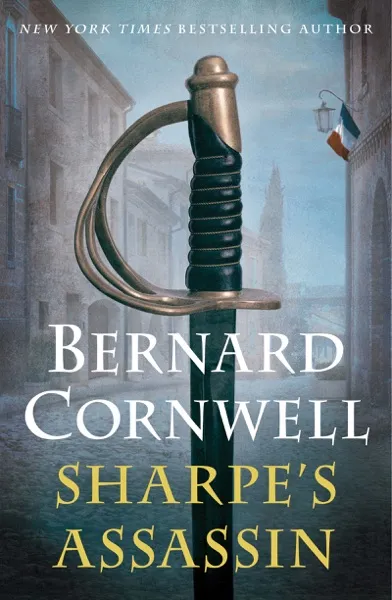

Sharpe's Assassin Author: Bernard CornwellPage Count: UnknownPublication Year: 2021-GB Sharpe’s Assassin: A Masterclass in Historical Fiction Bernard Cornwell’s Sharpe’s Assassin, the latest installment in his legendary Sharpe series, is a gripping tale that cements its place as one of the most thrilling historical novels of recent years. Set against the tumultuous backdrop of the Napoleonic Wars, this book is less a standalone adventure and more a visceral deep dive into the mind and methods of Richard Sharpe, Cornwell’s iconic rifleman-turned-officer. With his signature blend of relentless action, meticulous research, and raw character depth, Cornwell delivers a story that is as intellectually satisfying as it is pulse-pounding. At its core, Sharpe’s Assassin explores the duality of war—how violence shapes not just nations, but the souls of those who wield it. Sharpe, now a hardened veteran, finds himself entangled in a mission that forces him to confront the moral ambiguities of his profession. Cornwell doesn’t shy away from the brutality of 19th-century warfare; instead, he immerses the reader in it, making the mud, blood, and chaos feel immediate. The novel’s title itself hints at a darker theme: assassination as a weapon of war, a tool that blurs the line between soldier and killer. Sharpe, ever the pragmatist, must navigate this moral quagmire, forcing readers to question whether his actions are justified or merely survival instincts run amok. Cornwell’s prose is a study in efficiency and immersion. He writes with a journalist’s precision and a poet’s ear for rhythm, crafting sentences that crackle with energy yet remain grounded in historical authenticity. His battle scenes are legendary—for good reason. Whether it’s the chaos of a skirmish at night or the disciplined fire of a line of muskets, Cornwell’s descriptions put the reader squarely in the fray. The result is not just a story about war, but an experience of it. What sets Sharpe’s Assassin apart, however, is its focus on Sharpe’s internal struggles. Unlike earlier novels where his enemies were clear-cut, this installment pits him against a foe who is as cunning as he is ruthless—a shadowy assassin with a personal vendetta. The cat-and-mouse dynamic elevates the stakes, adding a layer of psychological tension that lingers long after the final page. Cornwell excels at making Sharpe’s flaws—his temper, his stubbornness, his occasional recklessness—feel like strengths, painting him as a man who thrives in chaos but is undone by his own demons. The supporting cast is, as always, a highlight. From Sharpe’s loyal comrades-in-arms to the morally complex antagonists, each character feels fully realized, their motivations driving the plot forward. The dialogue crackles with authenticity, and the historical details—whether it’s the logistics of marching an army or the politics of espionage—are woven seamlessly into the narrative. Cornwell’s world-building is so vivid that readers will forget they’re reading about the past and feel as though they’re living it. If there’s a critique to be made, it’s that Sharpe’s Assassin assumes a certain familiarity with the series. While it can stand alone, those new to Sharpe’s adventures might feel lost amid the web of references to past battles and relationships. Yet, this is a minor quibble in a novel that otherwise delivers everything fans could want: high-stakes action, moral complexity, and a protagonist who is as compelling as he is flawed. In the end, Sharpe’s Assassin is a triumph—a book that honors the legacy of the series while pushing it into darker, more introspective territory. Bernard Cornwell has once again proven why he remains the gold standard for historical fiction. This is a novel that will leave readers breathless, both by its storytelling and by its unflinching portrayal of war’s cost. #SharpeSeries #BernardCornwell #HistoricalFiction #NapoleonicWars #SharpeNovels #MilitaryFiction Related InsightsDead to the World Book Review and Summary Someone to Honor Book Review and Summary Halfway to the Grave Book Review and Summary{ "@context": "https://schema.org", "@type": "FAQPage", "mainEntity": [ { "@type": "Question", "name": "What is the main focus of Sharpe's Assassin Book Review and Summary?", "acceptedAnswer": { "@type": "Answer", "text": "Everything you need to know about Sharpe's Assassin with our detailed review." } }, { "@type": "Question", "name": "Who authored the comprehensive guide on Sharpe's Assassin Book Review and Summary?", "acceptedAnswer": { "@type": "Answer", "text": "This detailed article and its insights were carefully researched and authored by Olivia Harris." } }, { "@type": "Question", "name": "Where can I find more related content about Books?", "acceptedAnswer": { "@type": "Answer", "text": "You can explore more articles, detailed reviews, and similar insights by browsing the Related Insights section at the bottom of this article or visiting our dedicated Books category page." } } ] }

-
 Michael Chef
- 06 Jun, 2026 08:47
The Ultimate Omega-3 Powerhouse: Sheet Pan Salmon with Asparagus and Cherry Tomatoes
The Gastronomic and Physiological Symphony of Salmon In the realm of modern gastronomy, the line between the kitchen and the laboratory has beautifully blurred. As a culinary professional and health advocate, my philosophy has always been that a plate of food should do more than merely satisfy hunger; it should act as a cellular restoration therapy. Today, we are diving deep into a dish that represents the absolute zenith of this philosophy: Sheet Pan Salmon with Asparagus and Cherry Tomatoes, enhanced with a scientifically-inspired pecan-herb crust. Historically, salmon has been revered across cultures—from the indigenous peoples of the Pacific Northwest, who regarded the wild fish as a sacred renewer of life, to the coastal communities of the Nordic regions, who relied on its dense fat stores to survive unforgiving winters. These cultures intuitively understood what modern science has spent decades proving: salmon is an unparalleled metabolic elixir. At the center of salmon’s health profile is its extraordinary concentration of long-chain omega-3 polyunsaturated fatty acids (PUFAs), specifically eicosapentaenoic acid (EPA) and docosahexaenoic acid (DHA). These essential fats are critical structural components of human cell membranes, particularly in the brain, retina, and cardiovascular system. However, preparing salmon in a way that preserves these delicate, highly volatile fats is a precise culinary science. To truly appreciate how we can maximize the health potential of our food, we must look at how modern science approaches molecular protection, preservation, and agricultural synergy.The Vulnerability of Omega-3s: A Deep Scientific Dive While omega-3 fatty acids are incredibly beneficial for lowering systemic inflammation and supporting cognitive function, they possess a major vulnerability: their chemical structure makes them highly susceptible to oxidative degradation. Because polyunsaturated fats contain multiple double bonds, exposure to heat, light, and oxygen during storage and cooking can trigger a cascade of lipid oxidation. This process not only destroys the beneficial properties of the fatty acids but also produces harmful compounds such as hydroperoxides, malondialdehyde, and volatile off-flavor compounds that give fish a notoriously "fishy" smell and bitter taste. To combat this, culinary science borrows fascinating concepts from agricultural and packaging research. For instance, recent scientific investigations into food preservation have highlighted the potent role of natural, plant-derived antioxidants in stabilizing delicate fats. In a groundbreaking study evaluating the "Antioxidant properties and applications of pecan (Carya illinoinensis)", researchers explored how the natural bioactive extracts from pecans could prevent the degradation of volatile lipids in real food environments. According to this research, extracts from the shell and fruit of the pecan contain exceptionally high levels of total polyphenols (TPC) and exhibit remarkable antiradical activity—comparable even to the values found in green tea extract. Most notably for seafood lovers, the study demonstrated that these natural extracts had a highly positive effect in slowing the formation of hydroperoxides in emulsions. Furthermore, when researchers evaluated the potential synergetic effects of these plant extracts, they discovered that combining different plant materials significantly slowed down fat oxidation in fish patties (specifically sardine burgers), dramatically decreasing the formation of reactive compounds like malondialdehyde. In our kitchen, we can directly apply these incredible scientific findings. By coating our salmon fillets with a finely crushed pecan crust and roasting them alongside antioxidant-rich vegetables like cherry tomatoes and asparagus, we create a synergistic, natural protective shield. The polyphenols present in the pecans, combined with the lycopene and vitamin C in the tomatoes, act as active biological scavengers, neutralizing free radicals and preventing the heat-induced oxidation of our precious omega-3 fatty acids during the roasting process.The Protective Shield: Packaging and Prep Science Understanding how to protect our food begins long before we turn on the oven. The journey of salmon from the cold ocean waters to our kitchen counters involves a sophisticated chain of preservation, where green technology plays an increasingly vital role. In the study titled "Green Design of Novel Starch-Based Packaging Materials Sustaining Human and Environmental Health", scientists are rewriting the rules of how we package and protect fresh foods. The research focuses on integrating the principles of green chemistry, green technology, and green nanotechnology to create starch-based packaging films that incorporate natural bioactive compounds, vitamins, and minerals. This advanced packaging acts as an active shield, utilizing cold atmospheric plasma treatments and phytosynthesized metal nanoparticles to preserve the structural and nutritional integrity of fresh ingredients, preventing microbial decay and primary lipid oxidation before the food even reaches your home. When we unpack a pristine piece of wild-caught salmon, we are receiving a raw ingredient that has been kept stable through high-tech preservation methods. Once it enters our culinary domain, it is our responsibility to maintain that biological integrity. By roasting salmon at a moderate 400°F (200°C) for a relatively short period, and using high-quality extra virgin olive oil or pecan oil, we are continuing this protective chain. The monounsaturated fats in these oils provide a stable medium that gently transfers heat to the fish without breaking down. The addition of fresh garlic—which contains sulfur-based organosulfur compounds—and freshly squeezed lemon juice further enhances the biochemical preservation of the fish, making this sheet pan meal a masterclass in modern, health-focused home cooking.The Culinary Anatomy of Our Sheet Pan Masterpiece To build a dish that satisfies both the clinical researcher and the seasoned epicurean, every single ingredient must be chosen with intent. Here is the anatomical breakdown of why this sheet pan assembly works so beautifully on both a molecular and sensory level:Wild-Caught Salmon: Our star ingredient. Wild-caught varieties (such as Sockeye or King salmon) boast a superior omega-3 to omega-6 ratio compared to farm-raised alternatives. It is also packed with astaxanthin, a powerful antioxidant carotenoid that gives the flesh its vibrant pink hue and helps protect our cells from oxidative stress. Fresh Asparagus: Asparagus is a nutritional powerhouse, loaded with vitamins A, C, E, and K, as well as chromium—a trace mineral that enhances the action of insulin and aids in blood sugar regulation. Culturally, asparagus represents the arrival of spring, offering a crisp, herbaceous, and slightly bitter contrast that cuts through the rich, buttery mouthfeel of the salmon. Cherry Tomatoes: When cherry tomatoes are subjected to the dry heat of roasting, their skins blister, their natural sugars caramelize, and their cell walls break down. This thermal breakdown actually increases the bioavailability of lycopene, a highly potent lipid-soluble antioxidant. Lycopene works hand-in-hand with the monounsaturated fats in our cooking oil, absorbing directly into our system to support cardiovascular health. The Pecan and Herb Crust: Directly inspired by the Carya illinoinensis study, we introduce finely crushed pecans as a topping. Not only do pecans provide an earthy, buttery crunch that mimics traditional breadcrumbs (making this recipe naturally gluten-free), but their rich polyphenol profile and soluble fiber content actively protect the salmon's fats from heat-induced secondary oxidation. Fresh Garlic and Lemon: Garlic brings depth and savoriness, while its active compound, allicin, supports vascular health. Lemon provides a bright, acidic lift that cuts through the richness of the fish, while its citric acid and vitamin C act as natural chelating agents to preserve the vibrant colors of our vegetables.Let us now translate this fascinating science into culinary action. The Recipe: Sheet Pan Salmon with Asparagus, Cherry Tomatoes, and Pecan DustPrep Time: 15 minutes Cook Time: 20 minutes Yield: 4 servingsIngredients4 wild-caught salmon fillets (approx. 6 ounces each, skin-on) 1 large bunch of fresh organic asparagus (woody ends snapped off and discarded) 2 cups organic cherry tomatoes (left whole) 2 tablespoons cold-pressed extra virgin olive oil (or high-quality pecan oil) 3 large cloves of garlic, finely minced 1/2 cup raw pecans, very finely crushed/chopped (almost to a coarse meal texture) 1 organic lemon, sliced into thin rounds (plus extra wedges for serving) 1 teaspoon pink Himalayan sea salt (divided) 1/2 teaspoon freshly cracked black pepper 1/4 cup fresh dill leaves, roughly chopped for garnishStep-by-Step Instructions Step 1: Prepare Your Workspace and Oven Preheat your oven to 400°F (200°C). Position your oven rack in the center. Line a heavy-duty, rimmed baking sheet with unbleached parchment paper. This not only prevents sticking but also ensures even heat distribution, echoing the eco-friendly, clean cooking principles of sustainable food design. Step 2: Prep the Vegetables Thoroughly wash the asparagus and cherry tomatoes, then pat them completely dry with a clean kitchen towel. (Moisture is the enemy of caramelization; if the vegetables are wet, they will steam rather than roast). Place the trimmed asparagus and whole cherry tomatoes in a large mixing bowl. Drizzle with one tablespoon of the olive oil (or pecan oil), half of the minced garlic, half a teaspoon of sea salt, and a quarter teaspoon of black pepper. Toss gently until every spear and tomato is lightly and evenly coated with the seasoned oil. Step 3: Arrange the Sheet Pan Spread the seasoned asparagus and cherry tomatoes across the prepared sheet pan, leaving four distinct spaces clear for the salmon fillets. Step 4: Prepare the Salmon and the Protective Pecan Crust Pat the salmon fillets dry with a paper towel. Place them skin-side down in the designated spaces on the sheet pan. Drizzle the remaining tablespoon of oil over the top of each fillet. Rub the remaining minced garlic evenly onto the flesh of the salmon, followed by a light sprinkle of the remaining salt and pepper. Now, apply the scientific shield: press the finely crushed pecans firmly onto the top of each salmon fillet, creating an even, dense crust. This physical barrier of polyphenol-rich pecans will bear the direct heat of the oven, protecting the delicate omega-3s within the fish from thermal degradation. Lay the thin lemon slices directly over the vegetables and slightly overlapping the edges of the salmon. Step 5: Roast to Perfection Slide the sheet pan into the preheated oven. Bake for 12 to 15 minutes. You will know the dish is ready when the cherry tomatoes have slightly blistered and begun to release their sweet juices, the asparagus is tender-crisp with caramelized tips, and the pecan crust is fragrant and golden-brown. To test the salmon, gently press the thickest part of the fillet with a fork; it should flake easily and reveal a moist, translucent pink interior. Step 6: Garnish and Serve Carefully remove the sheet pan from the oven. Immediately scatter the fresh, chopped dill over the entire pan. The residual heat will activate the volatile oils in the dill, releasing an incredible, fresh aroma. Serve hot, spooning any accumulated pan juices (rich in lycopene and healthy fats) back over the salmon and vegetables.Culinary Tips and Storage Science If you happen to have leftovers, understanding how to store them is just as important as knowing how to cook them. Because cooked salmon contains highly unsaturated fats, it is prone to rapid secondary oxidation if left exposed to the air. To preserve the nutritional integrity of your leftovers, store them in a tightly sealed glass container in the refrigerator for no more than two days. Glass is non-reactive and impermeable to oxygen, unlike cheap plastics. When reheating, avoid the microwave at all costs. The aggressive, uneven heating of microwave radiation can quickly denature the proteins and oxidize the remaining omega-3 fats, resulting in a dry, rubbery texture and a strong fishy odor. Instead, place the salmon and vegetables back on a sheet pan, cover loosely with foil to retain moisture, and warm gently in a 300°F (150°C) oven for about 8 to 10 minutes. This slow, low-temperature reheat preserves the integrity of both the flavor and the beneficial fats. Conclusion: Where Science and Flavor Intersect Creating a truly healthy lifestyle does not require sacrificing the joy of eating. As we have seen through the lens of modern food packaging and antioxidant research, the very ingredients that elevate a dish to culinary greatness—such as rich, buttery pecans, sweet roasted tomatoes, and aromatic garlic—are the precise biological agents that protect and enhance its nutritional profile. This Sheet Pan Salmon with Asparagus and Cherry Tomatoes is a beautiful testament to this synergy. It is simple enough for a busy weeknight, yet sophisticated enough to serve at a elegant dinner party. By understanding the science behind lipid oxidation and utilizing the natural protective power of plant synergies, we transform a simple dinner into a proactive step toward long-term health, cellular vitality, and culinary joy. Bon Appétit!#HealthyLiving #Gastronomy #Omega3Rich #CleanEating #MichaelChef Related InsightsThe Living Gold of the Koji Room: Decoding Traditional Miso Fermentation Exploring the Delightful World of Cheese Pairings Korma: The Art of Braising in Royal Kitchens{ "@context": "https://schema.org", "@type": "FAQPage", "mainEntity": [ { "@type": "Question", "name": "What is the main focus of The Ultimate Omega-3 Powerhouse: Sheet Pan Salmon with Asparagus and Cherry Tomatoes?", "acceptedAnswer": { "@type": "Answer", "text": "Discover a scientifically-backed, antioxidant-rich sheet pan salmon recipe featuring asparagus and cherry tomatoes designed to preserve fragile omega-3 fatty acids." } }, { "@type": "Question", "name": "Who authored the comprehensive guide on The Ultimate Omega-3 Powerhouse: Sheet Pan Salmon with Asparagus and Cherry Tomatoes?", "acceptedAnswer": { "@type": "Answer", "text": "This detailed article and its insights were carefully researched and authored by Michael Chef." } }, { "@type": "Question", "name": "Where can I find more related content about Food?", "acceptedAnswer": { "@type": "Answer", "text": "You can explore more articles, detailed reviews, and similar insights by browsing the Related Insights section at the bottom of this article or visiting our dedicated Food category page." } } ] }
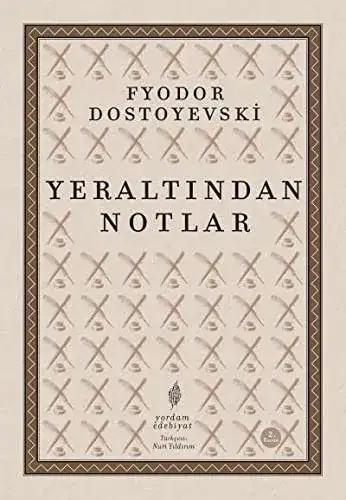
Türk ve Dünya klasiklerinin derinliklerine daldığım incelemelerime bugün Fyodor Dostoevsky'nın ölümsüz eseri Yeraltından Notlar ile devam ediyoruz. Edebiyat dünyasının kilometre taşlarından biri olan bu kitap, satır aralarında keşfedilmeyi bekleyen bir okyanus gibi. Kitap Hakkında Genel Görüşler ve Eleştiriler Modern bireyin nevrozlarını, ikiyüzlülüğünü ve mantıkla çelişen doğasını bir yeraltı adamının hezeyanlarıyla kusursuzca sunan kült eser. Karakter Çözümlemeleri İsimsiz anlatıcının kendine duyduğu nefret ile kibri arasındaki sarkaç, insan psikolojisinin en utanç verici sırlarını ifşa ediyor. Yazar Hakkında Fikirler Dostoyevski bu eserle Freud'dan yıllar önce bilinçaltının karanlık labirentlerinin haritasını çıkarmıştır. Sevilen ve Sevilmeyen Yönler İlk bölümdeki yoğun felsefi monologlar çok çarpıcı olsa da, hikaye odaklı okuyucular için başlangıç aşırı zorlayıcı gelebilir. Kitabın Ana Fikri ve Mesajı İnsanın her zaman kendi çıkarlarına veya mantığa uygun davranmayan, sırf özgür olduğunu kanıtlamak için acıyı seçebilen bir varlık olduğudur. #felsefe #psikoloji #varoluşçuluk #kitap #edebiyat #aylinokur #kitapincelemesi #okumak Related InsightsGülün Adı Kitap İncelemesi: Aylin Okur Anna Karenina Kitap İncelemesi: Aylin Okur Uçurtma Avcısı Kitap İncelemesi: Aylin Okur{ "@context": "https://schema.org", "@type": "FAQPage", "mainEntity": [ { "@type": "Question", "name": "What is the main focus of Yeraltından Notlar Kitap İncelemesi: Aylin Okur?", "acceptedAnswer": { "@type": "Answer", "text": "Fyodor Dostoevsky tarafından yazılan Yeraltından Notlar eserinin derinlemesine incelenmesi, karakter analizleri ve ana fikri." } }, { "@type": "Question", "name": "Who authored the comprehensive guide on Yeraltından Notlar Kitap İncelemesi: Aylin Okur?", "acceptedAnswer": { "@type": "Answer", "text": "This detailed article and its insights were carefully researched and authored by Aylin Okur." } }, { "@type": "Question", "name": "Where can I find more related content about Dünya Klasikleri?", "acceptedAnswer": { "@type": "Answer", "text": "You can explore more articles, detailed reviews, and similar insights by browsing the Related Insights section at the bottom of this article or visiting our dedicated Dünya Klasikleri category page." } } ] }

Love Her or Lose Her Author: Tessa BaileyPage Count: UnknownPublication Year: 2020-GB In the realm of romance novels, few authors have managed to capture the essence of love and relationships as skillfully as Tessa Bailey. Her 2020 release, "Love Her or Lose Her", is a masterclass in storytelling that delves into the complexities of marriage, desire, and the human need for connection. This highly acclaimed global bestseller is a must-read for anyone who has ever experienced the thrill and heartache of loving someone. At its core, "Love Her or Lose Her" is a story about the choices we make in love and the consequences that follow. The novel centers around Rosie and Dominic, a couple who have been together since their teenage years. On the surface, their relationship appears perfect, but beneath the façade, they are struggling to keep the spark alive. As they navigate the challenges of married life, they must confront their own desires, insecurities, and the fears that have been holding them back. Tessa Bailey's writing style is a perfect blend of wit, humor, and emotional depth. Her characters are multidimensional and relatable, making it easy for readers to become invested in their stories. The dialogue is engaging, and the chemistry between Rosie and Dominic is palpable, making their romance a joy to read. One of the standout aspects of "Love Her or Lose Her" is its exploration of the complexities of marriage. Bailey tackles topics such as intimacy, communication, and the importance of maintaining individuality within a relationship. Her portrayal of the ups and downs of married life is realistic and honest, making the novel feel more like a reflection of real-life experiences rather than a fairy tale. The author's use of dual perspectives adds depth to the narrative, allowing readers to experience the story from both Rosie's and Dominic's points of view. This narrative device provides a unique insight into the inner workings of their minds, making it easier to understand their motivations and emotions. Bailey's writing is also notable for its sensuality and eroticism. The romance scenes are steamy and passionate, but they serve a purpose beyond mere titillation. They are an integral part of the story, revealing the characters' desires, vulnerabilities, and the emotional connections they share. In conclusion, "Love Her or Lose Her" is a captivating romance novel that explores the intricacies of love, relationships, and the human experience. Tessa Bailey's masterful storytelling, coupled with her relatable characters and engaging writing style, make this novel a must-read for fans of the genre. With its realistic portrayal of marriage, sensuality, and emotional depth, this book is sure to resonate with readers long after they finish reading it. #LoveHerOrLoseHer #TessaBailey #RomanceNovel #MarriageAndRelationships #SensualRomance #EmotionalDepth Related InsightsLove the Revolution: An Unfinished Novel Book Review and Summary Far Sector Book Review and Summary Harry Potter and the Half-Blood Prince Book Review and Summary{ "@context": "https://schema.org", "@type": "FAQPage", "mainEntity": [ { "@type": "Question", "name": "What is the main focus of Love Her or Lose Her Book Review and Summary?", "acceptedAnswer": { "@type": "Answer", "text": "Everything you need to know about Love Her or Lose Her with our detailed review." } }, { "@type": "Question", "name": "Who authored the comprehensive guide on Love Her or Lose Her Book Review and Summary?", "acceptedAnswer": { "@type": "Answer", "text": "This detailed article and its insights were carefully researched and authored by Piotr Nowak." } }, { "@type": "Question", "name": "Where can I find more related content about Books?", "acceptedAnswer": { "@type": "Answer", "text": "You can explore more articles, detailed reviews, and similar insights by browsing the Related Insights section at the bottom of this article or visiting our dedicated Books category page." } } ] }
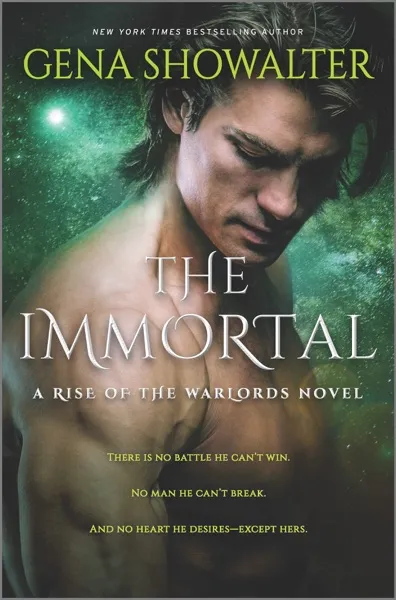
Immortal Author: Gena Showalter,Page Count: UnknownPublication Year: 2022-GB Gena Showalter’s Immortal isn’t just another paranormal romance—it’s a fever dream of desire, danger, and divine reckoning. Released in 2022, this global bestseller cements Showalter’s reputation as a master of high-stakes supernatural storytelling, weaving a tale where immortality isn’t a blessing but a curse, and love is the one sin that can damn—or save—even the gods. At its core, Immortal explores the price of eternity. Showalter takes the classic "immortal hero" trope and flips it on its head: what if being immortal doesn’t grant wisdom or power, but only deepens loneliness, regret, and the gnawing fear of time’s relentless march? The protagonist, a fallen warrior bound to an eternal cycle of suffering, is a tragic figure—both awe-inspiring and heartbreaking. Showalter doesn’t just ask what it means to live forever; she forces her characters—and readers—to confront whether immortality is even desirable when love is fleeting and betrayal is inevitable. The book’s strength lies in its duality: it’s a love story as much as it is a battle between realms. Showalter’s signature style—punctuated by sharp wit, fiery dialogue, and relentless pacing—shines here. Her prose crackles with energy, balancing steamy romantic tension with brutal action sequences. The romance isn’t just a subplot; it’s the emotional linchpin that makes the stakes feel real. When the hero and heroine clash in a dance of desire and distrust, their chemistry is electric, charged with the kind of chemistry that makes readers forget to breathe. Showalter’s worldbuilding is equally compelling. She crafts a mythology that feels fresh yet familiar, blending ancient myths with modern sensibilities. The immortal realm is vividly rendered—glittering with danger, rife with political intrigue, and haunted by the ghosts of past mistakes. The villains are not just evil for evil’s sake; they’re tragic, complex figures, their motives rooted in pain and powerlessness. This depth elevates Immortal beyond the typical paranormal romance, giving it the weight of a myth rather than a mere escapist fantasy. What truly sets Immortal apart, however, is Showalter’s unflinching portrayal of emotional vulnerability. In a genre often criticized for glossing over genuine emotional stakes, she delves deep into her characters’ fears, insecurities, and moments of raw humanity. The hero’s struggle with his past sins, the heroine’s battle to reclaim her agency—these aren’t just plot devices. They’re the heart of the story, making the stakes feel personal and urgent. Showalter’s style is also marked by her knack for balancing humor and darkness. Even in the most intense scenes, there’s a spark of wit, a line of dialogue that cuts through the tension like a knife. This balance keeps the story from becoming overwhelmingly bleak, grounding it in a sense of hope, however fragile. Immortal is a book that demands to be experienced, not just read. It’s a testament to Showalter’s skill as a storyteller that she can make readers care so deeply about characters who, by their very nature, should feel untouchable. The book lingers long after the last page, leaving readers questioning their own mortality and the fleeting nature of love. In a world where paranormal romance is often dismissed as lightweight, Immortal proves that genre fiction can be both thrilling and thought-provoking. It’s a story about the agony and ecstasy of forever, and why even the immortal heart yearns for something—anything—to hold onto. #ImmortalGenaShowalter #ParanormalRomance #FallenHeroes #EternalLove #SupernaturalFantasy #Bookstagram Related InsightsFrom the Grave Book Review and Summary How to Let Go: A Memoir of Finding Peace in Endings Book Review and Summary Hidden Nature Book Review and Summary{ "@context": "https://schema.org", "@type": "FAQPage", "mainEntity": [ { "@type": "Question", "name": "What is the main focus of Immortal Book Review and Summary?", "acceptedAnswer": { "@type": "Answer", "text": "Everything you need to know about Immortal with our detailed review." } }, { "@type": "Question", "name": "Who authored the comprehensive guide on Immortal Book Review and Summary?", "acceptedAnswer": { "@type": "Answer", "text": "This detailed article and its insights were carefully researched and authored by James Miller." } }, { "@type": "Question", "name": "Where can I find more related content about Books?", "acceptedAnswer": { "@type": "Answer", "text": "You can explore more articles, detailed reviews, and similar insights by browsing the Related Insights section at the bottom of this article or visiting our dedicated Books category page." } } ] }